Visual abstracts
New randomized trials and meta-analyses from leading journals at a glance: who was studied, what was compared, and what was found. Every paper is free to read in full.
All specialtiesCardiology 4877Oncology 4138Gastroenterology & Hepatology 1942Infectious Disease 3837Neurology 1905Psychiatry & Mental Health 2273Pulmonology 2143Critical Care 1365Endocrinology & Diabetes 2580Pediatrics 2980Surgery 2559Orthopedics & Sports Medicine 931Neurosurgery 537Cardiothoracic & Vascular Surgery 674Plastic & Reconstructive Surgery 591Nephrology 1133Rheumatology 823Hematology 1109Dermatology 621Ophthalmology 543Obstetrics & Gynecology 1686Public & Global Health 1058Radiology & Imaging 648Anesthesiology 986Urology 764ENT (Otolaryngology) 503Emergency Medicine 511Allergy & Immunology 313Geriatrics 981Family Medicine & Primary Care 562Medical Genetics & Genomics 676Pathology & Laboratory Medicine 159Physical Medicine & Rehabilitation 757Palliative Care 444Nutrition 1588Digital Health & AI 2201General Medicine 321
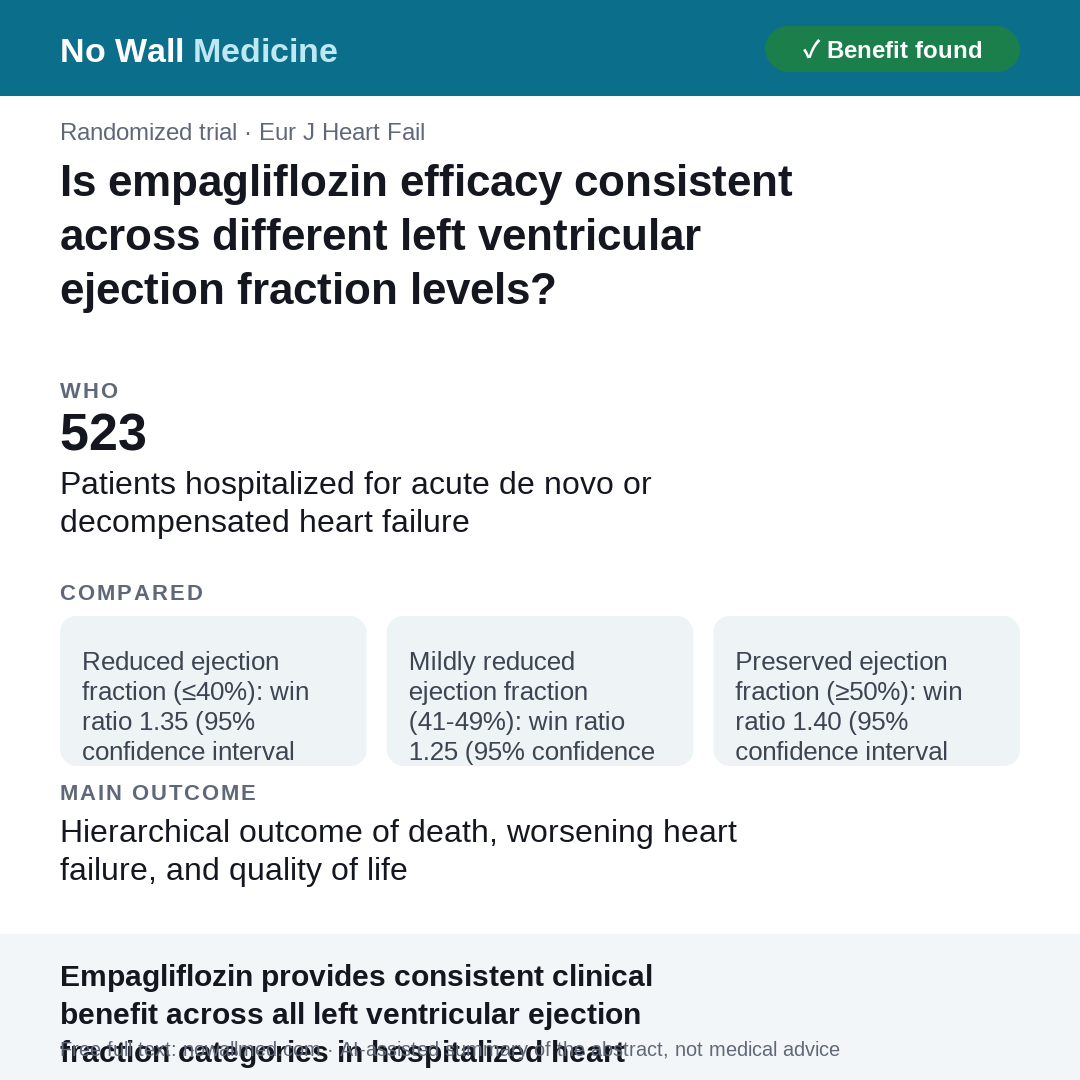
Treatment effects of empagliflozin in hospitalized heart failure patients across the range of left ventricular ejection fraction - Results from the EMPULSE trial
Randomized trialBenefit found
Is empagliflozin efficacy consistent across different left ventricular ejection fraction levels?
Who
523
Patients hospitalized for acute de novo or decompensated heart failure
Compared
Reduced ejection fraction (≤40%): win ratio 1.35 (95% confidence interval 1.04, 1.75)
Mildly reduced ejection fraction (41-49%): win ratio 1.25 (95% confidence interval 0.66, 2.37)
Preserved ejection fraction (≥50%): win ratio 1.40 (95% confidence interval 0.87, 2.23)
Main outcome
Hierarchical outcome of death, worsening heart failure, and quality of life
Result: pinteraction = 0.96
Bottom line: Empagliflozin provides consistent clinical benefit across all left ventricular ejection fraction categories in hospitalized heart failure patients.
Eur J Heart Fail · 2024-04-04Download image
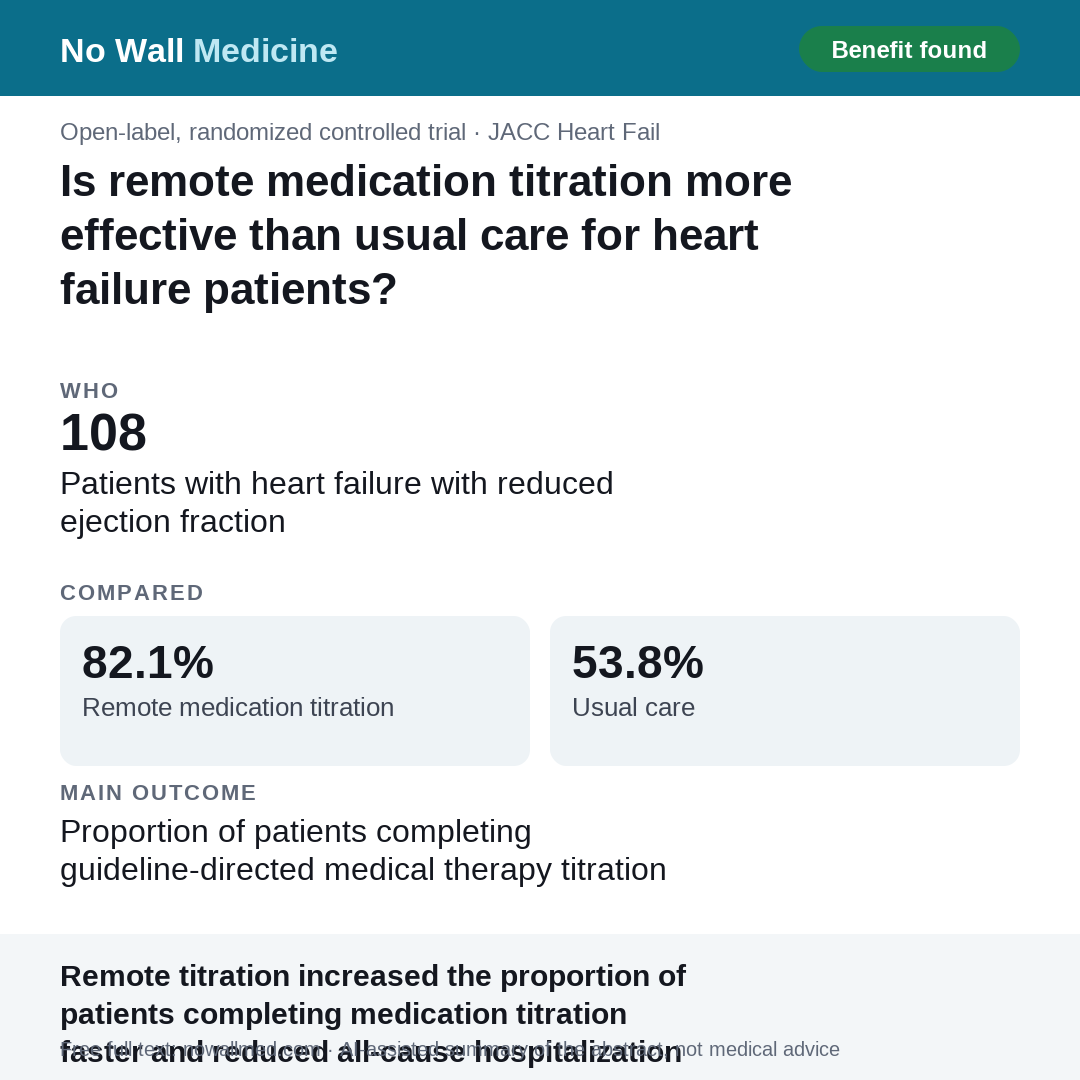
The Effect of Using a Remote Patient Management Platform in Optimizing Guideline-Directed Medical Therapy in Heart Failure Patients: A Randomized Controlled Trial
Open-label, randomized controlled trialBenefit found
Is remote medication titration more effective than usual care for heart failure patients?
Who
108
Patients with heart failure with reduced ejection fraction
Compared
82.1%Remote medication titration (95% CI: 71.2%-90.8%)
53.8%Usual care (95% CI: 41.1%-67.7%)
Main outcome
Proportion of patients completing guideline-directed medical therapy titration at 6 months
Bottom line: Remote titration increased the proportion of patients completing medication titration faster and reduced all-cause hospitalization compared to usual care.
JACC Heart Fail · 2024-04-04Download image
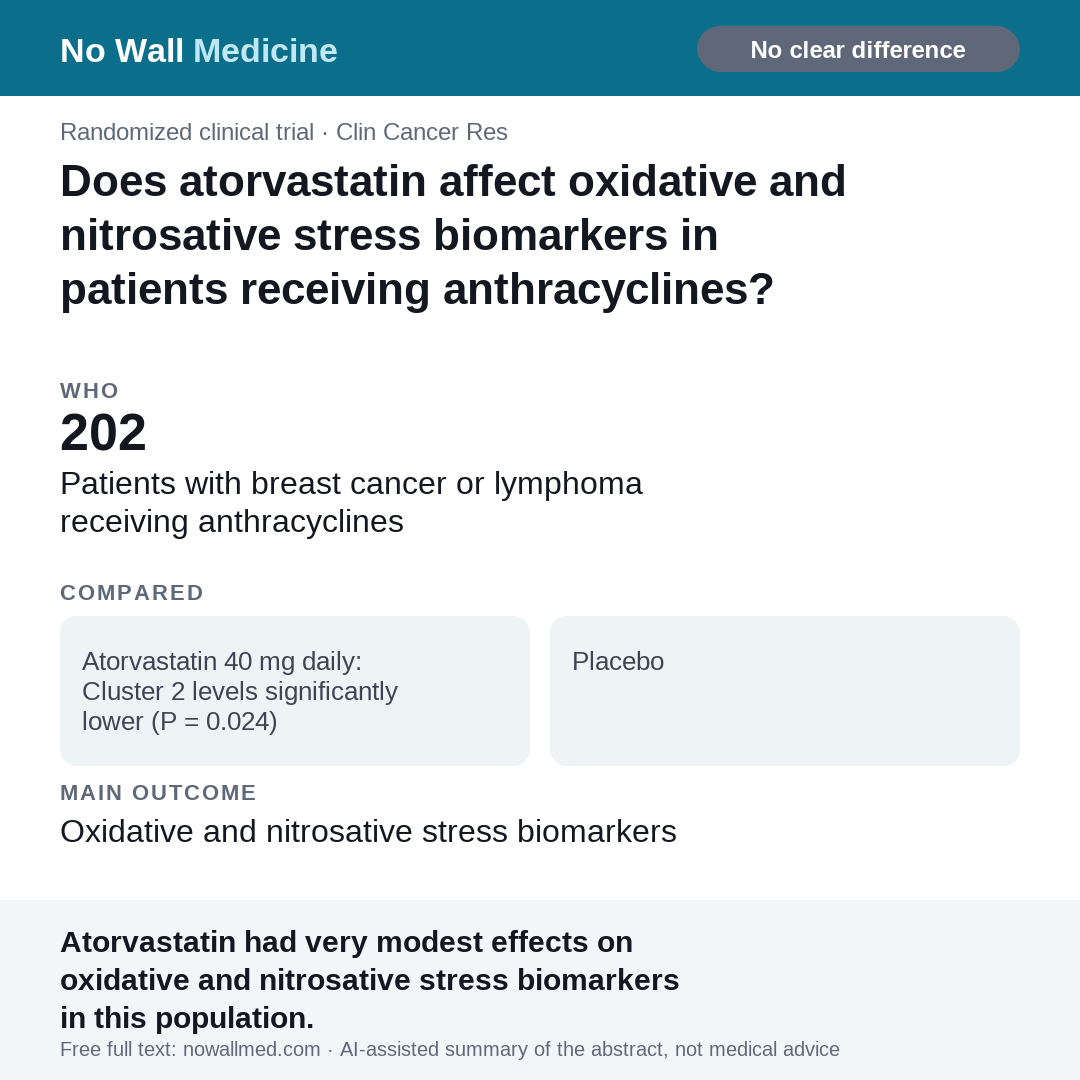
Statins Do Not Significantly Affect Oxidative Nitrosative Stress Biomarkers in the PREVENT Randomized Clinical Trial
Randomized clinical trialNo clear difference
Does atorvastatin affect oxidative and nitrosative stress biomarkers in patients receiving anthracyclines?
Who
202
Patients with breast cancer or lymphoma receiving anthracyclines
Compared
Atorvastatin 40 mg daily: Cluster 2 levels significantly lower (P = 0.024)
Placebo
Main outcome
Oxidative and nitrosative stress biomarkers
Bottom line: Atorvastatin had very modest effects on oxidative and nitrosative stress biomarkers in this population.
Clin Cancer Res · 2024-04-04Download image
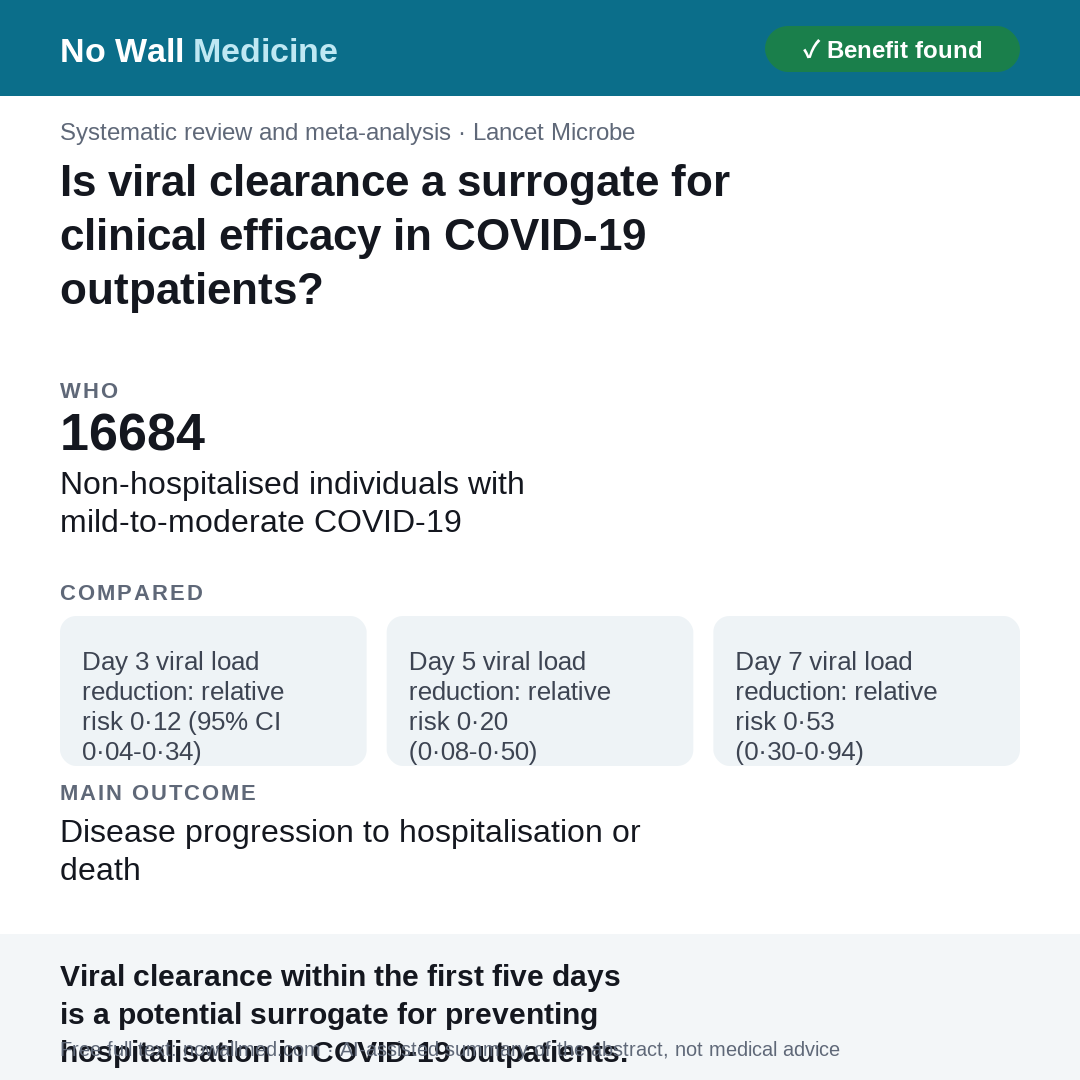
Viral clearance as a surrogate of clinical efficacy for COVID-19 therapies in outpatients: a systematic review and meta-analysis
Systematic review and meta-analysisBenefit found
Is viral clearance a surrogate for clinical efficacy in COVID-19 outpatients?
Who
16684
Non-hospitalised individuals with mild-to-moderate COVID-19
Compared
Day 3 viral load reduction: relative risk 0·12 (95% CI 0·04-0·34)
Day 5 viral load reduction: relative risk 0·20 (0·08-0·50)
Day 7 viral load reduction: relative risk 0·53 (0·30-0·94)
Main outcome
Disease progression to hospitalisation or death
Result: relative risk 0·12 (95% CI 0·04-0·34) on day 3
Bottom line: Viral clearance within the first five days is a potential surrogate for preventing hospitalisation in COVID-19 outpatients.
Limitation: High risk of bias was assessed in 11 studies for virological outcomes.
Funded by: Australian Government, Medical Research Future Fund, National Health and Medical Research Council
Lancet Microbe · 2024-04-04Download image
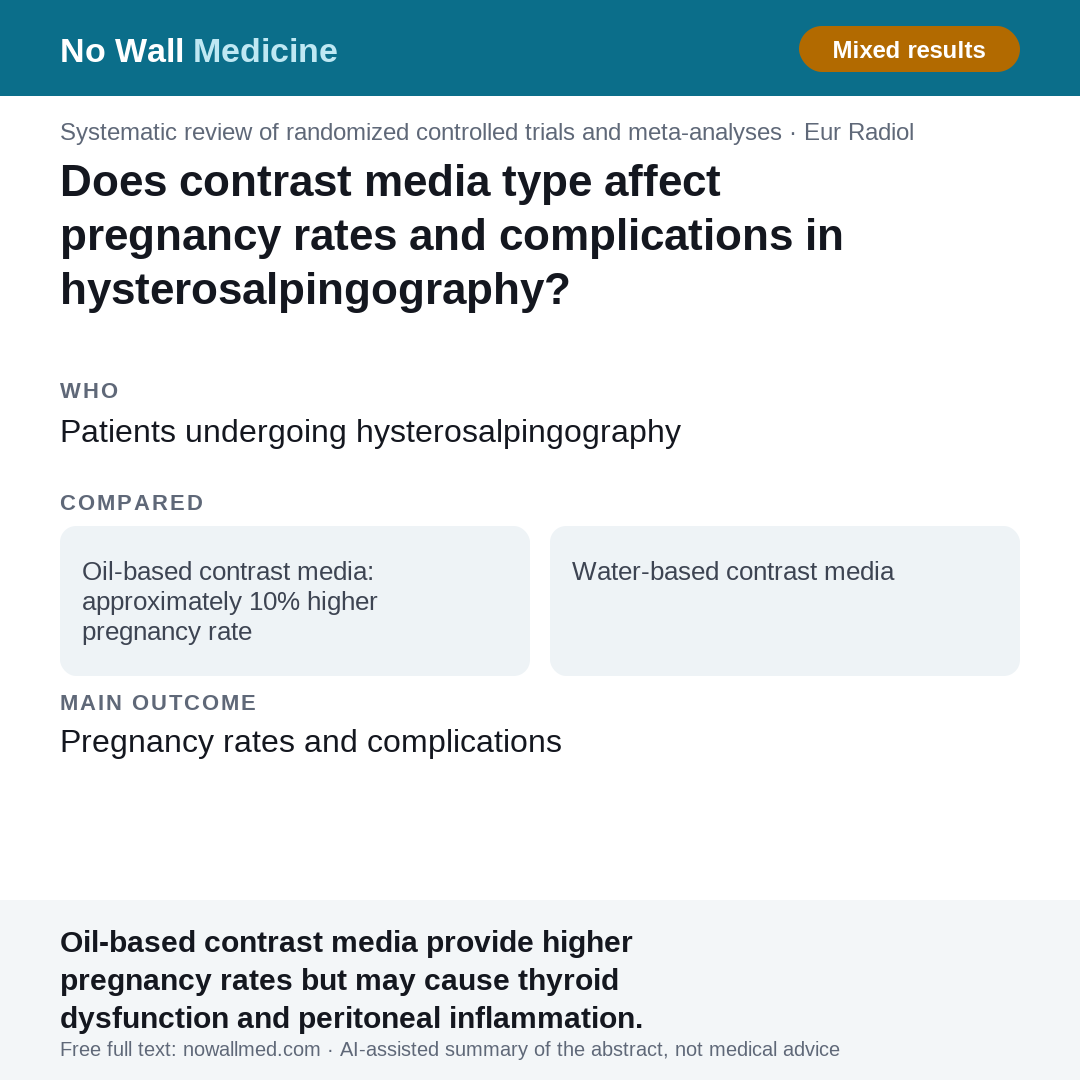
Contrast media for hysterosalpingography: systematic search and review providing new guidelines by the Contrast Media Safety Committee of the European Society of Urogenital Radiology
Systematic review of randomized controlled trials and meta-analysesMixed results
Does contrast media type affect pregnancy rates and complications in hysterosalpingography?
Who
Patients undergoing hysterosalpingography
Compared
Oil-based contrast media: approximately 10% higher pregnancy rate
Water-based contrast media
Main outcome
Pregnancy rates and complications
Bottom line: Oil-based contrast media provide higher pregnancy rates but may cause thyroid dysfunction and peritoneal inflammation.
Limitation: In five of nine randomized controlled trials, the contrast media used is no longer on the market.
Eur Radiol · 2024-04-04Download image
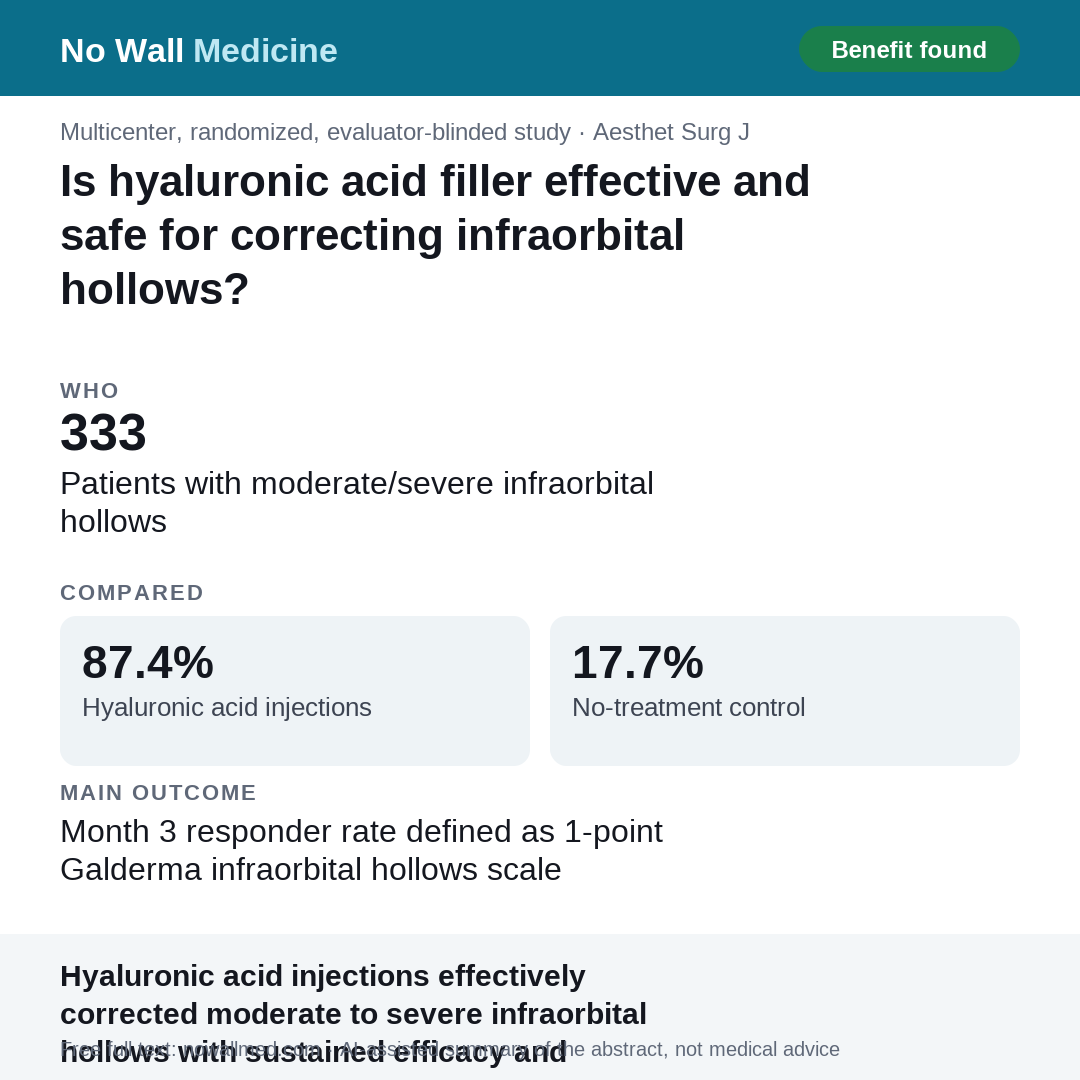
A Multicenter, Randomized, Evaluator-Blinded Study to Examine the Safety and Effectiveness of Hyaluronic Acid Filler in the Correction of Infraorbital Hollows
Multicenter, randomized, evaluator-blinded studyBenefit found
Is hyaluronic acid filler effective and safe for correcting infraorbital hollows?
Who
333
Patients with moderate/severe infraorbital hollows
Compared
87.4%Hyaluronic acid injections
17.7%No-treatment control
Main outcome
Month 3 responder rate defined as 1-point Galderma infraorbital hollows scale improvement
Bottom line: Hyaluronic acid injections effectively corrected moderate to severe infraorbital hollows with sustained efficacy and reassuring safety.
Aesthet Surg J · 2024-04-04Download image
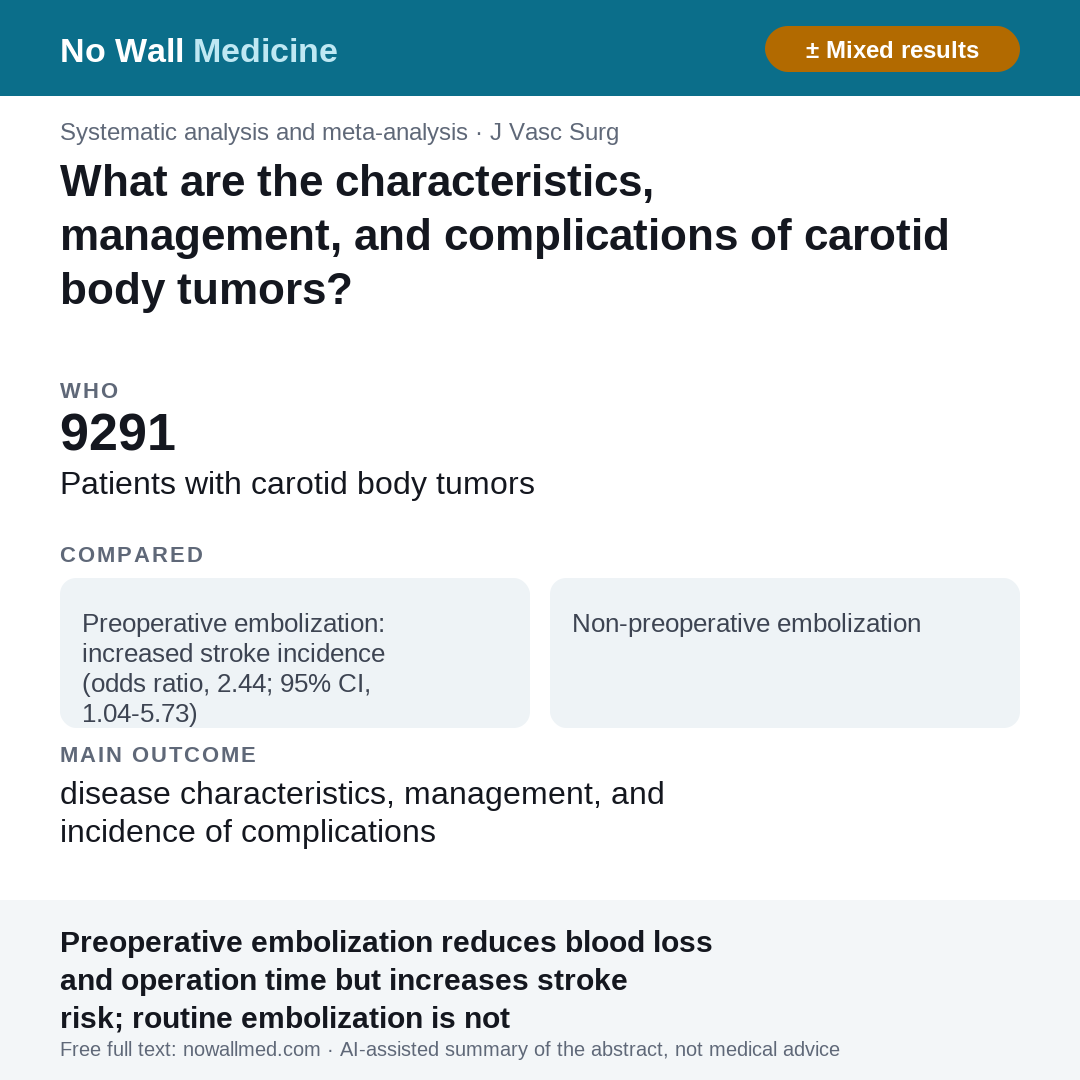
Prevalence, characteristics, evaluation, and management of carotid body tumors: Systematic analysis based on available evidence
Systematic analysis and meta-analysisMixed results
What are the characteristics, management, and complications of carotid body tumors?
Who
9291
Patients with carotid body tumors
Compared
Preoperative embolization: increased stroke incidence (odds ratio, 2.44; 95% CI, 1.04-5.73)
Non-preoperative embolization
Main outcome
disease characteristics, management, and incidence of complications
Result: standardized mean difference -0.95 (95% CI -1.70 to -0.20) for blood loss
Bottom line: Preoperative embolization reduces blood loss and operation time but increases stroke risk; routine embolization is not recommended.
J Vasc Surg · 2024-04-04Download image
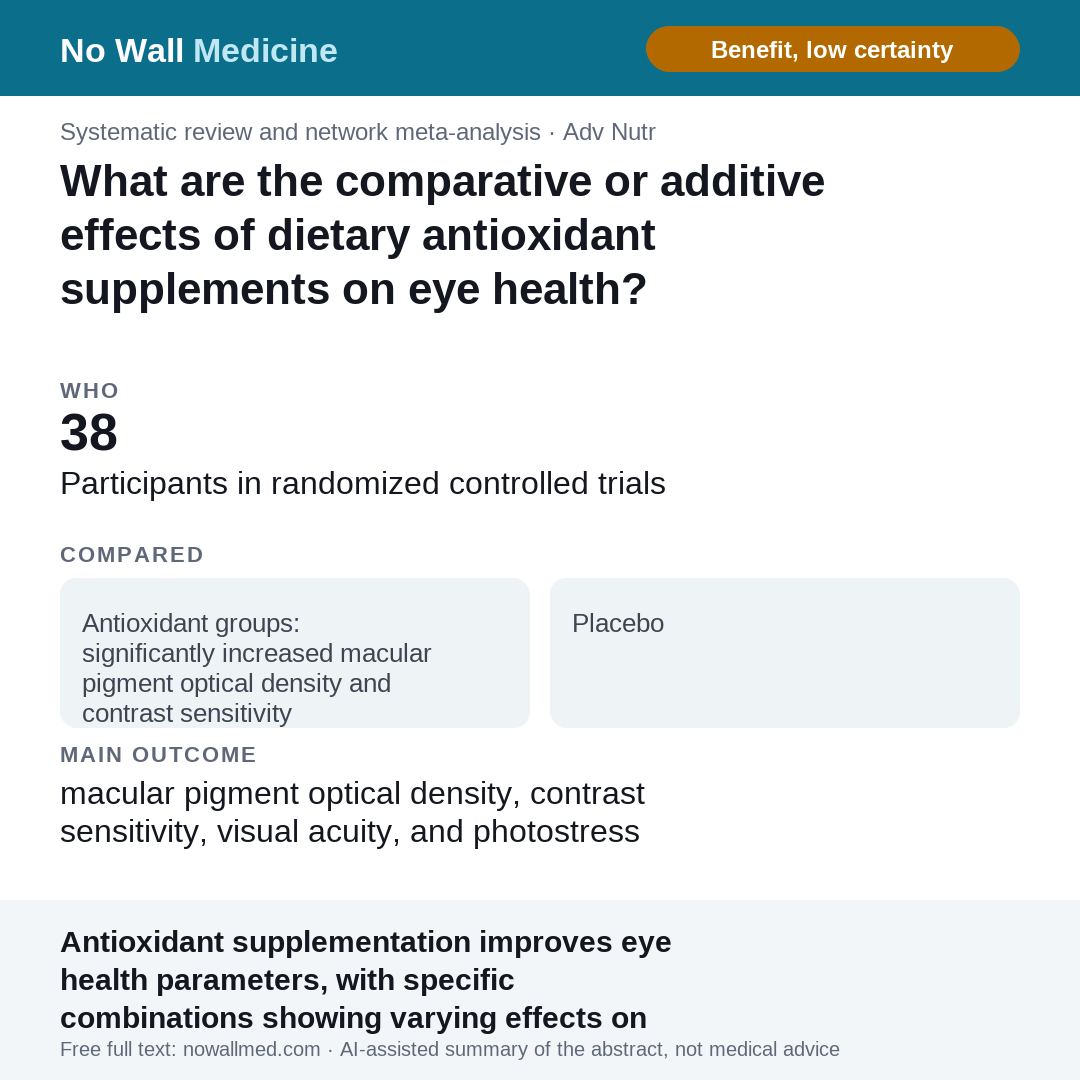
Effect of Antioxidant Supplementation on Macular Pigment Optical Density and Visual Functions: A Systematic Review and Network Meta-Analysis of Randomized Controlled Trials
Systematic review and network meta-analysisBenefit found
What are the comparative or additive effects of dietary antioxidant supplements on eye health?
Who
38
Participants in randomized controlled trials
Compared
Antioxidant groups: significantly increased macular pigment optical density and contrast sensitivity
Placebo
Main outcome
macular pigment optical density, contrast sensitivity, visual acuity, and photostress recovery
Result: hazard ratio -0.15 (95% confidence interval: -0.28, -0.02)
Bottom line: Antioxidant supplementation improves eye health parameters, with specific combinations showing varying effects on visual health.
Limitation: low quality of evidence, primarily influenced by indirectness and potential publication bias
Adv Nutr · 2024-04-04Download image
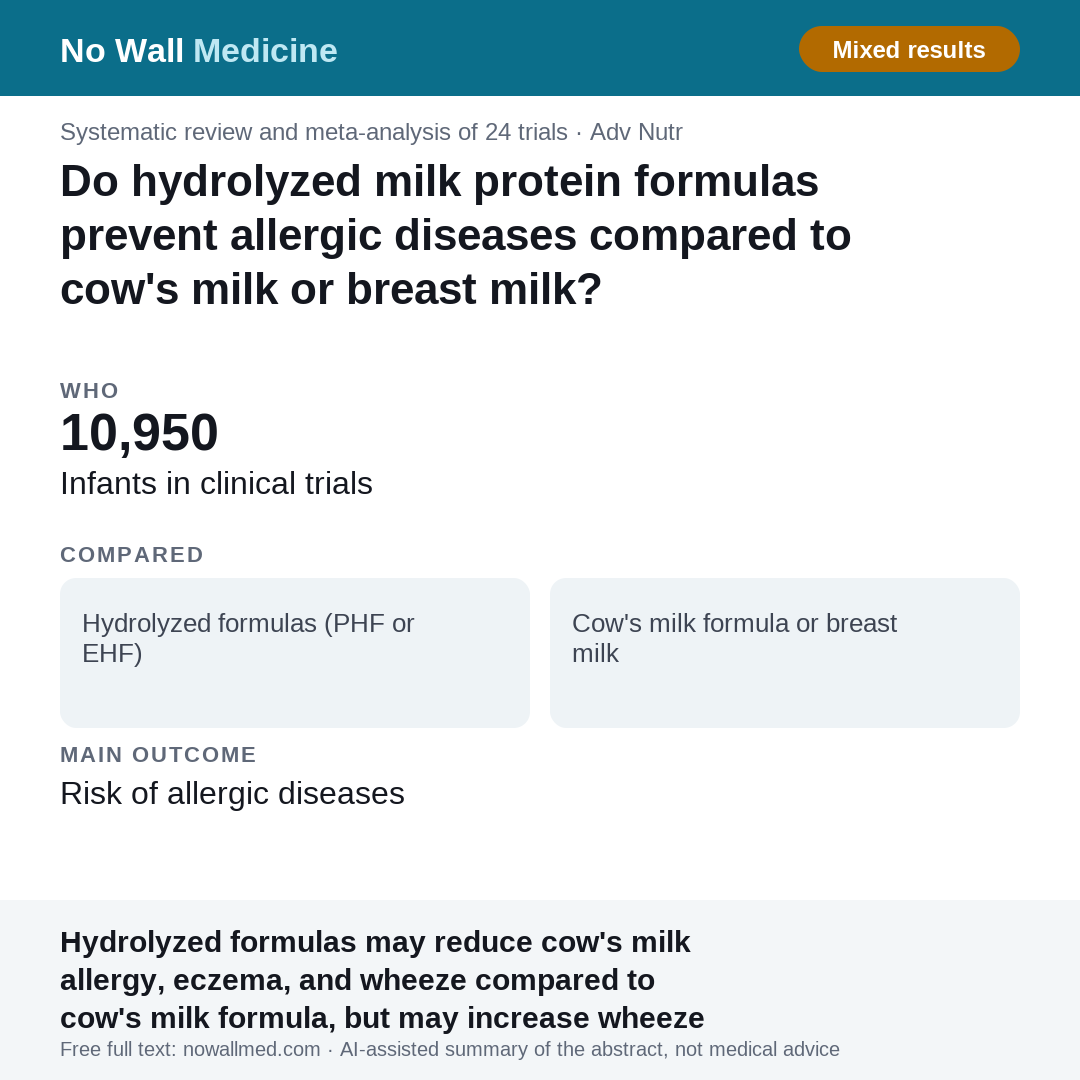
Infant Formulas With Partially or Extensively Hydrolyzed Milk Proteins for the Prevention of Allergic Diseases: A Systematic Review and Meta-Analysis of Clinical Trials
Systematic review and meta-analysis of 24 trialsMixed results
Do hydrolyzed milk protein formulas prevent allergic diseases compared to cow's milk or breast milk?
Who
10,950
Infants in clinical trials
Compared
Hydrolyzed formulas (PHF or EHF)
Cow's milk formula or breast milk
Main outcome
Risk of allergic diseases
Bottom line: Hydrolyzed formulas may reduce cow's milk allergy, eczema, and wheeze compared to cow's milk formula, but may increase wheeze risk versus breast milk.
Limitation: Most trials included only high-risk infants, so more research on non-high-risk infants is warranted.
Adv Nutr · 2024-04-04Download image
Effect of Active Workstations on Neurocognitive Performance and Typing Skills: A Randomized Clinical Trial
Randomized cross-over clinical trialBenefit found
Do active workstations affect neurocognitive performance and typing skills compared to sitting?
Who
44
44 healthy subjects · An employee wellness center
Compared
Sitting station
Active workstations: neurocognitive test either improved or remained unchanged
Main outcome
Neurocognitive function and fine motor skills
Bottom line: Active workstations improved cognitive performance without impairing work performance, although typing speed decreased.
J Am Heart Assoc · 2024-04-04Download image

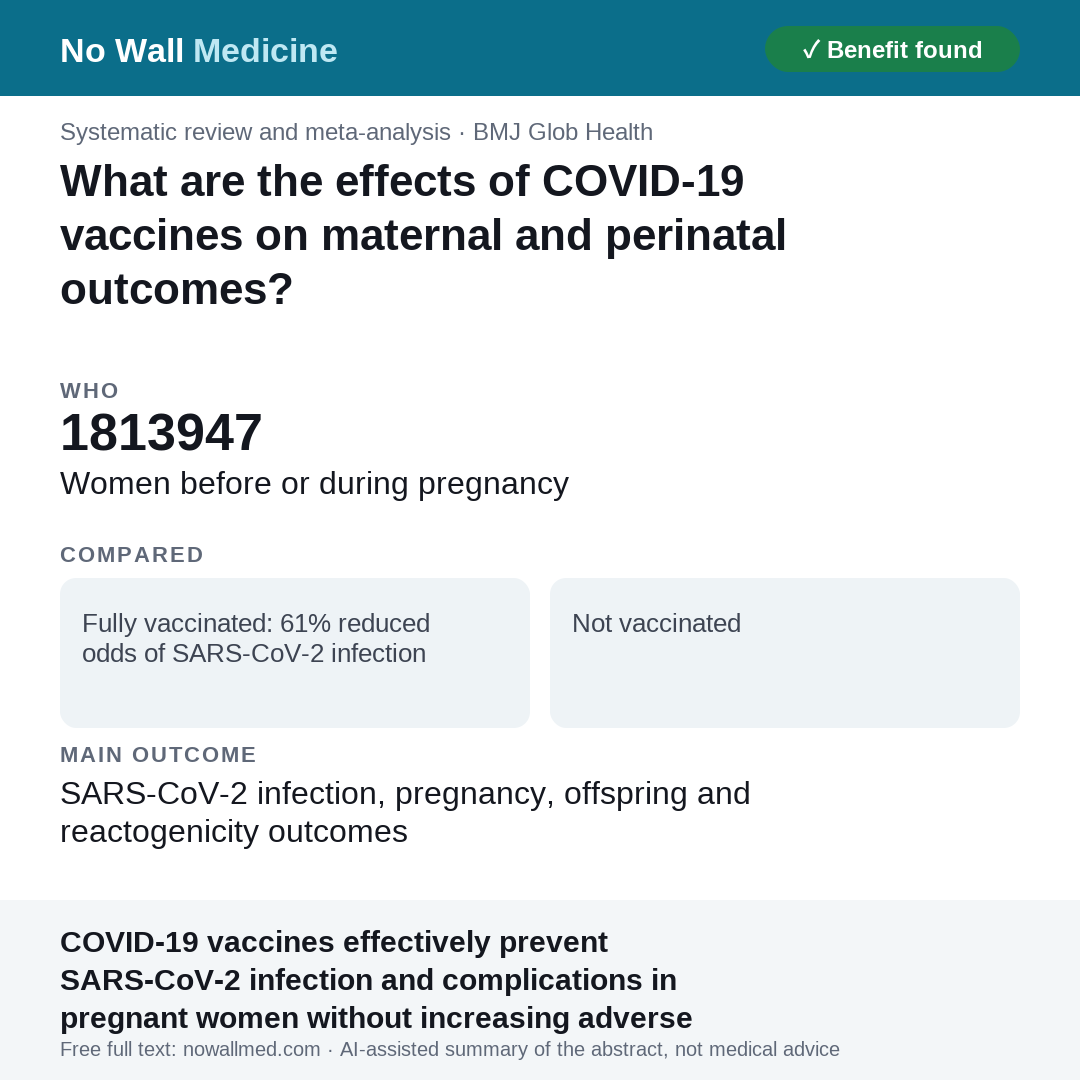
Effectiveness and safety of COVID-19 vaccines on maternal and perinatal outcomes: a systematic review and meta-analysis
Systematic review and meta-analysisBenefit found
What are the effects of COVID-19 vaccines on maternal and perinatal outcomes?
Who
1813947
Women before or during pregnancy
Compared
Fully vaccinated: 61% reduced odds of SARS-CoV-2 infection
Not vaccinated
Main outcome
SARS-CoV-2 infection, pregnancy, offspring and reactogenicity outcomes
Result: OR 0.39, 95% CI 0.21 to 0.75
Bottom line: COVID-19 vaccines effectively prevent SARS-CoV-2 infection and complications in pregnant women without increasing adverse pregnancy or perinatal risks.
BMJ Glob Health · 2024-04-04Download image
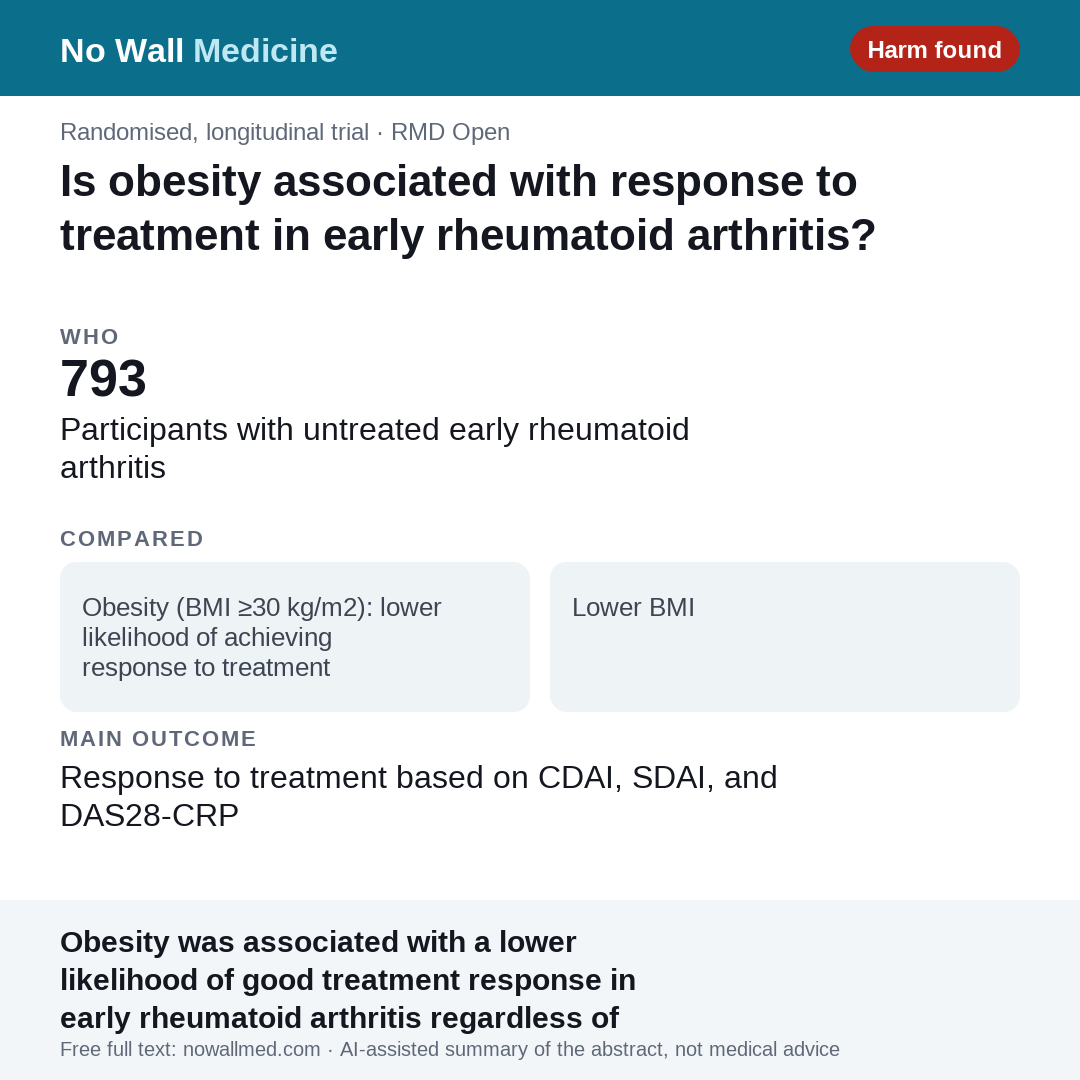
Obesity is a risk factor for poor response to treatment in early rheumatoid arthritis: a NORD-STAR study
Randomised, longitudinal trialHarm found
Is obesity associated with response to treatment in early rheumatoid arthritis?
Who
793
Participants with untreated early rheumatoid arthritis
Compared
Obesity (BMI ≥30 kg/m2): lower likelihood of achieving response to treatment
Lower BMI
Main outcome
Response to treatment based on CDAI, SDAI, and DAS28-CRP
Result: SDAI, HR 0.77 (95% CI 0.62 to 0.97); DAS28-CRP <2.6, HR 0.78 (95% CI 0.64 to 0.95)
Bottom line: Obesity was associated with a lower likelihood of good treatment response in early rheumatoid arthritis regardless of treatment type.
RMD Open · 2024-04-04Download image
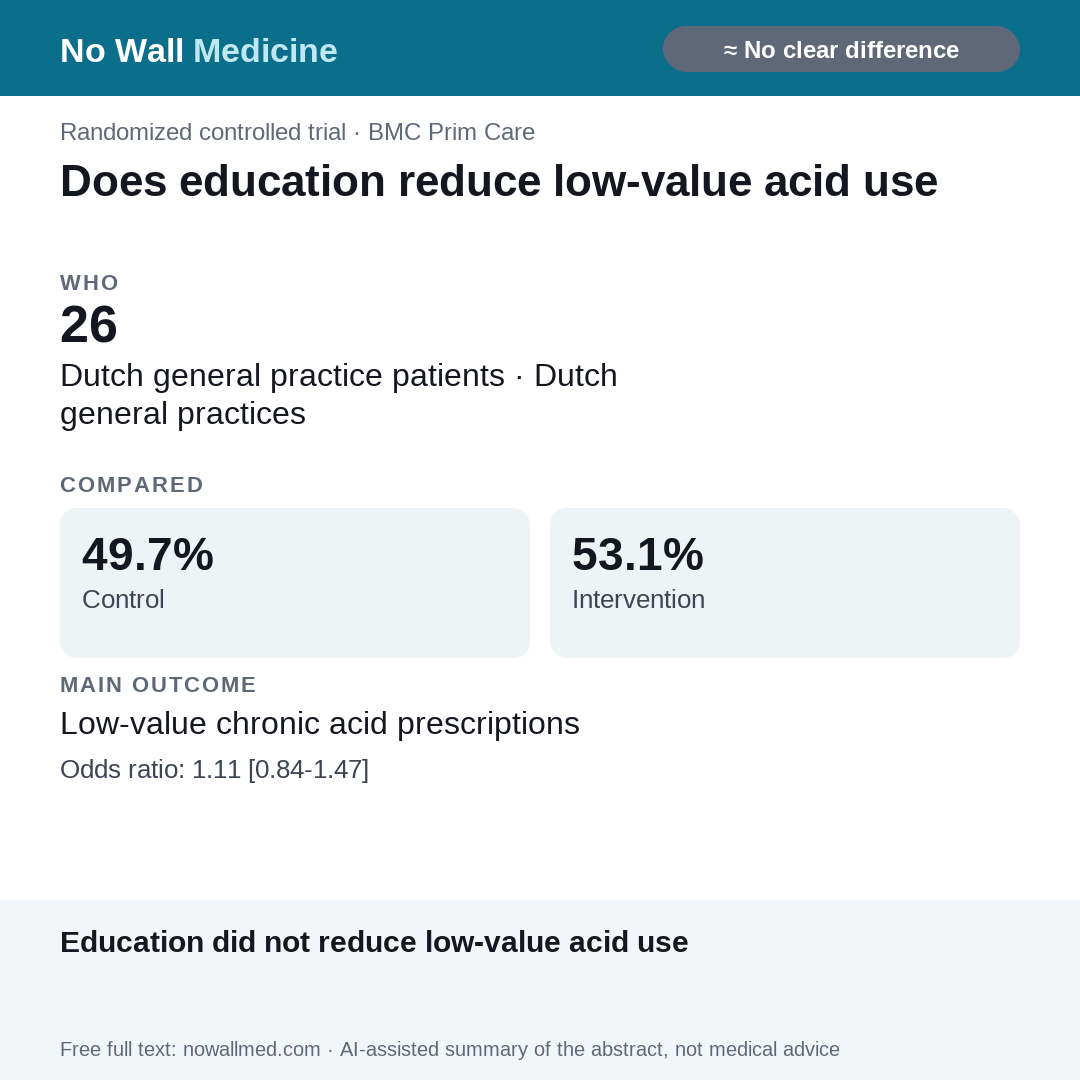
Low-value chronic prescription of acid reducing medication among Dutch general practitioners: impact of a patient education intervention
Randomized controlled trialNo clear difference
Does education reduce low-value acid use
Who
26
Dutch general practice patients · Dutch general practices
Compared
49.7%Control
53.1%Intervention
Main outcome
Low-value chronic acid prescriptions
Result: Odds ratio: 1.11 [0.84-1.47]
Bottom line: Education did not reduce low-value acid use
Limitation: selection bias of practices
BMC Prim Care · 2024-04-04Download image
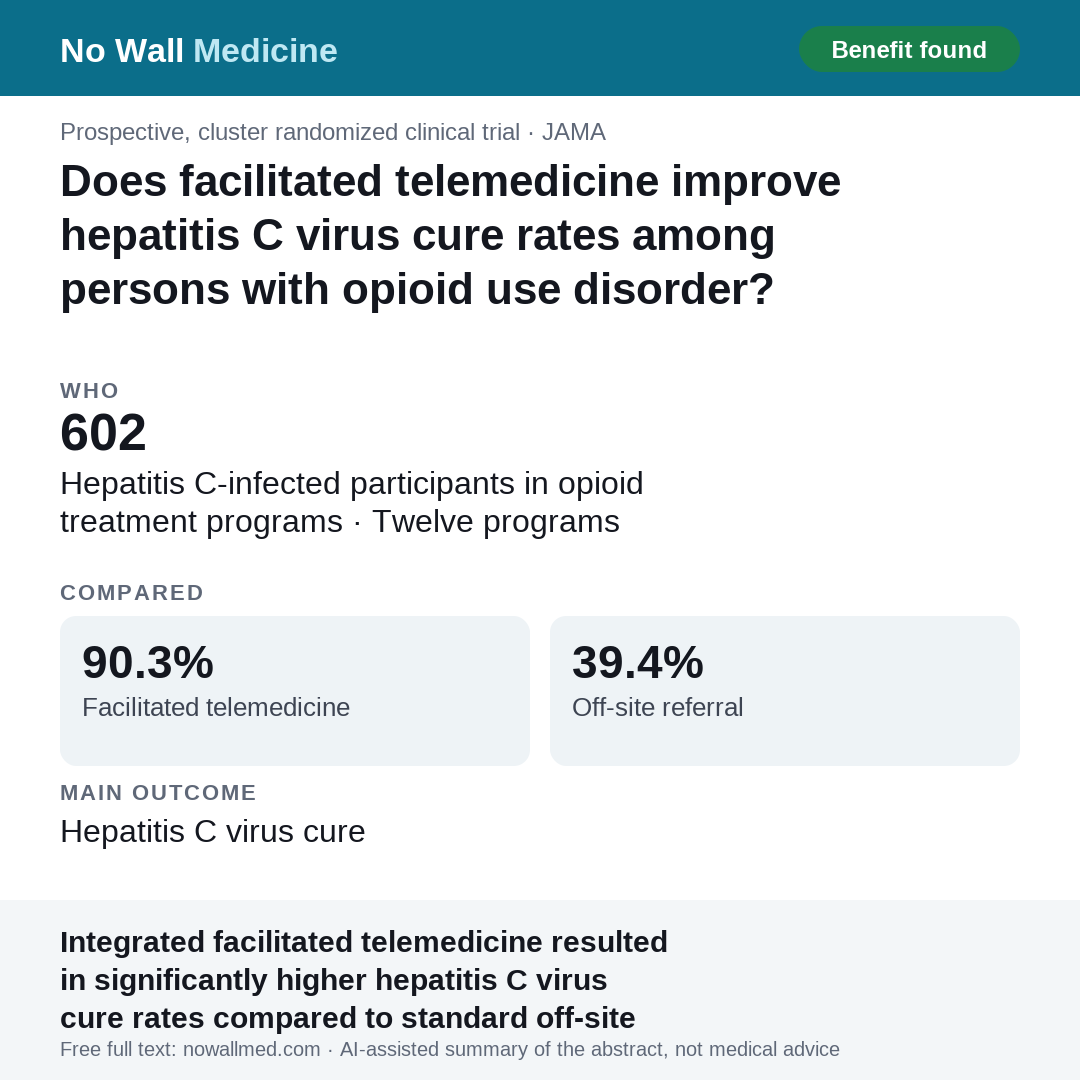
Integrated Hepatitis C-Opioid Use Disorder Care Through Facilitated Telemedicine: A Randomized Trial
Prospective, cluster randomized clinical trialBenefit found
Does facilitated telemedicine improve hepatitis C virus cure rates among persons with opioid use disorder?
Who
602
Hepatitis C-infected participants in opioid treatment programs · Twelve programs throughout New York State
Compared
90.3%Facilitated telemedicine (262 of 290)
39.4%Off-site referral (123 of 312)
Main outcome
Hepatitis C virus cure
Result: logarithmic odds ratio 2.9 (95% CI 2.0-3.5)
Bottom line: Integrated facilitated telemedicine resulted in significantly higher hepatitis C virus cure rates compared to standard off-site referral.
JAMA · 2024-04-03Download image
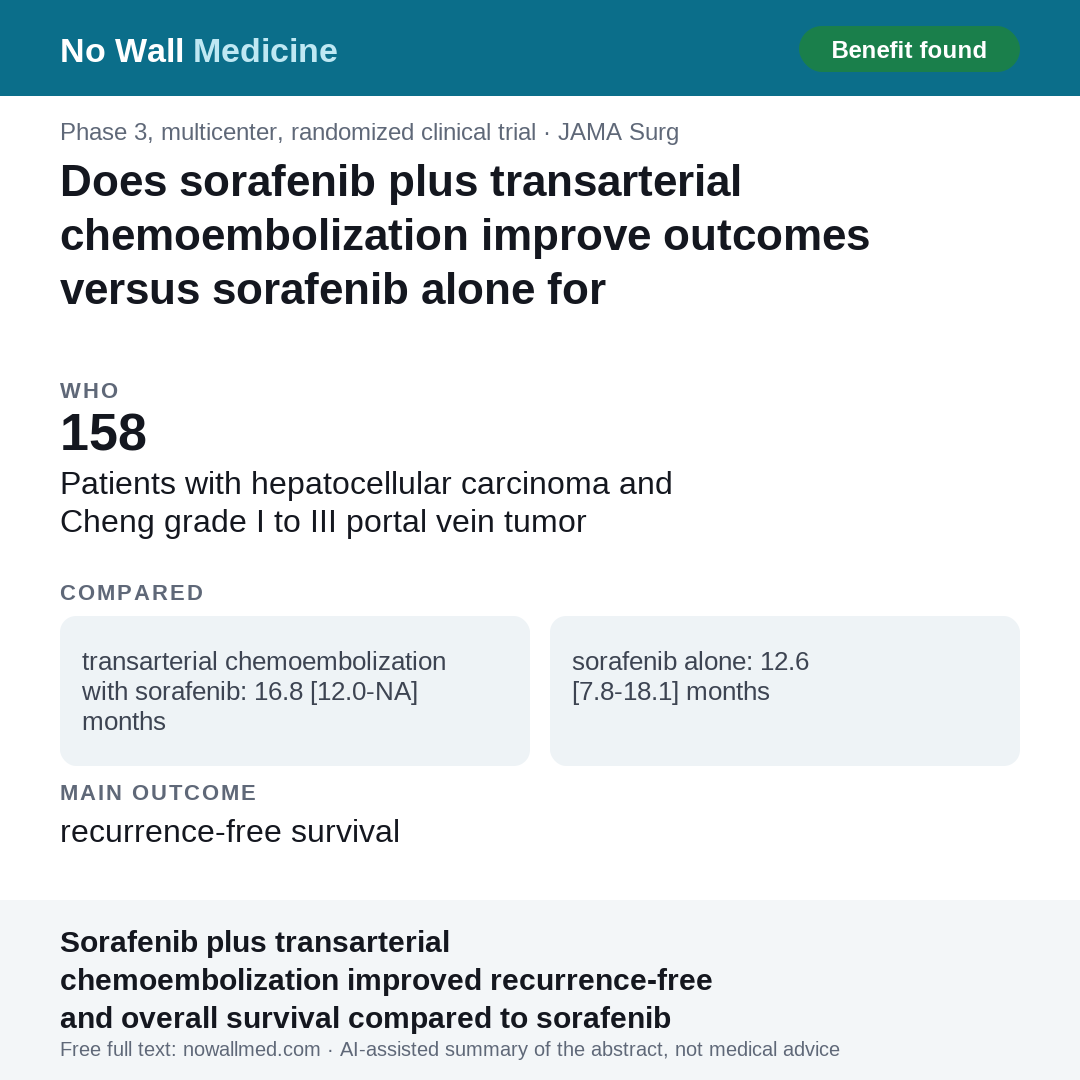
Adjuvant Transarterial Chemoembolization With Sorafenib for Portal Vein Tumor Thrombus: A Randomized Clinical Trial
Phase 3, multicenter, randomized clinical trialBenefit found
Does sorafenib plus transarterial chemoembolization improve outcomes versus sorafenib alone for hepatocellular carcinoma with portal vein tumor thrombus?
Who
158
Patients with hepatocellular carcinoma and Cheng grade I to III portal vein tumor thrombus · 5 hospitals in China
Compared
transarterial chemoembolization with sorafenib: 16.8 [12.0-NA] months
sorafenib alone: 12.6 [7.8-18.1] months
Main outcome
recurrence-free survival
Result: hazard ratio 0.57 (95% CI 0.39-0.83)
Bottom line: Sorafenib plus transarterial chemoembolization improved recurrence-free and overall survival compared to sorafenib alone in these patients.
JAMA Surg · 2024-04-03Download image
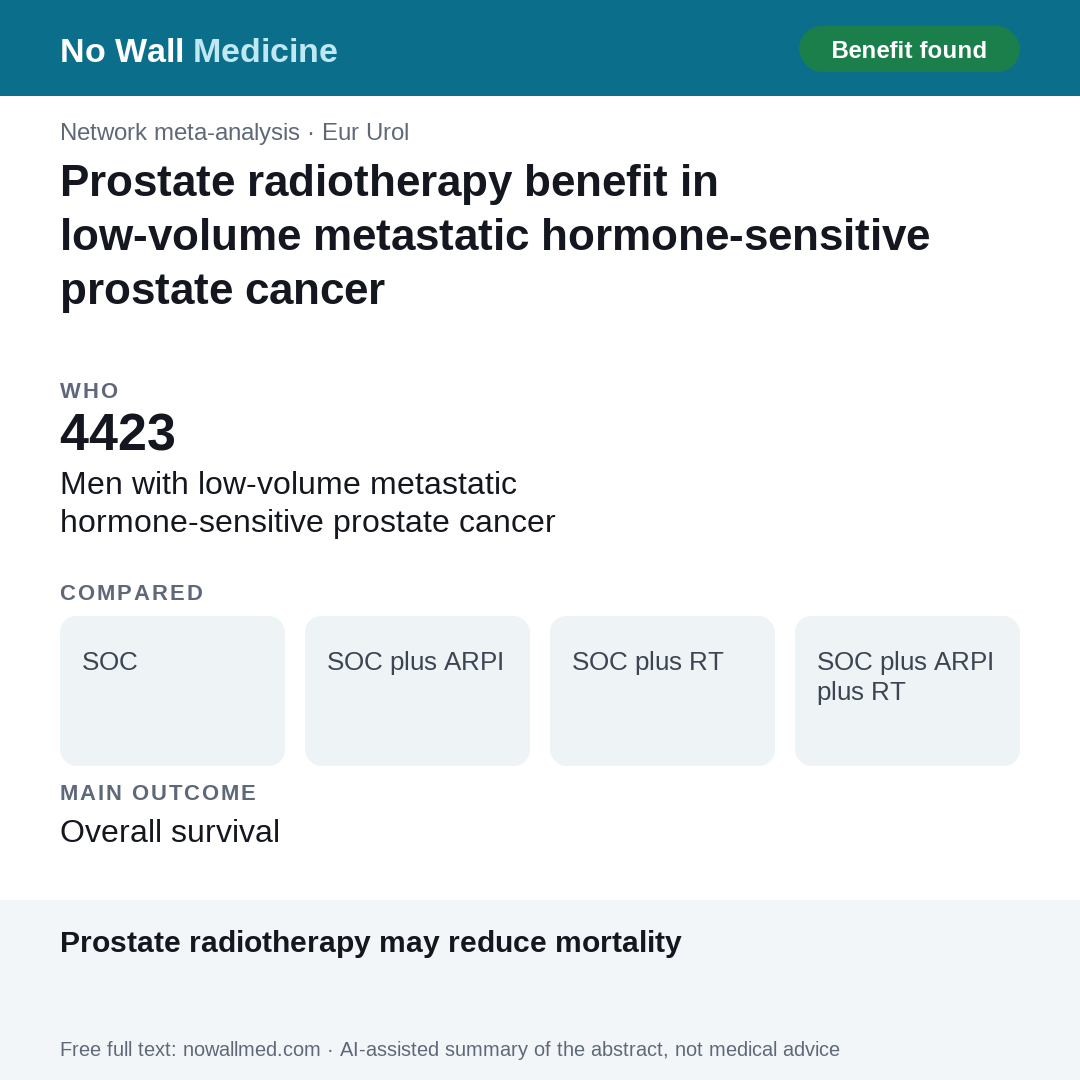
Prostate Radiotherapy in Low-volume Metastatic Hormone-sensitive Prostate Cancer: A Network Meta-analysis
Network meta-analysisBenefit found
Prostate radiotherapy benefit in low-volume metastatic hormone-sensitive prostate cancer
Who
4423
Men with low-volume metastatic hormone-sensitive prostate cancer
Compared
SOC
SOC plus ARPI
SOC plus RT
SOC plus ARPI plus RT
Main outcome
Overall survival
Result: hazard ratio 0.76 (95% credible interval: 0.51-1.16)
Bottom line: Prostate radiotherapy may reduce mortality
Limitation: No individual patient data
Eur Urol · 2024-04-03Download image
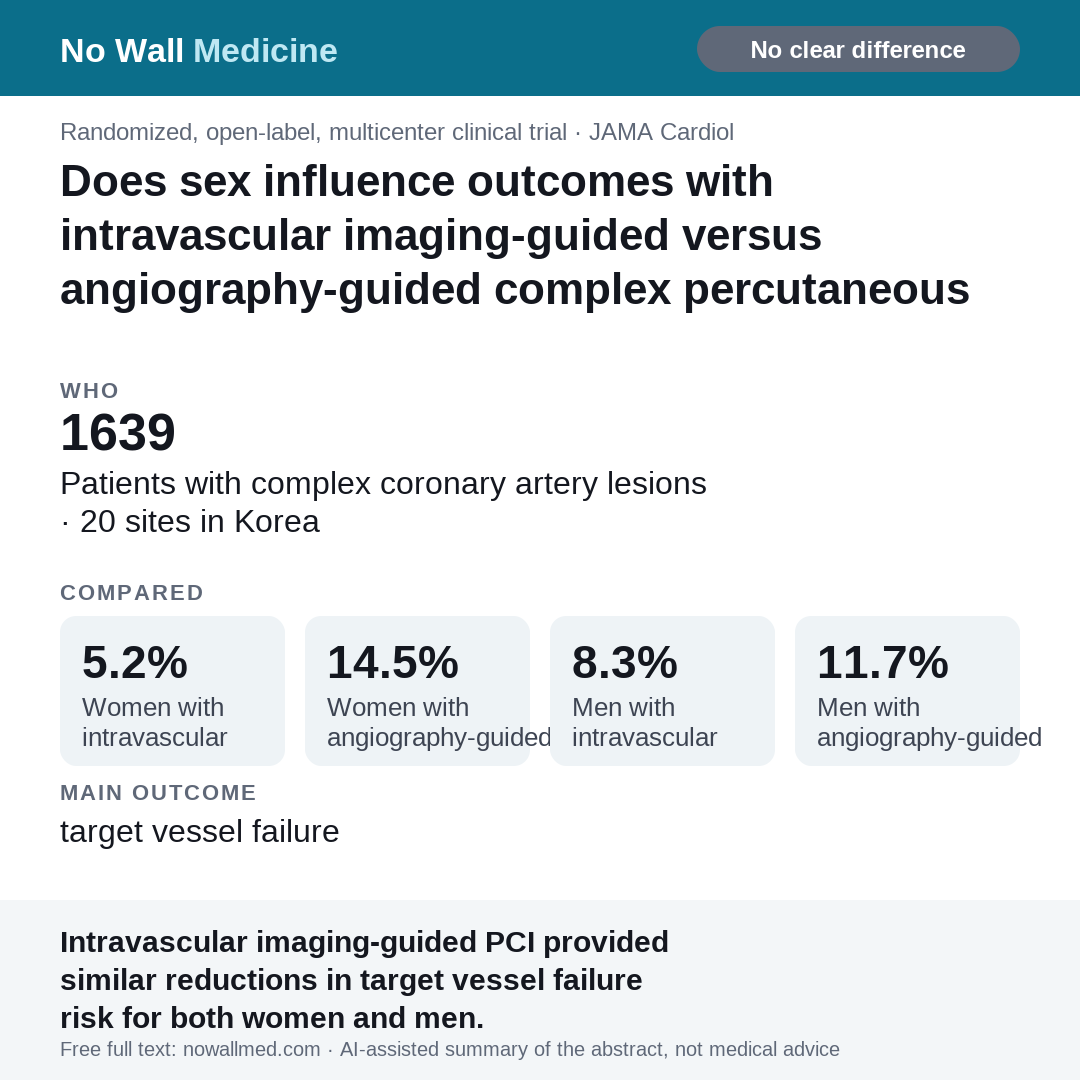
Intravascular Imaging-Guided Optimization of Complex Percutaneous Coronary Intervention by Sex: A Subgroup Analysis of the RENOVATE-COMPLEX-PCI Trial
Randomized, open-label, multicenter clinical trialNo clear difference
Does sex influence outcomes with intravascular imaging-guided versus angiography-guided complex percutaneous coronary intervention?
Who
1639
Patients with complex coronary artery lesions · 20 sites in Korea
Compared
5.2%Women with intravascular imaging-guided PCI
14.5%Women with angiography-guided PCI
8.3%Men with intravascular imaging-guided PCI
11.7%Men with angiography-guided PCI
Main outcome
target vessel failure
Result: adjusted hazard ratio 1.39 (95% CI 0.89-2.18) for sex difference
Bottom line: Intravascular imaging-guided PCI provided similar reductions in target vessel failure risk for both women and men.
JAMA Cardiol · 2024-04-03Download image
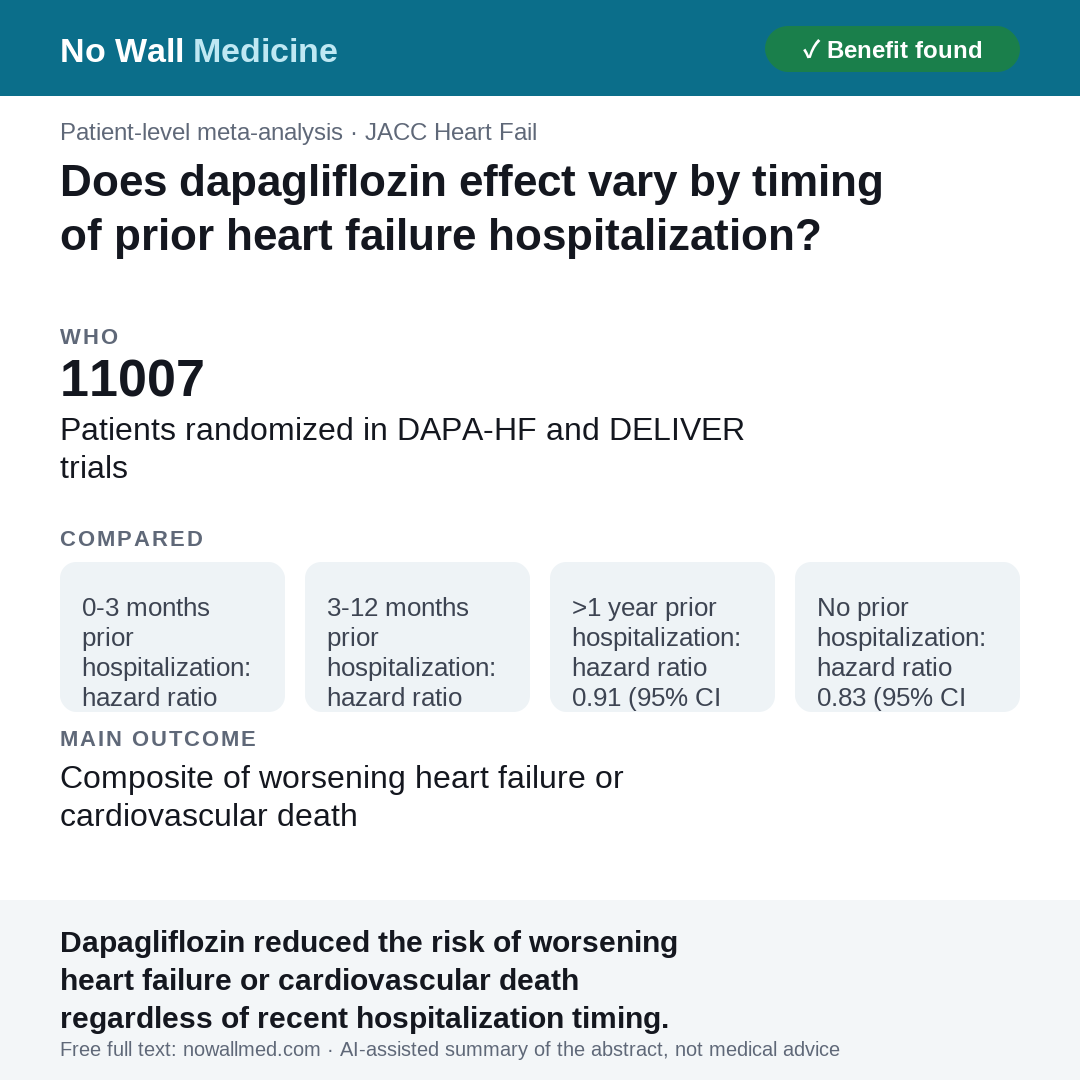
Dapagliflozin and Timing of Prior Heart Failure Hospitalization: A Patient-Level Meta-Analysis of DAPA-HF and DELIVER
Patient-level meta-analysisBenefit found
Does dapagliflozin effect vary by timing of prior heart failure hospitalization?
Who
11007
Patients randomized in DAPA-HF and DELIVER trials
Compared
0-3 months prior hospitalization: hazard ratio 0.66 (95% CI 0.55-0.81)
3-12 months prior hospitalization: hazard ratio 0.73 (95% CI 0.59-0.90)
>1 year prior hospitalization: hazard ratio 0.91 (95% CI 0.74-1.12)
No prior hospitalization: hazard ratio 0.83 (95% CI 0.73-0.94)
Main outcome
Composite of worsening heart failure or cardiovascular death
Result: Pinteraction = 0.09
Bottom line: Dapagliflozin reduced the risk of worsening heart failure or cardiovascular death regardless of recent hospitalization timing.
JACC Heart Fail · 2024-04-03Download image
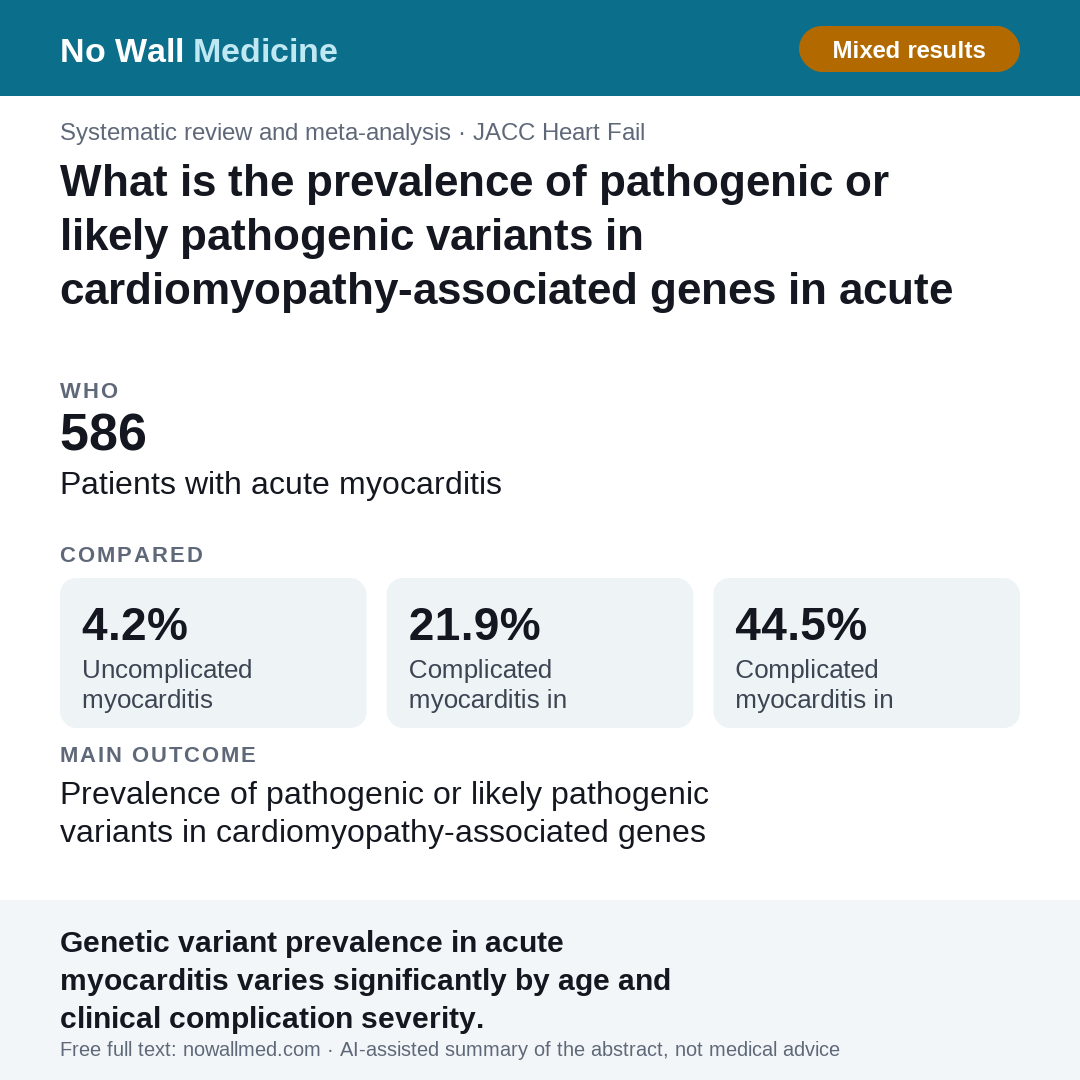
Prevalence of Pathogenic Variants in Cardiomyopathy-Associated Genes in Acute Myocarditis: A Systematic Review and Meta-Analysis
Systematic review and meta-analysisMixed results
What is the prevalence of pathogenic or likely pathogenic variants in cardiomyopathy-associated genes in acute myocarditis?
Who
586
Patients with acute myocarditis
Compared
4.2%Uncomplicated myocarditis (95% CI: 1.8%-7.4%)
21.9%Complicated myocarditis in adults (95% CI: 14.3%-30.5%)
44.5%Complicated myocarditis in children (95% CI: 22.7%-67.4%)
Main outcome
Prevalence of pathogenic or likely pathogenic variants in cardiomyopathy-associated genes
Bottom line: Genetic variant prevalence in acute myocarditis varies significantly by age and clinical complication severity.
JACC Heart Fail · 2024-04-03Download image
Results from the long-term extension of PRIME: A randomized Phase 1b trial of aducanumab
Phase 1b, double-blind, randomized clinical trialBenefit found
What are the long-term safety and efficacy results of aducanumab?
Who
Participants with prodromal Alzheimer's disease or mild Alzheimer's disease dementia
Compared
Aducanumab: decreased brain amyloid levels in a dose- and time-dependent manner
Placebo
Main outcome
Safety, tolerability, and brain amyloid levels
Bottom line: Aducanumab decreased brain amyloid levels and showed continued benefit in reducing clinical decline over 48 months.
Alzheimers Dement · 2024-04-03Download image