Visual abstracts
New randomized trials and meta-analyses from leading journals at a glance: who was studied, what was compared, and what was found. Every paper is free to read in full.
All specialtiesCardiology 4877Oncology 4138Gastroenterology & Hepatology 1942Infectious Disease 3837Neurology 1905Psychiatry & Mental Health 2273Pulmonology 2143Critical Care 1365Endocrinology & Diabetes 2580Pediatrics 2980Surgery 2559Orthopedics & Sports Medicine 931Neurosurgery 537Cardiothoracic & Vascular Surgery 674Plastic & Reconstructive Surgery 591Nephrology 1133Rheumatology 823Hematology 1109Dermatology 621Ophthalmology 543Obstetrics & Gynecology 1686Public & Global Health 1058Radiology & Imaging 648Anesthesiology 986Urology 764ENT (Otolaryngology) 503Emergency Medicine 511Allergy & Immunology 313Geriatrics 981Family Medicine & Primary Care 562Medical Genetics & Genomics 676Pathology & Laboratory Medicine 159Physical Medicine & Rehabilitation 757Palliative Care 444Nutrition 1588Digital Health & AI 2201General Medicine 321
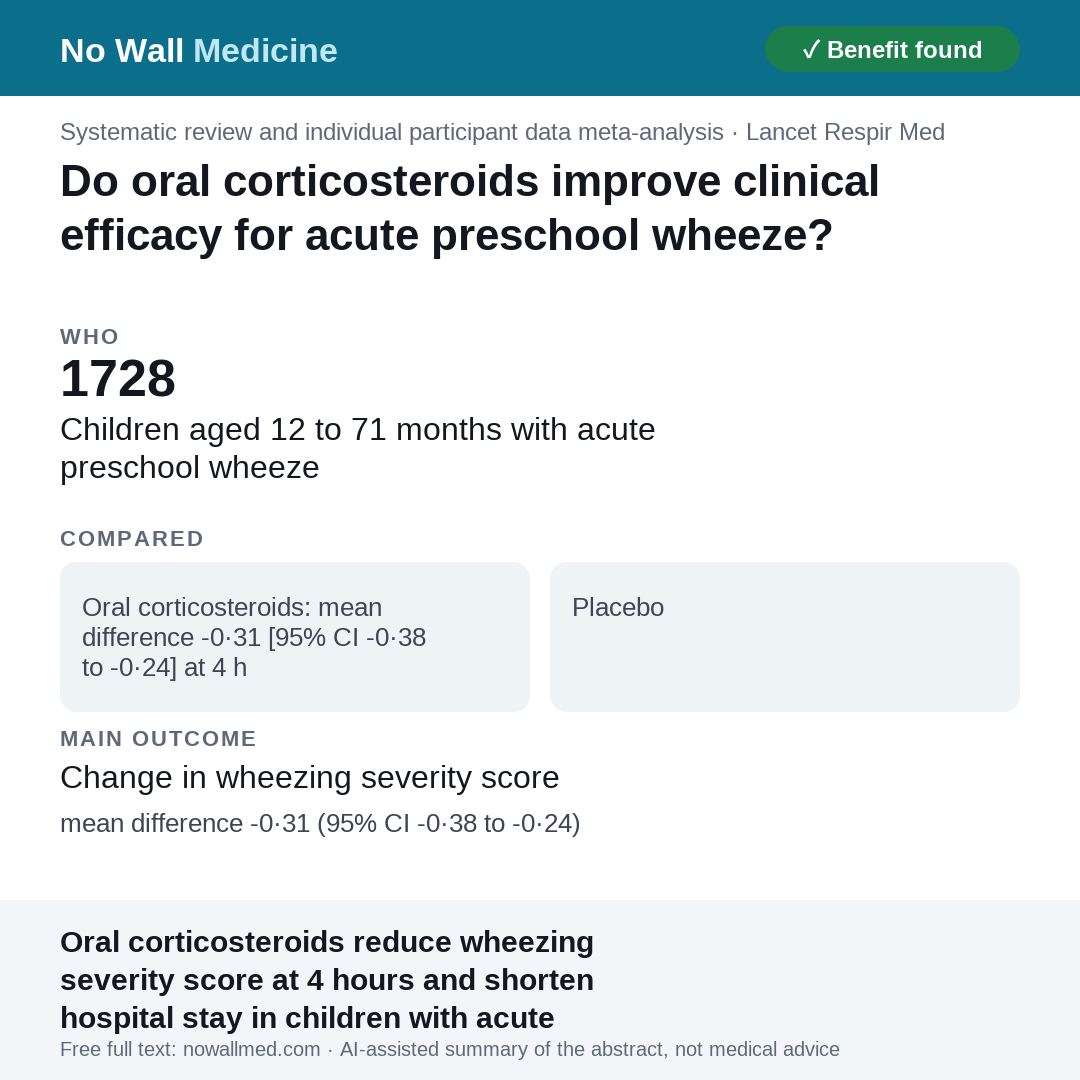
Efficacy of oral corticosteroids for acute preschool wheeze: a systematic review and individual participant data meta-analysis of randomised clinical trials
Systematic review and individual participant data meta-analysisBenefit found
Do oral corticosteroids improve clinical efficacy for acute preschool wheeze?
Who
1728
Children aged 12 to 71 months with acute preschool wheeze
Compared
Oral corticosteroids: mean difference -0·31 [95% CI -0·38 to -0·24] at 4 h
Placebo
Main outcome
Change in wheezing severity score
Result: mean difference -0·31 (95% CI -0·38 to -0·24)
Bottom line: Oral corticosteroids reduce wheezing severity score at 4 hours and shorten hospital stay in children with acute preschool wheeze.
Limitation: Adverse events were infrequently reported in the available datasets.
Funded by: Asthma UK Centre for Applied Research
Lancet Respir Med · 2024-03-22Download image
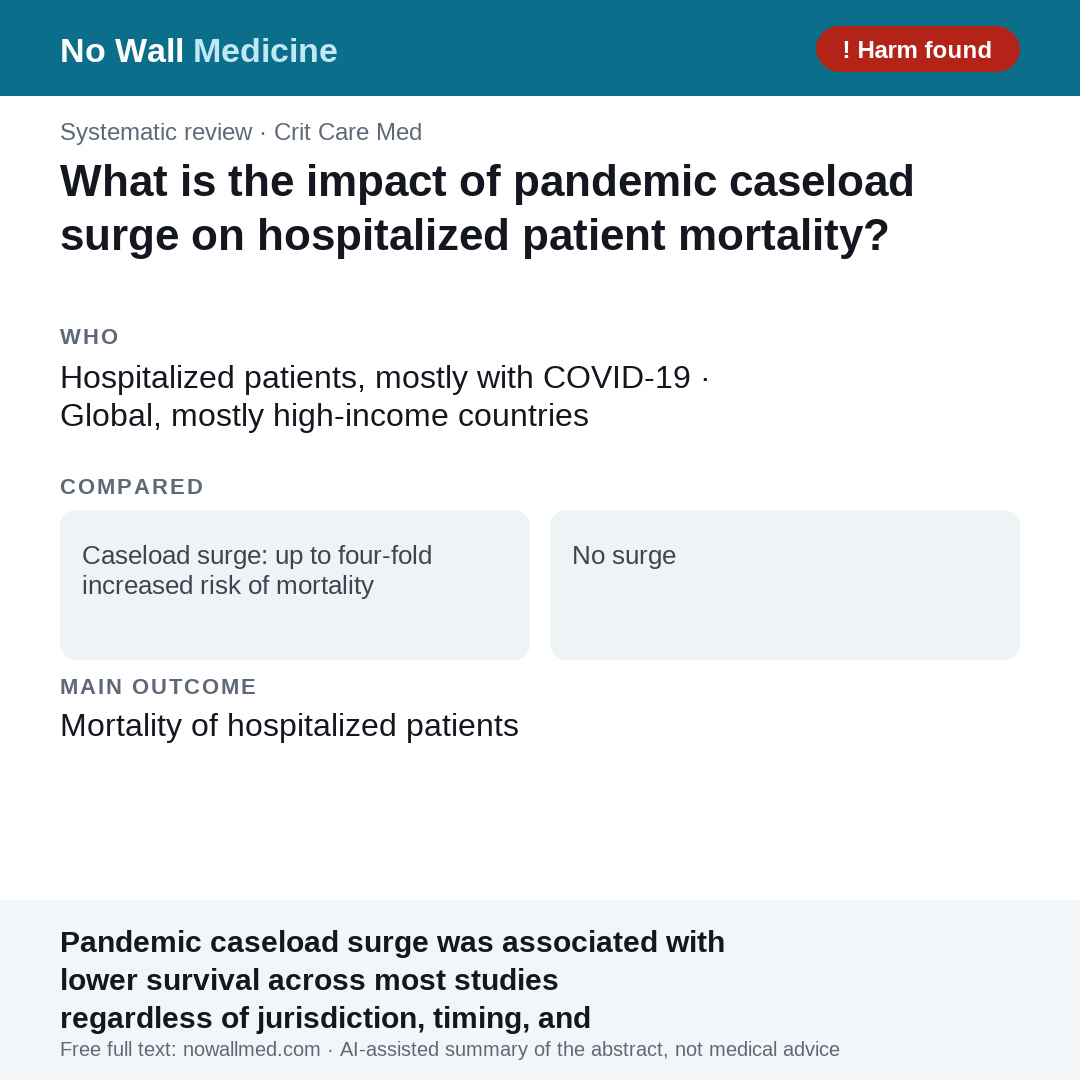
Measures and Impact of Caseload Surge During the COVID-19 Pandemic: A Systematic Review
Systematic reviewHarm found
What is the impact of pandemic caseload surge on hospitalized patient mortality?
Who
39
Hospitalized patients, mostly with COVID-19 · Global, mostly high-income countries
Compared
Caseload surge: up to four-fold increased risk of mortality
No surge
Main outcome
Mortality of hospitalized patients
Bottom line: Pandemic caseload surge was associated with lower survival across most studies regardless of jurisdiction, timing, and population.
Limitation: Variable surge strain measures precluded meta-analysis and findings have uncertain generalizability to lower-middle-income countries.
Crit Care Med · 2024-03-22Download image
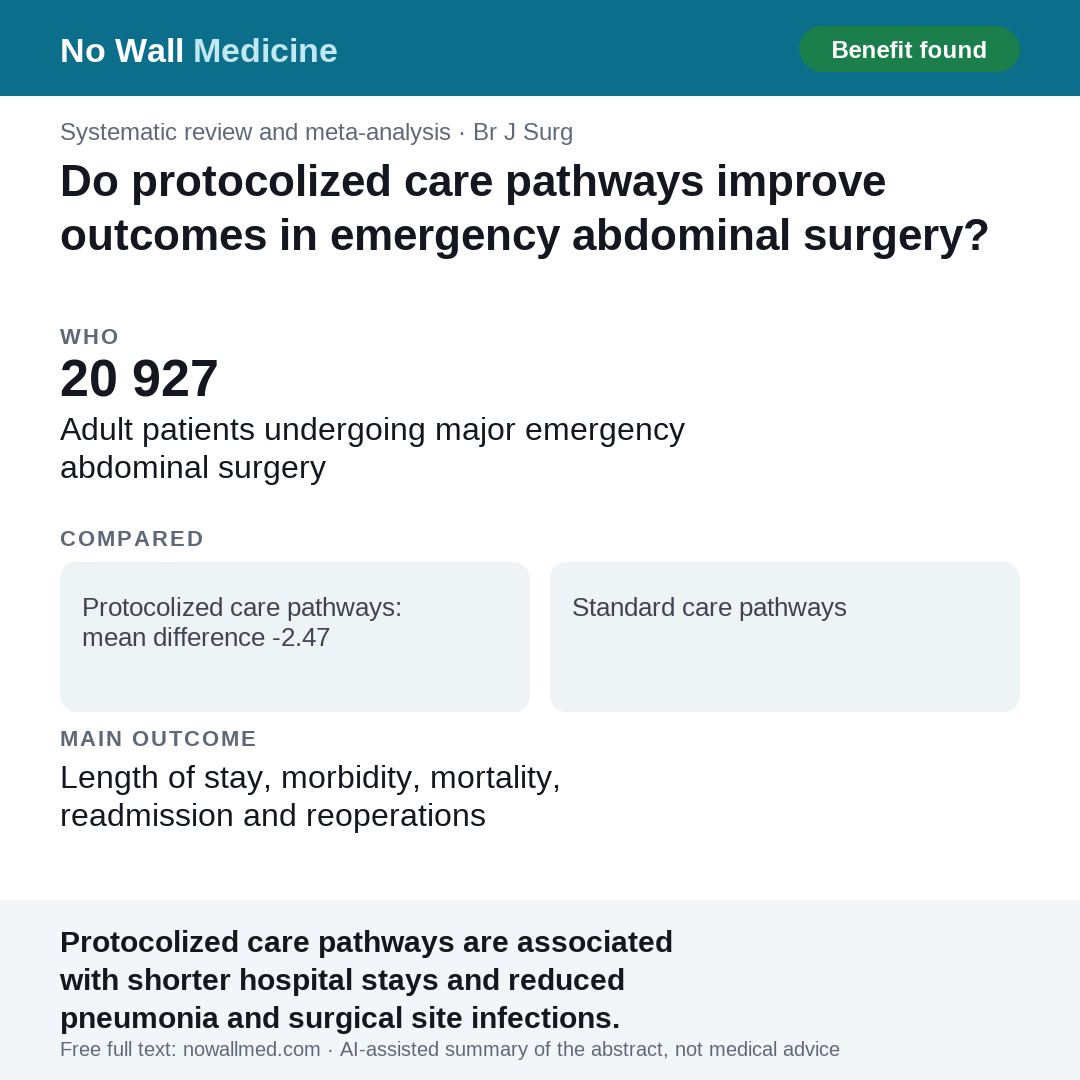
Protocolized care pathways in emergency general surgery: a systematic review and meta-analysis
Systematic review and meta-analysisBenefit found
Do protocolized care pathways improve outcomes in emergency abdominal surgery?
Who
20 927
Adult patients undergoing major emergency abdominal surgery
Compared
Protocolized care pathways: mean difference -2.47
Standard care pathways
Main outcome
Length of stay, morbidity, mortality, readmission and reoperations
Result: mean difference -2.47 (95% c.i. -4.01 to -0.93)
Bottom line: Protocolized care pathways are associated with shorter hospital stays and reduced pneumonia and surgical site infections.
Limitation: Protocolized care pathways currently lack standardization, with variable components and low compliance.
Br J Surg · 2024-03-22Download image
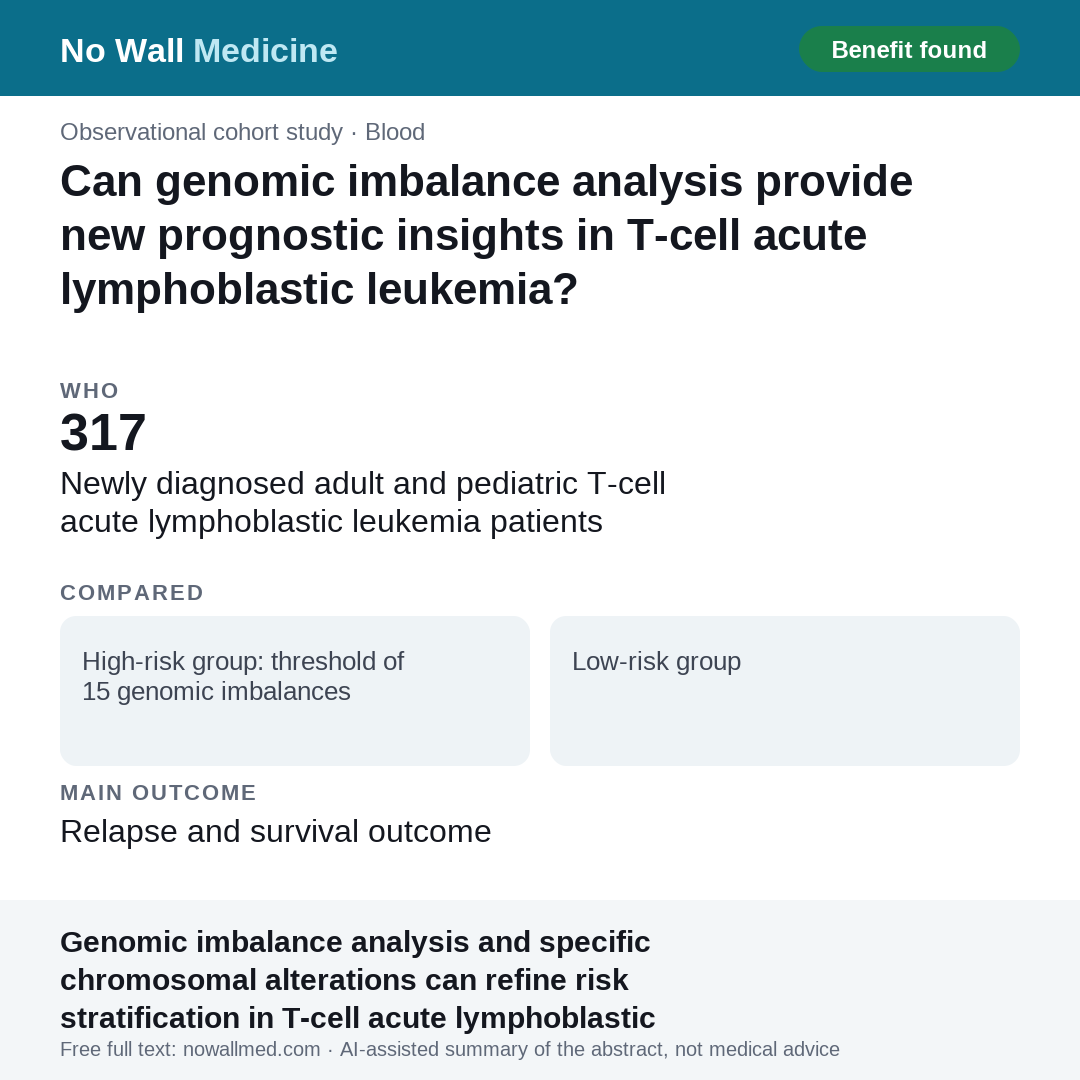
Genomic imbalance analysis provides new insight into prognostic factors in adult and pediatric T-ALL
Observational cohort studyBenefit found
Can genomic imbalance analysis provide new prognostic insights in T-cell acute lymphoblastic leukemia?
Who
317
Newly diagnosed adult and pediatric T-cell acute lymphoblastic leukemia patients
Compared
High-risk group: threshold of 15 genomic imbalances
Low-risk group
Main outcome
Relapse and survival outcome
Bottom line: Genomic imbalance analysis and specific chromosomal alterations can refine risk stratification in T-cell acute lymphoblastic leukemia.
Blood · 2024-03-22Download image
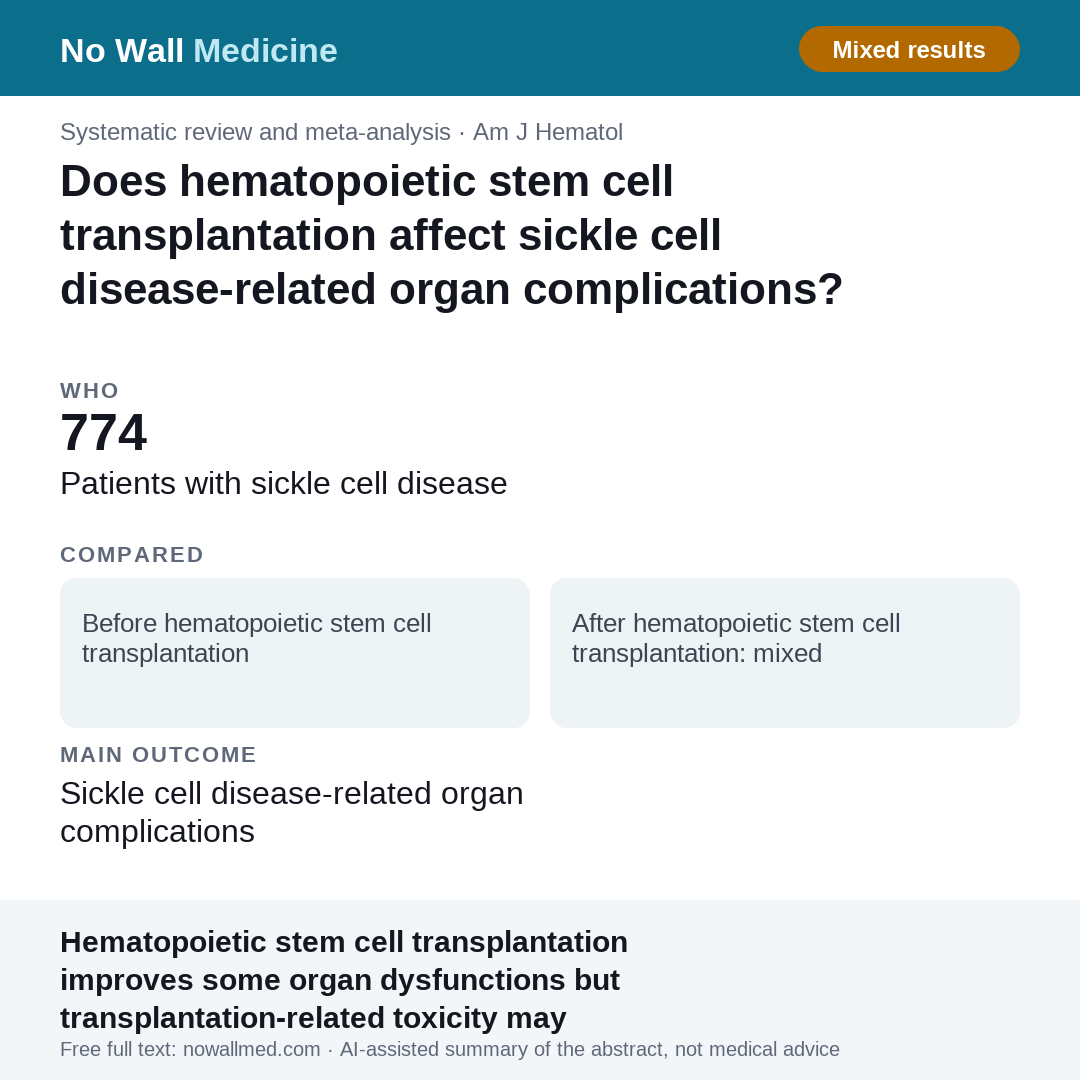
Effect of allogeneic hematopoietic stem cell transplantation on sickle cell disease-related organ complications: A systematic review and meta-analysis
Systematic review and meta-analysisMixed results
Does hematopoietic stem cell transplantation affect sickle cell disease-related organ complications?
Who
774
Patients with sickle cell disease
Compared
Before hematopoietic stem cell transplantation
After hematopoietic stem cell transplantation: mixed
Main outcome
Sickle cell disease-related organ complications
Bottom line: Hematopoietic stem cell transplantation improves some organ dysfunctions but transplantation-related toxicity may adversely affect others.
Am J Hematol · 2024-03-22Download image
A randomised investigation of film-forming silicone gel in superficial partial thickness face and neck burn patients: Indication of improved early scar pigmentation outcomes
Single-blind, randomised, controlled trialMixed results
Does film-forming silicone gel improve outcomes for superficial partial thickness face and neck burns?
Who
55
Patients with superficial partial thickness burns to the face and neck
Compared
Topical silicone film-forming dressing: Median time to healing 9 days (CI 7.6 -10.4)
Standard of care: Median time to healing 7 days (CI 5.3- 8.7)
Main outcome
Time to healing
Bottom line: Silicone gel had comparable wound healing but significantly improved scar pigmentation at six weeks compared to standard care.
Burns · 2024-03-22Download image

Panniculitis in dermatomyositis: A systematic review of the clinicopathologic features
Systematic reviewMixed results
What are the clinicopathologic features of panniculitis in dermatomyositis?
Who
91
Patients with dermatomyositis and confirmed panniculitis
Compared
Patients with panniculitis in dermatomyositis: 67.3% had a good/complete response
22.4%Recalcitrant disease
Main outcome
Clinicopathologic features and treatment response
Bottom line: Panniculitis in dermatomyositis primarily affects young women, mimics lupus panniculitis, and mostly responds to therapy.
Limitation: Retrospective nature, inconsistent reporting of parameters, and lack of longitudinal data.
JAAD Int · 2024-03-22Download image

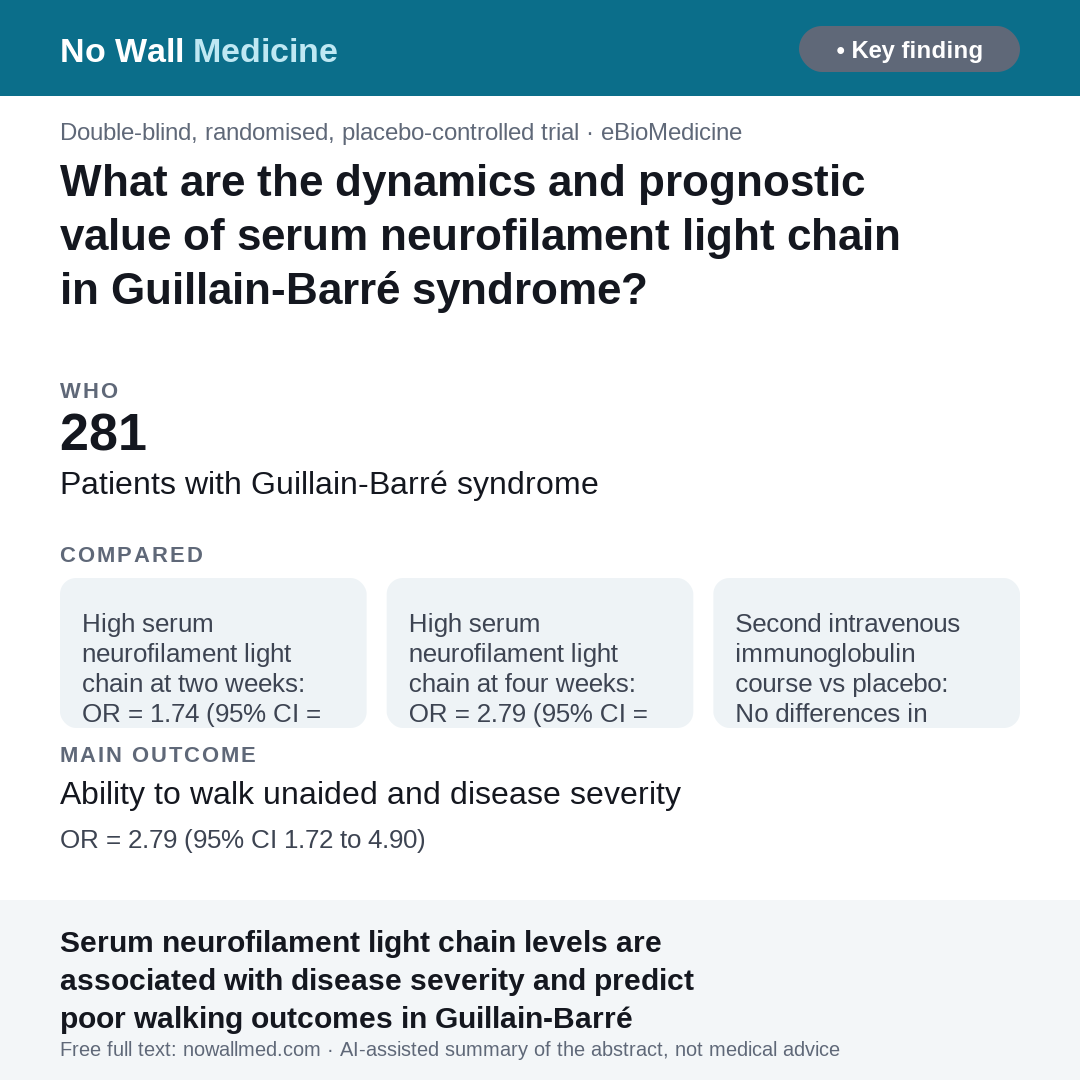
Dynamics and prognostic value of serum neurofilament light chain in Guillain-Barré syndrome
Double-blind, randomised, placebo-controlled trialBenefit found
What are the dynamics and prognostic value of serum neurofilament light chain in Guillain-Barré syndrome?
Who
281
Patients with Guillain-Barré syndrome
Compared
High serum neurofilament light chain at two weeks: OR = 1.74 (95% CI = 1.27-2.45) for inability to walk unaided at four weeks
High serum neurofilament light chain at four weeks: OR = 2.79 (95% CI = 1.72-4.90) for inability to walk unaided at 26 weeks
Second intravenous immunoglobulin course vs placebo: No differences in serum neurofilament light chain were observed
Main outcome
Ability to walk unaided and disease severity
Result: OR = 2.79 (95% CI 1.72 to 4.90)
Bottom line: Serum neurofilament light chain levels are associated with disease severity and predict poor walking outcomes in Guillain-Barré syndrome.
Funded by: Prinses Beatrix Spierfonds W.OR19-24
eBioMedicine · 2024-03-22Download image
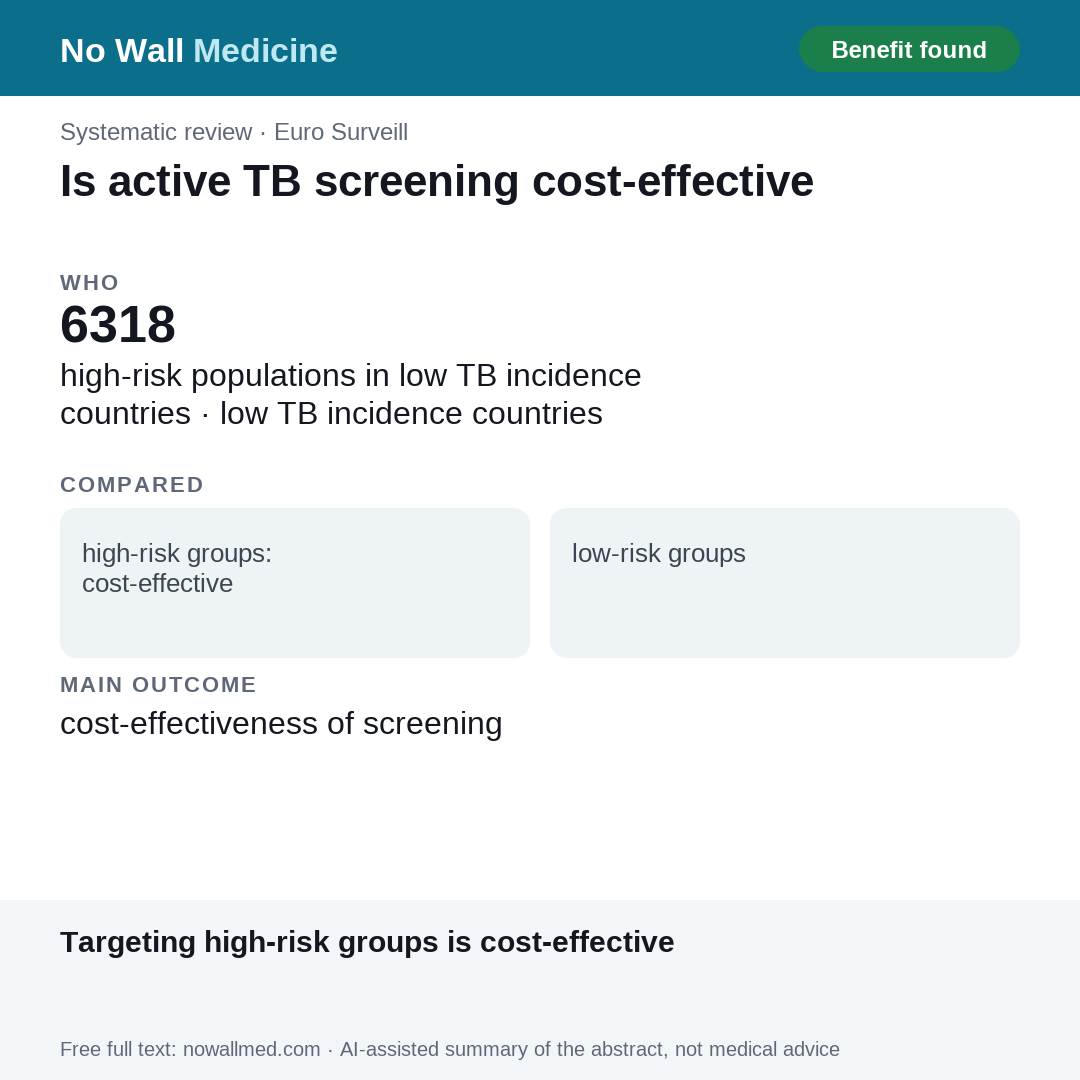
Cost-effectiveness of active tuberculosis screening among high-risk populations in low tuberculosis incidence countries: a systematic review, 2008 to 2023
Systematic reviewBenefit found
Is active TB screening cost-effective
Who
6318
high-risk populations in low TB incidence countries · low TB incidence countries
Compared
high-risk groups: cost-effective
low-risk groups
Main outcome
cost-effectiveness of screening
Bottom line: Targeting high-risk groups is cost-effective
Limitation: data heterogenicity
Euro Surveill · 2024-03-22Download image
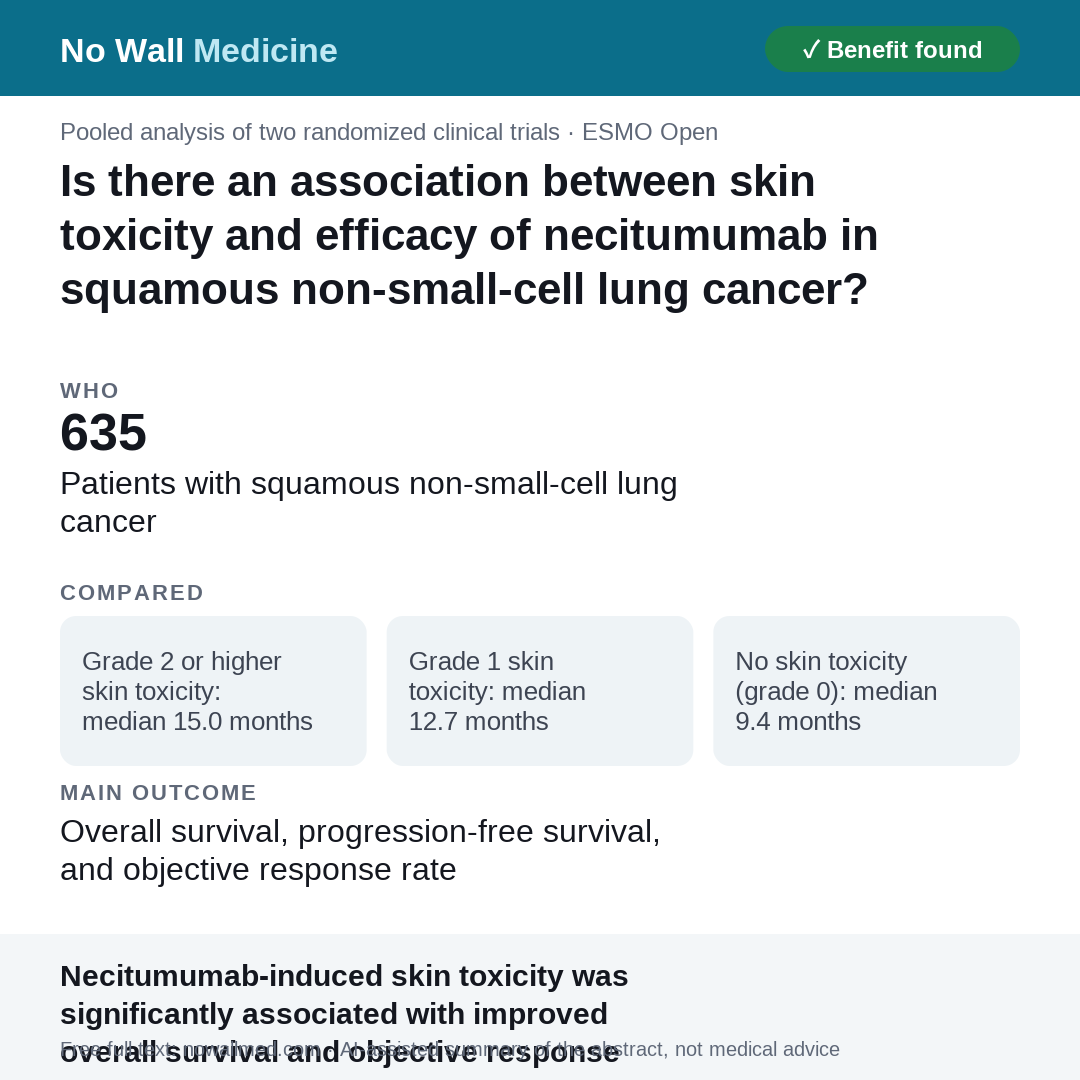
Association between skin toxicity and efficacy of necitumumab in squamous non-small-cell lung cancer: a pooled analysis of two randomized clinical trials-SQUIRE and JFCM
Pooled analysis of two randomized clinical trialsBenefit found
Is there an association between skin toxicity and efficacy of necitumumab in squamous non-small-cell lung cancer?
Who
635
Patients with squamous non-small-cell lung cancer
Compared
Grade 2 or higher skin toxicity: median 15.0 months
Grade 1 skin toxicity: median 12.7 months
No skin toxicity (grade 0): median 9.4 months
Main outcome
Overall survival, progression-free survival, and objective response rate
Result: hazard ratio 0.51 (95% CI 0.40-0.64) for grade ≥2 to grade 0
Bottom line: Necitumumab-induced skin toxicity was significantly associated with improved overall survival and objective response rate.
ESMO Open · 2024-03-22Download image
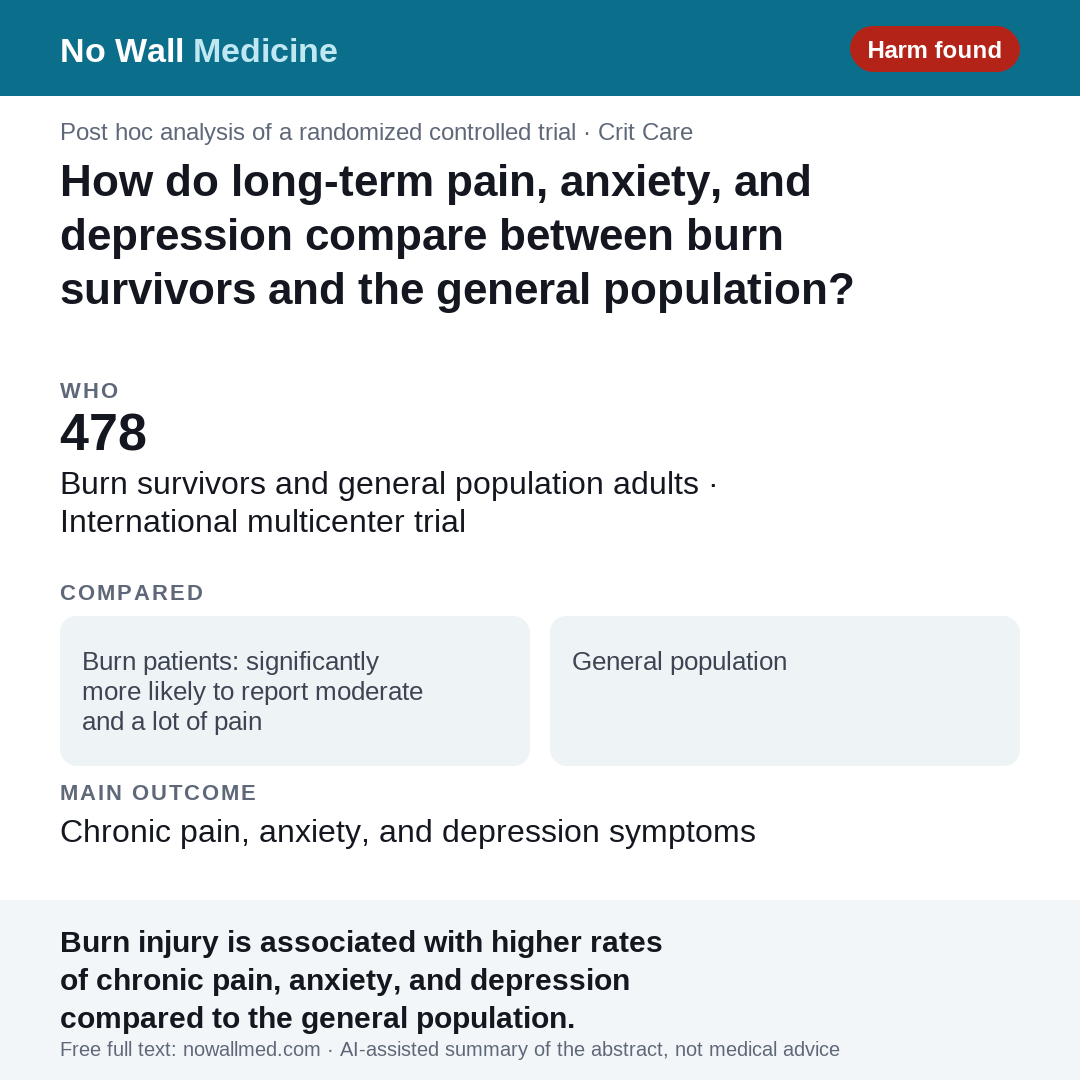
The long-term intercorrelation between post-burn pain, anxiety, and depression: a post hoc analysis of the "RE-ENERGIZE" double-blind, randomized, multicenter placebo-controlled trial
Post hoc analysis of a randomized controlled trialHarm found
How do long-term pain, anxiety, and depression compare between burn survivors and the general population?
Who
478
Burn survivors and general population adults · International multicenter trial
Compared
Burn patients: significantly more likely to report moderate and a lot of pain
General population
Main outcome
Chronic pain, anxiety, and depression symptoms
Bottom line: Burn injury is associated with higher rates of chronic pain, anxiety, and depression compared to the general population.
Crit Care · 2024-03-22Download image
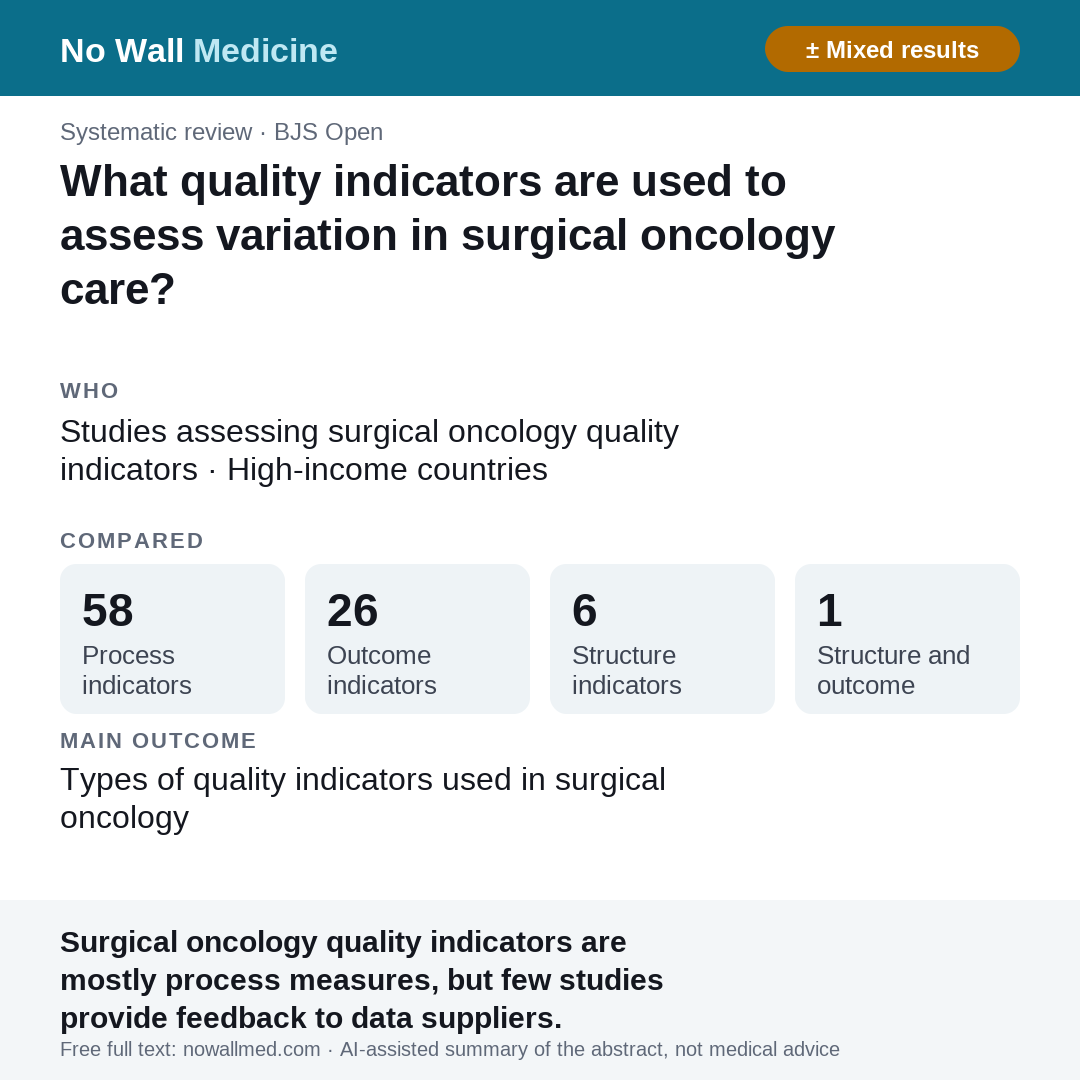
Quality indicators in surgical oncology: systematic review of measures used to compare quality across hospitals
Systematic reviewMixed results
What quality indicators are used to assess variation in surgical oncology care?
Who
Studies assessing surgical oncology quality indicators · High-income countries
Compared
58Process indicators (64%)
26Outcome indicators (29%)
6Structure indicators (7%)
1Structure and outcome indicators (1%)
Main outcome
Types of quality indicators used in surgical oncology
Bottom line: Surgical oncology quality indicators are mostly process measures, but few studies provide feedback to data suppliers.
BJS Open · 2024-03-22Download image
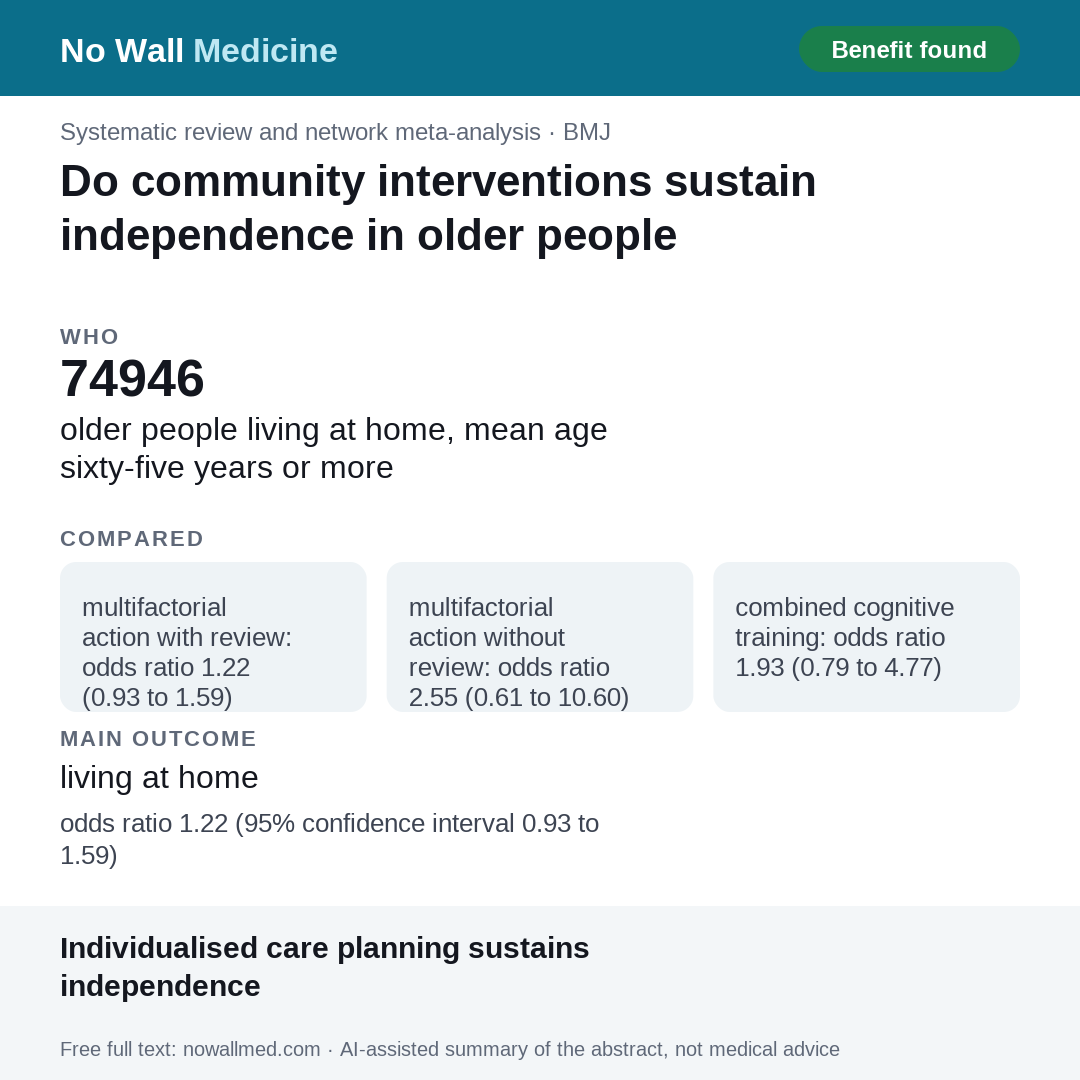
Community based complex interventions to sustain independence in older people: systematic review and network meta-analysis
Systematic review and network meta-analysisBenefit found
Do community interventions sustain independence in older people
Who
74946
older people living at home, mean age sixty-five years or more
Compared
multifactorial action with review: odds ratio 1.22 (0.93 to 1.59)
multifactorial action without review: odds ratio 2.55 (0.61 to 10.60)
combined cognitive training: odds ratio 1.93 (0.79 to 4.77)
Main outcome
living at home
Result: odds ratio 1.22 (95% confidence interval 0.93 to 1.59)
Bottom line: Individualised care planning sustains independence
Limitation: high risk of bias and imprecise estimates
BMJ · 2024-03-21Download image
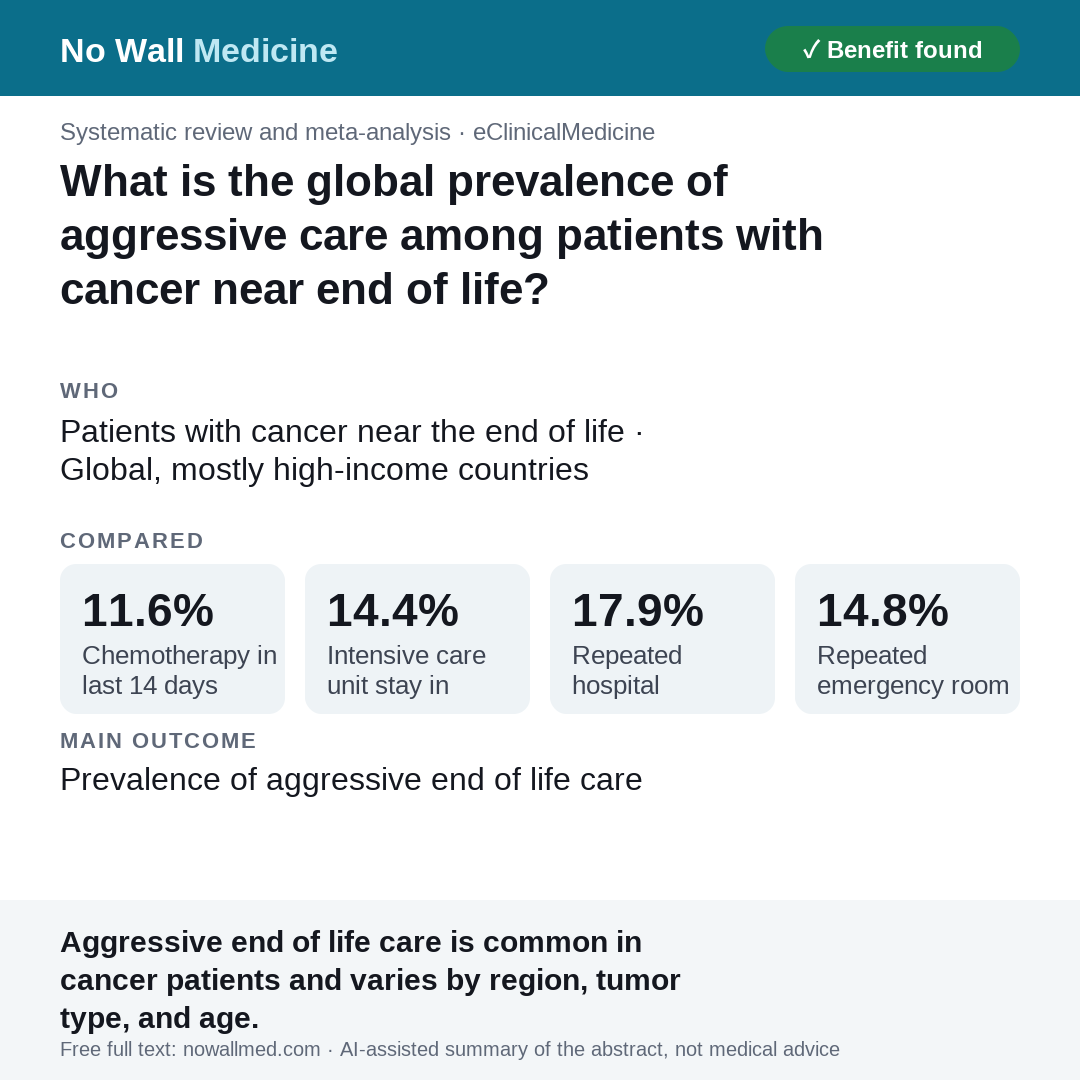
Prevalence of aggressive care among patients with cancer near the end of life: a systematic review and meta-analysis
Systematic review and meta-analysisBenefit found
What is the global prevalence of aggressive care among patients with cancer near end of life?
Who
Patients with cancer near the end of life · Global, mostly high-income countries
Compared
11.6%Chemotherapy in last 14 days (95% CI, 9.8%-13.4%)
14.4%Intensive care unit stay in last 30 days (95% CI, 11.8%-17.0%)
17.9%Repeated hospital admission in last 30 days (95% CI, 14.4%-21.4%)
14.8%Repeated emergency room visit in last 30 days (95% CI, 12.0%-17.6%)
Main outcome
Prevalence of aggressive end of life care
Bottom line: Aggressive end of life care is common in cancer patients and varies by region, tumor type, and age.
Limitation: Measures of aggressive care were inconsistent across studies
Funded by: National Natural Science Foundation of China
eClinicalMedicine · 2024-03-21Download image
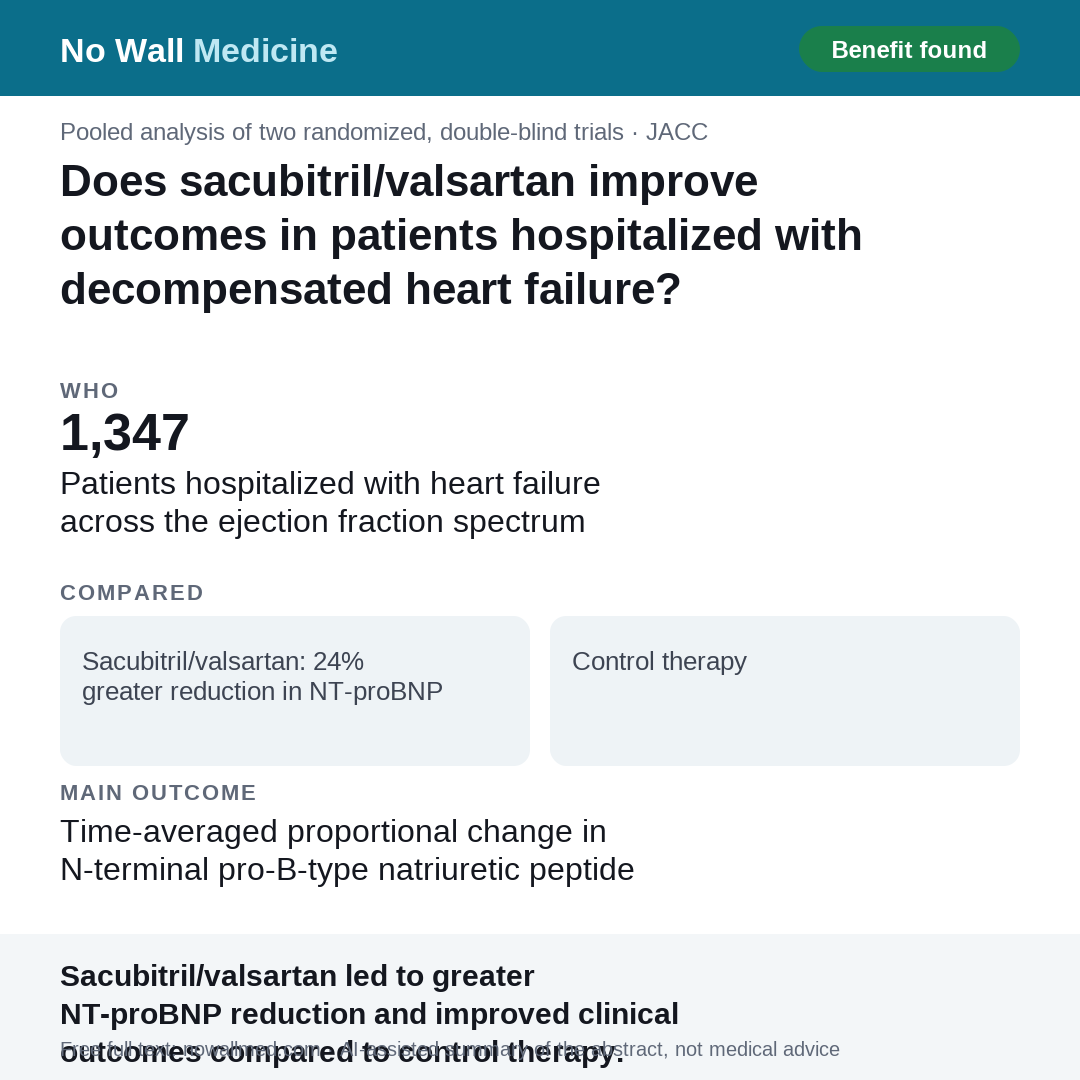
Sacubitril/Valsartan in Patients Hospitalized With Decompensated Heart Failure
Pooled analysis of two randomized, double-blind trialsBenefit found
Does sacubitril/valsartan improve outcomes in patients hospitalized with decompensated heart failure?
Who
1,347
Patients hospitalized with heart failure across the ejection fraction spectrum
Compared
Sacubitril/valsartan: 24% greater reduction in NT-proBNP
Control therapy
Main outcome
Time-averaged proportional change in N-terminal pro-B-type natriuretic peptide
Result: ratio of change = 0.76; 95% CI: 0.69-0.83
Bottom line: Sacubitril/valsartan led to greater NT-proBNP reduction and improved clinical outcomes compared to control therapy.
JACC · 2024-03-21Download image
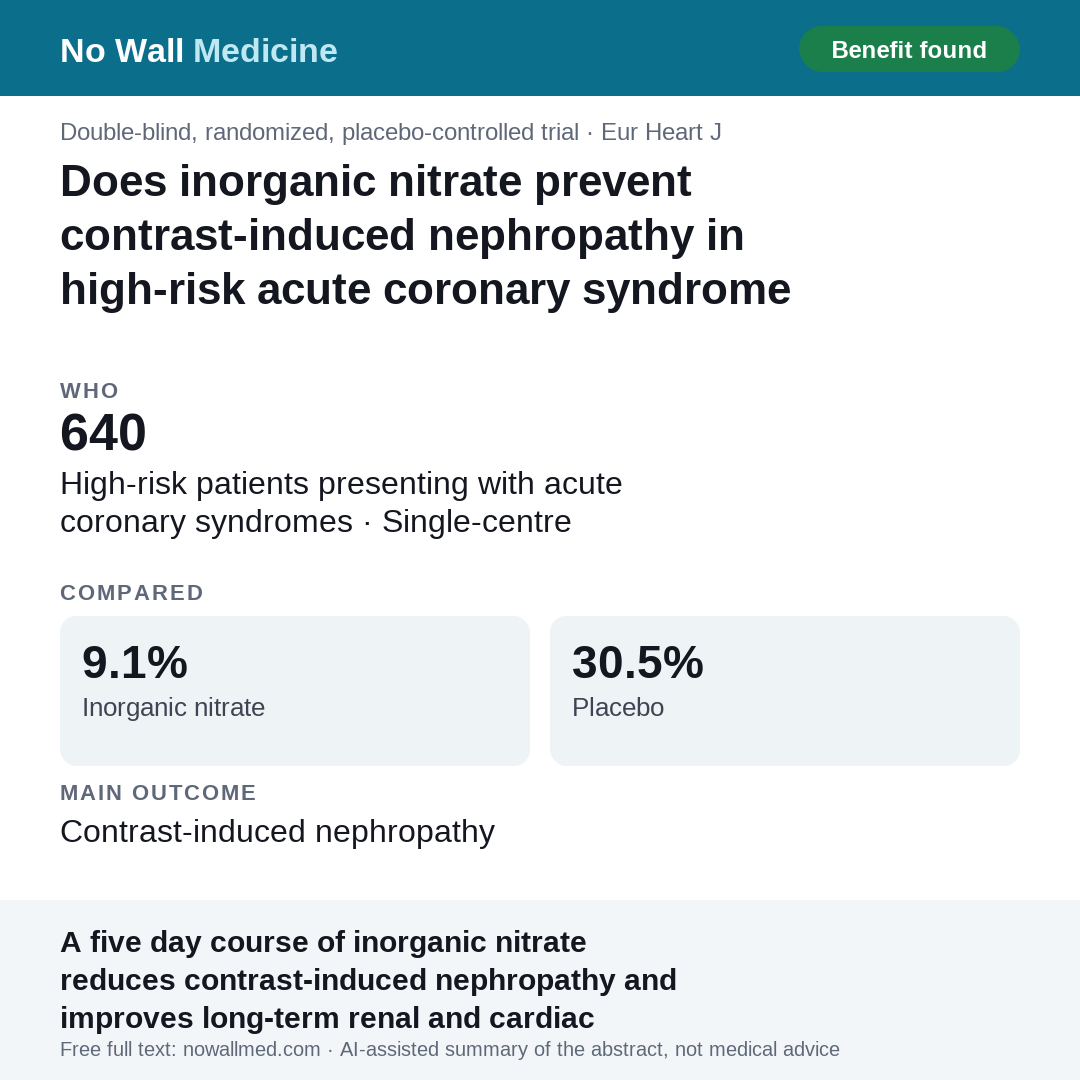
Inorganic nitrate benefits contrast-induced nephropathy after coronary angiography for acute coronary syndromes: the NITRATE-CIN trial
Double-blind, randomized, placebo-controlled trialBenefit found
Does inorganic nitrate prevent contrast-induced nephropathy in high-risk acute coronary syndrome patients?
Who
640
High-risk patients presenting with acute coronary syndromes · Single-centre
Compared
9.1%Inorganic nitrate
30.5%Placebo
Main outcome
Contrast-induced nephropathy
Result: odds ratio 0.21 (95% confidence interval 0.13-0.34)
Bottom line: A five day course of inorganic nitrate reduces contrast-induced nephropathy and improves long-term renal and cardiac outcomes.
Eur Heart J · 2024-03-21Download image
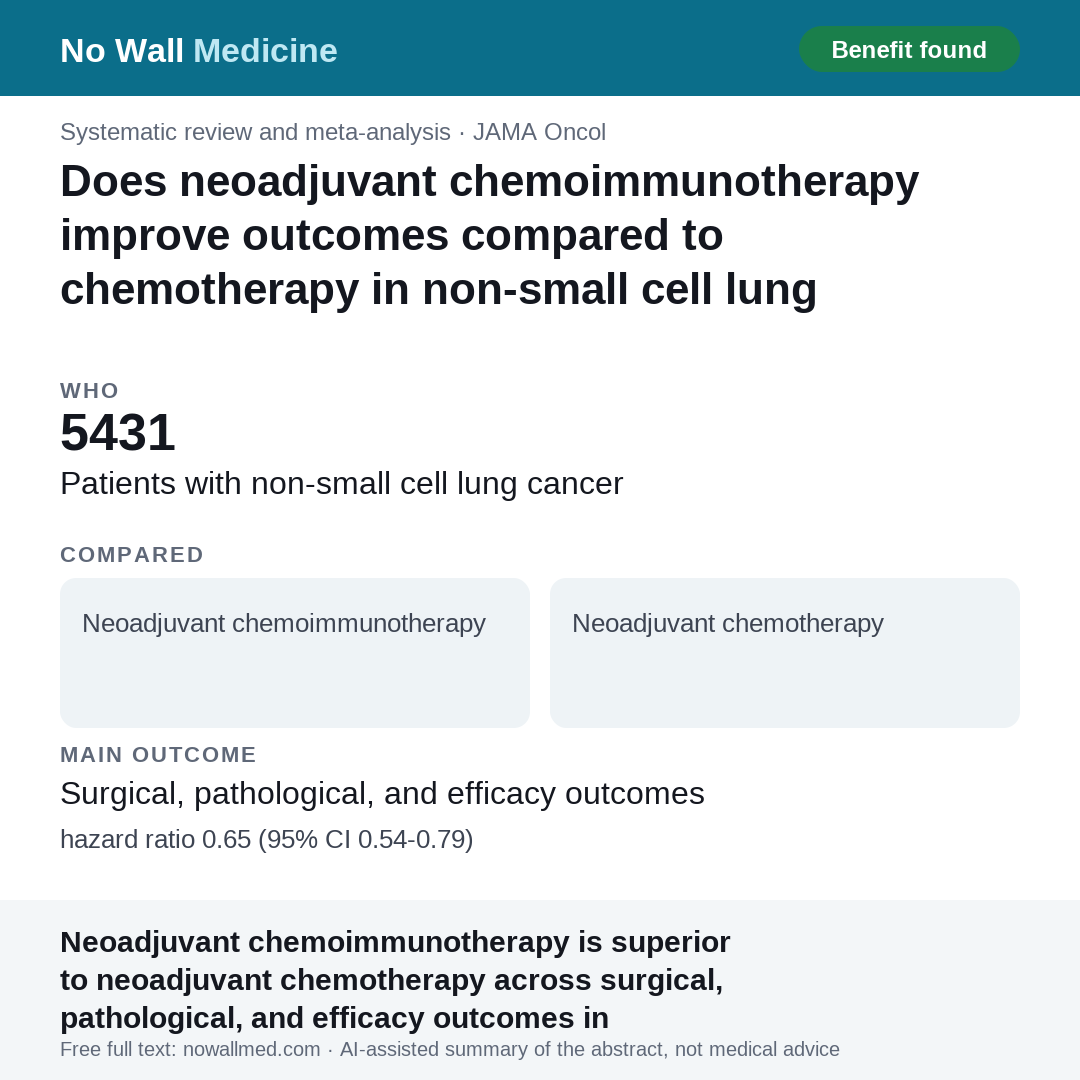
Neoadjuvant Chemoimmunotherapy for NSCLC: A Systematic Review and Meta-Analysis
Systematic review and meta-analysisBenefit found
Does neoadjuvant chemoimmunotherapy improve outcomes compared to chemotherapy in non-small cell lung cancer?
Who
5431
Patients with non-small cell lung cancer
Compared
Neoadjuvant chemoimmunotherapy
Neoadjuvant chemotherapy
Main outcome
Surgical, pathological, and efficacy outcomes
Result: hazard ratio 0.65 (95% CI 0.54-0.79)
Bottom line: Neoadjuvant chemoimmunotherapy is superior to neoadjuvant chemotherapy across surgical, pathological, and efficacy outcomes in non-small cell lung cancer.
JAMA Oncol · 2024-03-21Download image
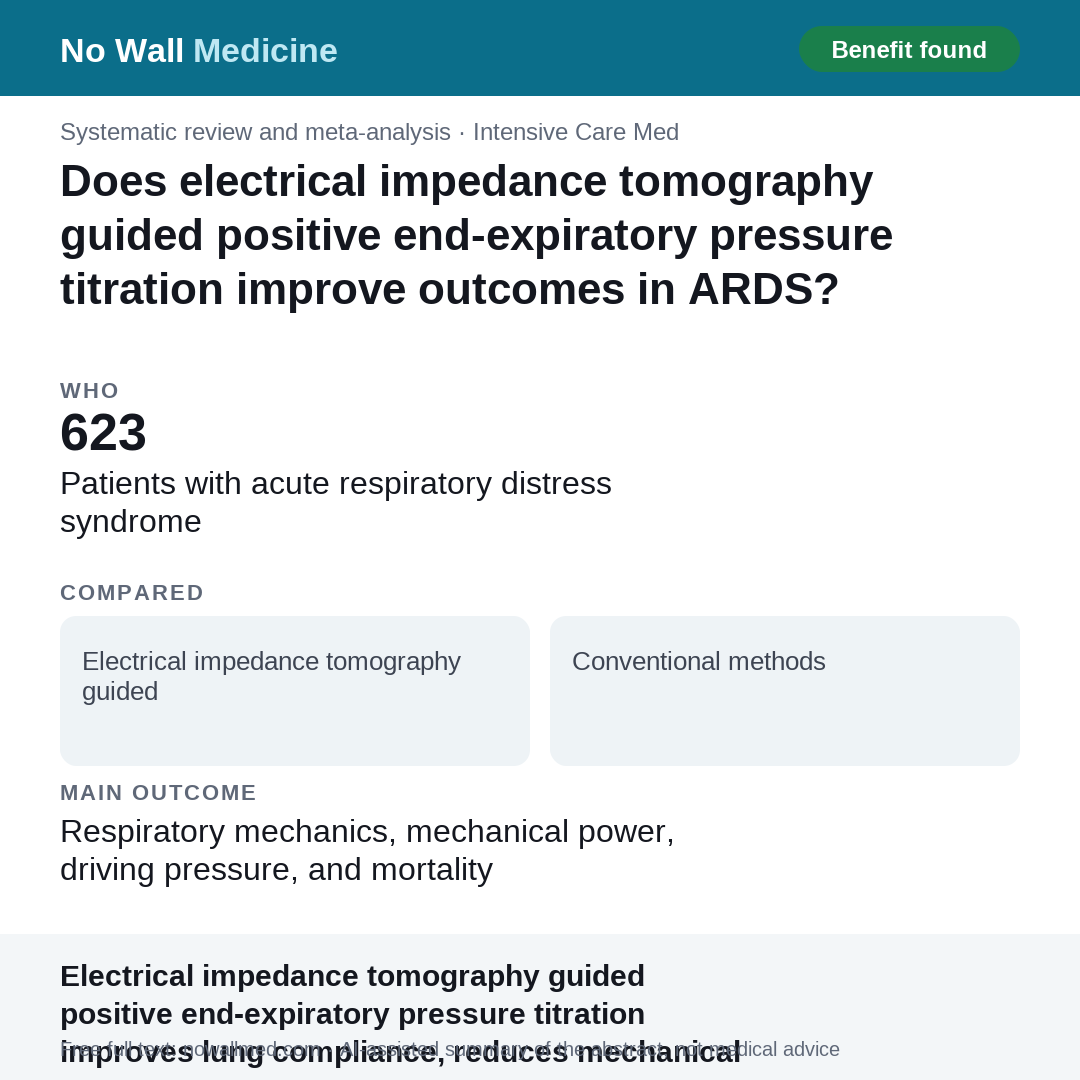
Electrical impedance tomography-guided positive end-expiratory pressure titration in ARDS: a systematic review and meta-analysis
Systematic review and meta-analysisBenefit found
Does electrical impedance tomography guided positive end-expiratory pressure titration improve outcomes in ARDS?
Who
623
Patients with acute respiratory distress syndrome
Compared
Electrical impedance tomography guided
Conventional methods
Main outcome
Respiratory mechanics, mechanical power, driving pressure, and mortality
Result: relative risk 0.64 (95% CI 0.45 to 0.91) for mortality
Bottom line: Electrical impedance tomography guided positive end-expiratory pressure titration improves lung compliance, reduces mechanical power, and lowers mortality in ARDS.
Intensive Care Med · 2024-03-21Download image
The Transatlantic Recommendations for Prostate Gland Evaluation with Magnetic Resonance Imaging After Focal Therapy (TARGET): A Systematic Review and International Consensus Recommendations
Systematic review and international consensus exerciseBenefit found
What are the consensus recommendations for MRI evaluation after prostate cancer focal therapy?
Who
23
Experts in urology, radiology, and pathology · Europe and North America
Compared
Round one consensus: 227 of 295 statements
Round two consensus: 270 of 329 statements
Main outcome
Consensus recommendations for MRI acquisition, interpretation, and reporting
Bottom line: New expert recommendations provide standards for MRI acquisition, interpretation, and reporting after prostate cancer focal therapy.
Eur Urol · 2024-03-21Download image

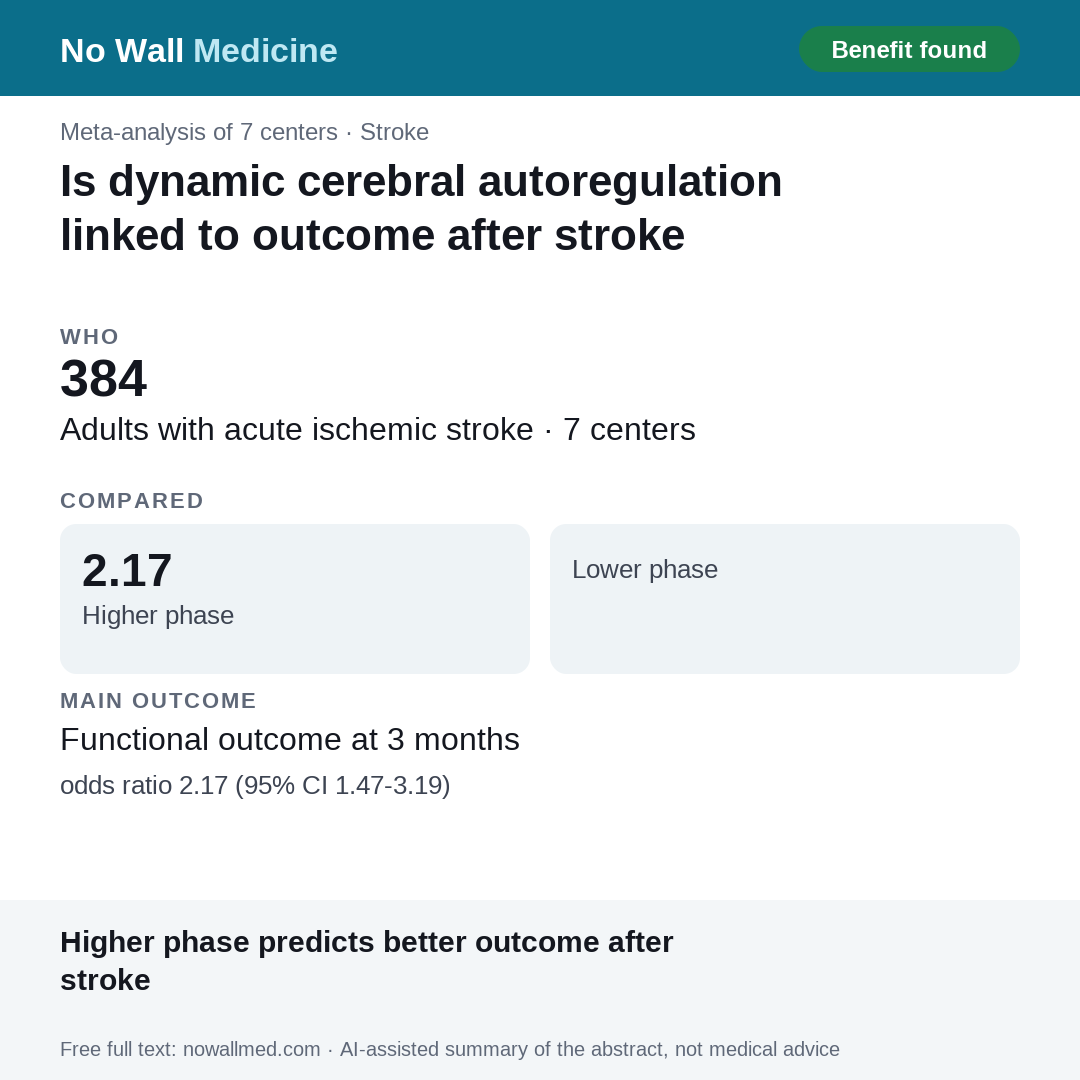
Individual Patient Data Meta-Analysis of Dynamic Cerebral Autoregulation and Functional Outcome After Ischemic Stroke
Meta-analysis of 7 centersBenefit found
Is dynamic cerebral autoregulation linked to outcome after stroke
Who
384
Adults with acute ischemic stroke · 7 centers
Compared
2.17Higher phase (95% CI 1.47-3.19)
Lower phase
Main outcome
Functional outcome at 3 months
Result: odds ratio 2.17 (95% CI 1.47-3.19)
Bottom line: Higher phase predicts better outcome after stroke
Limitation: small sample sizes and heterogeneity
Stroke · 2024-03-21Download image