Visual abstracts
New randomized trials and meta-analyses from leading journals at a glance: who was studied, what was compared, and what was found. Every paper is free to read in full.
All specialtiesCardiology 4763Oncology 4042Gastroenterology & Hepatology 1902Infectious Disease 3756Neurology 1872Psychiatry & Mental Health 2214Pulmonology 2042Critical Care 1319Endocrinology & Diabetes 2544Pediatrics 2889Surgery 2479Orthopedics & Sports Medicine 917Neurosurgery 525Cardiothoracic & Vascular Surgery 656Plastic & Reconstructive Surgery 574Nephrology 1107Rheumatology 810Hematology 1090Dermatology 611Ophthalmology 532Obstetrics & Gynecology 1645Public & Global Health 1037Radiology & Imaging 617Anesthesiology 957Urology 745ENT (Otolaryngology) 494Emergency Medicine 481Allergy & Immunology 309Geriatrics 972Family Medicine & Primary Care 533Medical Genetics & Genomics 659Pathology & Laboratory Medicine 156Physical Medicine & Rehabilitation 734Palliative Care 421Nutrition 1560Digital Health & AI 2133General Medicine 318
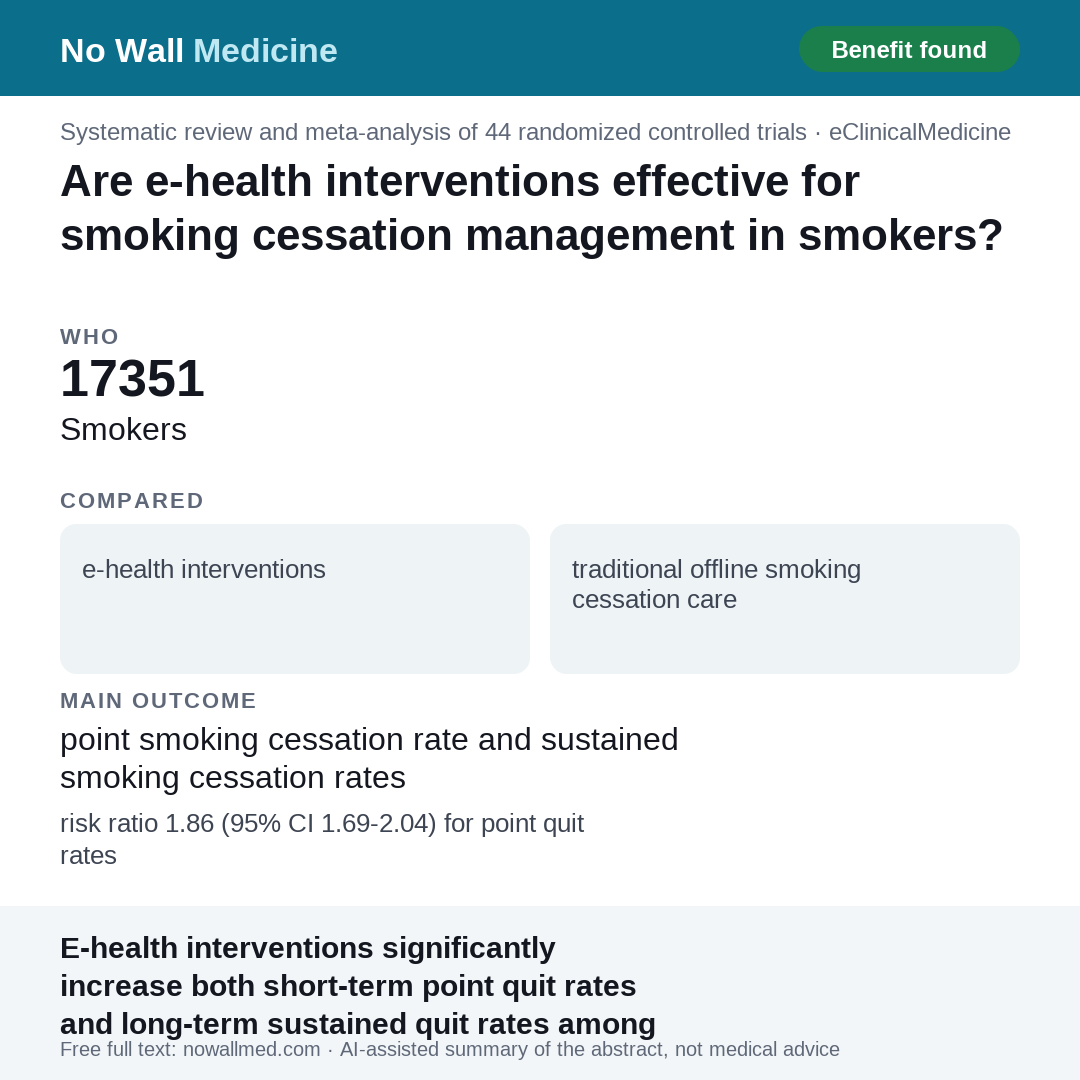
Efficacy of e-health interventions for smoking cessation management in smokers: a systematic review and meta-analysis
Systematic review and meta-analysis of 44 randomized controlled trialsBenefit found
Are e-health interventions effective for smoking cessation management in smokers?
Who
17351
Smokers
Compared
e-health interventions
traditional offline smoking cessation care
Main outcome
point smoking cessation rate and sustained smoking cessation rates
Result: risk ratio 1.86 (95% CI 1.69-2.04) for point quit rates
Bottom line: E-health interventions significantly increase both short-term point quit rates and long-term sustained quit rates among smokers.
eClinicalMedicine · 2024-01-05Download image
15 years of patient-reported outcomes in clinical trials leading to GU cancer drug approvals: a systematic review on the quality of data reporting and analysis
Systematic reviewHarm found
What is the quality of patient-reported outcome reporting in genitourinary cancer drug trials?
Who
27,011
Participants in genitourinary cancer drug approval trials · International
Compared
Renal cell cancer: Mean PROEAS score 11.86 (range 6-15)
Urothelial cancer: Mean PROEAS score 11.50 (range 9-14)
Prostate cancer: Mean PROEAS score 10.56 (range 6-15)
Main outcome
Patient-reported outcome endpoint design, conduct, and reporting quality
Bottom line: Genitourinary cancer drug trials show low quality patient-reported outcome reporting and delays in data publication.
eClinicalMedicine · 2024-01-05Download image

Weight Changes and Adverse Pregnancy Outcomes With Dolutegravir- and Tenofovir Alafenamide Fumarate-Containing Antiretroviral Treatment Regimens During Pregnancy and Postpartum
Randomized trialBenefit found
How do different antiretroviral regimens affect weight change and pregnancy outcomes?
Who
643
Women with human immunodeficiency virus-1 in 9 countries · 9 countries
Compared
dolutegravir, emtricitabine, and tenofovir alafenamide fumarate: 15.0% insufficient weight gain
dolutegravir, emtricitabine, and tenofovir disoproxil fumarate: 23.6% insufficient weight gain
efavirenz, emtricitabine, and tenofovir disoproxil fumarate: 30.4% insufficient weight gain
Main outcome
adverse pregnancy outcomes and week 50 postpartum body mass index
Result: hazard ratio 1.44 (95% confidence interval 1.04-2.00)
Bottom line: Dolutegravir-based regimens were associated with less insufficient weight gain and better pregnancy outcomes compared to other regimens.
Clin Infect Dis · 2024-01-05Download image

Long-Term Neuropsychiatric, Neurocognitive, and Functional Outcomes of Patients Receiving ECMO: A Systematic Review and Meta-Analysis
Systematic review and meta-analysisKey finding
What are the long-term neuropsychiatric, neurocognitive, and functional outcomes of adult patients receiving extracorporeal membrane oxygenation?
Who
3280
Adult patients receiving extracorporeal membrane oxygenation
Compared
Venoarterial extracorporeal membrane oxygenation: 32% (95% CI 23%-41%) neuropsychiatric symptoms
Venovenous extracorporeal membrane oxygenation: 55% (95% CI 34%-75%) neuropsychiatric symptoms
Main outcome
Prevalence of neuropsychiatric symptoms at long-term follow-up
Result: 41% (95% CI 33%-49%) neuropsychiatric symptoms
Bottom line: Many patients receiving extracorporeal membrane oxygenation experience long-term neuropsychiatric symptoms, neurocognitive impairment, and functional impairment.
Neurology · 2024-01-05Download image

Perspectives of ICU Patients on Deferred Consent in the Context of Post-ICU Quality of Life: A Substudy of a Randomized Clinical Trial
Survey study by questionnaireBenefit found
How do former intensive care unit patients view deferred consent and quality of life?
Who
197
Former intensive care unit patients from the ICONIC trial · Eight intensive care units in The Netherlands
Compared
Higher quality of life: more likely to be content
Lower quality of life
Main outcome
Opinions on deferred consent and quality of life
Bottom line: Former intensive care patients were predominantly positive regarding deferred consent, especially those with higher quality of life.
Crit Care Med · 2024-01-05Download image

Left-Ventricular Unloading With Impella During Refractory Cardiac Arrest Treated With Extracorporeal Cardiopulmonary Resuscitation: A Systematic Review and Meta-Analysis
Systematic review and meta-analysis of observational studiesKey finding
Does left-ventricular unloading with Impella improve in-hospital mortality during extracorporeal cardiopulmonary resuscitation?
Who
1014
Adult patients with refractory cardiac arrest receiving extracorporeal cardiopulmonary resuscitation · 32 hospitals
Compared
Venoarterial extracorporeal membrane oxygenation alone
ECMELLA (Venoarterial extracorporeal membrane oxygenation plus Impella)
Main outcome
in-hospital mortality
Result: odds ratio 0.53 (95% CI 0.30-0.91)
Bottom line: Left-ventricular unloading with Impella during extracorporeal cardiopulmonary resuscitation may be associated with improved survival and neurologic outcomes.
Limitation: Indications and frequency of left-ventricular unloading support varied strongly between institutions.
Crit Care Med · 2024-01-05Download image

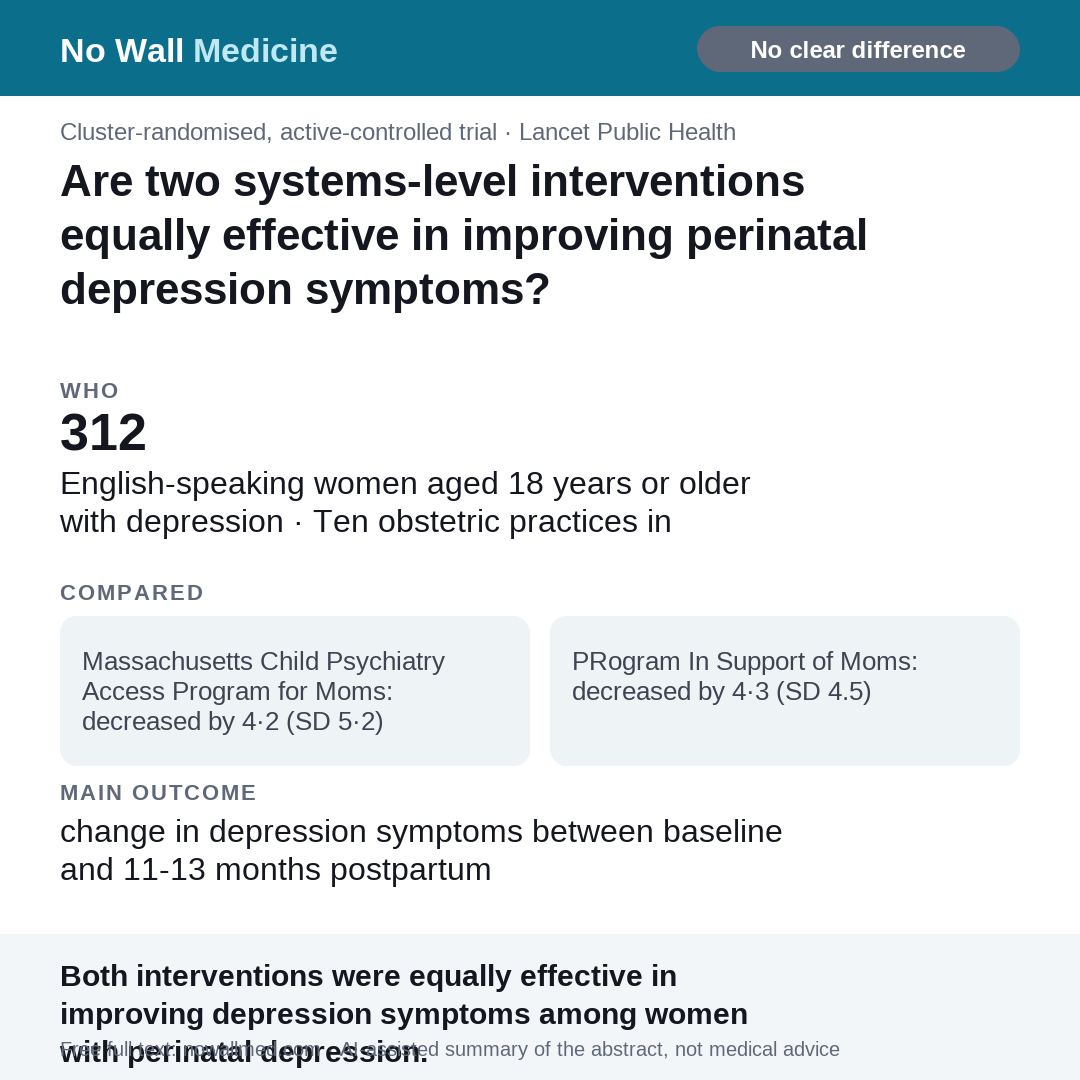
Effectiveness of two systems-level interventions to address perinatal depression in obstetric settings (PRISM): an active-controlled cluster-randomised trial
Cluster-randomised, active-controlled trialNo clear difference
Are two systems-level interventions equally effective in improving perinatal depression symptoms?
Who
312
English-speaking women aged 18 years or older with depression · Ten obstetric practices in Massachusetts, United States
Compared
Massachusetts Child Psychiatry Access Program for Moms: decreased by 4·2 (SD 5·2)
PRogram In Support of Moms: decreased by 4·3 (SD 4.5)
Main outcome
change in depression symptoms between baseline and 11-13 months postpartum
Result: estimated difference 0·1 (95% CI -1·2 to 1·4)
Bottom line: Both interventions were equally effective in improving depression symptoms among women with perinatal depression.
Funded by: US Centers for Disease Control and Prevention
Lancet Public Health · 2024-01-05Download image
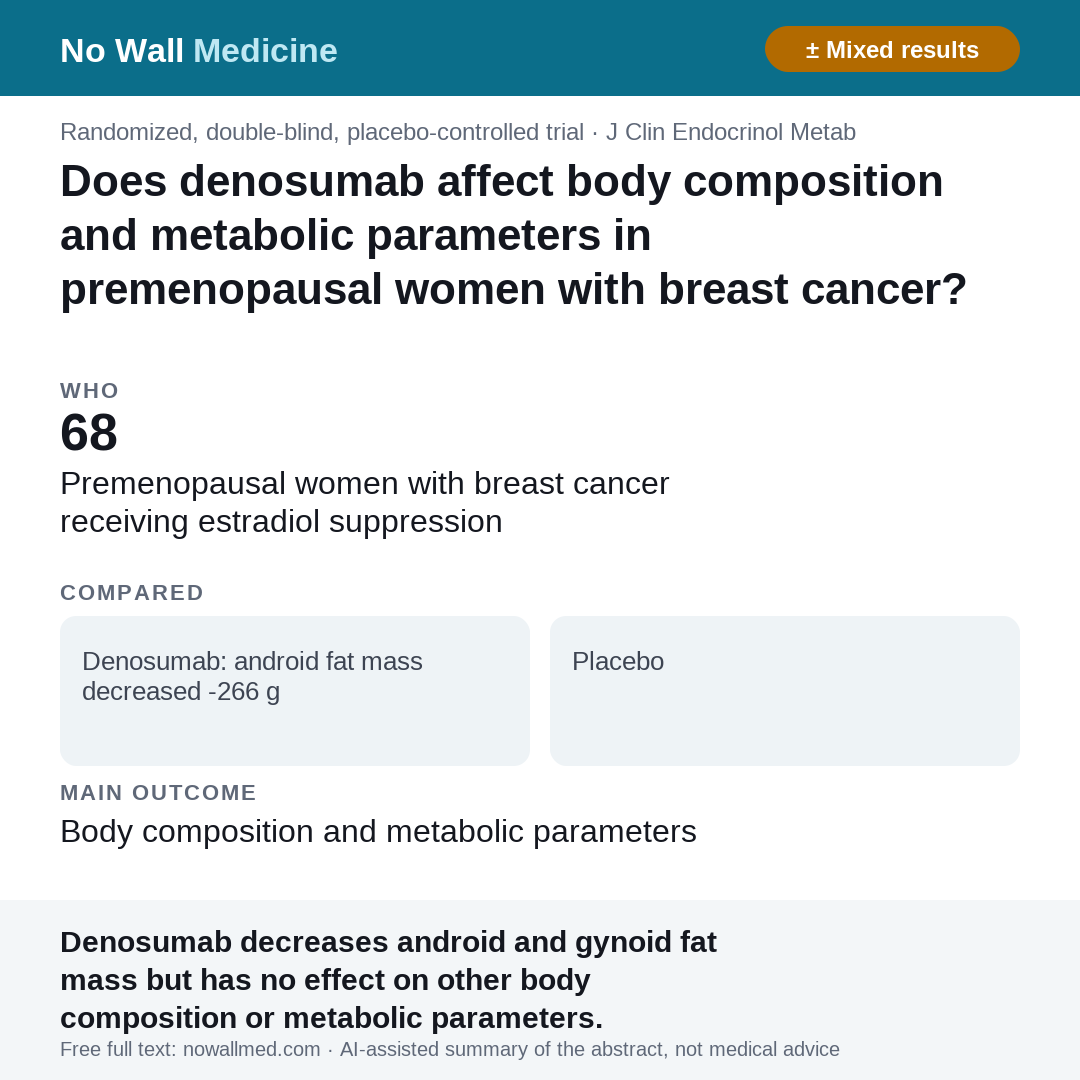
Cardiometabolic Effects of Denosumab in Premenopausal Women With Breast Cancer Receiving Estradiol Suppression: RCT
Randomized, double-blind, placebo-controlled trialMixed results
Does denosumab affect body composition and metabolic parameters in premenopausal women with breast cancer?
Who
68
Premenopausal women with breast cancer receiving estradiol suppression
Compared
Denosumab: android fat mass decreased -266 g
Placebo
Main outcome
Body composition and metabolic parameters
Result: -266 g [95% CI -453 to -79] for android fat mass
Bottom line: Denosumab decreases android and gynoid fat mass but has no effect on other body composition or metabolic parameters.
J Clin Endocrinol Metab · 2024-01-05Download image
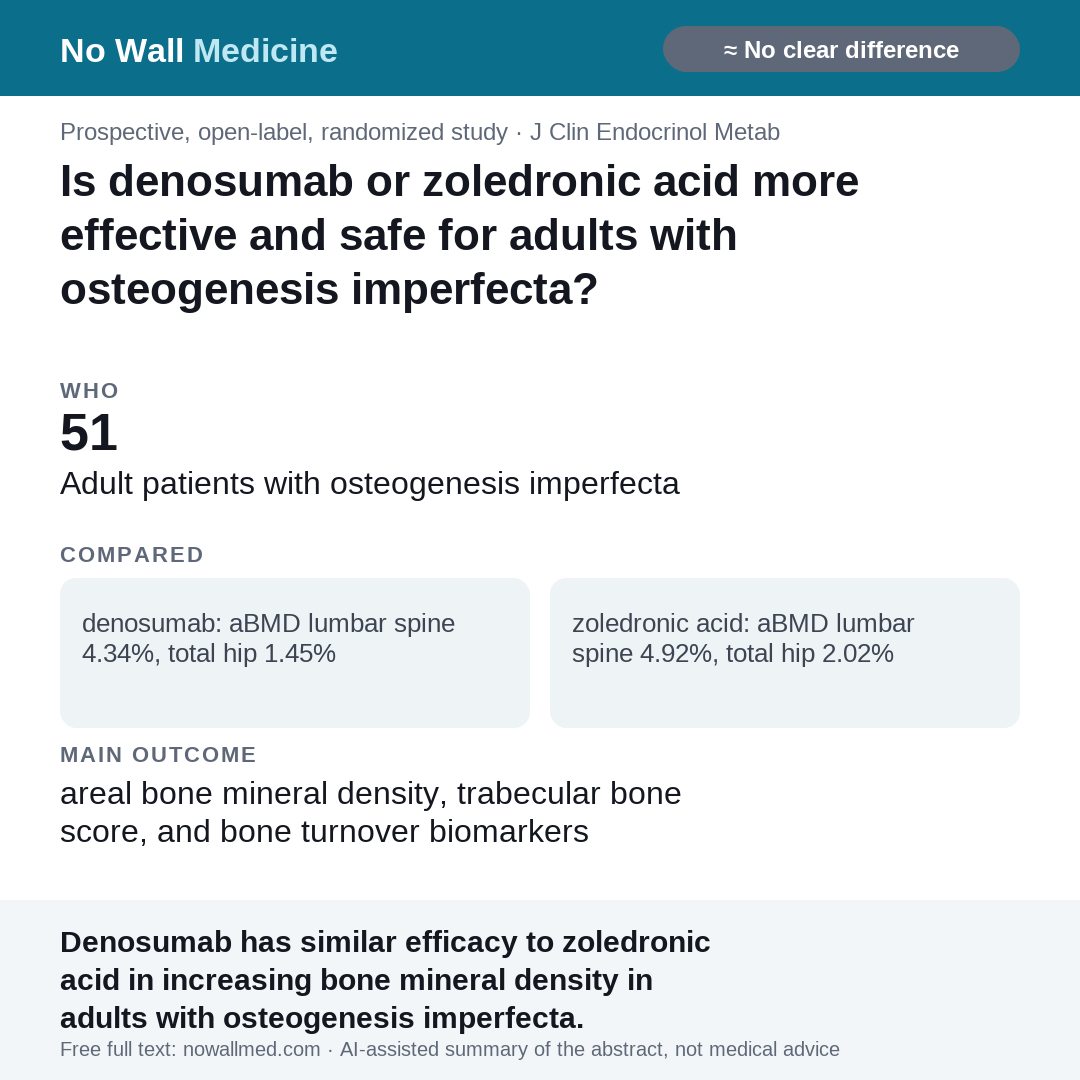
Efficacy and Safety of Denosumab vs Zoledronic Acid in OI Adults: A Prospective, Open-Label, Randomized Study
Prospective, open-label, randomized studyNo clear difference
Is denosumab or zoledronic acid more effective and safe for adults with osteogenesis imperfecta?
Who
51
Adult patients with osteogenesis imperfecta
Compared
denosumab: aBMD lumbar spine 4.34%, total hip 1.45%
zoledronic acid: aBMD lumbar spine 4.92%, total hip 2.02%
Main outcome
areal bone mineral density, trabecular bone score, and bone turnover biomarkers
Bottom line: Denosumab has similar efficacy to zoledronic acid in increasing bone mineral density in adults with osteogenesis imperfecta.
J Clin Endocrinol Metab · 2024-01-05Download image
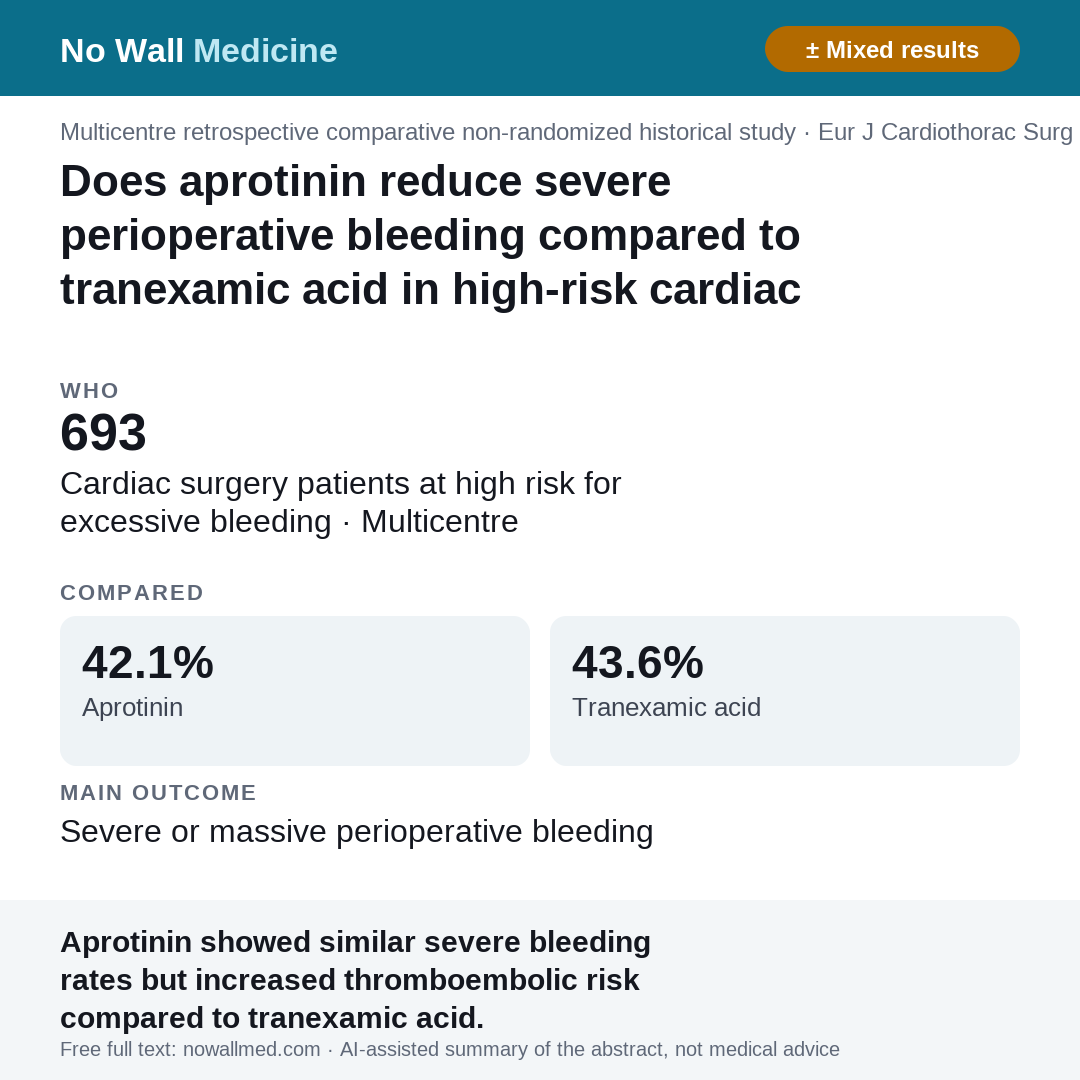
Use of Aprotinin versus Tranexamic Acid in Cardiac Surgery Patients with High-Risk for Excessive Bleeding (APACHE) trial: a multicentre retrospective comparative non-randomized historical study
Multicentre retrospective comparative non-randomized historical studyMixed results
Does aprotinin reduce severe perioperative bleeding compared to tranexamic acid in high-risk cardiac surgery?
Who
693
Cardiac surgery patients at high risk for excessive bleeding · Multicentre
Compared
42.1%Aprotinin
43.6%Tranexamic acid
Main outcome
Severe or massive perioperative bleeding
Result: adjusted odds ratio 0.87 (95% confidence interval: 0.62-1.23)
Bottom line: Aprotinin showed similar severe bleeding rates but increased thromboembolic risk compared to tranexamic acid.
Limitation: Retrospective comparative non-randomized historical study
Eur J Cardiothorac Surg · 2024-01-05Download image
The effects of inulin-type fructans on cardiovascular disease risk factors: systematic review and meta-analysis of randomized controlled trials
Meta-analysis of 55 randomized controlled trialsBenefit found
Do inulin-type fructans affect cardiovascular disease risk factors in adults?
Who
2518
Adults
Compared
Inulin-type fructans
Placebo
Main outcome
Cardiovascular disease risk factors
Result: LDL-C mean difference -0.14 mmol/L (95% CI -0.24, -0.05)
Bottom line: Inulin-type fructans may reduce low-density lipoprotein cholesterol, triglycerides, and body weight.
Limitation: Low to very low certainty of evidence requires further well-designed trials.
Am J Clin Nutr · 2024-01-05Download image

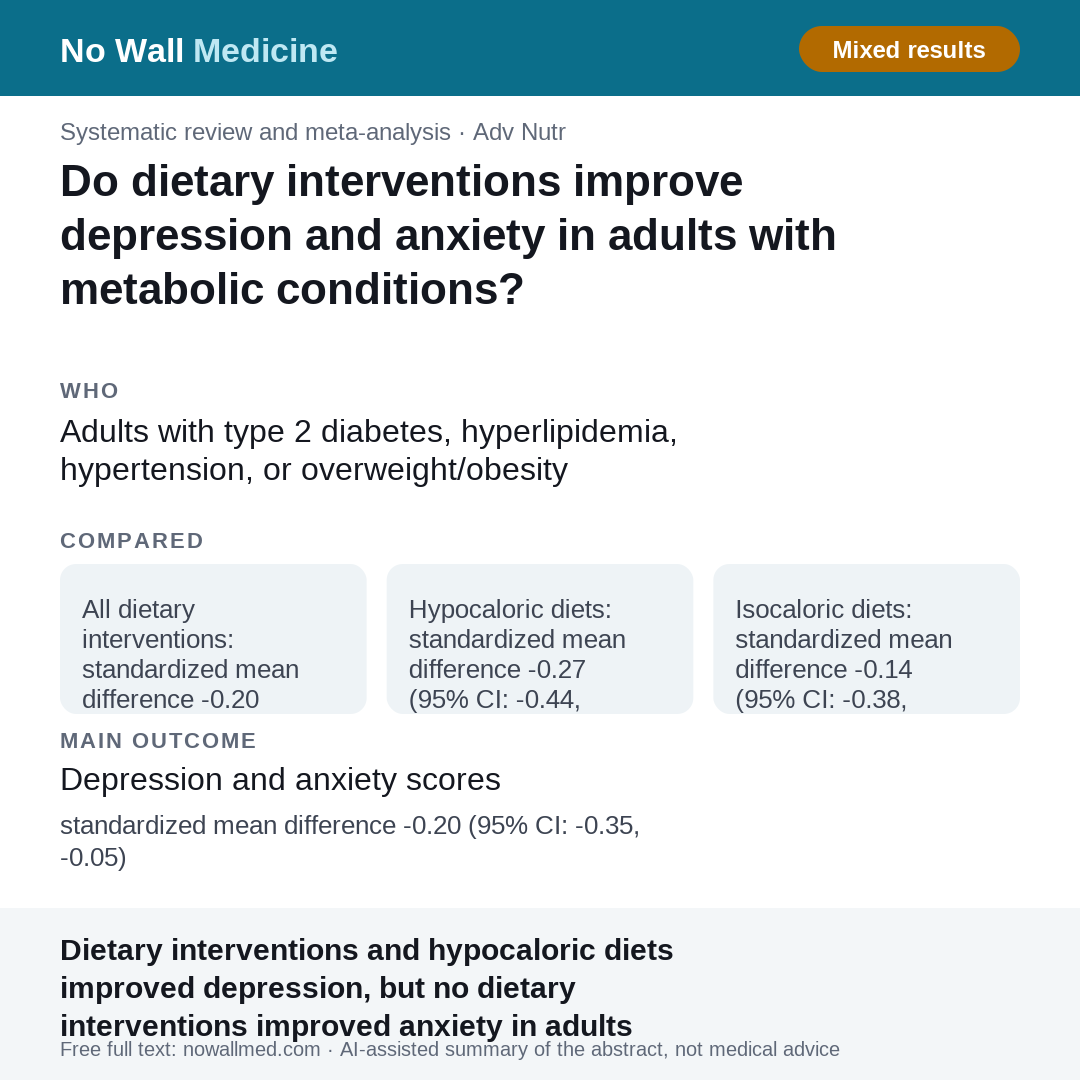
Diet Overall and Hypocaloric Diets Are Associated With Improvements in Depression but Not Anxiety in People With Metabolic Conditions: A Systematic Review and Meta-Analysis
Systematic review and meta-analysisMixed results
Do dietary interventions improve depression and anxiety in adults with metabolic conditions?
Who
Adults with type 2 diabetes, hyperlipidemia, hypertension, or overweight/obesity
Compared
All dietary interventions: standardized mean difference -0.20 (95% CI: -0.35, -0.05)
Hypocaloric diets: standardized mean difference -0.27 (95% CI: -0.44, -0.10)
Isocaloric diets: standardized mean difference -0.14 (95% CI: -0.38, 0.10)
Main outcome
Depression and anxiety scores
Result: standardized mean difference -0.20 (95% CI: -0.35, -0.05)
Bottom line: Dietary interventions and hypocaloric diets improved depression, but no dietary interventions improved anxiety in adults with metabolic conditions.
Adv Nutr · 2024-01-05Download image
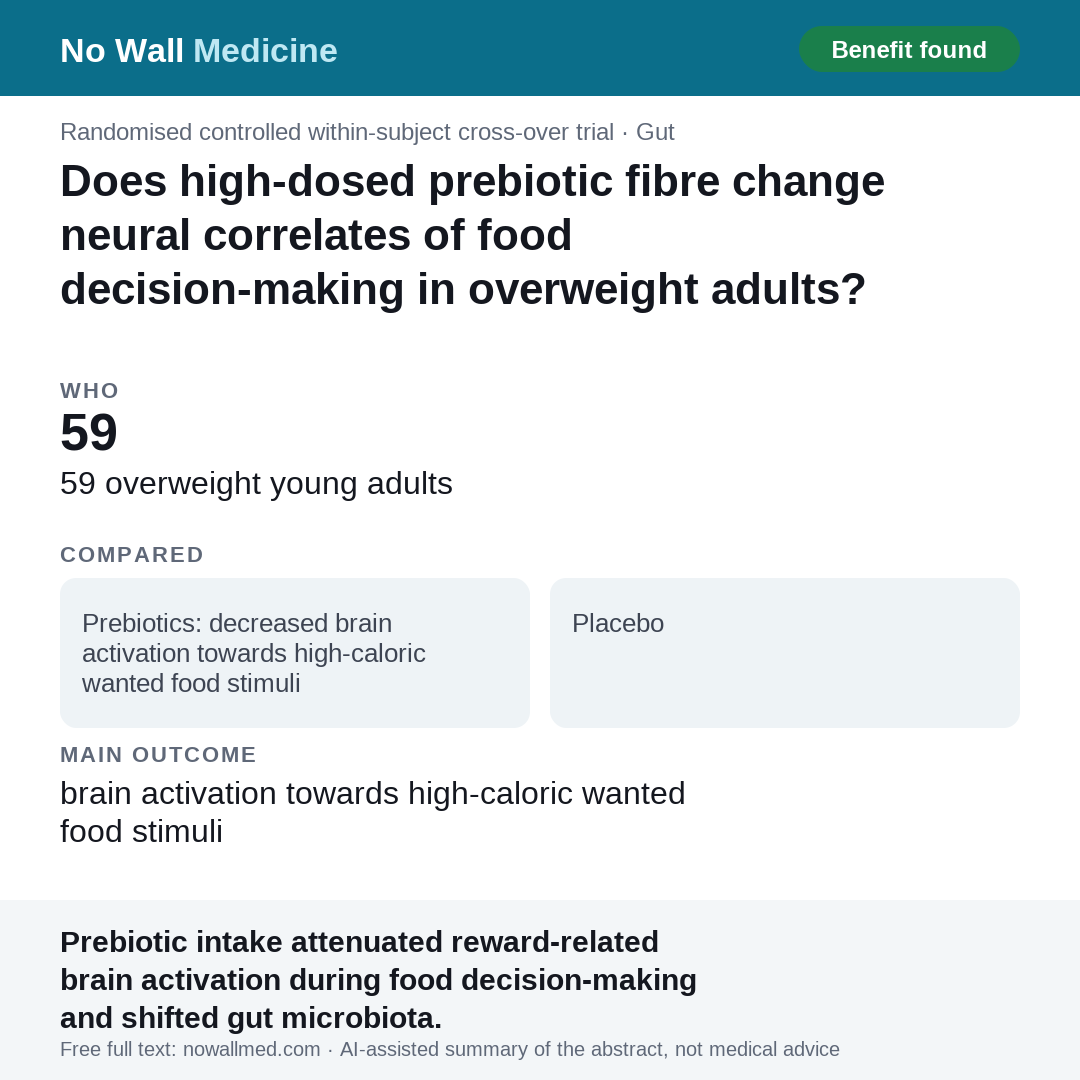
Prebiotic diet changes neural correlates of food decision-making in overweight adults: a randomised controlled within-subject cross-over trial
Randomised controlled within-subject cross-over trialBenefit found
Does high-dosed prebiotic fibre change neural correlates of food decision-making in overweight adults?
Who
59
59 overweight young adults
Compared
Prebiotics: decreased brain activation towards high-caloric wanted food stimuli
Placebo
Main outcome
brain activation towards high-caloric wanted food stimuli
Bottom line: Prebiotic intake attenuated reward-related brain activation during food decision-making and shifted gut microbiota.
Limitation: This is a proof-of-concept study
Gut · 2024-01-05Download image
Survey Protocols, Response Rates, and Representation of Underserved Patients: A Randomized Clinical Trial
Randomized clinical trialBenefit found
Does adding an initial web mode to survey protocols improve response rates and representativeness?
Who
34335
Patients discharged from 46 US hospitals · 46 US hospitals
Compared
36.5%Web-mail-phone
Two-mode protocols: 30.3%-31.1%
Single-mode protocols: 22.1%-24.3%
Main outcome
Response rates and representativeness of underserved patient groups
Bottom line: Web-first multimode survey protocols significantly improved response rates and representativeness of patient surveys.
JAMA Health Forum · 2024-01-05Download image

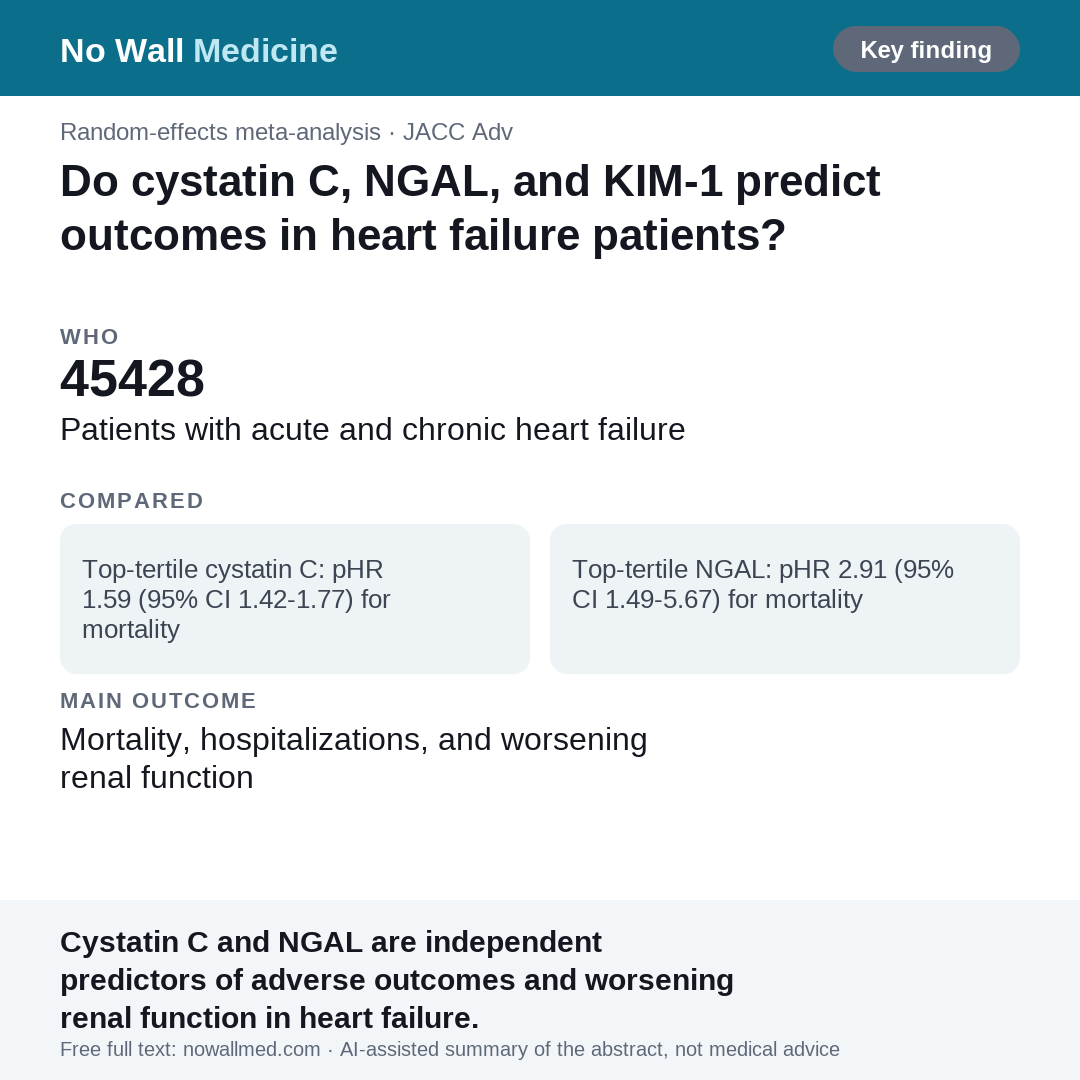
Renal Biomarkers in Heart Failure: Systematic Review and Meta-Analysis
Random-effects meta-analysisKey finding
Do cystatin C, NGAL, and KIM-1 predict outcomes in heart failure patients?
Who
45428
Patients with acute and chronic heart failure
Compared
Top-tertile cystatin C: pHR 1.59 (95% CI 1.42-1.77) for mortality
Top-tertile NGAL: pHR 2.91 (95% CI 1.49-5.67) for mortality
Main outcome
Mortality, hospitalizations, and worsening renal function
Bottom line: Cystatin C and NGAL are independent predictors of adverse outcomes and worsening renal function in heart failure.
Limitation: High heterogeneity was noted between studies without an obvious explanation.
JACC Adv · 2024-01-05Download image
The high cost of care and limited evidence on cost-effective strategies for Lewy body dementia: systematic review of evidence
Systematic literature reviewUnclear result
What is the cost of illness and cost-effectiveness of interventions for Lewy body dementia?
Who
People with Lewy body dementia
Compared
Lewy body dementia: higher than other forms of dementia
Other forms of dementia
Main outcome
Cost of illness and cost-effectiveness of interventions
Bottom line: Lewy body dementia costs are higher than other dementias, but evidence on cost-effective interventions remains limited.
Limitation: Very few studies have explored the cost-effectiveness of therapies targeting Lewy body dementia.
BJPsych Open · 2024-01-05Download image

Therapeutic value of lymph node dissection for Siewert type II and III adenocarcinoma: meta-analysis
Meta-analysis of 12 studiesBenefit found
What is the therapeutic value of each nodal station in Siewert type II and III adenocarcinoma?
Who
3513
Patients with Siewert type II and III oesophagogastric junction adenocarcinoma
Compared
Nodes No. 3, 1, 7 and 2: high (≥10) or moderate (5-10) therapeutic value index
Suprapancreatic nodes No. 9, 11p and 8a: relatively low (2-5) therapeutic value index
Nodes No. 5, 6, 11d and 12a: very low therapeutic value index
Main outcome
Therapeutic value index calculated by metastatic incidence and 5-year overall survival
Bottom line: Routine dissection is recommended for nodes 1, 2, 3, 7, 8a, 9 and 11p in both Siewert types.
BJS Open · 2024-01-05Download image

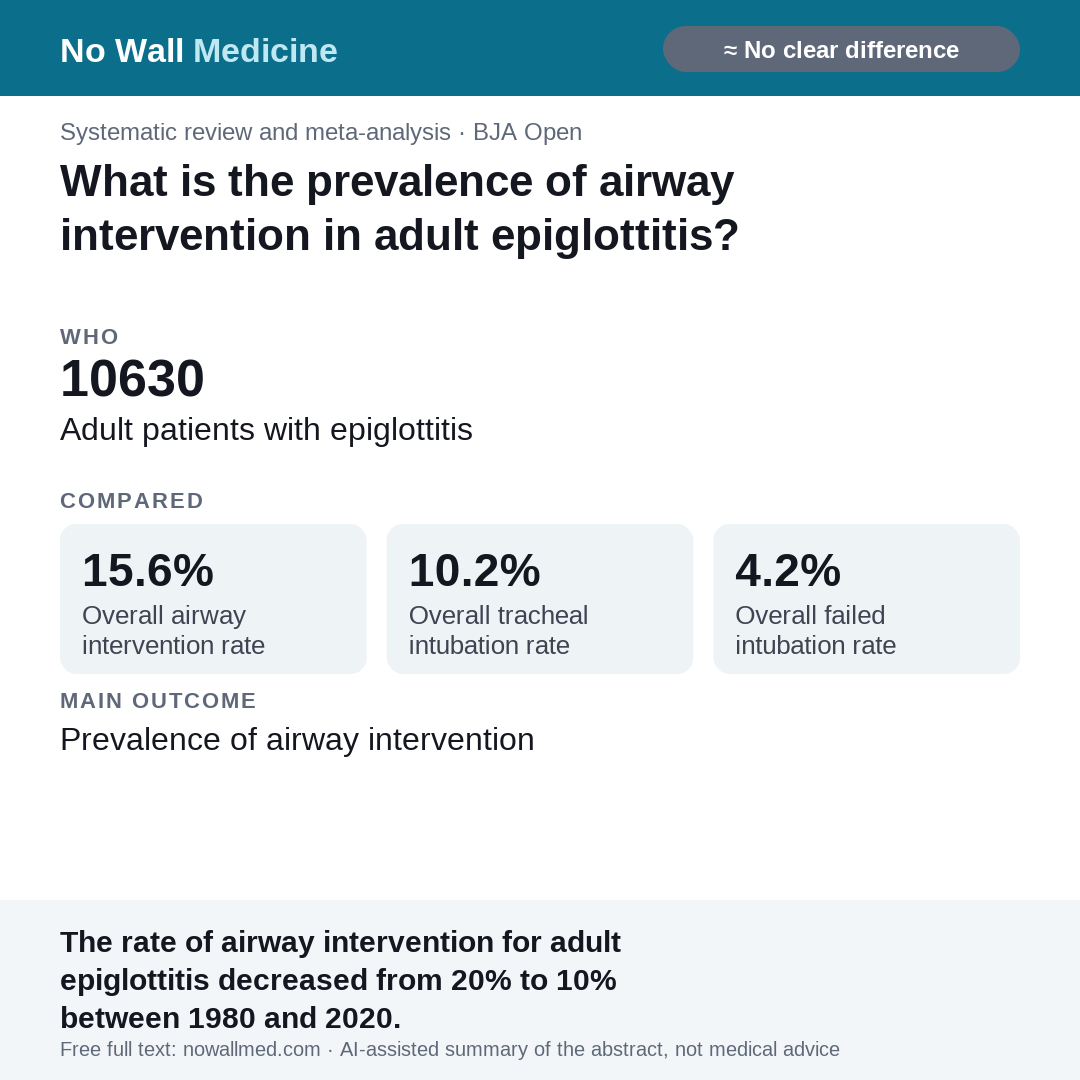
Airway management of adult epiglottitis: a systematic review and meta-analysis
Systematic review and meta-analysisNo clear difference
What is the prevalence of airway intervention in adult epiglottitis?
Who
10630
Adult patients with epiglottitis
Compared
15.6%Overall airway intervention rate (95% confidence interval 12.9-18.8%)
10.2%Overall tracheal intubation rate (95% CI 7.1-13.6%)
4.2%Overall failed intubation rate (95% CI 1.4-8.0%)
Main outcome
Prevalence of airway intervention
Bottom line: The rate of airway intervention for adult epiglottitis decreased from 20% to 10% between 1980 and 2020.
BJA Open · 2024-01-05Download image
General Characteristics and Design Taxonomy of Chatbots for COVID-19: Systematic Review
Systematic reviewUnclear result
Characteristics of COVID-19 chatbots
Who
COVID-19 chatbot studies · Asia and Europe
Compared
Asia
Europe
Main outcome
Chatbot design trends
Bottom line: COVID-19 chatbots have various design trends
J Med Internet Res · 2024-01-05Download image

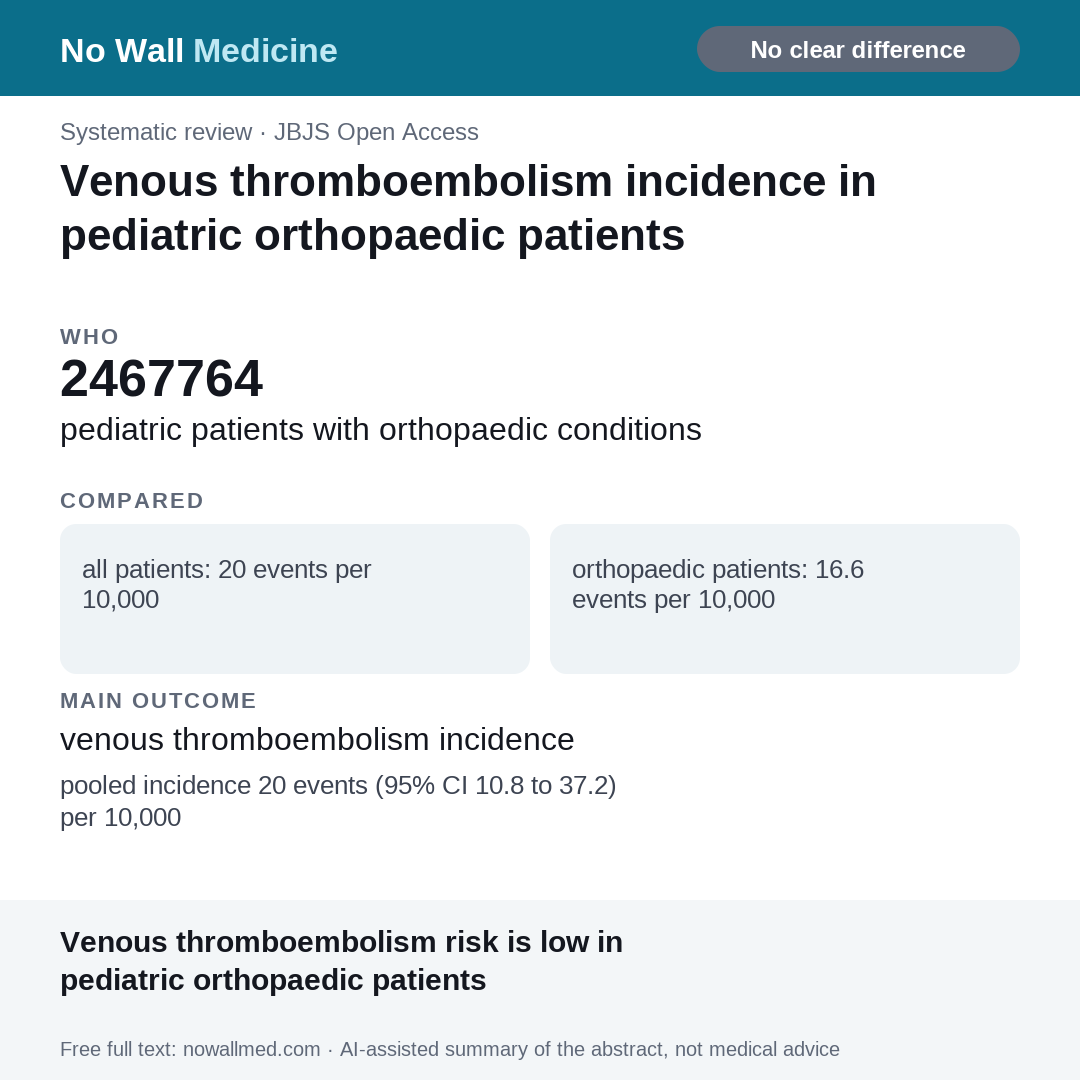
Pediatric Orthopaedic Venous Thromboembolism: A Systematic Review Investigating Incidence, Risk Factors, and Outcome
Systematic reviewNo clear difference
Venous thromboembolism incidence in pediatric orthopaedic patients
Who
2467764
pediatric patients with orthopaedic conditions
Compared
all patients: 20 events per 10,000
orthopaedic patients: 16.6 events per 10,000
Main outcome
venous thromboembolism incidence
Result: pooled incidence 20 events (95% CI 10.8 to 37.2) per 10,000
Bottom line: Venous thromboembolism risk is low in pediatric orthopaedic patients
JBJS Open Access · 2024-01-05Download image