Visual abstracts
New randomized trials and meta-analyses from leading journals at a glance: who was studied, what was compared, and what was found. Every paper is free to read in full.
All specialtiesCardiology 4763Oncology 4043Gastroenterology & Hepatology 1903Infectious Disease 3756Neurology 1872Psychiatry & Mental Health 2216Pulmonology 2044Critical Care 1319Endocrinology & Diabetes 2544Pediatrics 2889Surgery 2480Orthopedics & Sports Medicine 917Neurosurgery 525Cardiothoracic & Vascular Surgery 656Plastic & Reconstructive Surgery 574Nephrology 1107Rheumatology 810Hematology 1090Dermatology 611Ophthalmology 532Obstetrics & Gynecology 1645Public & Global Health 1037Radiology & Imaging 619Anesthesiology 958Urology 745ENT (Otolaryngology) 494Emergency Medicine 481Allergy & Immunology 309Geriatrics 972Family Medicine & Primary Care 534Medical Genetics & Genomics 659Pathology & Laboratory Medicine 156Physical Medicine & Rehabilitation 734Palliative Care 421Nutrition 1560Digital Health & AI 2137General Medicine 318
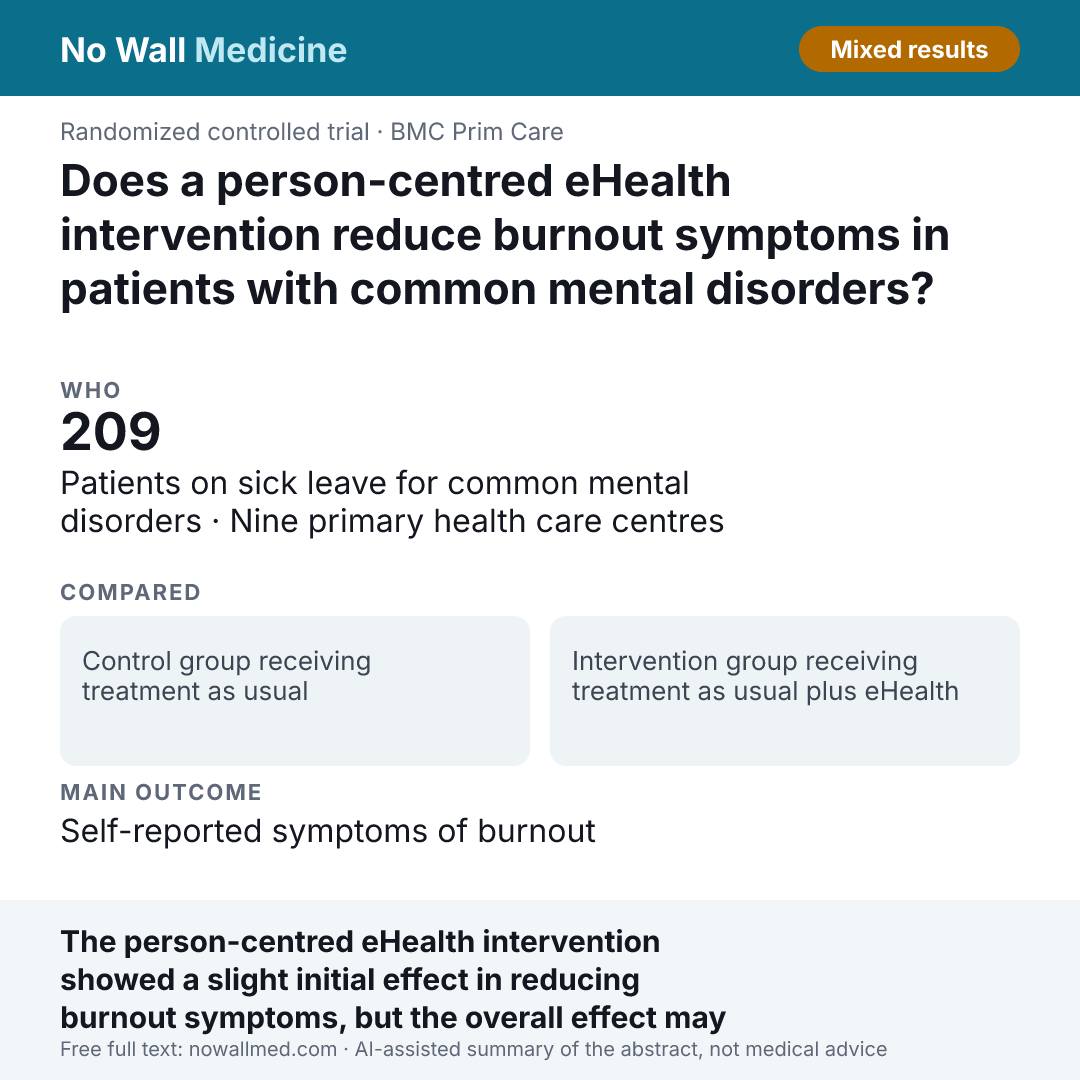
Effectiveness of a person-centred eHealth intervention in reducing symptoms of burnout in patients with common mental disorders - secondary outcome analysis of a randomized controlled trial
Randomized controlled trialMixed results
Does a person-centred eHealth intervention reduce burnout symptoms in patients with common mental disorders?
Who
209
Patients on sick leave for common mental disorders · Nine primary health care centres
Compared
Control group receiving treatment as usual
Intervention group receiving treatment as usual plus eHealth
Main outcome
Self-reported symptoms of burnout
Bottom line: The person-centred eHealth intervention showed a slight initial effect in reducing burnout symptoms, but the overall effect may be limited.
Limitation: The overall effect may be considered limited as both groups reported comparable scores throughout the study.
BMC Prim Care · 2023-10-19 · Save PNG
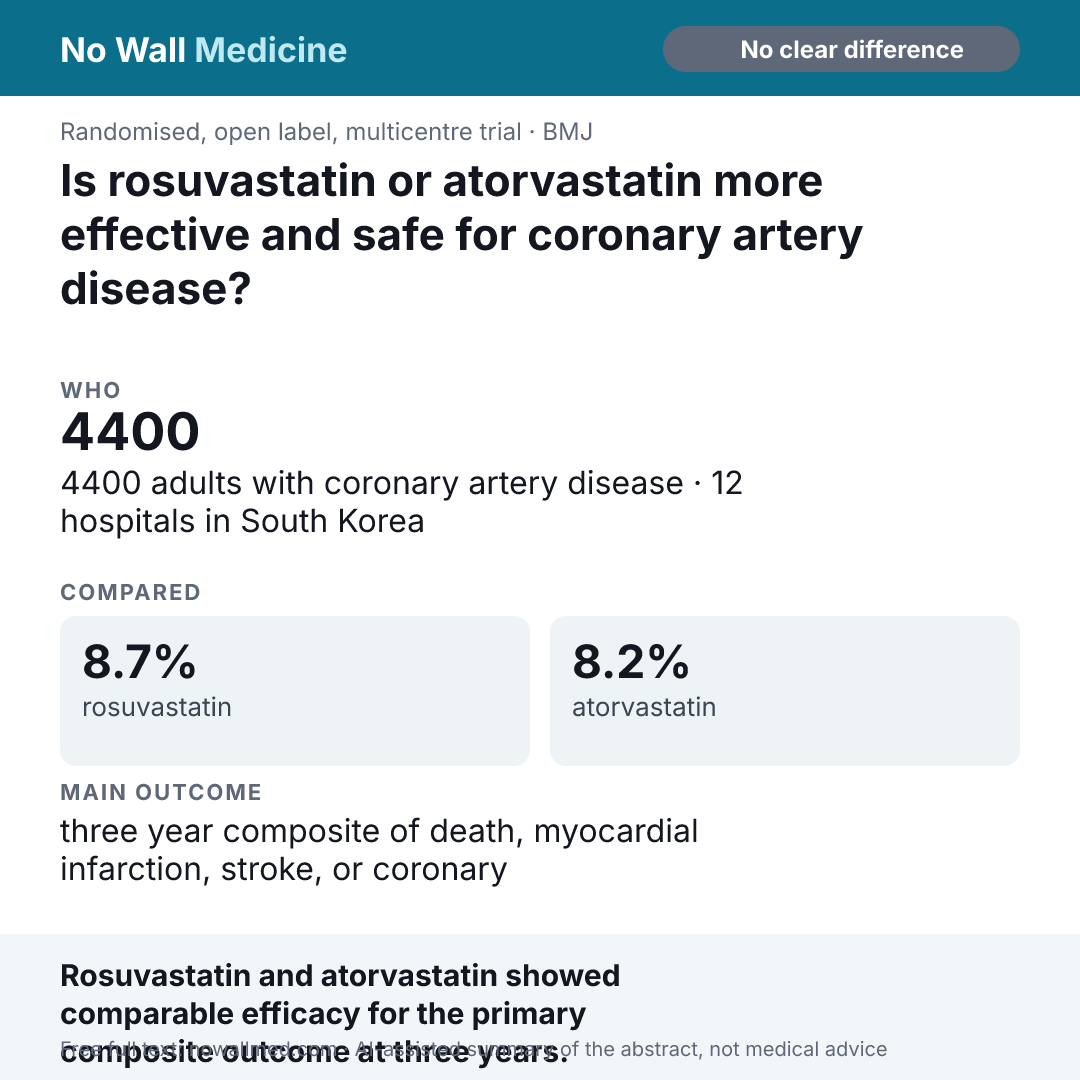
Rosuvastatin versus atorvastatin treatment in adults with coronary artery disease: secondary analysis of the randomised LODESTAR trial
Randomised, open label, multicentre trialNo clear difference
Is rosuvastatin or atorvastatin more effective and safe for coronary artery disease?
Who
4400
4400 adults with coronary artery disease · 12 hospitals in South Korea
Compared
8.7%rosuvastatin
8.2%atorvastatin
Main outcome
three year composite of death, myocardial infarction, stroke, or coronary revascularisation
Result: hazard ratio 1.06 (95% confidence interval 0.86 to 1.30)
Bottom line: Rosuvastatin and atorvastatin showed comparable efficacy for the primary composite outcome at three years.
BMJ · 2023-10-18 · Save PNG
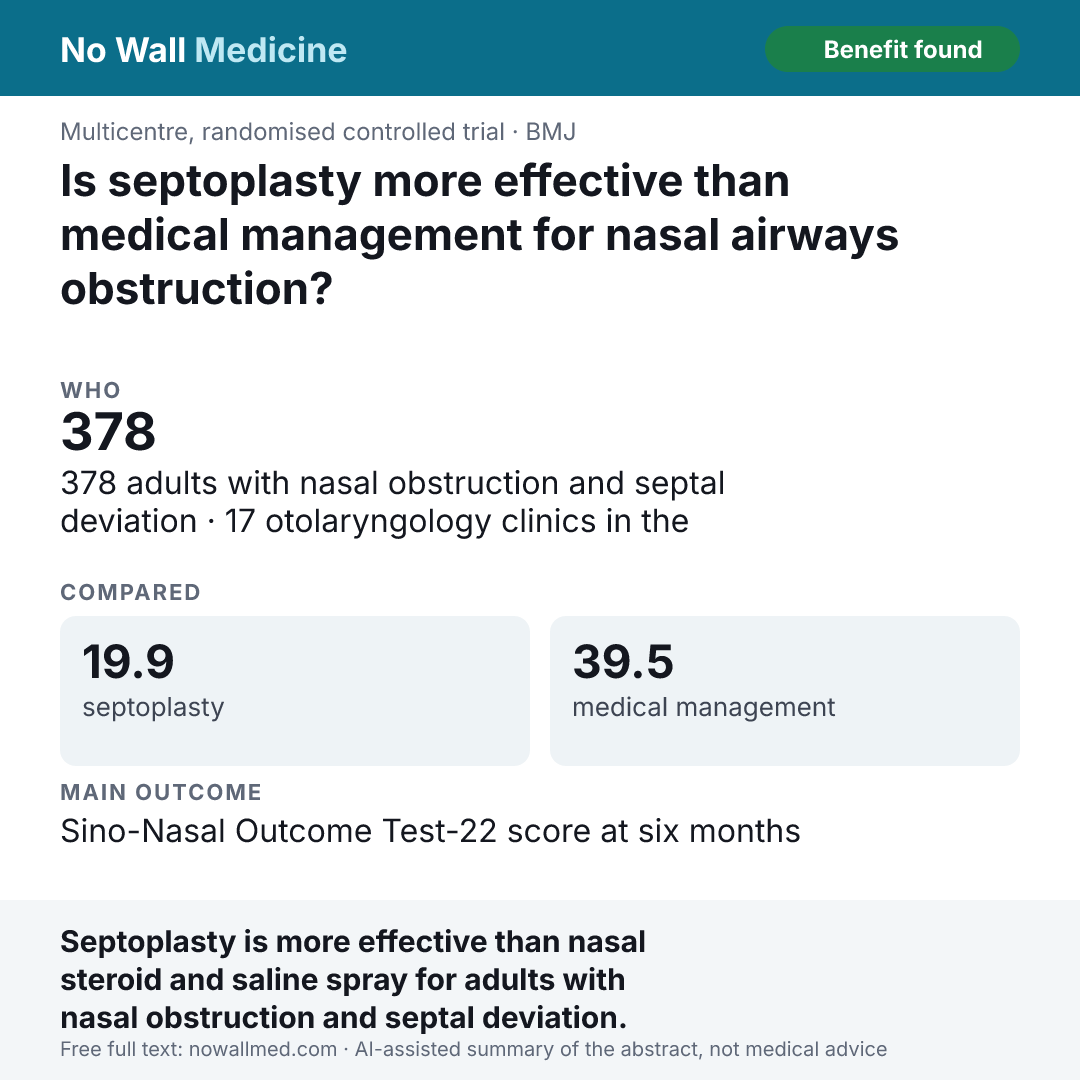
Clinical effectiveness of septoplasty versus medical management for nasal airways obstruction: multicentre, open label, randomised controlled trial
Multicentre, randomised controlled trialBenefit found
Is septoplasty more effective than medical management for nasal airways obstruction?
Who
378
378 adults with nasal obstruction and septal deviation · 17 otolaryngology clinics in the United Kingdom
Compared
19.9septoplasty (95% confidence interval 17.0 to 22.7)
39.5medical management (36.1 to 42.9)
Main outcome
Sino-Nasal Outcome Test-22 score at six months
Result: 20.0 points lower (95% confidence interval 16.4 to 23.6)
Bottom line: Septoplasty is more effective than nasal steroid and saline spray for adults with nasal obstruction and septal deviation.
BMJ · 2023-10-18 · Save PNG
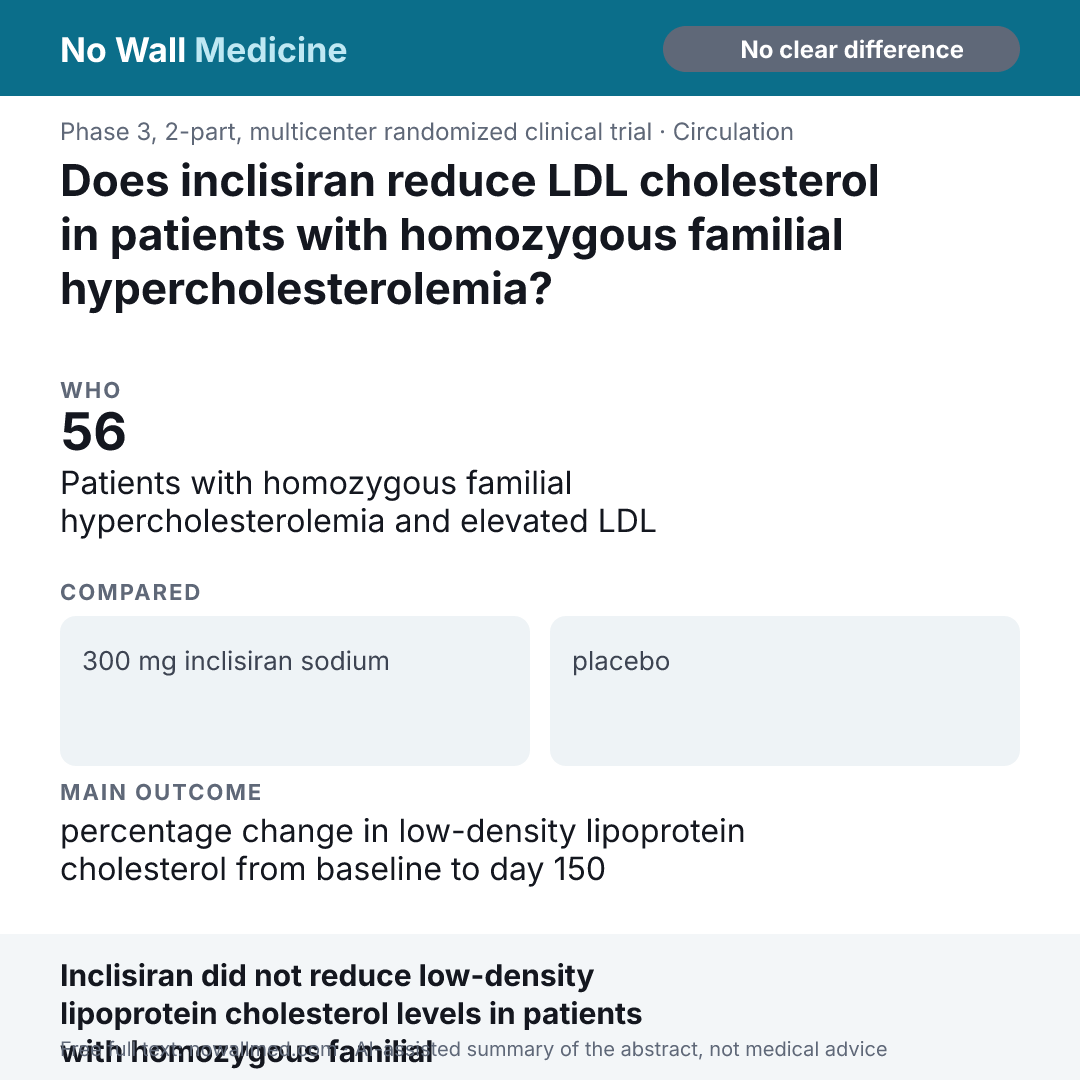
Efficacy, Safety, and Tolerability of Inclisiran in Patients With Homozygous Familial Hypercholesterolemia: Results From the ORION-5 Randomized Clinical Trial
Phase 3, 2-part, multicenter randomized clinical trialNo clear difference
Does inclisiran reduce LDL cholesterol in patients with homozygous familial hypercholesterolemia?
Who
56
Patients with homozygous familial hypercholesterolemia and elevated LDL cholesterol · multicenter
Compared
300 mg inclisiran sodium
placebo
Main outcome
percentage change in low-density lipoprotein cholesterol from baseline to day 150
Result: placebo-corrected percentage change -1.68% (95% CI, -29.19% to 25.83%)
Bottom line: Inclisiran did not reduce low-density lipoprotein cholesterol levels in patients with homozygous familial hypercholesterolemia despite lowering PCSK9 levels.
Circulation · 2023-10-18 · Save PNG
Psychotherapies for Generalized Anxiety Disorder in Adults: A Systematic Review and Network Meta-Analysis of Randomized Clinical Trials
Network meta-analysis of 65 randomized clinical trialsBenefit found
What are the short- and long-term associations of different psychotherapies with effectiveness and acceptability in adults with GAD?
Who
5048
Adults with generalized anxiety disorder
Compared
Third-wave cognitive behavior therapies: SMD, -0.76 [95% CI, -1.15 to -0.36]
Cognitive behavior therapy: SMD, -0.74 [95% CI, -1.09 to -0.38]
Relaxation therapy: SMD, -0.59 [95% CI, -1.07 to -0.11]
Treatment as usual
Main outcome
Severity of generalized anxiety disorder symptoms and acceptability
Bottom line: Cognitive behavior therapy may represent the first-line therapy for generalized anxiety disorder based on acute and long-term effectiveness.
Limitation: Relaxation therapy lost superiority over treatment as usual when excluding studies at high risk of bias.
JAMA Psychiatry · 2023-10-18 · Save PNG

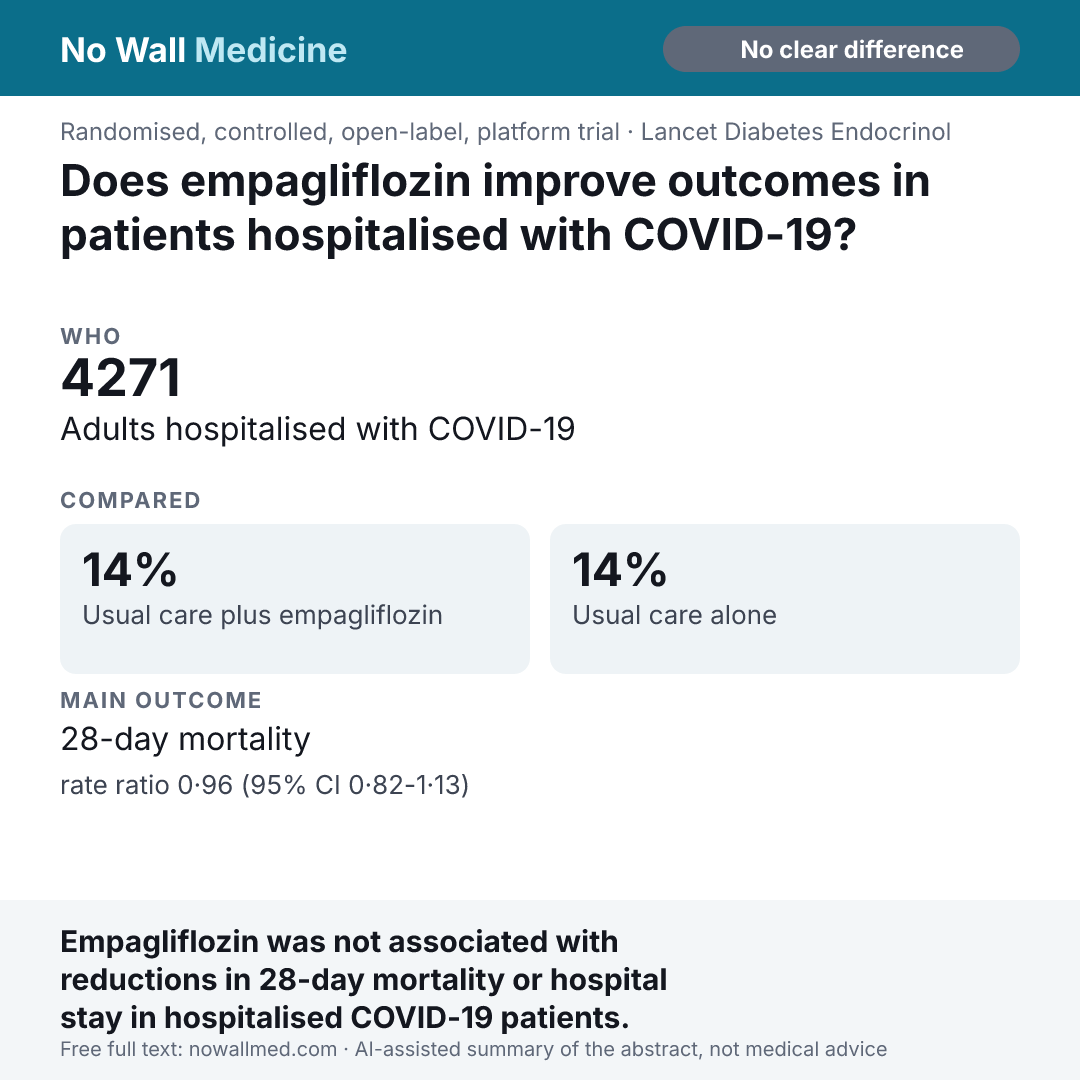
Empagliflozin in patients admitted to hospital with COVID-19 (RECOVERY): a randomised, controlled, open-label, platform trial
Randomised, controlled, open-label, platform trialNo clear difference
Does empagliflozin improve outcomes in patients hospitalised with COVID-19?
Who
4271
Adults hospitalised with COVID-19
Compared
14%Usual care plus empagliflozin
14%Usual care alone
Main outcome
28-day mortality
Result: rate ratio 0·96 (95% CI 0·82-1·13)
Bottom line: Empagliflozin was not associated with reductions in 28-day mortality or hospital stay in hospitalised COVID-19 patients.
Funded by: UK Research and Innovation, National Institute of Health Research, Wellcome Trust
Lancet Diabetes Endocrinol · 2023-10-18 · Save PNG
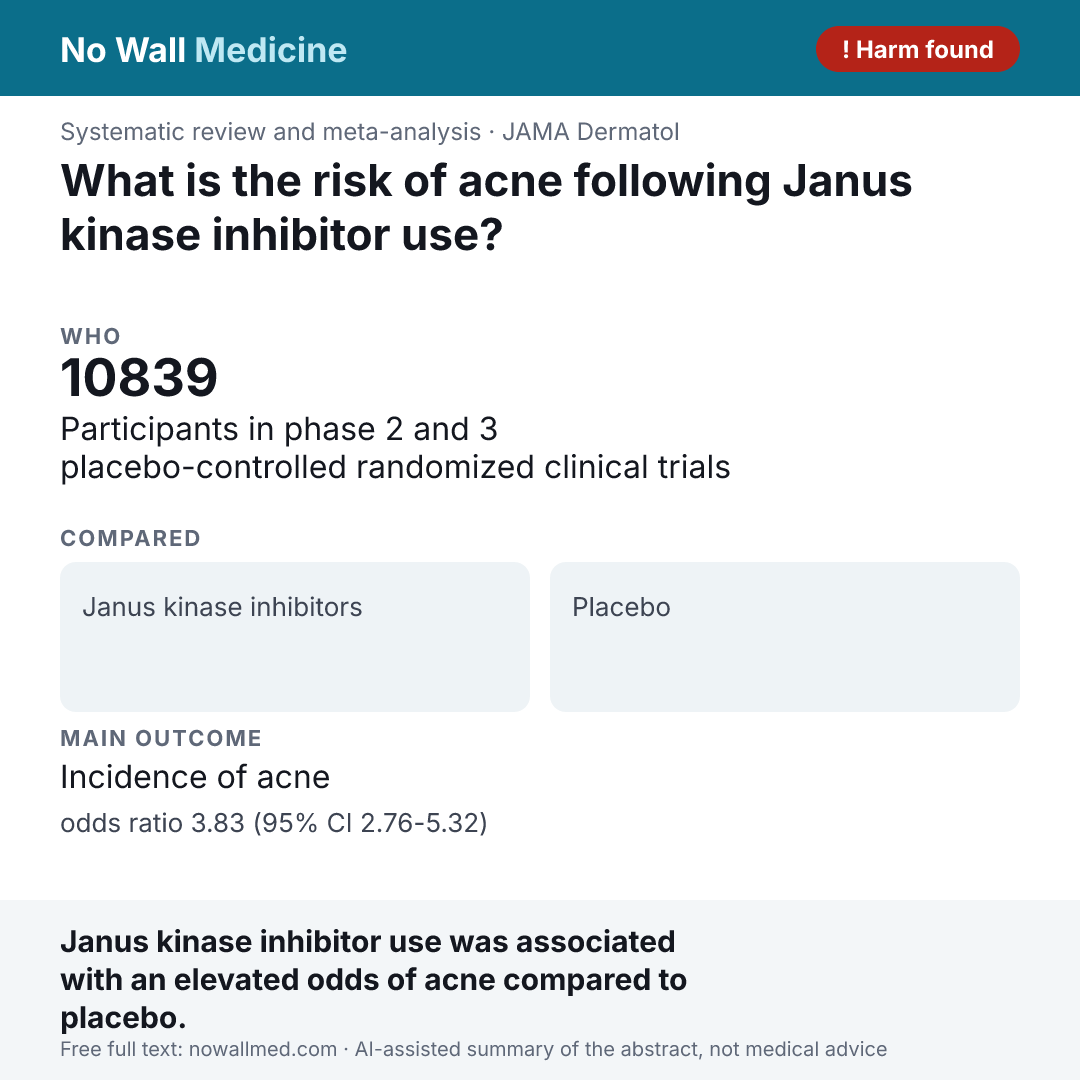
Janus Kinase Inhibitors and Adverse Events of Acne: A Systematic Review and Meta-Analysis
Systematic review and meta-analysisHarm found
What is the risk of acne following Janus kinase inhibitor use?
Who
10839
Participants in phase 2 and 3 placebo-controlled randomized clinical trials
Compared
Janus kinase inhibitors
Placebo
Main outcome
Incidence of acne
Result: odds ratio 3.83 (95% CI 2.76-5.32)
Bottom line: Janus kinase inhibitor use was associated with an elevated odds of acne compared to placebo.
JAMA Dermatol · 2023-10-18 · Save PNG
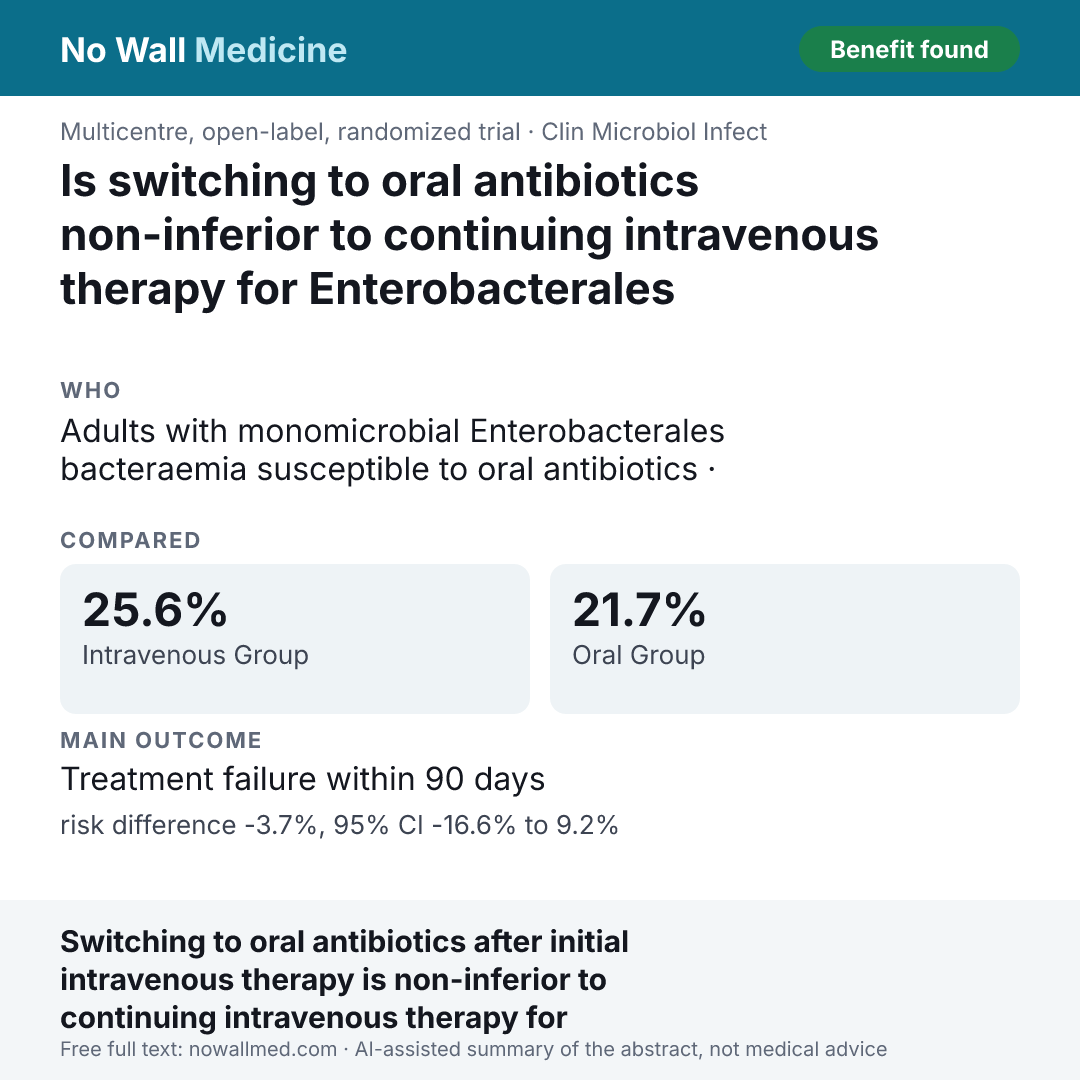
Switch to oral antibiotics in Gram-negative bacteraemia: a randomized, open-label, clinical trial
Multicentre, open-label, randomized trialBenefit found
Is switching to oral antibiotics non-inferior to continuing intravenous therapy for Enterobacterales bacteraemia?
Who
Adults with monomicrobial Enterobacterales bacteraemia susceptible to oral antibiotics · Multicentre
Compared
25.6%Intravenous Group
21.7%Oral Group
Main outcome
Treatment failure within 90 days
Result: risk difference -3.7%, 95% CI -16.6% to 9.2%
Bottom line: Switching to oral antibiotics after initial intravenous therapy is non-inferior to continuing intravenous therapy for Enterobacterales bacteraemia.
Clin Microbiol Infect · 2023-10-18 · Save PNG
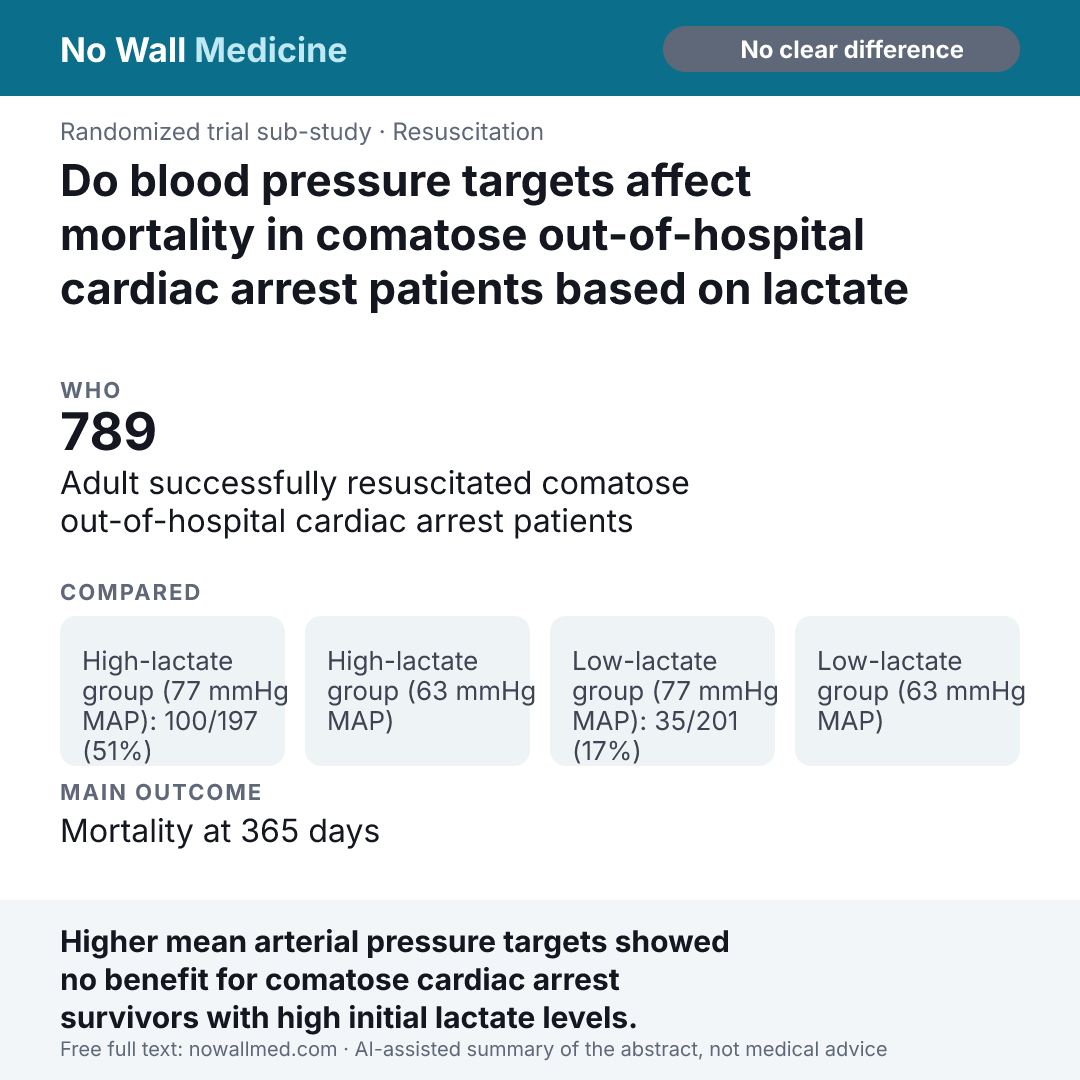
Treatment effects of blood pressure targets and hemodynamics according to initial blood lactate levels in comatose out-of-hospital cardiac arrest patients - A sub study of the BOX trial
Randomized trial sub-studyNo clear difference
Do blood pressure targets affect mortality in comatose out-of-hospital cardiac arrest patients based on lactate levels?
Who
789
Adult successfully resuscitated comatose out-of-hospital cardiac arrest patients
Compared
High-lactate group (77 mmHg MAP): 100/197 (51%)
High-lactate group (63 mmHg MAP)
Low-lactate group (77 mmHg MAP): 35/201 (17%)
Low-lactate group (63 mmHg MAP)
Main outcome
Mortality at 365 days
Result: OR 1.7 (95%CI: 0.9-3.0) in highest lactate group; OR 1.1 (95% CI: 0.5-2.3) in lowest lactate group
Bottom line: Higher mean arterial pressure targets showed no benefit for comatose cardiac arrest survivors with high initial lactate levels.
Limitation: The results are hypothesis-generating due to the post-hoc nature of this study.
Resuscitation · 2023-10-18 · Save PNG
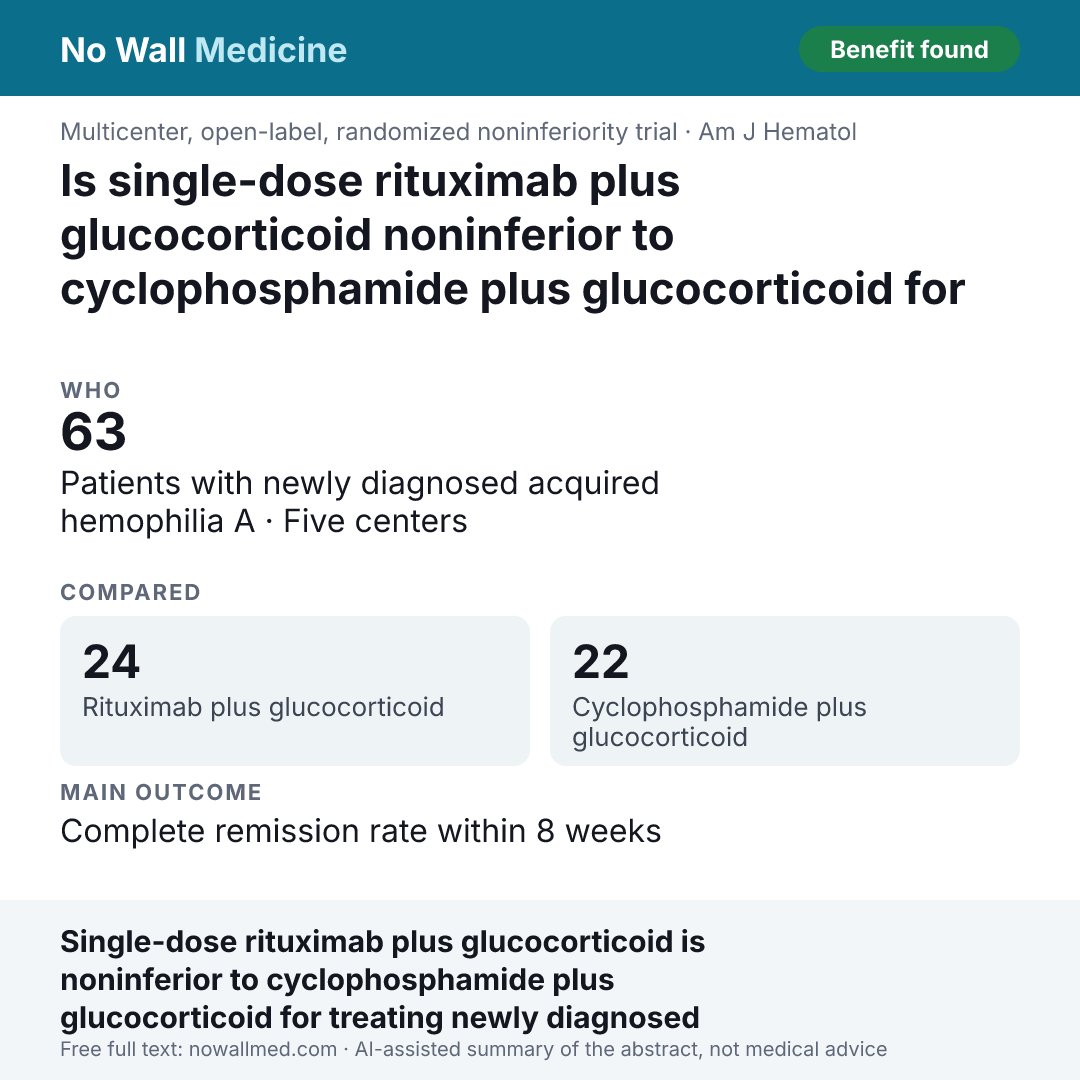
Single-dose rituximab plus glucocorticoid versus cyclophosphamide plus glucocorticoid in patients with newly diagnosed acquired hemophilia A: A multicenter, open-label, randomized noninferiority trial
Multicenter, open-label, randomized noninferiority trialBenefit found
Is single-dose rituximab plus glucocorticoid noninferior to cyclophosphamide plus glucocorticoid for acquired hemophilia A?
Who
63
Patients with newly diagnosed acquired hemophilia A · Five centers
Compared
24Rituximab plus glucocorticoid (77.4%)
22Cyclophosphamide plus glucocorticoid (68.8%)
Main outcome
Complete remission rate within 8 weeks
Result: absolute difference = -8.67%, lower limit of the 95% confidence interval = -13.11%
Bottom line: Single-dose rituximab plus glucocorticoid is noninferior to cyclophosphamide plus glucocorticoid for treating newly diagnosed acquired hemophilia A.
Am J Hematol · 2023-10-18 · Save PNG
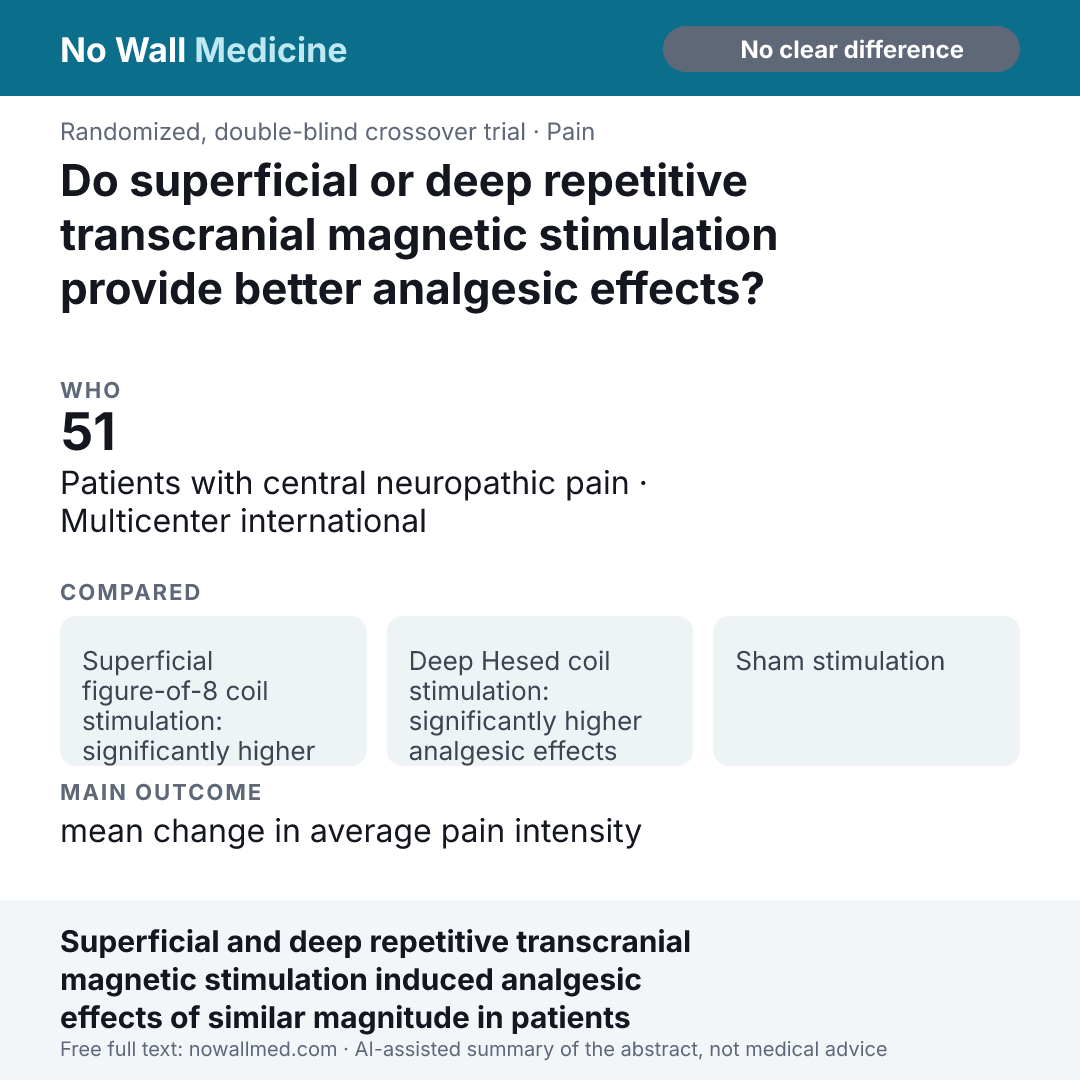
Comparison of the analgesic effects of "superficial" and "deep" repetitive transcranial magnetic stimulation in patients with central neuropathic pain: a randomized sham-controlled multicenter international crossover study
Randomized, double-blind crossover trialNo clear difference
Do superficial or deep repetitive transcranial magnetic stimulation provide better analgesic effects?
Who
51
Patients with central neuropathic pain · Multicenter international
Compared
Superficial figure-of-8 coil stimulation: significantly higher analgesic effects than sham stimulation
Deep Hesed coil stimulation: significantly higher analgesic effects than sham stimulation
Sham stimulation
Main outcome
mean change in average pain intensity
Bottom line: Superficial and deep repetitive transcranial magnetic stimulation induced analgesic effects of similar magnitude in patients with central pain.
Pain · 2023-10-18 · Save PNG
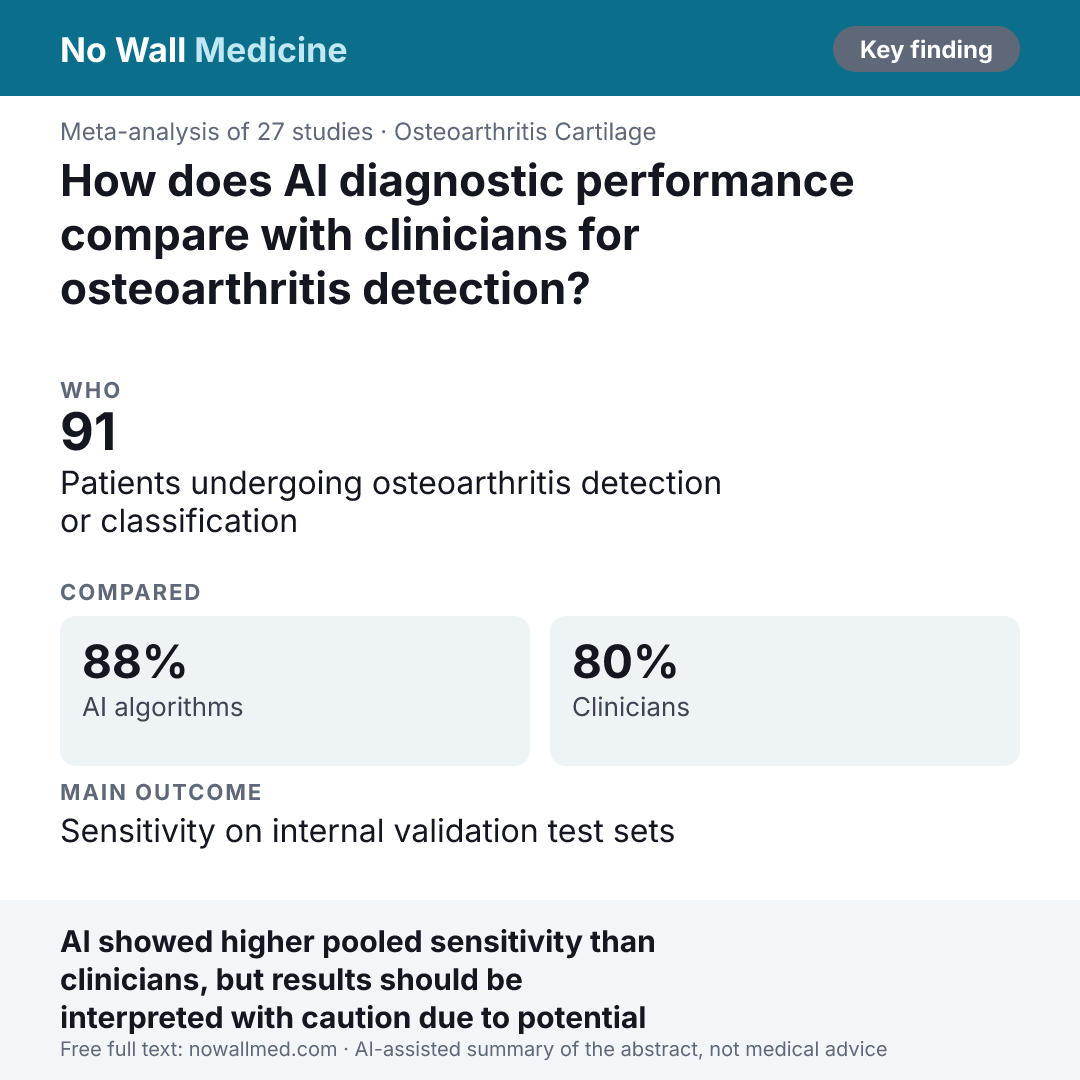
Artificial intelligence in osteoarthritis detection: A systematic review and meta-analysis
Meta-analysis of 27 studiesKey finding
How does AI diagnostic performance compare with clinicians for osteoarthritis detection?
Who
91
Patients undergoing osteoarthritis detection or classification
Compared
88%AI algorithms (95% CI: 86,91)
80%Clinicians (95% CI: 68,88)
Main outcome
Sensitivity on internal validation test sets
Result: Sensitivity 88% (95% CI: 86,91) vs 80% (95% CI: 68,88)
Bottom line: AI showed higher pooled sensitivity than clinicians, but results should be interpreted with caution due to potential pitfalls.
Limitation: Potential pitfalls in the included studies
Osteoarthritis Cartilage · 2023-10-18 · Save PNG
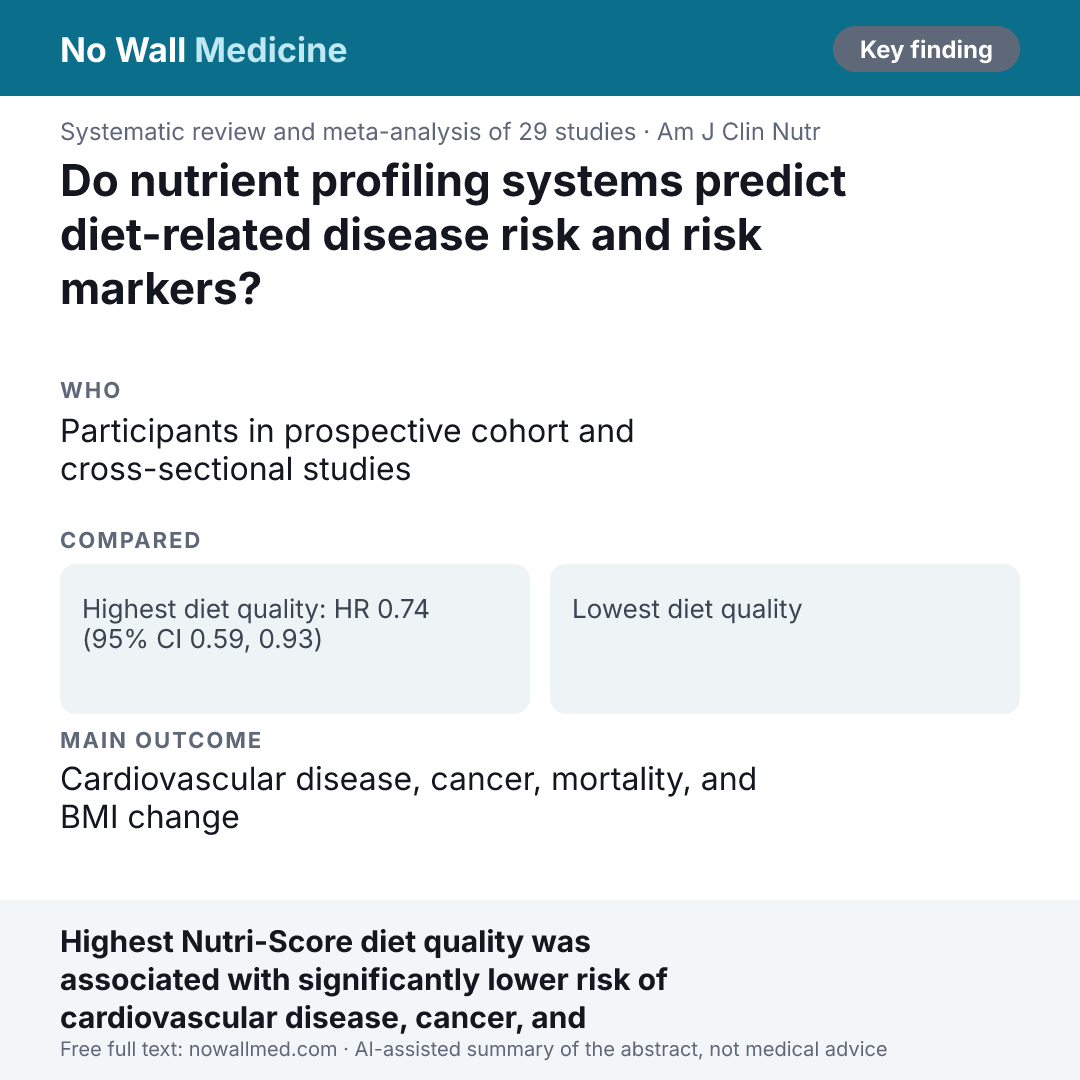
Criterion validation of nutrient profiling systems: a systematic review and meta-analysis
Systematic review and meta-analysis of 29 studiesKey finding
Do nutrient profiling systems predict diet-related disease risk and risk markers?
Who
Participants in prospective cohort and cross-sectional studies
Compared
Highest diet quality: HR 0.74 (95% CI 0.59, 0.93)
Lowest diet quality
Main outcome
Cardiovascular disease, cancer, mortality, and BMI change
Result: hazard ratio 0.74 (95% confidence interval 0.59, 0.93)
Bottom line: Highest Nutri-Score diet quality was associated with significantly lower risk of cardiovascular disease, cancer, and mortality.
Limitation: Limited criterion validation studies compared with the number of NPSs estimated to exist
Am J Clin Nutr · 2023-10-18 · Save PNG
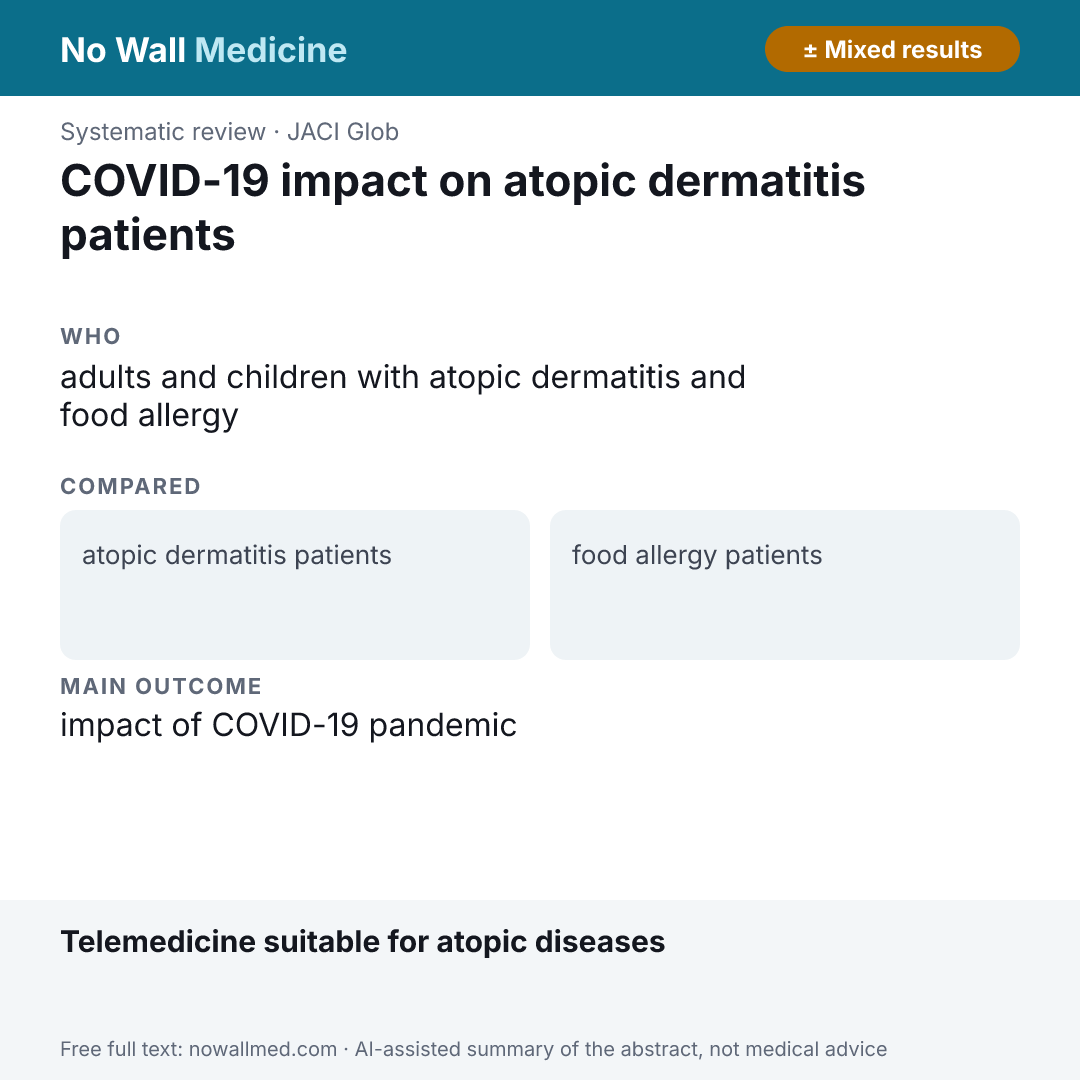
Impact of COVID-19 pandemic on adults and children with atopic dermatitis and food allergy: Systematic review
Systematic reviewMixed results
COVID-19 impact on atopic dermatitis patients
Who
adults and children with atopic dermatitis and food allergy
Compared
atopic dermatitis patients
food allergy patients
Main outcome
impact of COVID-19 pandemic
Bottom line: Telemedicine suitable for atopic diseases
JACI Glob · 2023-10-18 · Save PNG
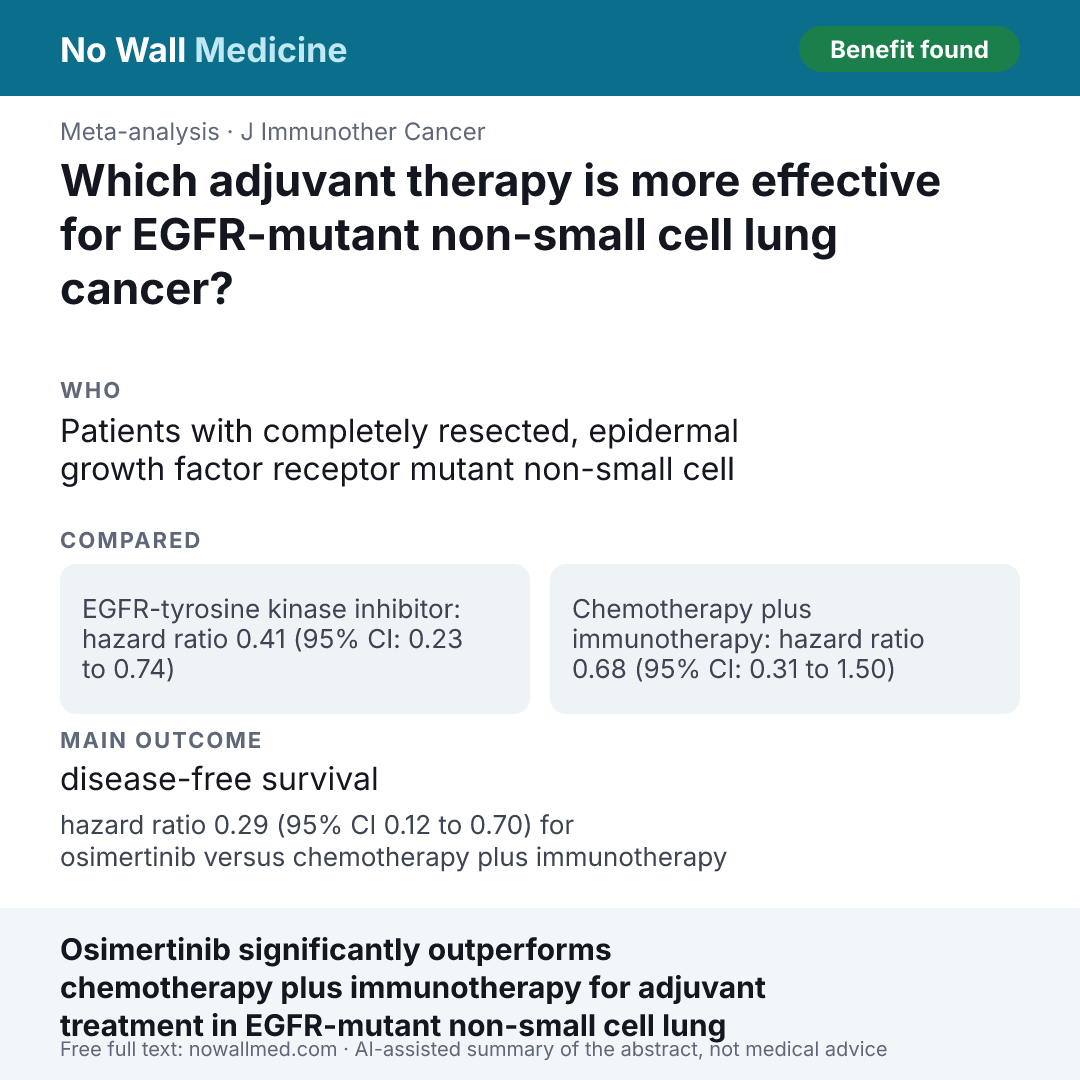
Adjuvant therapy in completely resected, EGFR-mutant non-small cell lung cancer: a comparative analysis of treatment efficacy between EGFR-TKI and anti-PD-1/PD-L1 immunotherapy
Meta-analysisBenefit found
Which adjuvant therapy is more effective for EGFR-mutant non-small cell lung cancer?
Who
Patients with completely resected, epidermal growth factor receptor mutant non-small cell lung cancer
Compared
EGFR-tyrosine kinase inhibitor: hazard ratio 0.41 (95% CI: 0.23 to 0.74)
Chemotherapy plus immunotherapy: hazard ratio 0.68 (95% CI: 0.31 to 1.50)
Main outcome
disease-free survival
Result: hazard ratio 0.29 (95% CI 0.12 to 0.70) for osimertinib versus chemotherapy plus immunotherapy
Bottom line: Osimertinib significantly outperforms chemotherapy plus immunotherapy for adjuvant treatment in EGFR-mutant non-small cell lung cancer.
J Immunother Cancer · 2023-10-18 · Save PNG
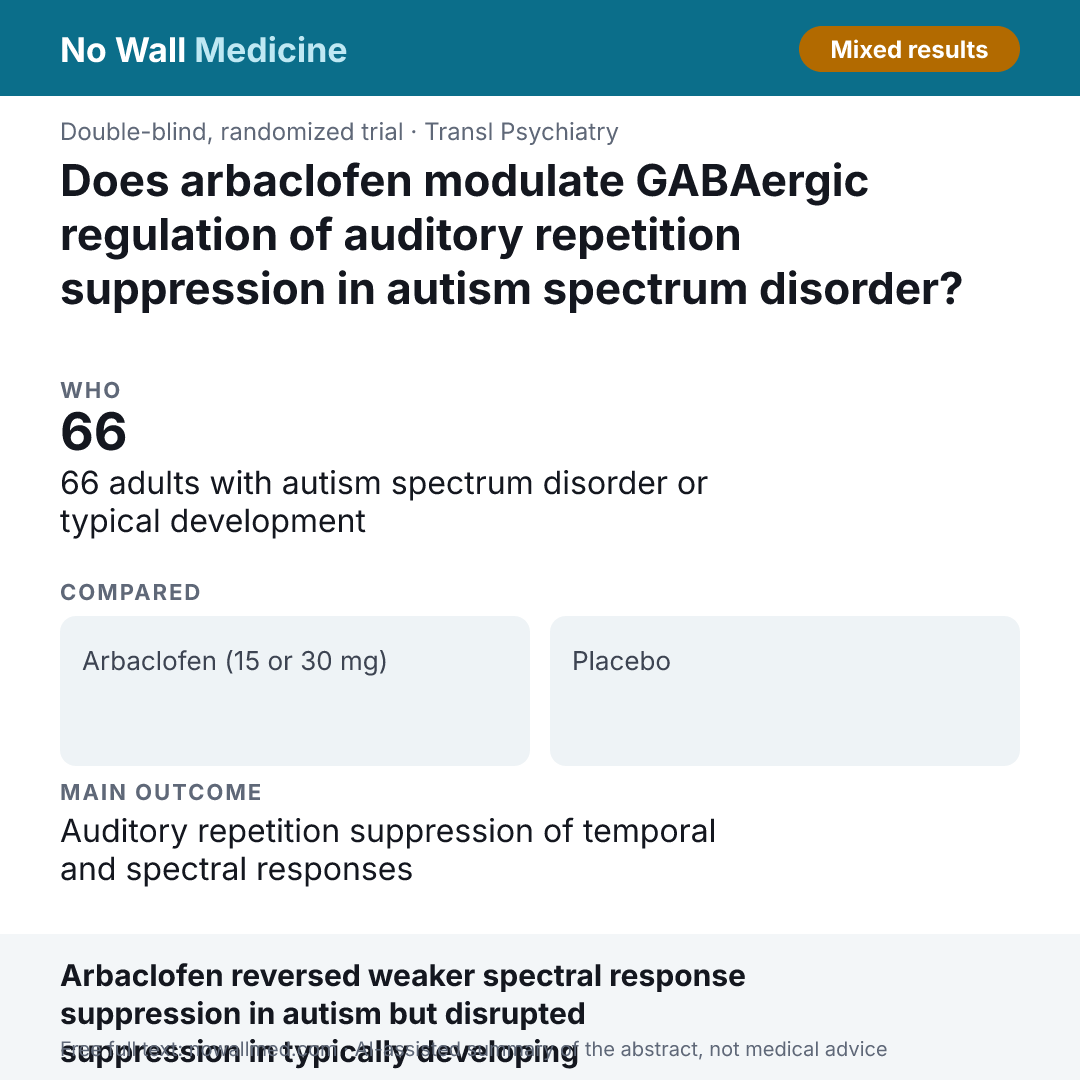
Exploratory evidence for differences in GABAergic regulation of auditory processing in autism spectrum disorder
Double-blind, randomized trialMixed results
Does arbaclofen modulate GABAergic regulation of auditory repetition suppression in autism spectrum disorder?
Who
66
66 adults with autism spectrum disorder or typical development
Compared
Arbaclofen (15 or 30 mg)
Placebo
Main outcome
Auditory repetition suppression of temporal and spectral responses
Bottom line: Arbaclofen reversed weaker spectral response suppression in autism but disrupted suppression in typically developing individuals.
Limitation: Post hoc analysis showed correlations only when examining the entire group together.
Transl Psychiatry · 2023-10-18 · Save PNG
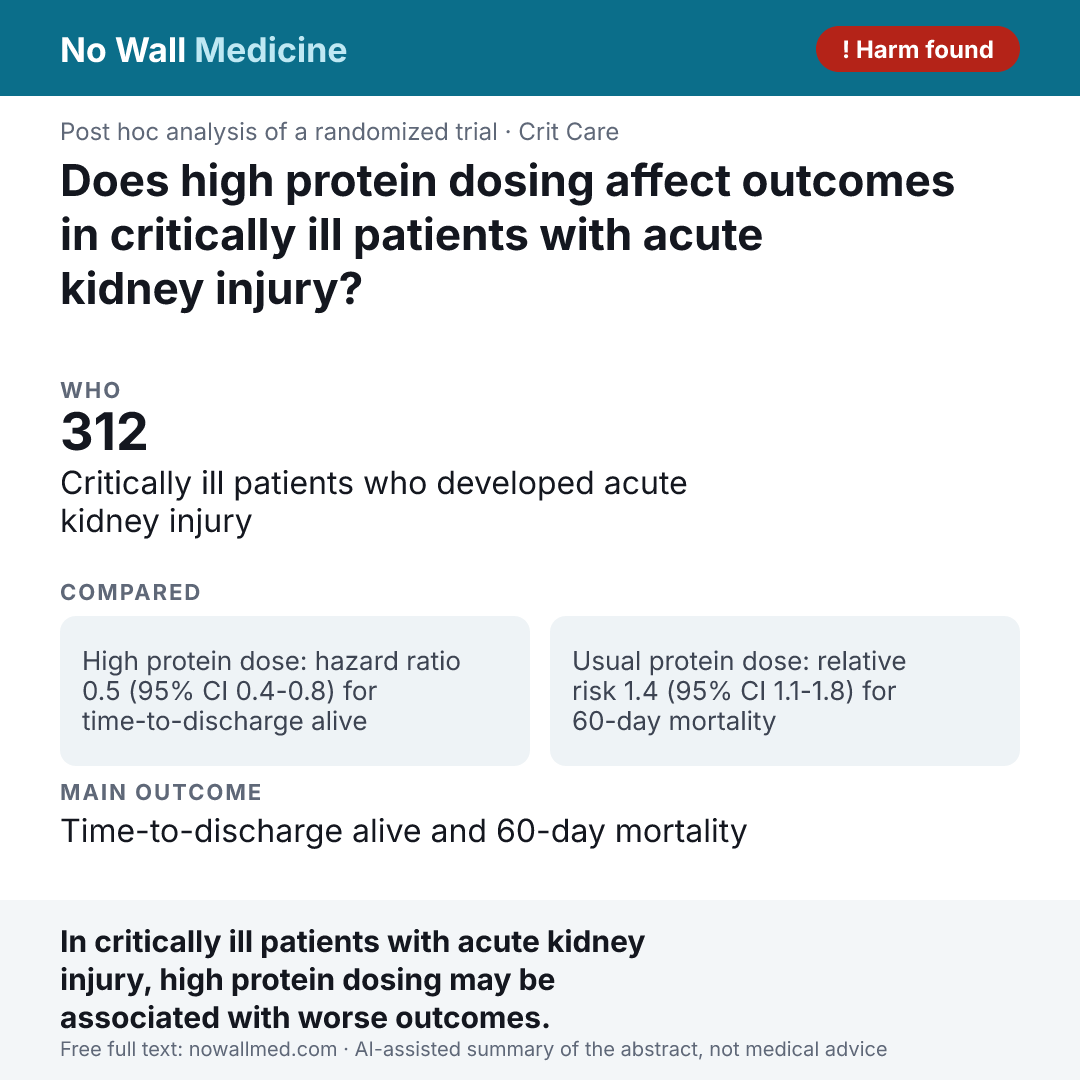
The impact of higher protein dosing on outcomes in critically ill patients with acute kidney injury: a post hoc analysis of the EFFORT protein trial
Post hoc analysis of a randomized trialHarm found
Does high protein dosing affect outcomes in critically ill patients with acute kidney injury?
Who
312
Critically ill patients who developed acute kidney injury
Compared
High protein dose: hazard ratio 0.5 (95% CI 0.4-0.8) for time-to-discharge alive
Usual protein dose: relative risk 1.4 (95% CI 1.1-1.8) for 60-day mortality
Main outcome
Time-to-discharge alive and 60-day mortality
Result: hazard ratio 0.5 (95% CI 0.4-0.8); relative risk 1.4 (95% CI 1.1-1.8)
Bottom line: In critically ill patients with acute kidney injury, high protein dosing may be associated with worse outcomes.
Crit Care · 2023-10-18 · Save PNG
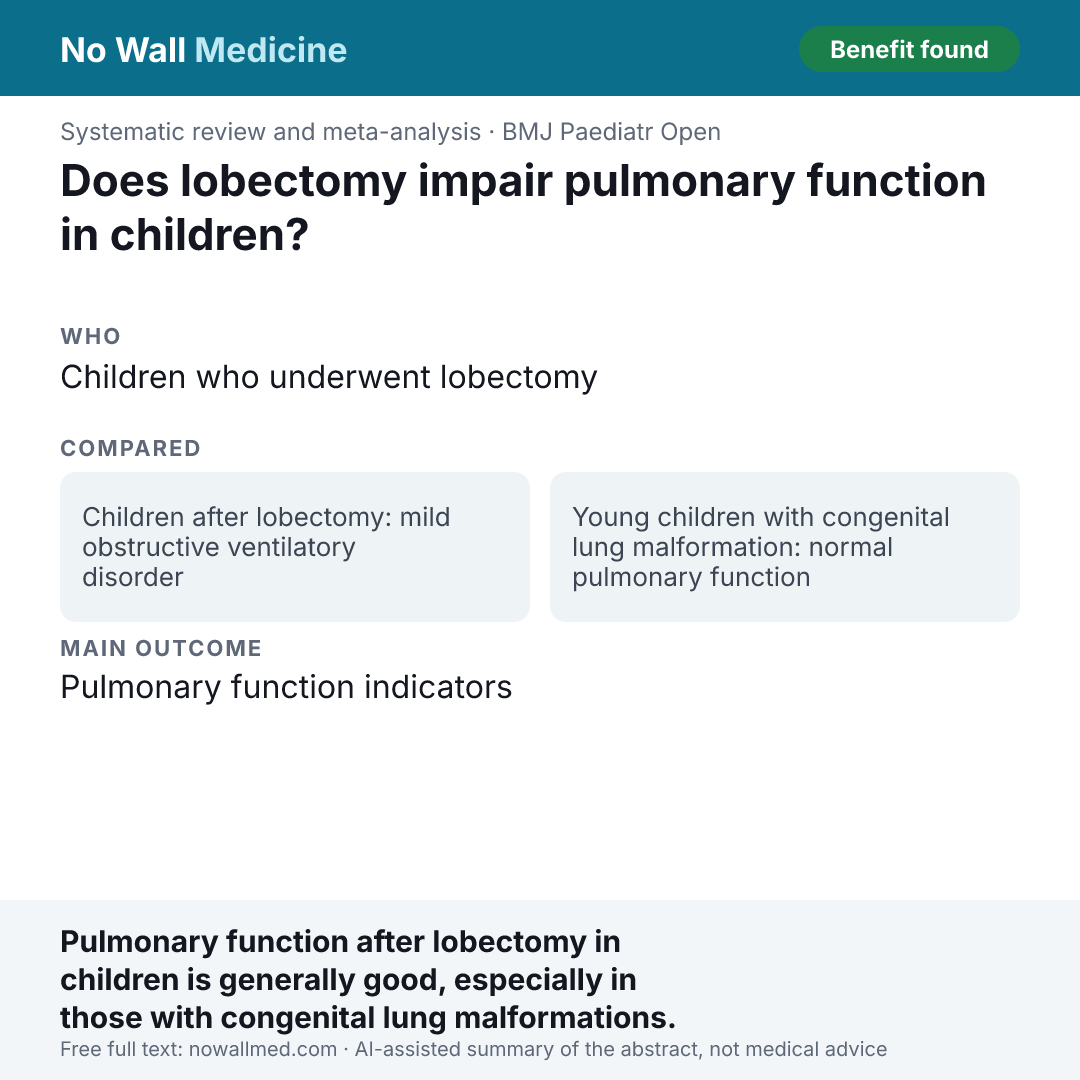
Pulmonary function after lobectomy in children: a systematic review and meta-analysis
Systematic review and meta-analysisBenefit found
Does lobectomy impair pulmonary function in children?
Who
Children who underwent lobectomy
Compared
Children after lobectomy: mild obstructive ventilatory disorder
Young children with congenital lung malformation: normal pulmonary function
Main outcome
Pulmonary function indicators
Bottom line: Pulmonary function after lobectomy in children is generally good, especially in those with congenital lung malformations.
BMJ Paediatr Open · 2023-10-18 · Save PNG
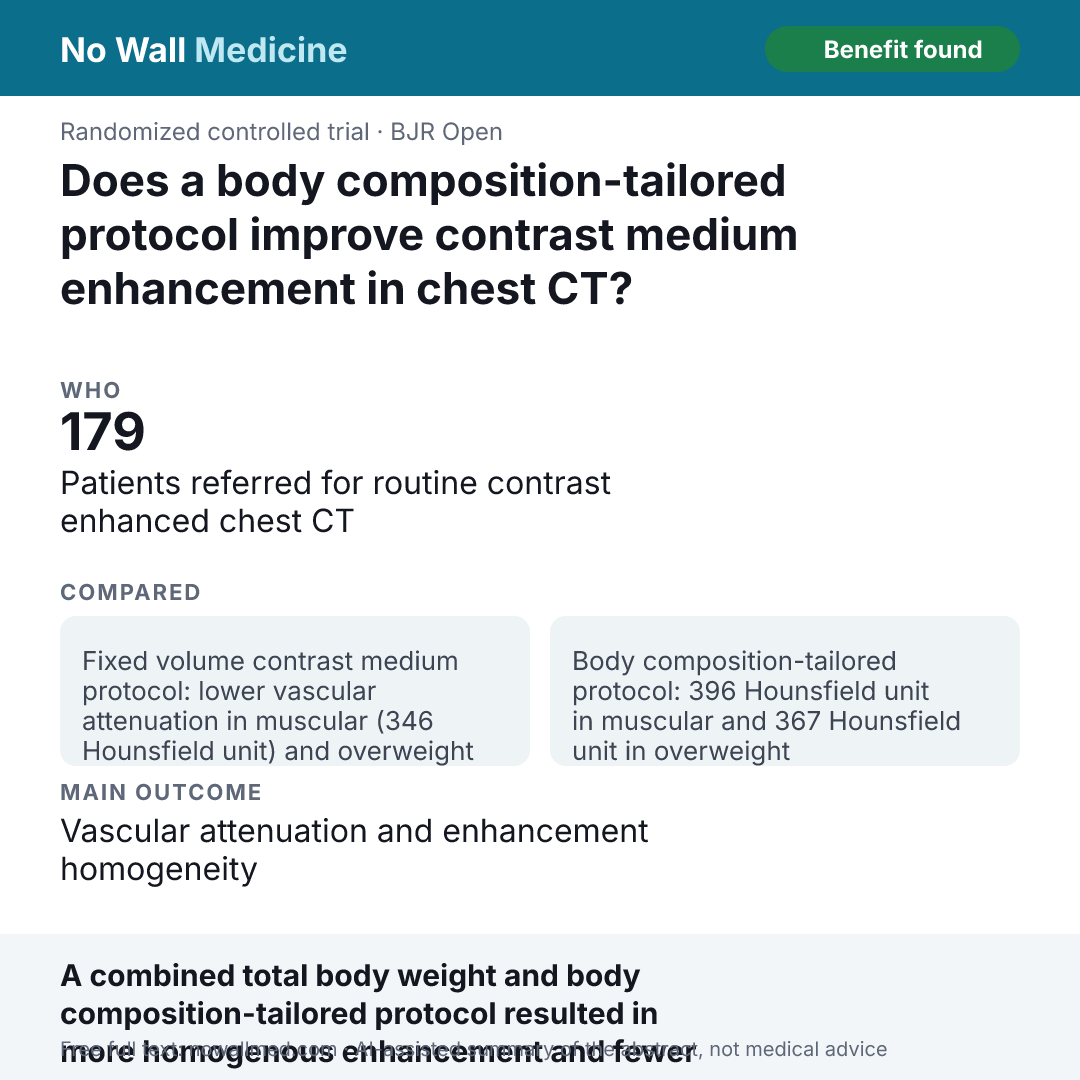
The impact of body compositions on contrast medium enhancement in chest CT: a randomised controlled trial
Randomized controlled trialBenefit found
Does a body composition-tailored protocol improve contrast medium enhancement in chest CT?
Who
179
Patients referred for routine contrast enhanced chest CT
Compared
Fixed volume contrast medium protocol: lower vascular attenuation in muscular (346 Hounsfield unit) and overweight (342 Hounsfield unit)
Body composition-tailored protocol: 396 Hounsfield unit in muscular and 367 Hounsfield unit in overweight
Main outcome
Vascular attenuation and enhancement homogeneity
Bottom line: A combined total body weight and body composition-tailored protocol resulted in more homogenous enhancement and fewer outliers.
BJR Open · 2023-10-18 · Save PNG
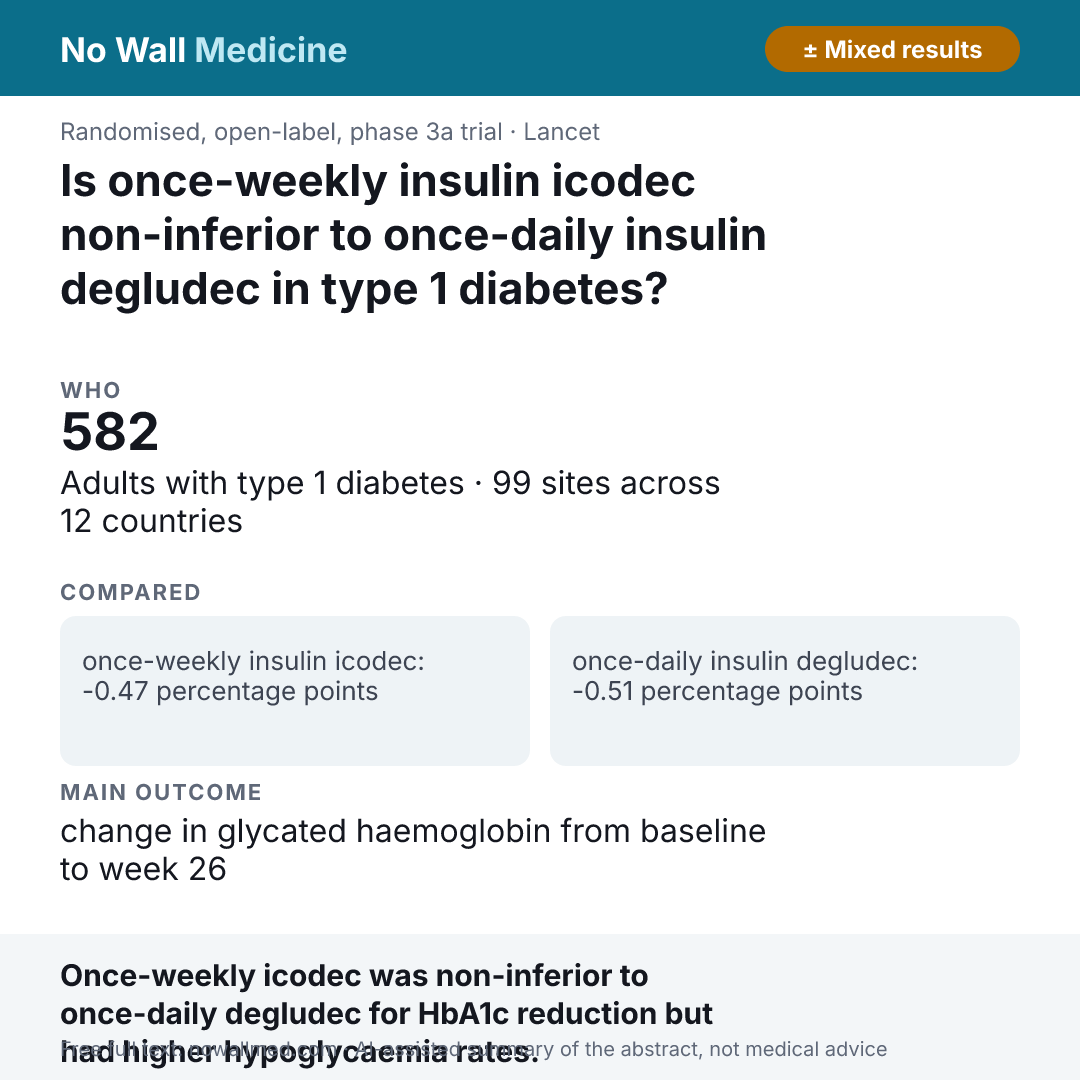
Once-weekly insulin icodec versus once-daily insulin degludec as part of a basal-bolus regimen in individuals with type 1 diabetes (ONWARDS 6): a phase 3a, randomised, open-label, treat-to-target trial
Randomised, open-label, phase 3a trialMixed results
Is once-weekly insulin icodec non-inferior to once-daily insulin degludec in type 1 diabetes?
Who
582
Adults with type 1 diabetes · 99 sites across 12 countries
Compared
once-weekly insulin icodec: -0.47 percentage points
once-daily insulin degludec: -0.51 percentage points
Main outcome
change in glycated haemoglobin from baseline to week 26
Result: estimated treatment difference 0.05 percentage points (95% CI -0.13 to 0.23)
Bottom line: Once-weekly icodec was non-inferior to once-daily degludec for HbA1c reduction but had higher hypoglycaemia rates.
Funded by: Novo Nordisk
Lancet · 2023-10-17 · Save PNG