Visual abstracts
New randomized trials and meta-analyses from leading journals at a glance: who was studied, what was compared, and what was found. Every paper is free to read in full.
All specialtiesCardiology 2691Oncology 2271Gastroenterology & Hepatology 1033Infectious Disease 1693Neurology 1073Psychiatry & Mental Health 1246Pulmonology 1130Critical Care 744Endocrinology & Diabetes 1384Pediatrics 1570Surgery 1382Orthopedics & Sports Medicine 495Neurosurgery 331Cardiothoracic & Vascular Surgery 295Plastic & Reconstructive Surgery 400Nephrology 555Rheumatology 413Hematology 583Dermatology 317Ophthalmology 307Obstetrics & Gynecology 882Public & Global Health 490Radiology & Imaging 372Anesthesiology 538Urology 446ENT (Otolaryngology) 318Emergency Medicine 300Allergy & Immunology 174Geriatrics 575Family Medicine & Primary Care 307Medical Genetics & Genomics 303Pathology & Laboratory Medicine 85Physical Medicine & Rehabilitation 438Palliative Care 238Nutrition 716Digital Health & AI 1288General Medicine 193
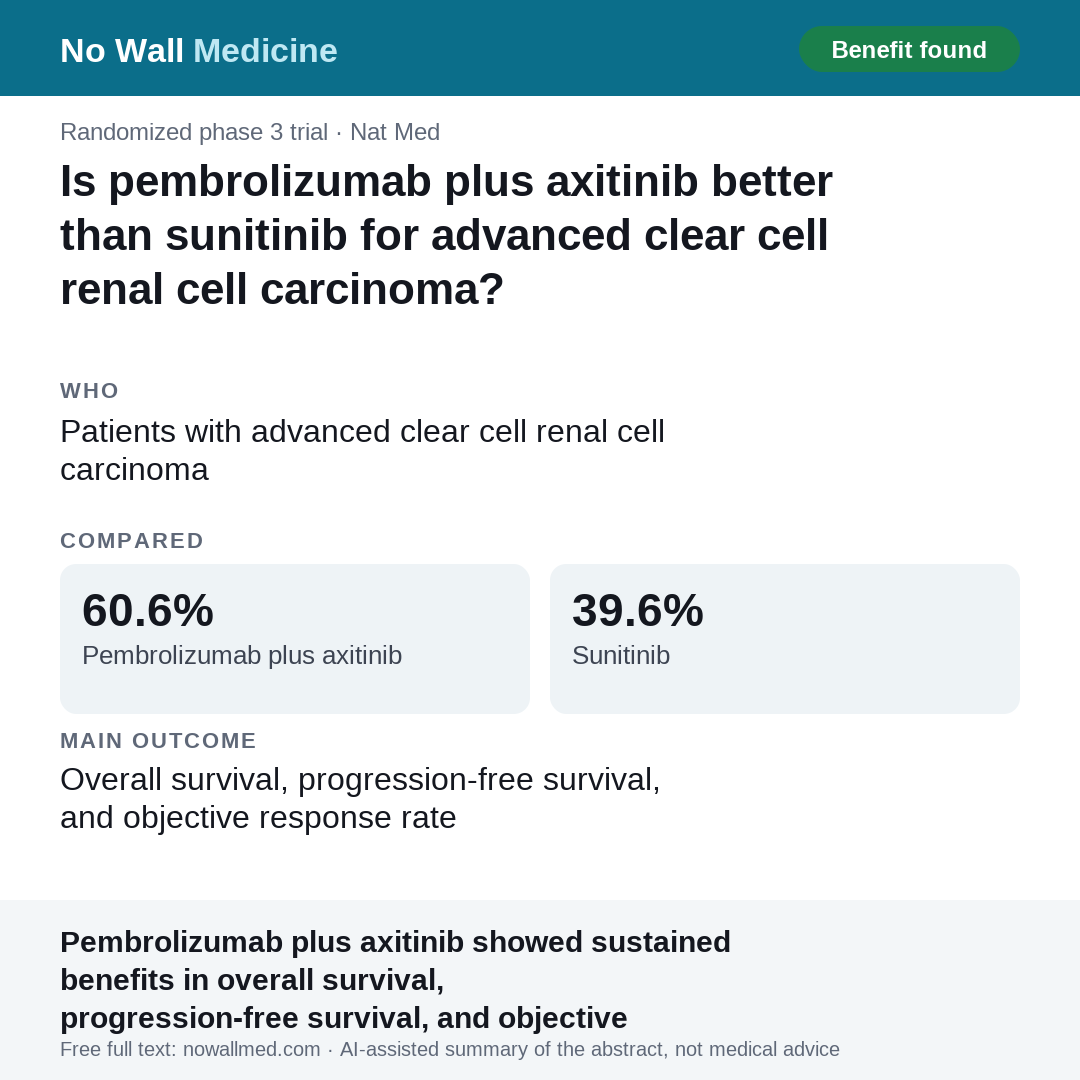
Pembrolizumab plus axitinib versus sunitinib for advanced clear cell renal cell carcinoma: 5-year survival and biomarker analyses of the phase 3 KEYNOTE-426 trial
Randomized phase 3 trialBenefit found
Is pembrolizumab plus axitinib better than sunitinib for advanced clear cell renal cell carcinoma?
Who
Patients with advanced clear cell renal cell carcinoma
Compared
60.6%Pembrolizumab plus axitinib
39.6%Sunitinib
Main outcome
Overall survival, progression-free survival, and objective response rate
Result: hazard ratio 0.84 (95% confidence interval 0.71-0.99)
Bottom line: Pembrolizumab plus axitinib showed sustained benefits in overall survival, progression-free survival, and objective response rate over sunitinib.
Nat Med · 2025-08-01Download image
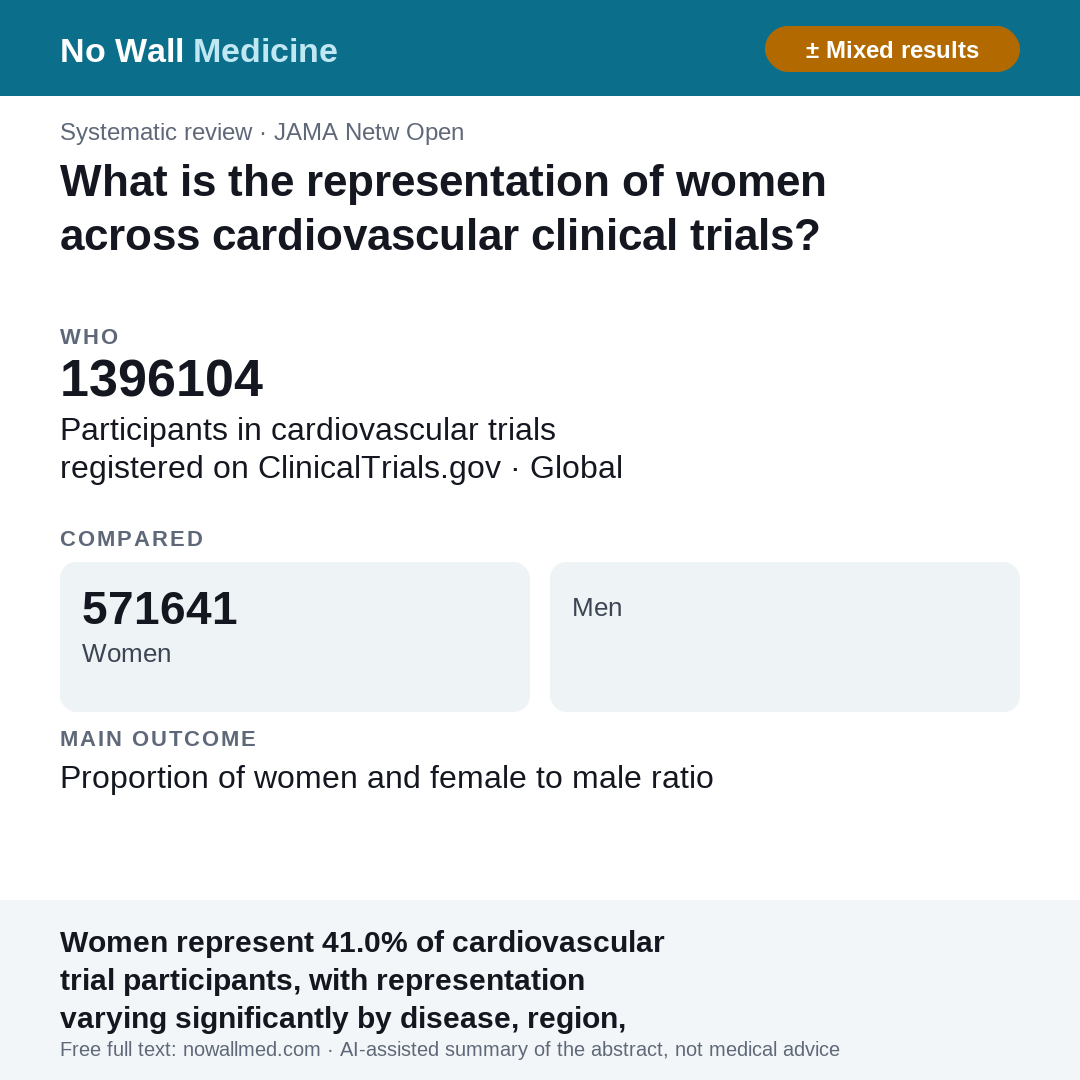
Participation of Women in Cardiovascular Trials From 2017 to 2023: A Systematic Review
Systematic reviewMixed results
What is the representation of women across cardiovascular clinical trials?
Who
1396104
Participants in cardiovascular trials registered on ClinicalTrials.gov · Global
Compared
571641Women (41.0%)
Men
Main outcome
Proportion of women and female to male ratio
Bottom line: Women represent 41.0% of cardiovascular trial participants, with representation varying significantly by disease, region, and intervention.
JAMA Netw Open · 2025-08-01Download image
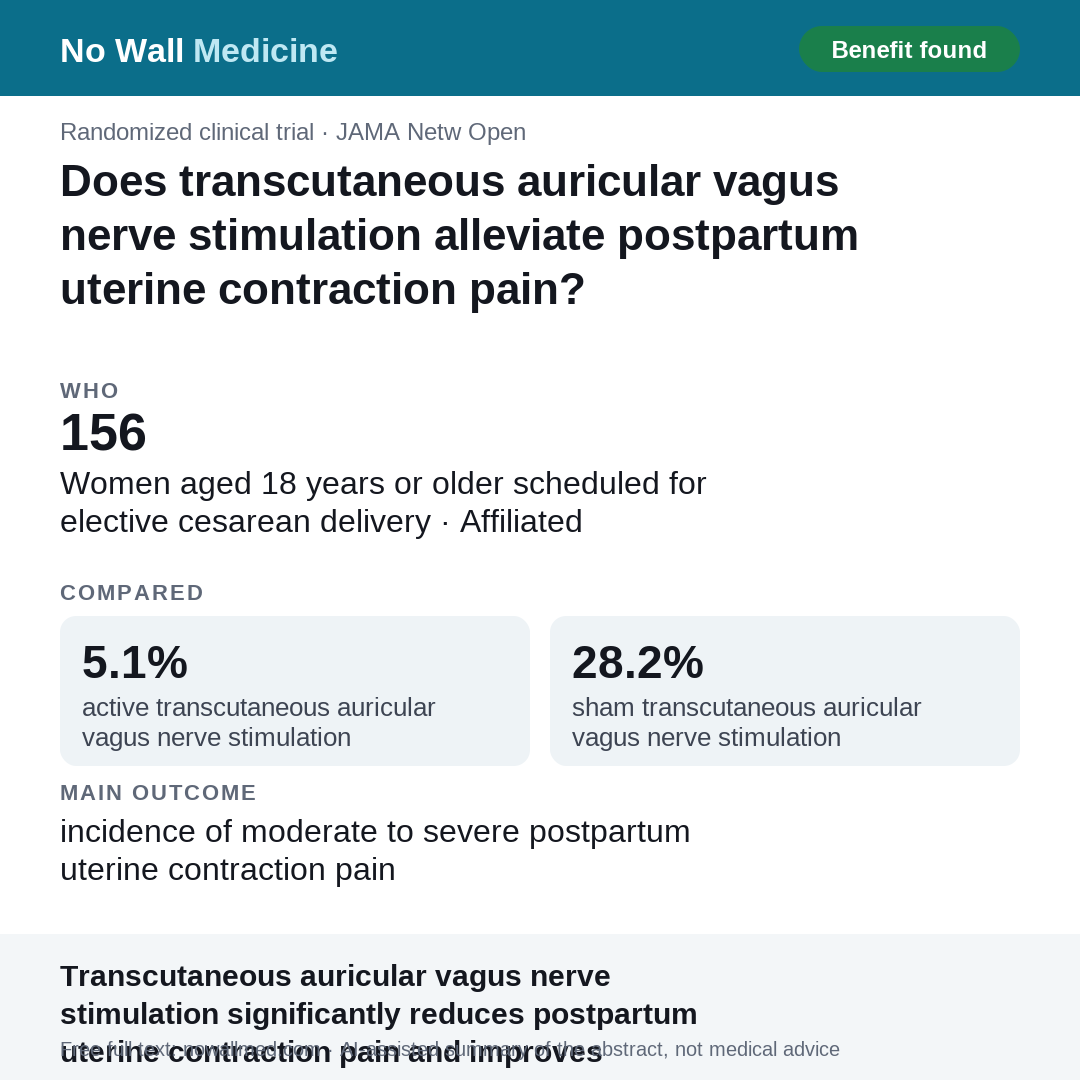
Transcutaneous Auricular Vagus Nerve Stimulation for Postpartum Contraction Pain During Elective Cesarean Delivery: A Randomized Clinical Trial
Randomized clinical trialBenefit found
Does transcutaneous auricular vagus nerve stimulation alleviate postpartum uterine contraction pain?
Who
156
Women aged 18 years or older scheduled for elective cesarean delivery · Affiliated Hospital of Xuzhou Medical University, China
Compared
5.1%active transcutaneous auricular vagus nerve stimulation (4/78)
28.2%sham transcutaneous auricular vagus nerve stimulation (22/78)
Main outcome
incidence of moderate to severe postpartum uterine contraction pain
Result: relative risk 0.18 (95% CI 0.07-0.50)
Bottom line: Transcutaneous auricular vagus nerve stimulation significantly reduces postpartum uterine contraction pain and improves postoperative recovery quality.
JAMA Netw Open · 2025-08-01Download image
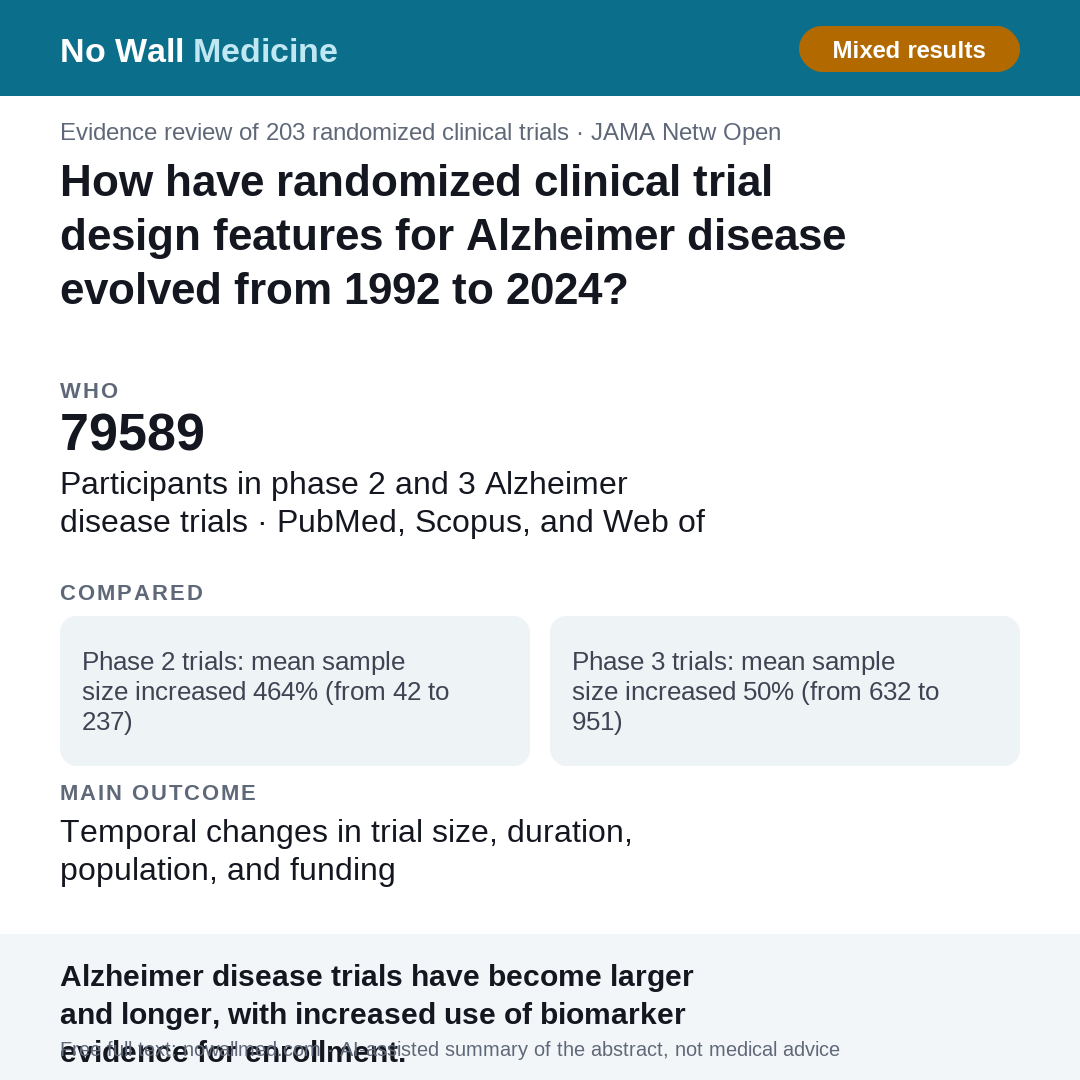
The Evolution of Randomized Clinical Trial Designs to Assess Therapeutics in Alzheimer Disease
Evidence review of 203 randomized clinical trialsMixed results
How have randomized clinical trial design features for Alzheimer disease evolved from 1992 to 2024?
Who
79589
Participants in phase 2 and 3 Alzheimer disease trials · PubMed, Scopus, and Web of Science databases
Compared
Phase 2 trials: mean sample size increased 464% (from 42 to 237)
Phase 3 trials: mean sample size increased 50% (from 632 to 951)
Main outcome
Temporal changes in trial size, duration, population, and funding
Bottom line: Alzheimer disease trials have become larger and longer, with increased use of biomarker evidence for enrollment.
JAMA Netw Open · 2025-08-01Download image
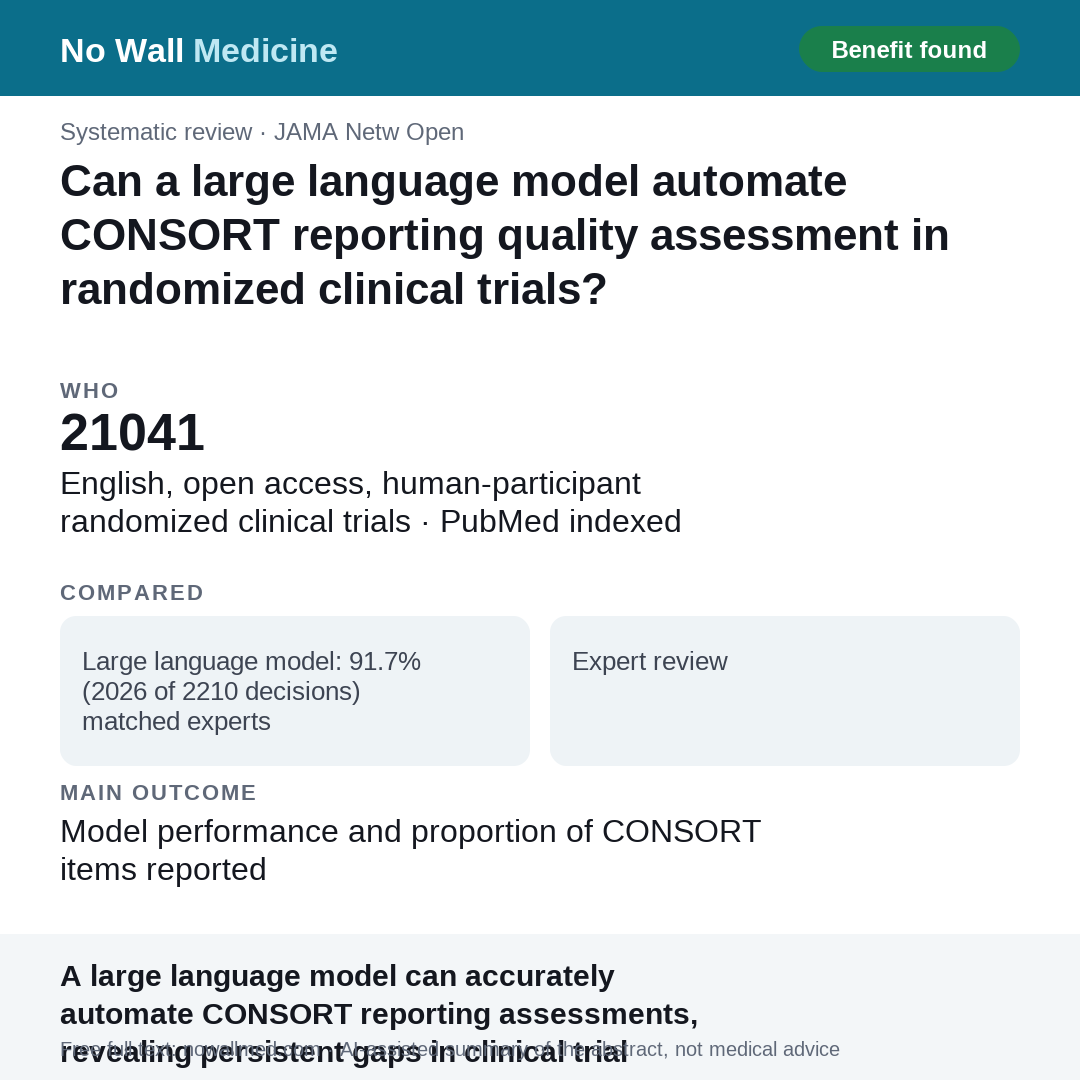
Large Language Model Analysis of Reporting Quality of Randomized Clinical Trial Articles: A Systematic Review
Systematic reviewBenefit found
Can a large language model automate CONSORT reporting quality assessment in randomized clinical trials?
Who
21041
English, open access, human-participant randomized clinical trials · PubMed indexed articles
Compared
Large language model: 91.7% (2026 of 2210 decisions) matched experts
Expert review
Main outcome
Model performance and proportion of CONSORT items reported
Result: macro F1 score 0.86 (95% CI, 0.84-0.87)
Bottom line: A large language model can accurately automate CONSORT reporting assessments, revealing persistent gaps in clinical trial transparency.
JAMA Netw Open · 2025-08-01Download image
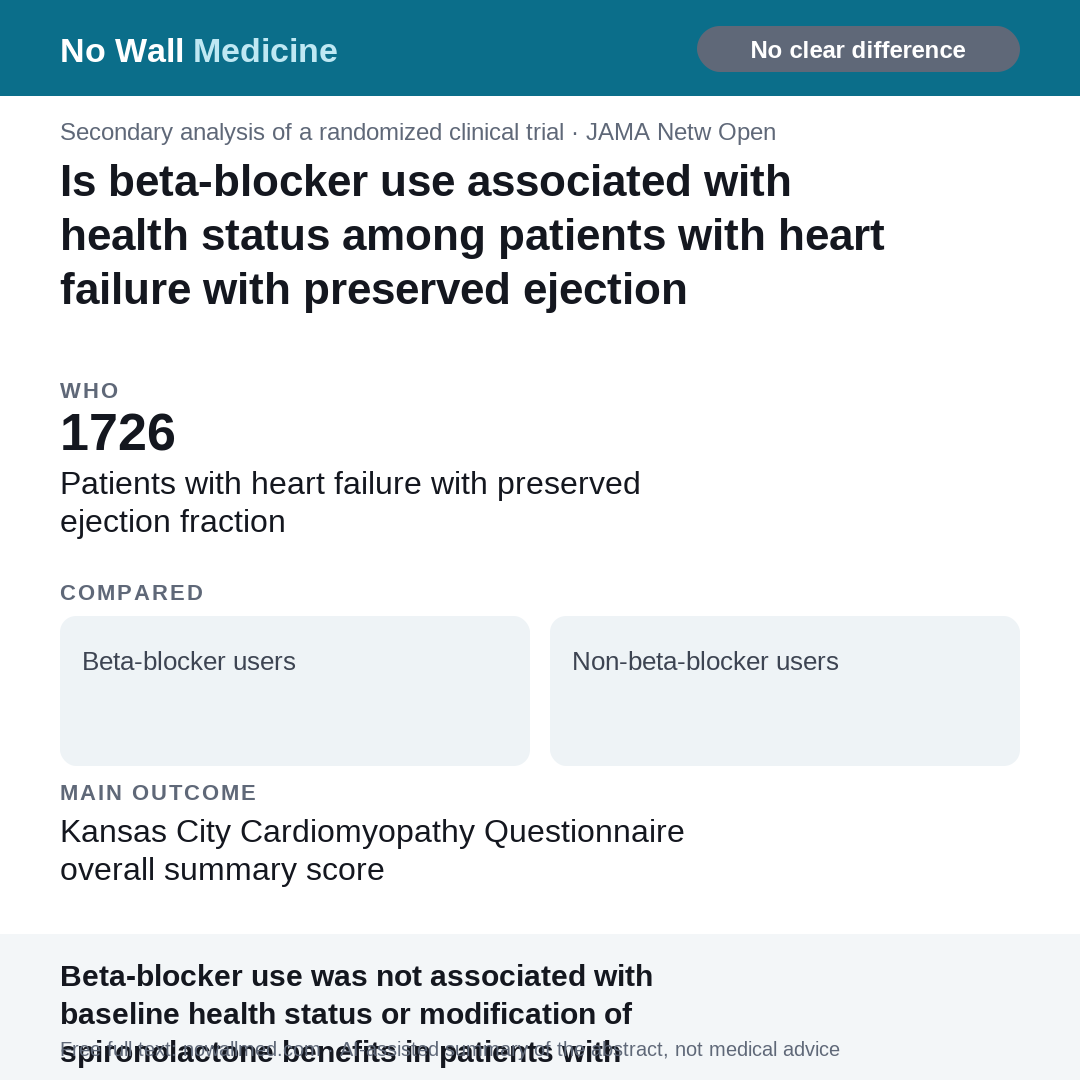
β-Blocker Use and Health Status Among Patients With Heart Failure With Preserved Ejection Fraction
Secondary analysis of a randomized clinical trialNo clear difference
Is beta-blocker use associated with health status among patients with heart failure with preserved ejection fraction?
Who
1726
Patients with heart failure with preserved ejection fraction
Compared
Beta-blocker users
Non-beta-blocker users
Main outcome
Kansas City Cardiomyopathy Questionnaire overall summary score
Result: mean difference -1.1 points (95% CI -3.7 to 1.4 points)
Bottom line: Beta-blocker use was not associated with baseline health status or modification of spironolactone benefits in patients with HFpEF.
Limitation: This was a secondary analysis of a randomized clinical trial cohort.
JAMA Netw Open · 2025-08-01Download image
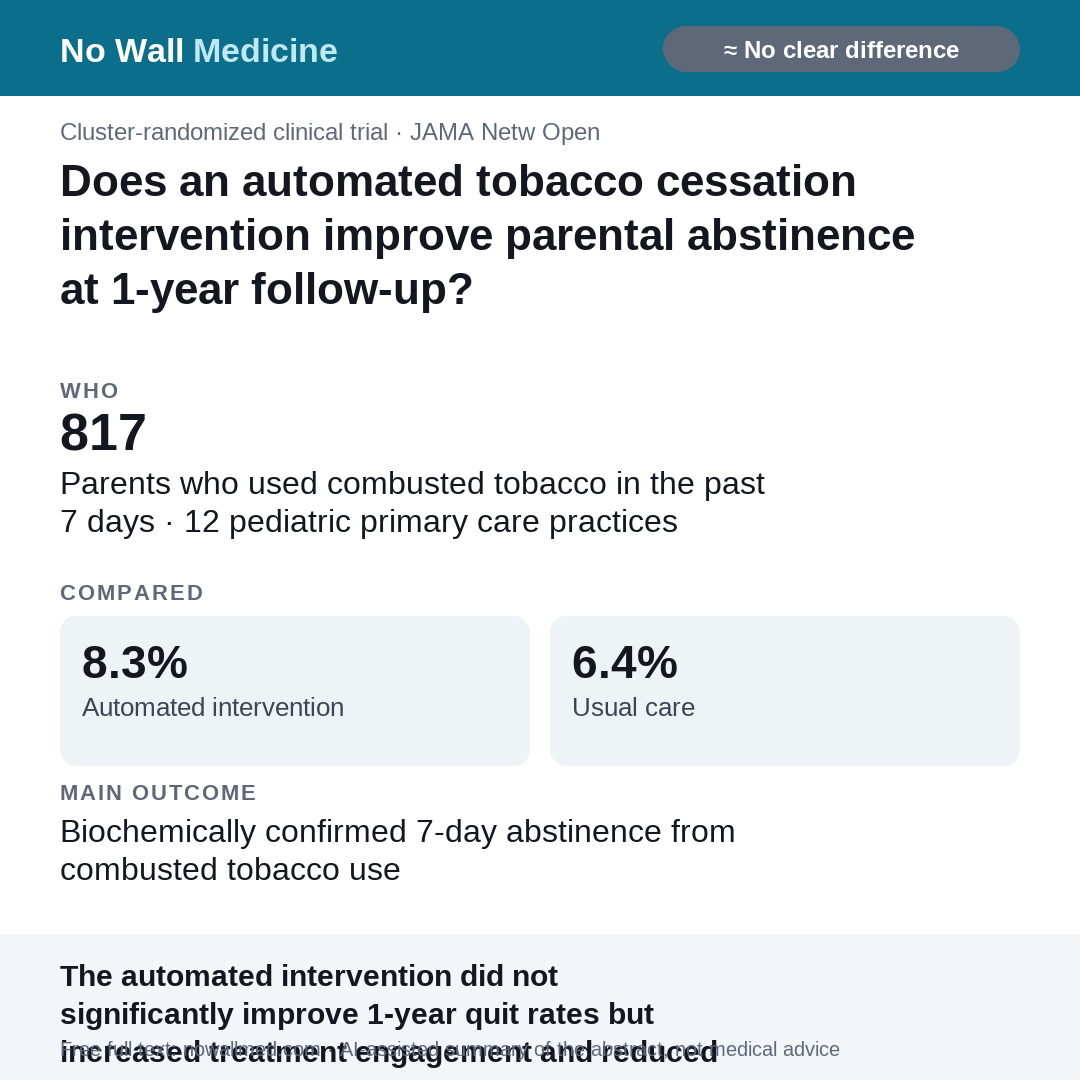
Automated Tobacco Cessation Intervention for Parents in Pediatric Primary Care: A Cluster-Randomized Clinical Trial
Cluster-randomized clinical trialNo clear difference
Does an automated tobacco cessation intervention improve parental abstinence at 1-year follow-up?
Who
817
Parents who used combusted tobacco in the past 7 days · 12 pediatric primary care practices in Philadelphia, Pennsylvania
Compared
8.3%Automated intervention
6.4%Usual care
Main outcome
Biochemically confirmed 7-day abstinence from combusted tobacco use
Result: adjusted odds ratio, 1.34 (95% CI, 0.79-2.29)
Bottom line: The automated intervention did not significantly improve 1-year quit rates but increased treatment engagement and reduced cigarette consumption.
JAMA Netw Open · 2025-08-01Download image
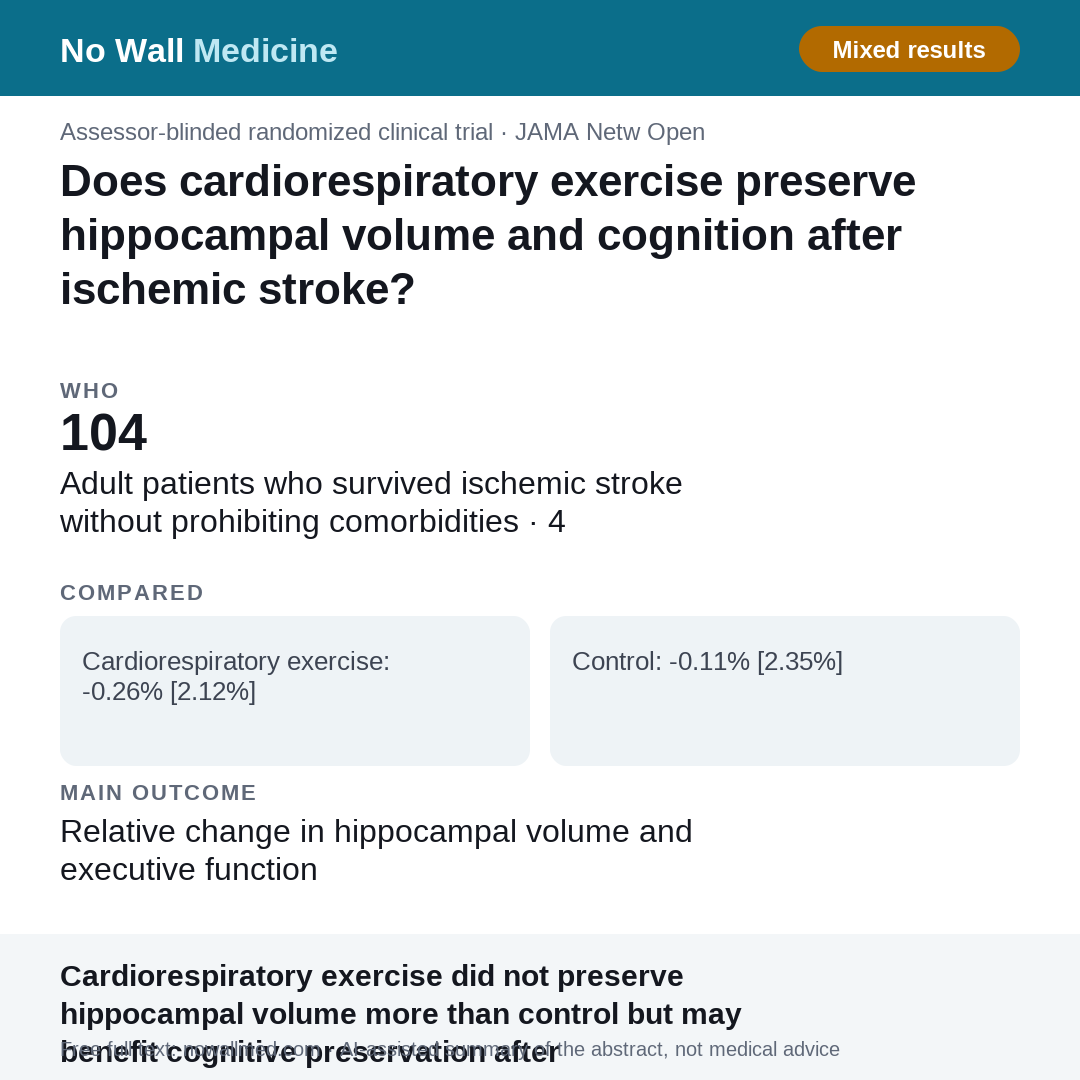
Poststroke Cardiorespiratory Exercise for Brain Volume and Cognition: A Randomized Clinical Trial
Assessor-blinded randomized clinical trialMixed results
Does cardiorespiratory exercise preserve hippocampal volume and cognition after ischemic stroke?
Who
104
Adult patients who survived ischemic stroke without prohibiting comorbidities · 4 metropolitan health care services in Melbourne, Australia
Compared
Cardiorespiratory exercise: -0.26% [2.12%]
Control: -0.11% [2.35%]
Main outcome
Relative change in hippocampal volume and executive function
Result: -0.10% (95% CI, -1.10% to 0.87%)
Bottom line: Cardiorespiratory exercise did not preserve hippocampal volume more than control but may benefit cognitive preservation after ischemic stroke.
JAMA Netw Open · 2025-08-01Download image
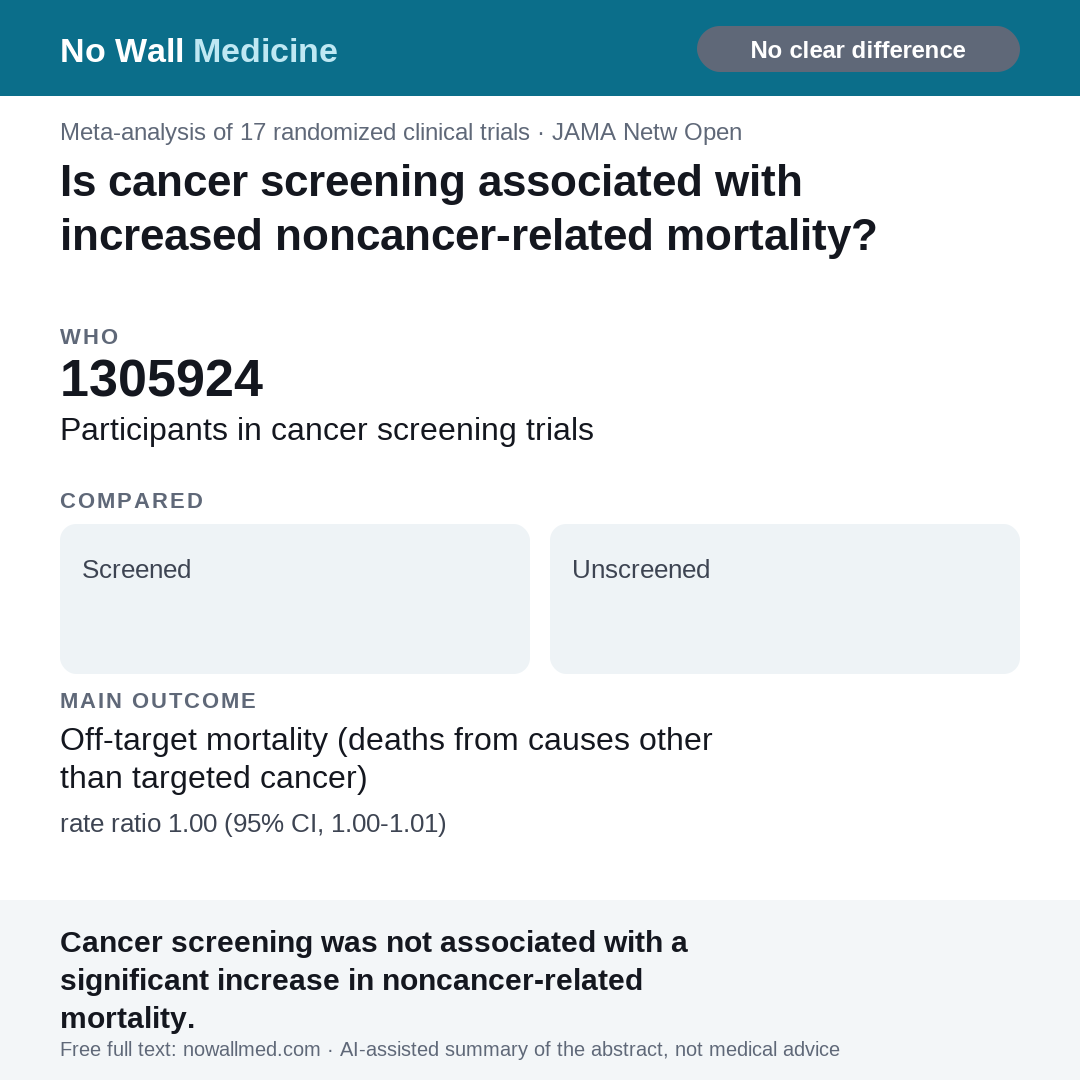
Noncancer-Related Mortality in Randomized Clinical Trials: A Meta-Analysis
Meta-analysis of 17 randomized clinical trialsNo clear difference
Is cancer screening associated with increased noncancer-related mortality?
Who
1305924
Participants in cancer screening trials
Compared
Screened
Unscreened
Main outcome
Off-target mortality (deaths from causes other than targeted cancer)
Result: rate ratio 1.00 (95% CI, 1.00-1.01)
Bottom line: Cancer screening was not associated with a significant increase in noncancer-related mortality.
JAMA Netw Open · 2025-08-01Download image
Dual Immune Checkpoint Inhibition Plus Neoadjuvant Chemoradiotherapy in Rectal Cancer: A Randomized Clinical Trial
Randomized, open-label, multicenter phase 2 clinical trialBenefit found
Is combining ipilimumab and nivolumab with neoadjuvant chemoradiotherapy safe and feasible for rectal cancer?
Who
145
Patients with rectal cancer · Multiple academic and tertiary medical centers in Austria
Compared
Chemoradiotherapy alone: 77% surgical complication rate
Chemoradiotherapy plus ipilimumab and nivolumab: 77% surgical complication rate
Main outcome
Safety and feasibility assessed by surgical complications and reoperation rates
Bottom line: Adding ipilimumab and nivolumab to neoadjuvant chemoradiotherapy was safe and feasible with no increase in surgical complications.
JAMA Netw Open · 2025-08-01Download image

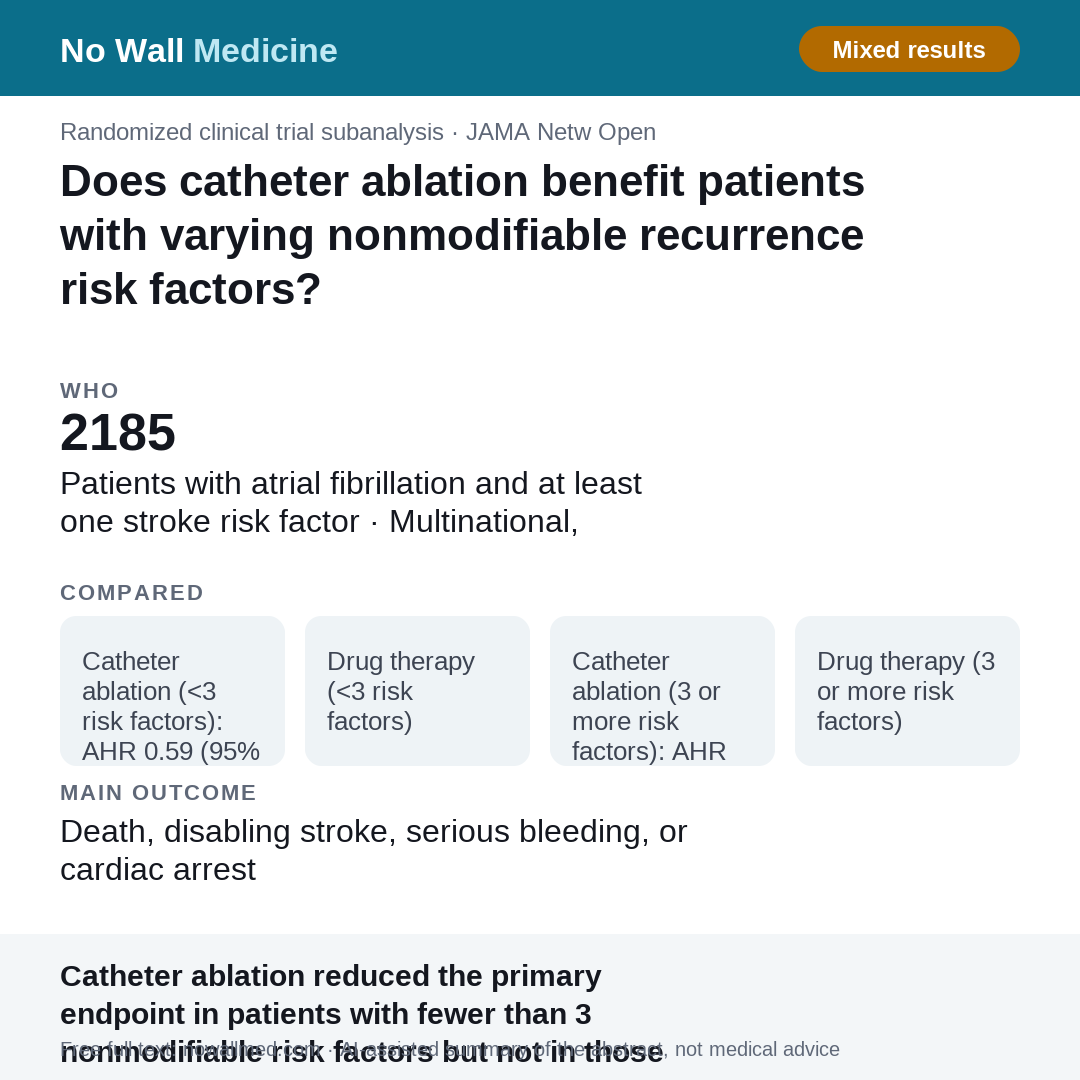
Catheter Ablation vs Drug Therapy in Patients With Atrial Fibrillation and Nonmodifiable Recurrence Risk Factors: A Secondary Analysis of the CABANA Randomized Clinical Trial
Randomized clinical trial subanalysisMixed results
Does catheter ablation benefit patients with varying nonmodifiable recurrence risk factors?
Who
2185
Patients with atrial fibrillation and at least one stroke risk factor · Multinational, multicenter
Compared
Catheter ablation (<3 risk factors): AHR 0.59 (95% CI 0.41-0.86)
Drug therapy (<3 risk factors)
Catheter ablation (3 or more risk factors): AHR 1.55 (95% CI 0.93-2.58)
Drug therapy (3 or more risk factors)
Main outcome
Death, disabling stroke, serious bleeding, or cardiac arrest
Result: AHR 0.59 (95% CI 0.41-0.86) for <3 risk factors
Bottom line: Catheter ablation reduced the primary endpoint in patients with fewer than 3 nonmodifiable risk factors but not in those with 3 or more.
Limitation: This was a post hoc subanalysis of the CABANA randomized clinical trial.
JAMA Netw Open · 2025-08-01Download image
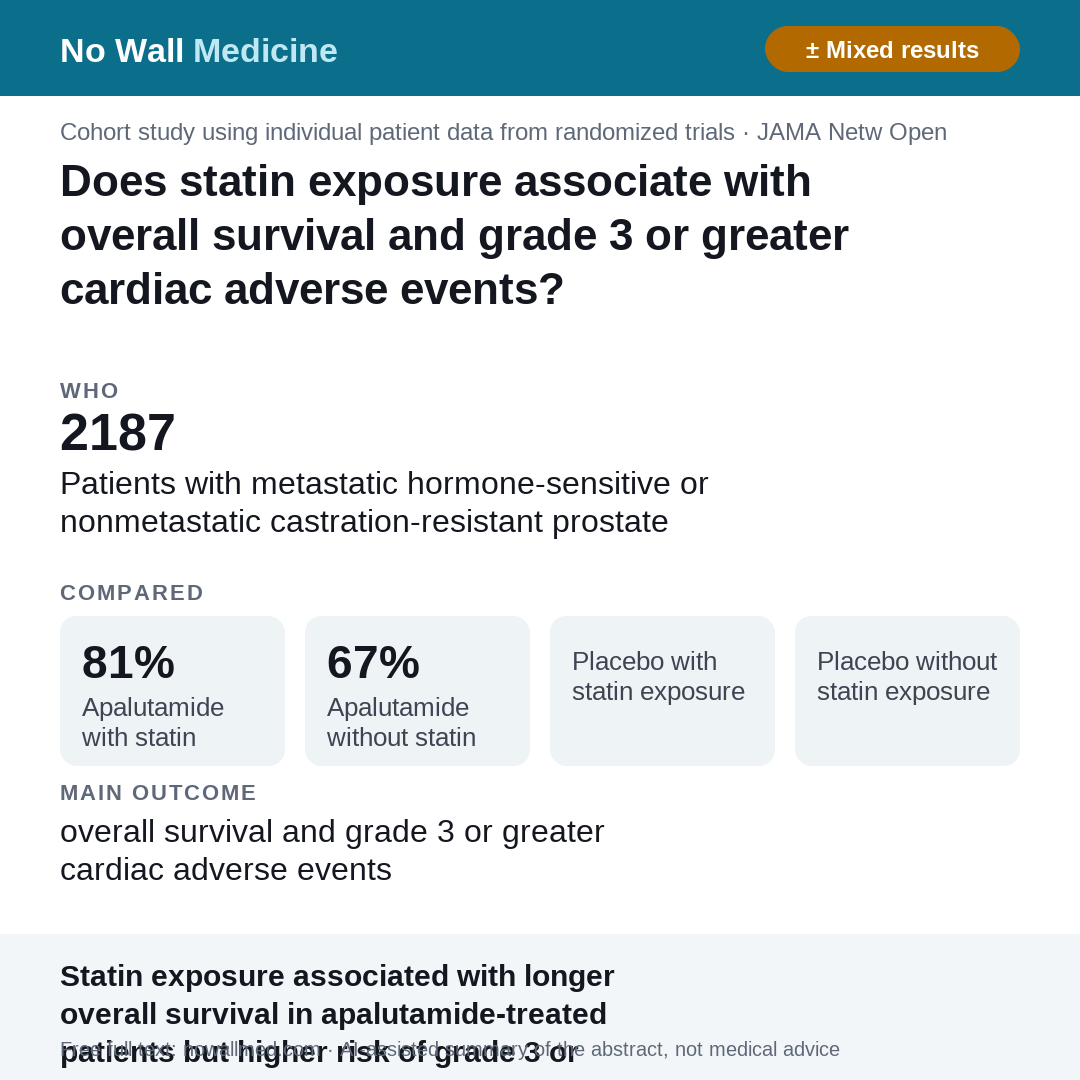
Statin Use in Patients With Advanced Prostate Cancer in the TITAN and SPARTAN Trials
Cohort study using individual patient data from randomized trialsMixed results
Does statin exposure associate with overall survival and grade 3 or greater cardiac adverse events?
Who
2187
Patients with metastatic hormone-sensitive or nonmetastatic castration-resistant prostate cancer · Multicenter phase 3 randomized clinical trials
Compared
81%Apalutamide with statin exposure (TITAN 3-year OS)
67%Apalutamide without statin exposure (TITAN 3-year OS)
Placebo with statin exposure
Placebo without statin exposure
Main outcome
overall survival and grade 3 or greater cardiac adverse events
Result: hazard ratio 0.53 (95% CI, 0.32-0.87) in TITAN apalutamide group
Bottom line: Statin exposure associated with longer overall survival in apalutamide-treated patients but higher risk of grade 3 or greater cardiac adverse events.
JAMA Netw Open · 2025-08-01Download image
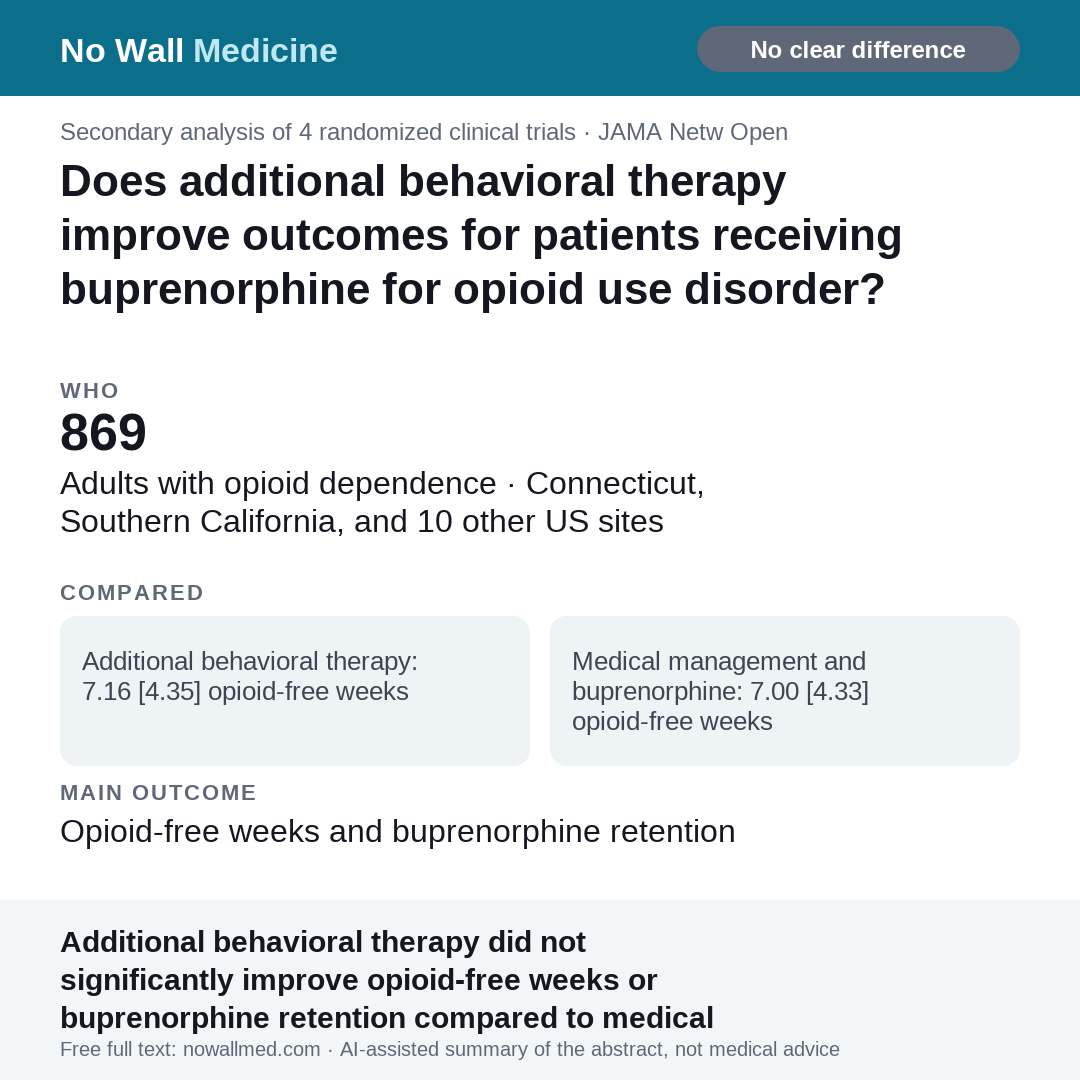
Behavioral Therapy as an Adjunct to Buprenorphine Treatment for Opioid Use Disorder: A Secondary Analysis of 4 Randomized Clinical Trials
Secondary analysis of 4 randomized clinical trialsNo clear difference
Does additional behavioral therapy improve outcomes for patients receiving buprenorphine for opioid use disorder?
Who
869
Adults with opioid dependence · Connecticut, Southern California, and 10 other US sites
Compared
Additional behavioral therapy: 7.16 [4.35] opioid-free weeks
Medical management and buprenorphine: 7.00 [4.33] opioid-free weeks
Main outcome
Opioid-free weeks and buprenorphine retention
Result: B = 0.28; 95% CI, -0.33 to 0.89
Bottom line: Additional behavioral therapy did not significantly improve opioid-free weeks or buprenorphine retention compared to medical management and buprenorphine.
JAMA Netw Open · 2025-08-01Download image
Healthy Food Benefit Programs, Fruit and Vegetable Consumption, and Food Security
Cohort study with randomly assigned treatment groupsBenefit found
Does a $40 monthly healthy food benefit program improve food security and diet?
Who
1973
Lower-income populations seeking enrollment in Fresh Bucks in Seattle, Washington · Seattle, Washington
Compared
Newly receive program benefits: 7.5 pp (95% CI, 0.39-14.52 pp) increase in consuming fruit and vegetables 3 or more times per day
Waiting list
Main outcome
Food security and fruit and vegetable consumption
Result: 5.5 percentage point (95% CI, 0.05-10.91 pp) increase in food security
Bottom line: A $40 monthly healthy food benefit program increased food security and fruit and vegetable consumption in lower-income populations.
JAMA Netw Open · 2025-08-01Download image

Biannual Mass Azithromycin Distributions for Preschool Children and Malaria Parasitemia: A Secondary Analysis of the MORDOR Cluster Randomized Trial
Cluster randomized trialMixed results
Do biannual mass azithromycin distributions reduce malaria parasitemia in preschool children?
Who
Preschool children aged 1 to 59 months in Niger · 30 communities in Niger
Compared
Azithromycin: 4.8 PP lower (95% CI, -7.4 to -1.3 PP)
Placebo
Main outcome
Prevalence of malaria parasitemia
Result: 4.8 PP lower; 95% CI, -7.4 to -1.3 PP
Bottom line: Biannual azithromycin reduced malaria parasitemia, but only before seasonal malaria chemoprevention was implemented.
JAMA Netw Open · 2025-08-01Download image

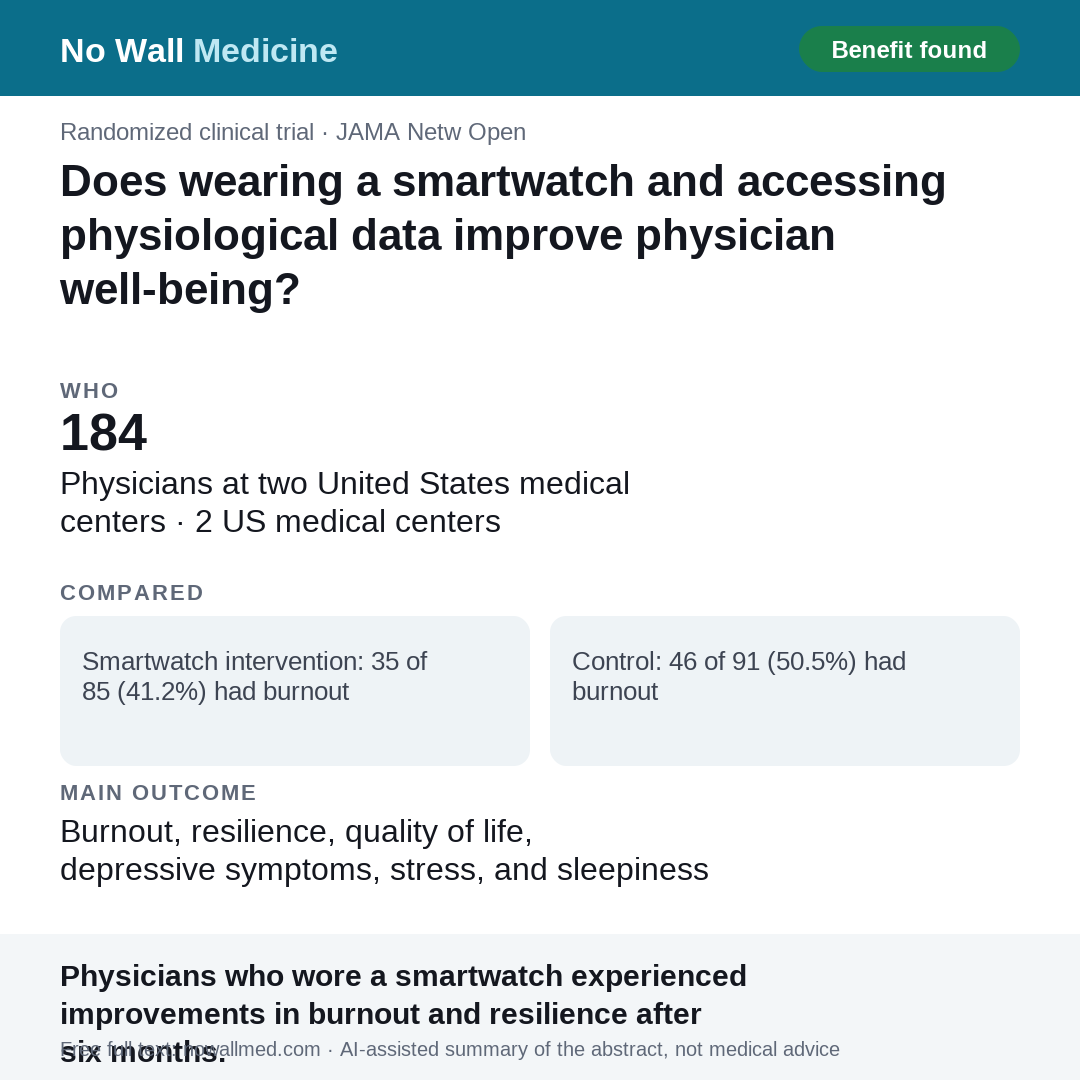
Smartwatch Use and Physician Well-Being: A Randomized Clinical Trial
Randomized clinical trialBenefit found
Does wearing a smartwatch and accessing physiological data improve physician well-being?
Who
184
Physicians at two United States medical centers · 2 US medical centers
Compared
Smartwatch intervention: 35 of 85 (41.2%) had burnout
Control: 46 of 91 (50.5%) had burnout
Main outcome
Burnout, resilience, quality of life, depressive symptoms, stress, and sleepiness
Result: odds ratio 0.46 (95% CI 0.21-0.99)
Bottom line: Physicians who wore a smartwatch experienced improvements in burnout and resilience after six months.
JAMA Netw Open · 2025-08-01Download image
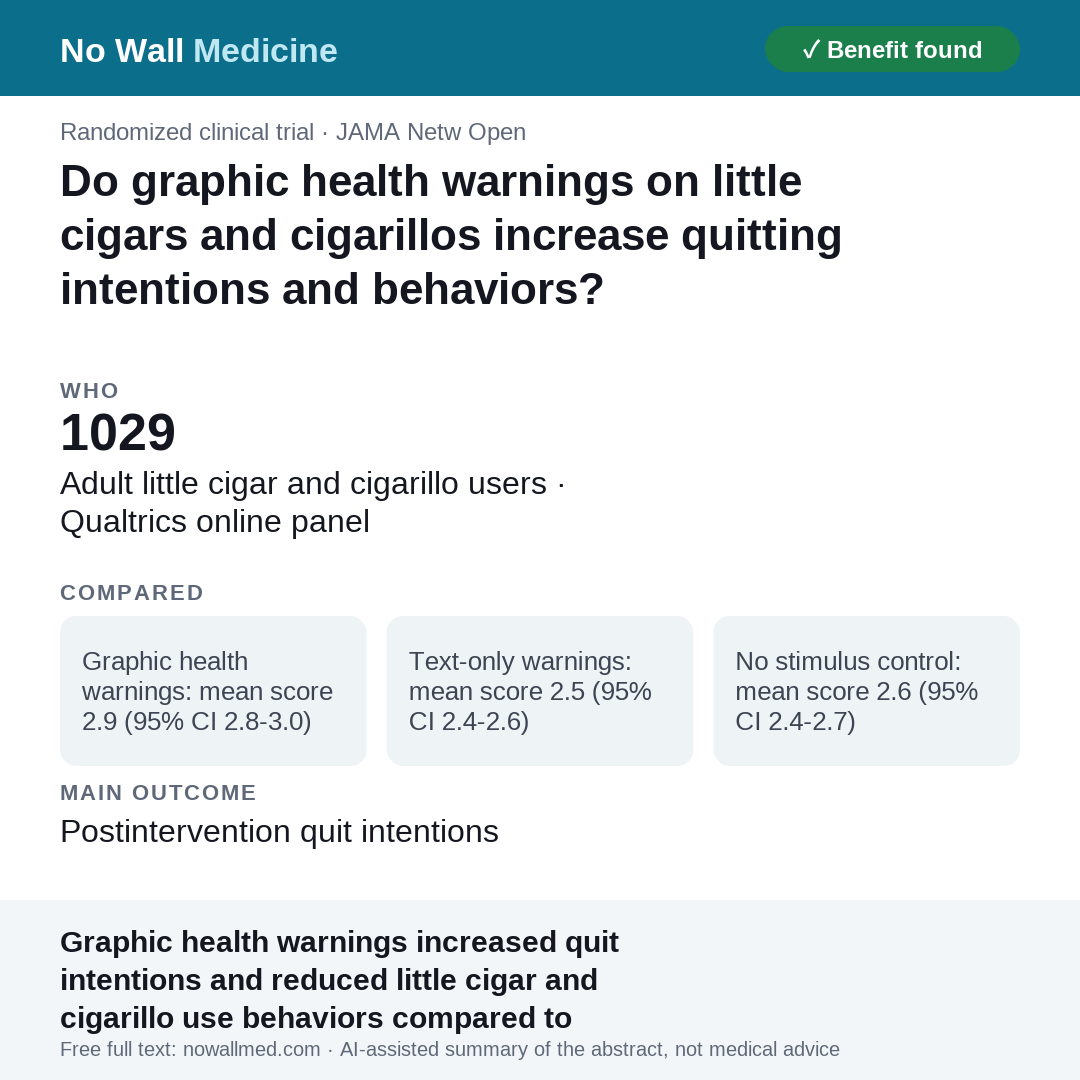
Little Cigar and Cigarillo Graphic Health Warnings and Quitting Behaviors: A Randomized Clinical Trial
Randomized clinical trialBenefit found
Do graphic health warnings on little cigars and cigarillos increase quitting intentions and behaviors?
Who
1029
Adult little cigar and cigarillo users · Qualtrics online panel
Compared
Graphic health warnings: mean score 2.9 (95% CI 2.8-3.0)
Text-only warnings: mean score 2.5 (95% CI 2.4-2.6)
No stimulus control: mean score 2.6 (95% CI 2.4-2.7)
Main outcome
Postintervention quit intentions
Bottom line: Graphic health warnings increased quit intentions and reduced little cigar and cigarillo use behaviors compared to text-only warnings.
JAMA Netw Open · 2025-08-01Download image
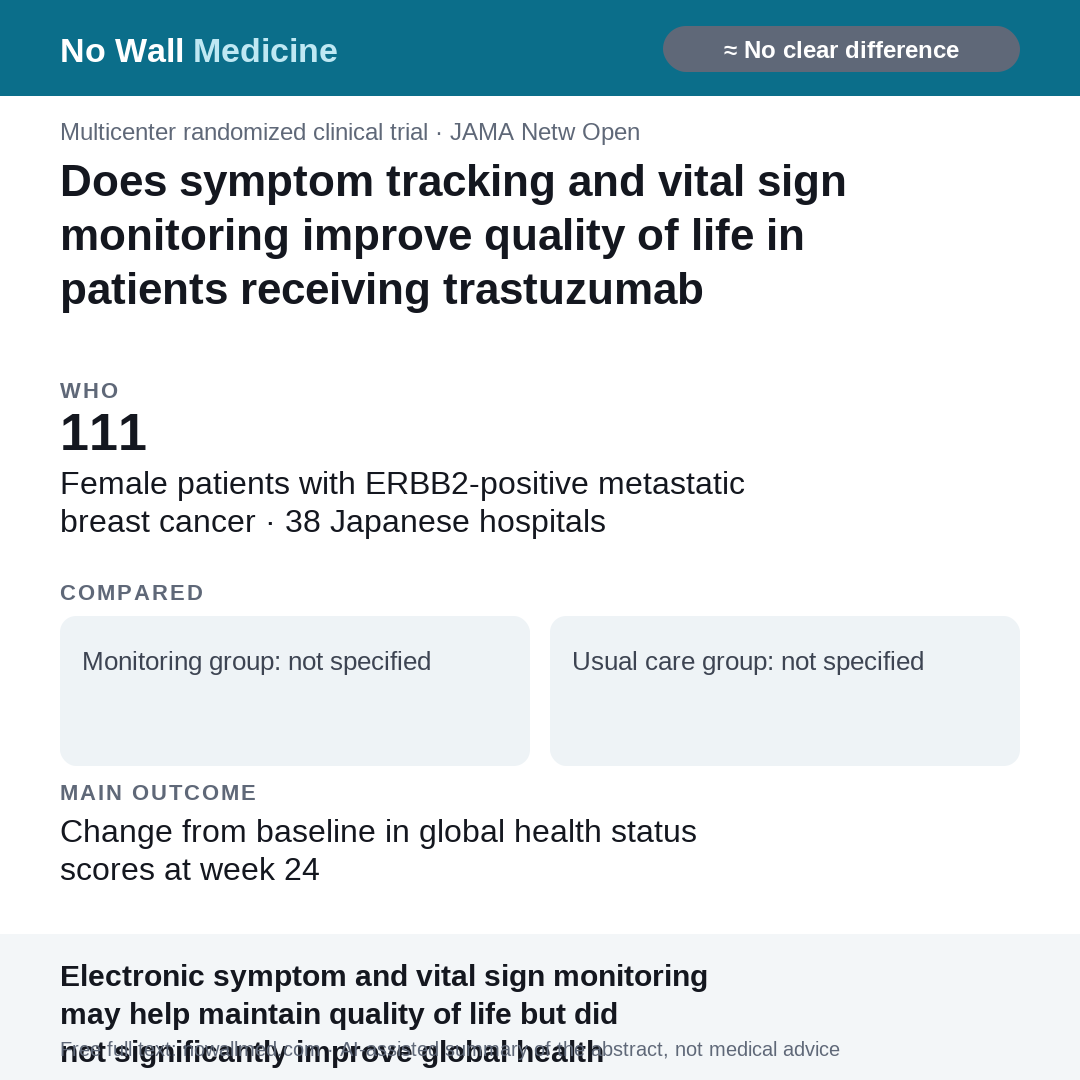
Electronic Patient-Reported Outcomes With Vital Sign Monitoring During Trastuzumab Deruxtecan Therapy: The PRO-DUCE Randomized Clinical Trial
Multicenter randomized clinical trialNo clear difference
Does symptom tracking and vital sign monitoring improve quality of life in patients receiving trastuzumab deruxtecan?
Who
111
Female patients with ERBB2-positive metastatic breast cancer · 38 Japanese hospitals
Compared
Monitoring group: not specified
Usual care group: not specified
Main outcome
Change from baseline in global health status scores at week 24
Result: mean difference, 8.0 (90% CI, 0.2-15.8)
Bottom line: Electronic symptom and vital sign monitoring may help maintain quality of life but did not significantly improve global health status.
JAMA Netw Open · 2025-08-01Download image
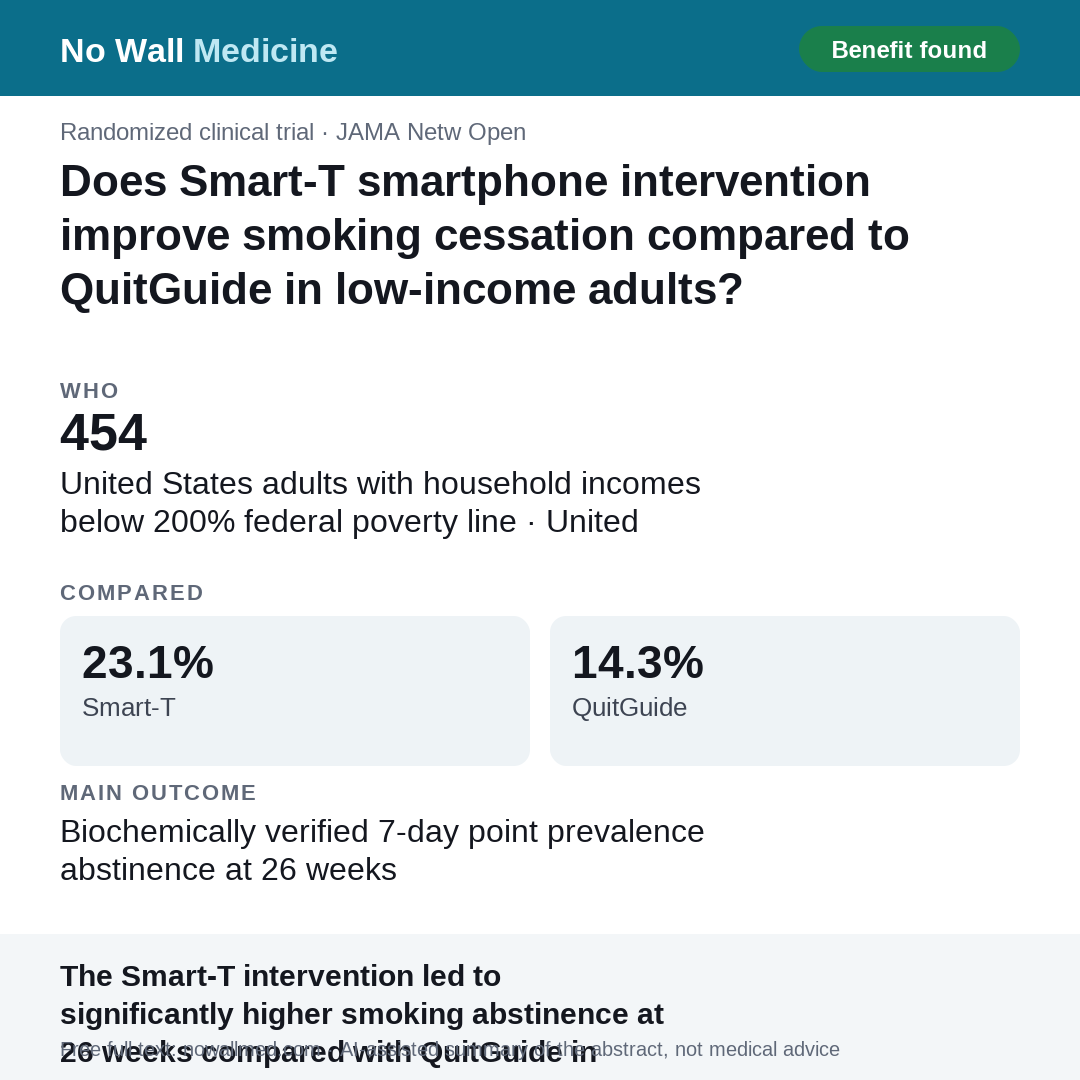
Just-in-Time Adaptive Intervention for Smoking Cessation in Low-Income Adults: A Randomized Clinical Trial
Randomized clinical trialBenefit found
Does Smart-T smartphone intervention improve smoking cessation compared to QuitGuide in low-income adults?
Who
454
United States adults with household incomes below 200% federal poverty line · United States
Compared
23.1%Smart-T (37 of 160 participants)
14.3%QuitGuide (23 of 161 participants)
Main outcome
Biochemically verified 7-day point prevalence abstinence at 26 weeks
Result: adjusted odds ratio 1.81 (95% CI 1.03-3.18)
Bottom line: The Smart-T intervention led to significantly higher smoking abstinence at 26 weeks compared with QuitGuide in low-income adults.
JAMA Netw Open · 2025-08-01Download image
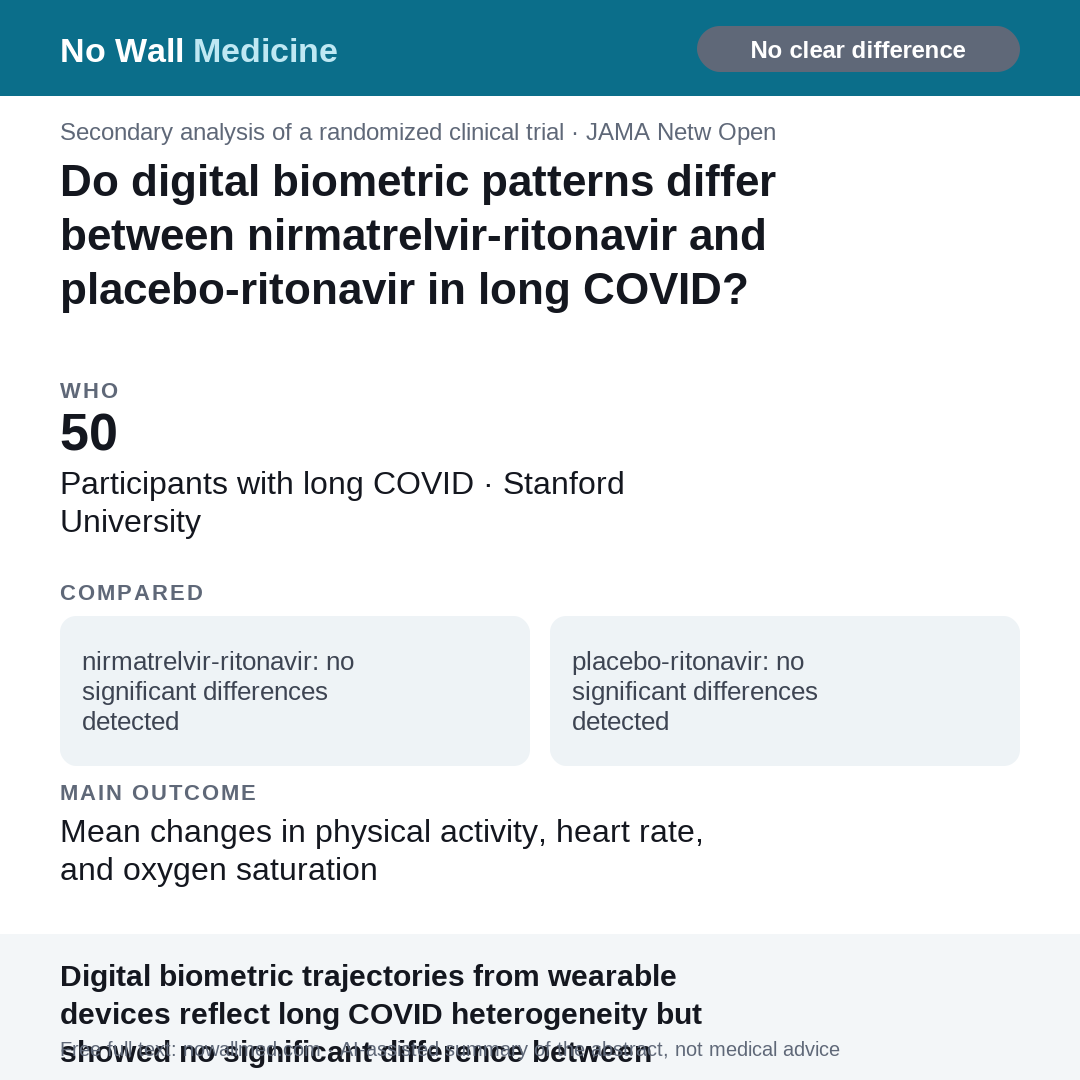
Digital Biometric Measures in Long COVID: A Secondary Analysis of the STOP-PASC Randomized Clinical Trial
Secondary analysis of a randomized clinical trialNo clear difference
Do digital biometric patterns differ between nirmatrelvir-ritonavir and placebo-ritonavir in long COVID?
Who
50
Participants with long COVID · Stanford University
Compared
nirmatrelvir-ritonavir: no significant differences detected
placebo-ritonavir: no significant differences detected
Main outcome
Mean changes in physical activity, heart rate, and oxygen saturation
Bottom line: Digital biometric trajectories from wearable devices reflect long COVID heterogeneity but showed no significant difference between treatment arms.
Limitation: This was an exploratory substudy of a larger randomized clinical trial.
JAMA Netw Open · 2025-08-01Download image