Visual abstracts
New randomized trials and meta-analyses from leading journals at a glance: who was studied, what was compared, and what was found. Every paper is free to read in full.
All specialtiesCardiology 4763Oncology 4043Gastroenterology & Hepatology 1903Infectious Disease 3756Neurology 1872Psychiatry & Mental Health 2216Pulmonology 2044Critical Care 1319Endocrinology & Diabetes 2544Pediatrics 2889Surgery 2480Orthopedics & Sports Medicine 917Neurosurgery 525Cardiothoracic & Vascular Surgery 656Plastic & Reconstructive Surgery 574Nephrology 1107Rheumatology 810Hematology 1090Dermatology 611Ophthalmology 532Obstetrics & Gynecology 1645Public & Global Health 1037Radiology & Imaging 619Anesthesiology 958Urology 745ENT (Otolaryngology) 494Emergency Medicine 481Allergy & Immunology 309Geriatrics 972Family Medicine & Primary Care 534Medical Genetics & Genomics 659Pathology & Laboratory Medicine 156Physical Medicine & Rehabilitation 734Palliative Care 421Nutrition 1560Digital Health & AI 2137General Medicine 318
Prospective, randomized, double-blind phase 2B trial of the TLPO and TLPLDC vaccines to prevent recurrence of resected stage III/IV melanoma: a prespecified 36-month analysis
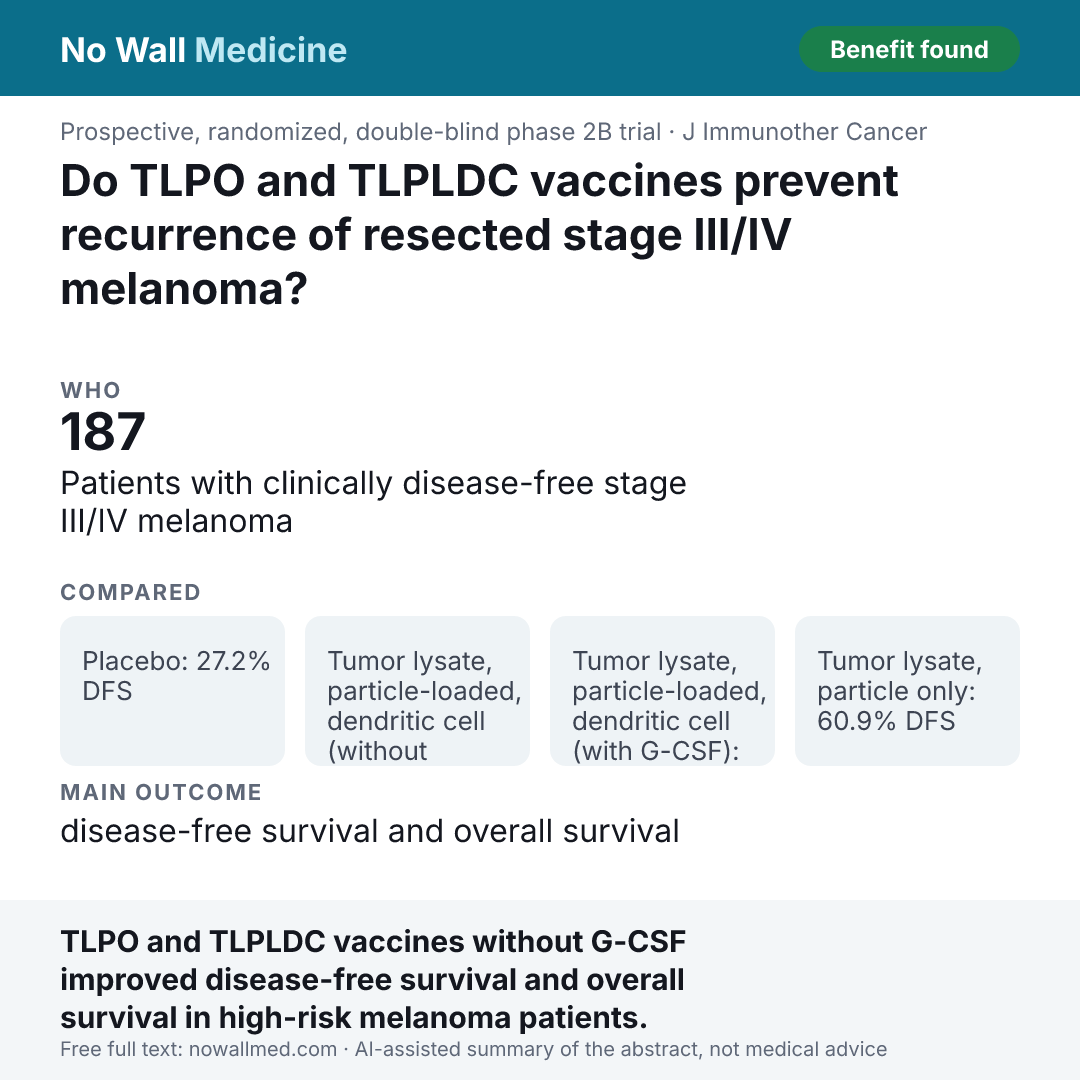
Prospective, randomized, double-blind phase 2B trialBenefit found
Do TLPO and TLPLDC vaccines prevent recurrence of resected stage III/IV melanoma?
Who
187
Patients with clinically disease-free stage III/IV melanoma
Compared
Placebo: 27.2% DFS
Tumor lysate, particle-loaded, dendritic cell (without G-CSF): 55.4% DFS
Tumor lysate, particle-loaded, dendritic cell (with G-CSF): 22.9% DFS
Tumor lysate, particle only: 60.9% DFS
Main outcome
disease-free survival and overall survival
Bottom line: TLPO and TLPLDC vaccines without G-CSF improved disease-free survival and overall survival in high-risk melanoma patients.
Limitation: The allocation among arms does not reflect concurrent randomization among all treatment arms.
J Immunother Cancer · 2023-08-04 · Save PNG
Transcutaneous auricular branch vagal nerve stimulation as a non-invasive add-on therapeutic approach for pain in systemic sclerosis
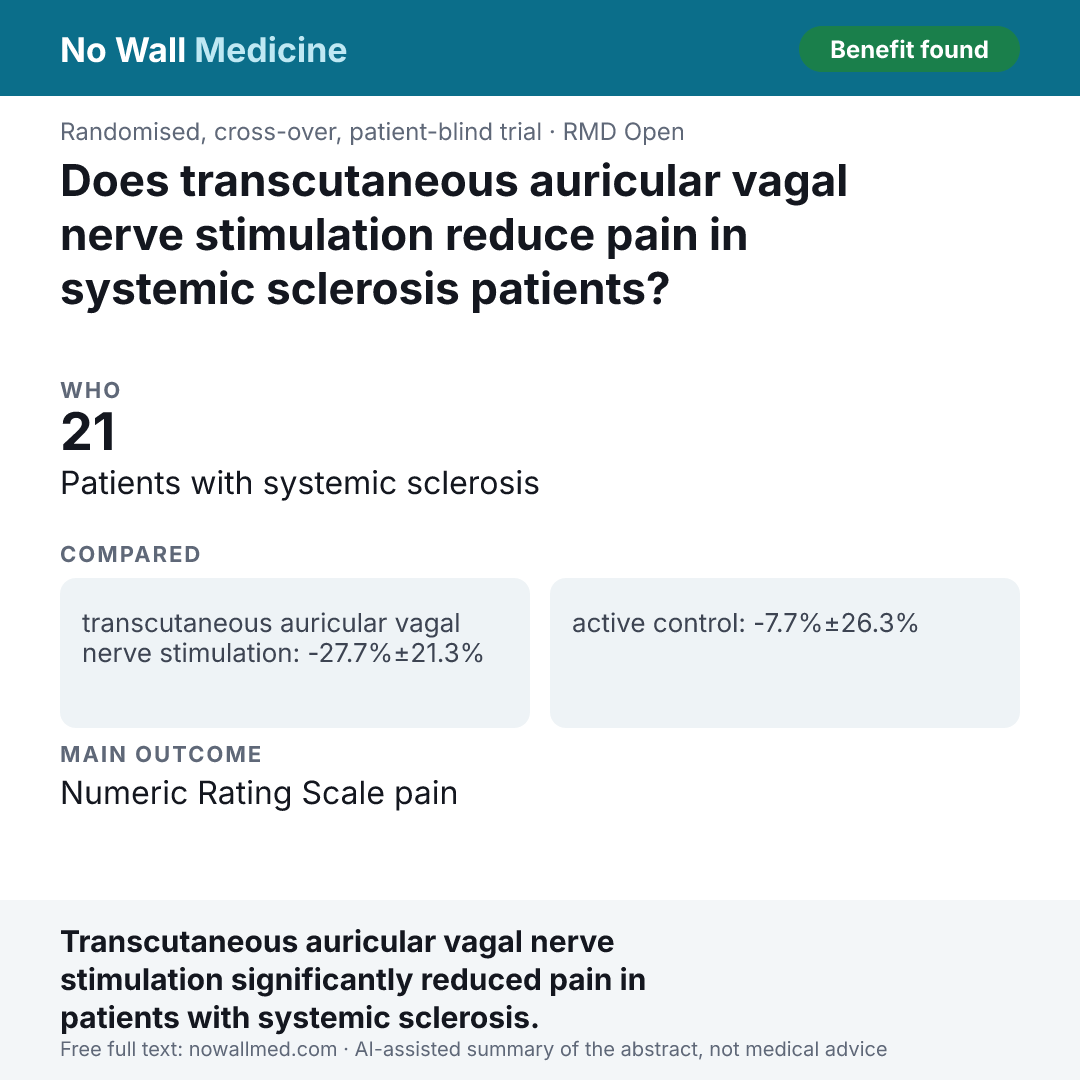
Randomised, cross-over, patient-blind trialBenefit found
Does transcutaneous auricular vagal nerve stimulation reduce pain in systemic sclerosis patients?
Who
21
Patients with systemic sclerosis
Compared
transcutaneous auricular vagal nerve stimulation: -27.7%±21.3%
active control: -7.7%±26.3%
Main outcome
Numeric Rating Scale pain
Bottom line: Transcutaneous auricular vagal nerve stimulation significantly reduced pain in patients with systemic sclerosis.
RMD Open · 2023-08-04 · Save PNG
Mindfulness-Based Mobile Apps and Their Impact on Well-Being in Nonclinical Populations: Systematic Review of Randomized Controlled Trials
Meta-analysis of 28 trialsMixed results
Do mindfulness apps improve well-being?
Who
nonclinical populations
Compared
Mindfulness app
Control
Main outcome
well-being
Bottom line: Most studies reported small positive effects
Limitation: high risk of bias and limited comparability
J Med Internet Res · 2023-08-04 · Save PNG

The Characteristics, Uses, and Biases of Studies Related to Malignancies Using Google Trends: Systematic Review
Systematic reviewMixed results
What are the characteristics, uses, and biases of Google Trends studies related to malignancies?
Who
Studies using Google Trends to analyze searches related to malignancies
Compared
22%Prophylaxis (19/85)
20%Awareness events (17/85)
11%Celebrity-related (9/85)
13%COVID-19 (11/85)
Main outcome
Characteristics, utilities, and sources of bias in oncology Google Trends studies
Bottom line: Oncology Google Trends studies show increasing volume but exhibit concerning topics, search strategies, and statistical methodologies.
Limitation: The review only included studies written in English.
J Med Internet Res · 2023-08-04 · Save PNG

Cervical cerclage for prevention of preterm birth and adverse perinatal outcome in twin pregnancies with short cervical length or cervical dilatation: A systematic review and meta-analysis
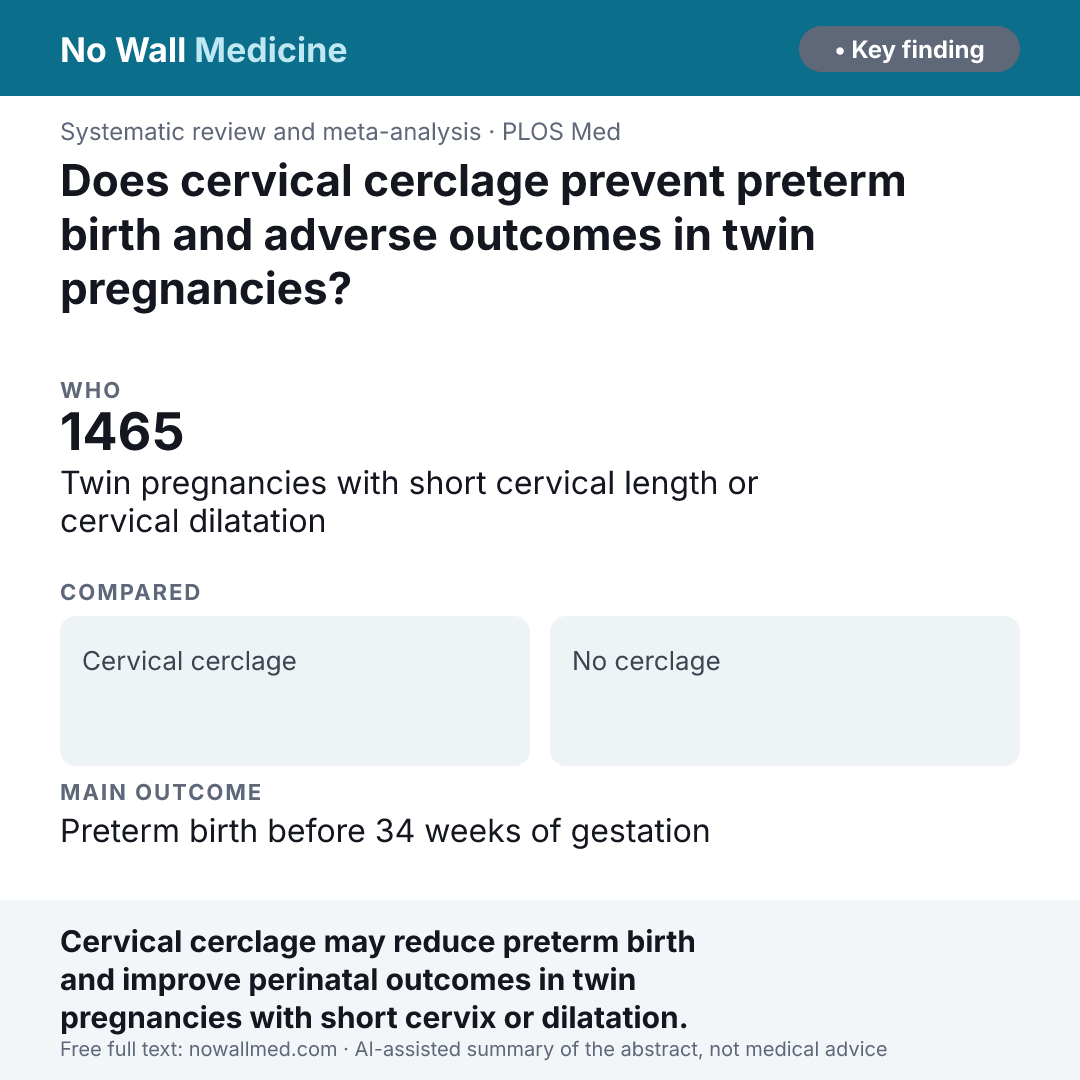
Systematic review and meta-analysisKey finding
Does cervical cerclage prevent preterm birth and adverse outcomes in twin pregnancies?
Who
1465
Twin pregnancies with short cervical length or cervical dilatation
Compared
Cervical cerclage
No cerclage
Main outcome
Preterm birth before 34 weeks of gestation
Result: risk ratio 0.73 (95% CI 0.59 to 0.91)
Bottom line: Cervical cerclage may reduce preterm birth and improve perinatal outcomes in twin pregnancies with short cervix or dilatation.
Limitation: Findings are mainly based upon observational studies and require confirmation in large randomized controlled trials.
PLOS Med · 2023-08-03 · Save PNG
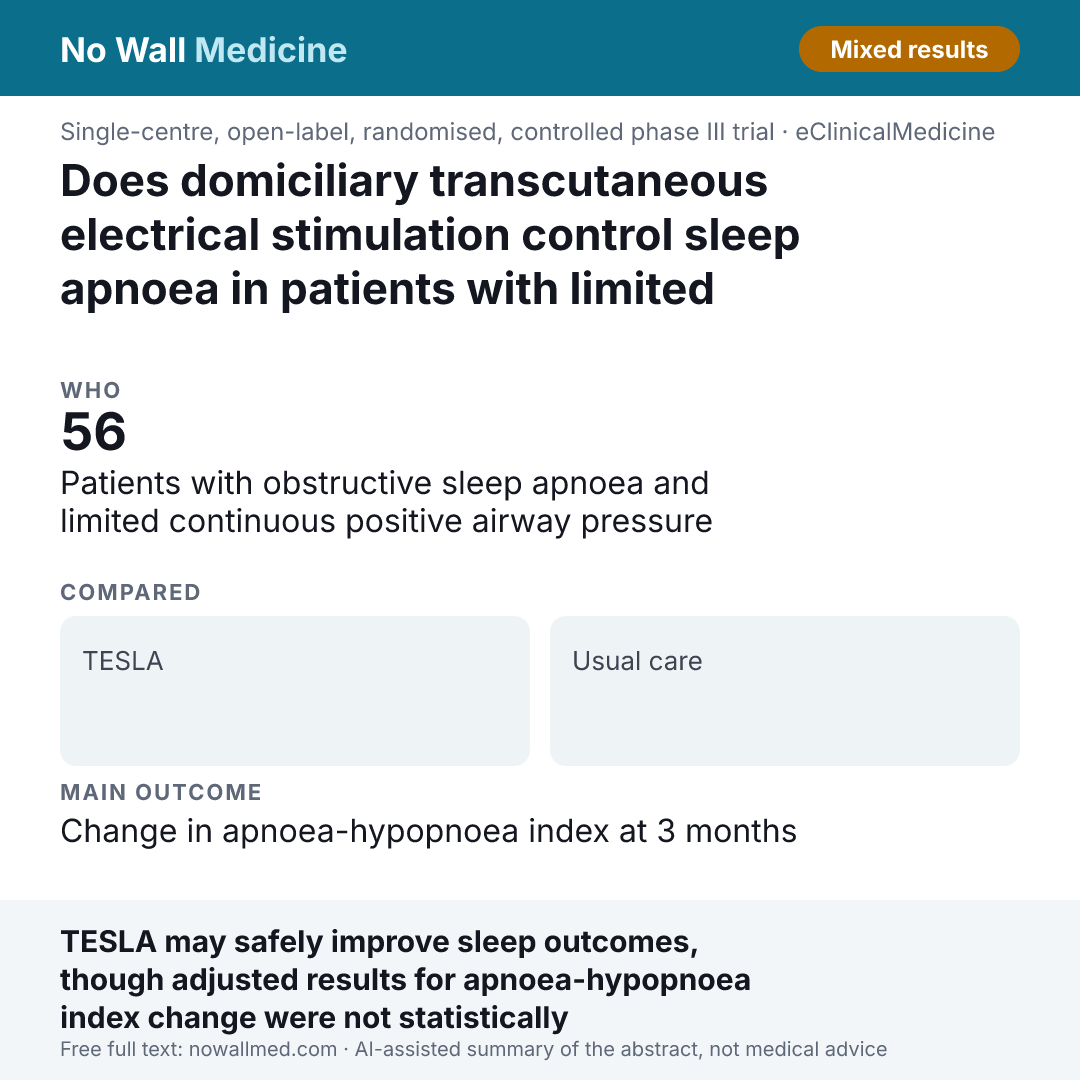
Domiciliary transcutaneous electrical stimulation in patients with obstructive sleep apnoea and limited adherence to continuous positive airway pressure therapy: a single-centre, open-label, randomised, controlled phase III trial
Single-centre, open-label, randomised, controlled phase III trialMixed results
Does domiciliary transcutaneous electrical stimulation control sleep apnoea in patients with limited continuous positive airway pressure adherence?
Who
56
Patients with obstructive sleep apnoea and limited continuous positive airway pressure adherence · Guy's & St Thomas' NHS Foundation Trust, UK
Compared
TESLA
Usual care
Main outcome
Change in apnoea-hypopnoea index at 3 months
Result: unadjusted difference -11.5 (95% CI -20.7; -2.3) h-1; adjusted difference -7.0 (-15.7; 1.8) h-1
Bottom line: TESLA may safely improve sleep outcomes, though adjusted results for apnoea-hypopnoea index change were not statistically significant.
Limitation: Pandemic-related limitations of the amended protocol
Funded by: British Lung Foundation and King's Clinical Trials Unit
eClinicalMedicine · 2023-08-03 · Save PNG
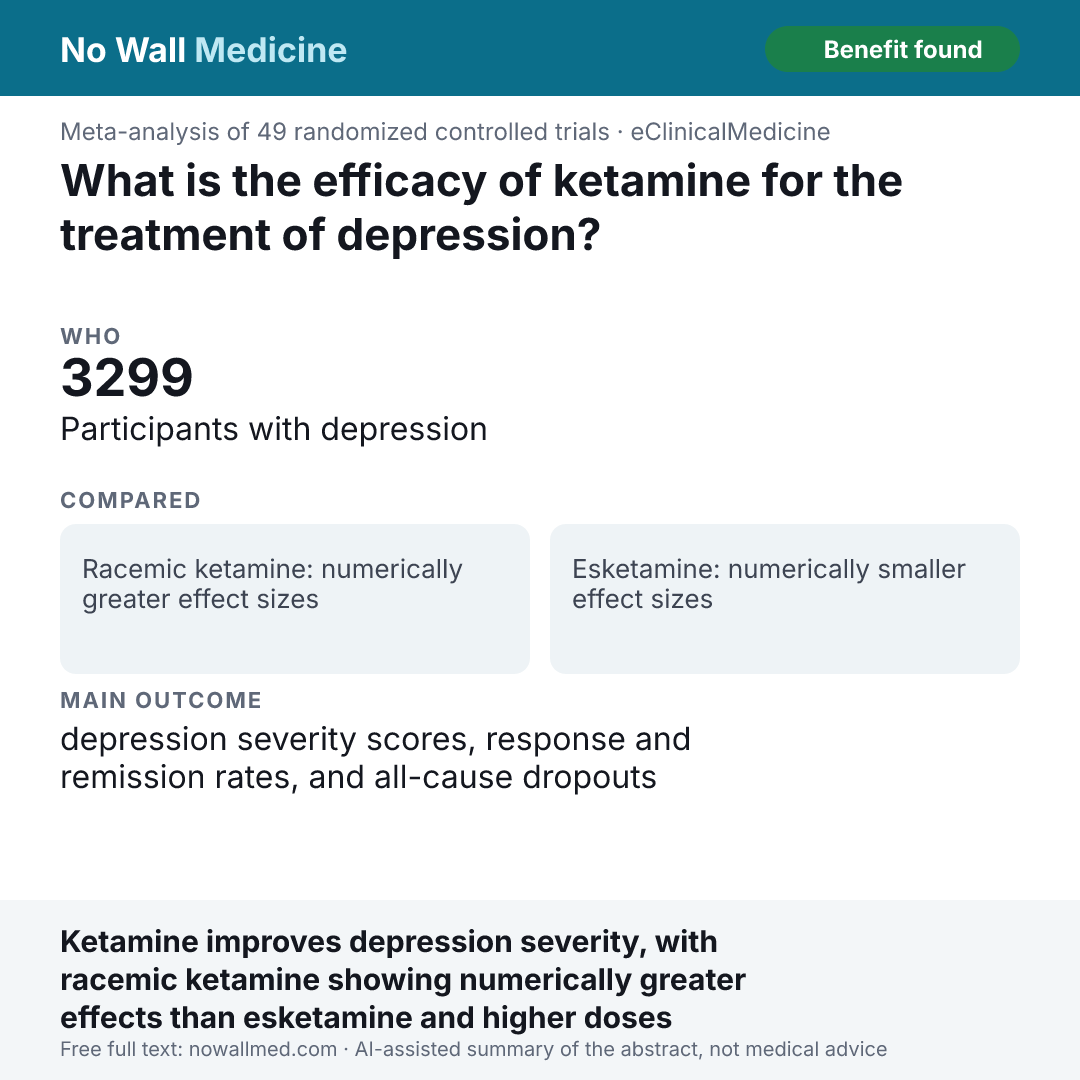
Ketamine for the treatment of major depression: a systematic review and meta-analysis
Meta-analysis of 49 randomized controlled trialsBenefit found
What is the efficacy of ketamine for the treatment of depression?
Who
3299
Participants with depression
Compared
Racemic ketamine: numerically greater effect sizes
Esketamine: numerically smaller effect sizes
Main outcome
depression severity scores, response and remission rates, and all-cause dropouts
Bottom line: Ketamine improves depression severity, with racemic ketamine showing numerically greater effects than esketamine and higher doses being more effective.
Limitation: Overall heterogeneity varied from 5.7% to 87.6%
eClinicalMedicine · 2023-08-03 · Save PNG
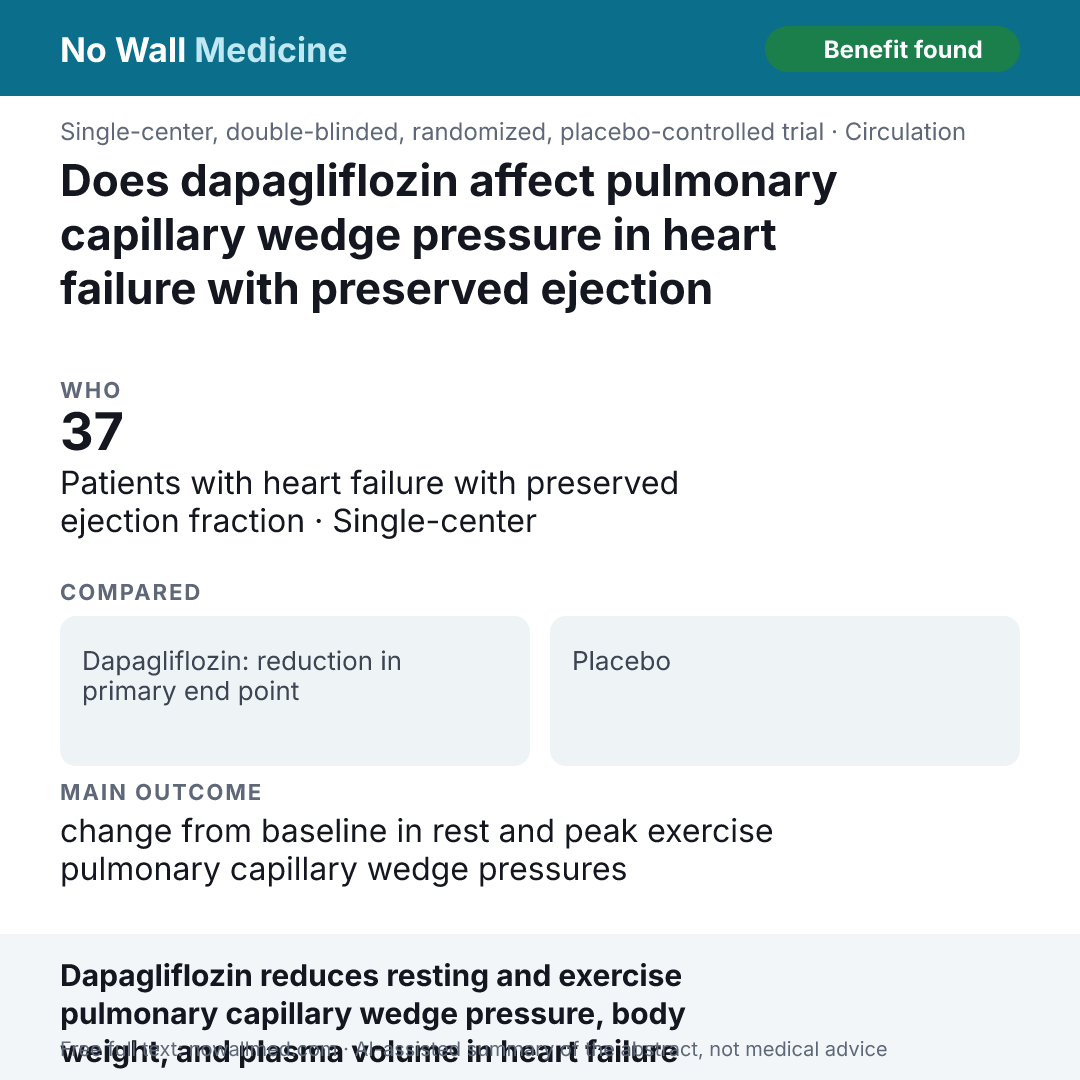
Cardiac and Metabolic Effects of Dapagliflozin in Heart Failure With Preserved Ejection Fraction: The CAMEO-DAPA Trial
Single-center, double-blinded, randomized, placebo-controlled trialBenefit found
Does dapagliflozin affect pulmonary capillary wedge pressure in heart failure with preserved ejection fraction?
Who
37
Patients with heart failure with preserved ejection fraction · Single-center
Compared
Dapagliflozin: reduction in primary end point
Placebo
Main outcome
change from baseline in rest and peak exercise pulmonary capillary wedge pressures
Result: estimated treatment difference, -3.5 mm Hg (95% CI, -6.6 to -0.4) at rest
Bottom line: Dapagliflozin reduces resting and exercise pulmonary capillary wedge pressure, body weight, and plasma volume in heart failure patients.
Circulation · 2023-08-03 · Save PNG
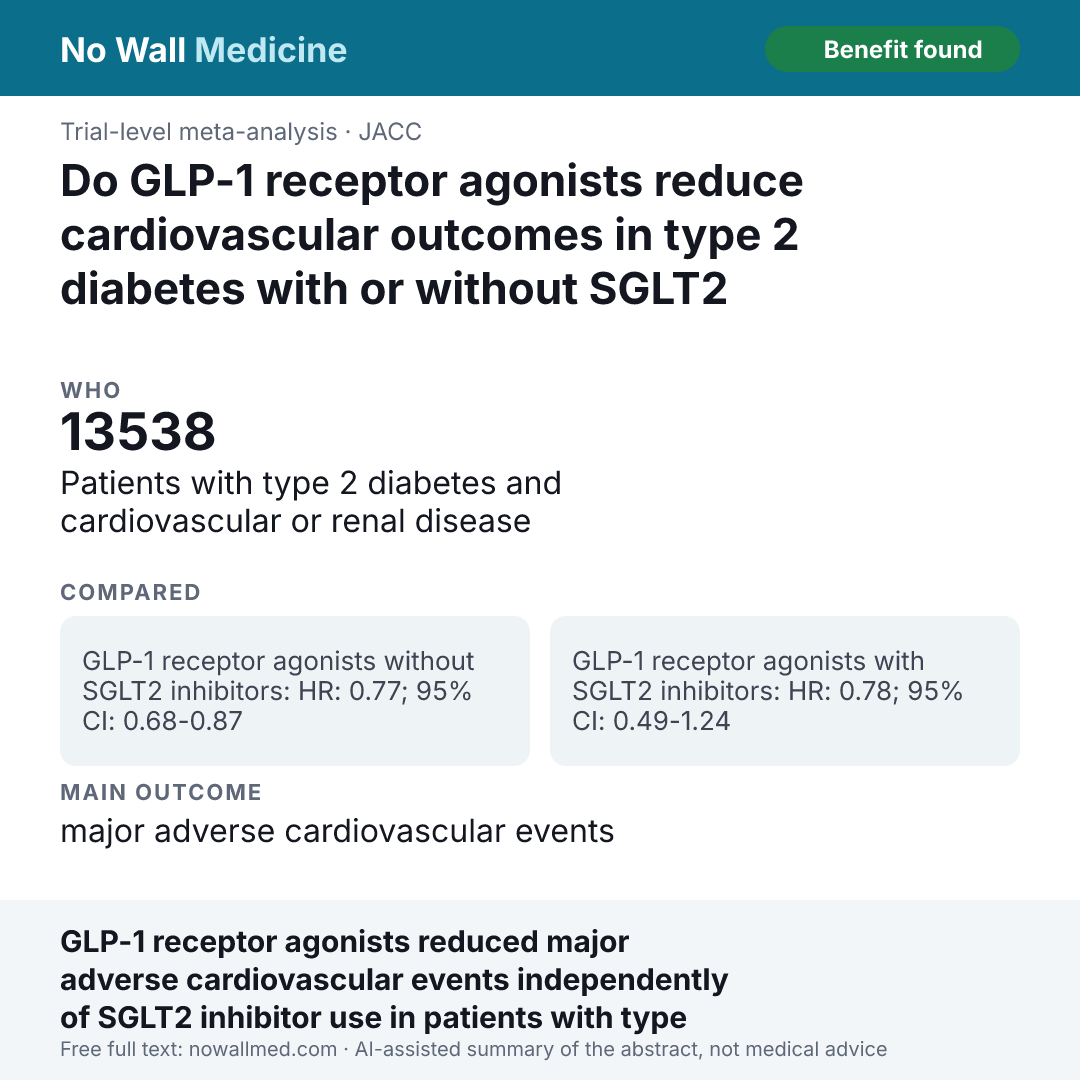
GLP-1 Receptor Agonist Therapy With and Without SGLT2 Inhibitors in Patients With Type 2 Diabetes
Trial-level meta-analysisBenefit found
Do GLP-1 receptor agonists reduce cardiovascular outcomes in type 2 diabetes with or without SGLT2 inhibitors?
Who
13538
Patients with type 2 diabetes and cardiovascular or renal disease
Compared
GLP-1 receptor agonists without SGLT2 inhibitors: HR: 0.77; 95% CI: 0.68-0.87
GLP-1 receptor agonists with SGLT2 inhibitors: HR: 0.78; 95% CI: 0.49-1.24
Main outcome
major adverse cardiovascular events
Result: HR: 0.77; 95% CI: 0.68-0.87 without SGLT2 inhibitors; and HR: 0.78; 95% CI: 0.49-1.24 with SGLT2 inhibitors
Bottom line: GLP-1 receptor agonists reduced major adverse cardiovascular events independently of SGLT2 inhibitor use in patients with type 2 diabetes.
Limitation: Clinical trials with combination therapy are needed.
JACC · 2023-08-03 · Save PNG
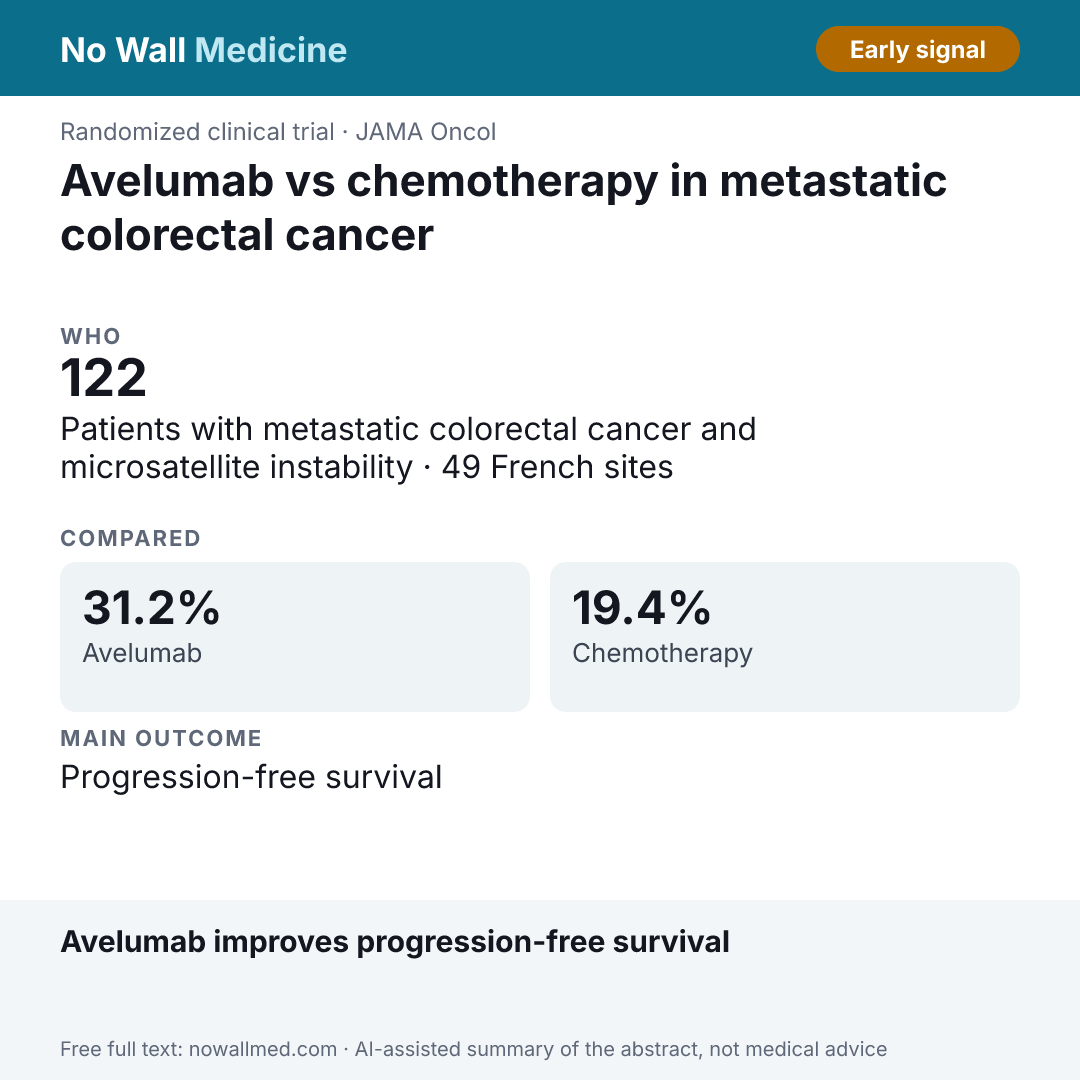
Avelumab vs Standard Second-Line Chemotherapy in Patients With Metastatic Colorectal Cancer and Microsatellite Instability: A Randomized Clinical Trial
Randomized clinical trialEarly signal
Avelumab vs chemotherapy in metastatic colorectal cancer
Who
122
Patients with metastatic colorectal cancer and microsatellite instability · 49 French sites
Compared
31.2%Avelumab (95% CI 20.1-42.9)
19.4%Chemotherapy (95% CI 10.6-30.2)
Main outcome
Progression-free survival
Bottom line: Avelumab improves progression-free survival
JAMA Oncol · 2023-08-03 · Save PNG
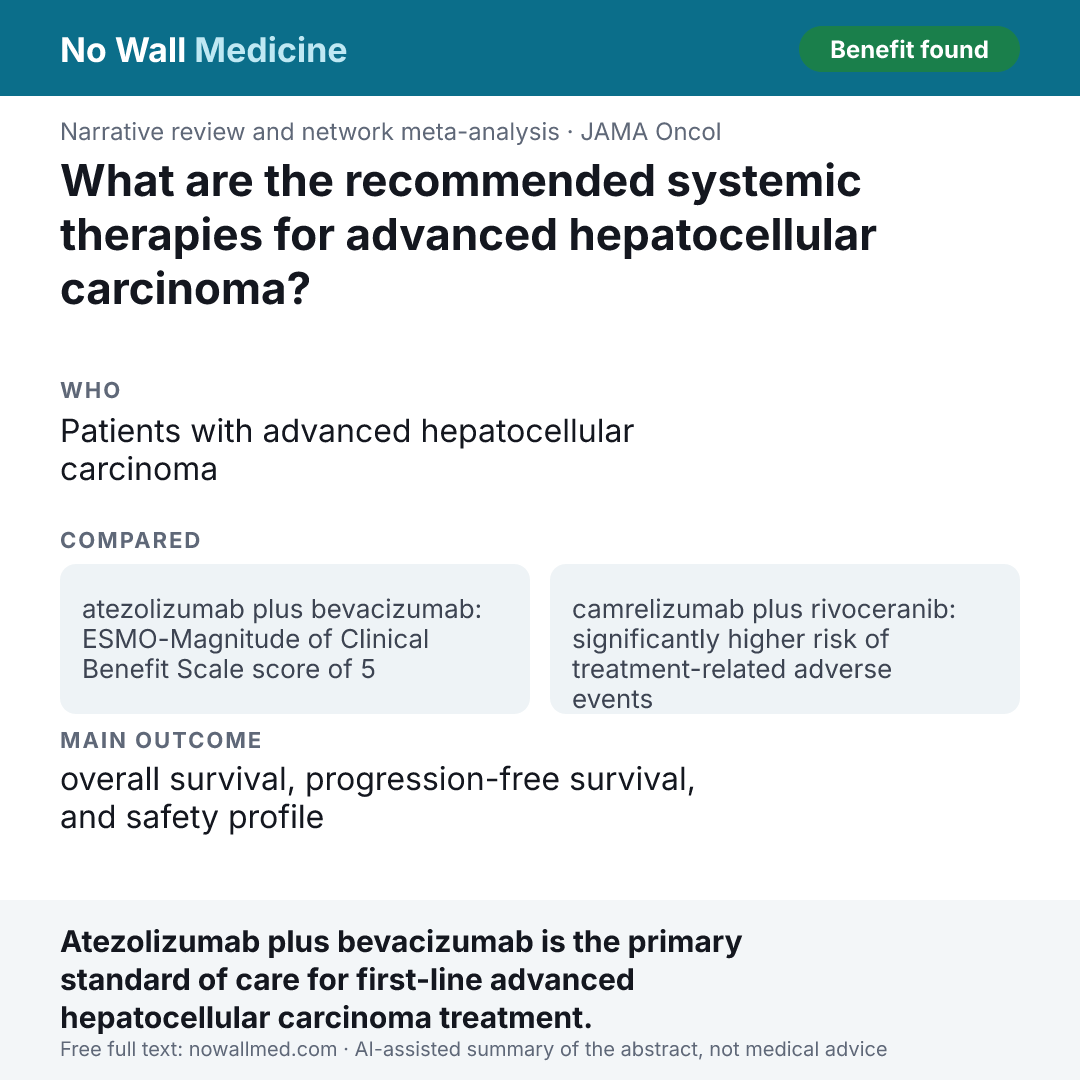
Critical Appraisal of Guideline Recommendations on Systemic Therapies for Advanced Hepatocellular Carcinoma: A Review
Narrative review and network meta-analysisBenefit found
What are the recommended systemic therapies for advanced hepatocellular carcinoma?
Who
Patients with advanced hepatocellular carcinoma
Compared
atezolizumab plus bevacizumab: ESMO-Magnitude of Clinical Benefit Scale score of 5
camrelizumab plus rivoceranib: significantly higher risk of treatment-related adverse events
Main outcome
overall survival, progression-free survival, and safety profile
Result: relative risk 1.59 (95% CI 1.25-2.03)
Bottom line: Atezolizumab plus bevacizumab is the primary standard of care for first-line advanced hepatocellular carcinoma treatment.
JAMA Oncol · 2023-08-03 · Save PNG
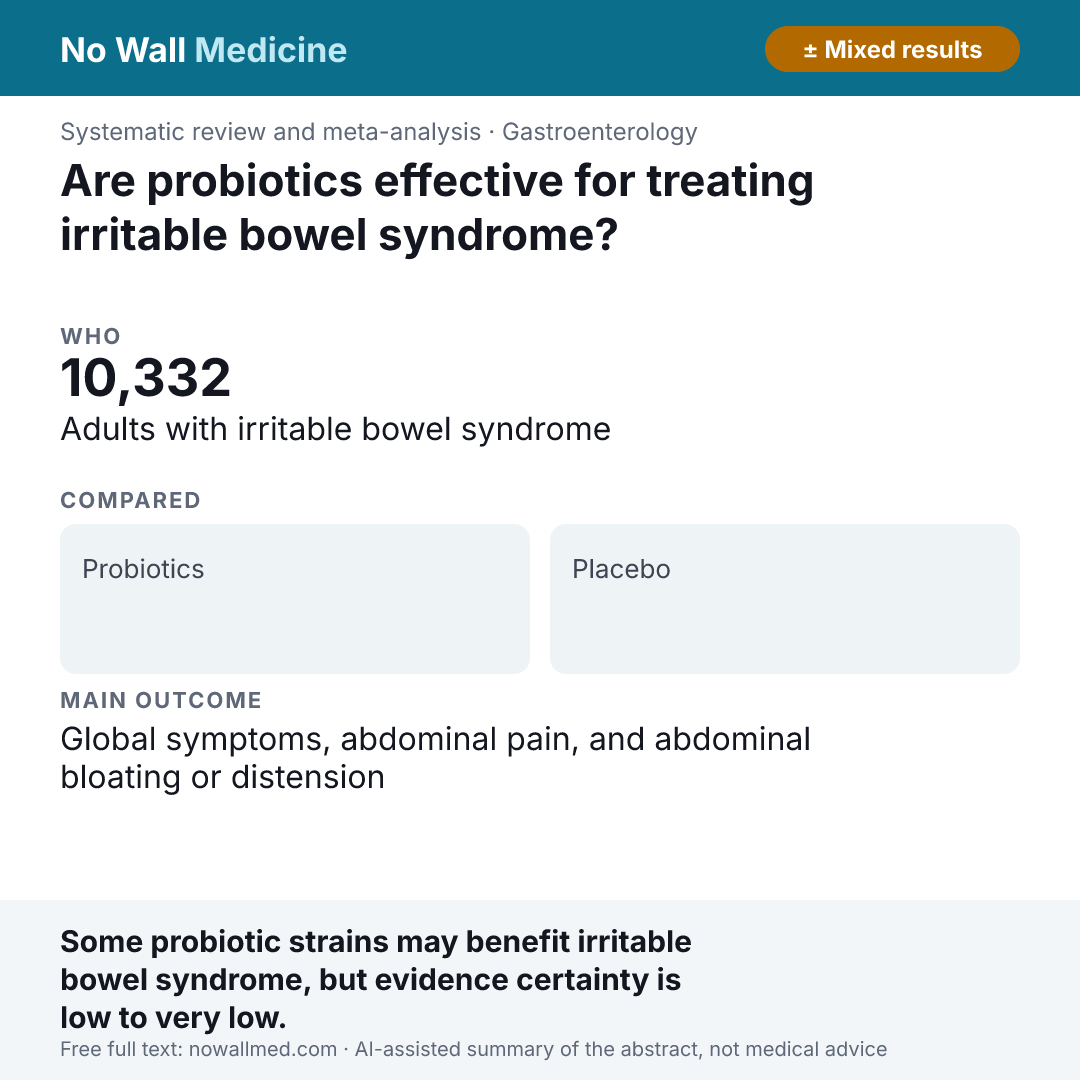
Efficacy of Probiotics in Irritable Bowel Syndrome: Systematic Review and Meta-analysis
Systematic review and meta-analysisMixed results
Are probiotics effective for treating irritable bowel syndrome?
Who
10,332
Adults with irritable bowel syndrome
Compared
Probiotics
Placebo
Main outcome
Global symptoms, abdominal pain, and abdominal bloating or distension
Bottom line: Some probiotic strains may benefit irritable bowel syndrome, but evidence certainty is low to very low.
Limitation: Certainty in the evidence for efficacy was low to very low across almost all analyses.
Gastroenterology · 2023-08-03 · Save PNG
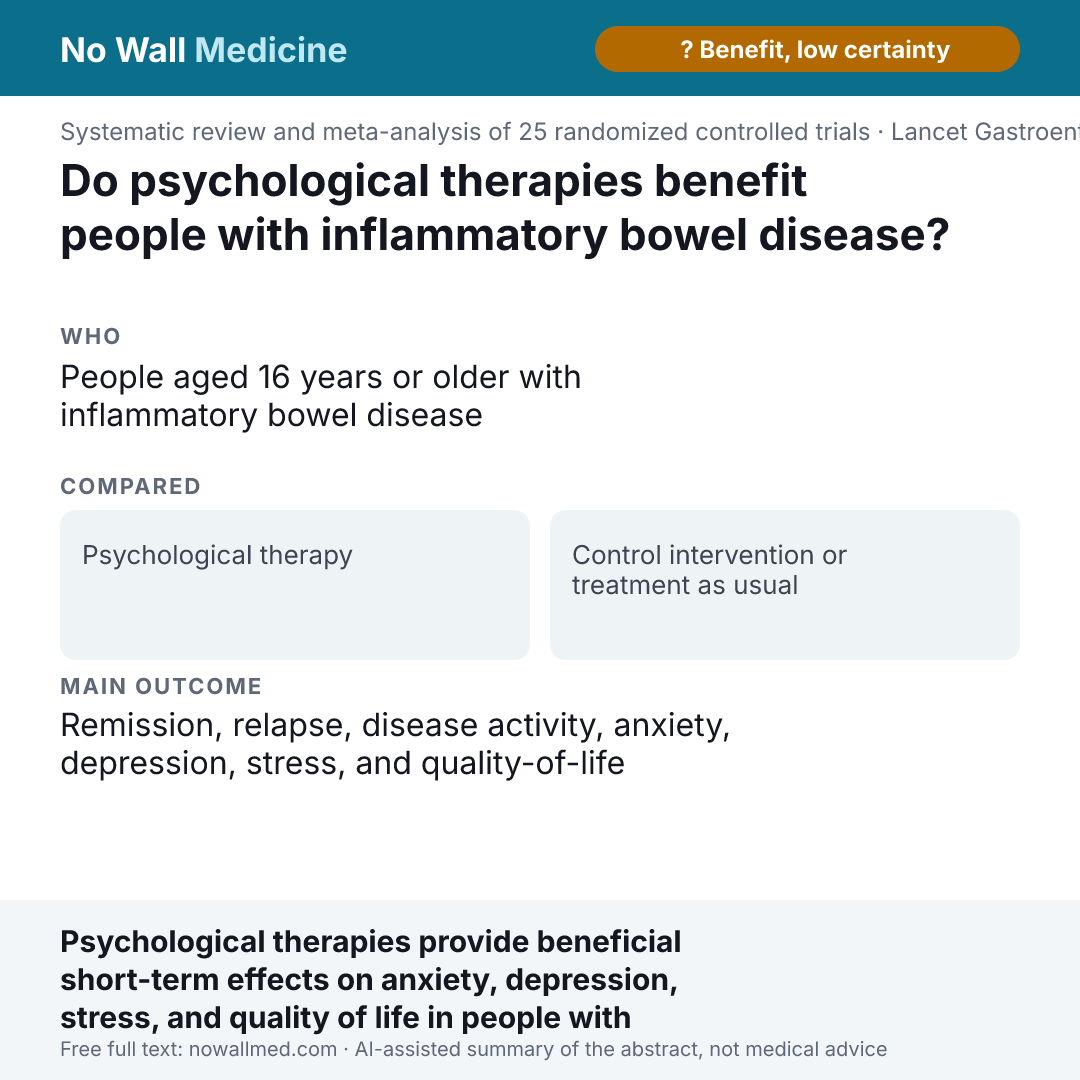
Efficacy of psychological therapies in people with inflammatory bowel disease: a systematic review and meta-analysis
Systematic review and meta-analysis of 25 randomized controlled trialsBenefit, low certainty
Do psychological therapies benefit people with inflammatory bowel disease?
Who
People aged 16 years or older with inflammatory bowel disease
Compared
Psychological therapy
Control intervention or treatment as usual
Main outcome
Remission, relapse, disease activity, anxiety, depression, stress, and quality-of-life
Bottom line: Psychological therapies provide beneficial short-term effects on anxiety, depression, stress, and quality of life in people with quiescent inflammatory bowel disease.
Limitation: All included randomized controlled trials were at high risk of bias.
Lancet Gastroenterol Hepatol · 2023-08-03 · Save PNG
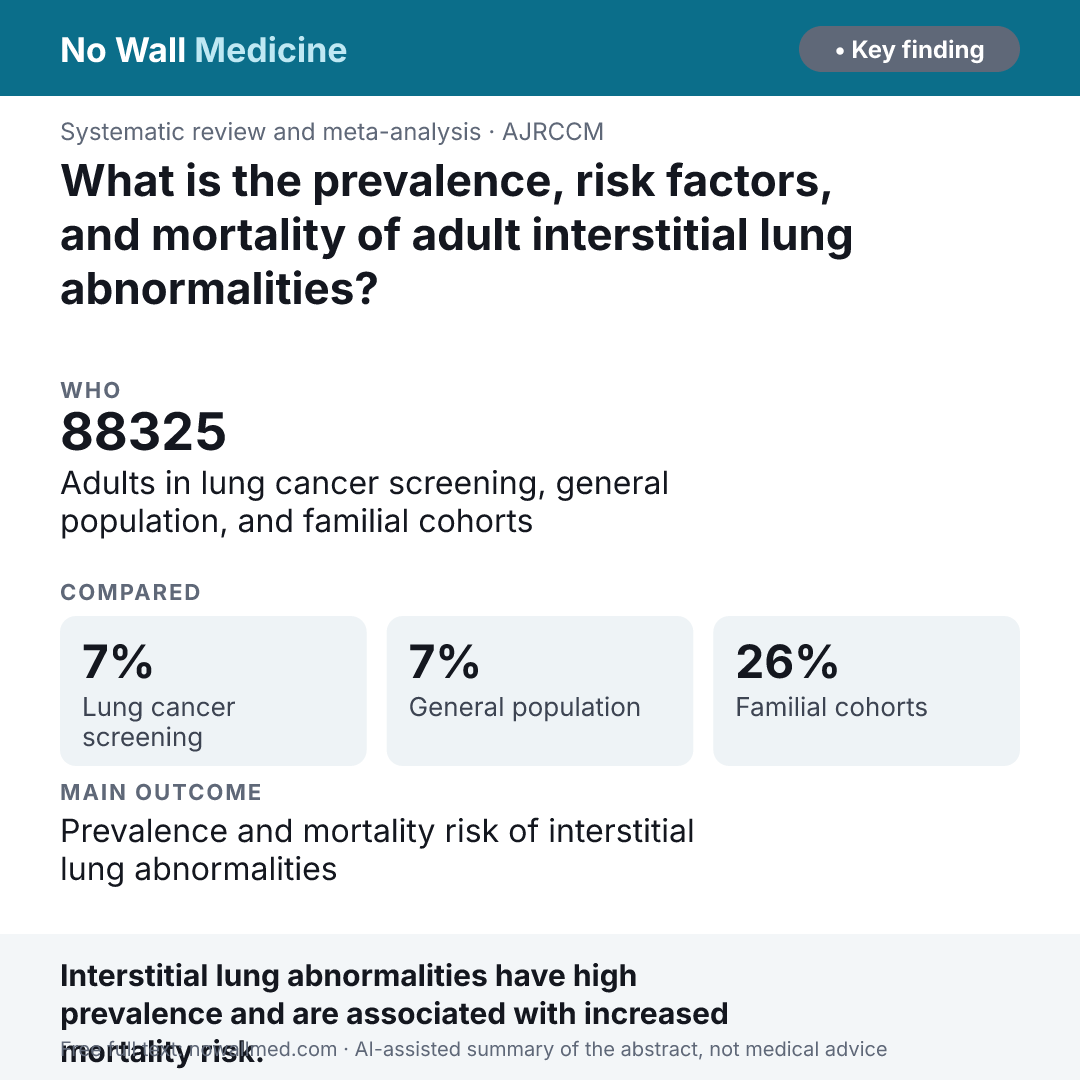
Prevalence, Risk Factors, and Outcomes of Adult Interstitial Lung Abnormalities: A Systematic Review and Meta-Analysis
Systematic review and meta-analysisKey finding
What is the prevalence, risk factors, and mortality of adult interstitial lung abnormalities?
Who
88325
Adults in lung cancer screening, general population, and familial cohorts
Compared
7%Lung cancer screening (95% confidence interval 0.01-0.13)
7%General population (95% confidence interval 0.04-0.10)
26%Familial cohorts (95% confidence interval 0.20-0.32)
Main outcome
Prevalence and mortality risk of interstitial lung abnormalities
Result: odds ratio 3.56 (95% CI 2.19-5.81)
Bottom line: Interstitial lung abnormalities have high prevalence and are associated with increased mortality risk.
AJRCCM · 2023-08-03 · Save PNG
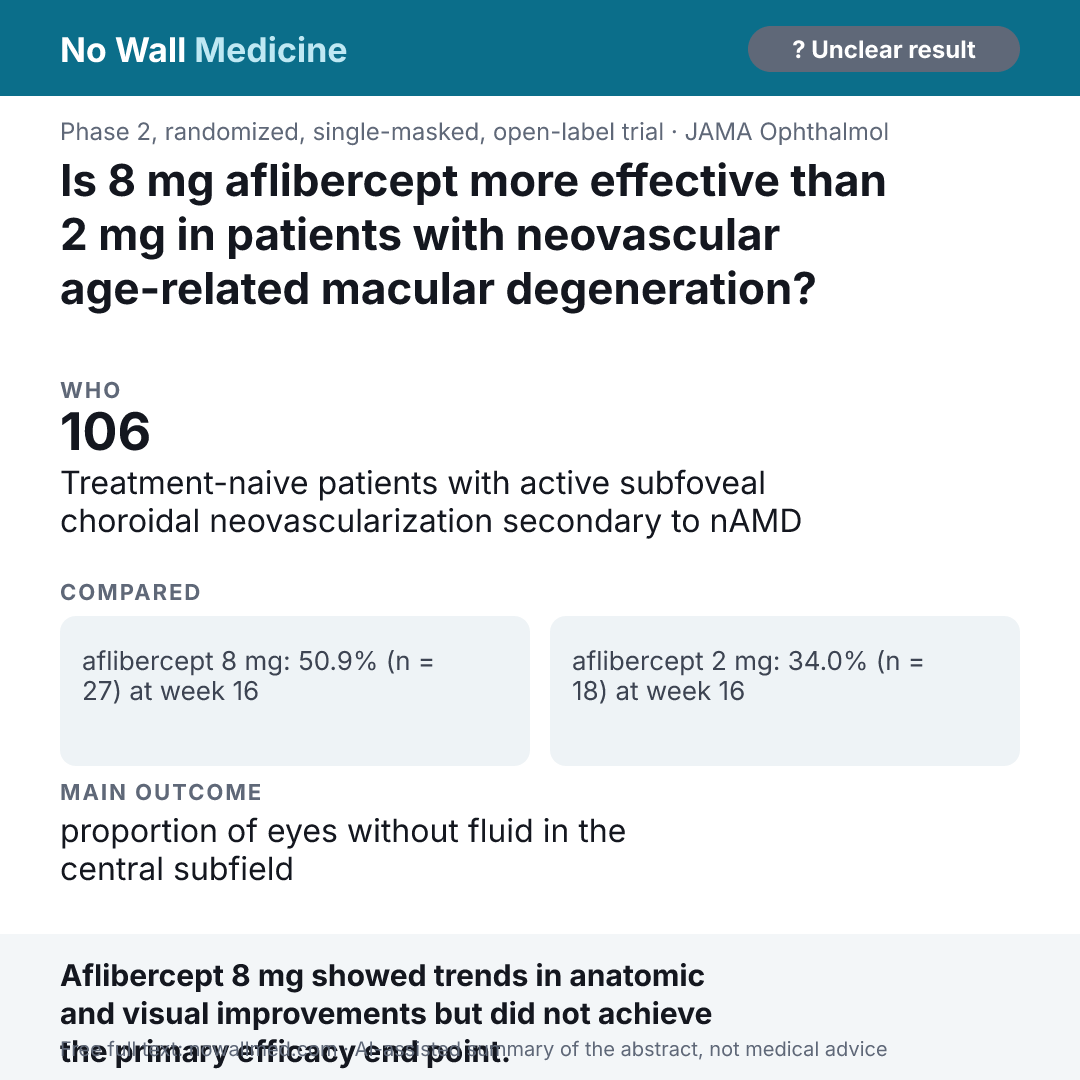
Effect of High-Dose Intravitreal Aflibercept, 8 mg, in Patients With Neovascular Age-Related Macular Degeneration: The Phase 2 CANDELA Randomized Clinical Trial
Phase 2, randomized, single-masked, open-label trialUnclear result
Is 8 mg aflibercept more effective than 2 mg in patients with neovascular age-related macular degeneration?
Who
106
Treatment-naive patients with active subfoveal choroidal neovascularization secondary to nAMD · United States
Compared
aflibercept 8 mg: 50.9% (n = 27) at week 16
aflibercept 2 mg: 34.0% (n = 18) at week 16
Main outcome
proportion of eyes without fluid in the central subfield
Result: difference, 17.0 (95% CI, -1.6 to 35.5) percentage points
Bottom line: Aflibercept 8 mg showed trends in anatomic and visual improvements but did not achieve the primary efficacy end point.
JAMA Ophthalmol · 2023-08-03 · Save PNG
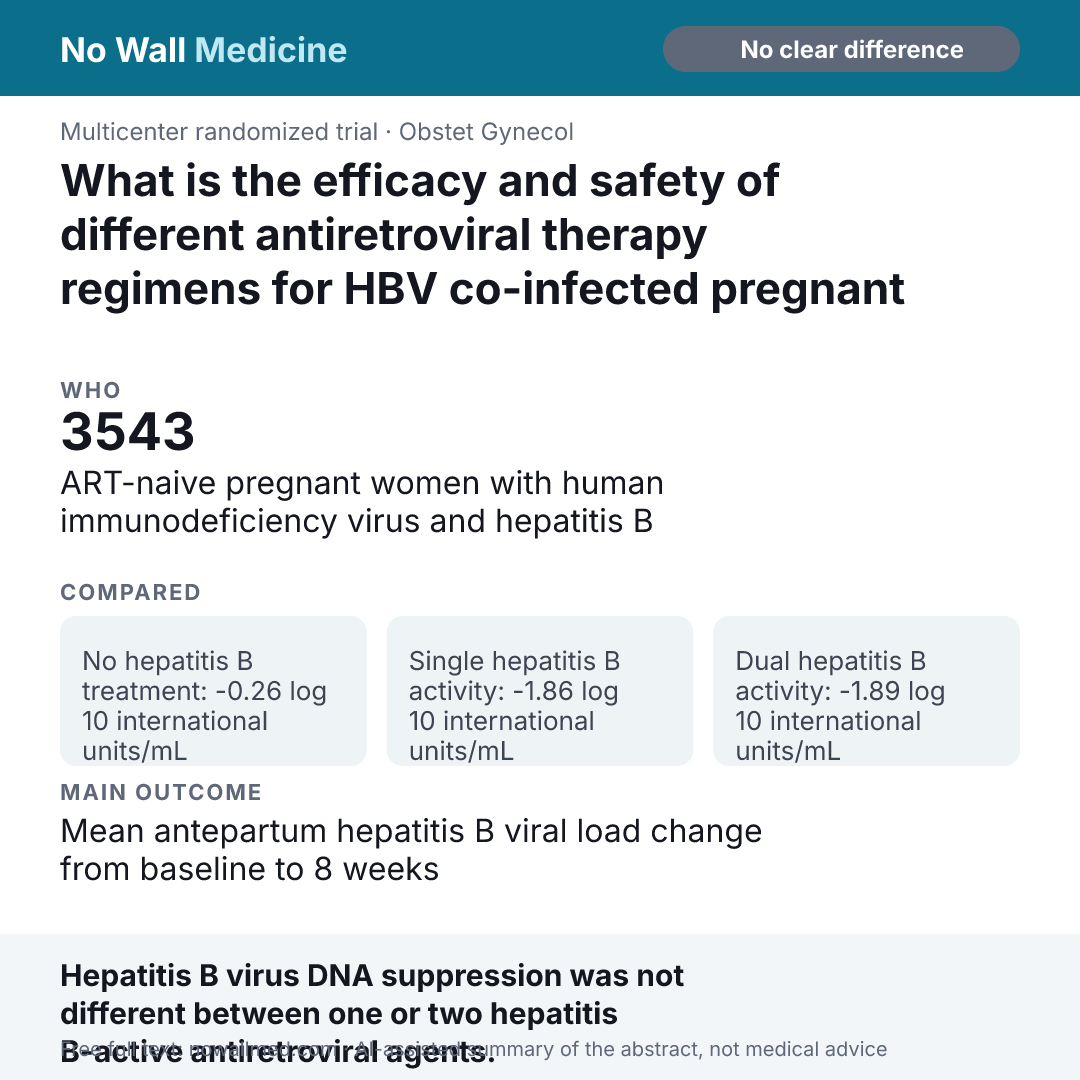
Comparison of Antiretroviral Therapies in Pregnant Women Living With Human Immunodeficiency Virus and Hepatitis B Virus: A Randomized Controlled Trial
Multicenter randomized trialNo clear difference
What is the efficacy and safety of different antiretroviral therapy regimens for HBV co-infected pregnant women?
Who
3543
ART-naive pregnant women with human immunodeficiency virus and hepatitis B co-infection · Multicenter
Compared
No hepatitis B treatment: -0.26 log 10 international units/mL
Single hepatitis B activity: -1.86 log 10 international units/mL
Dual hepatitis B activity: -1.89 log 10 international units/mL
Main outcome
Mean antepartum hepatitis B viral load change from baseline to 8 weeks
Bottom line: Hepatitis B virus DNA suppression was not different between one or two hepatitis B-active antiretroviral agents.
Obstet Gynecol · 2023-08-03 · Save PNG
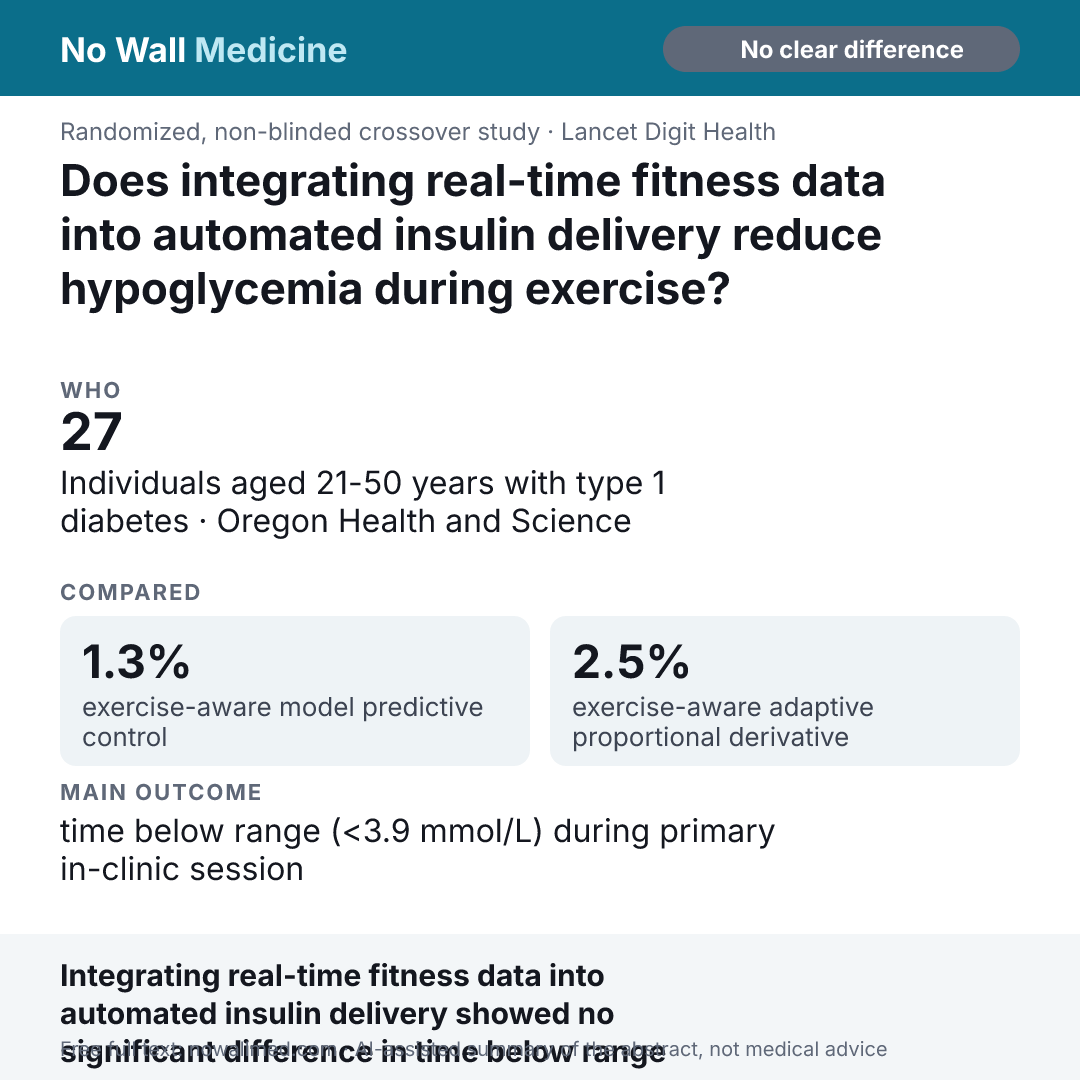
Integrating metabolic expenditure information from wearable fitness sensors into an AI-augmented automated insulin delivery system: a randomised clinical trial
Randomized, non-blinded crossover studyNo clear difference
Does integrating real-time fitness data into automated insulin delivery reduce hypoglycemia during exercise?
Who
27
Individuals aged 21-50 years with type 1 diabetes · Oregon Health and Science University, USA
Compared
1.3%exercise-aware model predictive control (SD 2.9)
2.5%exercise-aware adaptive proportional derivative (SD 7.0)
Main outcome
time below range (<3.9 mmol/L) during primary in-clinic session
Bottom line: Integrating real-time fitness data into automated insulin delivery showed no significant difference in time below range compared to exercise-aware prompting.
Funded by: JDRF Foundation, Helmsley Charitable Trust, NIH, NIDDK
Lancet Digit Health · 2023-08-03 · Save PNG
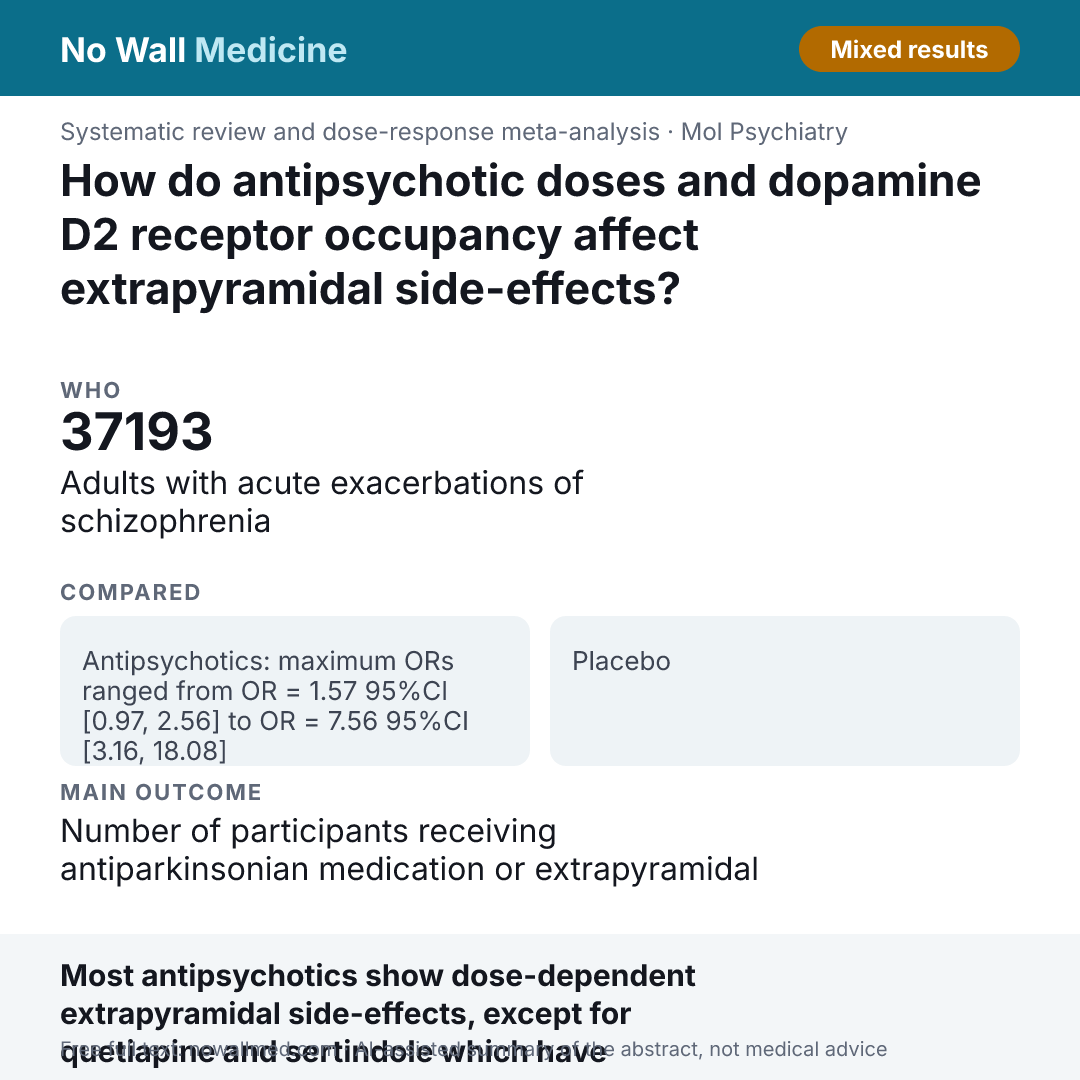
Antipsychotic dose, dopamine D2 receptor occupancy and extrapyramidal side-effects: a systematic review and dose-response meta-analysis
Systematic review and dose-response meta-analysisMixed results
How do antipsychotic doses and dopamine D2 receptor occupancy affect extrapyramidal side-effects?
Who
37193
Adults with acute exacerbations of schizophrenia
Compared
Antipsychotics: maximum ORs ranged from OR = 1.57 95%CI [0.97, 2.56] to OR = 7.56 95%CI [3.16, 18.08]
Placebo
Main outcome
Number of participants receiving antiparkinsonian medication or extrapyramidal side-effects
Bottom line: Most antipsychotics show dose-dependent extrapyramidal side-effects, except for quetiapine and sertindole which have negligible risks.
Mol Psychiatry · 2023-08-03 · Save PNG
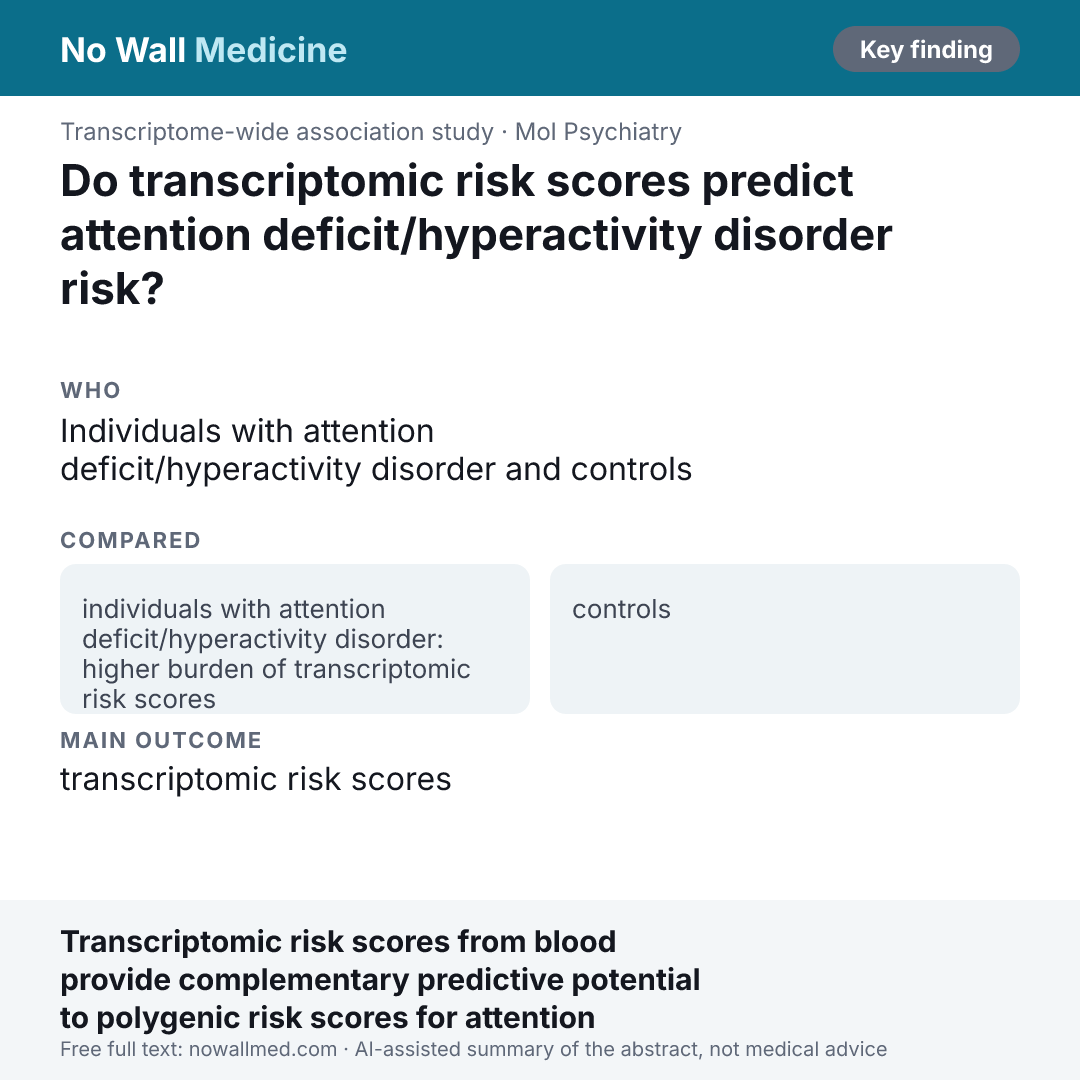
Transcriptomic risk scores for attention deficit/hyperactivity disorder
Transcriptome-wide association studyKey finding
Do transcriptomic risk scores predict attention deficit/hyperactivity disorder risk?
Who
Individuals with attention deficit/hyperactivity disorder and controls
Compared
individuals with attention deficit/hyperactivity disorder: higher burden of transcriptomic risk scores
controls
Main outcome
transcriptomic risk scores
Bottom line: Transcriptomic risk scores from blood provide complementary predictive potential to polygenic risk scores for attention deficit/hyperactivity disorder.
Mol Psychiatry · 2023-08-03 · Save PNG
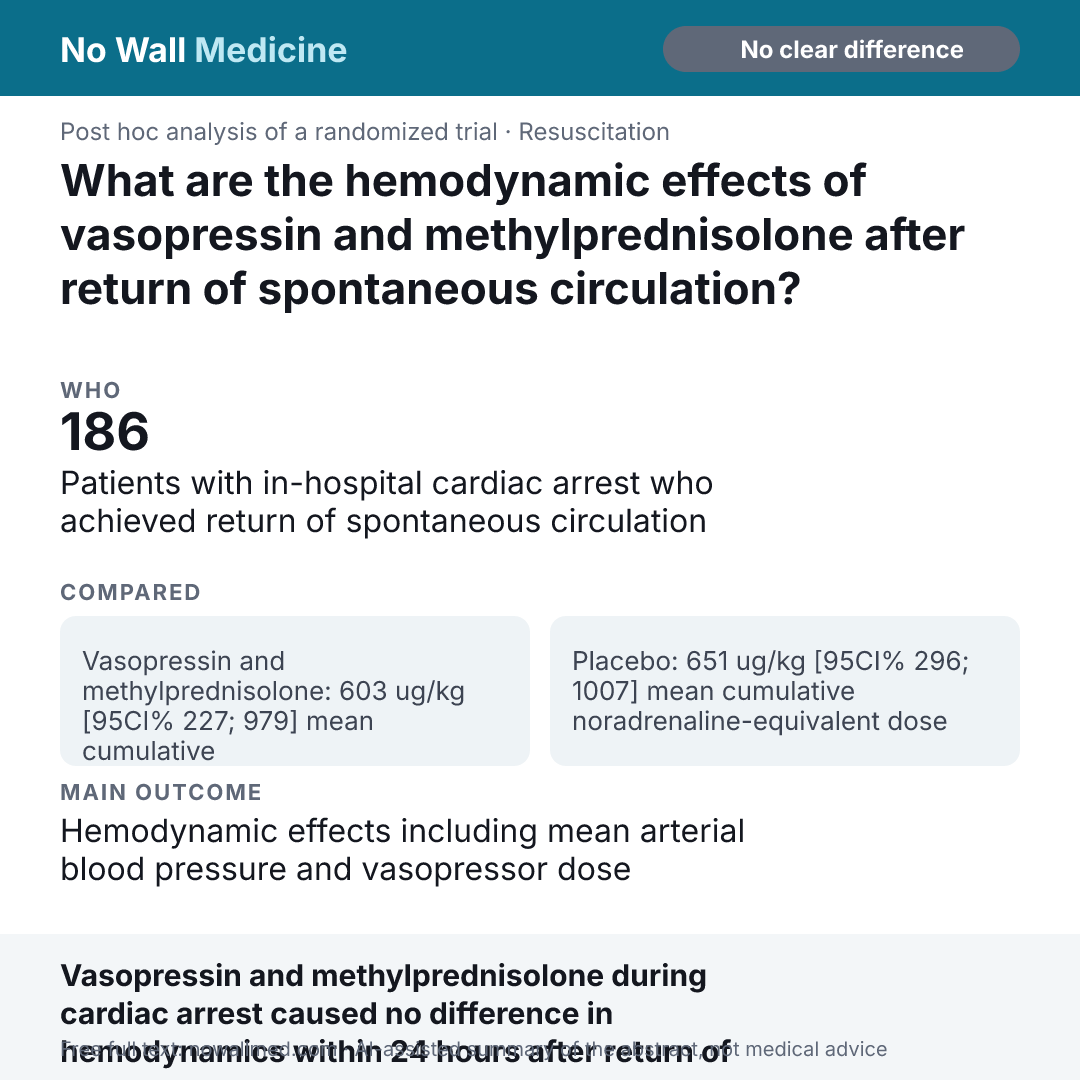
Vasopressin and methylprednisolone and hemodynamics after in-hospital cardiac arrest - A post hoc analysis of the VAM-IHCA trial
Post hoc analysis of a randomized trialNo clear difference
What are the hemodynamic effects of vasopressin and methylprednisolone after return of spontaneous circulation?
Who
186
Patients with in-hospital cardiac arrest who achieved return of spontaneous circulation
Compared
Vasopressin and methylprednisolone: 603 ug/kg [95CI% 227; 979] mean cumulative noradrenaline-equivalent dose
Placebo: 651 ug/kg [95CI% 296; 1007] mean cumulative noradrenaline-equivalent dose
Main outcome
Hemodynamic effects including mean arterial blood pressure and vasopressor dose
Result: mean difference -48 ug/kg [95CI% -140; 42.9]
Bottom line: Vasopressin and methylprednisolone during cardiac arrest caused no difference in hemodynamics within 24 hours after return of spontaneous circulation.
Resuscitation · 2023-08-03 · Save PNG