Visual abstracts
New randomized trials and meta-analyses from leading journals at a glance: who was studied, what was compared, and what was found. Every paper is free to read in full.
All specialtiesCardiology 4877Oncology 4138Gastroenterology & Hepatology 1942Infectious Disease 3837Neurology 1905Psychiatry & Mental Health 2273Pulmonology 2143Critical Care 1365Endocrinology & Diabetes 2580Pediatrics 2980Surgery 2559Orthopedics & Sports Medicine 931Neurosurgery 537Cardiothoracic & Vascular Surgery 674Plastic & Reconstructive Surgery 591Nephrology 1133Rheumatology 823Hematology 1109Dermatology 621Ophthalmology 543Obstetrics & Gynecology 1686Public & Global Health 1058Radiology & Imaging 648Anesthesiology 986Urology 764ENT (Otolaryngology) 503Emergency Medicine 511Allergy & Immunology 313Geriatrics 981Family Medicine & Primary Care 562Medical Genetics & Genomics 676Pathology & Laboratory Medicine 159Physical Medicine & Rehabilitation 757Palliative Care 444Nutrition 1588Digital Health & AI 2201General Medicine 321
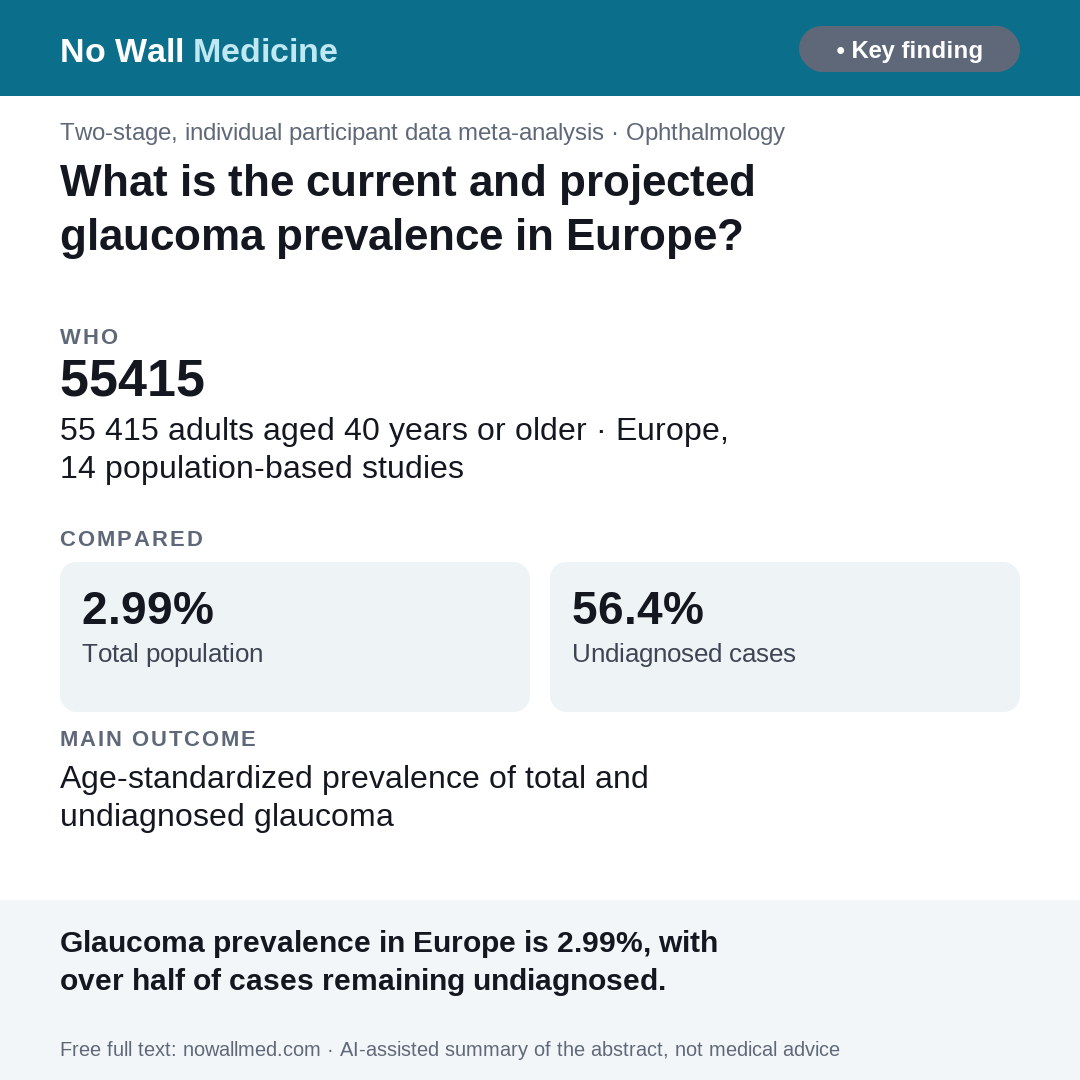
Prevalence of Glaucoma in Europe and Projections to 2050: Findings from the European Eye Epidemiology Consortium
Two-stage, individual participant data meta-analysisHarm found
What is the current and projected glaucoma prevalence in Europe?
Who
55415
55 415 adults aged 40 years or older · Europe, 14 population-based studies
Compared
2.99%Total population (95% CI 2.86%-3.12%)
56.4%Undiagnosed cases
Main outcome
Age-standardized prevalence of total and undiagnosed glaucoma
Bottom line: Glaucoma prevalence in Europe is 2.99%, with over half of cases remaining undiagnosed.
Ophthalmology · 2025-06-09Download image
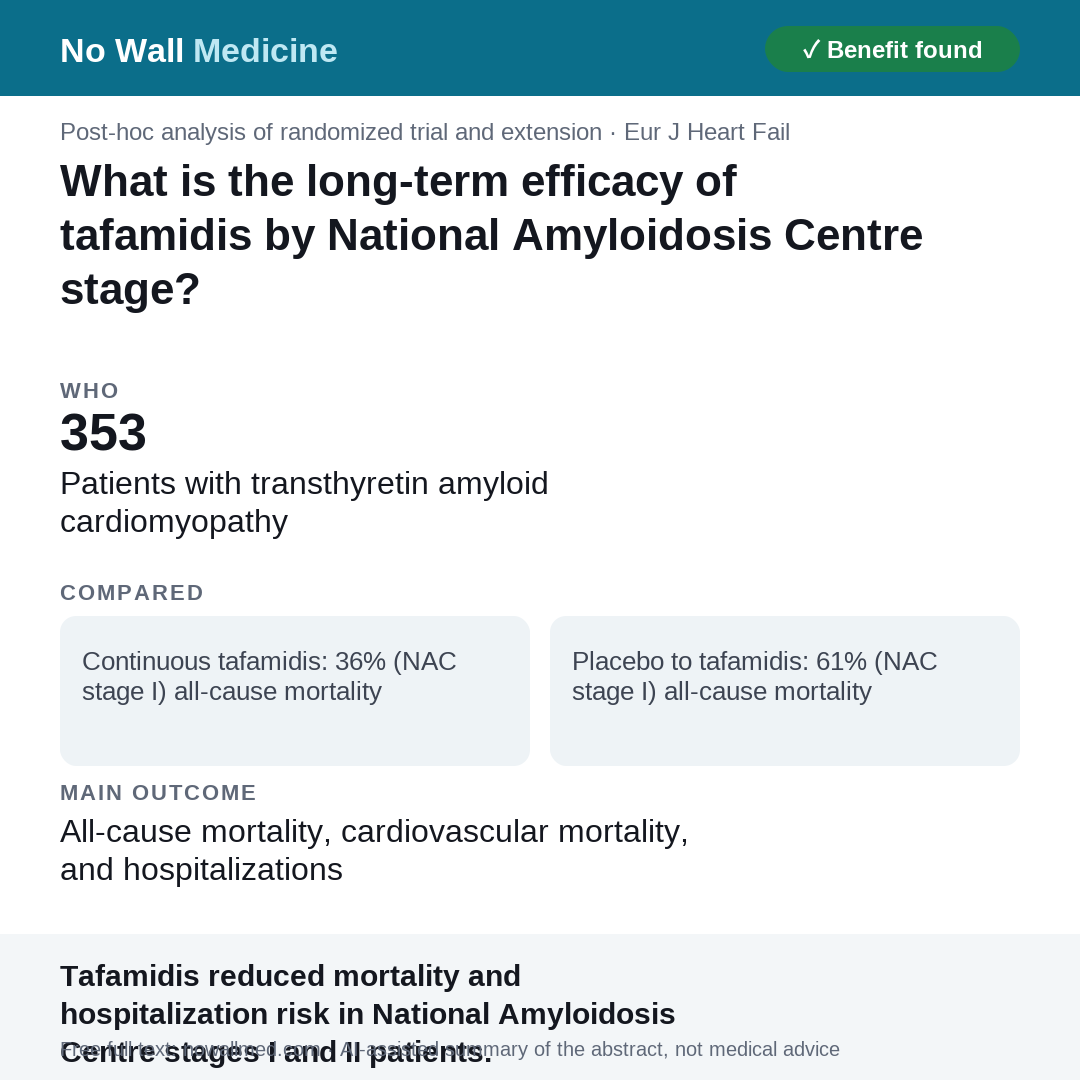
Long-term efficacy of tafamidis in patients with transthyretin amyloid cardiomyopathy by National Amyloidosis Centre stage
Post-hoc analysis of randomized trial and extensionBenefit found
What is the long-term efficacy of tafamidis by National Amyloidosis Centre stage?
Who
353
Patients with transthyretin amyloid cardiomyopathy
Compared
Continuous tafamidis: 36% (NAC stage I) all-cause mortality
Placebo to tafamidis: 61% (NAC stage I) all-cause mortality
Main outcome
All-cause mortality, cardiovascular mortality, and hospitalizations
Result: hazard ratio 0.43 (NAC stage I); hazard ratio 0.51 (NAC stage II)
Bottom line: Tafamidis reduced mortality and hospitalization risk in National Amyloidosis Centre stages I and II patients.
Eur J Heart Fail · 2025-06-09Download image
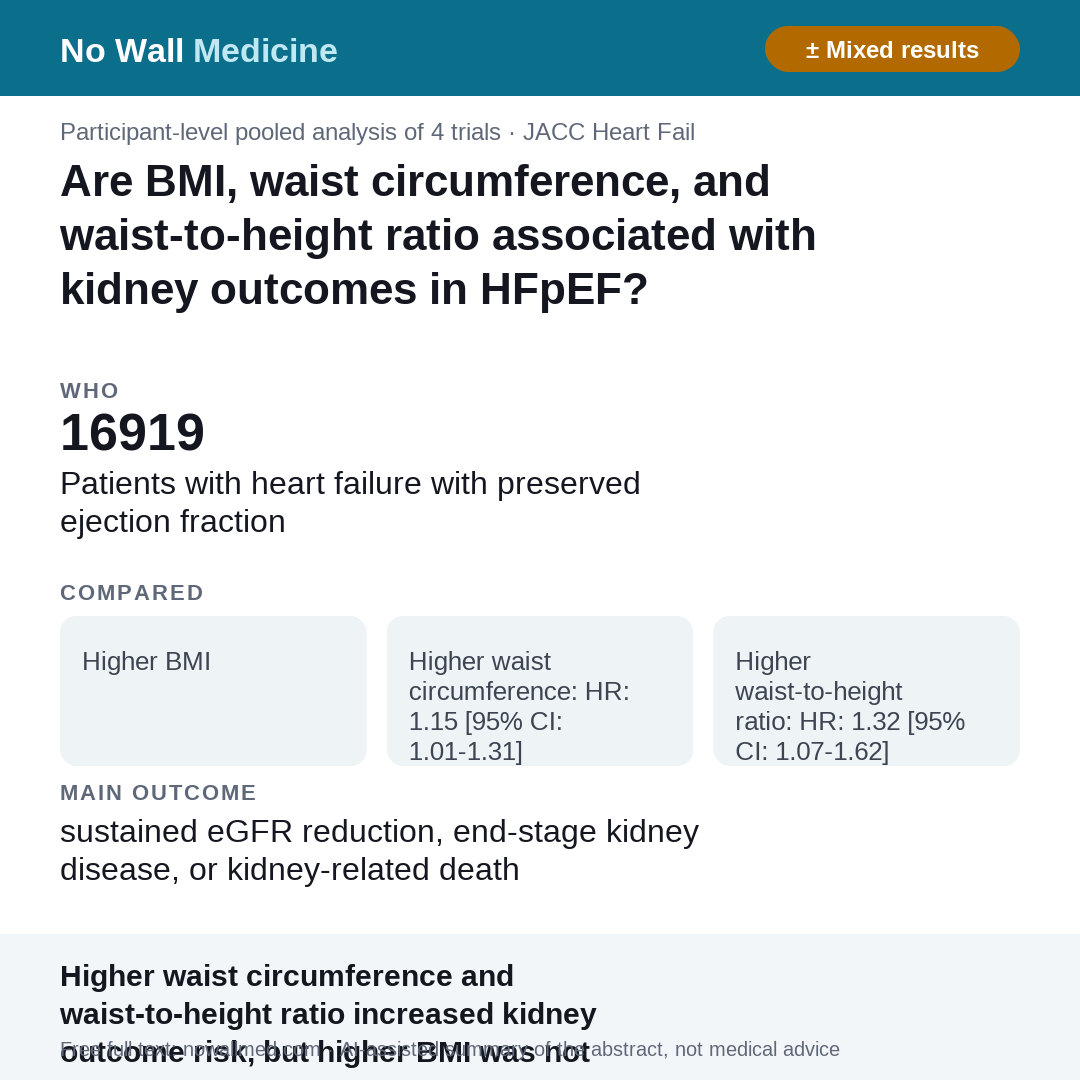
Obesity and Risk of Kidney Outcomes in Heart Failure With Preserved Ejection Fraction: A Participant-Level Pooled Analysis of 4 Contemporary Trials
Participant-level pooled analysis of 4 trialsMixed results
Are BMI, waist circumference, and waist-to-height ratio associated with kidney outcomes in HFpEF?
Who
16919
Patients with heart failure with preserved ejection fraction
Compared
Higher BMI
Higher waist circumference: HR: 1.15 [95% CI: 1.01-1.31]
Higher waist-to-height ratio: HR: 1.32 [95% CI: 1.07-1.62]
Main outcome
sustained eGFR reduction, end-stage kidney disease, or kidney-related death
Result: BMI HR: 0.99 (95% CI: 0.96-1.02)
Bottom line: Higher waist circumference and waist-to-height ratio increased kidney outcome risk, but higher BMI was not associated with risk.
JACC Heart Fail · 2025-06-09Download image
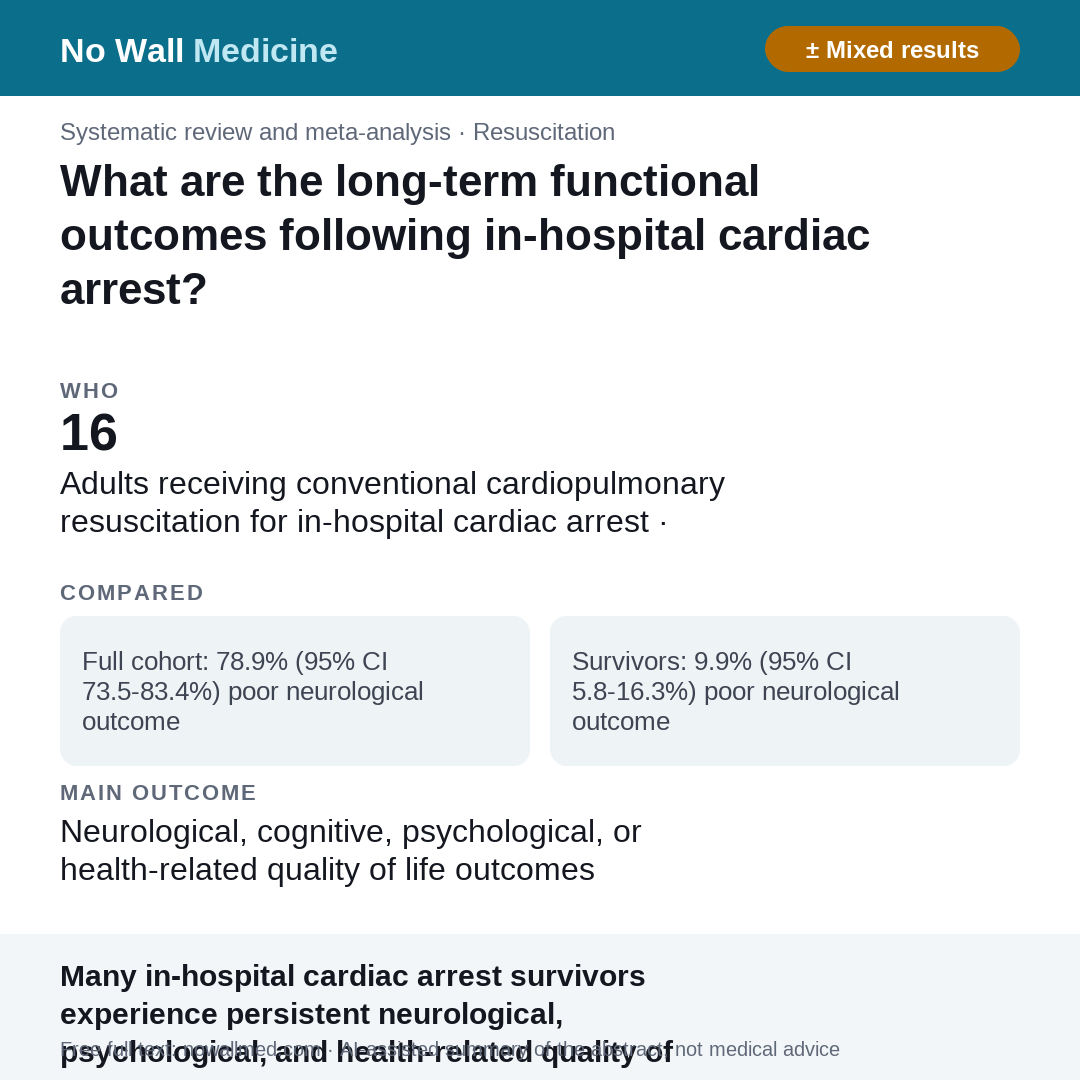
Long-term functional outcomes and health-related quality of life following in-hospital cardiac arrest (IHCA): A systematic review
Systematic review and meta-analysisMixed results
What are the long-term functional outcomes following in-hospital cardiac arrest?
Who
16
Adults receiving conventional cardiopulmonary resuscitation for in-hospital cardiac arrest · 21 countries
Compared
Full cohort: 78.9% (95% CI 73.5-83.4%) poor neurological outcome
Survivors: 9.9% (95% CI 5.8-16.3%) poor neurological outcome
Main outcome
Neurological, cognitive, psychological, or health-related quality of life outcomes
Bottom line: Many in-hospital cardiac arrest survivors experience persistent neurological, psychological, and health-related quality of life impairments.
Limitation: Wide variation in outcome measures, follow-up duration, and reporting methods limited synthesis.
Resuscitation · 2025-06-09Download image
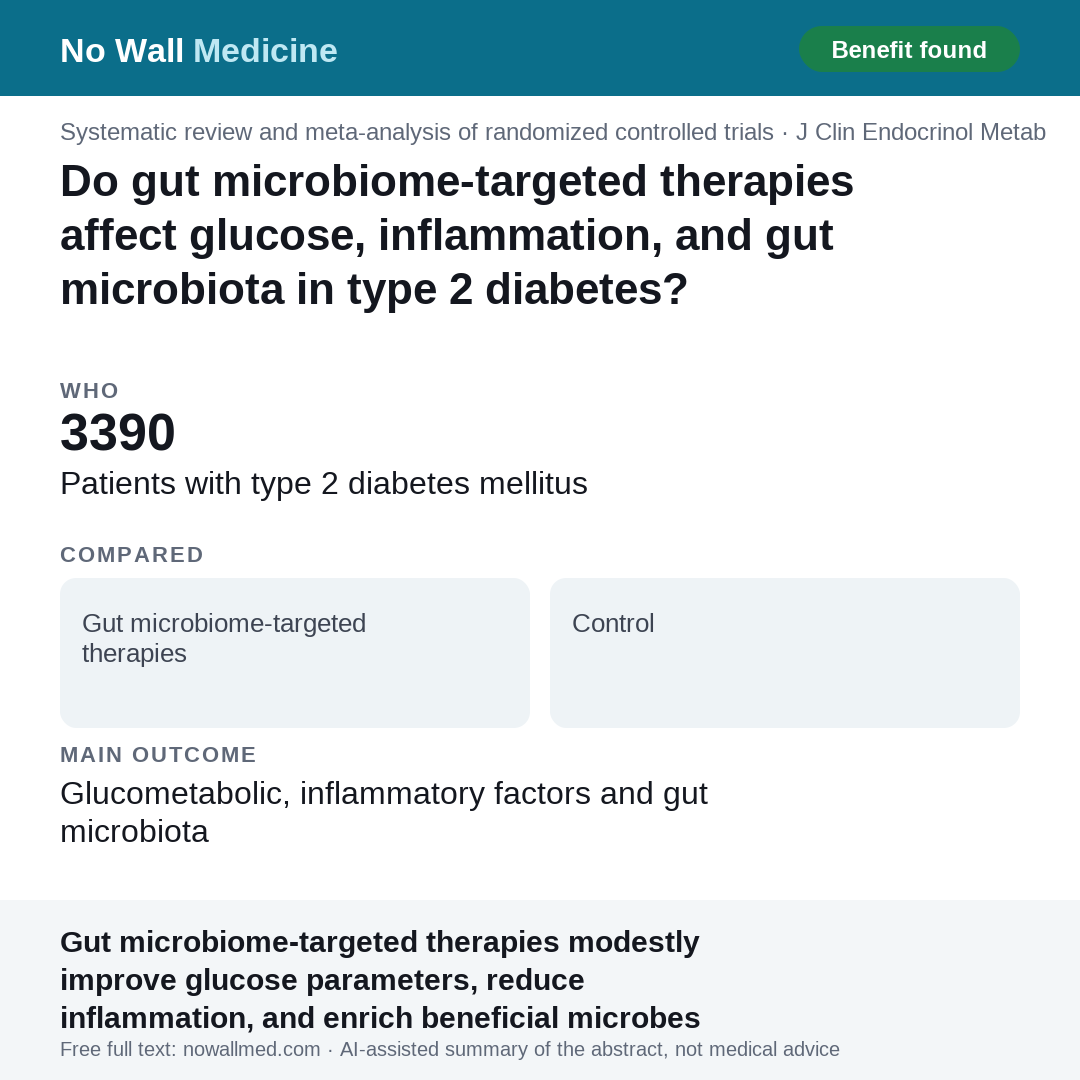
Glucose Parameters, Inflammation Markers, and Gut Microbiota Changes of Gut Microbiome-Targeted Therapies in Type 2 Diabetes Mellitus: A Systematic Review and Meta-Analysis of Randomized Controlled Trials
Systematic review and meta-analysis of randomized controlled trialsBenefit found
Do gut microbiome-targeted therapies affect glucose, inflammation, and gut microbiota in type 2 diabetes?
Who
3390
Patients with type 2 diabetes mellitus
Compared
Gut microbiome-targeted therapies
Control
Main outcome
Glucometabolic, inflammatory factors and gut microbiota
Result: HbA1c MD -0.28% (95% CI -0.39, -0.17)
Bottom line: Gut microbiome-targeted therapies modestly improve glucose parameters, reduce inflammation, and enrich beneficial microbes in type 2 diabetes patients.
Limitation: Heterogeneity and limited long-term data
J Clin Endocrinol Metab · 2025-06-09Download image
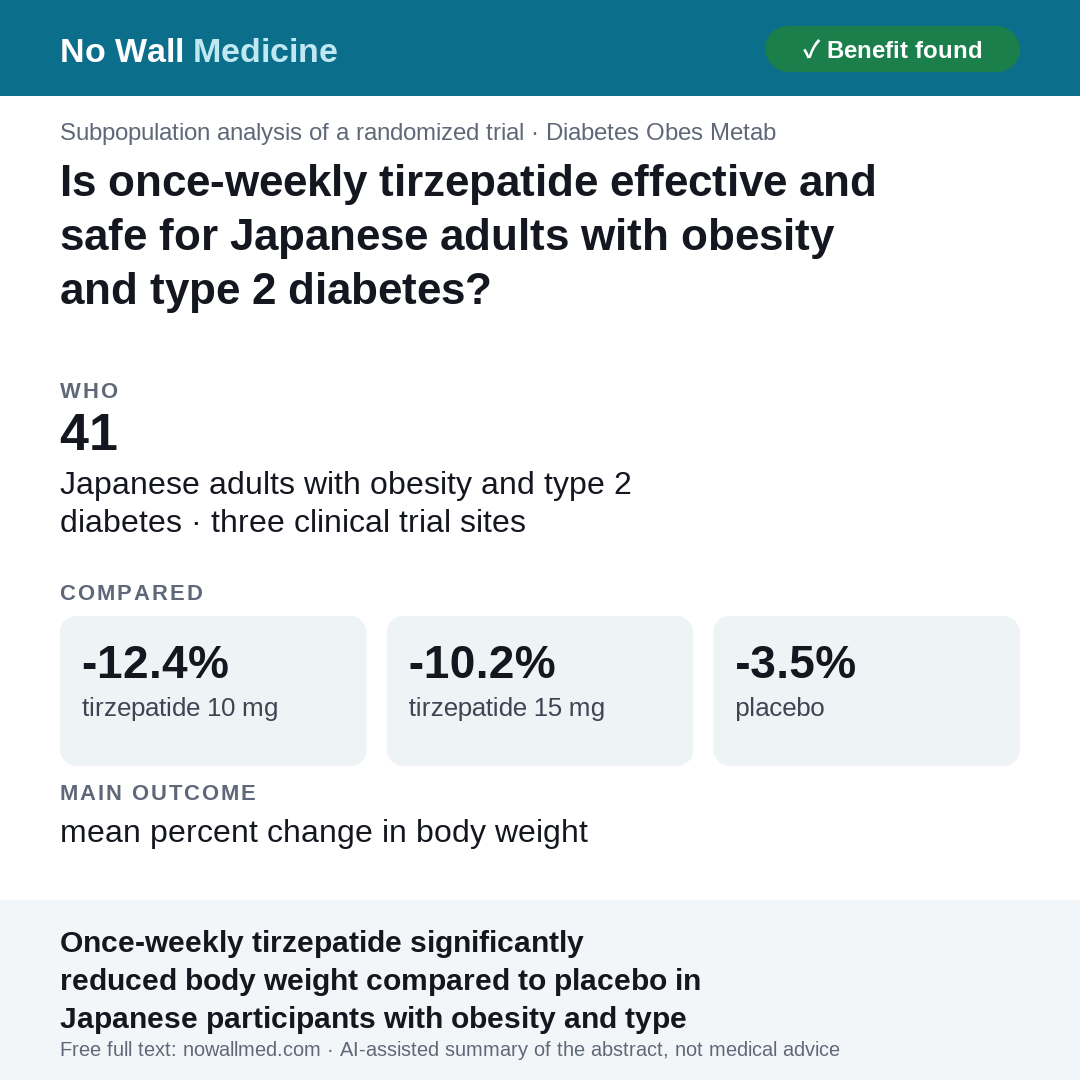
Efficacy and safety of once-weekly tirzepatide in Japanese participants with type 2 diabetes who have obesity or overweight: Subpopulation analysis of the SURMOUNT-2 trial
Subpopulation analysis of a randomized trialBenefit found
Is once-weekly tirzepatide effective and safe for Japanese adults with obesity and type 2 diabetes?
Who
41
Japanese adults with obesity and type 2 diabetes · three clinical trial sites
Compared
-12.4%tirzepatide 10 mg (1.8%)
-10.2%tirzepatide 15 mg (1.8%)
-3.5%placebo (1.8%)
Main outcome
mean percent change in body weight
Bottom line: Once-weekly tirzepatide significantly reduced body weight compared to placebo in Japanese participants with obesity and type 2 diabetes.
Diabetes Obes Metab · 2025-06-09Download image
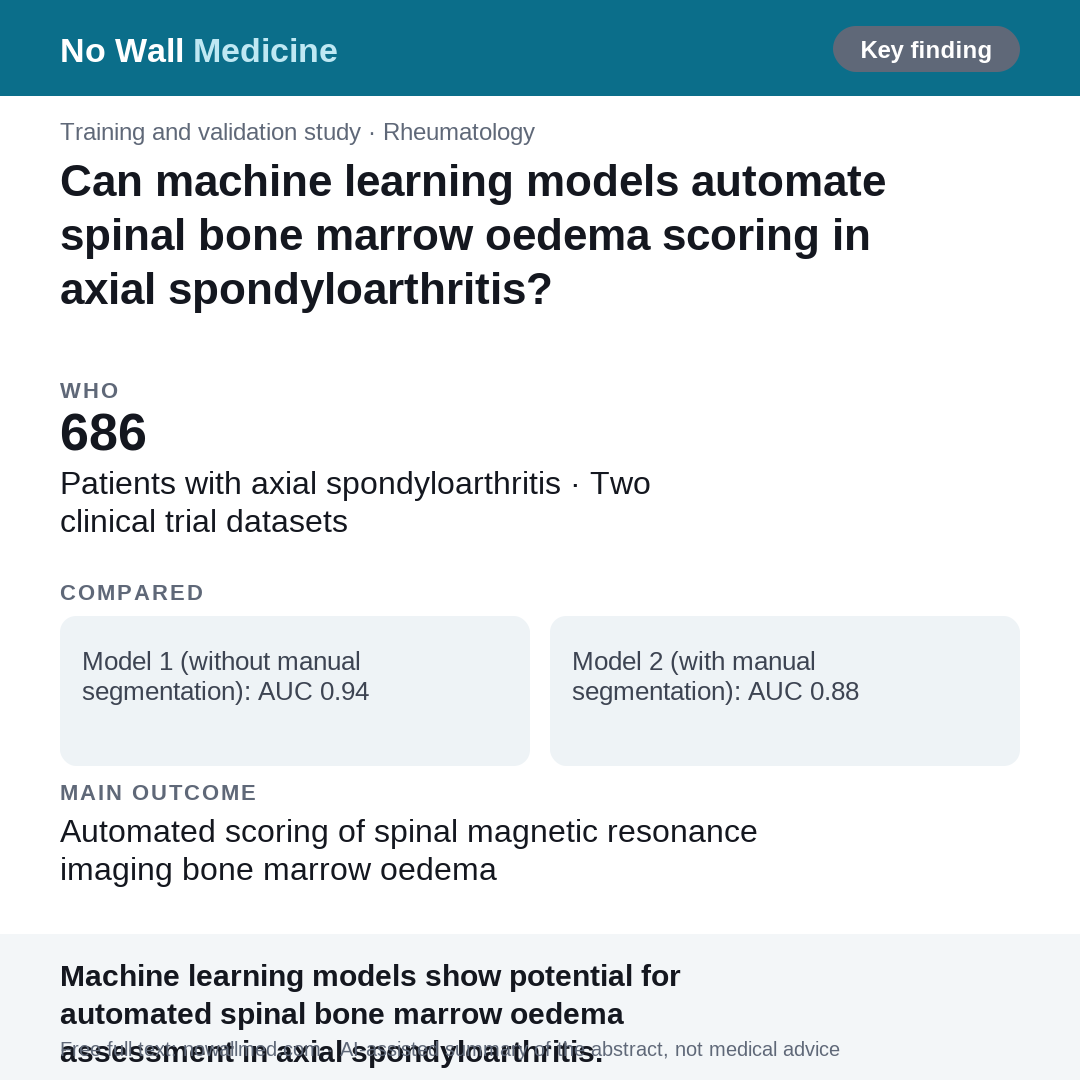
Automated detection of spinal bone marrow oedema in axial spondyloarthritis: training and validation using two large phase 3 trial datasets
Training and validation studyBenefit found
Can machine learning models automate spinal bone marrow oedema scoring in axial spondyloarthritis?
Who
686
Patients with axial spondyloarthritis · Two clinical trial datasets
Compared
Model 1 (without manual segmentation): AUC 0.94
Model 2 (with manual segmentation): AUC 0.88
Main outcome
Automated scoring of spinal magnetic resonance imaging bone marrow oedema
Bottom line: Machine learning models show potential for automated spinal bone marrow oedema assessment in axial spondyloarthritis.
Rheumatology · 2025-06-09Download image
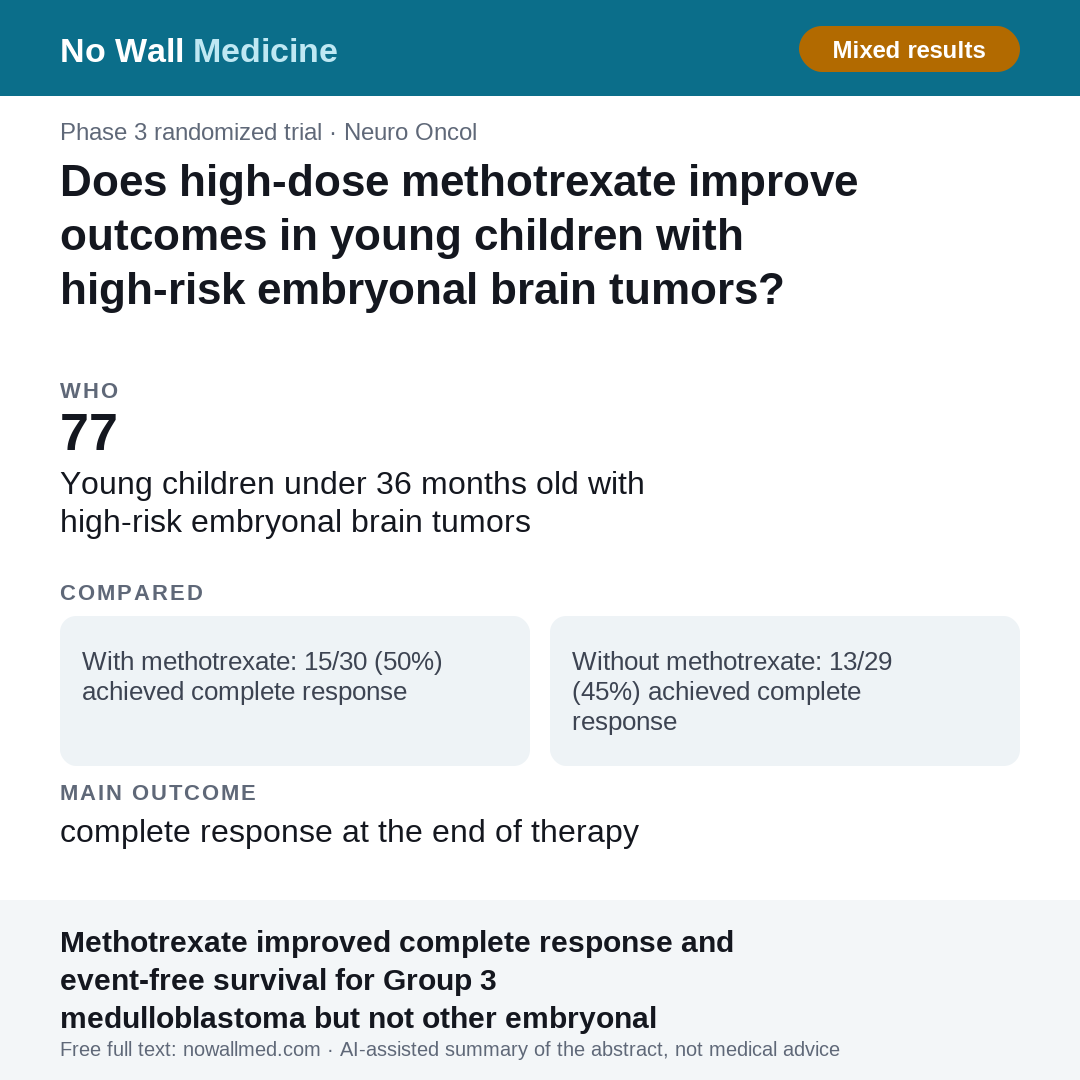
Phase 3 randomized trial of high-dose methotrexate for young children with high-risk embryonal brain tumors: A report from the Children's Oncology Group
Phase 3 randomized trialMixed results
Does high-dose methotrexate improve outcomes in young children with high-risk embryonal brain tumors?
Who
77
Young children under 36 months old with high-risk embryonal brain tumors
Compared
With methotrexate: 15/30 (50%) achieved complete response
Without methotrexate: 13/29 (45%) achieved complete response
Main outcome
complete response at the end of therapy
Bottom line: Methotrexate improved complete response and event-free survival for Group 3 medulloblastoma but not other embryonal tumor diagnoses.
Neuro Oncol · 2025-06-09Download image
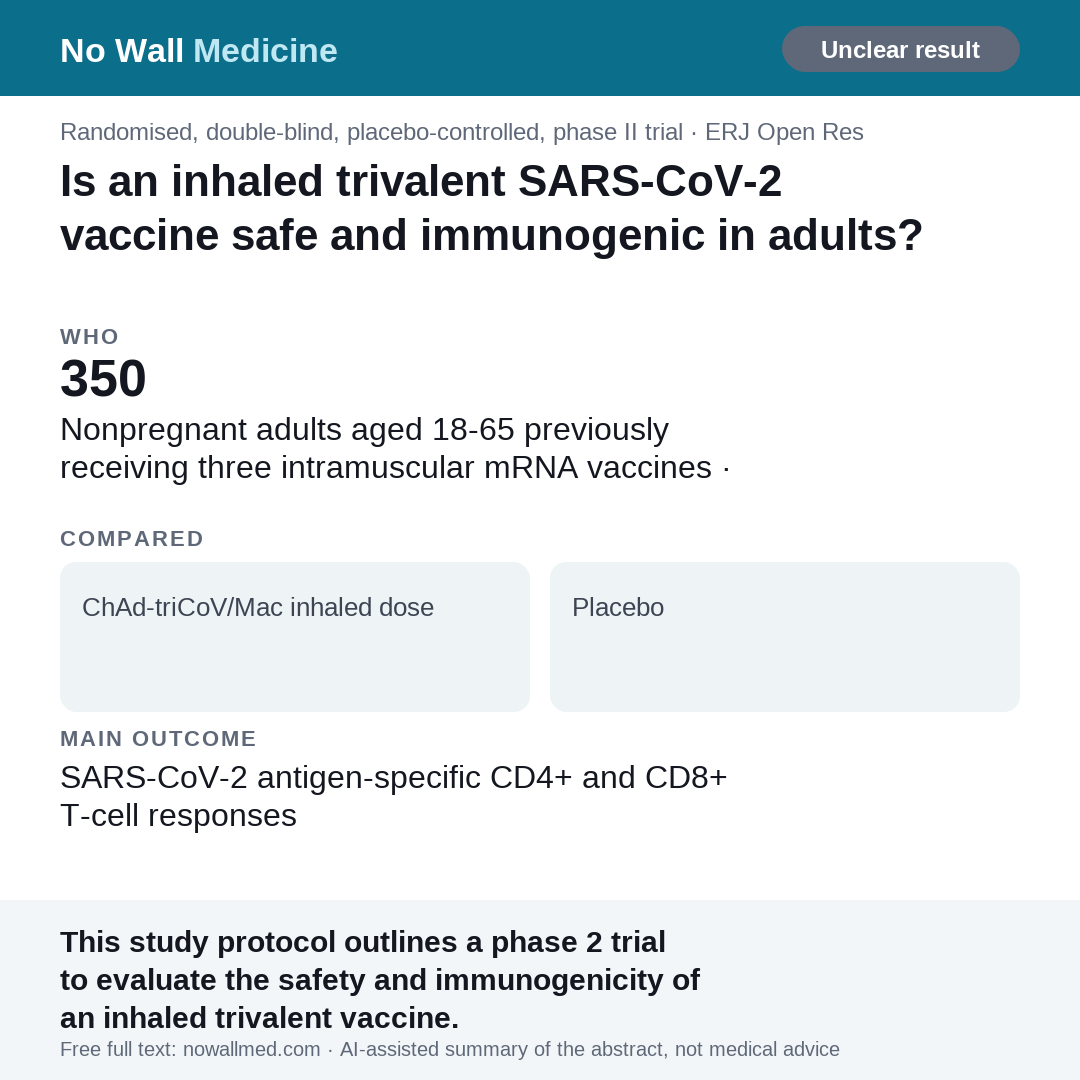
AeroVax: study protocol for a randomised, double-blind, placebo-controlled, phase 2 trial to evaluate safety and immunogenicity of a next-generation COVID-19 vaccine delivered by inhaled aerosol to humans
Randomised, double-blind, placebo-controlled, phase II trialUnclear result
Is an inhaled trivalent SARS-CoV-2 vaccine safe and immunogenic in adults?
Who
350
Nonpregnant adults aged 18-65 previously receiving three intramuscular mRNA vaccines · Multicentre
Compared
ChAd-triCoV/Mac inhaled dose
Placebo
Main outcome
SARS-CoV-2 antigen-specific CD4+ and CD8+ T-cell responses
Bottom line: This study protocol outlines a phase 2 trial to evaluate the safety and immunogenicity of an inhaled trivalent vaccine.
ERJ Open Res · 2025-06-09Download image
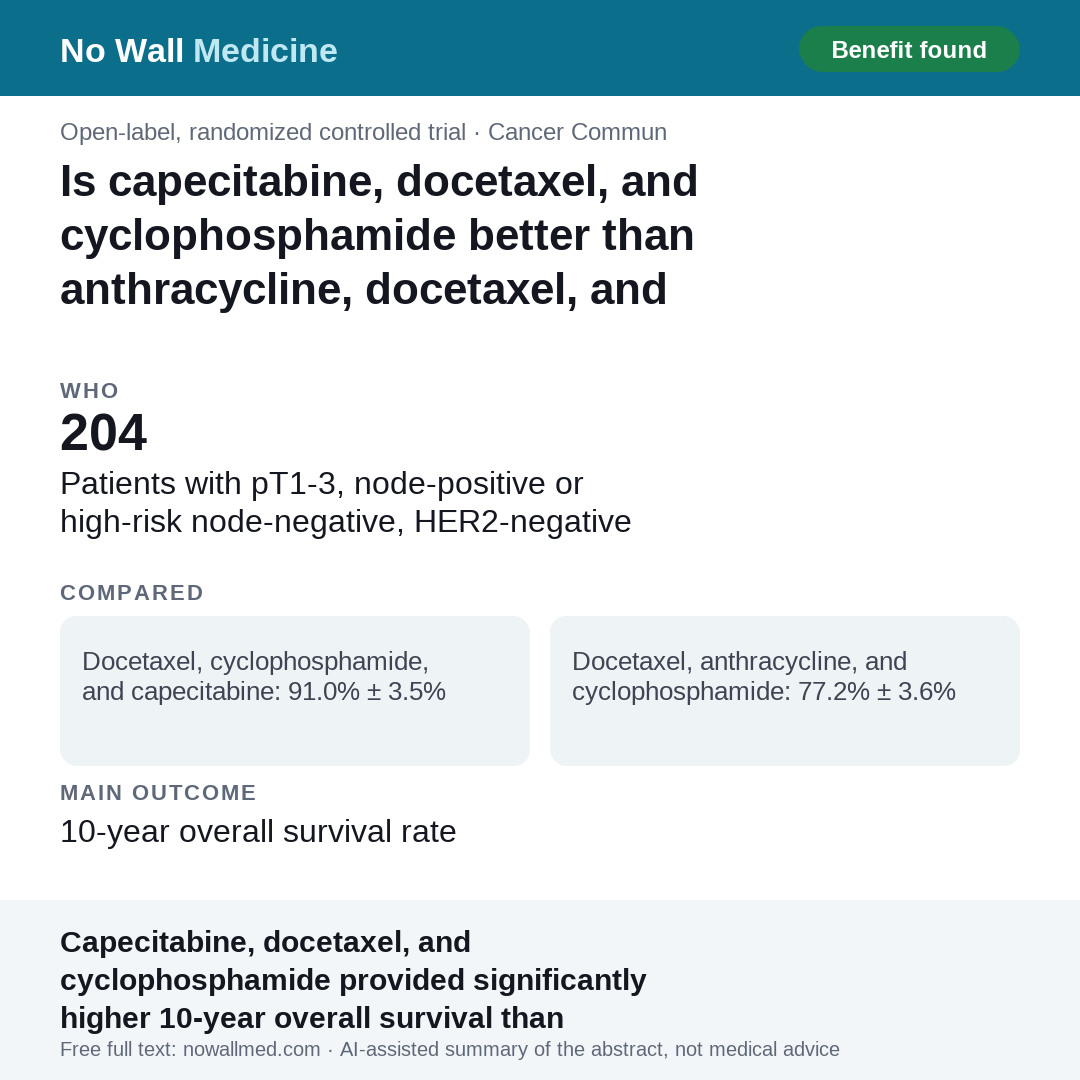
Adjuvant capecitabine in combination with docetaxel and cyclophosphamide versus anthracycline plus docetaxel and cyclophosphamide regimen in women with high-risk, HER2-negative breast cancer: An open-label, randomized controlled trial
Open-label, randomized controlled trialBenefit found
Is capecitabine, docetaxel, and cyclophosphamide better than anthracycline, docetaxel, and cyclophosphamide for high-risk HER2-negative breast cancer?
Who
204
Patients with pT1-3, node-positive or high-risk node-negative, HER2-negative early-stage breast cancer
Compared
Docetaxel, cyclophosphamide, and capecitabine: 91.0% ± 3.5%
Docetaxel, anthracycline, and cyclophosphamide: 77.2% ± 3.6%
Main outcome
10-year overall survival rate
Bottom line: Capecitabine, docetaxel, and cyclophosphamide provided significantly higher 10-year overall survival than anthracycline-based regimens.
Limitation: The study warrants further investigation in larger cohorts.
Cancer Commun · 2025-06-09Download image
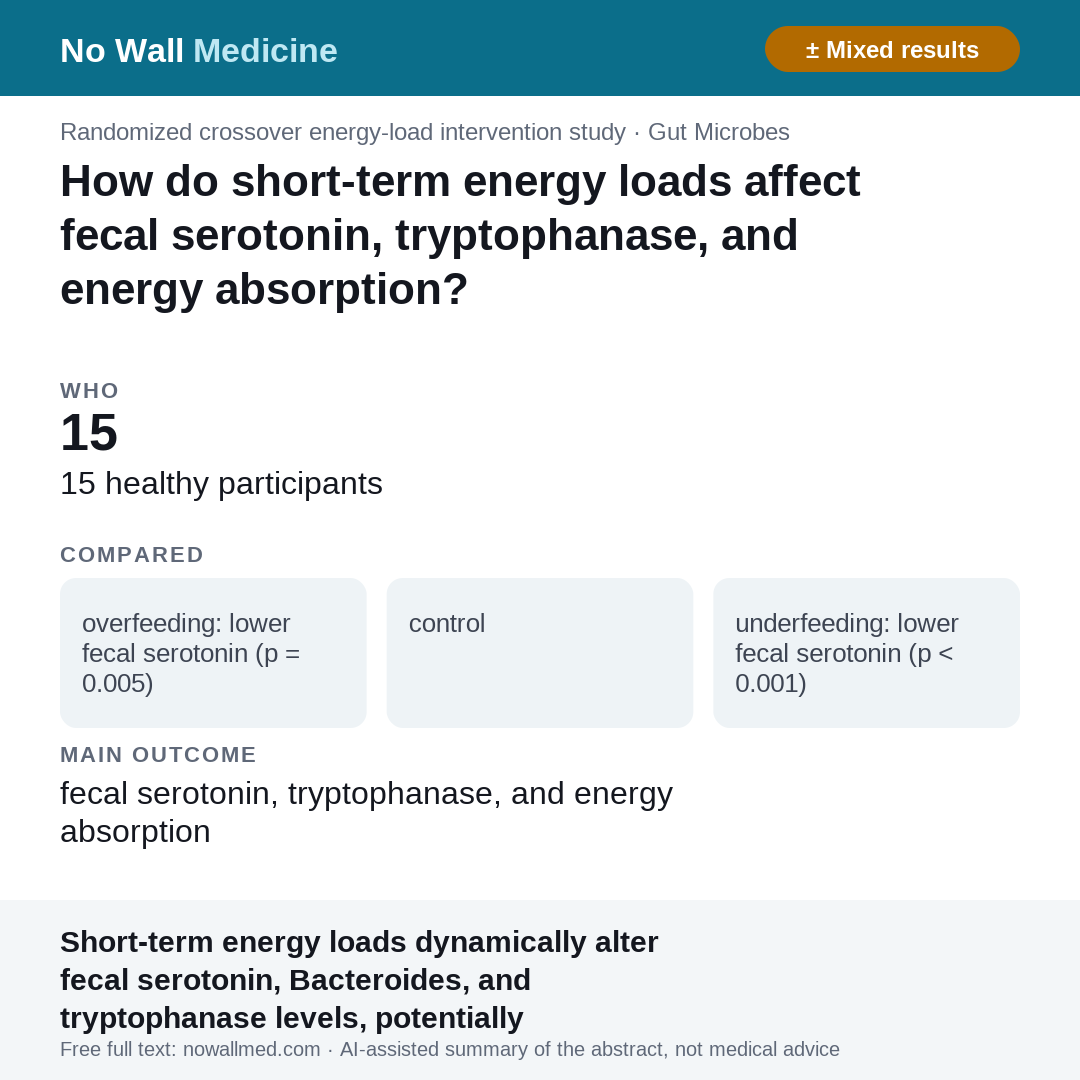
Effect of short-term dietary intervention on fecal serotonin, gut microbiome-derived tryptophanase, and energy absorption in a randomized crossover trial: an exploratory analysis
Randomized crossover energy-load intervention studyMixed results
How do short-term energy loads affect fecal serotonin, tryptophanase, and energy absorption?
Who
15
15 healthy participants
Compared
overfeeding: lower fecal serotonin (p = 0.005)
control
underfeeding: lower fecal serotonin (p < 0.001)
Main outcome
fecal serotonin, tryptophanase, and energy absorption
Bottom line: Short-term energy loads dynamically alter fecal serotonin, Bacteroides, and tryptophanase levels, potentially influencing energy absorption.
Gut Microbes · 2025-06-09Download image
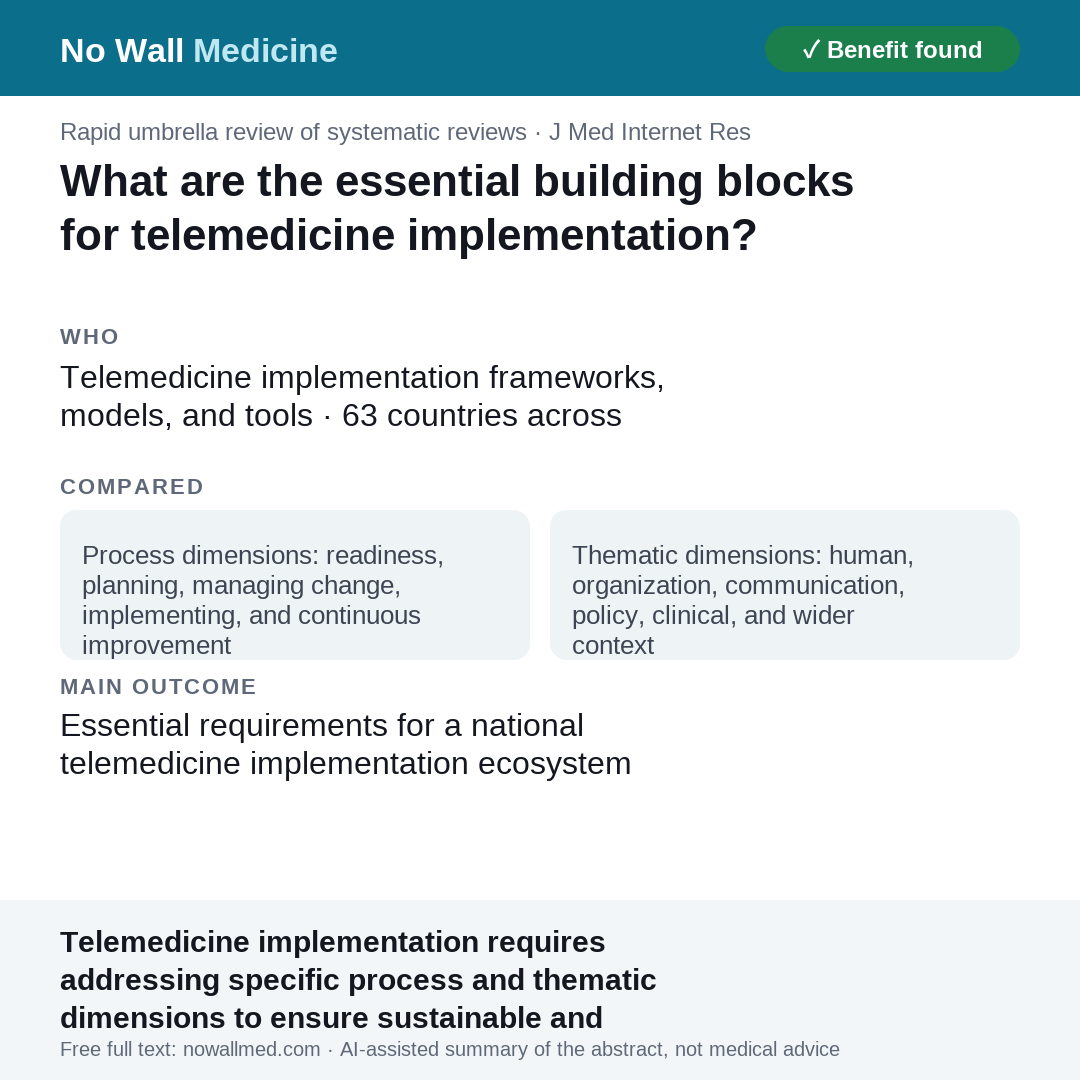
The State of the Art of Telemedicine Implementation Architecture: Rapid Umbrella Review of Systematic Reviews
Rapid umbrella review of systematic reviewsBenefit found
What are the essential building blocks for telemedicine implementation?
Who
973
Telemedicine implementation frameworks, models, and tools · 63 countries across multiple continents
Compared
Process dimensions: readiness, planning, managing change, implementing, and continuous improvement
Thematic dimensions: human, organization, communication, policy, clinical, and wider context
Main outcome
Essential requirements for a national telemedicine implementation ecosystem
Bottom line: Telemedicine implementation requires addressing specific process and thematic dimensions to ensure sustainable and scalable systems.
Limitation: Future research should focus on field-testing tools to evaluate usability and adaptability.
J Med Internet Res · 2025-06-09Download image
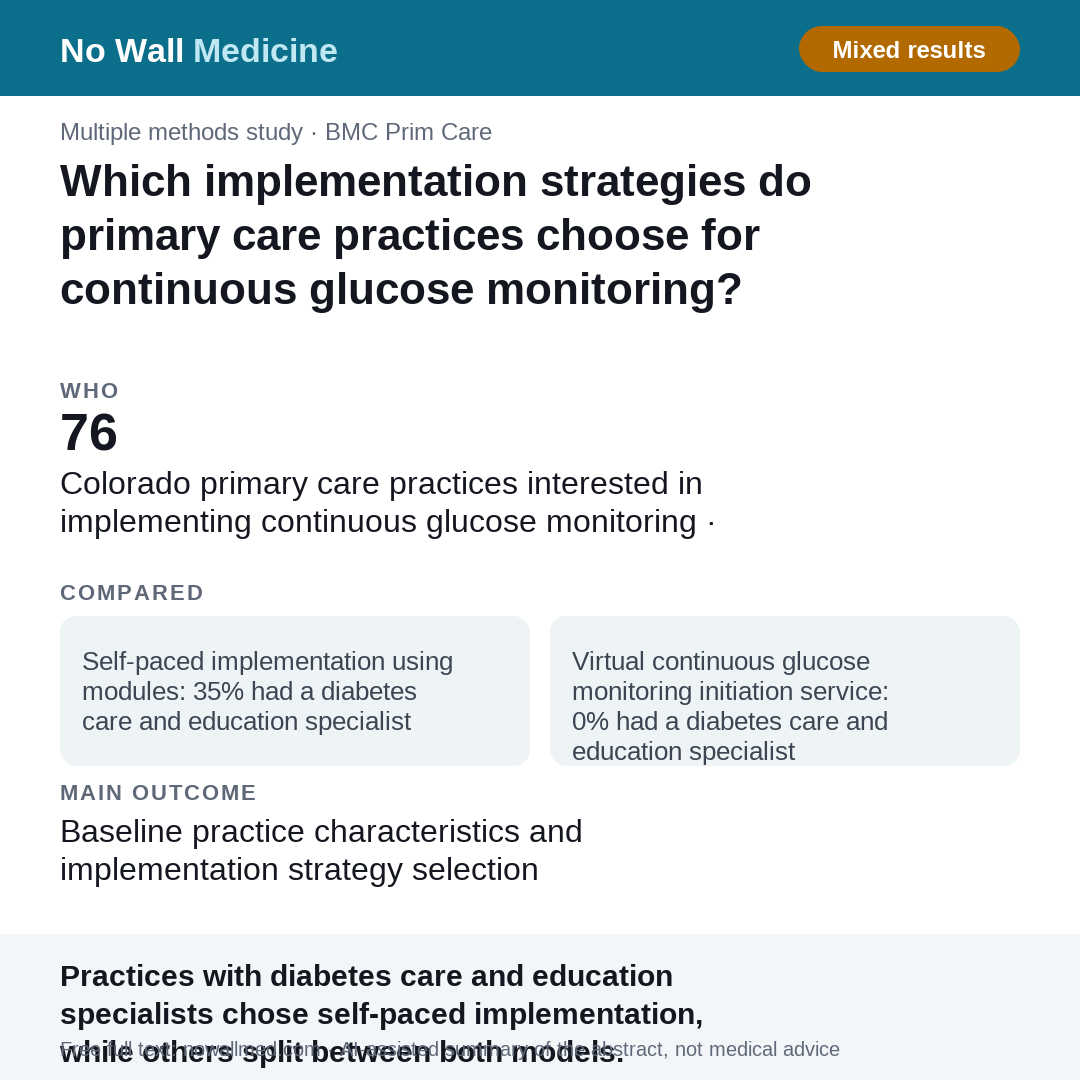
Primary care practices' choice of implementation strategy for continuous glucose monitoring for patients with diabetes: a multiple methods study within a larger hybrid type-3 effectiveness-implementation study
Multiple methods studyMixed results
Which implementation strategies do primary care practices choose for continuous glucose monitoring?
Who
76
Colorado primary care practices interested in implementing continuous glucose monitoring · Colorado
Compared
Self-paced implementation using modules: 35% had a diabetes care and education specialist
Virtual continuous glucose monitoring initiation service: 0% had a diabetes care and education specialist
Main outcome
Baseline practice characteristics and implementation strategy selection
Bottom line: Practices with diabetes care and education specialists chose self-paced implementation, while others split between both models.
BMC Prim Care · 2025-06-09Download image
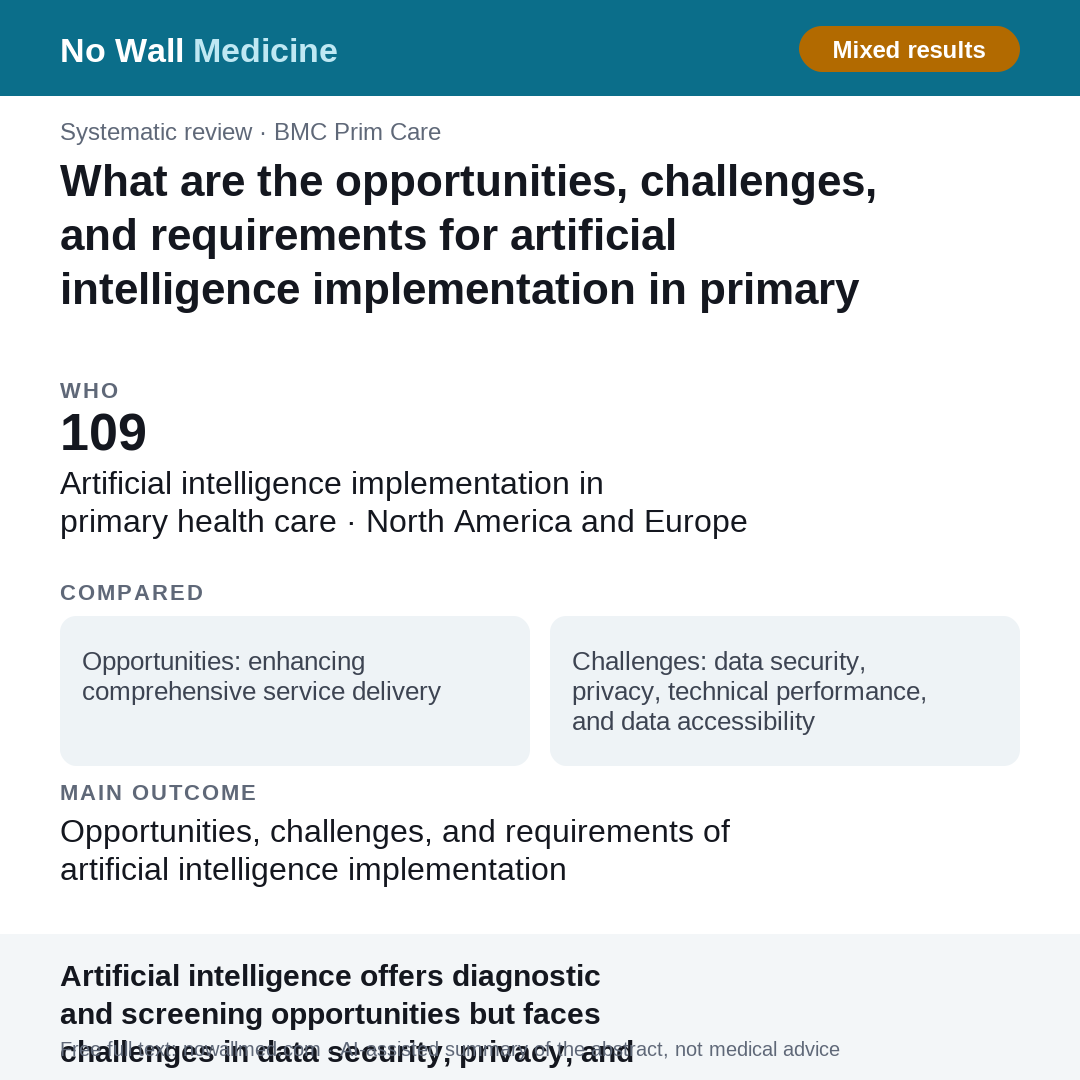
Opportunities, challenges, and requirements for Artificial Intelligence (AI) implementation in Primary Health Care (PHC): a systematic review
Systematic reviewMixed results
What are the opportunities, challenges, and requirements for artificial intelligence implementation in primary health care?
Who
109
Artificial intelligence implementation in primary health care · North America and Europe
Compared
Opportunities: enhancing comprehensive service delivery
Challenges: data security, privacy, technical performance, and data accessibility
Main outcome
Opportunities, challenges, and requirements of artificial intelligence implementation
Bottom line: Artificial intelligence offers diagnostic and screening opportunities but faces challenges in data security, privacy, and technical performance.
BMC Prim Care · 2025-06-09Download image
Civil society and perilous medicine in Africa: a systematic review
Systematic reviewUnclear result
Civil society role in conflict and health in Africa
Who
14
African communities in conflict · Africa
Compared
Civil society organisations
Government organisations
Main outcome
Health and conflict
Bottom line: CSOs play various roles in conflict and health
BMJ Glob Health · 2025-06-08Download image

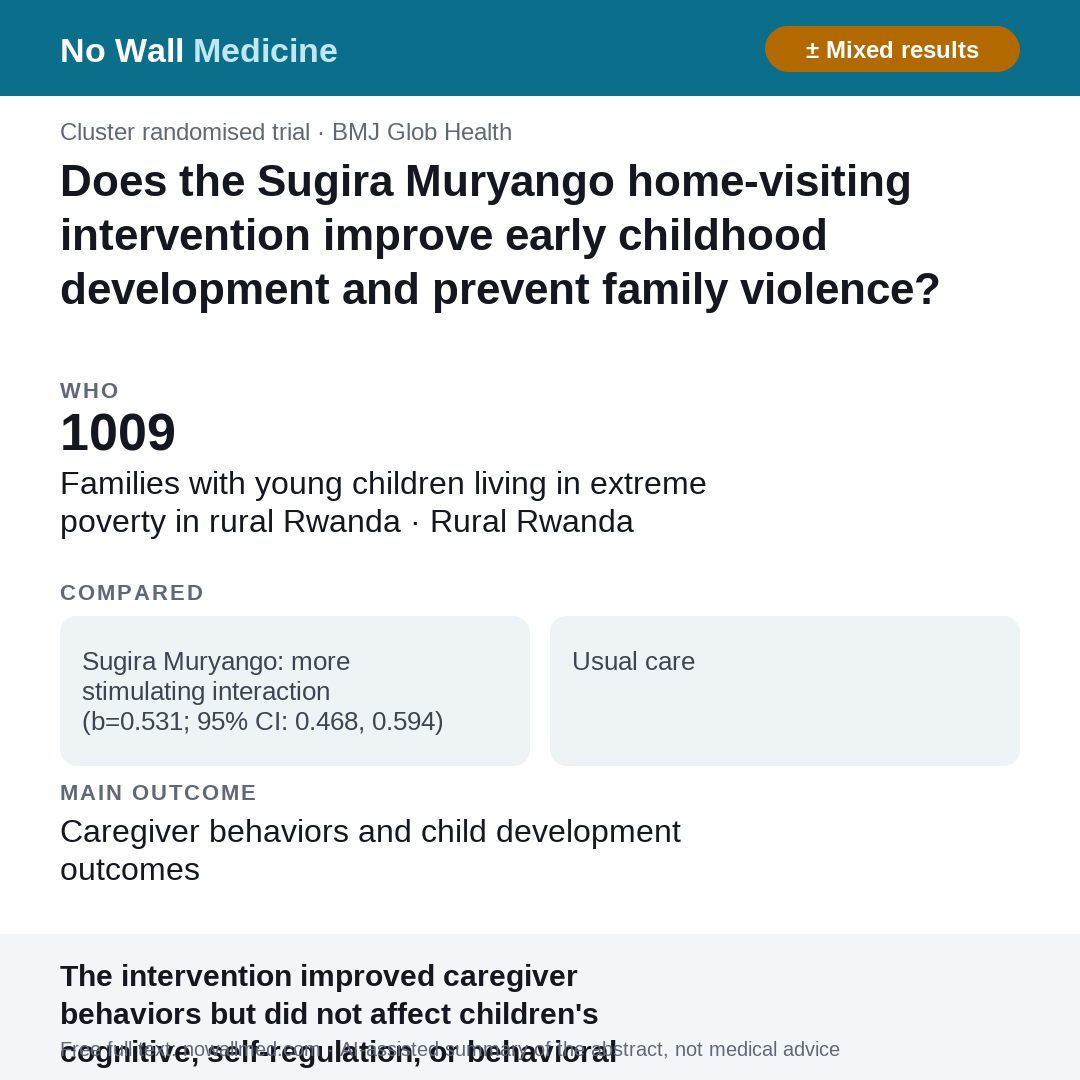
Four-year follow-up to a home-visiting intervention to promote early childhood development and prevent family violence in rural Rwanda: the Sugira Muryango cluster randomised trial
Cluster randomised trialMixed results
Does the Sugira Muryango home-visiting intervention improve early childhood development and prevent family violence?
Who
1009
Families with young children living in extreme poverty in rural Rwanda · Rural Rwanda
Compared
Sugira Muryango: more stimulating interaction (b=0.531; 95% CI: 0.468, 0.594)
Usual care
Main outcome
Caregiver behaviors and child development outcomes
Bottom line: The intervention improved caregiver behaviors but did not affect children's cognitive, self-regulation, or behavioral outcomes.
BMJ Glob Health · 2025-06-08Download image
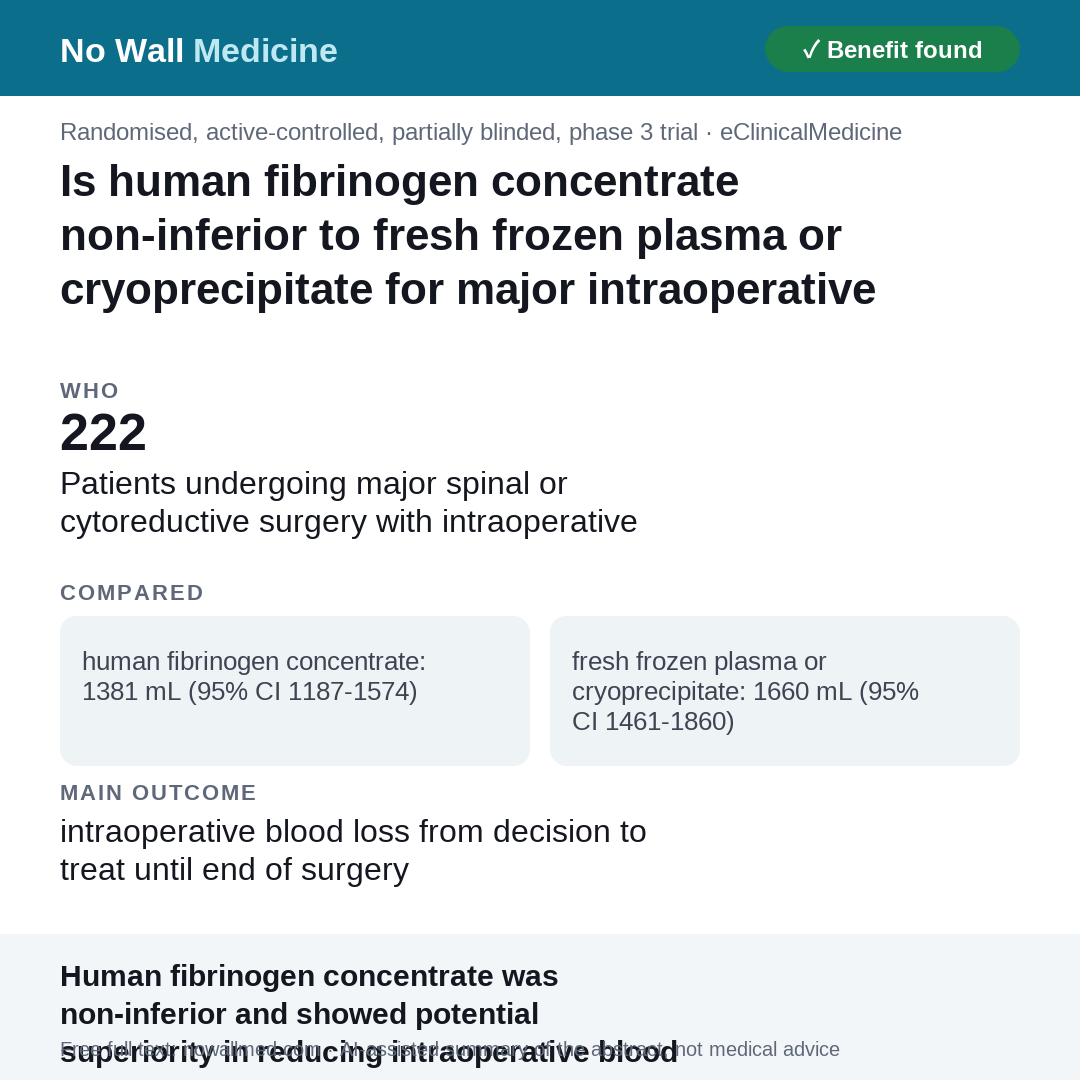
Efficacy and safety of human fibrinogen concentrate (BT524) in patients with major haemorrhage undergoing major orthopaedic or abdominal surgery (AdFIrst): a randomised, active-controlled, multicentre, partially blinded, phase 3 non-inferiority trial
Randomised, active-controlled, partially blinded, phase 3 trialBenefit found
Is human fibrinogen concentrate non-inferior to fresh frozen plasma or cryoprecipitate for major intraoperative bleeding?
Who
222
Patients undergoing major spinal or cytoreductive surgery with intraoperative blood loss · 15 hospitals in Europe
Compared
human fibrinogen concentrate: 1381 mL (95% CI 1187-1574)
fresh frozen plasma or cryoprecipitate: 1660 mL (95% CI 1461-1860)
Main outcome
intraoperative blood loss from decision to treat until end of surgery
Result: -279 mL (95% CI -552 to -6, p < 0·0001)
Bottom line: Human fibrinogen concentrate was non-inferior and showed potential superiority in reducing intraoperative blood loss compared to fresh frozen plasma or cryoprecipitate.
Funded by: Biotest AG, Germany
eClinicalMedicine · 2025-06-07Download image
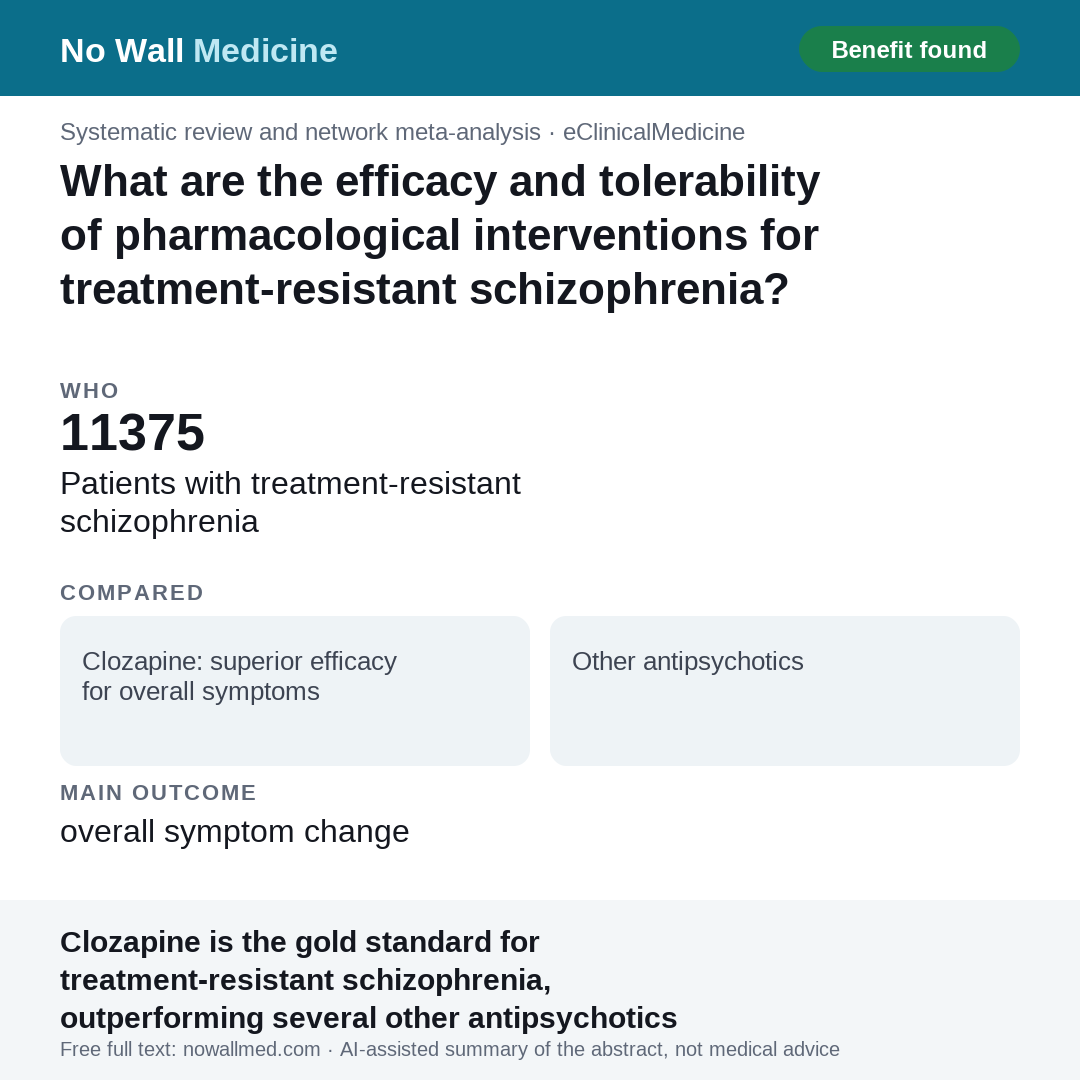
Efficacy and tolerability of pharmacological interventions for schizophrenia non-responsive to prior treatment: a systematic review and network meta-analysis
Systematic review and network meta-analysisBenefit found
What are the efficacy and tolerability of pharmacological interventions for treatment-resistant schizophrenia?
Who
11375
Patients with treatment-resistant schizophrenia
Compared
Clozapine: superior efficacy for overall symptoms
Other antipsychotics
Main outcome
overall symptom change
Bottom line: Clozapine is the gold standard for treatment-resistant schizophrenia, outperforming several other antipsychotics and certain combinations.
Limitation: Confidence in most estimates was low or very low and network sparsity increases chance findings.
eClinicalMedicine · 2025-06-07Download image
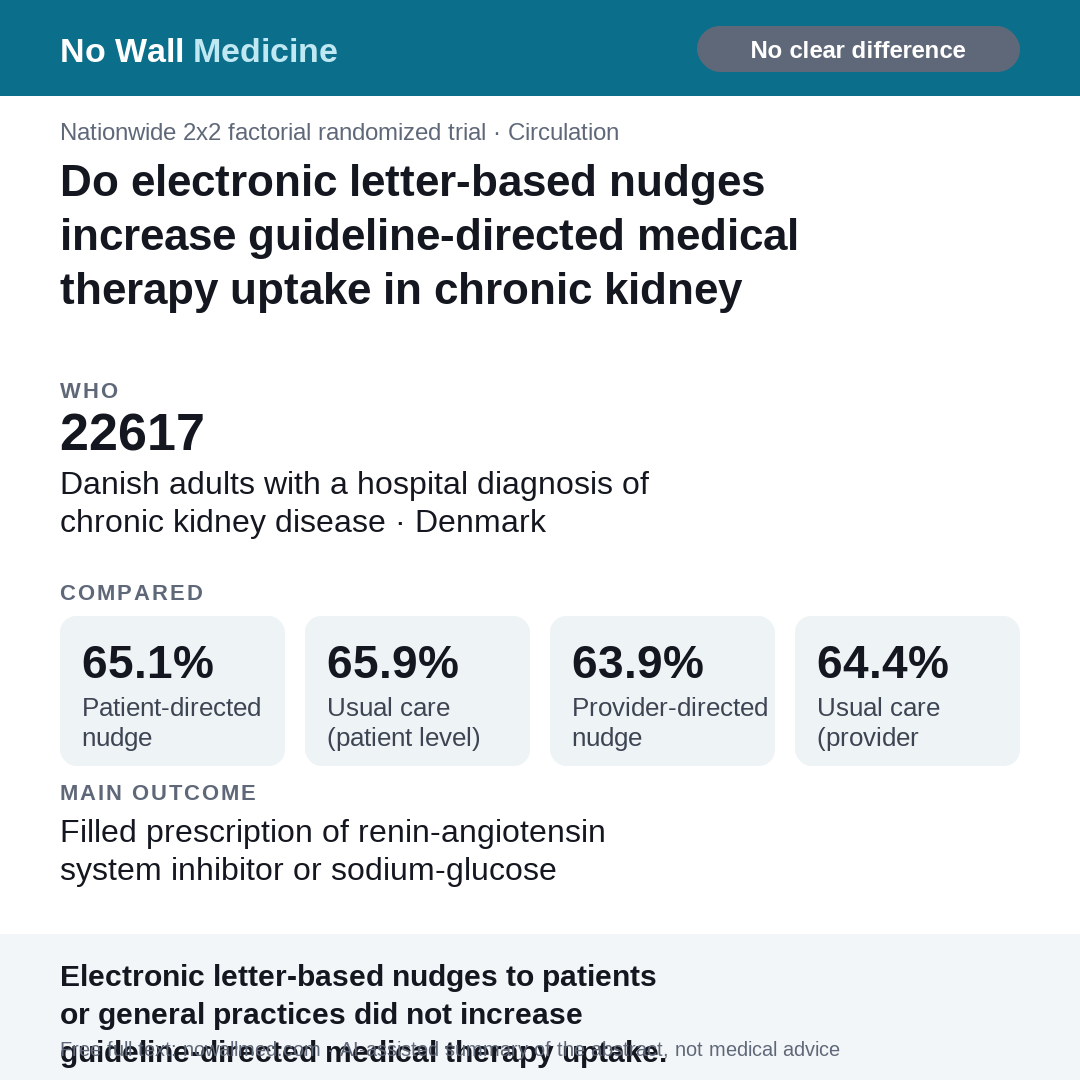
A Nationwide Factorial Randomized Trial of Electronic Nudges to Patients With Chronic Kidney Disease and Their General Practices for Increasing Guideline-Directed Medical Therapy: The NUDGE-CKD Trial
Nationwide 2x2 factorial randomized trialNo clear difference
Do electronic letter-based nudges increase guideline-directed medical therapy uptake in chronic kidney disease?
Who
22617
Danish adults with a hospital diagnosis of chronic kidney disease · Denmark
Compared
65.1%Patient-directed nudge (7303/11223)
65.9%Usual care (patient level) (7505/11394)
63.9%Provider-directed nudge (8921/13959)
64.4%Usual care (provider level) (9086/14110)
Main outcome
Filled prescription of renin-angiotensin system inhibitor or sodium-glucose cotransporter 2 inhibitor
Result: difference -0.79 percentage points (95% CI -2.03 to 0.45)
Bottom line: Electronic letter-based nudges to patients or general practices did not increase guideline-directed medical therapy uptake.
Circulation · 2025-06-07Download image
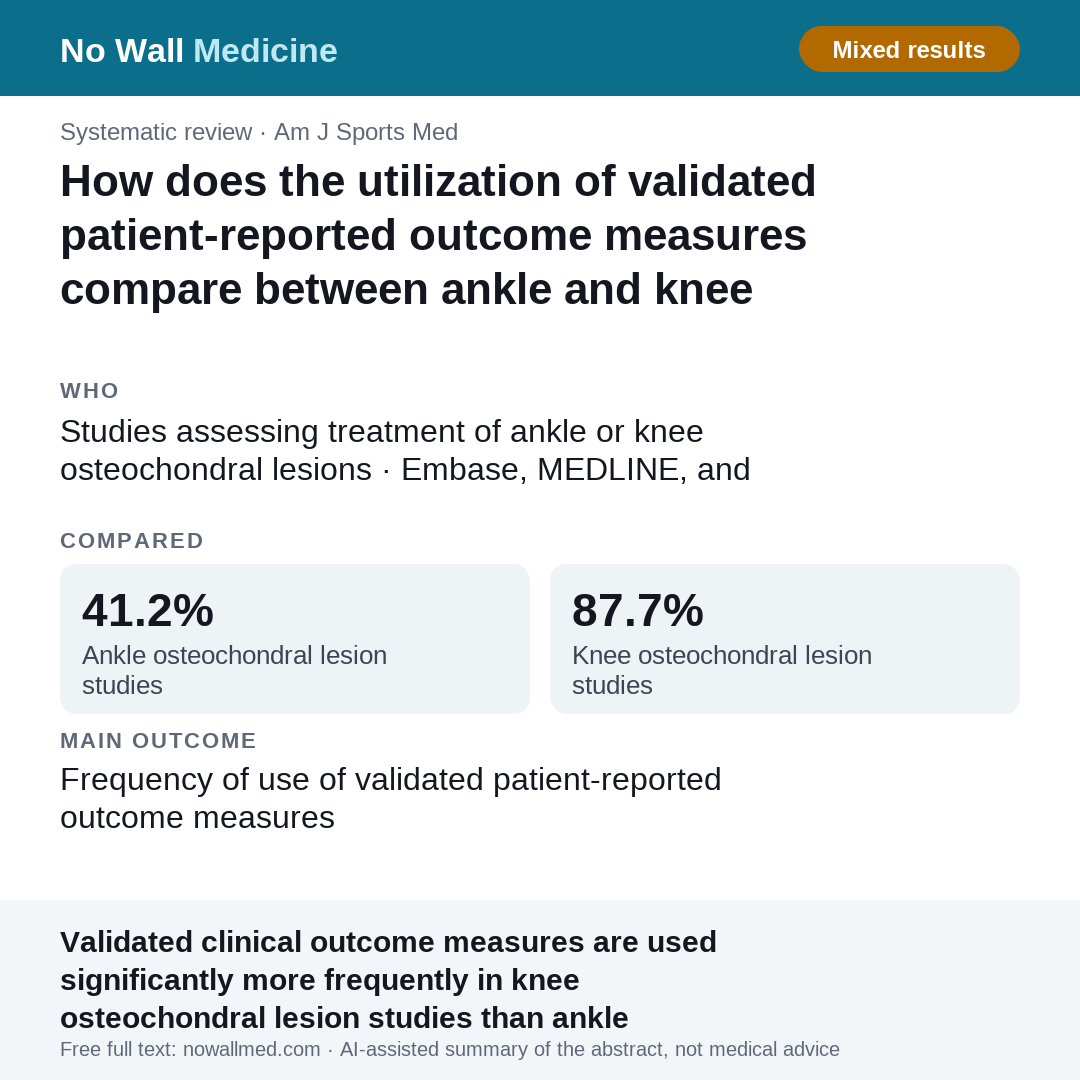
The Utilization of Patient-Reported Outcome Measures in Assessing the Treatment of Osteochondral Lesions of the Ankle Versus the Knee
Systematic reviewMixed results
How does the utilization of validated patient-reported outcome measures compare between ankle and knee osteochondral lesions?
Who
Studies assessing treatment of ankle or knee osteochondral lesions · Embase, MEDLINE, and CINAHL databases
Compared
41.2%Ankle osteochondral lesion studies
87.7%Knee osteochondral lesion studies
Main outcome
Frequency of use of validated patient-reported outcome measures
Bottom line: Validated clinical outcome measures are used significantly more frequently in knee osteochondral lesion studies than ankle studies.
Limitation: Low frequency of validated outcome measures in ankle literature may limit treatment effectiveness evaluation.
Am J Sports Med · 2025-06-07Download image