Visual abstracts
New randomized trials and meta-analyses from leading journals at a glance: who was studied, what was compared, and what was found. Every paper is free to read in full.
All specialtiesCardiology 4877Oncology 4138Gastroenterology & Hepatology 1942Infectious Disease 3837Neurology 1905Psychiatry & Mental Health 2273Pulmonology 2143Critical Care 1365Endocrinology & Diabetes 2580Pediatrics 2980Surgery 2559Orthopedics & Sports Medicine 931Neurosurgery 537Cardiothoracic & Vascular Surgery 674Plastic & Reconstructive Surgery 591Nephrology 1133Rheumatology 823Hematology 1109Dermatology 621Ophthalmology 543Obstetrics & Gynecology 1686Public & Global Health 1058Radiology & Imaging 648Anesthesiology 986Urology 764ENT (Otolaryngology) 503Emergency Medicine 511Allergy & Immunology 313Geriatrics 981Family Medicine & Primary Care 562Medical Genetics & Genomics 676Pathology & Laboratory Medicine 159Physical Medicine & Rehabilitation 757Palliative Care 444Nutrition 1588Digital Health & AI 2201General Medicine 321
Systematic review and narrative description of the outcomes of group preoperative education before elective major surgery
Systematic review and meta-analysisBenefit found
Does group preoperative education improve patient outcomes before elective major surgery?
Who
Patients undergoing elective major surgery
Compared
Group preoperative education
Control arm
Main outcome
Patient outcomes including length of stay and complications
Result: odds ratio 0.56 (95% confidence interval 0.36-0.85)
Bottom line: Group preoperative education may reduce length of stay and postoperative complications after abdominal surgery.
BJA Open · 2024-05-22Download image

The use of probiotics and prebiotics in decolonizing pathogenic bacteria from the gut; a systematic review and meta-analysis of clinical outcomes
Meta-analysis of 29 randomized controlled trialsBenefit found
Do probiotics and prebiotics decolonize antimicrobial resistant pathogenic bacteria from the gut?
Who
2871
Subjects undergoing treatment to decolonize antimicrobial resistant pathogens
Compared
22%probiotics
30.8%placebo
Main outcome
persistence of pathogenic bacteria after treatment
Result: odds ratio 0.59 (95% CI 0.43-0.81)
Bottom line: Probiotics and prebiotics may decolonize antimicrobial resistant pathogens by modulating gut diversity.
Limitation: more clinical outcomes are required on particular strains to confirm decolonization.
Gut Microbes · 2024-05-22Download image

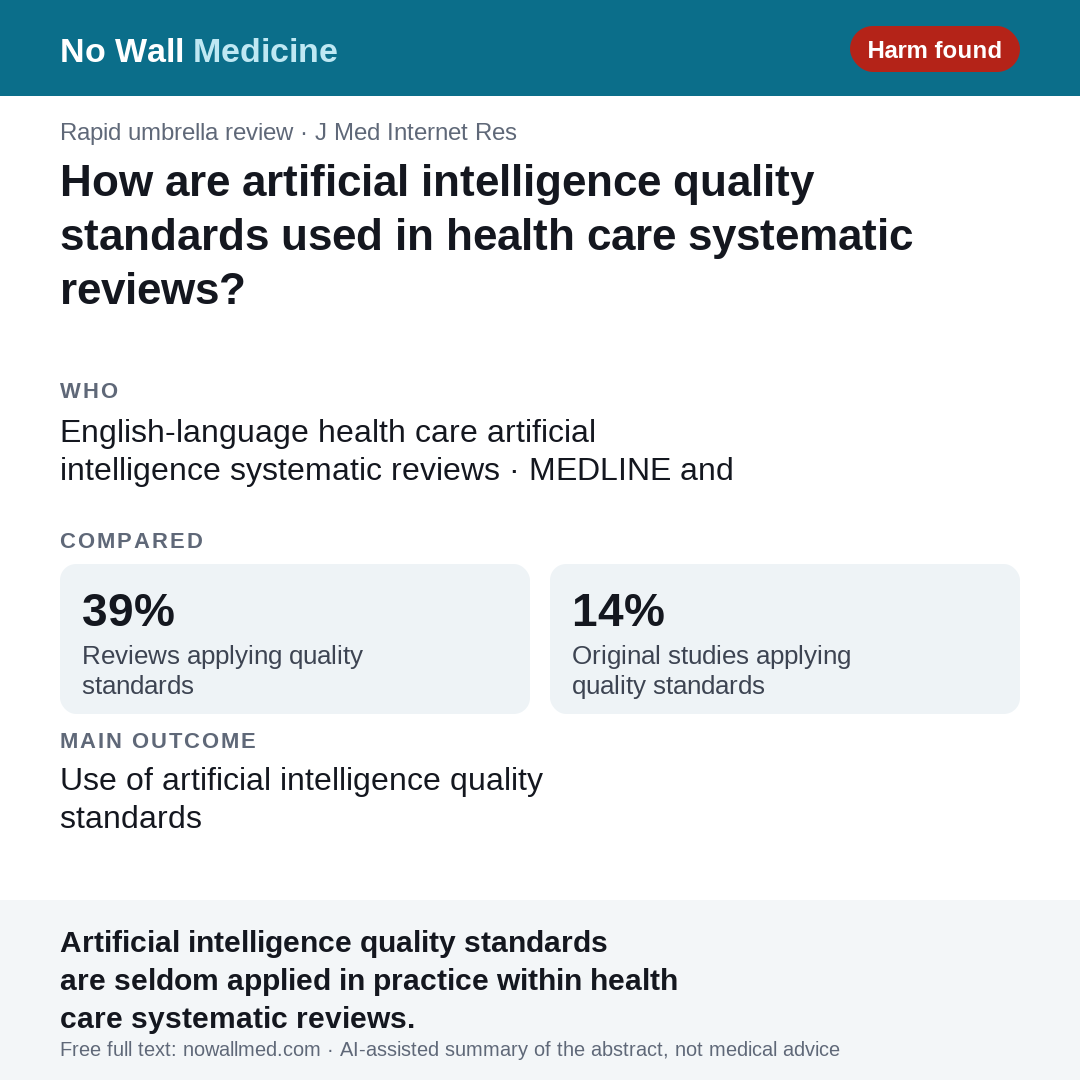
AI Quality Standards in Health Care: Rapid Umbrella Review
Rapid umbrella reviewHarm found
How are artificial intelligence quality standards used in health care systematic reviews?
Who
33
English-language health care artificial intelligence systematic reviews · MEDLINE and Google Scholar
Compared
39%Reviews applying quality standards (13/33)
14%Original studies applying quality standards (25/178)
Main outcome
Use of artificial intelligence quality standards
Bottom line: Artificial intelligence quality standards are seldom applied in practice within health care systematic reviews.
J Med Internet Res · 2024-05-22Download image
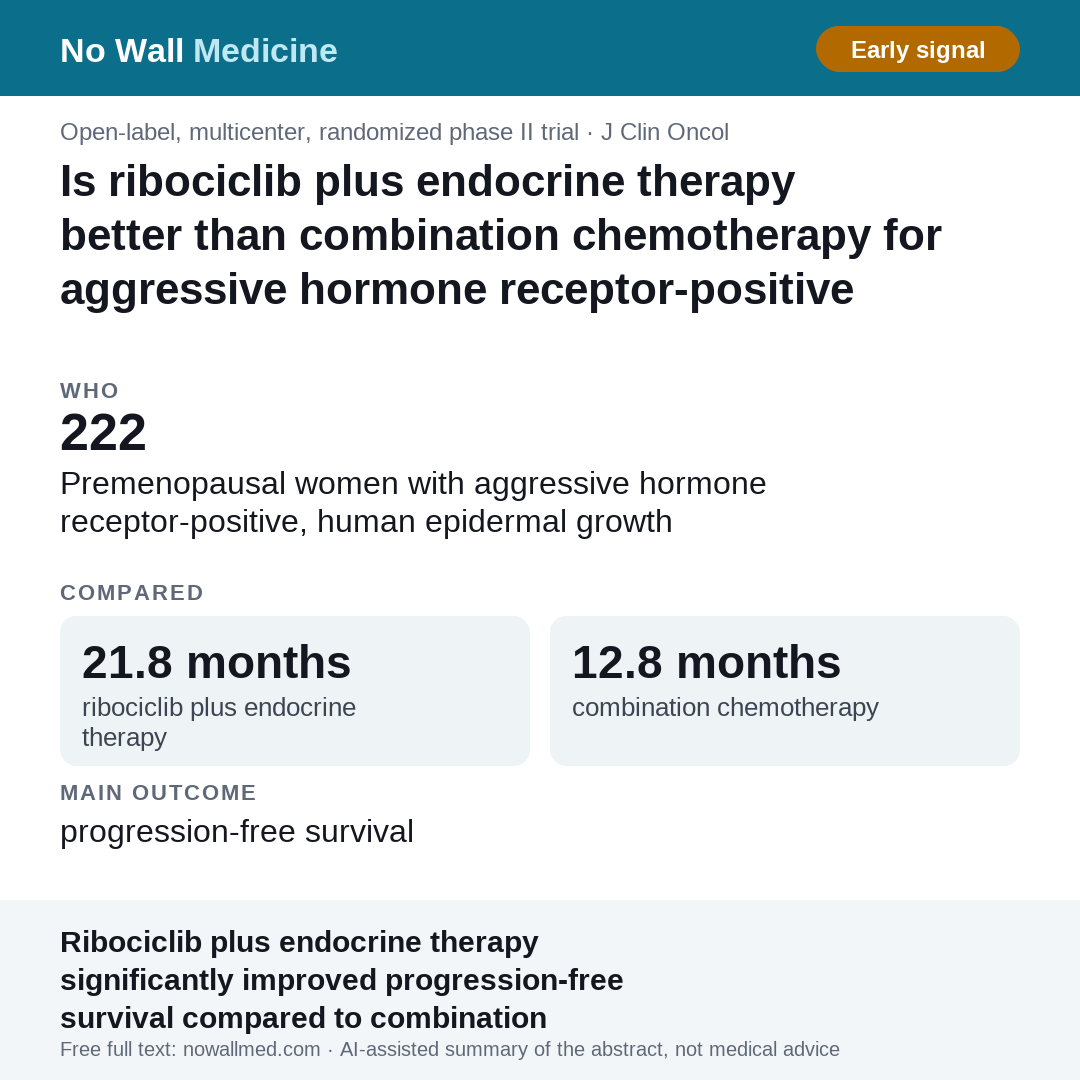
Final Results of RIGHT Choice: Ribociclib Plus Endocrine Therapy Versus Combination Chemotherapy in Premenopausal Women With Clinically Aggressive Hormone Receptor-Positive/Human Epidermal Growth Factor Receptor 2-Negative Advanced Breast Cancer
Open-label, multicenter, randomized phase II trialBenefit found
Is ribociclib plus endocrine therapy better than combination chemotherapy for aggressive hormone receptor-positive breast cancer?
Who
222
Premenopausal women with aggressive hormone receptor-positive, human epidermal growth factor receptor 2-negative advanced breast cancer · multicenter
Compared
21.8 monthsribociclib plus endocrine therapy
12.8 monthscombination chemotherapy
Main outcome
progression-free survival
Result: hazard ratio 0.61 (95% CI 0.43 to 0.87)
Bottom line: Ribociclib plus endocrine therapy significantly improved progression-free survival compared to combination chemotherapy in premenopausal women with aggressive breast cancer.
J Clin Oncol · 2024-05-21Download image
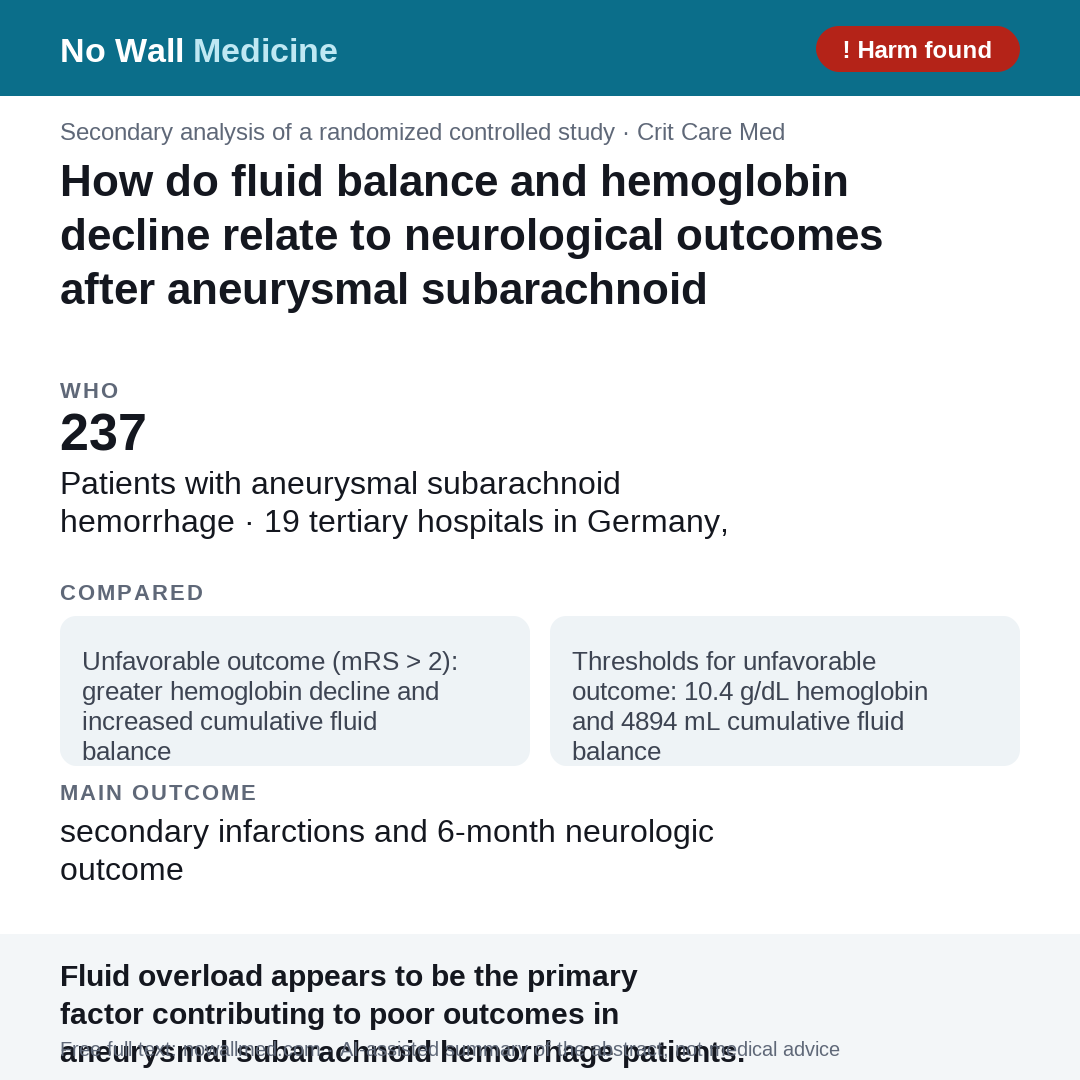
Association of Fluid Balance and Hemoglobin Decline With Neurological Outcome After Aneurysmal Subarachnoid Hemorrhage
Secondary analysis of a randomized controlled studyHarm found
How do fluid balance and hemoglobin decline relate to neurological outcomes after aneurysmal subarachnoid hemorrhage?
Who
237
Patients with aneurysmal subarachnoid hemorrhage · 19 tertiary hospitals in Germany, Switzerland, and Canada
Compared
Unfavorable outcome (mRS > 2): greater hemoglobin decline and increased cumulative fluid balance
Thresholds for unfavorable outcome: 10.4 g/dL hemoglobin and 4894 mL cumulative fluid balance
Main outcome
secondary infarctions and 6-month neurologic outcome
Bottom line: Fluid overload appears to be the primary factor contributing to poor outcomes in aneurysmal subarachnoid hemorrhage patients.
Crit Care Med · 2024-05-21Download image
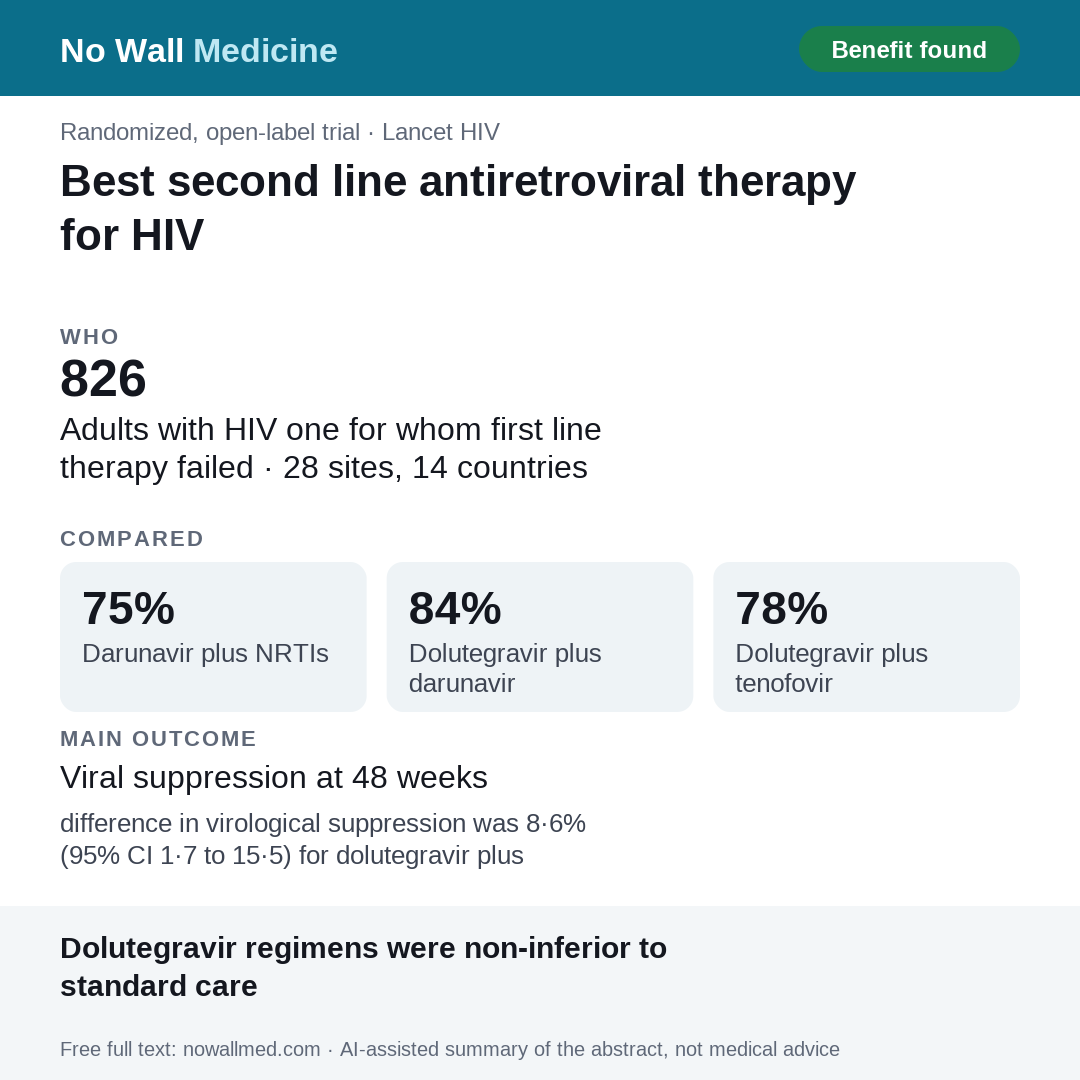
Dolutegravir plus boosted darunavir versus recommended standard-of-care antiretroviral regimens in people with HIV-1 for whom recommended first-line non-nucleoside reverse transcriptase inhibitor therapy has failed (D2EFT): an open-label, randomised, phase 3b/4 trial
Randomized, open-label trialBenefit found
Best second line antiretroviral therapy for HIV
Who
826
Adults with HIV one for whom first line therapy failed · 28 sites, 14 countries
Compared
75%Darunavir plus NRTIs (194/257)
84%Dolutegravir plus darunavir (222/264)
78%Dolutegravir plus tenofovir (227/291)
Main outcome
Viral suppression at 48 weeks
Result: difference in virological suppression was 8·6% (95% CI 1·7 to 15·5) for dolutegravir plus ritonavir-boosted darunavir
Bottom line: Dolutegravir regimens were non-inferior to standard care
Funded by: UNITAID and others
Lancet HIV · 2024-05-21Download image
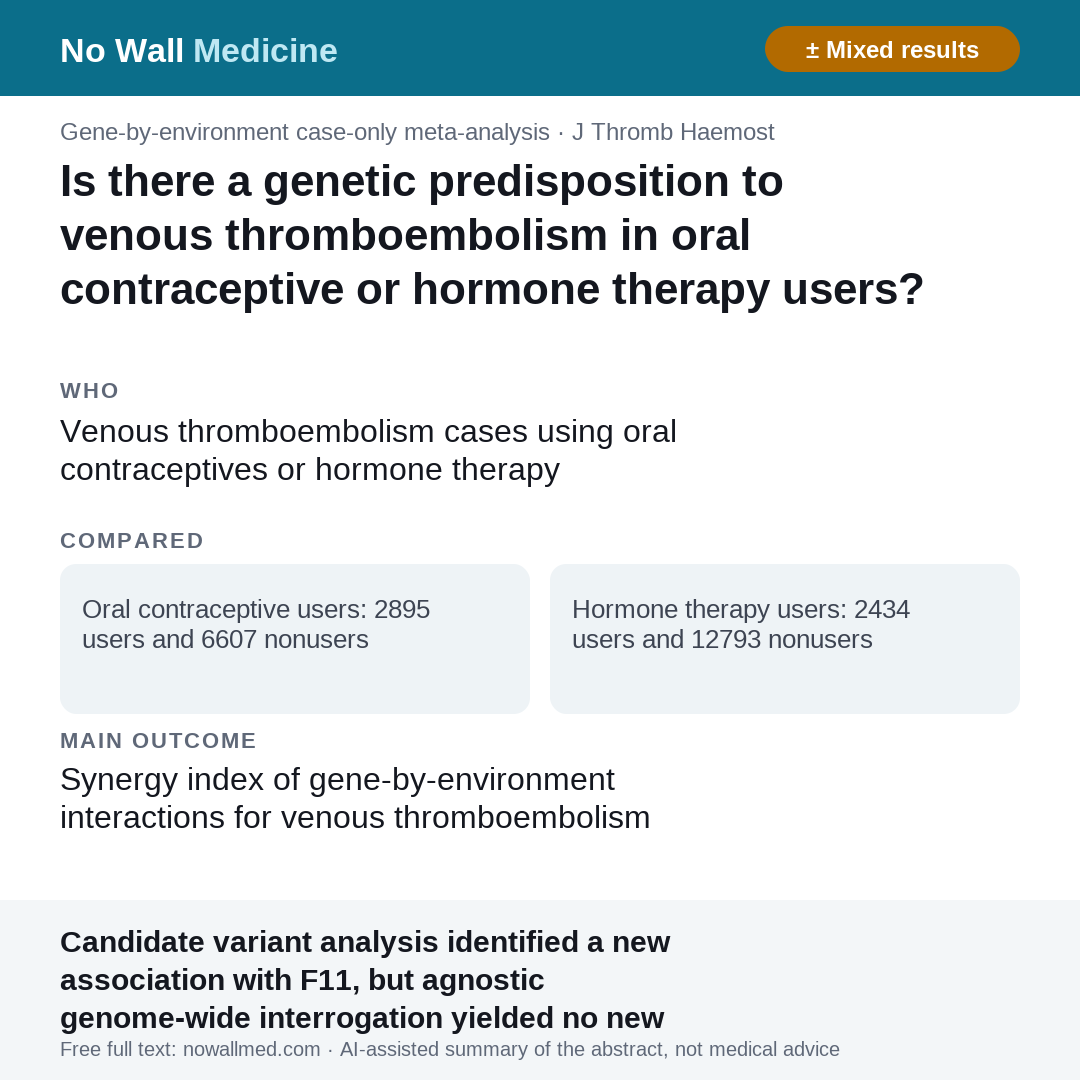
Genome-wide investigation of exogenous female hormones, genetic variation, and venous thromboembolism risk
Gene-by-environment case-only meta-analysisMixed results
Is there a genetic predisposition to venous thromboembolism in oral contraceptive or hormone therapy users?
Who
Venous thromboembolism cases using oral contraceptives or hormone therapy
Compared
Oral contraceptive users: 2895 users and 6607 nonusers
Hormone therapy users: 2434 users and 12793 nonusers
Main outcome
Synergy index of gene-by-environment interactions for venous thromboembolism
Result: F5 rs6025 SI 1.29; F11 rs2036914 SI 0.91
Bottom line: Candidate variant analysis identified a new association with F11, but agnostic genome-wide interrogation yielded no new discoveries.
J Thromb Haemost · 2024-05-21Download image
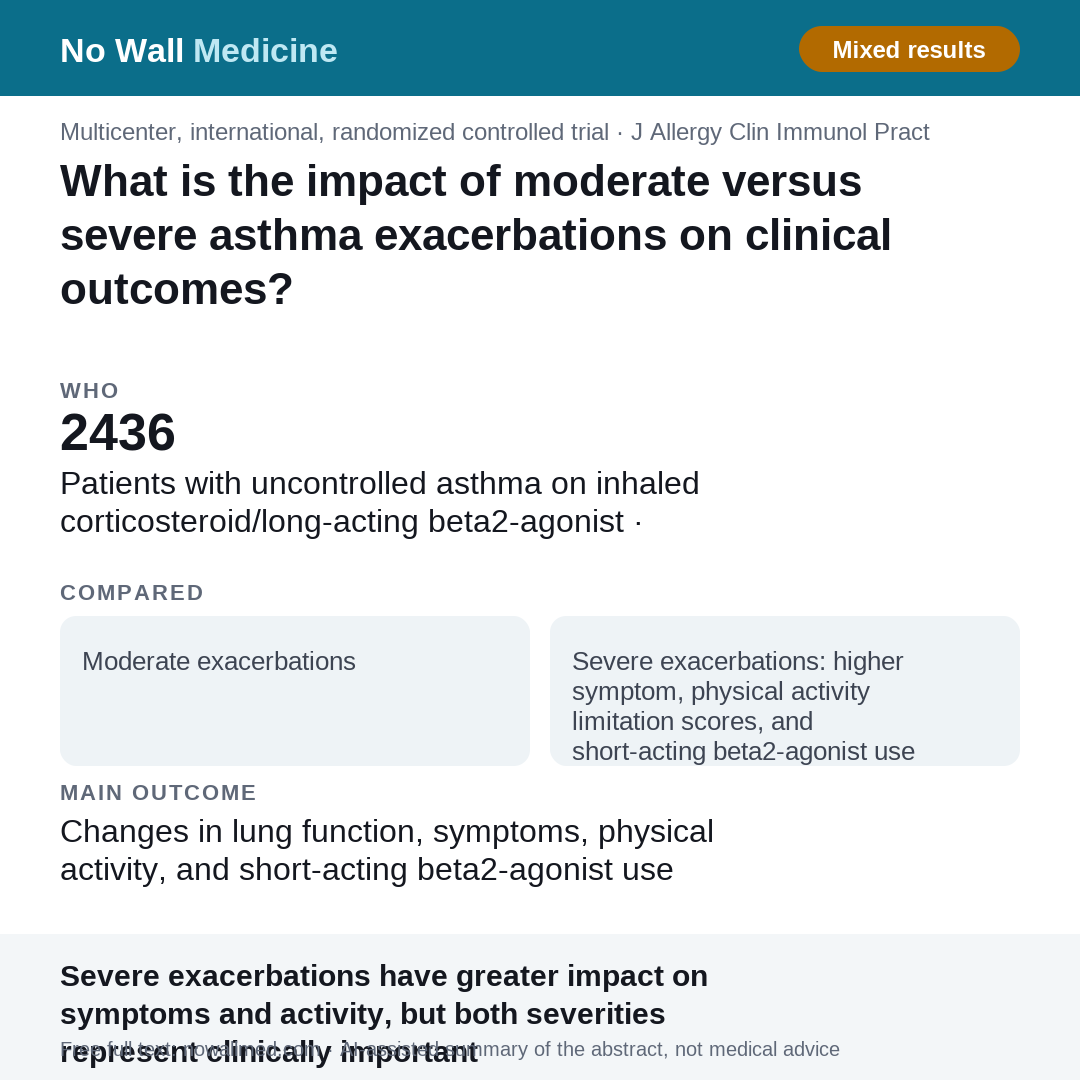
Characterization of Moderate and Severe Asthma Exacerbations in the CAPTAIN Study
Multicenter, international, randomized controlled trialMixed results
What is the impact of moderate versus severe asthma exacerbations on clinical outcomes?
Who
2436
Patients with uncontrolled asthma on inhaled corticosteroid/long-acting beta2-agonist · Multicenter, international
Compared
Moderate exacerbations
Severe exacerbations: higher symptom, physical activity limitation scores, and short-acting beta2-agonist use
Main outcome
Changes in lung function, symptoms, physical activity, and short-acting beta2-agonist use
Bottom line: Severe exacerbations have greater impact on symptoms and activity, but both severities represent clinically important deteriorations.
Limitation: Only 550 patients (23%) continued to 52 weeks
J Allergy Clin Immunol Pract · 2024-05-21Download image
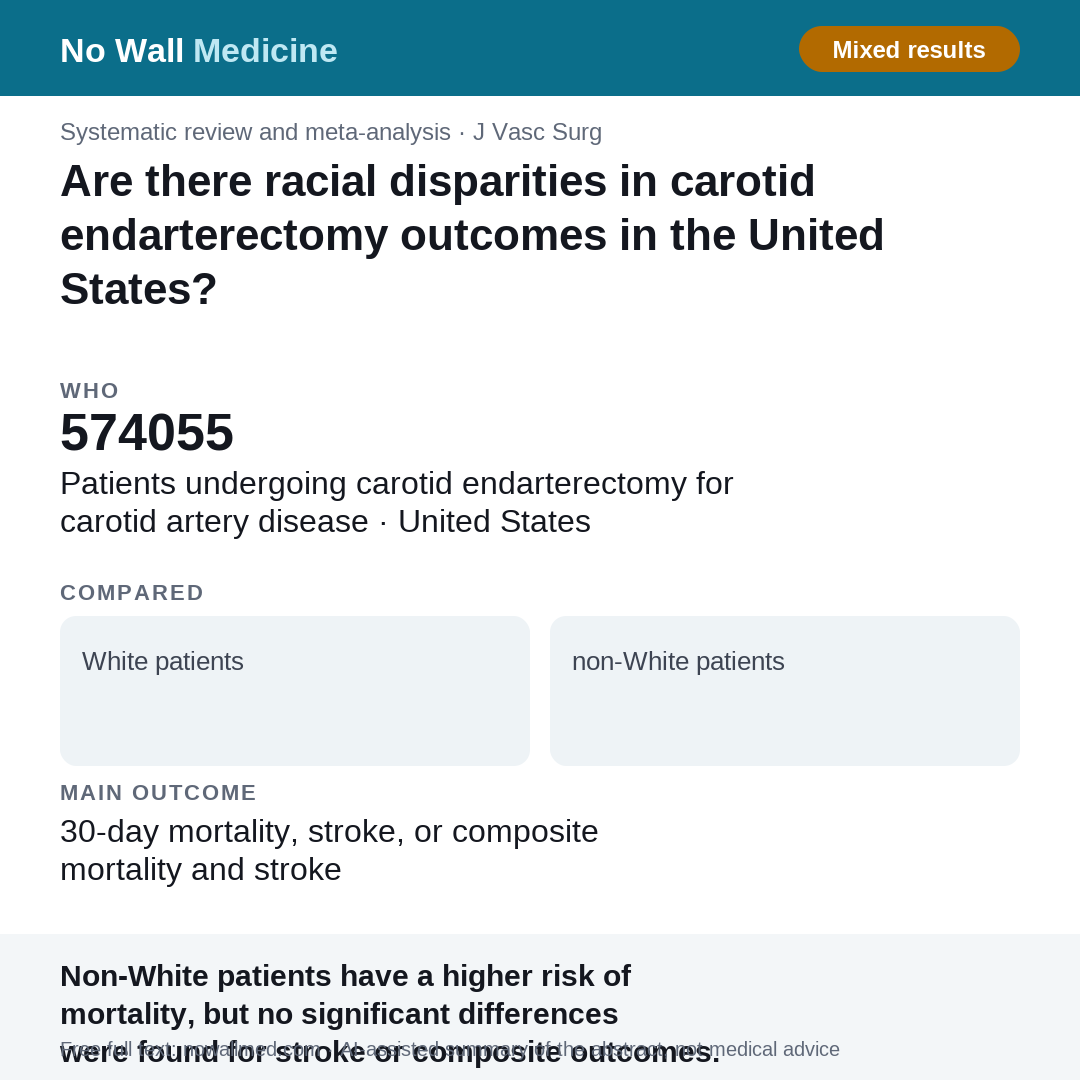
Systematic review and meta-analysis to assess the racial disparities in the outcomes of carotid endarterectomy in the United States
Systematic review and meta-analysisMixed results
Are there racial disparities in carotid endarterectomy outcomes in the United States?
Who
574055
Patients undergoing carotid endarterectomy for carotid artery disease · United States
Compared
White patients
non-White patients
Main outcome
30-day mortality, stroke, or composite mortality and stroke
Result: odds ratio 1.73 (95% CI 1.37-2.18) for mortality
Bottom line: Non-White patients have a higher risk of mortality, but no significant differences were found for stroke or composite outcomes.
J Vasc Surg · 2024-05-21Download image
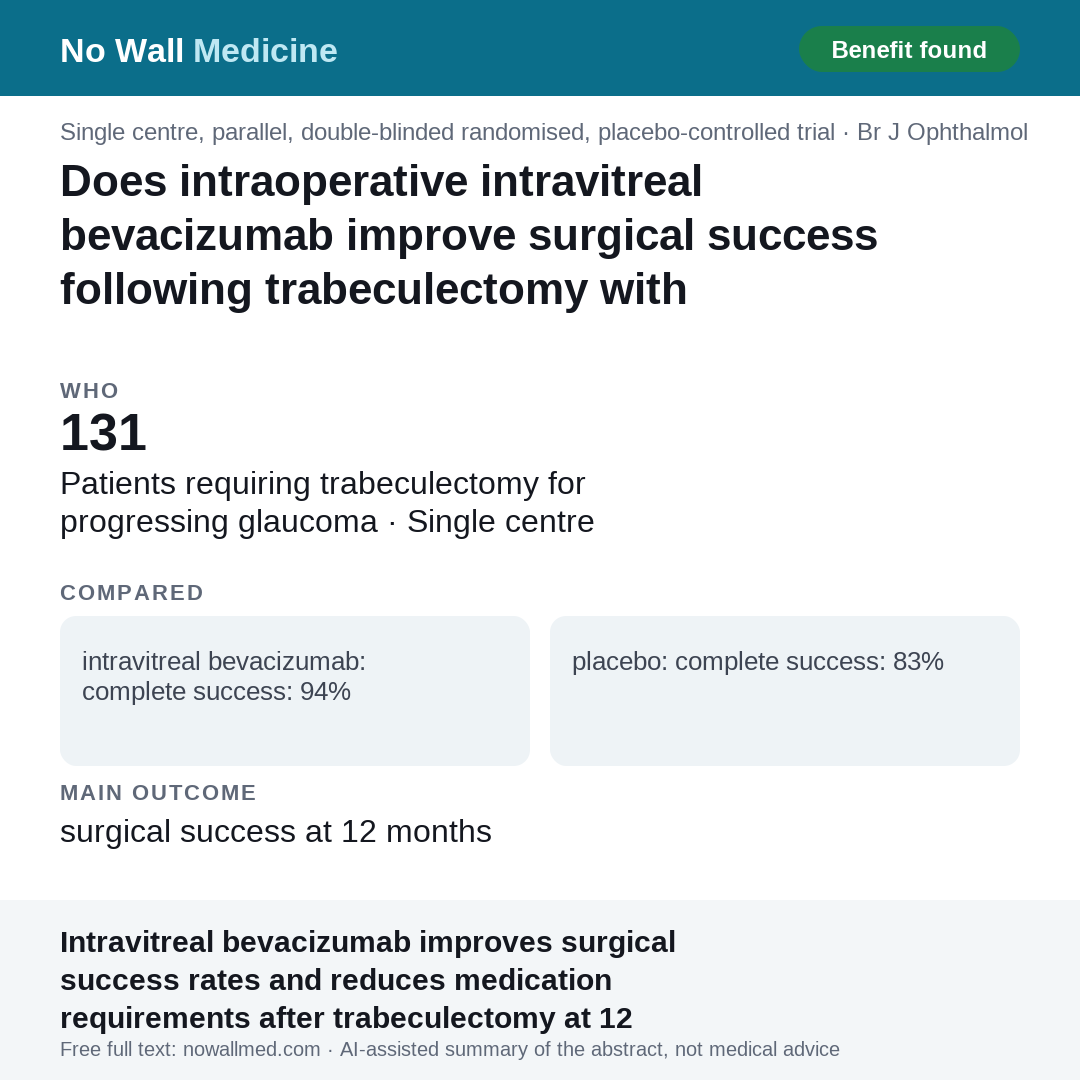
Intravitreal bevacizumab improves trabeculectomy survival at 12 months: the bevacizumab in trabeculectomy study-a randomised clinical trial
Single centre, parallel, double-blinded randomised, placebo-controlled trialBenefit found
Does intraoperative intravitreal bevacizumab improve surgical success following trabeculectomy with mitomycin-C?
Who
131
Patients requiring trabeculectomy for progressing glaucoma · Single centre
Compared
intravitreal bevacizumab: complete success: 94%
placebo: complete success: 83%
Main outcome
surgical success at 12 months
Bottom line: Intravitreal bevacizumab improves surgical success rates and reduces medication requirements after trabeculectomy at 12 months.
Br J Ophthalmol · 2024-05-21Download image
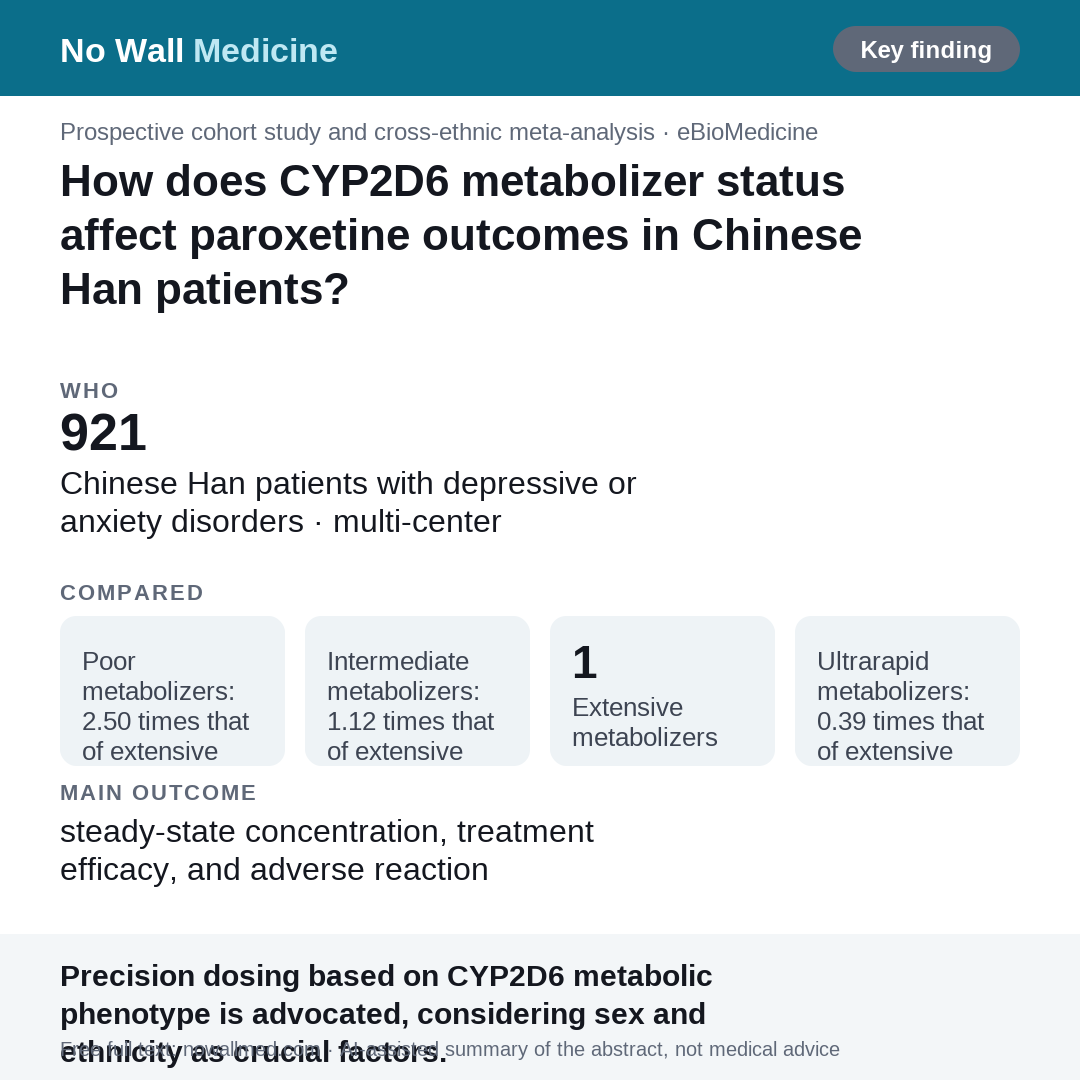
Dose adjustment of paroxetine based on CYP2D6 activity score inferred metabolizer status in Chinese Han patients with depressive or anxiety disorders: a prospective study and cross-ethnic meta-analysis
Prospective cohort study and cross-ethnic meta-analysisBenefit found
How does CYP2D6 metabolizer status affect paroxetine outcomes in Chinese Han patients?
Who
921
Chinese Han patients with depressive or anxiety disorders · multi-center
Compared
Poor metabolizers: 2.50 times that of extensive metabolizers
Intermediate metabolizers: 1.12 times that of extensive metabolizers
1Extensive metabolizers
Ultrarapid metabolizers: 0.39 times that of extensive metabolizers
Main outcome
steady-state concentration, treatment efficacy, and adverse reaction
Bottom line: Precision dosing based on CYP2D6 metabolic phenotype is advocated, considering sex and ethnicity as crucial factors.
Funded by: National Natural Science Foundation of China; Academy of Medical Sciences Research Unit
eBioMedicine · 2024-05-21Download image
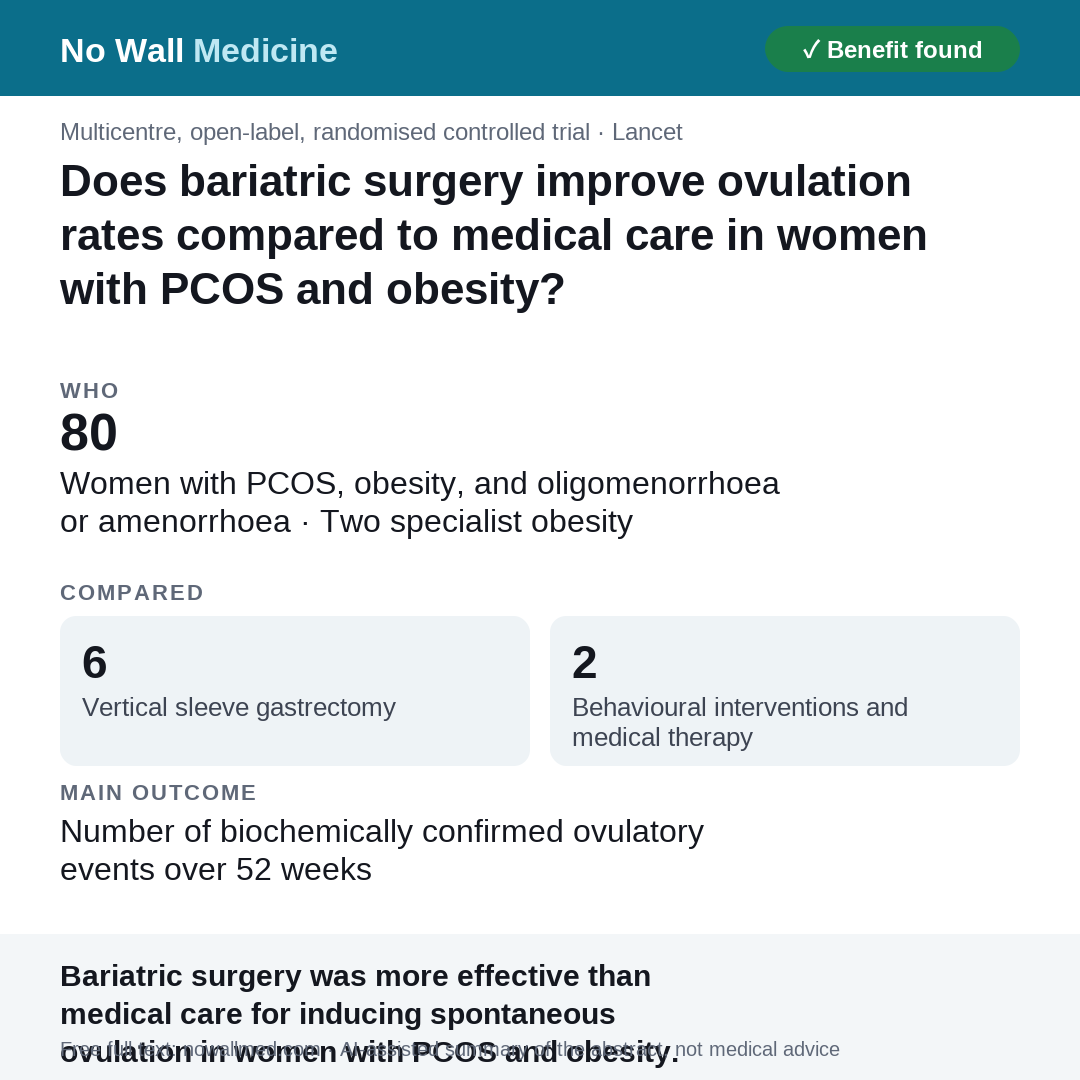
Bariatric surgery for spontaneous ovulation in women living with polycystic ovary syndrome: the BAMBINI multicentre, open-label, randomised controlled trial
Multicentre, open-label, randomised controlled trialBenefit found
Does bariatric surgery improve ovulation rates compared to medical care in women with PCOS and obesity?
Who
80
Women with PCOS, obesity, and oligomenorrhoea or amenorrhoea · Two specialist obesity management centres
Compared
6Vertical sleeve gastrectomy (IQR 3·5-10·0)
2Behavioural interventions and medical therapy (0·0-4·0)
Main outcome
Number of biochemically confirmed ovulatory events over 52 weeks
Result: incidence rate ratio 2·5 (95% CI 1·5-4·2)
Bottom line: Bariatric surgery was more effective than medical care for inducing spontaneous ovulation in women with PCOS and obesity.
Limitation: There were more adverse events in the surgical group than the medical group.
Funded by: The Jon Moulton Charity Trust
Lancet · 2024-05-20Download image
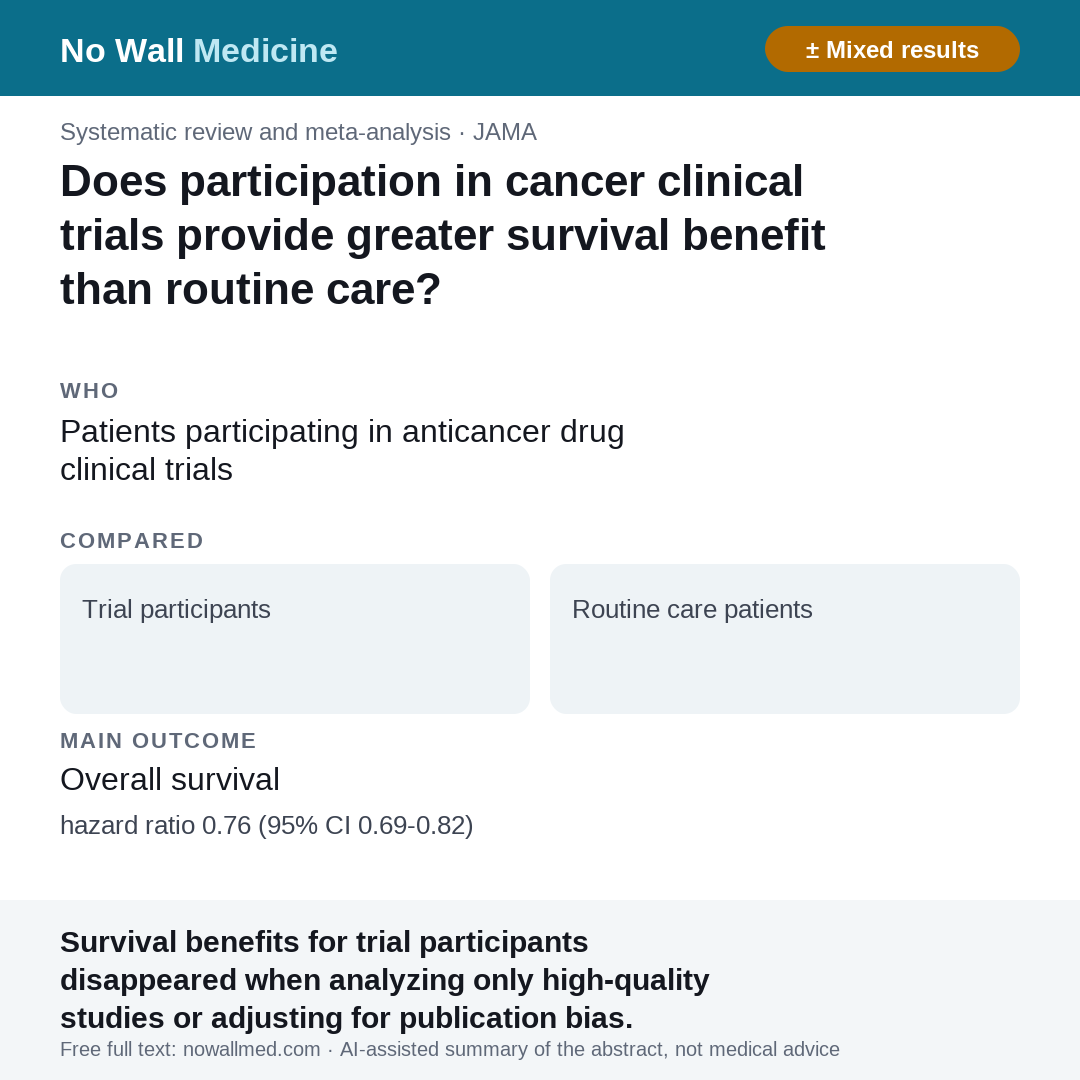
Survival Benefit Associated With Participation in Clinical Trials of Anticancer Drugs: A Systematic Review and Meta-Analysis
Systematic review and meta-analysisMixed results
Does participation in cancer clinical trials provide greater survival benefit than routine care?
Who
Patients participating in anticancer drug clinical trials
Compared
Trial participants
Routine care patients
Main outcome
Overall survival
Result: hazard ratio 0.76 (95% CI 0.69-0.82)
Bottom line: Survival benefits for trial participants disappeared when analyzing only high-quality studies or adjusting for publication bias.
Limitation: Benefits were not detected in studies addressing important sources of bias and confounding.
JAMA · 2024-05-20Download image
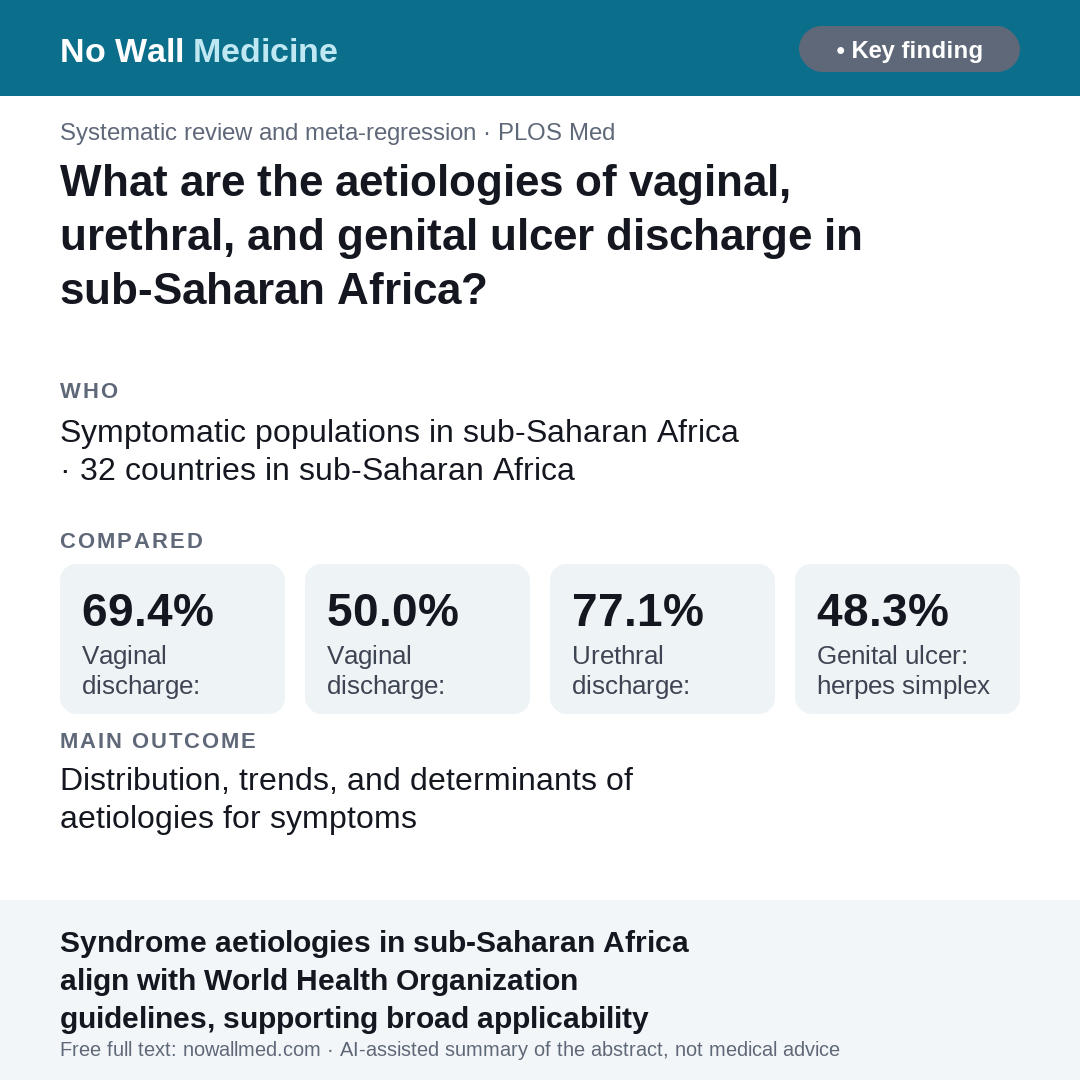
Aetiology of vaginal discharge, urethral discharge, and genital ulcer in sub-Saharan Africa: A systematic review and meta-regression
Systematic review and meta-regressionBenefit found
What are the aetiologies of vaginal, urethral, and genital ulcer discharge in sub-Saharan Africa?
Who
Symptomatic populations in sub-Saharan Africa · 32 countries in sub-Saharan Africa
Compared
69.4%Vaginal discharge: candidiasis (95% CI: 44.3% to 86.6%)
50.0%Vaginal discharge: bacterial vaginosis (95% CI: 32.3% to 67.8%)
77.1%Urethral discharge: gonorrhoea (95% CI: 68.1% to 84.1%)
48.3%Genital ulcer: herpes simplex virus type 2 (95% CI: 32.9% to 64.1%)
Main outcome
Distribution, trends, and determinants of aetiologies for symptoms
Bottom line: Syndrome aetiologies in sub-Saharan Africa align with World Health Organization guidelines, supporting broad applicability of syndromic management.
Limitation: Absence of studies in 16 countries and substantial heterogeneity in study observations.
PLOS Med · 2024-05-20Download image
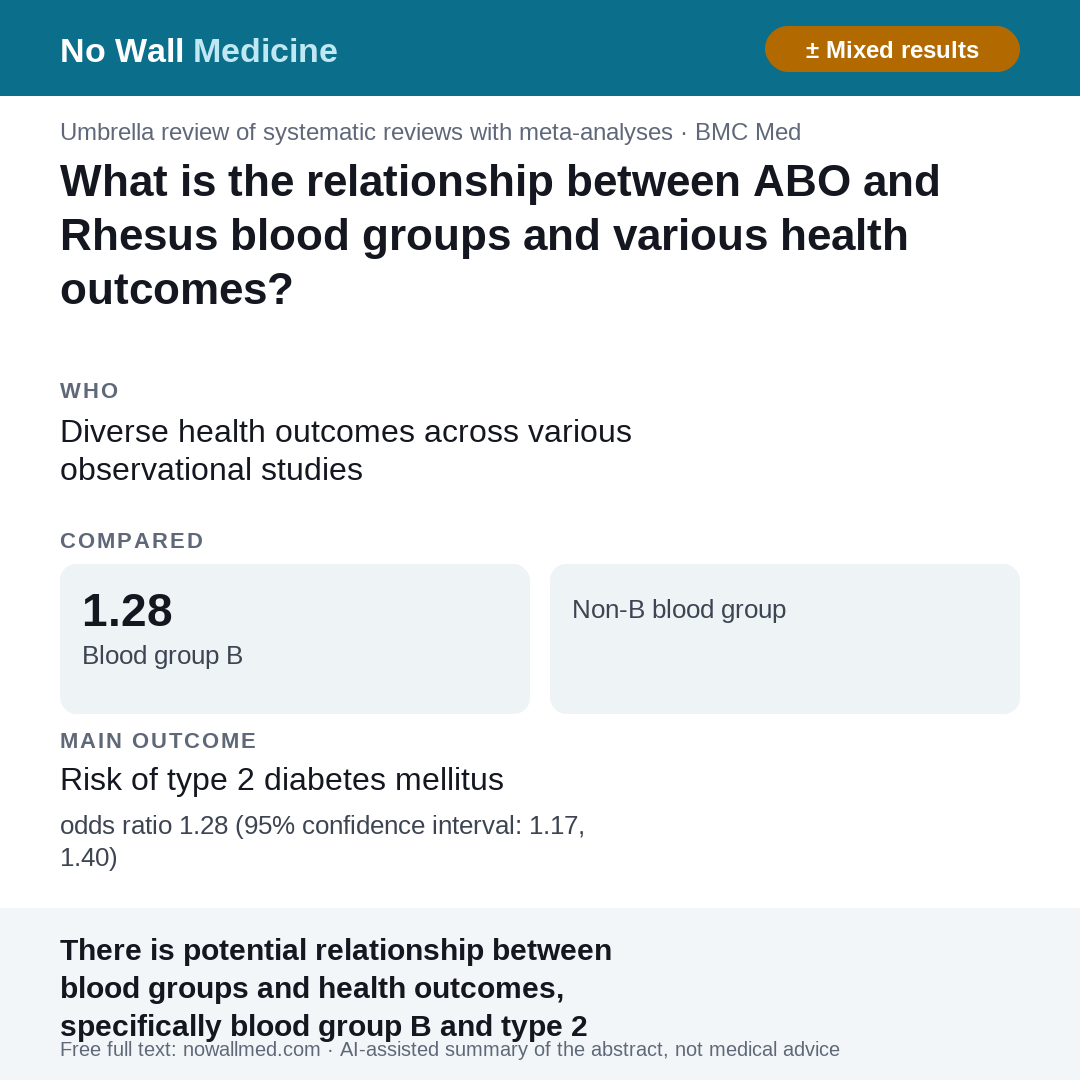
ABO and Rhesus blood groups and multiple health outcomes: an umbrella review of systematic reviews with meta-analyses of observational studies
Umbrella review of systematic reviews with meta-analysesMixed results
What is the relationship between ABO and Rhesus blood groups and various health outcomes?
Who
Diverse health outcomes across various observational studies
Compared
1.28Blood group B (95% confidence interval: 1.17, 1.40)
Non-B blood group
Main outcome
Risk of type 2 diabetes mellitus
Result: odds ratio 1.28 (95% confidence interval: 1.17, 1.40)
Bottom line: There is potential relationship between blood groups and health outcomes, specifically blood group B and type 2 diabetes risk.
BMC Med · 2024-05-20Download image
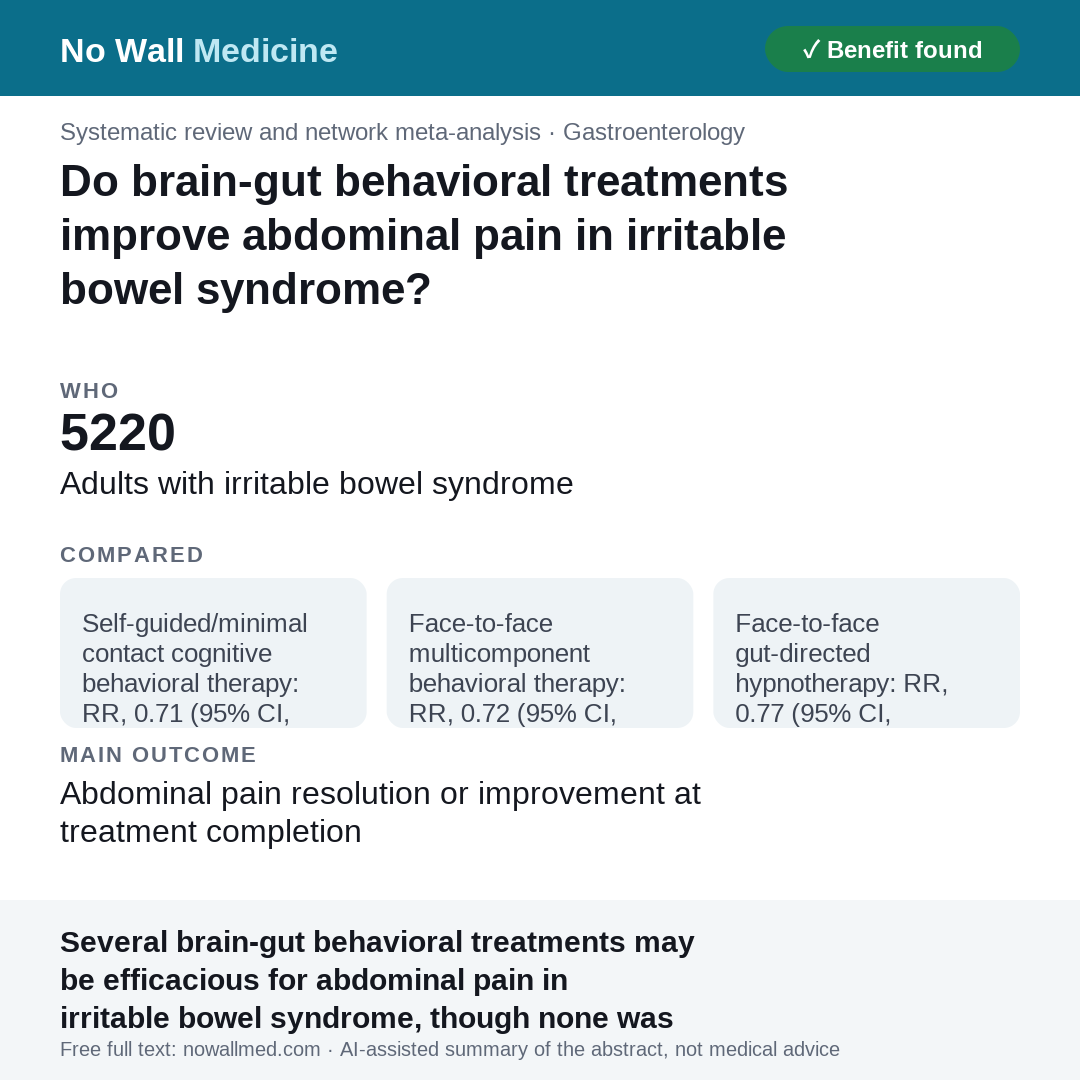
Effect of Brain-Gut Behavioral Treatments on Abdominal Pain in Irritable Bowel Syndrome: Systematic Review and Network Meta-Analysis
Systematic review and network meta-analysisBenefit found
Do brain-gut behavioral treatments improve abdominal pain in irritable bowel syndrome?
Who
5220
Adults with irritable bowel syndrome
Compared
Self-guided/minimal contact cognitive behavioral therapy: RR, 0.71 (95% CI, 0.54-0.95)
Face-to-face multicomponent behavioral therapy: RR, 0.72 (95% CI, 0.54-0.97)
Face-to-face gut-directed hypnotherapy: RR, 0.77 (95% CI, 0.61-0.96)
Main outcome
Abdominal pain resolution or improvement at treatment completion
Bottom line: Several brain-gut behavioral treatments may be efficacious for abdominal pain in irritable bowel syndrome, though none was superior to another.
Limitation: No trials were low risk of bias across all domains and there was funnel plot asymmetry.
Gastroenterology · 2024-05-20Download image
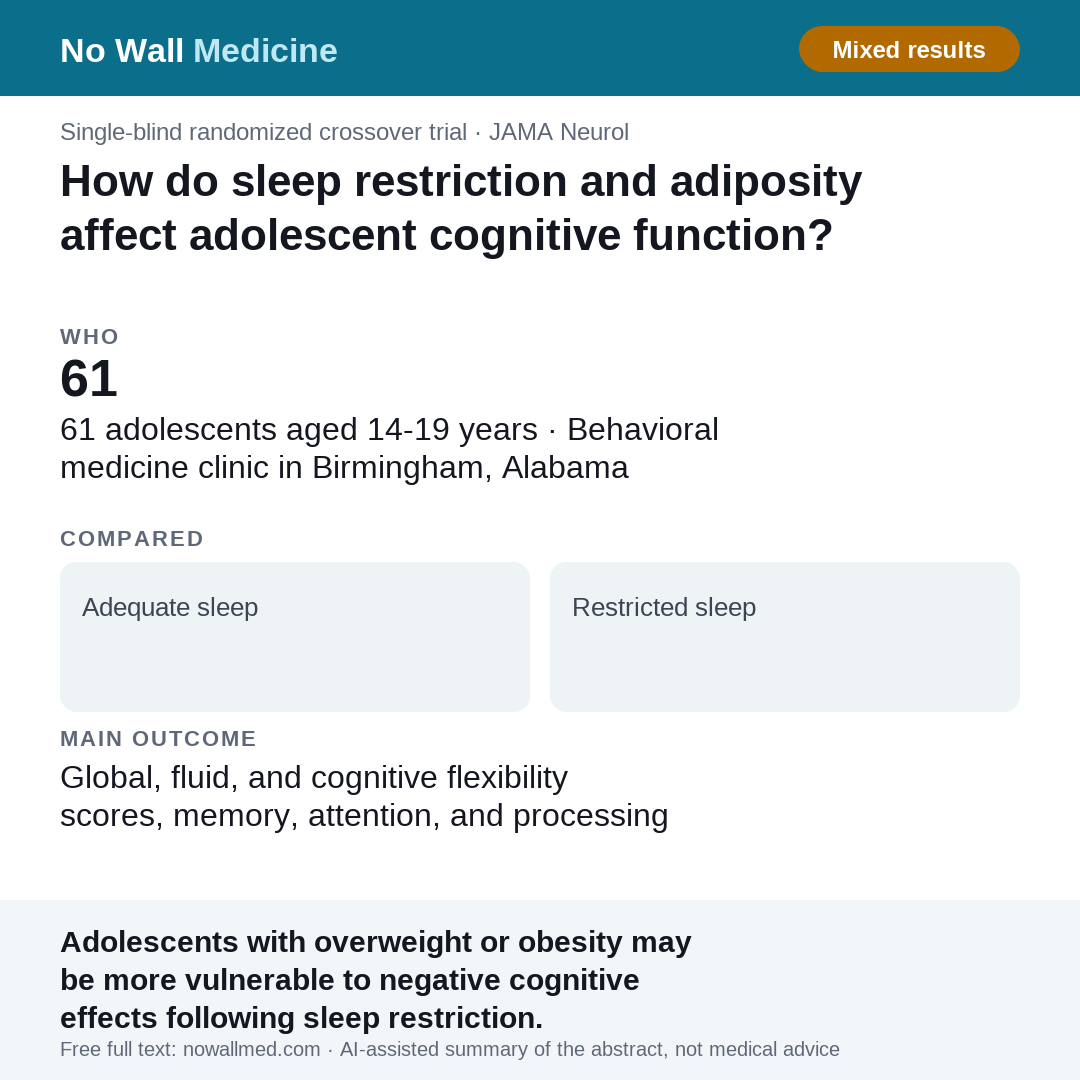
Effect of Sleep Restriction on Adolescent Cognition by Adiposity: A Randomized Crossover Trial
Single-blind randomized crossover trialMixed results
How do sleep restriction and adiposity affect adolescent cognitive function?
Who
61
61 adolescents aged 14-19 years · Behavioral medicine clinic in Birmingham, Alabama
Compared
Adequate sleep
Restricted sleep
Main outcome
Global, fluid, and cognitive flexibility scores, memory, attention, and processing speed
Bottom line: Adolescents with overweight or obesity may be more vulnerable to negative cognitive effects following sleep restriction.
JAMA Neurol · 2024-05-20Download image
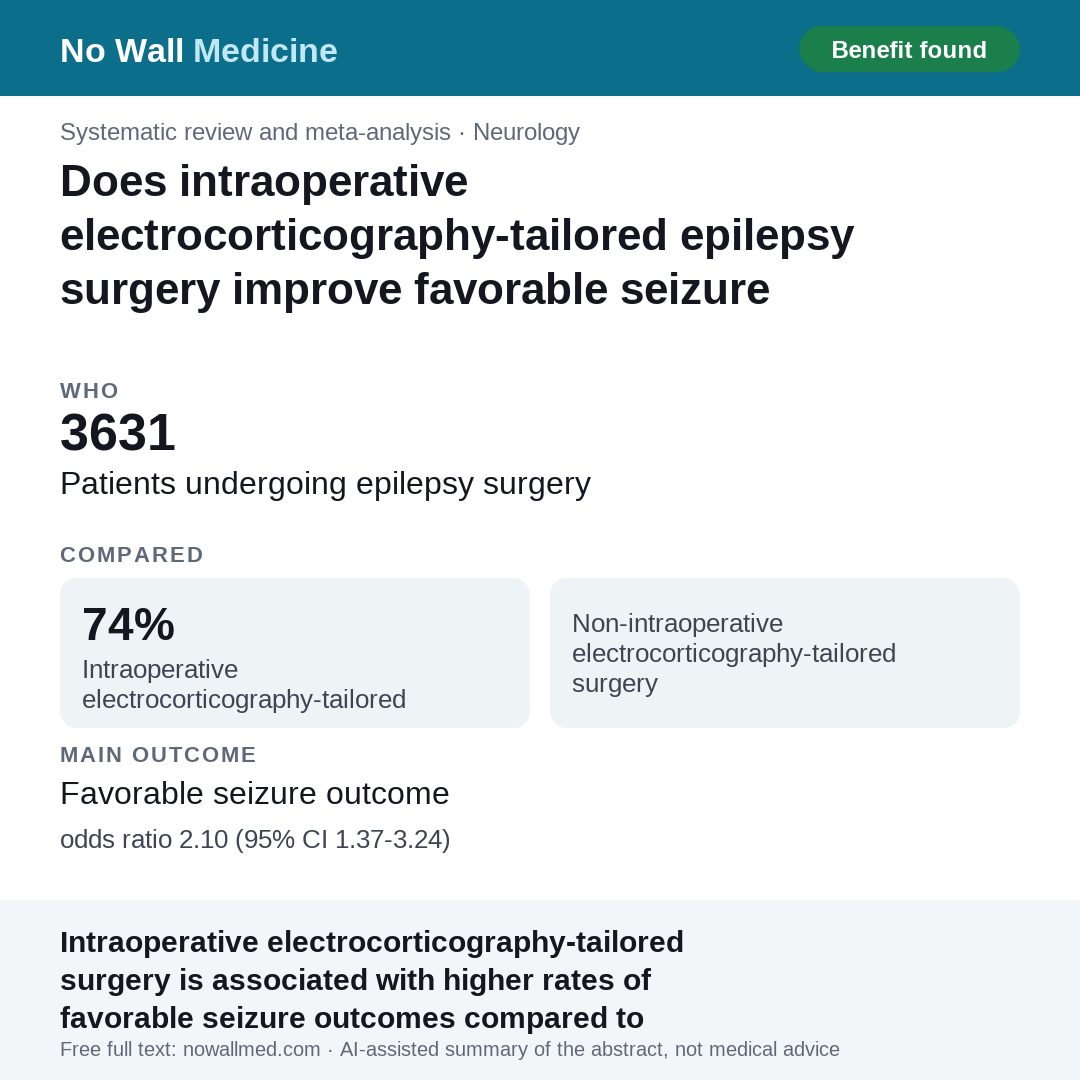
Seizure Outcome After Intraoperative Electrocorticography-Tailored Epilepsy Surgery: A Systematic Review and Meta-Analysis
Systematic review and meta-analysisBenefit found
Does intraoperative electrocorticography-tailored epilepsy surgery improve favorable seizure outcomes?
Who
3631
Patients undergoing epilepsy surgery
Compared
74%Intraoperative electrocorticography-tailored surgery (95% CI 71-77)
Non-intraoperative electrocorticography-tailored surgery
Main outcome
Favorable seizure outcome
Result: odds ratio 2.10 (95% CI 1.37-3.24)
Bottom line: Intraoperative electrocorticography-tailored surgery is associated with higher rates of favorable seizure outcomes compared to non-tailored surgery.
Limitation: Limited by low-quality evidence and significant heterogeneity.
Neurology · 2024-05-20Download image
Impact of High-Dose Early Mobilization on Outcomes for Patients with Diabetes: A Secondary Analysis of the TEAM Trial
Secondary analysis of a randomized trialHarm found
Does diabetes modify the effect of high-dose early mobilization on clinical outcomes?
Who
741
Patients in the TEAM trial
Compared
Patients with diabetes receiving high-dose early mobilization: 73.0 (0.0-144.5) days alive and out of hospital
Patients without diabetes receiving high-dose early mobilization: 146.5 (95.8-163.0) days alive and out of hospital
Main outcome
Days alive and out of the hospital at Day 180
Result: adjusted odds ratio 3.47 (95% confidence interval 1.67-7.61)
Bottom line: In patients with diabetes, high-dose early mobilization increased the odds of mortality at 180 days.
AJRCCM · 2024-05-20Download image

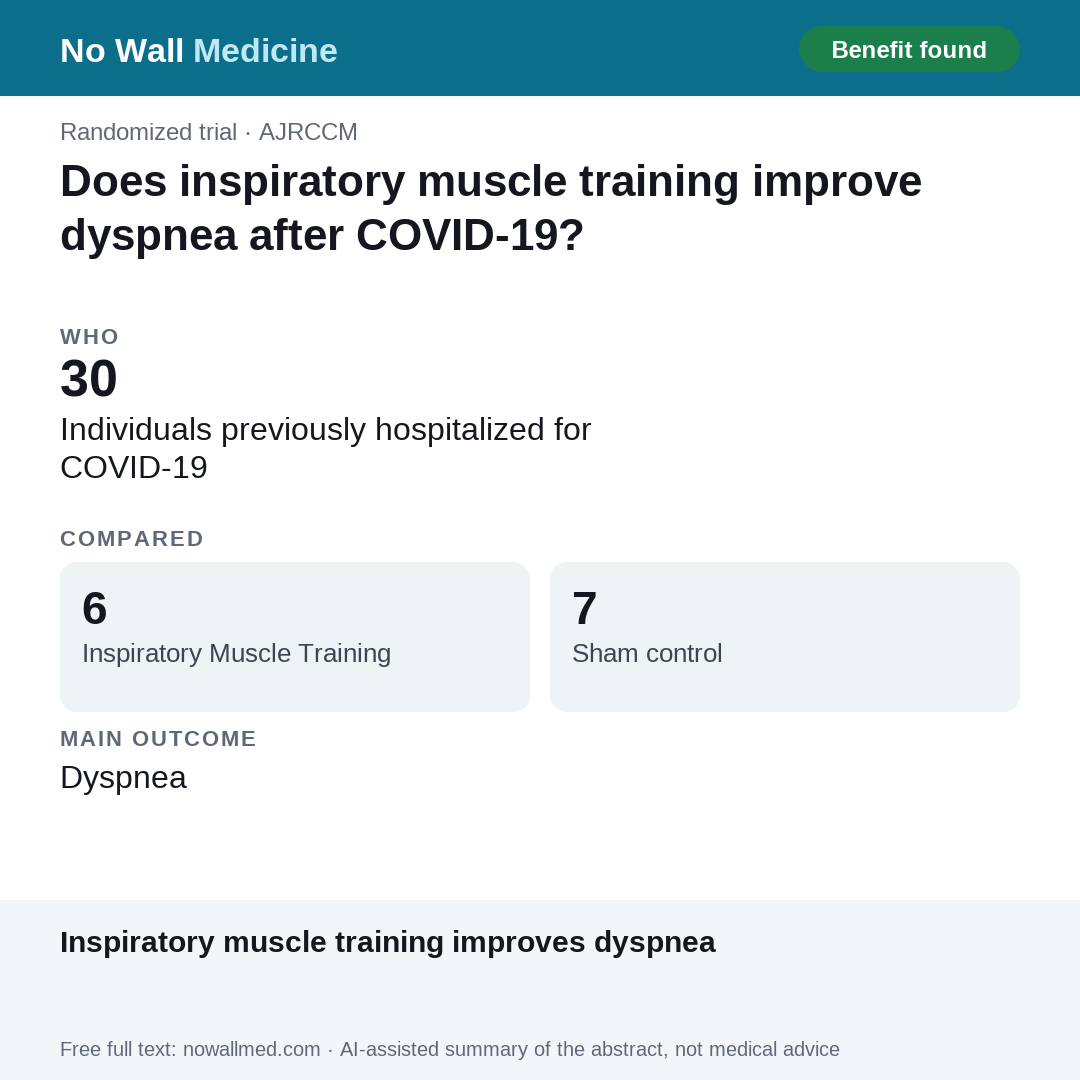
Potential Diaphragm Muscle Weakness-related Dyspnea Persists 2 Years after COVID-19 and Could Be Improved by Inspiratory Muscle Training: Results of an Observational and an Interventional Clinical Trial
Randomized trialBenefit found
Does inspiratory muscle training improve dyspnea after COVID-19?
Who
30
Individuals previously hospitalized for COVID-19
Compared
6Inspiratory Muscle Training (Borg score)
7Sham control (Borg score)
Main outcome
Dyspnea
Bottom line: Inspiratory muscle training improves dyspnea
AJRCCM · 2024-05-20Download image