Visual abstracts
New randomized trials and meta-analyses from leading journals at a glance: who was studied, what was compared, and what was found. Every paper is free to read in full.
All specialtiesCardiology 4877Oncology 4138Gastroenterology & Hepatology 1942Infectious Disease 3837Neurology 1905Psychiatry & Mental Health 2273Pulmonology 2143Critical Care 1365Endocrinology & Diabetes 2580Pediatrics 2980Surgery 2559Orthopedics & Sports Medicine 931Neurosurgery 537Cardiothoracic & Vascular Surgery 674Plastic & Reconstructive Surgery 591Nephrology 1133Rheumatology 823Hematology 1109Dermatology 621Ophthalmology 543Obstetrics & Gynecology 1686Public & Global Health 1058Radiology & Imaging 648Anesthesiology 986Urology 764ENT (Otolaryngology) 503Emergency Medicine 511Allergy & Immunology 313Geriatrics 981Family Medicine & Primary Care 562Medical Genetics & Genomics 676Pathology & Laboratory Medicine 159Physical Medicine & Rehabilitation 757Palliative Care 444Nutrition 1588Digital Health & AI 2201General Medicine 321
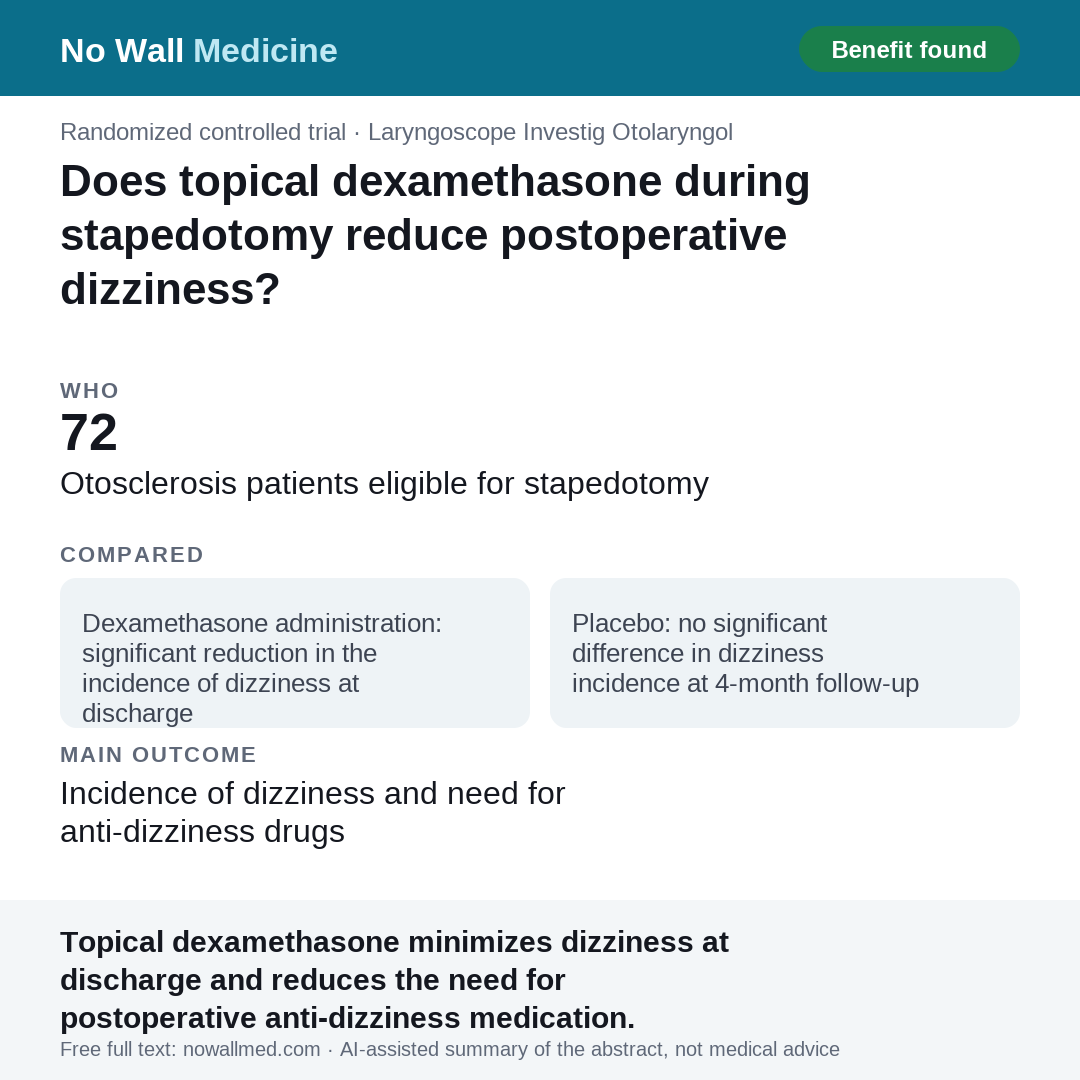
Post-stapedotomy dizziness after applying topical steroid on footplate: A randomized controlled trial
Randomized controlled trialBenefit found
Does topical dexamethasone during stapedotomy reduce postoperative dizziness?
Who
72
Otosclerosis patients eligible for stapedotomy
Compared
Dexamethasone administration: significant reduction in the incidence of dizziness at discharge
Placebo: no significant difference in dizziness incidence at 4-month follow-up
Main outcome
Incidence of dizziness and need for anti-dizziness drugs
Bottom line: Topical dexamethasone minimizes dizziness at discharge and reduces the need for postoperative anti-dizziness medication.
Laryngoscope Investig Otolaryngol · 2024-05-09Download image
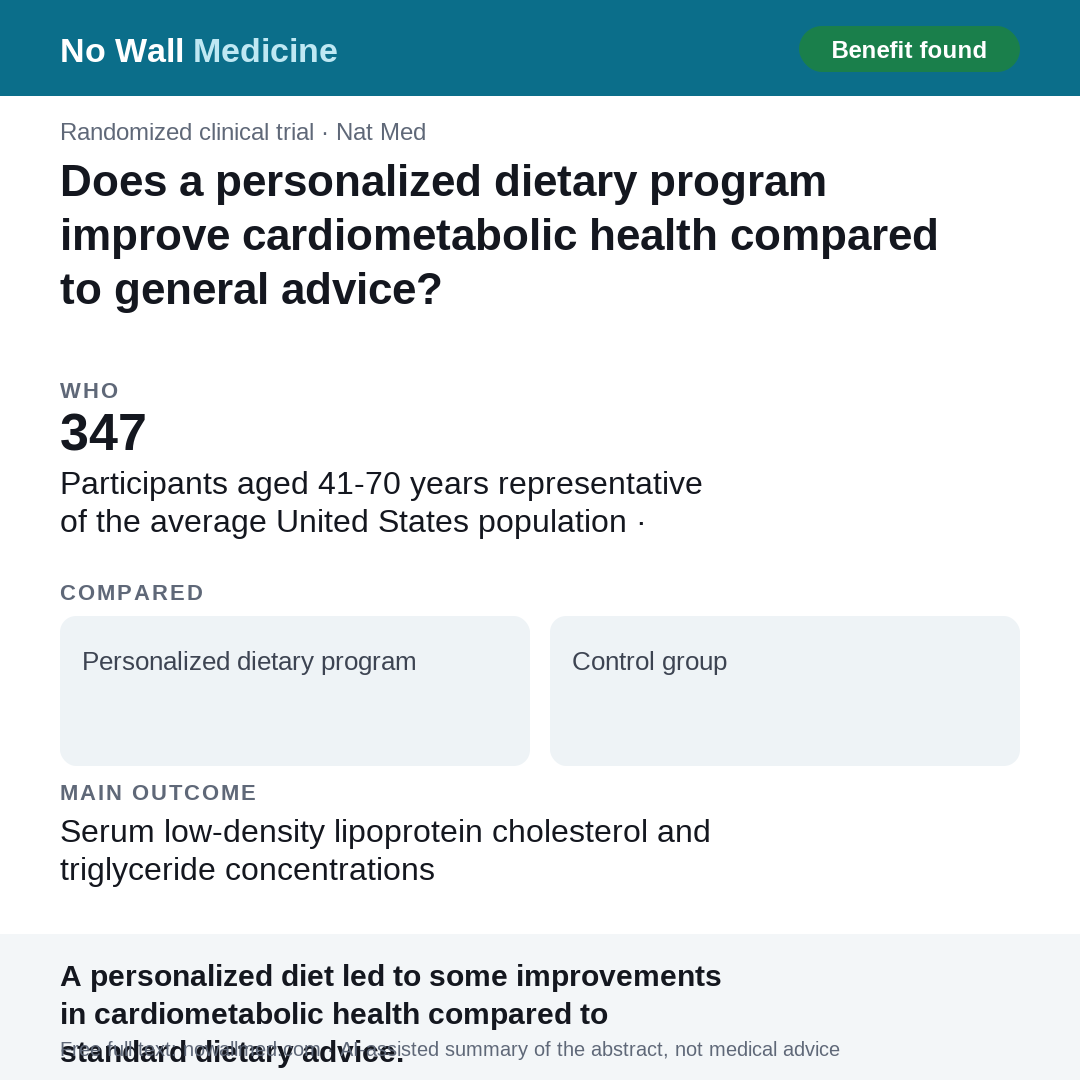
Effects of a personalized nutrition program on cardiometabolic health: a randomized controlled trial
Randomized clinical trialBenefit found
Does a personalized dietary program improve cardiometabolic health compared to general advice?
Who
347
Participants aged 41-70 years representative of the average United States population · United States
Compared
Personalized dietary program
Control group
Main outcome
Serum low-density lipoprotein cholesterol and triglyceride concentrations
Result: mean difference -0.13 mmol l-1 (log-transformed 95% confidence interval -0.07 to -0.01)
Bottom line: A personalized diet led to some improvements in cardiometabolic health compared to standard dietary advice.
Nat Med · 2024-05-08Download image
Burden of Mental Disorders and Suicide Attributable to Childhood Maltreatment
Meta-analysis of quasi-experimental studiesBenefit found
What is the contribution of childhood maltreatment to mental health in Australia?
Who
54646
Australians aged 16 to 85 years · Australia
Compared
21%Depression (95% CI, 13%-28%)
41%Suicide attempts (95% CI, 27%-54%)
Main outcome
Proportion and burden of mental health conditions attributable to maltreatment
Bottom line: Childhood maltreatment accounts for a substantial proportion of mental health conditions and burden in Australia.
JAMA Psychiatry · 2024-05-08Download image

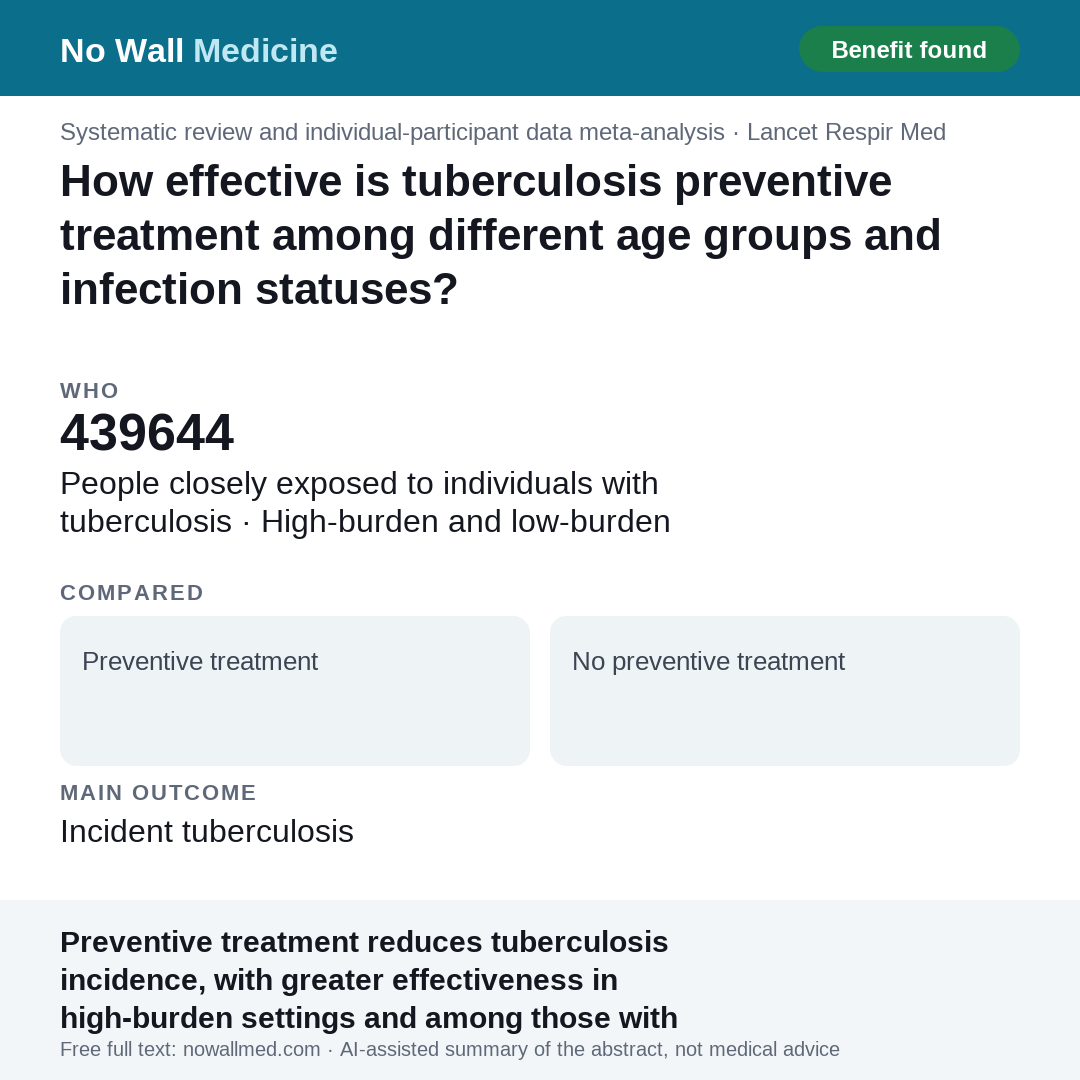
Effectiveness of preventive treatment among different age groups and Mycobacterium tuberculosis infection status: a systematic review and individual-participant data meta-analysis of contact tracing studies
Systematic review and individual-participant data meta-analysisBenefit found
How effective is tuberculosis preventive treatment among different age groups and infection statuses?
Who
439644
People closely exposed to individuals with tuberculosis · High-burden and low-burden tuberculosis settings
Compared
Preventive treatment
No preventive treatment
Main outcome
Incident tuberculosis
Result: adjusted hazard ratio 0.51 (95% CI 0.44 to 0.60)
Bottom line: Preventive treatment reduces tuberculosis incidence, with greater effectiveness in high-burden settings and among those with positive infection tests.
Limitation: Contacts exposed to a drug-resistant tuberculosis index patient were excluded
Lancet Respir Med · 2024-05-08Download image
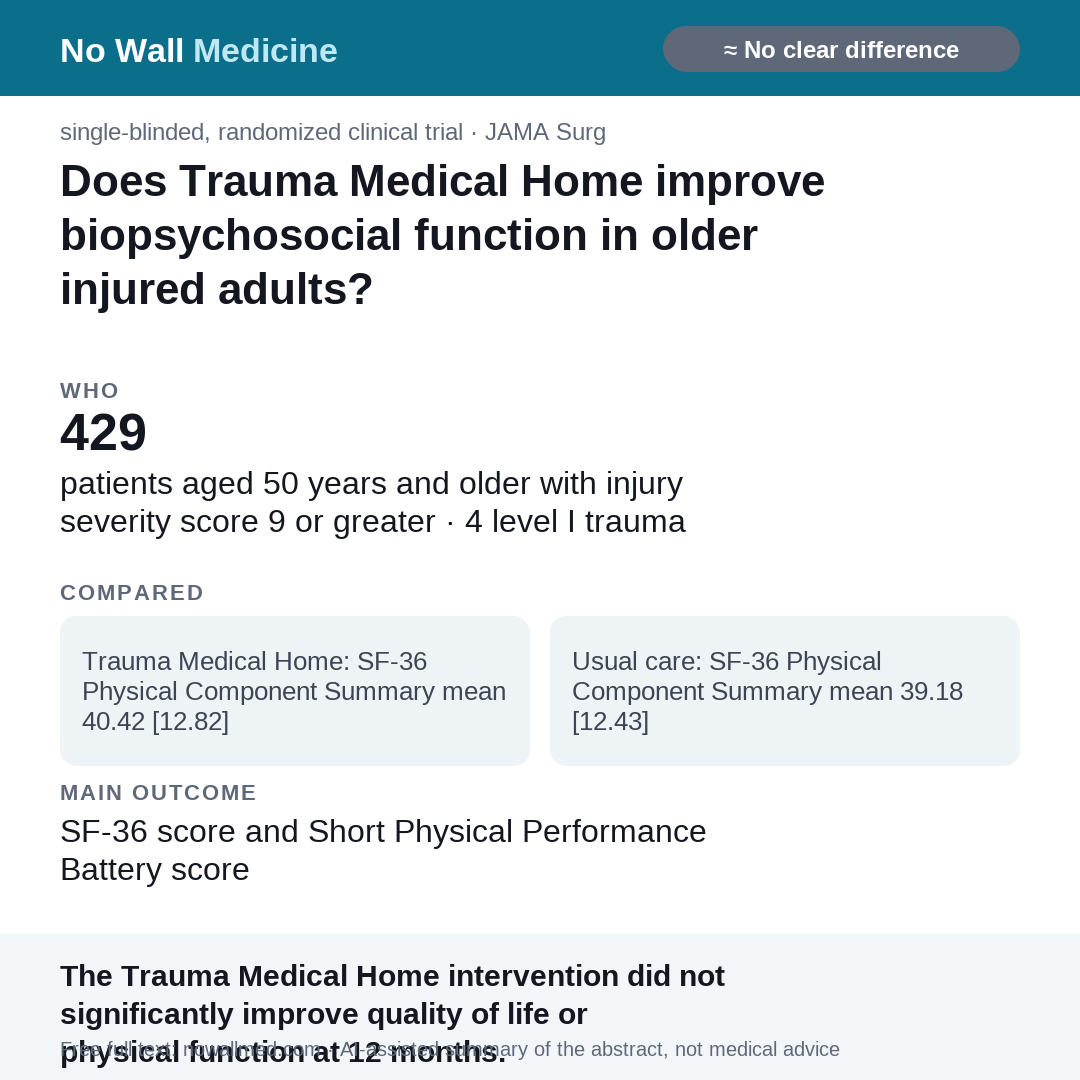
Collaborative Care for Injured Older Adults: The Trauma Medical Home Randomized Clinical Trial
single-blinded, randomized clinical trialNo clear difference
Does Trauma Medical Home improve biopsychosocial function in older injured adults?
Who
429
patients aged 50 years and older with injury severity score 9 or greater · 4 level I trauma centers in Indiana and Wisconsin
Compared
Trauma Medical Home: SF-36 Physical Component Summary mean 40.42 [12.82]
Usual care: SF-36 Physical Component Summary mean 39.18 [12.43]
Main outcome
SF-36 score and Short Physical Performance Battery score
Bottom line: The Trauma Medical Home intervention did not significantly improve quality of life or physical function at 12 months.
Limitation: Subgroup analysis showed positive impact only in patients with high baseline anxiety or depression symptoms.
JAMA Surg · 2024-05-08Download image
Immunogenicity of third dose COVID-19 vaccine strategies in patients who are immunocompromised with suboptimal immunity following two doses (OCTAVE-DUO): an open-label, multicentre, randomised, controlled, phase 3 trial
Open-label, multicentre, randomised, controlled, phase 3 trialBenefit found
What are the humoral and T-cell responses to third dose COVID-19 vaccine strategies in immunocompromised patients?
Who
804
Immunocompromised patients aged at least 18 years with suboptimal two-dose immunity · 11 United Kingdom hospitals
Compared
BNT162b2
mRNA-1273
NVX-CoV2373
Main outcome
Vaccine-specific immunity defined by anti-SARS-CoV-2 spike antibodies and T-cell responses
Bottom line: A third vaccine dose improved serological and T-cell responses in most immunocompromised patients.
Funded by: Medical Research Council, Blood Cancer UK
Lancet Rheumatol · 2024-05-08Download image

Risk loci involved in giant cell arteritis susceptibility: a genome-wide association study
Genome-wide association studyUnclear result
Genetic basis of giant cell arteritis
Who
3498
Patients with giant cell arteritis and healthy controls · Europe and North America
Compared
Patients
Controls
Main outcome
Risk of giant cell arteritis
Result: OR 1·19 (95% CI 1·12-1·26) and OR 0·84 (0·79-0·89)
Bottom line: Identified genetic loci associated with giant cell arteritis
Funded by: Institute of Health Carlos III
Lancet Rheumatol · 2024-05-08Download image

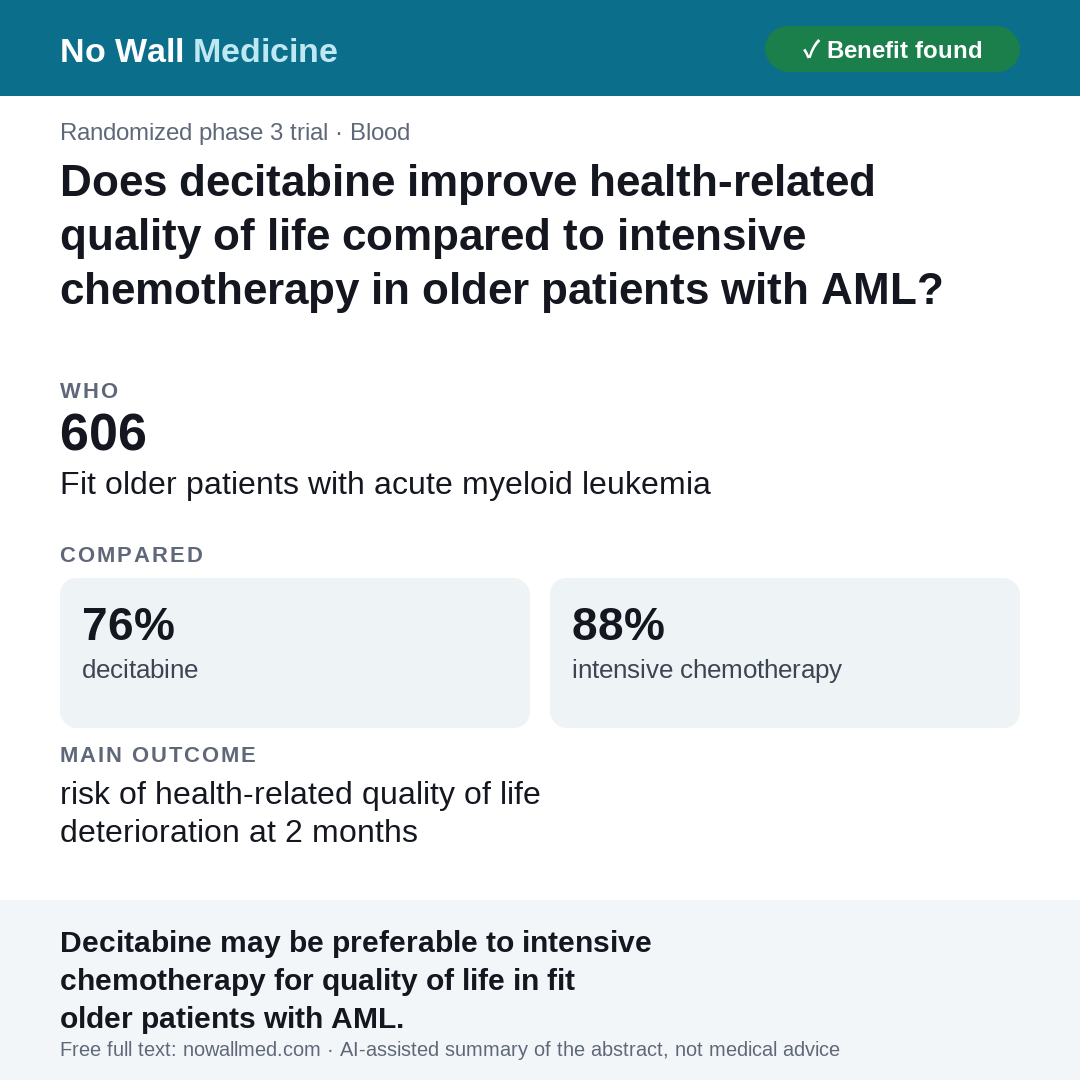
Decitabine in older patients with AML: quality of life results of the EORTC-GIMEMA-GMDS-SG randomized phase 3 trial
Randomized phase 3 trialBenefit found
Does decitabine improve health-related quality of life compared to intensive chemotherapy in older patients with AML?
Who
606
Fit older patients with acute myeloid leukemia
Compared
76%decitabine (95% confidence interval, 69-82)
88%intensive chemotherapy (95% CI, 82-93)
Main outcome
risk of health-related quality of life deterioration at 2 months
Result: odds ratio 0.43 (95% CI 0.24-0.76)
Bottom line: Decitabine may be preferable to intensive chemotherapy for quality of life in fit older patients with AML.
Blood · 2024-05-08Download image
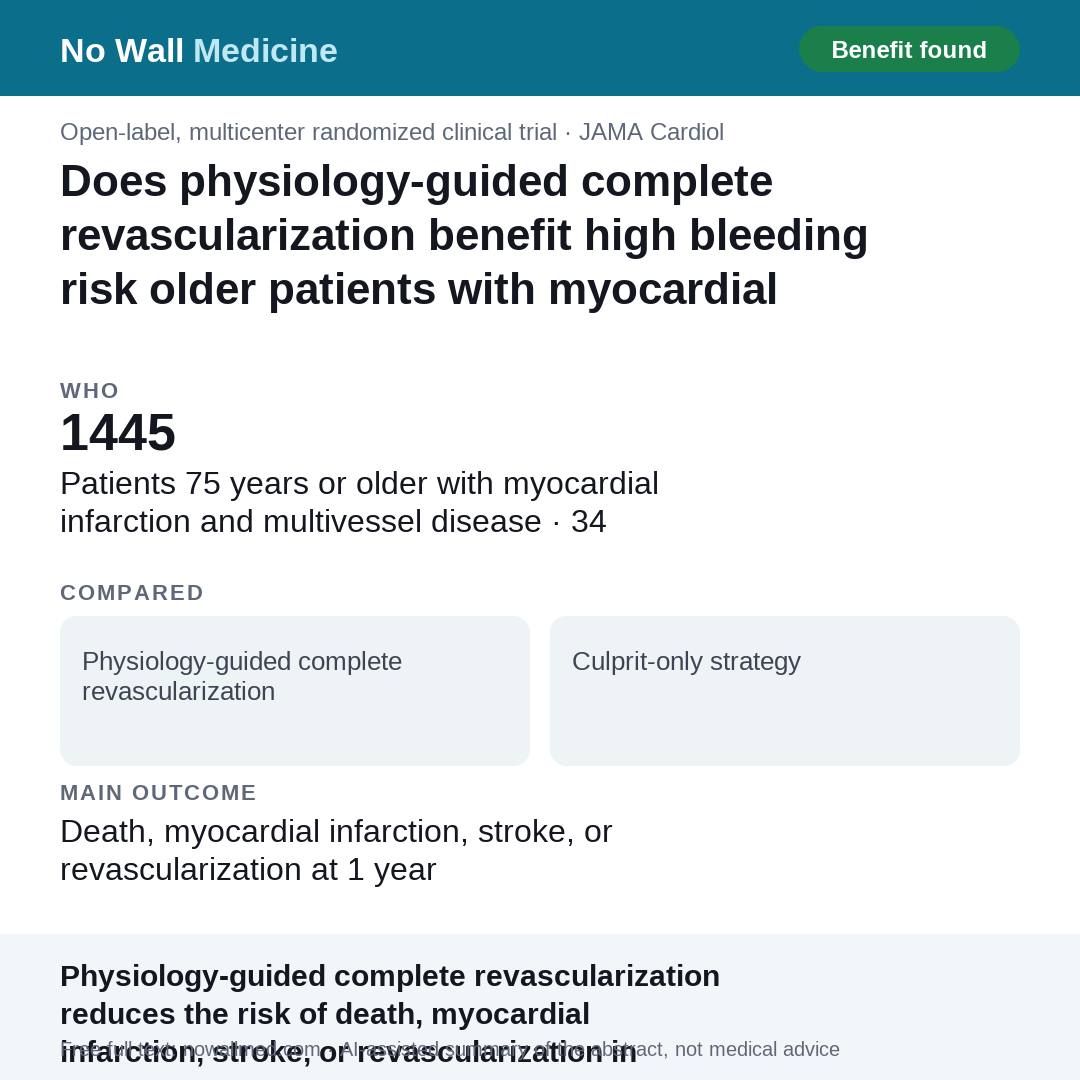
Complete vs Culprit-Only Revascularization in Older Patients With Myocardial Infarction and High Bleeding Risk: A Randomized Clinical Trial
Open-label, multicenter randomized clinical trialBenefit found
Does physiology-guided complete revascularization benefit high bleeding risk older patients with myocardial infarction?
Who
1445
Patients 75 years or older with myocardial infarction and multivessel disease · 34 European centers
Compared
Physiology-guided complete revascularization
Culprit-only strategy
Main outcome
Death, myocardial infarction, stroke, or revascularization at 1 year
Result: hazard ratio 0.73 (95% CI 0.55-0.96)
Bottom line: Physiology-guided complete revascularization reduces the risk of death, myocardial infarction, stroke, or revascularization in high bleeding risk patients.
JAMA Cardiol · 2024-05-08Download image
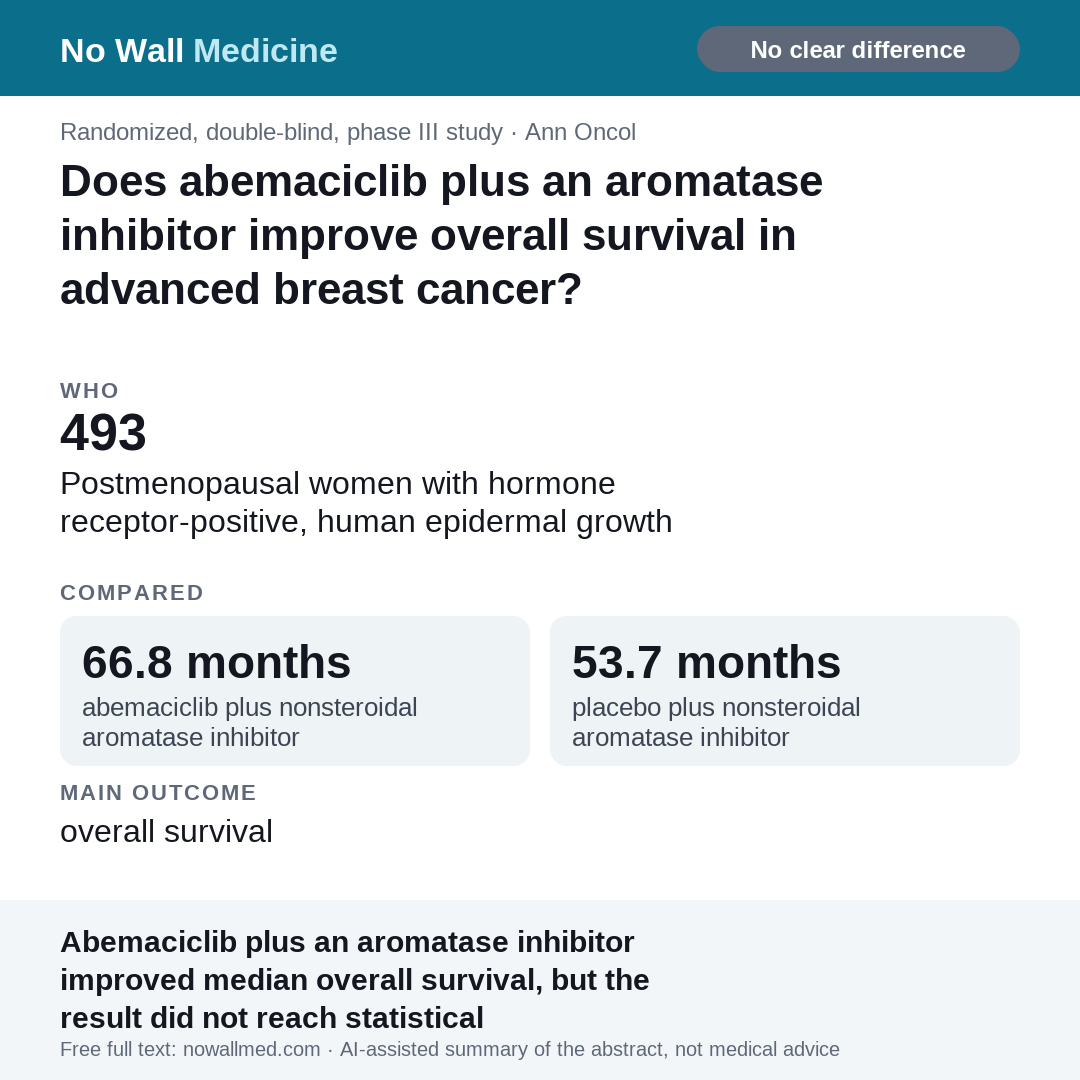
Abemaciclib plus a nonsteroidal aromatase inhibitor as initial therapy for HR+, HER2- advanced breast cancer: final overall survival results of MONARCH 3
Randomized, double-blind, phase III studyNo clear difference
Does abemaciclib plus an aromatase inhibitor improve overall survival in advanced breast cancer?
Who
493
Postmenopausal women with hormone receptor-positive, human epidermal growth factor receptor 2-negative advanced breast cancer
Compared
66.8 monthsabemaciclib plus nonsteroidal aromatase inhibitor
53.7 monthsplacebo plus nonsteroidal aromatase inhibitor
Main outcome
overall survival
Result: hazard ratio 0.804; 95% confidence interval 0.637-1.015
Bottom line: Abemaciclib plus an aromatase inhibitor improved median overall survival, but the result did not reach statistical significance.
Limitation: statistical significance was not reached
Ann Oncol · 2024-05-08Download image
Resolution of Rectal Bleeding by Day 7 in Acute Severe Ulcerative Colitis Is Prognostic for Postdischarge Corticosteroid-Free Clinical Remission and Endoscopic Improvement
Post hoc analysisUnclear result
Does rectal bleeding predict remission?
Who
hospitalized patients with acute severe ulcerative colitis
Compared
Rectal bleeding resolved
Rectal bleeding not resolved
Main outcome
corticosteroid-free clinical remission
Bottom line: Rectal bleeding predicts remission
Am J Gastroenterol · 2024-05-08Download image

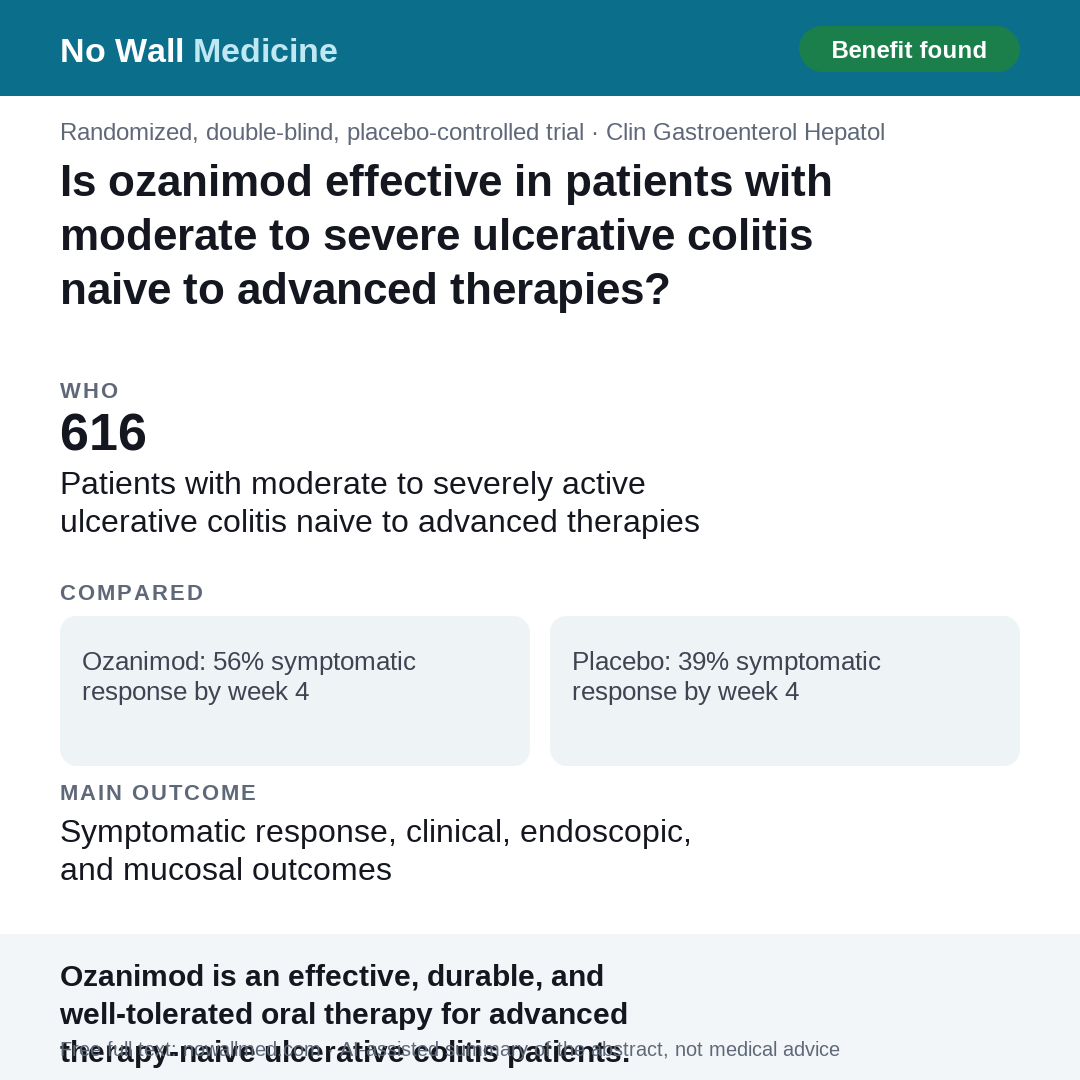
Ozanimod in Patients With Moderate to Severe Ulcerative Colitis Naive to Advanced Therapies
Randomized, double-blind, placebo-controlled trialBenefit found
Is ozanimod effective in patients with moderate to severe ulcerative colitis naive to advanced therapies?
Who
616
Patients with moderate to severely active ulcerative colitis naive to advanced therapies
Compared
Ozanimod: 56% symptomatic response by week 4
Placebo: 39% symptomatic response by week 4
Main outcome
Symptomatic response, clinical, endoscopic, and mucosal outcomes
Result: 95% confidence interval, 6.3-26.3
Bottom line: Ozanimod is an effective, durable, and well-tolerated oral therapy for advanced therapy-naive ulcerative colitis patients.
Clin Gastroenterol Hepatol · 2024-05-08Download image
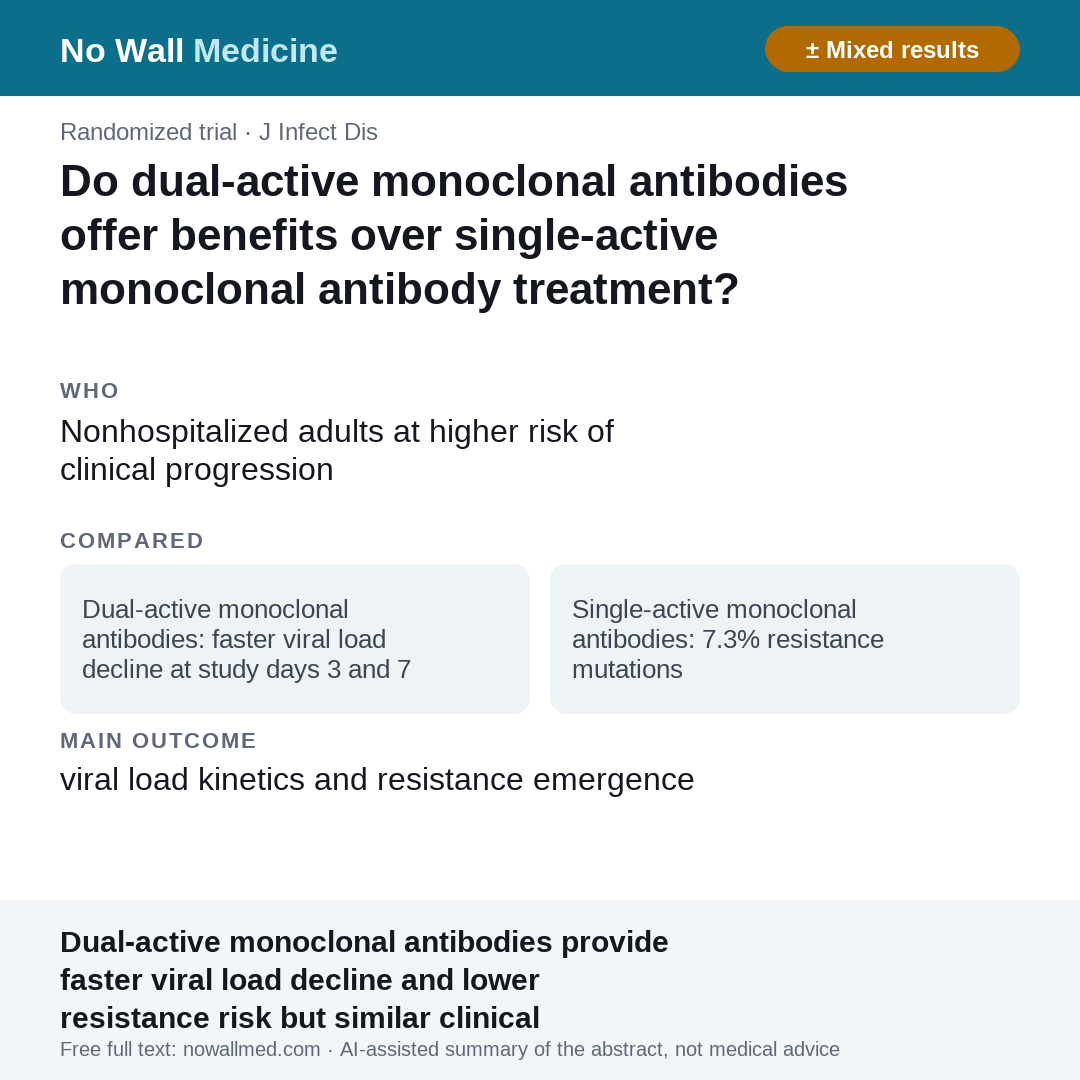
Characterization of Treatment Resistance and Viral Kinetics in the Setting of Single-Active Versus Dual-Active Monoclonal Antibodies Against Severe Acute Respiratory Syndrome Coronavirus 2
Randomized trialMixed results
Do dual-active monoclonal antibodies offer benefits over single-active monoclonal antibody treatment?
Who
Nonhospitalized adults at higher risk of clinical progression
Compared
Dual-active monoclonal antibodies: faster viral load decline at study days 3 and 7
Single-active monoclonal antibodies: 7.3% resistance mutations
Main outcome
viral load kinetics and resistance emergence
Bottom line: Dual-active monoclonal antibodies provide faster viral load decline and lower resistance risk but similar clinical outcomes to single-active therapy.
J Infect Dis · 2024-05-08Download image
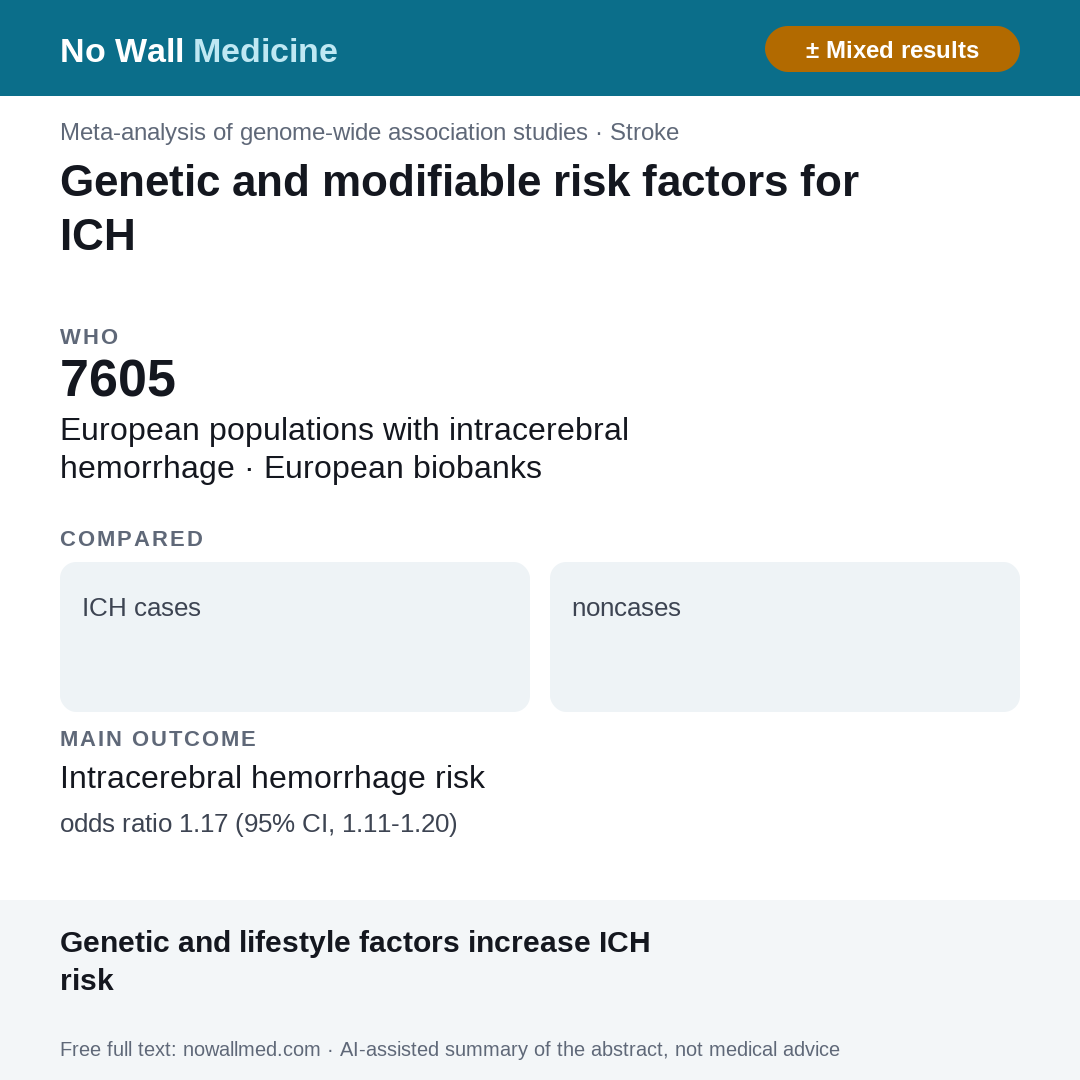
Risk Factors for Intracerebral Hemorrhage: Genome-Wide Association Study and Mendelian Randomization Analyses
Meta-analysis of genome-wide association studiesMixed results
Genetic and modifiable risk factors for ICH
Who
7605
European populations with intracerebral hemorrhage · European biobanks
Compared
ICH cases
noncases
Main outcome
Intracerebral hemorrhage risk
Result: odds ratio 1.17 (95% CI, 1.11-1.20)
Bottom line: Genetic and lifestyle factors increase ICH risk
Stroke · 2024-05-08Download image
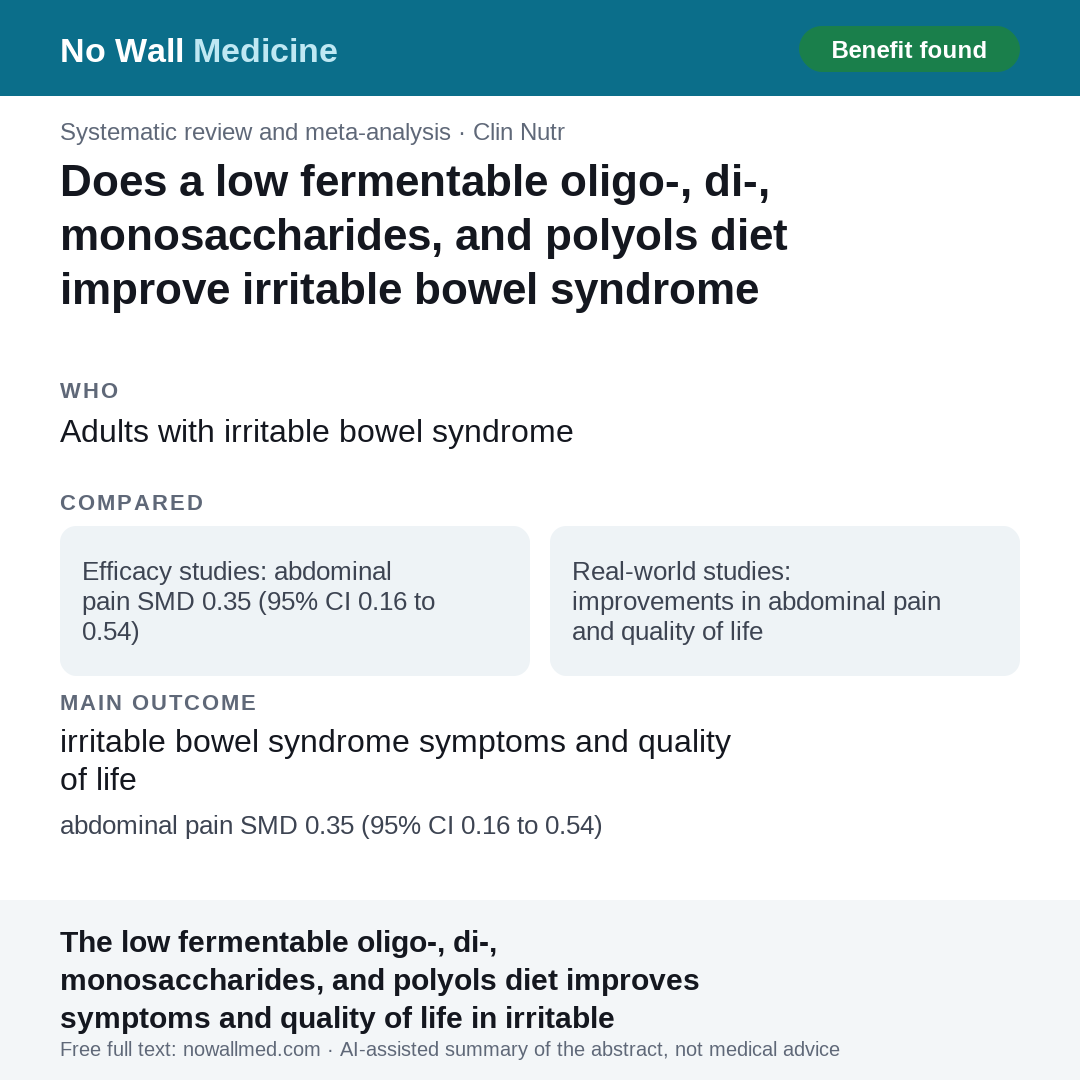
The efficacy and real-world effectiveness of a diet low in fermentable oligo-, di-, monosaccharides and polyols in irritable bowel syndrome: A systematic review and meta-analysis
Systematic review and meta-analysisBenefit found
Does a low fermentable oligo-, di-, monosaccharides, and polyols diet improve irritable bowel syndrome symptoms?
Who
Adults with irritable bowel syndrome
Compared
Efficacy studies: abdominal pain SMD 0.35 (95% CI 0.16 to 0.54)
Real-world studies: improvements in abdominal pain and quality of life
Main outcome
irritable bowel syndrome symptoms and quality of life
Result: abdominal pain SMD 0.35 (95% CI 0.16 to 0.54)
Bottom line: The low fermentable oligo-, di-, monosaccharides, and polyols diet improves symptoms and quality of life in irritable bowel syndrome.
Clin Nutr · 2024-05-08Download image
Effects of non-invasive respiratory support in post-operative patients: a systematic review and network meta-analysis
Systematic review and network meta-analysisBenefit found
Do non-invasive respiratory support modalities reduce re-intubation rates compared to conventional oxygen therapy?
Who
11,292
Adult patients extubated after surgery
Compared
Non-invasive respiratory support
Conventional oxygen therapy
Main outcome
re-intubation rate
Result: odds ratio 0.49 (95% confidence interval 0.28; 0.87)
Bottom line: Non-invasive ventilation reduced re-intubation rates compared to conventional oxygen therapy for treating respiratory failure or in high-risk patients.
Crit Care · 2024-05-08Download image

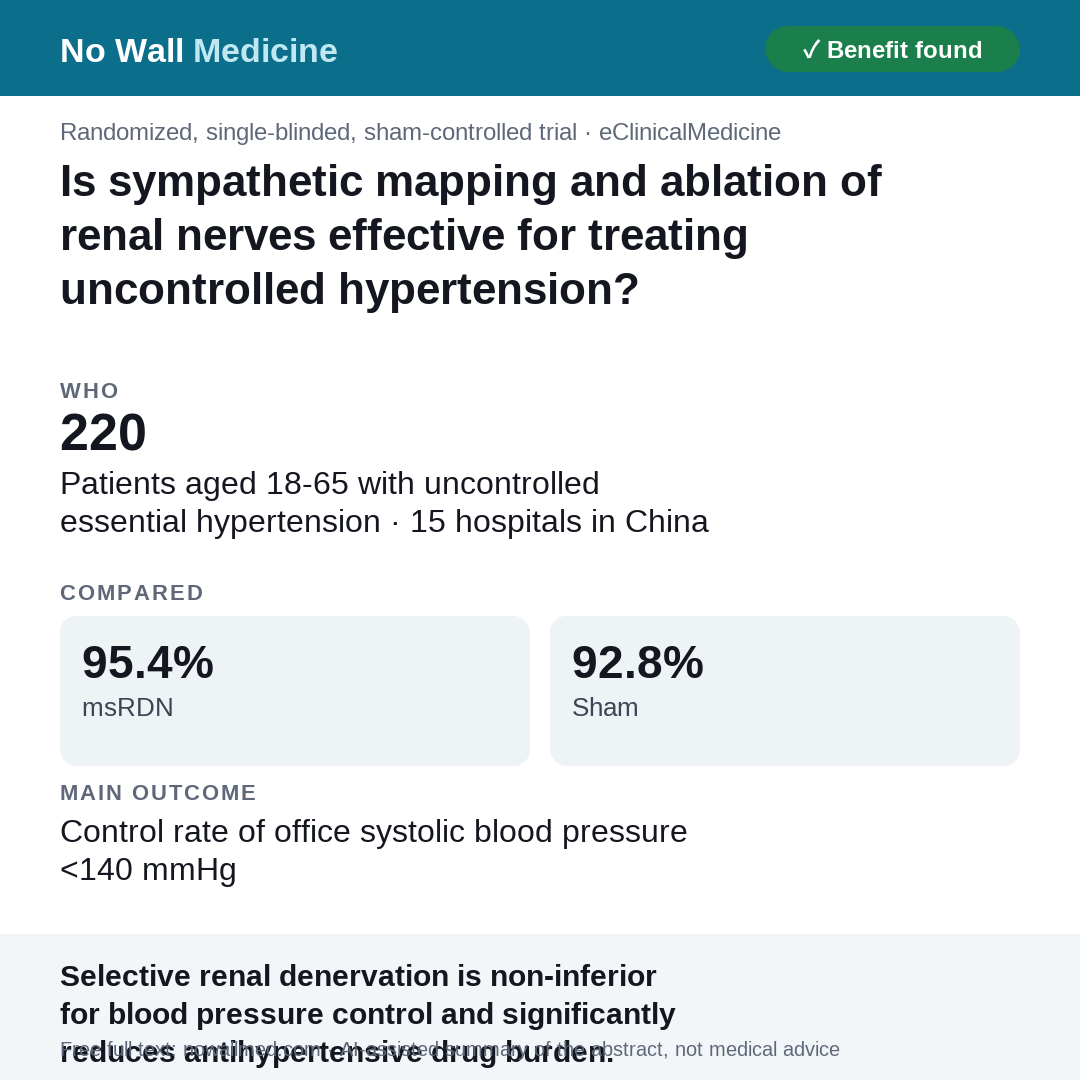
Efficacy and safety of sympathetic mapping and ablation of renal nerves for the treatment of hypertension (SMART): 6-month follow-up of a randomised, controlled trial
Randomized, single-blinded, sham-controlled trialBenefit found
Is sympathetic mapping and ablation of renal nerves effective for treating uncontrolled hypertension?
Who
220
Patients aged 18-65 with uncontrolled essential hypertension · 15 hospitals in China
Compared
95.4%msRDN
92.8%Sham
Main outcome
Control rate of office systolic blood pressure <140 mmHg
Result: -3.25; 95% CI -5.56, -0.94
Bottom line: Selective renal denervation is non-inferior for blood pressure control and significantly reduces antihypertensive drug burden.
eClinicalMedicine · 2024-05-07Download image
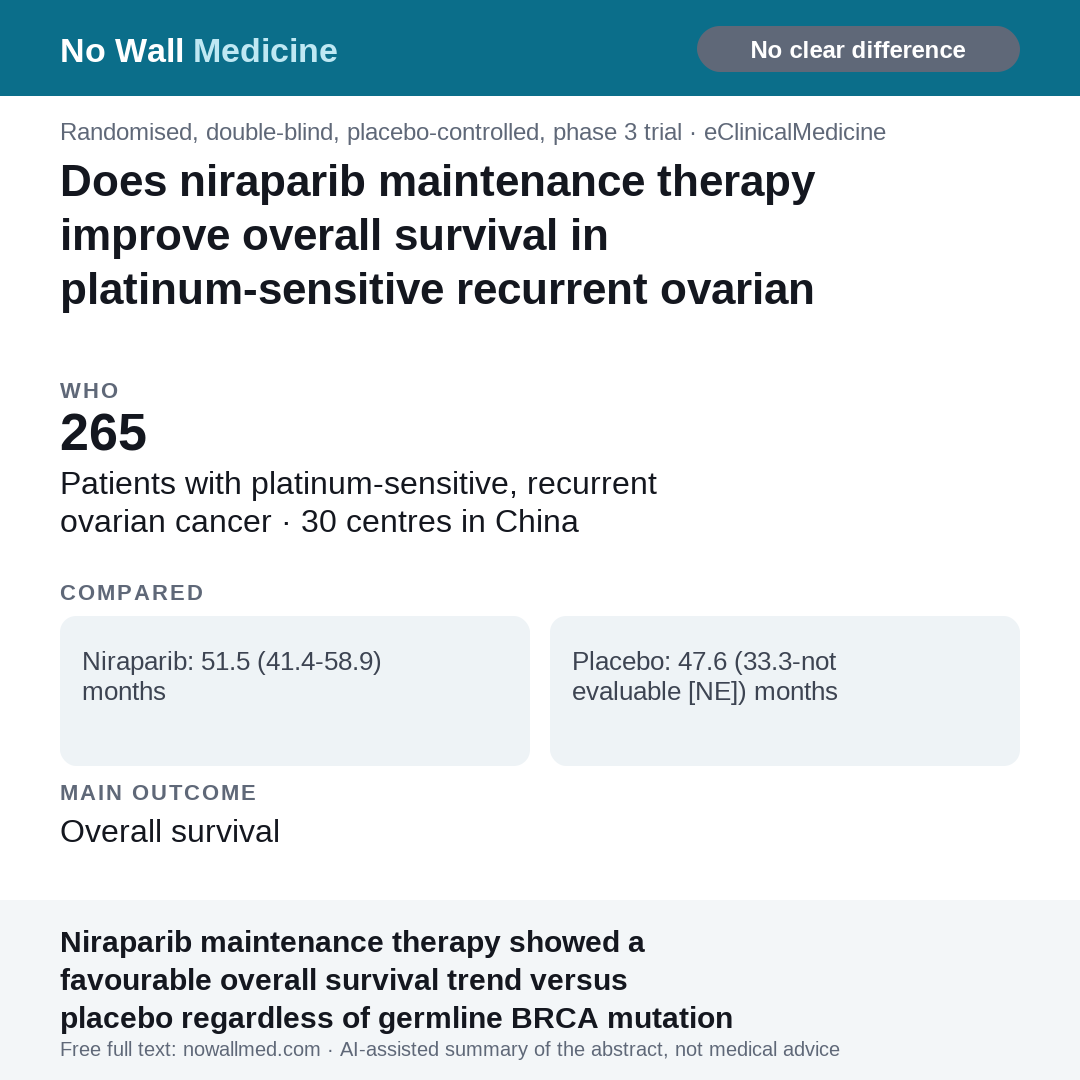
Niraparib maintenance therapy using an individualised starting dose in patients with platinum-sensitive recurrent ovarian cancer (NORA): final overall survival analysis of a phase 3 randomised, placebo-controlled trial
Randomised, double-blind, placebo-controlled, phase 3 trialNo clear difference
Does niraparib maintenance therapy improve overall survival in platinum-sensitive recurrent ovarian cancer?
Who
265
Patients with platinum-sensitive, recurrent ovarian cancer · 30 centres in China
Compared
Niraparib: 51.5 (41.4-58.9) months
Placebo: 47.6 (33.3-not evaluable [NE]) months
Main outcome
Overall survival
Result: hazard ratio 0.86 (95% CI, 0.60-1.23)
Bottom line: Niraparib maintenance therapy showed a favourable overall survival trend versus placebo regardless of germline BRCA mutation status.
Funded by: Zai Lab (Shanghai) Co., Ltd; National Major Scientific and Technological Special Project, China
eClinicalMedicine · 2024-05-07Download image
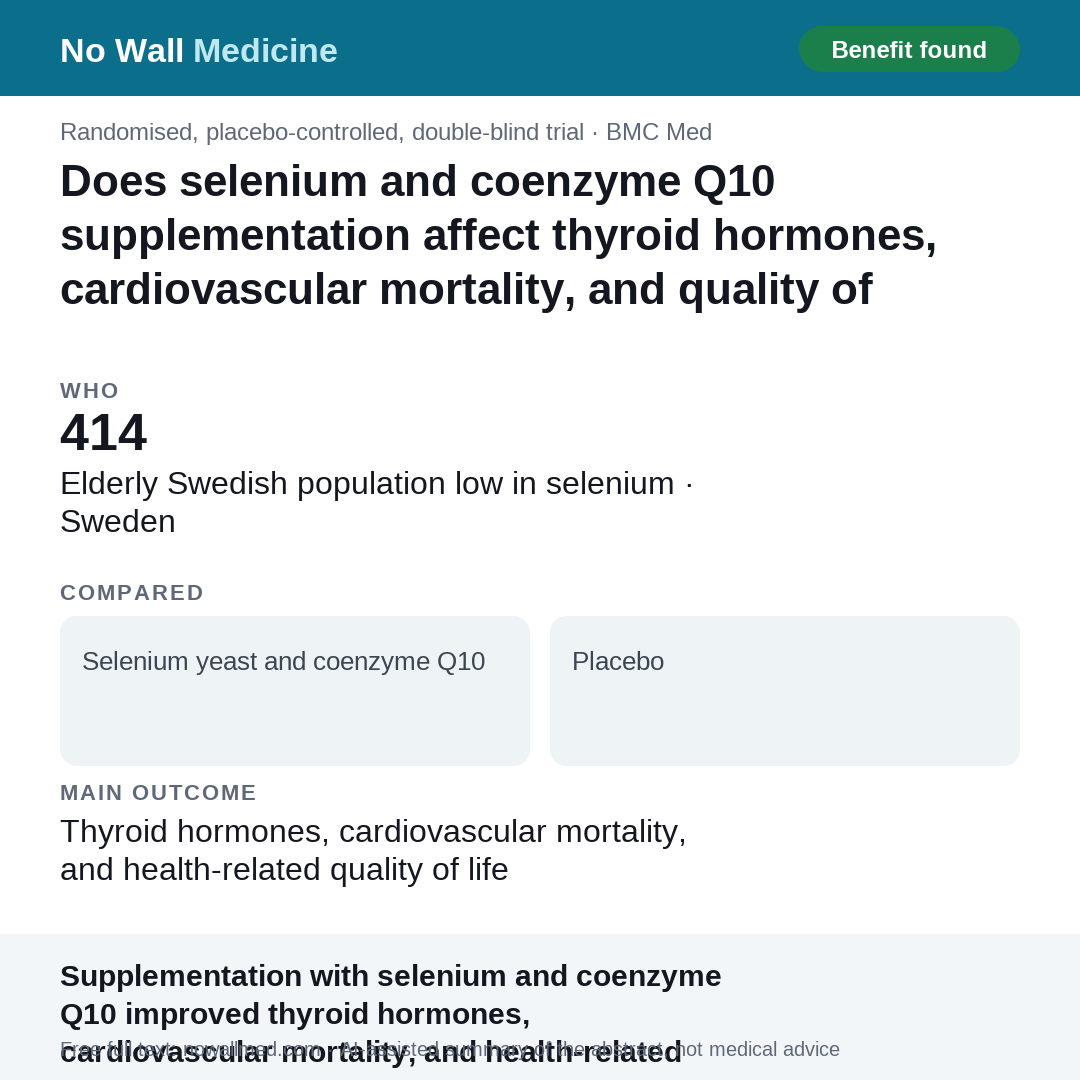
Supplementation with selenium and coenzyme Q10 in an elderly Swedish population low in selenium - positive effects on thyroid hormones, cardiovascular mortality, and quality of life
Randomised, placebo-controlled, double-blind trialBenefit found
Does selenium and coenzyme Q10 supplementation affect thyroid hormones, cardiovascular mortality, and quality of life?
Who
414
Elderly Swedish population low in selenium · Sweden
Compared
Selenium yeast and coenzyme Q10
Placebo
Main outcome
Thyroid hormones, cardiovascular mortality, and health-related quality of life
Bottom line: Supplementation with selenium and coenzyme Q10 improved thyroid hormones, cardiovascular mortality, and health-related quality of life outcomes.
BMC Med · 2024-05-07Download image
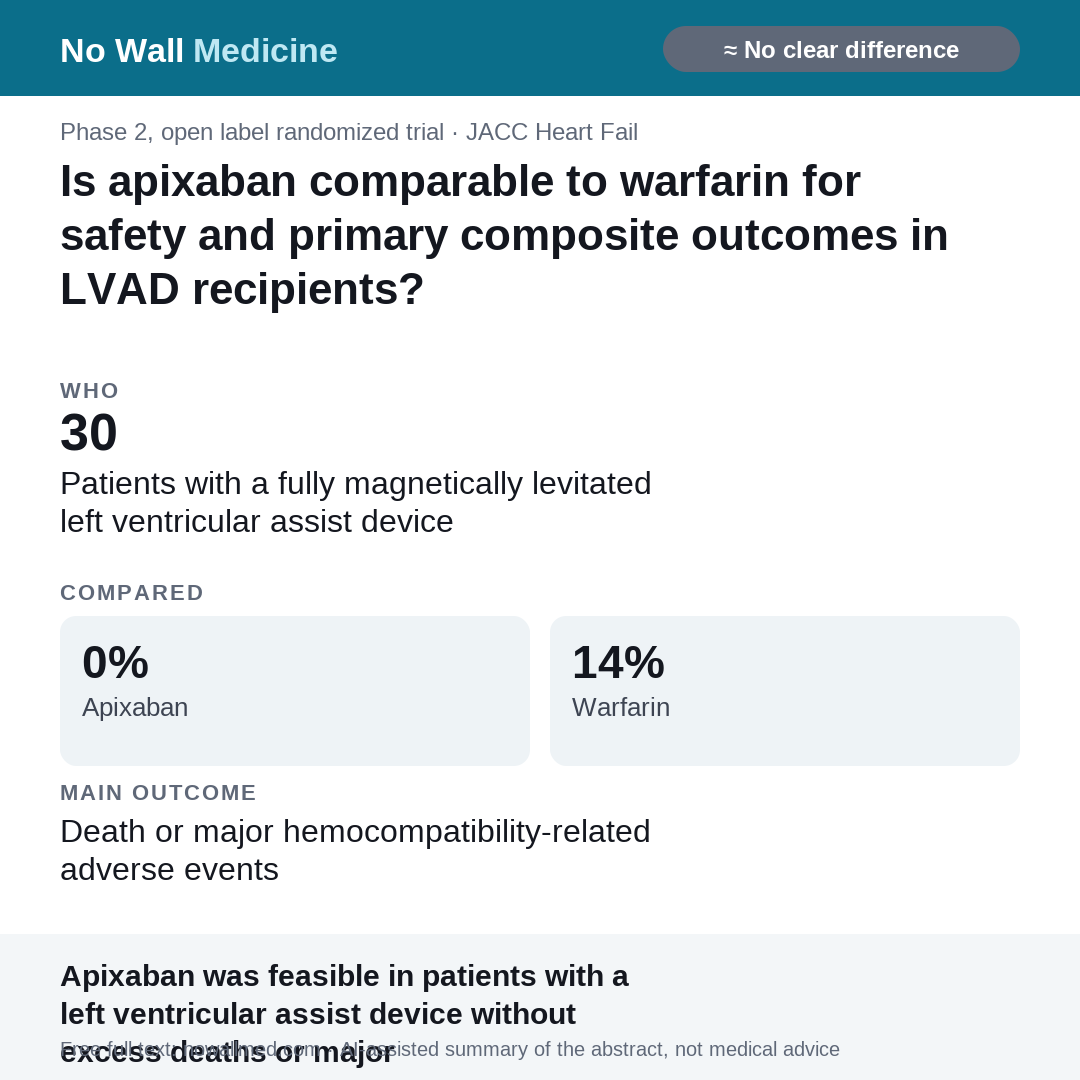
Evaluation of the Hemocompatibility of the Direct Oral Anticoagulant Apixaban in Left Ventricular Assist Devices: The DOAC LVAD Study
Phase 2, open label randomized trialNo clear difference
Is apixaban comparable to warfarin for safety and primary composite outcomes in LVAD recipients?
Who
30
Patients with a fully magnetically levitated left ventricular assist device
Compared
0%Apixaban
14%Warfarin
Main outcome
Death or major hemocompatibility-related adverse events
Result: P = 0.12
Bottom line: Apixaban was feasible in patients with a left ventricular assist device without excess deaths or major hemocompatibility-related adverse events.
Limitation: This was a phase 2, open label trial.
JACC Heart Fail · 2024-05-07Download image