Visual abstracts
New randomized trials and meta-analyses from leading journals at a glance: who was studied, what was compared, and what was found. Every paper is free to read in full.
All specialtiesCardiology 4832Oncology 4114Gastroenterology & Hepatology 1934Infectious Disease 3824Neurology 1899Psychiatry & Mental Health 2256Pulmonology 2082Critical Care 1345Endocrinology & Diabetes 2572Pediatrics 2940Surgery 2525Orthopedics & Sports Medicine 926Neurosurgery 534Cardiothoracic & Vascular Surgery 671Plastic & Reconstructive Surgery 591Nephrology 1124Rheumatology 823Hematology 1104Dermatology 620Ophthalmology 543Obstetrics & Gynecology 1684Public & Global Health 1056Radiology & Imaging 641Anesthesiology 962Urology 754ENT (Otolaryngology) 503Emergency Medicine 489Allergy & Immunology 313Geriatrics 981Family Medicine & Primary Care 541Medical Genetics & Genomics 675Pathology & Laboratory Medicine 157Physical Medicine & Rehabilitation 751Palliative Care 424Nutrition 1580Digital Health & AI 2195General Medicine 321
Exercise Therapy for Treatment of Acute Non-specific Low Back Pain: A Cochrane Systematic Review and Meta-analysis of Randomized Controlled Trials
Meta-analysis of 23 randomized controlled trialsNo clear difference
Is exercise effective for acute non-specific low back pain versus sham or no treatment?
Who
2674
Adults with acute non-specific low back pain
Compared
Exercise therapy
Sham or no treatment
Main outcome
Back pain, back-specific functional status, and recovery
Result: mean difference -0.80 (95% CI -5.79 to 4.19)
Bottom line: Exercise therapy may have no clinically relevant effect on pain or functional status in the short term.
Limitation: Very low-certainty evidence due to high risk of bias, small study size, and substantial heterogeneity.
Arch Phys Med Rehabil · 2024-03-20Download image

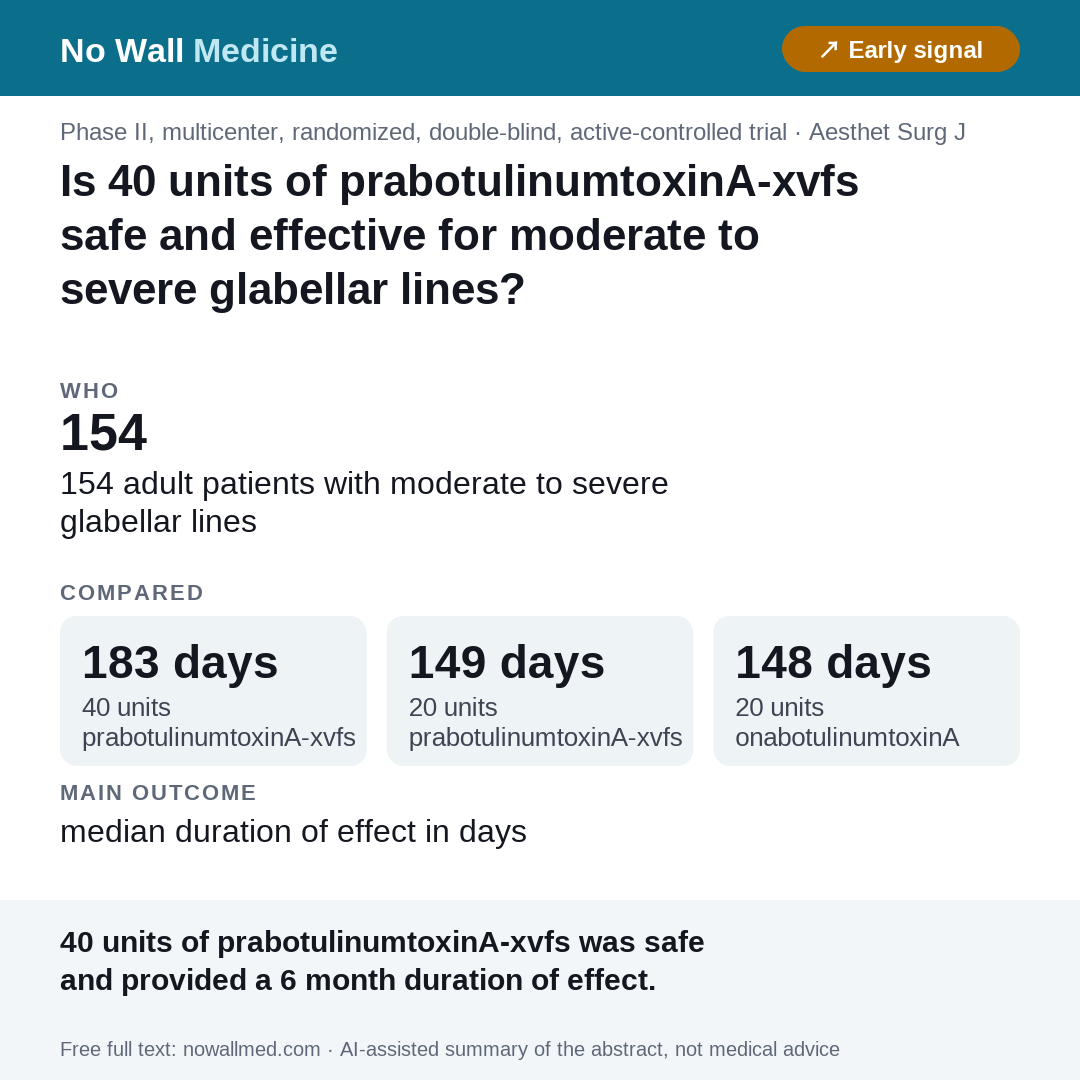
Safety and Duration of Effect of 40-Unit PrabotulinumtoxinA-xvfs for the Treatment of Moderate to Severe Glabellar Lines in Adult Patients: A Phase II, Multicenter, Randomized, Double-Blind, Active-Controlled Trial
Phase II, multicenter, randomized, double-blind, active-controlled trialEarly signal
Is 40 units of prabotulinumtoxinA-xvfs safe and effective for moderate to severe glabellar lines?
Who
154
154 adult patients with moderate to severe glabellar lines
Compared
183 days40 units prabotulinumtoxinA-xvfs
149 days20 units prabotulinumtoxinA-xvfs
148 days20 units onabotulinumtoxinA
Main outcome
median duration of effect in days
Bottom line: 40 units of prabotulinumtoxinA-xvfs was safe and provided a 6 month duration of effect.
Aesthet Surg J · 2024-03-20Download image
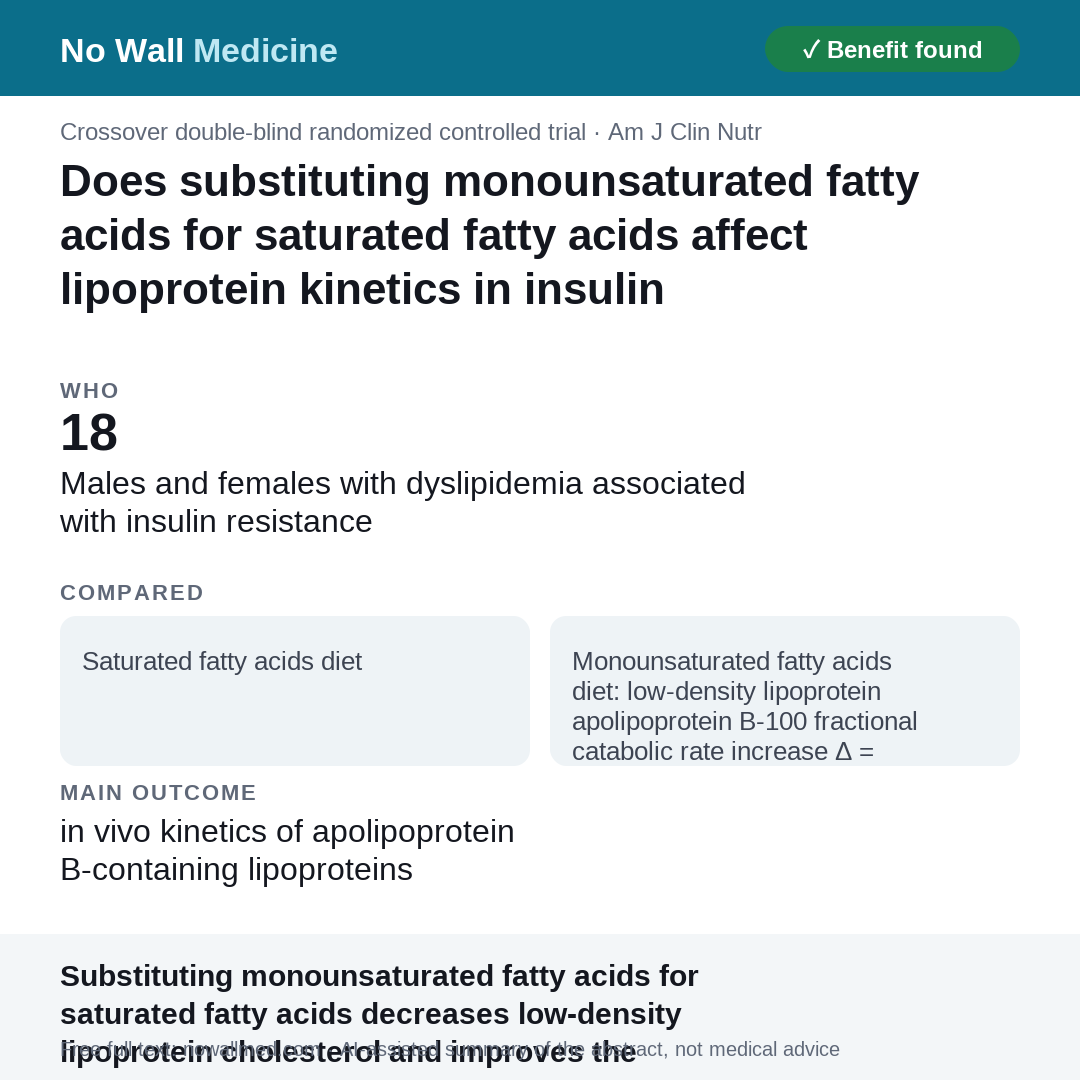
Substitution of dietary monounsaturated fatty acids from olive oil for saturated fatty acids from lard increases low-density lipoprotein apolipoprotein B-100 fractional catabolic rate in subjects with dyslipidemia associated with insulin resistance: a randomized controlled trial
Crossover double-blind randomized controlled trialBenefit found
Does substituting monounsaturated fatty acids for saturated fatty acids affect lipoprotein kinetics in insulin resistance?
Who
18
Males and females with dyslipidemia associated with insulin resistance
Compared
Saturated fatty acids diet
Monounsaturated fatty acids diet: low-density lipoprotein apolipoprotein B-100 fractional catabolic rate increase Δ = +1.6%
Main outcome
in vivo kinetics of apolipoprotein B-containing lipoproteins
Result: low-density lipoprotein cholesterol Δ = -7.0%
Bottom line: Substituting monounsaturated fatty acids for saturated fatty acids decreases low-density lipoprotein cholesterol and improves the plasma lipidomic profile.
Am J Clin Nutr · 2024-03-20Download image
Probiotics and synbiotics for glycemic control in diabetes: A systematic review and meta-analysis of randomized controlled trials
Meta-analysis of 41 randomized controlled trialsBenefit found
Do probiotics and synbiotics improve glycemic control in patients with diabetes?
Who
2991
Adults with Type 1 or Type 2 diabetes mellitus
Compared
Probiotics and synbiotics
Comparators
Main outcome
Glycated hemoglobin, fasting plasma glucose, and insulin levels
Result: HbA1c SMD -0.282 (95% CI -0.37 to -0.19)
Bottom line: Probiotics and synbiotics may effectively improve glycemic control in patients with diabetes.
Limitation: Efficacy varied based on the type of strains used and the country.
Clin Nutr · 2024-03-20Download image

Deep-learning automated quantification of longitudinal OCT scans demonstrates reduced RPE loss rate, preservation of intact macular area and predictive value of isolated photoreceptor degeneration in geographic atrophy patients receiving C3 inhibition treatment
Post hoc analysis of a randomized trialBenefit found
Does C3 inhibition affect geographic atrophy progression and retinal features?
Who
197
Patients with geographic atrophy receiving C3 inhibition treatment · not specified
Compared
pegcetacoplan monthly: 0.151 mm change in cRORA at 12 months
pegcetacoplan every other month: not specified
sham treatment: not specified
Main outcome
change in area of geographic atrophy as complete retinal atrophy
Bottom line: Pegcetacoplan slows geographic atrophy progression, reduces retinal pigment epithelium loss, and preserves intact macular area.
Br J Ophthalmol · 2024-03-20Download image

Cytoreductive therapy in younger adults with polycythemia vera: a meta-analysis of safety and outcomes
Meta-analysis of 14 studiesBenefit found
What are the safety and outcomes of cytoreductive therapy in younger adults with polycythemia vera?
Who
Patients with polycythemia vera aged under 60 years
Compared
interferon alfa: 62% complete hematologic response
hydroxyurea: 52% complete hematologic response
Main outcome
toxicity and disease-related complications
Bottom line: Cytoreductive treatment, particularly with interferon alfa, may benefit younger patients with polycythemia vera with acceptable nonfatal toxicity rates.
Limitation: Future randomized trials prioritizing inclusion of patients under 60 are needed.
Blood Adv · 2024-03-20Download image

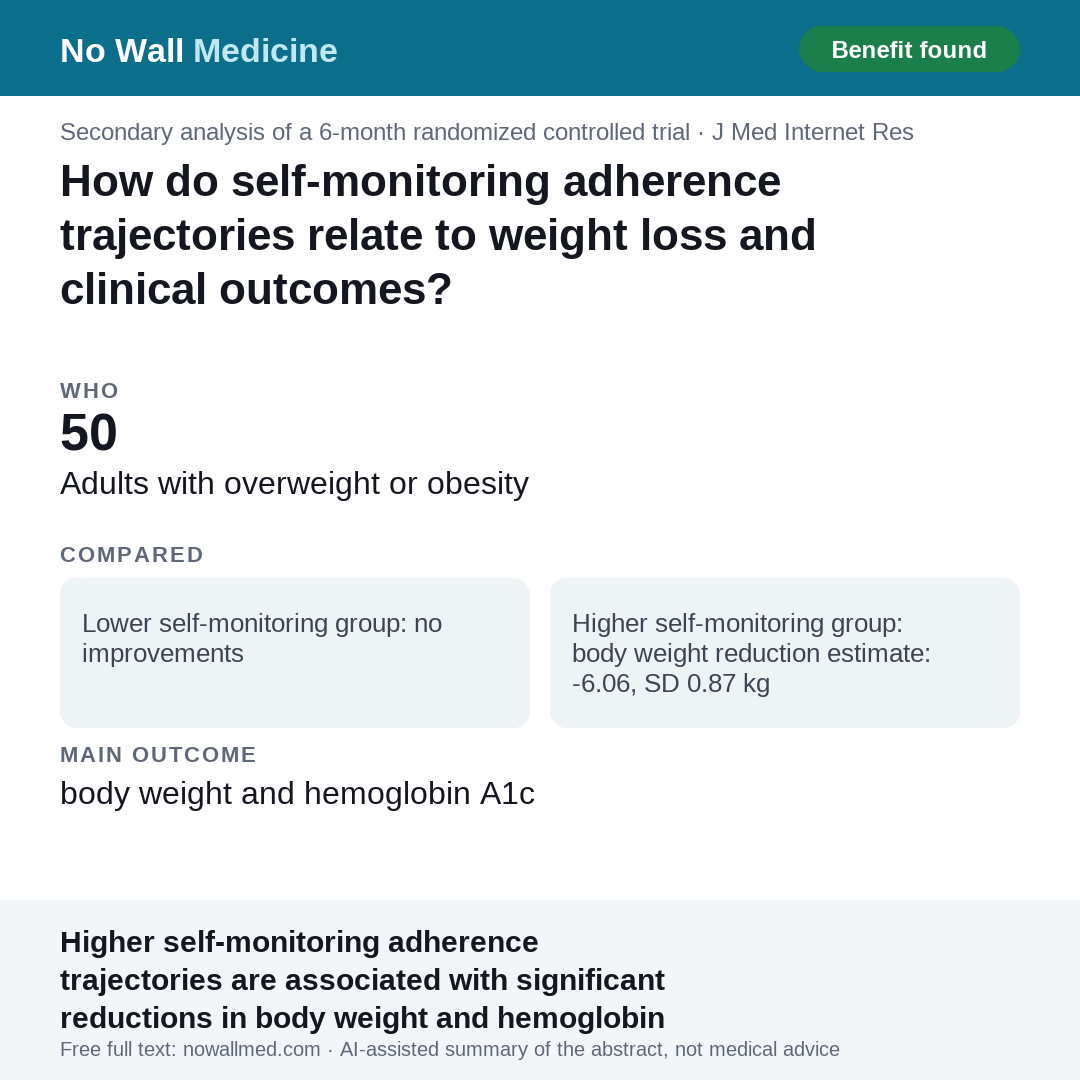
Understanding Heterogeneity in Individual Responses to Digital Lifestyle Intervention Through Self-Monitoring Adherence Trajectories in Adults With Overweight or Obesity: Secondary Analysis of a 6-Month Randomized Controlled Trial
Secondary analysis of a 6-month randomized controlled trialBenefit found
How do self-monitoring adherence trajectories relate to weight loss and clinical outcomes?
Who
50
Adults with overweight or obesity
Compared
Lower self-monitoring group: no improvements
Higher self-monitoring group: body weight reduction estimate: -6.06, SD 0.87 kg
Main outcome
body weight and hemoglobin A1c
Bottom line: Higher self-monitoring adherence trajectories are associated with significant reductions in body weight and hemoglobin A1c.
J Med Internet Res · 2024-03-20Download image
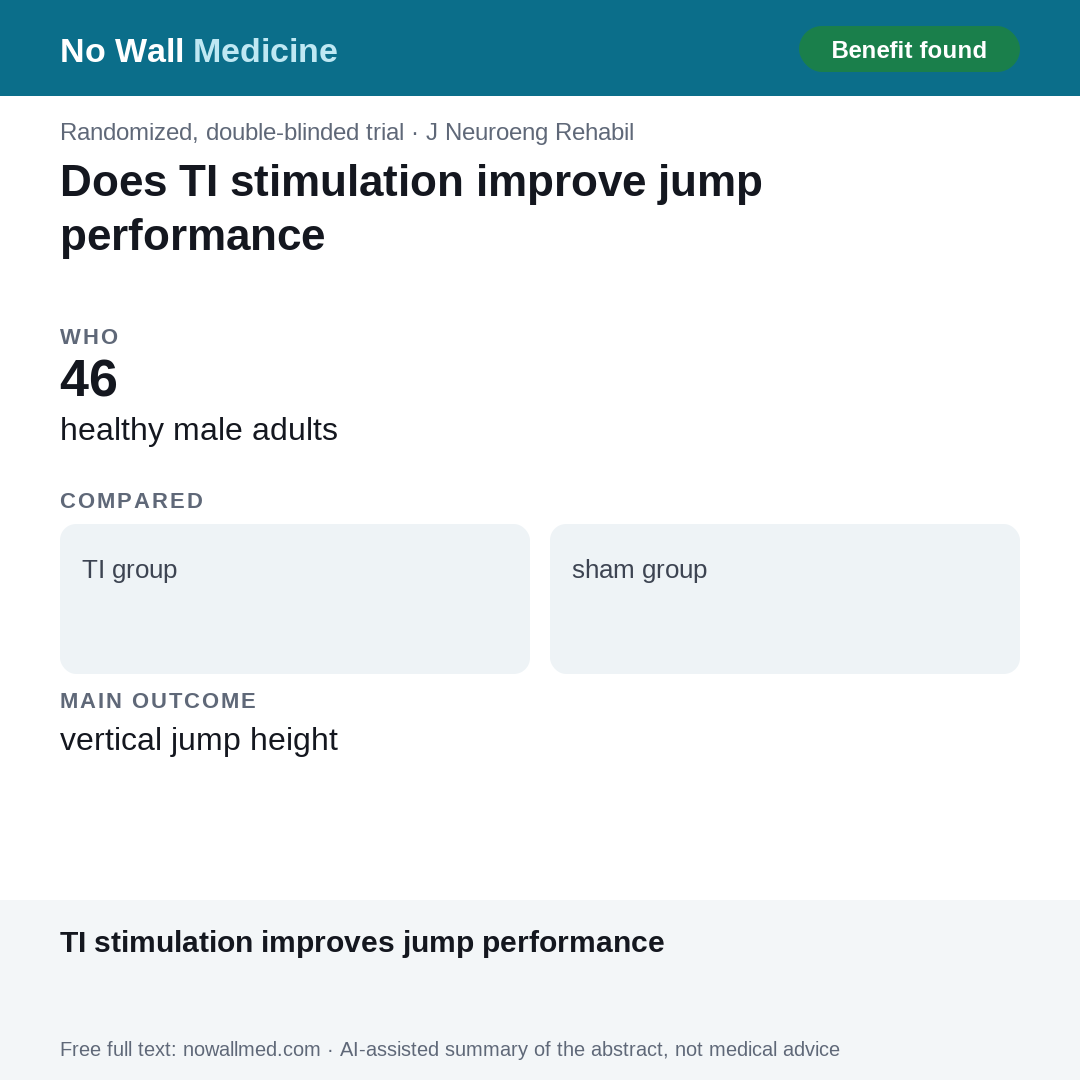
Repetitive temporal interference stimulation improves jump performance but not the postural stability in young healthy males: a randomized controlled trial
Randomized, double-blinded trialBenefit found
Does TI stimulation improve jump performance
Who
46
healthy male adults
Compared
TI group
sham group
Main outcome
vertical jump height
Bottom line: TI stimulation improves jump performance
J Neuroeng Rehabil · 2024-03-20Download image
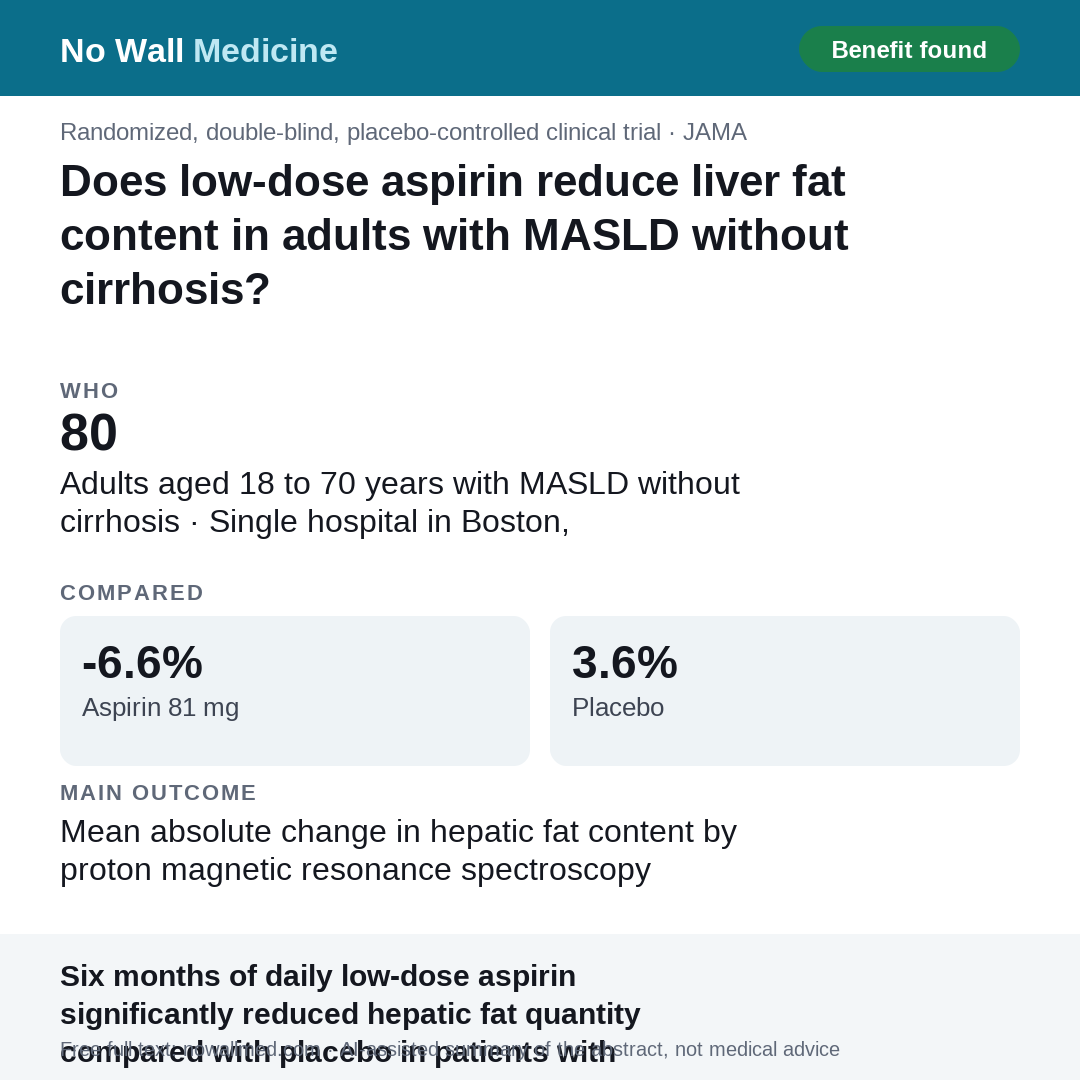
Aspirin for Metabolic Dysfunction-Associated Steatotic Liver Disease Without Cirrhosis: A Randomized Clinical Trial
Randomized, double-blind, placebo-controlled clinical trialEarly signal
Does low-dose aspirin reduce liver fat content in adults with MASLD without cirrhosis?
Who
80
Adults aged 18 to 70 years with MASLD without cirrhosis · Single hospital in Boston, Massachusetts
Compared
-6.6%Aspirin 81 mg
3.6%Placebo
Main outcome
Mean absolute change in hepatic fat content by proton magnetic resonance spectroscopy
Result: difference, -10.2% (95% CI, -27.7% to -2.6%)
Bottom line: Six months of daily low-dose aspirin significantly reduced hepatic fat quantity compared with placebo in patients with MASLD.
Limitation: Further study in a larger sample size is necessary to confirm these findings.
JAMA · 2024-03-19Download image
Lower vs Higher Oxygenation Target and Days Alive Without Life Support in COVID-19: The HOT-COVID Randomized Clinical Trial
Multicenter randomized clinical trialBenefit found
Does targeting a Pao2 of 60 mm Hg versus 90 mm Hg improve days alive without life support?
Who
726
Adults with COVID-19 and severe hypoxemia in the intensive care unit · 11 intensive care units in Europe
Compared
80.0 daysLower oxygenation group (IQR, 9.0-89.0 days)
72.0 daysHigher oxygenation group (IQR, 2.0-88.0 days)
Main outcome
Days alive without life support at 90 days
Result: adjusted mean difference, 5.8 days (95% CI, 0.2-11.5 days)
Bottom line: Targeting a lower Pao2 of 60 mm Hg resulted in more days alive without life support compared to 90 mm Hg.
JAMA · 2024-03-19Download image

Safety and immunogenicity of a subtype C ALVAC-HIV (vCP2438) vaccine prime plus bivalent subtype C gp120 vaccine boost adjuvanted with MF59 or alum in healthy adults without HIV (HVTN 107): A phase 1/2a randomized trial
Phase 1/2a randomized trialNo clear difference
How do different adjuvants affect safety and immunogenicity of an HIV vaccine regimen?
Who
132
healthy adults without HIV · South Africa, Zimbabwe, and Mozambique
Compared
ALVAC-HIV+gp120/MF59 prime-boost: 100% gp120 IgG binding antibodies
ALVAC-HIV+gp120/alum prime-boost: 100% gp120 IgG binding antibodies
ALVAC-HIV+gp120/MF59 coadministration: 100% gp120 IgG binding antibodies
ALVAC-HIV+gp120/no adjuvant: 100% gp120 IgG binding antibodies
Main outcome
safety and gp120-specific IgG and IgA binding antibodies
Bottom line: Alum induced similar gp120-specific antibody responses to MF59 in this HIV vaccine regimen.
Limitation: relatively small sample size per group and lack of evaluation of higher gp120 doses
PLOS Med · 2024-03-19Download image

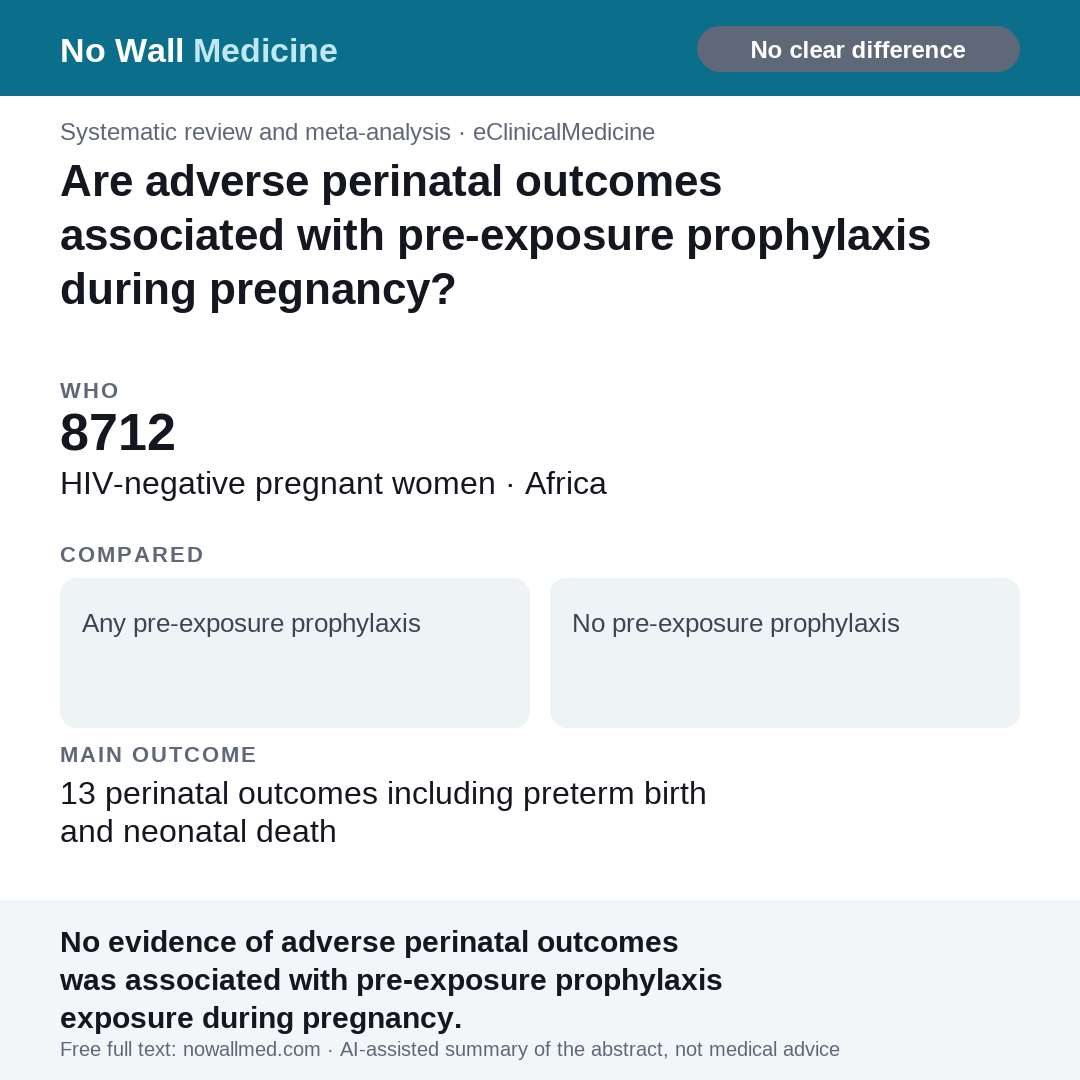
Perinatal outcomes associated with pre-exposure prophylaxis for HIV prevention during pregnancy: a systematic review and meta-analysis
Systematic review and meta-analysisNo clear difference
Are adverse perinatal outcomes associated with pre-exposure prophylaxis during pregnancy?
Who
8712
HIV-negative pregnant women · Africa
Compared
Any pre-exposure prophylaxis
No pre-exposure prophylaxis
Main outcome
13 perinatal outcomes including preterm birth and neonatal death
Bottom line: No evidence of adverse perinatal outcomes was associated with pre-exposure prophylaxis exposure during pregnancy.
eClinicalMedicine · 2024-03-19Download image
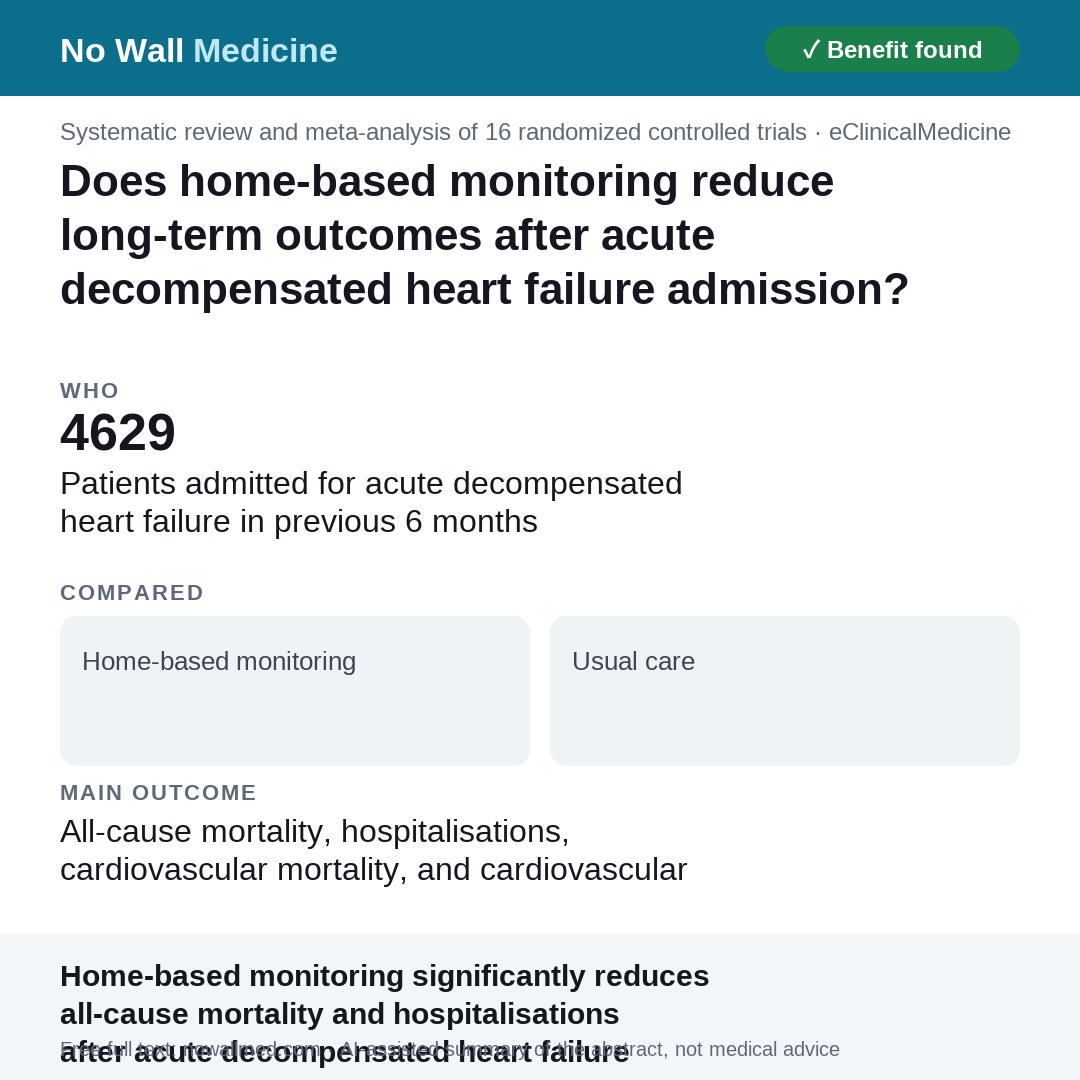
Long-term impact of home-based monitoring after an admission for acute decompensated heart failure: a systematic review and meta-analysis of randomised controlled trials
Systematic review and meta-analysis of 16 randomized controlled trialsBenefit found
Does home-based monitoring reduce long-term outcomes after acute decompensated heart failure admission?
Who
4629
Patients admitted for acute decompensated heart failure in previous 6 months
Compared
Home-based monitoring
Usual care
Main outcome
All-cause mortality, hospitalisations, cardiovascular mortality, and cardiovascular hospitalisations
Result: risk ratio 0.75 (95% CI 0.61, 0.91) for all-cause mortality
Bottom line: Home-based monitoring significantly reduces all-cause mortality and hospitalisations after acute decompensated heart failure admission.
Limitation: Future studies are warranted to evaluate efficacy and safety in real-world settings.
eClinicalMedicine · 2024-03-19Download image
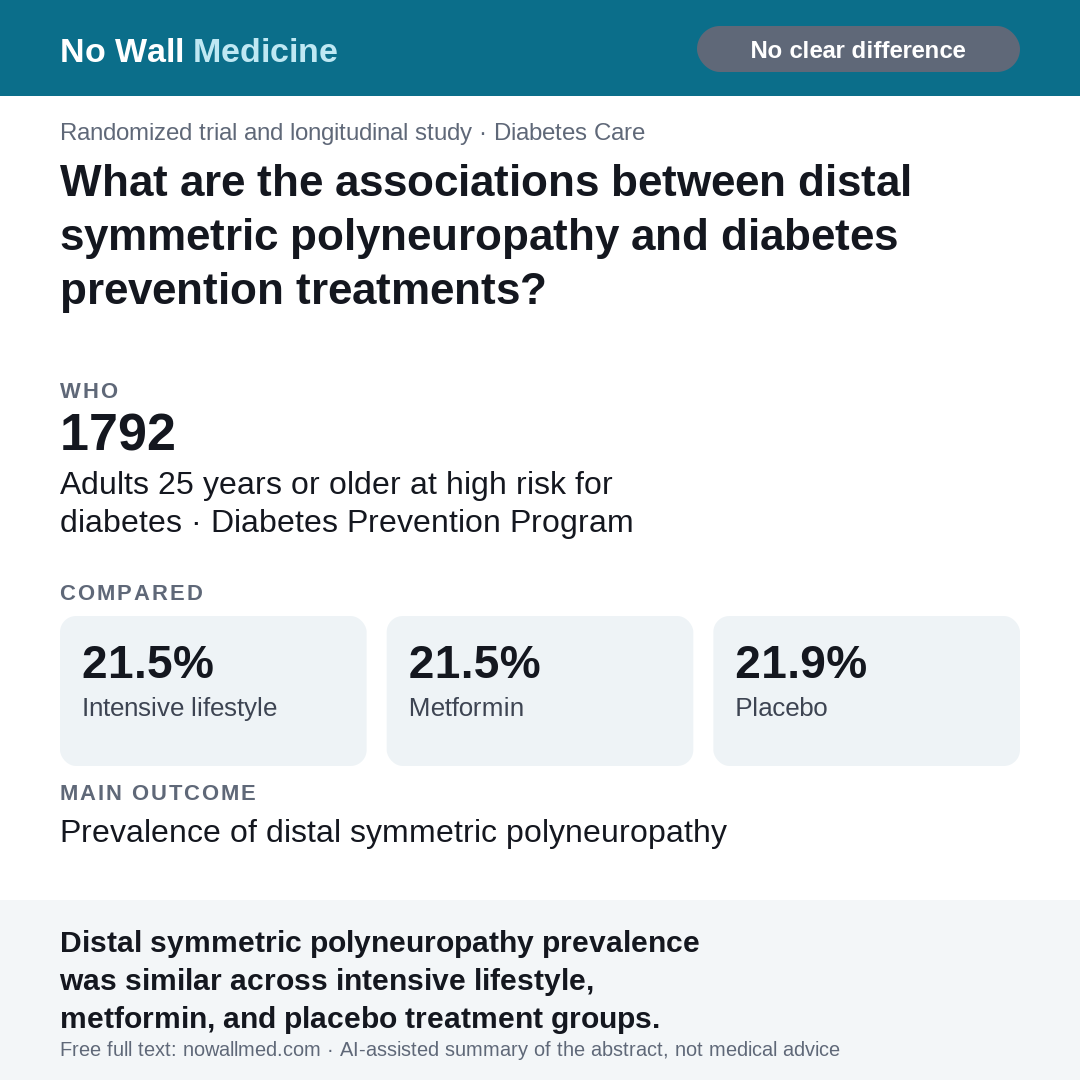
Prevalence of Distal Symmetrical Polyneuropathy by Diabetes Prevention Program Treatment Group, Diabetes Status, Duration of Diabetes, and Cumulative Glycemic Exposure
Randomized trial and longitudinal studyNo clear difference
What are the associations between distal symmetric polyneuropathy and diabetes prevention treatments?
Who
1792
Adults 25 years or older at high risk for diabetes · Diabetes Prevention Program Outcomes Study
Compared
21.5%Intensive lifestyle
21.5%Metformin
21.9%Placebo
Main outcome
Prevalence of distal symmetric polyneuropathy
Bottom line: Distal symmetric polyneuropathy prevalence was similar across intensive lifestyle, metformin, and placebo treatment groups.
Diabetes Care · 2024-03-19Download image
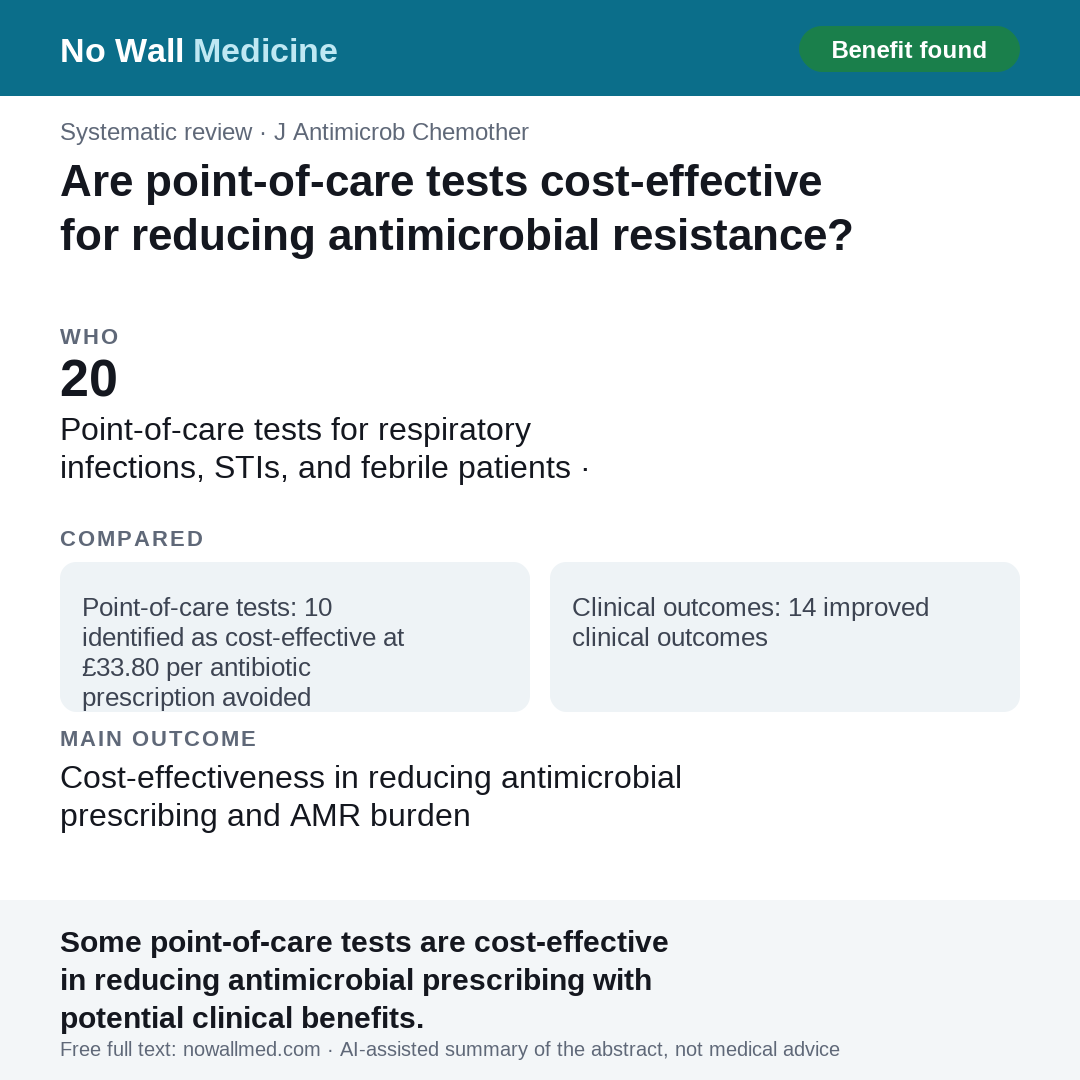
Cost-effectiveness of point-of-care diagnostics for AMR: a systematic review
Systematic reviewBenefit found
Are point-of-care tests cost-effective for reducing antimicrobial resistance?
Who
20
Point-of-care tests for respiratory infections, STIs, and febrile patients · Global primary and secondary healthcare
Compared
Point-of-care tests: 10 identified as cost-effective at £33.80 per antibiotic prescription avoided
Clinical outcomes: 14 improved clinical outcomes
Main outcome
Cost-effectiveness in reducing antimicrobial prescribing and AMR burden
Bottom line: Some point-of-care tests are cost-effective in reducing antimicrobial prescribing with potential clinical benefits.
J Antimicrob Chemother · 2024-03-19Download image
Differential Cognitive Effects of Unilateral Subthalamic Nucleus Deep Brain Stimulation for Parkinson's Disease
Randomized, double-blind, crossover studyNo clear difference
Does unilateral directional versus ring subthalamic nucleus deep brain stimulation affect cognition?
Who
31
Patients with advanced Parkinson's disease
Compared
Directional stimulation
Ring stimulation
Main outcome
Verbal fluency, auditory-verbal memory, and response inhibition
Bottom line: Directional versus ring subthalamic nucleus deep brain stimulation did not differentially affect cognitive performance.
Funded by: National Institutes of Health
Ann Neurol · 2024-03-19Download image

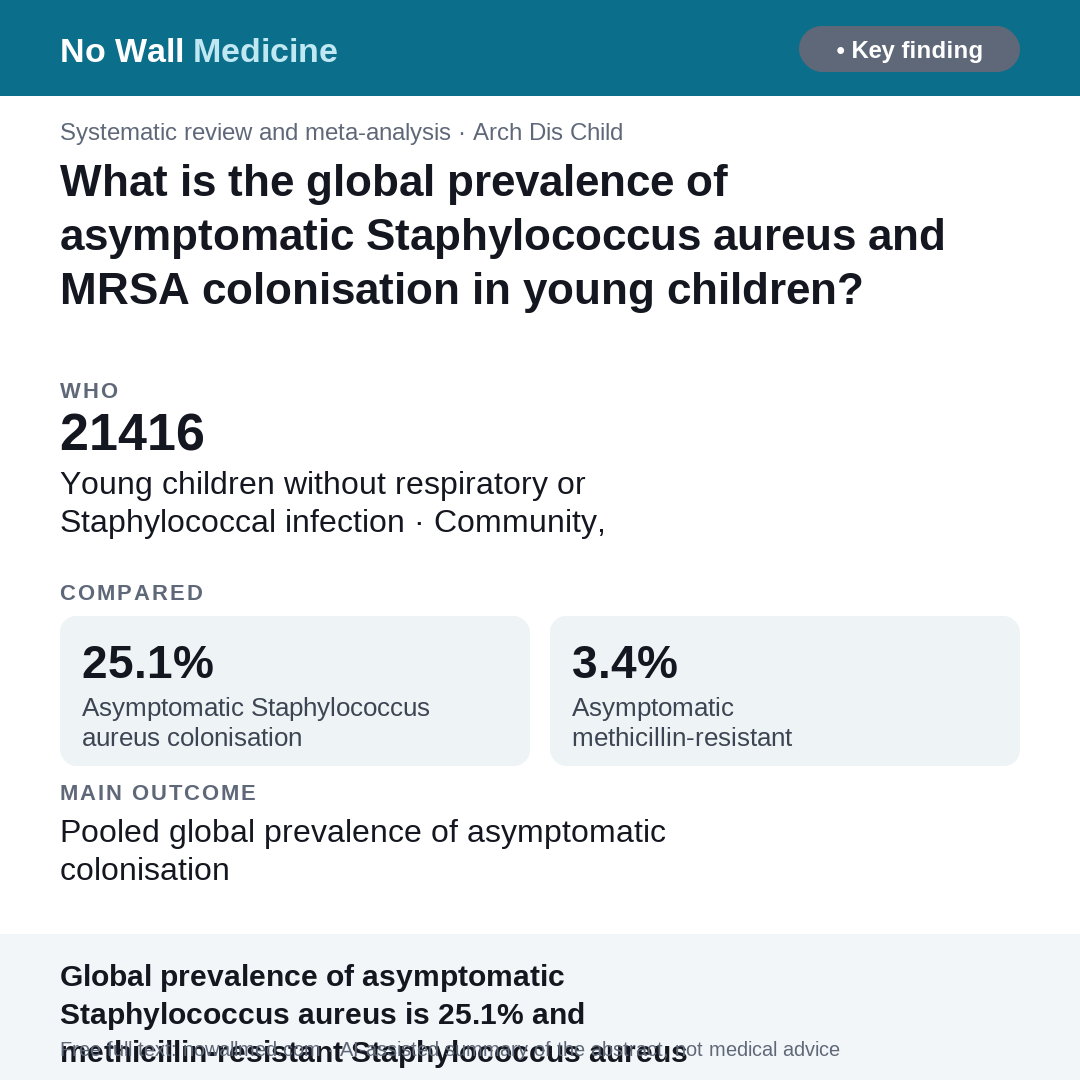
Global epidemiology of asymptomatic colonisation of methicillin-resistant Staphylococcus aureus in the upper respiratory tract of young children: a systematic review and meta-analysis
Systematic review and meta-analysisBenefit found
What is the global prevalence of asymptomatic Staphylococcus aureus and MRSA colonisation in young children?
Who
21416
Young children without respiratory or Staphylococcal infection · Community, children's institutions, and healthcare centre visits
Compared
25.1%Asymptomatic Staphylococcus aureus colonisation (95% CI 21.4 to 28.8)
3.4%Asymptomatic methicillin-resistant Staphylococcus aureus colonisation (95% CI 2.8 to 4.1)
Main outcome
Pooled global prevalence of asymptomatic colonisation
Bottom line: Global prevalence of asymptomatic Staphylococcus aureus is 25.1% and methicillin-resistant Staphylococcus aureus is 3.4% in young children.
Arch Dis Child · 2024-03-19Download image
Air pollution and childhood respiratory consultations in primary care: a systematic review
Systematic reviewMixed results
Does short-term outdoor air pollution exposure increase childhood respiratory consultations in primary care?
Who
Children in a primary care setting
Compared
Carbon monoxide, sulfur dioxide, nitrogen dioxide, PM10, PM2.5: increased childhood respiratory consultations
Ozone: reduction in respiratory consultations
Main outcome
Childhood respiratory consultations in primary care
Bottom line: Short-term exposure to most air pollutants increases childhood respiratory consultations, while ozone exposure was associated with a reduction.
Limitation: Heterogeneity in exposure and health outcome prevented a meta-analysis.
Arch Dis Child · 2024-03-19Download image

Effectiveness of a novel digital patient education programme to support self-management of early rheumatoid arthritis: a randomized controlled trial
Parallel, open-label, two-armed, randomized controlled trialBenefit found
Is a digital patient education programme effective for self-management in early rheumatoid arthritis?
Who
180
Patients newly diagnosed with rheumatoid arthritis · Five rheumatology clinics
Compared
digital patient education
face-to-face patient education
Main outcome
average difference in Rheumatoid Arthritis Self-Efficacy score
Result: -4.34 difference in RASE score (95% CI: -8.17 to -0.51)
Bottom line: Digital patient education improved self-efficacy in patients with early rheumatoid arthritis compared to face-to-face education.
Rheumatology · 2024-03-19Download image

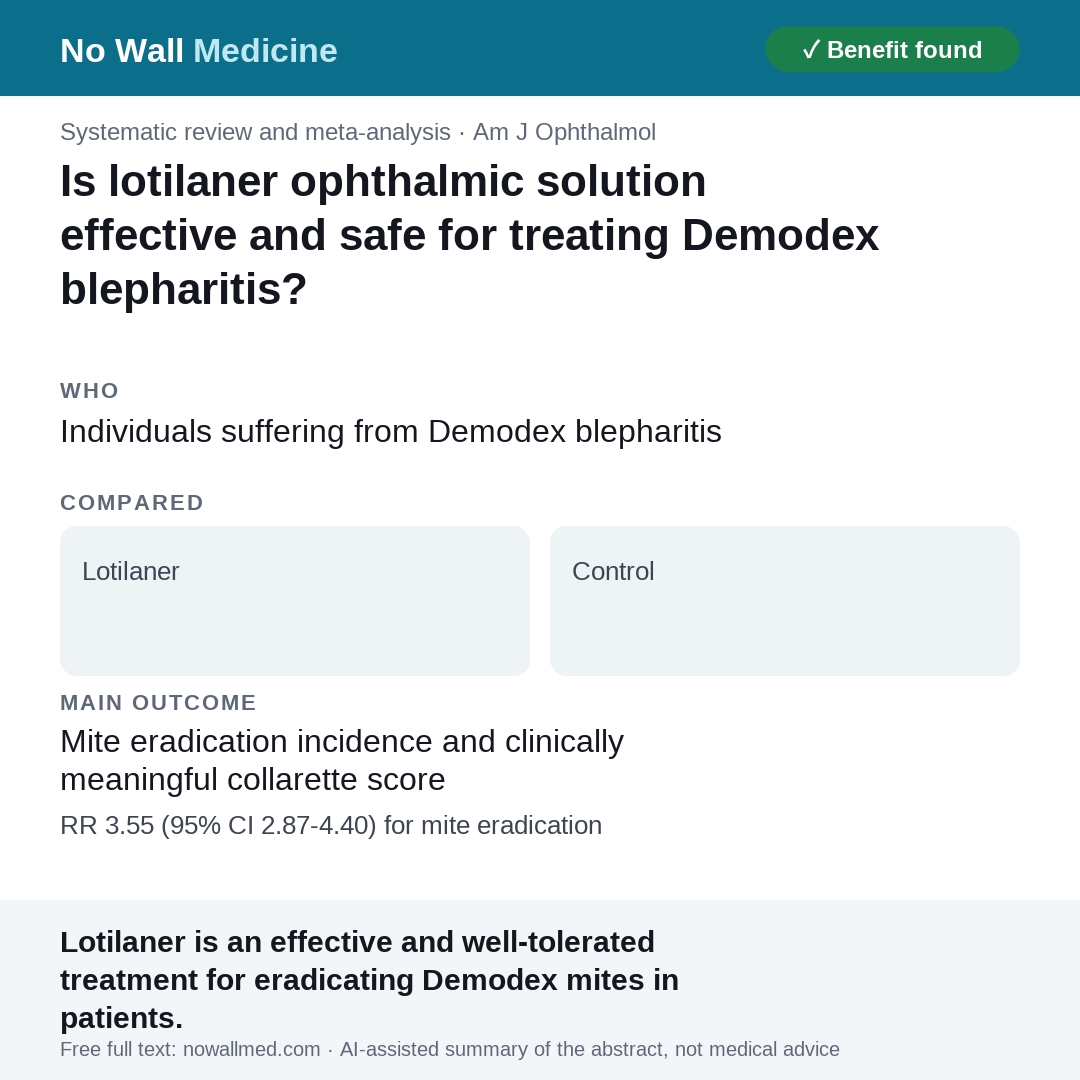
Efficacy and Safety of Lotilaner Ophthalmic Solution (0.25%) for the Treatment of Demodex Blepharitis: A GRADE Assessed Systematic Review and Meta-Analysis of Observational & Experimental Studies
Systematic review and meta-analysisBenefit found
Is lotilaner ophthalmic solution effective and safe for treating Demodex blepharitis?
Who
Individuals suffering from Demodex blepharitis
Compared
Lotilaner
Control
Main outcome
Mite eradication incidence and clinically meaningful collarette score
Result: RR 3.55 (95% CI 2.87-4.40) for mite eradication
Bottom line: Lotilaner is an effective and well-tolerated treatment for eradicating Demodex mites in patients.
Am J Ophthalmol · 2024-03-19Download image