Visual abstracts
New randomized trials and meta-analyses from leading journals at a glance: who was studied, what was compared, and what was found. Every paper is free to read in full.
All specialtiesCardiology 2397Oncology 2055Gastroenterology & Hepatology 919Infectious Disease 1497Neurology 956Psychiatry & Mental Health 1132Pulmonology 1007Critical Care 667Endocrinology & Diabetes 1255Pediatrics 1411Surgery 1222Orthopedics & Sports Medicine 439Neurosurgery 295Cardiothoracic & Vascular Surgery 260Plastic & Reconstructive Surgery 362Nephrology 500Rheumatology 342Hematology 519Dermatology 275Ophthalmology 281Obstetrics & Gynecology 786Public & Global Health 436Radiology & Imaging 328Anesthesiology 484Urology 405ENT (Otolaryngology) 305Emergency Medicine 273Allergy & Immunology 149Geriatrics 508Family Medicine & Primary Care 282Medical Genetics & Genomics 258Pathology & Laboratory Medicine 77Physical Medicine & Rehabilitation 402Palliative Care 204Nutrition 629Digital Health & AI 1186General Medicine 177
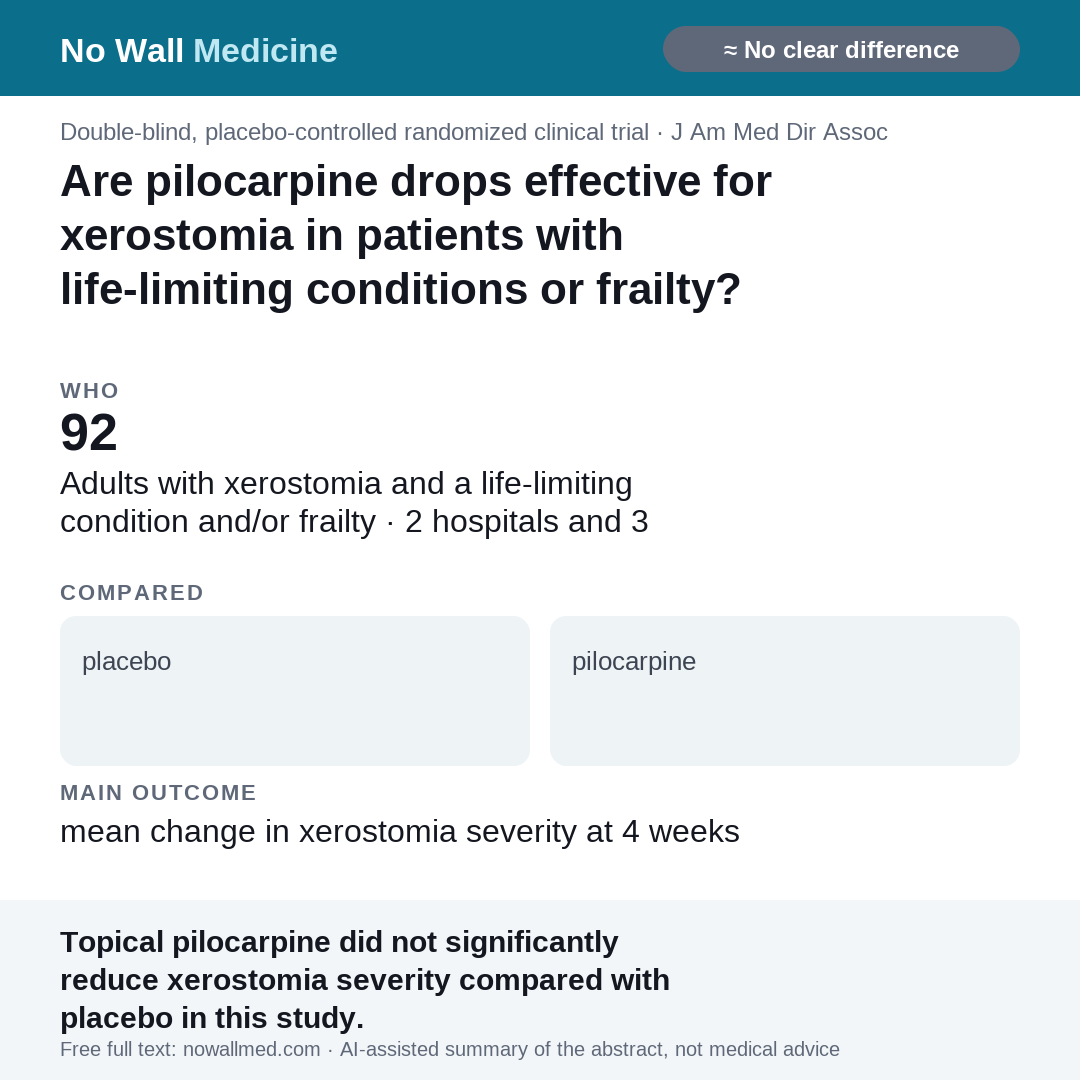
Pilocarpine Drops for Xerostomia in Patients With a Life-Limiting Condition or Frailty: A Double-Blind Placebo-Controlled Randomized Clinical Trial
Double-blind, placebo-controlled randomized clinical trialNo clear difference
Are pilocarpine drops effective for xerostomia in patients with life-limiting conditions or frailty?
Who
92
Adults with xerostomia and a life-limiting condition and/or frailty · 2 hospitals and 3 nursing homes in the Netherlands
Compared
placebo
pilocarpine
Main outcome
mean change in xerostomia severity at 4 weeks
Result: adjusted β = -0.37; (95% CI, -1.31 to 0.58)
Bottom line: Topical pilocarpine did not significantly reduce xerostomia severity compared with placebo in this study.
Limitation: The current study was underpowered.
J Am Med Dir Assoc · 2026-08-25Download image
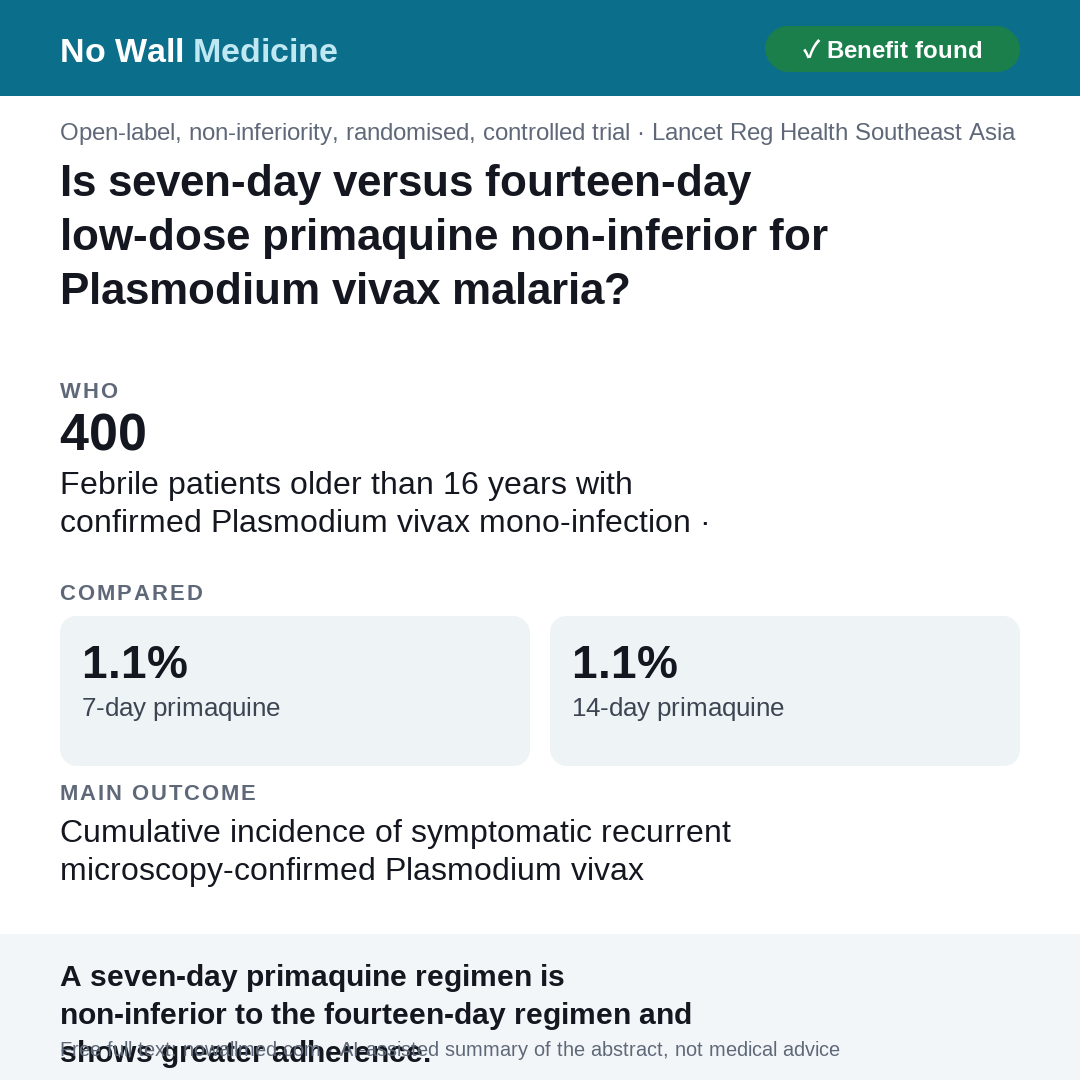
Seven-day versus fourteen-day low-dose primaquine for Plasmodium vivax malaria in India: an open-label, non-inferiority, randomised, controlled trial
Open-label, non-inferiority, randomised, controlled trialBenefit found
Is seven-day versus fourteen-day low-dose primaquine non-inferior for Plasmodium vivax malaria?
Who
400
Febrile patients older than 16 years with confirmed Plasmodium vivax mono-infection · Two sites in India
Compared
1.1%7-day primaquine (95% CI 0.0-4.1)
1.1%14-day primaquine (95% CI 0.0-4.4)
Main outcome
Cumulative incidence of symptomatic recurrent microscopy-confirmed Plasmodium vivax parasitaemia
Bottom line: A seven-day primaquine regimen is non-inferior to the fourteen-day regimen and shows greater adherence.
Limitation: The overall number of recurrences was lower than anticipated, limiting the precision of the estimates.
Funded by: Infectious Diseases Data Observatory and Bill & Melinda Gates Foundation
Lancet Reg Health Southeast Asia · 2026-08-25Download image
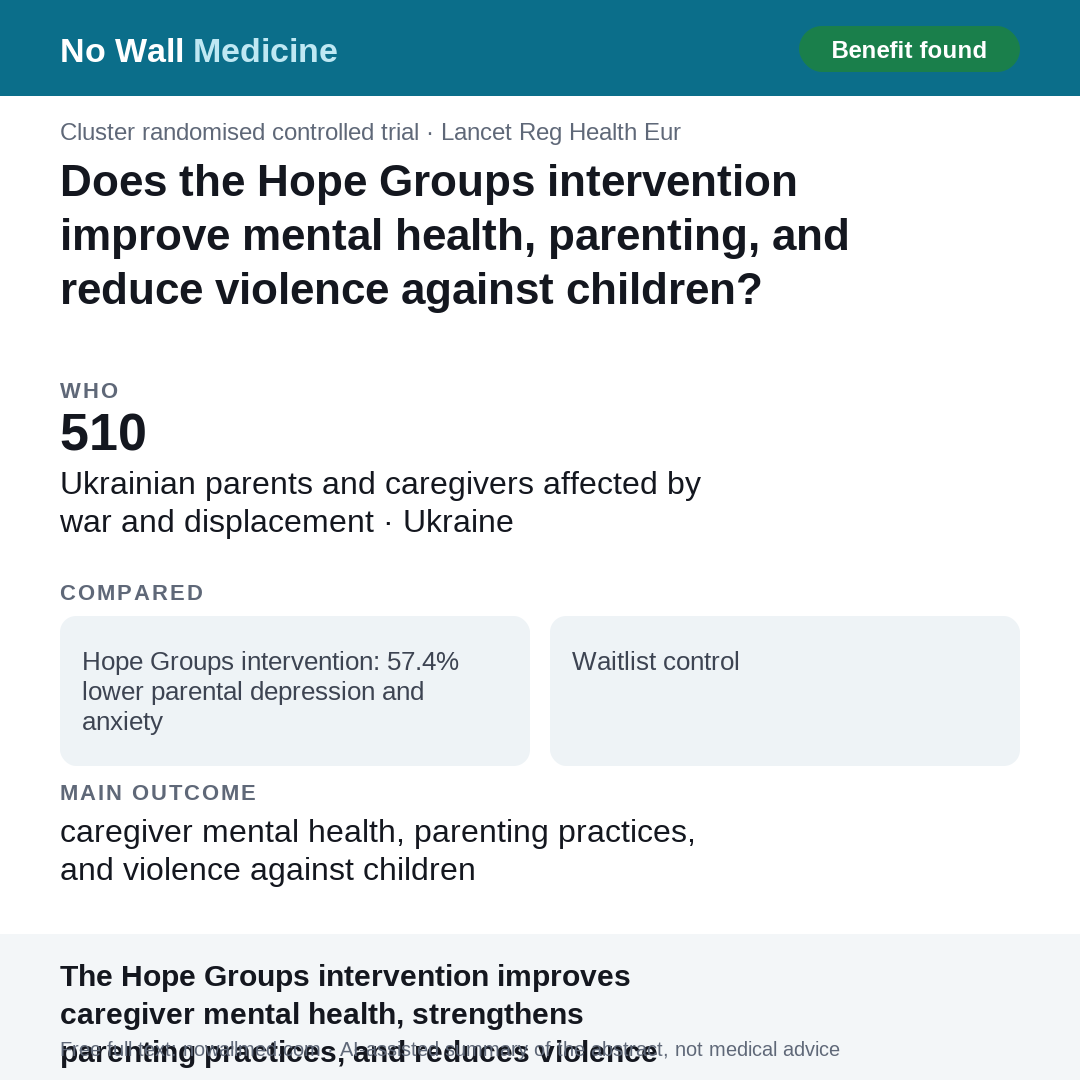
Effectiveness of the hope groups intervention on mental health, parenting practices, and violence against children among Ukrainian parents and caregivers affected by war and displacement: a cluster randomised controlled trial
Cluster randomised controlled trialBenefit found
Does the Hope Groups intervention improve mental health, parenting, and reduce violence against children?
Who
510
Ukrainian parents and caregivers affected by war and displacement · Ukraine
Compared
Hope Groups intervention: 57.4% lower parental depression and anxiety
Waitlist control
Main outcome
caregiver mental health, parenting practices, and violence against children
Result: β = -2.85; 95% CI = -3.49, -2.22; β = -0.5; 95% CI = -0.64, -0.36; β = 1.32, 95% CI = 0.92, 1.71
Bottom line: The Hope Groups intervention improves caregiver mental health, strengthens parenting practices, and reduces violence against children during war.
Funded by: Global Parenting Initiative, Moderna Foundation, and World Without Orphans
Lancet Reg Health Eur · 2026-08-25Download image
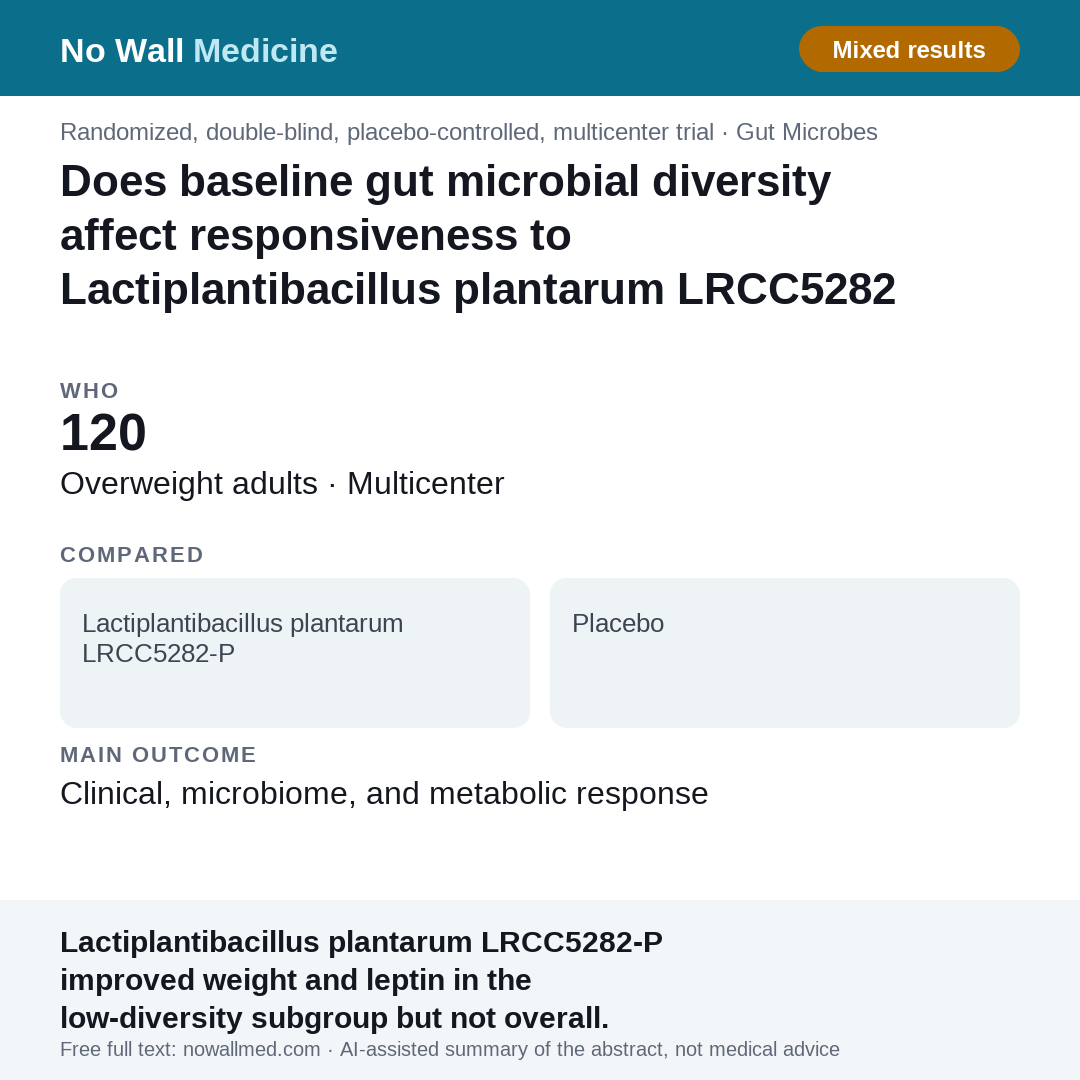
Gut microbial diversity at baseline conditions the clinical, microbiome, and metabolic response to paraprobiotic Lactiplantibacillus plantarum LRCC5282 in overweight adults
Randomized, double-blind, placebo-controlled, multicenter trialMixed results
Does baseline gut microbial diversity affect responsiveness to Lactiplantibacillus plantarum LRCC5282 in overweight adults?
Who
120
Overweight adults · Multicenter
Compared
Lactiplantibacillus plantarum LRCC5282-P
Placebo
Main outcome
Clinical, microbiome, and metabolic response
Bottom line: Lactiplantibacillus plantarum LRCC5282-P improved weight and leptin in the low-diversity subgroup but not overall.
Limitation: Further studies are warranted to elucidate the biological pathways underlying this responsiveness.
Gut Microbes · 2026-08-25Download image
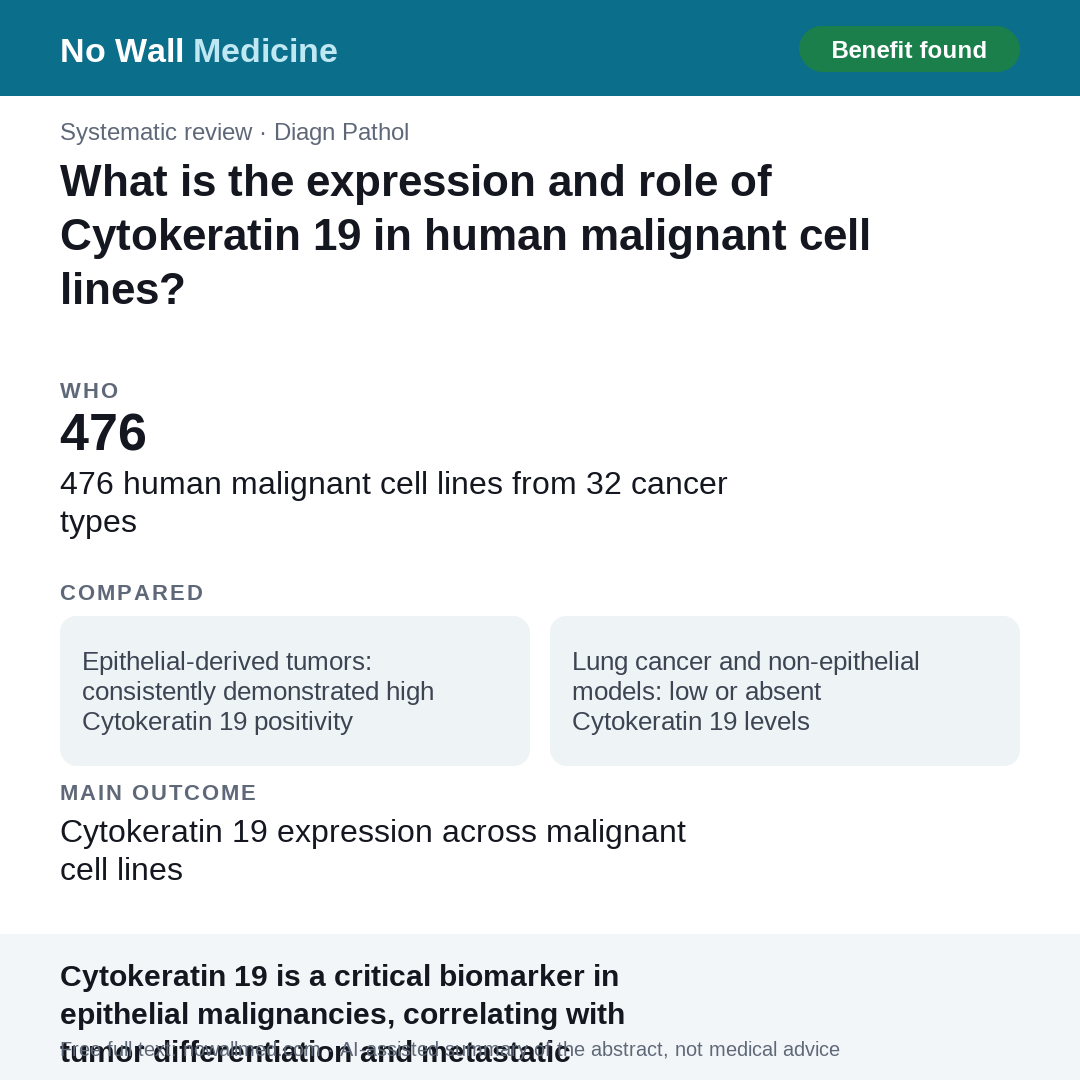
Cytokeratin 19 role in malignancy: a systematic review
Systematic reviewBenefit found
What is the expression and role of Cytokeratin 19 in human malignant cell lines?
Who
476
476 human malignant cell lines from 32 cancer types
Compared
Epithelial-derived tumors: consistently demonstrated high Cytokeratin 19 positivity
Lung cancer and non-epithelial models: low or absent Cytokeratin 19 levels
Main outcome
Cytokeratin 19 expression across malignant cell lines
Bottom line: Cytokeratin 19 is a critical biomarker in epithelial malignancies, correlating with tumor differentiation and metastatic behavior.
Diagn Pathol · 2026-08-25Download image
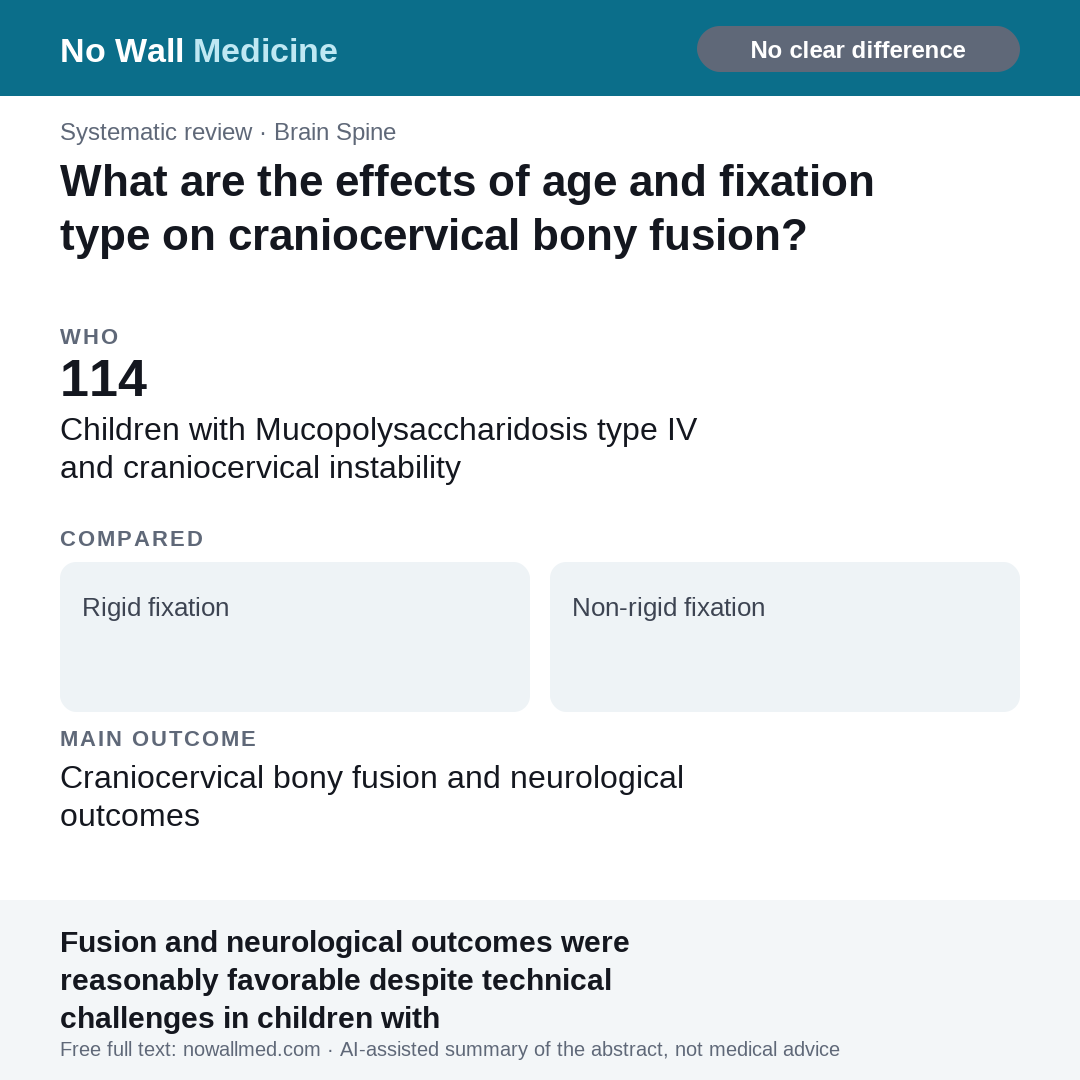
Surgery for craniocervical instability and spinal cord compression in children with Mucopolysaccharidosis type IV: A systematic review
Systematic reviewNo clear difference
What are the effects of age and fixation type on craniocervical bony fusion?
Who
114
Children with Mucopolysaccharidosis type IV and craniocervical instability
Compared
Rigid fixation
Non-rigid fixation
Main outcome
Craniocervical bony fusion and neurological outcomes
Result: OR 2.44 (95% CI 0.24-330.60)
Bottom line: Fusion and neurological outcomes were reasonably favorable despite technical challenges in children with Mucopolysaccharidosis type IV.
Brain Spine · 2026-08-25Download image
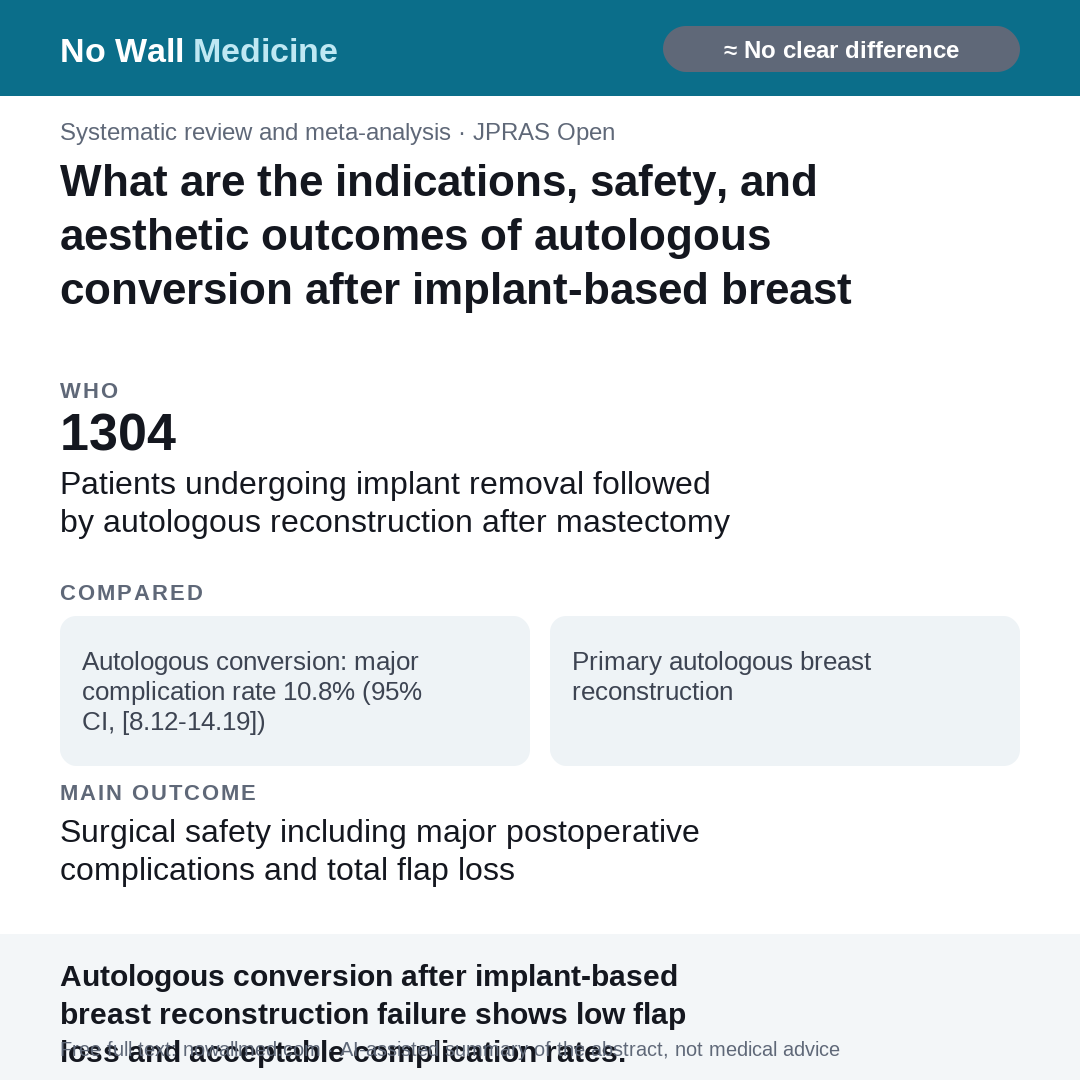
Indications, safety and aesthetic outcomes of autologous conversion after implant-based breast reconstruction failure: A systematic review and meta-analysis
Systematic review and meta-analysisNo clear difference
What are the indications, safety, and aesthetic outcomes of autologous conversion after implant-based breast reconstruction failure?
Who
1304
Patients undergoing implant removal followed by autologous reconstruction after mastectomy
Compared
Autologous conversion: major complication rate 10.8% (95% CI, [8.12-14.19])
Primary autologous breast reconstruction
Main outcome
Surgical safety including major postoperative complications and total flap loss
Result: RR 1.68 (95% CI 0.70 to 4.01)
Bottom line: Autologous conversion after implant-based breast reconstruction failure shows low flap loss and acceptable complication rates.
JPRAS Open · 2026-08-25Download image
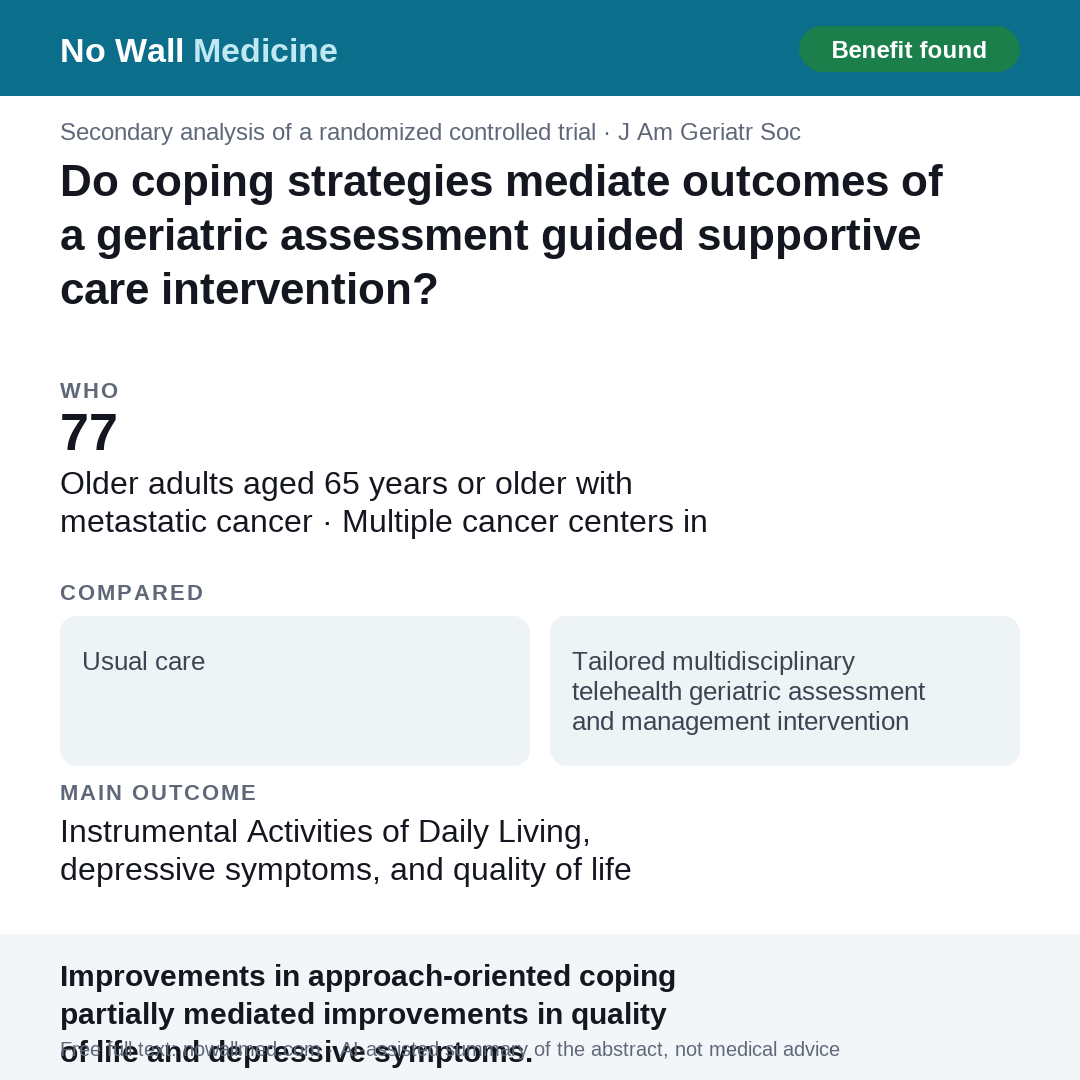
Mechanisms of Benefit in Geriatric Assessment (GA): Approach-Oriented Coping Mediates Outcomes of a GA-Guided Supportive Care Intervention (GAIN-S)
Secondary analysis of a randomized controlled trialBenefit found
Do coping strategies mediate outcomes of a geriatric assessment guided supportive care intervention?
Who
77
Older adults aged 65 years or older with metastatic cancer · Multiple cancer centers in Brazil
Compared
Usual care
Tailored multidisciplinary telehealth geriatric assessment and management intervention
Main outcome
Instrumental Activities of Daily Living, depressive symptoms, and quality of life
Bottom line: Improvements in approach-oriented coping partially mediated improvements in quality of life and depressive symptoms.
J Am Geriatr Soc · 2026-08-24Download image
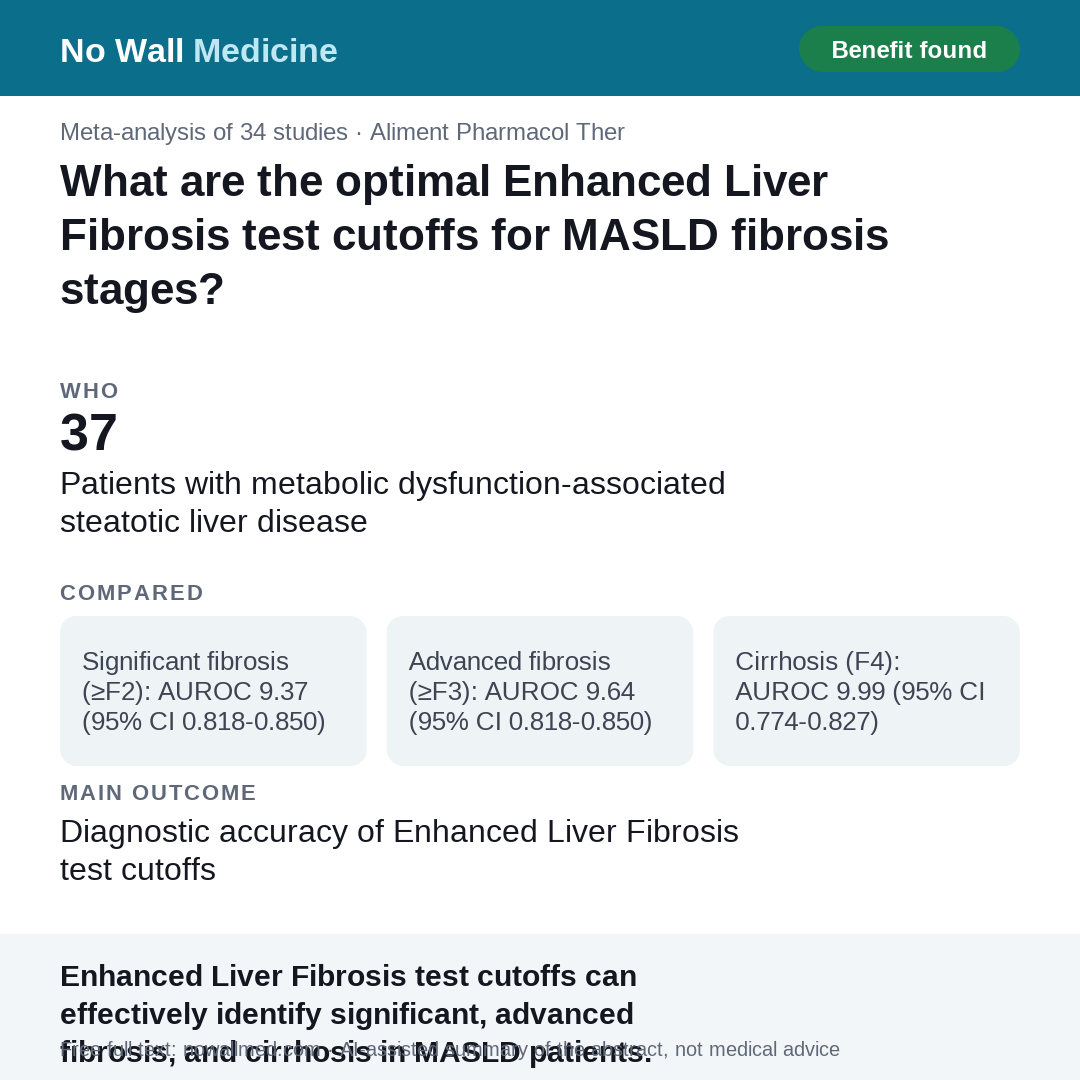
Meta-Analysis: Enhanced Liver Fibrosis (ELF) Test for Identifying Significant Fibrosis, Advanced Fibrosis, and Cirrhosis in Patients With Metabolic Dysfunction-Associated Steatotic Liver Disease
Meta-analysis of 34 studiesBenefit found
What are the optimal Enhanced Liver Fibrosis test cutoffs for MASLD fibrosis stages?
Who
37
Patients with metabolic dysfunction-associated steatotic liver disease
Compared
Significant fibrosis (F2): AUROC 9.37 (95% CI 0.818 [0.781-0.850])
Advanced fibrosis (F3): AUROC 9.64 (95% CI 0.818 [0.782-0.850])
Cirrhosis (F4): AUROC 9.99 (95% CI 0.774 [0.711-0.827])
Main outcome
Diagnostic accuracy of Enhanced Liver Fibrosis test cutoffs
Bottom line: Enhanced Liver Fibrosis test cutoffs can identify significant, advanced fibrosis, and cirrhosis in MASLD patients.
Aliment Pharmacol Ther · 2026-08-24Download image
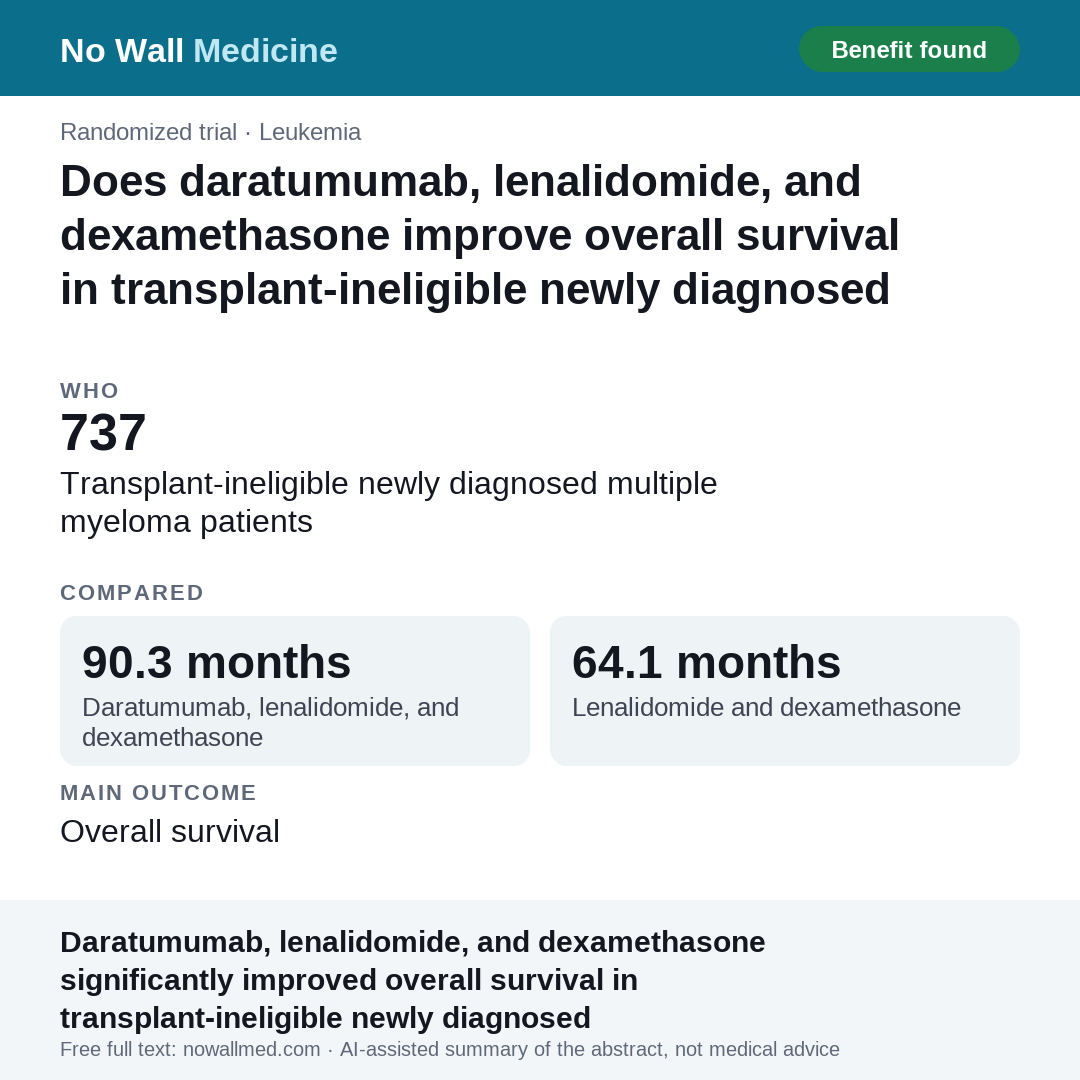
Daratumumab, lenalidomide, and dexamethasone in transplant-ineligible newly diagnosed multiple myeloma: MAIA final survival analysis
Randomized trialBenefit found
Does daratumumab, lenalidomide, and dexamethasone improve overall survival in transplant-ineligible newly diagnosed multiple myeloma?
Who
737
Transplant-ineligible newly diagnosed multiple myeloma patients
Compared
90.3 monthsDaratumumab, lenalidomide, and dexamethasone
64.1 monthsLenalidomide and dexamethasone
Main outcome
Overall survival
Result: hazard ratio 0.67 (95% CI 0.55-0.82)
Bottom line: Daratumumab, lenalidomide, and dexamethasone significantly improved overall survival in transplant-ineligible newly diagnosed multiple myeloma.
Leukemia · 2026-08-24Download image
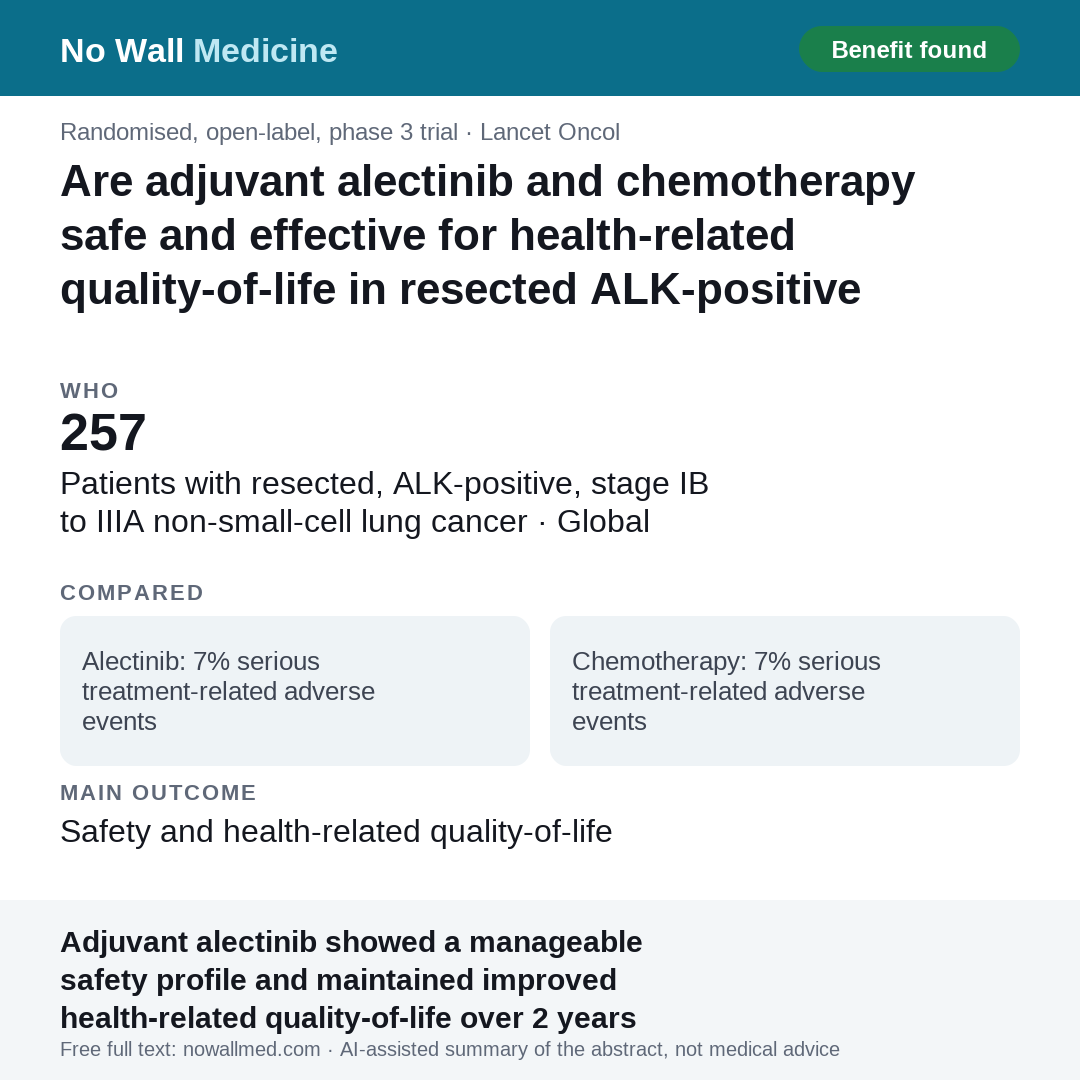
Adjuvant alectinib versus chemotherapy in resected ALK-positive non-small-cell lung cancer (ALINA): health-related quality-of-life and safety outcomes from a randomised, open-label, phase 3 trial
Randomised, open-label, phase 3 trialBenefit found
Are adjuvant alectinib and chemotherapy safe and effective for health-related quality-of-life in resected ALK-positive NSCLC?
Who
257
Patients with resected, ALK-positive, stage IB to IIIA non-small-cell lung cancer · Global
Compared
Alectinib: 7% serious treatment-related adverse events
Chemotherapy: 7% serious treatment-related adverse events
Main outcome
Safety and health-related quality-of-life
Bottom line: Adjuvant alectinib showed a manageable safety profile and maintained improved health-related quality-of-life over 2 years of treatment.
Funded by: F Hoffmann-La Roche
Lancet Oncol · 2026-08-24Download image
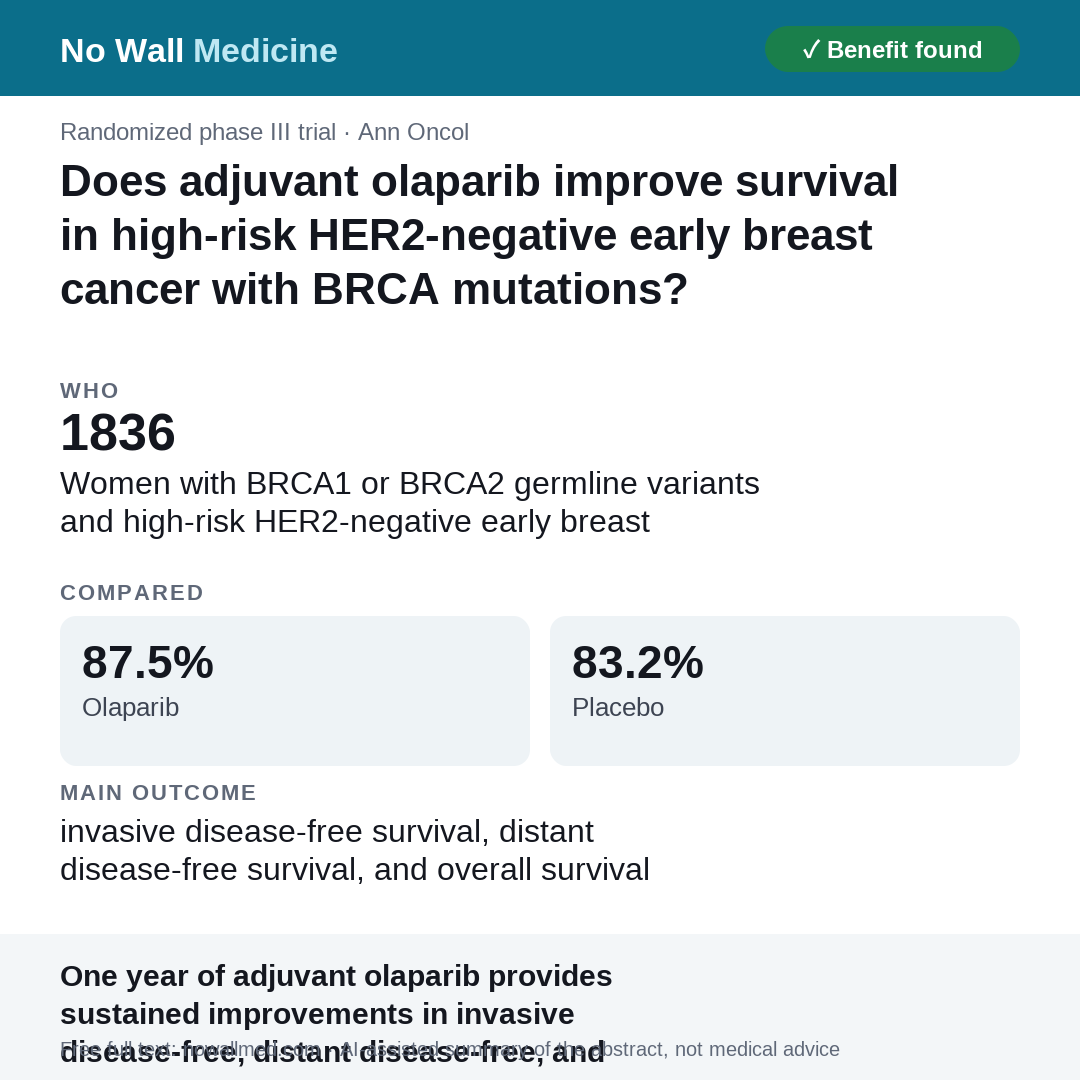
Sustained benefit of adjuvant olaparib in women with germline BRCA1- and BRCA2-associated high-risk HER2-negative early breast cancer: updated results from the OlympiA phase III trial
Randomized phase III trialBenefit found
Does adjuvant olaparib improve survival in high-risk HER2-negative early breast cancer with BRCA mutations?
Who
1836
Women with BRCA1 or BRCA2 germline variants and high-risk HER2-negative early breast cancer
Compared
87.5%Olaparib
83.2%Placebo
Main outcome
invasive disease-free survival, distant disease-free survival, and overall survival
Result: hazard ratio 0.72 (95% CI 0.56-0.93) for overall survival
Bottom line: One year of adjuvant olaparib provides sustained improvements in invasive disease-free, distant disease-free, and overall survival.
Ann Oncol · 2026-08-24Download image
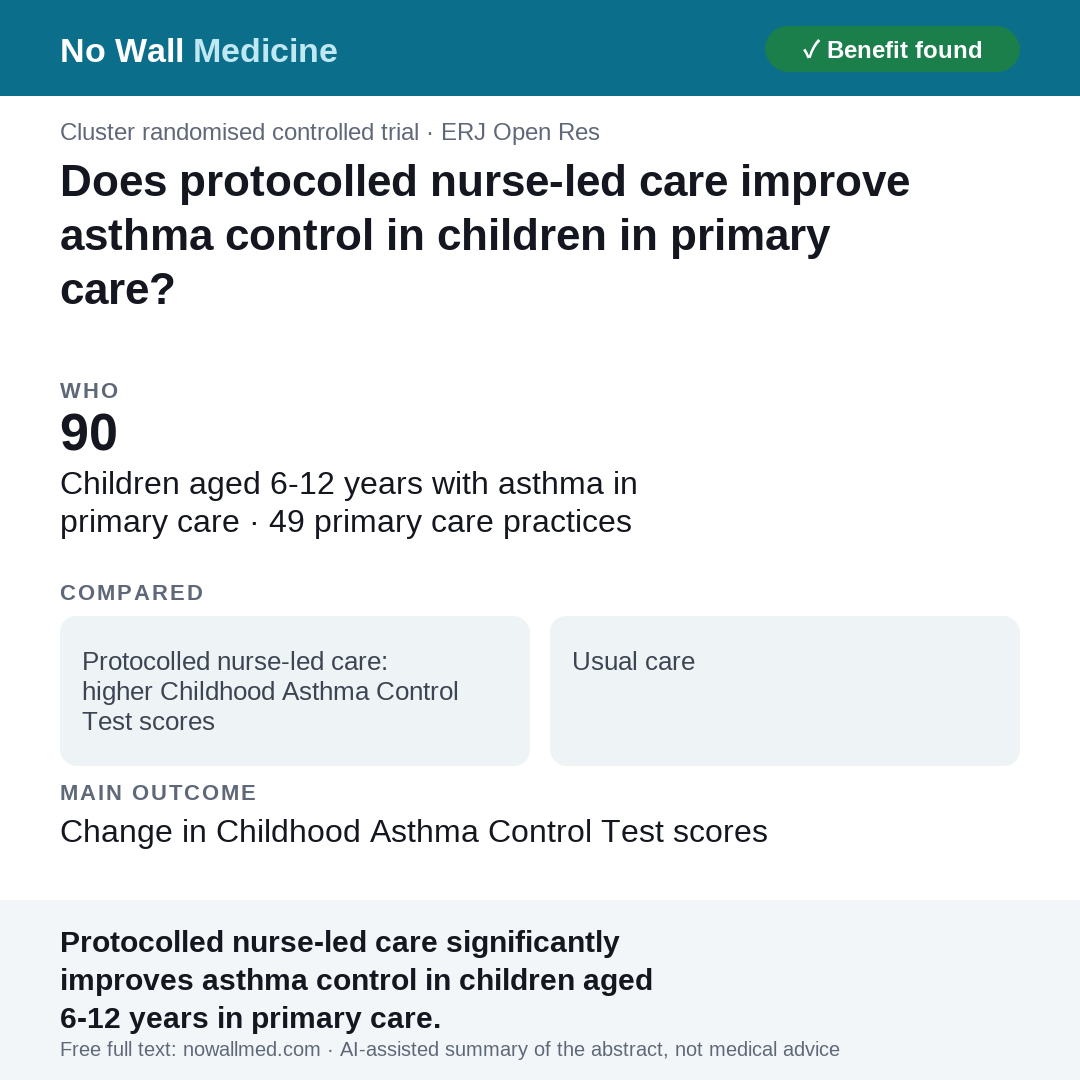
Nurse-led care for children with asthma in primary care: results of a randomised controlled trial
Cluster randomised controlled trialBenefit found
Does protocolled nurse-led care improve asthma control in children in primary care?
Who
90
Children aged 6-12 years with asthma in primary care · 49 primary care practices
Compared
Protocolled nurse-led care: higher Childhood Asthma Control Test scores
Usual care
Main outcome
Change in Childhood Asthma Control Test scores
Bottom line: Protocolled nurse-led care significantly improves asthma control in children aged 6-12 years in primary care.
ERJ Open Res · 2026-08-24Download image
Brain-computer interface for upper limb functional recovery post-stroke: a meta-analysis of improvement in upper limb motor function and changes in neurophysiological markers
Meta-analysis of 16 randomized controlled trialsBenefit found
Does brain-computer interface rehabilitation improve upper limb motor function compared to conventional rehabilitation in stroke patients?
Who
1761
Patients with upper limb dysfunction following stroke
Compared
Brain-computer interface rehabilitation
Conventional rehabilitation
Main outcome
Fugl-Meyer Upper Extremity Scale scores
Result: standardized mean difference 0.49 (95% CI 0.26 to 0.73)
Bottom line: Brain-computer interface rehabilitation improves upper limb motor function, functional activities, neurophysiological markers, and activities of daily living performance.
J Neuroeng Rehabil · 2026-08-24Download image

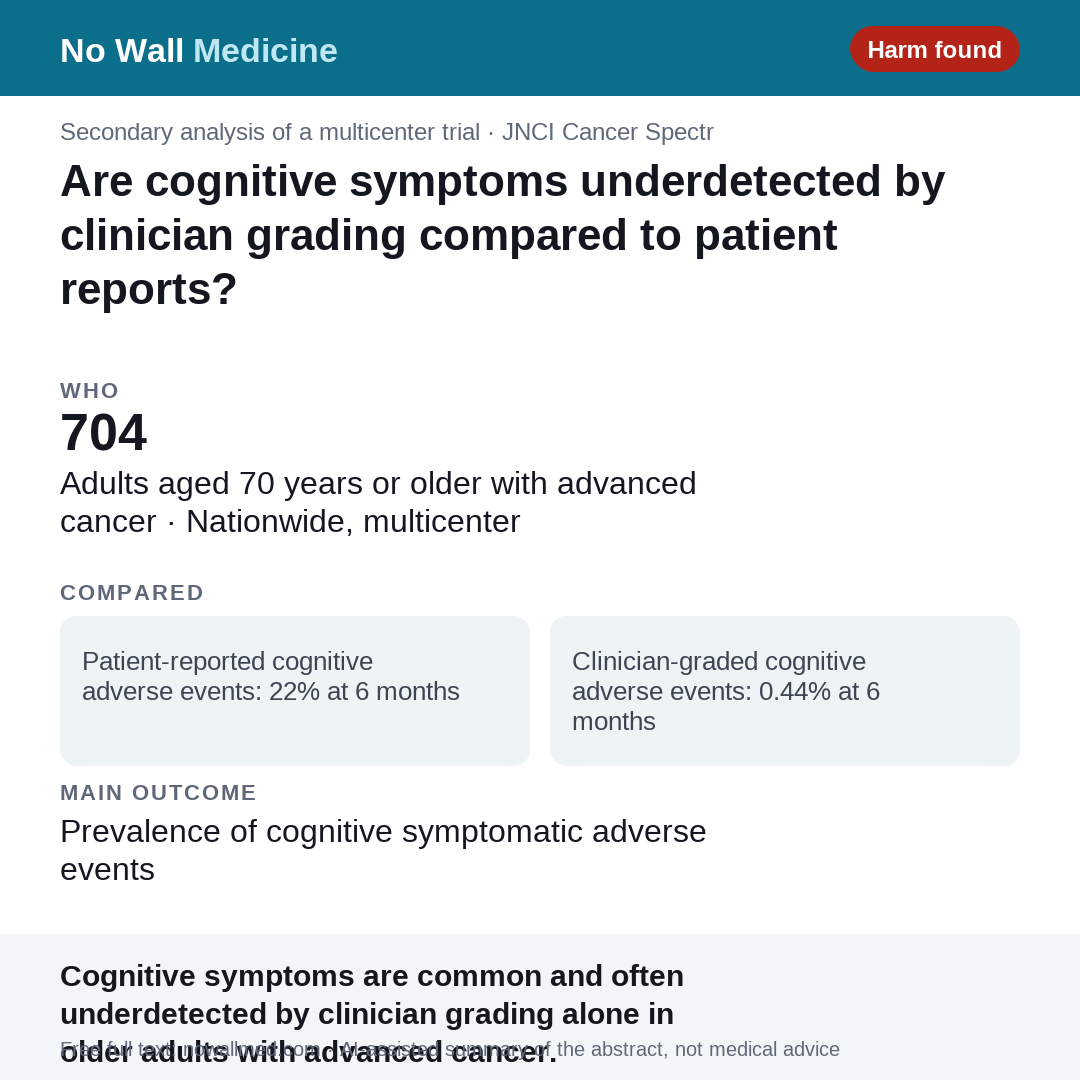
Prevalence of patient-reported and clinician-graded cognitive symptomatic adverse events in older patients with advanced cancer
Secondary analysis of a multicenter trialHarm found
Are cognitive symptoms underdetected by clinician grading compared to patient reports?
Who
704
Adults aged 70 years or older with advanced cancer · Nationwide, multicenter
Compared
Patient-reported cognitive adverse events: 22% at 6 months
Clinician-graded cognitive adverse events: 0.44% at 6 months
Main outcome
Prevalence of cognitive symptomatic adverse events
Bottom line: Cognitive symptoms are common and often underdetected by clinician grading alone in older adults with advanced cancer.
JNCI Cancer Spectr · 2026-08-24Download image
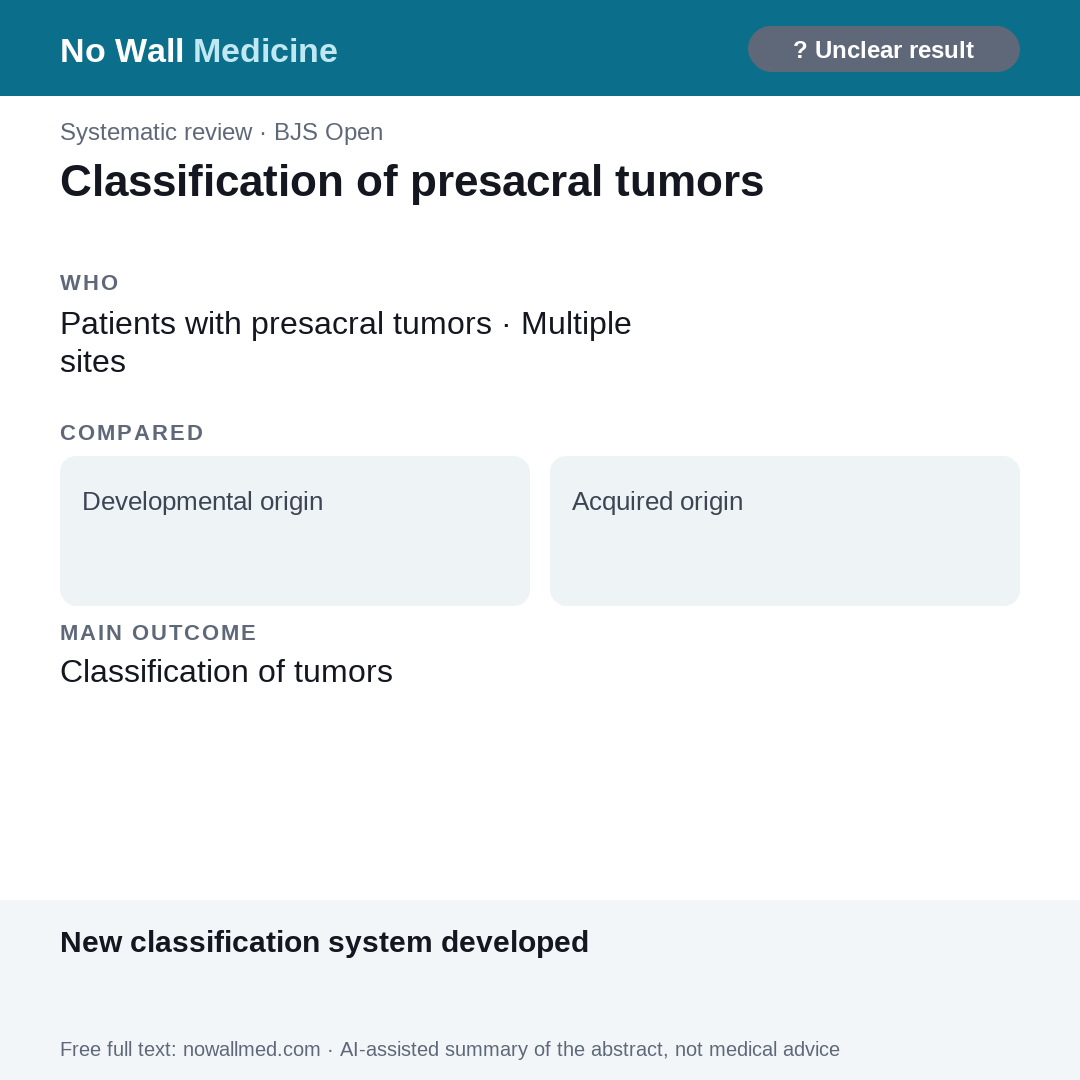
Mayo Clinic classification of presacral tumors: evolution of classifications and systematic review of pathologies
Systematic reviewUnclear result
Classification of presacral tumors
Who
Patients with presacral tumors · Multiple sites
Compared
Developmental origin
Acquired origin
Main outcome
Classification of tumors
Bottom line: New classification system developed
BJS Open · 2026-08-24Download image
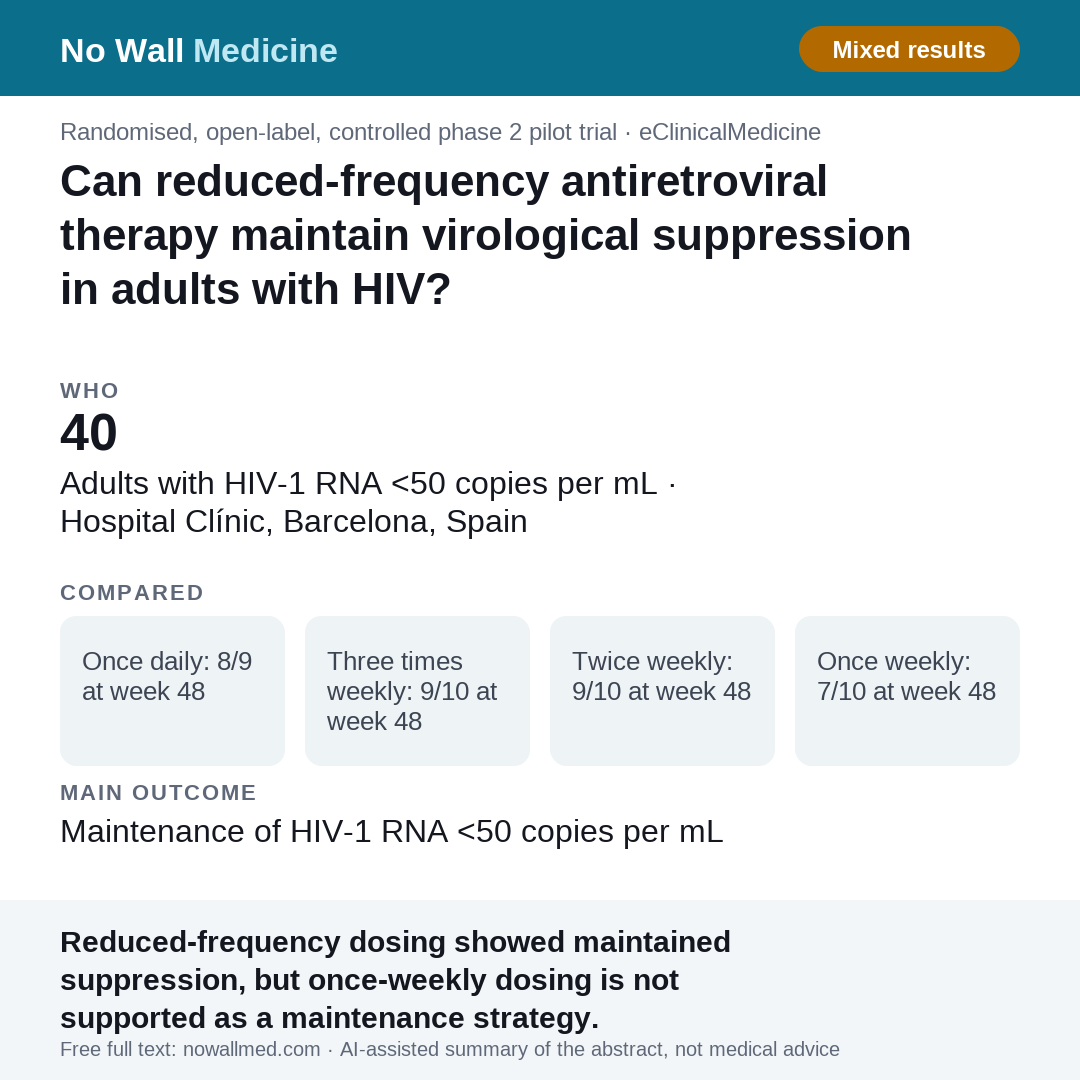
Reduced-frequency bictegravir, emtricitabine, and tenofovir alafenamide in virologically suppressed adults with HIV: a single-centre randomised phase 2 pilot trial in Spain
Randomised, open-label, controlled phase 2 pilot trialMixed results
Can reduced-frequency antiretroviral therapy maintain virological suppression in adults with HIV?
Who
40
Adults with HIV-1 RNA <50 copies per mL · Hospital Clínic, Barcelona, Spain
Compared
Once daily: 8/9 at week 48
Three times weekly: 9/10 at week 48
Twice weekly: 9/10 at week 48
Once weekly: 7/10 at week 48
Main outcome
Maintenance of HIV-1 RNA <50 copies per mL
Bottom line: Reduced-frequency dosing showed maintained suppression, but once-weekly dosing is not supported as a maintenance strategy.
Funded by: Instituto de Salud Carlos
eClinicalMedicine · 2026-08-23Download image
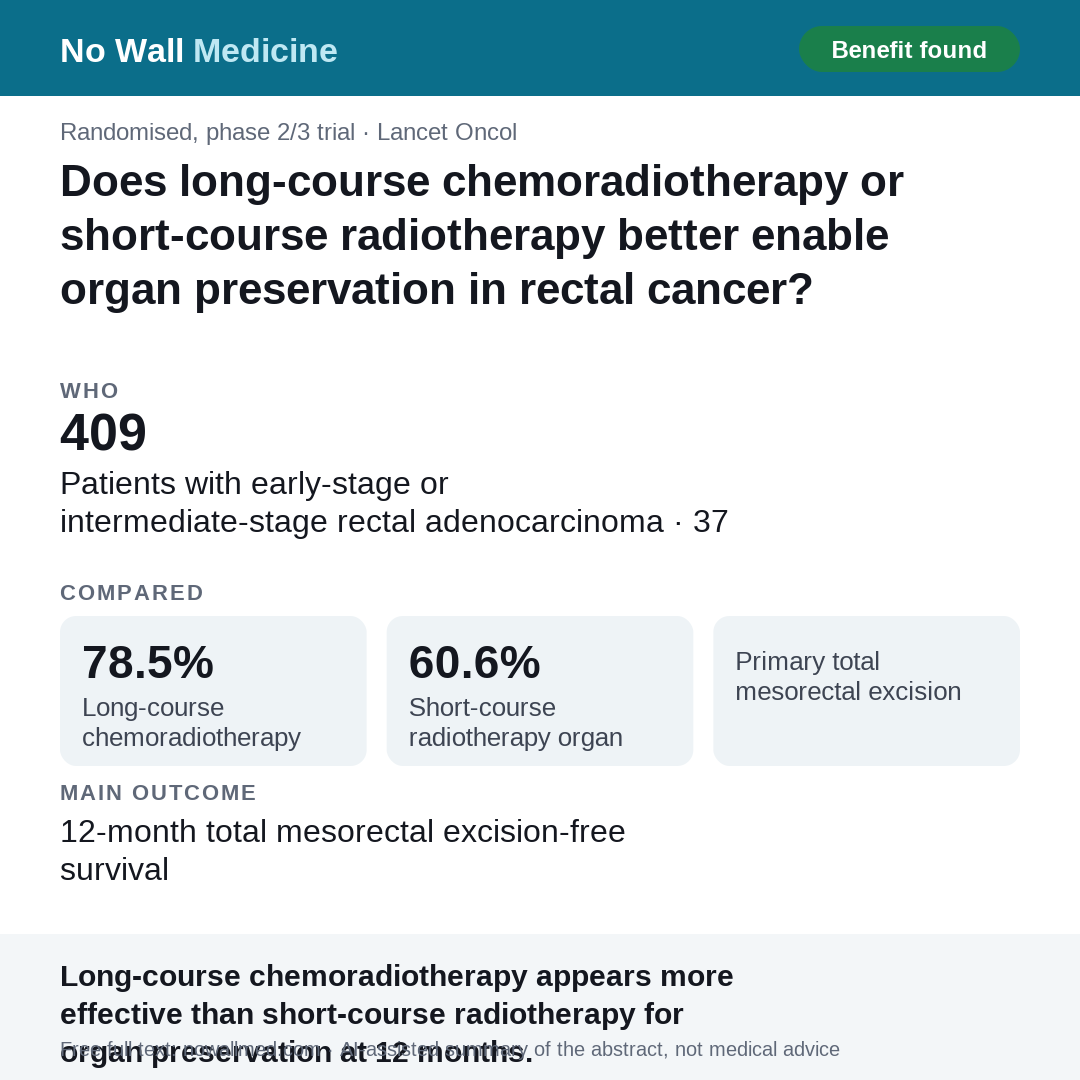
Chemoradiotherapy versus short-course radiotherapy for response-adapted organ preservation in early-stage and intermediate-stage rectal cancer (STAR-TREC): 12-month results of an international, multicentre, open-label, parallel-group, randomised, phase 2/3 trial
Randomised, phase 2/3 trialBenefit found
Does long-course chemoradiotherapy or short-course radiotherapy better enable organ preservation in rectal cancer?
Who
409
Patients with early-stage or intermediate-stage rectal adenocarcinoma · 37 sites in five European countries
Compared
78.5%Long-course chemoradiotherapy organ preservation (95% CI 72.4-85.1)
60.6%Short-course radiotherapy organ preservation (53.6-68.4)
Primary total mesorectal excision
Main outcome
12-month total mesorectal excision-free survival
Result: hazard ratio 1.90 (95% CI 1.29-2.81)
Bottom line: Long-course chemoradiotherapy appears more effective than short-course radiotherapy for organ preservation at 12 months.
Lancet Oncol · 2026-08-23Download image
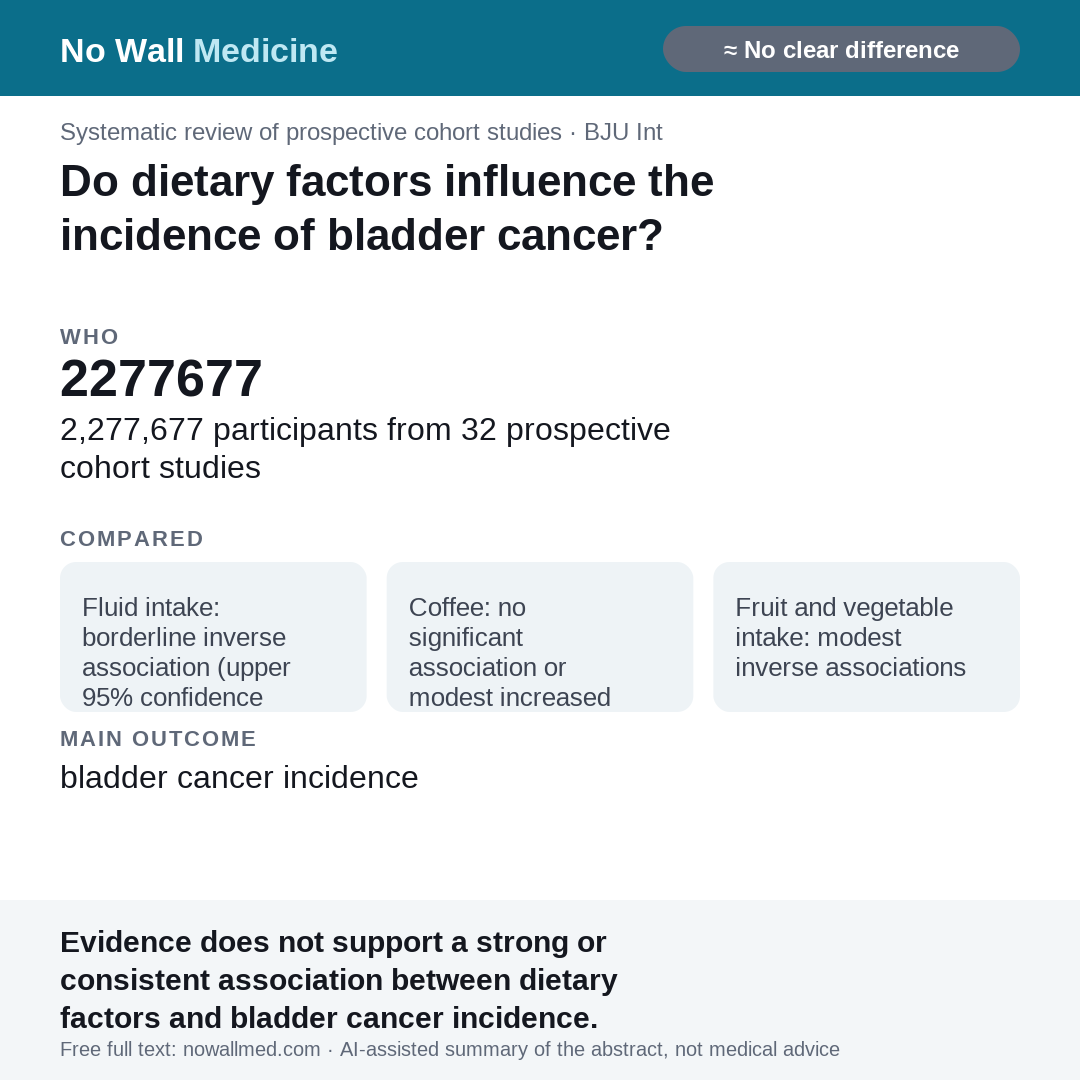
Diet and risk of bladder cancer: a systematic review of epidemiological evidence
Systematic review of prospective cohort studiesNo clear difference
Do dietary factors influence the incidence of bladder cancer?
Who
2277677
2,277,677 participants from 32 prospective cohort studies
Compared
Fluid intake: borderline inverse association (upper 95% confidence interval >0.95)
Coffee: no significant association or modest increased risk
Fruit and vegetable intake: modest inverse associations
Main outcome
bladder cancer incidence
Bottom line: Evidence does not support a strong or consistent association between dietary factors and bladder cancer incidence.
Limitation: Residual confounding, particularly by smoking, remains a concern.
BJU Int · 2026-08-23Download image
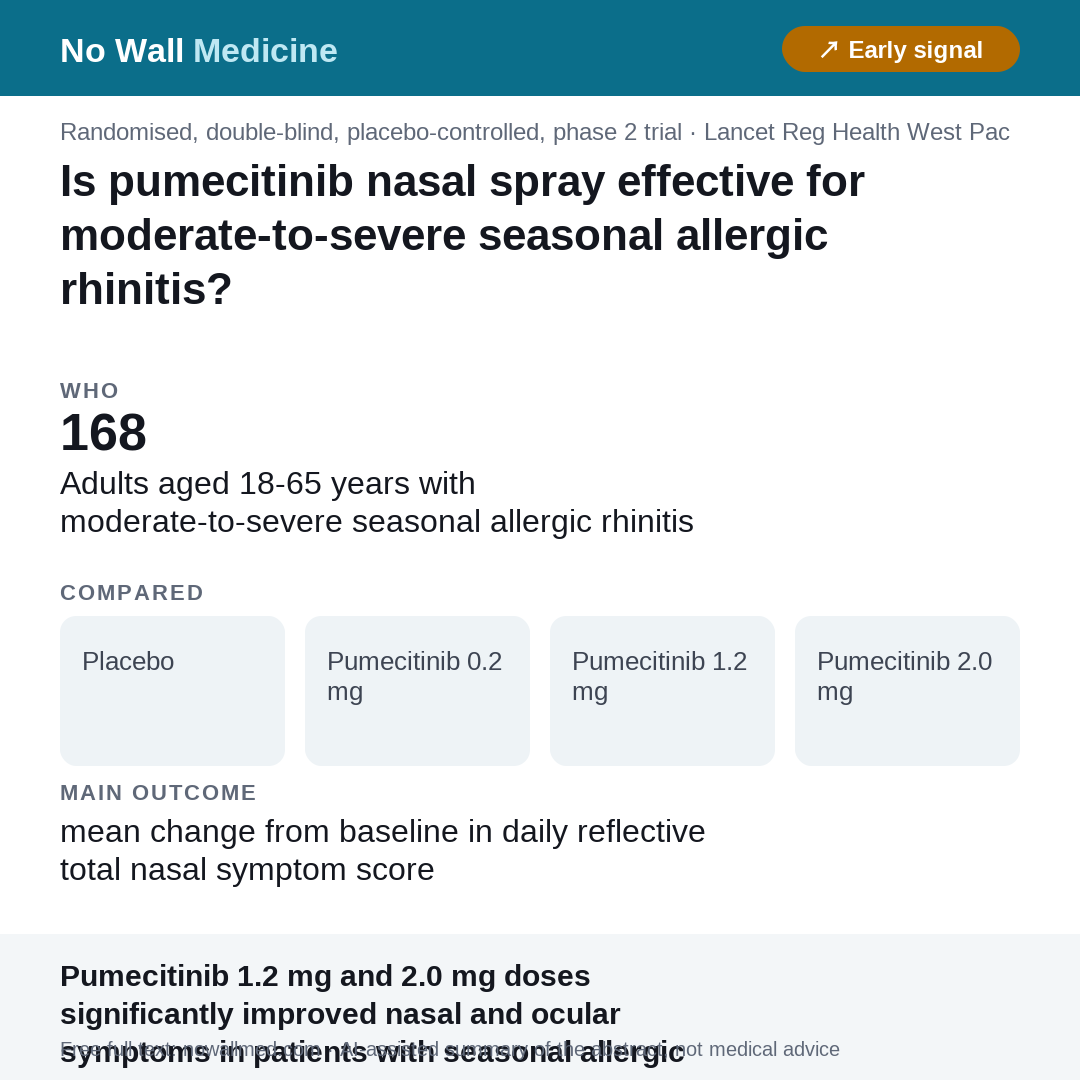
Efficacy, safety, and pharmacokinetics of pumecitinib nasal spray for moderate-to-severe seasonal allergic rhinitis: a multicentre, double-blind, randomised, placebo-controlled, phase 2 trial
Randomised, double-blind, placebo-controlled, phase 2 trialBenefit found
Is pumecitinib nasal spray effective for moderate-to-severe seasonal allergic rhinitis?
Who
168
Adults aged 18-65 years with moderate-to-severe seasonal allergic rhinitis · 20 centres in China
Compared
Placebo
Pumecitinib 0.2 mg
Pumecitinib 1.2 mg
Pumecitinib 2.0 mg
Main outcome
mean change from baseline in daily reflective total nasal symptom score
Result: least-squares mean difference -1·2 (95% CI -2·2 to -0·2) for 1.2 mg and 2.0 mg
Bottom line: Pumecitinib 1.2 mg and 2.0 mg doses significantly improved nasal and ocular symptoms in patients with seasonal allergic rhinitis.
Funded by: PrimeGenX Therapeutics Co., Ltd.
Lancet Reg Health West Pac · 2026-08-23Download image