Visual abstracts
New randomized trials and meta-analyses from leading journals at a glance: who was studied, what was compared, and what was found. Every paper is free to read in full.
All specialtiesCardiology 3593Oncology 3067Gastroenterology & Hepatology 1405Infectious Disease 2528Neurology 1444Psychiatry & Mental Health 1696Pulmonology 1535Critical Care 1027Endocrinology & Diabetes 1832Pediatrics 2175Surgery 1889Orthopedics & Sports Medicine 669Neurosurgery 421Cardiothoracic & Vascular Surgery 425Plastic & Reconstructive Surgery 496Nephrology 785Rheumatology 574Hematology 807Dermatology 444Ophthalmology 395Obstetrics & Gynecology 1228Public & Global Health 688Radiology & Imaging 499Anesthesiology 733Urology 589ENT (Otolaryngology) 394Emergency Medicine 383Allergy & Immunology 223Geriatrics 758Family Medicine & Primary Care 414Medical Genetics & Genomics 460Pathology & Laboratory Medicine 118Physical Medicine & Rehabilitation 557Palliative Care 331Nutrition 1085Digital Health & AI 1685General Medicine 257
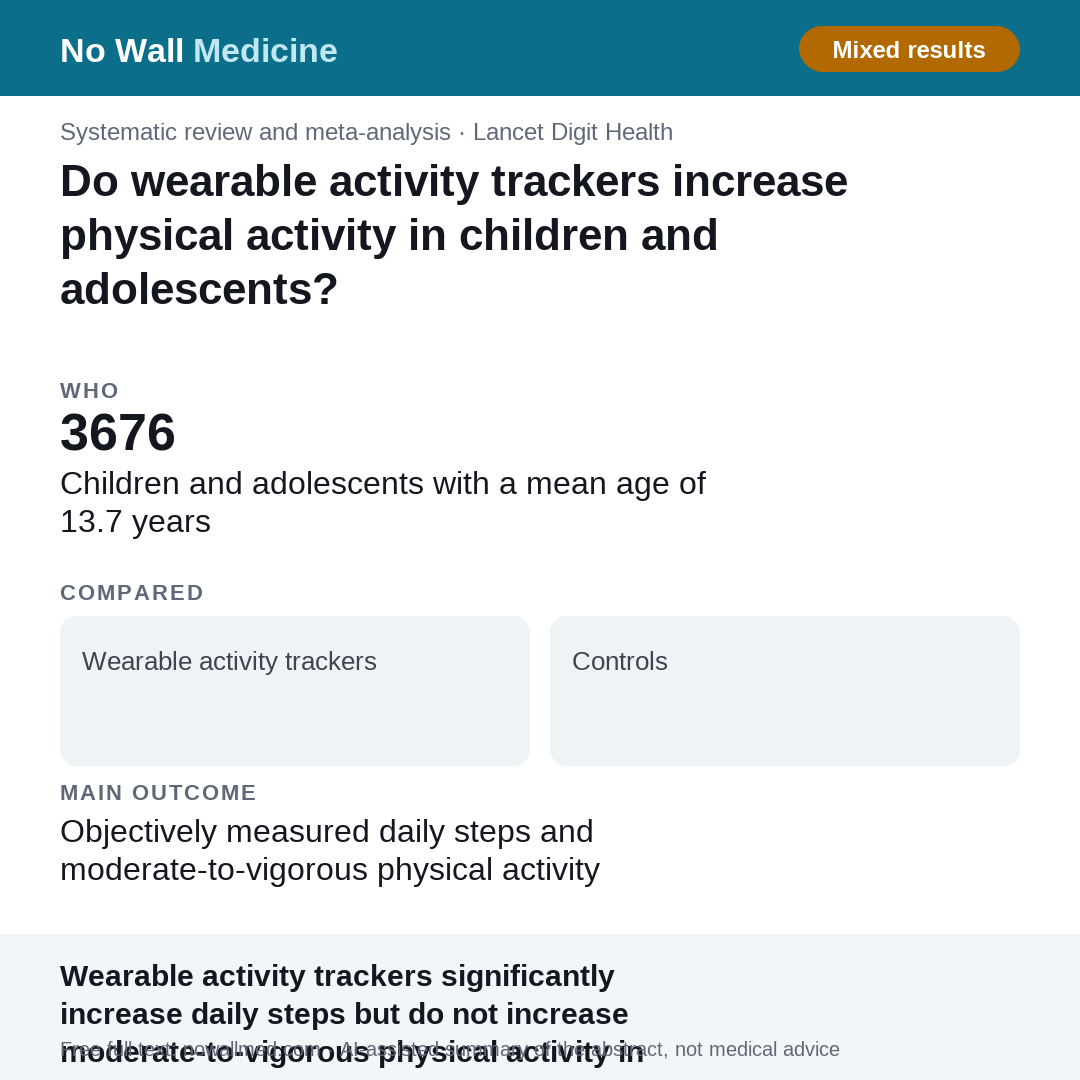
Effect of wearable activity trackers on physical activity in children and adolescents: a systematic review and meta-analysis
Systematic review and meta-analysisMixed results
Do wearable activity trackers increase physical activity in children and adolescents?
Who
3676
Children and adolescents with a mean age of 13.7 years
Compared
Wearable activity trackers
Controls
Main outcome
Objectively measured daily steps and moderate-to-vigorous physical activity
Result: standardised mean difference 0.37 (95% CI 0.09 to 0.65) for steps
Bottom line: Wearable activity trackers significantly increase daily steps but do not increase moderate-to-vigorous physical activity in children and adolescents.
Limitation: More rigorously designed trials that minimise missing data are warranted.
Funded by: Hong Kong University Grants Committee and University of Hong Kong
Lancet Digit Health · 2024-08-06Download image
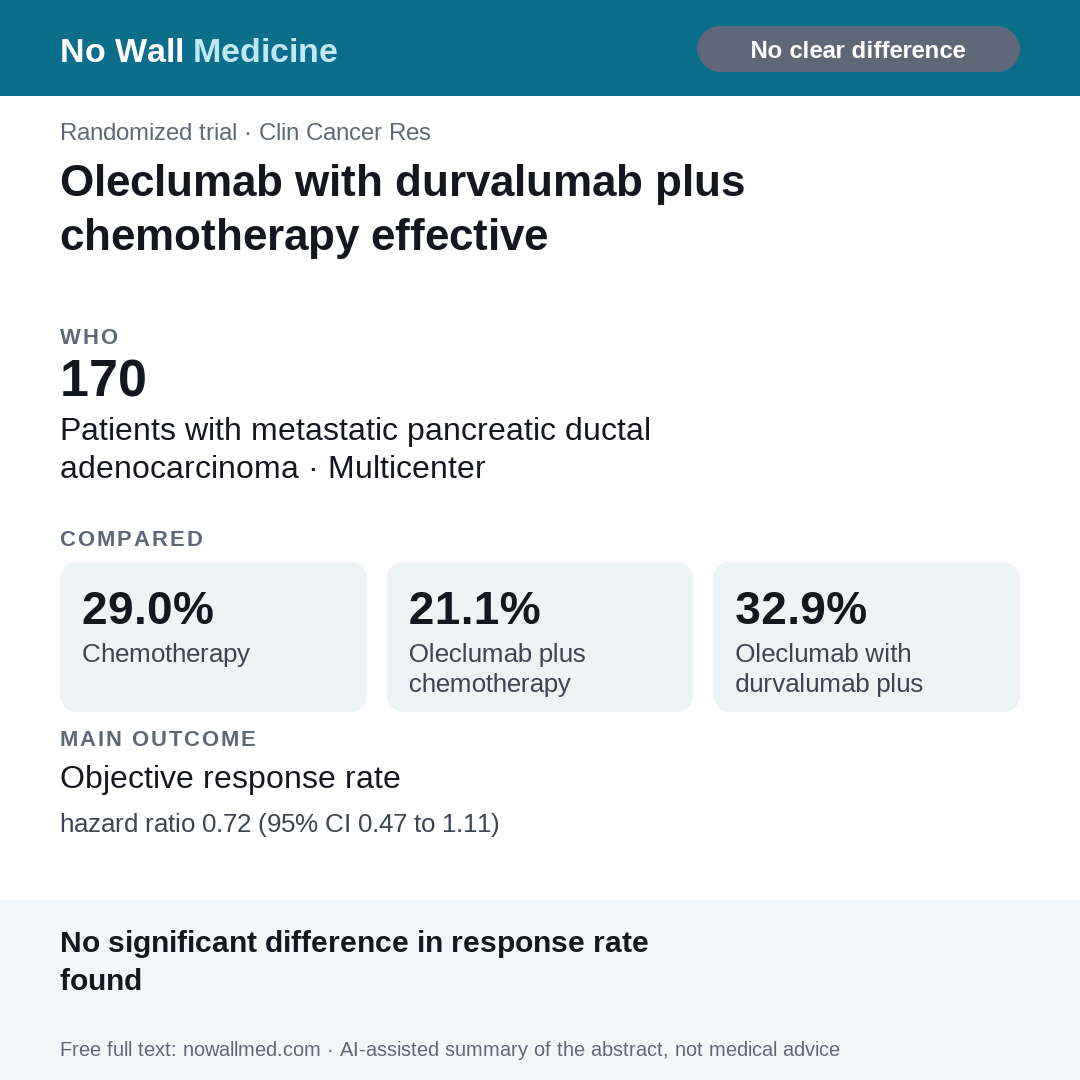
A Phase Ib/II Randomized Clinical Trial of Oleclumab with or without Durvalumab plus Chemotherapy in Patients with Metastatic Pancreatic Ductal Adenocarcinoma
Randomized trialNo clear difference
Oleclumab with durvalumab plus chemotherapy effective
Who
170
Patients with metastatic pancreatic ductal adenocarcinoma · Multicenter
Compared
29.0%Chemotherapy
21.1%Oleclumab plus chemotherapy
32.9%Oleclumab with durvalumab plus chemotherapy
Main outcome
Objective response rate
Result: hazard ratio 0.72 (95% CI 0.47 to 1.11)
Bottom line: No significant difference in response rate found
Limitation: Did not meet primary efficacy endpoint
Clin Cancer Res · 2024-08-06Download image
Economic Burden of Endometrial Cancer Associated With Polycystic Ovary Syndrome
Meta-analysis of 9 studiesHarm found
What is the economic burden of endometrial cancer associated with polycystic ovary syndrome?
Who
Women with polycystic ovary syndrome · United States
Compared
1.712%Polycystic ovary syndrome
0.489%All women
Main outcome
Endometrial cancer prevalence and economic burden
Result: risk ratio 3.46 (95% CI, 2.28-5.23)
Bottom line: The excess annual United States healthcare cost for endometrial cancer attributable to polycystic ovary syndrome exceeds $467 million.
J Clin Endocrinol Metab · 2024-08-06Download image

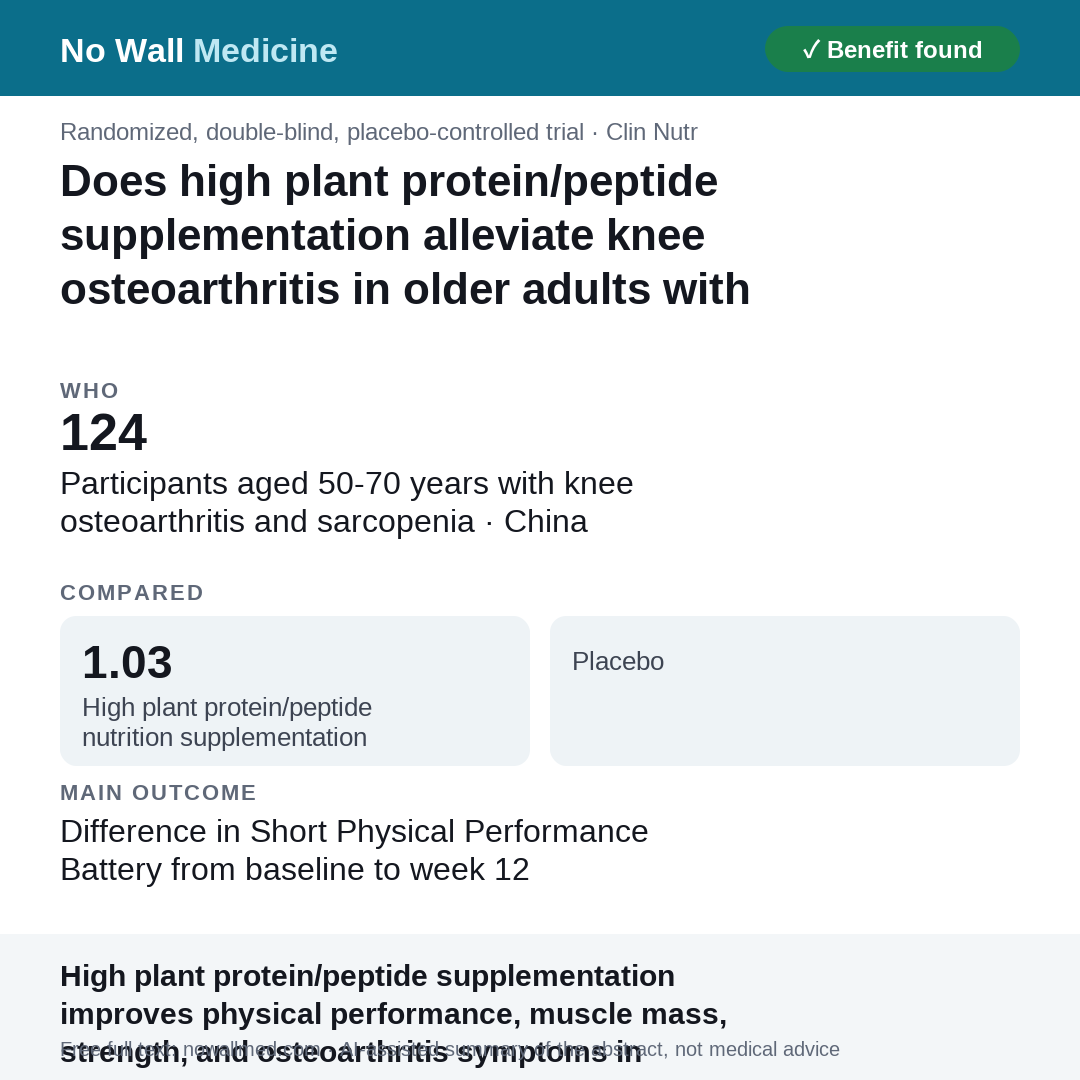
Effect of high plant protein/peptide nutrition supplementation on knee osteoarthritis in older adults with sarcopenia: A randomized, double-blind, placebo-controlled trial
Randomized, double-blind, placebo-controlled trialBenefit found
Does high plant protein/peptide supplementation alleviate knee osteoarthritis in older adults with sarcopenia?
Who
124
Participants aged 50-70 years with knee osteoarthritis and sarcopenia · China
Compared
1.03High plant protein/peptide nutrition supplementation (95% CI, 0.69 to 1.38)
Placebo
Main outcome
Difference in Short Physical Performance Battery from baseline to week 12
Result: 1.03 (95% CI, 0.69 to 1.38)
Bottom line: High plant protein/peptide supplementation improves physical performance, muscle mass, strength, and osteoarthritis symptoms in older adults.
Clin Nutr · 2024-08-06Download image
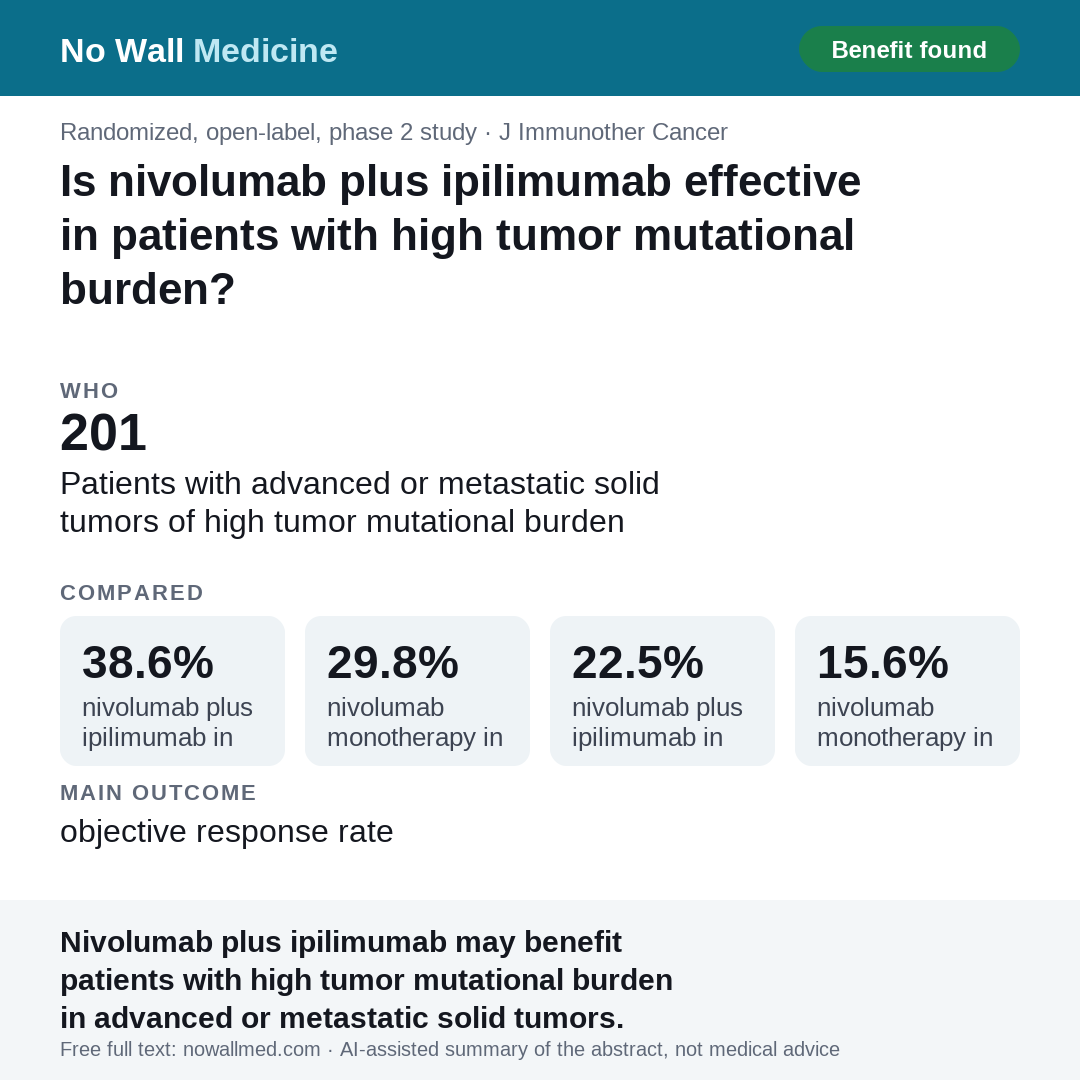
Randomized, open-label, phase 2 study of nivolumab plus ipilimumab or nivolumab monotherapy in patients with advanced or metastatic solid tumors of high tumor mutational burden
Randomized, open-label, phase 2 studyBenefit found
Is nivolumab plus ipilimumab effective in patients with high tumor mutational burden?
Who
201
Patients with advanced or metastatic solid tumors of high tumor mutational burden
Compared
38.6%nivolumab plus ipilimumab in tTMB-H (95% CI 28.4% to 49.6%)
29.8%nivolumab monotherapy in tTMB-H (95% CI 17.3% to 44.9%)
22.5%nivolumab plus ipilimumab in bTMB-H (95% CI 13.9% to 33.2%)
15.6%nivolumab monotherapy in bTMB-H (95% CI 6.5% to 29.5%)
Main outcome
objective response rate
Bottom line: Nivolumab plus ipilimumab may benefit patients with high tumor mutational burden in advanced or metastatic solid tumors.
J Immunother Cancer · 2024-08-06Download image
Pharmacogenomic scores in psychiatry: systematic review of current evidence
Systematic reviewMixed results
Do pharmacogenomic scores aid psychiatry?
Who
patients with psychiatric diagnoses
Compared
Higher PGSSCZ
Lower PGSSCZ
Main outcome
treatment outcomes
Bottom line: Pharmacogenomic scores show promise but need more research
Transl Psychiatry · 2024-08-06Download image

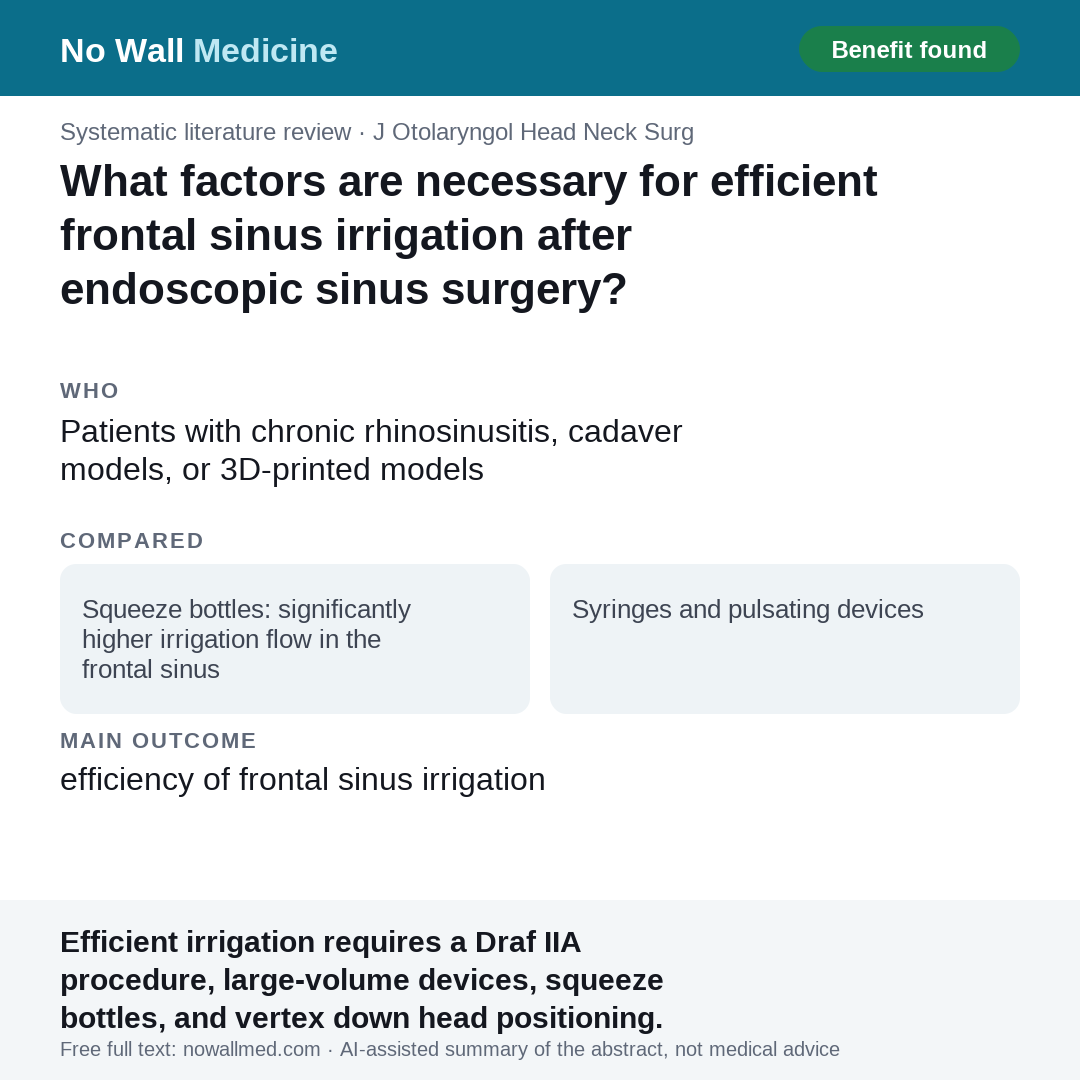
Necessary Factors for Efficient Frontal Sinus Irrigation After Endoscopic Sinus Surgery: A Systematic Review
Systematic literature reviewBenefit found
What factors are necessary for efficient frontal sinus irrigation after endoscopic sinus surgery?
Who
Patients with chronic rhinosinusitis, cadaver models, or 3D-printed models
Compared
Squeeze bottles: significantly higher irrigation flow in the frontal sinus
Syringes and pulsating devices
Main outcome
efficiency of frontal sinus irrigation
Bottom line: Efficient irrigation requires a Draf IIA procedure, large-volume devices, squeeze bottles, and vertex down head positioning.
J Otolaryngol Head Neck Surg · 2024-08-06Download image
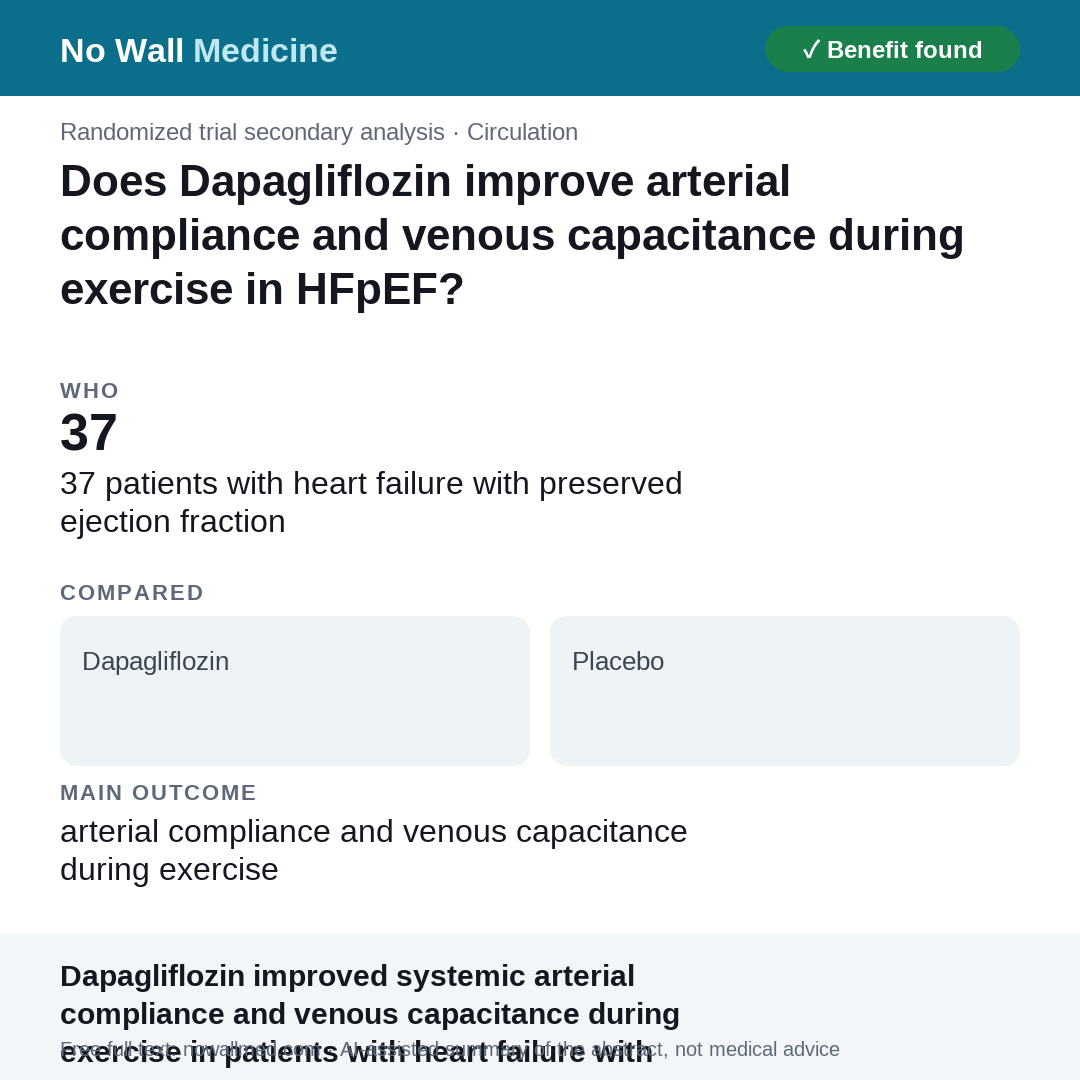
Dapagliflozin Enhances Arterial and Venous Compliance During Exercise in Heart Failure With Preserved Ejection Fraction: Insights From the CAMEO-DAPA Trial
Randomized trial secondary analysisBenefit found
Does Dapagliflozin improve arterial compliance and venous capacitance during exercise in HFpEF?
Who
37
37 patients with heart failure with preserved ejection fraction
Compared
Dapagliflozin
Placebo
Main outcome
arterial compliance and venous capacitance during exercise
Result: estimated treatment difference in systolic blood pressure -18.8 mm Hg (95% CI -33.9 to -3.7)
Bottom line: Dapagliflozin improved systemic arterial compliance and venous capacitance during exercise in patients with heart failure with preserved ejection fraction.
Circulation · 2024-08-05Download image
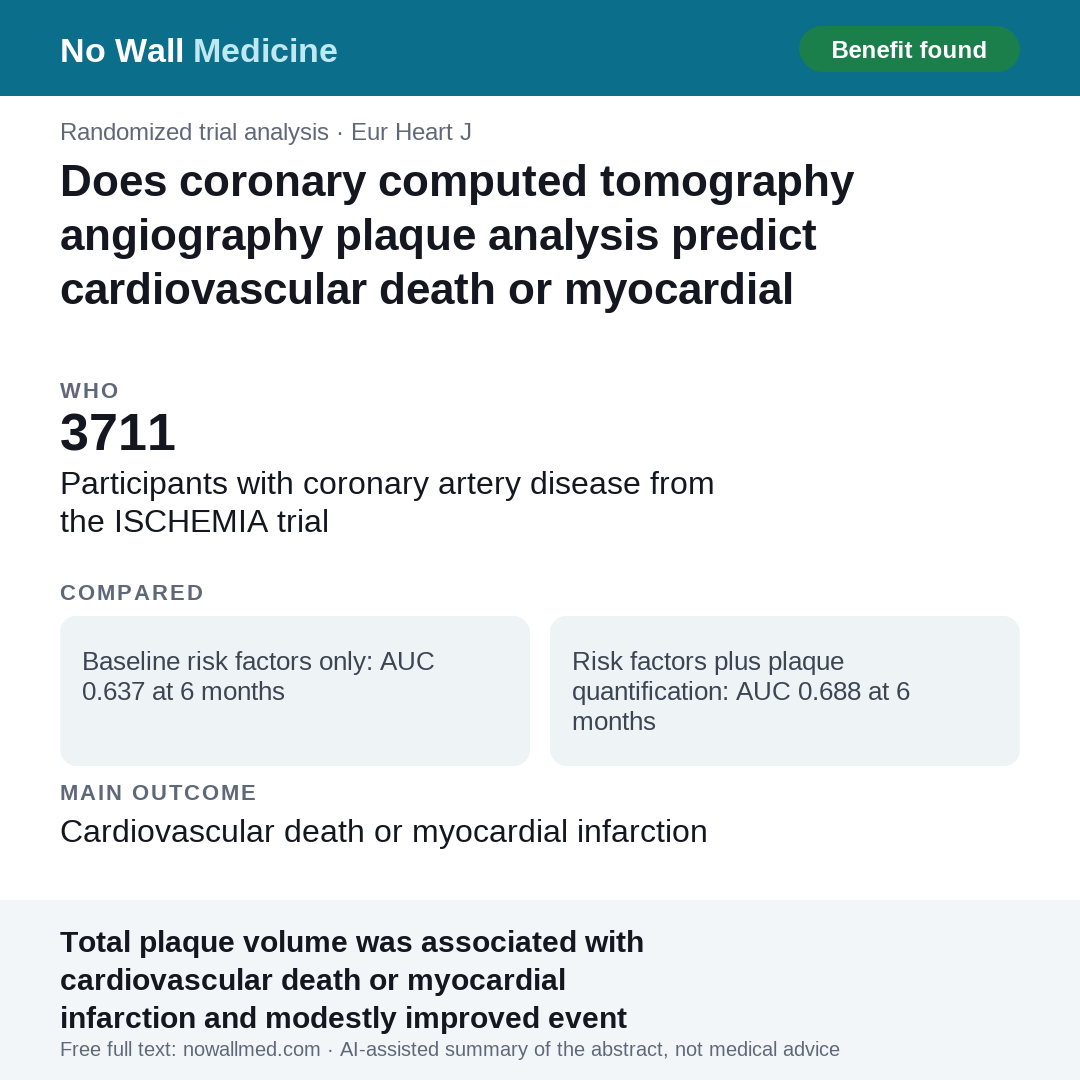
Atherosclerosis quantification and cardiovascular risk: the ISCHEMIA trial
Randomized trial analysisBenefit found
Does coronary computed tomography angiography plaque analysis predict cardiovascular death or myocardial infarction?
Who
3711
Participants with coronary artery disease from the ISCHEMIA trial
Compared
Baseline risk factors only: AUC 0.637 at 6 months
Risk factors plus plaque quantification: AUC 0.688 at 6 months
Main outcome
Cardiovascular death or myocardial infarction
Result: adjusted hazard ratio 1.56 (95% confidence interval 1.25-1.97)
Bottom line: Total plaque volume was associated with cardiovascular death or myocardial infarction and modestly improved event prediction.
Eur Heart J · 2024-08-05Download image
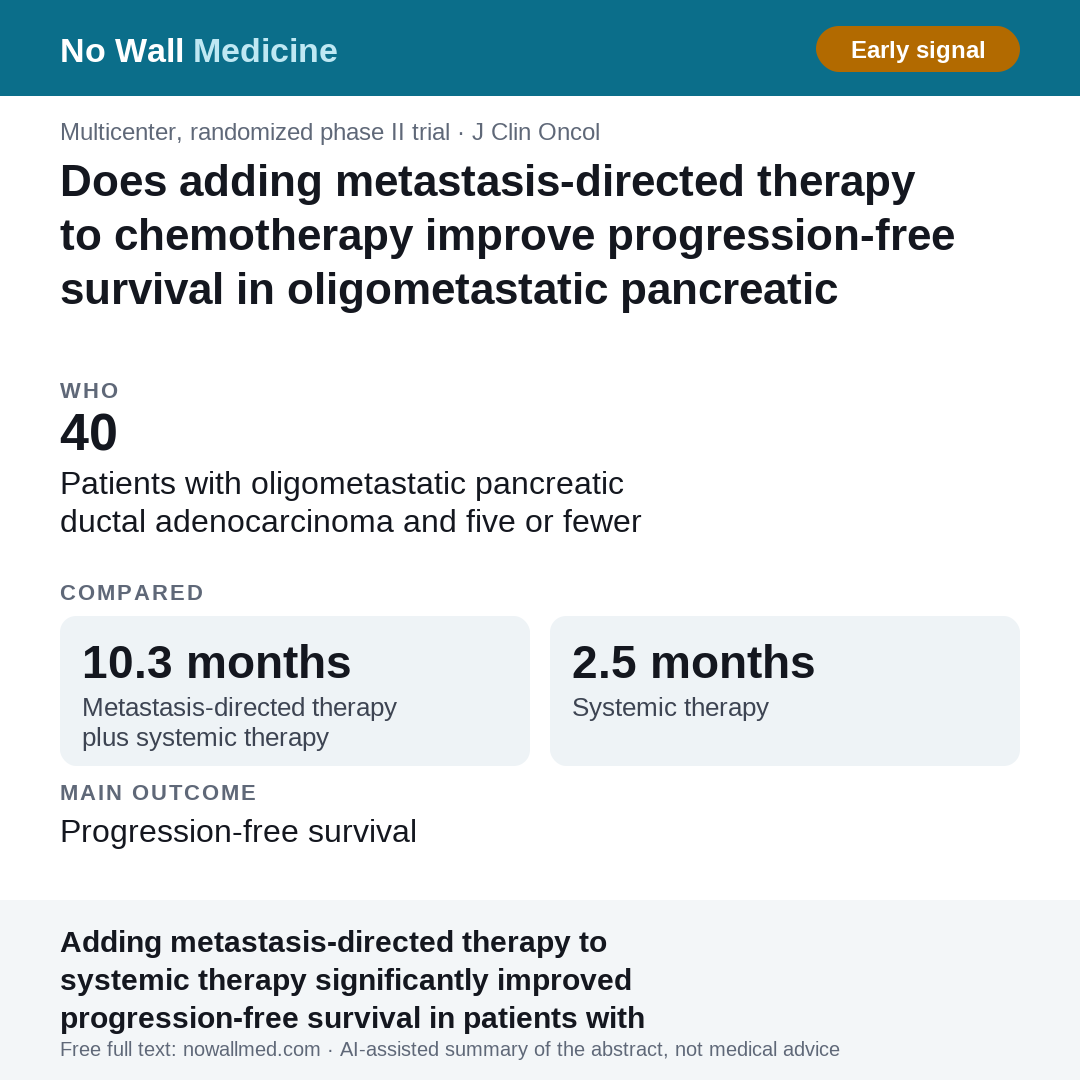
Addition of Metastasis-Directed Therapy to Systemic Therapy for Oligometastatic Pancreatic Ductal Adenocarcinoma (EXTEND): A Multicenter, Randomized Phase II Trial
Multicenter, randomized phase II trialBenefit found
Does adding metastasis-directed therapy to chemotherapy improve progression-free survival in oligometastatic pancreatic ductal adenocarcinoma?
Who
40
Patients with oligometastatic pancreatic ductal adenocarcinoma and five or fewer metastases · Multicenter
Compared
10.3 monthsMetastasis-directed therapy plus systemic therapy (95% CI, 4.6 to 14.0)
2.5 monthsSystemic therapy (95% CI, 1.7 to 5.1)
Main outcome
Progression-free survival
Result: hazard ratio 0.43 (95% CI, 0.20 to 0.94)
Bottom line: Adding metastasis-directed therapy to systemic therapy significantly improved progression-free survival in patients with oligometastatic pancreatic ductal adenocarcinoma.
J Clin Oncol · 2024-08-05Download image
Safety and Immunogenicity of Respiratory Syncytial Virus Prefusion F Protein Vaccine when Co-administered with Adjuvanted Seasonal Quadrivalent Influenza Vaccine in Older Adults: A Phase 3 Randomized Trial
Phase 3, open-label randomized trialBenefit found
Is co-administration of influenza and respiratory syncytial virus vaccines safe and immunogenic?
Who
1045
Adults aged 65 years or older
Compared
Co-administration
Sequential administration
Main outcome
hemagglutination inhibition and respiratory syncytial virus neutralization titers
Bottom line: Co-administration of influenza and respiratory syncytial virus vaccines is safe and shows non-inferior immunogenicity in older adults.
Clin Infect Dis · 2024-08-05Download image

Combined Physiotherapy and Cognitive Behavioral Therapy for Functional Movement Disorders: A Randomized Clinical Trial
Parallel, rater-blinded, single-center, randomized clinical trialBenefit found
Does multidisciplinary treatment improve quality of life in functional movement disorders?
Who
38
Adults with a confirmed functional movement disorder diagnosis · Movement Disorders Unit in Seville, Spain
Compared
Multidisciplinary treatment: 5.62 points (95% CI, 2.3-8.9 points) at 5 months
Control intervention
Main outcome
Quality of life scores
Result: mean between-group difference at 5 months 5.62 points (95% CI, 2.3-8.9 points)
Bottom line: Multidisciplinary treatment of physiotherapy and cognitive behavioral therapy significantly improves physical quality of life at 5 months.
JAMA Neurol · 2024-08-05Download image

Early Childhood Screen Use Contexts and Cognitive and Psychosocial Outcomes: A Systematic Review and Meta-analysis
Systematic review and meta-analysisMixed results
How do screen use contexts associate with cognitive and psychosocial outcomes in early childhood?
Who
176742
Children aged 0 to 5.99 years
Compared
Program viewing (cognitive): r, -0.16
Background television (cognitive): r, -0.10
Program viewing (psychosocial): r, -0.04
Age-inappropriate content (psychosocial): r, -0.11
Main outcome
Cognitive and psychosocial development
Bottom line: Screen use contexts like program viewing and background television negatively associate with development, while co-use shows positive cognitive associations.
JAMA Pediatr · 2024-08-05Download image

Bifidobacterium and Lactobacillus Probiotics and Gut Dysbiosis in Preterm Infants: The PRIMAL Randomized Clinical Trial
Multicenter, double-blinded, placebo-controlled, phase 3 randomized clinical trialMixed results
Do multistrain probiotics prevent multidrug-resistant organism colonization and shape the microbiome in preterm infants?
Who
643
Preterm infants with gestational age of 28 to 32 weeks · 18 German neonatal units
Compared
37.4%Probiotics
37.5%Control
Main outcome
Colonization with multidrug-resistant organisms at day 30 of life
Result: adjusted risk ratio 0.99 (95% CI 0.54 to 1.81)
Bottom line: Multistrain probiotics did not reduce multidrug-resistant organism colonization but modulated the microbiome toward eubiosis.
JAMA Pediatr · 2024-08-05Download image

Impact of respiratory pathogens detection by a rapid multiplex polymerase chain reaction assay on the management of community-acquired pneumonia for children at the paediatric emergency department. A randomized controlled trial, the Optimization of Pneumonia Acute Care (OPTIPAC) study
Randomized controlled trialBenefit found
Does rapid PCR improve antibiotic treatment?
Who
499
Children with community-acquired pneumonia · 11 French centres
Compared
68.6%PCR test (168/245)
48.2%Usual care (120/249)
Main outcome
Appropriateness of antibiotic treatment
Result: Relative risk 1.42 [1.22-1.66]
Bottom line: Rapid PCR improves antibiotic treatment appropriateness
Clin Microbiol Infect · 2024-08-05Download image

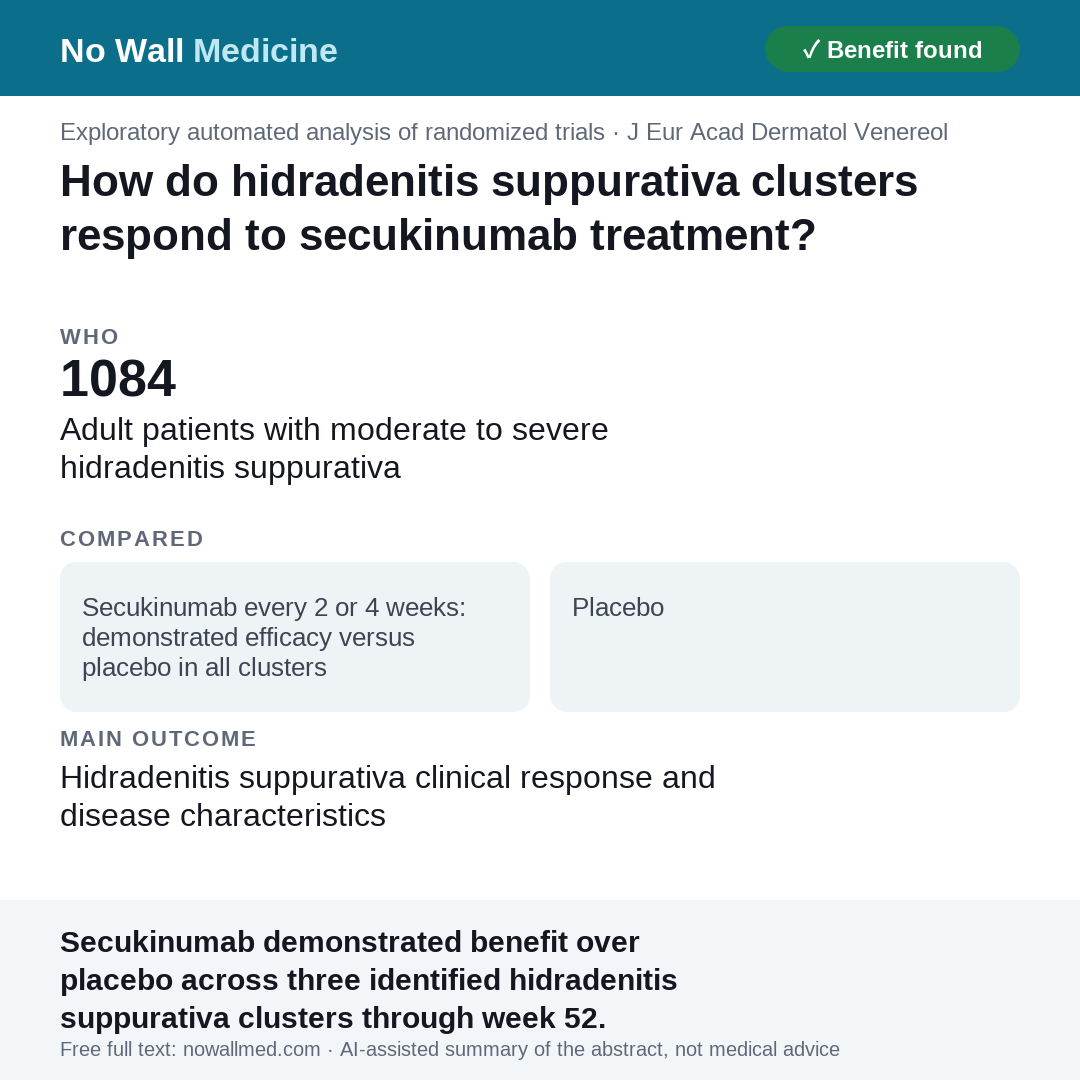
New insights on hidradenitis suppurativa phenotypes and treatment response: An exploratory automated analysis of the SUNSHINE and SUNRISE trials
Exploratory automated analysis of randomized trialsBenefit found
How do hidradenitis suppurativa clusters respond to secukinumab treatment?
Who
1084
Adult patients with moderate to severe hidradenitis suppurativa
Compared
Secukinumab every 2 or 4 weeks: demonstrated efficacy versus placebo in all clusters
Placebo
Main outcome
Hidradenitis suppurativa clinical response and disease characteristics
Bottom line: Secukinumab demonstrated benefit over placebo across three identified hidradenitis suppurativa clusters through week 52.
Limitation: This was an exploratory automated analysis using unsupervised machine learning clustering.
J Eur Acad Dermatol Venereol · 2024-08-05Download image
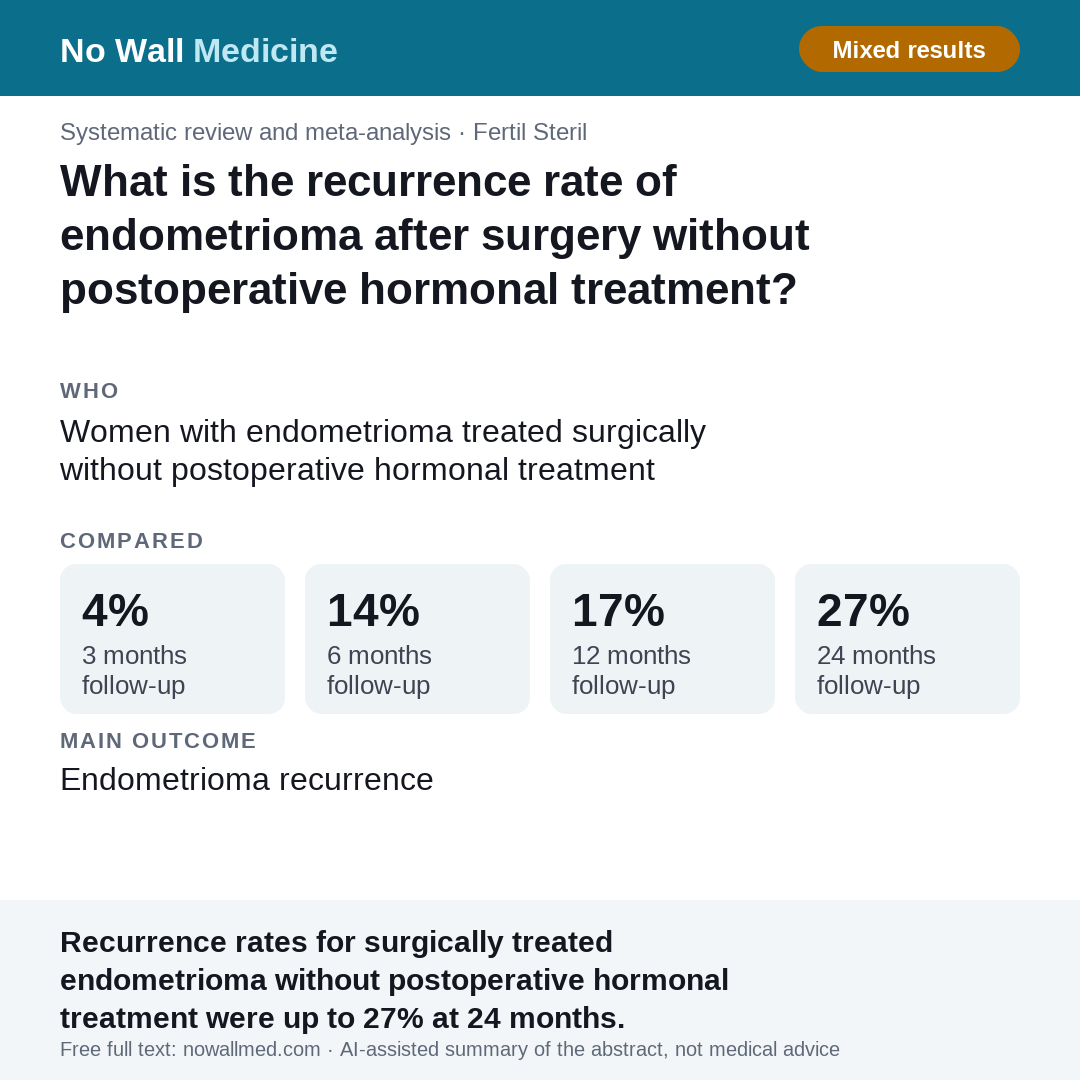
Recurrence after surgery for endometrioma: a systematic review and meta-analyses
Systematic review and meta-analysisMixed results
What is the recurrence rate of endometrioma after surgery without postoperative hormonal treatment?
Who
Women with endometrioma treated surgically without postoperative hormonal treatment
Compared
4%3 months follow-up
14%6 months follow-up
17%12 months follow-up
27%24 months follow-up
Main outcome
Endometrioma recurrence
Bottom line: Recurrence rates for surgically treated endometrioma without postoperative hormonal treatment were up to 27% at 24 months.
Limitation: Only three non-randomized controlled trials had a low risk of bias.
Fertil Steril · 2024-08-05Download image
Defibrillation strategies for patients with refractory ventricular fibrillation: A systematic review and meta-analysis
Systematic review and meta-analysisMixed results
Is double defibrillation more effective than standard defibrillation for refractory ventricular fibrillation?
Who
1360
Patients with refractory ventricular fibrillation
Compared
Double defibrillation
Standard defibrillation
Main outcome
Survival to hospital discharge
Result: relative ratio 0.91 (95% CI, 0.46-1.78)
Bottom line: Double sequential defibrillation showed benefit in one randomized trial, but cohort studies showed no benefit for survival to discharge.
Limitation: Further validation is needed through larger-scale and higher-quality trials.
Am J Emerg Med · 2024-08-05Download image

Knee Arthroscopic Surgery in Middle-Aged Patients With Meniscal Symptoms: A 10-Year Follow-up of a Prospective, Randomized Controlled Trial
Randomized controlled trialNo clear difference
Does knee arthroscopy plus exercise compare to exercise alone for 10-year outcomes?
Who
150
Middle-aged patients aged 45 to 64 years with meniscal symptoms
Compared
Nonsurgery group (exercise therapy): 67% radiographic osteoarthritis
Surgery group (arthroscopy plus exercise): 67% radiographic osteoarthritis
Main outcome
Radiographic and symptomatic osteoarthritis and patient-reported outcomes
Bottom line: Knee arthroscopic surgery plus exercise resulted in similar long-term osteoarthritis rates and patient outcomes compared to exercise alone.
Am J Sports Med · 2024-08-05Download image

Hip Arthroscopy Versus Physical Therapy for the Treatment of Symptomatic Acetabular Labral Tears in Patients Older Than 40 Years: 24-Month Results From a Randomized Controlled Trial
Randomized controlled trialBenefit found
Is hip arthroscopy better than physical therapy for symptomatic labral tears in patients aged 40+?
Who
97
Patients aged 40 years or older with limited radiographic osteoarthritis · Single-surgeon site
Compared
Arthroscopy with postoperative physical therapy: superior mean patient-reported outcome measure and pain scores
Physical therapy alone
Main outcome
International Hip Outcome Tool-33 and modified Harris Hip Score
Bottom line: Hip arthroscopy with postoperative physical therapy led to better outcomes than physical therapy alone at 24 months.
Limitation: The study was conducted by a single surgeon.
Am J Sports Med · 2024-08-05Download image