Visual abstracts
New randomized trials and meta-analyses from leading journals at a glance: who was studied, what was compared, and what was found. Every paper is free to read in full.
All specialtiesCardiology 842Oncology 763Gastroenterology & Hepatology 307Infectious Disease 626Neurology 350Psychiatry & Mental Health 430Pulmonology 366Critical Care 245Endocrinology & Diabetes 480Pediatrics 536Surgery 324Orthopedics & Sports Medicine 162Neurosurgery 93Cardiothoracic & Vascular Surgery 87Plastic & Reconstructive Surgery 123Nephrology 197Rheumatology 108Hematology 182Dermatology 80Ophthalmology 97Obstetrics & Gynecology 261Public & Global Health 167Radiology & Imaging 98Anesthesiology 114Urology 162ENT (Otolaryngology) 91Emergency Medicine 73Allergy & Immunology 58Geriatrics 160Family Medicine & Primary Care 111Medical Genetics & Genomics 91Pathology & Laboratory Medicine 24Physical Medicine & Rehabilitation 148Palliative Care 81Nutrition 223Digital Health & AI 460General Medicine 101
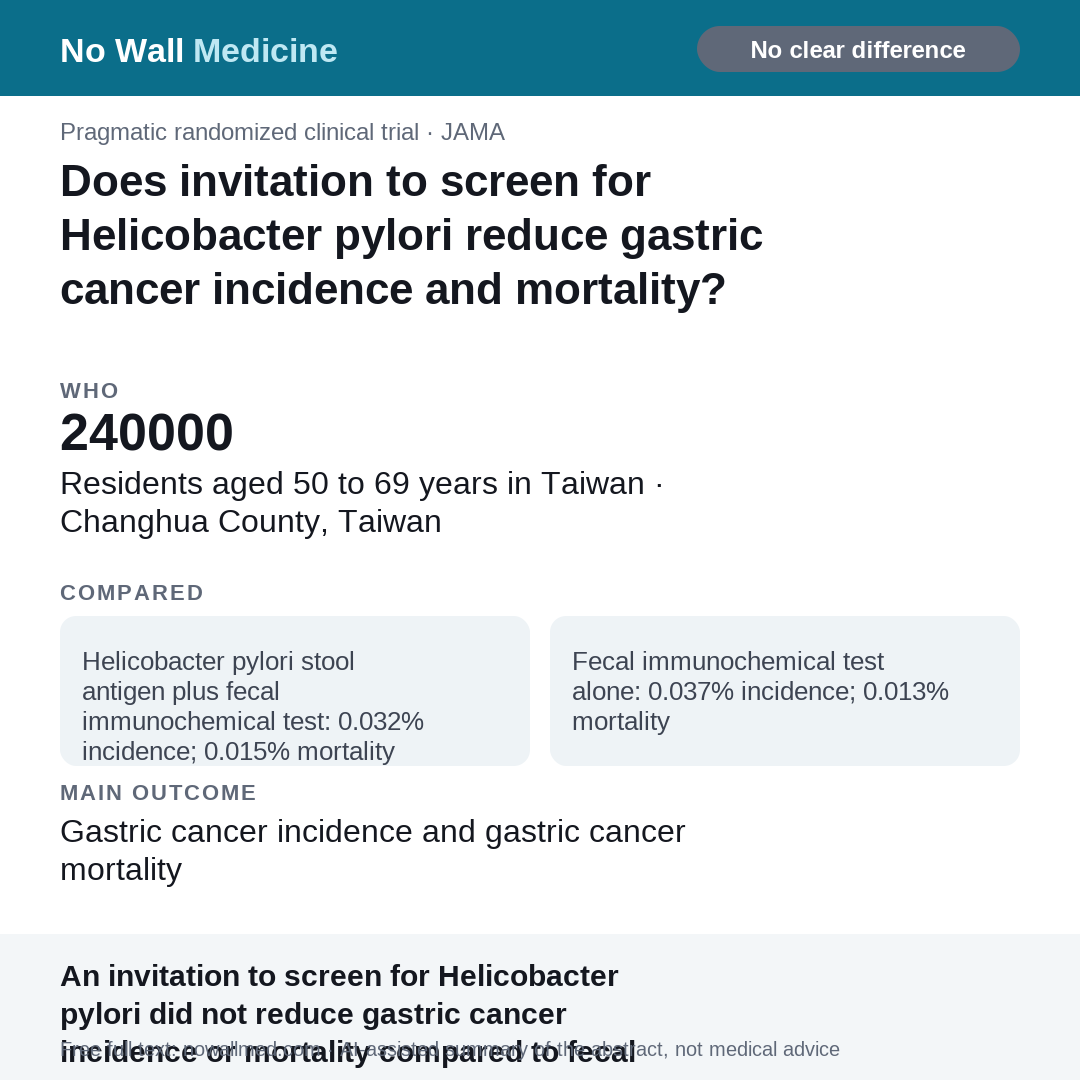
Screening for Helicobacter pylori to Prevent Gastric Cancer: A Pragmatic Randomized Clinical Trial
Pragmatic randomized clinical trialNo clear difference
Does invitation to screen for Helicobacter pylori reduce gastric cancer incidence and mortality?
Who
240000
Residents aged 50 to 69 years in Taiwan · Changhua County, Taiwan
Compared
Helicobacter pylori stool antigen plus fecal immunochemical test: 0.032% incidence; 0.015% mortality
Fecal immunochemical test alone: 0.037% incidence; 0.013% mortality
Main outcome
Gastric cancer incidence and gastric cancer mortality
Result: mean difference -0.005% (95% CI, -0.013% to 0.003%)
Bottom line: An invitation to screen for Helicobacter pylori did not reduce gastric cancer incidence or mortality compared to fecal immunochemical test alone.
Limitation: Post hoc analyses were required to account for differences in screening participation and follow-up length.
JAMA · 2024-09-30Download image
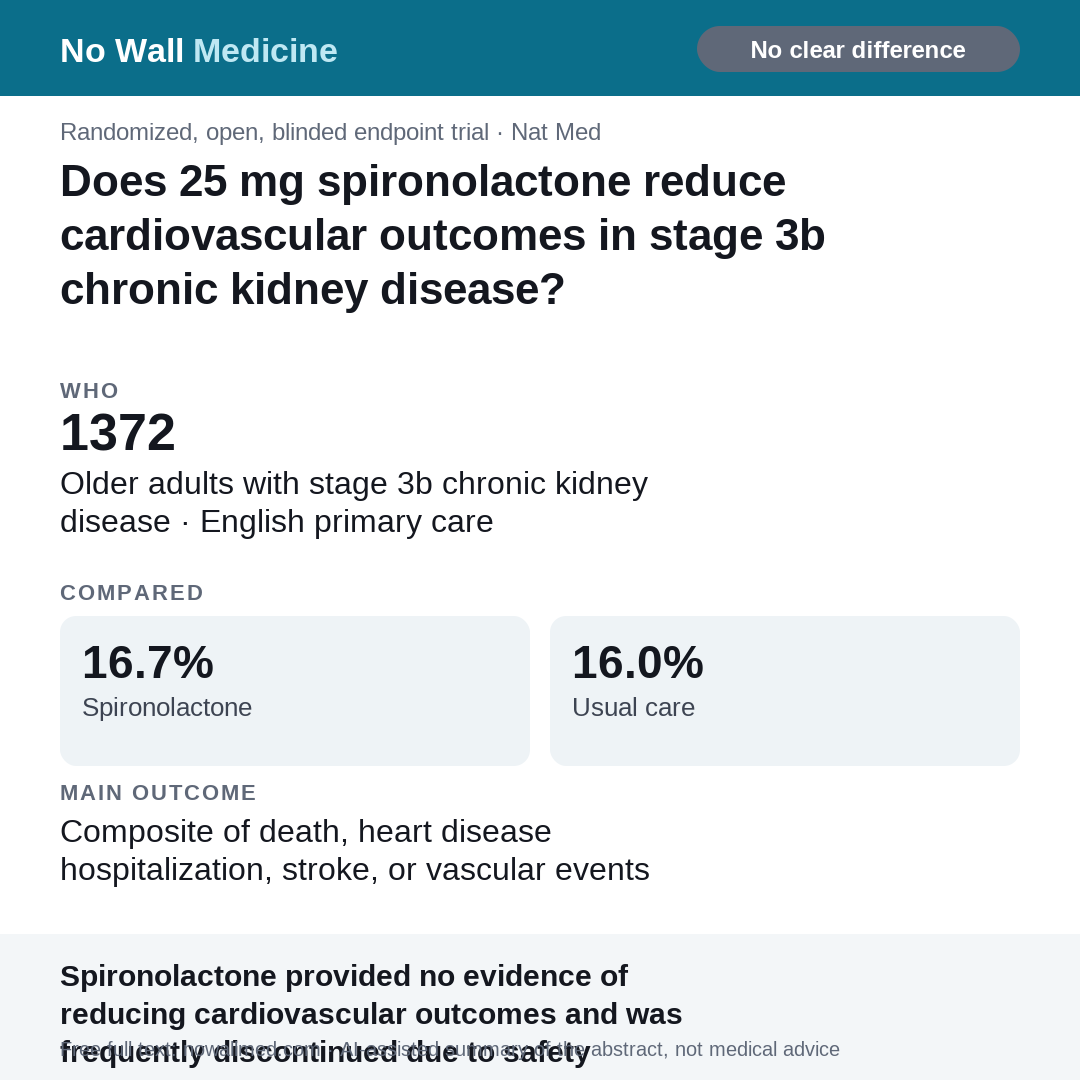
Low-dose spironolactone and cardiovascular outcomes in moderate stage chronic kidney disease: a randomized controlled trial
Randomized, open, blinded endpoint trialNo clear difference
Does 25 mg spironolactone reduce cardiovascular outcomes in stage 3b chronic kidney disease?
Who
1372
Older adults with stage 3b chronic kidney disease · English primary care
Compared
16.7%Spironolactone
16.0%Usual care
Main outcome
Composite of death, heart disease hospitalization, stroke, or vascular events
Result: hazard ratio 1.05 (95% confidence interval: 0.81-1.37)
Bottom line: Spironolactone provided no evidence of reducing cardiovascular outcomes and was frequently discontinued due to safety concerns.
Nat Med · 2024-09-30Download image
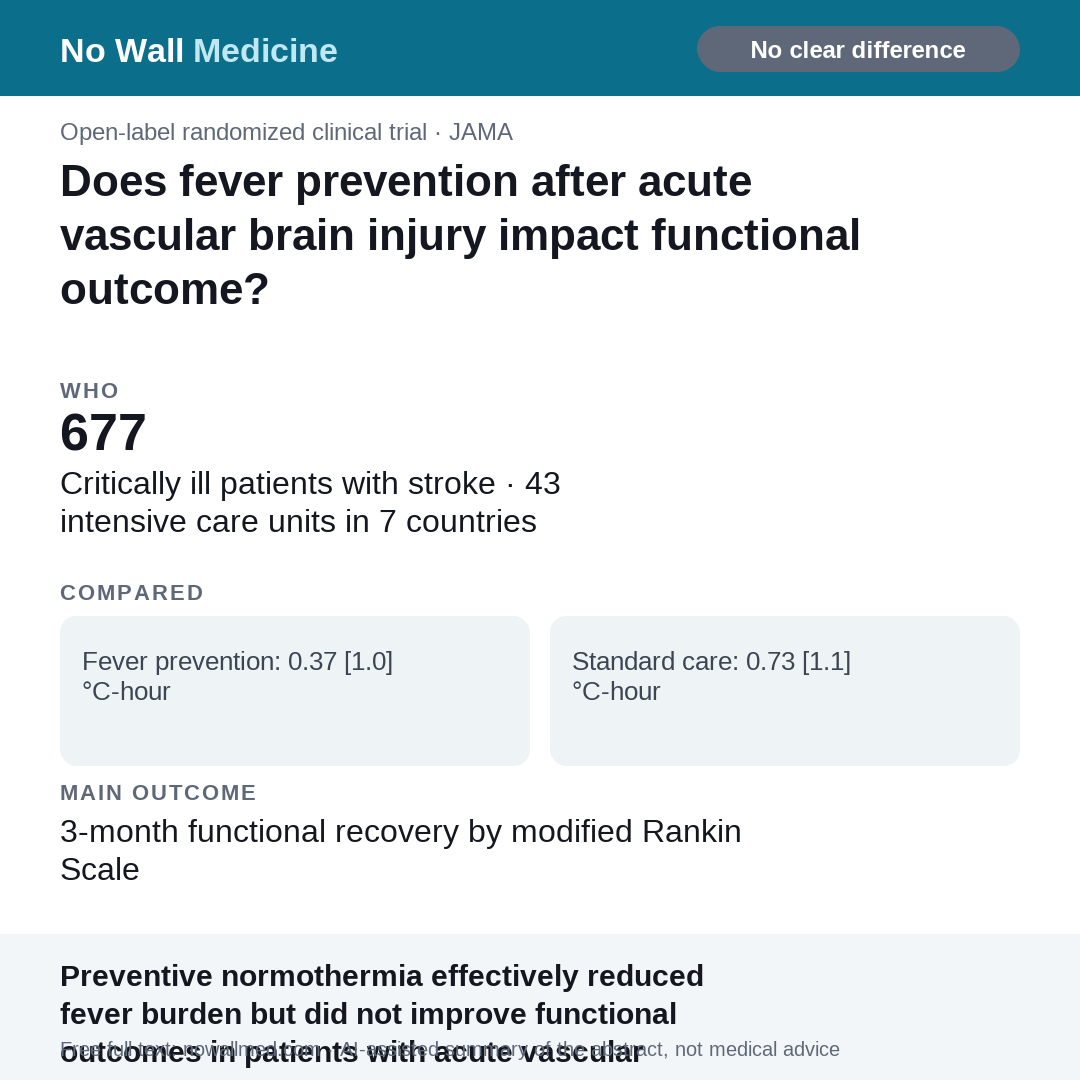
Fever Prevention in Patients With Acute Vascular Brain Injury: The INTREPID Randomized Clinical Trial
Open-label randomized clinical trialNo clear difference
Does fever prevention after acute vascular brain injury impact functional outcome?
Who
677
Critically ill patients with stroke · 43 intensive care units in 7 countries
Compared
Fever prevention: 0.37 [1.0] °C-hour
Standard care: 0.73 [1.1] °C-hour
Main outcome
3-month functional recovery by modified Rankin Scale
Result: odds ratio 1.09 (95% CI 0.81 to 1.46)
Bottom line: Preventive normothermia effectively reduced fever burden but did not improve functional outcomes in patients with acute vascular brain injury.
JAMA · 2024-09-25Download image
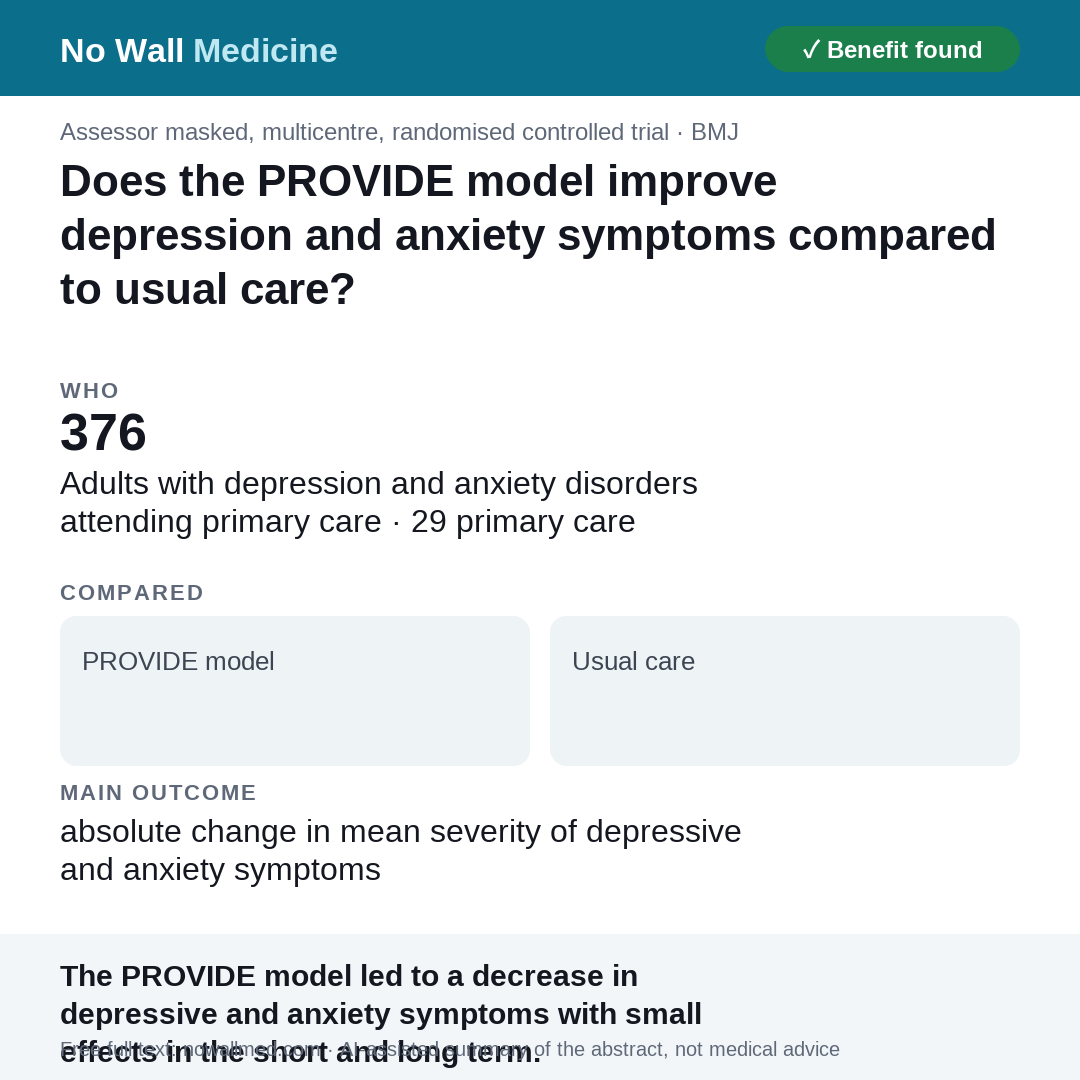
Model of integrated mental health video consultations for people with depression or anxiety in primary care (PROVIDE-C): assessor masked, multicentre, randomised controlled trial
Assessor masked, multicentre, randomised controlled trialBenefit found
Does the PROVIDE model improve depression and anxiety symptoms compared to usual care?
Who
376
Adults with depression and anxiety disorders attending primary care · 29 primary care practices in Germany
Compared
PROVIDE model
Usual care
Main outcome
absolute change in mean severity of depressive and anxiety symptoms
Result: adjusted mean change difference in the PHQ-ADS score -2.4 points (95% confidence interval -4.5 to -0.4)
Bottom line: The PROVIDE model led to a decrease in depressive and anxiety symptoms with small effects in the short and long term.
BMJ · 2024-09-25Download image
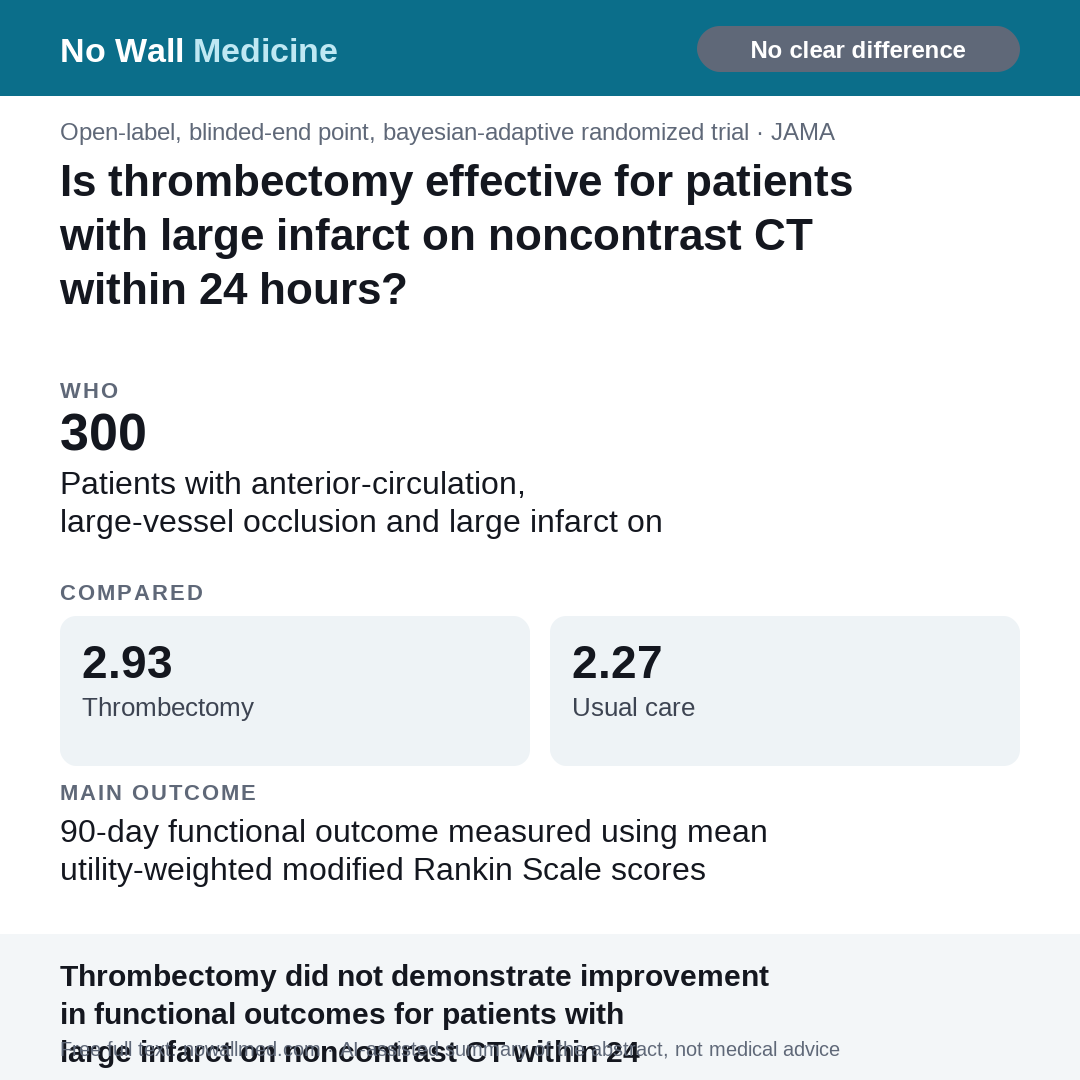
Thrombectomy for Stroke With Large Infarct on Noncontrast CT: The TESLA Randomized Clinical Trial
Open-label, blinded-end point, bayesian-adaptive randomized trialNo clear difference
Is thrombectomy effective for patients with large infarct on noncontrast CT within 24 hours?
Who
300
Patients with anterior-circulation, large-vessel occlusion and large infarct on noncontrast CT · 47 US academic and community-based stroke thrombectomy centers
Compared
2.93Thrombectomy (3.39)
2.27Usual care (2.98)
Main outcome
90-day functional outcome measured using mean utility-weighted modified Rankin Scale scores
Result: adjusted difference 0.63 (95% credible interval -0.09 to 1.34)
Bottom line: Thrombectomy did not demonstrate improvement in functional outcomes for patients with large infarct on noncontrast CT within 24 hours.
JAMA · 2024-09-23Download image
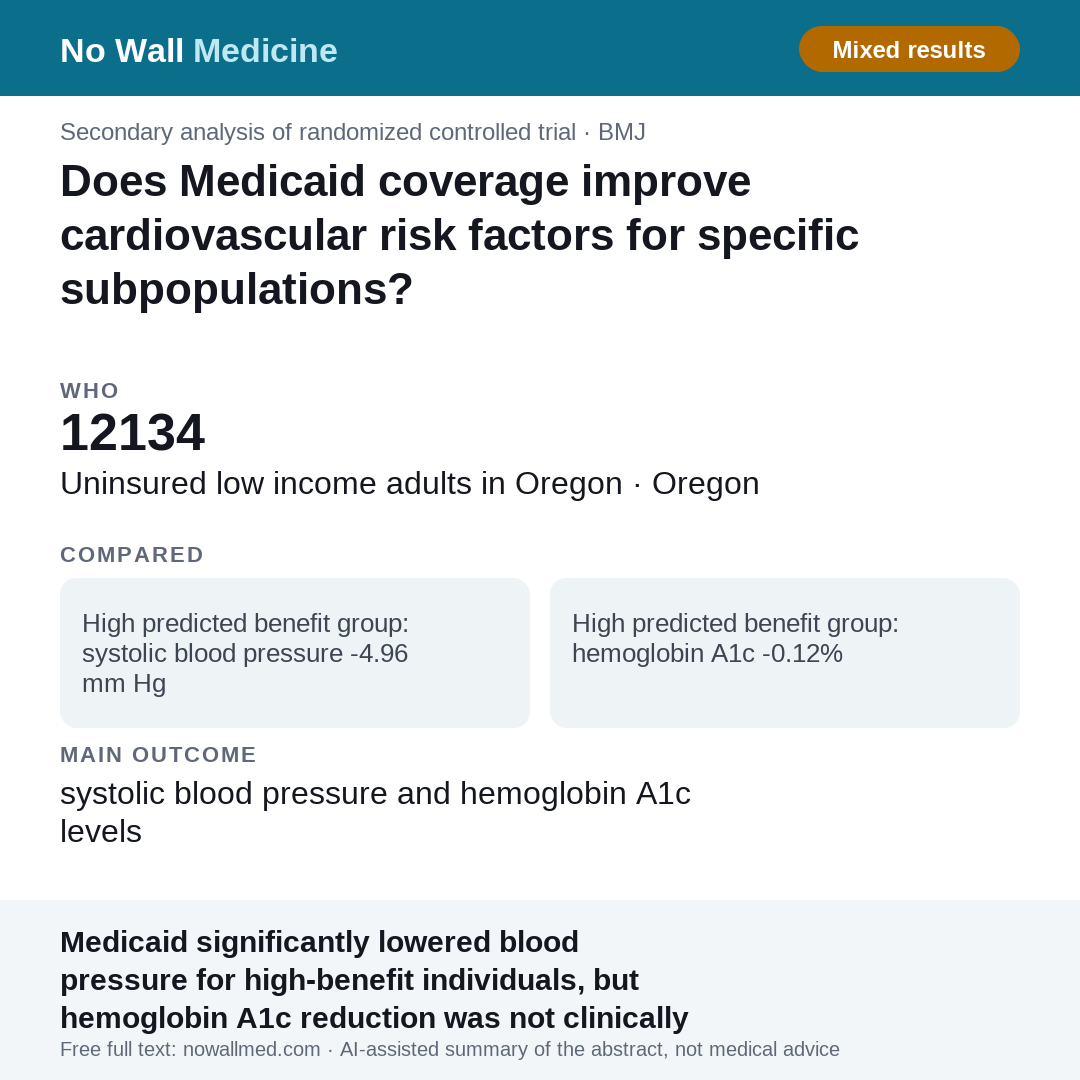
Heterogeneous effects of Medicaid coverage on cardiovascular risk factors: secondary analysis of randomized controlled trial
Secondary analysis of randomized controlled trialMixed results
Does Medicaid coverage improve cardiovascular risk factors for specific subpopulations?
Who
12134
Uninsured low income adults in Oregon · Oregon
Compared
High predicted benefit group: systolic blood pressure -4.96 mm Hg
High predicted benefit group: hemoglobin A1c -0.12%
Main outcome
systolic blood pressure and hemoglobin A1c levels
Result: -4.96 mm Hg (95% confidence interval -7.80 to -2.48)
Bottom line: Medicaid significantly lowered blood pressure for high-benefit individuals, but hemoglobin A1c reduction was not clinically meaningful.
BMJ · 2024-09-23Download image
Molecular profiling of BRAF-V600E-mutant metastatic colorectal cancer in the phase 3 BEACON CRC trial
Randomized trialBenefit found
Does encorafenib improve survival in colorectal cancer
Who
previously treated patients with BRAF-V600E-mutant mCRC
Compared
Encorafenib+cetuximab
Cetuximab+chemotherapy
Main outcome
overall survival
Bottom line: Encorafenib improves survival in colorectal cancer
Nat Med · 2024-09-23Download image
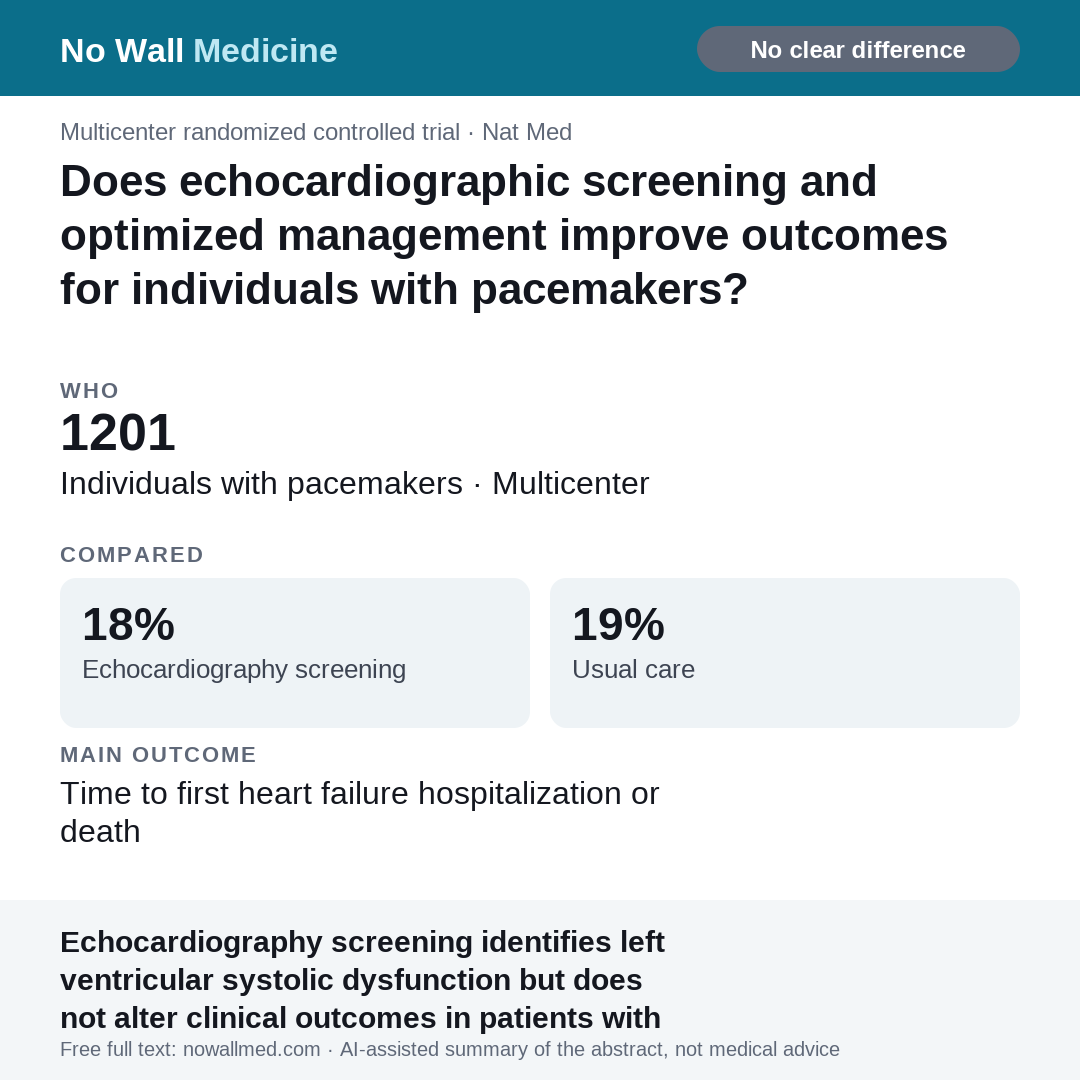
Echocardiographic screening for heart failure and optimization of the care pathway for individuals with pacemakers: a randomized controlled trial
Multicenter randomized controlled trialNo clear difference
Does echocardiographic screening and optimized management improve outcomes for individuals with pacemakers?
Who
1201
Individuals with pacemakers · Multicenter
Compared
18%Echocardiography screening (106/600)
19%Usual care (115/601)
Main outcome
Time to first heart failure hospitalization or death
Result: hazard ratio 0.89 (95% confidence interval 0.69, 1.17)
Bottom line: Echocardiography screening identifies left ventricular systolic dysfunction but does not alter clinical outcomes in patients with pacemakers.
Nat Med · 2024-09-19Download image
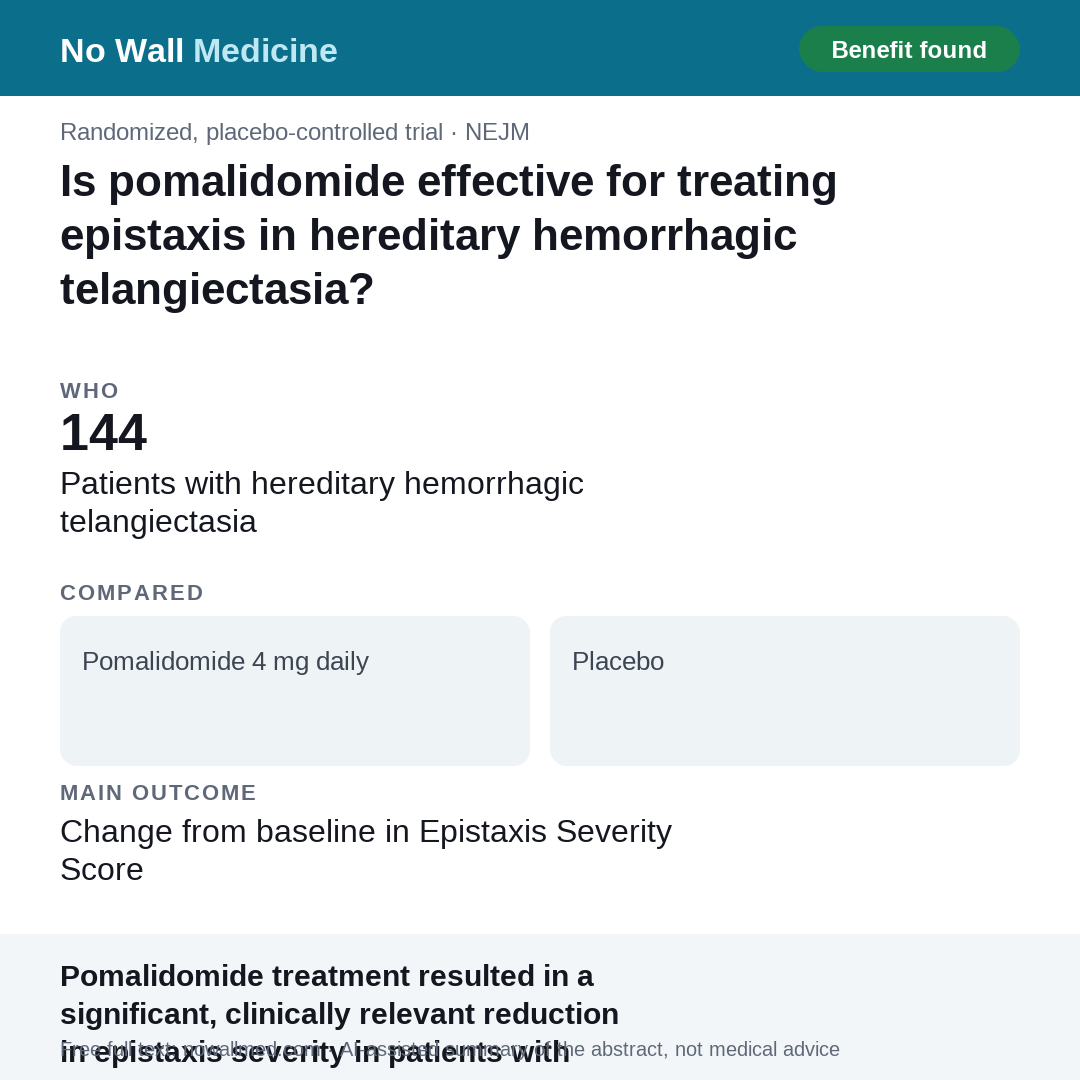
Pomalidomide for Epistaxis in Hereditary Hemorrhagic Telangiectasia
Randomized, placebo-controlled trialBenefit found
Is pomalidomide effective for treating epistaxis in hereditary hemorrhagic telangiectasia?
Who
144
Patients with hereditary hemorrhagic telangiectasia
Compared
Pomalidomide 4 mg daily
Placebo
Main outcome
Change from baseline in Epistaxis Severity Score
Result: mean difference -0.94 points (95% CI -1.57 to -0.31)
Bottom line: Pomalidomide treatment resulted in a significant, clinically relevant reduction in epistaxis severity in patients with hereditary hemorrhagic telangiectasia.
Funded by: National Heart, Lung, and Blood Institute
NEJM · 2024-09-18Download image
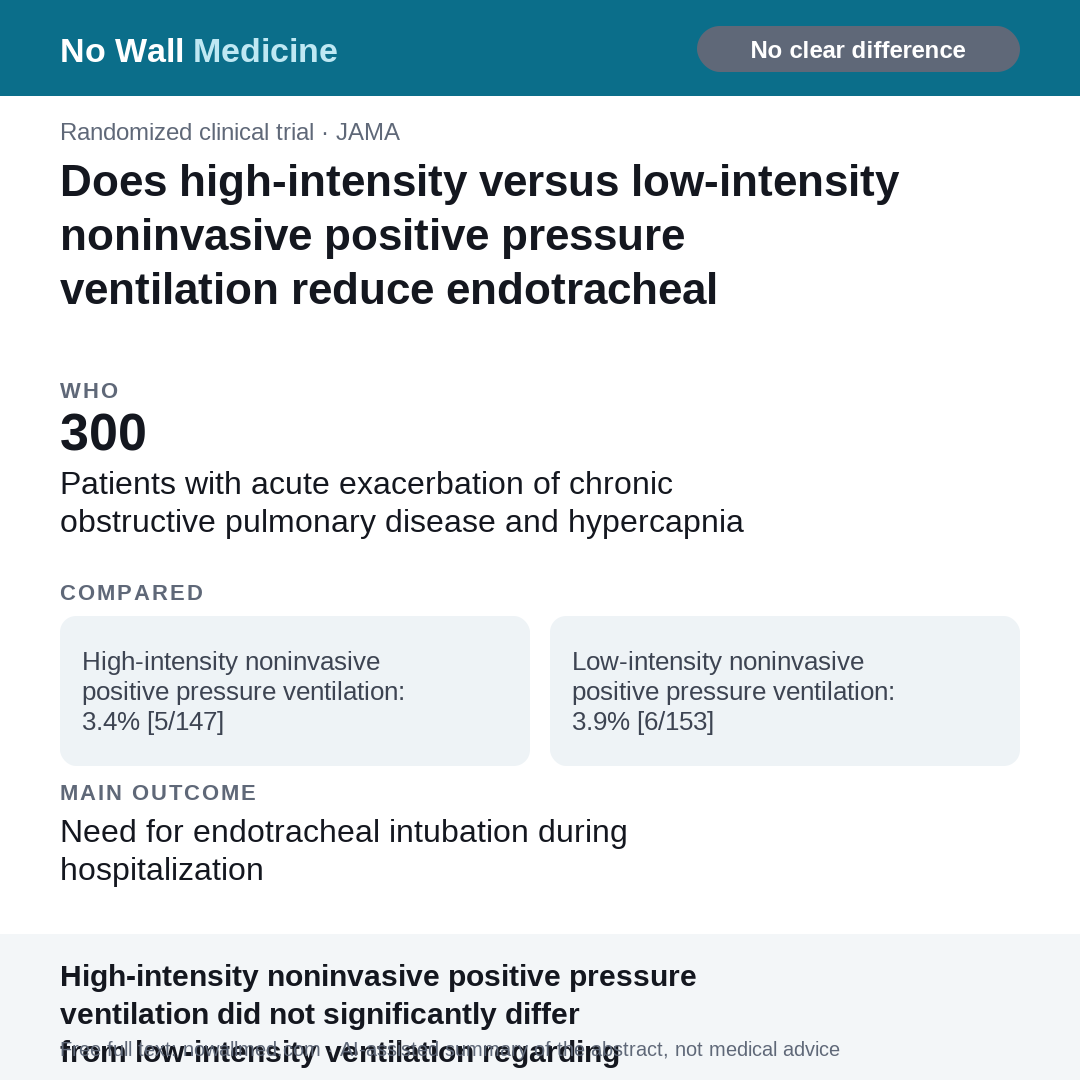
Effect of High-Intensity vs Low-Intensity Noninvasive Positive Pressure Ventilation on the Need for Endotracheal Intubation in Patients With an Acute Exacerbation of Chronic Obstructive Pulmonary Disease: The HAPPEN Randomized Clinical Trial
Randomized clinical trialNo clear difference
Does high-intensity versus low-intensity noninvasive positive pressure ventilation reduce endotracheal intubation need in COPD exacerbation?
Who
300
Patients with acute exacerbation of chronic obstructive pulmonary disease and hypercapnia · 30 general respiratory non-intensive care unit wards of Chinese hospitals
Compared
High-intensity noninvasive positive pressure ventilation: 3.4% [5/147]
Low-intensity noninvasive positive pressure ventilation: 3.9% [6/153]
Main outcome
Need for endotracheal intubation during hospitalization
Result: absolute difference, -0.5% (95% CI, -4.8% to 3.7%)
Bottom line: High-intensity noninvasive positive pressure ventilation did not significantly differ from low-intensity ventilation regarding endotracheal intubation rates due to crossover.
Limitation: Patients in the low-intensity group were allowed to crossover to high-intensity ventilation.
JAMA · 2024-09-17Download image
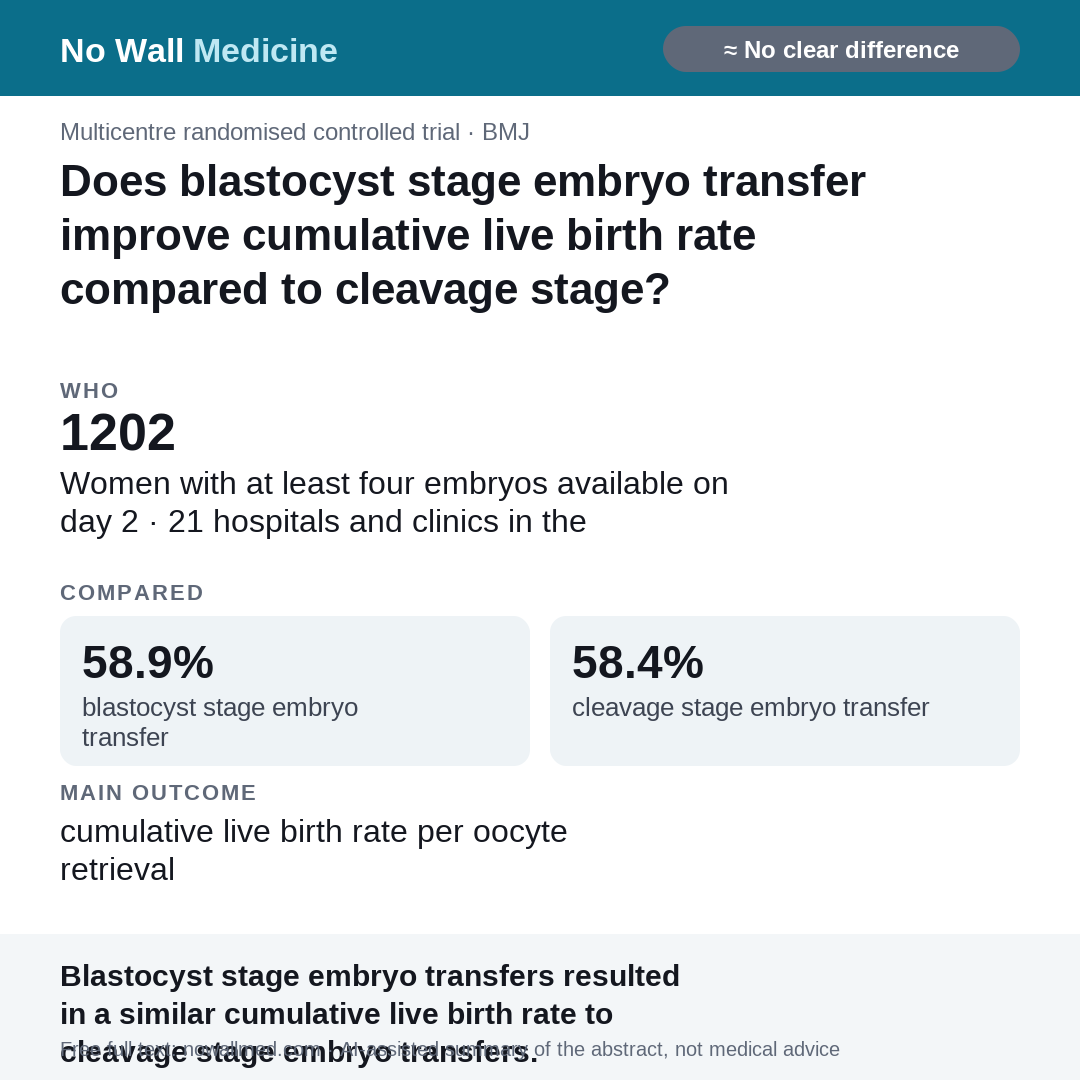
Cumulative live birth rate of a blastocyst versus cleavage stage embryo transfer policy during in vitro fertilisation in women with a good prognosis: multicentre randomised controlled trial
Multicentre randomised controlled trialNo clear difference
Does blastocyst stage embryo transfer improve cumulative live birth rate compared to cleavage stage?
Who
1202
Women with at least four embryos available on day 2 · 21 hospitals and clinics in the Netherlands
Compared
58.9%blastocyst stage embryo transfer (355 of 603)
58.4%cleavage stage embryo transfer (350 of 599)
Main outcome
cumulative live birth rate per oocyte retrieval
Result: risk ratio 1.01, 95% confidence interval (CI) 0.84 to 1.22
Bottom line: Blastocyst stage embryo transfers resulted in a similar cumulative live birth rate to cleavage stage embryo transfers.
BMJ · 2024-09-16Download image
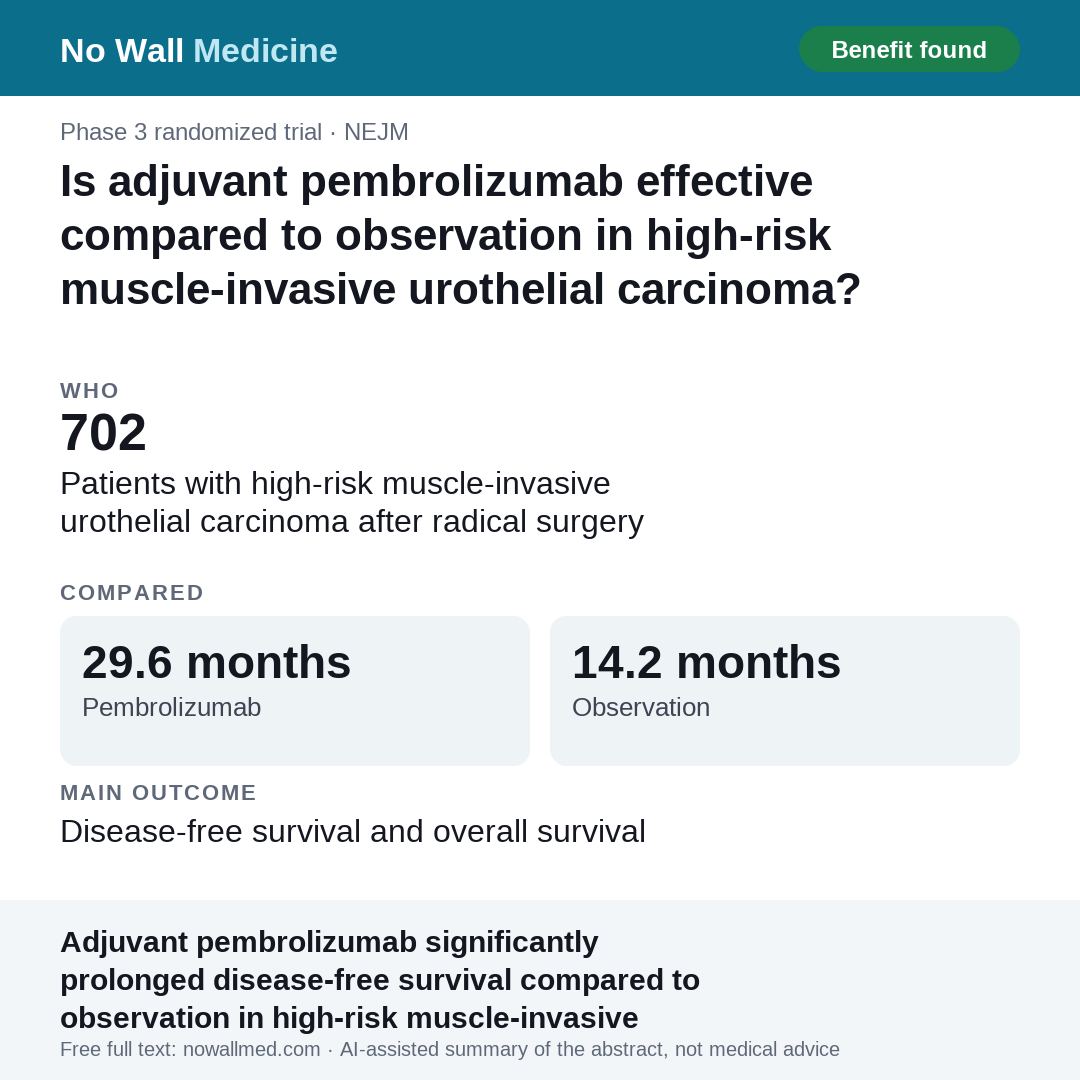
Adjuvant Pembrolizumab versus Observation in Muscle-Invasive Urothelial Carcinoma
Phase 3 randomized trialBenefit found
Is adjuvant pembrolizumab effective compared to observation in high-risk muscle-invasive urothelial carcinoma?
Who
702
Patients with high-risk muscle-invasive urothelial carcinoma after radical surgery
Compared
29.6 monthsPembrolizumab (95% CI, 20.0 to 40.7)
14.2 monthsObservation (95% CI, 11.0 to 20.2)
Main outcome
Disease-free survival and overall survival
Result: hazard ratio 0.73 (95% CI 0.59 to 0.90)
Bottom line: Adjuvant pembrolizumab significantly prolonged disease-free survival compared to observation in high-risk muscle-invasive urothelial carcinoma.
Funded by: National Cancer Institute of the National Institutes of Health
NEJM · 2024-09-15Download image
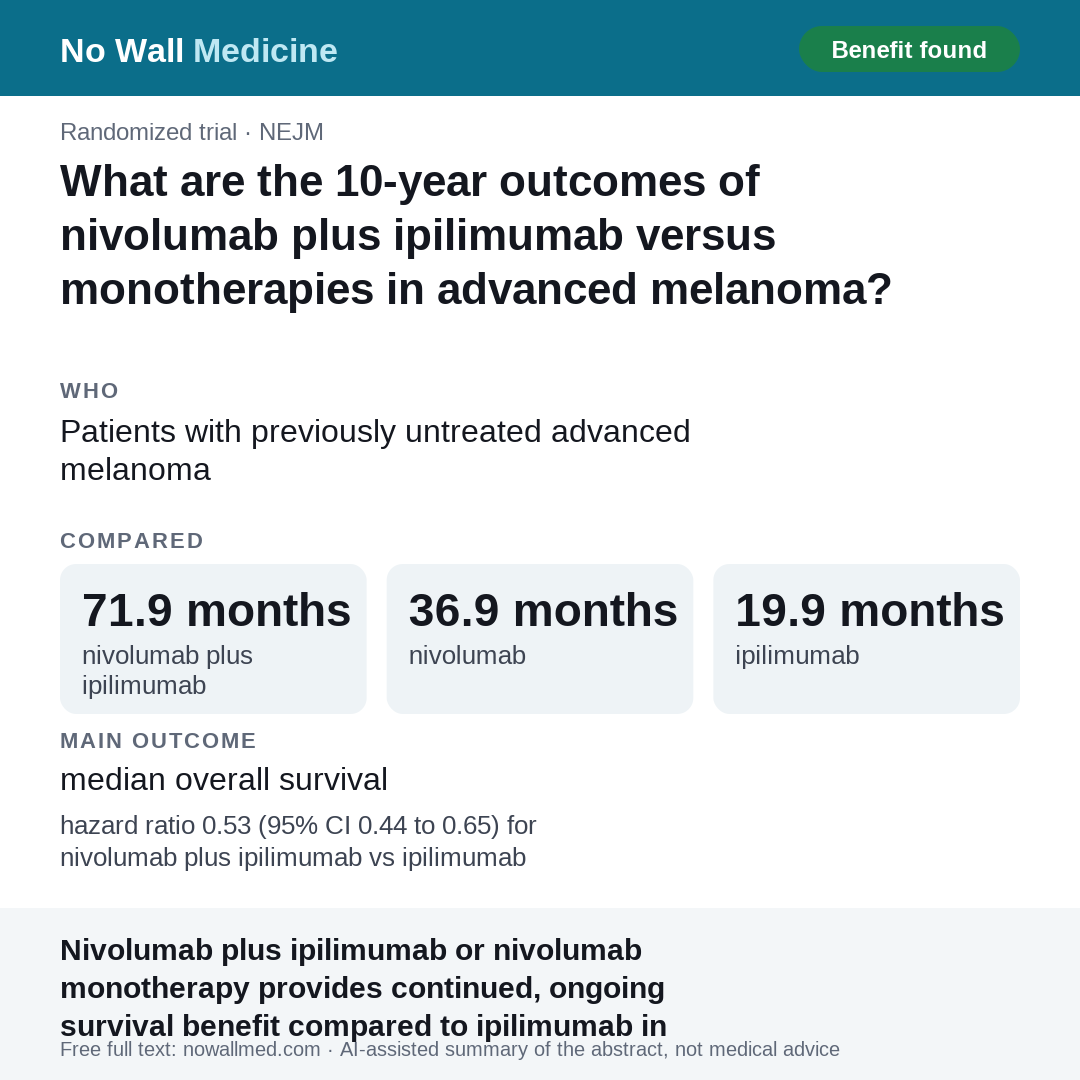
Final, 10-Year Outcomes with Nivolumab plus Ipilimumab in Advanced Melanoma
Randomized trialBenefit found
What are the 10-year outcomes of nivolumab plus ipilimumab versus monotherapies in advanced melanoma?
Who
Patients with previously untreated advanced melanoma
Compared
71.9 monthsnivolumab plus ipilimumab
36.9 monthsnivolumab
19.9 monthsipilimumab
Main outcome
median overall survival
Result: hazard ratio 0.53 (95% CI 0.44 to 0.65) for nivolumab plus ipilimumab vs ipilimumab
Bottom line: Nivolumab plus ipilimumab or nivolumab monotherapy provides continued, ongoing survival benefit compared to ipilimumab in advanced melanoma.
Funded by: Bristol Myers Squibb and others
NEJM · 2024-09-15Download image
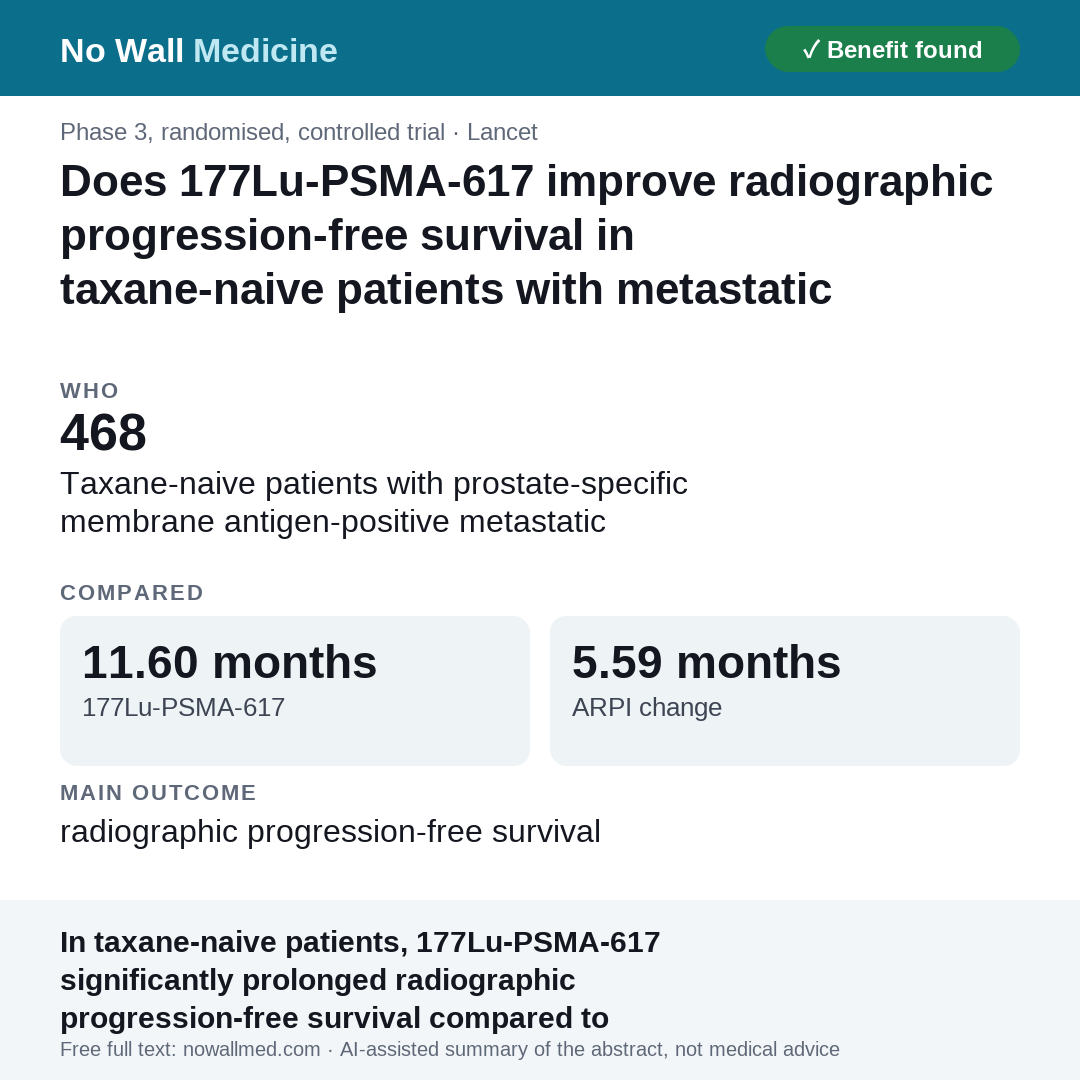
177Lu-PSMA-617 versus a change of androgen receptor pathway inhibitor therapy for taxane-naive patients with progressive metastatic castration-resistant prostate cancer (PSMAfore): a phase 3, randomised, controlled trial
Phase 3, randomised, controlled trialBenefit found
Does 177Lu-PSMA-617 improve radiographic progression-free survival in taxane-naive patients with metastatic castration-resistant prostate cancer?
Who
468
Taxane-naive patients with prostate-specific membrane antigen-positive metastatic castration-resistant prostate cancer · 74 sites across Europe and North America
Compared
11.60 months177Lu-PSMA-617 (95% CI 9.30-14.19)
5.59 monthsARPI change (4.21-5.95)
Main outcome
radiographic progression-free survival
Result: hazard ratio 0.49 (95% CI 0.39 to 0.61)
Bottom line: In taxane-naive patients, 177Lu-PSMA-617 significantly prolonged radiographic progression-free survival compared to changing androgen receptor pathway inhibitor therapy.
Funded by: Novartis
Lancet · 2024-09-15Download image
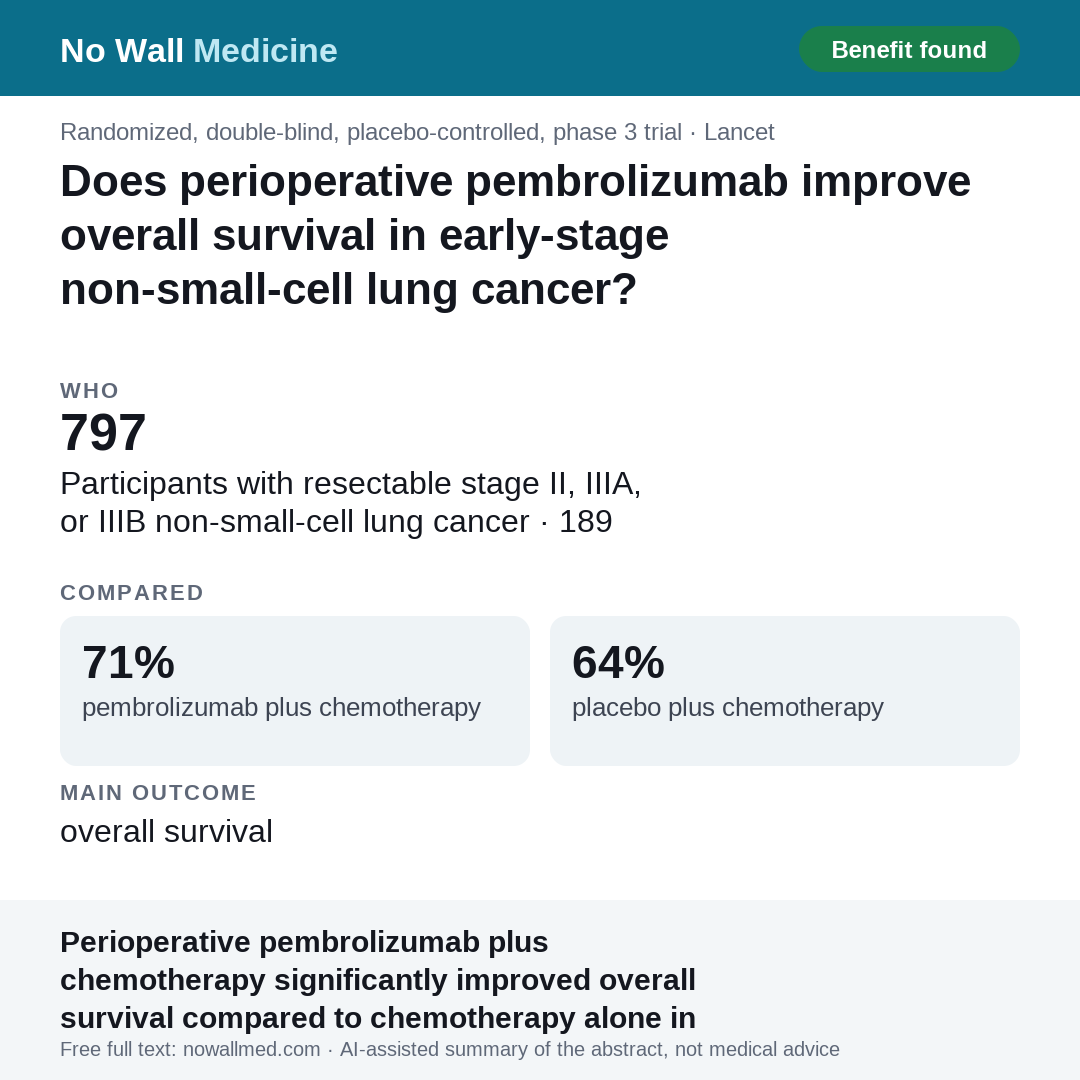
Neoadjuvant pembrolizumab plus chemotherapy followed by adjuvant pembrolizumab compared with neoadjuvant chemotherapy alone in patients with early-stage non-small-cell lung cancer (KEYNOTE-671): a randomised, double-blind, placebo-controlled, phase 3 trial
Randomized, double-blind, placebo-controlled, phase 3 trialBenefit found
Does perioperative pembrolizumab improve overall survival in early-stage non-small-cell lung cancer?
Who
797
Participants with resectable stage II, IIIA, or IIIB non-small-cell lung cancer · 189 medical centres
Compared
71%pembrolizumab plus chemotherapy (95% CI 66-76)
64%placebo plus chemotherapy (58-69)
Main outcome
overall survival
Result: hazard ratio 0·72 (95% CI 0·56-0·93)
Bottom line: Perioperative pembrolizumab plus chemotherapy significantly improved overall survival compared to chemotherapy alone in resectable early-stage non-small-cell lung cancer.
Funded by: Merck Sharp & Dohme
Lancet · 2024-09-14Download image
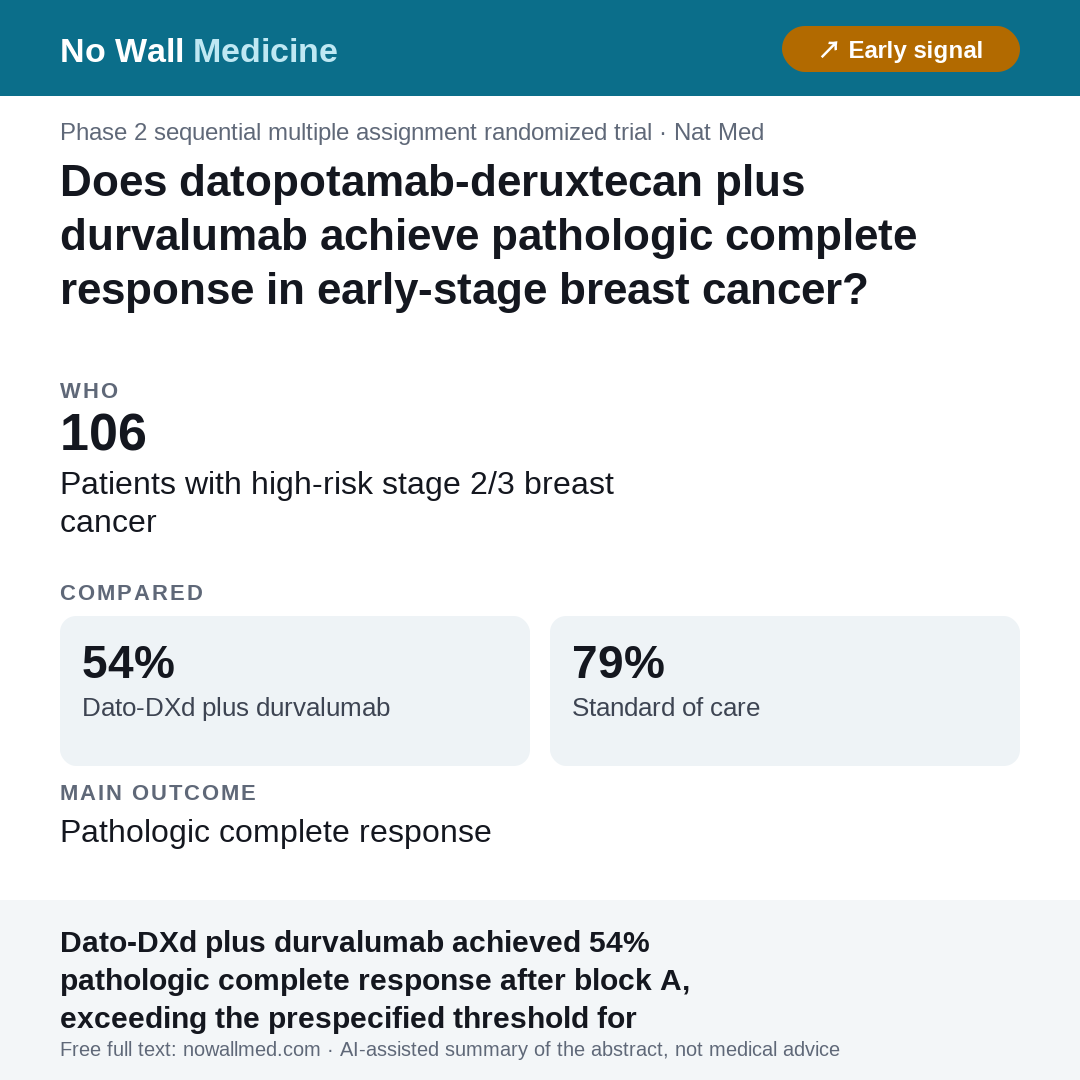
Datopotamab-deruxtecan plus durvalumab in early-stage breast cancer: the sequential multiple assignment randomized I-SPY2.2 phase 2 trial
Phase 2 neoadjuvant sequential multiple assignment randomization trialBenefit found
Is datopotamab-deruxtecan plus durvalumab effective in high-risk stage 2/3 breast cancer?
Who
106
High-risk stage 2/3 breast cancer patients
Compared
Dato-DXd/durvalumab in immune-positive subtype: 54% after block A
79%Standard of care expected rate
Main outcome
pathologic complete response rate
Bottom line: Datopotamab-deruxtecan plus durvalumab is a promising combination that may eliminate standard chemotherapy in immune-positive breast cancer subtypes.
Nat Med · 2024-09-14Download image
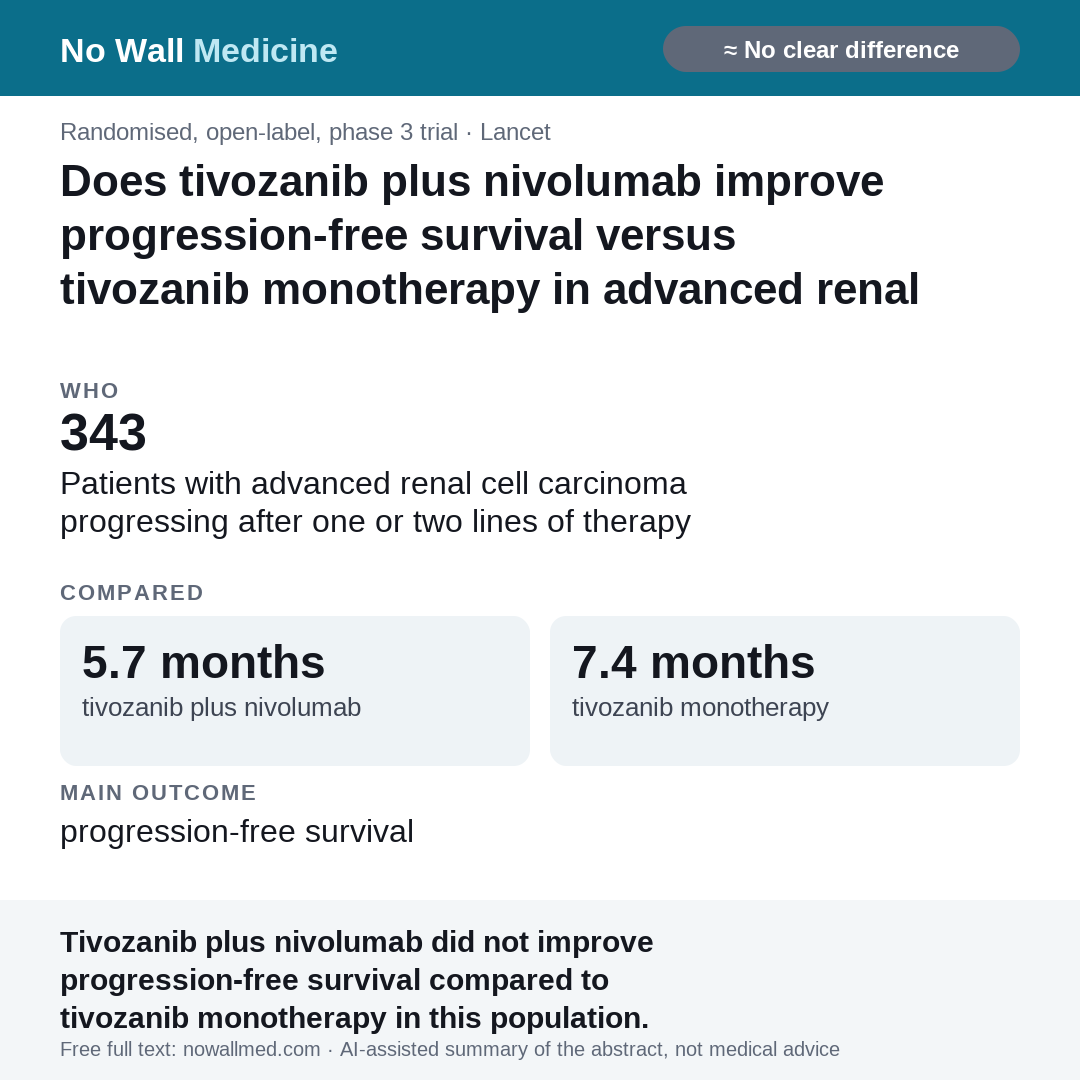
Tivozanib plus nivolumab versus tivozanib monotherapy in patients with renal cell carcinoma following an immune checkpoint inhibitor: results of the phase 3 TiNivo-2 Study
Randomised, open-label, phase 3 trialNo clear difference
Does tivozanib plus nivolumab improve progression-free survival versus tivozanib monotherapy in advanced renal cell carcinoma?
Who
343
Patients with advanced renal cell carcinoma progressing after one or two lines of therapy · 190 sites across 16 countries
Compared
5.7 monthstivozanib plus nivolumab (95% CI 4.0-7.4)
7.4 monthstivozanib monotherapy (5.6-9.2)
Main outcome
progression-free survival
Result: hazard ratio 1.10, 95% CI 0.84-1.43
Bottom line: Tivozanib plus nivolumab did not improve progression-free survival compared to tivozanib monotherapy in this population.
Funded by: Aveo Pharmaceuticals
Lancet · 2024-09-13Download image
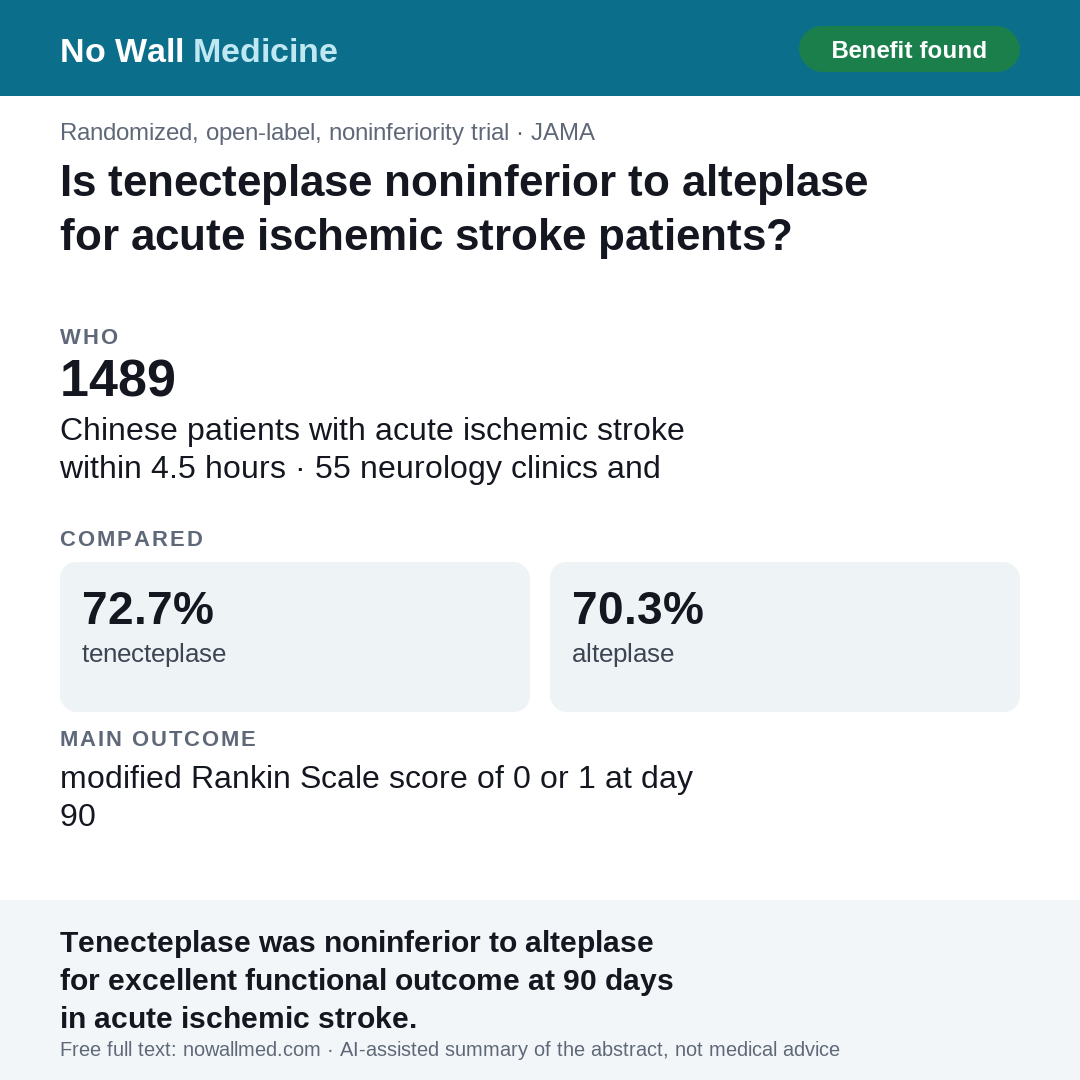
Tenecteplase vs Alteplase for Patients With Acute Ischemic Stroke: The ORIGINAL Randomized Clinical Trial
Randomized, open-label, noninferiority trialBenefit found
Is tenecteplase noninferior to alteplase for acute ischemic stroke patients?
Who
1489
Chinese patients with acute ischemic stroke within 4.5 hours · 55 neurology clinics and stroke centers in China
Compared
72.7%tenecteplase (532/732)
70.3%alteplase (515/733)
Main outcome
modified Rankin Scale score of 0 or 1 at day 90
Result: risk ratio 1.03 (95% CI 0.97-1.09)
Bottom line: Tenecteplase was noninferior to alteplase for excellent functional outcome at 90 days in acute ischemic stroke.
JAMA · 2024-09-12Download image
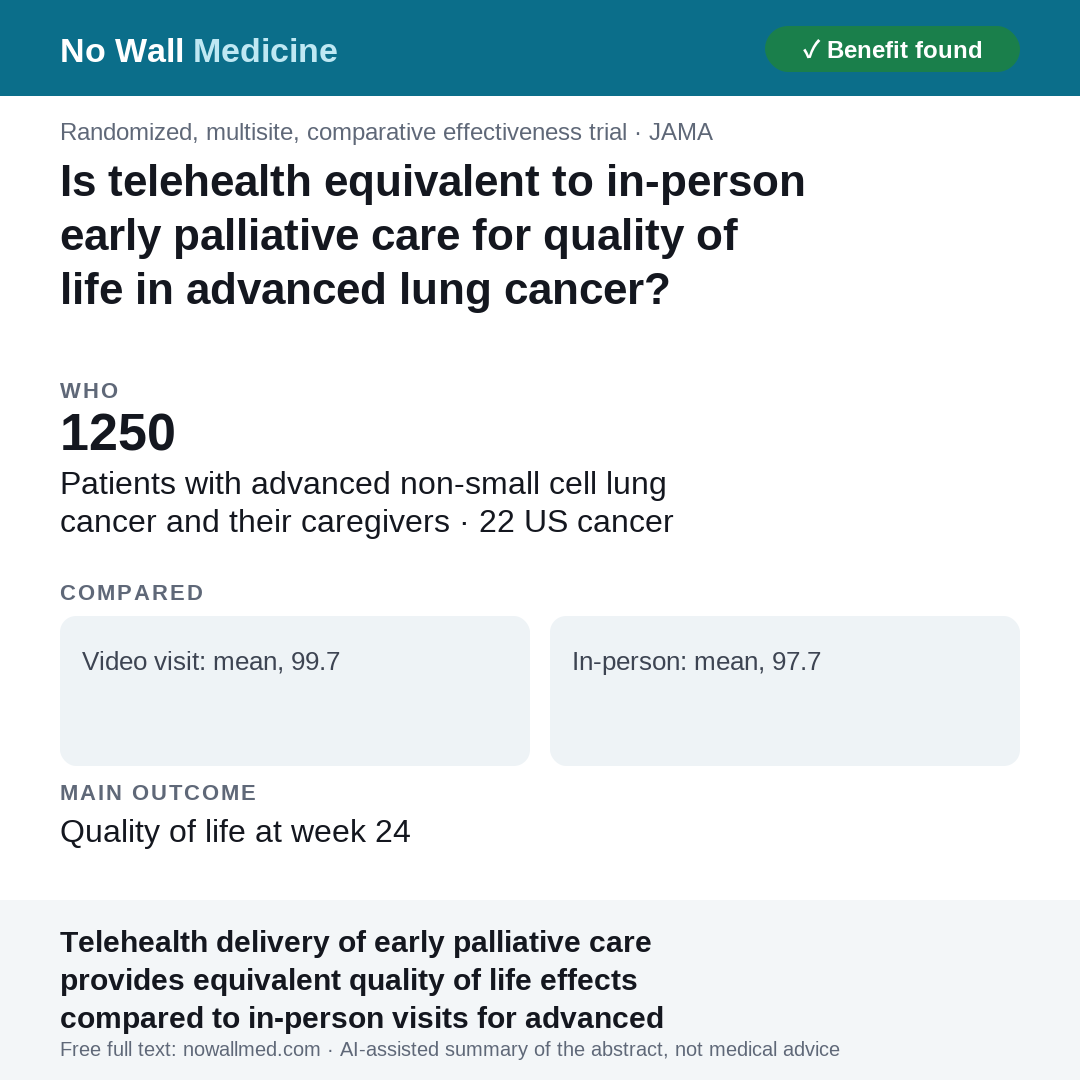
Telehealth vs In-Person Early Palliative Care for Patients With Advanced Lung Cancer: A Multisite Randomized Clinical Trial
Randomized, multisite, comparative effectiveness trialBenefit found
Is telehealth equivalent to in-person early palliative care for quality of life in advanced lung cancer?
Who
1250
Patients with advanced non-small cell lung cancer and their caregivers · 22 US cancer centers
Compared
Video visit: mean, 99.7
In-person: mean, 97.7
Main outcome
Quality of life at week 24
Result: difference, 2.0 (90% CI, 0.1-3.9)
Bottom line: Telehealth delivery of early palliative care provides equivalent quality of life effects compared to in-person visits for advanced lung cancer patients.
JAMA · 2024-09-11Download image
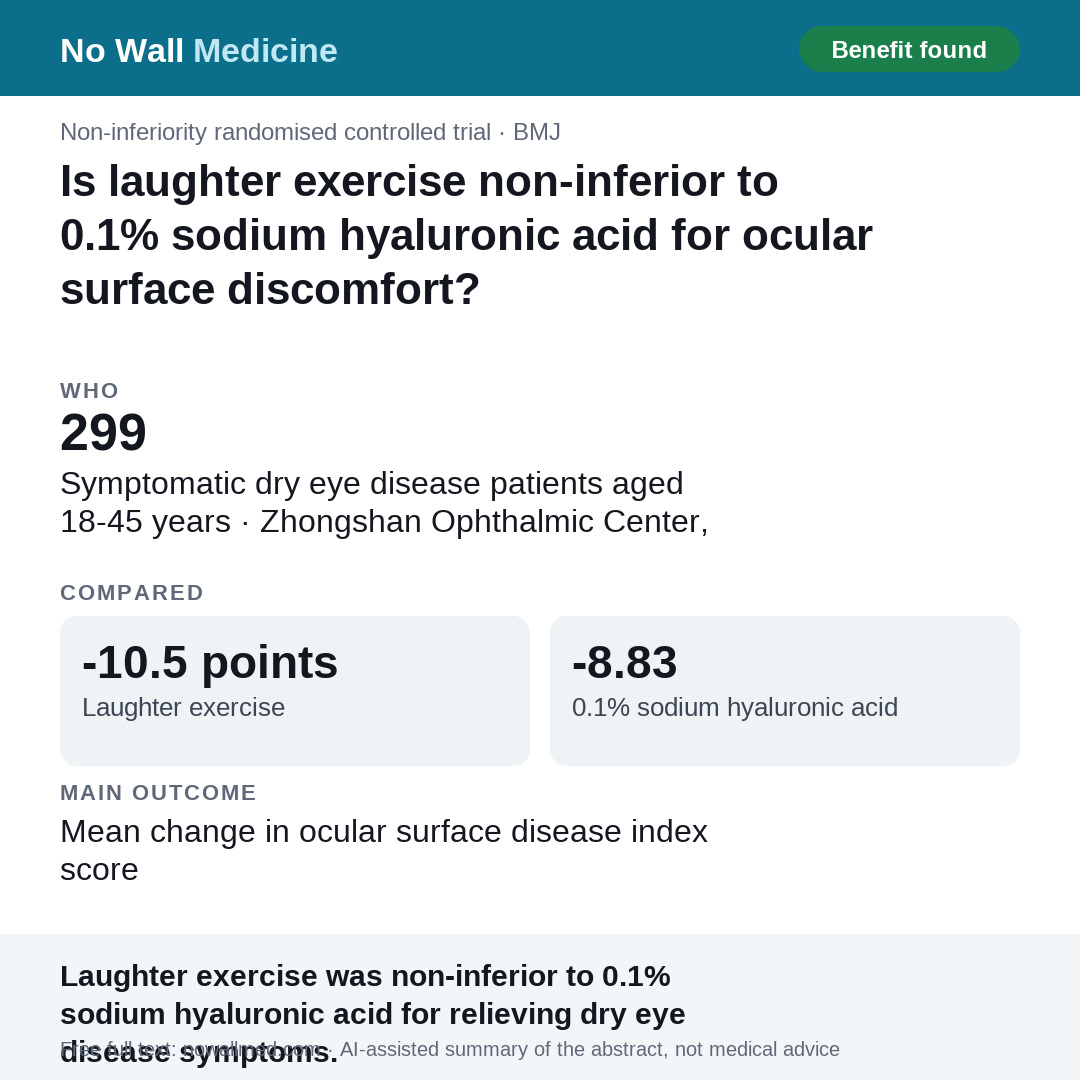
Effect of laughter exercise versus 0.1% sodium hyaluronic acid on ocular surface discomfort in dry eye disease: non-inferiority randomised controlled trial
Non-inferiority randomised controlled trialBenefit found
Is laughter exercise non-inferior to 0.1% sodium hyaluronic acid for ocular surface discomfort?
Who
299
Symptomatic dry eye disease patients aged 18-45 years · Zhongshan Ophthalmic Center, China
Compared
-10.5 pointsLaughter exercise (95% CI -13.1 to -7.82)
-8.830.1% sodium hyaluronic acid (-11.7 to -6.02)
Main outcome
Mean change in ocular surface disease index score
Result: mean difference -1.45 points (95% CI -5.08 to 2.19)
Bottom line: Laughter exercise was non-inferior to 0.1% sodium hyaluronic acid for relieving dry eye disease symptoms.
Limitation: Participants were unmasked to their group assignment for practical reasons.
BMJ · 2024-09-11Download image