Visual abstracts
New randomized trials and meta-analyses from leading journals at a glance: who was studied, what was compared, and what was found. Every paper is free to read in full.
All specialtiesCardiology 4832Oncology 4114Gastroenterology & Hepatology 1934Infectious Disease 3824Neurology 1899Psychiatry & Mental Health 2257Pulmonology 2082Critical Care 1345Endocrinology & Diabetes 2572Pediatrics 2940Surgery 2525Orthopedics & Sports Medicine 926Neurosurgery 534Cardiothoracic & Vascular Surgery 671Plastic & Reconstructive Surgery 591Nephrology 1124Rheumatology 823Hematology 1104Dermatology 621Ophthalmology 543Obstetrics & Gynecology 1684Public & Global Health 1056Radiology & Imaging 641Anesthesiology 962Urology 754ENT (Otolaryngology) 503Emergency Medicine 489Allergy & Immunology 313Geriatrics 981Family Medicine & Primary Care 541Medical Genetics & Genomics 675Pathology & Laboratory Medicine 157Physical Medicine & Rehabilitation 751Palliative Care 424Nutrition 1580Digital Health & AI 2195General Medicine 321
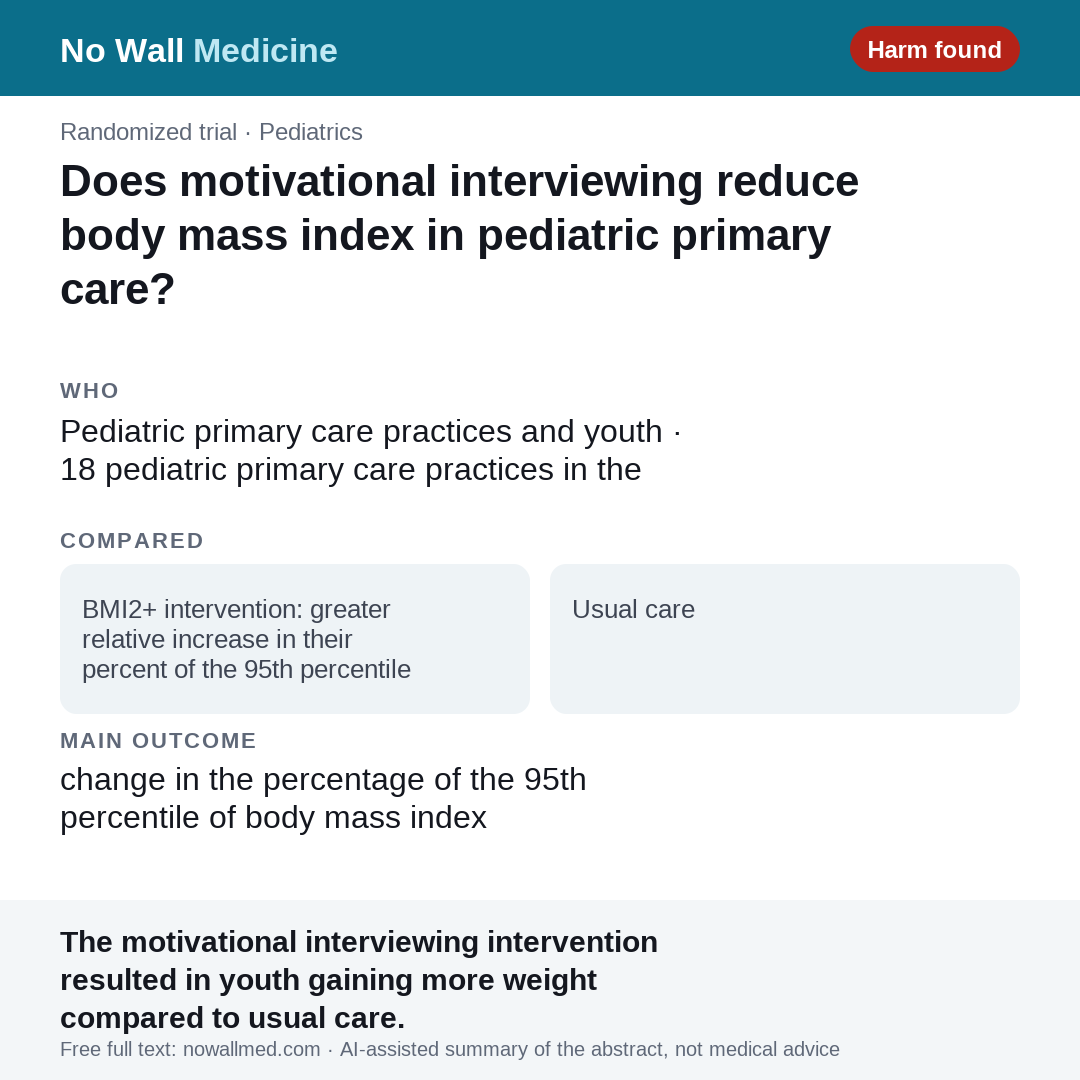
Outcome of BMI2+: Motivational Interviewing to Reduce BMI Through Primary Care AAP PROS Practices
Randomized trialHarm found
Does motivational interviewing reduce body mass index in pediatric primary care?
Who
Pediatric primary care practices and youth · 18 pediatric primary care practices in the United States
Compared
BMI2+ intervention: greater relative increase in their percent of the 95th percentile
Usual care
Main outcome
change in the percentage of the 95th percentile of body mass index
Result: b = 0.017, 95% confidence interval: [0.0066-0.027]
Bottom line: The motivational interviewing intervention resulted in youth gaining more weight compared to usual care.
Pediatrics · 2024-01-29Download image
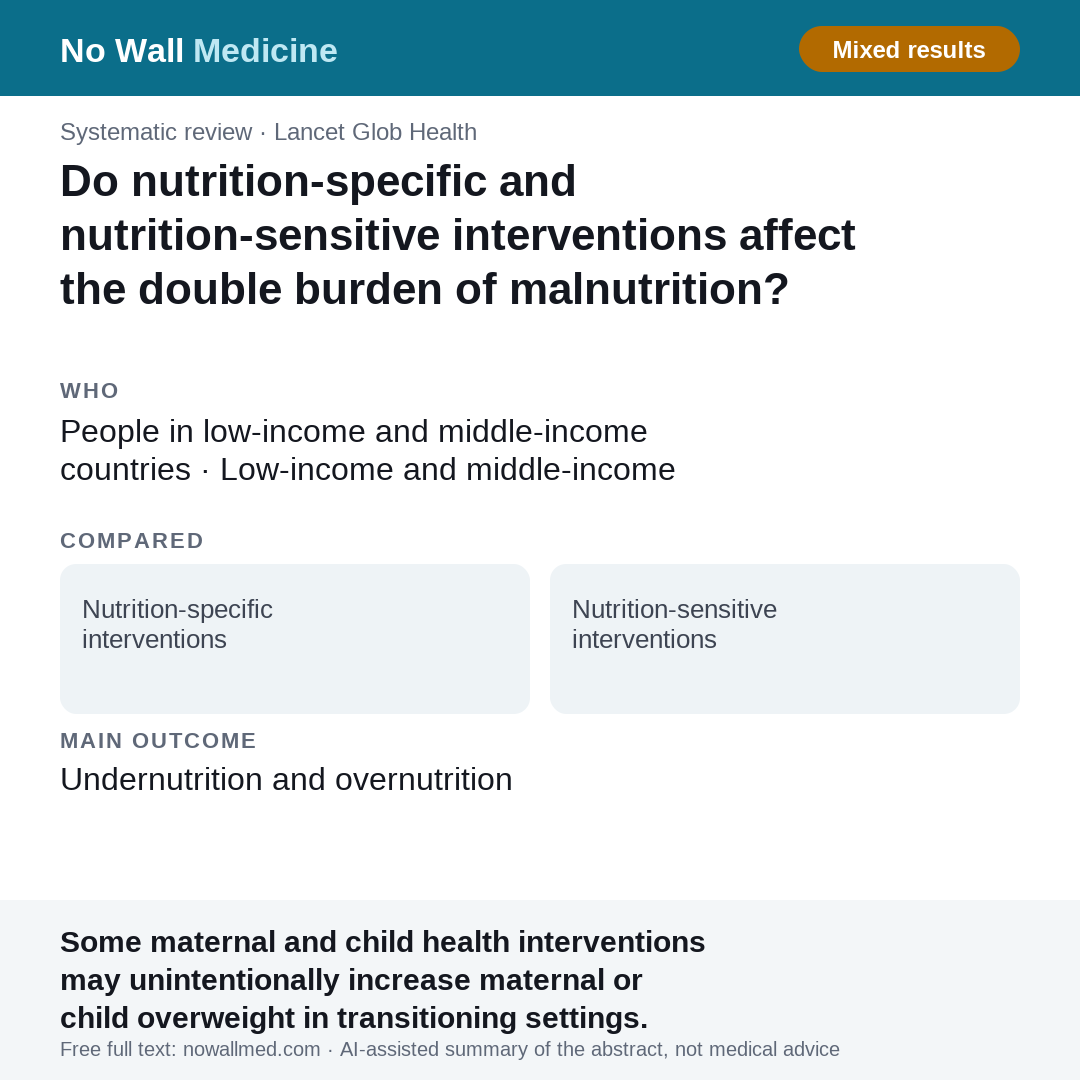
The effect of nutrition-specific and nutrition-sensitive interventions on the double burden of malnutrition in low-income and middle-income countries: a systematic review
Systematic reviewMixed results
Do nutrition-specific and nutrition-sensitive interventions affect the double burden of malnutrition?
Who
People in low-income and middle-income countries · Low-income and middle-income countries
Compared
Nutrition-specific interventions
Nutrition-sensitive interventions
Main outcome
Undernutrition and overnutrition
Bottom line: Some maternal and child health interventions may unintentionally increase maternal or child overweight in transitioning settings.
Funded by: President's Scholarship and National Institute for Health and Care Research
Lancet Glob Health · 2024-01-29Download image
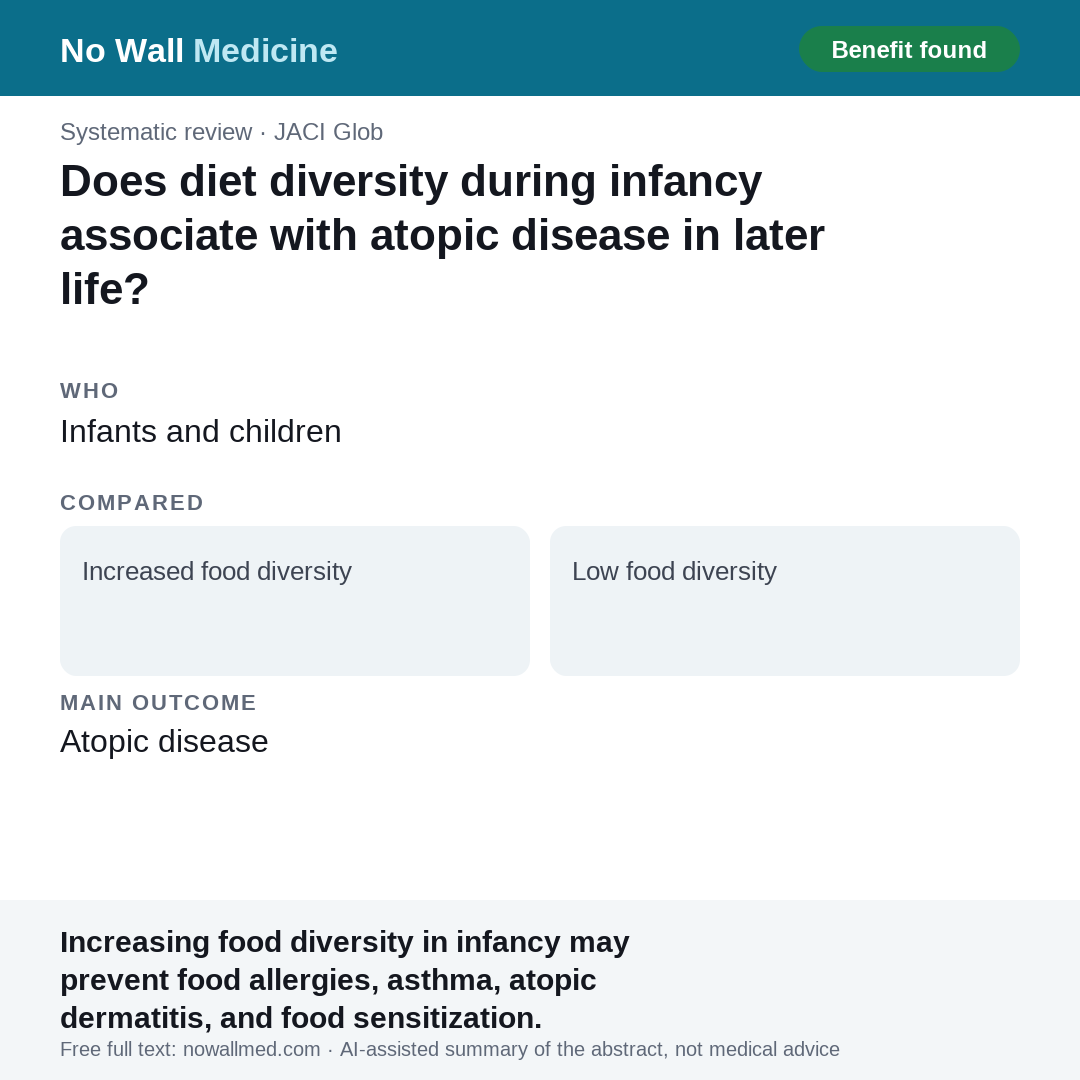
Associations between diet diversity during infancy and atopic disease in later life: Systematic review
Systematic reviewBenefit found
Does diet diversity during infancy associate with atopic disease in later life?
Who
Infants and children
Compared
Increased food diversity
Low food diversity
Main outcome
Atopic disease
Bottom line: Increasing food diversity in infancy may prevent food allergies, asthma, atopic dermatitis, and food sensitization.
Limitation: Effect on eczema, allergic rhinitis, and other diseases remains controversial.
JACI Glob · 2024-01-28Download image
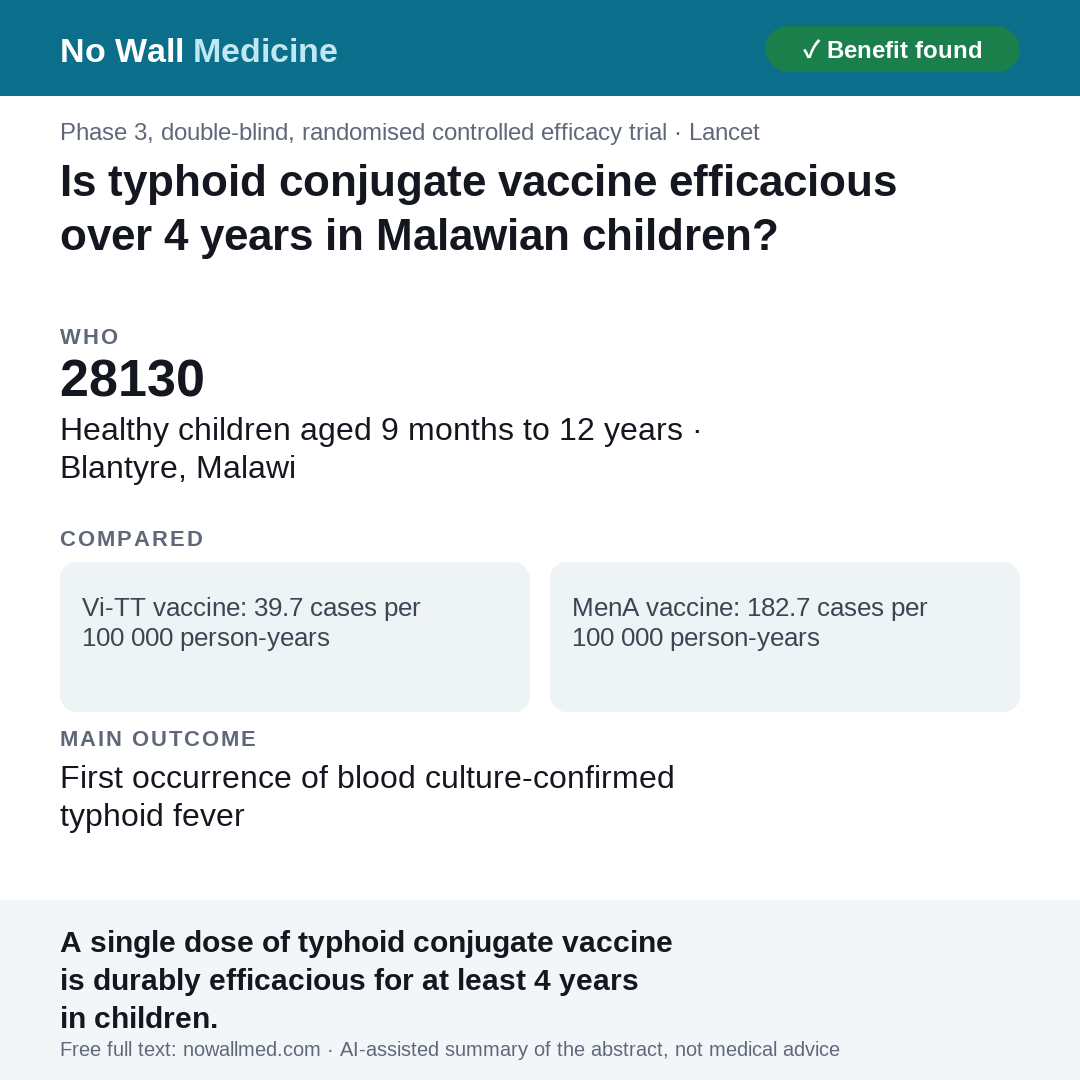
Efficacy of typhoid conjugate vaccine: final analysis of a 4-year, phase 3, randomised controlled trial in Malawian children
Phase 3, double-blind, randomised controlled efficacy trialBenefit found
Is typhoid conjugate vaccine efficacious over 4 years in Malawian children?
Who
28130
Healthy children aged 9 months to 12 years · Blantyre, Malawi
Compared
Vi-TT vaccine: 39.7 cases per 100 000 person-years
MenA vaccine: 182.7 cases per 100 000 person-years
Main outcome
First occurrence of blood culture-confirmed typhoid fever
Result: efficacy of Vi-TT was 78.3% (95% CI 66.3-86.1)
Bottom line: A single dose of typhoid conjugate vaccine is durably efficacious for at least 4 years in children.
Funded by: Bill & Melinda Gates Foundation
Lancet · 2024-01-25Download image
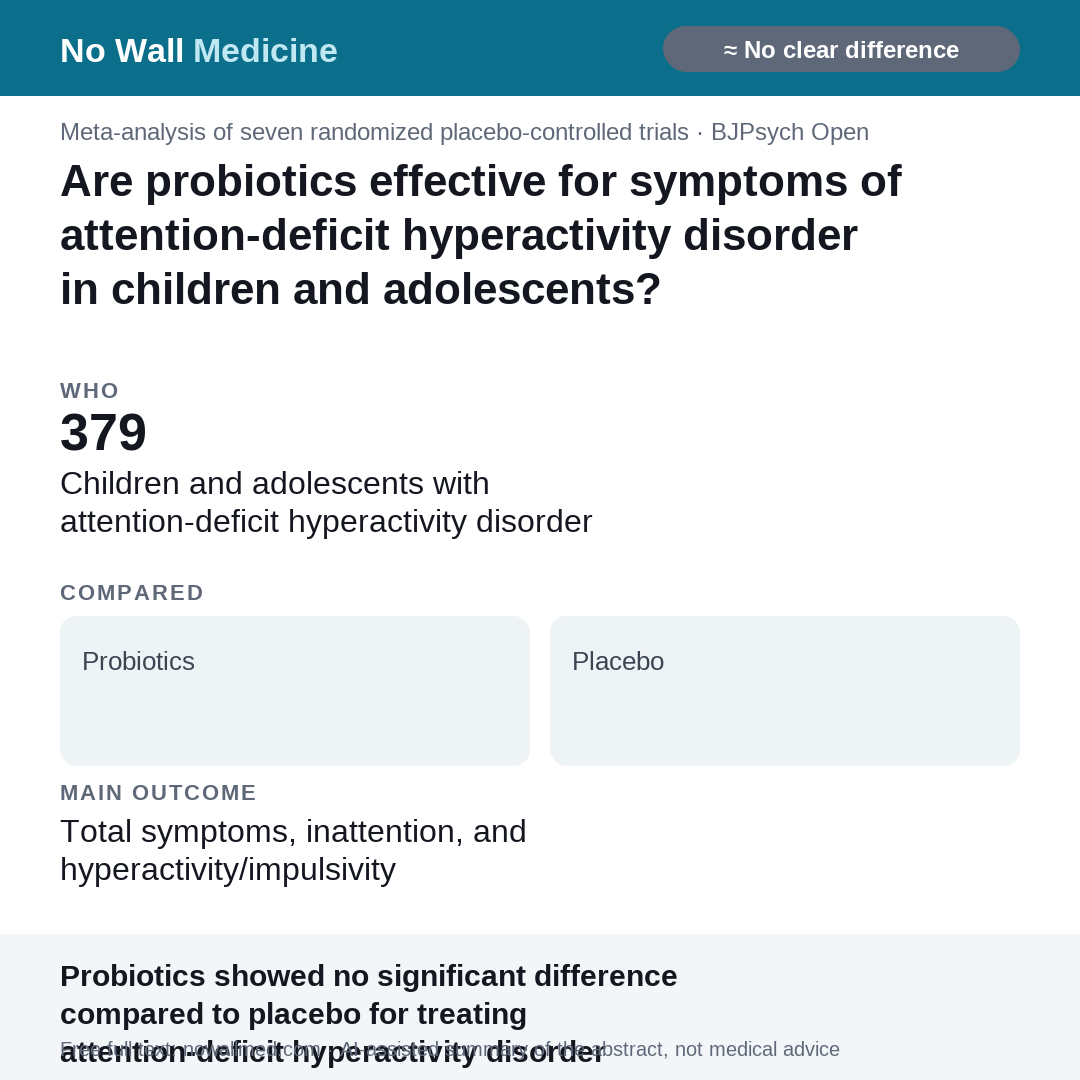
Therapeutic efficacy of probiotics for symptoms of attention-deficit hyperactivity disorder in children and adolescents: meta-analysis
Meta-analysis of seven randomized placebo-controlled trialsNo clear difference
Are probiotics effective for symptoms of attention-deficit hyperactivity disorder in children and adolescents?
Who
379
Children and adolescents with attention-deficit hyperactivity disorder
Compared
Probiotics
Placebo
Main outcome
Total symptoms, inattention, and hyperactivity/impulsivity
Result: standardised mean difference 0.25 (95% CI not reported; P = 0.12)
Bottom line: Probiotics showed no significant difference compared to placebo for treating attention-deficit hyperactivity disorder symptoms.
BJPsych Open · 2024-01-25Download image
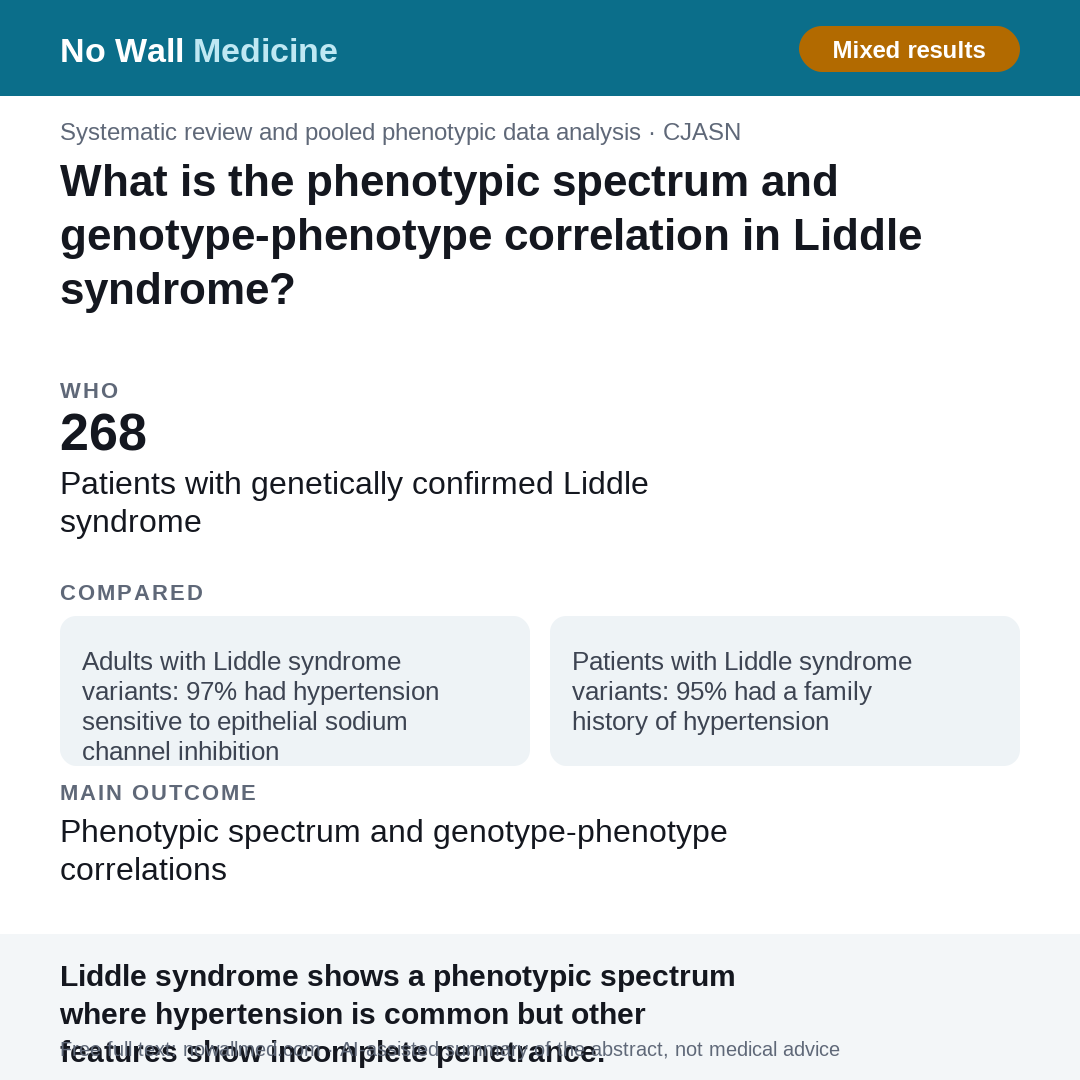
Reverse Phenotypes of Patients with Genetically Confirmed Liddle Syndrome
Systematic review and pooled phenotypic data analysisMixed results
What is the phenotypic spectrum and genotype-phenotype correlation in Liddle syndrome?
Who
268
Patients with genetically confirmed Liddle syndrome
Compared
Adults with Liddle syndrome variants: 97% had hypertension sensitive to epithelial sodium channel inhibition
Patients with Liddle syndrome variants: 95% had a family history of hypertension
Main outcome
Phenotypic spectrum and genotype-phenotype correlations
Bottom line: Liddle syndrome shows a phenotypic spectrum where hypertension is common but other features show incomplete penetrance.
Limitation: Probands compared with relatives showed significant phenotypic discrepancies consistent with selection bias.
CJASN · 2024-01-24Download image
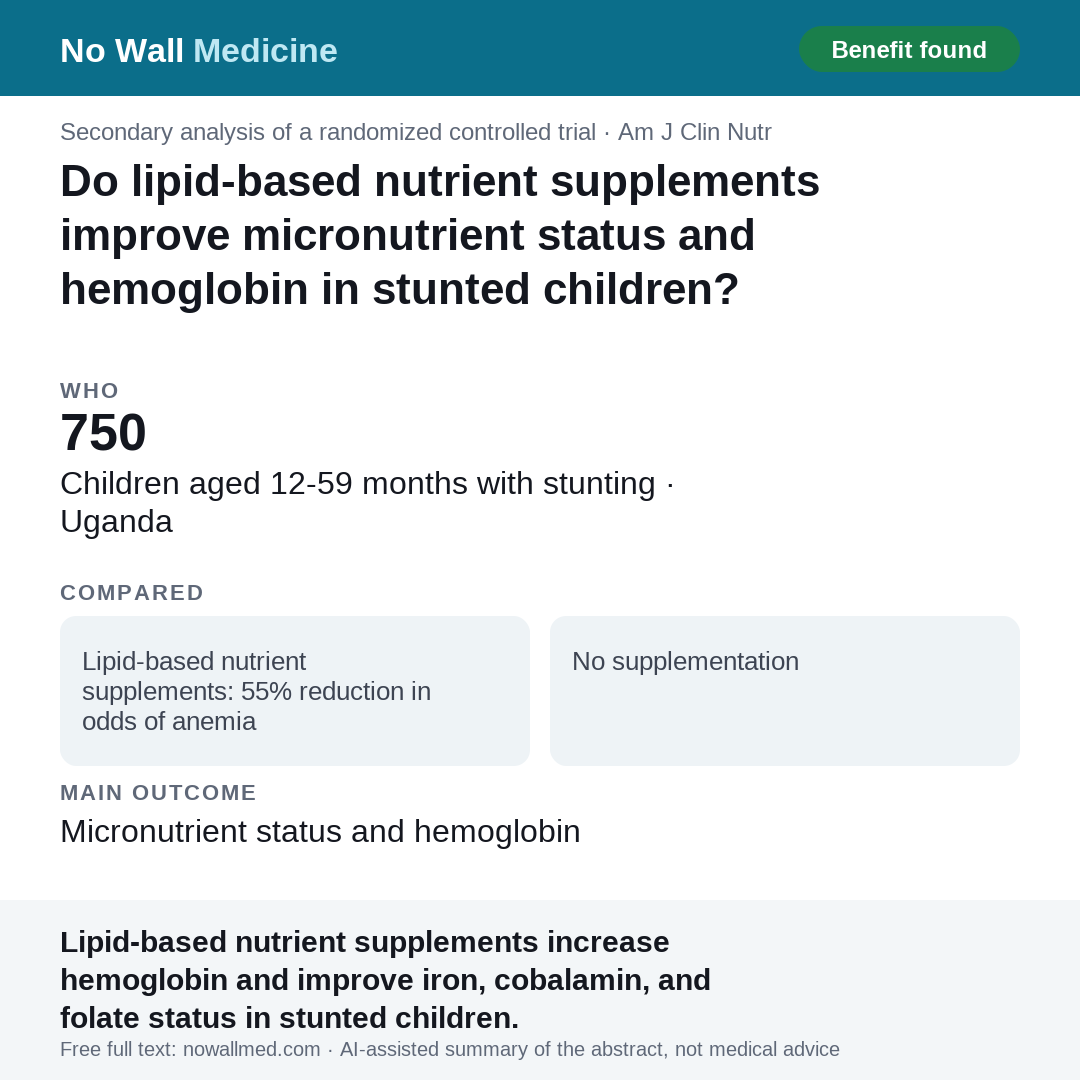
Effect of lipid-based nutrient supplements on micronutrient status and hemoglobin among children with stunting: secondary analysis of a randomized controlled trial in Uganda
Secondary analysis of a randomized controlled trialBenefit found
Do lipid-based nutrient supplements improve micronutrient status and hemoglobin in stunted children?
Who
750
Children aged 12-59 months with stunting · Uganda
Compared
Lipid-based nutrient supplements: 55% reduction in odds of anemia
No supplementation
Main outcome
Micronutrient status and hemoglobin
Result: odds ratio: 0.45 (95% CI 0.29 to 0.70)
Bottom line: Lipid-based nutrient supplements increase hemoglobin and improve iron, cobalamin, and folate status in stunted children.
Am J Clin Nutr · 2024-01-24Download image
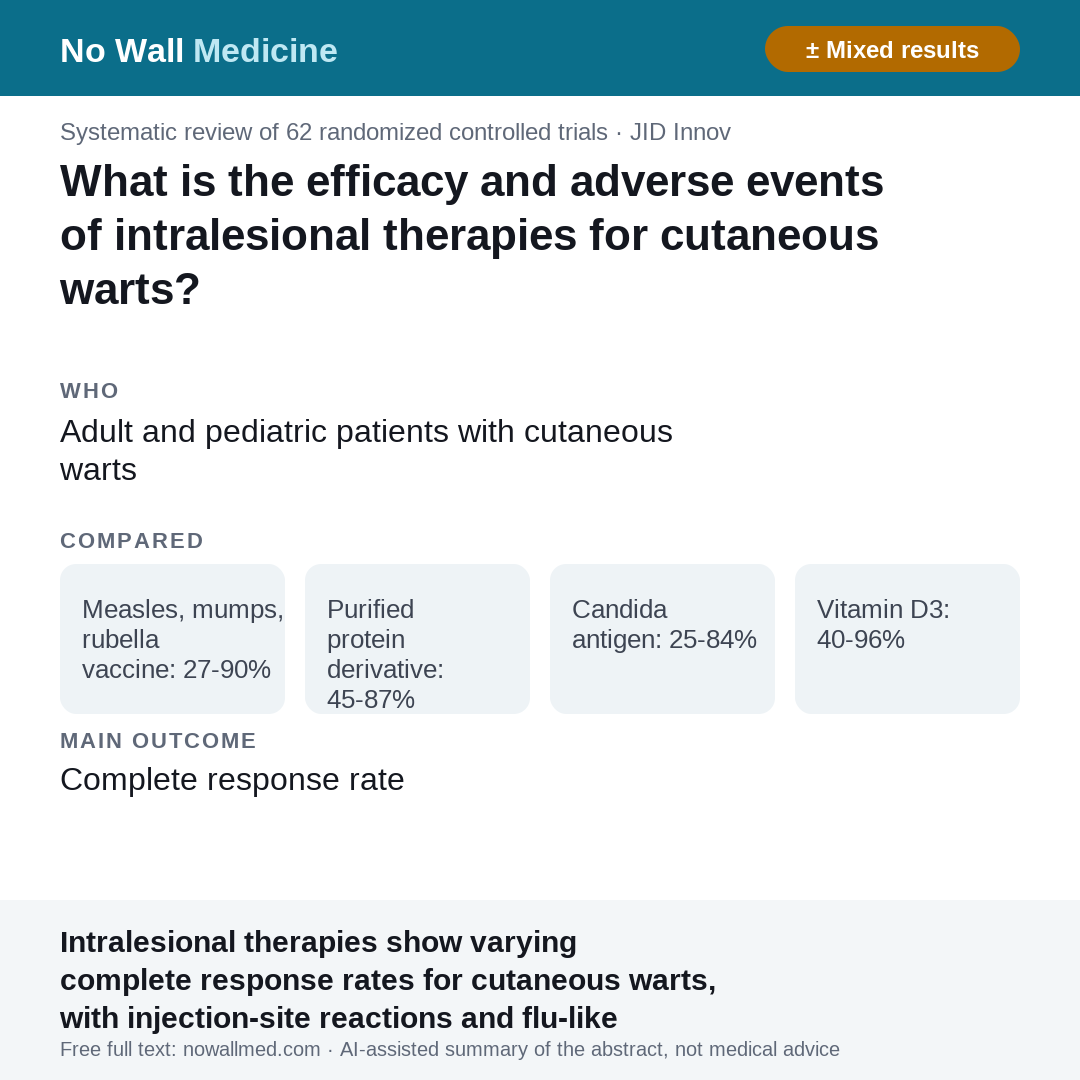
Systematic Review of Intralesional Therapies for Cutaneous Warts
Systematic review of 62 randomized controlled trialsMixed results
What is the efficacy and adverse events of intralesional therapies for cutaneous warts?
Who
62
Adult and pediatric patients with cutaneous warts
Compared
Measles, mumps, rubella vaccine: 27-90%
Purified protein derivative: 45-87%
Candida antigen: 25-84%
Vitamin D3: 40-96%
Main outcome
Complete response rate
Bottom line: Intralesional therapies show varying complete response rates for cutaneous warts, with injection-site reactions and flu-like symptoms being common.
JID Innov · 2024-01-24Download image
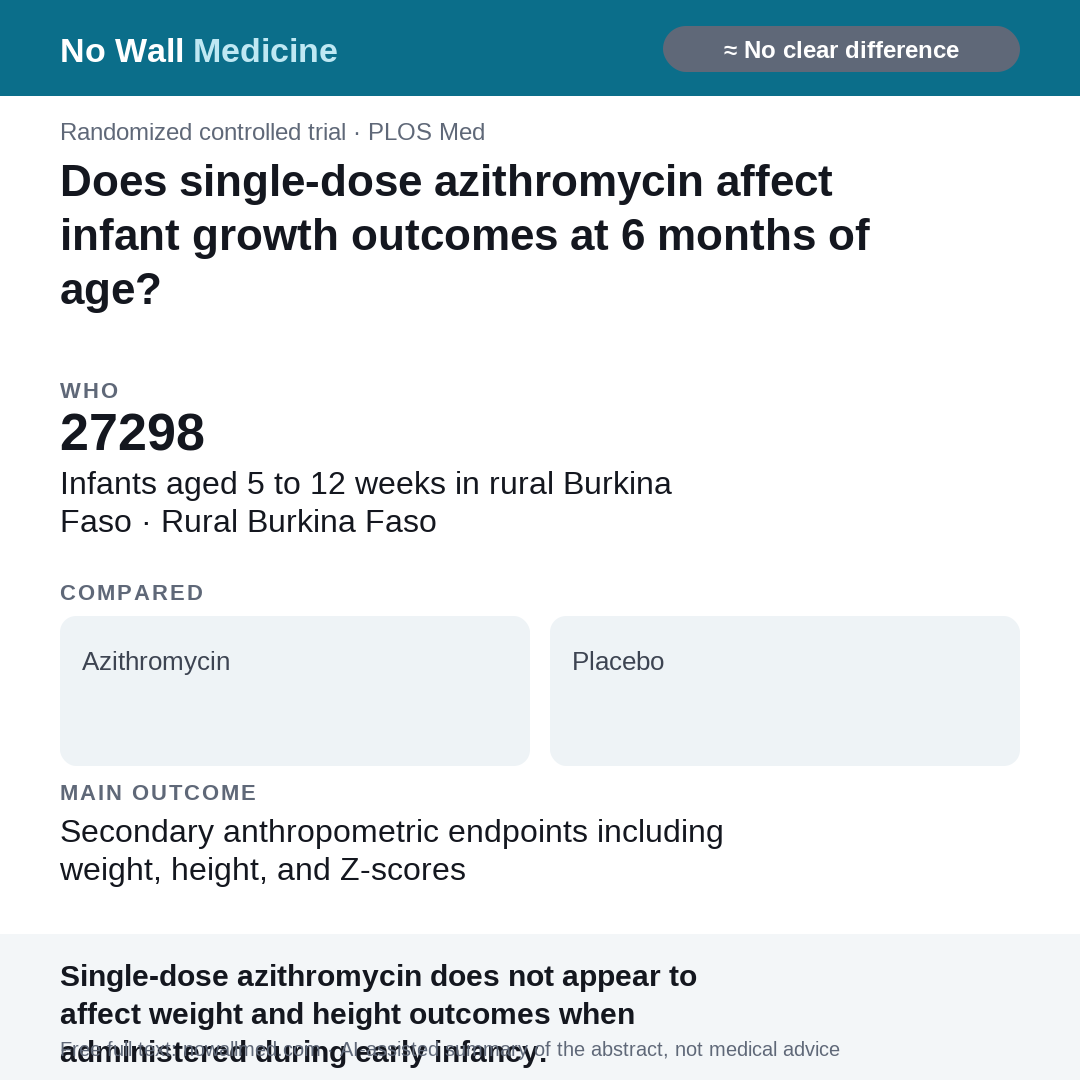
Single-dose azithromycin for infant growth in Burkina Faso: Prespecified secondary anthropometric outcomes from a randomized controlled trial
Randomized controlled trialNo clear difference
Does single-dose azithromycin affect infant growth outcomes at 6 months of age?
Who
27298
Infants aged 5 to 12 weeks in rural Burkina Faso · Rural Burkina Faso
Compared
Azithromycin
Placebo
Main outcome
Secondary anthropometric endpoints including weight, height, and Z-scores
Result: weight gain mean difference 0.03 g/day (95% CI -0.12 to 0.18)
Bottom line: Single-dose azithromycin does not appear to affect weight and height outcomes when administered during early infancy.
Limitation: Measurements were only collected at enrollment and 6 months of age.
PLOS Med · 2024-01-23Download image
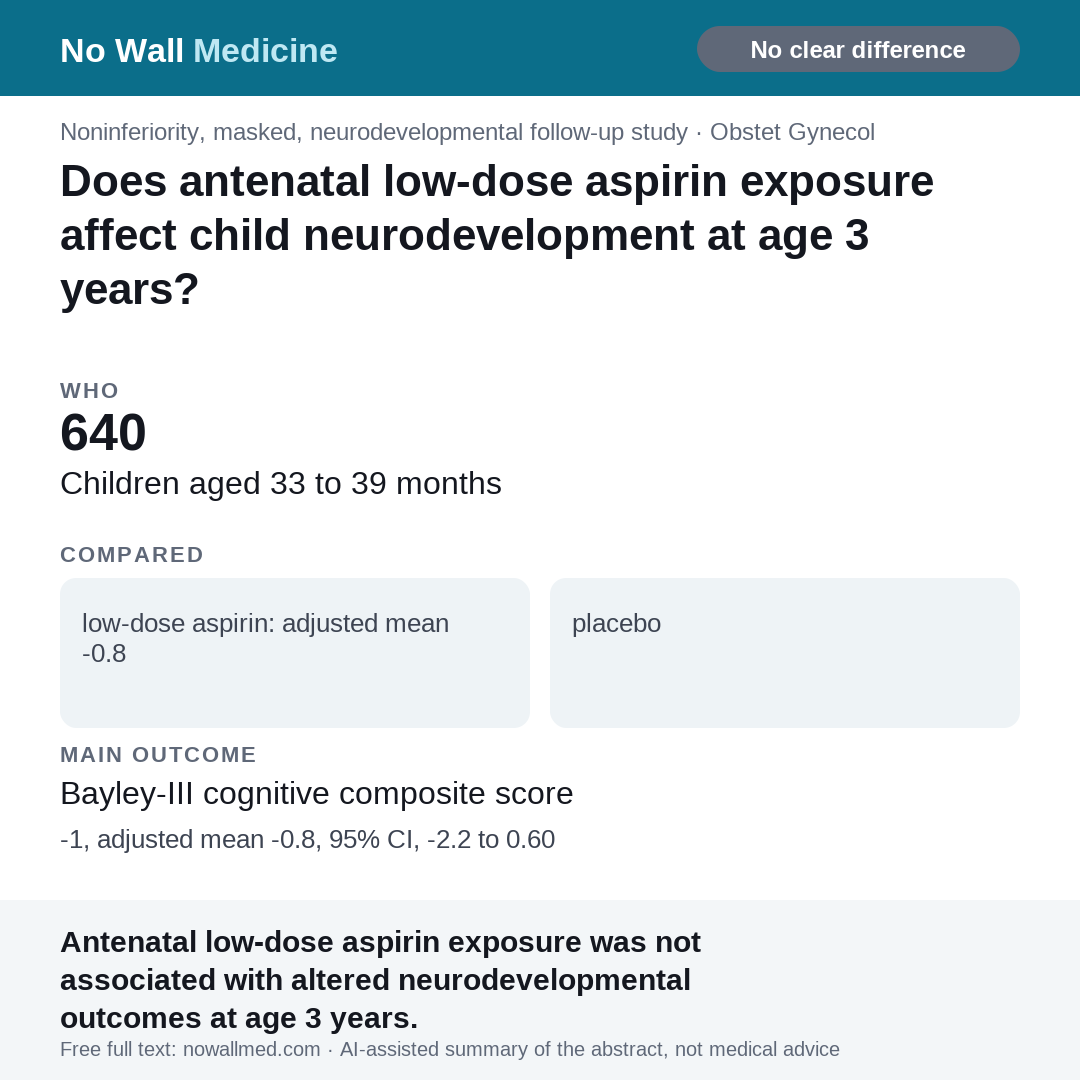
Neurodevelopment of Children Whose Mothers Were Randomized to Low-Dose Aspirin During Pregnancy
Noninferiority, masked, neurodevelopmental follow-up studyNo clear difference
Does antenatal low-dose aspirin exposure affect child neurodevelopment at age 3 years?
Who
640
Children aged 33 to 39 months
Compared
low-dose aspirin: adjusted mean -0.8
placebo
Main outcome
Bayley-III cognitive composite score
Result: -1, adjusted mean -0.8, 95% CI, -2.2 to 0.60
Bottom line: Antenatal low-dose aspirin exposure was not associated with altered neurodevelopmental outcomes at age 3 years.
Obstet Gynecol · 2024-01-23Download image
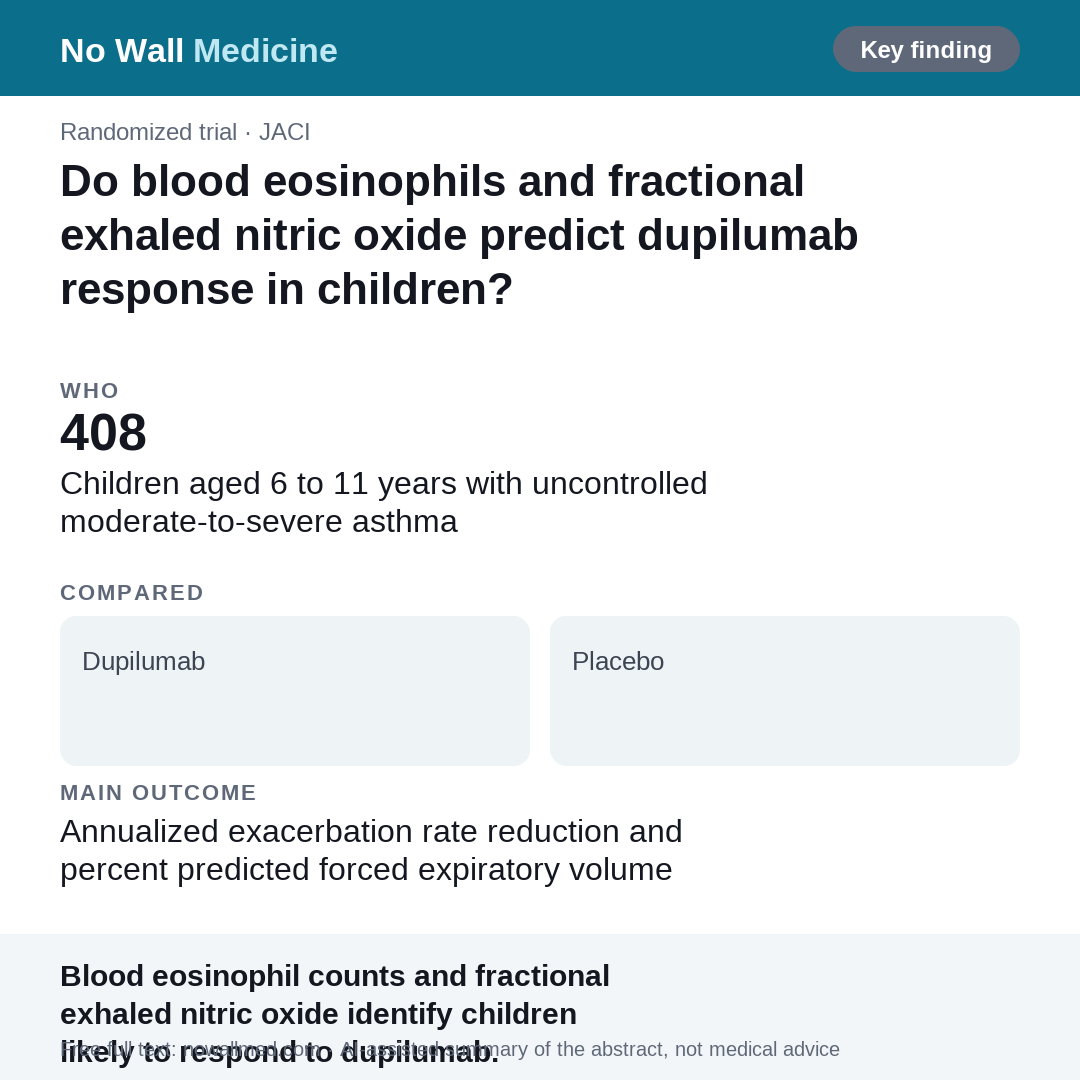
Blood eosinophils and fractional exhaled nitric oxide are prognostic and predictive biomarkers in childhood asthma
Randomized trialBenefit found
Do blood eosinophils and fractional exhaled nitric oxide predict dupilumab response in children?
Who
408
Children aged 6 to 11 years with uncontrolled moderate-to-severe asthma
Compared
Dupilumab
Placebo
Main outcome
Annualized exacerbation rate reduction and percent predicted forced expiratory volume
Bottom line: Blood eosinophil counts and fractional exhaled nitric oxide identify children likely to respond to dupilumab.
JACI · 2024-01-23Download image
Efficacy and safety of apremilast in pediatric patients with moderate-to-severe plaque psoriasis: 16-week results from SPROUT, a randomized controlled trial
Phase 3, randomized, double-blind, placebo-controlled studyBenefit found
Is apremilast effective and safe in pediatric patients with moderate-to-severe plaque psoriasis?
Who
245
Patients aged 6-17 years with moderate-to-severe plaque psoriasis · multicenter
Compared
apremilast: Significantly more patients achieved sPGA response and ≥75% reduction in PASI
placebo
Main outcome
static Physician Global Assessment response and PASI 75 reduction
Bottom line: Apremilast significantly improved global disease activity and skin involvement in pediatric patients compared to placebo.
Limitation: Sample size of subgroup analyses.
J Am Acad Dermatol · 2024-01-23Download image

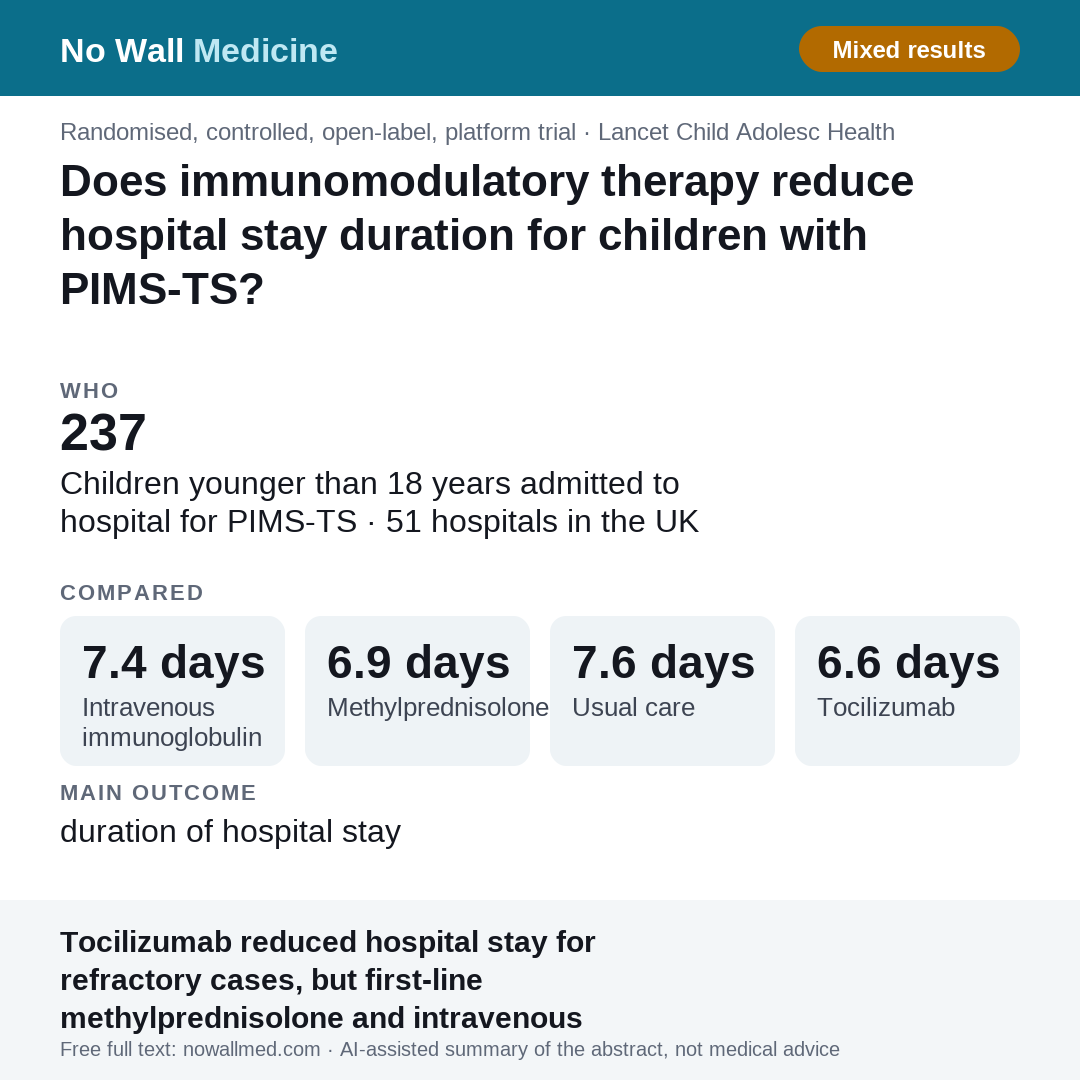
Immunomodulatory therapy in children with paediatric inflammatory multisystem syndrome temporally associated with SARS-CoV-2 (PIMS-TS, MIS-C; RECOVERY): a randomised, controlled, open-label, platform trial
Randomised, controlled, open-label, platform trialMixed results
Does immunomodulatory therapy reduce hospital stay duration for children with PIMS-TS?
Who
237
Children younger than 18 years admitted to hospital for PIMS-TS · 51 hospitals in the UK
Compared
7.4 daysIntravenous immunoglobulin (SD 0.4)
6.9 daysMethylprednisolone (SD 0.5)
7.6 daysUsual care (0.4)
6.6 daysTocilizumab (SD 0.7)
Main outcome
duration of hospital stay
Result: difference -3.3 days, 95% CrI -5.6 to -1.0
Bottom line: Tocilizumab reduced hospital stay for refractory cases, but first-line methylprednisolone and intravenous immunoglobulin showed no significant difference from usual care.
Lancet Child Adolesc Health · 2024-01-22Download image
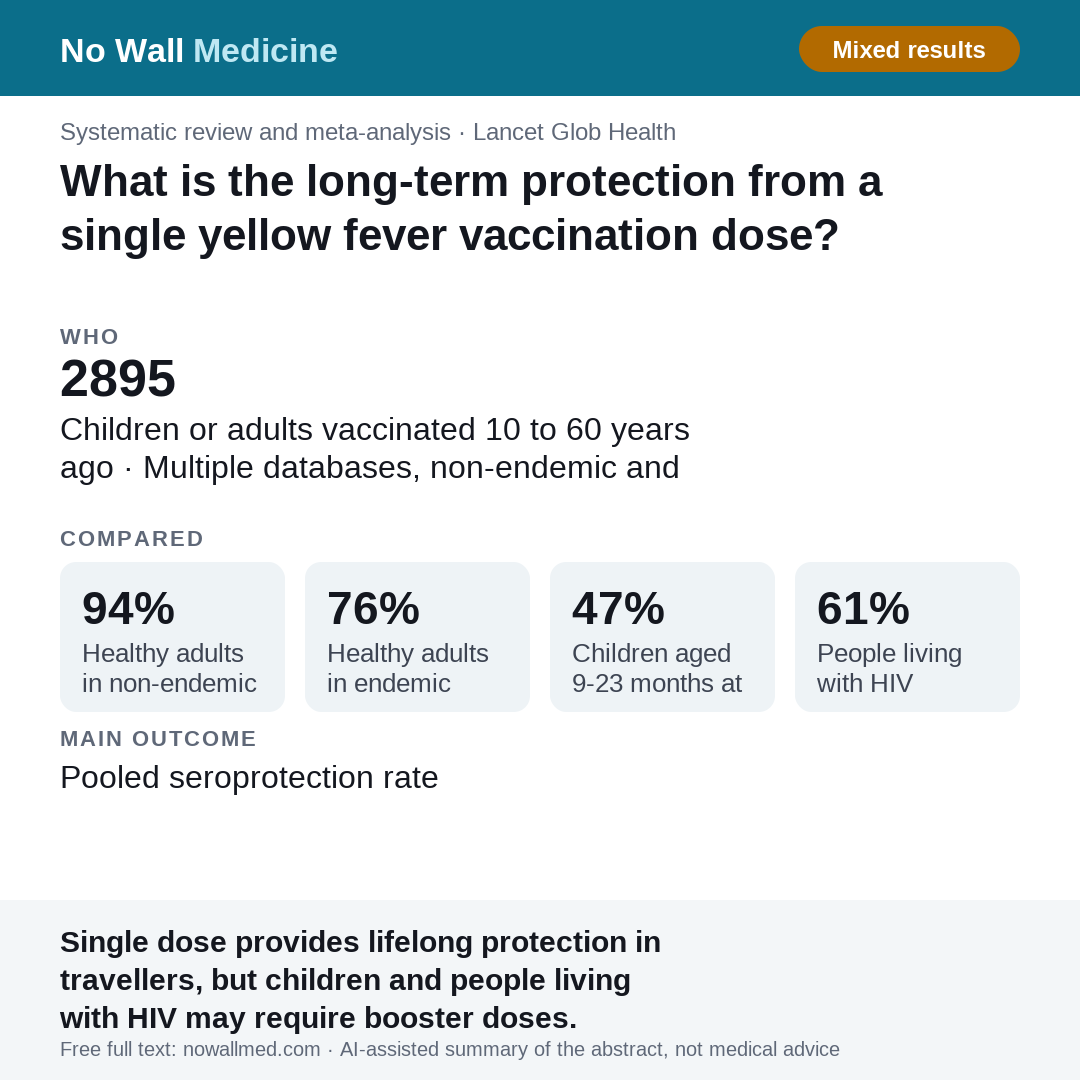
Long-term immunity following yellow fever vaccination: a systematic review and meta-analysis
Systematic review and meta-analysisMixed results
What is the long-term protection from a single yellow fever vaccination dose?
Who
2895
Children or adults vaccinated 10 to 60 years ago · Multiple databases, non-endemic and endemic settings
Compared
94%Healthy adults in non-endemic setting (95% CI 86-99)
76%Healthy adults in endemic setting (65-85)
47%Children aged 9-23 months at vaccination (35-60)
61%People living with HIV (38-82)
Main outcome
Pooled seroprotection rate
Bottom line: Single dose provides lifelong protection in travellers, but children and people living with HIV may require booster doses.
Limitation: Reported criteria for seroprotection were highly heterogeneous and sub-Saharan Africa studies were scarce and low quality.
Lancet Glob Health · 2024-01-22Download image
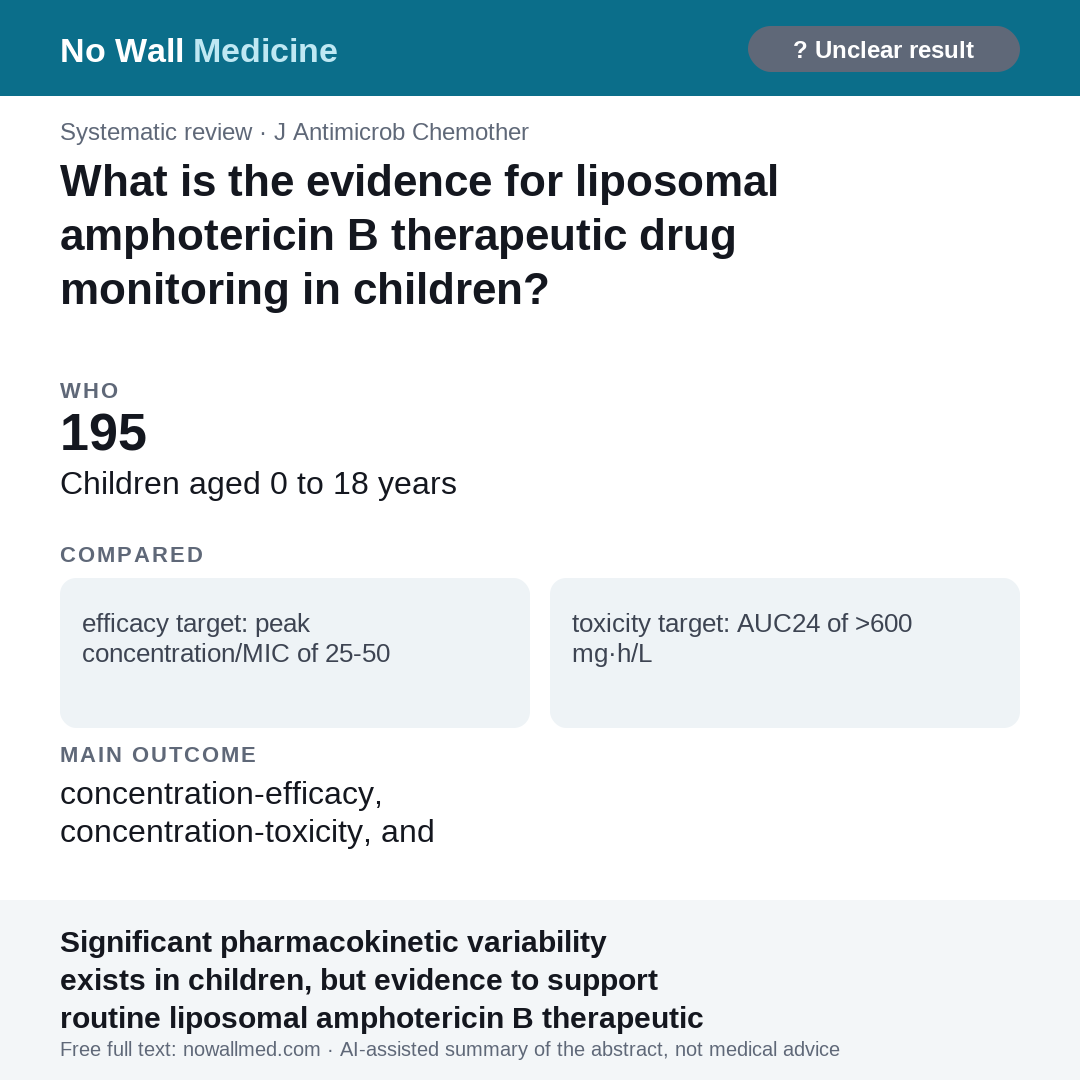
Therapeutic drug monitoring of liposomal amphotericin B in children. Are we there yet? A systematic review
Systematic reviewUnclear result
What is the evidence for liposomal amphotericin B therapeutic drug monitoring in children?
Who
195
Children aged 0 to 18 years
Compared
efficacy target: peak concentration/MIC of 25-50
toxicity target: AUC24 of >600 mg·h/L
Main outcome
concentration-efficacy, concentration-toxicity, and pharmacokinetic/pharmacodynamic variability
Bottom line: Significant pharmacokinetic variability exists in children, but evidence to support routine liposomal amphotericin B therapeutic drug monitoring is limited.
Limitation: Evidence to support routine therapeutic drug monitoring is limited.
J Antimicrob Chemother · 2024-01-22Download image
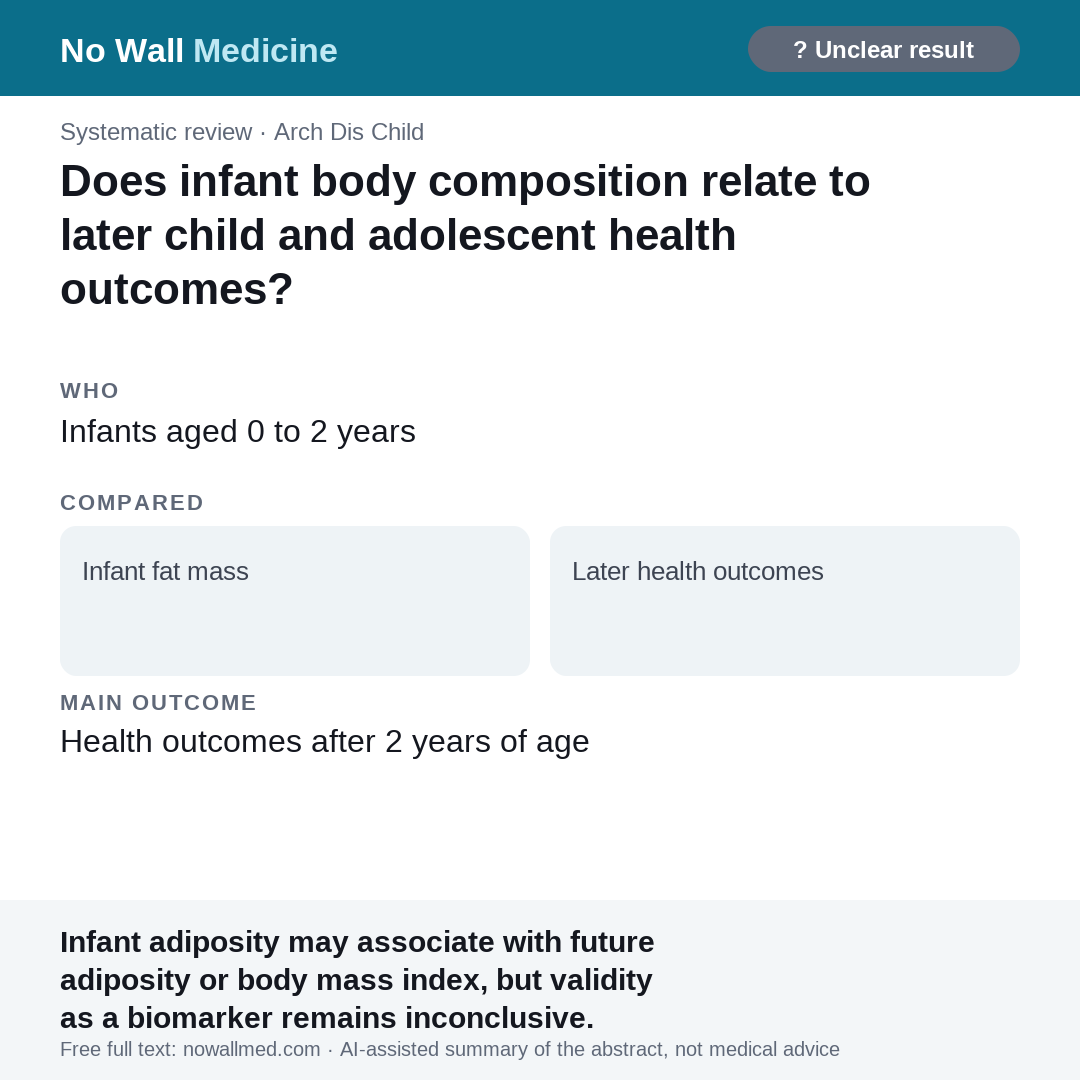
Infant fat mass and later child and adolescent health outcomes: a systematic review
Systematic reviewUnclear result
Does infant body composition relate to later child and adolescent health outcomes?
Who
30
Infants aged 0 to 2 years
Compared
Infant fat mass
Later health outcomes
Main outcome
Health outcomes after 2 years of age
Bottom line: Infant adiposity may associate with future adiposity or body mass index, but validity as a biomarker remains inconclusive.
Arch Dis Child · 2024-01-22Download image
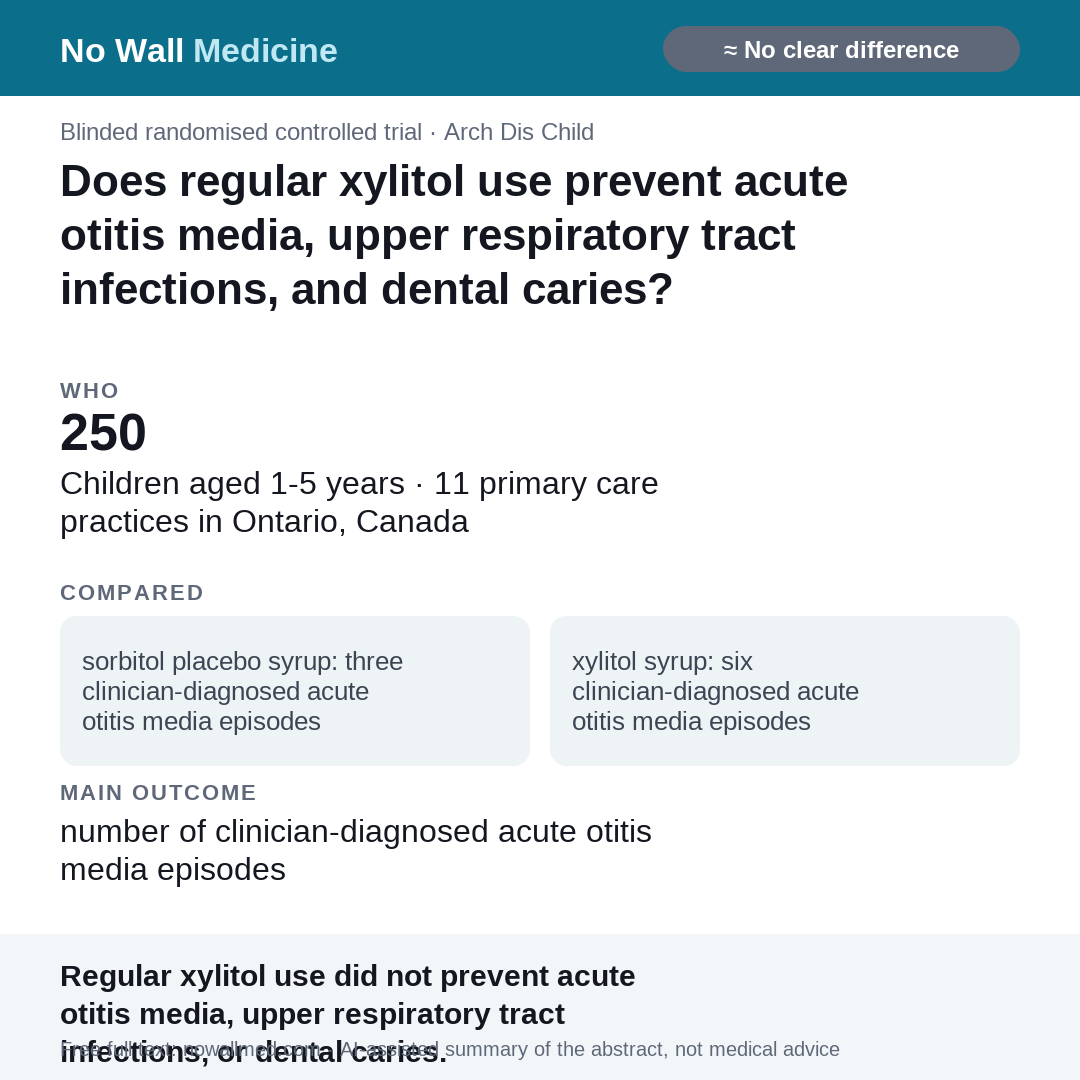
Xylitol for the prevention of acute otitis media episodes in children aged 1-5 years: a randomised controlled trial
Blinded randomised controlled trialNo clear difference
Does regular xylitol use prevent acute otitis media, upper respiratory tract infections, and dental caries?
Who
250
Children aged 1-5 years · 11 primary care practices in Ontario, Canada
Compared
sorbitol placebo syrup: three clinician-diagnosed acute otitis media episodes
xylitol syrup: six clinician-diagnosed acute otitis media episodes
Main outcome
number of clinician-diagnosed acute otitis media episodes
Result: OR 2.04; 95% CI 0.43, 12.92
Bottom line: Regular xylitol use did not prevent acute otitis media, upper respiratory tract infections, or dental caries.
Limitation: The trial had limited statistical power.
Arch Dis Child · 2024-01-22Download image
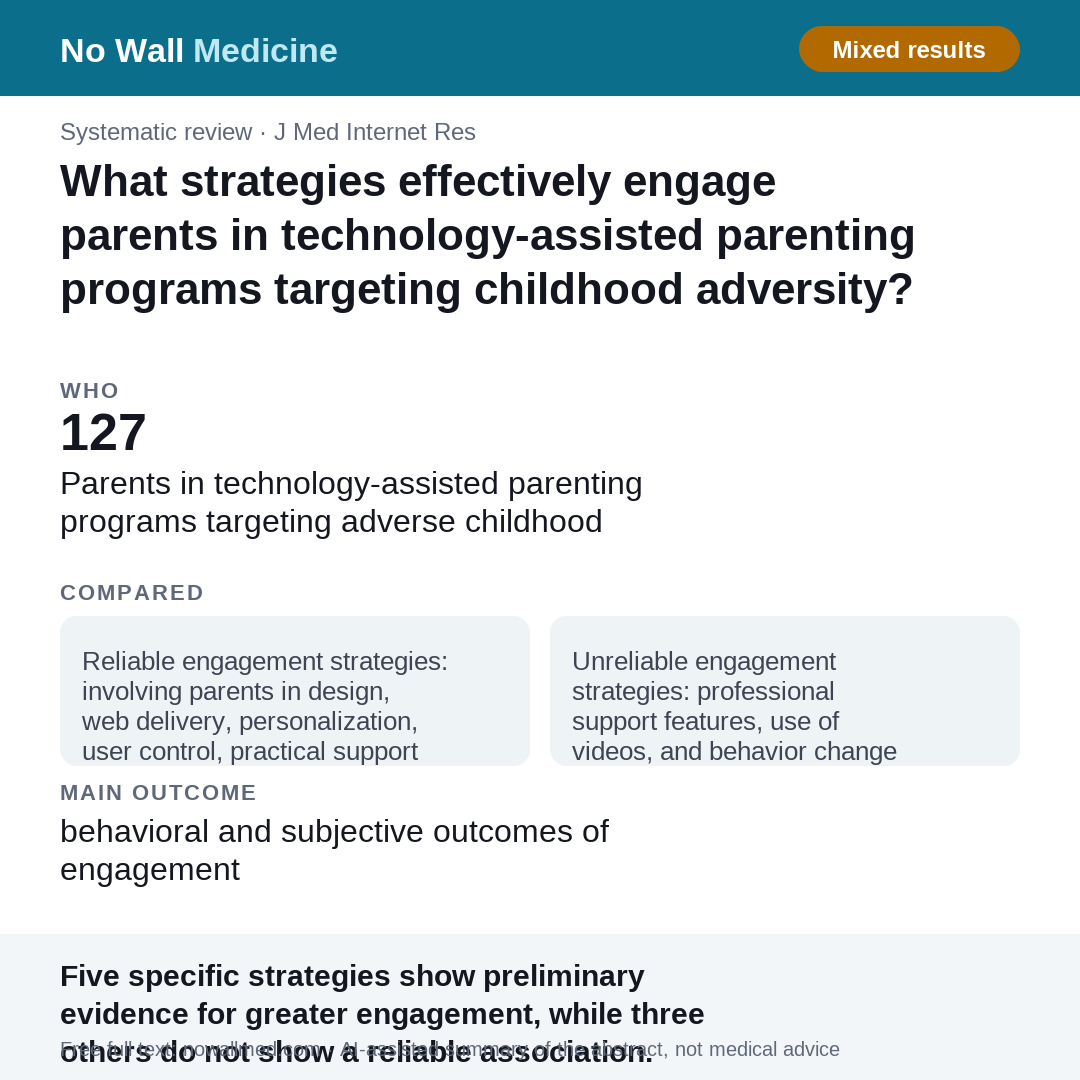
Engaging Parents in Technology-Assisted Interventions for Childhood Adversity: Systematic Review
Systematic reviewMixed results
What strategies effectively engage parents in technology-assisted parenting programs targeting childhood adversity?
Who
127
Parents in technology-assisted parenting programs targeting adverse childhood experiences
Compared
Reliable engagement strategies: involving parents in design, web delivery, personalization, user control, practical support
Unreliable engagement strategies: professional support features, use of videos, and behavior change techniques
Main outcome
behavioral and subjective outcomes of engagement
Bottom line: Five specific strategies show preliminary evidence for greater engagement, while three others do not show a reliable association.
Limitation: Heterogeneous definition and measurement of engagement and insufficient engagement outcome data.
J Med Internet Res · 2024-01-19Download image
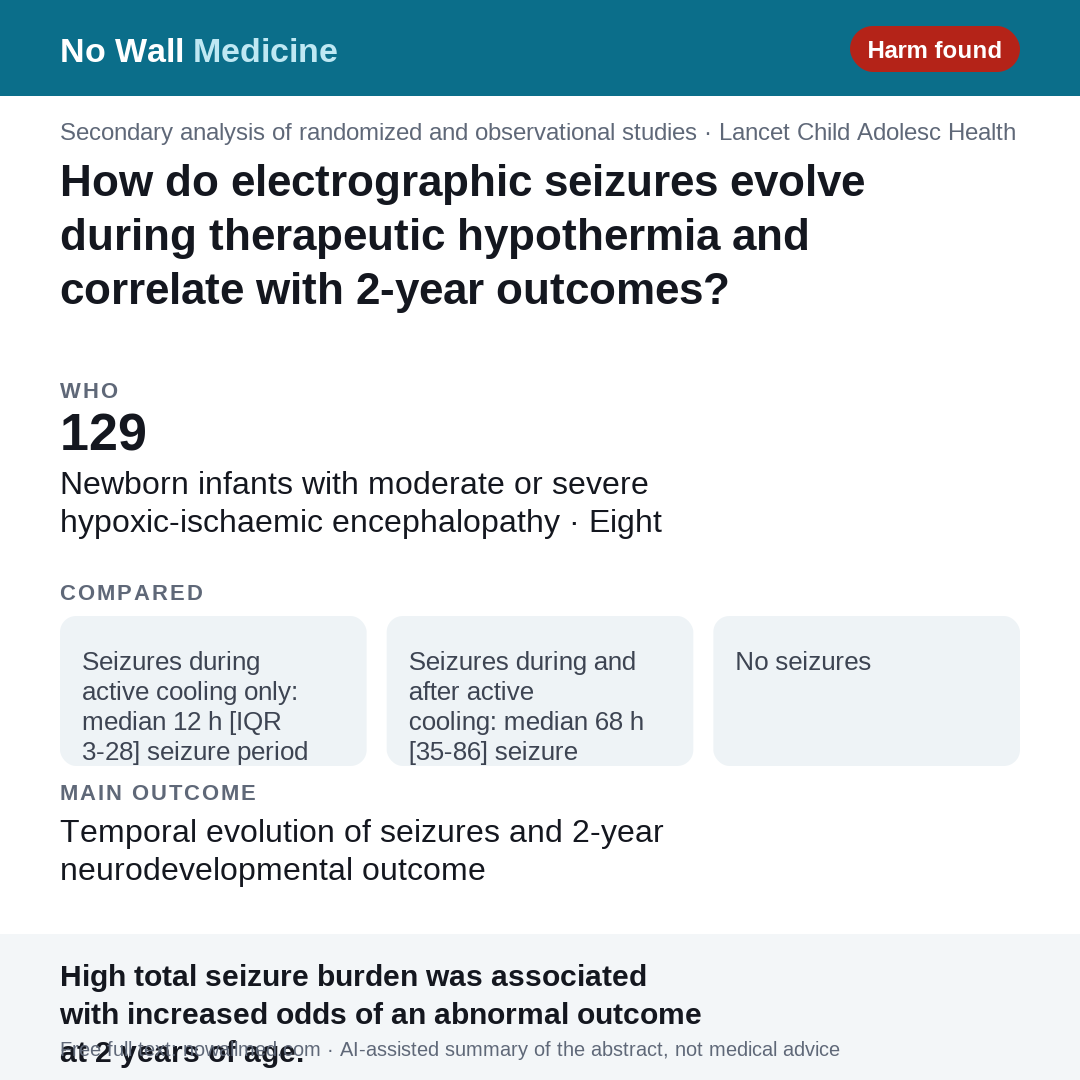
Temporal evolution of electrographic seizures in newborn infants with hypoxic-ischaemic encephalopathy requiring therapeutic hypothermia: a secondary analysis of the ANSeR studies
Secondary analysis of randomized and observational studiesHarm found
How do electrographic seizures evolve during therapeutic hypothermia and correlate with 2-year outcomes?
Who
129
Newborn infants with moderate or severe hypoxic-ischaemic encephalopathy · Eight European tertiary neonatal intensive care units
Compared
Seizures during active cooling only: median 12 h [IQR 3-28] seizure period
Seizures during and after active cooling: median 68 h [35-86] seizure period
No seizures
Main outcome
Temporal evolution of seizures and 2-year neurodevelopmental outcome
Result: odds ratio 1·007 (95% CI 1·000-1·014) for abnormal outcome
Bottom line: High total seizure burden was associated with increased odds of an abnormal outcome at 2 years of age.
Funded by: Wellcome Trust, Science Foundation Ireland, and Irish Health Research Board
Lancet Child Adolesc Health · 2024-01-18Download image
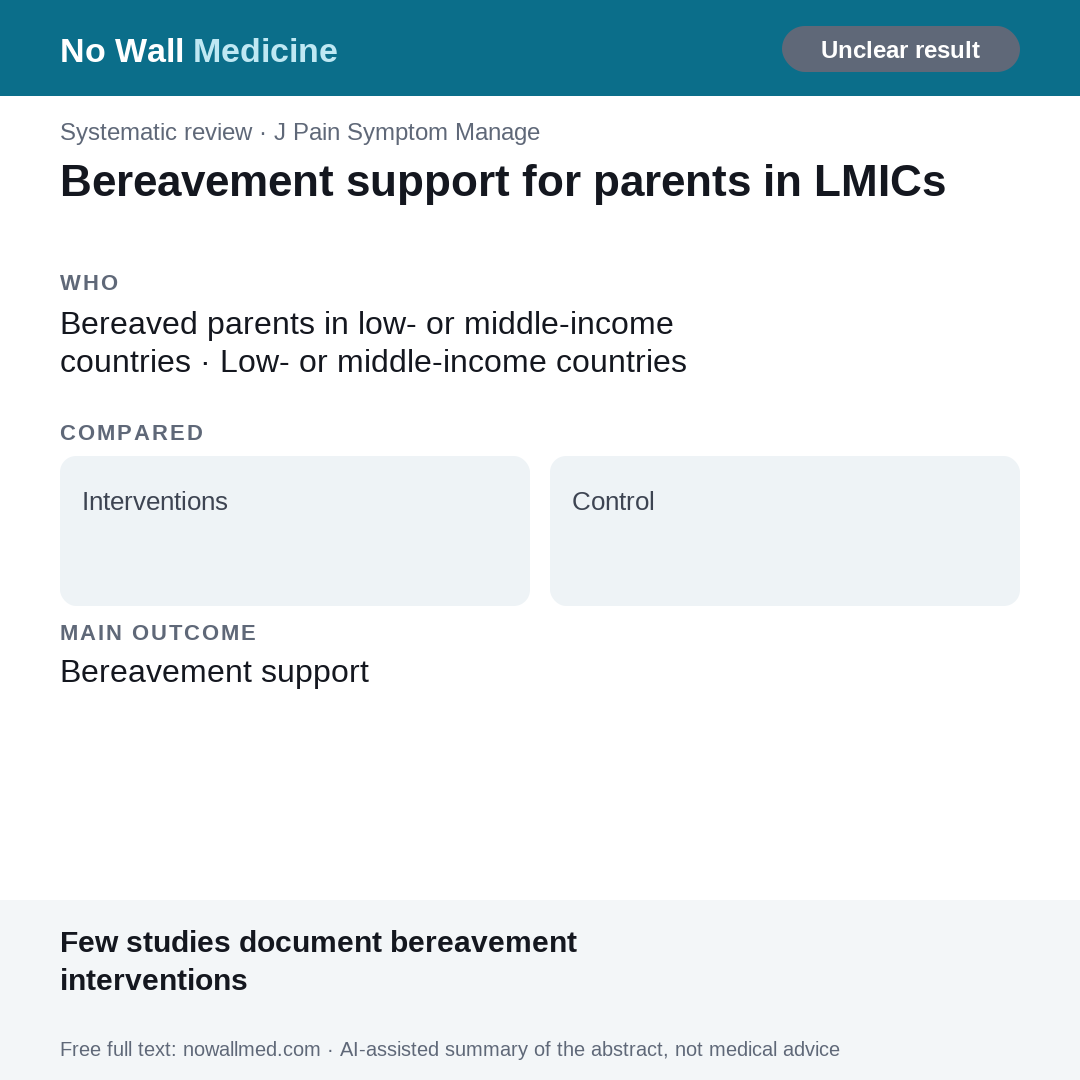
Grief and Bereavement Support for Parents in Low- or Middle-Income Countries: A Systematic Review
Systematic reviewUnclear result
Bereavement support for parents in LMICs
Who
Bereaved parents in low- or middle-income countries · Low- or middle-income countries
Compared
Interventions
Control
Main outcome
Bereavement support
Bottom line: Few studies document bereavement interventions
Limitation: Limited research in LMICs
J Pain Symptom Manage · 2024-01-18Download image