Visual abstracts
New randomized trials and meta-analyses from leading journals at a glance: who was studied, what was compared, and what was found. Every paper is free to read in full.
All specialtiesCardiology 4763Oncology 4043Gastroenterology & Hepatology 1903Infectious Disease 3756Neurology 1872Psychiatry & Mental Health 2216Pulmonology 2044Critical Care 1319Endocrinology & Diabetes 2544Pediatrics 2889Surgery 2480Orthopedics & Sports Medicine 917Neurosurgery 525Cardiothoracic & Vascular Surgery 656Plastic & Reconstructive Surgery 574Nephrology 1107Rheumatology 810Hematology 1090Dermatology 611Ophthalmology 532Obstetrics & Gynecology 1645Public & Global Health 1037Radiology & Imaging 619Anesthesiology 958Urology 745ENT (Otolaryngology) 494Emergency Medicine 481Allergy & Immunology 309Geriatrics 972Family Medicine & Primary Care 534Medical Genetics & Genomics 659Pathology & Laboratory Medicine 156Physical Medicine & Rehabilitation 734Palliative Care 421Nutrition 1560Digital Health & AI 2137General Medicine 318
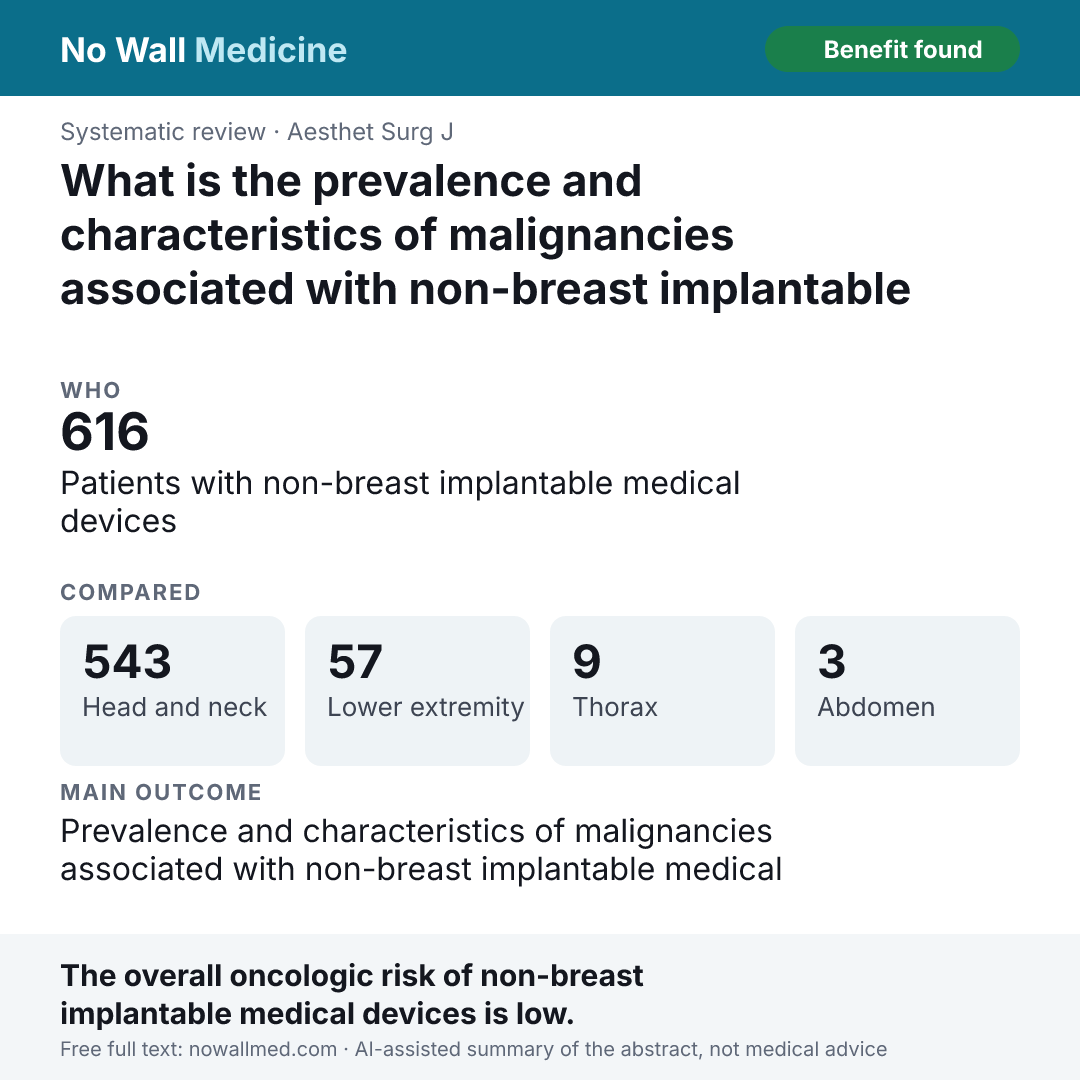
Non-Breast Implantable Medical Devices and Associated Malignancies: A Systematic Review
Systematic reviewBenefit found
What is the prevalence and characteristics of malignancies associated with non-breast implantable medical devices?
Who
616
Patients with non-breast implantable medical devices
Compared
543Head and neck (88.1%)
57Lower extremity (9.6%)
9Thorax (1.4%)
3Abdomen (0.5%)
Main outcome
Prevalence and characteristics of malignancies associated with non-breast implantable medical devices
Bottom line: The overall oncologic risk of non-breast implantable medical devices is low.
Limitation: Risk of bias was highest with case reports.
Aesthet Surg J · 2024-08-08 · Save PNG
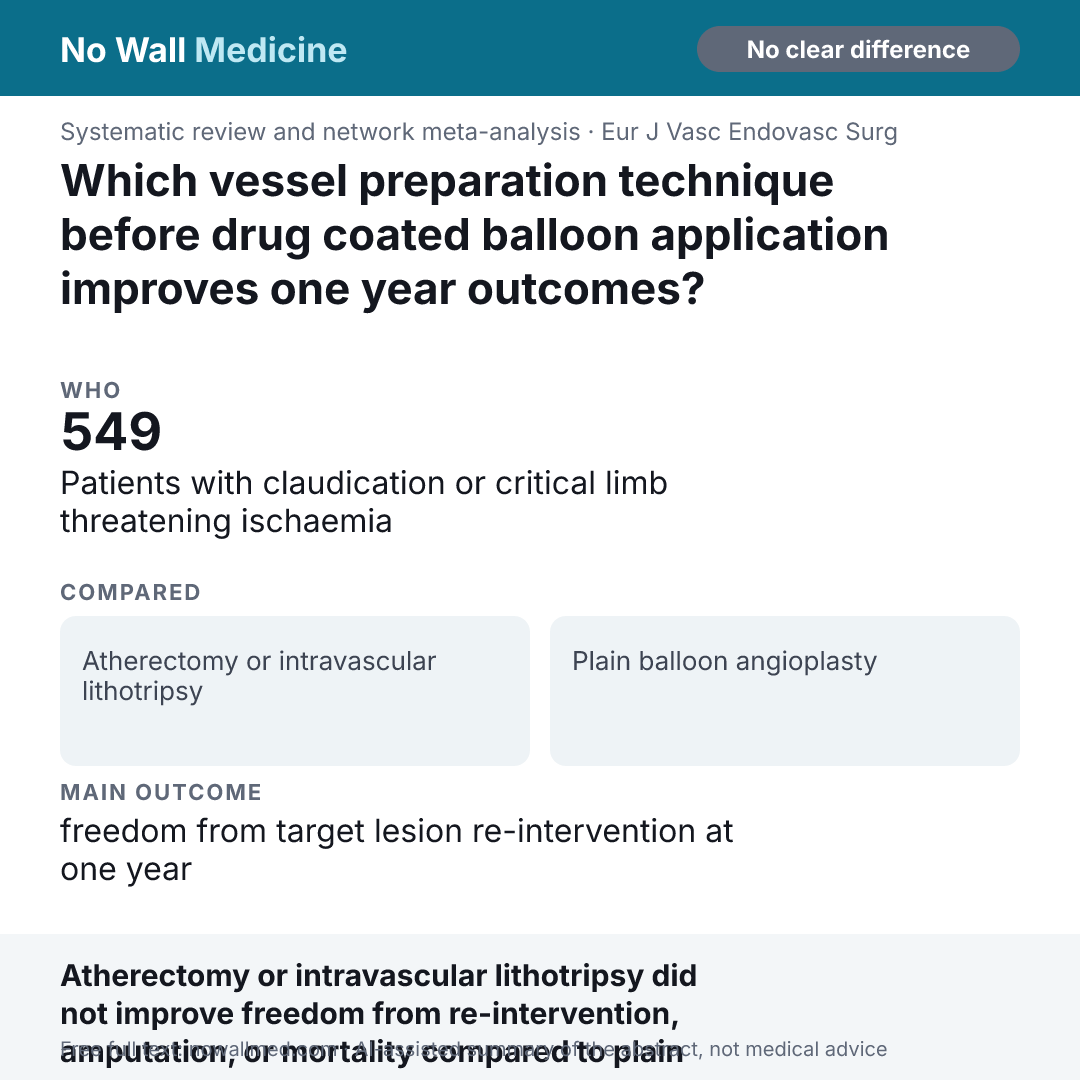
Systematic Review and Network Meta-analysis of Vessel Preparation Techniques With Plain Balloon Angioplasty, Atherectomy, or Intravascular Lithotripsy Before Application of a Drug Coated Balloon to Treat Atherosclerotic Femoropopliteal Disease
Systematic review and network meta-analysisNo clear difference
Which vessel preparation technique before drug coated balloon application improves one year outcomes?
Who
549
Patients with claudication or critical limb threatening ischaemia
Compared
Atherectomy or intravascular lithotripsy
Plain balloon angioplasty
Main outcome
freedom from target lesion re-intervention at one year
Result: relative risk 0.25 (95% CI 0.07 - 0.89) for bailout stenting
Bottom line: Atherectomy or intravascular lithotripsy did not improve freedom from re-intervention, amputation, or mortality compared to plain balloon angioplasty.
Limitation: Certainty of evidence was low for major amputation and moderate for mortality.
Eur J Vasc Endovasc Surg · 2024-08-08 · Save PNG
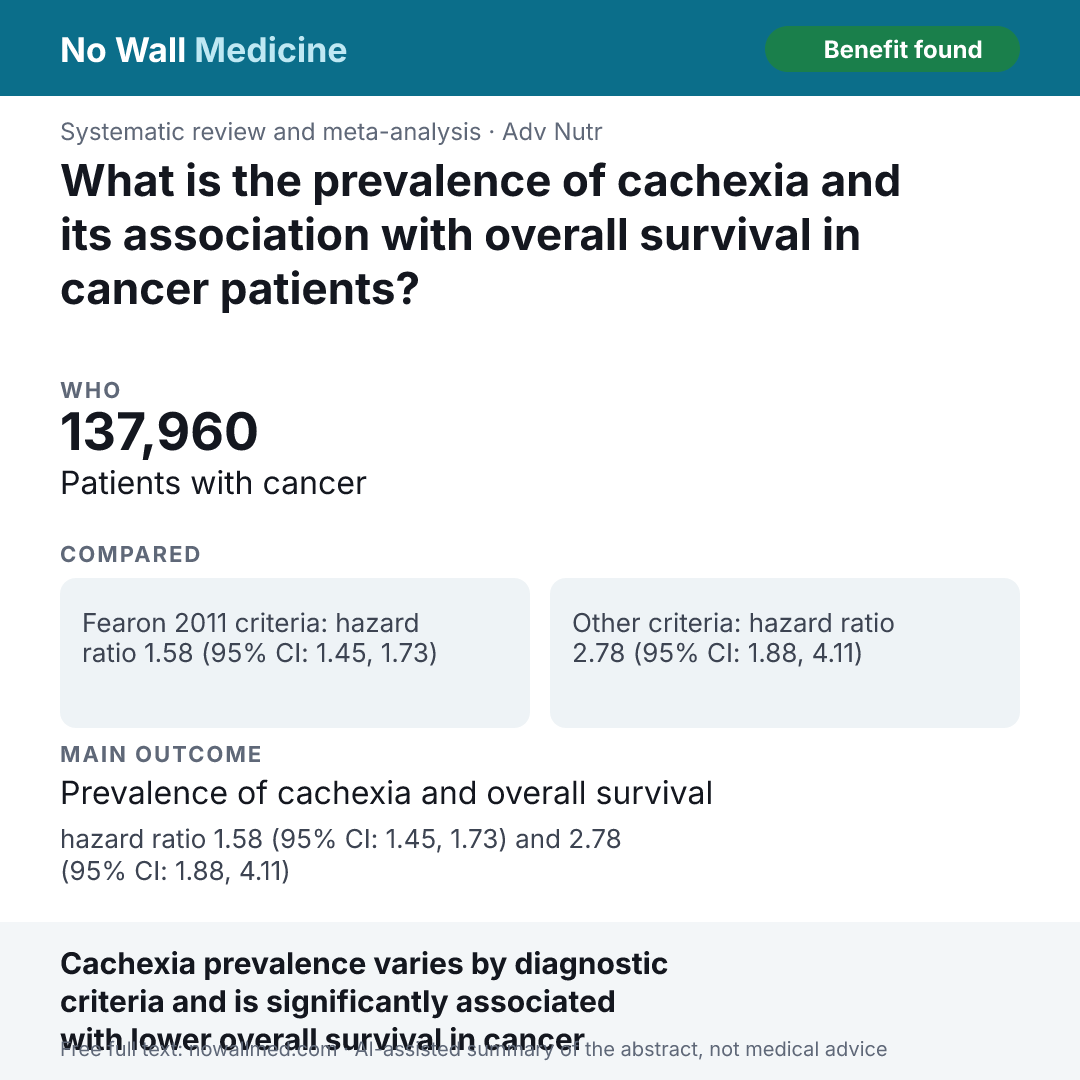
Prevalence of and Survival with Cachexia among Patients with Cancer: A Systematic Review and Meta-Analysis
Systematic review and meta-analysisBenefit found
What is the prevalence of cachexia and its association with overall survival in cancer patients?
Who
137,960
Patients with cancer
Compared
Fearon 2011 criteria: hazard ratio 1.58 (95% CI: 1.45, 1.73)
Other criteria: hazard ratio 2.78 (95% CI: 1.88, 4.11)
Main outcome
Prevalence of cachexia and overall survival
Result: hazard ratio 1.58 (95% CI: 1.45, 1.73) and 2.78 (95% CI: 1.88, 4.11)
Bottom line: Cachexia prevalence varies by diagnostic criteria and is significantly associated with lower overall survival in cancer patients.
Adv Nutr · 2024-08-08 · Save PNG
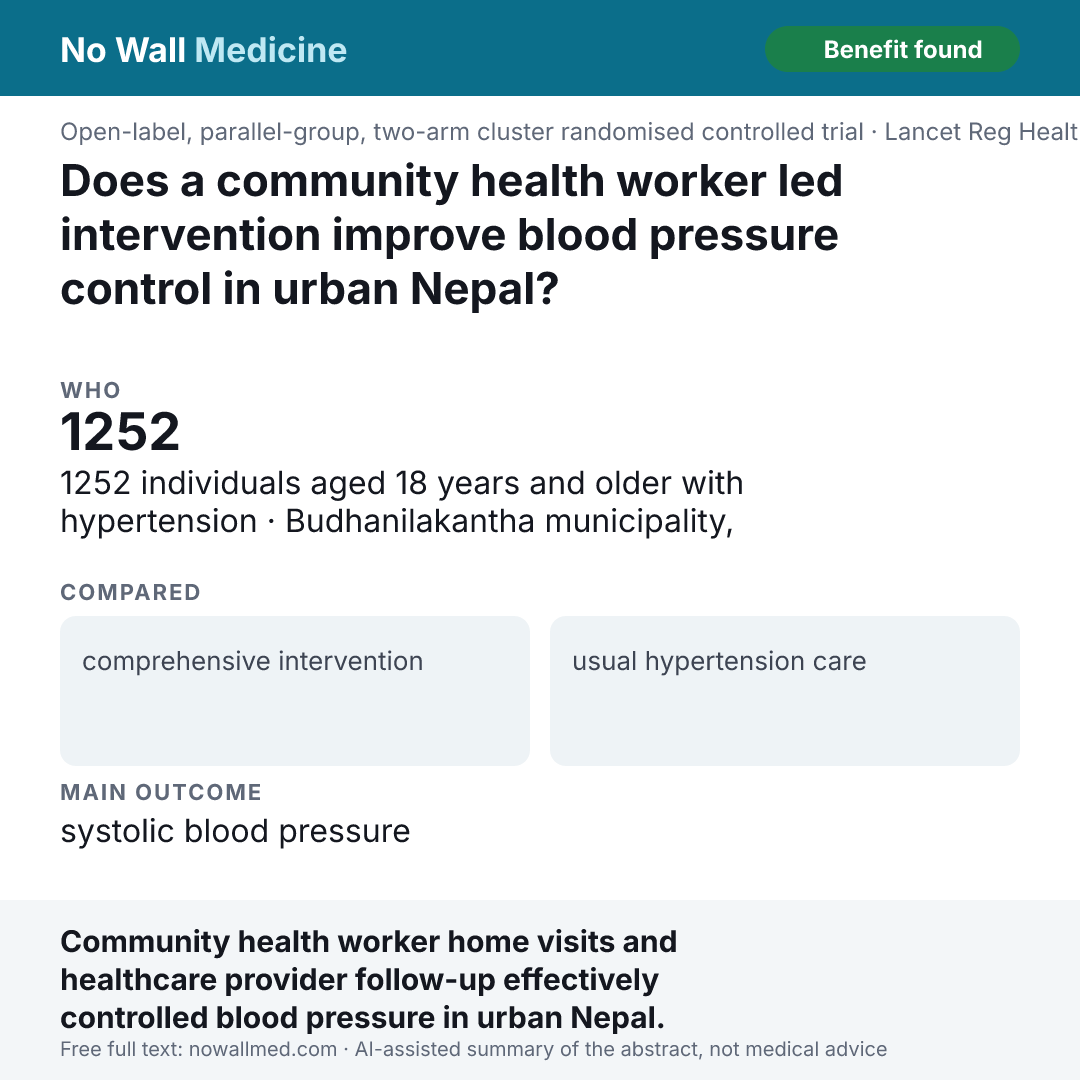
Impact of a community health worker led intervention for improved blood pressure control in urban Nepal: an open-label cluster randomised controlled trial
Open-label, parallel-group, two-arm cluster randomised controlled trialBenefit found
Does a community health worker led intervention improve blood pressure control in urban Nepal?
Who
1252
1252 individuals aged 18 years and older with hypertension · Budhanilakantha municipality, Kathmandu, Nepal
Compared
comprehensive intervention
usual hypertension care
Main outcome
systolic blood pressure
Result: 1.7 mm Hg, 95% CI -0.1, 3.4
Bottom line: Community health worker home visits and healthcare provider follow-up effectively controlled blood pressure in urban Nepal.
Funded by: Norwegian University of Science and Technology
Lancet Reg Health Southeast Asia · 2024-08-08 · Save PNG
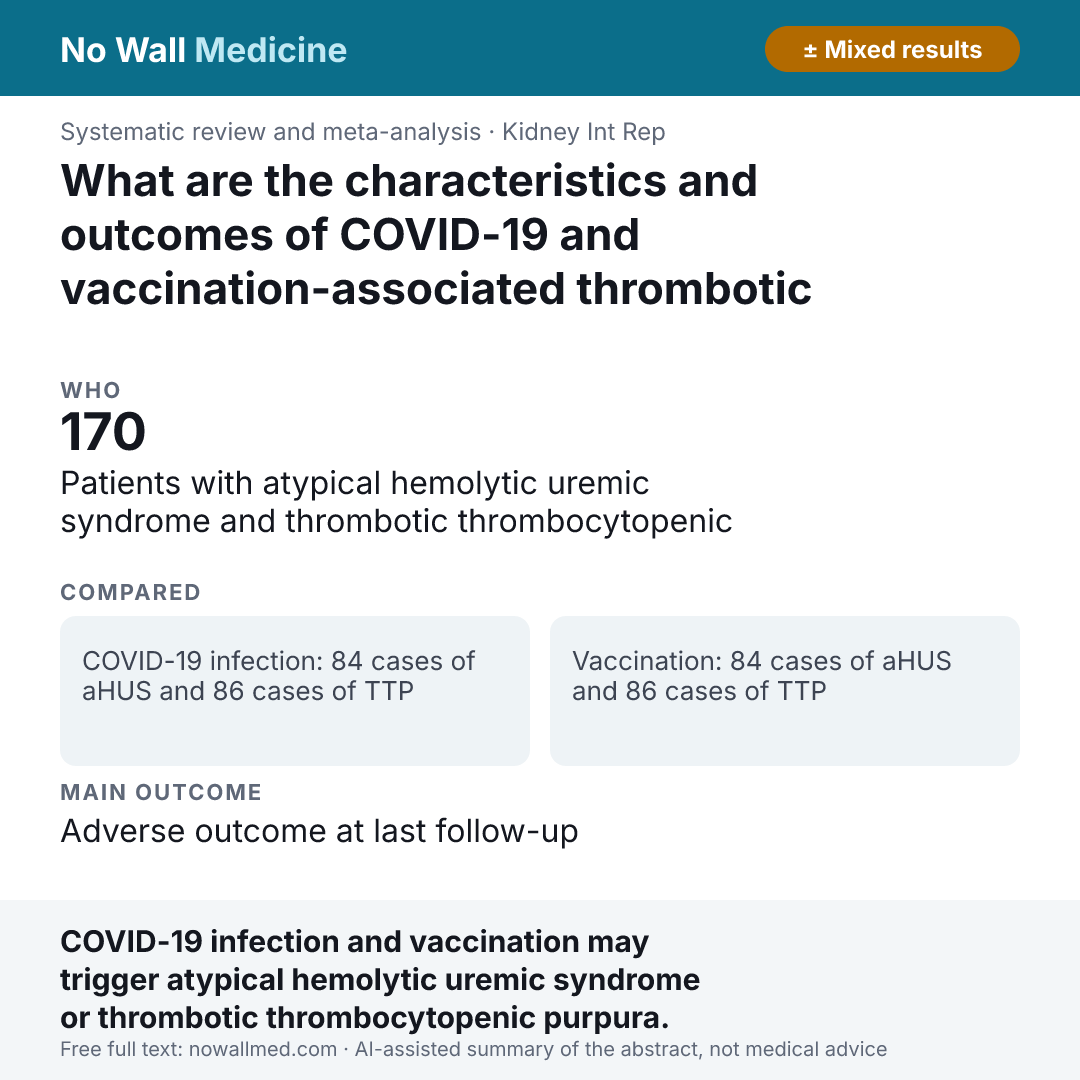
Systematic Review of Individual Patient Data COVID-19 Infection and Vaccination-Associated Thrombotic Microangiopathy
Systematic review and meta-analysisMixed results
What are the characteristics and outcomes of COVID-19 and vaccination-associated thrombotic microangiopathy?
Who
170
Patients with atypical hemolytic uremic syndrome and thrombotic thrombocytopenic purpura
Compared
COVID-19 infection: 84 cases of aHUS and 86 cases of TTP
Vaccination: 84 cases of aHUS and 86 cases of TTP
Main outcome
Adverse outcome at last follow-up
Bottom line: COVID-19 infection and vaccination may trigger atypical hemolytic uremic syndrome or thrombotic thrombocytopenic purpura.
Kidney Int Rep · 2024-08-08 · Save PNG
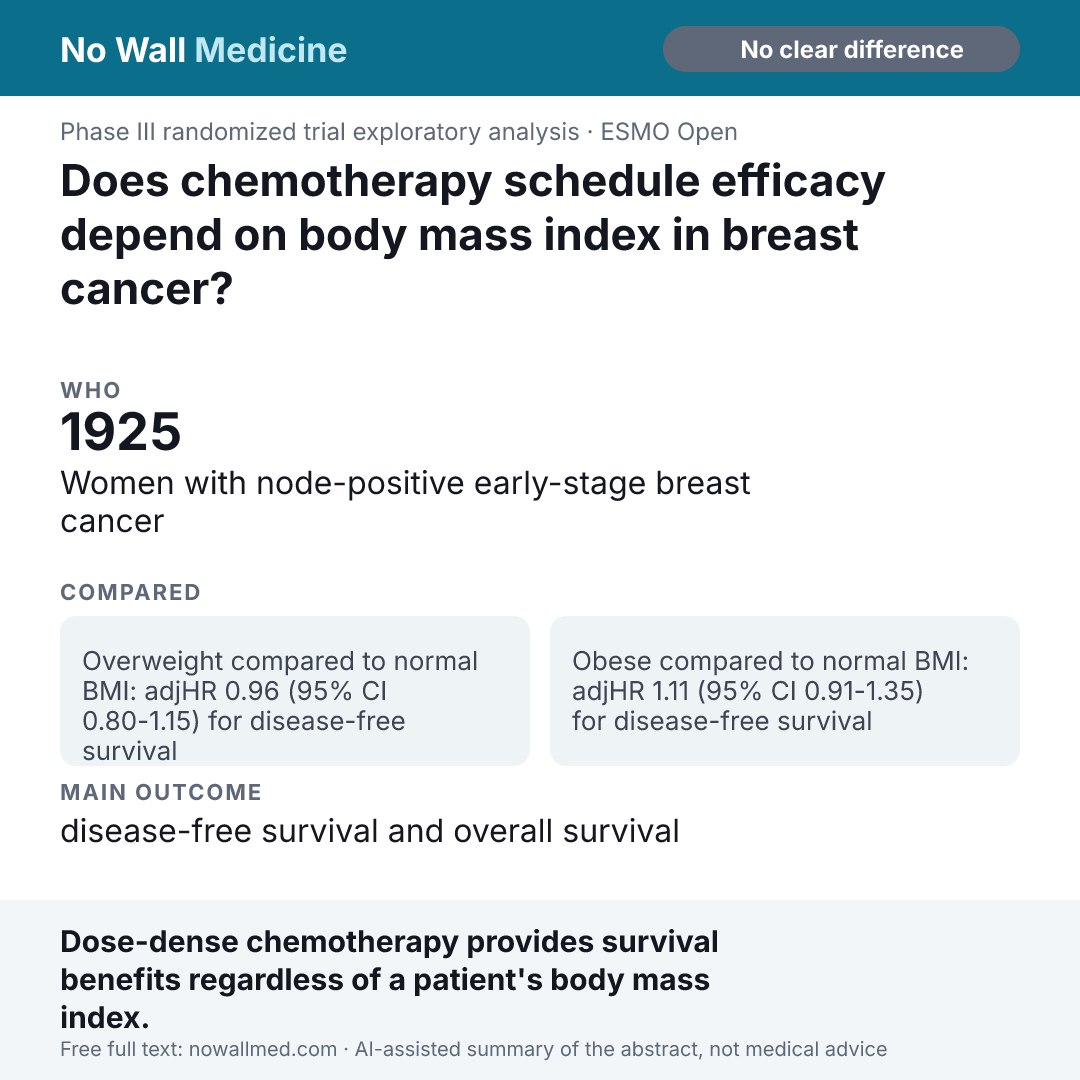
Efficacy of adjuvant chemotherapy schedules for breast cancer according to body mass index: results from the phase III GIM2 trial
Phase III randomized trial exploratory analysisNo clear difference
Does chemotherapy schedule efficacy depend on body mass index in breast cancer?
Who
1925
Women with node-positive early-stage breast cancer
Compared
Overweight compared to normal BMI: adjHR 0.96 (95% CI 0.80-1.15) for disease-free survival
Obese compared to normal BMI: adjHR 1.11 (95% CI 0.91-1.35) for disease-free survival
Main outcome
disease-free survival and overall survival
Result: adjHR 0.96 (95% CI 0.80-1.15) for overweight and 1.11 (95% CI 0.91-1.35) for obese
Bottom line: Dose-dense chemotherapy provides survival benefits regardless of a patient's body mass index.
ESMO Open · 2024-08-08 · Save PNG
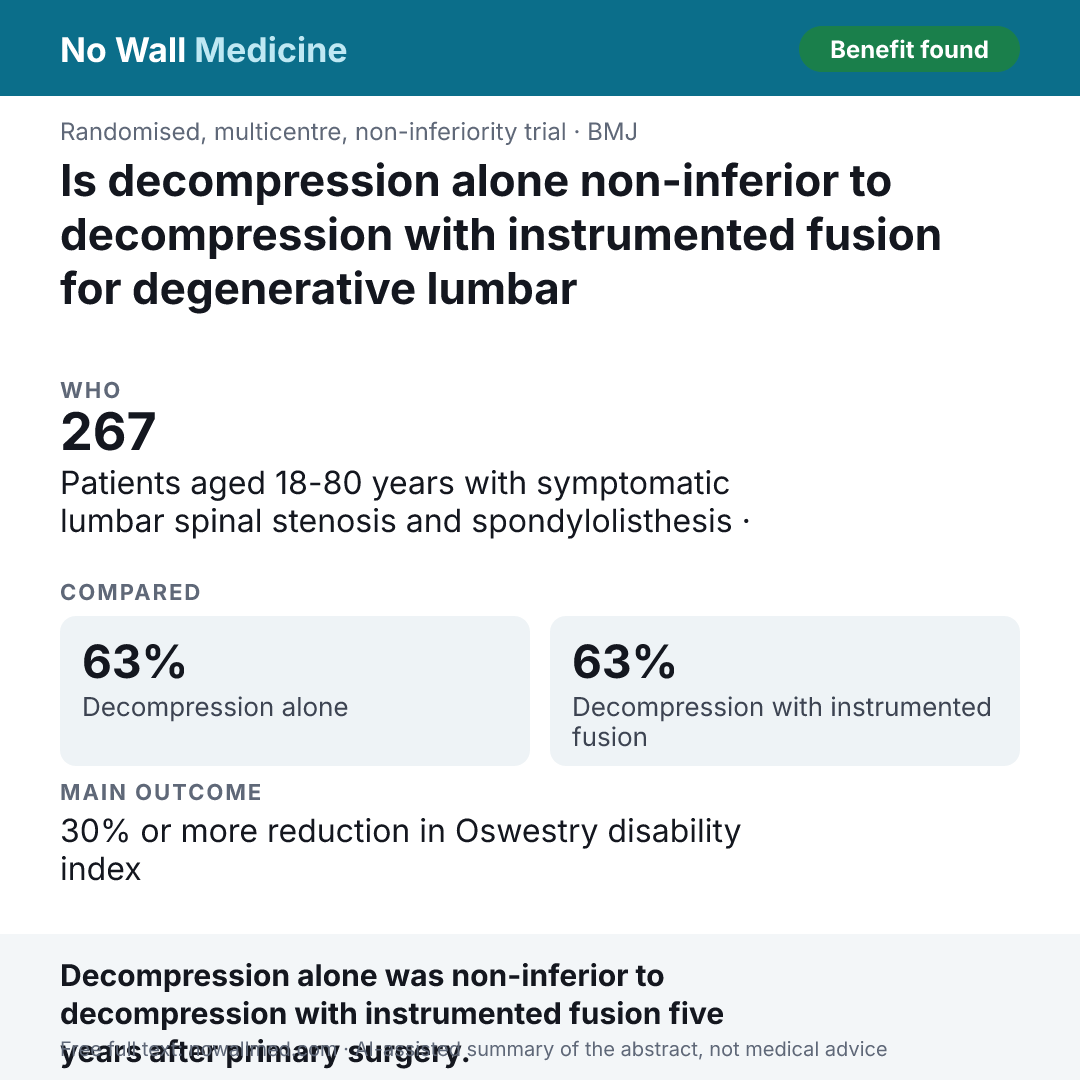
Decompression alone or with fusion for degenerative lumbar spondylolisthesis (Nordsten-DS): five year follow-up of a randomised, multicentre, non-inferiority trial
Randomised, multicentre, non-inferiority trialBenefit found
Is decompression alone non-inferior to decompression with instrumented fusion for degenerative lumbar spondylolisthesis?
Who
267
Patients aged 18-80 years with symptomatic lumbar spinal stenosis and spondylolisthesis · 16 public orthopaedic and neurosurgical clinics in Norway
Compared
63%Decompression alone
63%Decompression with instrumented fusion
Main outcome
30% or more reduction in Oswestry disability index
Result: difference of 0.4 percentage points (95% CI -11.2 to 11.9)
Bottom line: Decompression alone was non-inferior to decompression with instrumented fusion five years after primary surgery.
BMJ · 2024-08-07 · Save PNG
Ebola virus disease mathematical models and epidemiological parameters: a systematic review
Systematic reviewMixed results
What are the Ebola virus disease transmission models and epidemiological parameters?
Who
522
Ebola virus disease transmission models and parameters · PubMed and Web of Science
Compared
15·4 daysSerial interval (95% CI 13·2-17·5)
8·5 daysIncubation period (7·7-9·2)
9·3 daysSymptom-onset-to-death delay (8·5-10·1)
13·0 daysSymptom-onset-to-recovery (10·4-15·7)
Main outcome
Epidemiological parameters and transmission models
Bottom line: Epidemiological parameters for Ebola virus disease show high variability across different models and studies.
Lancet Infect Dis · 2024-08-07 · Save PNG

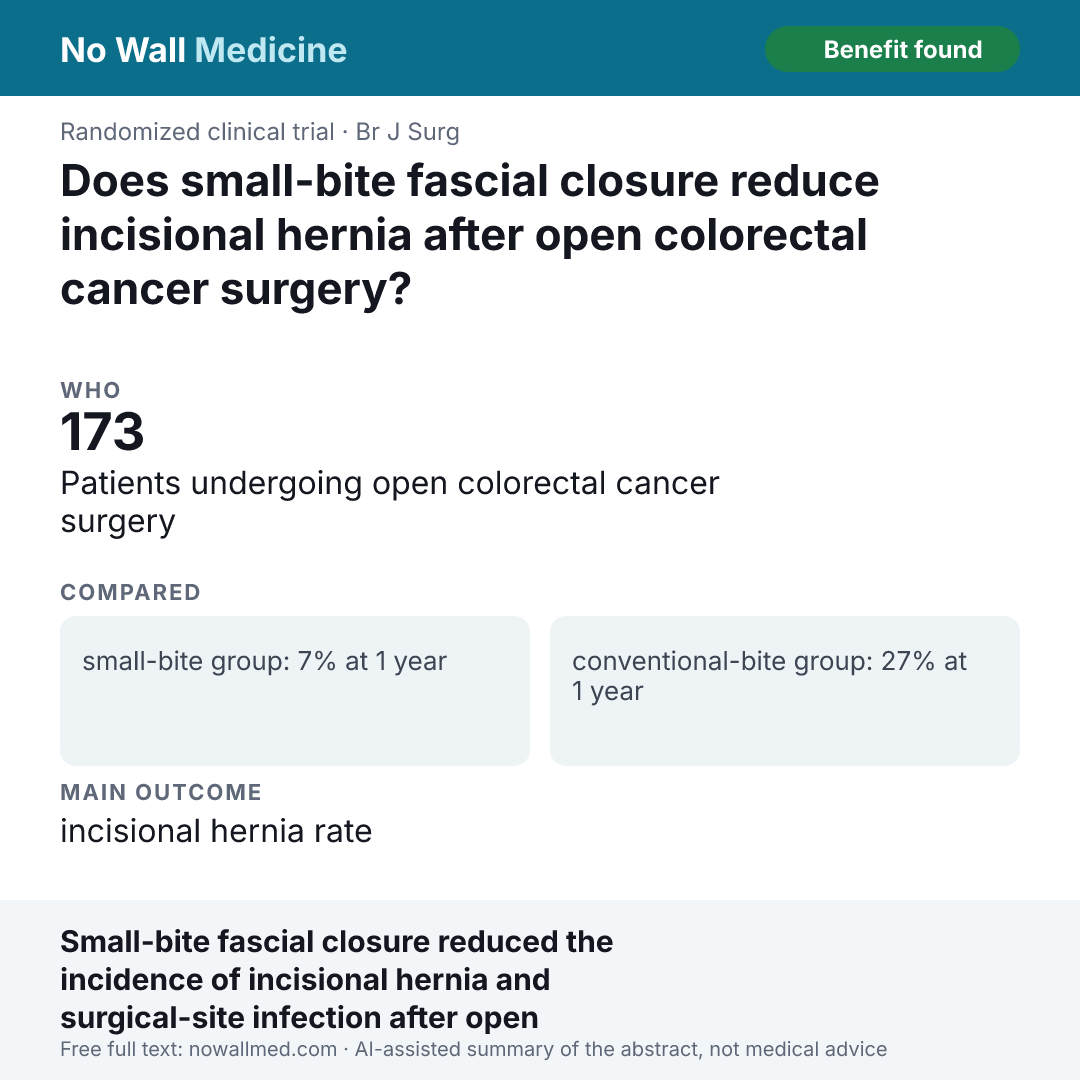
Impact of small-bite (5 mm) fascial closure on the incidence of incisional hernia following open colorectal cancer surgery: randomized clinical trial
Randomized clinical trialBenefit found
Does small-bite fascial closure reduce incisional hernia after open colorectal cancer surgery?
Who
173
Patients undergoing open colorectal cancer surgery
Compared
small-bite group: 7% at 1 year
conventional-bite group: 27% at 1 year
Main outcome
incisional hernia rate
Bottom line: Small-bite fascial closure reduced the incidence of incisional hernia and surgical-site infection after open colorectal cancer surgery.
Br J Surg · 2024-08-07 · Save PNG
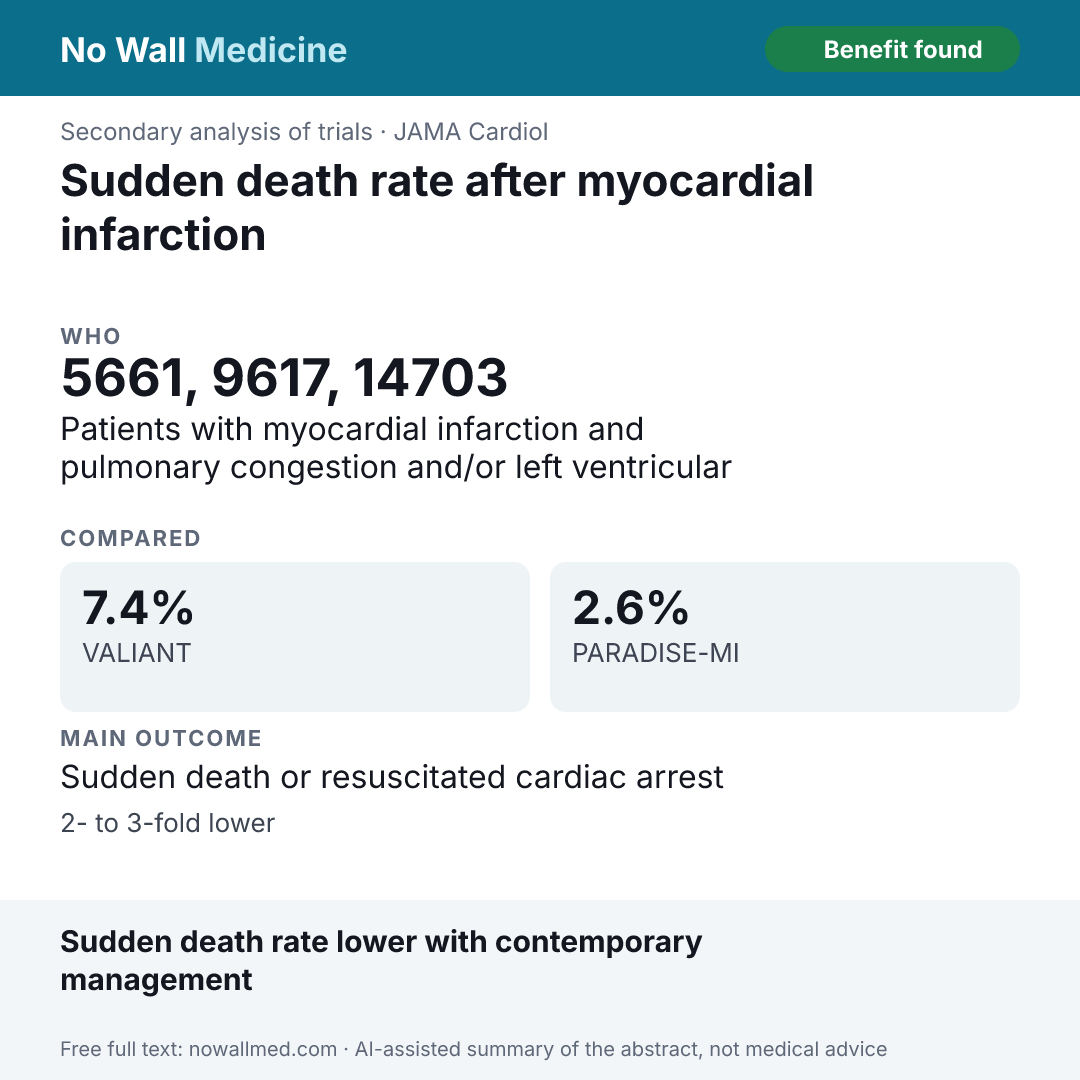
Rates of Sudden Death After Myocardial Infarction-Insights From the VALIANT and PARADISE-MI Trials
Secondary analysis of trialsBenefit found
Sudden death rate after myocardial infarction
Who
5661, 9617, 14703
Patients with myocardial infarction and pulmonary congestion and/or left ventricular dysfunction · Multicenter
Compared
7.4%VALIANT (707/9617)
2.6%PARADISE-MI (148/5661)
Main outcome
Sudden death or resuscitated cardiac arrest
Result: 2- to 3-fold lower
Bottom line: Sudden death rate lower with contemporary management
JAMA Cardiol · 2024-08-07 · Save PNG
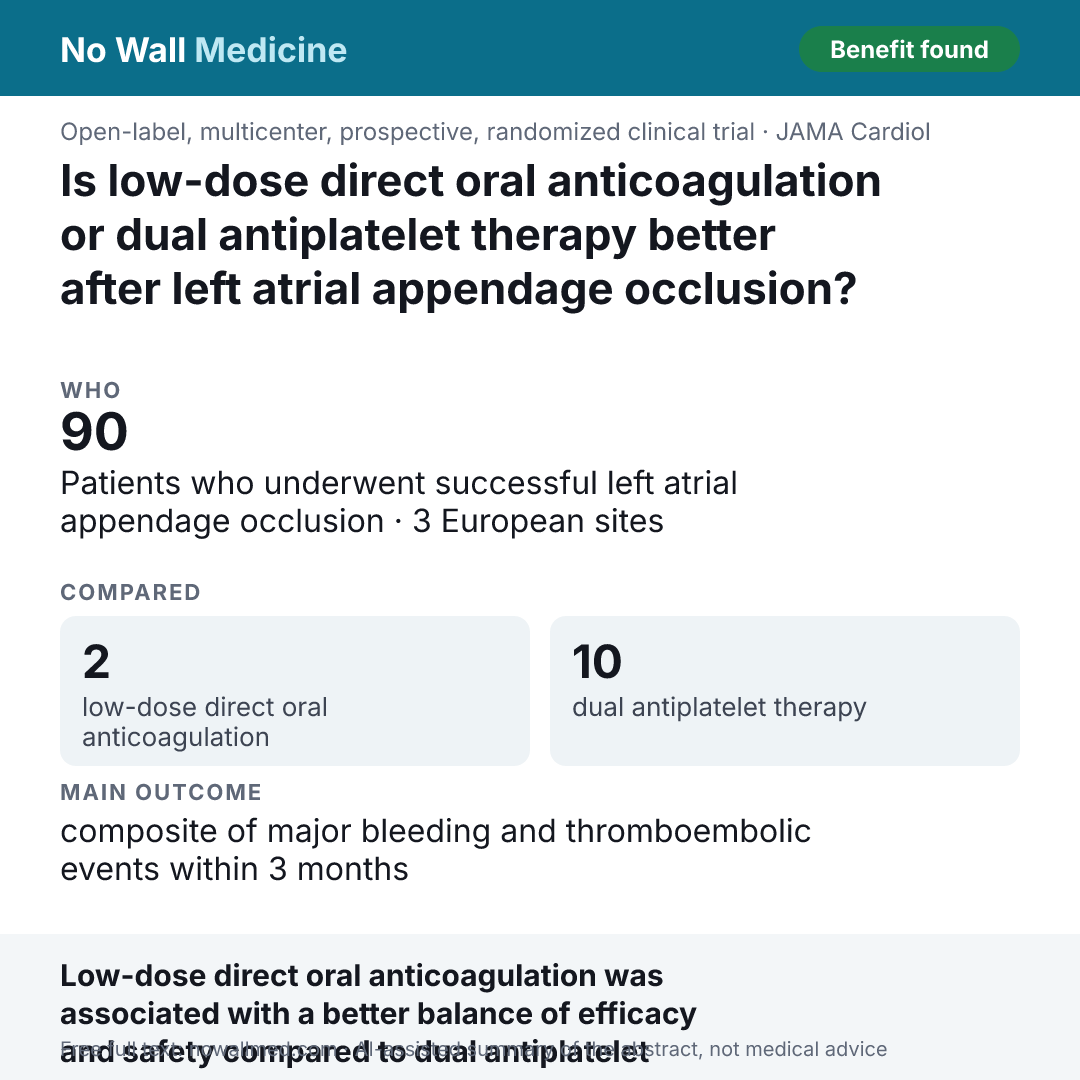
Low-Dose Direct Oral Anticoagulation vs Dual Antiplatelet Therapy After Left Atrial Appendage Occlusion: The ADALA Randomized Clinical Trial
Open-label, multicenter, prospective, randomized clinical trialBenefit found
Is low-dose direct oral anticoagulation or dual antiplatelet therapy better after left atrial appendage occlusion?
Who
90
Patients who underwent successful left atrial appendage occlusion · 3 European sites
Compared
2low-dose direct oral anticoagulation (4.5%)
10dual antiplatelet therapy (21.7%)
Main outcome
composite of major bleeding and thromboembolic events within 3 months
Result: hazard ratio 0.19 (95% CI 0.04-0.88)
Bottom line: Low-dose direct oral anticoagulation was associated with a better balance of efficacy and safety compared to dual antiplatelet therapy.
Limitation: The study was prematurely terminated due to a low recruitment rate and limited sample size.
JAMA Cardiol · 2024-08-07 · Save PNG
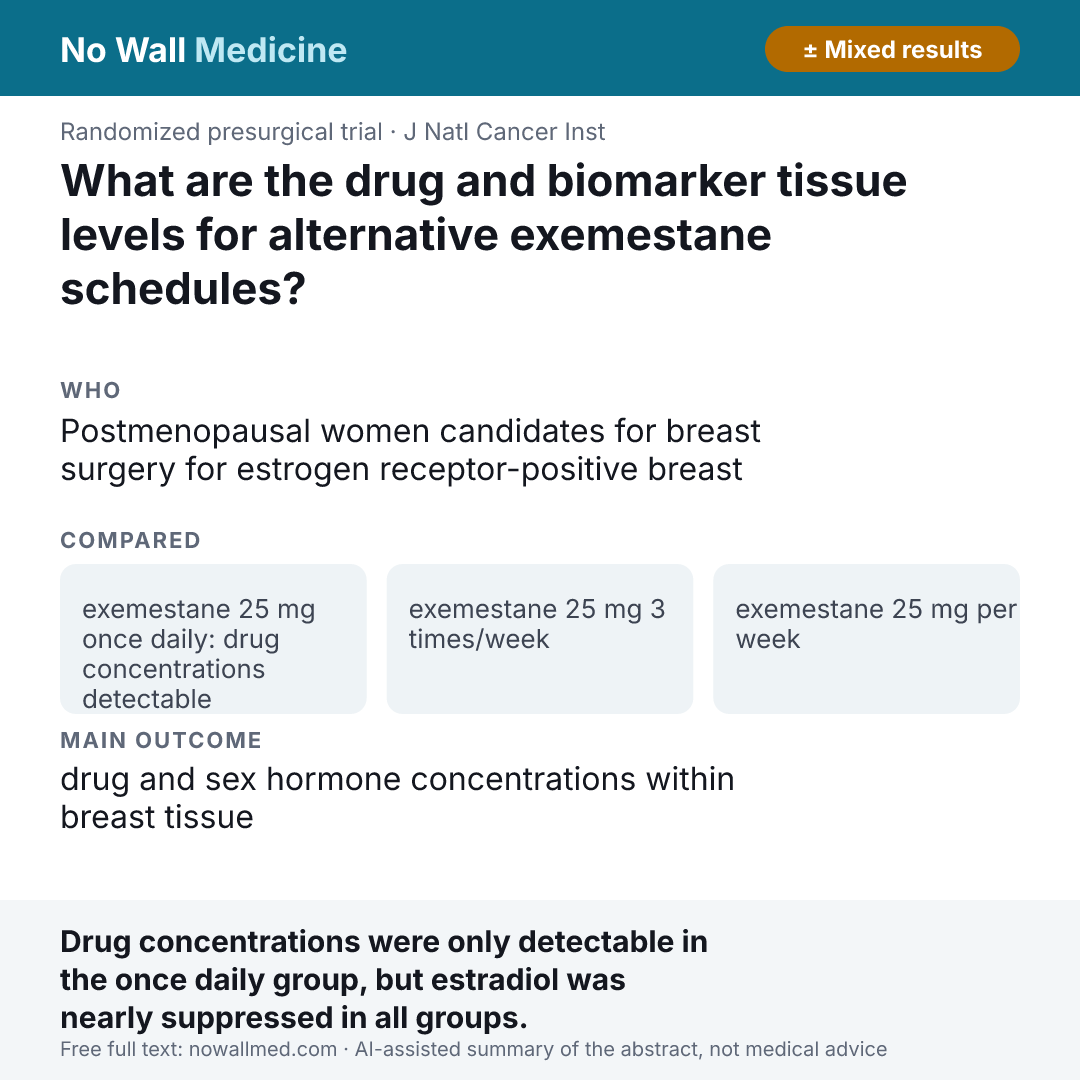
Drug and biomarker tissue levels in a randomized presurgical trial on exemestane alternative schedules
Randomized presurgical trialMixed results
What are the drug and biomarker tissue levels for alternative exemestane schedules?
Who
Postmenopausal women candidates for breast surgery for estrogen receptor-positive breast cancer
Compared
exemestane 25 mg once daily: drug concentrations detectable
exemestane 25 mg 3 times/week
exemestane 25 mg per week
Main outcome
drug and sex hormone concentrations within breast tissue
Bottom line: Drug concentrations were only detectable in the once daily group, but estradiol was nearly suppressed in all groups.
J Natl Cancer Inst · 2024-08-07 · Save PNG
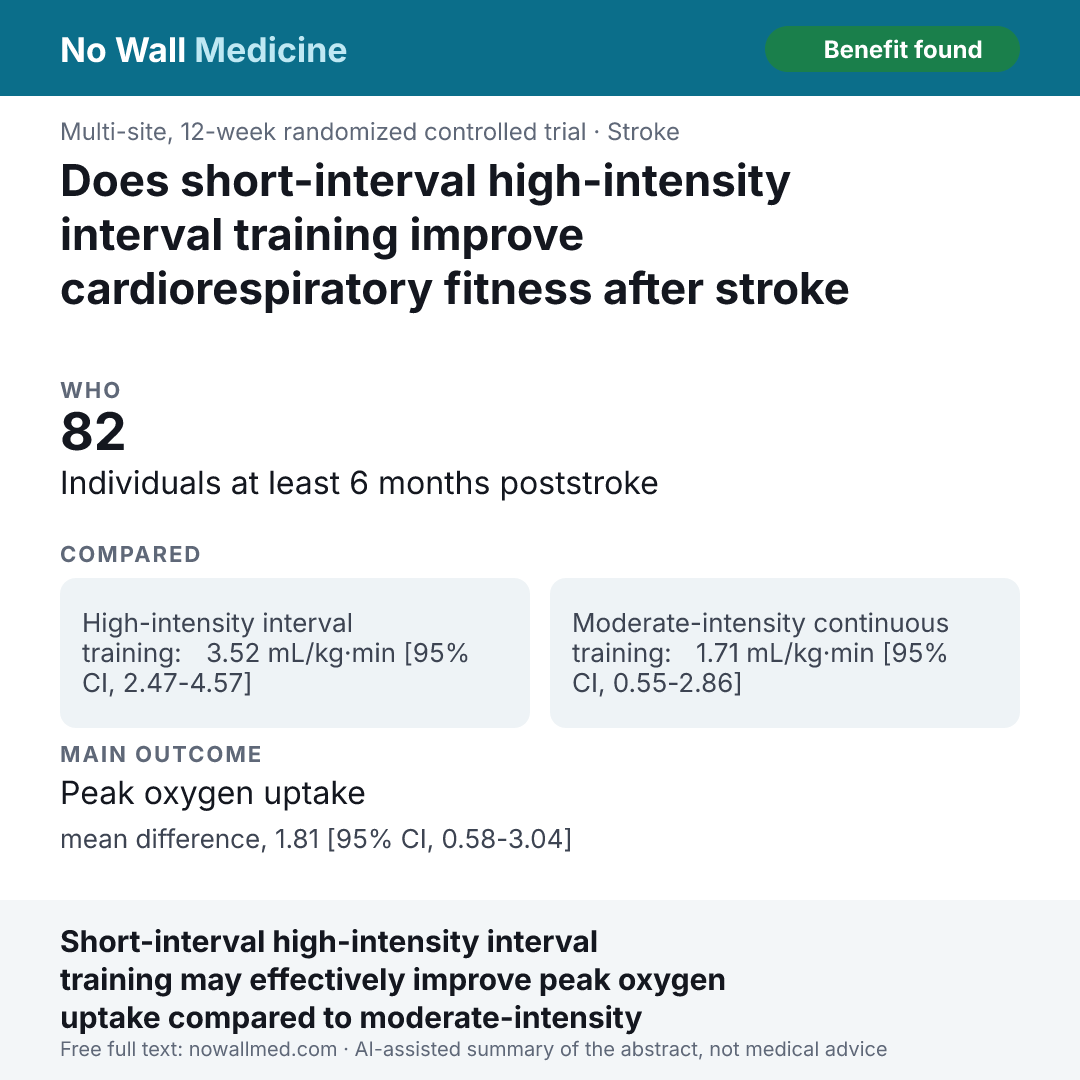
Cardiorespiratory Fitness Benefits of High-Intensity Interval Training After Stroke: A Randomized Controlled Trial
Multi-site, 12-week randomized controlled trialBenefit found
Does short-interval high-intensity interval training improve cardiorespiratory fitness after stroke compared to moderate-intensity continuous training?
Who
82
Individuals at least 6 months poststroke
Compared
High-intensity interval training: ∆3.52 mL/kg·min [95% CI, 2.47-4.57]
Moderate-intensity continuous training: ∆1.71 mL/kg·min [95% CI, 0.55-2.86]
Main outcome
Peak oxygen uptake
Result: mean difference, 1.81 [95% CI, 0.58-3.04]
Bottom line: Short-interval high-intensity interval training may effectively improve peak oxygen uptake compared to moderate-intensity continuous training at 12 weeks.
Stroke · 2024-08-07 · Save PNG
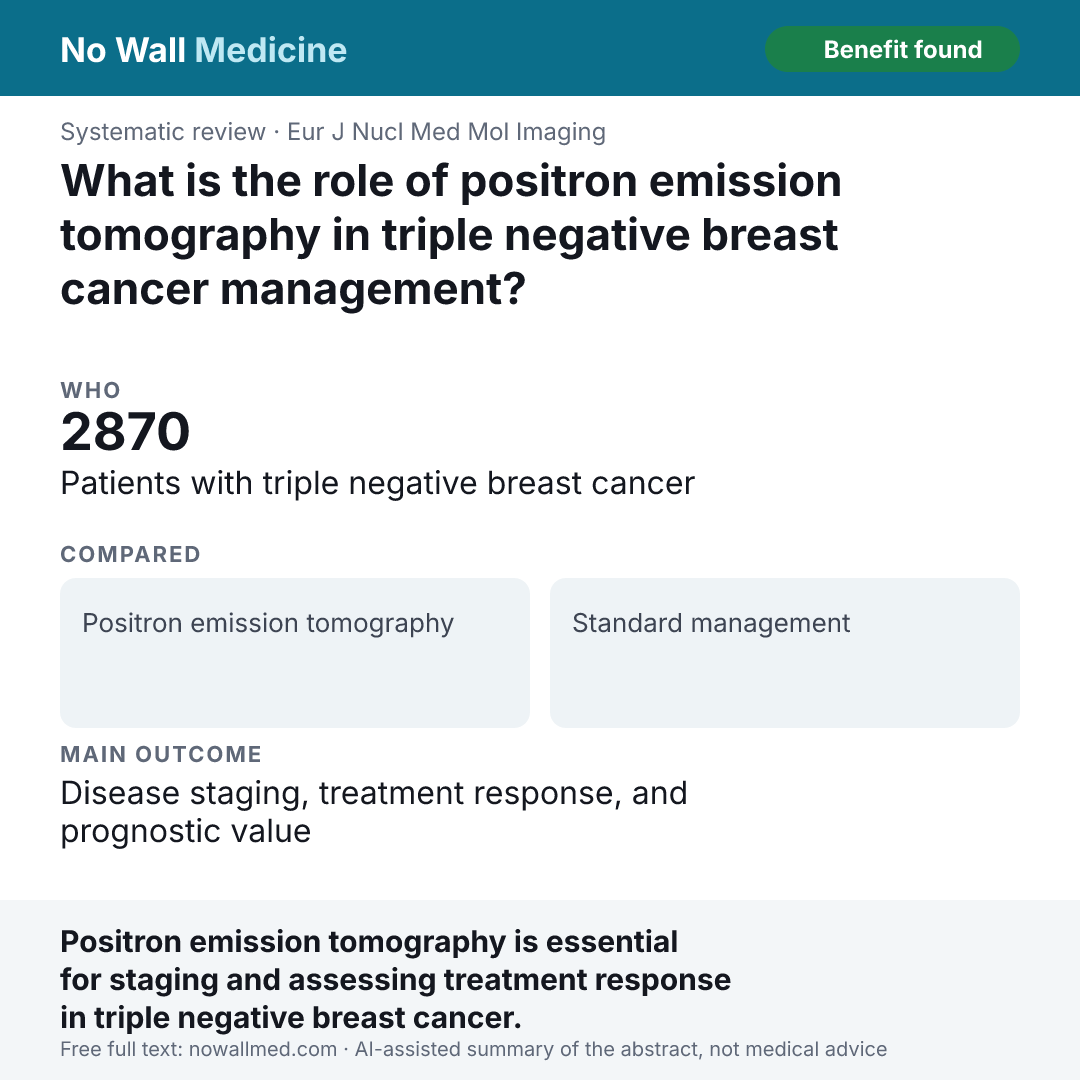
The impact of PET imaging on triple negative breast cancer: an updated evidence-based perspective
Systematic reviewBenefit found
What is the role of positron emission tomography in triple negative breast cancer management?
Who
2870
Patients with triple negative breast cancer
Compared
Positron emission tomography
Standard management
Main outcome
Disease staging, treatment response, and prognostic value
Bottom line: Positron emission tomography is essential for staging and assessing treatment response in triple negative breast cancer.
Eur J Nucl Med Mol Imaging · 2024-08-07 · Save PNG
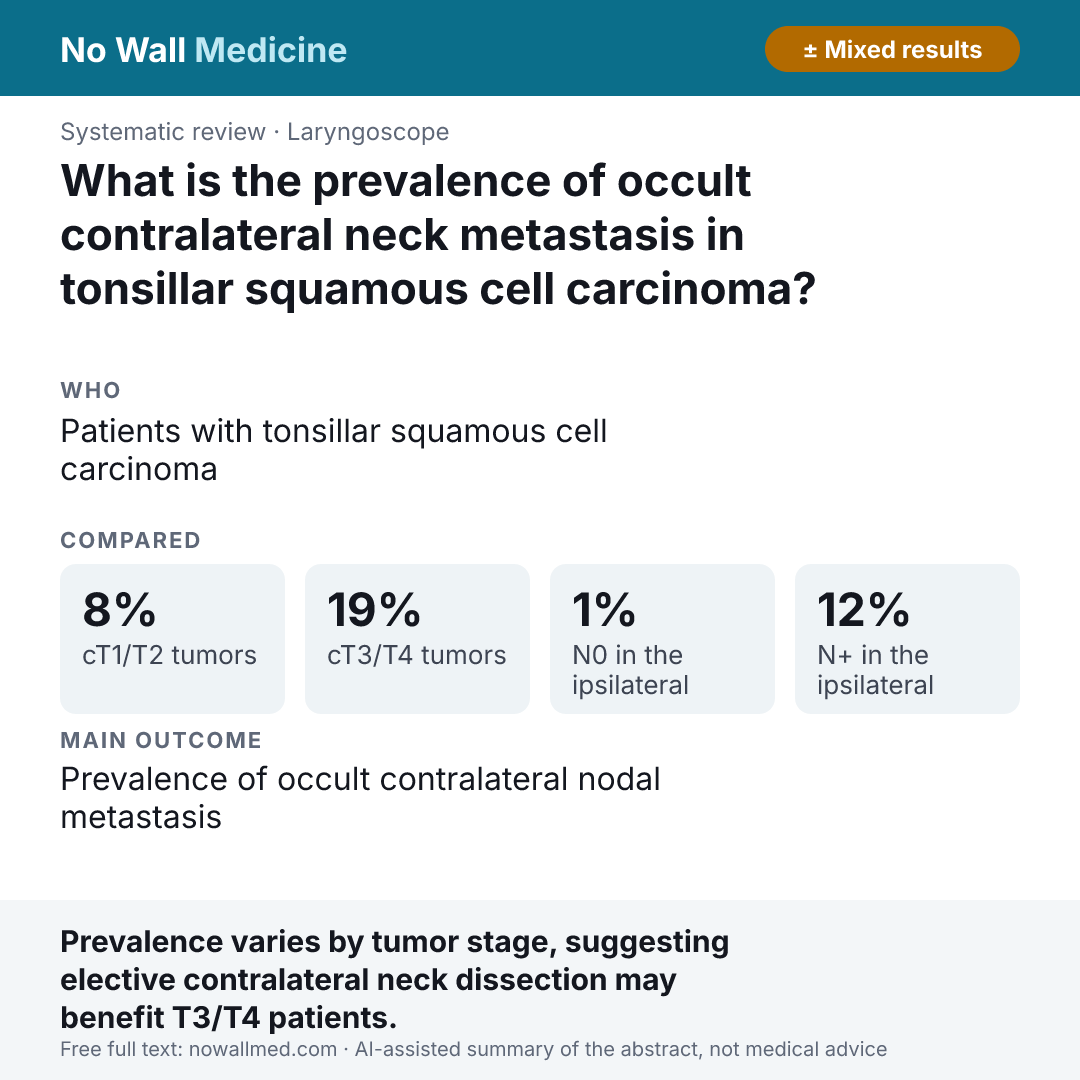
A Systematic Review of Occult Contralateral Neck Metastasis in Tonsillar Squamous Cell Carcinoma
Systematic reviewMixed results
What is the prevalence of occult contralateral neck metastasis in tonsillar squamous cell carcinoma?
Who
Patients with tonsillar squamous cell carcinoma
Compared
8%cT1/T2 tumors
19%cT3/T4 tumors
1%N0 in the ipsilateral neck
12%N+ in the ipsilateral neck
Main outcome
Prevalence of occult contralateral nodal metastasis
Bottom line: Prevalence varies by tumor stage, suggesting elective contralateral neck dissection may benefit T3/T4 patients.
Laryngoscope · 2024-08-07 · Save PNG
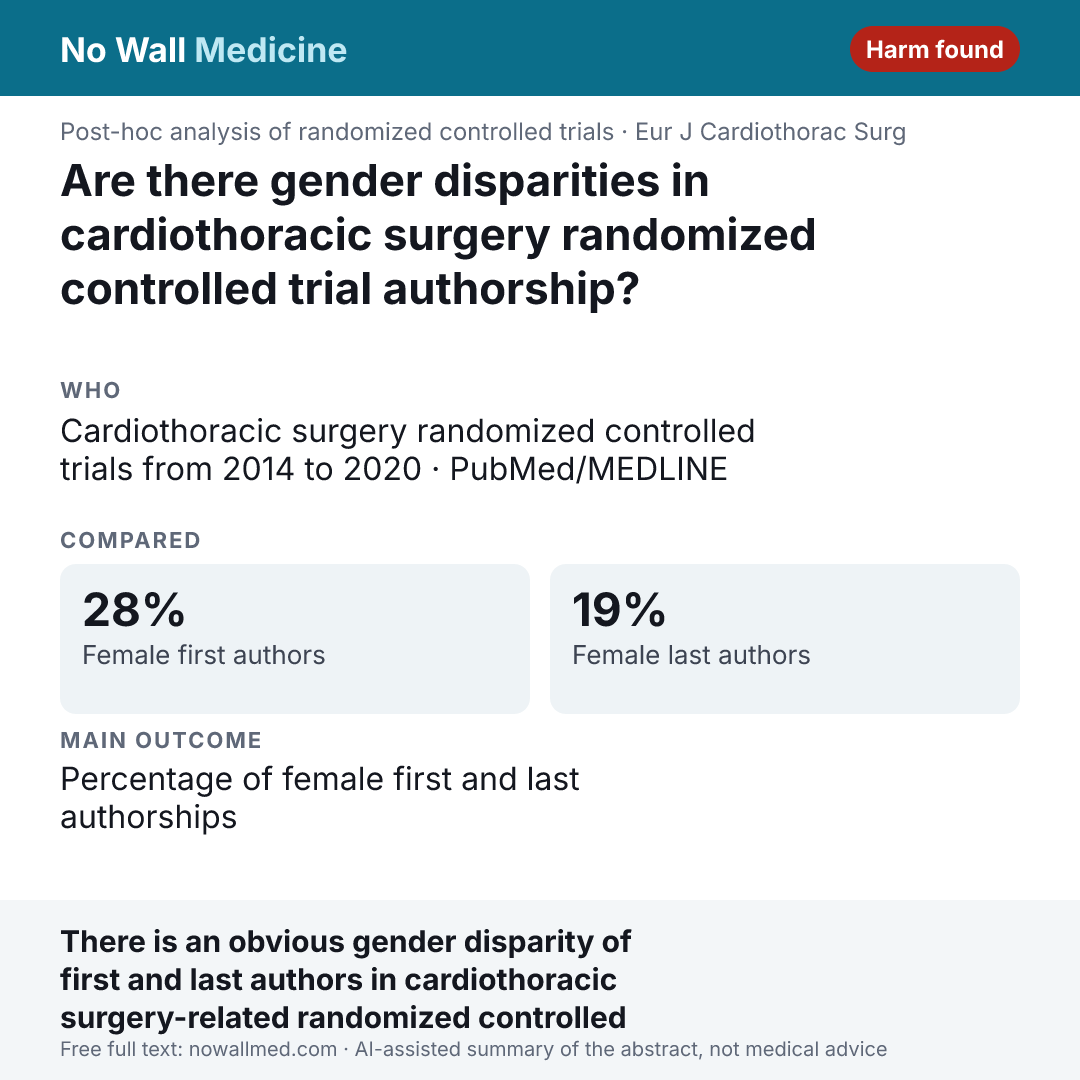
Gender gap in cardiothoracic surgery randomized controlled trial and post-hoc analysis of randomized controlled trial authorship from 2014 to 2020
Post-hoc analysis of randomized controlled trialsHarm found
Are there gender disparities in cardiothoracic surgery randomized controlled trial authorship?
Who
Cardiothoracic surgery randomized controlled trials from 2014 to 2020 · PubMed/MEDLINE database
Compared
28%Female first authors (911/3247)
19%Female last authors (622/3204)
Main outcome
Percentage of female first and last authorships
Bottom line: There is an obvious gender disparity of first and last authors in cardiothoracic surgery-related randomized controlled trials.
Limitation: Gender was encoded for only 67% of first authors and 66% of last authors.
Eur J Cardiothorac Surg · 2024-08-07 · Save PNG
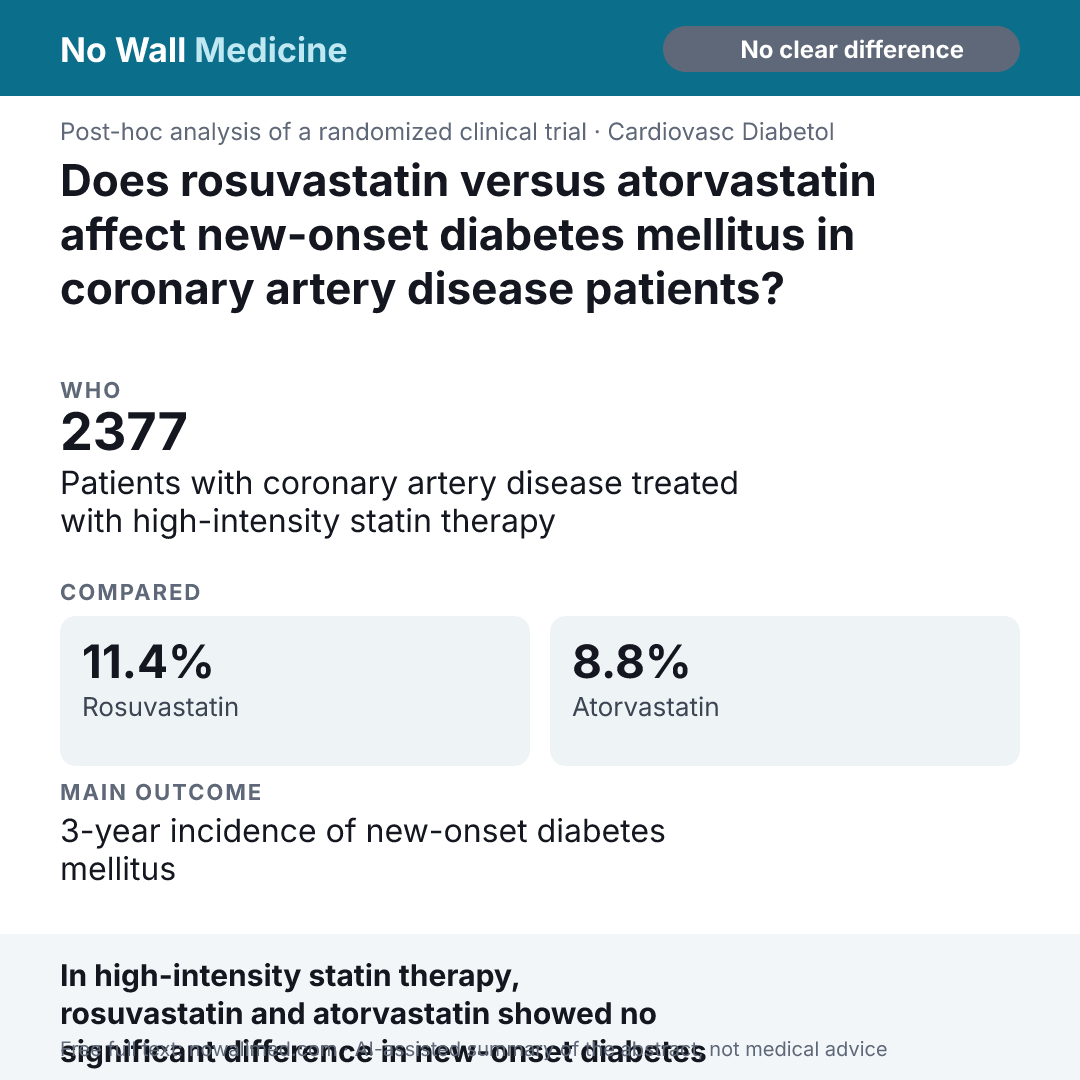
Effect of rosuvastatin versus atorvastatin on new-onset diabetes mellitus in patients treated with high-intensity statin therapy for coronary artery disease: a post-hoc analysis from the LODESTAR randomized clinical trial
Post-hoc analysis of a randomized clinical trialNo clear difference
Does rosuvastatin versus atorvastatin affect new-onset diabetes mellitus in coronary artery disease patients?
Who
2377
Patients with coronary artery disease treated with high-intensity statin therapy
Compared
11.4%Rosuvastatin (106/948)
8.8%Atorvastatin (73/856)
Main outcome
3-year incidence of new-onset diabetes mellitus
Result: hazard ratio 1.32 (95% CI 0.98 to 1.77)
Bottom line: In high-intensity statin therapy, rosuvastatin and atorvastatin showed no significant difference in new-onset diabetes mellitus incidence.
Limitation: This was a post-hoc analysis of the LODESTAR trial.
Cardiovasc Diabetol · 2024-08-07 · Save PNG
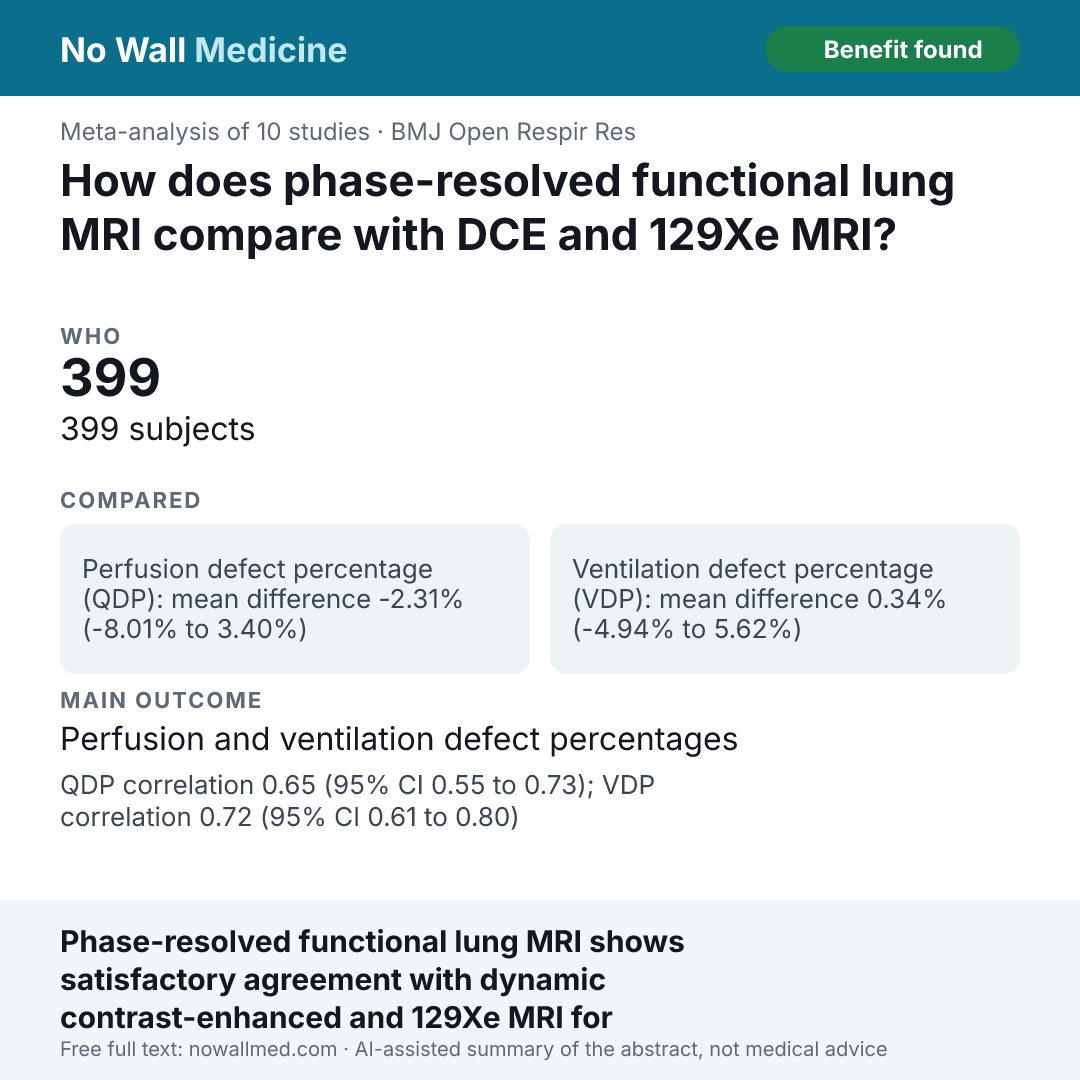
Phase-resolved MRI for measurement of pulmonary perfusion and ventilation defects in comparison with dynamic contrast-enhanced MRI and 129Xe MRI
Meta-analysis of 10 studiesBenefit found
How does phase-resolved functional lung MRI compare with DCE and 129Xe MRI?
Who
399
399 subjects
Compared
Perfusion defect percentage (QDP): mean difference -2.31% (-8.01% to 3.40%)
Ventilation defect percentage (VDP): mean difference 0.34% (-4.94% to 5.62%)
Main outcome
Perfusion and ventilation defect percentages
Result: QDP correlation 0.65 (95% CI 0.55 to 0.73); VDP correlation 0.72 (95% CI 0.61 to 0.80)
Bottom line: Phase-resolved functional lung MRI shows satisfactory agreement with dynamic contrast-enhanced and 129Xe MRI for assessing lung function.
BMJ Open Respir Res · 2024-08-07 · Save PNG
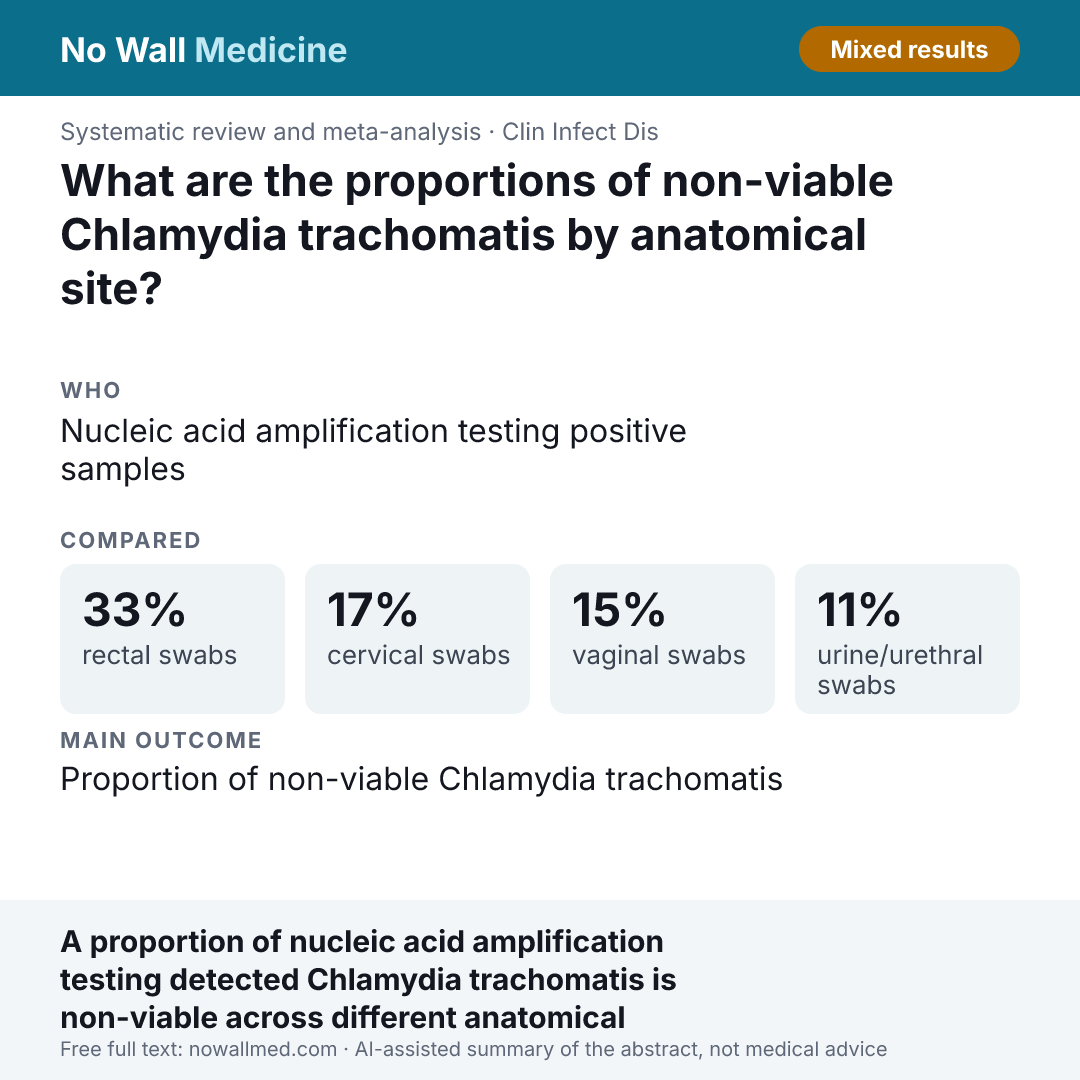
Viability of Chlamydia trachomatis in Different Anatomical Sites-a Systematic Review and Meta-analysis
Systematic review and meta-analysisMixed results
What are the proportions of non-viable Chlamydia trachomatis by anatomical site?
Who
Nucleic acid amplification testing positive samples
Compared
33%rectal swabs (95% confidence interval [CI]: 19%-47%)
17%cervical swabs (95% CI: 7%-27%)
15%vaginal swabs (95% CI: 6%-25%)
11%urine/urethral swabs (95% CI: 9%-17%)
Main outcome
Proportion of non-viable Chlamydia trachomatis
Bottom line: A proportion of nucleic acid amplification testing detected Chlamydia trachomatis is non-viable across different anatomical sites.
Clin Infect Dis · 2024-08-06 · Save PNG
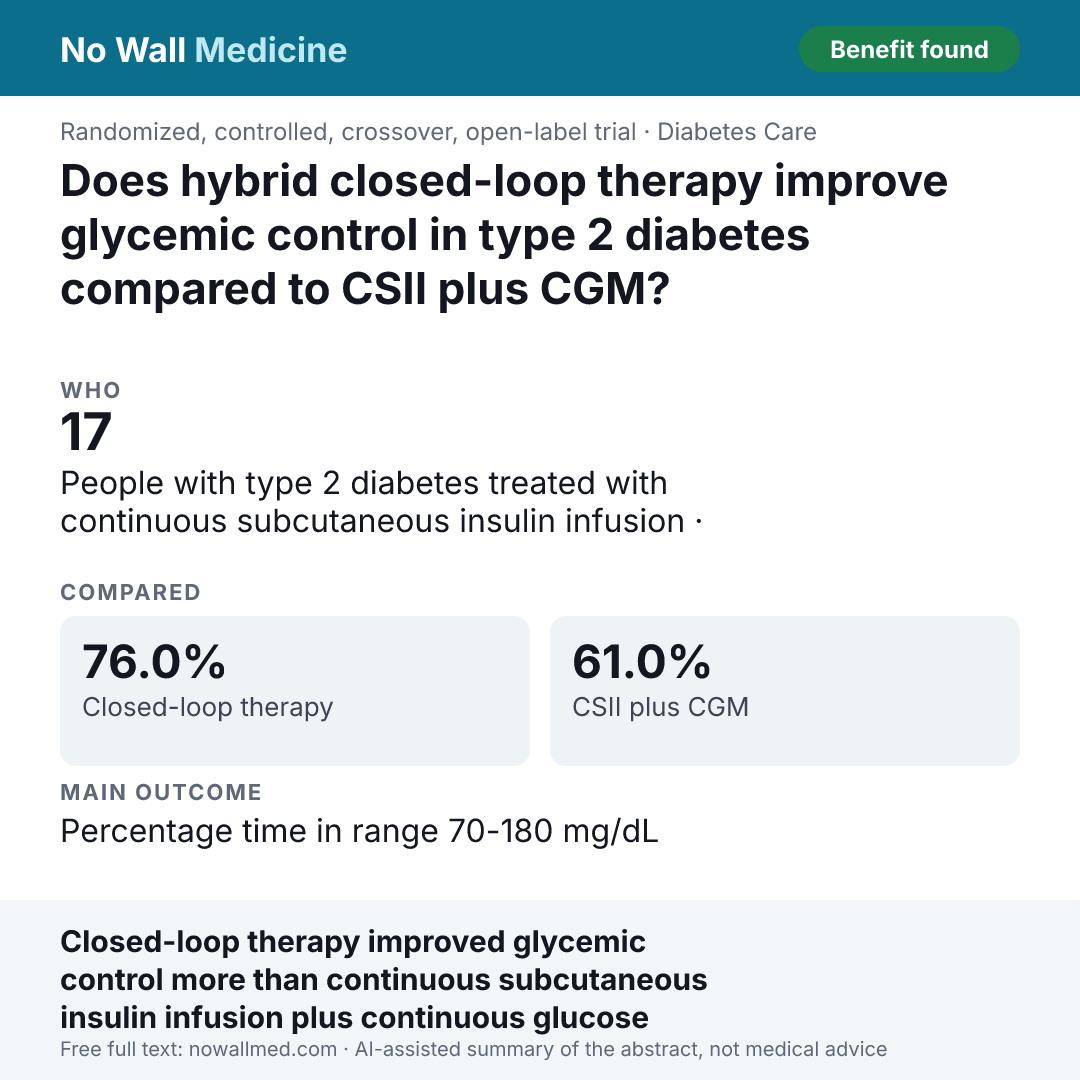
Closed-Loop Insulin Therapy for People With Type 2 Diabetes Treated With an Insulin Pump: A 12-Week Multicenter, Open-Label Randomized, Controlled, Crossover Trial
Randomized, controlled, crossover, open-label trialBenefit found
Does hybrid closed-loop therapy improve glycemic control in type 2 diabetes compared to CSII plus CGM?
Who
17
People with type 2 diabetes treated with continuous subcutaneous insulin infusion · Multicenter
Compared
76.0%Closed-loop therapy (interquartile range 69.0-84.0)
61.0%CSII plus CGM (interquartile range 55.0-70.0)
Main outcome
Percentage time in range 70-180 mg/dL
Result: mean difference was 15.0 percentage points (interquartile range 8.0-22.0; P < 0.001)
Bottom line: Closed-loop therapy improved glycemic control more than continuous subcutaneous insulin infusion plus continuous glucose monitoring in type 2 diabetes.
Diabetes Care · 2024-08-06 · Save PNG