Visual abstracts
New randomized trials and meta-analyses from leading journals at a glance: who was studied, what was compared, and what was found. Every paper is free to read in full.
All specialtiesCardiology 4877Oncology 4138Gastroenterology & Hepatology 1942Infectious Disease 3837Neurology 1905Psychiatry & Mental Health 2273Pulmonology 2143Critical Care 1365Endocrinology & Diabetes 2580Pediatrics 2980Surgery 2559Orthopedics & Sports Medicine 931Neurosurgery 537Cardiothoracic & Vascular Surgery 674Plastic & Reconstructive Surgery 591Nephrology 1133Rheumatology 823Hematology 1109Dermatology 621Ophthalmology 543Obstetrics & Gynecology 1686Public & Global Health 1058Radiology & Imaging 648Anesthesiology 986Urology 764ENT (Otolaryngology) 503Emergency Medicine 511Allergy & Immunology 313Geriatrics 981Family Medicine & Primary Care 562Medical Genetics & Genomics 676Pathology & Laboratory Medicine 159Physical Medicine & Rehabilitation 757Palliative Care 444Nutrition 1588Digital Health & AI 2201General Medicine 321
Randomized clinical trial of a digital medication system to enhance adherence in patients with severe mental disorders
Cluster-randomized controlled trialBenefit found
Does a digital medication system improve adherence in patients with serious mental disorders?
Who
206
Patients aged 18-65 years with schizophrenia or bipolar disorder · 30 communities in Beijing
Compared
Digital medication system: 84/108
Online medication diary: 23/108
Main outcome
Poor adherence defined as missing 20% or more of doses
Result: adjusted risk difference 52.34% (95% CI 34.65%-70.03%)
Bottom line: A digital medication system significantly improves medication adherence in patients with serious mental disorders.
NPJ Digit Med · 2025-06-05Download image

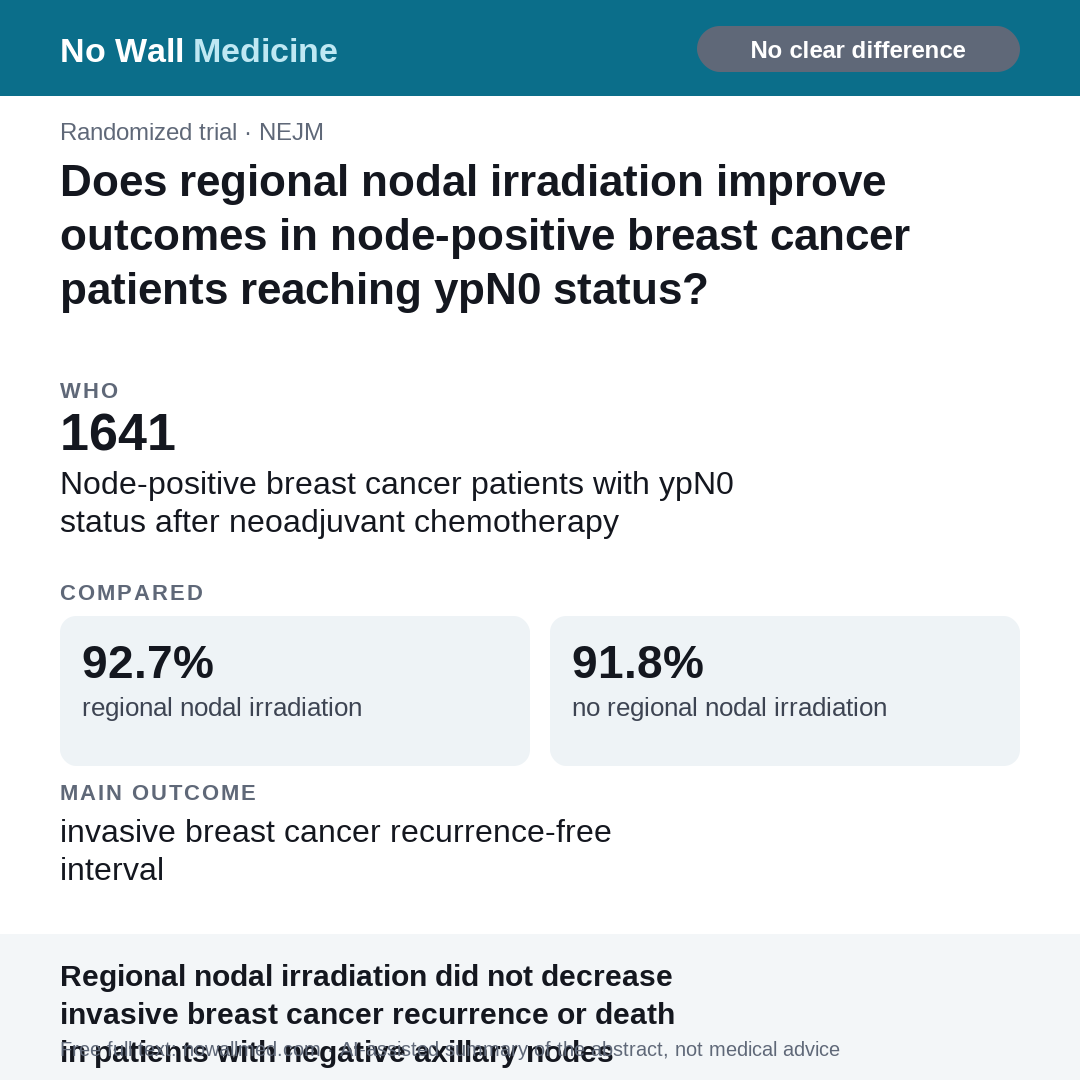
Omitting Regional Nodal Irradiation after Response to Neoadjuvant Chemotherapy
Randomized trialNo clear difference
Does regional nodal irradiation improve outcomes in node-positive breast cancer patients reaching ypN0 status?
Who
1641
Node-positive breast cancer patients with ypN0 status after neoadjuvant chemotherapy
Compared
92.7%regional nodal irradiation
91.8%no regional nodal irradiation
Main outcome
invasive breast cancer recurrence-free interval
Result: hazard ratio 0.88 (95% confidence interval 0.60 to 1.28)
Bottom line: Regional nodal irradiation did not decrease invasive breast cancer recurrence or death in patients with negative axillary nodes after chemotherapy.
Funded by: National Institutes of Health
NEJM · 2025-06-04Download image
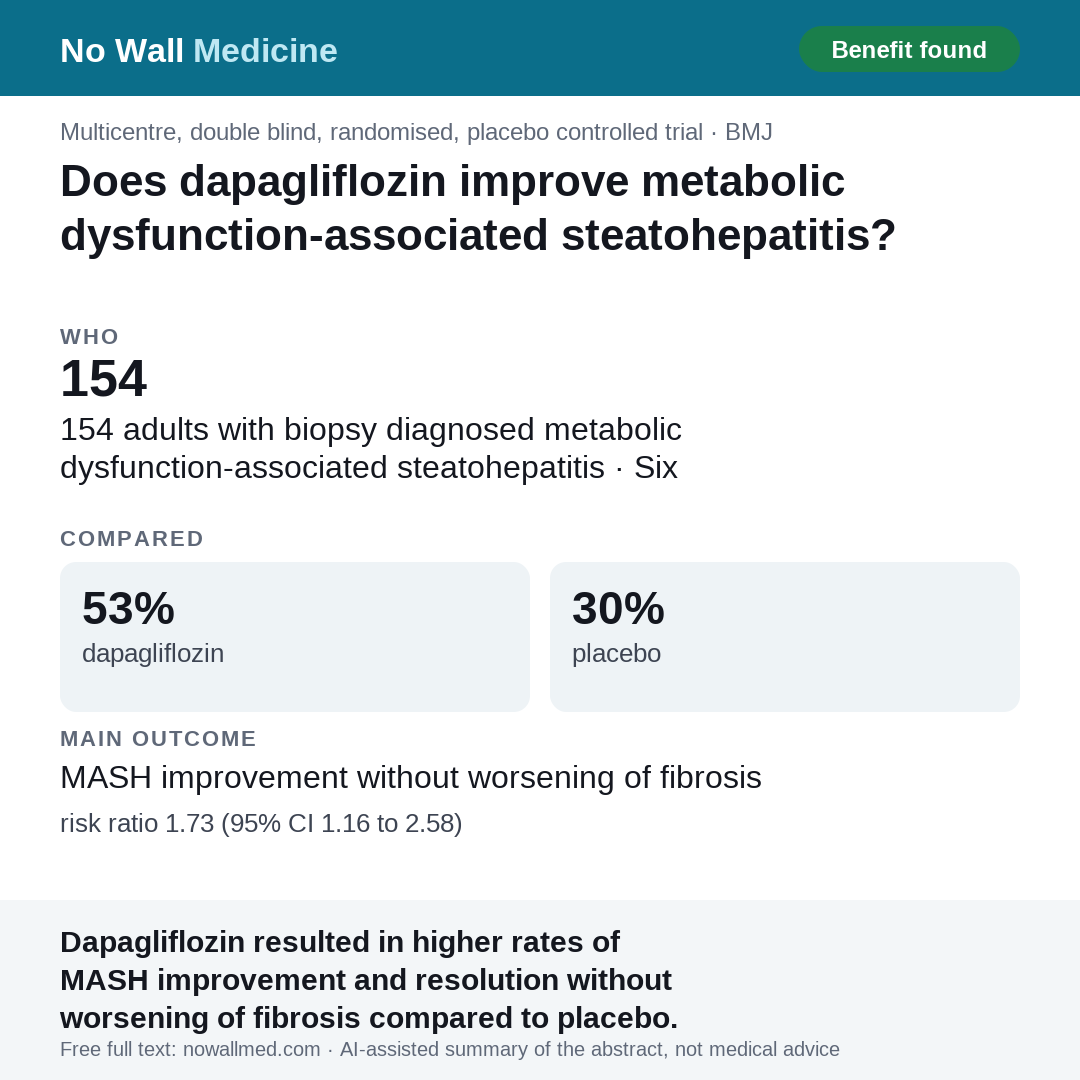
Effect of dapagliflozin on metabolic dysfunction-associated steatohepatitis: multicentre, double blind, randomised, placebo controlled trial
Multicentre, double blind, randomised, placebo controlled trialBenefit found
Does dapagliflozin improve metabolic dysfunction-associated steatohepatitis?
Who
154
154 adults with biopsy diagnosed metabolic dysfunction-associated steatohepatitis · Six tertiary hospitals in China
Compared
53%dapagliflozin (41/78)
30%placebo (23/76)
Main outcome
MASH improvement without worsening of fibrosis
Result: risk ratio 1.73 (95% CI 1.16 to 2.58)
Bottom line: Dapagliflozin resulted in higher rates of MASH improvement and resolution without worsening of fibrosis compared to placebo.
BMJ · 2025-06-04Download image
Impact of multifaceted health education on influenza vaccination health literacy in primary school students: a cluster randomized controlled trial
Cluster randomized controlled trialBenefit found
Does multifaceted health education impact influenza vaccination rates and health literacy in primary school students?
Who
3463
Fourth- and fifth-grade students · 20 primary schools in Dongguan, China
Compared
Intervention group: 173 [10.9%]
Control group: 130 [7.4%]
Main outcome
Influenza vaccination rate
Result: adjusted risk ratios 1.54 (95% CI 1.23-1.93)
Bottom line: Multifaceted health education significantly enhanced influenza vaccination uptake in primary school students, though the increase was modest.
Limitation: The increase in vaccination uptake was modest.
BMC Med · 2025-06-04Download image

Safety, Tolerability, and Immunogenicity of mRNA-1345 in Adults at Increased Risk for Respiratory Syncytial Virus Disease Aged 18-59 Years
Randomized, double-blind phase 3 trialBenefit found
Is mRNA-1345 safe and immunogenic in adults aged 18-59 at increased RSV risk?
Who
999
Adults aged 18-59 years at increased risk for respiratory syncytial virus
Compared
50-µg dose: RSV-A GMT ratio (GMR), 1.2 (95% CI, 1.1-1.3)
30-µg dose
Main outcome
Safety, tolerability, and neutralizing antibody geometric mean titers
Result: RSV-A GMT ratio (GMR), 1.2 (95% CI, 1.1-1.3)
Bottom line: A 50-µg dose of mRNA-1345 was well tolerated and elicited noninferior antibody responses in adults aged 18-59 years.
Clin Infect Dis · 2025-06-04Download image

Optimal Head-of-Bed Positioning Before Thrombectomy in Large Vessel Occlusion Stroke: A Randomized Clinical Trial
Prospective randomized clinical trialBenefit found
Is 0° head positioning superior to 30° head positioning for maintaining clinical stability?
Who
92
Patients with large vessel occlusion stroke candidates for thrombectomy · Certified thrombectomy hospitals in the US
Compared
0° head positioning: score stability
30° head positioning: worsening on the NIHSS of 2 points or more
Main outcome
Worsening of 2 or more National Institutes of Health Stroke Scale points
Result: hazard ratio 34.40 (95% CI 4.65-254.37)
Bottom line: Zero degree head positioning maintains clinical stability better than 30 degree positioning before thrombectomy in large vessel occlusion stroke.
Limitation: Patients with disabilities lacking a legal representative could not participate.
JAMA Neurol · 2025-06-04Download image

Simvastatin as Add-On Treatment to Escitalopram in Patients With Major Depression and Obesity: A Randomized Clinical Trial
Confirmatory, double-blind, placebo-controlled, multicenter randomized clinical trialNo clear difference
Does adding simvastatin to escitalopram improve depressive symptoms in patients with major depression and obesity?
Who
160
Adults with major depressive disorder and comorbid obesity · 9 tertiary care settings in Germany
Compared
0.47 pointsSimvastatin plus escitalopram
Placebo plus escitalopram
Main outcome
Change in Montgomery-Åsberg Depression Rating Scale score from baseline to week 12
Result: least squares mean difference, 0.47 points; 95% CI, -2.08 to 3.02
Bottom line: Adding simvastatin to escitalopram did not improve depressive symptoms in patients with major depression and obesity.
JAMA Psychiatry · 2025-06-04Download image

Cellular Adhesion Molecules and Adverse Outcomes in Chronic Heart Failure: Findings From the DAPA-HF Randomized Clinical Trial
Randomized clinical trial substudyBenefit found
Are VCAM-1 and ICAM-1 levels associated with progression of established heart failure?
Who
3051
Patients with heart failure and reduced ejection fraction · 410 sites in 20 countries
Compared
Higher VCAM-1 (tertile 3)
Lower VCAM-1 (tertile 1)
Main outcome
Composite of worsening heart failure event or cardiovascular death
Result: hazard ratio 1.40 (95% CI 1.11-1.77)
Bottom line: Higher baseline vascular cell adhesion molecule 1 levels are associated with worse outcomes in heart failure patients.
JAMA Cardiol · 2025-06-04Download image

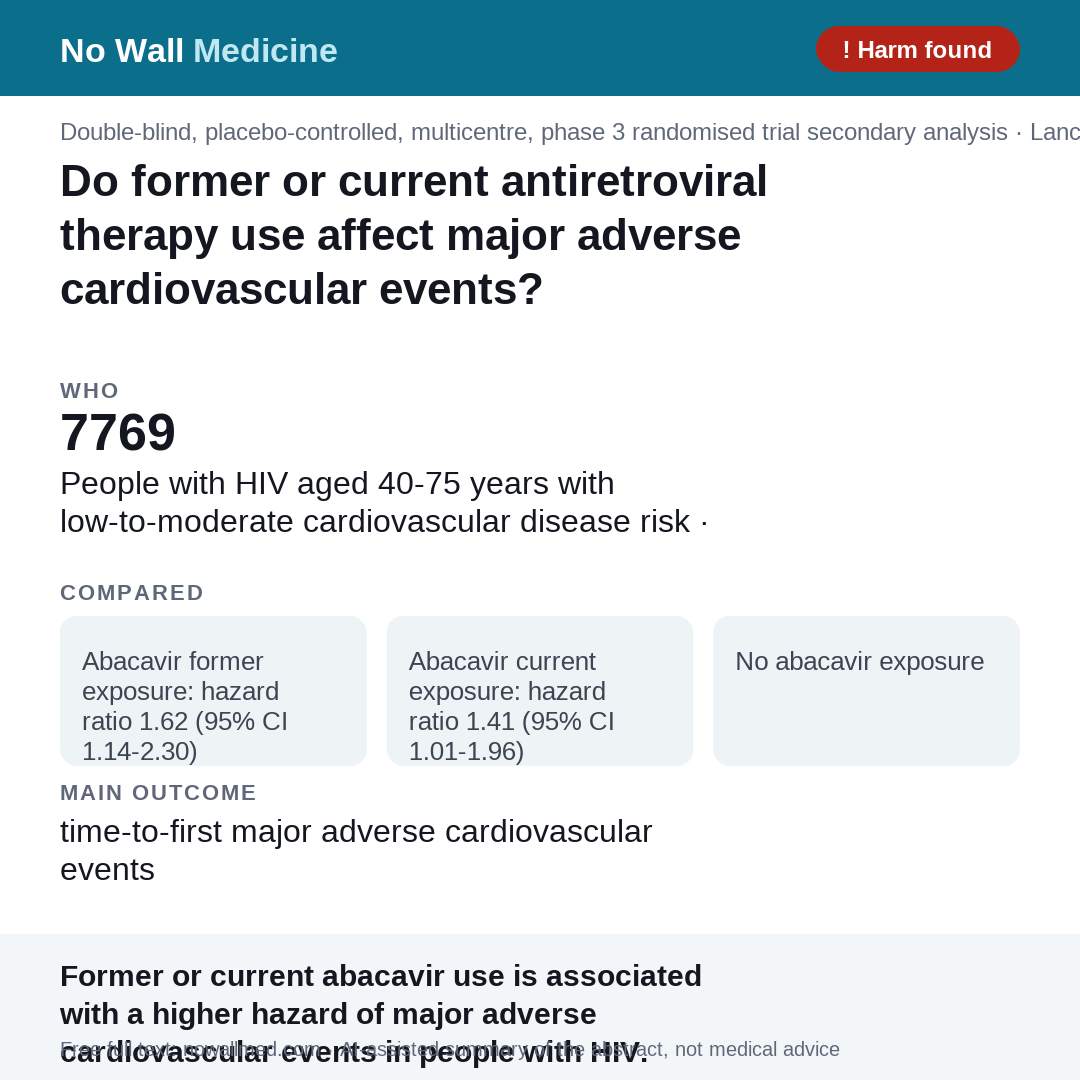
Effects of antiretrovirals on major adverse cardiovascular events in the REPRIEVE trial: a longitudinal cohort analysis
Double-blind, placebo-controlled, multicentre, phase 3 randomised trial secondary analysisHarm found
Do former or current antiretroviral therapy use affect major adverse cardiovascular events?
Who
7769
People with HIV aged 40-75 years with low-to-moderate cardiovascular disease risk · 137 sites in 12 countries
Compared
Abacavir former exposure: hazard ratio 1.62 (95% CI 1.14-2.30)
Abacavir current exposure: hazard ratio 1.41 (95% CI 1.01-1.96)
No abacavir exposure
Main outcome
time-to-first major adverse cardiovascular events
Result: hazard ratio 1.62 (95% CI 1.14-2.30) for former abacavir exposure
Bottom line: Former or current abacavir use is associated with a higher hazard of major adverse cardiovascular events in people with HIV.
Funded by: National Institutes of Health, Kowa Pharmaceuticals America, Gilead Sciences, and ViiV Healthcare
Lancet HIV · 2025-06-04Download image
High dose arachidonic and docosahexaenoic acid in very preterm infants and neurodevelopment at 2 years - A double-blind randomized controlled trial
Double-blind randomized controlled trialNo clear difference
Does arachidonic and docosahexaenoic acid supplementation improve neurodevelopment in very preterm infants?
Who
120
Infants born before 29 weeks of gestational age
Compared
Arachidonic and docosahexaenoic acid group
Medium chain triglycerides control group
Main outcome
Neurodevelopmental outcomes at two years corrected age
Bottom line: Supplementation with arachidonic and docosahexaenoic acid did not significantly change neurodevelopmental outcomes at two years.
Clin Nutr · 2025-06-04Download image

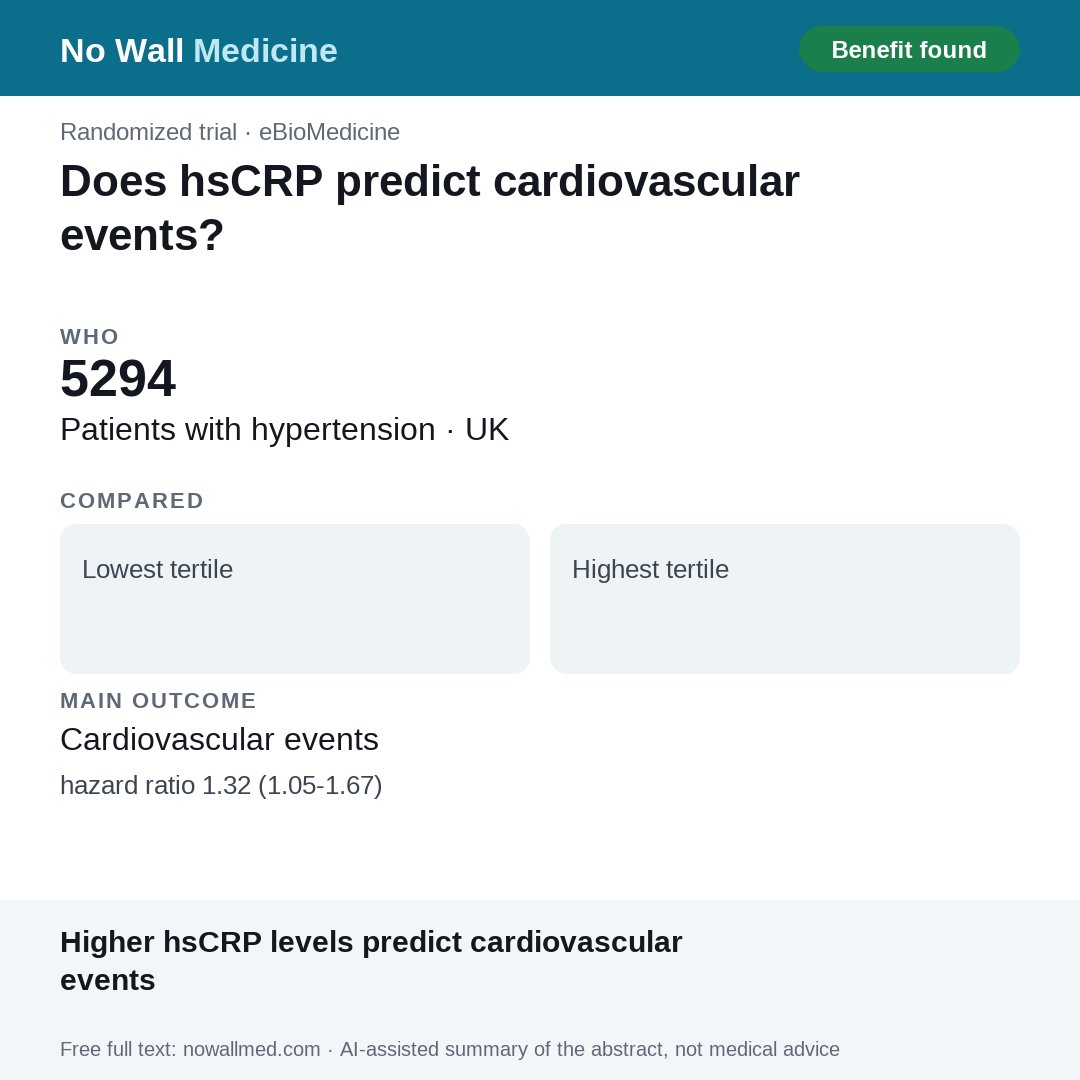
The relationship of baseline high-sensitivity C-reactive protein with incident cardiovascular events and all-cause mortality over 20 years
Randomized trialBenefit found
Does hsCRP predict cardiovascular events?
Who
5294
Patients with hypertension · UK
Compared
Lowest tertile
Highest tertile
Main outcome
Cardiovascular events
Result: hazard ratio 1.32 (1.05-1.67)
Bottom line: Higher hsCRP levels predict cardiovascular events
Funded by: British Heart Foundation
eBioMedicine · 2025-06-04Download image
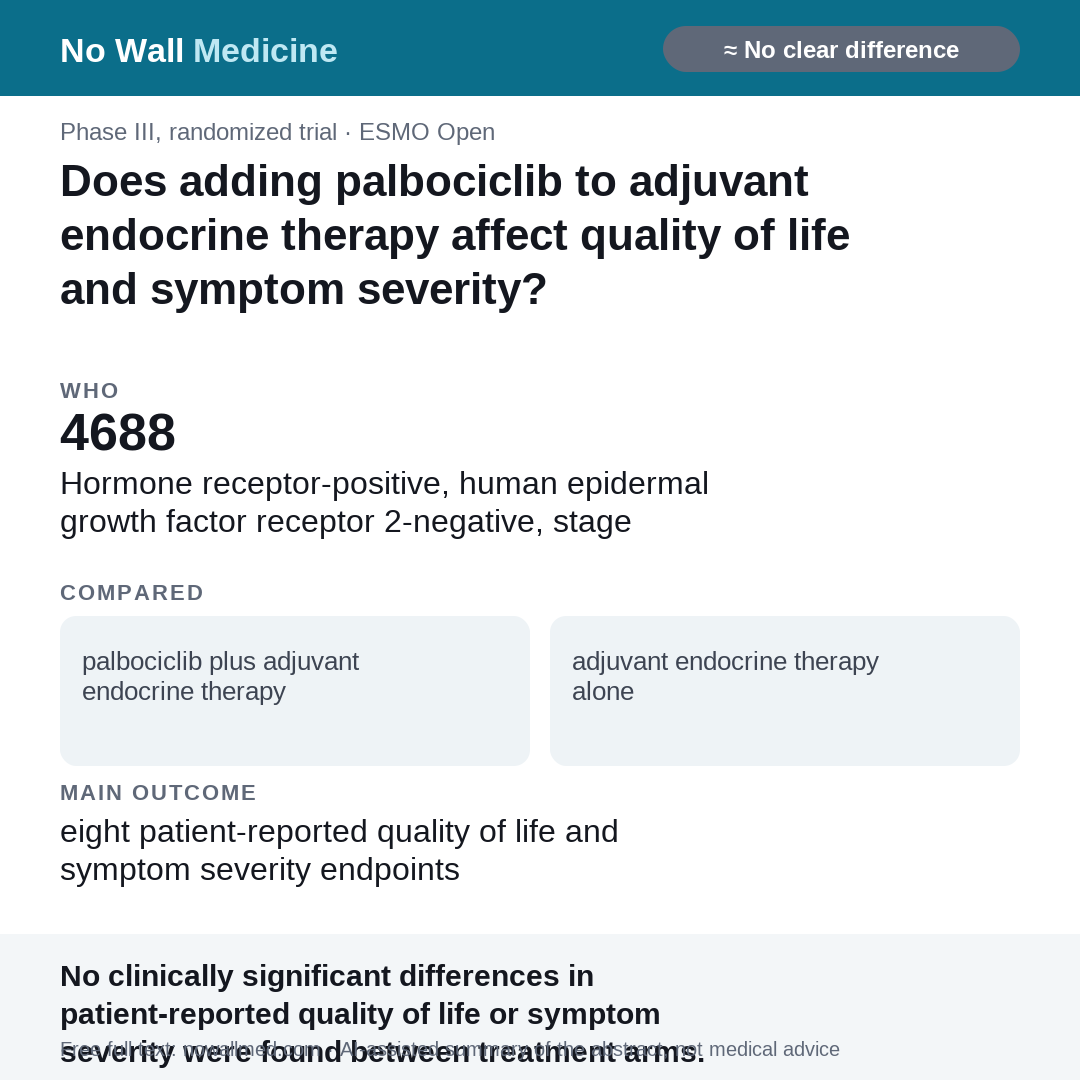
Quality-of-life and symptom severity in the PALLAS randomized trial of palbociclib with adjuvant endocrine therapy in early breast cancer (AFT-05, ABCSG-42, BIG-14-03, PrE0109)
Phase III, randomized trialNo clear difference
Does adding palbociclib to adjuvant endocrine therapy affect quality of life and symptom severity?
Who
4688
Hormone receptor-positive, human epidermal growth factor receptor 2-negative, stage II-III breast cancer patients
Compared
palbociclib plus adjuvant endocrine therapy
adjuvant endocrine therapy alone
Main outcome
eight patient-reported quality of life and symptom severity endpoints
Bottom line: No clinically significant differences in patient-reported quality of life or symptom severity were found between treatment arms.
Limitation: Differences in symptom worsening were observed by treatment regimen, race, and ethnicity.
ESMO Open · 2025-06-04Download image
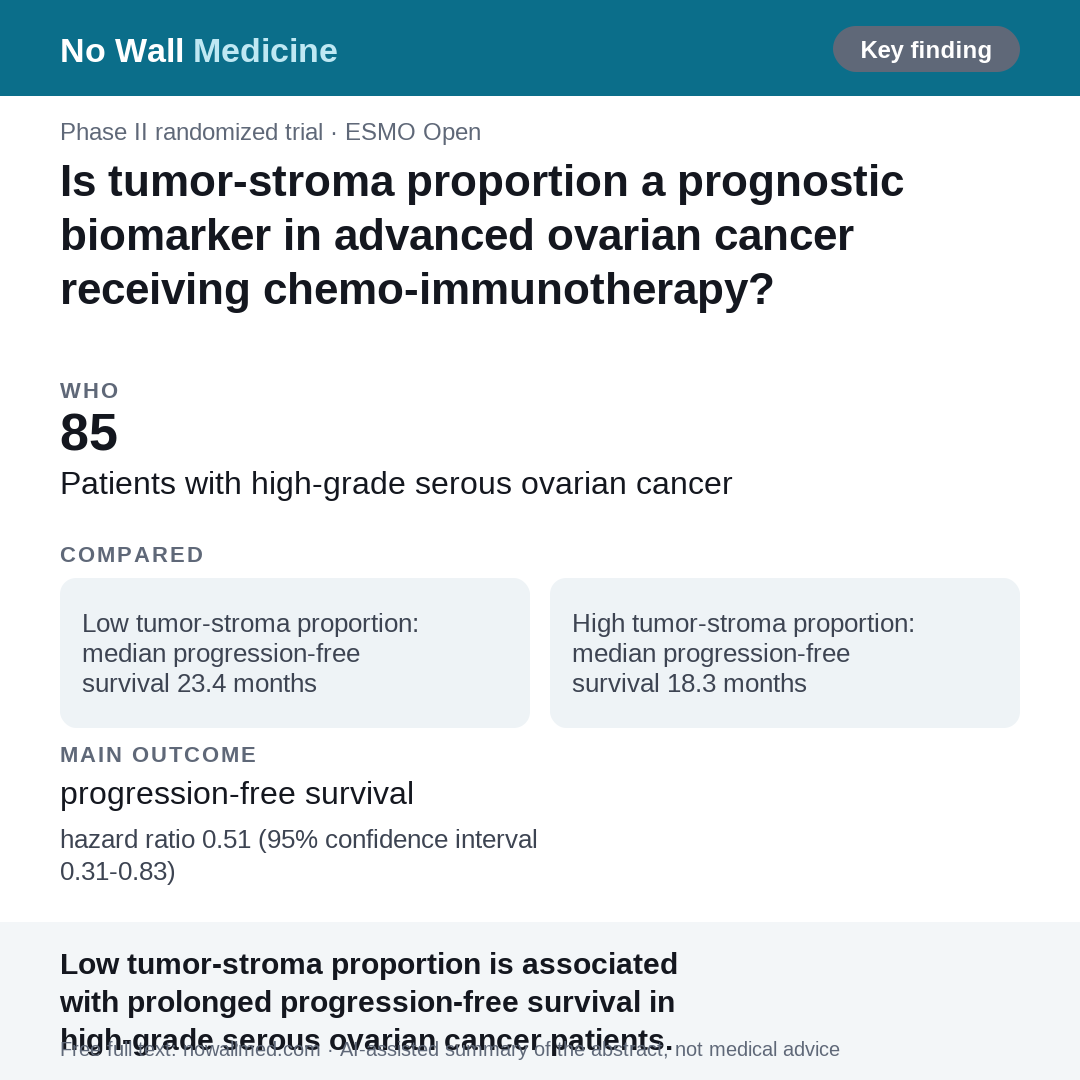
Tumor-stroma proportion on primary tumor as a prognostic biomarker in advanced ovarian cancer patients receiving chemo-immunotherapy as first-line therapy: analyses from the NeoPembrOV/GINECO phase II randomized trial
Phase II randomized trialBenefit found
Is tumor-stroma proportion a prognostic biomarker in advanced ovarian cancer receiving chemo-immunotherapy?
Who
85
Patients with high-grade serous ovarian cancer
Compared
Low tumor-stroma proportion: median progression-free survival 23.4 months
High tumor-stroma proportion: median progression-free survival 18.3 months
Main outcome
progression-free survival
Result: hazard ratio 0.51 (95% confidence interval 0.31-0.83)
Bottom line: Low tumor-stroma proportion is associated with prolonged progression-free survival in high-grade serous ovarian cancer patients.
ESMO Open · 2025-06-04Download image
Knowledge Gain and the Impact of Stress in a Fully Immersive Virtual Reality-Based Medical Emergencies Training With Automated Feedback: Randomized Controlled Trial
Randomized, intraindividual crossover trialBenefit found
Does virtual reality training with automated feedback improve emergency medical competency compared to video seminars?
Who
72
72 senior medical students
Compared
Virtual reality training: mean 17.8%, SD 15.1%
Video seminars: mean 11.9%, SD 18%
Main outcome
Long-term knowledge gains
Result: difference: -5.9, 95% CI -11.5 to -0.4
Bottom line: Virtual reality training with automated feedback provides significantly higher long-term knowledge gains than traditional video seminars.
Limitation: Future research should investigate retention of practical skills and impact of repeated or team-based scenarios.
J Med Internet Res · 2025-06-04Download image

Anti-sporozoite monoclonal antibody for malaria prevention: secondary efficacy outcome of a phase 2 randomized trial
Phase 2 double-blind randomized trialBenefit found
Does CIS43LS monoclonal antibody provide protection against Plasmodium falciparum infection?
Who
330
Healthy Malian adults · Mali
Compared
87.4%40 mg kg-1 CIS43LS
77.0%10 mg kg-1 CIS43LS
Placebo
Main outcome
Plasmodium 18S rRNA quantitative reverse transcription-PCR detected infection
Result: 87.4% (adjusted 95% CI, 79.5-92.3) and 77.0% (adjusted 95% CI, 65.0-84.0)
Bottom line: A single dose of CIS43LS monoclonal antibody provides durable protection against Plasmodium falciparum infection.
Nat Med · 2025-06-03Download image

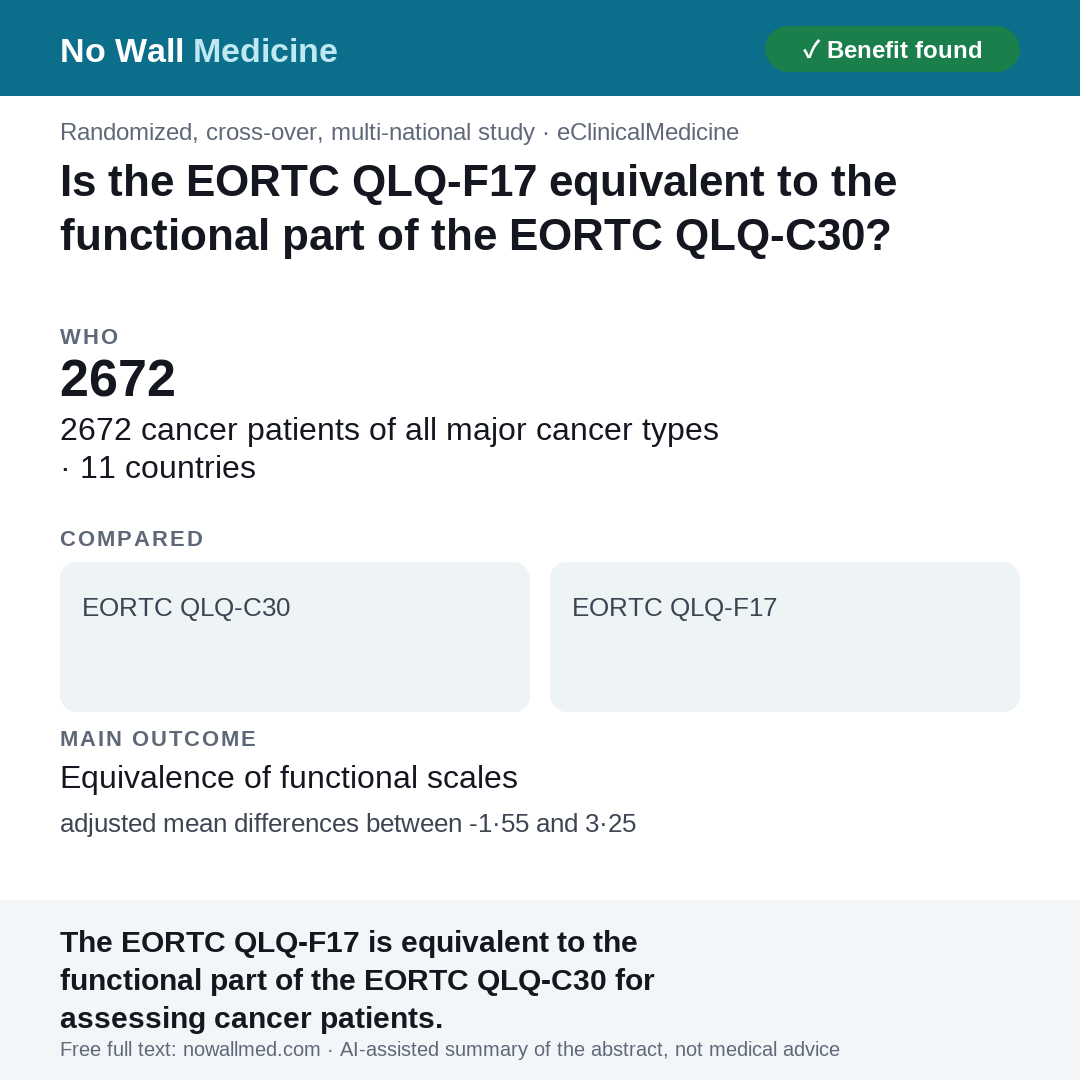
The EORTC QLQ-F17 as a shortened version of the EORTC QLQ-C30 to assess self-reported functioning in cancer patients: investigating equivalence and psychometric properties in a randomized cross-over trial
Randomized, cross-over, multi-national studyBenefit found
Is the EORTC QLQ-F17 equivalent to the functional part of the EORTC QLQ-C30?
Who
2672
2672 cancer patients of all major cancer types · 11 countries
Compared
EORTC QLQ-C30
EORTC QLQ-F17
Main outcome
Equivalence of functional scales
Result: adjusted mean differences between -1·55 and 3·25
Bottom line: The EORTC QLQ-F17 is equivalent to the functional part of the EORTC QLQ-C30 for assessing cancer patients.
Funded by: European Organisation for Research and Treatment of Cancer Quality of Life Group
eClinicalMedicine · 2025-06-03Download image
Robotic versus Electromagnetic Bronchoscopy for Peripheral Pulmonary Lesions: A Randomized Trial (RELIANT)
Cluster-randomized noninferiority trialBenefit found
Is robotic-assisted bronchoscopy noninferior to electromagnetic navigational bronchoscopy for peripheral pulmonary lesion evaluation?
Who
411
Patients undergoing diagnostic bronchoscopy for evaluation of a peripheral pulmonary lesion · Single-center
Compared
Robotic-assisted bronchoscopy: 158 of 203 (77.8%)
Electromagnetic navigational bronchoscopy: 157 of 208 (75.5%)
Main outcome
Diagnostic yield defined as proportion of cases yielding lesional tissue
Result: P value for noninferiority was 0.007
Bottom line: Robotic-assisted bronchoscopy was not inferior to electromagnetic navigation bronchoscopy for diagnostic yield in peripheral pulmonary lesions.
AJRCCM · 2025-06-03Download image

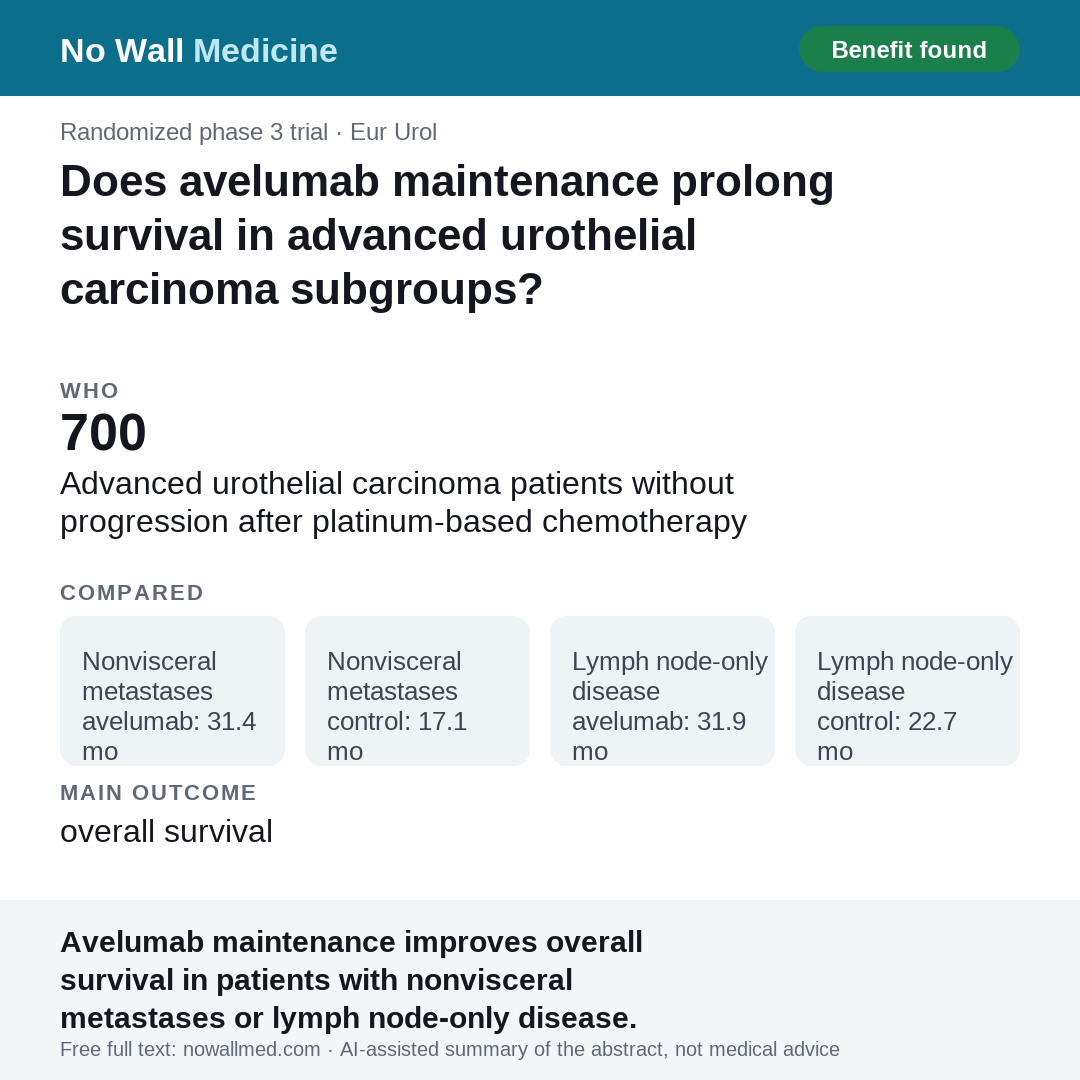
Avelumab First-line Maintenance for Advanced Urothelial Carcinoma: Long-term Outcomes from the JAVELIN Bladder 100 Trial in Patients with Nonvisceral or Lymph Node-only Disease
Randomized phase 3 trialBenefit found
Does avelumab maintenance prolong survival in advanced urothelial carcinoma subgroups?
Who
700
Advanced urothelial carcinoma patients without progression after platinum-based chemotherapy
Compared
Nonvisceral metastases avelumab: 31.4 mo
Nonvisceral metastases control: 17.1 mo
Lymph node-only disease avelumab: 31.9 mo
Lymph node-only disease control: 22.7 mo
Main outcome
overall survival
Result: hazard ratio 0.60 (95% CI 0.45-0.79) for nonvisceral metastases
Bottom line: Avelumab maintenance improves overall survival in patients with nonvisceral metastases or lymph node-only disease.
Limitation: Small sample sizes and the exploratory nature of analyses.
Eur Urol · 2025-06-03Download image
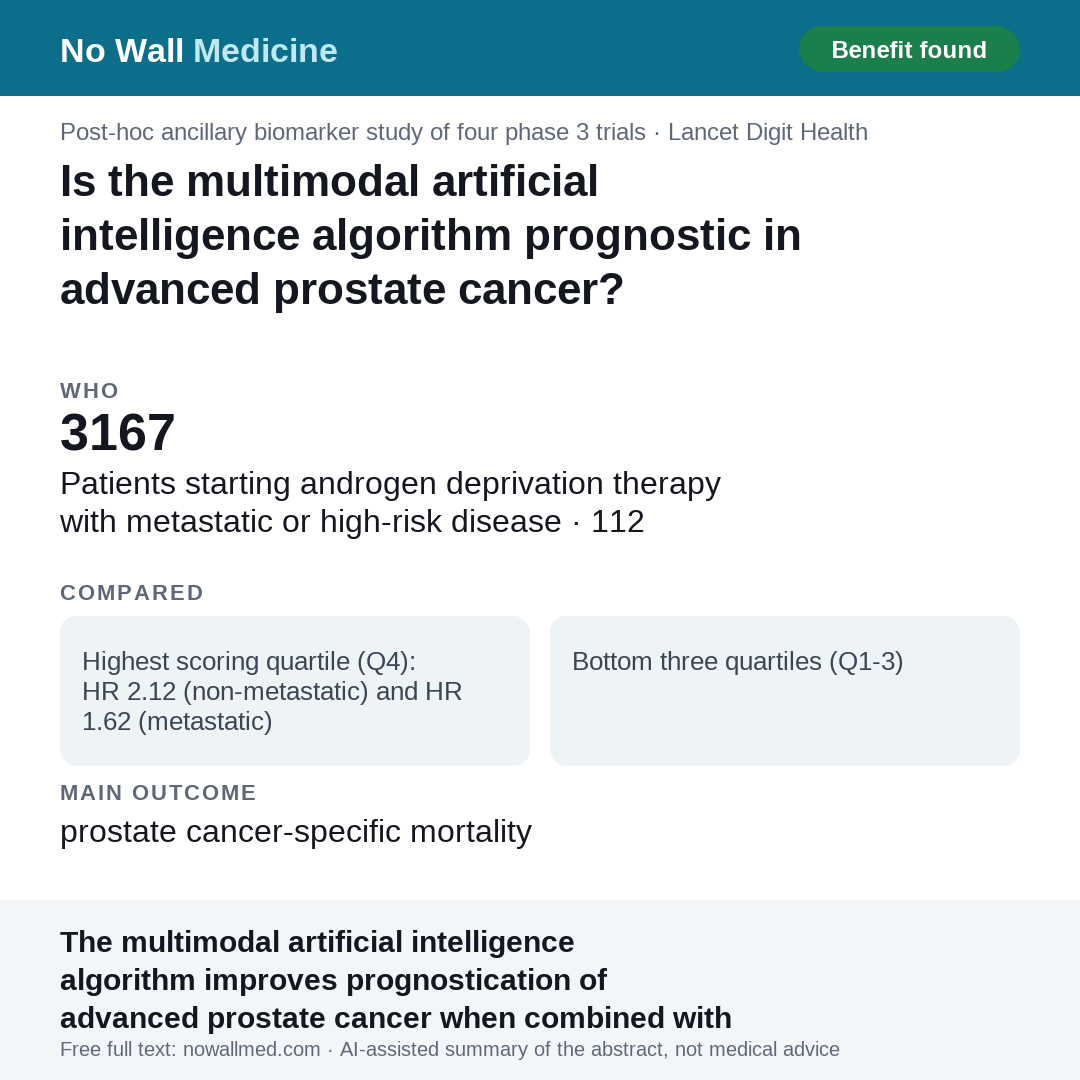
External validation of a digital pathology-based multimodal artificial intelligence-derived prognostic model in patients with advanced prostate cancer starting long-term androgen deprivation therapy: a post-hoc ancillary biomarker study of four phase 3 randomised controlled trials of the STAMPEDE platform protocol
Post-hoc ancillary biomarker study of four phase 3 trialsBenefit found
Is the multimodal artificial intelligence algorithm prognostic in advanced prostate cancer?
Who
3167
Patients starting androgen deprivation therapy with metastatic or high-risk disease · 112 sites
Compared
Highest scoring quartile (Q4): HR 2.12 (non-metastatic) and HR 1.62 (metastatic)
Bottom three quartiles (Q1-3)
Main outcome
prostate cancer-specific mortality
Result: hazard ratio 1.40 (95% CI 1.30-1.51)
Bottom line: The multimodal artificial intelligence algorithm improves prognostication of advanced prostate cancer when combined with disease burden.
Funded by: Prostate Cancer UK, UK Medical Research Council, Cancer Research UK
Lancet Digit Health · 2025-06-03Download image
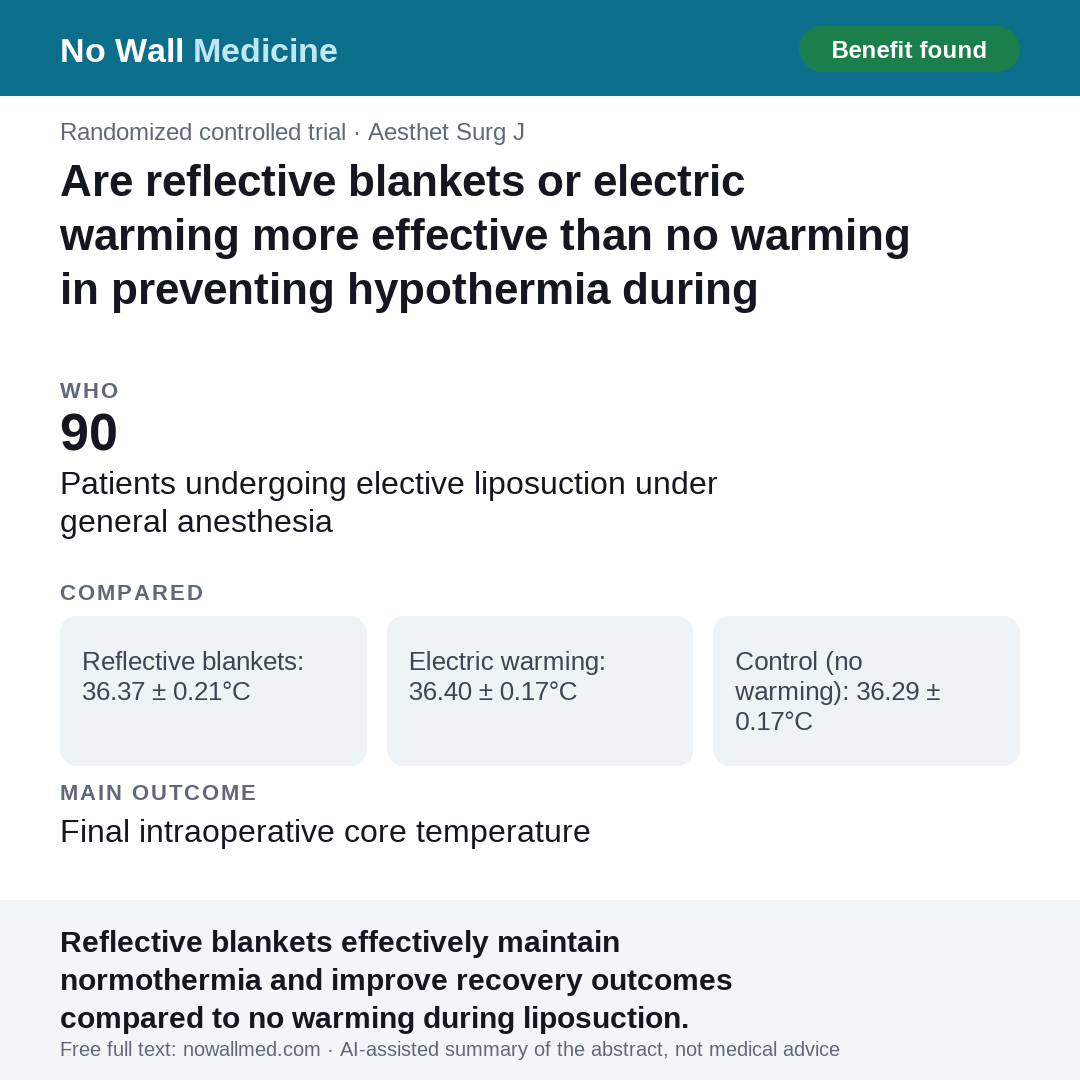
Reflective Blankets vs Electric Warming in Preventing Hypothermia During Liposuction: A Randomized Controlled Trial
Randomized controlled trialBenefit found
Are reflective blankets or electric warming more effective than no warming in preventing hypothermia during liposuction?
Who
90
Patients undergoing elective liposuction under general anesthesia
Compared
Reflective blankets: 36.37 ± 0.21°C
Electric warming: 36.40 ± 0.17°C
Control (no warming): 36.29 ± 0.17°C
Main outcome
Final intraoperative core temperature
Bottom line: Reflective blankets effectively maintain normothermia and improve recovery outcomes compared to no warming during liposuction.
Aesthet Surg J · 2025-06-03Download image