Visual abstracts
New randomized trials and meta-analyses from leading journals at a glance: who was studied, what was compared, and what was found. Every paper is free to read in full.
All specialtiesCardiology 4763Oncology 4043Gastroenterology & Hepatology 1903Infectious Disease 3756Neurology 1872Psychiatry & Mental Health 2216Pulmonology 2044Critical Care 1319Endocrinology & Diabetes 2544Pediatrics 2889Surgery 2480Orthopedics & Sports Medicine 917Neurosurgery 525Cardiothoracic & Vascular Surgery 656Plastic & Reconstructive Surgery 574Nephrology 1107Rheumatology 810Hematology 1090Dermatology 611Ophthalmology 532Obstetrics & Gynecology 1645Public & Global Health 1037Radiology & Imaging 619Anesthesiology 958Urology 745ENT (Otolaryngology) 494Emergency Medicine 481Allergy & Immunology 309Geriatrics 972Family Medicine & Primary Care 534Medical Genetics & Genomics 659Pathology & Laboratory Medicine 156Physical Medicine & Rehabilitation 734Palliative Care 421Nutrition 1560Digital Health & AI 2137General Medicine 318
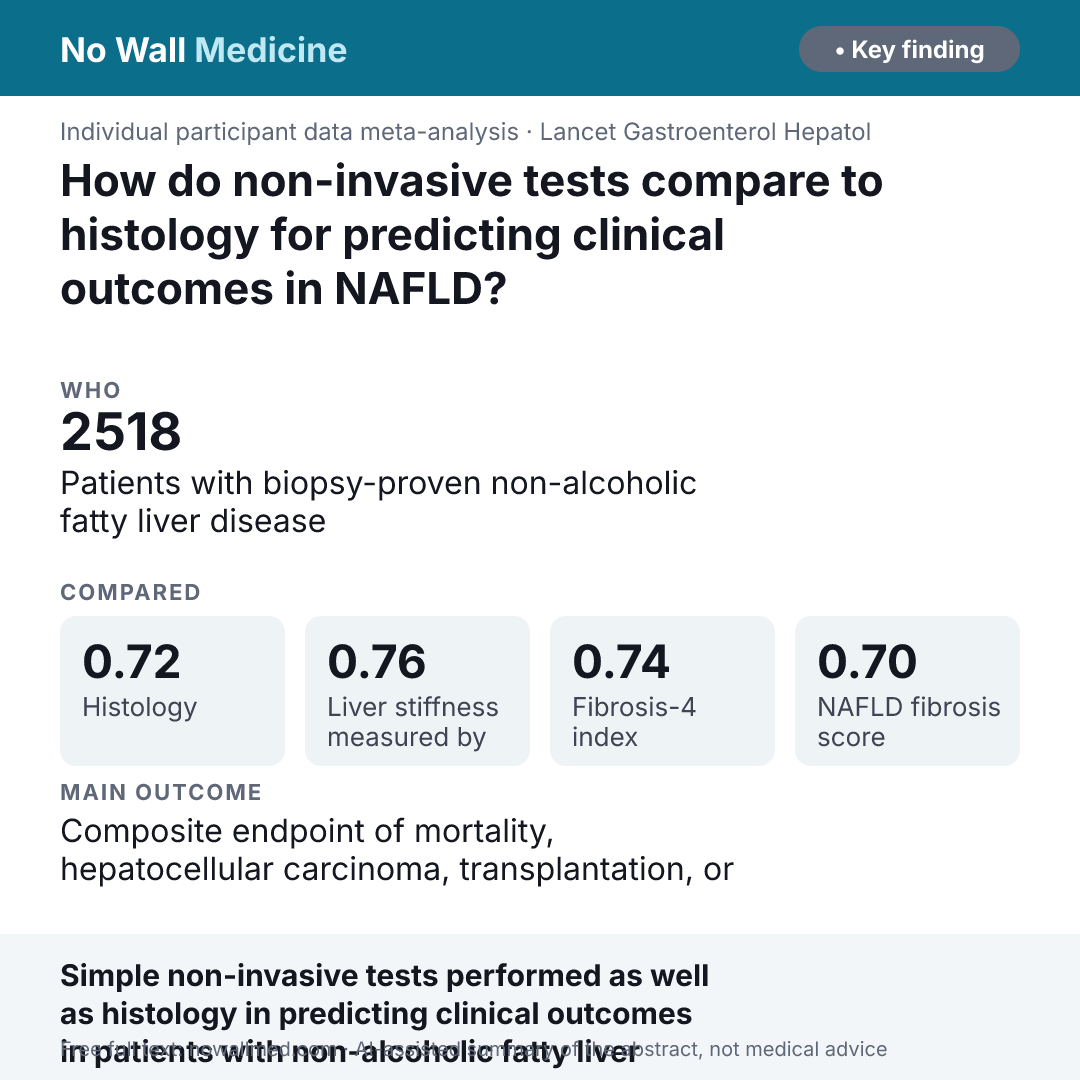
Performance of non-invasive tests and histology for the prediction of clinical outcomes in patients with non-alcoholic fatty liver disease: an individual participant data meta-analysis
Individual participant data meta-analysisKey finding
How do non-invasive tests compare to histology for predicting clinical outcomes in NAFLD?
Who
2518
Patients with biopsy-proven non-alcoholic fatty liver disease
Compared
0.72Histology (95% CI 0.62-0.81)
0.76Liver stiffness measured by vibration-controlled transient elastography (95% CI 0.70-0.83)
0.74Fibrosis-4 index (95% CI 0.64-0.82)
0.70NAFLD fibrosis score (95% CI 0.63-0.80)
Main outcome
Composite endpoint of mortality, hepatocellular carcinoma, transplantation, or cirrhosis complications
Result: tAUC at 5 years: histology 0.72 (95% CI 0.62-0.81), LSM-VCTE 0.76 (95% CI 0.70-0.83), FIB-4 0.74 (95% CI 0.64-0.82), NFS 0.70 (95% CI 0.63-0.80)
Bottom line: Simple non-invasive tests performed as well as histology in predicting clinical outcomes in patients with non-alcoholic fatty liver disease.
Funded by: Innovative Medicines Initiative 2
Lancet Gastroenterol Hepatol · 2023-06-05 · Save PNG
Mechanical Thrombectomy for Large Ischemic Stroke: A Systematic Review and Meta-analysis
Systematic review and meta-analysisBenefit found
Is mechanical thrombectomy effective and safe for large ischemic core large vessel occlusion stroke?
Who
Patients with large ischemic core and large vessel occlusion
Compared
Endovascular thrombectomy
Medical management
Main outcome
Independent ambulation (modified Rankin Scale 0-3)
Result: risk ratio 1.78 (95% CI 1.28-2.48)
Bottom line: Endovascular thrombectomy improves functional outcomes in large ischemic core stroke without increasing symptomatic intracranial hemorrhage risk.
Neurology · 2023-06-05 · Save PNG

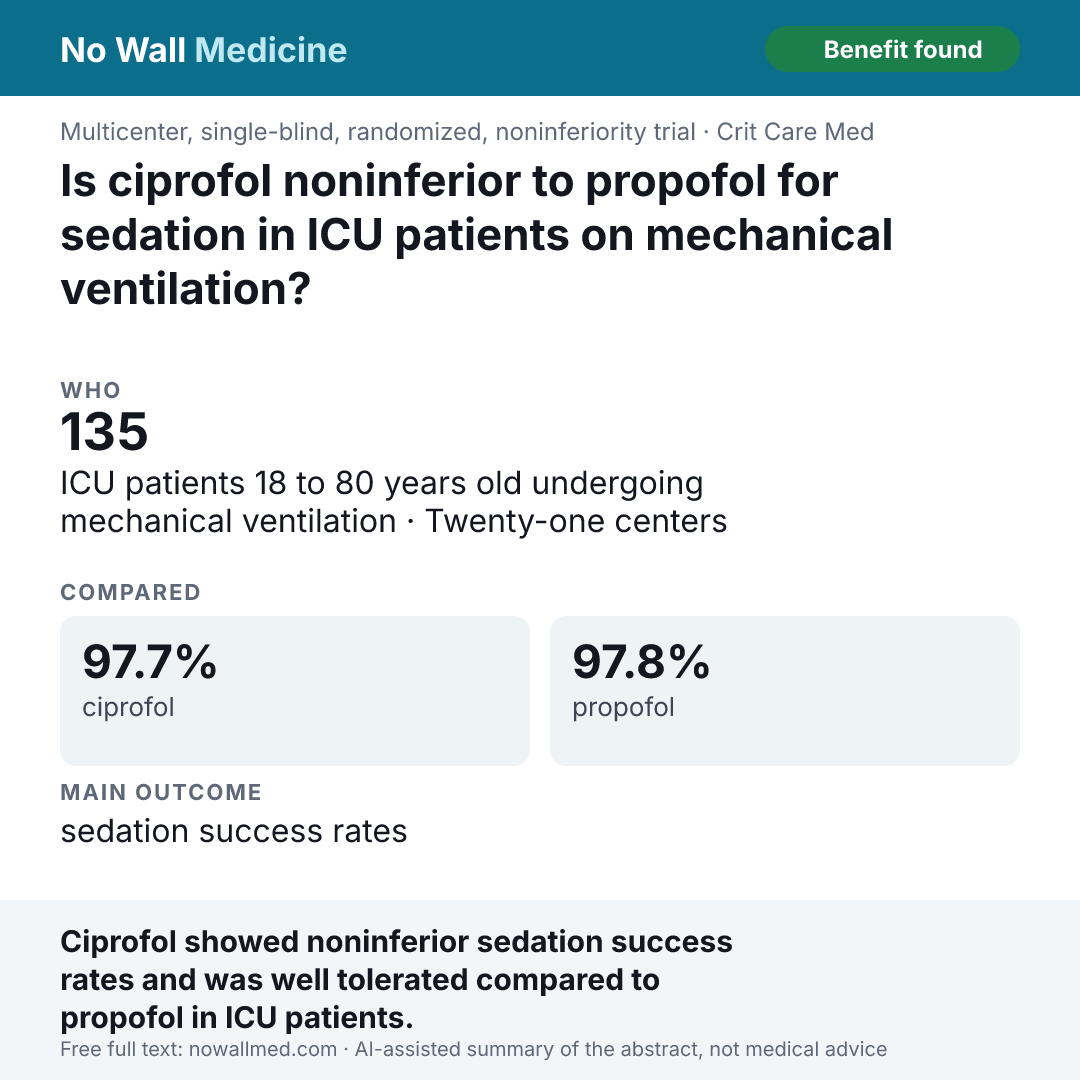
Efficacy and Safety of Ciprofol Sedation in ICU Patients Undergoing Mechanical Ventilation: A Multicenter, Single-Blind, Randomized, Noninferiority Trial
Multicenter, single-blind, randomized, noninferiority trialBenefit found
Is ciprofol noninferior to propofol for sedation in ICU patients on mechanical ventilation?
Who
135
ICU patients 18 to 80 years old undergoing mechanical ventilation · Twenty-one centers across China
Compared
97.7%ciprofol
97.8%propofol
Main outcome
sedation success rates
Result: inter-group difference 95% CI -5.98% and -4.32%
Bottom line: Ciprofol showed noninferior sedation success rates and was well tolerated compared to propofol in ICU patients.
Crit Care Med · 2023-06-05 · Save PNG
Connectivity Profile for Subthalamic Nucleus Deep Brain Stimulation in Early Stage Parkinson Disease
Pilot clinical trialUnclear result
What are the electrode localization and connectivity correlates for motor outcomes in early stage Parkinson disease?
Who
14
Early stage Parkinson disease subjects
Compared
Dorsolateral subthalamic nucleus stimulation
Modulating fiber tracts from SMA and M1
Main outcome
Motor progression and symptomatic motor improvement
Bottom line: Stimulating the dorsolateral subthalamic nucleus receiving input from motor cortex is associated with slower motor progression.
Ann Neurol · 2023-06-05 · Save PNG

The effect of mycoprotein intake on biomarkers of human health: a systematic review and meta-analysis
Systematic review and meta-analysisMixed results
What are the effects of mycoprotein intake on biomarkers of human health?
Who
178
Participants in randomized control trials
Compared
Mycoprotein
Nonmycoprotein control
Main outcome
Blood lipids, glucose, insulin, blood pressure, or body weight
Result: total cholesterol reduction -0.55 mmol/L (95% CI: -0.85 to -0.26)
Bottom line: Mycoprotein intake may reduce total cholesterol and 30 minute postprandial insulin, but evidence is limited.
Limitation: Small sample sizes and short intervention periods of the contributing trials.
Am J Clin Nutr · 2023-06-05 · Save PNG

Preoperative Treatment of Locally Advanced Rectal Cancer
Multicenter, unblinded, noninferiority, randomized trialBenefit found
Is neoadjuvant FOLFOX noninferior to chemoradiotherapy for locally advanced rectal cancer?
Who
1128
Adults with T2 node-positive, T3 node-negative, or T3 node-positive rectal cancer · Multicenter
Compared
80.8%Neoadjuvant FOLFOX (95% CI, 77.9 to 83.7)
78.6%Chemoradiotherapy (95% CI, 75.4 to 81.8)
Main outcome
Disease-free survival
Result: hazard ratio 0.92; 90.2% confidence interval [CI], 0.74 to 1.14
Bottom line: Preoperative FOLFOX was noninferior to chemoradiotherapy for disease-free survival in patients with locally advanced rectal cancer.
Funded by: National Cancer Institute
NEJM · 2023-06-04 · Save PNG

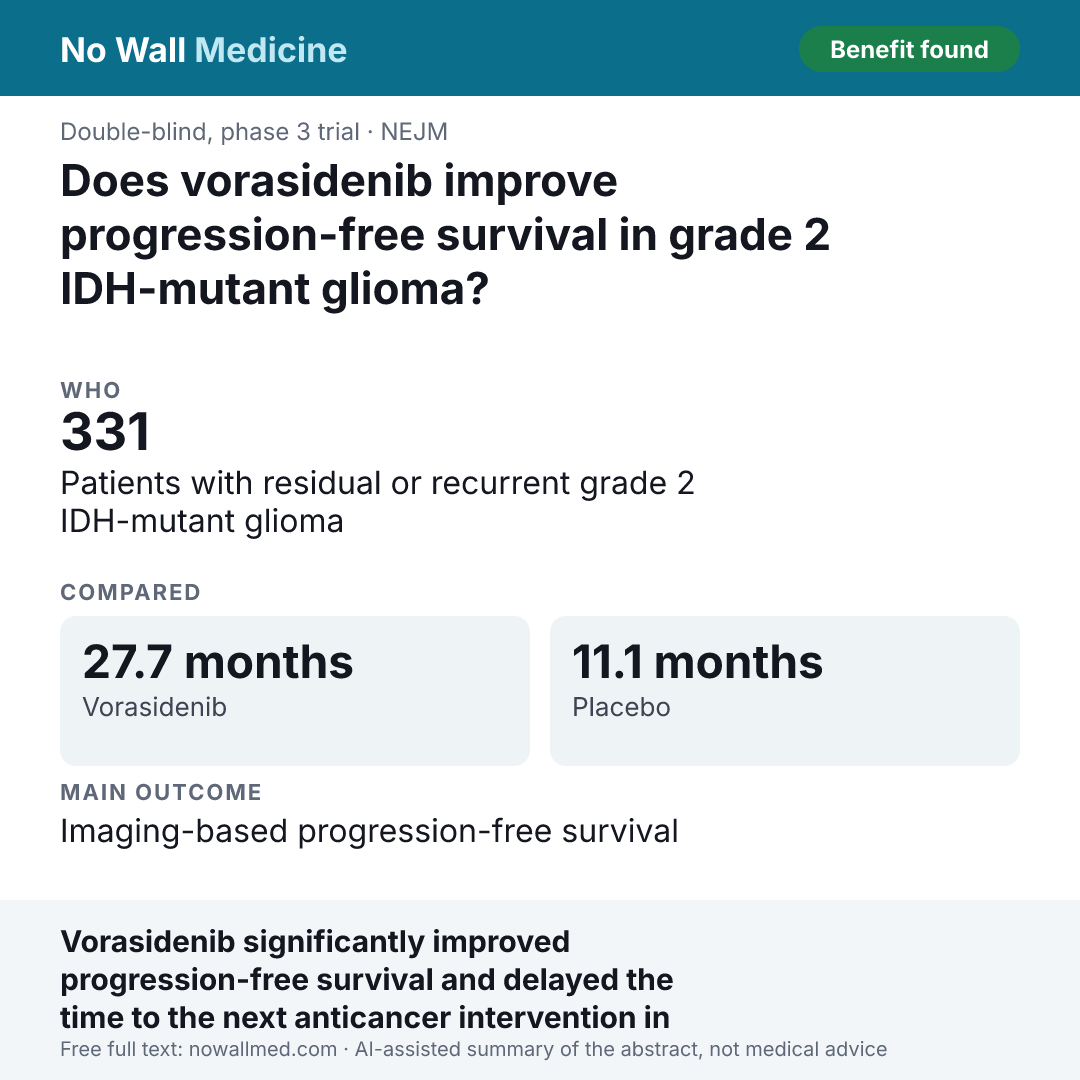
Vorasidenib in IDH1- or IDH2-Mutant Low-Grade Glioma
Double-blind, phase 3 trialBenefit found
Does vorasidenib improve progression-free survival in grade 2 IDH-mutant glioma?
Who
331
Patients with residual or recurrent grade 2 IDH-mutant glioma
Compared
27.7 monthsVorasidenib
11.1 monthsPlacebo
Main outcome
Imaging-based progression-free survival
Result: hazard ratio 0.39 (95% CI 0.27 to 0.56)
Bottom line: Vorasidenib significantly improved progression-free survival and delayed the time to the next anticancer intervention in grade 2 IDH-mutant glioma.
Funded by: Servier
NEJM · 2023-06-04 · Save PNG
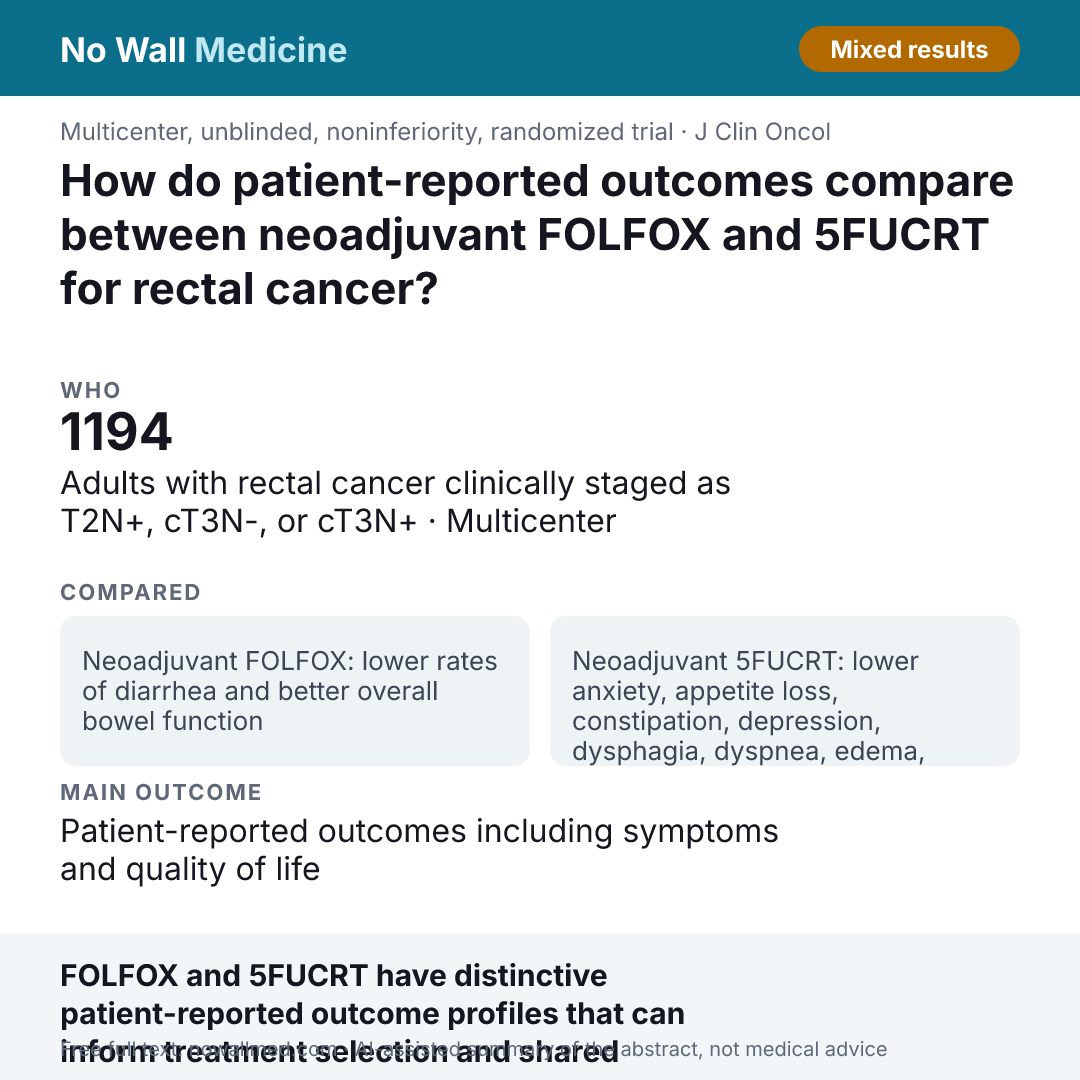
Patient-Reported Outcomes During and After Treatment for Locally Advanced Rectal Cancer in the PROSPECT Trial (Alliance N1048)
Multicenter, unblinded, noninferiority, randomized trialMixed results
How do patient-reported outcomes compare between neoadjuvant FOLFOX and 5FUCRT for rectal cancer?
Who
1194
Adults with rectal cancer clinically staged as T2N+, cT3N-, or cT3N+ · Multicenter
Compared
Neoadjuvant FOLFOX: lower rates of diarrhea and better overall bowel function
Neoadjuvant 5FUCRT: lower anxiety, appetite loss, constipation, depression, dysphagia, dyspnea, edema, fatigue, mucositis, nausea, neuropathy, and vomiting
Main outcome
Patient-reported outcomes including symptoms and quality of life
Bottom line: FOLFOX and 5FUCRT have distinctive patient-reported outcome profiles that can inform treatment selection and shared decision making.
J Clin Oncol · 2023-06-04 · Save PNG
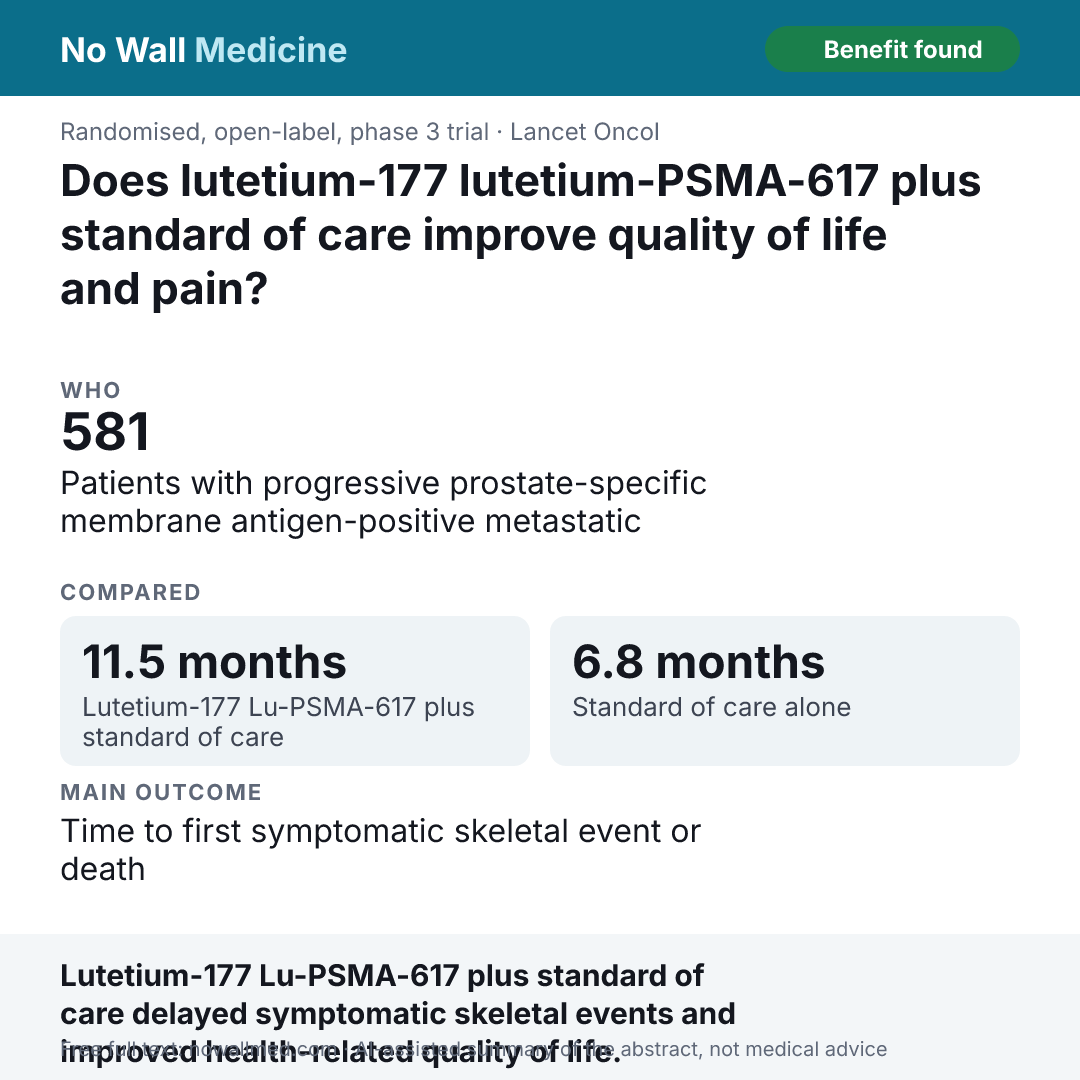
Health-related quality of life and pain outcomes with [177Lu]Lu-PSMA-617 plus standard of care versus standard of care in patients with metastatic castration-resistant prostate cancer (VISION): a multicentre, open-label, randomised, phase 3 trial
Randomised, open-label, phase 3 trialBenefit found
Does lutetium-177 lutetium-PSMA-617 plus standard of care improve quality of life and pain?
Who
581
Patients with progressive prostate-specific membrane antigen-positive metastatic castration-resistant prostate cancer · 84 cancer centres in nine countries
Compared
11.5 monthsLutetium-177 Lu-PSMA-617 plus standard of care
6.8 monthsStandard of care alone
Main outcome
Time to first symptomatic skeletal event or death
Result: hazard ratio 0.50, 95% CI 0.40-0.62
Bottom line: Lutetium-177 Lu-PSMA-617 plus standard of care delayed symptomatic skeletal events and improved health-related quality of life.
Lancet Oncol · 2023-06-04 · Save PNG
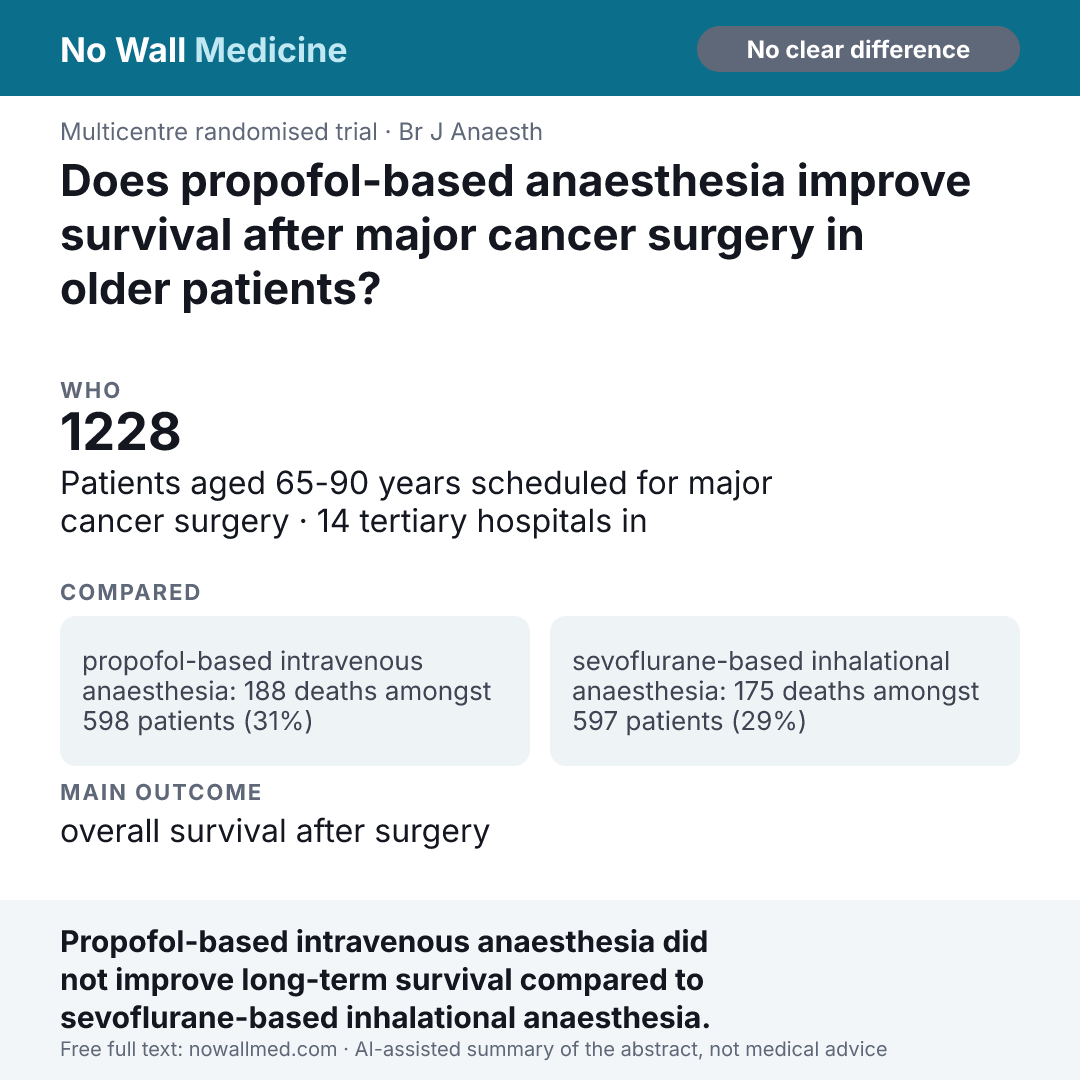
Long-term survival in older patients given propofol or sevoflurane anaesthesia for major cancer surgery: follow-up of a multicentre randomised trial
Multicentre randomised trialNo clear difference
Does propofol-based anaesthesia improve survival after major cancer surgery in older patients?
Who
1228
Patients aged 65-90 years scheduled for major cancer surgery · 14 tertiary hospitals in China
Compared
propofol-based intravenous anaesthesia: 188 deaths amongst 598 patients (31%)
sevoflurane-based inhalational anaesthesia: 175 deaths amongst 597 patients (29%)
Main outcome
overall survival after surgery
Result: adjusted hazard ratio 1.02 (95% CI 0.83-1.26)
Bottom line: Propofol-based intravenous anaesthesia did not improve long-term survival compared to sevoflurane-based inhalational anaesthesia.
Br J Anaesth · 2023-06-04 · Save PNG
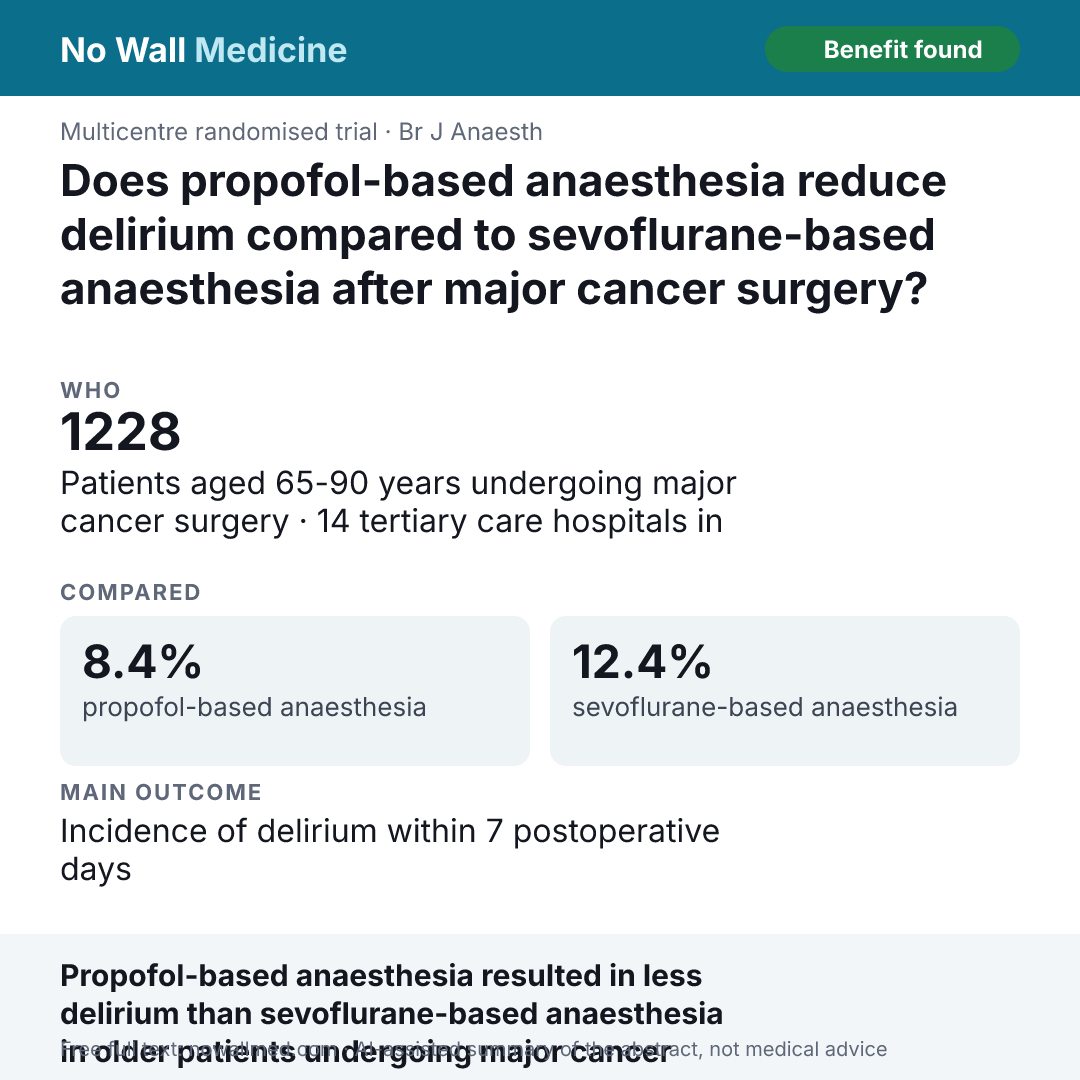
Delirium in older patients given propofol or sevoflurane anaesthesia for major cancer surgery: a multicentre randomised trial
Multicentre randomised trialBenefit found
Does propofol-based anaesthesia reduce delirium compared to sevoflurane-based anaesthesia after major cancer surgery?
Who
1228
Patients aged 65-90 years undergoing major cancer surgery · 14 tertiary care hospitals in China
Compared
8.4%propofol-based anaesthesia (50/597)
12.4%sevoflurane-based anaesthesia (74/597)
Main outcome
Incidence of delirium within 7 postoperative days
Result: relative risk 0.68 (95% CI 0.48-0.95)
Bottom line: Propofol-based anaesthesia resulted in less delirium than sevoflurane-based anaesthesia in older patients undergoing major cancer surgery.
Br J Anaesth · 2023-06-04 · Save PNG
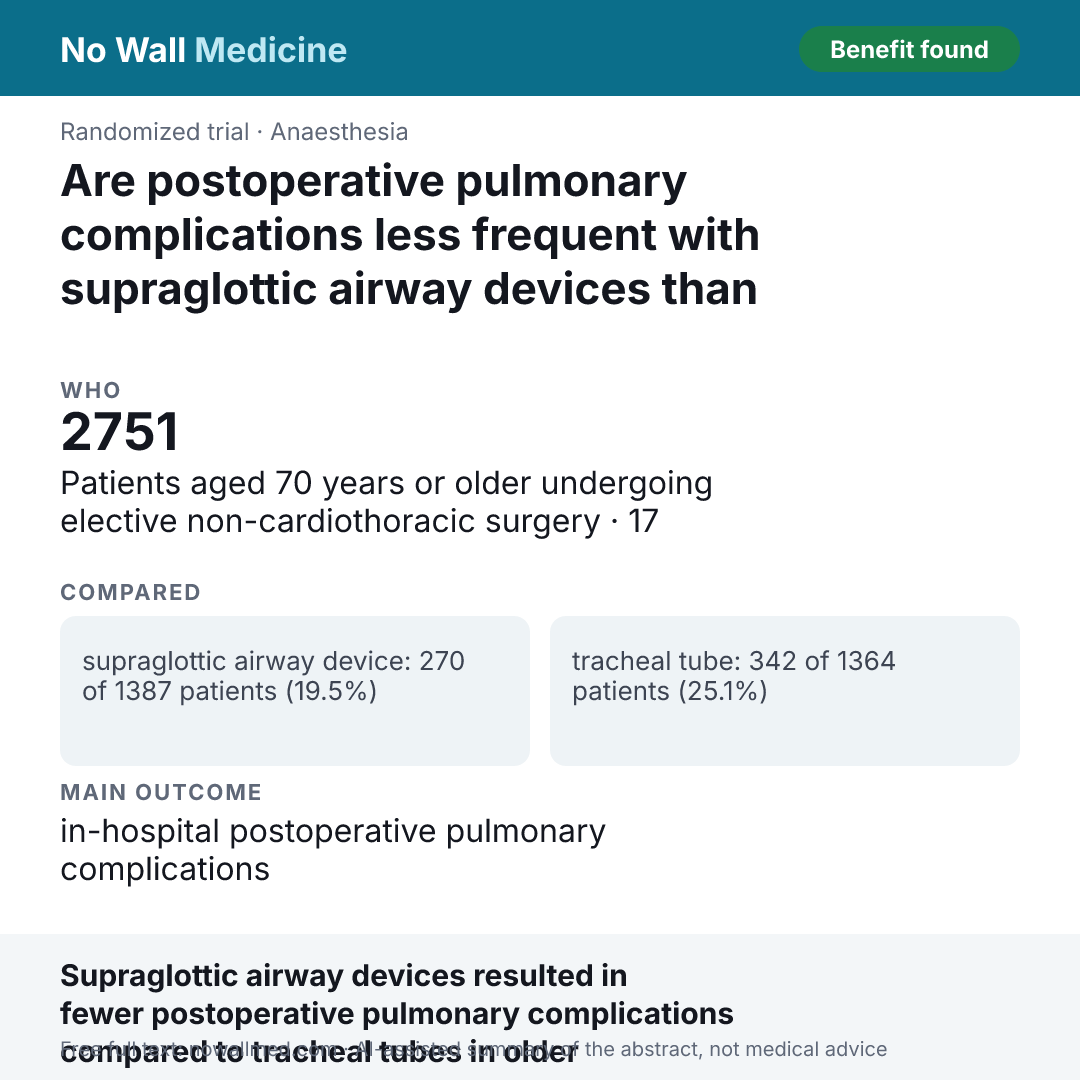
Postoperative pulmonary complications in older patients undergoing elective surgery with a supraglottic airway device or tracheal intubation
Randomized trialBenefit found
Are postoperative pulmonary complications less frequent with supraglottic airway devices than tracheal tubes?
Who
2751
Patients aged 70 years or older undergoing elective non-cardiothoracic surgery · 17 clinical centres
Compared
supraglottic airway device: 270 of 1387 patients (19.5%)
tracheal tube: 342 of 1364 patients (25.1%)
Main outcome
in-hospital postoperative pulmonary complications
Result: risk ratio 0.78 (95% CI 0.67-0.89)
Bottom line: Supraglottic airway devices resulted in fewer postoperative pulmonary complications compared to tracheal tubes in older patients.
Anaesthesia · 2023-06-04 · Save PNG
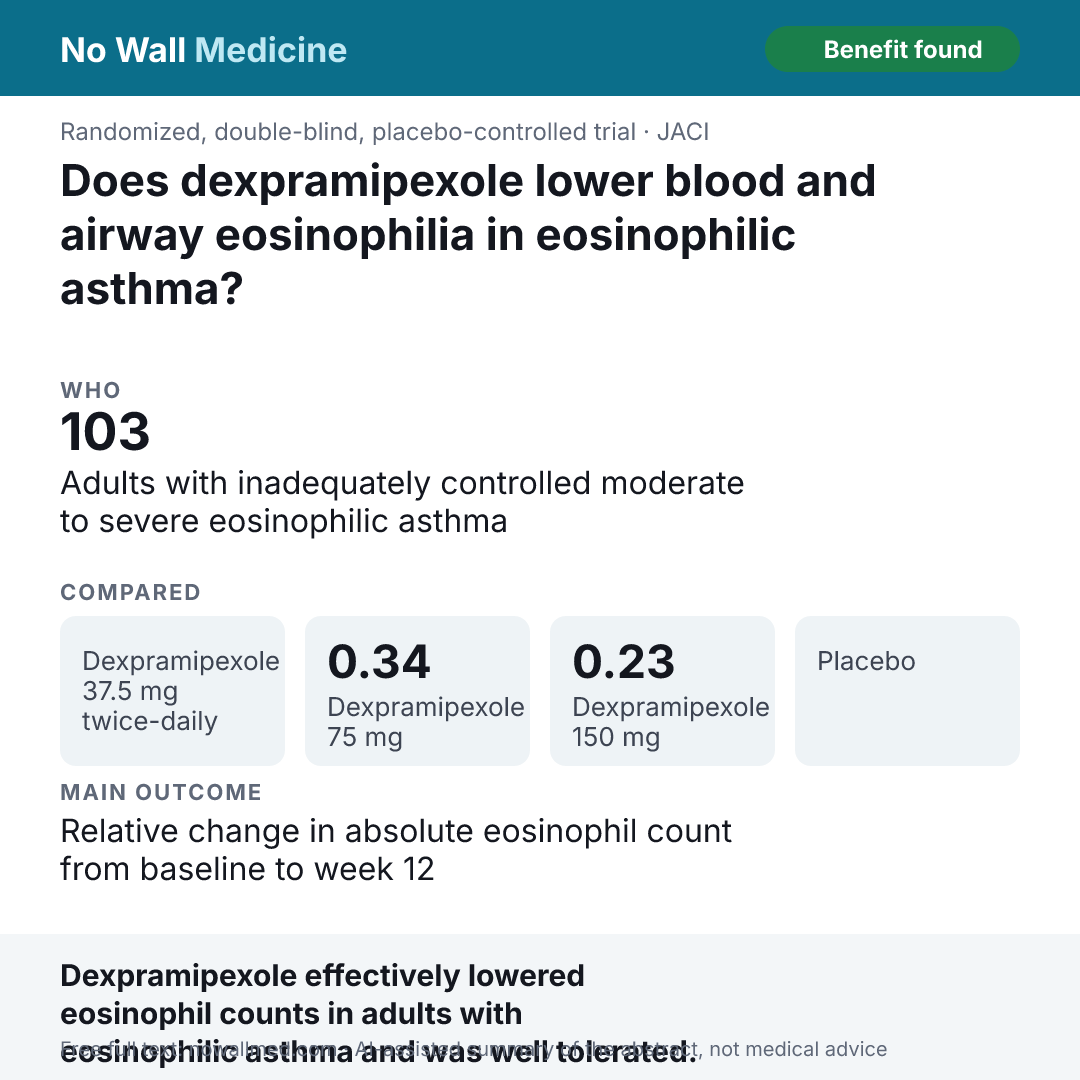
Safety and Efficacy of Dexpramipexole in Eosinophilic Asthma (EXHALE): A randomized controlled trial
Randomized, double-blind, placebo-controlled trialBenefit found
Does dexpramipexole lower blood and airway eosinophilia in eosinophilic asthma?
Who
103
Adults with inadequately controlled moderate to severe eosinophilic asthma
Compared
Dexpramipexole 37.5 mg twice-daily
0.34Dexpramipexole 75 mg twice-daily (95% CI, 0.18-0.65)
0.23Dexpramipexole 150 mg twice-daily (95% CI, 0.12-0.43)
Placebo
Main outcome
Relative change in absolute eosinophil count from baseline to week 12
Result: ratio 0.23 (95% CI, 0.12-0.43) for 150-mg dose
Bottom line: Dexpramipexole effectively lowered eosinophil counts in adults with eosinophilic asthma and was well tolerated.
JACI · 2023-06-03 · Save PNG
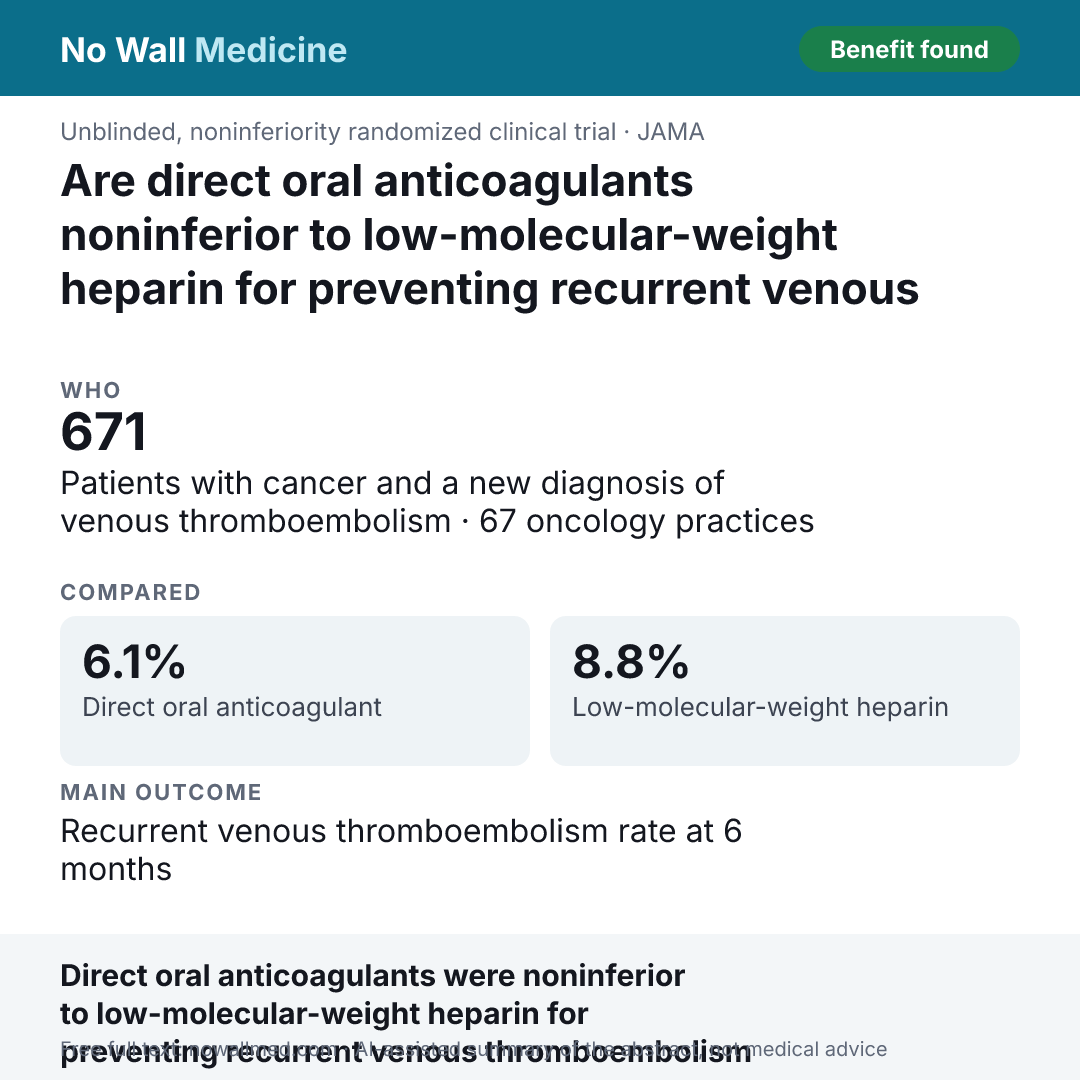
Direct Oral Anticoagulants vs Low-Molecular-Weight Heparin and Recurrent VTE in Patients With Cancer: A Randomized Clinical Trial
Unblinded, noninferiority randomized clinical trialBenefit found
Are direct oral anticoagulants noninferior to low-molecular-weight heparin for preventing recurrent venous thromboembolism in cancer patients?
Who
671
Patients with cancer and a new diagnosis of venous thromboembolism · 67 oncology practices in the United States
Compared
6.1%Direct oral anticoagulant
8.8%Low-molecular-weight heparin
Main outcome
Recurrent venous thromboembolism rate at 6 months
Result: difference, -2.7%; 1-sided 95% CI, -100% to 0.7%
Bottom line: Direct oral anticoagulants were noninferior to low-molecular-weight heparin for preventing recurrent venous thromboembolism in patients with cancer.
JAMA · 2023-06-02 · Save PNG
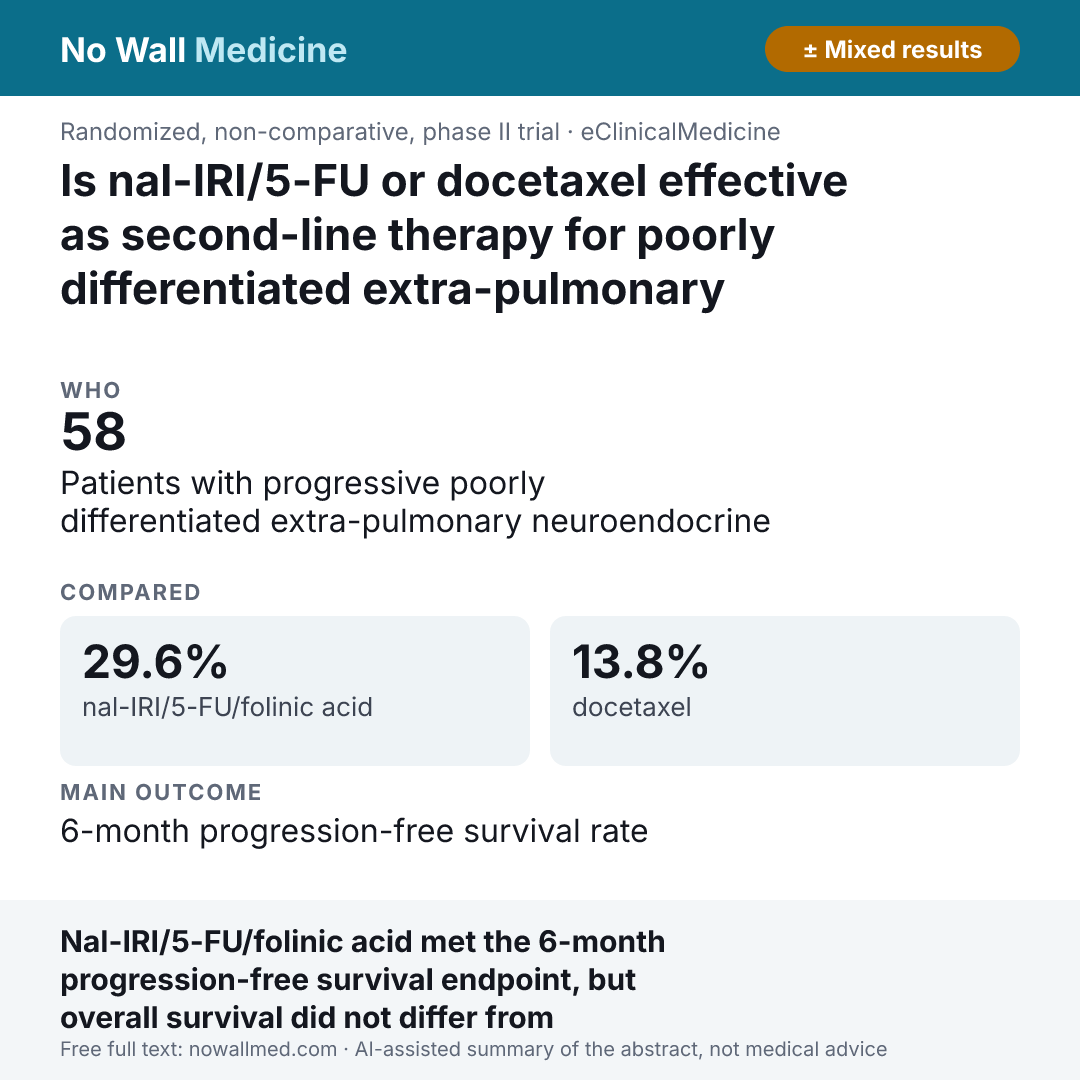
NET-02: a randomised, non-comparative, phase II trial of nal-IRI/5-FU or docetaxel as second-line therapy in patients with progressive poorly differentiated extra-pulmonary neuroendocrine carcinoma
Randomized, non-comparative, phase II trialMixed results
Is nal-IRI/5-FU or docetaxel effective as second-line therapy for poorly differentiated extra-pulmonary neuroendocrine carcinoma?
Who
58
Patients with progressive poorly differentiated extra-pulmonary neuroendocrine carcinoma
Compared
29.6%nal-IRI/5-FU/folinic acid (lower 95% Confidence-Limit 15.7)
13.8%docetaxel (lower 95%CL:4.9)
Main outcome
6-month progression-free survival rate
Bottom line: Nal-IRI/5-FU/folinic acid met the 6-month progression-free survival endpoint, but overall survival did not differ from docetaxel.
Funded by: Servier
eClinicalMedicine · 2023-06-02 · Save PNG
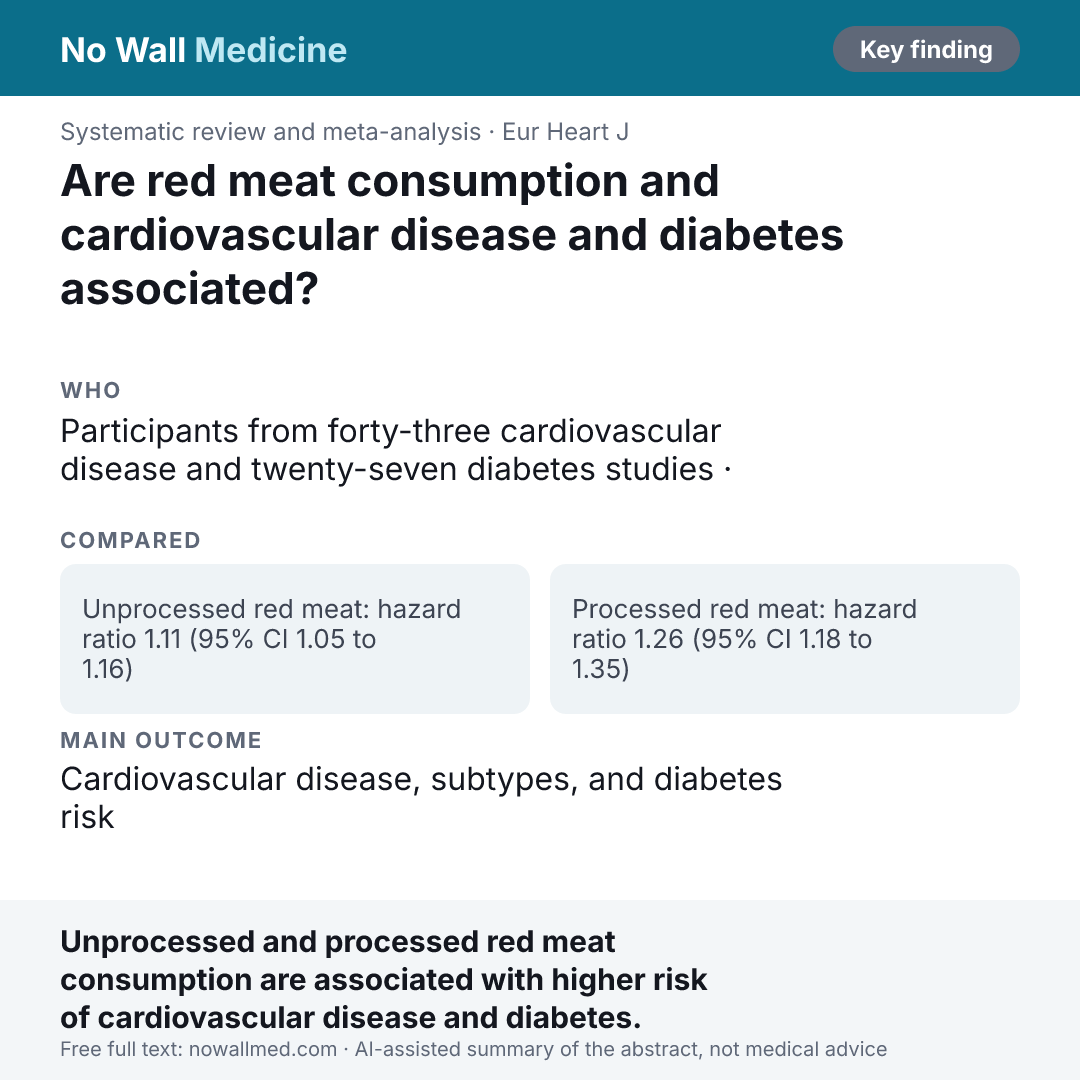
Red meat consumption, cardiovascular diseases, and diabetes: a systematic review and meta-analysis
Systematic review and meta-analysisKey finding
Are red meat consumption and cardiovascular disease and diabetes associated?
Who
Participants from forty-three cardiovascular disease and twenty-seven diabetes studies · Western and eastern settings
Compared
Unprocessed red meat: hazard ratio 1.11 (95% CI 1.05 to 1.16)
Processed red meat: hazard ratio 1.26 (95% CI 1.18 to 1.35)
Main outcome
Cardiovascular disease, subtypes, and diabetes risk
Result: hazard ratio 1.11 (95% CI 1.05 to 1.16) for unprocessed red meat
Bottom line: Unprocessed and processed red meat consumption are associated with higher risk of cardiovascular disease and diabetes.
Limitation: Better understanding of the mechanisms is needed.
Eur Heart J · 2023-06-02 · Save PNG
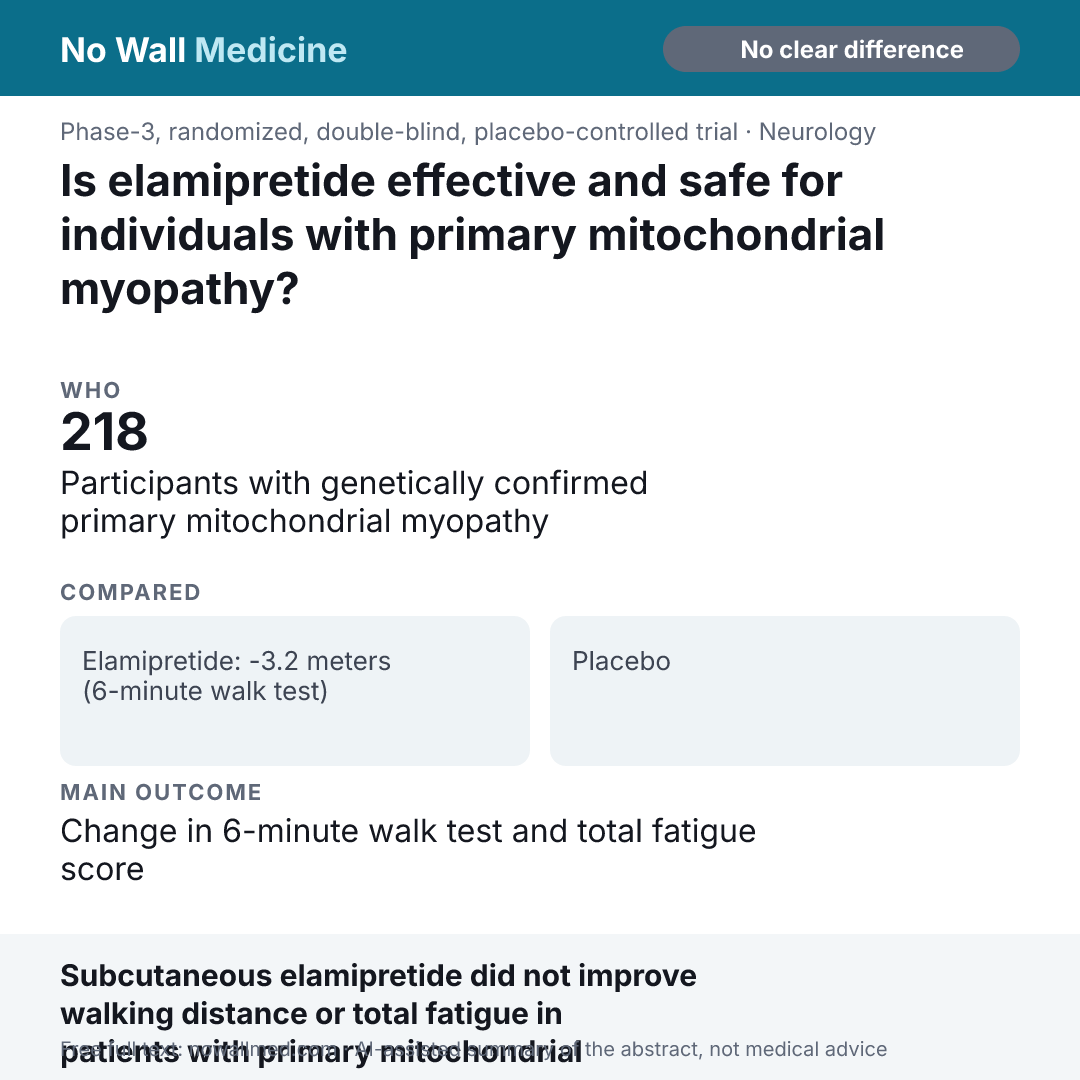
Efficacy and Safety of Elamipretide in Individuals With Primary Mitochondrial Myopathy: The MMPOWER-3 Randomized Clinical Trial
Phase-3, randomized, double-blind, placebo-controlled trialNo clear difference
Is elamipretide effective and safe for individuals with primary mitochondrial myopathy?
Who
218
Participants with genetically confirmed primary mitochondrial myopathy
Compared
Elamipretide: -3.2 meters (6-minute walk test)
Placebo
Main outcome
Change in 6-minute walk test and total fatigue score
Result: -3.2 (95% CI -18.7 to 12.3) meters
Bottom line: Subcutaneous elamipretide did not improve walking distance or total fatigue in patients with primary mitochondrial myopathy.
Neurology · 2023-06-02 · Save PNG
Personality change in a trial of psilocybin therapy v. escitalopram treatment for depression
Phase 2, double-blind, randomized, active comparator controlled trialNo clear difference
Does psilocybin therapy cause different personality changes compared to escitalopram for depression?
Who
patients with moderate-to-severe major depressive disorder
Compared
Psilocybin therapy: neuroticism (B = -0.63), introversion (B = -0.38), disagreeableness (B = -0.47), impulsivity (B = -0.40), absorption (B = 0.32), conscientiousness (B = 0.30), openness (B = 0.23)
Escitalopram treatment: neuroticism (B = -0.38), disagreeableness (B = -0.26), impulsivity (B = -0.35), openness (B = 0.28)
Main outcome
Five-Factor model personality domains and Big Five Aspect Scale
Bottom line: Both psilocybin and escitalopram were associated with personality changes consistent with improved mental health.
Limitation: No compelling between-condition differences were observed regarding selective action on personality.
Psychol Med · 2023-06-02 · Save PNG

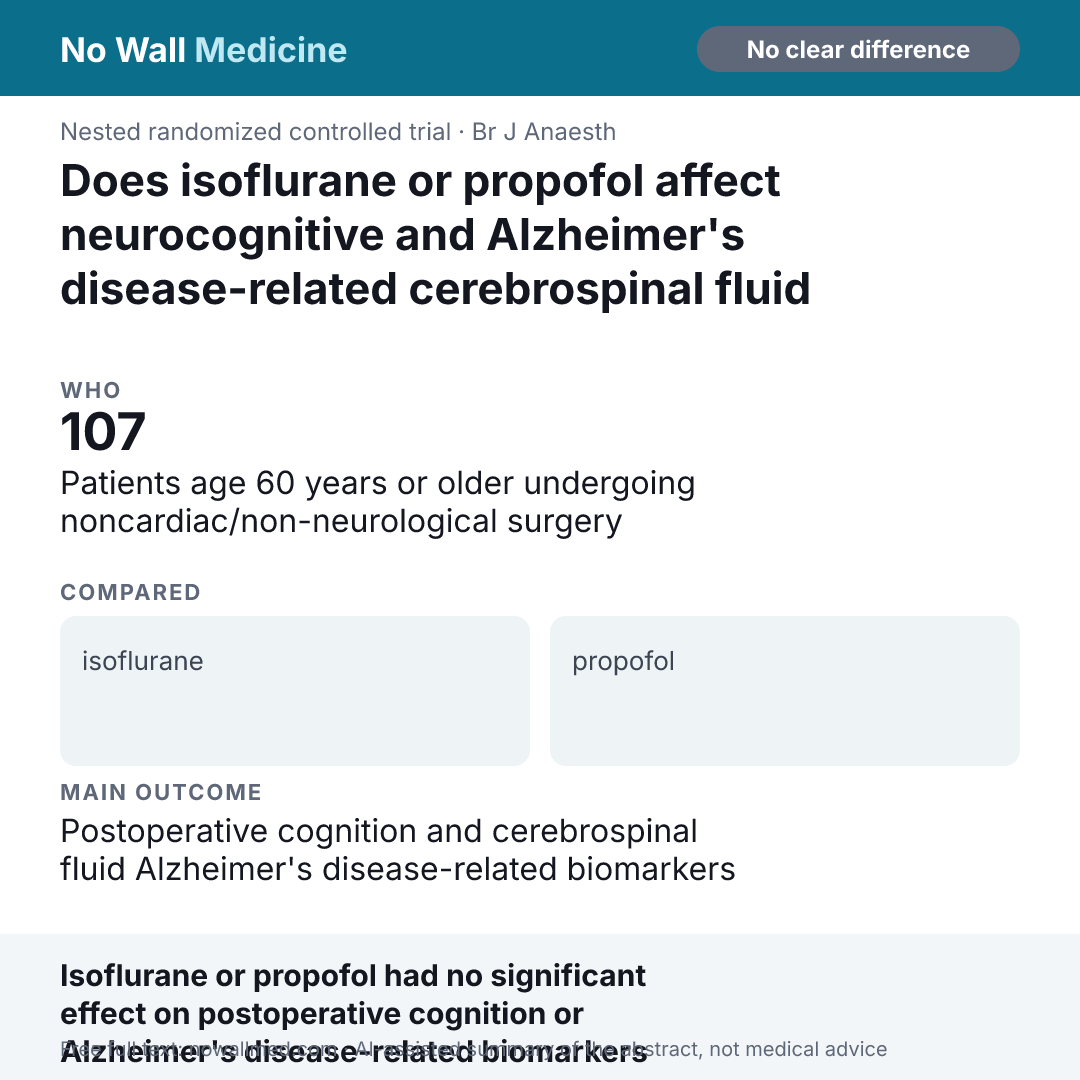
Perioperative changes in neurocognitive and Alzheimer's disease-related cerebrospinal fluid biomarkers in older patients randomised to isoflurane or propofol for anaesthetic maintenance
Nested randomized controlled trialNo clear difference
Does isoflurane or propofol affect neurocognitive and Alzheimer's disease-related cerebrospinal fluid biomarkers?
Who
107
Patients age 60 years or older undergoing noncardiac/non-neurological surgery
Compared
isoflurane
propofol
Main outcome
Postoperative cognition and cerebrospinal fluid Alzheimer's disease-related biomarkers
Result: mean difference 0.01 (95% confidence interval: -0.12 to 0.13)
Bottom line: Isoflurane or propofol had no significant effect on postoperative cognition or Alzheimer's disease-related biomarkers within 6 weeks.
Br J Anaesth · 2023-06-02 · Save PNG
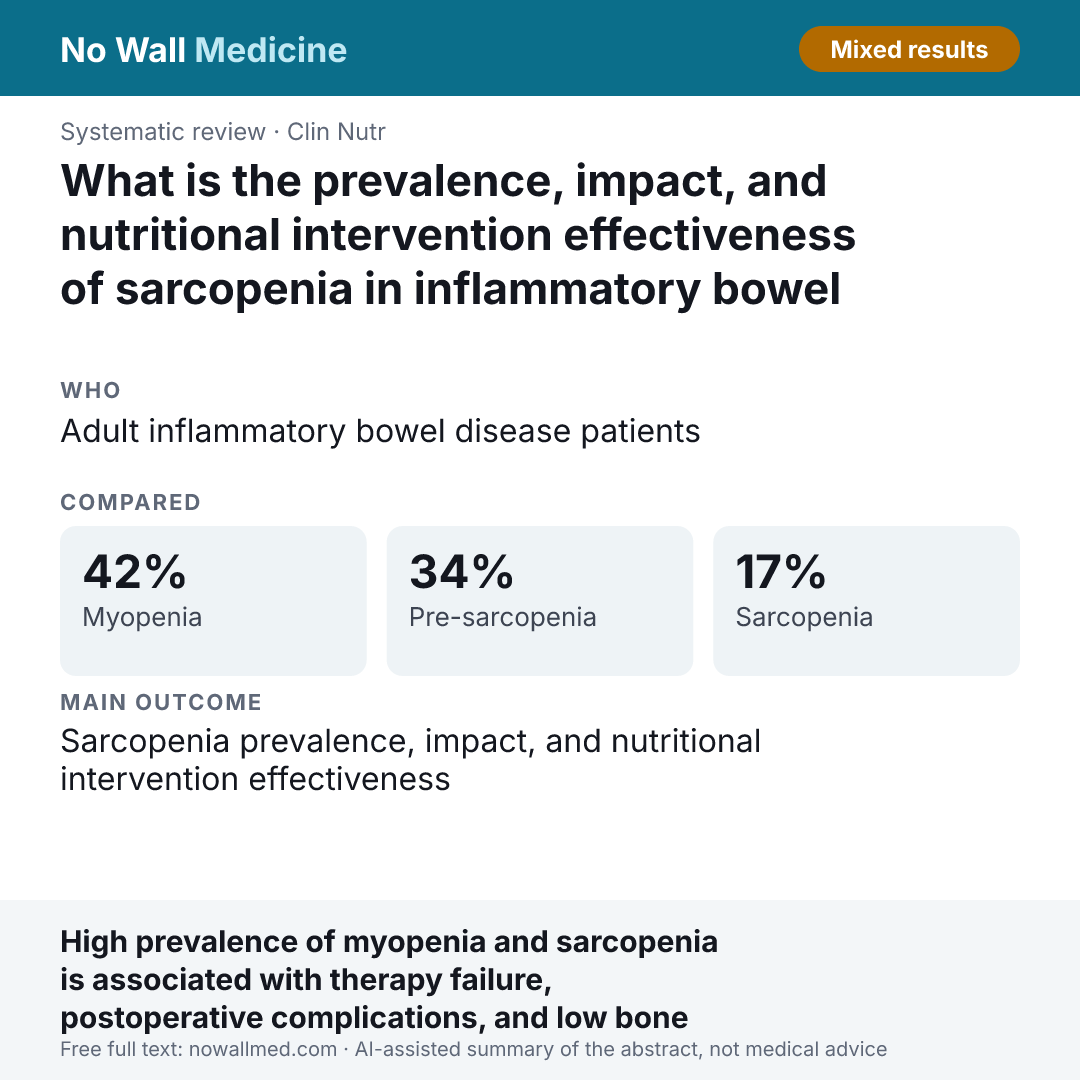
Systematic review of sarcopenia in inflammatory bowel disease
Systematic reviewMixed results
What is the prevalence, impact, and nutritional intervention effectiveness of sarcopenia in inflammatory bowel disease?
Who
Adult inflammatory bowel disease patients
Compared
42%Myopenia
34%Pre-sarcopenia
17%Sarcopenia
Main outcome
Sarcopenia prevalence, impact, and nutritional intervention effectiveness
Bottom line: High prevalence of myopenia and sarcopenia is associated with therapy failure, postoperative complications, and low bone mineral density.
Clin Nutr · 2023-06-02 · Save PNG