Visual abstracts
New randomized trials and meta-analyses from leading journals at a glance: who was studied, what was compared, and what was found. Every paper is free to read in full.
All specialtiesCardiology 857Oncology 770Gastroenterology & Hepatology 311Infectious Disease 626Neurology 354Psychiatry & Mental Health 430Pulmonology 370Critical Care 260Endocrinology & Diabetes 484Pediatrics 542Surgery 351Orthopedics & Sports Medicine 166Neurosurgery 115Cardiothoracic & Vascular Surgery 87Plastic & Reconstructive Surgery 144Nephrology 197Rheumatology 108Hematology 183Dermatology 82Ophthalmology 97Obstetrics & Gynecology 266Public & Global Health 168Radiology & Imaging 105Anesthesiology 130Urology 162ENT (Otolaryngology) 115Emergency Medicine 103Allergy & Immunology 58Geriatrics 160Family Medicine & Primary Care 111Medical Genetics & Genomics 91Pathology & Laboratory Medicine 27Physical Medicine & Rehabilitation 149Palliative Care 81Nutrition 223Digital Health & AI 462General Medicine 101
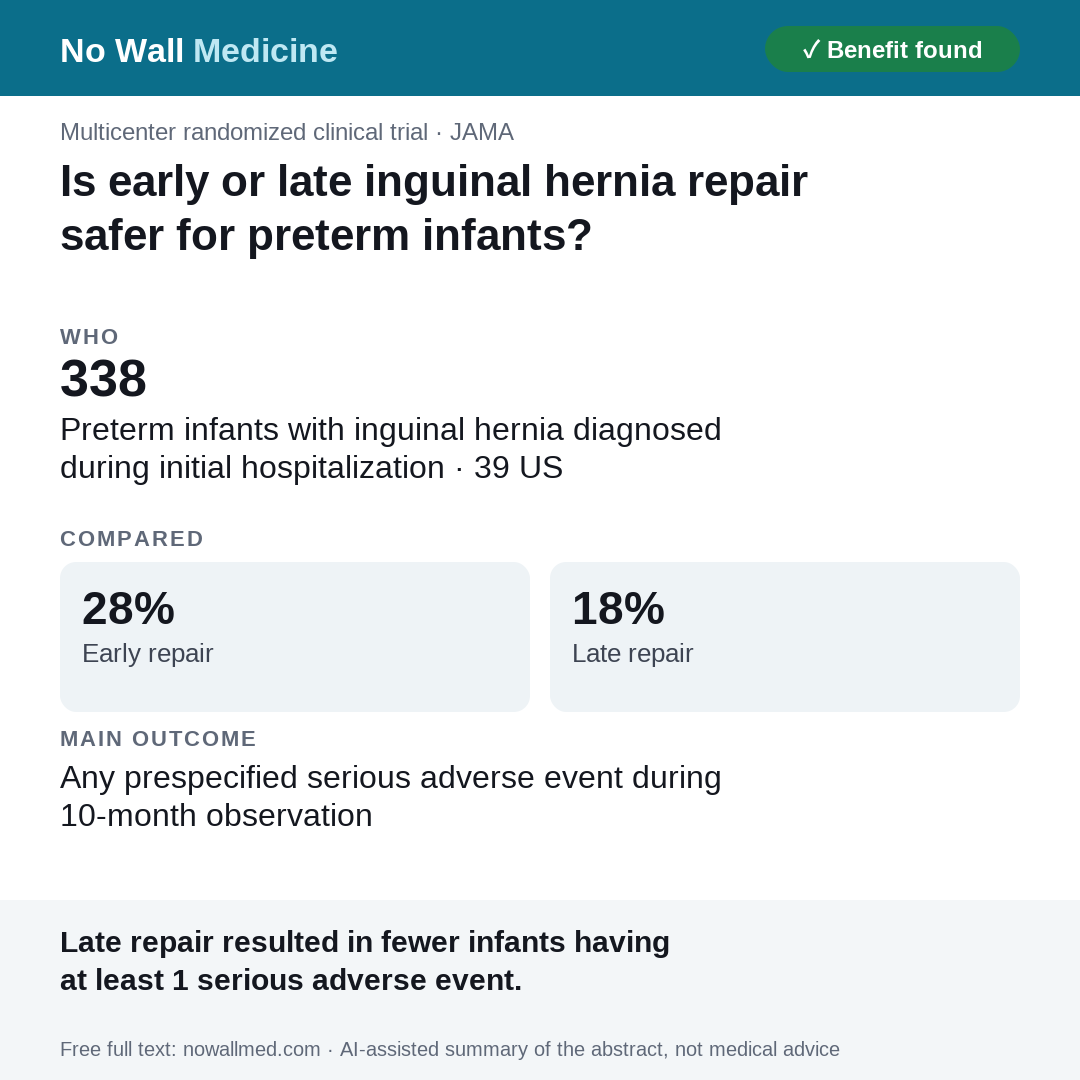
Effect of Early vs Late Inguinal Hernia Repair on Serious Adverse Event Rates in Preterm Infants: A Randomized Clinical Trial
Multicenter randomized clinical trialBenefit found
Is early or late inguinal hernia repair safer for preterm infants?
Who
338
Preterm infants with inguinal hernia diagnosed during initial hospitalization · 39 US hospitals
Compared
28%Early repair (159/149)
18%Late repair (149/149)
Main outcome
Occurrence of any prespecified serious adverse event
Result: risk difference, -7.9% (95% credible interval, -16.9% to 0%)
Bottom line: Late inguinal hernia repair resulted in fewer serious adverse events among preterm infants compared to early repair.
JAMA · 2024-03-26Download image
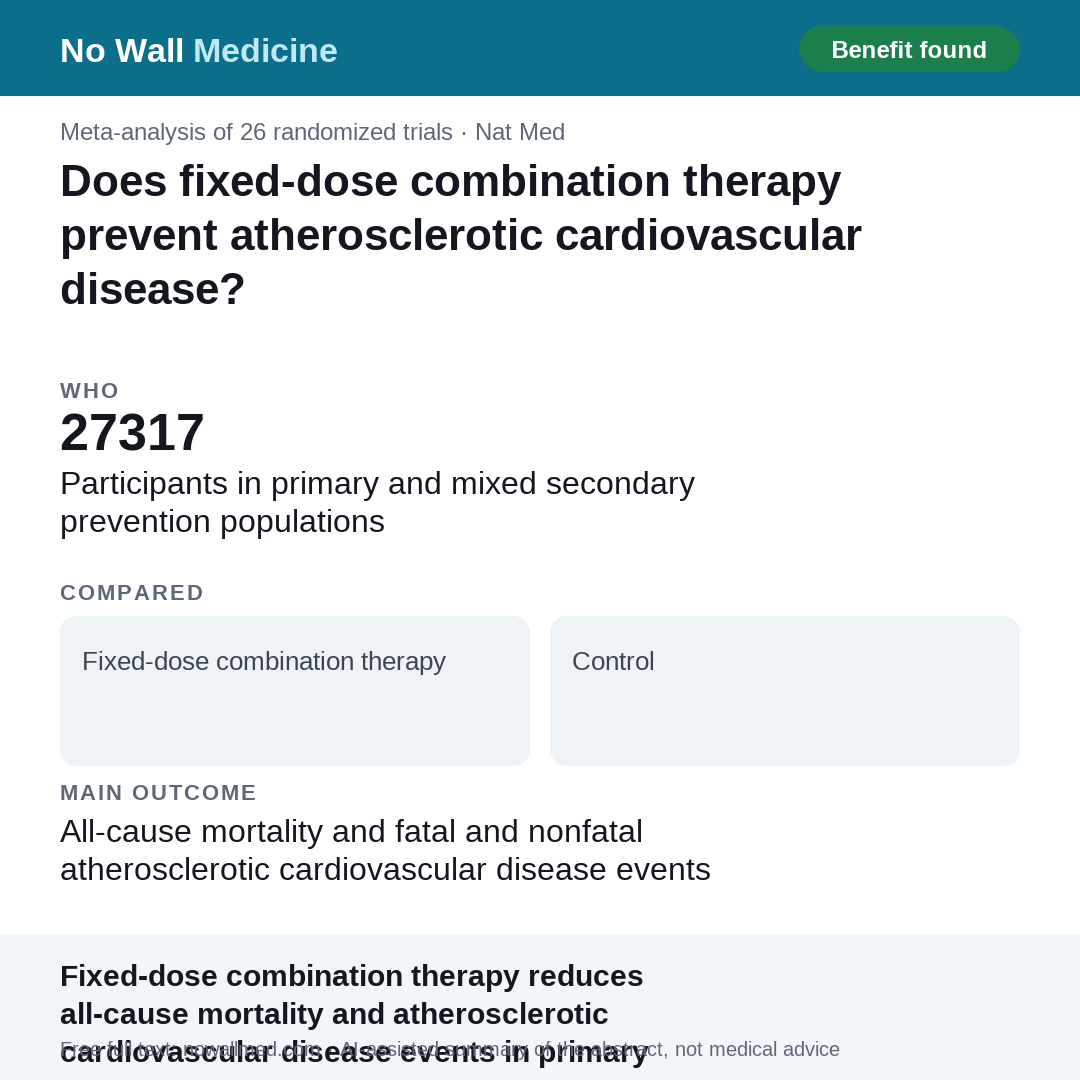
Fixed-dose combination therapy for the prevention of atherosclerotic cardiovascular disease
Meta-analysis of 26 randomized trialsBenefit found
Does fixed-dose combination therapy prevent atherosclerotic cardiovascular disease?
Who
27317
Participants in primary and mixed secondary prevention populations
Compared
Fixed-dose combination therapy
Control
Main outcome
All-cause mortality and fatal and nonfatal atherosclerotic cardiovascular disease events
Result: relative risk 0.89 (95% confidence interval 0.78 to 1.00) for mortality; relative risk 0.71 (95% confidence interval 0.63 to 0.79) for events
Bottom line: Fixed-dose combination therapy reduces all-cause mortality and atherosclerotic cardiovascular disease events in primary prevention populations.
Nat Med · 2024-03-26Download image
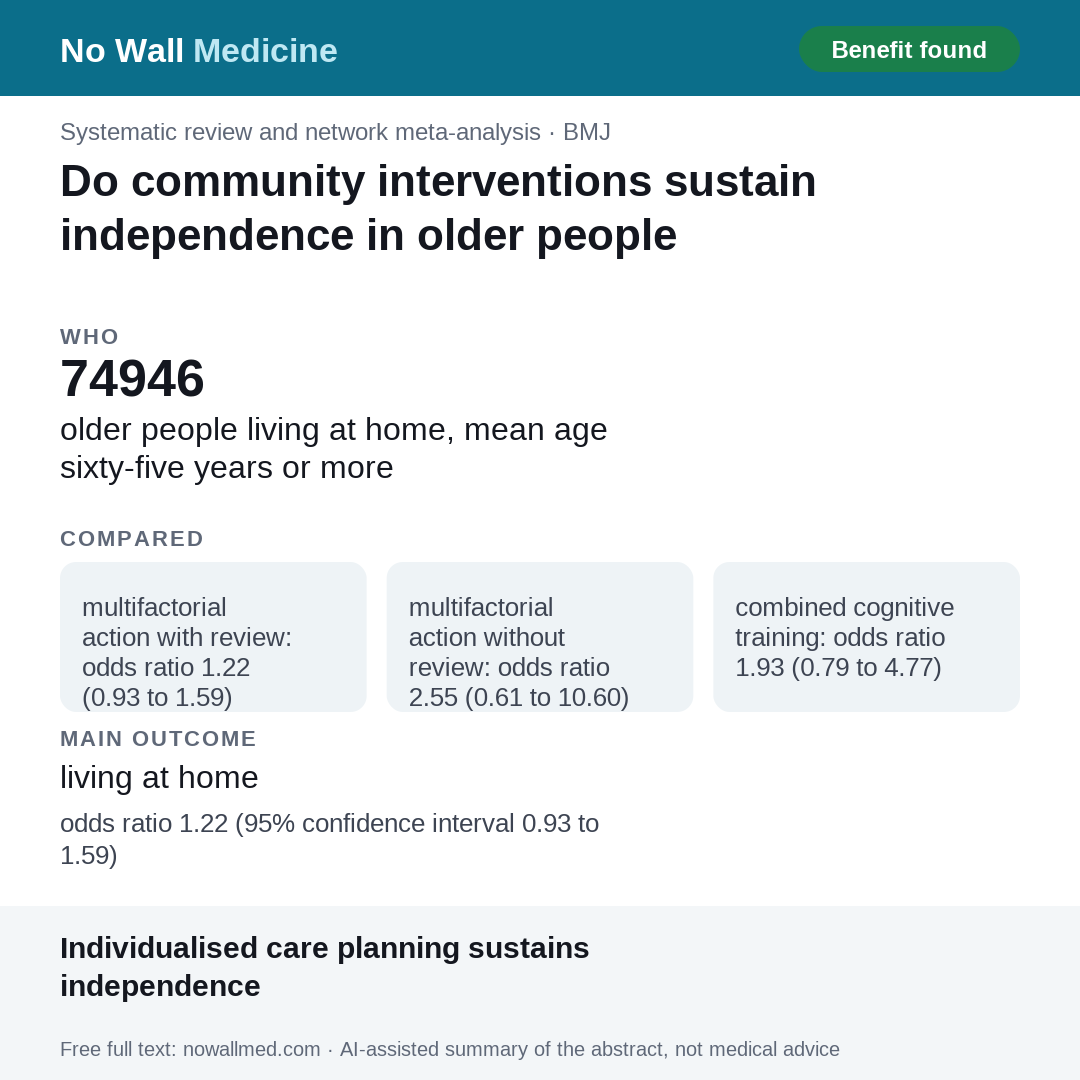
Community based complex interventions to sustain independence in older people: systematic review and network meta-analysis
Systematic review and network meta-analysisBenefit found
Do community interventions sustain independence in older people
Who
74946
older people living at home, mean age sixty-five years or more
Compared
multifactorial action with review: odds ratio 1.22 (0.93 to 1.59)
multifactorial action without review: odds ratio 2.55 (0.61 to 10.60)
combined cognitive training: odds ratio 1.93 (0.79 to 4.77)
Main outcome
living at home
Result: odds ratio 1.22 (95% confidence interval 0.93 to 1.59)
Bottom line: Individualised care planning sustains independence
Limitation: high risk of bias and imprecise estimates
BMJ · 2024-03-21Download image
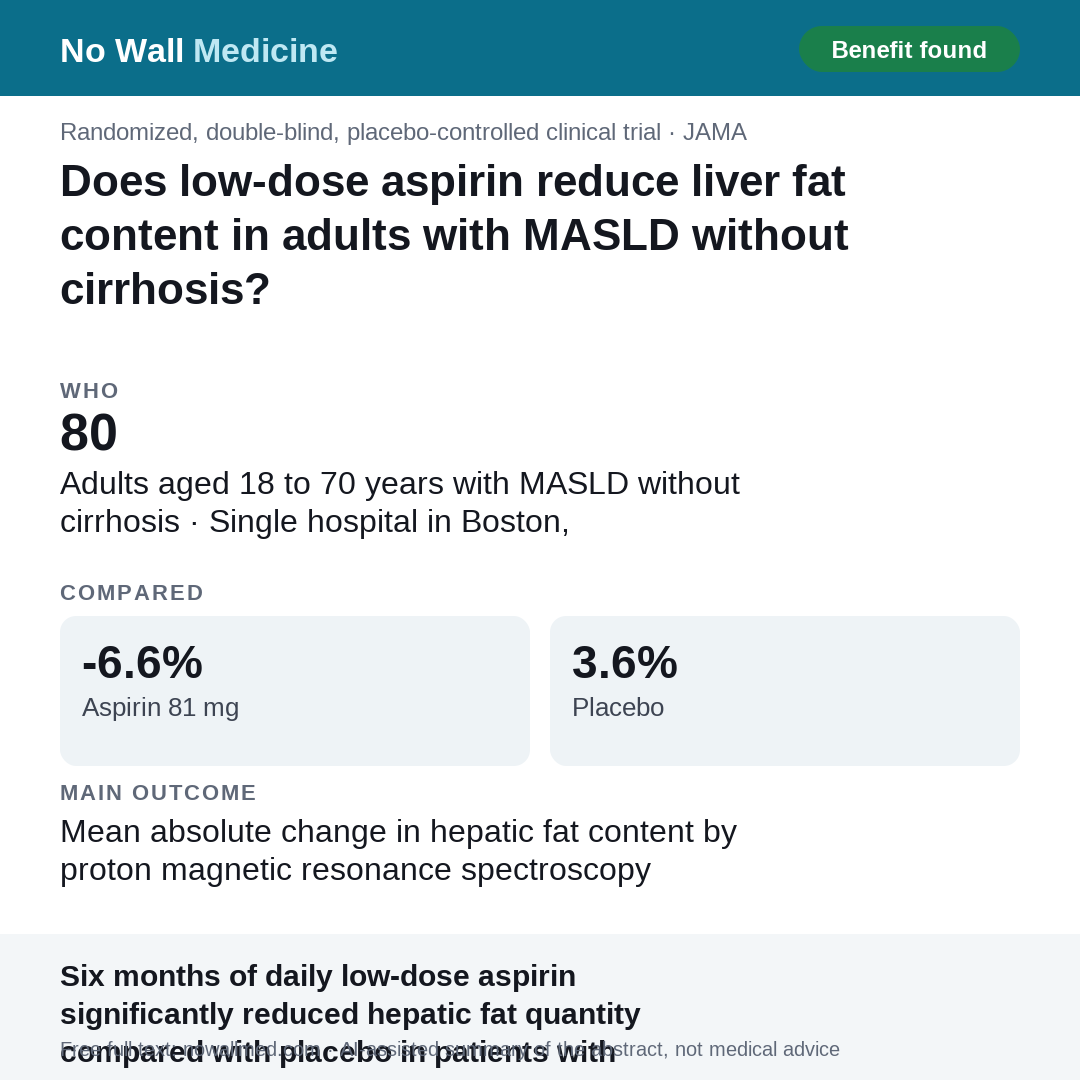
Aspirin for Metabolic Dysfunction-Associated Steatotic Liver Disease Without Cirrhosis: A Randomized Clinical Trial
Randomized, double-blind, placebo-controlled clinical trialBenefit found
Does low-dose aspirin reduce liver fat content in adults with MASLD without cirrhosis?
Who
80
Adults aged 18 to 70 years with MASLD without cirrhosis · Single hospital in Boston, Massachusetts
Compared
-6.6%Aspirin 81 mg
3.6%Placebo
Main outcome
Mean absolute change in hepatic fat content by proton magnetic resonance spectroscopy
Result: difference, -10.2% (95% CI, -27.7% to -2.6%)
Bottom line: Six months of daily low-dose aspirin significantly reduced hepatic fat quantity compared with placebo in patients with MASLD.
Limitation: Further study in a larger sample size is necessary to confirm these findings.
JAMA · 2024-03-19Download image
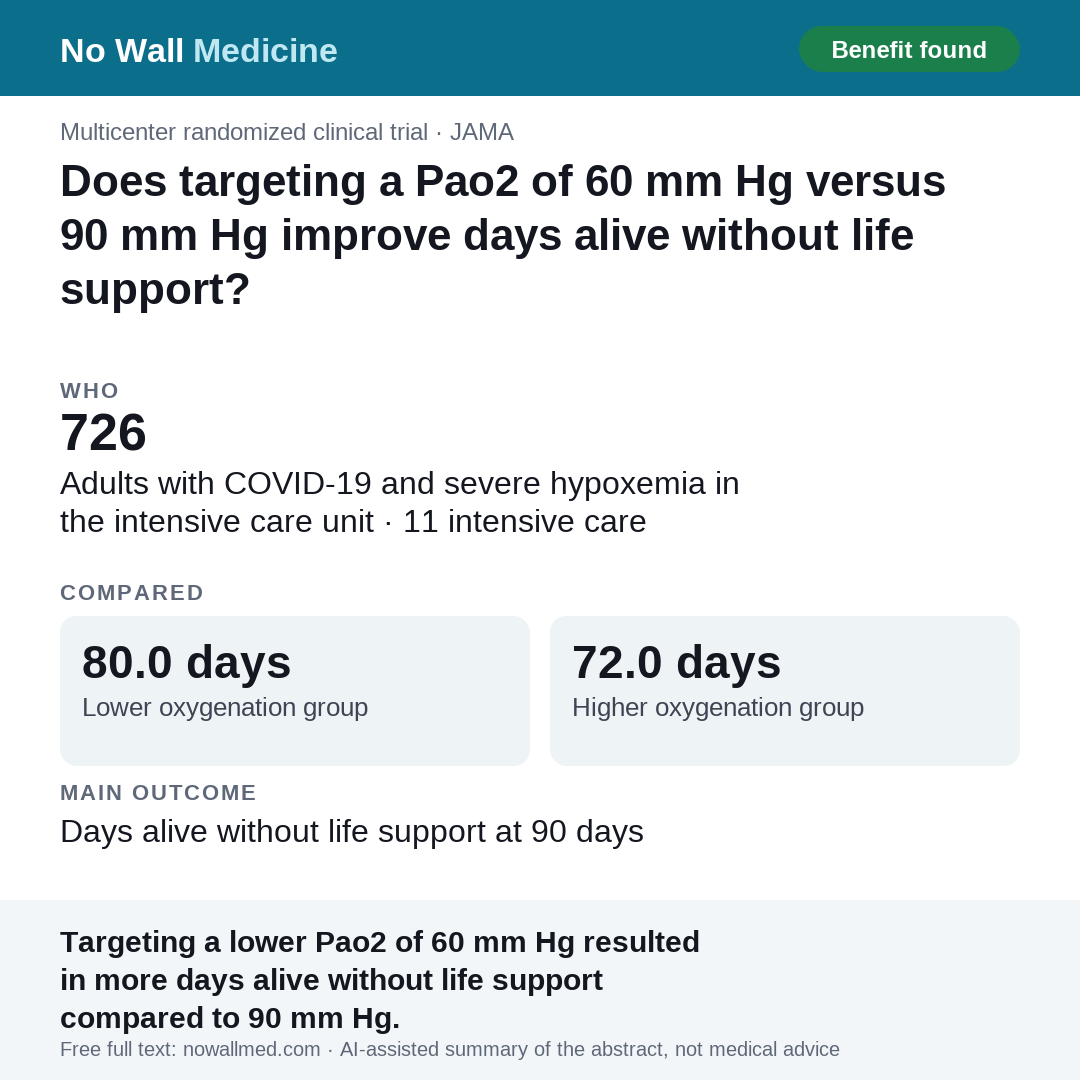
Lower vs Higher Oxygenation Target and Days Alive Without Life Support in COVID-19: The HOT-COVID Randomized Clinical Trial
Multicenter randomized clinical trialBenefit found
Does targeting a Pao2 of 60 mm Hg versus 90 mm Hg improve days alive without life support?
Who
726
Adults with COVID-19 and severe hypoxemia in the intensive care unit · 11 intensive care units in Europe
Compared
80.0 daysLower oxygenation group (IQR, 9.0-89.0 days)
72.0 daysHigher oxygenation group (IQR, 2.0-88.0 days)
Main outcome
Days alive without life support at 90 days
Result: adjusted mean difference, 5.8 days (95% CI, 0.2-11.5 days)
Bottom line: Targeting a lower Pao2 of 60 mm Hg resulted in more days alive without life support compared to 90 mm Hg.
JAMA · 2024-03-19Download image
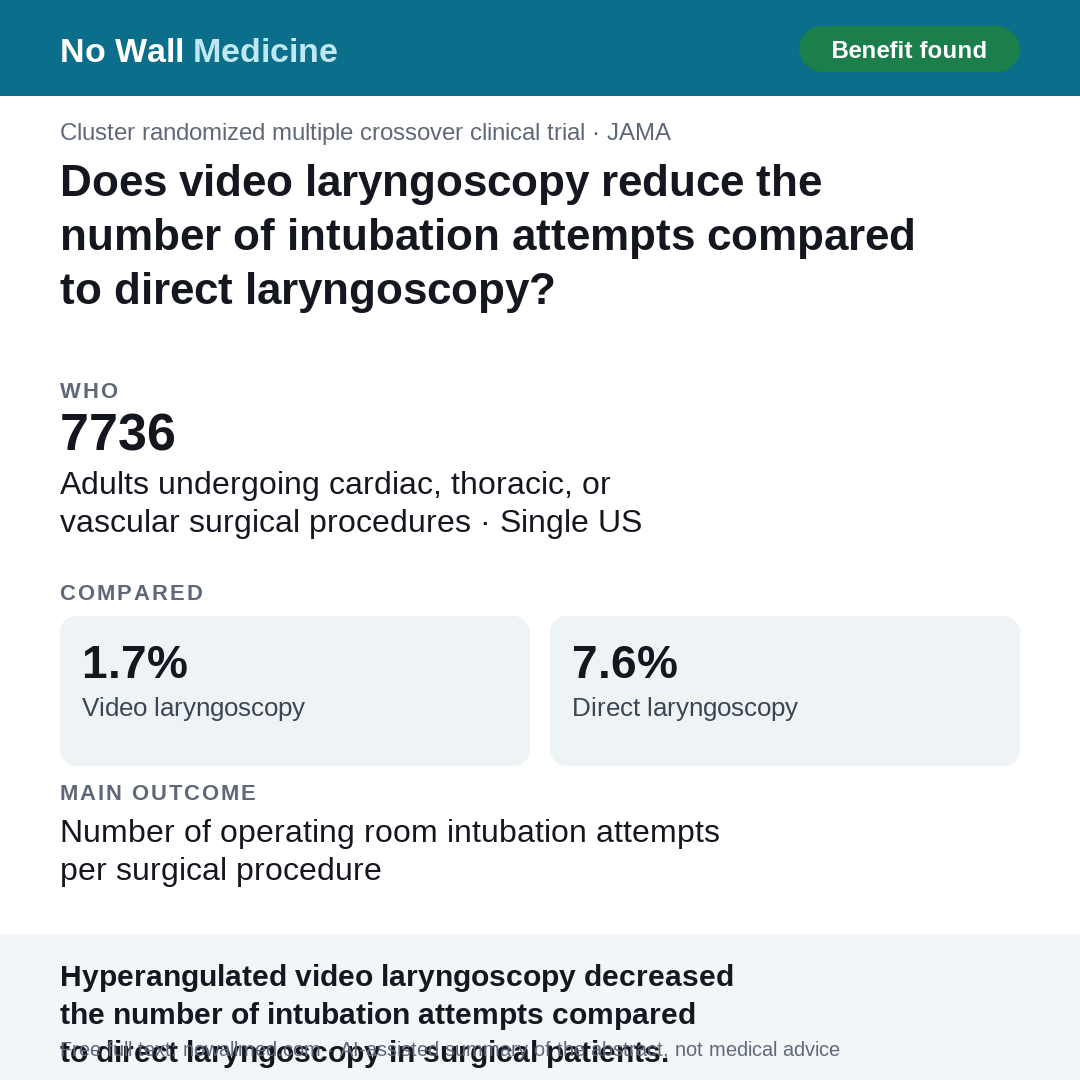
Video Laryngoscopy vs Direct Laryngoscopy for Endotracheal Intubation in the Operating Room: A Cluster Randomized Clinical Trial
Cluster randomized multiple crossover clinical trialBenefit found
Does video laryngoscopy reduce the number of intubation attempts compared to direct laryngoscopy?
Who
7736
Adults undergoing cardiac, thoracic, or vascular surgical procedures · Single US academic hospital
Compared
1.7%Video laryngoscopy
7.6%Direct laryngoscopy
Main outcome
Number of operating room intubation attempts per surgical procedure
Result: proportional odds ratio 0.20 (95% CI, 0.14-0.28)
Bottom line: Hyperangulated video laryngoscopy decreased the number of intubation attempts compared to direct laryngoscopy in surgical patients.
JAMA · 2024-03-18Download image
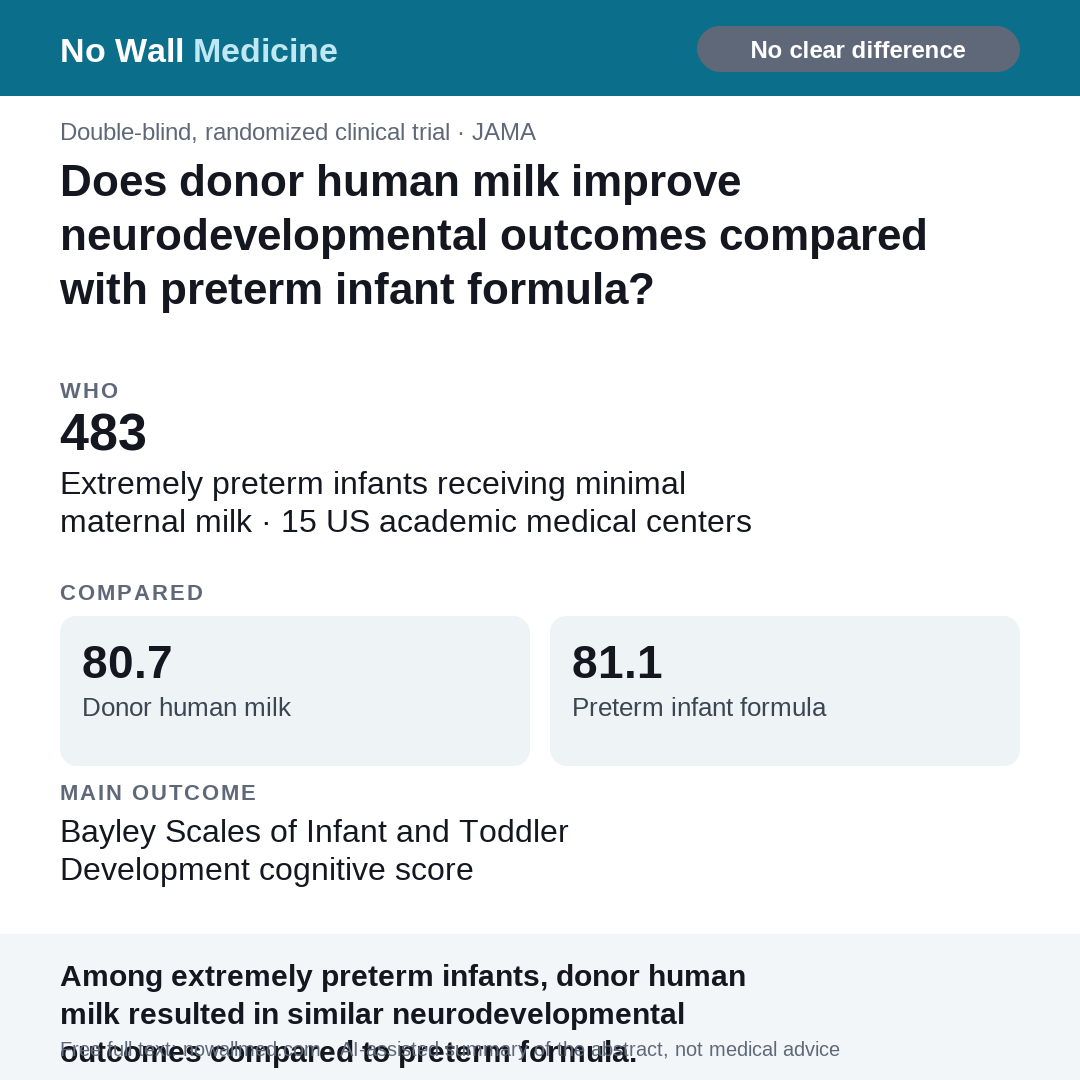
Neurodevelopmental Outcomes of Extremely Preterm Infants Fed Donor Milk or Preterm Infant Formula: A Randomized Clinical Trial
Double-blind, randomized clinical trialNo clear difference
Does donor human milk improve neurodevelopmental outcomes compared with preterm infant formula?
Who
483
Extremely preterm infants receiving minimal maternal milk · 15 US academic medical centers
Compared
80.7Donor human milk (SD, 17.4)
81.1Preterm infant formula (SD, 16.7)
Main outcome
Bayley Scales of Infant and Toddler Development cognitive score
Result: adjusted mean difference, -0.77 (95% CI, -3.93 to 2.39)
Bottom line: Among extremely preterm infants, donor human milk resulted in similar neurodevelopmental outcomes compared to preterm formula.
JAMA · 2024-03-18Download image
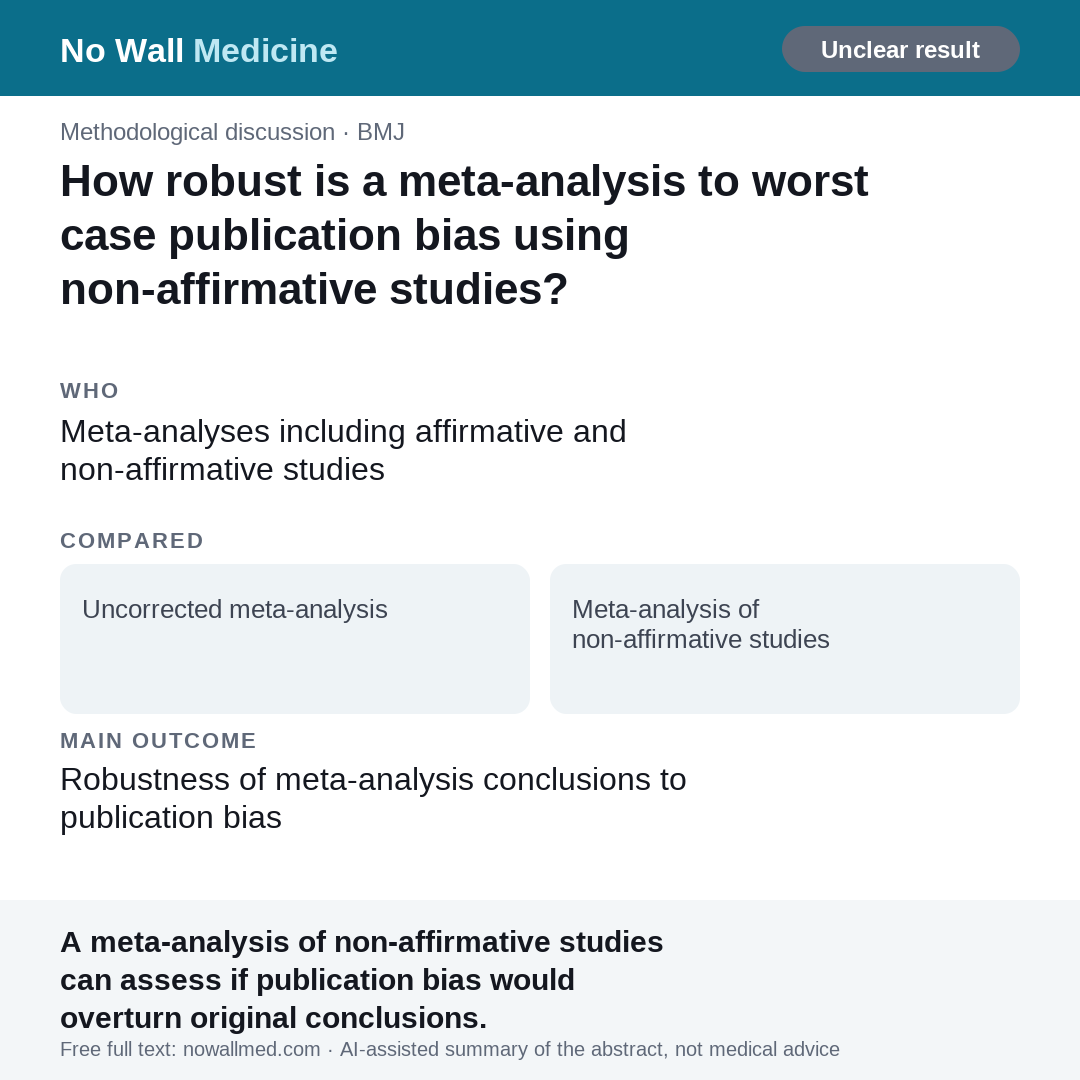
Assessing robustness to worst case publication bias using a simple subset meta-analysis
Methodological discussionUnclear result
How robust is a meta-analysis to worst case publication bias using non-affirmative studies?
Who
Meta-analyses including affirmative and non-affirmative studies
Compared
Uncorrected meta-analysis
Meta-analysis of non-affirmative studies
Main outcome
Robustness of meta-analysis conclusions to publication bias
Bottom line: A meta-analysis of non-affirmative studies can assess if publication bias would overturn original conclusions.
BMJ · 2024-03-15Download image
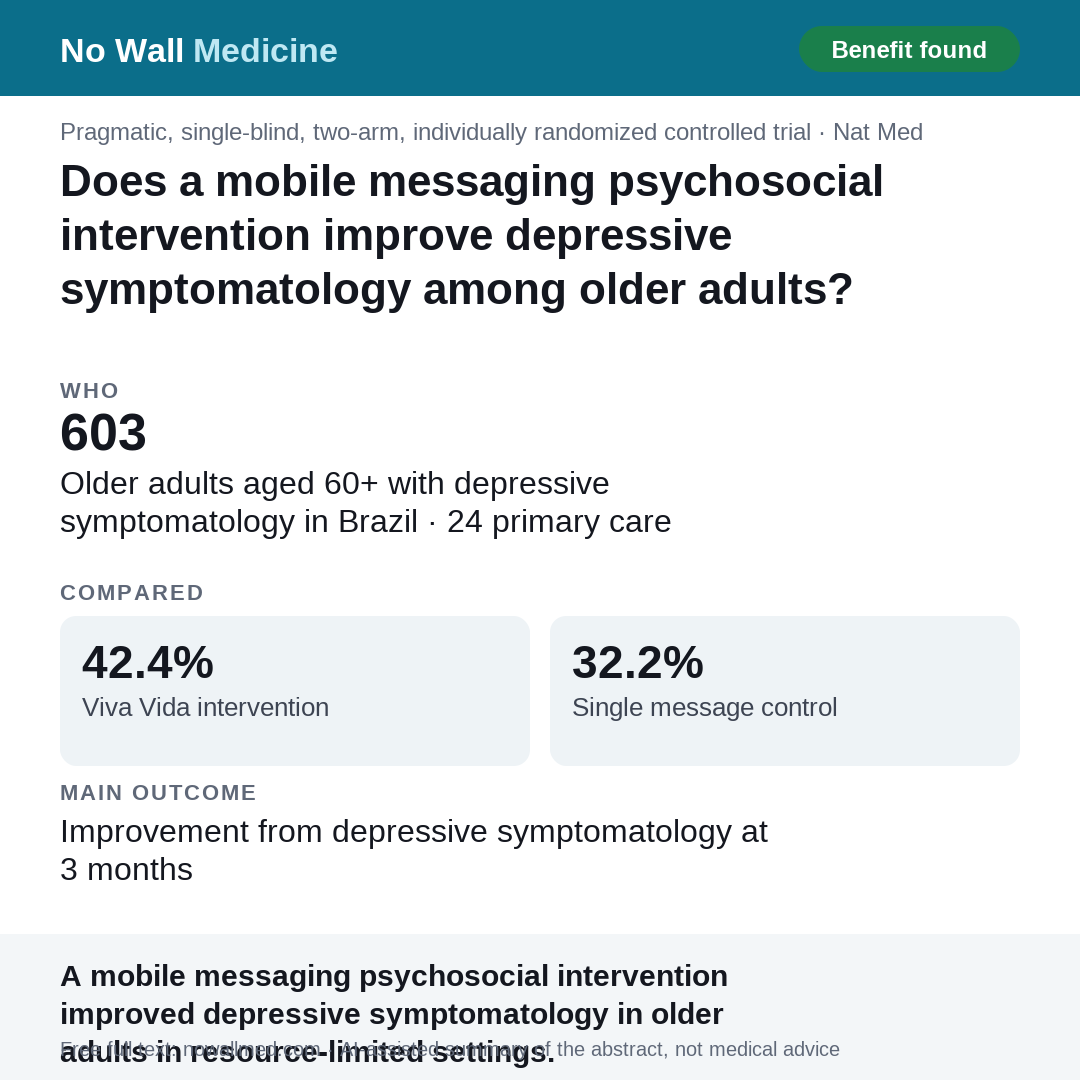
Self-help mobile messaging intervention for depression among older adults in resource-limited settings: a randomized controlled trial
Pragmatic, single-blind, two-arm, individually randomized controlled trialBenefit found
Does a mobile messaging psychosocial intervention improve depressive symptomatology among older adults?
Who
603
Older adults aged 60+ with depressive symptomatology in Brazil · 24 primary care clinics in Guarulhos, Brazil
Compared
42.4%Viva Vida intervention (109/257)
32.2%Single message control (87/270)
Main outcome
Improvement from depressive symptomatology at 3 months
Result: adjusted odds ratio 1.57 (95% confidence interval 1.07-2.29)
Bottom line: A mobile messaging psychosocial intervention improved depressive symptomatology in older adults in resource-limited settings.
Nat Med · 2024-03-14Download image
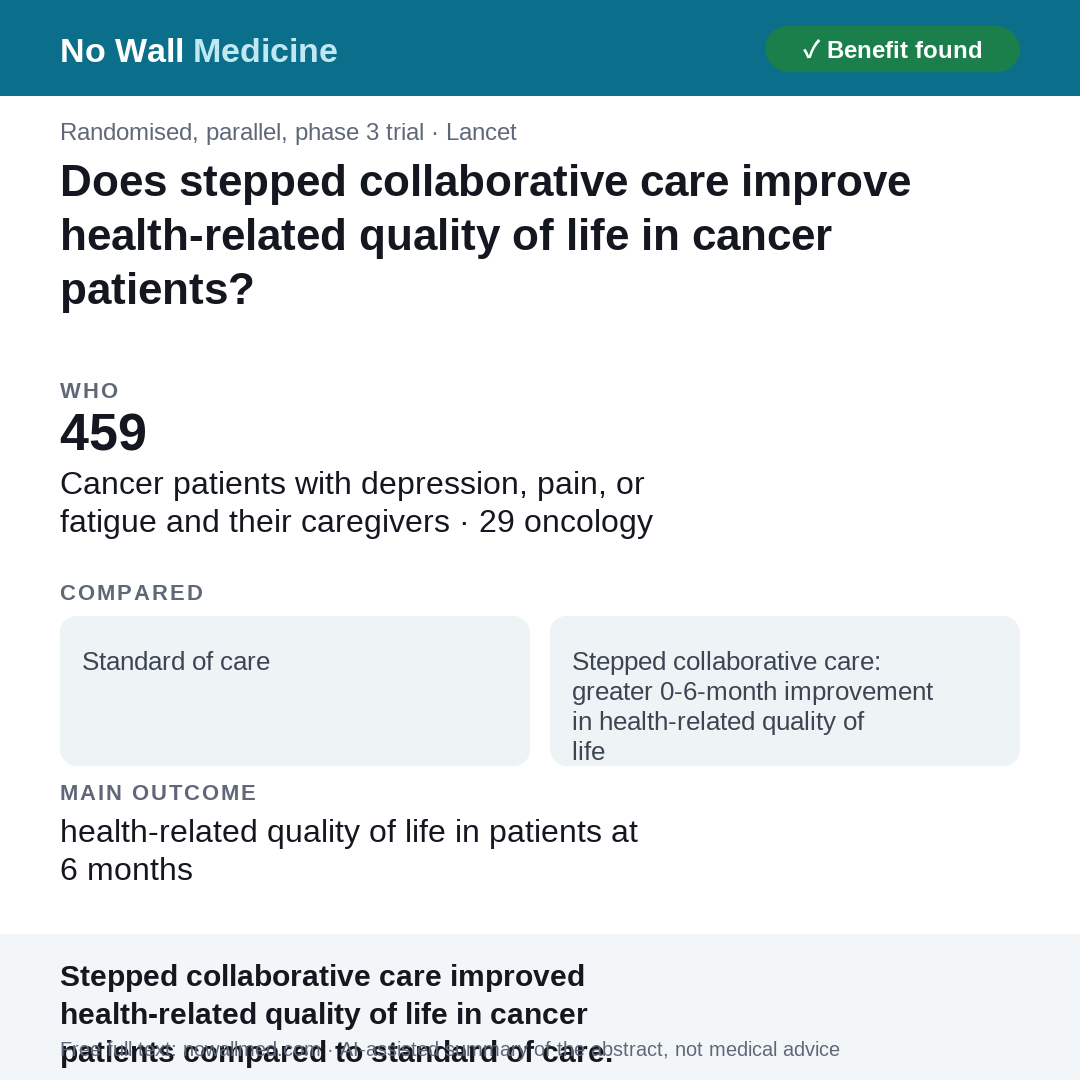
Patient, family caregiver, and economic outcomes of an integrated screening and novel stepped collaborative care intervention in the oncology setting in the USA (CARES): a randomised, parallel, phase 3 trial
Randomised, parallel, phase 3 trialBenefit found
Does stepped collaborative care improve health-related quality of life in cancer patients?
Who
459
Cancer patients with depression, pain, or fatigue and their caregivers · 29 oncology outpatient clinics in the USA
Compared
Standard of care
Stepped collaborative care: greater 0-6-month improvement in health-related quality of life
Main outcome
health-related quality of life in patients at 6 months
Result: effect size 0·09 (p=0·013)
Bottom line: Stepped collaborative care improved health-related quality of life in cancer patients compared to standard of care.
Funded by: US National Cancer Institute
Lancet · 2024-03-12Download image
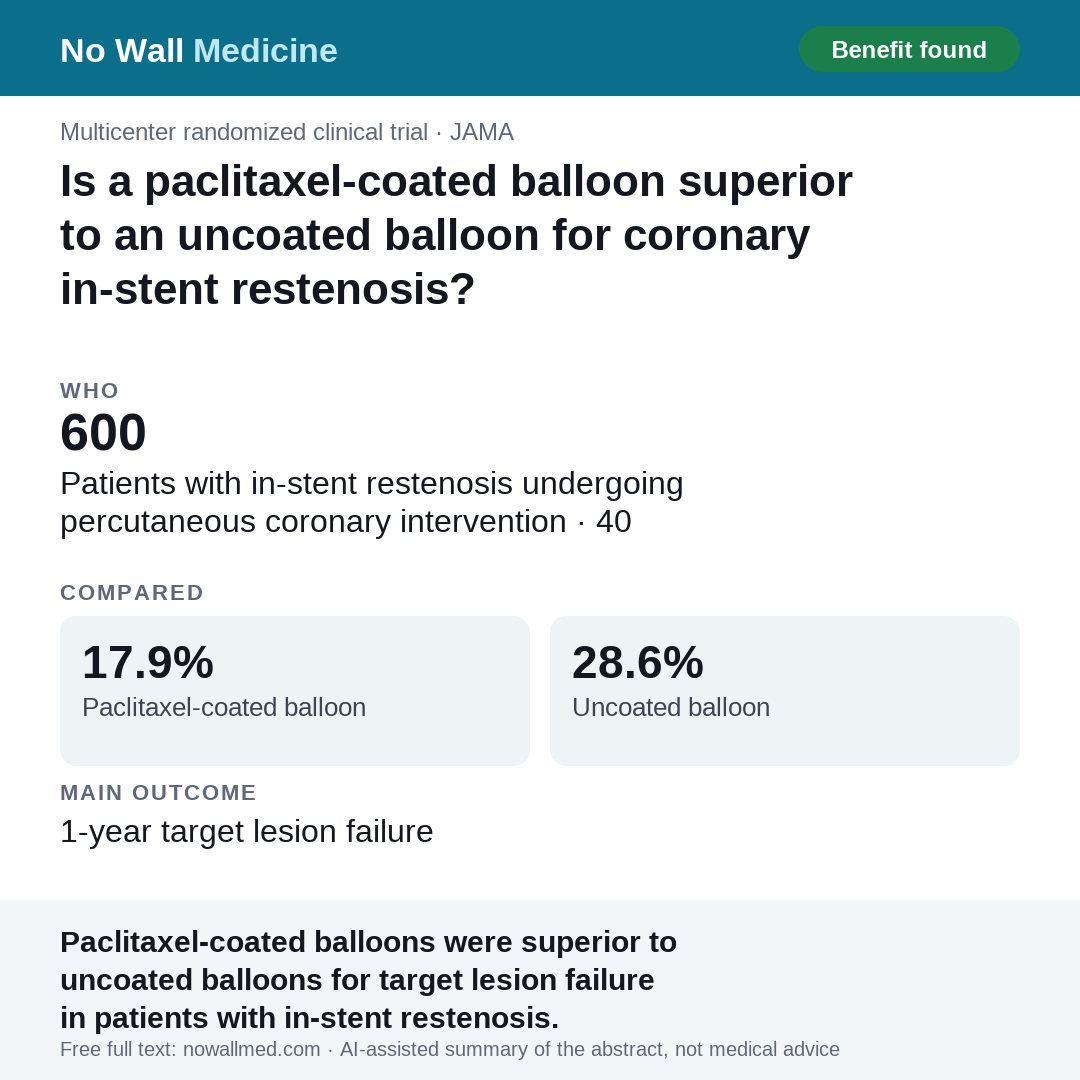
Paclitaxel-Coated Balloon vs Uncoated Balloon for Coronary In-Stent Restenosis: The AGENT IDE Randomized Clinical Trial
Multicenter randomized clinical trialBenefit found
Is a paclitaxel-coated balloon superior to an uncoated balloon for coronary in-stent restenosis?
Who
600
Patients with in-stent restenosis undergoing percutaneous coronary intervention · 40 centers across the United States
Compared
17.9%Paclitaxel-coated balloon
28.6%Uncoated balloon
Main outcome
1-year target lesion failure
Result: hazard ratio 0.59 (95% CI 0.42-0.84)
Bottom line: Paclitaxel-coated balloons were superior to uncoated balloons for target lesion failure in patients with in-stent restenosis.
JAMA · 2024-03-09Download image
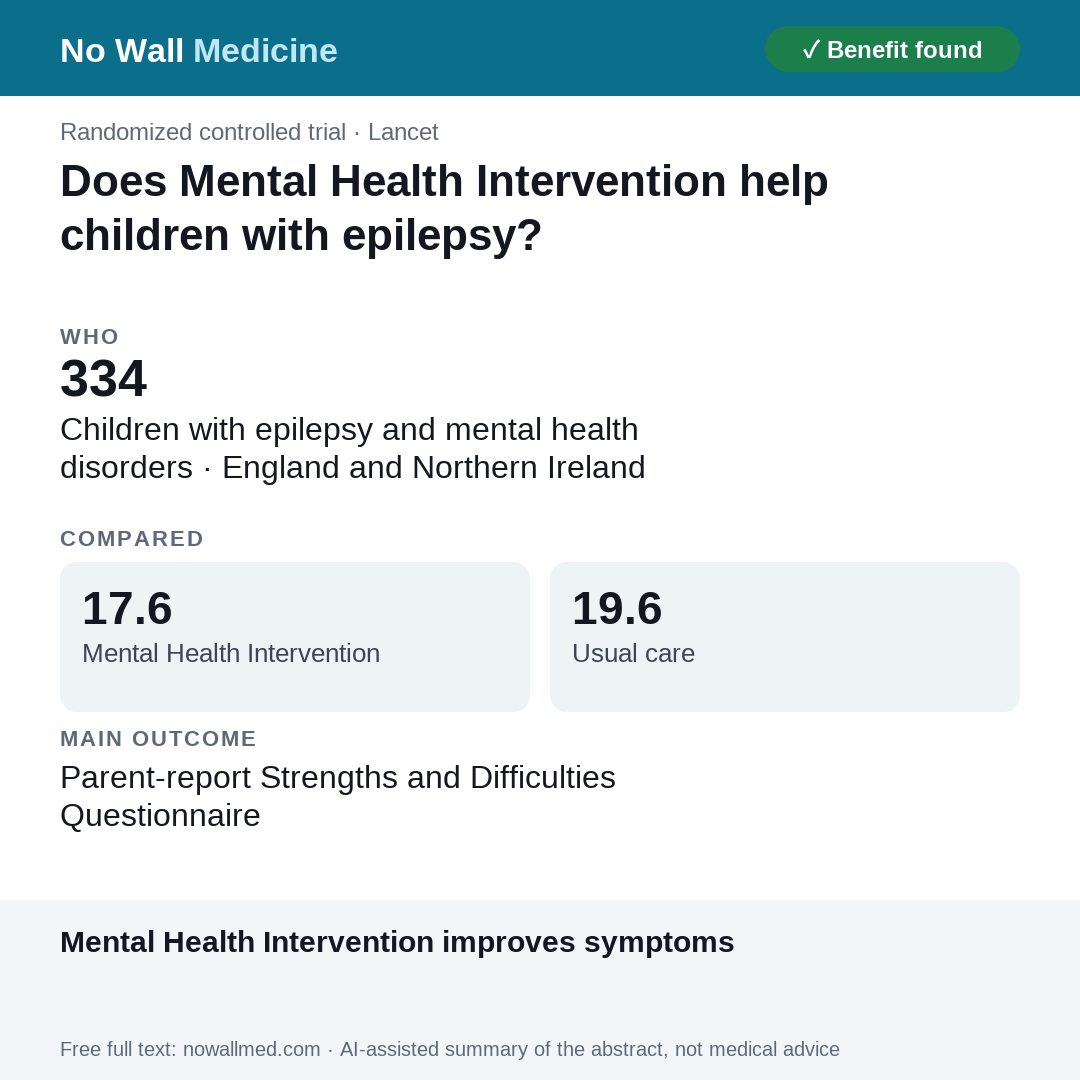
Clinical effectiveness of the psychological therapy Mental Health Intervention for Children with Epilepsy in addition to usual care compared with assessment-enhanced usual care alone: a multicentre, randomised controlled clinical trial in the UK
Randomized controlled trialBenefit found
Does Mental Health Intervention help children with epilepsy?
Who
334
Children with epilepsy and mental health disorders · England and Northern Ireland
Compared
17.6Mental Health Intervention (SD 6.3)
19.6Usual care (6.1)
Main outcome
Parent-report Strengths and Difficulties Questionnaire
Result: adjusted effect -1.7 (95% CI -2.8 to -0.5)
Bottom line: Mental Health Intervention improves symptoms
Funded by: UK National Institute for Health Research
Lancet · 2024-03-07Download image
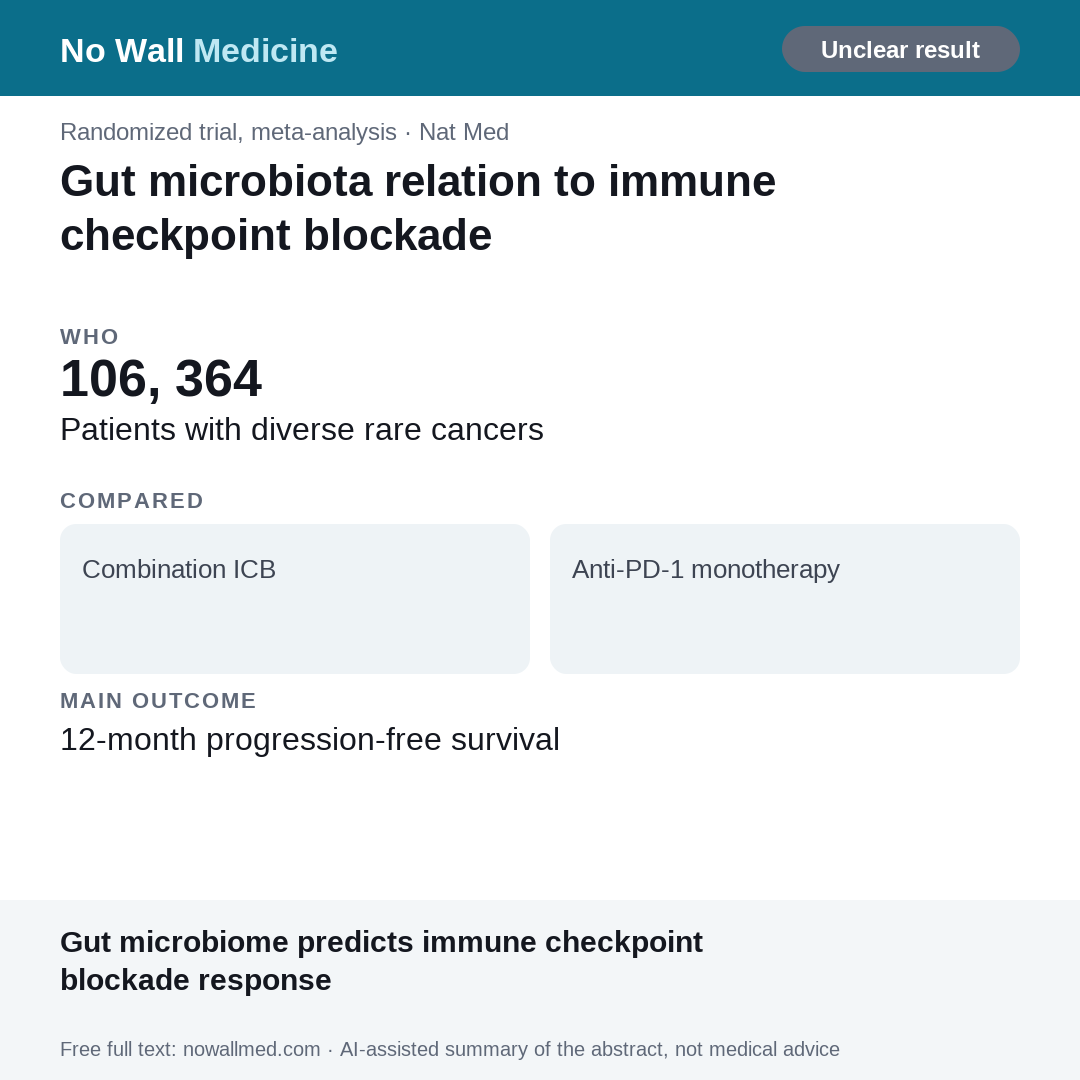
A gut microbial signature for combination immune checkpoint blockade across cancer types
Randomized trial, meta-analysisUnclear result
Gut microbiota relation to immune checkpoint blockade
Who
106, 364
Patients with diverse rare cancers
Compared
Combination ICB
Anti-PD-1 monotherapy
Main outcome
12-month progression-free survival
Bottom line: Gut microbiome predicts immune checkpoint blockade response
Nat Med · 2024-03-01Download image
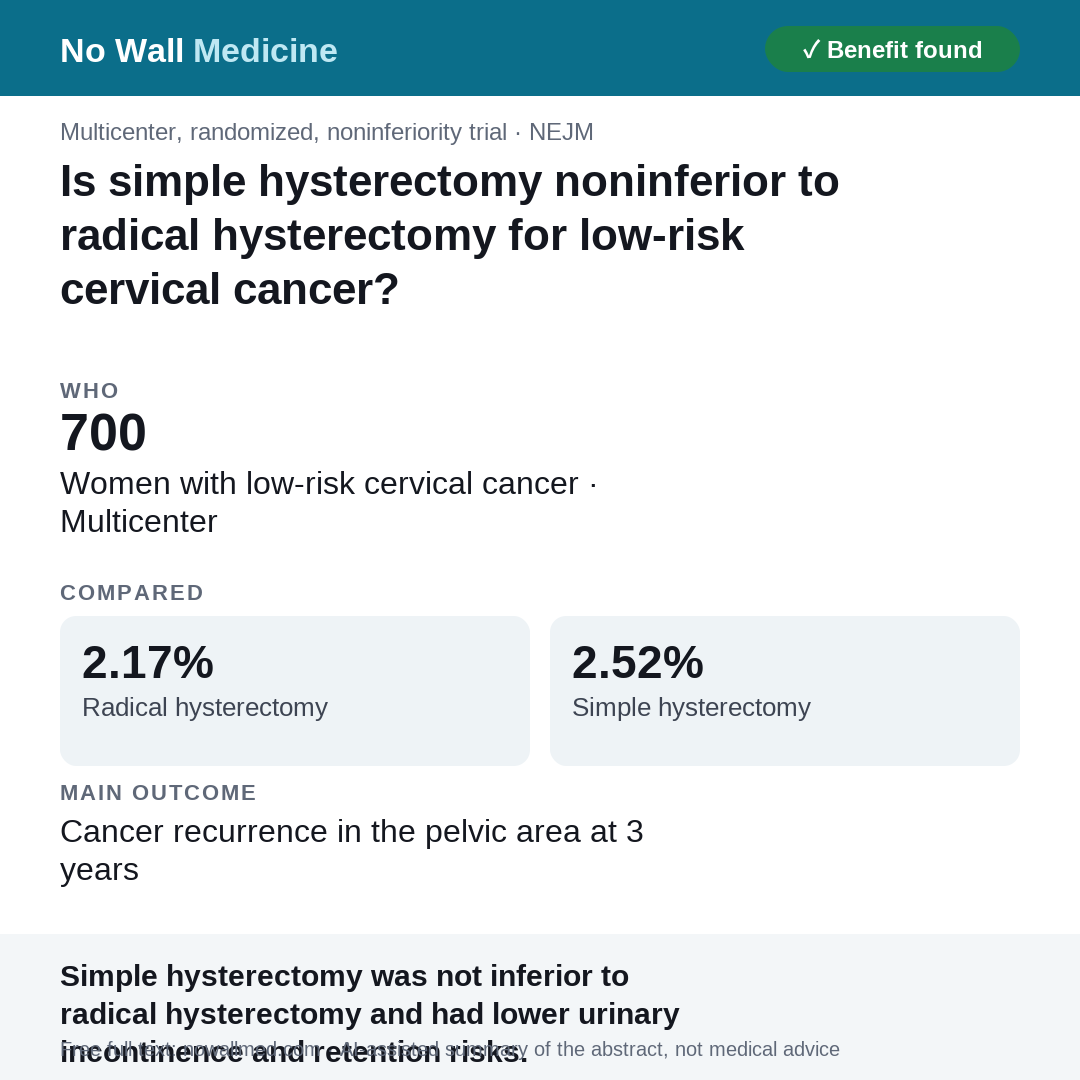
Simple versus Radical Hysterectomy in Women with Low-Risk Cervical Cancer
Multicenter, randomized, noninferiority trialBenefit found
Is simple hysterectomy noninferior to radical hysterectomy for low-risk cervical cancer?
Who
700
Women with low-risk cervical cancer · Multicenter
Compared
2.17%Radical hysterectomy
2.52%Simple hysterectomy
Main outcome
Cancer recurrence in the pelvic area at 3 years
Result: absolute difference of 0.35 percentage points (90% confidence interval, -1.62 to 2.32)
Bottom line: Simple hysterectomy was not inferior to radical hysterectomy and had lower urinary incontinence and retention risks.
Funded by: Canadian Cancer Society and others
NEJM · 2024-02-28Download image
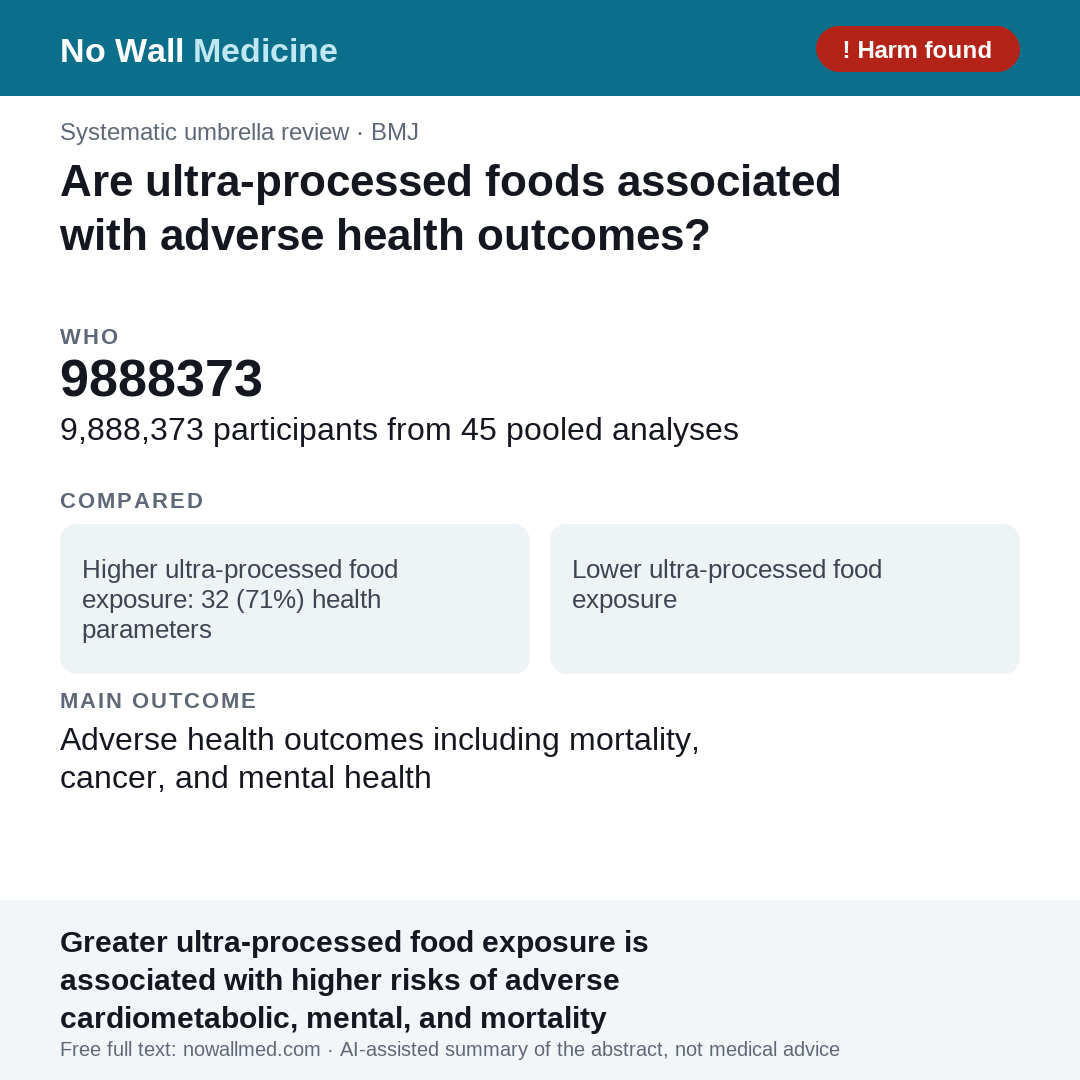
Ultra-processed food exposure and adverse health outcomes: umbrella review of epidemiological meta-analyses
Systematic umbrella reviewHarm found
Are ultra-processed foods associated with adverse health outcomes?
Who
9888373
9,888,373 participants from 45 pooled analyses
Compared
Higher ultra-processed food exposure: 32 (71%) health parameters
Lower ultra-processed food exposure
Main outcome
Adverse health outcomes including mortality, cancer, and mental health
Bottom line: Greater ultra-processed food exposure is associated with higher risks of adverse cardiometabolic, mental, and mortality outcomes.
BMJ · 2024-02-28Download image
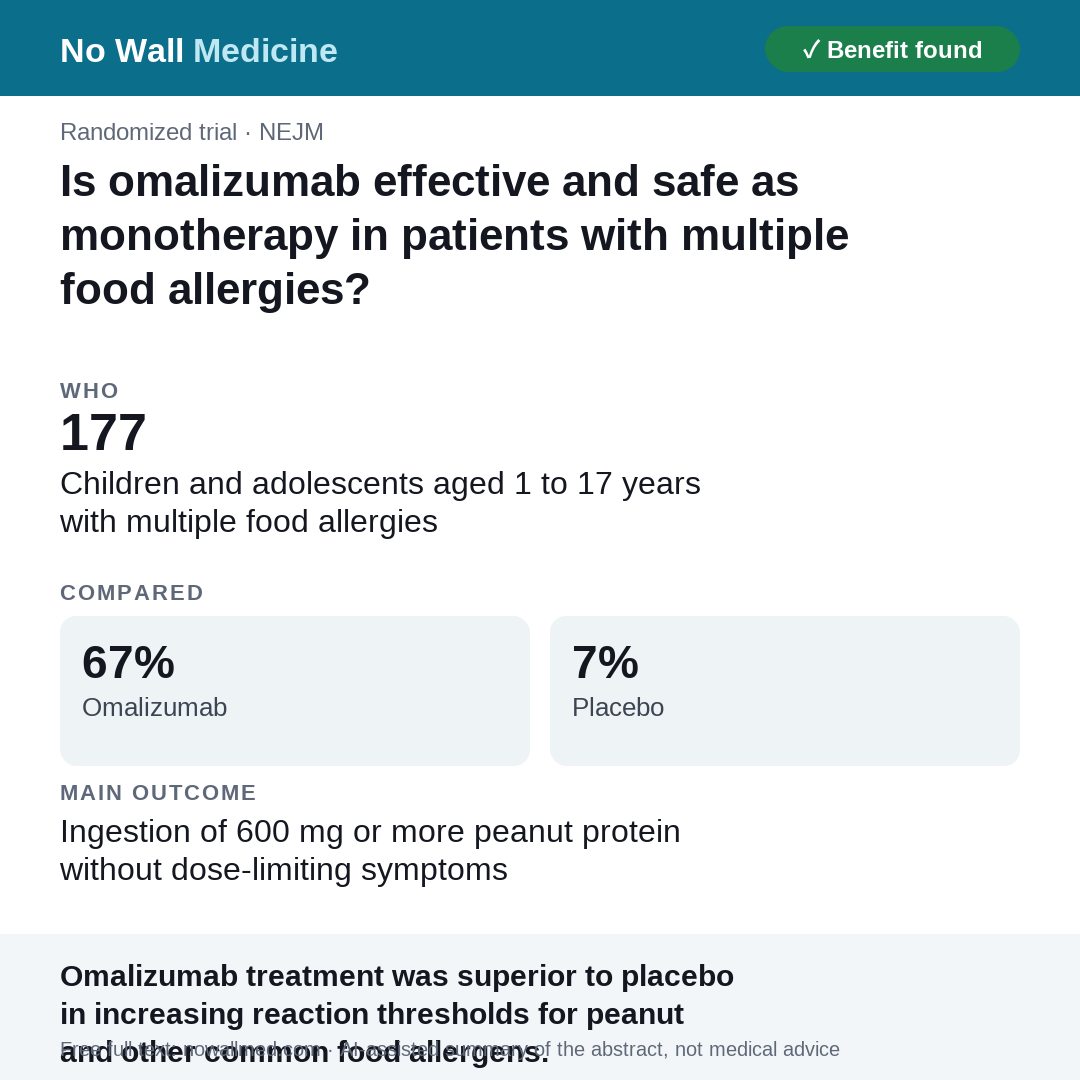
Omalizumab for the Treatment of Multiple Food Allergies
Randomized trialBenefit found
Is omalizumab effective and safe as monotherapy in patients with multiple food allergies?
Who
177
Children and adolescents aged 1 to 17 years with multiple food allergies
Compared
67%Omalizumab (79/118)
7%Placebo (4/59)
Main outcome
Ingestion of 600 mg or more peanut protein without dose-limiting symptoms
Bottom line: Omalizumab treatment was superior to placebo in increasing reaction thresholds for peanut and other common food allergens.
Funded by: National Institute of Allergy and Infectious Diseases and others
NEJM · 2024-02-25Download image
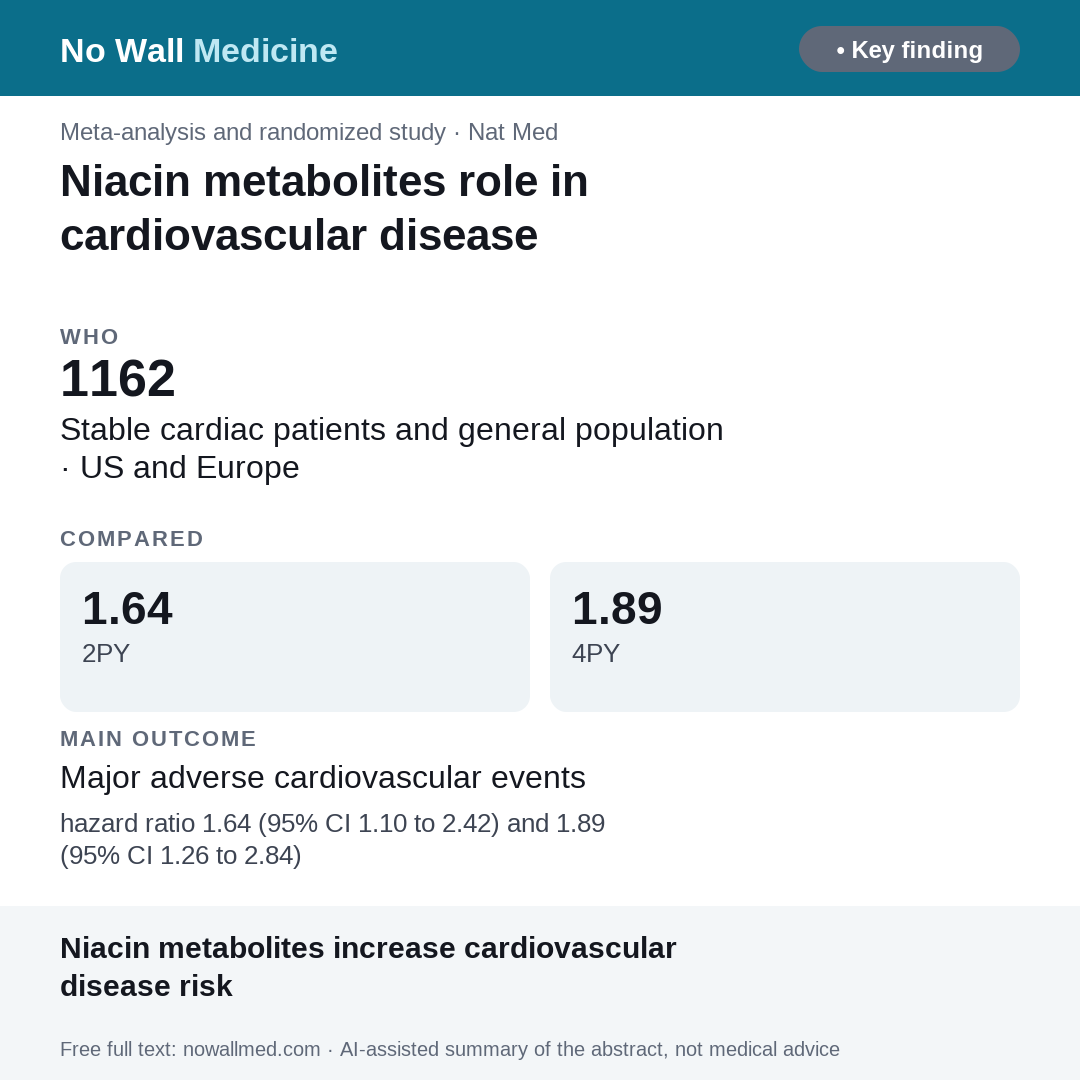
A terminal metabolite of niacin promotes vascular inflammation and contributes to cardiovascular disease risk
Meta-analysis and randomized trialHarm found
Niacin metabolites role in cardiovascular disease
Who
1162
Stable cardiac patients and general population · US and Europe
Compared
1.642PY (1.10-2.42)
1.894PY (1.26-2.84)
Main outcome
Major adverse cardiovascular events
Result: hazard ratio 1.64 (95% CI 1.10 to 2.42) and 1.89 (95% CI 1.26 to 2.84)
Bottom line: Niacin metabolites increase cardiovascular disease risk
Nat Med · 2024-02-19Download image
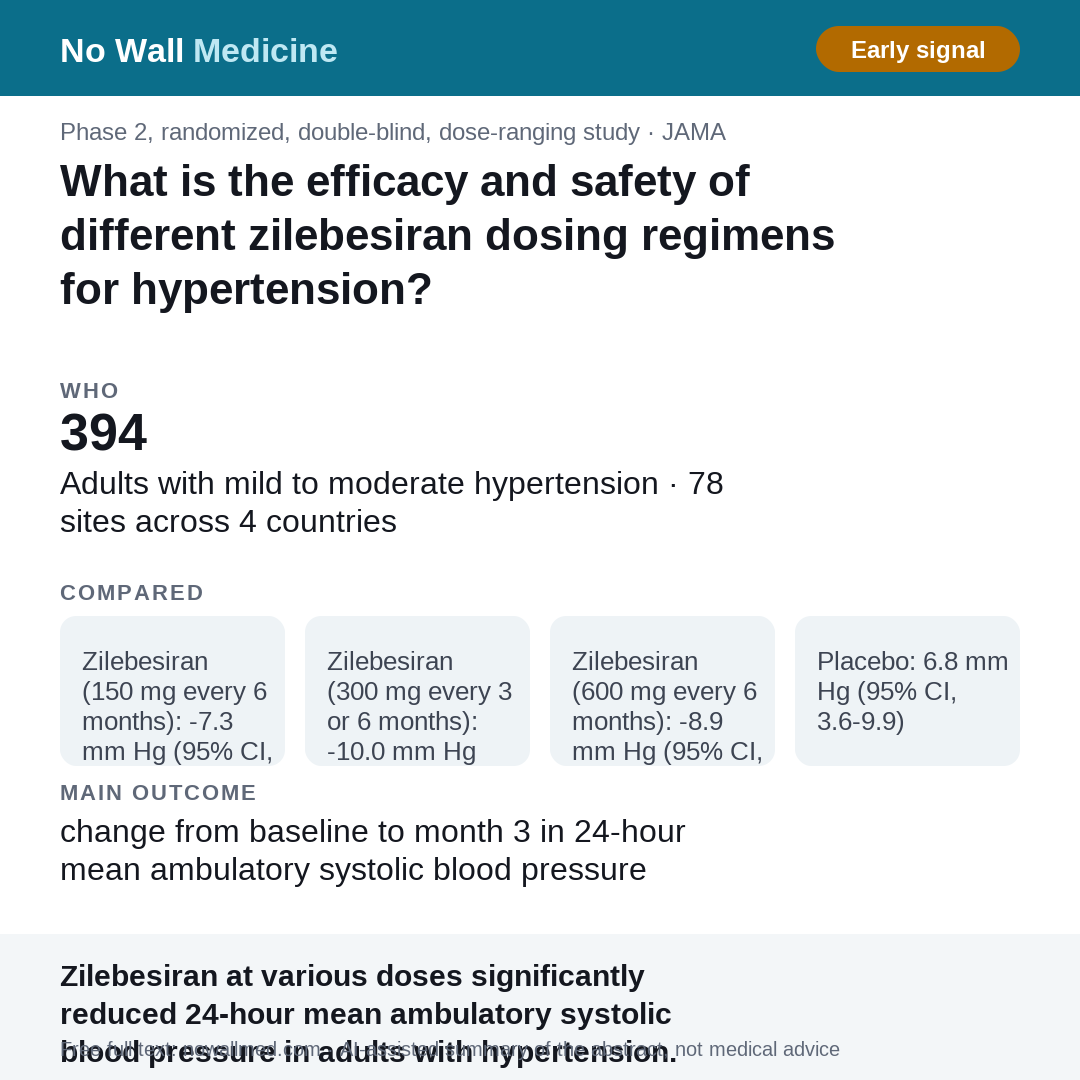
RNA Interference With Zilebesiran for Mild to Moderate Hypertension: The KARDIA-1 Randomized Clinical Trial
Phase 2, randomized, double-blind, dose-ranging studyBenefit found
What is the efficacy and safety of different zilebesiran dosing regimens for hypertension?
Who
394
Adults with mild to moderate hypertension · 78 sites across 4 countries
Compared
Zilebesiran (150 mg every 6 months): -7.3 mm Hg (95% CI, -10.3 to -4.4)
Zilebesiran (300 mg every 3 or 6 months): -10.0 mm Hg (95% CI, -12.0 to -7.9)
Zilebesiran (600 mg every 6 months): -8.9 mm Hg (95% CI, -11.9 to -6.0)
Placebo: 6.8 mm Hg (95% CI, 3.6-9.9)
Main outcome
change from baseline to month 3 in 24-hour mean ambulatory systolic blood pressure
Result: LSM differences vs placebo: -14.1 mm Hg (95% CI, -19.2 to -9.0) to -16.7 mm Hg (95% CI, -21.2 to -12.3)
Bottom line: Zilebesiran at various doses significantly reduced 24-hour mean ambulatory systolic blood pressure in adults with hypertension.
JAMA · 2024-02-16Download image
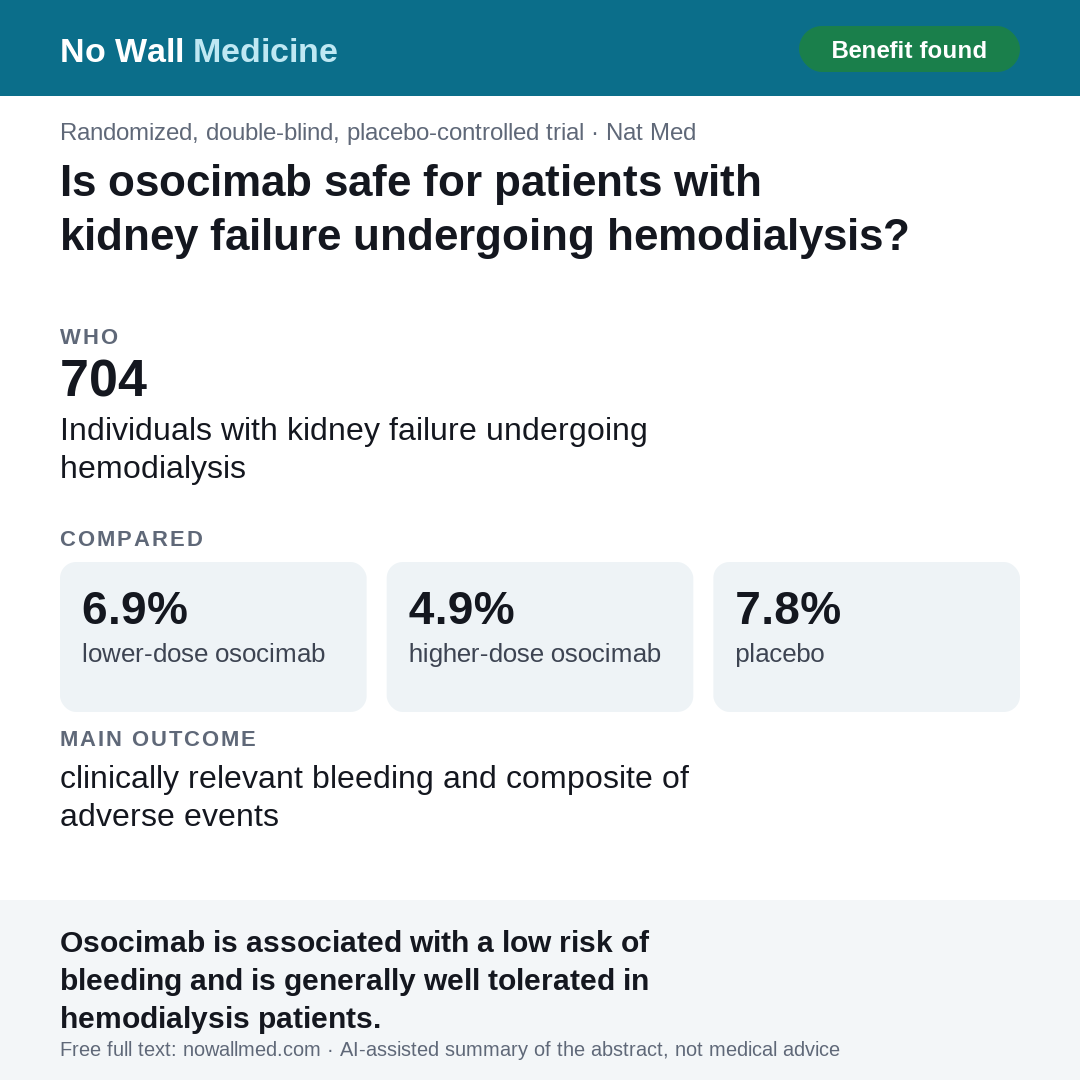
Anticoagulation with osocimab in patients with kidney failure undergoing hemodialysis: a randomized phase 2 trial
Randomized, double-blind, placebo-controlled trialBenefit found
Is osocimab safe for patients with kidney failure undergoing hemodialysis?
Who
704
Individuals with kidney failure undergoing hemodialysis
Compared
6.9%lower-dose osocimab
4.9%higher-dose osocimab
7.8%placebo
Main outcome
clinically relevant bleeding and composite of adverse events
Bottom line: Osocimab is associated with a low risk of bleeding and is generally well tolerated in hemodialysis patients.
Nat Med · 2024-02-16Download image
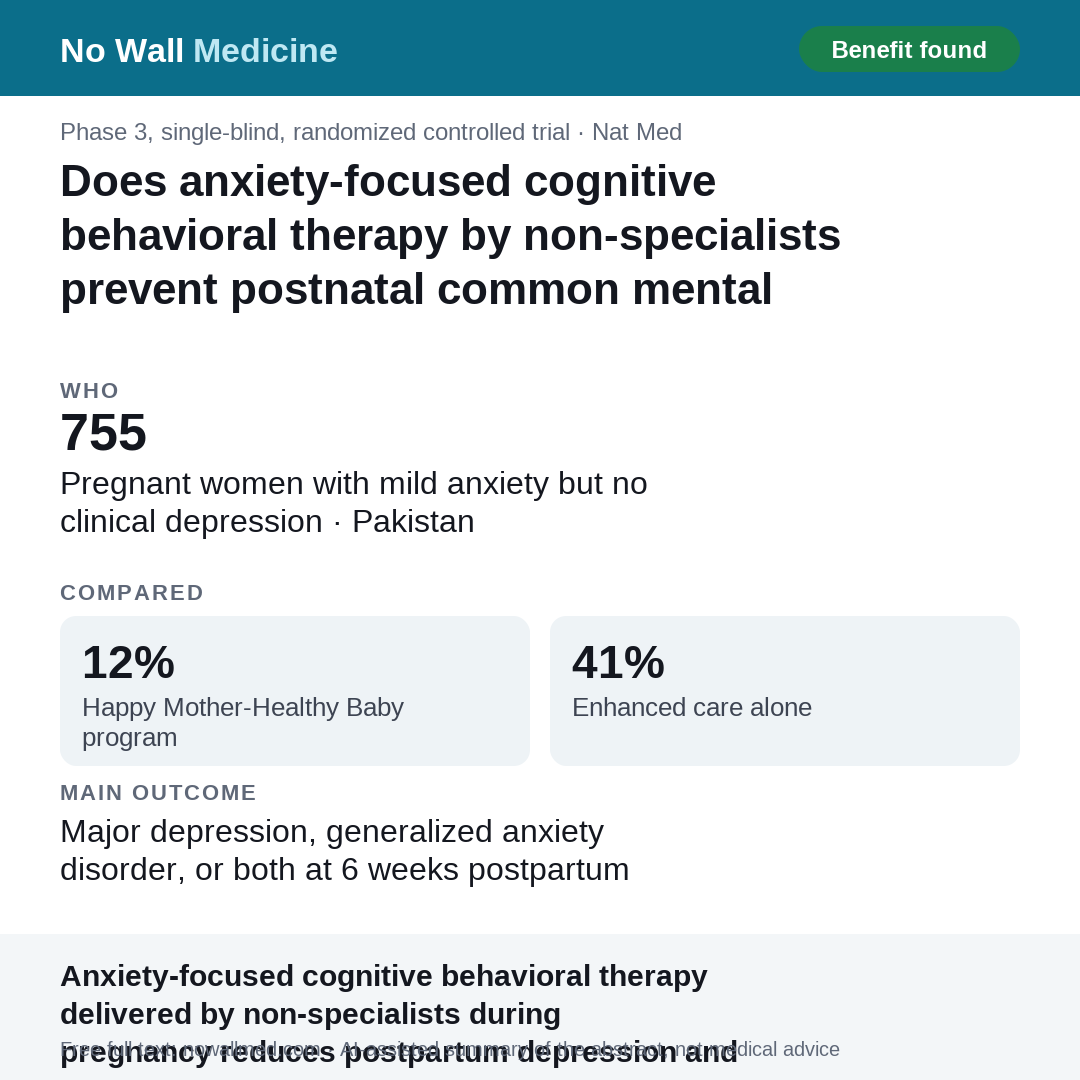
Anxiety-focused cognitive behavioral therapy delivered by non-specialists to prevent postnatal depression: a randomized, phase 3 trial
Phase 3, single-blind, randomized controlled trialBenefit found
Does anxiety-focused cognitive behavioral therapy by non-specialists prevent postnatal common mental disorders?
Who
755
Pregnant women with mild anxiety but no clinical depression · Pakistan
Compared
12%Happy Mother-Healthy Baby program
41%Enhanced care alone
Main outcome
Major depression, generalized anxiety disorder, or both at 6 weeks postpartum
Result: adjusted odds ratio 0.19 (95% CI 0.14-0.28)
Bottom line: Anxiety-focused cognitive behavioral therapy delivered by non-specialists during pregnancy reduces postpartum depression and anxiety.
Nat Med · 2024-02-16Download image