Visual abstracts
New randomized trials and meta-analyses from leading journals at a glance: who was studied, what was compared, and what was found. Every paper is free to read in full.
All specialtiesCardiology 847Oncology 766Gastroenterology & Hepatology 307Infectious Disease 626Neurology 353Psychiatry & Mental Health 430Pulmonology 368Critical Care 252Endocrinology & Diabetes 480Pediatrics 540Surgery 328Orthopedics & Sports Medicine 163Neurosurgery 100Cardiothoracic & Vascular Surgery 87Plastic & Reconstructive Surgery 132Nephrology 197Rheumatology 108Hematology 182Dermatology 80Ophthalmology 97Obstetrics & Gynecology 262Public & Global Health 167Radiology & Imaging 98Anesthesiology 117Urology 162ENT (Otolaryngology) 100Emergency Medicine 84Allergy & Immunology 58Geriatrics 160Family Medicine & Primary Care 111Medical Genetics & Genomics 91Pathology & Laboratory Medicine 24Physical Medicine & Rehabilitation 148Palliative Care 81Nutrition 223Digital Health & AI 460General Medicine 101
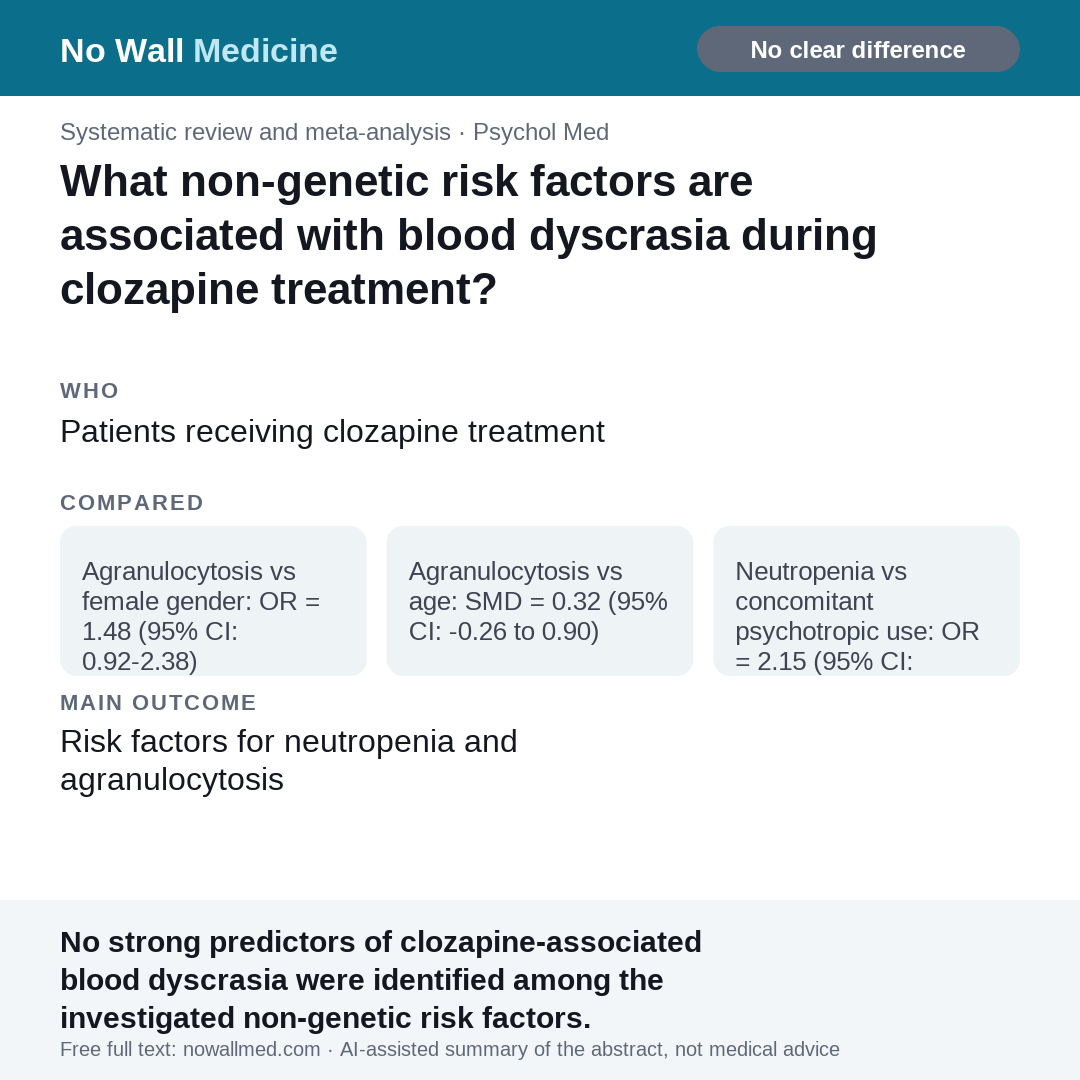
Risk factors associated with blood dyscrasia during clozapine treatment: a systematic review and meta-analysis
Systematic review and meta-analysisNo clear difference
What non-genetic risk factors are associated with blood dyscrasia during clozapine treatment?
Who
Patients receiving clozapine treatment
Compared
Agranulocytosis vs female gender: OR = 1.48 (95% CI: 0.92-2.38)
Agranulocytosis vs age: SMD = 0.32 (95% CI: -0.26 to 0.90)
Neutropenia vs concomitant psychotropic use: OR = 2.15 (95% CI: 1.13-4.07)
Main outcome
Risk factors for neutropenia and agranulocytosis
Bottom line: No strong predictors of clozapine-associated blood dyscrasia were identified among the investigated non-genetic risk factors.
Limitation: Study variability, surveillance bias, and lack of consistent differentiation between agranulocytosis and milder neutropenia.
Psychol Med · 2026-05-11Download image
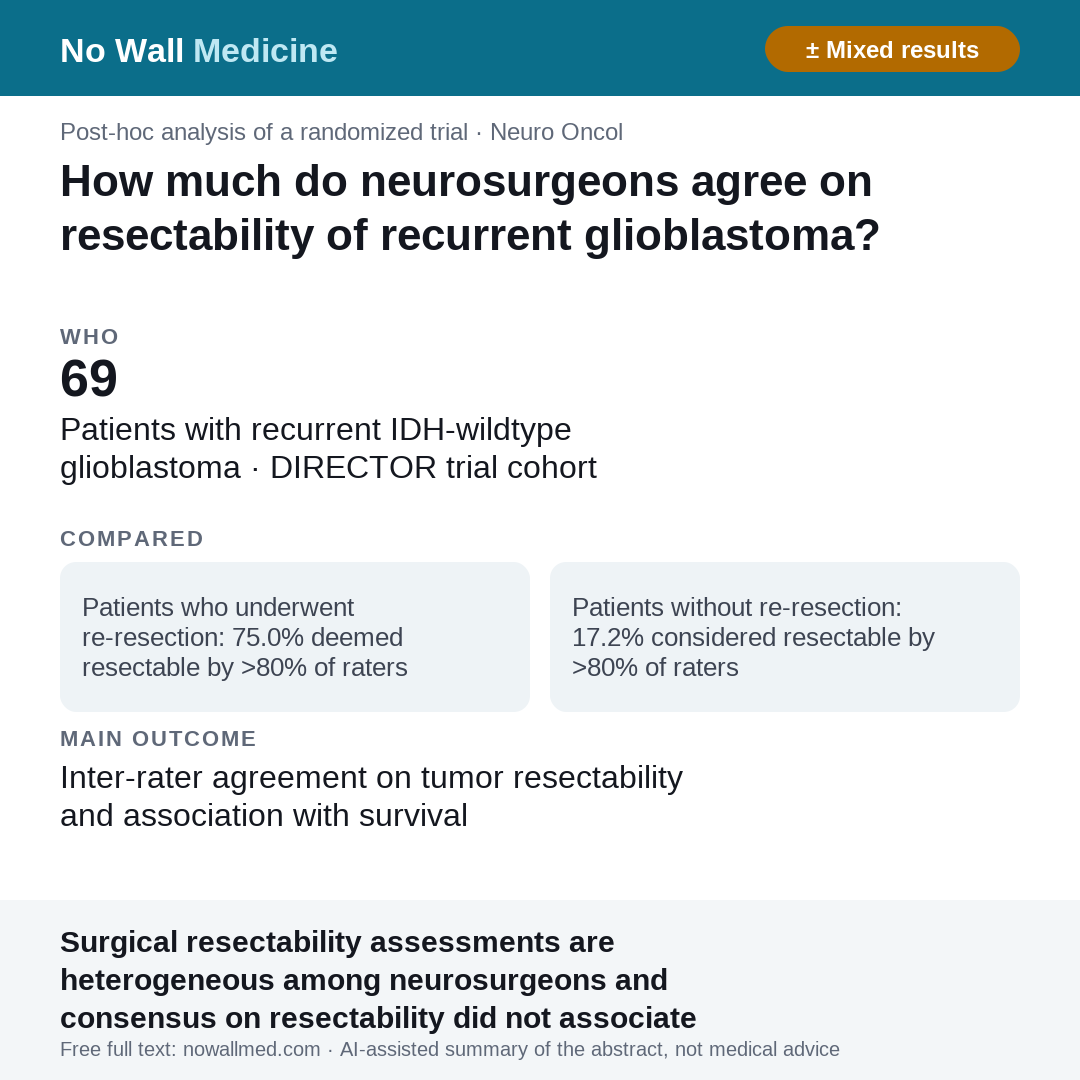
Discrepancies in inter-rater agreement on resectability of recurrent glioblastoma: Complementary post-hoc analysis of the prospective, randomized DIRECTOR trial
Post-hoc analysis of a randomized trialMixed results
How much do neurosurgeons agree on resectability of recurrent glioblastoma?
Who
69
Patients with recurrent IDH-wildtype glioblastoma · DIRECTOR trial cohort
Compared
Patients who underwent re-resection: 75.0% deemed resectable by >80% of raters
Patients without re-resection: 17.2% considered resectable by >80% of raters
Main outcome
Inter-rater agreement on tumor resectability and association with survival
Bottom line: Surgical resectability assessments are heterogeneous among neurosurgeons and consensus on resectability did not associate with prolonged overall survival.
Limitation: Findings are limited by the number of surgical raters and the size of the cohort.
Neuro Oncol · 2026-05-11Download image
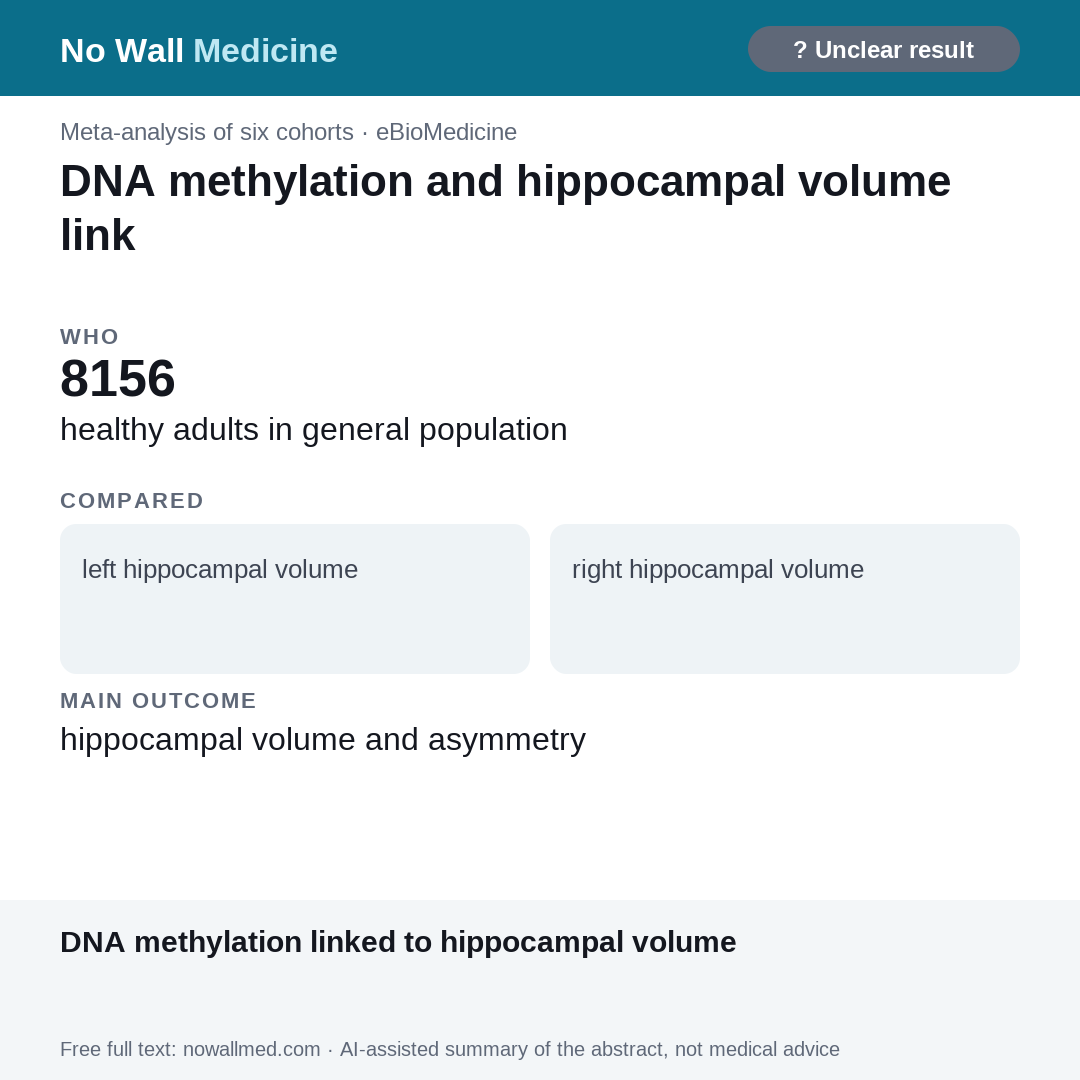
DNA methylation signatures of bilateral hippocampal volume, asymmetry and atrophy: a cross-omics analysis in the general population
Meta-analysis of six cohortsUnclear result
DNA methylation and hippocampal volume link
Who
8156
healthy adults in general population
Compared
left hippocampal volume
right hippocampal volume
Main outcome
hippocampal volume and asymmetry
Bottom line: DNA methylation linked to hippocampal volume
Funded by: Institutional funds and others
eBioMedicine · 2026-05-11Download image
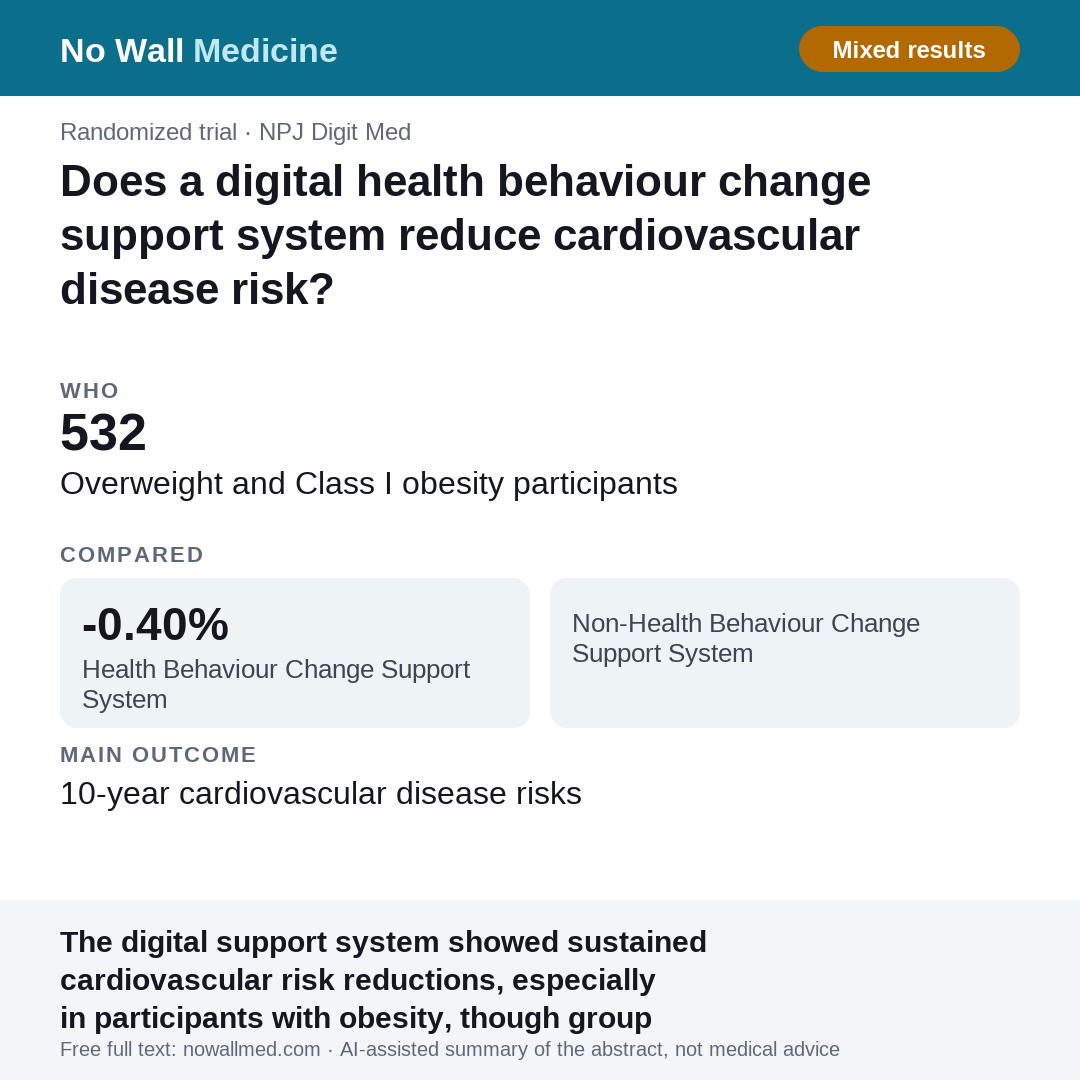
Effect of a digital health behaviour change support system on cardiovascular disease risk in a randomized weight loss trial
Randomized trialMixed results
Does a digital health behaviour change support system reduce cardiovascular disease risk?
Who
532
Overweight and Class I obesity participants
Compared
-0.40%Health Behaviour Change Support System
Non-Health Behaviour Change Support System
Main outcome
10-year cardiovascular disease risks
Bottom line: The digital support system showed sustained cardiovascular risk reductions, especially in participants with obesity, though group differences were not significant.
Limitation: Differences between groups were not significant in any analyses conducted.
NPJ Digit Med · 2026-05-11Download image
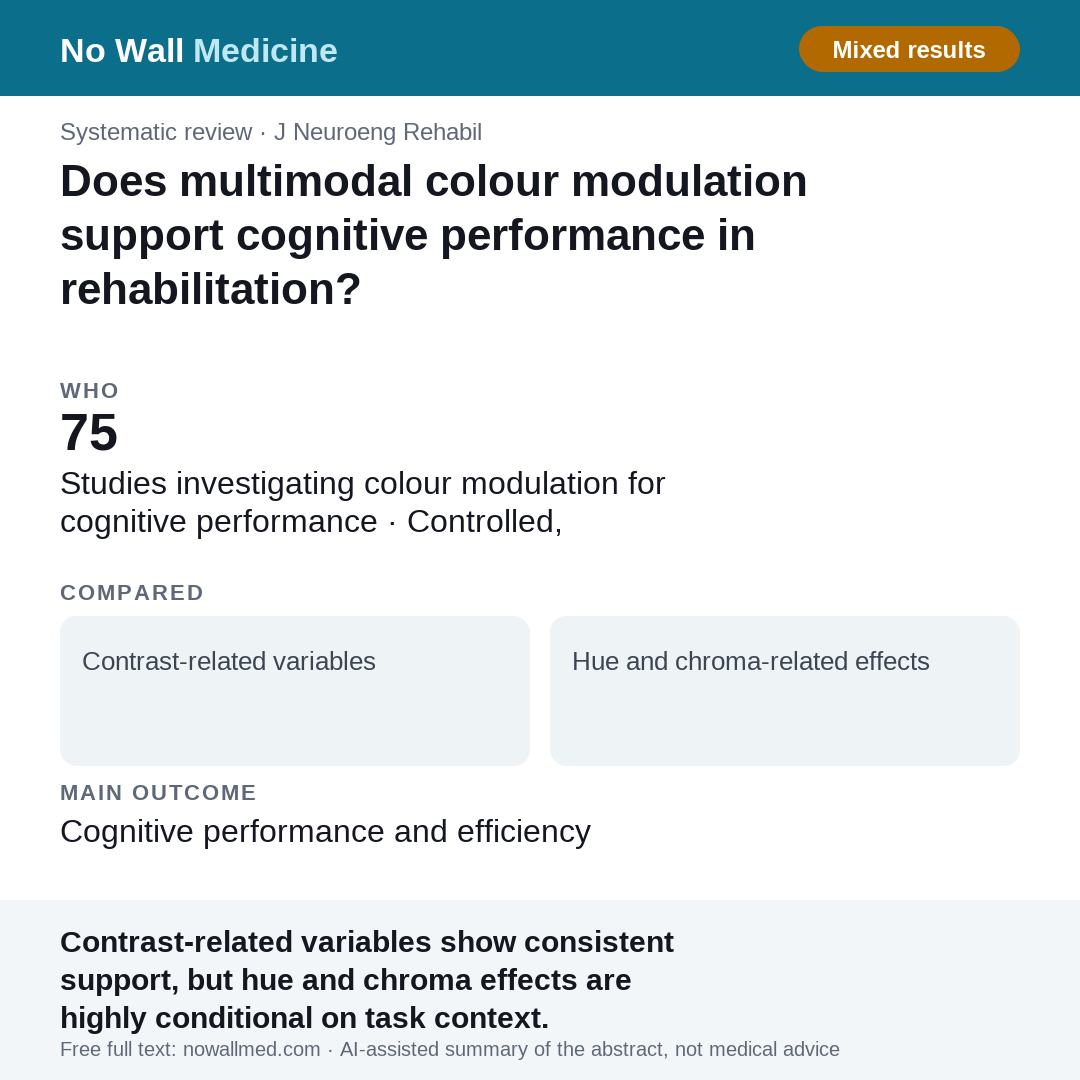
Multimodal colour modulation for cognitive enhancement in intelligent rehabilitation: a systematic review and translational guidance
Systematic reviewMixed results
Does multimodal colour modulation support cognitive performance in rehabilitation?
Who
75
Studies investigating colour modulation for cognitive performance · Controlled, predominantly non-clinical task settings
Compared
Contrast-related variables
Hue and chroma-related effects
Main outcome
Cognitive performance and efficiency
Bottom line: Contrast-related variables show consistent support, but hue and chroma effects are highly conditional on task context.
Limitation: Most evidence derives from controlled, non-clinical settings rather than direct rehabilitation deployment.
J Neuroeng Rehabil · 2026-05-11Download image
Risk factors for sudden cardiac death or sudden unexplained death in patients treated with clozapine: systematic review
Systematic reviewHarm found
Risk factors for sudden cardiac death in clozapine patients
Who
498
clozapine-treated patients with schizophrenia
Compared
high dose
low dose
Main outcome
sudden cardiac death
Bottom line: Clozapine increases risk of sudden cardiac death
Limitation: study heterogeneity
BJPsych Open · 2026-05-11Download image

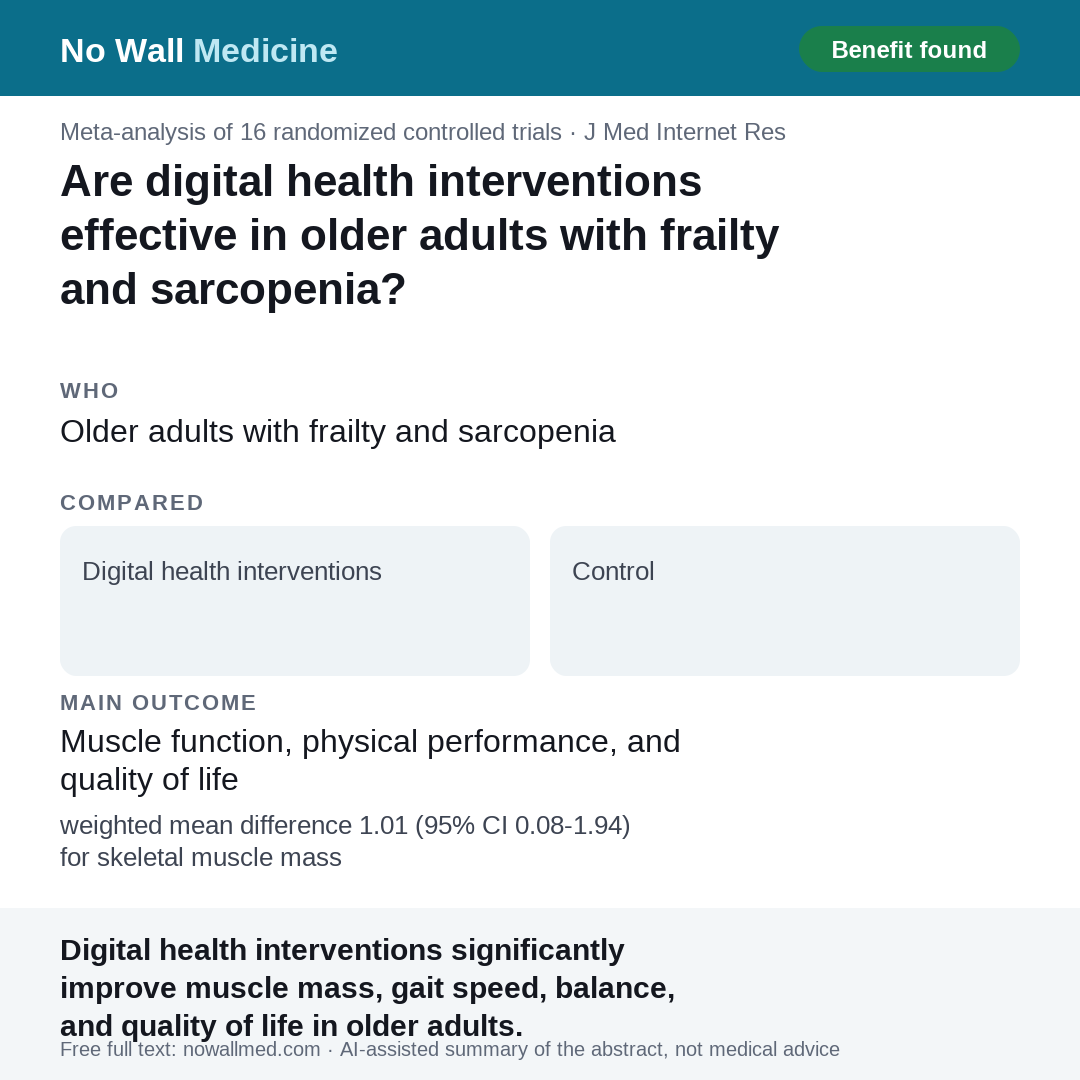
Effectiveness of Digital Health Interventions in Older Adults With Frailty and Sarcopenia: Systematic Review and Meta-Analysis of Randomized Controlled Trials
Meta-analysis of 16 randomized controlled trialsBenefit found
Are digital health interventions effective in older adults with frailty and sarcopenia?
Who
Older adults with frailty and sarcopenia
Compared
Digital health interventions
Control
Main outcome
Muscle function, physical performance, and quality of life
Result: weighted mean difference 1.01 (95% CI 0.08-1.94) for skeletal muscle mass
Bottom line: Digital health interventions significantly improve muscle mass, gait speed, balance, and quality of life in older adults.
Limitation: Low evidence quality and substantial between-study heterogeneity indicated by wide prediction intervals.
J Med Internet Res · 2026-05-11Download image
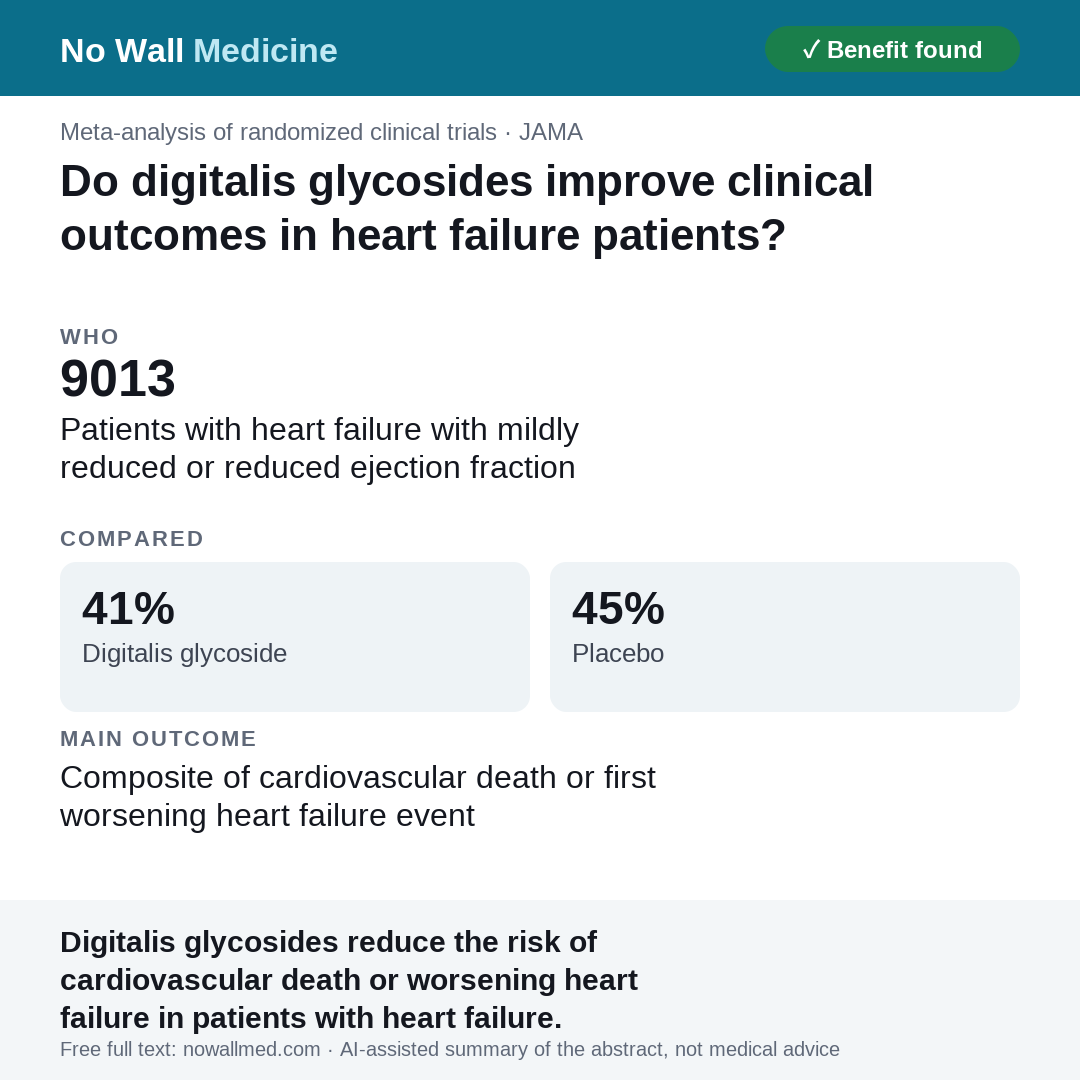
Efficacy and Safety of Digitalis Glycosides in Heart Failure: A Meta-Analysis
Meta-analysis of randomized clinical trialsBenefit found
Do digitalis glycosides improve clinical outcomes in heart failure patients?
Who
9013
Patients with heart failure with mildly reduced or reduced ejection fraction
Compared
41%Digitalis glycoside (1852/4510)
45%Placebo (2037/4503)
Main outcome
Composite of cardiovascular death or first worsening heart failure event
Result: hazard ratio 0.85 (95% CI 0.80-0.90)
Bottom line: Digitalis glycosides reduce the risk of cardiovascular death or worsening heart failure in patients with heart failure.
JAMA · 2026-05-10Download image
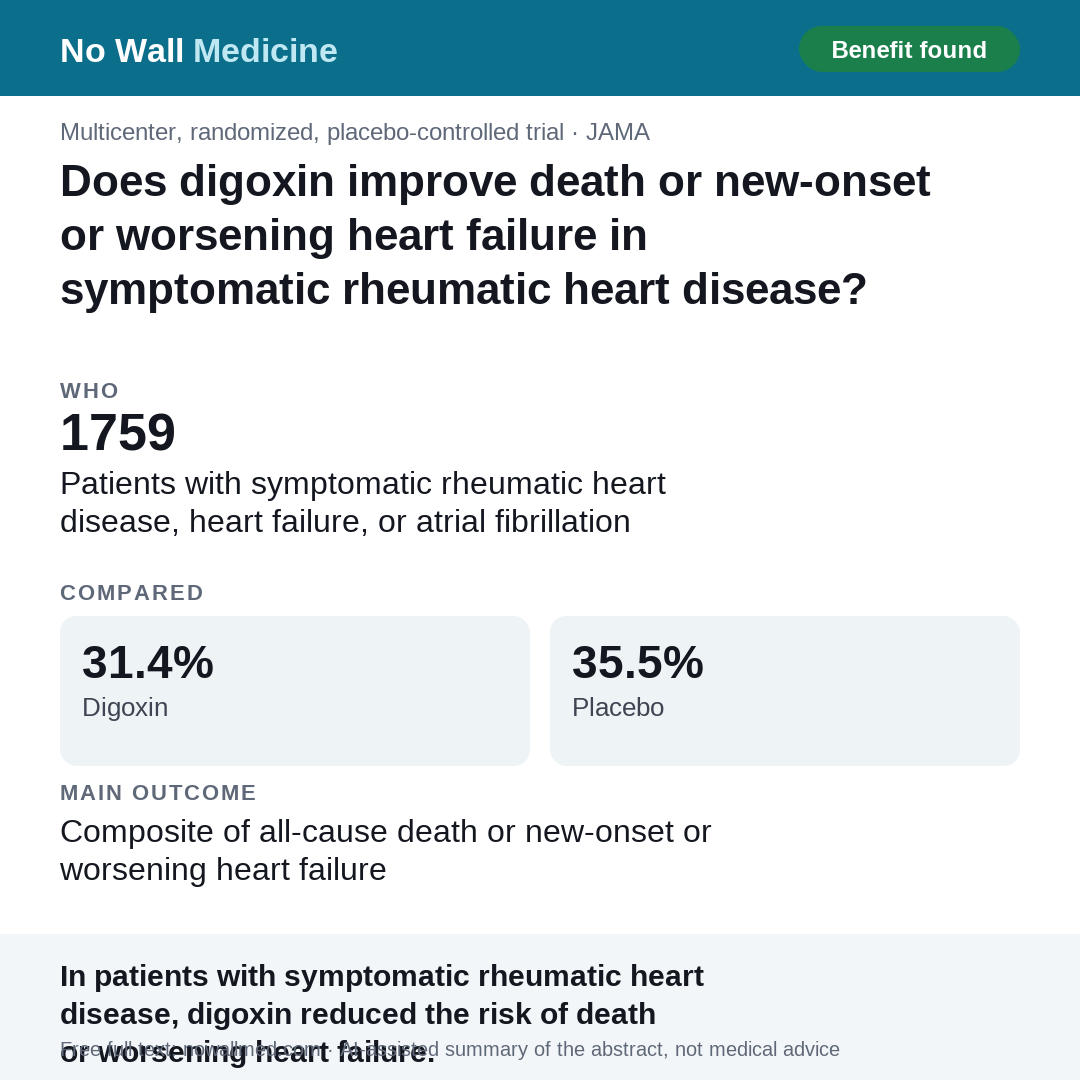
Digoxin in Patients With Symptomatic Rheumatic Heart Disease: A Randomized Clinical Trial
Multicenter, randomized, placebo-controlled trialBenefit found
Does digoxin improve death or new-onset or worsening heart failure in symptomatic rheumatic heart disease?
Who
1759
Patients with symptomatic rheumatic heart disease, heart failure, or atrial fibrillation · 12 tertiary care hospitals in India
Compared
31.4%Digoxin
35.5%Placebo
Main outcome
Composite of all-cause death or new-onset or worsening heart failure
Result: hazard ratio 0.82 (95% CI 0.70-0.97)
Bottom line: In patients with symptomatic rheumatic heart disease, digoxin reduced the risk of death or worsening heart failure.
JAMA · 2026-05-10Download image
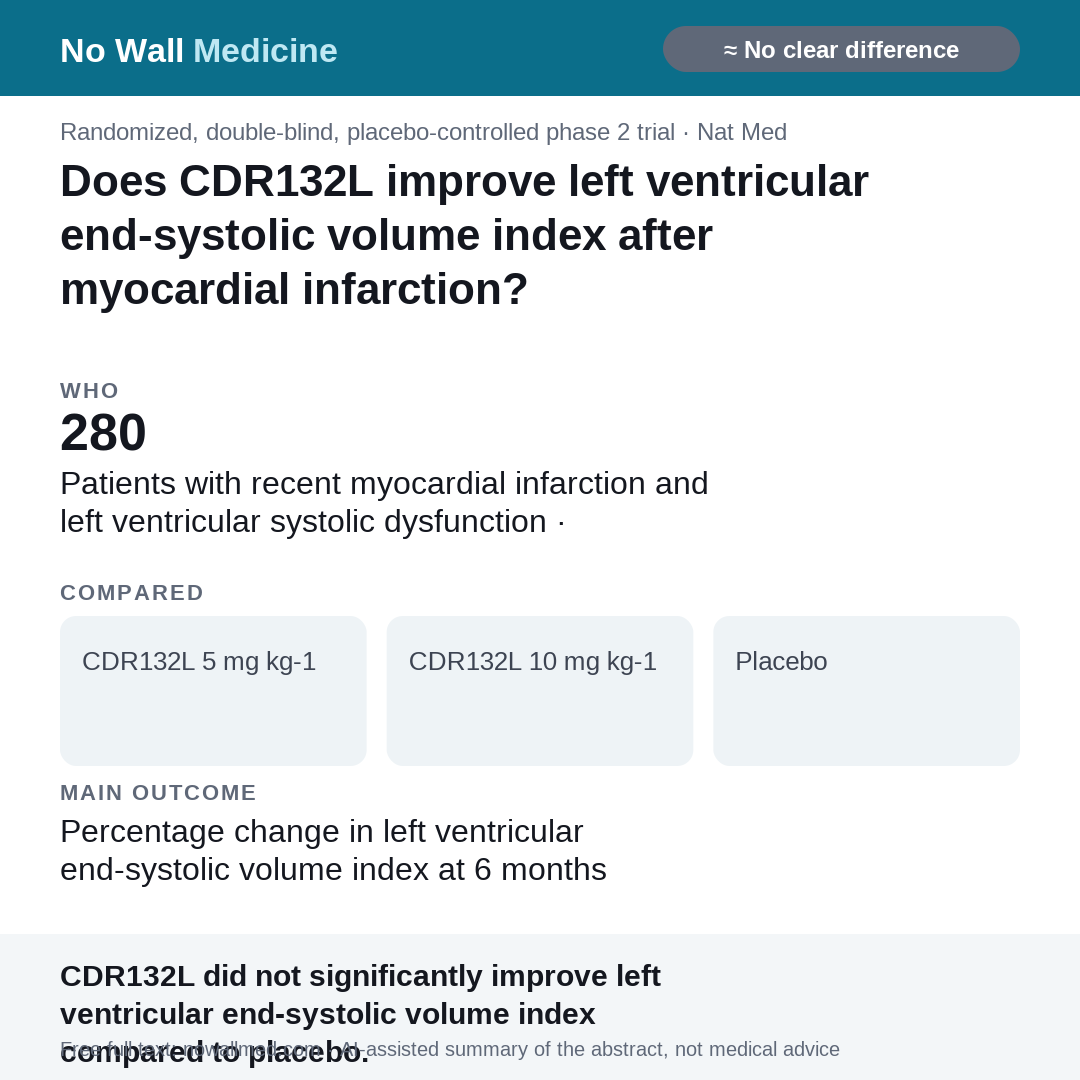
The microRNA inhibitor CDR132L in patients with reduced left ventricular ejection fraction after myocardial infarction: a randomized phase 2 trial
Randomized, double-blind, placebo-controlled phase 2 trialNo clear difference
Does CDR132L improve left ventricular end-systolic volume index after myocardial infarction?
Who
280
Patients with recent myocardial infarction and left ventricular systolic dysfunction · Multinational
Compared
CDR132L 5 mg kg-1
CDR132L 10 mg kg-1
Placebo
Main outcome
Percentage change in left ventricular end-systolic volume index at 6 months
Bottom line: CDR132L did not significantly improve left ventricular end-systolic volume index compared to placebo.
Nat Med · 2026-05-10Download image
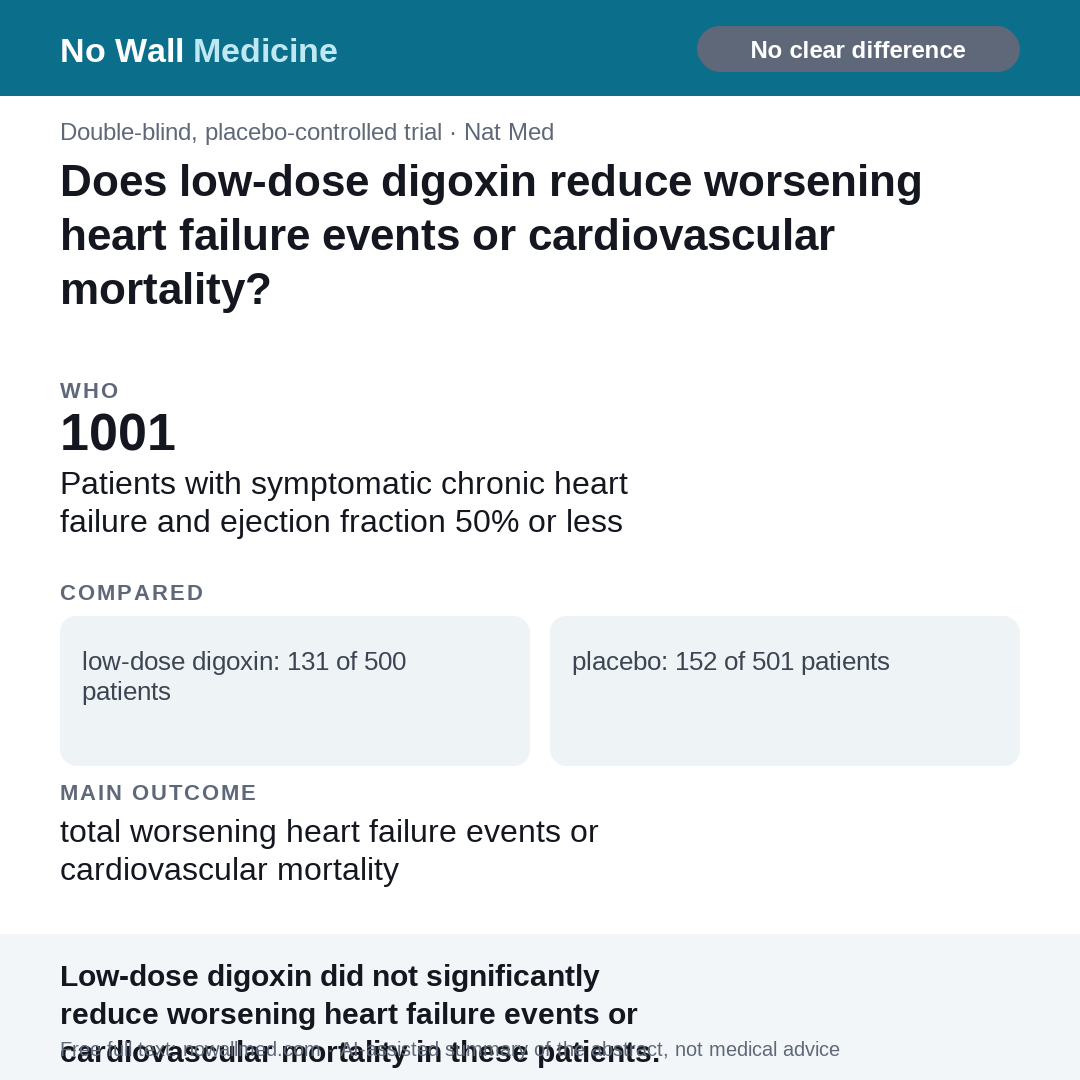
Low-dose digoxin in patients with heart failure with reduced or mildly reduced ejection fraction: a randomized controlled trial
Double-blind, placebo-controlled trialNo clear difference
Does low-dose digoxin reduce worsening heart failure events or cardiovascular mortality?
Who
1001
Patients with symptomatic chronic heart failure and ejection fraction 50% or less
Compared
low-dose digoxin: 131 of 500 patients
placebo: 152 of 501 patients
Main outcome
total worsening heart failure events or cardiovascular mortality
Result: rate ratio 0.81 (95% CI 0.61-1.07)
Bottom line: Low-dose digoxin did not significantly reduce worsening heart failure events or cardiovascular mortality in these patients.
Nat Med · 2026-05-10Download image
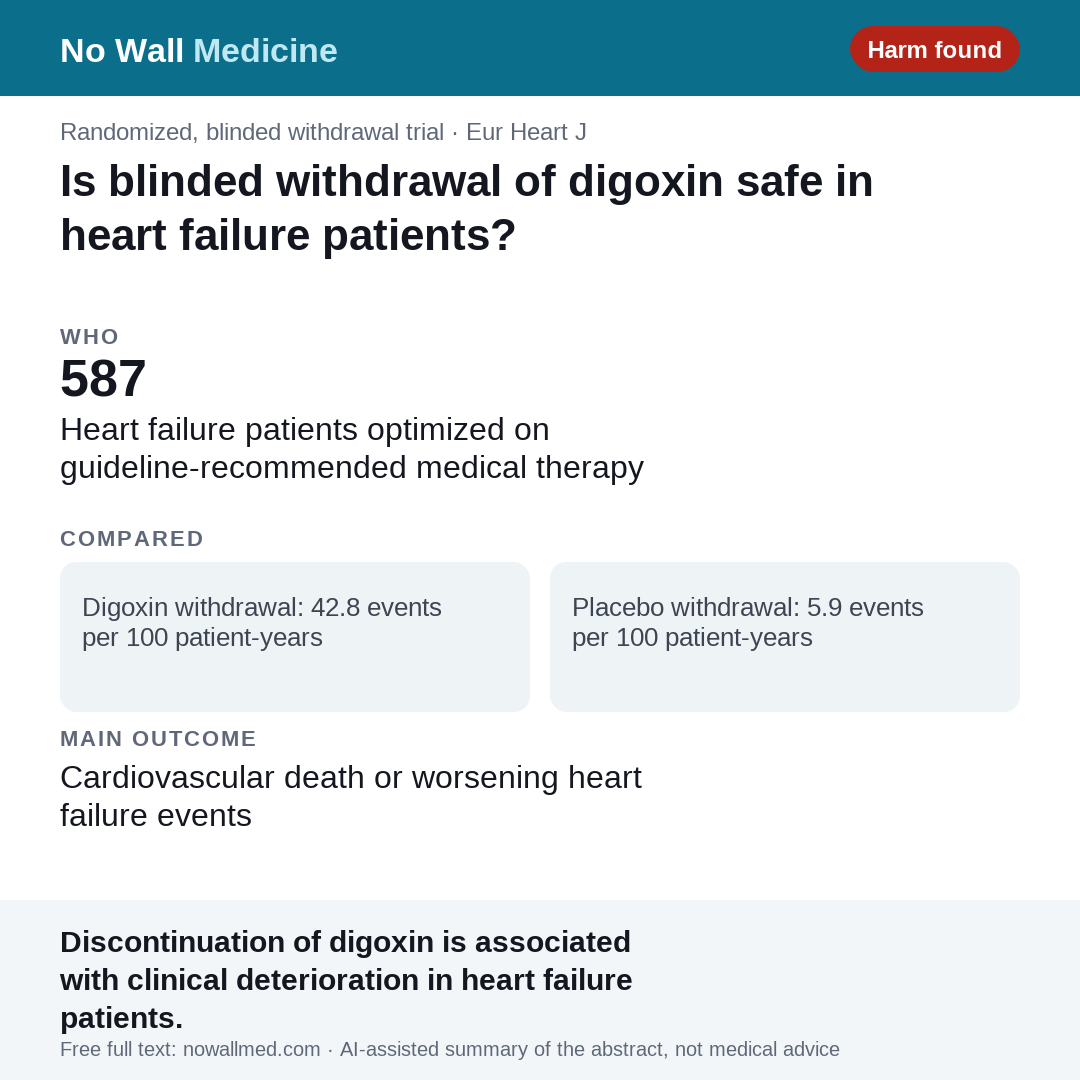
Blinded withdrawal of randomized treatment with low-dose digoxin or placebo in heart failure: the DECISION trial
Randomized, blinded withdrawal trialHarm found
Is blinded withdrawal of digoxin safe in heart failure patients?
Who
587
Heart failure patients optimized on guideline-recommended medical therapy
Compared
Digoxin withdrawal: 42.8 events per 100 patient-years
Placebo withdrawal: 5.9 events per 100 patient-years
Main outcome
Cardiovascular death or worsening heart failure events
Result: rate ratio 7.37 (95% CI 1.56-34.88)
Bottom line: Discontinuation of digoxin is associated with clinical deterioration in heart failure patients.
Eur Heart J · 2026-05-10Download image
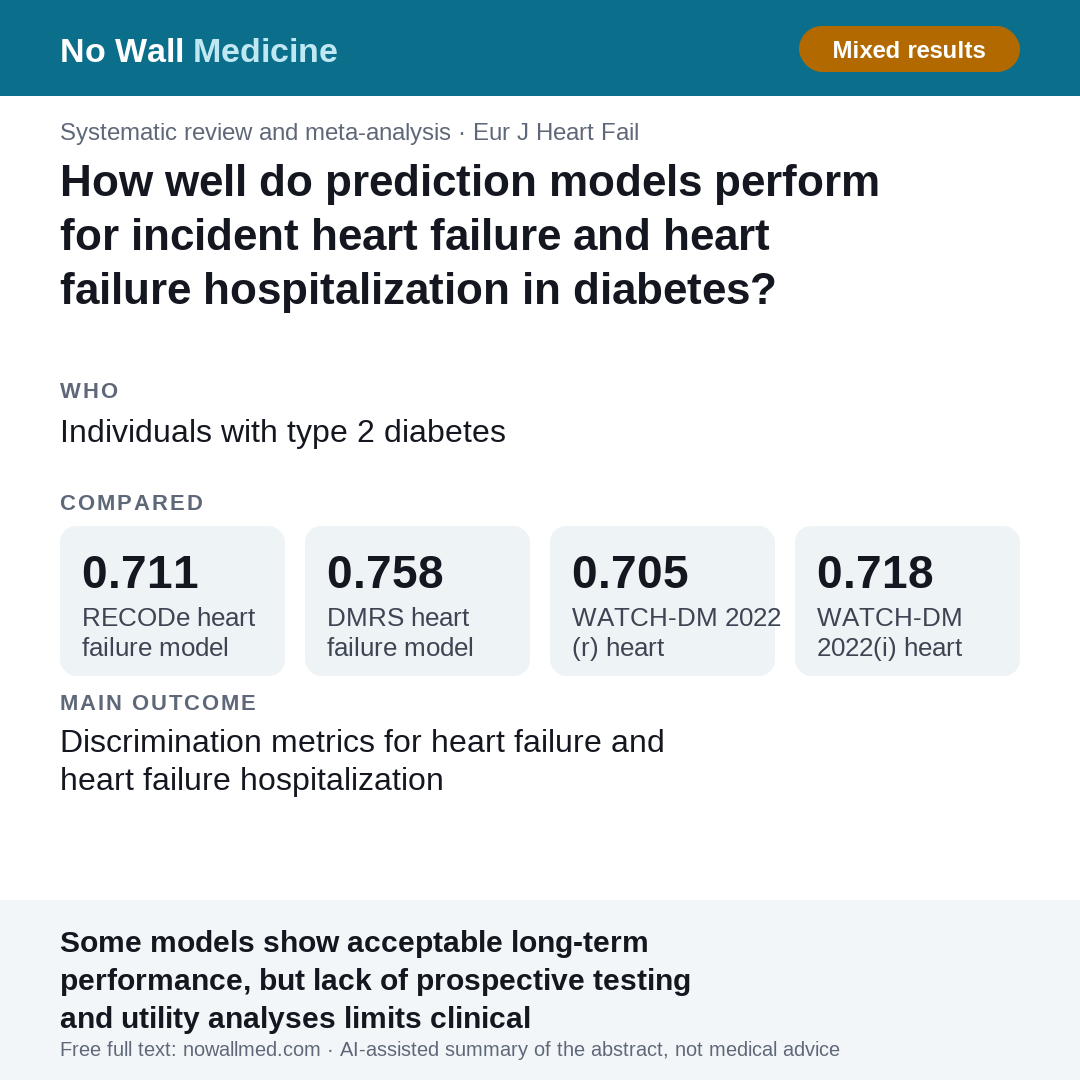
Performance of prediction models for incident heart failure and heart failure hospitalization in individuals with type 2 diabetes: a systematic review and meta-analysis
Systematic review and meta-analysisMixed results
How well do prediction models perform for incident heart failure and heart failure hospitalization in diabetes?
Who
Individuals with type 2 diabetes
Compared
0.711RECODe heart failure model (95% CI 0.651-0.767)
0.758DMRS heart failure model (95% CI 0.684-0.827)
0.705WATCH-DM 2022 (r) heart failure hospitalization model (95% CI, 0.624-0.795)
0.718WATCH-DM 2022(i) heart failure hospitalization model (95% CI 0.587-0.850)
Main outcome
Discrimination metrics for heart failure and heart failure hospitalization
Bottom line: Some models show acceptable long-term performance, but lack of prospective testing and utility analyses limits clinical translation.
Limitation: None of the models were prospectively tested and only three underwent clinical utility analysis.
Eur J Heart Fail · 2026-05-10Download image
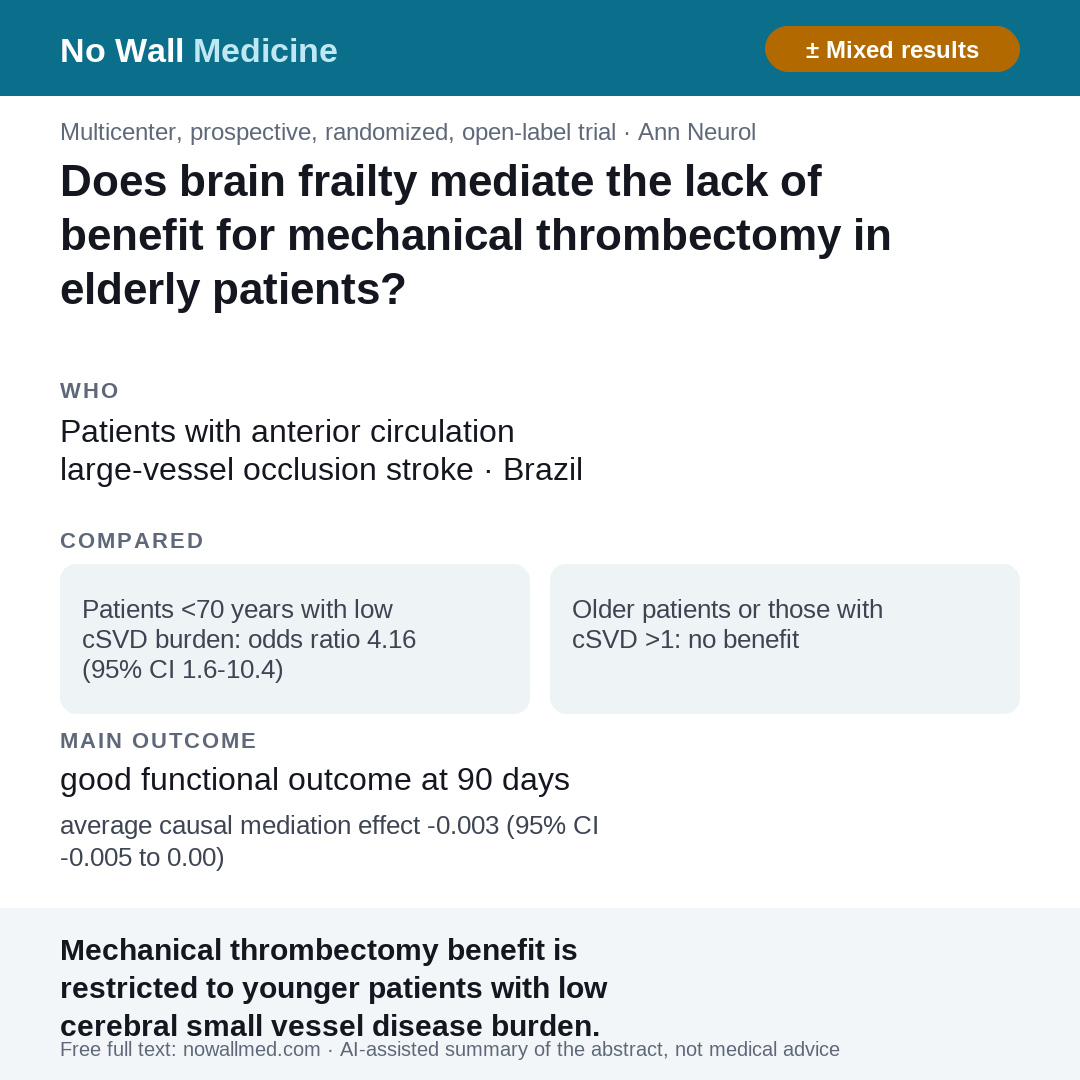
Brain Frailty Rather than Age Alone Mediates the Lack of Benefit for Endovascular Thrombectomy in the Elderly Population of the RESILIENT Trial
Multicenter, prospective, randomized, open-label trialMixed results
Does brain frailty mediate the lack of benefit for mechanical thrombectomy in elderly patients?
Who
Patients with anterior circulation large-vessel occlusion stroke · Brazil
Compared
Patients <70 years with low cSVD burden: odds ratio 4.16 (95% CI 1.6-10.4)
Older patients or those with cSVD >1: no benefit
Main outcome
good functional outcome at 90 days
Result: average causal mediation effect -0.003 (95% CI -0.005 to 0.00)
Bottom line: Mechanical thrombectomy benefit is restricted to younger patients with low cerebral small vessel disease burden.
Ann Neurol · 2026-05-10Download image
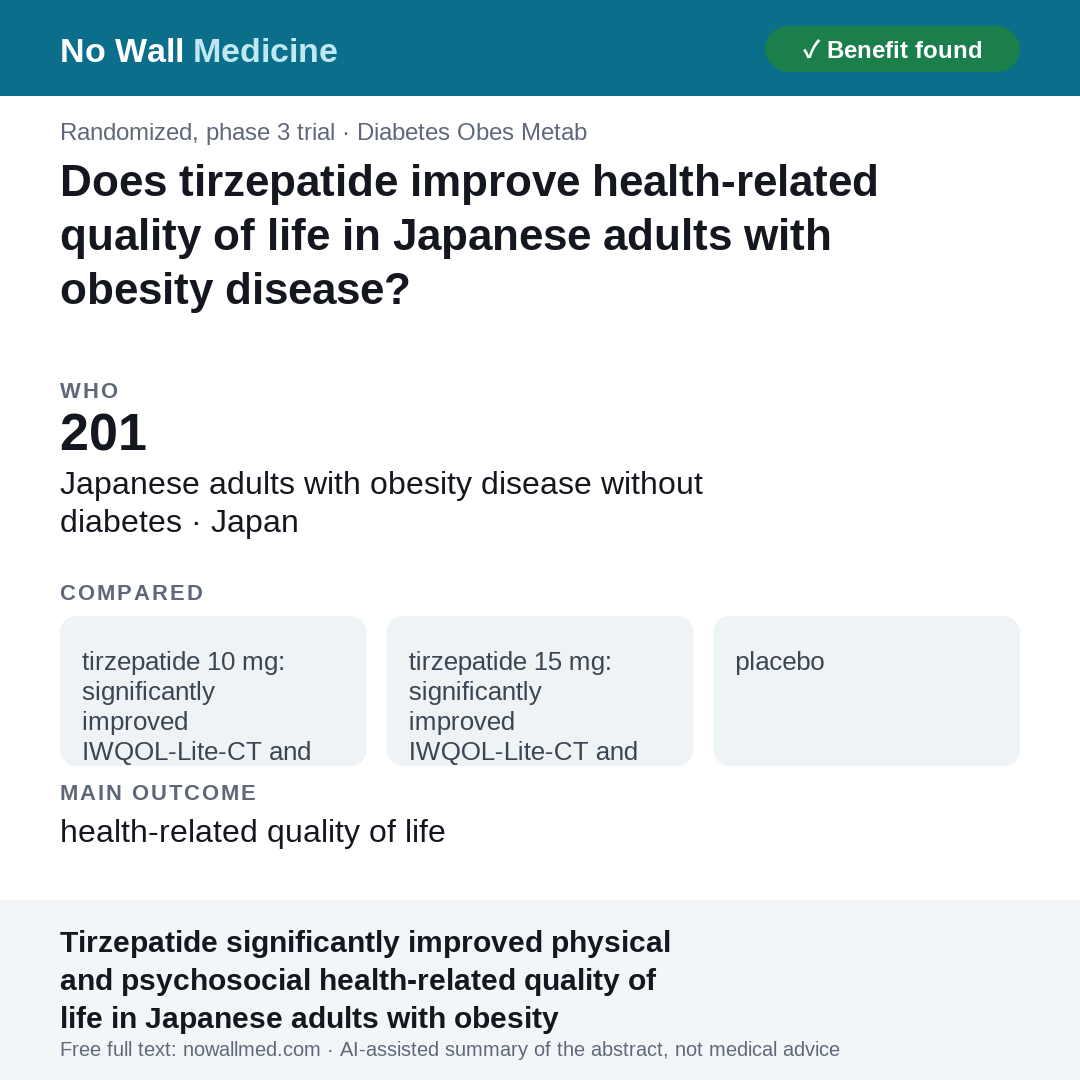
Effect of Tirzepatide on Health-Related Quality of Life in Japanese Patients With Obesity Disease: Patient-Reported Outcomes From the SURMOUNT-J Study
Randomized, phase 3 trialBenefit found
Does tirzepatide improve health-related quality of life in Japanese adults with obesity disease?
Who
201
Japanese adults with obesity disease without diabetes · Japan
Compared
tirzepatide 10 mg: significantly improved IWQOL-Lite-CT and SF-36v2 scores
tirzepatide 15 mg: significantly improved IWQOL-Lite-CT and SF-36v2 scores
placebo
Main outcome
health-related quality of life
Bottom line: Tirzepatide significantly improved physical and psychosocial health-related quality of life in Japanese adults with obesity disease.
Diabetes Obes Metab · 2026-05-10Download image
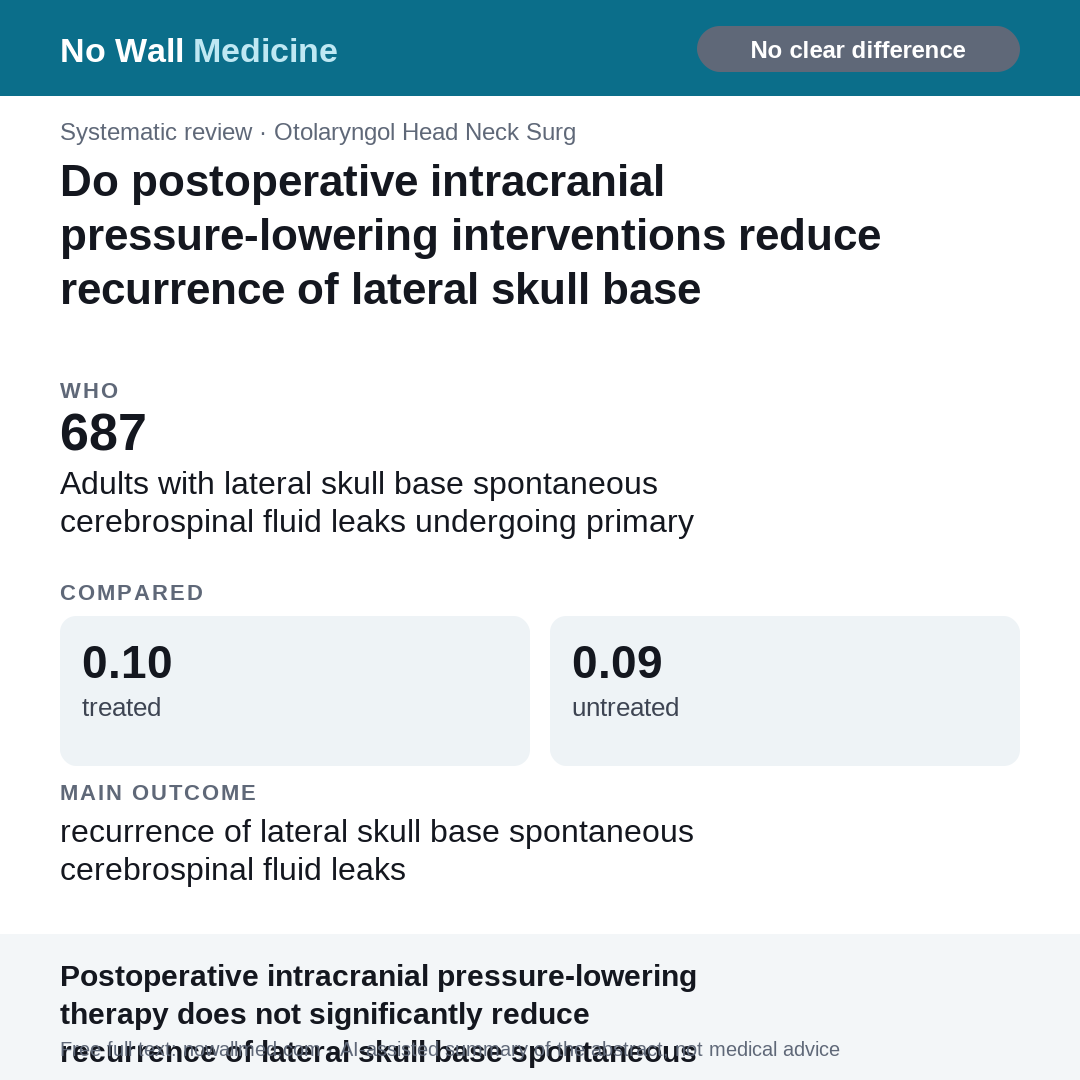
Risk Reduction of Recurrent Cerebrospinal Fluid Leaks With Postoperative Intracranial Pressure Management: A Systematic Review
Systematic reviewNo clear difference
Do postoperative intracranial pressure-lowering interventions reduce recurrence of lateral skull base spontaneous cerebrospinal fluid leaks?
Who
687
Adults with lateral skull base spontaneous cerebrospinal fluid leaks undergoing primary repair
Compared
0.10treated (95% CI: 0.04-0.26)
0.09untreated (95% CI: 0.07-0.12)
Main outcome
recurrence of lateral skull base spontaneous cerebrospinal fluid leaks
Result: risk ratio 1.16 (95% CI 0.14-9.76)
Bottom line: Postoperative intracranial pressure-lowering therapy does not significantly reduce recurrence of lateral skull base spontaneous cerebrospinal fluid leaks.
Limitation: heterogeneity in patient selection and intervention practices
Otolaryngol Head Neck Surg · 2026-05-10Download image
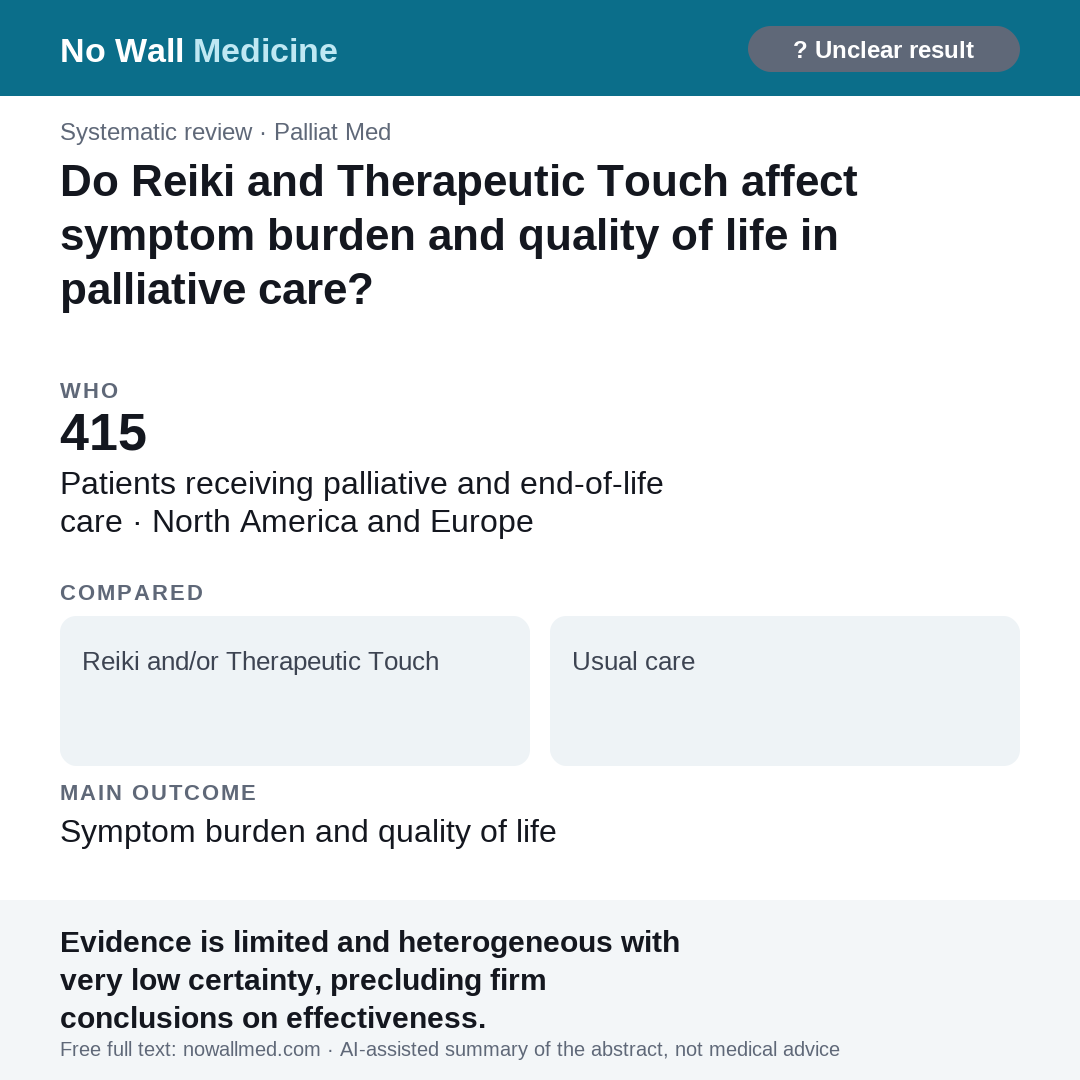
Reiki and Therapeutic Touch for symptom burden and quality of life in palliative settings: A systematic review
Systematic reviewUnclear result
Do Reiki and Therapeutic Touch affect symptom burden and quality of life in palliative care?
Who
415
Patients receiving palliative and end-of-life care · North America and Europe
Compared
Reiki and/or Therapeutic Touch
Usual care
Main outcome
Symptom burden and quality of life
Bottom line: Evidence is limited and heterogeneous with very low certainty, precluding firm conclusions on effectiveness.
Limitation: Very low certainty of evidence and risk of bias in included studies.
Palliat Med · 2026-05-10Download image
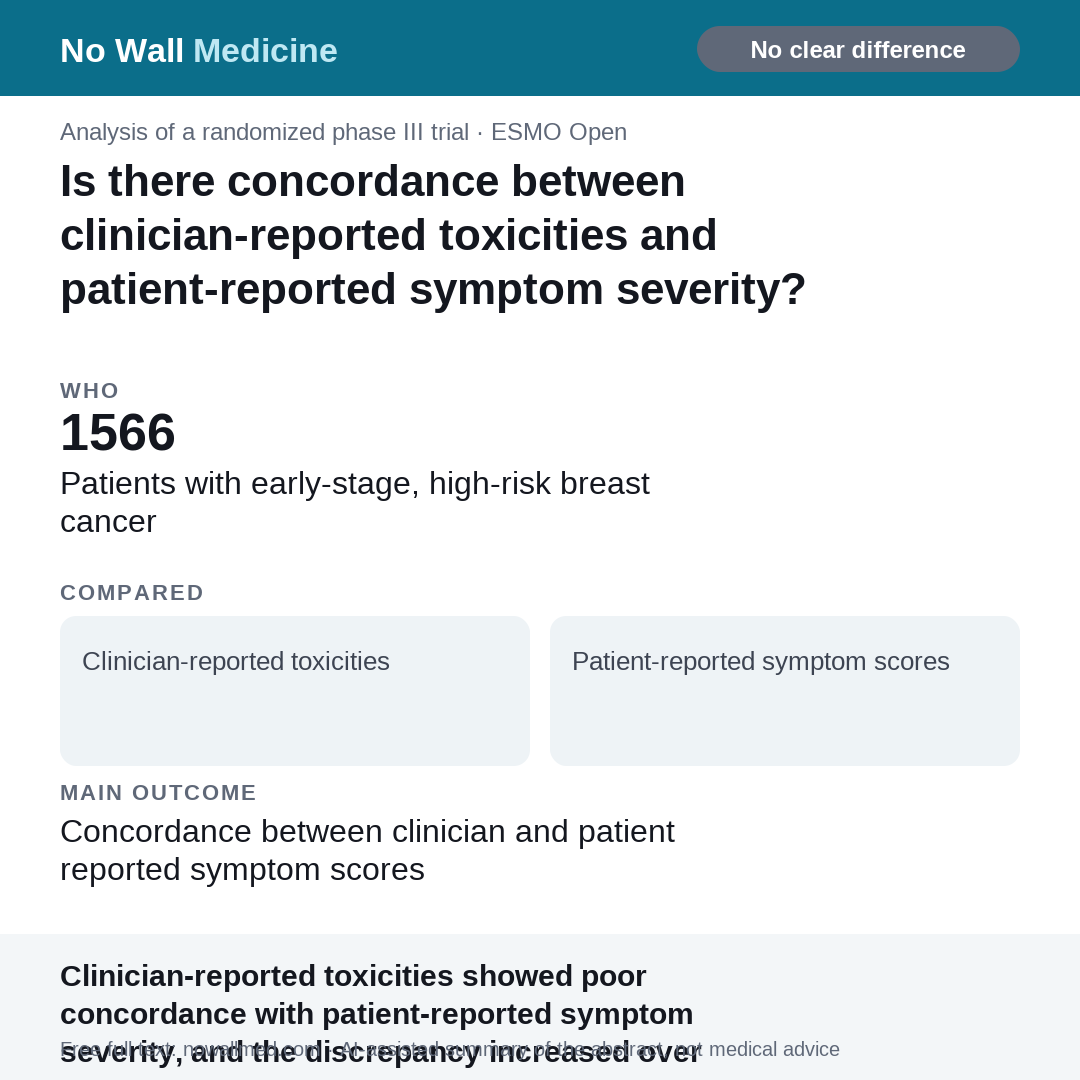
Concordance between clinician-reported toxicities and patient-reported symptom severity in early-stage breast cancer: an analysis of the randomized phase III PANTHER trial
Analysis of a randomized phase III trialNo clear difference
Is there concordance between clinician-reported toxicities and patient-reported symptom severity?
Who
1566
Patients with early-stage, high-risk breast cancer
Compared
Clinician-reported toxicities
Patient-reported symptom scores
Main outcome
Concordance between clinician and patient reported symptom scores
Result: kappa = 0.07-0.34
Bottom line: Clinician-reported toxicities showed poor concordance with patient-reported symptom severity, and the discrepancy increased over time.
ESMO Open · 2026-05-09Download image
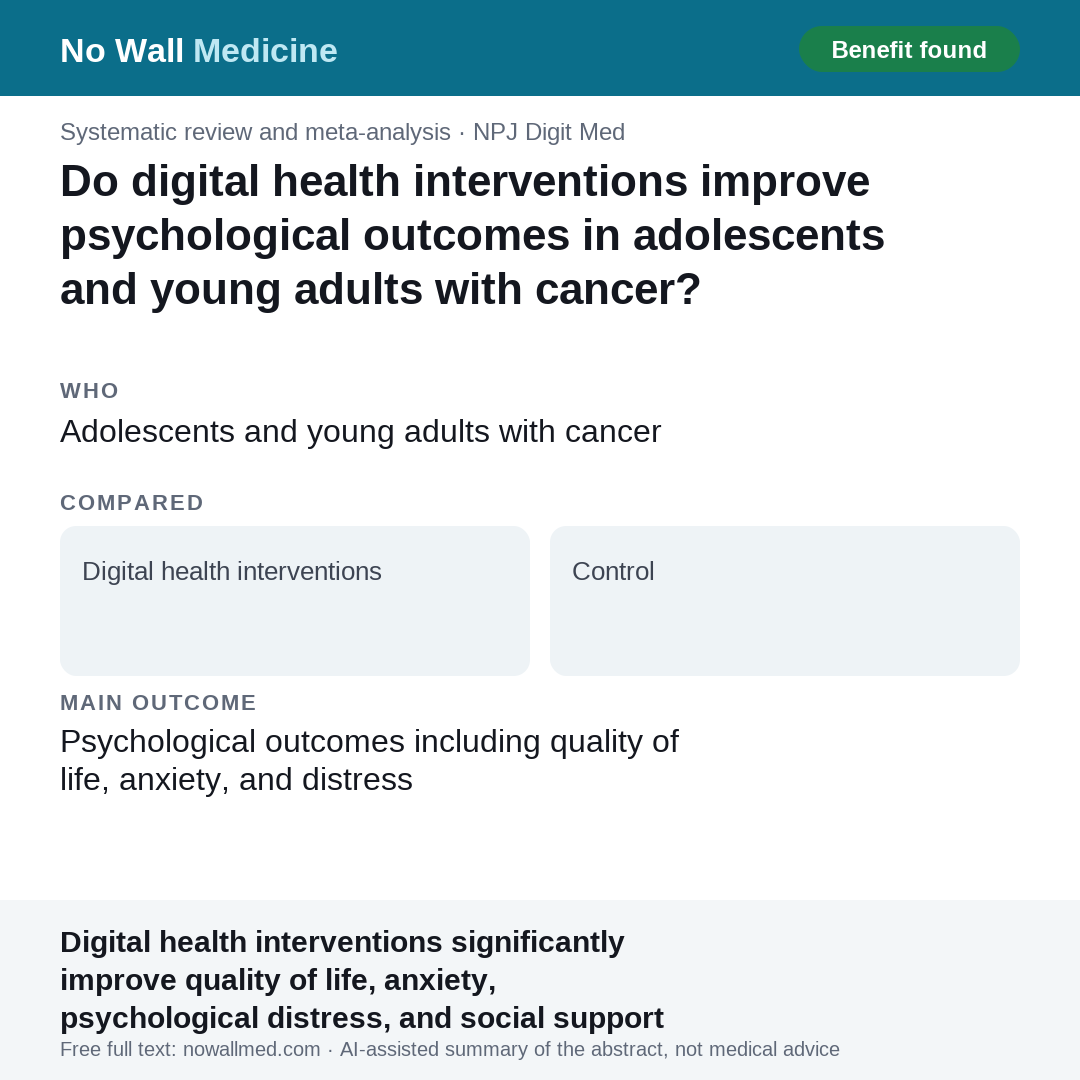
Digital health interventions for psychological outcomes among adolescents and young adults with cancer: a systematic review and meta-analysis
Systematic review and meta-analysisBenefit found
Do digital health interventions improve psychological outcomes in adolescents and young adults with cancer?
Who
Adolescents and young adults with cancer
Compared
Digital health interventions
Control
Main outcome
Psychological outcomes including quality of life, anxiety, and distress
Bottom line: Digital health interventions significantly improve quality of life, anxiety, psychological distress, and social support in adolescents and young adults with cancer.
Limitation: Future randomized controlled trials are needed to evaluate cognitive impairment and cost-effectiveness.
NPJ Digit Med · 2026-05-09Download image
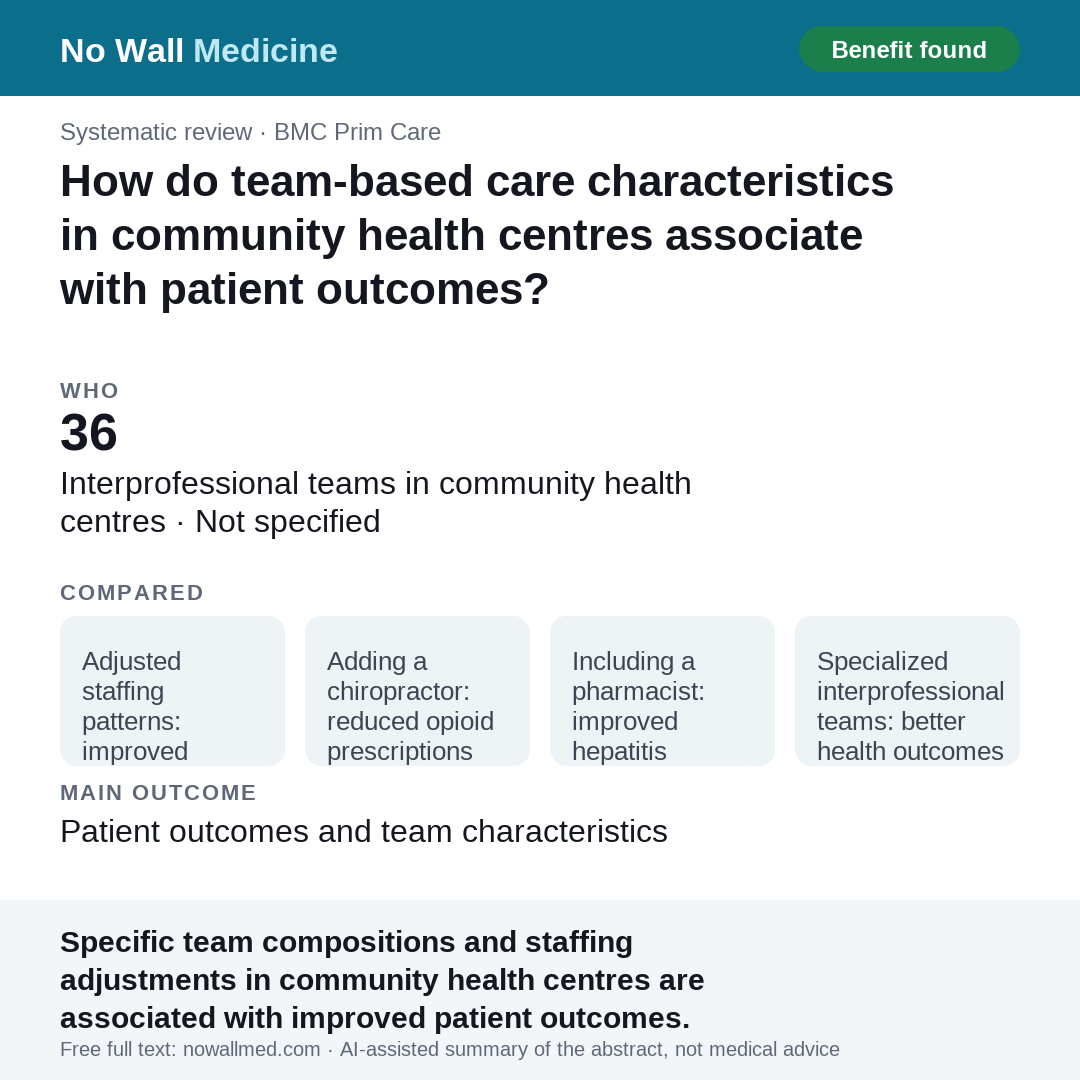
The association between team-based model of care characteristics and patient outcomes in community health centres: a systematic review
Systematic reviewBenefit found
How do team-based care characteristics in community health centres associate with patient outcomes?
Who
36
Interprofessional teams in community health centres · Not specified
Compared
Adjusted staffing patterns: improved patient satisfaction and increased number of visits
Adding a chiropractor: reduced opioid prescriptions and patient pain
Including a pharmacist: improved hepatitis management and patient satisfaction
Specialized interprofessional teams: better health outcomes and care management
Main outcome
Patient outcomes and team characteristics
Bottom line: Specific team compositions and staffing adjustments in community health centres are associated with improved patient outcomes.
Limitation: Inconsistent findings regarding nurse practitioners and physician assistants impact on patients seen.
BMC Prim Care · 2026-05-09Download image