Visual abstracts
New randomized trials and meta-analyses from leading journals at a glance: who was studied, what was compared, and what was found. Every paper is free to read in full.
All specialtiesCardiology 4877Oncology 4138Gastroenterology & Hepatology 1942Infectious Disease 3837Neurology 1905Psychiatry & Mental Health 2273Pulmonology 2143Critical Care 1365Endocrinology & Diabetes 2580Pediatrics 2980Surgery 2559Orthopedics & Sports Medicine 931Neurosurgery 537Cardiothoracic & Vascular Surgery 674Plastic & Reconstructive Surgery 591Nephrology 1133Rheumatology 823Hematology 1109Dermatology 621Ophthalmology 543Obstetrics & Gynecology 1686Public & Global Health 1058Radiology & Imaging 648Anesthesiology 986Urology 764ENT (Otolaryngology) 503Emergency Medicine 511Allergy & Immunology 313Geriatrics 981Family Medicine & Primary Care 562Medical Genetics & Genomics 676Pathology & Laboratory Medicine 159Physical Medicine & Rehabilitation 757Palliative Care 444Nutrition 1588Digital Health & AI 2201General Medicine 321
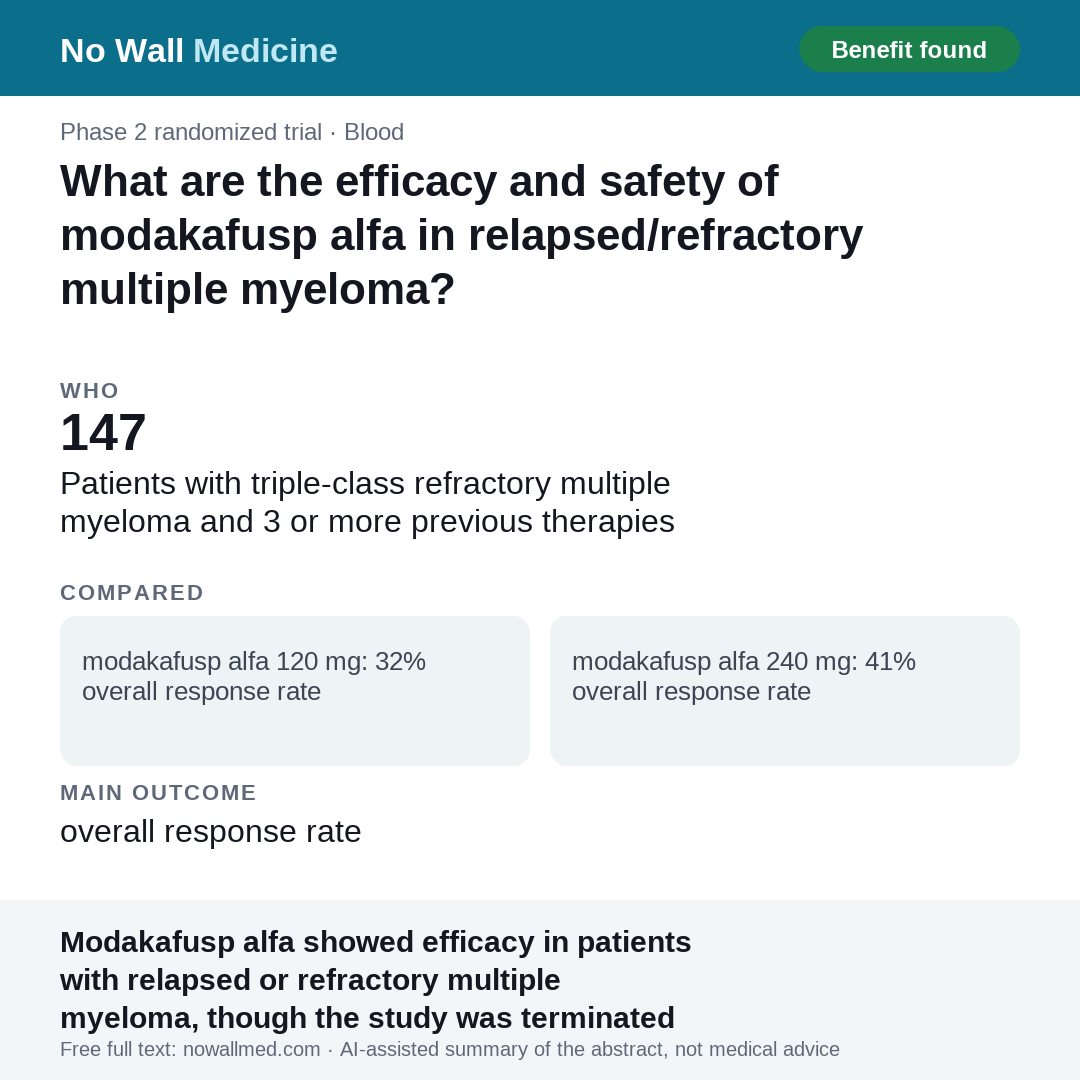
A phase 2 randomized study of modakafusp alfa as a single agent for patients with relapsed/refractory multiple myeloma
Phase 2 randomized trialBenefit found
What are the efficacy and safety of modakafusp alfa in relapsed/refractory multiple myeloma?
Who
147
Patients with triple-class refractory multiple myeloma and 3 or more previous therapies
Compared
modakafusp alfa 120 mg: 32% overall response rate
modakafusp alfa 240 mg: 41% overall response rate
Main outcome
overall response rate
Bottom line: Modakafusp alfa showed efficacy in patients with relapsed or refractory multiple myeloma, though the study was terminated early.
Blood · 2025-04-25Download image
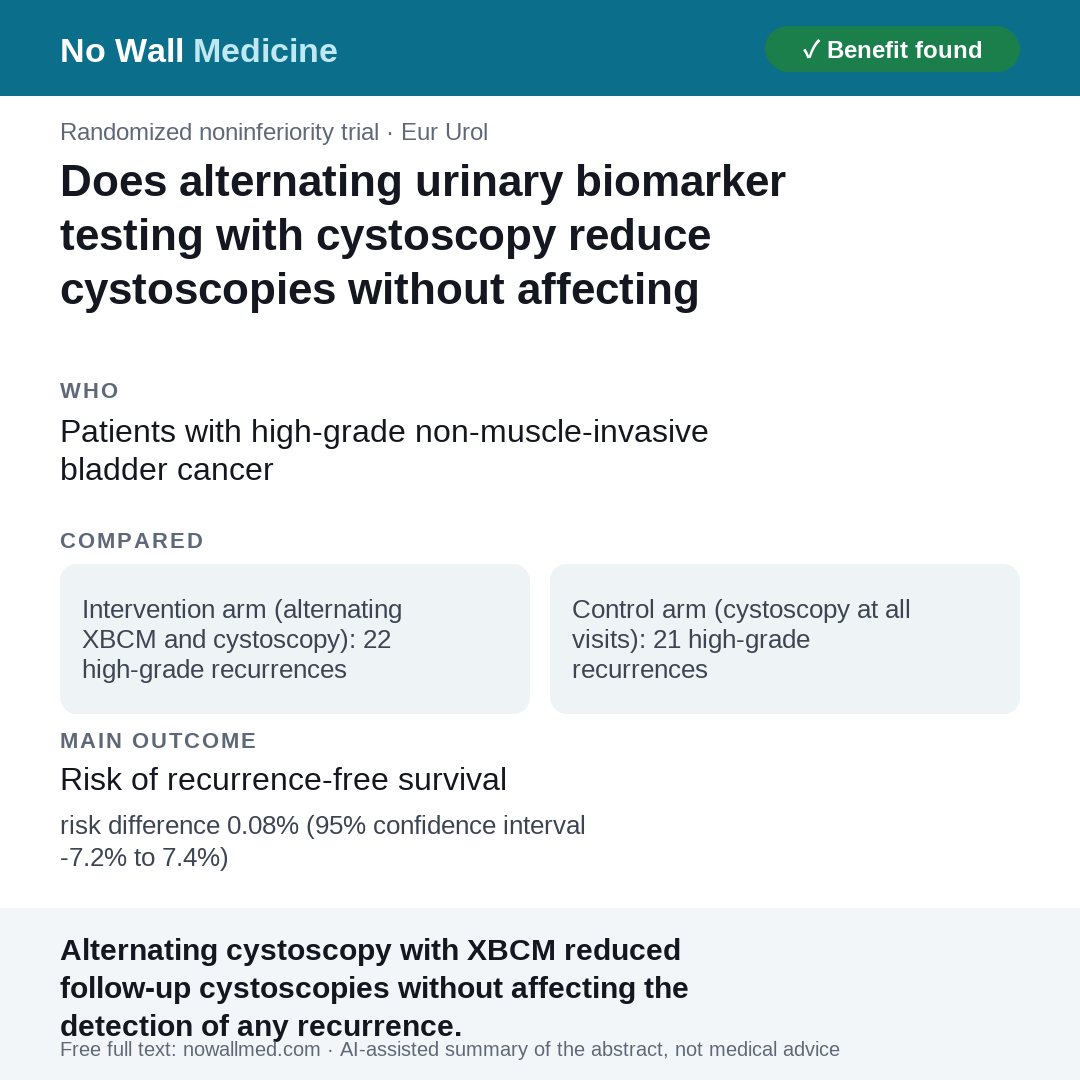
Use of the Xpert Bladder Cancer Monitor Urinary Biomarker Test for Guiding Cystoscopy in High-grade Non-muscle-invasive Bladder Cancer: Results from the Randomized Controlled DaBlaCa-15 Trial
Randomized noninferiority trialBenefit found
Does alternating urinary biomarker testing with cystoscopy reduce cystoscopies without affecting recurrence detection?
Who
Patients with high-grade non-muscle-invasive bladder cancer
Compared
Intervention arm (alternating XBCM and cystoscopy): 22 high-grade recurrences
Control arm (cystoscopy at all visits): 21 high-grade recurrences
Main outcome
Risk of recurrence-free survival
Result: risk difference 0.08% (95% confidence interval -7.2% to 7.4%)
Bottom line: Alternating cystoscopy with XBCM reduced follow-up cystoscopies without affecting the detection of any recurrence.
Limitation: A lower-than-expected rate of recurrence in both study arms.
Eur Urol · 2025-04-25Download image
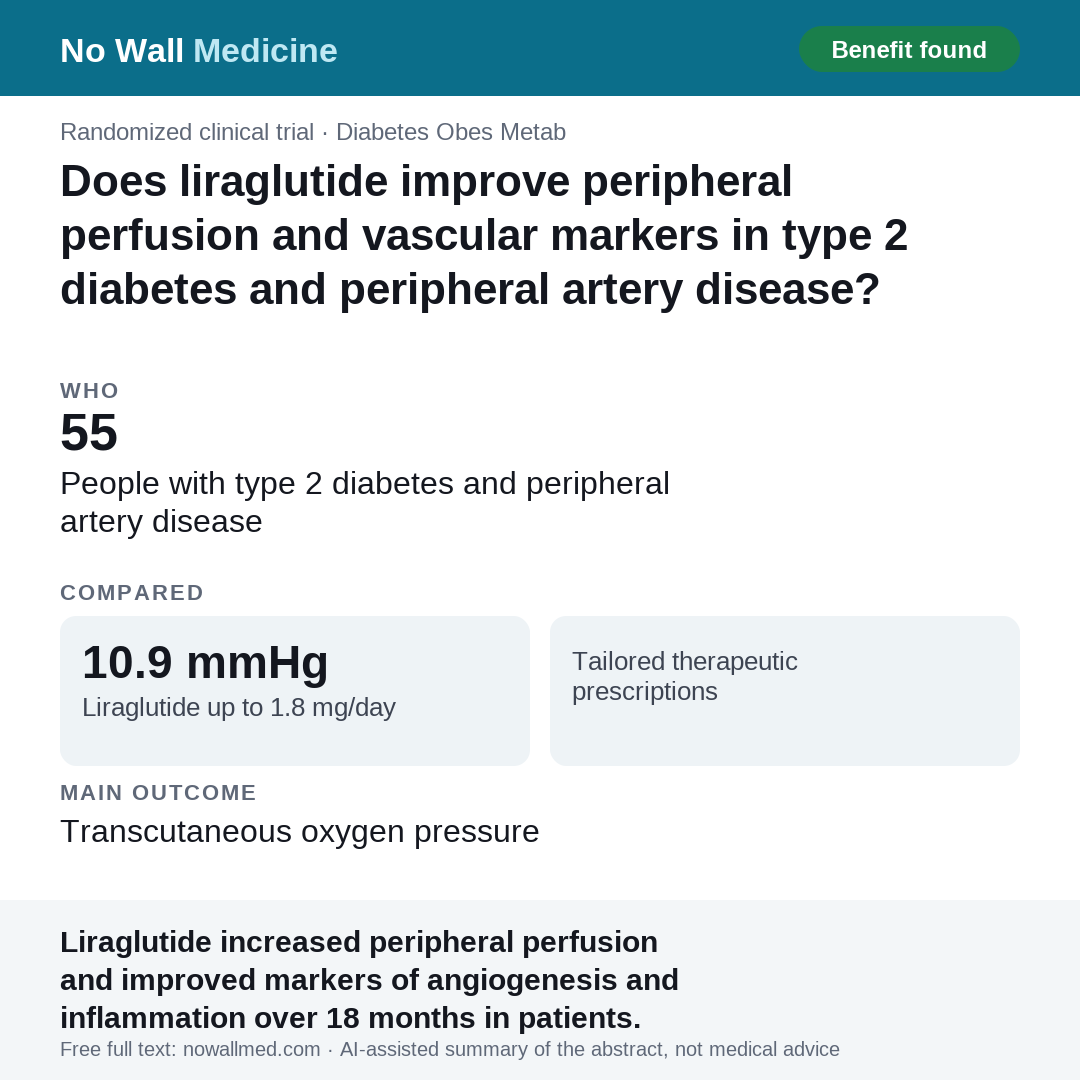
Liraglutide improves peripheral perfusion and markers of angiogenesis and inflammation in people with type 2 diabetes and peripheral artery disease: An 18-month follow-up of a randomized clinical trial
Randomized clinical trialBenefit found
Does liraglutide improve peripheral perfusion and vascular markers in type 2 diabetes and peripheral artery disease?
Who
55
People with type 2 diabetes and peripheral artery disease
Compared
10.9 mmHgLiraglutide up to 1.8 mg/day (95% CI, 7.6 to 14.1 mmHg)
Tailored therapeutic prescriptions
Main outcome
Transcutaneous oxygen pressure
Result: estimated treated difference (95% CI), 10.9 mmHg (7.6 to 14.1 mmHg)
Bottom line: Liraglutide increased peripheral perfusion and improved markers of angiogenesis and inflammation over 18 months in patients.
Diabetes Obes Metab · 2025-04-25Download image
Intermittent compression devices as antithrombotic strategy in neurosurgical interventions: a prospective randomized controlled trial (Trial In Prevention of Post-Operative ThromboEmbolic Events)
Prospective randomized controlled trialNo clear difference
Does intermittent compression devices plus low-molecular-weight heparin prevent venous thromboembolism in neurosurgery?
Who
283
Patients undergoing elective lengthy neurosurgical procedures
Compared
Intermittent compression devices plus low-molecular-weight heparin: 2.5% based on clinical symptoms
Low-molecular-weight heparin alone: 3.1% based on clinical symptoms
Main outcome
Venous thromboembolism incidence
Result: relative risk 0.7 (95% CI, 0.2-3.3)
Bottom line: Adding limb intermittent compression devices to low-molecular-weight heparin does not reduce venous thromboembolic events in neurosurgical patients.
J Thromb Haemost · 2025-04-25Download image
Combined mind-body physical exercise, cognitive training, and nurse-led risk factor modification to enhance cognition among older adults with mild cognitive impairment in primary care: a three-arm randomised controlled trial
Randomized controlled trialNo clear difference
Does combined exercise improve cognition
Who
456
Older adults with mild cognitive impairment · Hong Kong
Compared
Combined exercise
Nurse-led risk modification
Health advice
Main outcome
Cognitive function
Bottom line: No difference found in cognitive function
Funded by: Health and Medical Research Fund
Lancet Healthy Longev · 2025-04-25Download image
Efficacy, safety, and tolerability of chenodeoxycholic acid (CDCA) in adult patients with cerebrotendinous xanthomatosis (RESTORE): A randomized withdrawal, double-blind, placebo-controlled, crossover phase-3 study
Randomized, double-blind trialHarm found
CDCA withdrawal effects in CTX patients
Who
adult patients with cerebrotendinous xanthomatosis
Compared
CDCA
61%placebo (required rescue)
Main outcome
CTX biomarkers and rescue medication
Bottom line: CDCA withdrawal worsens CTX biomarkers
Genet Med · 2025-04-25Download image
Resistance training increases myofibrillar protein synthesis in middle-to-older aged adults consuming a typical diet with no influence of protein source: a randomized controlled trial
Single-blind randomized controlled trialNo clear difference
Does protein source affect muscle protein synthesis during resistance training in middle-to-older aged adults?
Who
27
50- to 70-year-old participants
Compared
Animal-focused whey protein-supplemented diet trained leg: 1.44 ± 0.26 %⋅d-1
Animal-focused whey protein-supplemented diet untrained leg: 1.29 ± 0.27 %⋅d-1
Plant-focused pea protein-supplemented diet trained leg: 1.50 ± 0.17 %⋅d-1
Plant-focused pea protein-supplemented diet untrained leg: 1.34 ± 0.21 %⋅d-1
Main outcome
daily integrated myofibrillar protein synthesis rates
Bottom line: Resistance training increases muscle protein synthesis regardless of whether protein is sourced from animals or plants.
Am J Clin Nutr · 2025-04-25Download image
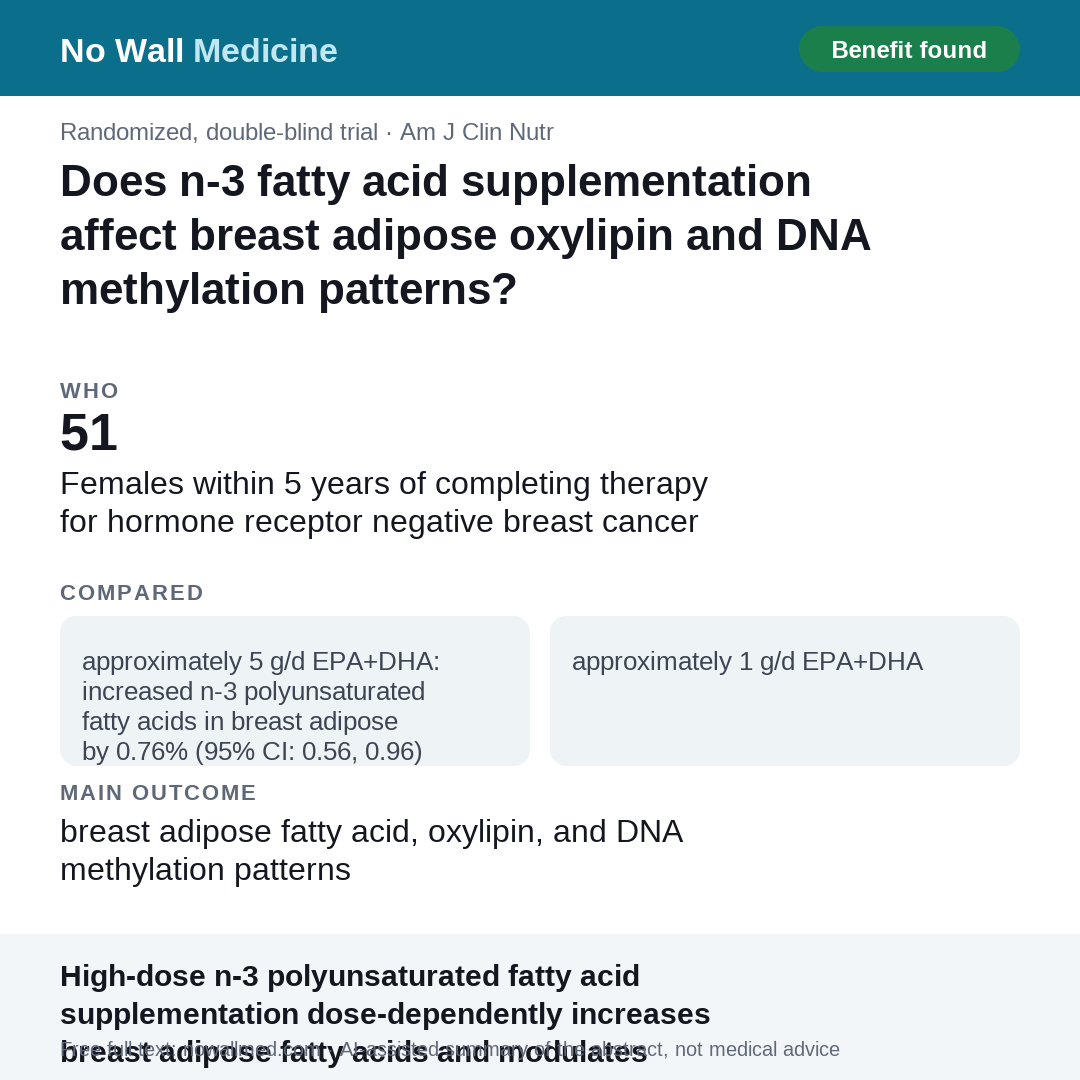
Randomized dose-response trial of n-3 fatty acids in hormone receptor negative breast cancer survivors - impact on breast adipose oxylipin and DNA methylation patterns
Randomized, double-blind trialBenefit found
Does n-3 fatty acid supplementation affect breast adipose oxylipin and DNA methylation patterns?
Who
51
Females within 5 years of completing therapy for hormone receptor negative breast cancer
Compared
approximately 5 g/d EPA+DHA: increased n-3 polyunsaturated fatty acids in breast adipose by 0.76% (95% CI: 0.56, 0.96)
approximately 1 g/d EPA+DHA
Main outcome
breast adipose fatty acid, oxylipin, and DNA methylation patterns
Bottom line: High-dose n-3 polyunsaturated fatty acid supplementation dose-dependently increases breast adipose fatty acids and modulates epigenetic profiles.
Am J Clin Nutr · 2025-04-25Download image
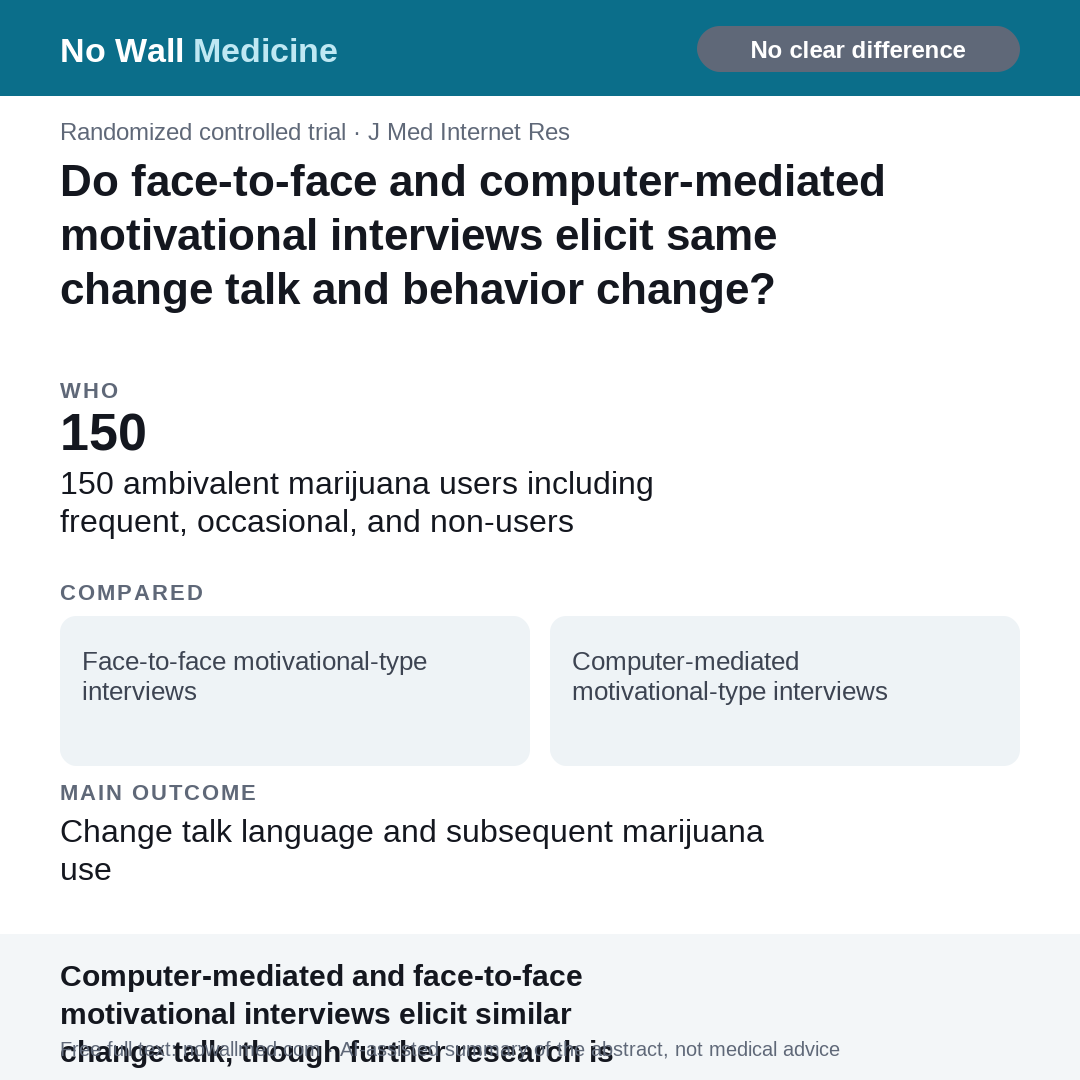
Impact of Computer-Mediated Versus Face-to-Face Motivational-Type Interviews on Participants' Language and Subsequent Cannabis Use: Randomized Controlled Trial
Randomized controlled trialNo clear difference
Do face-to-face and computer-mediated motivational interviews elicit same change talk and behavior change?
Who
150
150 ambivalent marijuana users including frequent, occasional, and non-users
Compared
Face-to-face motivational-type interviews
Computer-mediated motivational-type interviews
Main outcome
Change talk language and subsequent marijuana use
Bottom line: Computer-mediated and face-to-face motivational interviews elicit similar change talk, though further research is needed for predictive validity.
Limitation: Further research is needed to enhance the predictive validity of computer-delivered language.
J Med Internet Res · 2025-04-25Download image
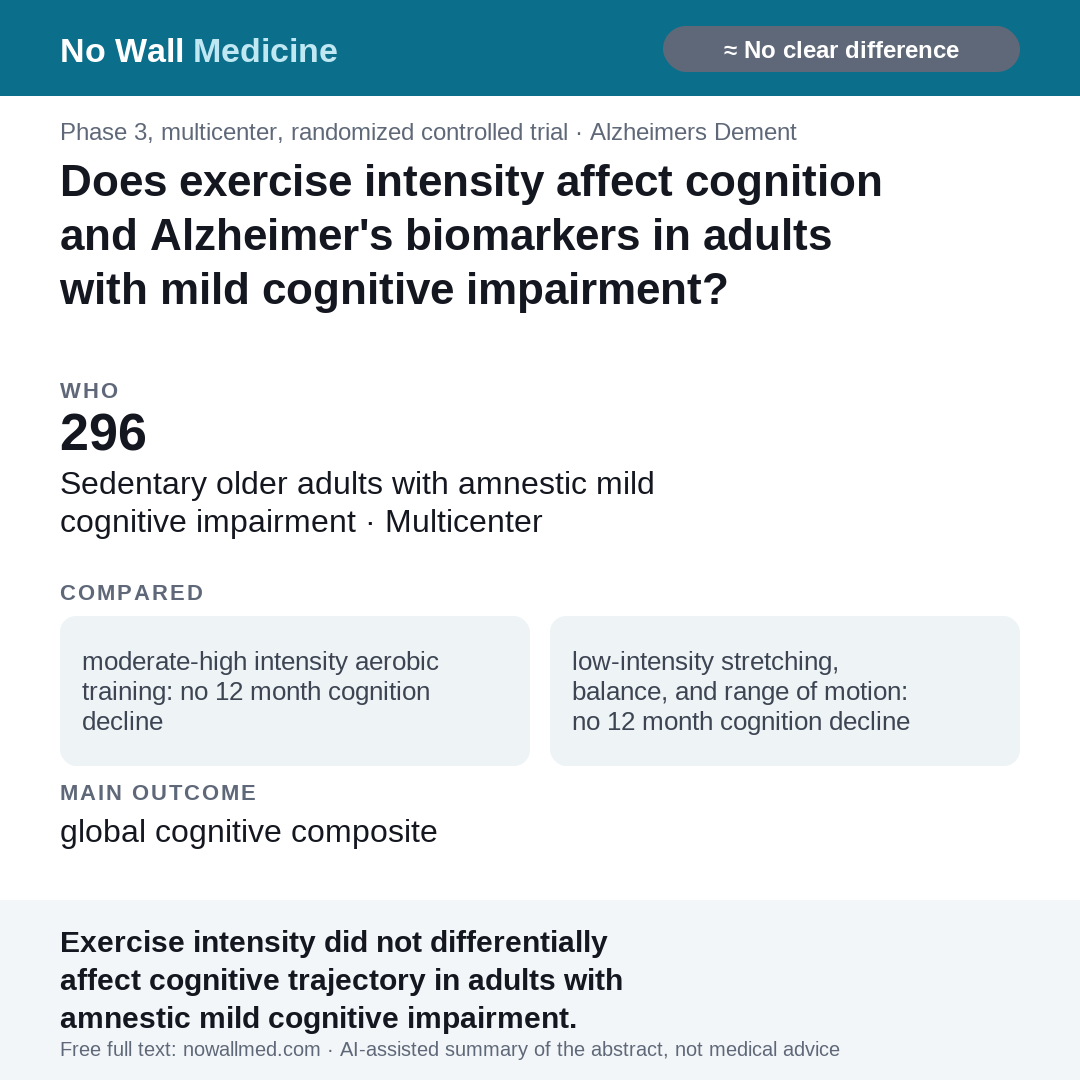
Effects of exercise on cognition and Alzheimer's biomarkers in a randomized controlled trial of adults with mild cognitive impairment: The EXERT study
Phase 3, multicenter, randomized controlled trialNo clear difference
Does exercise intensity affect cognition and Alzheimer's biomarkers in adults with mild cognitive impairment?
Who
296
Sedentary older adults with amnestic mild cognitive impairment · Multicenter
Compared
moderate-high intensity aerobic training: no 12 month cognition decline
low-intensity stretching, balance, and range of motion: no 12 month cognition decline
Main outcome
global cognitive composite
Result: regression = -0.078, standard error = 0.074; p = 0.3
Bottom line: Exercise intensity did not differentially affect cognitive trajectory in adults with amnestic mild cognitive impairment.
Alzheimers Dement · 2025-04-24Download image
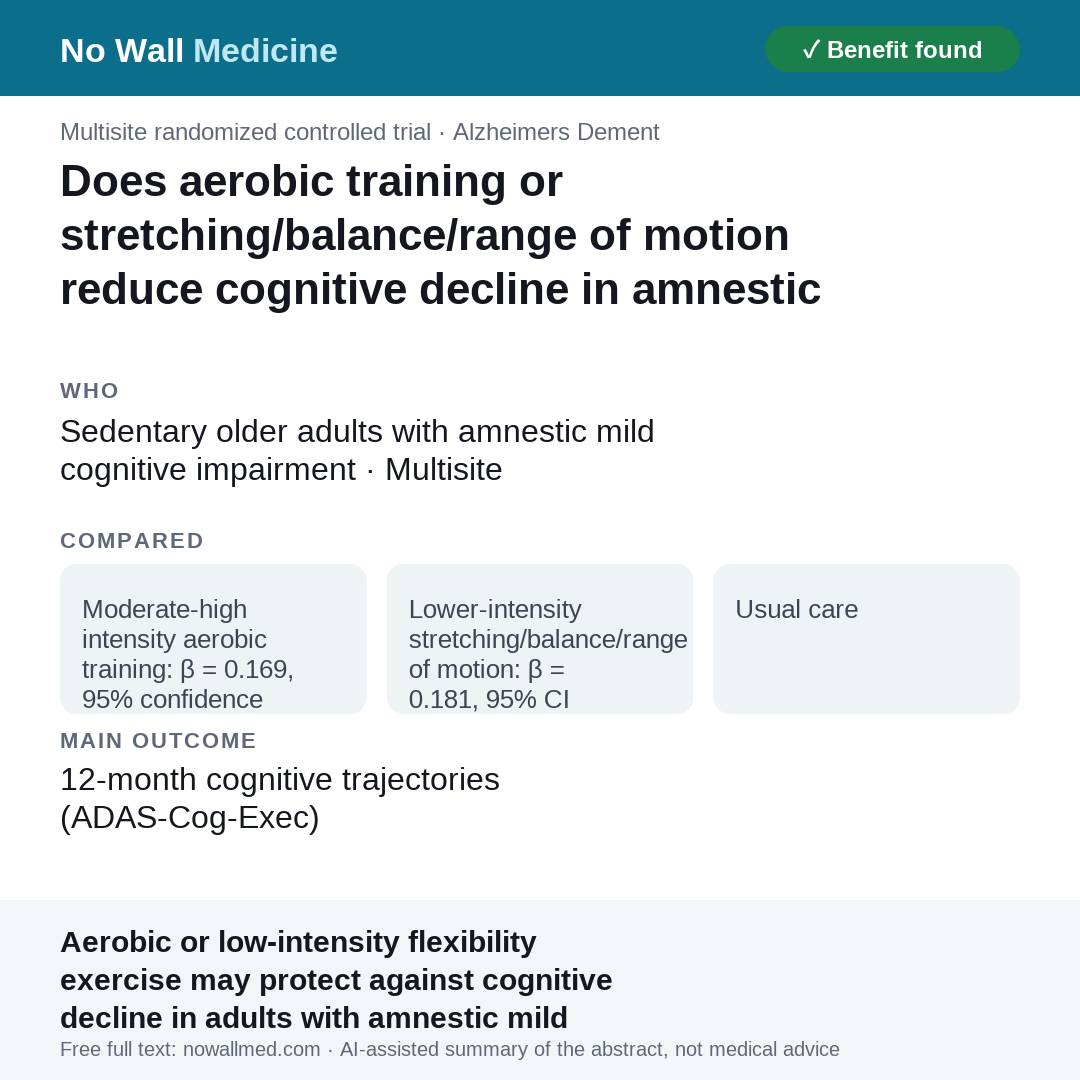
Effects of exercise versus usual care on older adults with amnestic mild cognitive impairment: EXERT versus ADNI
Multisite randomized controlled trialBenefit found
Does aerobic training or stretching/balance/range of motion reduce cognitive decline in amnestic mild cognitive impairment?
Who
Sedentary older adults with amnestic mild cognitive impairment · Multisite
Compared
Moderate-high intensity aerobic training: β = 0.169, 95% confidence interval [CI] 0.011-0.328
Lower-intensity stretching/balance/range of motion: β = 0.181, 95% CI 0.007-0.354
Usual care
Main outcome
12-month cognitive trajectories (ADAS-Cog-Exec)
Bottom line: Aerobic or low-intensity flexibility exercise may protect against cognitive decline in adults with amnestic mild cognitive impairment.
Alzheimers Dement · 2025-04-24Download image
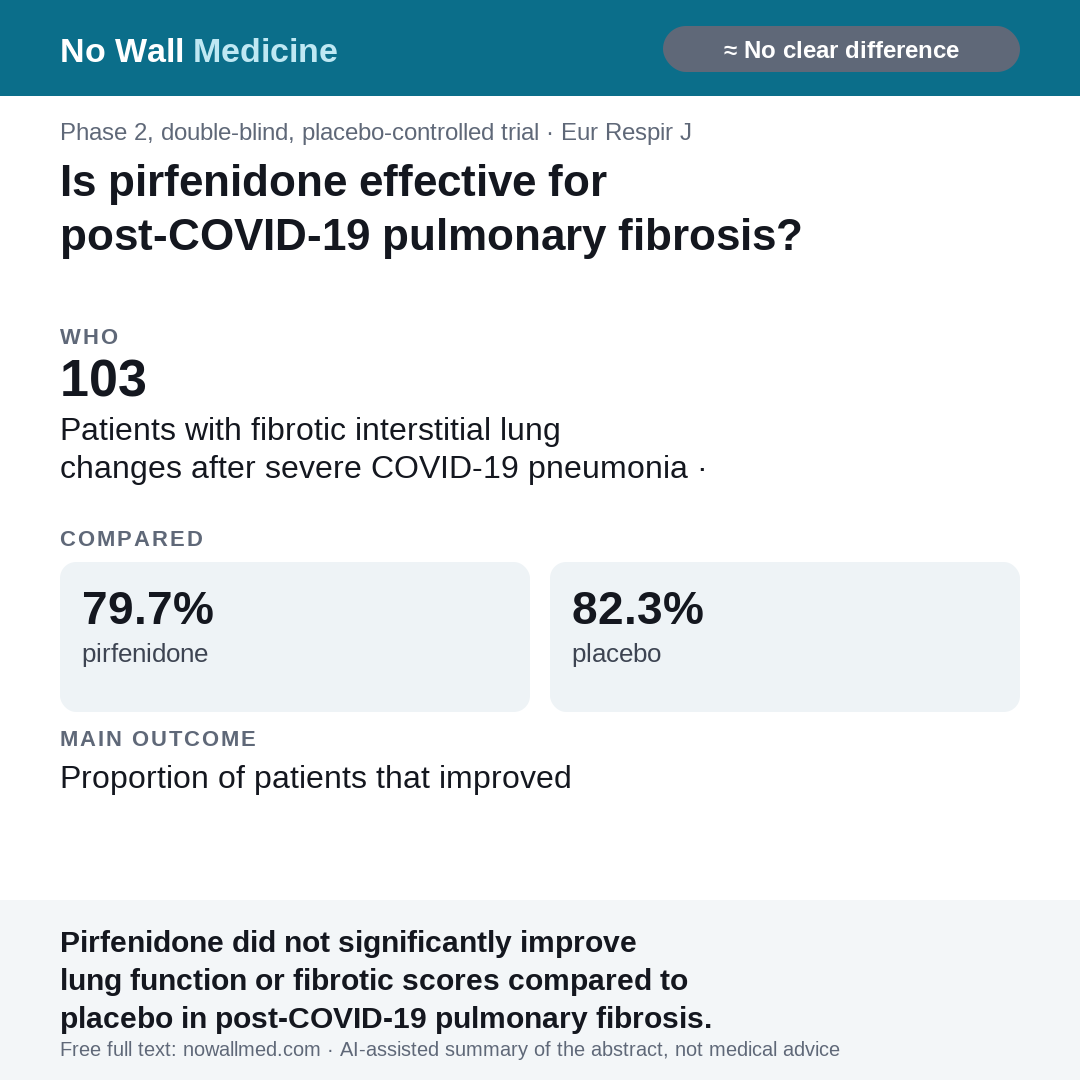
Pirfenidone in post-COVID-19 pulmonary fibrosis (FIBRO-COVID): a phase 2 randomised clinical trial
Phase 2, double-blind, placebo-controlled trialNo clear difference
Is pirfenidone effective for post-COVID-19 pulmonary fibrosis?
Who
103
Patients with fibrotic interstitial lung changes after severe COVID-19 pneumonia · Spanish multicentre clinical trial
Compared
79.7%pirfenidone
82.3%placebo
Main outcome
Proportion of patients that improved
Bottom line: Pirfenidone did not significantly improve lung function or fibrotic scores compared to placebo in post-COVID-19 pulmonary fibrosis.
Eur Respir J · 2025-04-24Download image
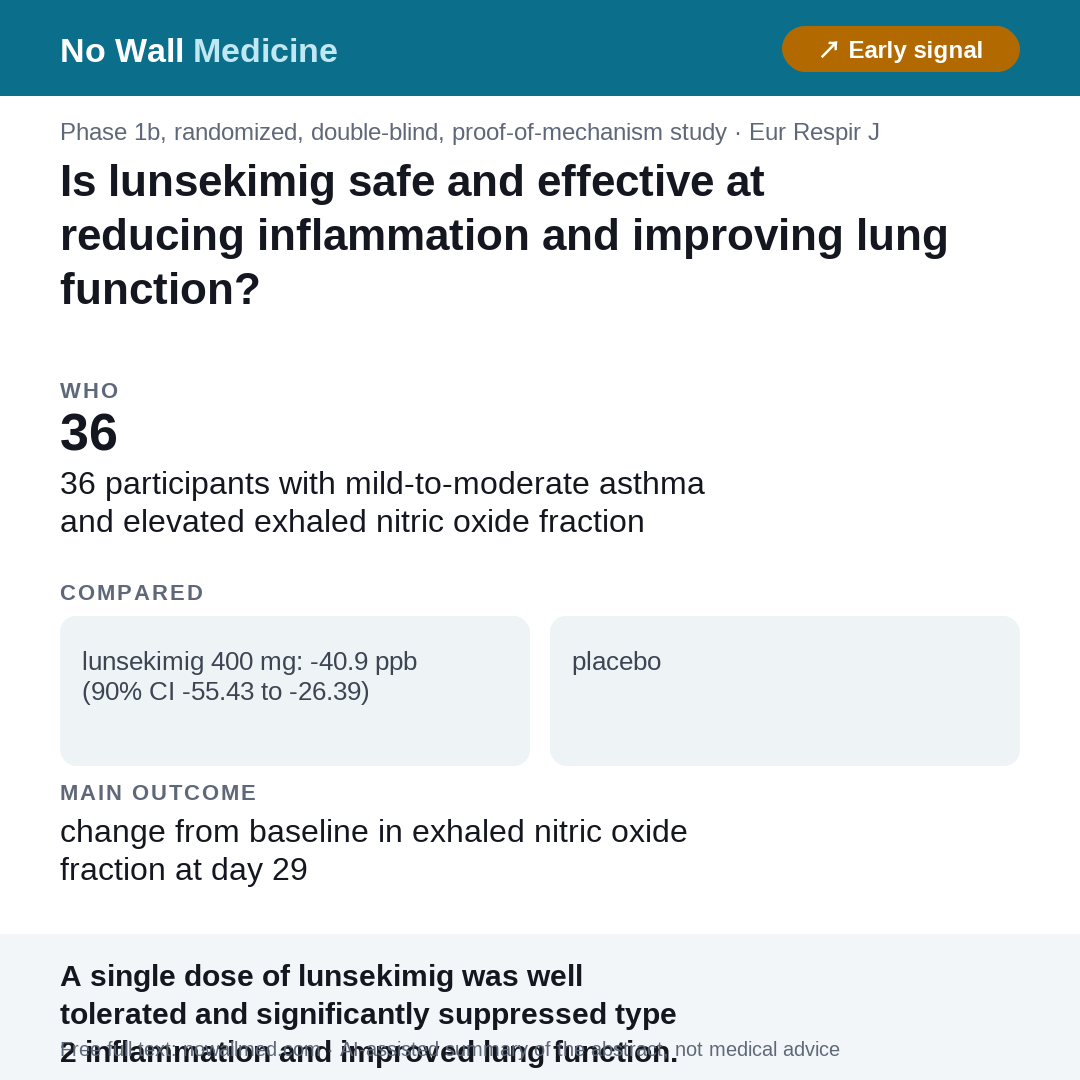
A proof-of-mechanism trial in asthma with lunsekimig, a bispecific NANOBODY molecule
Phase 1b, randomized, double-blind, proof-of-mechanism studyBenefit found
Is lunsekimig safe and effective at reducing inflammation and improving lung function?
Who
36
36 participants with mild-to-moderate asthma and elevated exhaled nitric oxide fraction
Compared
lunsekimig 400 mg: -40.9 ppb (90% CI -55.43 to -26.39)
placebo
Main outcome
change from baseline in exhaled nitric oxide fraction at day 29
Result: -40.9 (90% CI -55.43 to -26.39) ppb
Bottom line: A single dose of lunsekimig was well tolerated and significantly suppressed type 2 inflammation and improved lung function.
Eur Respir J · 2025-04-24Download image
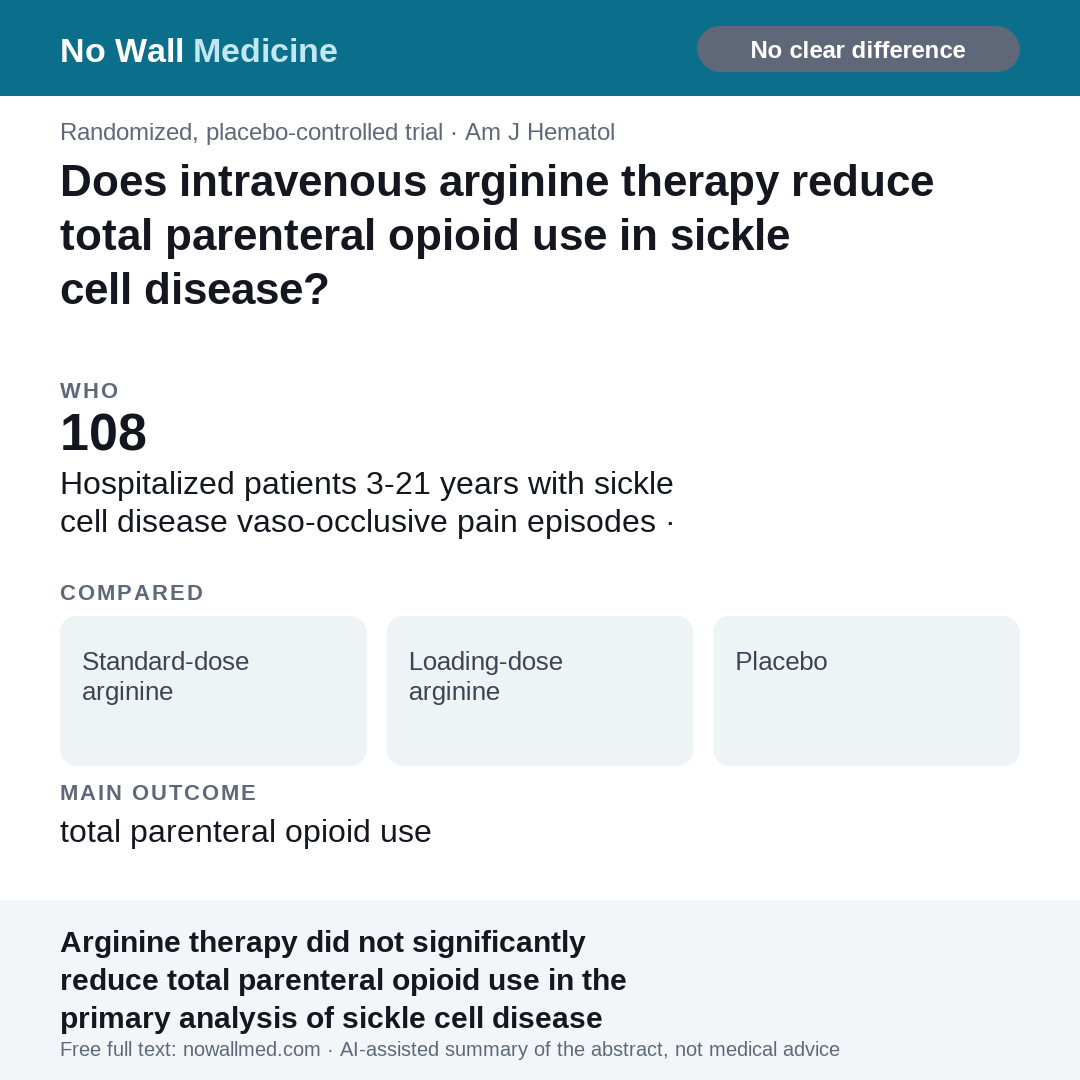
Arginine Therapy for Pain in Sickle Cell Disease: A Phase-2 Randomized, Placebo-Controlled Trial
Randomized, placebo-controlled trialNo clear difference
Does intravenous arginine therapy reduce total parenteral opioid use in sickle cell disease?
Who
108
Hospitalized patients 3-21 years with sickle cell disease vaso-occlusive pain episodes · Two tertiary-care children's hospitals
Compared
Standard-dose arginine
Loading-dose arginine
Placebo
Main outcome
total parenteral opioid use
Bottom line: Arginine therapy did not significantly reduce total parenteral opioid use in the primary analysis of sickle cell disease patients.
Am J Hematol · 2025-04-24Download image
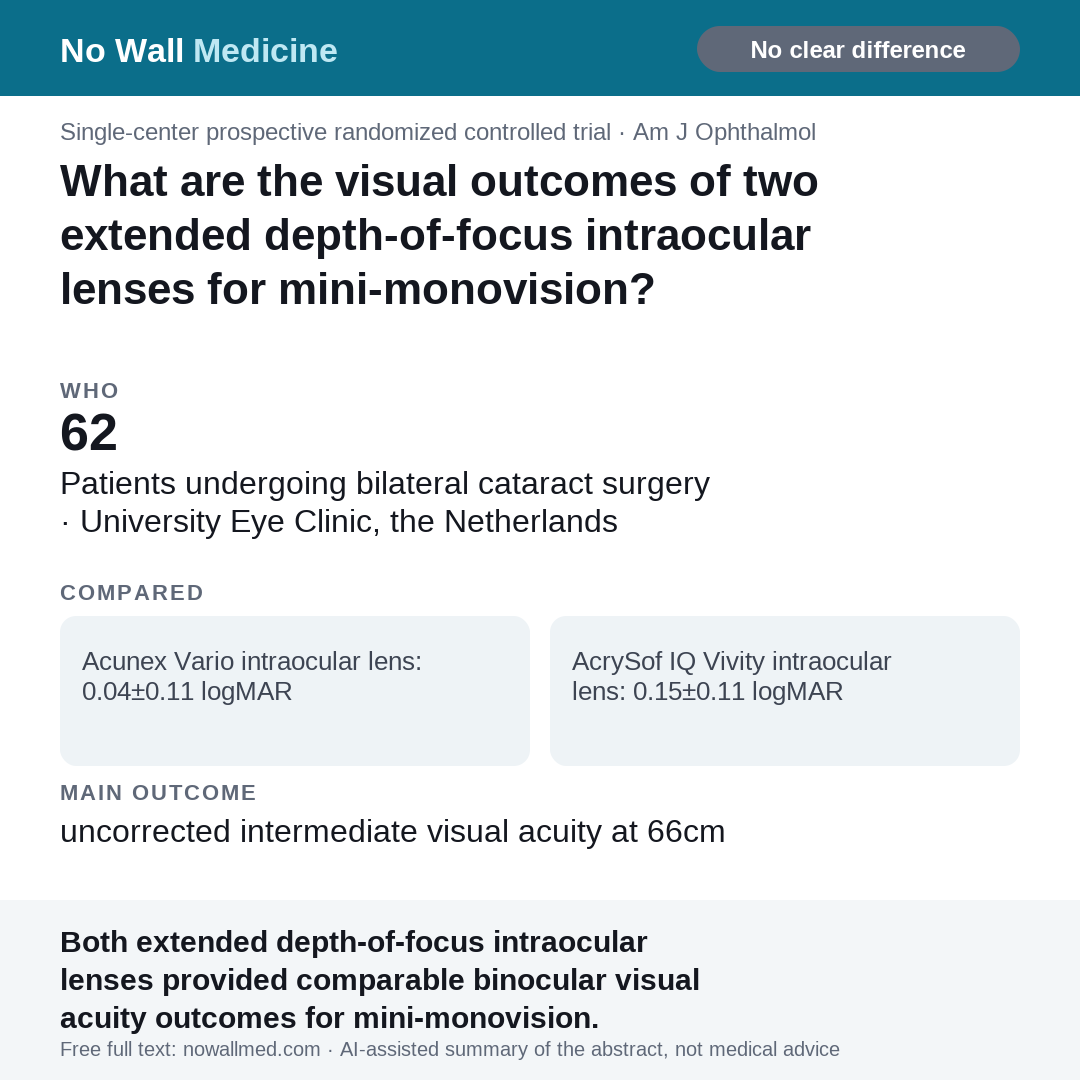
Two novel extended depth-of-focus intraocular lenses targeted for mini-monovision: A prospective randomized controlled trial
Single-center prospective randomized controlled trialNo clear difference
What are the visual outcomes of two extended depth-of-focus intraocular lenses for mini-monovision?
Who
62
Patients undergoing bilateral cataract surgery · University Eye Clinic, the Netherlands
Compared
Acunex Vario intraocular lens: 0.04±0.11 logMAR
AcrySof IQ Vivity intraocular lens: 0.15±0.11 logMAR
Main outcome
uncorrected intermediate visual acuity at 66cm
Bottom line: Both extended depth-of-focus intraocular lenses provided comparable binocular visual acuity outcomes for mini-monovision.
Am J Ophthalmol · 2025-04-24Download image
Online fertility workup with video consultation for infertility patients; a randomized controlled trial
Nonblinded randomized controlled single-center trialBenefit found
Is online fertility workup with video consultation noninferior to face-to-face consultation?
Who
New, treatment-naïve patients with infertility · Single center
Compared
2.66Online fertility workup with video consultation
2.56Hospital-based fertility workup with face-to-face appointments
Main outcome
Patient-centeredness measured with Patient-Centredness Questionnaire - Infertility
Result: mean difference between 0.01 and 0.1
Bottom line: Online fertility workup with video consultation is noninferior to face-to-face consultation regarding patient-centeredness and shared decision-making.
Limitation: Some patients expressed a preference for face-to-face consultation for receiving bad news.
Fertil Steril · 2025-04-24Download image

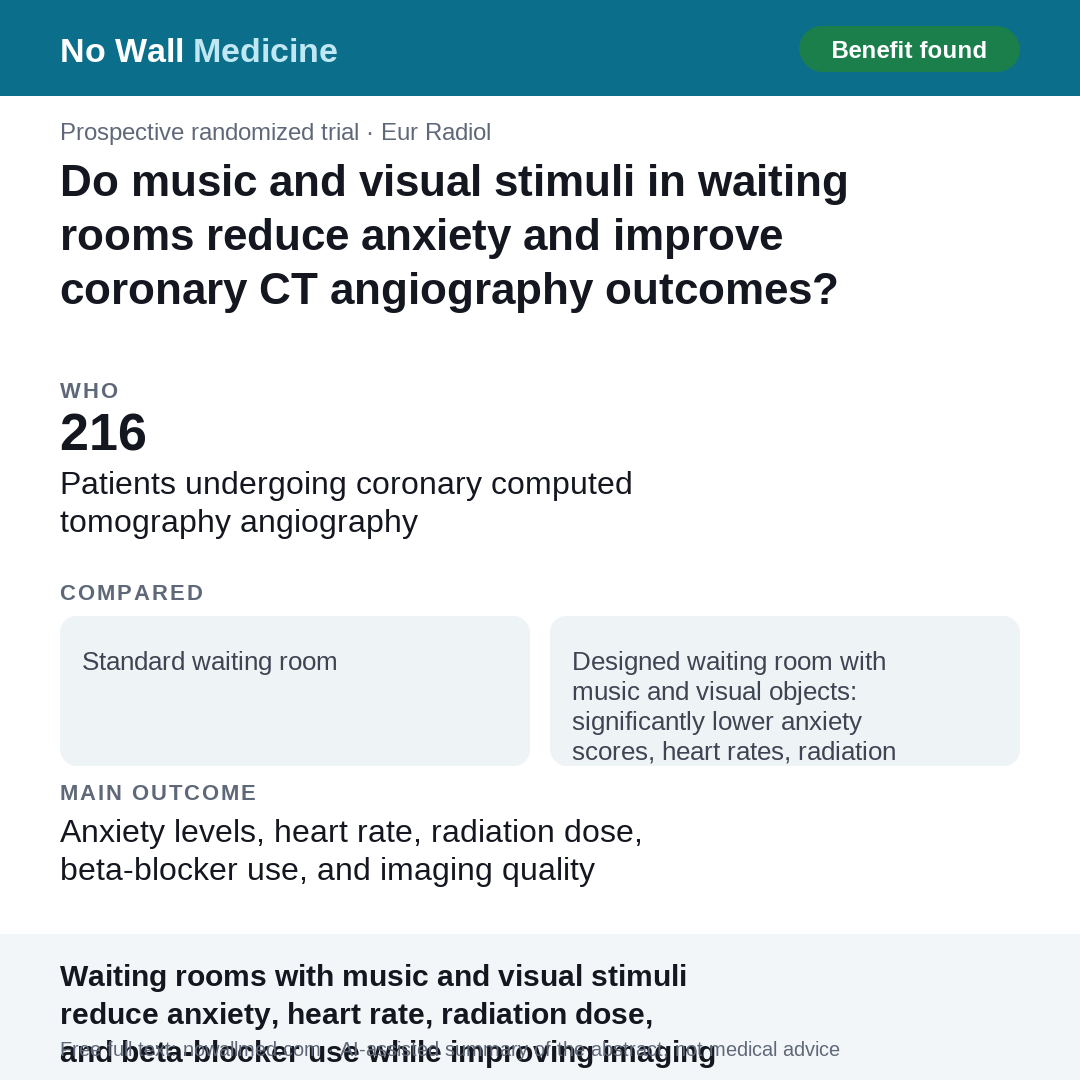
Influence of visual objects and music on anxiety levels and imaging process in patients undergoing coronary CT angiography
Prospective randomized trialBenefit found
Do music and visual stimuli in waiting rooms reduce anxiety and improve coronary CT angiography outcomes?
Who
216
Patients undergoing coronary computed tomography angiography
Compared
Standard waiting room
Designed waiting room with music and visual objects: significantly lower anxiety scores, heart rates, radiation dose, and beta-blocker use
Main outcome
Anxiety levels, heart rate, radiation dose, beta-blocker use, and imaging quality
Bottom line: Waiting rooms with music and visual stimuli reduce anxiety, heart rate, radiation dose, and beta-blocker use while improving imaging quality.
Eur Radiol · 2025-04-24Download image
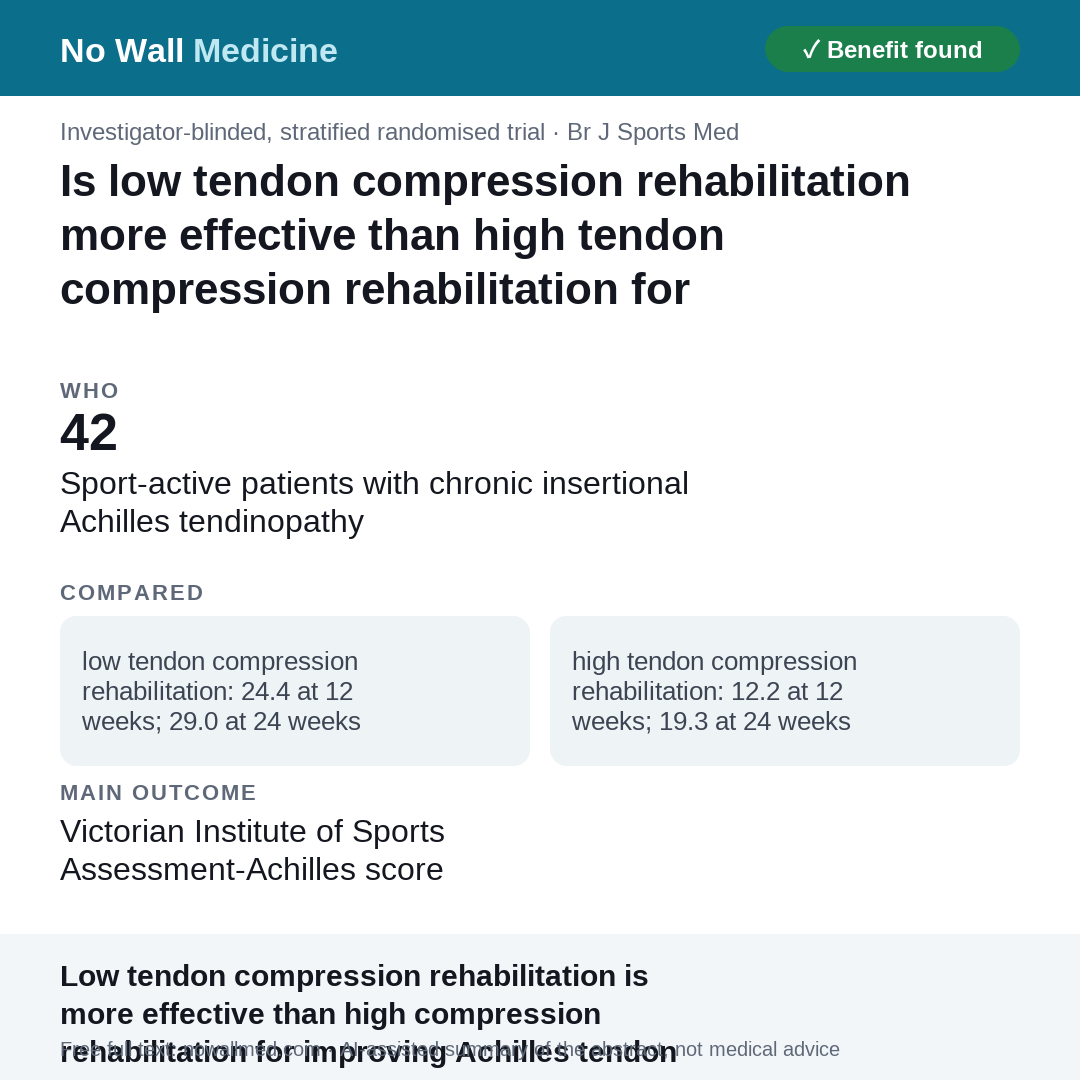
Effectiveness of reducing tendon compression in the rehabilitation of insertional Achilles tendinopathy: a randomised clinical trial
Investigator-blinded, stratified randomised trialBenefit found
Is low tendon compression rehabilitation more effective than high tendon compression rehabilitation for insertional Achilles tendinopathy?
Who
42
Sport-active patients with chronic insertional Achilles tendinopathy
Compared
low tendon compression rehabilitation: 24.4 at 12 weeks; 29.0 at 24 weeks
high tendon compression rehabilitation: 12.2 at 12 weeks; 19.3 at 24 weeks
Main outcome
Victorian Institute of Sports Assessment-Achilles score
Result: mean between-group difference 12.9 (95% CI: 6.2 to 19.6) at 12 weeks
Bottom line: Low tendon compression rehabilitation is more effective than high compression rehabilitation for improving Achilles tendon pain and function.
Br J Sports Med · 2025-04-24Download image
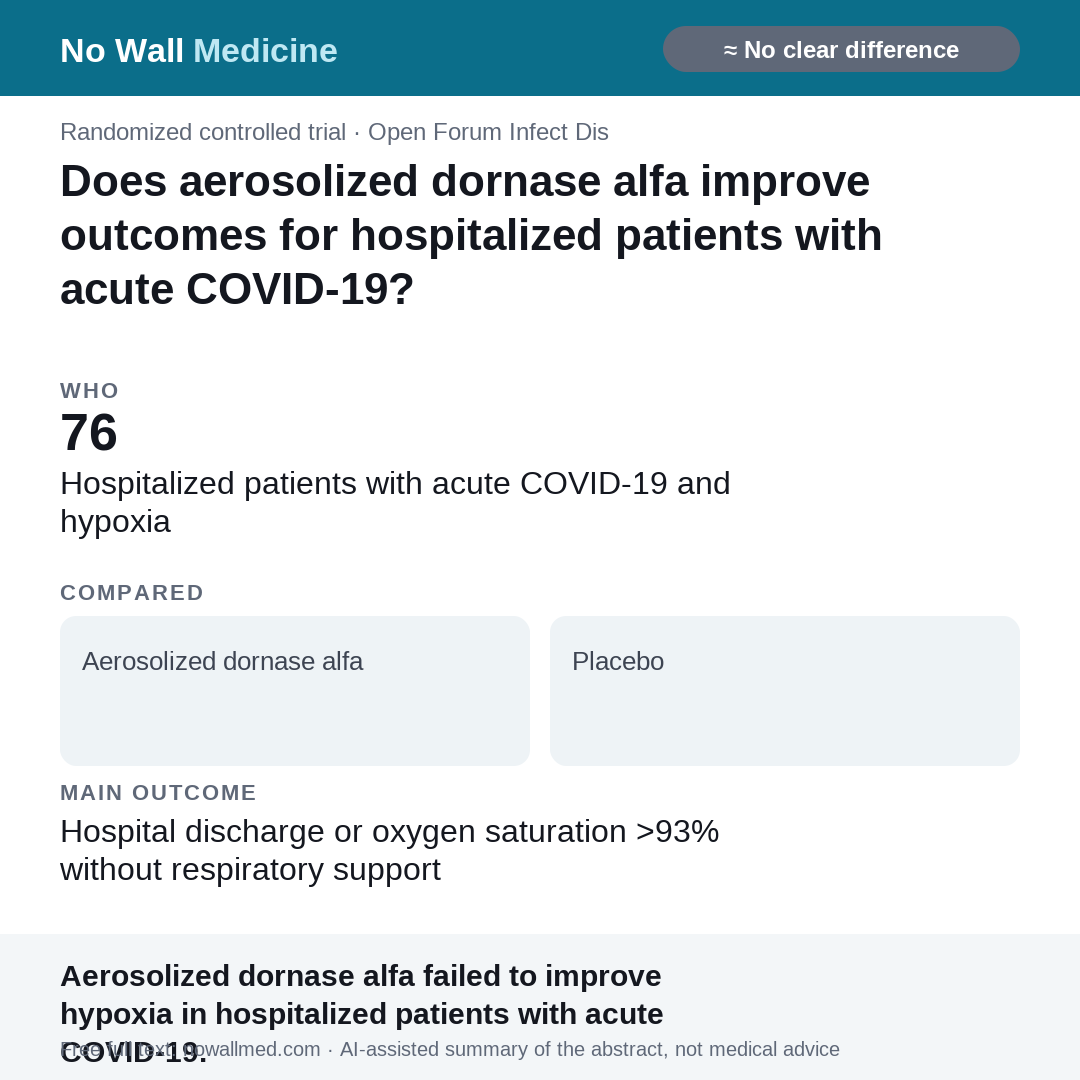
Aerosolized Dornase Alfa (DNase I) for the Treatment of Severe Respiratory Failure in COVID-19: A Randomized Controlled Trial
Randomized controlled trialNo clear difference
Does aerosolized dornase alfa improve outcomes for hospitalized patients with acute COVID-19?
Who
76
Hospitalized patients with acute COVID-19 and hypoxia
Compared
Aerosolized dornase alfa
Placebo
Main outcome
Hospital discharge or oxygen saturation >93% without respiratory support
Bottom line: Aerosolized dornase alfa failed to improve hypoxia in hospitalized patients with acute COVID-19.
Open Forum Infect Dis · 2025-04-24Download image
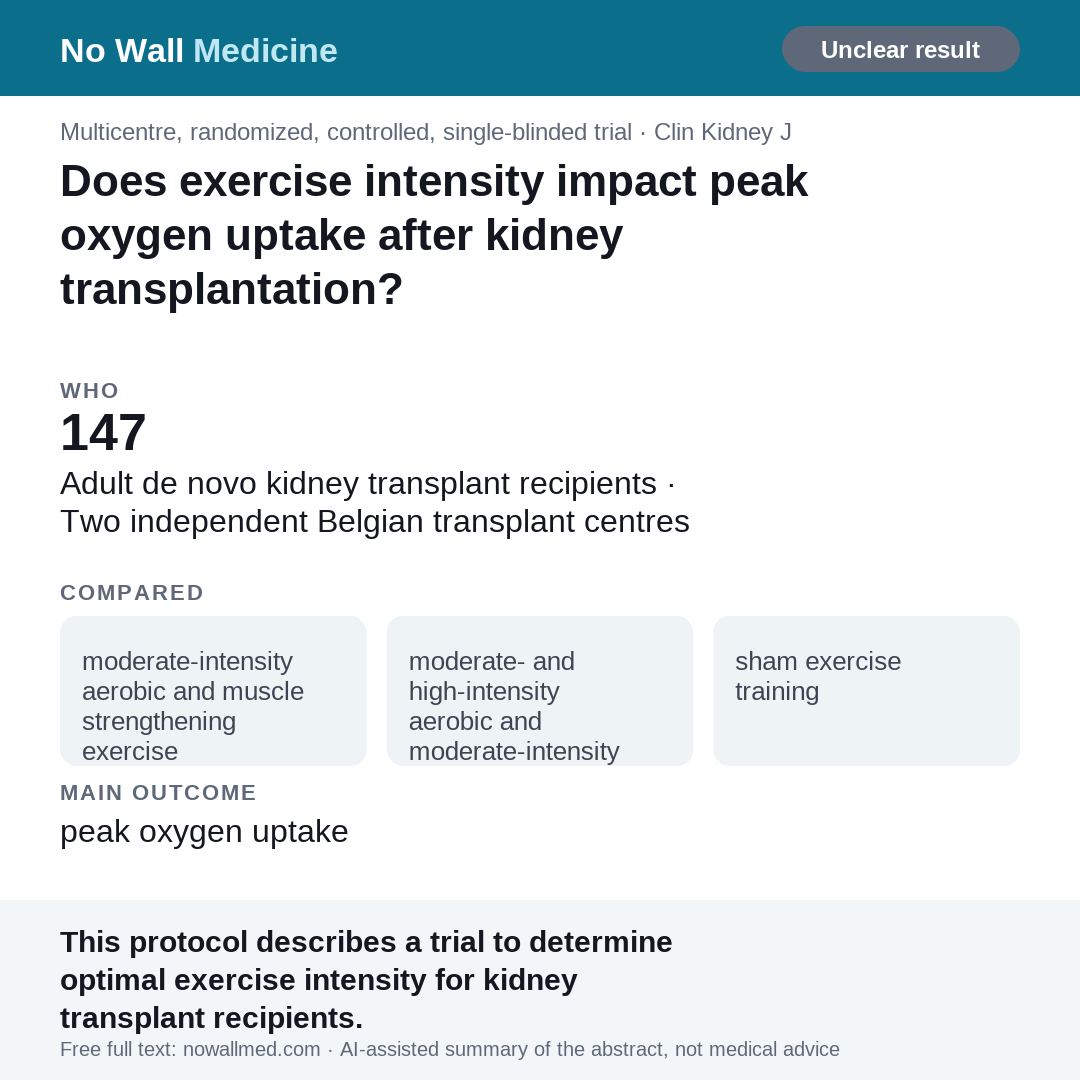
Home-based exercise and physical activity intervention after kidney transplantation: impact of exercise intensity (PHOENIX-Kidney). Protocol for a multicentre randomized controlled trial
Multicentre, randomized, controlled, single-blinded trialUnclear result
Does exercise intensity impact peak oxygen uptake after kidney transplantation?
Who
147
Adult de novo kidney transplant recipients · Two independent Belgian transplant centres
Compared
moderate-intensity aerobic and muscle strengthening exercise
moderate- and high-intensity aerobic and moderate-intensity muscle strengthening
sham exercise training
Main outcome
peak oxygen uptake
Bottom line: This protocol describes a trial to determine optimal exercise intensity for kidney transplant recipients.
Clin Kidney J · 2025-04-24Download image