Visual abstracts
New randomized trials and meta-analyses from leading journals at a glance: who was studied, what was compared, and what was found. Every paper is free to read in full.
All specialtiesCardiology 855Oncology 770Gastroenterology & Hepatology 311Infectious Disease 626Neurology 354Psychiatry & Mental Health 430Pulmonology 370Critical Care 259Endocrinology & Diabetes 484Pediatrics 542Surgery 349Orthopedics & Sports Medicine 166Neurosurgery 115Cardiothoracic & Vascular Surgery 87Plastic & Reconstructive Surgery 144Nephrology 197Rheumatology 108Hematology 183Dermatology 81Ophthalmology 97Obstetrics & Gynecology 266Public & Global Health 168Radiology & Imaging 104Anesthesiology 128Urology 162ENT (Otolaryngology) 114Emergency Medicine 103Allergy & Immunology 58Geriatrics 160Family Medicine & Primary Care 111Medical Genetics & Genomics 91Pathology & Laboratory Medicine 27Physical Medicine & Rehabilitation 149Palliative Care 81Nutrition 223Digital Health & AI 462General Medicine 101
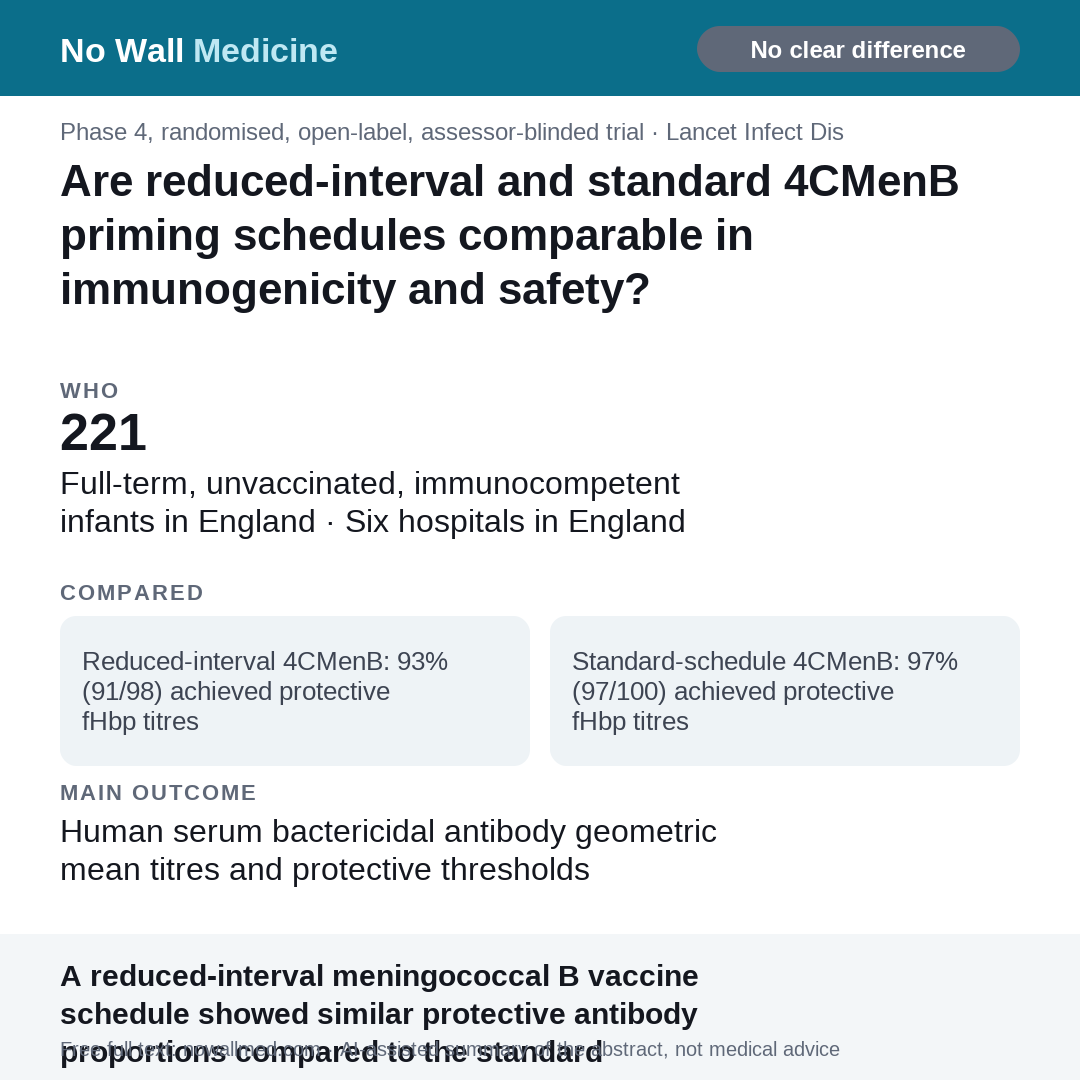
Immunogenicity, reactogenicity, and safety of a reduced-interval 4CMenB primary immunisation schedule in UK infants: a multicentre, open-label, assessor-blinded, phase 4 randomised controlled trial
Phase 4, randomised, open-label, assessor-blinded trialNo clear difference
Are reduced-interval and standard 4CMenB priming schedules comparable in immunogenicity and safety?
Who
221
Full-term, unvaccinated, immunocompetent infants in England · Six hospitals in England
Compared
Reduced-interval 4CMenB: 93% (91/98) achieved protective fHbp titres
Standard-schedule 4CMenB: 97% (97/100) achieved protective fHbp titres
Main outcome
Human serum bactericidal antibody geometric mean titres and protective thresholds
Result: risk difference -0·04 (95% CI -0·10 to 0·02) for fHbp protective titres
Bottom line: A reduced-interval meningococcal B vaccine schedule showed similar protective antibody proportions compared to the standard schedule.
Lancet Infect Dis · 2026-05-06Download image
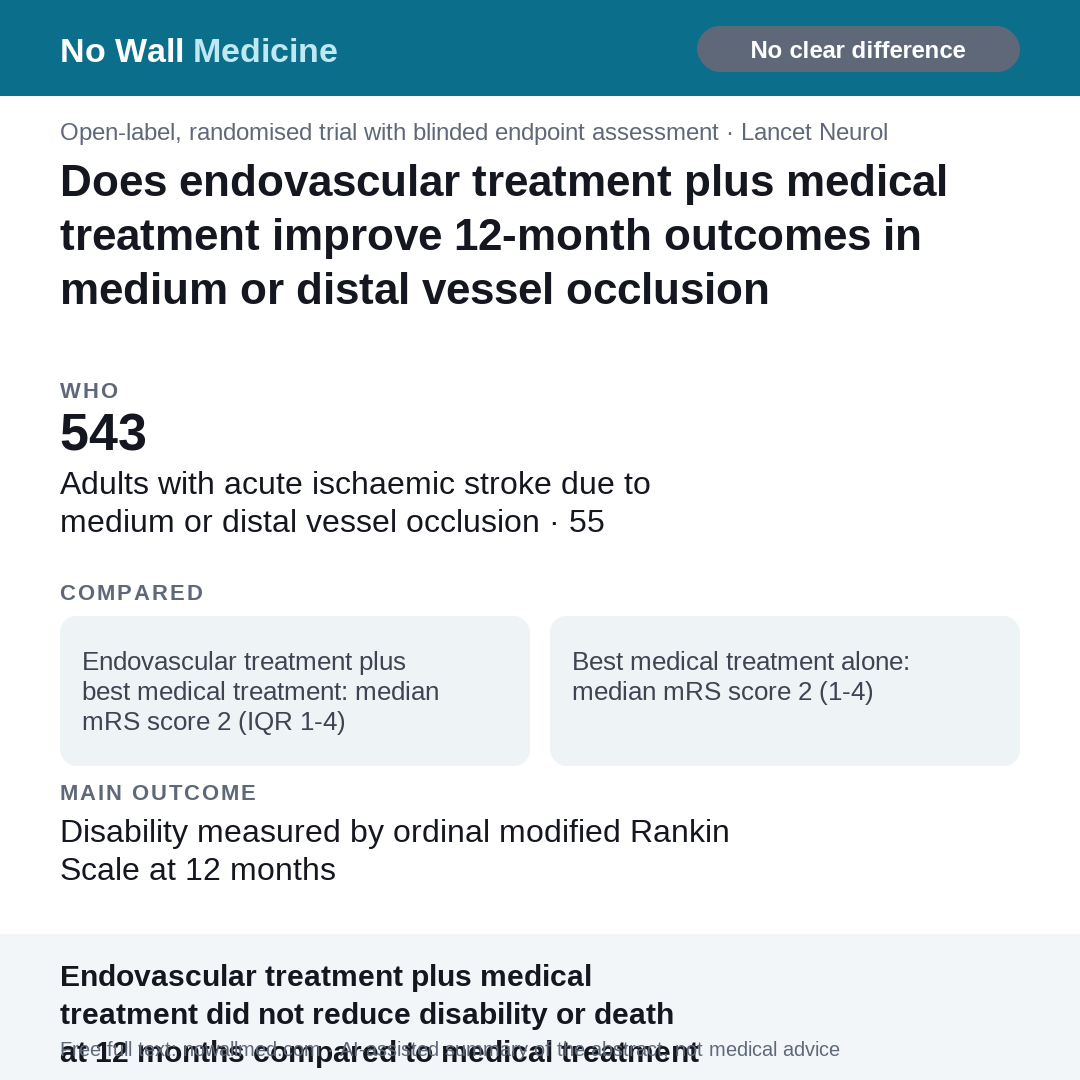
Endovascular treatment for medium or distal vessel occlusion stroke (DISTAL): 12-month outcomes of a multicentre, open-label, randomised trial
Open-label, randomised trial with blinded endpoint assessmentNo clear difference
Does endovascular treatment plus medical treatment improve 12-month outcomes in medium or distal vessel occlusion stroke?
Who
543
Adults with acute ischaemic stroke due to medium or distal vessel occlusion · 55 hospitals in Europe and the Middle East
Compared
Endovascular treatment plus best medical treatment: median mRS score 2 (IQR 1-4)
Best medical treatment alone: median mRS score 2 (1-4)
Main outcome
Disability measured by ordinal modified Rankin Scale at 12 months
Result: adjusted common odds ratio 0·81 (95% CI 0·59-1·12)
Bottom line: Endovascular treatment plus medical treatment did not reduce disability or death at 12 months compared to medical treatment alone.
Funded by: Swiss National Science Foundation and others
Lancet Neurol · 2026-05-06Download image
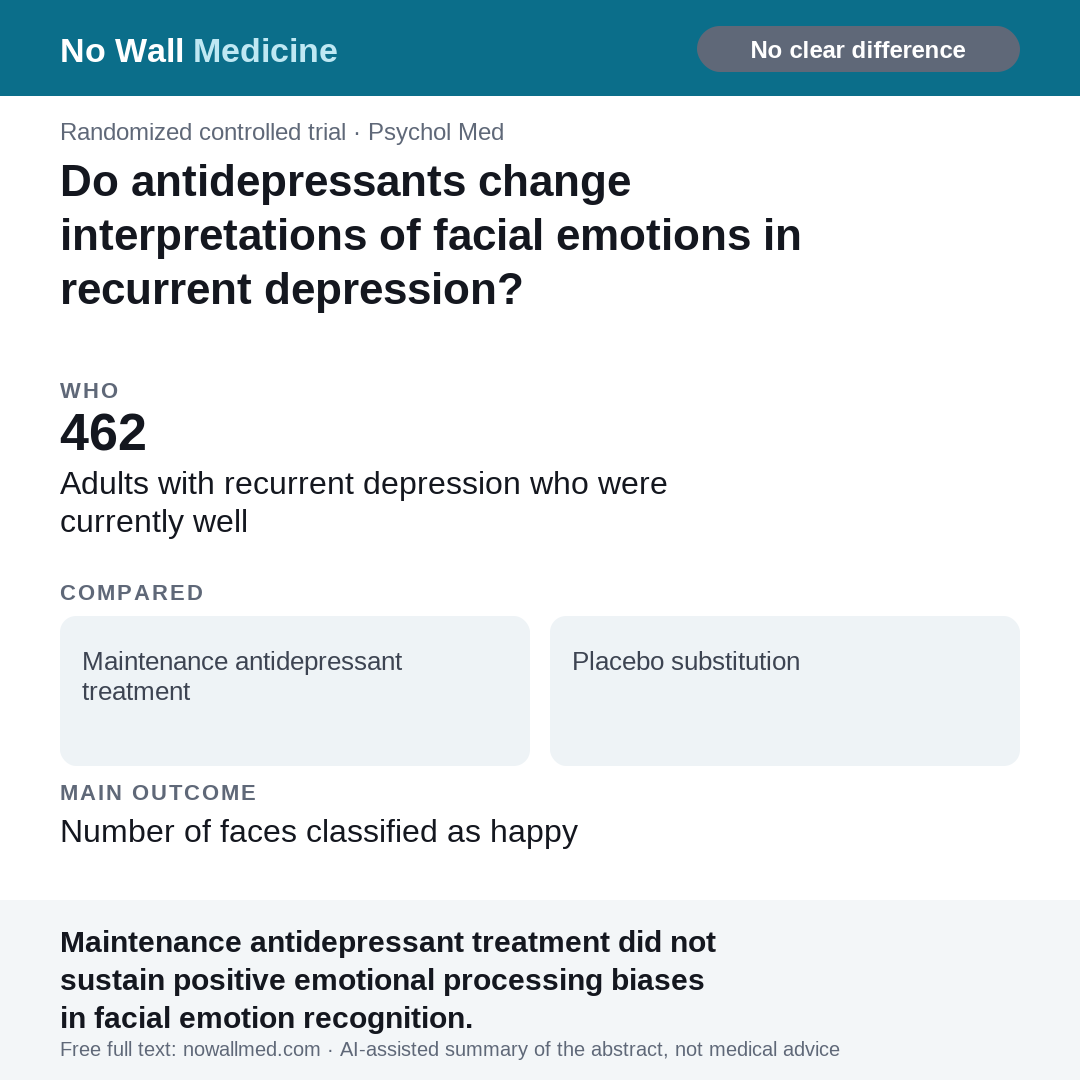
Do antidepressants change our interpretations of facial emotions?
Randomized controlled trialNo clear difference
Do antidepressants change interpretations of facial emotions in recurrent depression?
Who
462
Adults with recurrent depression who were currently well
Compared
Maintenance antidepressant treatment
Placebo substitution
Main outcome
Number of faces classified as happy
Result: adjusted mean difference 0.23 (95% CI -0.5 to 1.0) at 12 weeks
Bottom line: Maintenance antidepressant treatment did not sustain positive emotional processing biases in facial emotion recognition.
Limitation: Findings challenge the generalizability of laboratory evidence to long-term clinical treatment.
Psychol Med · 2026-05-06Download image
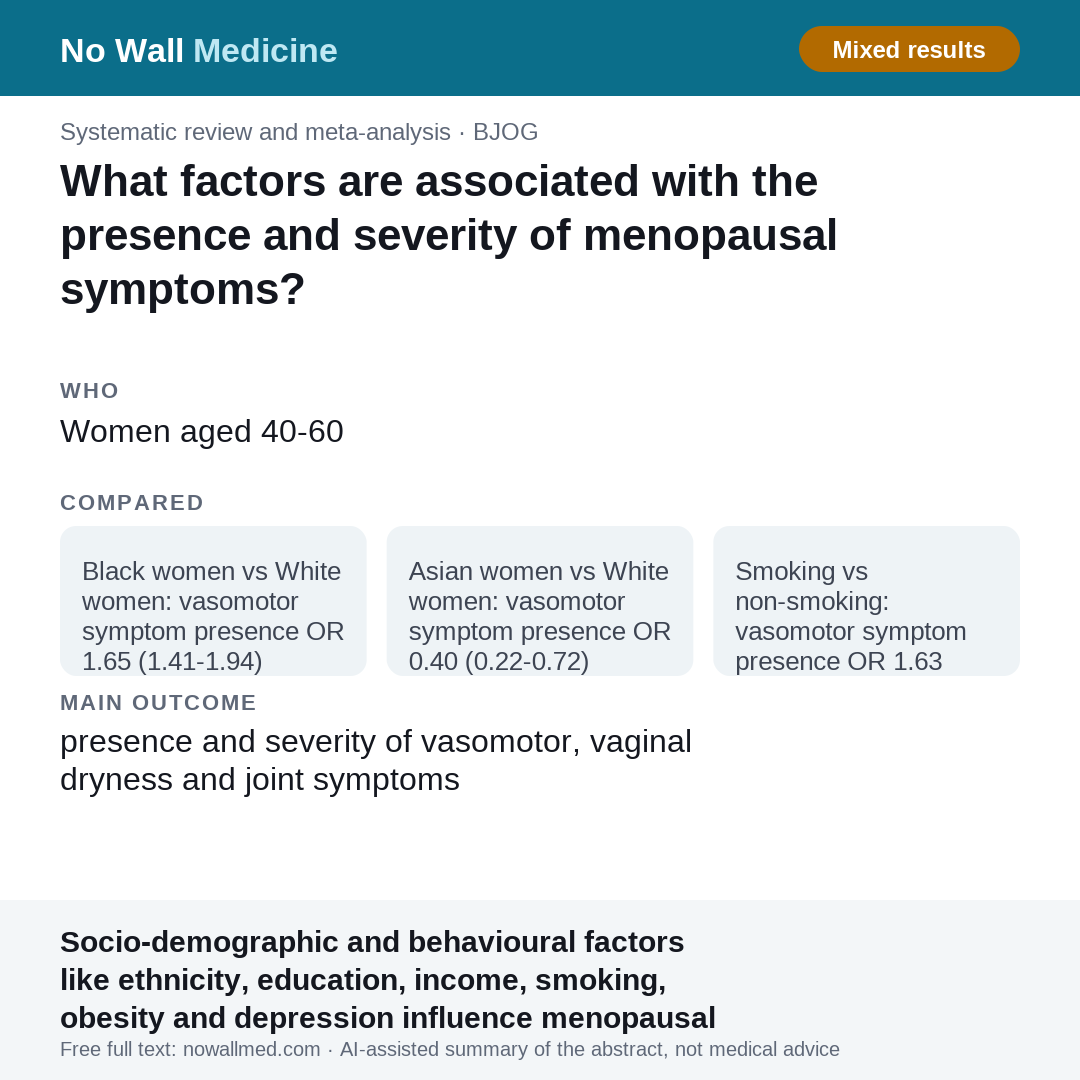
Factors Associated With Menopause Symptoms: A Systematic Review and Meta-Analysis
Systematic review and meta-analysisMixed results
What factors are associated with the presence and severity of menopausal symptoms?
Who
Women aged 40-60
Compared
Black women vs White women: vasomotor symptom presence OR 1.65 (1.41-1.94)
Asian women vs White women: vasomotor symptom presence OR 0.40 (0.22-0.72)
Smoking vs non-smoking: vasomotor symptom presence OR 1.63 (1.30-2.04)
Main outcome
presence and severity of vasomotor, vaginal dryness and joint symptoms
Bottom line: Socio-demographic and behavioural factors like ethnicity, education, income, smoking, obesity and depression influence menopausal symptoms.
BJOG · 2026-05-06Download image
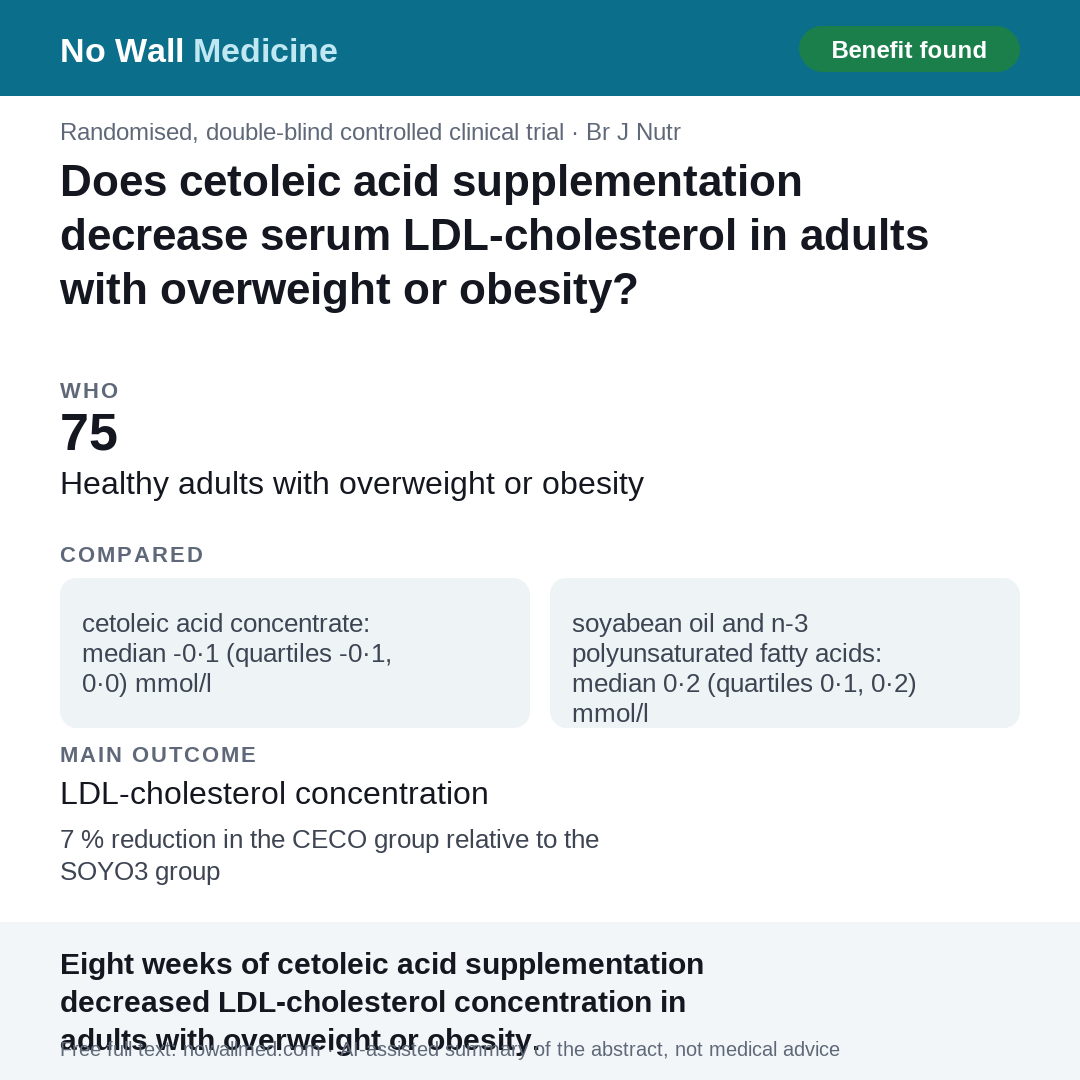
Supplementation with a cetoleic acid concentrate decreased the serum LDL-cholesterol concentration in healthy adults with overweight or obesity. A randomised double-blind controlled clinical trial
Randomised, double-blind controlled clinical trialBenefit found
Does cetoleic acid supplementation decrease serum LDL-cholesterol in adults with overweight or obesity?
Who
75
Healthy adults with overweight or obesity
Compared
cetoleic acid concentrate: median -0·1 (quartiles -0·1, 0·0) mmol/l
soyabean oil and n-3 polyunsaturated fatty acids: median 0·2 (quartiles 0·1, 0·2) mmol/l
Main outcome
LDL-cholesterol concentration
Result: 7 % reduction in the CECO group relative to the SOYO3 group
Bottom line: Eight weeks of cetoleic acid supplementation decreased LDL-cholesterol concentration in adults with overweight or obesity.
Br J Nutr · 2026-05-06Download image
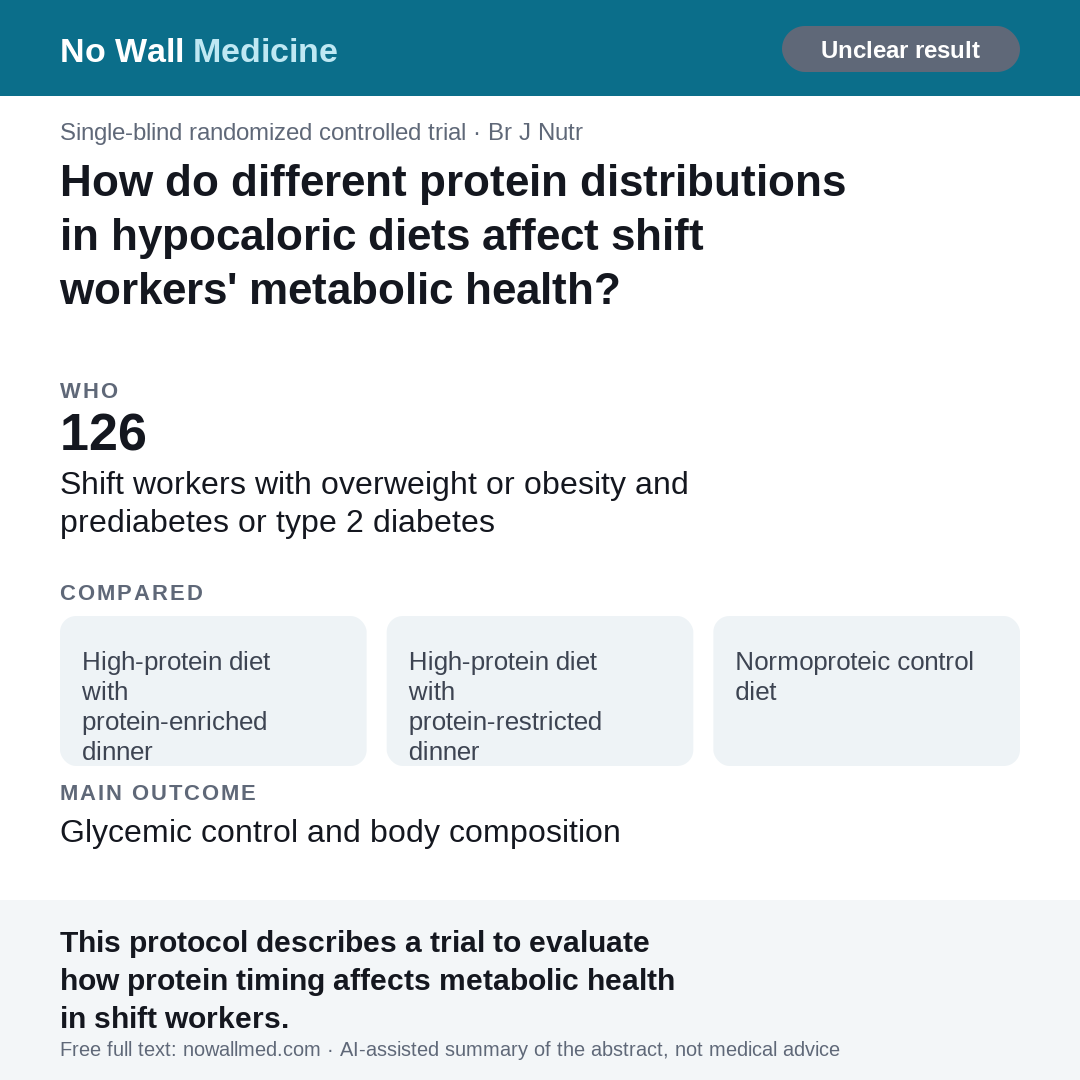
Chrononutrition-based hypocaloric diets with varying macronutrient and protein distribution in shift workers with prediabetes or type 2 diabetes: Protocol for a randomized controlled trial
Single-blind randomized controlled trialUnclear result
How do different protein distributions in hypocaloric diets affect shift workers' metabolic health?
Who
126
Shift workers with overweight or obesity and prediabetes or type 2 diabetes
Compared
High-protein diet with protein-enriched dinner
High-protein diet with protein-restricted dinner
Normoproteic control diet
Main outcome
Glycemic control and body composition
Bottom line: This protocol describes a trial to evaluate how protein timing affects metabolic health in shift workers.
Br J Nutr · 2026-05-06Download image
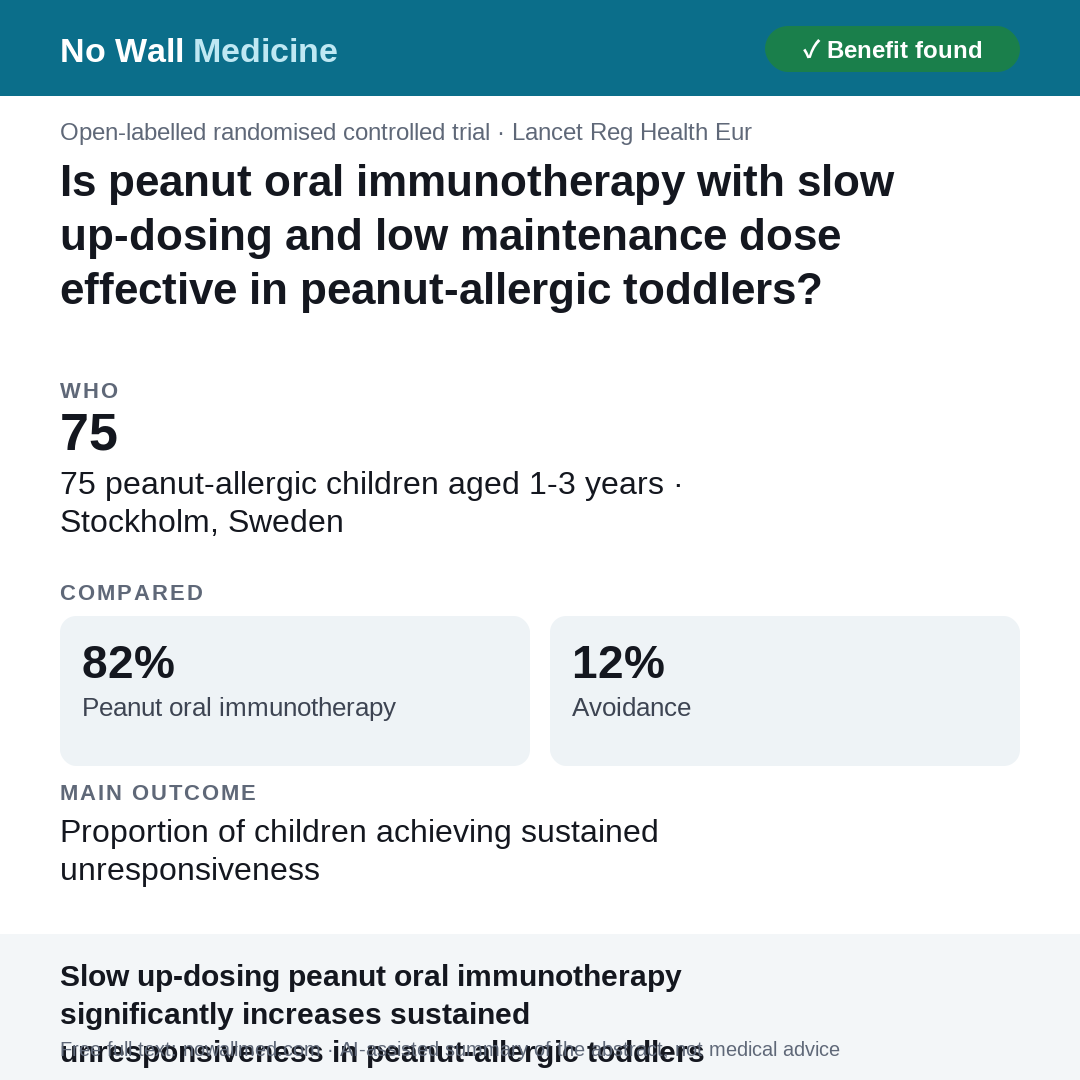
Safety and efficiency of peanut oral immunotherapy in preschool children with slow up-dosing and low maintenance dosing: a randomised controlled trial
Open-labelled randomised controlled trialBenefit found
Is peanut oral immunotherapy with slow up-dosing and low maintenance dose effective in peanut-allergic toddlers?
Who
75
75 peanut-allergic children aged 1-3 years · Stockholm, Sweden
Compared
82%Peanut oral immunotherapy (41 of 50)
12%Avoidance (3 of 25)
Main outcome
Proportion of children achieving sustained unresponsiveness
Result: difference 72% (95% CI 56-88)
Bottom line: Slow up-dosing peanut oral immunotherapy significantly increases sustained unresponsiveness in peanut-allergic toddlers compared to avoidance.
Funded by: Karolinska Institutet and various Swedish foundations and research councils
Lancet Reg Health Eur · 2026-05-06Download image
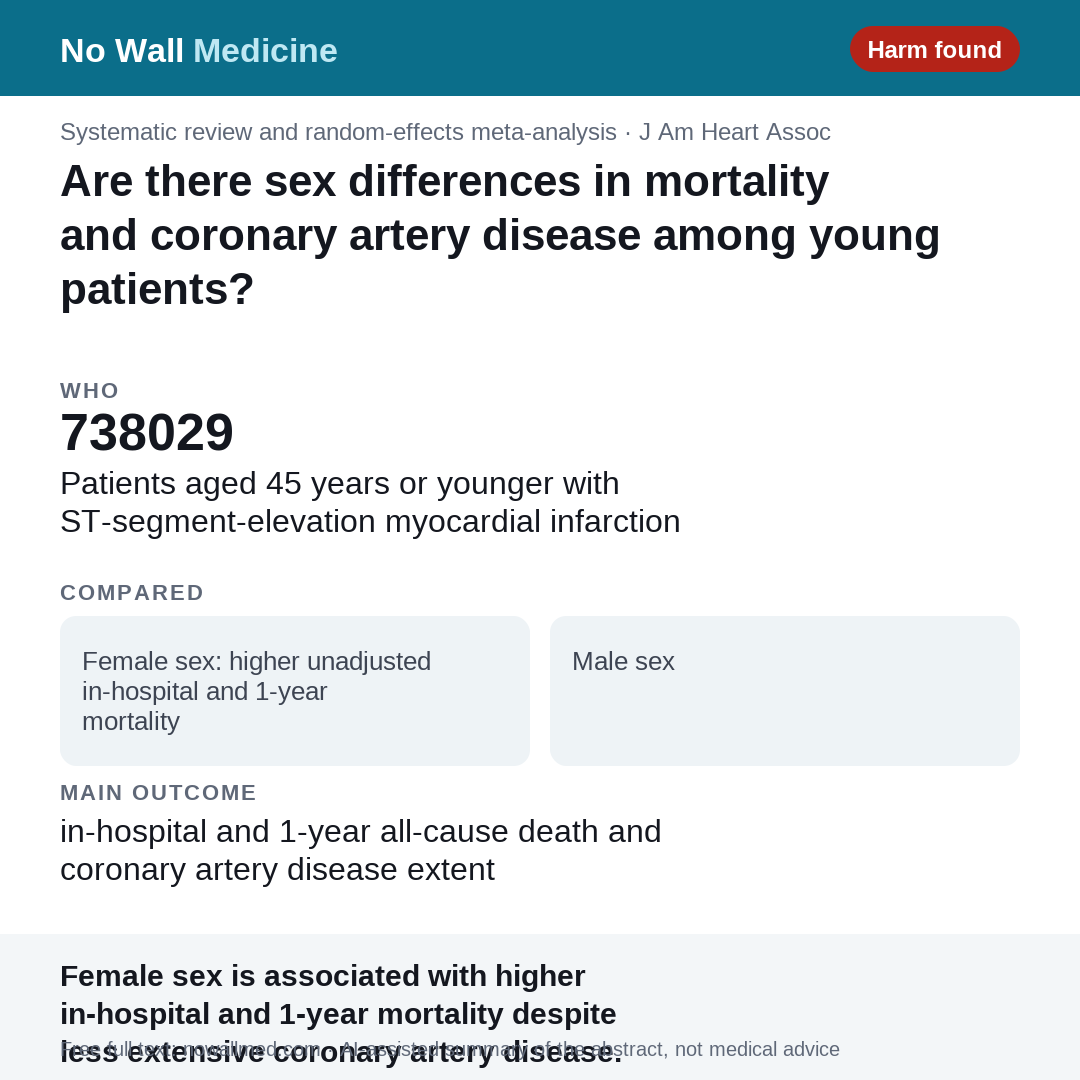
Sex Differences Among Young Patients With ST-Segment-Elevation Myocardial Infarction: A Systematic Review and Meta-Analysis
Systematic review and random-effects meta-analysisHarm found
Are there sex differences in mortality and coronary artery disease among young patients?
Who
738029
Patients aged 45 years or younger with ST-segment-elevation myocardial infarction
Compared
Female sex: higher unadjusted in-hospital and 1-year mortality
Male sex
Main outcome
in-hospital and 1-year all-cause death and coronary artery disease extent
Result: RR 1.56 (95% CI 1.40-1.74) for in-hospital and RR 1.78 (95% CI 1.50-2.12) for 1-year mortality
Bottom line: Female sex is associated with higher in-hospital and 1-year mortality despite less extensive coronary artery disease.
Limitation: Further studies adjusting for comorbidities and standardizing coronary artery disease definitions are needed.
J Am Heart Assoc · 2026-05-06Download image
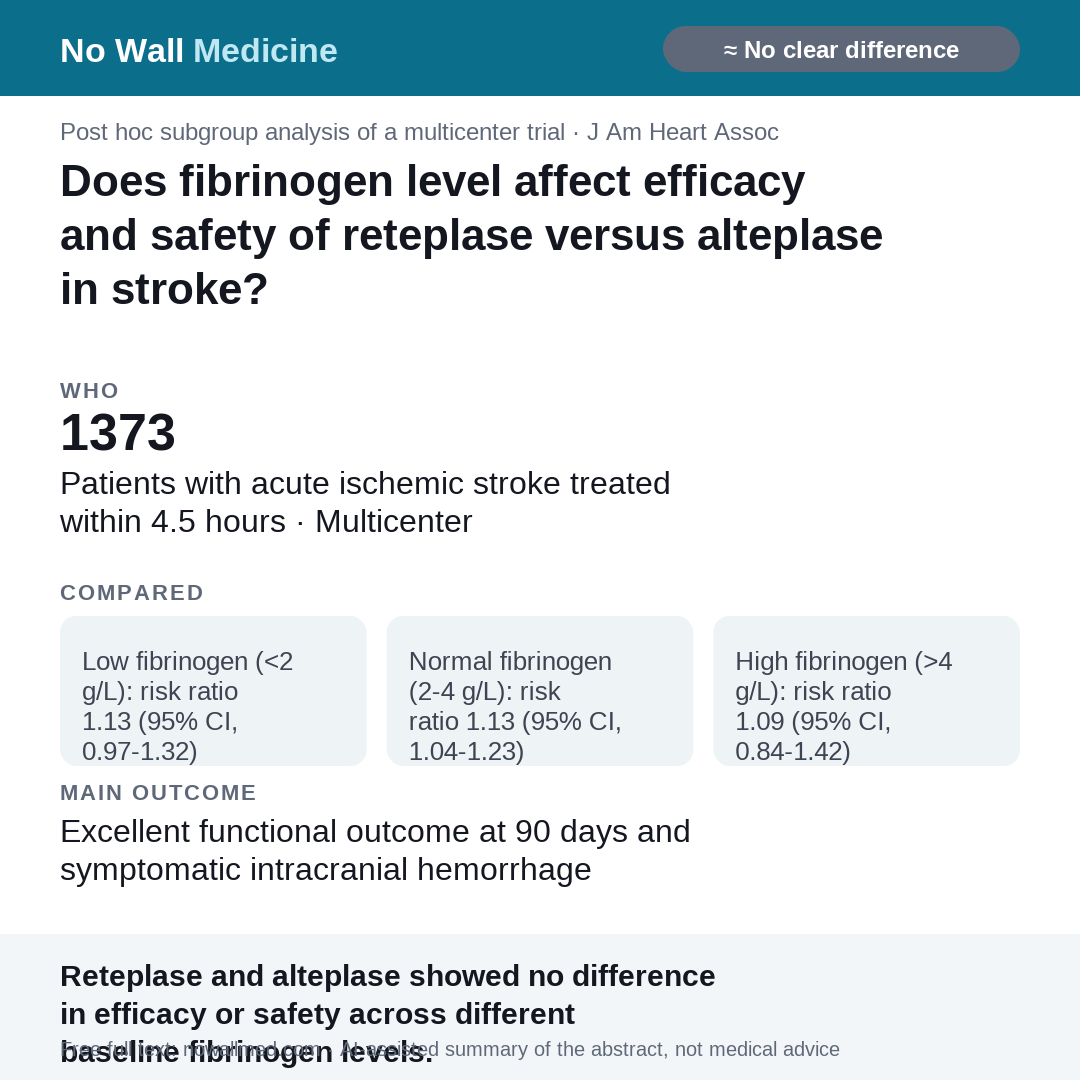
Efficacy and Safety of Reteplase Versus Alteplase in Acute Ischemic Stroke Based on Fibrinogen Levels: The RAISE Trial Subgroup
Post hoc subgroup analysis of a multicenter trialNo clear difference
Does fibrinogen level affect efficacy and safety of reteplase versus alteplase in stroke?
Who
1373
Patients with acute ischemic stroke treated within 4.5 hours · Multicenter
Compared
Low fibrinogen (<2 g/L): risk ratio 1.13 (95% CI, 0.97-1.32)
Normal fibrinogen (2-4 g/L): risk ratio 1.13 (95% CI, 1.04-1.23)
High fibrinogen (>4 g/L): risk ratio 1.09 (95% CI, 0.84-1.42)
Main outcome
Excellent functional outcome at 90 days and symptomatic intracranial hemorrhage
Bottom line: Reteplase and alteplase showed no difference in efficacy or safety across different baseline fibrinogen levels.
Limitation: Findings require validation in larger, adequately powered prospective studies.
J Am Heart Assoc · 2026-05-06Download image
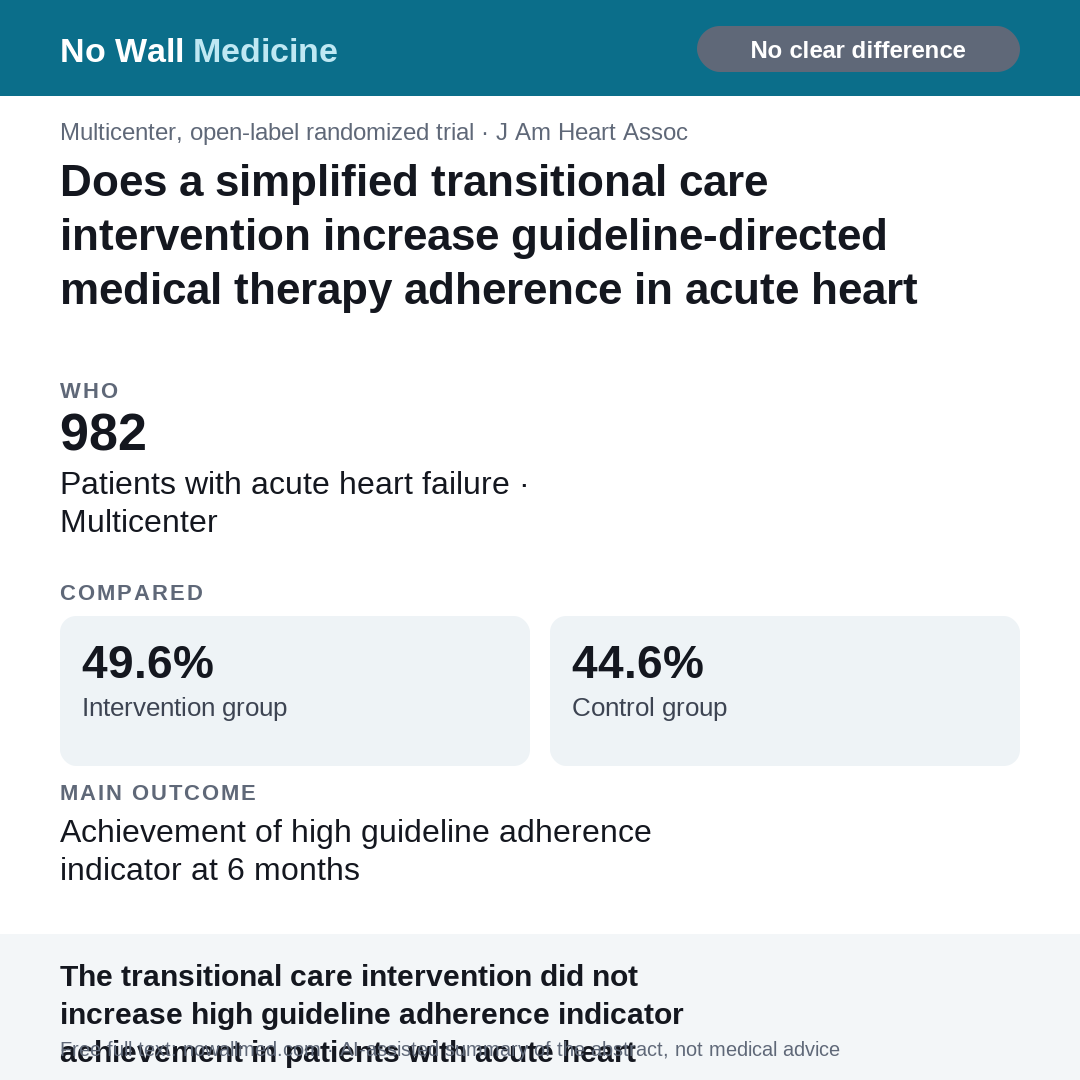
Effectiveness of an Intervention to Improve Guideline-Directed Medications for Patients With Acute Heart Failure: A Randomized Clinical Trial
Multicenter, open-label randomized trialNo clear difference
Does a simplified transitional care intervention increase guideline-directed medical therapy adherence in acute heart failure?
Who
982
Patients with acute heart failure · Multicenter
Compared
49.6%Intervention group
44.6%Control group
Main outcome
Achievement of high guideline adherence indicator at 6 months
Result: odds ratio 1.12 (95% CI, 0.86-1.45)
Bottom line: The transitional care intervention did not increase high guideline adherence indicator achievement in patients with acute heart failure.
J Am Heart Assoc · 2026-05-06Download image
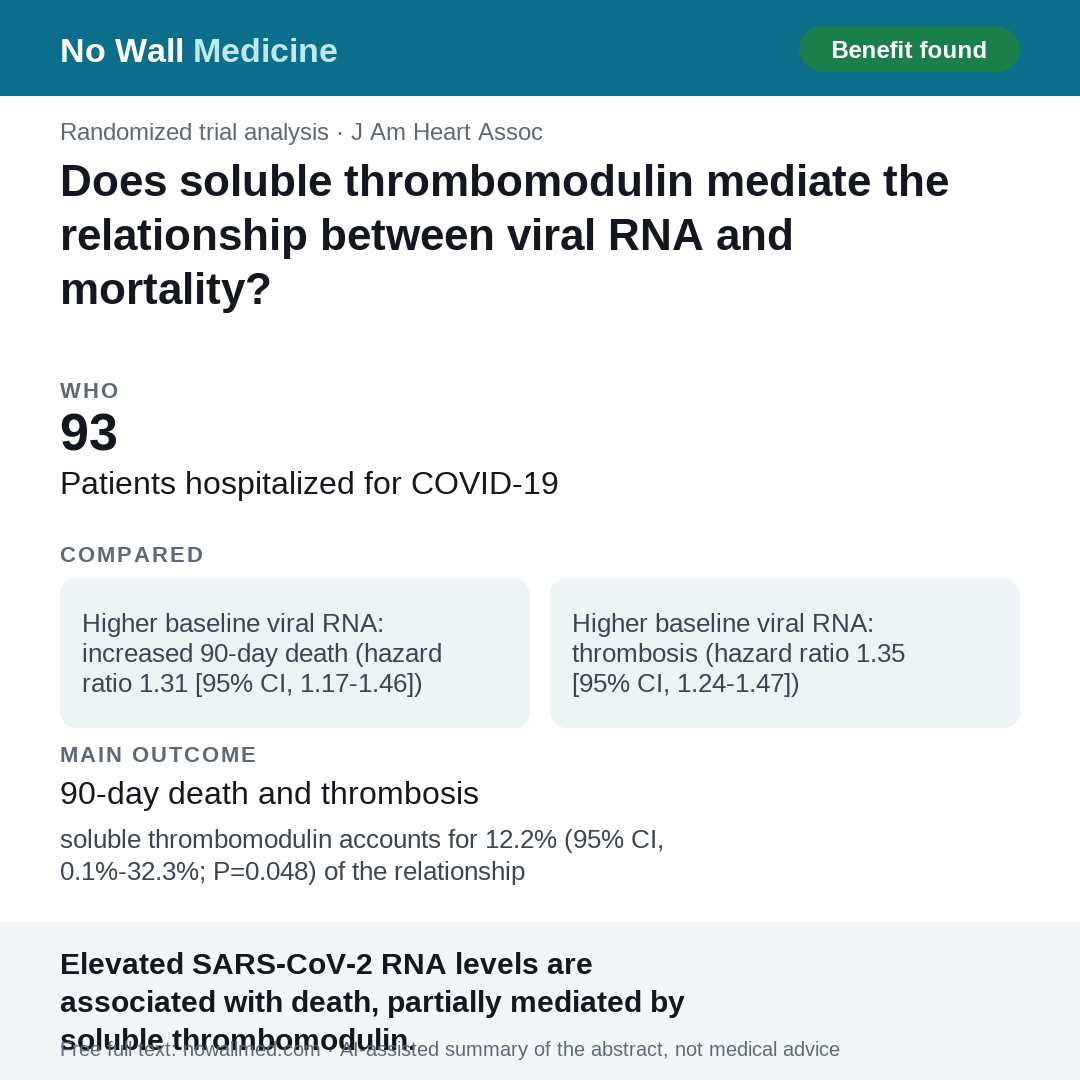
Soluble Thrombomodulin Links Viremia and Mortality During COVID-19: Results From the ACTIV-4a Trial
Randomized trial analysisBenefit found
Does soluble thrombomodulin mediate the relationship between viral RNA and mortality?
Who
93
Patients hospitalized for COVID-19
Compared
Higher baseline viral RNA: increased 90-day death (hazard ratio 1.31 [95% CI, 1.17-1.46])
Higher baseline viral RNA: thrombosis (hazard ratio 1.35 [95% CI, 1.24-1.47])
Main outcome
90-day death and thrombosis
Result: soluble thrombomodulin accounts for 12.2% (95% CI, 0.1%-32.3%; P=0.048) of the relationship
Bottom line: Elevated SARS-CoV-2 RNA levels are associated with death, partially mediated by soluble thrombomodulin.
J Am Heart Assoc · 2026-05-06Download image
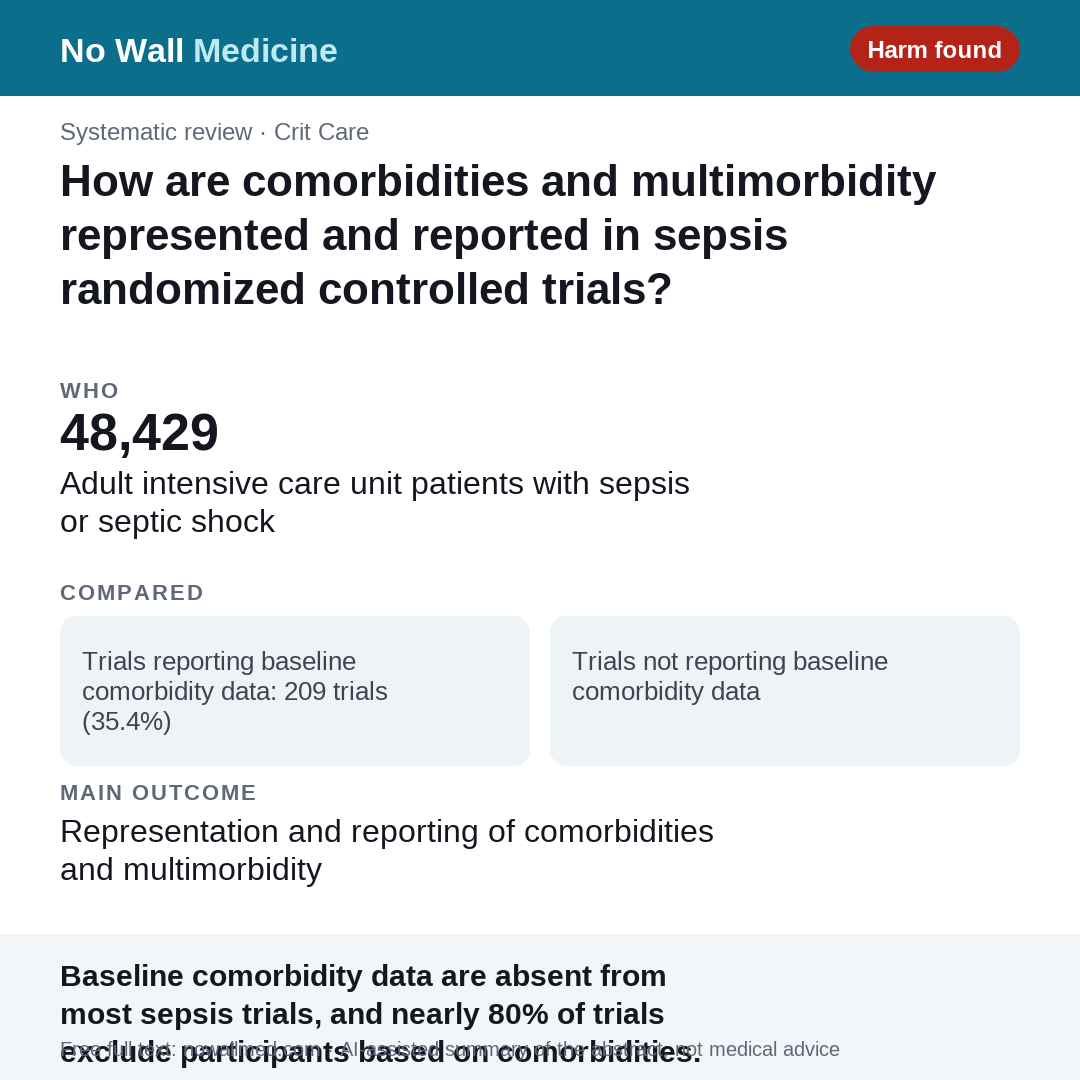
Prevalence and representation of comorbidities and multimorbidity in randomised controlled trials in sepsis or septic shock: a systematic review
Systematic reviewHarm found
How are comorbidities and multimorbidity represented and reported in sepsis randomized controlled trials?
Who
48,429
Adult intensive care unit patients with sepsis or septic shock
Compared
Trials reporting baseline comorbidity data: 209 trials (35.4%)
Trials not reporting baseline comorbidity data
Main outcome
Representation and reporting of comorbidities and multimorbidity
Result: OR 1.08, 95% CI 1.06-1.11
Bottom line: Baseline comorbidity data are absent from most sepsis trials, and nearly 80% of trials exclude participants based on comorbidities.
Crit Care · 2026-05-06Download image
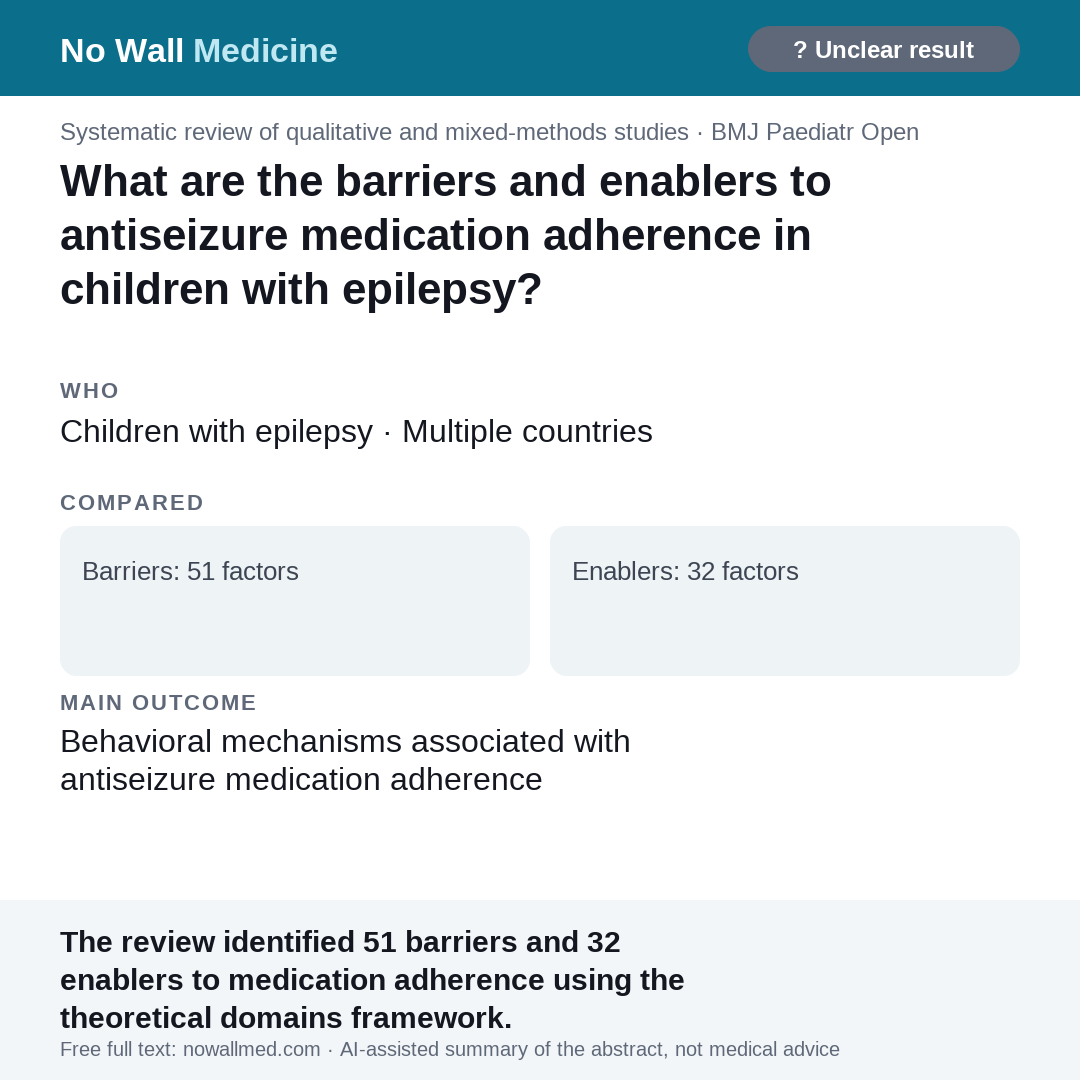
Barriers and enablers to antiseizure medication adherence in children with epilepsy: a systematic review using the theoretical domains framework (TDF)
Systematic review of qualitative and mixed-methods studiesUnclear result
What are the barriers and enablers to antiseizure medication adherence in children with epilepsy?
Who
Children with epilepsy · Multiple countries
Compared
Barriers: 51 factors
Enablers: 32 factors
Main outcome
Behavioral mechanisms associated with antiseizure medication adherence
Bottom line: The review identified 51 barriers and 32 enablers to medication adherence using the theoretical domains framework.
BMJ Paediatr Open · 2026-05-06Download image
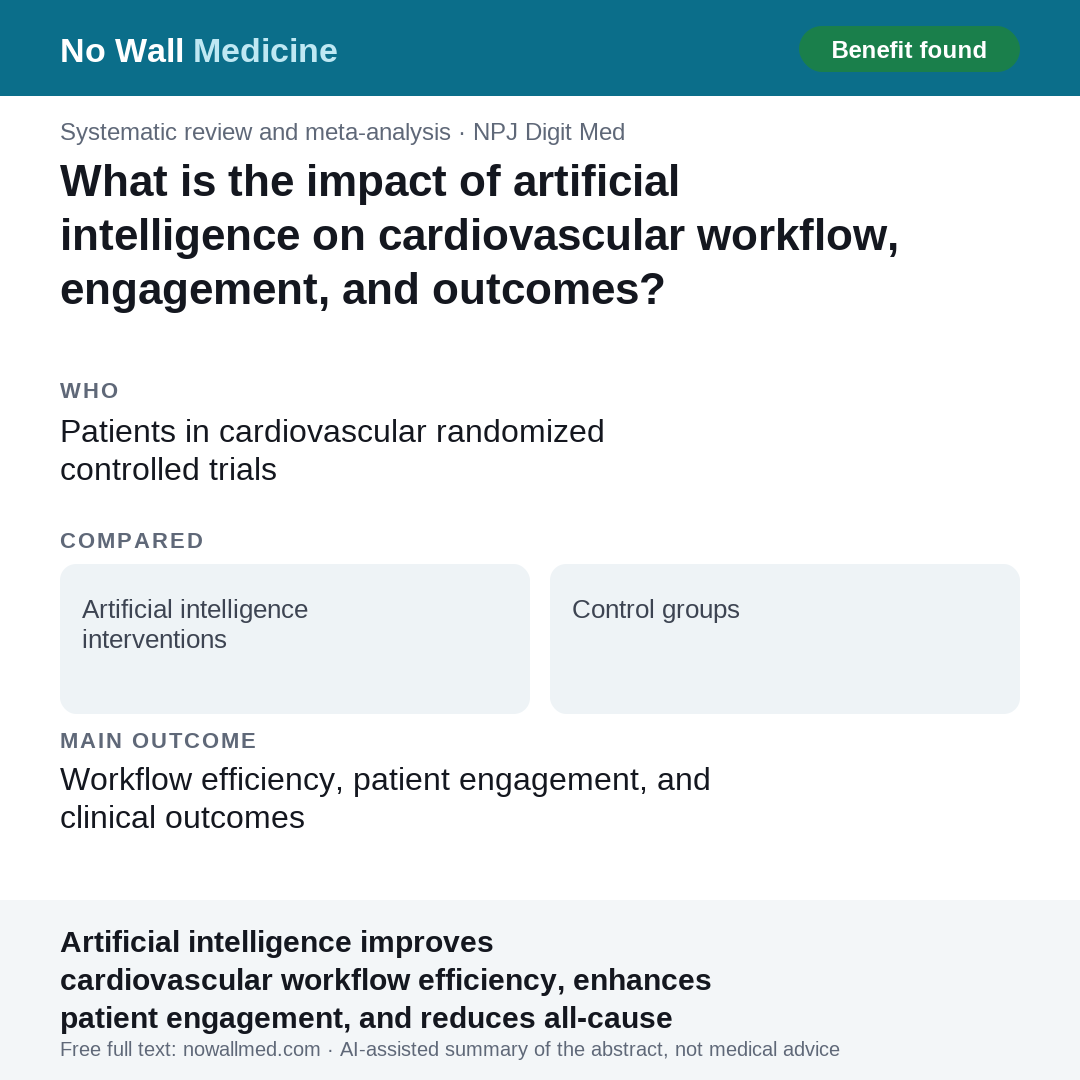
Impact of artificial intelligence on cardiovascular workflow, engagement, and outcomes: a systematic review
Systematic review and meta-analysisBenefit found
What is the impact of artificial intelligence on cardiovascular workflow, engagement, and outcomes?
Who
Patients in cardiovascular randomized controlled trials
Compared
Artificial intelligence interventions
Control groups
Main outcome
Workflow efficiency, patient engagement, and clinical outcomes
Result: mortality RR 0.84 (95% CI 0.75-0.94)
Bottom line: Artificial intelligence improves cardiovascular workflow efficiency, enhances patient engagement, and reduces all-cause mortality.
Limitation: Restricted blinding and insufficient sham-artificial intelligence controls.
NPJ Digit Med · 2026-05-06Download image
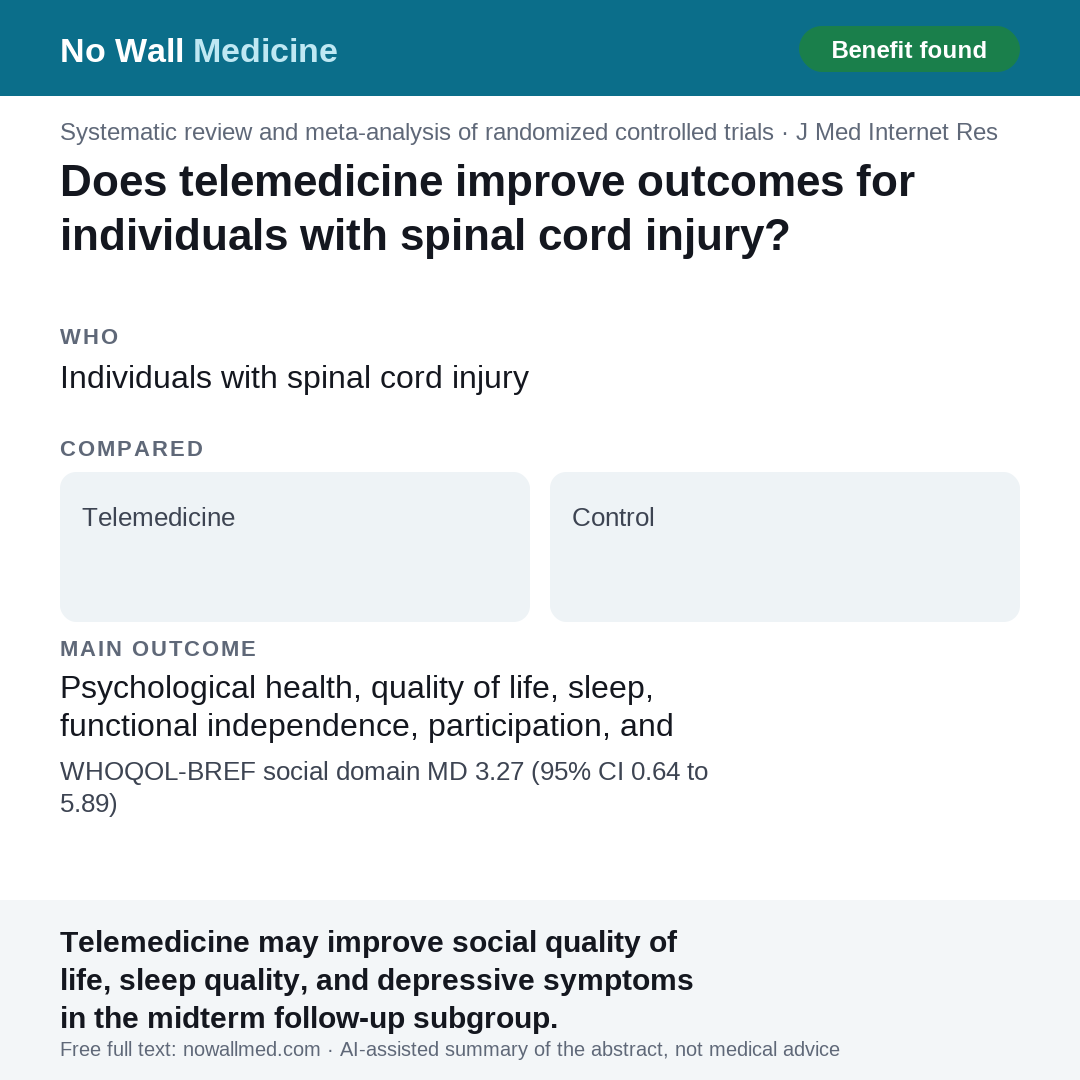
Multidimensional Effects of Telemedicine on Patients With Spinal Cord Injury: Systematic Review and Meta-Analysis of Randomized Controlled Trials
Systematic review and meta-analysis of randomized controlled trialsBenefit found
Does telemedicine improve outcomes for individuals with spinal cord injury?
Who
Individuals with spinal cord injury
Compared
Telemedicine
Control
Main outcome
Psychological health, quality of life, sleep, functional independence, participation, and pain
Result: WHOQOL-BREF social domain MD 3.27 (95% CI 0.64 to 5.89)
Bottom line: Telemedicine may improve social quality of life, sleep quality, and depressive symptoms in the midterm follow-up subgroup.
Limitation: Approximately half of the studies were rated as low risk, with others having some concerns or high risk.
J Med Internet Res · 2026-05-06Download image
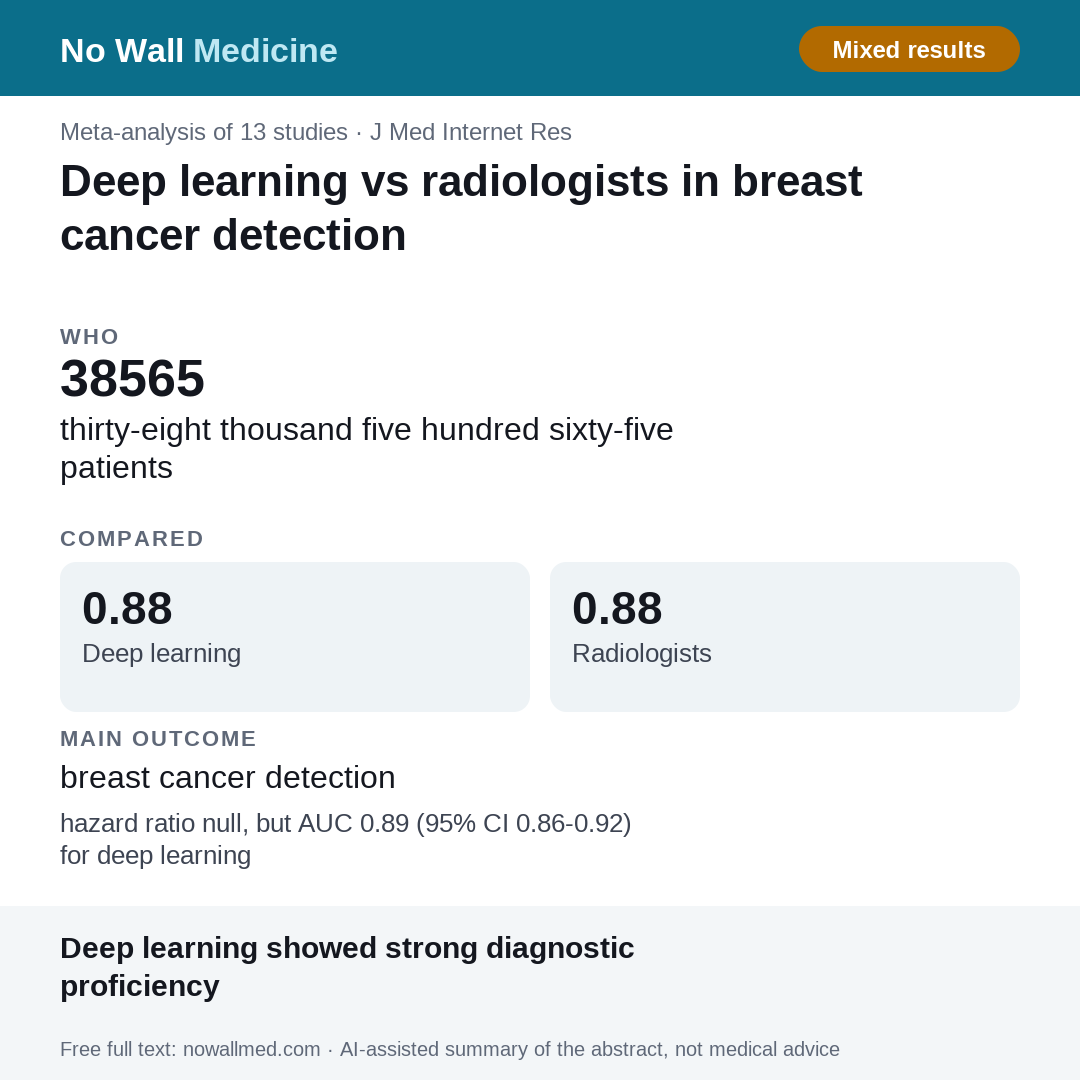
Deep Learning Algorithms Versus Radiologists in Digital Breast Tomosynthesis for Breast Cancer Detection: Systematic Review and Meta-Analysis
Meta-analysis of 13 studiesMixed results
Deep learning vs radiologists in breast cancer detection
Who
38565
thirty-eight thousand five hundred sixty-five patients
Compared
0.88Deep learning (95% CI 0.80-0.93)
0.88Radiologists
Main outcome
breast cancer detection
Result: hazard ratio null, but AUC 0.89 (95% CI 0.86-0.92) for deep learning
Bottom line: Deep learning showed strong diagnostic proficiency
Limitation: validation methods heterogeneity
J Med Internet Res · 2026-05-06Download image
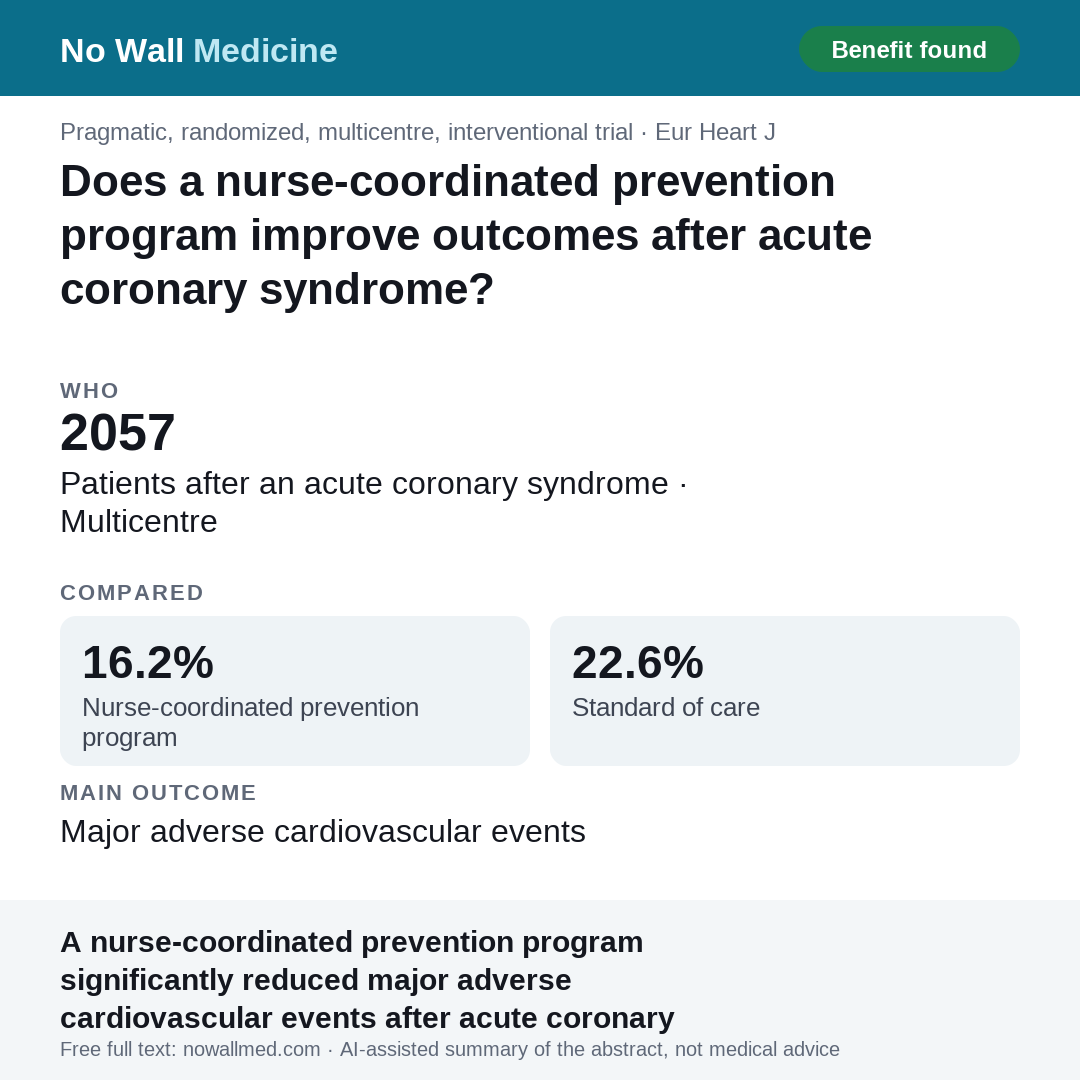
A nurse-coordinated intervention programme vs standard of care after an acute coronary syndrome: the ALLEPRE trial
Pragmatic, randomized, multicentre, interventional trialBenefit found
Does a nurse-coordinated prevention program improve outcomes after acute coronary syndrome?
Who
2057
Patients after an acute coronary syndrome · Multicentre
Compared
16.2%Nurse-coordinated prevention program
22.6%Standard of care
Main outcome
Major adverse cardiovascular events
Result: hazard ratio 0.70 (95% CI 0.57-0.85)
Bottom line: A nurse-coordinated prevention program significantly reduced major adverse cardiovascular events after acute coronary syndrome.
Eur Heart J · 2026-05-05Download image
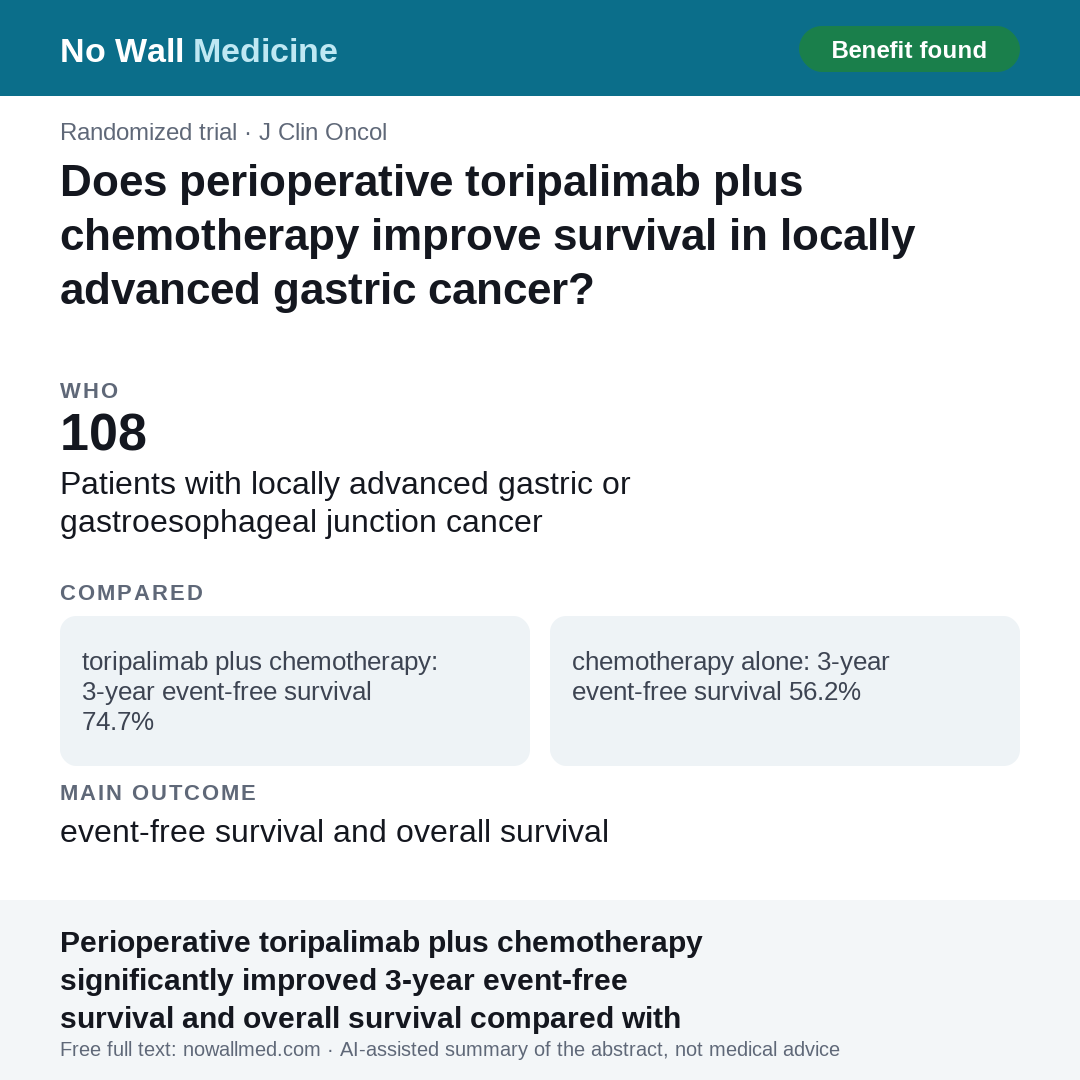
Perioperative Toripalimab Plus Chemotherapy Versus Chemotherapy Alone in Locally Advanced Gastric or Gastroesophageal Junction Cancer: 3-Year Follow-Up of NEOSUMMIT-01 Trial
Randomized trialBenefit found
Does perioperative toripalimab plus chemotherapy improve survival in locally advanced gastric cancer?
Who
108
Patients with locally advanced gastric or gastroesophageal junction cancer
Compared
toripalimab plus chemotherapy: 3-year event-free survival 74.7%
chemotherapy alone: 3-year event-free survival 56.2%
Main outcome
event-free survival and overall survival
Result: hazard ratio 0.51 (95% CI 0.27 to 0.98)
Bottom line: Perioperative toripalimab plus chemotherapy significantly improved 3-year event-free survival and overall survival compared with chemotherapy alone.
J Clin Oncol · 2026-05-05Download image
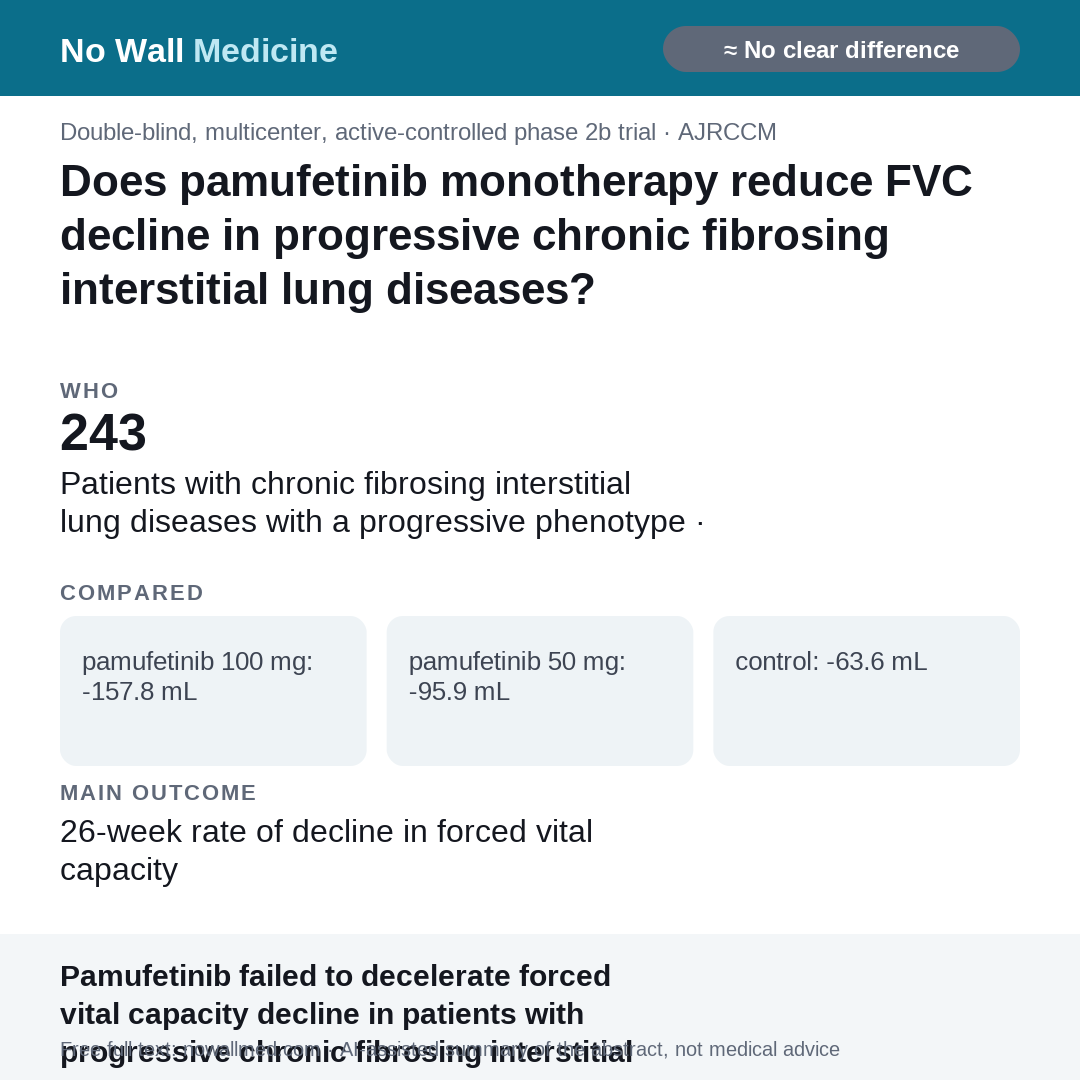
Pamufetinib (TAS-115) for chronic fibrosing interstitial lung diseases with a progressive phenotype: a double-blind, multicenter, phase 2b clinical trial
Double-blind, multicenter, active-controlled phase 2b trialNo clear difference
Does pamufetinib monotherapy reduce FVC decline in progressive chronic fibrosing interstitial lung diseases?
Who
243
Patients with chronic fibrosing interstitial lung diseases with a progressive phenotype · multicenter
Compared
pamufetinib 100 mg: -157.8 mL
pamufetinib 50 mg: -95.9 mL
control: -63.6 mL
Main outcome
26-week rate of decline in forced vital capacity
Bottom line: Pamufetinib failed to decelerate forced vital capacity decline in patients with progressive chronic fibrosing interstitial lung diseases.
AJRCCM · 2026-05-05Download image
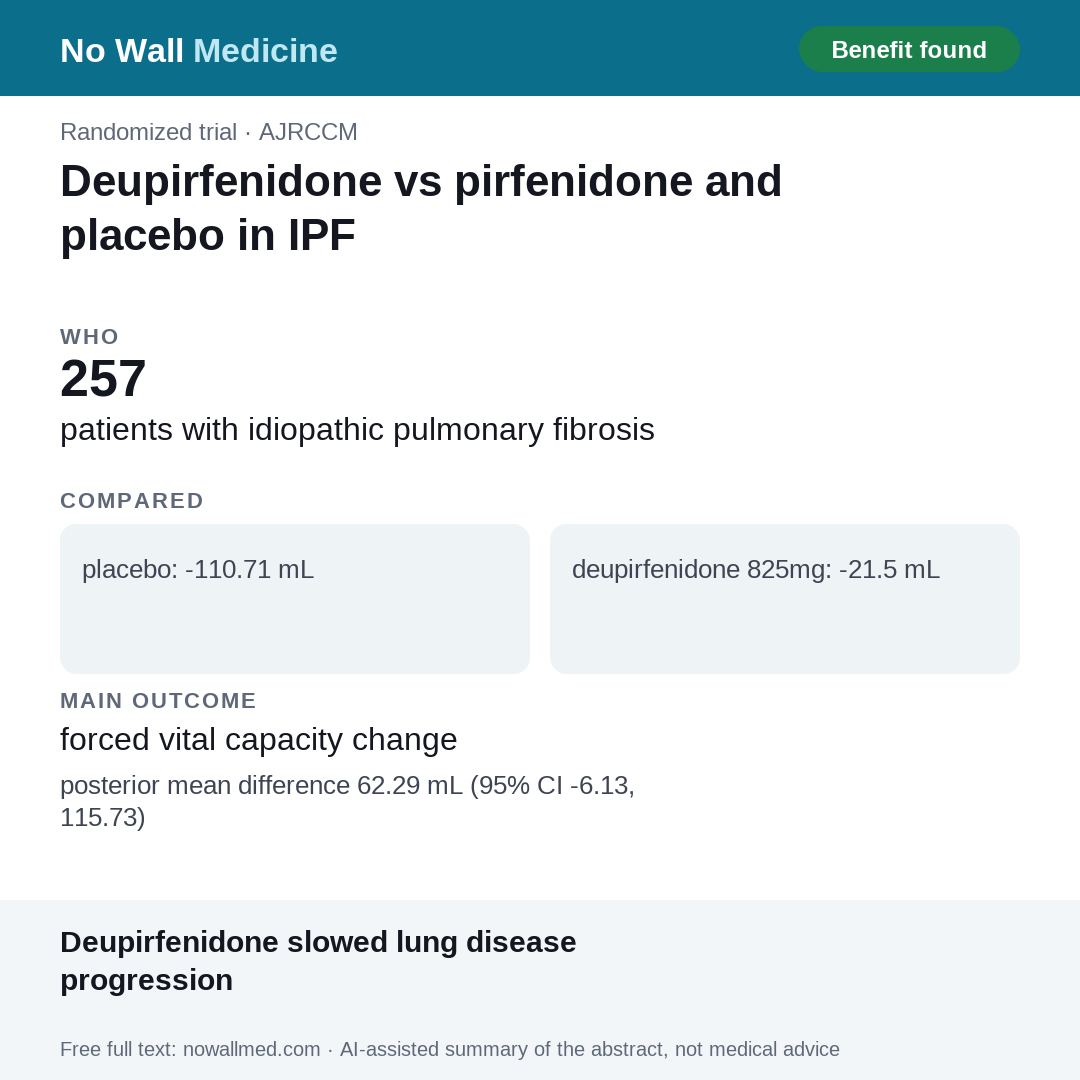
Deupirfenidone compared with pirfenidone and placebo in idiopathic pulmonary fibrosis (ELEVATE-IPF): a phase 2b randomized placebo-controlled trial
Randomized trialBenefit found
Deupirfenidone vs pirfenidone and placebo in IPF
Who
257
patients with idiopathic pulmonary fibrosis
Compared
placebo: -110.71 mL
deupirfenidone 825mg: -21.5 mL
Main outcome
forced vital capacity change
Result: posterior mean difference 62.29 mL (95% CI -6.13, 115.73)
Bottom line: Deupirfenidone slowed lung disease progression
AJRCCM · 2026-05-05Download image