Visual abstracts
New randomized trials and meta-analyses from leading journals at a glance: who was studied, what was compared, and what was found. Every paper is free to read in full.
All specialtiesCardiology 4877Oncology 4138Gastroenterology & Hepatology 1942Infectious Disease 3837Neurology 1905Psychiatry & Mental Health 2273Pulmonology 2143Critical Care 1365Endocrinology & Diabetes 2580Pediatrics 2980Surgery 2559Orthopedics & Sports Medicine 931Neurosurgery 537Cardiothoracic & Vascular Surgery 674Plastic & Reconstructive Surgery 591Nephrology 1133Rheumatology 823Hematology 1109Dermatology 621Ophthalmology 543Obstetrics & Gynecology 1686Public & Global Health 1058Radiology & Imaging 648Anesthesiology 986Urology 764ENT (Otolaryngology) 503Emergency Medicine 511Allergy & Immunology 313Geriatrics 981Family Medicine & Primary Care 562Medical Genetics & Genomics 676Pathology & Laboratory Medicine 159Physical Medicine & Rehabilitation 757Palliative Care 444Nutrition 1588Digital Health & AI 2201General Medicine 321
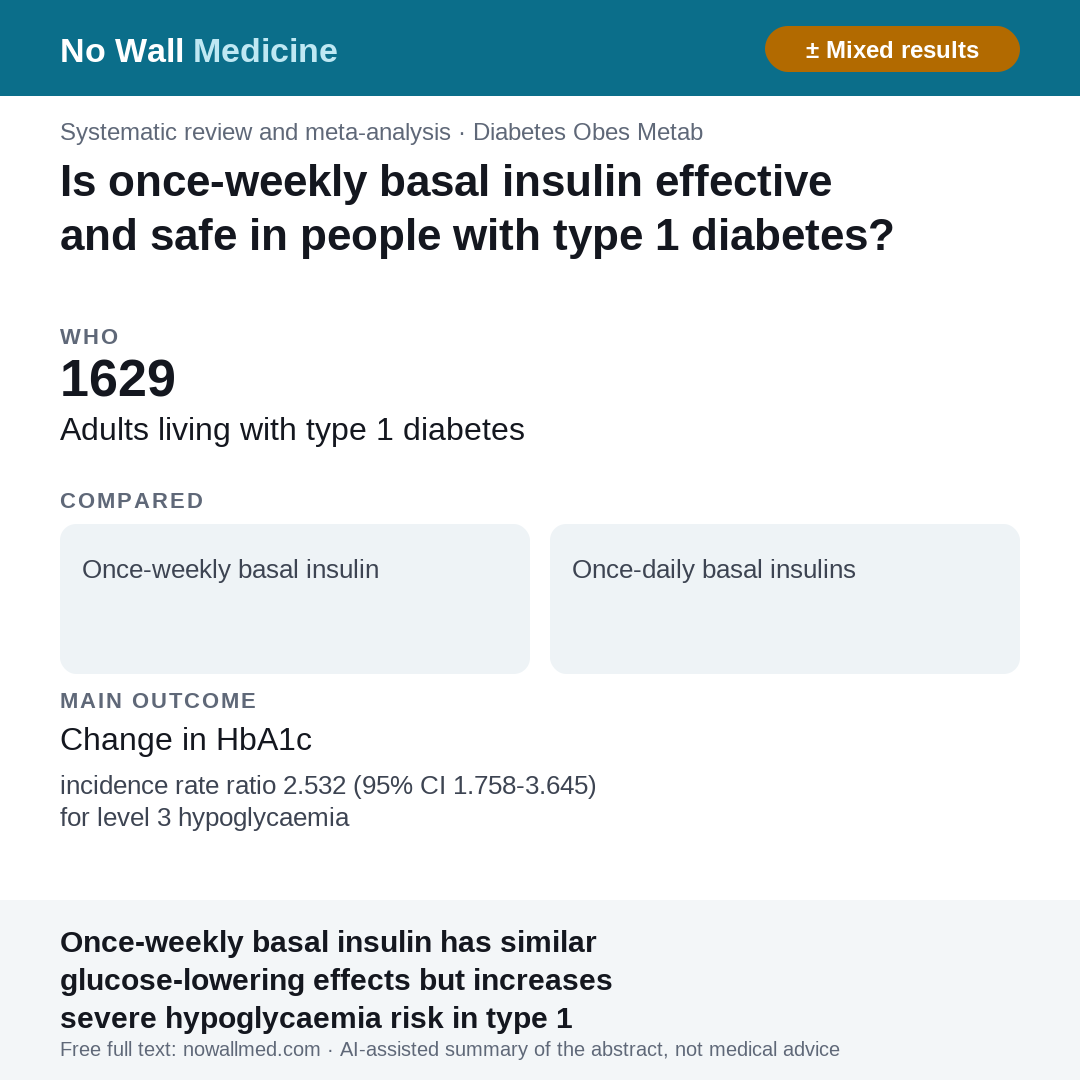
Efficacy and safety of once-weekly basal insulin therapy in people with type 1 diabetes: A systematic review and meta-analysis
Systematic review and meta-analysisMixed results
Is once-weekly basal insulin effective and safe in people with type 1 diabetes?
Who
1629
Adults living with type 1 diabetes
Compared
Once-weekly basal insulin
Once-daily basal insulins
Main outcome
Change in HbA1c
Result: incidence rate ratio 2.532 (95% CI 1.758-3.645) for level 3 hypoglycaemia
Bottom line: Once-weekly basal insulin has similar glucose-lowering effects but increases severe hypoglycaemia risk in type 1 diabetes.
Diabetes Obes Metab · 2025-10-06Download image
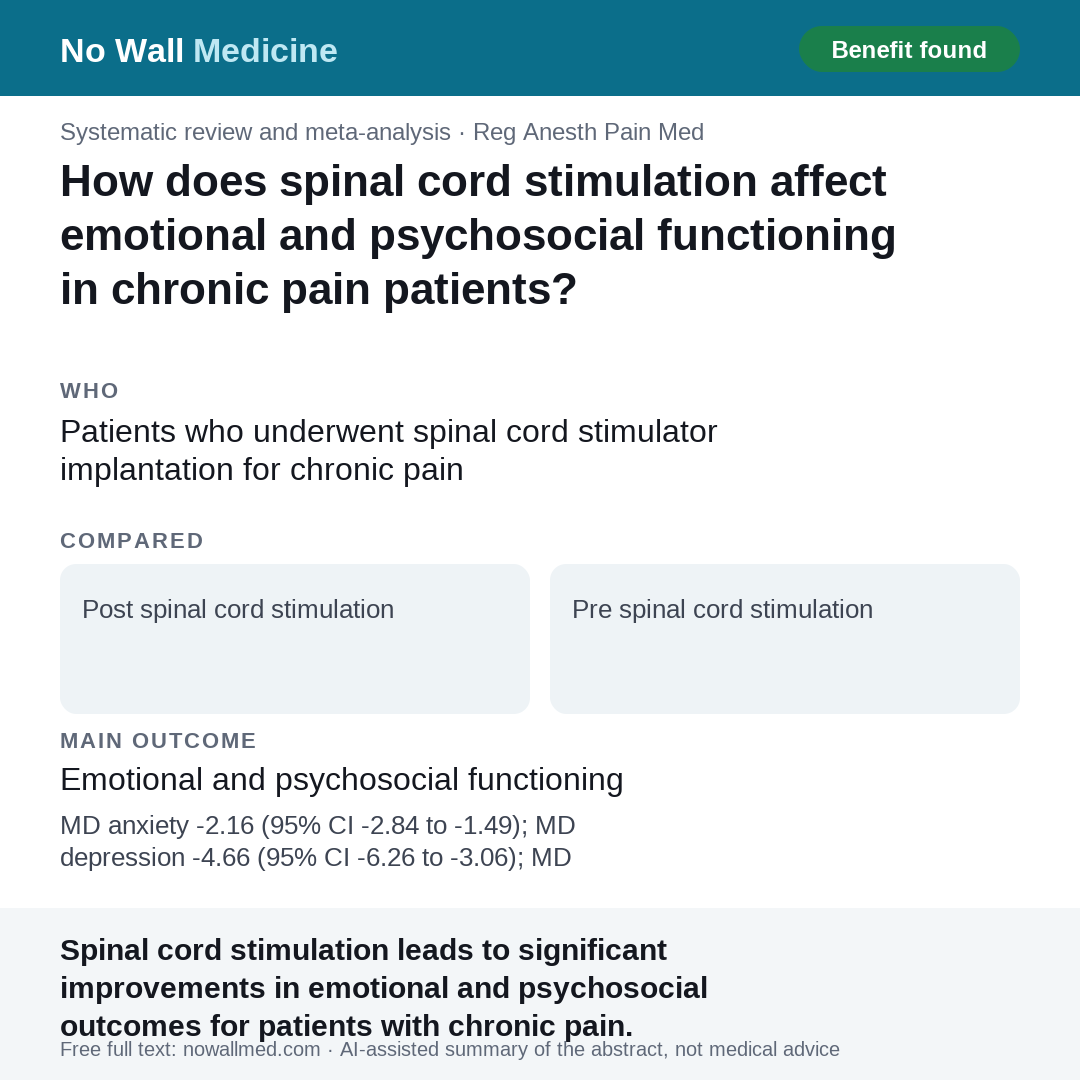
Emotional and psychosocial function after dorsal column spinal cord stimulator implantation: a systematic review and meta-analysis
Systematic review and meta-analysisBenefit found
How does spinal cord stimulation affect emotional and psychosocial functioning in chronic pain patients?
Who
Patients who underwent spinal cord stimulator implantation for chronic pain
Compared
Post spinal cord stimulation
Pre spinal cord stimulation
Main outcome
Emotional and psychosocial functioning
Result: MD anxiety -2.16 (95% CI -2.84 to -1.49); MD depression -4.66 (95% CI -6.26 to -3.06); MD global functioning 20.30 (95% CI 14.69 to 25.90); MD mental well-being 4.95 (95% CI 3.60 to 6.31); MD pain catastrophizing -12.09 (95% CI -14.94 to -9.23)
Bottom line: Spinal cord stimulation leads to significant improvements in emotional and psychosocial outcomes for patients with chronic pain.
Limitation: Results should be interpreted with caution due to very low certainty of evidence.
Reg Anesth Pain Med · 2025-10-06Download image
Mental health service coverage and gaps among adults in Europe: a systematic review
Systematic reviewHarm found
What are the mental health service coverage and treatment gaps among adults in Europe?
Who
Adults in the World Health Organization European Region · World Health Organization European Region
Compared
Psychotic disorders coverage: often exceeding 90% in some countries
Major depressive disorder treatment: below 10% in Bulgaria, Tajikistan and Turkmenistan to over 35% in Germany and Czechia
Anxiety disorder coverage: 7% in Bulgaria to 47% in Sweden
Substance use disorder coverage: under 15%
Main outcome
Mental health service coverage and treatment gaps
Bottom line: Significant mental health service gaps exist across Europe, particularly for substance use, ADHD, and marginalized populations.
Lancet Reg Health Eur · 2025-10-06Download image

Shared neuroimaging and molecular profiles in type 2 diabetes mellitus and major depressive disorder: an integrative analysis of genetic, transcriptomic, and neuroimaging data
Integrative analysis of genetic, transcriptomic, and neuroimaging dataBenefit found
Are there shared neuroimaging and molecular profiles in type 2 diabetes and major depressive disorder?
Who
Patients with type 2 diabetes mellitus and major depressive disorder
Compared
Type 2 diabetes mellitus: significant gray matter volume reductions
Major depressive disorder: significant gray matter volume reductions
Main outcome
Gray matter volume alterations and shared molecular profiles
Bottom line: Type 2 diabetes and major depressive disorder share neuroimaging alterations and 664 shared genes.
Transl Psychiatry · 2025-10-06Download image

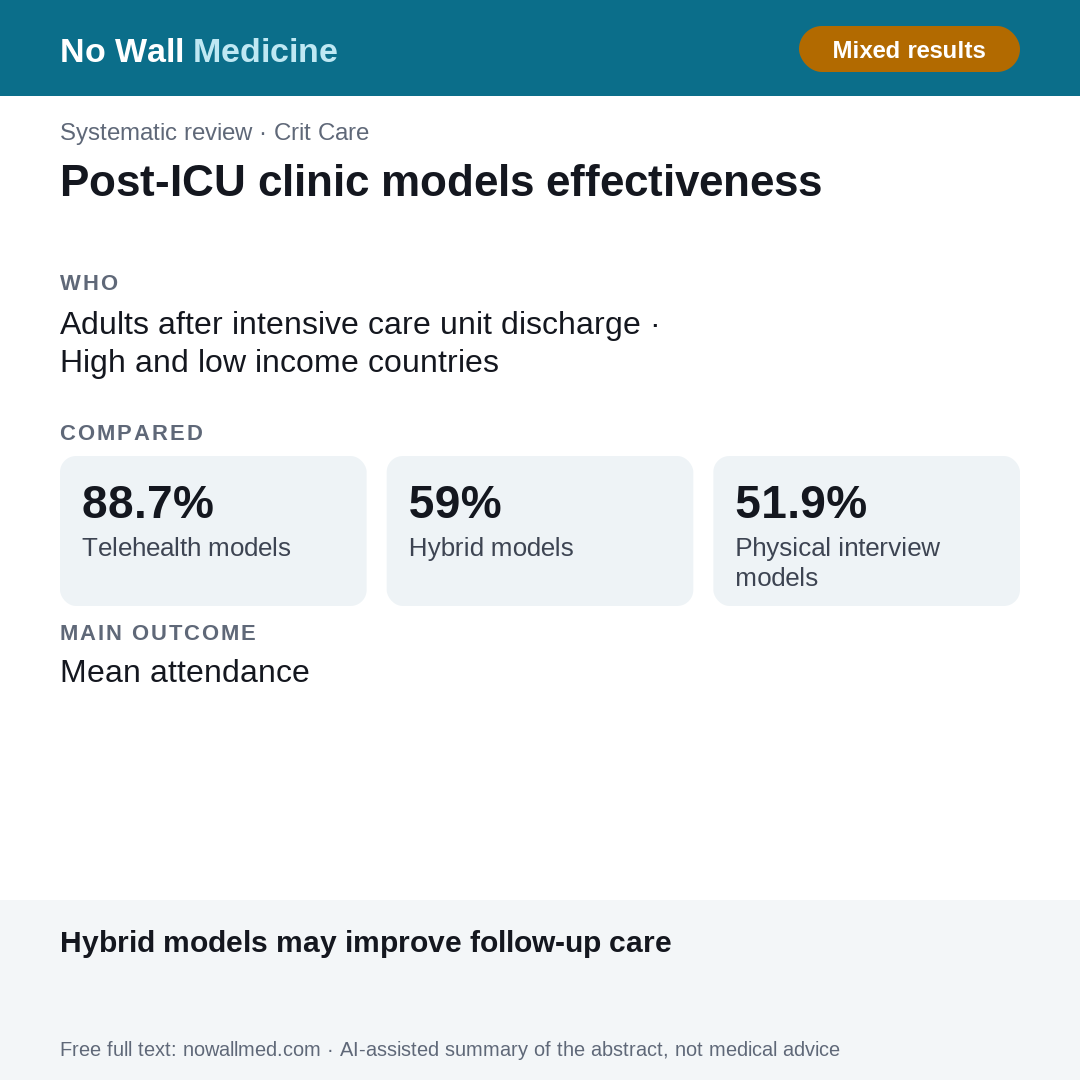
Post-intensive care unit clinics: models and implementation - a systematic review
Systematic reviewMixed results
Post-ICU clinic models effectiveness
Who
Adults after intensive care unit discharge · High and low income countries
Compared
88.7%Telehealth models
59%Hybrid models
51.9%Physical interview models
Main outcome
Mean attendance
Bottom line: Hybrid models may improve follow-up care
Limitation: Evidence on long-term outcomes limited
Crit Care · 2025-10-06Download image
The association between preoperative anxiety and chronic post-surgical pain after general anaesthesia, a systematic review and meta-analysis
Systematic review and meta-analysisBenefit found
Is preoperative anxiety associated with the incidence of chronic post-surgical pain?
Who
Adult patients undergoing surgical procedures under general anaesthesia
Compared
Patients with preoperative anxiety: increase in numeric rating scale pain of 0.34
Control group
Main outcome
Chronic post-surgical pain incidence and numeric rating scale pain
Result: standardised mean difference of 0.31 (95% confidence interval 0.20-0.41)
Bottom line: Increased preoperative anxiety is positively associated with an increased incidence of chronic post-surgical pain.
Limitation: High heterogeneity was observed, which was attributed to several possible confounding factors.
BJA Open · 2025-10-06Download image

The impact of very-low-calorie ketogenic diets on gut microbiota in individuals with obesity: a systematic review and meta-analysis
Systematic review and meta-analysisMixed results
How do very-low-calorie ketogenic diets affect gut microbiota in individuals with obesity?
Who
14
Individuals with obesity
Compared
Very-low-calorie ketogenic diets: increased Shannon index (SMD: 0.54, 95% CI: 0.03 to 1.04)
Control
Main outcome
Gut microbial diversity and relative abundance of key taxa
Result: Shannon index SMD: 0.54 (95% CI: 0.03 to 1.04)
Bottom line: Very-low-calorie ketogenic diets improve microbial diversity and Akkermansia but reduce Bifidobacterium abundance in individuals with obesity.
Limitation: Bidirectional effects on microbial ecology warrant caution and long-term safety requires further investigation.
Gut Microbes · 2025-10-06Download image

Reevaluating Nonoperative Management for Pediatric Uncomplicated Acute Appendicitis: A Systematic Review and Meta-Analysis
Meta-analysis of 7 randomized clinical trialsHarm found
Is nonoperative management as safe and effective as appendectomy for pediatric uncomplicated acute appendicitis?
Who
1480
Pediatric patients younger than 18 years with uncomplicated appendicitis
Compared
Nonoperative management
Appendectomy
Main outcome
Treatment failure, treatment success, and major complications at 1 year
Result: risk ratio 4.97 (95% CI, 3.57-6.91) for treatment failure
Bottom line: Nonoperative management in children has significantly higher treatment failure and major complication rates within one year compared to appendectomy.
JAMA Pediatr · 2025-10-05Download image

Patient vs. clinician-collected cervical cytology for screening for CIN: a systematic review and meta-analysis
Systematic review and meta-analysisMixed results
Is self-collected cervical cytology as accurate as clinician-collected cytology for screening?
Who
Adult women undergoing cervical cytology
Compared
Self-collected cytology: sensitivity 0.698, specificity 0.805
Clinician-collected cytology: sensitivity 0.765, specificity 0.613
Main outcome
Diagnostic accuracy for cervical intraepithelial neoplasia
Bottom line: Self-collection has reasonable accuracy but lower sensitivity than clinician-collected cytology, potentially increasing screening uptake.
Limitation: Methodological concerns in patient selection and wide variation in self-collection methods.
AJOG Glob Rep · 2025-10-05Download image

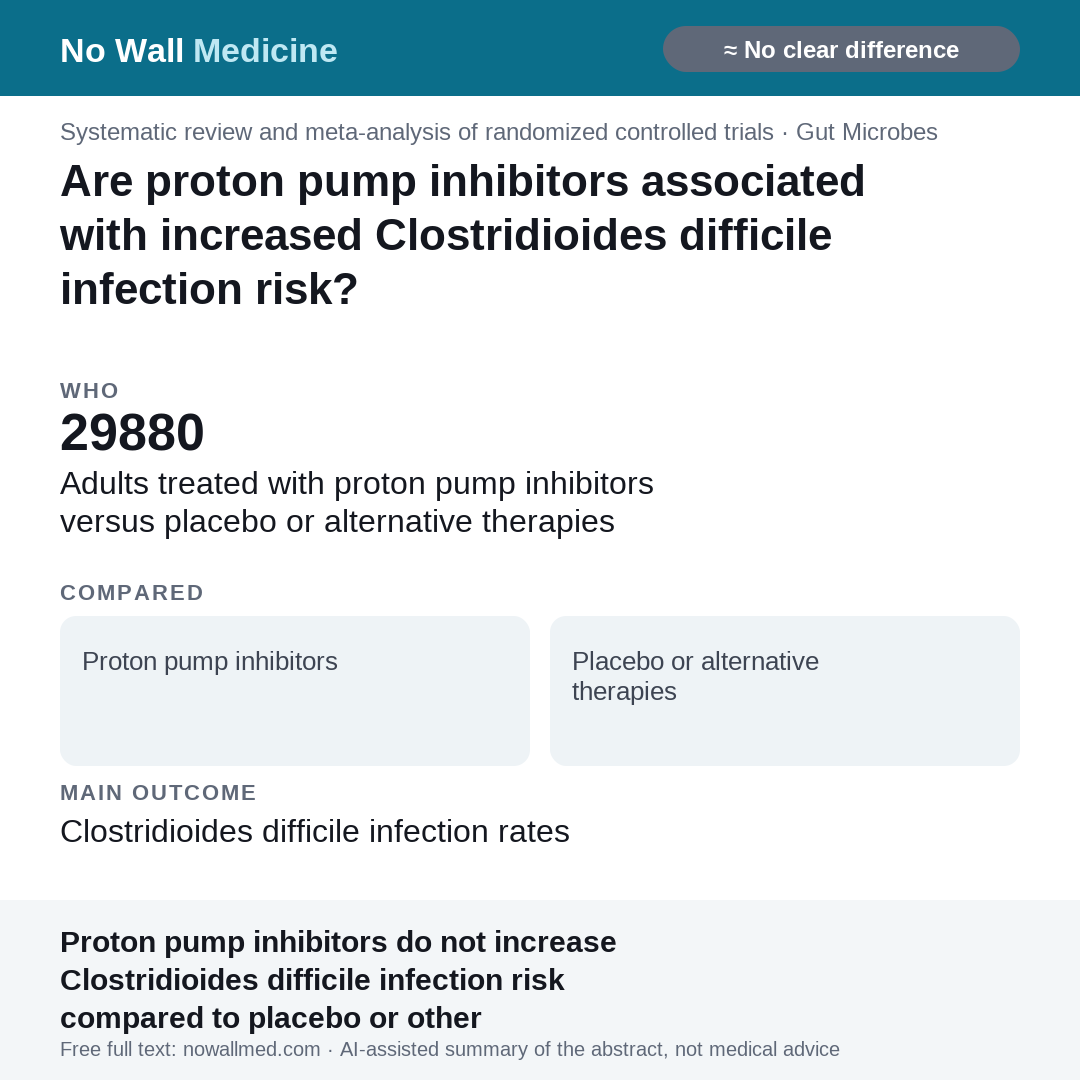
Proton pump inhibitors are not associated with an increased risk of Clostridioides difficile infection: a systematic review and meta-analysis of randomized controlled trials
Systematic review and meta-analysis of randomized controlled trialsNo clear difference
Are proton pump inhibitors associated with increased Clostridioides difficile infection risk?
Who
29880
Adults treated with proton pump inhibitors versus placebo or alternative therapies
Compared
Proton pump inhibitors
Placebo or alternative therapies
Main outcome
Clostridioides difficile infection rates
Result: risk ratio 1.19 (95% CI 0.75 to 1.89)
Bottom line: Proton pump inhibitors do not increase Clostridioides difficile infection risk compared to placebo or other acid-suppressive medications.
Gut Microbes · 2025-10-05Download image
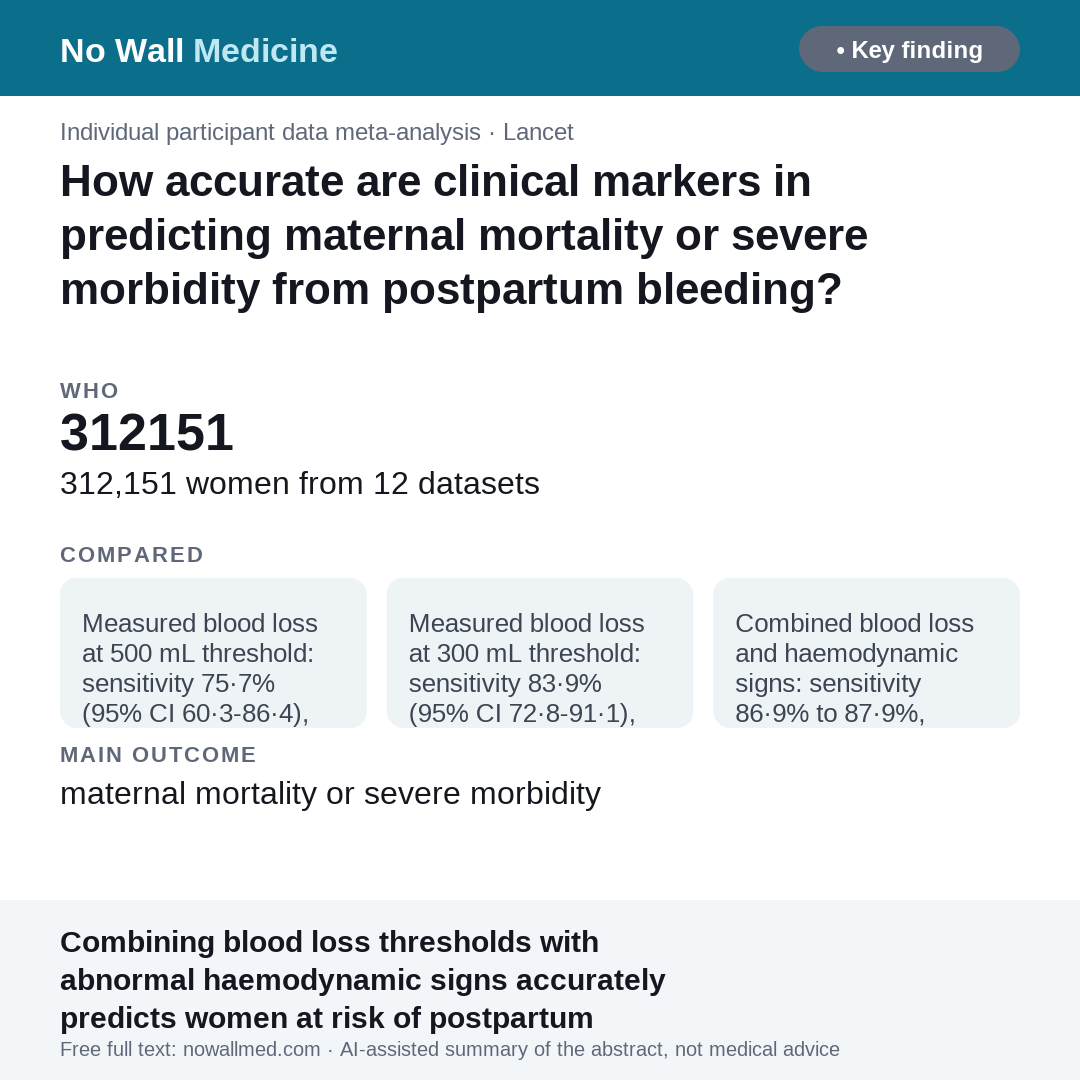
Prognostic accuracy of clinical markers of postpartum bleeding in predicting maternal mortality or severe morbidity: a WHO individual participant data meta-analysis
Individual participant data meta-analysisBenefit found
How accurate are clinical markers in predicting maternal mortality or severe morbidity from postpartum bleeding?
Who
312151
312,151 women from 12 datasets
Compared
Measured blood loss at 500 mL threshold: sensitivity 75·7% (95% CI 60·3-86·4), specificity 81·4% (95% CI 70·7-88·8)
Measured blood loss at 300 mL threshold: sensitivity 83·9% (95% CI 72·8-91·1), specificity 54·8% (95% CI 38·0-70·5)
Combined blood loss and haemodynamic signs: sensitivity 86·9% to 87·9%, specificity 66·6% to 76·1%
Main outcome
maternal mortality or severe morbidity
Bottom line: Combining blood loss thresholds with abnormal haemodynamic signs accurately predicts women at risk of postpartum bleeding complications.
Funded by: Gates Foundation and WHO Special Programme
Lancet · 2025-10-04Download image
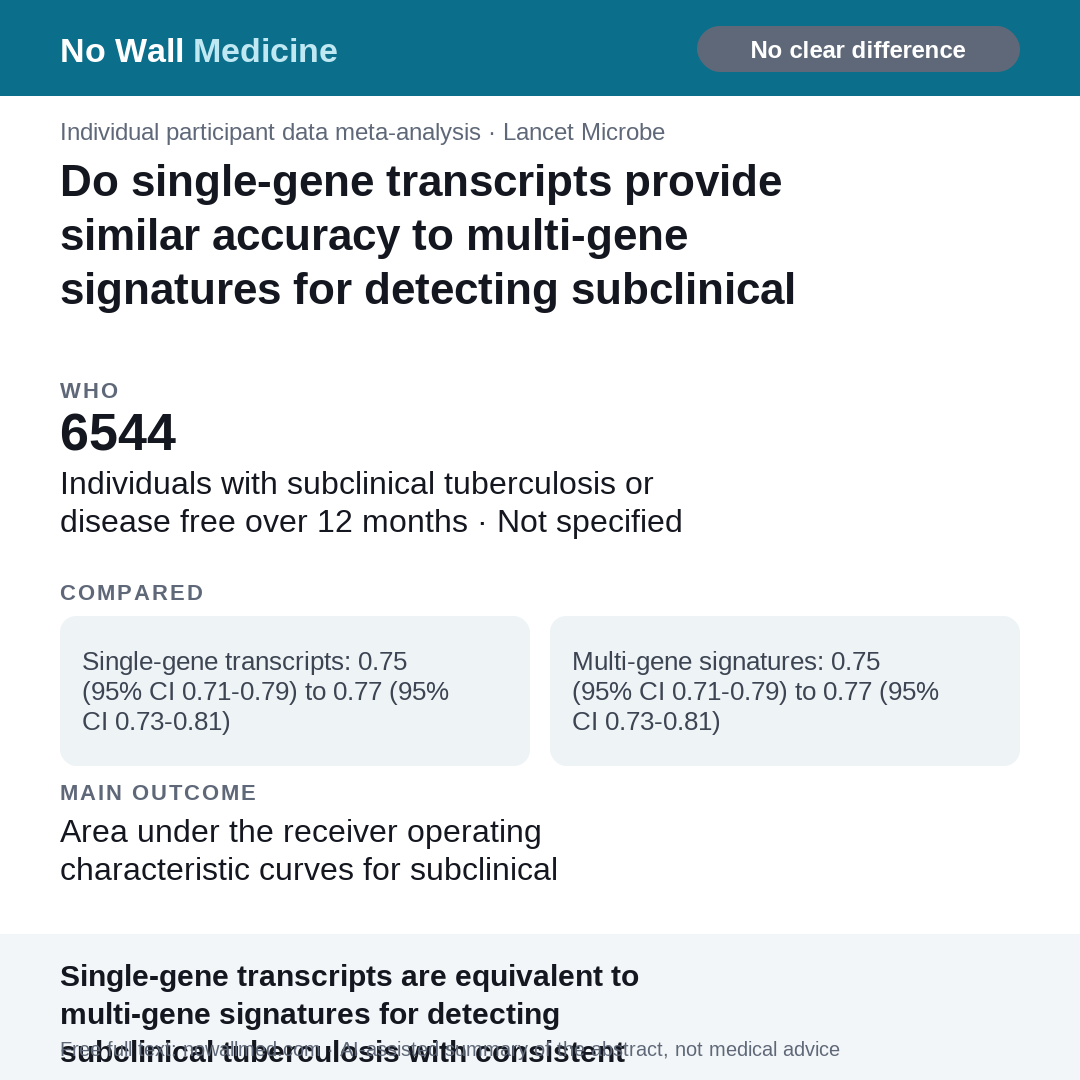
Single-gene transcripts for subclinical tuberculosis: an individual participant data meta-analysis
Individual participant data meta-analysisNo clear difference
Do single-gene transcripts provide similar accuracy to multi-gene signatures for detecting subclinical tuberculosis?
Who
6544
Individuals with subclinical tuberculosis or disease free over 12 months · Not specified
Compared
Single-gene transcripts: 0.75 (95% CI 0.71-0.79) to 0.77 (95% CI 0.73-0.81)
Multi-gene signatures: 0.75 (95% CI 0.71-0.79) to 0.77 (95% CI 0.73-0.81)
Main outcome
Area under the receiver operating characteristic curves for subclinical tuberculosis
Bottom line: Single-gene transcripts are equivalent to multi-gene signatures for detecting subclinical tuberculosis with consistent performance across settings.
Funded by: National Institute for Health Research, Wellcome Trust
Lancet Microbe · 2025-10-03Download image
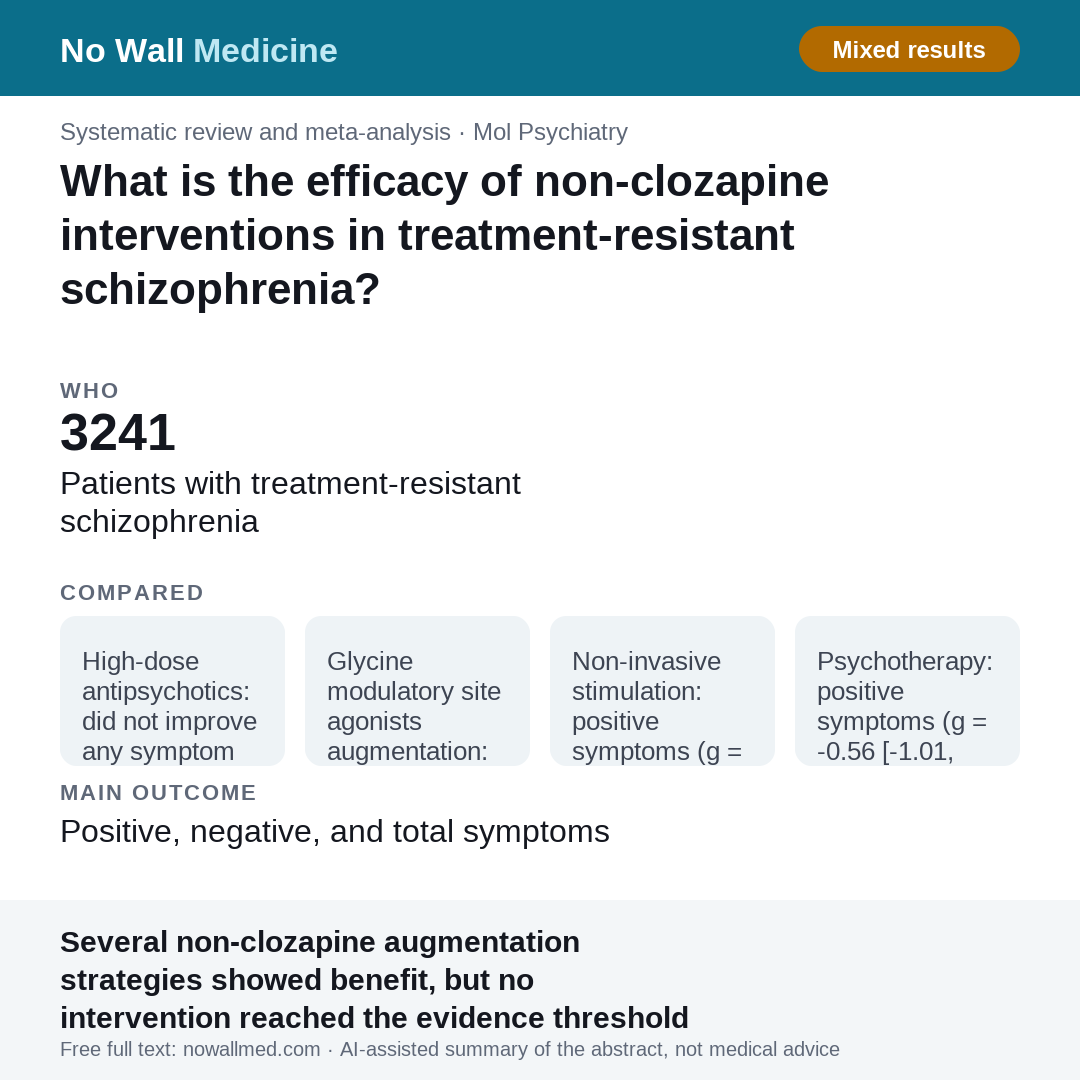
Non-Clozapine interventions in treatment-resistant schizophrenia: a systematic review and meta-analysis
Systematic review and meta-analysisMixed results
What is the efficacy of non-clozapine interventions in treatment-resistant schizophrenia?
Who
3241
Patients with treatment-resistant schizophrenia
Compared
High-dose antipsychotics: did not improve any symptom domain
Glycine modulatory site agonists augmentation: positive (g = -0.56 [-0.81, -0.31]), negative (g = -1.18 [-1.49, -0.87]), total (g = -1.17 [-1.75, -0.59])
Non-invasive stimulation: positive symptoms (g = -0.42 [-0.65, -0.18])
Psychotherapy: positive symptoms (g = -0.56 [-1.01, -0.10])
Main outcome
Positive, negative, and total symptoms
Bottom line: Several non-clozapine augmentation strategies showed benefit, but no intervention reached the evidence threshold for routine recommendation.
Limitation: Small sample sizes and apparent publication bias for non-invasive stimulation studies.
Mol Psychiatry · 2025-10-03Download image
Videolaryngoscopy versus direct laryngoscopy for paediatric tracheal intubation: a systematic review with meta-analysis and trial sequential analysis
Systematic review and meta-analysisNo clear difference
Is videolaryngoscopy better than direct laryngoscopy for paediatric tracheal intubation?
Who
4887
Paediatric patients under 16 years of age
Compared
Videolaryngoscopy
Direct laryngoscopy
Main outcome
First-attempt tracheal intubation success rate
Result: risk ratio 1.03 (95% CI 0.99-1.07)
Bottom line: Videolaryngoscopy and direct laryngoscopy show comparable first-attempt tracheal intubation success rates in paediatric patients.
Br J Anaesth · 2025-10-03Download image

Opportunities and Challenges of Using Artificial Intelligence in Predicting Clinical Outcomes and Length of Stay in Neonatal Intensive Care Units: Systematic Review
Systematic reviewMixed results
Can AI improve neonatal care
Who
24
Neonatal intensive care unit patients · United States and other countries
Compared
AI applications
Traditional care
Main outcome
Clinical outcomes and length of stay
Bottom line: AI shows promise in improving NICU care
Limitation: Methodological variability and small sample sizes
J Med Internet Res · 2025-10-03Download image

Deep Learning Algorithms in the Diagnosis of Basal Cell Carcinoma Using Dermatoscopy: Systematic Review and Meta-Analysis
Systematic review and meta-analysisBenefit found
What is the diagnostic performance of deep learning algorithms for detecting basal cell carcinoma?
Who
Patients or images with basal cell carcinoma
Compared
Deep learning algorithms: AUC 0.99 (95% CI 0.98-1.00)
Dermatologists: AUC 0.96 (95% CI 0.94-0.98)
Main outcome
Diagnostic performance for detecting basal cell carcinoma
Result: AUC 0.99 (95% CI 0.98-1.00) for deep learning
Bottom line: Deep learning algorithms show strong diagnostic performance for detecting basal cell carcinoma, potentially outperforming dermatologists in internal validation datasets.
Limitation: Retrospective design of many studies and variations in reference standards may restrict generalizability.
J Med Internet Res · 2025-10-03Download image

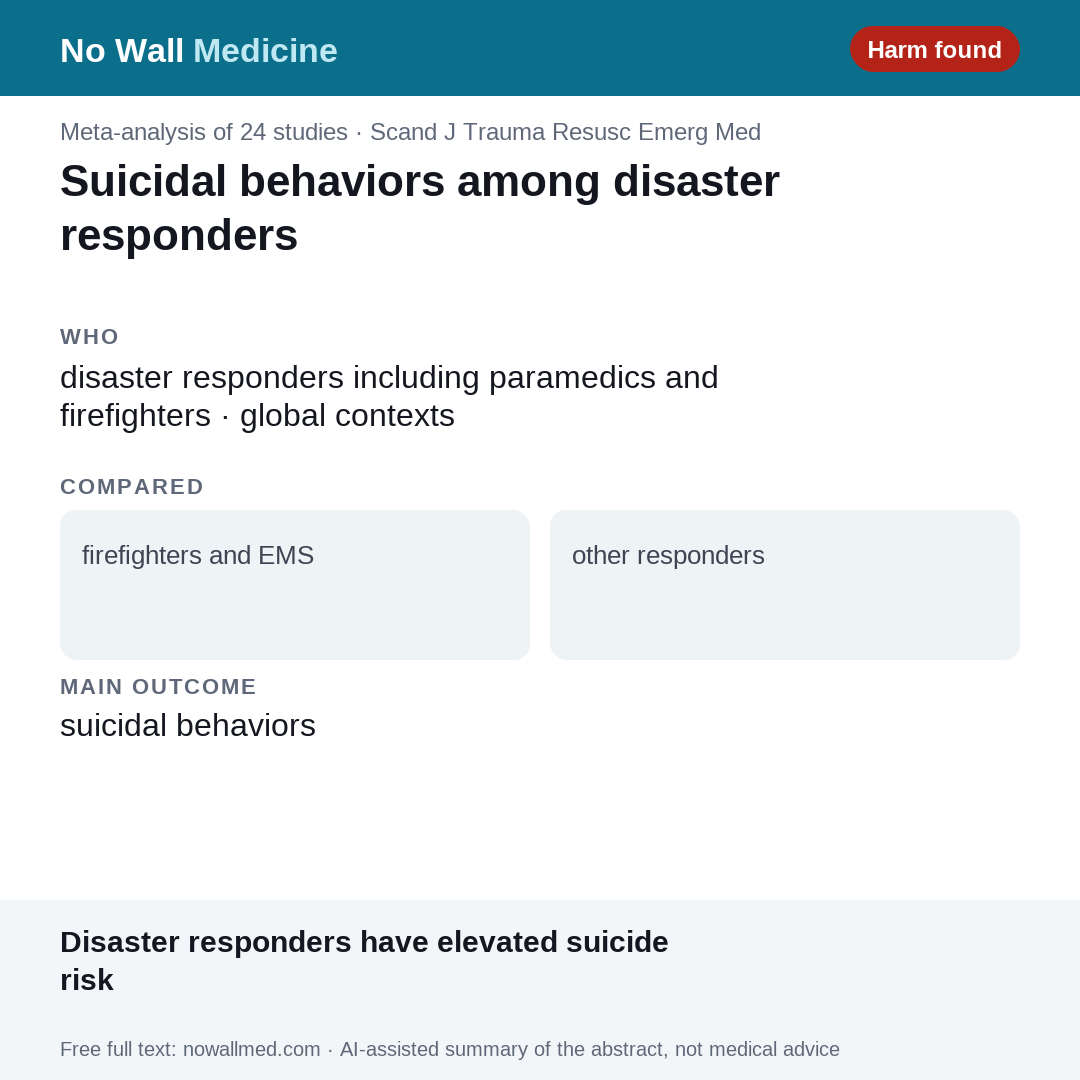
Silent crisis on the frontlines: a systematic review of suicidal behaviors among disaster responders - epidemiology, risk pathways, and evidence-based interventions
Meta-analysis of 24 studiesHarm found
Suicidal behaviors among disaster responders
Who
disaster responders including paramedics and firefighters · global contexts
Compared
firefighters and EMS
other responders
Main outcome
suicidal behaviors
Bottom line: Disaster responders have elevated suicide risk
Scand J Trauma Resusc Emerg Med · 2025-10-03Download image
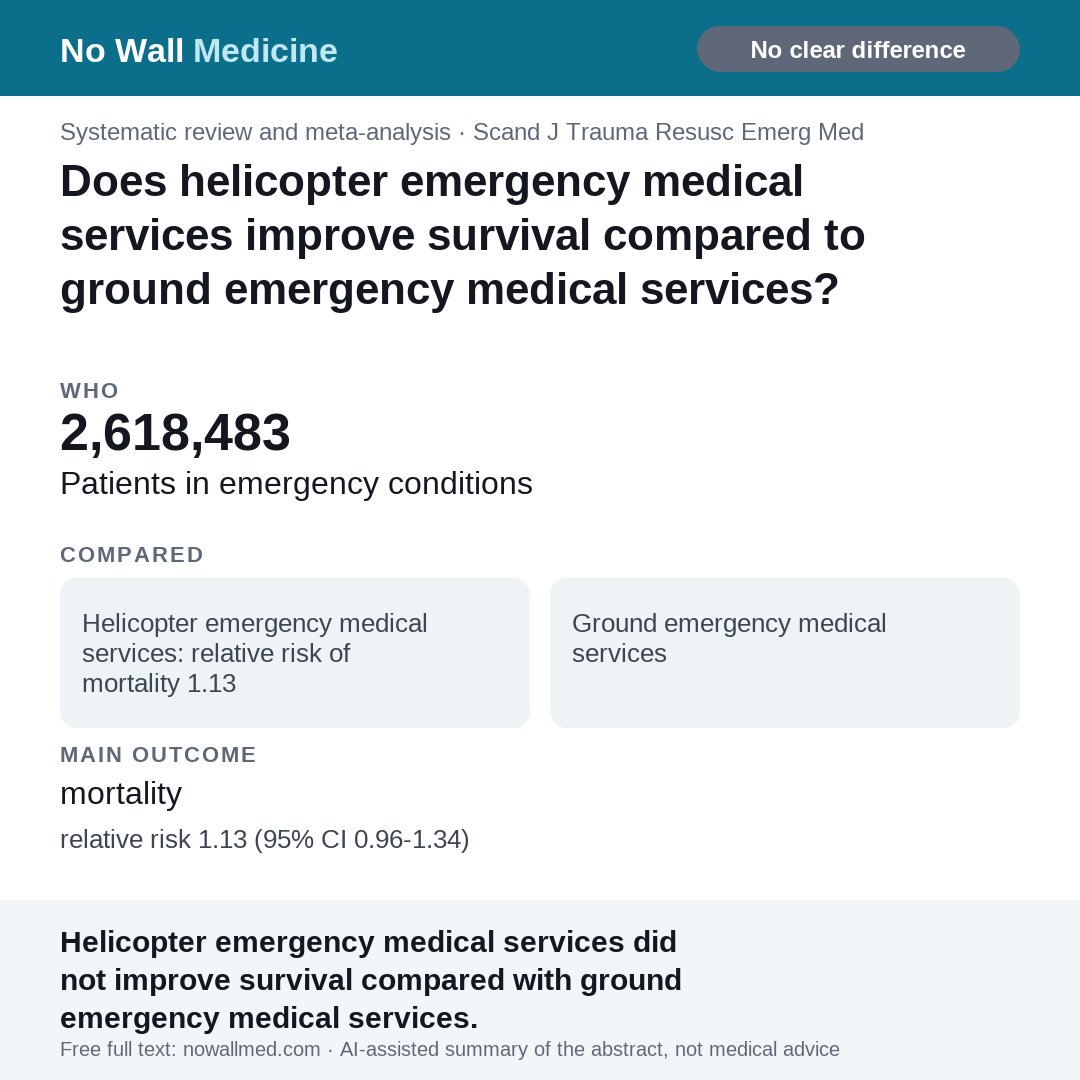
Survival and cost-effectiveness of helicopter versus ground emergency medical services: a systematic review and meta-analysis with meta-regression and trial sequential analysis
Systematic review and meta-analysisNo clear difference
Does helicopter emergency medical services improve survival compared to ground emergency medical services?
Who
2,618,483
Patients in emergency conditions
Compared
Helicopter emergency medical services: relative risk of mortality 1.13
Ground emergency medical services
Main outcome
mortality
Result: relative risk 1.13 (95% CI 0.96-1.34)
Bottom line: Helicopter emergency medical services did not improve survival compared with ground emergency medical services.
Limitation: Very low-quality evidence due to high heterogeneity and potential confounding from registry-based enrolment.
Scand J Trauma Resusc Emerg Med · 2025-10-03Download image
A systematic review and meta-analysis of the efficacy and safety of pharmacological treatments for obesity in adults
Systematic review and network meta-analysisBenefit found
What is the efficacy and safety of pharmacological treatments for obesity in adults?
Who
60307
Adults with obesity
Compared
Obesity management medications: significantly greater percentage of total body weight loss versus placebo
Placebo
Main outcome
percentage of total body weight loss
Bottom line: Obesity management medications significantly increase weight loss compared to placebo, with specific benefits for semaglutide and tirzepatide.
Nat Med · 2025-10-02Download image

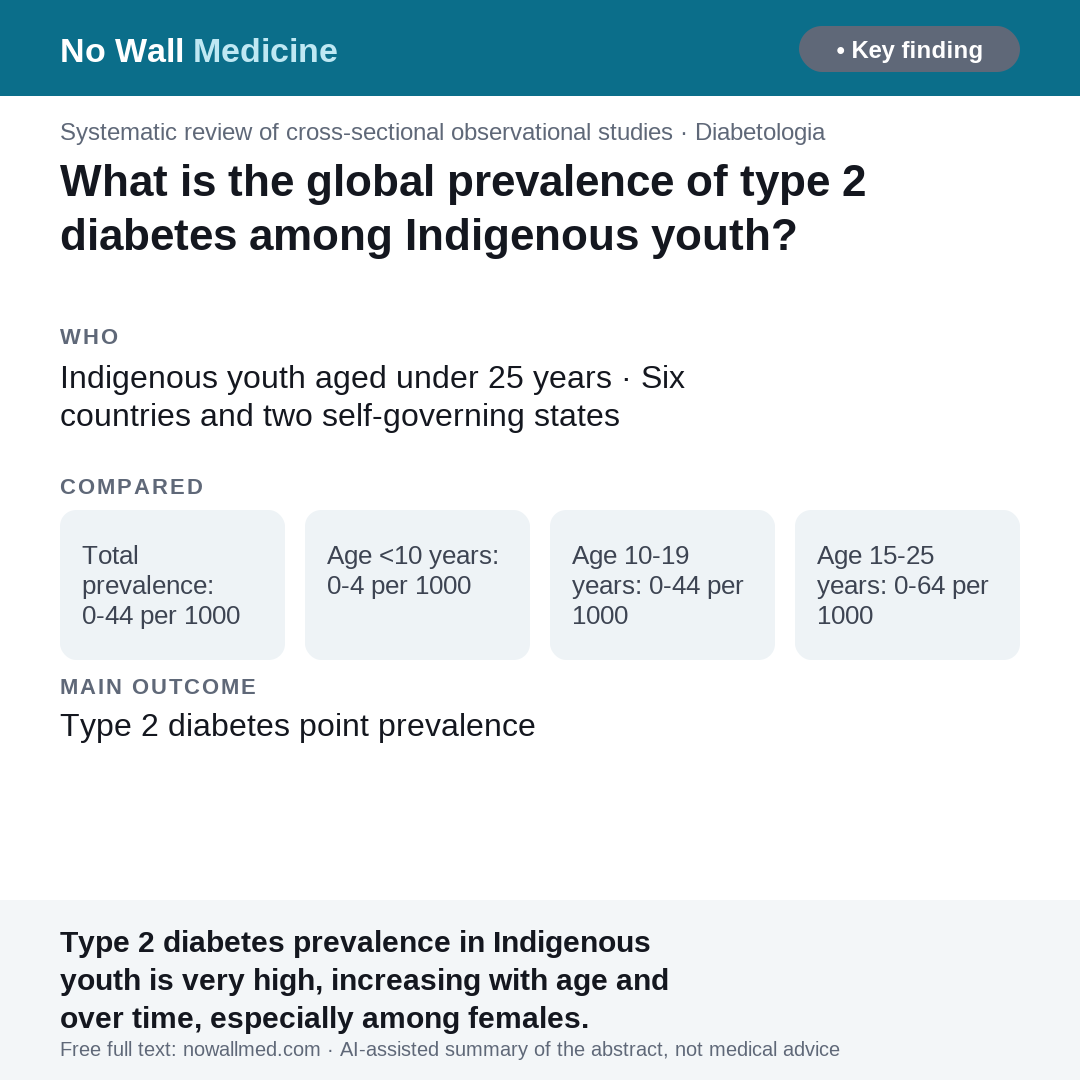
Prevalence of youth type 2 diabetes in global Indigenous populations: a systematic review
Systematic review of cross-sectional observational studiesHarm found
What is the global prevalence of type 2 diabetes among Indigenous youth?
Who
Indigenous youth aged under 25 years · Six countries and two self-governing states
Compared
Total prevalence: 0-44 per 1000
Age <10 years: 0-4 per 1000
Age 10-19 years: 0-44 per 1000
Age 15-25 years: 0-64 per 1000
Main outcome
Type 2 diabetes point prevalence
Bottom line: Type 2 diabetes prevalence in Indigenous youth is very high, increasing with age and over time, especially among females.
Diabetologia · 2025-10-02Download image