Visual abstracts
New randomized trials and meta-analyses from leading journals at a glance: who was studied, what was compared, and what was found. Every paper is free to read in full.
All specialtiesCardiology 4877Oncology 4138Gastroenterology & Hepatology 1942Infectious Disease 3837Neurology 1905Psychiatry & Mental Health 2273Pulmonology 2143Critical Care 1365Endocrinology & Diabetes 2580Pediatrics 2980Surgery 2559Orthopedics & Sports Medicine 931Neurosurgery 537Cardiothoracic & Vascular Surgery 674Plastic & Reconstructive Surgery 591Nephrology 1133Rheumatology 823Hematology 1109Dermatology 621Ophthalmology 543Obstetrics & Gynecology 1686Public & Global Health 1058Radiology & Imaging 648Anesthesiology 986Urology 764ENT (Otolaryngology) 503Emergency Medicine 511Allergy & Immunology 313Geriatrics 981Family Medicine & Primary Care 562Medical Genetics & Genomics 676Pathology & Laboratory Medicine 159Physical Medicine & Rehabilitation 757Palliative Care 444Nutrition 1588Digital Health & AI 2201General Medicine 321
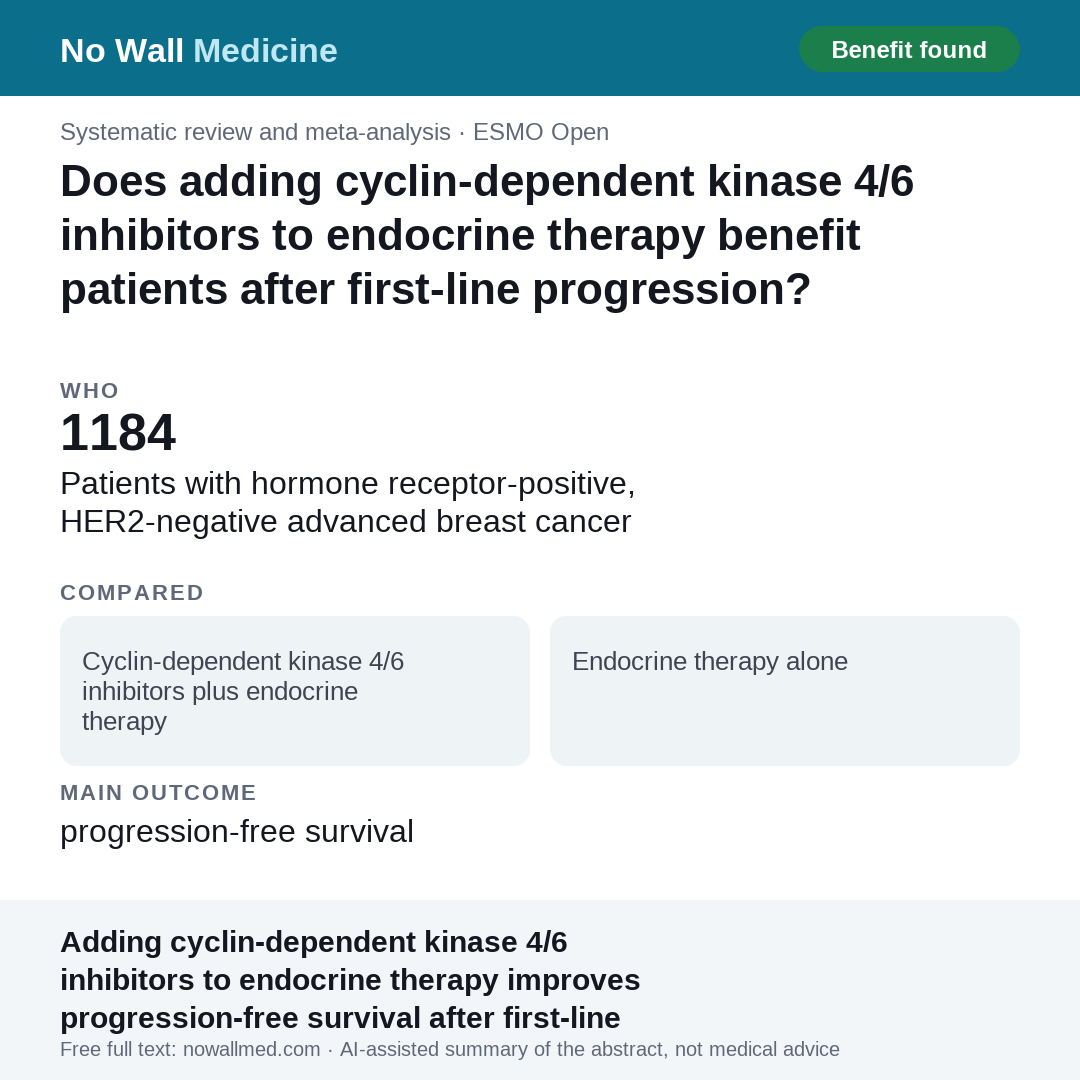
Cyclin-dependent kinase 4/6 inhibitors beyond progression in hormone receptor-positive, HER2-negative advanced breast cancer: a systematic review and meta-analysis (REIGNITE study)
Systematic review and meta-analysisBenefit found
Does adding cyclin-dependent kinase 4/6 inhibitors to endocrine therapy benefit patients after first-line progression?
Who
1184
Patients with hormone receptor-positive, HER2-negative advanced breast cancer
Compared
Cyclin-dependent kinase 4/6 inhibitors plus endocrine therapy
Endocrine therapy alone
Main outcome
progression-free survival
Result: hazard ratio 0.73 (95% CI 0.56-0.94)
Bottom line: Adding cyclin-dependent kinase 4/6 inhibitors to endocrine therapy improves progression-free survival after first-line progression.
ESMO Open · 2025-10-02Download image
The effects of vasopressor choice on renal outcomes in septic shock: a systematic review of randomised trials as a guide for future research
Systematic review of randomized controlled trialsNo clear difference
Does vasopressor choice affect renal outcomes in patients with septic shock?
Who
4259
Adult patients with septic shock
Compared
Vasopressor choice
Placebo
Main outcome
Incidence of acute kidney injury
Bottom line: There is a paucity of evidence supporting a particular vasopressor for renal outcomes in septic shock.
Limitation: Population and study heterogeneity and focus on renal replacement therapy as a proxy.
Crit Care · 2025-10-02Download image

Nerve Repair for Erectile Dysfunction After Radical Prostatectomy: A Systematic Review of Outcomes
Systematic reviewUnclear result
Is nerve grafting effective for erectile dysfunction after radical prostatectomy?
Who
Patients with erectile dysfunction after radical prostatectomy · PubMed, MEDLINE, and Embase databases
Compared
Bilateral sural nerve grafting: up to 71%
Controls
Main outcome
regaining erectile function sufficient for intercourse
Bottom line: Bilateral sural nerve grafting shows promise, but overall efficacy remains uncertain due to inconsistent findings.
Limitation: Inconsistent findings and variability in donor nerve choice, surgical expertise, and patient characteristics.
Plast Reconstr Surg Glob Open · 2025-10-02Download image

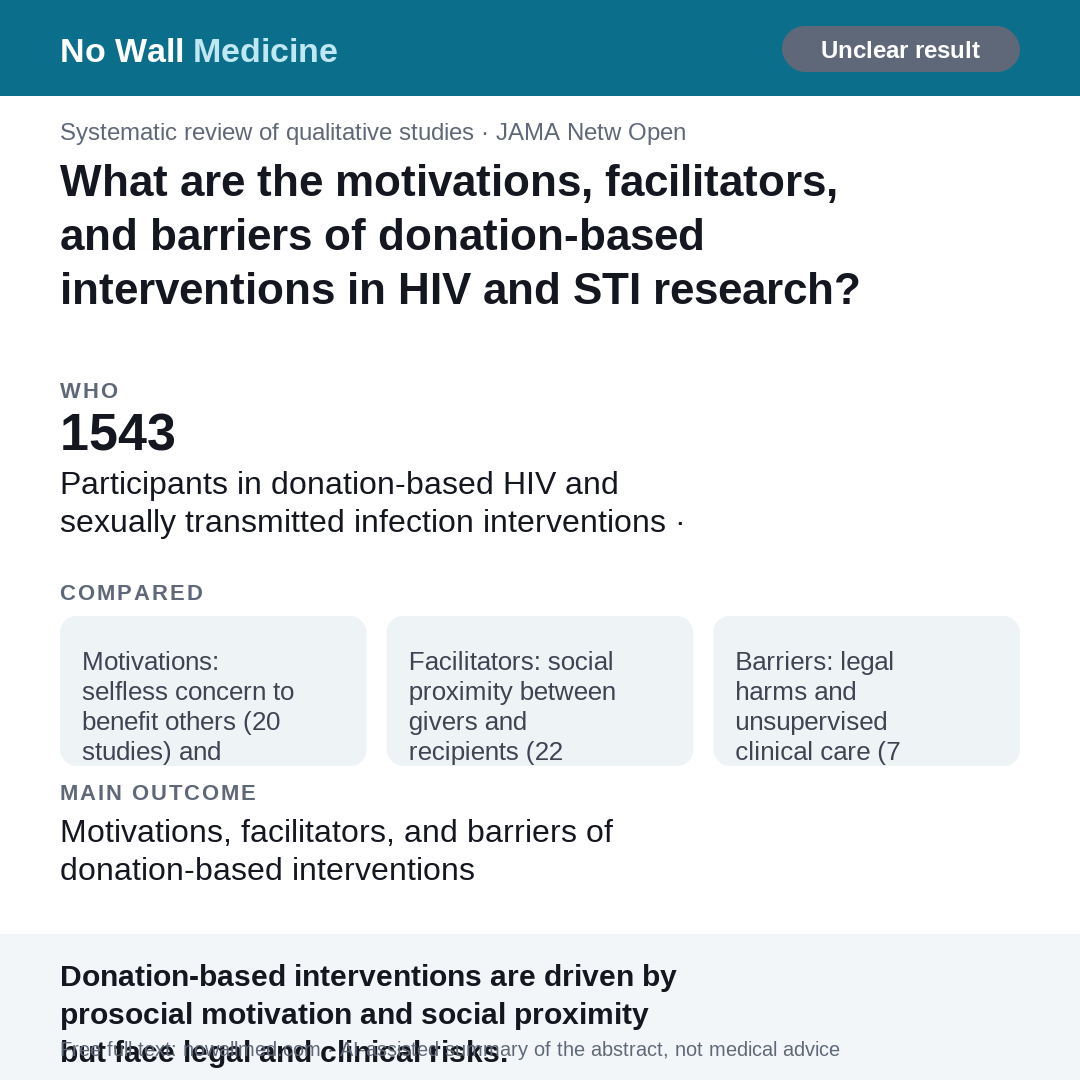
Motivations, Facilitators, and Barriers of Donation-Based Interventions in HIV and Sexually Transmitted Infection Research: A Systematic Review
Systematic review of qualitative studiesUnclear result
What are the motivations, facilitators, and barriers of donation-based interventions in HIV and STI research?
Who
1543
Participants in donation-based HIV and sexually transmitted infection interventions · Low, middle, and high-income countries
Compared
Motivations: selfless concern to benefit others (20 studies) and prosocial identity (20 studies)
Facilitators: social proximity between givers and recipients (22 studies)
Barriers: legal harms and unsupervised clinical care (7 studies)
Main outcome
Motivations, facilitators, and barriers of donation-based interventions
Bottom line: Donation-based interventions are driven by prosocial motivation and social proximity but face legal and clinical risks.
JAMA Netw Open · 2025-10-01Download image
Use of AI in Identification of Sexually Transmitted Infections and Anogenital Dermatoses: A Systematic Review and Meta-Analysis
Systematic review and meta-analysisBenefit found
How well do artificial intelligence algorithms detect sexually transmitted infections and anogenital dermatoses from clinical images?
Who
140
Clinical images of anogenital skin conditions
Compared
Mpox: sensitivity 0.96, specificity 0.98
Herpes simplex: sensitivity 0.91, specificity 0.97
Genital warts: sensitivity 0.87, specificity 0.98
Psoriasis: sensitivity 0.90, specificity 0.98
Main outcome
Pooled sensitivity and specificity of artificial intelligence applications
Bottom line: Artificial intelligence shows promise in identifying sexually transmitted infections and anogenital dermatoses, though research gaps and bias exist.
Limitation: High risk of bias in population selection, reference standards, and index tests; most studies lacked external validation.
JAMA Netw Open · 2025-10-01Download image

Comparison of 2 Doses vs 1 Dose in the First Season Children Are Vaccinated Against Influenza: A Systematic Review and Meta-Analysis
Systematic review and meta-analysisMixed results
Does a second dose increase protection in influenza vaccine-naive children?
Who
415050
Influenza vaccine-naive children aged 6 months to younger than 9 years
Compared
Inactivated vaccine younger than 9 years: 15 percentage points (95% CI, -2.8 pp to 33 pp)
Inactivated vaccine younger than 3 years: 28 pp (95% CI, 4.7 pp to 51 pp)
Main outcome
Vaccine efficacy or effectiveness
Result: 15 percentage points (95% CI, -2.8 pp to 33 pp)
Bottom line: A second inactivated influenza vaccine dose improves protection for children younger than 3 years, but not for all children younger than 9.
Limitation: Insufficient estimates were available to assess the incremental benefit of live attenuated influenza vaccines.
JAMA Netw Open · 2025-10-01Download image

Incomplete Evidence of Bone Density Normalization Following Long-Term Reproductive Hormone Treatment in Men With Hypogonadotropic Hypogonadism
Systematic review and meta-analysisMixed results
Does reproductive hormone treatment normalize bone mineral density in men with hypogonadotropic hypogonadism?
Who
625
Men with hypogonadotropic hypogonadism
Compared
Men with hypogonadotropic hypogonadism: lower lumbar spine bone mineral density
Healthy controls
Main outcome
Lumbar spine bone mineral density
Result: standardized mean difference -5.98 (95% CI -11.5 to -0.47)
Bottom line: Bone mineral density improves with hormone treatment but may not fully normalize, especially in congenital hypogonadotropic hypogonadism.
Limitation: Based on several small, observational studies.
J Clin Endocrinol Metab · 2025-10-01Download image

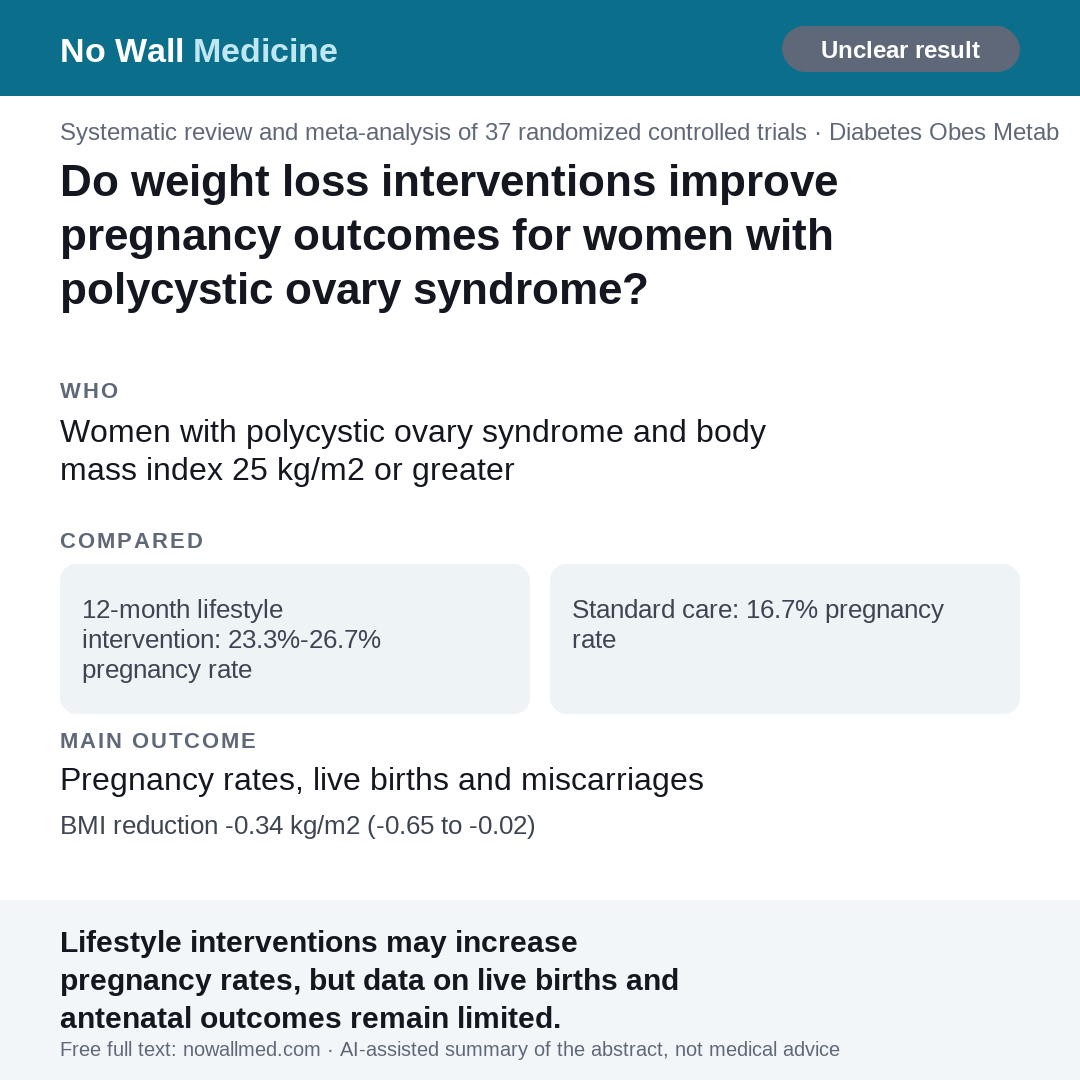
Pre-conception weight loss interventions in women with polycystic ovary syndrome and the effect on perinatal outcomes: A quantitative synthesis of surrogate outcomes
Systematic review and meta-analysis of 37 randomized controlled trialsUnclear result
Do weight loss interventions improve pregnancy outcomes for women with polycystic ovary syndrome?
Who
Women with polycystic ovary syndrome and body mass index 25 kg/m2 or greater
Compared
12-month lifestyle intervention: 23.3%-26.7% pregnancy rate
Standard care: 16.7% pregnancy rate
Main outcome
Pregnancy rates, live births and miscarriages
Result: BMI reduction -0.34 kg/m2 (-0.65 to -0.02)
Bottom line: Lifestyle interventions may increase pregnancy rates, but data on live births and antenatal outcomes remain limited.
Limitation: Outcome measure heterogeneity, intervention heterogeneity, inconsistent definitions and low use of core outcome sets.
Diabetes Obes Metab · 2025-10-01Download image
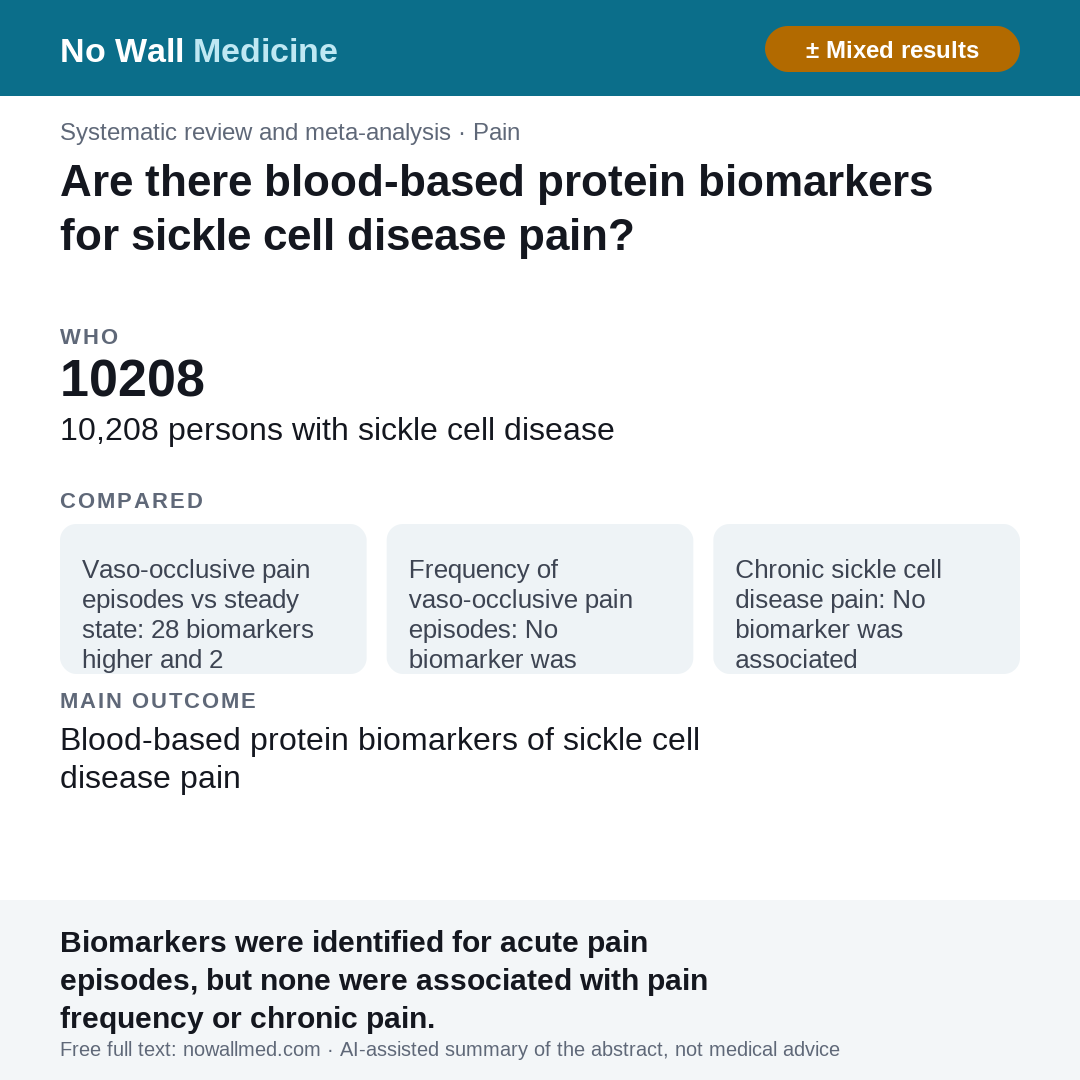
Blood-based protein biomarkers of sickle cell disease pain: a systematic review and meta-analysis
Systematic review and meta-analysisMixed results
Are there blood-based protein biomarkers for sickle cell disease pain?
Who
10208
10,208 persons with sickle cell disease
Compared
Vaso-occlusive pain episodes vs steady state: 28 biomarkers higher and 2 biomarkers lower
Frequency of vaso-occlusive pain episodes: No biomarker was associated
Chronic sickle cell disease pain: No biomarker was associated
Main outcome
Blood-based protein biomarkers of sickle cell disease pain
Bottom line: Biomarkers were identified for acute pain episodes, but none were associated with pain frequency or chronic pain.
Limitation: Current approaches and gaps in scientific literature require unbiased proteomic platform-based approaches.
Pain · 2025-10-01Download image
Evaluating the association between bronchoscopic severity of burns-related smoke inhalation injury and clinical outcomes: A systematic review and meta-analysis
Systematic review and meta-analysisMixed results
Does bronchoscopic severity of smoke inhalation injury associate with clinical outcomes?
Who
Patients with burns-related smoke inhalation injury
Compared
More severe injury (AIS grades 3-4)
Milder injury (AIS grades 1-2)
Main outcome
Pneumonia, acute respiratory distress syndrome, and mortality
Result: pneumonia RD 0.319 (95% CI 0.020-0.618), ARDS RD 0.242 (95% CI 0.118-0.367)
Bottom line: Severe bronchoscopic grades are associated with increased pneumonia and acute respiratory distress syndrome, but mortality association was not statistically significant.
Limitation: Substantial study heterogeneity and inconsistent grading methodologies limit confidence in these associations.
Burns · 2025-10-01Download image

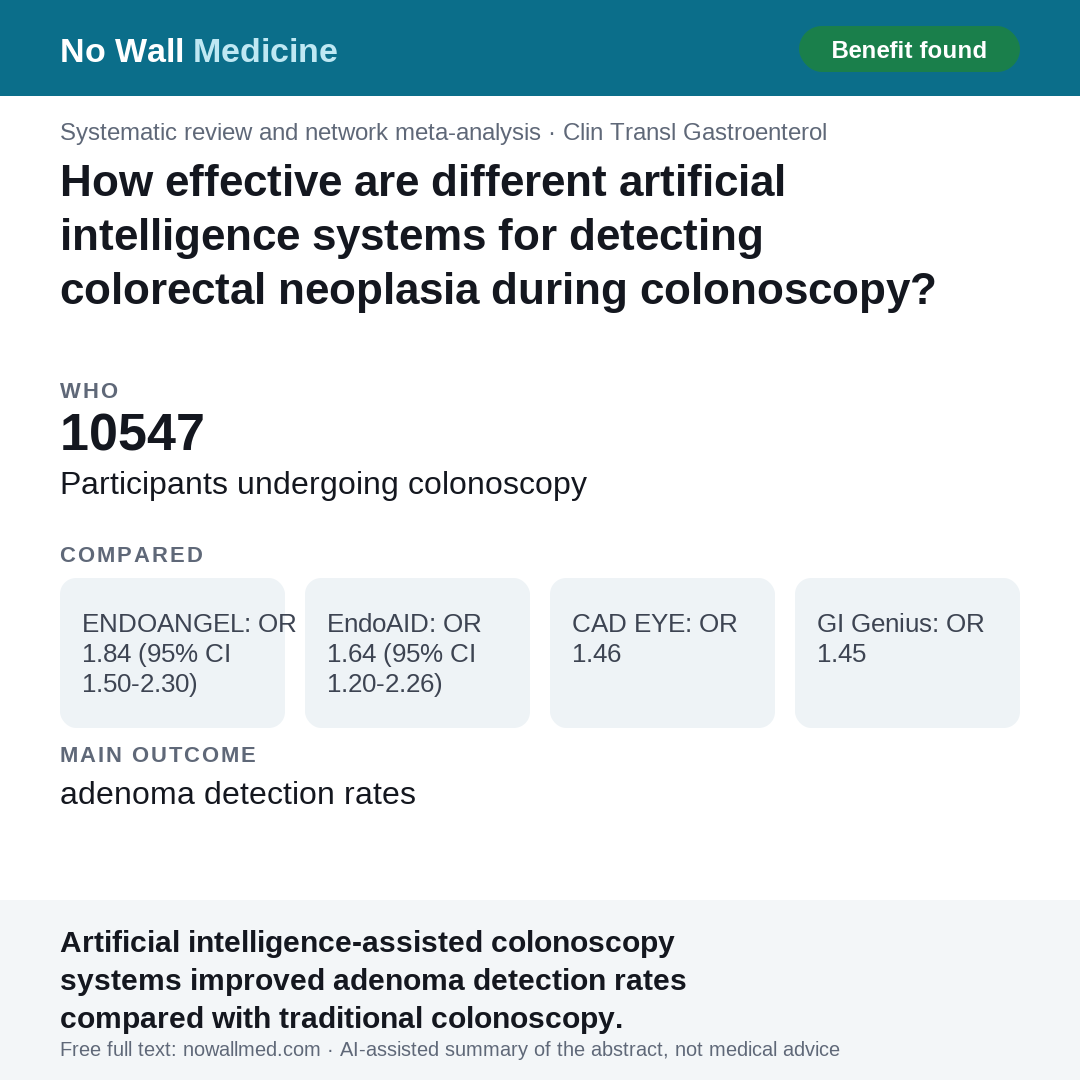
Novel Artificial Intelligence Systems in Detecting Adenomas in Colonoscopy: A Systemic Review and Network Meta-Analysis
Systematic review and network meta-analysisBenefit found
How effective are different artificial intelligence systems for detecting colorectal neoplasia during colonoscopy?
Who
10547
Participants undergoing colonoscopy
Compared
ENDOANGEL: OR 1.84 (95% CI 1.50-2.30)
EndoAID: OR 1.64 (95% CI 1.20-2.26)
CAD EYE: OR 1.46
GI Genius: OR 1.45
Main outcome
adenoma detection rates
Bottom line: Artificial intelligence-assisted colonoscopy systems improved adenoma detection rates compared with traditional colonoscopy.
Limitation: additional large-scale studies are needed to confirm these findings
Clin Transl Gastroenterol · 2025-10-01Download image
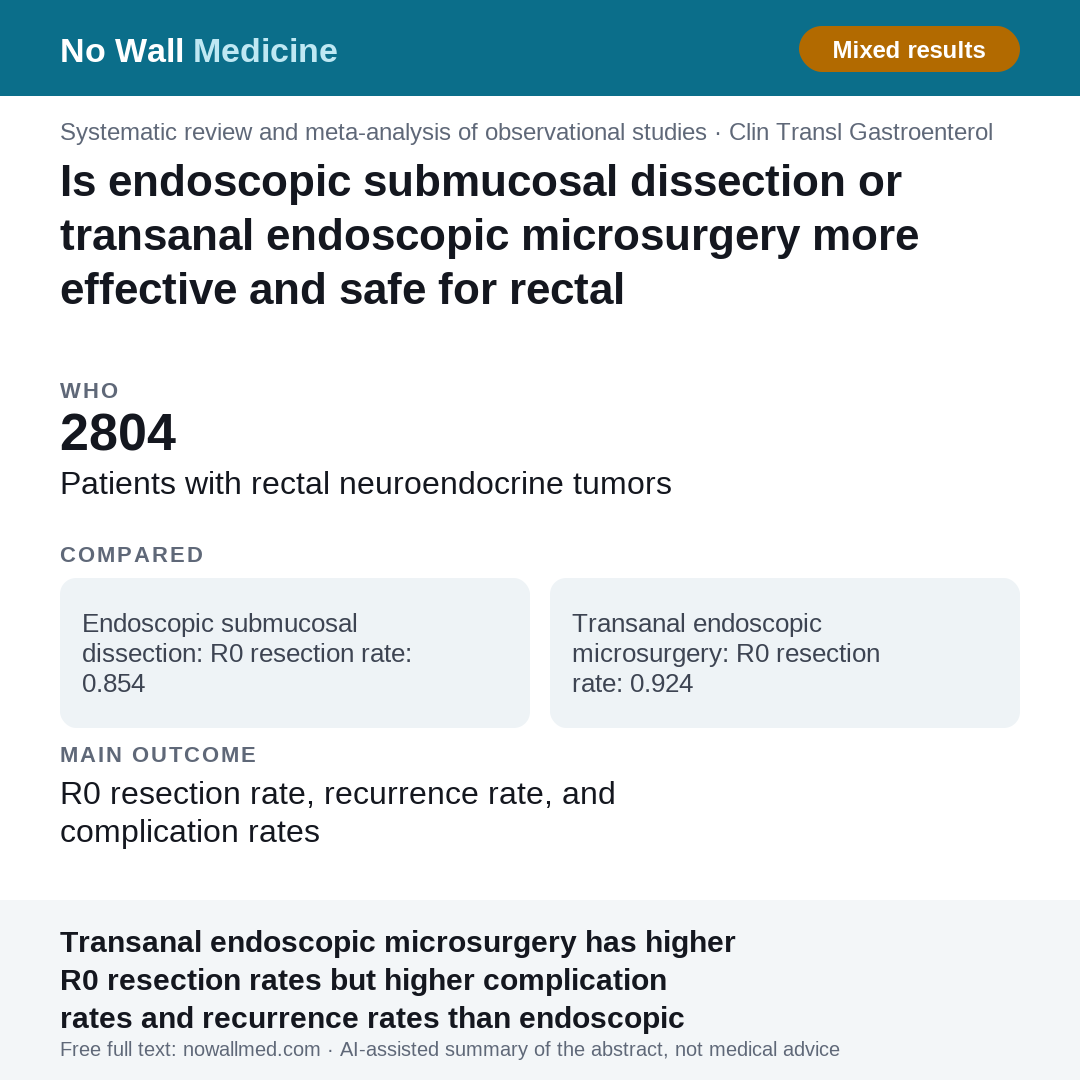
Endoscopic Submucosal Dissection and Transanal Endoscopic Microsurgery in the Treatment of Rectal Neuroendocrine Tumors: Systematic Review and Meta-Analysis of the Observational Studies
Systematic review and meta-analysis of observational studiesMixed results
Is endoscopic submucosal dissection or transanal endoscopic microsurgery more effective and safe for rectal neuroendocrine tumors?
Who
2804
Patients with rectal neuroendocrine tumors
Compared
Endoscopic submucosal dissection: R0 resection rate: 0.854
Transanal endoscopic microsurgery: R0 resection rate: 0.924
Main outcome
R0 resection rate, recurrence rate, and complication rates
Result: risk ratio for R0 resection was approximately 10% lower for ESD
Bottom line: Transanal endoscopic microsurgery has higher R0 resection rates but higher complication rates and recurrence rates than endoscopic submucosal dissection.
Clin Transl Gastroenterol · 2025-10-01Download image
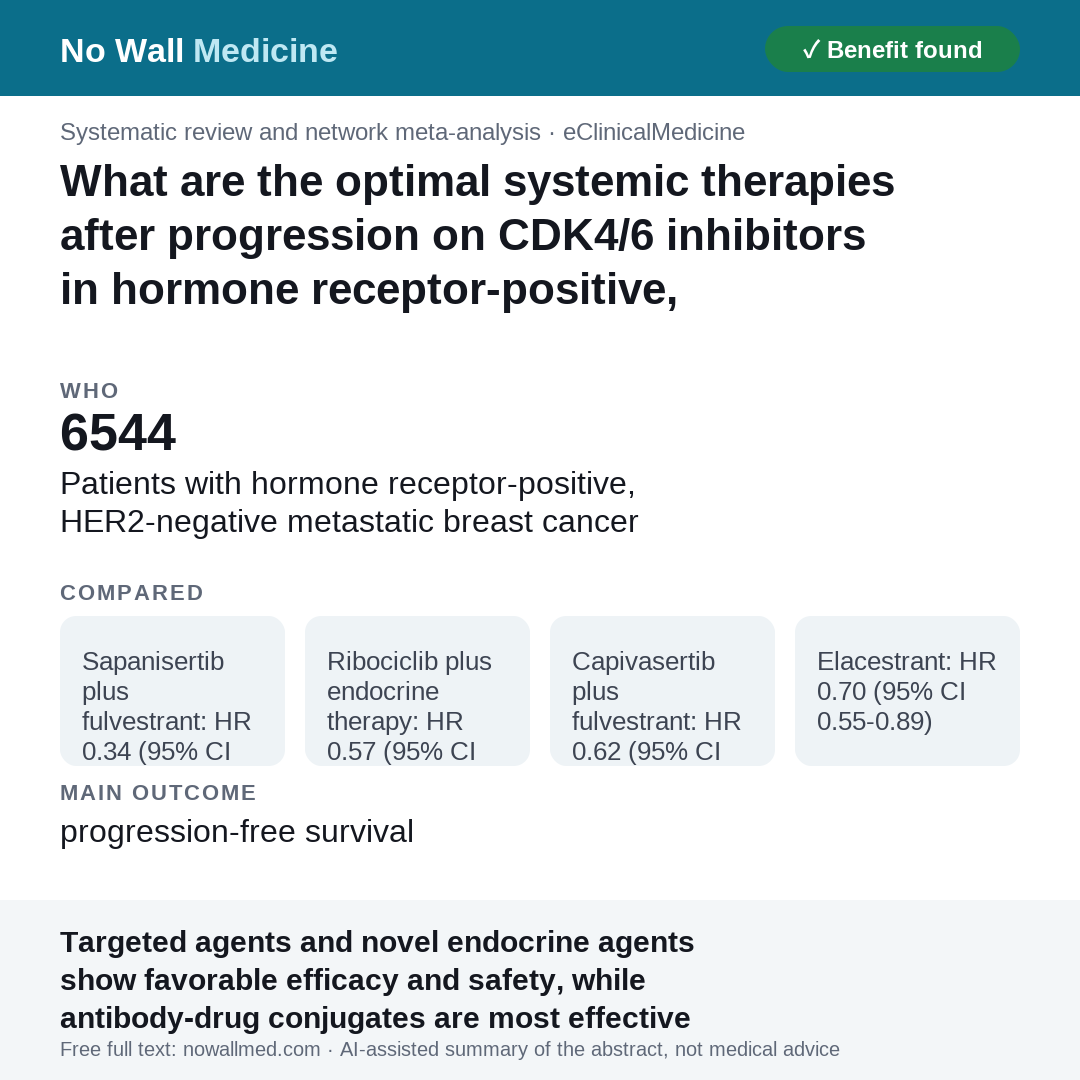
Efficacy and safety of systemic therapies following progression on CDK4/6 inhibitors in patients with HR+/HER2- metastatic breast cancer: a systematic review and network meta-analysis
Systematic review and network meta-analysisBenefit found
What are the optimal systemic therapies after progression on CDK4/6 inhibitors in hormone receptor-positive, HER2-negative metastatic breast cancer?
Who
6544
Patients with hormone receptor-positive, HER2-negative metastatic breast cancer progressing on CDK4/6 inhibitor therapy
Compared
Sapanisertib plus fulvestrant: HR 0.34 (95% CI 0.14-0.82)
Ribociclib plus endocrine therapy: HR 0.57 (95% CI 0.39-0.84)
Capivasertib plus fulvestrant: HR 0.62 (95% CI 0.51-0.75)
Elacestrant: HR 0.70 (95% CI 0.55-0.89)
Main outcome
progression-free survival
Result: HR 0.34 (95% CI 0.14-0.82) for sapanisertib plus fulvestrant
Bottom line: Targeted agents and novel endocrine agents show favorable efficacy and safety, while antibody-drug conjugates are most effective when chemotherapy is required.
Funded by: Italian Ministry of University and Research and European Union
eClinicalMedicine · 2025-09-30Download image
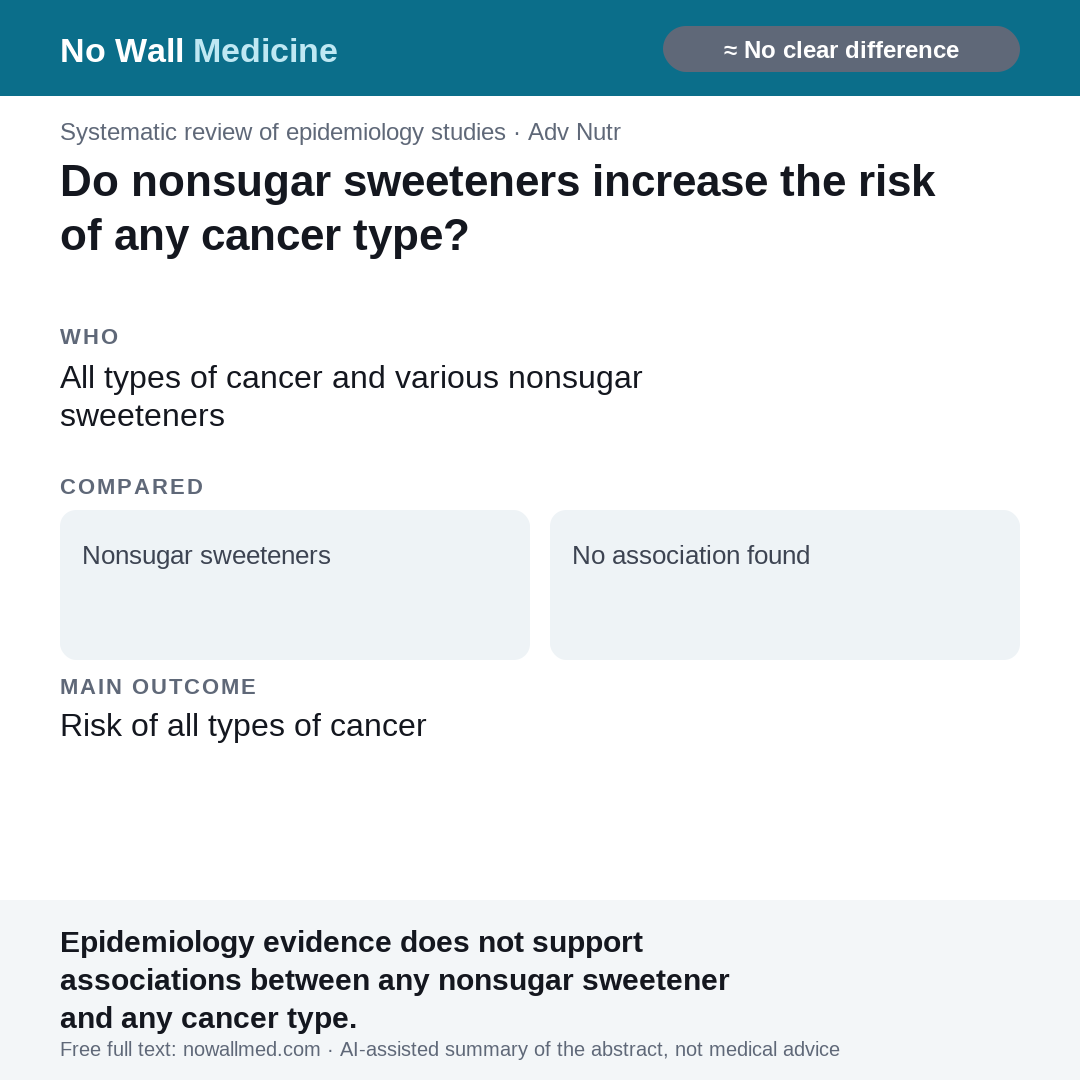
A Systematic Review of Nonsugar Sweeteners and Cancer Epidemiology Studies
Systematic review of epidemiology studiesNo clear difference
Do nonsugar sweeteners increase the risk of any cancer type?
Who
All types of cancer and various nonsugar sweeteners
Compared
Nonsugar sweeteners
No association found
Main outcome
Risk of all types of cancer
Bottom line: Epidemiology evidence does not support associations between any nonsugar sweetener and any cancer type.
Limitation: Self-reported intake leads to exposure misclassification and potential recall bias.
Adv Nutr · 2025-09-30Download image
Genome-wide association study of susceptibility to acute respiratory distress syndrome
Genome-wide association studyMixed results
Genetic risk for acute respiratory distress syndrome
Who
716
patients with acute respiratory distress syndrome and at-risk controls · three independent studies
Compared
ARDS cases
at-risk controls
Main outcome
acute respiratory distress syndrome risk
Result: association with HMGCR variant
Bottom line: Common variant near HMGCR linked to ARDS risk
Funded by: Wellcome Trust and others
eBioMedicine · 2025-09-30Download image

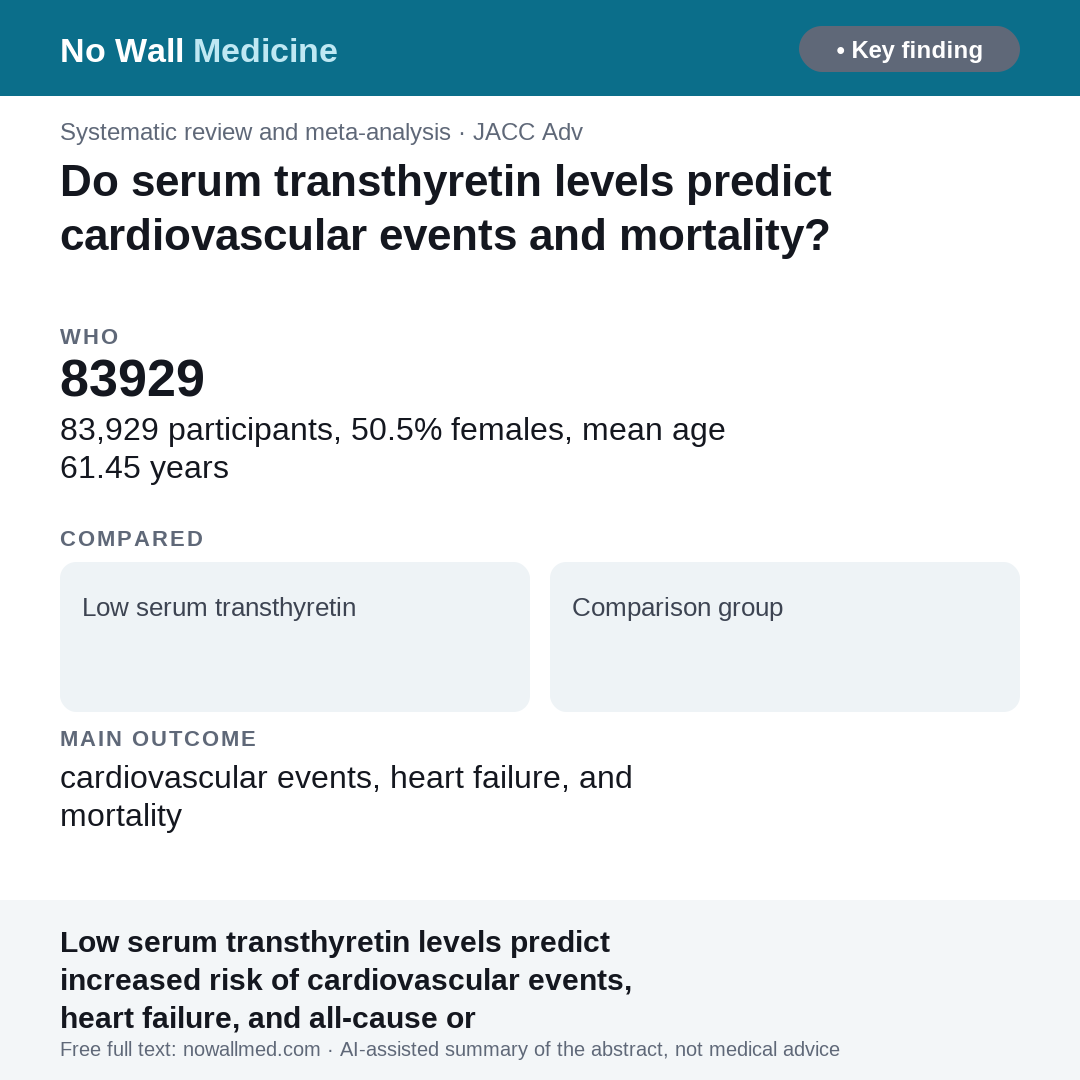
Serum Transthyretin as Prognostic Biomarker for Cardiovascular Events and Mortality: A Systematic Review and Meta-Analysis
Systematic review and meta-analysisBenefit found
Do serum transthyretin levels predict cardiovascular events and mortality?
Who
83929
83,929 participants, 50.5% females, mean age 61.45 years
Compared
Low serum transthyretin
Comparison group
Main outcome
cardiovascular events, heart failure, and mortality
Result: hazard ratio 1.54 (95% CI 1.30-1.83) for cardiovascular events
Bottom line: Low serum transthyretin levels predict increased risk of cardiovascular events, heart failure, and all-cause or cardiovascular mortality.
JACC Adv · 2025-09-30Download image
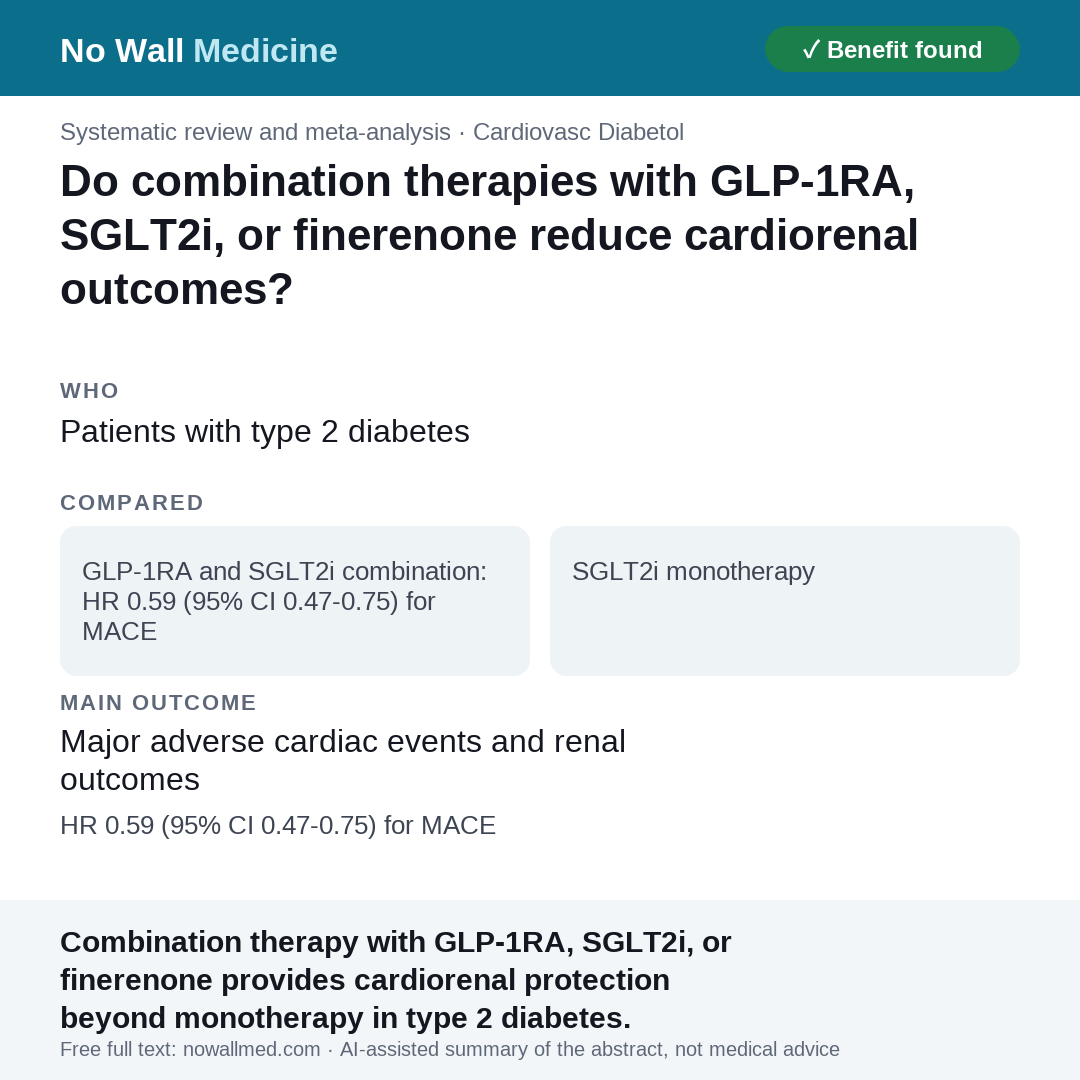
Cardiovascular and renal outcomes of dual combination therapies with glucagon-like peptide-1 receptor agonists and sodium-glucose transport protein 2 inhibitors: a systematic review and meta-analysis
Systematic review and meta-analysisBenefit found
Do combination therapies with GLP-1RA, SGLT2i, or finerenone reduce cardiorenal outcomes?
Who
Patients with type 2 diabetes
Compared
GLP-1RA and SGLT2i combination: HR 0.59 (95% CI 0.47-0.75) for MACE
SGLT2i monotherapy
Main outcome
Major adverse cardiac events and renal outcomes
Result: HR 0.59 (95% CI 0.47-0.75) for MACE
Bottom line: Combination therapy with GLP-1RA, SGLT2i, or finerenone provides cardiorenal protection beyond monotherapy in type 2 diabetes.
Cardiovasc Diabetol · 2025-09-30Download image
Circulating biomarkers of vasoplegia: a systematic review
Systematic reviewMixed results
What circulating biomarkers are associated with vasoplegia incidence, severity, prediction, and progression?
Who
Adult patients in critical care or perioperative settings · Diverse critical care and perioperative settings
Compared
Renin: correlated with vasopressor requirements and haemodynamic instability
Adrenomedullin: predictive of vasoplegia development and duration
Main outcome
Circulating biomarkers associated with vasoplegia
Bottom line: Renin and adrenomedullin are promising candidate biomarkers, but lack of standardization prevents definitive comparative analysis.
Limitation: Heterogeneity in definitions, biomarker measurement, and diagnostic criteria precluded meta-analysis.
Ann Intensive Care · 2025-09-30Download image

A systematic review of real-world gait-related digital mobility outcomes in Parkinson's disease
Systematic reviewBenefit found
What is the clinical utility of real-world digital mobility outcomes in Parkinson's disease?
Who
People with Parkinson's disease · Eight databases searched
Compared
Parkinson's disease
Controls
Main outcome
Real-world gait-based digital mobility outcomes
Bottom line: Real-world digital mobility outcomes offer valuable insight into Parkinson's disease mobility.
NPJ Digit Med · 2025-09-30Download image

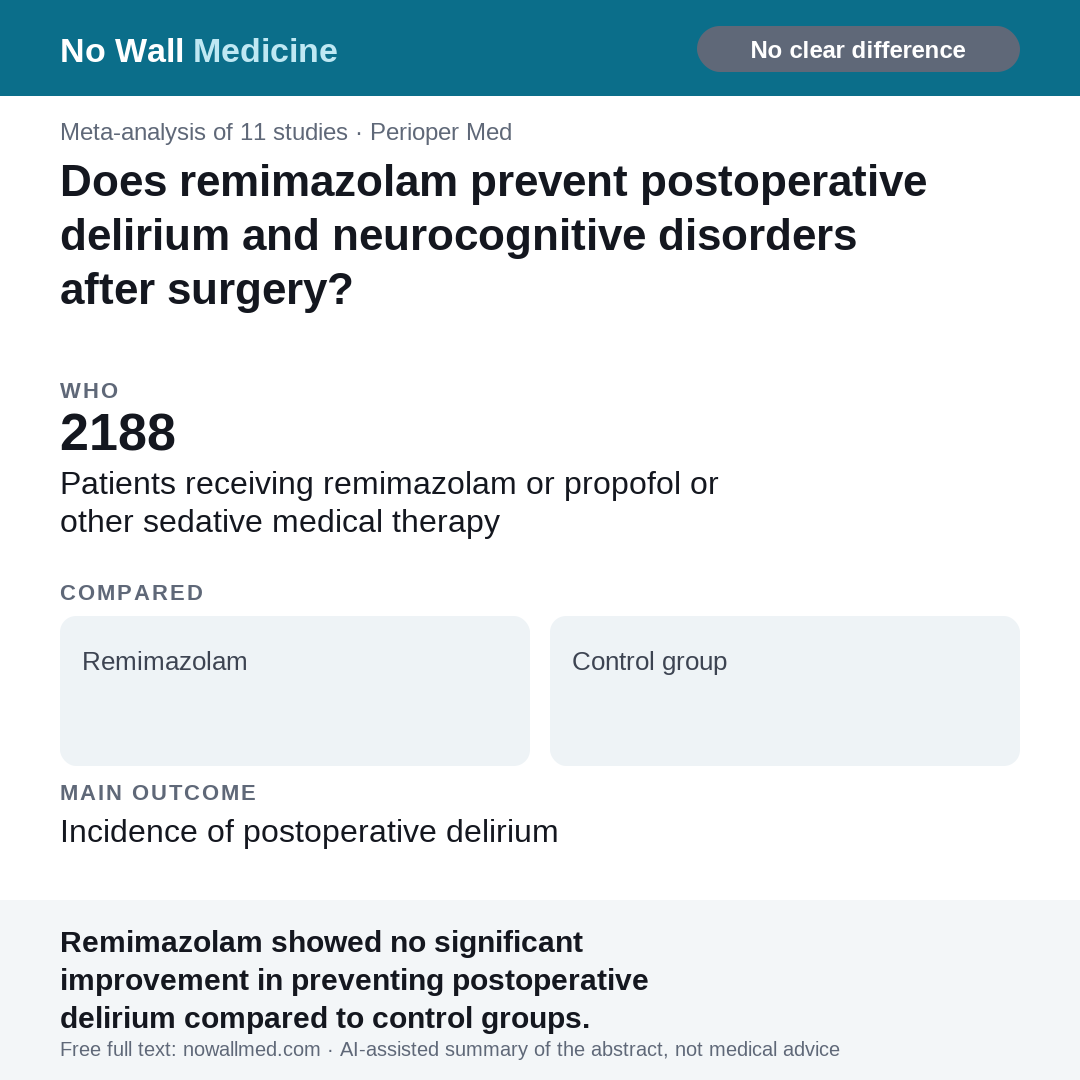
Perioperative remimazolam administration to prevent delirium and neurocognitive disorders after surgery: a systematic review and meta-analysis
Meta-analysis of 11 studiesNo clear difference
Does remimazolam prevent postoperative delirium and neurocognitive disorders after surgery?
Who
2188
Patients receiving remimazolam or propofol or other sedative medical therapy
Compared
Remimazolam
Control group
Main outcome
Incidence of postoperative delirium
Result: OR = 0.79, 95% CI 0.53-1.17
Bottom line: Remimazolam showed no significant improvement in preventing postoperative delirium compared to control groups.
Limitation: Further prospective studies are needed to confirm effects on postoperative cognitive dysfunction.
Perioper Med · 2025-09-30Download image