Visual abstracts
New randomized trials and meta-analyses from leading journals at a glance: who was studied, what was compared, and what was found. Every paper is free to read in full.
All specialtiesCardiology 892Oncology 799Gastroenterology & Hepatology 327Infectious Disease 641Neurology 367Psychiatry & Mental Health 443Pulmonology 386Critical Care 269Endocrinology & Diabetes 492Pediatrics 560Surgery 361Orthopedics & Sports Medicine 167Neurosurgery 115Cardiothoracic & Vascular Surgery 87Plastic & Reconstructive Surgery 145Nephrology 202Rheumatology 111Hematology 192Dermatology 85Ophthalmology 101Obstetrics & Gynecology 277Public & Global Health 179Radiology & Imaging 108Anesthesiology 135Urology 168ENT (Otolaryngology) 115Emergency Medicine 104Allergy & Immunology 63Geriatrics 163Family Medicine & Primary Care 115Medical Genetics & Genomics 93Pathology & Laboratory Medicine 28Physical Medicine & Rehabilitation 149Palliative Care 82Nutrition 228Digital Health & AI 466General Medicine 104
Meta-analysis across six global biobanks identifies recessive coding associations with complex traits and diseases
Meta-analysis of six global biobanksBenefit found
Do recessive coding variants associate with complex traits and diseases?
Who
948,690
Exome- or whole-genome-sequenced individuals · Six global biobanks
Compared
Recessive model: 58 significant associations
Additive model
Main outcome
Associations between bi-allelic damaging genotypes and complex traits
Bottom line: Recessive gene-based analyses identified 58 significant associations between rare bi-allelic variation and complex traits.
Am J Hum Genet · 2026-05-01Download image

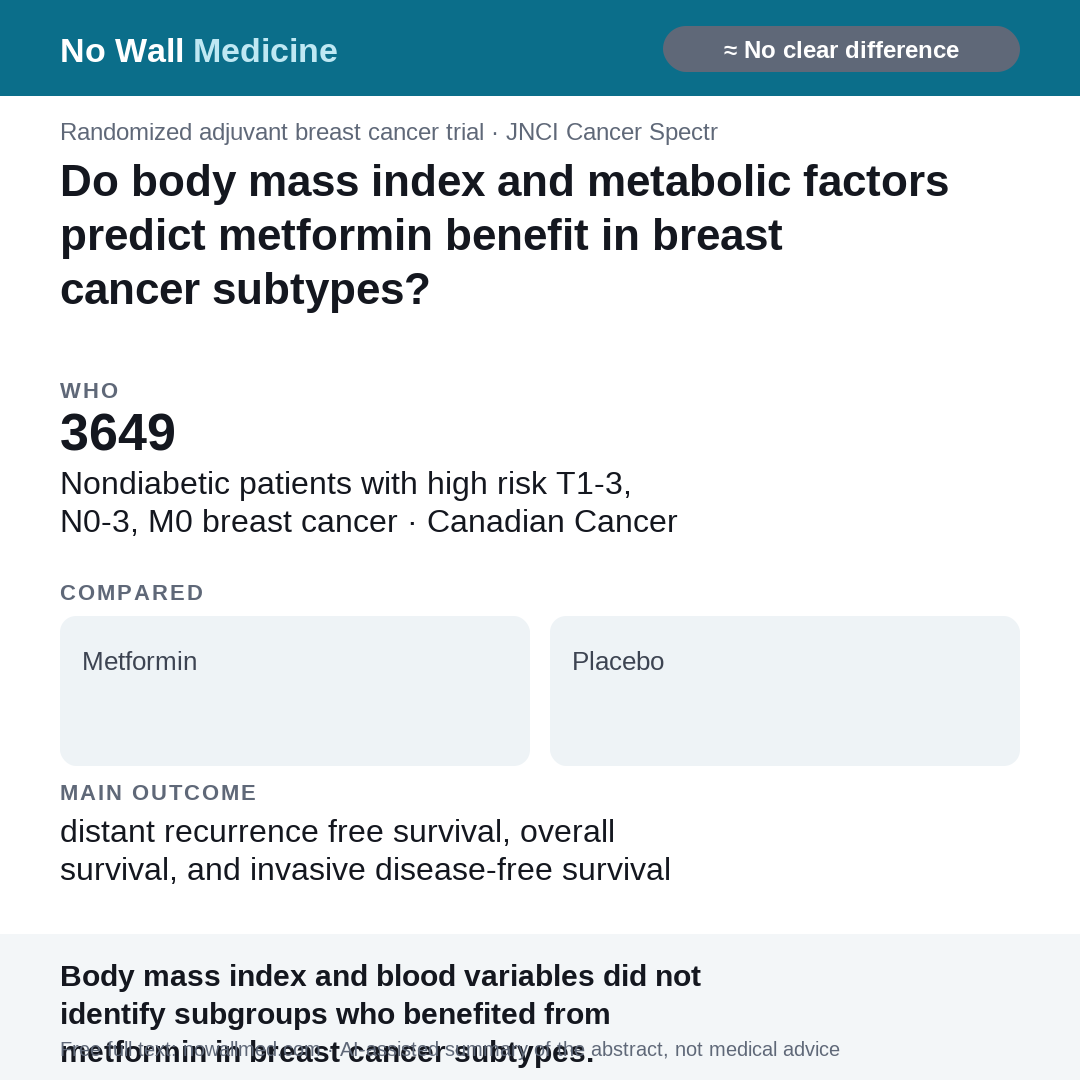
Exploration of body mass index and circulating metabolic factors as predictors of metformin benefit in the Canadian Cancer Trials Group MA.32
Randomized adjuvant breast cancer trialNo clear difference
Do body mass index and metabolic factors predict metformin benefit in breast cancer subtypes?
Who
3649
Nondiabetic patients with high risk T1-3, N0-3, M0 breast cancer · Canadian Cancer Trials Group
Compared
Metformin
Placebo
Main outcome
distant recurrence free survival, overall survival, and invasive disease-free survival
Bottom line: Body mass index and blood variables did not identify subgroups who benefited from metformin in breast cancer subtypes.
JNCI Cancer Spectr · 2026-05-01Download image
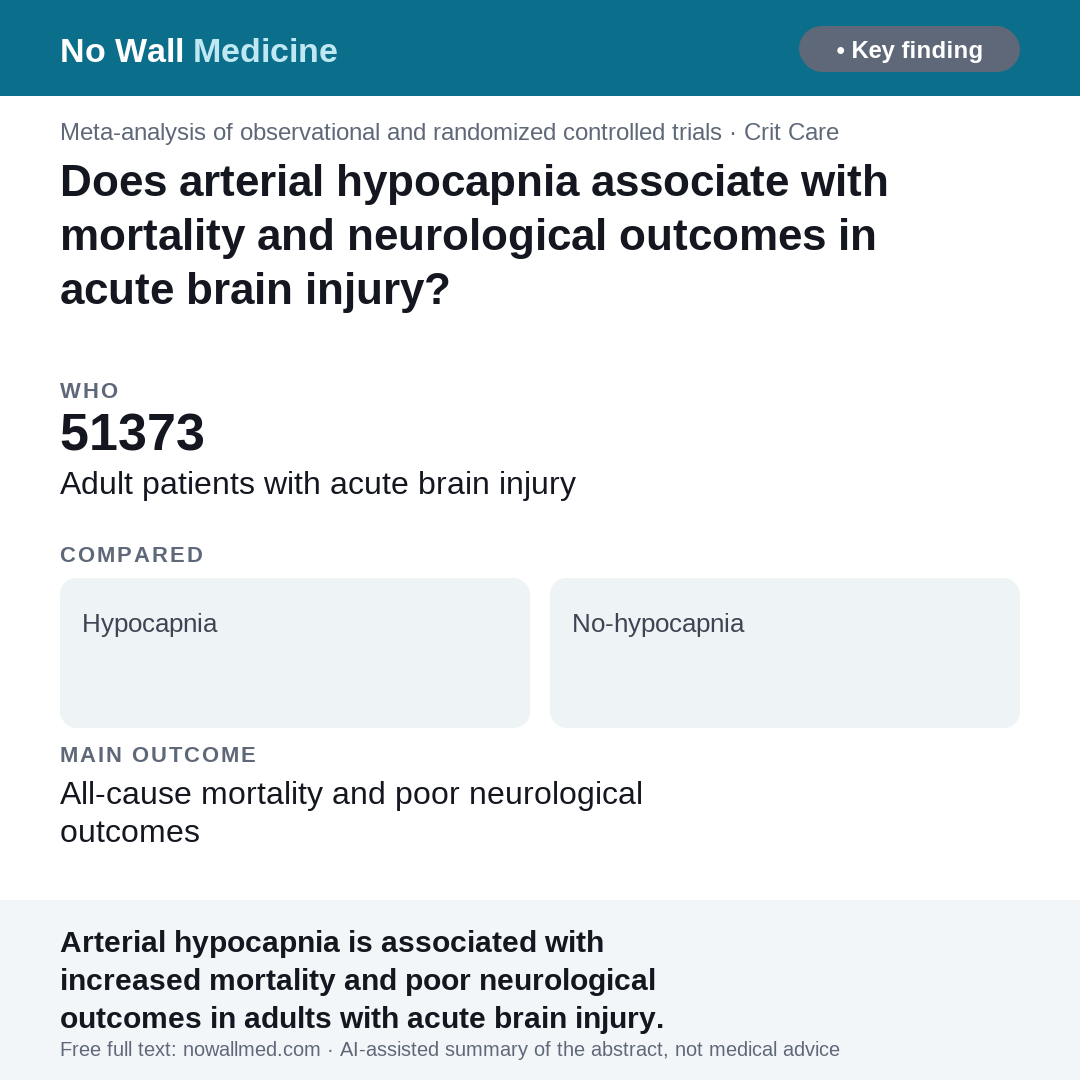
Association of mortality and neurological outcomes with hypocapnia in adult patients with acute brain injury: an updated meta-analysis
Meta-analysis of observational and randomized controlled trialsHarm found
Does arterial hypocapnia associate with mortality and neurological outcomes in acute brain injury?
Who
51373
Adult patients with acute brain injury
Compared
Hypocapnia
No-hypocapnia
Main outcome
All-cause mortality and poor neurological outcomes
Result: odds ratio 1.29 (95% CI 1.05-1.59) for mortality; odds ratio 2.09 (95% CI 1.24-3.54) for poor neurological outcomes
Bottom line: Arterial hypocapnia is associated with increased mortality and poor neurological outcomes in adults with acute brain injury.
Limitation: The evidence is predominantly observational and limited randomized data are available.
Crit Care · 2026-05-01Download image
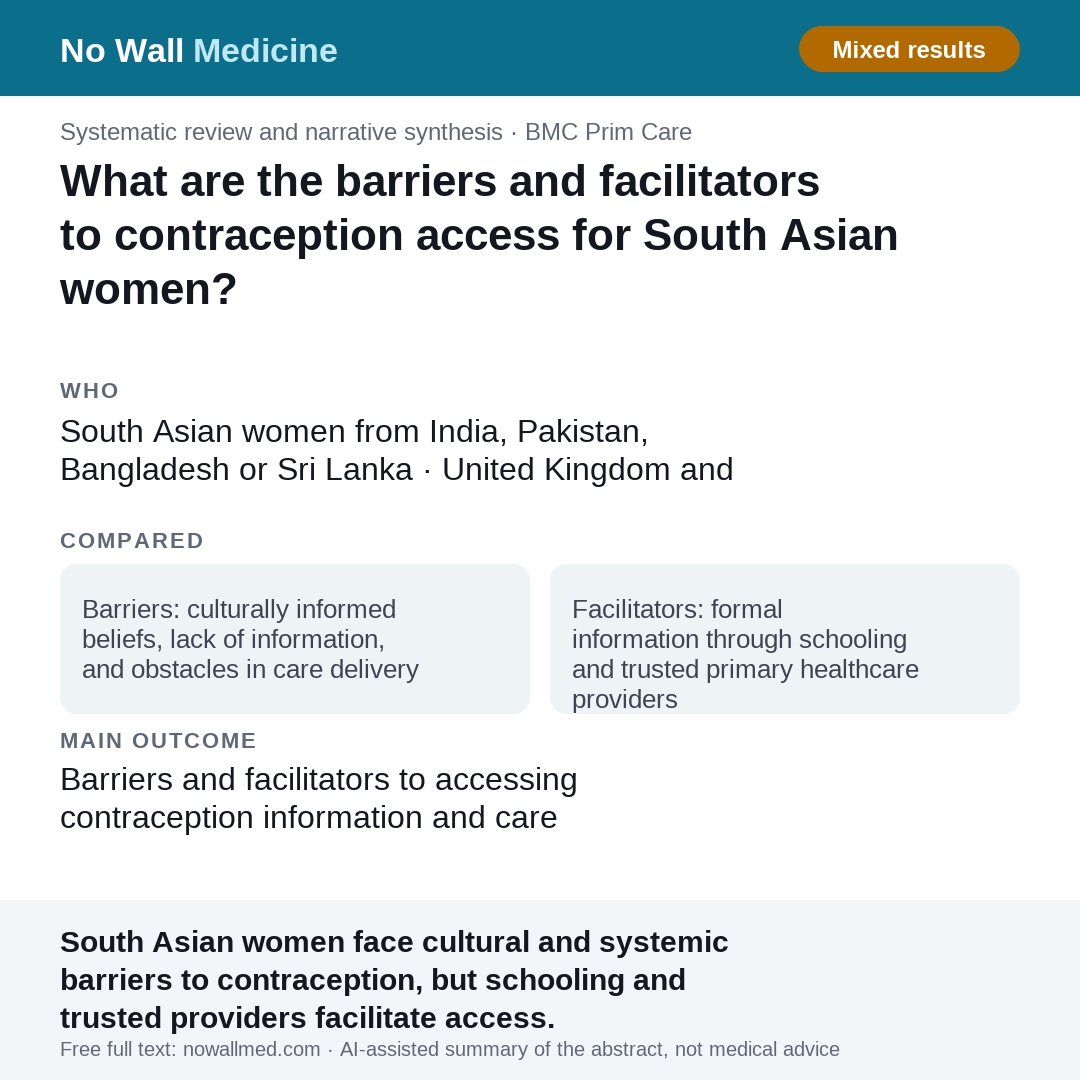
Barriers and facilitators to contraception access for South Asian women in high-income, English-speaking countries: a systematic review
Systematic review and narrative synthesisMixed results
What are the barriers and facilitators to contraception access for South Asian women?
Who
South Asian women from India, Pakistan, Bangladesh or Sri Lanka · United Kingdom and The United States of America
Compared
Barriers: culturally informed beliefs, lack of information, and obstacles in care delivery
Facilitators: formal information through schooling and trusted primary healthcare providers
Main outcome
Barriers and facilitators to accessing contraception information and care
Bottom line: South Asian women face cultural and systemic barriers to contraception, but schooling and trusted providers facilitate access.
BMC Prim Care · 2026-05-01Download image
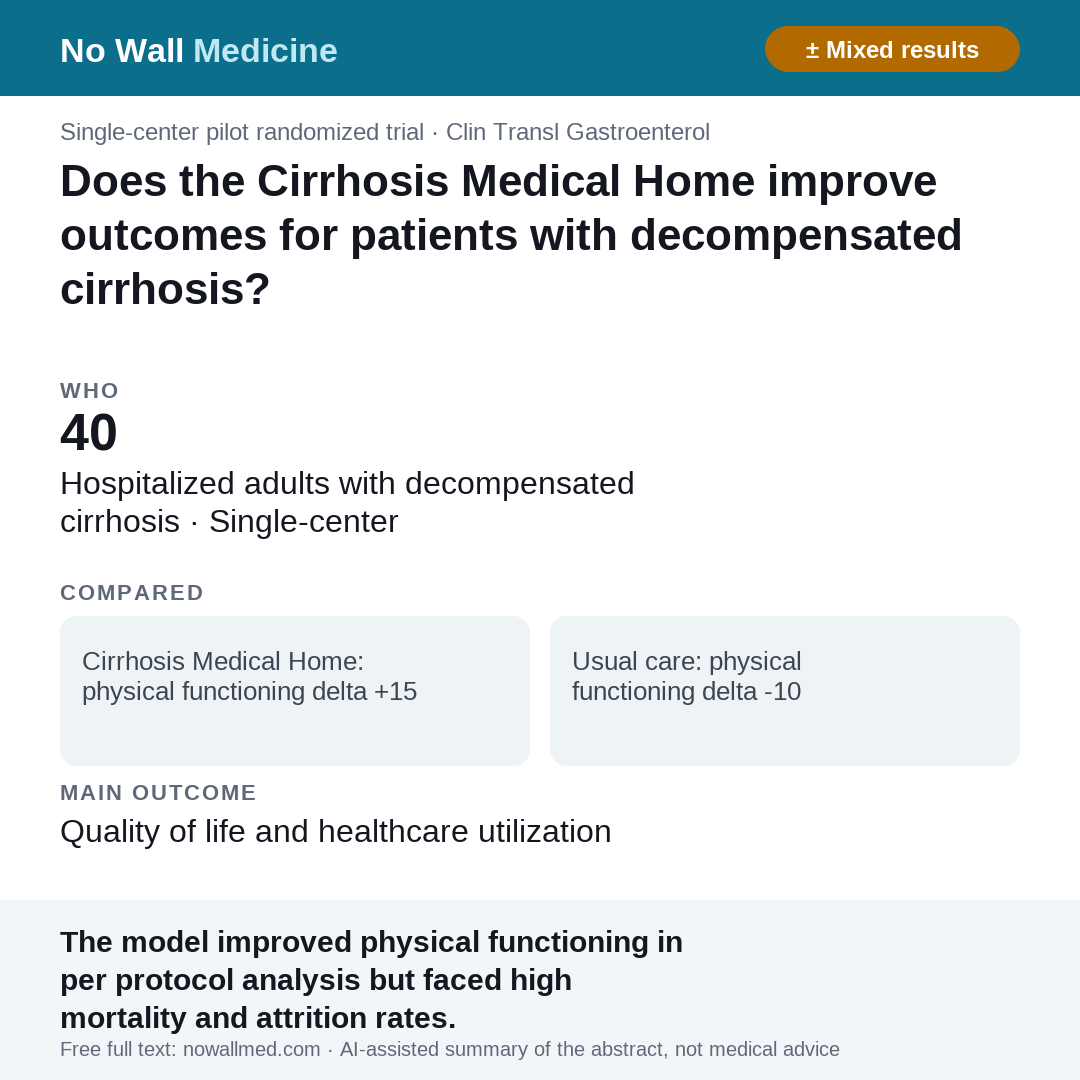
The Cirrhosis Medical Home: A Pilot Randomized Trial of a Collaborative Care Model for Patients With Decompensated Cirrhosis
Single-center pilot randomized trialMixed results
Does the Cirrhosis Medical Home improve outcomes for patients with decompensated cirrhosis?
Who
40
Hospitalized adults with decompensated cirrhosis · Single-center
Compared
Cirrhosis Medical Home: physical functioning delta +15
Usual care: physical functioning delta -10
Main outcome
Quality of life and healthcare utilization
Bottom line: The model improved physical functioning in per protocol analysis but faced high mortality and attrition rates.
Limitation: High mortality, transplant, and loss to follow-up limited patient-reported outcome assessment.
Clin Transl Gastroenterol · 2026-05-01Download image
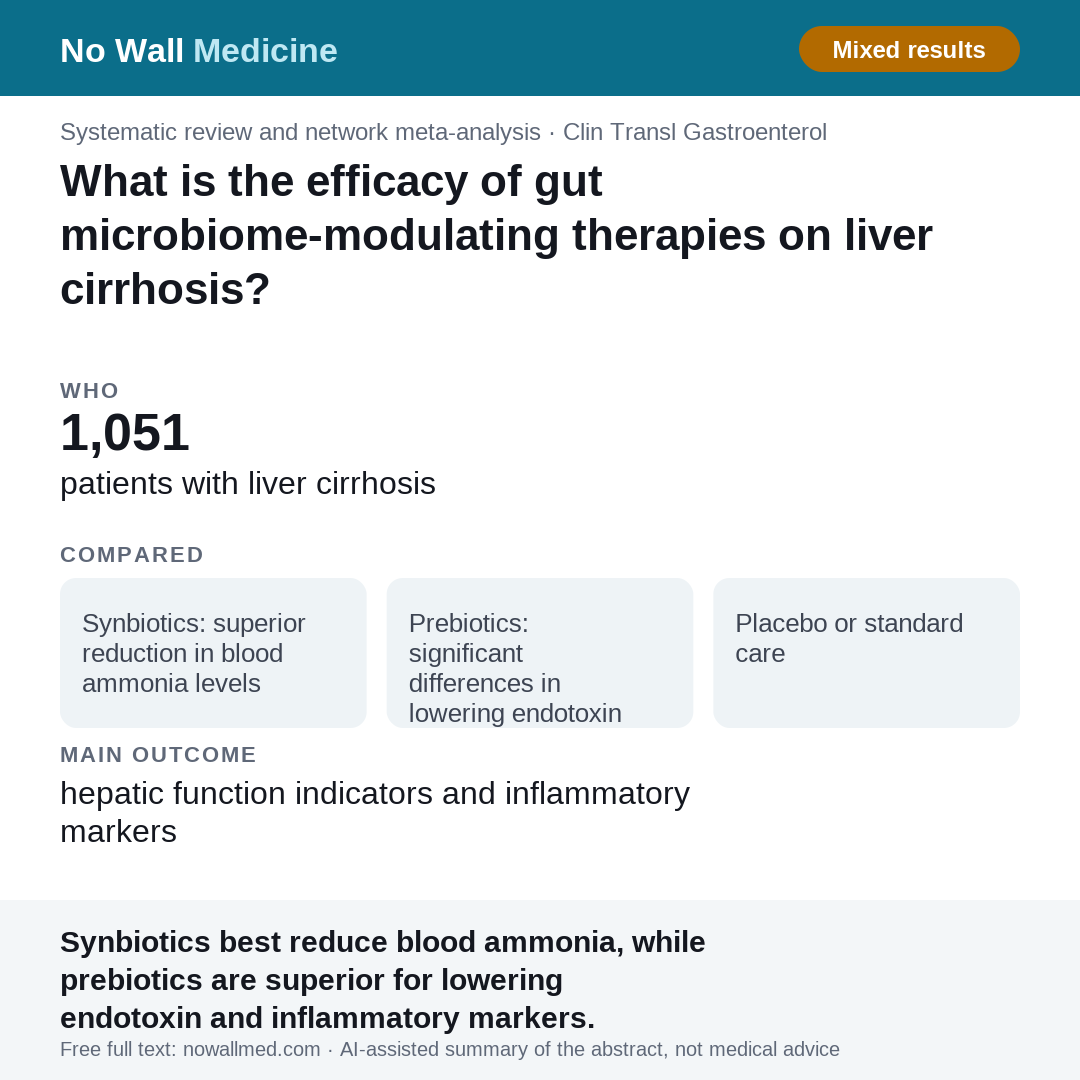
The Efficacy of Gut Microbiome-Modulating Therapies on Liver Cirrhosis: A Systematic Review and Network Meta-Analysis
Systematic review and network meta-analysisMixed results
What is the efficacy of gut microbiome-modulating therapies on liver cirrhosis?
Who
1,051
patients with liver cirrhosis
Compared
Synbiotics: superior reduction in blood ammonia levels
Prebiotics: significant differences in lowering endotoxin levels
Placebo or standard care
Main outcome
hepatic function indicators and inflammatory markers
Bottom line: Synbiotics best reduce blood ammonia, while prebiotics are superior for lowering endotoxin and inflammatory markers.
Clin Transl Gastroenterol · 2026-05-01Download image
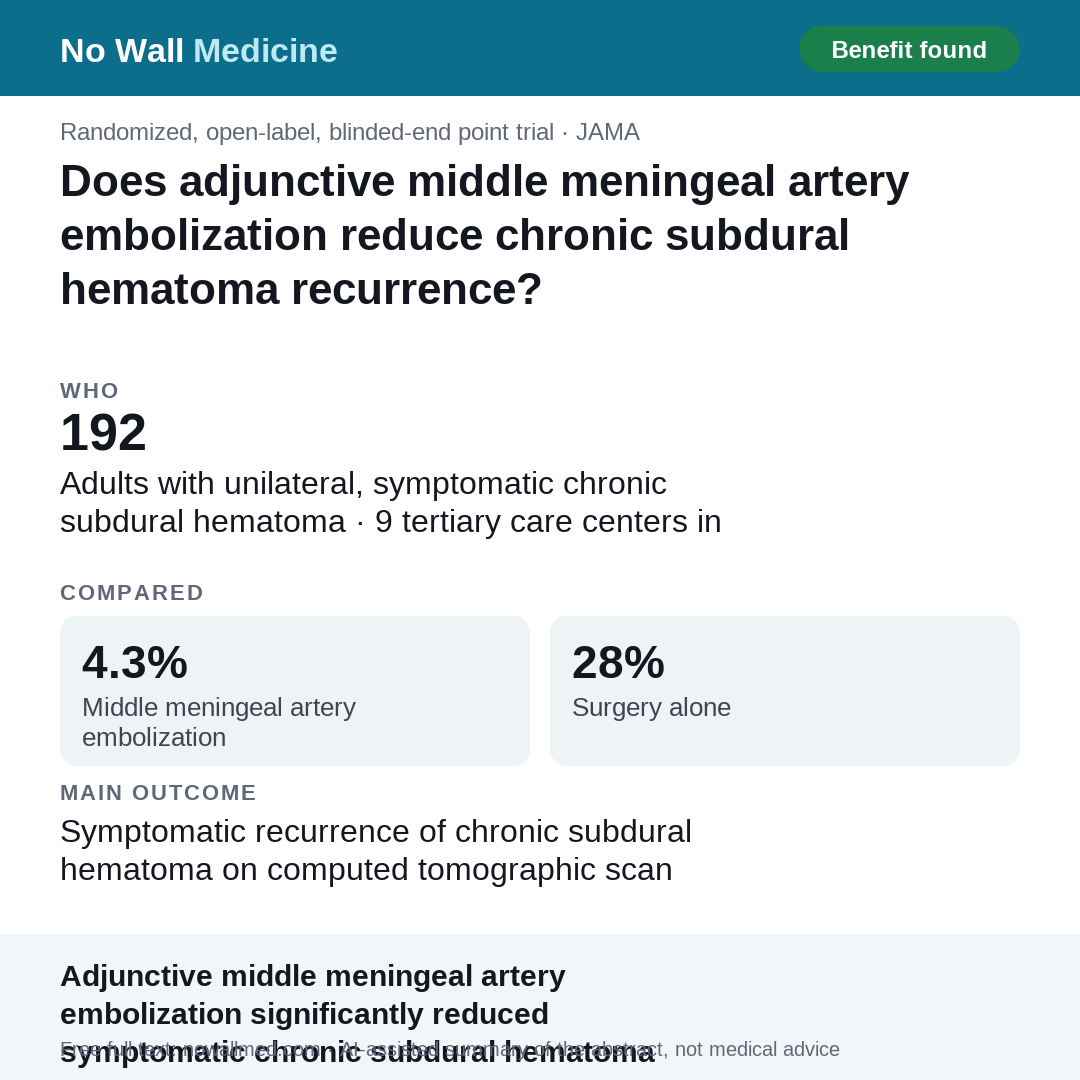
Management of Chronic Subdural Hematoma With Adjunctive Embolization of Middle Meningeal Artery: The EMMA-Can Randomized Clinical Trial
Randomized, open-label, blinded-end point trialBenefit found
Does adjunctive middle meningeal artery embolization reduce chronic subdural hematoma recurrence?
Who
192
Adults with unilateral, symptomatic chronic subdural hematoma · 9 tertiary care centers in Canada
Compared
4.3%Middle meningeal artery embolization
28%Control group
Main outcome
Symptomatic recurrence of chronic subdural hematoma on computed tomographic scan
Result: risk difference, -23.7 (95% CI, -34.1 to -13.9)
Bottom line: Adjunctive middle meningeal artery embolization significantly reduced symptomatic chronic subdural hematoma recurrence compared to surgery alone.
JAMA · 2026-04-30Download image
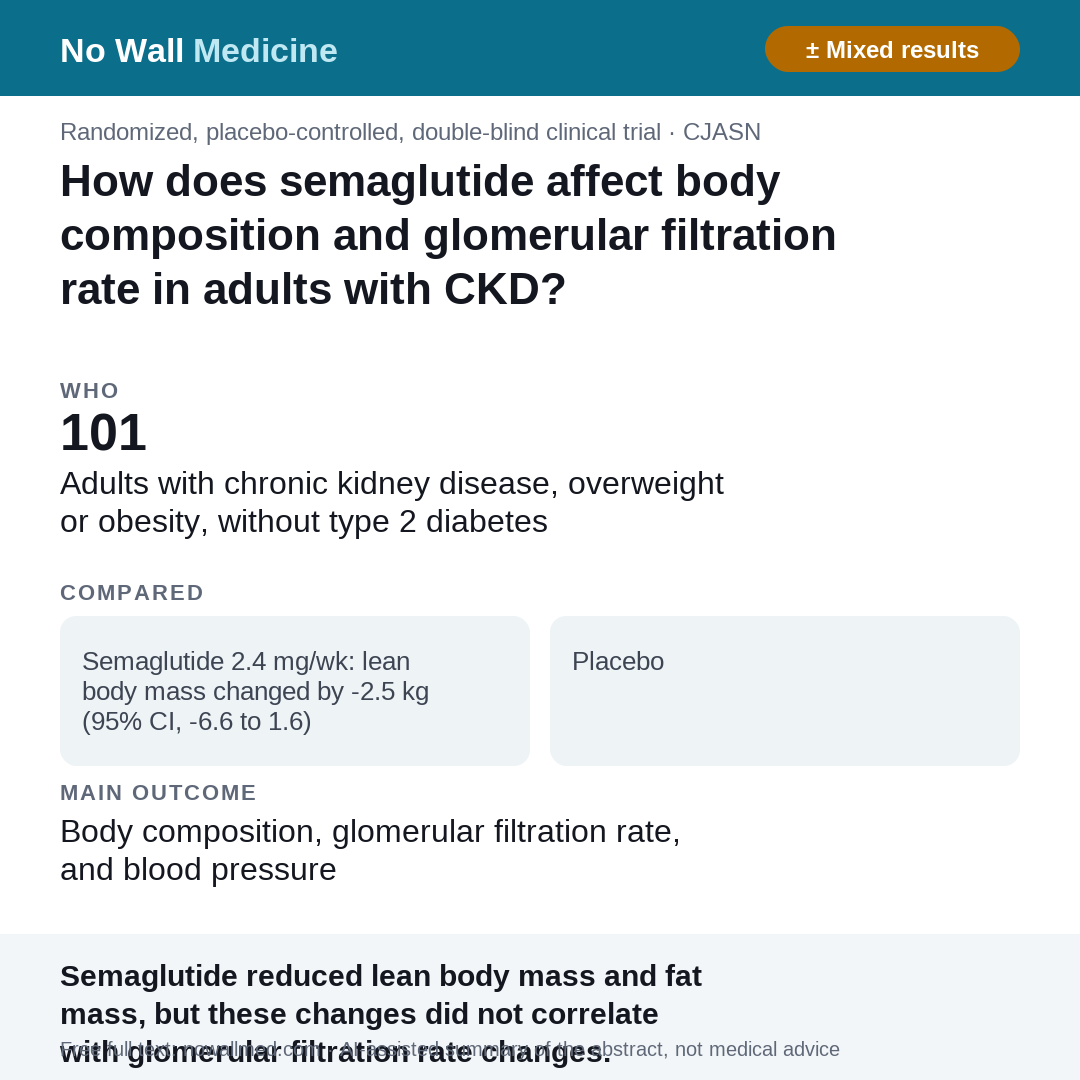
Effects of Semaglutide on Body Composition and GFR: A Prespecified Analysis of the SMART Trial
Randomized, placebo-controlled, double-blind clinical trialMixed results
How does semaglutide affect body composition and glomerular filtration rate in adults with CKD?
Who
101
Adults with chronic kidney disease, overweight or obesity, without type 2 diabetes
Compared
Semaglutide 2.4 mg/wk: lean body mass changed by -2.5 kg (95% CI, -6.6 to 1.6)
Placebo
Main outcome
Body composition, glomerular filtration rate, and blood pressure
Bottom line: Semaglutide reduced lean body mass and fat mass, but these changes did not correlate with glomerular filtration rate changes.
CJASN · 2026-04-30Download image
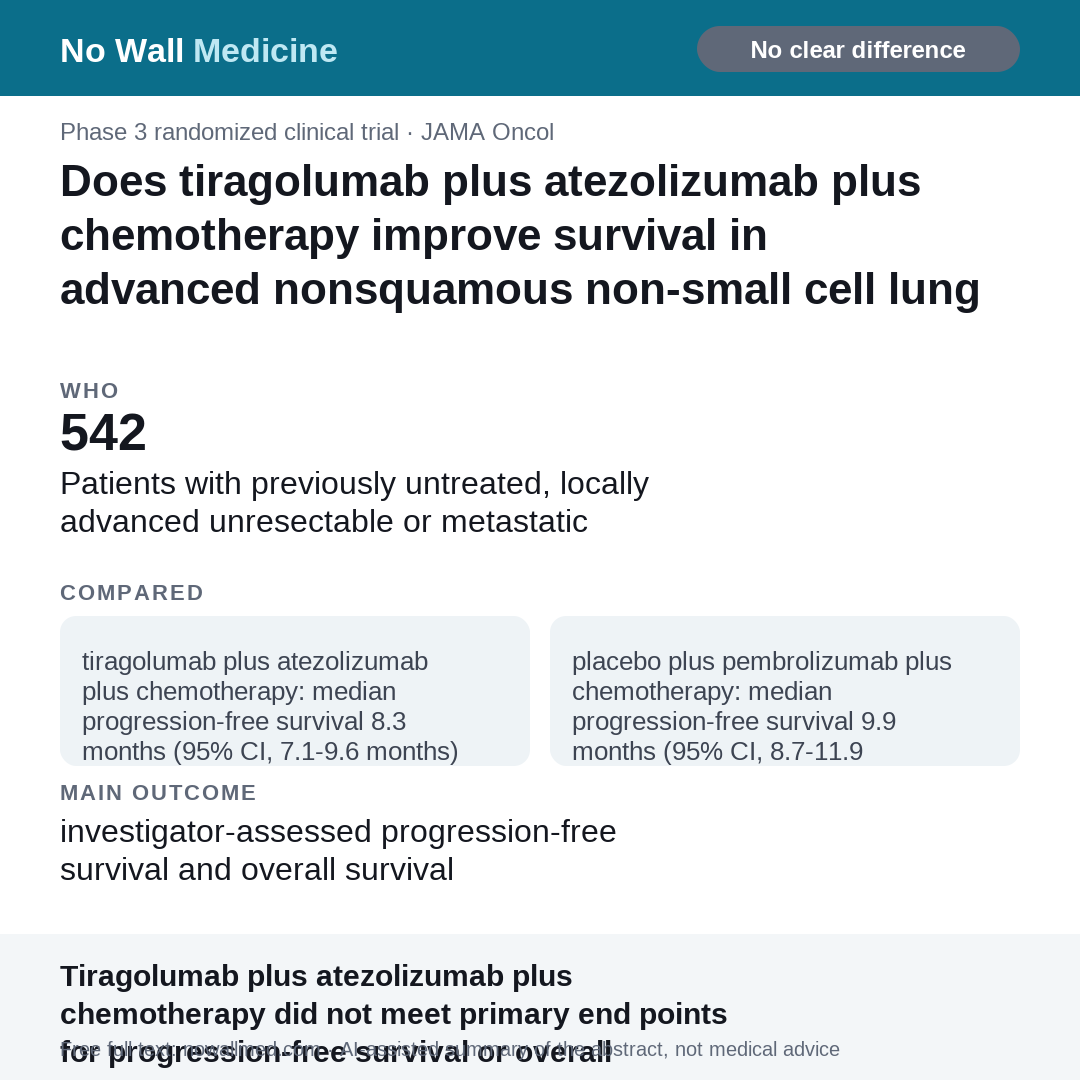
Tiragolumab Plus Atezolizumab and Chemotherapy for Advanced Nonsquamous Non-Small Cell Lung Cancer: The Phase 3 SKYSCRAPER-06 Randomized Clinical Trial
Phase 3 randomized clinical trialNo clear difference
Does tiragolumab plus atezolizumab plus chemotherapy improve survival in advanced nonsquamous non-small cell lung cancer?
Who
542
Patients with previously untreated, locally advanced unresectable or metastatic nonsquamous non-small cell lung cancer · 129 sites in 21 countries
Compared
tiragolumab plus atezolizumab plus chemotherapy: median progression-free survival 8.3 months (95% CI, 7.1-9.6 months)
placebo plus pembrolizumab plus chemotherapy: median progression-free survival 9.9 months (95% CI, 8.7-11.9 months)
Main outcome
investigator-assessed progression-free survival and overall survival
Result: hazard ratio 1.27 (95% CI, 1.02-1.57) for progression-free survival
Bottom line: Tiragolumab plus atezolizumab plus chemotherapy did not meet primary end points for progression-free survival or overall survival.
Limitation: the study has been terminated
JAMA Oncol · 2026-04-30Download image
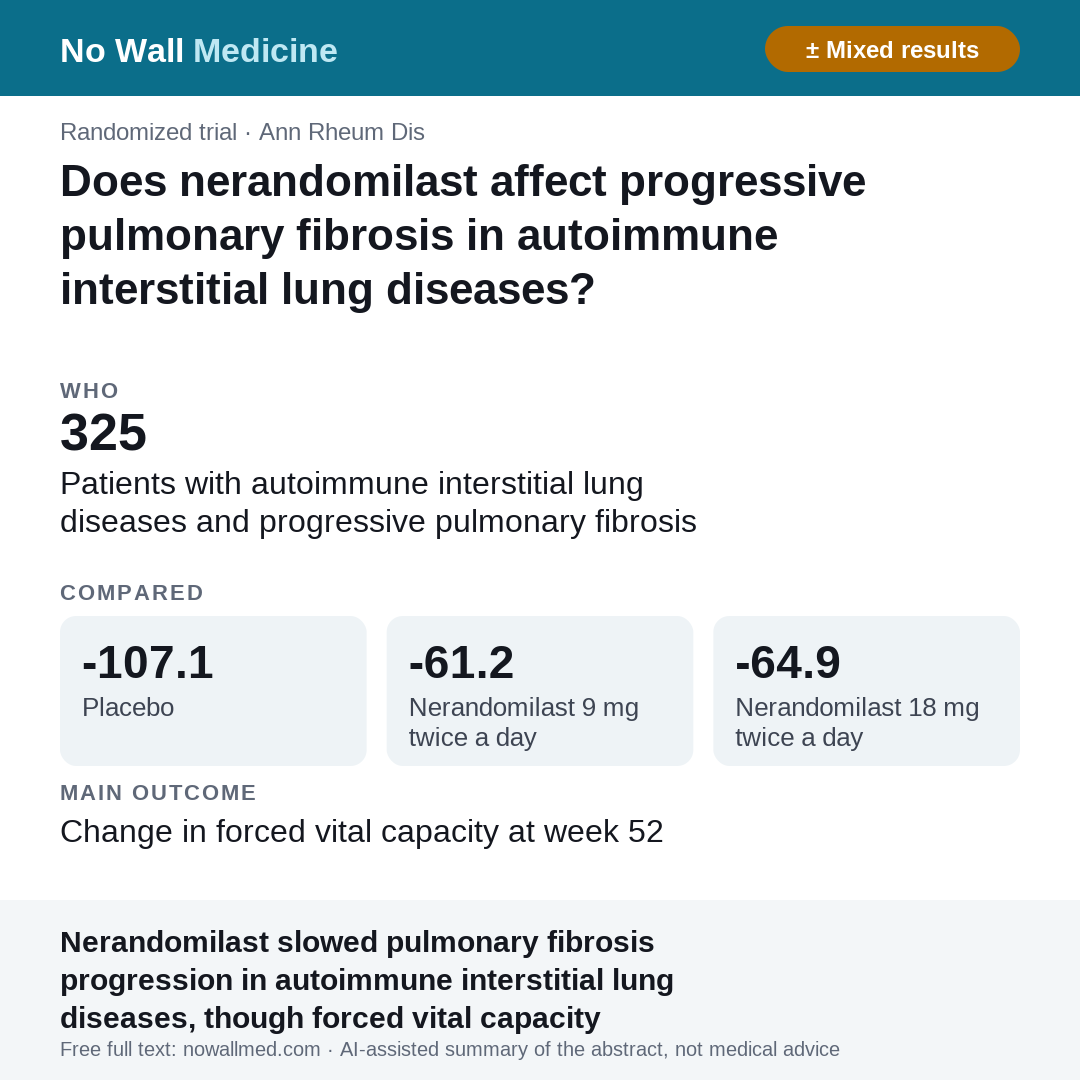
Efficacy and safety of nerandomilast in patients with autoimmune disease-related progressive pulmonary fibrosis in the FIBRONEER-ILD trial
Randomized trialMixed results
Does nerandomilast affect progressive pulmonary fibrosis in autoimmune interstitial lung diseases?
Who
325
Patients with autoimmune interstitial lung diseases and progressive pulmonary fibrosis
Compared
-107.1Placebo (25.0)
-61.2Nerandomilast 9 mg twice a day (23.3)
-64.9Nerandomilast 18 mg twice a day (23.5)
Main outcome
Change in forced vital capacity at week 52
Result: difference vs placebo: 45.9 [95% CI: -20.8 to 112.6]
Bottom line: Nerandomilast slowed pulmonary fibrosis progression in autoimmune interstitial lung diseases, though forced vital capacity results were not statistically significant.
Ann Rheum Dis · 2026-04-30Download image
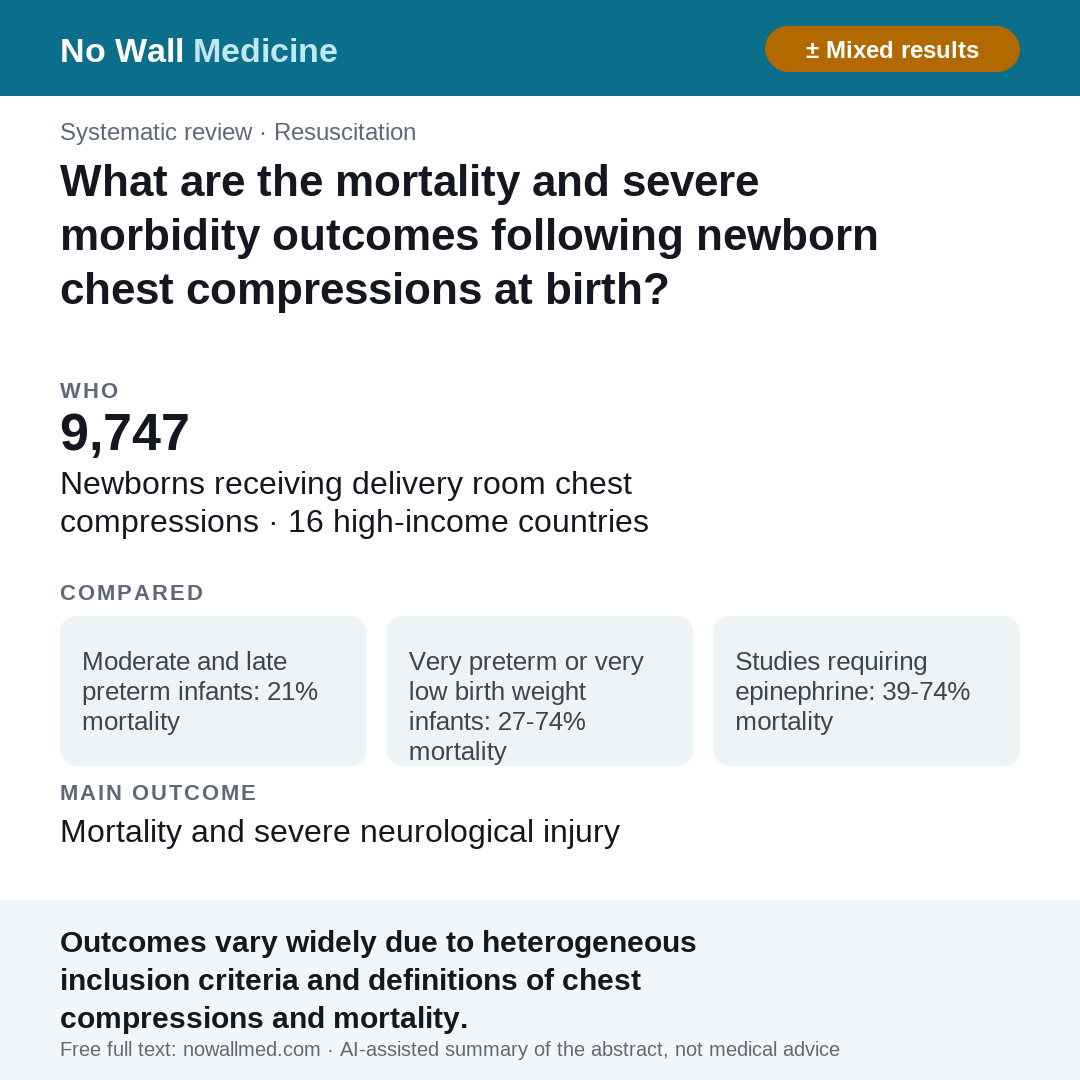
A systematic review of mortality and severe morbidities following newborn chest compressions at birth
Systematic reviewMixed results
What are the mortality and severe morbidity outcomes following newborn chest compressions at birth?
Who
9,747
Newborns receiving delivery room chest compressions · 16 high-income countries
Compared
Moderate and late preterm infants: 21% mortality
Very preterm or very low birth weight infants: 27-74% mortality
Studies requiring epinephrine: 39-74% mortality
Main outcome
Mortality and severe neurological injury
Bottom line: Outcomes vary widely due to heterogeneous inclusion criteria and definitions of chest compressions and mortality.
Limitation: Heterogeneity in inclusion criteria and sparse evidence for low- and middle-income countries.
Resuscitation · 2026-04-30Download image
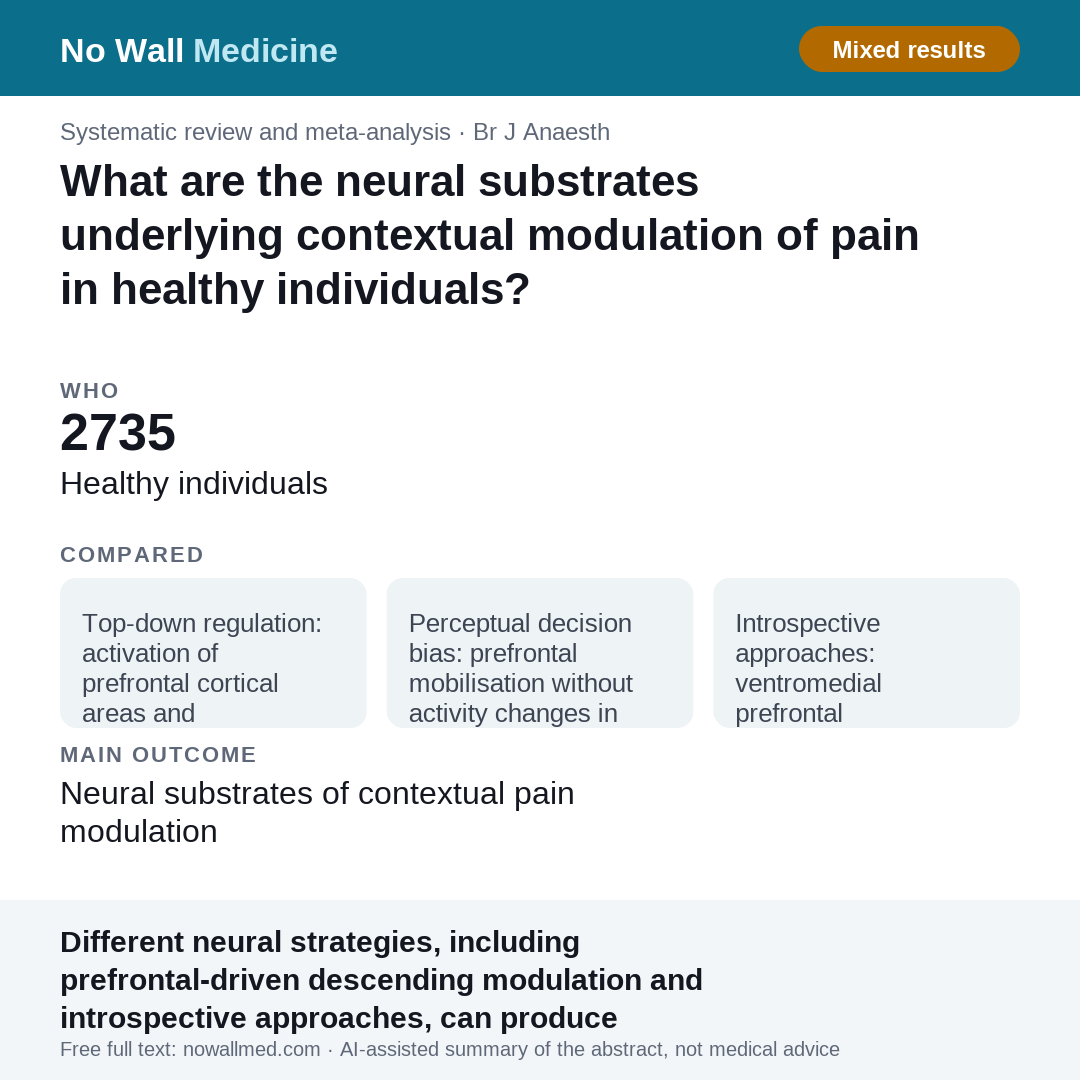
The multifaceted neural architecture of pain modulation by emotion and cognition: a systematic review and meta-analysis
Systematic review and meta-analysisMixed results
What are the neural substrates underlying contextual modulation of pain in healthy individuals?
Who
2735
Healthy individuals
Compared
Top-down regulation: activation of prefrontal cortical areas and modification of sensory message
Perceptual decision bias: prefrontal mobilisation without activity changes in nociceptive areas
Introspective approaches: ventromedial prefrontal involvement and deactivation in dorsolateral and ventrolateral prefrontal areas
Main outcome
Neural substrates of contextual pain modulation
Bottom line: Different neural strategies, including prefrontal-driven descending modulation and introspective approaches, can produce similar subjective pain changes.
Limitation: Studies on chronic pain were excluded
Br J Anaesth · 2026-04-30Download image
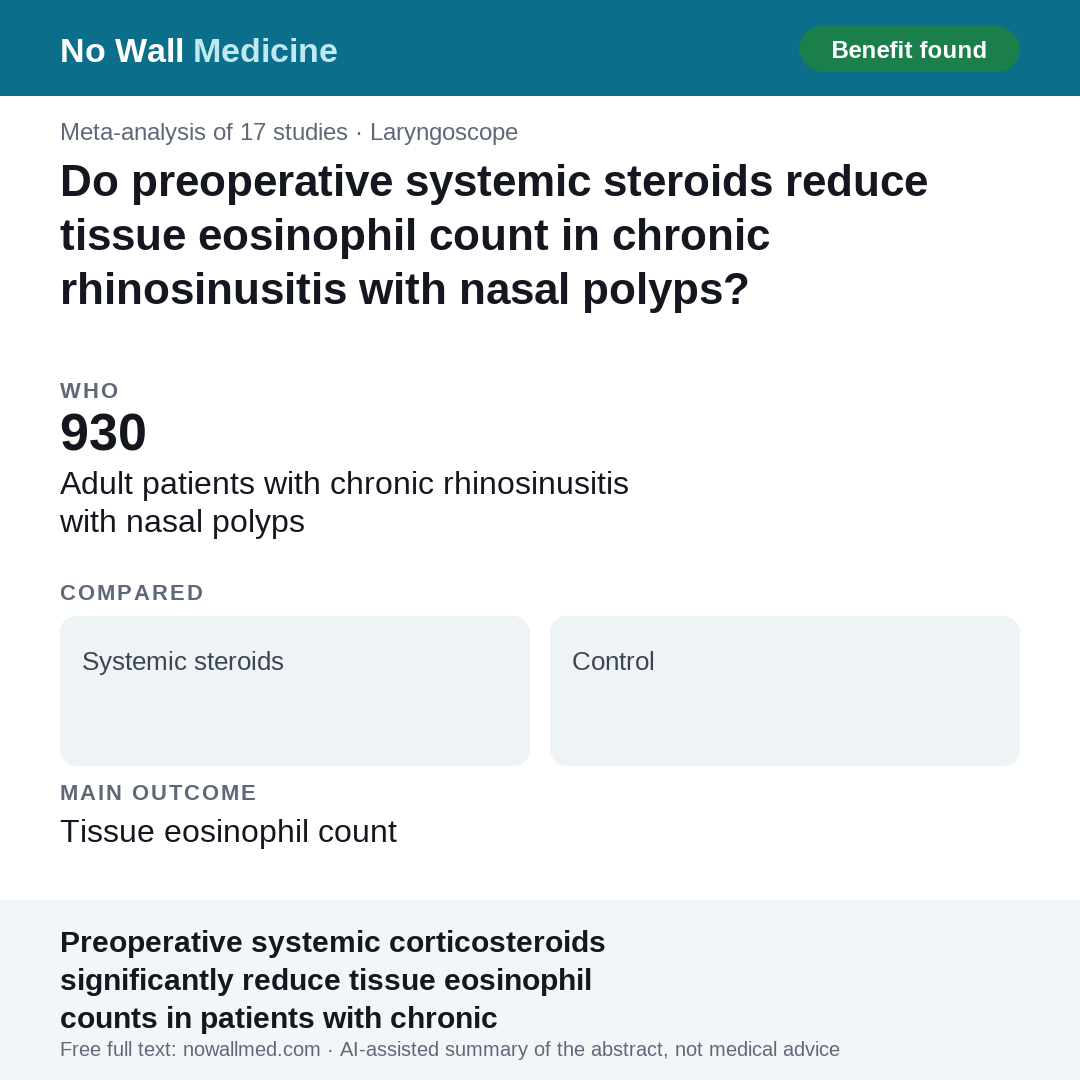
Effect of Preoperative Systemic Steroids on Tissue Eosinophils in CRSwNP: Meta-Analysis
Meta-analysis of 17 studiesBenefit found
Do preoperative systemic steroids reduce tissue eosinophil count in chronic rhinosinusitis with nasal polyps?
Who
930
Adult patients with chronic rhinosinusitis with nasal polyps
Compared
Systemic steroids
Control
Main outcome
Tissue eosinophil count
Result: mean difference -36.57 (95% CI -43.94 to -29.20) for cells per high-power field
Bottom line: Preoperative systemic corticosteroids significantly reduce tissue eosinophil counts in patients with chronic rhinosinusitis with nasal polyps.
Limitation: Steroid use may interfere with histologic assessment when biopsy is taken intraoperatively.
Laryngoscope · 2026-04-30Download image
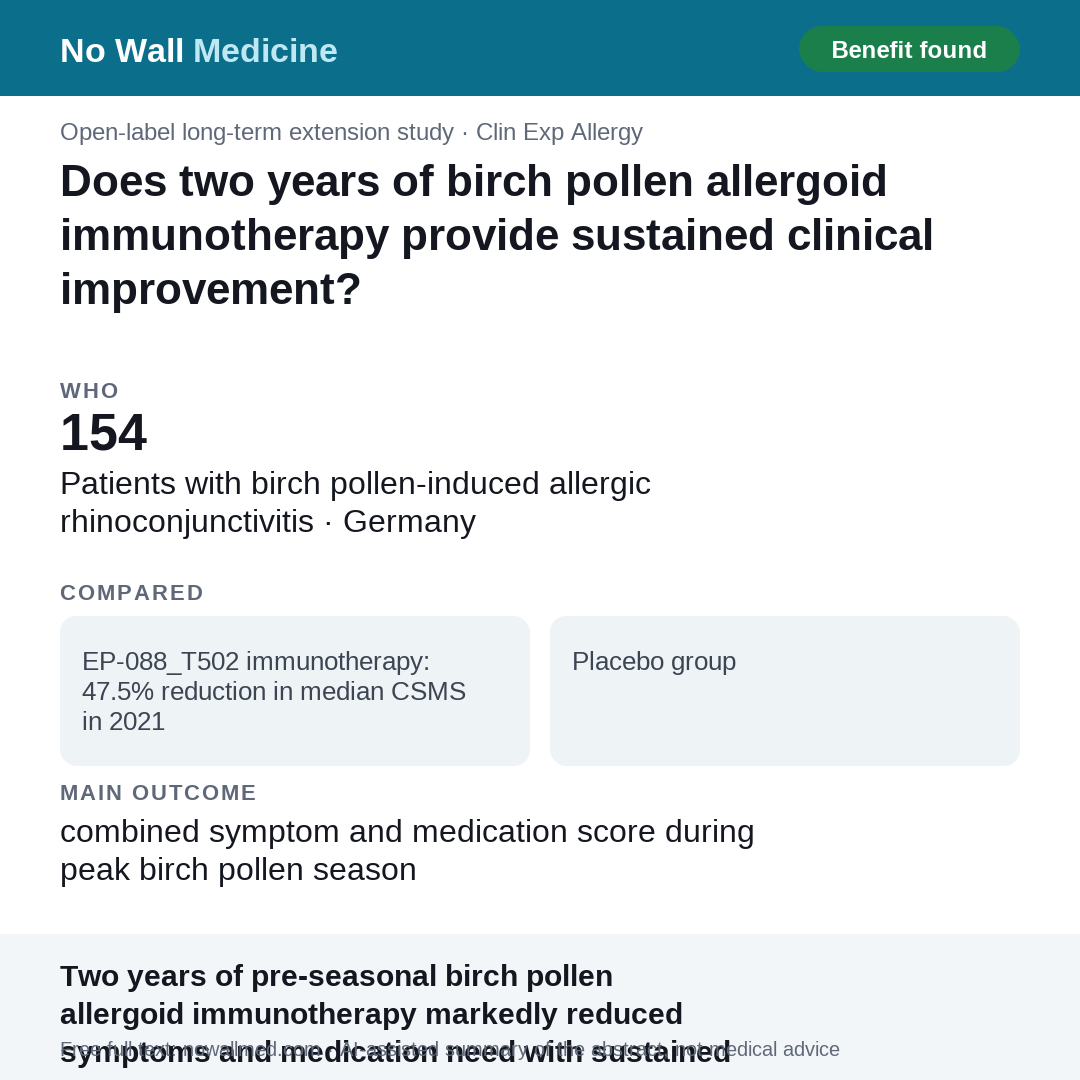
Sustained Clinical Improvement in Birch Pollen Allergy After Two Pre-Seasonal Short Courses of Allergen-Specific Immunotherapy: A Long-Term Open-Label Extension Study
Open-label long-term extension studyBenefit found
Does two years of birch pollen allergoid immunotherapy provide sustained clinical improvement?
Who
154
Patients with birch pollen-induced allergic rhinoconjunctivitis · Germany
Compared
EP-088_T502 immunotherapy: 47.5% reduction in median CSMS in 2021
Placebo group
Main outcome
combined symptom and medication score during peak birch pollen season
Bottom line: Two years of pre-seasonal birch pollen allergoid immunotherapy markedly reduced symptoms and medication need with sustained effects.
Limitation: Limited by attrition of the study population
Clin Exp Allergy · 2026-04-30Download image
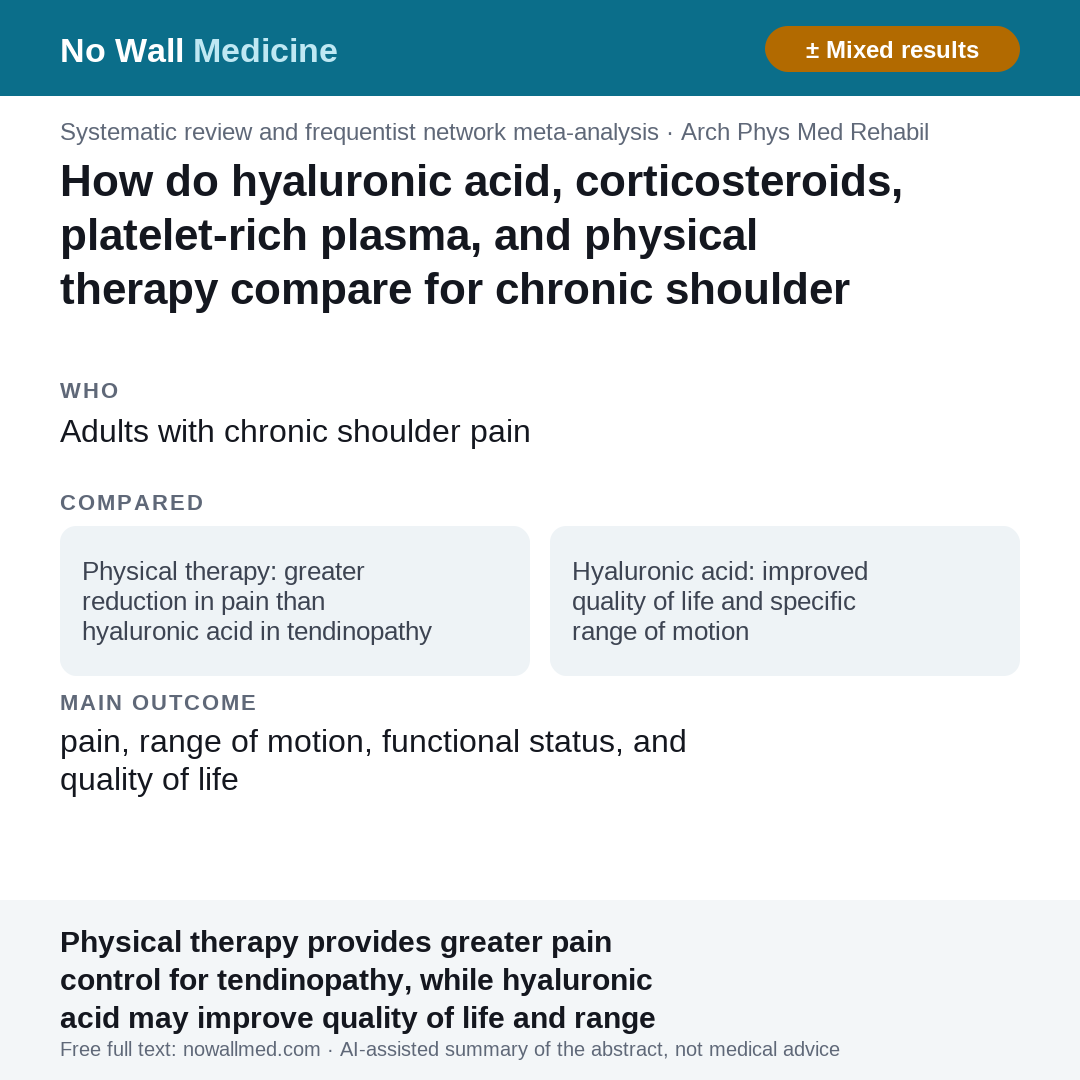
Comparison of the Efficacy of Hyaluronic Acid Versus Corticosteroids, Platelet-Rich Plasma, and Physical Therapy in Chronic Shoulder Pain: A Systematic Review and a Frequentist Network Meta-Analysis
Systematic review and frequentist network meta-analysisMixed results
How do hyaluronic acid, corticosteroids, platelet-rich plasma, and physical therapy compare for chronic shoulder pain?
Who
Adults with chronic shoulder pain
Compared
Physical therapy: greater reduction in pain than hyaluronic acid in tendinopathy
Hyaluronic acid: improved quality of life and specific range of motion
Main outcome
pain, range of motion, functional status, and quality of life
Bottom line: Physical therapy provides greater pain control for tendinopathy, while hyaluronic acid may improve quality of life and range of motion.
Arch Phys Med Rehabil · 2026-04-30Download image
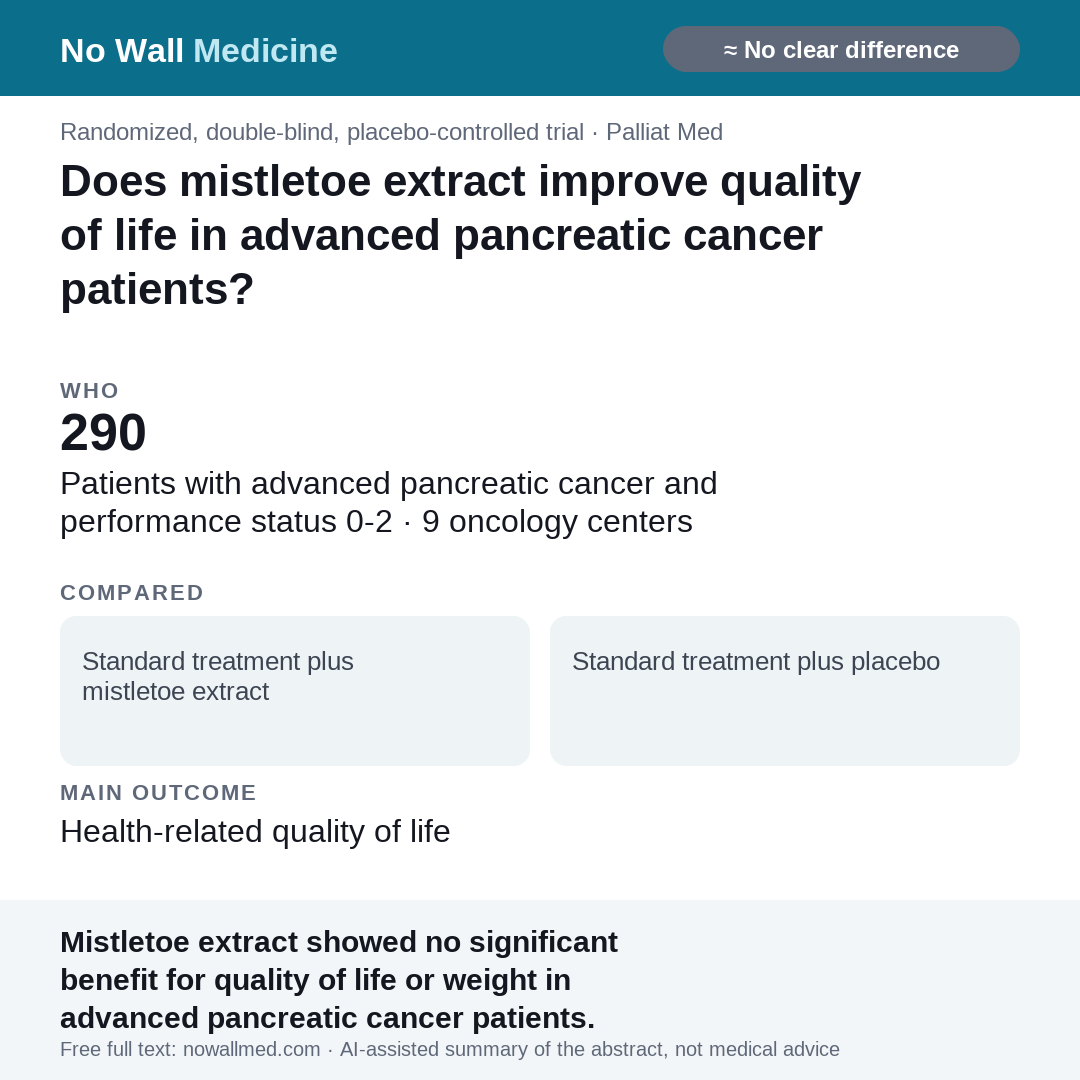
Mistletoe extract in patients with advanced pancreatic cancer: Health-related quality of life in a double-blind, randomized, placebo-controlled trial (MISTRAL)
Randomized, double-blind, placebo-controlled trialNo clear difference
Does mistletoe extract improve quality of life in advanced pancreatic cancer patients?
Who
290
Patients with advanced pancreatic cancer and performance status 0-2 · 9 oncology centers
Compared
Standard treatment plus mistletoe extract
Standard treatment plus placebo
Main outcome
Health-related quality of life
Bottom line: Mistletoe extract showed no significant benefit for quality of life or weight in advanced pancreatic cancer patients.
Palliat Med · 2026-04-30Download image
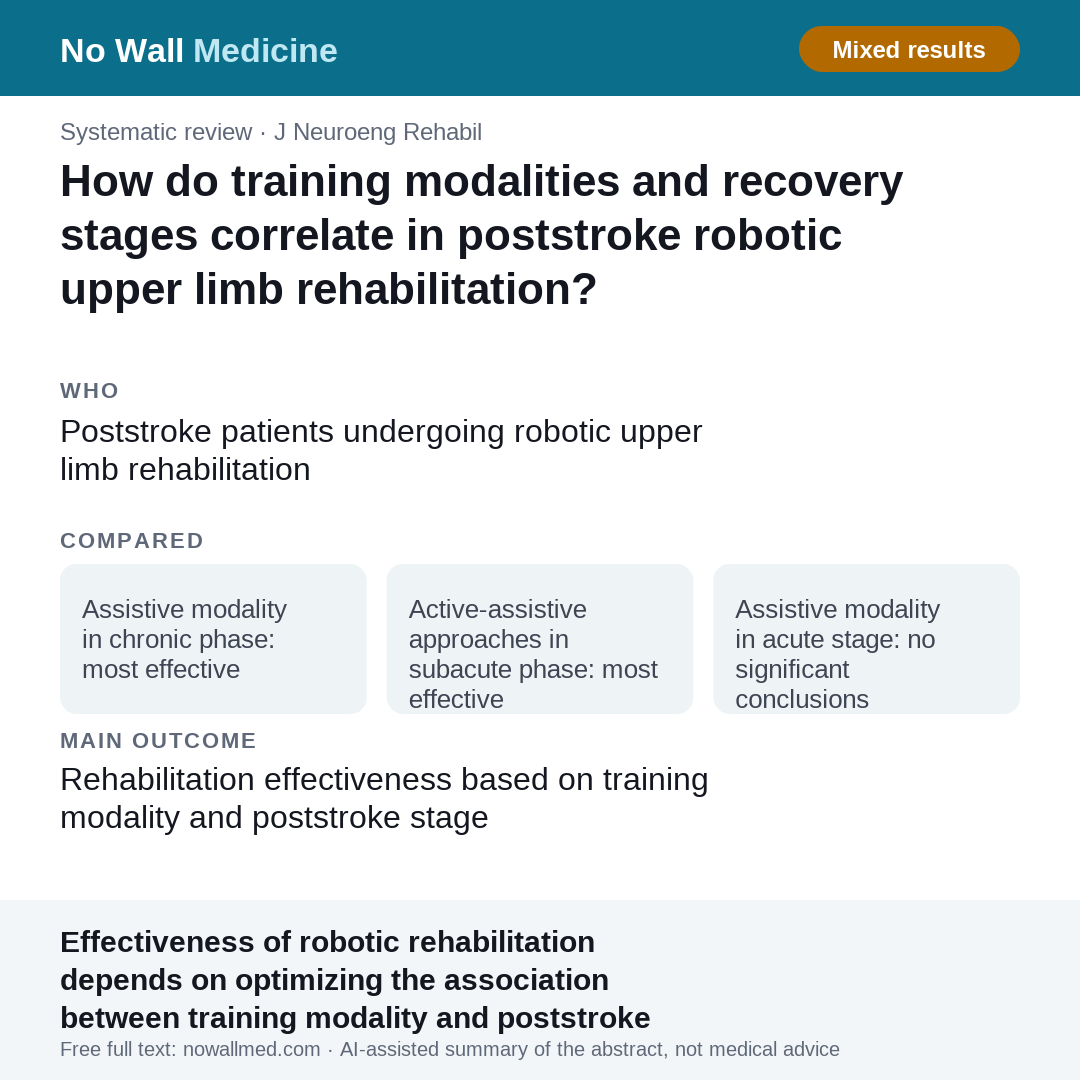
On the correlation between training modalities and recovery stages in poststroke robotic rehabilitation of the upper limb: a systematic review
Systematic reviewMixed results
How do training modalities and recovery stages correlate in poststroke robotic upper limb rehabilitation?
Who
Poststroke patients undergoing robotic upper limb rehabilitation
Compared
Assistive modality in chronic phase: most effective
Active-assistive approaches in subacute phase: most effective
Assistive modality in acute stage: no significant conclusions
Main outcome
Rehabilitation effectiveness based on training modality and poststroke stage
Bottom line: Effectiveness of robotic rehabilitation depends on optimizing the association between training modality and poststroke recovery stage.
Limitation: Future studies should consider exercise intensity, frequency, duration, and impairment severity.
J Neuroeng Rehabil · 2026-04-30Download image
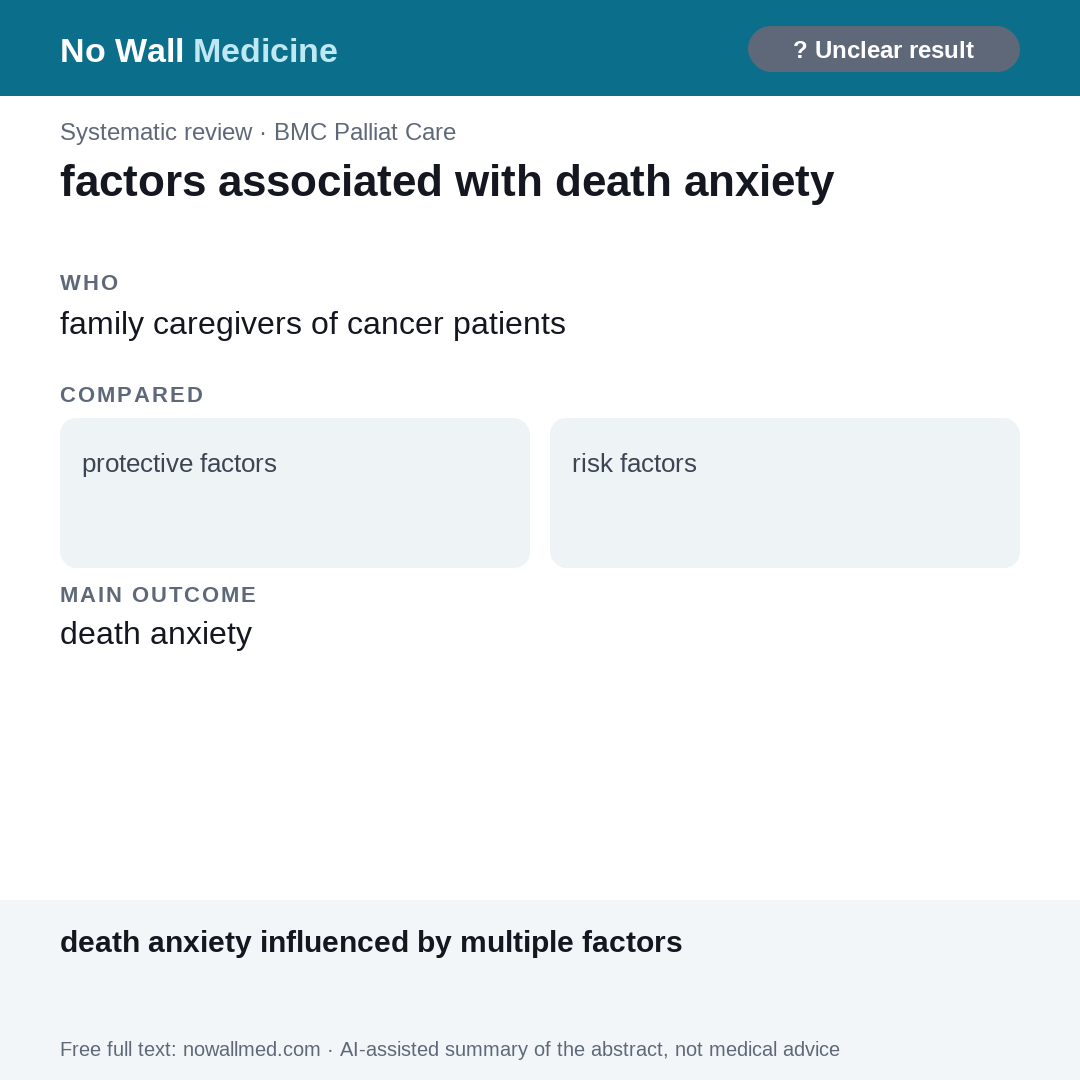
Factors associated with death anxiety in family caregivers of cancer patients: a systematic review
Systematic reviewUnclear result
factors associated with death anxiety
Who
family caregivers of cancer patients
Compared
protective factors
risk factors
Main outcome
death anxiety
Bottom line: death anxiety influenced by multiple factors
BMC Palliat Care · 2026-04-30Download image
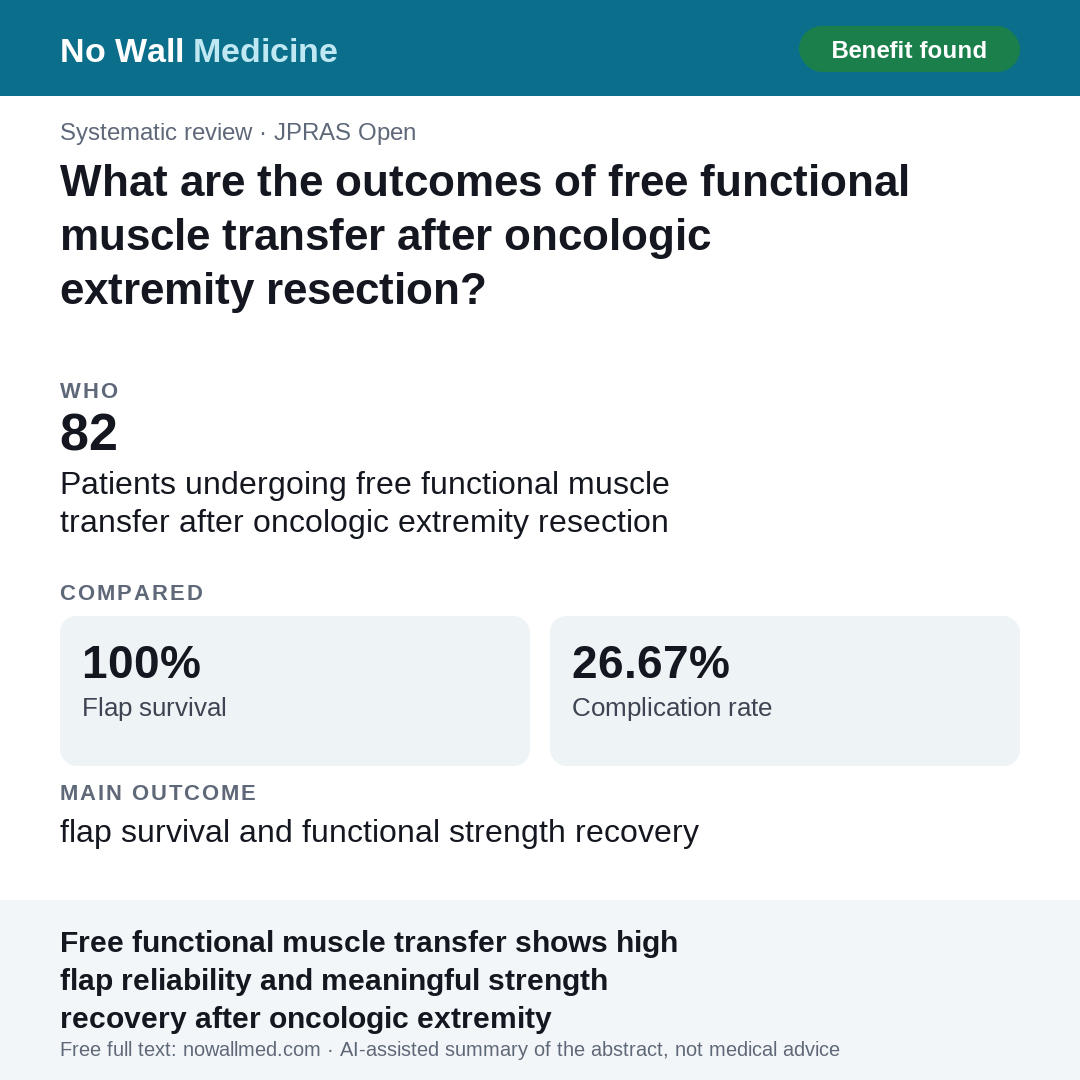
Free functional muscle transfer after oncologic extremity reconstruction: A systematic review
Systematic reviewBenefit found
What are the outcomes of free functional muscle transfer after oncologic extremity resection?
Who
82
Patients undergoing free functional muscle transfer after oncologic extremity resection
Compared
100%Flap survival (77/77)
26.67%Complication rate (16/60)
Main outcome
flap survival and functional strength recovery
Bottom line: Free functional muscle transfer shows high flap reliability and meaningful strength recovery after oncologic extremity resection.
Limitation: Small heterogeneous series and incomplete outcome reporting.
JPRAS Open · 2026-04-30Download image
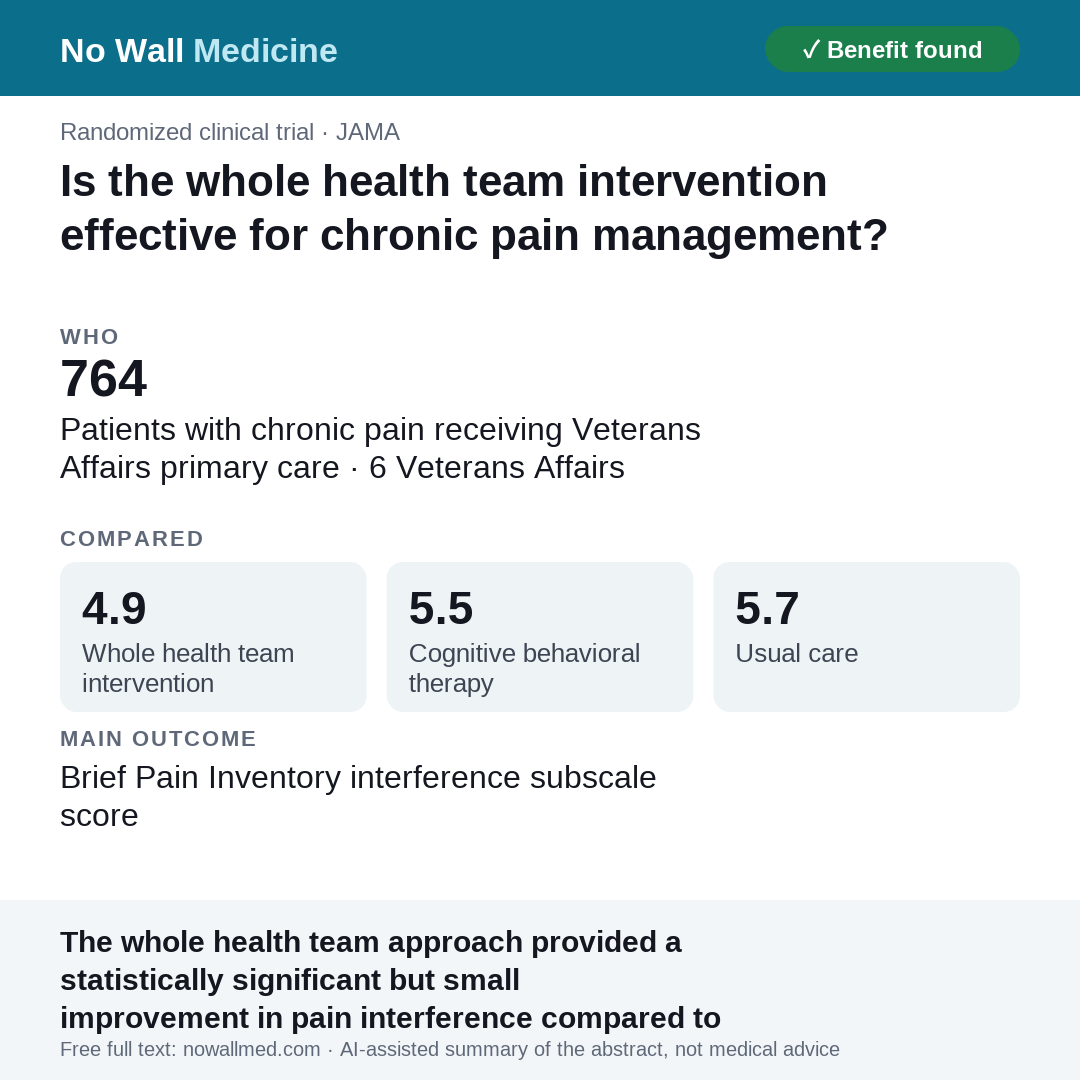
The Veterans Affairs' Whole Health Approach for Chronic Pain Management: The wHOPE Randomized Clinical Trial
Randomized clinical trialBenefit found
Is the whole health team intervention effective for chronic pain management?
Who
764
Patients with chronic pain receiving Veterans Affairs primary care · 6 Veterans Affairs health systems in the United States
Compared
4.9Whole health team intervention
5.5Cognitive behavioral therapy
5.7Usual care
Main outcome
Brief Pain Inventory interference subscale score
Result: mean difference -0.58 (97% CI -1.11 to -0.05) vs cognitive behavioral therapy
Bottom line: The whole health team approach provided a statistically significant but small improvement in pain interference compared to other treatments.
JAMA · 2026-04-29Download image