Visual abstracts
New randomized trials and meta-analyses from leading journals at a glance: who was studied, what was compared, and what was found. Every paper is free to read in full.
All specialtiesCardiology 4763Oncology 4043Gastroenterology & Hepatology 1903Infectious Disease 3756Neurology 1872Psychiatry & Mental Health 2216Pulmonology 2044Critical Care 1319Endocrinology & Diabetes 2544Pediatrics 2889Surgery 2480Orthopedics & Sports Medicine 917Neurosurgery 525Cardiothoracic & Vascular Surgery 656Plastic & Reconstructive Surgery 574Nephrology 1107Rheumatology 810Hematology 1090Dermatology 611Ophthalmology 532Obstetrics & Gynecology 1645Public & Global Health 1037Radiology & Imaging 619Anesthesiology 958Urology 745ENT (Otolaryngology) 494Emergency Medicine 481Allergy & Immunology 309Geriatrics 972Family Medicine & Primary Care 534Medical Genetics & Genomics 659Pathology & Laboratory Medicine 156Physical Medicine & Rehabilitation 734Palliative Care 421Nutrition 1560Digital Health & AI 2137General Medicine 318
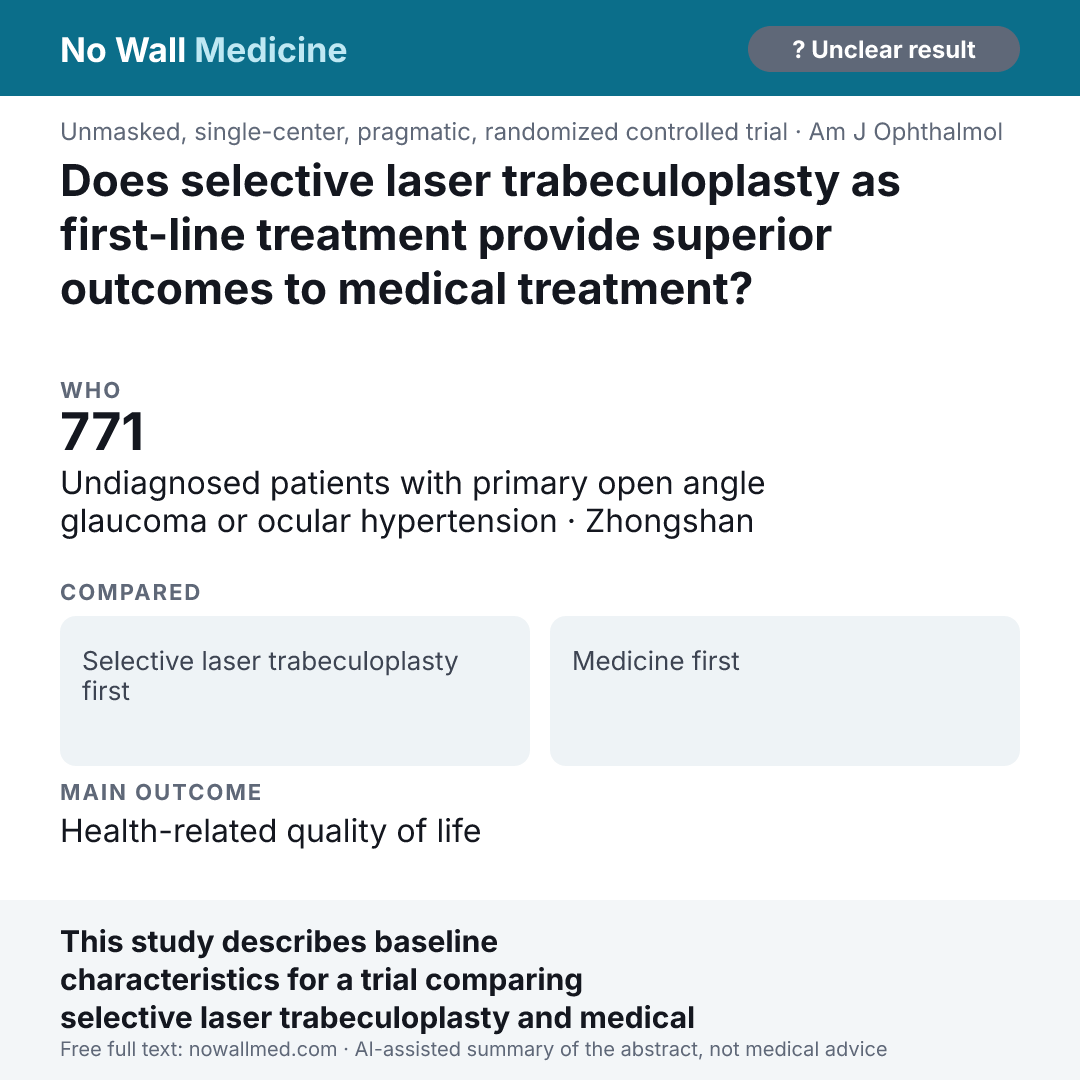
Laser in Glaucoma and Ocular Hypertension Trial (LIGHT) in China - A Randomized Controlled Trial: Design and Baseline Characteristics
Unmasked, single-center, pragmatic, randomized controlled trialUnclear result
Does selective laser trabeculoplasty as first-line treatment provide superior outcomes to medical treatment?
Who
771
Undiagnosed patients with primary open angle glaucoma or ocular hypertension · Zhongshan Ophthalmic Center, China
Compared
Selective laser trabeculoplasty first
Medicine first
Main outcome
Health-related quality of life
Bottom line: This study describes baseline characteristics for a trial comparing selective laser trabeculoplasty and medical treatment.
Am J Ophthalmol · 2021-05-02 · Save PNG
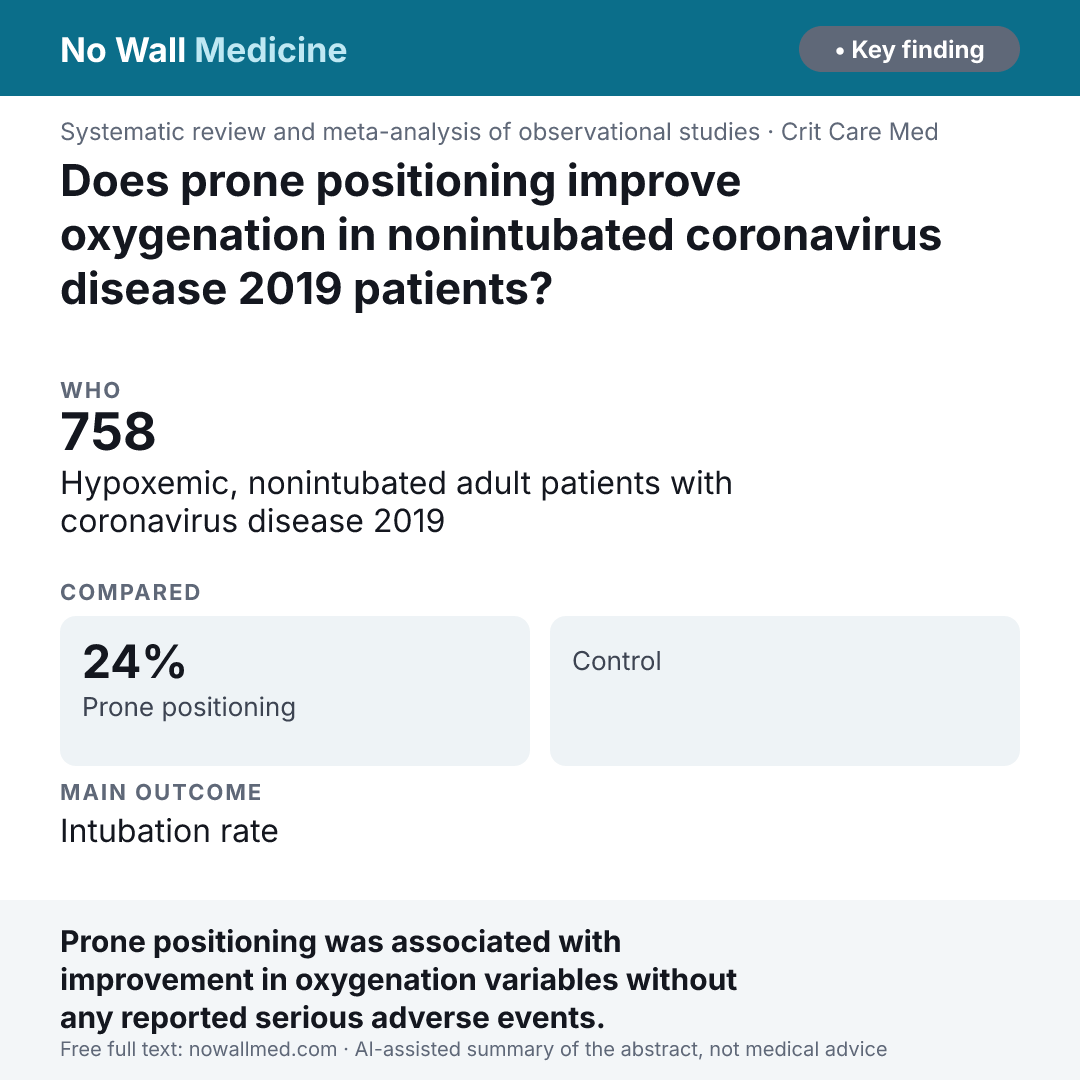
Prone Positioning of Nonintubated Patients With Coronavirus Disease 2019-A Systematic Review and Meta-Analysis
Systematic review and meta-analysis of observational studiesKey finding
Does prone positioning improve oxygenation in nonintubated coronavirus disease 2019 patients?
Who
758
Hypoxemic, nonintubated adult patients with coronavirus disease 2019
Compared
24%Prone positioning (95% CI, 17-32%)
Control
Main outcome
Intubation rate
Result: mean difference, 39; 95% CI, 25-54
Bottom line: Prone positioning was associated with improvement in oxygenation variables without any reported serious adverse events.
Limitation: Lack of controls and adjustments for confounders
Crit Care Med · 2021-05-01 · Save PNG
Global patterns in anaphylaxis due to specific foods: A systematic review
Systematic reviewMixed results
Global patterns in food anaphylaxis
Who
food-allergic consumers · 41 countries
Compared
cow's milk
crustaceans
peanut
Main outcome
food-induced anaphylaxis
Bottom line: Regional variations in anaphylaxis triggers found
JACI · 2021-05-01 · Save PNG

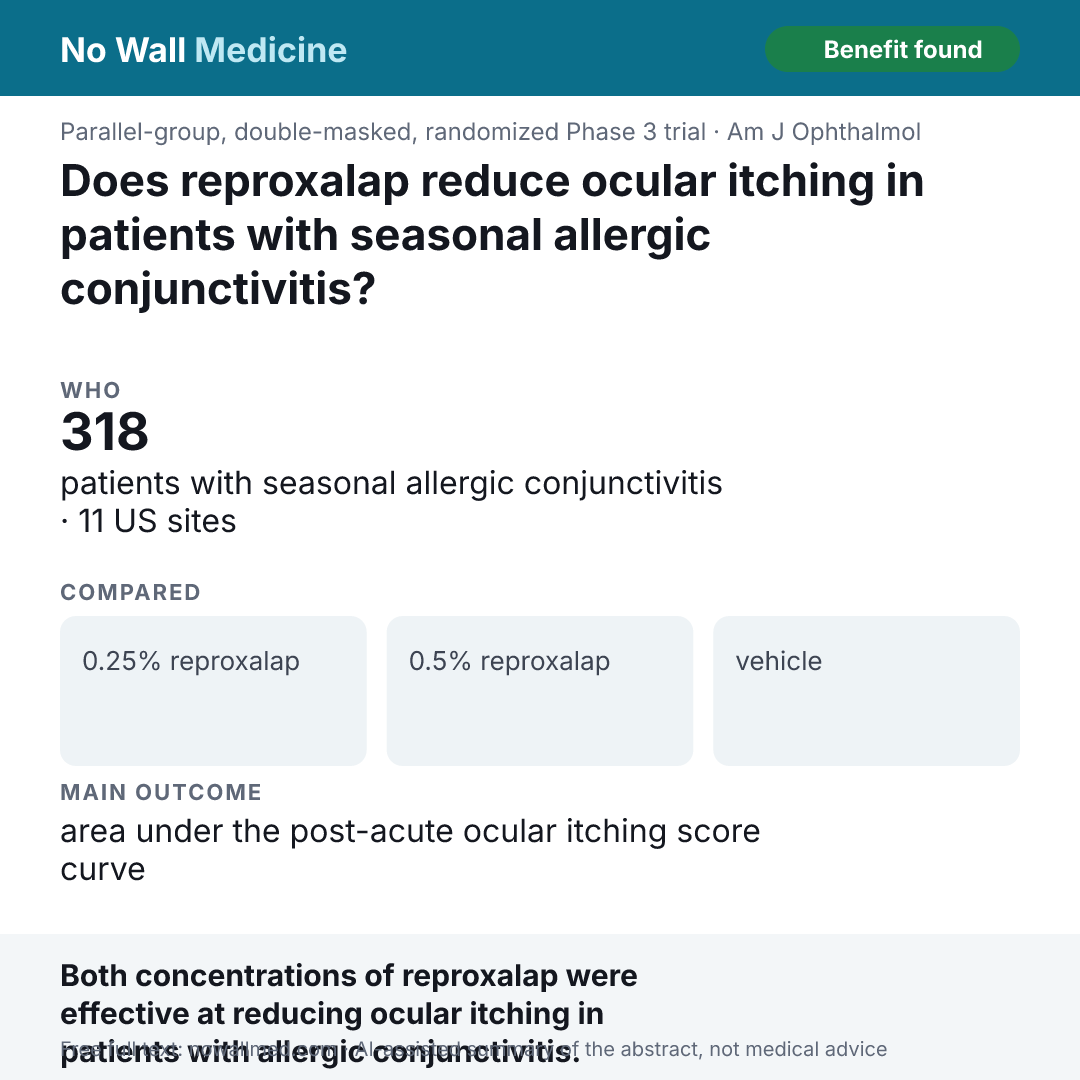
Clinically Relevant Activity of the Novel RASP Inhibitor Reproxalap in Allergic Conjunctivitis: The Phase 3 ALLEVIATE Trial
Parallel-group, double-masked, randomized Phase 3 trialBenefit found
Does reproxalap reduce ocular itching in patients with seasonal allergic conjunctivitis?
Who
318
patients with seasonal allergic conjunctivitis · 11 US sites
Compared
0.25% reproxalap
0.5% reproxalap
vehicle
Main outcome
area under the post-acute ocular itching score curve
Bottom line: Both concentrations of reproxalap were effective at reducing ocular itching in patients with allergic conjunctivitis.
Am J Ophthalmol · 2021-05-01 · Save PNG
Evidence for Above Cuff Vocalization in Patients With a Tracheostomy: A Systematic Review
Systematic reviewUnclear result
What is the effectiveness, safety, and acceptability of above cuff vocalization in tracheostomy patients?
Who
Patients with a tracheostomy
Compared
Above cuff vocalization
Control
Main outcome
Effectiveness, safety, and acceptability of above cuff vocalization
Bottom line: There is limited evidence regarding the effectiveness, safety, or optimal implementation of above cuff vocalization in tracheostomy patients.
Limitation: Low study quality, high risk of bias, and high heterogeneity in study design and outcome measures.
Laryngoscope · 2021-05-01 · Save PNG

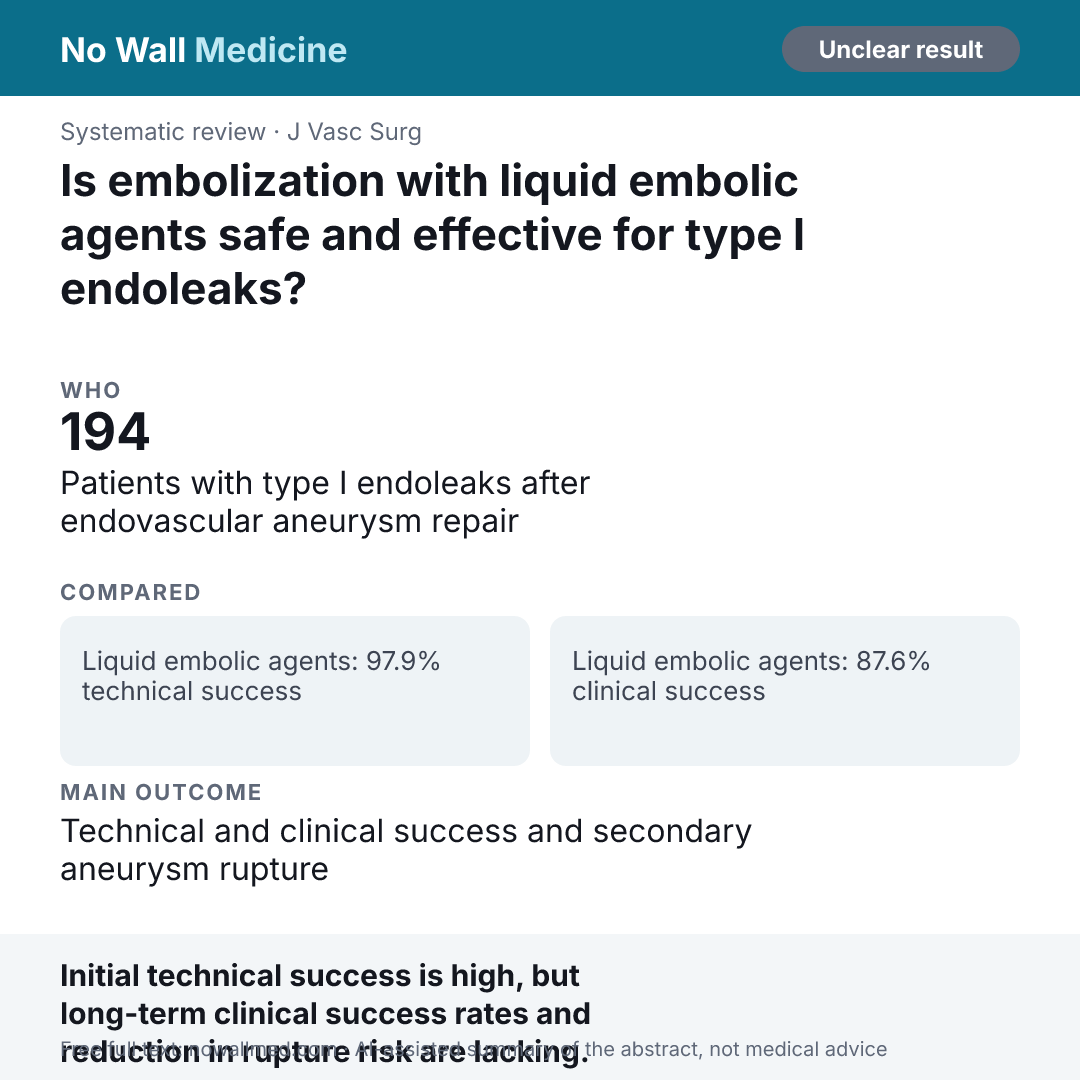
Systematic review of embolization of type I endoleaks using liquid embolic agents
Systematic reviewUnclear result
Is embolization with liquid embolic agents safe and effective for type I endoleaks?
Who
194
Patients with type I endoleaks after endovascular aneurysm repair
Compared
Liquid embolic agents: 97.9% technical success
Liquid embolic agents: 87.6% clinical success
Main outcome
Technical and clinical success and secondary aneurysm rupture
Bottom line: Initial technical success is high, but long-term clinical success rates and reduction in rupture risk are lacking.
Limitation: Median follow-up was only 13.0 months, so long-term success data are almost absent.
J Vasc Surg · 2021-05-01 · Save PNG
Telehealth use in emergency care during coronavirus disease 2019: a systematic review
Systematic reviewUnclear result
Telehealth use in emergency care
Who
Emergency department patients
Compared
Telehealth
Traditional care
Main outcome
Emergency care delivery
Bottom line: Telehealth enabled innovation in emergency care
JACEP Open · 2021-05-01 · Save PNG

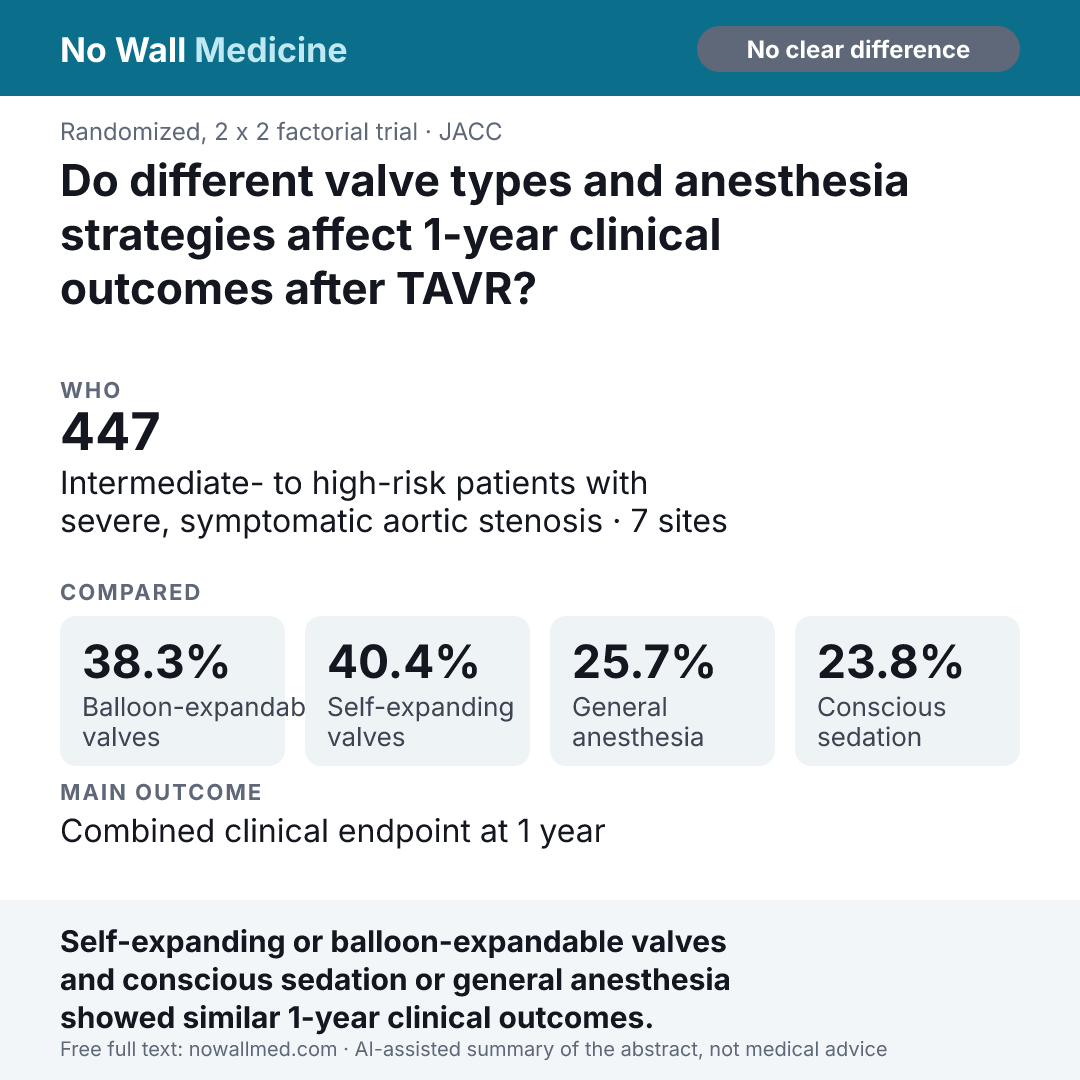
Impact of Anesthesia Strategy and Valve Type on Clinical Outcomes After Transcatheter Aortic Valve Replacement
Randomized, 2 x 2 factorial trialNo clear difference
Do different valve types and anesthesia strategies affect 1-year clinical outcomes after TAVR?
Who
447
Intermediate- to high-risk patients with severe, symptomatic aortic stenosis · 7 sites
Compared
38.3%Balloon-expandable valves (n = 84)
40.4%Self-expanding valves (n = 87)
25.7%General anesthesia (n = 61)
23.8%Conscious sedation (n = 54)
Main outcome
Combined clinical endpoint at 1 year
Result: hazard ratio 0.94 (95% CI 0.70 to 1.26); hazard ratio 1.09 (95% CI 0.76 to 1.57)
Bottom line: Self-expanding or balloon-expandable valves and conscious sedation or general anesthesia showed similar 1-year clinical outcomes.
JACC · 2021-04-30 · Save PNG
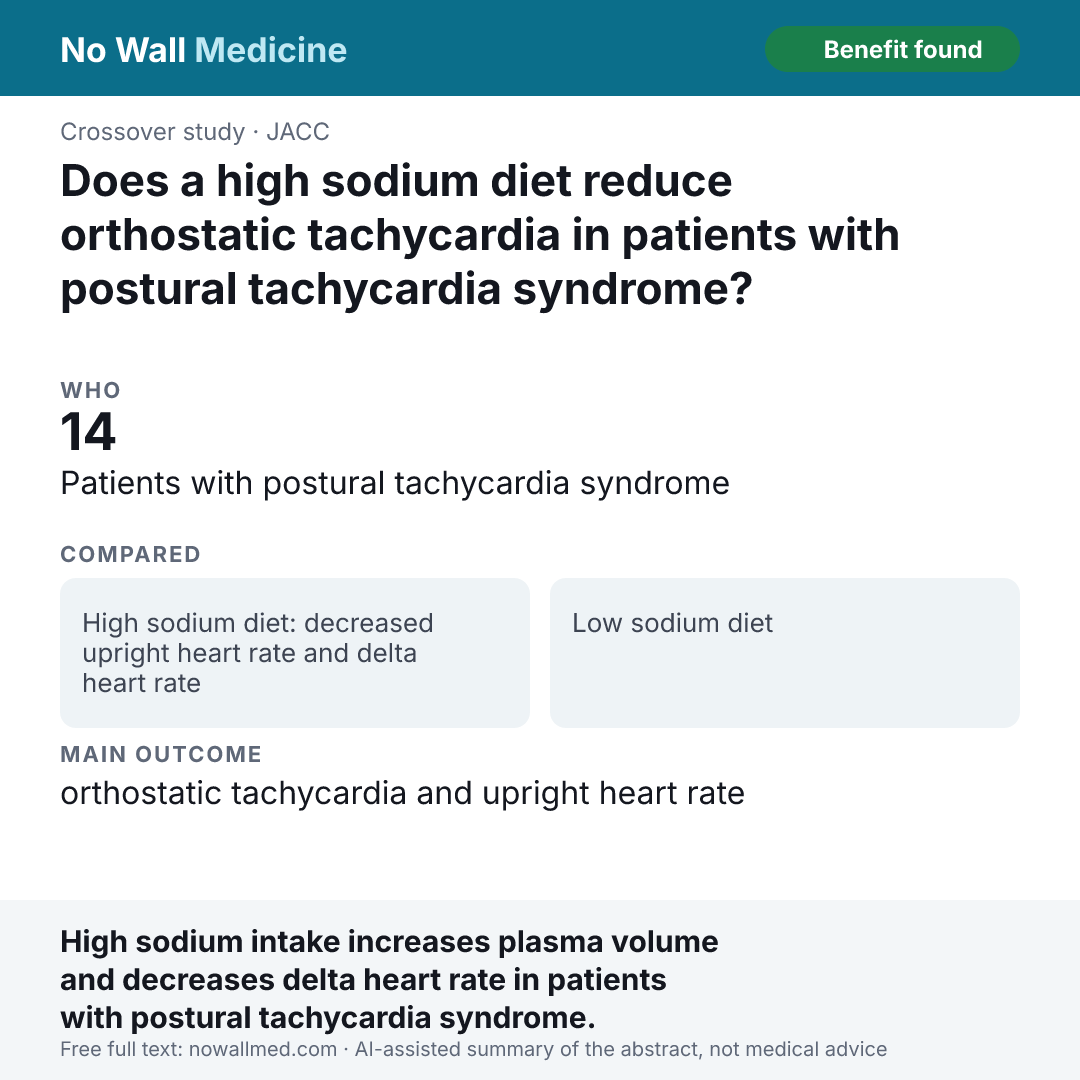
Effect of High Dietary Sodium Intake in Patients With Postural Tachycardia Syndrome
Crossover studyBenefit found
Does a high sodium diet reduce orthostatic tachycardia in patients with postural tachycardia syndrome?
Who
14
Patients with postural tachycardia syndrome
Compared
High sodium diet: decreased upright heart rate and delta heart rate
Low sodium diet
Main outcome
orthostatic tachycardia and upright heart rate
Bottom line: High sodium intake increases plasma volume and decreases delta heart rate in patients with postural tachycardia syndrome.
JACC · 2021-04-30 · Save PNG
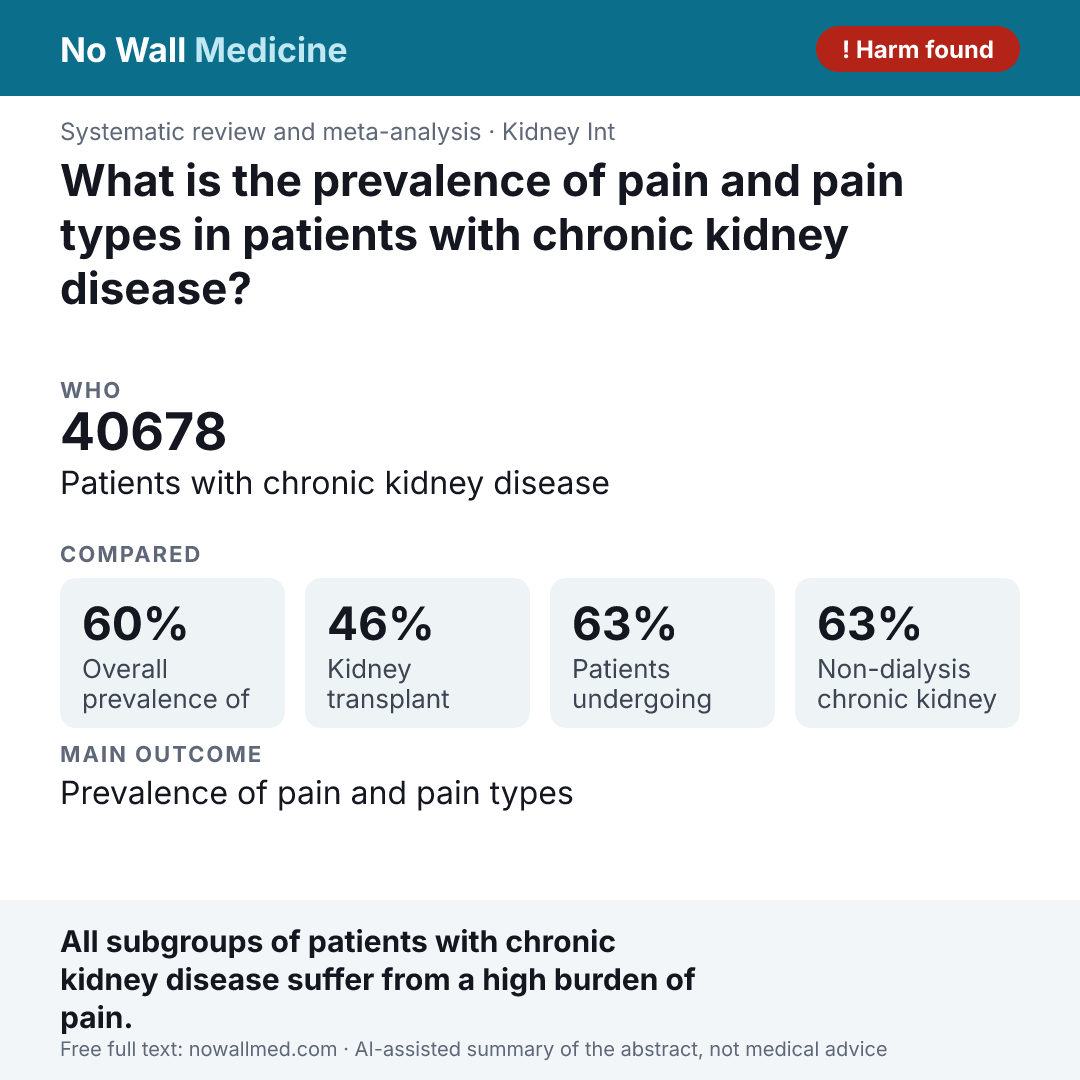
The prevalence of pain among patients with chronic kidney disease using systematic review and meta-analysis
Systematic review and meta-analysisHarm found
What is the prevalence of pain and pain types in patients with chronic kidney disease?
Who
40678
Patients with chronic kidney disease
Compared
60%Overall prevalence of pain (95% confidence interval 56-64)
46%Kidney transplant recipients (37-56)
63%Patients undergoing dialysis (57-68)
63%Non-dialysis chronic kidney disease (55-70)
Main outcome
Prevalence of pain and pain types
Bottom line: All subgroups of patients with chronic kidney disease suffer from a high burden of pain.
Kidney Int · 2021-04-30 · Save PNG
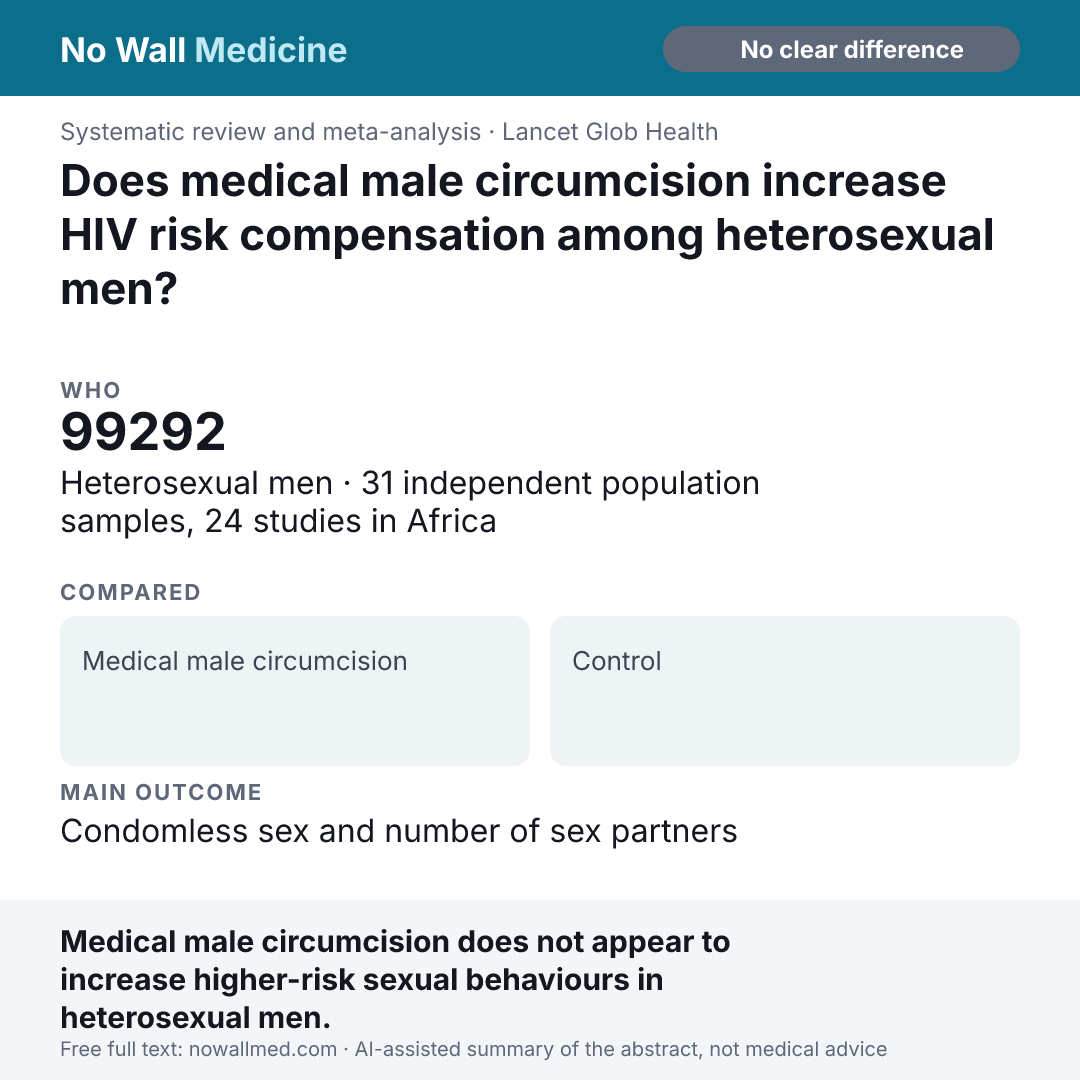
Association between medical male circumcision and HIV risk compensation among heterosexual men: a systematic review and meta-analysis
Systematic review and meta-analysisNo clear difference
Does medical male circumcision increase HIV risk compensation among heterosexual men?
Who
99292
Heterosexual men · 31 independent population samples, 24 studies in Africa
Compared
Medical male circumcision
Control
Main outcome
Condomless sex and number of sex partners
Result: odds ratio 0.91 (95% CI 0.80-1.05) for condomless sex; 1.02 (95% CI 0.88-1.18) for multiple sex partners
Bottom line: Medical male circumcision does not appear to increase higher-risk sexual behaviours in heterosexual men.
Funded by: National Science and Technology Major Project of China
Lancet Glob Health · 2021-04-30 · Save PNG
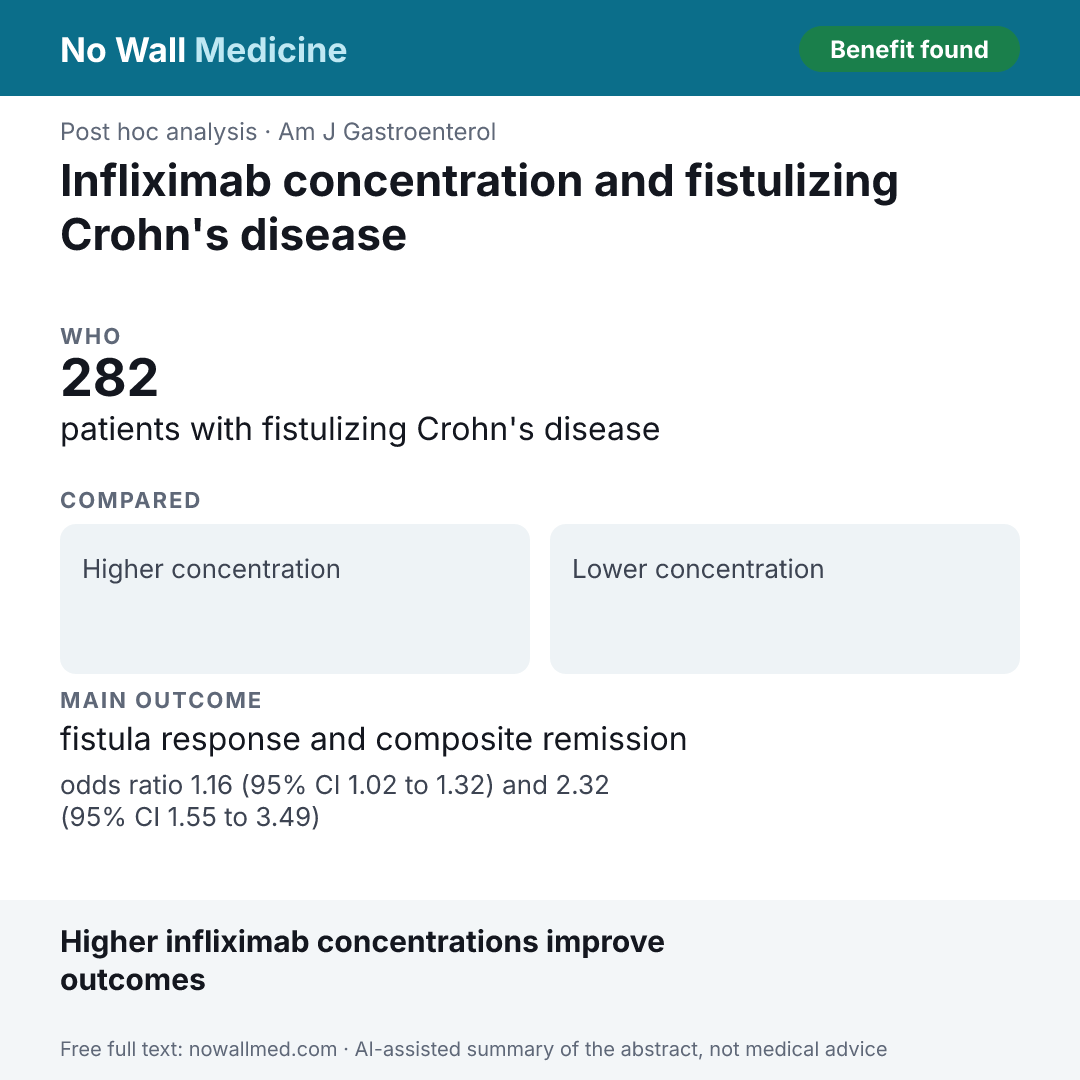
Higher Postinduction Infliximab Concentrations Are Associated With Improved Clinical Outcomes in Fistulizing Crohn's Disease: An ACCENT-II Post Hoc Analysis
Post hoc analysisBenefit found
Infliximab concentration and fistulizing Crohn's disease
Who
282
patients with fistulizing Crohn's disease
Compared
Higher concentration
Lower concentration
Main outcome
fistula response and composite remission
Result: odds ratio 1.16 (95% CI 1.02 to 1.32) and 2.32 (95% CI 1.55 to 3.49)
Bottom line: Higher infliximab concentrations improve outcomes
Am J Gastroenterol · 2021-04-30 · Save PNG
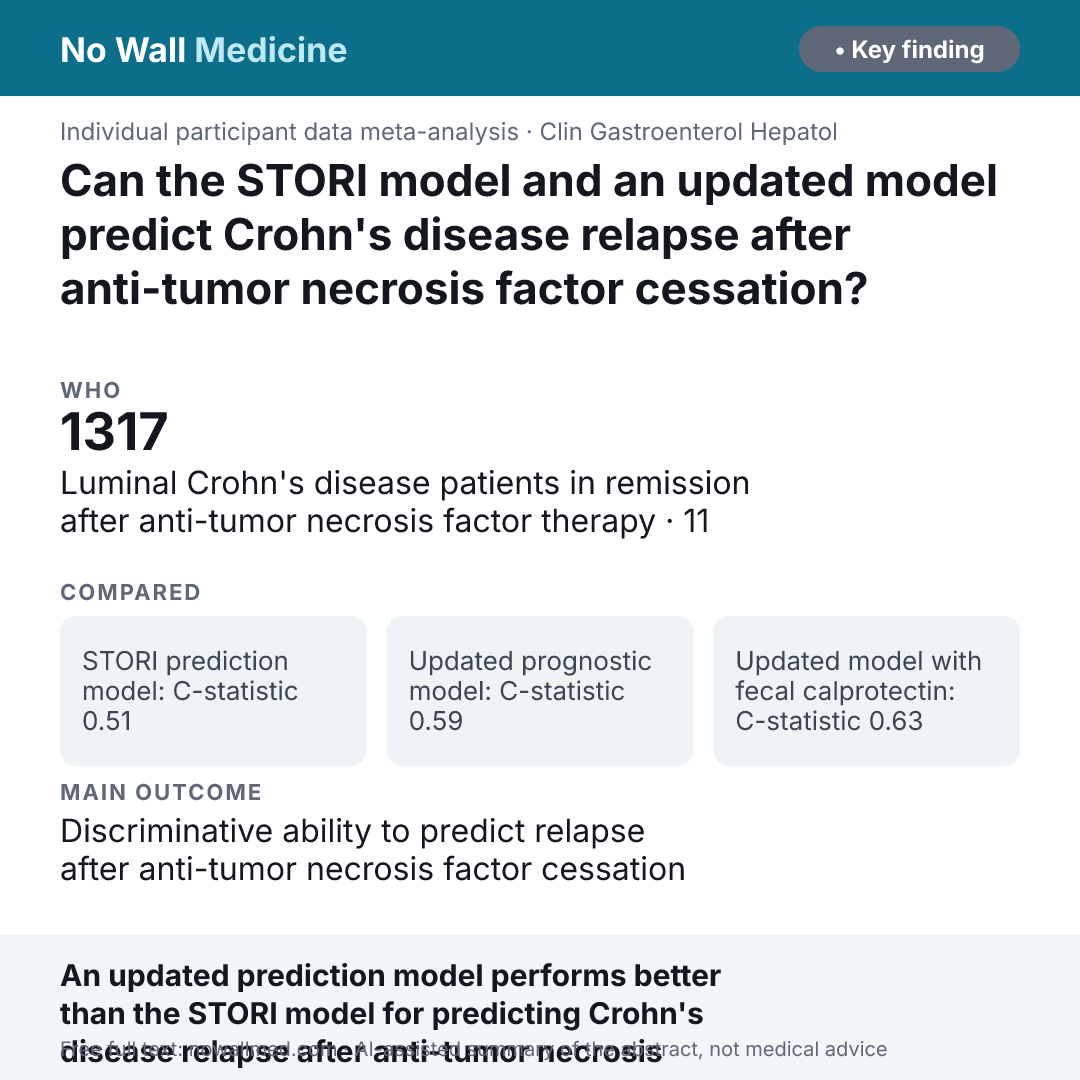
Prediction of Relapse After Anti-Tumor Necrosis Factor Cessation in Crohn's Disease: Individual Participant Data Meta-analysis of 1317 Patients From 14 Studies
Individual participant data meta-analysisKey finding
Can the STORI model and an updated model predict Crohn's disease relapse after anti-tumor necrosis factor cessation?
Who
1317
Luminal Crohn's disease patients in remission after anti-tumor necrosis factor therapy · 11 countries
Compared
STORI prediction model: C-statistic 0.51
Updated prognostic model: C-statistic 0.59
Updated model with fecal calprotectin: C-statistic 0.63
Main outcome
Discriminative ability to predict relapse after anti-tumor necrosis factor cessation
Bottom line: An updated prediction model performs better than the STORI model for predicting Crohn's disease relapse after anti-tumor necrosis factor cessation.
Clin Gastroenterol Hepatol · 2021-04-30 · Save PNG
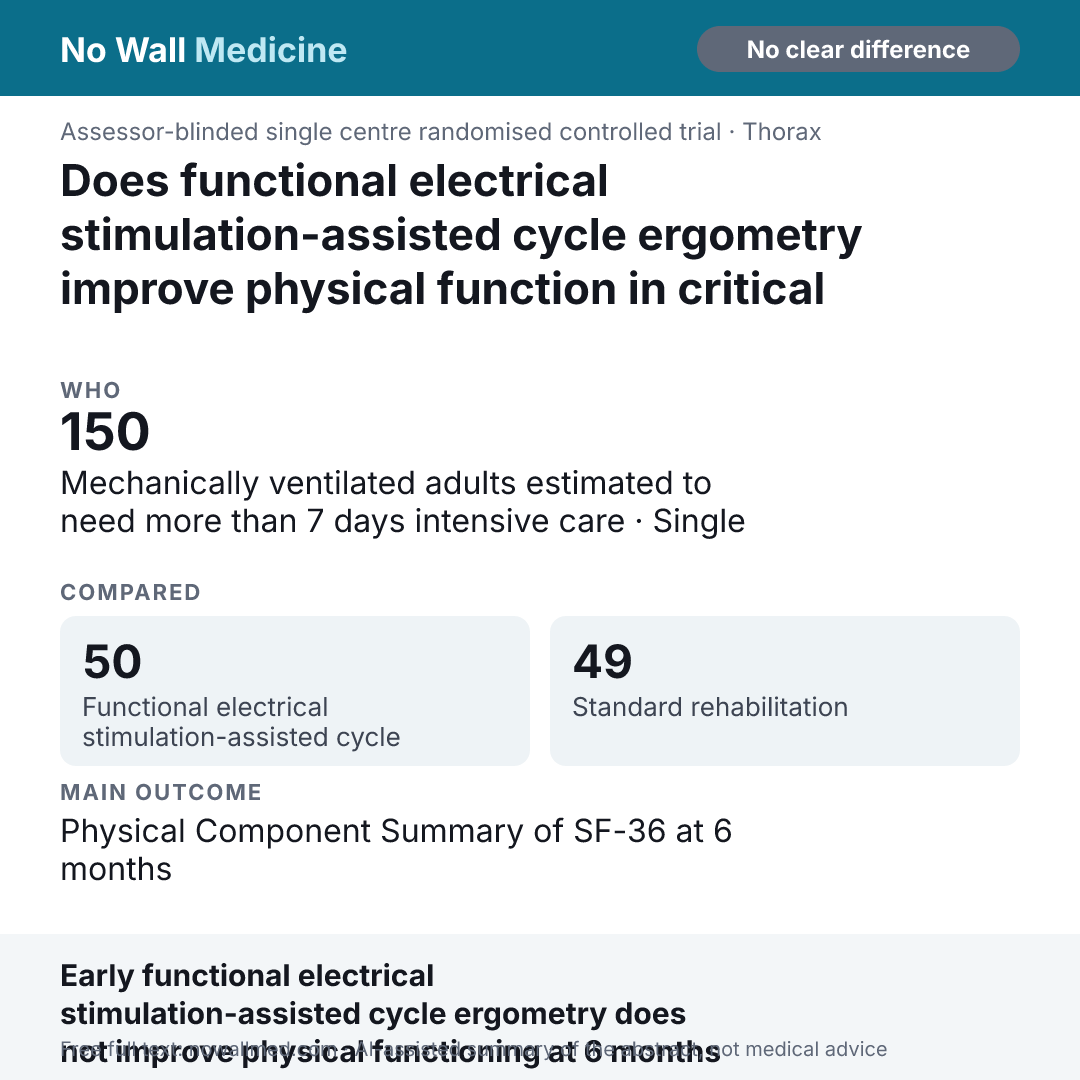
Functional electrical stimulation-assisted cycle ergometry-based progressive mobility programme for mechanically ventilated patients: randomised controlled trial with 6 months follow-up
Assessor-blinded single centre randomised controlled trialNo clear difference
Does functional electrical stimulation-assisted cycle ergometry improve physical function in critical care survivors?
Who
150
Mechanically ventilated adults estimated to need more than 7 days intensive care · Single centre
Compared
50Functional electrical stimulation-assisted cycle ergometry (IQR 21-69)
49Standard rehabilitation (IQR 26-77)
Main outcome
Physical Component Summary of SF-36 at 6 months
Bottom line: Early functional electrical stimulation-assisted cycle ergometry does not improve physical functioning at 6 months in survivors.
Thorax · 2021-04-30 · Save PNG
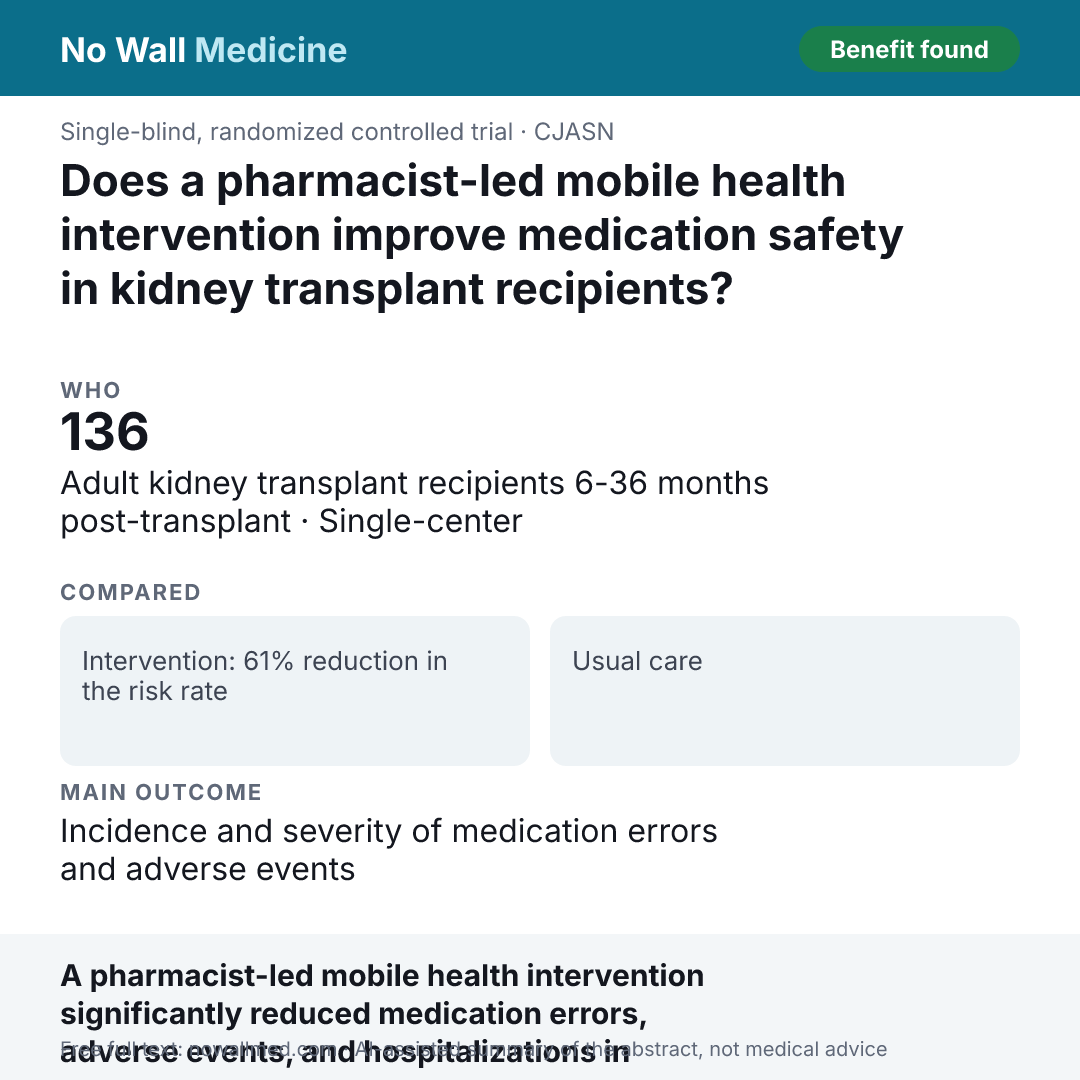
Pharmacist-Led Mobile Health Intervention and Transplant Medication Safety: A Randomized Controlled Clinical Trial
Single-blind, randomized controlled trialBenefit found
Does a pharmacist-led mobile health intervention improve medication safety in kidney transplant recipients?
Who
136
Adult kidney transplant recipients 6-36 months post-transplant · Single-center
Compared
Intervention: 61% reduction in the risk rate
Usual care
Main outcome
Incidence and severity of medication errors and adverse events
Result: incident risk ratio 0.39 (95% confidence interval, 0.28 to 0.55)
Bottom line: A pharmacist-led mobile health intervention significantly reduced medication errors, adverse events, and hospitalizations in kidney transplant recipients.
CJASN · 2021-04-30 · Save PNG
Prognostic significance of genome-wide DNA methylation profiles within the randomized, phase 3, EORTC CATNON trial on non-1p/19q deleted anaplastic glioma
Randomized trialUnclear result
Prognostic factors in anaplastic glioma
Who
751
Adult patients with anaplastic glioma
Compared
IDH1/2mt
Radiotherapy +/- temozolomide
Main outcome
Overall survival
Bottom line: Molecular factors predict outcome
Neuro Oncol · 2021-04-30 · Save PNG

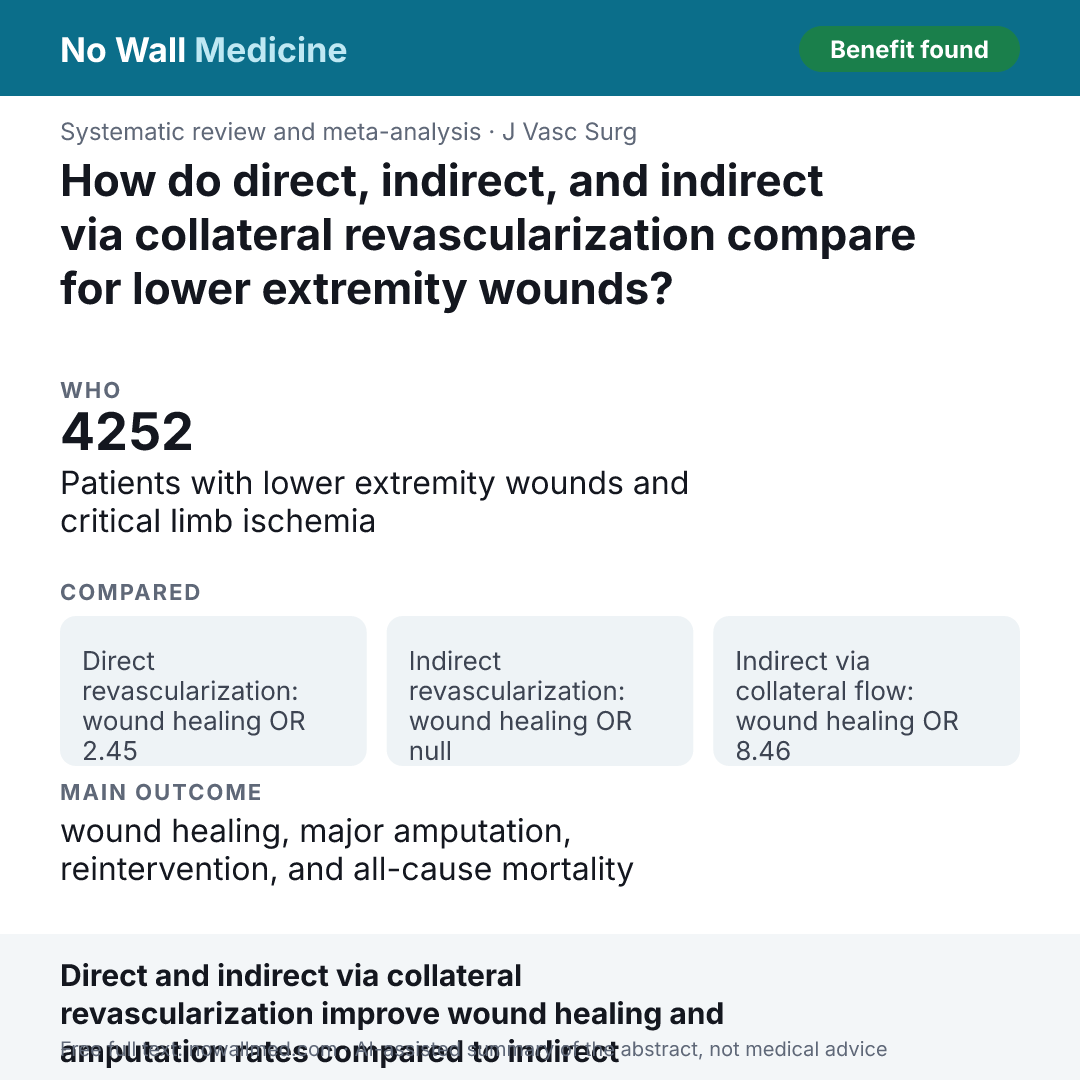
A systematic review and meta-analysis of endovascular angiosomal revascularization in the setting of collateral vessels
Systematic review and meta-analysisBenefit found
How do direct, indirect, and indirect via collateral revascularization compare for lower extremity wounds?
Who
4252
Patients with lower extremity wounds and critical limb ischemia
Compared
Direct revascularization: wound healing OR 2.45
Indirect revascularization: wound healing OR null
Indirect via collateral flow: wound healing OR 8.46
Main outcome
wound healing, major amputation, reintervention, and all-cause mortality
Result: wound healing OR 2.45 (DR vs IR) and OR 8.46 (IRc vs IR)
Bottom line: Direct and indirect via collateral revascularization improve wound healing and amputation rates compared to indirect revascularization.
Limitation: Small sample size of collateral flow limbs, retrospective studies, and variability in outcome definitions.
J Vasc Surg · 2021-04-30 · Save PNG
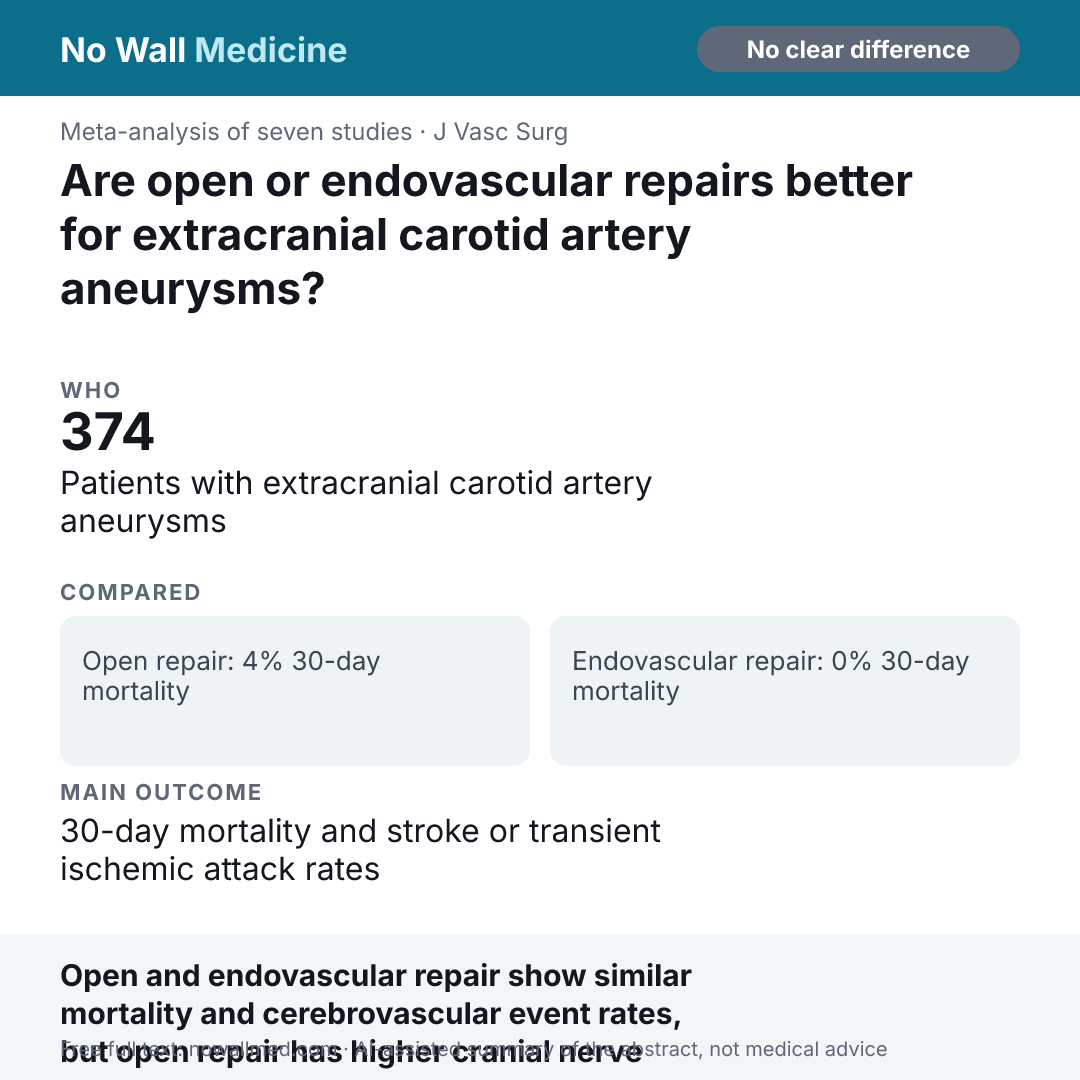
Open versus endovascular repair for extracranial carotid aneurysms
Meta-analysis of seven studiesNo clear difference
Are open or endovascular repairs better for extracranial carotid artery aneurysms?
Who
374
Patients with extracranial carotid artery aneurysms
Compared
Open repair: 4% 30-day mortality
Endovascular repair: 0% 30-day mortality
Main outcome
30-day mortality and stroke or transient ischemic attack rates
Result: pooled odds ratio 2.67 (95% confidence interval 0.291-24.451)
Bottom line: Open and endovascular repair show similar mortality and cerebrovascular event rates, but open repair has higher cranial nerve injury risk.
Limitation: More studies are needed with standardized follow-up durations to evaluate late outcomes.
J Vasc Surg · 2021-04-30 · Save PNG
Decision Making of Artificial Nutrition and Hydration for Cancer Patients at Terminal Stage-A Systematic Review of the Views From Patients, Families, and Healthcare Professionals
Systematic reviewMixed results
What are the views on decision making for artificial nutrition and hydration in terminal cancer?
Who
Patients, families, and healthcare professionals of terminal stage cancer patients
Compared
Patients: voices were influential, but not determinative
Families: usually had influence, but seldom make the final recommendation
Healthcare professionals: frequently face the dilemma about their decision
Main outcome
Views on decision making for artificial nutrition and hydration
Bottom line: Decision making is dynamic and involves complex interactions between patients, families, and healthcare professionals.
J Pain Symptom Manage · 2021-04-30 · Save PNG

A Systematic Review of Measures of Breakthrough Pain and Their Psychometric Properties
Systematic reviewMixed results
What tools assess breakthrough pain and what are their psychometric properties?
Who
Patients of any age with any condition
Compared
Breakthrough Pain Assessment Tool: sufficient content validity and at least low-quality evidence for sufficient internal consistency
Other tools: need further evaluation
Main outcome
Psychometric properties of breakthrough pain measurement tools
Bottom line: Only the Breakthrough Pain Assessment Tool showed sufficient content validity and internal consistency for adults with cancer.
J Pain Symptom Manage · 2021-04-30 · Save PNG