Visual abstracts
New randomized trials and meta-analyses from leading journals at a glance: who was studied, what was compared, and what was found. Every paper is free to read in full.
All specialtiesCardiology 4877Oncology 4138Gastroenterology & Hepatology 1942Infectious Disease 3837Neurology 1905Psychiatry & Mental Health 2273Pulmonology 2143Critical Care 1365Endocrinology & Diabetes 2580Pediatrics 2980Surgery 2559Orthopedics & Sports Medicine 931Neurosurgery 537Cardiothoracic & Vascular Surgery 674Plastic & Reconstructive Surgery 591Nephrology 1133Rheumatology 823Hematology 1109Dermatology 621Ophthalmology 543Obstetrics & Gynecology 1686Public & Global Health 1058Radiology & Imaging 648Anesthesiology 986Urology 764ENT (Otolaryngology) 503Emergency Medicine 511Allergy & Immunology 313Geriatrics 981Family Medicine & Primary Care 562Medical Genetics & Genomics 676Pathology & Laboratory Medicine 159Physical Medicine & Rehabilitation 757Palliative Care 444Nutrition 1588Digital Health & AI 2201General Medicine 321
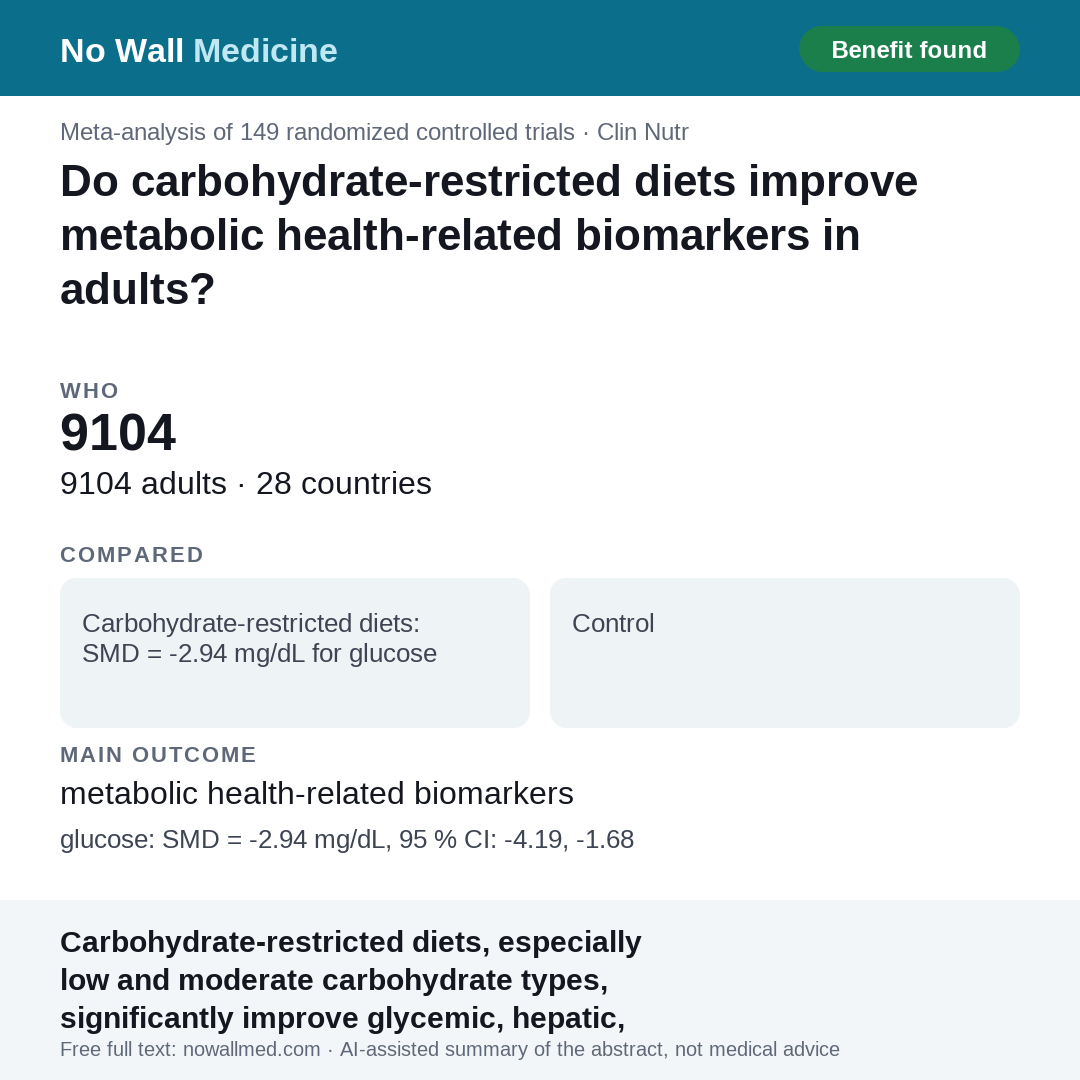
Carbohydrate-restricted diet types and macronutrient replacements for metabolic health in adults: A meta-analysis of randomized trials
Meta-analysis of 149 randomized controlled trialsBenefit found
Do carbohydrate-restricted diets improve metabolic health-related biomarkers in adults?
Who
9104
9104 adults · 28 countries
Compared
Carbohydrate-restricted diets: SMD = -2.94 mg/dL for glucose
Control
Main outcome
metabolic health-related biomarkers
Result: glucose: SMD = -2.94 mg/dL, 95 % CI: -4.19, -1.68
Bottom line: Carbohydrate-restricted diets, especially low and moderate carbohydrate types, significantly improve glycemic, hepatic, renal, and adipokine biomarkers.
Clin Nutr · 2025-09-13Download image
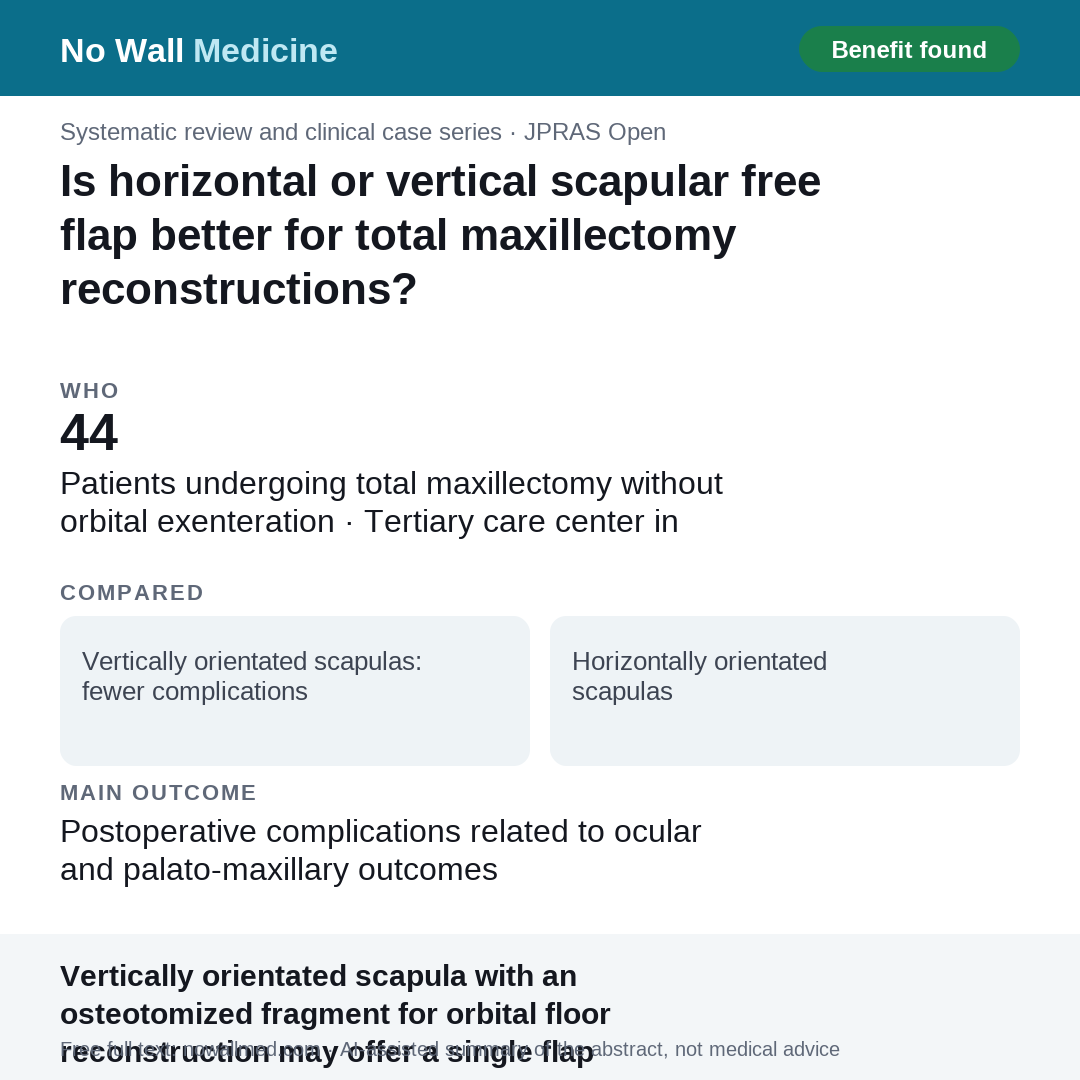
Horizontal versus vertical scapular free flap reconstructions in total maxillectomies without orbital exenteration-A systematic review and clinical case series
Systematic review and clinical case seriesBenefit found
Is horizontal or vertical scapular free flap better for total maxillectomy reconstructions?
Who
44
Patients undergoing total maxillectomy without orbital exenteration · Tertiary care center in Sweden
Compared
Vertically orientated scapulas: fewer complications
Horizontally orientated scapulas
Main outcome
Postoperative complications related to ocular and palato-maxillary outcomes
Result: p = 0.04
Bottom line: Vertically orientated scapula with an osteotomized fragment for orbital floor reconstruction may offer a single flap solution.
Limitation: No universally optimal technique exists for reconstructing the total maxillectomy without orbital exenteration.
JPRAS Open · 2025-09-13Download image
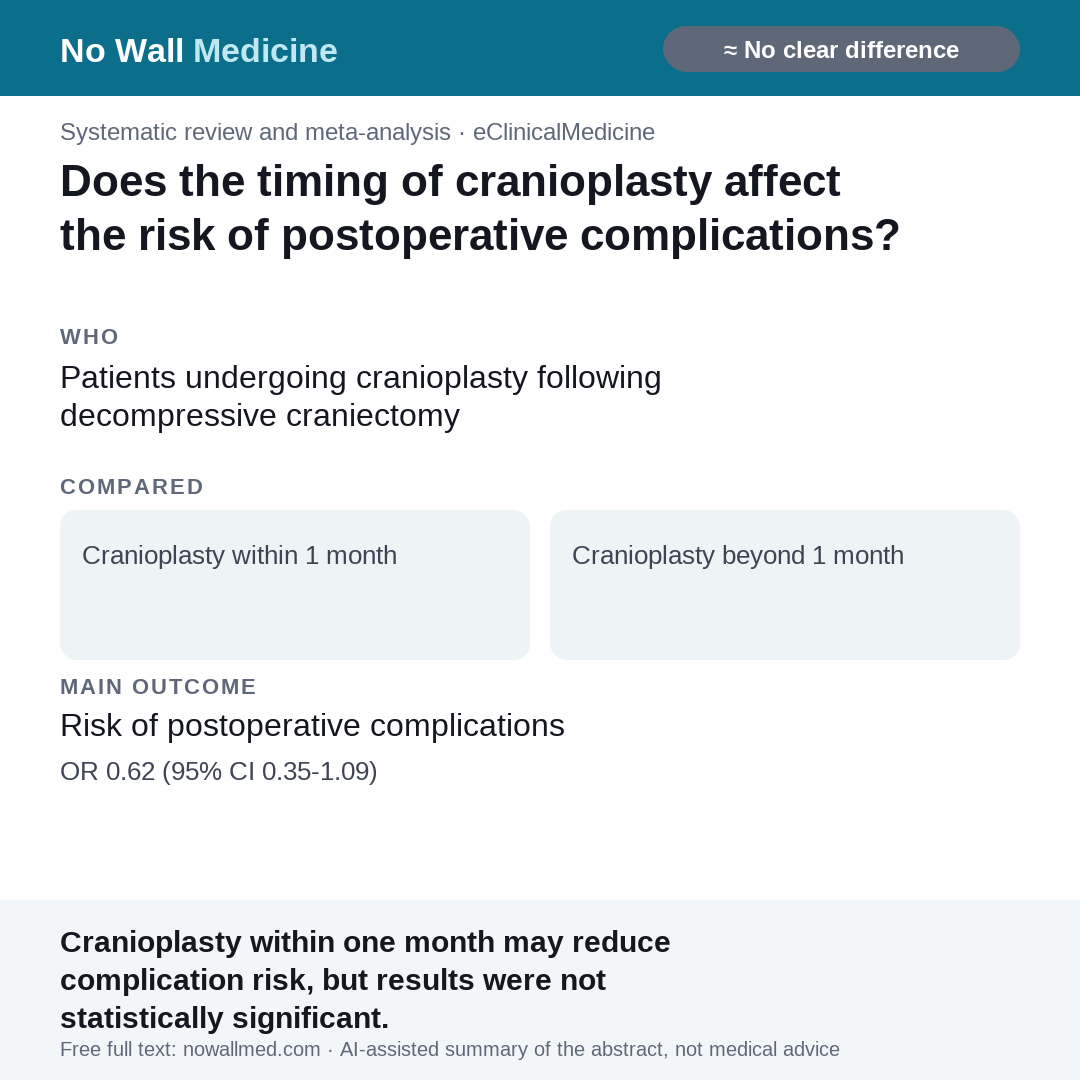
The timing of cranioplasty and the risk of postoperative complications: a systematic review and meta-analysis
Systematic review and meta-analysisNo clear difference
Does the timing of cranioplasty affect the risk of postoperative complications?
Who
Patients undergoing cranioplasty following decompressive craniectomy
Compared
Cranioplasty within 1 month
Cranioplasty beyond 1 month
Main outcome
Risk of postoperative complications
Result: OR 0.62 (95% CI 0.35-1.09)
Bottom line: Cranioplasty within one month may reduce complication risk, but results were not statistically significant.
Funded by: President Foundation of ZhuJiang Hospital and others
eClinicalMedicine · 2025-09-12Download image
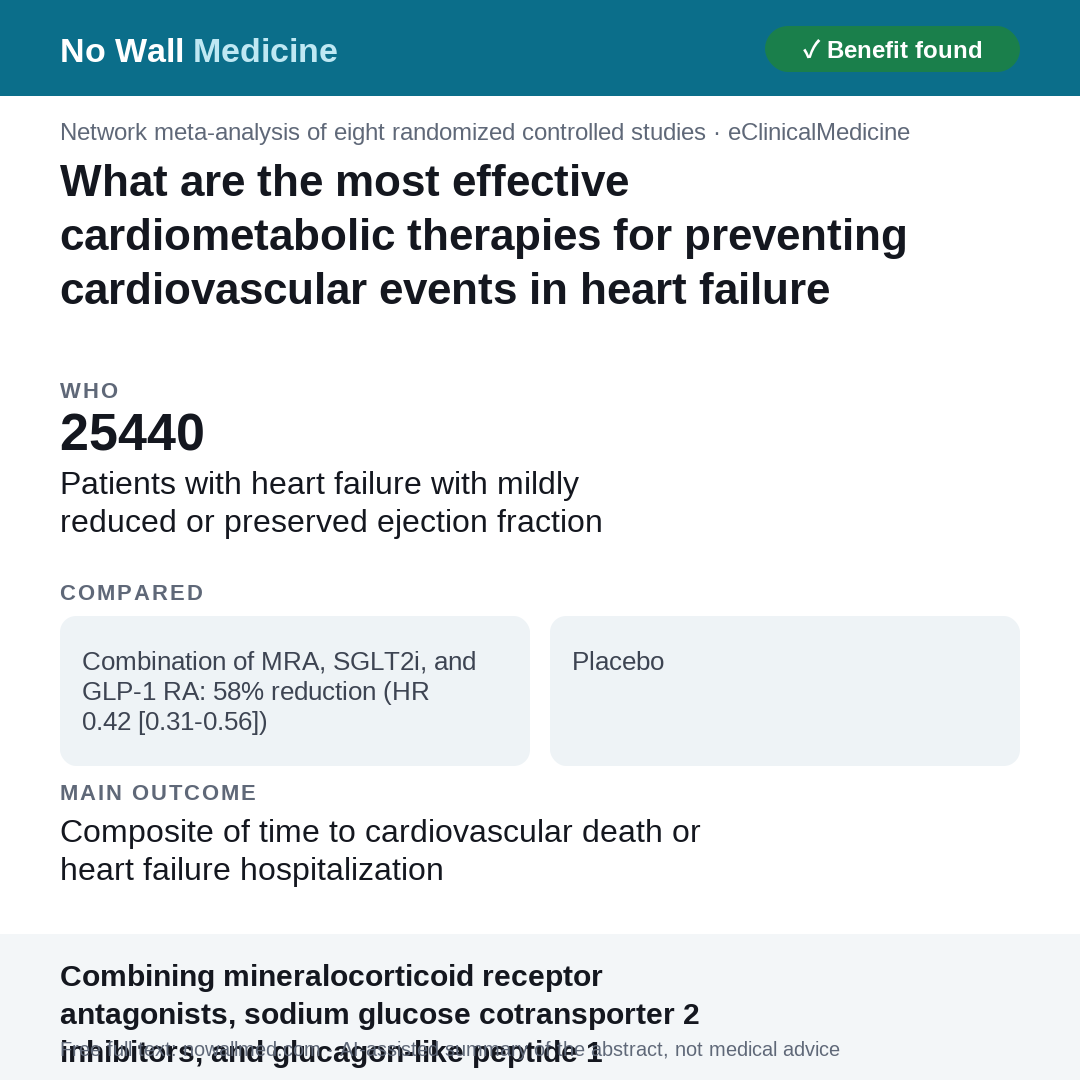
Prevention of cardiovascular events in heart failure with mildly reduced or preserved ejection fraction: a comprehensive network meta-analysis of eight randomized controlled trials using reconstructed individual patient's data
Network meta-analysis of eight randomized controlled trialsBenefit found
What are the most effective cardiometabolic therapies for preventing cardiovascular events in heart failure patients?
Who
25440
Patients with heart failure with mildly reduced or preserved ejection fraction
Compared
Combination of MRA, SGLT2i, and GLP-1 RA: 58% reduction (HR 0.42 [0.31-0.56])
Placebo
Main outcome
Composite of time to cardiovascular death or heart failure hospitalization
Result: hazard ratio 0.42 (95% CI 0.31 to 0.56)
Bottom line: Combining mineralocorticoid receptor antagonists, sodium glucose cotransporter 2 inhibitors, and glucagon-like peptide 1 receptor agonists reduces cardiovascular events.
Limitation: Large-scale randomized combination therapies with extended follow-up are needed to confirm these findings.
eClinicalMedicine · 2025-09-12Download image
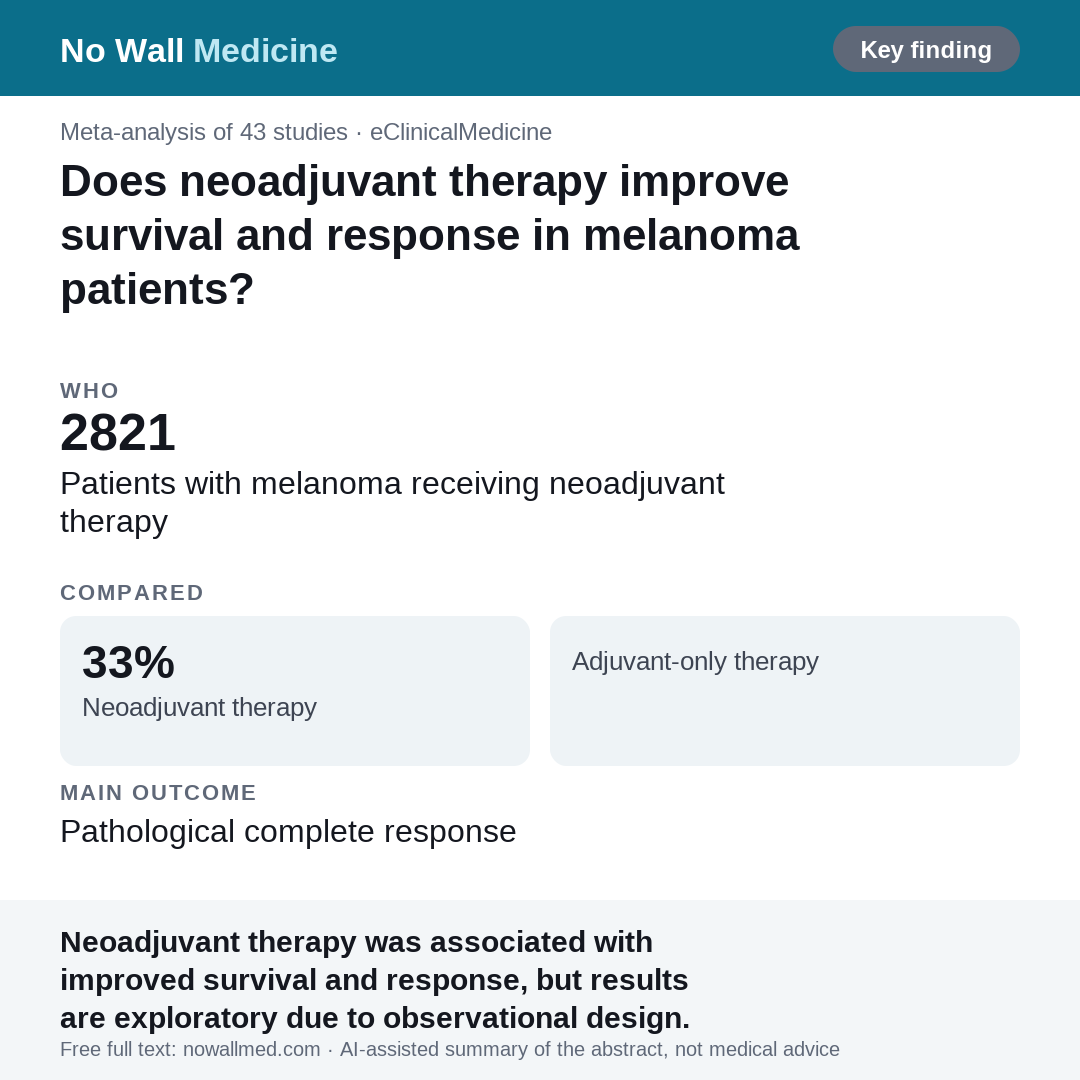
Effect of neoadjuvant therapy on survival outcomes in patients with melanoma: a systematic review and meta-analysis
Systematic review and meta-analysisBenefit found
What are the efficacy and safety of neoadjuvant therapy in melanoma patients?
Who
2821
Patients with melanoma receiving neoadjuvant therapy
Compared
Neoadjuvant therapy
Adjuvant-only therapy
Main outcome
Pathological complete response, radiological complete response, survival, and adverse events
Result: hazard ratio 0.58 (95% CI 0.39-0.87) for progression-free survival; hazard ratio 0.64 (95% CI 0.41-0.99) for overall survival
Bottom line: Neoadjuvant therapy shows promising survival benefits and favorable complete response rates compared to adjuvant-only therapy in melanoma.
Limitation: The majority of included studies are single-arm or observational studies.
eClinicalMedicine · 2025-09-12Download image
Effectiveness and safety of assisted vaginal birth and second-stage cesarean section: a systematic review and meta-analysis of real-world contemporary data
Systematic review and meta-analysisBenefit found
What are the effectiveness and safety of assisted vaginal birth and second-stage cesarean section?
Who
751,242
Women undergoing operative procedures in the second stage of labor
Compared
Assisted vaginal birth
Second-stage cesarean section: 17.18% neonatal intensive care unit admission
Main outcome
Effectiveness and maternal and neonatal adverse outcomes
Bottom line: Assisted vaginal birth may offer advantages over emergency second-stage cesarean section, particularly regarding neonatal outcomes.
AJOG · 2025-09-12Download image

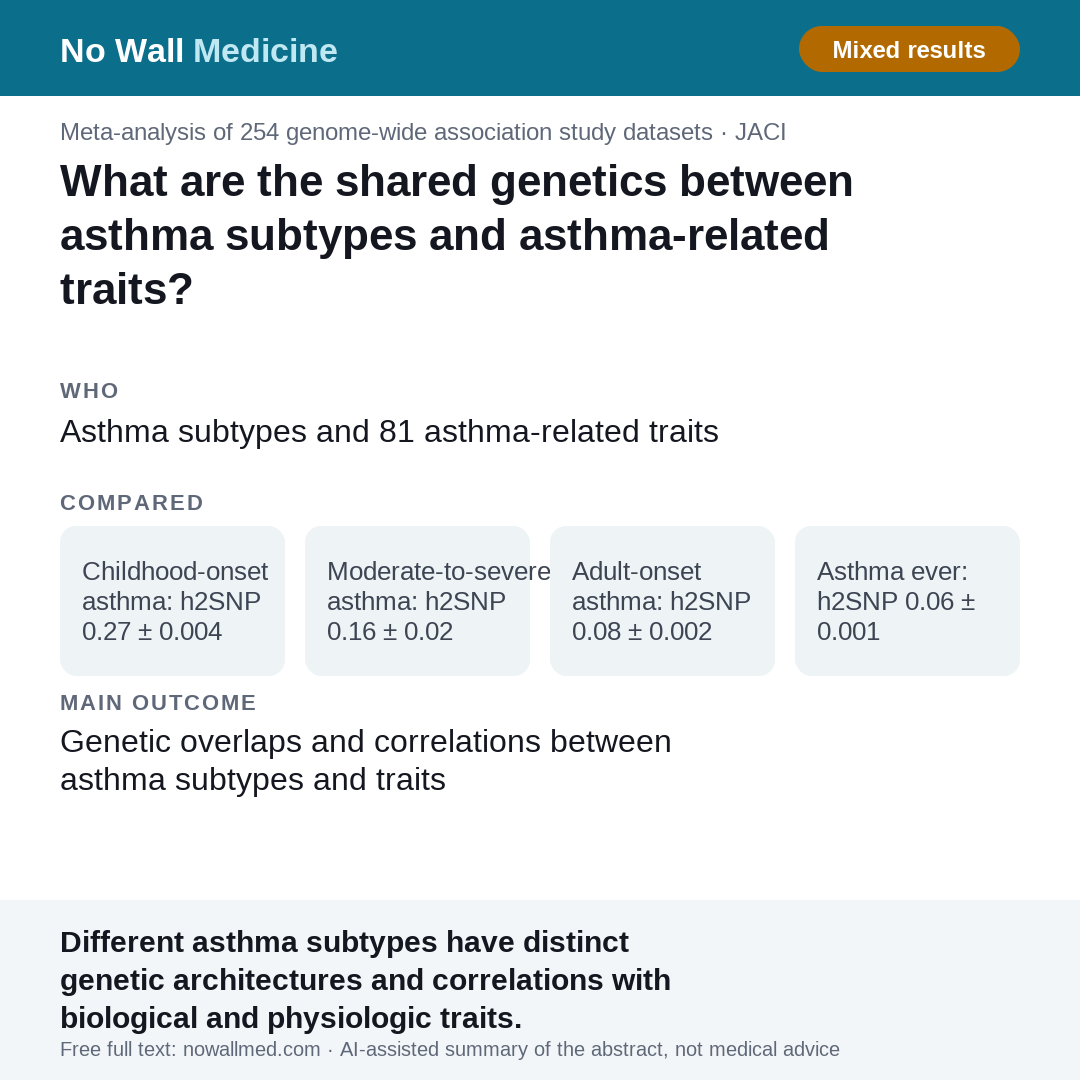
Unraveling shared genetics across asthma subtypes and 81 asthma-related traits
Meta-analysis of 254 genome-wide association study datasetsMixed results
What are the shared genetics between asthma subtypes and asthma-related traits?
Who
Asthma subtypes and 81 asthma-related traits
Compared
Childhood-onset asthma: h2SNP 0.27 ± 0.004
Moderate-to-severe asthma: h2SNP 0.16 ± 0.02
Adult-onset asthma: h2SNP 0.08 ± 0.002
Asthma ever: h2SNP 0.06 ± 0.001
Main outcome
Genetic overlaps and correlations between asthma subtypes and traits
Bottom line: Different asthma subtypes have distinct genetic architectures and correlations with biological and physiologic traits.
JACI · 2025-09-12Download image
Unveiling the genetic overlap and causal links between gastroesophageal reflux disease and asthma
Mendelian randomization and cross-trait meta-analysisBenefit found
What are the genetic overlap and causal links between gastroesophageal reflux disease and asthma?
Who
Individuals from genome-wide association studies for gastroesophageal reflux disease and asthma
Compared
Gastroesophageal reflux disease: odds ratio 1.22
Asthma
Main outcome
Genetic correlation and causal relationship
Result: odds ratio 1.22, P = 1.54 × 10 -5
Bottom line: Gastroesophageal reflux disease has a significant causal effect on asthma with shared genetic loci and genes identified.
Int J Surg · 2025-09-12Download image

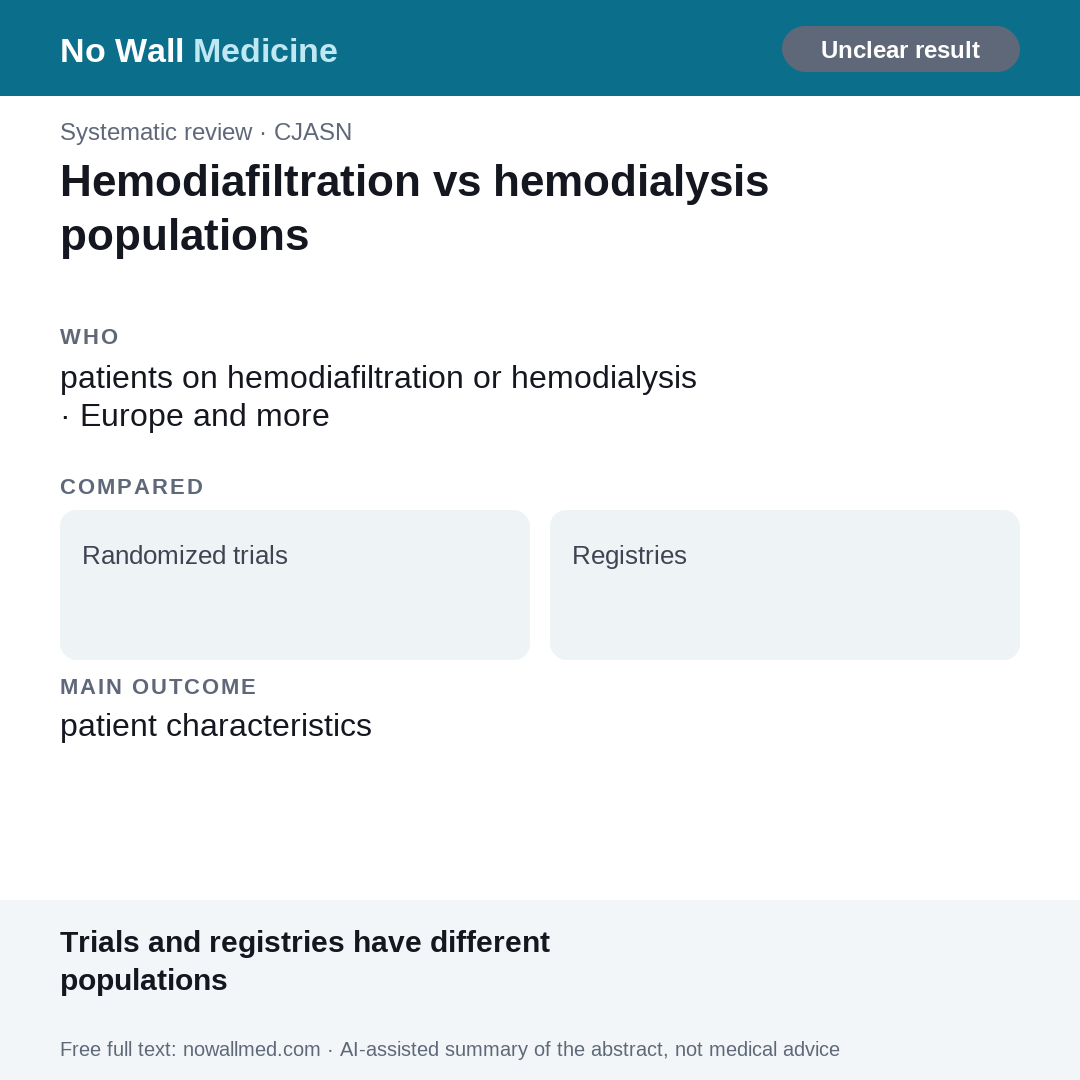
Characteristics of Populations Included in Randomized Controlled Trials of Hemodiafiltration and Registry Real-Life Populations: A Systematic Review
Systematic reviewUnclear result
Hemodiafiltration vs hemodialysis populations
Who
patients on hemodiafiltration or hemodialysis · Europe and more
Compared
Randomized trials
Registries
Main outcome
patient characteristics
Bottom line: Trials and registries have different populations
Limitation: incomplete patient characteristics
CJASN · 2025-09-12Download image
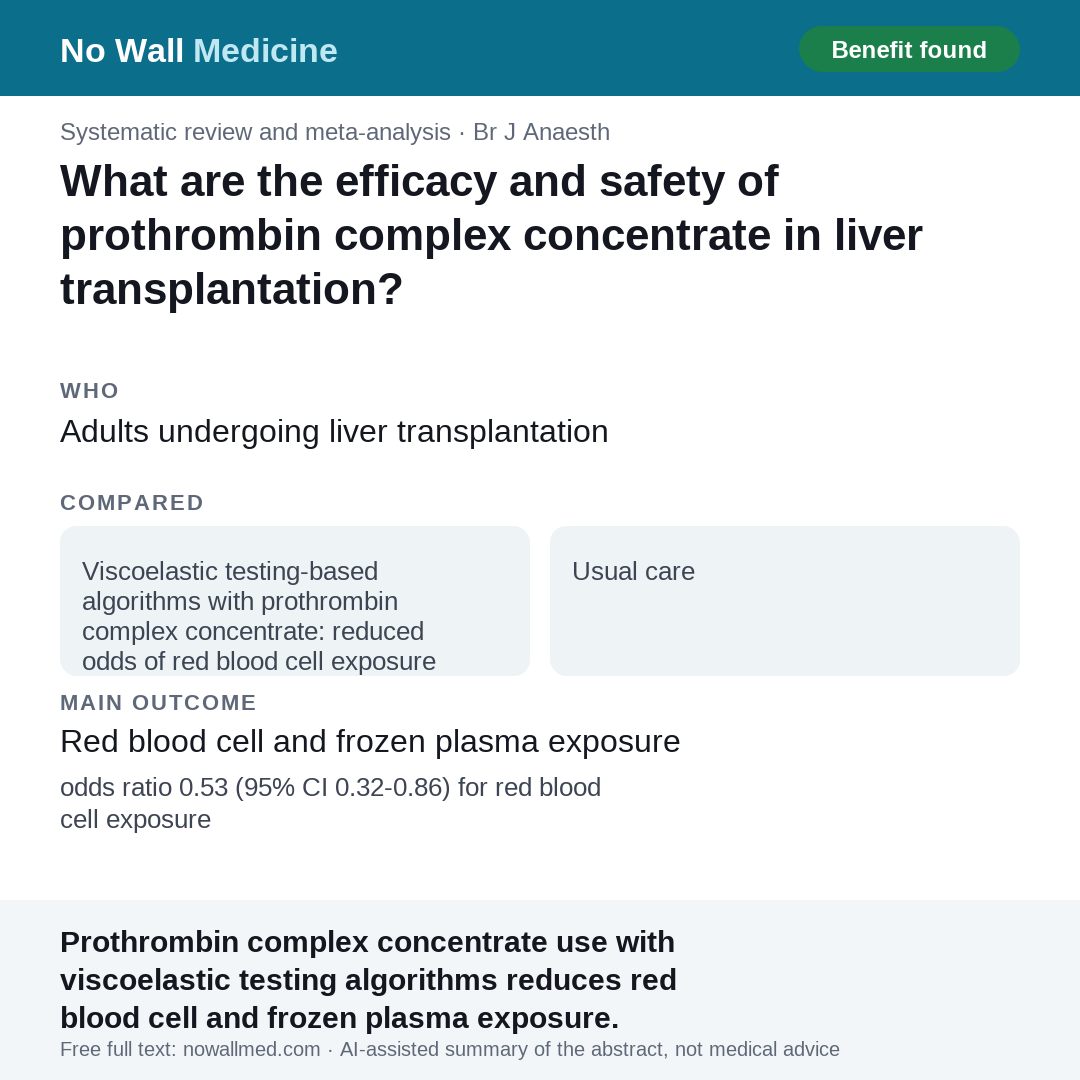
Use of prothrombin complex concentrates in liver transplantation: a systematic review and meta-analysis
Systematic review and meta-analysisBenefit found
What are the efficacy and safety of prothrombin complex concentrate in liver transplantation?
Who
Adults undergoing liver transplantation
Compared
Viscoelastic testing-based algorithms with prothrombin complex concentrate: reduced odds of red blood cell exposure
Usual care
Main outcome
Red blood cell and frozen plasma exposure
Result: odds ratio 0.53 (95% CI 0.32-0.86) for red blood cell exposure
Bottom line: Prothrombin complex concentrate use with viscoelastic testing algorithms reduces red blood cell and frozen plasma exposure.
Br J Anaesth · 2025-09-12Download image
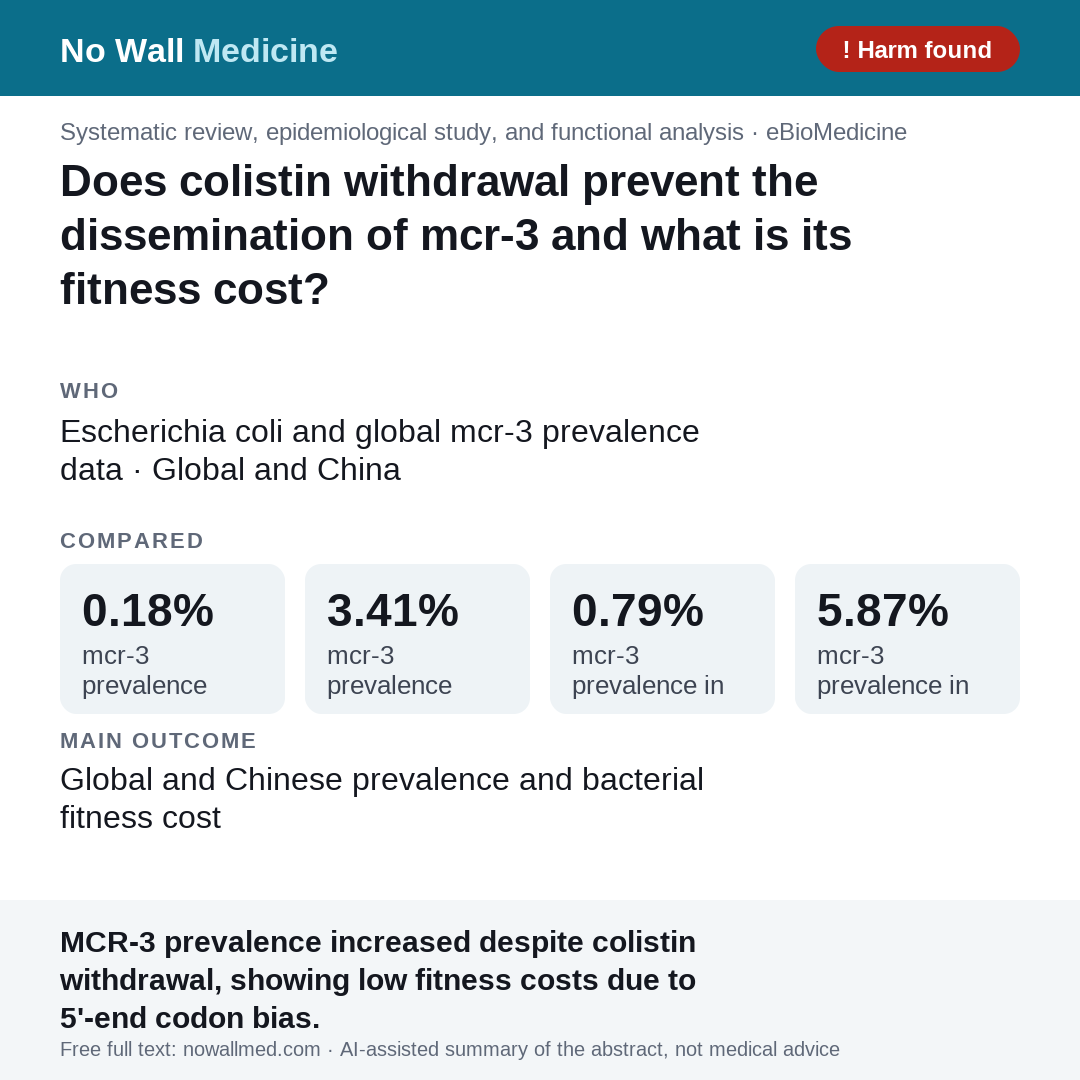
Fitness costs of mobilised colistin resistance gene 3 (mcr-3): systematic review, epidemiological study, and functional analysis
Systematic review, epidemiological study, and functional analysisHarm found
Does colistin withdrawal prevent the dissemination of mcr-3 and what is its fitness cost?
Who
Escherichia coli and global mcr-3 prevalence data · Global and China
Compared
0.18%mcr-3 prevalence 2005-2014
3.41%mcr-3 prevalence 2020-2022
0.79%mcr-3 prevalence in China 2016
5.87%mcr-3 prevalence in China 2019
Main outcome
Global and Chinese prevalence and bacterial fitness cost
Bottom line: MCR-3 prevalence increased despite colistin withdrawal, showing low fitness costs due to 5'-end codon bias.
Funded by: Natural Science Foundation of China, National Key Research and Development Programme of China
eBioMedicine · 2025-09-12Download image
Interventions Based on Biofeedback Systems to Improve Workers' Psychological Well-Being, Mental Health, and Safety: Systematic Literature Review
Systematic literature reviewBenefit found
Do biofeedback interventions improve workers' psychological well-being and mental health in real-world settings?
Who
9
Employees in real-world occupational settings · Real-world occupational settings
Compared
Biofeedback interventions: 8 (89%) reported positive outcomes
Other: 1 (11%) study showing initial increases in stress
Main outcome
Psychological well-being and mental health
Bottom line: Biofeedback interventions show promising short-term results in reducing stress and improving mental health in workplace settings.
Limitation: Sample sizes were generally small, and long-term follow-up data were limited.
J Med Internet Res · 2025-09-12Download image

A Systematic Review of Health Disparities in Chronic Rhinosinusitis in the United States
Systematic reviewMixed results
What are the health disparities in chronic rhinosinusitis in the United States?
Who
26
Patients with chronic rhinosinusitis in the United States · United States
Compared
Lower socioeconomic status: reduced treatment adherence, poorer endoscopic findings and quality of life
Hispanic patients: more symptomatic than non-Hispanic patients
Black patients: fewer health visits, leading to worse outcomes
Main outcome
Incidence, severity, and treatment choice
Bottom line: Socioeconomic status, race, gender, age, and geographic region all influence chronic rhinosinusitis presentation and progression.
OTO Open · 2025-09-12Download image

Provision of gender-affirming care for trans and gender-diverse adults: a systematic review of health and quality of life outcomes, values and preferences, and costs
Systematic review of randomized controlled trials and longitudinal studiesBenefit found
What are the health, quality of life, values, and cost outcomes of gender-affirming care?
Who
Transgender and gender-diverse adults · Global
Compared
Received gender-affirming care
Did not receive gender-affirming care
Main outcome
Health outcomes, quality of life, values, preferences, and costs
Bottom line: Gender-affirming care may improve quality of life, stigma, health service utilization, and mental health among transgender and gender-diverse adults.
Limitation: Additional data from prospective controlled studies would enhance the evidence base.
Funded by: World Health Organization, Elton John AIDS Foundation, Bill and Melinda Gates Foundation
eClinicalMedicine · 2025-09-11Download image

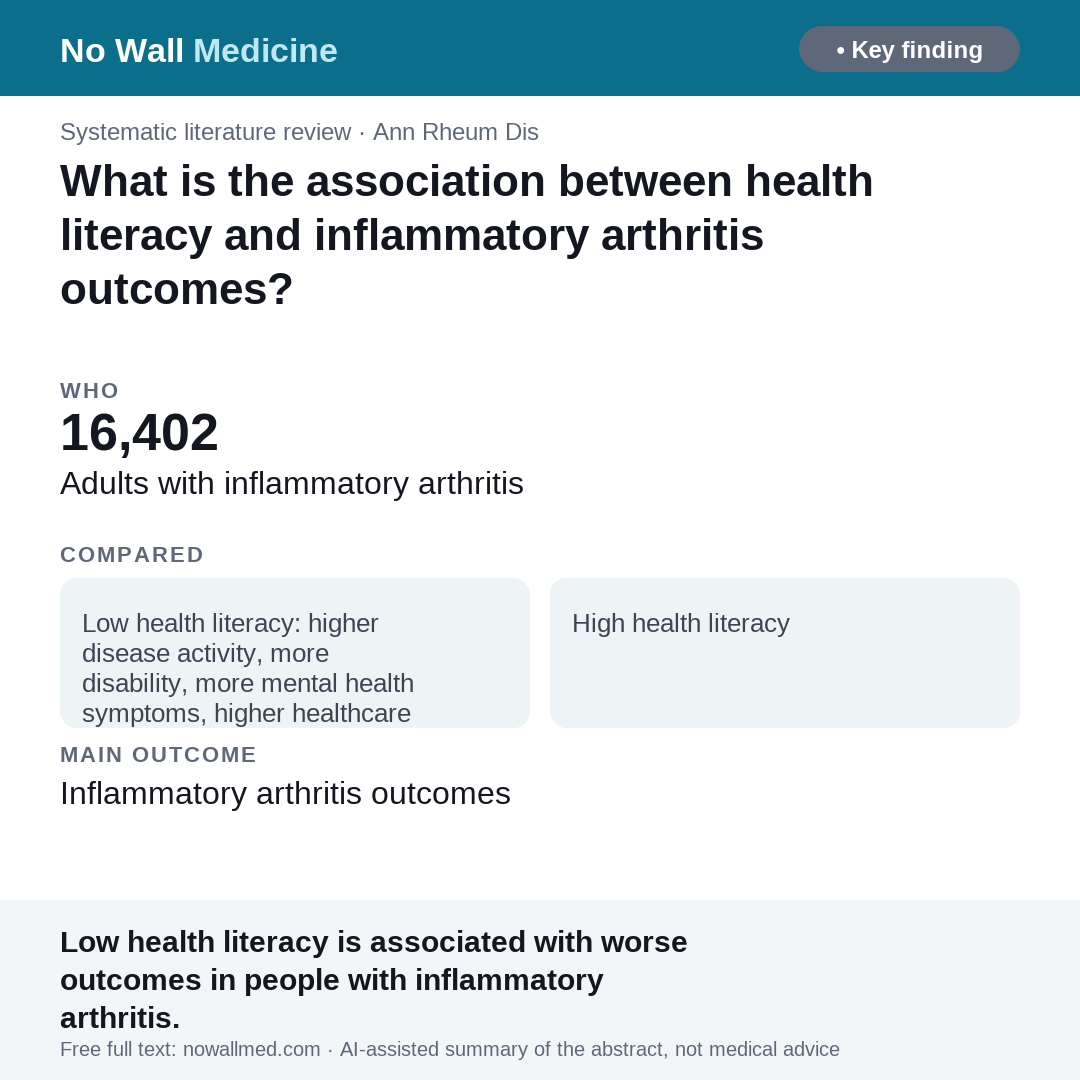
Patient-Reported Outcomes as Prognostic Indicators for Overall Survival in Cancer: A Systematic Review and Meta-Analysis
Systematic review and meta-analysis of randomized clinical trialsBenefit found
Do baseline patient-reported outcomes predict overall survival in cancer patients?
Who
44030
Adult patients with cancer
Compared
Higher global health status and quality of life: hazard ratio 0.99 (95% CI, 0.98-0.99)
Higher individual symptom severity: hazard ratio 1.03 (95% CI, 1.01-1.04)
Main outcome
overall survival
Result: hazard ratio 1.03 (95% CI, 1.01-1.04)
Bottom line: Baseline patient-reported outcomes provide independent prognostic information for overall survival in cancer patients.
JAMA Oncol · 2025-09-11Download image
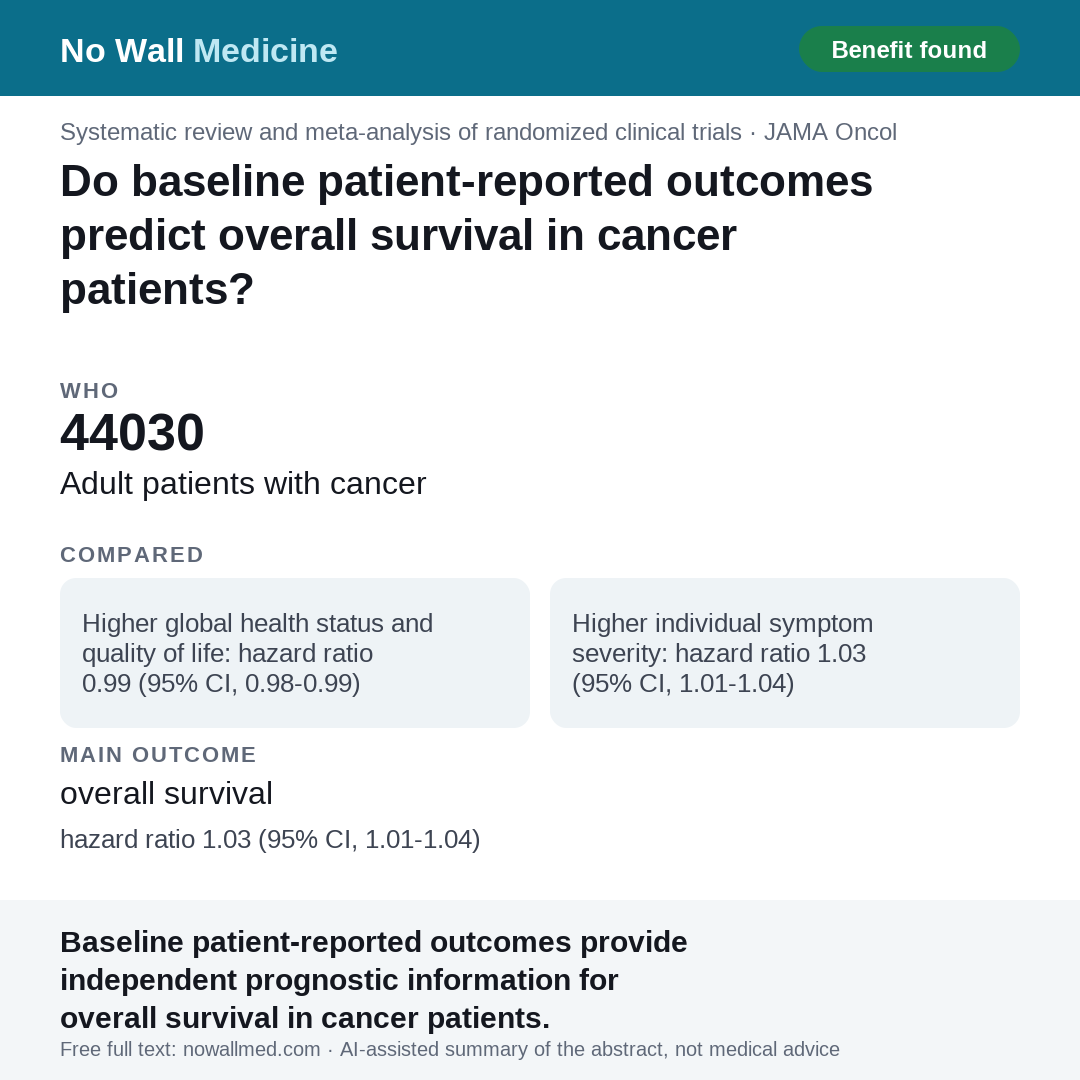
Association of health literacy with disease outcomes in inflammatory arthritis: a systematic review
Systematic literature reviewHarm found
What is the association between health literacy and inflammatory arthritis outcomes?
Who
16,402
Adults with inflammatory arthritis
Compared
Low health literacy: higher disease activity, more disability, more mental health symptoms, higher healthcare use, lower medication adherence, lower use of technology
High health literacy
Main outcome
Inflammatory arthritis outcomes
Bottom line: Low health literacy is associated with worse outcomes in people with inflammatory arthritis.
Ann Rheum Dis · 2025-09-11Download image
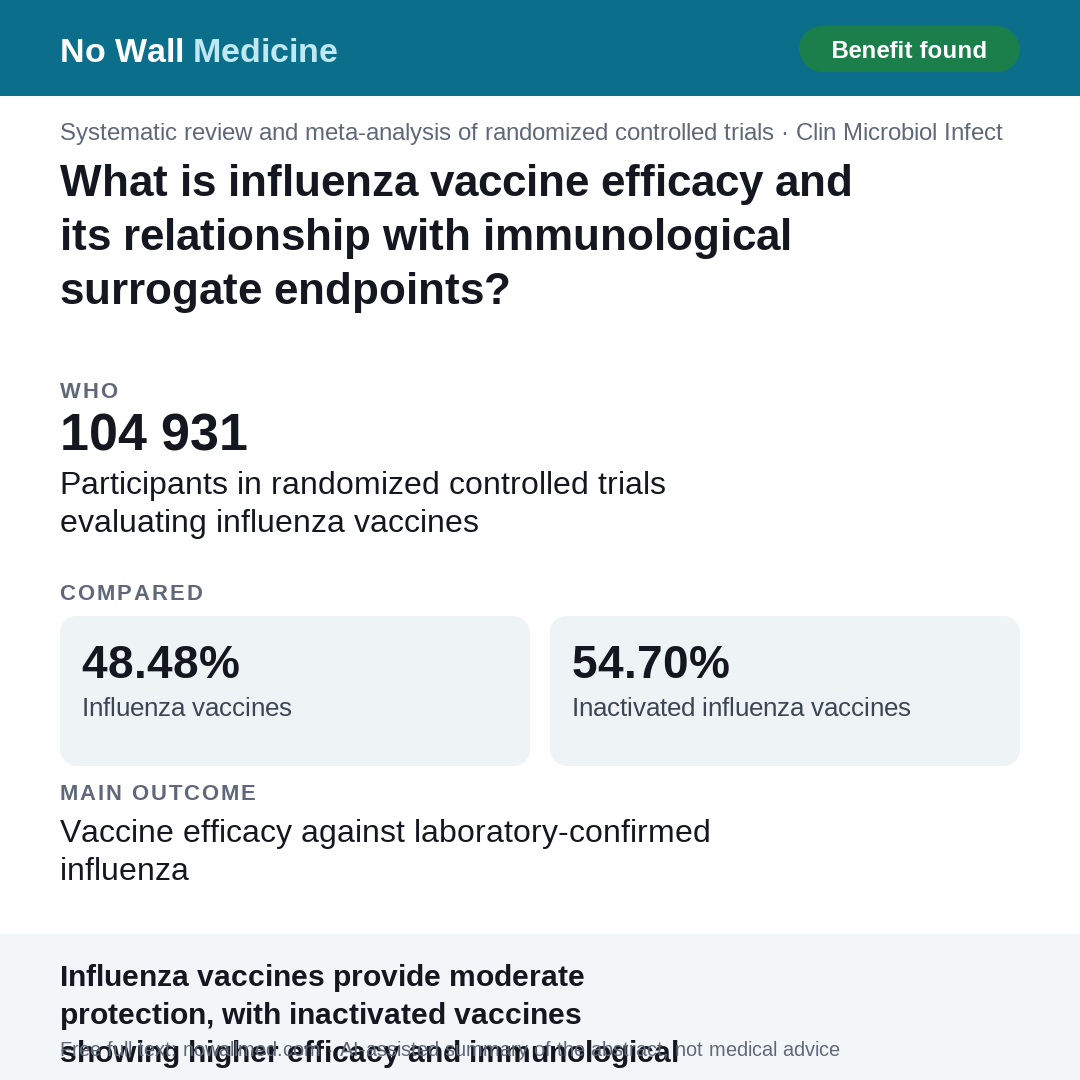
Efficacy of influenza vaccines and its relationship with immunological surrogate endpoints: a systematic review and meta-analysis of randomized controlled trial
Systematic review and meta-analysis of randomized controlled trialsBenefit found
What is influenza vaccine efficacy and its relationship with immunological surrogate endpoints?
Who
104 931
Participants in randomized controlled trials evaluating influenza vaccines
Compared
48.48%Influenza vaccines (95% CI, 41.9-54.29)
54.70%Inactivated influenza vaccines
Main outcome
Vaccine efficacy against laboratory-confirmed influenza
Result: 48.48% (95% CI, 41.9-54.29)
Bottom line: Influenza vaccines provide moderate protection, with inactivated vaccines showing higher efficacy and immunological markers offering limited insights.
Limitation: Significant heterogeneity was observed (I2 = 70.1%; p < 0.0001).
Clin Microbiol Infect · 2025-09-11Download image
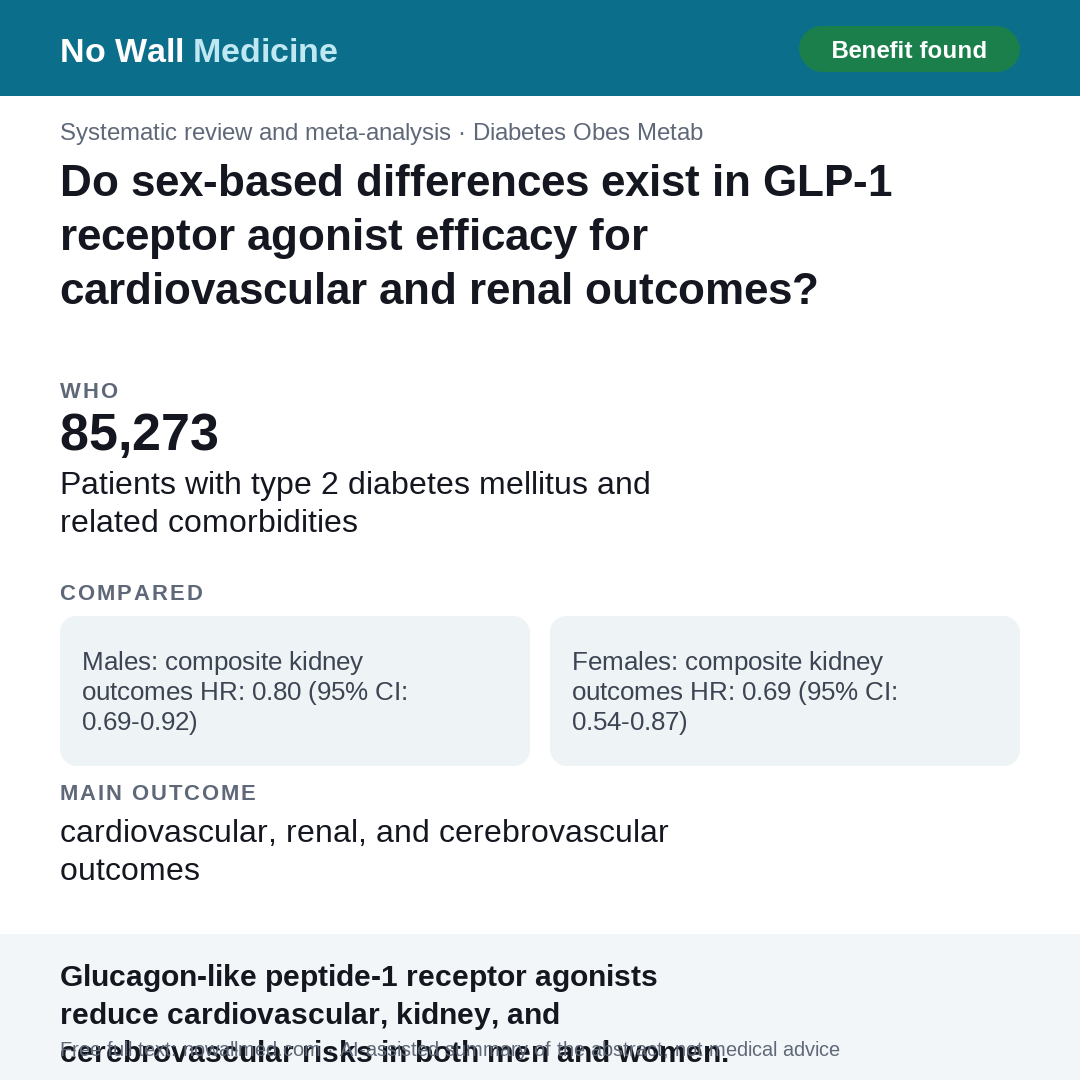
Sex differences in the efficacy of GLP-1 receptor agonists: A systematic review and meta-analysis of cardiovascular and renal outcome trials
Systematic review and meta-analysisBenefit found
Do sex-based differences exist in GLP-1 receptor agonist efficacy for cardiovascular and renal outcomes?
Who
85,273
Patients with type 2 diabetes mellitus and related comorbidities
Compared
Males: composite kidney outcomes HR: 0.80 (95% CI: 0.69-0.92)
Females: composite kidney outcomes HR: 0.69 (95% CI: 0.54-0.87)
Main outcome
cardiovascular, renal, and cerebrovascular outcomes
Bottom line: Glucagon-like peptide-1 receptor agonists reduce cardiovascular, kidney, and cerebrovascular risks in both men and women.
Diabetes Obes Metab · 2025-09-11Download image
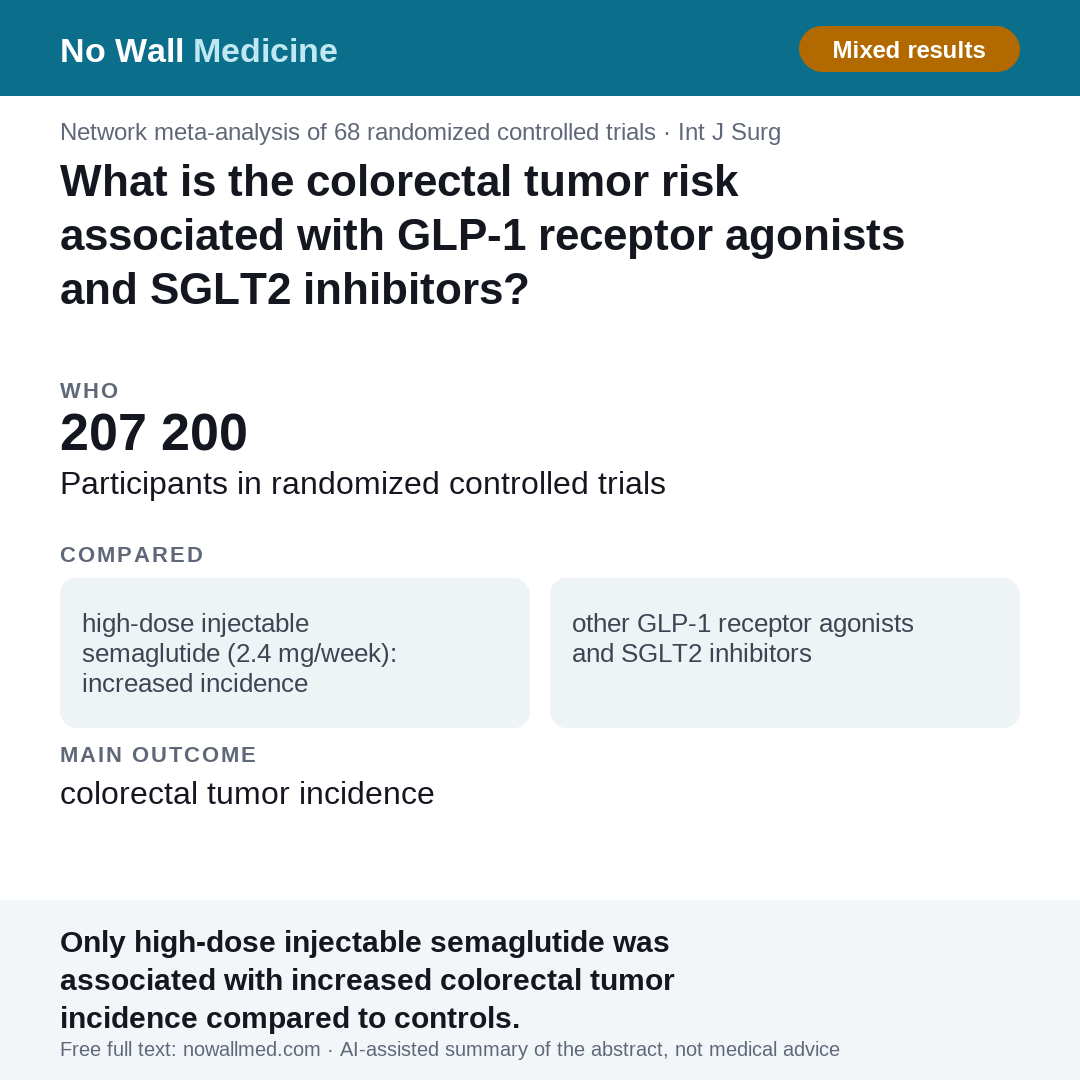
The different colorectal tumor risk related to GLP-1 receptor agonists and SGLT2 inhibitors use: a network meta-analysis of 68 randomized controlled trials
Network meta-analysis of 68 randomized controlled trialsMixed results
What is the colorectal tumor risk associated with GLP-1 receptor agonists and SGLT2 inhibitors?
Who
207 200
Participants in randomized controlled trials
Compared
high-dose injectable semaglutide (2.4 mg/week): increased incidence
other GLP-1 receptor agonists and SGLT2 inhibitors
Main outcome
colorectal tumor incidence
Bottom line: Only high-dose injectable semaglutide was associated with increased colorectal tumor incidence compared to controls.
Limitation: Findings represent a potential risk signal that requires further validation.
Int J Surg · 2025-09-11Download image
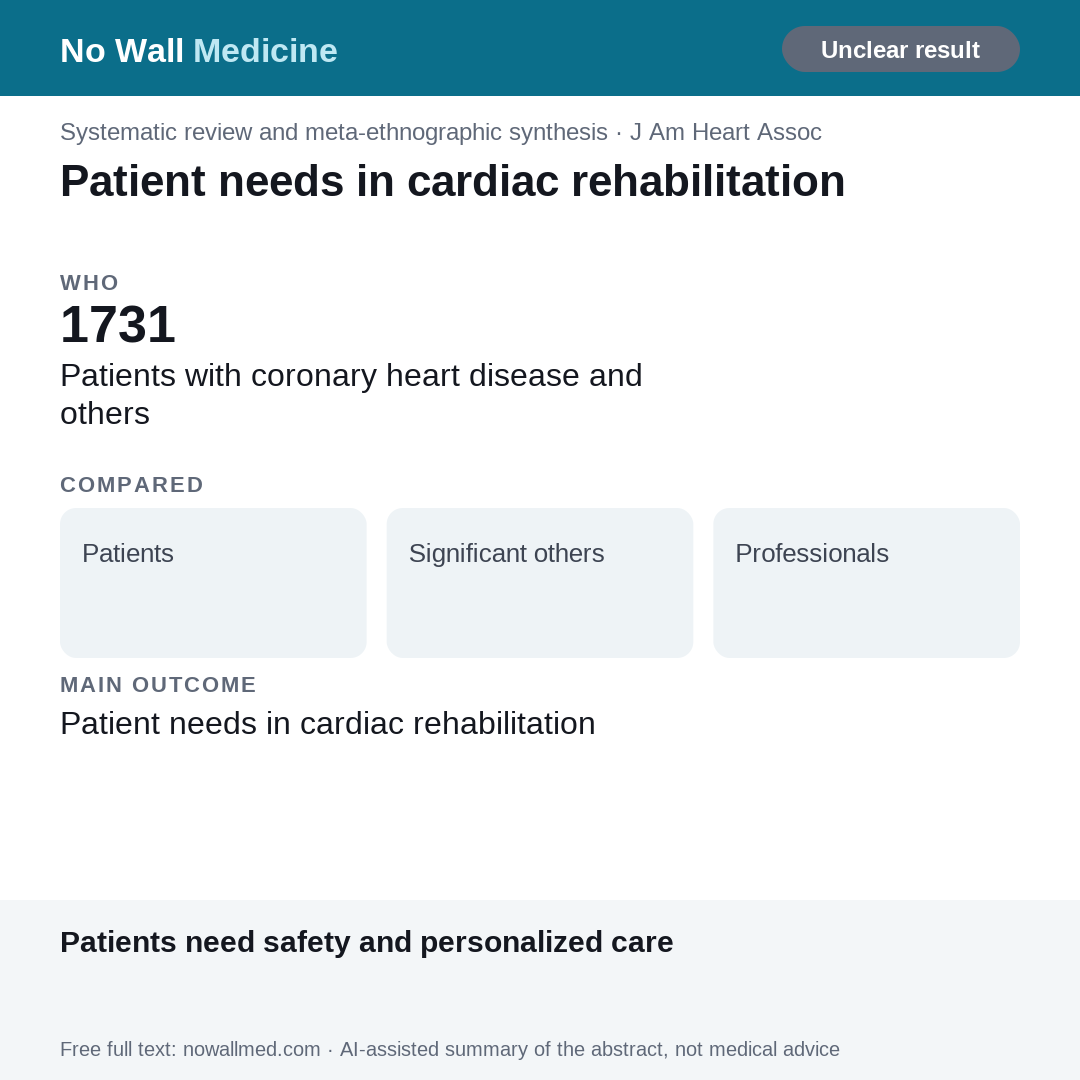
Patient Needs Regarding Cardiac Rehabilitation: A Systematic Review and Meta-Ethnographic Synthesis
Systematic review and meta-ethnographic synthesisUnclear result
Patient needs in cardiac rehabilitation
Who
1731
Patients with coronary heart disease and others
Compared
Patients
Significant others
Professionals
Main outcome
Patient needs in cardiac rehabilitation
Bottom line: Patients need safety and personalized care
J Am Heart Assoc · 2025-09-11Download image