Visual abstracts
New randomized trials and meta-analyses from leading journals at a glance: who was studied, what was compared, and what was found. Every paper is free to read in full.
All specialtiesCardiology 4763Oncology 4043Gastroenterology & Hepatology 1903Infectious Disease 3756Neurology 1872Psychiatry & Mental Health 2216Pulmonology 2044Critical Care 1319Endocrinology & Diabetes 2544Pediatrics 2889Surgery 2480Orthopedics & Sports Medicine 917Neurosurgery 525Cardiothoracic & Vascular Surgery 656Plastic & Reconstructive Surgery 574Nephrology 1107Rheumatology 810Hematology 1090Dermatology 611Ophthalmology 532Obstetrics & Gynecology 1645Public & Global Health 1037Radiology & Imaging 619Anesthesiology 958Urology 745ENT (Otolaryngology) 494Emergency Medicine 481Allergy & Immunology 309Geriatrics 972Family Medicine & Primary Care 534Medical Genetics & Genomics 659Pathology & Laboratory Medicine 156Physical Medicine & Rehabilitation 734Palliative Care 421Nutrition 1560Digital Health & AI 2137General Medicine 318
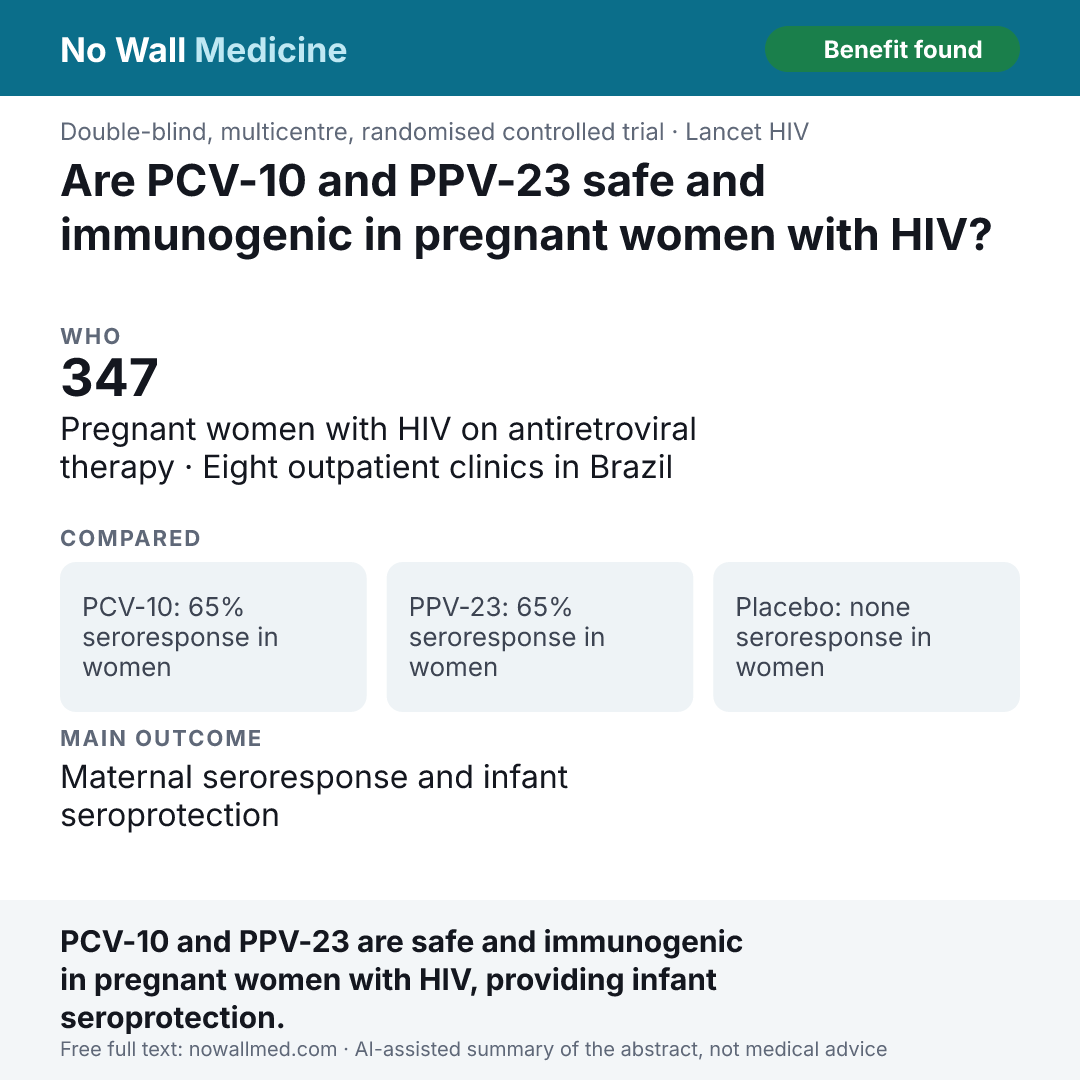
Safety, immunogenicity, and transplacental antibody transport of conjugated and polysaccharide pneumococcal vaccines administered to pregnant women with HIV: a multicentre randomised controlled trial
Double-blind, multicentre, randomised controlled trialBenefit found
Are PCV-10 and PPV-23 safe and immunogenic in pregnant women with HIV?
Who
347
Pregnant women with HIV on antiretroviral therapy · Eight outpatient clinics in Brazil
Compared
PCV-10: 65% seroresponse in women
PPV-23: 65% seroresponse in women
Placebo: none seroresponse in women
Main outcome
Maternal seroresponse and infant seroprotection
Bottom line: PCV-10 and PPV-23 are safe and immunogenic in pregnant women with HIV, providing infant seroprotection.
Funded by: Eunice Kennedy Shriver National Institute of Child Health and Human Development
Lancet HIV · 2021-04-27 · Save PNG
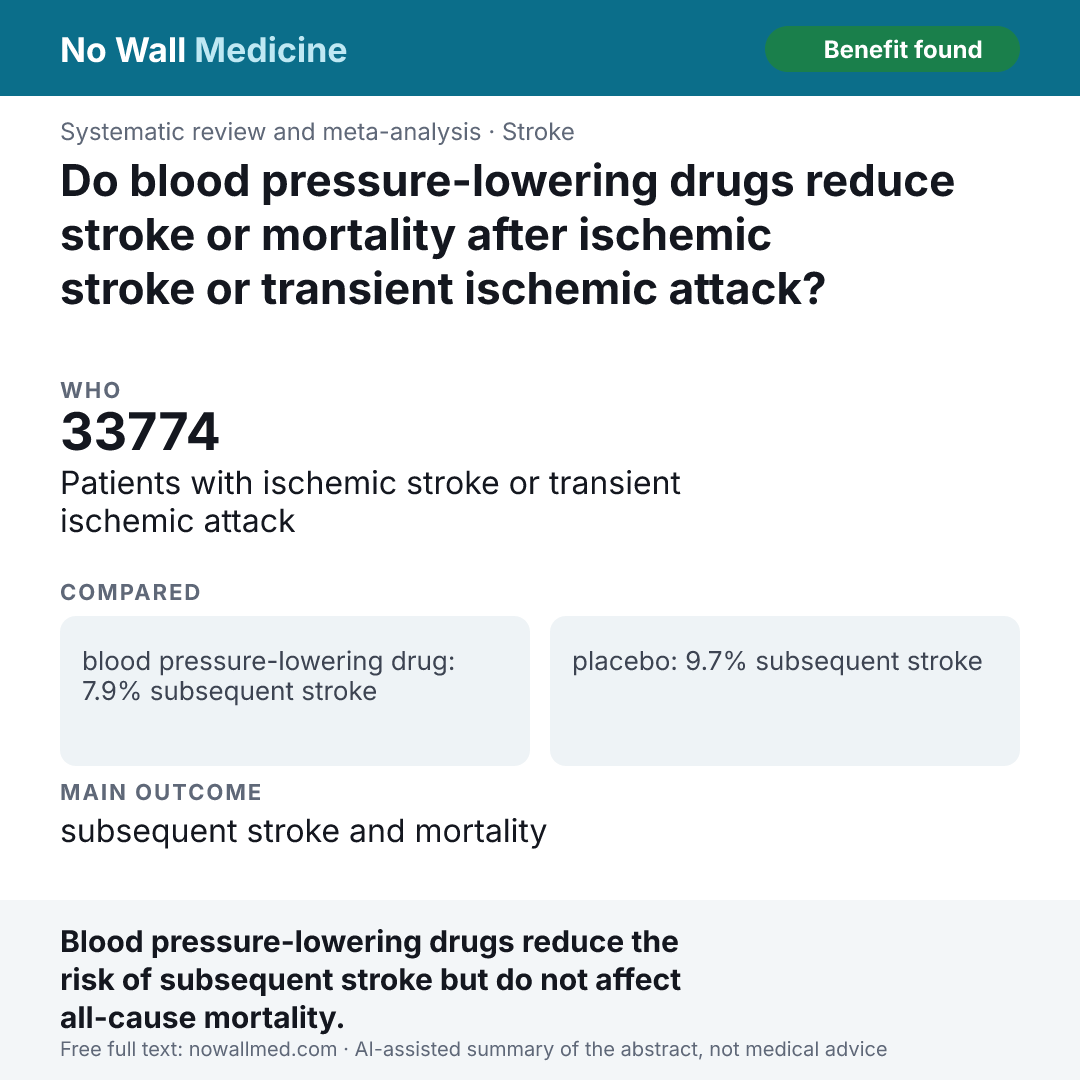
Antihypertensive Drugs for Secondary Prevention After Ischemic Stroke or Transient Ischemic Attack: A Systematic Review and Meta-Analysis
Systematic review and meta-analysisBenefit found
Do blood pressure-lowering drugs reduce stroke or mortality after ischemic stroke or transient ischemic attack?
Who
33774
Patients with ischemic stroke or transient ischemic attack
Compared
blood pressure-lowering drug: 7.9% subsequent stroke
placebo: 9.7% subsequent stroke
Main outcome
subsequent stroke and mortality
Result: odds ratio 0.79 (95% CI 0.66-0.94)
Bottom line: Blood pressure-lowering drugs reduce the risk of subsequent stroke but do not affect all-cause mortality.
Stroke · 2021-04-27 · Save PNG
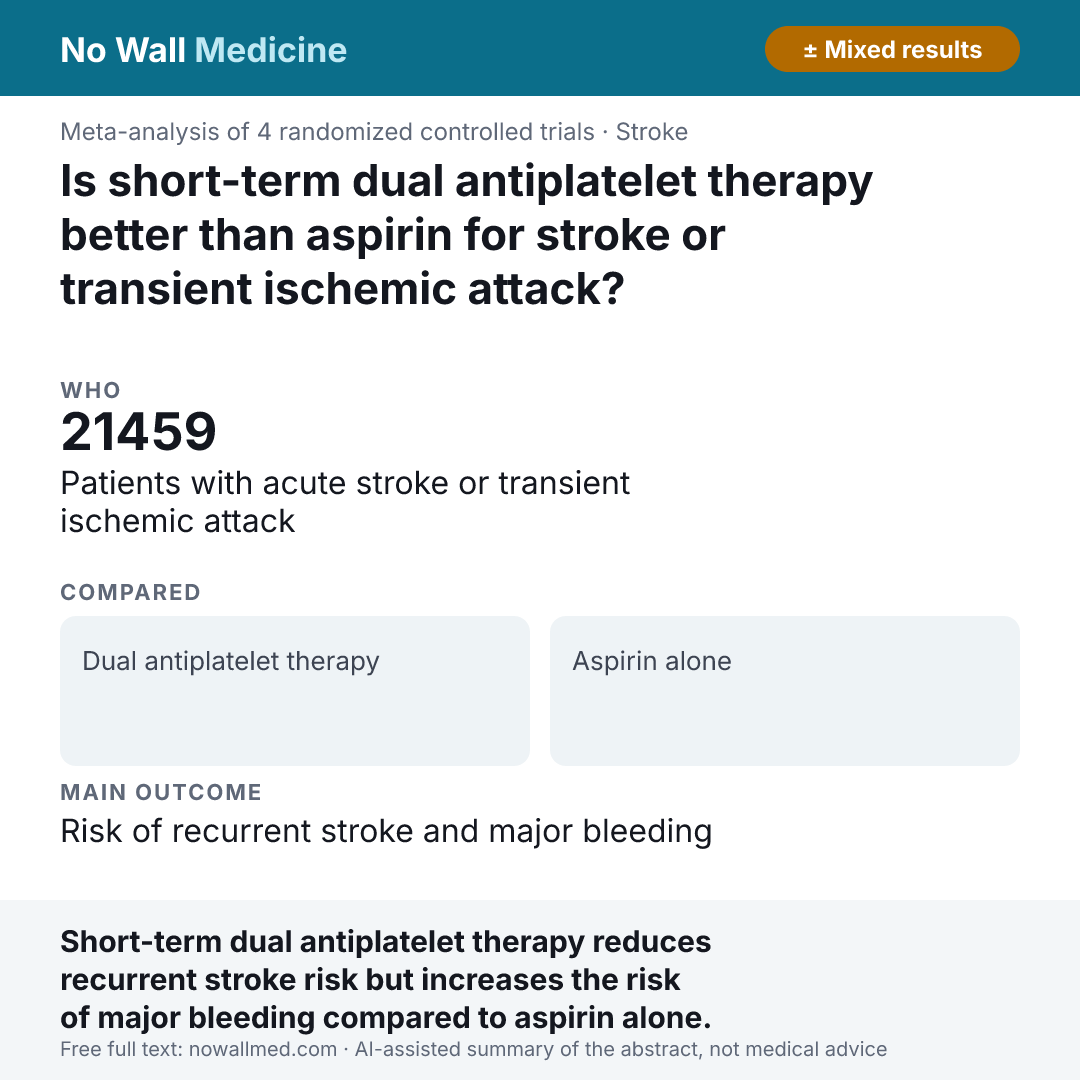
Dual Antiplatelet Therapy Versus Aspirin in Patients With Stroke or Transient Ischemic Attack: Meta-Analysis of Randomized Controlled Trials
Meta-analysis of 4 randomized controlled trialsMixed results
Is short-term dual antiplatelet therapy better than aspirin for stroke or transient ischemic attack?
Who
21459
Patients with acute stroke or transient ischemic attack
Compared
Dual antiplatelet therapy
Aspirin alone
Main outcome
Risk of recurrent stroke and major bleeding
Result: risk ratio 0.76 (95% CI 0.68–0.83) for recurrent stroke; risk ratio 2.22 (95% CI 1.14–4.34) for major bleeding
Bottom line: Short-term dual antiplatelet therapy reduces recurrent stroke risk but increases the risk of major bleeding compared to aspirin alone.
Stroke · 2021-04-27 · Save PNG
Defining functional brain networks underlying obsessive-compulsive disorder (OCD) using treatment-induced neuroimaging changes: a systematic review of the literature
Systematic reviewUnclear result
What functional brain networks underlie obsessive-compulsive disorder based on treatment-induced neuroimaging changes?
Who
Patients with obsessive-compulsive disorder
Compared
Pretreatment imaging
Post-treatment imaging
Main outcome
Changes in structural and functional neuroimaging after therapeutic interventions
Bottom line: Modulating activity within the cortico-striato-thalamo-cortical system may be a common therapeutic mechanism across treatments.
J Neurol Neurosurg Psychiatry · 2021-04-27 · Save PNG

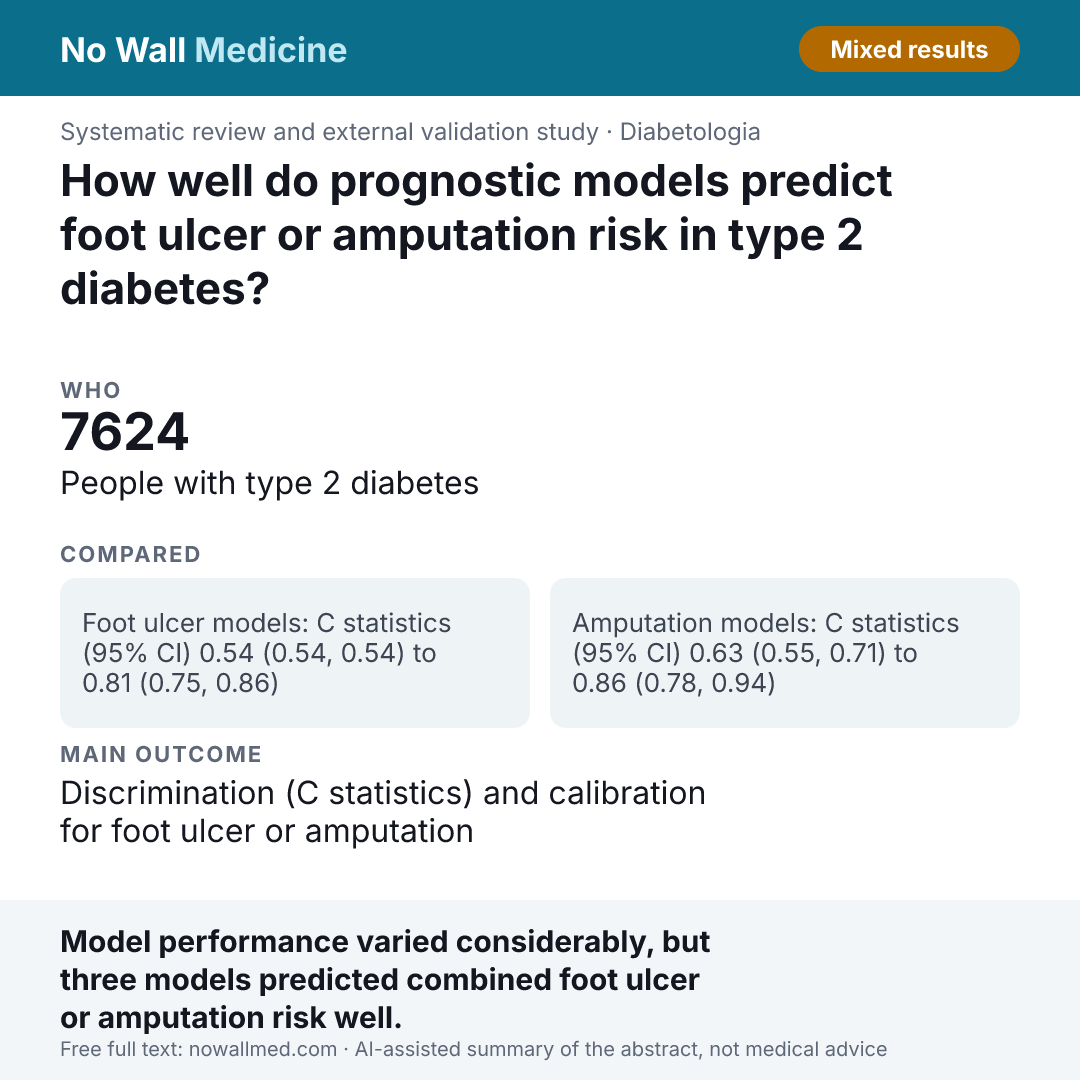
Prognostic models for predicting the risk of foot ulcer or amputation in people with type 2 diabetes: a systematic review and external validation study
Systematic review and external validation studyMixed results
How well do prognostic models predict foot ulcer or amputation risk in type 2 diabetes?
Who
7624
People with type 2 diabetes
Compared
Foot ulcer models: C statistics (95% CI) 0.54 (0.54, 0.54) to 0.81 (0.75, 0.86)
Amputation models: C statistics (95% CI) 0.63 (0.55, 0.71) to 0.86 (0.78, 0.94)
Main outcome
Discrimination (C statistics) and calibration for foot ulcer or amputation
Bottom line: Model performance varied considerably, but three models predicted combined foot ulcer or amputation risk well.
Limitation: Most models underestimated the ulcer or amputation risk in the highest risk quintiles.
Diabetologia · 2021-04-27 · Save PNG
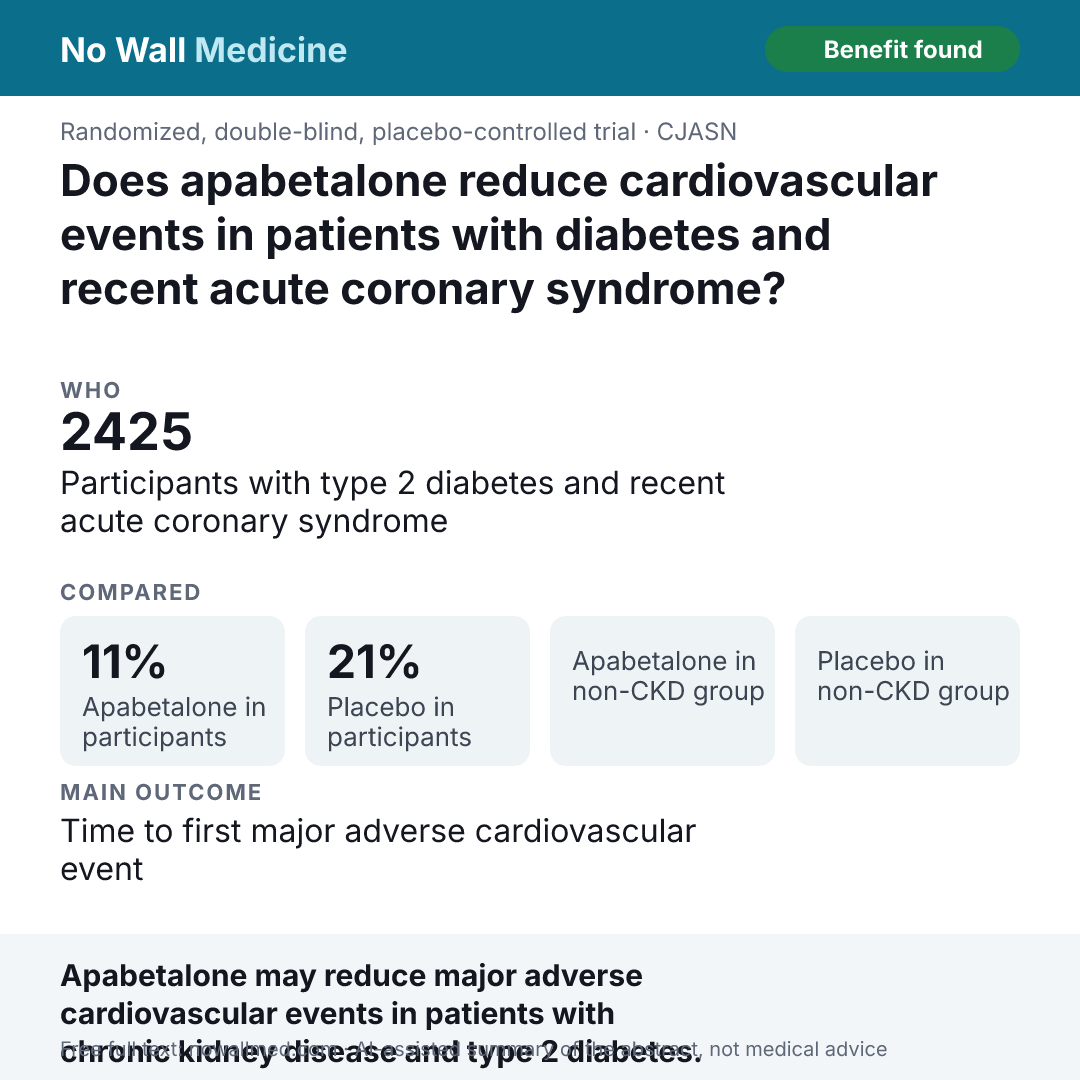
Effect of Apabetalone on Cardiovascular Events in Diabetes, CKD, and Recent Acute Coronary Syndrome: Results from the BETonMACE Randomized Controlled Trial
Randomized, double-blind, placebo-controlled trialBenefit found
Does apabetalone reduce cardiovascular events in patients with diabetes and recent acute coronary syndrome?
Who
2425
Participants with type 2 diabetes and recent acute coronary syndrome
Compared
11%Apabetalone in participants with CKD
21%Placebo in participants with CKD
Apabetalone in non-CKD group
Placebo in non-CKD group
Main outcome
Time to first major adverse cardiovascular event
Result: hazard ratio 0.50 (95% CI 0.26 to 0.96)
Bottom line: Apabetalone may reduce major adverse cardiovascular events in patients with chronic kidney disease and type 2 diabetes.
CJASN · 2021-04-27 · Save PNG
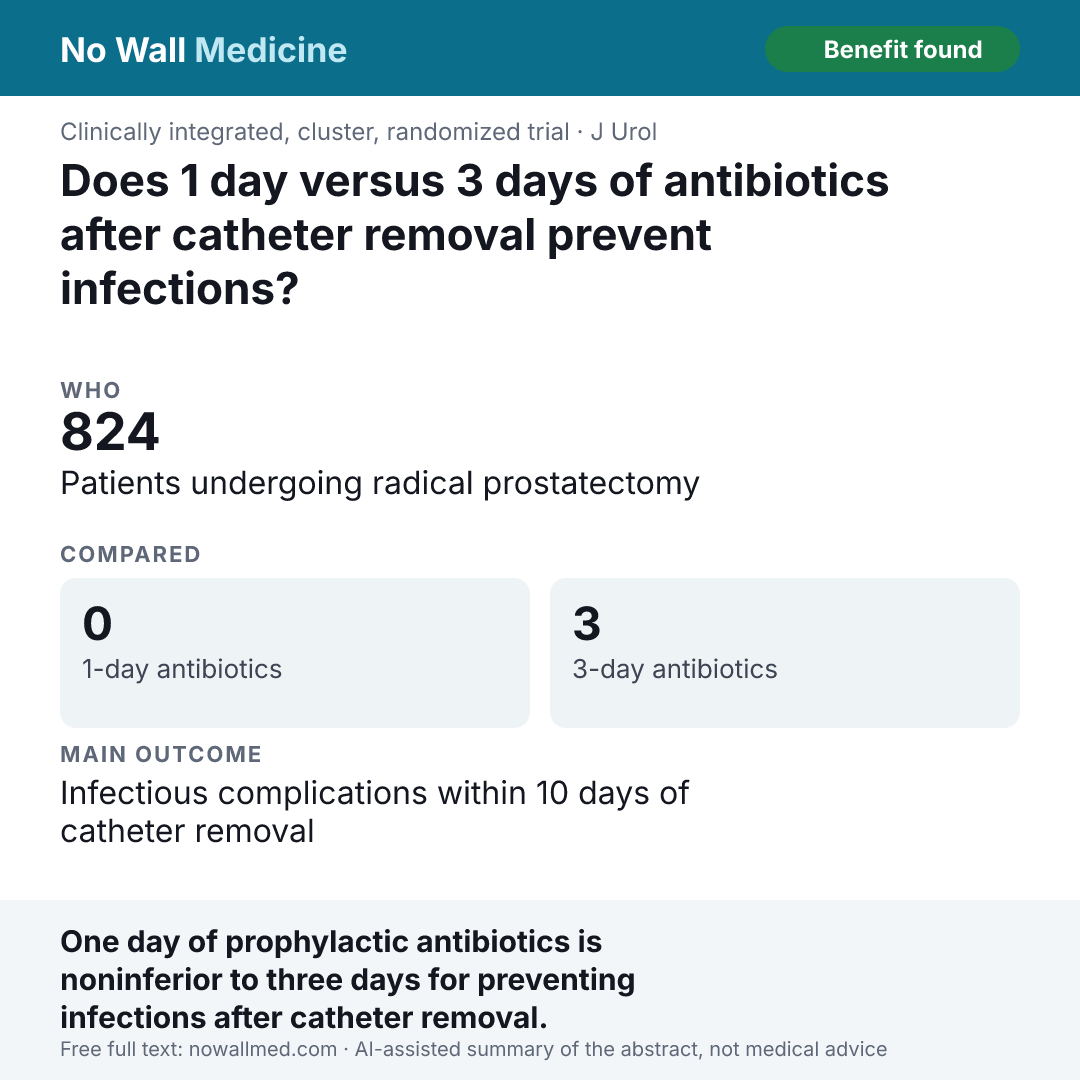
The Duration of Antibiotics Prophylaxis at the Time of Catheter Removal after Radical Prostatectomy: Clinically Integrated, Cluster, Randomized Trial
Clinically integrated, cluster, randomized trialBenefit found
Does 1 day versus 3 days of antibiotics after catheter removal prevent infections?
Who
824
Patients undergoing radical prostatectomy
Compared
01-day antibiotics (0%)
33-day antibiotics (0.7%)
Main outcome
Infectious complications within 10 days of catheter removal
Bottom line: One day of prophylactic antibiotics is noninferior to three days for preventing infections after catheter removal.
J Urol · 2021-04-27 · Save PNG
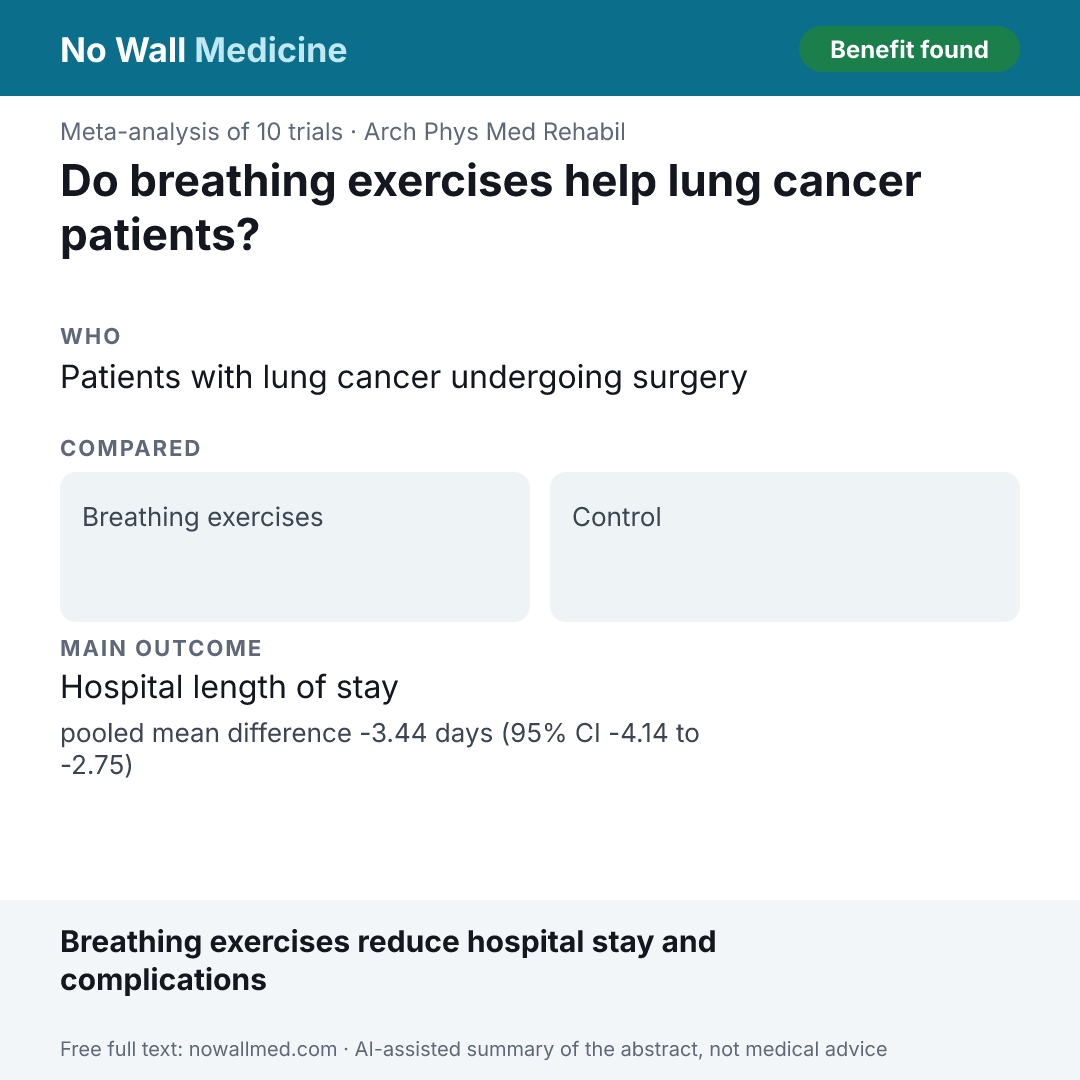
Effects of Preoperative Breathing Exercise on Postoperative Outcomes for Patients With Lung Cancer Undergoing Curative Intent Lung Resection: A Meta-analysis
Meta-analysis of 10 trialsBenefit found
Do breathing exercises help lung cancer patients?
Who
Patients with lung cancer undergoing surgery
Compared
Breathing exercises
Control
Main outcome
Hospital length of stay
Result: pooled mean difference -3.44 days (95% CI -4.14 to -2.75)
Bottom line: Breathing exercises reduce hospital stay and complications
Arch Phys Med Rehabil · 2021-04-27 · Save PNG
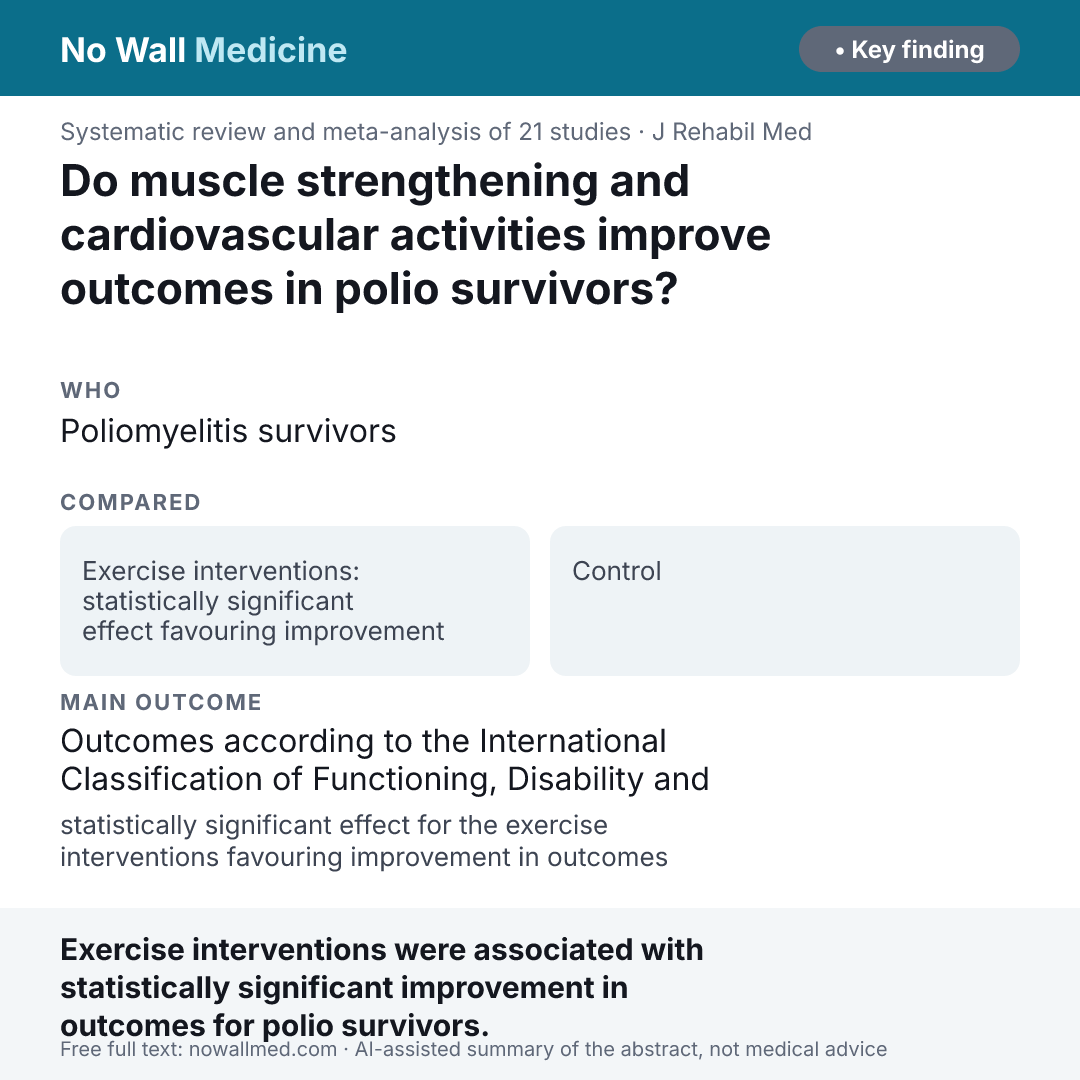
Effects of muscle strengthening and cardiovascular fitness activities for poliomyelitis survivors: A systematic review and meta-analysis
Systematic review and meta-analysis of 21 studiesKey finding
Do muscle strengthening and cardiovascular activities improve outcomes in polio survivors?
Who
Poliomyelitis survivors
Compared
Exercise interventions: statistically significant effect favouring improvement
Control
Main outcome
Outcomes according to the International Classification of Functioning, Disability and Health
Result: statistically significant effect for the exercise interventions favouring improvement in outcomes
Bottom line: Exercise interventions were associated with statistically significant improvement in outcomes for polio survivors.
Limitation: Future research is needed focusing on individualized approaches and specific exercise prescription recommendations.
J Rehabil Med · 2021-04-27 · Save PNG
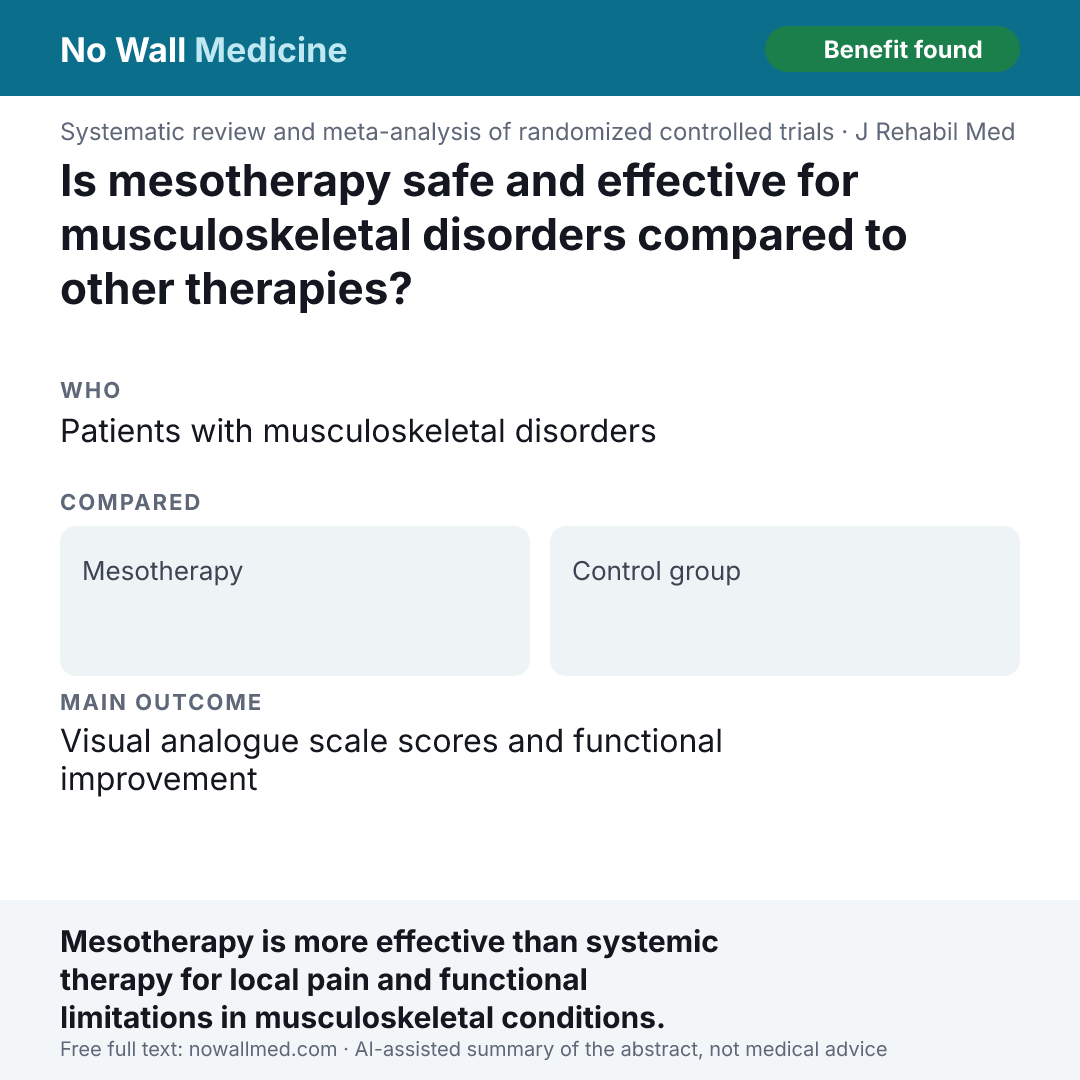
Safety and efficacy of mesotherapy in musculoskeletal disorders: A systematic review of randomized controlled trials with meta-analysis
Systematic review and meta-analysis of randomized controlled trialsBenefit found
Is mesotherapy safe and effective for musculoskeletal disorders compared to other therapies?
Who
Patients with musculoskeletal disorders
Compared
Mesotherapy
Control group
Main outcome
Visual analogue scale scores and functional improvement
Bottom line: Mesotherapy is more effective than systemic therapy for local pain and functional limitations in musculoskeletal conditions.
Limitation: Heterogeneity in injected drugs, administration technique, associated treatments, frequency, and total number of sessions.
J Rehabil Med · 2021-04-27 · Save PNG
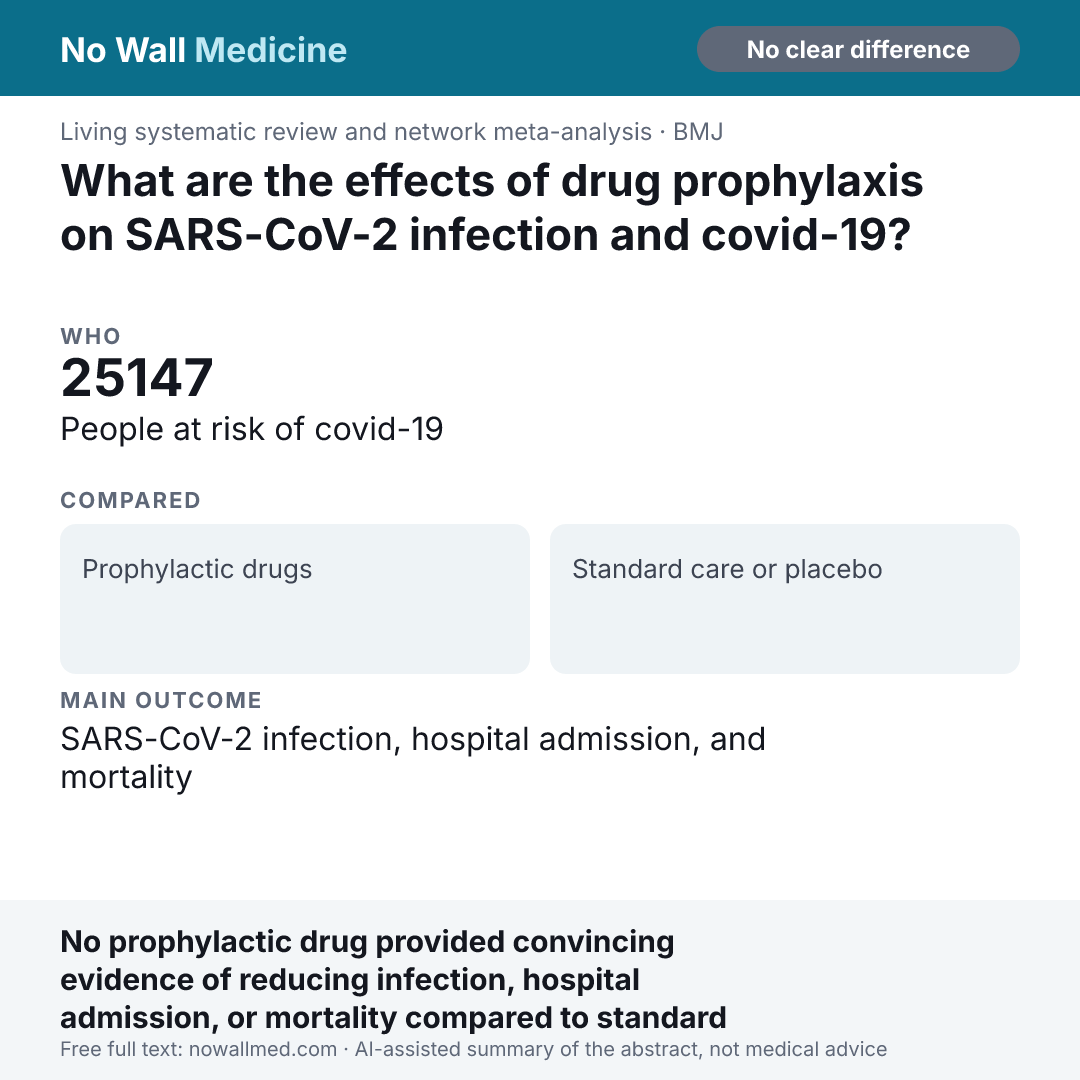
Prophylaxis against covid-19: living systematic review and network meta-analysis
Living systematic review and network meta-analysisNo clear difference
What are the effects of drug prophylaxis on SARS-CoV-2 infection and covid-19?
Who
25147
People at risk of covid-19
Compared
Prophylactic drugs
Standard care or placebo
Main outcome
SARS-CoV-2 infection, hospital admission, and mortality
Bottom line: No prophylactic drug provided convincing evidence of reducing infection, hospital admission, or mortality compared to standard care.
Limitation: Much of the evidence remains very low certainty.
Funded by: Canadian Institutes of Health Research
BMJ · 2021-04-26 · Save PNG
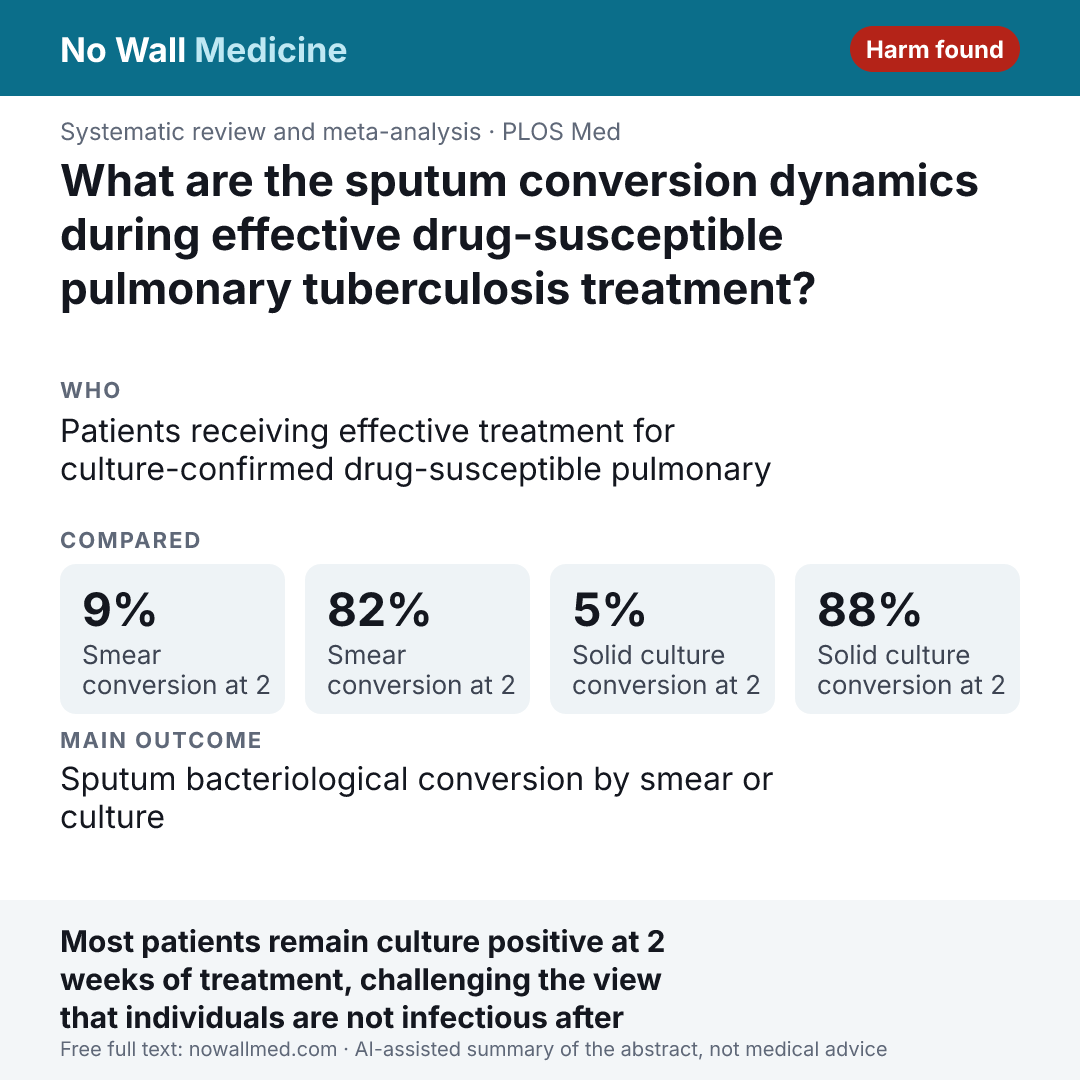
Dynamics of sputum conversion during effective tuberculosis treatment: A systematic review and meta-analysis
Systematic review and meta-analysisHarm found
What are the sputum conversion dynamics during effective drug-susceptible pulmonary tuberculosis treatment?
Who
Patients receiving effective treatment for culture-confirmed drug-susceptible pulmonary tuberculosis · Multiple continents including Africa, Asia, South America, North America, Europe
Compared
9%Smear conversion at 2 weeks (95% CI 3%-24%)
82%Smear conversion at 2 months (95% CI 78%-86%)
5%Solid culture conversion at 2 weeks (95% CI 0%-14%)
88%Solid culture conversion at 2 months (95% CI 84%-92%)
Main outcome
Sputum bacteriological conversion by smear or culture
Bottom line: Most patients remain culture positive at 2 weeks of treatment, challenging the view that individuals are not infectious after this interval.
Limitation: Heterogeneity was limited by lack of disaggregation by HIV status, baseline smear status, and lung cavitation.
PLOS Med · 2021-04-26 · Save PNG
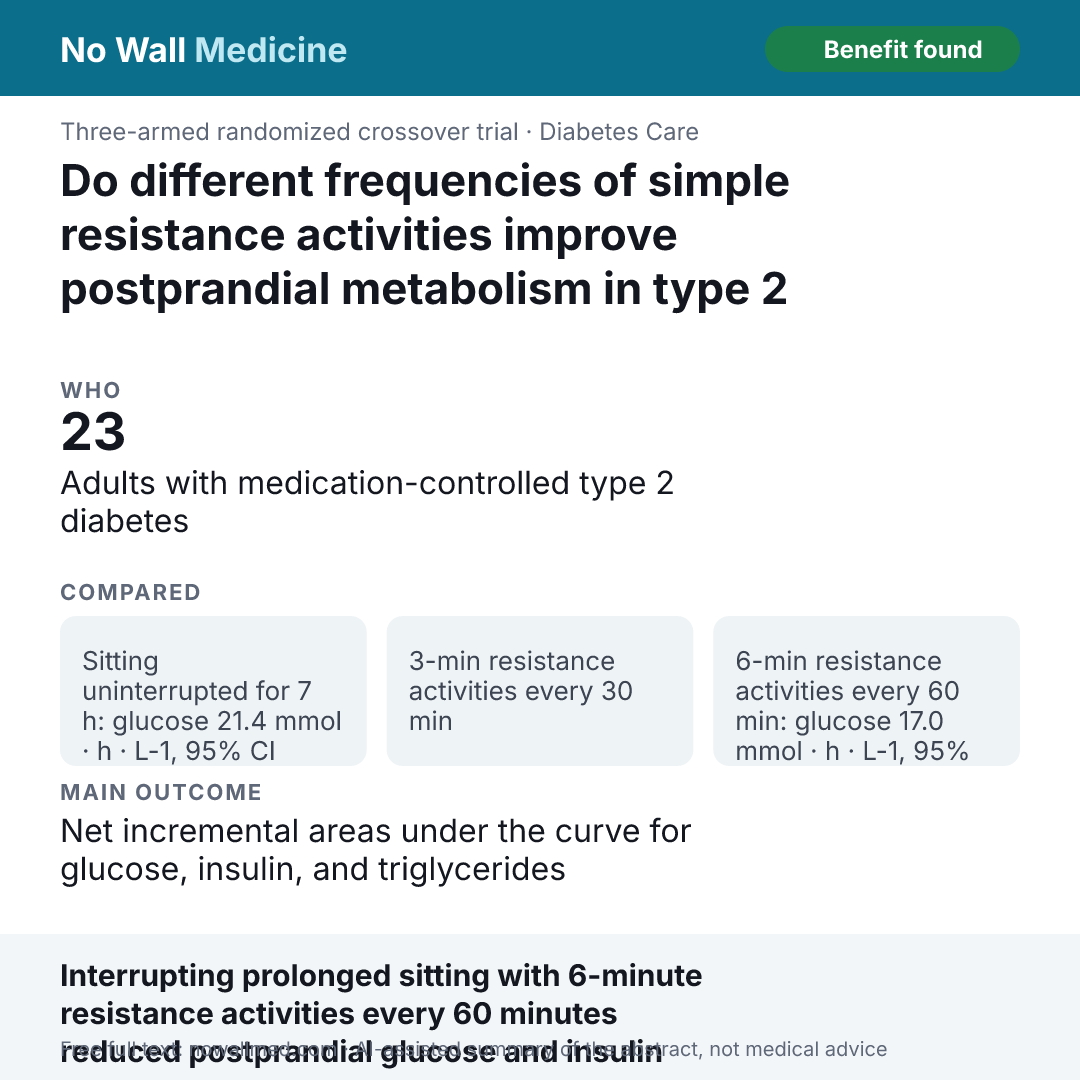
Frequency of Interruptions to Sitting Time: Benefits for Postprandial Metabolism in Type 2 Diabetes
Three-armed randomized crossover trialBenefit found
Do different frequencies of simple resistance activities improve postprandial metabolism in type 2 diabetes?
Who
23
Adults with medication-controlled type 2 diabetes
Compared
Sitting uninterrupted for 7 h: glucose 21.4 mmol · h · L-1, 95% CI 16.9, 25.8
3-min resistance activities every 30 min
6-min resistance activities every 60 min: glucose 17.0 mmol · h · L-1, 95% CI 12.5, 21.4
Main outcome
Net incremental areas under the curve for glucose, insulin, and triglycerides
Bottom line: Interrupting prolonged sitting with 6-minute resistance activities every 60 minutes reduced postprandial glucose and insulin responses.
Diabetes Care · 2021-04-26 · Save PNG
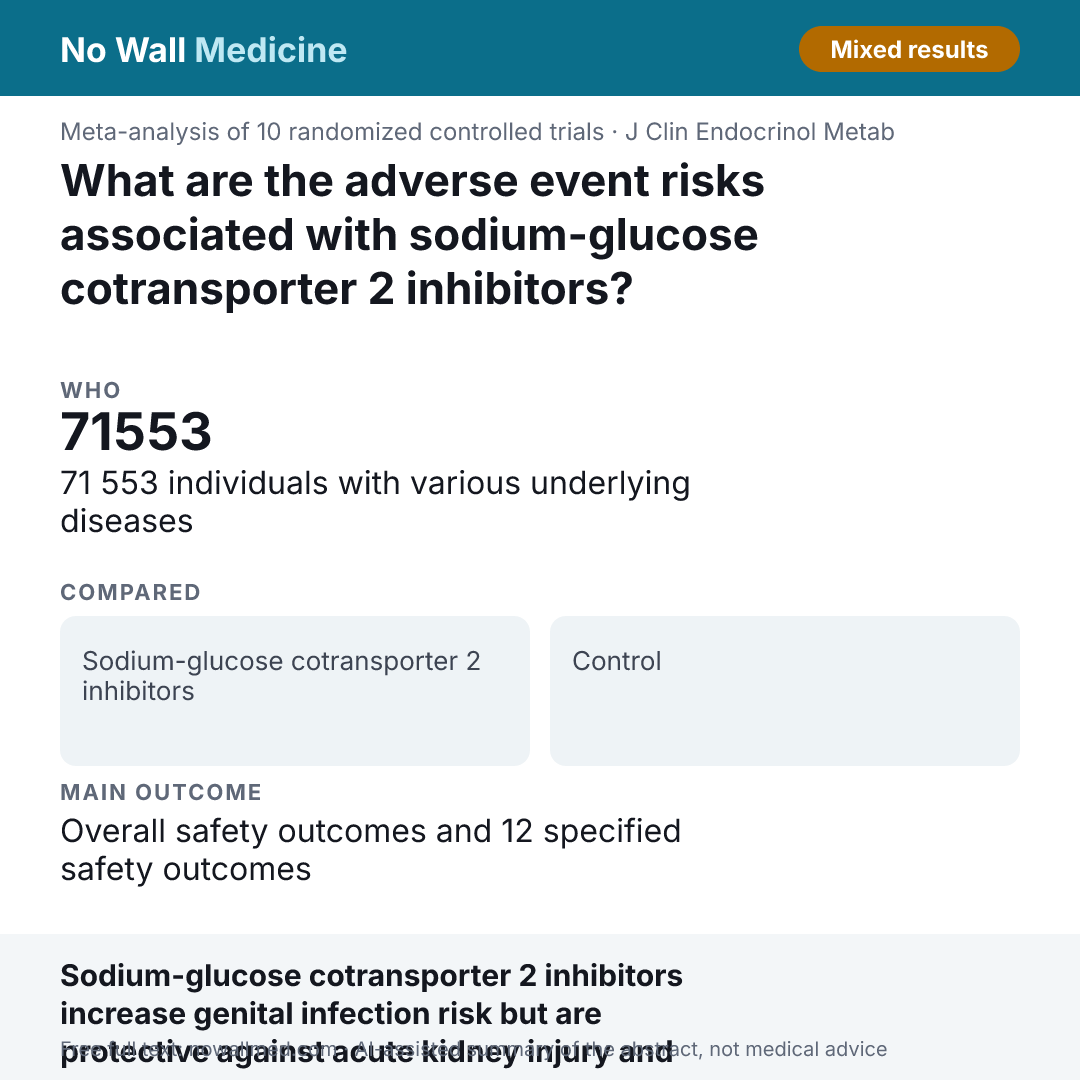
Clinical Adverse Events Associated with Sodium-Glucose Cotransporter 2 Inhibitors: A Meta-Analysis Involving 10 Randomized Clinical Trials and 71 553 Individuals
Meta-analysis of 10 randomized controlled trialsMixed results
What are the adverse event risks associated with sodium-glucose cotransporter 2 inhibitors?
Who
71553
71 553 individuals with various underlying diseases
Compared
Sodium-glucose cotransporter 2 inhibitors
Control
Main outcome
Overall safety outcomes and 12 specified safety outcomes
Result: risk ratio 0.92 (95% CI 0.90-0.94) for any serious adverse event
Bottom line: Sodium-glucose cotransporter 2 inhibitors increase genital infection risk but are protective against acute kidney injury and serious adverse events.
J Clin Endocrinol Metab · 2021-04-26 · Save PNG
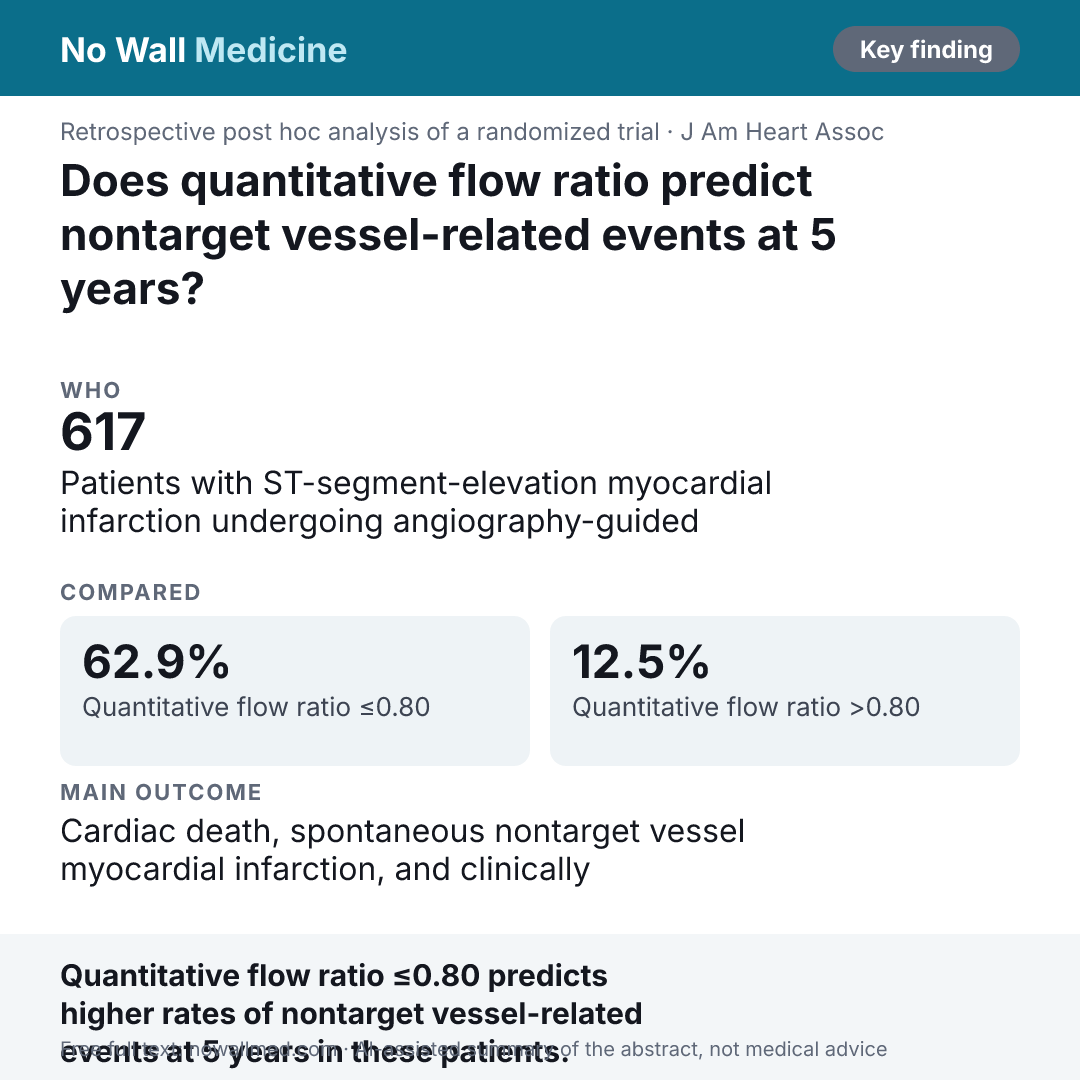
Quantitative Flow Ratio to Predict Nontarget Vessel-Related Events at 5 Years in Patients With ST-Segment-Elevation Myocardial Infarction Undergoing Angiography-Guided Revascularization
Retrospective post hoc analysis of a randomized trialKey finding
Does quantitative flow ratio predict nontarget vessel-related events at 5 years?
Who
617
Patients with ST-segment-elevation myocardial infarction undergoing angiography-guided revascularization · Multicenter
Compared
62.9%Quantitative flow ratio ≤0.80
12.5%Quantitative flow ratio >0.80
Main outcome
Cardiac death, spontaneous nontarget vessel myocardial infarction, and clinically indicated nontarget vessel revascularization
Result: hazard ratio 7.33 (95% CI 4.54-11.83)
Bottom line: Quantitative flow ratio ≤0.80 predicts higher rates of nontarget vessel-related events at 5 years in these patients.
J Am Heart Assoc · 2021-04-26 · Save PNG
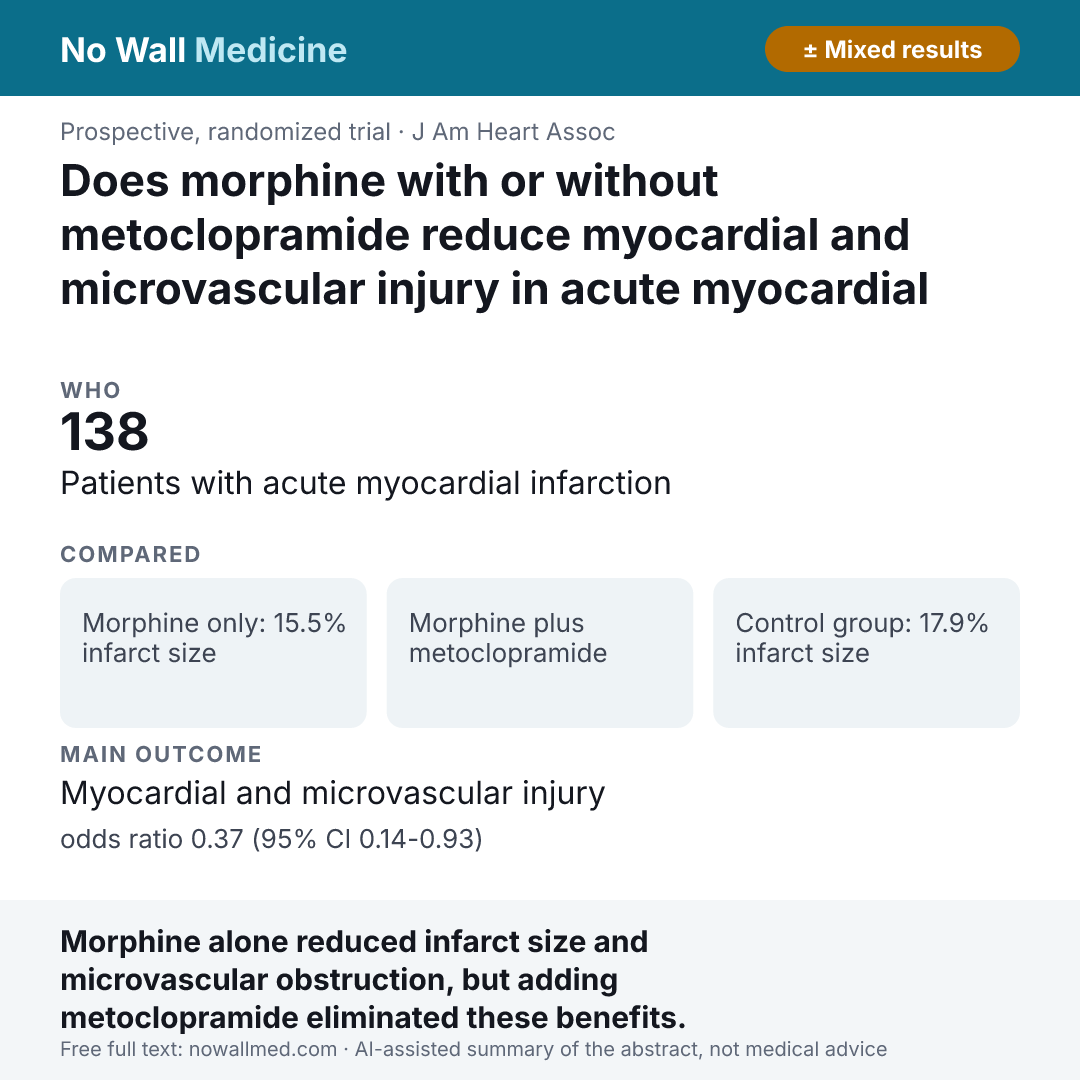
Impact of Morphine Treatment With and Without Metoclopramide Coadministration on Myocardial and Microvascular Injury in Acute Myocardial Infarction: Insights From the Randomized MonAMI Trial
Prospective, randomized trialMixed results
Does morphine with or without metoclopramide reduce myocardial and microvascular injury in acute myocardial infarction?
Who
138
Patients with acute myocardial infarction
Compared
Morphine only: 15.5% infarct size
Morphine plus metoclopramide
Control group: 17.9% infarct size
Main outcome
Myocardial and microvascular injury
Result: odds ratio 0.37 (95% CI 0.14-0.93)
Bottom line: Morphine alone reduced infarct size and microvascular obstruction, but adding metoclopramide eliminated these benefits.
J Am Heart Assoc · 2021-04-26 · Save PNG
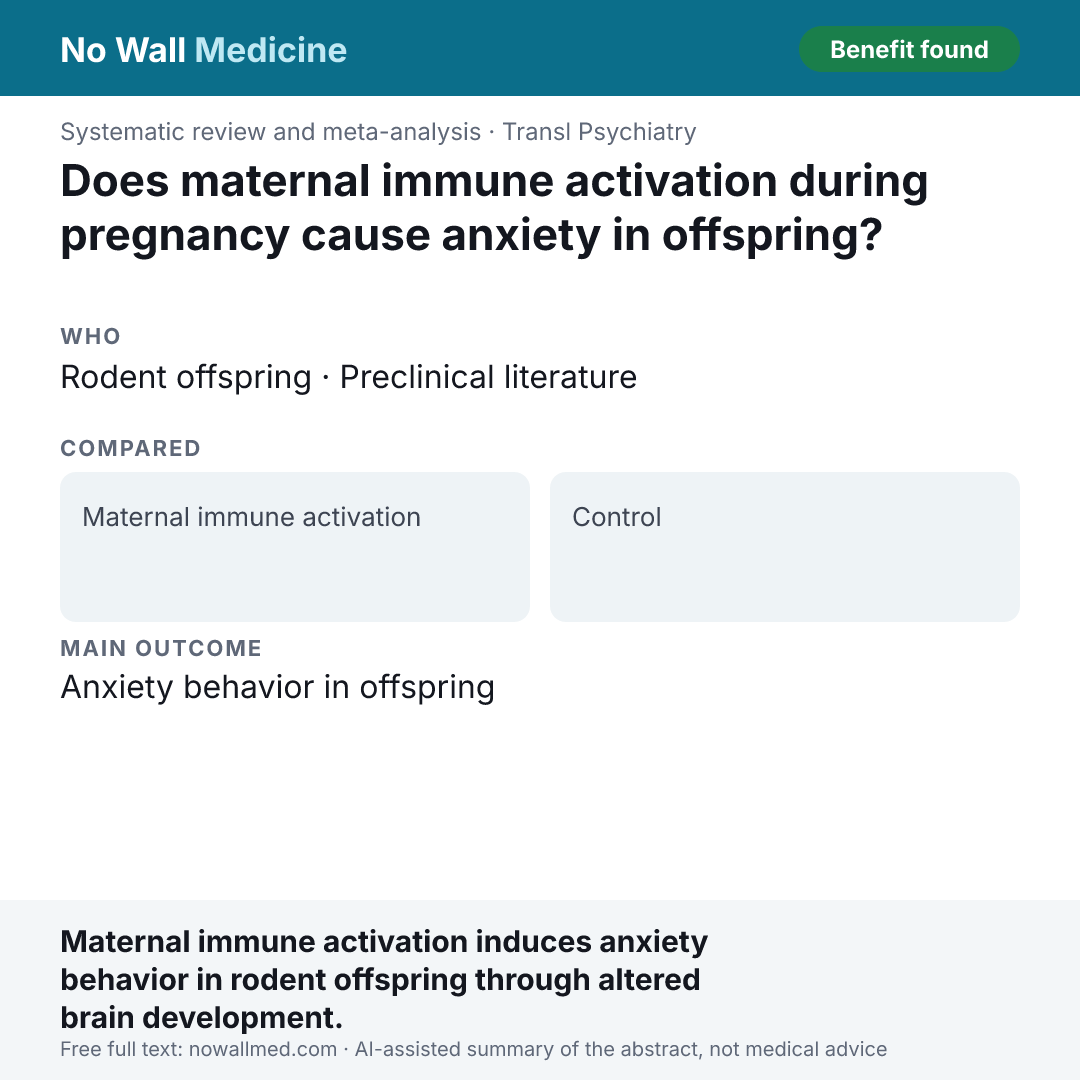
Maternal immune activation generates anxiety in offspring: A translational meta-analysis
Systematic review and meta-analysisBenefit found
Does maternal immune activation during pregnancy cause anxiety in offspring?
Who
Rodent offspring · Preclinical literature
Compared
Maternal immune activation
Control
Main outcome
Anxiety behavior in offspring
Bottom line: Maternal immune activation induces anxiety behavior in rodent offspring through altered brain development.
Transl Psychiatry · 2021-04-26 · Save PNG
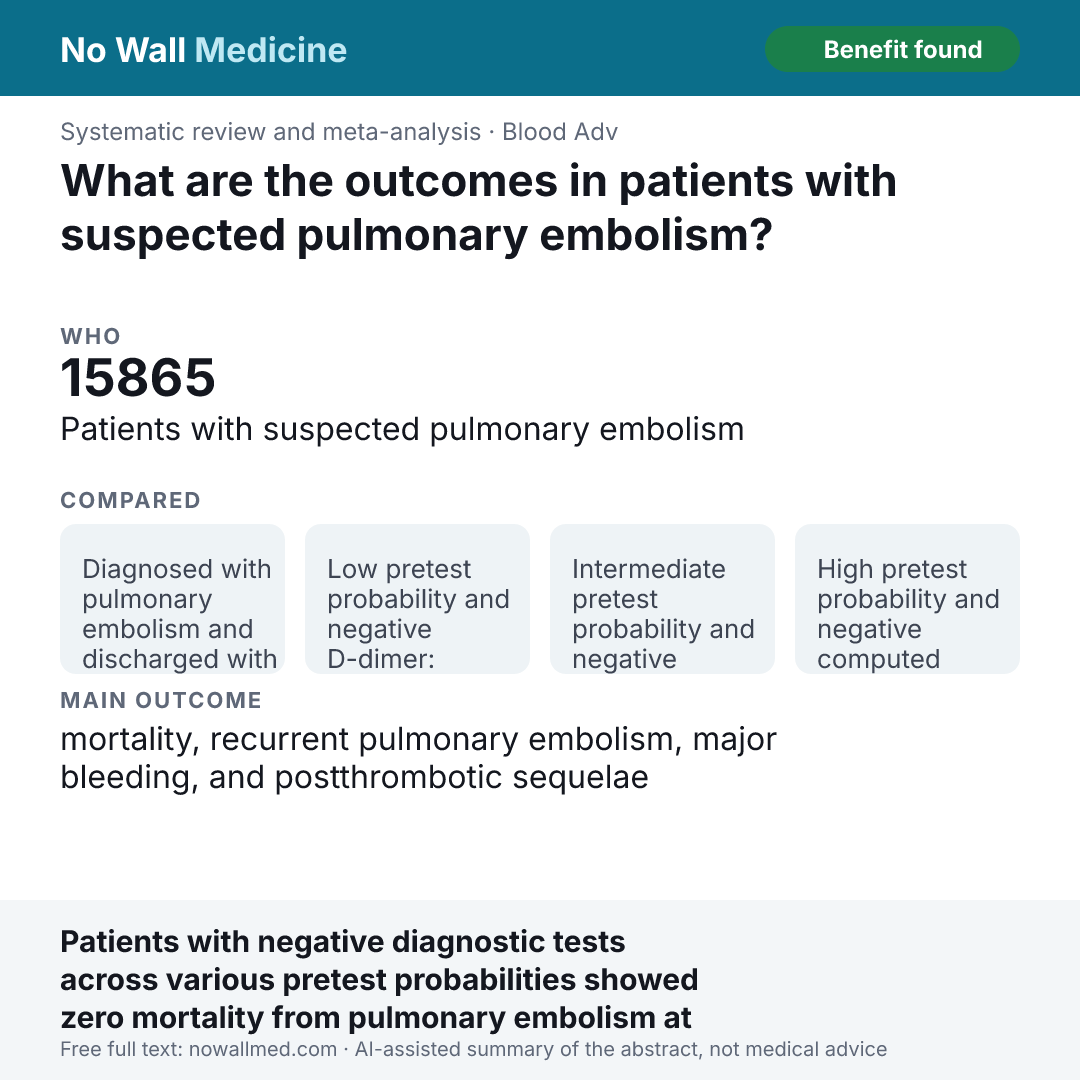
Systematic review and meta-analysis of outcomes in patients with suspected pulmonary embolism
Systematic review and meta-analysisBenefit found
What are the outcomes in patients with suspected pulmonary embolism?
Who
15865
Patients with suspected pulmonary embolism
Compared
Diagnosed with pulmonary embolism and discharged with anticoagulation: all-cause mortality 5.69% (91/1599; 95% confidence interval [CI], 4.56-6.83)
Low pretest probability and negative D-dimer: mortality from pulmonary embolism 0% (0/808)
Intermediate pretest probability and negative D-dimer: mortality from pulmonary embolism 0% (0/2747)
High pretest probability and negative computed tomography scan: mortality from pulmonary embolism 0% (0/651)
Main outcome
mortality, recurrent pulmonary embolism, major bleeding, and postthrombotic sequelae
Bottom line: Patients with negative diagnostic tests across various pretest probabilities showed zero mortality from pulmonary embolism at 3-month follow-up.
Blood Adv · 2021-04-26 · Save PNG
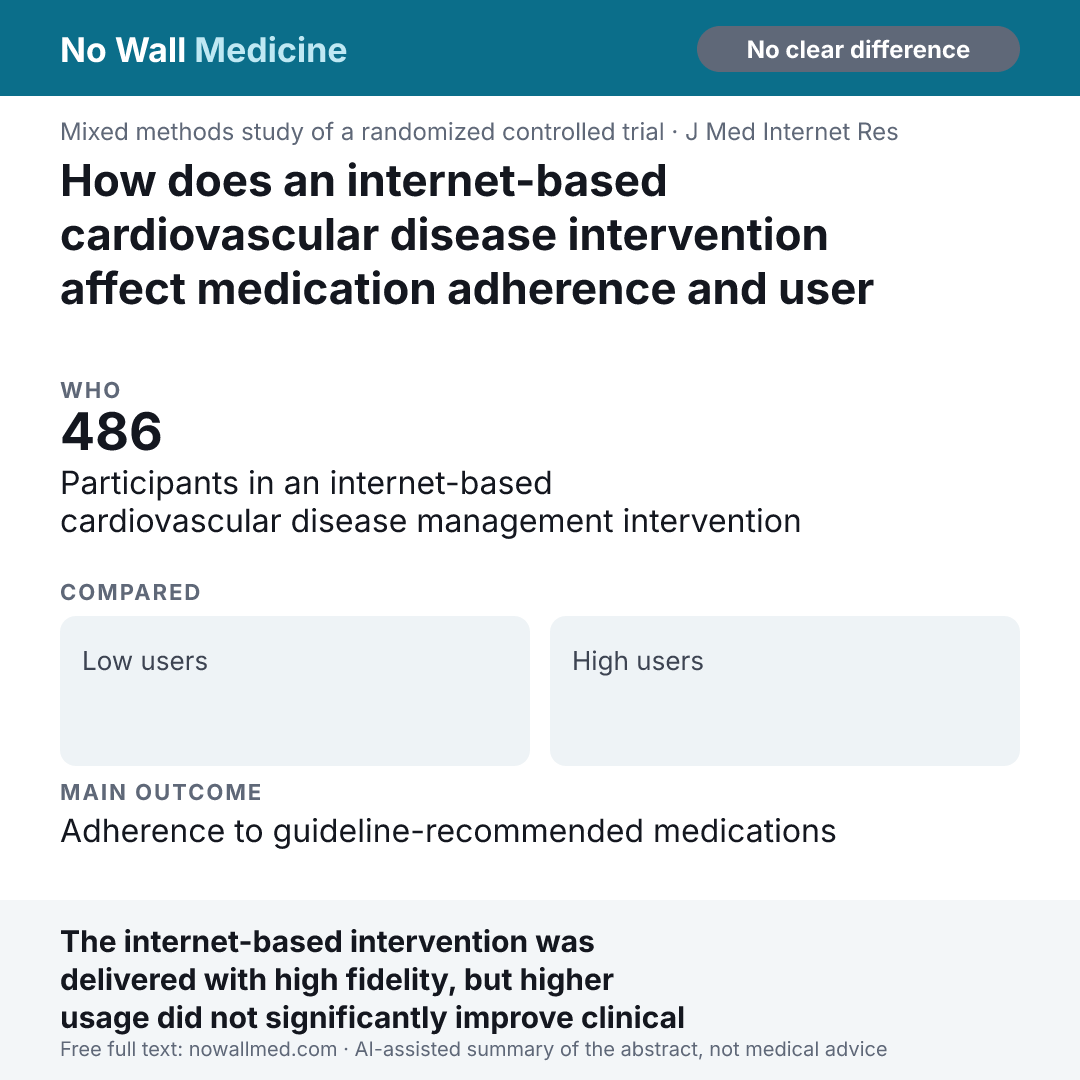
An Internet-Based Intervention for Cardiovascular Disease Management Integrated With Primary Care Electronic Health Records: Mixed Methods Evaluation of Implementation Fidelity and User Engagement
Mixed methods study of a randomized controlled trialNo clear difference
How does an internet-based cardiovascular disease intervention affect medication adherence and user engagement?
Who
486
Participants in an internet-based cardiovascular disease management intervention
Compared
Low users
High users
Main outcome
Adherence to guideline-recommended medications
Bottom line: The internet-based intervention was delivered with high fidelity, but higher usage did not significantly improve clinical or lifestyle outcomes.
J Med Internet Res · 2021-04-26 · Save PNG
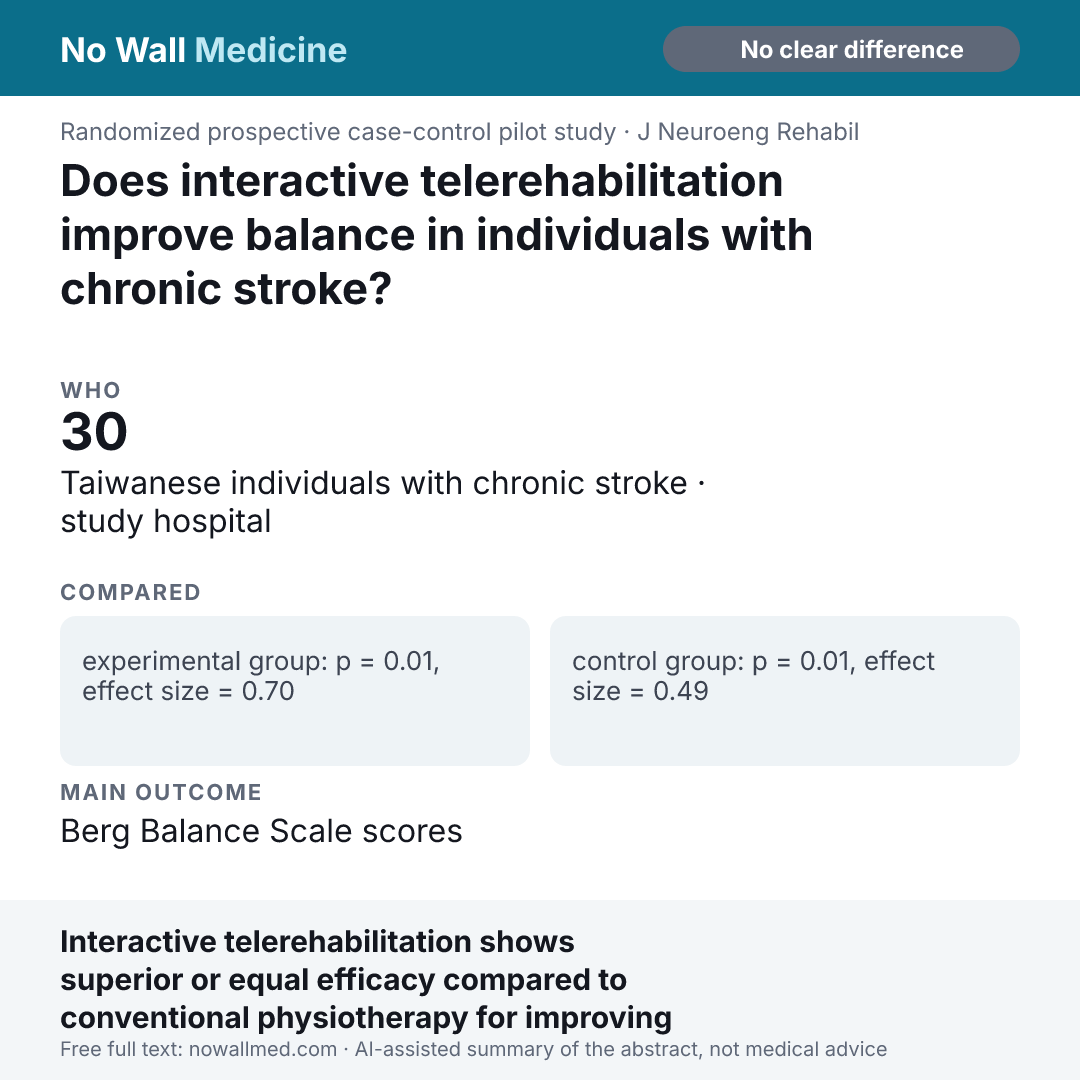
Feasibility and effect of interactive telerehabilitation on balance in individuals with chronic stroke: a pilot study
Randomized prospective case-control pilot studyNo clear difference
Does interactive telerehabilitation improve balance in individuals with chronic stroke?
Who
30
Taiwanese individuals with chronic stroke · study hospital
Compared
experimental group: p = 0.01, effect size = 0.70
control group: p = 0.01, effect size = 0.49
Main outcome
Berg Balance Scale scores
Bottom line: Interactive telerehabilitation shows superior or equal efficacy compared to conventional physiotherapy for improving balance in chronic stroke.
J Neuroeng Rehabil · 2021-04-26 · Save PNG