Visual abstracts
New randomized trials and meta-analyses from leading journals at a glance: who was studied, what was compared, and what was found. Every paper is free to read in full.
All specialtiesCardiology 4877Oncology 4138Gastroenterology & Hepatology 1942Infectious Disease 3837Neurology 1905Psychiatry & Mental Health 2273Pulmonology 2143Critical Care 1365Endocrinology & Diabetes 2580Pediatrics 2980Surgery 2559Orthopedics & Sports Medicine 931Neurosurgery 537Cardiothoracic & Vascular Surgery 674Plastic & Reconstructive Surgery 591Nephrology 1133Rheumatology 823Hematology 1109Dermatology 621Ophthalmology 543Obstetrics & Gynecology 1686Public & Global Health 1058Radiology & Imaging 648Anesthesiology 986Urology 764ENT (Otolaryngology) 503Emergency Medicine 511Allergy & Immunology 313Geriatrics 981Family Medicine & Primary Care 562Medical Genetics & Genomics 676Pathology & Laboratory Medicine 159Physical Medicine & Rehabilitation 757Palliative Care 444Nutrition 1588Digital Health & AI 2201General Medicine 321
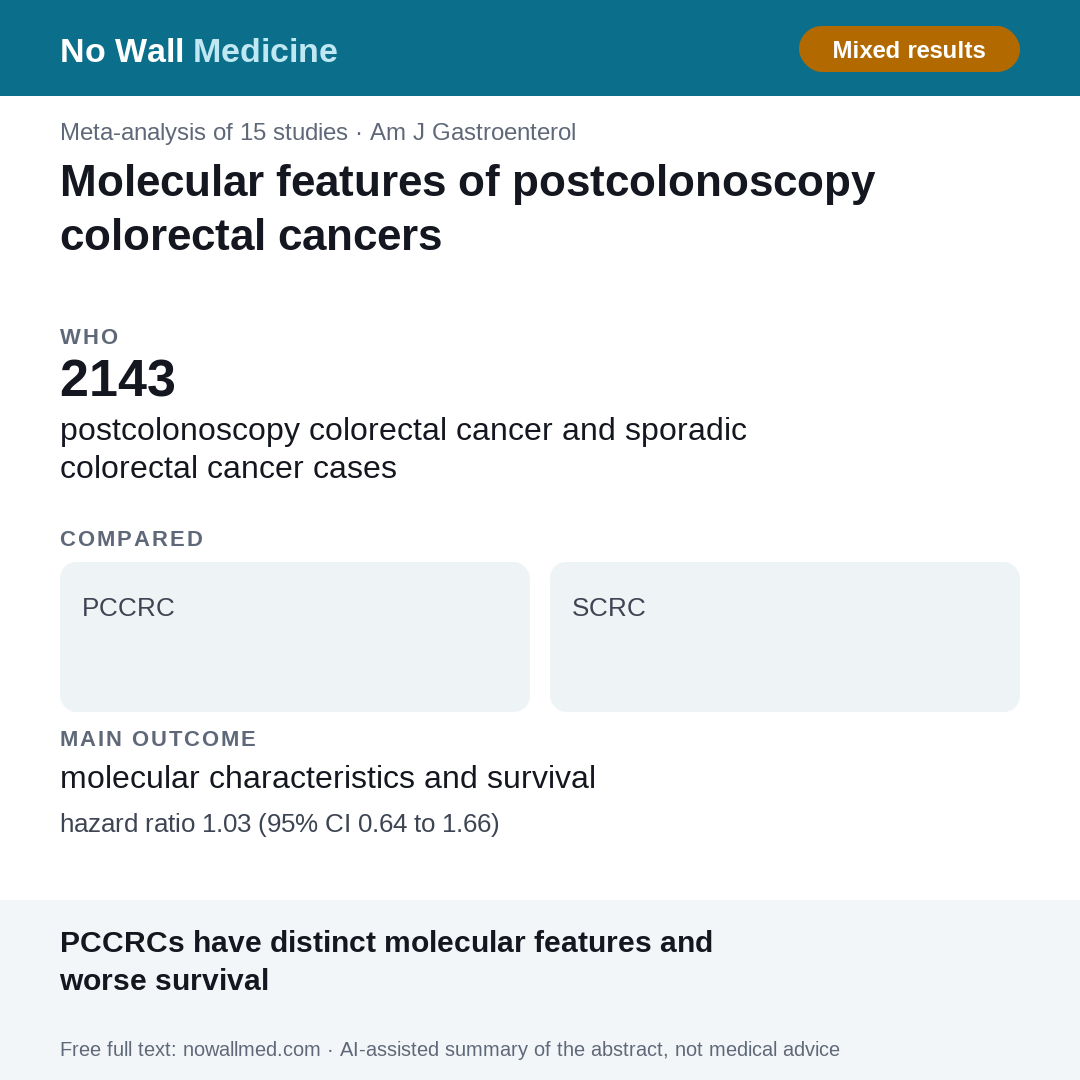
Predominant Serrated Molecular Signature in Postcolonoscopy Colorectal Cancer: A Systematic Review and Meta-Analysis
Meta-analysis of 15 studiesMixed results
Molecular features of postcolonoscopy colorectal cancers
Who
2143
postcolonoscopy colorectal cancer and sporadic colorectal cancer cases
Compared
PCCRC
SCRC
Main outcome
molecular characteristics and survival
Result: hazard ratio 1.03 (95% CI 0.64 to 1.66)
Bottom line: PCCRCs have distinct molecular features and worse survival
Am J Gastroenterol · 2025-07-23Download image
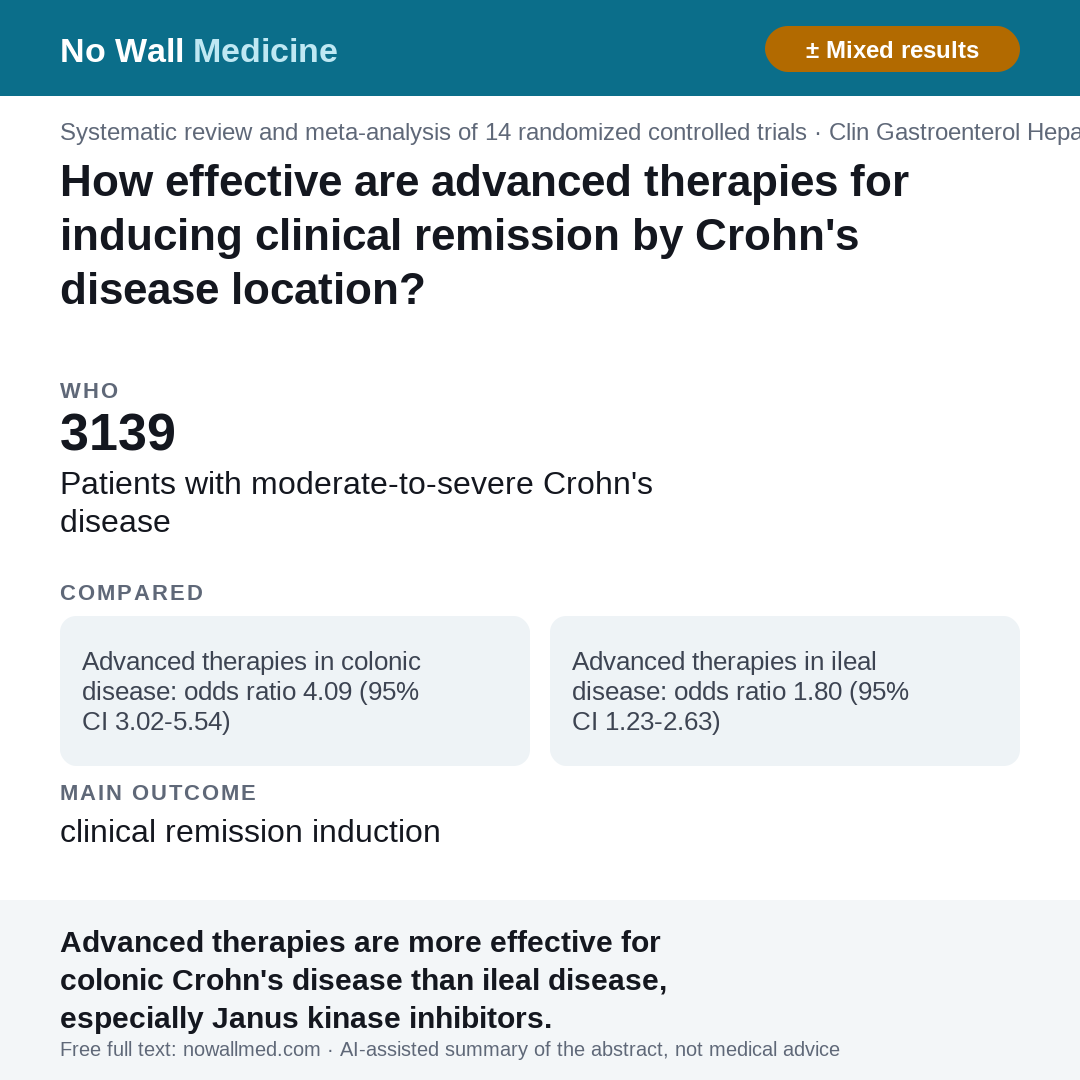
Efficacy of Advanced Therapies in Achieving Remission by Disease Location in Crohn's Disease: A Systematic Review and Meta-analysis
Systematic review and meta-analysis of 14 randomized controlled trialsMixed results
How effective are advanced therapies for inducing clinical remission by Crohn's disease location?
Who
3139
Patients with moderate-to-severe Crohn's disease
Compared
Advanced therapies in colonic disease: odds ratio 4.09 (95% CI 3.02-5.54)
Advanced therapies in ileal disease: odds ratio 1.80 (95% CI 1.23-2.63)
Main outcome
clinical remission induction
Result: odds ratio 4.09 (95% CI 3.02-5.54) vs 1.80 (95% CI 1.23-2.63)
Bottom line: Advanced therapies are more effective for colonic Crohn's disease than ileal disease, especially Janus kinase inhibitors.
Limitation: All analyses had minimal to moderate heterogeneity.
Clin Gastroenterol Hepatol · 2025-07-23Download image
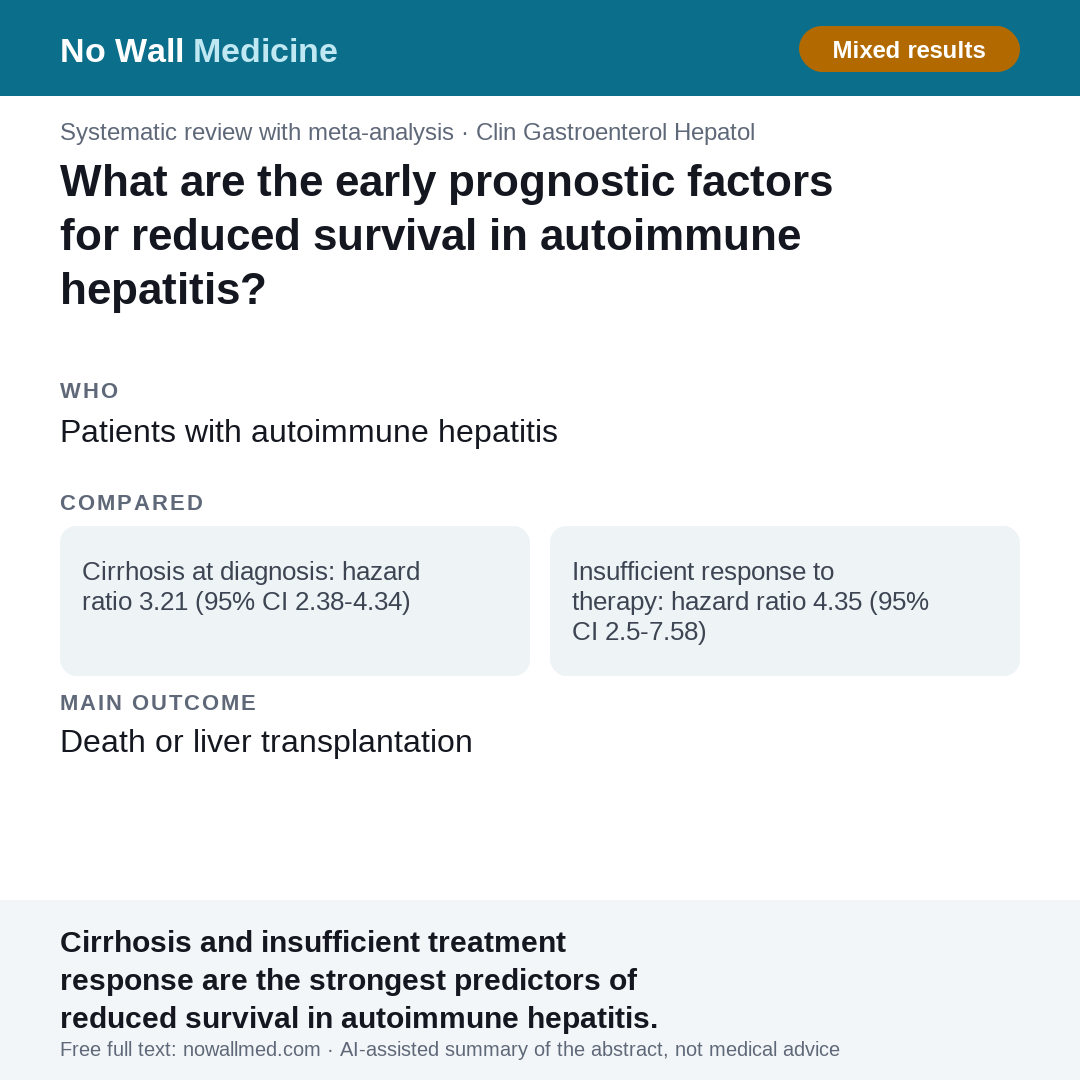
Early Prognostic Factors for Reduced Survival in Autoimmune Hepatitis: A Systematic Review With Meta-Analysis
Systematic review with meta-analysisMixed results
What are the early prognostic factors for reduced survival in autoimmune hepatitis?
Who
Patients with autoimmune hepatitis
Compared
Cirrhosis at diagnosis: hazard ratio 3.21 (95% CI 2.38-4.34)
Insufficient response to therapy: hazard ratio 4.35 (95% CI 2.5-7.58)
Main outcome
Death or liver transplantation
Bottom line: Cirrhosis and insufficient treatment response are the strongest predictors of reduced survival in autoimmune hepatitis.
Clin Gastroenterol Hepatol · 2025-07-23Download image
Global Trends in Antimicrobial Resistance Among Cirrhosis Patients With Bacteremia: A Systematic Review and Meta-analysis
Systematic review and meta-analysisMixed results
What are the global trends in antimicrobial resistance among cirrhosis patients with bacteremia?
Who
5610
Patients with cirrhosis and bacteremia · Global
Compared
31%Multidrug-resistant infections (95% CI, 19%-44%)
14%Extended-spectrum beta-lactamase-producing Escherichia coli (95% CI, 7%-22%)
Main outcome
Antimicrobial resistance proportions among bacterial pathogens
Bottom line: Cirrhosis patients face significant global antimicrobial resistance, with varying patterns across different geographic regions.
Clin Gastroenterol Hepatol · 2025-07-23Download image

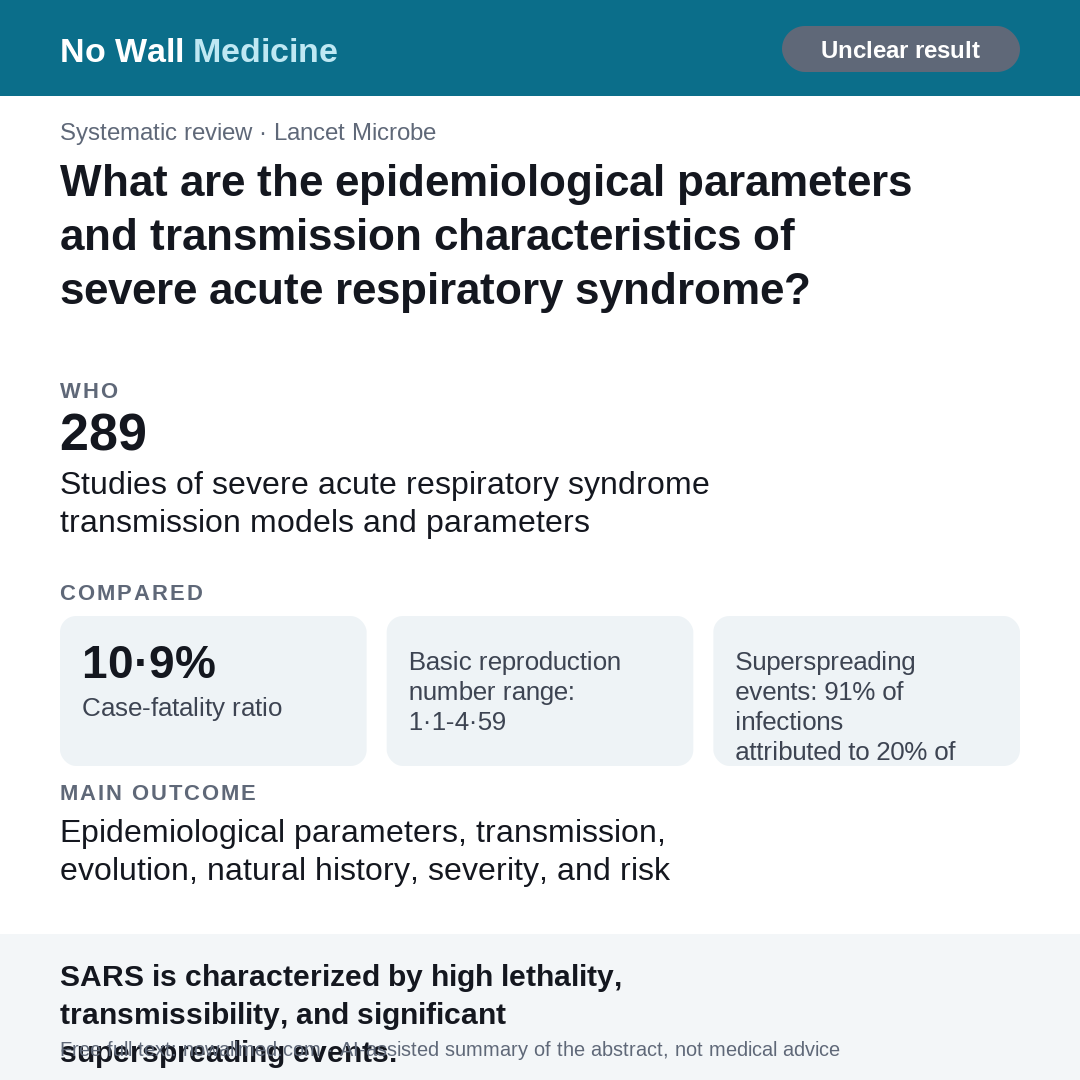
Severe acute respiratory syndrome (SARS) mathematical models and disease parameters: a systematic review
Systematic reviewUnclear result
What are the epidemiological parameters and transmission characteristics of severe acute respiratory syndrome?
Who
289
Studies of severe acute respiratory syndrome transmission models and parameters
Compared
10·9%Case-fatality ratio
Basic reproduction number range: 1·1-4·59
Superspreading events: 91% of infections attributed to 20% of individuals
Main outcome
Epidemiological parameters, transmission, evolution, natural history, severity, and risk factors
Bottom line: SARS is characterized by high lethality, transmissibility, and significant superspreading events.
Limitation: The natural history of SARS was poorly characterised, except for incubation and hospitalization delays.
Lancet Microbe · 2025-07-23Download image
Medical Thoracoscopy With vs Without Prior Artificial Pneumothorax for Patients With Minimal or Absent Pleural Effusion
Multicenter randomized noninferiority trialBenefit found
Is nonartificial pneumothorax noninferior to artificial pneumothorax for pleural access success?
Who
204
Patients with minimal or absent pleural effusion requiring medical thoracoscopy · Multicenter
Compared
78.4%Artificial pneumothorax
95.0%Nonartificial pneumothorax
Main outcome
Pleural access success rate
Result: difference, 16.6% [one-sided lower 97.5% CI, 7.6%]
Bottom line: Nonartificial pneumothorax is noninferior and potentially superior to artificial pneumothorax for pleural access success.
Chest · 2025-07-23Download image

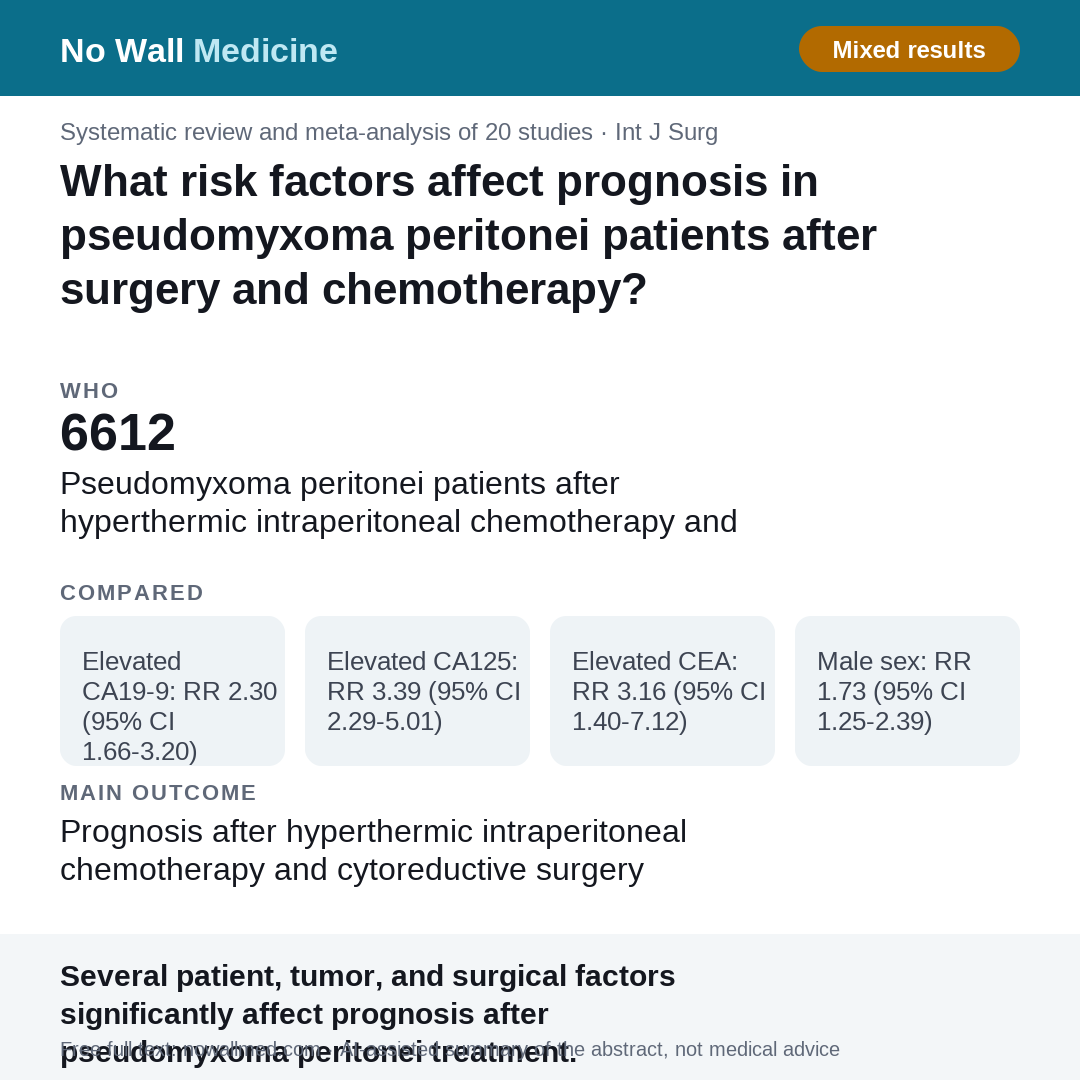
Risk factors affecting prognosis in pseudomyxoma peritonei patients after hyperthermic intraperitoneal chemotherapy and cytoreductive surgery: a systematic review and meta-analysis
Systematic review and meta-analysis of 20 studiesMixed results
What risk factors affect prognosis in pseudomyxoma peritonei patients after surgery and chemotherapy?
Who
6612
Pseudomyxoma peritonei patients after hyperthermic intraperitoneal chemotherapy and cytoreductive surgery
Compared
Elevated CA19-9: RR 2.30 (95% CI 1.66-3.20)
Elevated CA125: RR 3.39 (95% CI 2.29-5.01)
Elevated CEA: RR 3.16 (95% CI 1.40-7.12)
Male sex: RR 1.73 (95% CI 1.25-2.39)
Main outcome
Prognosis after hyperthermic intraperitoneal chemotherapy and cytoreductive surgery
Bottom line: Several patient, tumor, and surgical factors significantly affect prognosis after pseudomyxoma peritonei treatment.
Int J Surg · 2025-07-23Download image
A comparative analysis of tip-bendable suction ureteral access sheath versus traditional sheath in retrograde intrarenal stone surgery: a systematic review and meta-analysis of comparative studies
Systematic review and meta-analysisBenefit found
Is tip-bendable suction ureteral access sheath better than traditional sheath in stone surgery?
Who
1981
Patients undergoing retrograde intrarenal stone surgery
Compared
Tip-bendable suction ureteral access sheath
Traditional ureteral access sheath
Main outcome
Stone-free rates and complication rates
Result: immediate stone-free rate RR 1.57 (95% CI 1.18-2.09)
Bottom line: Tip-bendable suction ureteral access sheaths improve stone-free rates and reduce complication rates compared to traditional sheaths.
Int J Surg · 2025-07-23Download image

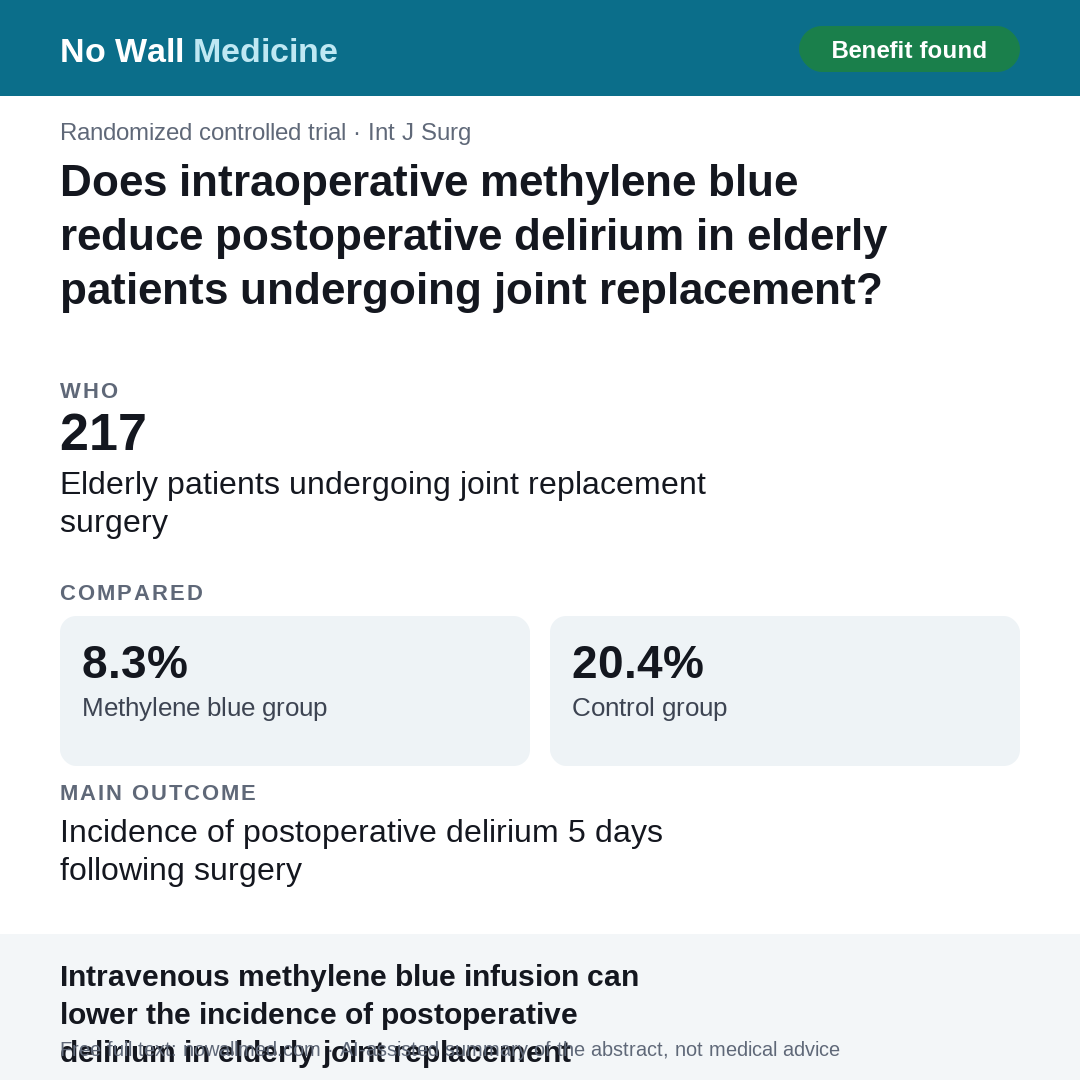
Effect of intraoperative methylene blue on postoperative delirium in elderly patients undergoing joint replacement: a randomized controlled trial
Randomized controlled trialBenefit found
Does intraoperative methylene blue reduce postoperative delirium in elderly patients undergoing joint replacement?
Who
217
Elderly patients undergoing joint replacement surgery
Compared
8.3%Methylene blue group
20.4%Control group
Main outcome
Incidence of postoperative delirium 5 days following surgery
Result: hazard ratio 0.39 (95% confidence interval: 0.173-0.858)
Bottom line: Intravenous methylene blue infusion can lower the incidence of postoperative delirium in elderly joint replacement patients.
Int J Surg · 2025-07-23Download image
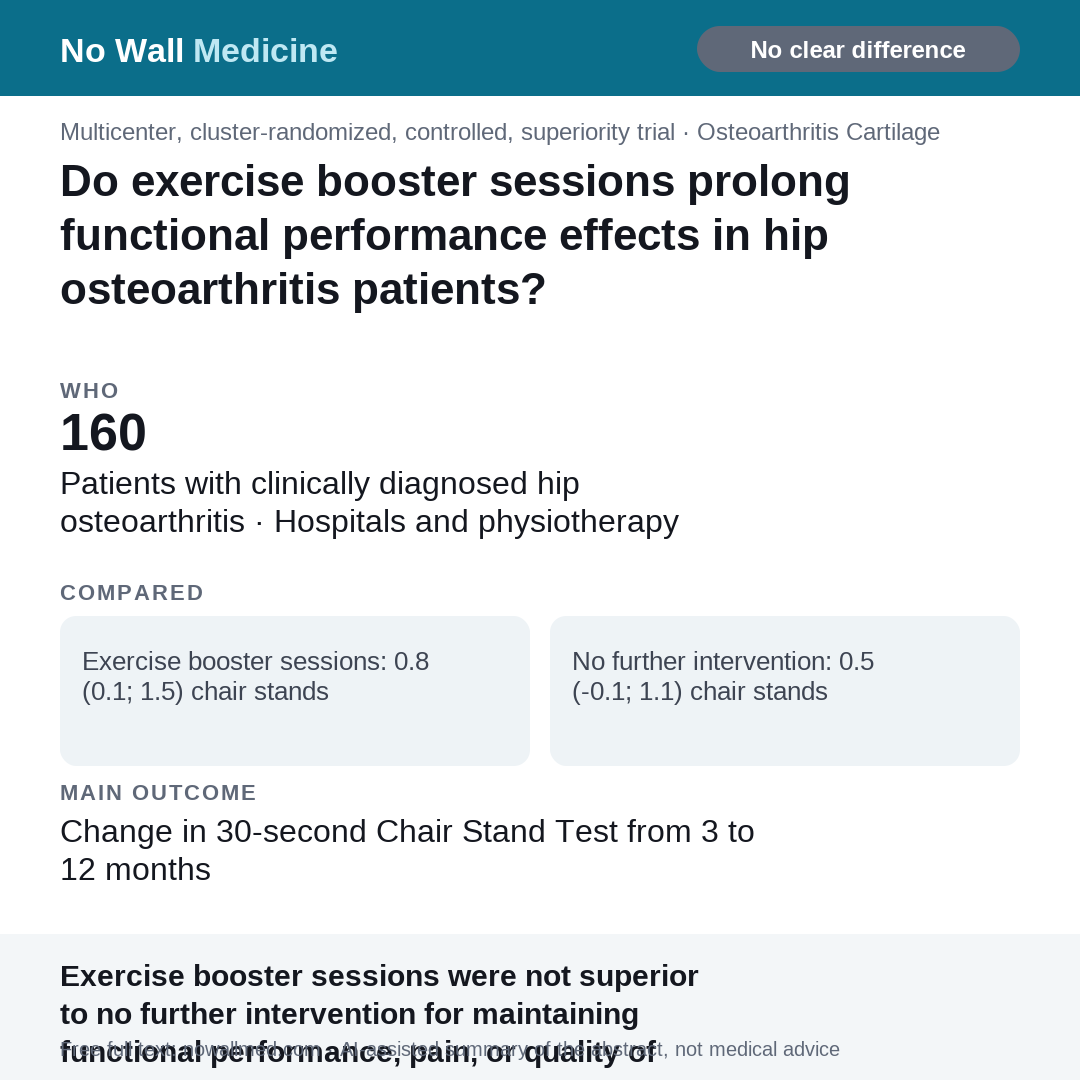
Booster sessions for maintaining the effect of neuromuscular exercise and progressive resistance training in hip osteoarthritis: 12-month follow-up from a multicenter cluster-randomized controlled trial
Multicenter, cluster-randomized, controlled, superiority trialNo clear difference
Do exercise booster sessions prolong functional performance effects in hip osteoarthritis patients?
Who
160
Patients with clinically diagnosed hip osteoarthritis · Hospitals and physiotherapy clinics
Compared
Exercise booster sessions: 0.8 (0.1; 1.5) chair stands
No further intervention: 0.5 (-0.1; 1.1) chair stands
Main outcome
Change in 30-second Chair Stand Test from 3 to 12 months
Result: difference: 0.3 [-0.6; 1.2]
Bottom line: Exercise booster sessions were not superior to no further intervention for maintaining functional performance, pain, or quality of life.
Osteoarthritis Cartilage · 2025-07-23Download image
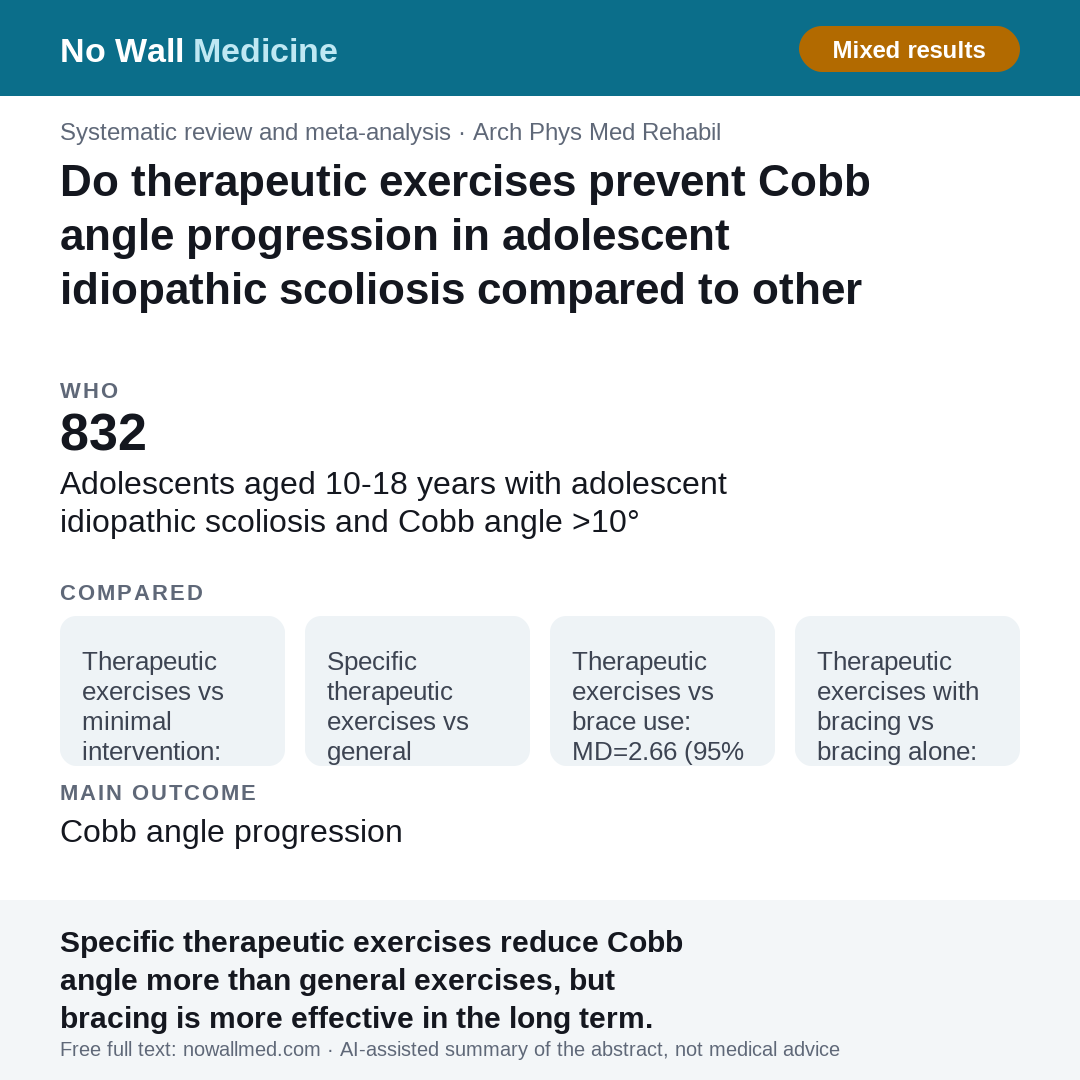
Impact of Therapeutic Exercises Versus General Conservative Modalities and Brace on the Progression of Adolescent Idiopathic Scoliosis: Systematic Review and Meta-analysis
Systematic review and meta-analysisMixed results
Do therapeutic exercises prevent Cobb angle progression in adolescent idiopathic scoliosis compared to other treatments?
Who
832
Adolescents aged 10-18 years with adolescent idiopathic scoliosis and Cobb angle >10°
Compared
Therapeutic exercises vs minimal intervention: mean difference -1.33 (95% CI -4.87 to 2.22)
Specific therapeutic exercises vs general exercises: MD=-6.00 (95% CI, -6.88 to -5.12) long term
Therapeutic exercises vs brace use: MD=2.66 (95% CI, 0.18-5.14) long term
Therapeutic exercises with bracing vs bracing alone: MD=2.25 (95% CI, -3.86 to -0.63) short term
Main outcome
Cobb angle progression
Bottom line: Specific therapeutic exercises reduce Cobb angle more than general exercises, but bracing is more effective in the long term.
Limitation: Further high-quality trials are needed to establish optimal treatment protocols.
Arch Phys Med Rehabil · 2025-07-23Download image
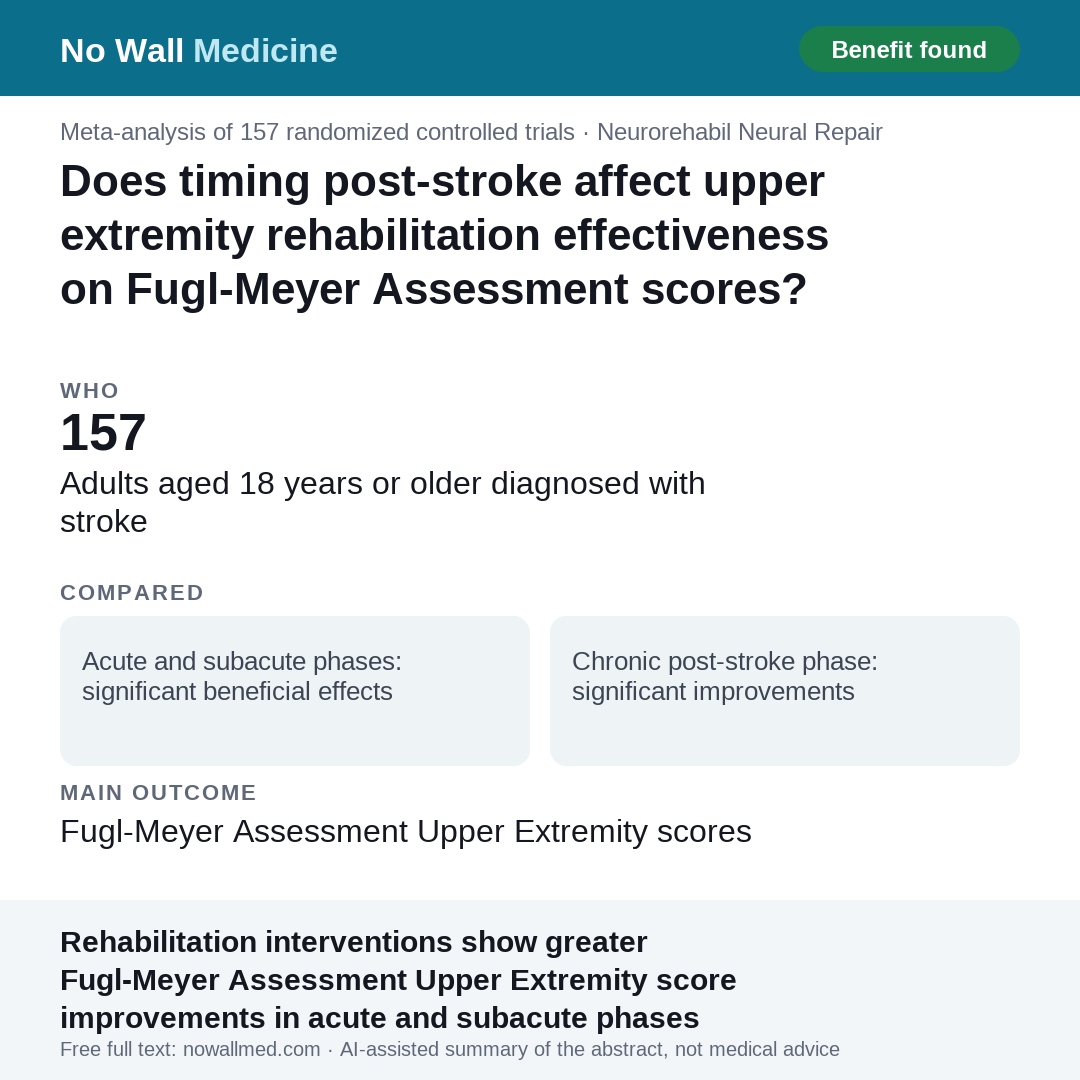
Time Post-Stroke and Upper Extremity Stroke Motor Recovery Rehabilitation: A Meta-Analysis
Meta-analysis of 157 randomized controlled trialsBenefit found
Does timing post-stroke affect upper extremity rehabilitation effectiveness on Fugl-Meyer Assessment scores?
Who
157
Adults aged 18 years or older diagnosed with stroke
Compared
Acute and subacute phases: significant beneficial effects
Chronic post-stroke phase: significant improvements
Main outcome
Fugl-Meyer Assessment Upper Extremity scores
Bottom line: Rehabilitation interventions show greater Fugl-Meyer Assessment Upper Extremity score improvements in acute and subacute phases than chronic phases.
Neurorehabil Neural Repair · 2025-07-23Download image
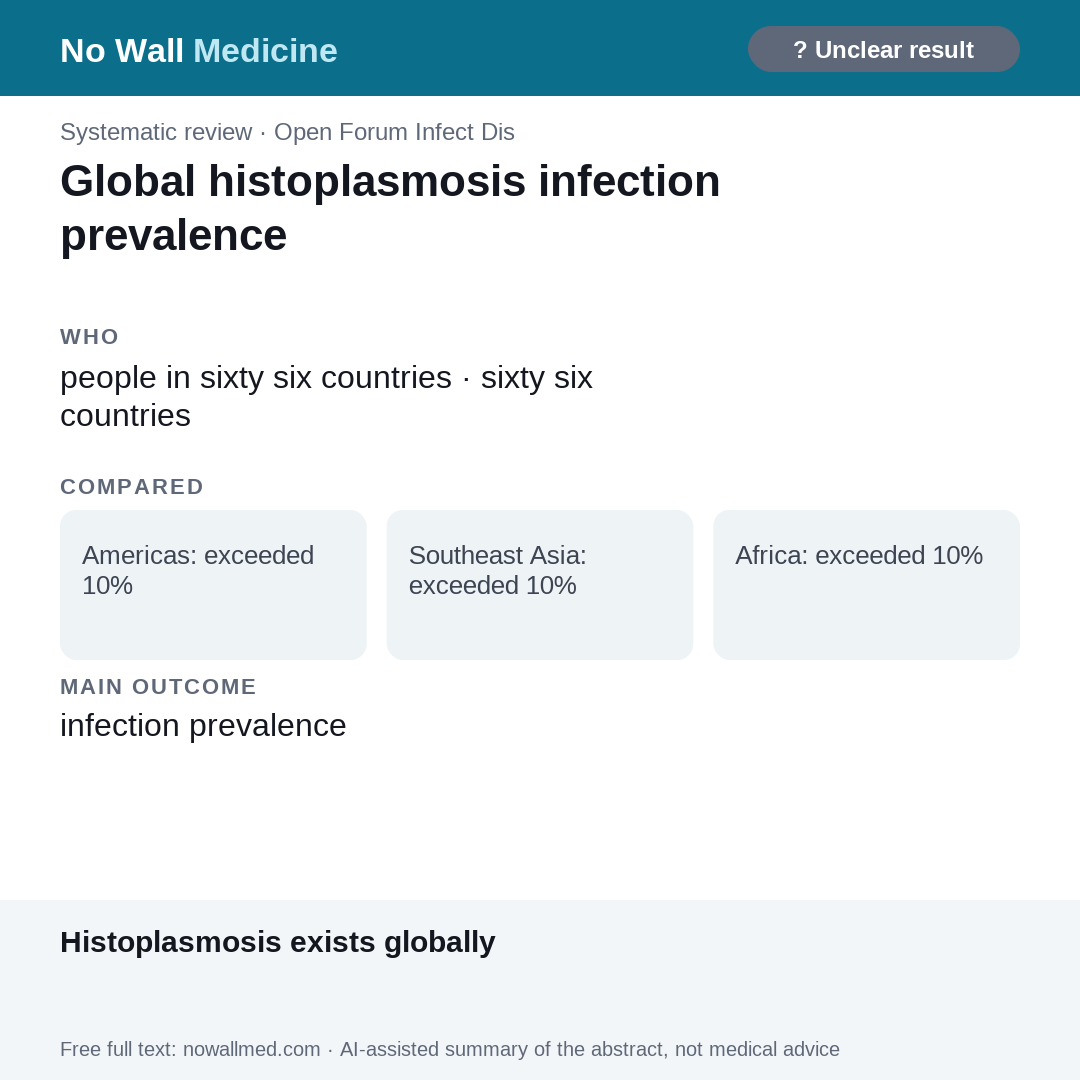
Assessment of Prior Infection With Histoplasmosis Using Skin Test and Serological Surveys: A Global Systematic Review
Systematic reviewUnclear result
Global histoplasmosis infection prevalence
Who
people in sixty six countries · sixty six countries
Compared
Americas: exceeded 10%
Southeast Asia: exceeded 10%
Africa: exceeded 10%
Main outcome
infection prevalence
Bottom line: Histoplasmosis exists globally
Open Forum Infect Dis · 2025-07-23Download image
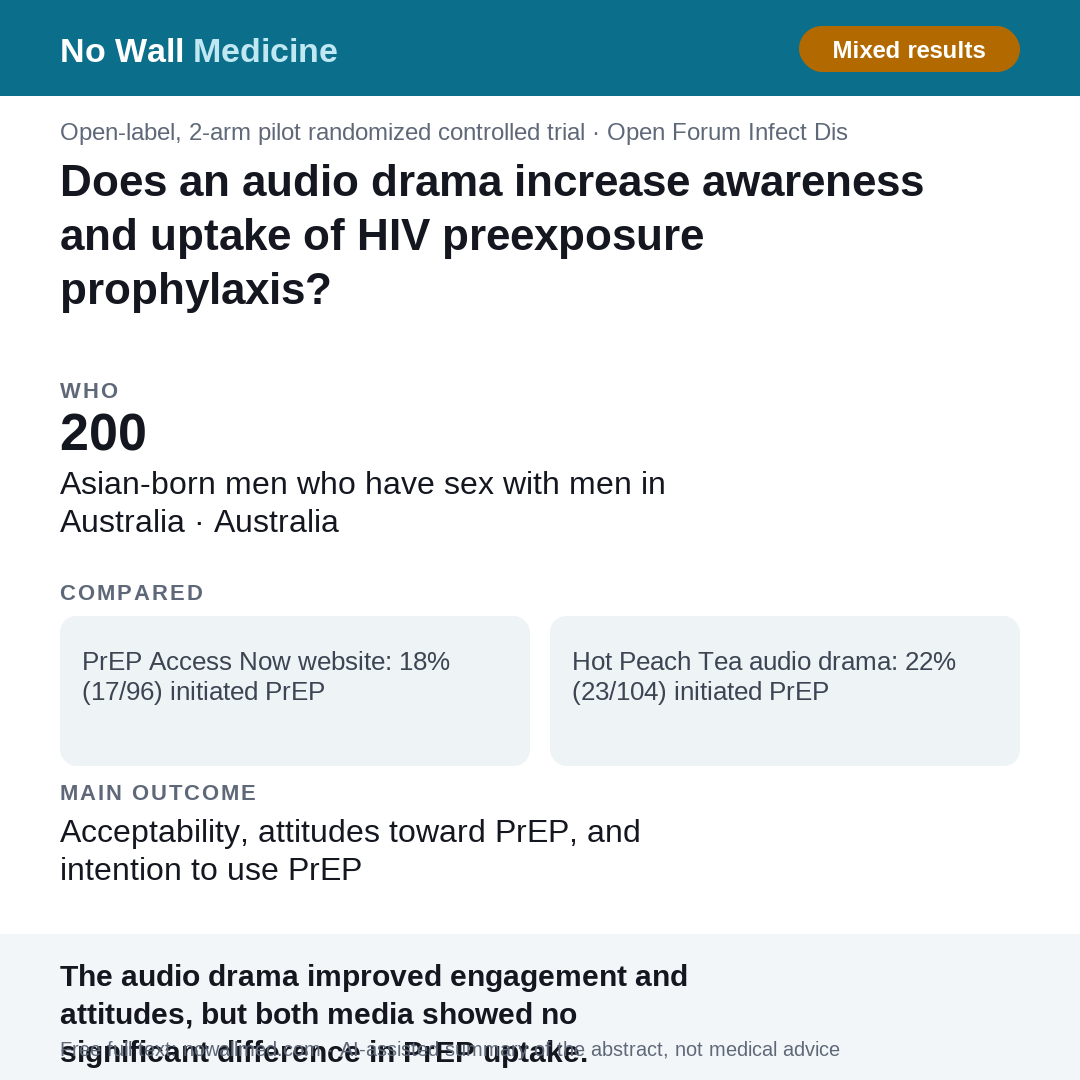
Using Online Media to Increase the Awareness and Uptake of Preexposure Prophylaxis for HIV Among Asian-Born Men Who Have Sex With Men Living in Australia: An Open-Label Randomized Controlled Trial
Open-label, 2-arm pilot randomized controlled trialMixed results
Does an audio drama increase awareness and uptake of HIV preexposure prophylaxis?
Who
200
Asian-born men who have sex with men in Australia · Australia
Compared
PrEP Access Now website: 18% (17/96) initiated PrEP
Hot Peach Tea audio drama: 22% (23/104) initiated PrEP
Main outcome
Acceptability, attitudes toward PrEP, and intention to use PrEP
Bottom line: The audio drama improved engagement and attitudes, but both media showed no significant difference in PrEP uptake.
Limitation: Strategies to link individuals to care after the audio drama are needed to increase uptake.
Open Forum Infect Dis · 2025-07-23Download image
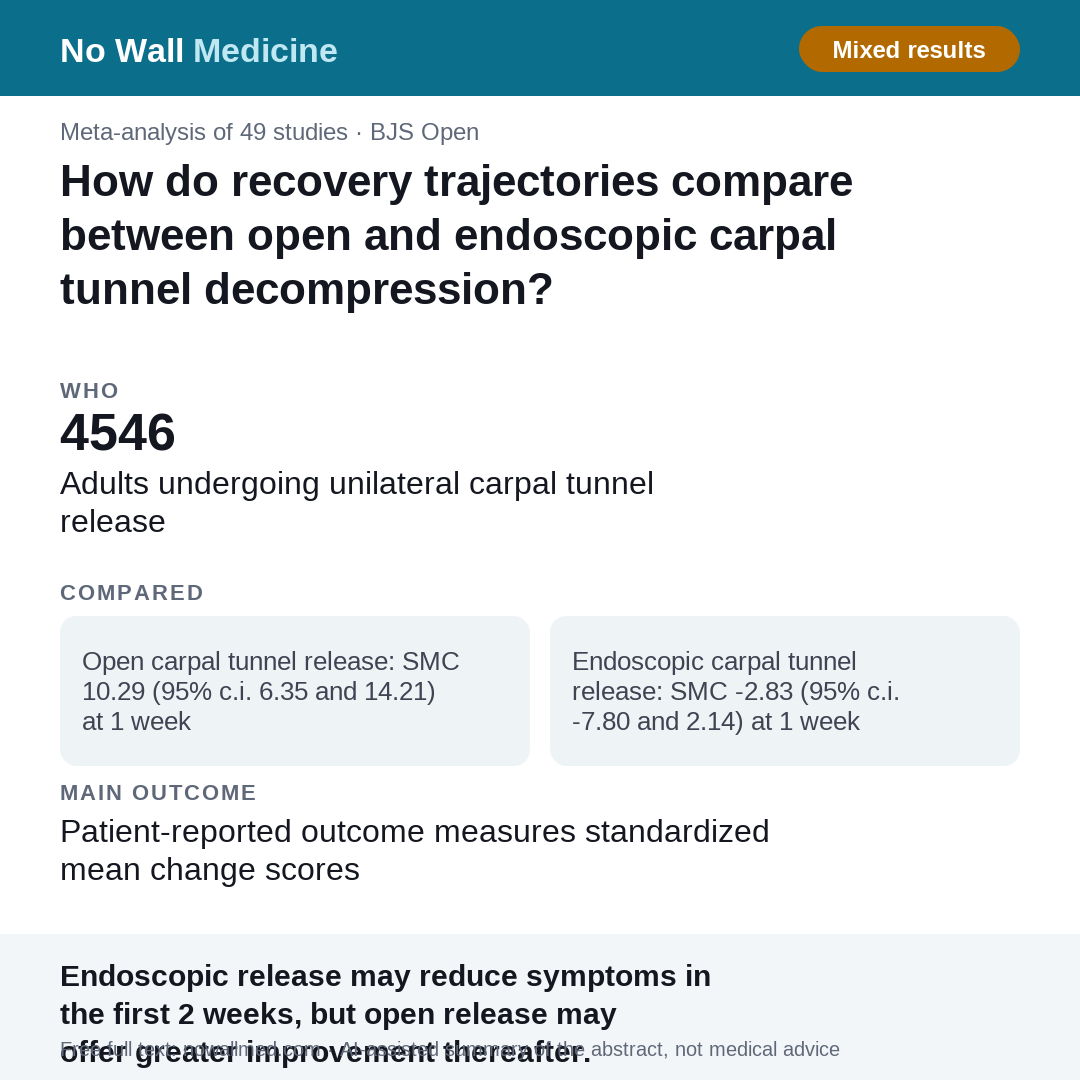
Time to recovery following open and endoscopic carpal tunnel decompression: meta-analysis
Meta-analysis of 49 studiesMixed results
How do recovery trajectories compare between open and endoscopic carpal tunnel decompression?
Who
4546
Adults undergoing unilateral carpal tunnel release
Compared
Open carpal tunnel release: SMC 10.29 (95% c.i. 6.35 and 14.21) at 1 week
Endoscopic carpal tunnel release: SMC -2.83 (95% c.i. -7.80 and 2.14) at 1 week
Main outcome
Patient-reported outcome measures standardized mean change scores
Bottom line: Endoscopic release may reduce symptoms in the first 2 weeks, but open release may offer greater improvement thereafter.
Limitation: Most studies had a high risk of bias and measured outcomes too infrequently.
BJS Open · 2025-07-23Download image
Terminology and Definitions of Racial Health Equity in Prominent Health Websites: Systematic Review
Systematic reviewHarm found
How findable and available are racial health equity definitions on prominent health organization websites?
Who
69
Websites from government agencies, professional organizations, and selected health care organizations · United States
Compared
38Websites with definitions
31Websites lacking definitions
Main outcome
Findability and availability of racial health equity terminology and definitions
Bottom line: Prominent health websites lack consistent, standardized, and easy-to-find definitions for racial health equity and related terms.
J Med Internet Res · 2025-07-23Download image

Comparison of the efficacy of platelet-rich plasma with topical minoxidil in treating patients with androgenetic alopecia: a systematic review of clinical trials
Systematic review of six clinical trialsNo clear difference
Is platelet-rich plasma as effective as topical minoxidil for androgenetic alopecia?
Who
Patients with androgenetic alopecia
Compared
Platelet-rich plasma: more improvement in hair density and a negative hair pull test
Topical minoxidil: more improvement in terminal hair count and proportion of anagen hair
Main outcome
Hair density, terminal hair count, and hair pull test
Bottom line: Platelet-rich plasma efficacy is nearly comparable to topical minoxidil for treating androgenetic alopecia.
Skin Health Dis · 2025-07-23Download image

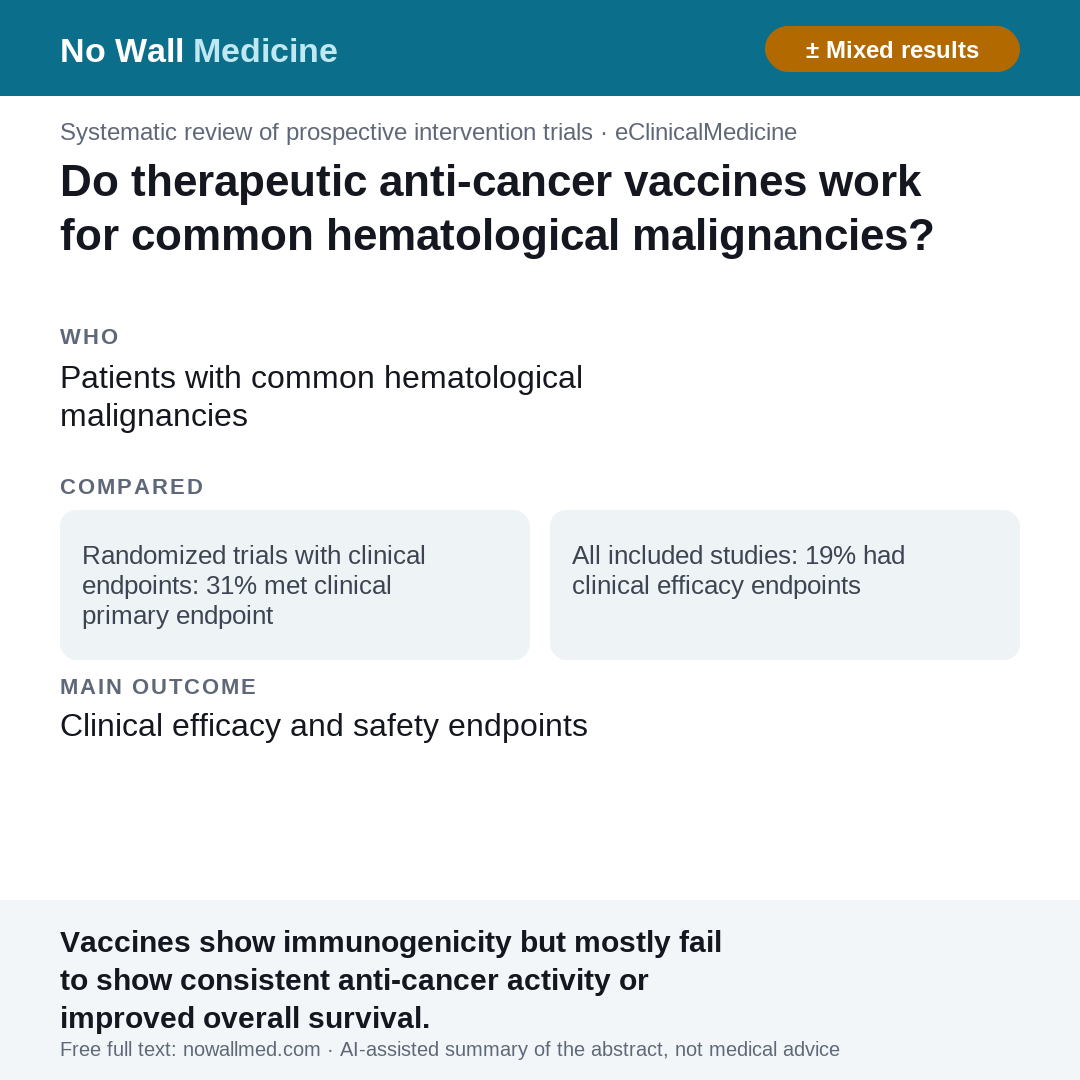
Therapeutic anti-cancer vaccines: a systematic review of prospective intervention trials for common hematological malignancies
Systematic review of prospective intervention trialsMixed results
Do therapeutic anti-cancer vaccines work for common hematological malignancies?
Who
187
Patients with common hematological malignancies
Compared
Randomized trials with clinical endpoints: 31% met clinical primary endpoint
All included studies: 19% had clinical efficacy endpoints
Main outcome
Clinical efficacy and safety endpoints
Bottom line: Vaccines show immunogenicity but mostly fail to show consistent anti-cancer activity or improved overall survival.
Limitation: Lack of quantitative synthesis due to heterogeneity, small sample sizes, and unclear endpoint descriptions.
eClinicalMedicine · 2025-07-22Download image
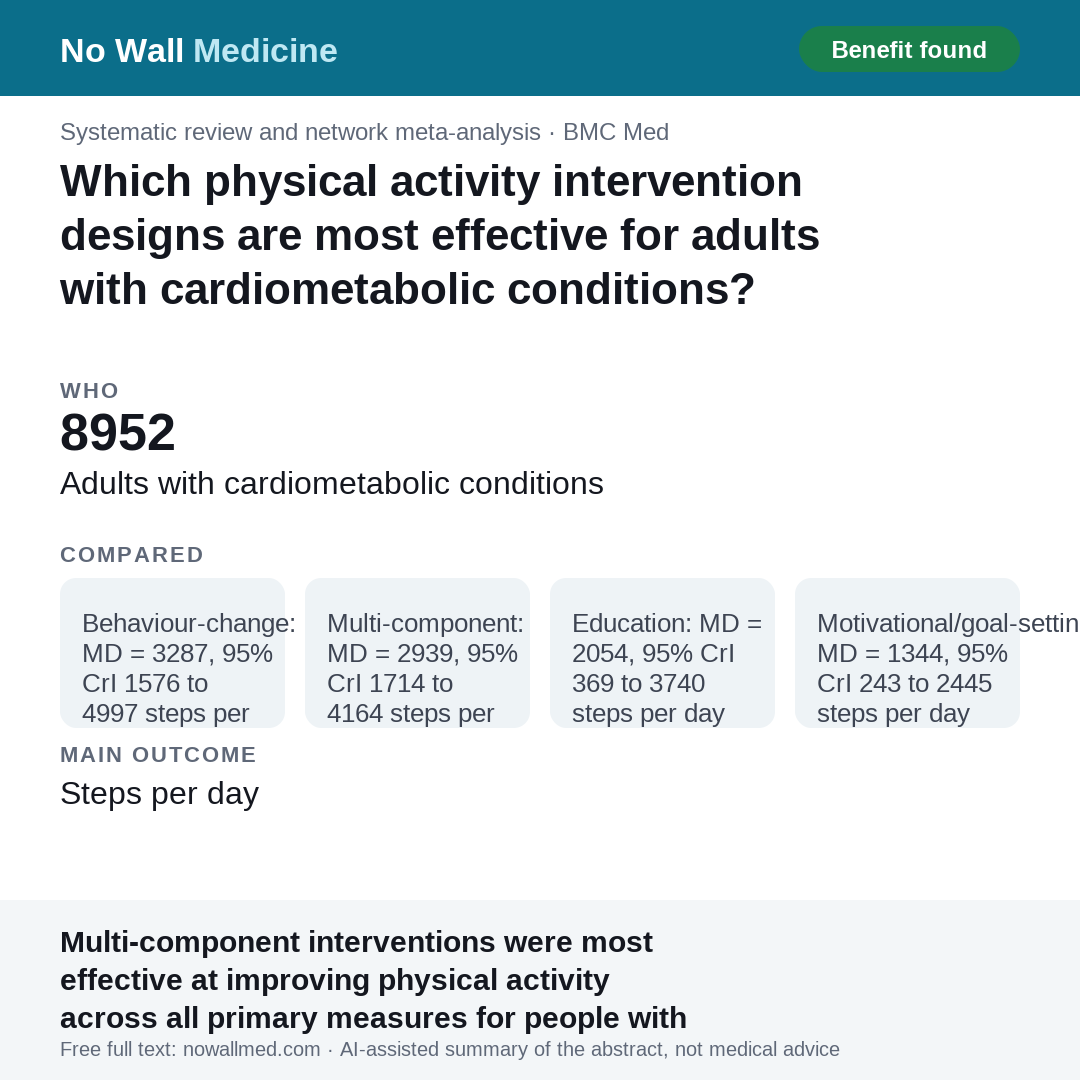
Effectiveness of different intervention designs for improving physical activity in adults with cardiometabolic conditions over time: a systematic review and network meta-analysis of randomised controlled trials
Systematic review and network meta-analysisBenefit found
Which physical activity intervention designs are most effective for adults with cardiometabolic conditions?
Who
8952
Adults with cardiometabolic conditions
Compared
Behaviour-change: MD = 3287, 95% CrI 1576 to 4997 steps per day
Multi-component: MD = 2939, 95% CrI 1714 to 4164 steps per day
Education: MD = 2054, 95% CrI 369 to 3740 steps per day
Motivational/goal-setting: MD = 1344, 95% CrI 243 to 2445 steps per day
Main outcome
Steps per day
Bottom line: Multi-component interventions were most effective at improving physical activity across all primary measures for people with cardiometabolic conditions.
BMC Med · 2025-07-22Download image
Trajectory of the body weight after drug discontinuation in the treatment of anti-obesity medications
Meta-analysis of randomized controlled trialsHarm found
What is the trajectory of body weight after discontinuing anti-obesity medications?
Who
People treated with anti-obesity medications · PubMed, Medline, Embase, Cochrane, and Clinicaltrials.gov
Compared
Anti-obesity medications
Control group
Main outcome
Weight change after drug discontinuation
Result: WMD 2.50 kg (95% CI 2.27-2.73) at 20 weeks
Bottom line: Significant weight regain occurred 8 weeks after discontinuation of anti-obesity medications and was sustained through 20 weeks.
BMC Med · 2025-07-22Download image