Visual abstracts
New randomized trials and meta-analyses from leading journals at a glance: who was studied, what was compared, and what was found. Every paper is free to read in full.
All specialtiesCardiology 4877Oncology 4138Gastroenterology & Hepatology 1942Infectious Disease 3837Neurology 1905Psychiatry & Mental Health 2273Pulmonology 2143Critical Care 1365Endocrinology & Diabetes 2580Pediatrics 2980Surgery 2559Orthopedics & Sports Medicine 931Neurosurgery 537Cardiothoracic & Vascular Surgery 674Plastic & Reconstructive Surgery 591Nephrology 1133Rheumatology 823Hematology 1109Dermatology 621Ophthalmology 543Obstetrics & Gynecology 1686Public & Global Health 1058Radiology & Imaging 648Anesthesiology 986Urology 764ENT (Otolaryngology) 503Emergency Medicine 511Allergy & Immunology 313Geriatrics 981Family Medicine & Primary Care 562Medical Genetics & Genomics 676Pathology & Laboratory Medicine 159Physical Medicine & Rehabilitation 757Palliative Care 444Nutrition 1588Digital Health & AI 2201General Medicine 321
The prevalence and role of human metapneumovirus in respiratory tract infections: a systematic review and meta-analysis of global data
Systematic review and meta-analysisBenefit found
What is the global prevalence and role of human metapneumovirus in respiratory tract infections?
Who
2,236,820
Patients with respiratory tract infections · Global
Compared
Human metapneumovirus positive: odds ratio 4.6 (95% CI 3.7-5.6)
Human metapneumovirus negative
Main outcome
Human metapneumovirus prevalence among patients with respiratory tract infections
Result: odds ratio 4.6 (95% CI 3.7-5.6)
Bottom line: Human metapneumovirus has a 5.3% global prevalence and is significantly associated with respiratory tract infections.
Funded by: Iran University of Medical Sciences
eClinicalMedicine · 2025-08-30Download image

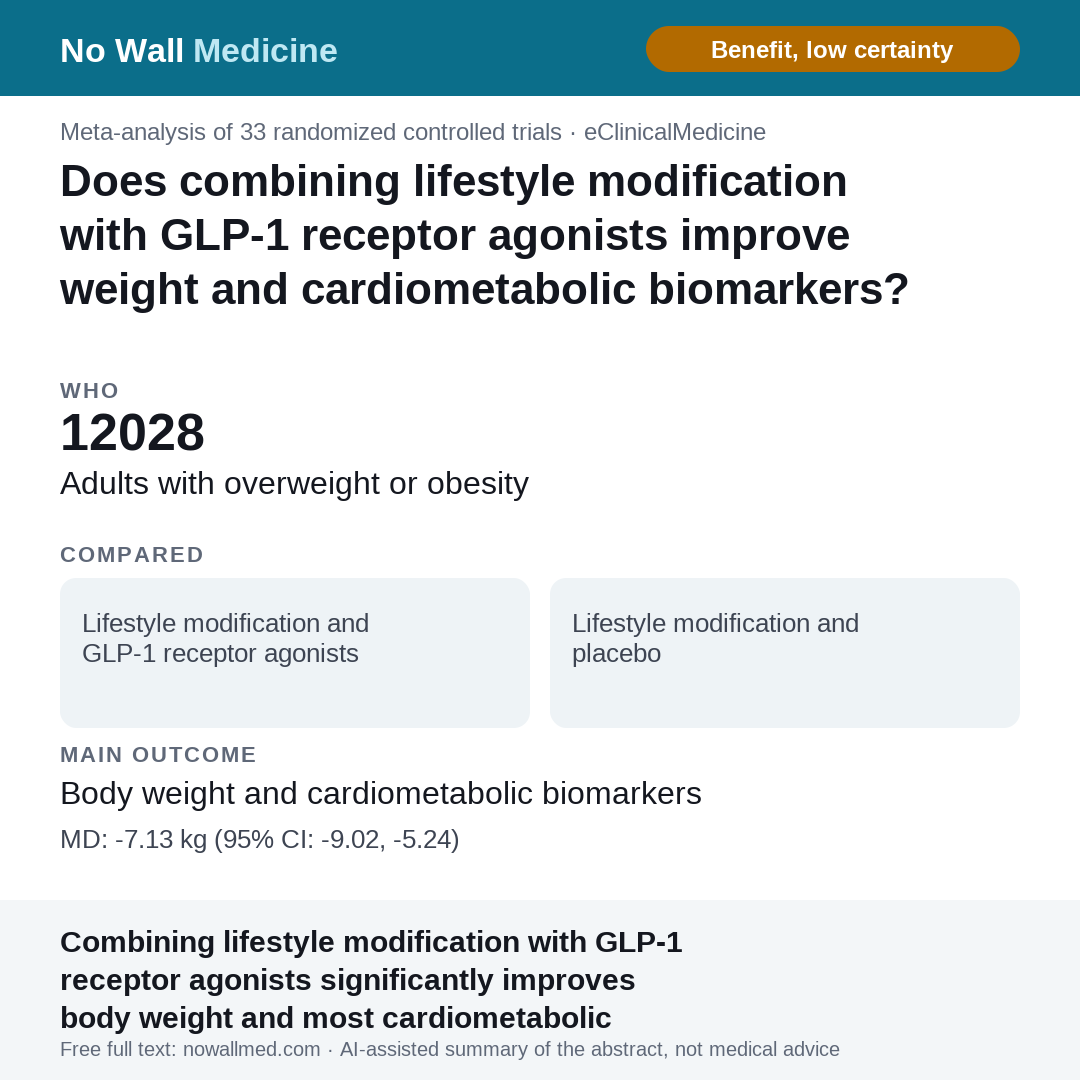
Efficacy of lifestyle modification combined with GLP-1 receptor agonists on body weight and cardiometabolic biomarkers in individuals with overweight or obesity: a systematic review and meta-analysis
Meta-analysis of 33 randomized controlled trialsBenefit found
Does combining lifestyle modification with GLP-1 receptor agonists improve weight and cardiometabolic biomarkers?
Who
12028
Adults with overweight or obesity
Compared
Lifestyle modification and GLP-1 receptor agonists
Lifestyle modification and placebo
Main outcome
Body weight and cardiometabolic biomarkers
Result: MD: -7.13 kg (95% CI: -9.02, -5.24)
Bottom line: Combining lifestyle modification with GLP-1 receptor agonists significantly improves body weight and most cardiometabolic biomarkers.
Limitation: Certainty of evidence varied from low to high, influenced by heterogeneity and potential publication bias.
Funded by: Shanghai Jiao Tong University
eClinicalMedicine · 2025-08-30Download image
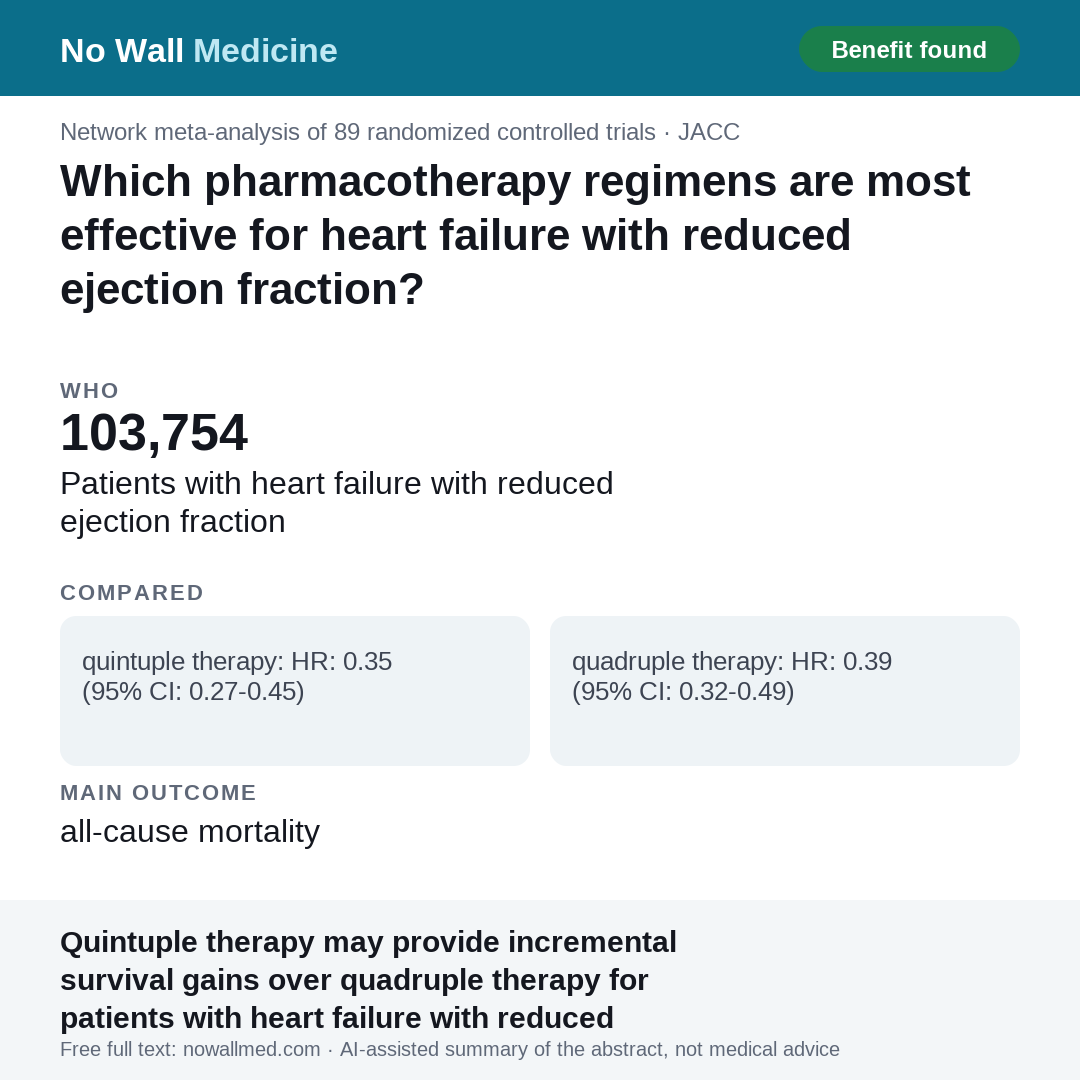
Pharmacologic Treatment of Heart Failure With Reduced Ejection Fraction: An Updated Systematic Review and Network Meta-Analysis
Network meta-analysis of 89 randomized controlled trialsBenefit found
Which pharmacotherapy regimens are most effective for heart failure with reduced ejection fraction?
Who
103,754
Patients with heart failure with reduced ejection fraction
Compared
quintuple therapy: HR: 0.35 (95% CI: 0.27-0.45)
quadruple therapy: HR: 0.39 (95% CI: 0.32-0.49)
Main outcome
all-cause mortality
Result: HR: 0.35 (95% CI: 0.27-0.45) for quintuple therapy
Bottom line: Quintuple therapy may provide incremental survival gains over quadruple therapy for patients with heart failure with reduced ejection fraction.
Limitation: results are exploratory as they are derived from a secondary endpoint of a single trial
JACC · 2025-08-30Download image
Evaluating measurement quality and feasibility of neurocognitive screening instruments for adult survivors of out-of-hospital cardiac arrest: A systematic review
Systematic reviewUnclear result
What are the measurement properties, interpretability, and feasibility of neurocognitive screening instruments?
Who
Adult survivors of out-of-hospital cardiac arrest
Compared
Montreal Cognitive Assessment: pooled AUC: 0.80 (95% CI: 0.67 to 0.93)
IQCODE-CA: inconsistent results
Main outcome
measurement properties, interpretability, and feasibility of neurocognitive screening instruments
Result: pooled AUC: 0.80 (95% CI: 0.67 to 0.93)
Bottom line: Insufficient evidence of essential measurement properties limits instrument choice for screening neurocognitive function in cardiac arrest survivors.
Limitation: Insufficient evidence of essential measurement properties and limited evidence of score interpretability and feasibility.
Resuscitation · 2025-08-30Download image

Global Prevalence of Long COVID, Its Subtypes, and Risk Factors: An Updated Systematic Review and Meta-analysis
Systematic review and meta-analysisBenefit found
What is the global prevalence of long COVID and its risk factors?
Who
People with severe acute respiratory syndrome coronavirus 2 infection · Global
Compared
36%Global prevalence (95% confidence interval [CI], 33%-40%)
Unvaccinated for COVID-19: odds ratio 2.09 (95% CI, 1.55-2.81)
Main outcome
Global prevalence of long COVID and its subtypes
Result: odds ratio 2.09 (95% CI, 1.55-2.81)
Bottom line: Long COVID is globally prevalent, with being unvaccinated, pre-Omicron infections, and female sex being strong risk factors.
Limitation: Heterogeneity of estimates across populations argues the need for well-designed follow-up studies.
Open Forum Infect Dis · 2025-08-30Download image

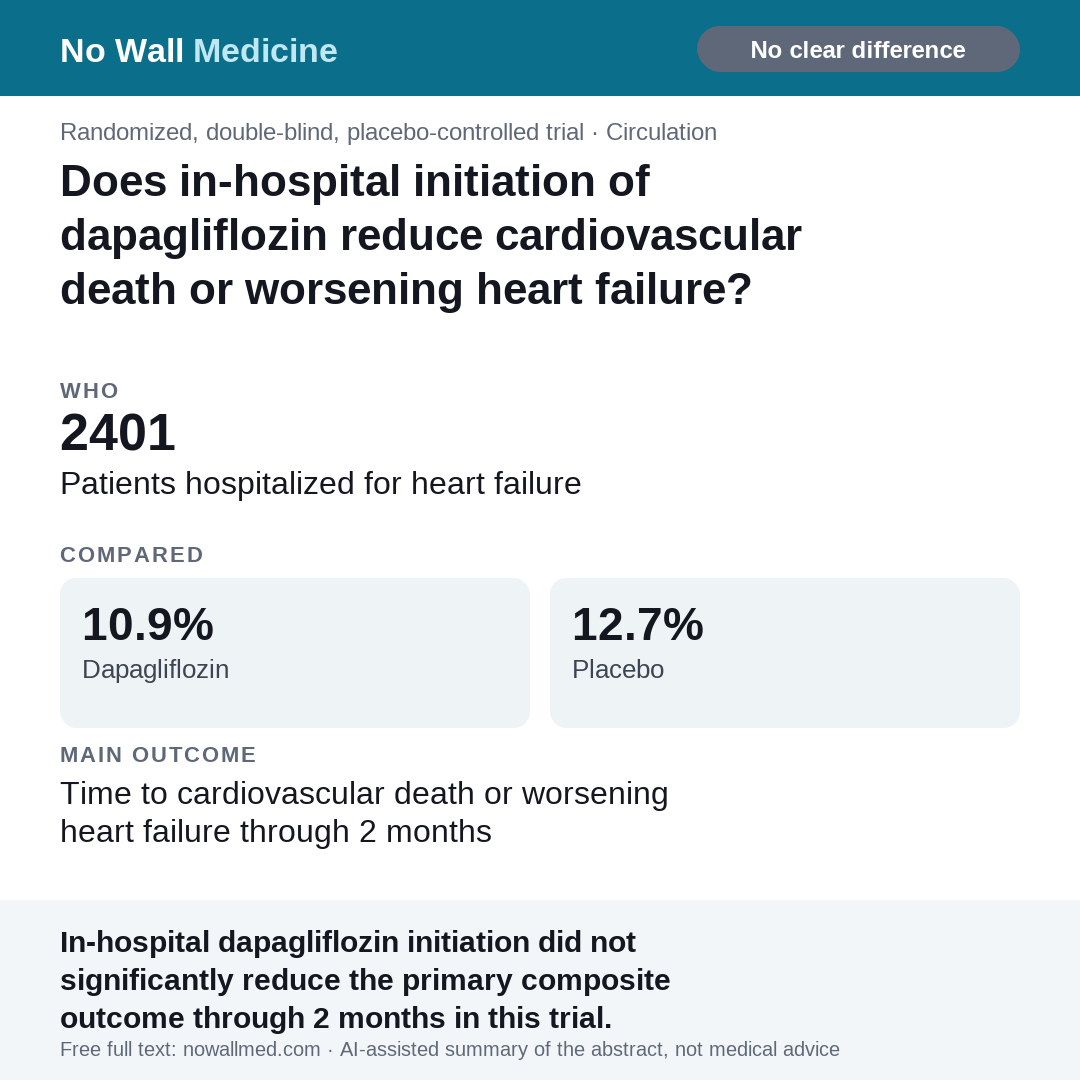
Dapagliflozin in Patients Hospitalized for Heart Failure: Primary Results of the DAPA ACT HF-TIMI 68 Randomized Clinical Trial and Meta-Analysis of Sodium-Glucose Cotransporter-2 Inhibitors in Patients Hospitalized for Heart Failure
Randomized, double-blind, placebo-controlled trialNo clear difference
Does in-hospital initiation of dapagliflozin reduce cardiovascular death or worsening heart failure?
Who
2401
Patients hospitalized for heart failure
Compared
10.9%Dapagliflozin
12.7%Placebo
Main outcome
Time to cardiovascular death or worsening heart failure through 2 months
Result: hazard ratio 0.86 (95% CI, 0.68-1.08)
Bottom line: In-hospital dapagliflozin initiation did not significantly reduce the primary composite outcome through 2 months in this trial.
Circulation · 2025-08-29Download image
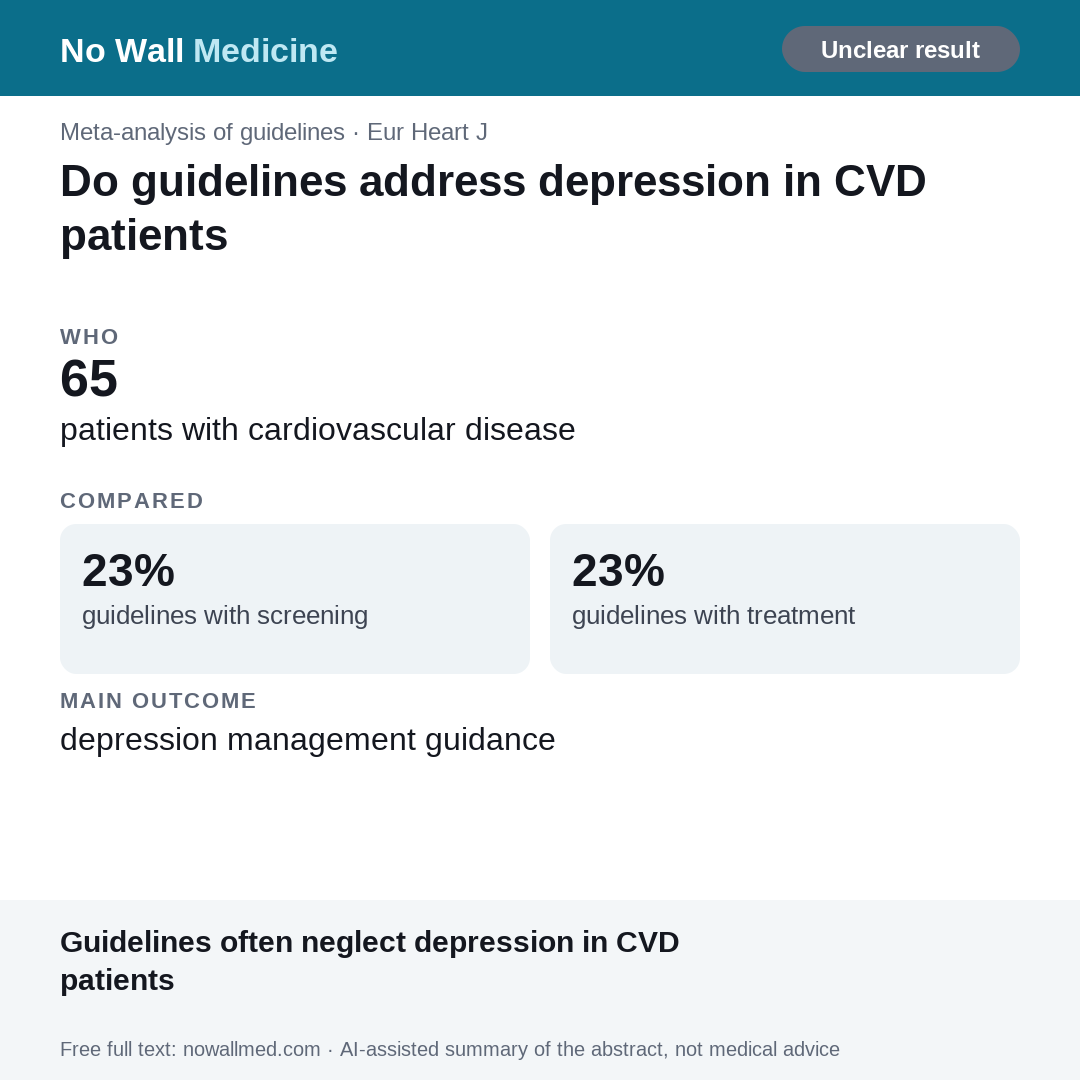
Depression and cardiovascular disease: mind the gap in the guidelines
Meta-analysis of guidelinesUnclear result
Do guidelines address depression in CVD patients
Who
65
patients with cardiovascular disease
Compared
23%guidelines with screening
23%guidelines with treatment
Main outcome
depression management guidance
Bottom line: Guidelines often neglect depression in CVD patients
Eur Heart J · 2025-08-29Download image
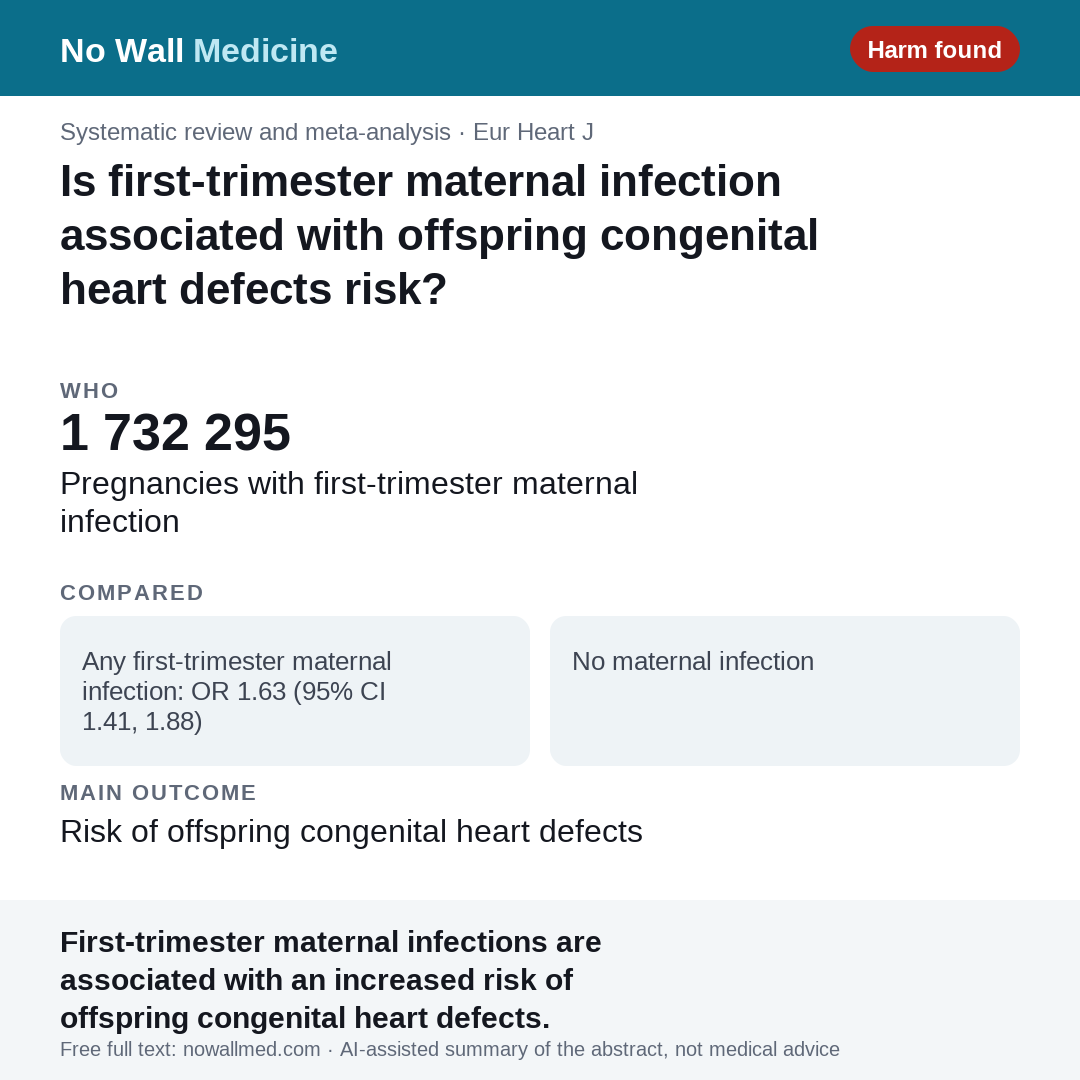
First trimester maternal infections and offspring congenital heart defects: a meta-analysis
Systematic review and meta-analysisHarm found
Is first-trimester maternal infection associated with offspring congenital heart defects risk?
Who
1 732 295
Pregnancies with first-trimester maternal infection
Compared
Any first-trimester maternal infection: OR 1.63 (95% CI 1.41, 1.88)
No maternal infection
Main outcome
Risk of offspring congenital heart defects
Result: odds ratio 1.63 (95% CI 1.41, 1.88)
Bottom line: First-trimester maternal infections are associated with an increased risk of offspring congenital heart defects.
Eur Heart J · 2025-08-29Download image
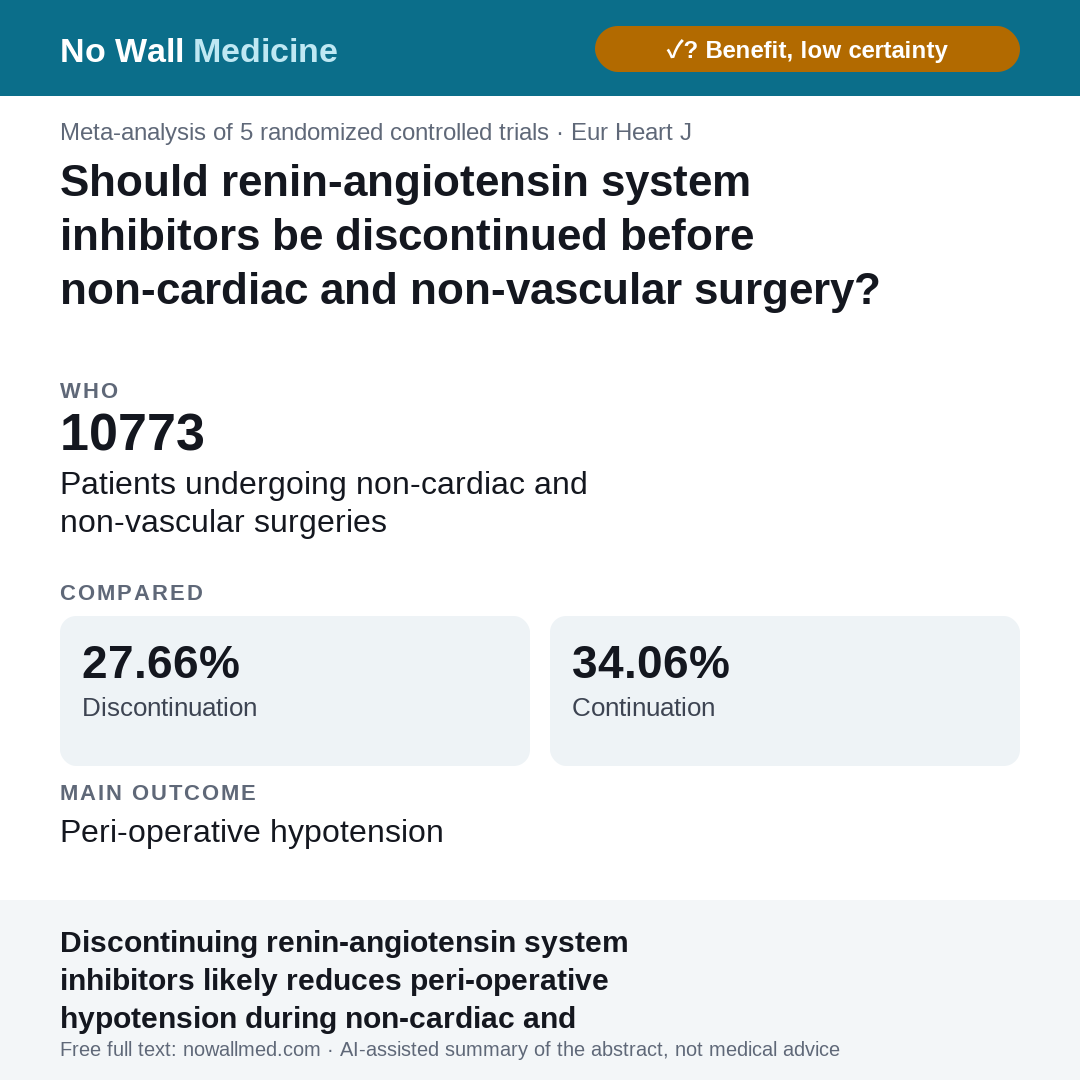
Discontinuation of renin-angiotensin system inhibitors before non-cardiac surgery: a meta-analysis
Meta-analysis of 5 randomized controlled trialsBenefit found
Should renin-angiotensin system inhibitors be discontinued before non-cardiac and non-vascular surgery?
Who
10773
Patients undergoing non-cardiac and non-vascular surgeries
Compared
27.66%Discontinuation
34.06%Continuation
Main outcome
Peri-operative hypotension
Result: risk ratio 0.81 (95% CI 0.73-0.89)
Bottom line: Discontinuing renin-angiotensin system inhibitors likely reduces peri-operative hypotension during non-cardiac and non-vascular surgery.
Eur Heart J · 2025-08-29Download image
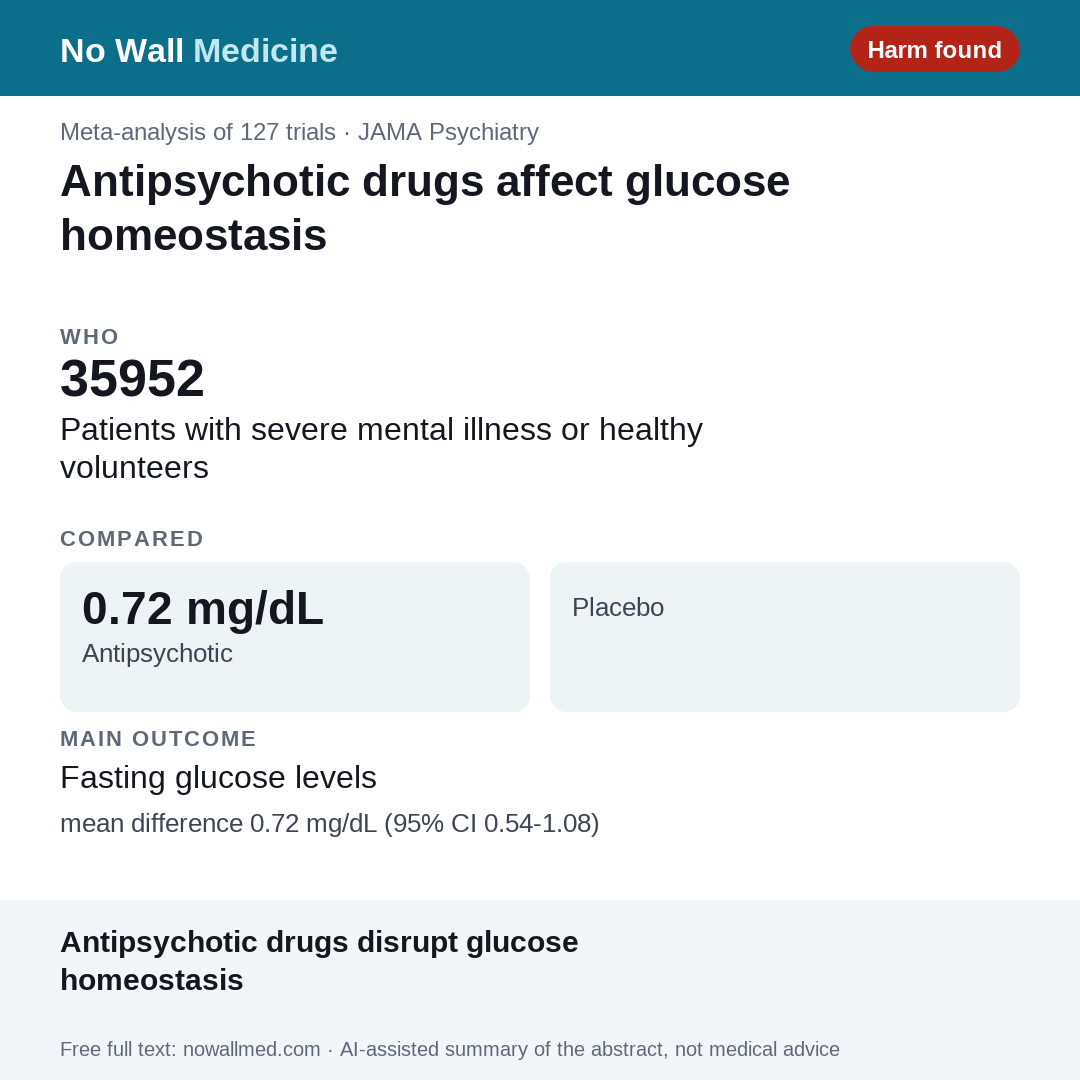
Antipsychotic Drugs and Dysregulated Glucose Homeostasis: A Systematic Review and Meta-Analysis
Meta-analysis of 127 trialsHarm found
Antipsychotic drugs affect glucose homeostasis
Who
35952
Patients with severe mental illness or healthy volunteers
Compared
0.72 mg/dLAntipsychotic
Placebo
Main outcome
Fasting glucose levels
Result: mean difference 0.72 mg/dL (95% CI 0.54-1.08)
Bottom line: Antipsychotic drugs disrupt glucose homeostasis
JAMA Psychiatry · 2025-08-29Download image
Comparison of hypoglossal nerve transfer and hypoglossal jump nerve graft techniques for facial reanimation: A systematic review
Systematic reviewMixed results
How do hypoglossal nerve transfer and hypoglossal jump nerve graft compare for facial reanimation?
Who
1008
Adults with facial paralysis
Compared
Hypoglossal nerve transfer: HB II-III recovery in 78-86% (end-to-side)
Hypoglossal jump nerve graft: HB II-III recovery in 62.5-91.6%
Main outcome
Facial movement recovery and complication rates
Bottom line: Both techniques are effective, but hypoglossal jump nerve graft minimizes complications compared to hypoglossal nerve transfer.
Limitation: Future comparative studies using standardized outcome measures are needed.
J Plast Reconstr Aesthet Surg · 2025-08-29Download image

Defining the Learning Curve in Minimally Invasive Cardiac Surgery: A Systematic Review and Meta-Analysis
Systematic review and meta-analysisMixed results
What is the learning curve in minimally invasive cardiac surgery?
Who
13,257
Patients undergoing minimally invasive cardiac surgery
Compared
Minimally invasive mitral valve surgery: mean, 39 cases [for repair] and 78 [for replacement]
Minimally invasive aortic valve replacement: mean, 93 cases
Minimally invasive coronary artery bypass grafting: mean, 40 cases
Main outcome
Surgical times and clinical outcomes
Bottom line: A learning curve exists in surgical processes, but stable morbidity and mortality rates indicate safe adoption with training.
Limitation: Significant heterogeneity across studies prevents precise learning curve characterization.
Ann Thorac Surg · 2025-08-29Download image

Adherence to Lipid-Lowering Therapies and Cardiovascular Outcomes in Patients With Atherosclerotic Cardiovascular Disease: A Systematic Review and Meta-Analysis
Systematic review and meta-analysisBenefit found
Does adherence to lipid-lowering therapy reduce cardiovascular outcomes in patients with atherosclerotic cardiovascular disease?
Who
Adults with clinical atherosclerotic cardiovascular disease
Compared
Adherence to lipid-lowering therapy ≥80%: reduced risk of death, major adverse cardiovascular events, and myocardial infarction
Lower adherence
Main outcome
death, cardiovascular death, and major adverse cardiovascular events
Result: hazard ratio 0.77 (95% CI 0.68 to 0.86) for major adverse cardiovascular events
Bottom line: Adherence to lipid-lowering therapy at 80% or more is associated with reduced cardiovascular event risks.
Limitation: Most studies only reported adherence to statins and used proportion of days covered.
J Am Heart Assoc · 2025-08-29Download image

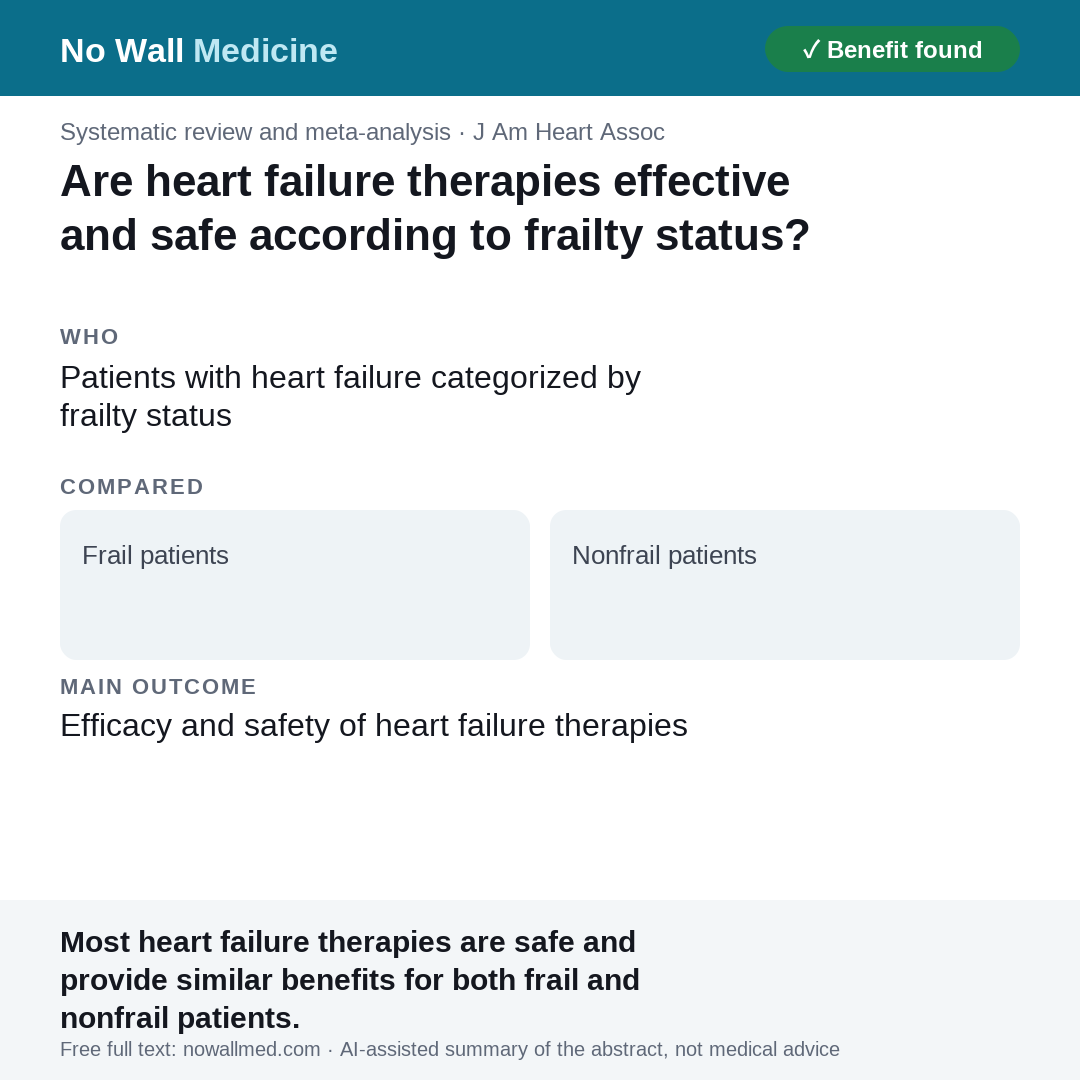
Efficacy and Safety of Heart Failure Treatment According to Frailty Status: A Systematic Review
Systematic review and meta-analysisBenefit found
Are heart failure therapies effective and safe according to frailty status?
Who
Patients with heart failure categorized by frailty status
Compared
Frail patients
Nonfrail patients
Main outcome
Efficacy and safety of heart failure therapies
Bottom line: Most heart failure therapies are safe and provide similar benefits for both frail and nonfrail patients.
J Am Heart Assoc · 2025-08-29Download image
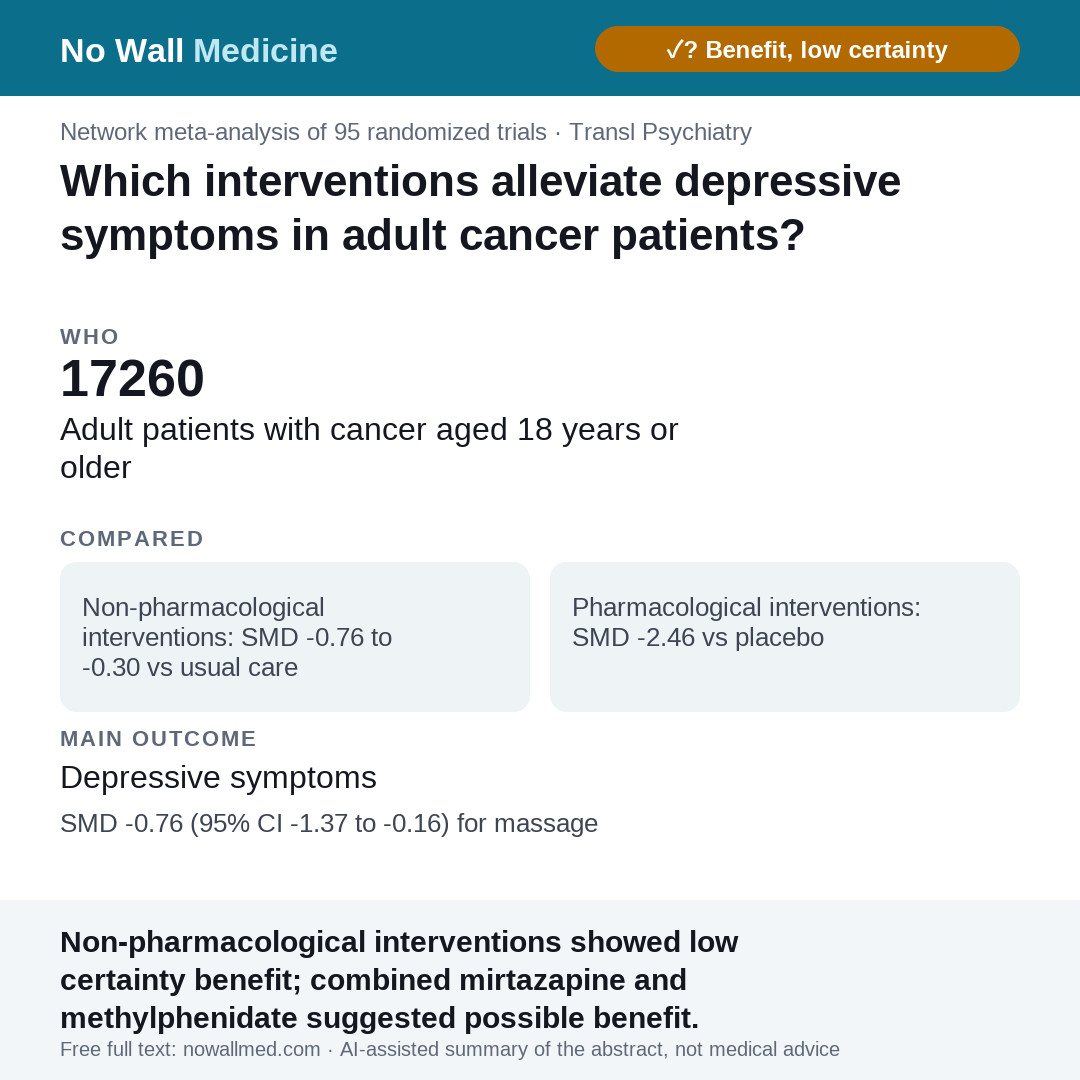
Treatments of depressive symptoms in cancer patients: A systematic review and network meta-analysis
Systematic review and network meta-analysisBenefit found
What are the most effective pharmacological and non-pharmacological interventions for depressive symptoms in cancer patients?
Who
17,260
Adult cancer patients aged 18 years or older
Compared
Massage and touch therapy: SMD -0.76 (95% CI -1.37 to -0.16)
Relaxation therapy: SMD -0.59 (95% CI -1.06 to -0.11)
Psychotherapy: SMD -0.43 (95% CI -0.56 to -0.30)
Mirtazapine and methylphenidate vs placebo: SMD -2.46 (95% CI -4.24 to -0.70)
Main outcome
Alleviation of depressive symptoms
Bottom line: Non-pharmacological interventions and combined mirtazapine and methylphenidate show promise in alleviating depressive symptoms in cancer patients.
Limitation: Overall evidence quality was low, reflecting substantial variability and limited data.
Transl Psychiatry · 2025-08-29Download image
Prevalence and Risk of Dementia Among Adults Who Have Experienced Homelessness, a Meta-Analysis
Systematic review and meta-analysisMixed results
What is the prevalence and risk of dementia among adults experiencing homelessness?
Who
504,766
Adults aged 18 years or older experiencing homelessness
Compared
Homeless individuals: 6.81% prevalence
Housed individuals
Main outcome
Prevalence, risk, and incidence of dementia
Result: risk ratio 1.03 (95% CI 0.52, 2.03)
Bottom line: Homeless individuals have a 6.81% dementia prevalence, higher than the under 3% seen in housed adults.
J Am Geriatr Soc · 2025-08-28Download image

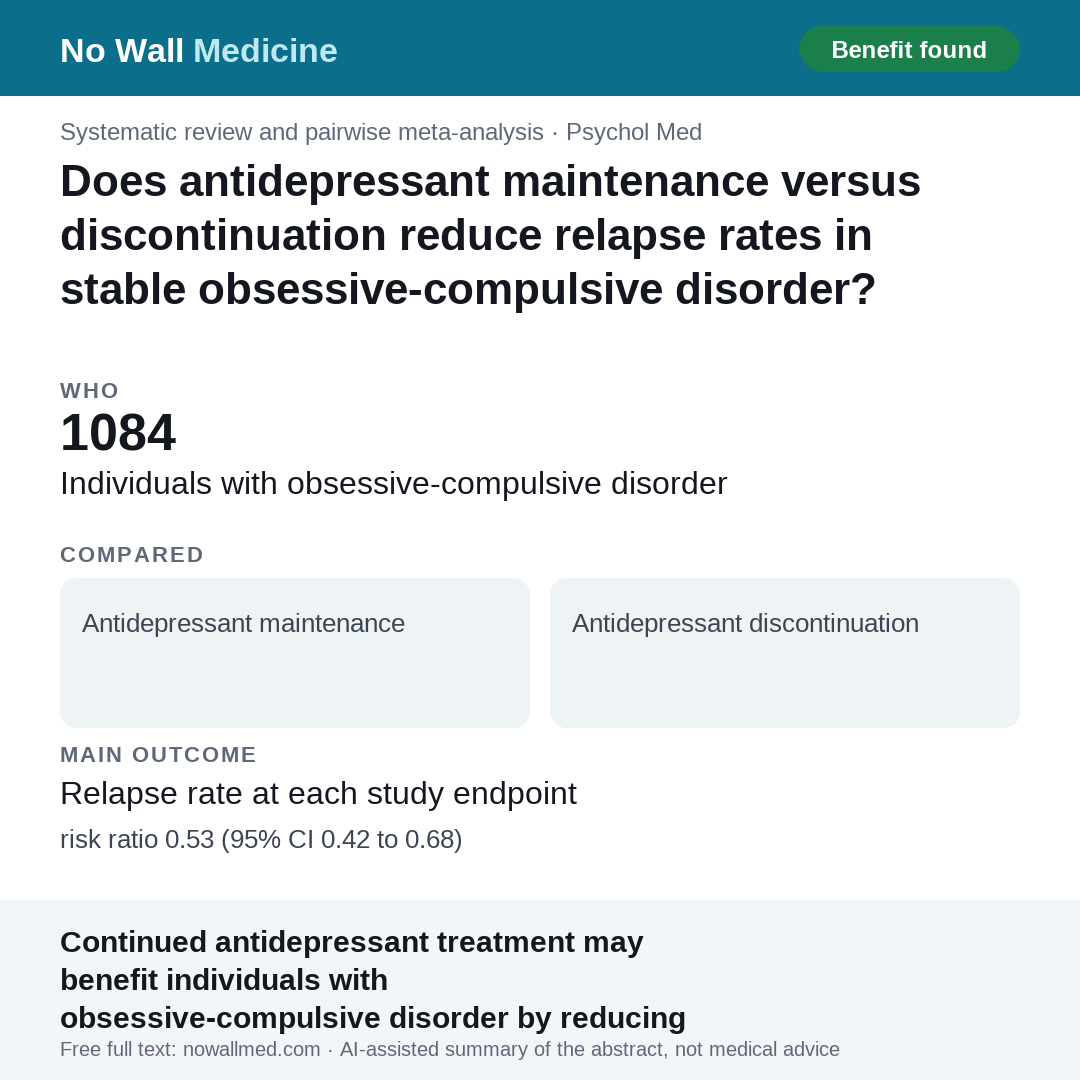
Relapse rates in stable obsessive-compulsive disorder after antidepressant discontinuation versus maintenance: A systematic review and meta-analysis
Systematic review and pairwise meta-analysisBenefit found
Does antidepressant maintenance versus discontinuation reduce relapse rates in stable obsessive-compulsive disorder?
Who
1084
Individuals with obsessive-compulsive disorder
Compared
Antidepressant maintenance
Antidepressant discontinuation
Main outcome
Relapse rate at each study endpoint
Result: risk ratio 0.53 (95% CI 0.42 to 0.68)
Bottom line: Continued antidepressant treatment may benefit individuals with obsessive-compulsive disorder by reducing relapse rates.
Psychol Med · 2025-08-28Download image
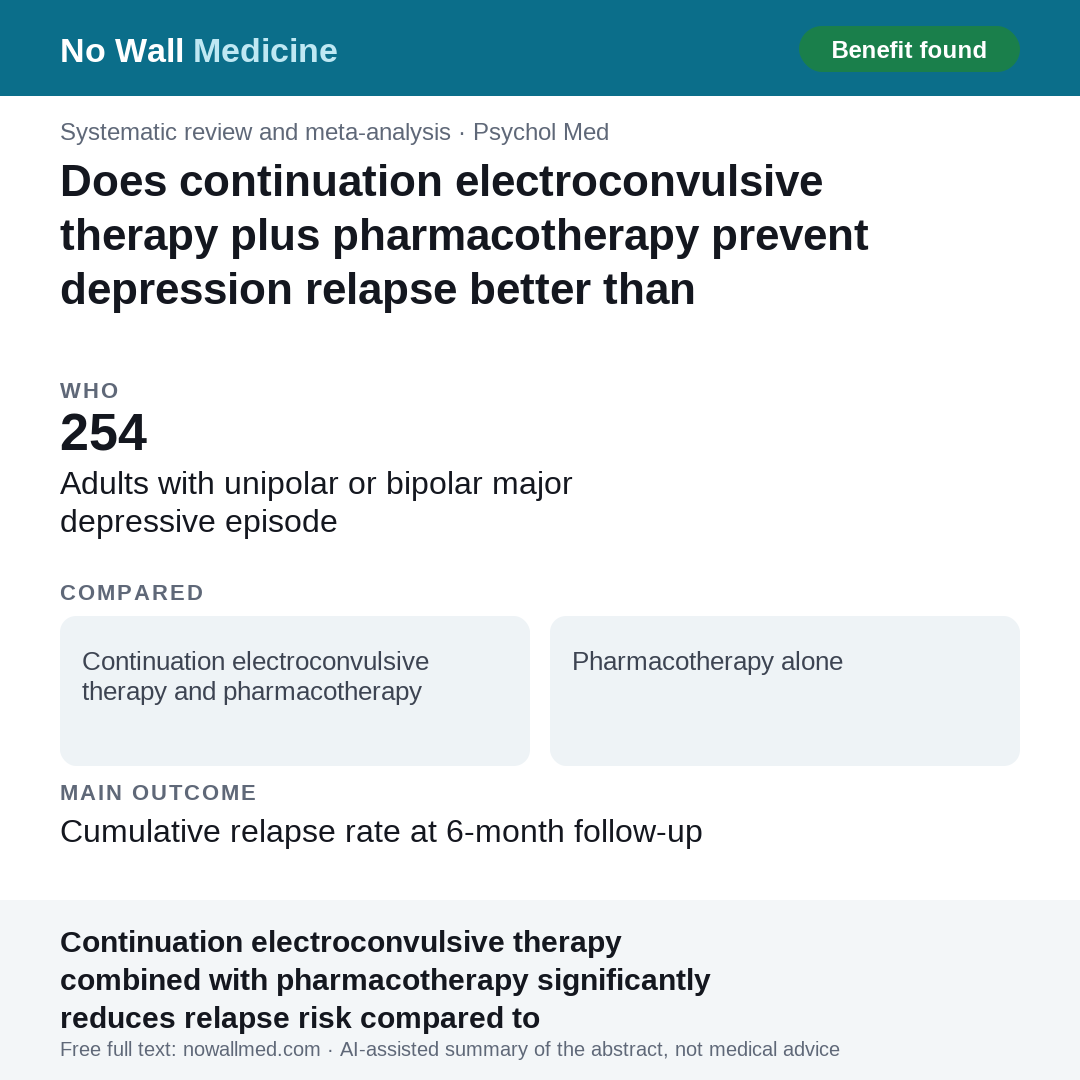
Continuation electroconvulsive therapy combined with pharmacotherapy for depression relapse prevention: A systematic review and meta-analysis
Systematic review and meta-analysisBenefit found
Does continuation electroconvulsive therapy plus pharmacotherapy prevent depression relapse better than pharmacotherapy alone?
Who
254
Adults with unipolar or bipolar major depressive episode
Compared
Continuation electroconvulsive therapy and pharmacotherapy
Pharmacotherapy alone
Main outcome
Cumulative relapse rate at 6-month follow-up
Result: relative risk 0.57 (95% CI 0.37-0.88)
Bottom line: Continuation electroconvulsive therapy combined with pharmacotherapy significantly reduces relapse risk compared to pharmacotherapy alone.
Psychol Med · 2025-08-28Download image
Political Polarization During Disease Outbreaks: A Meta-Analysis of Archival Survey Data From Polio to COVID-19
Meta-analysis of archival survey dataHarm found
How does political polarization during COVID-19 compare with past disease outbreaks?
Who
United States public opinion polls · United States
Compared
COVID-19: 20.23 additional percentage points concern about infection
Non-COVID-19 outbreaks
Main outcome
Political polarization regarding infection concern and vaccine hesitancy
Result: 20.23 (95% CI 12.30, 28.17) and 25.89 (95% CI 6.63, 45.16) additional percentage points
Bottom line: Political polarization during COVID-19 was substantially higher than in any other historical disease outbreak.
Am J Public Health · 2025-08-28Download image

Features of successful medication review and deprescribing interventions for fall prevention in residential aged care facilities: an intervention component analysis of an updated systematic review
Intervention component analysis of a systematic reviewBenefit found
What features make medication review and deprescribing successful for fall prevention in residential aged care?
Who
People in residential aged care facilities · Six countries
Compared
100%Successful trials (3/3)
20%Unsuccessful trials (2/10)
Main outcome
Reduction in falls
Bottom line: Successful interventions used a decision tool, involved usual care prescribers, and reviewed medications at least every six months.
Age Ageing · 2025-08-28Download image