Visual abstracts
New randomized trials and meta-analyses from leading journals at a glance: who was studied, what was compared, and what was found. Every paper is free to read in full.
All specialtiesCardiology 4800Oncology 4084Gastroenterology & Hepatology 1917Infectious Disease 3789Neurology 1886Psychiatry & Mental Health 2240Pulmonology 2061Critical Care 1335Endocrinology & Diabetes 2553Pediatrics 2914Surgery 2500Orthopedics & Sports Medicine 923Neurosurgery 532Cardiothoracic & Vascular Surgery 665Plastic & Reconstructive Surgery 585Nephrology 1115Rheumatology 815Hematology 1099Dermatology 619Ophthalmology 539Obstetrics & Gynecology 1661Public & Global Health 1044Radiology & Imaging 637Anesthesiology 959Urology 751ENT (Otolaryngology) 497Emergency Medicine 484Allergy & Immunology 310Geriatrics 974Family Medicine & Primary Care 538Medical Genetics & Genomics 662Pathology & Laboratory Medicine 156Physical Medicine & Rehabilitation 746Palliative Care 422Nutrition 1566Digital Health & AI 2191General Medicine 319
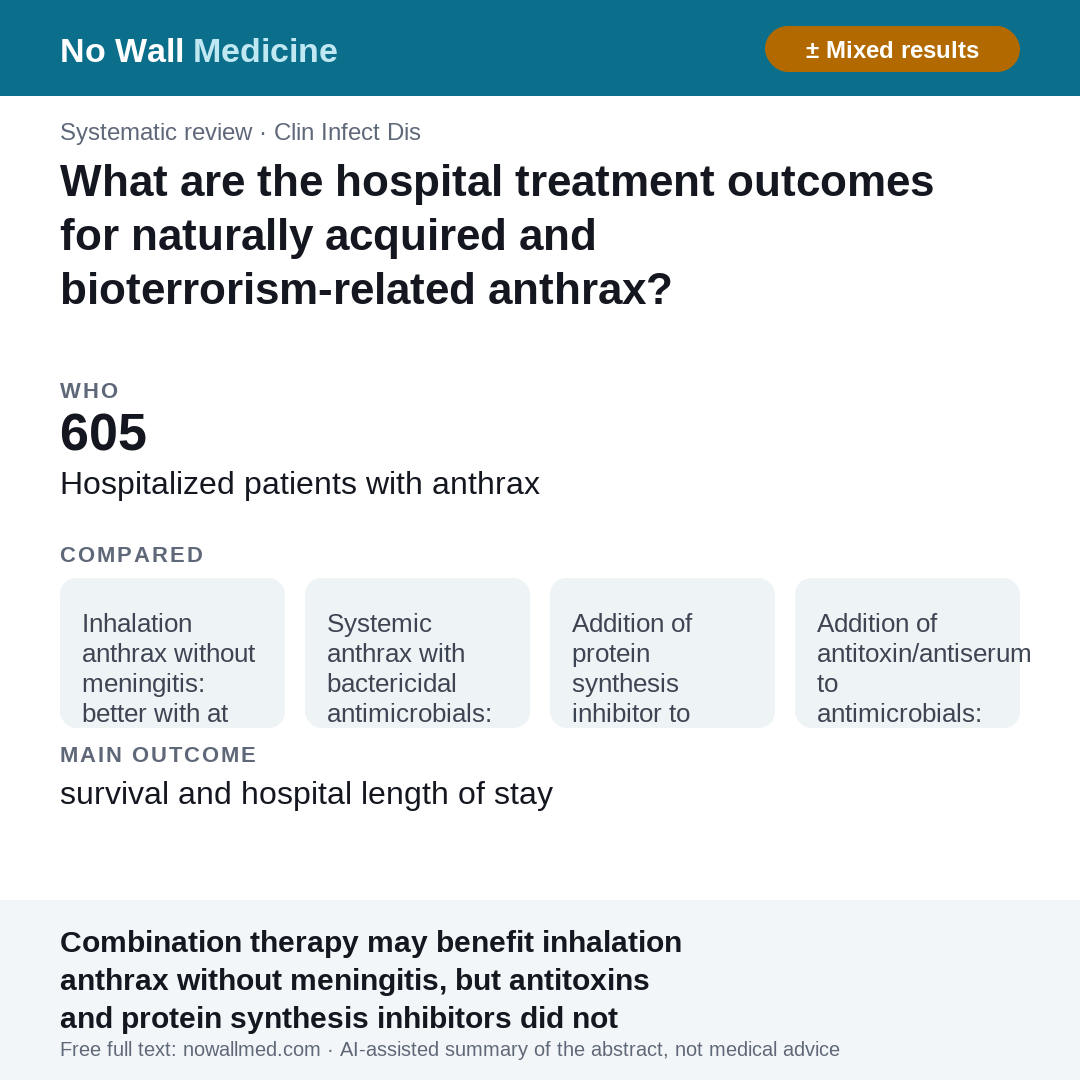
Systematic Review of Hospital Treatment Outcomes for Naturally Acquired and Bioterrorism-Related Anthrax, 1880-2018
Systematic reviewMixed results
What are the hospital treatment outcomes for naturally acquired and bioterrorism-related anthrax?
Who
605
Hospitalized patients with anthrax
Compared
Inhalation anthrax without meningitis: better with at least 2 antimicrobials
Systemic anthrax with bactericidal antimicrobials: effective
Addition of protein synthesis inhibitor to bactericidal antimicrobials: did not improve survival
Addition of antitoxin/antiserum to antimicrobials: did not improve survival
Main outcome
survival and hospital length of stay
Bottom line: Combination therapy may benefit inhalation anthrax without meningitis, but antitoxins and protein synthesis inhibitors did not improve survival.
Limitation: numbers were small for anthrax meningitis
Clin Infect Dis · 2022-10-17Download image
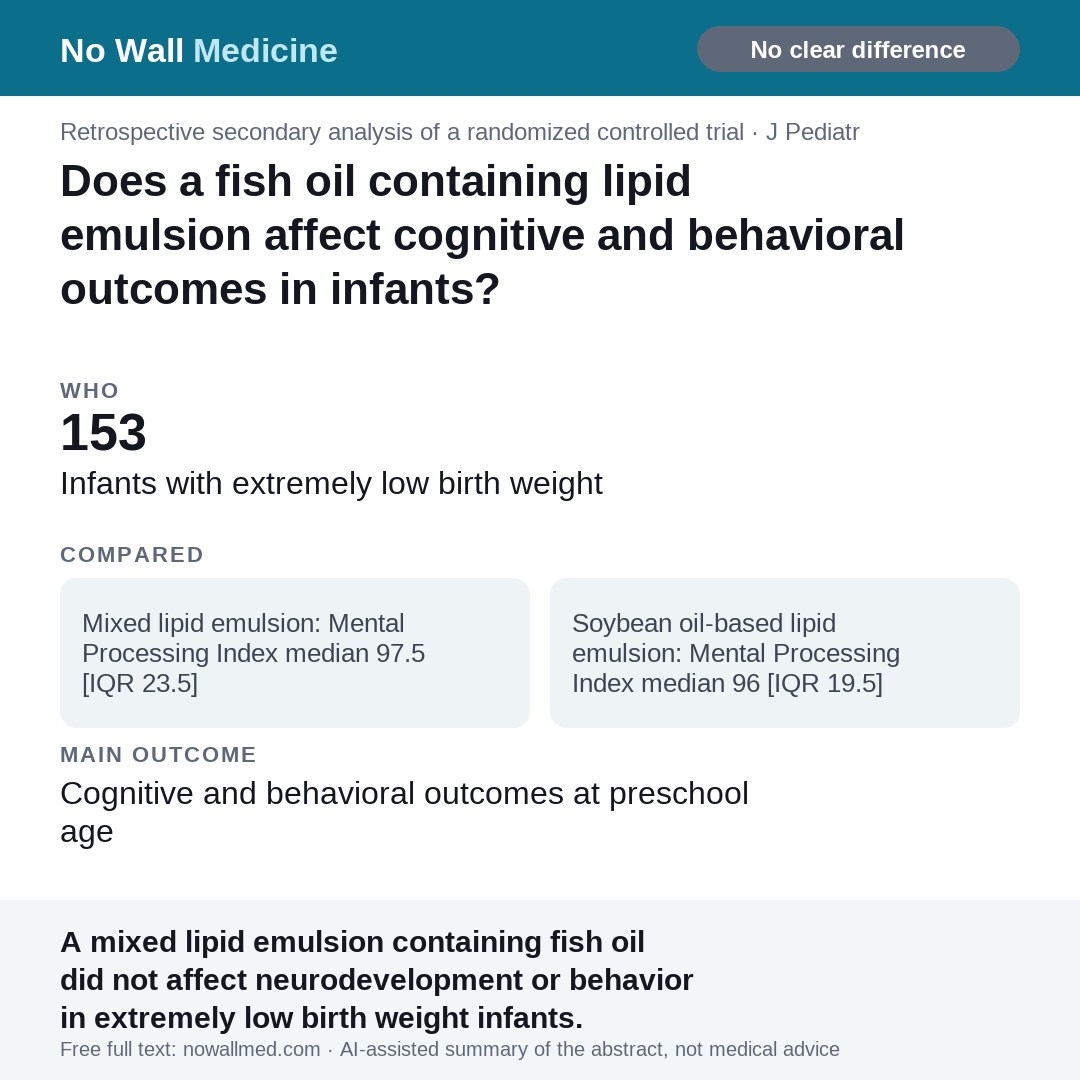
A secondary Outcome Analysis of a Randomized Trial Using a Mixed Lipid Emulsion Containing Fish Oil in Infants with Extremely Low Birth Weight: Cognitive and Behavioral Outcome at Preschool Age
Retrospective secondary analysis of a randomized controlled trialNo clear difference
Does a fish oil containing lipid emulsion affect cognitive and behavioral outcomes in infants?
Who
153
Infants with extremely low birth weight
Compared
Mixed lipid emulsion: Mental Processing Index median 97.5 [IQR 23.5]
Soybean oil-based lipid emulsion: Mental Processing Index median 96 [IQR 19.5]
Main outcome
Cognitive and behavioral outcomes at preschool age
Bottom line: A mixed lipid emulsion containing fish oil did not affect neurodevelopment or behavior in extremely low birth weight infants.
J Pediatr · 2022-10-17Download image
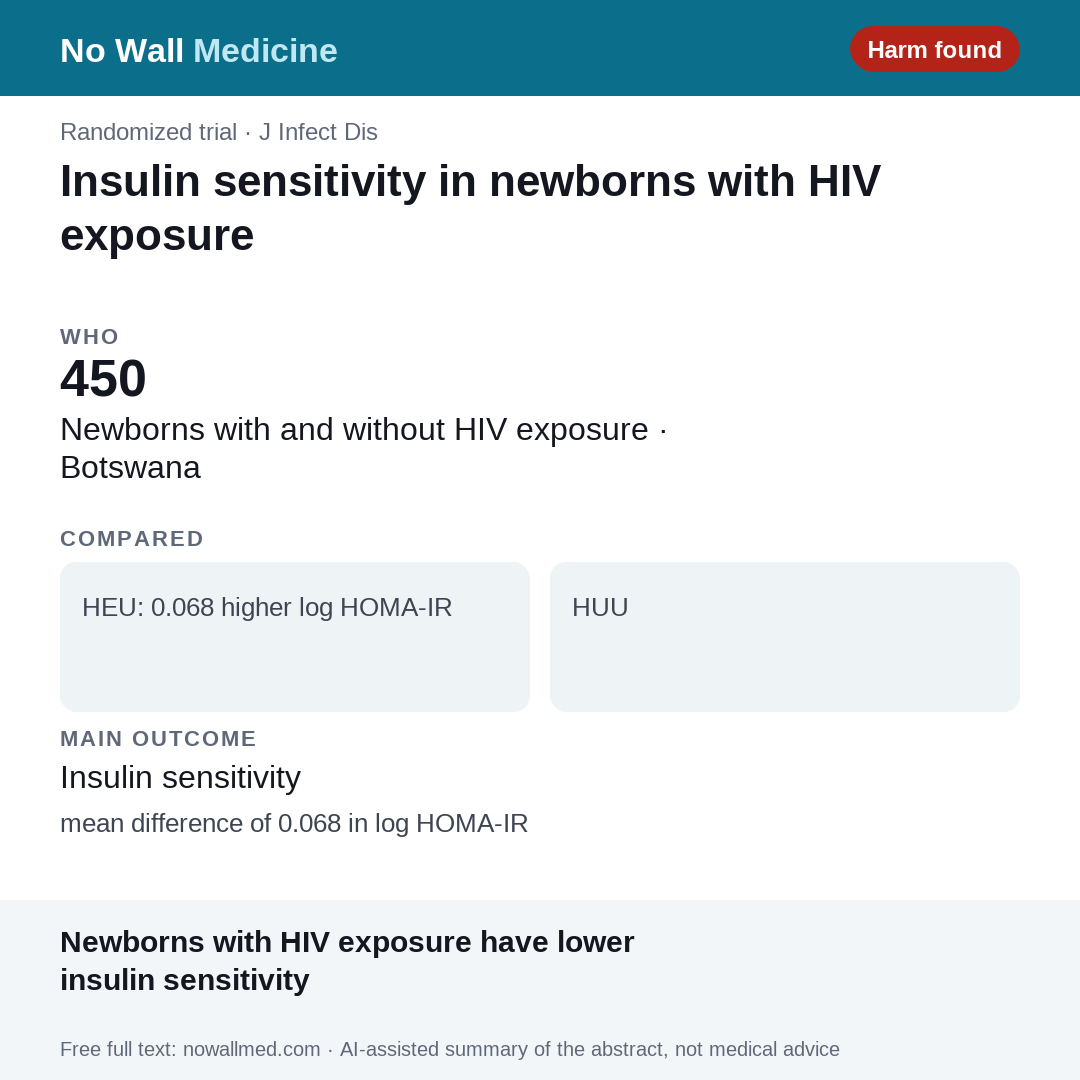
Lower Insulin Sensitivity in Newborns With In Utero HIV and Antiretroviral Exposure Who Are Uninfected in Botswana
Randomized trialHarm found
Insulin sensitivity in newborns with HIV exposure
Who
450
Newborns with and without HIV exposure · Botswana
Compared
HEU: 0.068 higher log HOMA-IR
HUU
Main outcome
Insulin sensitivity
Result: mean difference of 0.068 in log HOMA-IR
Bottom line: Newborns with HIV exposure have lower insulin sensitivity
J Infect Dis · 2022-10-15Download image
Network Meta-Analysis of Non-Conventional Therapies for Improving Upper Limb Motor Impairment Poststroke
Network meta-analysis of randomized controlled trialsBenefit found
Which non-conventional therapies improve upper extremity motor impairment after stroke?
Who
6781
Poststroke patients aged 18 years or older
Compared
Non-conventional interventions
Conventional care
Main outcome
Fugl-Meyer upper extremity scale
Bottom line: Eight non-conventional interventions were significantly better than conventional care for improving upper extremity motor impairment.
Stroke · 2022-10-14Download image

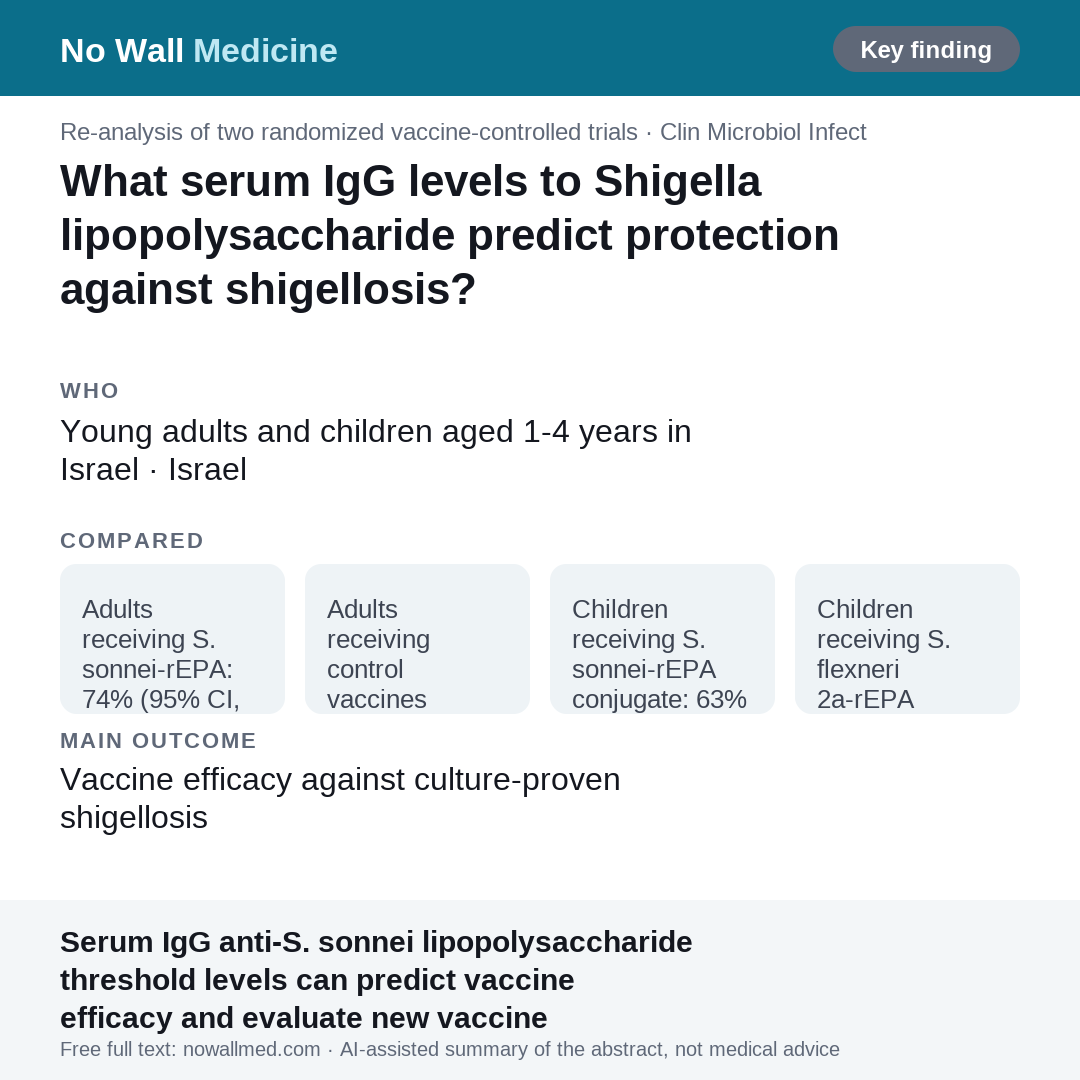
Threshold protective levels of serum IgG to Shigella lipopolysaccharide: re-analysis of Shigella vaccine trials data
Re-analysis of two randomized vaccine-controlled trialsBenefit found
What serum IgG levels to Shigella lipopolysaccharide predict protection against shigellosis?
Who
Young adults and children aged 1-4 years in Israel · Israel
Compared
Adults receiving S. sonnei-rEPA: 74% (95% CI, 28-100%) vaccine efficacy
Adults receiving control vaccines
Children receiving S. sonnei-rEPA conjugate: 63% predicted vaccine efficacy
Children receiving S. flexneri 2a-rEPA conjugate
Main outcome
Vaccine efficacy against culture-proven shigellosis
Bottom line: Serum IgG anti-S. sonnei lipopolysaccharide threshold levels can predict vaccine efficacy and evaluate new vaccine candidates.
Clin Microbiol Infect · 2022-10-13Download image
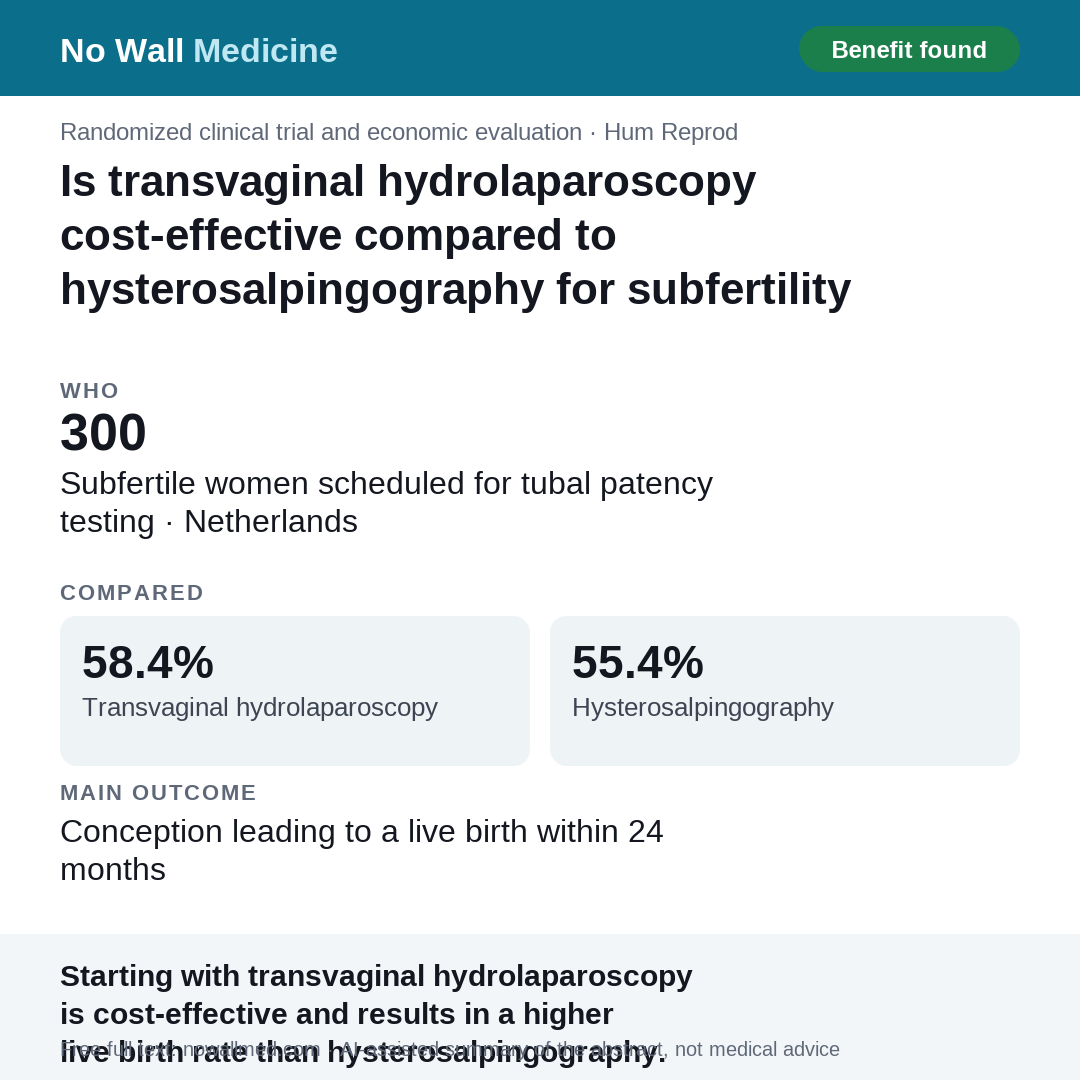
The cost-effectiveness of transvaginal hydrolaparoscopy versus hysterosalpingography in the work-up for subfertility
Randomized clinical trial and economic evaluationBenefit found
Is transvaginal hydrolaparoscopy cost-effective compared to hysterosalpingography for subfertility work-up?
Who
300
Subfertile women scheduled for tubal patency testing · Netherlands
Compared
58.4%Transvaginal hydrolaparoscopy
55.4%Hysterosalpingography
Main outcome
Conception leading to a live birth within 24 months
Result: mean cost difference = -€271 (95% CI -€273 to -€269)
Bottom line: Starting with transvaginal hydrolaparoscopy is cost-effective and results in a higher live birth rate than hysterosalpingography.
Limitation: Results may not generalize to women with high risk of tubal pathology or different healthcare systems.
Hum Reprod · 2022-10-13Download image
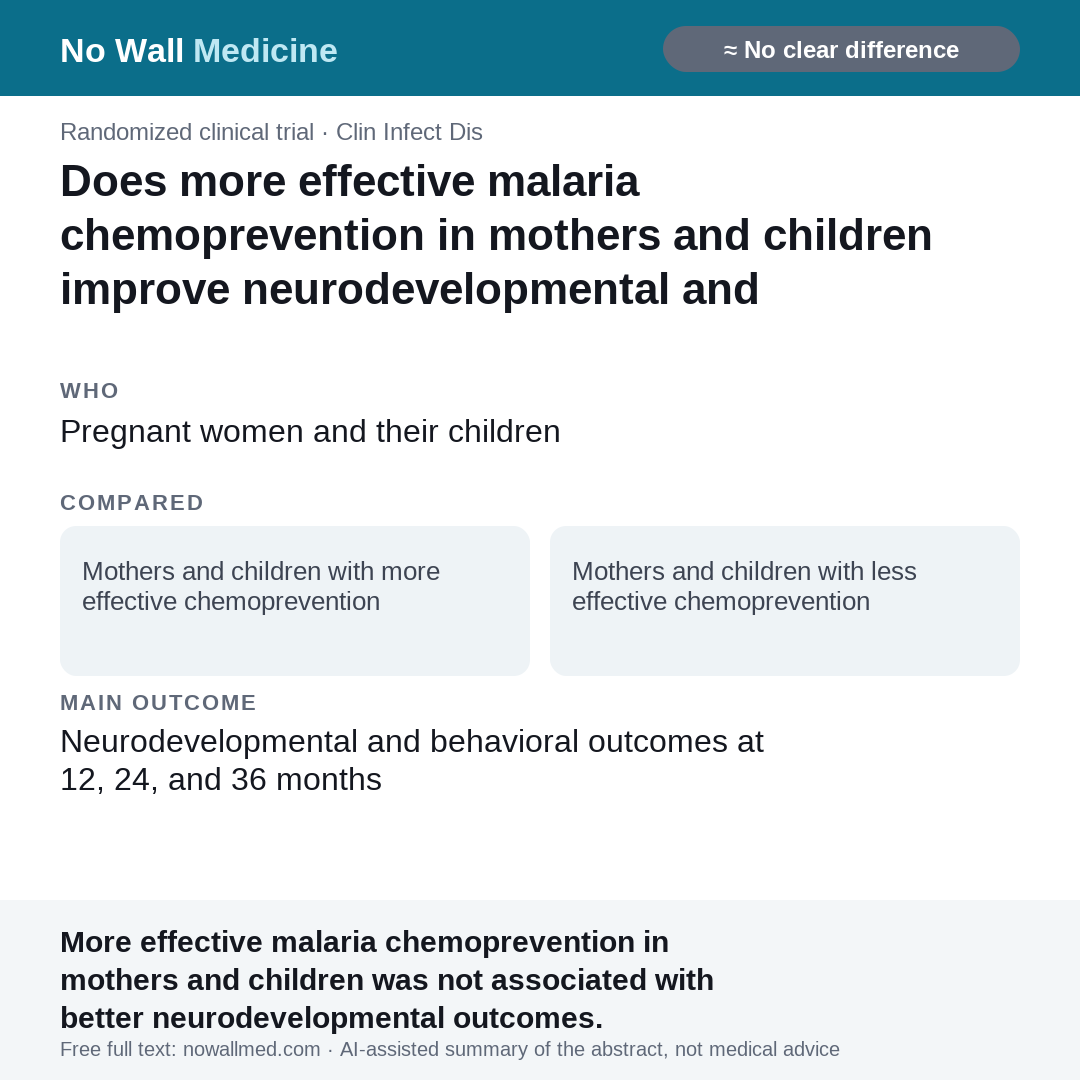
Effect of Malaria and Malaria Chemoprevention Regimens in Pregnancy and Childhood on Neurodevelopmental and Behavioral Outcomes in Children at 12, 24, and 36 Months: A Randomized Clinical Trial
Randomized clinical trialNo clear difference
Does more effective malaria chemoprevention in mothers and children improve neurodevelopmental and behavioral outcomes?
Who
Pregnant women and their children
Compared
Mothers and children with more effective chemoprevention
Mothers and children with less effective chemoprevention
Main outcome
Neurodevelopmental and behavioral outcomes at 12, 24, and 36 months
Bottom line: More effective malaria chemoprevention in mothers and children was not associated with better neurodevelopmental outcomes.
Clin Infect Dis · 2022-10-12Download image
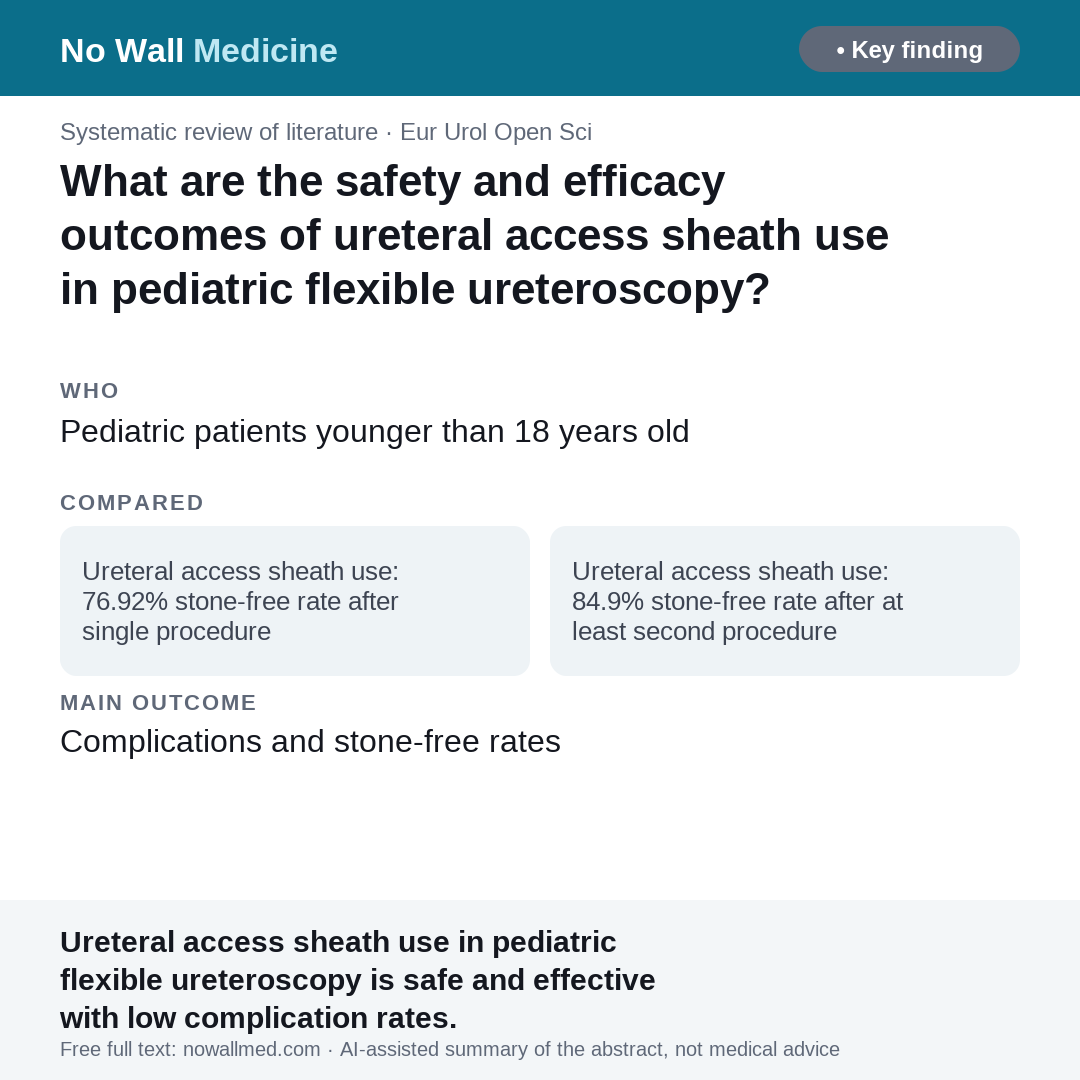
Role of Pediatric Ureteral Access Sheath and Outcomes Related to Flexible Ureteroscopy and Laser Stone Fragmentation: A Systematic Review of Literature
Systematic review of literatureBenefit found
What are the safety and efficacy outcomes of ureteral access sheath use in pediatric flexible ureteroscopy?
Who
Pediatric patients younger than 18 years old
Compared
Ureteral access sheath use: 76.92% stone-free rate after single procedure
Ureteral access sheath use: 84.9% stone-free rate after at least second procedure
Main outcome
Complications and stone-free rates
Bottom line: Ureteral access sheath use in pediatric flexible ureteroscopy is safe and effective with low complication rates.
Eur Urol Open Sci · 2022-10-12Download image
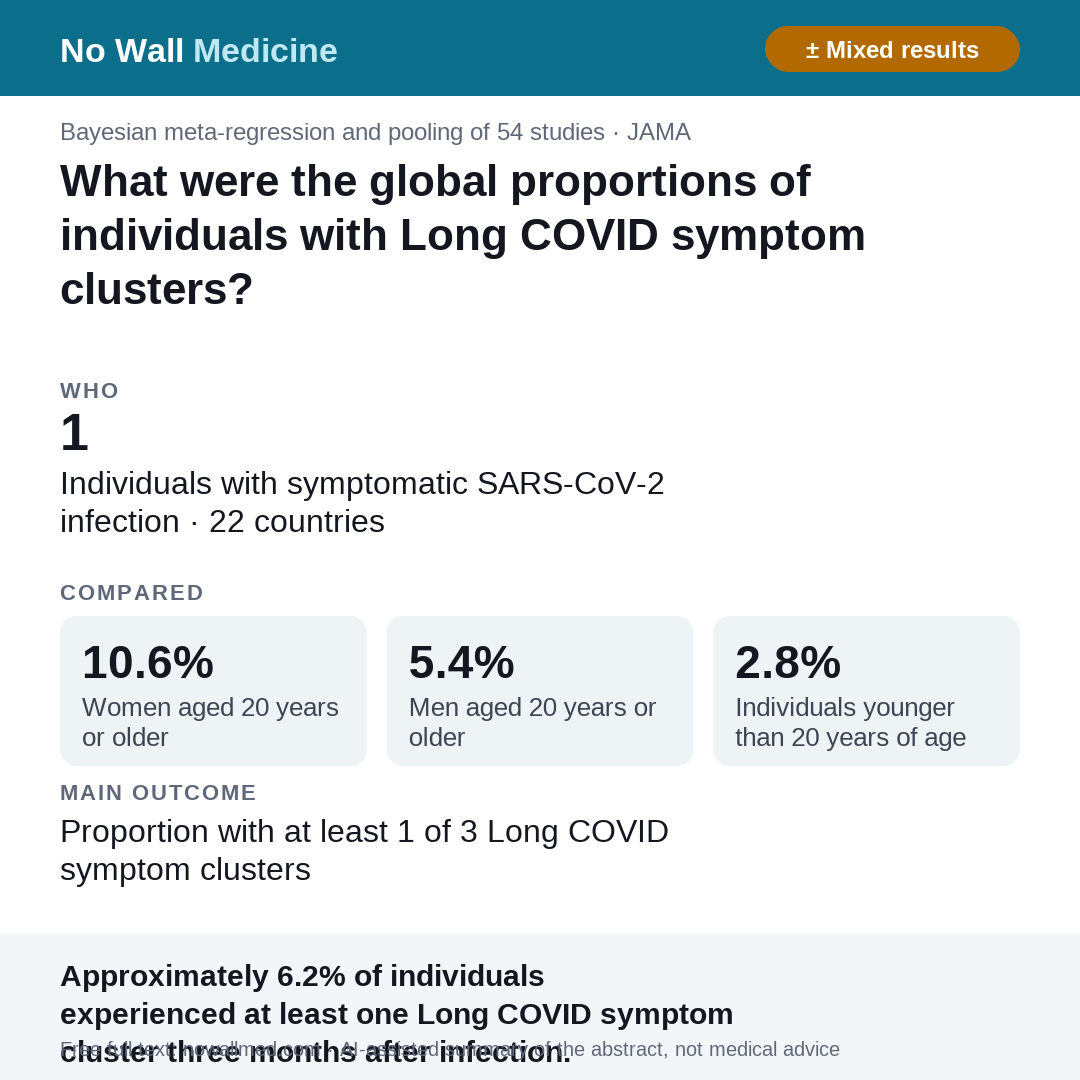
Estimated Global Proportions of Individuals With Persistent Fatigue, Cognitive, and Respiratory Symptom Clusters Following Symptomatic COVID-19 in 2020 and 2021
Bayesian meta-regression and pooling of 54 studiesMixed results
What were the global proportions of individuals with Long COVID symptom clusters?
Who
1
Individuals with symptomatic SARS-CoV-2 infection · 22 countries
Compared
10.6%Women aged 20 years or older (95% UI, 4.3%-22.2%)
5.4%Men aged 20 years or older (95% UI, 2.2%-11.7%)
2.8%Individuals younger than 20 years of age (95% UI, 0.9%-7.0%)
Main outcome
Proportion with at least 1 of 3 Long COVID symptom clusters
Result: 6.2% (95% uncertainty interval, 2.4%-13.3%)
Bottom line: Approximately 6.2% of individuals experienced at least one Long COVID symptom cluster three months after infection.
JAMA · 2022-10-11Download image
Longitudinal Changes and Predictive Value of Choroidal Thickness for Myopia Control after Repeated Low-Level Red-Light Therapy
Secondary analysis of a randomized controlled trialBenefit found
How does repeated low-level red-light therapy affect macular choroidal thickness and myopia control?
Who
120
Myopic children aged 8-13 years · Multicenter, 2 of 5 sites
Compared
Repeated low-level red-light therapy: 9.089 μm at 12 months
Single-vision spectacle: -10.407 μm at 12 months
Main outcome
Changes in macular choroidal thickness and myopia control
Bottom line: Repeated low-level red-light therapy induced sustained choroidal thickening and 3-month thickness changes predict 12-month myopia control.
Ophthalmology · 2022-10-11Download image
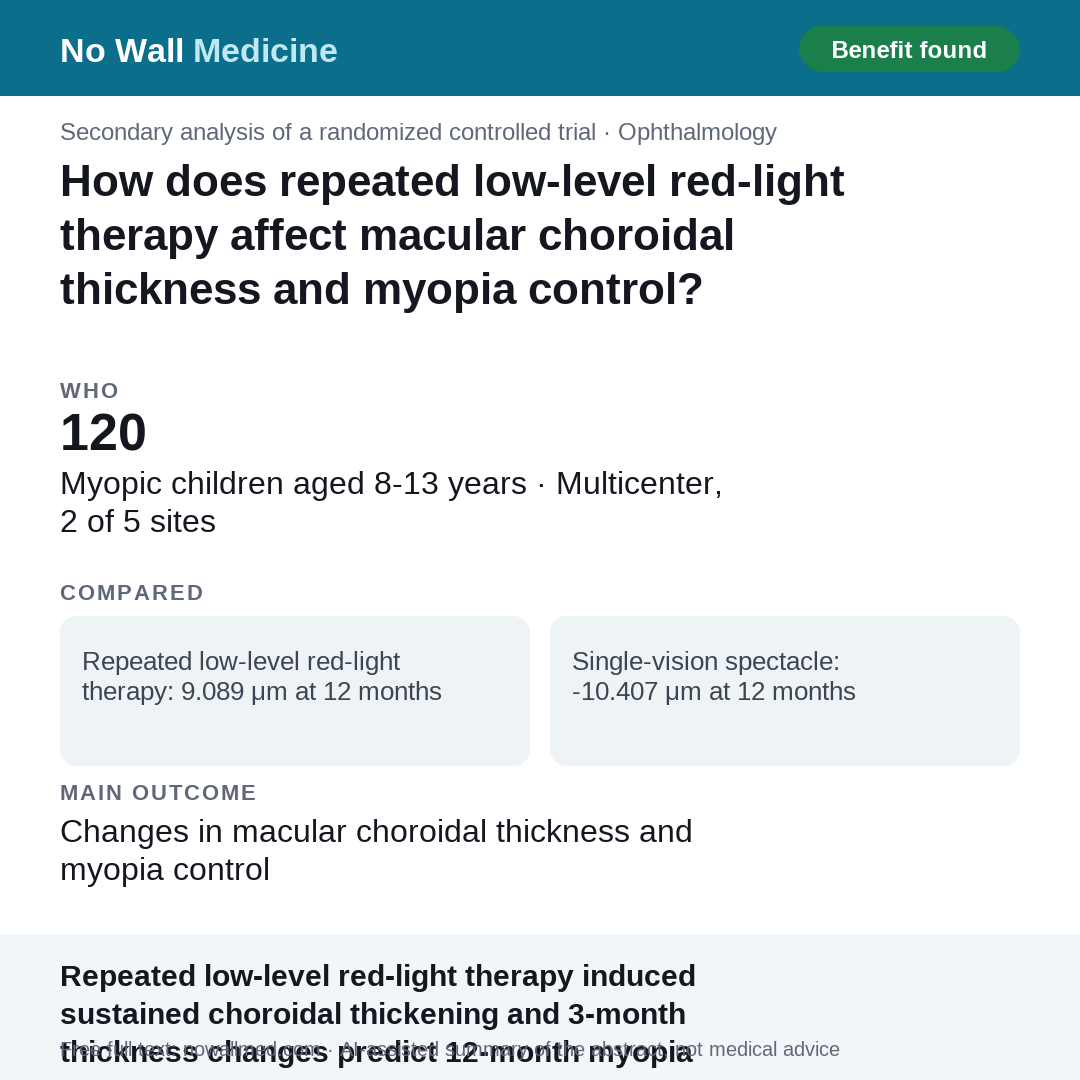
Liquefied Petroleum Gas or Biomass for Cooking and Effects on Birth Weight
Randomized, controlled trialNo clear difference
Does replacing biomass cookstoves with liquefied petroleum gas increase birth weight?
Who
3200
Pregnant women aged 18 to 35 years · Guatemala, India, Peru, and Rwanda
Compared
Liquefied petroleum gas: 2921±474.3 g
Biomass cookstove: 2898±467.9 g
Main outcome
Birth weight
Result: adjusted mean difference 19.6 g (95% confidence interval, -10.1 to 49.2)
Bottom line: Replacing biomass cookstoves with liquefied petroleum gas did not significantly change infant birth weight.
Funded by: National Institutes of Health and Bill and Melinda Gates Foundation
NEJM · 2022-10-10Download image
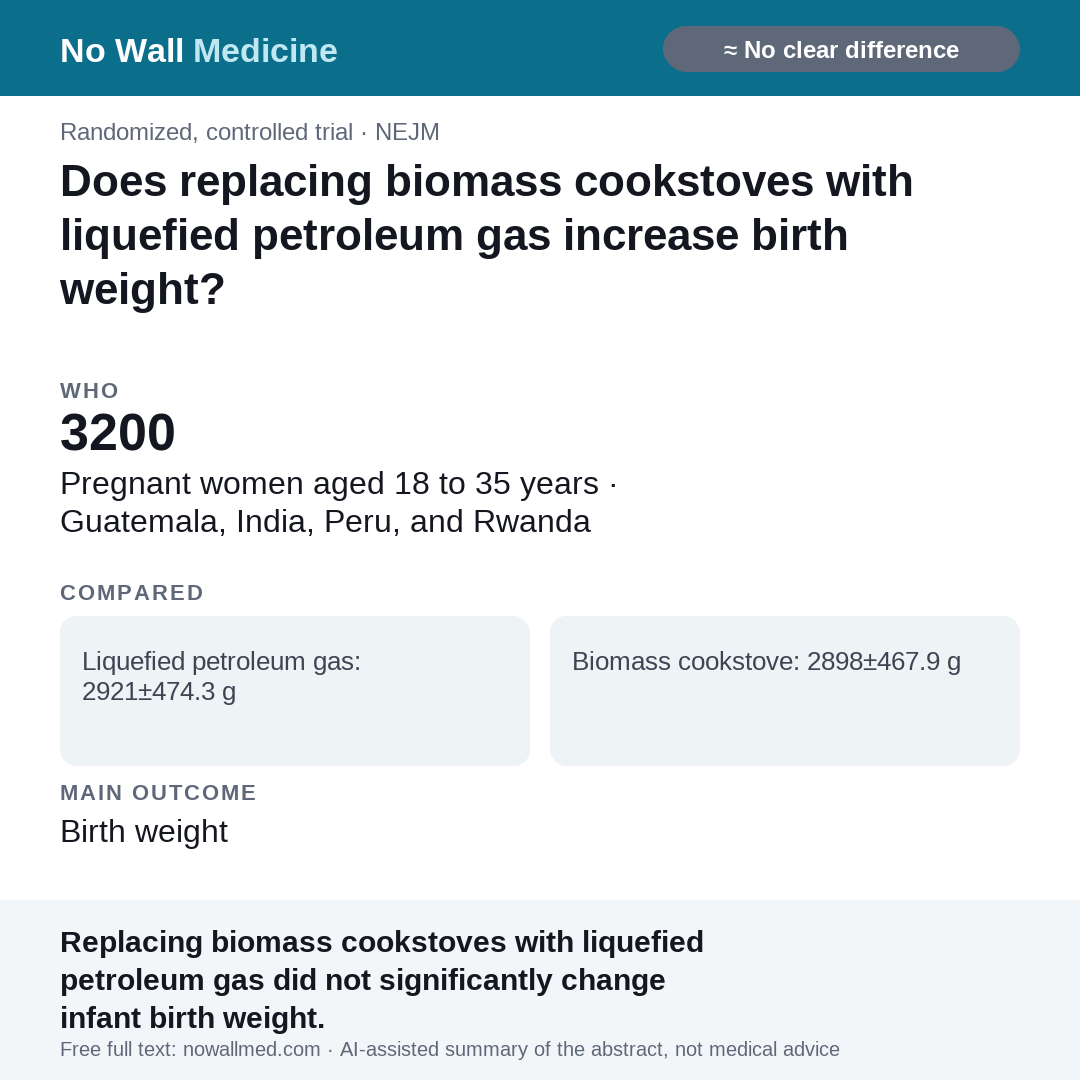
Monthly sulfadoxine/pyrimethamine-amodiaquine or dihydroartemisinin-piperaquine as malaria chemoprevention in young Kenyan children with sickle cell anemia: A randomized controlled trial
Randomized, open-label trialNo clear difference
Are monthly SP-AQ or DP effective for malaria chemoprevention in Kenyan children with sickle cell anemia?
Who
246
Kenyan children aged 1 to 10 years with sickle cell anemia · Homa Bay, Kenya
Compared
Daily Proguanil: 0.04 episodes/PPY
Monthly sulfadoxine/pyrimethamine-amodiaquine: IRR: 3.05 (95% CI: 0.36 to 26.14)
Monthly dihydroartemisinin-piperaquine: IRR: 1.36 (95% CI: 0.21 to 8.85)
Main outcome
Cumulative incidence of clinical malaria at 12 months
Result: IRR: 3.05 (95% CI: 0.36 to 26.14) for SP-AQ; IRR: 1.36 (95% CI: 0.21 to 8.85) for DP
Bottom line: Monthly sulfadoxine/pyrimethamine-amodiaquine or dihydroartemisinin-piperaquine did not reduce clinical malaria compared to daily proguanil.
Limitation: Limited malaria transmission, high hydroxyurea use, and enhanced supportive care may limit generalizability.
PLOS Med · 2022-10-10Download image
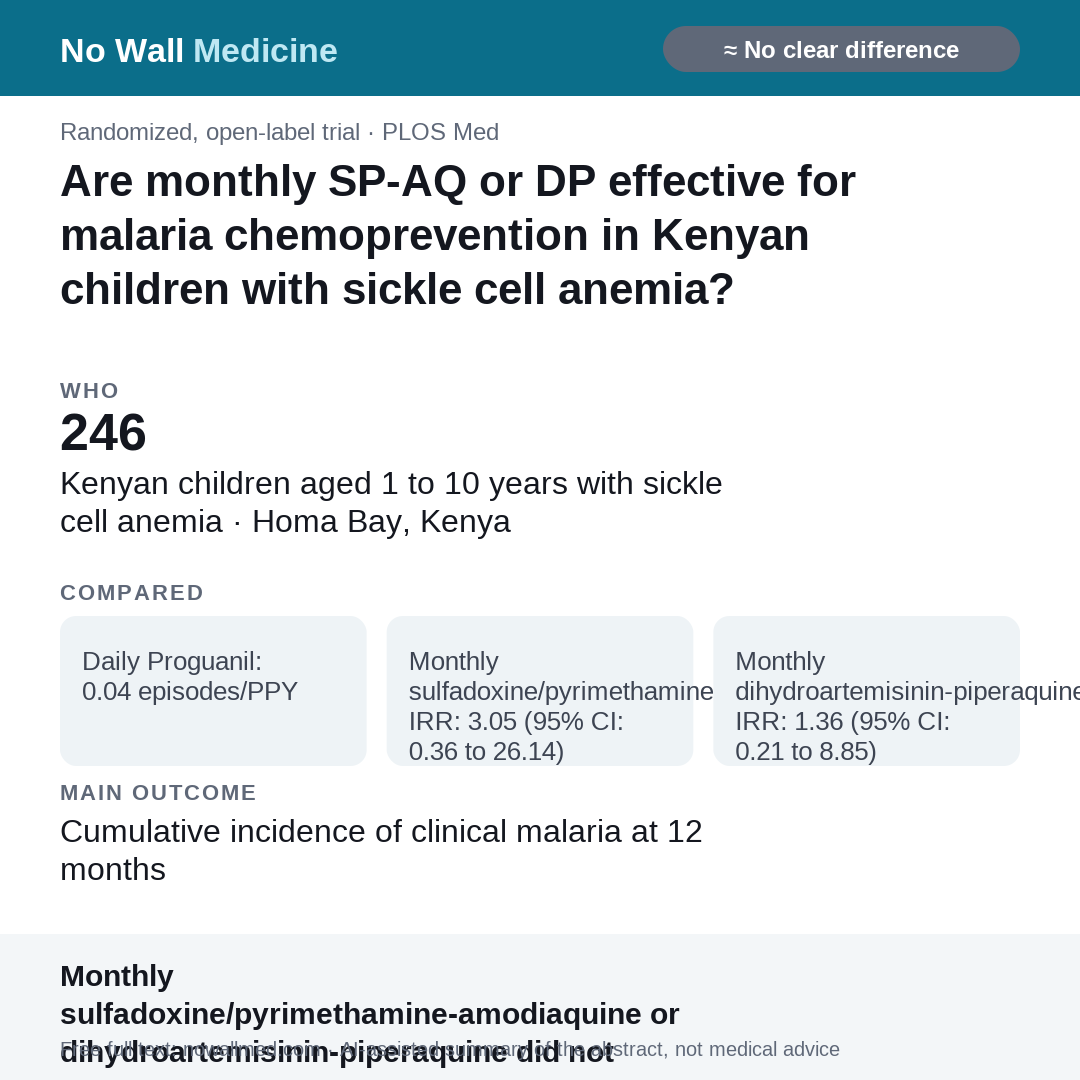
Characteristics associated with antenatally unidentified small-for-gestational-age fetuses: prospective cohort study nested within DESiGN randomized controlled trial
Prospective cohort studyMixed results
What characteristics are associated with antenatally unidentified small-for-gestational-age fetuses?
Who
15784
Singleton, non-anomalous small-for-gestational-age neonates born after 24 weeks · 13 United Kingdom sites
Compared
78.7%Unidentified small-for-gestational-age
Identified small-for-gestational-age
Main outcome
Clinical characteristics and ultrasound use patterns associated with unidentified small-for-gestational-age
Result: adjusted mean difference 19.0 (95% CI 17.8-20.1) centiles
Bottom line: Unidentified small-for-gestational-age was more common in women without serial ultrasound indications, those with cephalic presentation, and specific BMI ranges.
Ultrasound Obstet Gynecol · 2022-10-08Download image
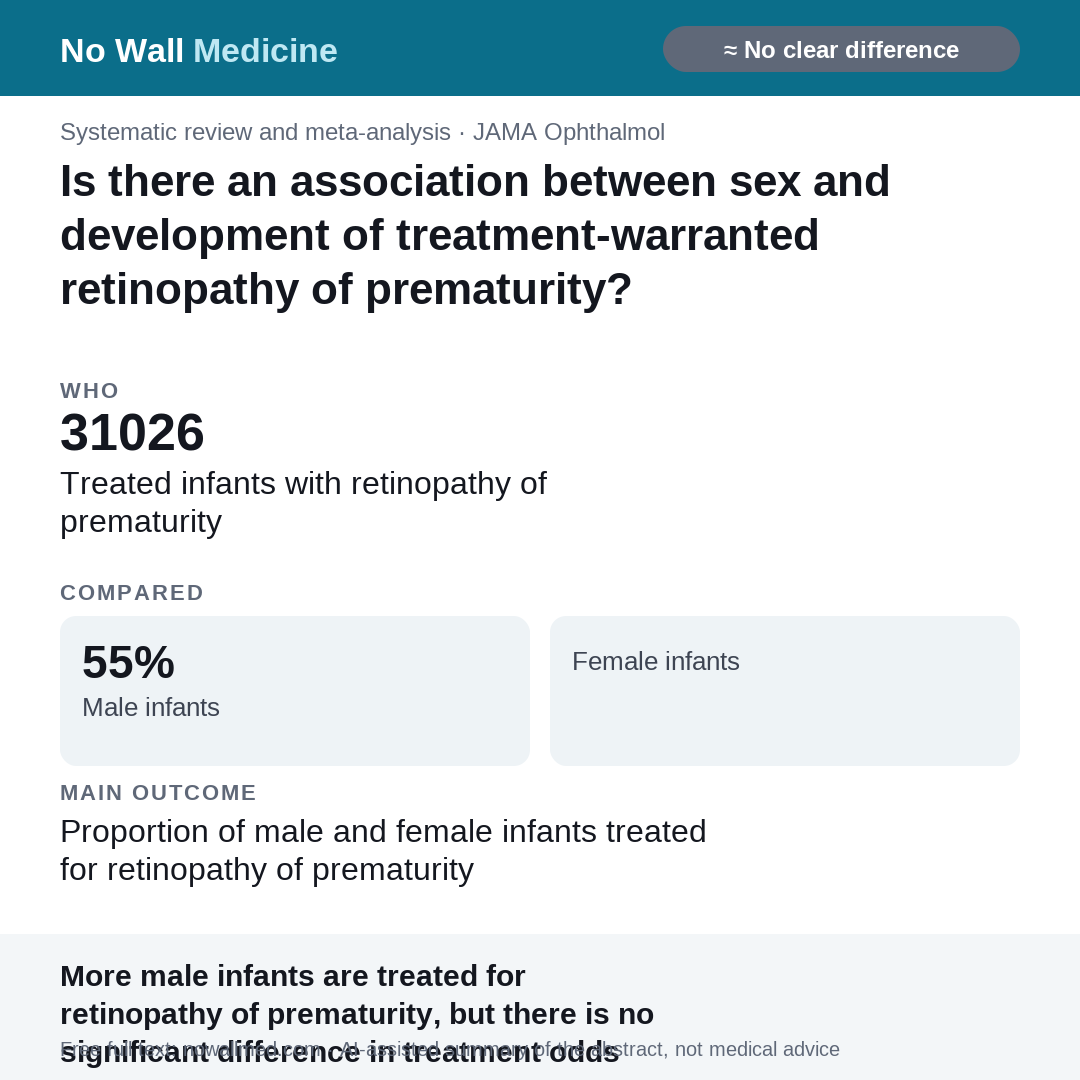
The Male to Female Ratio in Treatment-Warranted Retinopathy of Prematurity: A Systematic Review and Meta-analysis
Systematic review and meta-analysisNo clear difference
Is there an association between sex and development of treatment-warranted retinopathy of prematurity?
Who
31026
Treated infants with retinopathy of prematurity
Compared
55%Male infants (95% CI, 0.54%-0.55%)
Female infants
Main outcome
Proportion of male and female infants treated for retinopathy of prematurity
Result: pooled odds ratio, 1.04 (95% CI, 0.91-1.18)
Bottom line: More male infants are treated for retinopathy of prematurity, but there is no significant difference in treatment odds between sexes.
JAMA Ophthalmol · 2022-10-07Download image
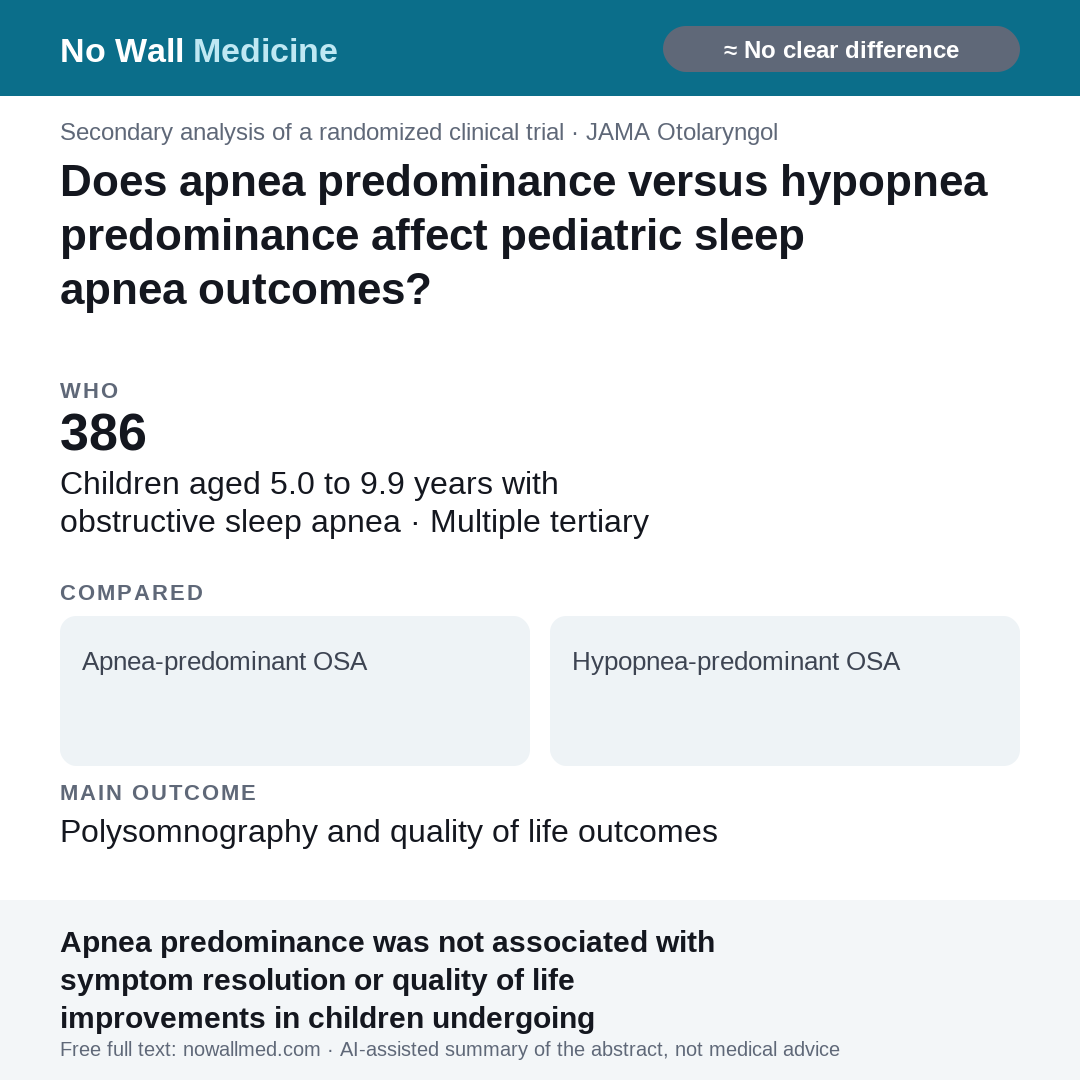
Association of Apnea vs Hypopnea Predominance With Pediatric Sleep Apnea Outcomes: A Secondary Analysis of the Childhood Adenotonsillectomy Trial
Secondary analysis of a randomized clinical trialNo clear difference
Does apnea predominance versus hypopnea predominance affect pediatric sleep apnea outcomes?
Who
386
Children aged 5.0 to 9.9 years with obstructive sleep apnea · Multiple tertiary children's hospitals
Compared
Apnea-predominant OSA
Hypopnea-predominant OSA
Main outcome
Polysomnography and quality of life outcomes
Bottom line: Apnea predominance was not associated with symptom resolution or quality of life improvements in children undergoing adenotonsillectomy or watchful waiting.
Limitation: Further research is needed to assess how apnea predominance affects outcomes in children with more severe disease.
JAMA Otolaryngol · 2022-10-07Download image
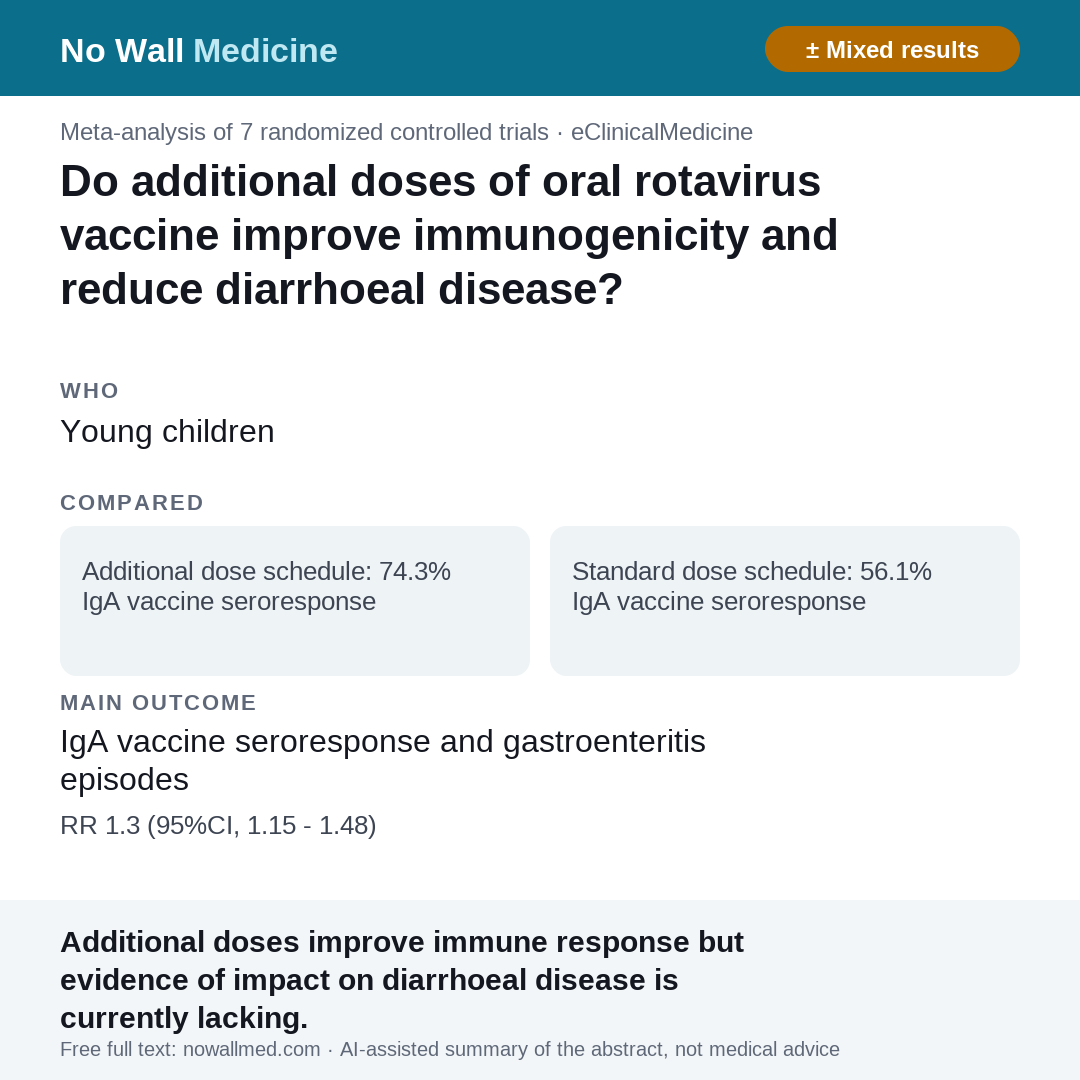
Systematic review of the effect of additional doses of oral rotavirus vaccine on immunogenicity and reduction in diarrhoeal disease among young children
Meta-analysis of 7 randomized controlled trialsMixed results
Do additional doses of oral rotavirus vaccine improve immunogenicity and reduce diarrhoeal disease?
Who
Young children
Compared
Additional dose schedule: 74.3% IgA vaccine seroresponse
Standard dose schedule: 56.1% IgA vaccine seroresponse
Main outcome
IgA vaccine seroresponse and gastroenteritis episodes
Result: RR 1.3 (95%CI, 1.15 - 1.48)
Bottom line: Additional doses improve immune response but evidence of impact on diarrhoeal disease is currently lacking.
Limitation: Only one study evaluated reduction in gastroenteritis episodes.
eClinicalMedicine · 2022-10-06Download image
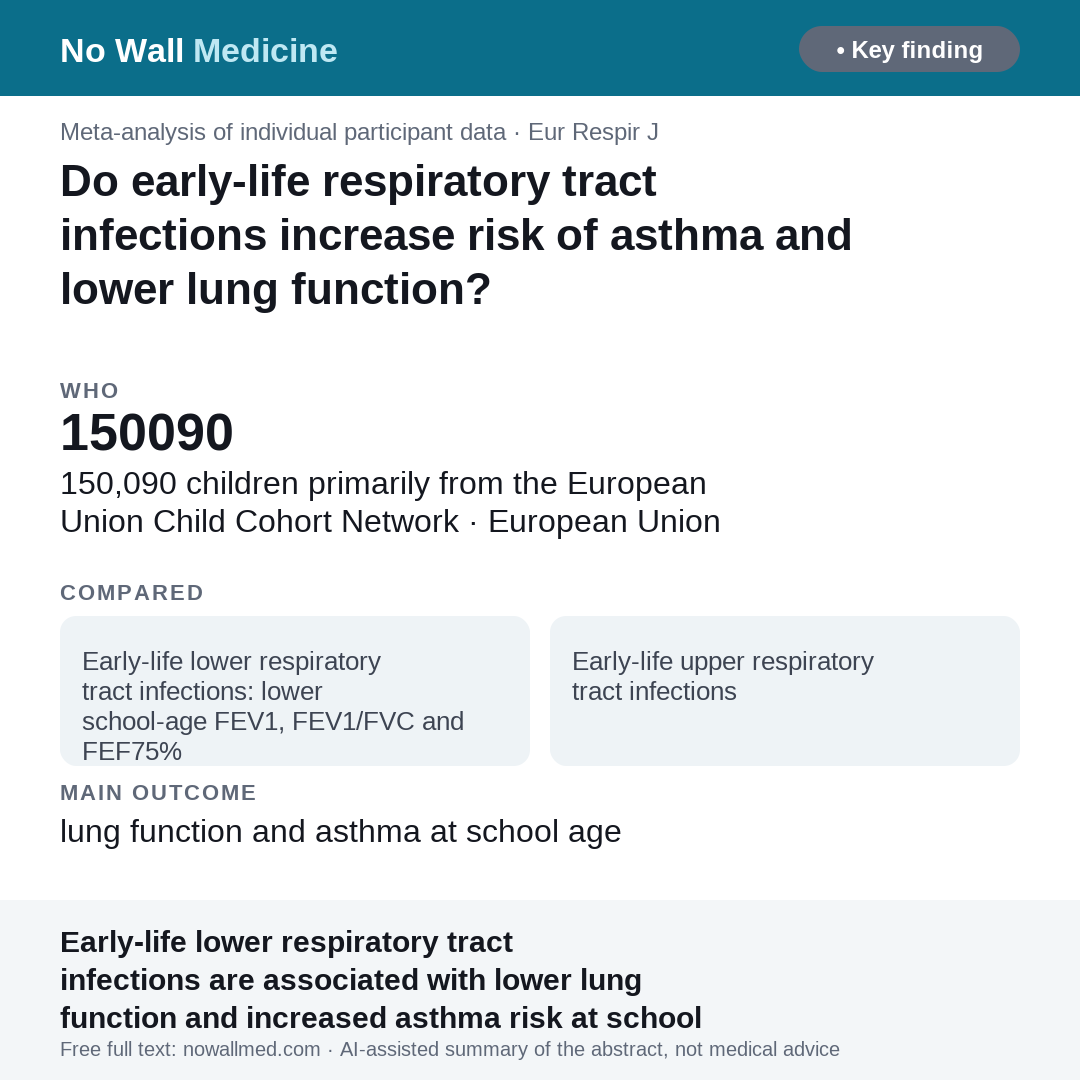
Early-life respiratory tract infections and the risk of school-age lower lung function and asthma: a meta-analysis of 150 000 European children
Meta-analysis of individual participant dataHarm found
Do early-life respiratory tract infections increase risk of asthma and lower lung function?
Who
150090
150,090 children primarily from the European Union Child Cohort Network · European Union
Compared
Early-life lower respiratory tract infections: lower school-age FEV1, FEV1/FVC and FEF75%
Early-life upper respiratory tract infections
Main outcome
lung function and asthma at school age
Result: OR range: 2.10 (95% CI 1.98-2.22) to 6.30 (95% CI 5.64-7.04)
Bottom line: Early-life lower respiratory tract infections are associated with lower lung function and increased asthma risk at school age.
Eur Respir J · 2022-10-06Download image
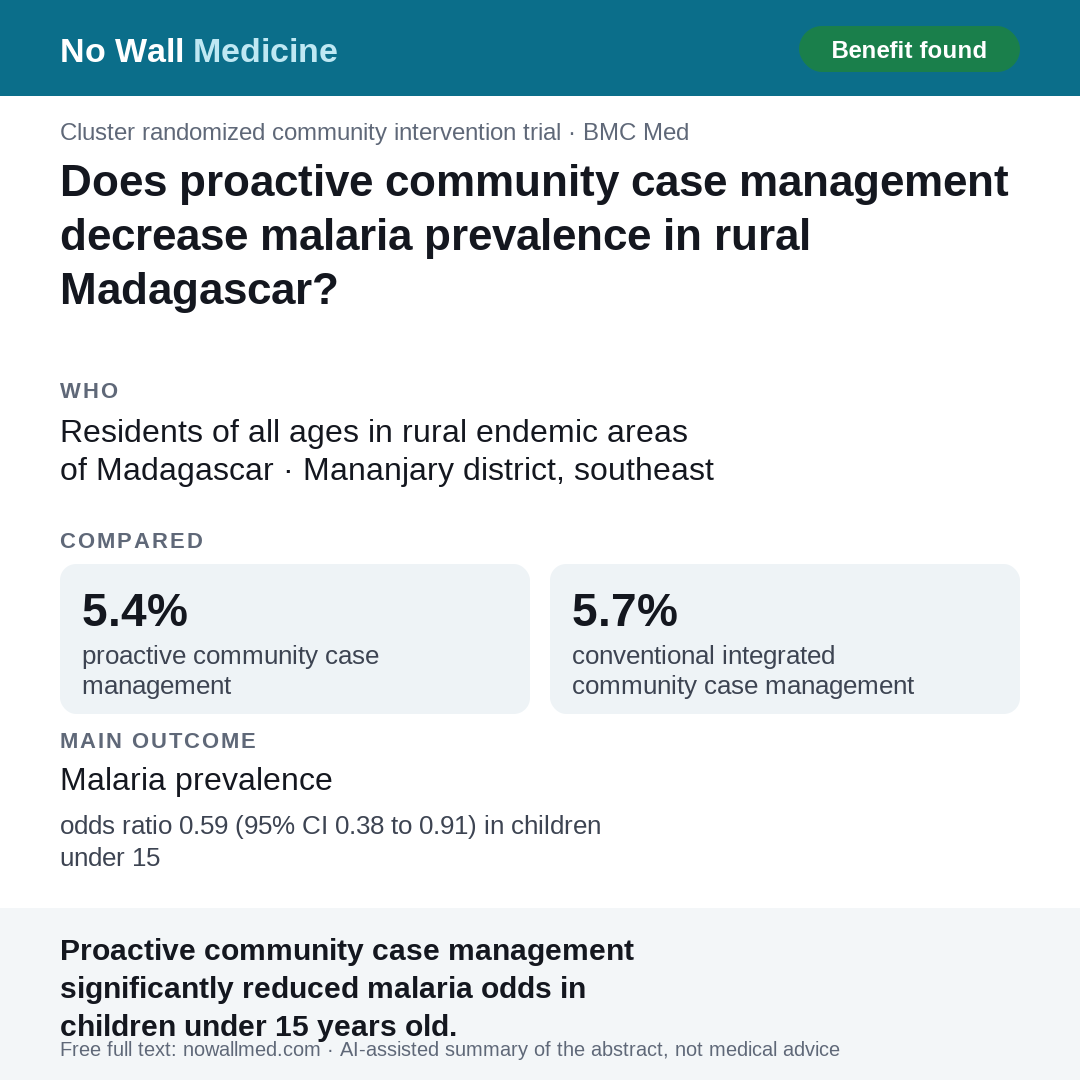
Proactive community case management decreased malaria prevalence in rural Madagascar: results from a cluster randomized trial
Cluster randomized community intervention trialBenefit found
Does proactive community case management decrease malaria prevalence in rural Madagascar?
Who
Residents of all ages in rural endemic areas of Madagascar · Mananjary district, southeast Madagascar
Compared
5.4%proactive community case management
5.7%conventional integrated community case management
Main outcome
Malaria prevalence
Result: odds ratio 0.59 (95% CI 0.38 to 0.91) in children under 15
Bottom line: Proactive community case management significantly reduced malaria odds in children under 15 years old.
Limitation: Impact may be limited to younger age groups with the highest malaria burden.
BMC Med · 2022-10-04Download image
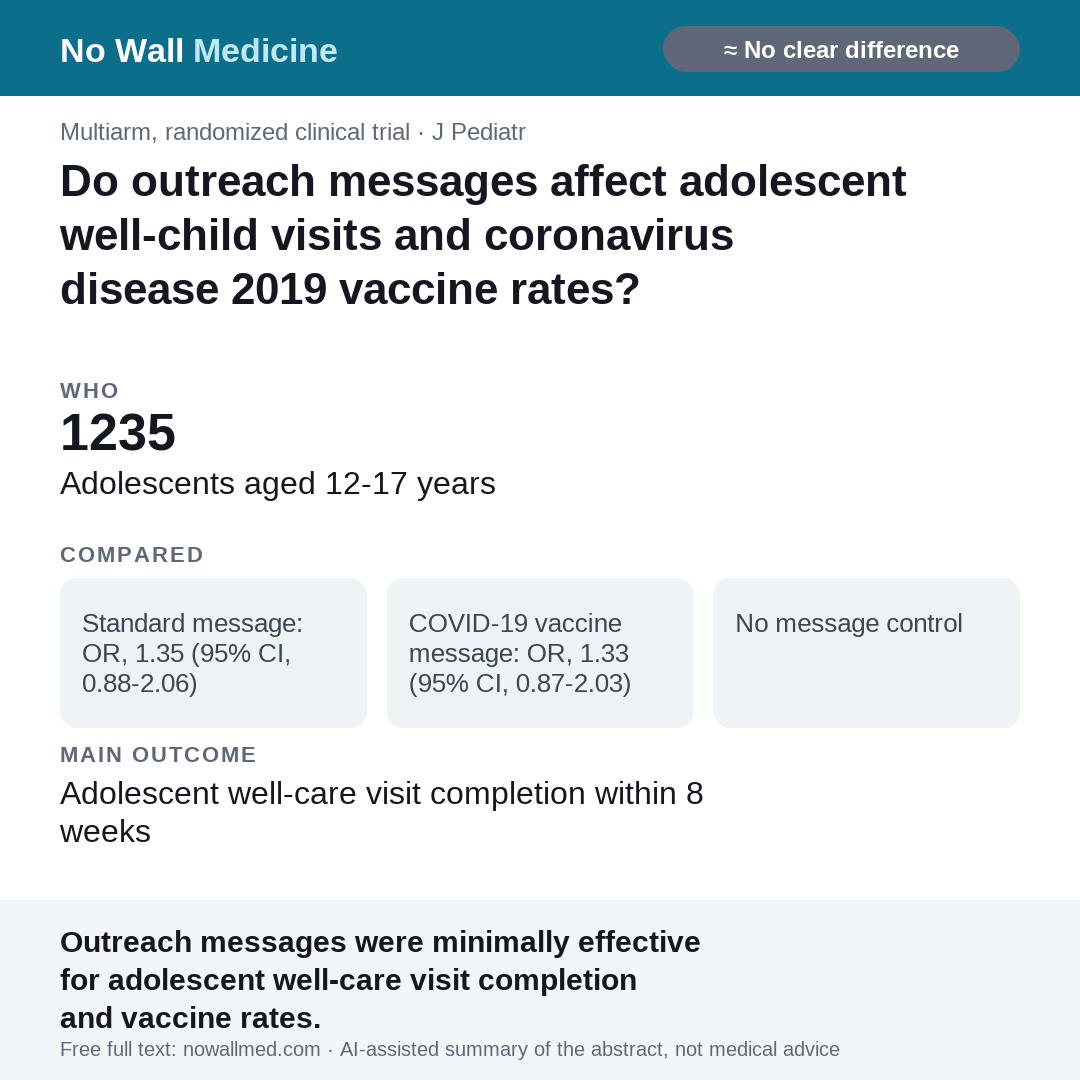
Effect of Outreach Messages on Adolescent Well-Child Visits and Coronavirus Disease 2019 Vaccine Rates: A Randomized, Controlled Trial
Multiarm, randomized clinical trialNo clear difference
Do outreach messages affect adolescent well-child visits and coronavirus disease 2019 vaccine rates?
Who
1235
Adolescents aged 12-17 years
Compared
Standard message: OR, 1.35 (95% CI, 0.88-2.06)
COVID-19 vaccine message: OR, 1.33 (95% CI, 0.87-2.03)
No message control
Main outcome
Adolescent well-care visit completion within 8 weeks
Bottom line: Outreach messages were minimally effective for adolescent well-care visit completion and vaccine rates.
J Pediatr · 2022-10-04Download image
COVID-19 Pandemic and Infant Neurodevelopmental Impairment: A Systematic Review and Meta-analysis
Systematic review and meta-analysisMixed results
Does the COVID-19 pandemic or gestational SARS-CoV-2 exposure increase neurodevelopmental impairment risk?
Who
21419
Infants screened during and before the COVID-19 pandemic
Compared
7%Pandemic cohort (330/8992)
Prepandemic cohort
Main outcome
Risk of overall neurodevelopmental impairment
Result: OR 1.70 (95% CI 1.37-2.11) for communication impairment
Bottom line: The pandemic was associated with increased communication impairment risk, but overall neurodevelopment was not changed by pandemic or gestational exposure.
JAMA Netw Open · 2022-10-03Download image
