Visual abstracts
New randomized trials and meta-analyses from leading journals at a glance: who was studied, what was compared, and what was found. Every paper is free to read in full.
All specialtiesCardiology 1313Oncology 1143Gastroenterology & Hepatology 466Infectious Disease 855Neurology 537Psychiatry & Mental Health 650Pulmonology 562Critical Care 387Endocrinology & Diabetes 729Pediatrics 771Surgery 613Orthopedics & Sports Medicine 251Neurosurgery 177Cardiothoracic & Vascular Surgery 148Plastic & Reconstructive Surgery 205Nephrology 277Rheumatology 174Hematology 274Dermatology 135Ophthalmology 144Obstetrics & Gynecology 409Public & Global Health 252Radiology & Imaging 168Anesthesiology 246Urology 240ENT (Otolaryngology) 179Emergency Medicine 142Allergy & Immunology 89Geriatrics 272Family Medicine & Primary Care 164Medical Genetics & Genomics 139Pathology & Laboratory Medicine 40Physical Medicine & Rehabilitation 227Palliative Care 119Nutrition 341Digital Health & AI 670General Medicine 121
Exploring strategies and approaches to improve end-of-life care services for people experiencing homelessness: a systematic review and meta-synthesis of qualitative studies
Systematic reviewUnclear result
End of life care for homeless people
Who
people experiencing homelessness
Compared
homeless people
service providers
Main outcome
end of life care quality
Bottom line: Homeless people face barriers to end of life care
BMC Palliat Care · 2026-04-13Download image

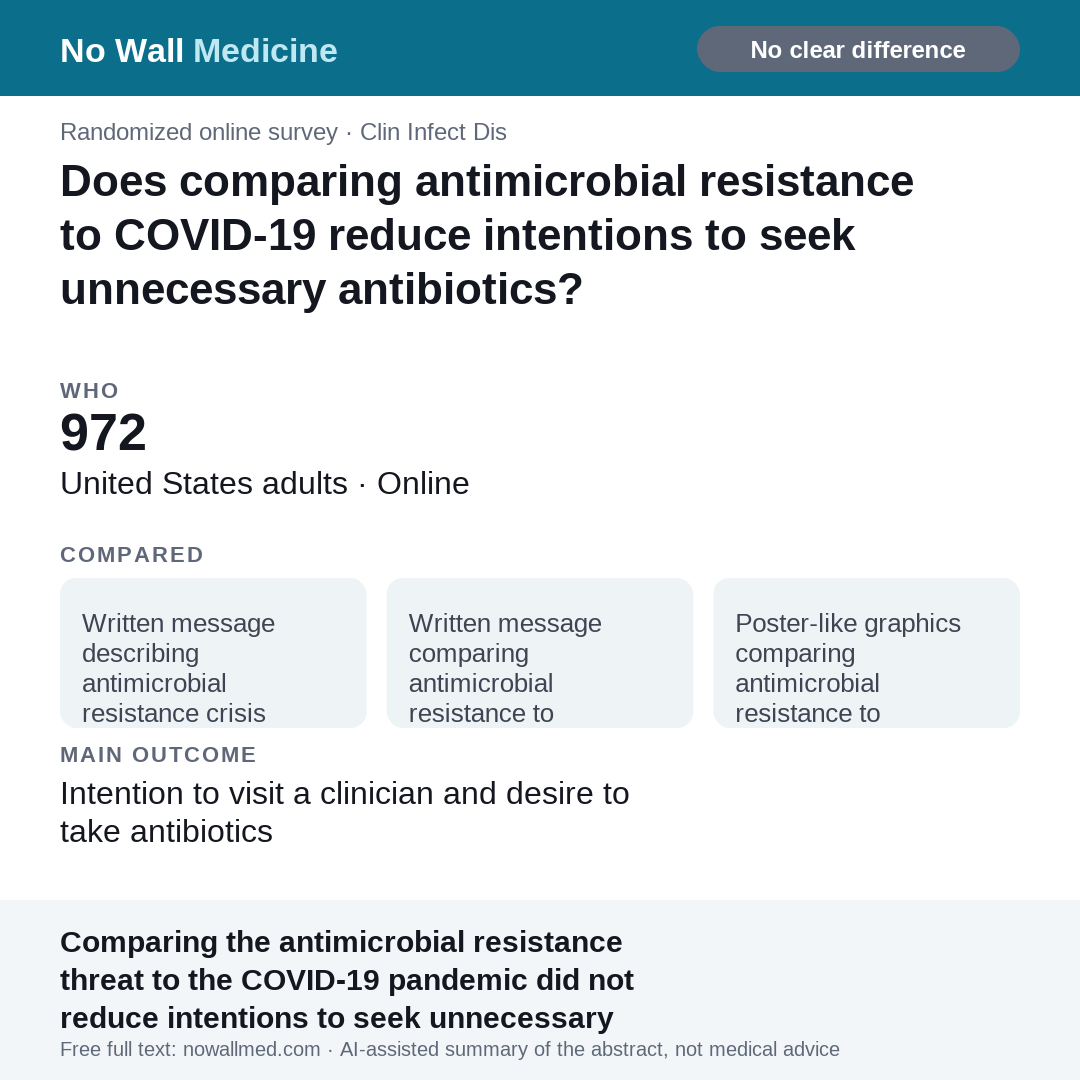
Comparing the Antimicrobial Resistance Crisis to the COVID-19 Pandemic: A Randomized Public Health Messaging Experiment
Randomized online surveyNo clear difference
Does comparing antimicrobial resistance to COVID-19 reduce intentions to seek unnecessary antibiotics?
Who
972
United States adults · Online
Compared
Written message describing antimicrobial resistance crisis
Written message comparing antimicrobial resistance to COVID-19
Poster-like graphics comparing antimicrobial resistance to COVID-19
Main outcome
Intention to visit a clinician and desire to take antibiotics
Bottom line: Comparing the antimicrobial resistance threat to the COVID-19 pandemic did not reduce intentions to seek unnecessary antibiotics.
Clin Infect Dis · 2026-04-12Download image
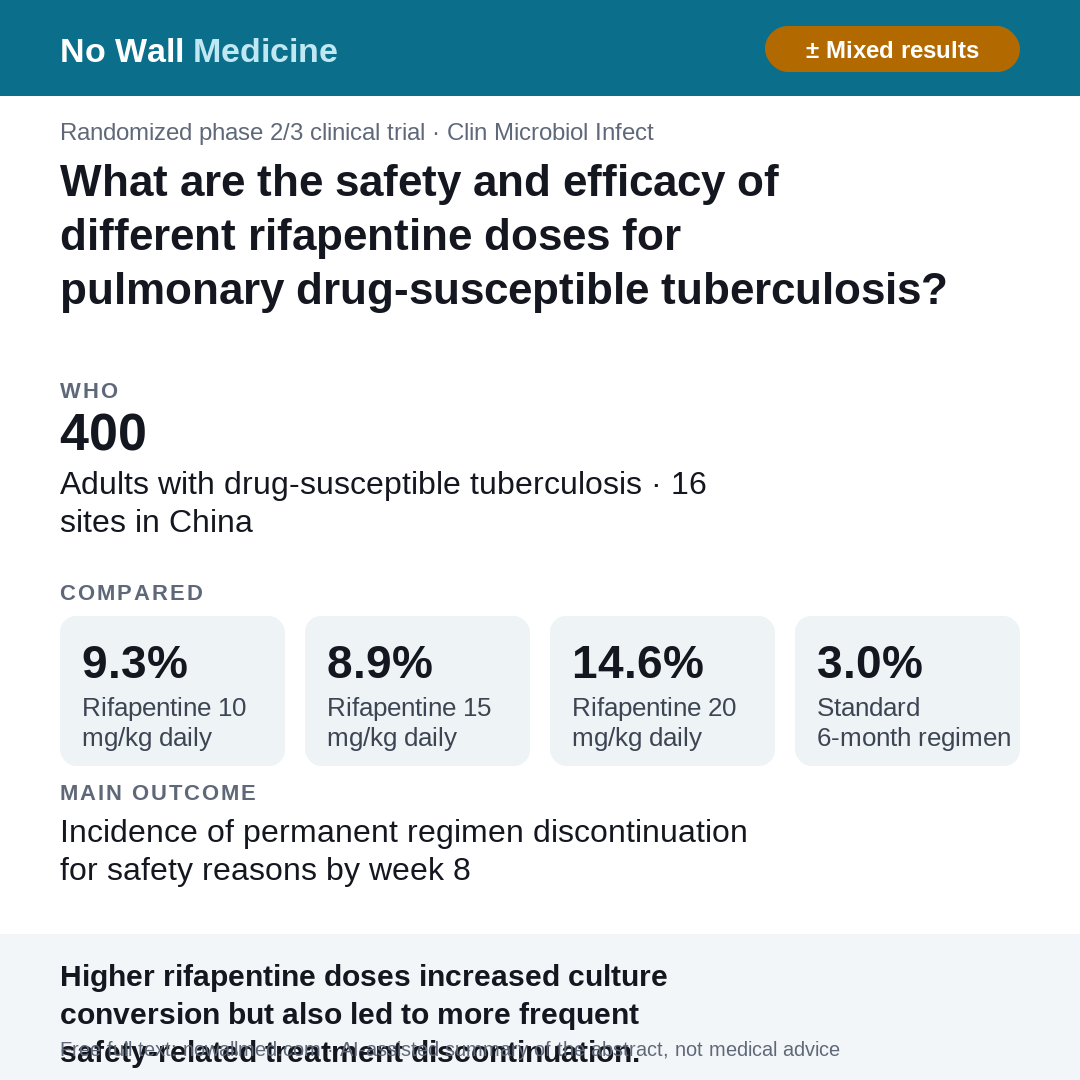
Rifapentine dosing for drug-susceptible tuberculosis: stage 1 of a seamless phase 2/3 randomized clinical trial
Randomized phase 2/3 clinical trialMixed results
What are the safety and efficacy of different rifapentine doses for pulmonary drug-susceptible tuberculosis?
Who
400
Adults with drug-susceptible tuberculosis · 16 sites in China
Compared
9.3%Rifapentine 10 mg/kg daily (9/97)
8.9%Rifapentine 15 mg/kg daily (9/101)
14.6%Rifapentine 20 mg/kg daily (14/96)
3.0%Standard 6-month regimen (3/99)
Main outcome
Incidence of permanent regimen discontinuation for safety reasons by week 8
Bottom line: Higher rifapentine doses increased culture conversion but also led to more frequent safety-related treatment discontinuation.
Clin Microbiol Infect · 2026-04-12Download image
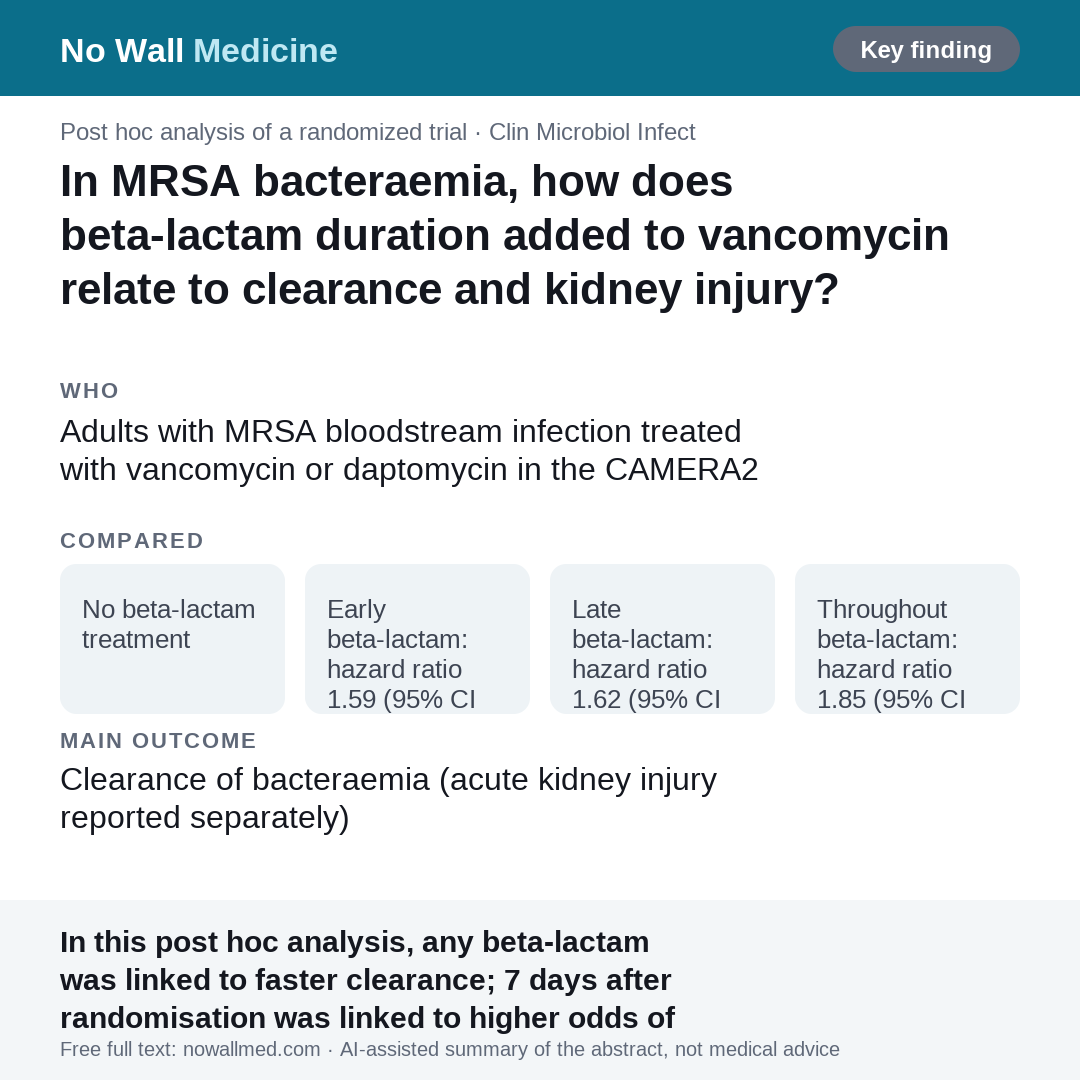
Association between β-lactam exposure and clearance of bacteraemia and acute kidney injury in patients with methicillin-resistant Staphylococcus aureus bloodstream infections-a post hoc analysis of the CAMERA2 trial
Post hoc analysis of a randomized trialMixed results
Does beta-lactam therapy duration impact bacteraemia clearance and acute kidney injury?
Who
Patients with methicillin-resistant Staphylococcus aureus bloodstream infections
Compared
No beta-lactam treatment
Early beta-lactam: hazard ratio 1.59 (95% CI 1.16-2.19)
Late beta-lactam: hazard ratio 1.62 (95% CI 1.14-2.31)
Throughout beta-lactam: hazard ratio 1.85 (95% CI 1.36-2.52)
Main outcome
clearance of bacteraemia and acute kidney injury
Result: hazard ratio 1.59 (95% CI 1.16-2.19) to 1.85 (95% CI 1.36-2.52)
Bottom line: Beta-lactam duration-dependent effects were seen for faster bacteraemia clearance and increased acute kidney injury risk.
Clin Microbiol Infect · 2026-04-12Download image
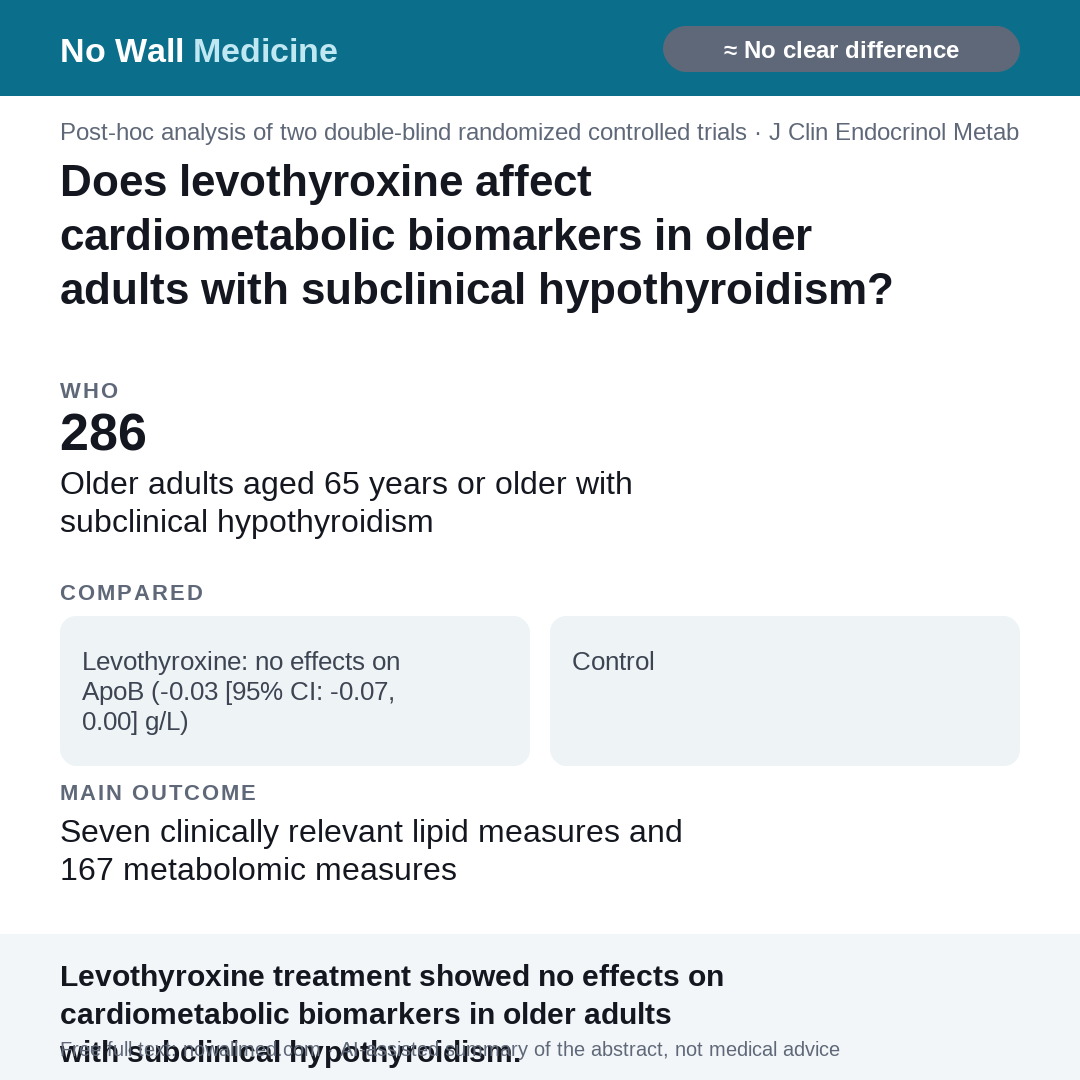
Levothyroxine treatment response of cardiometabolic biomarkers in older adults with subclinical hypothyroidism
Post-hoc analysis of two double-blind randomized controlled trialsNo clear difference
Does levothyroxine affect cardiometabolic biomarkers in older adults with subclinical hypothyroidism?
Who
286
Older adults aged 65 years or older with subclinical hypothyroidism
Compared
Levothyroxine: no effects on ApoB (-0.03 [95% CI: -0.07, 0.00] g/L)
Control
Main outcome
Seven clinically relevant lipid measures and 167 metabolomic measures
Bottom line: Levothyroxine treatment showed no effects on cardiometabolic biomarkers in older adults with subclinical hypothyroidism.
J Clin Endocrinol Metab · 2026-04-12Download image
Novel pleiotropic loci link vascular and immune pathways in systemic sclerosis and primary Raynaud's phenomenon
Cross-trait meta-analysis of genome-wide association studiesBenefit found
What is the shared genetic architecture between primary Raynaud's phenomenon and systemic sclerosis?
Who
Individuals with primary Raynaud's phenomenon and systemic sclerosis
Compared
Primary Raynaud's phenomenon: 4 986 cases and 850 981 controls
Systemic sclerosis: 10 654 cases and 18 043 controls
Main outcome
Shared genetic variants and polygenic risk score discrimination
Result: relative risk =1.29 (95% CI 1.02, 1.62)
Bottom line: Five novel pleiotropic loci link primary Raynaud's phenomenon and systemic sclerosis through vascular and inflammatory pathways.
Limitation: The polygenic risk score model shows modest discrimination (area under the curve = 0.57).
Rheumatology · 2026-04-12Download image

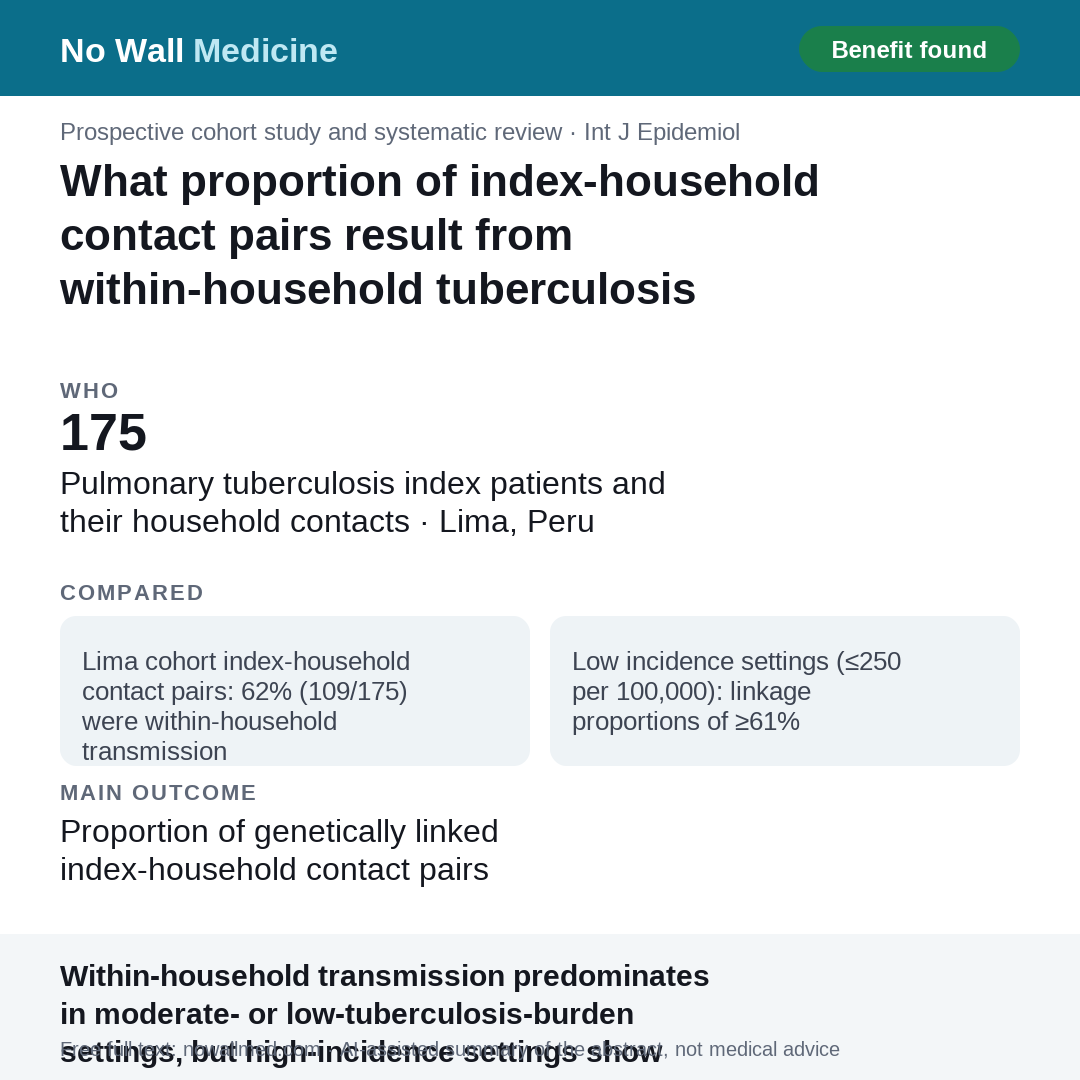
Quantifying within-household tuberculosis transmission: a systematic review and prospective cohort study
Prospective cohort study and systematic reviewBenefit found
What proportion of index-household contact pairs result from within-household tuberculosis transmission?
Who
175
Pulmonary tuberculosis index patients and their household contacts · Lima, Peru
Compared
Lima cohort index-household contact pairs: 62% (109/175) were within-household transmission
Low incidence settings (≤250 per 100,000): linkage proportions of ≥61%
Main outcome
Proportion of genetically linked index-household contact pairs
Bottom line: Within-household transmission predominates in moderate- or low-tuberculosis-burden settings, but high-incidence settings show greater variability.
Limitation: The relative contribution of within-household transmission in high-incidence settings remains unclear.
Int J Epidemiol · 2026-04-12Download image
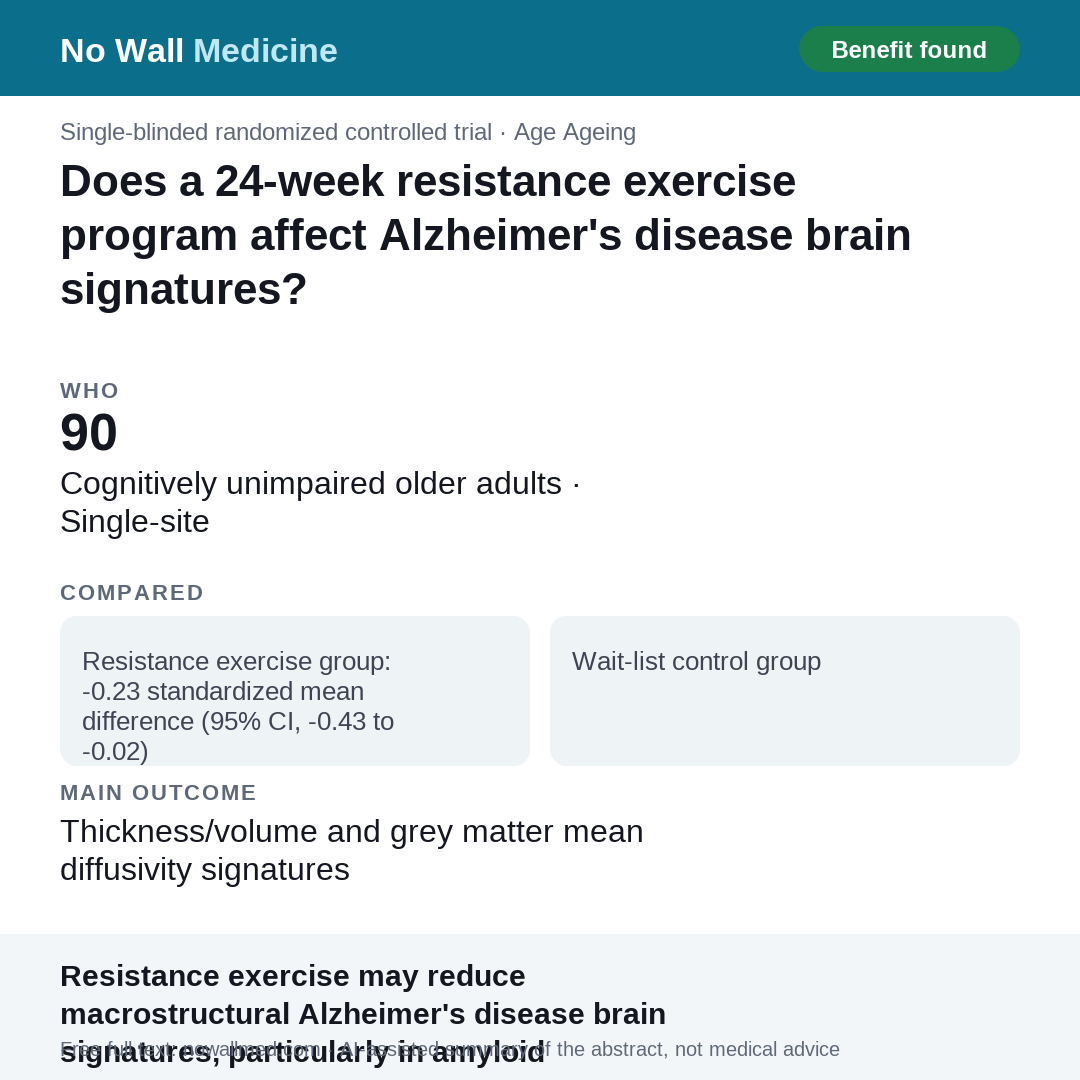
Effects of a 24-week resistance exercise program on Alzheimer's disease brain signatures in cognitively unimpaired older adults: a secondary analysis of the AGUEDA randomized controlled trial
Single-blinded randomized controlled trialBenefit found
Does a 24-week resistance exercise program affect Alzheimer's disease brain signatures?
Who
90
Cognitively unimpaired older adults · Single-site
Compared
Resistance exercise group: -0.23 standardized mean difference (95% CI, -0.43 to -0.02)
Wait-list control group
Main outcome
Thickness/volume and grey matter mean diffusivity signatures
Result: -0.23 standardized mean difference (95% CI, -0.43 to -0.02)
Bottom line: Resistance exercise may reduce macrostructural Alzheimer's disease brain signatures, particularly in amyloid beta-positive older adults.
Age Ageing · 2026-04-12Download image
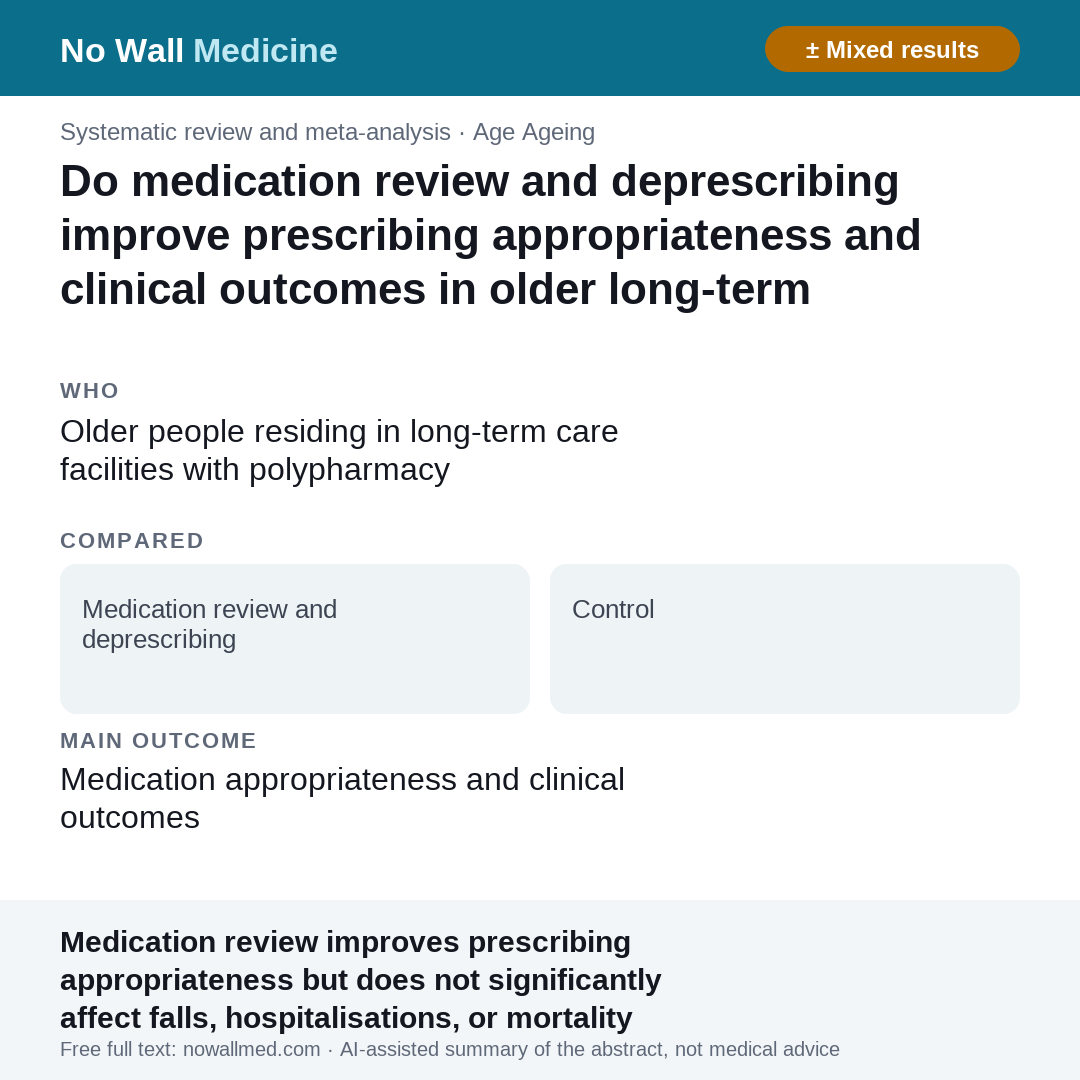
Evaluating the impact of medication review and deprescribing on prescribing appropriateness and clinical outcomes in older people residing in long-term care facilities: a systematic review and meta-analysis
Systematic review and meta-analysisMixed results
Do medication review and deprescribing improve prescribing appropriateness and clinical outcomes in older long-term care residents?
Who
Older people residing in long-term care facilities with polypharmacy
Compared
Medication review and deprescribing
Control
Main outcome
Medication appropriateness and clinical outcomes
Result: drugs per patient: -0.89 (95% CI -1.46, -0.32) at 12 months; PIMs: -0.48 (95% CI -0.74, -0.22) at 6 months
Bottom line: Medication review improves prescribing appropriateness but does not significantly affect falls, hospitalisations, or mortality in older long-term care residents.
Limitation: Wide methodological heterogeneity and moderate to high risk of bias in included studies.
Age Ageing · 2026-04-12Download image
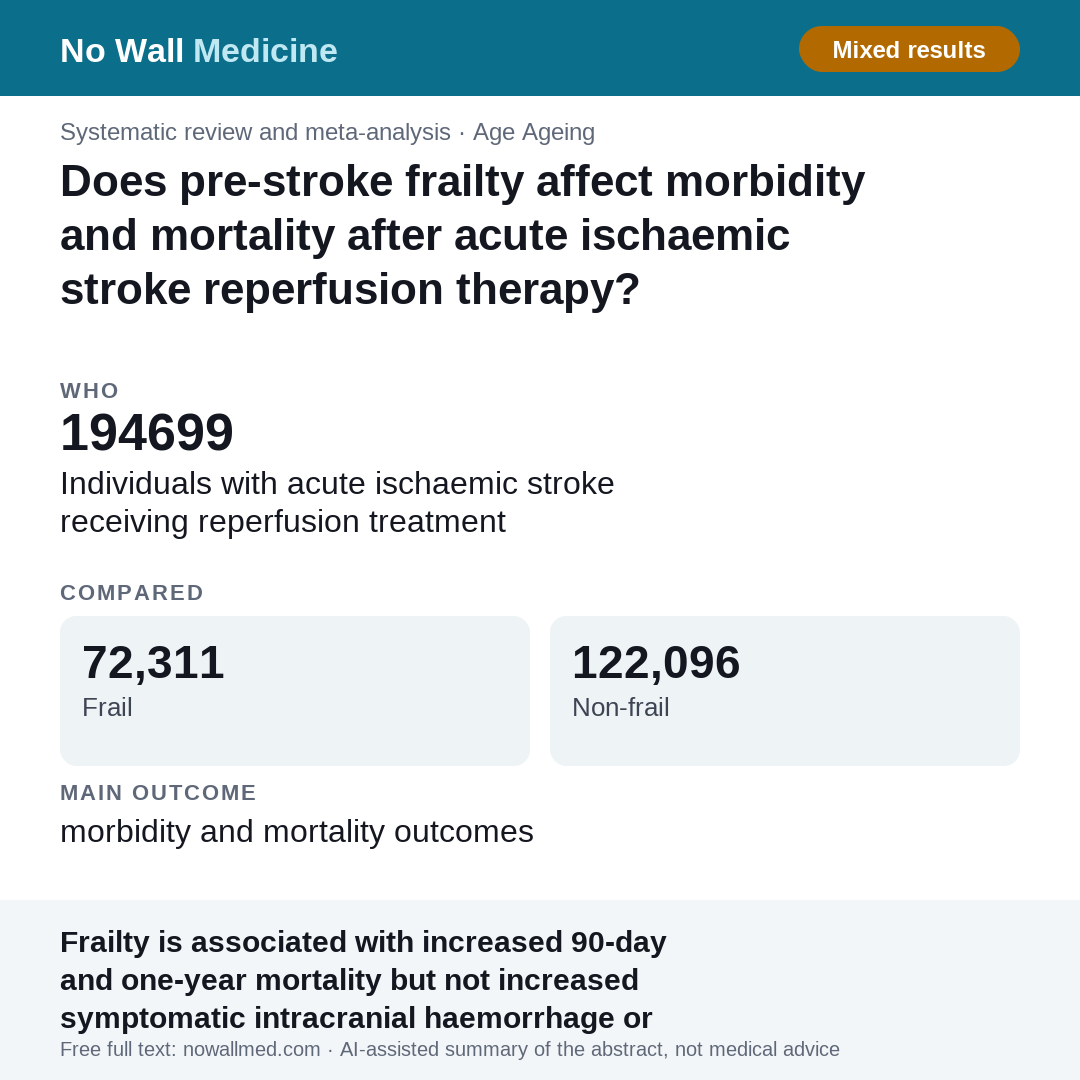
Treatment-modifying effects of frailty on stroke reperfusion therapy outcomes: a systematic review and meta-analysis
Systematic review and meta-analysisMixed results
Does pre-stroke frailty affect morbidity and mortality after acute ischaemic stroke reperfusion therapy?
Who
194699
Individuals with acute ischaemic stroke receiving reperfusion treatment
Compared
72,311Frail
122,096Non-frail
Main outcome
morbidity and mortality outcomes
Result: 90-day mortality RR 2.19 (95% CI 1.44-3.34)
Bottom line: Frailty is associated with increased 90-day and one-year mortality but not increased symptomatic intracranial haemorrhage or disability.
Limitation: Some study heterogeneity and the need for large multi-centre prospective trials.
Age Ageing · 2026-04-12Download image
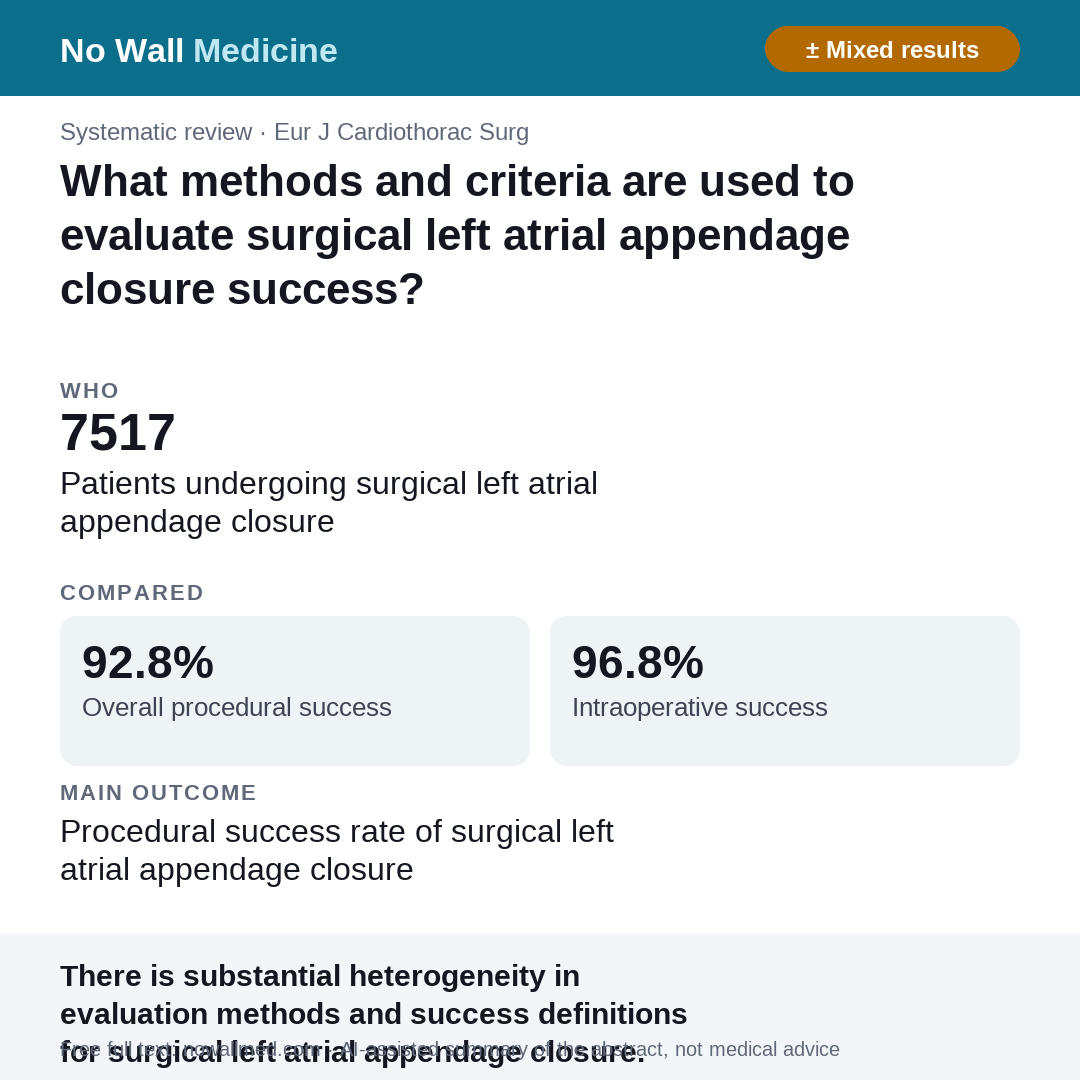
Methods and Criteria for Evaluating the Success of Surgical Left Atrial Appendage Closure: A Systematic Review
Systematic reviewMixed results
What methods and criteria are used to evaluate surgical left atrial appendage closure success?
Who
7517
Patients undergoing surgical left atrial appendage closure
Compared
92.8%Overall procedural success
96.8%Intraoperative success
Main outcome
Procedural success rate of surgical left atrial appendage closure
Bottom line: There is substantial heterogeneity in evaluation methods and success definitions for surgical left atrial appendage closure.
Eur J Cardiothorac Surg · 2026-04-12Download image
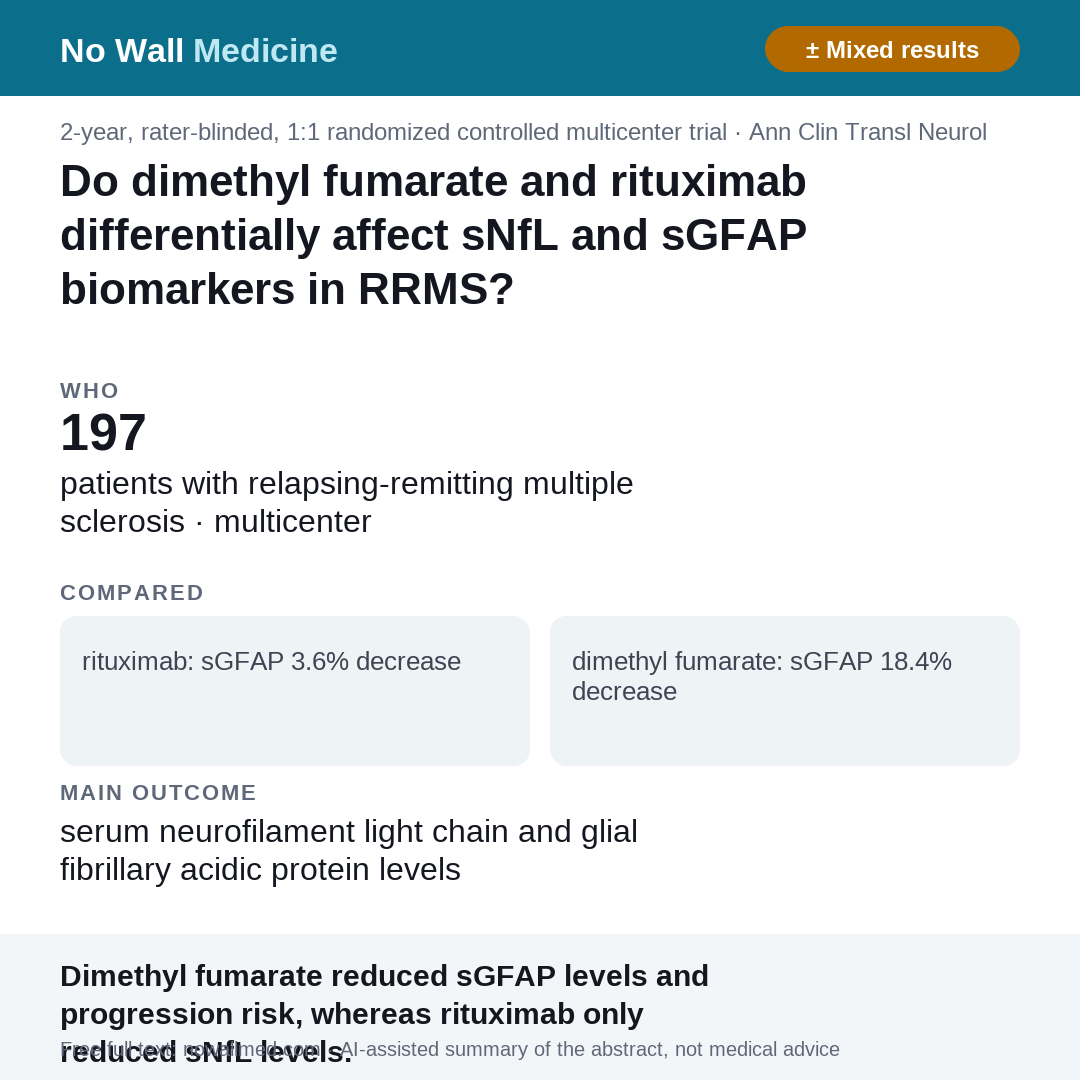
Dimethyl Fumarate, But Not Rituximab, Reduces Serum GFAP Levels and PIRMA in Relapsing-Remitting MS
2-year, rater-blinded, 1:1 randomized controlled multicenter trialMixed results
Do dimethyl fumarate and rituximab differentially affect sNfL and sGFAP biomarkers in RRMS?
Who
197
patients with relapsing-remitting multiple sclerosis · multicenter
Compared
rituximab: sGFAP 3.6% decrease
dimethyl fumarate: sGFAP 18.4% decrease
Main outcome
serum neurofilament light chain and glial fibrillary acidic protein levels
Result: hazard ratio 3.3 (CI 1.1-10) for progression with rituximab
Bottom line: Dimethyl fumarate reduced sGFAP levels and progression risk, whereas rituximab only reduced sNfL levels.
Ann Clin Transl Neurol · 2026-04-12Download image
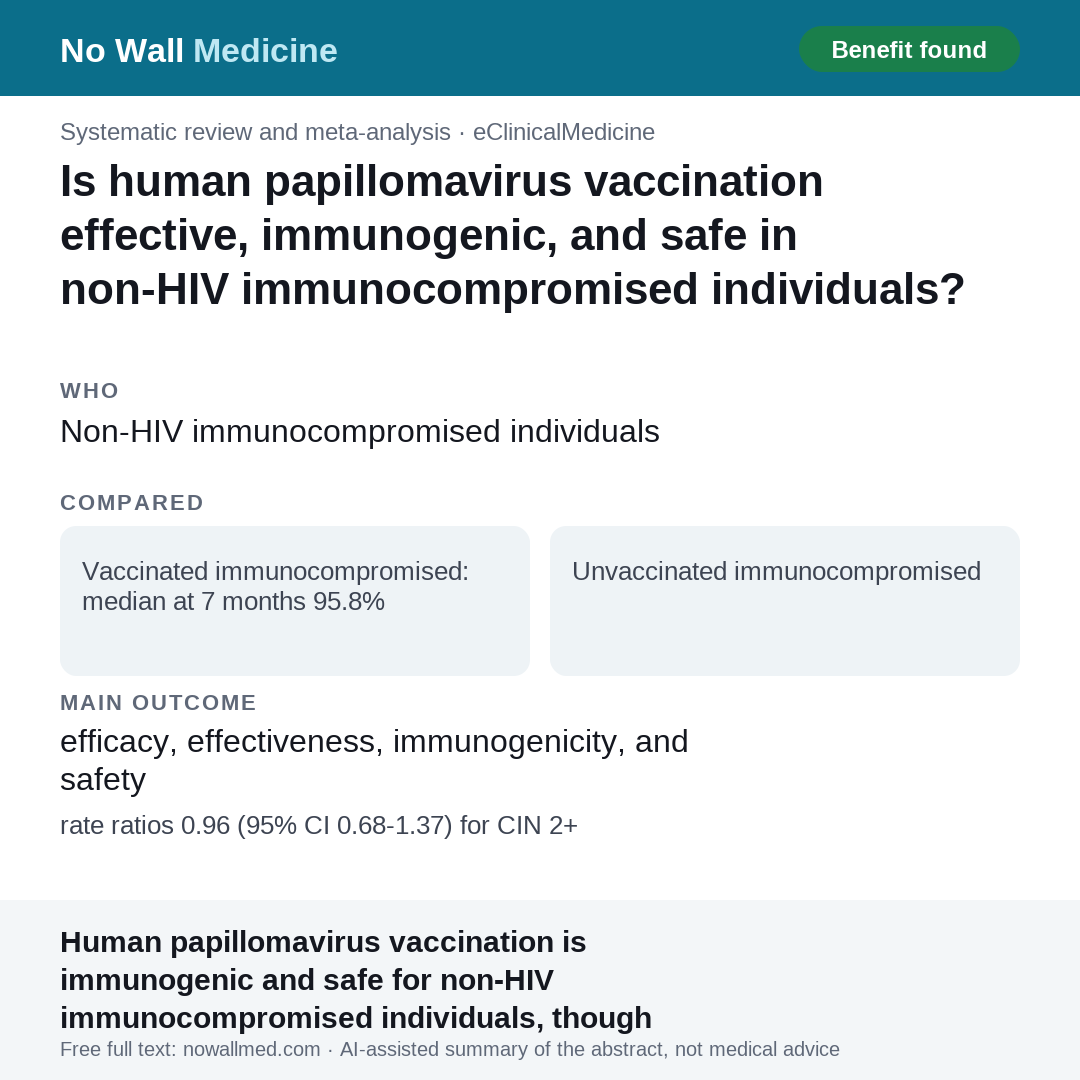
Effectiveness, immunogenicity and safety of human papillomavirus vaccination in non-HIV immunocompromised individuals: a systematic review
Systematic review and meta-analysisBenefit found
Is human papillomavirus vaccination effective, immunogenic, and safe in non-HIV immunocompromised individuals?
Who
Non-HIV immunocompromised individuals
Compared
Vaccinated immunocompromised: median at 7 months 95.8%
Unvaccinated immunocompromised
Main outcome
efficacy, effectiveness, immunogenicity, and safety
Result: rate ratios 0.96 (95% CI 0.68-1.37) for CIN 2+
Bottom line: Human papillomavirus vaccination is immunogenic and safe for non-HIV immunocompromised individuals, though effectiveness data certainty is low.
Limitation: Low certainty of evidence and heterogeneity across populations limits generalisability.
Funded by: EU4Health Programme - European Commission
eClinicalMedicine · 2026-04-11Download image
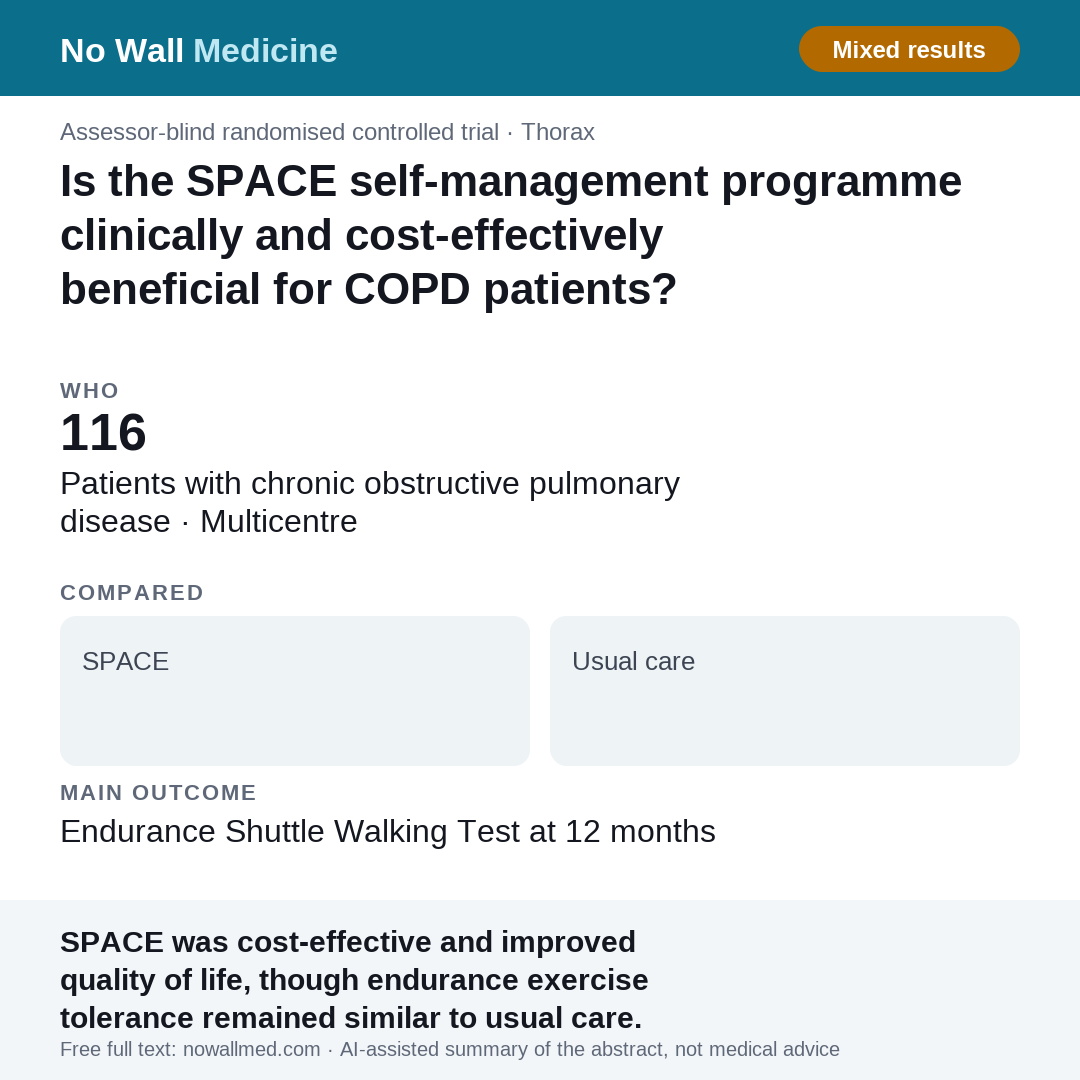
Clinical and cost-effectiveness of SPACE for COPD delivered as a pulmonary rehabilitation maintenance programme: a randomised controlled trial
Assessor-blind randomised controlled trialMixed results
Is the SPACE self-management programme clinically and cost-effectively beneficial for COPD patients?
Who
116
Patients with chronic obstructive pulmonary disease · Multicentre
Compared
SPACE
Usual care
Main outcome
Endurance Shuttle Walking Test at 12 months
Bottom line: SPACE was cost-effective and improved quality of life, though endurance exercise tolerance remained similar to usual care.
Thorax · 2026-04-11Download image
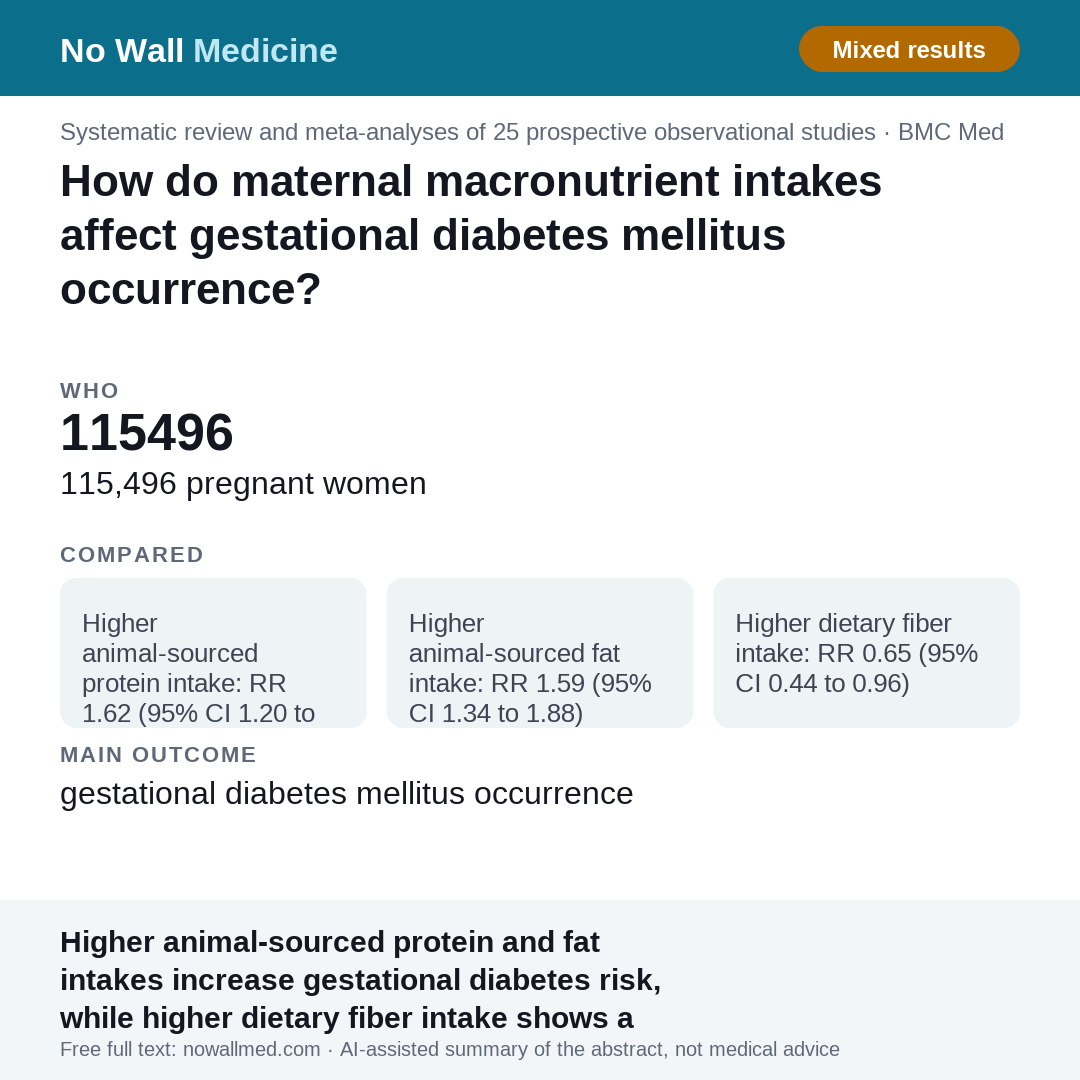
Maternal macronutrient intake and gestational diabetes: systematic review of prospective observational studies and dose-response meta-analyses
Systematic review and meta-analyses of 25 prospective observational studiesMixed results
How do maternal macronutrient intakes affect gestational diabetes mellitus occurrence?
Who
115496
115,496 pregnant women
Compared
Higher animal-sourced protein intake: RR 1.62 (95% CI 1.20 to 2.18)
Higher animal-sourced fat intake: RR 1.59 (95% CI 1.34 to 1.88)
Higher dietary fiber intake: RR 0.65 (95% CI 0.44 to 0.96)
Main outcome
gestational diabetes mellitus occurrence
Bottom line: Higher animal-sourced protein and fat intakes increase gestational diabetes risk, while higher dietary fiber intake shows a protective effect.
BMC Med · 2026-04-11Download image
Neutrophil-to-lymphocyte ratio in amyotrophic lateral sclerosis: a systematic review and meta-analysis
Systematic review and meta-analysisBenefit found
What is the diagnostic and prognostic value of neutrophil-to-lymphocyte ratio in amyotrophic lateral sclerosis?
Who
357044
Adults with amyotrophic lateral sclerosis and healthy controls · 12 countries
Compared
Amyotrophic lateral sclerosis patients: 2.74 [95% CI (2.42, 3.10)]
Controls: 1.94 [95% CI (1.55, 2.43)]
Main outcome
Neutrophil-to-lymphocyte ratio and mortality prediction
Result: hazard ratio 1.13 (95% CI 1.06 to 1.21)
Bottom line: Elevated neutrophil-to-lymphocyte ratio is associated with amyotrophic lateral sclerosis diagnosis and predicts poorer survival and faster disease progression.
Limitation: Low certainty due to observational design and substantial heterogeneity.
Brain Commun · 2026-04-11Download image

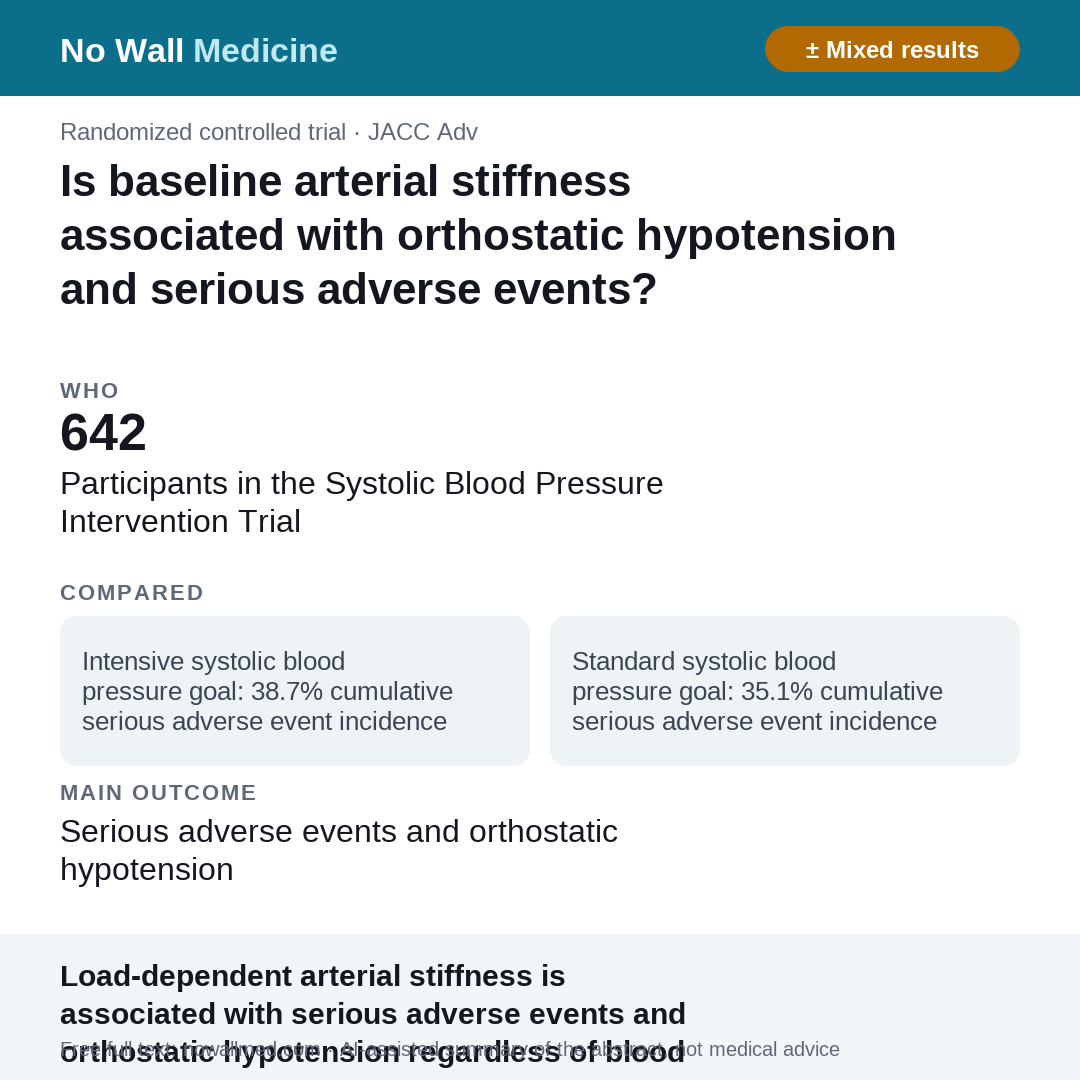
Arterial Stiffness Mechanisms and Orthostatic Hypotension in SPRINT: A Randomized Controlled Trial
Randomized controlled trialMixed results
Is baseline arterial stiffness associated with orthostatic hypotension and serious adverse events?
Who
642
Participants in the Systolic Blood Pressure Intervention Trial
Compared
Intensive systolic blood pressure goal: 38.7% cumulative serious adverse event incidence
Standard systolic blood pressure goal: 35.1% cumulative serious adverse event incidence
Main outcome
Serious adverse events and orthostatic hypotension
Bottom line: Load-dependent arterial stiffness is associated with serious adverse events and orthostatic hypotension regardless of blood pressure treatment intensity.
JACC Adv · 2026-04-11Download image
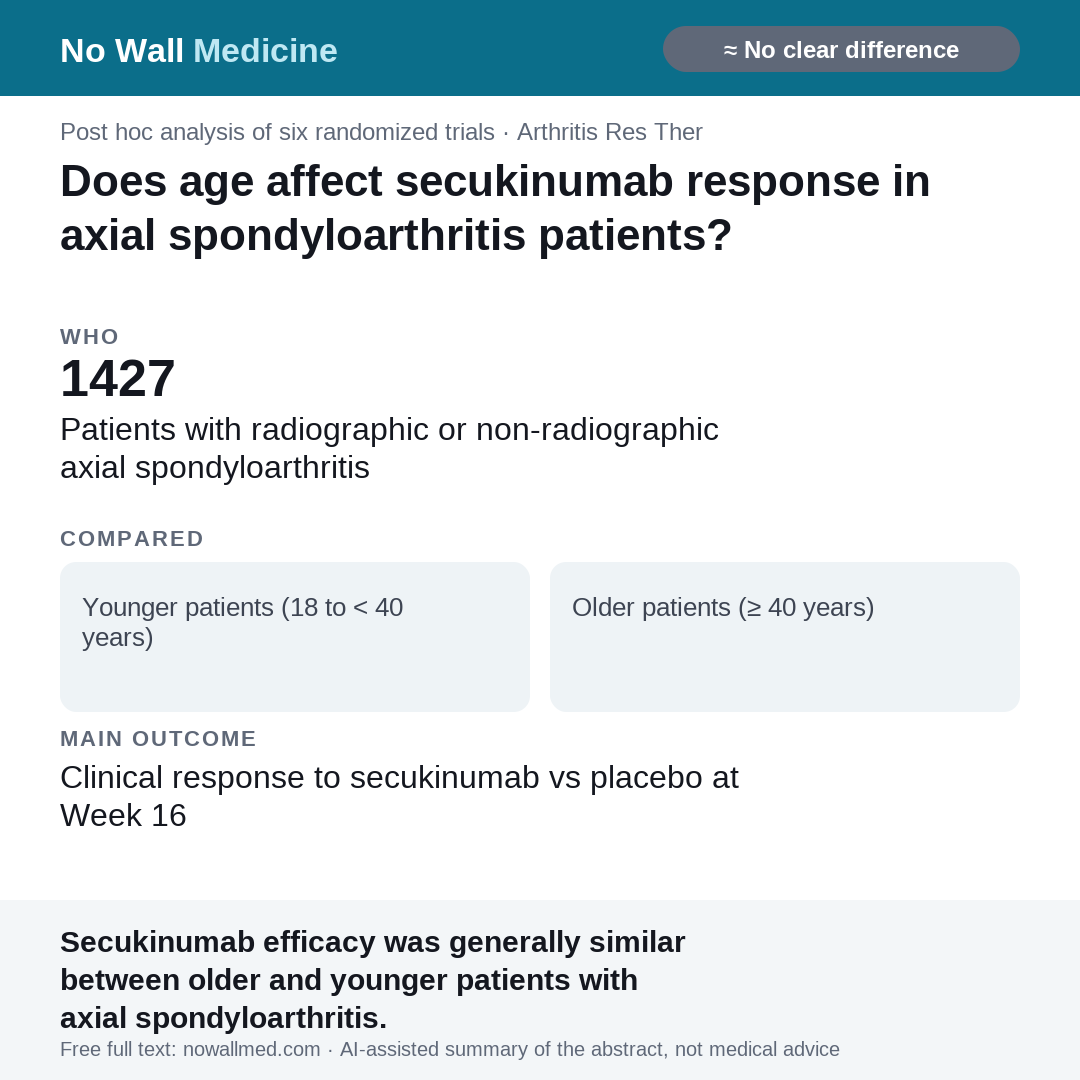
No major effect of age (< 40 vs. ≥ 40 years) on response to secukinumab in patients with axSpA: a post hoc analysis of six phase 3 trials
Post hoc analysis of six phase 3 trialsNo clear difference
Does age affect clinical response to secukinumab in axial spondyloarthritis patients?
Who
1427
Patients with radiographic or non-radiographic axial spondyloarthritis
Compared
Secukinumab 150 mg or 300 mg
Placebo
Main outcome
Clinical response at Week 16
Bottom line: Secukinumab efficacy was generally similar between younger and older patients with axial spondyloarthritis.
Arthritis Res Ther · 2026-04-11Download image
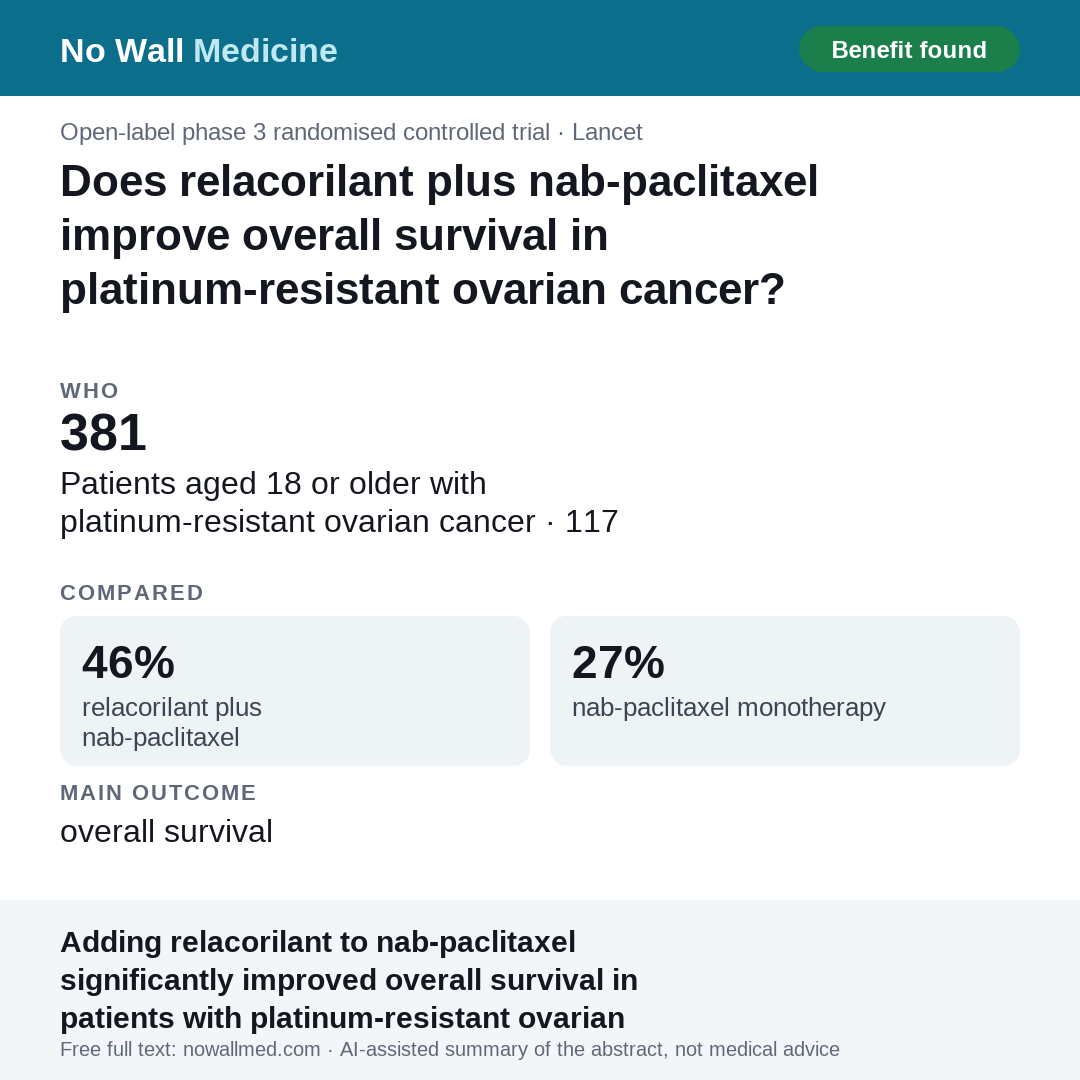
Overall survival with relacorilant and nab-paclitaxel in patients with platinum-resistant ovarian cancer (ROSELLA): a phase 3 randomised controlled trial
Open-label phase 3 randomised controlled trialBenefit found
Does relacorilant plus nab-paclitaxel improve overall survival in platinum-resistant ovarian cancer?
Who
381
Patients aged 18 or older with platinum-resistant ovarian cancer · 117 hospitals and community oncology centres in 14 countries
Compared
46%relacorilant plus nab-paclitaxel (18-month overall survival)
27%nab-paclitaxel monotherapy (18-month overall survival)
Main outcome
overall survival
Result: hazard ratio 0·65 (95% CI 0·51-0·83)
Bottom line: Adding relacorilant to nab-paclitaxel significantly improved overall survival in patients with platinum-resistant ovarian cancer.
Funded by: Corcept Therapeutics
Lancet · 2026-04-10Download image
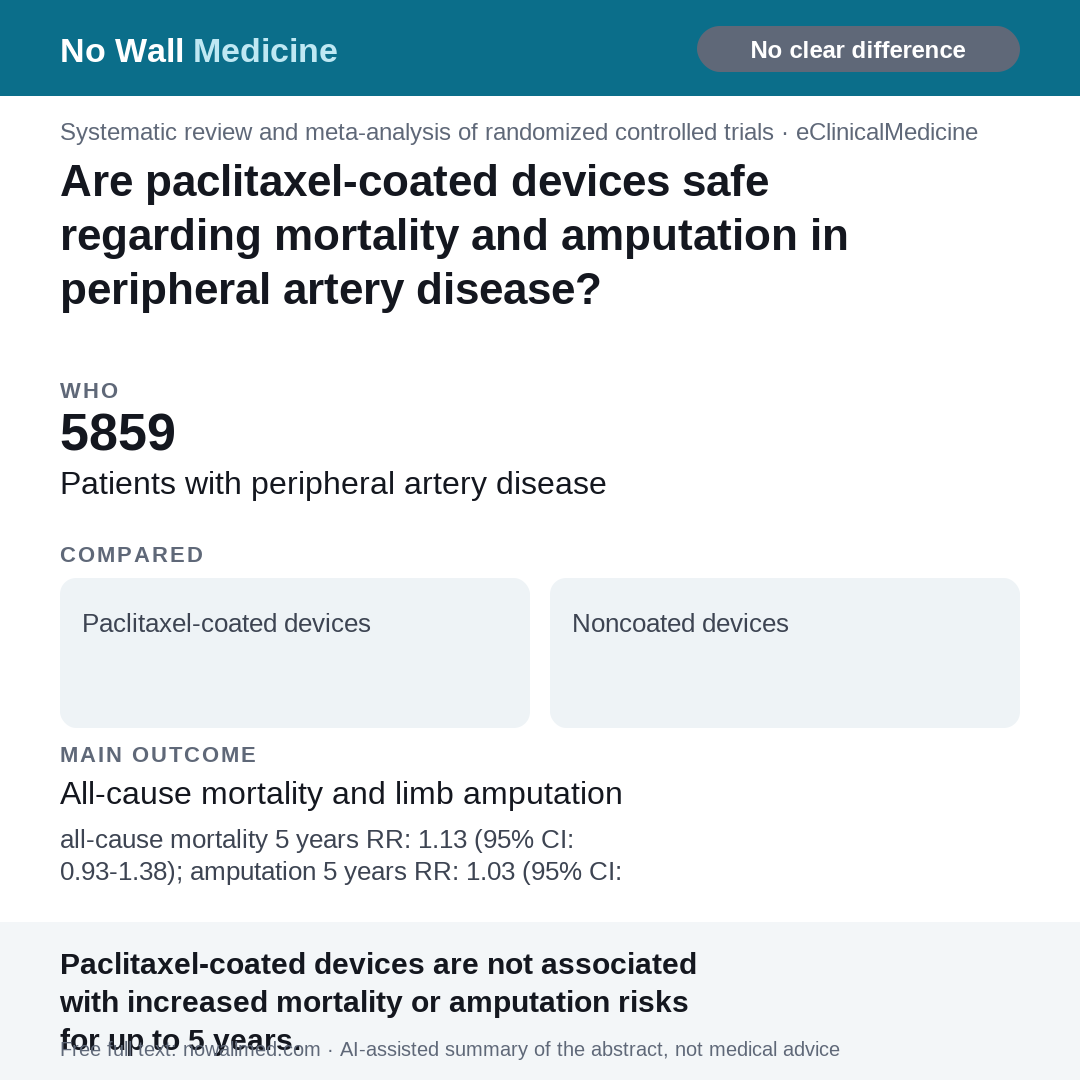
Safety of paclitaxel-coated devices in patients with peripheral artery disease: an updated systematic review and meta-analysis of randomized controlled trials
Systematic review and meta-analysis of randomized controlled trialsNo clear difference
Are paclitaxel-coated devices safe regarding mortality and amputation in peripheral artery disease?
Who
5859
Patients with peripheral artery disease
Compared
Paclitaxel-coated devices
Noncoated devices
Main outcome
All-cause mortality and limb amputation
Result: all-cause mortality 5 years RR: 1.13 (95% CI: 0.93-1.38); amputation 5 years RR: 1.03 (95% CI: 0.88-1.20)
Bottom line: Paclitaxel-coated devices are not associated with increased mortality or amputation risks for up to 5 years.
eClinicalMedicine · 2026-04-10Download image