Visual abstracts
New randomized trials and meta-analyses from leading journals at a glance: who was studied, what was compared, and what was found. Every paper is free to read in full.
All specialtiesCardiology 4763Oncology 4043Gastroenterology & Hepatology 1903Infectious Disease 3756Neurology 1872Psychiatry & Mental Health 2216Pulmonology 2044Critical Care 1319Endocrinology & Diabetes 2544Pediatrics 2889Surgery 2480Orthopedics & Sports Medicine 917Neurosurgery 525Cardiothoracic & Vascular Surgery 656Plastic & Reconstructive Surgery 574Nephrology 1107Rheumatology 810Hematology 1090Dermatology 611Ophthalmology 532Obstetrics & Gynecology 1645Public & Global Health 1037Radiology & Imaging 619Anesthesiology 958Urology 745ENT (Otolaryngology) 494Emergency Medicine 481Allergy & Immunology 309Geriatrics 972Family Medicine & Primary Care 534Medical Genetics & Genomics 659Pathology & Laboratory Medicine 156Physical Medicine & Rehabilitation 734Palliative Care 421Nutrition 1560Digital Health & AI 2137General Medicine 318
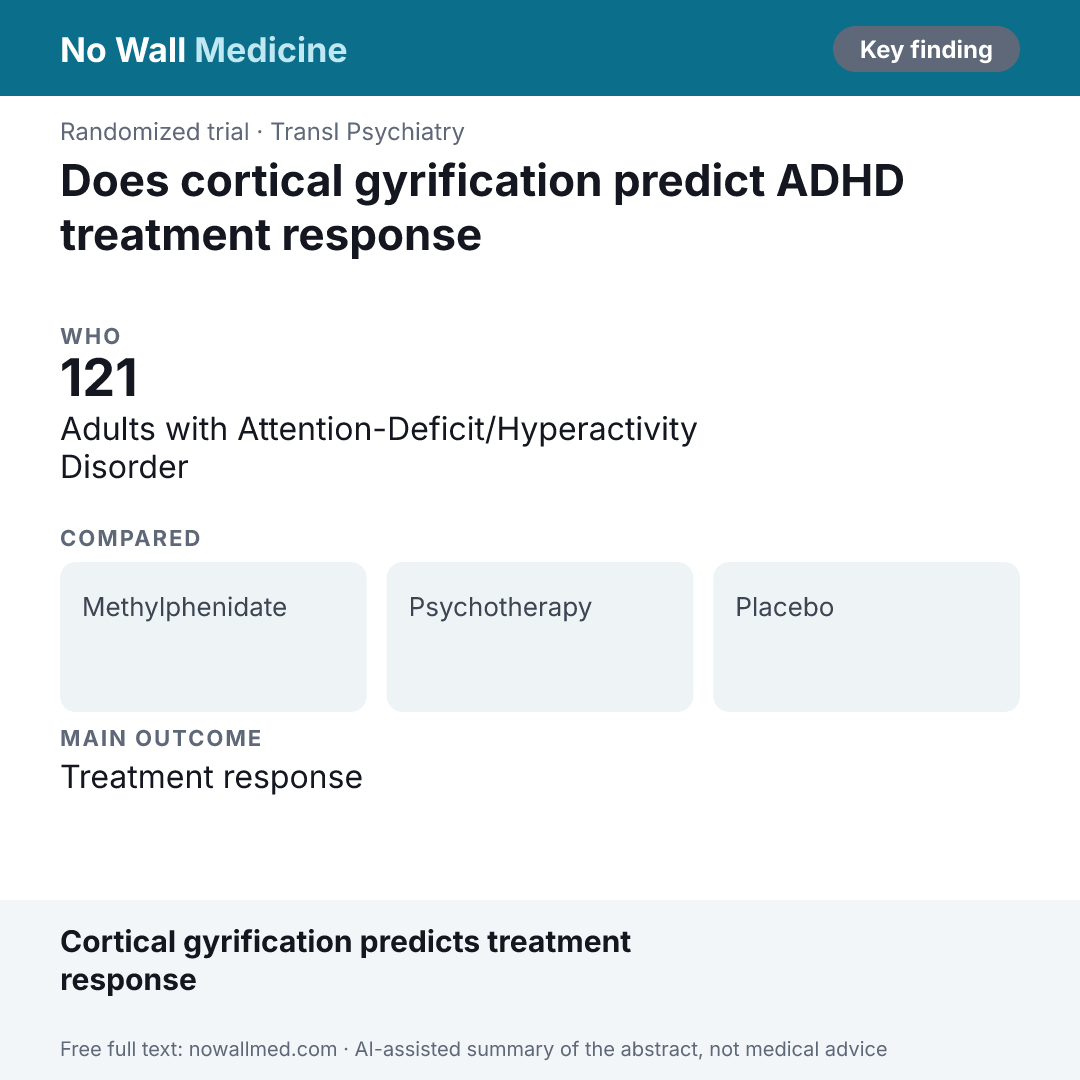
Cortical gyrification predicts initial treatment response in adults with ADHD
Randomized trialKey finding
Does cortical gyrification predict ADHD treatment response
Who
121
Adults with Attention-Deficit/Hyperactivity Disorder
Compared
Methylphenidate
Psychotherapy
Placebo
Main outcome
Treatment response
Bottom line: Cortical gyrification predicts treatment response
Transl Psychiatry · 2025-10-17 · Save PNG
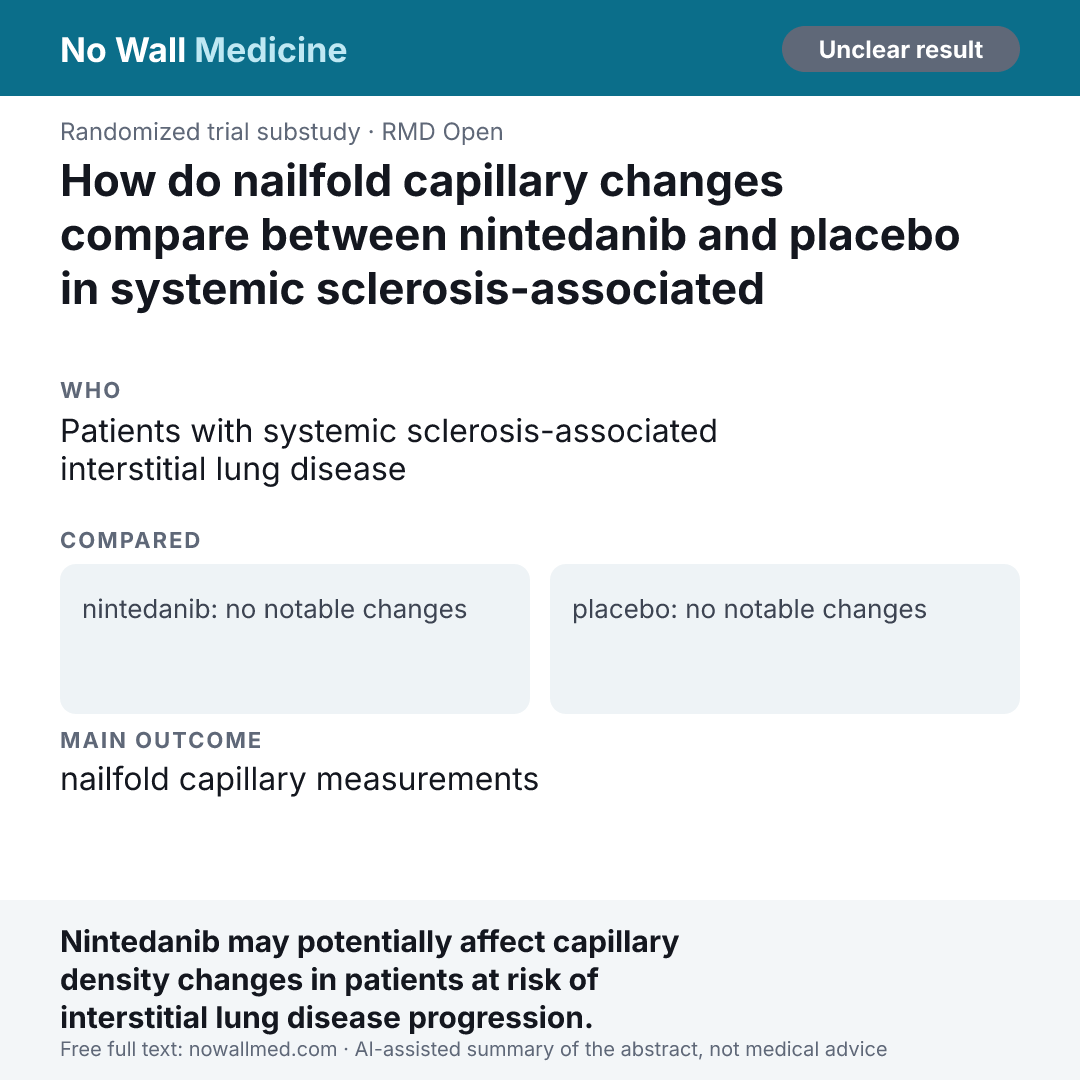
Nailfold capillaroscopy in patients with systemic sclerosis-associated interstitial lung disease: a substudy of the SENSCIS trial
Randomized trial substudyUnclear result
How do nailfold capillary changes compare between nintedanib and placebo in systemic sclerosis-associated interstitial lung disease?
Who
Patients with systemic sclerosis-associated interstitial lung disease
Compared
nintedanib: no notable changes
placebo: no notable changes
Main outcome
nailfold capillary measurements
Bottom line: Nintedanib may potentially affect capillary density changes in patients at risk of interstitial lung disease progression.
RMD Open · 2025-10-17 · Save PNG
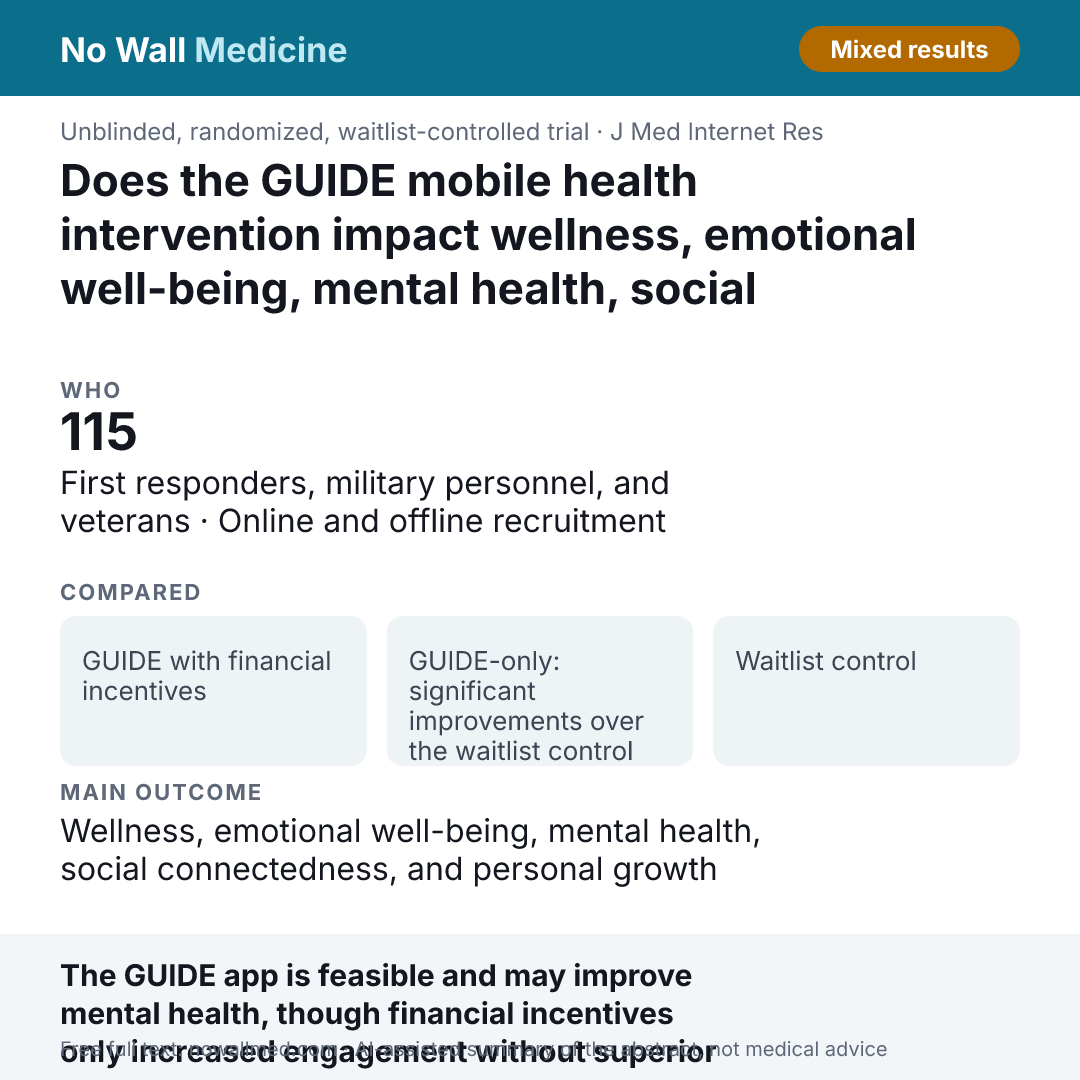
Evaluating a Mobile Health Intervention (GUIDE App) for First Responders, Military Personnel, and Veterans: Randomized Controlled Trial
Unblinded, randomized, waitlist-controlled trialMixed results
Does the GUIDE mobile health intervention impact wellness, emotional well-being, mental health, social connectedness, and personal growth?
Who
115
First responders, military personnel, and veterans · Online and offline recruitment
Compared
GUIDE with financial incentives
GUIDE-only: significant improvements over the waitlist control group in wellness (d=0.05-0.31), emotional well-being (d=0.06-0.31), depression (d=-0.30), and anxiety (d=-0.29)
Waitlist control
Main outcome
Wellness, emotional well-being, mental health, social connectedness, and personal growth
Bottom line: The GUIDE app is feasible and may improve mental health, though financial incentives only increased engagement without superior clinical outcomes.
Limitation: Future research should assess whether improvements are sustained in the long term.
J Med Internet Res · 2025-10-17 · Save PNG
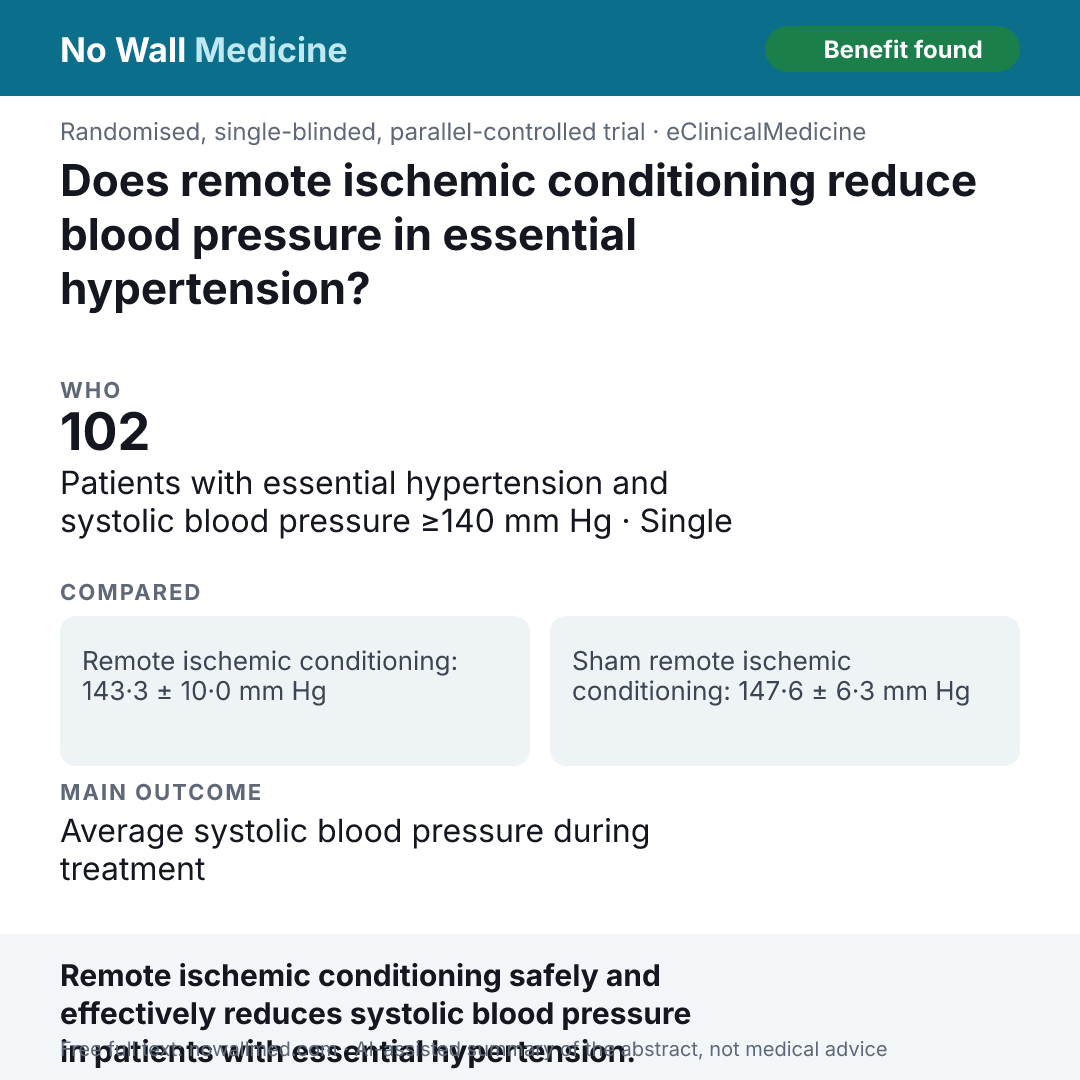
Efficacy of remote ischemic conditioning on blood pressure in essential hypertension in China (RICBP-EH): a randomised, controlled, parallel-group trial
Randomised, single-blinded, parallel-controlled trialBenefit found
Does remote ischemic conditioning reduce blood pressure in essential hypertension?
Who
102
Patients with essential hypertension and systolic blood pressure ≥140 mm Hg · Single centre in Changchun, China
Compared
Remote ischemic conditioning: 143·3 ± 10·0 mm Hg
Sham remote ischemic conditioning: 147·6 ± 6·3 mm Hg
Main outcome
Average systolic blood pressure during treatment
Result: -4·8 mm Hg [95% CI, -6·9, -2·7 mm Hg]
Bottom line: Remote ischemic conditioning safely and effectively reduces systolic blood pressure in patients with essential hypertension.
Limitation: Further research is warranted to explore the underlying mechanisms of blood pressure-lowering effects.
Funded by: National Natural Science Foundation of China and others
eClinicalMedicine · 2025-10-16 · Save PNG
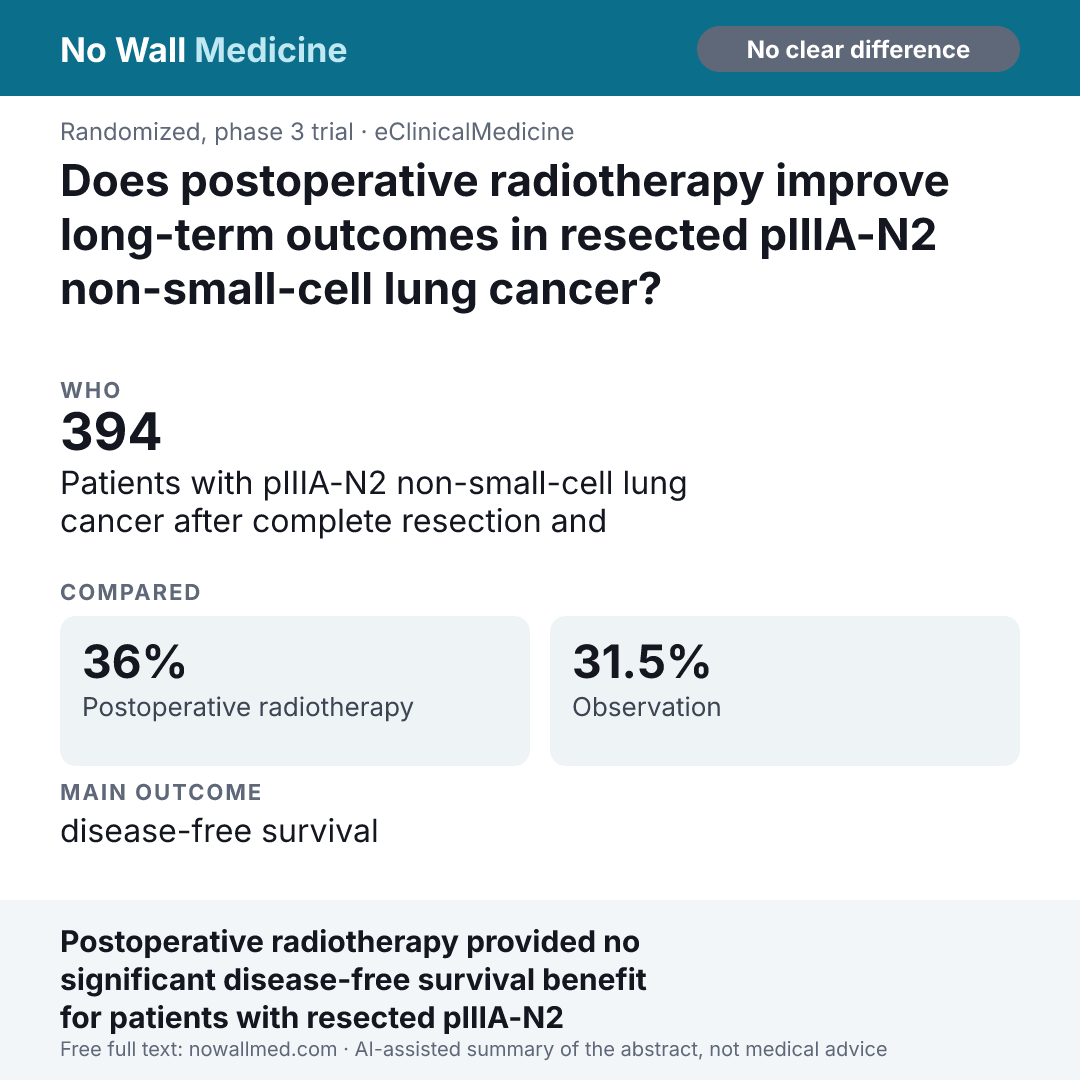
Long-term outcomes of postoperative radiotherapy for patients with pIIIA-N2 non-small-cell lung cancer after complete resection and adjuvant chemotherapy (PORT-C): a single-centre, randomized, phase 3 trial
Randomized, phase 3 trialNo clear difference
Does postoperative radiotherapy improve long-term outcomes in resected pIIIA-N2 non-small-cell lung cancer?
Who
394
Patients with pIIIA-N2 non-small-cell lung cancer after complete resection and chemotherapy · Single-centre
Compared
36%Postoperative radiotherapy (95% CI, 28.9%-43.1%)
31.5%Observation (95% CI, 24.6%-38.4%)
Main outcome
disease-free survival
Result: hazard ratio 0.90 (95% CI 0.70-1.12)
Bottom line: Postoperative radiotherapy provided no significant disease-free survival benefit for patients with resected pIIIA-N2 non-small-cell lung cancer.
Funded by: National Key R&D Program of China and others
eClinicalMedicine · 2025-10-16 · Save PNG
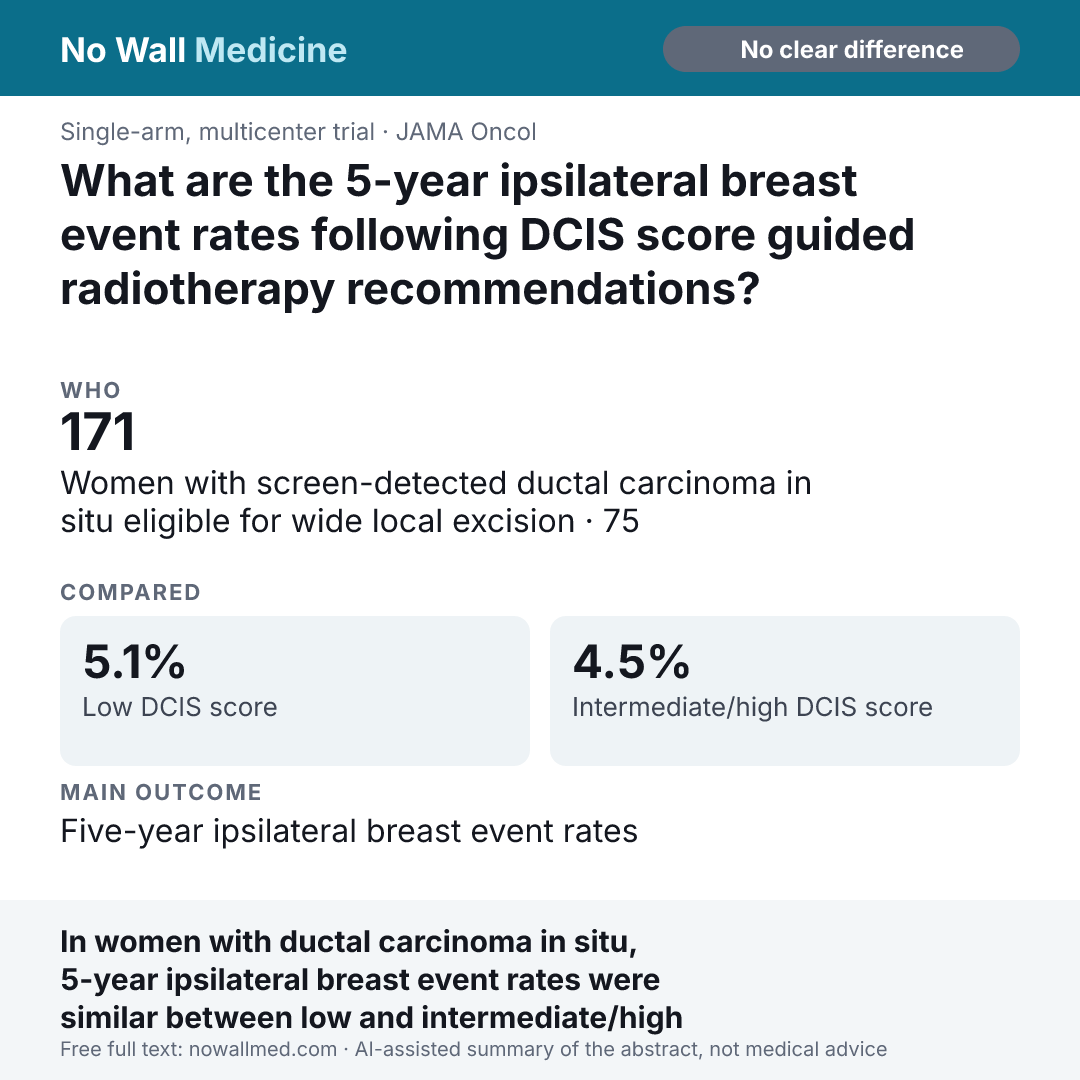
Radiotherapy With a 12-Gene Expression Assay for Ductal Carcinoma In Situ: A Randomized Clinical Trial
Single-arm, multicenter trialNo clear difference
What are the 5-year ipsilateral breast event rates following DCIS score guided radiotherapy recommendations?
Who
171
Women with screen-detected ductal carcinoma in situ eligible for wide local excision · 75 institutions within the Eastern Cooperative Oncology Group-American College of Radiology Imaging Network
Compared
5.1%Low DCIS score (95% CI, 1.9%-12.9%)
4.5%Intermediate/high DCIS score (95% CI, 1.7%-11.7%)
Main outcome
Five-year ipsilateral breast event rates
Bottom line: In women with ductal carcinoma in situ, 5-year ipsilateral breast event rates were similar between low and intermediate/high DCIS scores.
Limitation: Despite a limited sample size, these data potentially provide support, although confirmatory studies are needed.
JAMA Oncol · 2025-10-16 · Save PNG
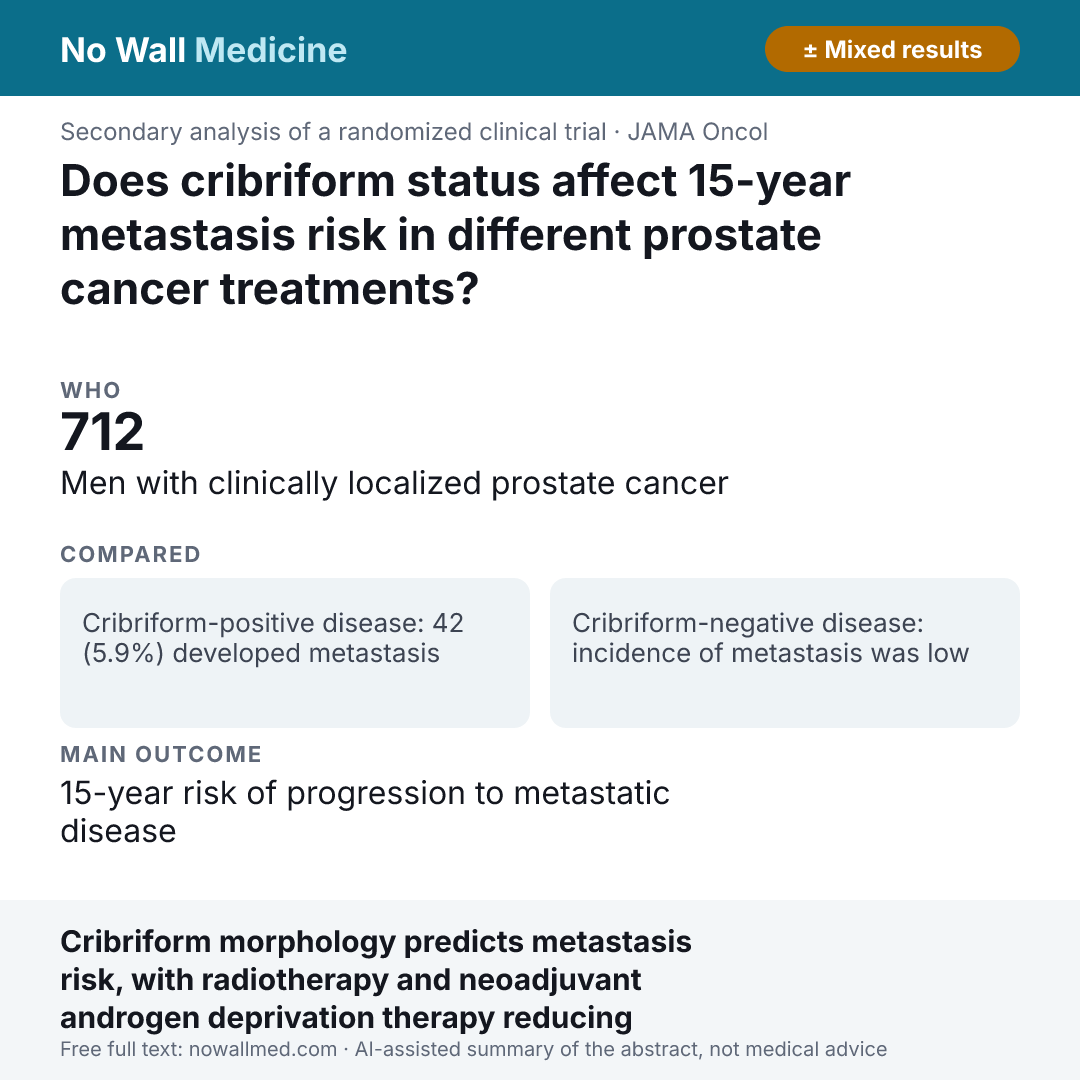
Active Monitoring, Surgery, and Radiotherapy for Cribriform-Positive and Cribriform-Negative Prostate Cancer: A Secondary Analysis of the PROTECT Randomized Clinical Trial
Secondary analysis of a randomized clinical trialMixed results
Does cribriform status affect 15-year metastasis risk in different prostate cancer treatments?
Who
712
Men with clinically localized prostate cancer
Compared
Cribriform-positive disease: 42 (5.9%) developed metastasis
Cribriform-negative disease: incidence of metastasis was low
Main outcome
15-year risk of progression to metastatic disease
Result: hazard ratio 3.61 (95% CI 1.60-8.11)
Bottom line: Cribriform morphology predicts metastasis risk, with radiotherapy and neoadjuvant androgen deprivation therapy reducing long-term risk.
JAMA Oncol · 2025-10-16 · Save PNG
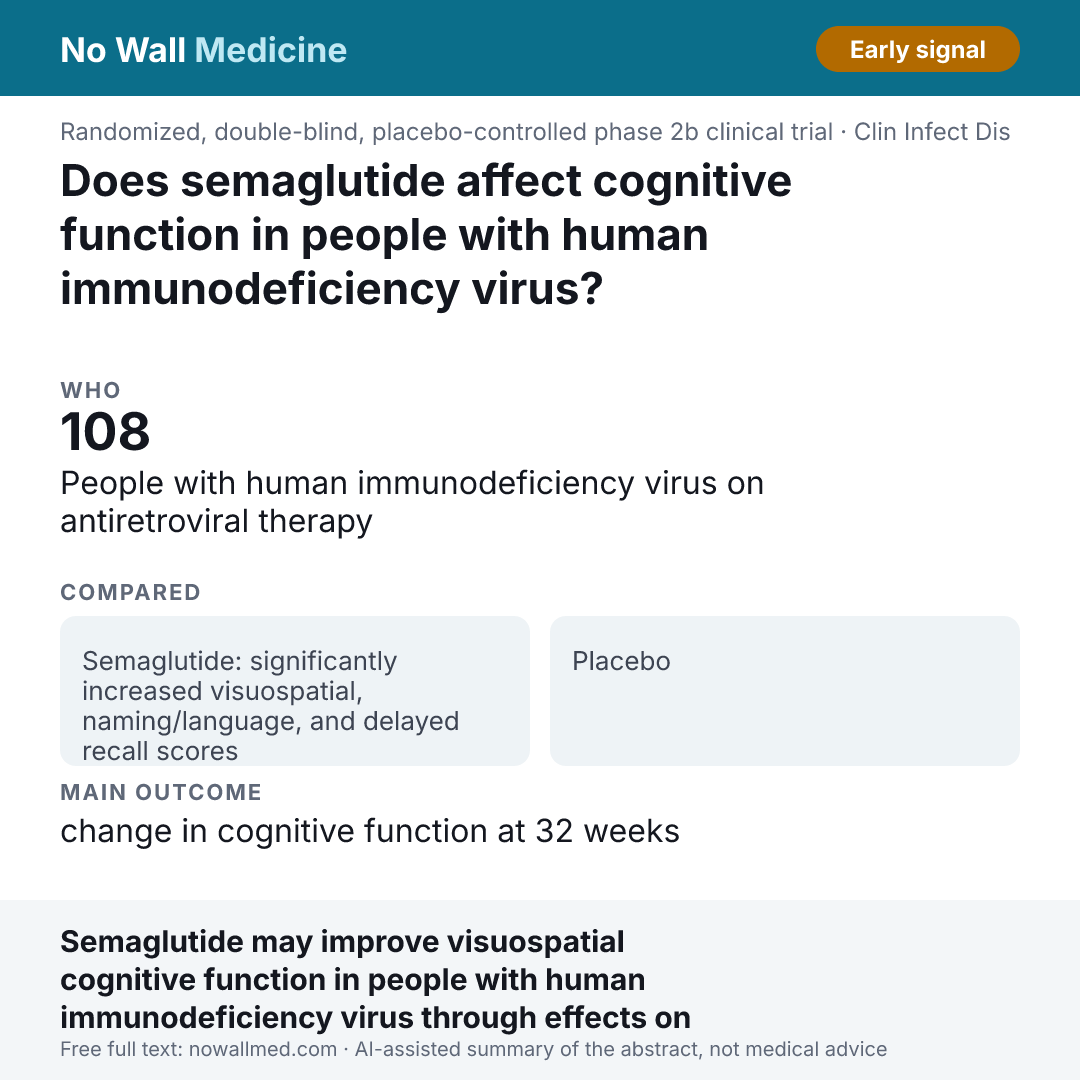
Effects of Semaglutide on Cognitive Function in People With HIV: A Randomized, Controlled Trial
Randomized, double-blind, placebo-controlled phase 2b clinical trialEarly signal
Does semaglutide affect cognitive function in people with human immunodeficiency virus?
Who
108
People with human immunodeficiency virus on antiretroviral therapy
Compared
Semaglutide: significantly increased visuospatial, naming/language, and delayed recall scores
Placebo
Main outcome
change in cognitive function at 32 weeks
Bottom line: Semaglutide may improve visuospatial cognitive function in people with human immunodeficiency virus through effects on inflammation.
Clin Infect Dis · 2025-10-16 · Save PNG
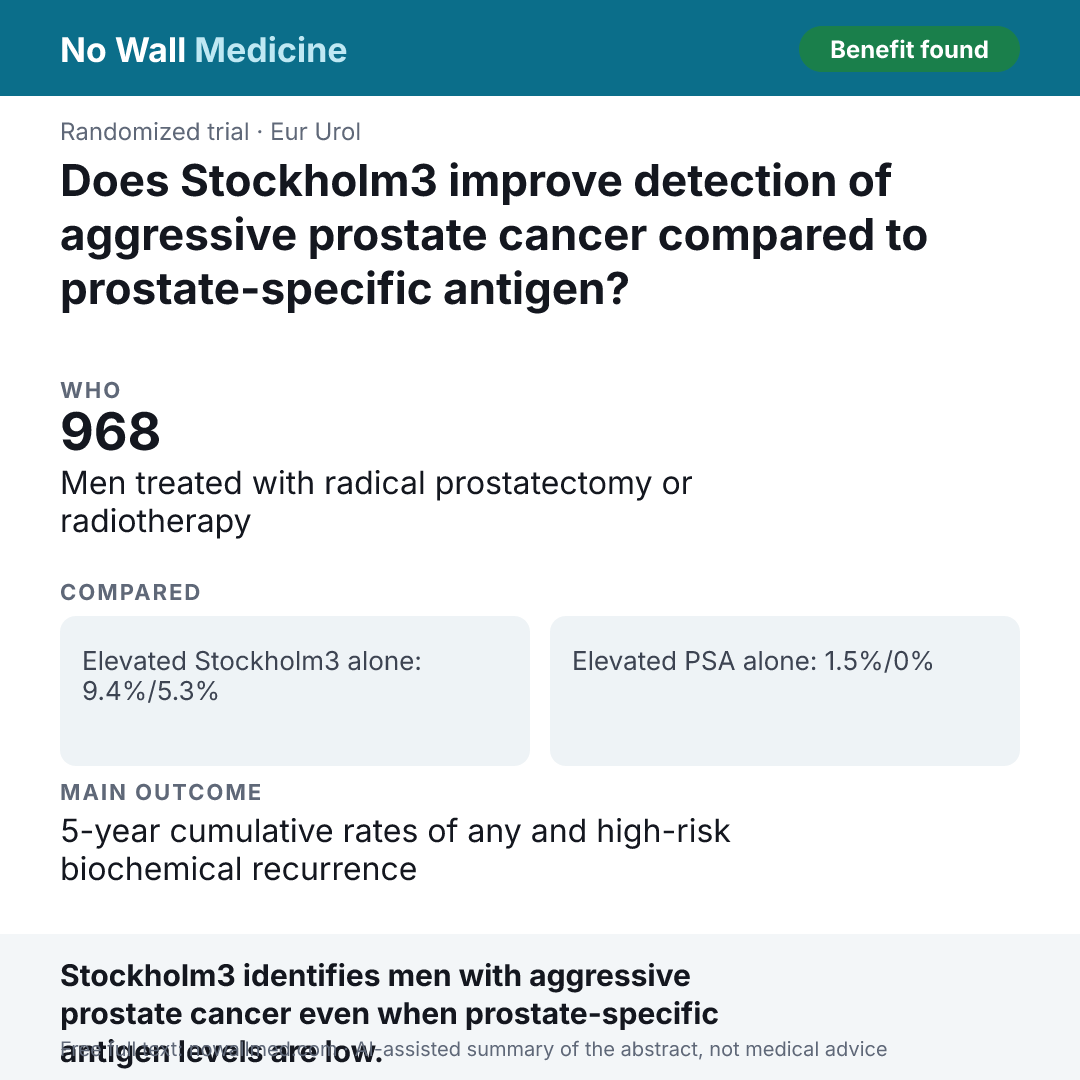
Stockholm3 Versus Prostate-specific Antigen in Prostate Cancer Screening: 9-year Outcomes Demonstrating Improved Detection of Aggressive Cancers and Reduced Overdiagnosis from the STHLM3 Trial
Randomized trialBenefit found
Does Stockholm3 improve detection of aggressive prostate cancer compared to prostate-specific antigen?
Who
968
Men treated with radical prostatectomy or radiotherapy
Compared
Elevated Stockholm3 alone: 9.4%/5.3%
Elevated PSA alone: 1.5%/0%
Main outcome
5-year cumulative rates of any and high-risk biochemical recurrence
Result: hazard ratio 8.8 (95% confidence interval 1.06-72) for high-risk BCR
Bottom line: Stockholm3 identifies men with aggressive prostate cancer even when prostate-specific antigen levels are low.
Eur Urol · 2025-10-16 · Save PNG
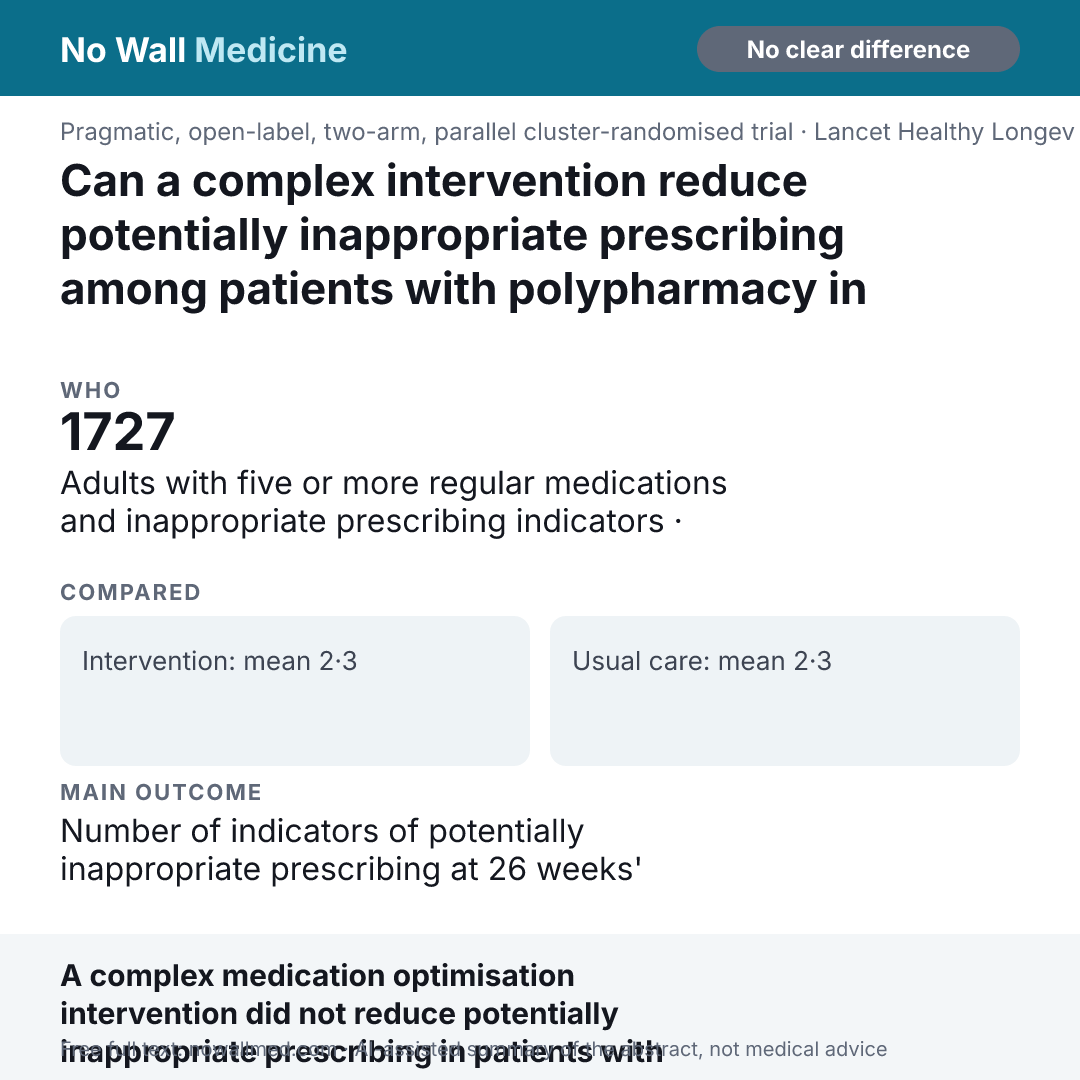
Optimising polypharmacy management in primary care through general practitioner-pharmacist collaboration, informatics, and enhancing clinician engagement: the IMPPP cluster-randomised trial
Pragmatic, open-label, two-arm, parallel cluster-randomised trialNo clear difference
Can a complex intervention reduce potentially inappropriate prescribing among patients with polypharmacy in primary care?
Who
1727
Adults with five or more regular medications and inappropriate prescribing indicators · United Kingdom general practices
Compared
Intervention: mean 2·3
Usual care: mean 2·3
Main outcome
Number of indicators of potentially inappropriate prescribing at 26 weeks' follow-up
Result: difference in means -0·007 (95% CI -0·21 to 0·20)
Bottom line: A complex medication optimisation intervention did not reduce potentially inappropriate prescribing in patients with polypharmacy.
Funded by: National Institute for Health and Care Research
Lancet Healthy Longev · 2025-10-16 · Save PNG
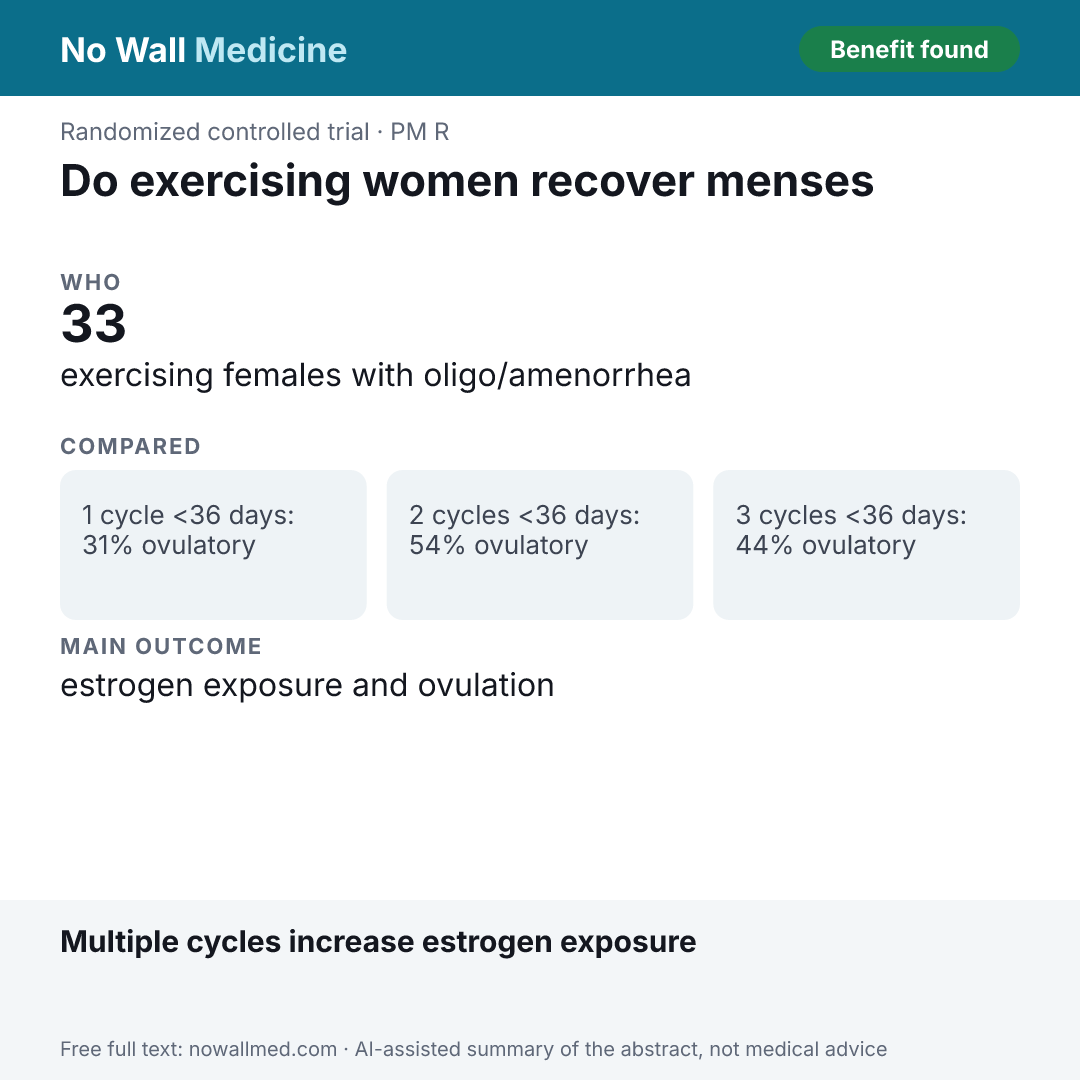
Multiple eumenorrheic cycles are necessary to observe a significant increase in estrogen exposure and ovulation in exercising women with functional hypothalamic oligo/amenorrhea undergoing a nutritional intervention: Insights from the REFUEL study
Randomized controlled trialBenefit found
Do exercising women recover menses
Who
33
exercising females with oligo/amenorrhea
Compared
1 cycle <36 days: 31% ovulatory
2 cycles <36 days: 54% ovulatory
3 cycles <36 days: 44% ovulatory
Main outcome
estrogen exposure and ovulation
Bottom line: Multiple cycles increase estrogen exposure
PM R · 2025-10-16 · Save PNG
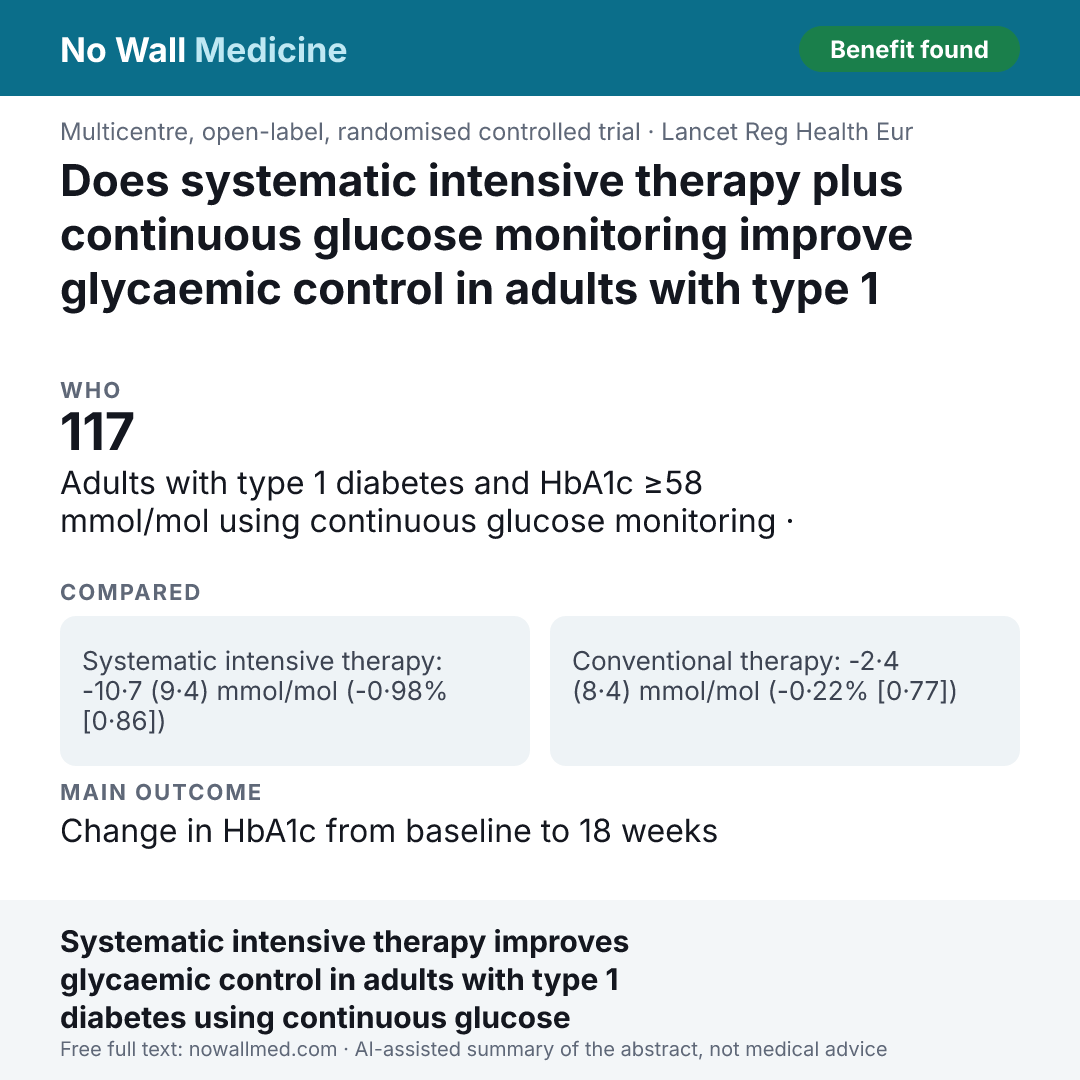
Systematic intensive therapy in addition to continuous glucose monitoring in adults with type 1 diabetes: a multicentre, open-label, randomised controlled trial
Multicentre, open-label, randomised controlled trialBenefit found
Does systematic intensive therapy plus continuous glucose monitoring improve glycaemic control in adults with type 1 diabetes?
Who
117
Adults with type 1 diabetes and HbA1c ≥58 mmol/mol using continuous glucose monitoring · Eight sites in Sweden and Norway
Compared
Systematic intensive therapy: -10·7 (9·4) mmol/mol (-0·98% [0·86])
Conventional therapy: -2·4 (8·4) mmol/mol (-0·22% [0·77])
Main outcome
Change in HbA1c from baseline to 18 weeks
Result: adjusted mean difference of -8·3 mmol/mol (95% CI -11·2 to -5·5)
Bottom line: Systematic intensive therapy improves glycaemic control in adults with type 1 diabetes using continuous glucose monitoring.
Funded by: Swedish state, Region Västra Götaland, and Swedish Diabetes Foundation
Lancet Reg Health Eur · 2025-10-16 · Save PNG
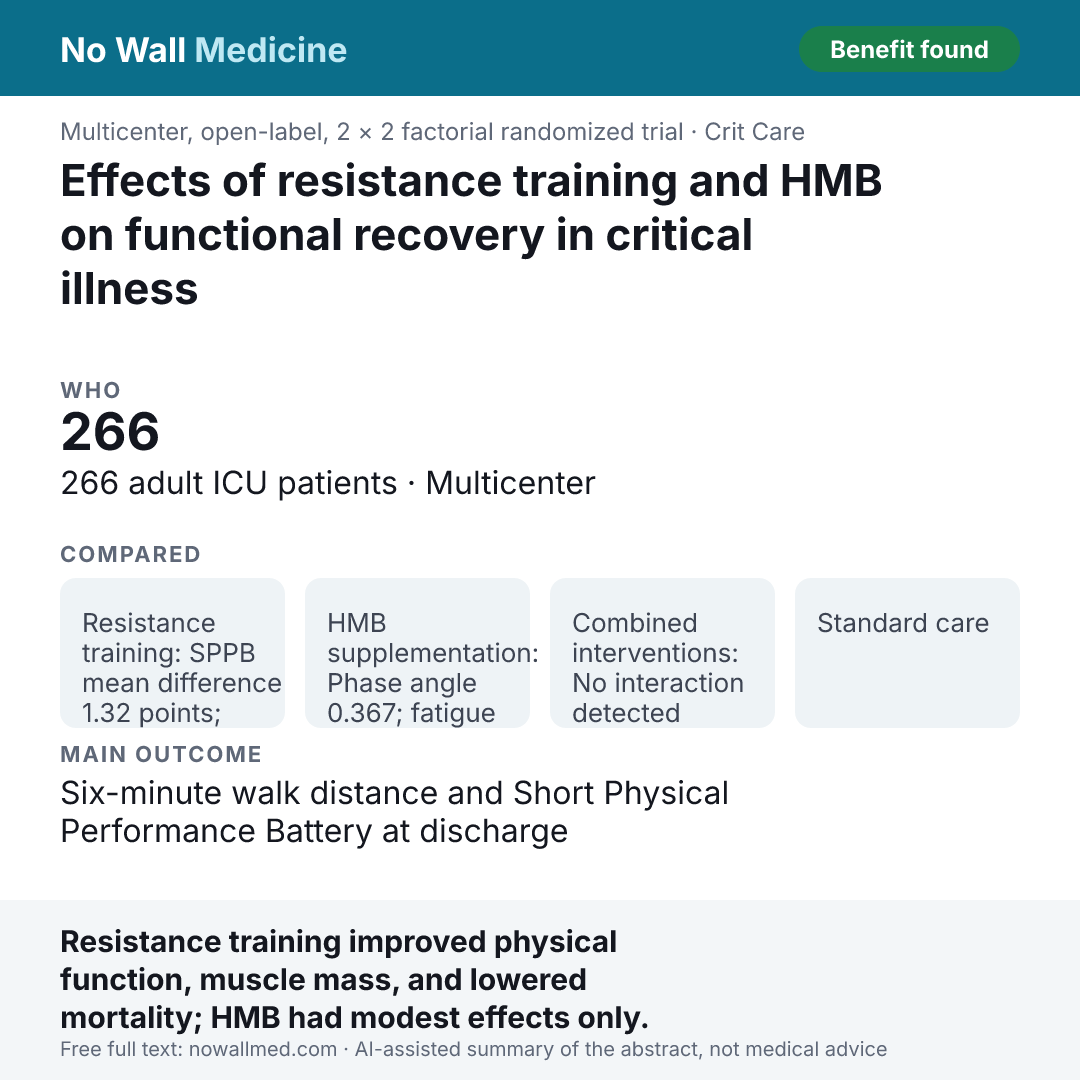
Resistance training and β-hydroxy-β-methylbutyrate for functional recovery in critical illness: a multicenter 2 × 2 factorial randomized trial
Multicenter, open-label, 2 × 2 factorial randomized trialBenefit found
Effects of resistance training and HMB on functional recovery in critical illness
Who
266
266 adult ICU patients · Multicenter
Compared
Resistance training: SPPB mean difference 1.32 points; 6MWD 56.20 m
HMB supplementation: Phase angle 0.367; fatigue –1.069 points
Combined interventions: No interaction detected
Standard care
Main outcome
Six-minute walk distance and Short Physical Performance Battery at discharge
Result: SPPB mean difference 1.32 points (P = 0.003); 6MWD 56.20 m (P < 0.001)
Bottom line: Resistance training improved physical function, muscle mass, and lowered mortality; HMB had modest effects only.
Crit Care · 2025-10-16 · Save PNG
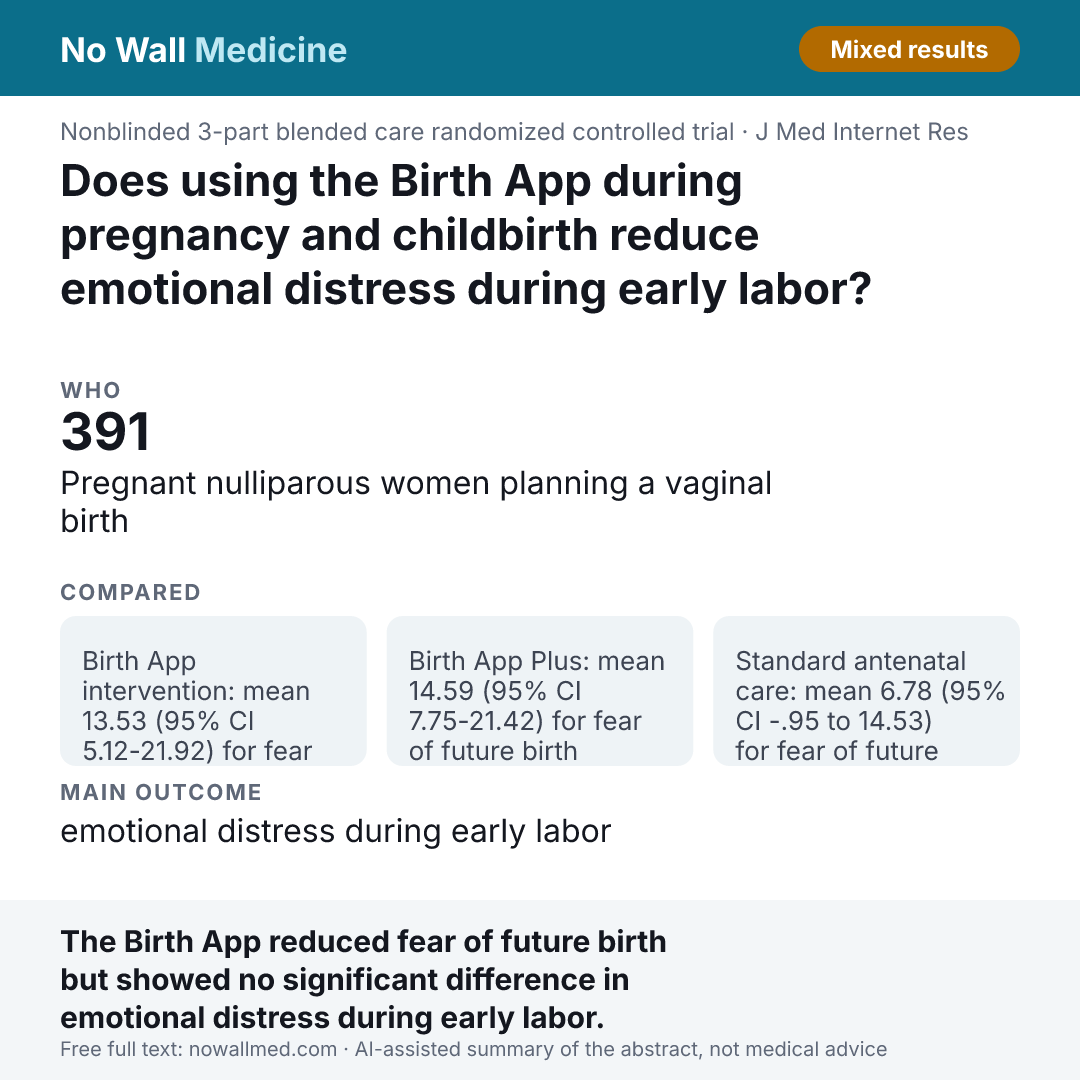
Testing the ELSA Birth App During Pregnancy and Labor for Primiparous Women: Randomized Controlled Trial
Nonblinded 3-part blended care randomized controlled trialMixed results
Does using the Birth App during pregnancy and childbirth reduce emotional distress during early labor?
Who
391
Pregnant nulliparous women planning a vaginal birth
Compared
Birth App intervention: mean 13.53 (95% CI 5.12-21.92) for fear of future birth
Birth App Plus: mean 14.59 (95% CI 7.75-21.42) for fear of future birth
Standard antenatal care: mean 6.78 (95% CI -.95 to 14.53) for fear of future birth
Main outcome
emotional distress during early labor
Bottom line: The Birth App reduced fear of future birth but showed no significant difference in emotional distress during early labor.
Limitation: The study was nonblinded and focused on women with spontaneous onset of labor for primary outcomes.
J Med Internet Res · 2025-10-16 · Save PNG
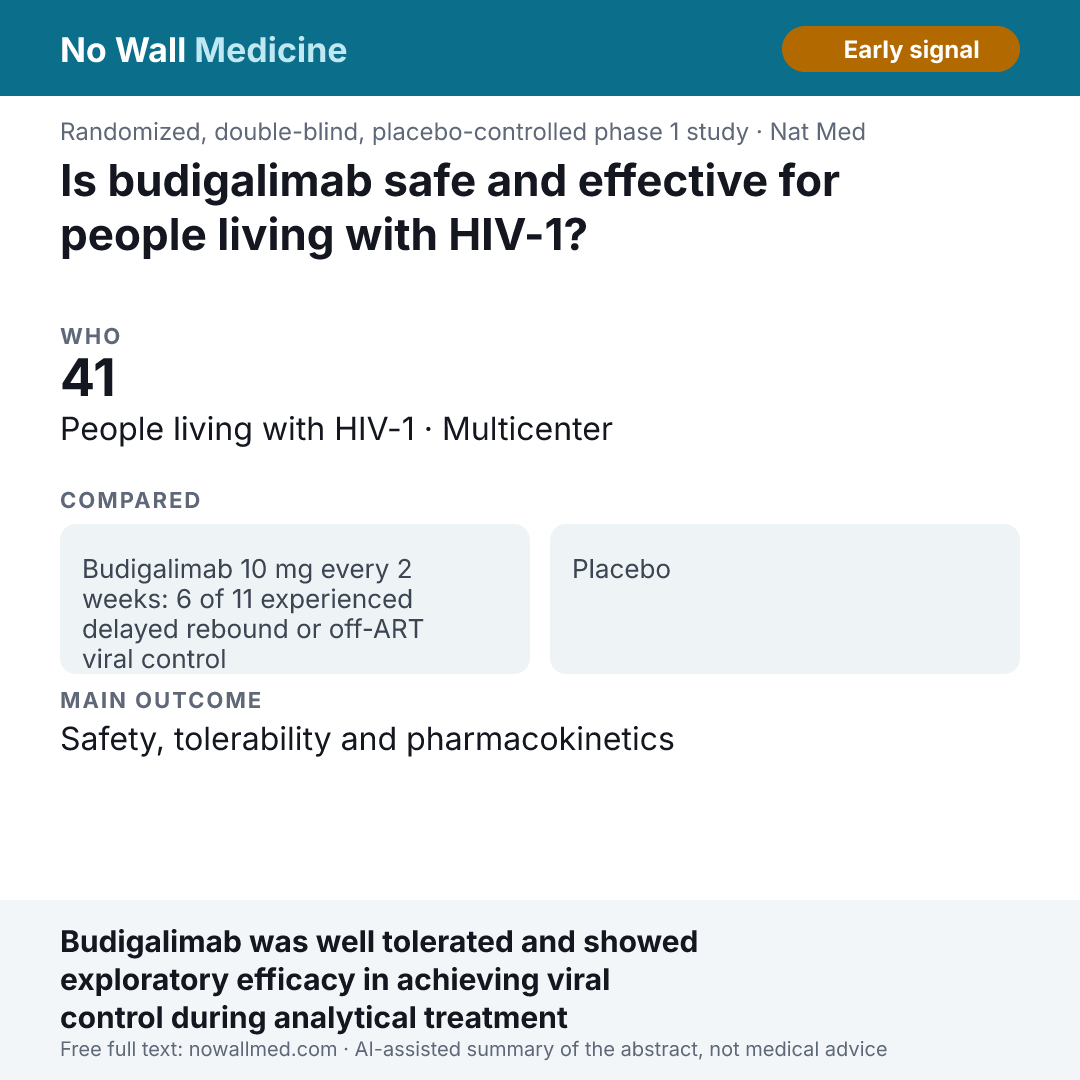
Budigalimab, an anti-PD-1 inhibitor, for people living with HIV-1: a randomized, placebo-controlled phase 1b study
Randomized, double-blind, placebo-controlled phase 1 studyEarly signal
Is budigalimab safe and effective for people living with HIV-1?
Who
41
People living with HIV-1 · Multicenter
Compared
Budigalimab 10 mg every 2 weeks: 6 of 11 experienced delayed rebound or off-ART viral control
Placebo
Main outcome
Safety, tolerability and pharmacokinetics
Bottom line: Budigalimab was well tolerated and showed exploratory efficacy in achieving viral control during analytical treatment interruption.
Nat Med · 2025-10-15 · Save PNG
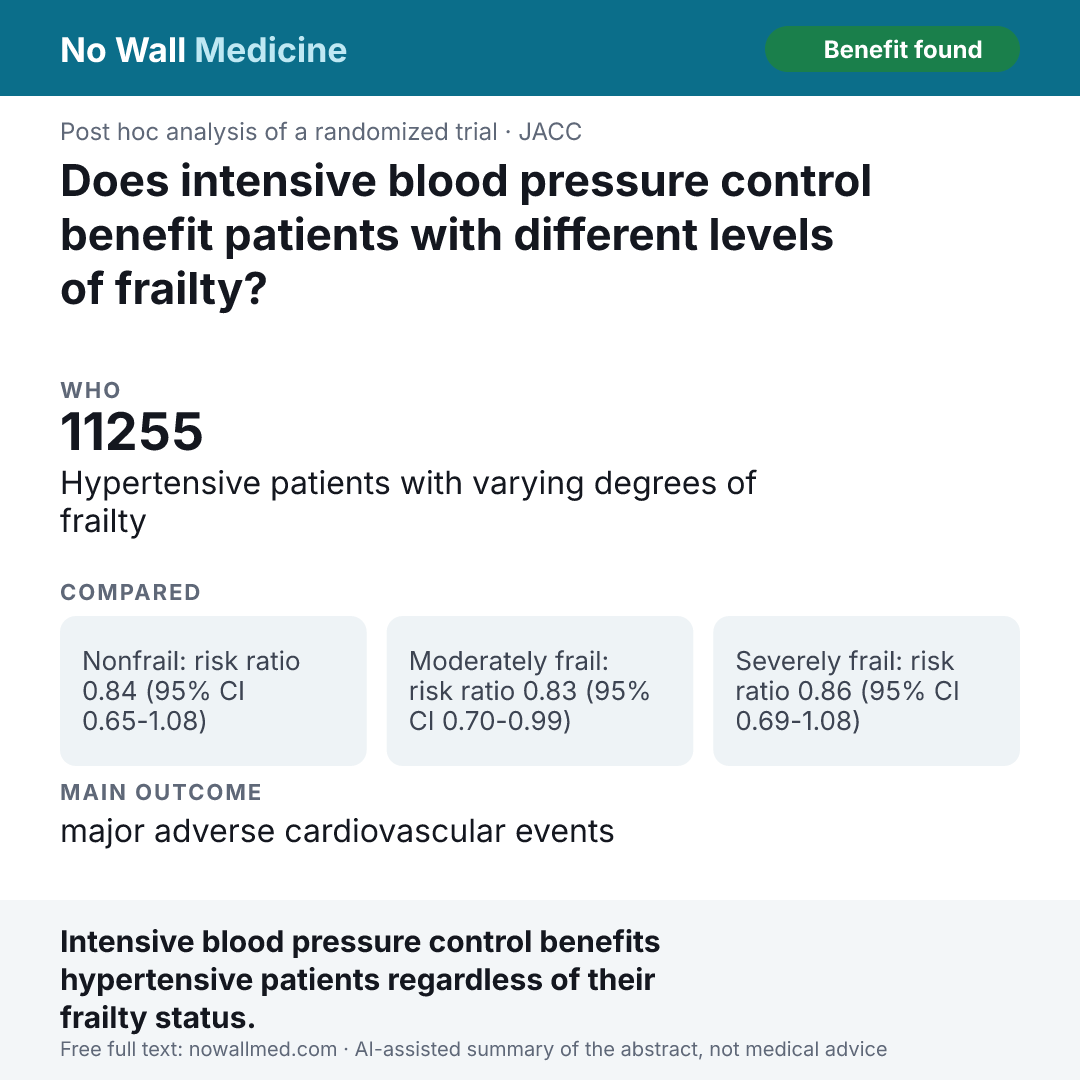
Effects of Intensive Blood Pressure Control in Patients With Frailty: A Post Hoc Analysis From ESPRIT
Post hoc analysis of a randomized trialBenefit found
Does intensive blood pressure control benefit patients with different levels of frailty?
Who
11255
Hypertensive patients with varying degrees of frailty
Compared
Nonfrail: risk ratio 0.84 (95% CI 0.65-1.08)
Moderately frail: risk ratio 0.83 (95% CI 0.70-0.99)
Severely frail: risk ratio 0.86 (95% CI 0.69-1.08)
Main outcome
major adverse cardiovascular events
Result: Pinteraction = 0.67
Bottom line: Intensive blood pressure control benefits hypertensive patients regardless of their frailty status.
Limitation: This was a post hoc analysis of the ESPRIT trial.
JACC · 2025-10-15 · Save PNG
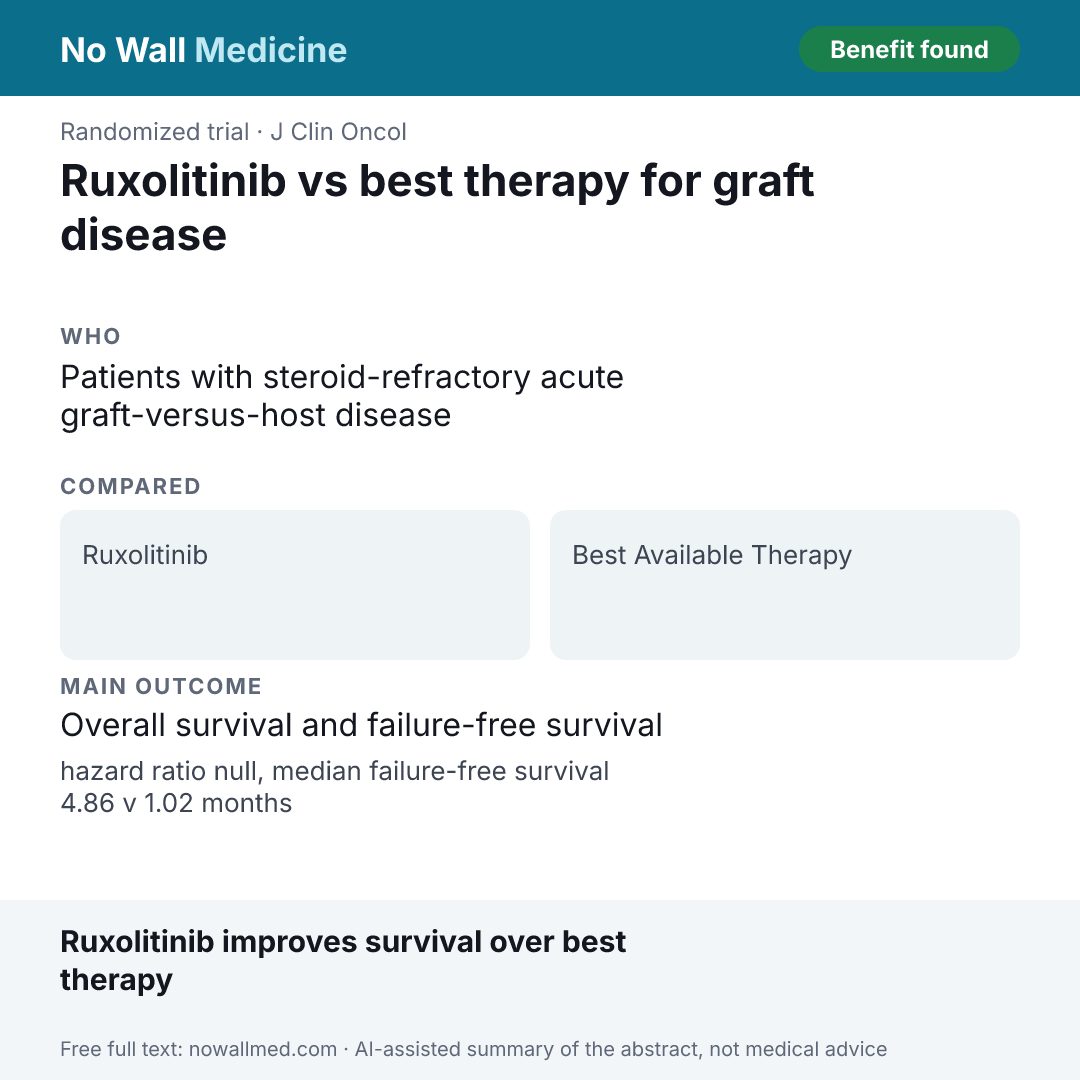
Ruxolitinib Versus Best Available Therapy in Patients With Steroid-Refractory Acute Graft-Versus-Host Disease: Final Analysis From the Randomized Phase III REACH2 Trial
Randomized trialBenefit found
Ruxolitinib vs best therapy for graft disease
Who
Patients with steroid-refractory acute graft-versus-host disease
Compared
Ruxolitinib
Best Available Therapy
Main outcome
Overall survival and failure-free survival
Result: hazard ratio null, median failure-free survival 4.86 v 1.02 months
Bottom line: Ruxolitinib improves survival over best therapy
J Clin Oncol · 2025-10-15 · Save PNG
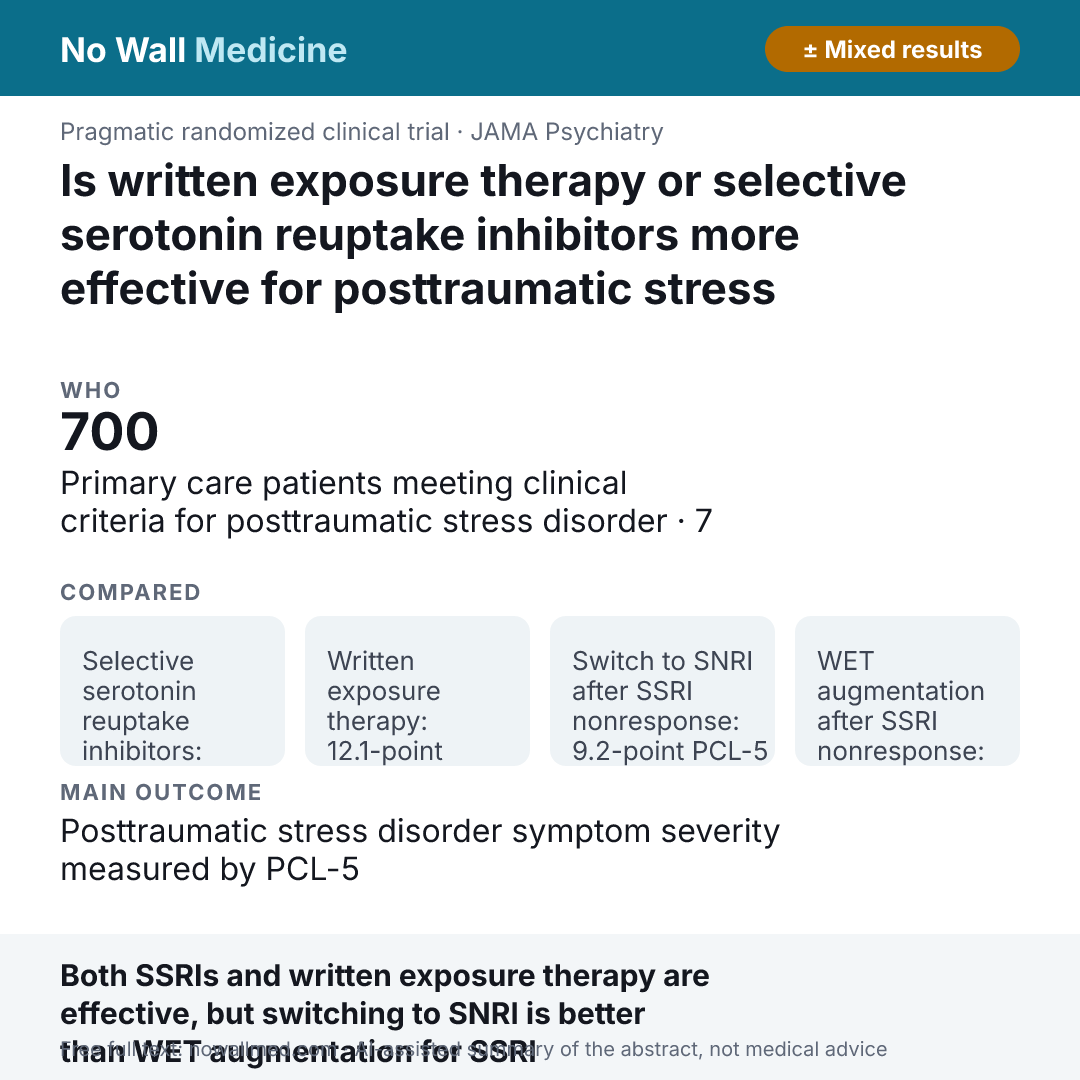
Pragmatic Comparative Effectiveness of Primary Care Treatments for Posttraumatic Stress Disorder: A Randomized Clinical Trial
Pragmatic randomized clinical trialMixed results
Is written exposure therapy or selective serotonin reuptake inhibitors more effective for posttraumatic stress disorder?
Who
700
Primary care patients meeting clinical criteria for posttraumatic stress disorder · 7 federally qualified health centers and 8 Department of Veterans Affairs medical centers
Compared
Selective serotonin reuptake inhibitors: 14.0-point PCL-5 decrease
Written exposure therapy: 12.1-point PCL-5 decrease
Switch to SNRI after SSRI nonresponse: 9.2-point PCL-5 decrease
WET augmentation after SSRI nonresponse: 2.3-point PCL-5 decrease
Main outcome
Posttraumatic stress disorder symptom severity measured by PCL-5
Result: adjusted mean difference 1.79 (95% CI -0.76 to 4.34) for initial treatment; adjusted MD 10.19 (95% CI 4.97-15.41) for nonresponders
Bottom line: Both SSRIs and written exposure therapy are effective, but switching to SNRI is better than WET augmentation for SSRI nonresponders.
JAMA Psychiatry · 2025-10-15 · Save PNG
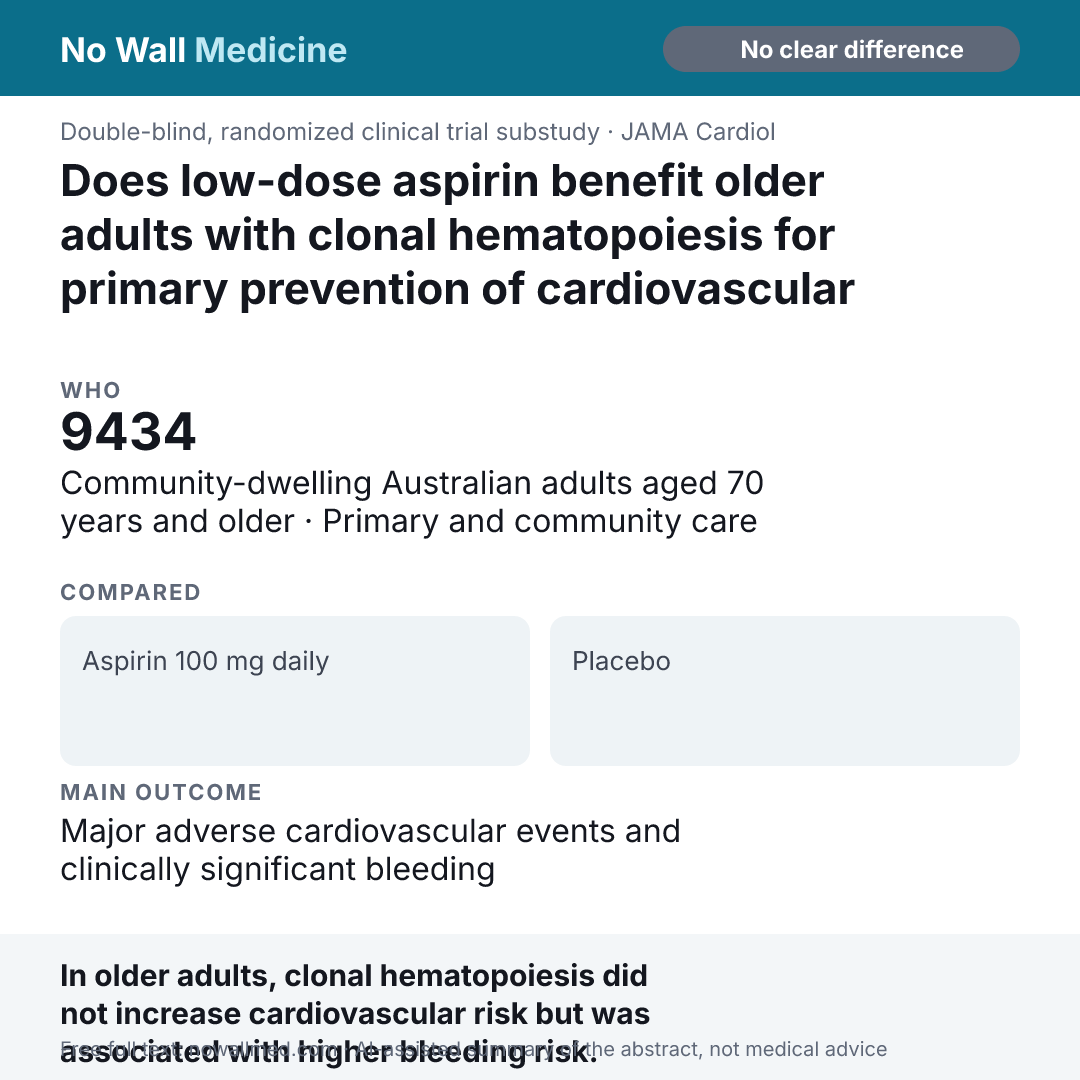
Clonal Hematopoiesis and Cardiovascular Disease and Bleeding Risk and the Effectiveness of Aspirin
Double-blind, randomized clinical trial substudyNo clear difference
Does low-dose aspirin benefit older adults with clonal hematopoiesis for primary prevention of cardiovascular disease?
Who
9434
Community-dwelling Australian adults aged 70 years and older · Primary and community care facilities in Australia
Compared
Aspirin 100 mg daily
Placebo
Main outcome
Major adverse cardiovascular events and clinically significant bleeding
Result: no evidence of a differential effect of aspirin according to presence of CHIP
Bottom line: In older adults, clonal hematopoiesis did not increase cardiovascular risk but was associated with higher bleeding risk.
JAMA Cardiol · 2025-10-15 · Save PNG
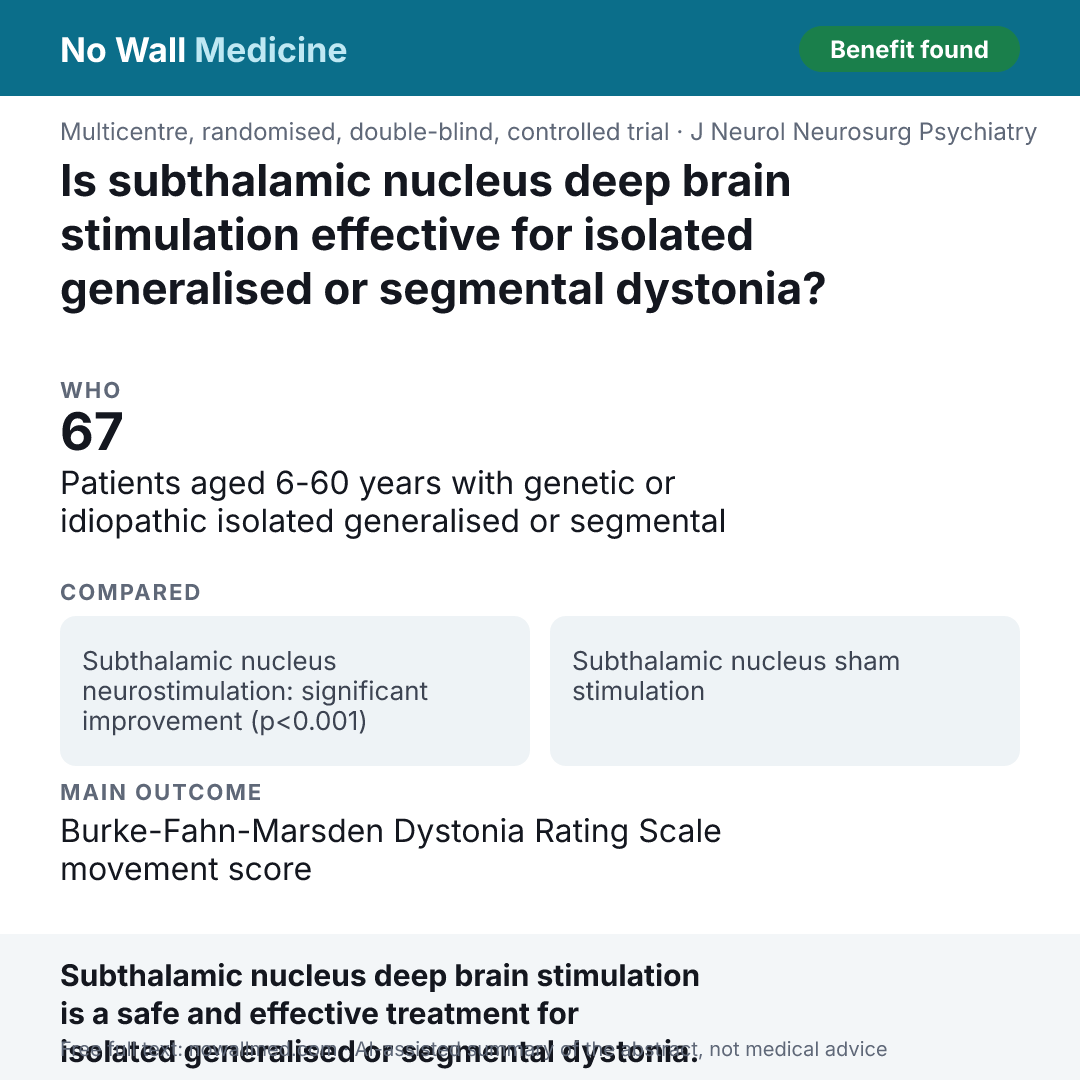
Subthalamic deep brain stimulation in isolated generalised or segmental dystonia (RELAX Study): a multicentre, randomised, double-blind, controlled trial
Multicentre, randomised, double-blind, controlled trialBenefit found
Is subthalamic nucleus deep brain stimulation effective for isolated generalised or segmental dystonia?
Who
67
Patients aged 6-60 years with genetic or idiopathic isolated generalised or segmental dystonia · Seven hospitals in China
Compared
Subthalamic nucleus neurostimulation: significant improvement (p<0.001)
Subthalamic nucleus sham stimulation
Main outcome
Burke-Fahn-Marsden Dystonia Rating Scale movement score
Bottom line: Subthalamic nucleus deep brain stimulation is a safe and effective treatment for isolated generalised or segmental dystonia.
J Neurol Neurosurg Psychiatry · 2025-10-15 · Save PNG