Visual abstracts
New randomized trials and meta-analyses from leading journals at a glance: who was studied, what was compared, and what was found. Every paper is free to read in full.
All specialtiesCardiology 4877Oncology 4138Gastroenterology & Hepatology 1942Infectious Disease 3837Neurology 1905Psychiatry & Mental Health 2273Pulmonology 2143Critical Care 1365Endocrinology & Diabetes 2580Pediatrics 2980Surgery 2559Orthopedics & Sports Medicine 931Neurosurgery 537Cardiothoracic & Vascular Surgery 674Plastic & Reconstructive Surgery 591Nephrology 1133Rheumatology 823Hematology 1109Dermatology 621Ophthalmology 543Obstetrics & Gynecology 1686Public & Global Health 1058Radiology & Imaging 648Anesthesiology 986Urology 764ENT (Otolaryngology) 503Emergency Medicine 511Allergy & Immunology 313Geriatrics 981Family Medicine & Primary Care 562Medical Genetics & Genomics 676Pathology & Laboratory Medicine 159Physical Medicine & Rehabilitation 757Palliative Care 444Nutrition 1588Digital Health & AI 2201General Medicine 321
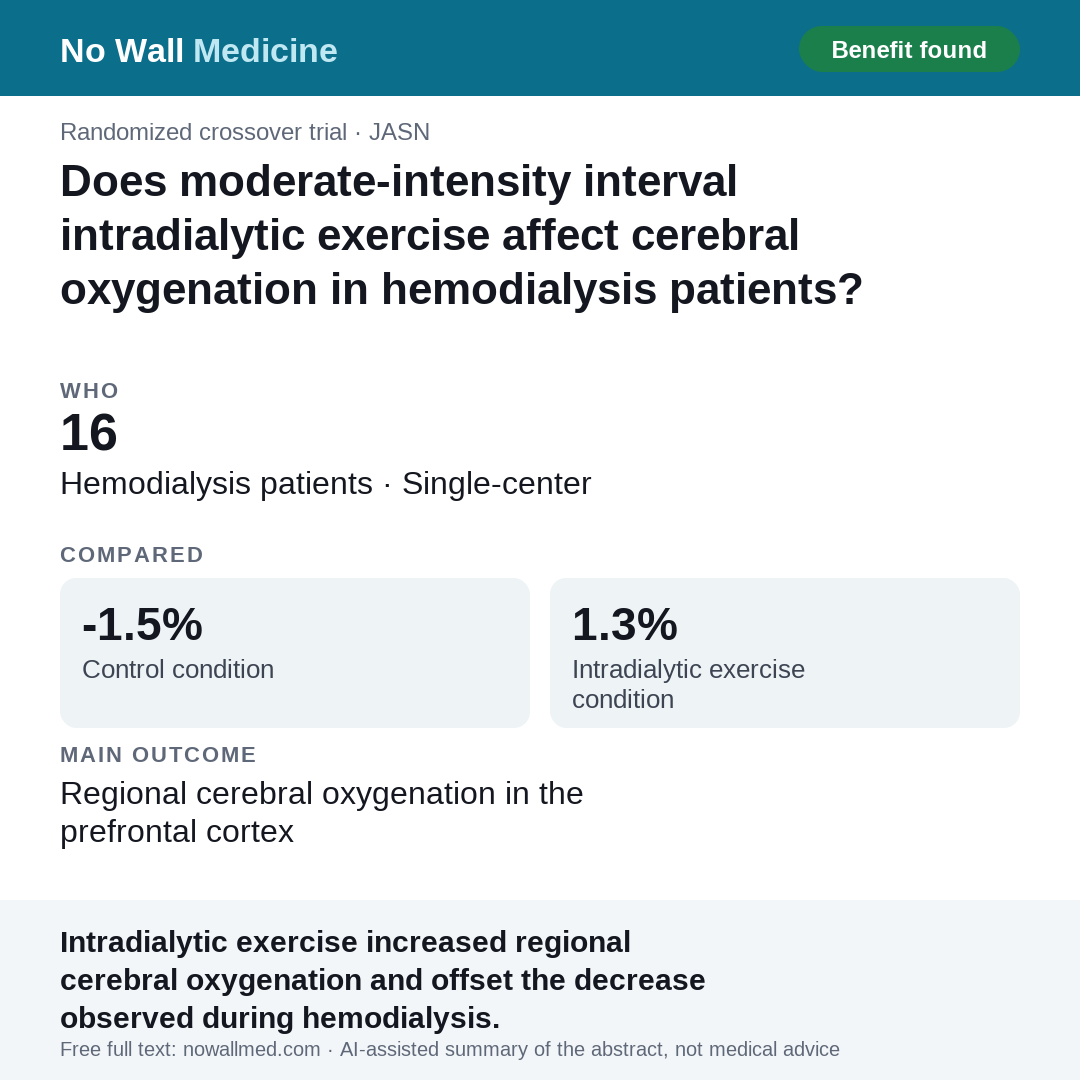
Acute Effect of Moderate-Intensity Interval Intradialytic Exercise on Cerebral Oxygenation in Hemodialysis Patients: A Randomized Crossover Trial
Randomized crossover trialBenefit found
Does moderate-intensity interval intradialytic exercise affect cerebral oxygenation in hemodialysis patients?
Who
16
Hemodialysis patients · Single-center
Compared
-1.5%Control condition (95% CI -2.7 to -0.3)
1.3%Intradialytic exercise condition (95% CI 0.5 to 2.1)
Main outcome
Regional cerebral oxygenation in the prefrontal cortex
Result: rSO2 1.3% (95% CI 0.5 to 2.1)
Bottom line: Intradialytic exercise increased regional cerebral oxygenation and offset the decrease observed during hemodialysis.
JASN · 2025-03-12Download image
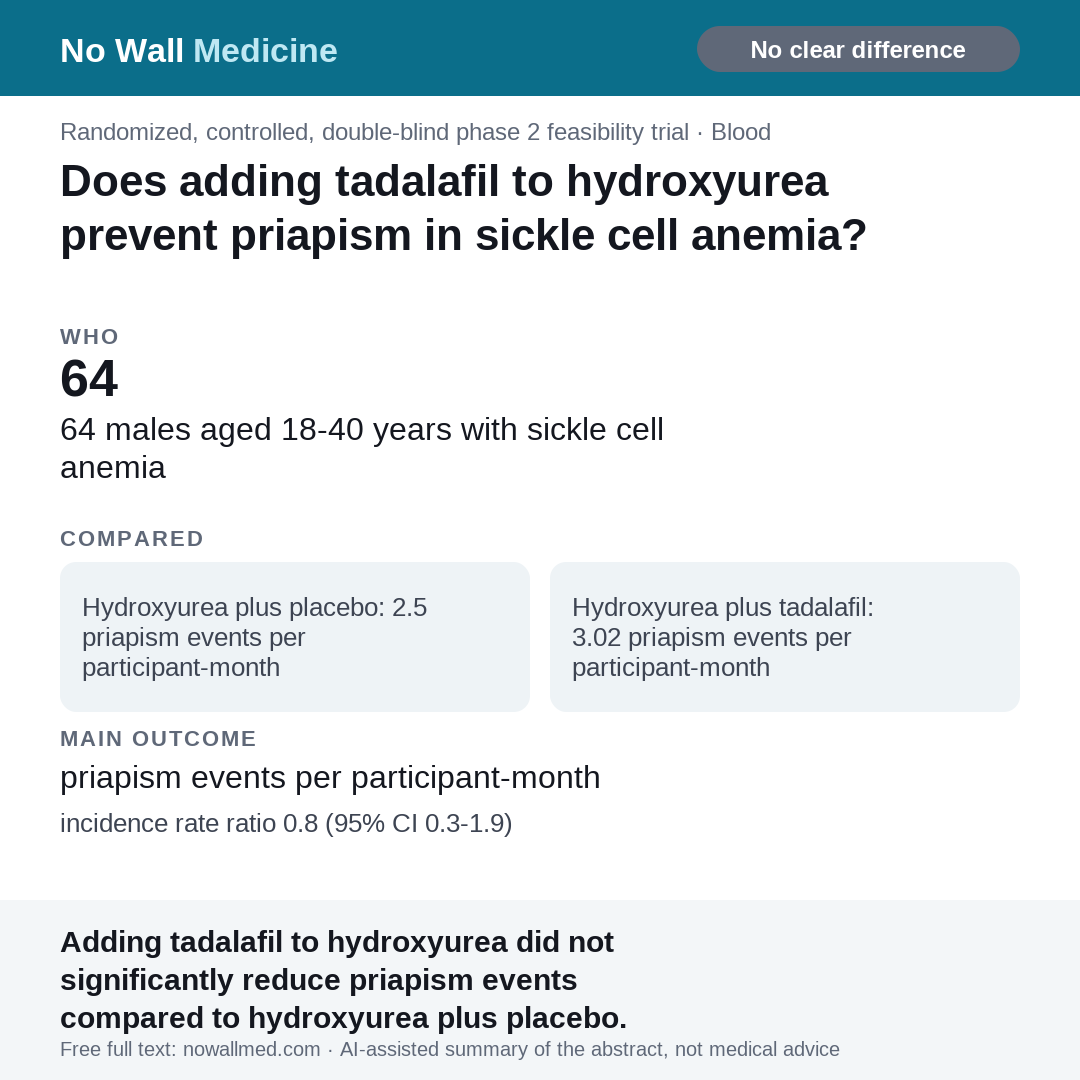
A controlled trial for preventing priapism in sickle cell anemia: hydroxyurea plus placebo vs hydroxyurea plus tadalafil
Randomized, controlled, double-blind phase 2 feasibility trialNo clear difference
Does adding tadalafil to hydroxyurea prevent priapism in sickle cell anemia?
Who
64
64 males aged 18-40 years with sickle cell anemia
Compared
Hydroxyurea plus placebo: 2.5 priapism events per participant-month
Hydroxyurea plus tadalafil: 3.02 priapism events per participant-month
Main outcome
priapism events per participant-month
Result: incidence rate ratio 0.8 (95% CI 0.3-1.9)
Bottom line: Adding tadalafil to hydroxyurea did not significantly reduce priapism events compared to hydroxyurea plus placebo.
Blood · 2025-03-12Download image
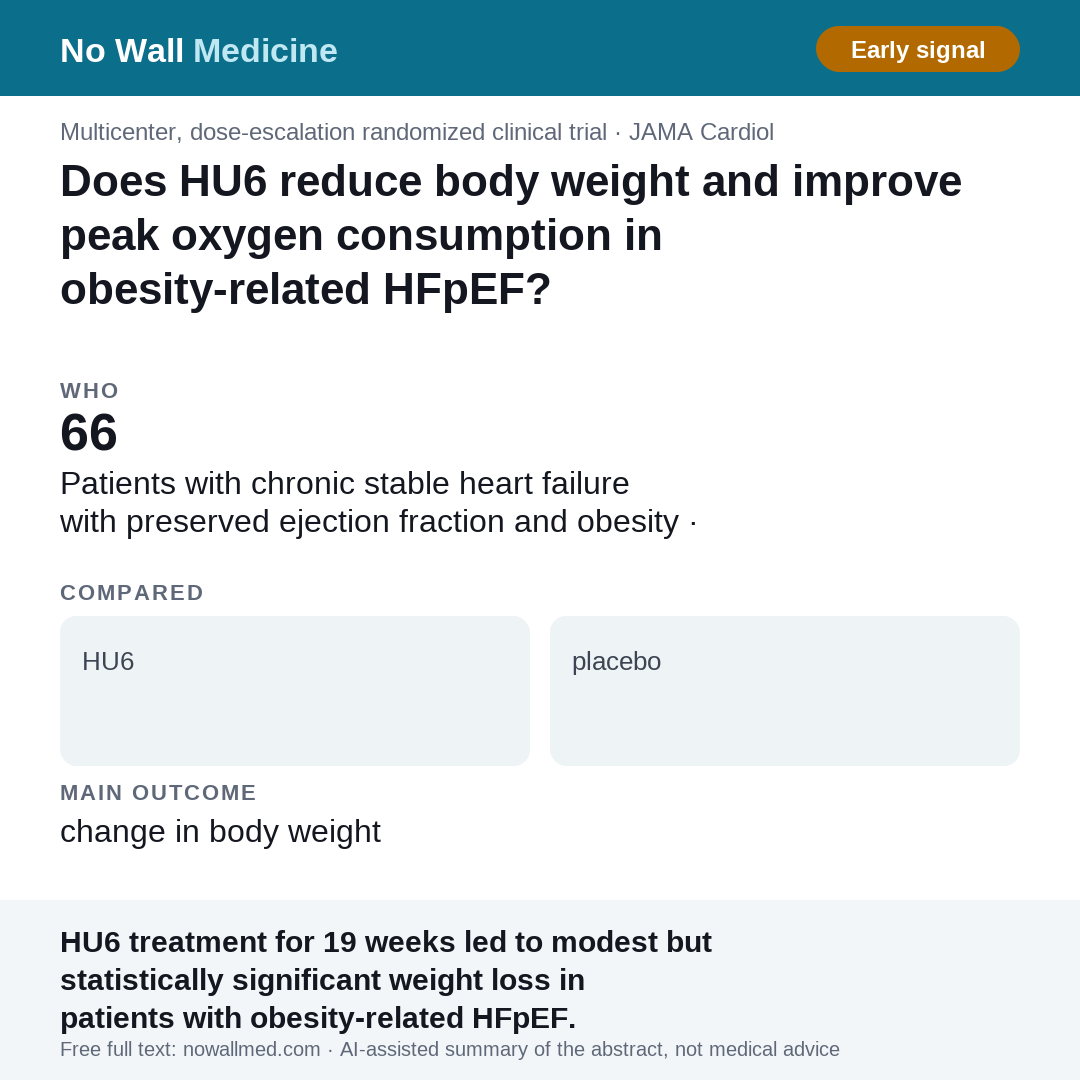
Novel Controlled Metabolic Accelerator for Obesity-Related HFpEF: The HuMAIN-HFpEF Randomized Clinical Trial
Multicenter, dose-escalation randomized clinical trialBenefit found
Does HU6 reduce body weight and improve peak oxygen consumption in obesity-related HFpEF?
Who
66
Patients with chronic stable heart failure with preserved ejection fraction and obesity · Multicenter
Compared
HU6
placebo
Main outcome
change in body weight
Result: between-group difference, -2.86 kg; 95% CI, -4.68 to -1.04 kg
Bottom line: HU6 treatment for 19 weeks led to modest but statistically significant weight loss in patients with obesity-related HFpEF.
JAMA Cardiol · 2025-03-12Download image
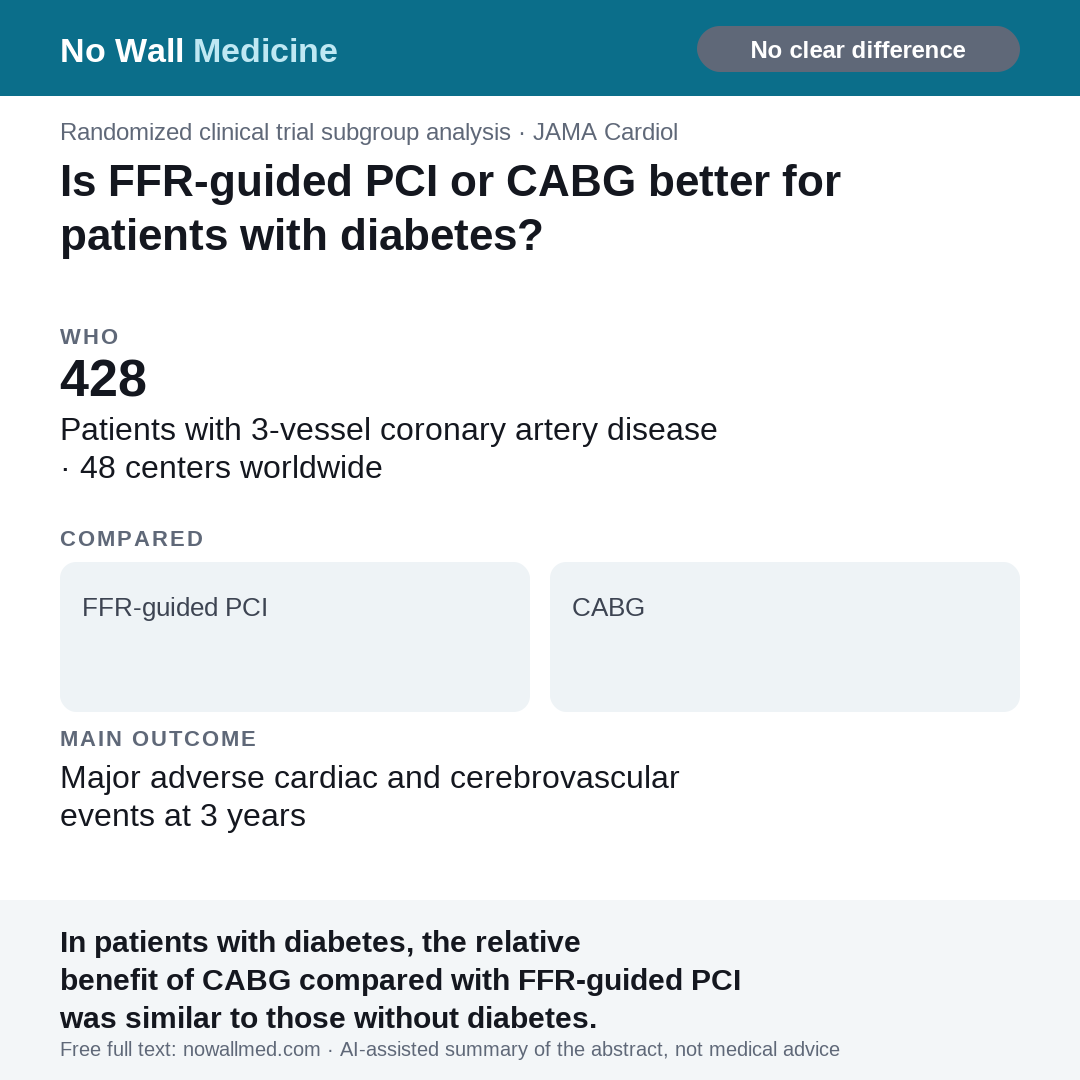
FFR-Guided Percutaneous Coronary Intervention vs Coronary Artery Bypass Grafting in Patients With Diabetes
Randomized clinical trial subgroup analysisNo clear difference
Is FFR-guided PCI or CABG better for patients with diabetes?
Who
428
Patients with 3-vessel coronary artery disease · 48 centers worldwide
Compared
FFR-guided PCI
CABG
Main outcome
Major adverse cardiac and cerebrovascular events at 3 years
Result: hazard ratio 1.44 (95% CI, 0.91-2.28)
Bottom line: In patients with diabetes, the relative benefit of CABG compared with FFR-guided PCI was similar to those without diabetes.
JAMA Cardiol · 2025-03-12Download image
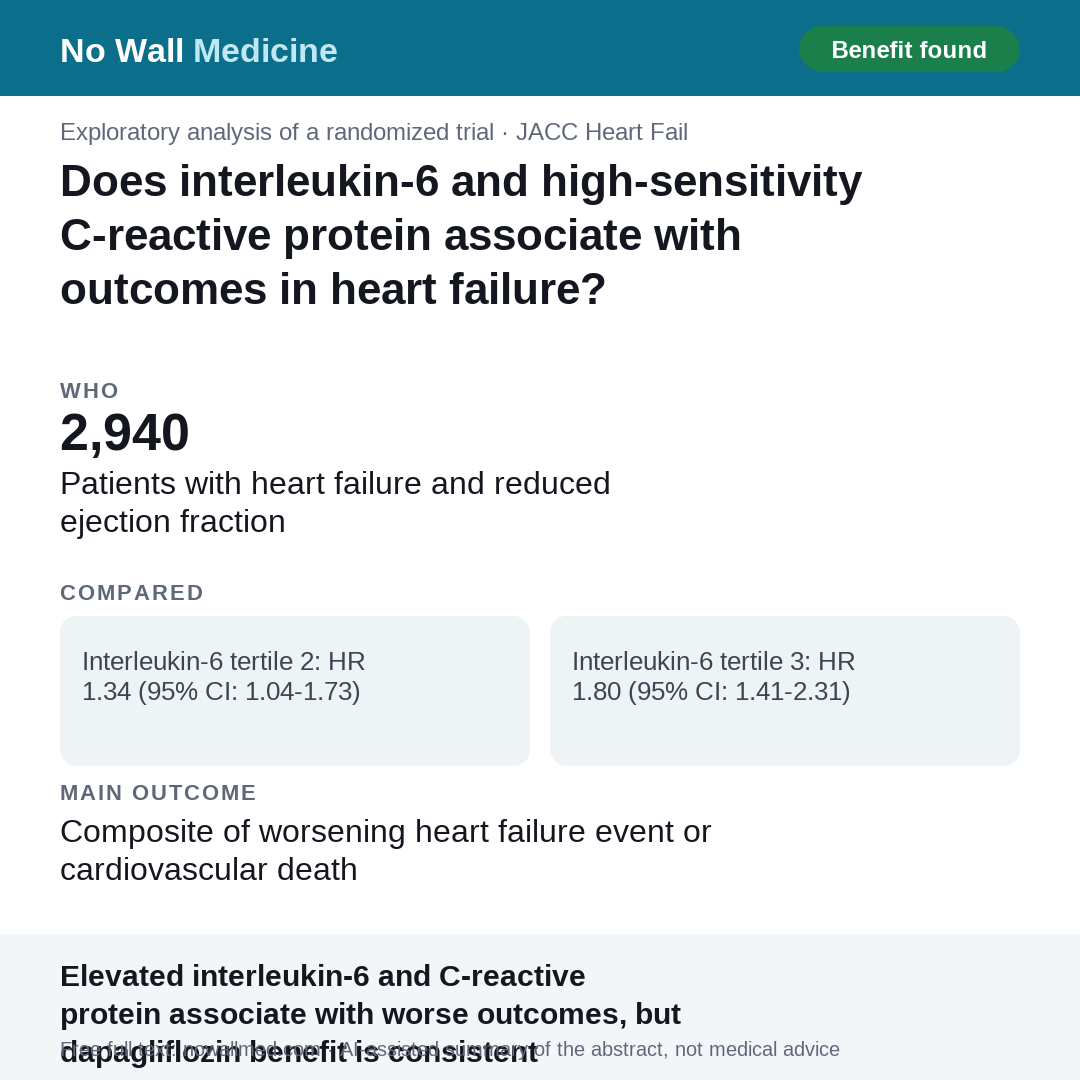
Interleukin-6 in Heart Failure With Reduced Ejection Fraction and the Effect of Dapagliflozin: An Exploratory Analysis of the Dapagliflozin and Prevention of Adverse Outcomes in Heart Failure Trial
Exploratory analysis of a randomized trialBenefit found
Does interleukin-6 and high-sensitivity C-reactive protein associate with outcomes in heart failure?
Who
2,940
Patients with heart failure and reduced ejection fraction
Compared
Interleukin-6 tertile 2: HR 1.34 (95% CI: 1.04-1.73)
Interleukin-6 tertile 3: HR 1.80 (95% CI: 1.41-2.31)
Main outcome
Composite of worsening heart failure event or cardiovascular death
Bottom line: Elevated interleukin-6 and C-reactive protein associate with worse outcomes, but dapagliflozin benefit is consistent regardless of levels.
JACC Heart Fail · 2025-03-12Download image
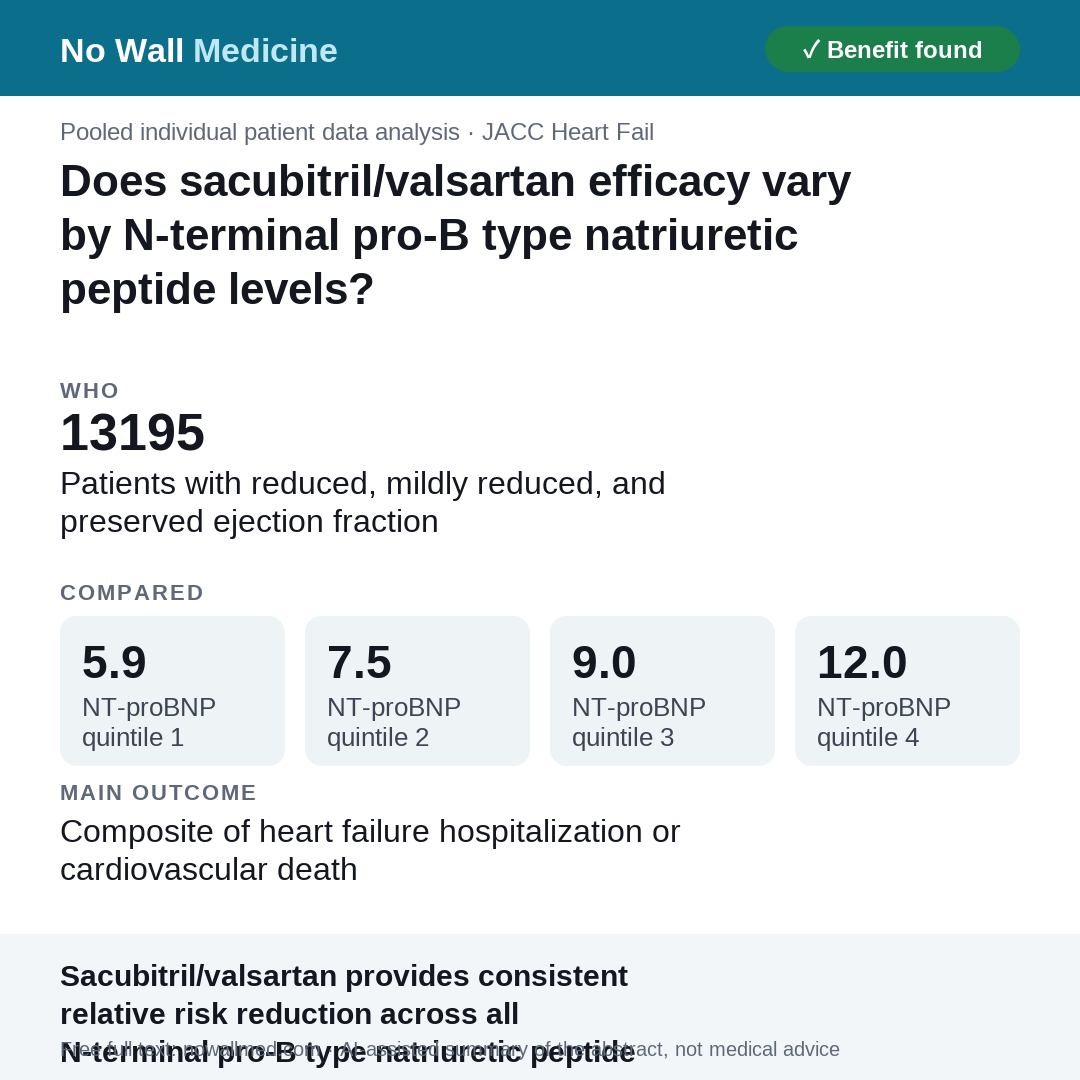
Effects of Sacubitril/Valsartan According to Natriuretic Peptide Levels in Patients Enrolled in PARADIGM-HF and PARAGON-HF
Pooled individual patient data analysisBenefit found
Does sacubitril/valsartan efficacy vary by N-terminal pro-B type natriuretic peptide levels?
Who
13195
Patients with reduced, mildly reduced, and preserved ejection fraction
Compared
5.9NT-proBNP quintile 1 (95% CI: 5.3-6.5)
7.5NT-proBNP quintile 2 (95% CI: 6.9-8.2)
9.0NT-proBNP quintile 3 (95% CI: 8.2-9.7)
12.0NT-proBNP quintile 4 (95% CI: 11.1-12.9)
Main outcome
Composite of heart failure hospitalization or cardiovascular death
Result: P for interaction = 0.86
Bottom line: Sacubitril/valsartan provides consistent relative risk reduction across all N-terminal pro-B type natriuretic peptide levels.
JACC Heart Fail · 2025-03-12Download image
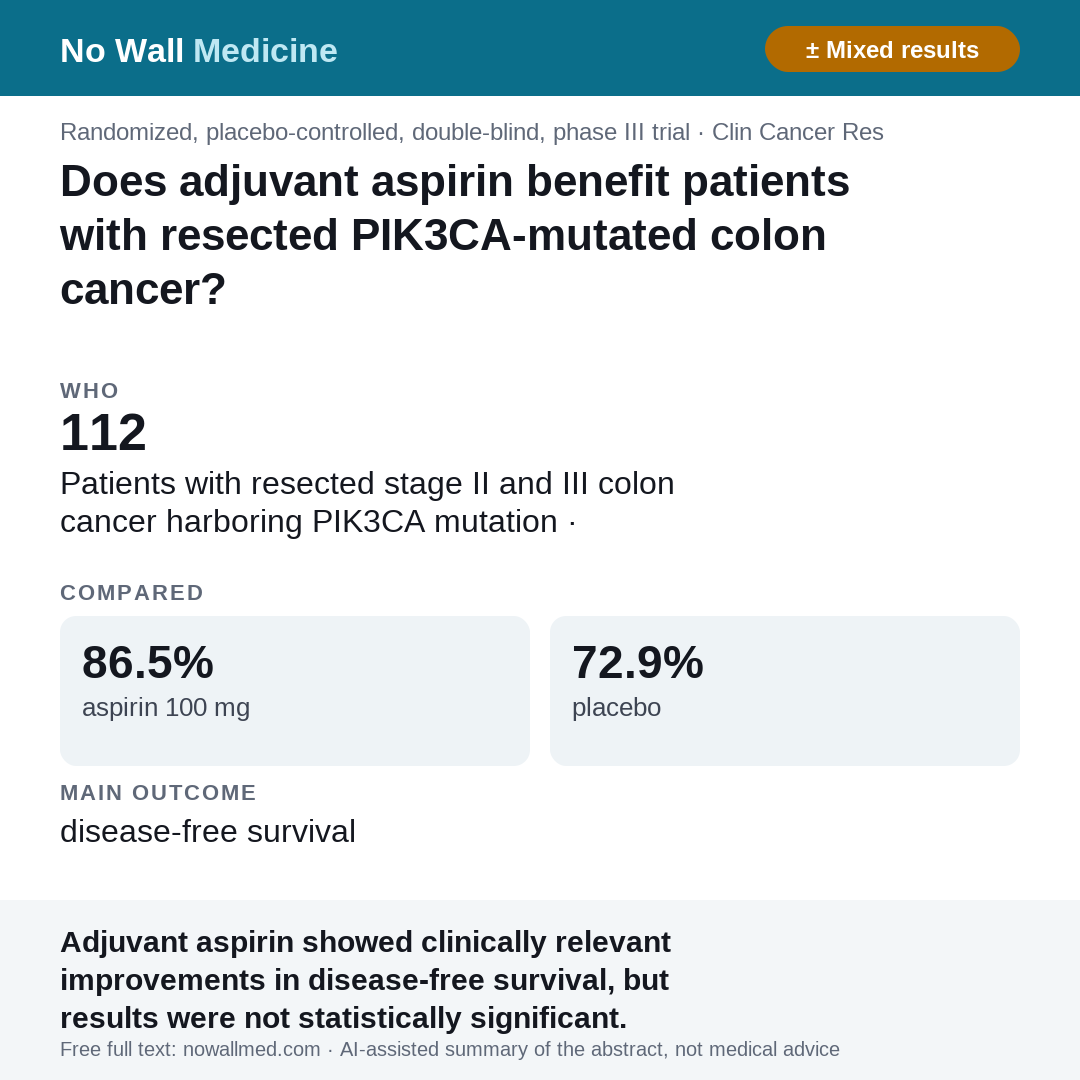
Adjuvant Aspirin Treatment in PIK3CA-Mutated Colon Cancer Patients: The SAKK 41/13 Prospective Randomized Placebo-Controlled Double-Blind Trial
Randomized, placebo-controlled, double-blind, phase III trialMixed results
Does adjuvant aspirin benefit patients with resected PIK3CA-mutated colon cancer?
Who
112
Patients with resected stage II and III colon cancer harboring PIK3CA mutation · Multicenter, multinational trial
Compared
86.5%aspirin 100 mg (90% CI, 77.7%-92.0%)
72.9%placebo (90% CI, 55.7%-84.3%)
Main outcome
disease-free survival
Result: hazard ratio 0.57 (90% CI 0.27-1.22)
Bottom line: Adjuvant aspirin showed clinically relevant improvements in disease-free survival, but results were not statistically significant.
Clin Cancer Res · 2025-03-12Download image
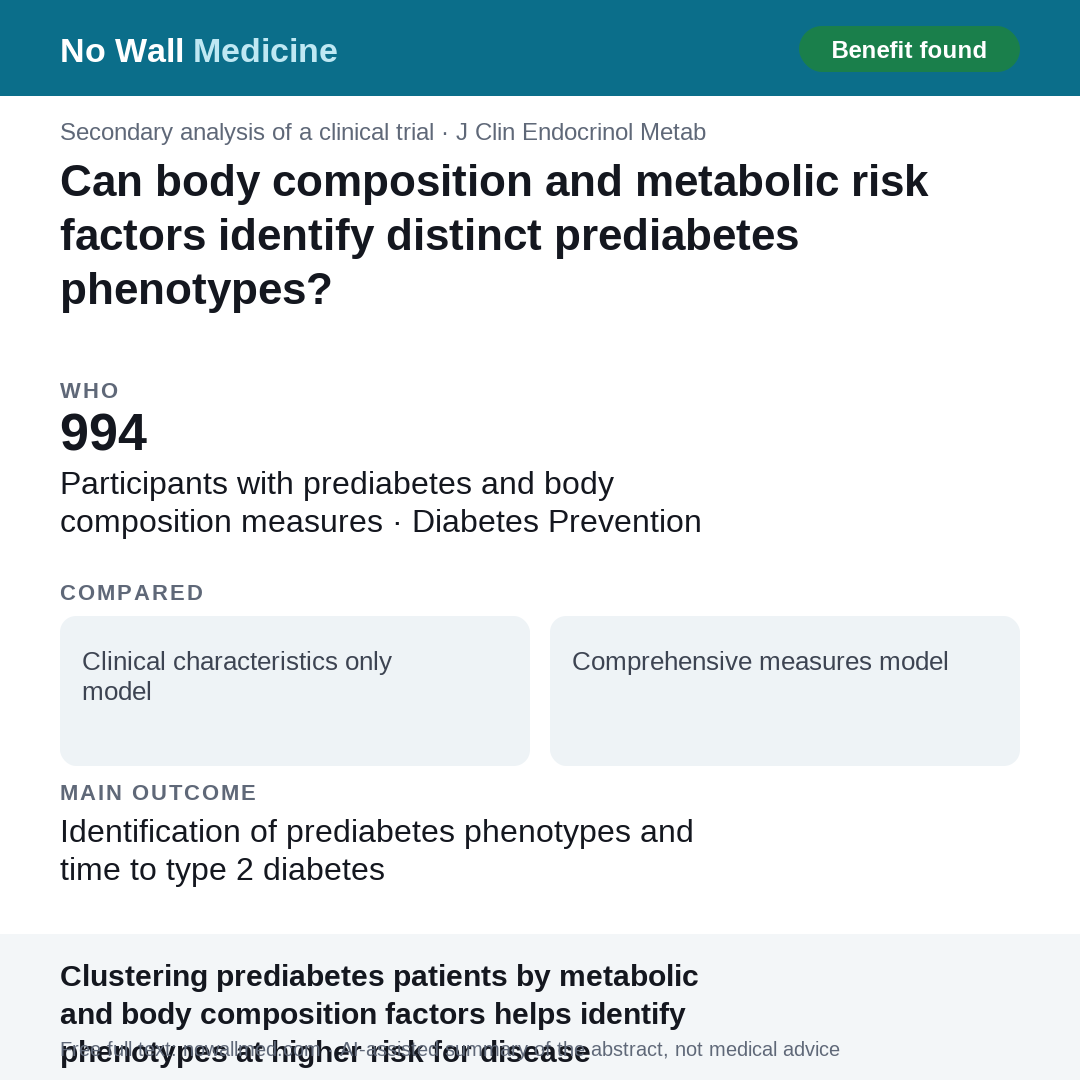
Body Composition Differentiates Prediabetes Phenotype Clusters in the Diabetes Prevention Program Study
Secondary analysis of a clinical trialBenefit found
Can body composition and metabolic risk factors identify distinct prediabetes phenotypes?
Who
994
Participants with prediabetes and body composition measures · Diabetes Prevention Program trial
Compared
Clinical characteristics only model
Comprehensive measures model
Main outcome
Identification of prediabetes phenotypes and time to type 2 diabetes
Bottom line: Clustering prediabetes patients by metabolic and body composition factors helps identify phenotypes at higher risk for disease progression.
J Clin Endocrinol Metab · 2025-03-12Download image
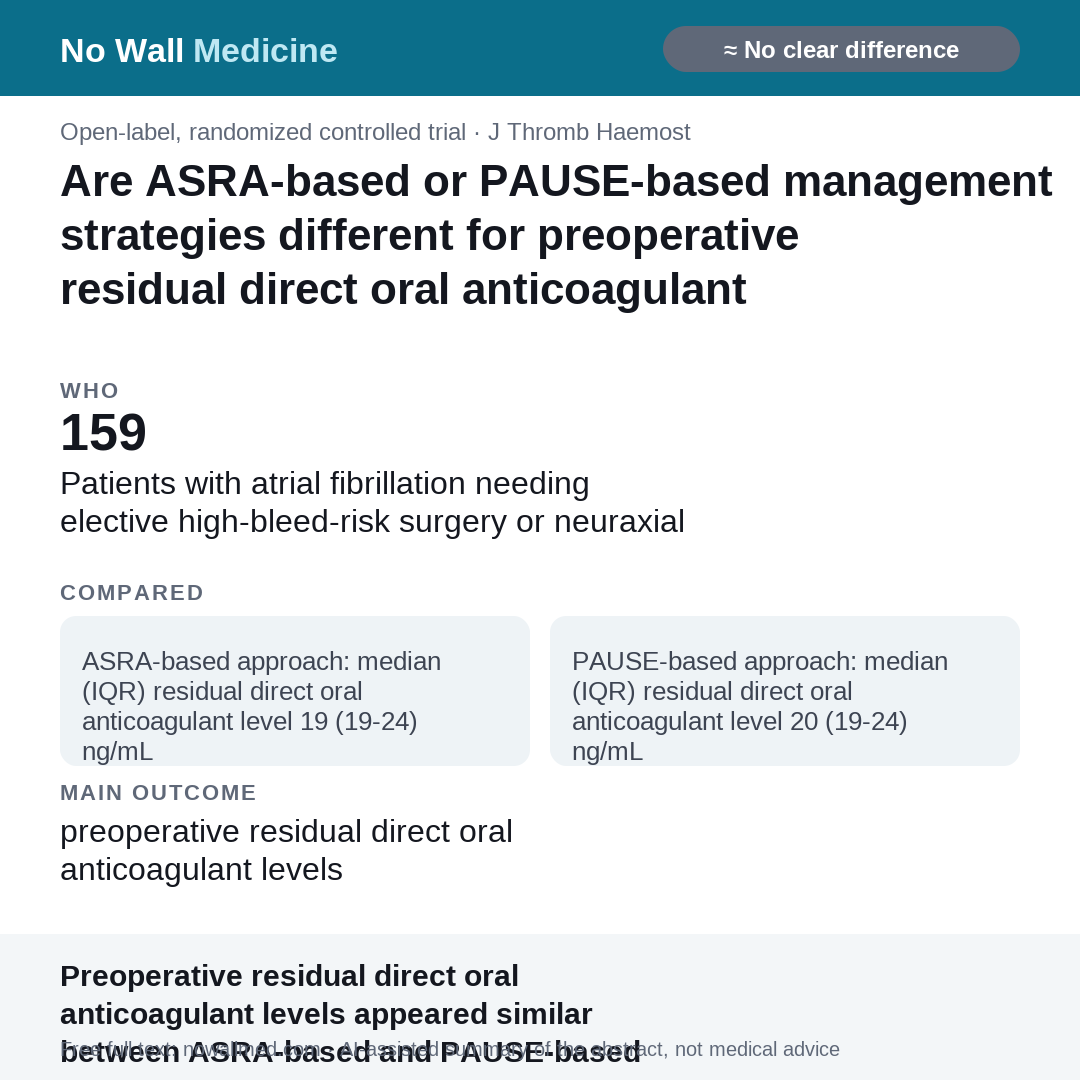
Perioperative management of direct oral anticoagulants in patients having a high-bleed-risk surgery or neuraxial procedure: the Perioperative Anticoagulant Use for Surgery Evaluation (PAUSE)-2 pilot randomized trial
Open-label, randomized controlled trialNo clear difference
Are ASRA-based or PAUSE-based management strategies different for preoperative residual direct oral anticoagulant levels?
Who
159
Patients with atrial fibrillation needing elective high-bleed-risk surgery or neuraxial procedure
Compared
ASRA-based approach: median (IQR) residual direct oral anticoagulant level 19 (19-24) ng/mL
PAUSE-based approach: median (IQR) residual direct oral anticoagulant level 20 (19-24) ng/mL
Main outcome
preoperative residual direct oral anticoagulant levels
Result: standardized difference = -0.02
Bottom line: Preoperative residual direct oral anticoagulant levels appeared similar between ASRA-based and PAUSE-based management approaches in this pilot trial.
J Thromb Haemost · 2025-03-12Download image
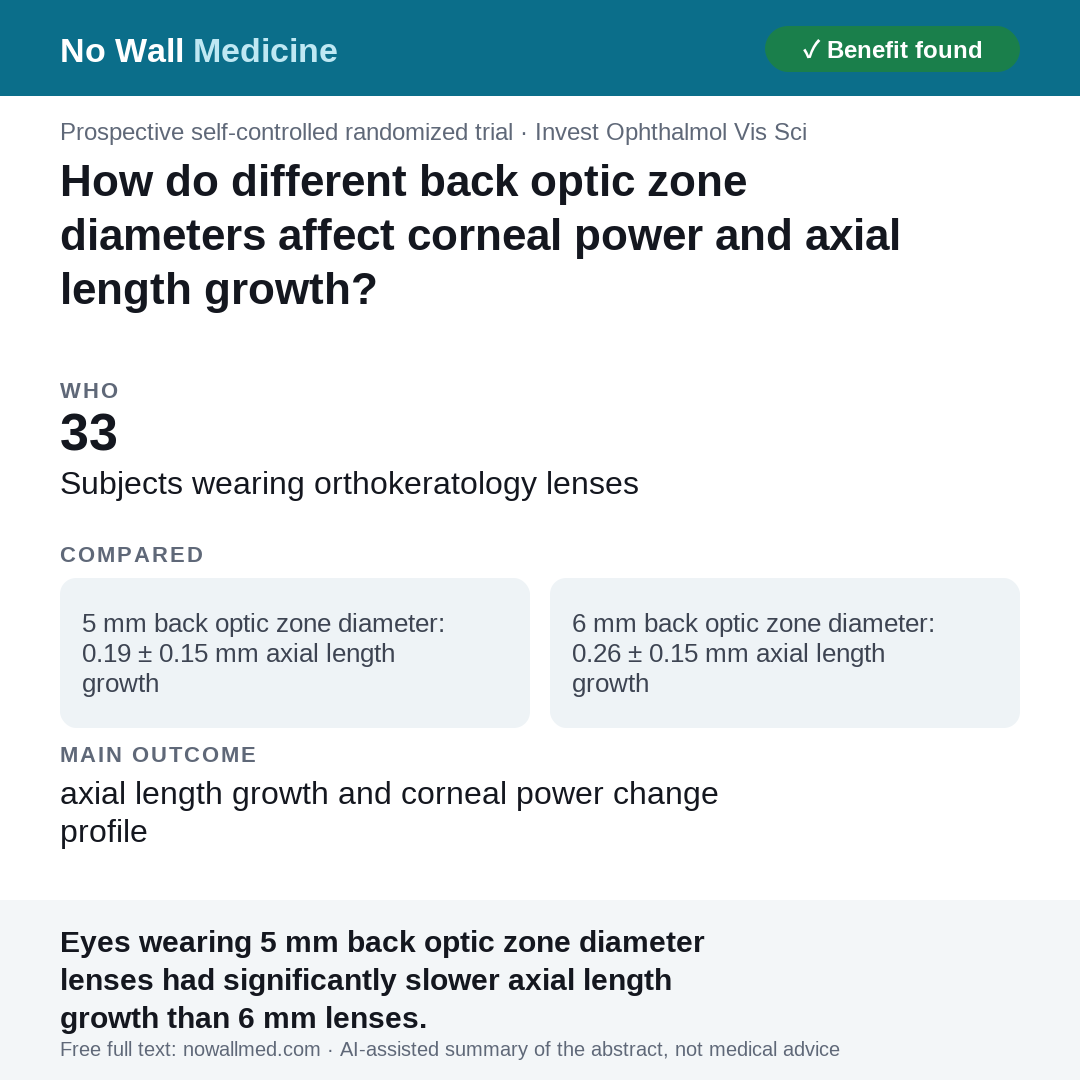
A Novel Model for Cornea Power Shift in Eyes Wearing Orthokeratology Lenses With Different Back Optic Zone Diameters for Myopia Control
Prospective self-controlled randomized trialBenefit found
How do different back optic zone diameters affect corneal power and axial length growth?
Who
33
Subjects wearing orthokeratology lenses
Compared
5 mm back optic zone diameter: 0.19 ± 0.15 mm axial length growth
6 mm back optic zone diameter: 0.26 ± 0.15 mm axial length growth
Main outcome
axial length growth and corneal power change profile
Bottom line: Eyes wearing 5 mm back optic zone diameter lenses had significantly slower axial length growth than 6 mm lenses.
Invest Ophthalmol Vis Sci · 2025-03-12Download image
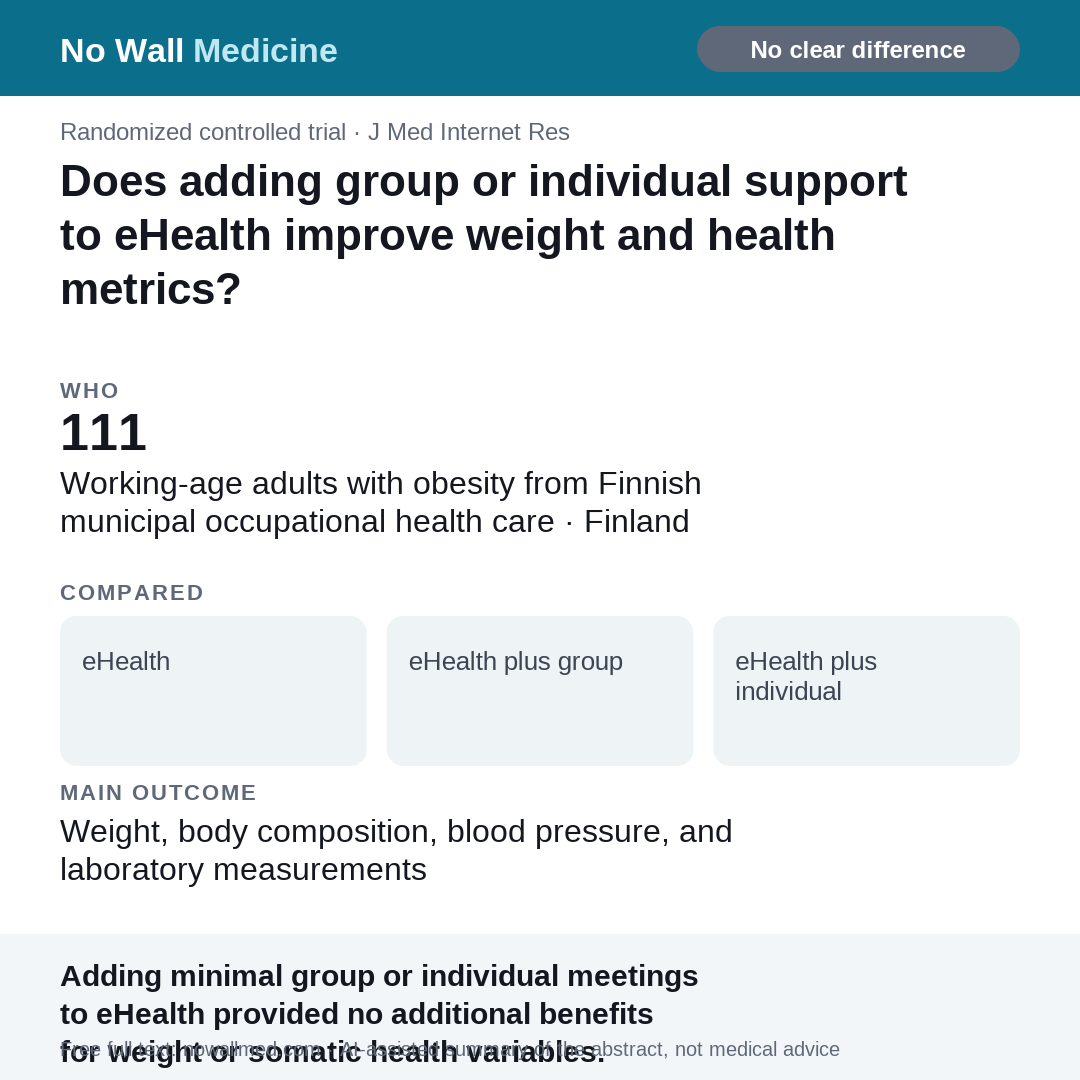
Coach-Assisted eHealth With Group or Individual Support for Employees With Obesity: Randomized Controlled Trial on Weight, Body Composition, and Health Metrics
Randomized controlled trialNo clear difference
Does adding group or individual support to eHealth improve weight and health metrics?
Who
111
Working-age adults with obesity from Finnish municipal occupational health care · Finland
Compared
eHealth
eHealth plus group
eHealth plus individual
Main outcome
Weight, body composition, blood pressure, and laboratory measurements
Bottom line: Adding minimal group or individual meetings to eHealth provided no additional benefits for weight or somatic health variables.
Limitation: Further research is needed to determine if a threshold exists where face-to-face meetings provide additional benefits.
J Med Internet Res · 2025-03-12Download image
Safety and immunogenicity of a pentavalent meningococcal conjugate vaccine targeting serogroups A, C, W, Y, and X when co-administered with routine childhood vaccines at ages 9 months and 15 months in Mali: a single-centre, double-blind, randomised, controlled, phase 3, non-inferiority trial
Randomised, double-blind, phase 3, non-inferiority trialBenefit found
Is NmCV-5 non-inferior to MenACWY-TT in safety and immunogenicity?
Who
1325
Children aged 9-11 months in Mali · Bamako, Mali
Compared
NmCV-5
MenACWY-TT
Main outcome
seroprotective response (serum bactericidal antibody titre of 8 or higher)
Bottom line: The pentavalent meningococcal conjugate vaccine was non-inferior to the quadrivalent vaccine in immunogenicity.
Lancet · 2025-03-11Download image

Clinical effectiveness of an online psychoeducational and psychotherapeutic programme for caregivers of children newly diagnosed as autistic: a parallel, assessor-masked, randomised controlled trial in the UK (REACH-ASD)
Parallel, assessor-masked, randomised controlled superiority trialBenefit found
Does the Empower-Autism programme improve caregiver mental health at 52 weeks?
Who
379
Caregivers of children aged 2-15 years newly diagnosed with autism · 11 North-West England autism diagnostic or intervention centres
Compared
Empower-Autism programme plus treatment as usual: improved mental health
Usual local post-diagnostic psychoeducation plus treatment as usual
Main outcome
Caregiver mental health assessed by General Health Questionnaire-30
Result: mean difference -4·95 (95% CI -8·21 to -1·68)
Bottom line: The Empower-Autism online programme significantly improved caregiver mental health at 52 weeks compared to usual care.
Lancet Psychiatry · 2025-03-11Download image

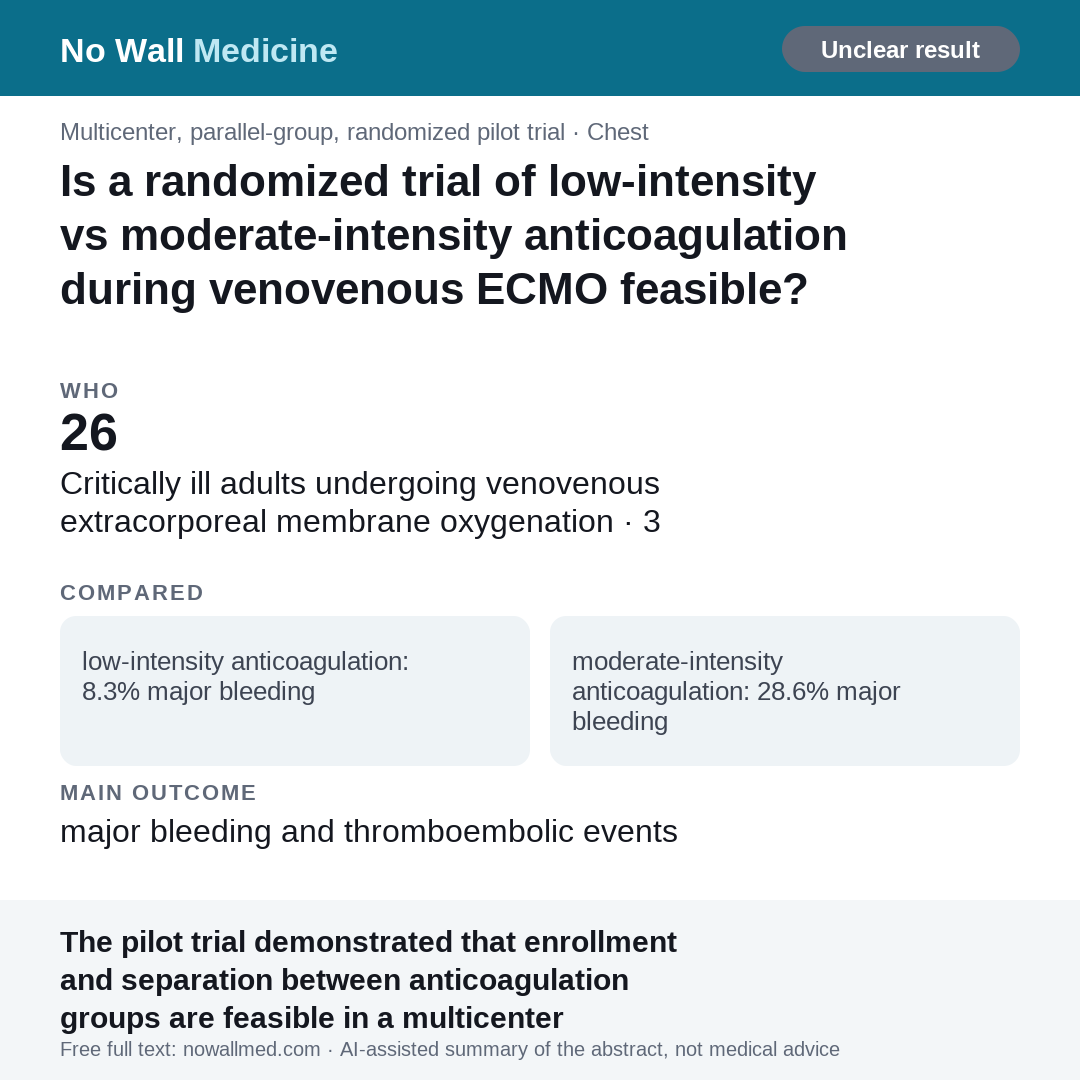
Low-Intensity vs Moderate-Intensity Anticoagulation for Venovenous Extracorporeal Membrane Oxygenation: The Strategies for Anticoagulation During Venovenous Extracorporeal Membrane Oxygenation Pilot Trial
Multicenter, parallel-group, randomized pilot trialUnclear result
Is a randomized trial of low-intensity vs moderate-intensity anticoagulation during venovenous ECMO feasible?
Who
26
Critically ill adults undergoing venovenous extracorporeal membrane oxygenation · 3 centers across the United States
Compared
low-intensity anticoagulation: 8.3% major bleeding
moderate-intensity anticoagulation: 28.6% major bleeding
Main outcome
major bleeding and thromboembolic events
Result: absolute risk difference, -20.2 percentage points; 95% CI, -48.6 to 8.1
Bottom line: The pilot trial demonstrated that enrollment and separation between anticoagulation groups are feasible in a multicenter randomized trial.
Chest · 2025-03-11Download image
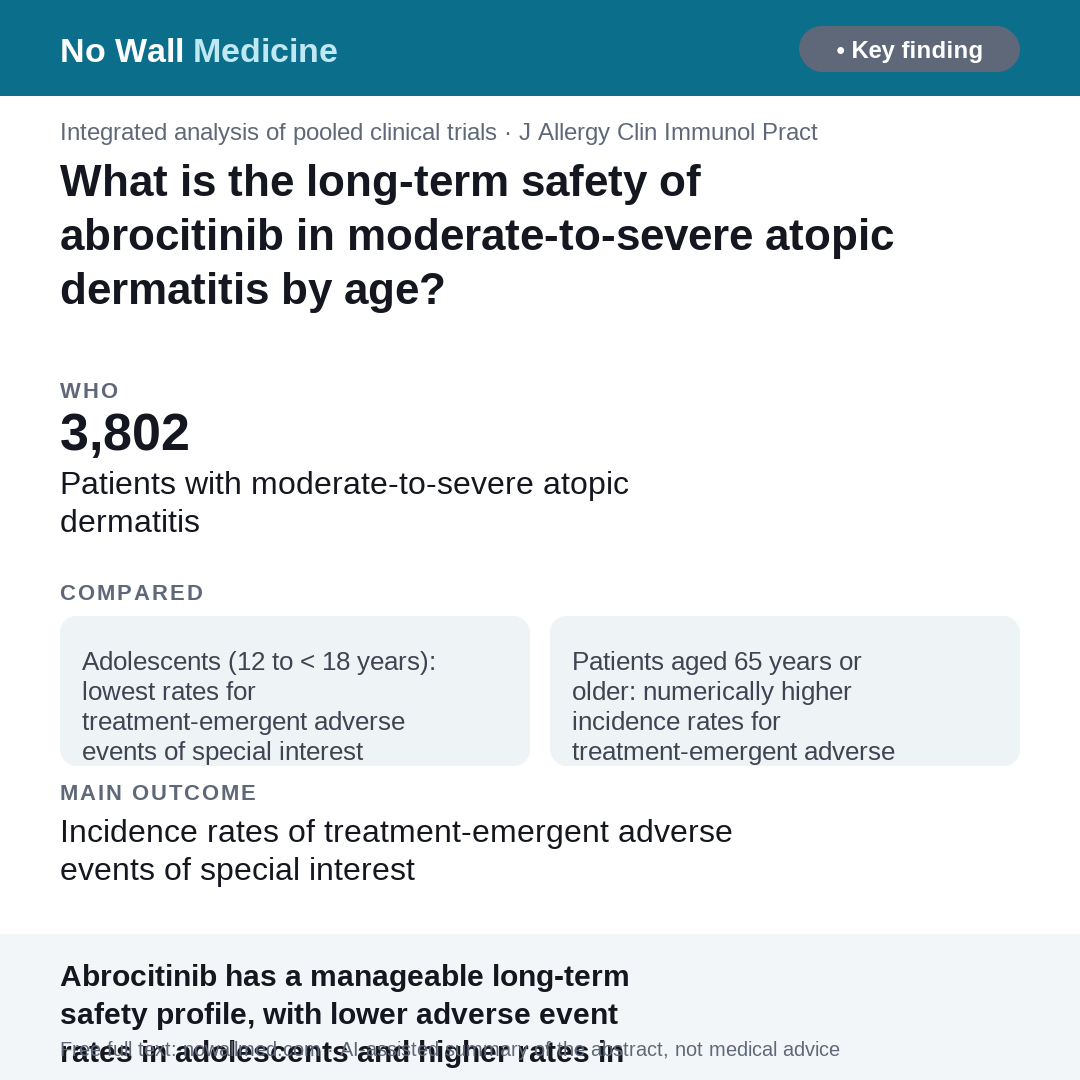
Long-Term Safety of Abrocitinib in Moderate-to-Severe Atopic Dermatitis: Integrated Analysis by Age
Integrated analysis of pooled clinical trialsBenefit found
What is the long-term safety of abrocitinib in moderate-to-severe atopic dermatitis by age?
Who
3,802
Patients with moderate-to-severe atopic dermatitis
Compared
Adolescents (12 to < 18 years): lowest rates for treatment-emergent adverse events of special interest
Patients aged 65 years or older: numerically higher incidence rates for treatment-emergent adverse events of special interest
Main outcome
Incidence rates of treatment-emergent adverse events of special interest
Bottom line: Abrocitinib has a manageable long-term safety profile, with lower adverse event rates in adolescents and higher rates in older patients.
J Allergy Clin Immunol Pract · 2025-03-11Download image
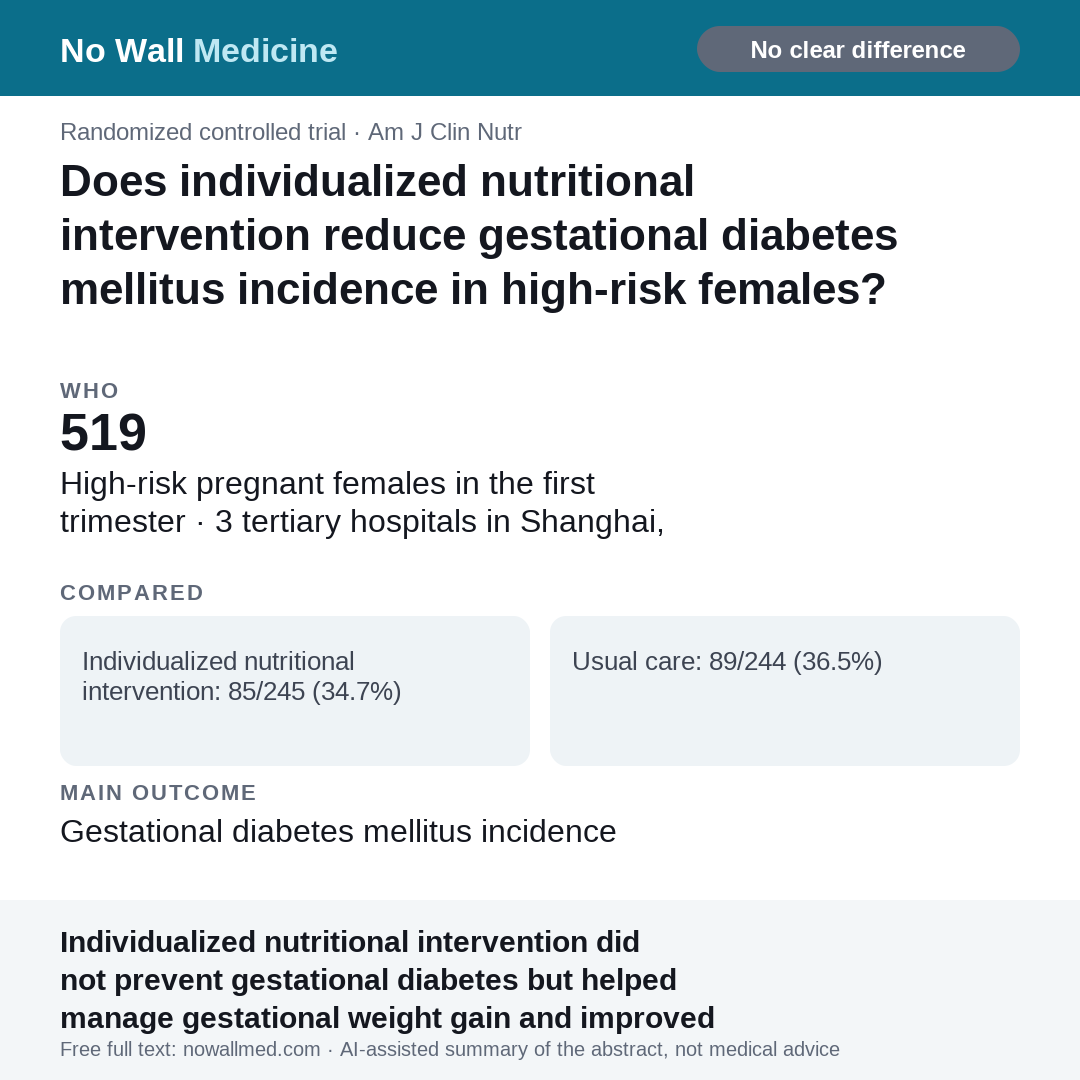
Individualized nutritional intervention compared with routine care for gestational diabetes prevention: a randomized controlled trial
Randomized controlled trialNo clear difference
Does individualized nutritional intervention reduce gestational diabetes mellitus incidence in high-risk females?
Who
519
High-risk pregnant females in the first trimester · 3 tertiary hospitals in Shanghai, China
Compared
Individualized nutritional intervention: 85/245 (34.7%)
Usual care: 89/244 (36.5%)
Main outcome
Gestational diabetes mellitus incidence
Result: adjusted relative risk 0.91 (95% confidence interval: 0.73, 1.15)
Bottom line: Individualized nutritional intervention did not prevent gestational diabetes but helped manage gestational weight gain and improved pregnancy outcomes.
Am J Clin Nutr · 2025-03-11Download image
AI4Food, a feasibility study for the implementation of automated devices in the nutritional advice and follow up within a weight loss intervention
Feasibility prospective and crossover controlled trialBenefit found
Is automated data collection feasible for nutritional advice in weight loss interventions?
Who
93
Overweight and obese participants
Compared
Manual data collection
Automatic data collection
Main outcome
Weight loss and device usability
Bottom line: Automatic data collection devices are feasible and satisfactory for gathering data during nutritional interventions.
Clin Nutr · 2025-03-11Download image
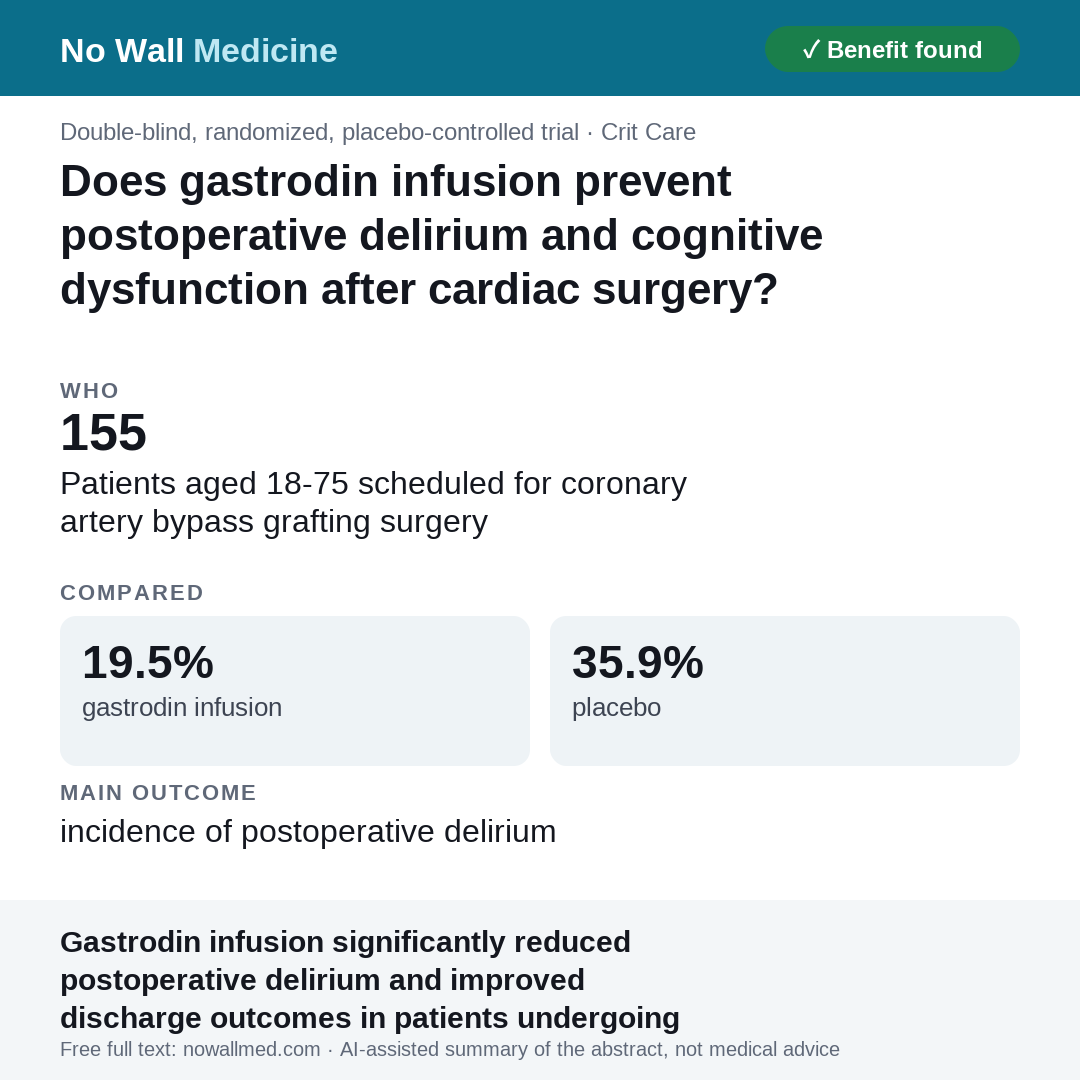
Efficacy and safety of gastrodin in preventing postoperative delirium following cardiac surgery: a randomized placebo controlled clinical trial
Double-blind, randomized, placebo-controlled trialBenefit found
Does gastrodin infusion prevent postoperative delirium and cognitive dysfunction after cardiac surgery?
Who
155
Patients aged 18-75 scheduled for coronary artery bypass grafting surgery
Compared
19.5%gastrodin infusion
35.9%placebo
Main outcome
incidence of postoperative delirium
Result: relative risk 0.54 (95% CI 0.32-0.93)
Bottom line: Gastrodin infusion significantly reduced postoperative delirium and improved discharge outcomes in patients undergoing coronary artery bypass grafting.
Crit Care · 2025-03-11Download image
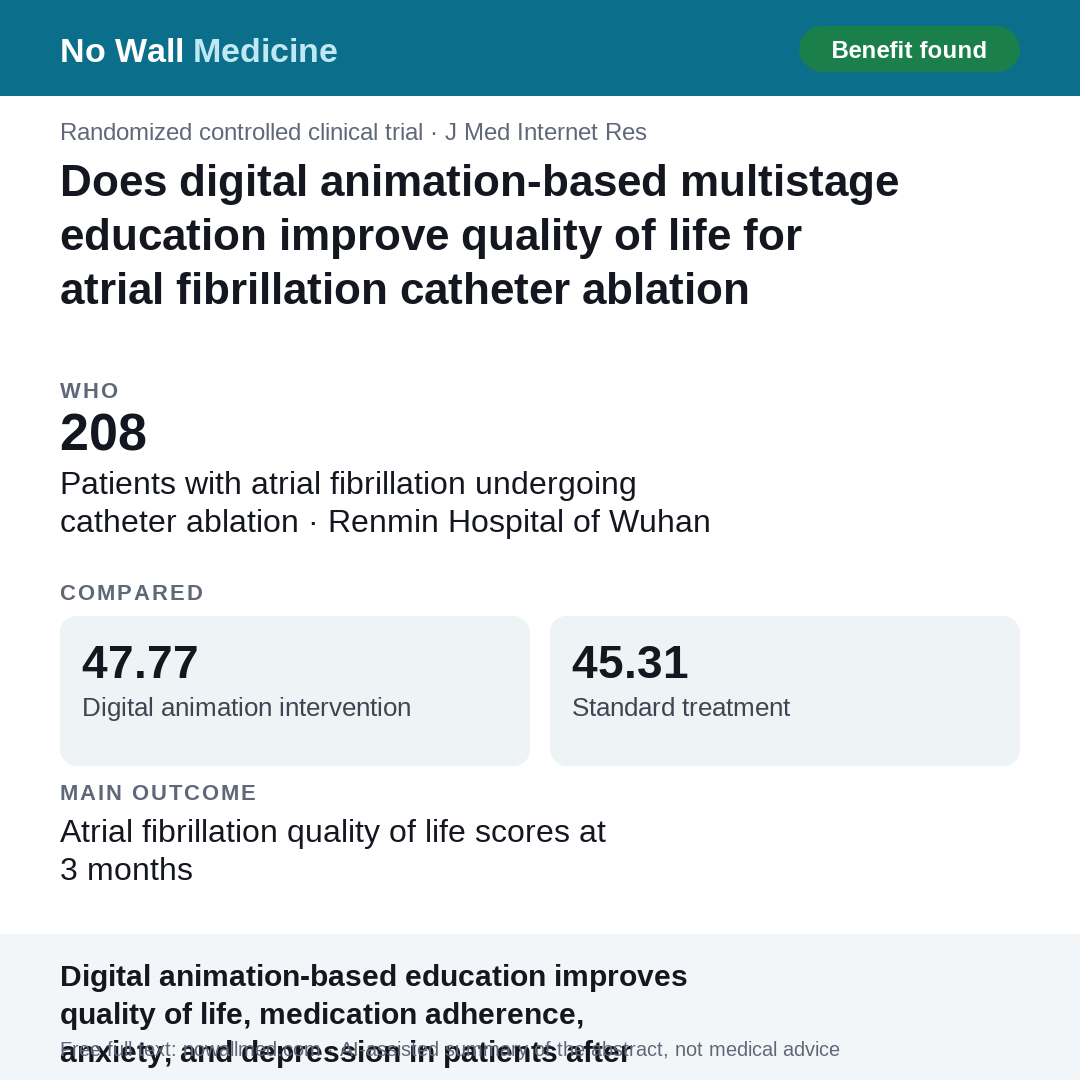
The Effectiveness of Digital Animation-Based Multistage Education for Patients With Atrial Fibrillation Catheter Ablation: Randomized Clinical Trial
Randomized controlled clinical trialBenefit found
Does digital animation-based multistage education improve quality of life for atrial fibrillation catheter ablation patients?
Who
208
Patients with atrial fibrillation undergoing catheter ablation · Renmin Hospital of Wuhan University
Compared
47.77Digital animation intervention (SD 5.74)
45.31Standard treatment (SD 5.71)
Main outcome
Atrial fibrillation quality of life scores at 3 months
Result: mean difference 1.41 (95% CI 2.42-0.40)
Bottom line: Digital animation-based education improves quality of life, medication adherence, anxiety, and depression in patients after catheter ablation.
J Med Internet Res · 2025-03-11Download image
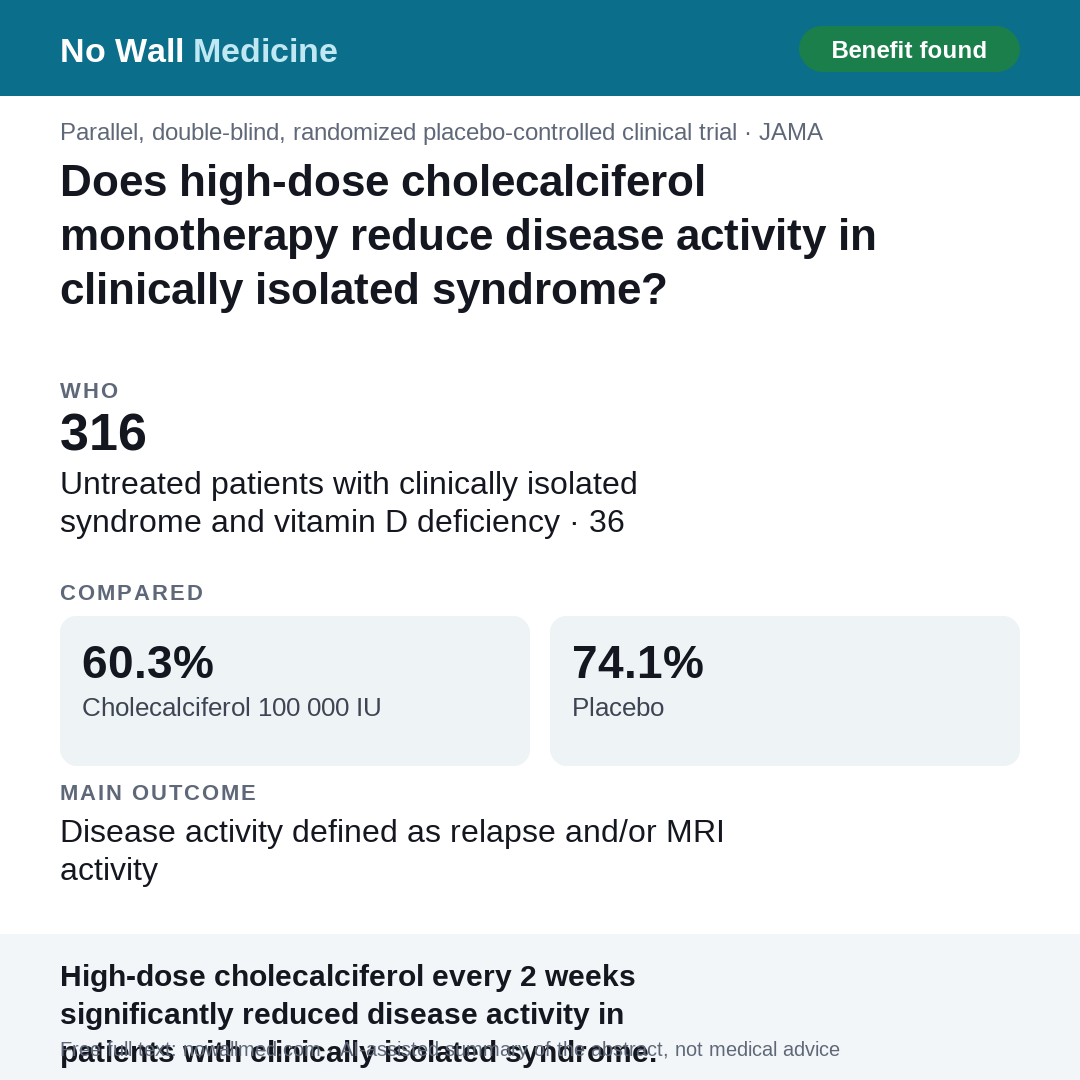
High-Dose Vitamin D in Clinically Isolated Syndrome Typical of Multiple Sclerosis: The D-Lay MS Randomized Clinical Trial
Parallel, double-blind, randomized placebo-controlled clinical trialBenefit found
Does high-dose cholecalciferol monotherapy reduce disease activity in clinically isolated syndrome?
Who
316
Untreated patients with clinically isolated syndrome and vitamin D deficiency · 36 multiple sclerosis centers in France
Compared
60.3%Cholecalciferol 100 000 IU
74.1%Placebo
Main outcome
Disease activity defined as relapse and/or MRI activity
Result: hazard ratio 0.66 (95% CI 0.50-0.87)
Bottom line: High-dose cholecalciferol every 2 weeks significantly reduced disease activity in patients with clinically isolated syndrome.
JAMA · 2025-03-10Download image