Visual abstracts
New randomized trials and meta-analyses from leading journals at a glance: who was studied, what was compared, and what was found. Every paper is free to read in full.
All specialtiesCardiology 4877Oncology 4138Gastroenterology & Hepatology 1942Infectious Disease 3837Neurology 1905Psychiatry & Mental Health 2273Pulmonology 2143Critical Care 1365Endocrinology & Diabetes 2580Pediatrics 2980Surgery 2559Orthopedics & Sports Medicine 931Neurosurgery 537Cardiothoracic & Vascular Surgery 674Plastic & Reconstructive Surgery 591Nephrology 1133Rheumatology 823Hematology 1109Dermatology 621Ophthalmology 543Obstetrics & Gynecology 1686Public & Global Health 1058Radiology & Imaging 648Anesthesiology 986Urology 764ENT (Otolaryngology) 503Emergency Medicine 511Allergy & Immunology 313Geriatrics 981Family Medicine & Primary Care 562Medical Genetics & Genomics 676Pathology & Laboratory Medicine 159Physical Medicine & Rehabilitation 757Palliative Care 444Nutrition 1588Digital Health & AI 2201General Medicine 321
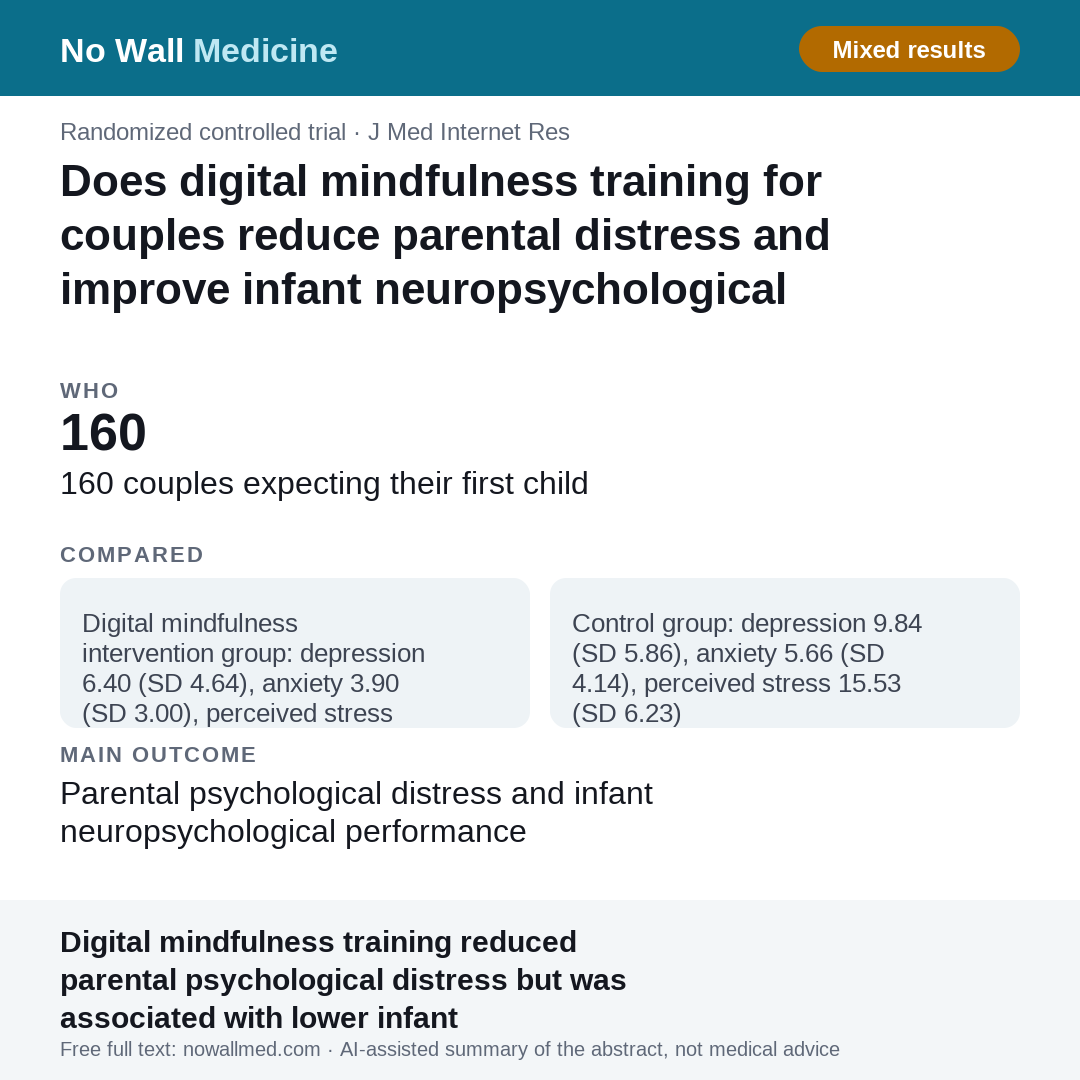
Effects of Digital Mindfulness Training for Couples on Psychological Distress and Infant Neuropsychological Development: Randomized Controlled Trial
Randomized controlled trialMixed results
Does digital mindfulness training for couples reduce parental distress and improve infant neuropsychological development?
Who
160
160 couples expecting their first child
Compared
Digital mindfulness intervention group: depression 6.40 (SD 4.64), anxiety 3.90 (SD 3.00), perceived stress 11.50 (SD 5.76)
Control group: depression 9.84 (SD 5.86), anxiety 5.66 (SD 4.14), perceived stress 15.53 (SD 6.23)
Main outcome
Parental psychological distress and infant neuropsychological performance
Bottom line: Digital mindfulness training reduced parental psychological distress but was associated with lower infant neuropsychological scores at six weeks postpartum.
J Med Internet Res · 2025-11-21Download image
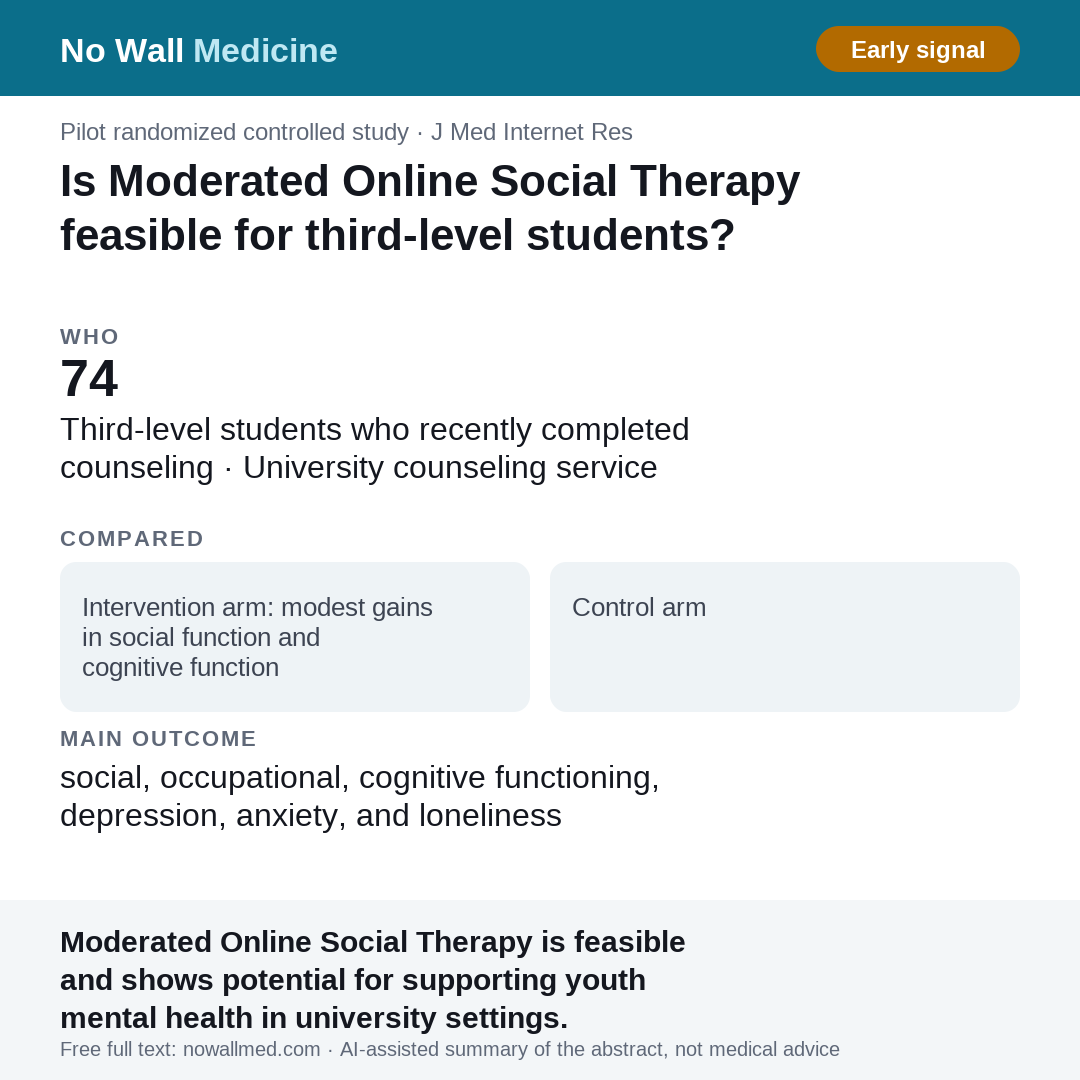
Moderated Online Social Therapy (MOST) in Help-Seeking Young People: Pilot Randomized Controlled Study
Pilot randomized controlled studyBenefit found
Is Moderated Online Social Therapy feasible for third-level students?
Who
74
Third-level students who recently completed counseling · University counseling service
Compared
Intervention arm: modest gains in social function and cognitive function
Control arm
Main outcome
social, occupational, cognitive functioning, depression, anxiety, and loneliness
Bottom line: Moderated Online Social Therapy is feasible and shows potential for supporting youth mental health in university settings.
J Med Internet Res · 2025-11-21Download image
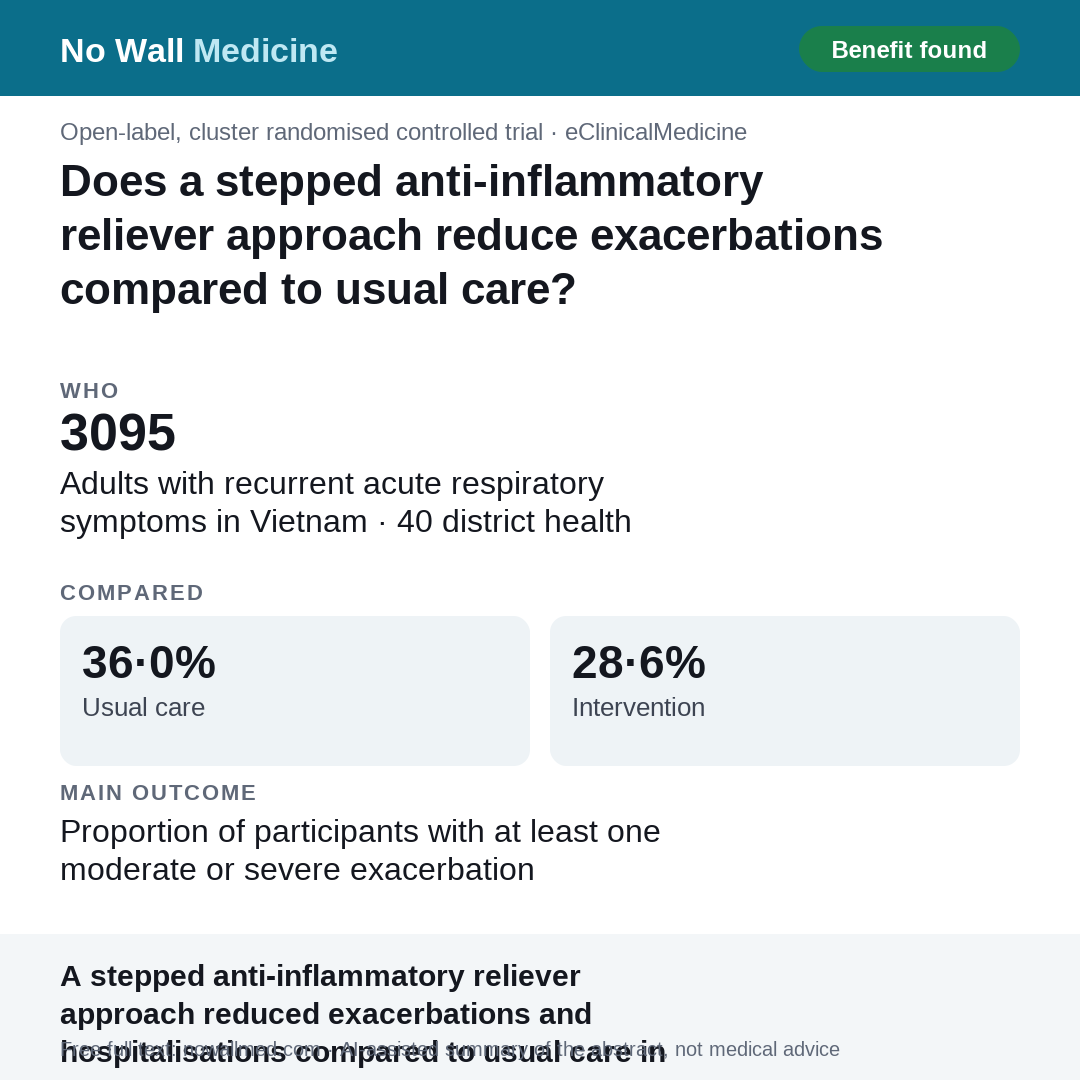
Implementation of a stepped anti-inflammatory reliever therapy intervention with budesonide-formoterol 160/4·5 mcg by Turbuhaler versus usual care for adults presenting during exacerbations of obstructive lung disease suggestive of asthma or chronic obstructive pulmonary disease in a resource-limited setting: an open-label, cluster randomised trial
Open-label, cluster randomised controlled trialBenefit found
Does a stepped anti-inflammatory reliever approach reduce exacerbations compared to usual care?
Who
3095
Adults with recurrent acute respiratory symptoms in Vietnam · 40 district health facilities in Vietnam
Compared
36·0%Usual care (511/1421)
28·6%Intervention (478/1674)
Main outcome
Proportion of participants with at least one moderate or severe exacerbation
Result: relative risk (RR) 0·794; 95% CI 0·649-0·971
Bottom line: A stepped anti-inflammatory reliever approach reduced exacerbations and hospitalisations compared to usual care in resource-limited settings.
Funded by: National Health and Medical Research Council of Australia
eClinicalMedicine · 2025-11-20Download image
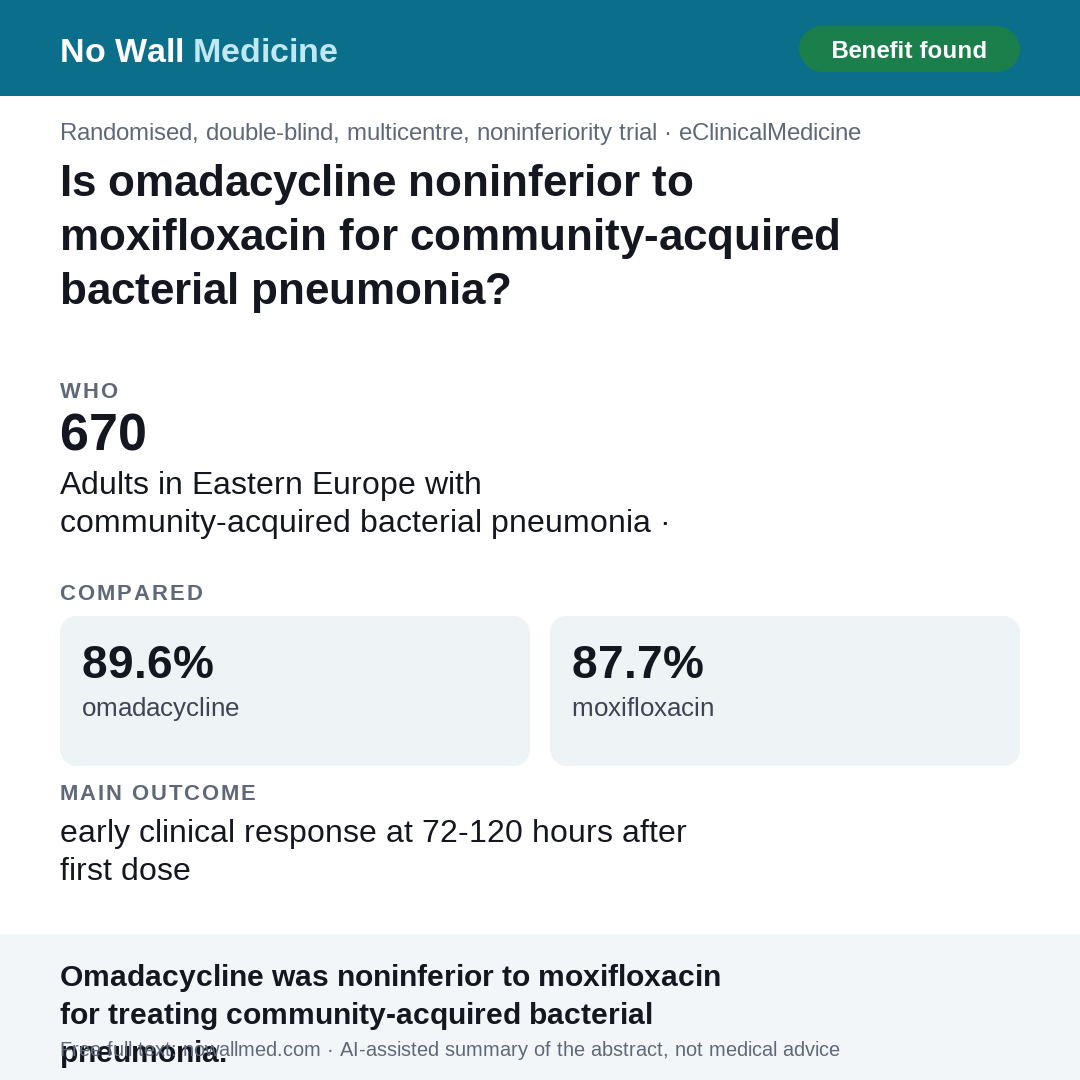
Omadacycline versus moxifloxacin for community-acquired bacterial pneumonia (OPTIC-2): a phase 3b, randomised, double-blind, multicentre, controlled, noninferiority trial
Randomised, double-blind, multicentre, noninferiority trialBenefit found
Is omadacycline noninferior to moxifloxacin for community-acquired bacterial pneumonia?
Who
670
Adults in Eastern Europe with community-acquired bacterial pneumonia · Eastern Europe
Compared
89.6%omadacycline
87.7%moxifloxacin
Main outcome
early clinical response at 72-120 hours after first dose
Result: treatment difference [95% CI]: 1.9 [-3.0, 6.8]
Bottom line: Omadacycline was noninferior to moxifloxacin for treating community-acquired bacterial pneumonia.
Funded by: Paratek Pharmaceuticals, Inc. and U.S. Department of Health and Human Services
eClinicalMedicine · 2025-11-20Download image
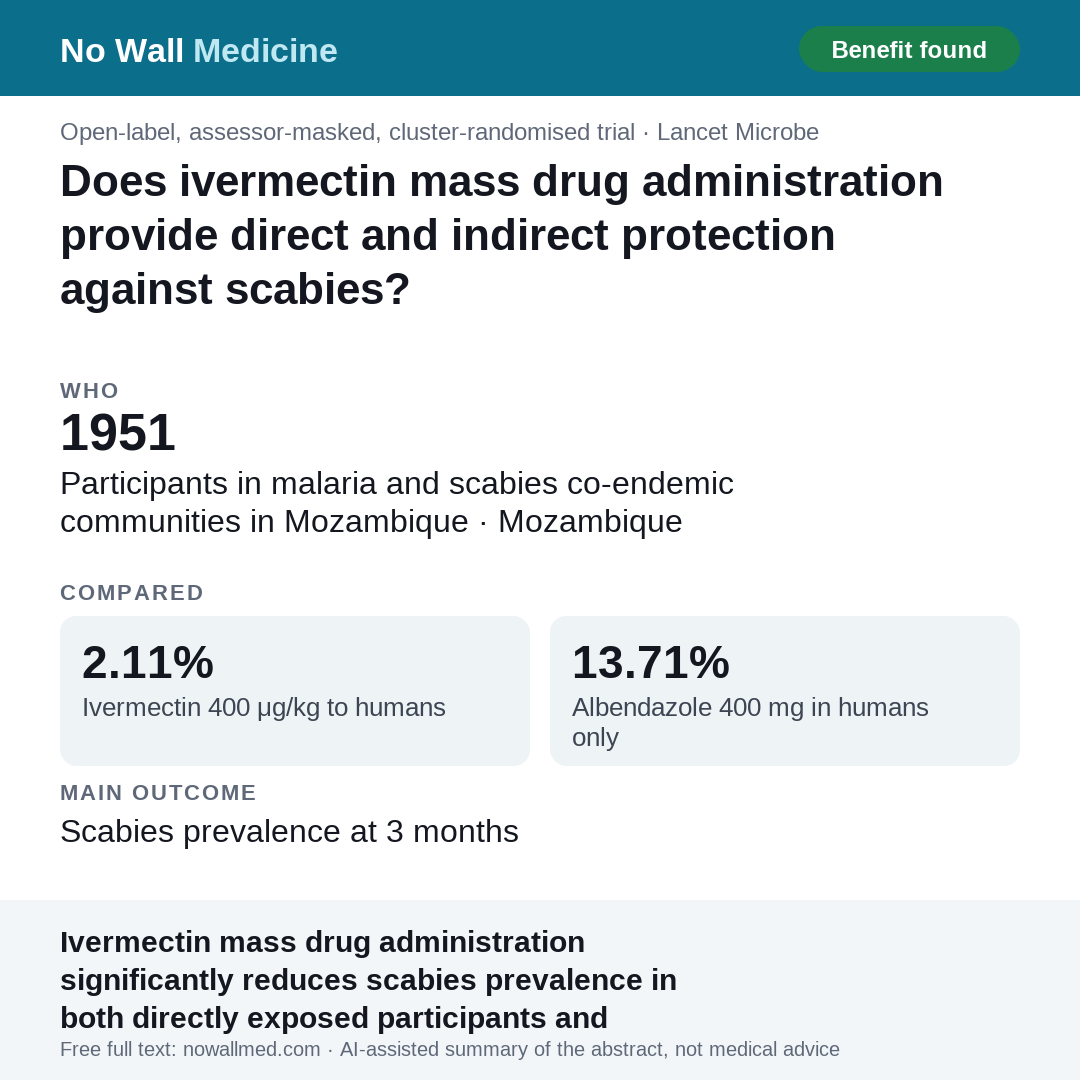
Direct and indirect protection against scabies through ivermectin mass drug administration designed for malaria in Mozambique: a substudy nested within a cluster-randomised, controlled trial
Open-label, assessor-masked, cluster-randomised trialBenefit found
Does ivermectin mass drug administration provide direct and indirect protection against scabies?
Who
1951
Participants in malaria and scabies co-endemic communities in Mozambique · Mozambique
Compared
2.11%Ivermectin 400 μg/kg to humans (95% CI 1.21-3.41)
13.71%Albendazole 400 mg in humans only (10.81-17.05)
Main outcome
Scabies prevalence at 3 months
Result: adjusted odds ratio 0.18 (95% CI 0.07-0.45)
Bottom line: Ivermectin mass drug administration significantly reduces scabies prevalence in both directly exposed participants and indirectly exposed children.
Funded by: Unitaid
Lancet Microbe · 2025-11-20Download image
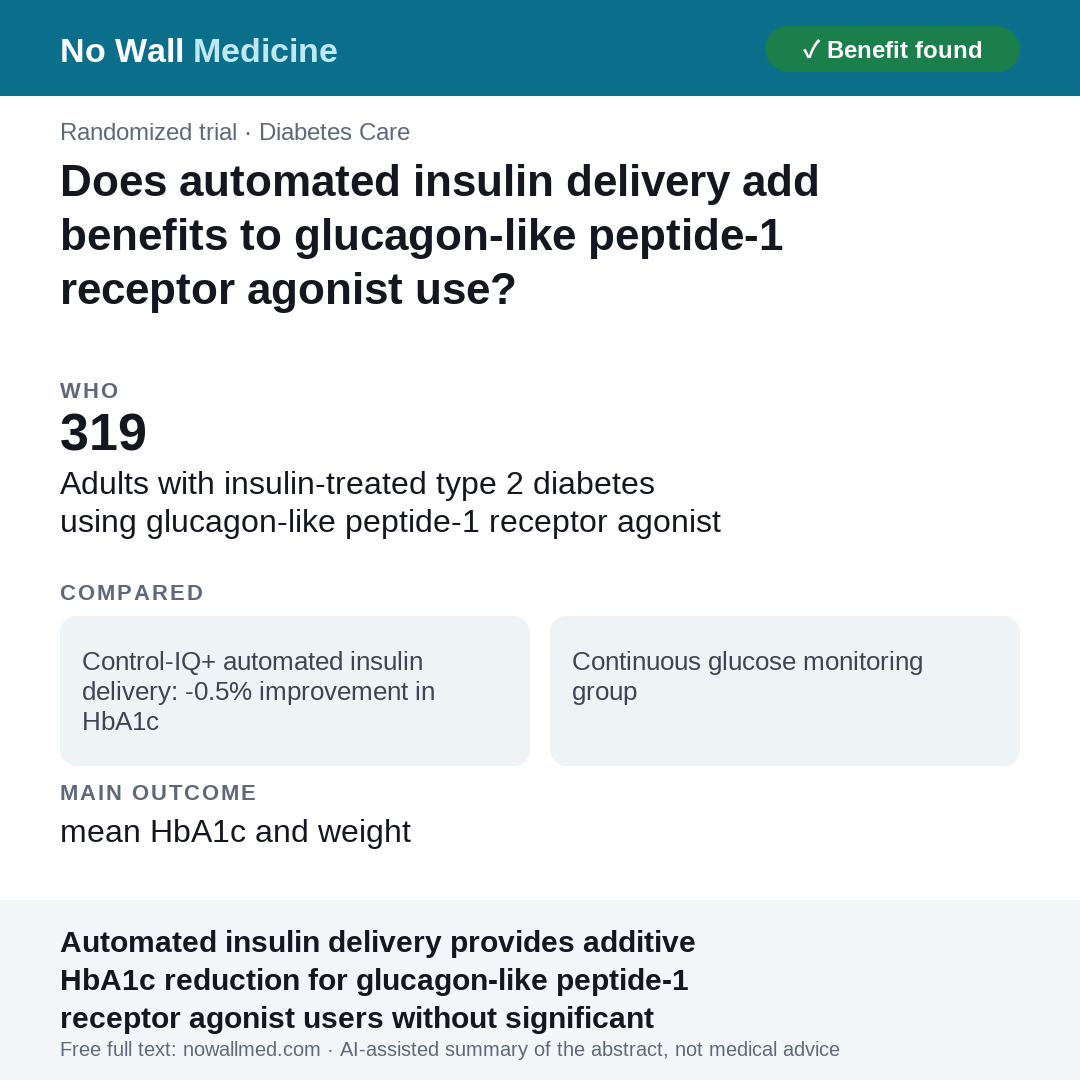
Additive Benefits of Control-IQ+ AID to GLP-1 Receptor Agonist Use in Adults With Type 2 Diabetes
Randomized trialBenefit found
Does automated insulin delivery add benefits to glucagon-like peptide-1 receptor agonist use?
Who
319
Adults with insulin-treated type 2 diabetes using glucagon-like peptide-1 receptor agonist
Compared
Control-IQ+ automated insulin delivery: -0.5% improvement in HbA1c
Continuous glucose monitoring group
Main outcome
mean HbA1c and weight
Result: mean improvement of -0.5% (95% CI -0.8 to -0.3, P < 0.001)
Bottom line: Automated insulin delivery provides additive HbA1c reduction for glucagon-like peptide-1 receptor agonist users without significant weight gain.
Diabetes Care · 2025-11-20Download image
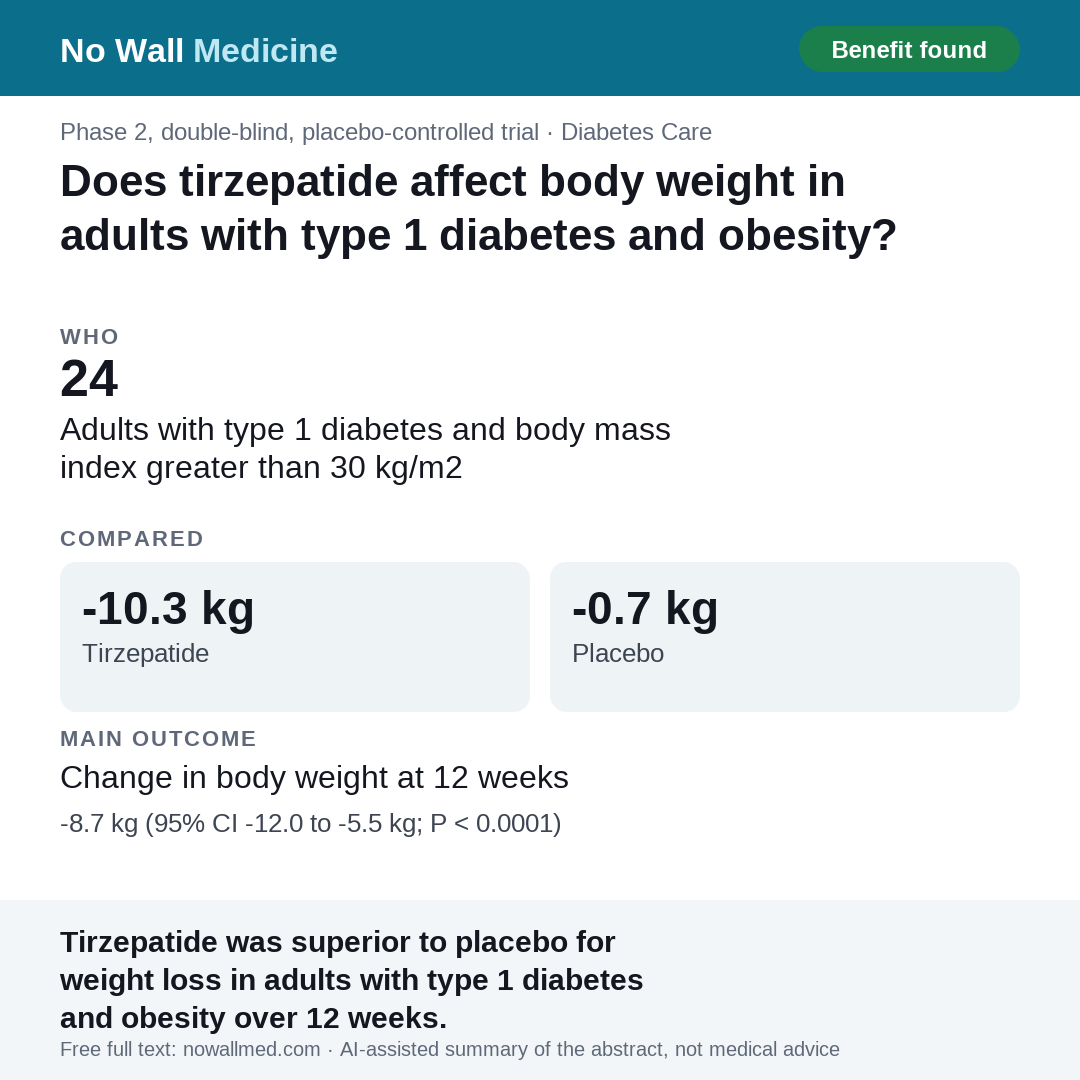
Tirzepatide in Adults With Type 1 Diabetes: A Phase 2 Randomized Placebo-Controlled Clinical Trial
Phase 2, double-blind, placebo-controlled trialBenefit found
Does tirzepatide affect body weight in adults with type 1 diabetes and obesity?
Who
24
Adults with type 1 diabetes and body mass index greater than 30 kg/m2
Compared
-10.3 kgTirzepatide (95% CI -12.8 to -7.7 kg)
-0.7 kgPlacebo (95% CI -1.4 to 2.8 kg)
Main outcome
Change in body weight at 12 weeks
Result: -8.7 kg (95% CI -12.0 to -5.5 kg; P < 0.0001)
Bottom line: Tirzepatide was superior to placebo for weight loss in adults with type 1 diabetes and obesity over 12 weeks.
Diabetes Care · 2025-11-20Download image
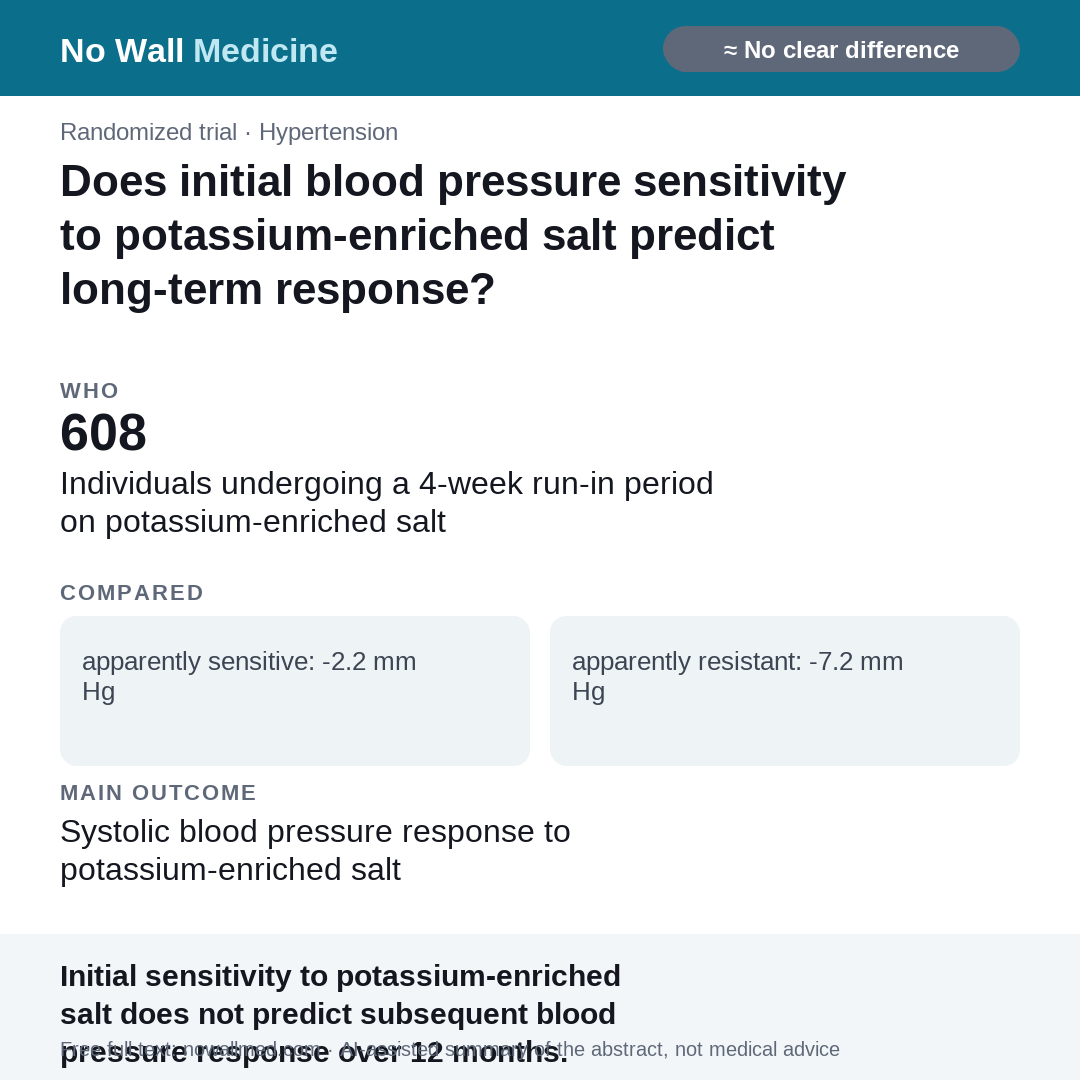
Consistency of Blood Pressure Response to Potassium-Enriched Salt in the China Salt Substitute Study
Randomized trialNo clear difference
Does initial blood pressure sensitivity to potassium-enriched salt predict long-term response?
Who
608
Individuals undergoing a 4-week run-in period on potassium-enriched salt
Compared
apparently sensitive: -2.2 mm Hg
apparently resistant: -7.2 mm Hg
Main outcome
Systolic blood pressure response to potassium-enriched salt
Result: no difference between the 2 groups (P=0.068)
Bottom line: Initial sensitivity to potassium-enriched salt does not predict subsequent blood pressure response over 12 months.
Hypertension · 2025-11-20Download image
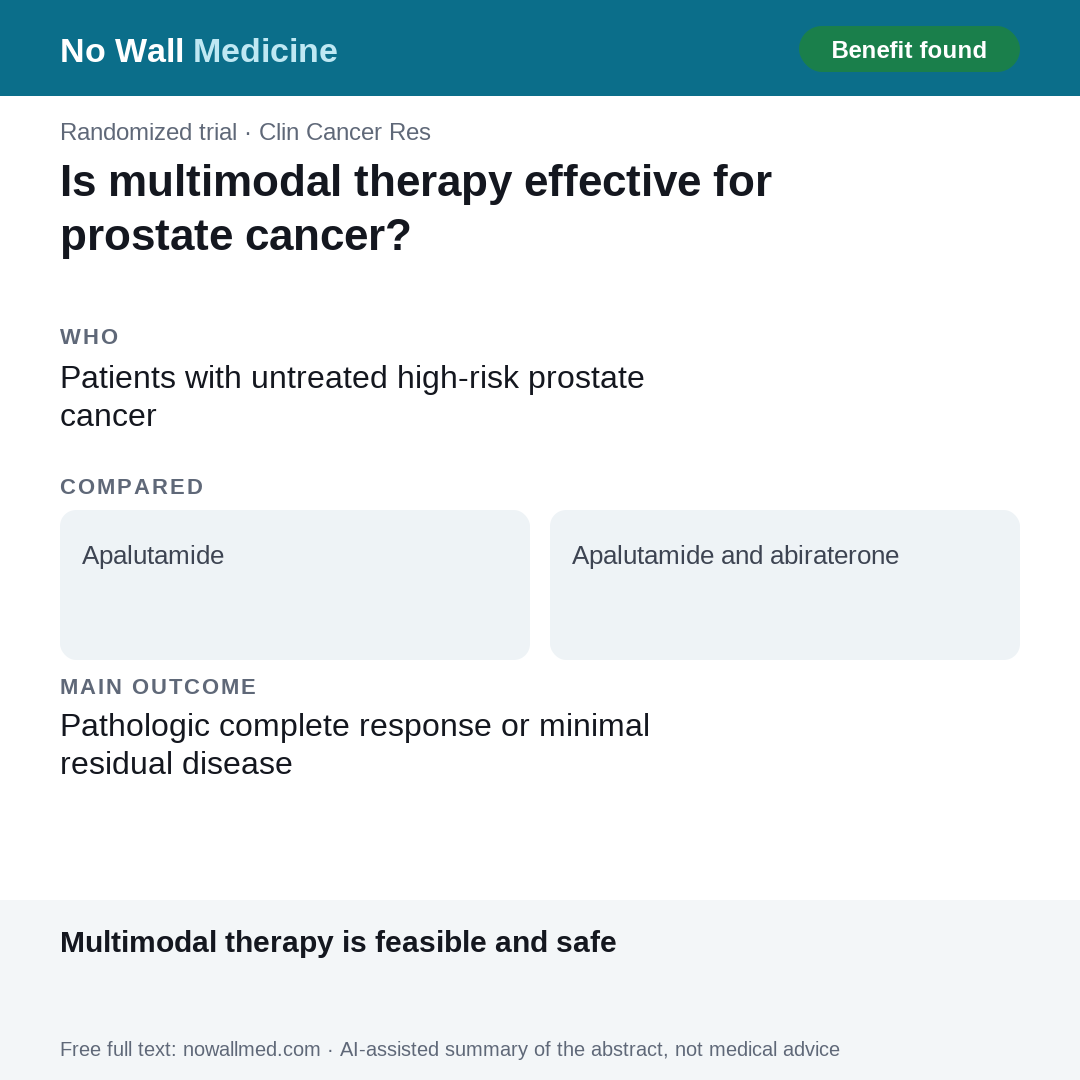
Accelerating Drug Development in Hormone-Naïve Prostate Cancer through Multimodal Therapy Strategies: The MetaCURE Phase 2 Randomized Clinical Trial
Randomized trialBenefit found
Is multimodal therapy effective for prostate cancer?
Who
Patients with untreated high-risk prostate cancer
Compared
Apalutamide
Apalutamide and abiraterone
Main outcome
Pathologic complete response or minimal residual disease
Bottom line: Multimodal therapy is feasible and safe
Clin Cancer Res · 2025-11-20Download image
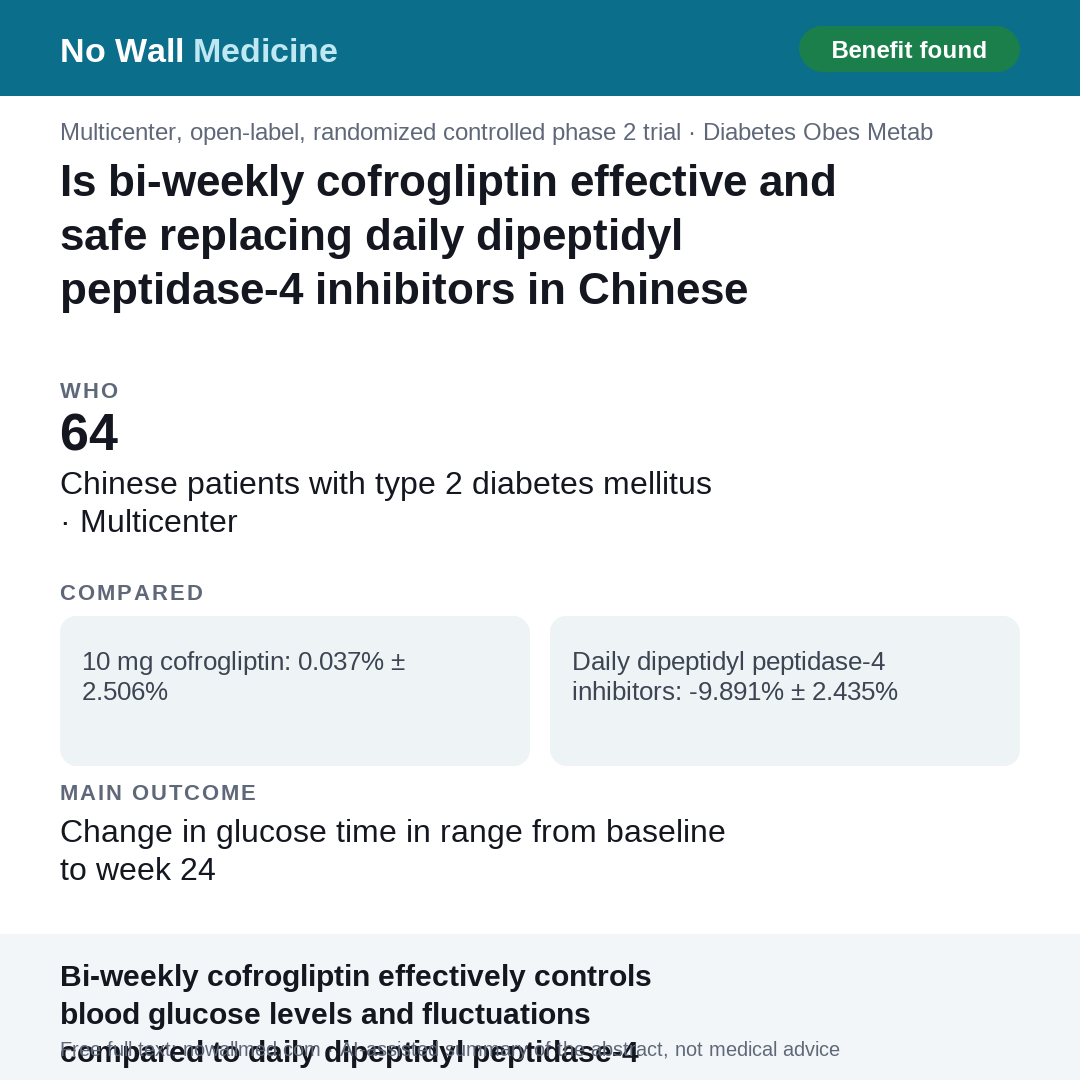
Efficacy and safety of bi-weekly cofrogliptin treatment replacing daily dipeptidyl peptidase-4 inhibitors in Chinese patients with type 2 diabetes mellitus: A multicenter, open-label, randomized controlled phase 2 trial
Multicenter, open-label, randomized controlled phase 2 trialBenefit found
Is bi-weekly cofrogliptin effective and safe replacing daily dipeptidyl peptidase-4 inhibitors in Chinese patients?
Who
64
Chinese patients with type 2 diabetes mellitus · Multicenter
Compared
10 mg cofrogliptin: 0.037% ± 2.506%
Daily dipeptidyl peptidase-4 inhibitors: -9.891% ± 2.435%
Main outcome
Change in glucose time in range from baseline to week 24
Result: LS mean difference 9.929% (95% confidence interval: 3.064%-16.793%)
Bottom line: Bi-weekly cofrogliptin effectively controls blood glucose levels and fluctuations compared to daily dipeptidyl peptidase-4 inhibitors in Chinese patients.
Diabetes Obes Metab · 2025-11-20Download image
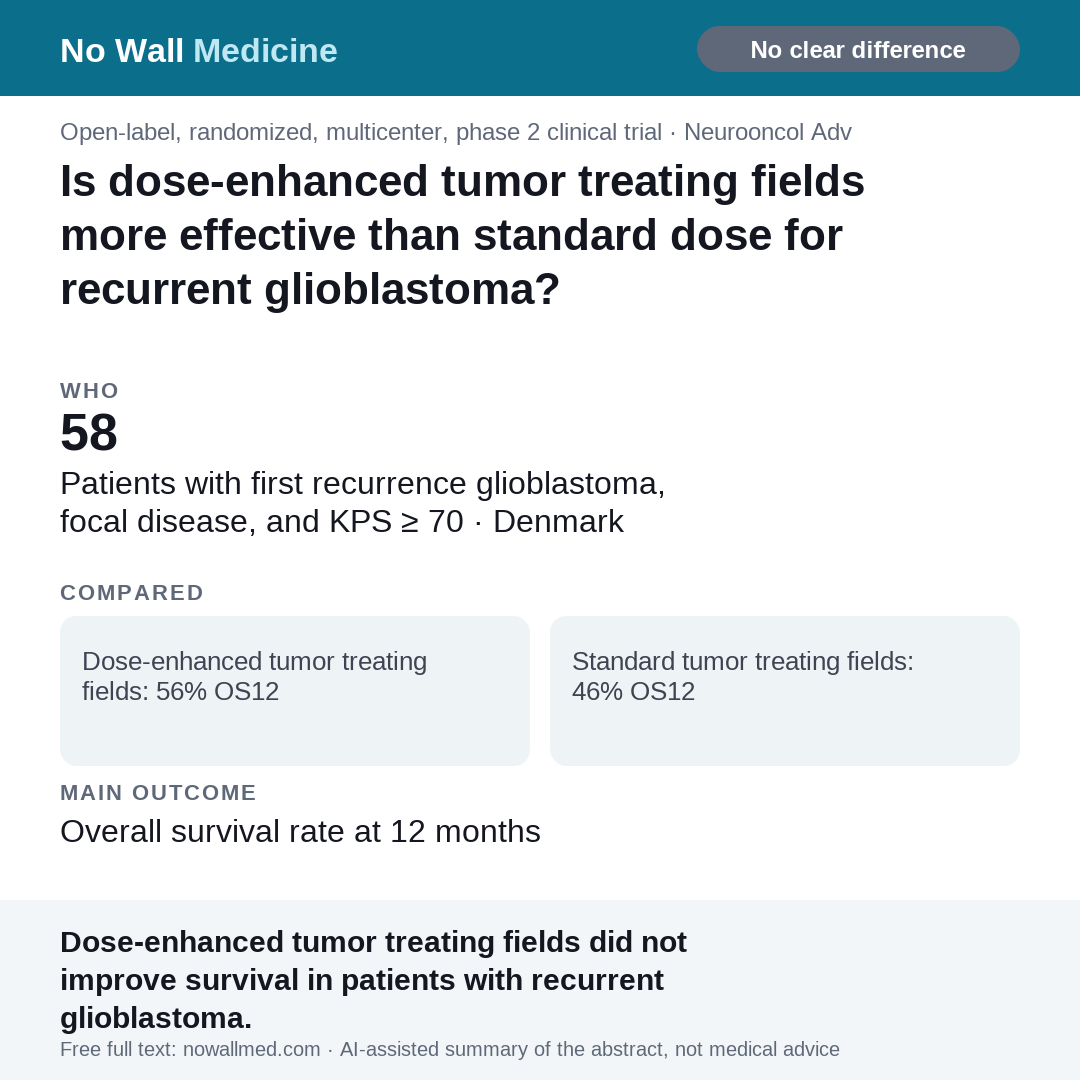
Dose-enhanced versus standard TTFields for first recurrence of glioblastoma: A randomized phase 2 clinical trial
Open-label, randomized, multicenter, phase 2 clinical trialNo clear difference
Is dose-enhanced tumor treating fields more effective than standard dose for recurrent glioblastoma?
Who
58
Patients with first recurrence glioblastoma, focal disease, and KPS ≥ 70 · Denmark
Compared
Dose-enhanced tumor treating fields: 56% OS12
Standard tumor treating fields: 46% OS12
Main outcome
Overall survival rate at 12 months
Bottom line: Dose-enhanced tumor treating fields did not improve survival in patients with recurrent glioblastoma.
Limitation: Low study power
Neurooncol Adv · 2025-11-20Download image
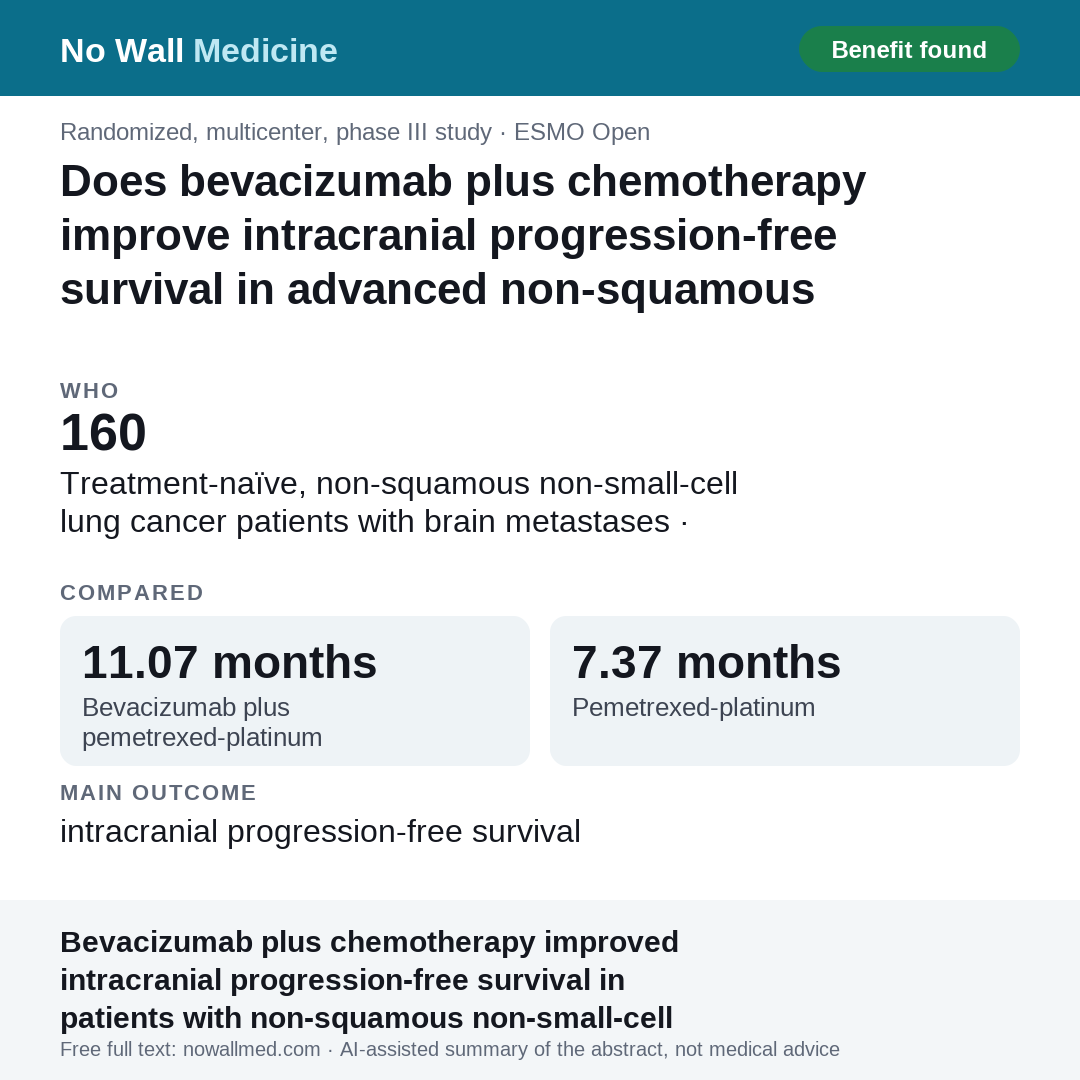
Bevacizumab plus chemotherapy versus chemotherapy in untreated advanced non-squamous non-small-cell lung cancer patients with brain metastases (BAP BRAIN): an open-label, randomized, multicenter, phase III study
Randomized, multicenter, phase III studyBenefit found
Does bevacizumab plus chemotherapy improve intracranial progression-free survival in advanced non-squamous non-small-cell lung cancer?
Who
160
Treatment-naïve, non-squamous non-small-cell lung cancer patients with brain metastases · 11 centers in China
Compared
11.07 monthsBevacizumab plus pemetrexed-platinum
7.37 monthsPemetrexed-platinum
Main outcome
intracranial progression-free survival
Result: hazard ratio 0.494, P < 0.001
Bottom line: Bevacizumab plus chemotherapy improved intracranial progression-free survival in patients with non-squamous non-small-cell lung cancer and brain metastases.
ESMO Open · 2025-11-20Download image
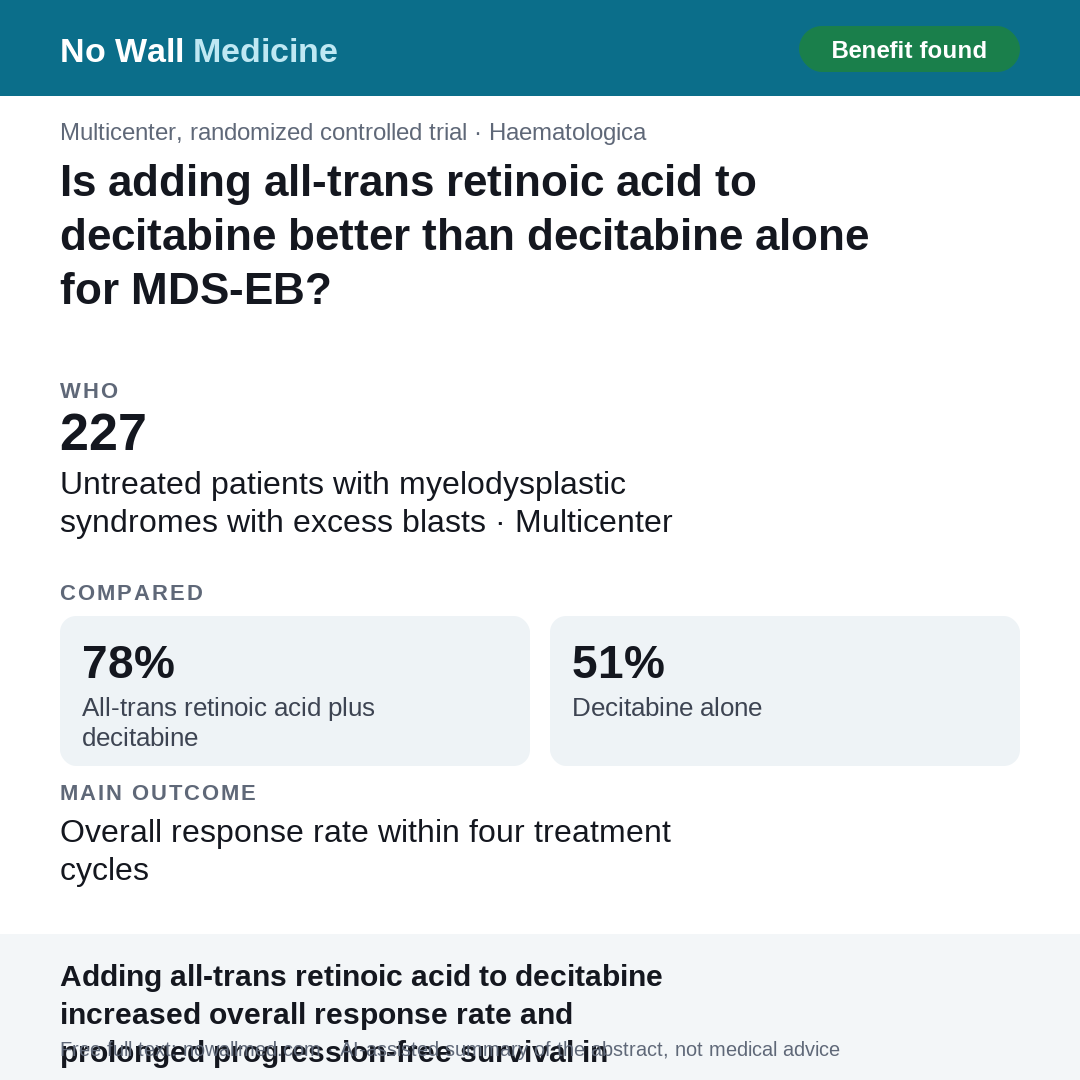
Decitabine plus all-trans retinoic acid versus decitabine monotherapy for myelodysplastic syndromes with excess blasts: a multicenter, randomized controlled trial
Multicenter, randomized controlled trialBenefit found
Is adding all-trans retinoic acid to decitabine better than decitabine alone for MDS-EB?
Who
227
Untreated patients with myelodysplastic syndromes with excess blasts · Multicenter
Compared
78%All-trans retinoic acid plus decitabine (86/110)
51%Decitabine alone (58/113)
Main outcome
Overall response rate within four treatment cycles
Result: odds ratio =3.40; 95% confidence interval [CI]: 1.90-6.09
Bottom line: Adding all-trans retinoic acid to decitabine increased overall response rate and prolonged progression-free survival in MDS-EB patients.
Haematologica · 2025-11-20Download image
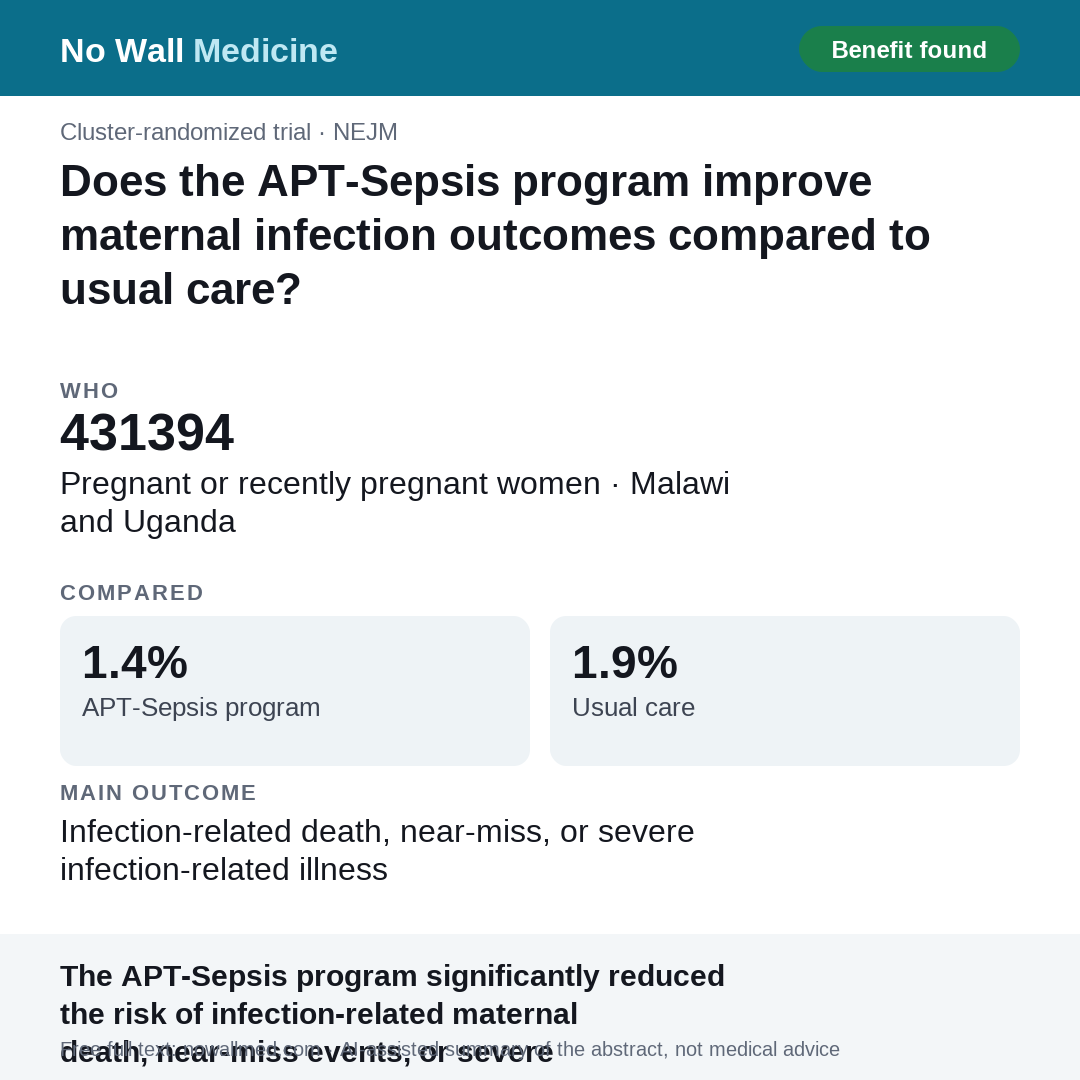
A Multicomponent Intervention to Improve Maternal Infection Outcomes
Cluster-randomized trialBenefit found
Does the APT-Sepsis program improve maternal infection outcomes compared to usual care?
Who
431394
Pregnant or recently pregnant women · Malawi and Uganda
Compared
1.4%APT-Sepsis program
1.9%Usual care
Main outcome
Infection-related death, near-miss, or severe infection-related illness
Result: risk ratio 0.68 (95% confidence interval 0.55 to 0.83)
Bottom line: The APT-Sepsis program significantly reduced the risk of infection-related maternal death, near-miss events, or severe infection-related illness.
Funded by: Joint Global Health Trials scheme and others
NEJM · 2025-11-19Download image
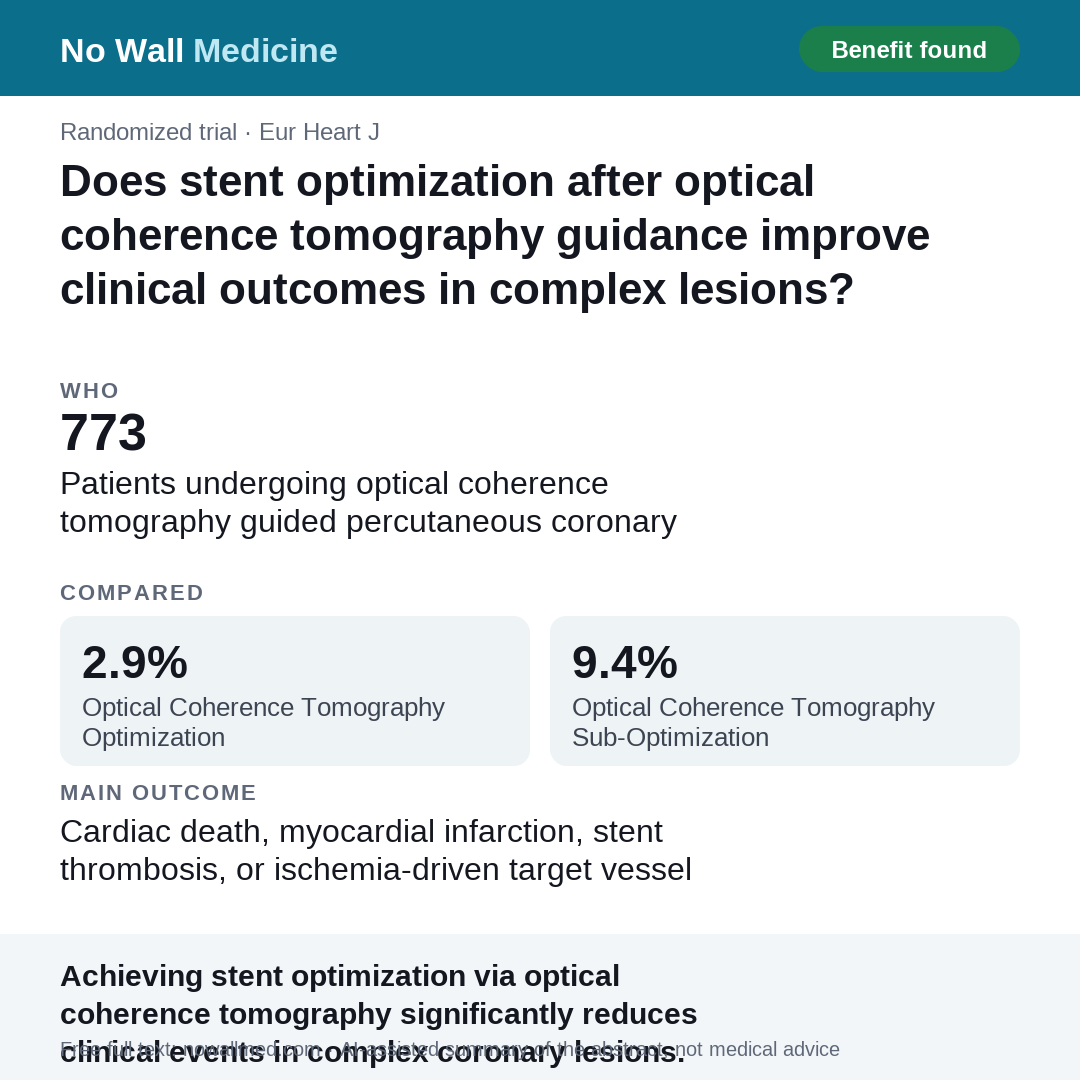
Optical coherence tomography-guided stent optimization for complex coronary lesions: the OCCUPI trial
Randomized trialBenefit found
Does stent optimization after optical coherence tomography guidance improve clinical outcomes in complex lesions?
Who
773
Patients undergoing optical coherence tomography guided percutaneous coronary intervention
Compared
2.9%Optical Coherence Tomography Optimization
9.4%Optical Coherence Tomography Sub-Optimization
Main outcome
Cardiac death, myocardial infarction, stent thrombosis, or ischemia-driven target vessel revascularization
Result: hazard ratio 0.30 (95% CI 0.16-0.58)
Bottom line: Achieving stent optimization via optical coherence tomography significantly reduces clinical events in complex coronary lesions.
Eur Heart J · 2025-11-19Download image
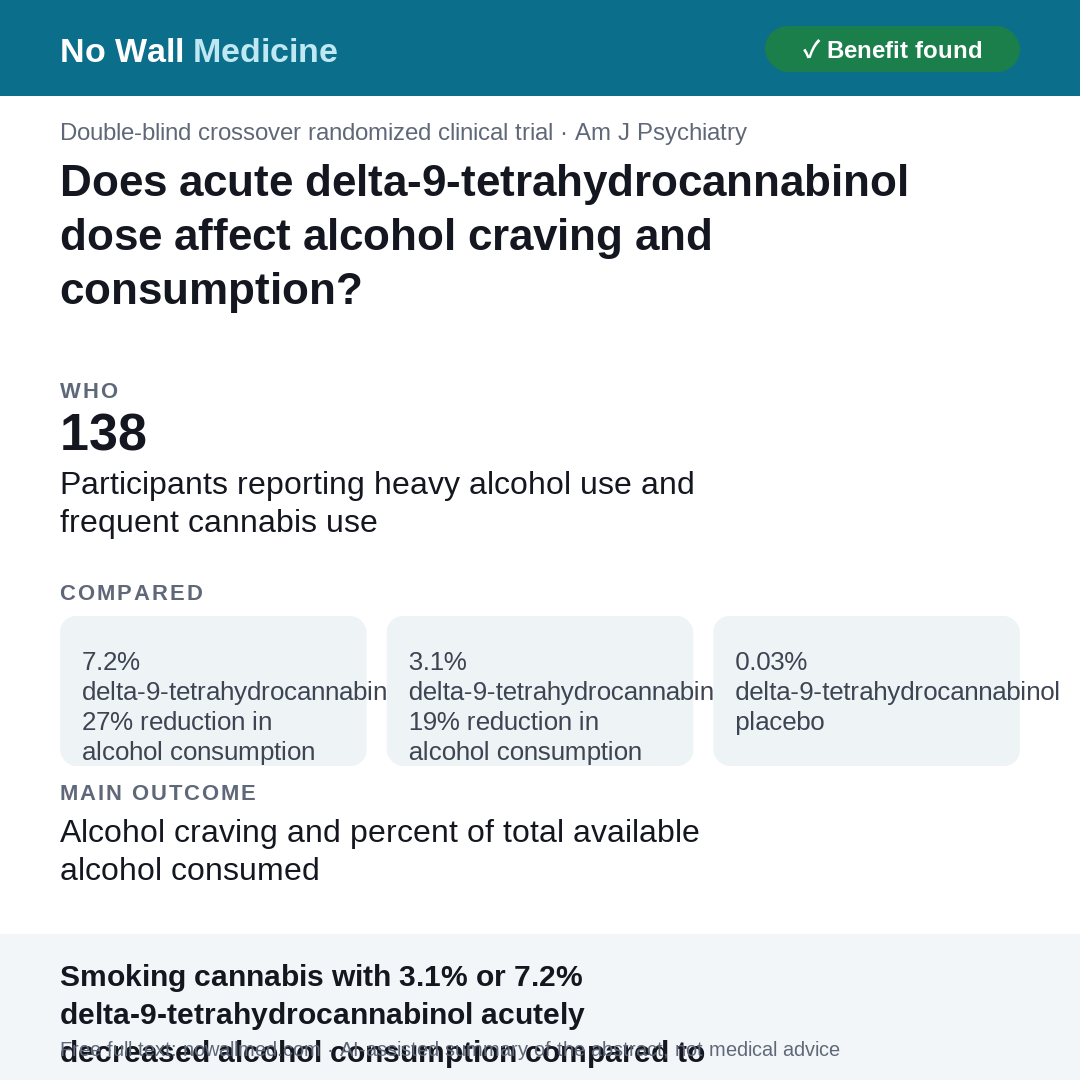
Acute Effects of Cannabis on Alcohol Craving and Consumption: A Randomized Controlled Crossover Trial
Double-blind crossover randomized clinical trialBenefit found
Does acute delta-9-tetrahydrocannabinol dose affect alcohol craving and consumption?
Who
138
Participants reporting heavy alcohol use and frequent cannabis use
Compared
7.2% delta-9-tetrahydrocannabinol: 27% reduction in alcohol consumption
3.1% delta-9-tetrahydrocannabinol: 19% reduction in alcohol consumption
0.03% delta-9-tetrahydrocannabinol placebo
Main outcome
Alcohol craving and percent of total available alcohol consumed
Bottom line: Smoking cannabis with 3.1% or 7.2% delta-9-tetrahydrocannabinol acutely decreased alcohol consumption compared to placebo.
Limitation: Further controlled research on a variety of cannabinoids is needed.
Am J Psychiatry · 2025-11-19Download image
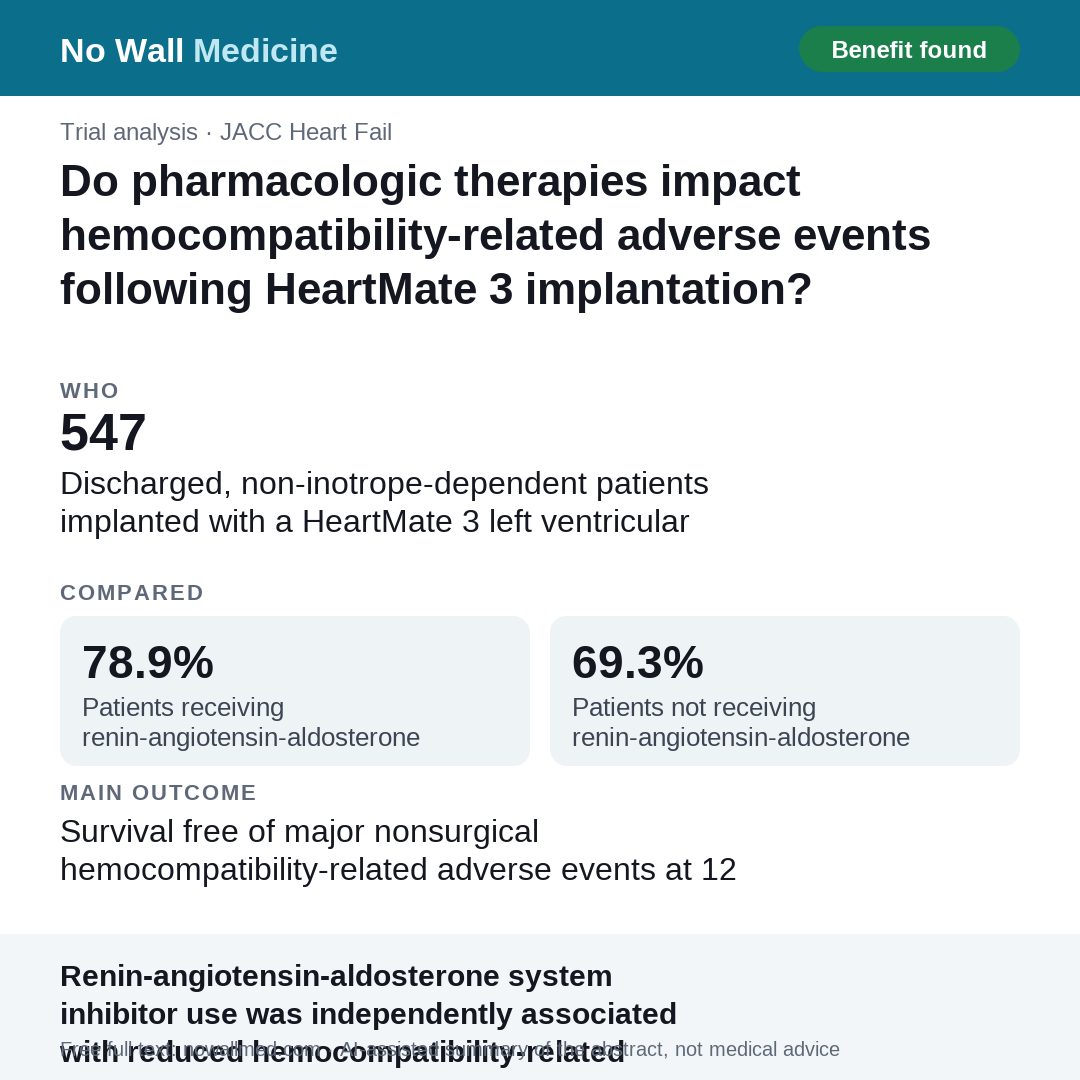
Hemocompatibility Outcomes With Pharmacological Therapy Following LVAD Implantation: Insights From the ARIES-HM3 Trial
Trial analysisBenefit found
Do pharmacologic therapies impact hemocompatibility-related adverse events following HeartMate 3 implantation?
Who
547
Discharged, non-inotrope-dependent patients implanted with a HeartMate 3 left ventricular assist device
Compared
78.9%Patients receiving renin-angiotensin-aldosterone system inhibitors
69.3%Patients not receiving renin-angiotensin-aldosterone system inhibitors
Main outcome
Survival free of major nonsurgical hemocompatibility-related adverse events at 12 months
Result: hazard ratio 0.61 (95% CI 0.37-1.01)
Bottom line: Renin-angiotensin-aldosterone system inhibitor use was independently associated with reduced hemocompatibility-related adverse events.
Limitation: These were exploratory observations.
JACC Heart Fail · 2025-11-19Download image
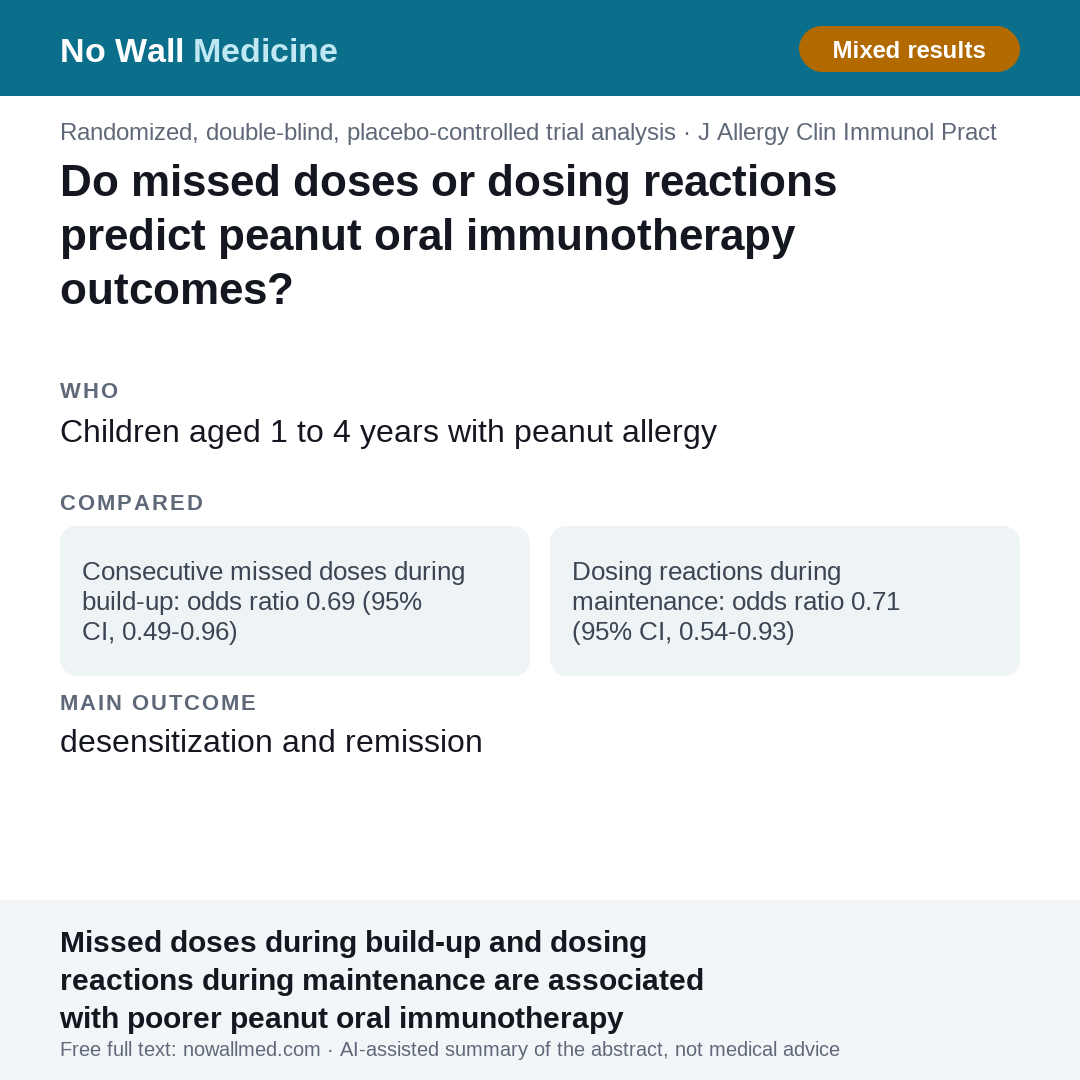
Dosing Reactions and Missed Doses Affect Peanut Oral Immunotherapy Outcomes
Randomized, double-blind, placebo-controlled trial analysisMixed results
Do missed doses or dosing reactions predict peanut oral immunotherapy outcomes?
Who
Children aged 1 to 4 years with peanut allergy
Compared
Consecutive missed doses during build-up: odds ratio 0.69 (95% CI, 0.49-0.96)
Dosing reactions during maintenance: odds ratio 0.71 (95% CI, 0.54-0.93)
Main outcome
desensitization and remission
Bottom line: Missed doses during build-up and dosing reactions during maintenance are associated with poorer peanut oral immunotherapy outcomes.
J Allergy Clin Immunol Pract · 2025-11-19Download image
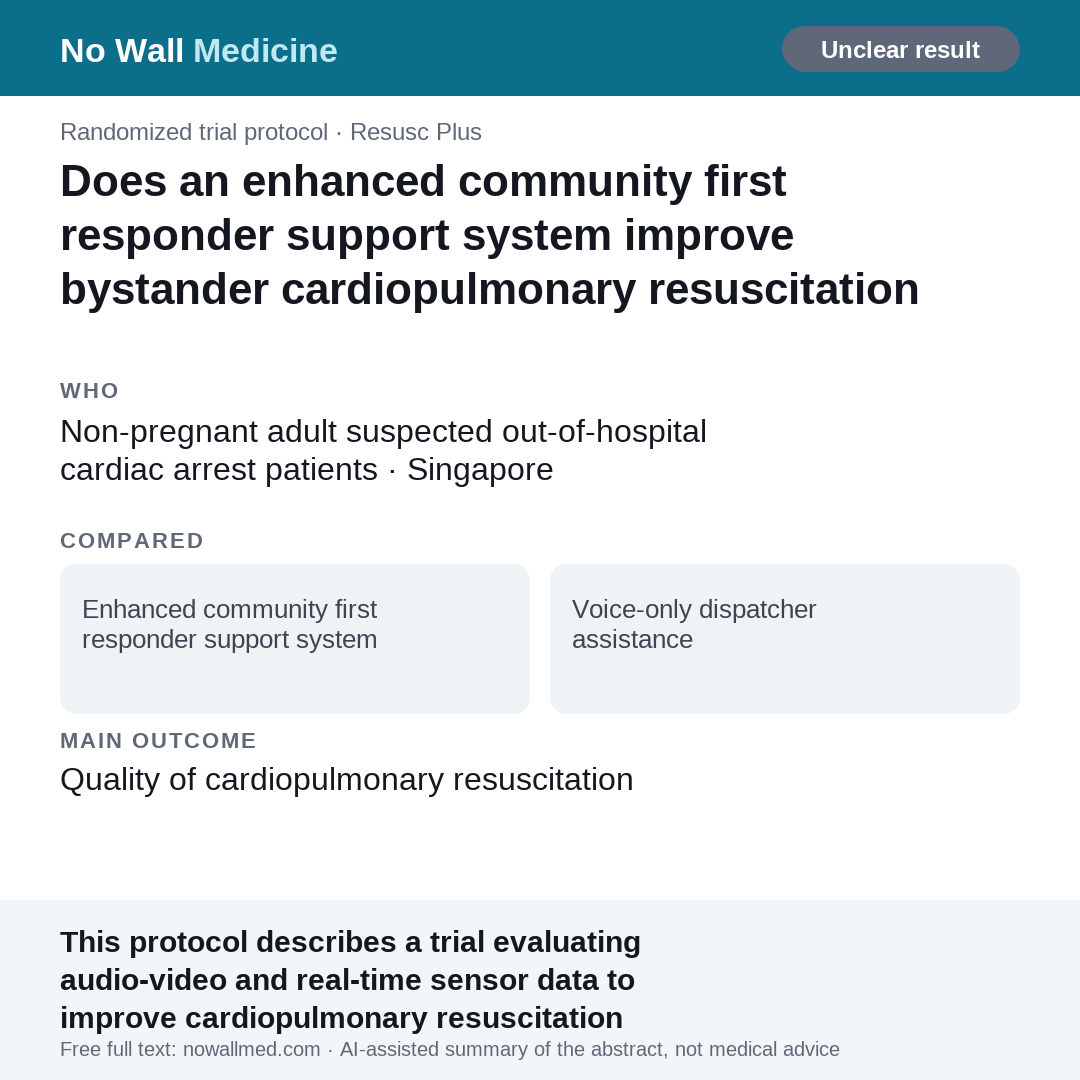
Enhanced community first responder support system: protocol of a randomized trial to improve bystander cardiopulmonary resuscitation quality for out-of-hospital cardiac arrest patients
Randomized trial protocolUnclear result
Does an enhanced community first responder support system improve bystander cardiopulmonary resuscitation quality?
Who
Non-pregnant adult suspected out-of-hospital cardiac arrest patients · Singapore
Compared
Enhanced community first responder support system
Voice-only dispatcher assistance
Main outcome
Quality of cardiopulmonary resuscitation
Bottom line: This protocol describes a trial evaluating audio-video and real-time sensor data to improve cardiopulmonary resuscitation quality.
Funded by: Singapore Civic Defence Force
Resusc Plus · 2025-11-19Download image
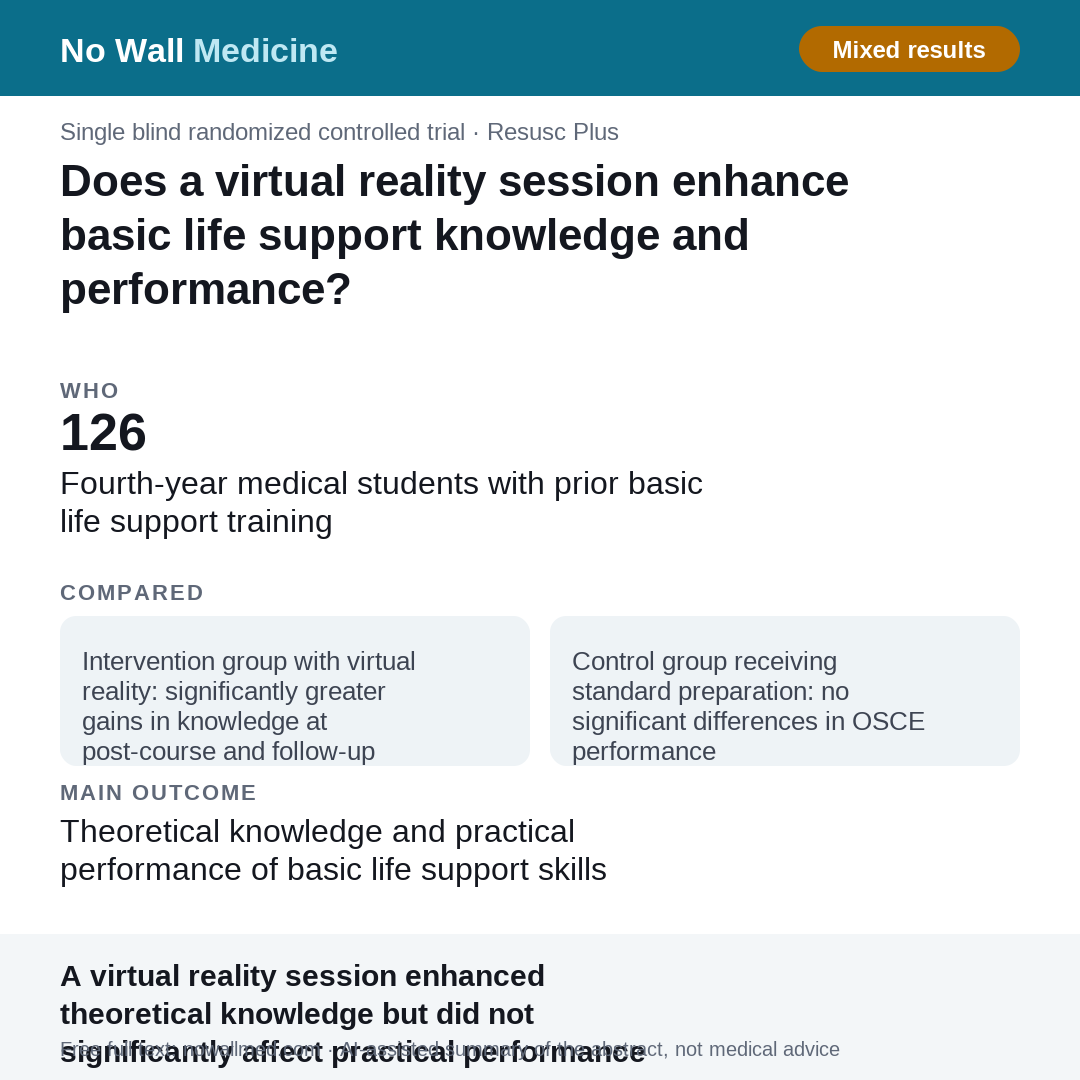
Enhancing theoretical BLS knowledge with virtual reality: a randomized controlled trial in medical students
Single blind randomized controlled trialMixed results
Does a virtual reality session enhance basic life support knowledge and performance?
Who
126
Fourth-year medical students with prior basic life support training
Compared
Intervention group with virtual reality: significantly greater gains in knowledge at post-course and follow-up
Control group receiving standard preparation: no significant differences in OSCE performance
Main outcome
Theoretical knowledge and practical performance of basic life support skills
Bottom line: A virtual reality session enhanced theoretical knowledge but did not significantly affect practical performance in medical students.
Limitation: Further research is needed to evaluate long-term impact and optimal integration methods.
Resusc Plus · 2025-11-19Download image