Visual abstracts
New randomized trials and meta-analyses from leading journals at a glance: who was studied, what was compared, and what was found. Every paper is free to read in full.
All specialtiesCardiology 933Oncology 837Gastroenterology & Hepatology 345Infectious Disease 658Neurology 381Psychiatry & Mental Health 461Pulmonology 407Critical Care 277Endocrinology & Diabetes 512Pediatrics 587Surgery 381Orthopedics & Sports Medicine 169Neurosurgery 119Cardiothoracic & Vascular Surgery 89Plastic & Reconstructive Surgery 145Nephrology 207Rheumatology 115Hematology 200Dermatology 89Ophthalmology 113Obstetrics & Gynecology 283Public & Global Health 185Radiology & Imaging 117Anesthesiology 149Urology 178ENT (Otolaryngology) 121Emergency Medicine 104Allergy & Immunology 64Geriatrics 169Family Medicine & Primary Care 116Medical Genetics & Genomics 94Pathology & Laboratory Medicine 30Physical Medicine & Rehabilitation 151Palliative Care 83Nutrition 231Digital Health & AI 482General Medicine 105
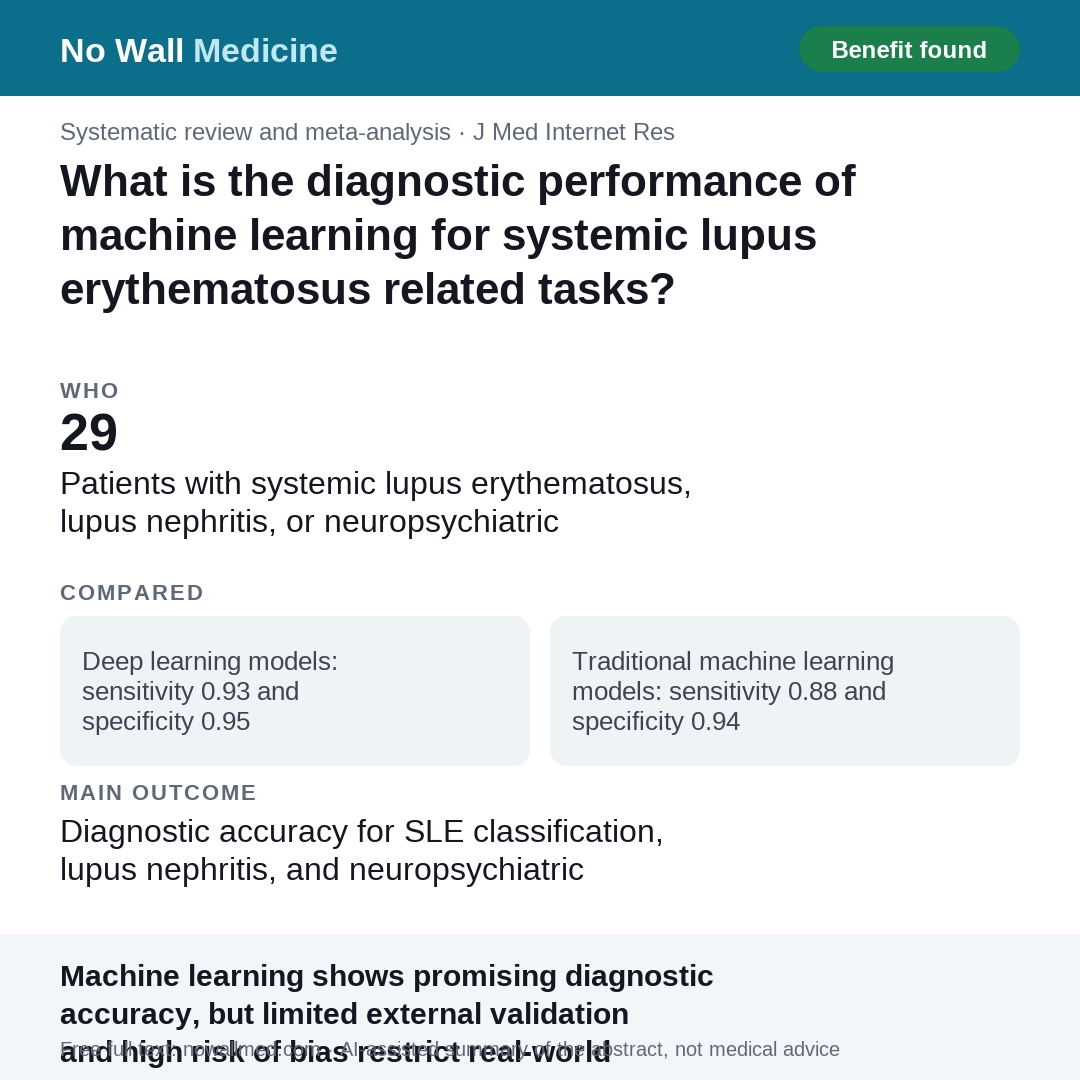
Diagnostic Performance of Machine Learning for Systemic Lupus Erythematosus: Systematic Review and Meta-Analysis
Systematic review and meta-analysisBenefit found
What is the diagnostic performance of machine learning for systemic lupus erythematosus related tasks?
Who
29
Patients with systemic lupus erythematosus, lupus nephritis, or neuropsychiatric involvement
Compared
Deep learning models: sensitivity 0.93 and specificity 0.95
Traditional machine learning models: sensitivity 0.88 and specificity 0.94
Main outcome
Diagnostic accuracy for SLE classification, lupus nephritis, and neuropsychiatric discrimination
Result: pooled sensitivity 0.91 (95% CI 0.86-0.94) and pooled specificity 0.94 (95% CI 0.91-0.96)
Bottom line: Machine learning shows promising diagnostic accuracy, but limited external validation and high risk of bias restrict real-world generalizability.
Limitation: All studies were retrospective, limited external validation, and high or unclear risk of bias in most studies.
J Med Internet Res · 2026-09-04Download image
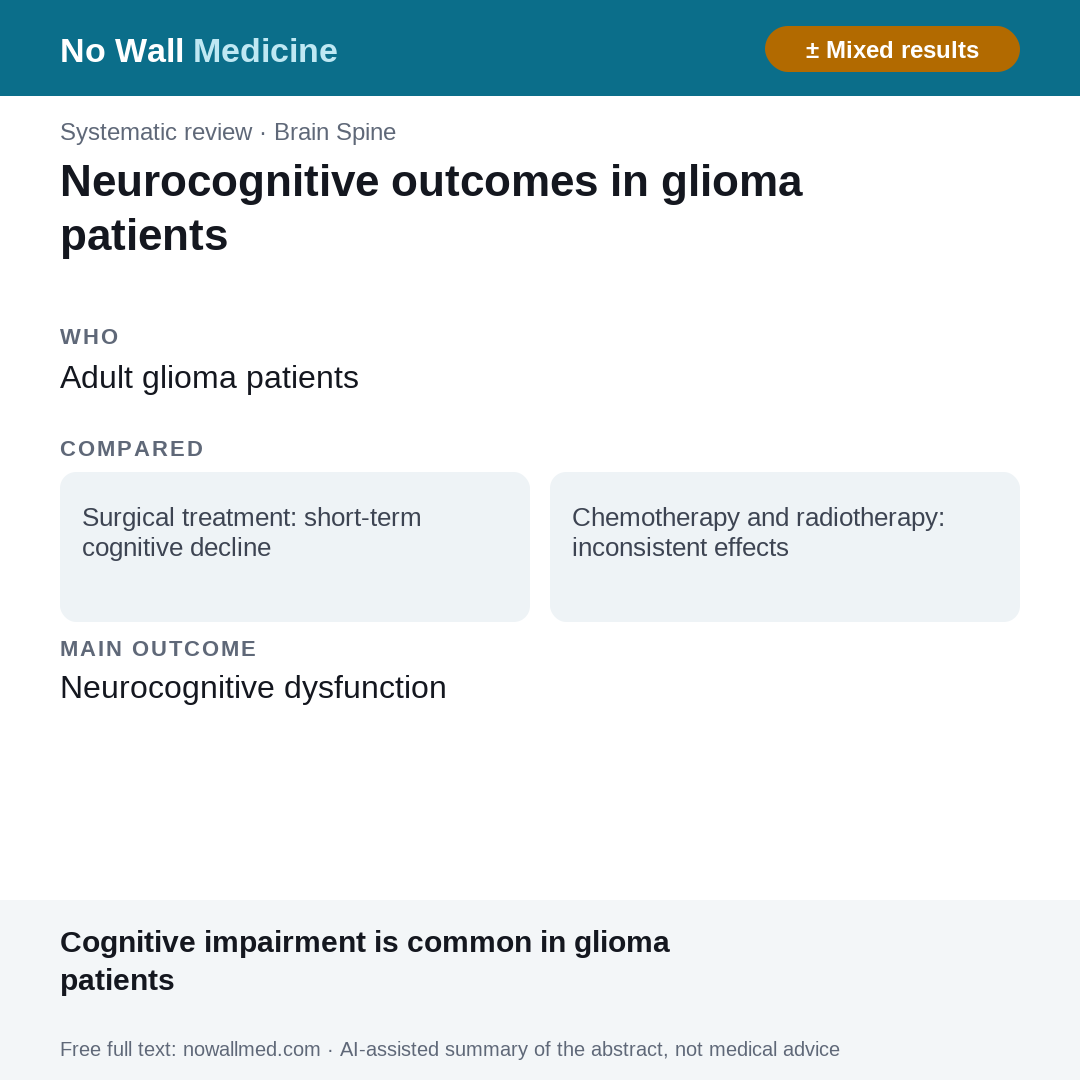
Neurocognitive outcomes following glioma diagnosis and treatment: A systematic review
Systematic reviewMixed results
Neurocognitive outcomes in glioma patients
Who
Adult glioma patients
Compared
Surgical treatment: short-term cognitive decline
Chemotherapy and radiotherapy: inconsistent effects
Main outcome
Neurocognitive dysfunction
Bottom line: Cognitive impairment is common in glioma patients
Brain Spine · 2026-09-04Download image
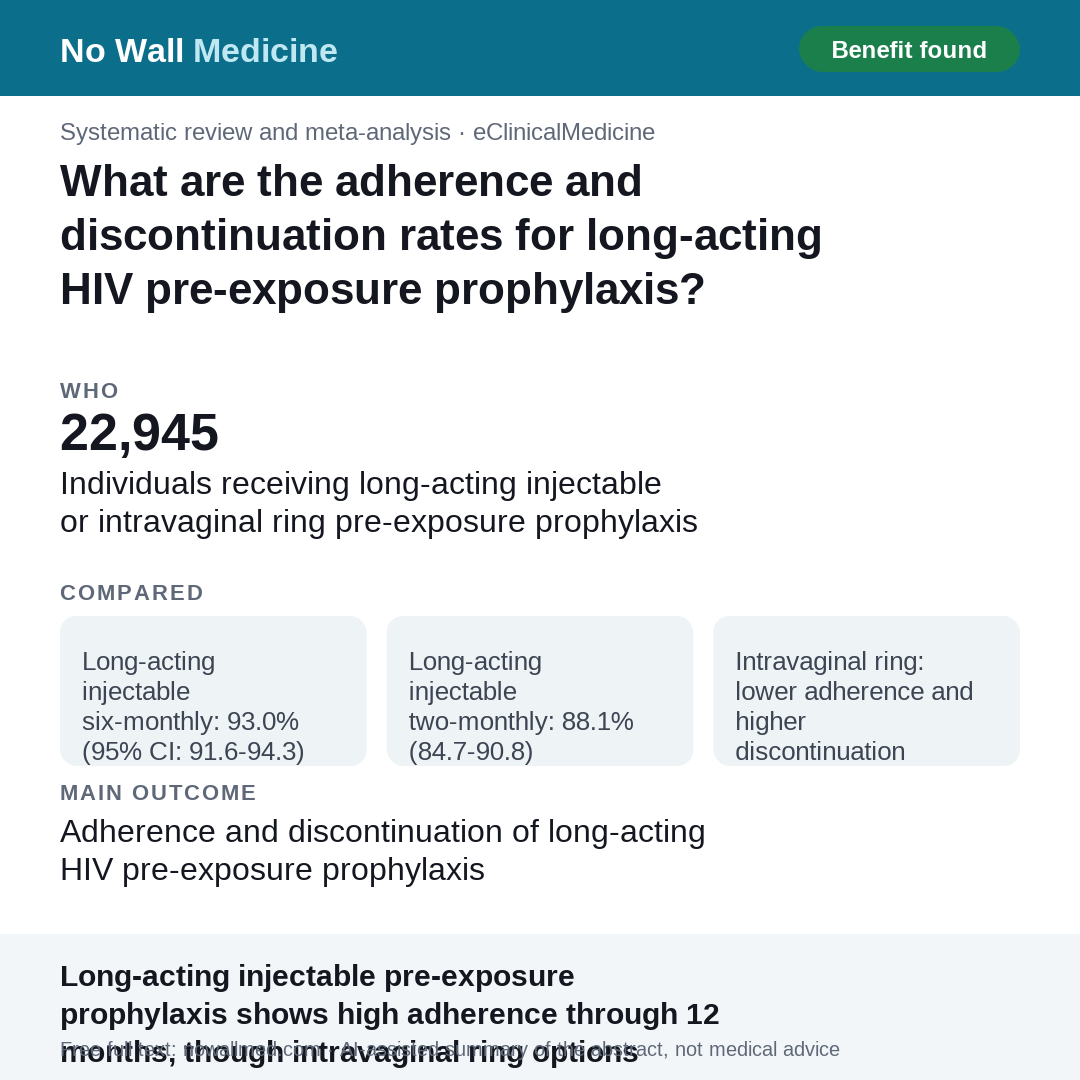
Long-acting HIV pre-exposure prophylaxis adherence and discontinuation: a global systematic review and meta-analysis
Systematic review and meta-analysisMixed results
What are the adherence and discontinuation rates for long-acting HIV pre-exposure prophylaxis?
Who
22945
Individuals receiving long-acting injectable or intravaginal ring pre-exposure prophylaxis
Compared
Six-monthly long-acting injectable: 93.0% (95% CI: 91.6-94.3) adherence at 12 months
Two-monthly long-acting injectable: 88.1% (84.7-90.8%) adherence at 12 months
Intravaginal ring: 66.1% (42.2-83.9%) adherence at 6 months
Main outcome
Adherence and discontinuation of long-acting HIV pre-exposure prophylaxis
Bottom line: Long-acting injectable adherence remained high, but intravaginal ring showed lower adherence and higher discontinuation rates.
Funded by: National Key R&D Program of China
eClinicalMedicine · 2026-09-03Download image
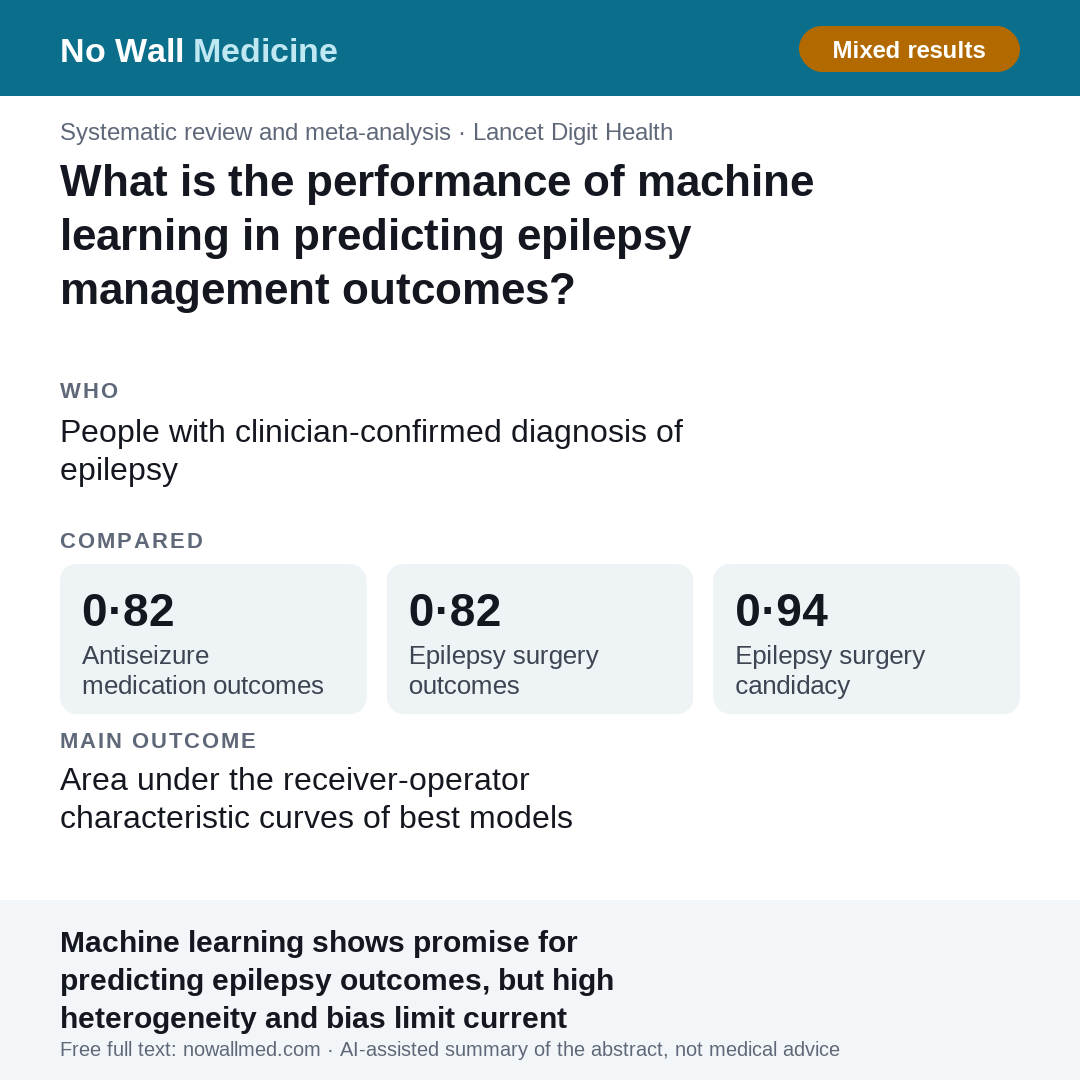
Status, challenges, and future directions of machine learning in the management of epilepsy: a systematic review and meta-analysis
Systematic review and meta-analysisMixed results
What is the performance of machine learning in epilepsy management?
Who
People with clinician-confirmed diagnosis of epilepsy
Compared
0·82Antiseizure medication outcomes (95% CI 0·77-0·88)
0·82Epilepsy surgery outcomes (0·76-0·88)
0·94Epilepsy surgery candidacy (0·92-0·96)
Main outcome
Area under the receiver-operator characteristic curves
Bottom line: Machine learning shows promise in predicting epilepsy treatment outcomes, but high heterogeneity and bias limit clinical applicability.
Limitation: High heterogeneity, high risk of bias, small sample sizes, and scarcity of external validation.
Funded by: Australian Government National Health and Medical Research Council
Lancet Digit Health · 2026-09-03Download image
Applications and outcomes of virtual reality in inpatient psychiatry: A systematic review
Systematic reviewUnclear result
What are the applications and outcomes of virtual reality in inpatient psychiatry?
Who
1,004
Psychiatric inpatients · Not specified
Compared
Virtual reality applications
Control
Main outcome
Types of applications, implementation barriers, facilitators, and clinical outcomes
Bottom line: Virtual reality is feasible and safe in inpatient psychiatry, showing consistent improvements in clinical symptoms like anxiety.
Limitation: Findings remain preliminary and high-quality trials are needed.
Psychol Med · 2026-09-03Download image

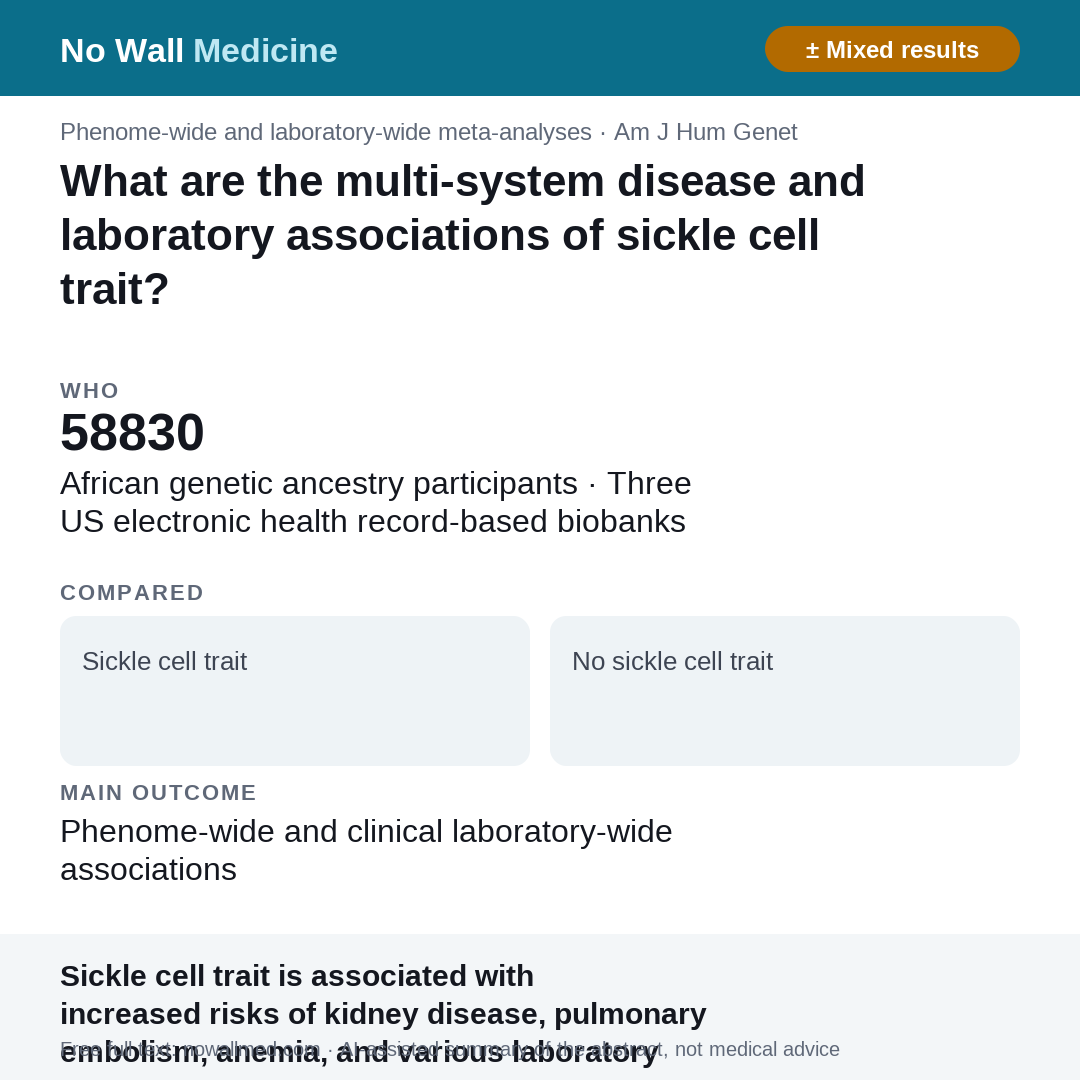
Phenome- and laboratory-wide meta-analyses of sickle cell trait reveal multi-system disease associations
Phenome-wide and laboratory-wide meta-analysesMixed results
What are the multi-system disease and laboratory associations of sickle cell trait?
Who
58830
African genetic ancestry participants · Three US electronic health record-based biobanks
Compared
Sickle cell trait
No sickle cell trait
Main outcome
Phenome-wide and clinical laboratory-wide associations
Bottom line: Sickle cell trait is associated with increased risks of kidney disease, pulmonary embolism, anemia, and various laboratory parameter changes.
Am J Hum Genet · 2026-09-03Download image
Gait Speed Changes in Stroke Rehabilitation Motor Lower Extremity Randomized Controlled Trials by Intervention and Time Poststroke: A Meta-analysis
Meta-analysis of 106 randomized controlled trialsMixed results
How do lower extremity motor rehabilitation interventions affect gait speed after stroke?
Who
106
Adults with stroke
Compared
Interventions in acute/subacute phase: significant benefits
Interventions in chronic phase: none showed any significant benefit
Main outcome
Gait speed
Bottom line: Acute and subacute interventions show greater gait speed improvements than interventions in the chronic phase.
Arch Phys Med Rehabil · 2026-09-03Download image

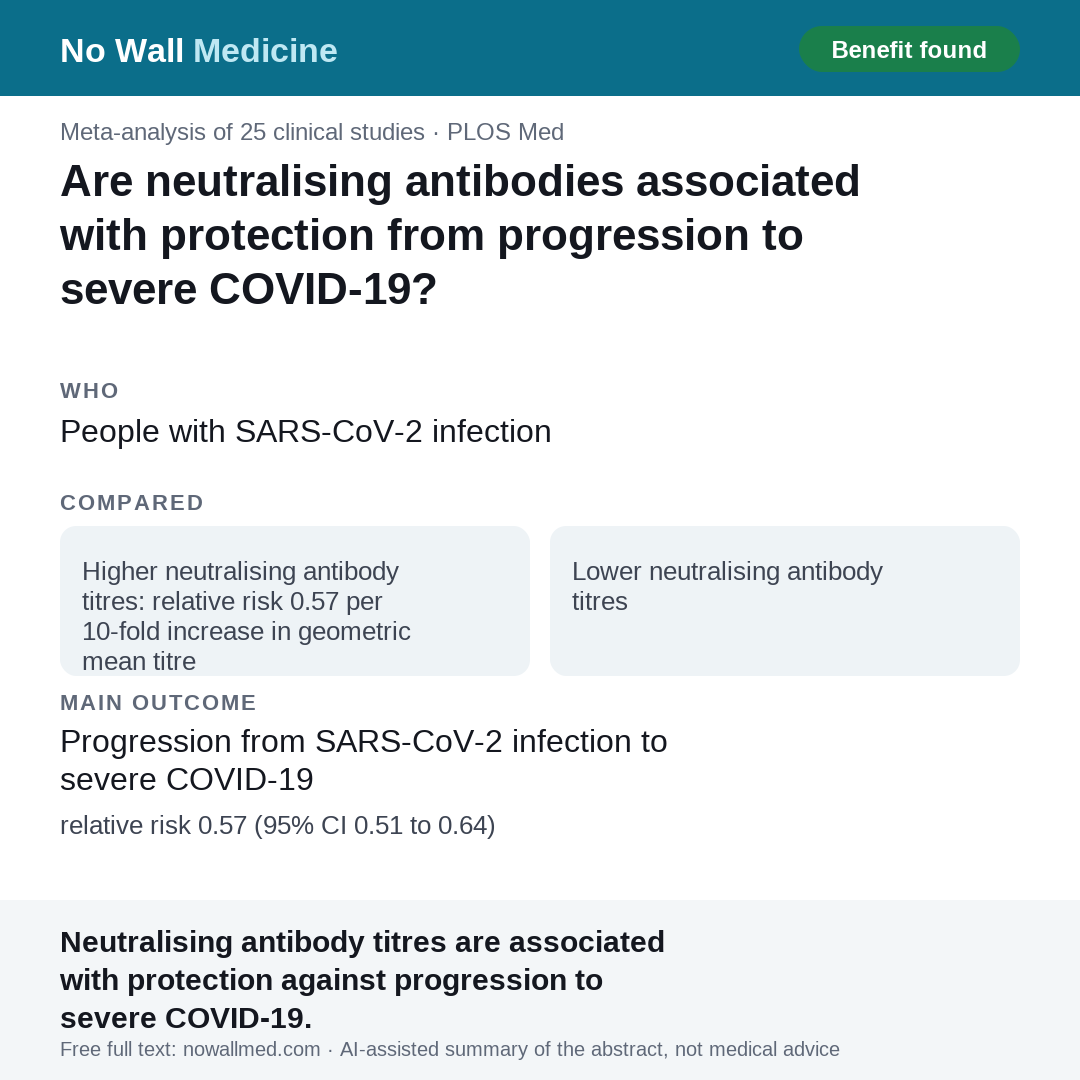
Neutralising antibodies and protection from progression to severe COVID-19: A meta-analysis
Meta-analysis of 25 clinical studiesBenefit found
Are neutralising antibodies associated with protection from progression to severe COVID-19?
Who
People with SARS-CoV-2 infection
Compared
Higher neutralising antibody titres: relative risk 0.57 per 10-fold increase in geometric mean titre
Lower neutralising antibody titres
Main outcome
Progression from SARS-CoV-2 infection to severe COVID-19
Result: relative risk 0.57 (95% CI 0.51 to 0.64)
Bottom line: Neutralising antibody titres are associated with protection against progression to severe COVID-19.
Limitation: Neutralisation titres and clinical outcomes were measured in different studies and unmeasured confounding is possible.
PLOS Med · 2026-09-02Download image
Complication Rates in Facial Feminization Surgery: A Systematic Review
Systematic reviewBenefit found
What are the complication risks of surgical procedures applied in facial feminization surgery?
Who
Transgender women and nonbinary individuals undergoing facial feminization surgery
Compared
All subgroups regarding face and neck: less than 5%
5.3%Combined surgery
Main outcome
Incidence of complications following Clavien-Dindo classification
Bottom line: Facial feminization surgery has a low incidence of complications, suggesting these are safe procedures with minimal risks.
Plast Reconstr Surg Glob Open · 2026-09-02Download image

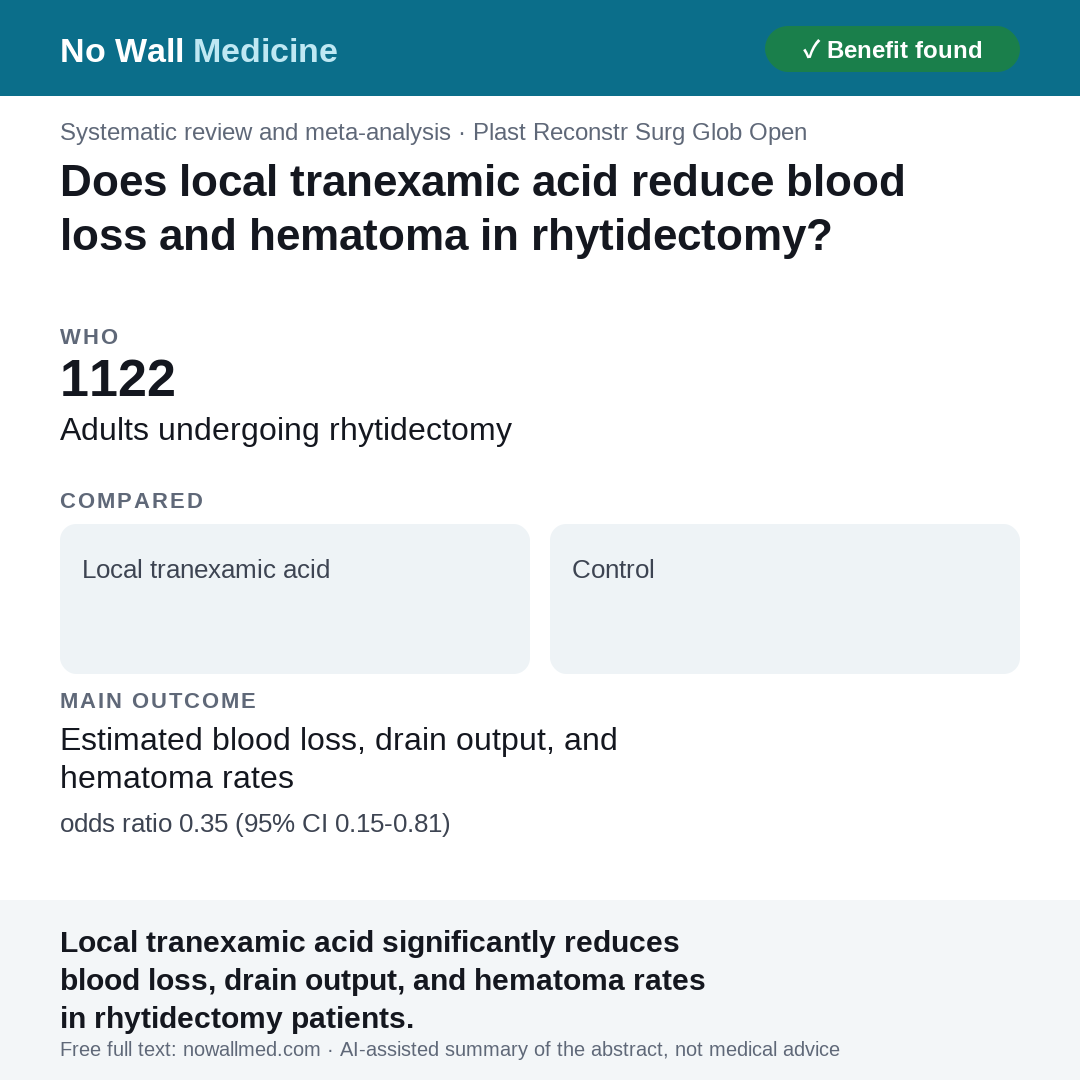
Efficacy and Safety of Local Tranexamic Acid in Rhytidectomy: A Systematic Review and Meta-analysis
Systematic review and meta-analysisBenefit found
Does local tranexamic acid reduce blood loss and hematoma in rhytidectomy?
Who
1122
Adults undergoing rhytidectomy
Compared
Local tranexamic acid
Control
Main outcome
Estimated blood loss, drain output, and hematoma rates
Result: odds ratio 0.35 (95% CI 0.15-0.81)
Bottom line: Local tranexamic acid significantly reduces blood loss, drain output, and hematoma rates in rhytidectomy patients.
Plast Reconstr Surg Glob Open · 2026-09-02Download image
Association of cerebral microdialysis monitoring with clinical outcomes after traumatic brain injury; A systematic review
Systematic reviewUnclear result
Do cerebral microdialysis analytes associate with mortality and functional outcome after traumatic brain injury?
Who
Adult patients with moderate-to-severe traumatic brain injury
Compared
Higher glucose levels: mostly associated with better outcomes
Lower glucose, elevated LPR, glutamate, or glycerol: associated with mortality or unfavorable functional outcome
Main outcome
mortality and functional outcome
Bottom line: Cerebral microdialysis biomarkers show directional associations with outcomes, but evidence is heterogeneous and of low certainty.
Limitation: Substantial between-study heterogeneity and low to very low certainty of evidence.
Brain Spine · 2026-09-02Download image

Intravenous vs Oral Iron for Treating Iron Deficiency Anemia in Pregnancy: A Systematic Review and Meta-Analysis
Systematic review and meta-analysis of 29 randomized clinical trialsBenefit found
Is intravenous or oral iron better for treating iron deficiency anemia in pregnancy?
Who
11771
Pregnant women with iron deficiency anemia
Compared
Intravenous iron
Oral iron
Main outcome
Maternal hemoglobin and ferritin levels at childbirth
Result: maternal hemoglobin WMD 0.59 g/dL (95% CI, 0.31-0.87 g/dL)
Bottom line: Intravenous iron improves maternal hemoglobin, ferritin, and neonatal ferritin while reducing blood transfusion rates compared to oral iron.
JAMA Netw Open · 2026-09-01Download image

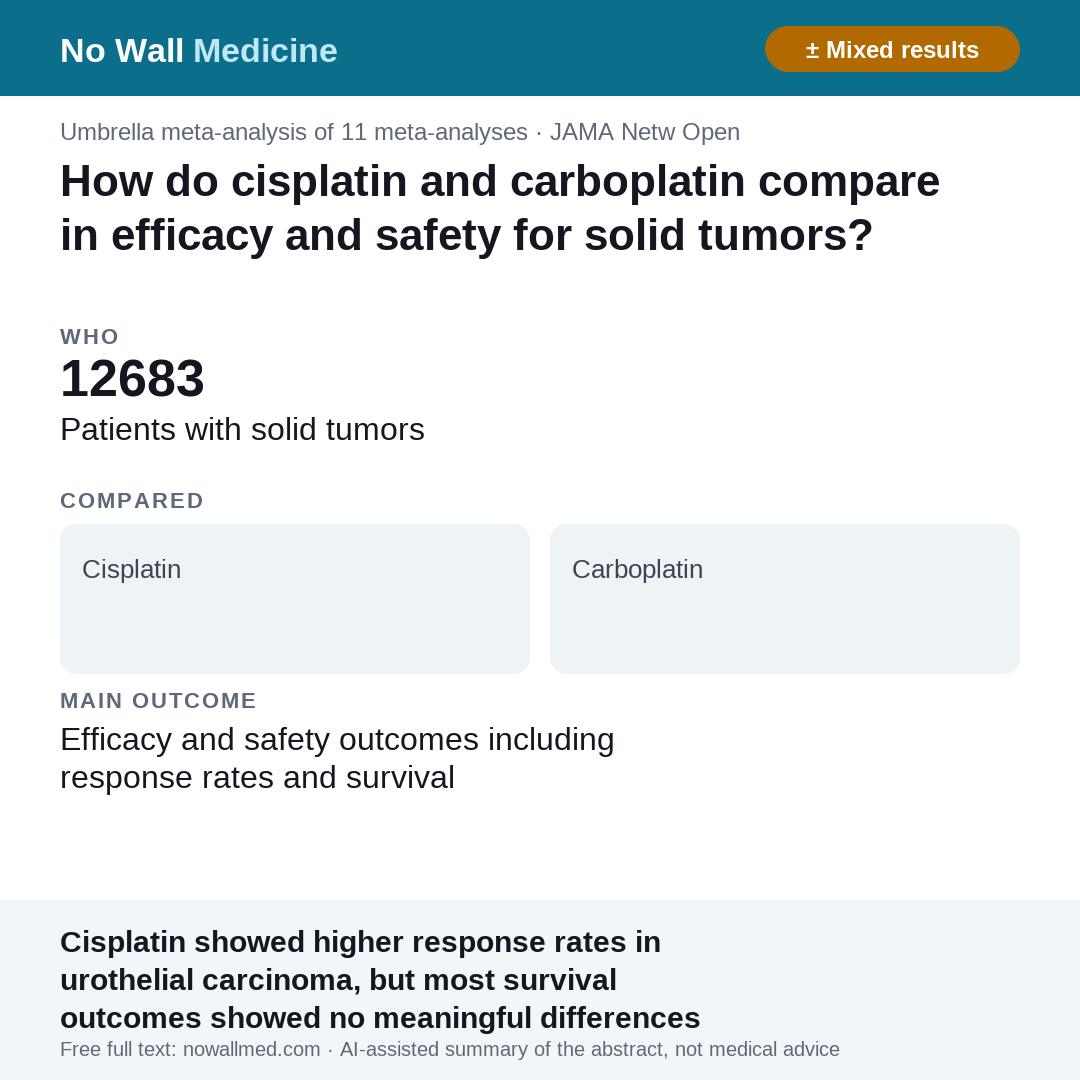
Reappraisal of Cisplatin vs Carboplatin Treatment for Solid Tumors: An Umbrella Meta-Analysis
Umbrella meta-analysis of 11 meta-analysesMixed results
How do cisplatin and carboplatin compare in efficacy and safety for solid tumors?
Who
12683
Patients with solid tumors
Compared
Cisplatin
Carboplatin
Main outcome
Efficacy and safety outcomes including response rates and survival
Bottom line: Cisplatin showed higher response rates in urothelial carcinoma, but most survival outcomes showed no meaningful differences between treatments.
JAMA Netw Open · 2026-09-01Download image
Risk of Injury Among Children and Youths Whose Mothers Experienced Violent Injury: A Systematic Review and Meta-Analysis
Systematic review and meta-analysisHarm found
What is the risk of physical and sexual injury among children whose mothers experienced violent injury?
Who
7666786
Children and youths younger than 25 years
Compared
42.4%Children exposed to maternal violent injury (95% CI, 30.6%-54.6%)
Unexposed children
Main outcome
Risk of physical and sexual injury
Result: pooled prevalence ratio, 1.65 [95% CI, 1.36-2.01]
Bottom line: Children exposed to maternal violent injury have a substantially increased risk of physical injury and high sexual injury prevalence.
Limitation: Substantial heterogeneity and insufficient comparative data for sexual injury outcomes.
JAMA Netw Open · 2026-09-01Download image

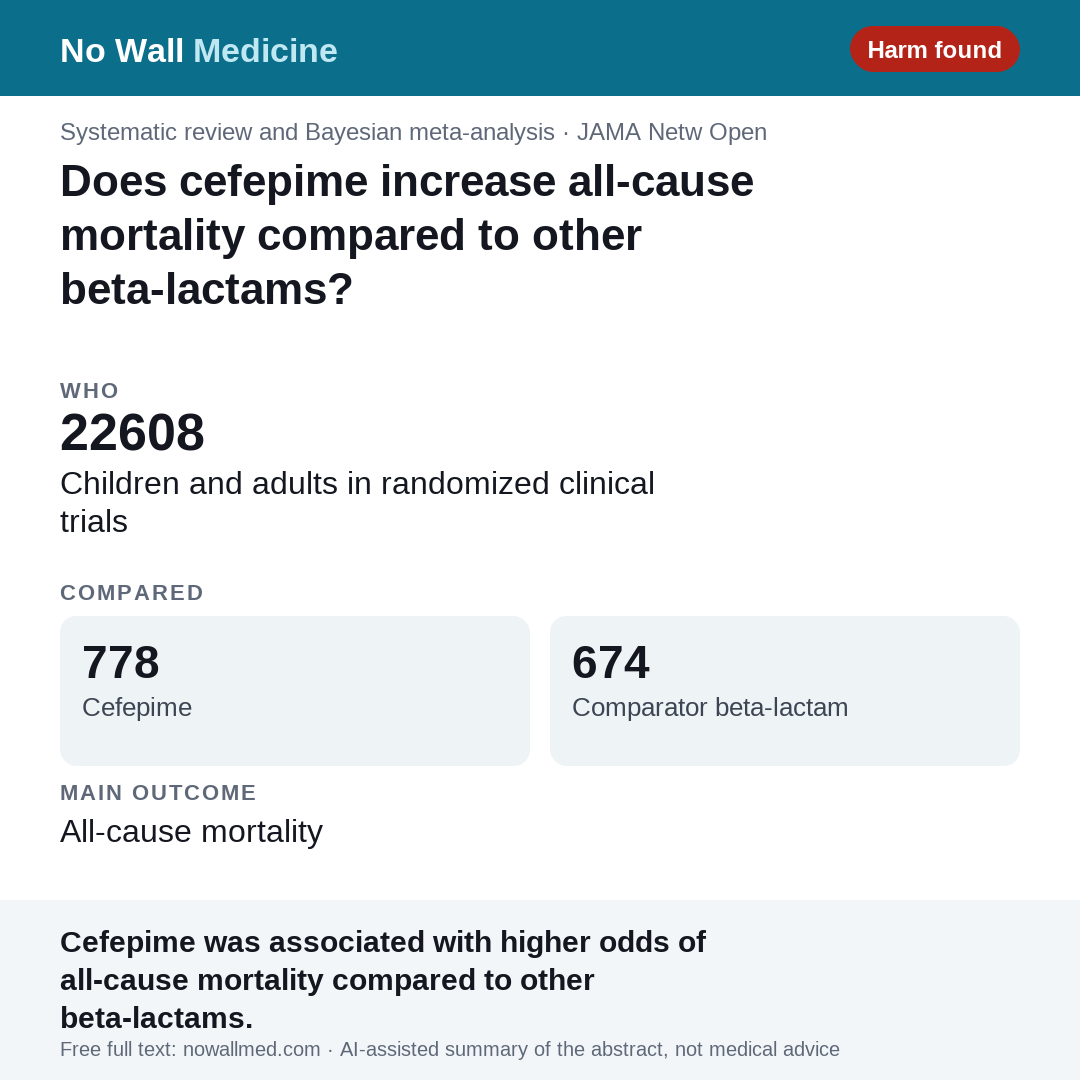
Cefepime and Mortality: A Systematic Review and Bayesian Meta-Analysis
Systematic review and Bayesian meta-analysisHarm found
Does cefepime increase all-cause mortality compared to other beta-lactams?
Who
22608
Children and adults in randomized clinical trials
Compared
778Cefepime (6.6%)
674Comparator beta-lactam (6.2%)
Main outcome
All-cause mortality
Result: odds ratio 1.10 (95% credible interval 0.98-1.24)
Bottom line: Cefepime was associated with higher odds of all-cause mortality compared to other beta-lactams.
JAMA Netw Open · 2026-09-01Download image
Women's leadership development programmes and gender equality: a systematic review in healthcare, academia and beyond
Systematic review without meta-analysisUnclear result
Do women's leadership development programmes lead to measurable organisational change?
Who
57
Adult professionals in formal organisational roles · 23 countries
Compared
Women's leadership development programmes: self-reported improvements in confidence, knowledge, leadership capability, and behaviour
Organisational outcomes: promotion or retention indicators
Main outcome
Individual and organisational outcomes
Bottom line: Programmes support individual development, but evidence cannot establish whether they lead to organisational transformation.
Limitation: None of the included studies used randomisation and subjective measures predominated.
Funded by: Australian National Health and Medical Research Council
eClinicalMedicine · 2026-09-01Download image

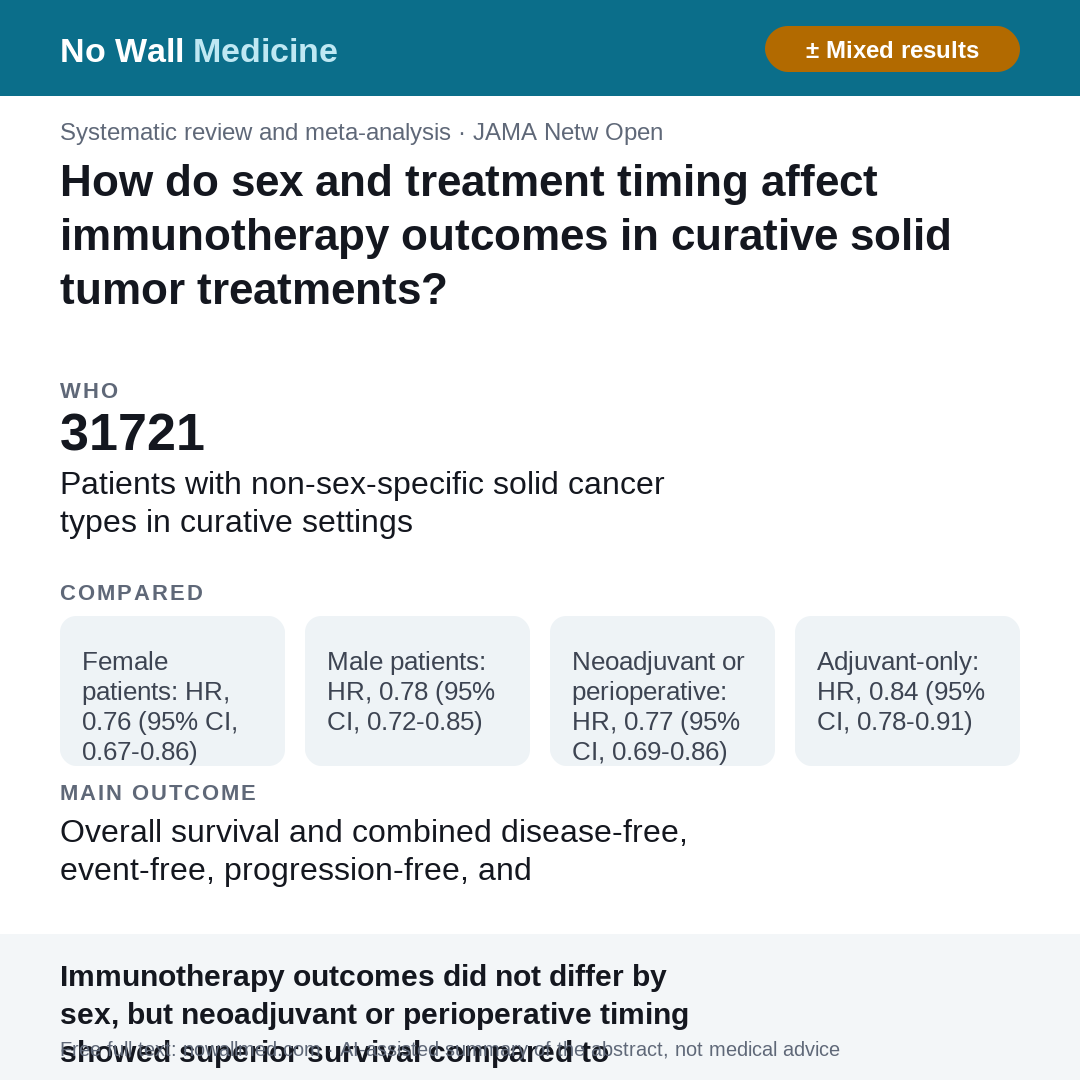
Sex, Timing, and Outcomes of Curative-Intent Immunotherapy: A Systematic Review and Meta-Analysis
Systematic review and meta-analysisMixed results
How do sex and treatment timing affect immunotherapy outcomes in curative solid tumor treatments?
Who
31721
Patients with non-sex-specific solid cancer types in curative settings
Compared
Female patients: HR, 0.76 (95% CI, 0.67-0.86)
Male patients: HR, 0.78 (95% CI, 0.72-0.85)
Neoadjuvant or perioperative: HR, 0.77 (95% CI, 0.69-0.86)
Adjuvant-only: HR, 0.84 (95% CI, 0.78-0.91)
Main outcome
Overall survival and combined disease-free, event-free, progression-free, and recurrence-free survival
Result: hazard ratio 0.83 (95% CI, 0.79-0.89) for overall survival
Bottom line: Immunotherapy outcomes did not differ by sex, but neoadjuvant or perioperative timing showed superior survival compared to adjuvant-only use.
JAMA Netw Open · 2026-09-01Download image
Intimate Partner Violence Against Women and Mortality Among Children Younger Than 5 Years: A Systematic Review and Meta-Analysis
Systematic review and meta-analysisHarm found
Are different forms of intimate partner violence associated with child mortality?
Who
684065
Children younger than 5 years
Compared
Intimate partner violence: OR, 1.10; 95% CI, 1.05-1.16
No intimate partner violence
Main outcome
Under-5, infant, and neonatal mortality
Result: OR, 1.10; 95% CI, 1.05-1.16
Bottom line: Intimate partner violence against women is associated with higher odds of under-5, infant, and neonatal mortality.
JAMA Netw Open · 2026-09-01Download image

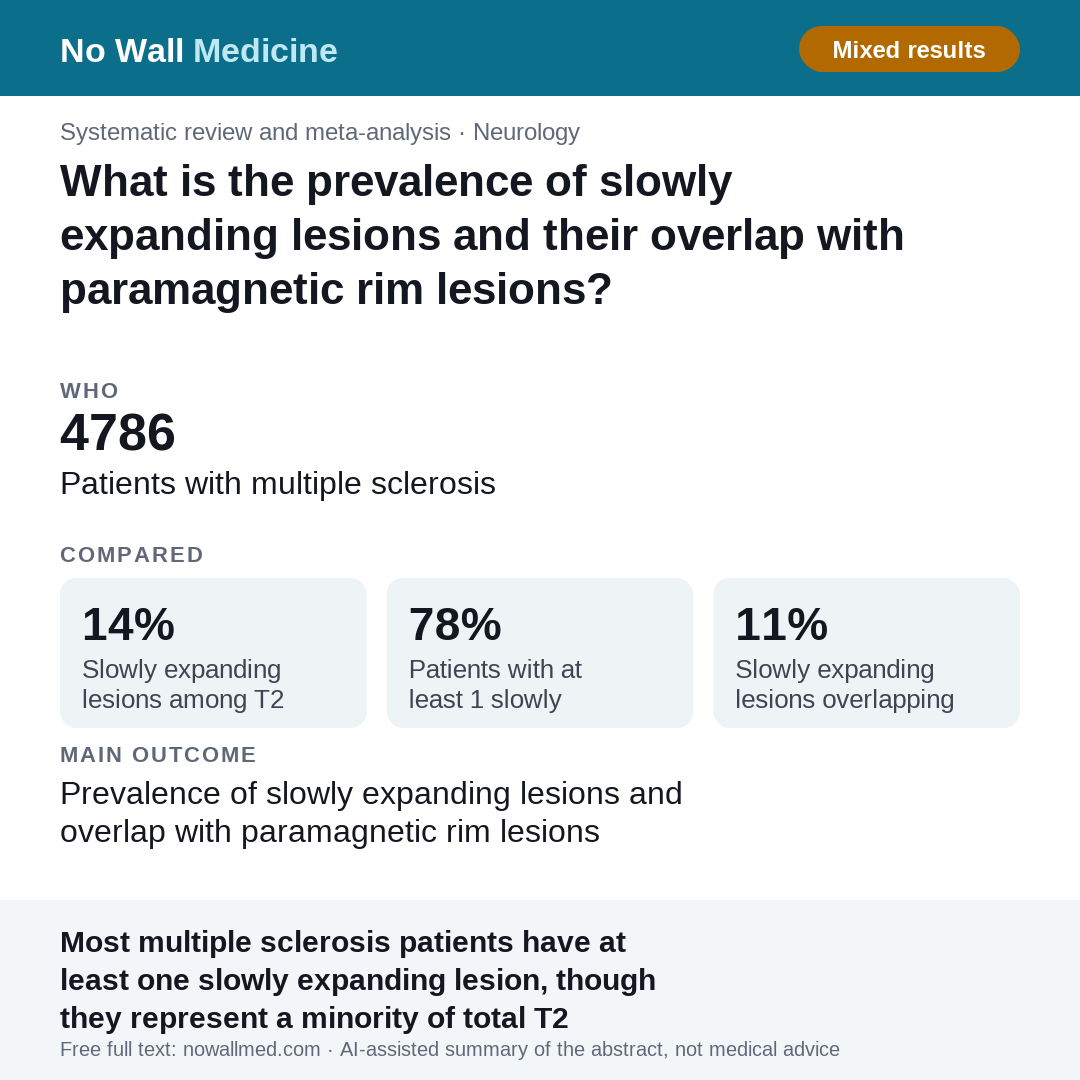
Prevalence of Slowly Expanding Lesions in Patients With Multiple Sclerosis: A Systematic Review and Meta-Analysis
Systematic review and meta-analysisMixed results
What is the prevalence of slowly expanding lesions and their overlap with paramagnetic rim lesions?
Who
4786
Patients with multiple sclerosis
Compared
14%Slowly expanding lesions among T2 lesions (95% CI 10-21)
78%Patients with at least 1 slowly expanding lesion (67-85)
11%Slowly expanding lesions overlapping with paramagnetic rim lesions (6-20)
Main outcome
Prevalence of slowly expanding lesions and overlap with paramagnetic rim lesions
Bottom line: Most multiple sclerosis patients have at least one slowly expanding lesion, though they represent a minority of total T2 lesions.
Limitation: Possible publication bias, high unexplained heterogeneity, and differences in identification methods or MRI timing.
Neurology · 2026-09-01Download image
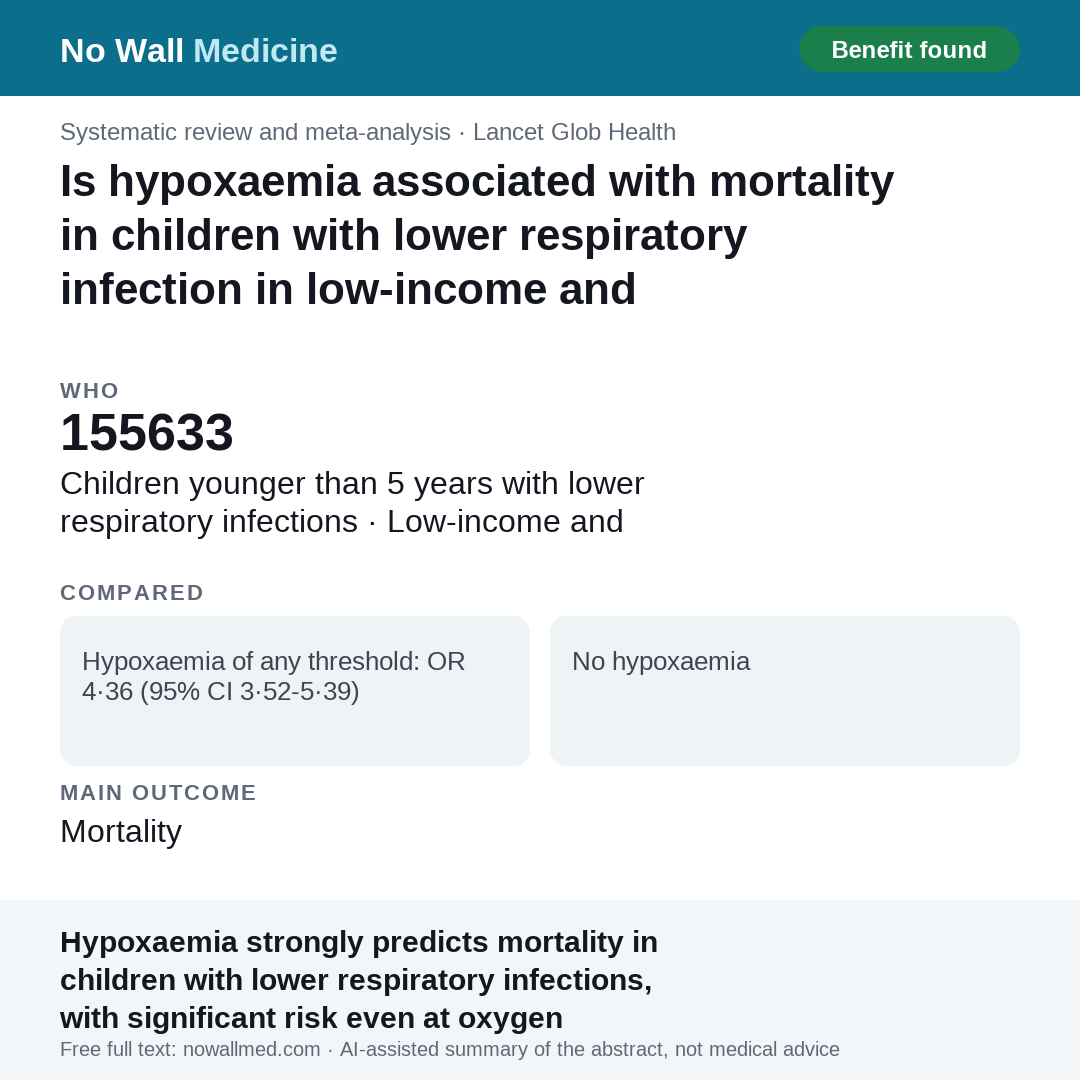
Hypoxaemia and mortality in children with lower respiratory infection in low-income and middle-income countries: systematic review and meta-analysis
Systematic review and meta-analysisBenefit found
Is hypoxaemia associated with mortality in children with lower respiratory infection in low-income and middle-income countries?
Who
155633
Children younger than 5 years with lower respiratory infections · Low-income and middle-income countries, primarily Africa and Asia
Compared
Hypoxaemia of any threshold: OR 4·36 (95% CI 3·52-5·39)
No hypoxaemia
Main outcome
Mortality
Result: OR 4·36 (95% CI 3·52-5·39)
Bottom line: Hypoxaemia strongly predicts mortality in children with lower respiratory infections, with significant risk even at oxygen saturation levels of 90-94%.
Limitation: Substantial heterogeneity and eight studies had a high overall risk of bias.
Lancet Glob Health · 2026-09-01Download image