Visual abstracts
New randomized trials and meta-analyses from leading journals at a glance: who was studied, what was compared, and what was found. Every paper is free to read in full.
All specialtiesCardiology 4763Oncology 4042Gastroenterology & Hepatology 1902Infectious Disease 3756Neurology 1872Psychiatry & Mental Health 2214Pulmonology 2042Critical Care 1319Endocrinology & Diabetes 2544Pediatrics 2889Surgery 2479Orthopedics & Sports Medicine 917Neurosurgery 525Cardiothoracic & Vascular Surgery 656Plastic & Reconstructive Surgery 574Nephrology 1107Rheumatology 810Hematology 1090Dermatology 611Ophthalmology 532Obstetrics & Gynecology 1645Public & Global Health 1037Radiology & Imaging 617Anesthesiology 957Urology 745ENT (Otolaryngology) 494Emergency Medicine 481Allergy & Immunology 309Geriatrics 972Family Medicine & Primary Care 533Medical Genetics & Genomics 659Pathology & Laboratory Medicine 156Physical Medicine & Rehabilitation 734Palliative Care 421Nutrition 1560Digital Health & AI 2133General Medicine 318
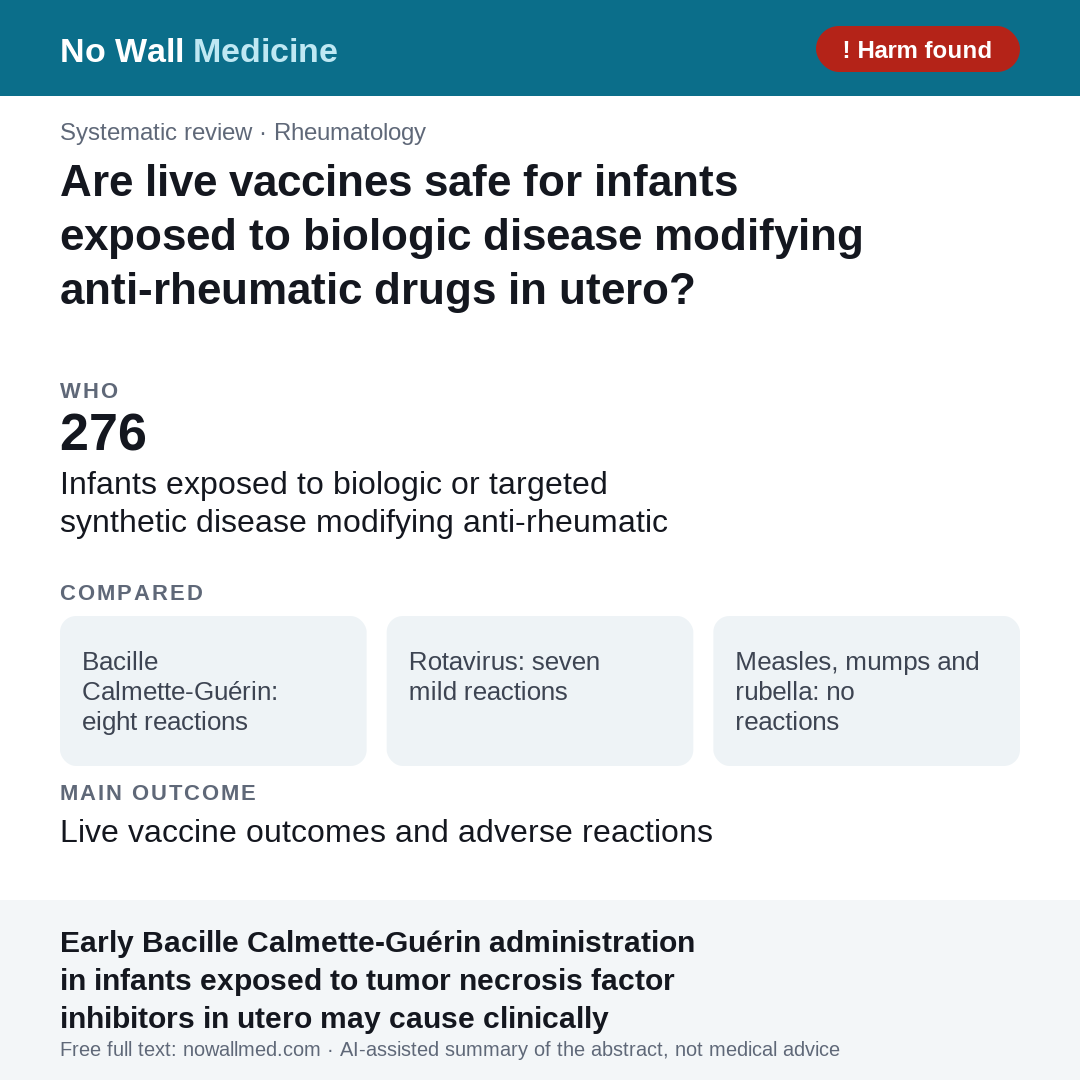
Shorter Treatment for Nonsevere Tuberculosis in African and Indian Children
Open-label, noninferiority trialBenefit found
Is 4 months of treatment noninferior to 6 months for nonsevere tuberculosis in children?
Who
1204
Children with nonsevere, symptomatic, presumably drug-susceptible, smear-negative tuberculosis · Uganda, Zambia, South Africa, and India
Compared
3%4 months (16 weeks)
3%6 months (24 weeks)
Main outcome
unfavorable status (treatment failure, loss to follow-up, or death)
Result: adjusted difference -0.4 percentage points (95% CI -2.2 to 1.5)
Bottom line: Four months of treatment was noninferior to 6 months for children with nonsevere, smear-negative tuberculosis.
Funded by: U.K. Medical Research Council and others
NEJM · 2022-03-09Download image
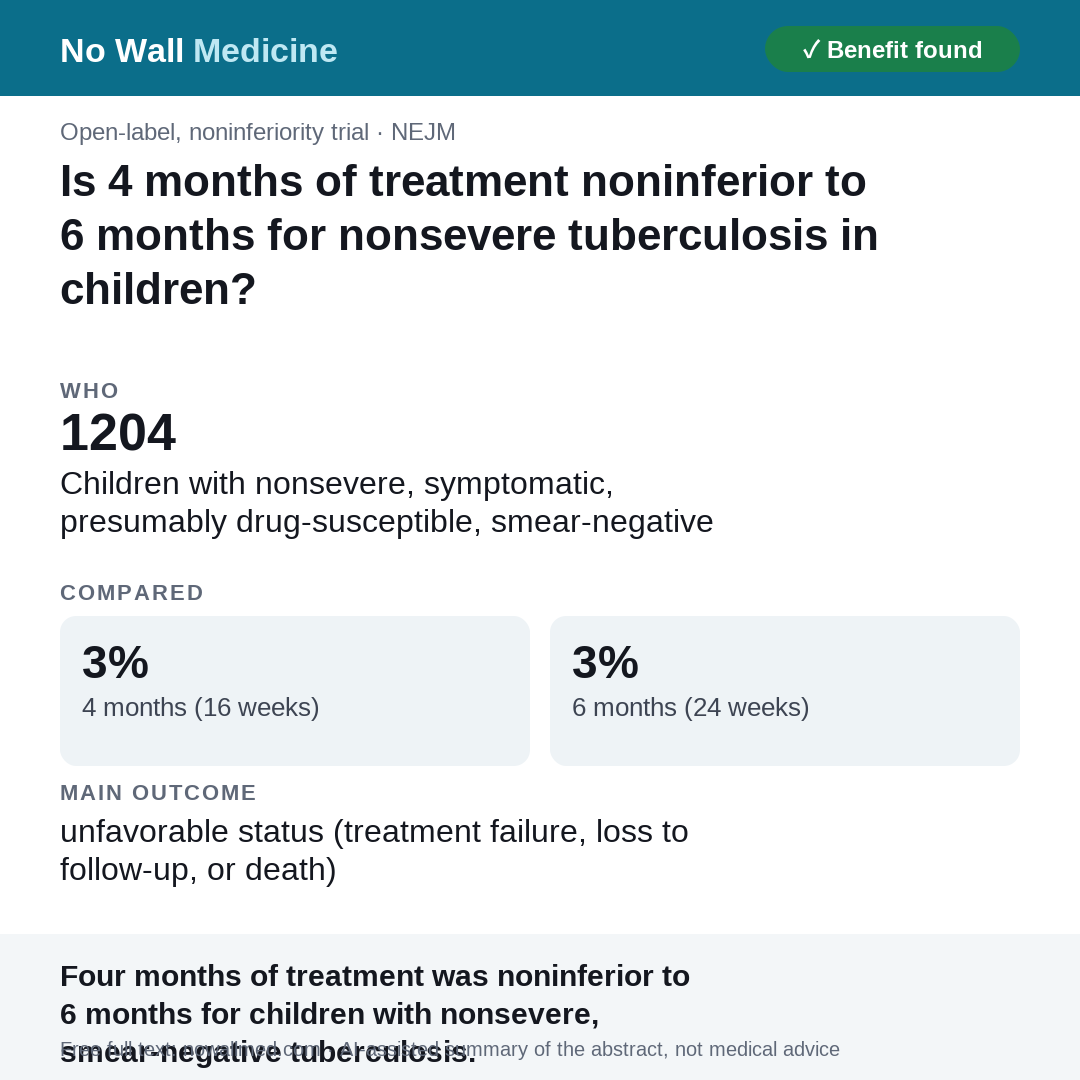
A systematic review of live vaccine outcomes in infants exposed to biologic disease modifying anti-rheumatic drugs in utero
Systematic reviewHarm found
Are live vaccines safe for infants exposed to biologic disease modifying anti-rheumatic drugs in utero?
Who
276
Infants exposed to biologic or targeted synthetic disease modifying anti-rheumatic drugs in utero
Compared
Bacille Calmette-Guérin: eight reactions
Rotavirus: seven mild reactions
Measles, mumps and rubella: no reactions
Main outcome
Live vaccine outcomes and adverse reactions
Bottom line: Early Bacille Calmette-Guérin administration in infants exposed to tumor necrosis factor inhibitors in utero may cause clinically harmful effects.
Rheumatology · 2022-03-09Download image
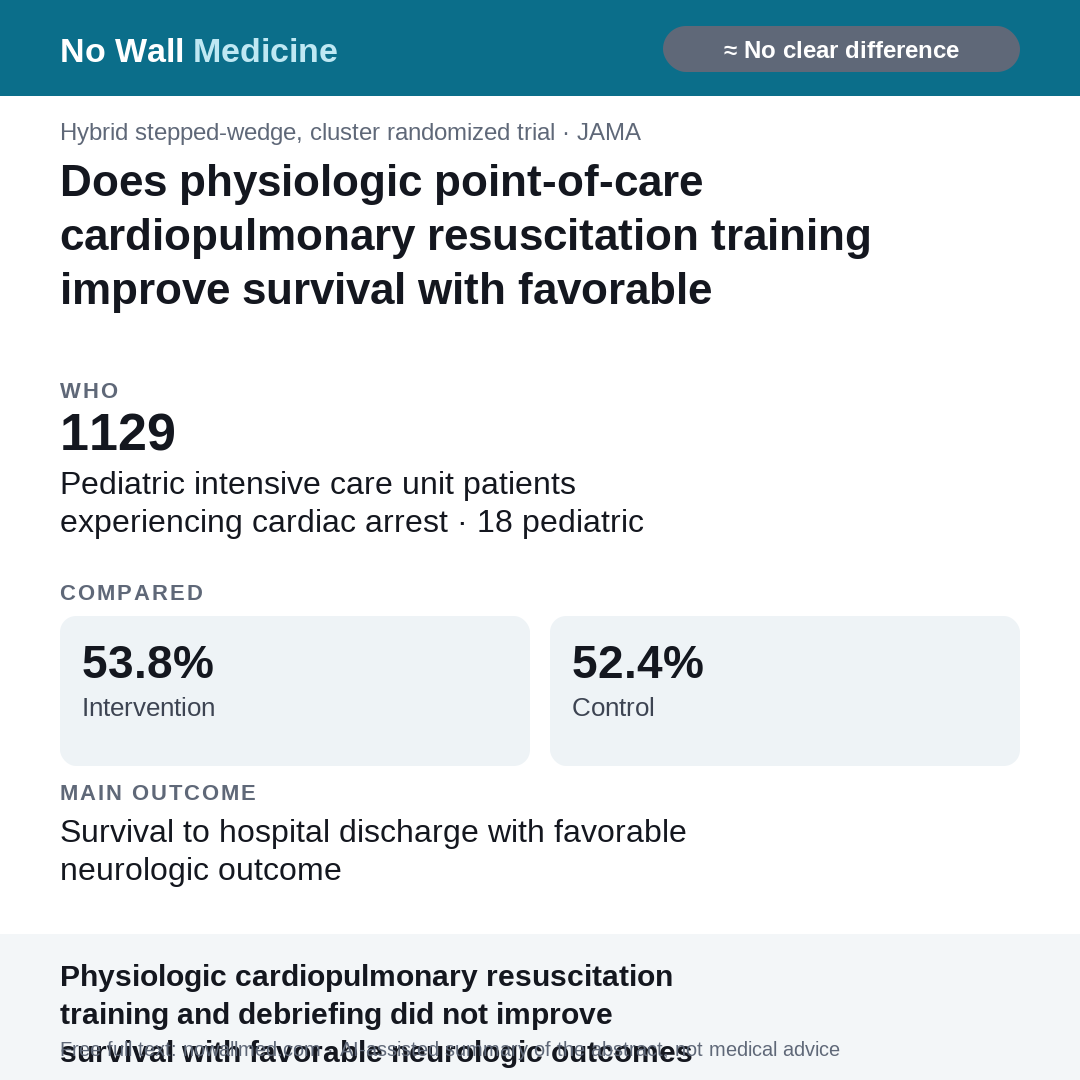
Effect of Physiologic Point-of-Care Cardiopulmonary Resuscitation Training on Survival With Favorable Neurologic Outcome in Cardiac Arrest in Pediatric ICUs: A Randomized Clinical Trial
Hybrid stepped-wedge, cluster randomized trialNo clear difference
Does physiologic point-of-care cardiopulmonary resuscitation training improve survival with favorable neurologic outcome?
Who
1129
Pediatric intensive care unit patients experiencing cardiac arrest · 18 pediatric intensive care units at 10 US sites
Compared
53.8%Intervention
52.4%Control
Main outcome
Survival to hospital discharge with favorable neurologic outcome
Result: risk difference 3.2% (95% CI -4.6% to 11.4%)
Bottom line: Physiologic cardiopulmonary resuscitation training and debriefing did not improve survival with favorable neurologic outcomes in pediatric intensive care unit cardiac arrests.
JAMA · 2022-03-08Download image
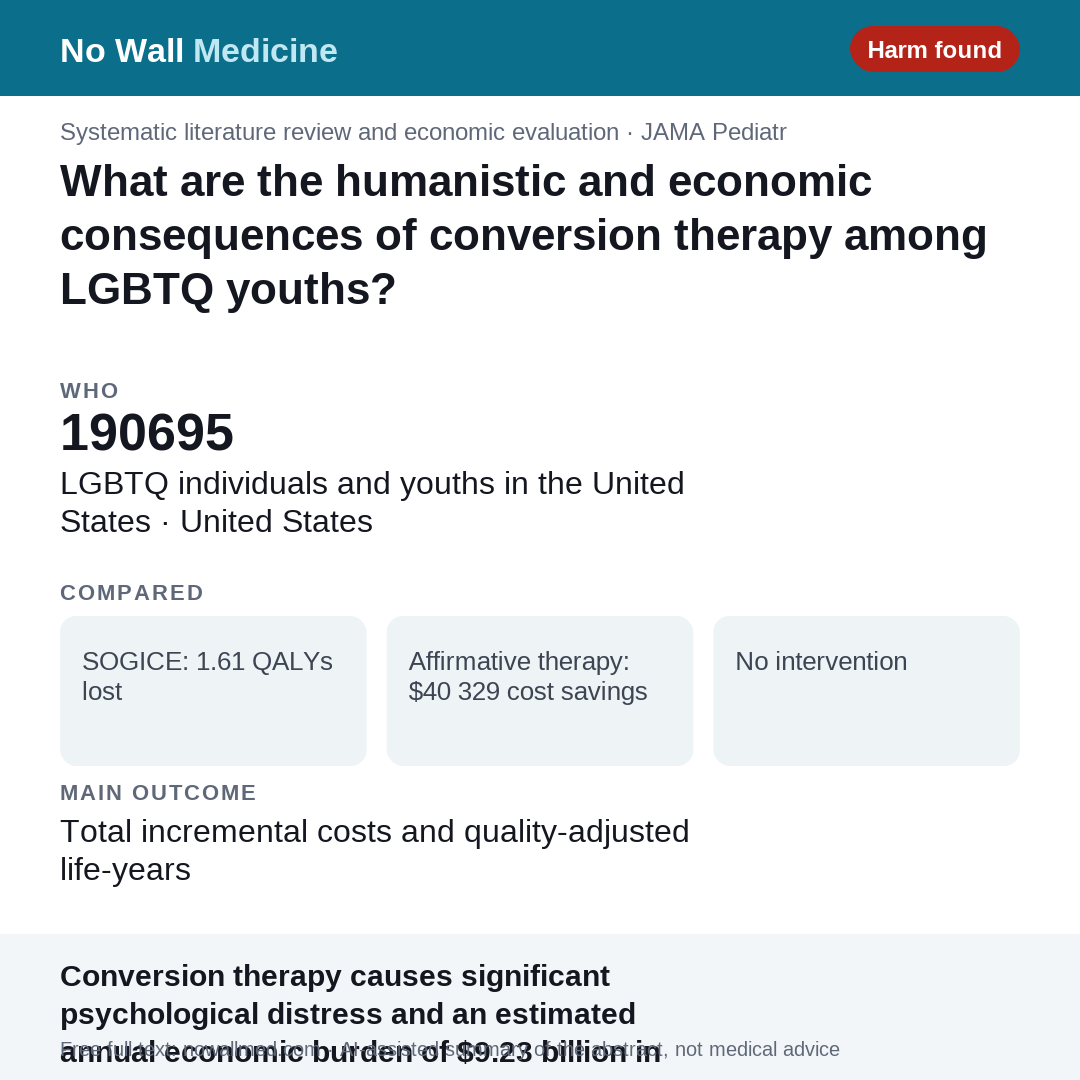
Humanistic and Economic Burden of Conversion Therapy Among LGBTQ Youths in the United States
Systematic literature review and economic evaluationHarm found
What are the humanistic and economic consequences of conversion therapy among LGBTQ youths?
Who
190695
LGBTQ individuals and youths in the United States · United States
Compared
SOGICE: 1.61 QALYs lost
Affirmative therapy: $40 329 cost savings
No intervention
Main outcome
Total incremental costs and quality-adjusted life-years
Result: $9.23 billion total economic burden
Bottom line: Conversion therapy causes significant psychological distress and an estimated annual economic burden of $9.23 billion in the United States.
JAMA Pediatr · 2022-03-08Download image
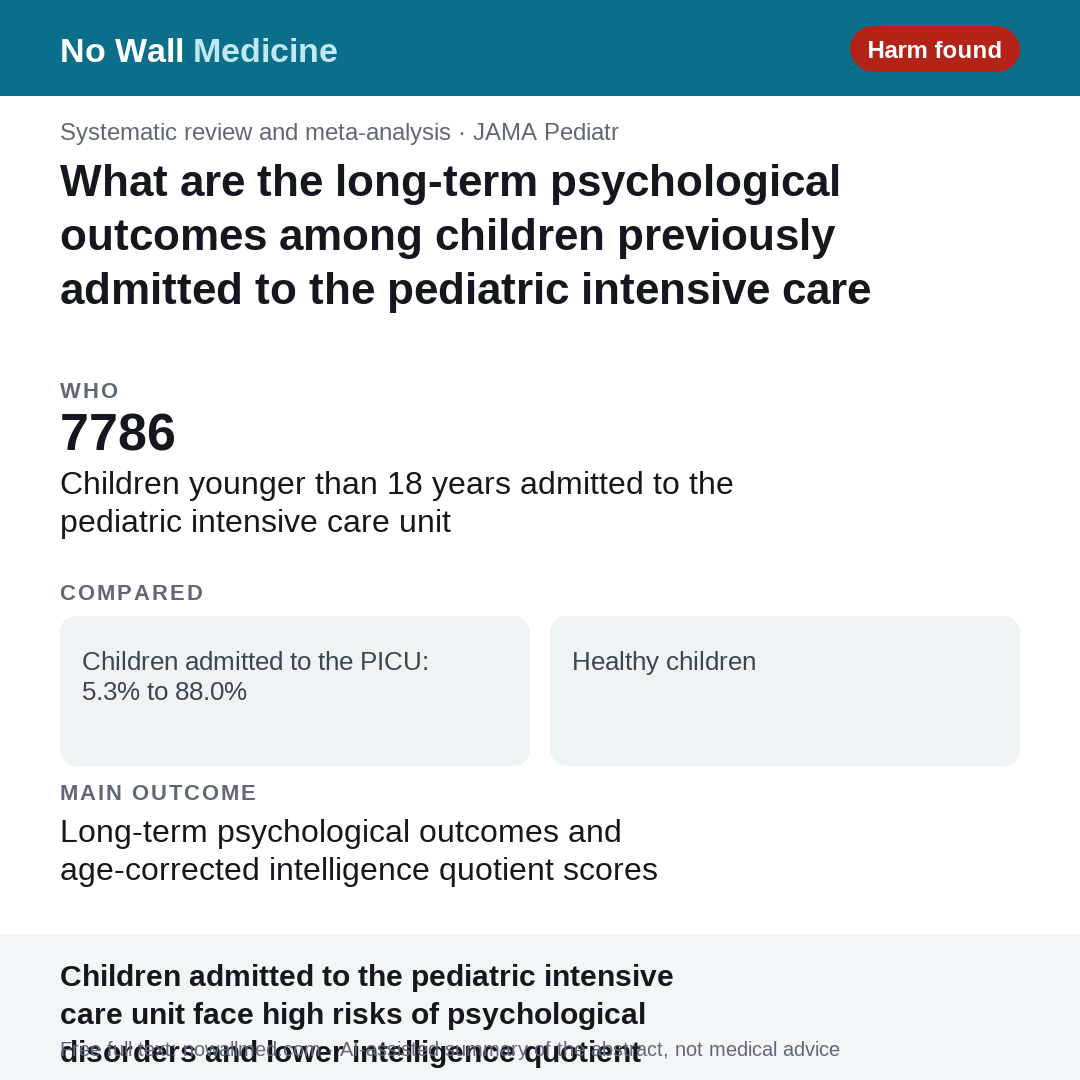
Assessment of Long-term Psychological Outcomes After Pediatric Intensive Care Unit Admission: A Systematic Review and Meta-analysis
Systematic review and meta-analysisHarm found
What are the long-term psychological outcomes among children previously admitted to the pediatric intensive care unit?
Who
7786
Children younger than 18 years admitted to the pediatric intensive care unit
Compared
Children admitted to the PICU: 5.3% to 88.0%
Healthy children
Main outcome
Long-term psychological outcomes and age-corrected intelligence quotient scores
Result: mean 89.40 points [95% CI, 88.33-90.47 points] vs 100.70 points [95% CI, 99.43-101.97 points]
Bottom line: Children admitted to the pediatric intensive care unit face high risks of psychological disorders and lower intelligence quotient scores.
Limitation: Race and ethnicity were not reported by all studies.
JAMA Pediatr · 2022-03-07Download image
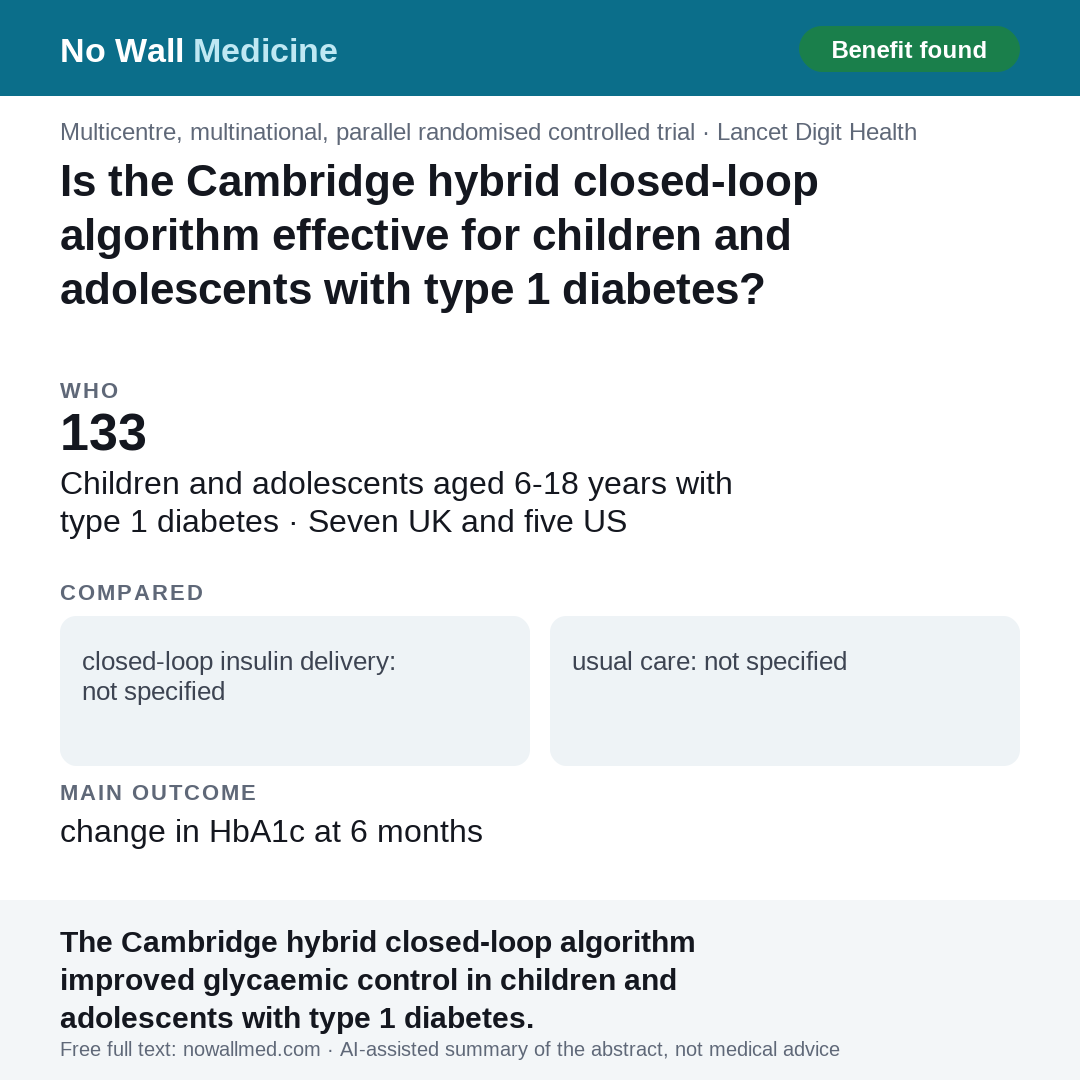
Cambridge hybrid closed-loop algorithm in children and adolescents with type 1 diabetes: a multicentre 6-month randomised controlled trial
Multicentre, multinational, parallel randomised controlled trialBenefit found
Is the Cambridge hybrid closed-loop algorithm effective for children and adolescents with type 1 diabetes?
Who
133
Children and adolescents aged 6-18 years with type 1 diabetes · Seven UK and five US paediatric diabetes centres
Compared
closed-loop insulin delivery: not specified
usual care: not specified
Main outcome
change in HbA1c at 6 months
Result: -3.5 mmol/mol (95% CI -6.5 to -0.5 [-0.32 percentage points, -0.59 to -0.04]; p=0.023)
Bottom line: The Cambridge hybrid closed-loop algorithm improved glycaemic control in children and adolescents with type 1 diabetes.
Funded by: National Institute of Diabetes and Digestive and Kidney Diseases
Lancet Digit Health · 2022-03-07Download image
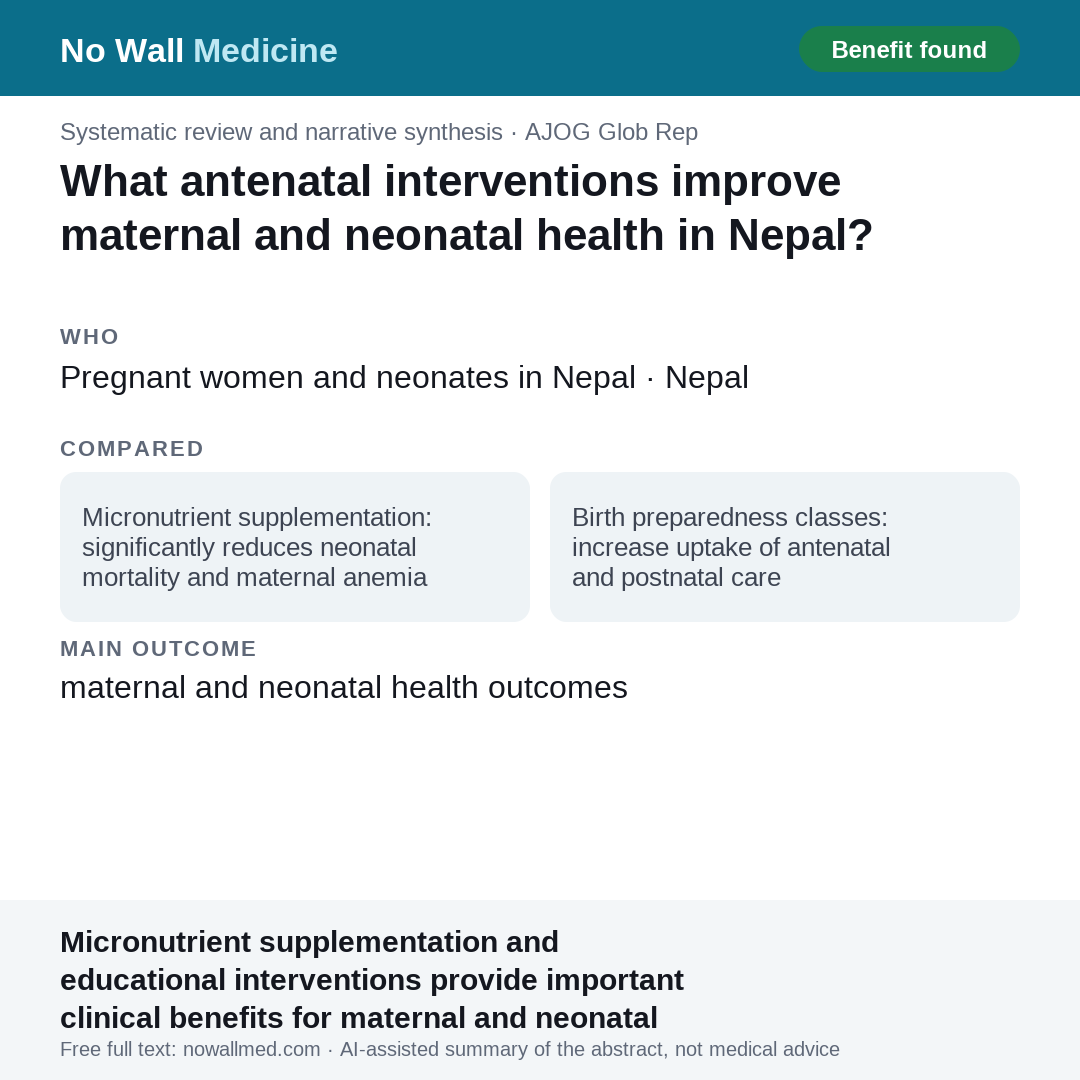
A systematic review and narrative synthesis of antenatal interventions to improve maternal and neonatal health in Nepal
Systematic review and narrative synthesisBenefit found
What antenatal interventions improve maternal and neonatal health in Nepal?
Who
Pregnant women and neonates in Nepal · Nepal
Compared
Micronutrient supplementation: significantly reduces neonatal mortality and maternal anemia
Birth preparedness classes: increase uptake of antenatal and postnatal care
Main outcome
maternal and neonatal health outcomes
Bottom line: Micronutrient supplementation and educational interventions provide important clinical benefits for maternal and neonatal health in Nepal.
Limitation: Less than a quarter were randomized controlled trials and many were single-site or short-term.
AJOG Glob Rep · 2022-03-07Download image
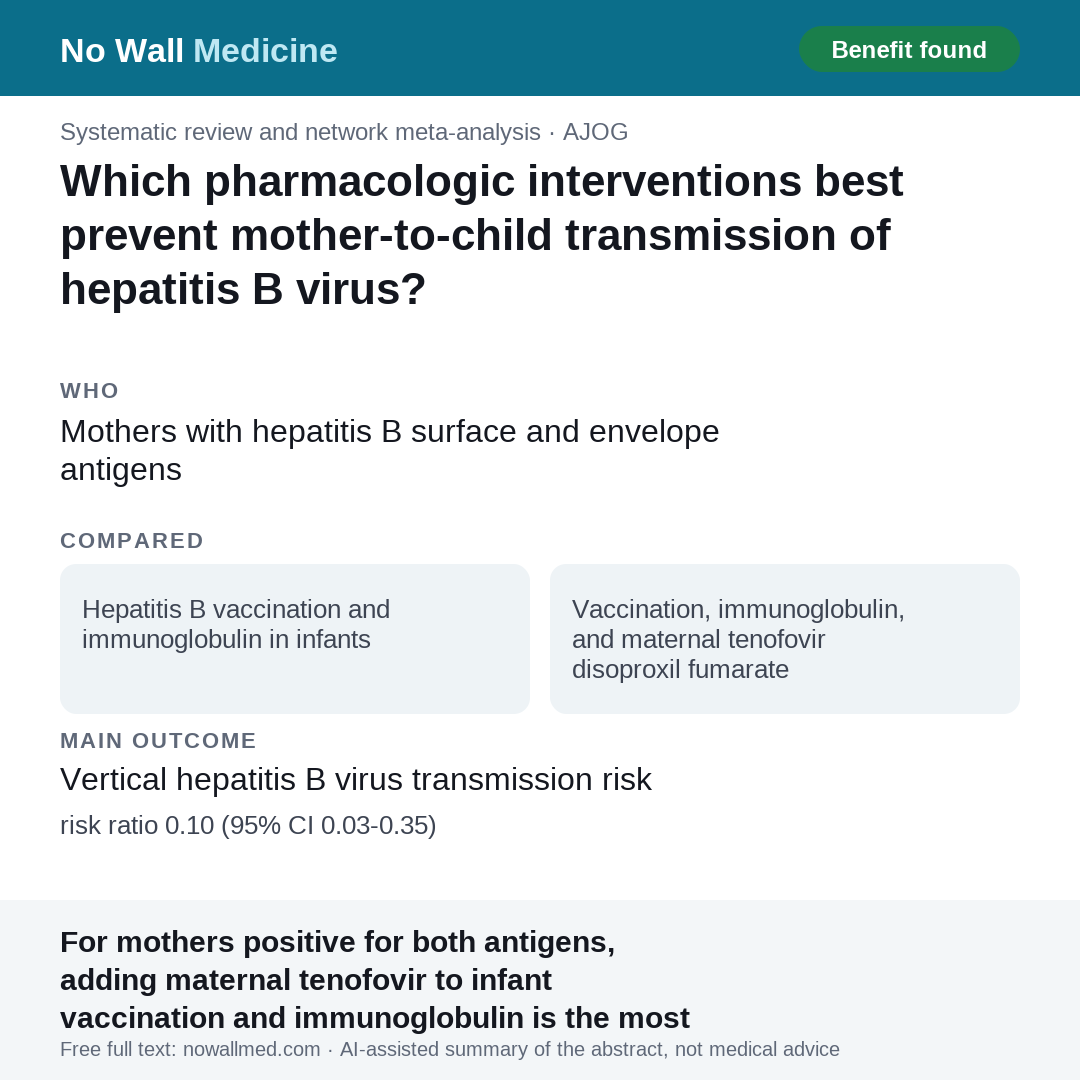
Comparative efficacy and safety of pharmacologic interventions to prevent mother-to-child transmission of hepatitis B virus: a systematic review and network meta-analysis
Systematic review and network meta-analysisBenefit found
Which pharmacologic interventions best prevent mother-to-child transmission of hepatitis B virus?
Who
Mothers with hepatitis B surface and envelope antigens
Compared
Hepatitis B vaccination and immunoglobulin in infants
Vaccination, immunoglobulin, and maternal tenofovir disoproxil fumarate
Main outcome
Vertical hepatitis B virus transmission risk
Result: risk ratio 0.10 (95% CI 0.03-0.35)
Bottom line: For mothers positive for both antigens, adding maternal tenofovir to infant vaccination and immunoglobulin is the most effective prevention.
Limitation: Limited evidence for mothers with mixed, unknown, or negative hepatitis B envelope antigen status.
AJOG · 2022-03-06Download image
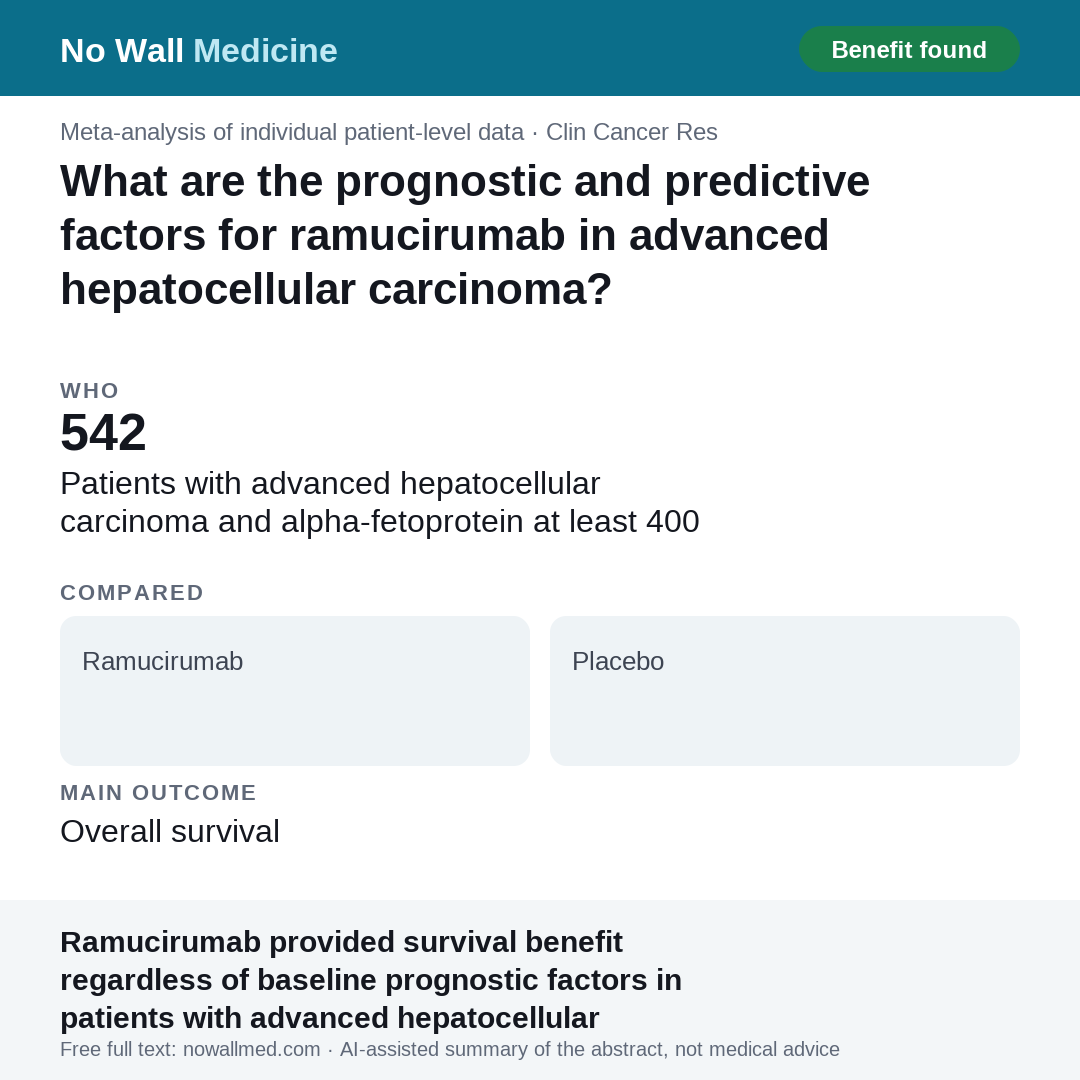
Prognostic and Predictive Factors in Patients with Advanced HCC and Elevated Alpha-Fetoprotein Treated with Ramucirumab in Two Randomized Phase III Trials
Meta-analysis of individual patient-level dataKey finding
What are the prognostic and predictive factors for ramucirumab in advanced hepatocellular carcinoma?
Who
542
Patients with advanced hepatocellular carcinoma and alpha-fetoprotein at least 400 ng/mL
Compared
Ramucirumab
Placebo
Main outcome
Overall survival
Result: hazard ratio 0.64 (95% confidence interval 0.49-0.84)
Bottom line: Ramucirumab provided survival benefit regardless of baseline prognostic factors in patients with advanced hepatocellular carcinoma.
Clin Cancer Res · 2022-03-06Download image
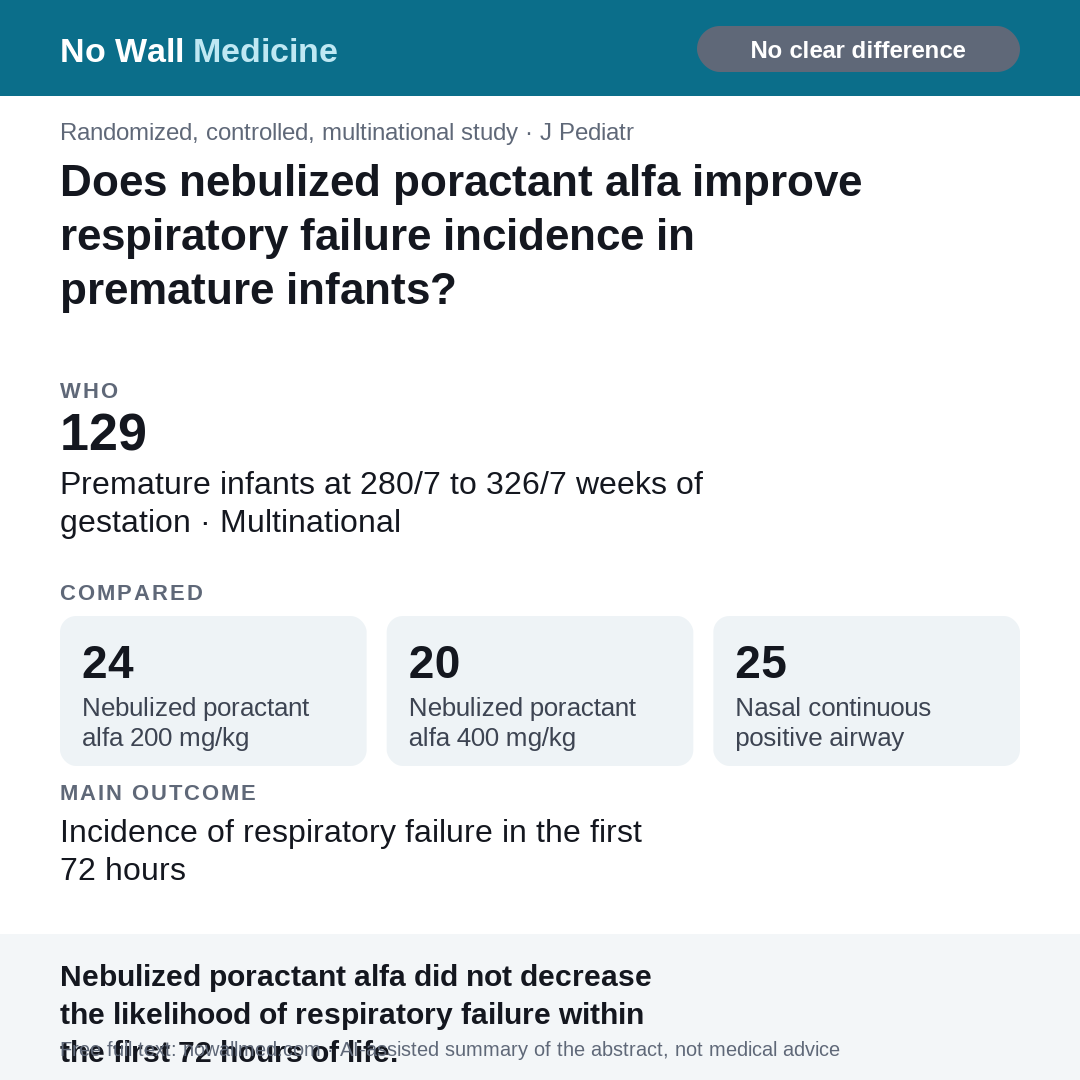
A Randomized, Controlled Trial to Investigate the Efficacy of Nebulized Poractant Alfa in Premature Babies with Respiratory Distress Syndrome
Randomized, controlled, multinational studyNo clear difference
Does nebulized poractant alfa improve respiratory failure incidence in premature infants?
Who
129
Premature infants at 280/7 to 326/7 weeks of gestation · Multinational
Compared
24Nebulized poractant alfa 200 mg/kg (57%)
20Nebulized poractant alfa 400 mg/kg (49%)
25Nasal continuous positive airway pressure alone (58%)
Main outcome
Incidence of respiratory failure in the first 72 hours
Bottom line: Nebulized poractant alfa did not decrease the likelihood of respiratory failure within the first 72 hours of life.
J Pediatr · 2022-03-05Download image
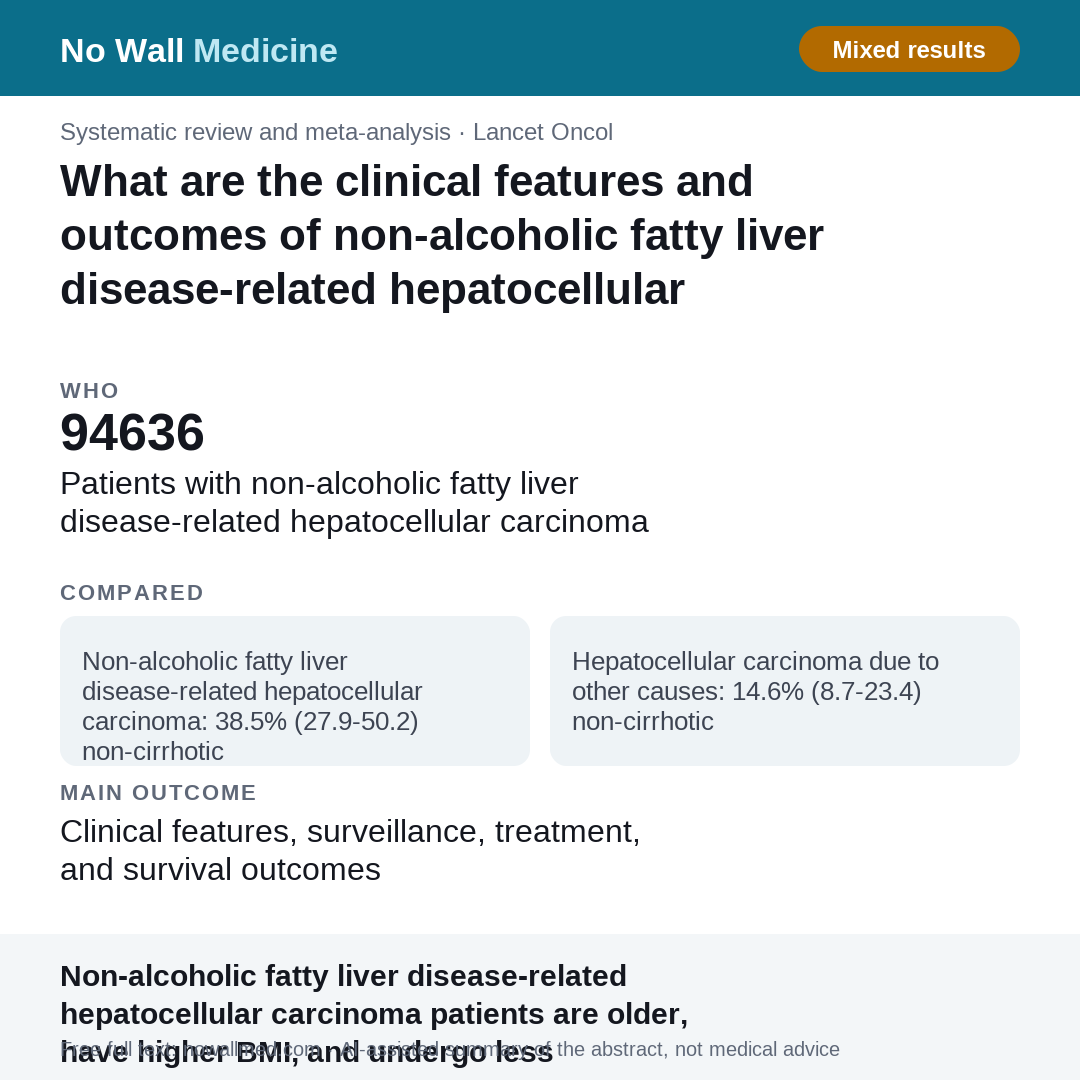
Clinical characteristics, surveillance, treatment allocation, and outcomes of non-alcoholic fatty liver disease-related hepatocellular carcinoma: a systematic review and meta-analysis
Systematic review and meta-analysis of observational studiesMixed results
Clinical features and outcomes of NAFLD-related hepatocellular carcinoma versus other causes
Who
94636
Patients with hepatocellular carcinoma due to NAFLD or other causes
Compared
32.8%NAFLD-related hepatocellular carcinoma (12.0-63.7)
55.7%Other causes (24.0-83.3)
Main outcome
Proportion of patients undergoing surveillance
Result: hazard ratio 1.05 (95% CI 0.92-1.20)
Bottom line: NAFLD-related hepatocellular carcinoma was linked to lower surveillance rates but similar overall survival.
Limitation: Substantial heterogeneity in most analyses and low-to-moderate risk of bias
Lancet Oncol · 2022-03-04Download image
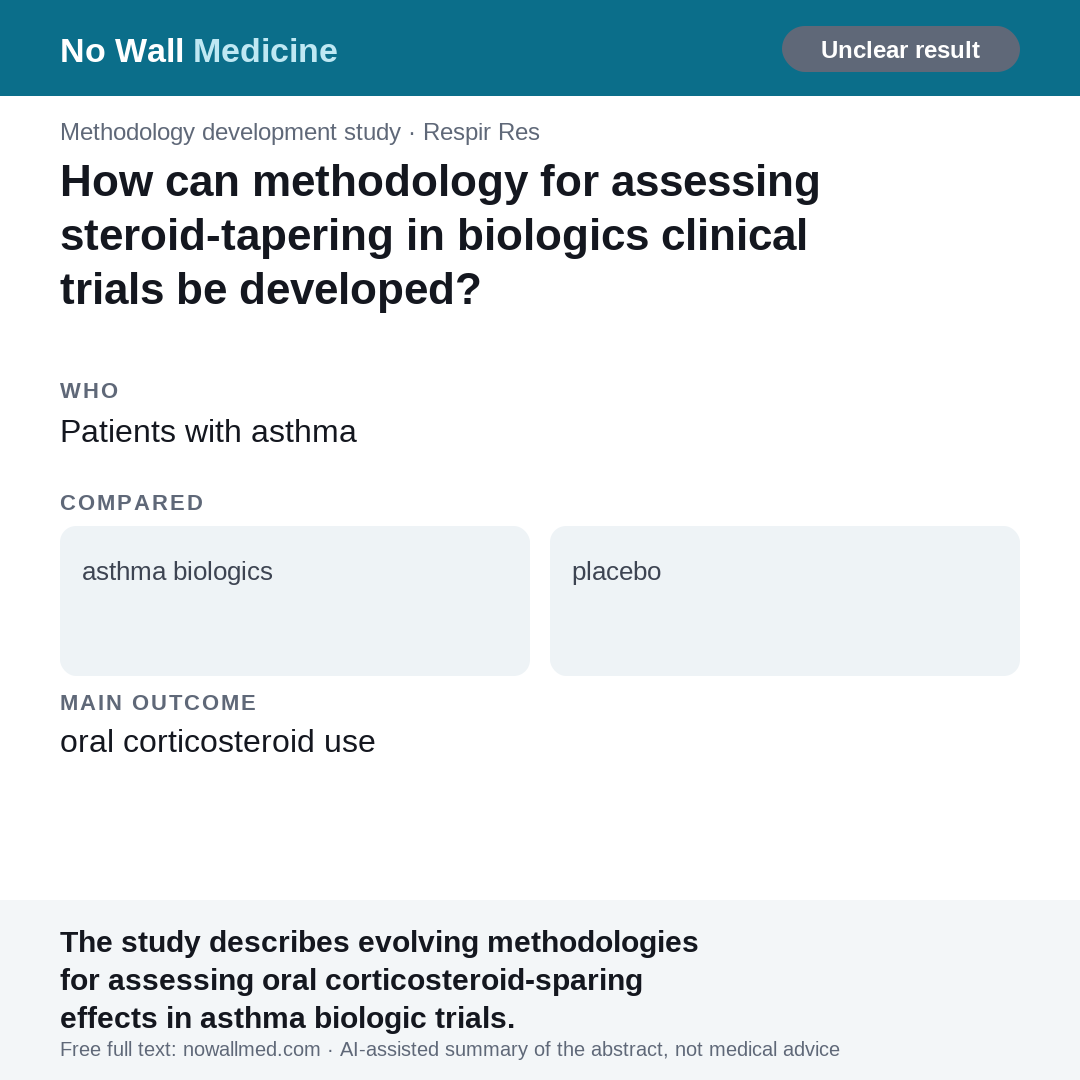
Development of methodology for assessing steroid-tapering in clinical trials for biologics in asthma
Methodology development studyUnclear result
How can methodology for assessing steroid-tapering in biologics clinical trials be developed?
Who
Patients with asthma
Compared
asthma biologics
placebo
Main outcome
oral corticosteroid use
Bottom line: The study describes evolving methodologies for assessing oral corticosteroid-sparing effects in asthma biologic trials.
Respir Res · 2022-03-04Download image
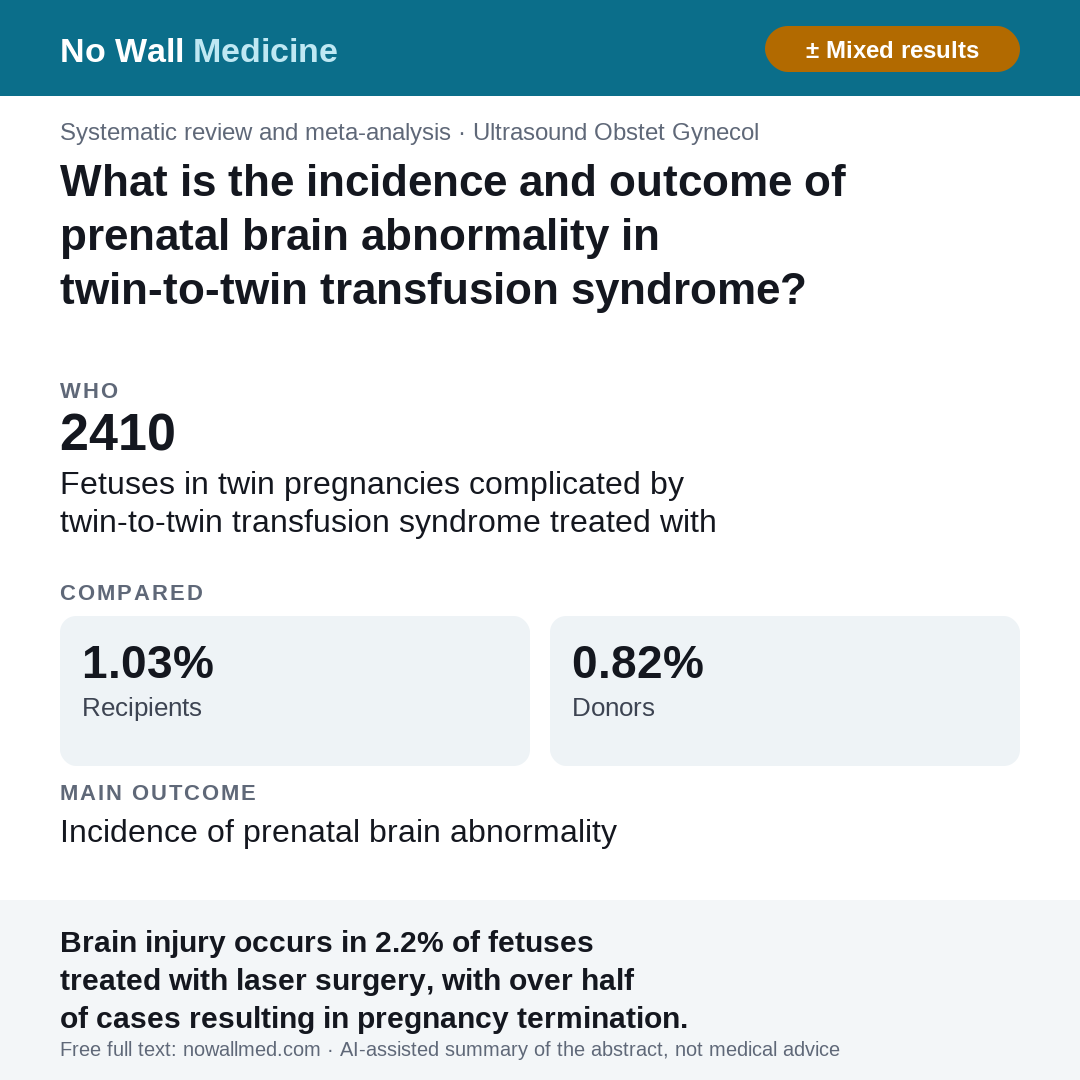
Incidence and outcome of prenatal brain abnormality in twin-to-twin transfusion syndrome: systematic review and meta-analysis
Systematic review and meta-analysisMixed results
What is the incidence and outcome of prenatal brain abnormality in twin-to-twin transfusion syndrome?
Who
2410
Fetuses in twin pregnancies complicated by twin-to-twin transfusion syndrome treated with laser surgery
Compared
1.03%Recipients
0.82%Donors
Main outcome
Incidence of prenatal brain abnormality
Result: 2.2% (52/2410)
Bottom line: Brain injury occurs in 2.2% of fetuses treated with laser surgery, with over half of cases resulting in pregnancy termination.
Ultrasound Obstet Gynecol · 2022-03-03Download image
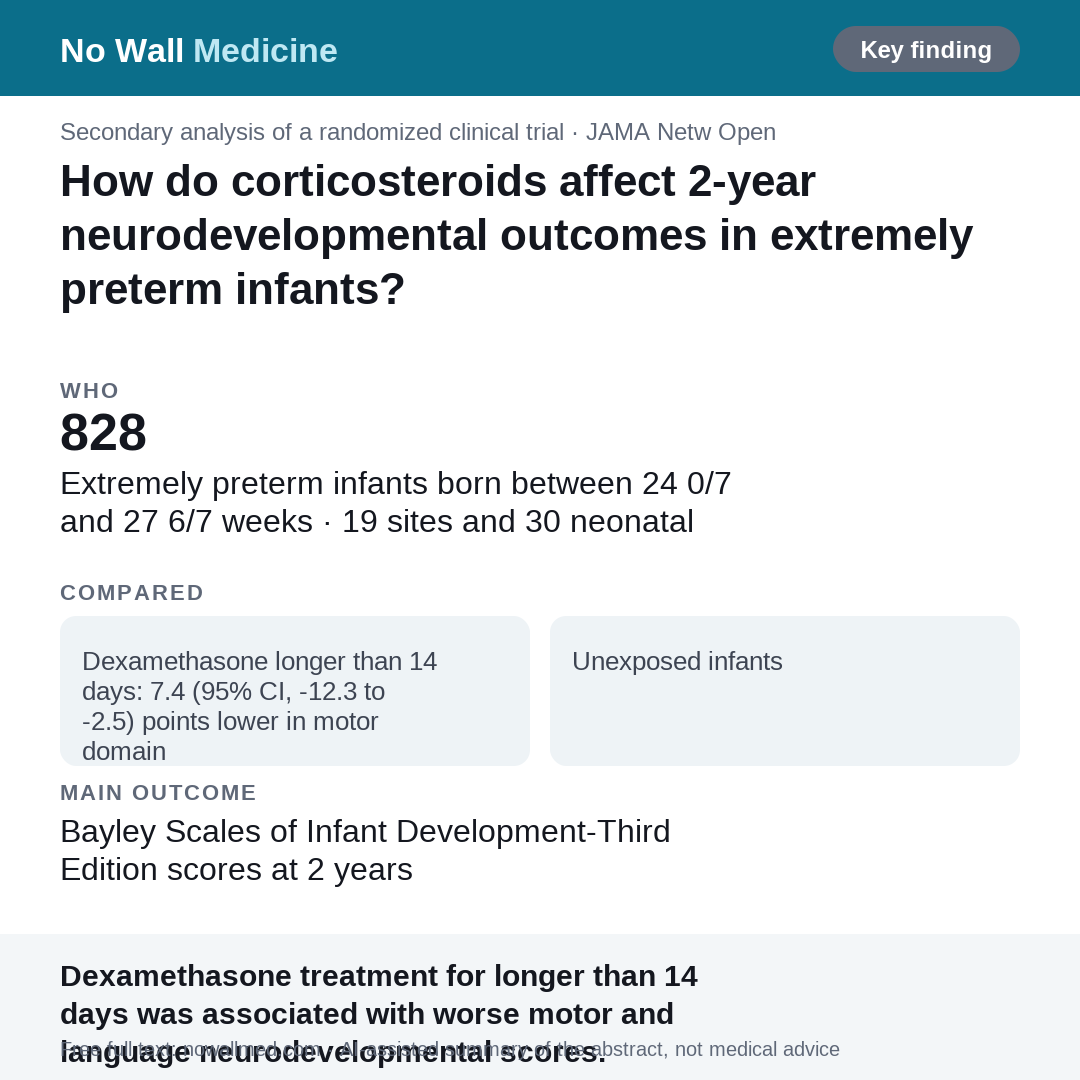
Dexamethasone, Prednisolone, and Methylprednisolone Use and 2-Year Neurodevelopmental Outcomes in Extremely Preterm Infants
Secondary analysis of a randomized clinical trialKey finding
How do corticosteroids affect 2-year neurodevelopmental outcomes in extremely preterm infants?
Who
828
Extremely preterm infants born between 24 0/7 and 27 6/7 weeks · 19 sites and 30 neonatal intensive care units in the US
Compared
Dexamethasone longer than 14 days: 7.4 (95% CI, -12.3 to -2.5) points lower in motor domain
Unexposed infants
Main outcome
Bayley Scales of Infant Development-Third Edition scores at 2 years
Result: mean scores 7.4 (95% CI, -12.3 to -2.5) points lower in motor domain
Bottom line: Dexamethasone treatment for longer than 14 days was associated with worse motor and language neurodevelopmental scores.
Limitation: Potential unmeasured differences in the clinical conditions of exposed versus unexposed infants may contribute to findings.
JAMA Netw Open · 2022-03-01Download image
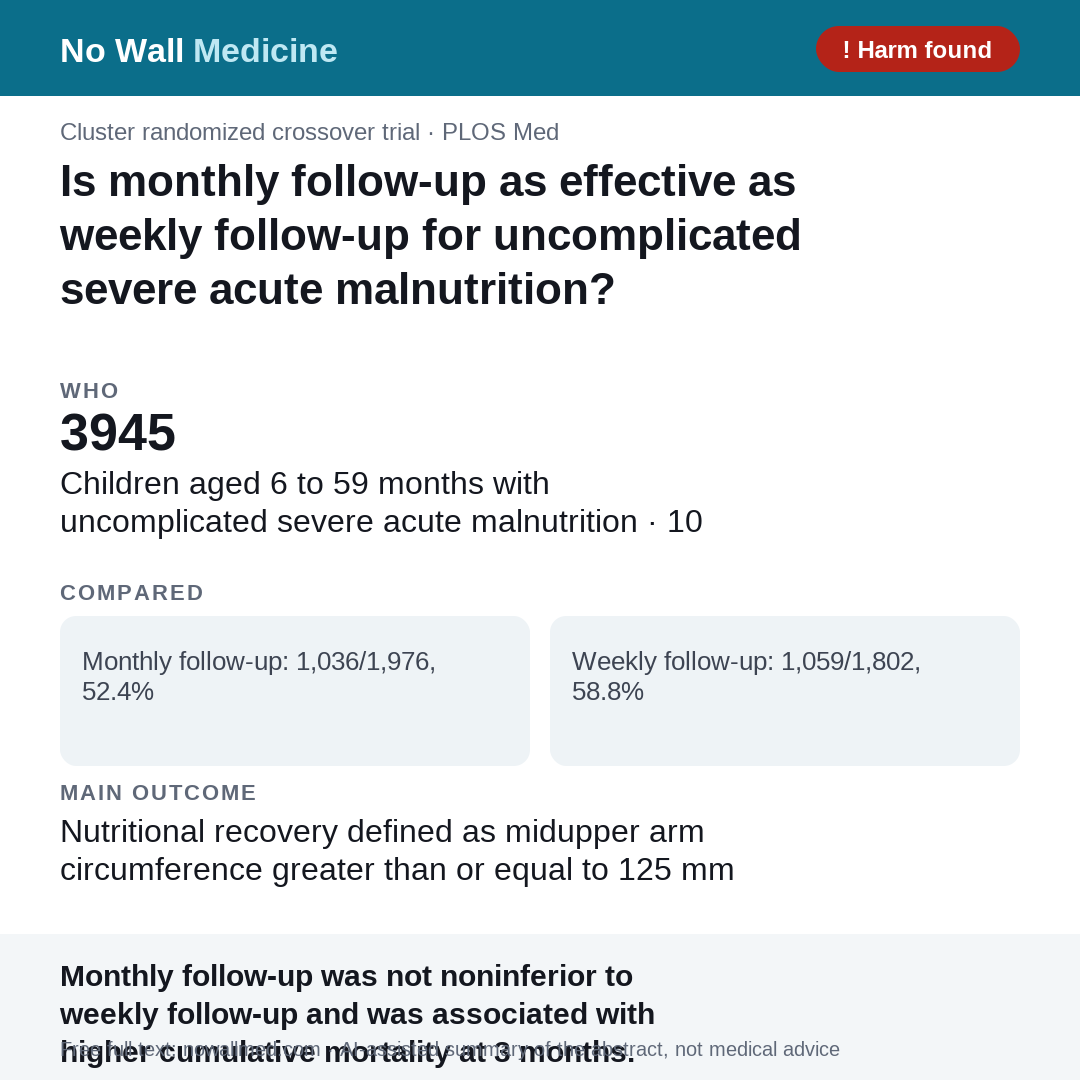
Effectiveness of a monthly schedule of follow-up for the treatment of uncomplicated severe acute malnutrition in Sokoto, Nigeria: A cluster randomized crossover trial
Cluster randomized crossover trialHarm found
Is monthly follow-up as effective as weekly follow-up for uncomplicated severe acute malnutrition?
Who
3945
Children aged 6 to 59 months with uncomplicated severe acute malnutrition · 10 health centers in Sokoto, Nigeria
Compared
Monthly follow-up: 1,036/1,976, 52.4%
Weekly follow-up: 1,059/1,802, 58.8%
Main outcome
Nutritional recovery defined as midupper arm circumference greater than or equal to 125 mm
Result: risk difference: -6.8% (lower bound of the confidence interval was -11.5%)
Bottom line: Monthly follow-up was not noninferior to weekly follow-up and was associated with higher cumulative mortality at 3 months.
Limitation: Results may depend on context-specific factors including baseline care and clinical status of children.
PLOS Med · 2022-03-01Download image
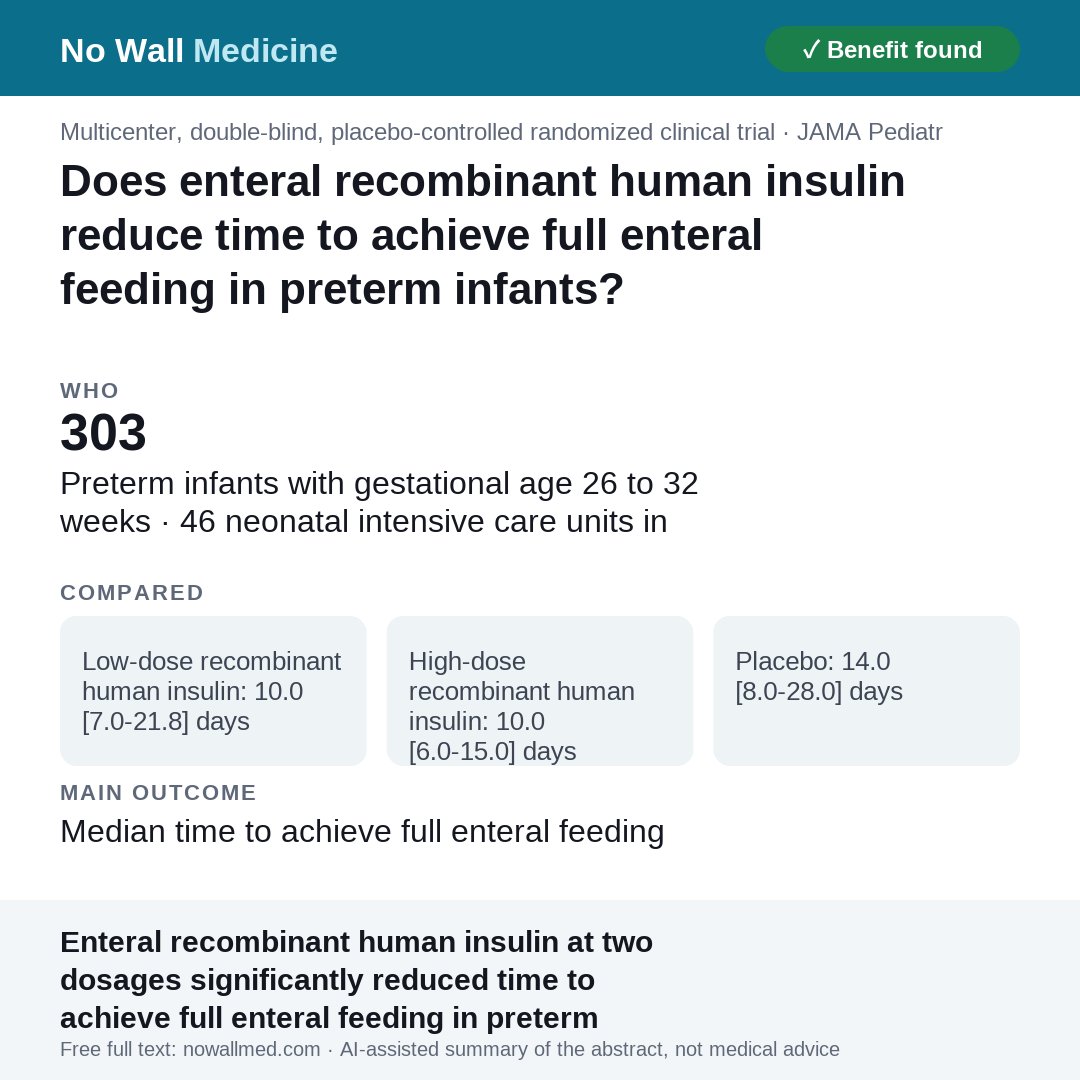
Efficacy and Safety of Enteral Recombinant Human Insulin in Preterm Infants: A Randomized Clinical Trial
Multicenter, double-blind, placebo-controlled randomized clinical trialBenefit found
Does enteral recombinant human insulin reduce time to achieve full enteral feeding in preterm infants?
Who
303
Preterm infants with gestational age 26 to 32 weeks · 46 neonatal intensive care units in Europe, Israel, and the US
Compared
Low-dose recombinant human insulin: 10.0 [7.0-21.8] days
High-dose recombinant human insulin: 10.0 [6.0-15.0] days
Placebo: 14.0 [8.0-28.0] days
Main outcome
Median time to achieve full enteral feeding
Result: difference in median (95% CI) time to FEF was 4.0 (1.0-8.0) days for low-dose and 4.0 (1.0-7.0) days for high-dose
Bottom line: Enteral recombinant human insulin at two dosages significantly reduced time to achieve full enteral feeding in preterm infants.
JAMA Pediatr · 2022-03-01Download image
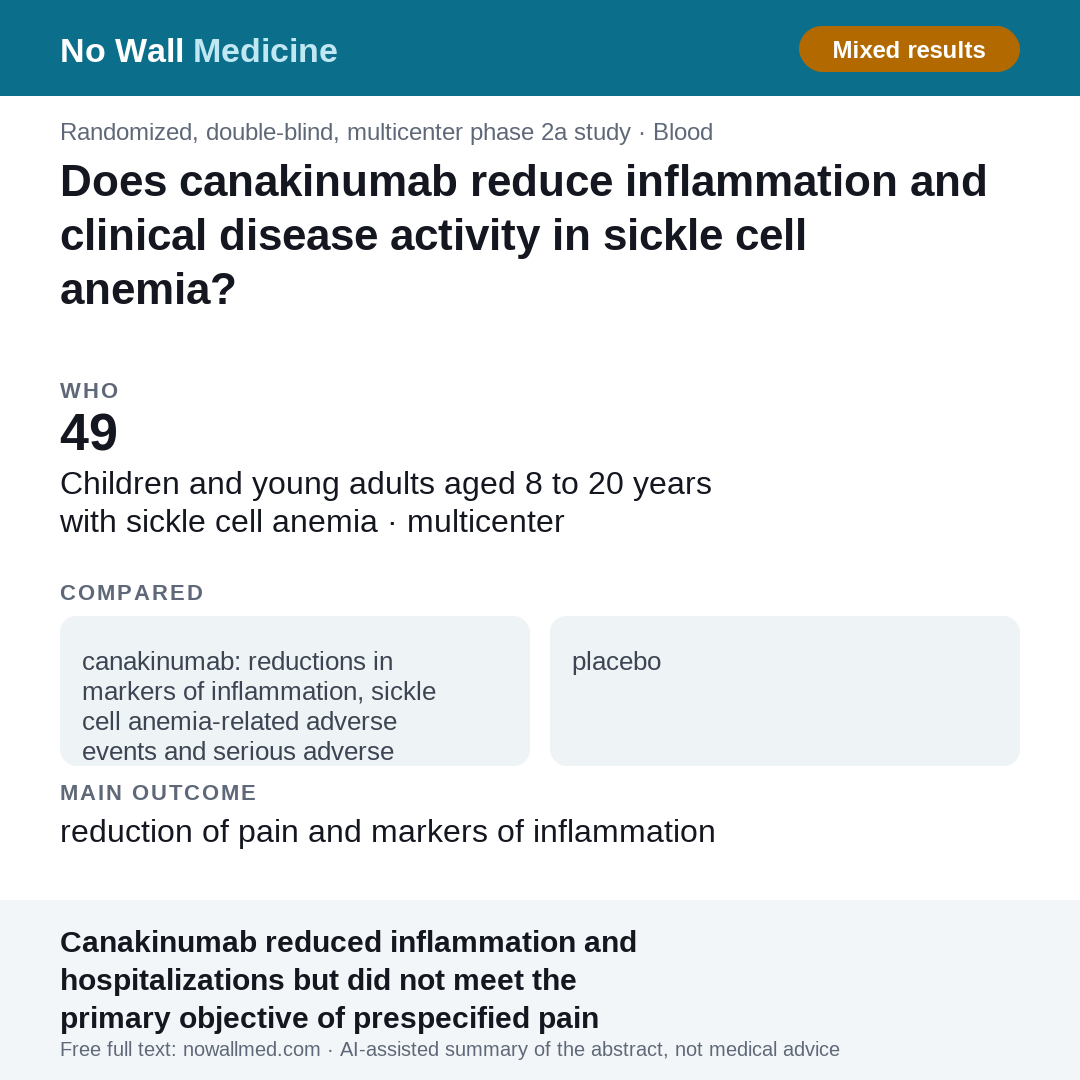
A randomized, placebo-controlled, double-blind trial of canakinumab in children and young adults with sickle cell anemia
Randomized, double-blind, multicenter phase 2a studyMixed results
Does canakinumab reduce inflammation and clinical disease activity in sickle cell anemia?
Who
49
Children and young adults aged 8 to 20 years with sickle cell anemia · multicenter
Compared
canakinumab: reductions in markers of inflammation, sickle cell anemia-related adverse events and serious adverse events, and number and duration of hospitalizations
placebo
Main outcome
reduction of pain and markers of inflammation
Bottom line: Canakinumab reduced inflammation and hospitalizations but did not meet the primary objective of prespecified pain reduction.
Blood · 2022-03-01Download image
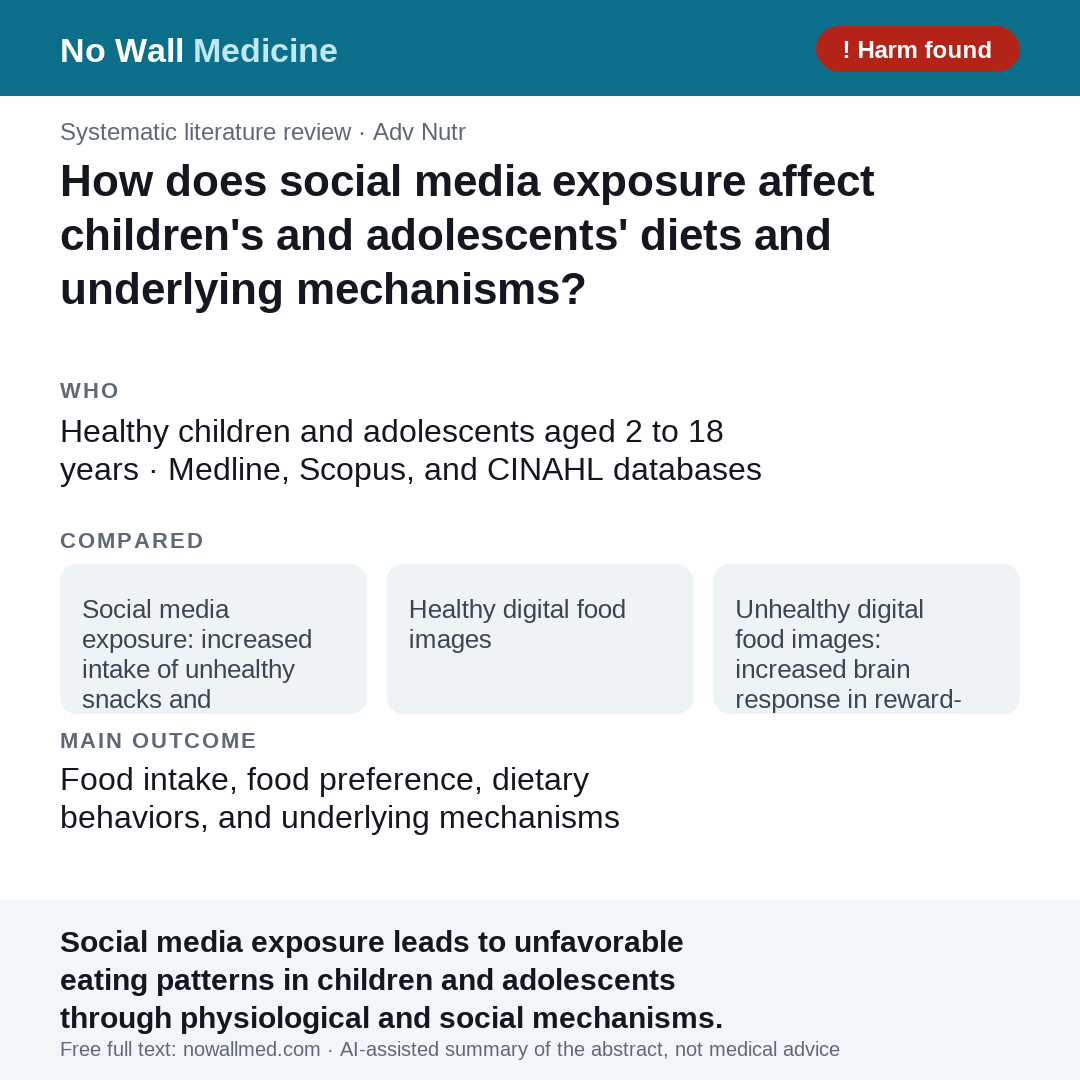
Social Media and Children's and Adolescents' Diets: A Systematic Review of the Underlying Social and Physiological Mechanisms
Systematic literature reviewHarm found
How does social media exposure affect children's and adolescents' diets and underlying mechanisms?
Who
Healthy children and adolescents aged 2 to 18 years · Medline, Scopus, and CINAHL databases
Compared
Social media exposure: increased intake of unhealthy snacks and sugar-sweetened beverages
Healthy digital food images
Unhealthy digital food images: increased brain response in reward- and attention-related regions
Main outcome
Food intake, food preference, dietary behaviors, and underlying mechanisms
Bottom line: Social media exposure leads to unfavorable eating patterns in children and adolescents through physiological and social mechanisms.
Adv Nutr · 2022-02-27Download image
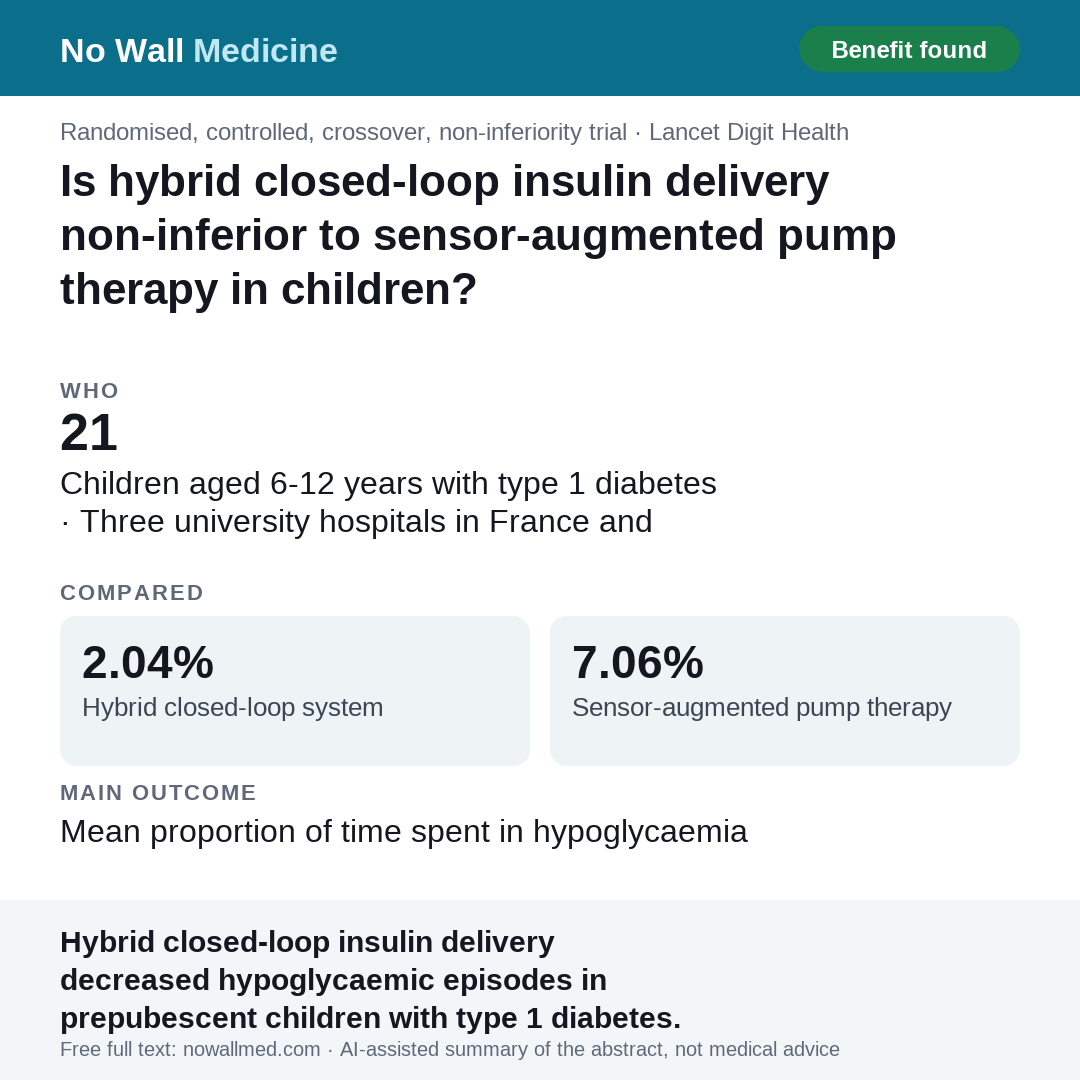
Hybrid closed-loop insulin delivery versus sensor-augmented pump therapy in children aged 6-12 years: a randomised, controlled, cross-over, non-inferiority trial
Randomised, controlled, crossover, non-inferiority trialBenefit found
Is hybrid closed-loop insulin delivery non-inferior to sensor-augmented pump therapy in children?
Who
21
Children aged 6-12 years with type 1 diabetes · Three university hospitals in France and Belgium
Compared
2.04%Hybrid closed-loop system (95% CI 0.44 to 3.64)
7.06%Sensor-augmented pump therapy (5.46 to 8.66)
Main outcome
Mean proportion of time spent in hypoglycaemia
Result: non-inferiority one-sided p<0.0001
Bottom line: Hybrid closed-loop insulin delivery decreased hypoglycaemic episodes in prepubescent children with type 1 diabetes.
Funded by: Diabeloop
Lancet Digit Health · 2022-02-26Download image
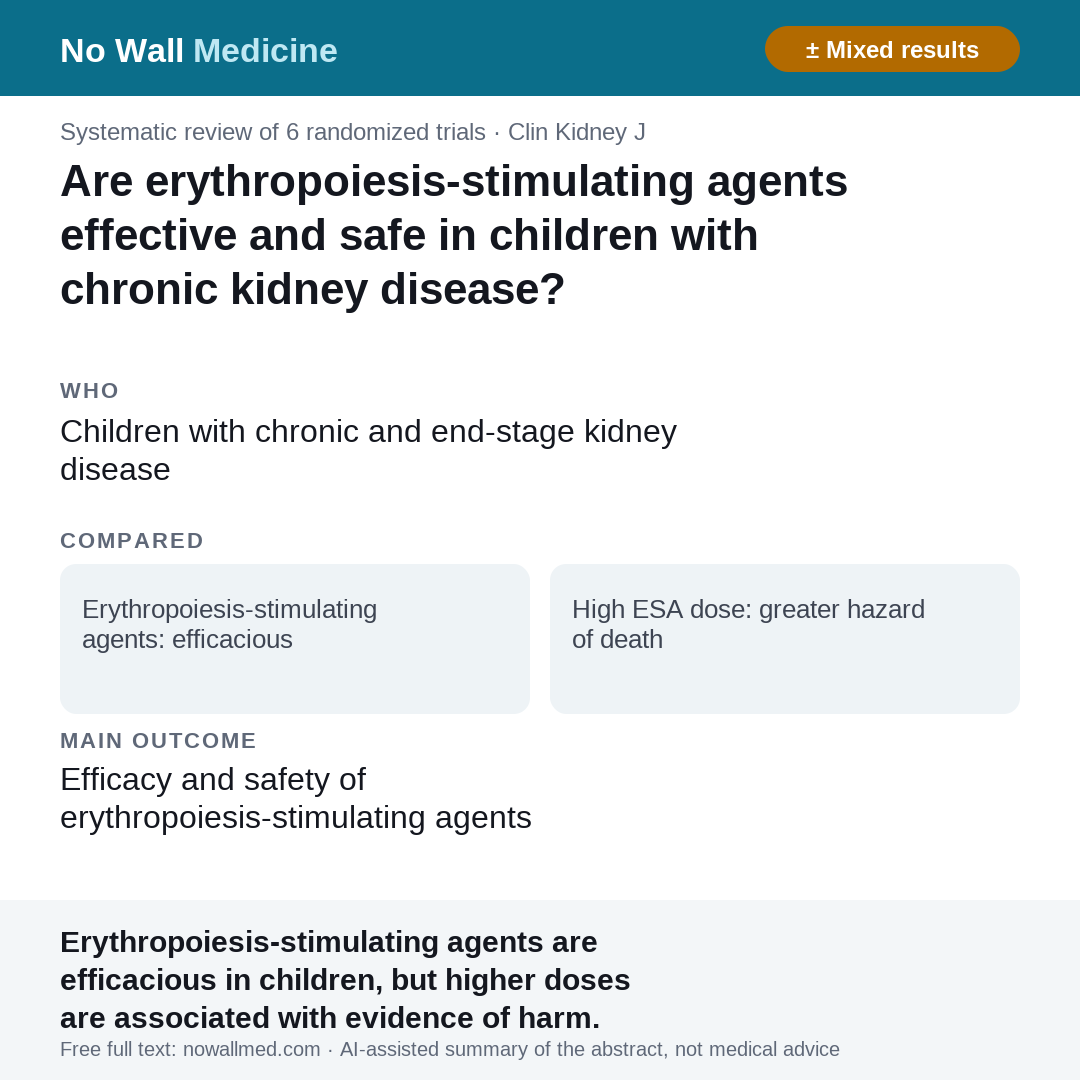
Use of erythropoiesis-stimulating agents in children with chronic kidney disease: a systematic review
Systematic review of 6 randomized trialsMixed results
Are erythropoiesis-stimulating agents effective and safe in children with chronic kidney disease?
Who
Children with chronic and end-stage kidney disease
Compared
Erythropoiesis-stimulating agents: efficacious
High ESA dose: greater hazard of death
Main outcome
Efficacy and safety of erythropoiesis-stimulating agents
Bottom line: Erythropoiesis-stimulating agents are efficacious in children, but higher doses are associated with evidence of harm.
Limitation: Recruitment to studies was a consistent challenge.
Clin Kidney J · 2022-02-26Download image