Visual abstracts
New randomized trials and meta-analyses from leading journals at a glance: who was studied, what was compared, and what was found. Every paper is free to read in full.
All specialtiesCardiology 4763Oncology 4042Gastroenterology & Hepatology 1902Infectious Disease 3756Neurology 1872Psychiatry & Mental Health 2214Pulmonology 2042Critical Care 1319Endocrinology & Diabetes 2544Pediatrics 2889Surgery 2479Orthopedics & Sports Medicine 917Neurosurgery 525Cardiothoracic & Vascular Surgery 656Plastic & Reconstructive Surgery 574Nephrology 1107Rheumatology 810Hematology 1090Dermatology 611Ophthalmology 532Obstetrics & Gynecology 1645Public & Global Health 1037Radiology & Imaging 617Anesthesiology 957Urology 745ENT (Otolaryngology) 494Emergency Medicine 481Allergy & Immunology 309Geriatrics 972Family Medicine & Primary Care 533Medical Genetics & Genomics 659Pathology & Laboratory Medicine 156Physical Medicine & Rehabilitation 734Palliative Care 421Nutrition 1560Digital Health & AI 2133General Medicine 318
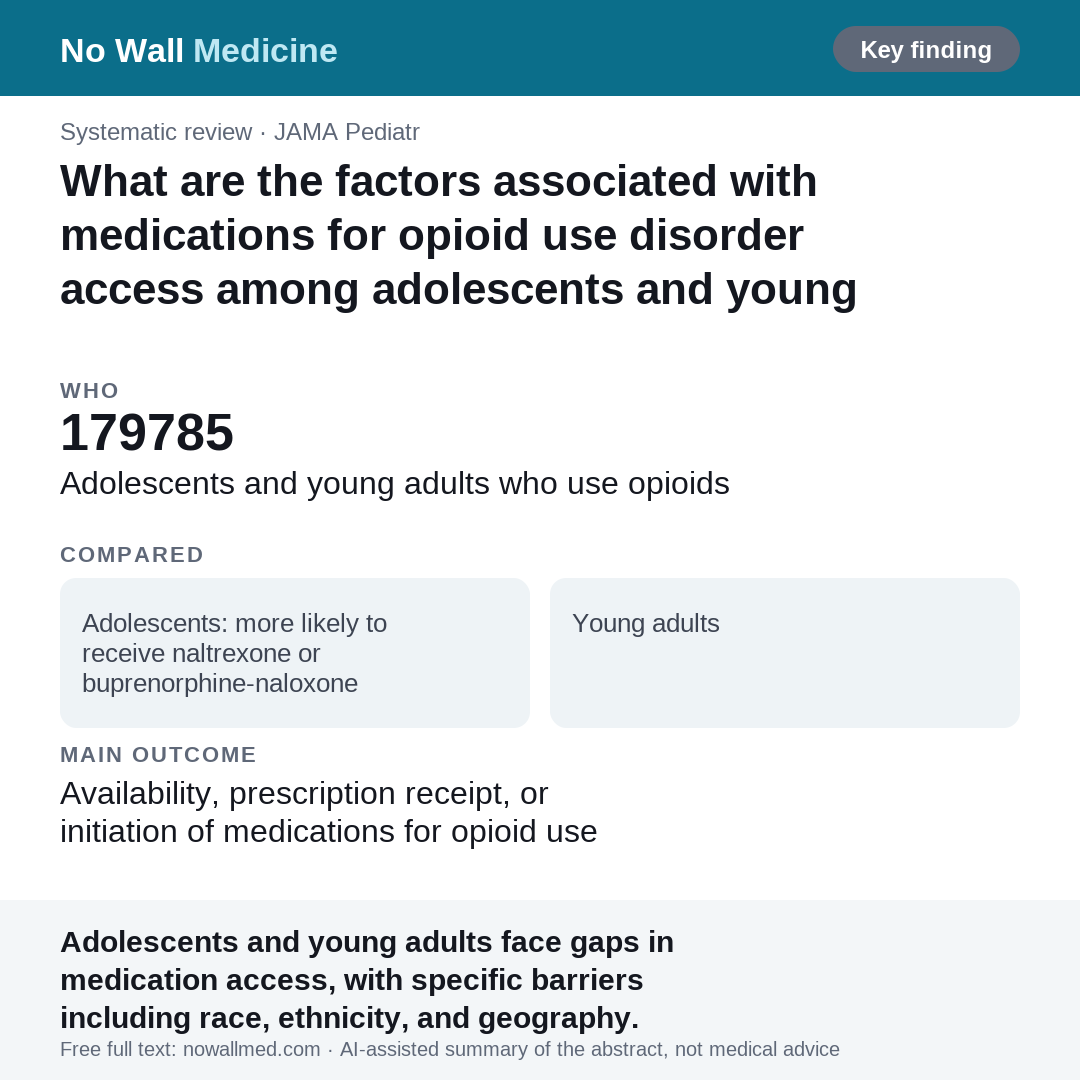
Access to Medications for Opioid Use Disorder and Associated Factors Among Adolescents and Young Adults: A Systematic Review
Systematic reviewKey finding
What are the factors associated with medications for opioid use disorder access among adolescents and young adults?
Who
179785
Adolescents and young adults who use opioids
Compared
Adolescents: more likely to receive naltrexone or buprenorphine-naloxone
Young adults
Main outcome
Availability, prescription receipt, or initiation of medications for opioid use disorder
Bottom line: Adolescents and young adults face gaps in medication access, with specific barriers including race, ethnicity, and geography.
JAMA Pediatr · 2021-12-07Download image
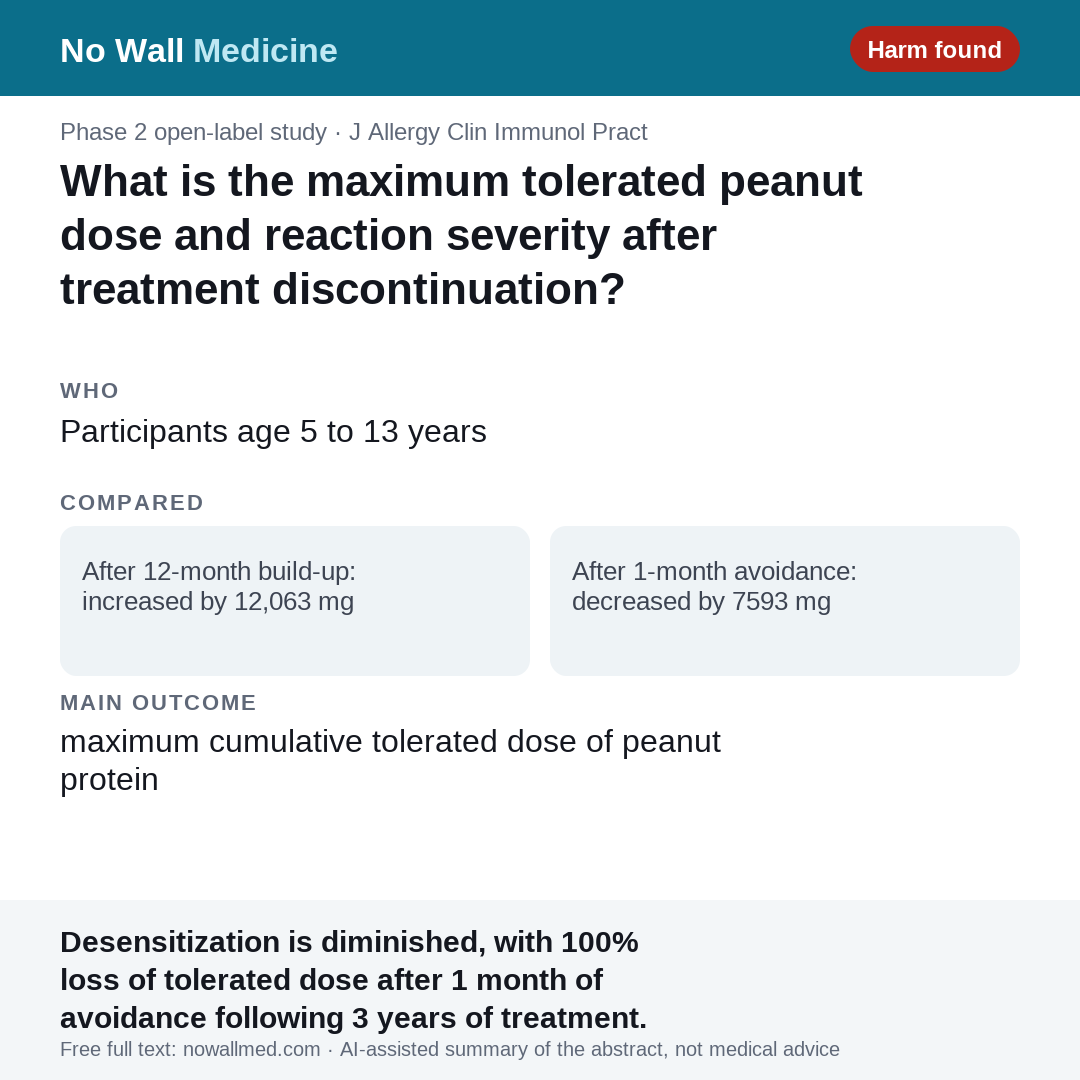
Maximum Dose Food Challenges Reveal Transient Sustained Unresponsiveness in Peanut Oral Immunotherapy (POIMD Study)
Phase 2 open-label studyHarm found
What is the maximum tolerated peanut dose and reaction severity after treatment discontinuation?
Who
Participants age 5 to 13 years
Compared
After 12-month build-up: increased by 12,063 mg
After 1-month avoidance: decreased by 7593 mg
Main outcome
maximum cumulative tolerated dose of peanut protein
Bottom line: Desensitization is diminished, with 100% loss of tolerated dose after 1 month of avoidance following 3 years of treatment.
J Allergy Clin Immunol Pract · 2021-12-07Download image
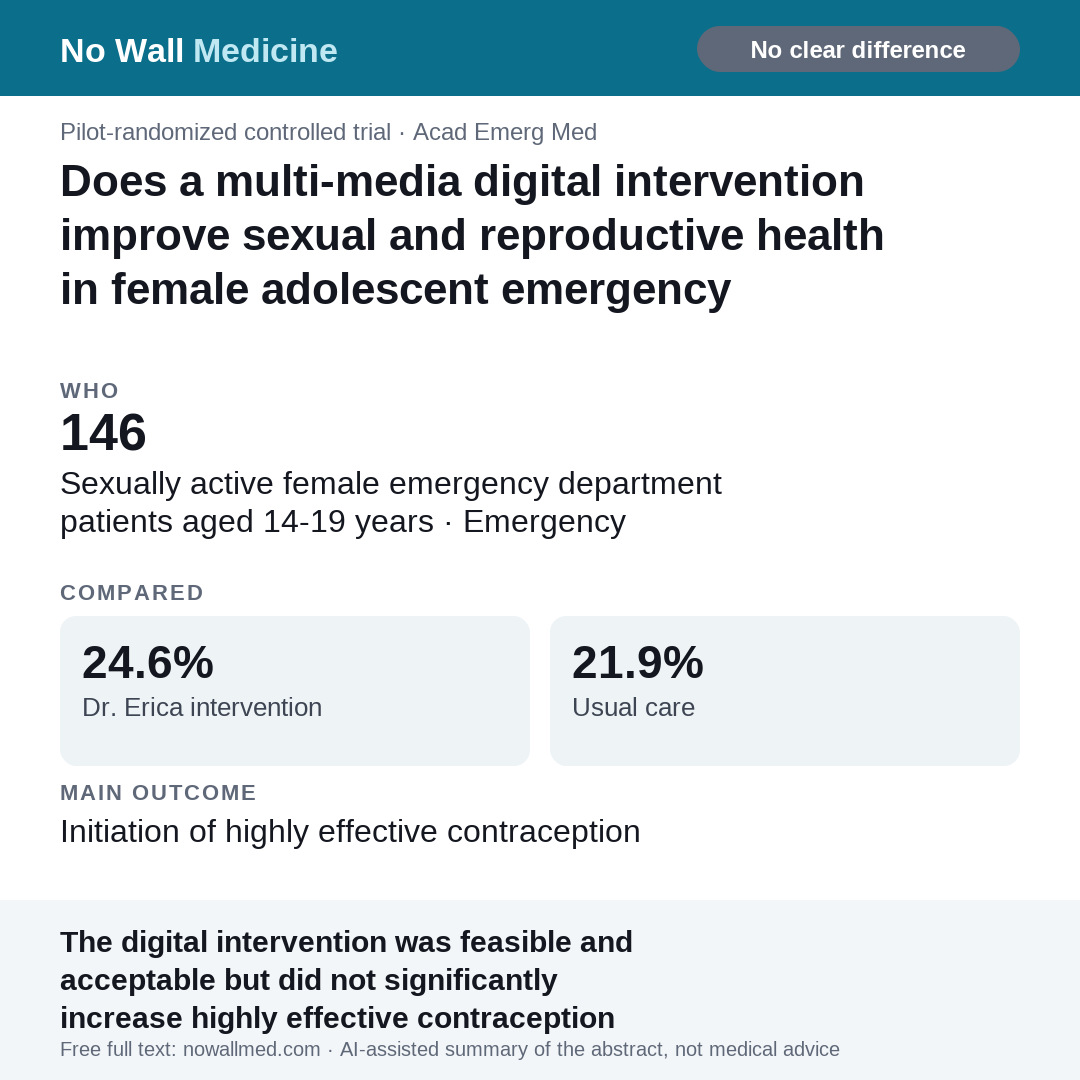
A multi-media digital intervention to improve the sexual and reproductive health of female adolescent emergency department patients
Pilot-randomized controlled trialNo clear difference
Does a multi-media digital intervention improve sexual and reproductive health in female adolescent emergency department patients?
Who
146
Sexually active female emergency department patients aged 14-19 years · Emergency departments
Compared
24.6%Dr. Erica intervention (14/57)
21.9%Usual care (14/64)
Main outcome
Initiation of highly effective contraception
Result: absolute risk difference 2.7%, 95% confidence interval -12.4% to 17.8%
Bottom line: The digital intervention was feasible and acceptable but did not significantly increase highly effective contraception initiation.
Acad Emerg Med · 2021-12-07Download image
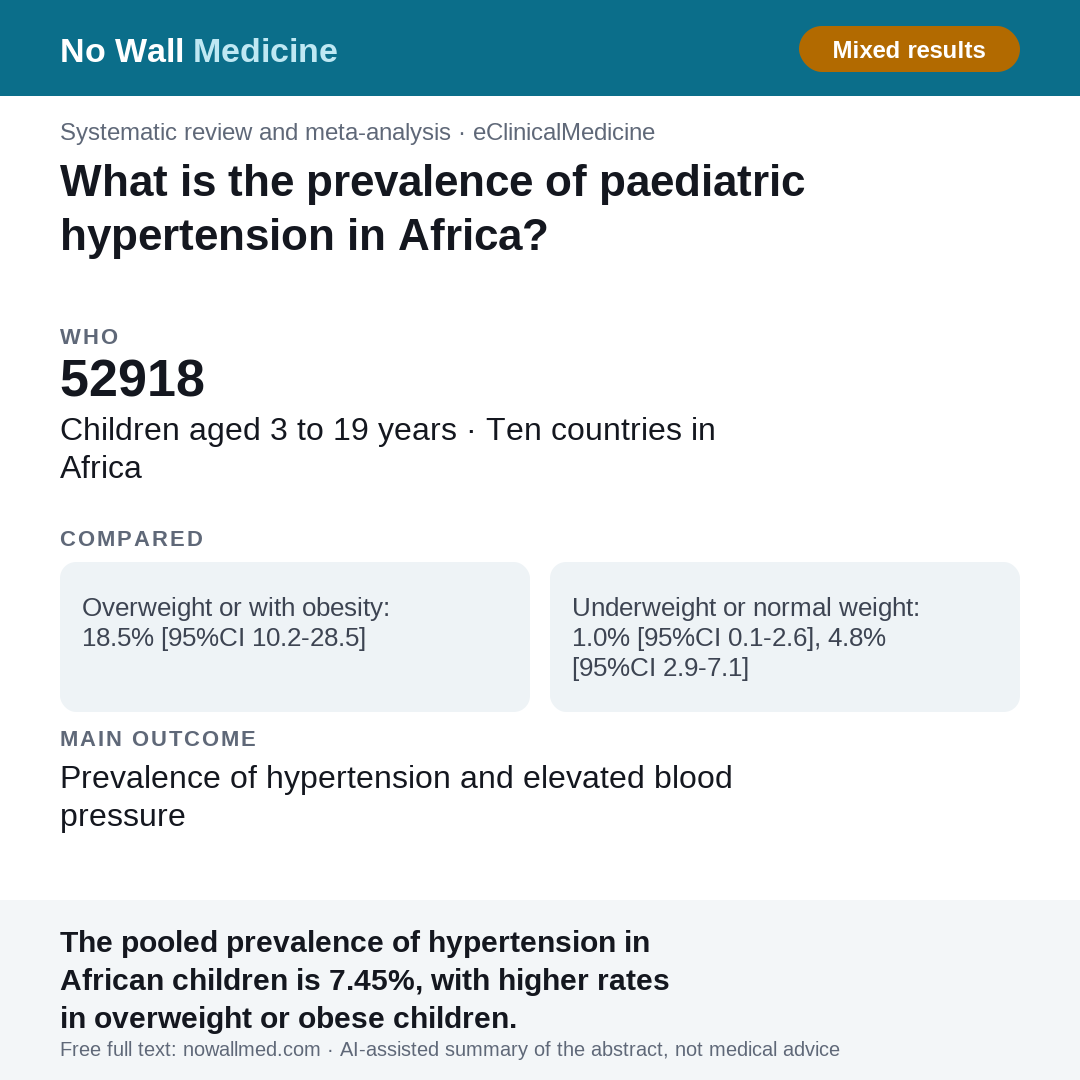
Paediatric Hypertension in Africa: A Systematic Review and Meta-Analysis
Systematic review and meta-analysisMixed results
What is the prevalence of paediatric hypertension in Africa?
Who
52918
Children aged 3 to 19 years · Ten countries in Africa
Compared
Overweight or with obesity: 18.5% [95%CI 10.2-28.5]
Underweight or normal weight: 1.0% [95%CI 0.1-2.6], 4.8% [95%CI 2.9-7.1]
Main outcome
Prevalence of hypertension and elevated blood pressure
Result: pooled hypertension prevalence 7.45% (95%CI 5.30-9.92)
Bottom line: The pooled prevalence of hypertension in African children is 7.45%, with higher rates in overweight or obese children.
Limitation: Significant differences in prevalence when comparing blood pressure measurement methods and classification guidelines.
Funded by: Wellcome Trust and DSI-NRF Centre of Human Development
eClinicalMedicine · 2021-12-06Download image
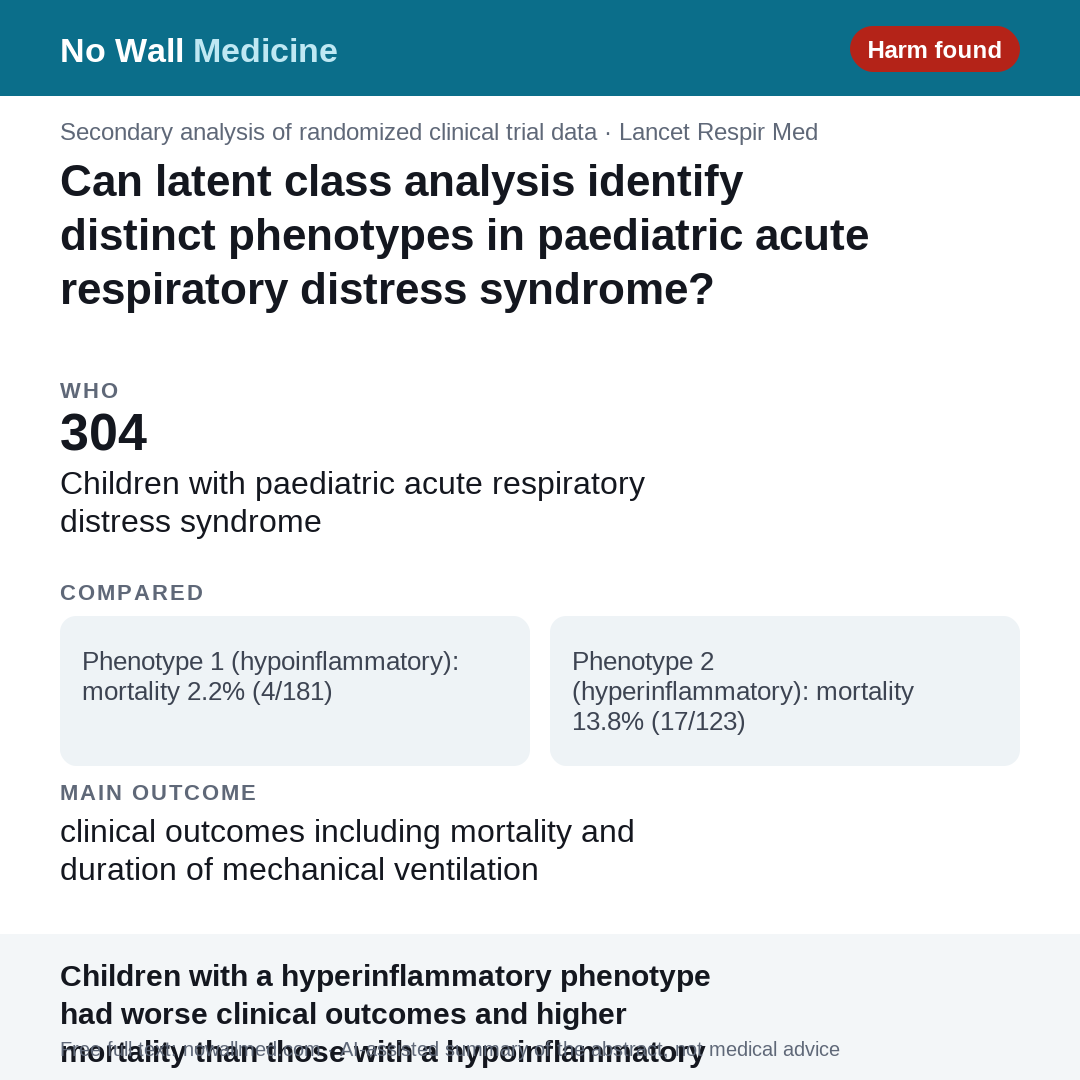
Identification of phenotypes in paediatric patients with acute respiratory distress syndrome: a latent class analysis
Secondary analysis of randomized clinical trial dataKey finding
Can latent class analysis identify distinct phenotypes in paediatric acute respiratory distress syndrome?
Who
304
Children with paediatric acute respiratory distress syndrome
Compared
Phenotype 1 (hypoinflammatory): mortality 2.2% (4/181)
Phenotype 2 (hyperinflammatory): mortality 13.8% (17/123)
Main outcome
clinical outcomes including mortality and duration of mechanical ventilation
Result: median 10.0 days [IQR 6.3-21.0] vs 6.6 days [4.1-10.8]
Bottom line: Children with a hyperinflammatory phenotype had worse clinical outcomes and higher mortality than those with a hypoinflammatory phenotype.
Funded by: US National Institutes of Health
Lancet Respir Med · 2021-12-06Download image
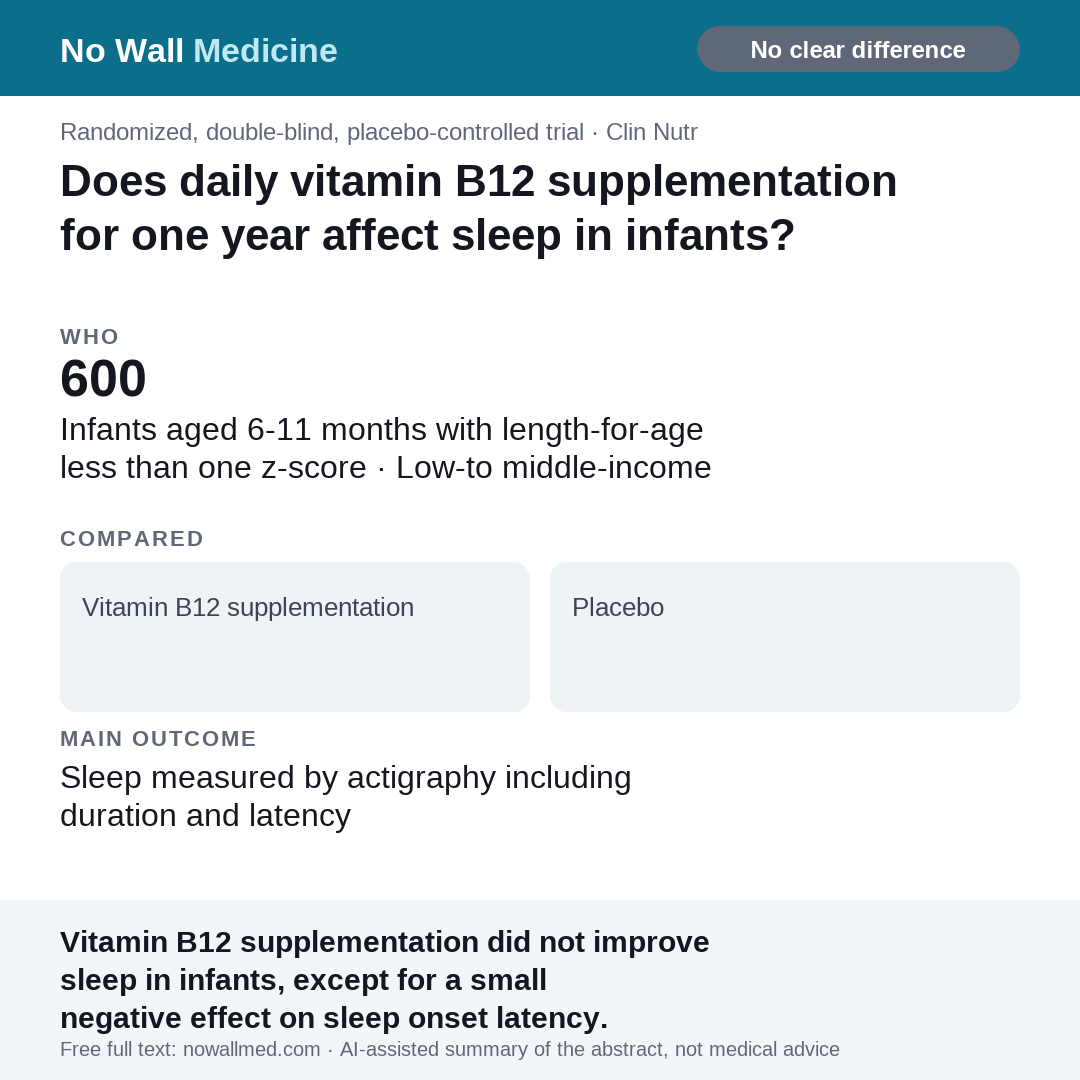
The effect of vitamin B12-supplementation on actigraphy measured sleep pattern; a randomized control trial
Randomized, double-blind, placebo-controlled trialNo clear difference
Does daily vitamin B12 supplementation for one year affect sleep in infants?
Who
600
Infants aged 6-11 months with length-for-age less than one z-score · Low-to middle-income neighborhoods in Bhaktapur, Nepal
Compared
Vitamin B12 supplementation
Placebo
Main outcome
Sleep measured by actigraphy including duration and latency
Bottom line: Vitamin B12 supplementation did not improve sleep in infants, except for a small negative effect on sleep onset latency.
Clin Nutr · 2021-12-06Download image
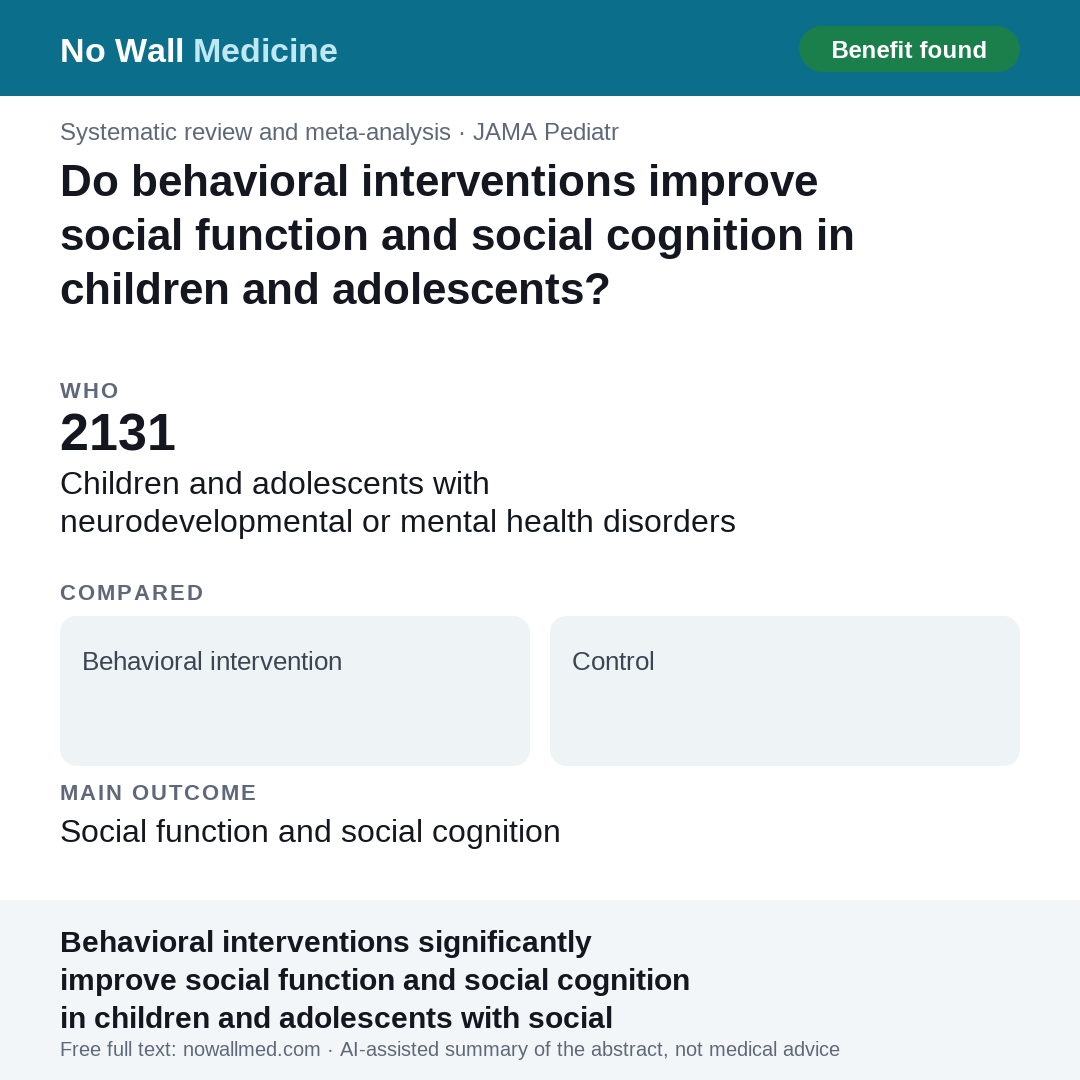
Behavioral Intervention for Social Challenges in Children and Adolescents: A Systematic Review and Meta-analysis
Systematic review and meta-analysisBenefit found
Do behavioral interventions improve social function and social cognition in children and adolescents?
Who
2131
Children and adolescents with neurodevelopmental or mental health disorders
Compared
Behavioral intervention
Control
Main outcome
Social function and social cognition
Result: Hedges g 0.61 (95% CI, 0.40-0.83) for social function; Hedges g 0.67 (95% CI, 0.39-0.96) for social cognition
Bottom line: Behavioral interventions significantly improve social function and social cognition in children and adolescents with social deficits.
JAMA Pediatr · 2021-12-06Download image
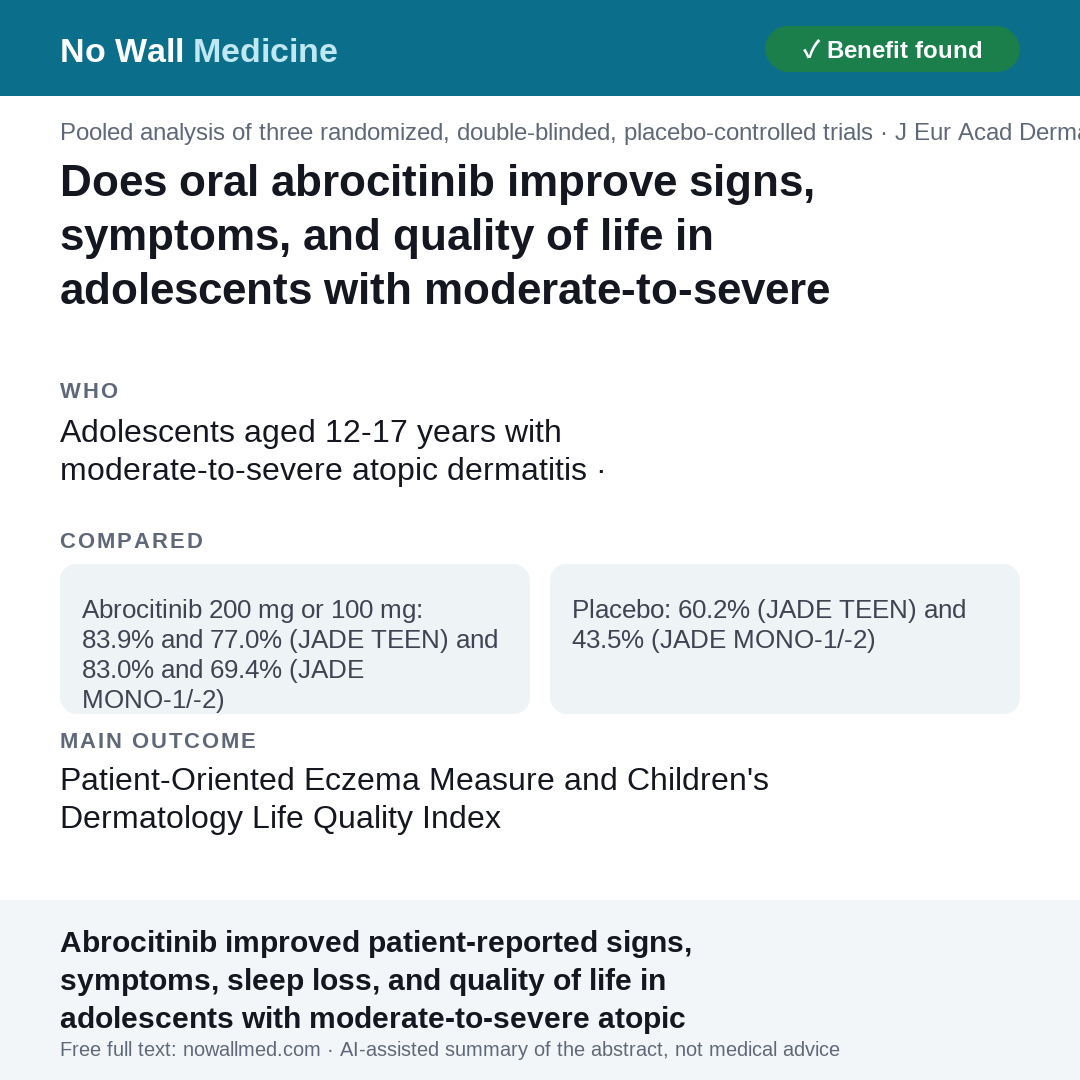
Impact of oral abrocitinib on signs, symptoms and quality of life among adolescents with moderate-to-severe atopic dermatitis: an analysis of patient-reported outcomes
Pooled analysis of three randomized, double-blinded, placebo-controlled trialsBenefit found
Does oral abrocitinib improve signs, symptoms, and quality of life in adolescents with moderate-to-severe atopic dermatitis?
Who
Adolescents aged 12-17 years with moderate-to-severe atopic dermatitis · Asia-Pacific region, Europe and North America
Compared
Abrocitinib 200 mg or 100 mg: 83.9% and 77.0% (JADE TEEN) and 83.0% and 69.4% (JADE MONO-1/-2)
Placebo: 60.2% (JADE TEEN) and 43.5% (JADE MONO-1/-2)
Main outcome
Patient-Oriented Eczema Measure and Children's Dermatology Life Quality Index
Bottom line: Abrocitinib improved patient-reported signs, symptoms, sleep loss, and quality of life in adolescents with moderate-to-severe atopic dermatitis.
J Eur Acad Dermatol Venereol · 2021-12-04Download image
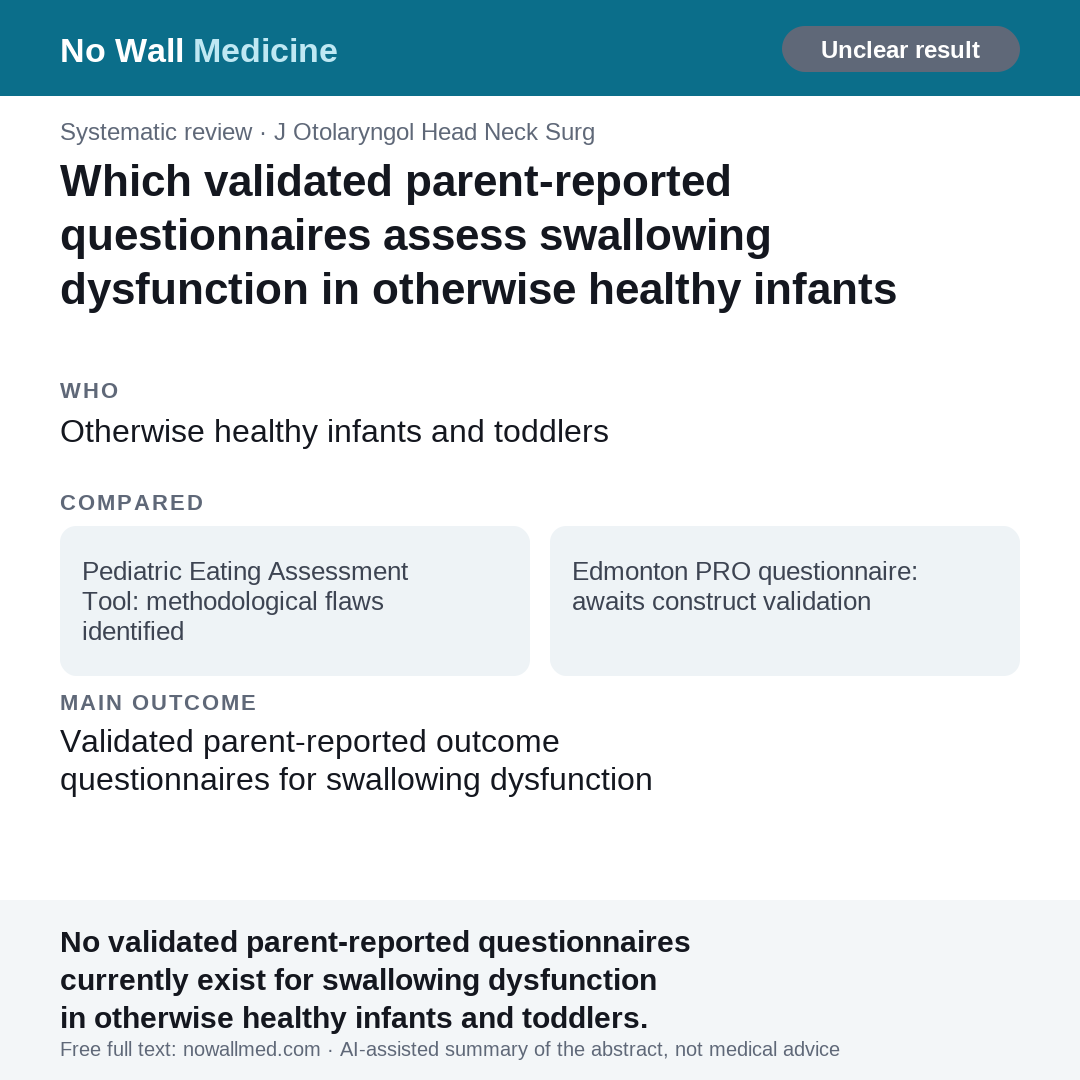
Systematic review of validated parent-reported questionnaires assessing swallowing dysfunction in otherwise healthy infants and toddlers
Systematic reviewUnclear result
Which validated parent-reported questionnaires assess swallowing dysfunction in otherwise healthy infants and toddlers?
Who
Otherwise healthy infants and toddlers
Compared
Pediatric Eating Assessment Tool: methodological flaws identified
Edmonton PRO questionnaire: awaits construct validation
Main outcome
Validated parent-reported outcome questionnaires for swallowing dysfunction
Bottom line: No validated parent-reported questionnaires currently exist for swallowing dysfunction in otherwise healthy infants and toddlers.
Limitation: The identified Edmonton questionnaire has not yet been validated in the population of interest.
J Otolaryngol Head Neck Surg · 2021-12-04Download image
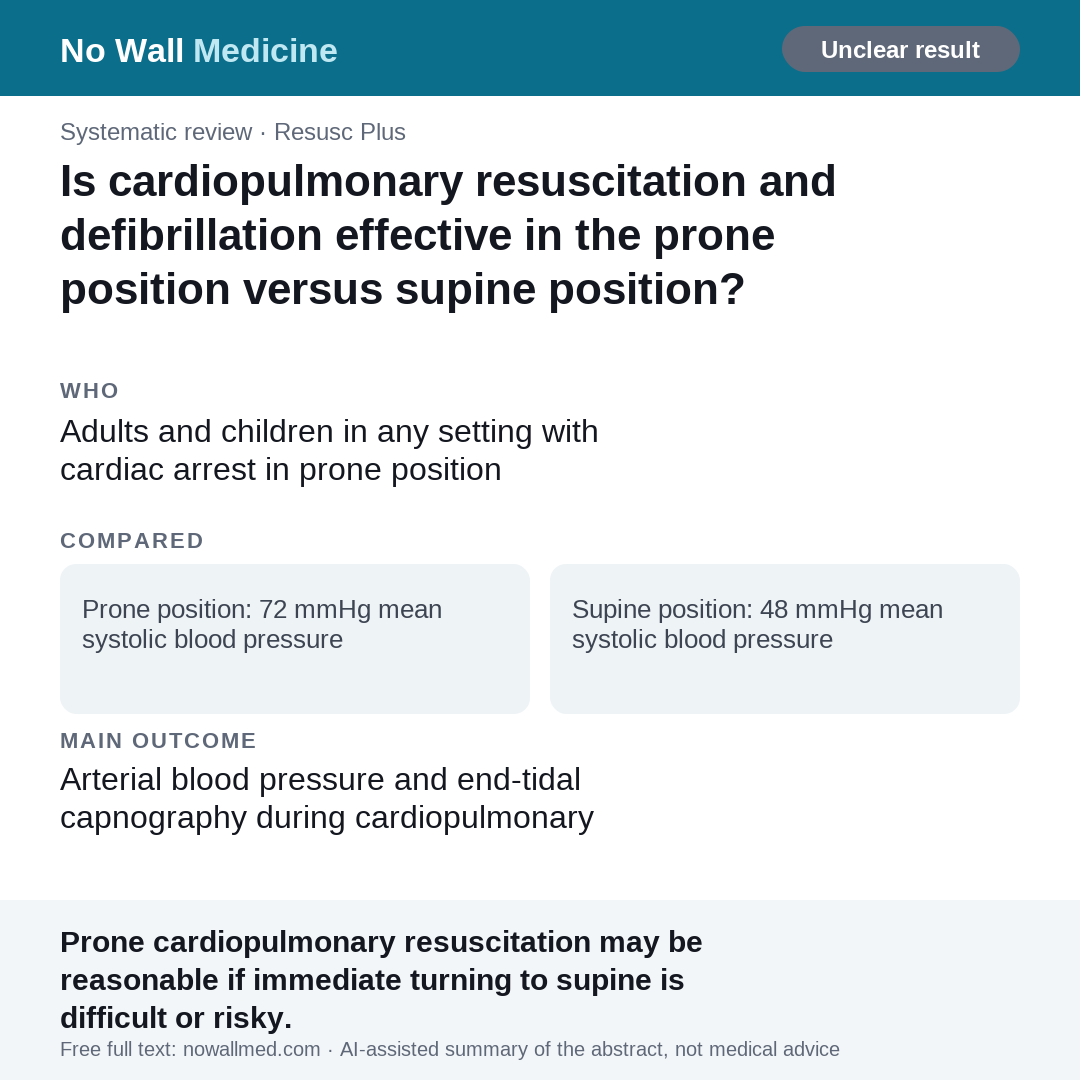
Cardiopulmonary resuscitation and defibrillation for cardiac arrest when patients are in the prone position: A systematic review
Systematic reviewUnclear result
Is cardiopulmonary resuscitation and defibrillation effective in the prone position versus supine position?
Who
Adults and children in any setting with cardiac arrest in prone position
Compared
Prone position: 72 mmHg mean systolic blood pressure
Supine position: 48 mmHg mean systolic blood pressure
Main outcome
Arterial blood pressure and end-tidal capnography during cardiopulmonary resuscitation
Bottom line: Prone cardiopulmonary resuscitation may be reasonable if immediate turning to supine is difficult or risky.
Limitation: Critical risk of bias limited the ability to perform pooled analyses.
Resusc Plus · 2021-12-04Download image
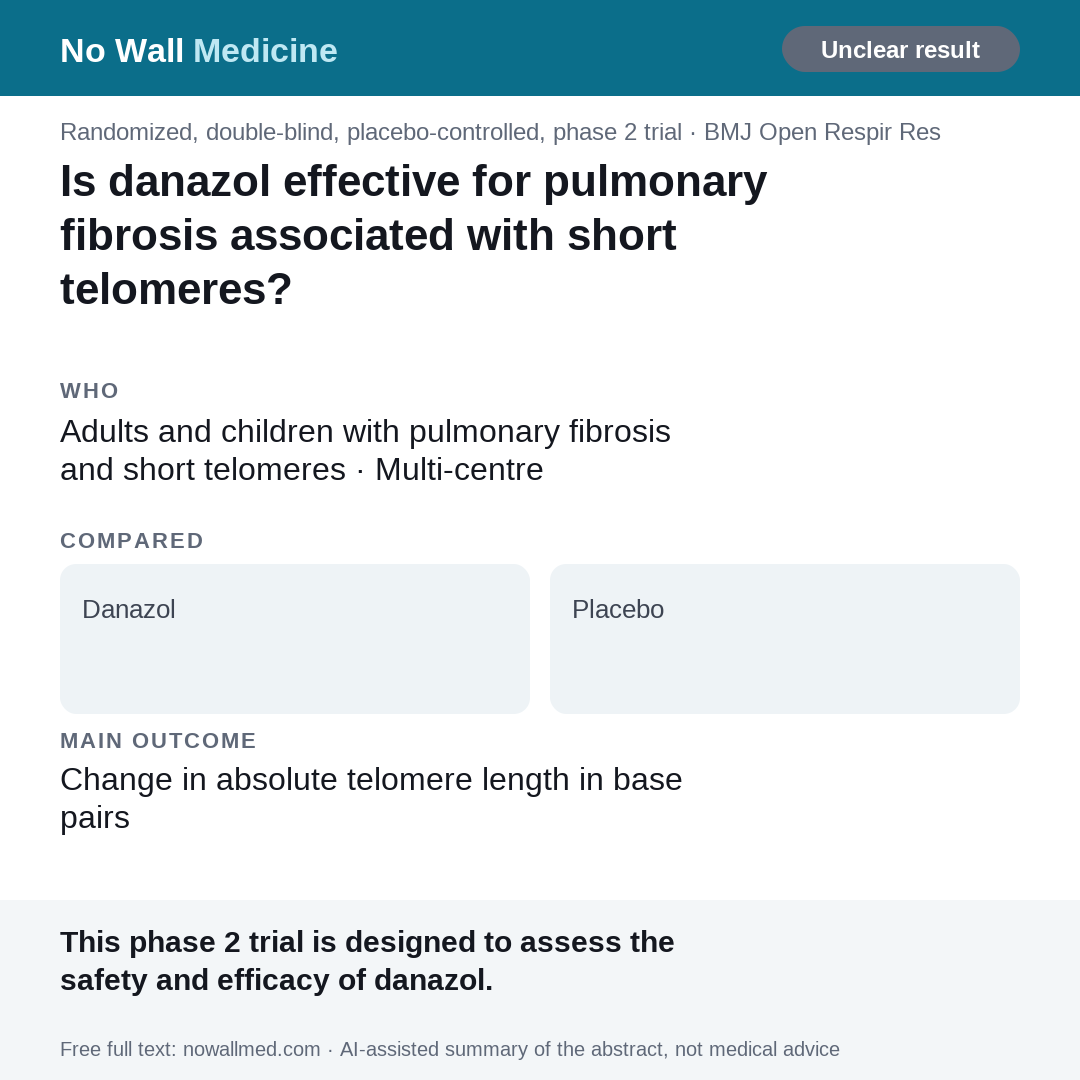
TELO-SCOPE study: a randomised, double-blind, placebo-controlled, phase 2 trial of danazol for short telomere related pulmonary fibrosis
Randomized, double-blind, placebo-controlled, phase 2 trialUnclear result
Is danazol effective for pulmonary fibrosis associated with short telomeres?
Who
Adults and children with pulmonary fibrosis and short telomeres · Multi-centre
Compared
Danazol
Placebo
Main outcome
Change in absolute telomere length in base pairs
Bottom line: This phase 2 trial is designed to assess the safety and efficacy of danazol.
BMJ Open Respir Res · 2021-12-03Download image
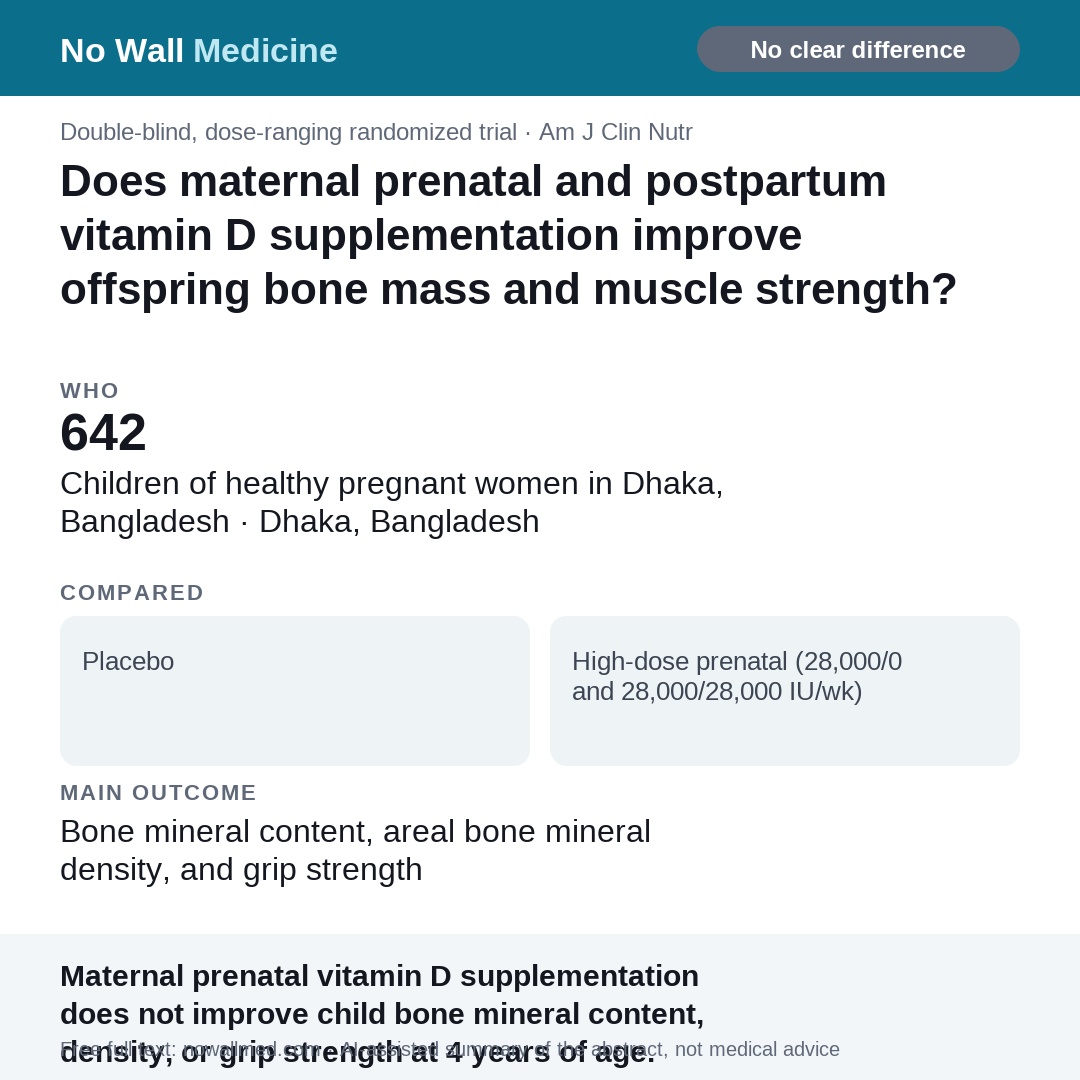
Effect of maternal prenatal and postpartum vitamin D supplementation on offspring bone mass and muscle strength in early childhood: follow-up of a randomized controlled trial
Double-blind, dose-ranging randomized trialNo clear difference
Does maternal prenatal and postpartum vitamin D supplementation improve offspring bone mass and muscle strength?
Who
642
Children of healthy pregnant women in Dhaka, Bangladesh · Dhaka, Bangladesh
Compared
Placebo
High-dose prenatal (28,000/0 and 28,000/28,000 IU/wk)
Main outcome
Bone mineral content, areal bone mineral density, and grip strength
Result: mean difference [95% CI] = 0.61 g [-10.90, 12.13], 0.0004 g/cm2 [-0.0089, 0.0097], and 0.02 kg [-0.26, 0.31]
Bottom line: Maternal prenatal vitamin D supplementation does not improve child bone mineral content, density, or grip strength at 4 years of age.
Am J Clin Nutr · 2021-12-02Download image
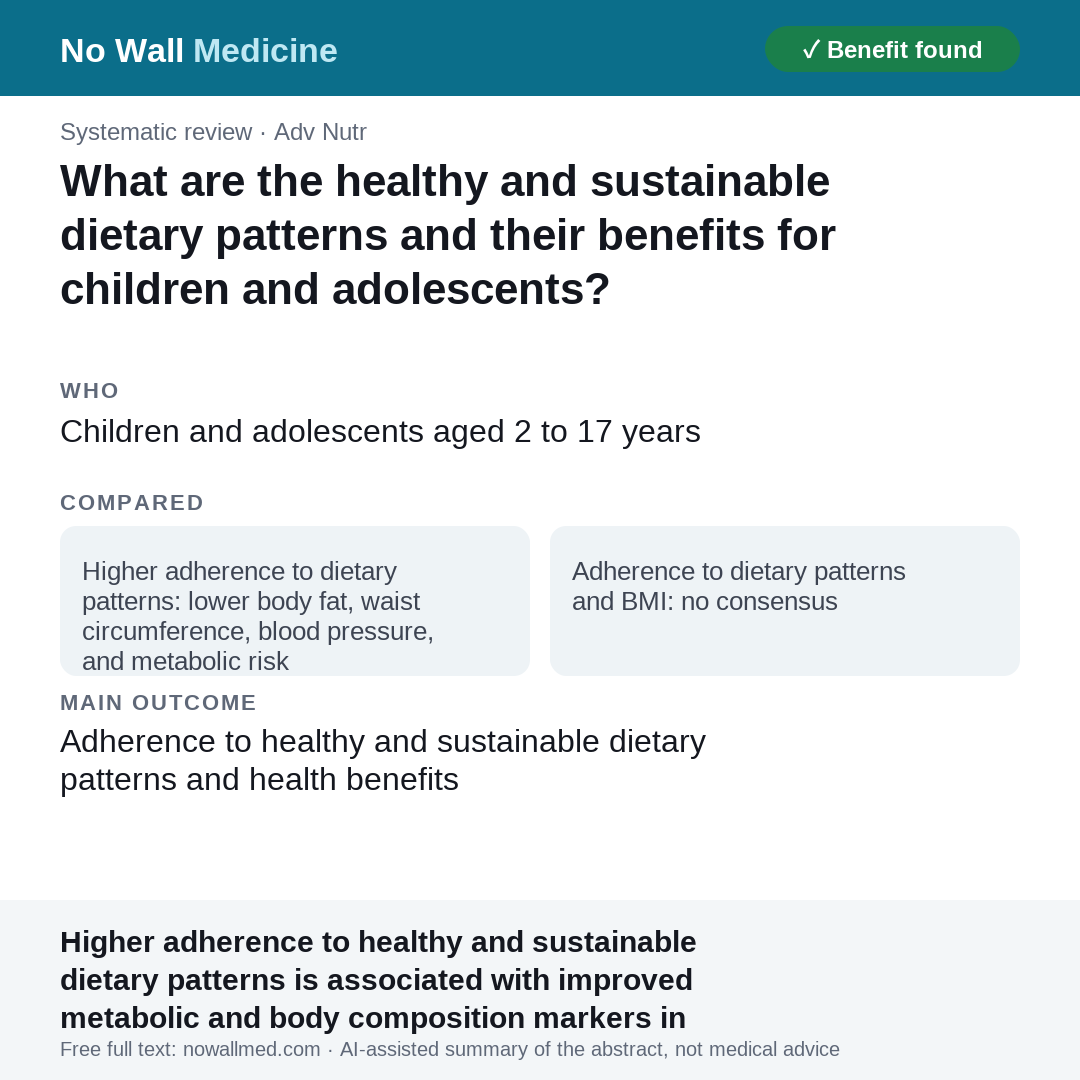
Healthy and Sustainable Dietary Patterns in Children and Adolescents: A Systematic Review
Systematic reviewBenefit found
What are the healthy and sustainable dietary patterns and their benefits for children and adolescents?
Who
Children and adolescents aged 2 to 17 years
Compared
Higher adherence to dietary patterns: lower body fat, waist circumference, blood pressure, and metabolic risk
Adherence to dietary patterns and BMI: no consensus
Main outcome
Adherence to healthy and sustainable dietary patterns and health benefits
Bottom line: Higher adherence to healthy and sustainable dietary patterns is associated with improved metabolic and body composition markers in youth.
Adv Nutr · 2021-12-02Download image
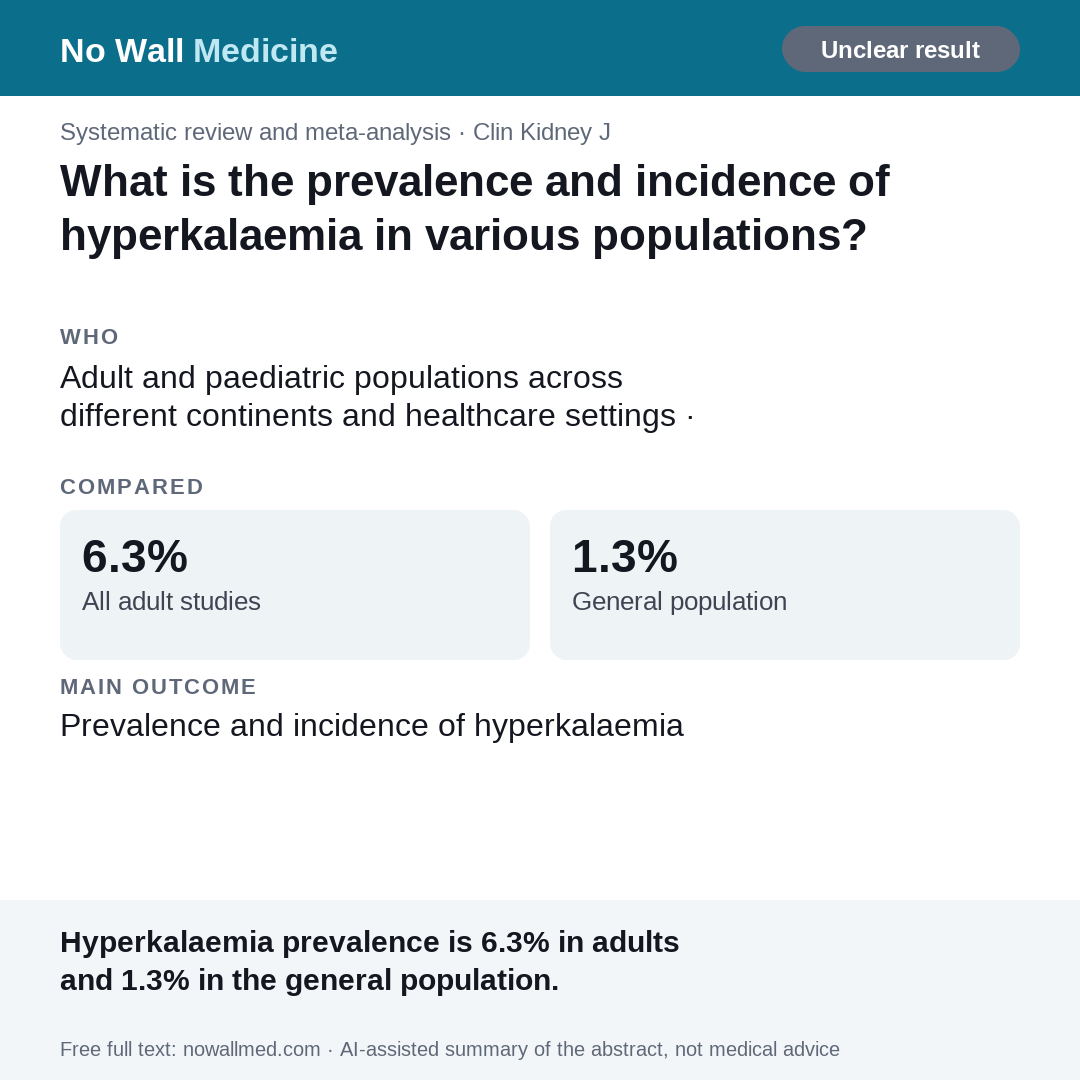
How common is hyperkalaemia? A systematic review and meta-analysis of the prevalence and incidence of hyperkalaemia reported in observational studies
Systematic review and meta-analysisUnclear result
What is the prevalence and incidence of hyperkalaemia in various populations?
Who
Adult and paediatric populations across different continents and healthcare settings · Global
Compared
6.3%All adult studies (95% CI 5.8-6.8%)
1.3%General population (1.0-1.8%)
Main outcome
Prevalence and incidence of hyperkalaemia
Bottom line: Hyperkalaemia prevalence is 6.3% in adults and 1.3% in the general population.
Clin Kidney J · 2021-12-02Download image
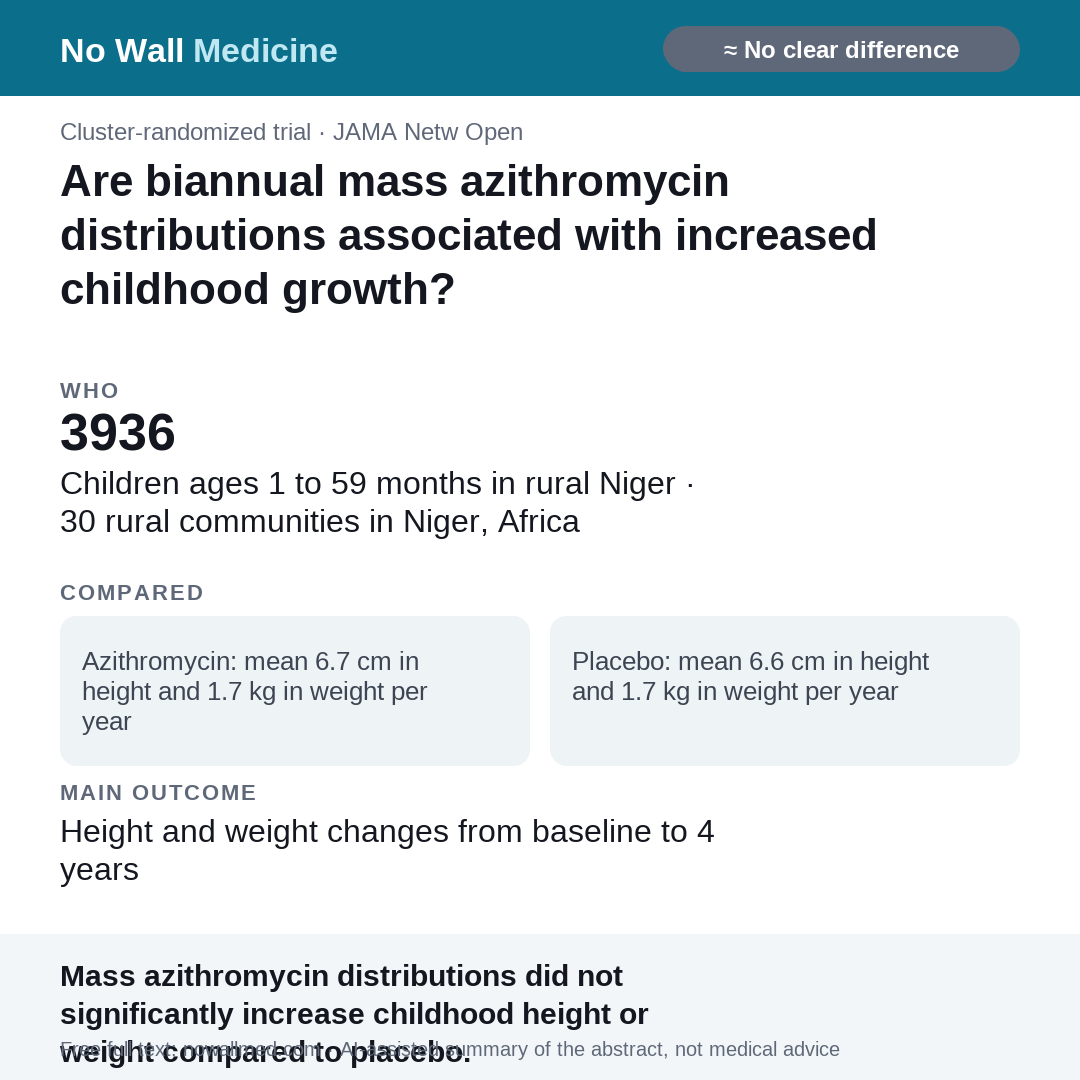
Effect of Mass Azithromycin Distributions on Childhood Growth in Niger: A Cluster-Randomized Trial
Cluster-randomized trialNo clear difference
Are biannual mass azithromycin distributions associated with increased childhood growth?
Who
3936
Children ages 1 to 59 months in rural Niger · 30 rural communities in Niger, Africa
Compared
Azithromycin: mean 6.7 cm in height and 1.7 kg in weight per year
Placebo: mean 6.6 cm in height and 1.7 kg in weight per year
Main outcome
Height and weight changes from baseline to 4 years
Result: 0.08 cm (95% CI, -0.12 to 0.28 cm) greater height in azithromycin group
Bottom line: Mass azithromycin distributions did not significantly increase childhood height or weight compared to placebo.
Limitation: Subgroup analysis suggested some benefit for the shortest children.
JAMA Netw Open · 2021-12-01Download image
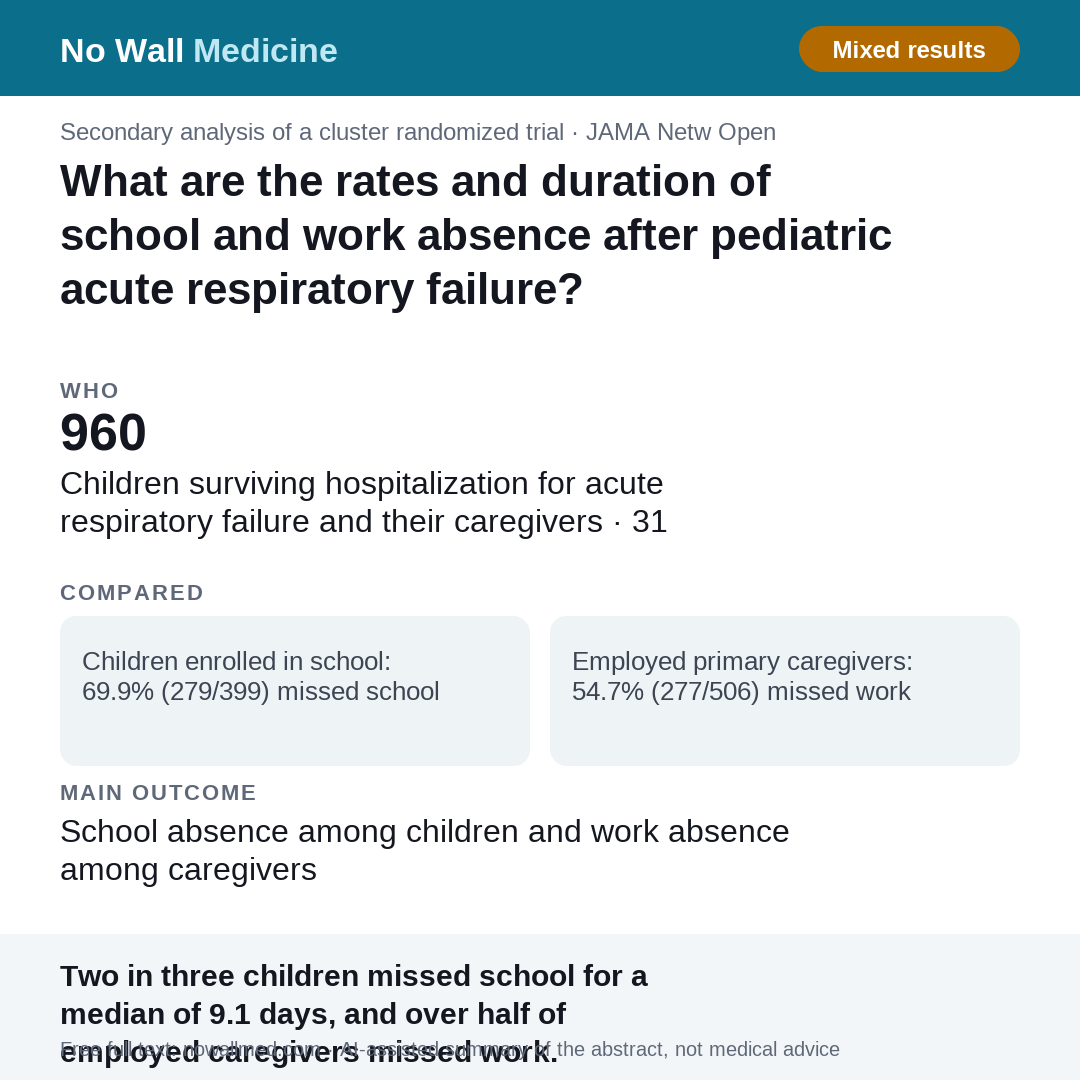
School and Work Absences After Critical Care Hospitalization for Pediatric Acute Respiratory Failure: A Secondary Analysis of a Cluster Randomized Trial
Secondary analysis of a cluster randomized trialMixed results
What are the rates and duration of school and work absence after pediatric acute respiratory failure?
Who
960
Children surviving hospitalization for acute respiratory failure and their caregivers · 31 sites
Compared
Children enrolled in school: 69.9% (279/399) missed school
Employed primary caregivers: 54.7% (277/506) missed work
Main outcome
School absence among children and work absence among caregivers
Bottom line: Two in three children missed school for a median of 9.1 days, and over half of employed caregivers missed work.
JAMA Netw Open · 2021-12-01Download image
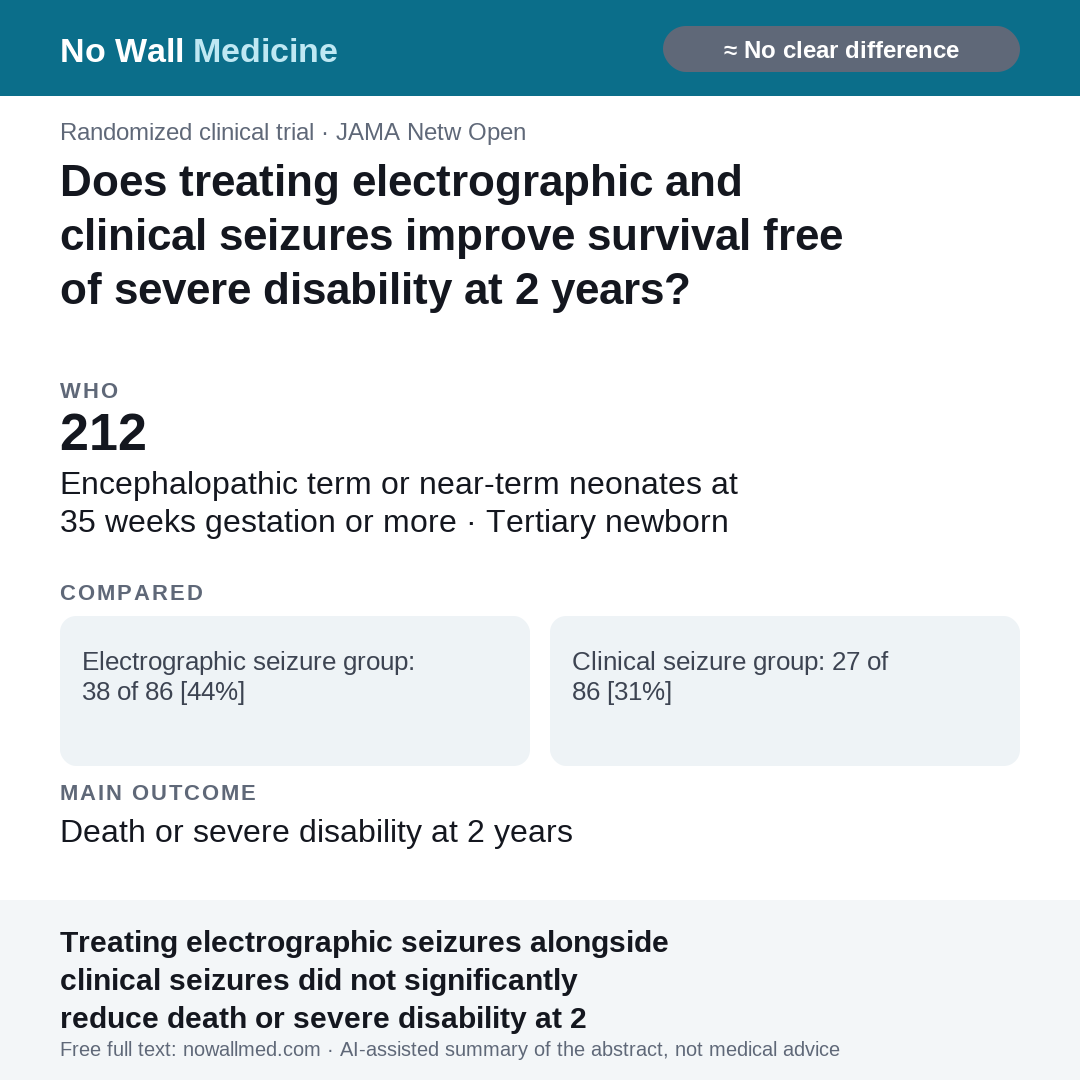
Effect of Treatment of Clinical Seizures vs Electrographic Seizures in Full-Term and Near-Term Neonates: A Randomized Clinical Trial
Randomized clinical trialNo clear difference
Does treating electrographic and clinical seizures improve survival free of severe disability at 2 years?
Who
212
Encephalopathic term or near-term neonates at 35 weeks gestation or more · Tertiary newborn intensive care units
Compared
Electrographic seizure group: 38 of 86 [44%]
Clinical seizure group: 27 of 86 [31%]
Main outcome
Death or severe disability at 2 years
Result: odds ratio 1.83 (95% CI 0.96 to 3.49)
Bottom line: Treating electrographic seizures alongside clinical seizures did not significantly reduce death or severe disability at 2 years.
JAMA Netw Open · 2021-12-01Download image
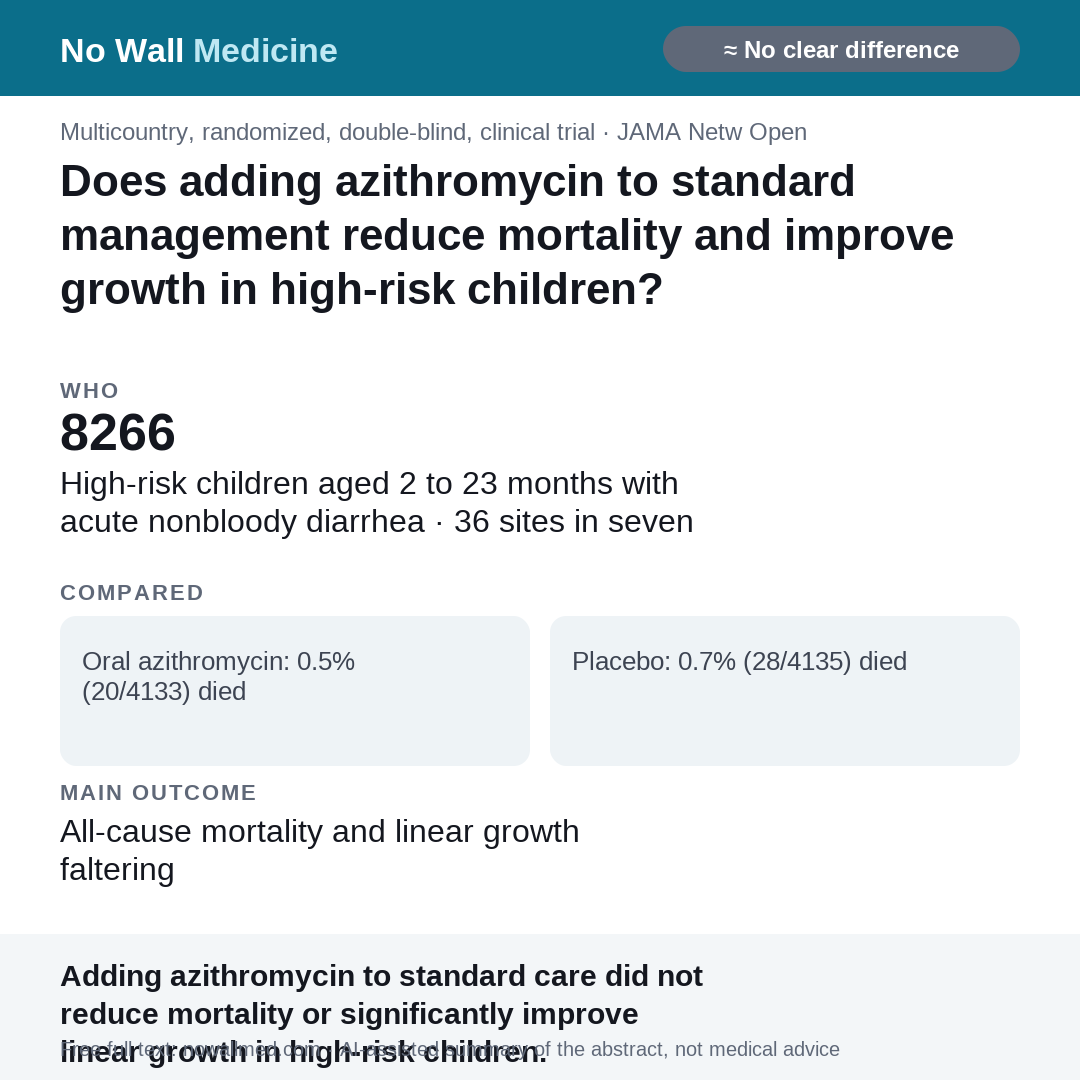
Effect of 3 Days of Oral Azithromycin on Young Children With Acute Diarrhea in Low-Resource Settings: A Randomized Clinical Trial
Multicountry, randomized, double-blind, clinical trialNo clear difference
Does adding azithromycin to standard management reduce mortality and improve growth in high-risk children?
Who
8266
High-risk children aged 2 to 23 months with acute nonbloody diarrhea · 36 sites in seven African and Asian countries
Compared
Oral azithromycin: 0.5% (20/4133) died
Placebo: 0.7% (28/4135) died
Main outcome
All-cause mortality and linear growth faltering
Result: relative risk 0.72 (95% CI 0.40-1.27)
Bottom line: Adding azithromycin to standard care did not reduce mortality or significantly improve linear growth in high-risk children.
Limitation: Overall mortality was much lower than anticipated and the trial was stopped for futility.
JAMA Netw Open · 2021-12-01Download image
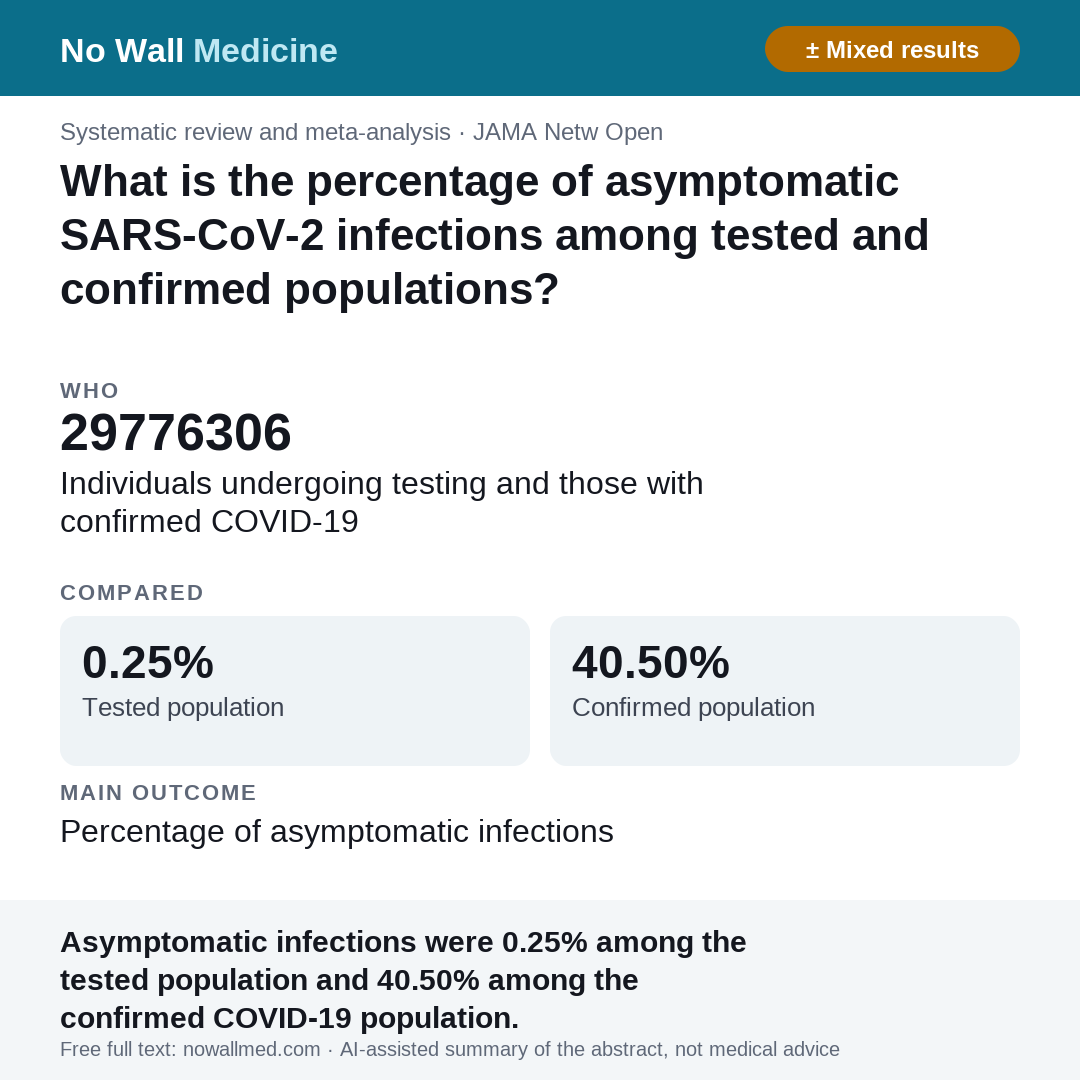
Global Percentage of Asymptomatic SARS-CoV-2 Infections Among the Tested Population and Individuals With Confirmed COVID-19 Diagnosis: A Systematic Review and Meta-analysis
Systematic review and meta-analysisMixed results
What is the percentage of asymptomatic SARS-CoV-2 infections among tested and confirmed populations?
Who
29776306
Individuals undergoing testing and those with confirmed COVID-19
Compared
0.25%Tested population (95% CI, 0.23%-0.27%)
40.50%Confirmed population (95% CI, 33.50%-47.50%)
Main outcome
Percentage of asymptomatic infections
Bottom line: Asymptomatic infections were 0.25% among the tested population and 40.50% among the confirmed COVID-19 population.
JAMA Netw Open · 2021-12-01Download image
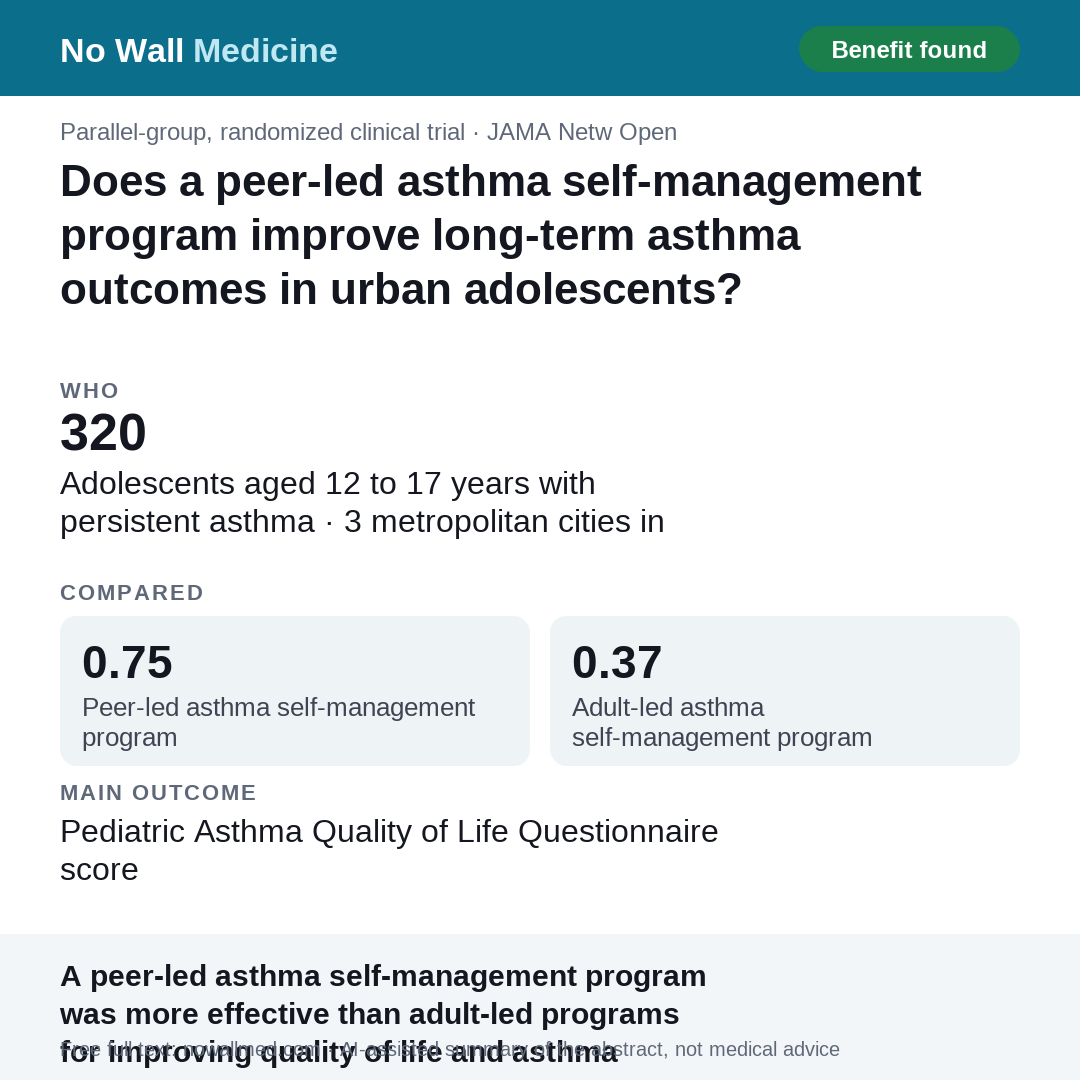
Long-term Effectiveness of a Peer-Led Asthma Self-management Program on Asthma Outcomes in Adolescents Living in Urban Areas: A Randomized Clinical Trial
Parallel-group, randomized clinical trialBenefit found
Does a peer-led asthma self-management program improve long-term asthma outcomes in urban adolescents?
Who
320
Adolescents aged 12 to 17 years with persistent asthma · 3 metropolitan cities in the US
Compared
0.75Peer-led asthma self-management program
0.37Adult-led asthma self-management program
Main outcome
Pediatric Asthma Quality of Life Questionnaire score
Result: between-group adjusted mean difference 0.38 (95% CI 0.07 to 0.63)
Bottom line: A peer-led asthma self-management program was more effective than adult-led programs for improving quality of life and asthma control.
JAMA Netw Open · 2021-12-01Download image