Visual abstracts
New randomized trials and meta-analyses from leading journals at a glance: who was studied, what was compared, and what was found. Every paper is free to read in full.
All specialtiesCardiology 4877Oncology 4138Gastroenterology & Hepatology 1942Infectious Disease 3837Neurology 1905Psychiatry & Mental Health 2273Pulmonology 2143Critical Care 1365Endocrinology & Diabetes 2580Pediatrics 2980Surgery 2559Orthopedics & Sports Medicine 931Neurosurgery 537Cardiothoracic & Vascular Surgery 674Plastic & Reconstructive Surgery 591Nephrology 1133Rheumatology 823Hematology 1109Dermatology 621Ophthalmology 543Obstetrics & Gynecology 1686Public & Global Health 1058Radiology & Imaging 648Anesthesiology 986Urology 764ENT (Otolaryngology) 503Emergency Medicine 511Allergy & Immunology 313Geriatrics 981Family Medicine & Primary Care 562Medical Genetics & Genomics 676Pathology & Laboratory Medicine 159Physical Medicine & Rehabilitation 757Palliative Care 444Nutrition 1588Digital Health & AI 2201General Medicine 321
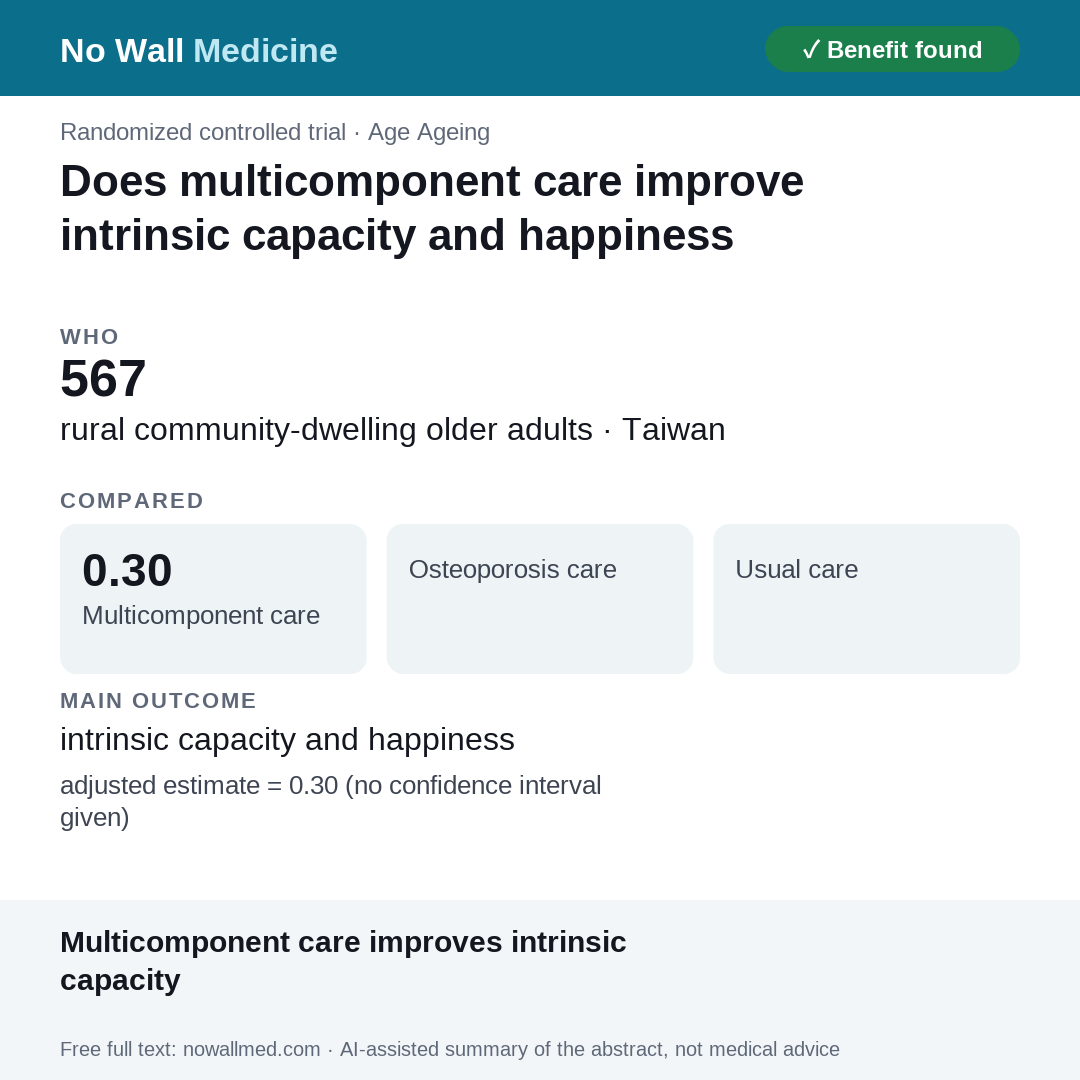
Effects of osteoporosis treatment and multicomponent integrated care on intrinsic capacity and happiness among rural community-dwelling older adults: the Healthy Longevity and Ageing in Place (HOPE) randomised controlled trial
Randomized controlled trialBenefit found
Does multicomponent care improve intrinsic capacity and happiness
Who
567
rural community-dwelling older adults · Taiwan
Compared
0.30Multicomponent care
Osteoporosis care
Usual care
Main outcome
intrinsic capacity and happiness
Result: adjusted estimate = 0.30 (no confidence interval given)
Bottom line: Multicomponent care improves intrinsic capacity
Age Ageing · 2025-02-05Download image
Folic acid supplementation in children with sickle cell disease: a randomized double-blind noninferiority cross-over trial
Randomized, double-blind noninferiority cross-over trialMixed results
Does 1 mg/d folic acid supplementation improve red blood cell folate concentrations in children?
Who
31
Children with sickle cell disease aged 2-19 years · Canada
Compared
1 mg/d folic acid
Placebo
Main outcome
Red blood cell folate concentrations
Result: -179 (-260, -99) nmol/L
Bottom line: Folic acid supplementation may still benefit some children with sickle cell disease despite food fortification.
Limitation: Whether improved folate levels translate to improved clinical outcomes remains uncertain.
Am J Clin Nutr · 2025-02-05Download image

Impact of formula protein quantity and source on infant metabolism: serum, urine, and fecal metabolomes of a randomized controlled study
Randomized, double-blind controlled trialMixed results
How do formula protein quantity and source impact infant serum, urine, and fecal metabolomes?
Who
200
Well-characterized per-protocol infants
Compared
Standard formula
Protein-reduced formula with alpha-lactalbumin-enriched whey
Protein-reduced formula with casein glycomacropeptide-reduced whey
Exclusively breastfed infants
Main outcome
Serum, urine, and fecal metabolomes
Bottom line: Reduced protein formulas yield metabolic profiles closer to breastfed infants, but cannot fully mimic human milk metabolism.
Limitation: This was a secondary analysis performed on a random subset of infants.
Am J Clin Nutr · 2025-02-05Download image

Factors associated with early quality-of-life response to palliative care during hematopoietic cell transplantation
Secondary analysis of 2 randomized clinical trialsMixed results
What factors are associated with early quality-of-life response to palliative care?
Who
252
Adults with hematologic malignancies undergoing hematopoietic cell transplantation
Compared
High quality-of-life responders
Low quality-of-life responders
Main outcome
Early quality-of-life response to palliative care
Bottom line: Minoritized race, lower baseline quality-of-life, and higher symptom severity were associated with early quality-of-life response.
Blood Adv · 2025-02-05Download image

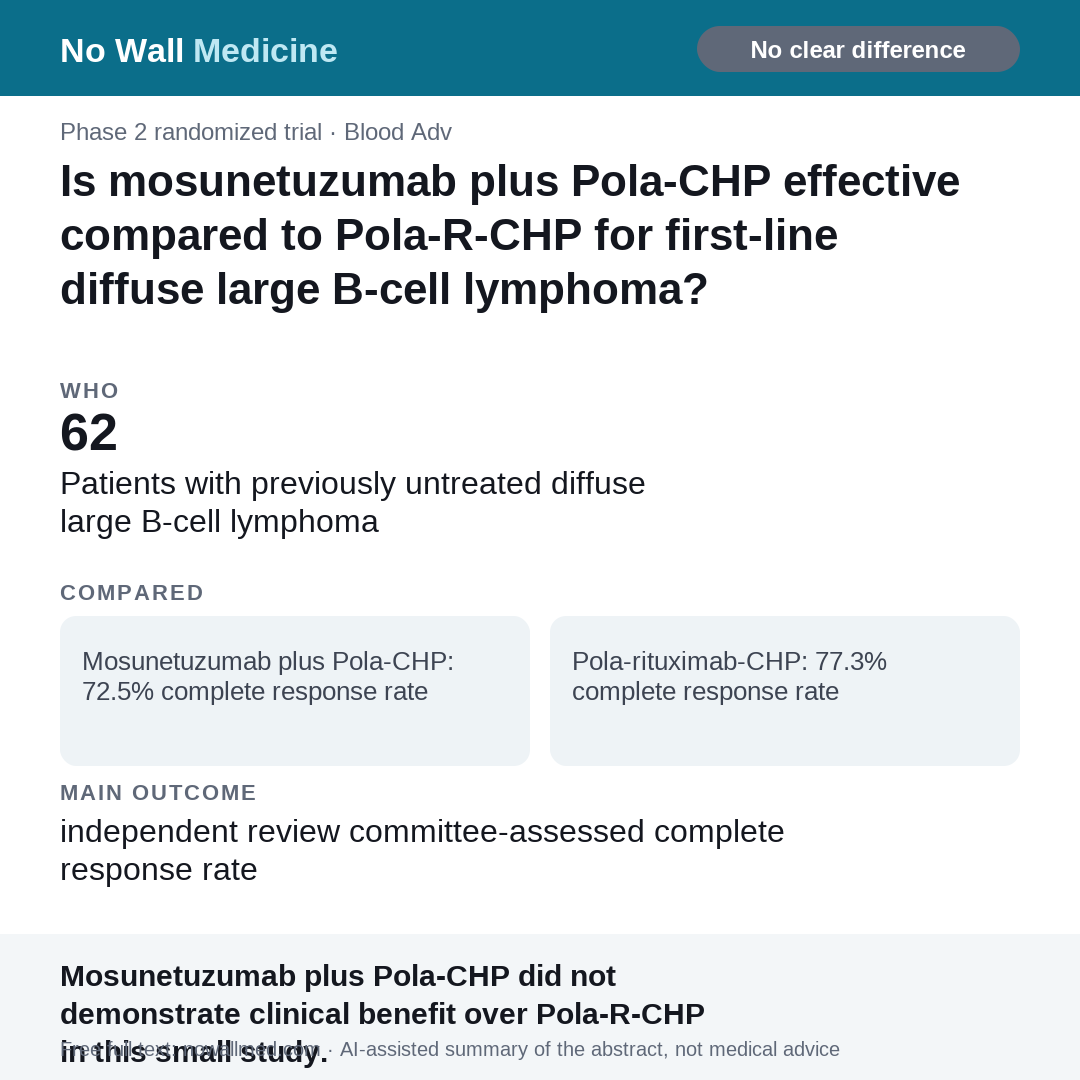
Mosunetuzumab plus Pola-CHP compared with Pola-R-CHP in previously untreated DLBCL: final results from a phase 2 study
Phase 2 randomized trialNo clear difference
Is mosunetuzumab plus Pola-CHP effective compared to Pola-R-CHP for first-line diffuse large B-cell lymphoma?
Who
62
Patients with previously untreated diffuse large B-cell lymphoma
Compared
Mosunetuzumab plus Pola-CHP: 72.5% complete response rate
Pola-rituximab-CHP: 77.3% complete response rate
Main outcome
independent review committee-assessed complete response rate
Result: 24-month progression-free survival rate 70.8% (95% CI, 55.6-86.1) vs 81.8% (95% CI, 65.7-97.9)
Bottom line: Mosunetuzumab plus Pola-CHP did not demonstrate clinical benefit over Pola-R-CHP in this small study.
Blood Adv · 2025-02-05Download image
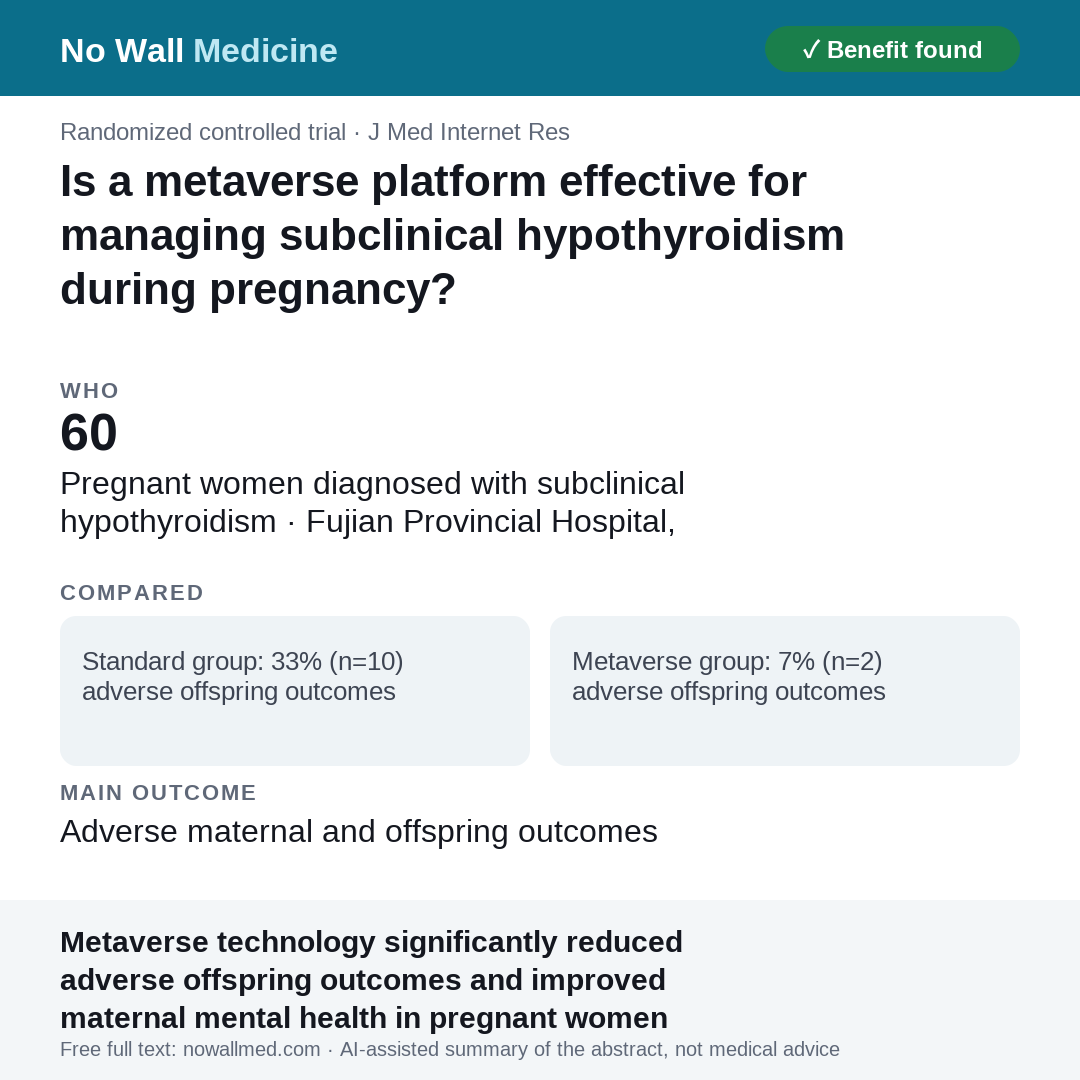
Metaverse Clinic for Pregnant Women With Subclinical Hypothyroidism: Prospective Randomized Study
Randomized controlled trialBenefit found
Is a metaverse platform effective for managing subclinical hypothyroidism during pregnancy?
Who
60
Pregnant women diagnosed with subclinical hypothyroidism · Fujian Provincial Hospital, China
Compared
Standard group: 33% (n=10) adverse offspring outcomes
Metaverse group: 7% (n=2) adverse offspring outcomes
Main outcome
Adverse maternal and offspring outcomes
Bottom line: Metaverse technology significantly reduced adverse offspring outcomes and improved maternal mental health in pregnant women with subclinical hypothyroidism.
J Med Internet Res · 2025-02-05Download image
Multi-omics uncovers immune-modulatory molecules in plasma contributing to resistance exercise-ameliorated locomotor disability after incomplete spinal cord injury
Randomized controlled clinical trialBenefit found
What are the molecular alterations induced by resistance exercise therapy for incomplete spinal cord injury?
Who
Individuals with incomplete spinal cord injury
Compared
Resistance exercise therapy
Control
Main outcome
Restoration of locomotor function and molecular alterations
Bottom line: Resistance exercise modulates complement pathways and humoral immune responses to promote locomotor recovery after spinal cord injury.
Genome Med · 2025-02-05Download image

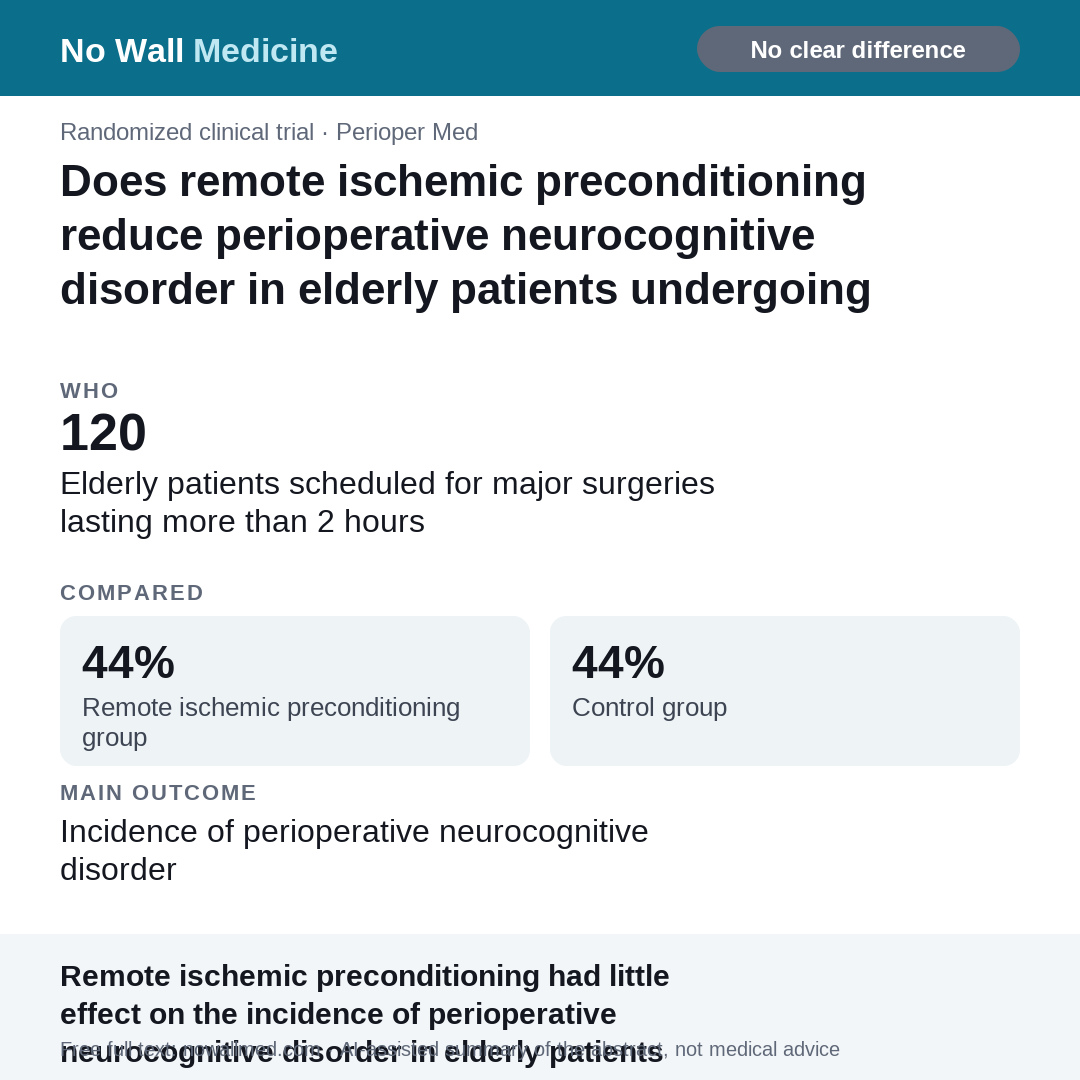
Effect of remote ischemic preconditioning on perioperative neurocognitive disorder in elderly patients undergoing major surgery and associated genetic variant analysis: a randomized clinical trial
Randomized clinical trialNo clear difference
Does remote ischemic preconditioning reduce perioperative neurocognitive disorder in elderly patients undergoing major surgery?
Who
120
Elderly patients scheduled for major surgeries lasting more than 2 hours
Compared
44%Remote ischemic preconditioning group
44%Control group
Main outcome
Incidence of perioperative neurocognitive disorder
Bottom line: Remote ischemic preconditioning had little effect on the incidence of perioperative neurocognitive disorder in elderly patients undergoing major surgery.
Perioper Med · 2025-02-05Download image
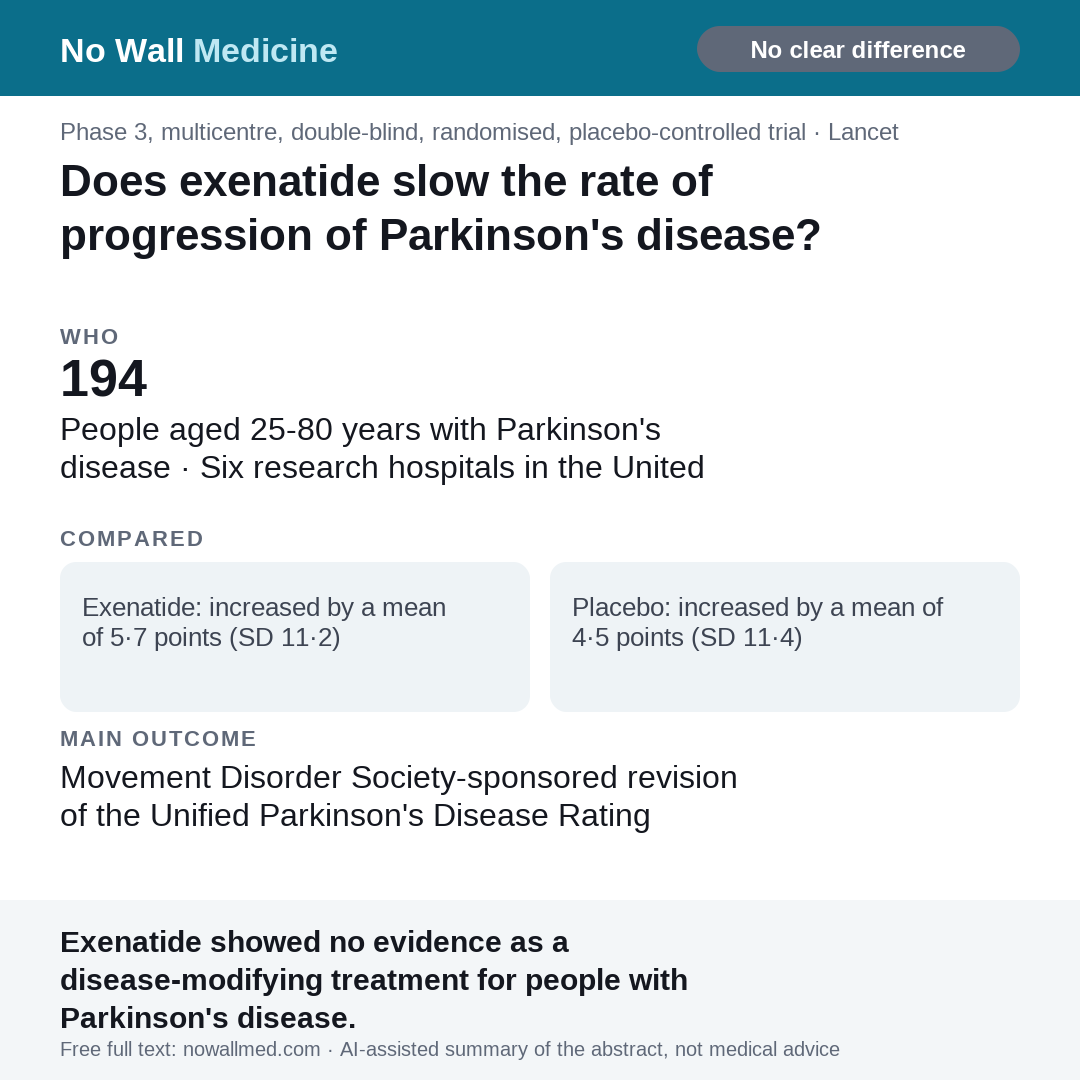
Exenatide once a week versus placebo as a potential disease-modifying treatment for people with Parkinson's disease in the UK: a phase 3, multicentre, double-blind, parallel-group, randomised, placebo-controlled trial
Phase 3, multicentre, double-blind, randomised, placebo-controlled trialNo clear difference
Does exenatide slow the rate of progression of Parkinson's disease?
Who
194
People aged 25-80 years with Parkinson's disease · Six research hospitals in the United Kingdom
Compared
Exenatide: increased by a mean of 5·7 points (SD 11·2)
Placebo: increased by a mean of 4·5 points (SD 11·4)
Main outcome
Movement Disorder Society-sponsored revision of the Unified Parkinson's Disease Rating Scale part III score
Result: adjusted coefficient 0·92 (95% CI -1·56 to 3·39)
Bottom line: Exenatide showed no evidence as a disease-modifying treatment for people with Parkinson's disease.
Funded by: National Institute for Health and Care Research and Cure Parkinson's
Lancet · 2025-02-04Download image
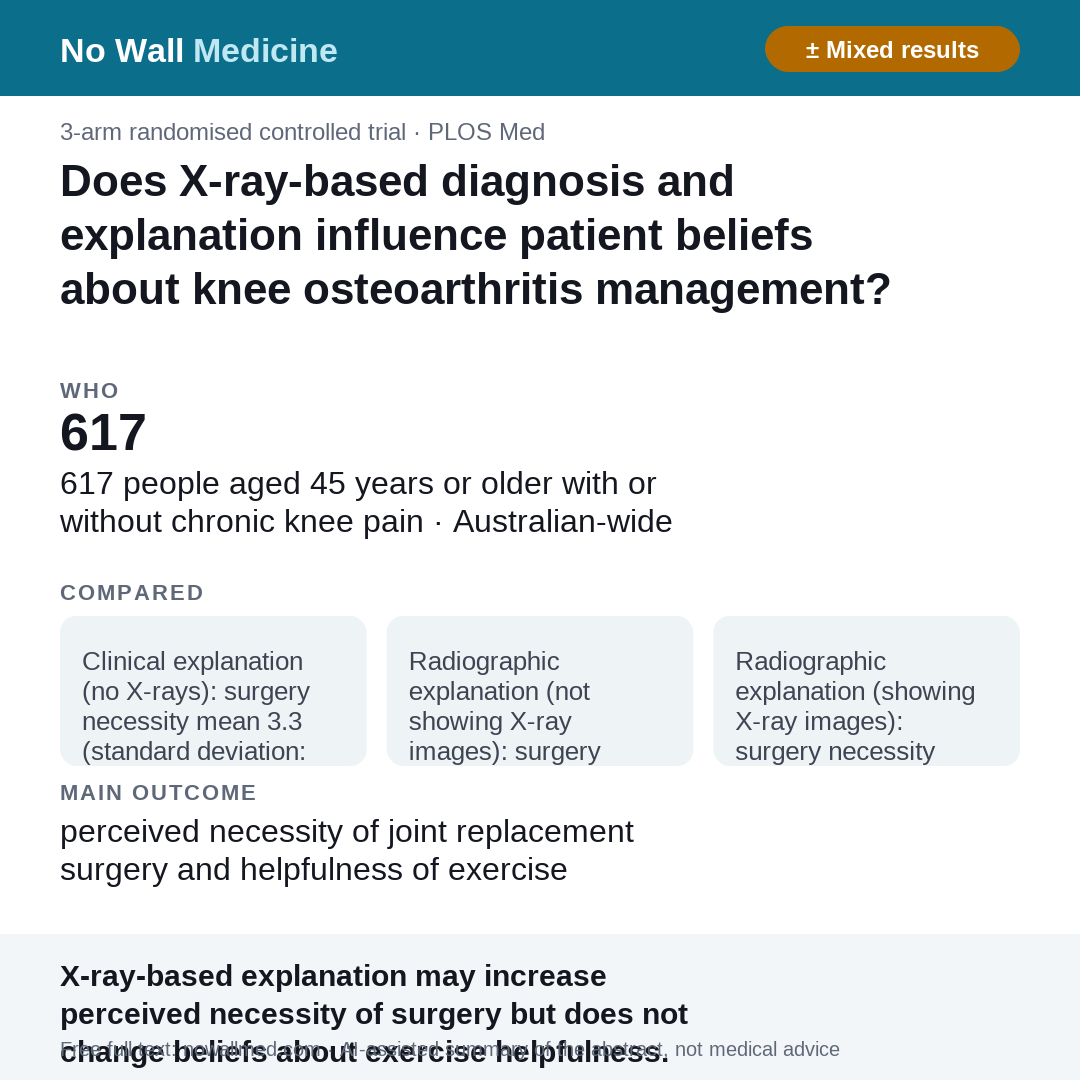
Effects of X-ray-based diagnosis and explanation of knee osteoarthritis on patient beliefs about osteoarthritis management: A randomised clinical trial
3-arm randomised controlled trialMixed results
Does X-ray-based diagnosis and explanation influence patient beliefs about knee osteoarthritis management?
Who
617
617 people aged 45 years or older with or without chronic knee pain · Australian-wide community
Compared
Clinical explanation (no X-rays): surgery necessity mean 3.3 (standard deviation: 2.7)
Radiographic explanation (not showing X-ray images): surgery necessity mean 4.5 (standard deviation: 2.7)
Radiographic explanation (showing X-ray images): surgery necessity mean 4.5 (standard deviation: 2.7)
Main outcome
perceived necessity of joint replacement surgery and helpfulness of exercise
Result: mean difference 1.1 (Bonferroni-adjusted 95% confidence interval: 0.5, 1.8)
Bottom line: X-ray-based explanation may increase perceived necessity of surgery but does not change beliefs about exercise helpfulness.
Limitation: participants responded to a hypothetical scenario, which may not translate to real-world clinical situations
PLOS Med · 2025-02-04Download image
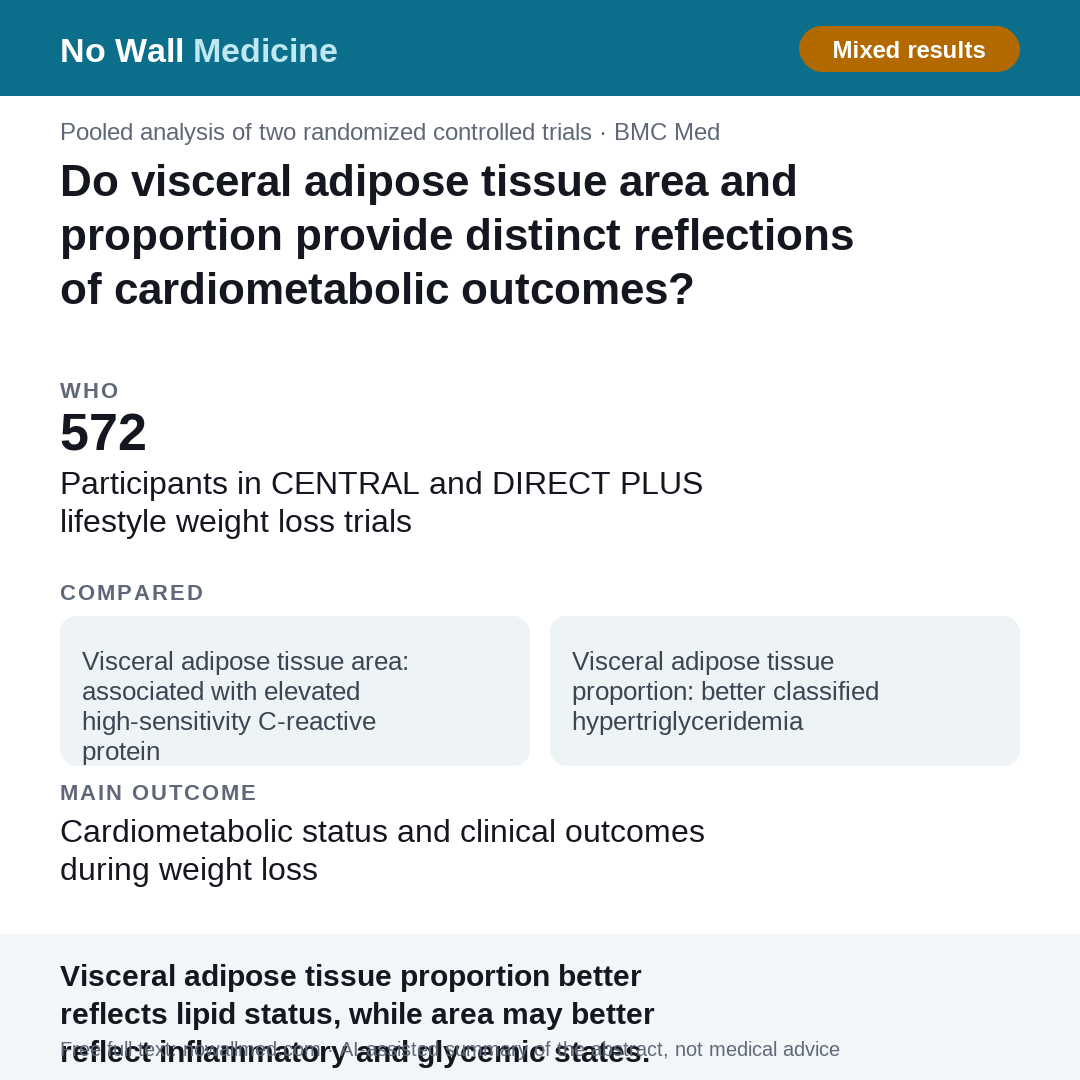
Visceral adipose tissue area and proportion provide distinct reflections of cardiometabolic outcomes in weight loss; pooled analysis of MRI-assessed CENTRAL and DIRECT PLUS dietary randomized controlled trials
Pooled analysis of two randomized controlled trialsMixed results
Do visceral adipose tissue area and proportion provide distinct reflections of cardiometabolic outcomes?
Who
572
Participants in CENTRAL and DIRECT PLUS lifestyle weight loss trials
Compared
Visceral adipose tissue area: associated with elevated high-sensitivity C-reactive protein
Visceral adipose tissue proportion: better classified hypertriglyceridemia
Main outcome
Cardiometabolic status and clinical outcomes during weight loss
Bottom line: Visceral adipose tissue proportion better reflects lipid status, while area may better reflect inflammatory and glycemic states.
BMC Med · 2025-02-04Download image
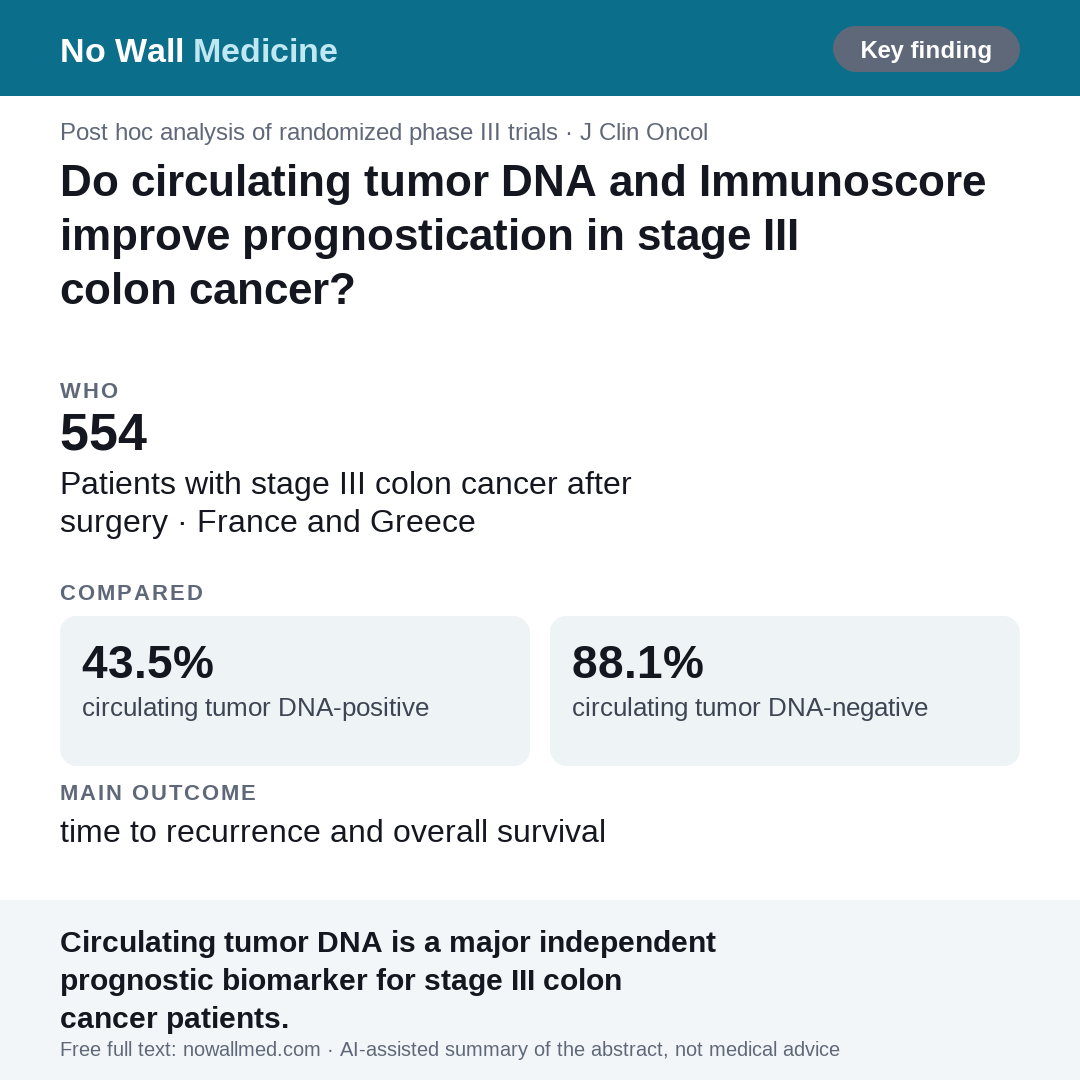
Combined Analyses of Circulating Tumor DNA and Immunoscore in Patients With Stage III Colon Cancer: A Post Hoc Analysis of the PRODIGE-GERCOR IDEA-France/HORG-IDEA-Greece Trials
Post hoc analysis of randomized phase III trialsBenefit found
Do circulating tumor DNA and Immunoscore improve prognostication in stage III colon cancer?
Who
554
Patients with stage III colon cancer after surgery · France and Greece
Compared
43.5%circulating tumor DNA-positive (95% CI, 34.1 to 52.6)
88.1%circulating tumor DNA-negative (95% CI, 84.7 to 90.8)
Main outcome
time to recurrence and overall survival
Result: adjusted hazard ratio 5.21 (95% CI, 3.59 to 7.58)
Bottom line: Circulating tumor DNA is a major independent prognostic biomarker for stage III colon cancer patients.
J Clin Oncol · 2025-02-04Download image
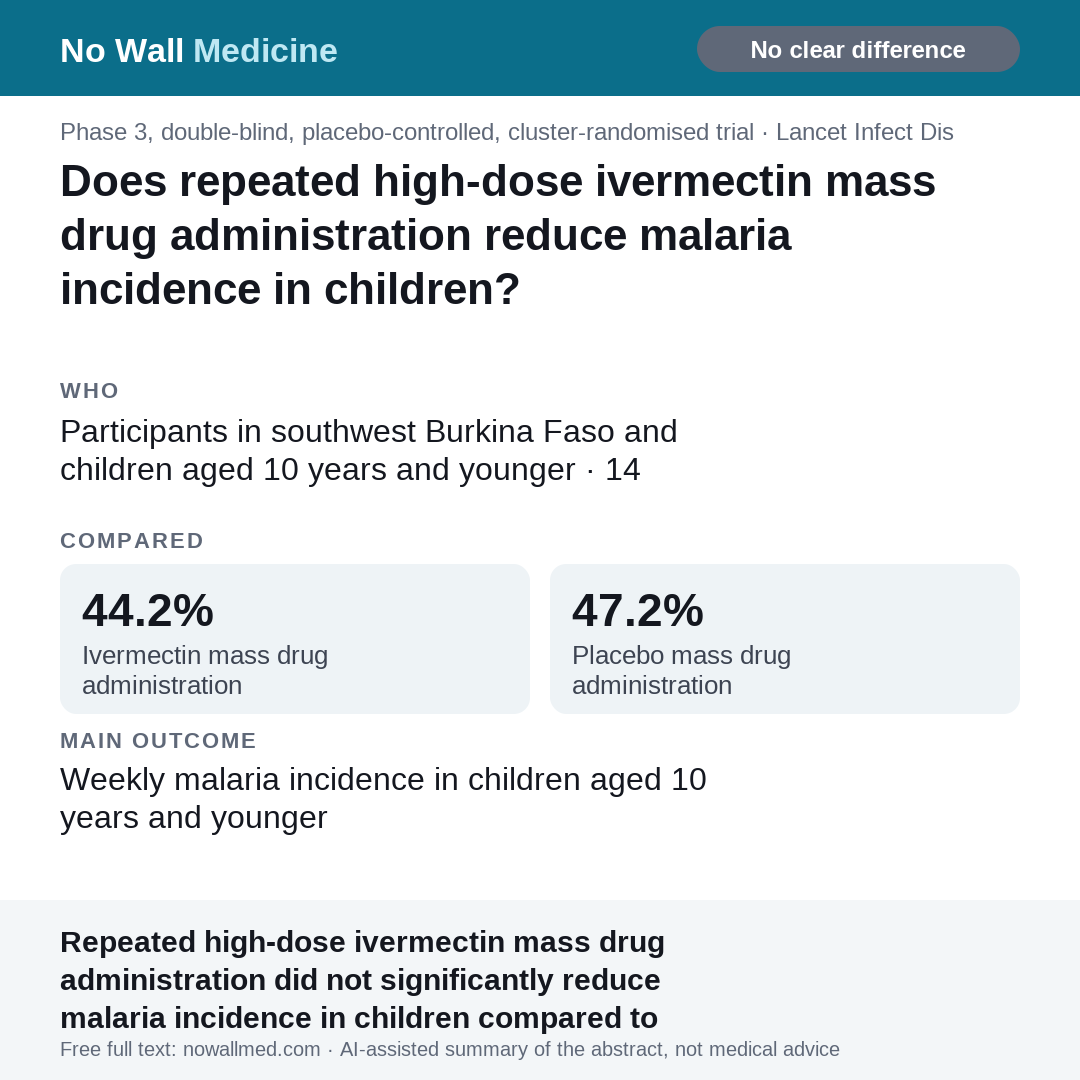
Safety and efficacy of repeat ivermectin mass drug administrations for malaria control (RIMDAMAL II): a phase 3, double-blind, placebo-controlled, cluster-randomised, parallel-group trial
Phase 3, double-blind, placebo-controlled, cluster-randomised trialNo clear difference
Does repeated high-dose ivermectin mass drug administration reduce malaria incidence in children?
Who
Participants in southwest Burkina Faso and children aged 10 years and younger · 14 villages or village sectors in southwest Burkina Faso
Compared
44.2%Ivermectin mass drug administration (312/706)
47.2%Placebo mass drug administration (288/610)
Main outcome
Weekly malaria incidence in children aged 10 years and younger
Bottom line: Repeated high-dose ivermectin mass drug administration did not significantly reduce malaria incidence in children compared to placebo.
Lancet Infect Dis · 2025-02-04Download image
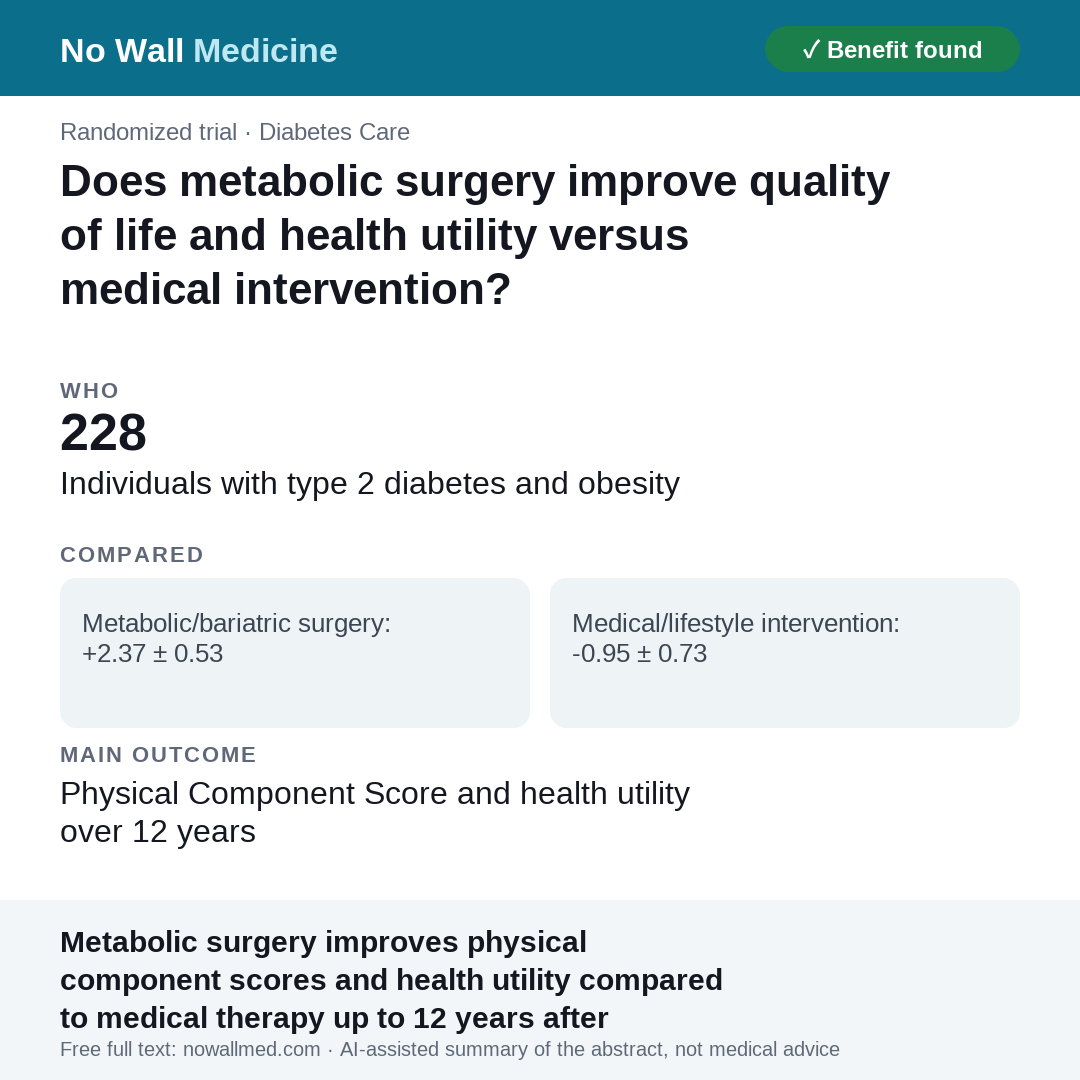
Health-Related Quality of Life and Health Utility After Metabolic/Bariatric Surgery Versus Medical/Lifestyle Intervention in Individuals With Type 2 Diabetes and Obesity: The ARMMS-T2D Study
Randomized trialBenefit found
Does metabolic surgery improve quality of life and health utility versus medical intervention?
Who
228
Individuals with type 2 diabetes and obesity
Compared
Metabolic/bariatric surgery: +2.37 ± 0.53
Medical/lifestyle intervention: -0.95 ± 0.73
Main outcome
Physical Component Score and health utility over 12 years
Result: difference 3.32 ± 0.85; P < 0.001
Bottom line: Metabolic surgery improves physical component scores and health utility compared to medical therapy up to 12 years after intervention.
Diabetes Care · 2025-02-04Download image
Six Injections of Modified Adjuvanted PQ Grass Is Effective and Well-Tolerated in a Pivotal Phase III Trial
Randomized, double-blind, placebo-controlled trialBenefit found
Is six injections of modified adjuvanted PQ Grass effective for seasonal allergic rhinitis?
Who
555
Subjects aged 18-65 with seasonal allergic rhinitis
Compared
PQ Grass
Placebo
Main outcome
European Academy of Allergy and Clinical Immunology Combined Symptom and Medication Score
Result: -0.27 points (95% CI: -0.42 to -0.12)
Bottom line: Six injections of PQ Grass is effective and well-tolerated for treating seasonal allergic rhinitis.
Allergy · 2025-02-04Download image

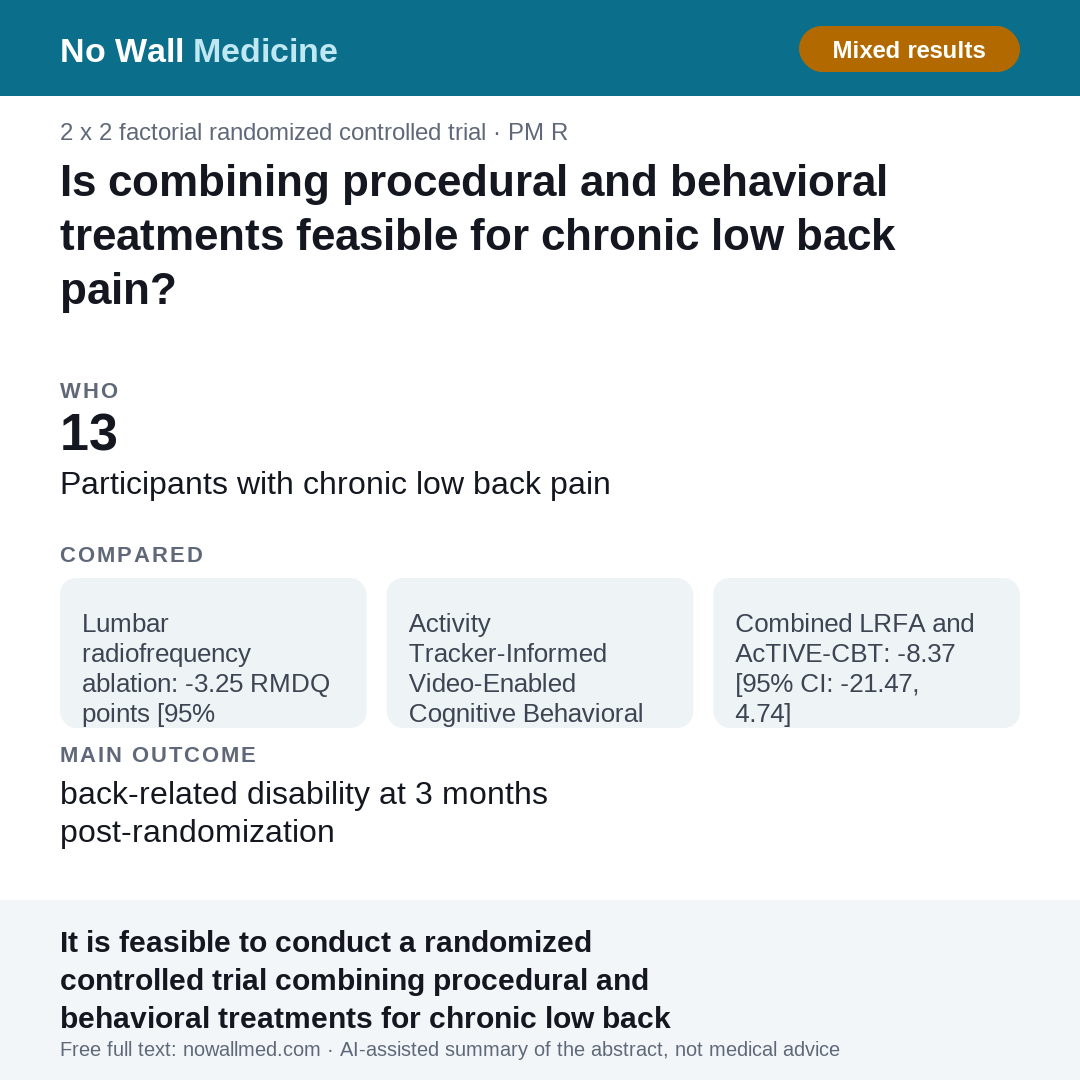
Combining procedural and behavioral treatments for chronic low back pain: A pilot feasibility randomized controlled trial
2 x 2 factorial randomized controlled trialMixed results
Is combining procedural and behavioral treatments feasible for chronic low back pain?
Who
13
Participants with chronic low back pain
Compared
Lumbar radiofrequency ablation: -3.25 RMDQ points [95% confidence interval [CI], -10.18 to 3.67]
Activity Tracker-Informed Video-Enabled Cognitive Behavioral Therapy: -6.29 [95% CI, -10.97 to -1.60]
Combined LRFA and AcTIVE-CBT: -8.37 [95% CI: -21.47, 4.74]
Main outcome
back-related disability at 3 months post-randomization
Bottom line: It is feasible to conduct a randomized controlled trial combining procedural and behavioral treatments for chronic low back pain.
PM R · 2025-02-04Download image
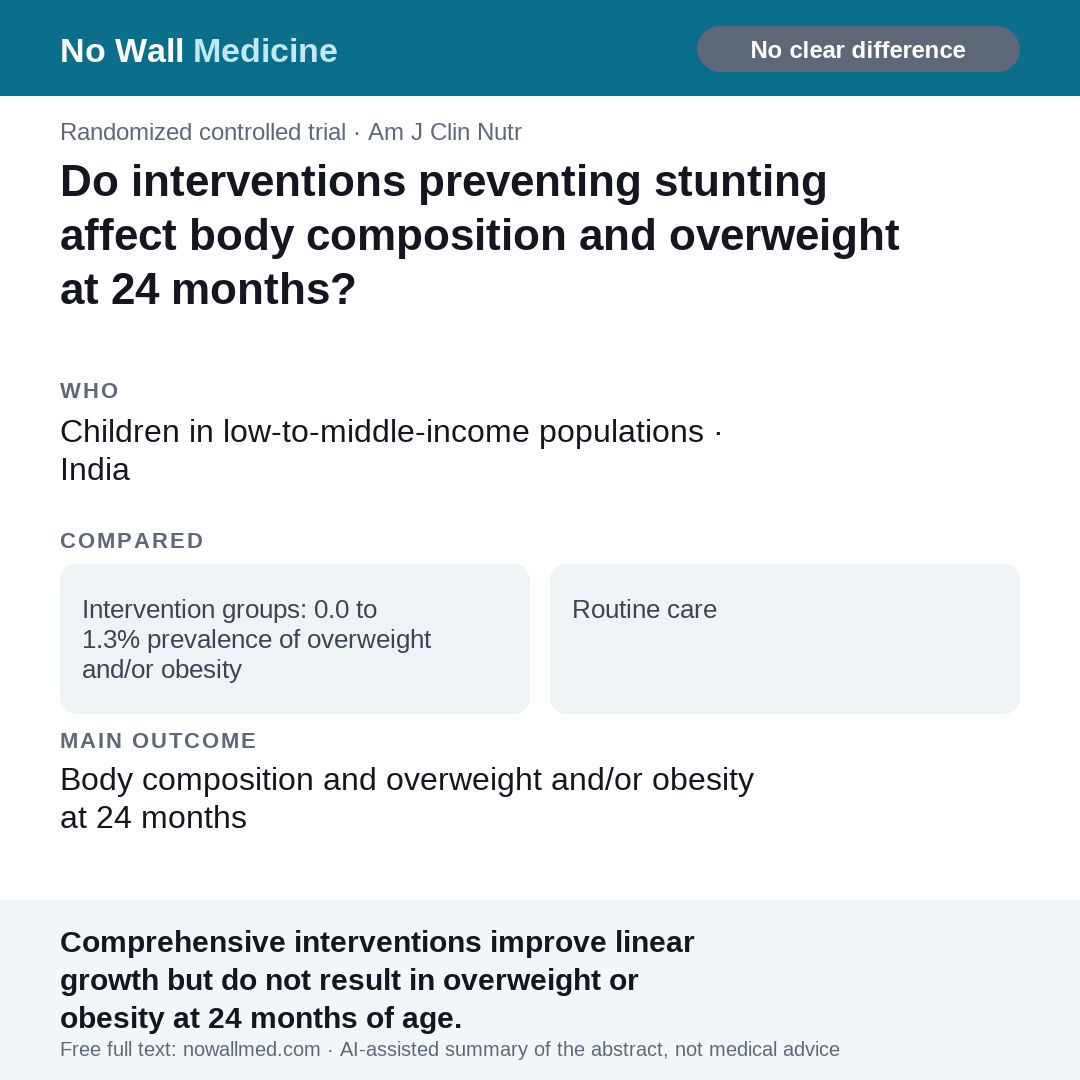
Impact of linear growth-improving interventions on childhood overnutrition at 24 months: a randomized controlled trial
Randomized controlled trialNo clear difference
Do interventions preventing stunting affect body composition and overweight at 24 months?
Who
Children in low-to-middle-income populations · India
Compared
Intervention groups: 0.0 to 1.3% prevalence of overweight and/or obesity
Routine care
Main outcome
Body composition and overweight and/or obesity at 24 months
Result: mean difference 0.1 kg (95% CI 0.01, 0.2) for neonatal fat-free mass
Bottom line: Comprehensive interventions improve linear growth but do not result in overweight or obesity at 24 months of age.
Am J Clin Nutr · 2025-02-04Download image
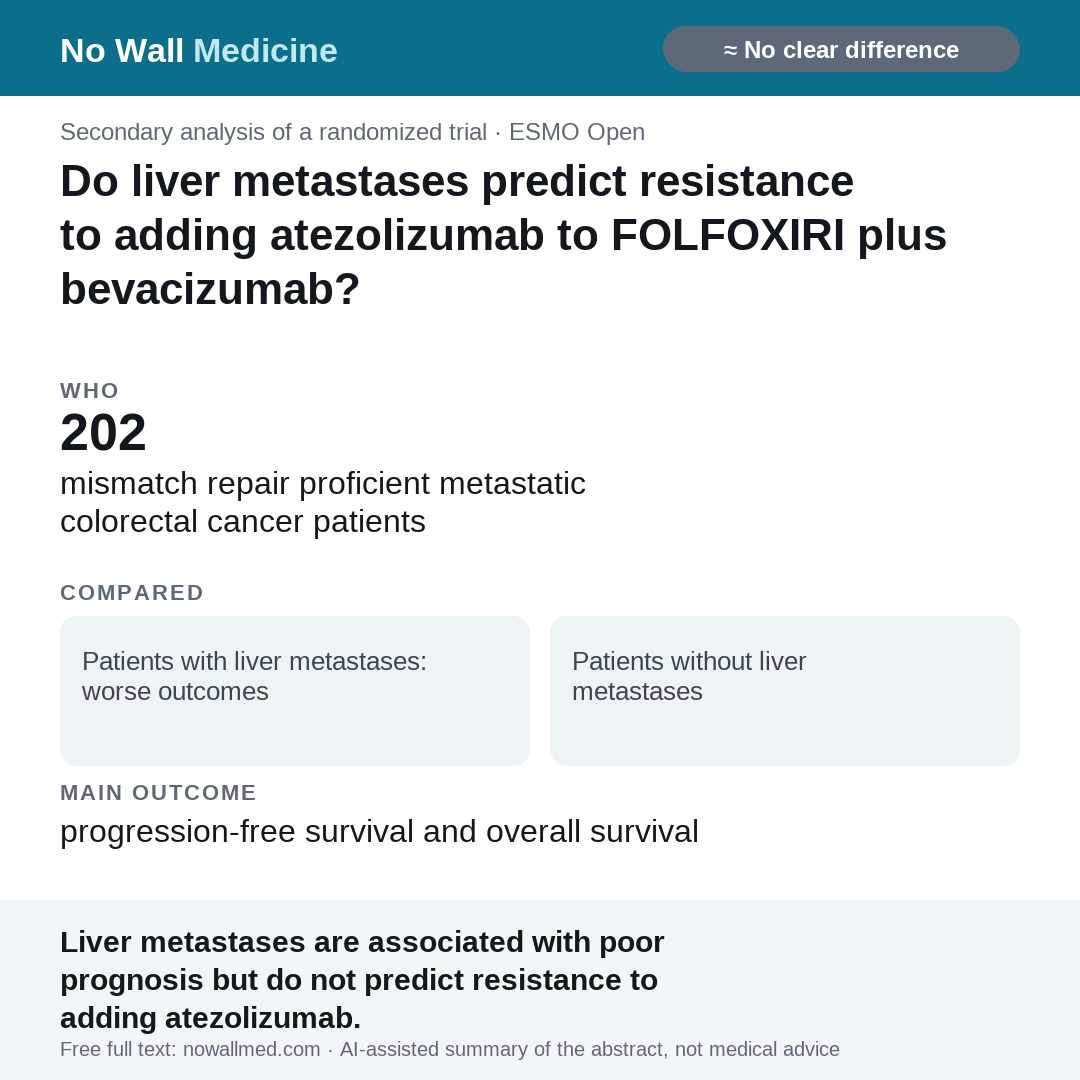
Liver metastases do not predict resistance to the addition of atezolizumab to first-line FOLFOXIRI plus bevacizumab in proficient MMR metastatic colorectal cancer: a secondary analysis of the AtezoTRIBE study
Secondary analysis of a randomized trialNo clear difference
Do liver metastases predict resistance to adding atezolizumab to FOLFOXIRI plus bevacizumab?
Who
202
mismatch repair proficient metastatic colorectal cancer patients
Compared
Patients with liver metastases: worse outcomes
Patients without liver metastases
Main outcome
progression-free survival and overall survival
Bottom line: Liver metastases are associated with poor prognosis but do not predict resistance to adding atezolizumab.
ESMO Open · 2025-02-04Download image
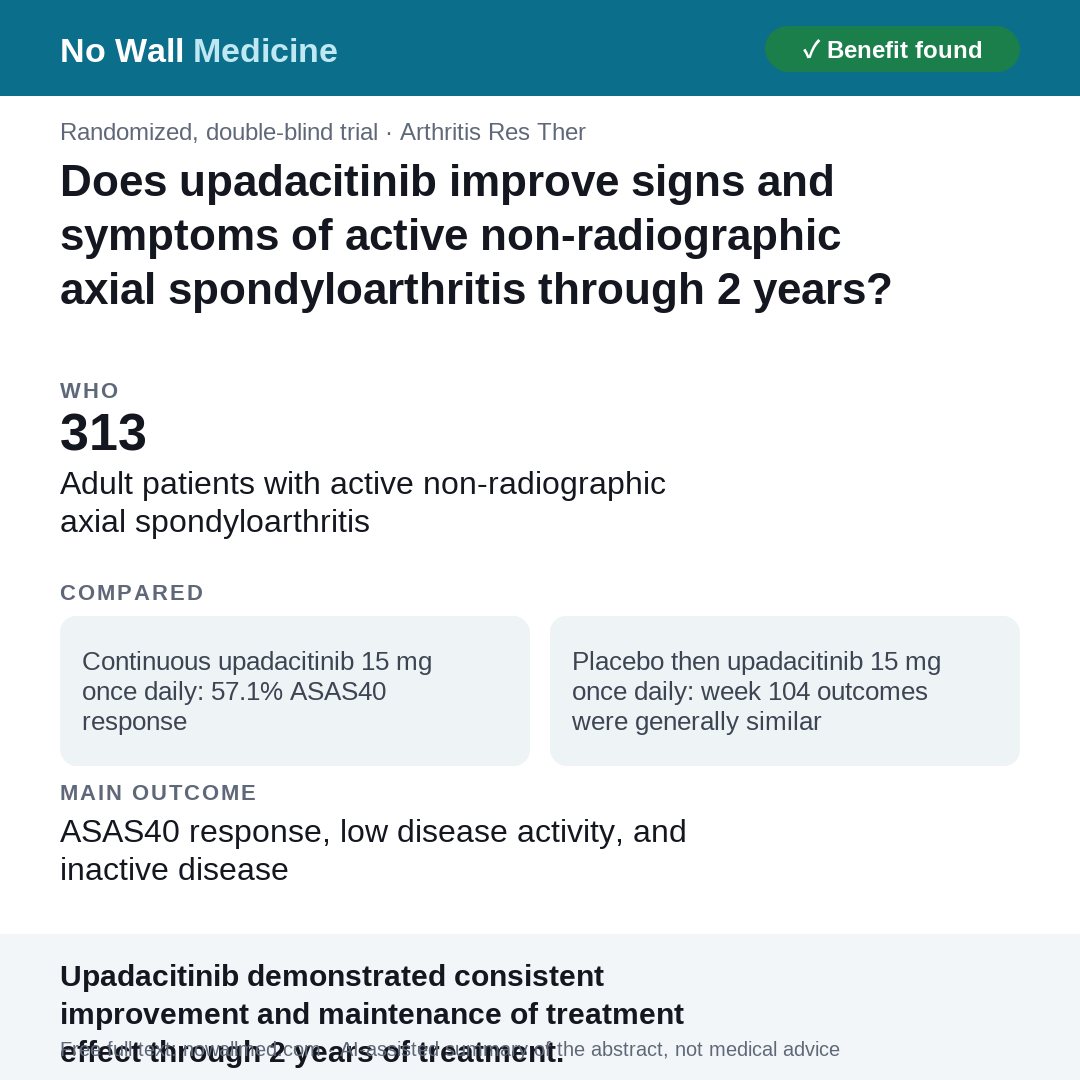
Upadacitinib in active non-radiographic axial spondyloarthritis: 2-year data from the phase 3 SELECT-AXIS 2 study
Randomized, double-blind trialBenefit found
Does upadacitinib improve signs and symptoms of active non-radiographic axial spondyloarthritis through 2 years?
Who
313
Adult patients with active non-radiographic axial spondyloarthritis
Compared
Continuous upadacitinib 15 mg once daily: 57.1% ASAS40 response
Placebo then upadacitinib 15 mg once daily: week 104 outcomes were generally similar
Main outcome
ASAS40 response, low disease activity, and inactive disease
Bottom line: Upadacitinib demonstrated consistent improvement and maintenance of treatment effect through 2 years of treatment.
Arthritis Res Ther · 2025-02-04Download image
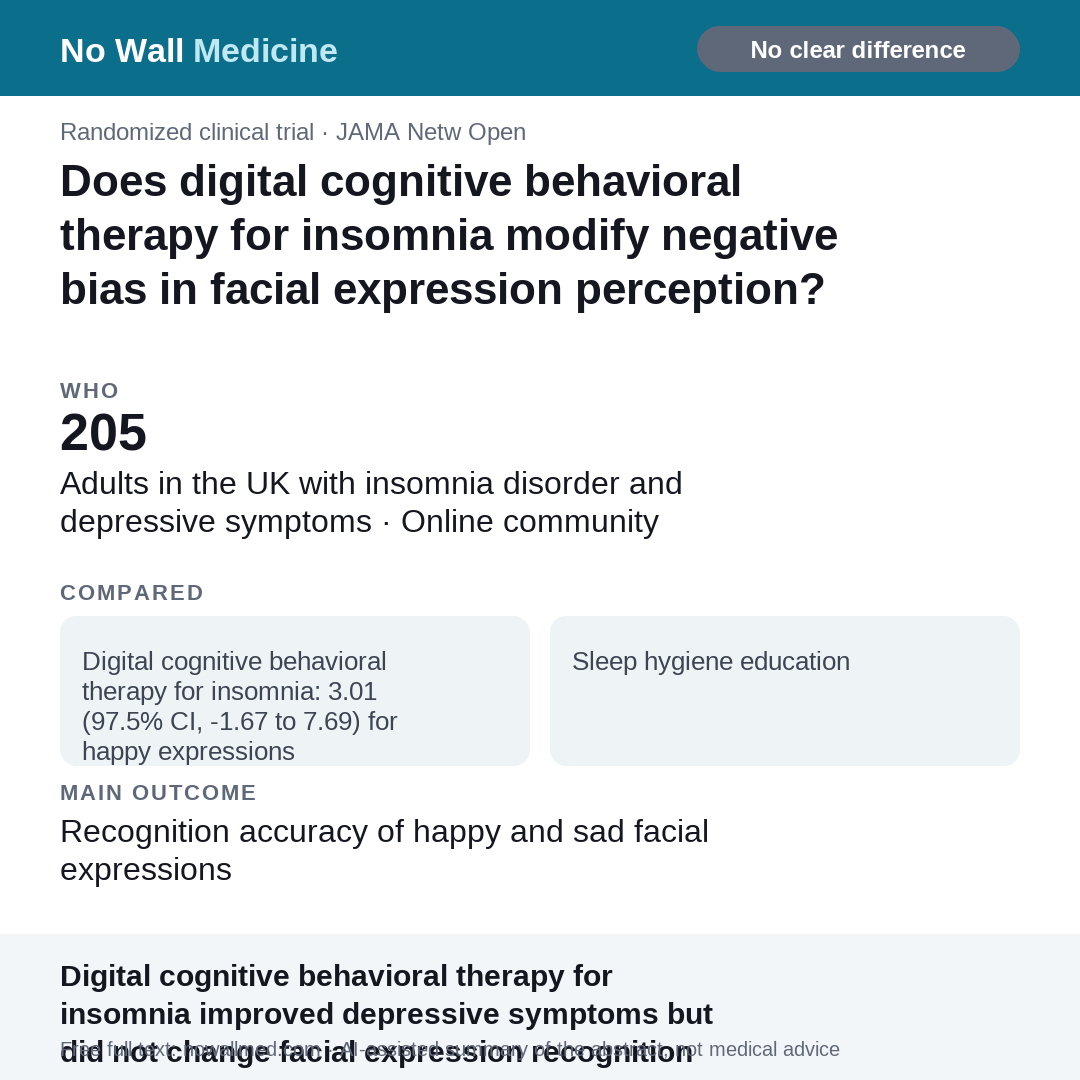
Emotional Processing Following Digital Cognitive Behavioral Therapy for Insomnia in People With Depressive Symptoms: A Randomized Clinical Trial
Randomized clinical trialNo clear difference
Does digital cognitive behavioral therapy for insomnia modify negative bias in facial expression perception?
Who
205
Adults in the UK with insomnia disorder and depressive symptoms · Online community recruitment in the United Kingdom
Compared
Digital cognitive behavioral therapy for insomnia: 3.01 (97.5% CI, -1.67 to 7.69) for happy expressions
Sleep hygiene education
Main outcome
Recognition accuracy of happy and sad facial expressions
Result: 3.01 (97.5% CI, -1.67 to 7.69)
Bottom line: Digital cognitive behavioral therapy for insomnia improved depressive symptoms but did not change facial expression recognition accuracy.
JAMA Netw Open · 2025-02-03Download image