Visual abstracts
New randomized trials and meta-analyses from leading journals at a glance: who was studied, what was compared, and what was found. Every paper is free to read in full.
All specialtiesCardiology 4877Oncology 4138Gastroenterology & Hepatology 1942Infectious Disease 3837Neurology 1905Psychiatry & Mental Health 2273Pulmonology 2143Critical Care 1365Endocrinology & Diabetes 2580Pediatrics 2980Surgery 2559Orthopedics & Sports Medicine 931Neurosurgery 537Cardiothoracic & Vascular Surgery 674Plastic & Reconstructive Surgery 591Nephrology 1133Rheumatology 823Hematology 1109Dermatology 621Ophthalmology 543Obstetrics & Gynecology 1686Public & Global Health 1058Radiology & Imaging 648Anesthesiology 986Urology 764ENT (Otolaryngology) 503Emergency Medicine 511Allergy & Immunology 313Geriatrics 981Family Medicine & Primary Care 562Medical Genetics & Genomics 676Pathology & Laboratory Medicine 159Physical Medicine & Rehabilitation 757Palliative Care 444Nutrition 1588Digital Health & AI 2201General Medicine 321
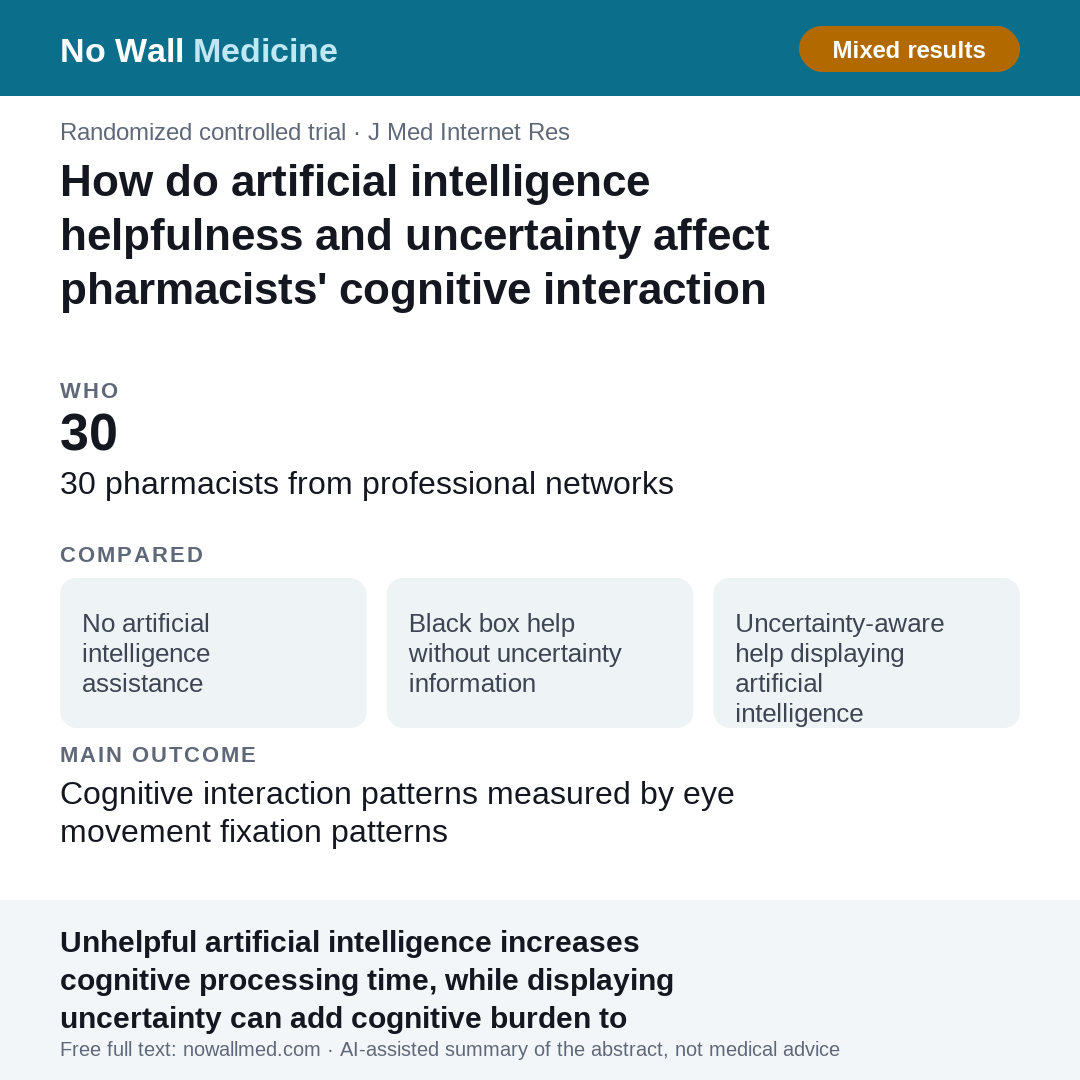
Effect of Artificial Intelligence Helpfulness and Uncertainty on Cognitive Interactions with Pharmacists: Randomized Controlled Trial
Randomized controlled trialMixed results
How do artificial intelligence helpfulness and uncertainty affect pharmacists' cognitive interaction during medication verification?
Who
30
30 pharmacists from professional networks
Compared
No artificial intelligence assistance
Black box help without uncertainty information
Uncertainty-aware help displaying artificial intelligence uncertainty
Main outcome
Cognitive interaction patterns measured by eye movement fixation patterns
Bottom line: Unhelpful artificial intelligence increases cognitive processing time, while displaying uncertainty can add cognitive burden to pharmacists.
J Med Internet Res · 2025-01-31Download image
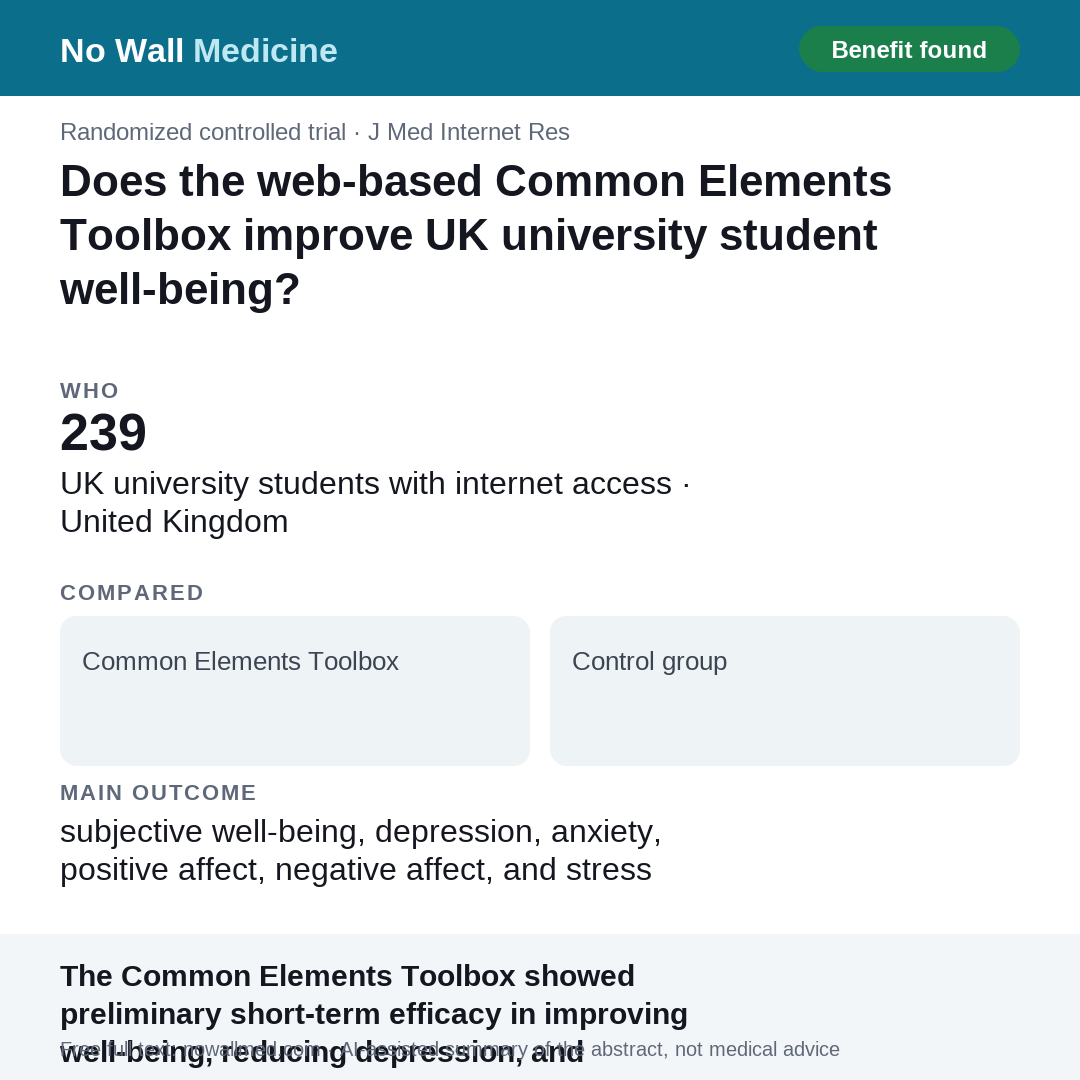
Investigating the Efficacy of the Web-Based Common Elements Toolbox (COMET) Single-Session Interventions in Improving UK University Student Well-Being: Randomized Controlled Trial
Randomized controlled trialBenefit found
Does the web-based Common Elements Toolbox improve UK university student well-being?
Who
239
UK university students with internet access · United Kingdom
Compared
Common Elements Toolbox
Control group
Main outcome
subjective well-being, depression, anxiety, positive affect, negative affect, and stress
Result: subjective well-being mean difference 1.39 (95% CI 0.19-2.61)
Bottom line: The Common Elements Toolbox showed preliminary short-term efficacy in improving well-being, reducing depression, and reducing perceived stress.
J Med Internet Res · 2025-01-31Download image
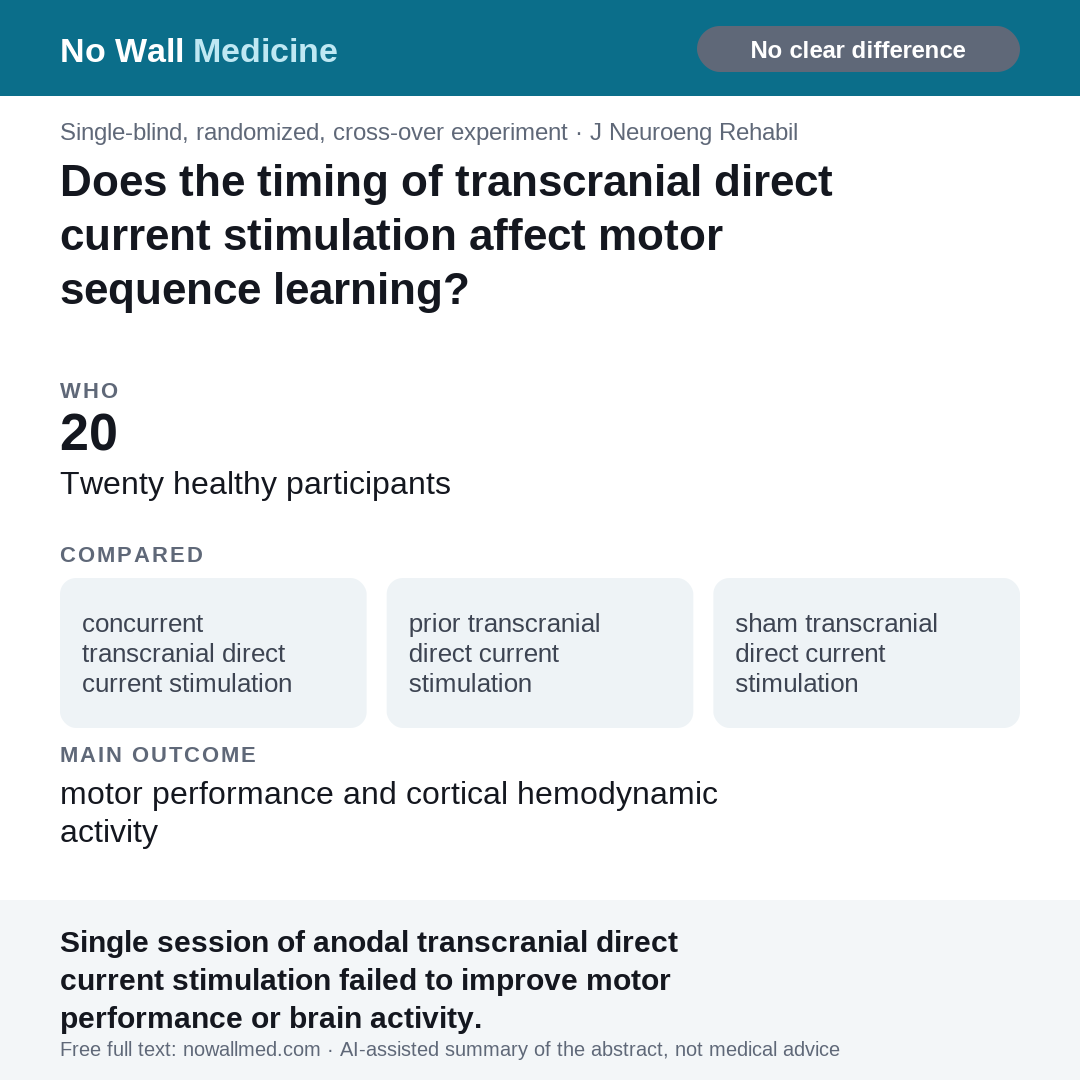
Timing of high-definition transcranial direct current stimulation to the nondominant primary motor cortex fails to modulate cortical hemodynamic activity and improve motor sequence learning
Single-blind, randomized, cross-over experimentNo clear difference
Does the timing of transcranial direct current stimulation affect motor sequence learning?
Who
20
Twenty healthy participants
Compared
concurrent transcranial direct current stimulation
prior transcranial direct current stimulation
sham transcranial direct current stimulation
Main outcome
motor performance and cortical hemodynamic activity
Bottom line: Single session of anodal transcranial direct current stimulation failed to improve motor performance or brain activity.
J Neuroeng Rehabil · 2025-01-31Download image
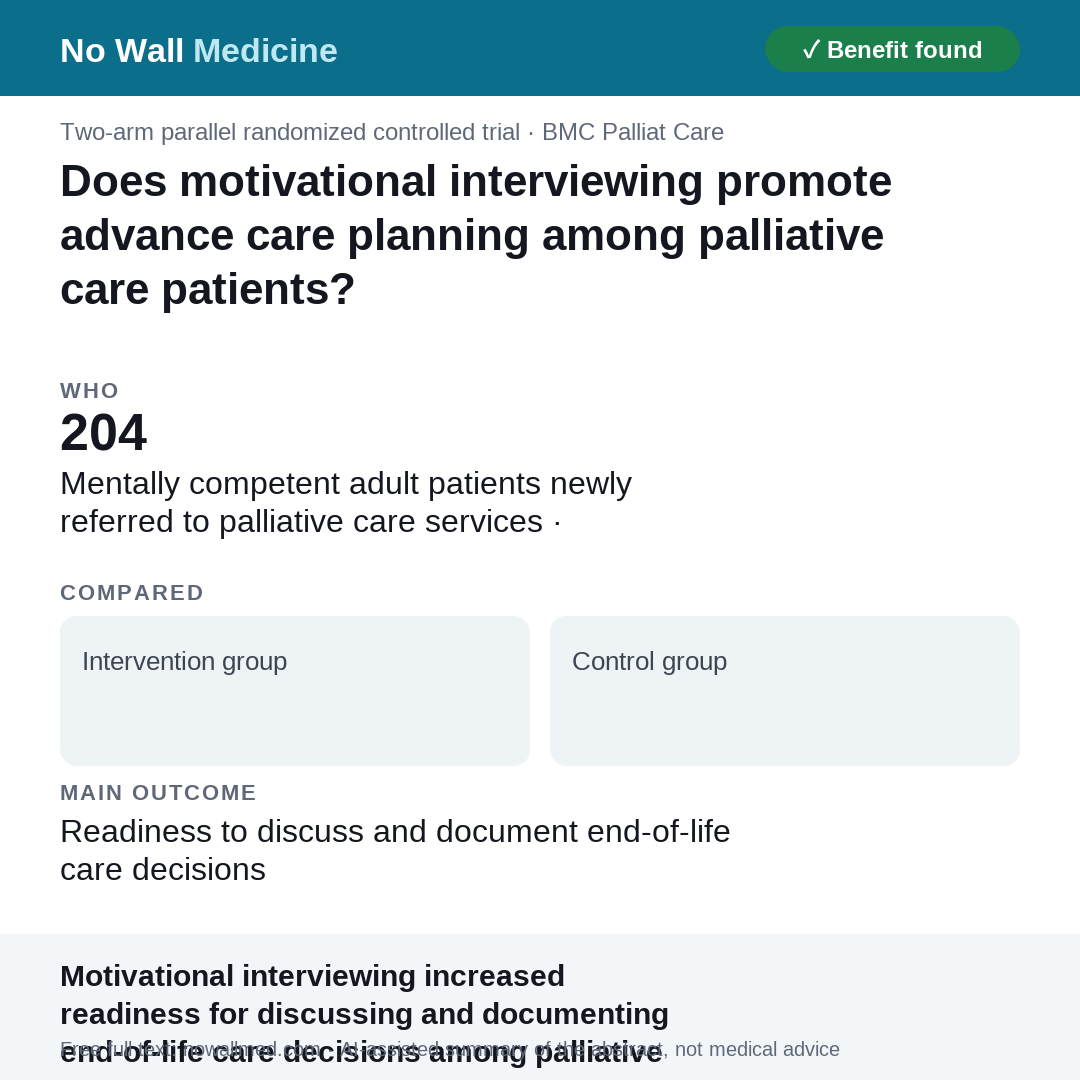
Effect of motivational interviewing to promote advance care planning among palliative care patients in ambulatory care setting: a randomized controlled trial
Two-arm parallel randomized controlled trialBenefit found
Does motivational interviewing promote advance care planning among palliative care patients?
Who
204
Mentally competent adult patients newly referred to palliative care services · Palliative care clinics of two hospitals
Compared
Intervention group
Control group
Main outcome
Readiness to discuss and document end-of-life care decisions
Result: relative risk 3.43 (95% CI, 1.55-7.60) for signing advance directives
Bottom line: Motivational interviewing increased readiness for discussing and documenting end-of-life care decisions among palliative care patients.
BMC Palliat Care · 2025-01-31Download image
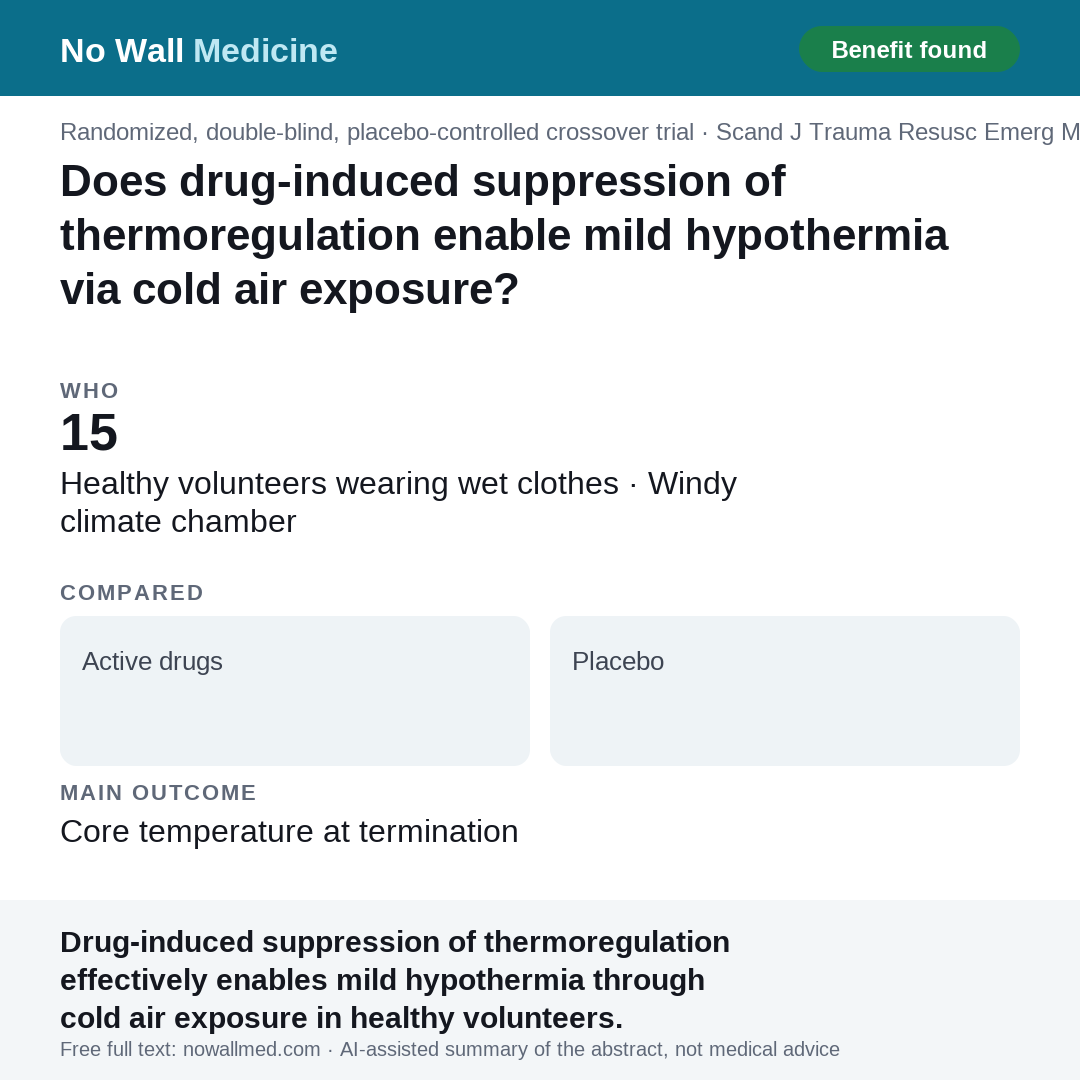
Experimental hypothermia by cold air: a randomized, double-blind, placebo-controlled crossover trial
Randomized, double-blind, placebo-controlled crossover trialBenefit found
Does drug-induced suppression of thermoregulation enable mild hypothermia via cold air exposure?
Who
15
Healthy volunteers wearing wet clothes · Windy climate chamber
Compared
Active drugs
Placebo
Main outcome
Core temperature at termination
Result: estimated mean difference 1.7 °C (1.4-2.0, p < 0.001)
Bottom line: Drug-induced suppression of thermoregulation effectively enables mild hypothermia through cold air exposure in healthy volunteers.
Scand J Trauma Resusc Emerg Med · 2025-01-31Download image
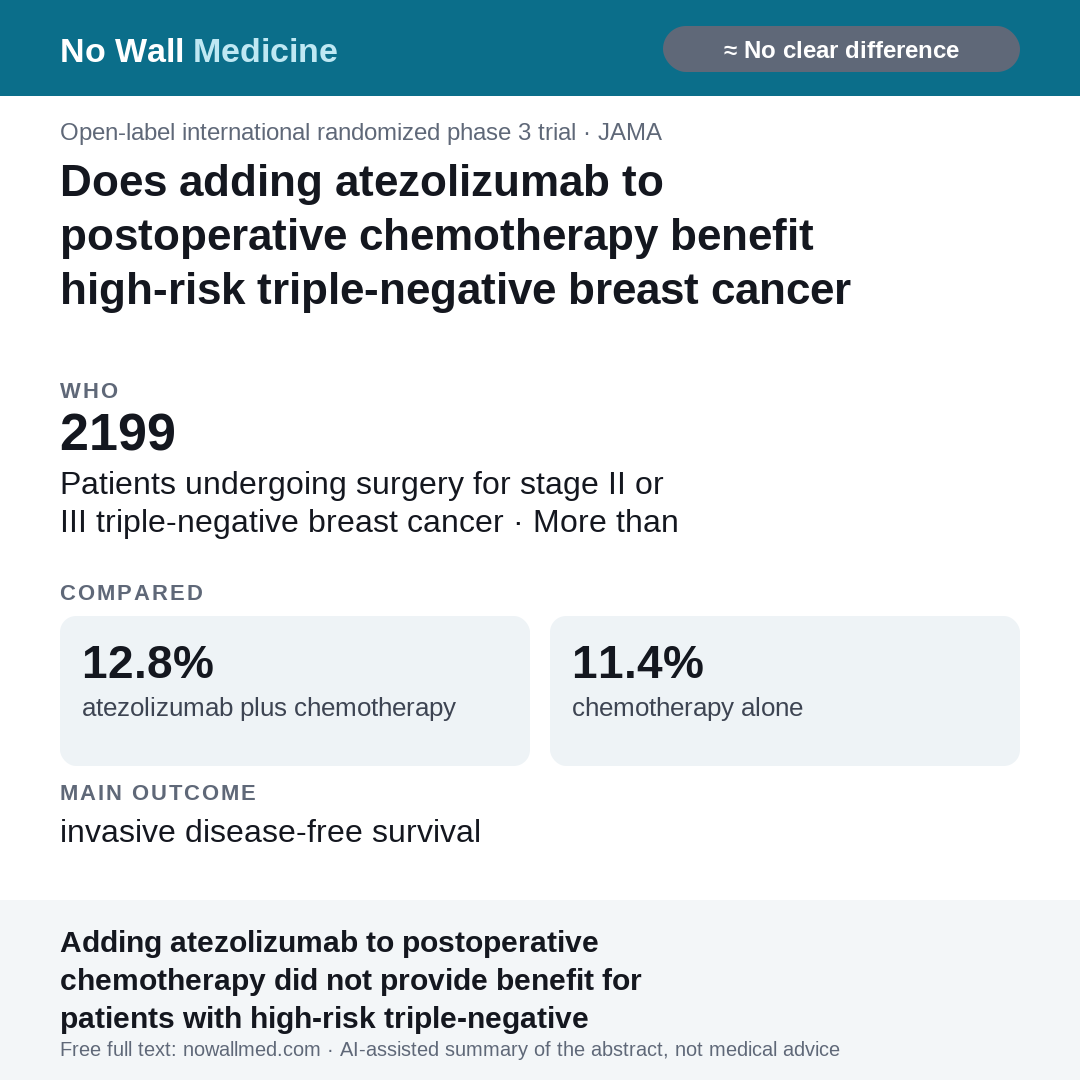
Adjuvant Atezolizumab for Early Triple-Negative Breast Cancer: The ALEXANDRA/IMpassion030 Randomized Clinical Trial
Open-label international randomized phase 3 trialNo clear difference
Does adding atezolizumab to postoperative chemotherapy benefit high-risk triple-negative breast cancer patients?
Who
2199
Patients undergoing surgery for stage II or III triple-negative breast cancer · More than 330 centers in 31 countries
Compared
12.8%atezolizumab plus chemotherapy
11.4%chemotherapy alone
Main outcome
invasive disease-free survival
Result: hazard ratio 1.11 (95% CI, 0.87-1.42)
Bottom line: Adding atezolizumab to postoperative chemotherapy did not provide benefit for patients with high-risk triple-negative breast cancer.
Limitation: The trial continued to a premature final analysis.
JAMA · 2025-01-30Download image
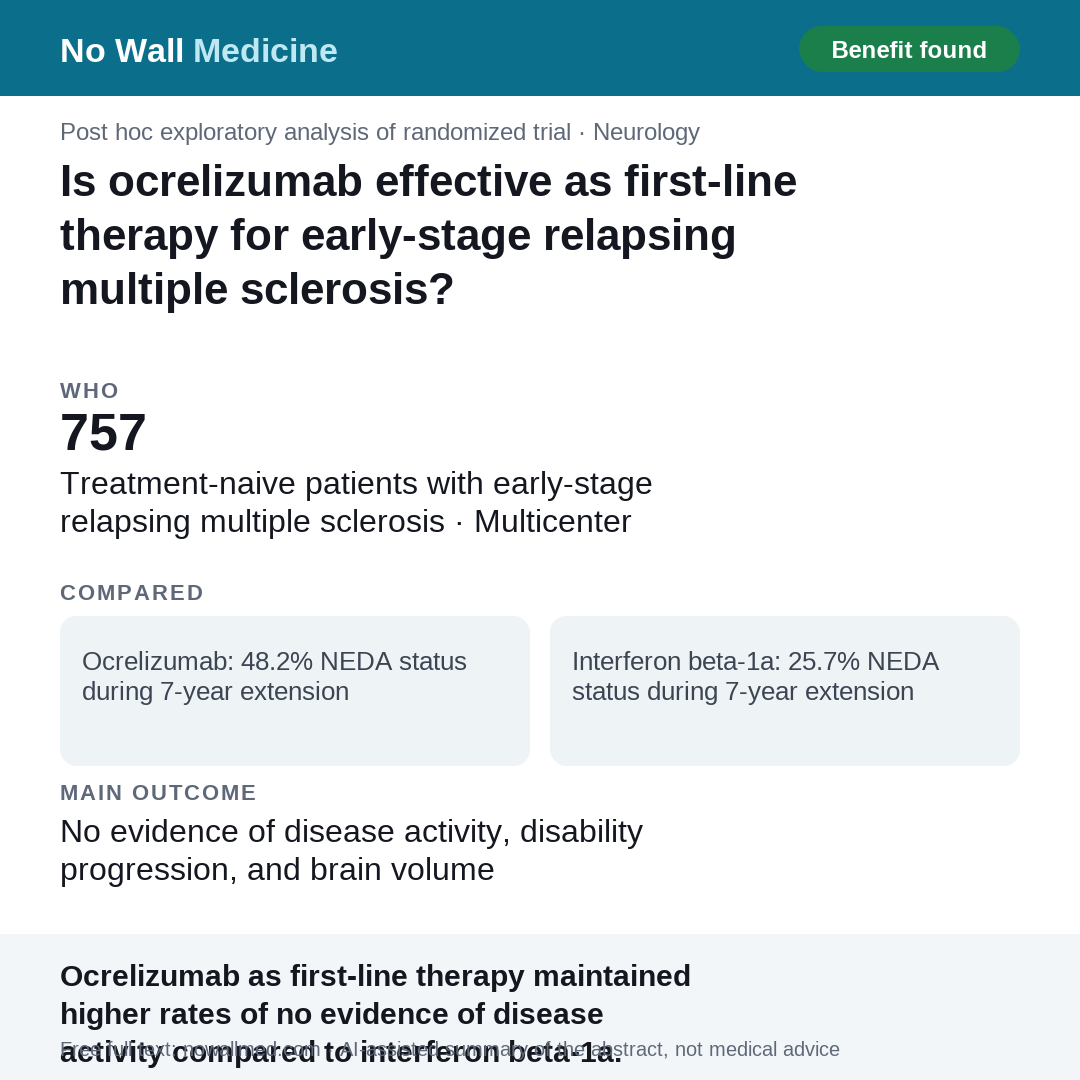
Long-Term Treatment With Ocrelizumab in Patients With Early-Stage Relapsing MS: Nine-Year Data From the OPERA Studies Open-Label Extension
Post hoc exploratory analysis of randomized trialBenefit found
Is ocrelizumab effective as first-line therapy for early-stage relapsing multiple sclerosis?
Who
757
Treatment-naive patients with early-stage relapsing multiple sclerosis · Multicenter
Compared
Ocrelizumab: 48.2% NEDA status during 7-year extension
Interferon beta-1a: 25.7% NEDA status during 7-year extension
Main outcome
No evidence of disease activity, disability progression, and brain volume
Result: odds ratio 2.72 (95% CI 1.94-3.82)
Bottom line: Ocrelizumab as first-line therapy maintained higher rates of no evidence of disease activity compared to interferon beta-1a.
Limitation: Possible assessment bias due to unmaintained blinding during the open-label extension.
Neurology · 2025-01-30Download image
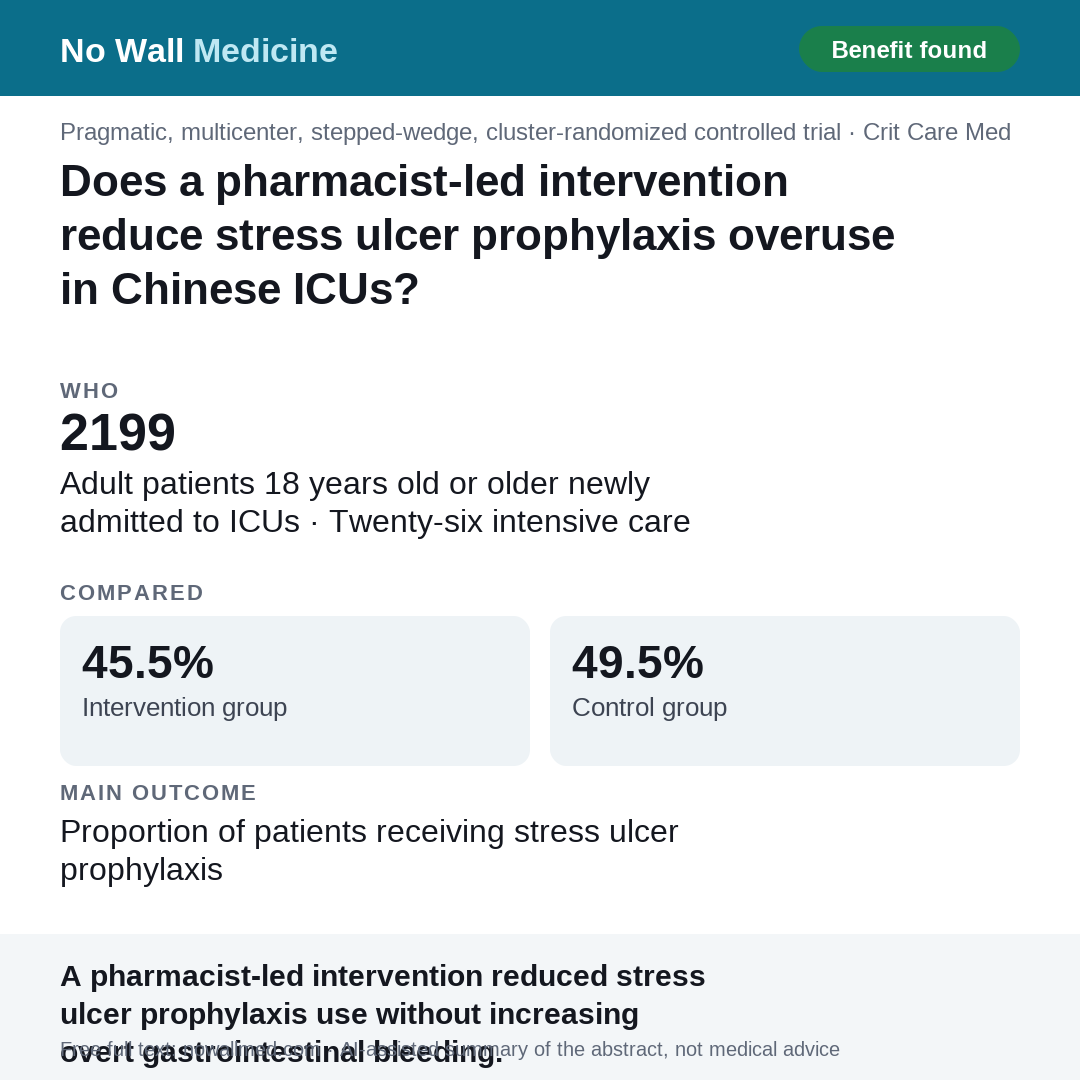
Effectiveness of a Pharmacist-Led Intervention to Reduce Acid Suppression Therapy for Stress Ulcer Prophylaxis in ICUs in China: A Multicenter, Stepped-Wedge, Cluster-Randomized Controlled Trial
Pragmatic, multicenter, stepped-wedge, cluster-randomized controlled trialBenefit found
Does a pharmacist-led intervention reduce stress ulcer prophylaxis overuse in Chinese ICUs?
Who
2199
Adult patients 18 years old or older newly admitted to ICUs · Twenty-six intensive care units in China
Compared
45.5%Intervention group
49.5%Control group
Main outcome
Proportion of patients receiving stress ulcer prophylaxis
Result: odds ratio 0.81 (95% CI, 0.68-0.96)
Bottom line: A pharmacist-led intervention reduced stress ulcer prophylaxis use without increasing overt gastrointestinal bleeding.
Crit Care Med · 2025-01-30Download image
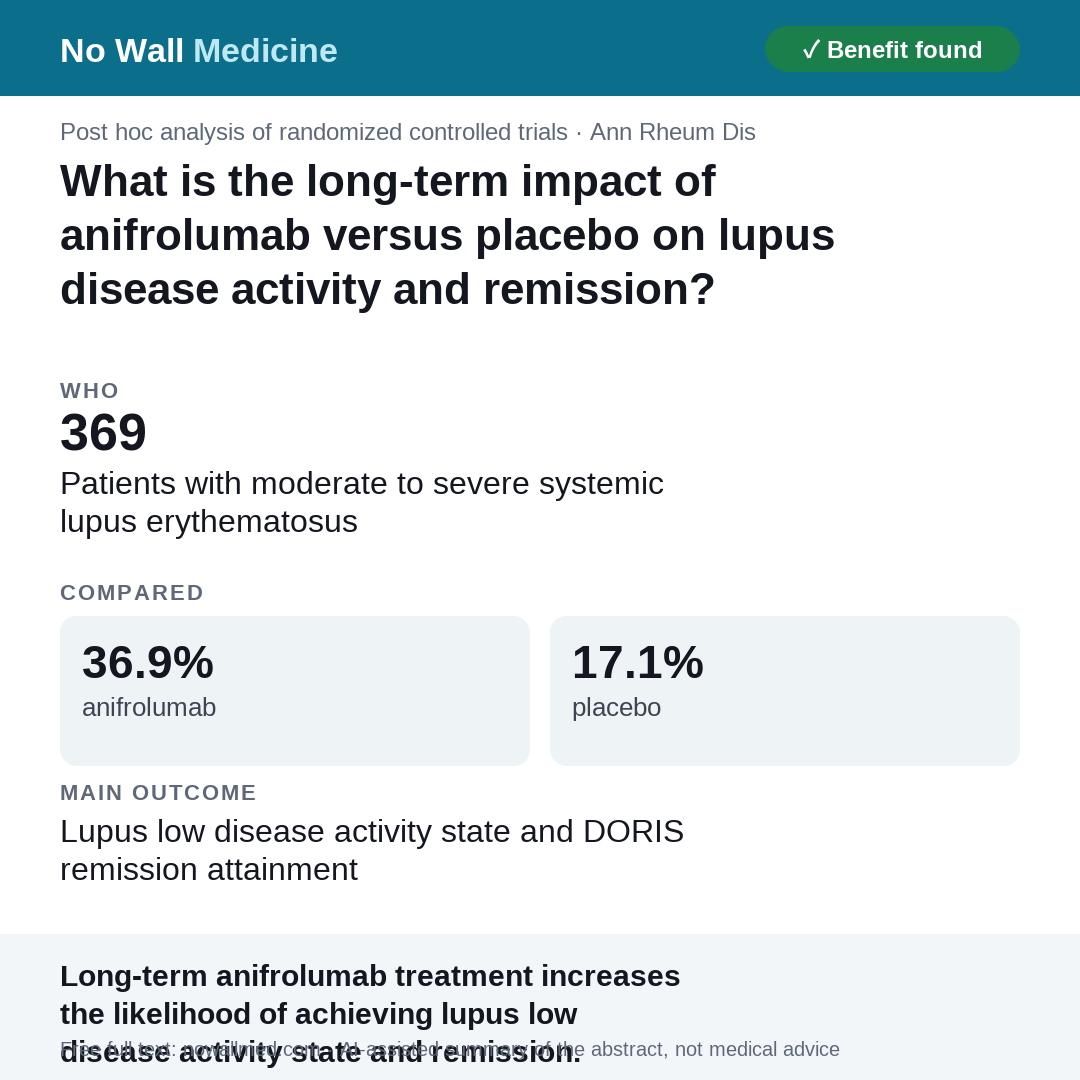
LLDAS and remission attainment with anifrolumab treatment in patients with systemic lupus erythematosus: results from the TULIP and long-term extension randomised controlled trials
Post hoc analysis of randomized controlled trialsBenefit found
What is the long-term impact of anifrolumab versus placebo on lupus disease activity and remission?
Who
369
Patients with moderate to severe systemic lupus erythematosus
Compared
36.9%anifrolumab (at Week 208)
17.1%placebo (at Week 208)
Main outcome
Lupus low disease activity state and DORIS remission attainment
Result: odds ratio 2.7 (95% CI 1.3-5.5)
Bottom line: Long-term anifrolumab treatment increases the likelihood of achieving lupus low disease activity state and remission.
Ann Rheum Dis · 2025-01-30Download image
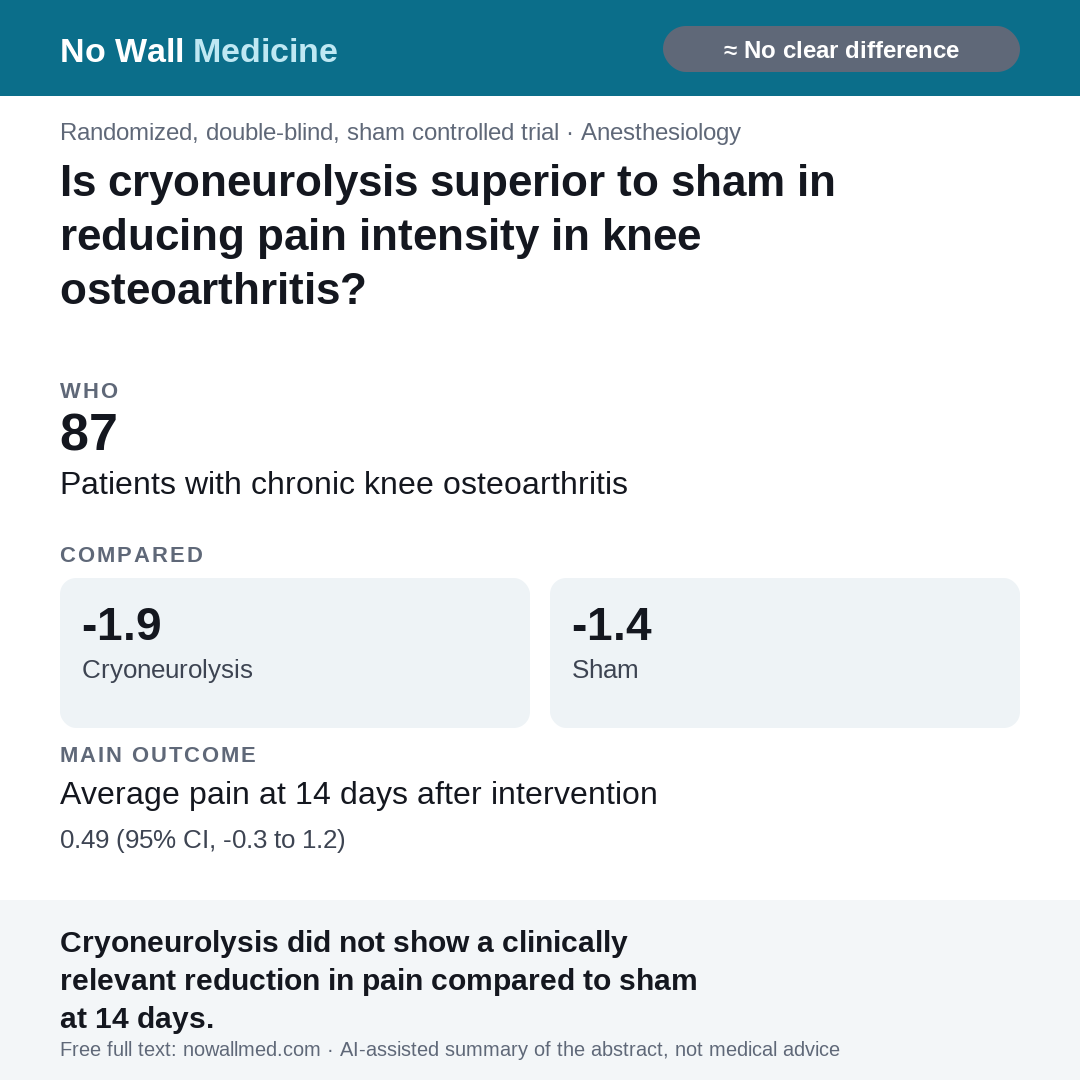
Efficacy of Cryoneurolysis on Chronic Pain in Patients with Knee Osteoarthritis: A Double-blinded Randomized Controlled Sham Trial
Randomized, double-blind, sham controlled trialNo clear difference
Is cryoneurolysis superior to sham in reducing pain intensity in knee osteoarthritis?
Who
87
Patients with chronic knee osteoarthritis
Compared
-1.9Cryoneurolysis (95% CI, -2.4 to -1.3)
-1.4Sham (95% CI, -1.9 to -0.8)
Main outcome
Average pain at 14 days after intervention
Result: 0.49 (95% CI, -0.3 to 1.2)
Bottom line: Cryoneurolysis did not show a clinically relevant reduction in pain compared to sham at 14 days.
Anesthesiology · 2025-01-30Download image
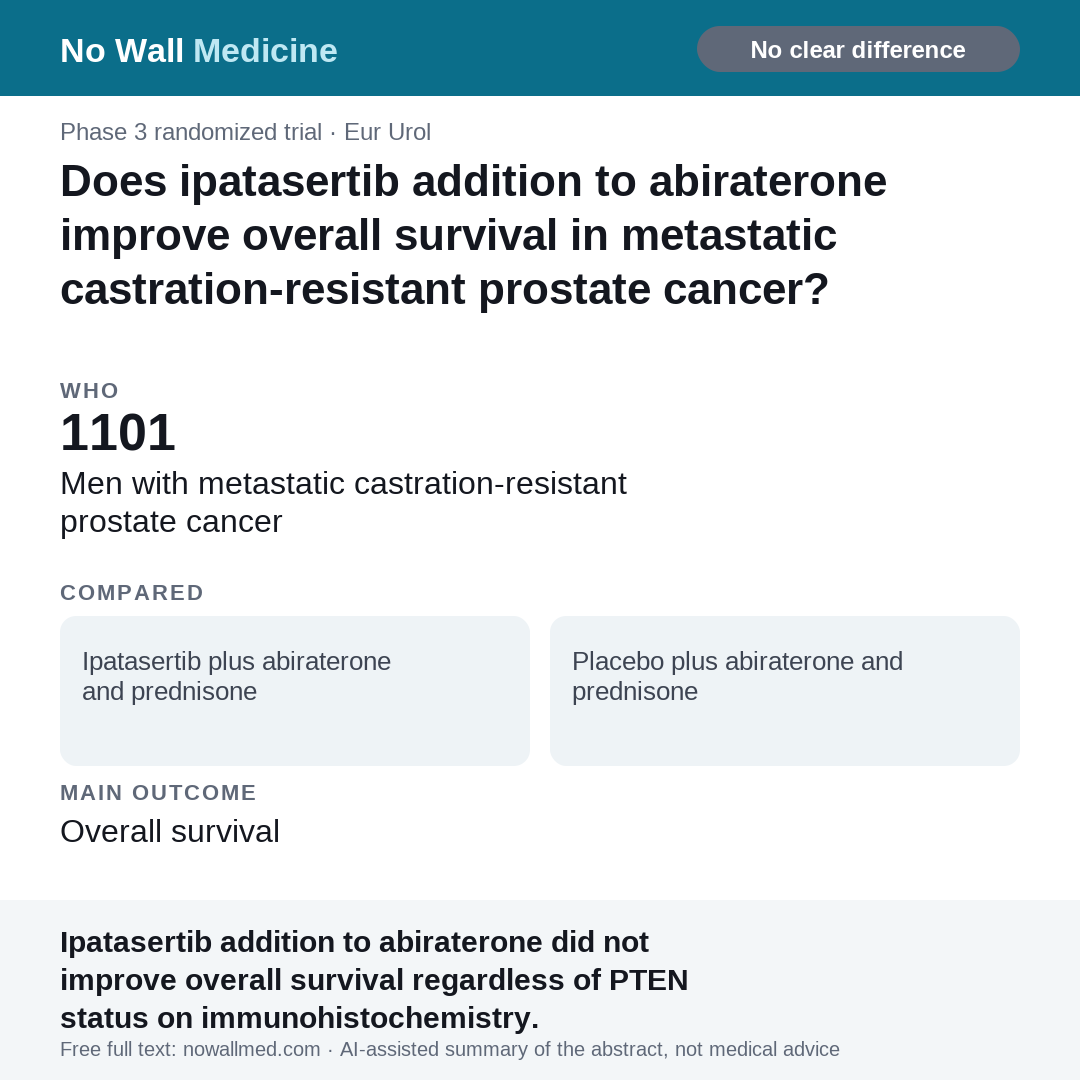
Final Overall Survival and Molecular Data Associated with Clinical Outcomes in Patients Receiving Ipatasertib and Abiraterone in the Phase 3 IPATential150 Trial
Phase 3 randomized trialNo clear difference
Does ipatasertib addition to abiraterone improve overall survival in metastatic castration-resistant prostate cancer?
Who
1101
Men with metastatic castration-resistant prostate cancer
Compared
Ipatasertib plus abiraterone and prednisone
Placebo plus abiraterone and prednisone
Main outcome
Overall survival
Result: stratified hazard ratio 0.94 (95% CI 0.76 to 1.17)
Bottom line: Ipatasertib addition to abiraterone did not improve overall survival regardless of PTEN status on immunohistochemistry.
Limitation: Exploratory nature of the analysis, incomplete next-generation sequencing data, and potential intrapatient heterogeneity.
Eur Urol · 2025-01-30Download image
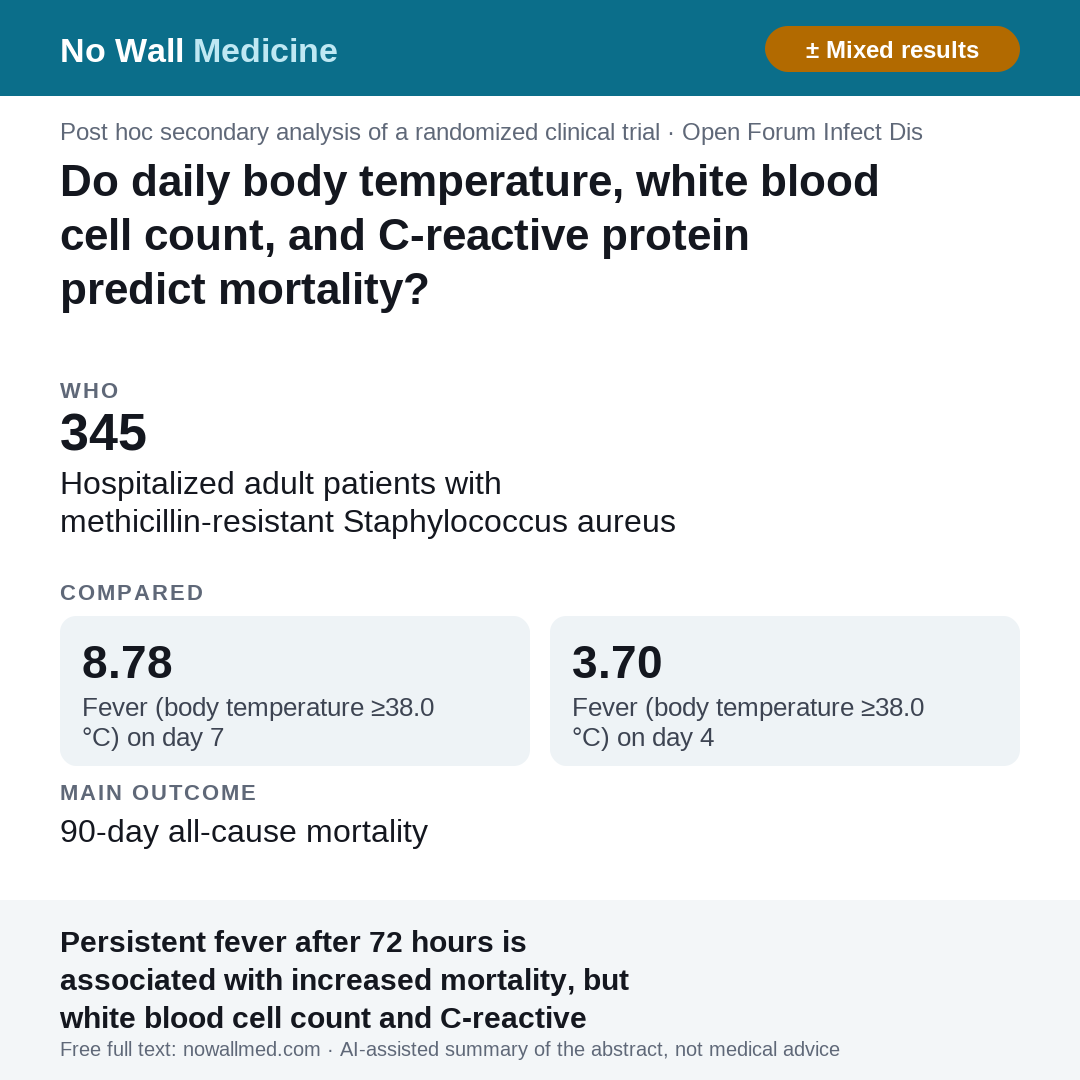
Effect of Remote Ischemic Conditioning on the Form and Function of Red Blood Cells in Patients With Acute Ischemic Stroke
Randomized clinical trial substudyMixed results
Does remote ischemic conditioning affect red blood cell form and function in acute ischemic stroke?
Who
486
Patients with acute ischemic stroke · Denmark
Compared
Remote ischemic conditioning: aggregation pressure 323.76 millipascal
Sham: aggregation pressure 352.74 millipascal
Main outcome
Red blood cell deformability, aggregation, nitric oxide, and nitrite
Bottom line: Remote ischemic conditioning reduced erythrocyte aggregation rate but did not change red blood cell deformability or nitric oxide levels.
Stroke · 2025-01-30Download image
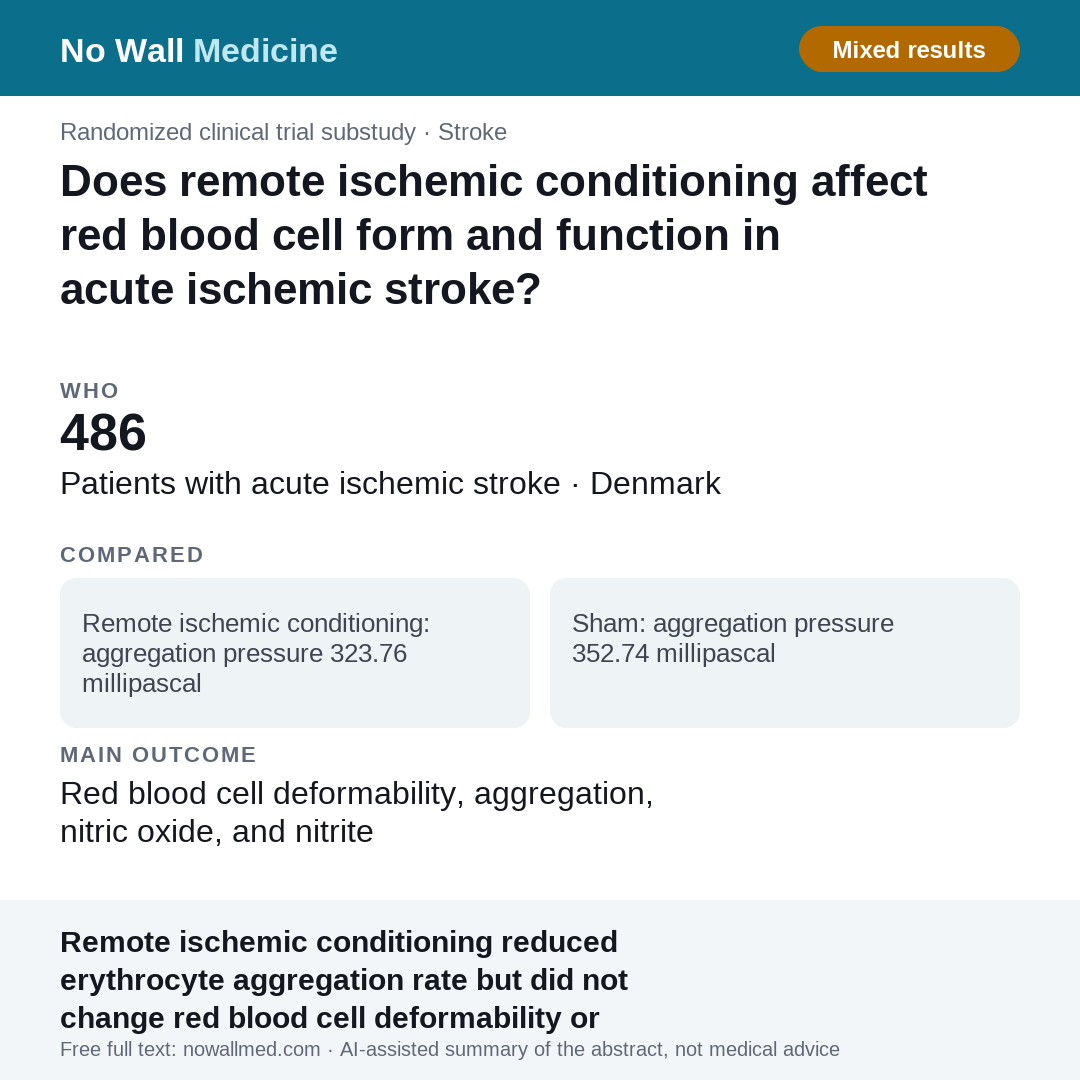
Ultra-Early Hematoma Expansion Is Associated With Ongoing Hematoma Growth and Poor Functional Outcome
Secondary analysis of a randomized trialHarm found
Does ultra-early hematoma expansion associate with ongoing growth and poor outcomes in primary intracerebral hemorrhage?
Who
105
Patients with primary intracerebral hemorrhage presenting within 2 hours of symptom onset
Compared
39%Ultra-early hematoma expansion
No ultra-early hematoma expansion
Main outcome
Poor functional outcome and mortality
Result: unadjusted odds ratio 3.91 [1.22-12.49] for poor functional outcome
Bottom line: Ultra-early hematoma expansion is associated with ongoing growth, poor functional outcomes, and increased mortality in intracerebral hemorrhage.
Limitation: Used unadjusted logistic regression models
Stroke · 2025-01-30Download image
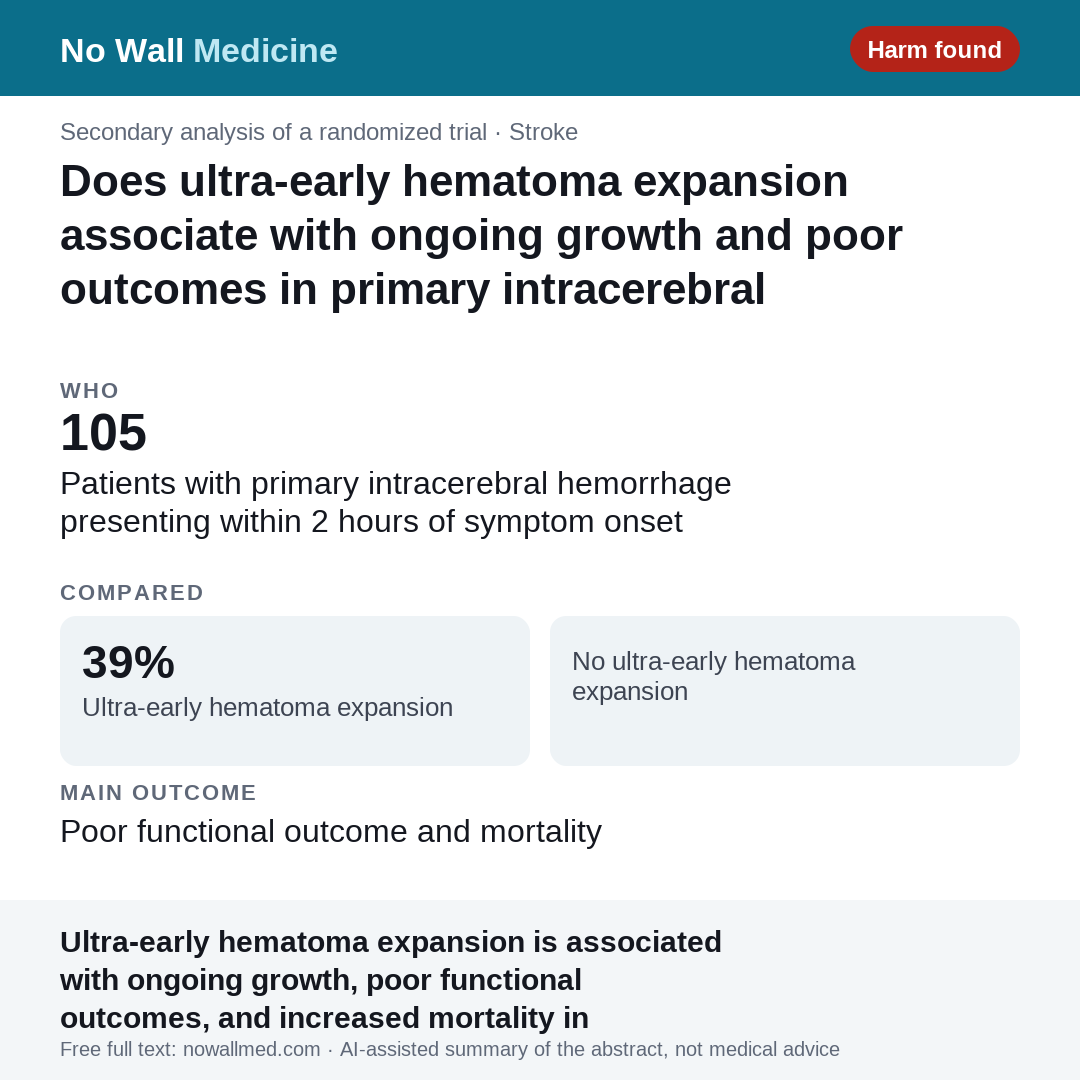
Extracorporeal shockwave therapy for the treatment of deep dermal burns of the hand: A preliminary study
Randomized trialBenefit found
Does extracorporeal shockwave therapy improve healing of deep dermal hand burns?
Who
40
Patients with deep dermal hand burns
Compared
Routine dressing treatment
Extracorporeal shockwave therapy: significantly better
Main outcome
Percentage of wound healing
Bottom line: Extracorporeal shockwave therapy can effectively shorten the healing time of deep dermal burns of the hand.
Limitation: preliminary study
J Plast Reconstr Aesthet Surg · 2025-01-30Download image
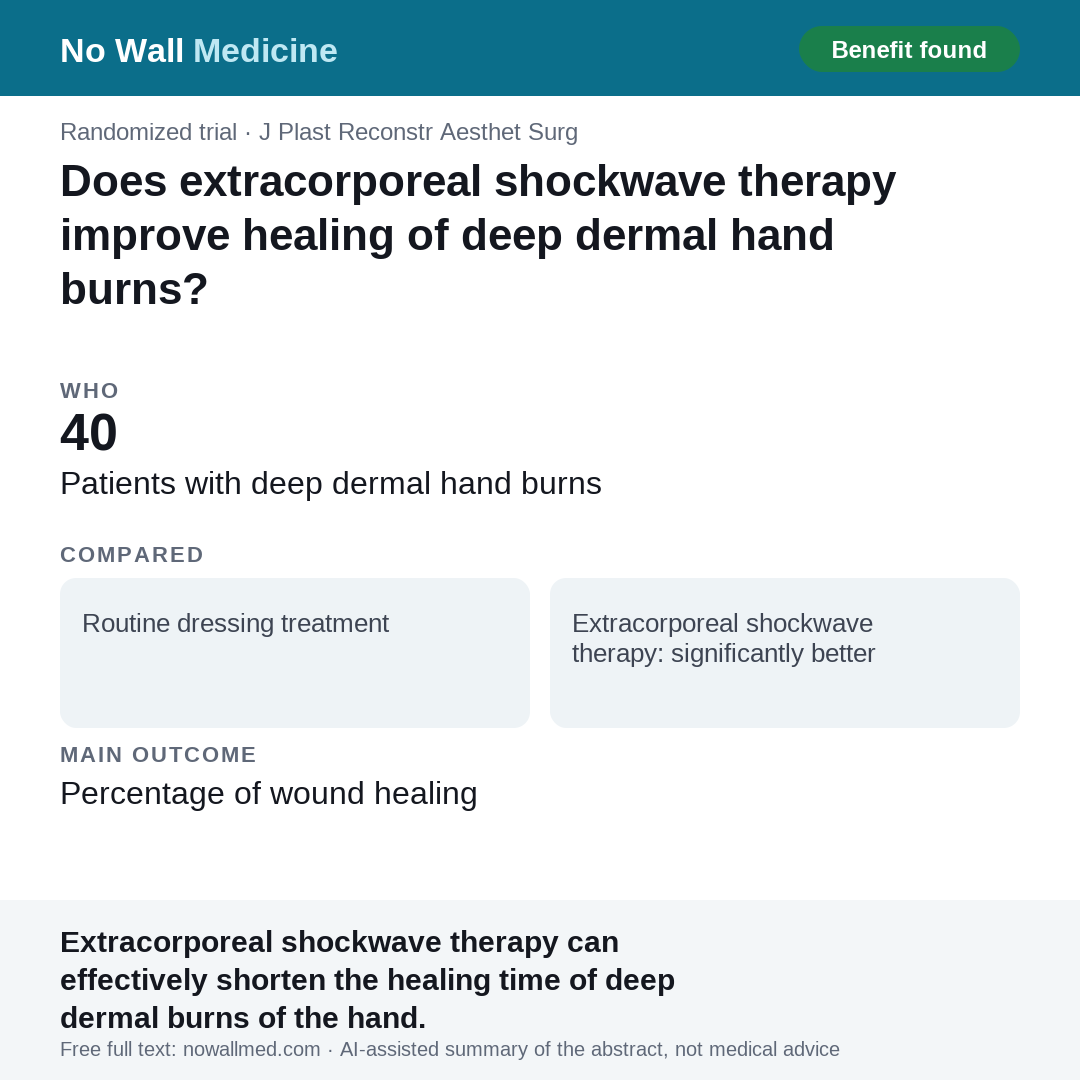
Association of Daily Body Temperature, White Blood Cell Count, and C-reactive Protein With Mortality and Persistent Bacteremia in Patients With Staphylococcus Aureus Bacteremia: A Post Hoc Analysis of the CAMERA2 Randomized Clinical Trial
Post hoc secondary analysis of a randomized clinical trialMixed results
Do daily body temperature, white blood cell count, and C-reactive protein predict mortality?
Who
345
Hospitalized adult patients with methicillin-resistant Staphylococcus aureus bacteremia
Compared
8.78Fever (body temperature ≥38.0 °C) on day 7 (95% confidence interval, 2.78-27.7)
3.70Fever (body temperature ≥38.0 °C) on day 4 (95% CI, 1.58-8.67)
Main outcome
90-day all-cause mortality
Result: adjusted odds ratio 8.78 (95% confidence interval, 2.78-27.7) on day 7
Bottom line: Persistent fever after 72 hours is associated with increased mortality, but white blood cell count and C-reactive protein showed limited predictive value.
Limitation: This was a post hoc secondary analysis of a single trial dataset.
Open Forum Infect Dis · 2025-01-30Download image
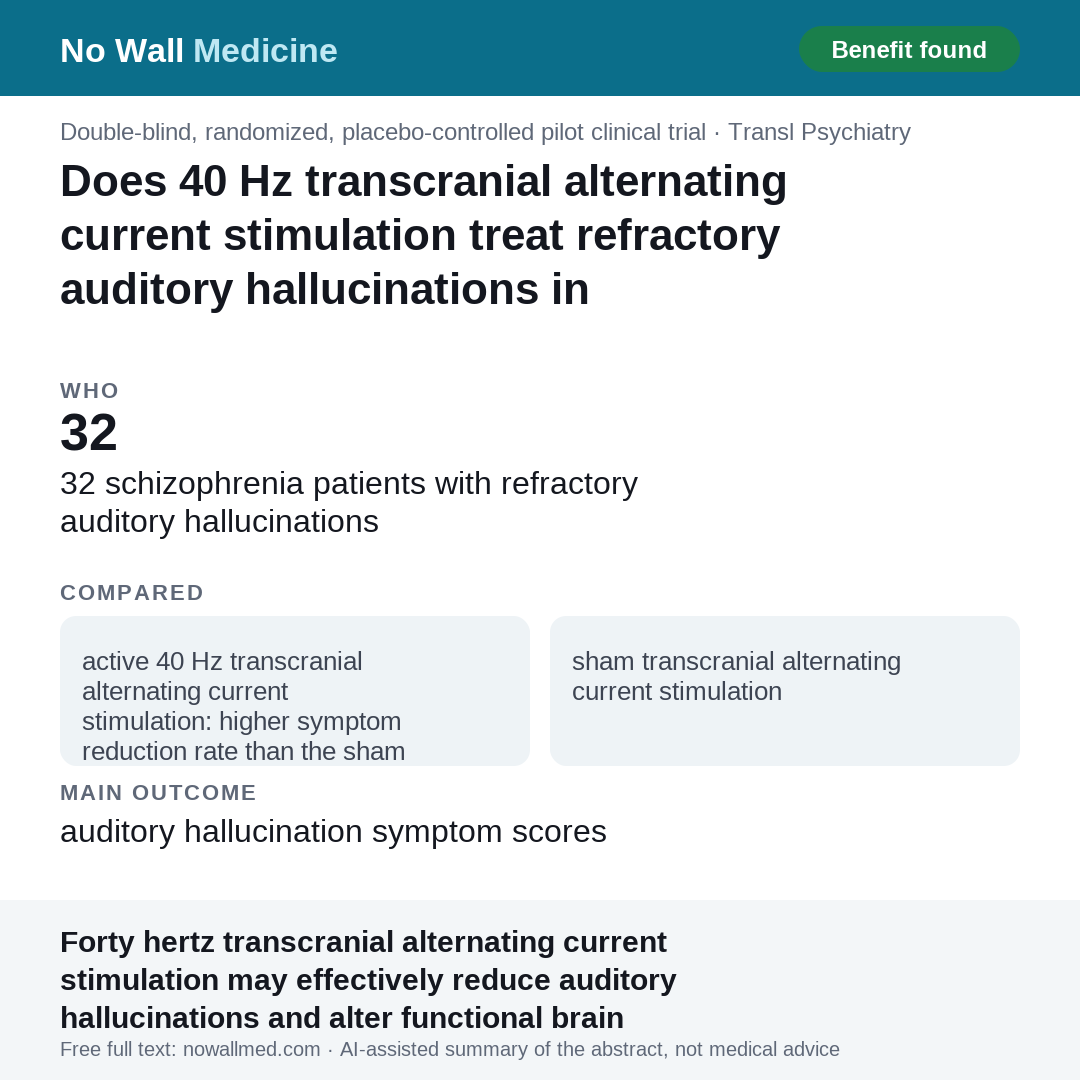
Double-blind, randomized, placebo-controlled pilot clinical trial with gamma-band transcranial alternating current stimulation for the treatment of schizophrenia refractory auditory hallucinations
Double-blind, randomized, placebo-controlled pilot clinical trialBenefit found
Does 40 Hz transcranial alternating current stimulation treat refractory auditory hallucinations in schizophrenia?
Who
32
32 schizophrenia patients with refractory auditory hallucinations
Compared
active 40 Hz transcranial alternating current stimulation: higher symptom reduction rate than the sham group
sham transcranial alternating current stimulation
Main outcome
auditory hallucination symptom scores
Bottom line: Forty hertz transcranial alternating current stimulation may effectively reduce auditory hallucinations and alter functional brain connectivity.
Transl Psychiatry · 2025-01-30Download image
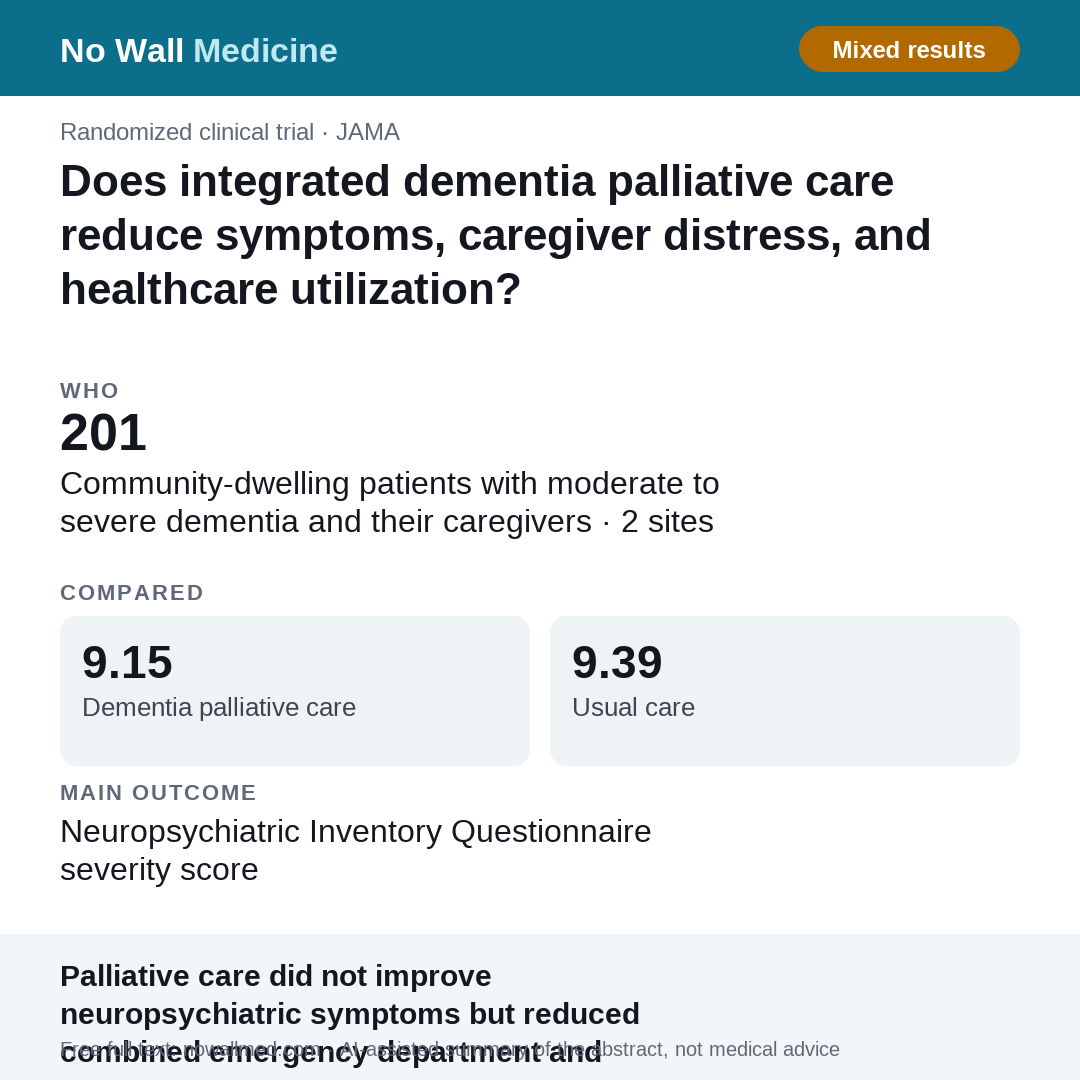
Palliative Care Program for Community-Dwelling Individuals With Dementia and Caregivers: The IN-PEACE Randomized Clinical Trial
Randomized clinical trialMixed results
Does integrated dementia palliative care reduce symptoms, caregiver distress, and healthcare utilization?
Who
201
Community-dwelling patients with moderate to severe dementia and their caregivers · 2 sites in central Indiana
Compared
9.15Dementia palliative care
9.39Usual care
Main outcome
Neuropsychiatric Inventory Questionnaire severity score
Result: -0.24 (95% CI, -2.33 to 1.84)
Bottom line: Palliative care did not improve neuropsychiatric symptoms but reduced combined emergency department and hospitalization events.
JAMA · 2025-01-29Download image
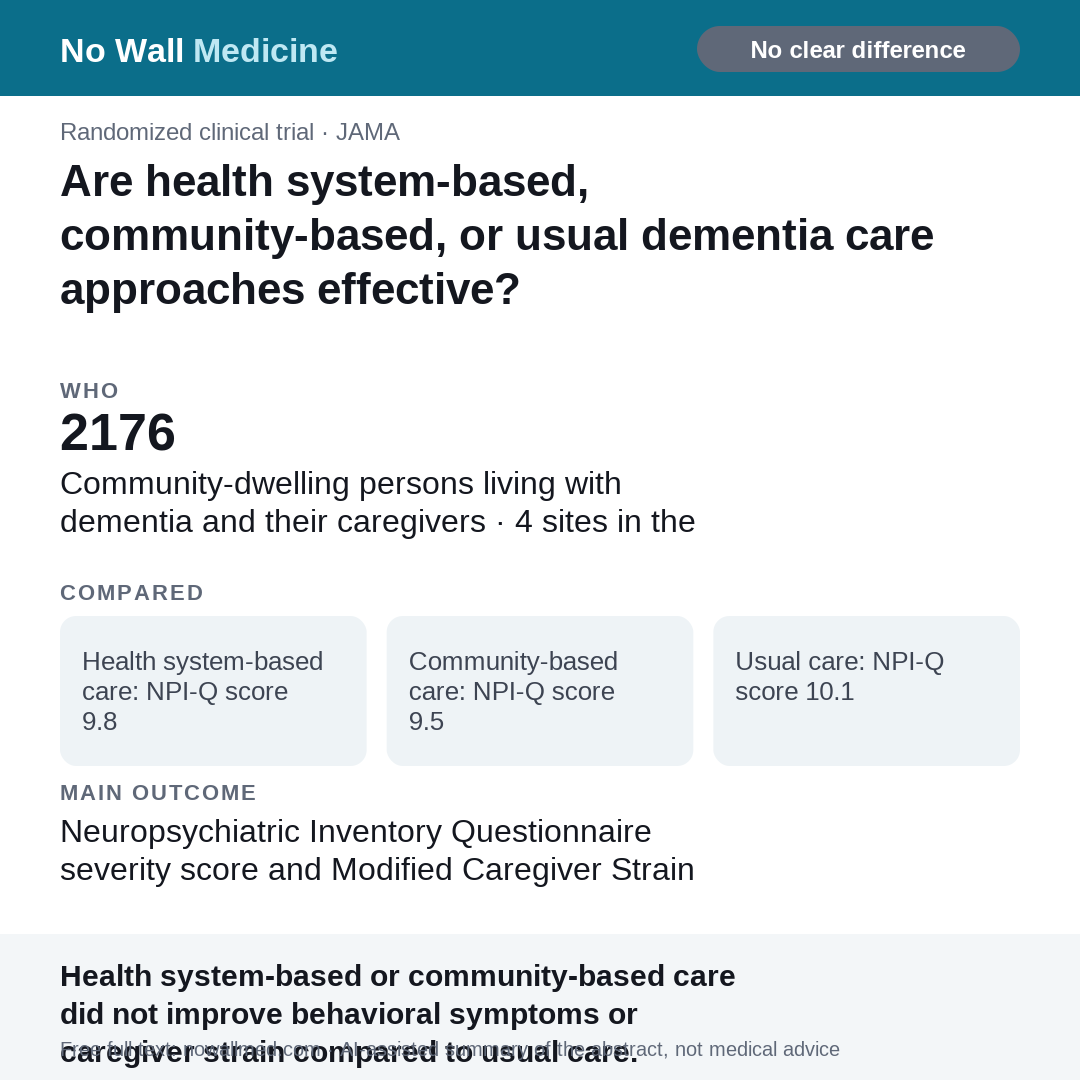
Health System, Community-Based, or Usual Dementia Care for Persons With Dementia and Caregivers: The D-CARE Randomized Clinical Trial
Randomized clinical trialNo clear difference
Are health system-based, community-based, or usual dementia care approaches effective?
Who
2176
Community-dwelling persons living with dementia and their caregivers · 4 sites in the US
Compared
Health system-based care: NPI-Q score 9.8
Community-based care: NPI-Q score 9.5
Usual care: NPI-Q score 10.1
Main outcome
Neuropsychiatric Inventory Questionnaire severity score and Modified Caregiver Strain Index
Result: difference between health system vs usual care, -0.33 (97.5% CI, -1.32 to 0.67)
Bottom line: Health system-based or community-based care did not improve behavioral symptoms or caregiver strain compared to usual care.
JAMA · 2025-01-29Download image
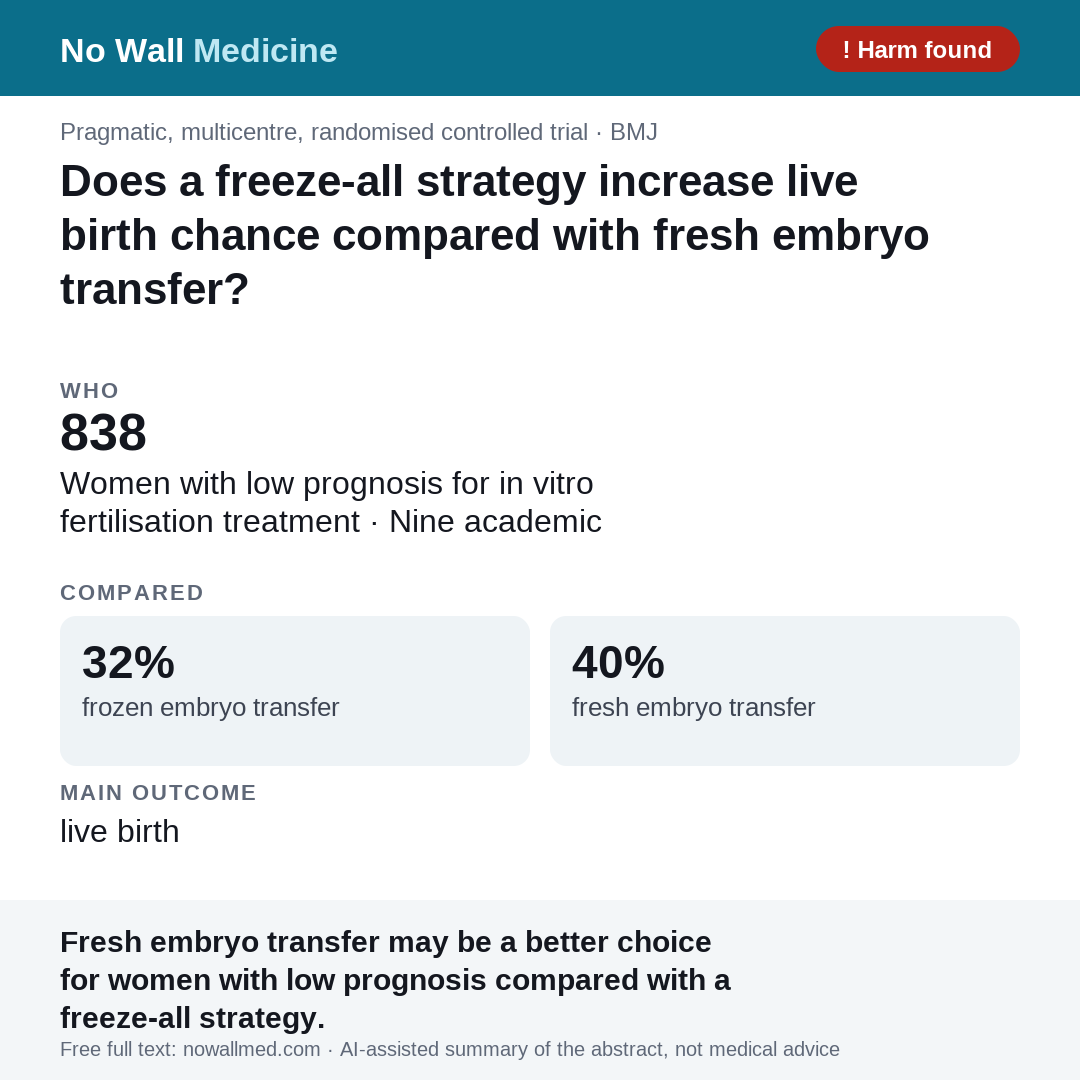
Frozen versus fresh embryo transfer in women with low prognosis for in vitro fertilisation treatment: pragmatic, multicentre, randomised controlled trial
Pragmatic, multicentre, randomised controlled trialHarm found
Does a freeze-all strategy increase live birth chance compared with fresh embryo transfer?
Who
838
Women with low prognosis for in vitro fertilisation treatment · Nine academic fertility centres in China
Compared
32%frozen embryo transfer (132 of 419)
40%fresh embryo transfer (168 of 419)
Main outcome
live birth
Result: relative ratio 0.79 (95% confidence interval 0.65 to 0.94)
Bottom line: Fresh embryo transfer may be a better choice for women with low prognosis compared with a freeze-all strategy.
BMJ · 2025-01-29Download image
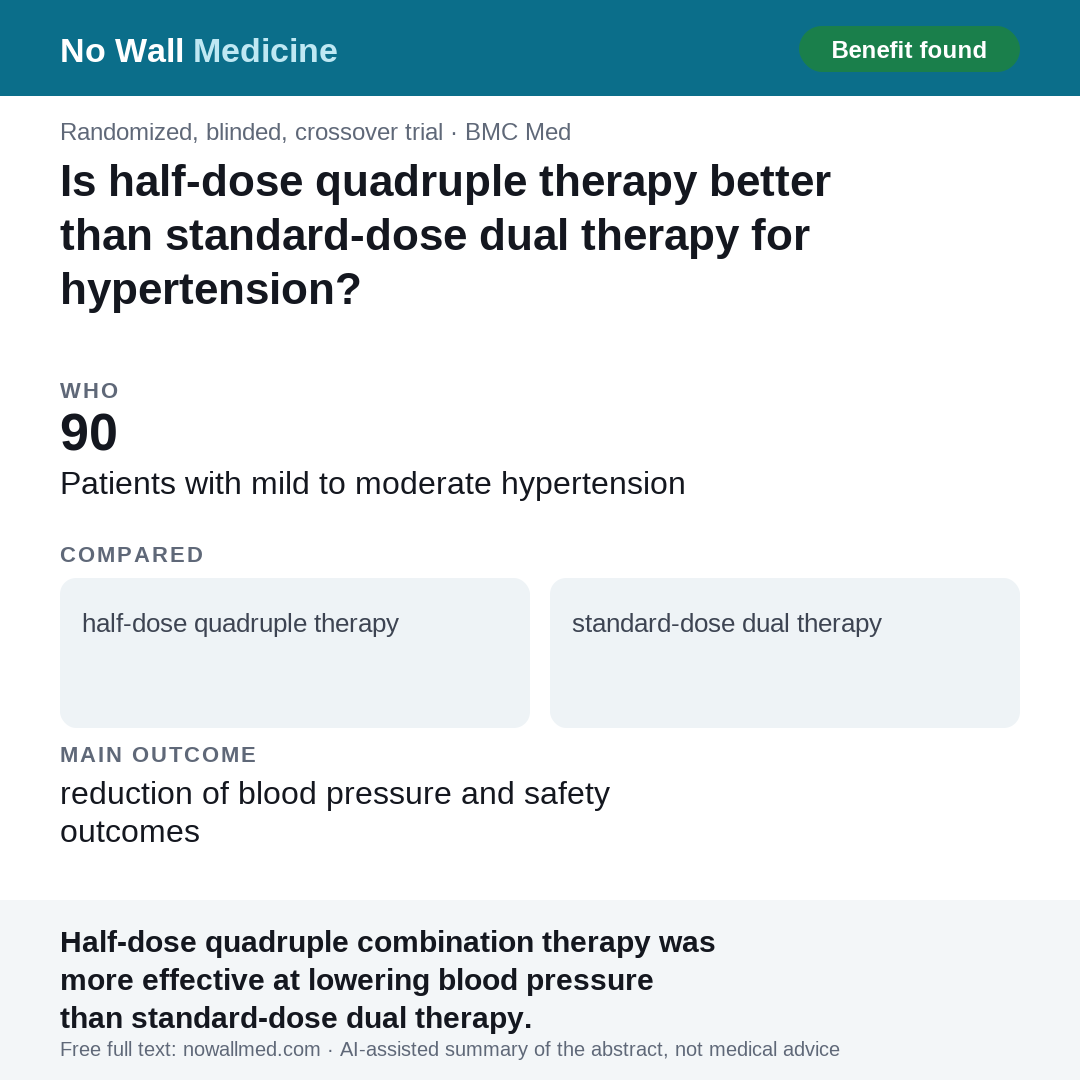
Initial treatment with a single capsule containing half-dose quadruple therapy vs standard-dose dual therapy in hypertensive patients (QUADUAL): a randomized, blinded, crossover trial
Randomized, blinded, crossover trialBenefit found
Is half-dose quadruple therapy better than standard-dose dual therapy for hypertension?
Who
90
Patients with mild to moderate hypertension
Compared
half-dose quadruple therapy
standard-dose dual therapy
Main outcome
reduction of blood pressure and safety outcomes
Bottom line: Half-dose quadruple combination therapy was more effective at lowering blood pressure than standard-dose dual therapy.
BMC Med · 2025-01-29Download image