Visual abstracts
New randomized trials and meta-analyses from leading journals at a glance: who was studied, what was compared, and what was found. Every paper is free to read in full.
All specialtiesCardiology 4877Oncology 4138Gastroenterology & Hepatology 1942Infectious Disease 3837Neurology 1905Psychiatry & Mental Health 2273Pulmonology 2143Critical Care 1365Endocrinology & Diabetes 2580Pediatrics 2980Surgery 2559Orthopedics & Sports Medicine 931Neurosurgery 537Cardiothoracic & Vascular Surgery 674Plastic & Reconstructive Surgery 591Nephrology 1133Rheumatology 823Hematology 1109Dermatology 621Ophthalmology 543Obstetrics & Gynecology 1686Public & Global Health 1058Radiology & Imaging 648Anesthesiology 986Urology 764ENT (Otolaryngology) 503Emergency Medicine 511Allergy & Immunology 313Geriatrics 981Family Medicine & Primary Care 562Medical Genetics & Genomics 676Pathology & Laboratory Medicine 159Physical Medicine & Rehabilitation 757Palliative Care 444Nutrition 1588Digital Health & AI 2201General Medicine 321
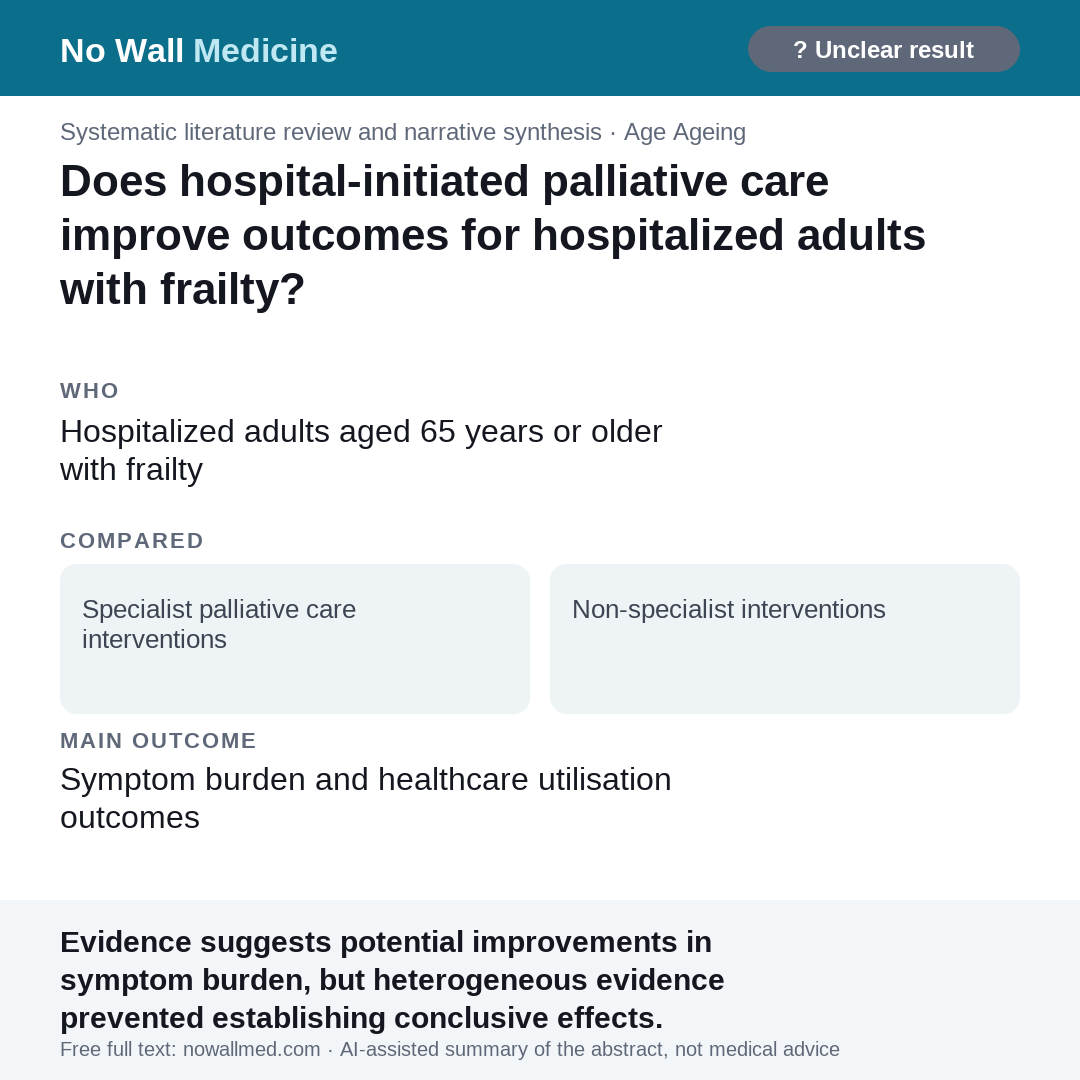
Hospital-initiated palliative care interventions for adults with frailty: findings from a systematic review and narrative synthesis
Systematic literature review and narrative synthesisUnclear result
Does hospital-initiated palliative care improve outcomes for hospitalized adults with frailty?
Who
Hospitalized adults aged 65 years or older with frailty
Compared
Specialist palliative care interventions
Non-specialist interventions
Main outcome
Symptom burden and healthcare utilisation outcomes
Bottom line: Evidence suggests potential improvements in symptom burden, but heterogeneous evidence prevented establishing conclusive effects.
Age Ageing · 2024-09-17Download image
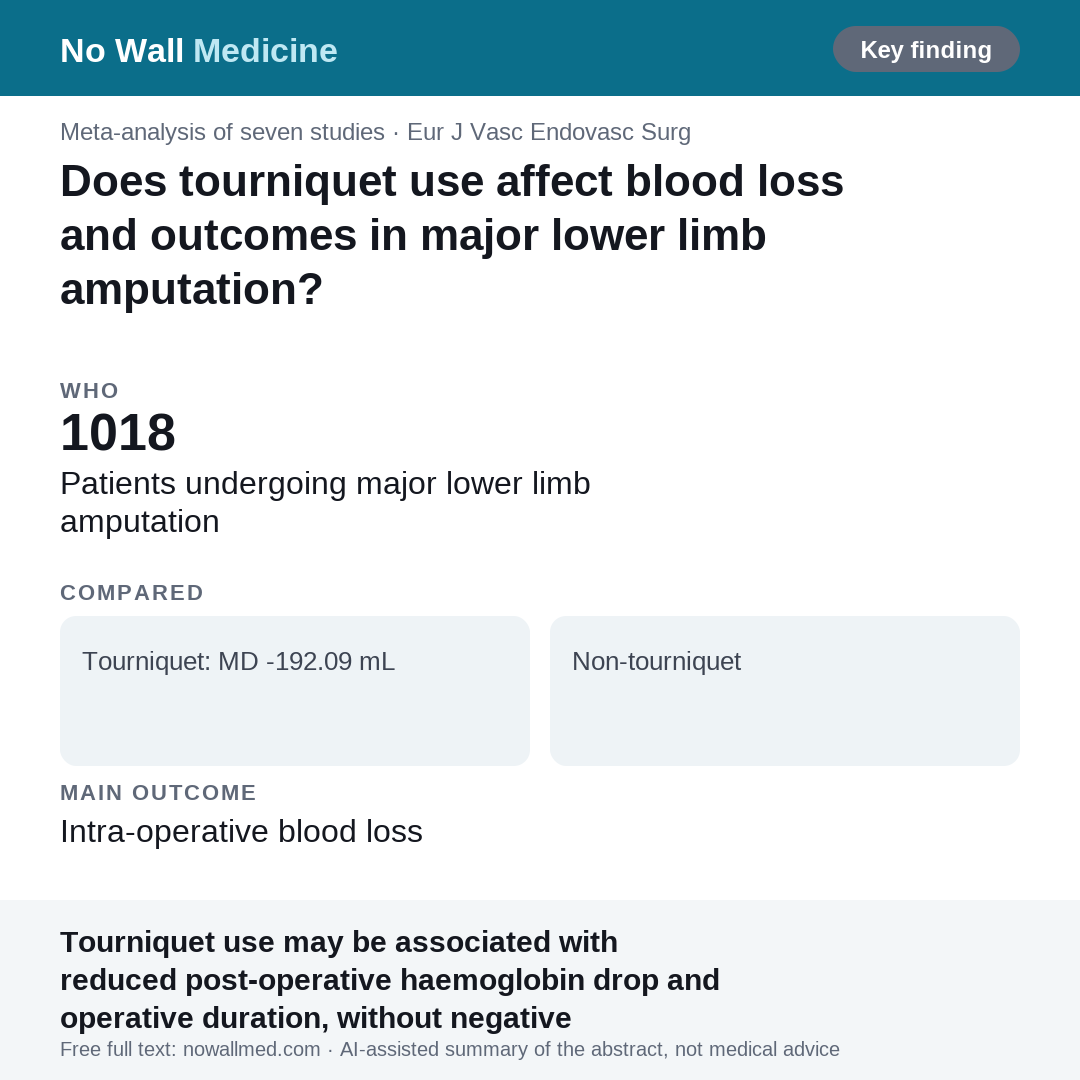
Impact of Tourniquet Use in Major Lower Limb Amputation: A Systematic Review and Meta-analysis
Systematic review and meta-analysisBenefit found
Does tourniquet use affect outcomes in major lower limb amputation?
Who
1018
Patients undergoing major lower limb amputation
Compared
Tourniquet use
Non-tourniquet use
Main outcome
Intra-operative blood loss and transfusion requirements
Result: mean difference -192.09 mL (95% CI -291.67 to -92.52)
Bottom line: Tourniquet use reduces intra-operative blood loss and operative duration without increasing infection, revision, or mortality.
Limitation: Most data are observational and GRADE certainty was low or very low.
Eur J Vasc Endovasc Surg · 2024-09-17Download image
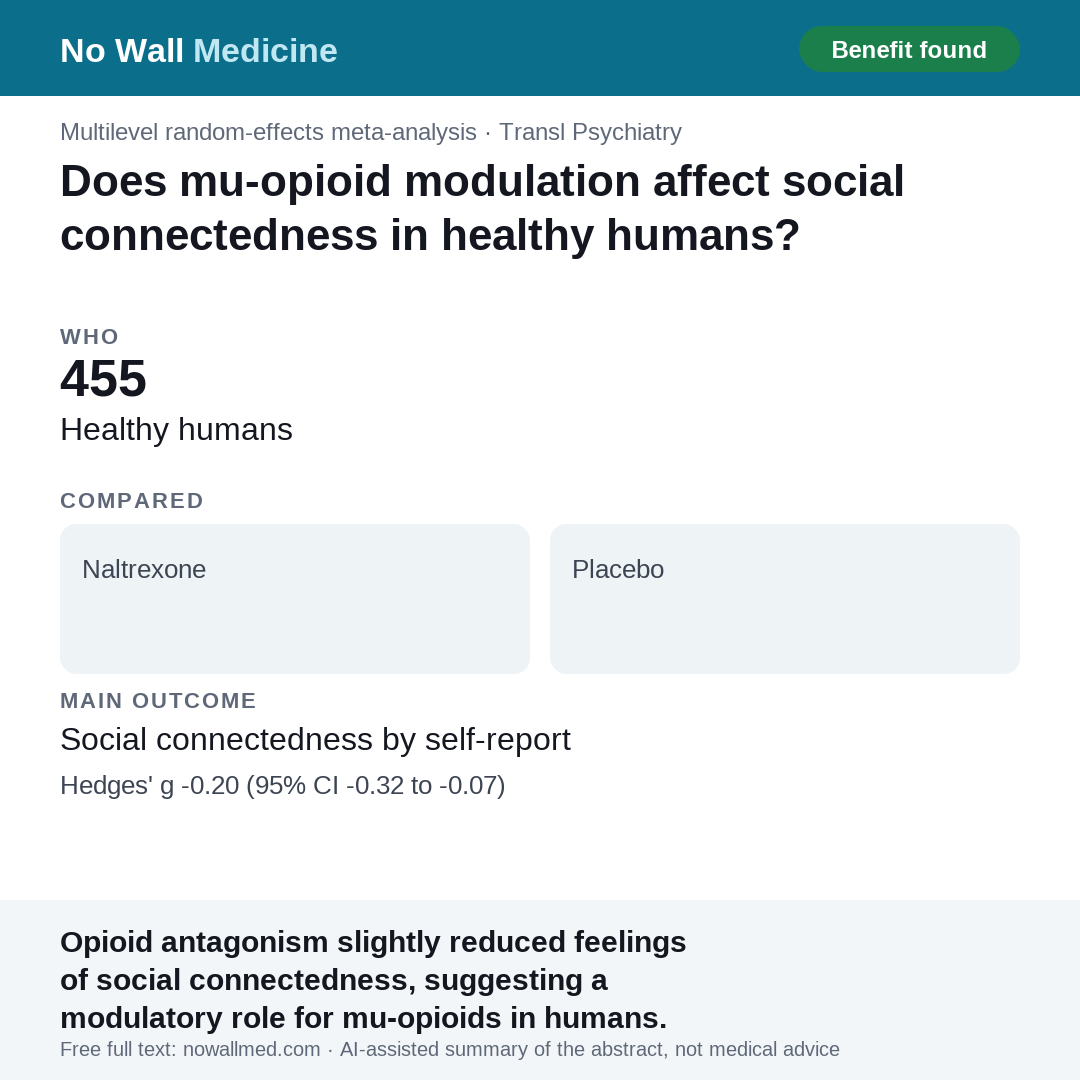
Endogenous mu-opioid modulation of social connection in humans: a systematic review and meta-analysis
Multilevel random-effects meta-analysisBenefit found
Does mu-opioid modulation affect social connectedness in healthy humans?
Who
455
Healthy humans
Compared
Naltrexone
Placebo
Main outcome
Social connectedness by self-report
Result: Hedges' g -0.20 (95% CI -0.32 to -0.07)
Bottom line: Opioid antagonism slightly reduced feelings of social connectedness, suggesting a modulatory role for mu-opioids in humans.
Limitation: Indication of bias in smaller studies and potential overestimation of the effect due to publication bias.
Transl Psychiatry · 2024-09-17Download image
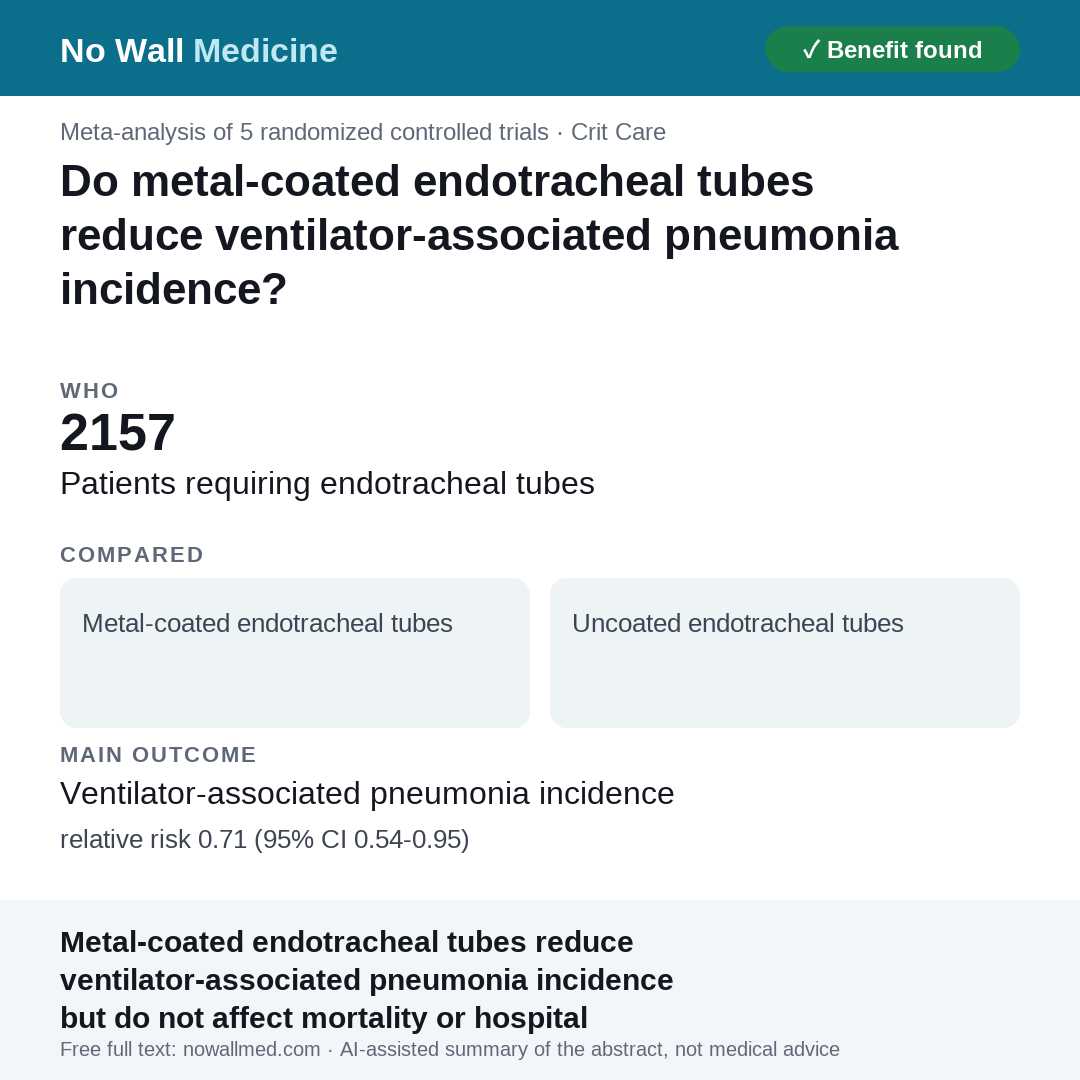
Prevention of ventilator-associated pneumonia by metal-coated endotracheal tubes: a meta-analysis
Meta-analysis of 5 randomized controlled trialsBenefit found
Do metal-coated endotracheal tubes reduce ventilator-associated pneumonia incidence?
Who
2157
Patients requiring endotracheal tubes
Compared
Metal-coated endotracheal tubes
Uncoated endotracheal tubes
Main outcome
Ventilator-associated pneumonia incidence
Result: relative risk 0.71 (95% CI 0.54-0.95)
Bottom line: Metal-coated endotracheal tubes reduce ventilator-associated pneumonia incidence but do not affect mortality or hospital stay.
Limitation: Marked heterogeneity in mechanical ventilation duration data.
Crit Care · 2024-09-17Download image
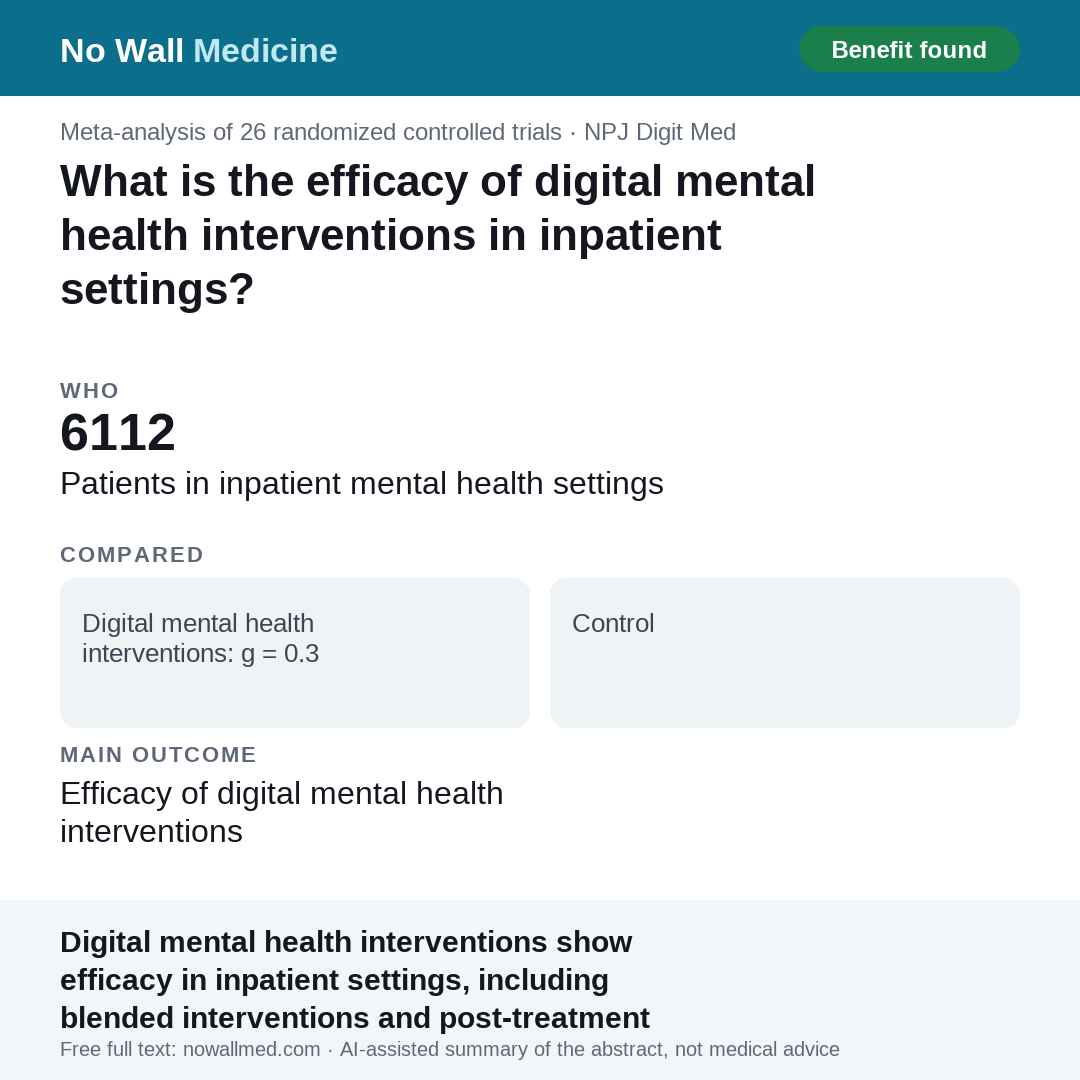
A systematic review and meta analysis on digital mental health interventions in inpatient settings
Meta-analysis of 26 randomized controlled trialsBenefit found
What is the efficacy of digital mental health interventions in inpatient settings?
Who
6112
Patients in inpatient mental health settings
Compared
Digital mental health interventions: g = 0.3
Control
Main outcome
Efficacy of digital mental health interventions
Result: g = 0.3
Bottom line: Digital mental health interventions show efficacy in inpatient settings, including blended interventions and post-treatment aftercare.
Limitation: The meta-analysis is limited by the small number of included studies.
NPJ Digit Med · 2024-09-17Download image
Risk factors for traumatic intracranial hemorrhage in mild traumatic brain injury patients at the emergency department: a systematic review and meta-analysis
Systematic review and meta-analysisMixed results
What are the risk factors for traumatic intracranial hemorrhage in mild traumatic brain injury patients?
Who
26040
Patients with mild traumatic brain injury
Compared
Skull base fracture signs: OR 11.71 (95% CI 5.51-24.86)
Glasgow Coma Scale less than 15: OR 4.69 (95% CI 2.76-7.98)
Loss of consciousness: OR 2.57 (95% CI 1.83-3.61)
Post-traumatic amnesia: OR 2.13 (95% CI 1.27-3.57)
Main outcome
traumatic intracranial hemorrhage on computed tomography
Bottom line: Several factors predict traumatic intracranial hemorrhage, but some current guideline elements like anticoagulant use were not predictive.
Limitation: There were multiple sources of heterogeneity across studies.
Scand J Trauma Resusc Emerg Med · 2024-09-17Download image

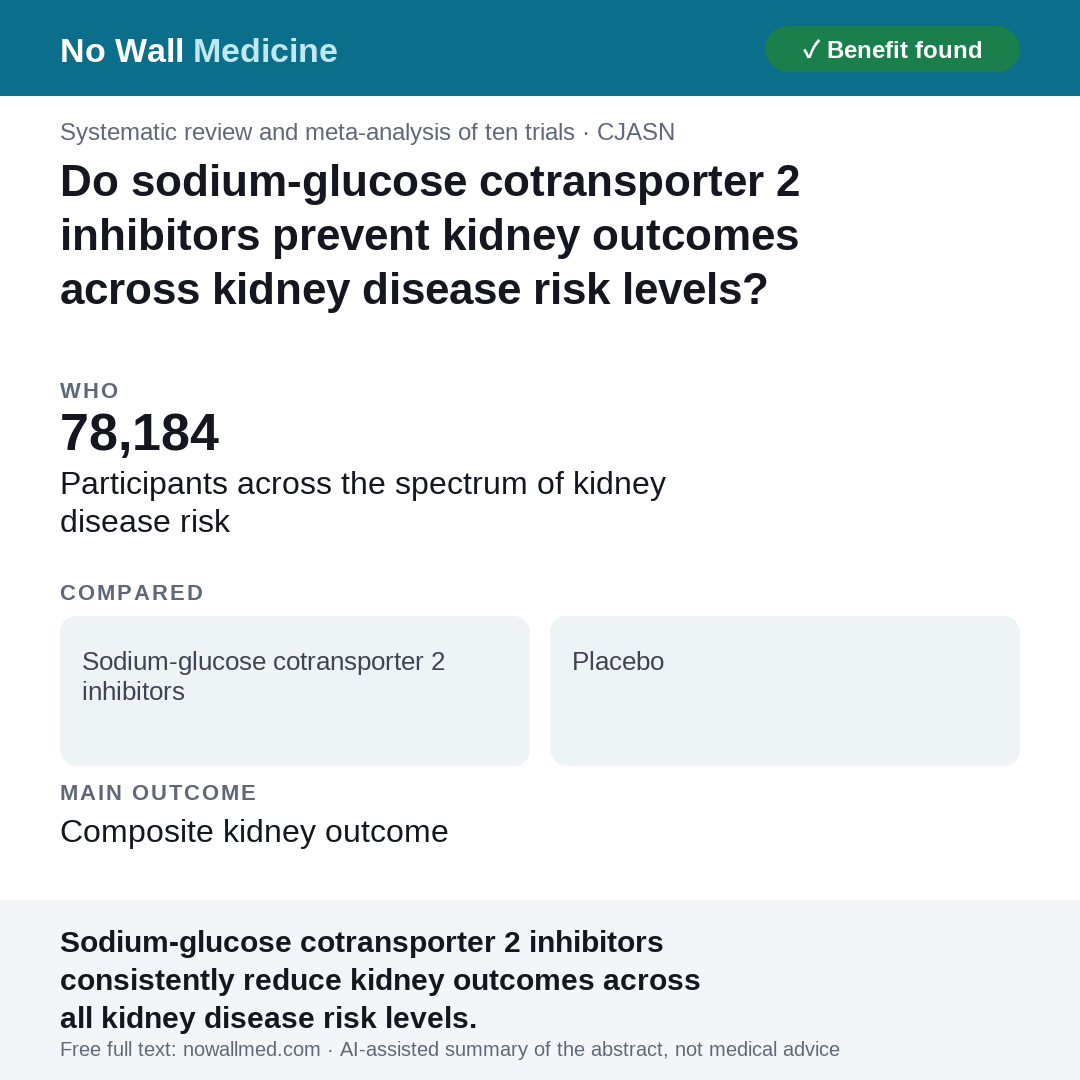
Sodium-Glucose Cotransporter 2 Inhibitors and Kidney Outcomes across the Spectrum of Kidney Disease: A Systematic Review and Meta-Analysis
Systematic review and meta-analysis of ten trialsBenefit found
Do sodium-glucose cotransporter 2 inhibitors prevent kidney outcomes across kidney disease risk levels?
Who
78,184
Participants across the spectrum of kidney disease risk
Compared
Sodium-glucose cotransporter 2 inhibitors
Placebo
Main outcome
Composite kidney outcome
Result: hazard ratio 0.48 to 0.62 (95% CI not pooled for all)
Bottom line: Sodium-glucose cotransporter 2 inhibitors consistently reduce kidney outcomes across all kidney disease risk levels.
Limitation: Lack of standardization of composite outcomes.
CJASN · 2024-09-16Download image
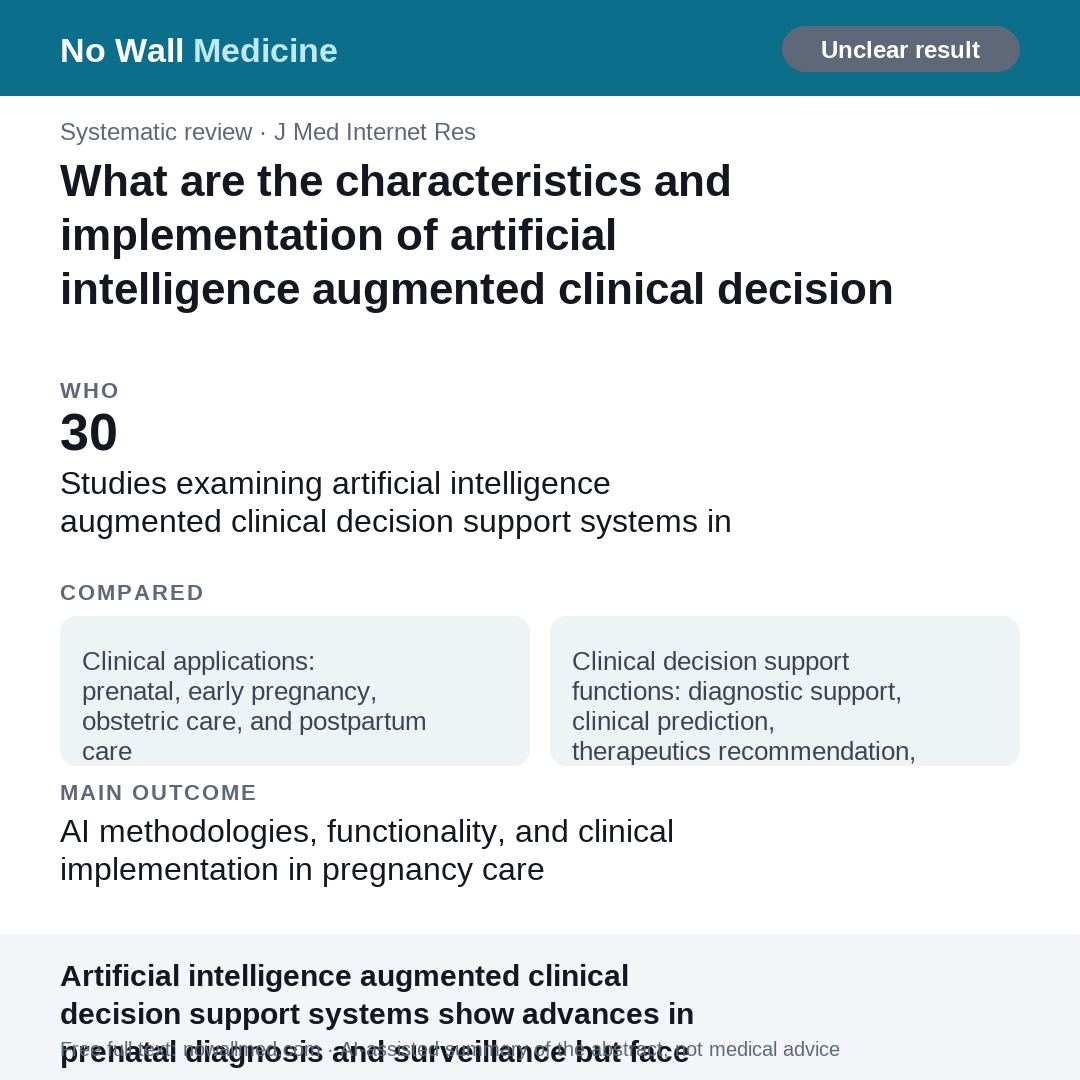
Artificial Intelligence-Augmented Clinical Decision Support Systems for Pregnancy Care: Systematic Review
Systematic reviewUnclear result
What are the characteristics and implementation of artificial intelligence augmented clinical decision support systems in pregnancy care?
Who
30
Studies examining artificial intelligence augmented clinical decision support systems in pregnancy care
Compared
Clinical applications: prenatal, early pregnancy, obstetric care, and postpartum care
Clinical decision support functions: diagnostic support, clinical prediction, therapeutics recommendation, and knowledge base
Main outcome
AI methodologies, functionality, and clinical implementation in pregnancy care
Bottom line: Artificial intelligence augmented clinical decision support systems show advances in prenatal diagnosis and surveillance but face implementation and bias challenges.
Limitation: Gaps include lack of observational data on outcomes, scarcity of bias identification, and limited external validity.
J Med Internet Res · 2024-09-16Download image
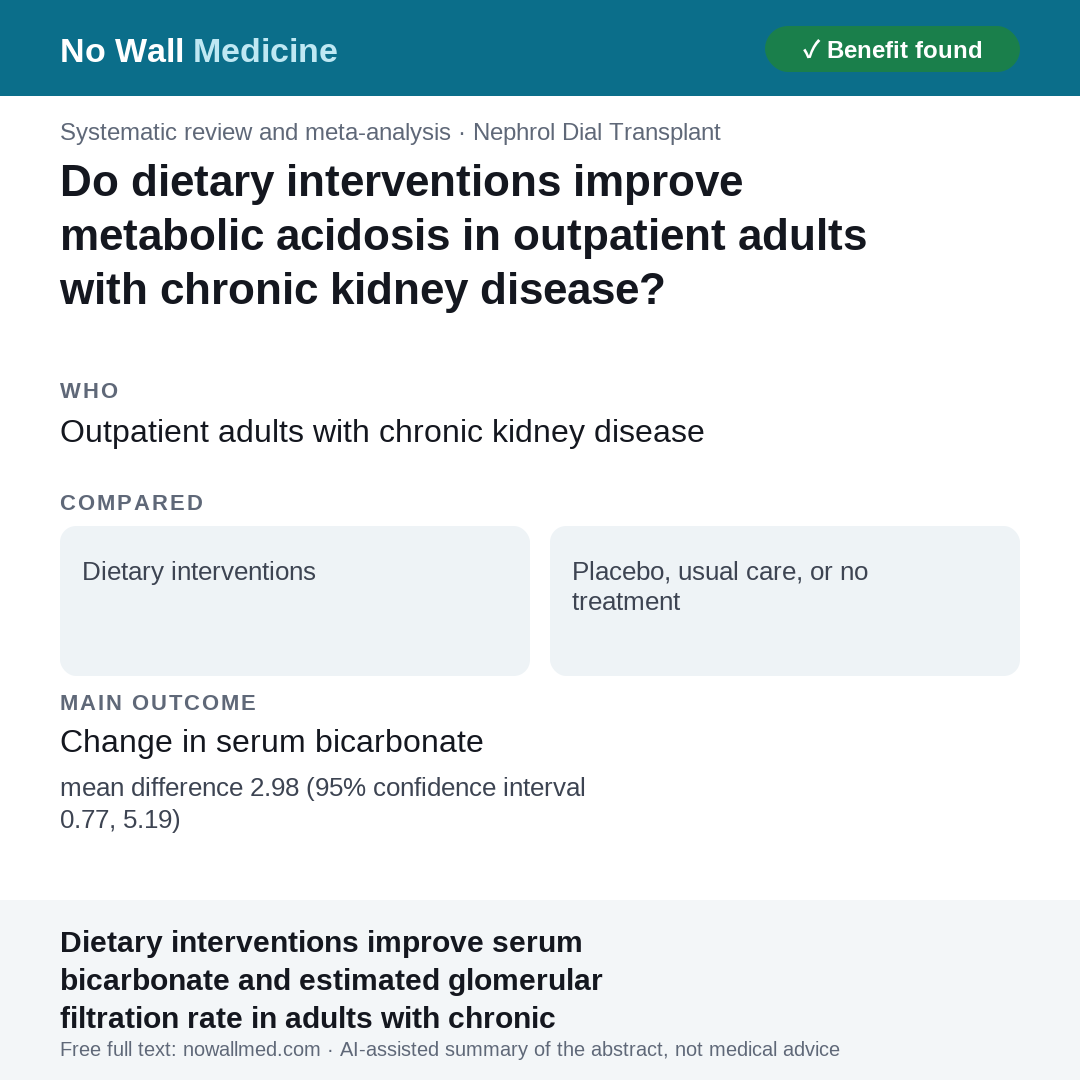
Effects of dietary interventions for metabolic acidosis in chronic kidney disease: a systematic review and meta-analysis
Systematic review and meta-analysisBenefit found
Do dietary interventions improve metabolic acidosis in outpatient adults with chronic kidney disease?
Who
Outpatient adults with chronic kidney disease
Compared
Dietary interventions
Placebo, usual care, or no treatment
Main outcome
Change in serum bicarbonate
Result: mean difference 2.98 (95% confidence interval 0.77, 5.19)
Bottom line: Dietary interventions improve serum bicarbonate and estimated glomerular filtration rate in adults with chronic kidney disease.
Limitation: Findings from subgroup analyses are from low-quality and heterogenous studies.
Nephrol Dial Transplant · 2024-09-15Download image
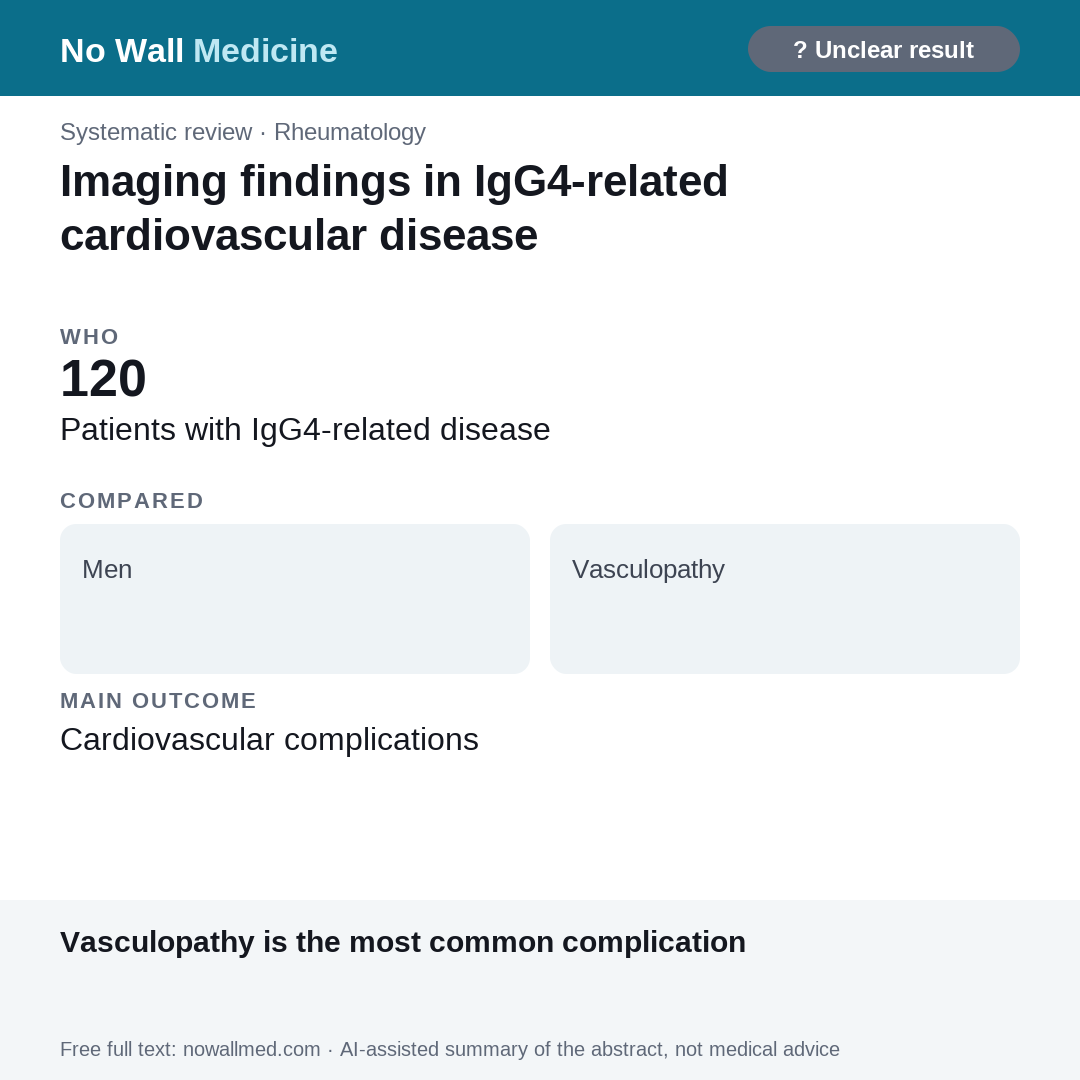
Imaging findings in cardiovascular involvements of IgG4-related disease: a systematic review study
Systematic reviewUnclear result
Imaging findings in IgG4-related cardiovascular disease
Who
120
Patients with IgG4-related disease
Compared
Men
Vasculopathy
Main outcome
Cardiovascular complications
Bottom line: Vasculopathy is the most common complication
Rheumatology · 2024-09-14Download image
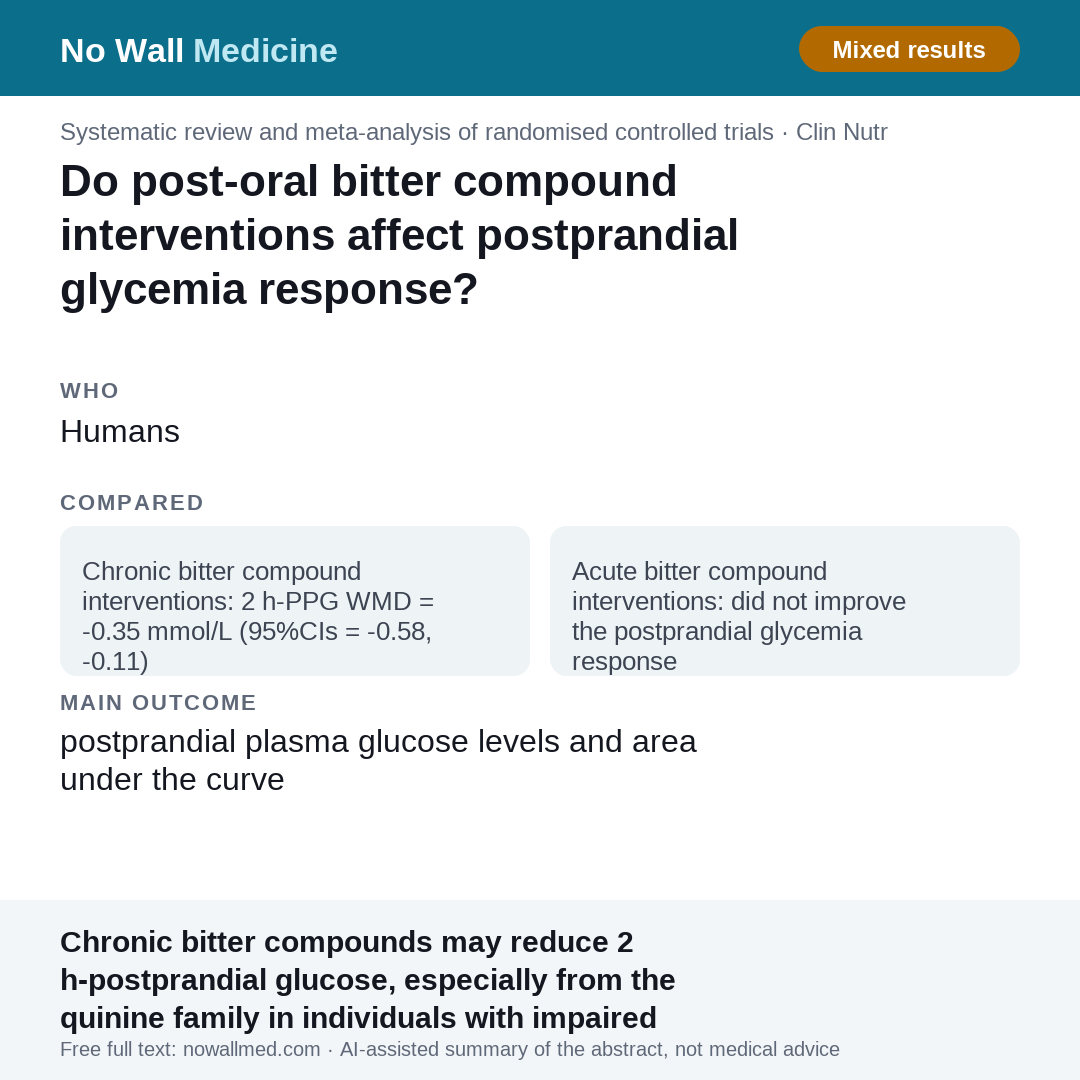
The effect of post-oral bitter compound interventions on the postprandial glycemia response: A systematic review and meta-analysis of randomised controlled trials
Systematic review and meta-analysis of randomised controlled trialsMixed results
Do post-oral bitter compound interventions affect postprandial glycemia response?
Who
Humans
Compared
Chronic bitter compound interventions: 2 h-PPG WMD = -0.35 mmol/L (95%CIs = -0.58, -0.11)
Acute bitter compound interventions: did not improve the postprandial glycemia response
Main outcome
postprandial plasma glucose levels and area under the curve
Bottom line: Chronic bitter compounds may reduce 2 h-postprandial glucose, especially from the quinine family in individuals with impaired glycemia.
Limitation: the very low quality of the evidence
Clin Nutr · 2024-09-14Download image
Orexin receptor antagonists in the treatment of insomnia associated with psychiatric disorders: a systematic review
Systematic reviewUnclear result
Are dual orexin receptor antagonists effective for insomnia comorbid with psychiatric disorders?
Who
Patients with insomnia comorbid with psychiatric disorders
Compared
Dual orexin receptor antagonists
Primary insomnia
Main outcome
Effectiveness and safety for treating comorbid insomnia
Bottom line: Dual orexin receptor antagonists may be as effective and safe for psychiatric comorbid insomnia as for primary insomnia.
Limitation: The evidence is limited to a few small studies.
Transl Psychiatry · 2024-09-14Download image

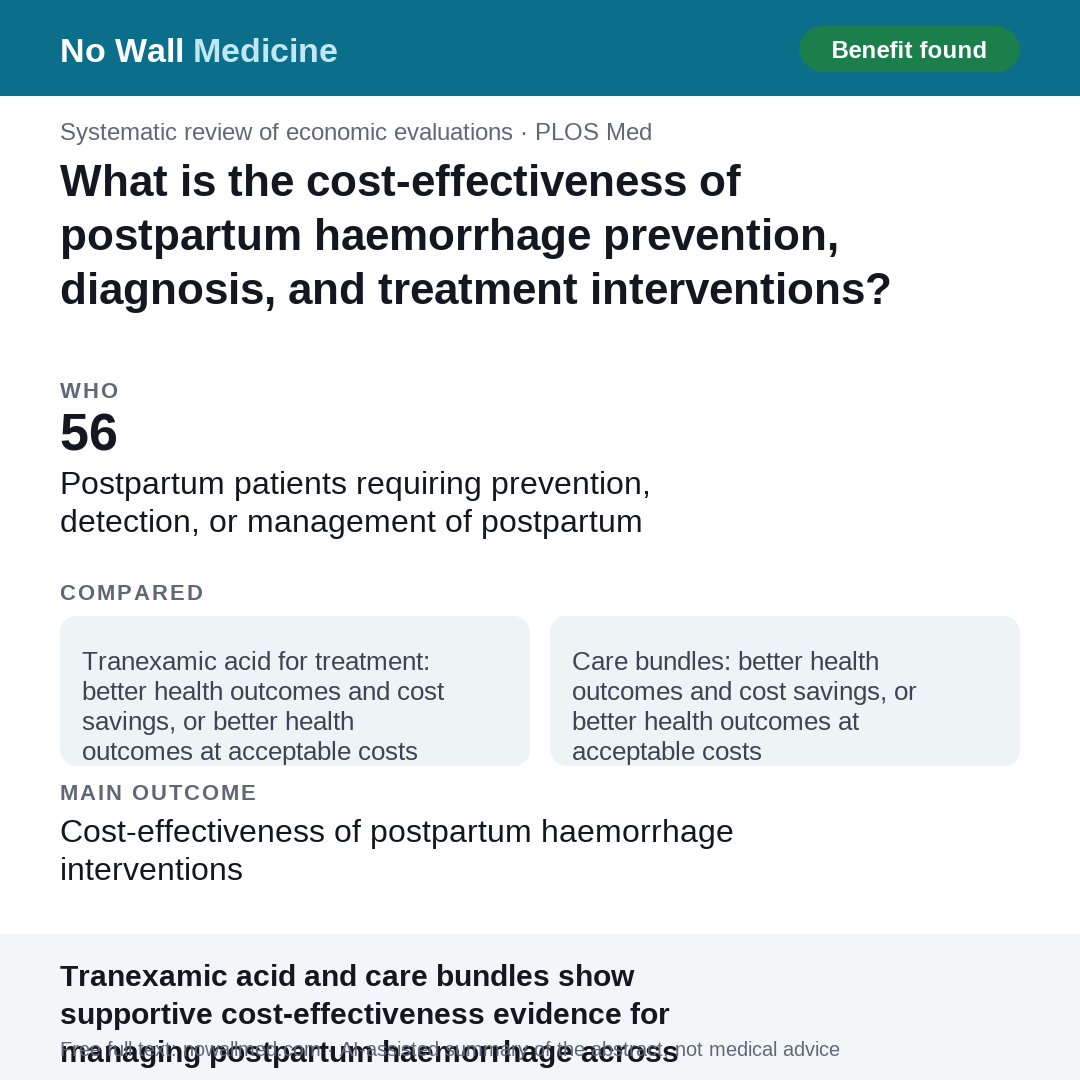
The cost-effectiveness of preventing, diagnosing, and treating postpartum haemorrhage: A systematic review of economic evaluations
Systematic review of economic evaluationsBenefit found
What is the cost-effectiveness of postpartum haemorrhage prevention, diagnosis, and treatment interventions?
Who
56
Postpartum patients requiring prevention, detection, or management of postpartum haemorrhage · High, middle, and low-income countries
Compared
Tranexamic acid for treatment: better health outcomes and cost savings, or better health outcomes at acceptable costs
Care bundles: better health outcomes and cost savings, or better health outcomes at acceptable costs
Main outcome
Cost-effectiveness of postpartum haemorrhage interventions
Bottom line: Tranexamic acid and care bundles show supportive cost-effectiveness evidence for managing postpartum haemorrhage across various settings.
Limitation: No ideal setting was chosen, so a transferability assessment was not undertaken.
PLOS Med · 2024-09-13Download image
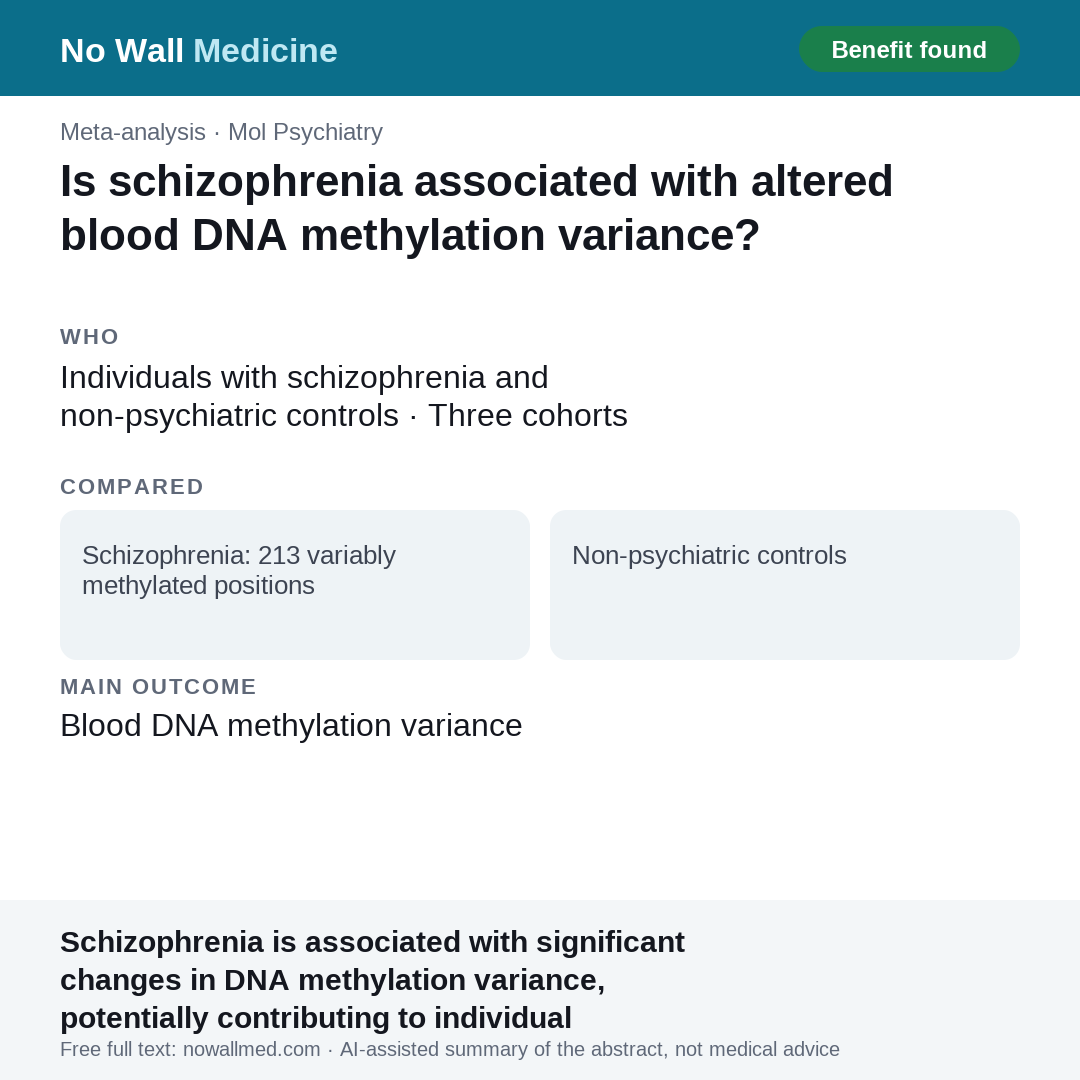
Schizophrenia is associated with altered DNA methylation variance
Meta-analysisBenefit found
Is schizophrenia associated with altered blood DNA methylation variance?
Who
Individuals with schizophrenia and non-psychiatric controls · Three cohorts
Compared
Schizophrenia: 213 variably methylated positions
Non-psychiatric controls
Main outcome
Blood DNA methylation variance
Bottom line: Schizophrenia is associated with significant changes in DNA methylation variance, potentially contributing to individual heterogeneity.
Mol Psychiatry · 2024-09-13Download image
Acne and the cutaneous microbiome: A systematic review of mechanisms and implications for treatments
Systematic review and meta-analysisMixed results
What is the relationship between acne and the cutaneous microbiome and current treatments?
Who
Patients with acne vulgaris
Compared
Benzoyl peroxide: significant change in diversity
Other existing therapeutics
Main outcome
Changes in cutaneous microbiome diversity, abundance, and composition
Bottom line: Benzoyl peroxide significantly changes microbiome diversity, but microbiome involvement in acne is complex and requires personalized approaches.
Limitation: Heterogeneity of study types and microbiome classifications limiting the analysis
J Eur Acad Dermatol Venereol · 2024-09-13Download image

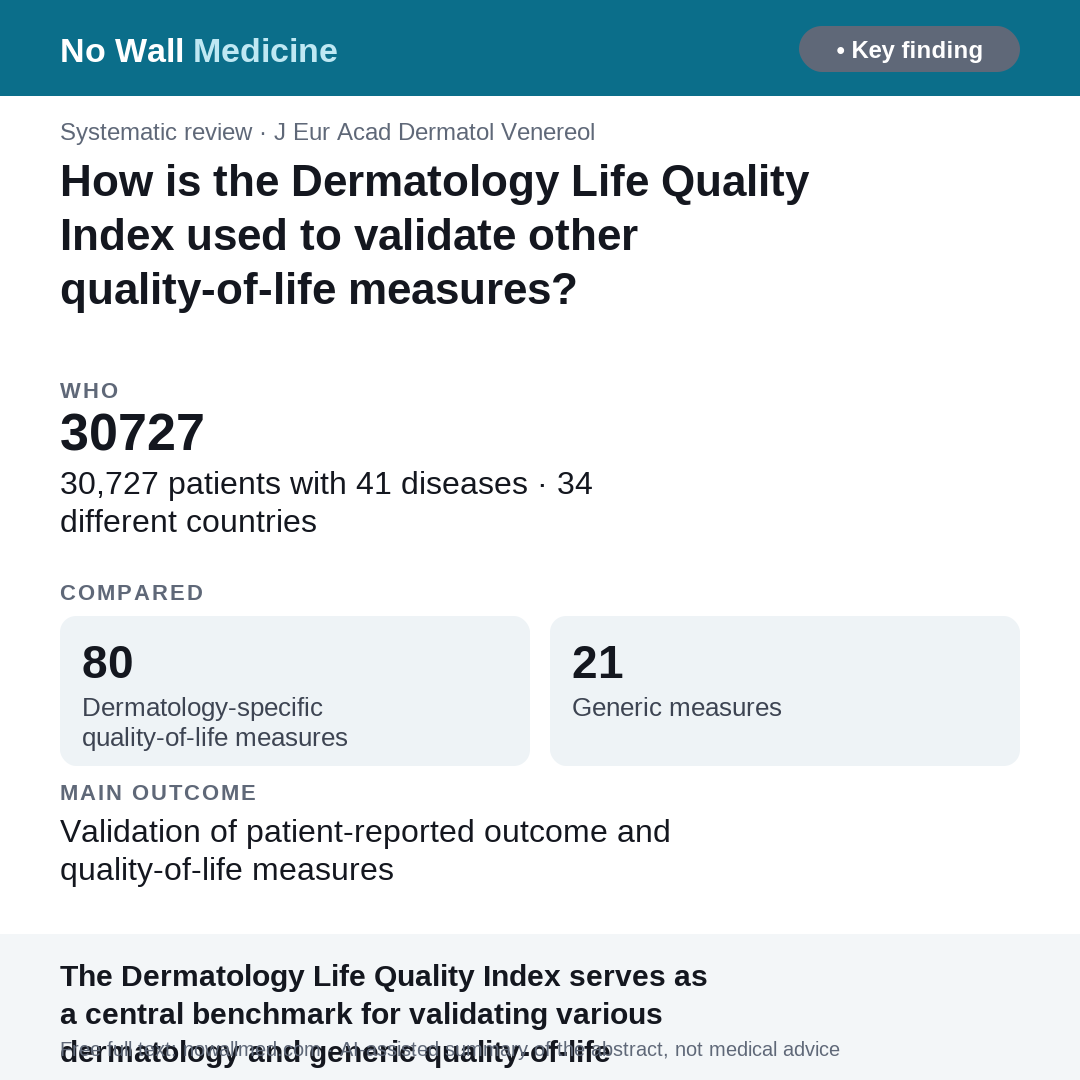
The Dermatology Life Quality Index (DLQI) used as the benchmark in validation of 101 quality-of-life instruments: A systematic review
Systematic reviewBenefit found
How is the Dermatology Life Quality Index used to validate other quality-of-life measures?
Who
30727
30,727 patients with 41 diseases · 34 different countries
Compared
80Dermatology-specific quality-of-life measures
21Generic measures
Main outcome
Validation of patient-reported outcome and quality-of-life measures
Bottom line: The Dermatology Life Quality Index serves as a central benchmark for validating various dermatology and generic quality-of-life instruments.
J Eur Acad Dermatol Venereol · 2024-09-13Download image
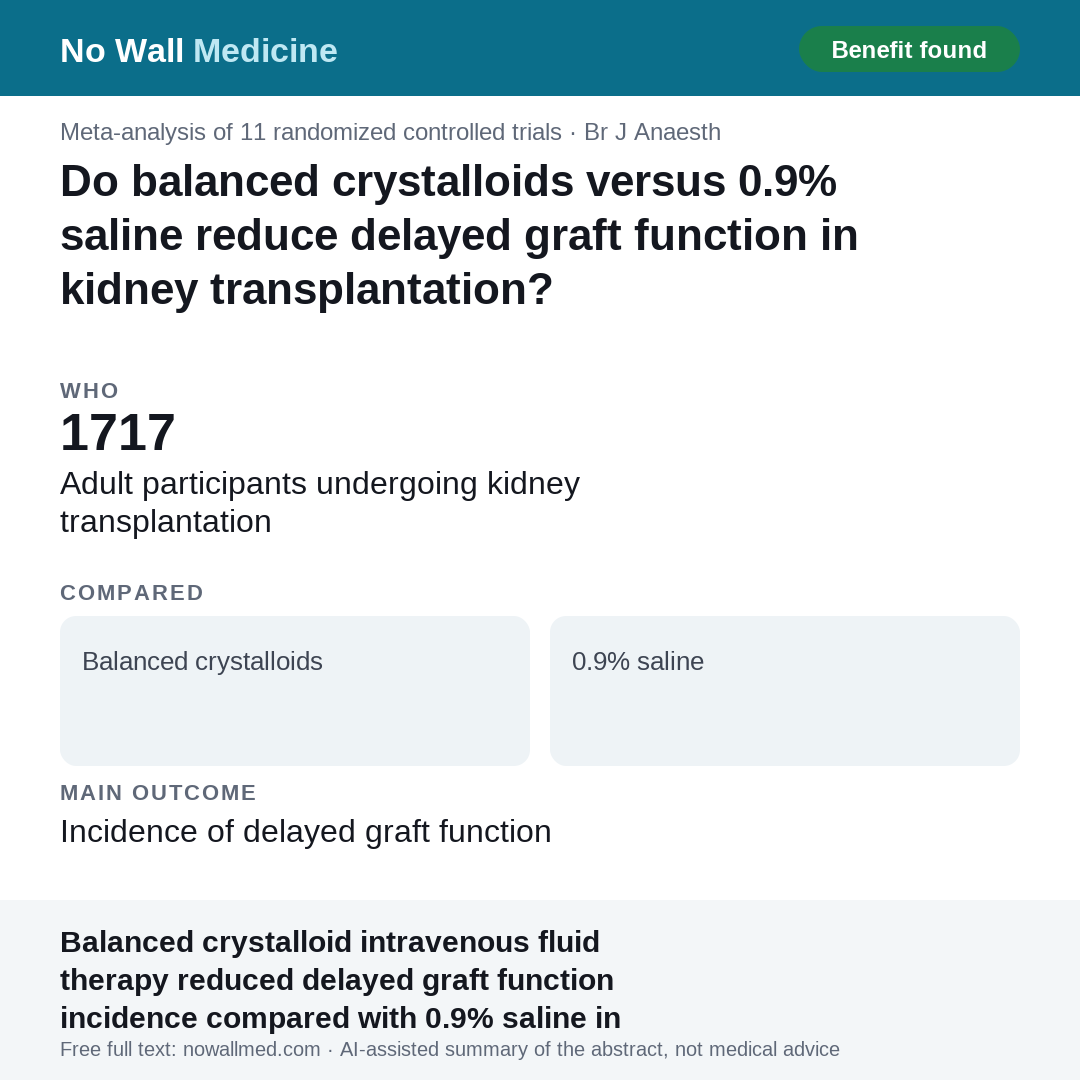
Comparative efficacy of balanced crystalloids versus 0.9% saline on delayed graft function and perioperative outcomes in kidney transplantation: a meta-analysis of randomised controlled trials
Meta-analysis of 11 randomized controlled trialsBenefit found
Do balanced crystalloids versus 0.9% saline reduce delayed graft function in kidney transplantation?
Who
1717
Adult participants undergoing kidney transplantation
Compared
Balanced crystalloids
0.9% saline
Main outcome
Incidence of delayed graft function
Result: risk ratio 0.82 (95% CI: 0.69 to 0.98)
Bottom line: Balanced crystalloid intravenous fluid therapy reduced delayed graft function incidence compared with 0.9% saline in kidney transplantation.
Limitation: Effects on vasopressor requirements, length of hospital stay, and serum creatinine were uncertain.
Br J Anaesth · 2024-09-13Download image
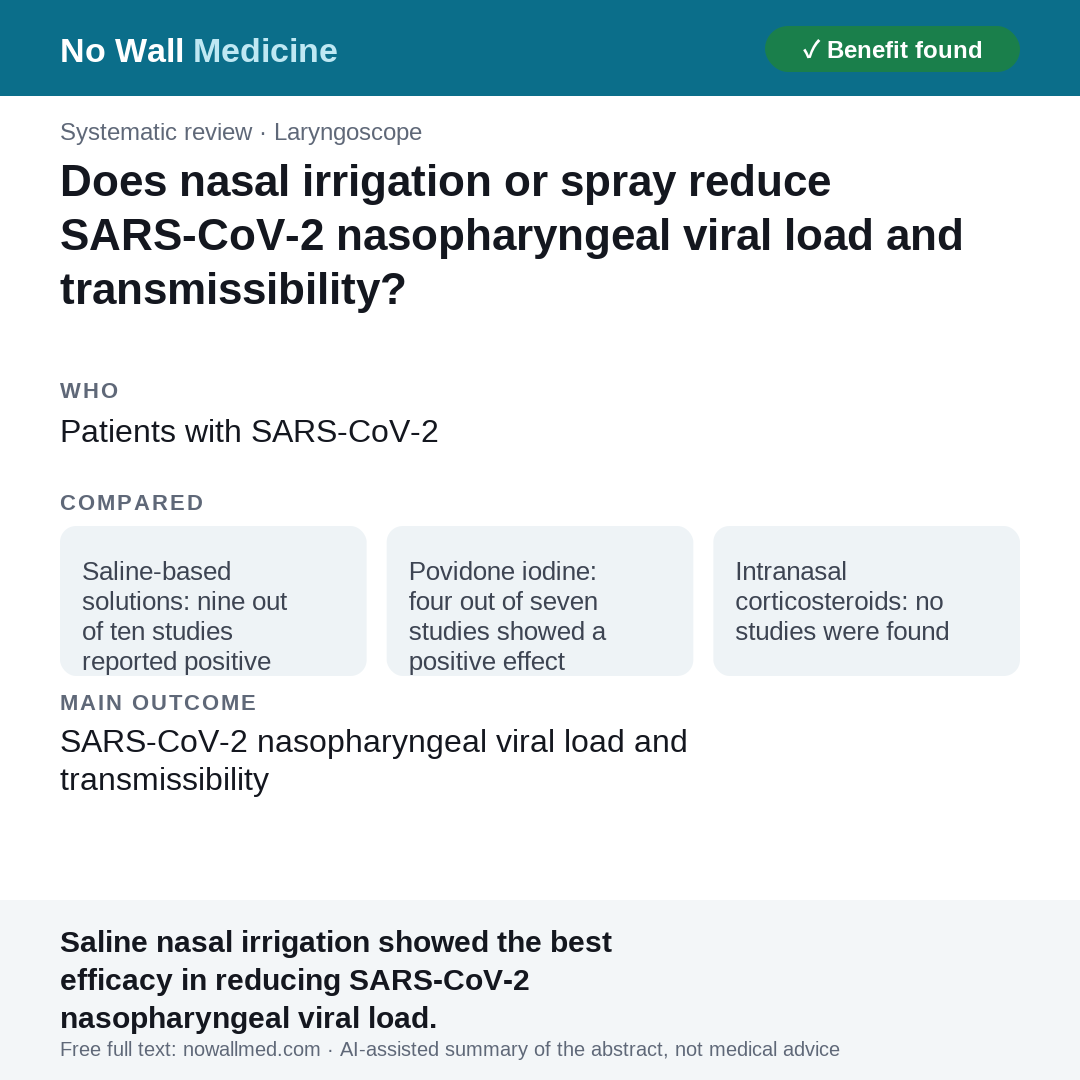
Washing Illness Away: A Systematic Review of the Impact of Nasal Irrigation and Spray on COVID-19
Systematic reviewBenefit found
Does nasal irrigation or spray reduce SARS-CoV-2 nasopharyngeal viral load and transmissibility?
Who
Patients with SARS-CoV-2
Compared
Saline-based solutions: nine out of ten studies reported positive effects
Povidone iodine: four out of seven studies showed a positive effect
Intranasal corticosteroids: no studies were found
Main outcome
SARS-CoV-2 nasopharyngeal viral load and transmissibility
Bottom line: Saline nasal irrigation showed the best efficacy in reducing SARS-CoV-2 nasopharyngeal viral load.
Limitation: Results for povidone iodine were heterogeneous and data on intranasal corticosteroids were unavailable.
Laryngoscope · 2024-09-13Download image
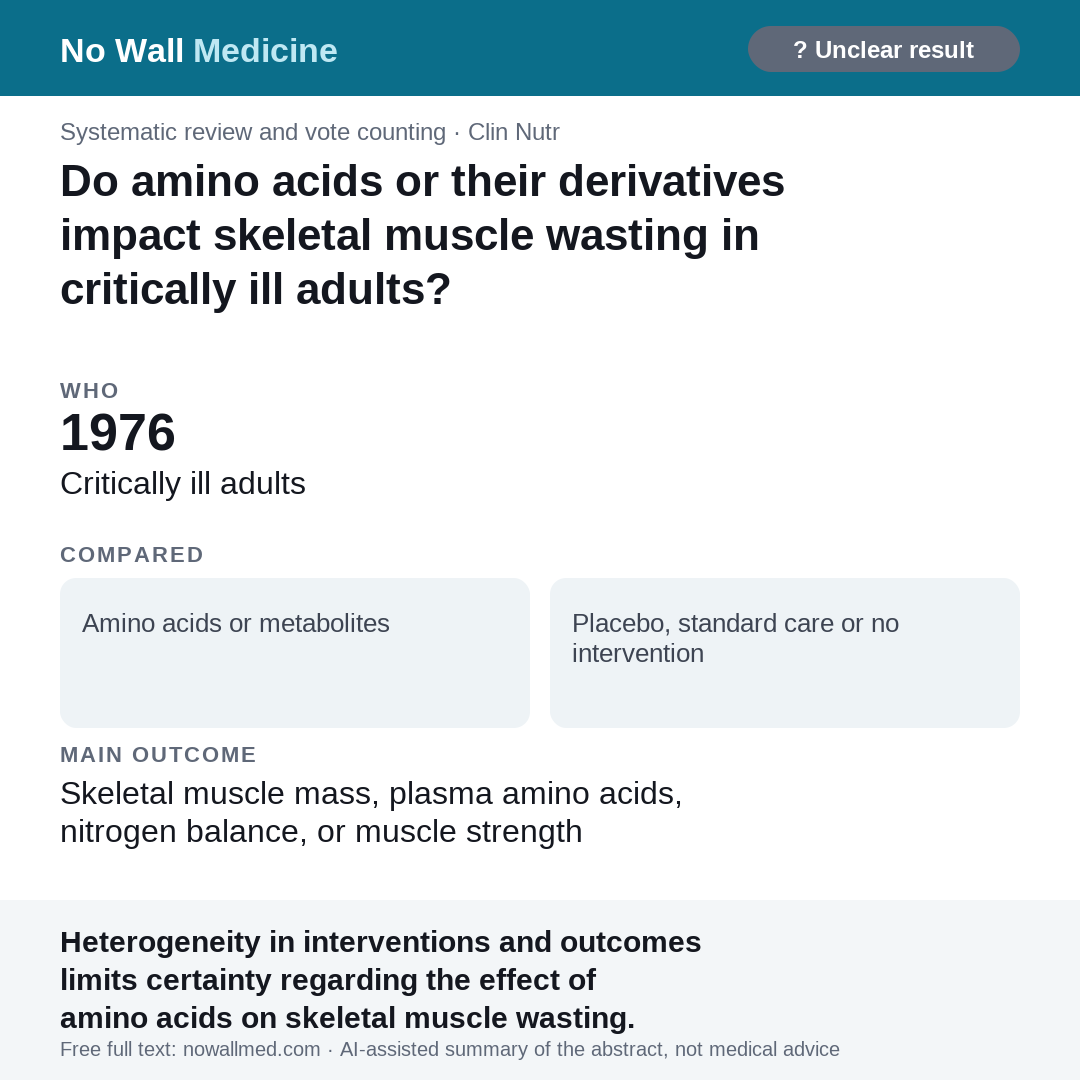
A systematic review to assess the impact of amino acids or their derivatives on skeletal muscle wasting in critically ill patients
Systematic review and vote countingUnclear result
Do amino acids or their derivatives impact skeletal muscle wasting in critically ill adults?
Who
1976
Critically ill adults
Compared
Amino acids or metabolites
Placebo, standard care or no intervention
Main outcome
Skeletal muscle mass, plasma amino acids, nitrogen balance, or muscle strength
Bottom line: Heterogeneity in interventions and outcomes limits certainty regarding the effect of amino acids on skeletal muscle wasting.
Limitation: Heterogeneity in the type of intervention used and outcome assessment precluded meta-analysis.
Clin Nutr · 2024-09-13Download image
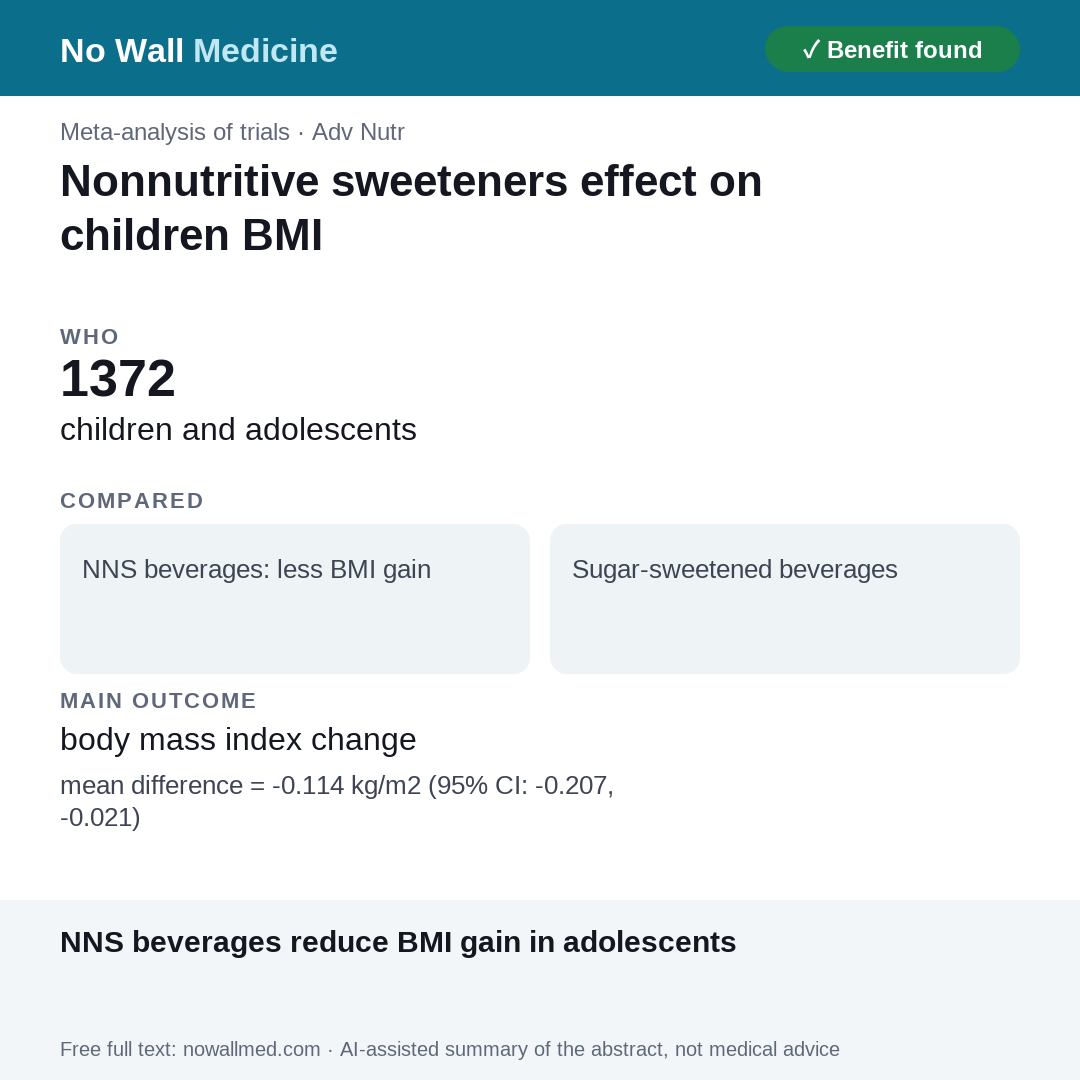
Effects of Nonnutritive Sweeteners on the BMI of Children and Adolescents: A Systematic Review and Meta-Analysis of Randomized Controlled Trials and Prospective Cohort Studies
Meta-analysis of trialsBenefit found
Nonnutritive sweeteners effect on children BMI
Who
1372
children and adolescents
Compared
NNS beverages: less BMI gain
Sugar-sweetened beverages
Main outcome
body mass index change
Result: mean difference = -0.114 kg/m2 (95% CI: -0.207, -0.021)
Bottom line: NNS beverages reduce BMI gain in adolescents
Adv Nutr · 2024-09-13Download image