Visual abstracts
New randomized trials and meta-analyses from leading journals at a glance: who was studied, what was compared, and what was found. Every paper is free to read in full.
All specialtiesCardiology 4763Oncology 4043Gastroenterology & Hepatology 1903Infectious Disease 3756Neurology 1872Psychiatry & Mental Health 2216Pulmonology 2044Critical Care 1319Endocrinology & Diabetes 2544Pediatrics 2889Surgery 2480Orthopedics & Sports Medicine 917Neurosurgery 525Cardiothoracic & Vascular Surgery 656Plastic & Reconstructive Surgery 574Nephrology 1107Rheumatology 810Hematology 1090Dermatology 611Ophthalmology 532Obstetrics & Gynecology 1645Public & Global Health 1037Radiology & Imaging 619Anesthesiology 958Urology 745ENT (Otolaryngology) 494Emergency Medicine 481Allergy & Immunology 309Geriatrics 972Family Medicine & Primary Care 534Medical Genetics & Genomics 659Pathology & Laboratory Medicine 156Physical Medicine & Rehabilitation 734Palliative Care 421Nutrition 1560Digital Health & AI 2137General Medicine 318
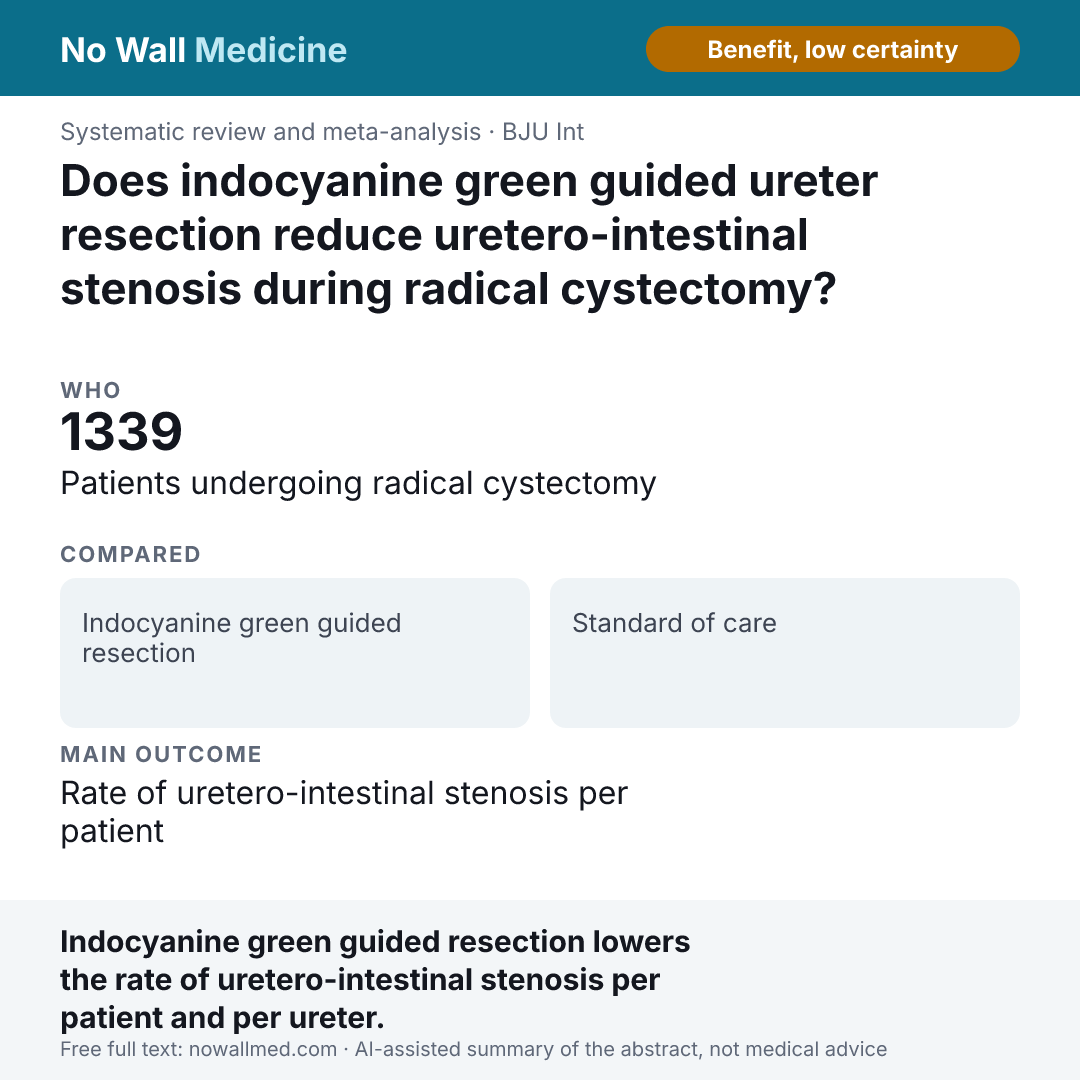
Indocyanine-guided ureter resection for radical cystectomy - a systematic review and meta-analysis
Systematic review and meta-analysisBenefit, low certainty
Does indocyanine green guided ureter resection reduce uretero-intestinal stenosis during radical cystectomy?
Who
1339
Patients undergoing radical cystectomy
Compared
Indocyanine green guided resection
Standard of care
Main outcome
Rate of uretero-intestinal stenosis per patient
Result: odds ratio 0.20 (95% confidence interval 0.07-0.52)
Bottom line: Indocyanine green guided resection lowers the rate of uretero-intestinal stenosis per patient and per ureter.
Limitation: Certainty of evidence was low.
BJU Int · 2025-03-25 · Save PNG
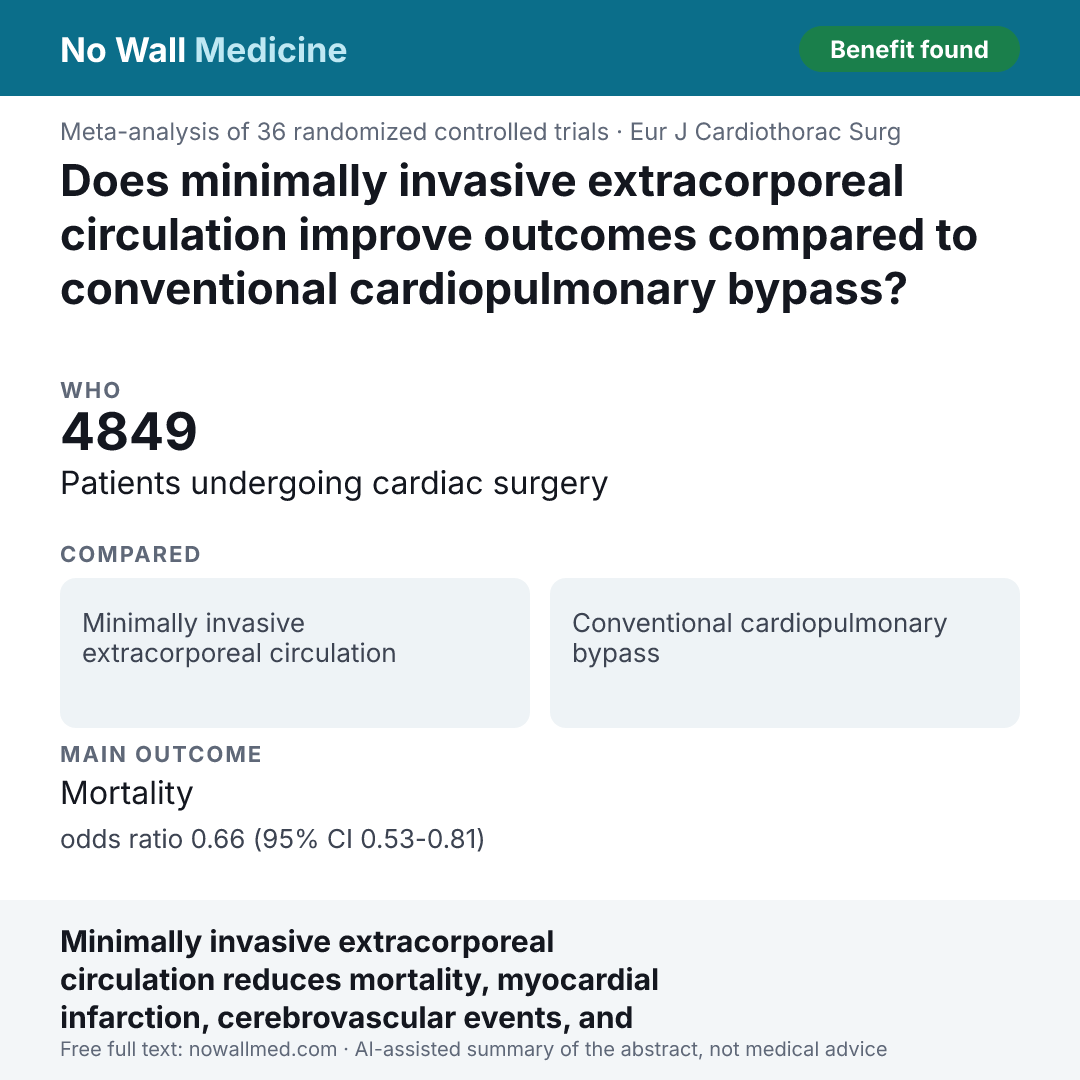
Minimal invasive extracorporeal circulation versus conventional cardiopulmonary bypass in cardiac surgery: a contemporary systematic review and meta-analysis
Meta-analysis of 36 randomized controlled trialsBenefit found
Does minimally invasive extracorporeal circulation improve outcomes compared to conventional cardiopulmonary bypass?
Who
4849
Patients undergoing cardiac surgery
Compared
Minimally invasive extracorporeal circulation
Conventional cardiopulmonary bypass
Main outcome
Mortality
Result: odds ratio 0.66 (95% CI 0.53-0.81)
Bottom line: Minimally invasive extracorporeal circulation reduces mortality, myocardial infarction, cerebrovascular events, and hospital stay after cardiac surgery.
Eur J Cardiothorac Surg · 2025-03-25 · Save PNG
Right bundle branch in ventricular septal defects
Systematic literature reviewUnclear result
What are the anatomical variations of the right bundle branch in ventricular septal defects?
Who
100
Normal hearts and various ventricular septal defect subtypes
Compared
Normal heart: runs posterior to Lancisi's muscle
Perimembranous outlet VSDs: deviate towards the left ventricle beneath the defect's edge
Tetralogy of Fallot with perimembranous outlet VSDs: courses approximately 2 mm anterior to the medial papillary muscle in 63-86% of cases
Main outcome
Anatomical variations of the right bundle branch
Bottom line: The right bundle branch position varies significantly between normal hearts and different ventricular septal defect subtypes.
Eur J Cardiothorac Surg · 2025-03-25 · Save PNG

Prevalence of anxiety disorders in Latin America: a systematic review and meta-analysis
Meta-analysis of 36 studiesMixed results
Anxiety disorders prevalence in Latin America
Who
Adult population in Latin America · Latin America
Compared
14.55%Lifetime prevalence (95% Confidence Interval 12.32%-17.11%)
6.61%12-month prevalence (5.20-8.37)
3.27%Current prevalence (2.34-4.56)
Main outcome
Anxiety disorders prevalence
Bottom line: One in seven people experience anxiety disorders
Limitation: Substantial heterogeneity between studies
Funded by: Pfizer Independent Medical Education Grant
Lancet Reg Health Am · 2025-03-25 · Save PNG

Advances in individualization of systemic treatment for locoregionally advanced nasopharyngeal carcinoma: a systematic review
Systematic reviewMixed results
What is the optimal systemic treatment strategy for locoregionally advanced nasopharyngeal carcinoma?
Who
Patients with locoregionally advanced nasopharyngeal carcinoma
Compared
Induction chemotherapy
Adjuvant chemotherapy
Main outcome
Optimal treatment strategy and prognostic biomarkers
Bottom line: Induction chemotherapy is usually preferred over adjuvant chemotherapy, and Epstein-Barr virus DNA is a potential prognostic marker.
Limitation: Need to standardize test and cut-off levels for Epstein-Barr virus DNA.
ESMO Open · 2025-03-25 · Save PNG

Relationship between pancreatic cancer resection rate and survival at population level: systematic review
Systematic reviewBenefit found
Does increasing the pancreatic cancer resection rate at a population level improve survival?
Who
516789
Patients with pancreatic cancer at a population level
Compared
Higher resection rate: r2 = 0.46, P = 0.001
Chemotherapy use: r2 = 0.63; P = 0.004
Main outcome
Overall population-level survival
Bottom line: A higher population-level resection rate is associated with improved pancreatic cancer survival, showing a stronger effect than chemotherapy.
BJS Open · 2025-03-25 · Save PNG

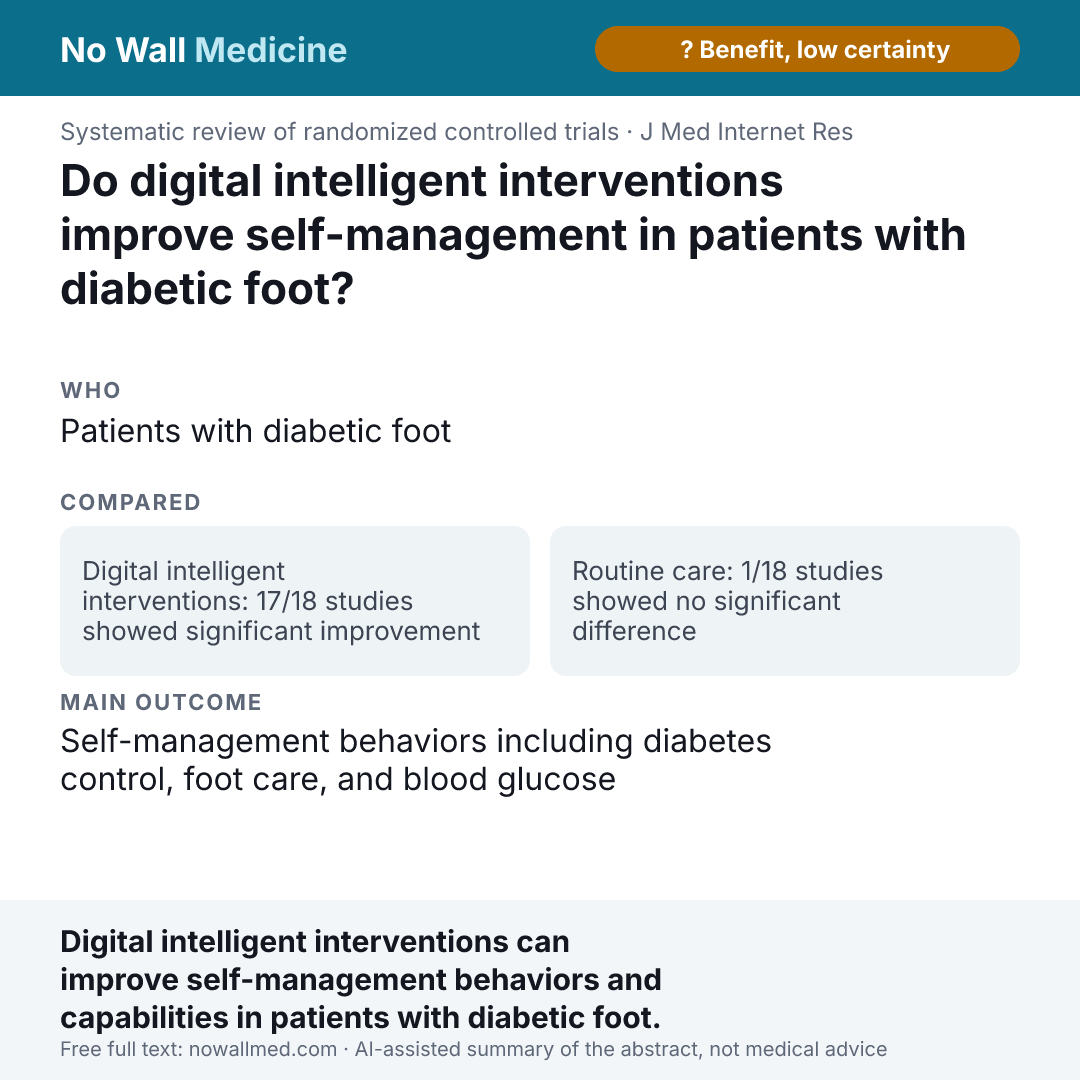
Effects of Digital Intelligent Interventions on Self-Management of Patients With Diabetic Foot: Systematic Review
Systematic review of randomized controlled trialsBenefit, low certainty
Do digital intelligent interventions improve self-management in patients with diabetic foot?
Who
Patients with diabetic foot
Compared
Digital intelligent interventions: 17/18 studies showed significant improvement
Routine care: 1/18 studies showed no significant difference
Main outcome
Self-management behaviors including diabetes control, foot care, and blood glucose monitoring
Bottom line: Digital intelligent interventions can improve self-management behaviors and capabilities in patients with diabetic foot.
Limitation: All included studies were rated as having a high risk of bias.
J Med Internet Res · 2025-03-25 · Save PNG
The Use of Computed Tomography Densitometry for the Assessment of Emphysema in Clinical Trials: A Position Paper from the Fleischner Society
Systematic literature reviewKey finding
Can computed tomography densitometry serve as diagnostic, prognostic, and progression monitoring biomarkers?
Who
Patients with emphysema or chronic obstructive pulmonary disease
Compared
Diagnostic and prognostic metrics: 0.99 scan-rescan intraclass correlation coefficient
Disease monitoring metric: 0.99 scan-rescan intraclass correlation coefficient
Main outcome
Computed tomography densitometry as a biomarker for emphysema
Bottom line: Computed tomography densitometry is a validated, highly reproducible biomarker for emphysema diagnosis, prognosis, and monitoring.
AJRCCM · 2025-03-24 · Save PNG

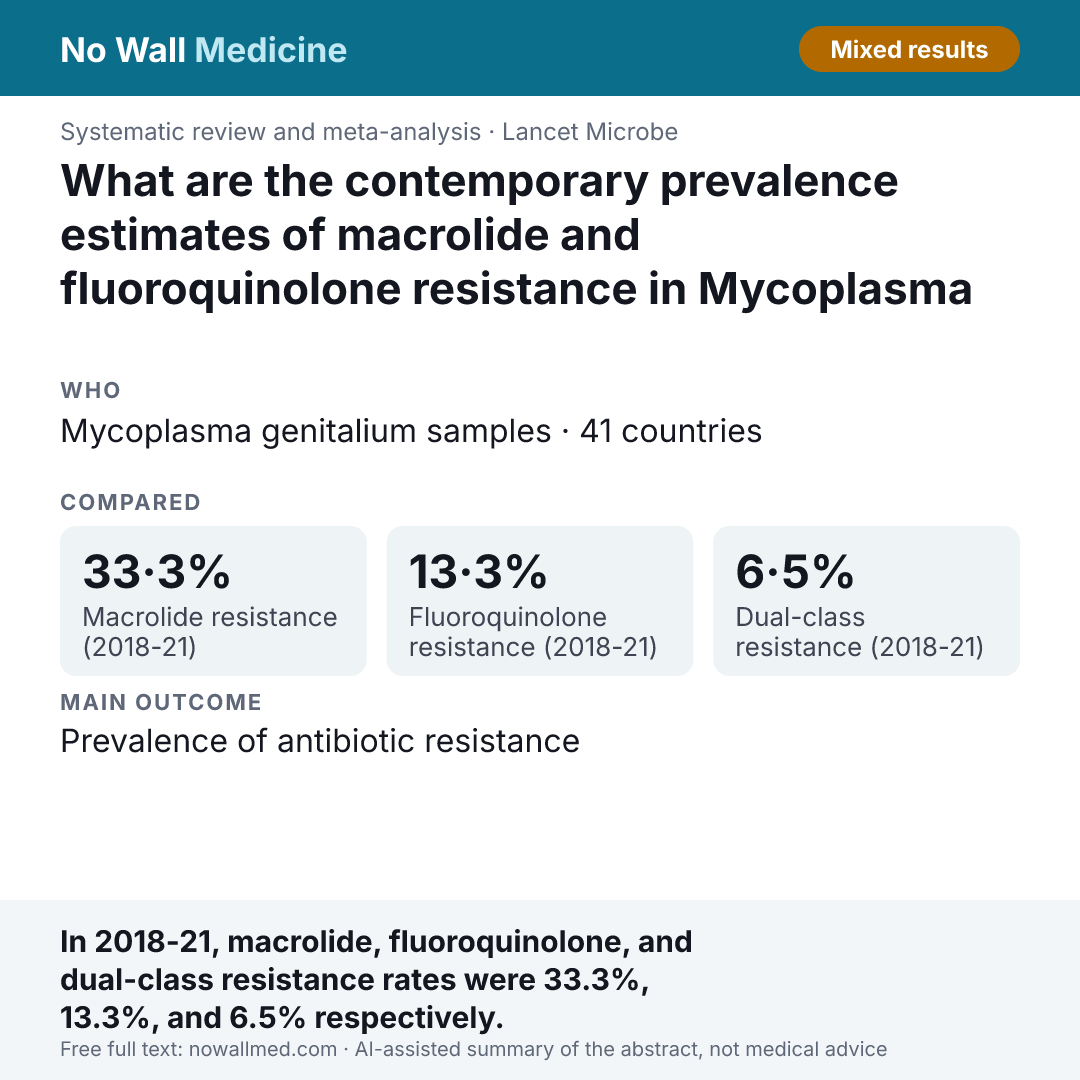
Evolving patterns of macrolide and fluoroquinolone resistance in Mycoplasma genitalium: an updated systematic review and meta-analysis
Systematic review and meta-analysisMixed results
What are the contemporary prevalence estimates of macrolide and fluoroquinolone resistance in Mycoplasma genitalium?
Who
Mycoplasma genitalium samples · 41 countries
Compared
33·3%Macrolide resistance (2018-21) (95% CI 27·2-39·7)
13·3%Fluoroquinolone resistance (2018-21) (10·0-17·0)
6·5%Dual-class resistance (2018-21) (4·0-9·4)
Main outcome
Prevalence of antibiotic resistance
Bottom line: In 2018-21, macrolide, fluoroquinolone, and dual-class resistance rates were 33.3%, 13.3%, and 6.5% respectively.
Funded by: Australian Research Council
Lancet Microbe · 2025-03-24 · Save PNG
Association between cardiovascular risk factors and the occurrence of giant cell arteritis: a systematic review and meta-analysis
Systematic review and meta-analysisMixed results
What is the association between cardiovascular risk factors and giant cell arteritis onset?
Who
Individuals with cardiovascular risk factors
Compared
Type 2 diabetes: odds ratio 0.75 (95% CI 0.61-0.93)
History of cardiovascular disease: odds ratio 1.28 (95% CI 1.18-1.38)
Overweight: odds ratio 0.64 (95% CI 0.41-1.00)
Main outcome
Risk of giant cell arteritis occurrence
Bottom line: Type 2 diabetes is inversely associated with giant cell arteritis, while cardiovascular disease history is positively associated.
Rheumatology · 2025-03-24 · Save PNG

The use of iron after surgery: a systematic review and meta-analysis
Meta-analysis of trialsBenefit found
Does iron therapy increase haemoglobin levels
Who
1865
Adults undergoing elective surgery with anaemia
Compared
Intravenous iron
Oral iron
Main outcome
Haemoglobin level
Result: mean difference 4.51 g.l-1 (95% CI 2.63 to 6.38) for intravenous iron
Bottom line: Intravenous iron increases haemoglobin levels after surgery
Anaesthesia · 2025-03-24 · Save PNG

Unconventional exercises for motor function in Parkinson's disease: an umbrella review of meta-analyses
Umbrella review of meta-analysesBenefit found
Do unconventional exercises improve motor function in people with Parkinson's disease?
Who
People with Parkinson's disease
Compared
Unconventional exercises
Conventional or passive interventions
Main outcome
Motor function including impairment, balance, walking and endurance
Bottom line: Unconventional exercises like dancing and robotic-assisted gait training show advantages for motor function in Parkinson's disease.
Limitation: Variations across studies and differing certainty levels require cautious interpretation.
Age Ageing · 2025-03-24 · Save PNG

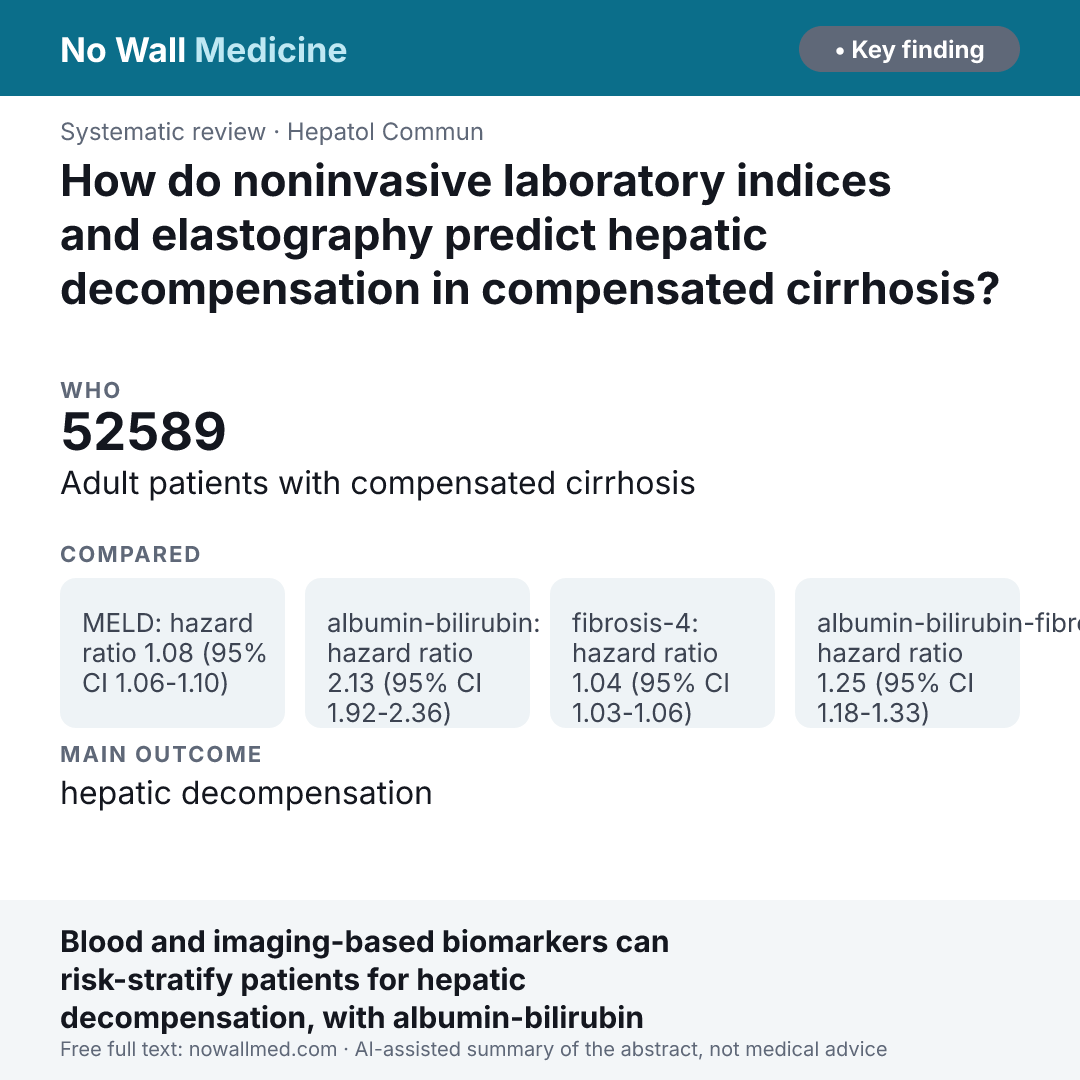
A systematic review of noninvasive laboratory indices and elastography to predict hepatic decompensation
Systematic reviewKey finding
How do noninvasive laboratory indices and elastography predict hepatic decompensation in compensated cirrhosis?
Who
52589
Adult patients with compensated cirrhosis
Compared
MELD: hazard ratio 1.08 (95% CI 1.06-1.10)
albumin-bilirubin: hazard ratio 2.13 (95% CI 1.92-2.36)
fibrosis-4: hazard ratio 1.04 (95% CI 1.03-1.06)
albumin-bilirubin-fibrosis-4: hazard ratio 1.25 (95% CI 1.18-1.33)
Main outcome
hepatic decompensation
Bottom line: Blood and imaging-based biomarkers can risk-stratify patients for hepatic decompensation, with albumin-bilirubin showing the highest discrimination.
Hepatol Commun · 2025-03-24 · Save PNG
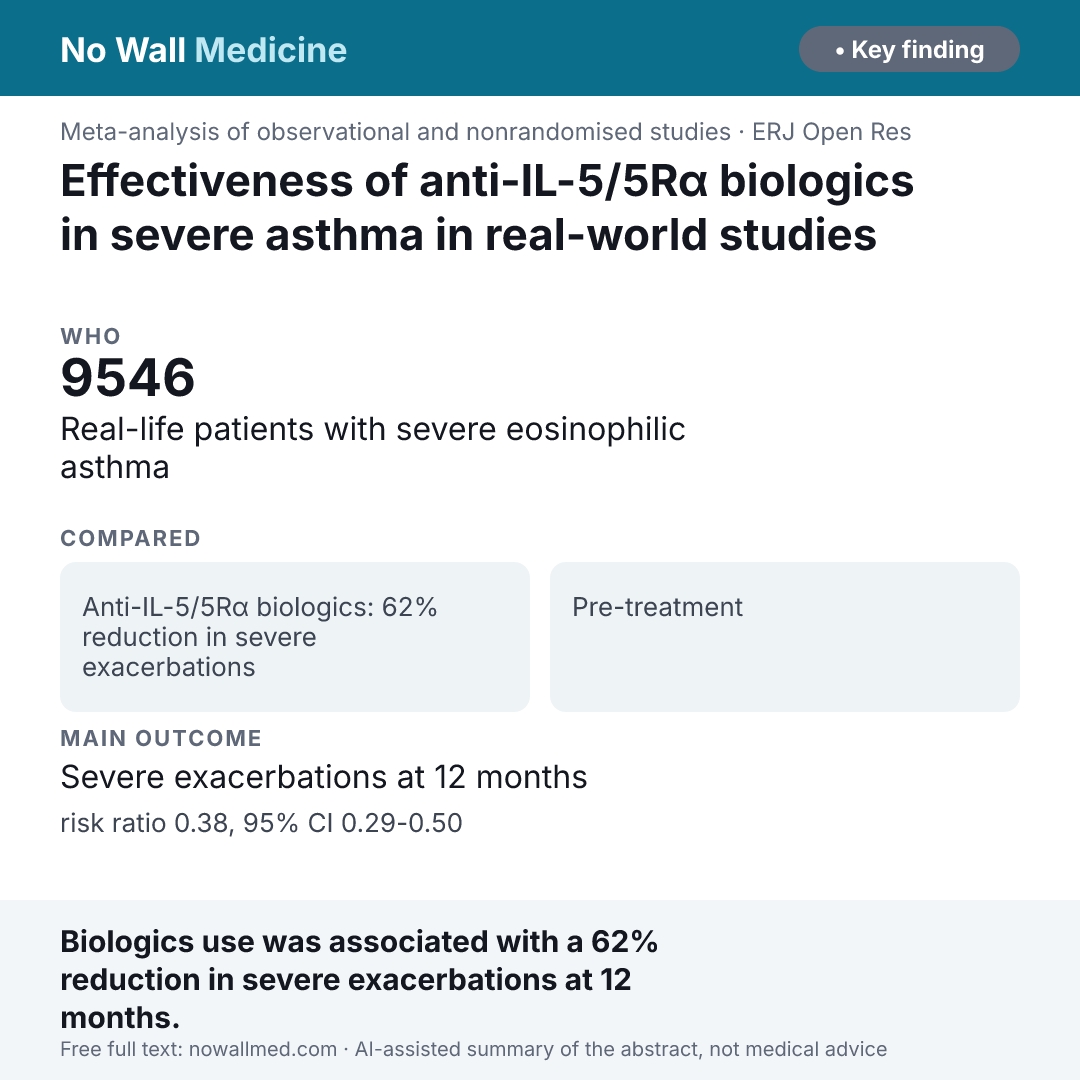
Effectiveness of anti-IL-5/5Rα biologics in severe asthma in real-world studies: a systematic review and meta-analysis
Meta-analysis of observational and nonrandomised studiesKey finding
Effectiveness of anti-IL-5/5Rα biologics in severe asthma in real-world studies
Who
9546
Real-life patients with severe eosinophilic asthma
Compared
Anti-IL-5/5Rα biologics: 62% reduction in severe exacerbations
Pre-treatment
Main outcome
Severe exacerbations at 12 months
Result: risk ratio 0.38, 95% CI 0.29-0.50
Bottom line: Biologics use was associated with a 62% reduction in severe exacerbations at 12 months.
ERJ Open Res · 2025-03-24 · Save PNG
Efficacy and safety of behavioural activation on depression in people with co-occurring non-communicable diseases: systematic review and meta-analysis
Systematic review and meta-analysis of 12 randomized controlled trialsUnclear result
Is behavioural activation effective and safe for depression in people with non-communicable diseases?
Who
2144
People with non-communicable diseases and comorbid depression
Compared
Behavioural activation
Comparators
Main outcome
Depression symptom improvement
Result: Hedges' g = -0.24 (95% CI, -0.62 to 0.15)
Bottom line: Evidence is insufficient to draw clear conclusions about behavioural activation efficacy for depression in people with non-communicable diseases.
Limitation: High heterogeneity (I2 = 91.91%) and insufficient high-quality, well-designed randomized controlled trials.
BJPsych Open · 2025-03-24 · Save PNG

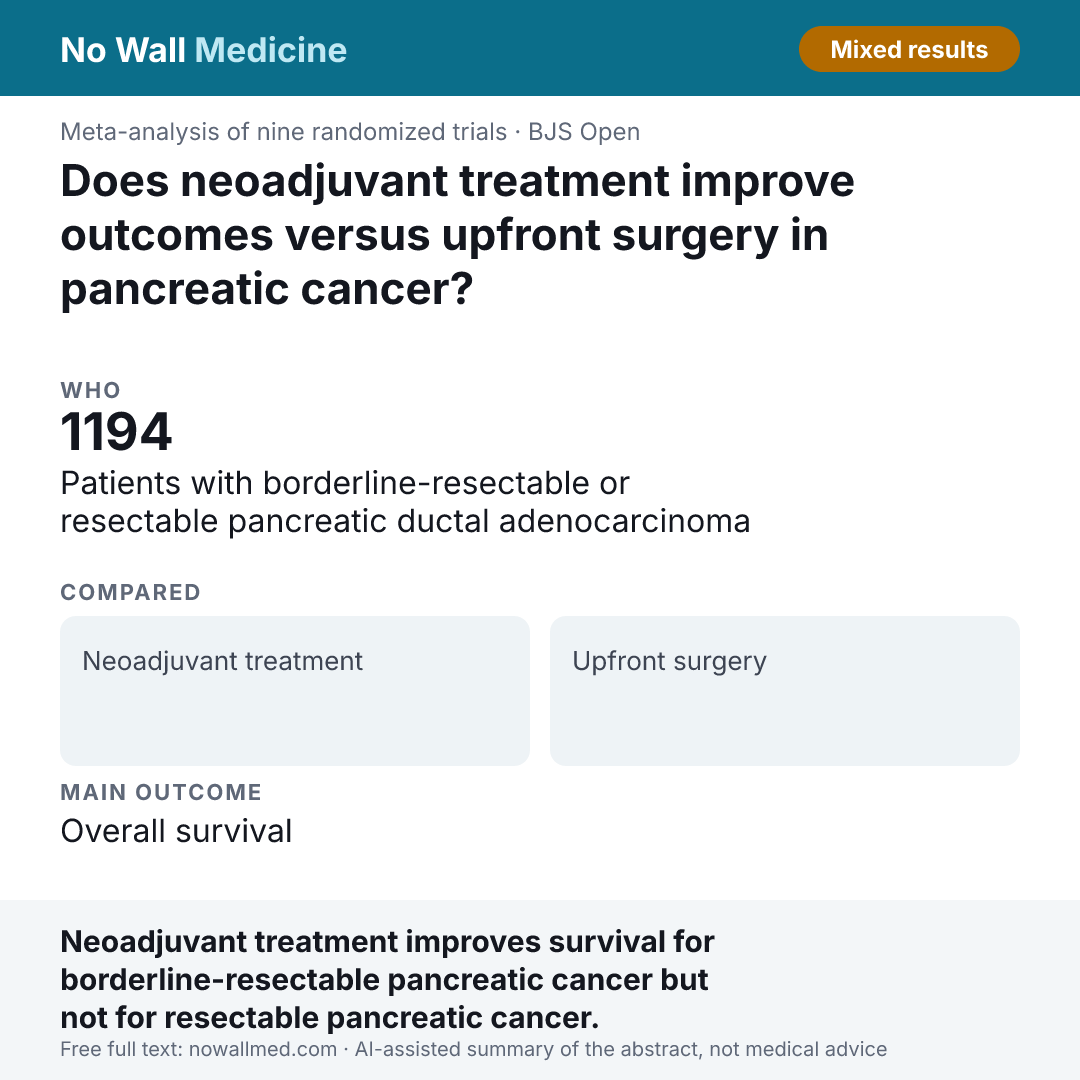
Neoadjuvant treatment versus upfront surgery in borderline resectable and resectable pancreatic ductal adenocarcinoma: meta-analysis
Meta-analysis of nine randomized trialsMixed results
Does neoadjuvant treatment improve outcomes versus upfront surgery in pancreatic cancer?
Who
1194
Patients with borderline-resectable or resectable pancreatic ductal adenocarcinoma
Compared
Neoadjuvant treatment
Upfront surgery
Main outcome
Overall survival
Result: hazard ratio 0.73 (95% c.i. 0.55 to 0.98)
Bottom line: Neoadjuvant treatment improves survival for borderline-resectable pancreatic cancer but not for resectable pancreatic cancer.
BJS Open · 2025-03-24 · Save PNG
Clonal relatedness as a prognostic marker in Richter transformation of chronic lymphocytic leukemia: a systematic review
Systematic reviewMixed results
Is clonal relatedness a prognostic marker in Richter transformation of chronic lymphocytic leukemia?
Who
336
Patients with Richter transformation of chronic lymphocytic leukemia
Compared
Clonally related Richter transformation: significantly poorer prognosis
Clonally unrelated Richter transformation
Main outcome
Survival outcomes
Bottom line: Clonal relatedness may confer poorer survival, but it is not independent of other known clinical and genomic variables.
Blood Adv · 2025-03-24 · Save PNG

AI-Derived Blood Biomarkers for Ovarian Cancer Diagnosis: Systematic Review and Meta-Analysis
Meta-analysis of 40 studiesBenefit found
AI for ovarian cancer diagnosis
Who
patients with ovarian cancer
Compared
85%Machine learning (sensitivity)
77%Deep learning (sensitivity)
Main outcome
diagnostic accuracy
Result: pooled sensitivity 85% (95% CI 83%-87%)
Bottom line: AI algorithms show satisfactory performance
Limitation: need for external validation
J Med Internet Res · 2025-03-24 · Save PNG

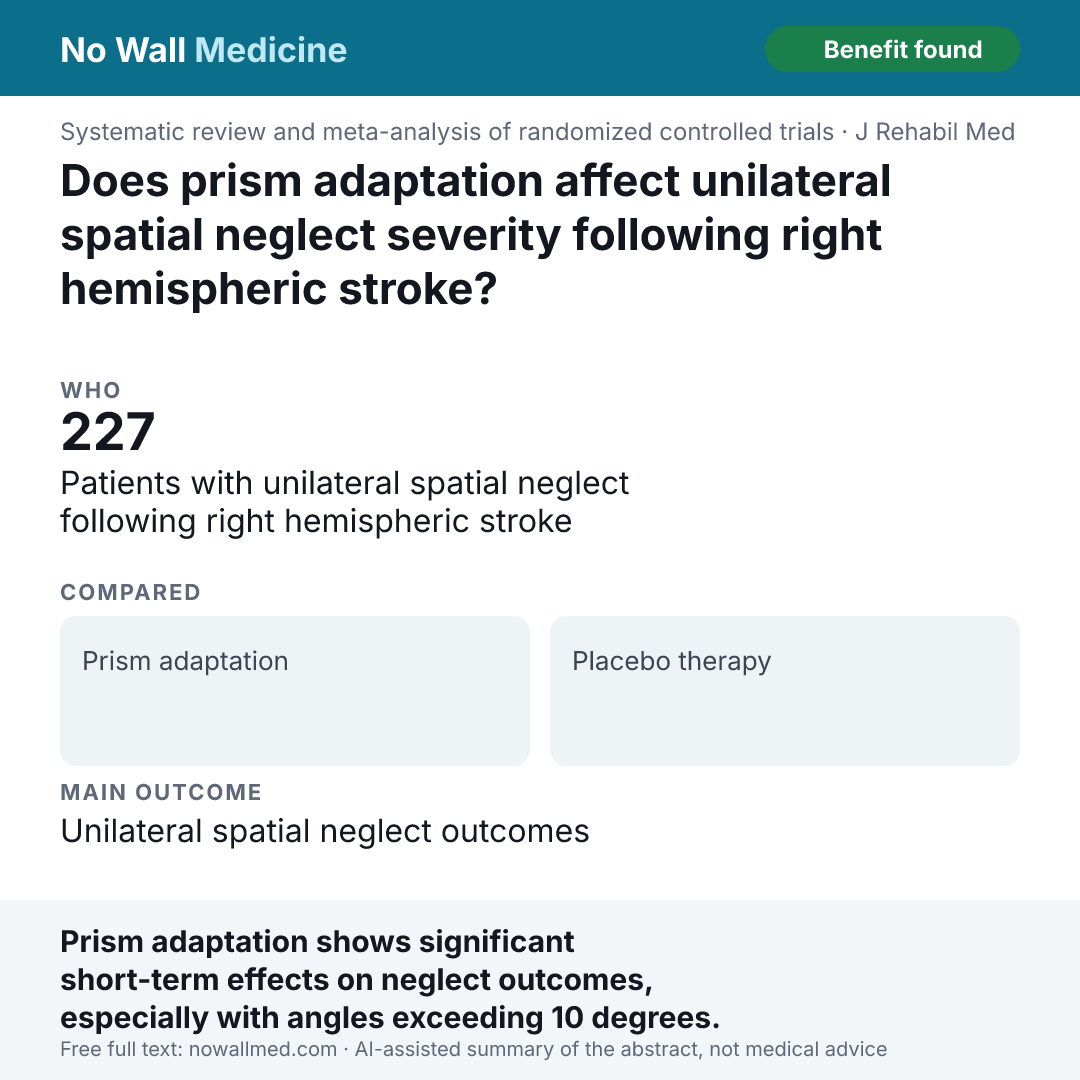
Short-term effect of prism adaptation treatment on severity of unilateral spatial neglect following right hemispheric stroke: a systematic review and meta-analysis
Systematic review and meta-analysis of randomized controlled trialsBenefit found
Does prism adaptation affect unilateral spatial neglect severity following right hemispheric stroke?
Who
227
Patients with unilateral spatial neglect following right hemispheric stroke
Compared
Prism adaptation
Placebo therapy
Main outcome
Unilateral spatial neglect outcomes
Result: standardized mean difference 0.49 (95% CI 0.07 to 0.92)
Bottom line: Prism adaptation shows significant short-term effects on neglect outcomes, especially with angles exceeding 10 degrees.
J Rehabil Med · 2025-03-24 · Save PNG
Factors influencing accessibility of palliative care: a systematic review and meta-analysis
Systematic review and meta-analysisMixed results
What factors influence the accessibility of palliative care?
Who
Patients with life-threatening illnesses
Compared
Facilitators: female gender (OR 1.18), higher income (OR 1.11), larger hospital bed capacity (OR 1.22)
Barriers: residing in rural areas (OR 0.80), being of African descent (OR 0.78)
Main outcome
accessibility of palliative care
Result: OR 1.18 (95% CI 1.14-1.23), OR 1.11 (95% CI 1.08-1.14), OR 1.22 (95% CI 1.14-1.32), OR 0.80 (95% CI 0.67-0.95), OR 0.78 (95% CI 0.68-0.90)
Bottom line: Sociodemographic, healthcare service, and disease-related factors significantly influence palliative care accessibility.
Limitation: Limited number of studies focusing on specific dimensions like availability, affordability, accessibility, and accommodation.
BMC Palliat Care · 2025-03-24 · Save PNG