Visual abstracts
New randomized trials and meta-analyses from leading journals at a glance: who was studied, what was compared, and what was found. Every paper is free to read in full.
All specialtiesCardiology 975Oncology 867Gastroenterology & Hepatology 354Infectious Disease 670Neurology 408Psychiatry & Mental Health 495Pulmonology 429Critical Care 292Endocrinology & Diabetes 546Pediatrics 610Surgery 414Orthopedics & Sports Medicine 187Neurosurgery 142Cardiothoracic & Vascular Surgery 101Plastic & Reconstructive Surgery 159Nephrology 219Rheumatology 127Hematology 208Dermatology 91Ophthalmology 117Obstetrics & Gynecology 298Public & Global Health 187Radiology & Imaging 120Anesthesiology 164Urology 186ENT (Otolaryngology) 133Emergency Medicine 110Allergy & Immunology 67Geriatrics 189Family Medicine & Primary Care 131Medical Genetics & Genomics 99Pathology & Laboratory Medicine 30Physical Medicine & Rehabilitation 171Palliative Care 91Nutrition 247Digital Health & AI 509General Medicine 105
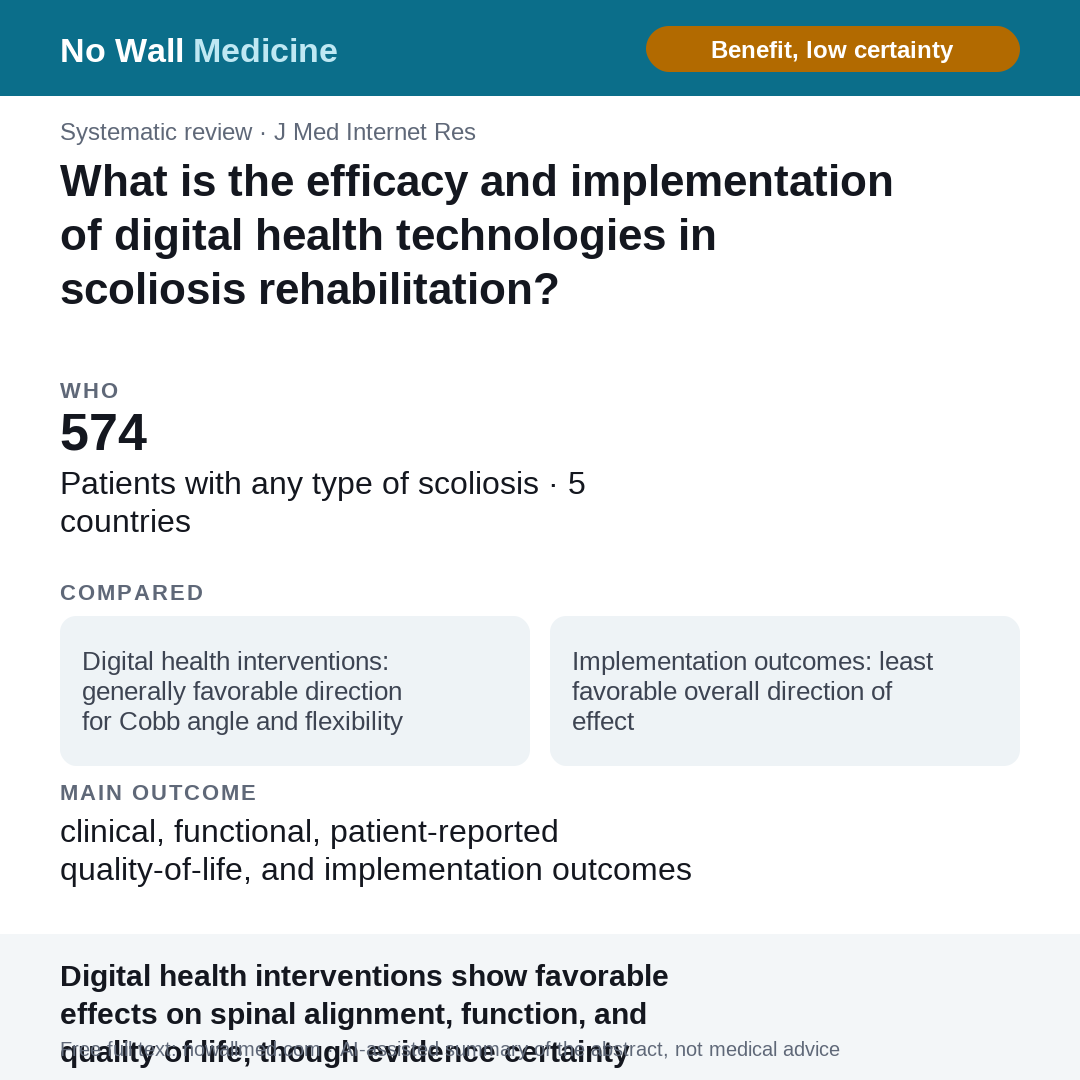
Application of Digital Health Technologies in Scoliosis Rehabilitation: Systematic Review Based on the Technology Classification Framework
Systematic reviewBenefit found
What is the efficacy and implementation of digital health technologies in scoliosis rehabilitation?
Who
574
Patients with any type of scoliosis · 5 countries
Compared
Digital health interventions: generally favorable direction for Cobb angle and flexibility
Implementation outcomes: least favorable overall direction of effect
Main outcome
clinical, functional, patient-reported quality-of-life, and implementation outcomes
Bottom line: Digital health interventions show favorable effects on spinal alignment, function, and quality of life, though evidence certainty is low.
Limitation: The overall certainty of evidence was low.
J Med Internet Res · 2026-08-28Download image
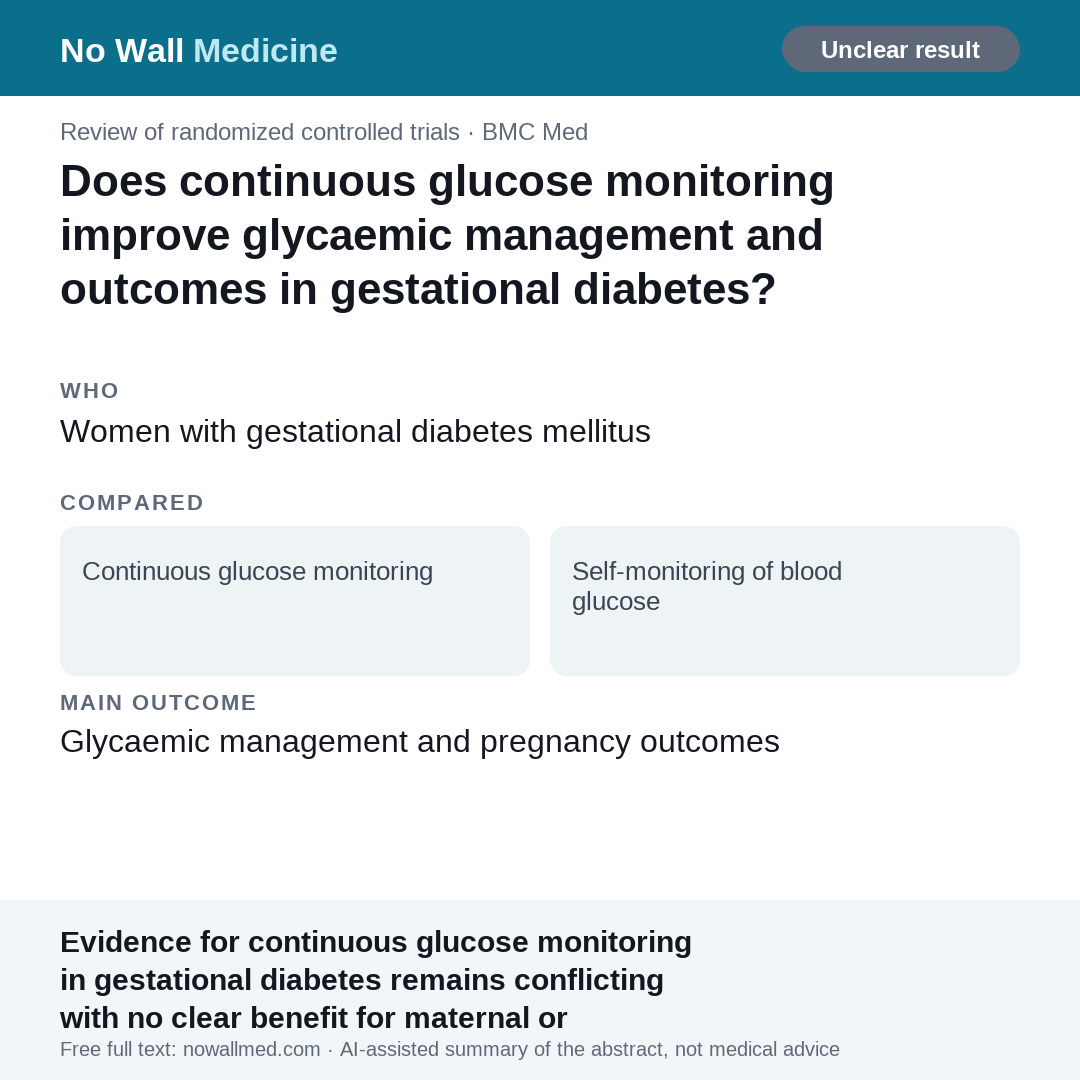
Conflicting evidence for continuous glucose monitoring in gestational diabetes: current challenges and the imperative for individual participant data meta-analysis
Review of randomized controlled trialsUnclear result
Does continuous glucose monitoring improve glycaemic management and outcomes in gestational diabetes?
Who
Women with gestational diabetes mellitus
Compared
Continuous glucose monitoring
Self-monitoring of blood glucose
Main outcome
Glycaemic management and pregnancy outcomes
Bottom line: Evidence for continuous glucose monitoring in gestational diabetes remains conflicting with no clear benefit for maternal or neonatal outcomes.
Limitation: Absence of validated continuous glucose monitoring-based glycaemic targets specific to gestational diabetes.
BMC Med · 2026-08-27Download image
Does acute pyelonephritis skew outcomes in registrational trials of novel antibiotics for complicated urinary tract infections? A systematic review and meta-analysis
Systematic review and meta-analysisBenefit found
Do outcomes differ between acute pyelonephritis and other complicated urinary tract infections?
Who
5,971
Patients with acute pyelonephritis or other complicated urinary tract infections
Compared
Acute pyelonephritis
Other complicated urinary tract infections
Main outcome
Clinical cure plus microbiologic eradication at test-of-cure
Result: risk ratio 1.12 (95% CI 1.03-1.23)
Bottom line: Acute pyelonephritis achieved higher cure rates at test-of-cure than other complicated urinary tract infections.
Limitation: Heterogeneity in definitions and limited stratified reporting reduce interstudy comparability.
Clin Infect Dis · 2026-08-27Download image

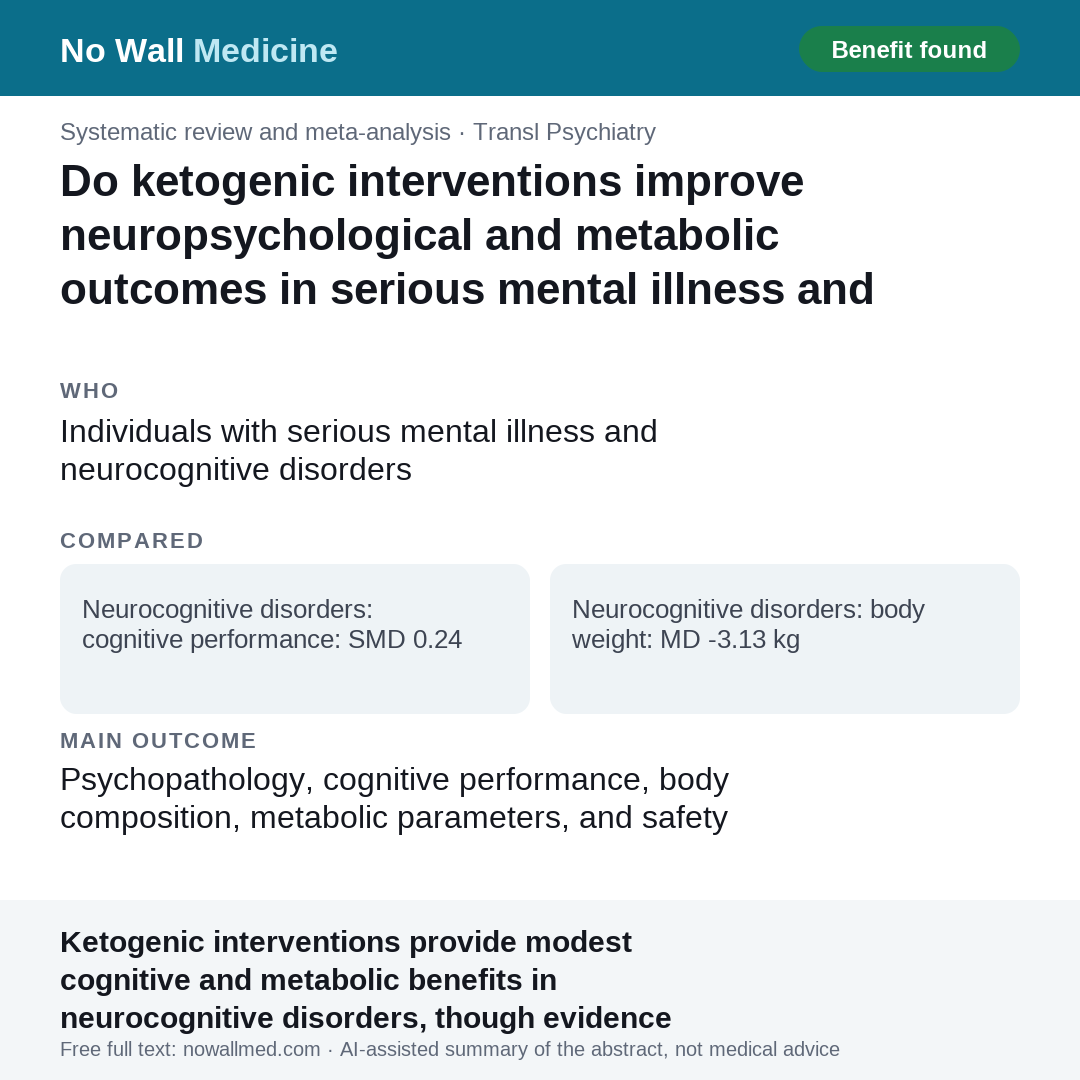
The efficacy of ketogenic interventions on neuropsychological & metabolic outcomes in serious mental illness & neurocognitive disorders: a systematic review & meta-analysis
Systematic review and meta-analysisBenefit found
Do ketogenic interventions improve neuropsychological and metabolic outcomes in serious mental illness and neurocognitive disorders?
Who
Individuals with serious mental illness and neurocognitive disorders
Compared
Neurocognitive disorders: cognitive performance: SMD 0.24
Neurocognitive disorders: body weight: MD -3.13 kg
Main outcome
Psychopathology, cognitive performance, body composition, metabolic parameters, and safety
Result: SMD 0.24 (95% CI 0.06 to 0.43) for cognitive performance
Bottom line: Ketogenic interventions provide modest cognitive and metabolic benefits in neurocognitive disorders, though evidence for serious mental illness is preliminary.
Limitation: Evidence in serious mental illness was largely limited to case reports and single-arm trials.
Transl Psychiatry · 2026-08-27Download image
Comparative efficacy and safety of glucagon-like peptide 1 based drugs for weight loss in adults with overweight or obesity without diabetes: network meta-analysis of randomised controlled trials
Network meta-analysis of randomised controlled trialsBenefit found
Which glucagon-like peptide 1 based drugs are most effective for weight loss?
Who
24214
Adults with overweight or obesity without diabetes
Compared
-22.10%retatrutide (95% confidence interval -25.60% to -18.60%)
-19.28%tirzepatide (-20.39% to -18.16%)
-17.32%CagriSema (-19.32% to -15.32%)
placebo
Main outcome
weight loss
Bottom line: Next generation incretin based treatments achieved greater weight loss than conventional glucagon-like peptide 1 receptor agonists.
Limitation: Differences in tolerability, limited head-to-head evidence, and residual uncertainty.
BMJ Med · 2026-08-27Download image

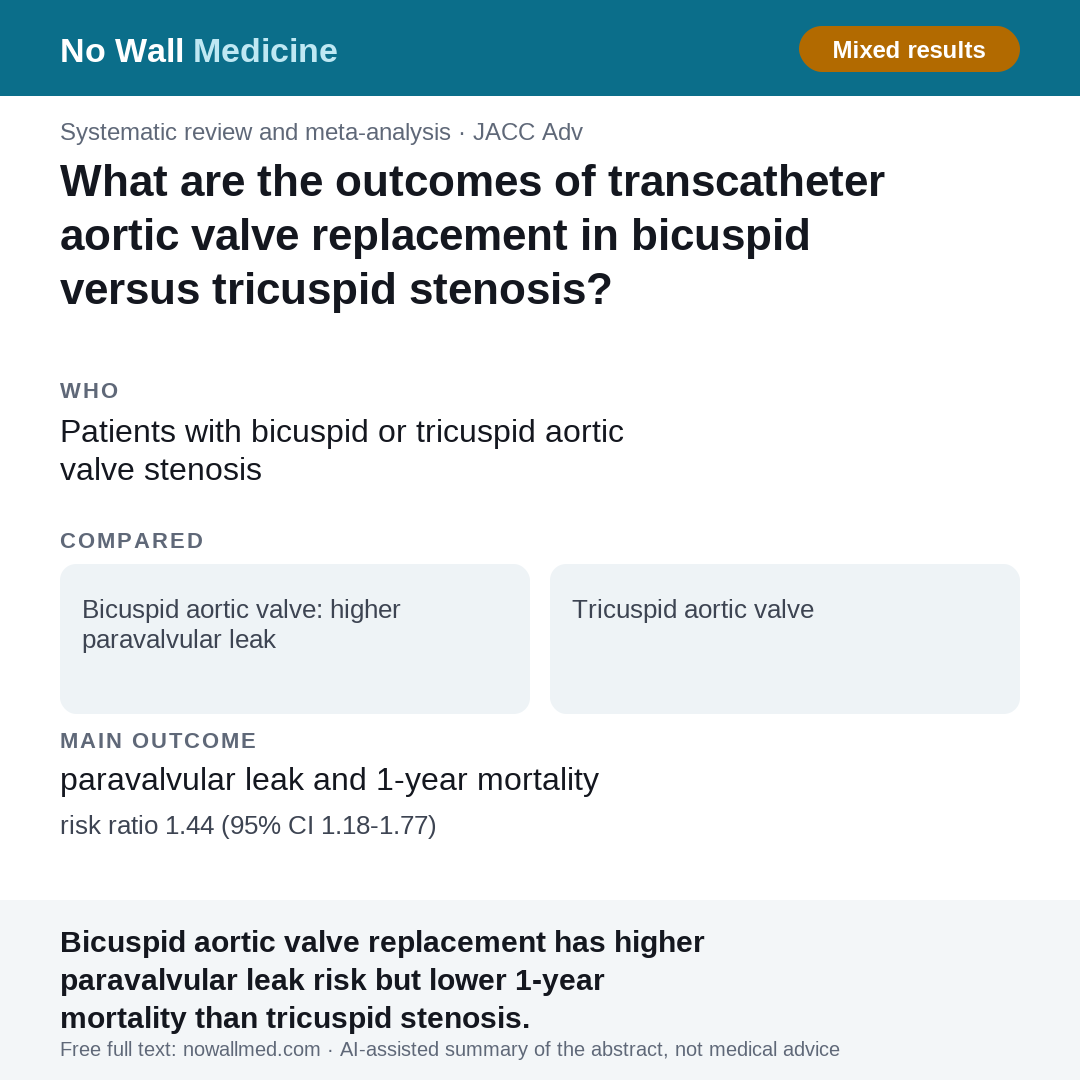
Transcatheter Aortic Valve Replacement for Severe Bicuspid Aortic Valve Stenosis: A Systematic Review and Meta-Analysis
Systematic review and meta-analysisMixed results
What are the outcomes of transcatheter aortic valve replacement in bicuspid versus tricuspid aortic valve stenosis?
Who
Patients with bicuspid or tricuspid aortic valve stenosis
Compared
Bicuspid aortic valve: higher paravalvular leak (RR: 1.44; 95% CI: 1.18-1.77)
Tricuspid aortic valve
Main outcome
paravalvular leak, aortic root injury, stroke, and mortality
Result: RR: 1.44 (95% CI: 1.18-1.77) for paravalvular leak
Bottom line: Bicuspid aortic valve replacement has higher procedural risks but lower 1-year mortality compared to tricuspid aortic valve replacement.
JACC Adv · 2026-08-27Download image
Impact of Nasal Obstruction and Mouth Taping on Sleep Apnea Indicators: Systematic Review and Meta-Analysis
Systematic review and meta-analysisHarm found
How does nasal obstruction and mouth taping impact obstructive sleep apnea indicators?
Who
Individuals with nasal obstruction or using mouth taping
Compared
Nasal obstruction: AHI +13.78 events/h
Mouth taping: reduced AHI in patients with mild obstructive sleep apnea
Main outcome
Obstructive sleep apnea indicators
Bottom line: Nasal obstruction is associated with worsening obstructive sleep apnea indicators, while mouth taping may reduce apnea in mild cases.
Limitation: The heterogeneity among studies limits the generalizability of these data.
OTO Open · 2026-08-27Download image
Performance of referral strategies for patients with suspected axial spondyloarthritis: a systematic review with meta-analysis
Systematic review and meta-analysisUnclear result
What is the diagnostic accuracy of referral strategies for suspected axial spondyloarthritis?
Who
Patients with chronic back pain
Compared
ASAS referral criteria: negative likelihood ratio 0.18
Braun 2-step alternative strategy: positive likelihood ratio 2.02; negative likelihood ratio 0.38
CaFaSpA ≥1: positive likelihood ratio 1.64; negative likelihood ratio 0.43
RADAR 2/3: positive likelihood ratio 2.76; negative likelihood ratio 0.60
Main outcome
Diagnostic accuracy of referral strategies
Result: LR+ 2.76 (95% CI 2.13-3.59) and LR- 0.60 (95% CI 0.51-0.71) for RADAR 2/3
Bottom line: Current referral strategies for axial spondyloarthritis have limited diagnostic impact and are supported by low to very low-certainty evidence.
Limitation: Risk of bias was high across all strategies, resulting in low to very low certainty of evidence.
eClinicalMedicine · 2026-08-26Download image
Infection-triggered encephalopathy syndromes: a meta-analysis of clinical characteristics and outcomes in 1946 cases
Meta-analysis of 656 studiesMixed results
Infection-triggered encephalopathy syndromes characteristics
Who
1946
Patients with infection-triggered encephalopathy syndromes
Compared
99%MERS (95% CI 97-100; 323/326)
54%AESD (95% CI 44-64; 50/93)
38%FIRES (95% CI 33-44; 120/314)
33%ANE (95% CI 27-38; 88/269)
Main outcome
Six-month modified Rankin Scale
Bottom line: Distinct features and outcomes in infection-triggered encephalopathy syndromes
Funded by: No funding received
eClinicalMedicine · 2026-08-26Download image

The thrombotic burden of high-risk immune thrombocytopenia patients receiving second-line treatments: a systematic review
Systematic reviewHarm found
What is the thrombotic burden in high-risk immune thrombocytopenia patients receiving second-line treatments?
Who
308
High-risk immune thrombocytopenia patients receiving second-line treatments
Compared
16%Thrombopoietin receptor agonists (95% CI 11-22)
14%Rituximab (95% CI 3-35)
11%Immune suppressants (95% CI 2-28)
12%Splenectomy (95% CI 4-24)
Main outcome
Frequency of any thrombotic event during follow-up
Result: 10% (95% CI 5-19)
Bottom line: High-risk immune thrombocytopenia patients face a consistent thrombotic burden across all examined second-line treatment options.
Rheumatology · 2026-08-26Download image
Classification of videolaryngoscopy: a systematic review
Systematic reviewUnclear result
What is the accuracy, performance, and reliability of existing videolaryngoscopy classification tools?
Who
Adults and children undergoing videolaryngoscopic tracheal intubation
Compared
Cormack-Lehane classification: limited performance
VIDIAC and PeDiAC scores: accuracy or performance metrics reported
Main outcome
Accuracy, performance, concordance, and reliability of classification tools
Bottom line: Evidence regarding the accuracy and clinical utility of most videolaryngoscopy classification tools remains uncertain and limited.
Limitation: High risk of bias regarding reference standard, flow, timing, and substantial applicability concerns.
Anaesthesia · 2026-08-26Download image
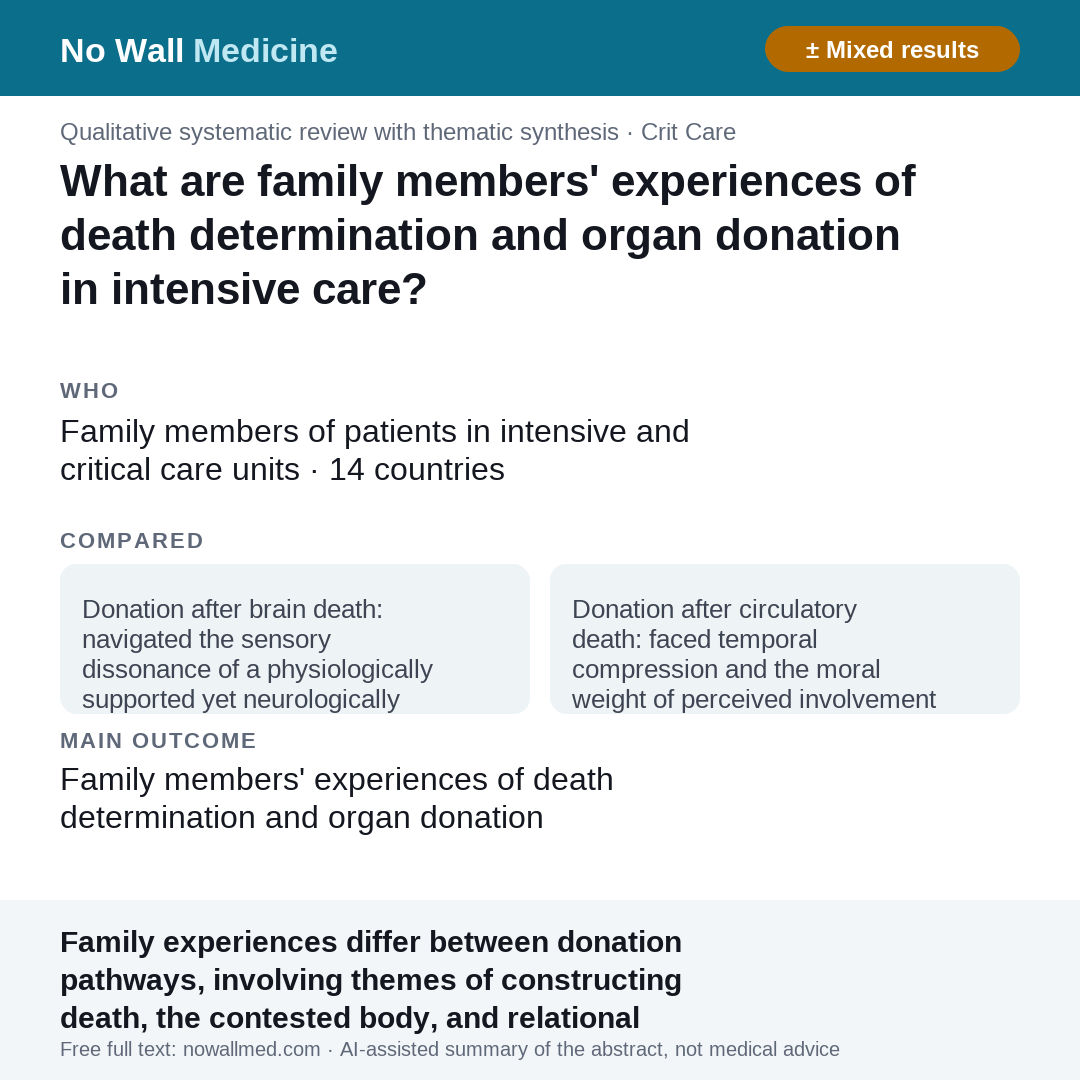
Family members' experiences of death and organ donation in intensive and critical care units: a qualitative systematic review with thematic synthesis
Qualitative systematic review with thematic synthesisMixed results
What are family members' experiences of death determination and organ donation in intensive care?
Who
Family members of patients in intensive and critical care units · 14 countries
Compared
Donation after brain death: navigated the sensory dissonance of a physiologically supported yet neurologically dead loved one
Donation after circulatory death: faced temporal compression and the moral weight of perceived involvement
Main outcome
Family members' experiences of death determination and organ donation
Bottom line: Family experiences differ between donation pathways, involving themes of constructing death, the contested body, and relational meaning-making.
Crit Care · 2026-08-26Download image
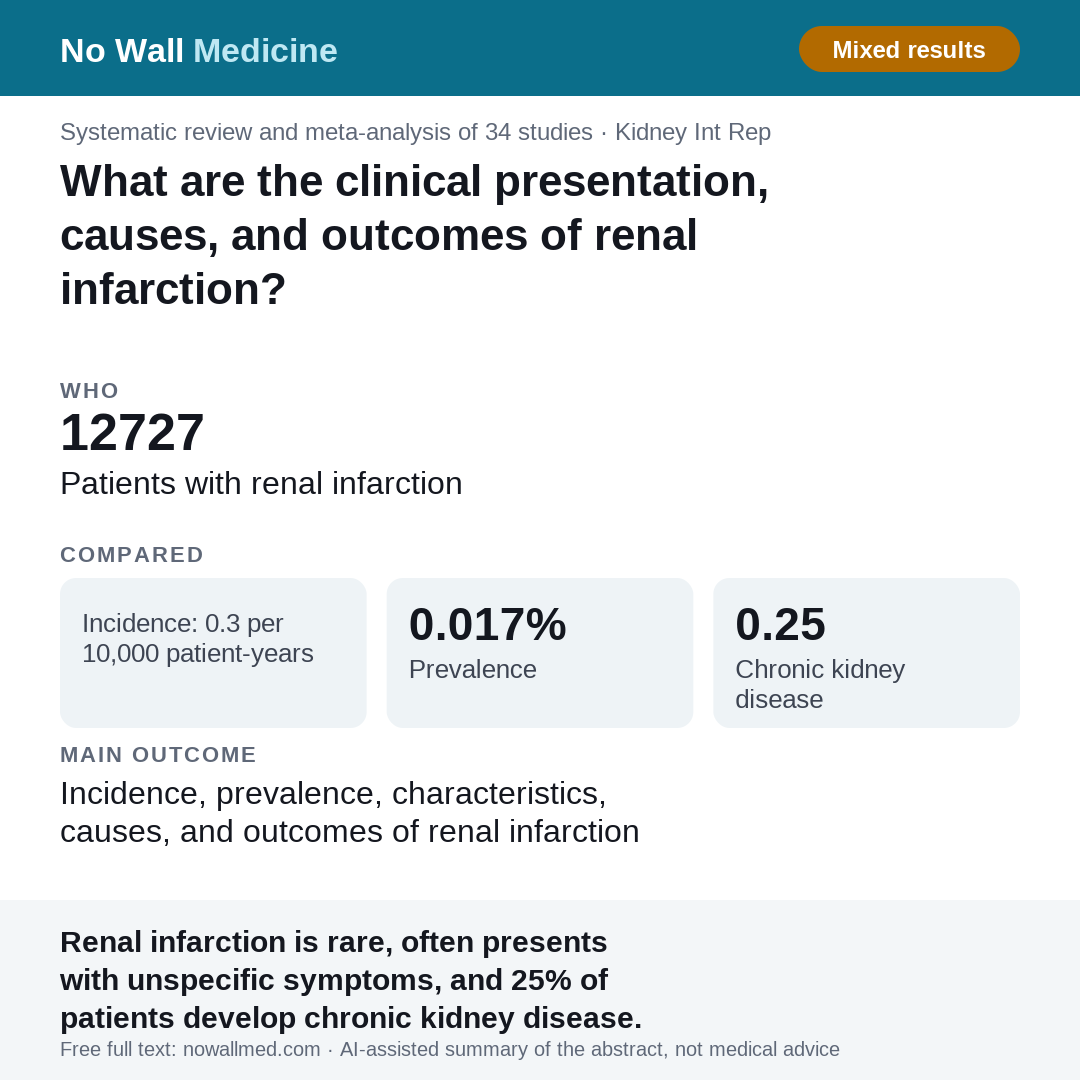
Systematic Review of Renal Infarction Clinical Presentation, Causes, and Outcomes
Systematic review and meta-analysis of 34 studiesMixed results
What are the clinical presentation, causes, and outcomes of renal infarction?
Who
12727
Patients with renal infarction
Compared
Incidence: 0.3 per 10,000 patient-years
0.017%Prevalence
0.25Chronic kidney disease
Main outcome
Incidence, prevalence, characteristics, causes, and outcomes of renal infarction
Bottom line: Renal infarction is rare, often presents with unspecific symptoms, and 25% of patients develop chronic kidney disease.
Kidney Int Rep · 2026-08-26Download image
Efficacy and Safety of Nerve Wrapping in Recurrent Upper-extremity Compressive Neuropathies: A Systematic Review
Systematic reviewBenefit found
Is nerve wrapping effective and safe for recurrent upper-extremity compressive neuropathies?
Who
302
Adults undergoing revision surgery with nerve wrapping
Compared
Patients receiving nerve wrapping: pain improved (visual analog scale, 6.2-2.0)
Patients receiving nerve wrapping: grip strength increased (from 43.3% to 77.0%)
Patients receiving nerve wrapping: Quick Disabilities of the Arm, Shoulder, and Hand scores decreased (from 59.9 to 28.0)
Main outcome
pain, sensory and motor recovery, functional scores, complications, recurrence, and satisfaction
Bottom line: Nerve wrapping is a safe and beneficial adjunct for revision surgery in recurrent upper-extremity compressive neuropathies.
Plast Reconstr Surg Glob Open · 2026-08-26Download image

Therapeutic strategies and outcomes in the management of ampullary tumours: meta-analysis
Meta-analysis of 80 studiesMixed results
What are the outcomes of endoscopic resection, transduodenal ampullectomy, and pancreatoduodenectomy for ampullary tumours?
Who
80
Patients with benign and malignant ampullary tumours
Compared
Endoscopic resection
Transduodenal ampullectomy: 90% for benign and early-stage tumours
Pancreatoduodenectomy: 99% for benign and early-stage tumours
Main outcome
Complete resection rate, recurrence, and complications
Bottom line: Pancreatoduodenectomy provides best resection and recurrence outcomes, while endoscopic resection is viable for benign tumours.
Limitation: Further prospective research is needed to optimize preoperative diagnostics to distinguish benign from malignant tumours.
BJS Open · 2026-08-26Download image

AI-Based Approaches to Refugee Mental Health Care: Systematic Integrative Review
Systematic integrative reviewUnclear result
How is artificial intelligence used in refugee mental health research and care?
Who
23
Refugee and forcibly displaced populations
Compared
Detection, Prediction, and Classification: 15/23 (65.2%)
Intervention and Clinical Support: 4/23 (17.4%)
Information Synthesis: 5/23 (21.7%)
Main outcome
Functional categories of artificial intelligence applications in refugee mental health
Bottom line: Artificial intelligence in refugee mental health focuses on detection, intervention, and information synthesis, though biases and access barriers remain.
Limitation: Potential biases, lack of contextual understanding, and structural barriers in technology access.
J Med Internet Res · 2026-08-26Download image

Improvement of Clinical Practice Guideline Appraisal by Human Experts and AI Agents by Using Structured Guidance: Systematic Review, Meta-Analysis, and Validation Study
Systematic review, meta-analysis, and validation studyBenefit found
Does structured guidance improve agreement between human experts and AI agents in guideline appraisal?
Who
227
227 rehabilitation clinical practice guidelines
Compared
AI agents without structured guidance: ICC=0.608-0.629
AI agents with structured guidance: DeepSeek-R1 0.709 and o1-mini 0.687
Main outcome
Agreement between human experts and AI agents
Bottom line: Structured guidance improves agreement between human experts and AI agents for clinical practice guideline appraisal.
J Med Internet Res · 2026-08-26Download image

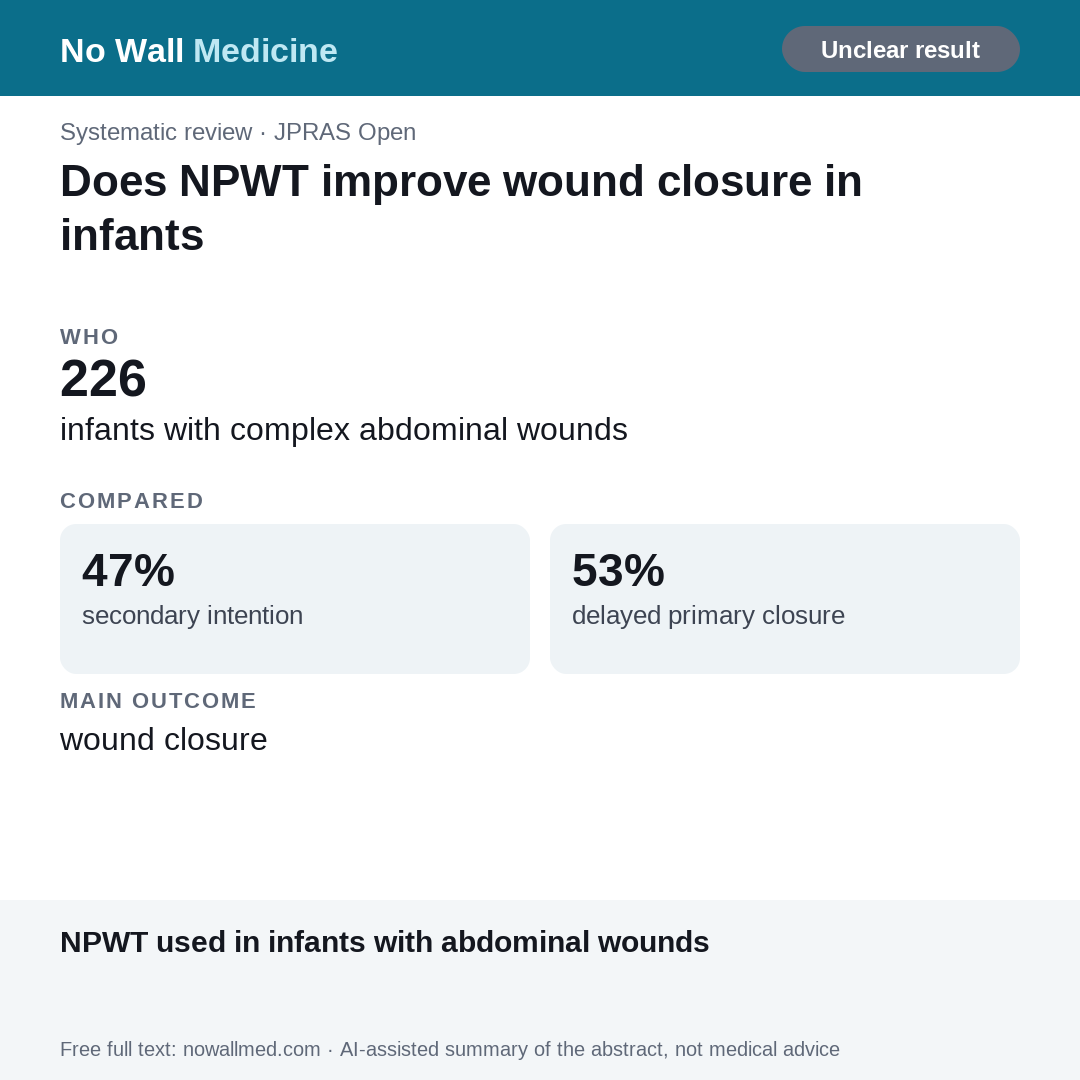
Negative pressure wound therapy in infants with complex abdominal wounds: A systematic review of clinical applications and closure strategies
Systematic reviewUnclear result
Does NPWT improve wound closure in infants
Who
226
infants with complex abdominal wounds
Compared
47%secondary intention
53%delayed primary closure
Main outcome
wound closure
Bottom line: NPWT used in infants with abdominal wounds
Limitation: heterogeneous protocols and bias risk
JPRAS Open · 2026-08-26Download image
Heart Failure and Cancer: Incidence and Mortality Patterns, A Systematic Review and Meta-analysis
Systematic review and meta-analysisHarm found
What is the cancer incidence and mortality in patients with heart failure?
Who
8,979,195
Individuals with and without heart failure
Compared
Heart failure
Without heart failure
Main outcome
Incidence of any cancer
Result: hazard ratio 1.33 (95% CI 1.14-1.54)
Bottom line: Heart failure is associated with a higher incidence of cancer, though results vary by cancer type and methodology.
Limitation: Substantial heterogeneity and mortality data were sparse and heterogeneous.
Eur J Heart Fail · 2026-08-25Download image

The role of antifactor Xa monitoring in the dosing and administration of low-molecular-weight heparins in pregnancy: a systematic review and meta-analysis
Meta-analysis of 94 studiesUnclear result
LMWH dosing in pregnancy safety
Who
5007
pregnant women with mechanical heart valves or at risk of venous thromboembolism
Compared
Fixed dose
Weight-based dose
Anti-Xa-monitored dose
Main outcome
thromboembolic complications and major bleeding
Bottom line: LMWH dosing methods have overlapping event rates
Limitation: small sample sizes and low certainty of evidence
J Thromb Haemost · 2026-08-25Download image