Visual abstracts
New randomized trials and meta-analyses from leading journals at a glance: who was studied, what was compared, and what was found. Every paper is free to read in full.
All specialtiesCardiology 995Oncology 892Gastroenterology & Hepatology 360Infectious Disease 683Neurology 418Psychiatry & Mental Health 520Pulmonology 436Critical Care 302Endocrinology & Diabetes 559Pediatrics 626Surgery 424Orthopedics & Sports Medicine 194Neurosurgery 144Cardiothoracic & Vascular Surgery 103Plastic & Reconstructive Surgery 163Nephrology 225Rheumatology 129Hematology 213Dermatology 92Ophthalmology 117Obstetrics & Gynecology 305Public & Global Health 188Radiology & Imaging 122Anesthesiology 169Urology 191ENT (Otolaryngology) 138Emergency Medicine 115Allergy & Immunology 68Geriatrics 194Family Medicine & Primary Care 132Medical Genetics & Genomics 104Pathology & Laboratory Medicine 31Physical Medicine & Rehabilitation 174Palliative Care 92Nutrition 256Digital Health & AI 524General Medicine 105
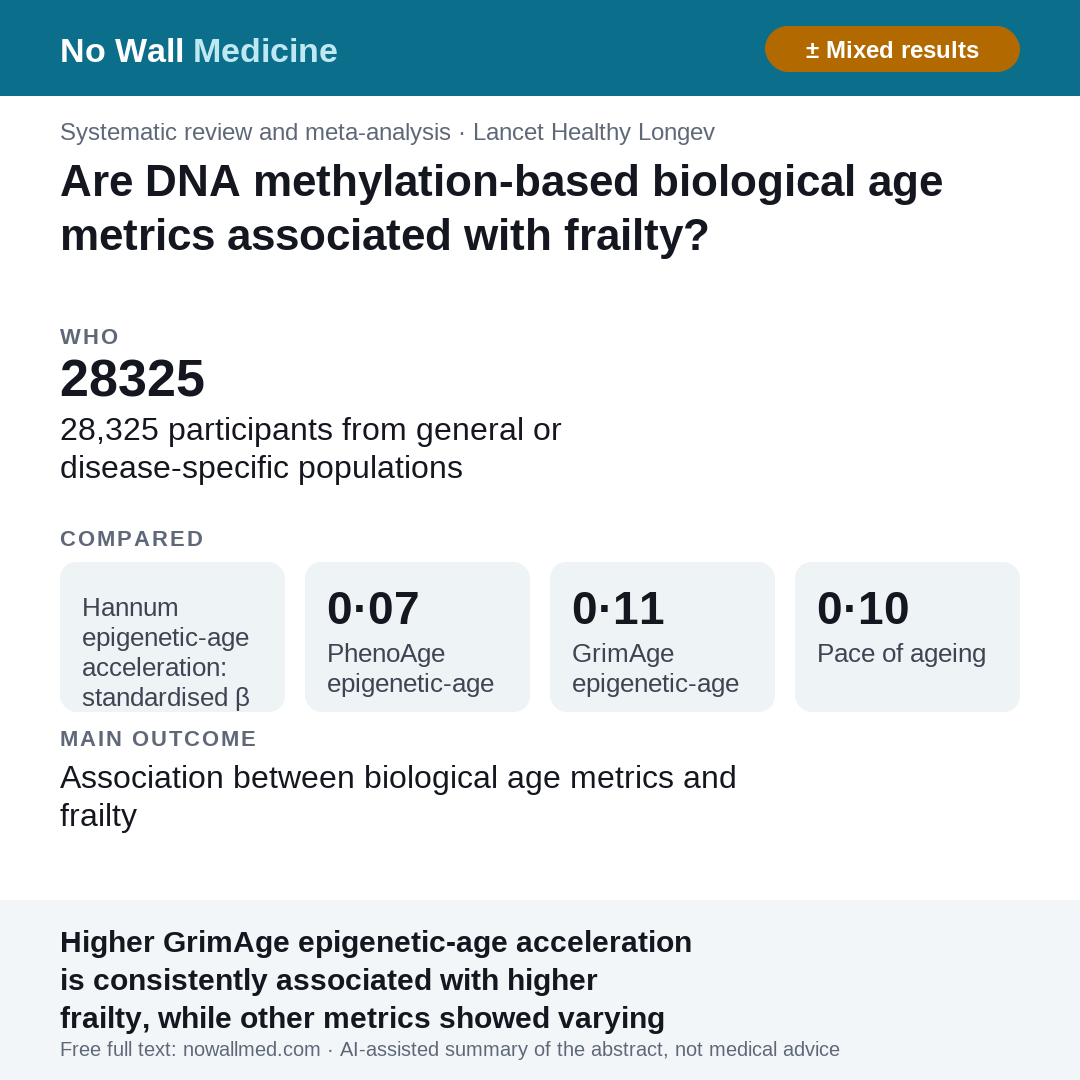
Biological age measured by DNA methylation clocks and frailty: a systematic review and meta-analysis
Systematic review and meta-analysisMixed results
Are DNA methylation-based biological age metrics associated with frailty?
Who
28325
28,325 participants from general or disease-specific populations
Compared
Hannum epigenetic-age acceleration: standardised β coefficient 0·06 (95% CI 0·02-0·09)
0·07PhenoAge epigenetic-age acceleration (95% CI 0·03-0·11)
0·11GrimAge epigenetic-age acceleration (95% CI 0·06-0·15)
0·10Pace of ageing (95% CI 0·01-0·19)
Main outcome
Association between biological age metrics and frailty
Result: GrimAge epigenetic-age acceleration longitudinal standardised β coefficient 0·02 (95% CI 0·00-0·05)
Bottom line: Higher GrimAge epigenetic-age acceleration is consistently associated with higher frailty, while other metrics showed varying associations.
Funded by: National University of Singapore
Lancet Healthy Longev · 2025-11-06Download image
Self-directed digital interventions for the improvement of emotion regulation - acceptability and feasibility for adolescents: systematic review
Systematic reviewBenefit found
Do digital interventions improve emotion regulation
Who
1271
adolescents aged eleven to eighteen years
Compared
digital interventions
control
Main outcome
emotion regulation
Bottom line: Digital interventions improve emotion regulation
Limitation: small evidence base
BJPsych Open · 2025-11-06Download image
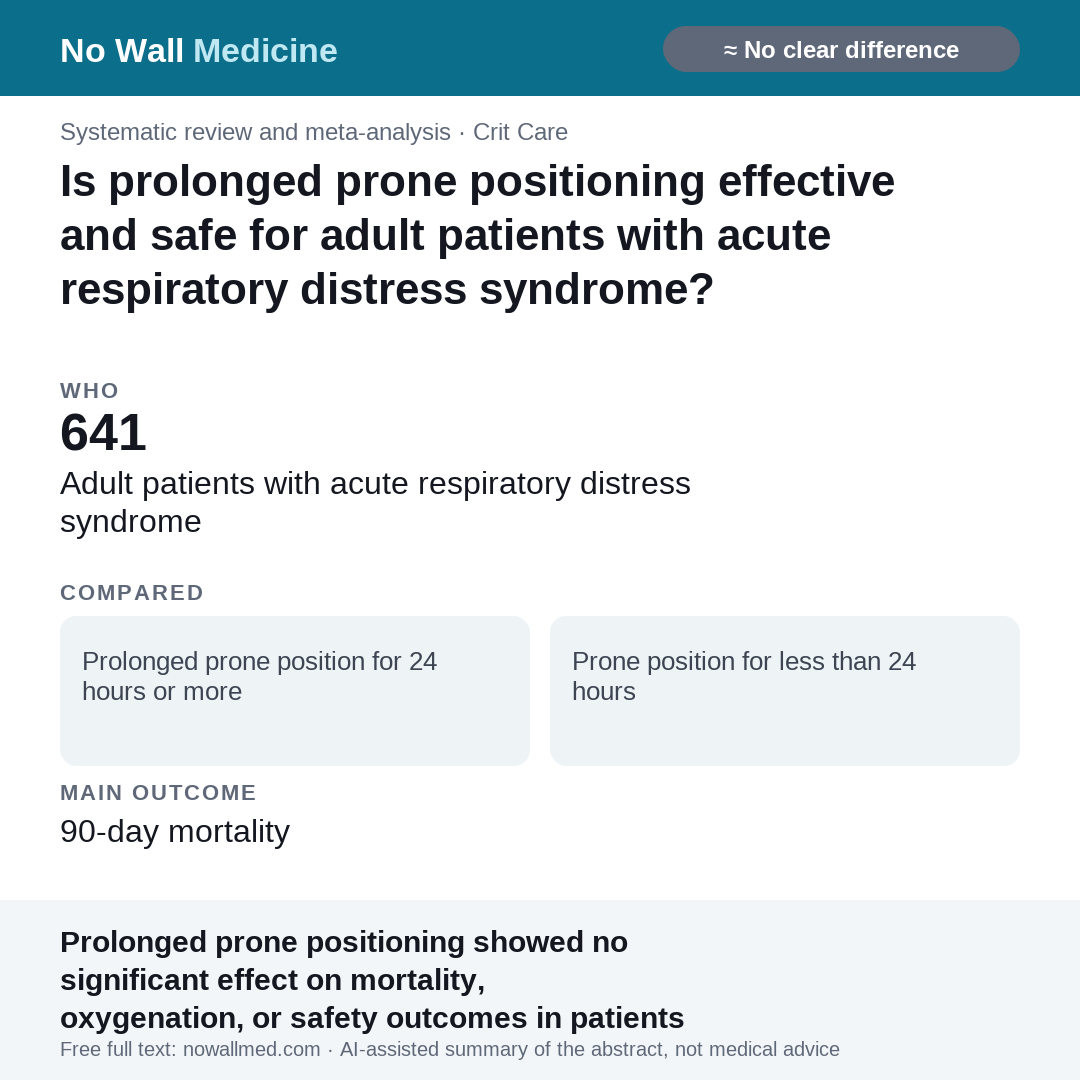
Effectiveness and safety of prolonged prone positioning in adult patients with acute respiratory distress syndrome (ARDS): a systematic review and meta-analysis
Systematic review and meta-analysisNo clear difference
Is prolonged prone positioning effective and safe for adult patients with acute respiratory distress syndrome?
Who
641
Adult patients with acute respiratory distress syndrome
Compared
Prolonged prone position for 24 hours or more
Prone position for less than 24 hours
Main outcome
90-day mortality
Result: hazard ratio 0.72 (95% CI 0.41-1.25)
Bottom line: Prolonged prone positioning showed no significant effect on mortality, oxygenation, or safety outcomes in patients with acute respiratory distress syndrome.
Limitation: Evidence is of low to very low certainty, limited by inconsistency and imprecision.
Crit Care · 2025-11-06Download image
Objective Measurement of Skin Color Matching in Flap Reconstructive Surgery: A Systematic Review
Systematic reviewMixed results
How is skin color matching measured in flap reconstructive surgery across different regions?
Who
11
Patients undergoing flap reconstruction in head, neck, breast, and extremities · MEDLINE and Embase databases
Compared
Head and neck radial forearm flaps: superior color matching
Anterolateral thigh and fibula flaps: greater mismatches
Main outcome
Skin color matching in flap reconstructive surgery
Bottom line: Color matching varies by flap type and region, with head and neck research being more prevalent than others.
Limitation: Color match in breast and extremity reconstructions has been less explored.
Plast Reconstr Surg Glob Open · 2025-11-06Download image

Comparative efficacy and safety of neoadjuvant immunotherapy vs chemotherapy in resectable head and neck squamous cell carcinoma: an umbrella review of randomized controlled trials and single-arm studies
Umbrella review of systematic reviews and meta-analysesMixed results
Is neoadjuvant immunotherapy or chemotherapy more effective for resectable head and neck squamous cell carcinoma?
Who
15,871
Patients with resectable head and neck squamous cell carcinoma
Compared
Neoadjuvant anti-PD-(L)1 plus radiotherapy: 93.3% (95% CI, 68.1-99.8%) downstaging rate
Induction chemotherapy: HR 1.16 (95% CI, 1.07-1.26) for overall survival
Main outcome
Pathological response and survival outcomes
Bottom line: Neoadjuvant immunotherapy with radiotherapy shows superior pathological and early survival outcomes, but high-quality evidence is lacking.
Limitation: Lack of high-quality evidence regarding this treatment limits definitive conclusions.
BMC Med · 2025-11-05Download image

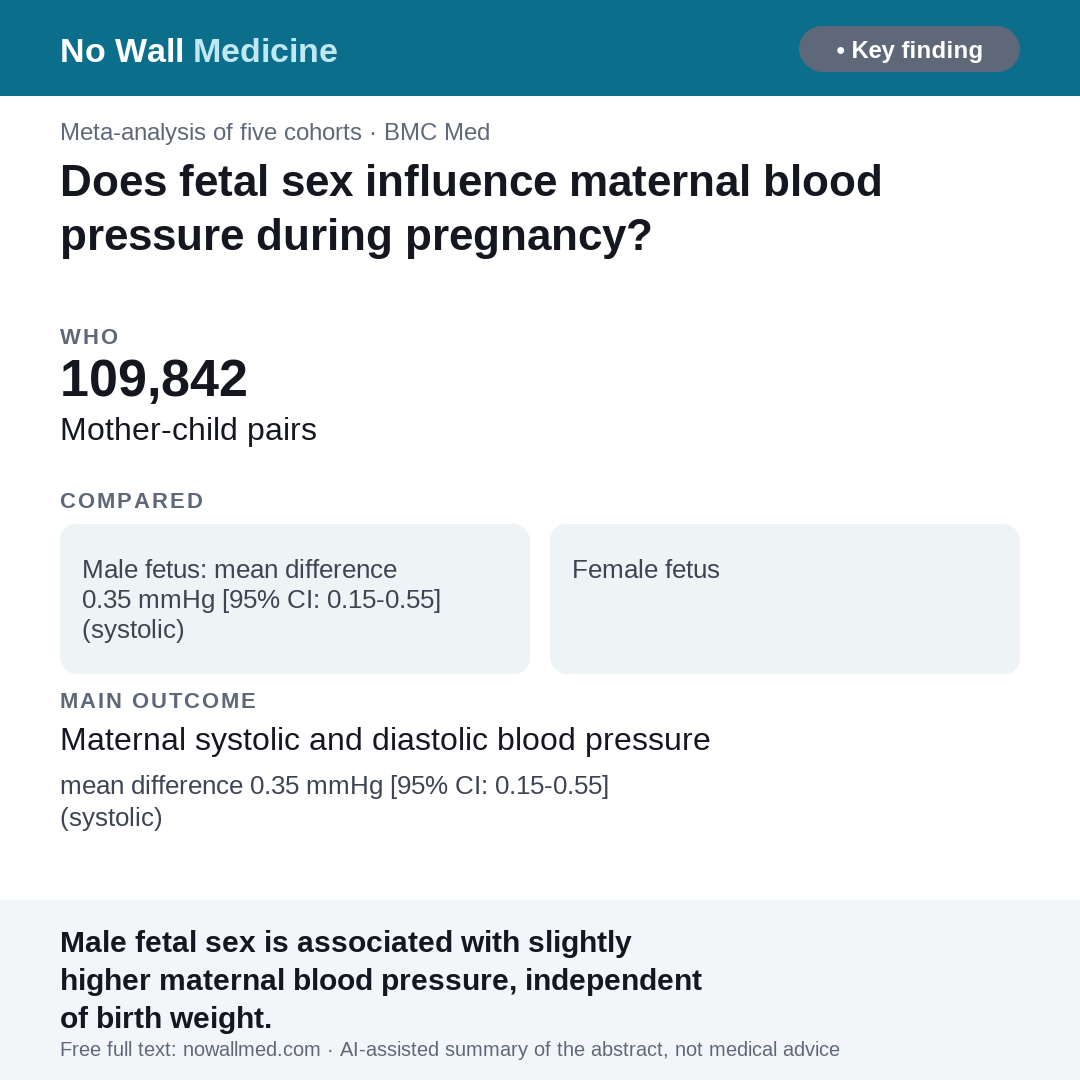
The influence of fetal sex on maternal blood pressure in pregnancy
Meta-analysis of five cohortsBenefit found
Does fetal sex influence maternal blood pressure during pregnancy?
Who
109,842
Mother-child pairs
Compared
Male fetus: mean difference 0.35 mmHg [95% CI: 0.15-0.55] (systolic)
Female fetus
Main outcome
Maternal systolic and diastolic blood pressure
Result: mean difference 0.35 mmHg [95% CI: 0.15-0.55] (systolic)
Bottom line: Male fetal sex is associated with slightly higher maternal blood pressure, independent of birth weight.
BMC Med · 2025-11-05Download image
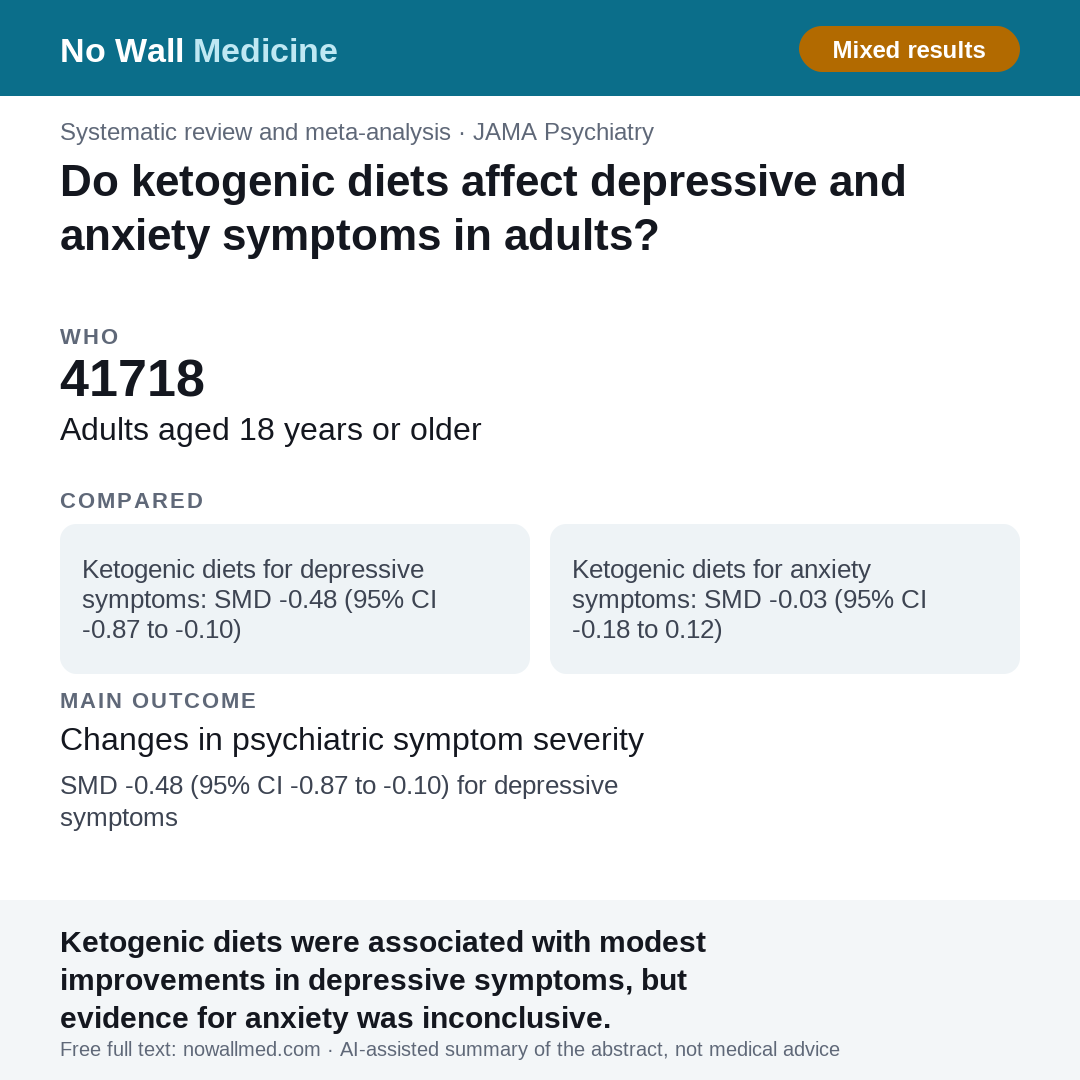
Ketogenic Diets and Depression and Anxiety: A Systematic Review and Meta-Analysis
Systematic review and meta-analysisMixed results
Do ketogenic diets affect depressive and anxiety symptoms in adults?
Who
41718
Adults aged 18 years or older
Compared
Ketogenic diets for depressive symptoms: SMD -0.48 (95% CI -0.87 to -0.10)
Ketogenic diets for anxiety symptoms: SMD -0.03 (95% CI -0.18 to 0.12)
Main outcome
Changes in psychiatric symptom severity
Result: SMD -0.48 (95% CI -0.87 to -0.10) for depressive symptoms
Bottom line: Ketogenic diets were associated with modest improvements in depressive symptoms, but evidence for anxiety was inconclusive.
Limitation: Heterogeneity, comparators, and short follow-up.
JAMA Psychiatry · 2025-11-05Download image
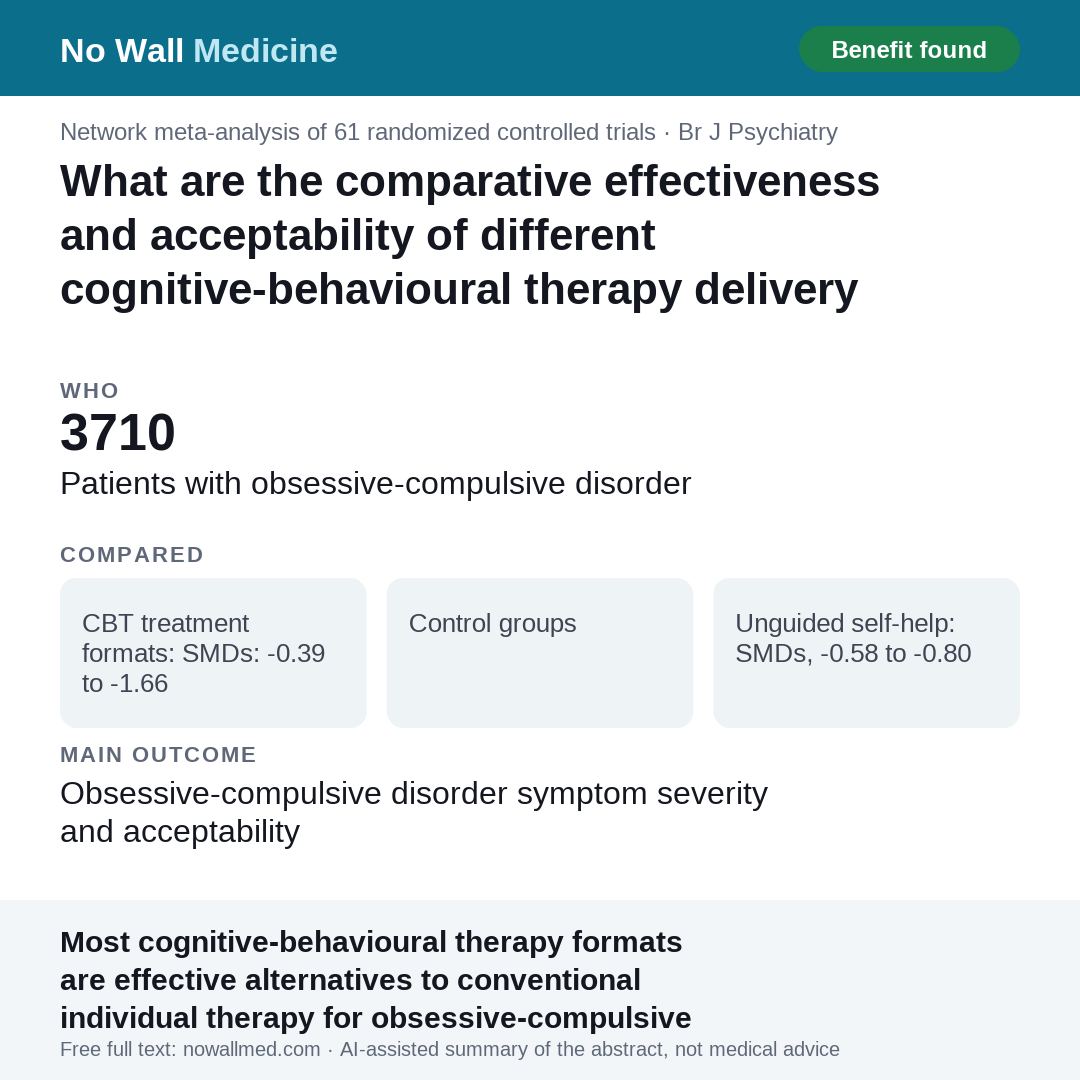
Effectiveness and acceptability of cognitive-behavioural therapy delivery formats for obsessive-compulsive disorder: network meta-analysis
Network meta-analysis of 61 randomized controlled trialsBenefit found
What are the comparative effectiveness and acceptability of different cognitive-behavioural therapy delivery formats for obsessive-compulsive disorder?
Who
3710
Patients with obsessive-compulsive disorder
Compared
CBT treatment formats: SMDs: -0.39 to -1.66
Control groups
Unguided self-help: SMDs, -0.58 to -0.80
Main outcome
Obsessive-compulsive disorder symptom severity and acceptability
Bottom line: Most cognitive-behavioural therapy formats are effective alternatives to conventional individual therapy for obsessive-compulsive disorder.
Br J Psychiatry · 2025-11-05Download image
Domain-specific cognitive function in euthymic bipolar disorder: a systematic review and meta-analysis
Meta-analysis of 75 studiesHarm found
Cognitive function in euthymic bipolar disorder
Who
4404
euthymic bipolar disorder and healthy controls
Compared
Bipolar Disorder
Healthy Controls
Main outcome
cognitive function
Result: Hedge's g = -0.58 (95%CI: -0.79, -0.37)
Bottom line: Euthymic bipolar disorder impairs cognitive function
Limitation: substantial variance unexplained
Psychol Med · 2025-11-05Download image

Protocolized natriuresis-guided diuretic therapy in acute heart failure: a systematic review and meta-analysis
Systematic review and meta-analysisBenefit found
Is natriuresis-guided diuretic therapy effective and safe in acute heart failure?
Who
933
Patients with acute heart failure
Compared
Natriuresis-guided therapy: GMR 1.30 for natriuresis; GMR 1.21 for diuresis
Standard management
Main outcome
Natriuresis, diuresis, and safety outcomes
Result: GMR 1.30 (95% CI 1.14 to 1.49) for natriuresis
Bottom line: Protocolized natriuresis-guided therapy improves diuresis and natriuresis and reduces doubling serum creatinine risk in acute heart failure.
Limitation: Further large randomized controlled trials are needed to evaluate clinical endpoints in diverse settings.
Crit Care · 2025-11-05Download image

Long-term effects of Hirschsprung disease in adults: meta-analysis and patient-level regression study
Systematic review and patient-level regression studyHarm found
What are the long-term functional and quality of life outcomes in adults with Hirschsprung disease?
Who
Adults aged 16 years or older with Hirschsprung disease
Compared
Hirschsprung disease: constipation odds ratio 9.27 (95% c.i. 4.78 to 18.06)
Healthy controls
Main outcome
Bowel, urological, sexual functional outcomes, fertility and quality of life
Result: constipation odds ratio 9.27 (95% c.i. 4.78 to 18.06)
Bottom line: Adults with Hirschsprung disease face higher constipation, soiling, and lower quality of life compared to healthy controls.
BJS Open · 2025-11-05Download image

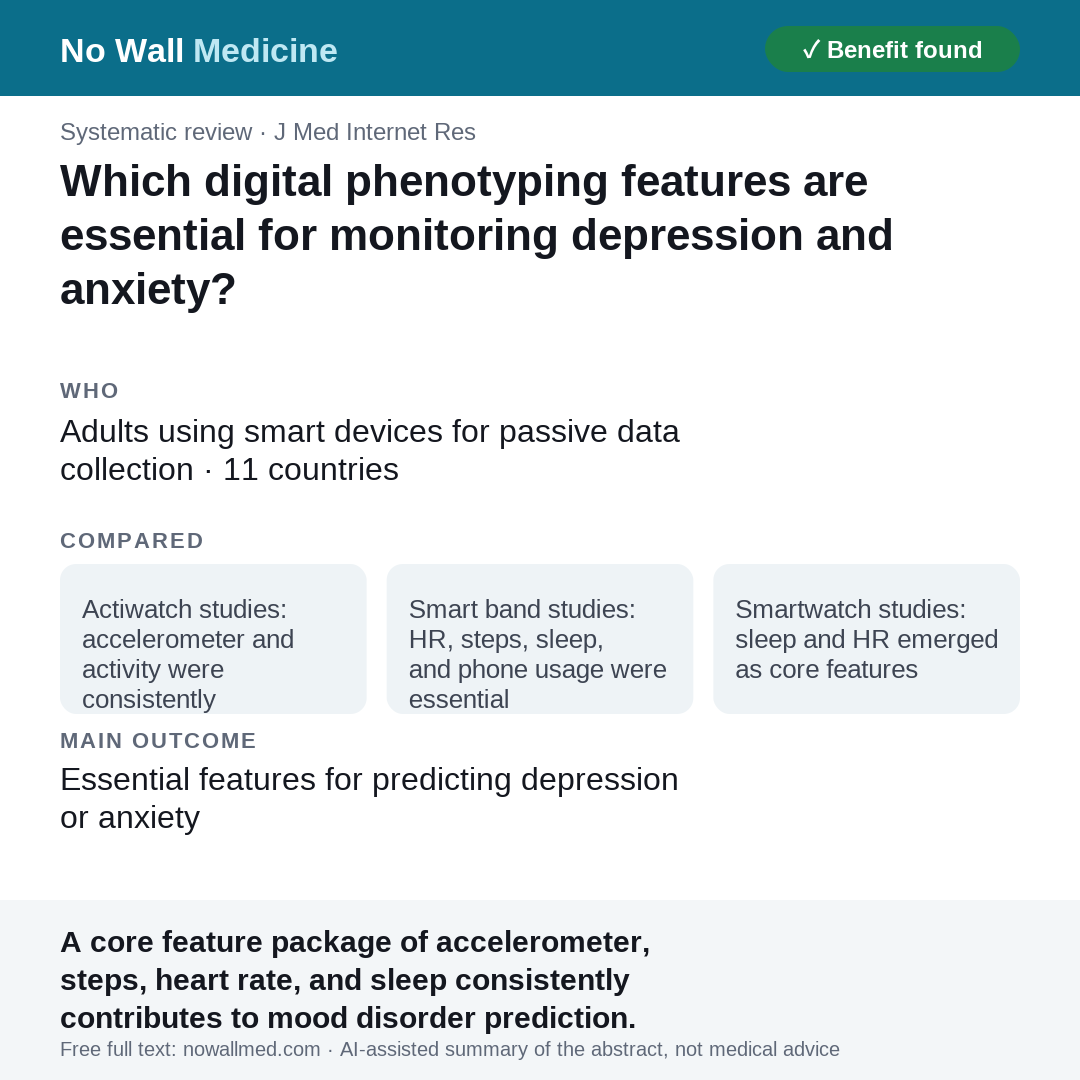
Key Features of Digital Phenotyping for Monitoring Mental Disorders: Systematic Review
Systematic reviewBenefit found
Which digital phenotyping features are essential for monitoring depression and anxiety?
Who
22
Adults using smart devices for passive data collection · 11 countries
Compared
Actiwatch studies: accelerometer and activity were consistently important
Smart band studies: HR, steps, sleep, and phone usage were essential
Smartwatch studies: sleep and HR emerged as core features
Main outcome
Essential features for predicting depression or anxiety
Bottom line: A core feature package of accelerometer, steps, heart rate, and sleep consistently contributes to mood disorder prediction.
Limitation: Need for improved data accessibility and standardized reporting frameworks to enhance comparability.
J Med Internet Res · 2025-11-05Download image
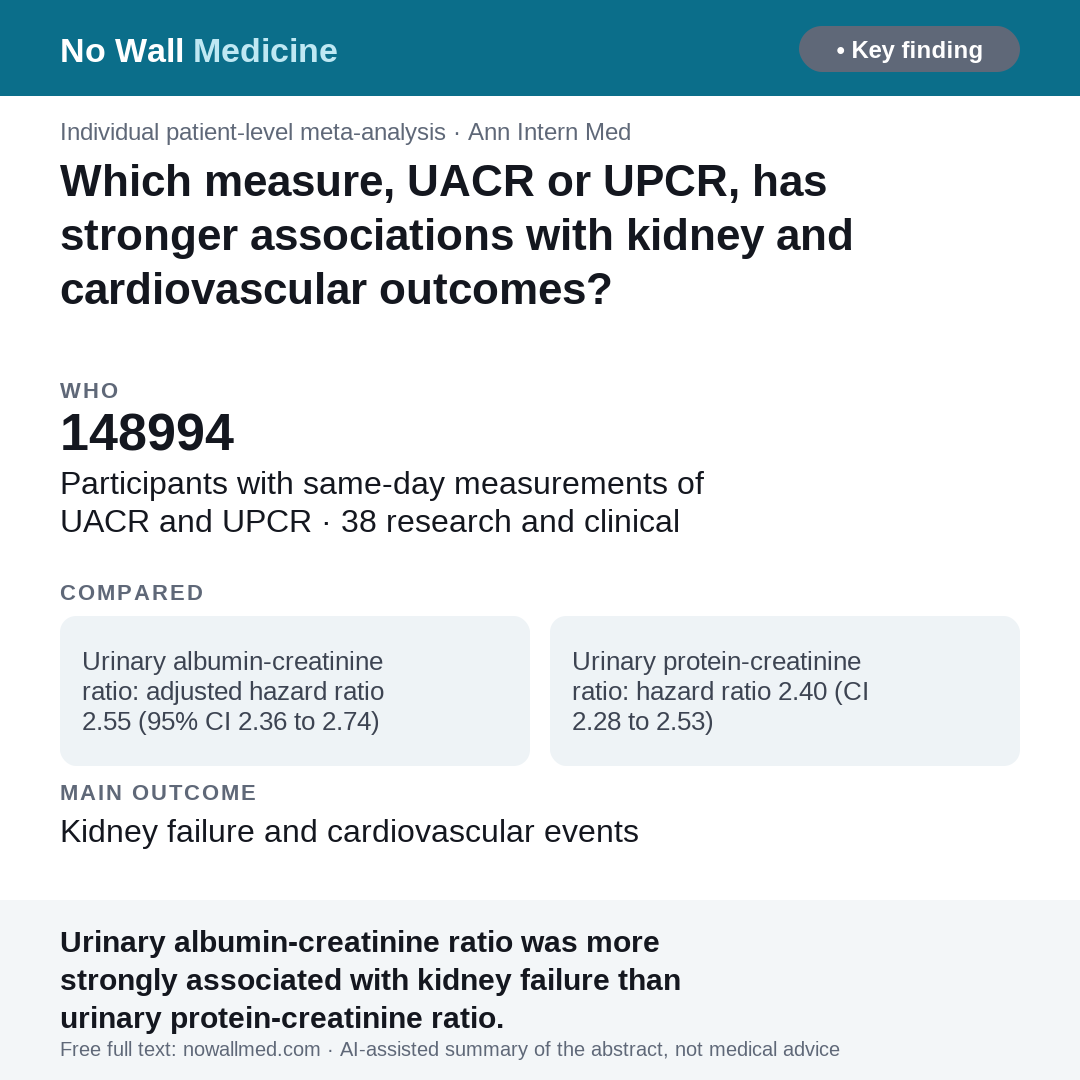
Proteinuria or Albuminuria as Markers of Kidney and Cardiovascular Disease Risk : An Individual Patient-Level Meta-analysis
Individual patient-level meta-analysisBenefit found
Which measure, UACR or UPCR, has stronger associations with kidney and cardiovascular outcomes?
Who
148994
Participants with same-day measurements of UACR and UPCR · 38 research and clinical cohorts
Compared
Urinary albumin-creatinine ratio: adjusted hazard ratio 2.55 (95% CI 2.36 to 2.74)
Urinary protein-creatinine ratio: hazard ratio 2.40 (CI 2.28 to 2.53)
Main outcome
Kidney failure and cardiovascular events
Result: adjusted hazard ratio 2.55 (95% CI 2.36 to 2.74) vs 2.40 (CI 2.28 to 2.53)
Bottom line: Urinary albumin-creatinine ratio was more strongly associated with kidney failure than urinary protein-creatinine ratio.
Limitation: Assessment of UACR and UPCR in spot urine samples.
Funded by: National Kidney Foundation and National Institute of Diabetes and Digestive and Kidney Diseases
Ann Intern Med · 2025-11-04Download image
Structural rather than functional brain alterations that characterize the differences between major depressive disorder and primary insomnia: a comparative meta-analysis
Comparative meta-analysisMixed results
What are the structural and functional brain differences between major depressive disorder and primary insomnia?
Who
Patients with major depressive disorder and primary insomnia
Compared
Major depressive disorder
Primary insomnia
Main outcome
Gray matter volume and resting-state amplitude of low-frequency fluctuations
Bottom line: Major depressive disorder and primary insomnia share functional activation but differ in structural gray matter volume patterns.
BMC Med · 2025-11-04Download image

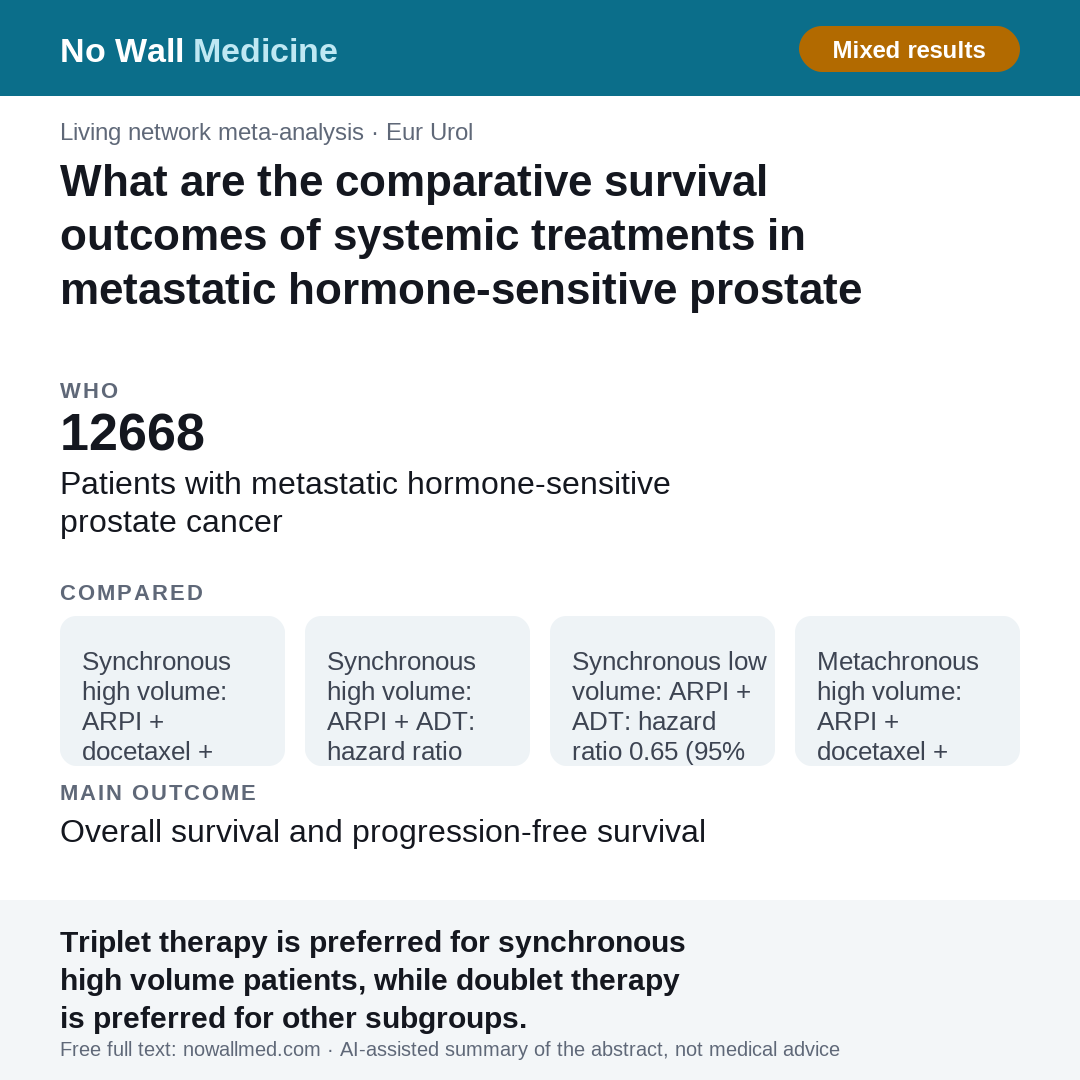
Comparative Survival in Metastatic Hormone-sensitive Prostate Cancer by Volume of Disease and Timing of Metastasis: A Living Network Meta-analysis
Living network meta-analysisMixed results
What are the comparative survival outcomes of systemic treatments in metastatic hormone-sensitive prostate cancer subgroups?
Who
12668
Patients with metastatic hormone-sensitive prostate cancer
Compared
Synchronous high volume: ARPI + docetaxel + ADT: hazard ratio 0.72 (95% CI 0.62-0.83) vs docetaxel + ADT
Synchronous high volume: ARPI + ADT: hazard ratio 0.71 (95% CI 0.53-0.97) vs docetaxel + ADT
Synchronous low volume: ARPI + ADT: hazard ratio 0.65 (95% CI 0.52-0.80) vs ADT alone
Metachronous high volume: ARPI + docetaxel + ADT: hazard ratio 0.89 (95% CI 0.43-1.85) vs ARPI + ADT
Main outcome
Overall survival and progression-free survival
Bottom line: Triplet therapy is preferred for synchronous high volume patients, while doublet therapy is preferred for other subgroups.
Limitation: Inability to account for patient- and cancer-related factors influencing physician decisions to offer docetaxel.
Eur Urol · 2025-11-04Download image
Metastatic Disease in Phaeochromocytomas and Paragangliomas in Various Genotypes-A Systematic Review and Meta-analysis
Systematic review and meta-analysisBenefit found
Is there an association between genotype and metastatic disease risk in phaeochromocytomas and paragangliomas?
Who
Patients with phaeochromocytomas and paragangliomas
Compared
No identified variant: 1.55 per 100 patient-years
Pathogenic germline variants: significantly increased rate
Main outcome
Rate of metastatic disease per 100 followed patient-years
Bottom line: Patients with pathogenic genetic variants have a higher rate of metastases than those with no identified variant.
J Clin Endocrinol Metab · 2025-11-04Download image

Outcomes of anticoagulation treatment for renal cell carcinoma tumor thrombi: a systematic review
Systematic review of six observational studiesUnclear result
Does anticoagulation reduce venous thromboembolism risk in ambulatory renal cell carcinoma patients with tumor thrombus?
Who
659
Ambulatory patients with renal cell carcinoma and tumor thrombus
Compared
Anticoagulated patients: 7.3% (1.2-21) 1-year VTE incidence
Non-anticoagulated patients: 20% (6.9-37) 1-year VTE incidence
Main outcome
Venous thromboembolism, major bleeding, and arterial thromboembolism
Bottom line: Anticoagulation may lower venous thromboembolism risk, but evidence remains inconclusive due to high bleeding risk and study bias.
Limitation: All studies had considerable risk of bias and wide confidence intervals.
J Thromb Haemost · 2025-11-04Download image

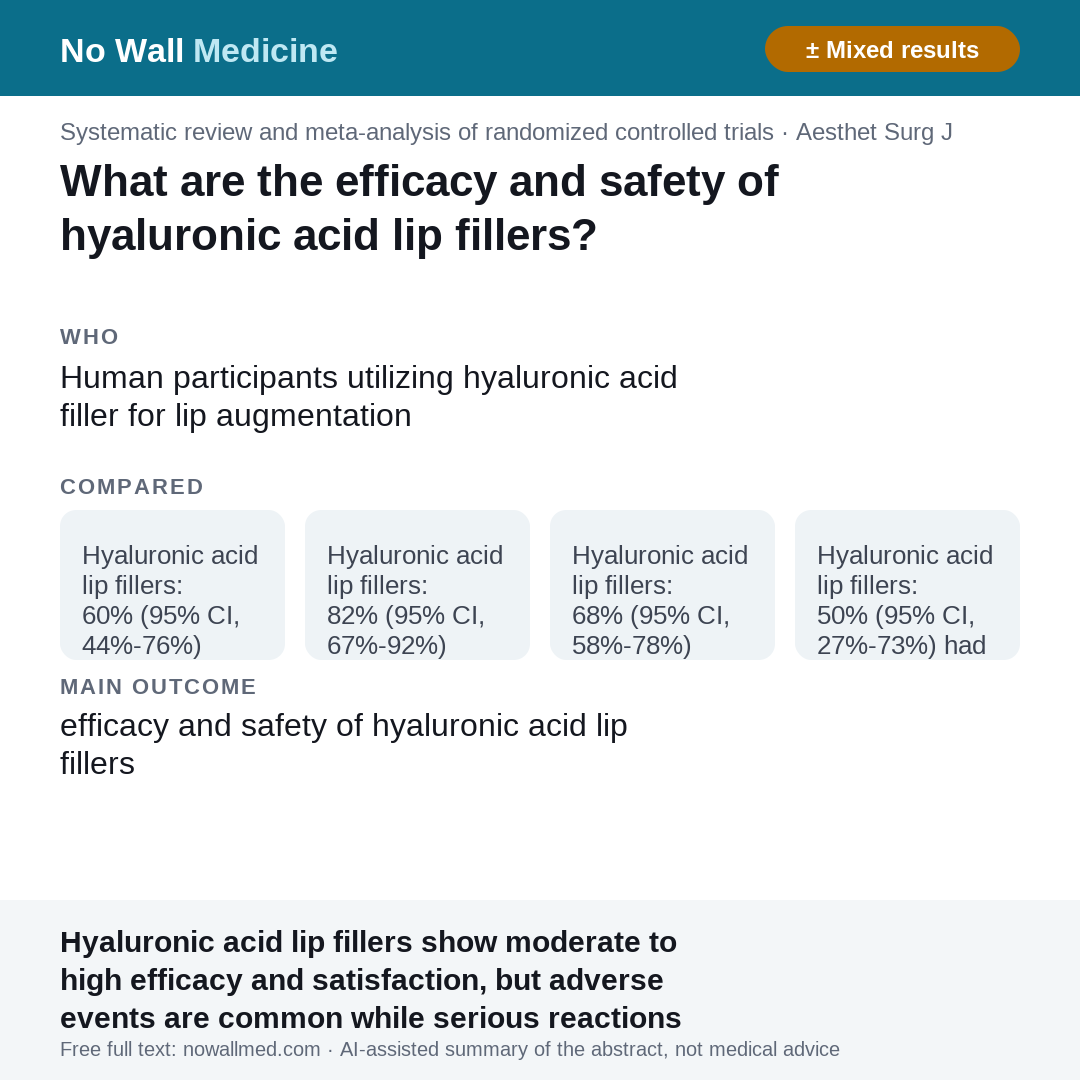
Efficacy and Safety of Hyaluronic Acid Lip Fillers: A Systematic Review and Meta-Analysis of Randomized Controlled Trials
Systematic review and meta-analysis of randomized controlled trialsMixed results
What are the efficacy and safety of hyaluronic acid lip fillers?
Who
16
Human participants utilizing hyaluronic acid filler for lip augmentation
Compared
Hyaluronic acid lip fillers: 60% (95% CI, 44%-76%) improvement in lip fullness
Hyaluronic acid lip fillers: 82% (95% CI, 67%-92%) improvement in aesthetic appearance
Hyaluronic acid lip fillers: 68% (95% CI, 58%-78%) reported satisfaction
Hyaluronic acid lip fillers: 50% (95% CI, 27%-73%) had adverse events
Main outcome
efficacy and safety of hyaluronic acid lip fillers
Bottom line: Hyaluronic acid lip fillers show moderate to high efficacy and satisfaction, but adverse events are common while serious reactions are rare.
Aesthet Surg J · 2025-11-04Download image
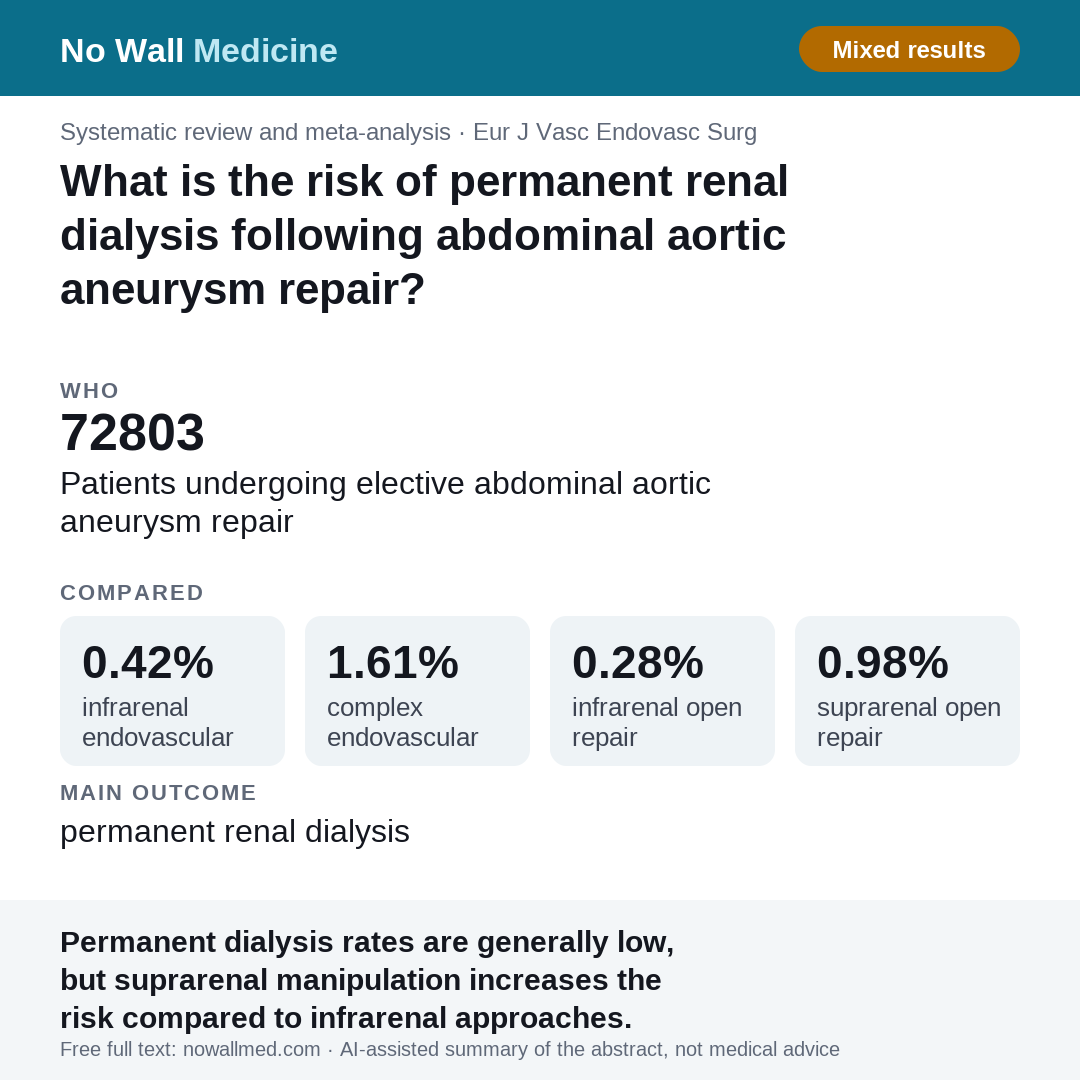
Editor's Choice - Permanent Dialysis following Abdominal Aortic Aneurysm Repair: a Systematic Review and Meta-analysis
Systematic review and meta-analysisMixed results
What is the risk of permanent renal dialysis following abdominal aortic aneurysm repair?
Who
72803
Patients undergoing elective abdominal aortic aneurysm repair
Compared
0.42%infrarenal endovascular aortic repair (95%CI 0.22-0.62%)
1.61%complex endovascular aortic repair (0.65-2.57%)
0.28%infrarenal open repair (0.03-0.53%)
0.98%suprarenal open repair (0.49-1.46%)
Main outcome
permanent renal dialysis
Result: odds ratio 2.38 [1.19-4.78] for suprarenal versus infrarenal fixation EVAR
Bottom line: Permanent dialysis rates are generally low, but suprarenal manipulation increases the risk compared to infrarenal approaches.
Eur J Vasc Endovasc Surg · 2025-11-04Download image
Endovascular Management of Acute Lower Limb Ischaemia in Adult Patients: A Systematic Review and Meta-analysis
Systematic review and meta-analysisNo clear difference
What are the outcomes of different endovascular management approaches for acute lower limb ischaemia?
Who
Adult patients with acute lower limb ischaemia
Compared
AngioJet pharmacomechanical thrombolysis first
Continuous catheter directed thrombolysis first
Main outcome
30 day mortality rates
Result: odds ratio 1.19 (95% confidence interval 0.38 - 3.67)
Bottom line: The benefit of percutaneous endovascular thrombectomy over continuous catheter directed thrombolysis was not proven.
Eur J Vasc Endovasc Surg · 2025-11-04Download image