Visual abstracts
New randomized trials and meta-analyses from leading journals at a glance: who was studied, what was compared, and what was found. Every paper is free to read in full.
All specialtiesCardiology 4763Oncology 4042Gastroenterology & Hepatology 1902Infectious Disease 3756Neurology 1872Psychiatry & Mental Health 2214Pulmonology 2042Critical Care 1319Endocrinology & Diabetes 2544Pediatrics 2889Surgery 2479Orthopedics & Sports Medicine 917Neurosurgery 525Cardiothoracic & Vascular Surgery 656Plastic & Reconstructive Surgery 574Nephrology 1107Rheumatology 810Hematology 1090Dermatology 611Ophthalmology 532Obstetrics & Gynecology 1645Public & Global Health 1037Radiology & Imaging 617Anesthesiology 957Urology 745ENT (Otolaryngology) 494Emergency Medicine 481Allergy & Immunology 309Geriatrics 972Family Medicine & Primary Care 533Medical Genetics & Genomics 659Pathology & Laboratory Medicine 156Physical Medicine & Rehabilitation 734Palliative Care 421Nutrition 1560Digital Health & AI 2133General Medicine 318
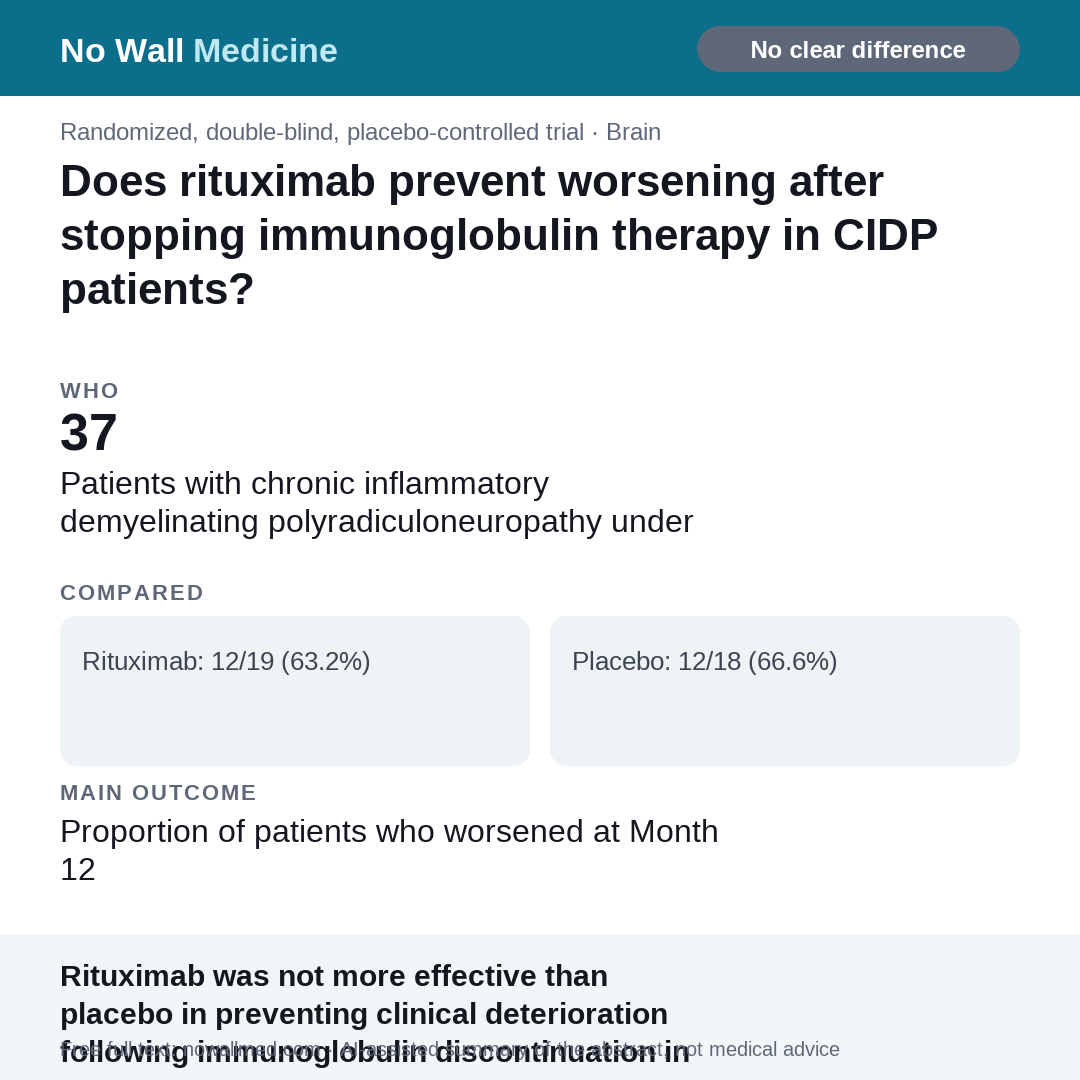
Rituximab versus placebo for chronic inflammatory demyelinating polyradiculoneuropathy: a randomized trial
Randomized, double-blind, placebo-controlled trialNo clear difference
Does rituximab prevent worsening after stopping immunoglobulin therapy in CIDP patients?
Who
37
Patients with chronic inflammatory demyelinating polyradiculoneuropathy under immunoglobulin therapy · Seven Italian hospitals
Compared
Rituximab: 12/19 (63.2%)
Placebo: 12/18 (66.6%)
Main outcome
Proportion of patients who worsened at Month 12
Result: odds ratio 0.86 (95% CI 0.22-3.32)
Bottom line: Rituximab was not more effective than placebo in preventing clinical deterioration following immunoglobulin discontinuation in CIDP.
Brain · 2024-12-11Download image
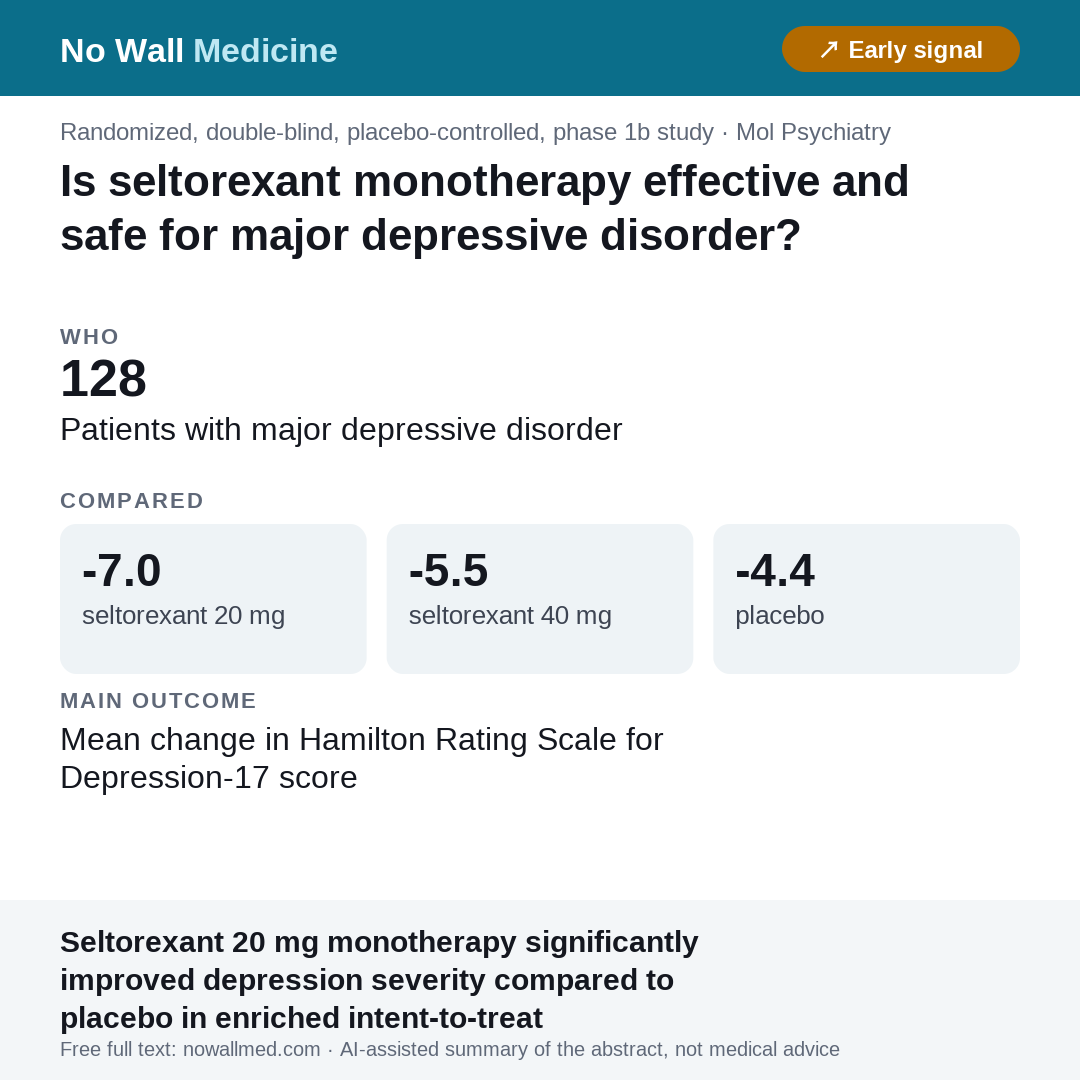
Treatment effect and safety of seltorexant as monotherapy for patients with major depressive disorder: a randomized, placebo-controlled clinical trial
Randomized, double-blind, placebo-controlled, phase 1b studyEarly signal
Is seltorexant monotherapy effective and safe for major depressive disorder?
Who
128
Patients with major depressive disorder
Compared
-7.0seltorexant 20 mg (5.04)
-5.5seltorexant 40 mg (4.34)
-4.4placebo (3.67)
Main outcome
Mean change in Hamilton Rating Scale for Depression-17 score
Bottom line: Seltorexant 20 mg monotherapy significantly improved depression severity compared to placebo in enriched intent-to-treat analysis.
Mol Psychiatry · 2024-12-11Download image
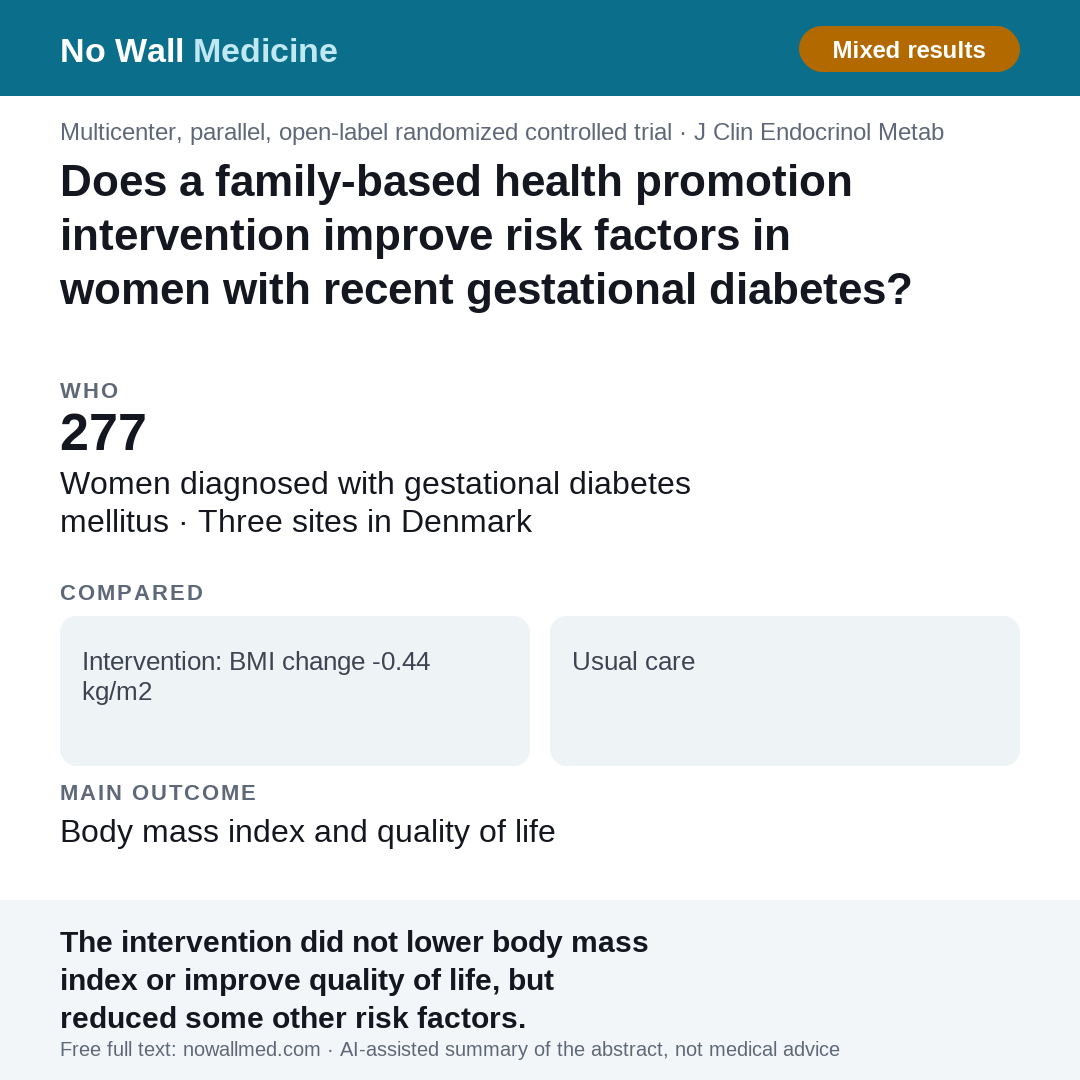
Effectiveness of a Family-based Health Promotion Intervention for Women With Prior GDM: The Face-It RCT
Multicenter, parallel, open-label randomized controlled trialMixed results
Does a family-based health promotion intervention improve risk factors in women with recent gestational diabetes?
Who
277
Women diagnosed with gestational diabetes mellitus · Three sites in Denmark
Compared
Intervention: BMI change -0.44 kg/m2
Usual care
Main outcome
Body mass index and quality of life
Result: -0.44 kg/m2 (95% CI -0.98 to 0.11)
Bottom line: The intervention did not lower body mass index or improve quality of life, but reduced some other risk factors.
J Clin Endocrinol Metab · 2024-12-11Download image
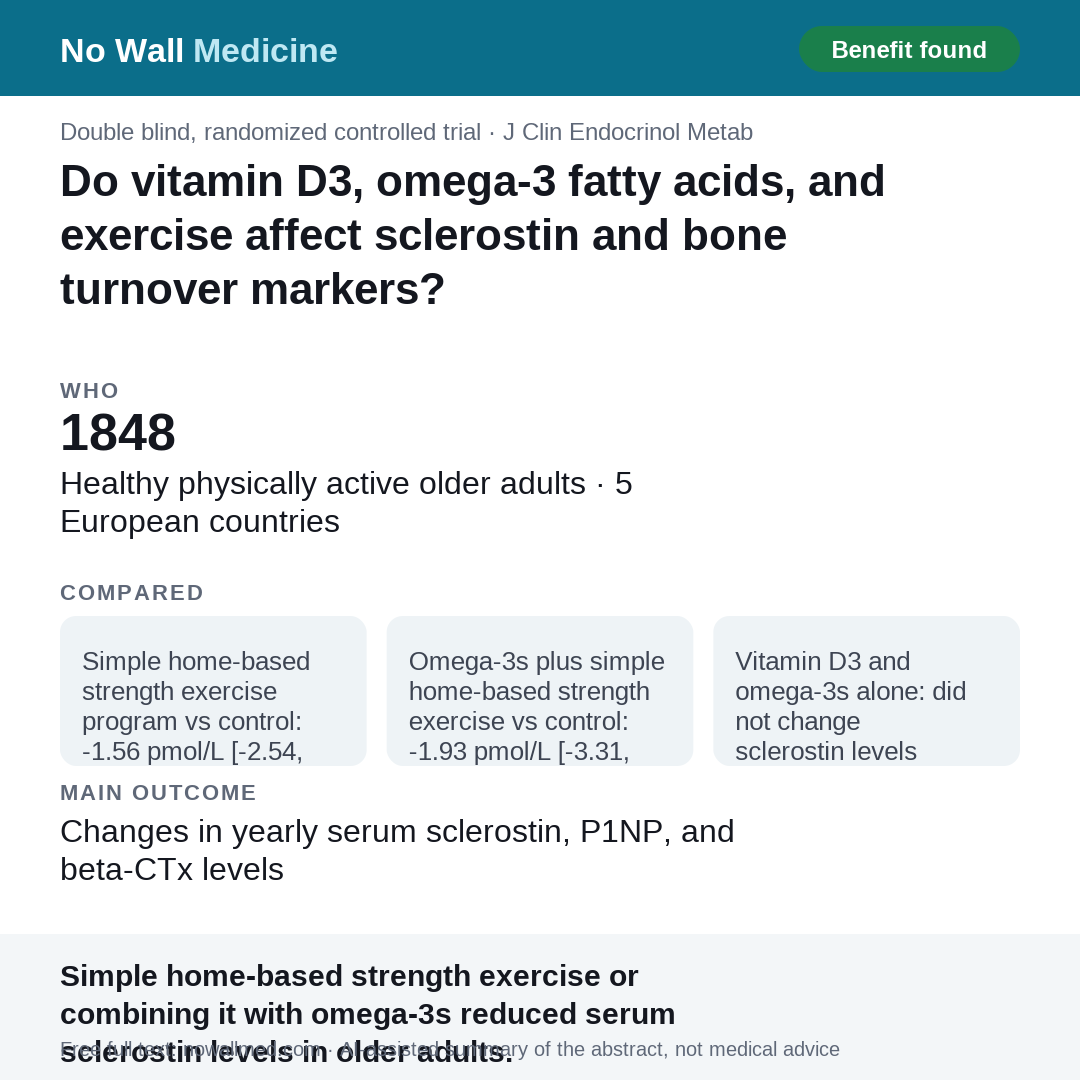
Effect of Vitamin D3, Omega-3 Fatty Acids, and Exercise on Serum Sclerostin Levels and Bone Turnover Markers
Double blind, randomized controlled trialBenefit found
Do vitamin D3, omega-3 fatty acids, and exercise affect sclerostin and bone turnover markers?
Who
1848
Healthy physically active older adults · 5 European countries
Compared
Simple home-based strength exercise program vs control: -1.56 pmol/L [-2.54, -0.58]
Omega-3s plus simple home-based strength exercise vs control: -1.93 pmol/L [-3.31, -0.54]
Vitamin D3 and omega-3s alone: did not change sclerostin levels significantly
Main outcome
Changes in yearly serum sclerostin, P1NP, and beta-CTx levels
Bottom line: Simple home-based strength exercise or combining it with omega-3s reduced serum sclerostin levels in older adults.
J Clin Endocrinol Metab · 2024-12-11Download image
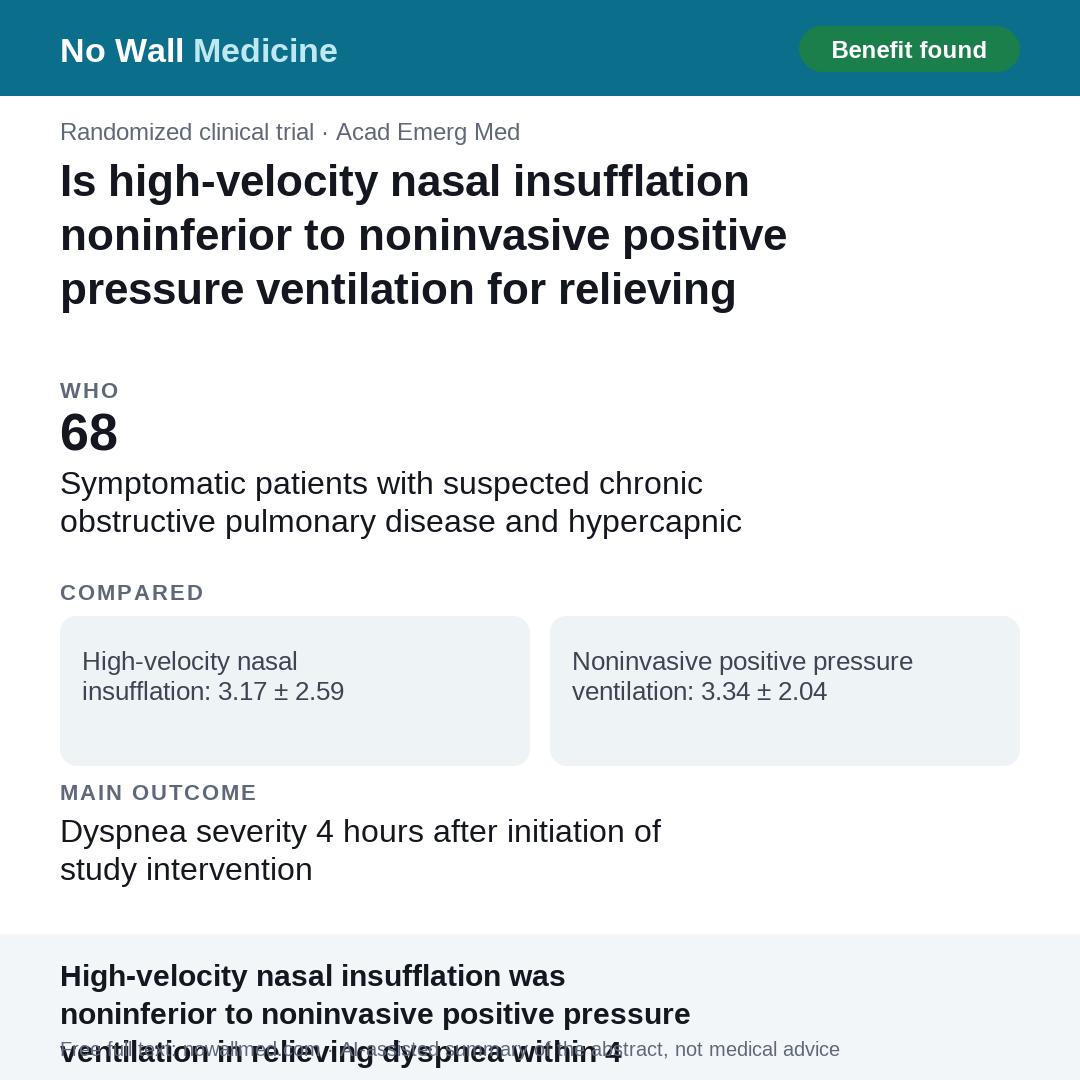
High-velocity nasal insufflation versus noninvasive positive pressure ventilation for moderate acute exacerbation of chronic obstructive pulmonary disease in the emergency department: A randomized clinical trial
Randomized clinical trialBenefit found
Is high-velocity nasal insufflation noninferior to noninvasive positive pressure ventilation for relieving dyspnea?
Who
68
Symptomatic patients with suspected chronic obstructive pulmonary disease and hypercapnic respiratory failure · Seven emergency departments in the United States
Compared
High-velocity nasal insufflation: 3.17 ± 2.59
Noninvasive positive pressure ventilation: 3.34 ± 2.04
Main outcome
Dyspnea severity 4 hours after initiation of study intervention
Bottom line: High-velocity nasal insufflation was noninferior to noninvasive positive pressure ventilation in relieving dyspnea within 4 hours.
Acad Emerg Med · 2024-12-11Download image
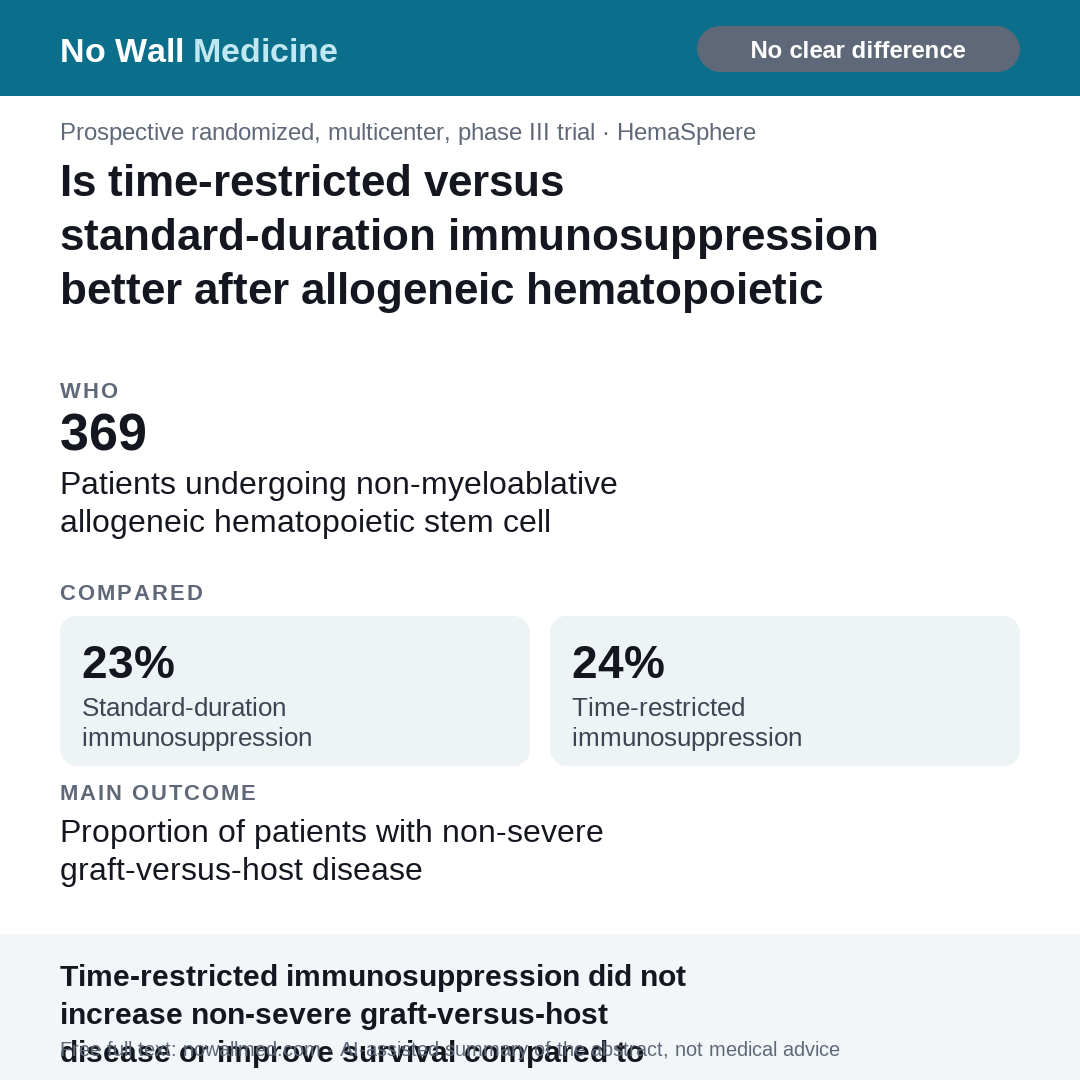
Time-restricted versus standard-duration immunosuppression after allogeneic hematopoietic stem cell transplantation: Results of the prospective randomized HOVON-96 trial
Prospective randomized, multicenter, phase III trialNo clear difference
Is time-restricted versus standard-duration immunosuppression better after allogeneic hematopoietic stem cell transplantation?
Who
369
Patients undergoing non-myeloablative allogeneic hematopoietic stem cell transplantation · Multicenter
Compared
23%Standard-duration immunosuppression
24%Time-restricted immunosuppression
Main outcome
Proportion of patients with non-severe graft-versus-host disease
Result: odds ratio 1.02 (95% CI 0.63-1.66)
Bottom line: Time-restricted immunosuppression did not increase non-severe graft-versus-host disease or improve survival compared to standard-duration immunosuppression.
HemaSphere · 2024-12-11Download image
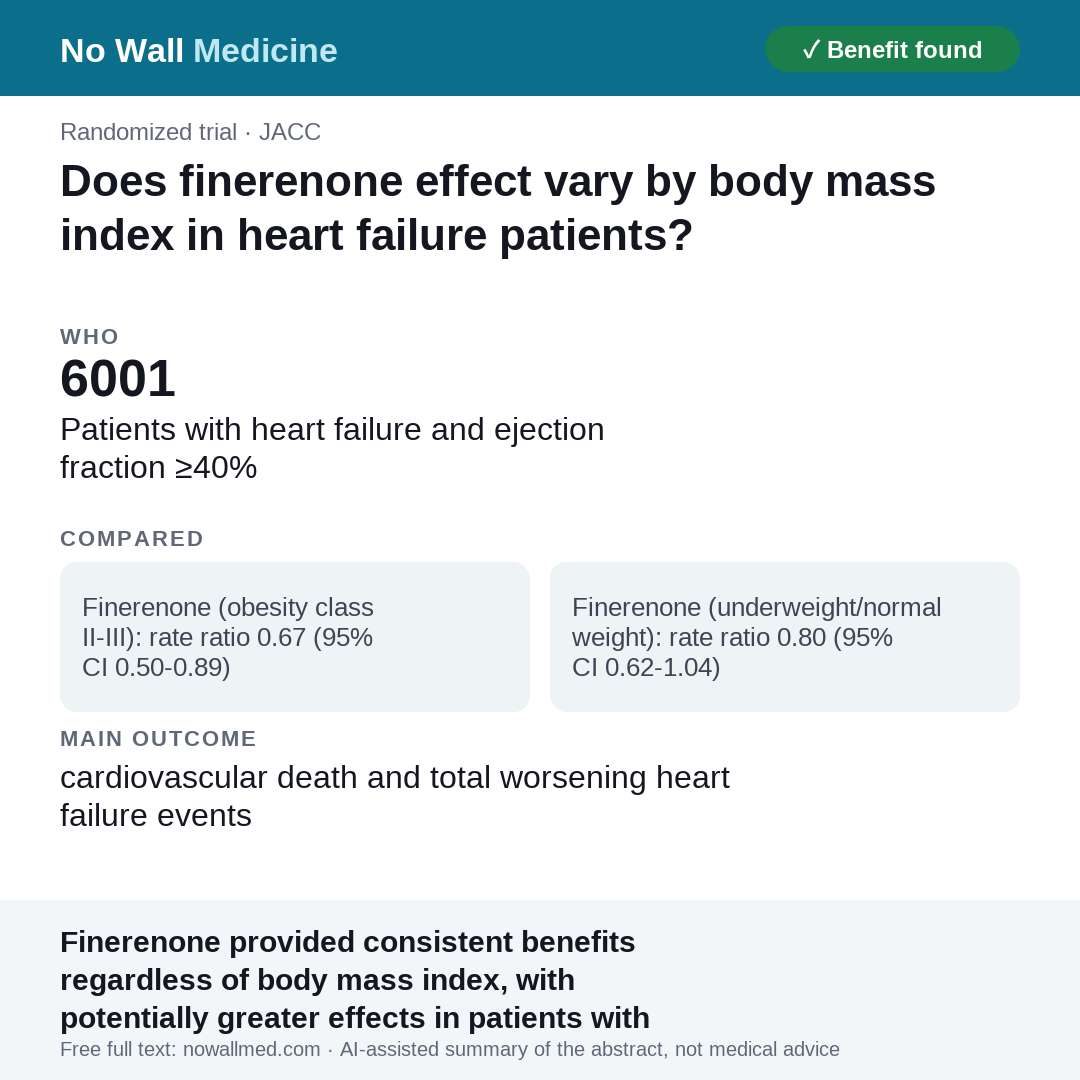
Finerenone, Obesity, and Heart Failure With Mildly Reduced/Preserved Ejection Fraction: Prespecified Analysis of FINEARTS-HF
Randomized trialBenefit found
Does finerenone effect vary by body mass index in heart failure patients?
Who
6001
Patients with heart failure and ejection fraction ≥40%
Compared
Finerenone (obesity class II-III): rate ratio 0.67 (95% CI 0.50-0.89)
Finerenone (underweight/normal weight): rate ratio 0.80 (95% CI 0.62-1.04)
Main outcome
cardiovascular death and total worsening heart failure events
Result: rate ratio 0.67 (95% CI 0.50-0.89) for obesity class II-III
Bottom line: Finerenone provided consistent benefits regardless of body mass index, with potentially greater effects in patients with higher BMI.
JACC · 2024-12-10Download image
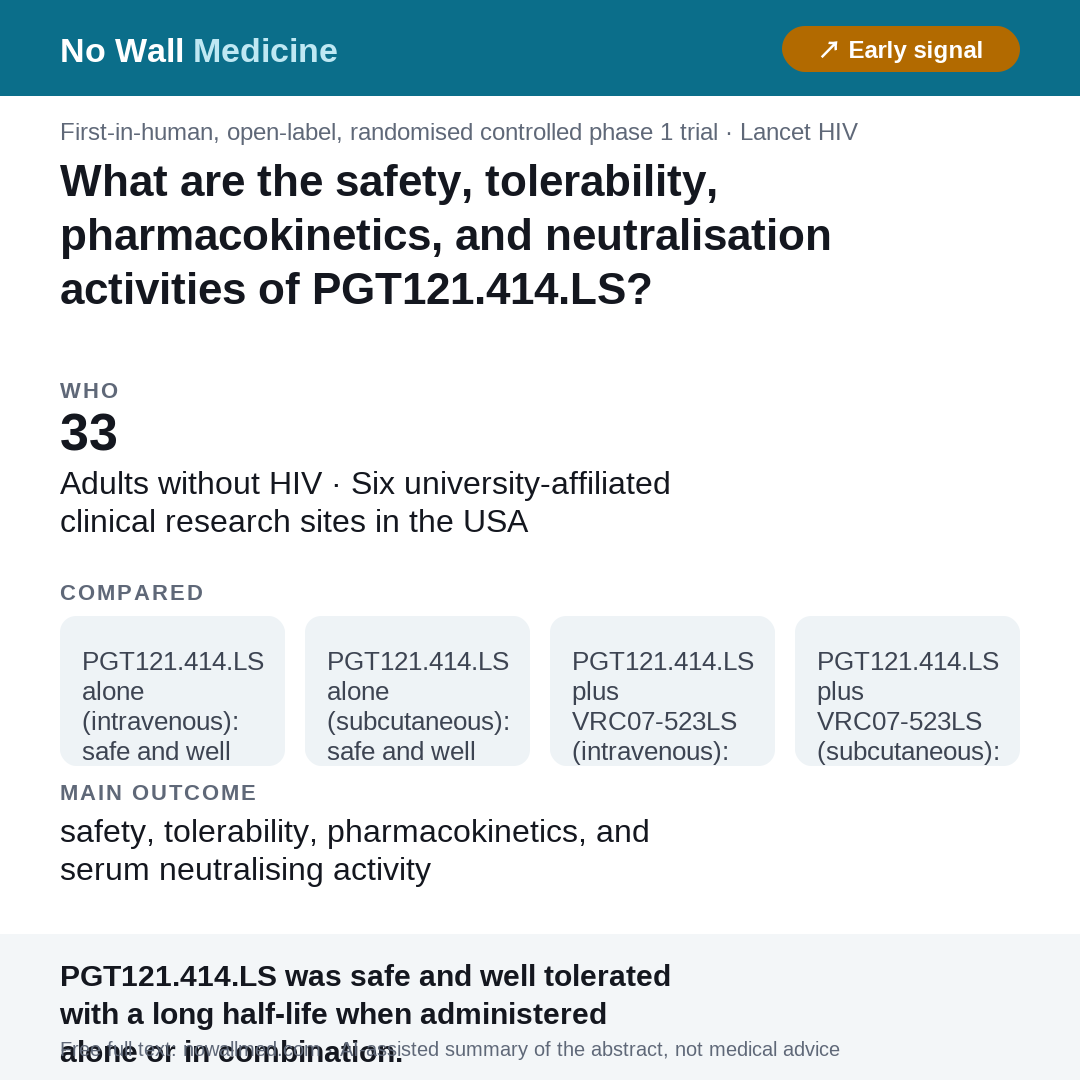
Safety, tolerability, pharmacokinetics, and neutralisation activities of the anti-HIV-1 monoclonal antibody PGT121.414.LS administered alone and in combination with VRC07-523LS in adults without HIV in the USA (HVTN 136/HPTN 092): a first-in-human, open-label, randomised controlled phase 1 trial
First-in-human, open-label, randomised controlled phase 1 trialEarly signal
What are the safety, tolerability, pharmacokinetics, and neutralisation activities of PGT121.414.LS?
Who
33
Adults without HIV · Six university-affiliated clinical research sites in the USA
Compared
PGT121.414.LS alone (intravenous): safe and well tolerated
PGT121.414.LS alone (subcutaneous): safe and well tolerated
PGT121.414.LS plus VRC07-523LS (intravenous): safe and well tolerated
PGT121.414.LS plus VRC07-523LS (subcutaneous): safe and well tolerated
Main outcome
safety, tolerability, pharmacokinetics, and serum neutralising activity
Result: elimination half-life 71 days (95% CI 66-75)
Bottom line: PGT121.414.LS was safe and well tolerated with a long half-life when administered alone or in combination.
Funded by: US National Institute of Allergy and Infectious Diseases and US National Institutes of Health
Lancet HIV · 2024-12-10Download image
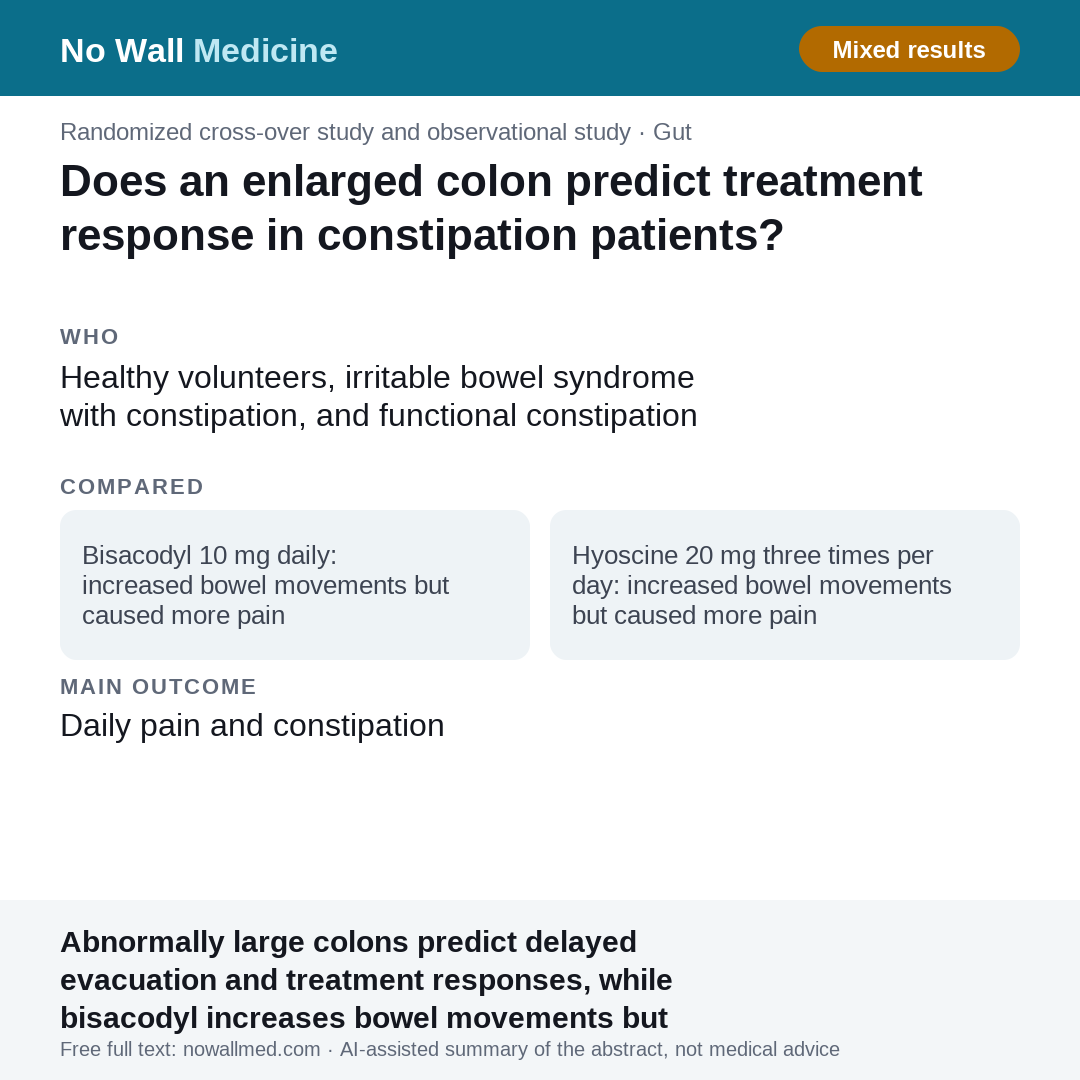
Combined MRI, high-resolution manometry and a randomised trial of bisacodyl versus hyoscine show the significance of an enlarged colon in constipation: the RECLAIM study
Randomized cross-over study and observational studyMixed results
Does an enlarged colon predict treatment response in constipation patients?
Who
Healthy volunteers, irritable bowel syndrome with constipation, and functional constipation patients
Compared
Bisacodyl 10 mg daily: increased bowel movements but caused more pain
Hyoscine 20 mg three times per day: increased bowel movements but caused more pain
Main outcome
Daily pain and constipation
Bottom line: Abnormally large colons predict delayed evacuation and treatment responses, while bisacodyl increases bowel movements but causes more pain.
Gut · 2024-12-10Download image
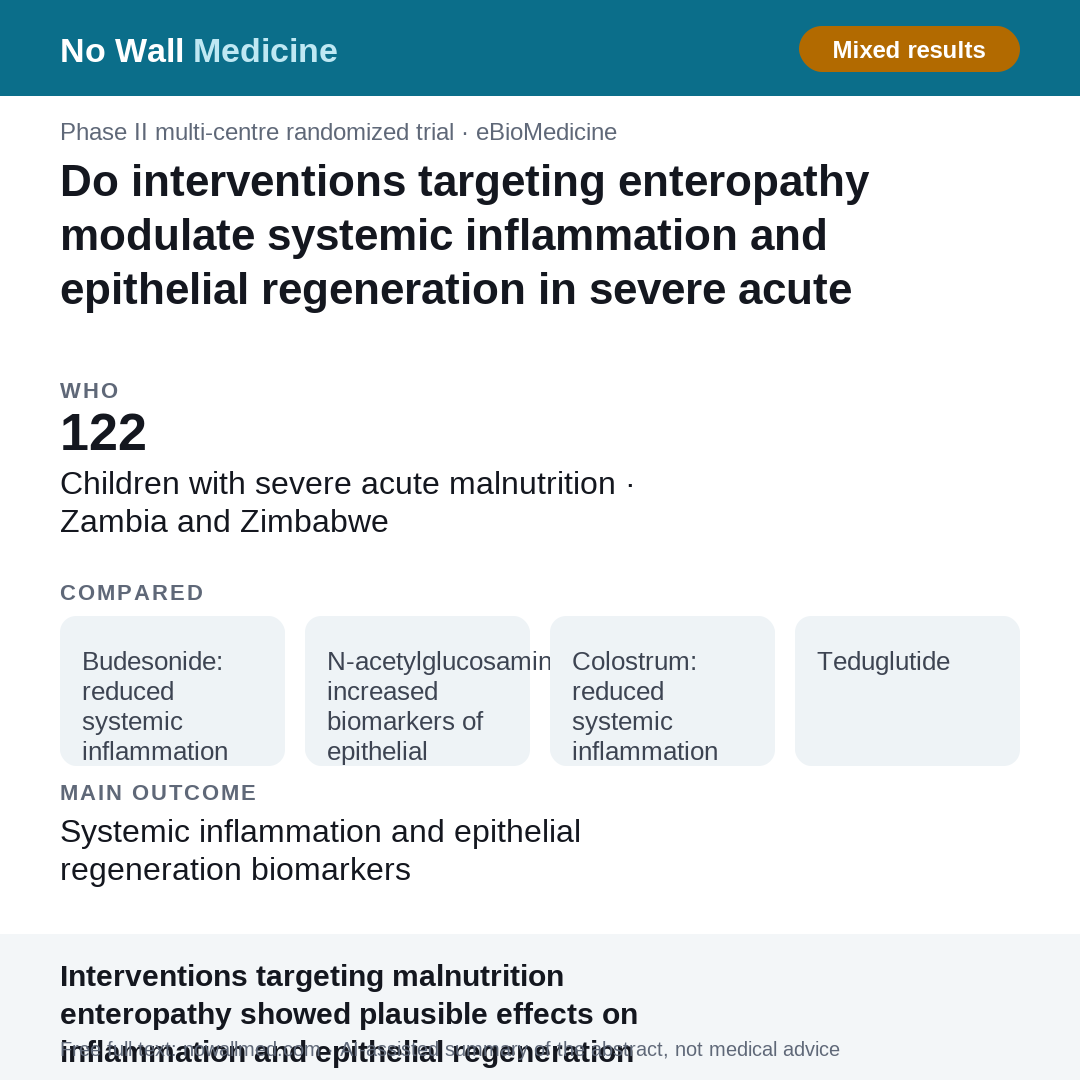
Therapeutic interventions targeting enteropathy in severe acute malnutrition modulate systemic and vascular inflammation and epithelial regeneration
Phase II multi-centre randomized trialMixed results
Do interventions targeting enteropathy modulate systemic inflammation and epithelial regeneration in severe acute malnutrition?
Who
122
Children with severe acute malnutrition · Zambia and Zimbabwe
Compared
Budesonide: reduced systemic inflammation
N-acetylglucosamine: increased biomarkers of epithelial regeneration and circulating growth factors
Colostrum: reduced systemic inflammation and suggested better restoration of epithelial barrier function
Teduglutide
Main outcome
Systemic inflammation and epithelial regeneration biomarkers
Bottom line: Interventions targeting malnutrition enteropathy showed plausible effects on inflammation and epithelial regeneration biomarkers in children.
Funded by: Wellcome, Medical Research Council (UK), and Takeda UK
eBioMedicine · 2024-12-10Download image
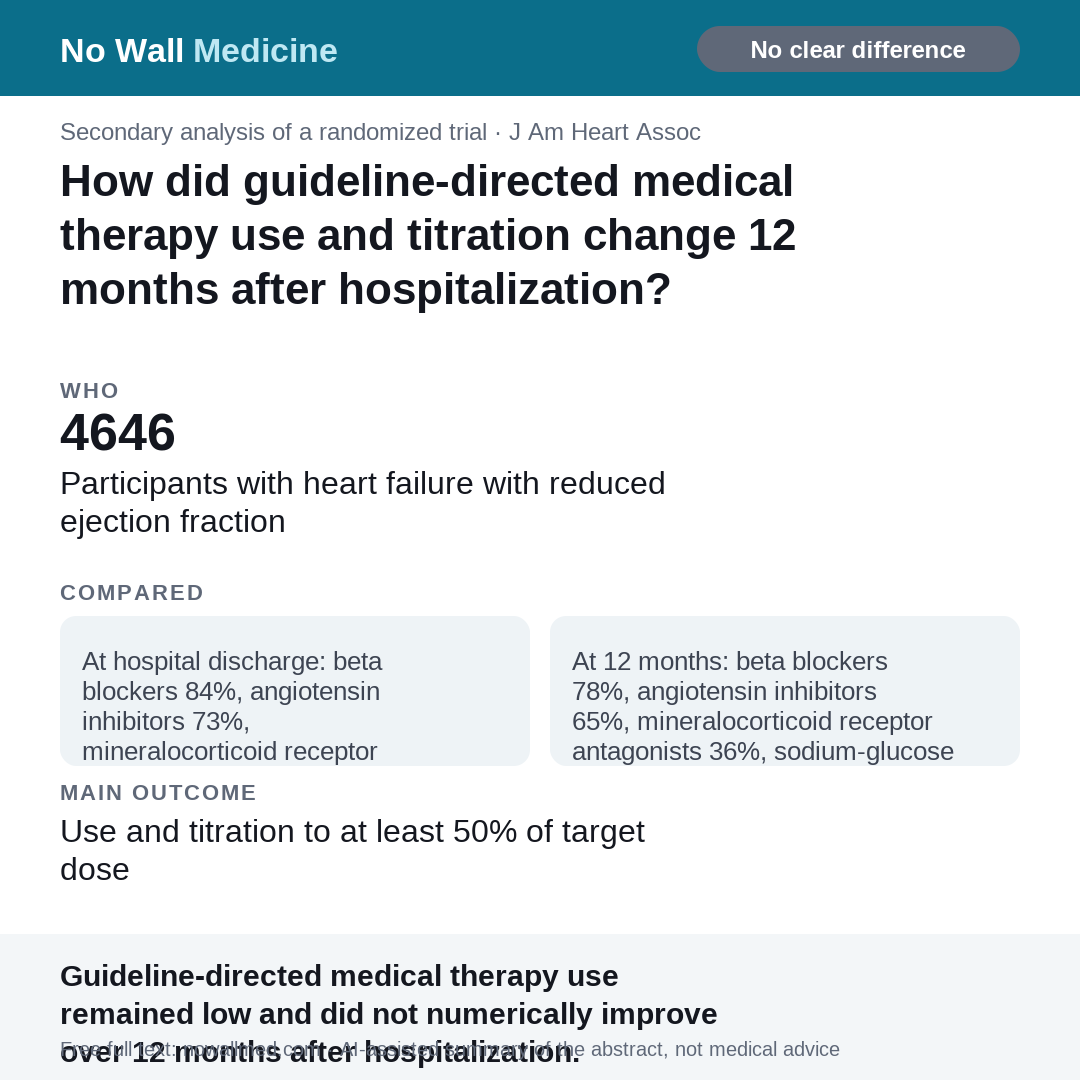
Guideline-Directed Medical Therapy After Hospitalization for Acute Heart Failure: Insights From the CONNECT-HF
Secondary analysis of a randomized trialNo clear difference
How did guideline-directed medical therapy use and titration change 12 months after hospitalization?
Who
4646
Participants with heart failure with reduced ejection fraction
Compared
At hospital discharge: beta blockers 84%, angiotensin inhibitors 73%, mineralocorticoid receptor antagonists 39%, sodium-glucose cotransporter 2 inhibitors 1.5%
At 12 months: beta blockers 78%, angiotensin inhibitors 65%, mineralocorticoid receptor antagonists 36%, sodium-glucose cotransporter 2 inhibitors 2.1%
Main outcome
Use and titration to at least 50% of target dose
Bottom line: Guideline-directed medical therapy use remained low and did not numerically improve over 12 months after hospitalization.
J Am Heart Assoc · 2024-12-10Download image
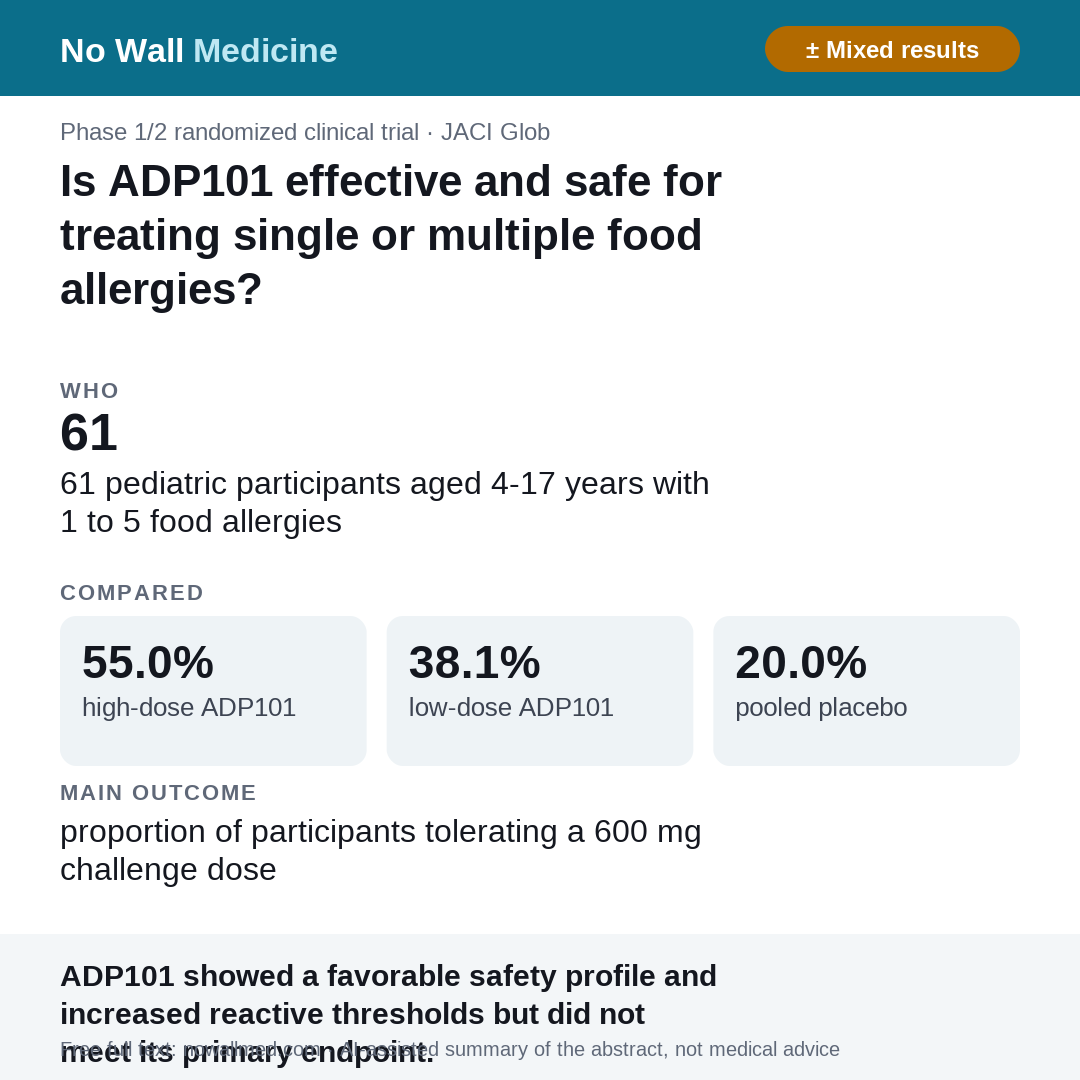
ADP101 multifood oral immunotherapy for food-allergic patients: Harmony phase 1/2 randomized clinical trial
Phase 1/2 randomized clinical trialMixed results
Is ADP101 effective and safe for treating single or multiple food allergies?
Who
61
61 pediatric participants aged 4-17 years with 1 to 5 food allergies
Compared
55.0%high-dose ADP101
38.1%low-dose ADP101
20.0%pooled placebo
Main outcome
proportion of participants tolerating a 600 mg challenge dose
Bottom line: ADP101 showed a favorable safety profile and increased reactive thresholds but did not meet its primary endpoint.
Limitation: The study did not meet its primary endpoint after adjusting for multiple comparisons.
JACI Glob · 2024-12-10Download image
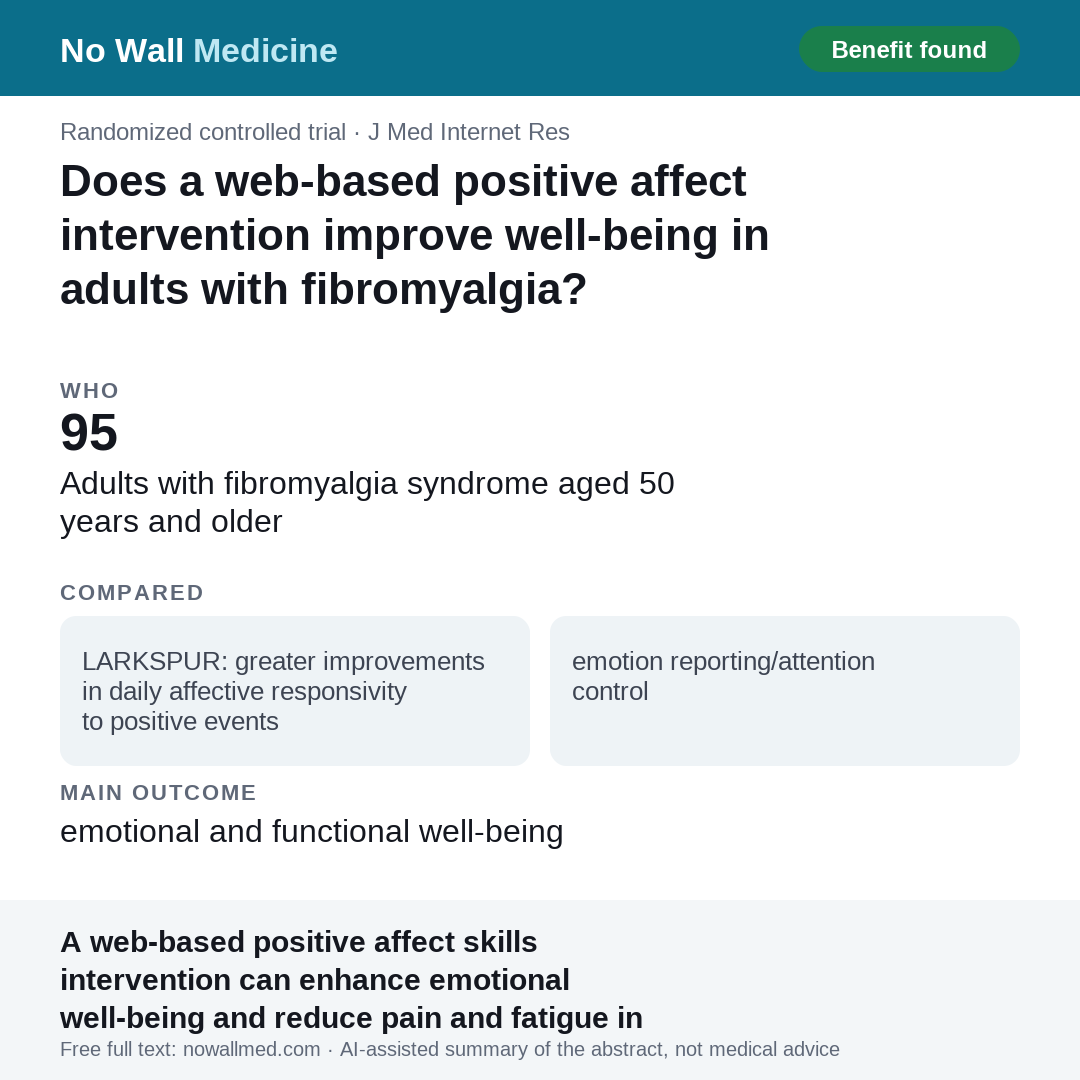
Targeting Daily Positive Events to Improve Emotional and Functional Well-Being in Adults With Fibromyalgia: Insights From the LARKSPUR Randomized Controlled Trial
Randomized controlled trialBenefit found
Does a web-based positive affect intervention improve well-being in adults with fibromyalgia?
Who
95
Adults with fibromyalgia syndrome aged 50 years and older
Compared
LARKSPUR: greater improvements in daily affective responsivity to positive events
emotion reporting/attention control
Main outcome
emotional and functional well-being
Result: negative affect bL-bC=-0.06, 95% HPD -0.10 to -0.02; positive affect bL-bC=0.10, 95% HPD 0.02-0.19
Bottom line: A web-based positive affect skills intervention can enhance emotional well-being and reduce pain and fatigue in fibromyalgia.
J Med Internet Res · 2024-12-10Download image
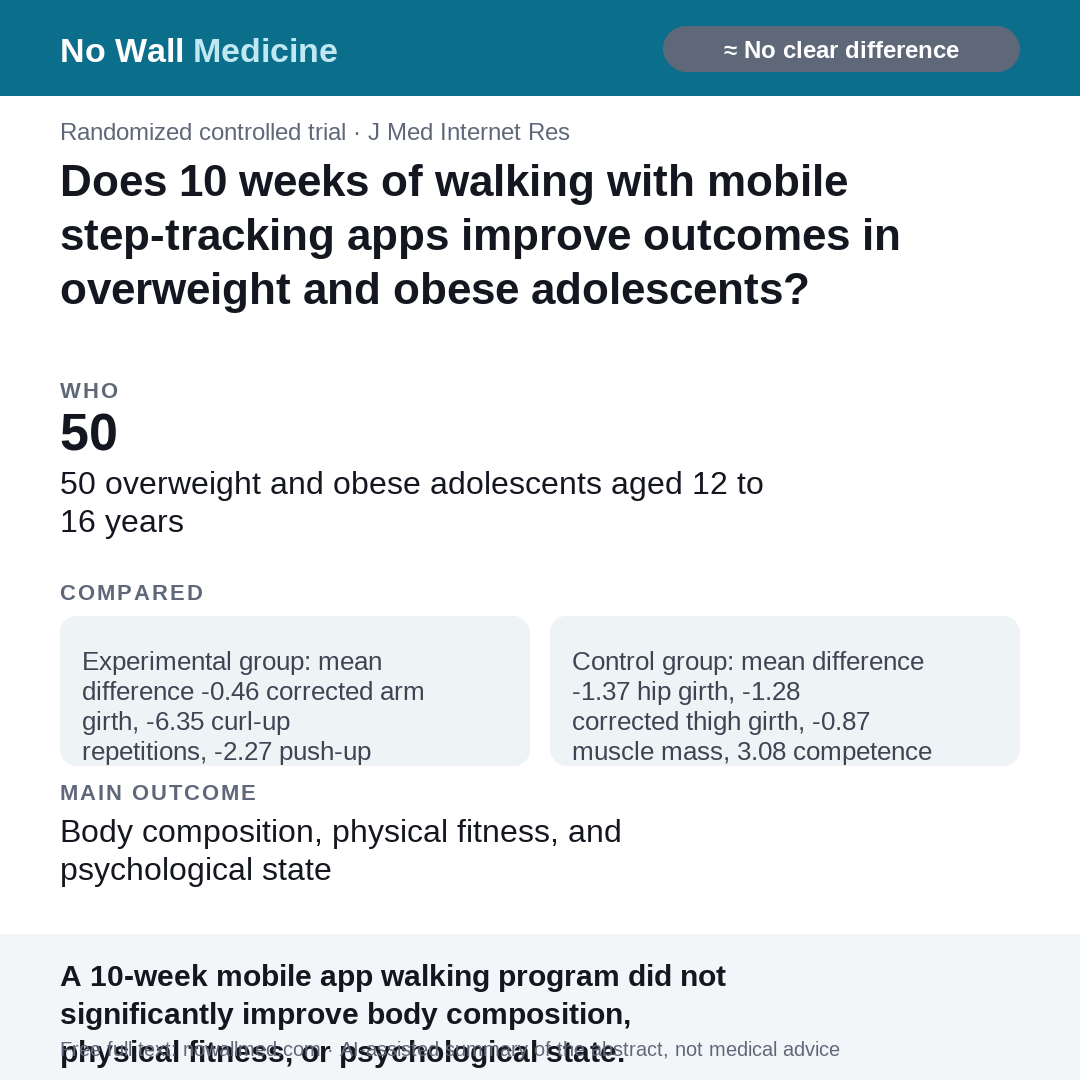
Effects of 10 Weeks of Walking With Mobile Step-Tracking Apps on Body Composition, Fitness, and Psychological State in Adolescents Who Are Overweight and Obese: Randomized Controlled Trial
Randomized controlled trialNo clear difference
Does 10 weeks of walking with mobile step-tracking apps improve outcomes in overweight and obese adolescents?
Who
50
50 overweight and obese adolescents aged 12 to 16 years
Compared
Experimental group: mean difference -0.46 corrected arm girth, -6.35 curl-up repetitions, -2.27 push-up repetitions
Control group: mean difference -1.37 hip girth, -1.28 corrected thigh girth, -0.87 muscle mass, 3.08 competence
Main outcome
Body composition, physical fitness, and psychological state
Bottom line: A 10-week mobile app walking program did not significantly improve body composition, physical fitness, or psychological state.
J Med Internet Res · 2024-12-10Download image
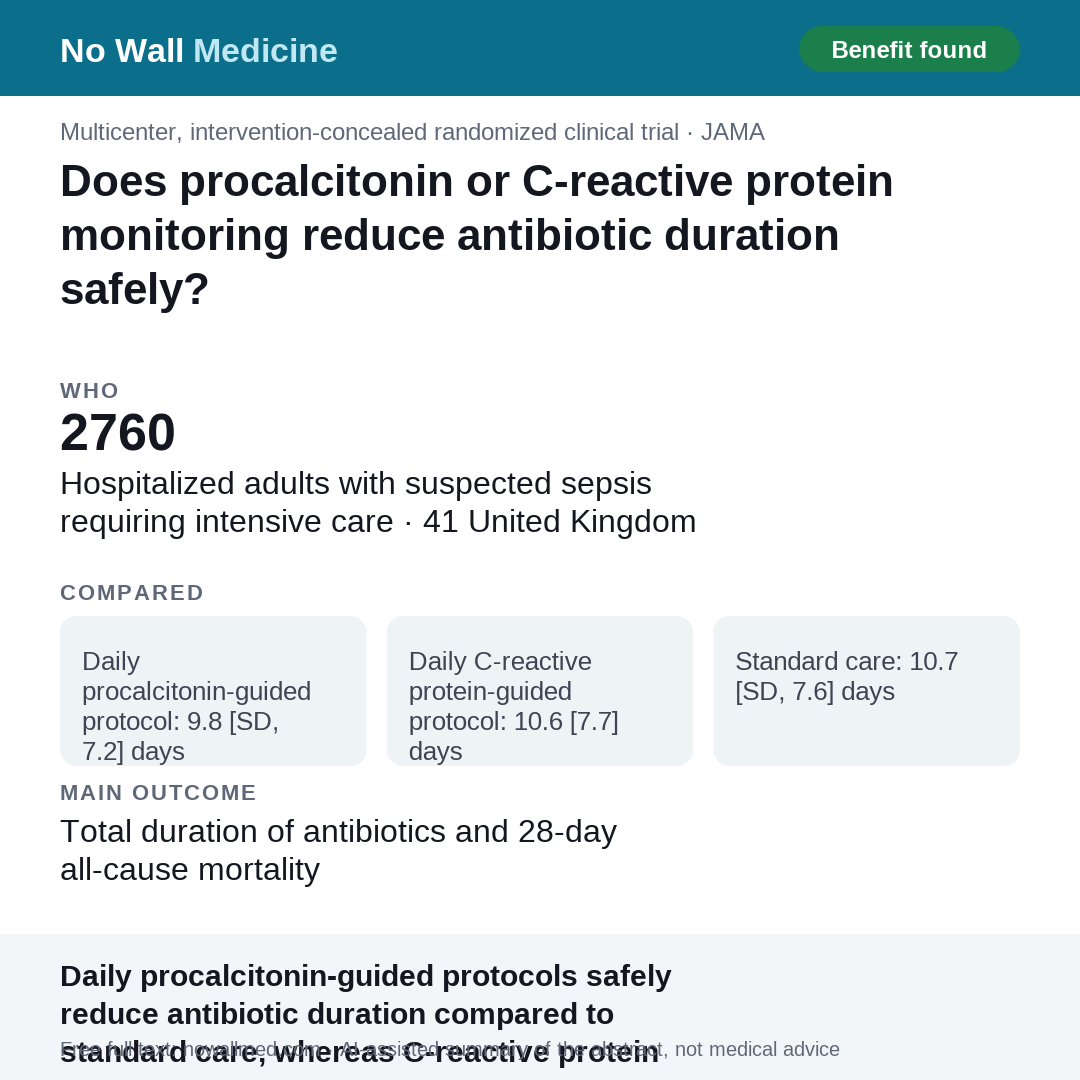
Biomarker-Guided Antibiotic Duration for Hospitalized Patients With Suspected Sepsis: The ADAPT-Sepsis Randomized Clinical Trial
Multicenter, intervention-concealed randomized clinical trialBenefit found
Does procalcitonin or C-reactive protein monitoring reduce antibiotic duration safely?
Who
2760
Hospitalized adults with suspected sepsis requiring intensive care · 41 United Kingdom National Health Service intensive care units
Compared
Daily procalcitonin-guided protocol: 9.8 [SD, 7.2] days
Daily C-reactive protein-guided protocol: 10.6 [7.7] days
Standard care: 10.7 [SD, 7.6] days
Main outcome
Total duration of antibiotics and 28-day all-cause mortality
Result: mean difference 0.88 days (95% CI, 0.19 to 1.58)
Bottom line: Daily procalcitonin-guided protocols safely reduce antibiotic duration compared to standard care, whereas C-reactive protein guidance does not.
JAMA · 2024-12-09Download image
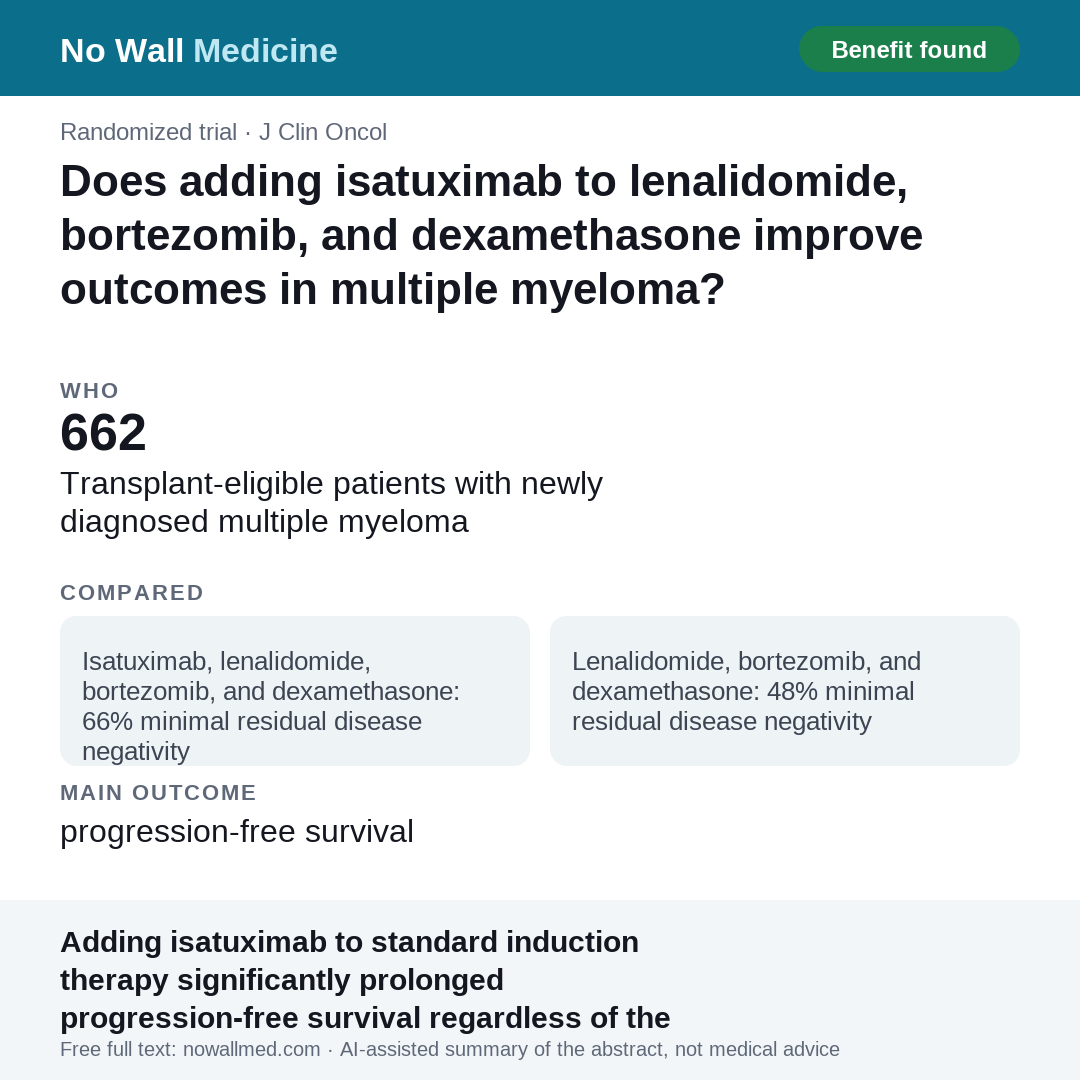
Isatuximab, Lenalidomide, Bortezomib, and Dexamethasone Induction Therapy for Transplant-Eligible Newly Diagnosed Multiple Myeloma: Final Part 1 Analysis of the GMMG-HD7 Trial
Randomized trialBenefit found
Does adding isatuximab to lenalidomide, bortezomib, and dexamethasone improve outcomes in multiple myeloma?
Who
662
Transplant-eligible patients with newly diagnosed multiple myeloma
Compared
Isatuximab, lenalidomide, bortezomib, and dexamethasone: 66% minimal residual disease negativity
Lenalidomide, bortezomib, and dexamethasone: 48% minimal residual disease negativity
Main outcome
progression-free survival
Result: hazard ratio 0.70 (95% CI 0.52 to 0.95)
Bottom line: Adding isatuximab to standard induction therapy significantly prolonged progression-free survival regardless of the maintenance strategy used.
J Clin Oncol · 2024-12-09Download image
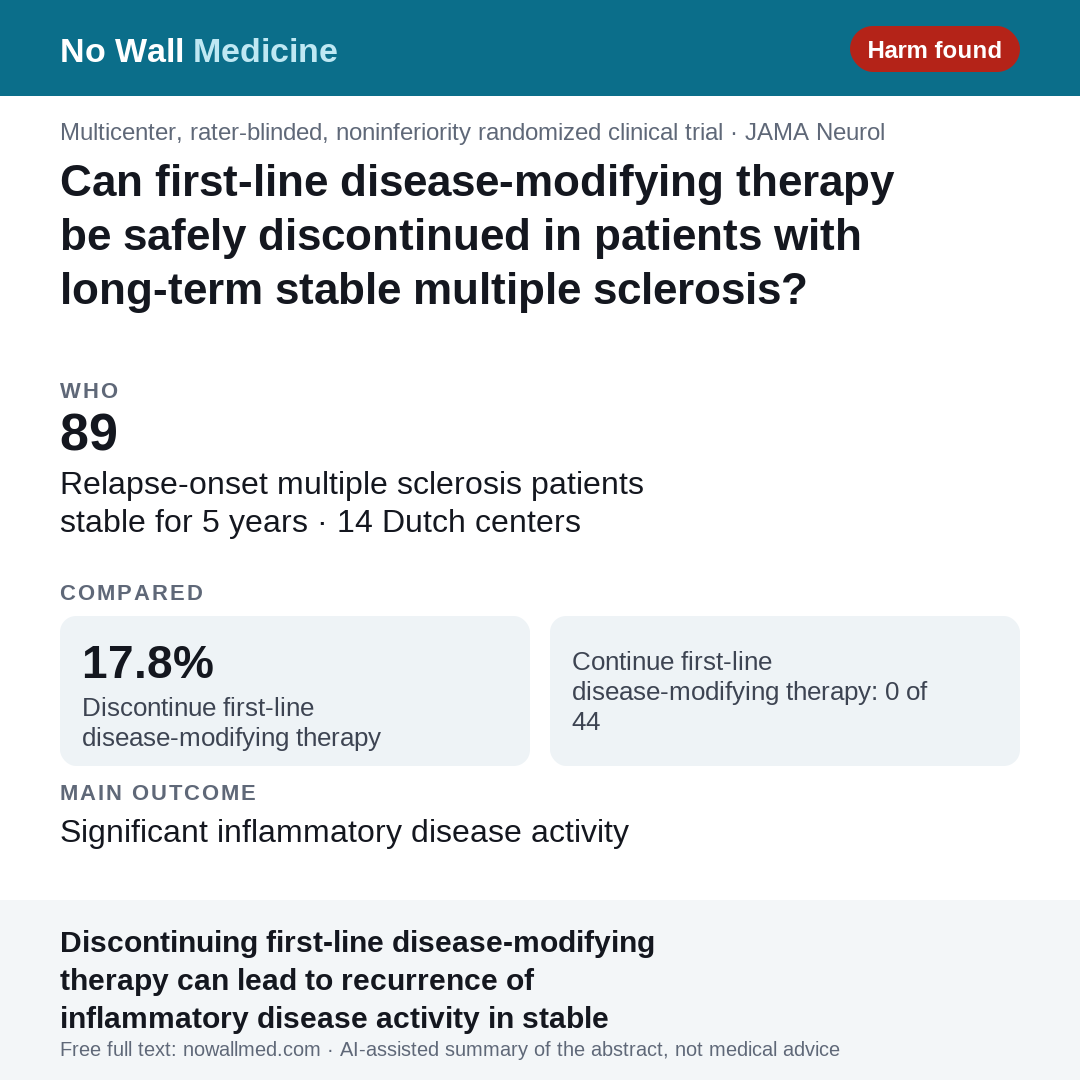
Discontinuation of First-Line Disease-Modifying Therapy in Patients With Stable Multiple Sclerosis: The DOT-MS Randomized Clinical Trial
Multicenter, rater-blinded, noninferiority randomized clinical trialHarm found
Can first-line disease-modifying therapy be safely discontinued in patients with long-term stable multiple sclerosis?
Who
89
Relapse-onset multiple sclerosis patients stable for 5 years · 14 Dutch centers
Compared
17.8%Discontinue first-line disease-modifying therapy
Continue first-line disease-modifying therapy: 0 of 44
Main outcome
Significant inflammatory disease activity
Bottom line: Discontinuing first-line disease-modifying therapy can lead to recurrence of inflammatory disease activity in stable multiple sclerosis patients.
JAMA Neurol · 2024-12-09Download image
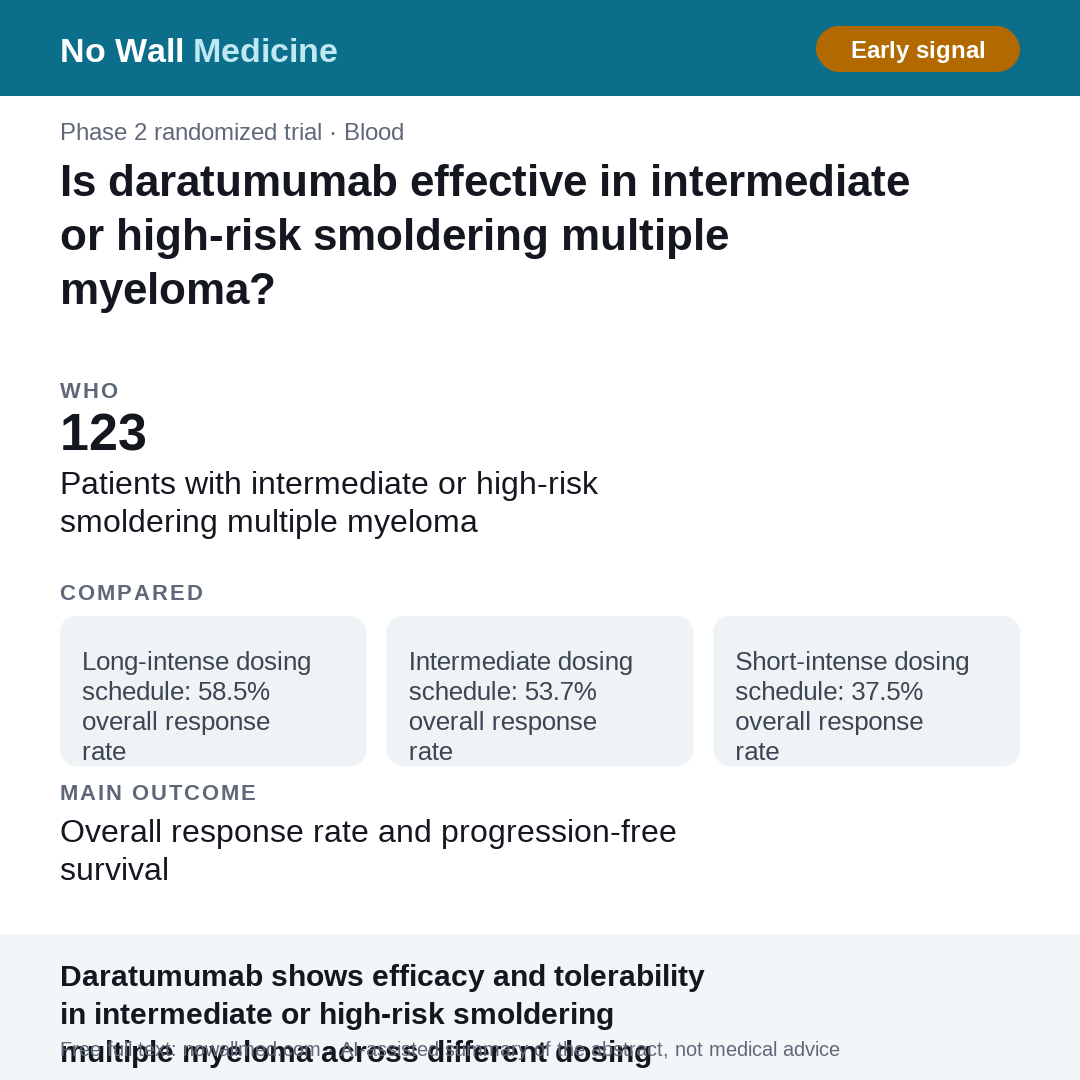
Efficacy and safety of daratumumab in intermediate/high-risk smoldering multiple myeloma: final analysis of CENTAURUS
Phase 2 randomized trialEarly signal
Is daratumumab effective in intermediate or high-risk smoldering multiple myeloma?
Who
123
Patients with intermediate or high-risk smoldering multiple myeloma
Compared
Long-intense dosing schedule: 58.5% overall response rate
Intermediate dosing schedule: 53.7% overall response rate
Short-intense dosing schedule: 37.5% overall response rate
Main outcome
Overall response rate and progression-free survival
Bottom line: Daratumumab shows efficacy and tolerability in intermediate or high-risk smoldering multiple myeloma across different dosing schedules.
Blood · 2024-12-09Download image
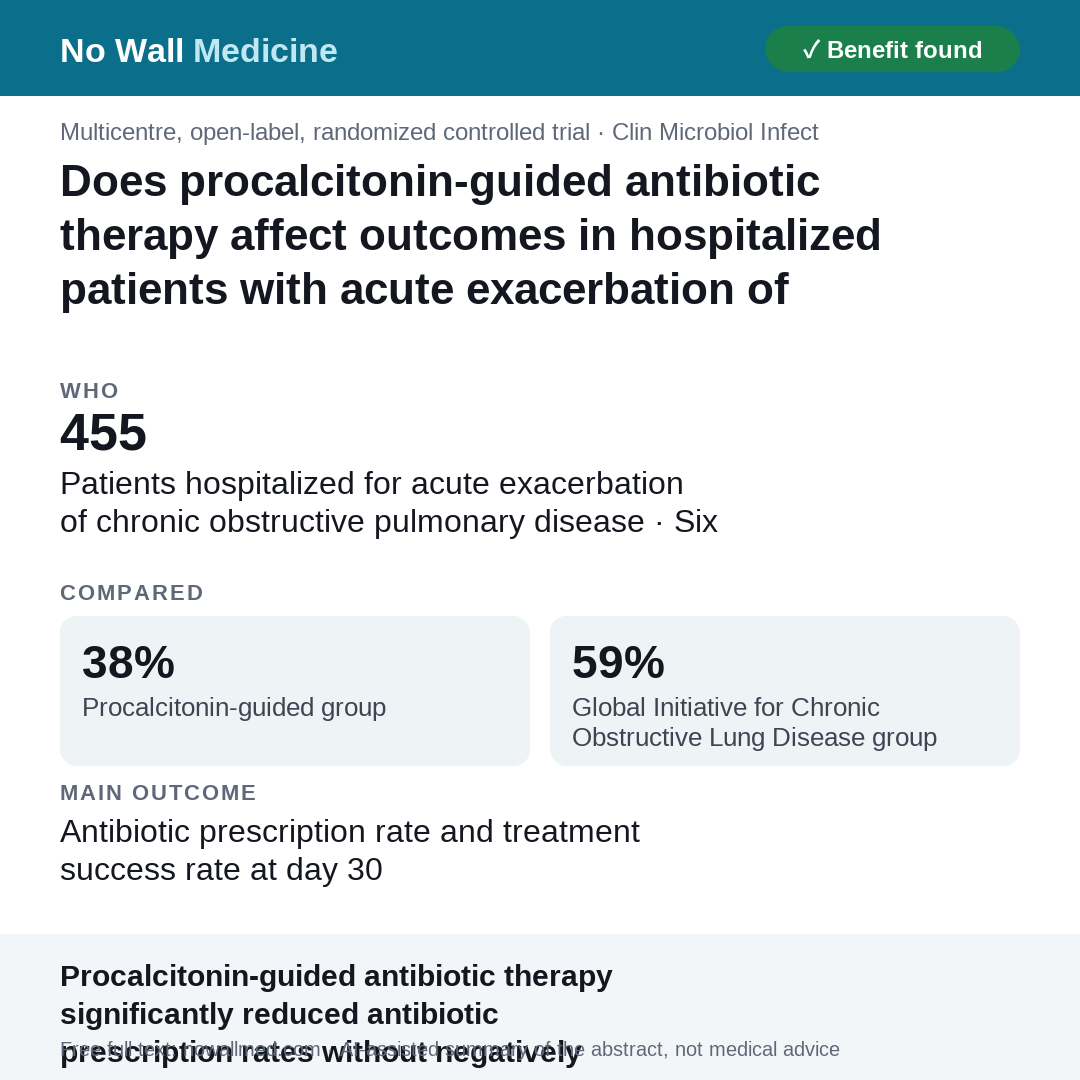
Procalcitonin-guided use of antibiotic in hospitalized patients with acute exacerbation of chronic obstructive pulmonary disease: a randomized clinical trial
Multicentre, open-label, randomized controlled trialBenefit found
Does procalcitonin-guided antibiotic therapy affect outcomes in hospitalized patients with acute exacerbation of chronic obstructive pulmonary disease?
Who
455
Patients hospitalized for acute exacerbation of chronic obstructive pulmonary disease · Six hospitals in China
Compared
38%Procalcitonin-guided group (88/229)
59%Global Initiative for Chronic Obstructive Lung Disease group (134/226)
Main outcome
Antibiotic prescription rate and treatment success rate at day 30
Result: difference -21%; 95% CI: -30% to -12%
Bottom line: Procalcitonin-guided antibiotic therapy significantly reduced antibiotic prescription rates without negatively affecting treatment success in patients with acute exacerbation of chronic obstructive pulmonary disease.
Clin Microbiol Infect · 2024-12-09Download image
Fluconazole for Preventing Radiation-Induced Oral Mucositis: A Randomized Controlled Trial
Prospective, double-blinded, randomized controlled trialBenefit found
Does fluconazole prophylaxis reduce radiation-induced oral mucositis in head and neck cancer patients?
Who
78
Head and neck cancer patients undergoing concurrent chemoradiotherapy
Compared
Fluconazole
Placebo
Main outcome
Incidence of grade 2 or higher radiation-induced oral mucositis
Bottom line: Fluconazole significantly reduces radiation-induced oral mucositis severity and Candida colonization in head and neck cancer patients.
Head Neck · 2024-12-09Download image