Visual abstracts
New randomized trials and meta-analyses from leading journals at a glance: who was studied, what was compared, and what was found. Every paper is free to read in full.
All specialtiesCardiology 4763Oncology 4042Gastroenterology & Hepatology 1902Infectious Disease 3756Neurology 1872Psychiatry & Mental Health 2214Pulmonology 2042Critical Care 1319Endocrinology & Diabetes 2544Pediatrics 2889Surgery 2479Orthopedics & Sports Medicine 917Neurosurgery 525Cardiothoracic & Vascular Surgery 656Plastic & Reconstructive Surgery 574Nephrology 1107Rheumatology 810Hematology 1090Dermatology 611Ophthalmology 532Obstetrics & Gynecology 1645Public & Global Health 1037Radiology & Imaging 617Anesthesiology 957Urology 745ENT (Otolaryngology) 494Emergency Medicine 481Allergy & Immunology 309Geriatrics 972Family Medicine & Primary Care 533Medical Genetics & Genomics 659Pathology & Laboratory Medicine 156Physical Medicine & Rehabilitation 734Palliative Care 421Nutrition 1560Digital Health & AI 2133General Medicine 318
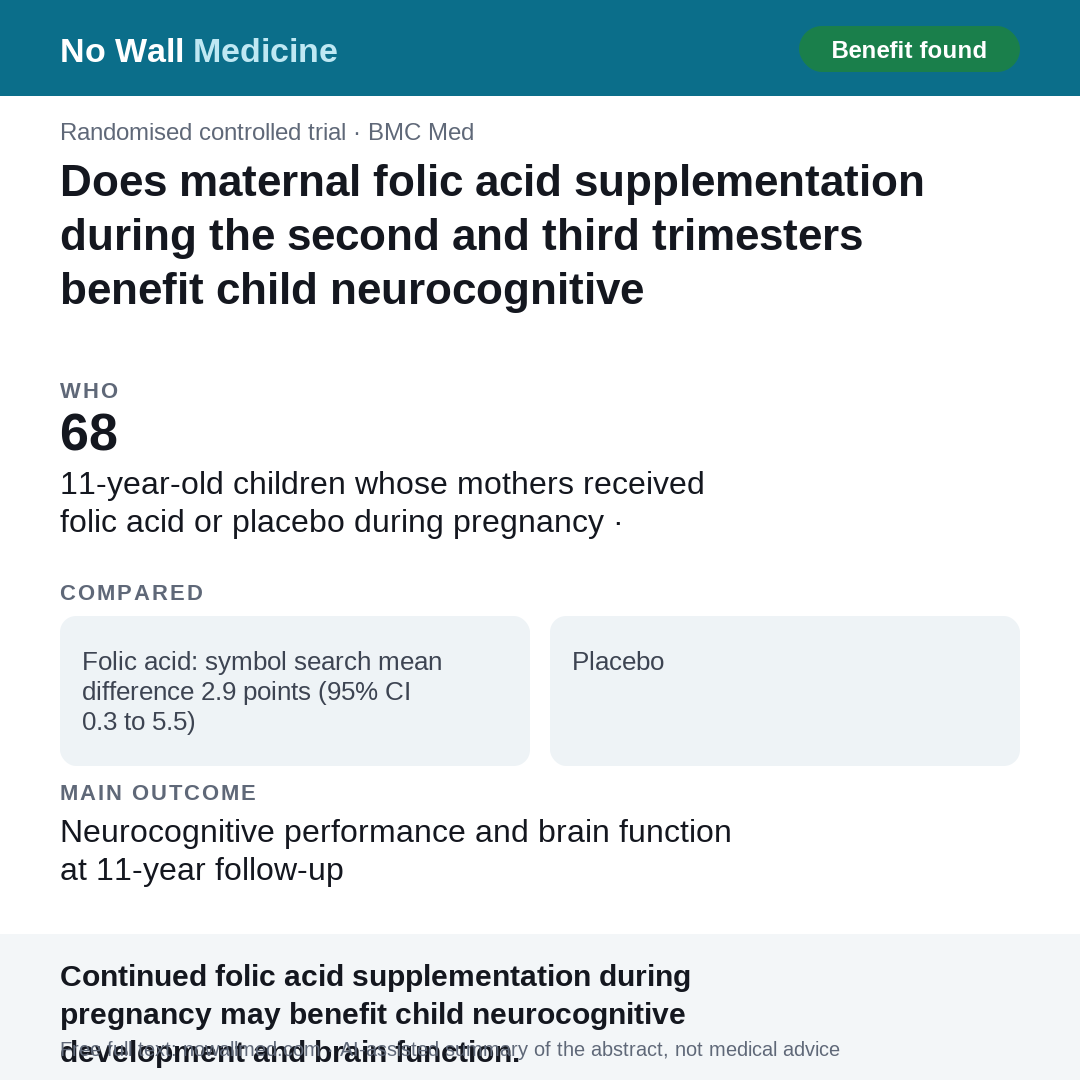
Effects of maternal folic acid supplementation during the second and third trimesters of pregnancy on neurocognitive development in the child: an 11-year follow-up from a randomised controlled trial
Randomised controlled trialBenefit found
Does maternal folic acid supplementation during the second and third trimesters benefit child neurocognitive development?
Who
68
11-year-old children whose mothers received folic acid or placebo during pregnancy · Northern Ireland
Compared
Folic acid: symbol search mean difference 2.9 points (95% CI 0.3 to 5.5)
Placebo
Main outcome
Neurocognitive performance and brain function at 11-year follow-up
Result: symbol search mean difference 2.9 points (95% CI 0.3 to 5.5)
Bottom line: Continued folic acid supplementation during pregnancy may benefit child neurocognitive development and brain function.
BMC Med · 2021-03-10Download image
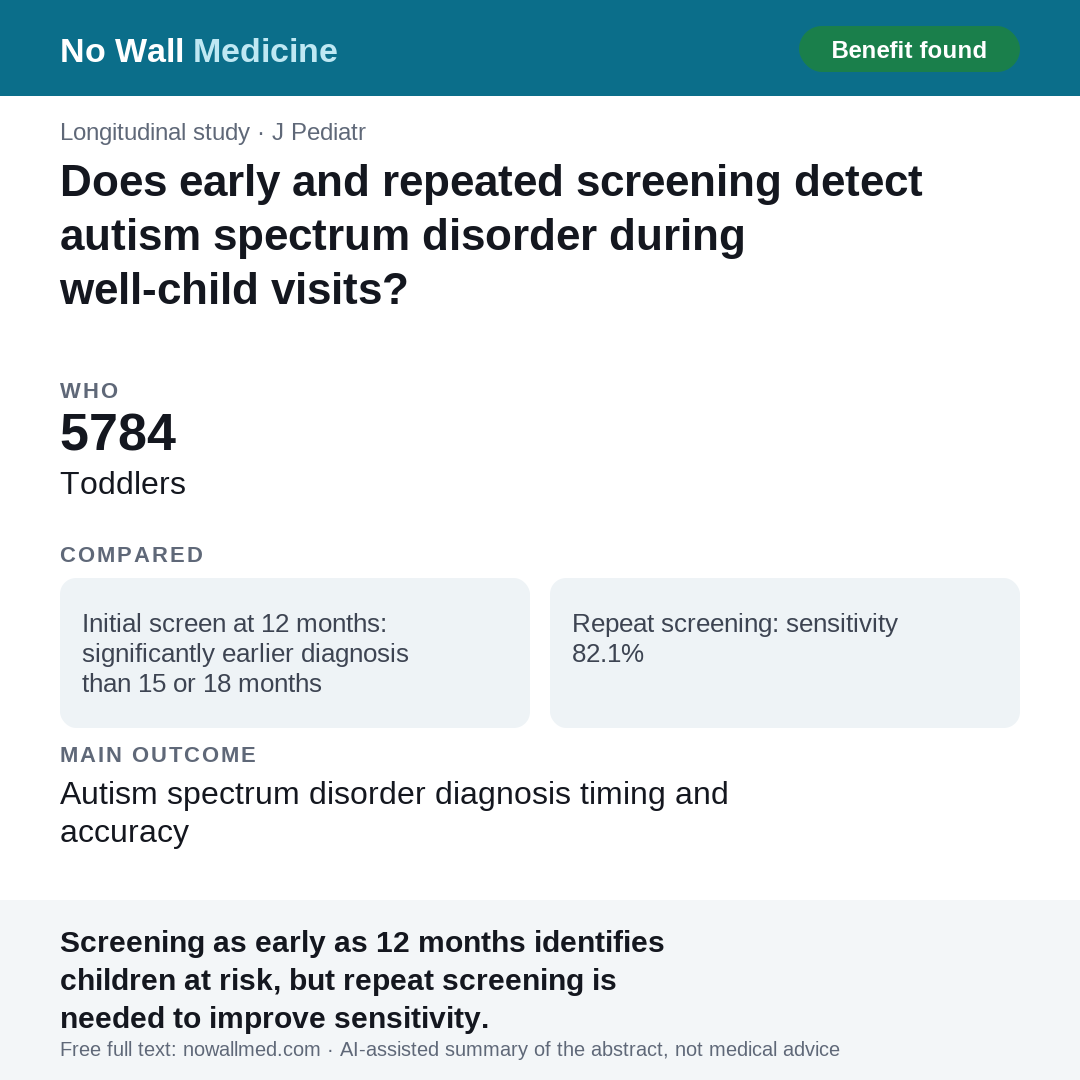
Early and Repeated Screening Detects Autism Spectrum Disorder
Longitudinal studyBenefit found
Does early and repeated screening detect autism spectrum disorder during well-child visits?
Who
5784
Toddlers
Compared
Initial screen at 12 months: significantly earlier diagnosis than 15 or 18 months
Repeat screening: sensitivity 82.1%
Main outcome
Autism spectrum disorder diagnosis timing and accuracy
Bottom line: Screening as early as 12 months identifies children at risk, but repeat screening is needed to improve sensitivity.
J Pediatr · 2021-03-10Download image
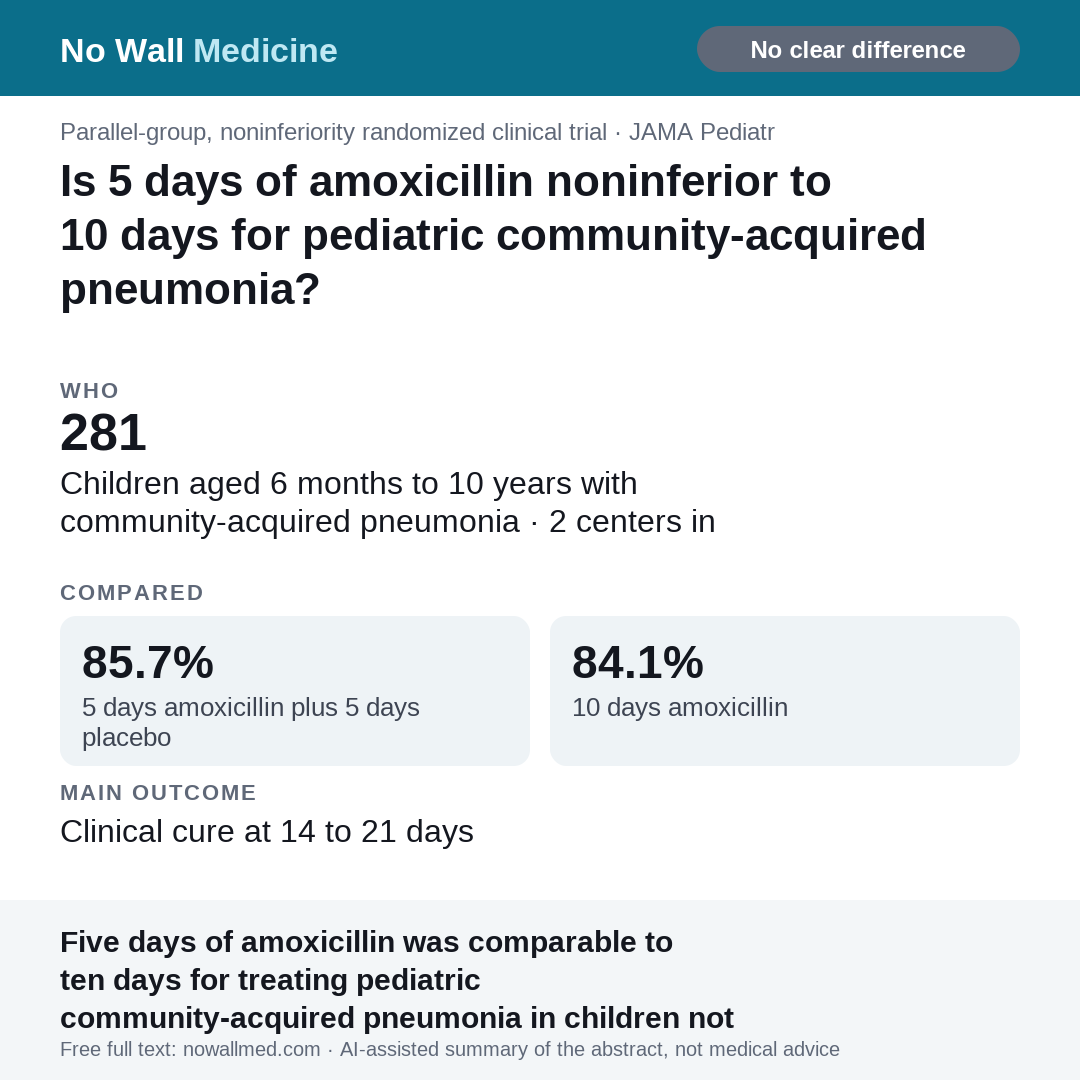
Short-Course Antimicrobial Therapy for Pediatric Community-Acquired Pneumonia: The SAFER Randomized Clinical Trial
Parallel-group, noninferiority randomized clinical trialNo clear difference
Is 5 days of amoxicillin noninferior to 10 days for pediatric community-acquired pneumonia?
Who
281
Children aged 6 months to 10 years with community-acquired pneumonia · 2 centers in Canada
Compared
85.7%5 days amoxicillin plus 5 days placebo (108/126)
84.1%10 days amoxicillin (106/126)
Main outcome
Clinical cure at 14 to 21 days
Result: risk difference 0.023; 97.5% confidence limit -0.061
Bottom line: Five days of amoxicillin was comparable to ten days for treating pediatric community-acquired pneumonia in children not requiring hospitalization.
JAMA Pediatr · 2021-03-09Download image
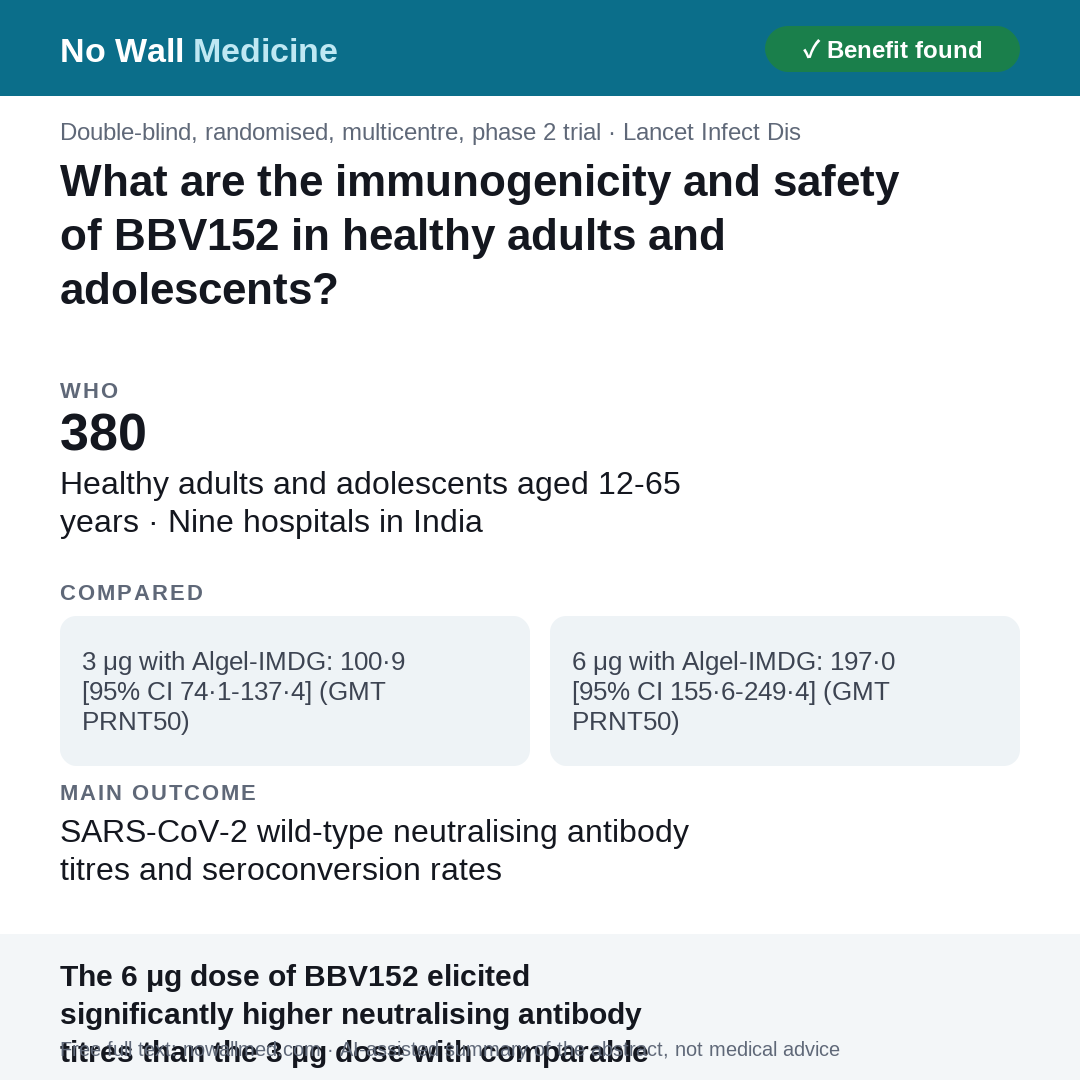
Safety and immunogenicity of an inactivated SARS-CoV-2 vaccine, BBV152: interim results from a double-blind, randomised, multicentre, phase 2 trial, and 3-month follow-up of a double-blind, randomised phase 1 trial
Double-blind, randomised, multicentre, phase 2 trialBenefit found
What are the immunogenicity and safety of BBV152 in healthy adults and adolescents?
Who
380
Healthy adults and adolescents aged 12-65 years · Nine hospitals in India
Compared
3 μg with Algel-IMDG: 100·9 [95% CI 74·1-137·4] (GMT PRNT50)
6 μg with Algel-IMDG: 197·0 [95% CI 155·6-249·4] (GMT PRNT50)
Main outcome
SARS-CoV-2 wild-type neutralising antibody titres and seroconversion rates
Bottom line: The 6 μg dose of BBV152 elicited significantly higher neutralising antibody titres than the 3 μg dose with comparable safety.
Lancet Infect Dis · 2021-03-08Download image
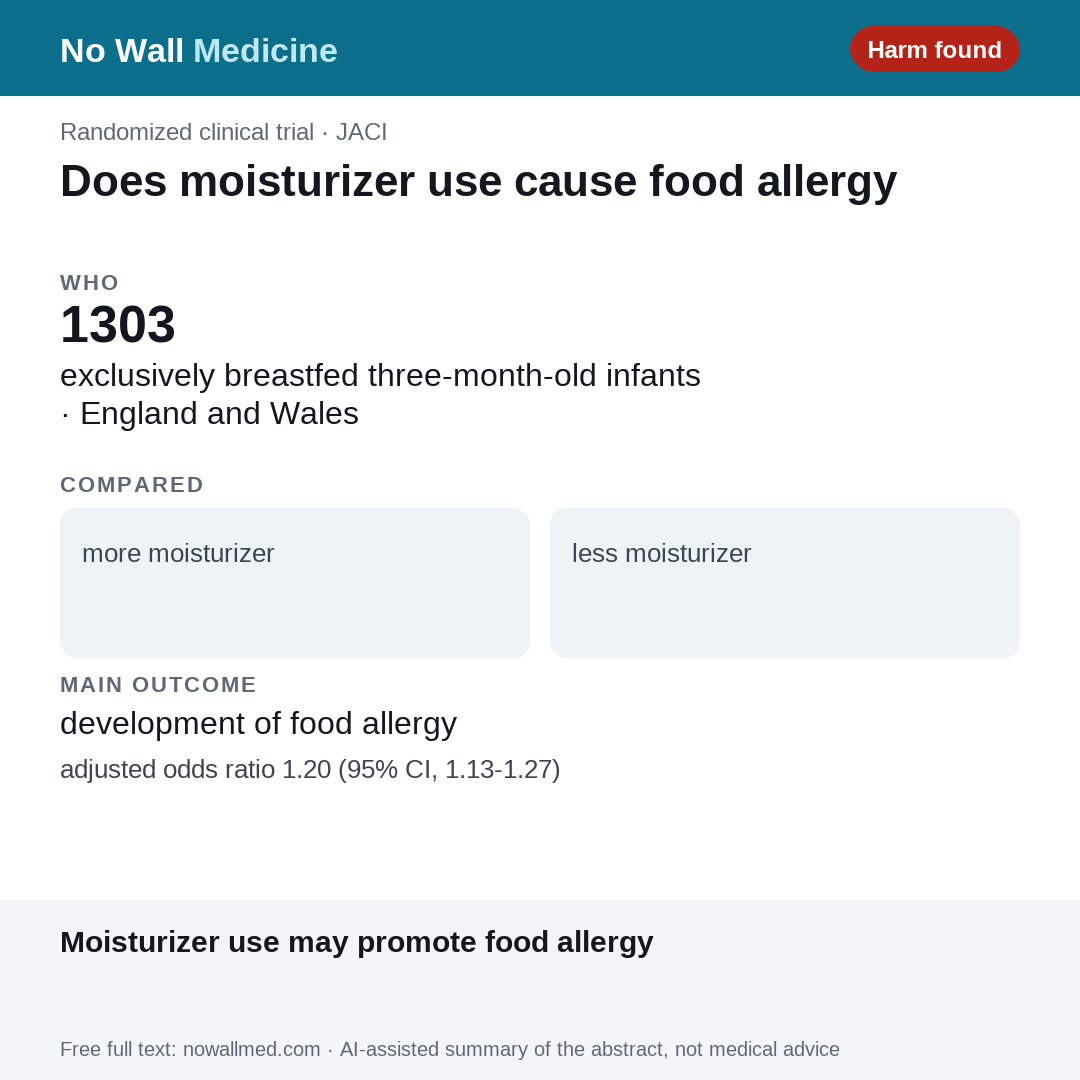
Association of frequent moisturizer use in early infancy with the development of food allergy
Randomized clinical trialHarm found
Does moisturizer use cause food allergy
Who
1303
exclusively breastfed three-month-old infants · England and Wales
Compared
more moisturizer
less moisturizer
Main outcome
development of food allergy
Result: adjusted odds ratio 1.20 (95% CI, 1.13-1.27)
Bottom line: Moisturizer use may promote food allergy
JACI · 2021-03-08Download image
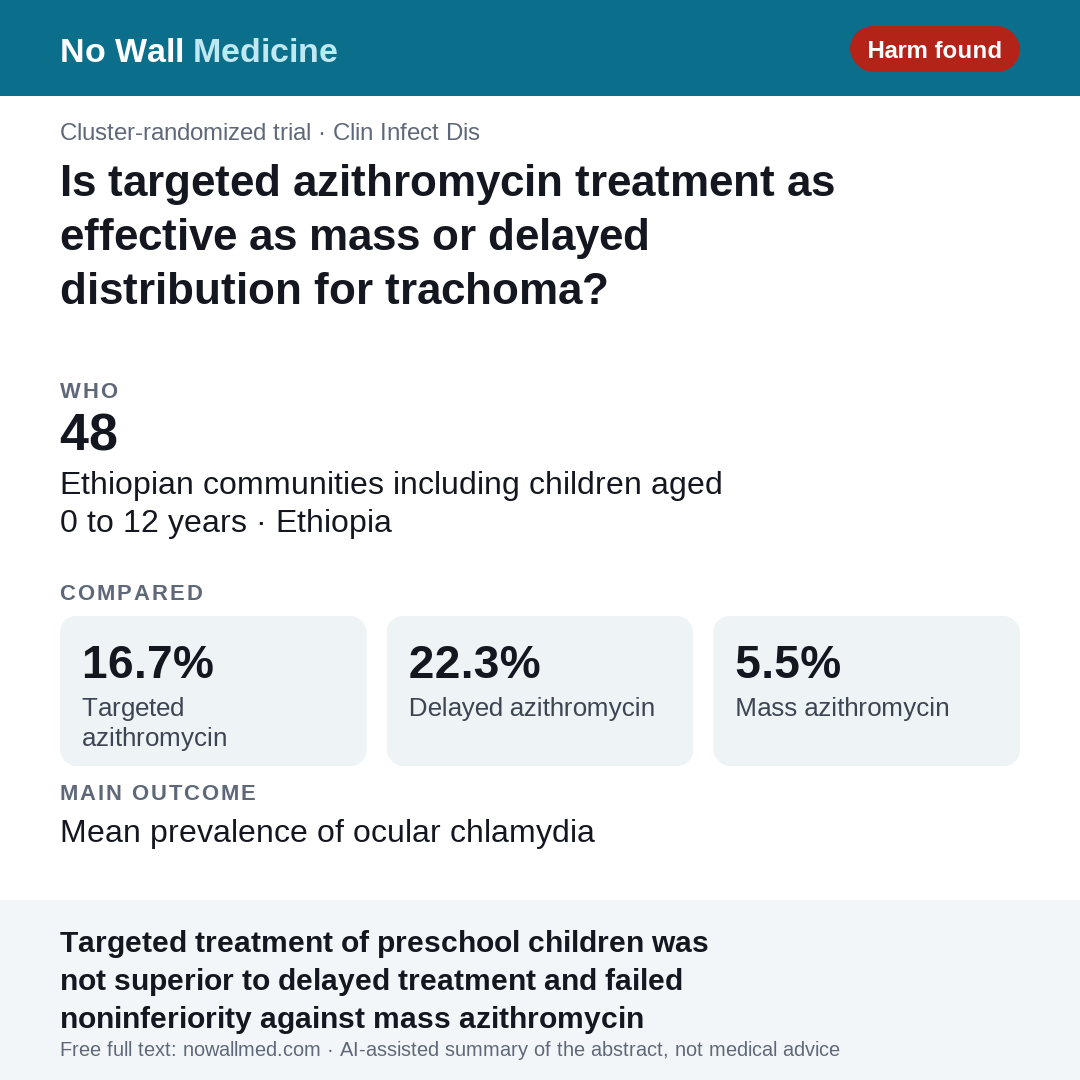
Targeted Antibiotics for Trachoma: A Cluster-Randomized Trial
Cluster-randomized trialHarm found
Is targeted azithromycin treatment as effective as mass or delayed distribution for trachoma?
Who
48
Ethiopian communities including children aged 0 to 12 years · Ethiopia
Compared
16.7%Targeted azithromycin (95% CI: 9.0%-24.4%)
22.3%Delayed azithromycin (95% CI: 11.1%-33.6%)
5.5%Mass azithromycin (95% CI: 0.3%-10.7%)
Main outcome
Mean prevalence of ocular chlamydia
Result: adjusted risk difference 8.5 percentage points higher in the targeted arm, 95% CI: 0.9 pp-16.1 pp higher
Bottom line: Targeted treatment of preschool children was not superior to delayed treatment and failed noninferiority against mass azithromycin distribution.
Clin Infect Dis · 2021-03-07Download image
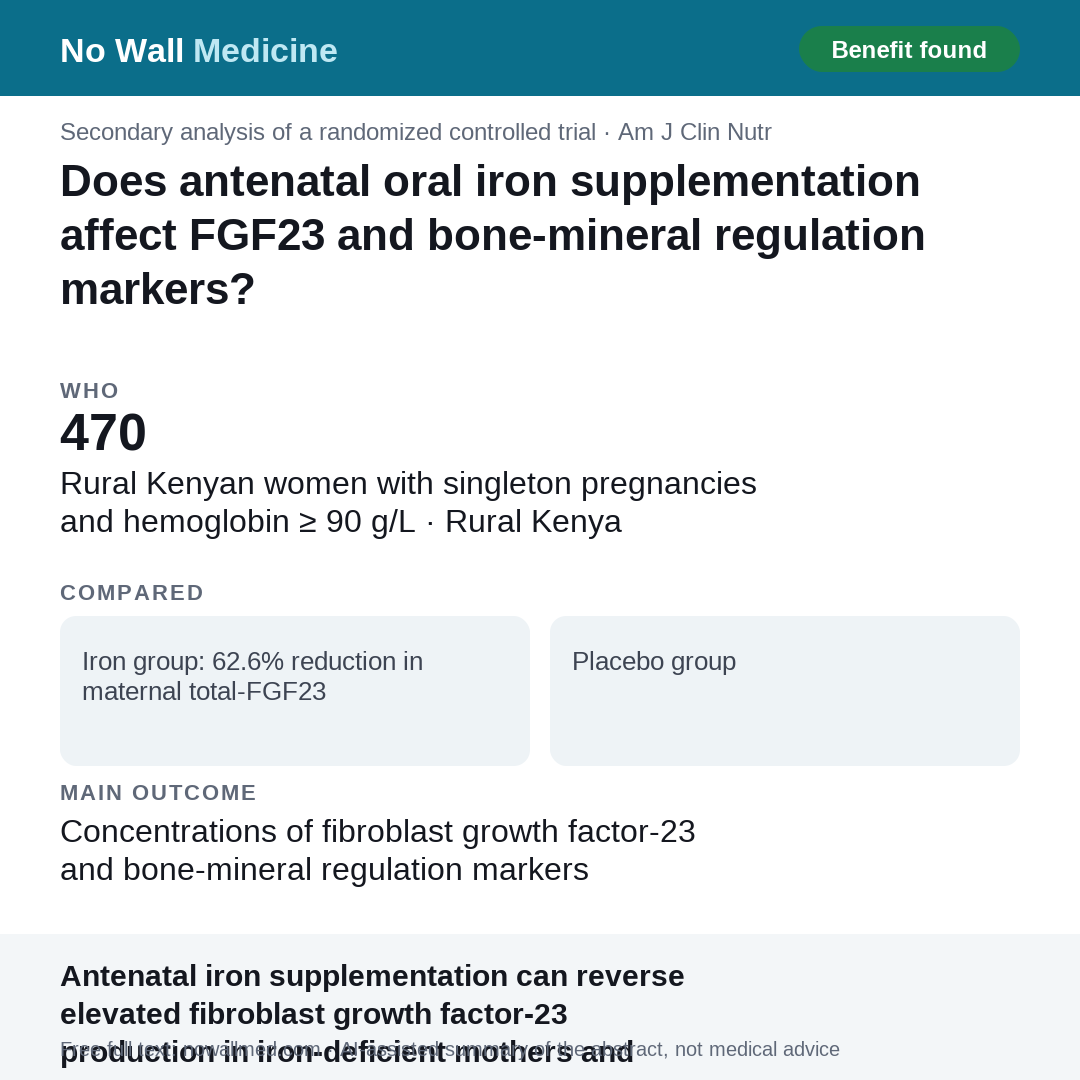
Antenatal iron supplementation, FGF23, and bone metabolism in Kenyan women and their offspring: secondary analysis of a randomized controlled trial
Secondary analysis of a randomized controlled trialBenefit found
Does antenatal oral iron supplementation affect FGF23 and bone-mineral regulation markers?
Who
470
Rural Kenyan women with singleton pregnancies and hemoglobin ≥ 90 g/L · Rural Kenya
Compared
Iron group: 62.6% reduction in maternal total-FGF23
Placebo group
Main outcome
Concentrations of fibroblast growth factor-23 and bone-mineral regulation markers
Result: 62.6% (95% CI: 53.0%, 70.3%) reduction in maternal total-FGF23
Bottom line: Antenatal iron supplementation can reverse elevated fibroblast growth factor-23 production in iron-deficient mothers and their neonates.
Am J Clin Nutr · 2021-03-07Download image
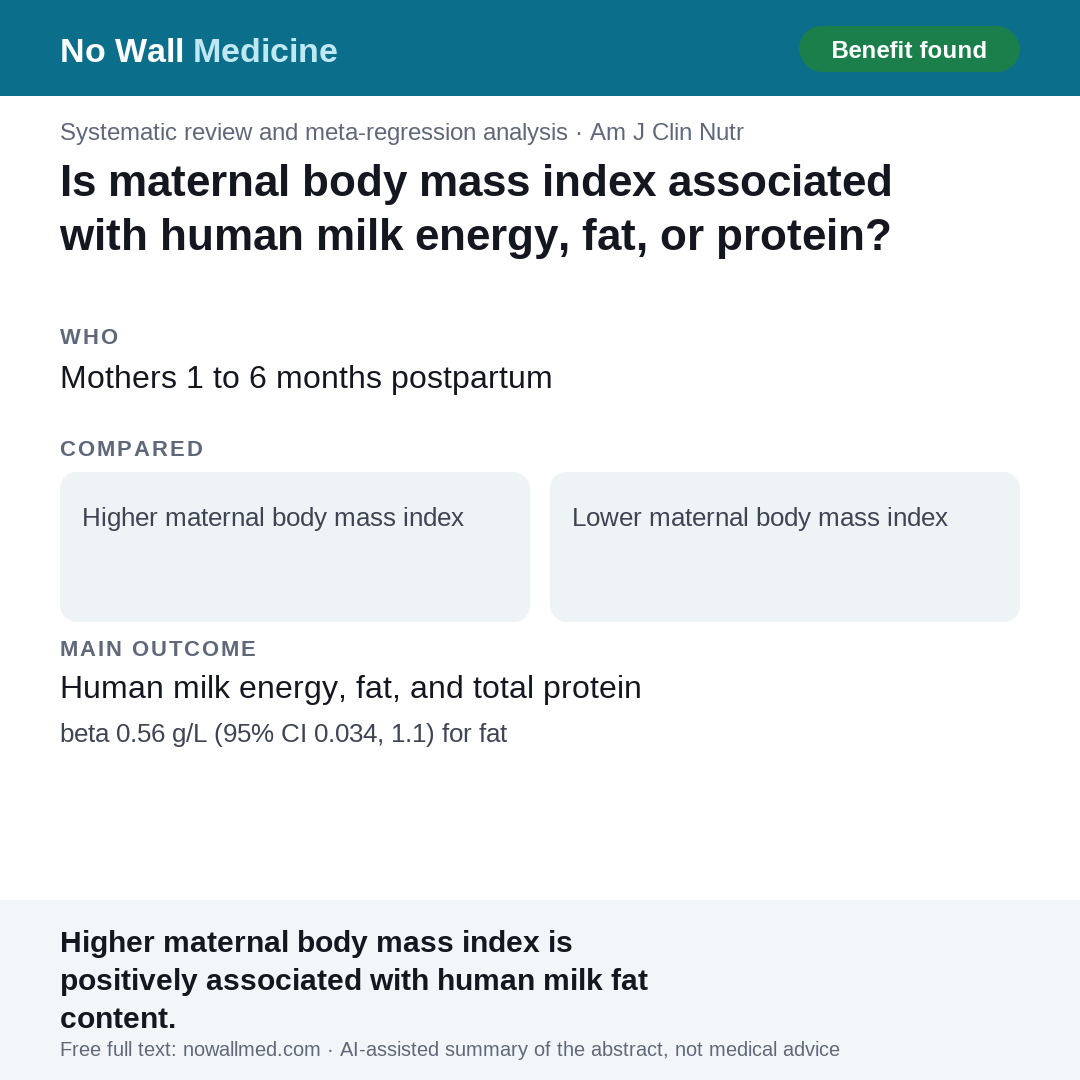
Maternal BMI is positively associated with human milk fat: a systematic review and meta-regression analysis
Systematic review and meta-regression analysisBenefit found
Is maternal body mass index associated with human milk energy, fat, or protein?
Who
Mothers 1 to 6 months postpartum
Compared
Higher maternal body mass index
Lower maternal body mass index
Main outcome
Human milk energy, fat, and total protein
Result: beta 0.56 g/L (95% CI 0.034, 1.1) for fat
Bottom line: Higher maternal body mass index is positively associated with human milk fat content.
Am J Clin Nutr · 2021-03-07Download image
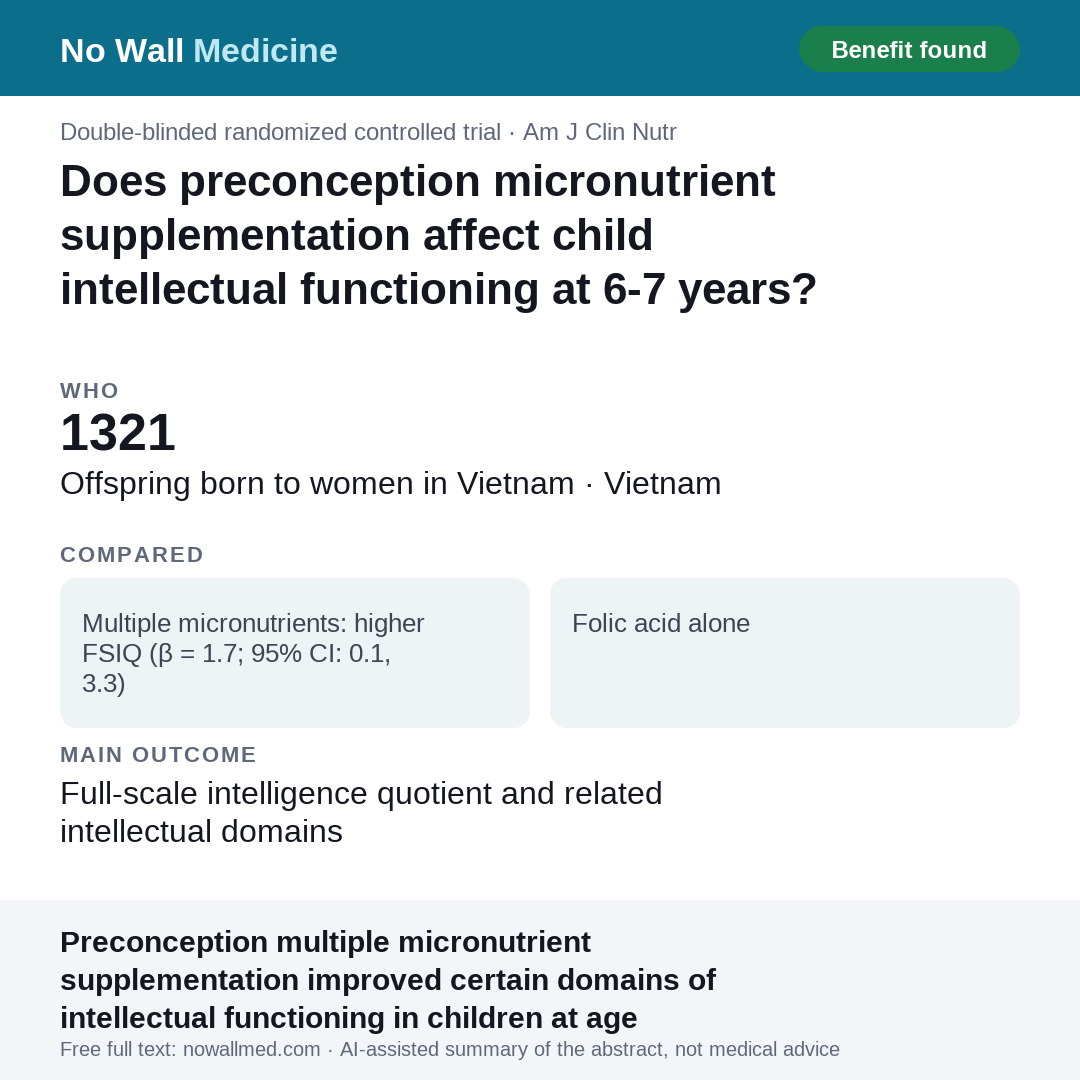
Preconception micronutrient supplementation positively affects child intellectual functioning at 6 y of age: A randomized controlled trial in Vietnam
Double-blinded randomized controlled trialBenefit found
Does preconception micronutrient supplementation affect child intellectual functioning at 6-7 years?
Who
1321
Offspring born to women in Vietnam · Vietnam
Compared
Multiple micronutrients: higher FSIQ (β = 1.7; 95% CI: 0.1, 3.3)
Folic acid alone
Main outcome
Full-scale intelligence quotient and related intellectual domains
Result: β = 1.7 (95% CI: 0.1, 3.3)
Bottom line: Preconception multiple micronutrient supplementation improved certain domains of intellectual functioning in children at age 6-7 years.
Am J Clin Nutr · 2021-03-06Download image
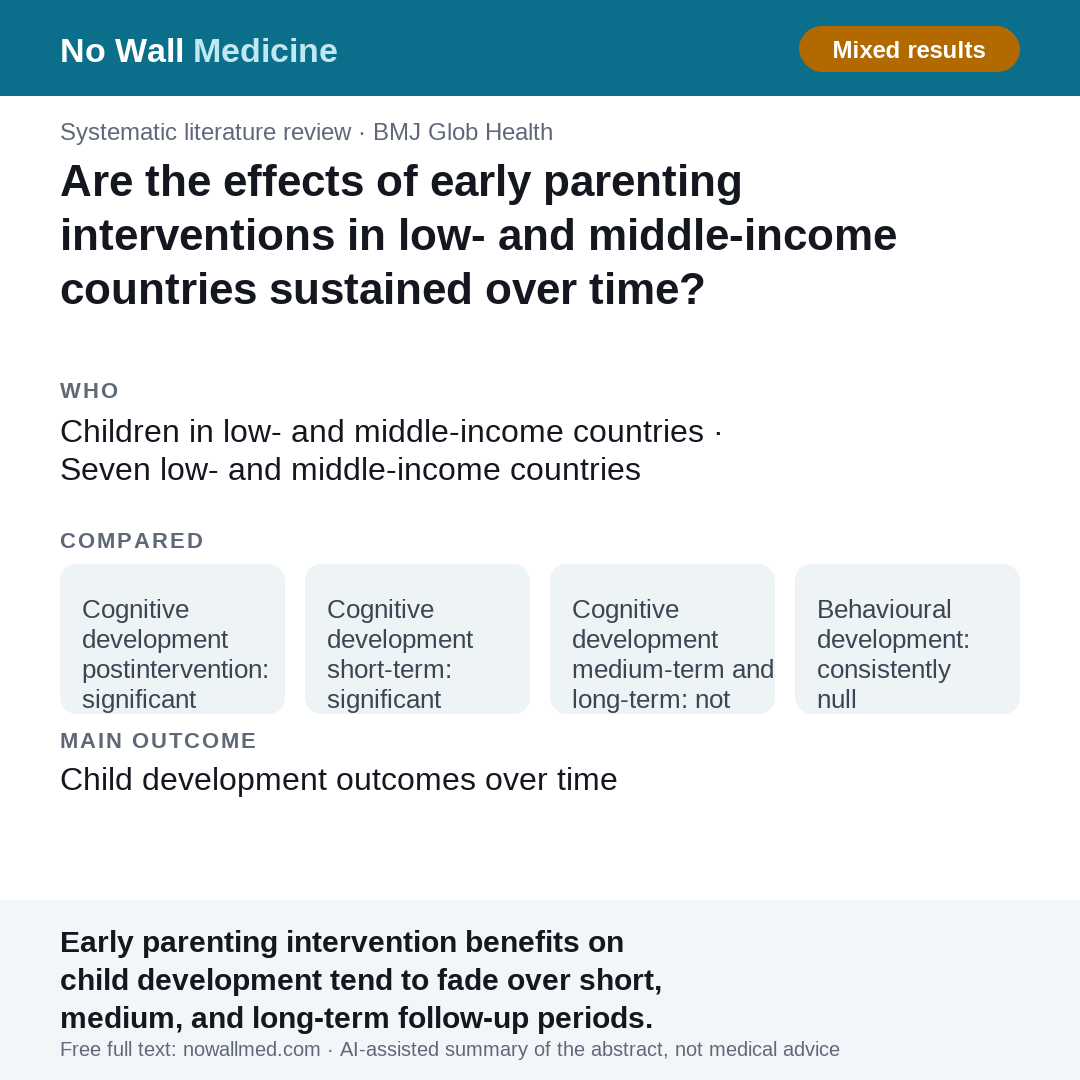
Short-term, medium-term and long-term effects of early parenting interventions in low- and middle-income countries: a systematic review
Systematic literature reviewMixed results
Are the effects of early parenting interventions in low- and middle-income countries sustained over time?
Who
Children in low- and middle-income countries · Seven low- and middle-income countries
Compared
Cognitive development postintervention: significant
Cognitive development short-term: significant
Cognitive development medium-term and long-term: not significant
Behavioural development: consistently null
Main outcome
Child development outcomes over time
Bottom line: Early parenting intervention benefits on child development tend to fade over short, medium, and long-term follow-up periods.
Limitation: Few longer-term follow-up studies were available in the identified trials.
BMJ Glob Health · 2021-03-06Download image
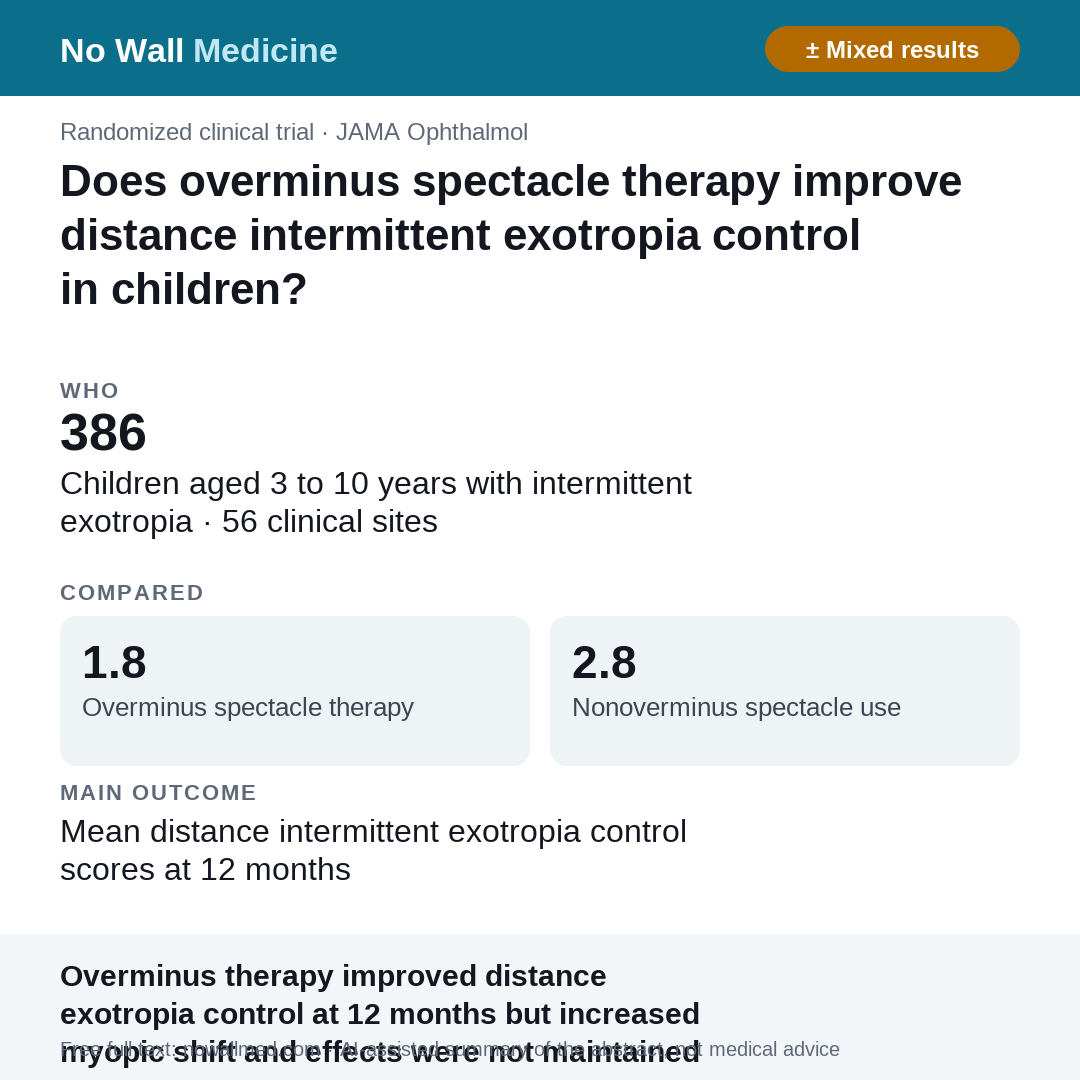
Overminus Lens Therapy for Children 3 to 10 Years of Age With Intermittent Exotropia: A Randomized Clinical Trial
Randomized clinical trialMixed results
Does overminus spectacle therapy improve distance intermittent exotropia control in children?
Who
386
Children aged 3 to 10 years with intermittent exotropia · 56 clinical sites
Compared
1.8Overminus spectacle therapy
2.8Nonoverminus spectacle use
Main outcome
Mean distance intermittent exotropia control scores at 12 months
Result: adjusted difference, -0.8; 95% CI, -1.0 to -0.5
Bottom line: Overminus therapy improved distance exotropia control at 12 months but increased myopic shift and effects were not maintained after tapering.
JAMA Ophthalmol · 2021-03-05Download image
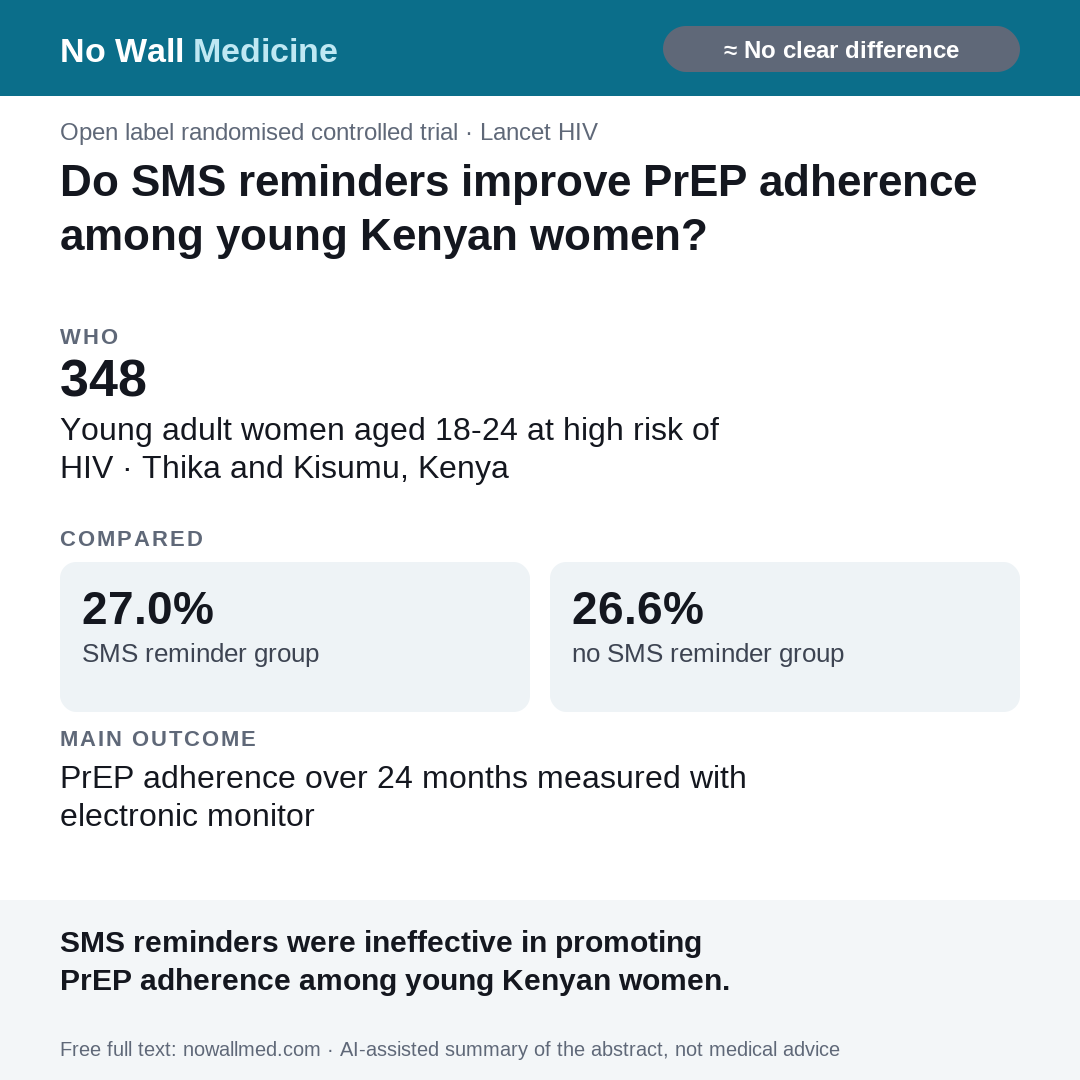
Effect of SMS reminders on PrEP adherence in young Kenyan women (MPYA study): a randomised controlled trial
Open label randomised controlled trialNo clear difference
Do SMS reminders improve PrEP adherence among young Kenyan women?
Who
348
Young adult women aged 18-24 at high risk of HIV · Thika and Kisumu, Kenya
Compared
27.0%SMS reminder group
26.6%no SMS reminder group
Main outcome
PrEP adherence over 24 months measured with electronic monitor
Result: adjusted incidence rate ratio 1.16 (95% CI 0.93 to 1.45)
Bottom line: SMS reminders were ineffective in promoting PrEP adherence among young Kenyan women.
Limitation: Overall low adherence in the trial
Funded by: US National Institute of Mental Health
Lancet HIV · 2021-03-04Download image
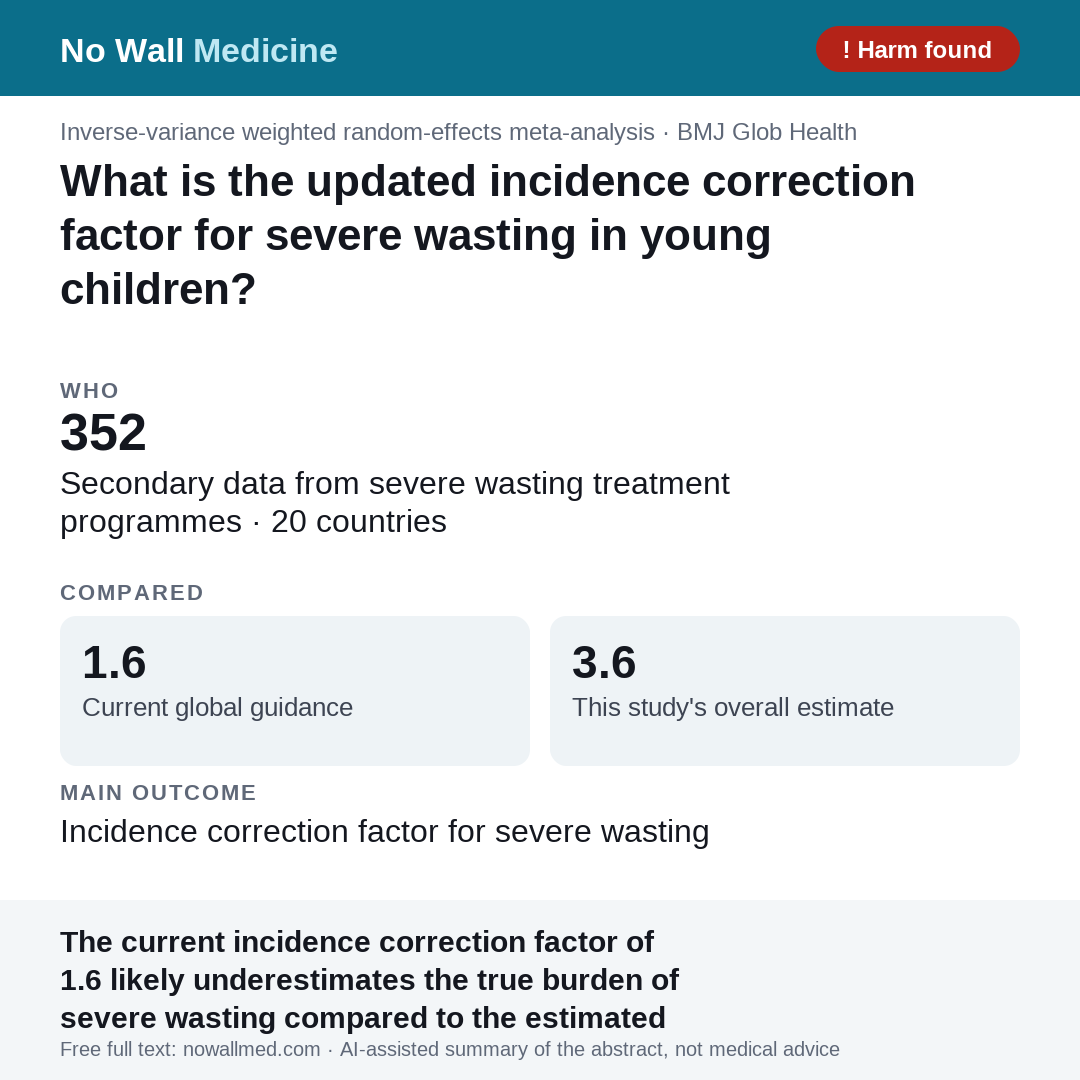
Improving estimates of the burden of severe wasting: analysis of secondary prevalence and incidence data from 352 sites
Inverse-variance weighted random-effects meta-analysisHarm found
What is the updated incidence correction factor for severe wasting in young children?
Who
352
Secondary data from severe wasting treatment programmes · 20 countries
Compared
1.6Current global guidance
3.6This study's overall estimate
Main outcome
Incidence correction factor for severe wasting
Result: 3.6 (95% CI 3.4 to 3.9)
Bottom line: The current incidence correction factor of 1.6 likely underestimates the true burden of severe wasting compared to the estimated 3.6.
BMJ Glob Health · 2021-03-03Download image
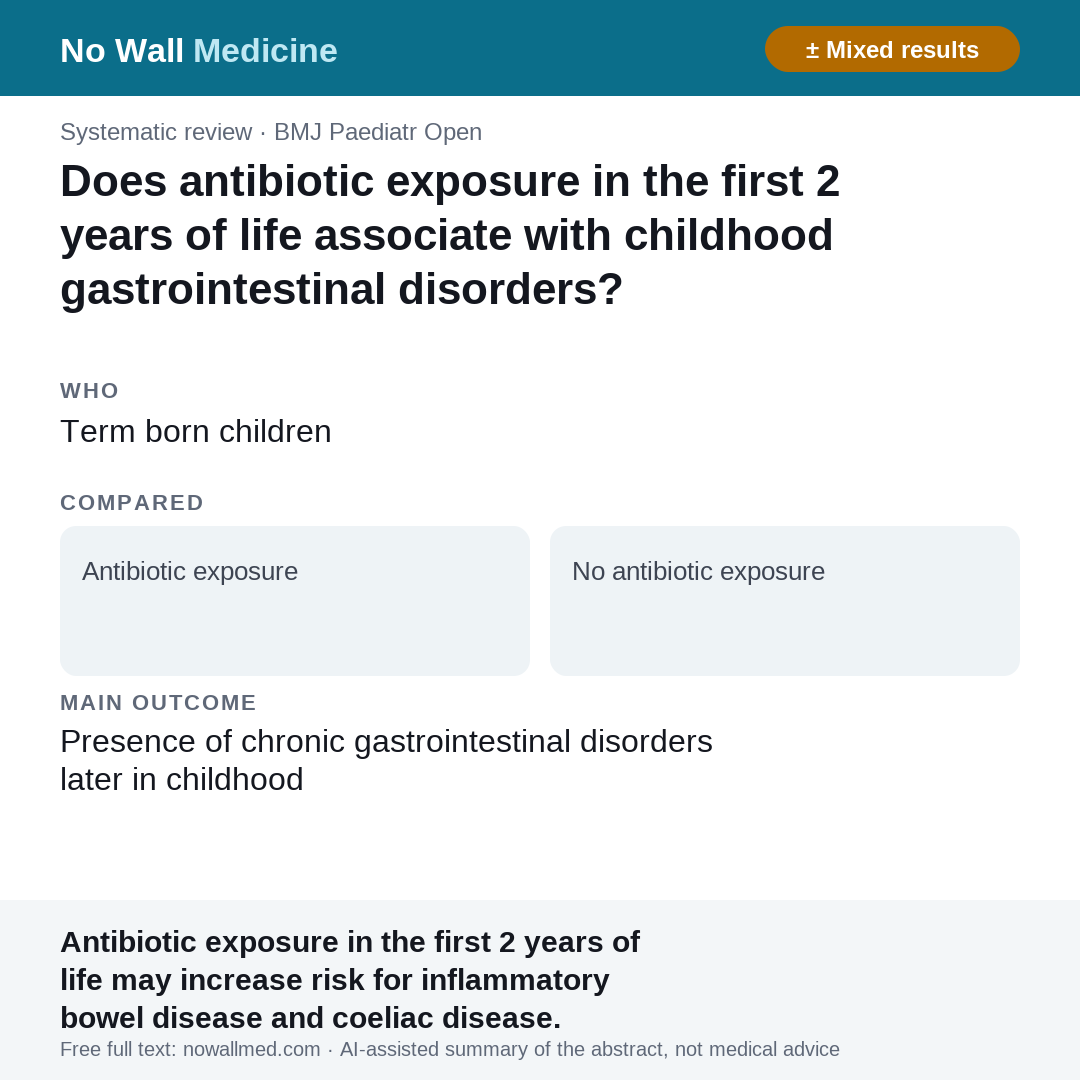
Early life antibiotics and childhood gastrointestinal disorders: a systematic review
Systematic reviewMixed results
Does antibiotic exposure in the first 2 years of life associate with childhood gastrointestinal disorders?
Who
Term born children
Compared
Antibiotic exposure
No antibiotic exposure
Main outcome
Presence of chronic gastrointestinal disorders later in childhood
Bottom line: Antibiotic exposure in the first 2 years of life may increase risk for inflammatory bowel disease and coeliac disease.
BMJ Paediatr Open · 2021-03-03Download image
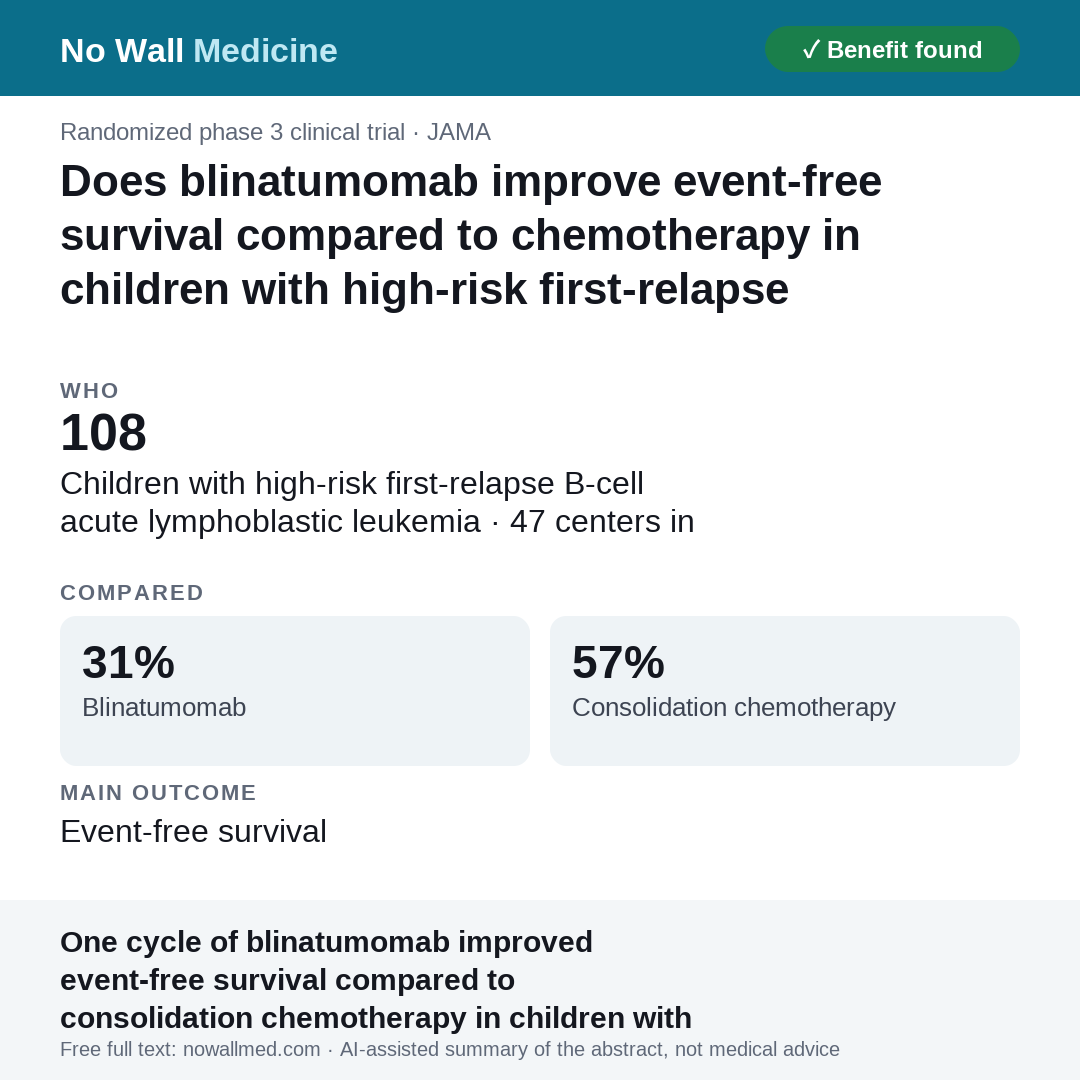
Effect of Blinatumomab vs Chemotherapy on Event-Free Survival Among Children With High-risk First-Relapse B-Cell Acute Lymphoblastic Leukemia: A Randomized Clinical Trial
Randomized phase 3 clinical trialBenefit found
Does blinatumomab improve event-free survival compared to chemotherapy in children with high-risk first-relapse B-cell acute lymphoblastic leukemia?
Who
108
Children with high-risk first-relapse B-cell acute lymphoblastic leukemia · 47 centers in 13 countries
Compared
31%Blinatumomab
57%Consolidation chemotherapy
Main outcome
Event-free survival
Result: hazard ratio 0.33 (95% CI 0.18 to 0.61)
Bottom line: One cycle of blinatumomab improved event-free survival compared to consolidation chemotherapy in children with high-risk first-relapse B-cell acute lymphoblastic leukemia.
JAMA · 2021-03-02Download image
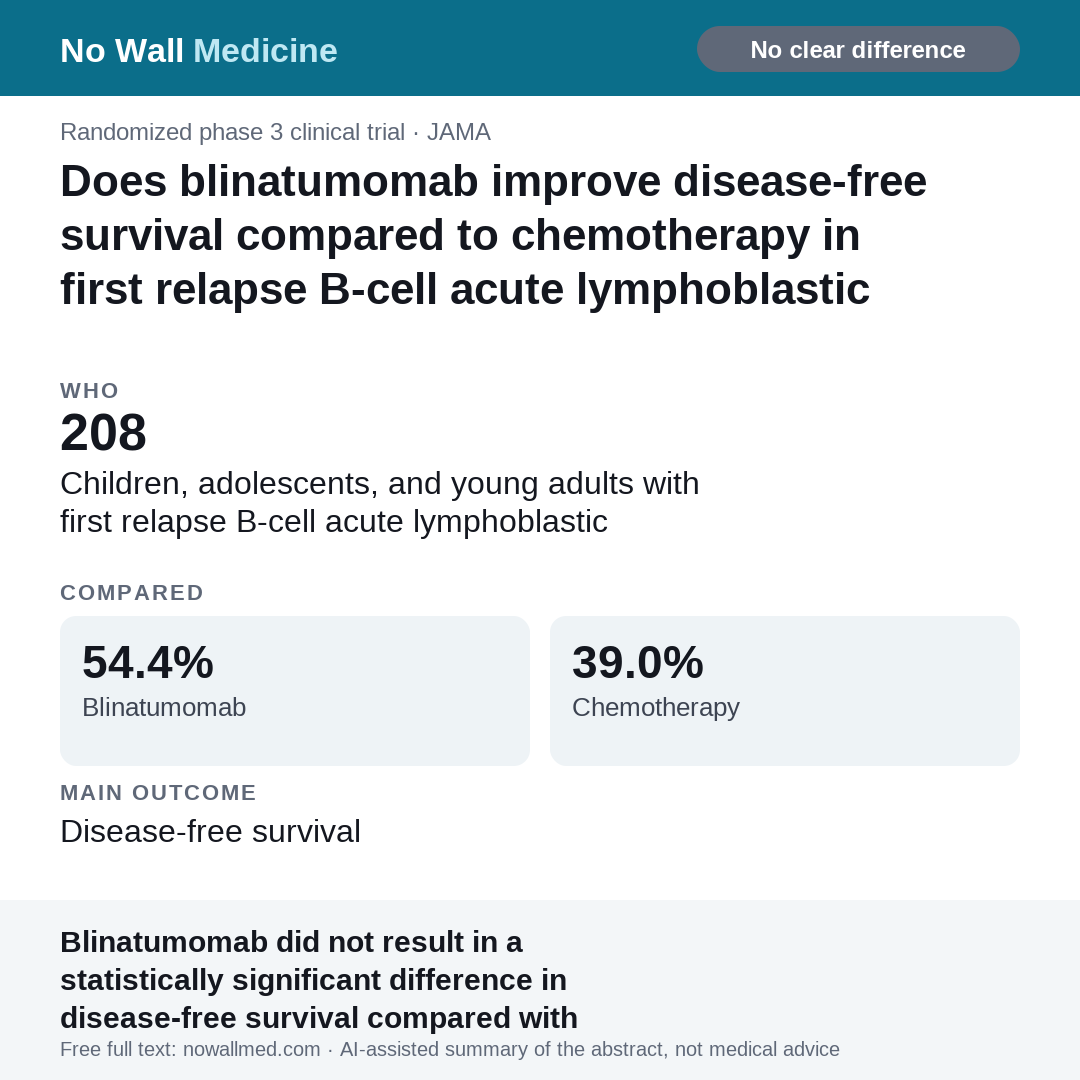
Effect of Postreinduction Therapy Consolidation With Blinatumomab vs Chemotherapy on Disease-Free Survival in Children, Adolescents, and Young Adults With First Relapse of B-Cell Acute Lymphoblastic Leukemia: A Randomized Clinical Trial
Randomized phase 3 clinical trialNo clear difference
Does blinatumomab improve disease-free survival compared to chemotherapy in first relapse B-cell acute lymphoblastic leukemia?
Who
208
Children, adolescents, and young adults with first relapse B-cell acute lymphoblastic leukemia · 155 hospitals in US, Canada, Australia, and New Zealand
Compared
54.4%Blinatumomab
39.0%Chemotherapy
Main outcome
Disease-free survival
Result: hazard ratio 0.70 (95% CI 0.47-1.03)
Bottom line: Blinatumomab did not result in a statistically significant difference in disease-free survival compared with chemotherapy.
Limitation: Study interpretation is limited by early termination with possible underpowering for the primary end point.
JAMA · 2021-03-02Download image
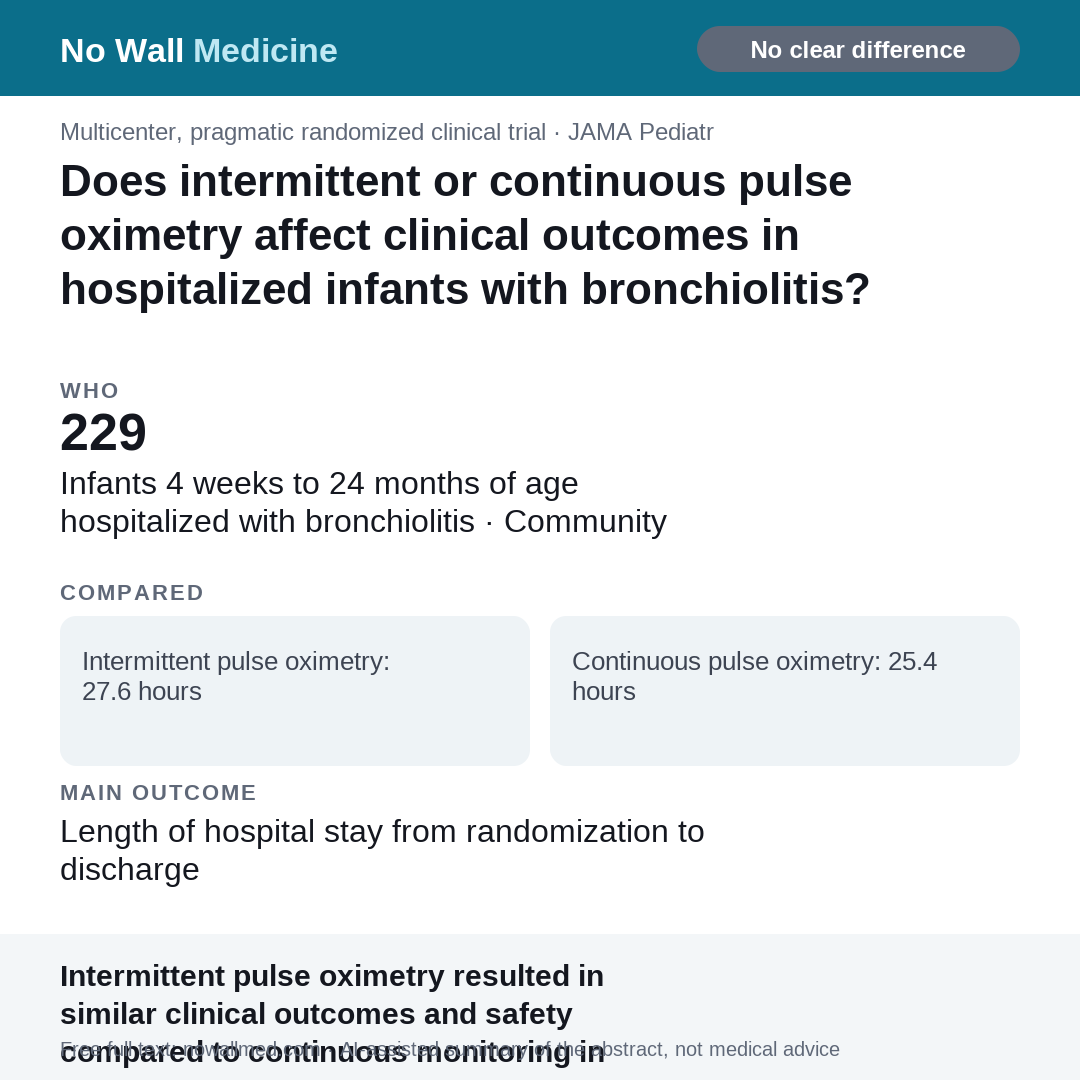
Intermittent vs Continuous Pulse Oximetry in Hospitalized Infants With Stabilized Bronchiolitis: A Randomized Clinical Trial
Multicenter, pragmatic randomized clinical trialNo clear difference
Does intermittent or continuous pulse oximetry affect clinical outcomes in hospitalized infants with bronchiolitis?
Who
229
Infants 4 weeks to 24 months of age hospitalized with bronchiolitis · Community and children's hospitals in Ontario, Canada
Compared
Intermittent pulse oximetry: 27.6 hours
Continuous pulse oximetry: 25.4 hours
Main outcome
Length of hospital stay from randomization to discharge
Result: difference of medians, 2.2 hours (95% CI, -1.9 to 6.3 hours)
Bottom line: Intermittent pulse oximetry resulted in similar clinical outcomes and safety compared to continuous monitoring in stabilized bronchiolitis infants.
JAMA Pediatr · 2021-03-02Download image
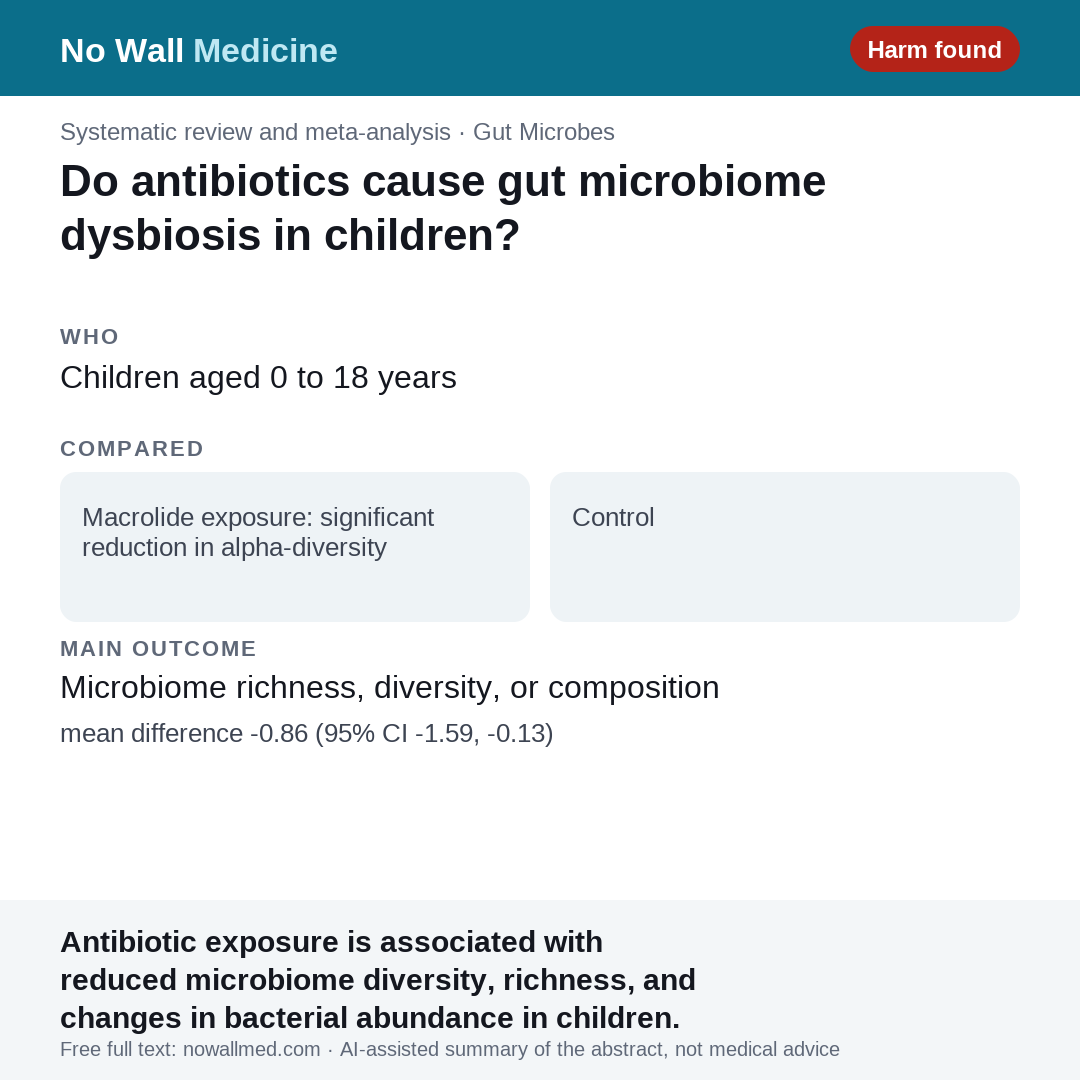
Association between antibiotics and gut microbiome dysbiosis in children: systematic review and meta-analysis
Systematic review and meta-analysisHarm found
Do antibiotics cause gut microbiome dysbiosis in children?
Who
Children aged 0 to 18 years
Compared
Macrolide exposure: significant reduction in alpha-diversity
Control
Main outcome
Microbiome richness, diversity, or composition
Result: mean difference -0.86 (95% CI -1.59, -0.13)
Bottom line: Antibiotic exposure is associated with reduced microbiome diversity, richness, and changes in bacterial abundance in children.
Gut Microbes · 2021-03-02Download image
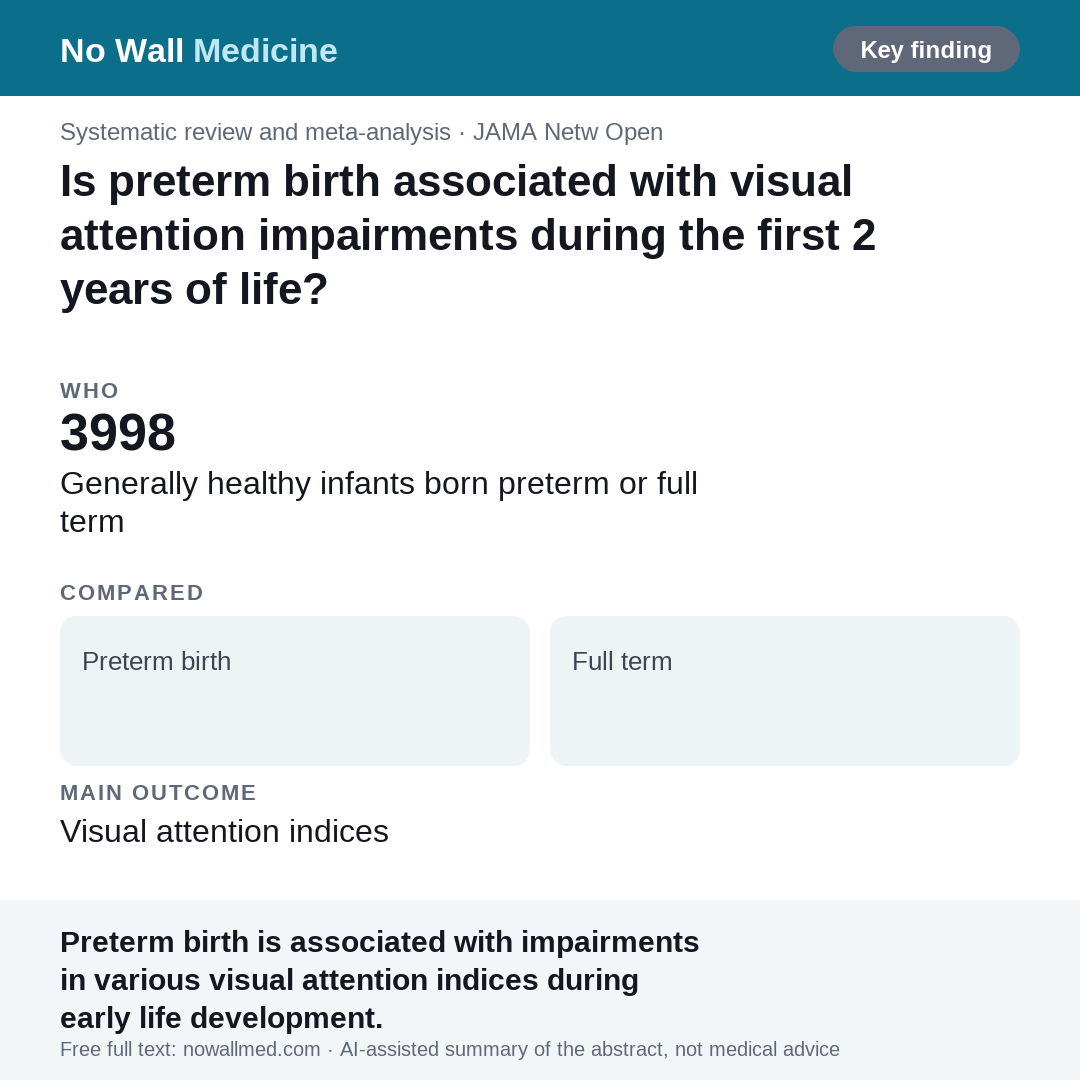
Preterm Birth and the Development of Visual Attention During the First 2 Years of Life: A Systematic Review and Meta-analysis
Systematic review and meta-analysisKey finding
Is preterm birth associated with visual attention impairments during the first 2 years of life?
Who
3998
Generally healthy infants born preterm or full term
Compared
Preterm birth
Full term
Main outcome
Visual attention indices
Result: Cohen d, -0.77 (95% CI, -1.23 to -0.31) for visual-following in infancy
Bottom line: Preterm birth is associated with impairments in various visual attention indices during early life development.
JAMA Netw Open · 2021-03-01Download image
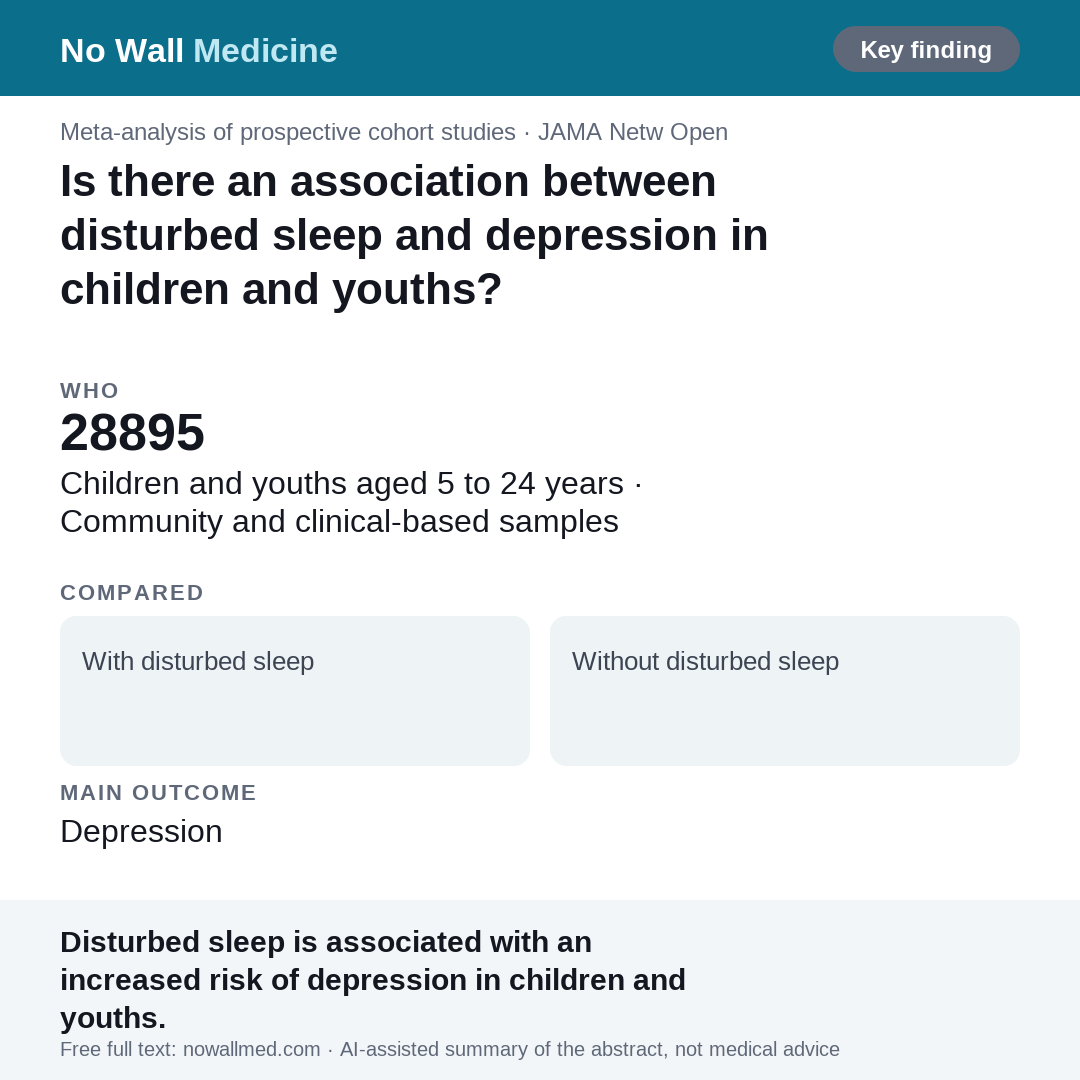
Association Between Disturbed Sleep and Depression in Children and Youths: A Systematic Review and Meta-analysis of Cohort Studies
Meta-analysis of prospective cohort studiesKey finding
Is there an association between disturbed sleep and depression in children and youths?
Who
28895
Children and youths aged 5 to 24 years · Community and clinical-based samples
Compared
With disturbed sleep
Without disturbed sleep
Main outcome
Depression
Result: odds ratio 1.50 (95% CI 1.13-2.00)
Bottom line: Disturbed sleep is associated with an increased risk of depression in children and youths.
Limitation: Substantial publication bias was found.
JAMA Netw Open · 2021-03-01Download image