Visual abstracts
New randomized trials and meta-analyses from leading journals at a glance: who was studied, what was compared, and what was found. Every paper is free to read in full.
All specialtiesCardiology 4763Oncology 4042Gastroenterology & Hepatology 1902Infectious Disease 3756Neurology 1872Psychiatry & Mental Health 2214Pulmonology 2042Critical Care 1319Endocrinology & Diabetes 2544Pediatrics 2889Surgery 2479Orthopedics & Sports Medicine 917Neurosurgery 525Cardiothoracic & Vascular Surgery 656Plastic & Reconstructive Surgery 574Nephrology 1107Rheumatology 810Hematology 1090Dermatology 611Ophthalmology 532Obstetrics & Gynecology 1645Public & Global Health 1037Radiology & Imaging 617Anesthesiology 957Urology 745ENT (Otolaryngology) 494Emergency Medicine 481Allergy & Immunology 309Geriatrics 972Family Medicine & Primary Care 533Medical Genetics & Genomics 659Pathology & Laboratory Medicine 156Physical Medicine & Rehabilitation 734Palliative Care 421Nutrition 1560Digital Health & AI 2133General Medicine 318
A catena between psychiatric disorders and non-scarring alopecias-A systematic review
Systematic reviewMixed results
Are specific forms of hair loss correlated to psychiatric illnesses?
Who
Patients with hair loss and psychiatric disorders
Compared
Hair loss
Psychiatric disorders
Main outcome
Correlation between hair loss and mental health disorders
Bottom line: Hair loss is significantly associated with major depressive disorder and anxiety, but specific correlations per hair loss type remain unclear.
Limitation: Low number of publications with quantitative data prevented identifying correlations between specific hair loss types and psychiatric disorders.
Skin Health Dis · 2022-11-25Download image

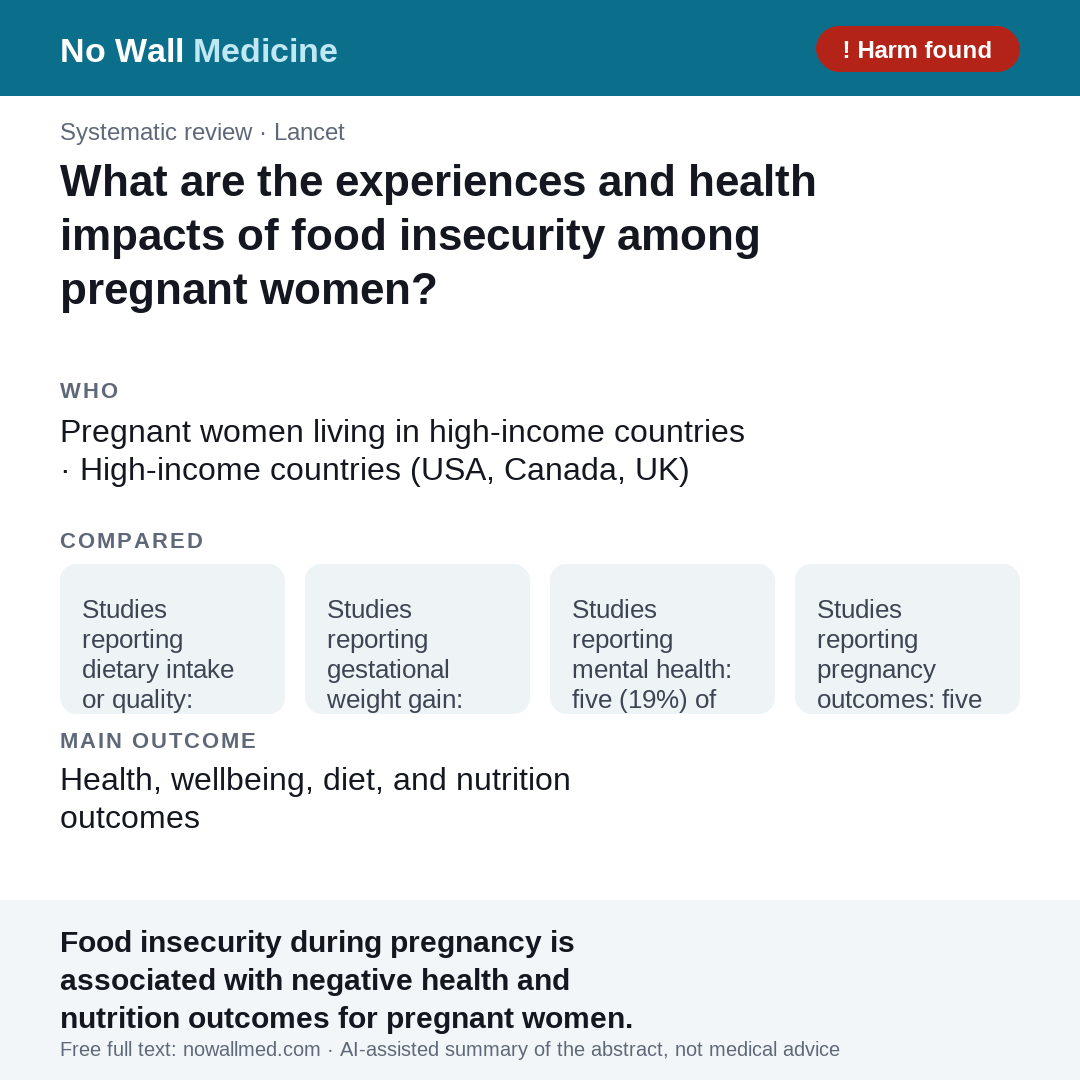
Food insecurity among pregnant women living in high-income countries: a systematic review
Systematic reviewHarm found
What are the experiences and health impacts of food insecurity among pregnant women?
Who
Pregnant women living in high-income countries · High-income countries (USA, Canada, UK)
Compared
Studies reporting dietary intake or quality: seven (26%) of 27
Studies reporting gestational weight gain: seven (26%) of 27
Studies reporting mental health: five (19%) of 27
Studies reporting pregnancy outcomes: five (19%) of 27
Main outcome
Health, wellbeing, diet, and nutrition outcomes
Bottom line: Food insecurity during pregnancy is associated with negative health and nutrition outcomes for pregnant women.
Limitation: The review had a restricted focus on studies conducted from 2008 onward.
Lancet · 2022-11-24Download image
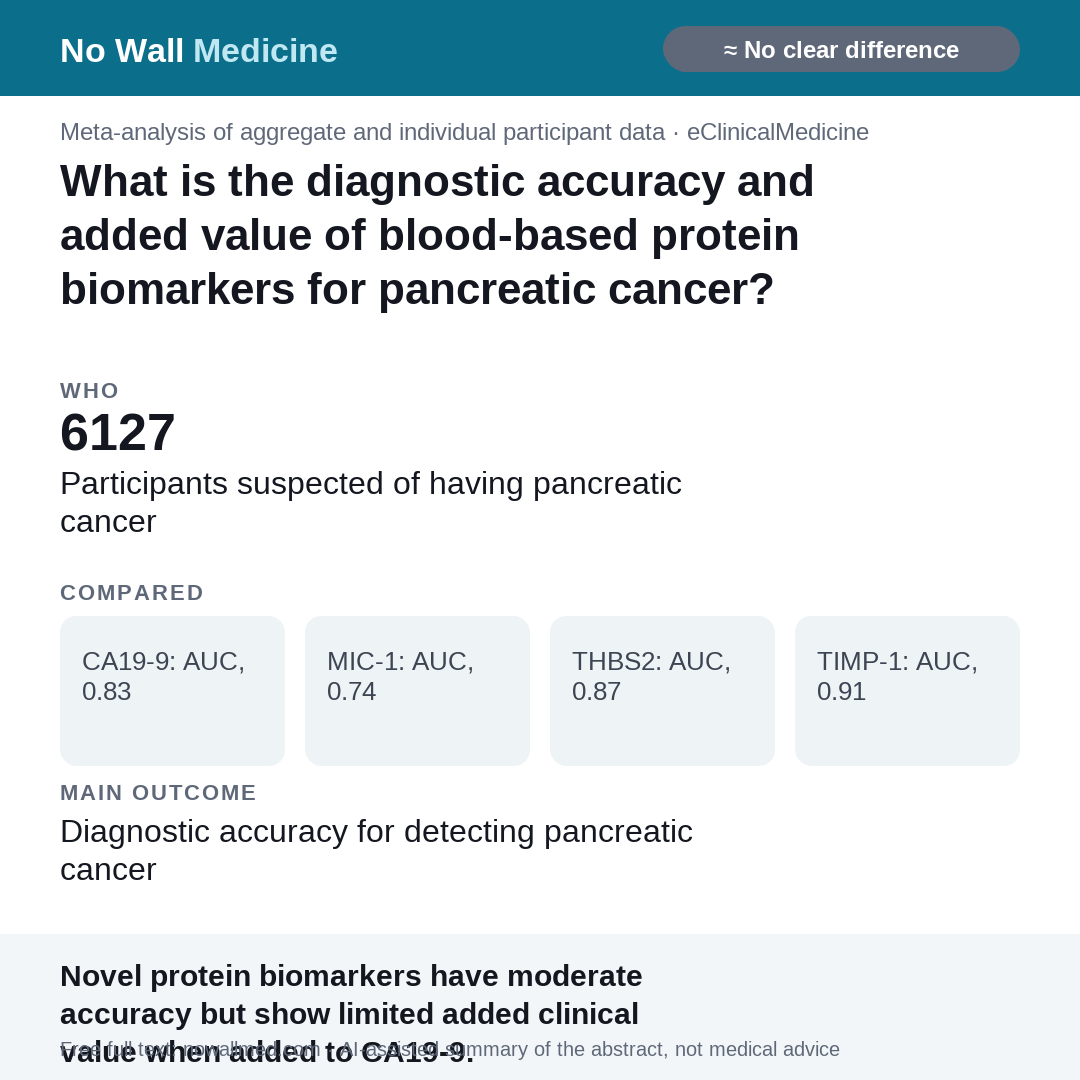
Diagnostic accuracy and added value of blood-based protein biomarkers for pancreatic cancer: A meta-analysis of aggregate and individual participant data
Meta-analysis of aggregate and individual participant dataNo clear difference
What is the diagnostic accuracy and added value of blood-based protein biomarkers for pancreatic cancer?
Who
6127
Participants suspected of having pancreatic cancer
Compared
CA19-9: AUC, 0.83
MIC-1: AUC, 0.74
THBS2: AUC, 0.87
TIMP-1: AUC, 0.91
Main outcome
Diagnostic accuracy for detecting pancreatic cancer
Bottom line: Novel protein biomarkers have moderate accuracy but show limited added clinical value when added to CA19-9.
Funded by: Bennink Foundation, Dutch Cancer Foundation, and AIRC
eClinicalMedicine · 2022-11-24Download image
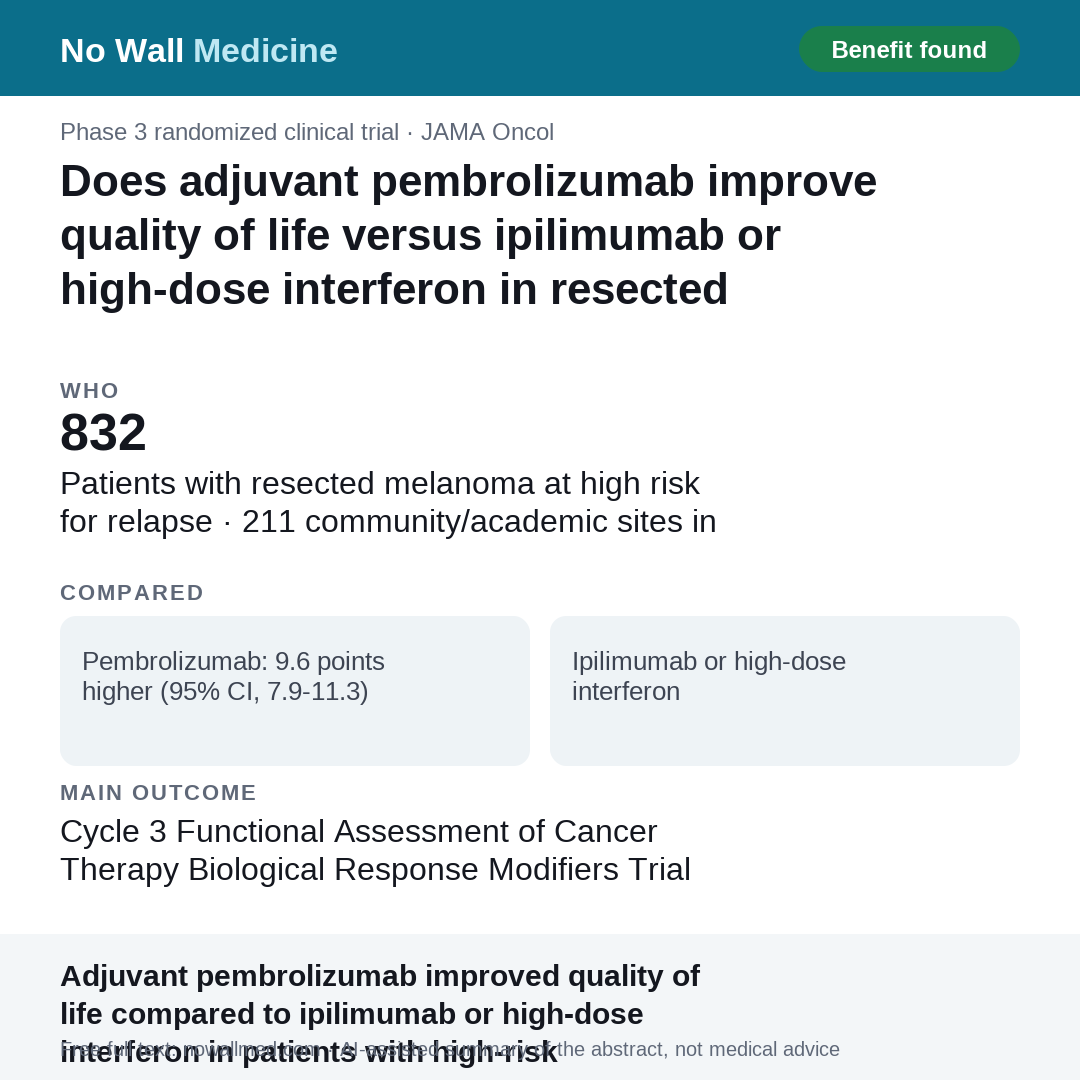
Effectiveness of Adjuvant Pembrolizumab vs High-Dose Interferon or Ipilimumab for Quality-of-Life Outcomes in Patients With Resected Melanoma: A Secondary Analysis of the SWOG S1404 Randomized Clinical Trial
Phase 3 randomized clinical trialBenefit found
Does adjuvant pembrolizumab improve quality of life versus ipilimumab or high-dose interferon in resected melanoma?
Who
832
Patients with resected melanoma at high risk for relapse · 211 community/academic sites in US, Canada, and Ireland
Compared
Pembrolizumab: 9.6 points higher (95% CI, 7.9-11.3)
Ipilimumab or high-dose interferon
Main outcome
Cycle 3 Functional Assessment of Cancer Therapy Biological Response Modifiers Trial Outcome Index scores
Result: 9.6 points (95% CI, 7.9-11.3) higher for pembrolizumab
Bottom line: Adjuvant pembrolizumab improved quality of life compared to ipilimumab or high-dose interferon in patients with high-risk resected melanoma.
JAMA Oncol · 2022-11-24Download image
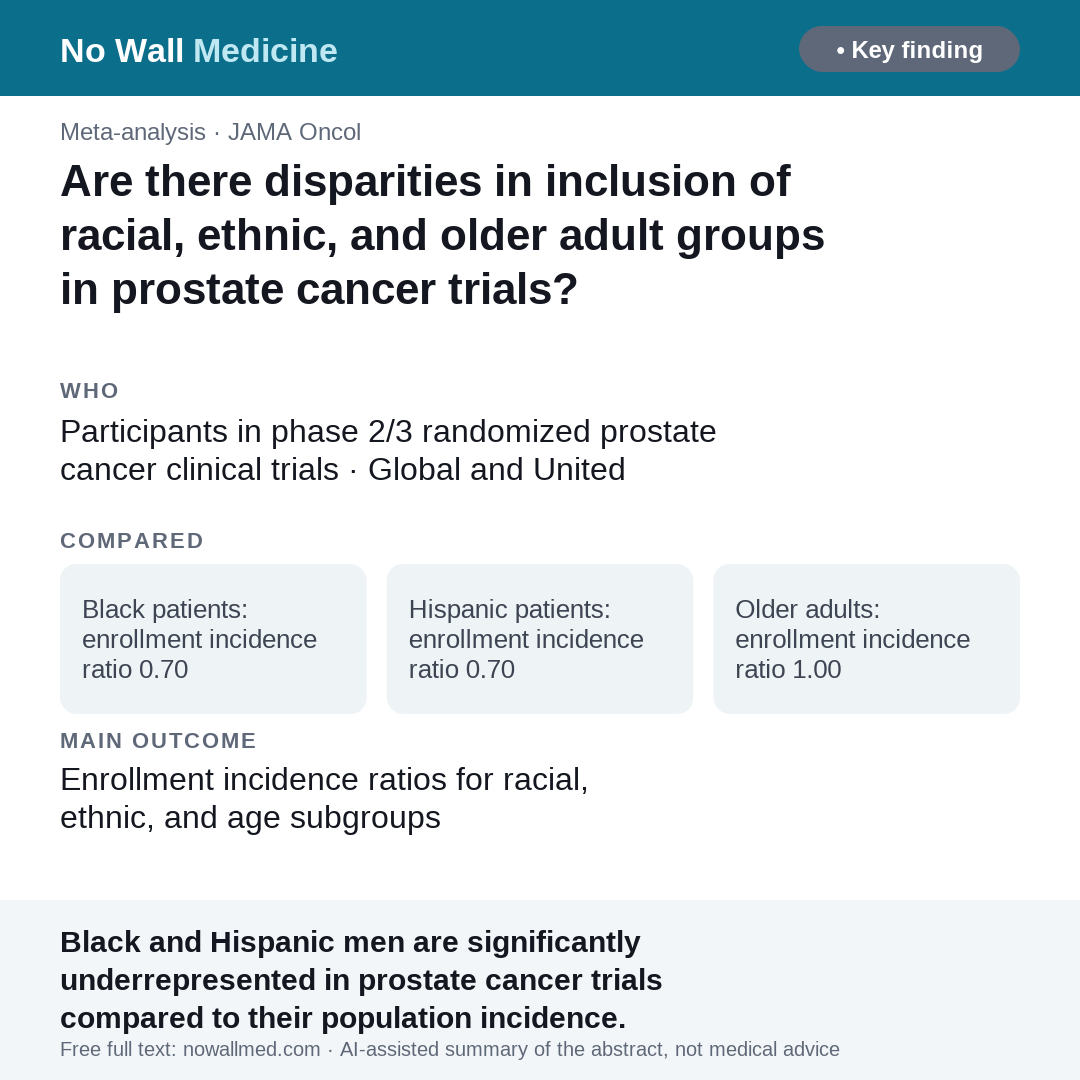
Disparities in the Inclusion of Racial and Ethnic Minority Groups and Older Adults in Prostate Cancer Clinical Trials: A Meta-analysis
Meta-analysisKey finding
Are there disparities in inclusion of racial, ethnic, and older adult groups in prostate cancer trials?
Who
Participants in phase 2/3 randomized prostate cancer clinical trials · Global and United States
Compared
Black patients: enrollment incidence ratio 0.70
Hispanic patients: enrollment incidence ratio 0.70
Older adults: enrollment incidence ratio 1.00
Main outcome
Enrollment incidence ratios for racial, ethnic, and age subgroups
Result: Black (EIR, 0.70; 95% CI, 0.59-0.83) and Hispanic (EIR, 0.70; 95% CI, 0.59-0.83) patients
Bottom line: Black and Hispanic men are significantly underrepresented in prostate cancer trials compared to their population incidence.
JAMA Oncol · 2022-11-24Download image
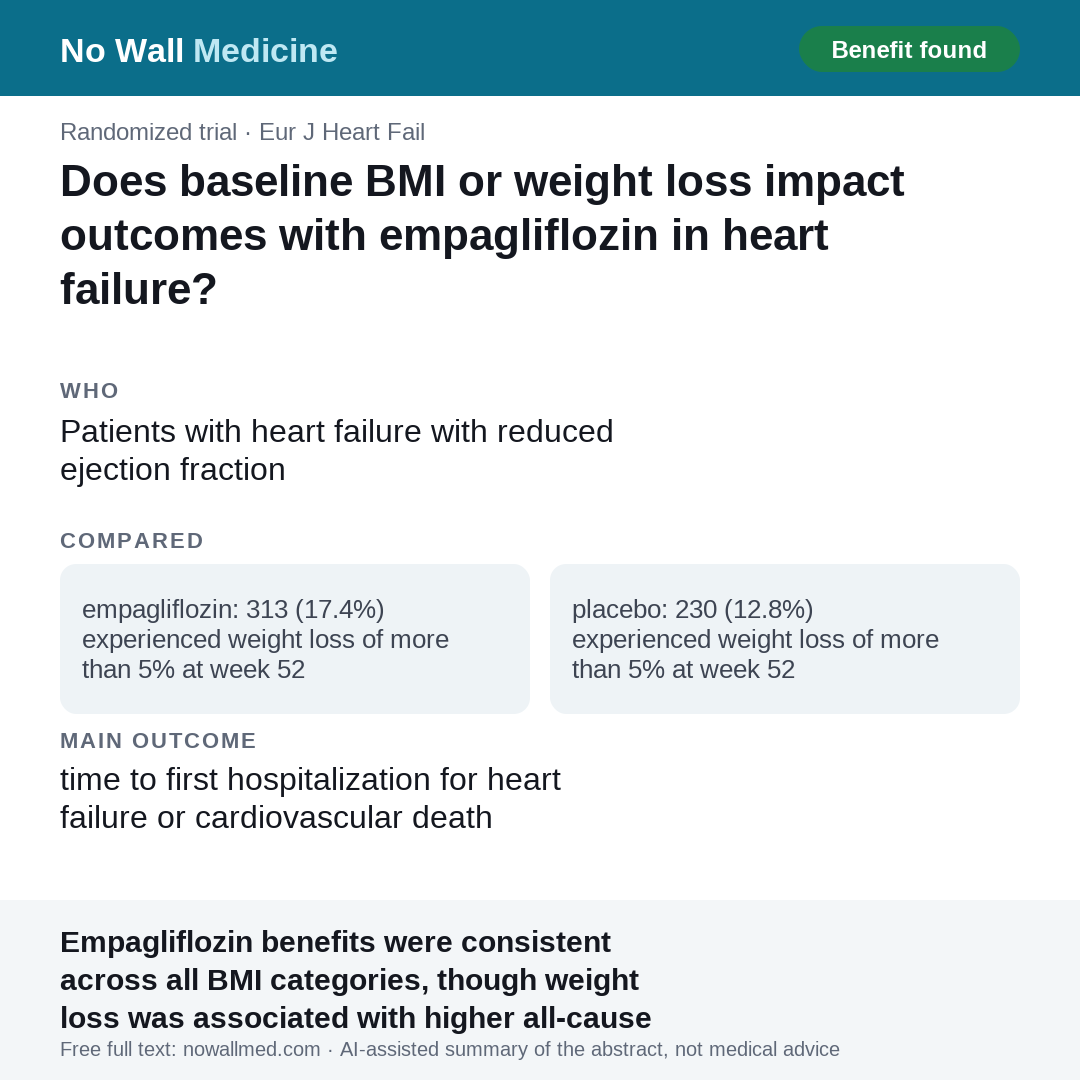
Weight change and clinical outcomes in heart failure with reduced ejection fraction: insights from EMPEROR-Reduced
Randomized trialBenefit found
Does baseline BMI or weight loss impact outcomes with empagliflozin in heart failure?
Who
Patients with heart failure with reduced ejection fraction
Compared
empagliflozin: 313 (17.4%) experienced weight loss of more than 5% at week 52
placebo: 230 (12.8%) experienced weight loss of more than 5% at week 52
Main outcome
time to first hospitalization for heart failure or cardiovascular death
Result: hazard ratios in subgroups 0.66-0.88
Bottom line: Empagliflozin benefits were consistent across all BMI categories, though weight loss was associated with higher all-cause mortality risk.
Eur J Heart Fail · 2022-11-24Download image
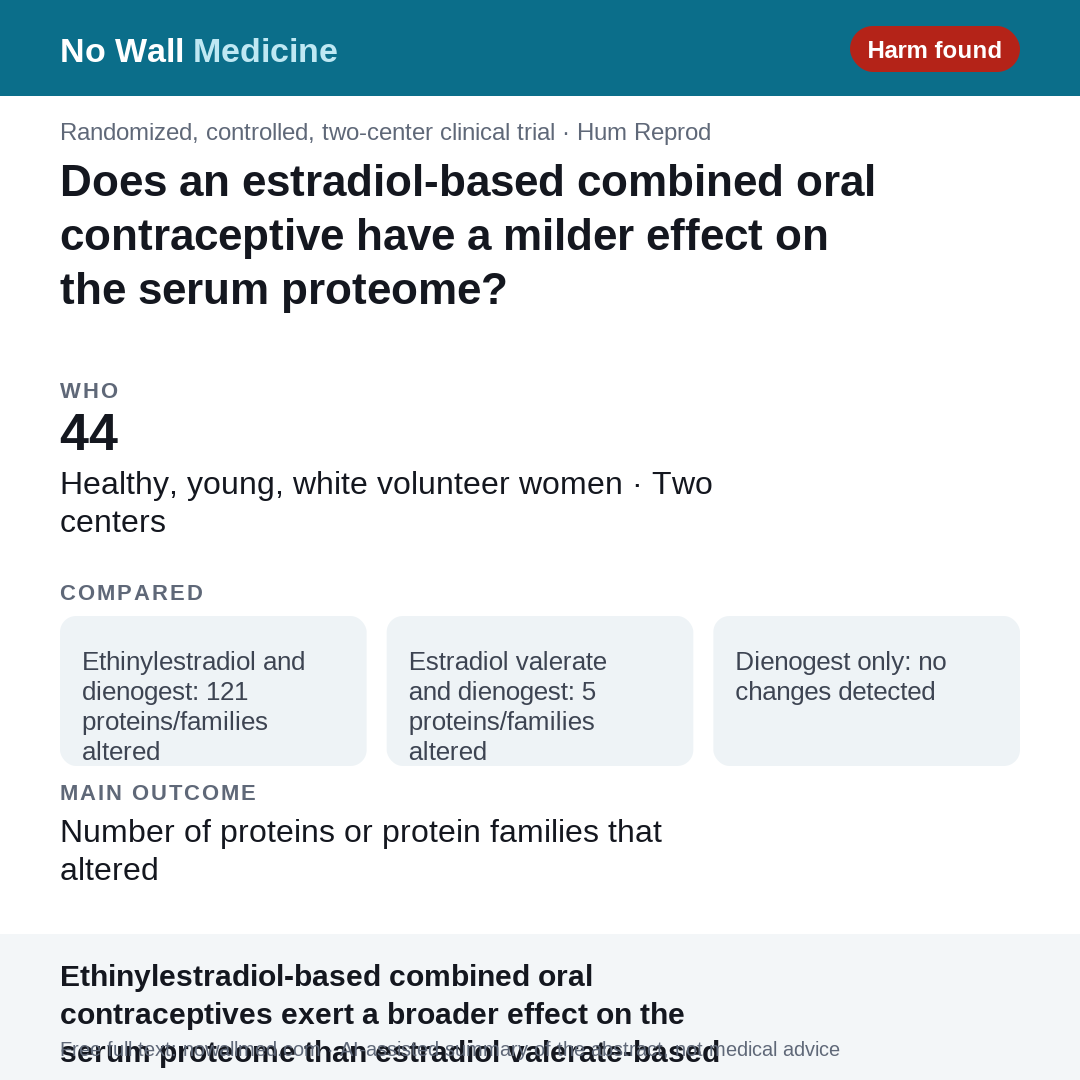
Ethinylestradiol in combined hormonal contraceptive has a broader effect on serum proteome compared with estradiol valerate: a randomized controlled trial
Randomized, controlled, two-center clinical trialHarm found
Does an estradiol-based combined oral contraceptive have a milder effect on the serum proteome?
Who
44
Healthy, young, white volunteer women · Two centers
Compared
Ethinylestradiol and dienogest: 121 proteins/families altered
Estradiol valerate and dienogest: 5 proteins/families altered
Dienogest only: no changes detected
Main outcome
Number of proteins or protein families that altered
Bottom line: Ethinylestradiol-based combined oral contraceptives exert a broader effect on the serum proteome than estradiol valerate-based options.
Limitation: The power analysis was not based on the proteomic analysis of this spin-off study.
Funded by: Helsinki University Hospital research funds and several other foundations
Hum Reprod · 2022-11-24Download image
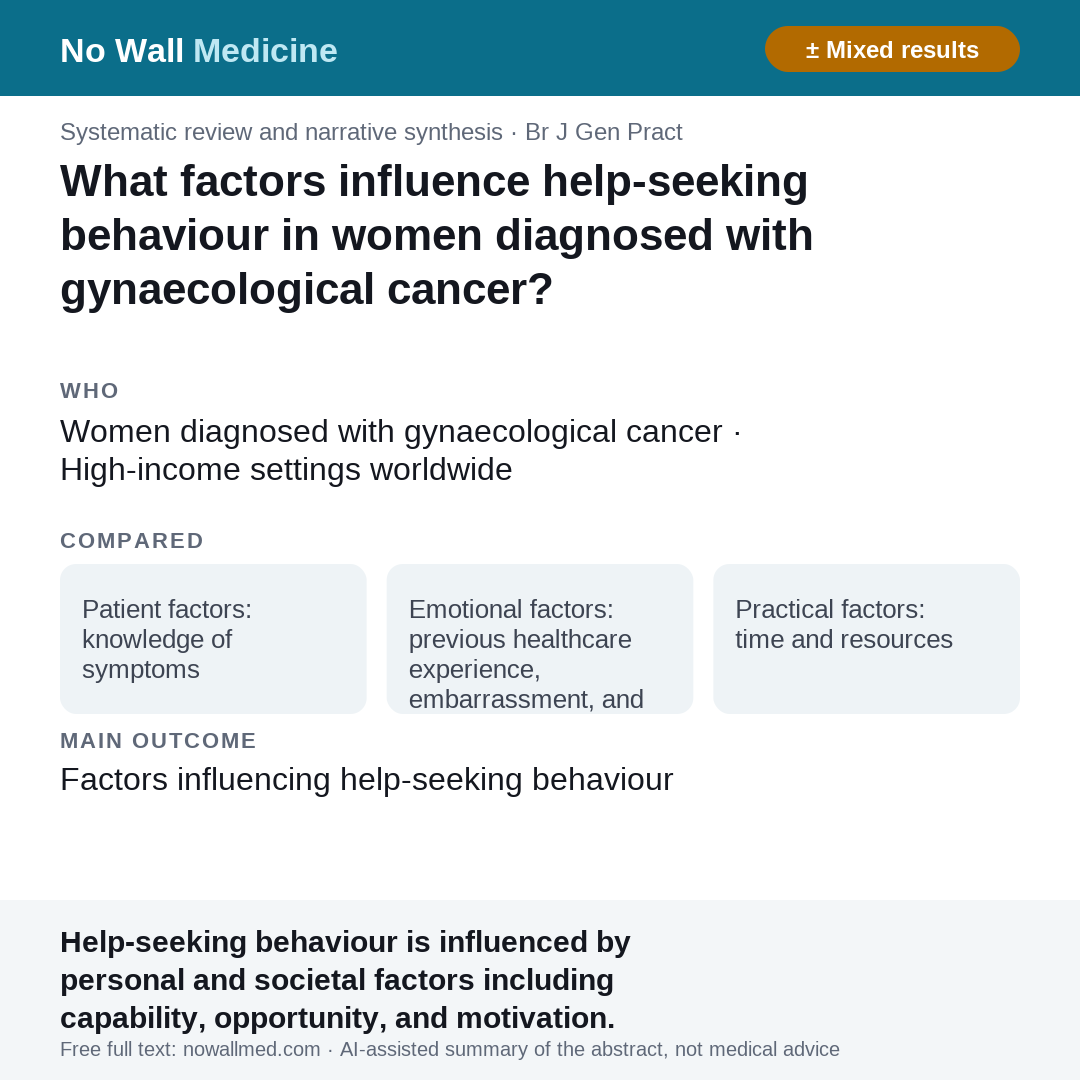
Help-seeking behaviour in women diagnosed with gynaecological cancer: a systematic review
Systematic review and narrative synthesisMixed results
What factors influence help-seeking behaviour in women diagnosed with gynaecological cancer?
Who
Women diagnosed with gynaecological cancer · High-income settings worldwide
Compared
Patient factors: knowledge of symptoms
Emotional factors: previous healthcare experience, embarrassment, and trust
Practical factors: time and resources
Main outcome
Factors influencing help-seeking behaviour
Bottom line: Help-seeking behaviour is influenced by personal and societal factors including capability, opportunity, and motivation.
Br J Gen Pract · 2022-11-24Download image
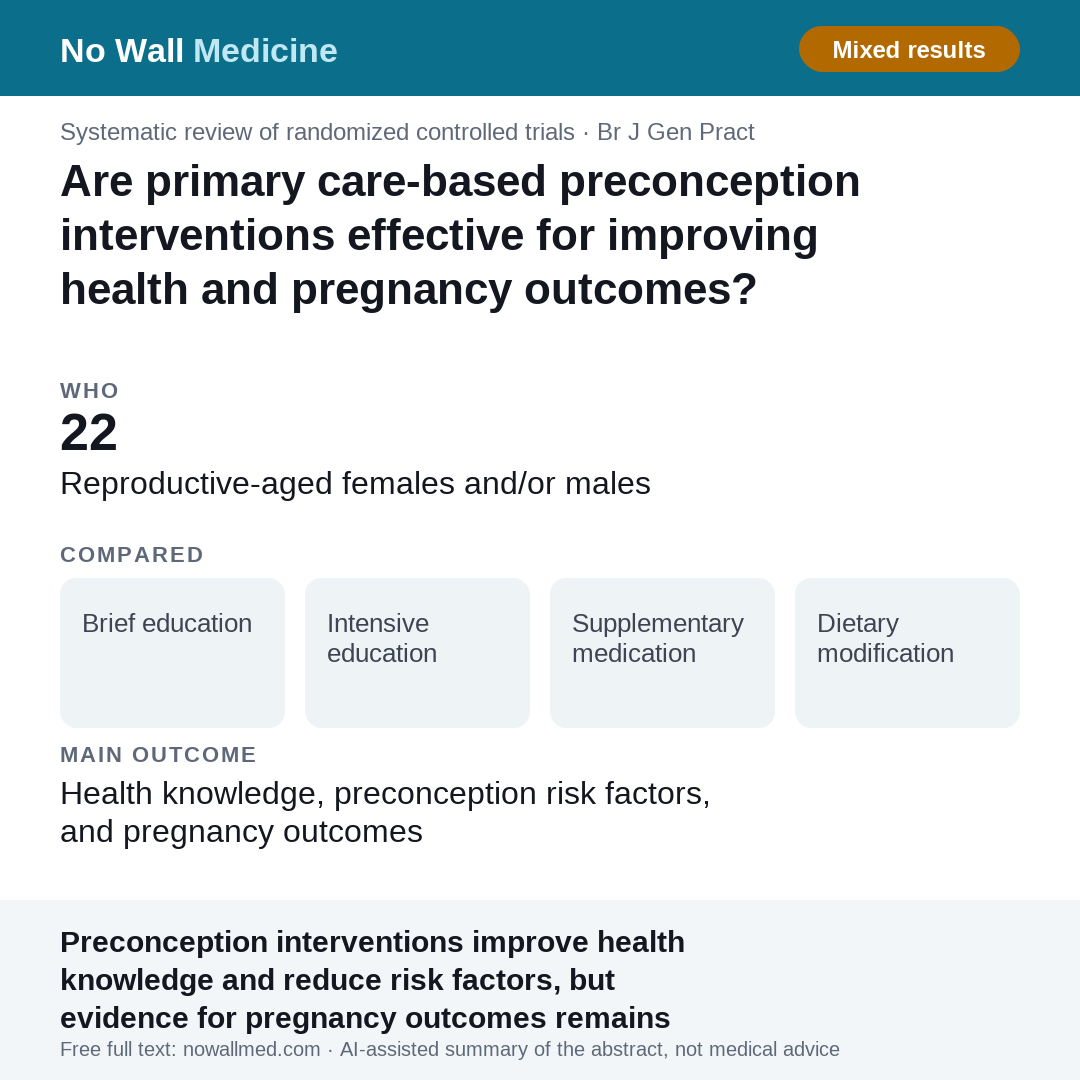
Effectiveness of preconception interventions in primary care: a systematic review
Systematic review of randomized controlled trialsMixed results
Are primary care-based preconception interventions effective for improving health and pregnancy outcomes?
Who
Reproductive-aged females and/or males
Compared
Brief education
Intensive education
Supplementary medication
Dietary modification
Main outcome
Health knowledge, preconception risk factors, and pregnancy outcomes
Bottom line: Preconception interventions improve health knowledge and reduce risk factors, but evidence for pregnancy outcomes remains limited.
Limitation: Most randomized controlled trials were of low quality.
Br J Gen Pract · 2022-11-24Download image
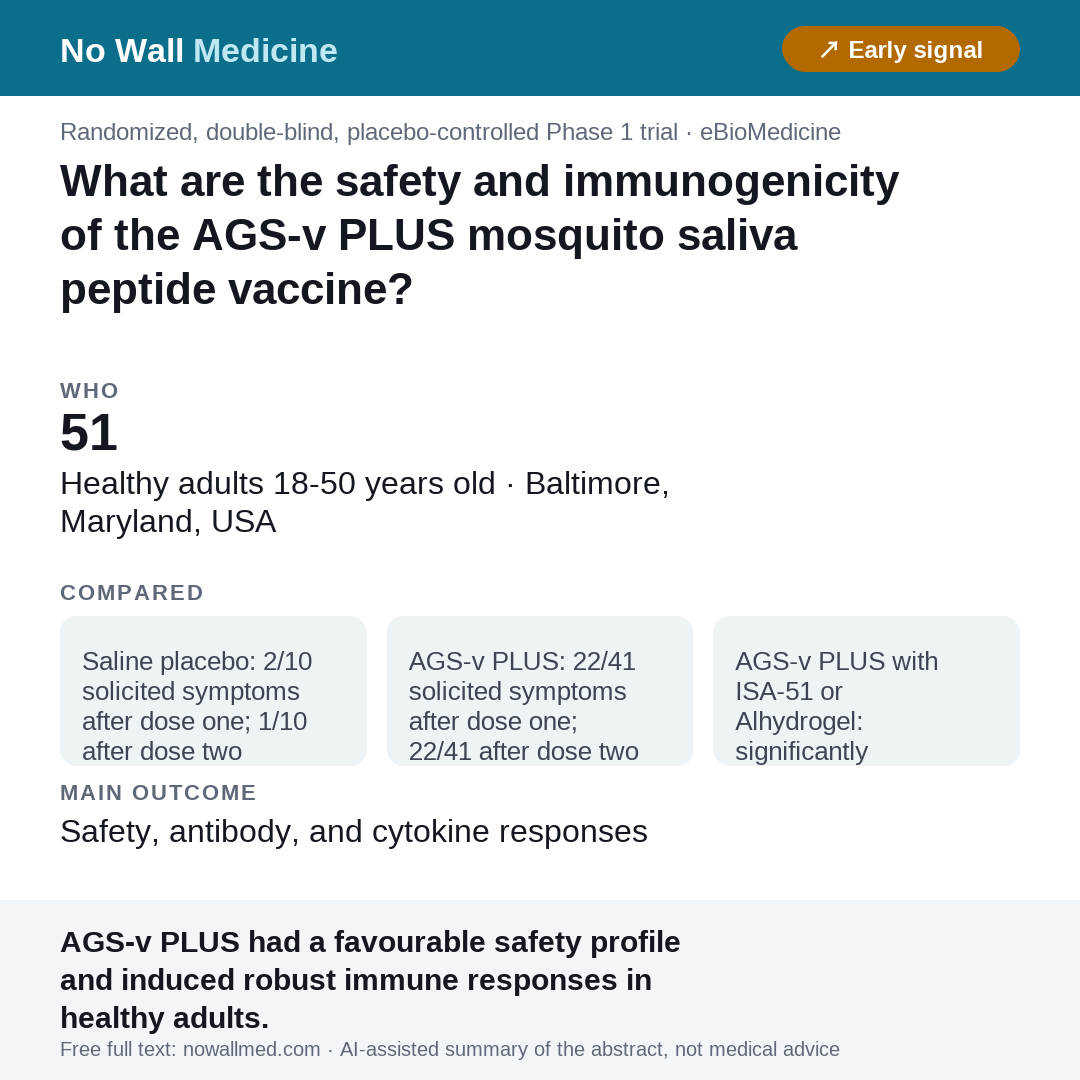
Safety and immunogenicity of AGS-v PLUS, a mosquito saliva peptide vaccine against arboviral diseases: A randomized, double-blind, placebo-controlled Phase 1 trial
Randomized, double-blind, placebo-controlled Phase 1 trialEarly signal
What are the safety and immunogenicity of the AGS-v PLUS mosquito saliva peptide vaccine?
Who
51
Healthy adults 18-50 years old · Baltimore, Maryland, USA
Compared
Saline placebo: 2/10 solicited symptoms after dose one; 1/10 after dose two
AGS-v PLUS: 22/41 solicited symptoms after dose one; 22/41 after dose two
AGS-v PLUS with ISA-51 or Alhydrogel: significantly greater fold change in anti-AGS-v PLUS IgG and IFN-ɣ
Main outcome
Safety, antibody, and cytokine responses
Bottom line: AGS-v PLUS had a favourable safety profile and induced robust immune responses in healthy adults.
Funded by: UK Department of Health and Social Care
eBioMedicine · 2022-11-24Download image
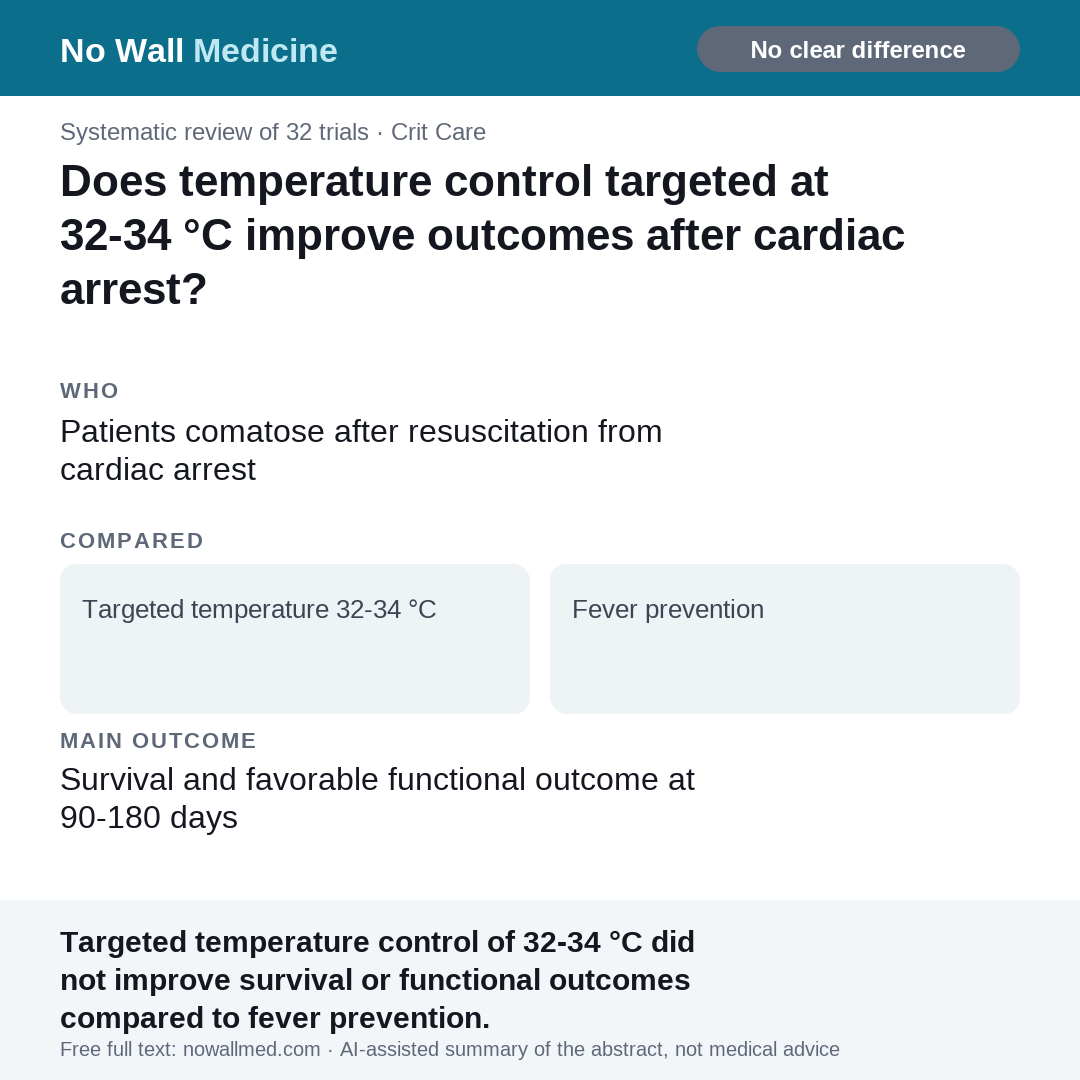
Temperature control after cardiac arrest
Systematic review of 32 trialsNo clear difference
Does temperature control targeted at 32-34 °C improve outcomes after cardiac arrest?
Who
Patients comatose after resuscitation from cardiac arrest
Compared
Targeted temperature 32-34 °C
Fever prevention
Main outcome
Survival and favorable functional outcome at 90-180 days
Result: RR 1.08 (95% CI 0.89-1.30) for survival; RR 1.21 (95% CI 0.91-1.61) for functional outcome
Bottom line: Targeted temperature control of 32-34 °C did not improve survival or functional outcomes compared to fever prevention.
Limitation: Substantial heterogeneity across trials and low certainty of evidence.
Crit Care · 2022-11-24Download image
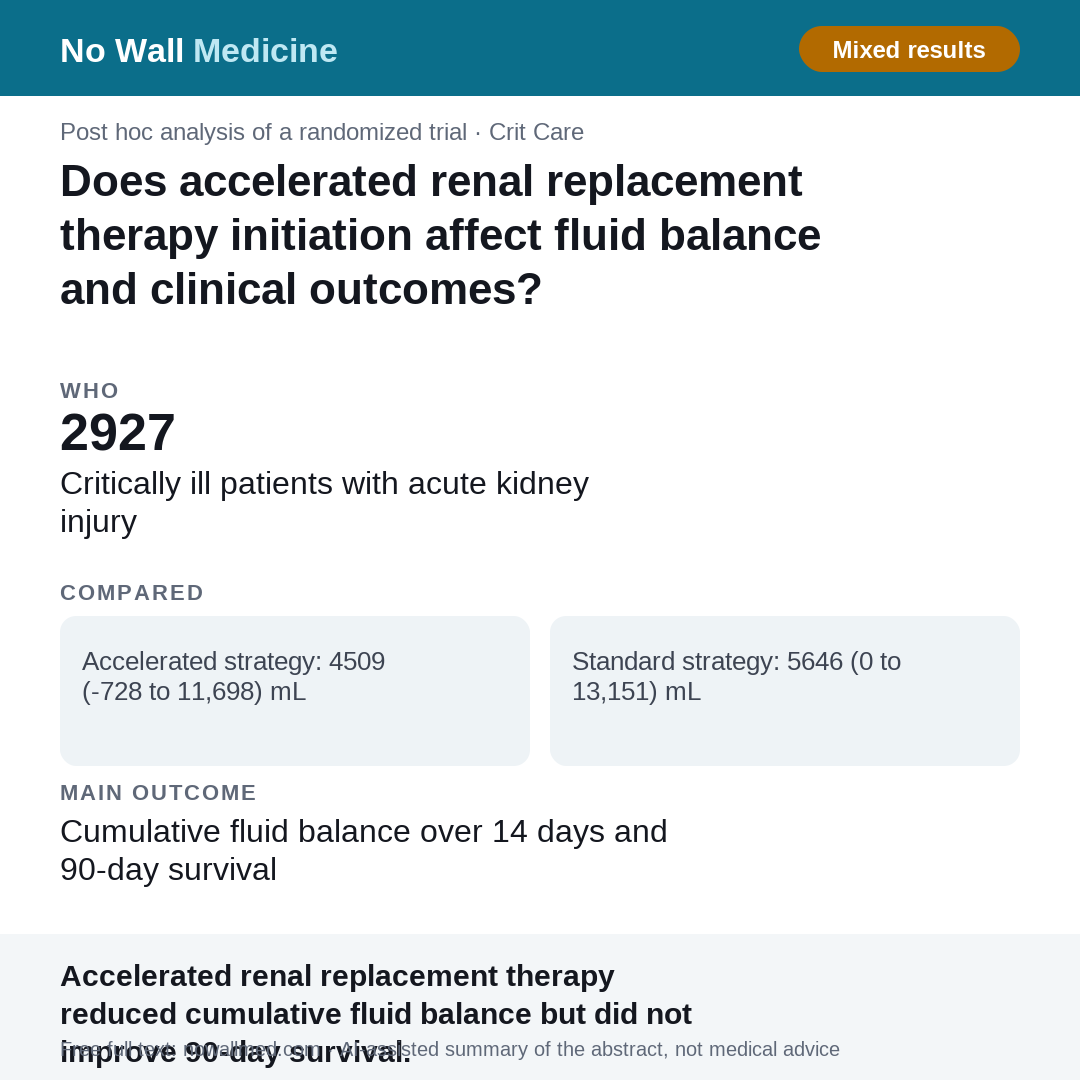
Fluid balance and renal replacement therapy initiation strategy: a secondary analysis of the STARRT-AKI trial
Post hoc analysis of a randomized trialMixed results
Does accelerated renal replacement therapy initiation affect fluid balance and clinical outcomes?
Who
2927
Critically ill patients with acute kidney injury
Compared
Accelerated strategy: 4509 (-728 to 11,698) mL
Standard strategy: 5646 (0 to 13,151) mL
Main outcome
Cumulative fluid balance over 14 days and 90-day survival
Bottom line: Accelerated renal replacement therapy reduced cumulative fluid balance but did not improve 90-day survival.
Crit Care · 2022-11-24Download image
Economic and Environmental Impact of Digital Health App Video Consultations in Follow-up Care for Patients in Orthopedic and Trauma Surgery in Germany: Randomized Controlled Trial
Prospective randomized controlled trialBenefit found
What are the economic and environmental impacts of video consultations in orthopedic follow-up care?
Who
52
Patients in orthopedic and trauma surgery follow-up care · German university hospital
Compared
Video consultations: mean cost savings of €76.52 per video consultation
Conventional face-to-face consultations
Main outcome
Economic and environmental impacts from a societal perspective
Bottom line: Video consultations reduce travel costs, time costs, production losses, and greenhouse gas emissions compared to face-to-face consultations.
J Med Internet Res · 2022-11-24Download image

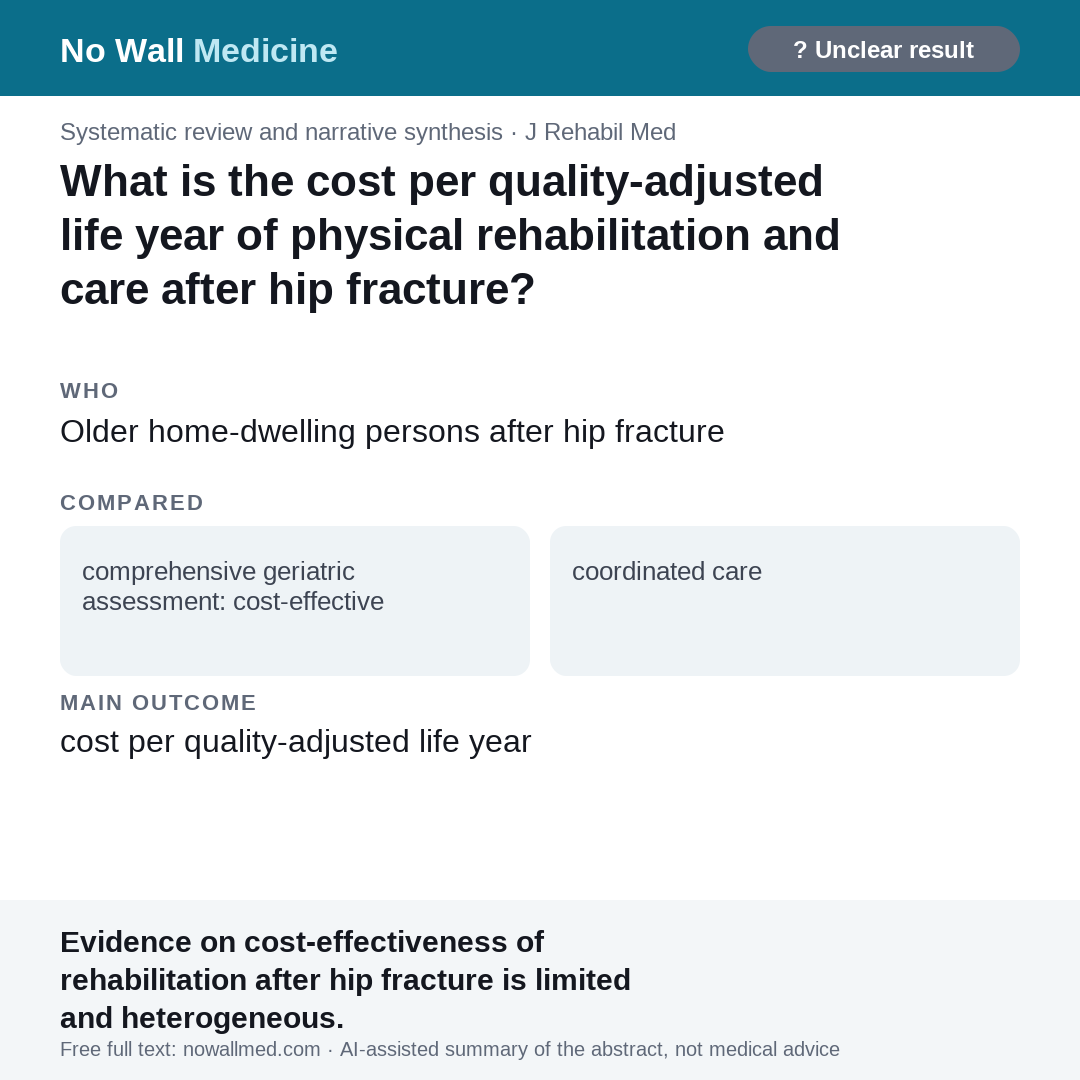
Cost-Effectiveness of Physical Rehabilitation and Care of Older Home-Dwelling Persons after Hip Fracture: A Systematic Review and Narrative Synthesis
Systematic review and narrative synthesisUnclear result
What is the cost per quality-adjusted life year of physical rehabilitation and care after hip fracture?
Who
Older home-dwelling persons after hip fracture
Compared
comprehensive geriatric assessment: cost-effective
coordinated care
Main outcome
cost per quality-adjusted life year
Bottom line: Evidence on cost-effectiveness of rehabilitation after hip fracture is limited and heterogeneous.
Limitation: The body of evidence is limited and heterogeneous, with only one high-quality study.
J Rehabil Med · 2022-11-24Download image
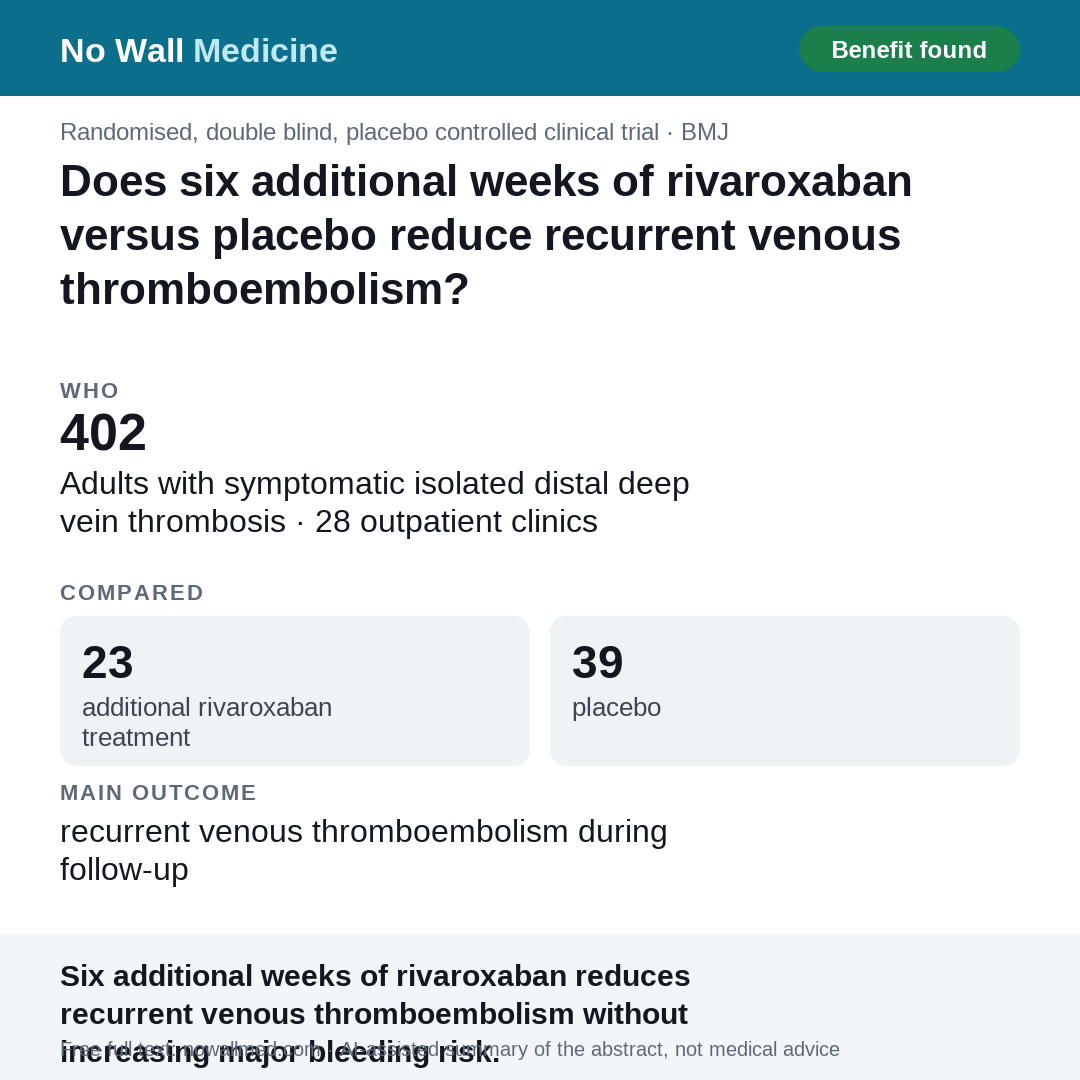
Rivaroxaban treatment for six weeks versus three months in patients with symptomatic isolated distal deep vein thrombosis: randomised controlled trial
Randomised, double blind, placebo controlled clinical trialBenefit found
Does six additional weeks of rivaroxaban versus placebo reduce recurrent venous thromboembolism?
Who
402
Adults with symptomatic isolated distal deep vein thrombosis · 28 outpatient clinics specialising in venous thromboembolism
Compared
23additional rivaroxaban treatment (11%)
39placebo (19%)
Main outcome
recurrent venous thromboembolism during follow-up
Result: relative risk 0.59 (95% confidence interval 0.36 to 0.95)
Bottom line: Six additional weeks of rivaroxaban reduces recurrent venous thromboembolism without increasing major bleeding risk.
BMJ · 2022-11-23Download image
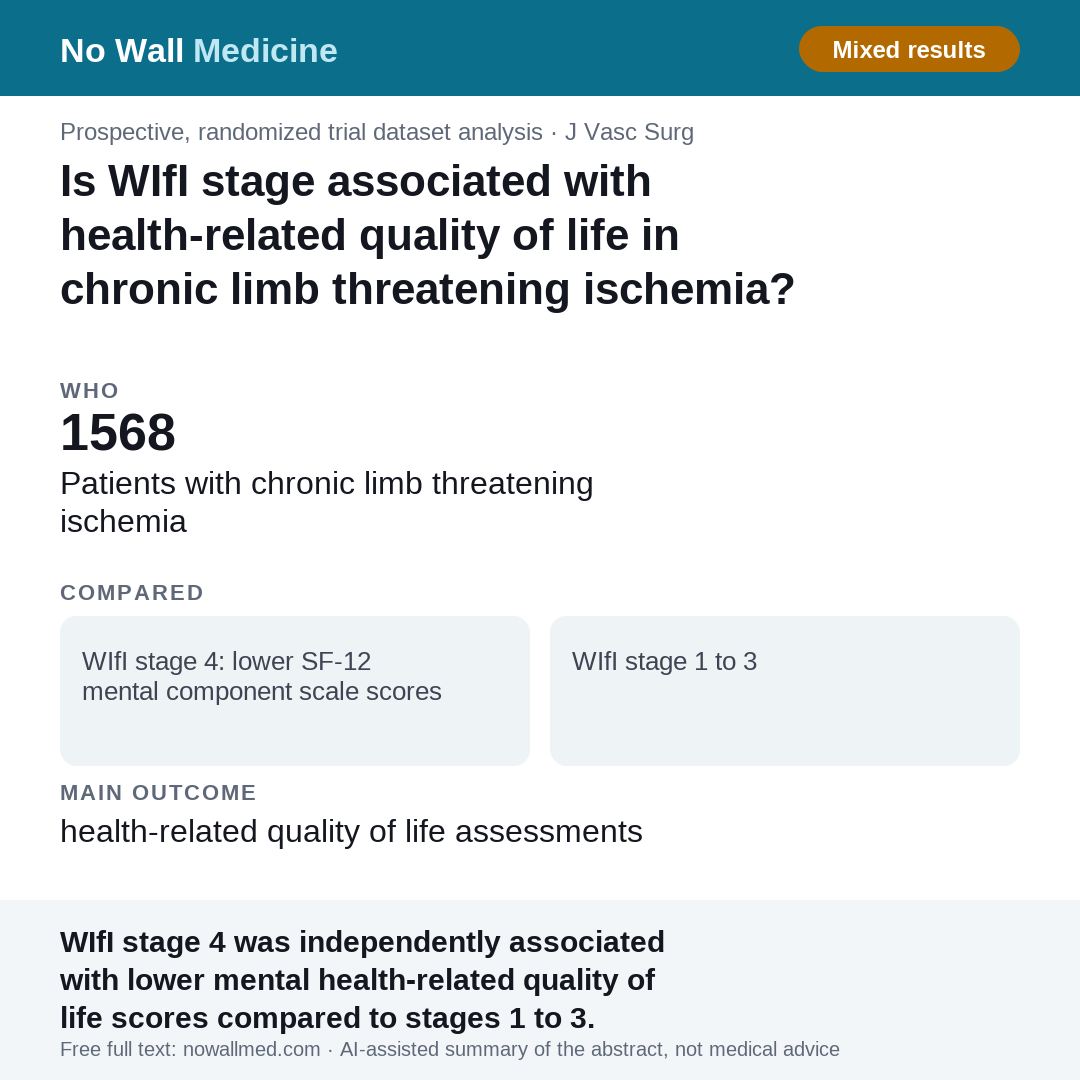
Relationship between WIfI stage and quality of life at revascularization in the BEST-CLI trial
Prospective, randomized trial dataset analysisMixed results
Is WIfI stage associated with health-related quality of life in chronic limb threatening ischemia?
Who
1568
Patients with chronic limb threatening ischemia
Compared
WIfI stage 4: lower SF-12 mental component scale scores
WIfI stage 1 to 3
Main outcome
health-related quality of life assessments
Result: SF-12 mental component scale estimate -2.43 (95% CI -3.73 to -1.13)
Bottom line: WIfI stage 4 was independently associated with lower mental health-related quality of life scores compared to stages 1 to 3.
J Vasc Surg · 2022-11-23Download image
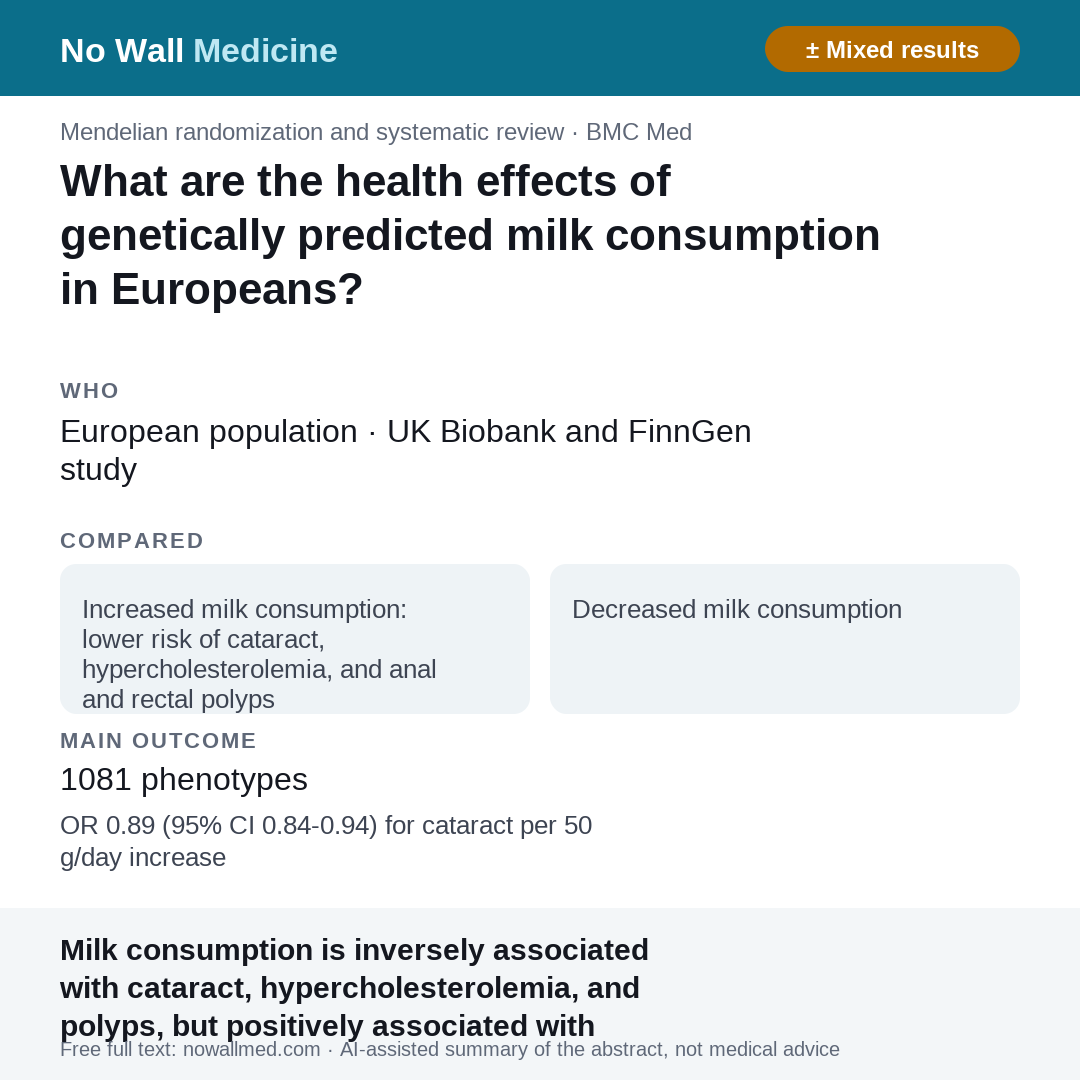
Health effects of milk consumption: phenome-wide Mendelian randomization study
Mendelian randomization and systematic reviewMixed results
What are the health effects of genetically predicted milk consumption in Europeans?
Who
European population · UK Biobank and FinnGen study
Compared
Increased milk consumption: lower risk of cataract, hypercholesterolemia, and anal and rectal polyps
Decreased milk consumption
Main outcome
1081 phenotypes
Result: OR 0.89 (95% CI 0.84-0.94) for cataract per 50 g/day increase
Bottom line: Milk consumption is inversely associated with cataract, hypercholesterolemia, and polyps, but positively associated with obesity and Parkinson's disease.
BMC Med · 2022-11-23Download image
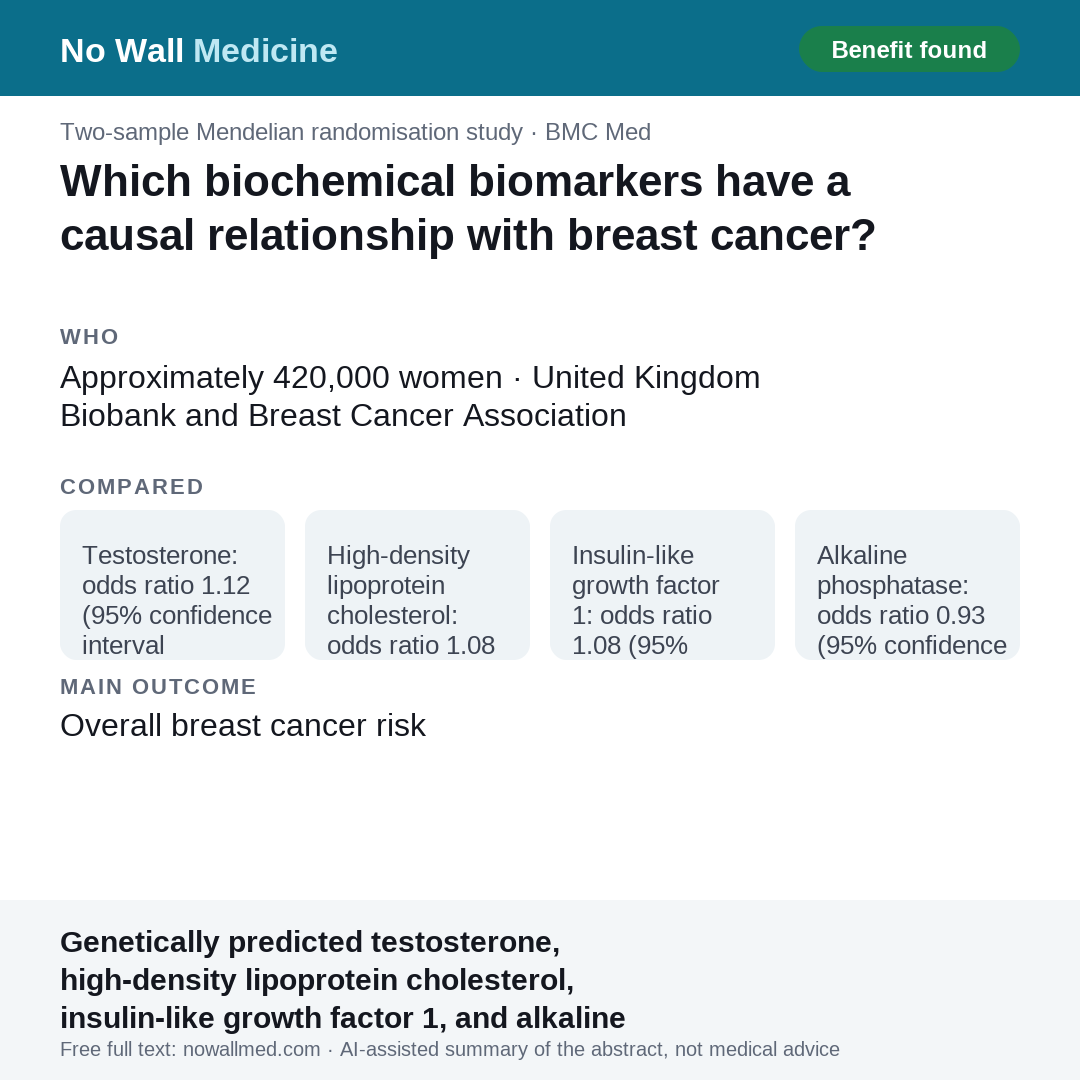
Identifying and ranking causal biochemical biomarkers for breast cancer: a Mendelian randomisation study
Two-sample Mendelian randomisation studyBenefit found
Which biochemical biomarkers have a causal relationship with breast cancer?
Who
Approximately 420,000 women · United Kingdom Biobank and Breast Cancer Association Consortium
Compared
Testosterone: odds ratio 1.12 (95% confidence interval 1.04-1.21)
High-density lipoprotein cholesterol: odds ratio 1.08 (95% confidence interval 1.04-1.13)
Insulin-like growth factor 1: odds ratio 1.08 (95% confidence interval 1.02-1.13)
Alkaline phosphatase: odds ratio 0.93 (95% confidence interval 0.89-0.98)
Main outcome
Overall breast cancer risk
Bottom line: Genetically predicted testosterone, high-density lipoprotein cholesterol, insulin-like growth factor 1, and alkaline phosphatase are causally linked to breast cancer.
Limitation: Further studies are needed to understand full disease pathways.
BMC Med · 2022-11-23Download image
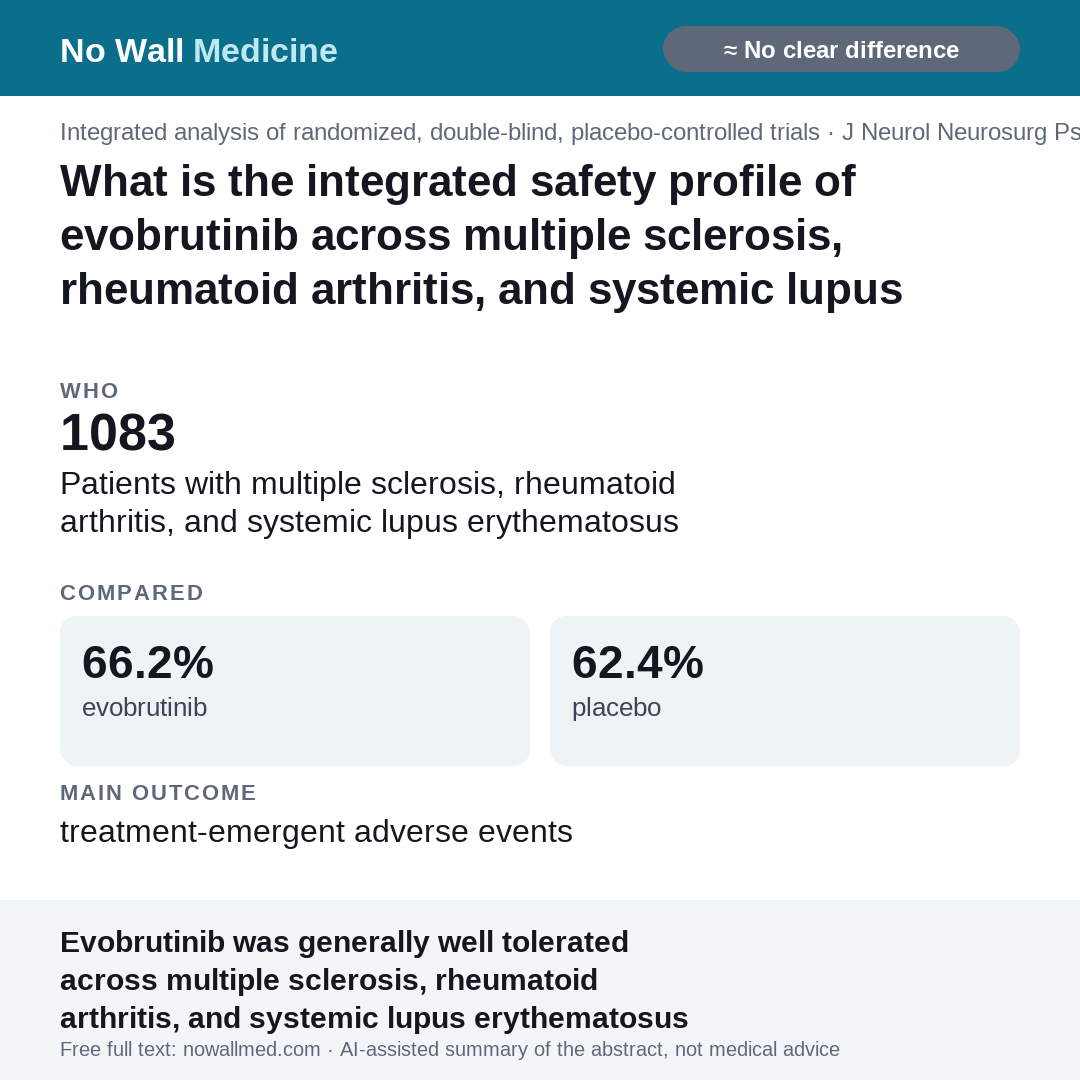
Characterisation of the safety profile of evobrutinib in over 1000 patients from phase II clinical trials in multiple sclerosis, rheumatoid arthritis and systemic lupus erythematosus: an integrated safety analysis
Integrated analysis of randomized, double-blind, placebo-controlled trialsNo clear difference
What is the integrated safety profile of evobrutinib across multiple sclerosis, rheumatoid arthritis, and systemic lupus erythematosus?
Who
1083
Patients with multiple sclerosis, rheumatoid arthritis, and systemic lupus erythematosus
Compared
66.2%evobrutinib (247.6 events/100 pt-years)
62.4%placebo (261.4 events/100 pt-years)
Main outcome
treatment-emergent adverse events
Bottom line: Evobrutinib was generally well tolerated across multiple sclerosis, rheumatoid arthritis, and systemic lupus erythematosus indications.
J Neurol Neurosurg Psychiatry · 2022-11-23Download image
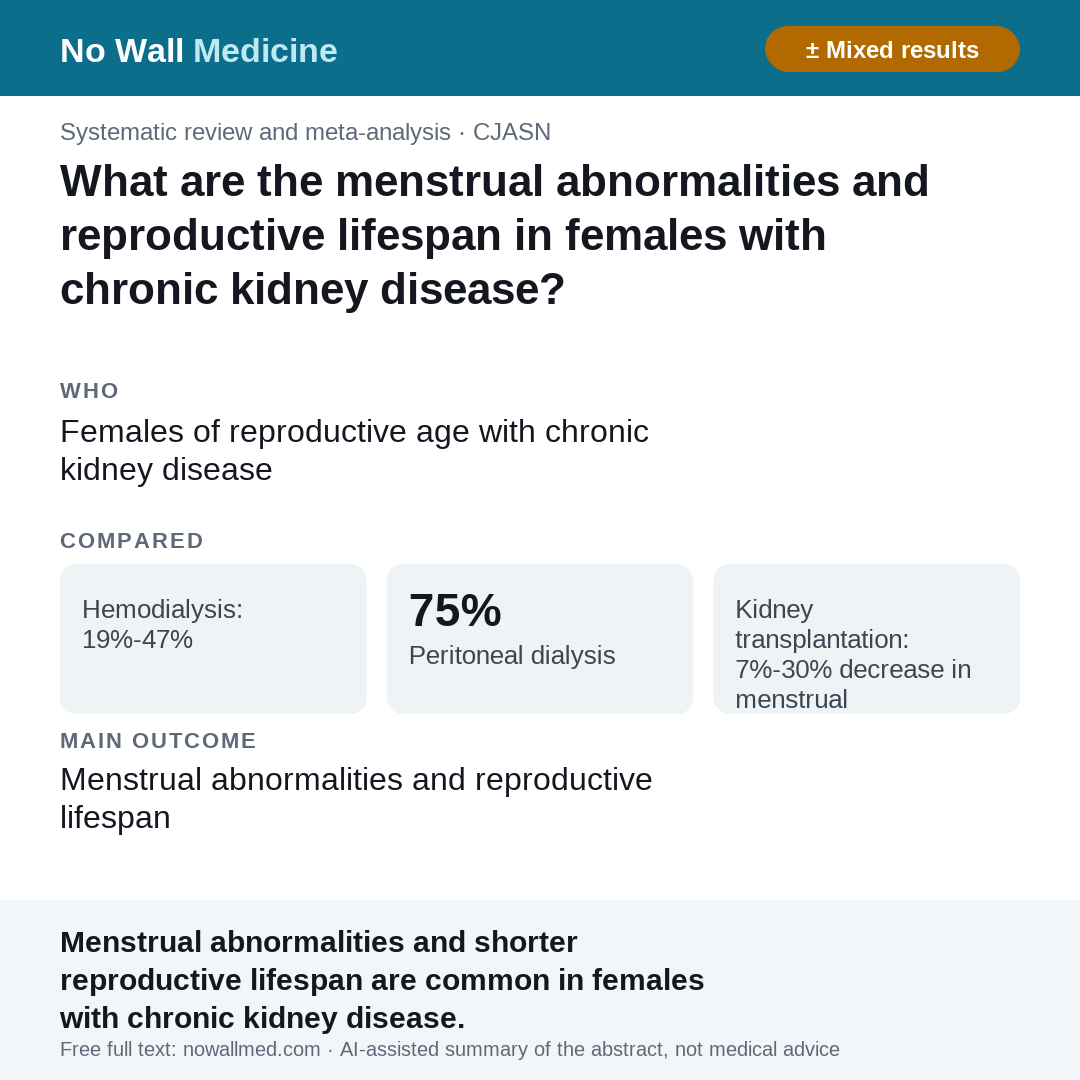
Menstrual Abnormalities and Reproductive Lifespan in Females with CKD: A Systematic Review and Meta-Analysis
Systematic review and meta-analysisMixed results
What are the menstrual abnormalities and reproductive lifespan in females with chronic kidney disease?
Who
Females of reproductive age with chronic kidney disease
Compared
Hemodialysis: 19%-47%
75%Peritoneal dialysis
Kidney transplantation: 7%-30% decrease in menstrual abnormalities
Main outcome
Menstrual abnormalities and reproductive lifespan
Result: reproductive lifespan was 32 years (95% confidence interval, 30 to 34 years)
Bottom line: Menstrual abnormalities and shorter reproductive lifespan are common in females with chronic kidney disease.
Limitation: significant heterogeneity was present
CJASN · 2022-11-23Download image