Visual abstracts
New randomized trials and meta-analyses from leading journals at a glance: who was studied, what was compared, and what was found. Every paper is free to read in full.
All specialtiesCardiology 4763Oncology 4043Gastroenterology & Hepatology 1903Infectious Disease 3756Neurology 1872Psychiatry & Mental Health 2216Pulmonology 2044Critical Care 1319Endocrinology & Diabetes 2544Pediatrics 2889Surgery 2480Orthopedics & Sports Medicine 917Neurosurgery 525Cardiothoracic & Vascular Surgery 656Plastic & Reconstructive Surgery 574Nephrology 1107Rheumatology 810Hematology 1090Dermatology 611Ophthalmology 532Obstetrics & Gynecology 1645Public & Global Health 1037Radiology & Imaging 619Anesthesiology 958Urology 745ENT (Otolaryngology) 494Emergency Medicine 481Allergy & Immunology 309Geriatrics 972Family Medicine & Primary Care 534Medical Genetics & Genomics 659Pathology & Laboratory Medicine 156Physical Medicine & Rehabilitation 734Palliative Care 421Nutrition 1560Digital Health & AI 2137General Medicine 318
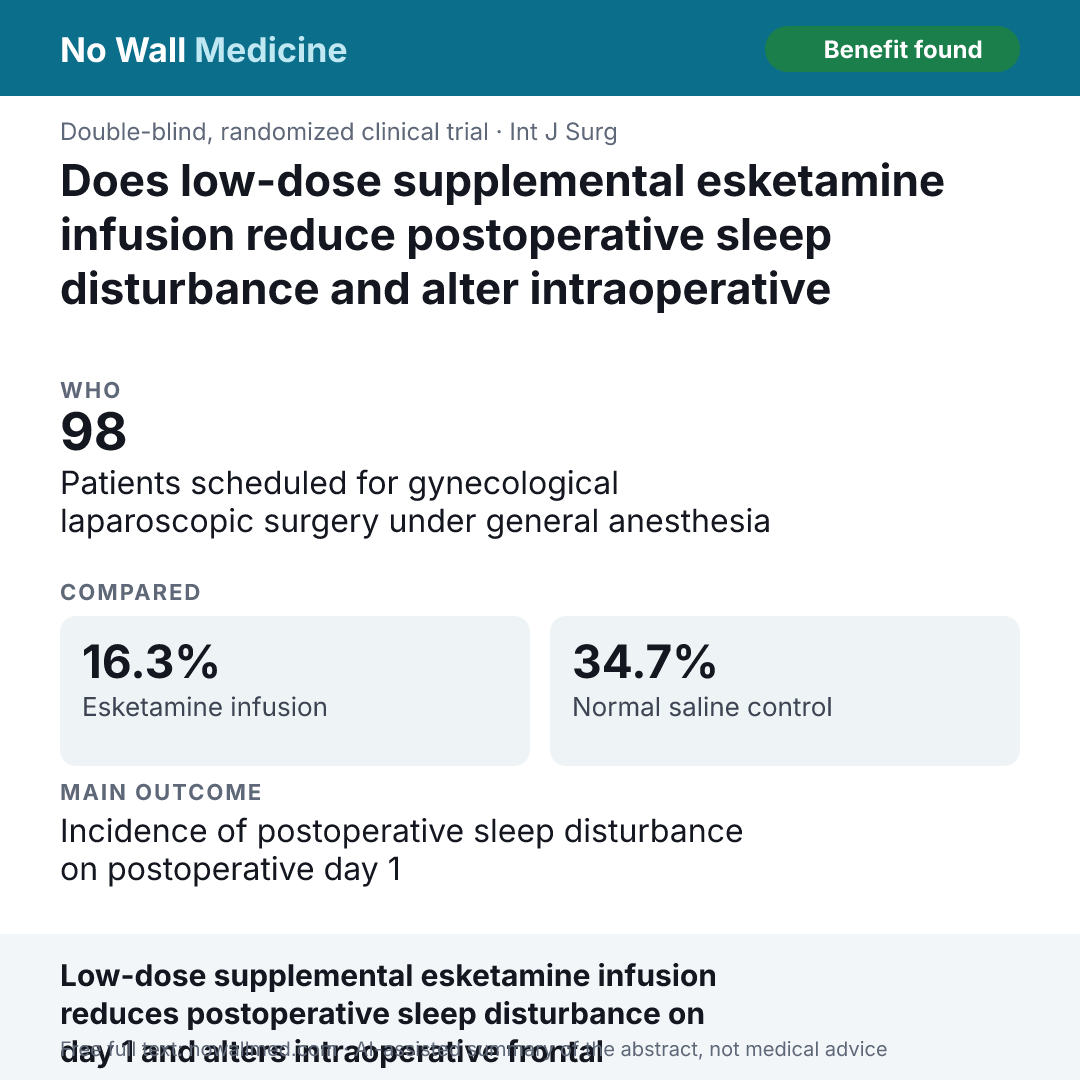
Effect of low-dose supplemental esketamine infusion on the intraoperative frontal electroencephalography dynamics and postoperative sleep disturbance during gynecological laparoscopic surgery: a double-blind, randomized clinical trial
Double-blind, randomized clinical trialBenefit found
Does low-dose supplemental esketamine infusion reduce postoperative sleep disturbance and alter intraoperative frontal electroencephalography?
Who
98
Patients scheduled for gynecological laparoscopic surgery under general anesthesia
Compared
16.3%Esketamine infusion
34.7%Normal saline control
Main outcome
Incidence of postoperative sleep disturbance on postoperative day 1
Result: relative risk 0.47 (95% CI 0.22-0.99)
Bottom line: Low-dose supplemental esketamine infusion reduces postoperative sleep disturbance on day 1 and alters intraoperative frontal electroencephalography patterns.
Int J Surg · 2025-06-20 · Save PNG
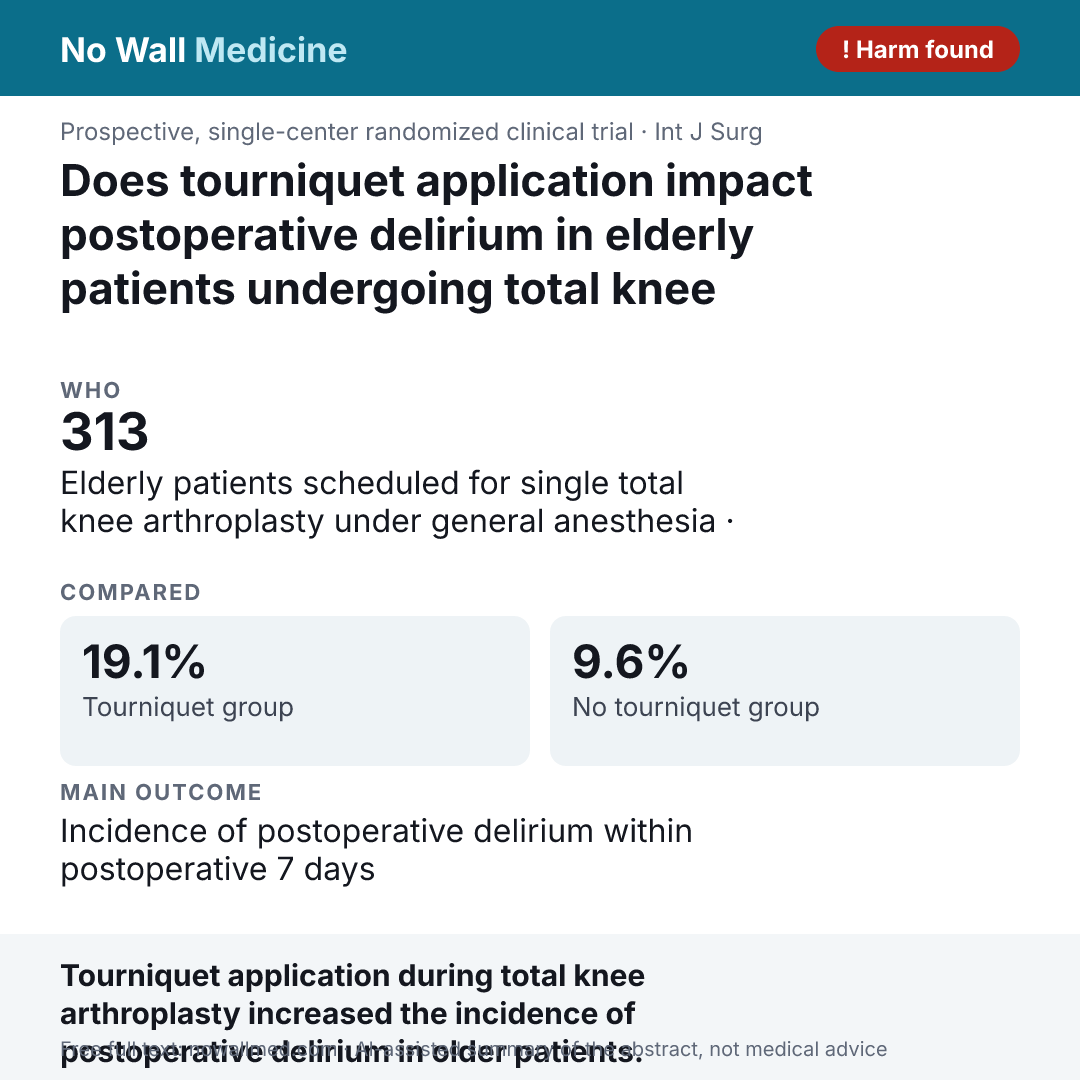
Impact of tourniquet application on postoperative delirium in elderly patients undergoing total knee arthroplasty: a randomized clinical trial
Prospective, single-center randomized clinical trialHarm found
Does tourniquet application impact postoperative delirium in elderly patients undergoing total knee arthroplasty?
Who
313
Elderly patients scheduled for single total knee arthroplasty under general anesthesia · Single-center
Compared
19.1%Tourniquet group
9.6%No tourniquet group
Main outcome
Incidence of postoperative delirium within postoperative 7 days
Result: relative risk 1.12 (95% confidence interval: 1.02-1.23)
Bottom line: Tourniquet application during total knee arthroplasty increased the incidence of postoperative delirium in older patients.
Int J Surg · 2025-06-20 · Save PNG
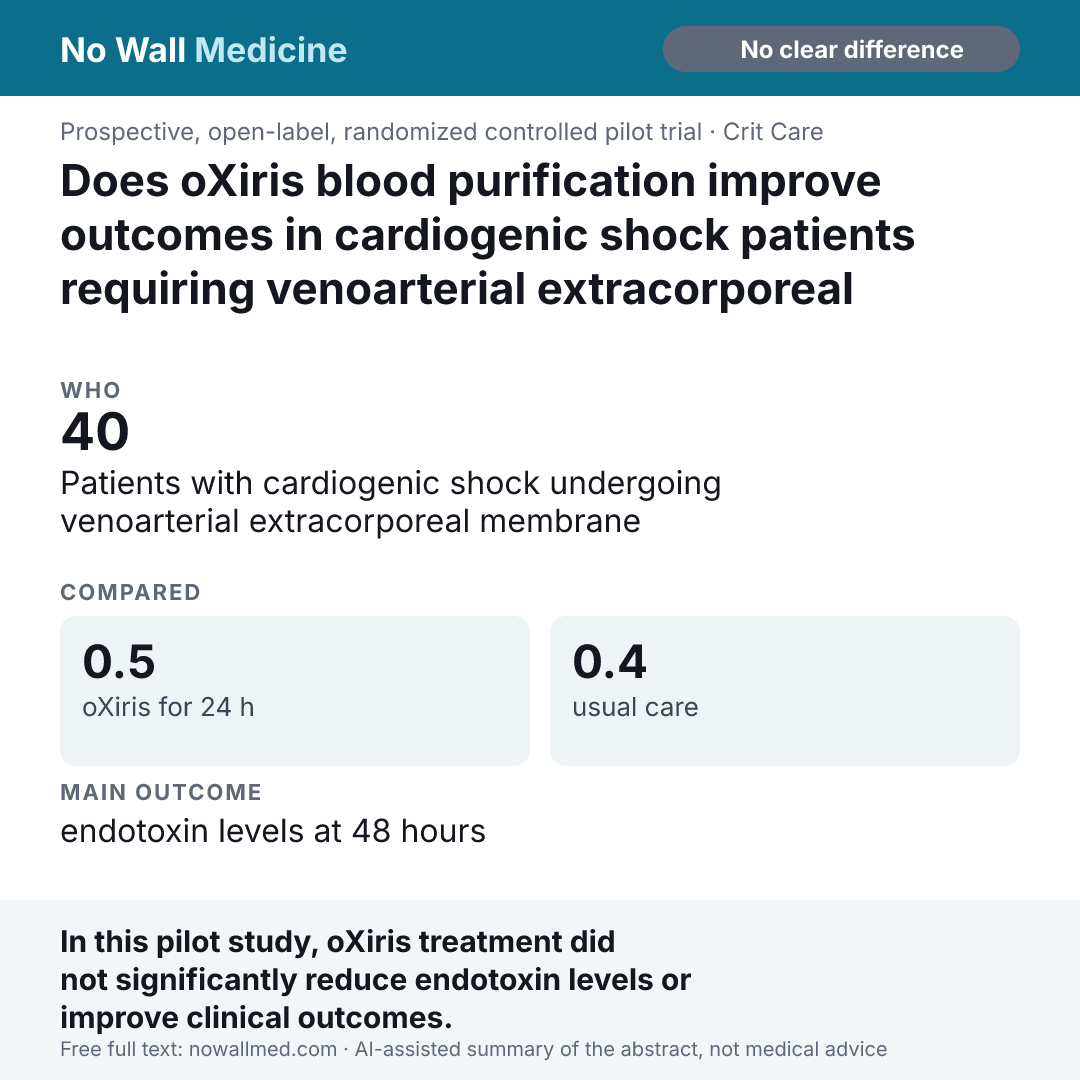
The effects of extracorporeal blood purification (oXiris®) in patients with cardiogenic shock who require VA-ECMO (CLEAN ECMO): a prospective, open-label, randomized controlled pilot study
Prospective, open-label, randomized controlled pilot trialNo clear difference
Does oXiris blood purification improve outcomes in cardiogenic shock patients requiring venoarterial extracorporeal membrane oxygenation?
Who
40
Patients with cardiogenic shock undergoing venoarterial extracorporeal membrane oxygenation · single-center
Compared
0.5oXiris for 24 h (IQR 0.4-1.0)
0.4usual care (IQR 0.2-0.5)
Main outcome
endotoxin levels at 48 hours
Bottom line: In this pilot study, oXiris treatment did not significantly reduce endotoxin levels or improve clinical outcomes.
Crit Care · 2025-06-20 · Save PNG
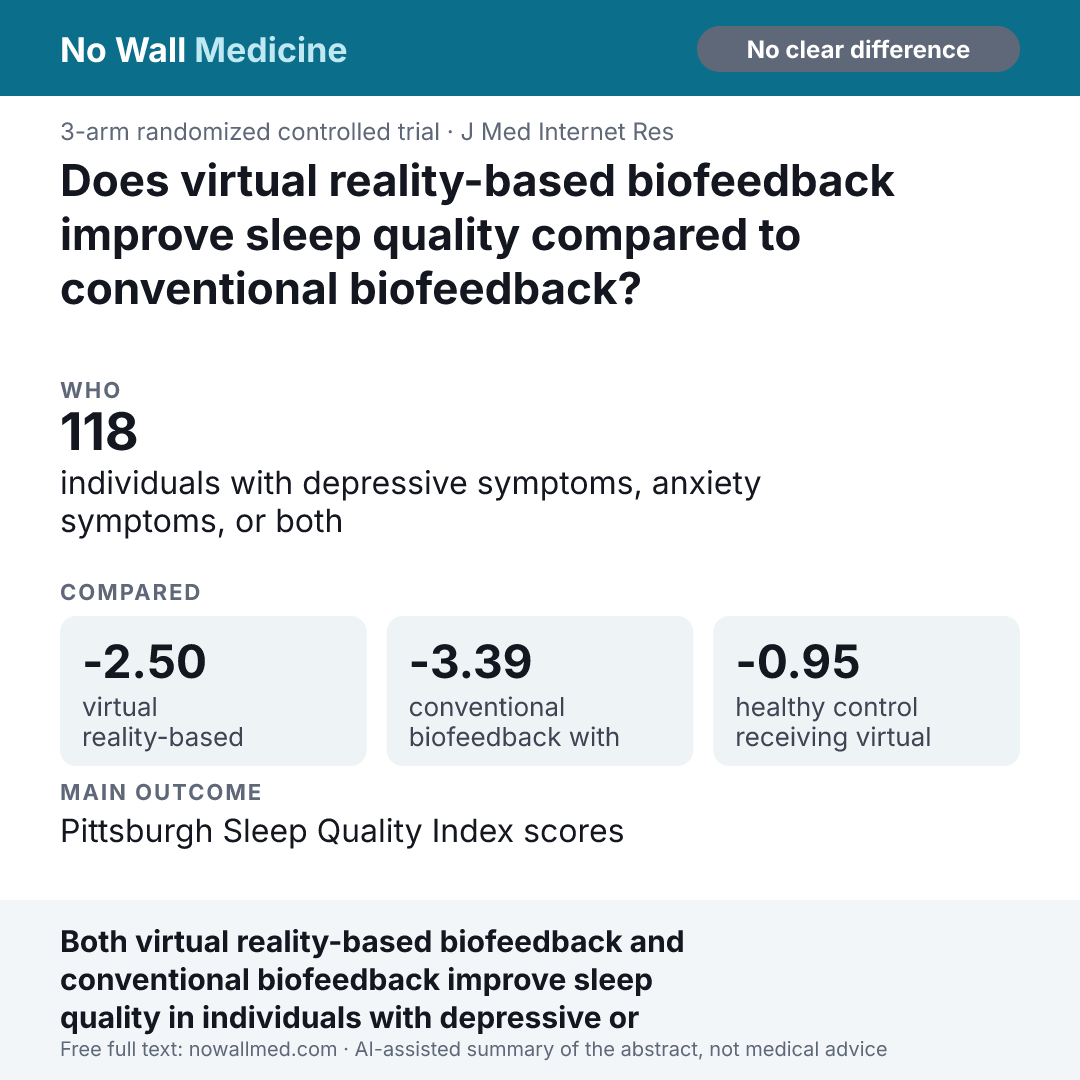
Impact of Virtual Reality-Based Biofeedback on Sleep Quality Among Individuals With Depressive Symptoms, Anxiety Symptoms, or Both: 4-Week Randomized Controlled Study
3-arm randomized controlled trialNo clear difference
Does virtual reality-based biofeedback improve sleep quality compared to conventional biofeedback?
Who
118
individuals with depressive symptoms, anxiety symptoms, or both
Compared
-2.50virtual reality-based biofeedback with depressive or anxiety symptoms (SD 2.89)
-3.39conventional biofeedback with depressive or anxiety symptoms (SD 2.80)
-0.95healthy control receiving virtual reality-based biofeedback (SD 2.09)
Main outcome
Pittsburgh Sleep Quality Index scores
Bottom line: Both virtual reality-based biofeedback and conventional biofeedback improve sleep quality in individuals with depressive or anxiety symptoms.
J Med Internet Res · 2025-06-20 · Save PNG
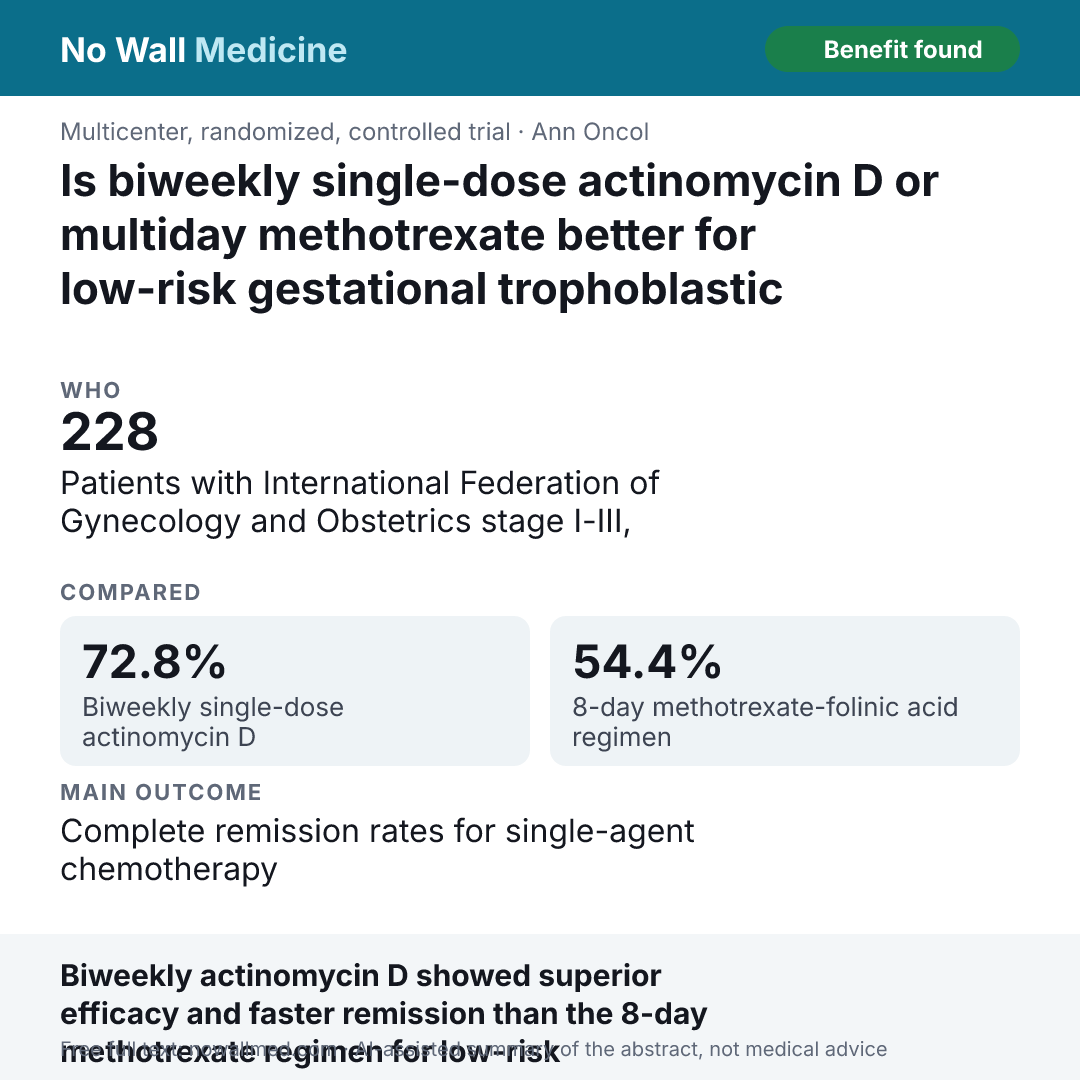
Efficacy and safety of biweekly single-dose actinomycin D versus multiday methotrexate in low-risk gestational trophoblastic neoplasia: a prospective multicenter randomized trial
Multicenter, randomized, controlled trialBenefit found
Is biweekly single-dose actinomycin D or multiday methotrexate better for low-risk gestational trophoblastic neoplasia?
Who
228
Patients with International Federation of Gynecology and Obstetrics stage I-III, low-risk gestational trophoblastic neoplasia · Eight centers in China
Compared
72.8%Biweekly single-dose actinomycin D
54.4%8-day methotrexate-folinic acid regimen
Main outcome
Complete remission rates for single-agent chemotherapy
Bottom line: Biweekly actinomycin D showed superior efficacy and faster remission than the 8-day methotrexate regimen for low-risk gestational trophoblastic neoplasia.
Ann Oncol · 2025-06-19 · Save PNG
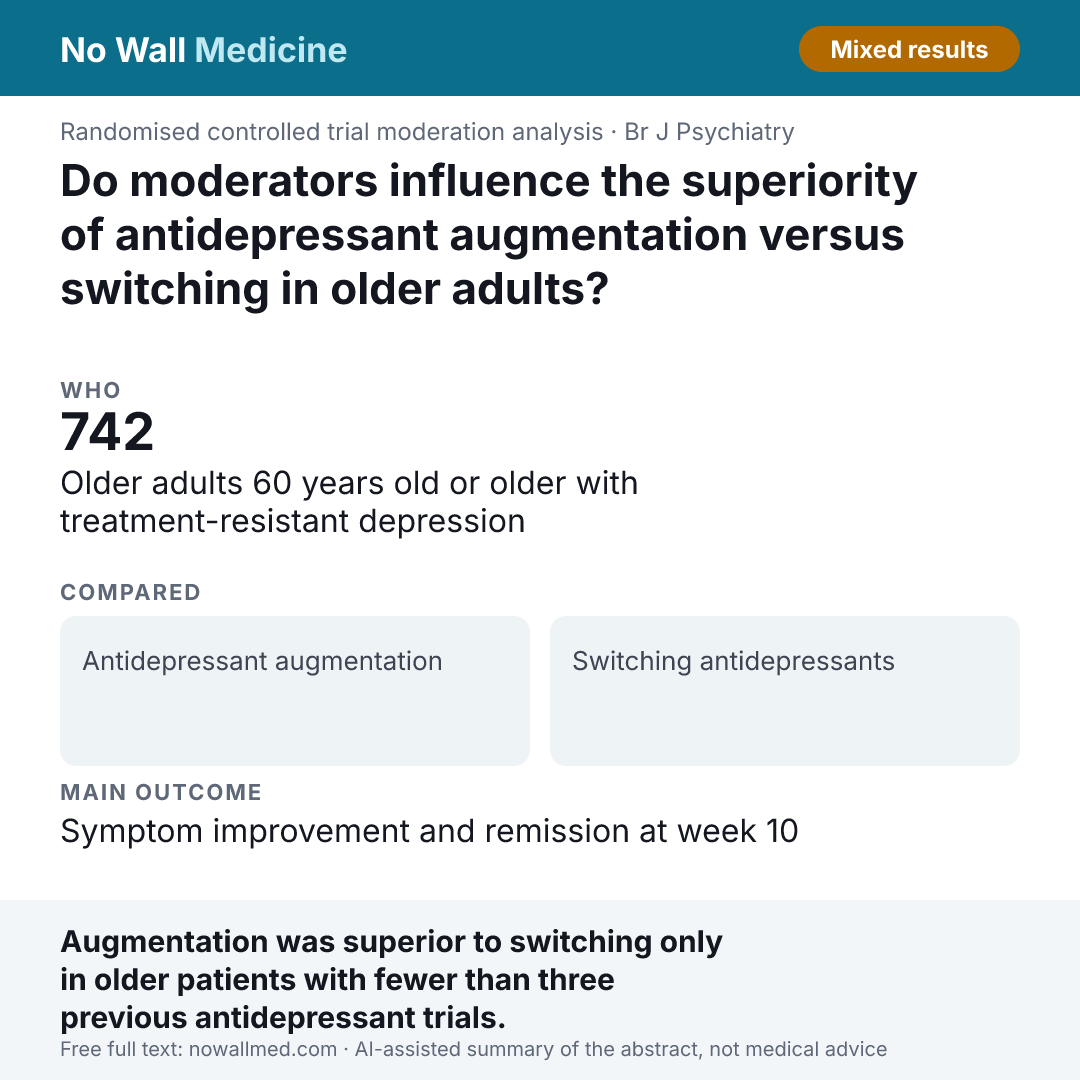
Moderators of antidepressant augmentation versus switch in the OPTIMUM randomised controlled trial
Randomised controlled trial moderation analysisMixed results
Do moderators influence the superiority of antidepressant augmentation versus switching in older adults?
Who
742
Older adults 60 years old or older with treatment-resistant depression
Compared
Antidepressant augmentation
Switching antidepressants
Main outcome
Symptom improvement and remission at week 10
Result: b = -1.6, t = -2.1, P = 0.033, 95% CI [-3.0, -0.1]
Bottom line: Augmentation was superior to switching only in older patients with fewer than three previous antidepressant trials.
Br J Psychiatry · 2025-06-19 · Save PNG
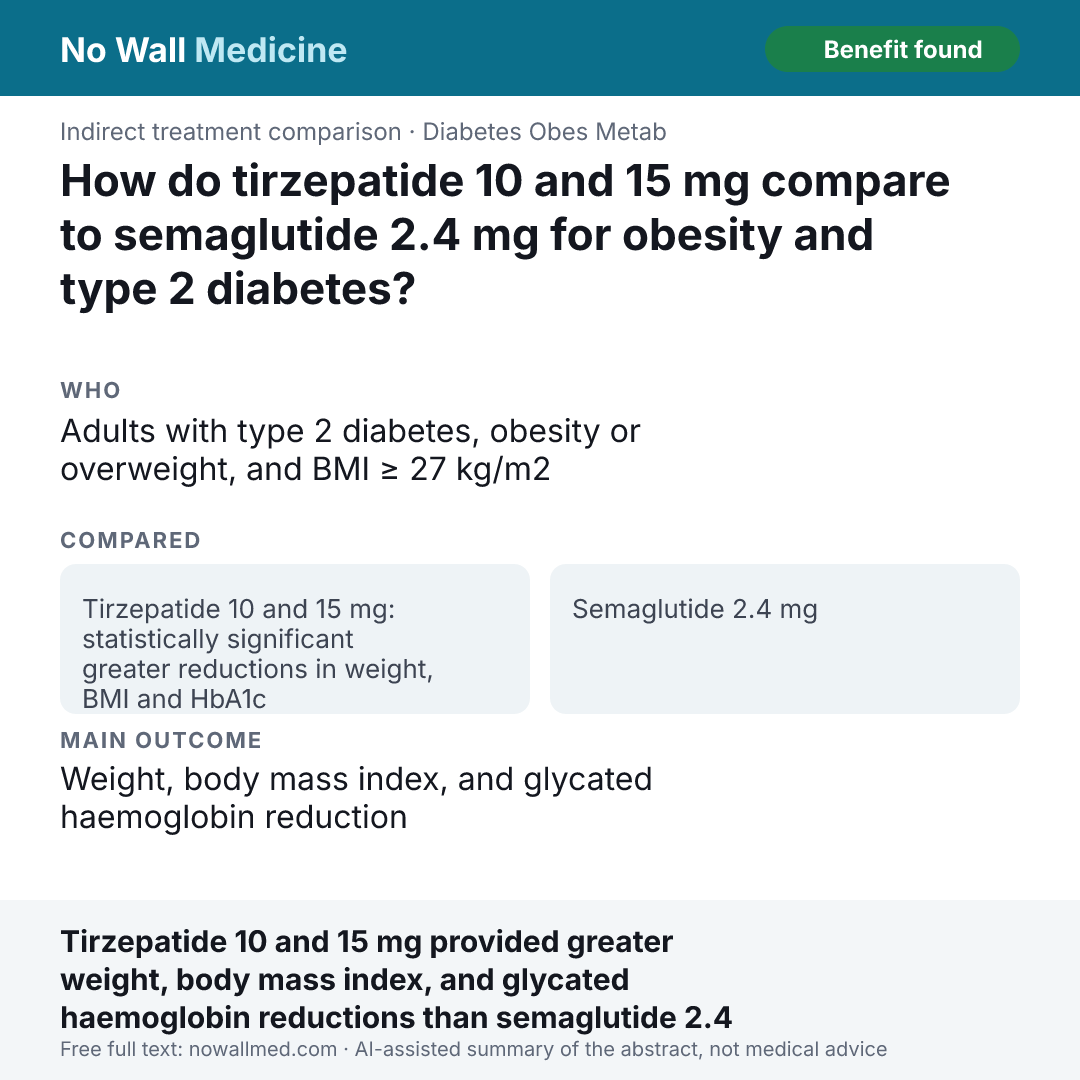
Indirect comparative efficacy and safety of tirzepatide 10 and 15 mg versus semaglutide 2.4 mg for the management of obesity and overweight in patients with type 2 diabetes
Indirect treatment comparisonBenefit found
How do tirzepatide 10 and 15 mg compare to semaglutide 2.4 mg for obesity and type 2 diabetes?
Who
Adults with type 2 diabetes, obesity or overweight, and BMI ≥ 27 kg/m2
Compared
Tirzepatide 10 and 15 mg: statistically significant greater reductions in weight, BMI and HbA1c
Semaglutide 2.4 mg
Main outcome
Weight, body mass index, and glycated haemoglobin reduction
Bottom line: Tirzepatide 10 and 15 mg provided greater weight, body mass index, and glycated haemoglobin reductions than semaglutide 2.4 mg.
Limitation: No clinical trials directly comparing tirzepatide and semaglutide were available, requiring indirect comparison.
Diabetes Obes Metab · 2025-06-19 · Save PNG
Efficacy and Safety of Hetrombopag Versus Thrombopoietin in Promoting Platelet Engraftment After Allogeneic Hematopoietic Stem Cell Transplantation: A Prospective, Multicenter, Randomized Controlled Clinical Trial
Prospective, multicenter, randomized controlled clinical trialBenefit found
Does hetrombopag improve platelet engraftment compared to thrombopoietin after allogeneic hematopoietic stem cell transplantation?
Who
212
Patients undergoing allogeneic hematopoietic stem cell transplantation
Compared
Low-dose hetrombopag: median 13 days
High-dose hetrombopag: median 13 days
15 daysThrombopoietin control
Main outcome
Platelet engraftment time
Bottom line: Hetrombopag safely accelerates platelet and neutrophil engraftment and reduces poor graft function risk after transplantation.
Am J Hematol · 2025-06-19 · Save PNG

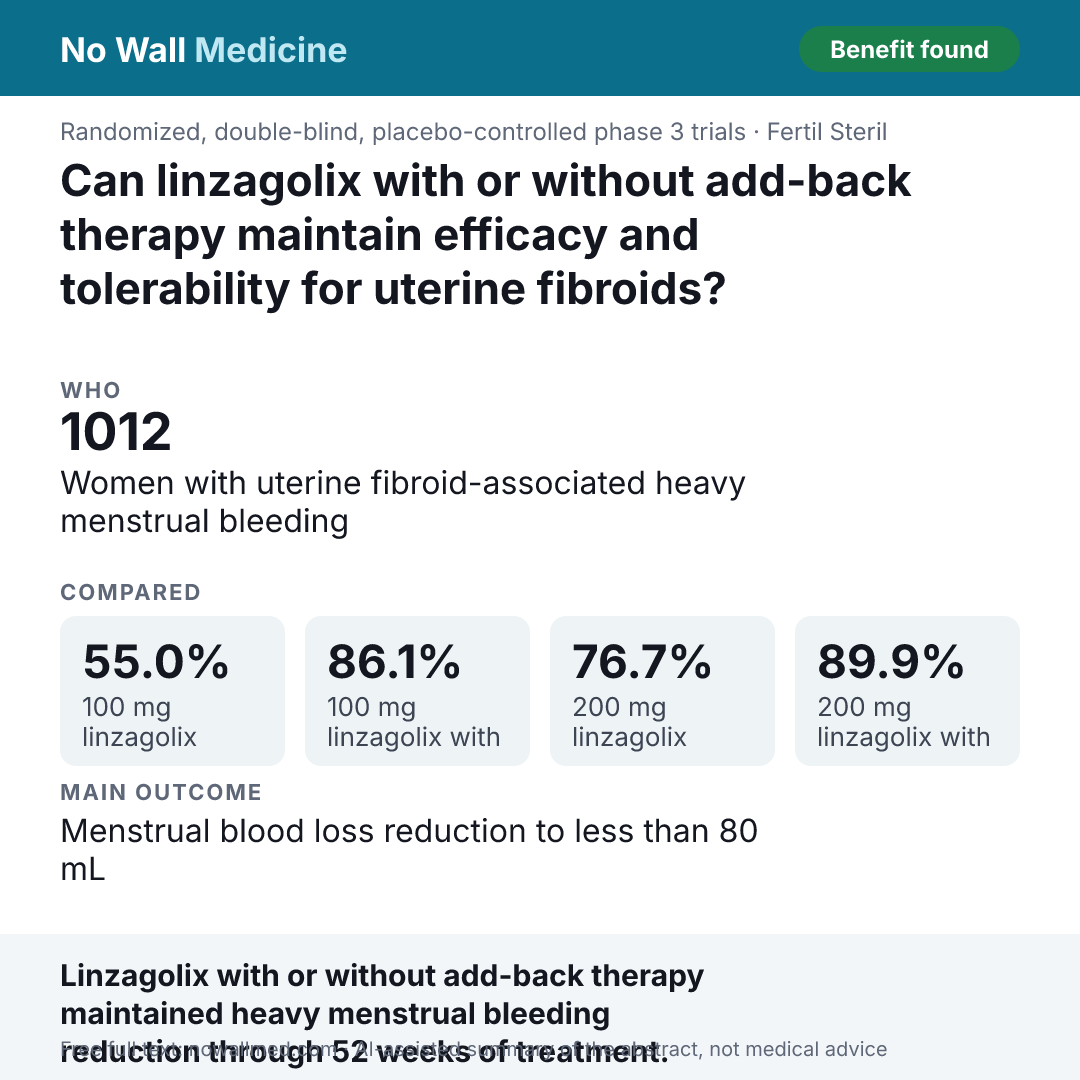
Linzagolix with and without hormonal add-back therapy for symptomatic uterine fibroids: PRIMROSE 1 & 2 long-term extension and withdrawal study
Randomized, double-blind, placebo-controlled phase 3 trialsBenefit found
Can linzagolix with or without add-back therapy maintain efficacy and tolerability for uterine fibroids?
Who
1012
Women with uterine fibroid-associated heavy menstrual bleeding
Compared
55.0%100 mg linzagolix alone
86.1%100 mg linzagolix with add-back therapy
76.7%200 mg linzagolix alone or with add-back therapy
89.9%200 mg linzagolix with add-back therapy
Main outcome
Menstrual blood loss reduction to less than 80 mL
Bottom line: Linzagolix with or without add-back therapy maintained heavy menstrual bleeding reduction through 52 weeks of treatment.
Fertil Steril · 2025-06-19 · Save PNG
Gut microbial community and host intestinal gene expression with combined fish oil and soluble corn fiber compared with corn oil and maltodextrin: A randomized crossover trial in healthy older individuals
Randomized controlled crossover pilot studyMixed results
Do fish oil and soluble corn fiber affect gut transcription and microbiome composition?
Who
30
30 healthy adults aged 50 to 75 years
Compared
soluble corn fiber and fish oil
maltodextrin and corn oil
Main outcome
gut transcriptional profiles and microbiome composition
Bottom line: Combined fish oil and fiber shifted intestinal cell pathways and gut microbial community structure in older adults.
Limitation: This was a pilot study
Am J Clin Nutr · 2025-06-19 · Save PNG

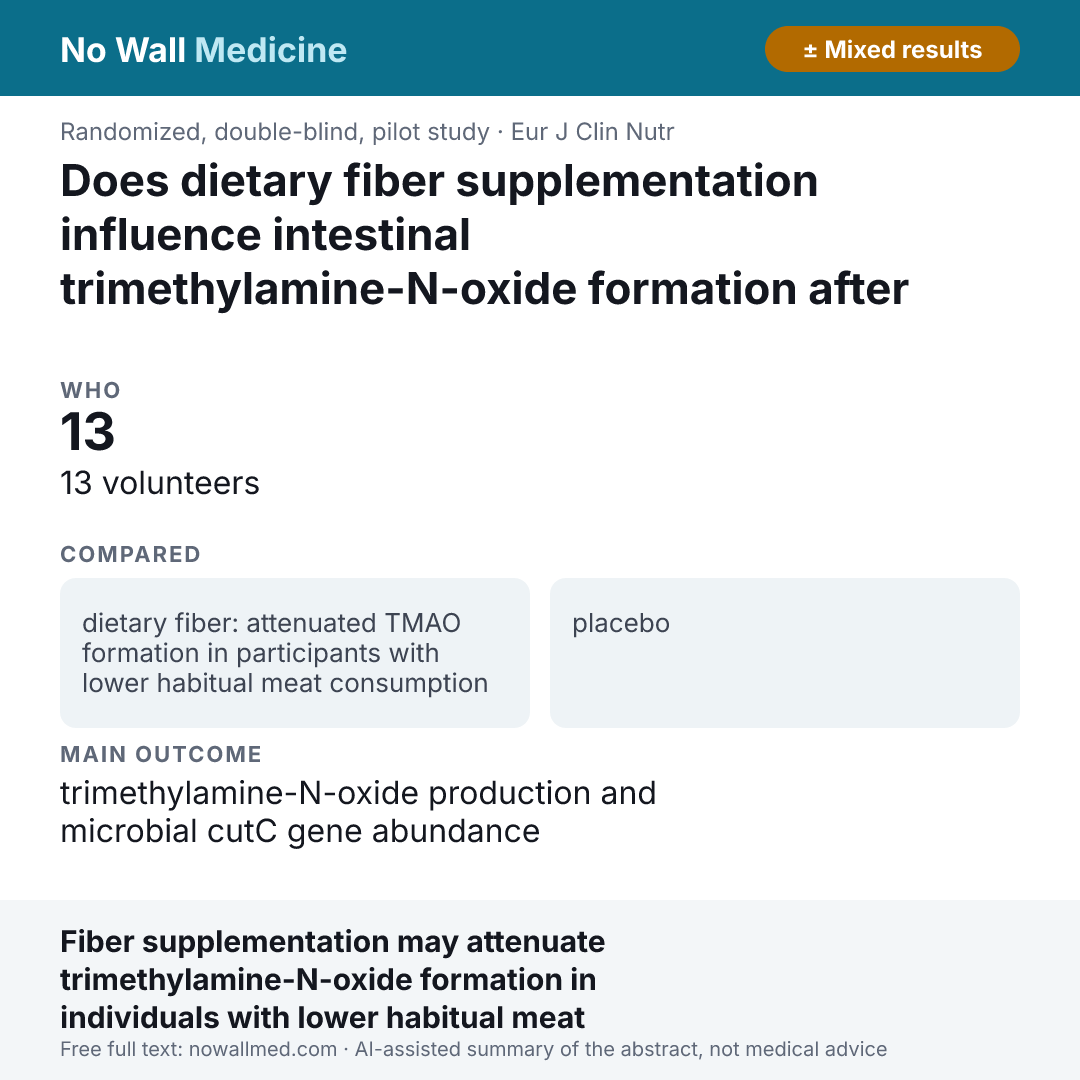
Effect of dietary fiber on trimethylamine-N-oxide production after beef consumption and on gut microbiota: MEATMARK - a randomized cross-over study
Randomized, double-blind, pilot studyMixed results
Does dietary fiber supplementation influence intestinal trimethylamine-N-oxide formation after beef consumption?
Who
13
13 volunteers
Compared
dietary fiber: attenuated TMAO formation in participants with lower habitual meat consumption
placebo
Main outcome
trimethylamine-N-oxide production and microbial cutC gene abundance
Bottom line: Fiber supplementation may attenuate trimethylamine-N-oxide formation in individuals with lower habitual meat consumption.
Eur J Clin Nutr · 2025-06-19 · Save PNG
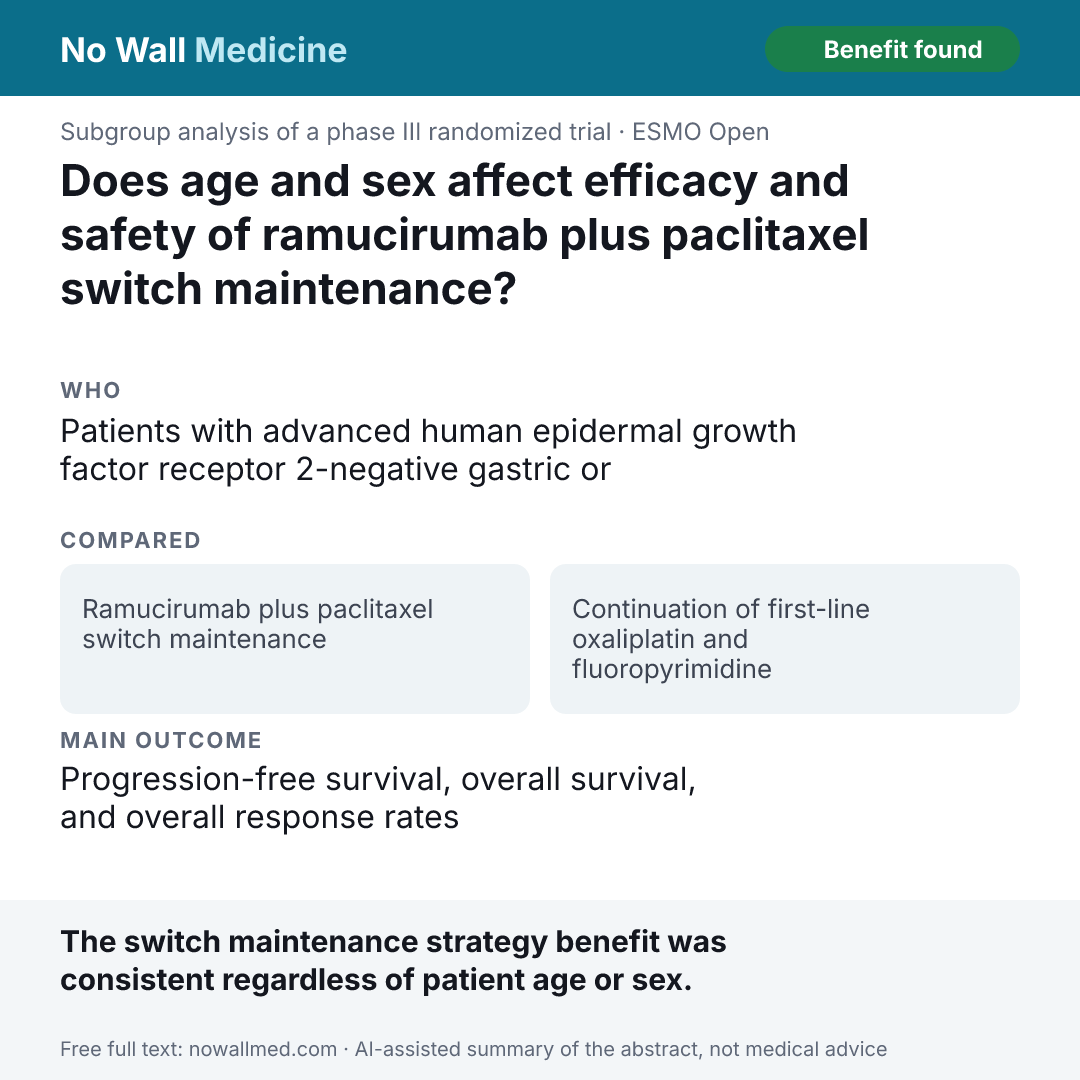
Impact of age and sex on the efficacy and safety of ramucirumab plus paclitaxel as switch maintenance versus continuation of first-line oxaliplatin-based chemotherapy: a subgroup analysis of the ARMANI phase III trial
Subgroup analysis of a phase III randomized trialBenefit found
Does age and sex affect efficacy and safety of ramucirumab plus paclitaxel switch maintenance?
Who
Patients with advanced human epidermal growth factor receptor 2-negative gastric or gastro-oesophageal junction cancer
Compared
Ramucirumab plus paclitaxel switch maintenance
Continuation of first-line oxaliplatin and fluoropyrimidine
Main outcome
Progression-free survival, overall survival, and overall response rates
Bottom line: The switch maintenance strategy benefit was consistent regardless of patient age or sex.
ESMO Open · 2025-06-19 · Save PNG
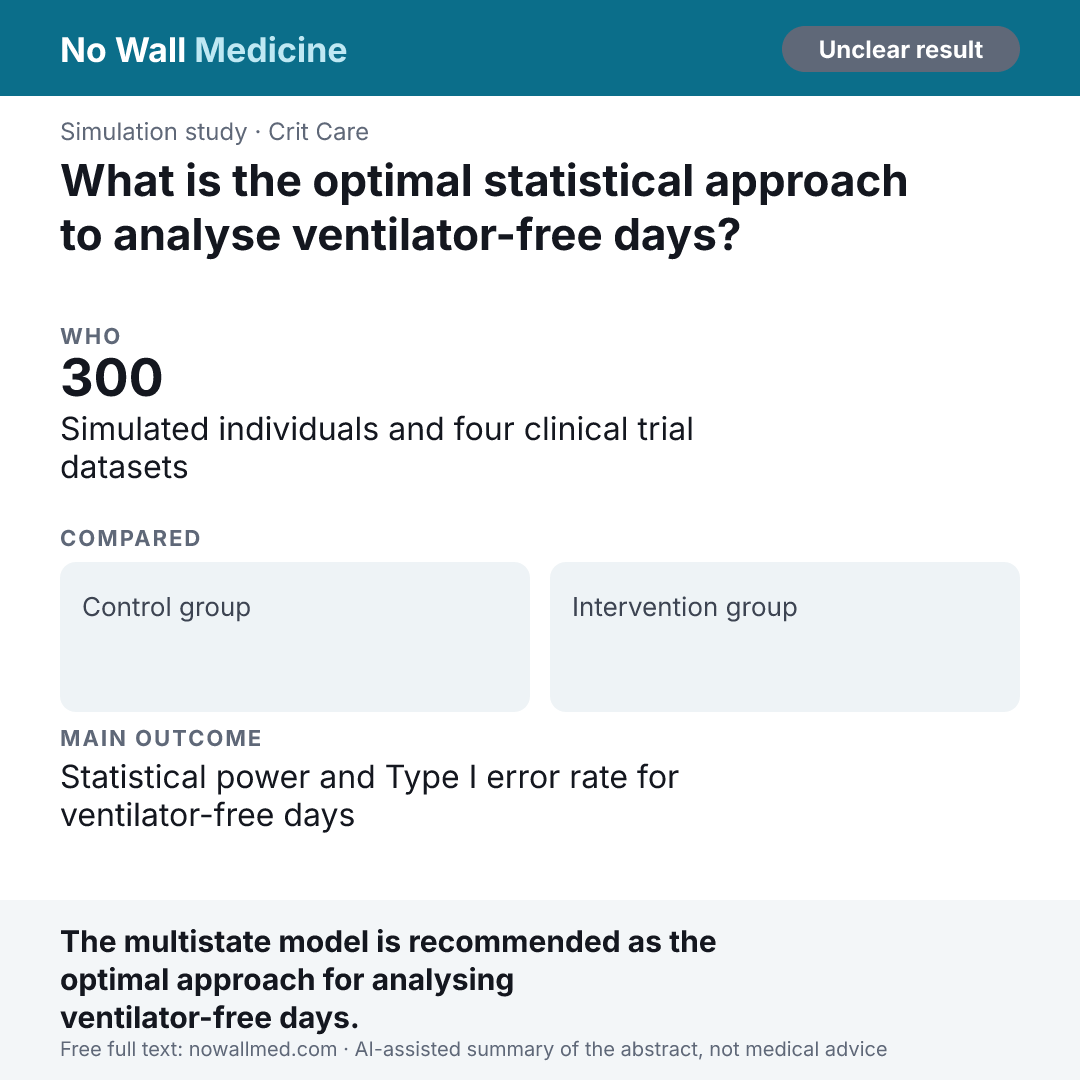
What is the optimal approach to analyse ventilator-free days? A simulation study
Simulation studyUnclear result
What is the optimal statistical approach to analyse ventilator-free days?
Who
300
Simulated individuals and four clinical trial datasets
Compared
Control group
Intervention group
Main outcome
Statistical power and Type I error rate for ventilator-free days
Bottom line: The multistate model is recommended as the optimal approach for analysing ventilator-free days.
Crit Care · 2025-06-19 · Save PNG
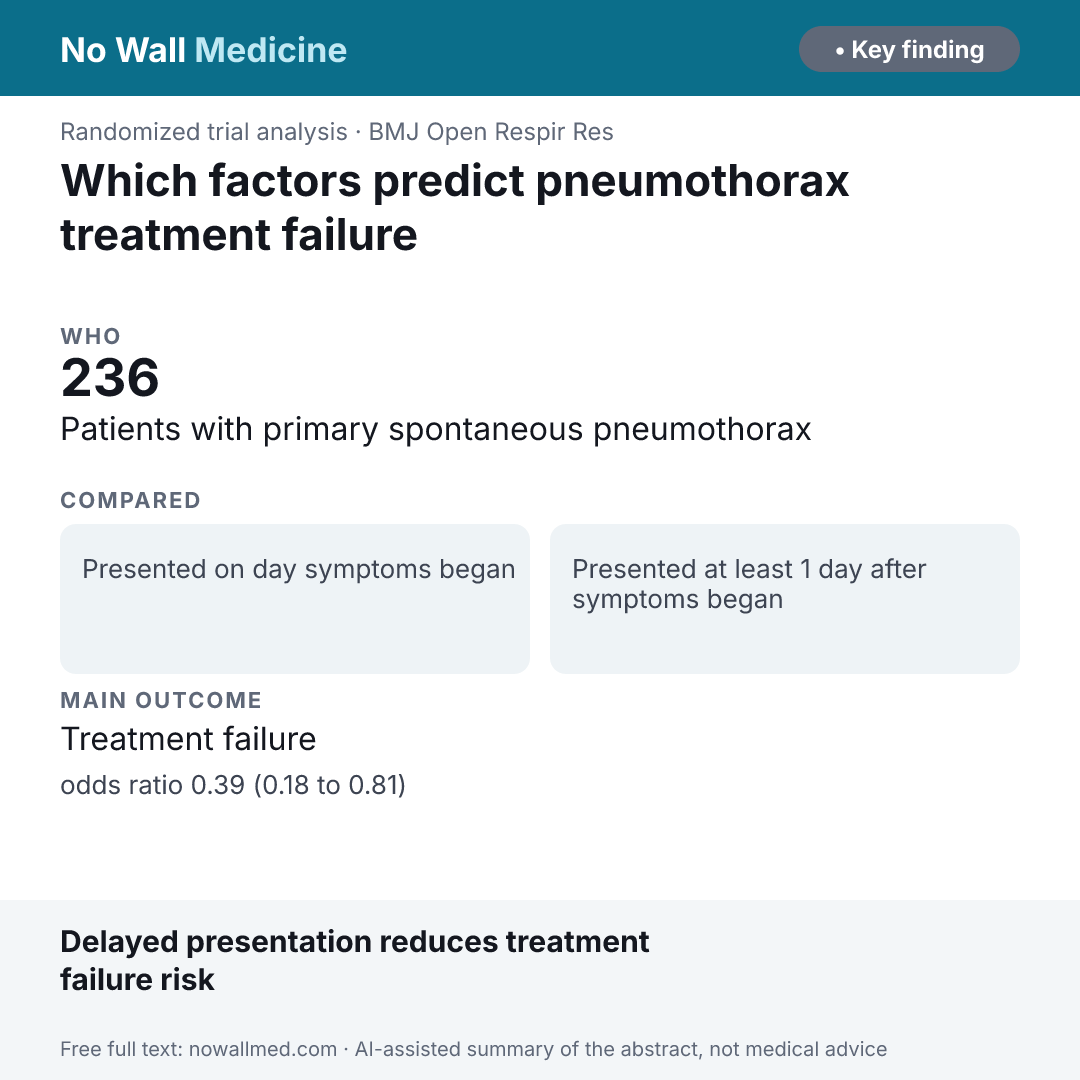
Which clinical factors are predictive of outcome in primary spontaneous pneumothorax management?
Randomized trial analysisKey finding
Which factors predict pneumothorax treatment failure
Who
236
Patients with primary spontaneous pneumothorax
Compared
Presented on day symptoms began
Presented at least 1 day after symptoms began
Main outcome
Treatment failure
Result: odds ratio 0.39 (0.18 to 0.81)
Bottom line: Delayed presentation reduces treatment failure risk
BMJ Open Respir Res · 2025-06-19 · Save PNG
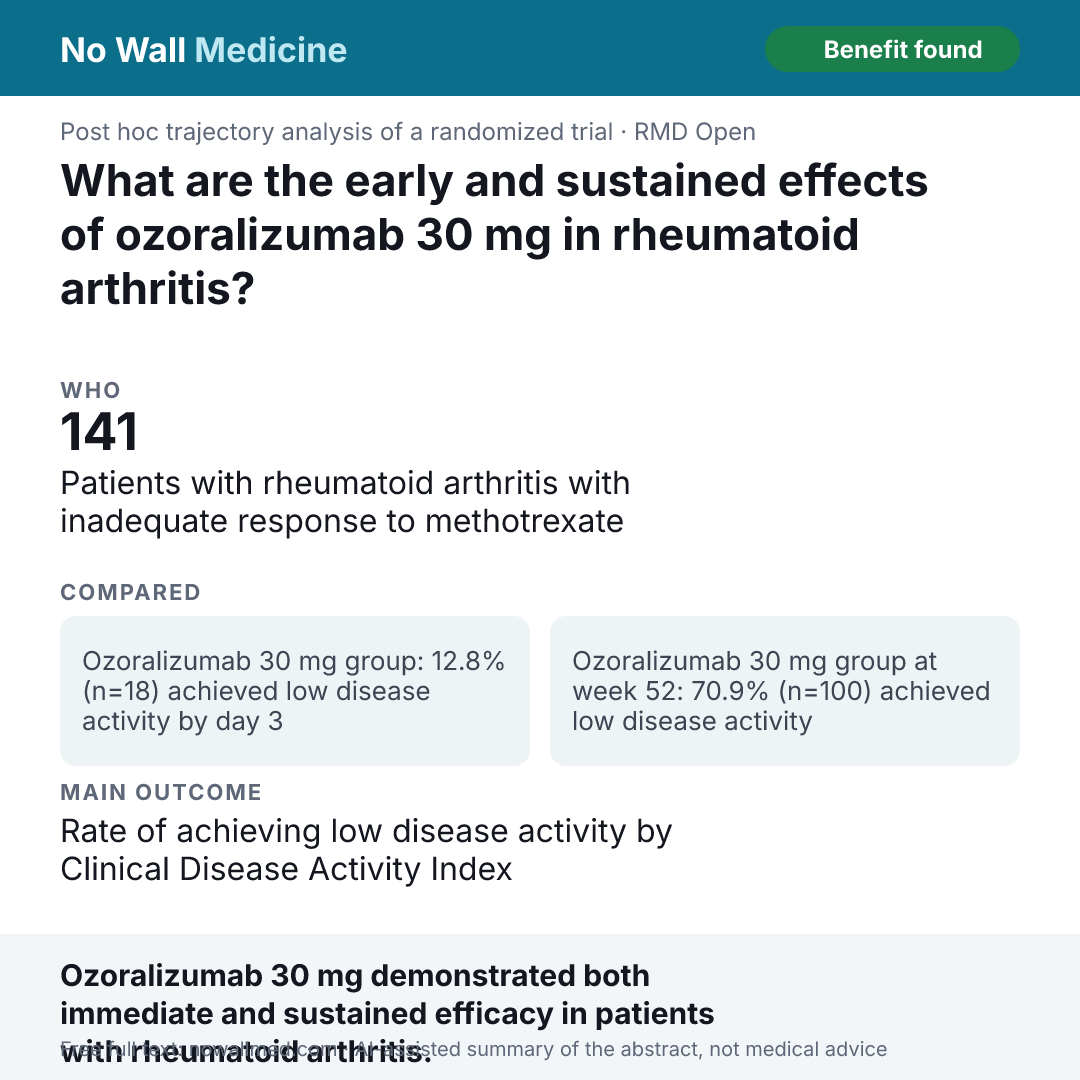
Early effects of ozoralizumab 30 mg in patients with rheumatoid arthritis and inadequate response to methotrexate: a post hoc trajectory analysis of the phase II/III OHZORA trial
Post hoc trajectory analysis of a randomized trialBenefit found
What are the early and sustained effects of ozoralizumab 30 mg in rheumatoid arthritis?
Who
141
Patients with rheumatoid arthritis with inadequate response to methotrexate
Compared
Ozoralizumab 30 mg group: 12.8% (n=18) achieved low disease activity by day 3
Ozoralizumab 30 mg group at week 52: 70.9% (n=100) achieved low disease activity
Main outcome
Rate of achieving low disease activity by Clinical Disease Activity Index
Bottom line: Ozoralizumab 30 mg demonstrated both immediate and sustained efficacy in patients with rheumatoid arthritis.
Limitation: Residual confounding due to baseline disease activity cannot be completely excluded.
RMD Open · 2025-06-19 · Save PNG
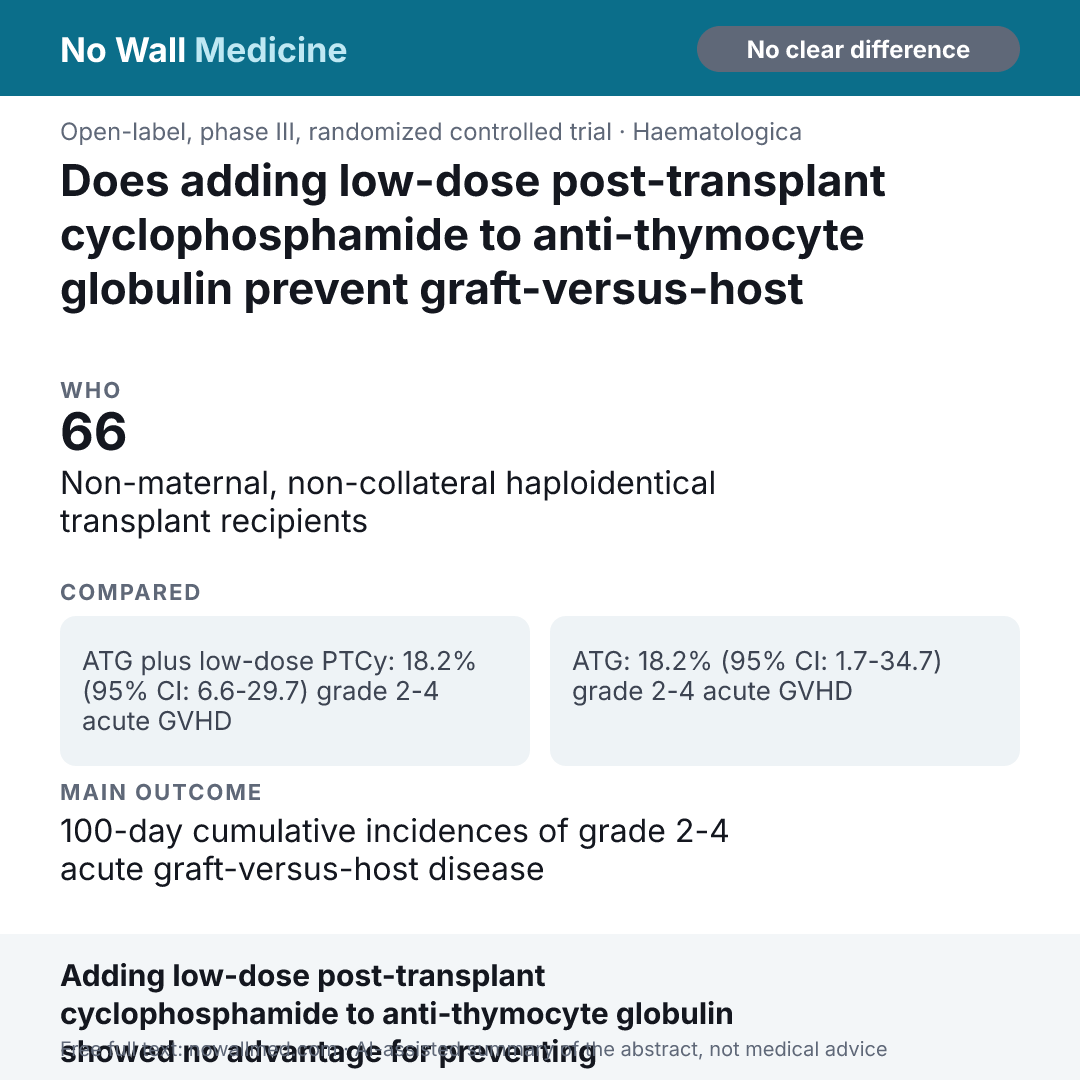
Randomized trial of anti-thymocyte globulin plus lowdose post-transplant cyclophosphamide to prevent graft-versus- host disease in haploidentical transplantation
Open-label, phase III, randomized controlled trialNo clear difference
Does adding low-dose post-transplant cyclophosphamide to anti-thymocyte globulin prevent graft-versus-host disease?
Who
66
Non-maternal, non-collateral haploidentical transplant recipients
Compared
ATG plus low-dose PTCy: 18.2% (95% CI: 6.6-29.7) grade 2-4 acute GVHD
ATG: 18.2% (95% CI: 1.7-34.7) grade 2-4 acute GVHD
Main outcome
100-day cumulative incidences of grade 2-4 acute graft-versus-host disease
Bottom line: Adding low-dose post-transplant cyclophosphamide to anti-thymocyte globulin showed no advantage for preventing graft-versus-host disease in this population.
Haematologica · 2025-06-19 · Save PNG
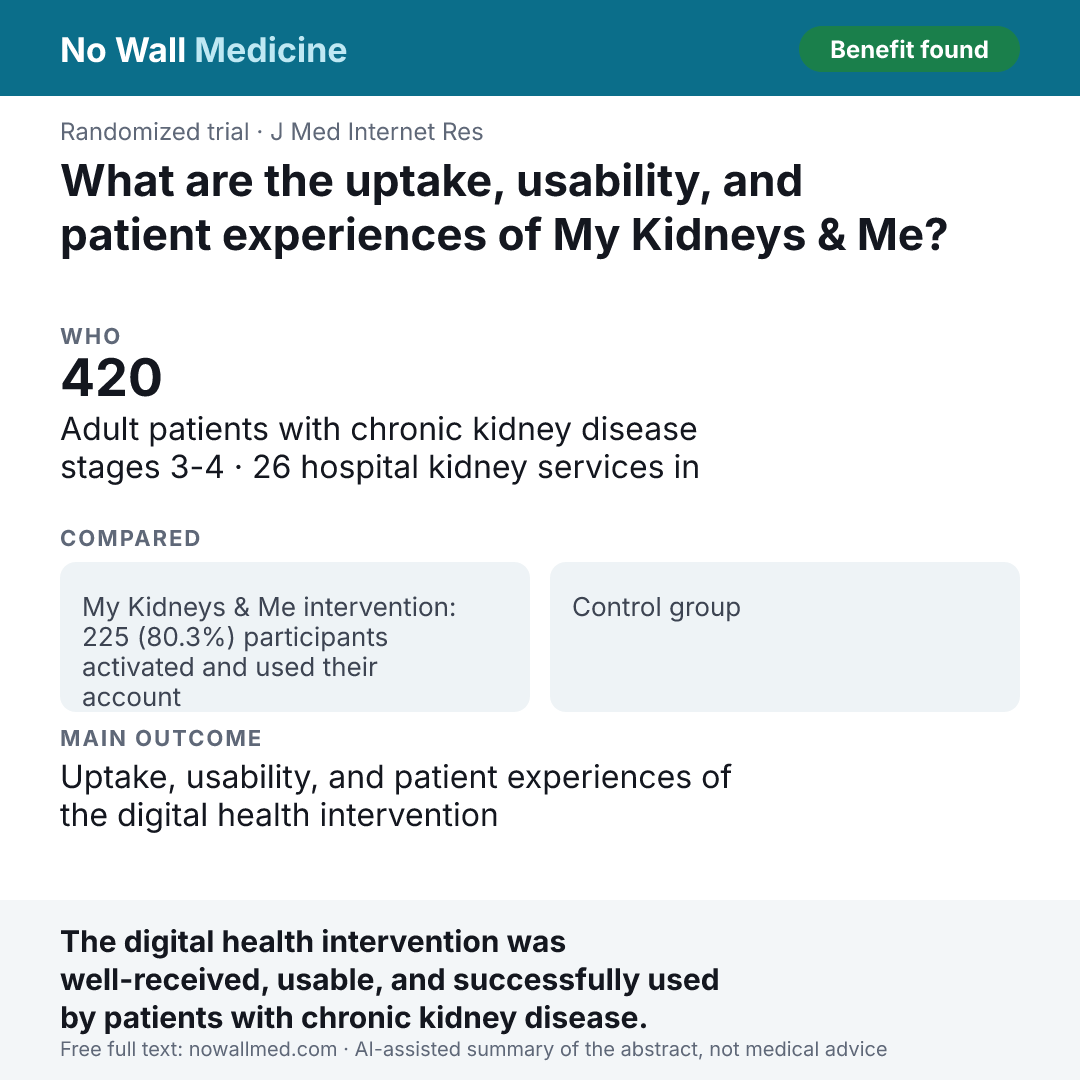
Use, Usability, and Experience Testing of a Digital Health Intervention to Support Chronic Kidney Disease Self-Management: Mixed Methods Study
Randomized trialBenefit found
What are the uptake, usability, and patient experiences of My Kidneys & Me?
Who
420
Adult patients with chronic kidney disease stages 3-4 · 26 hospital kidney services in England
Compared
My Kidneys & Me intervention: 225 (80.3%) participants activated and used their account
Control group
Main outcome
Uptake, usability, and patient experiences of the digital health intervention
Bottom line: The digital health intervention was well-received, usable, and successfully used by patients with chronic kidney disease.
Limitation: Participants highlighted not having enough time to engage with all the content during the study period.
J Med Internet Res · 2025-06-19 · Save PNG
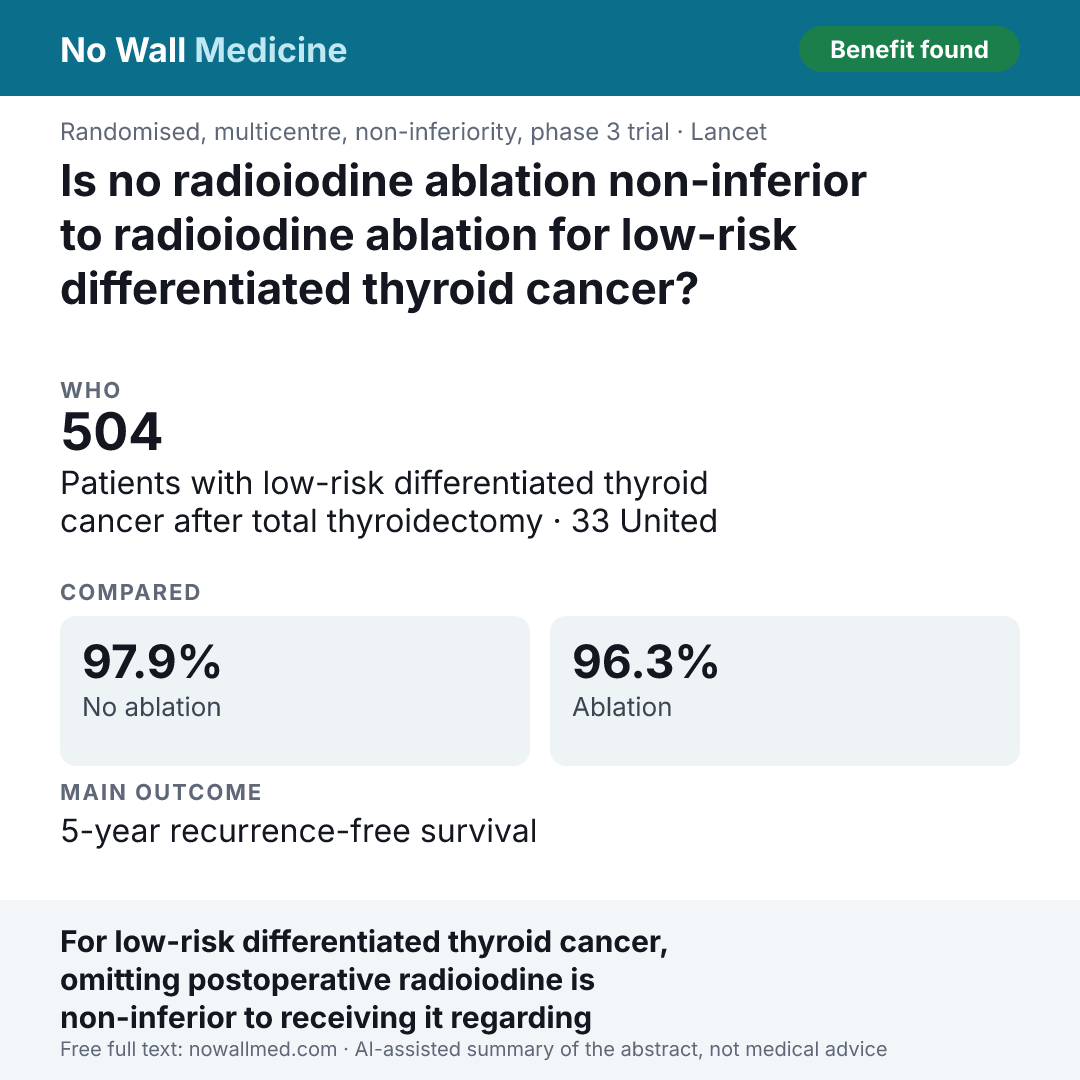
Thyroidectomy with or without postoperative radioiodine for patients with low-risk differentiated thyroid cancer in the UK (IoN): a randomised, multicentre, non-inferiority trial
Randomised, multicentre, non-inferiority, phase 3 trialBenefit found
Is no radioiodine ablation non-inferior to radioiodine ablation for low-risk differentiated thyroid cancer?
Who
504
Patients with low-risk differentiated thyroid cancer after total thyroidectomy · 33 United Kingdom cancer centres
Compared
97.9%No ablation (95% CI 96.1-99.7)
96.3%Ablation (93.9-98.7)
Main outcome
5-year recurrence-free survival
Result: absolute risk difference 0.5 percentage points (95% CI -2.2 to 3.2)
Bottom line: For low-risk differentiated thyroid cancer, omitting postoperative radioiodine is non-inferior to receiving it regarding 5-year recurrence-free survival.
Funded by: Cancer Research UK
Lancet · 2025-06-18 · Save PNG
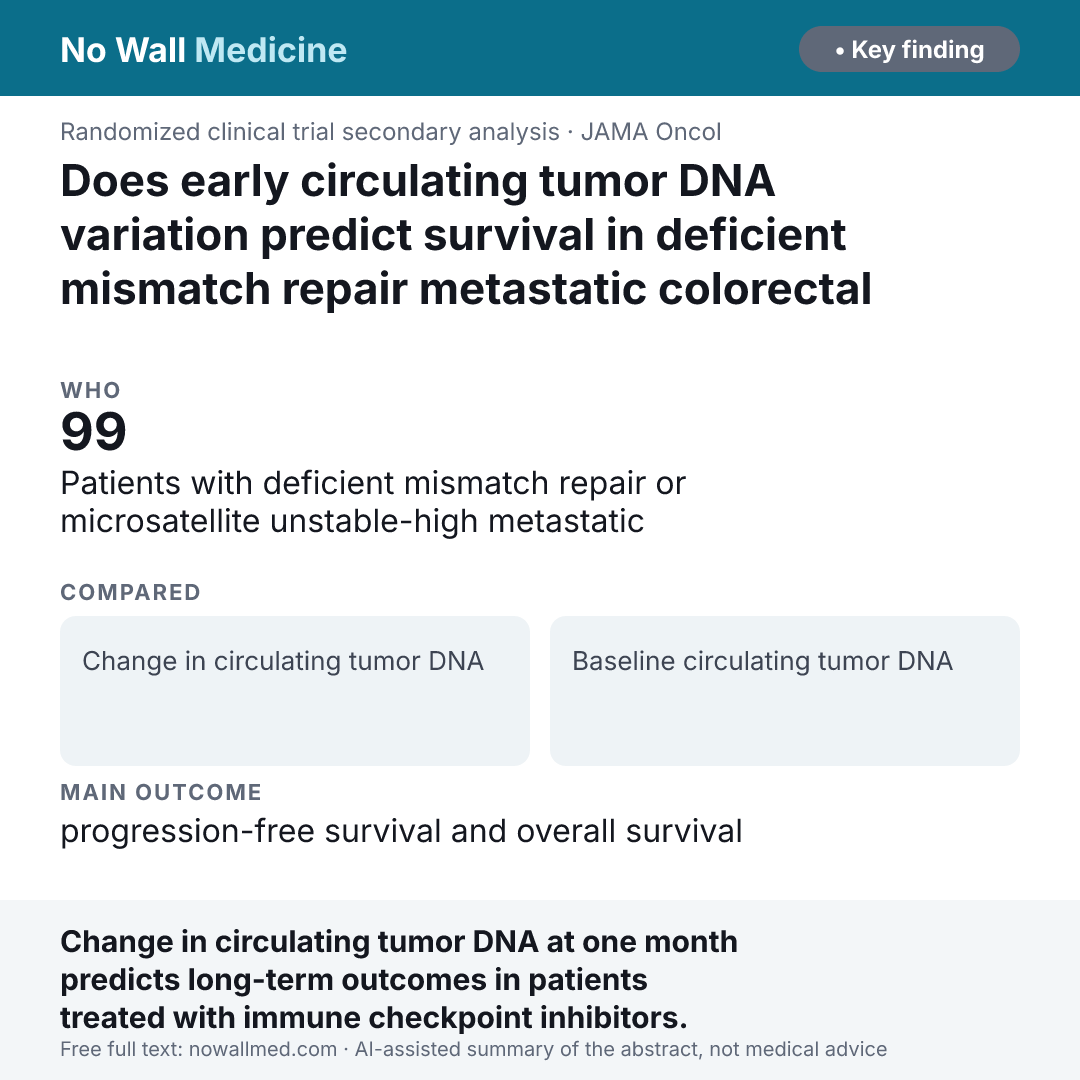
Early ctDNA and Survival in Metastatic Colorectal Cancer Treated With Immune Checkpoint Inhibitors: A Secondary Analysis of the SAMCO-PRODIGE 54 Randomized Clinical Trial
Randomized clinical trial secondary analysisKey finding
Does early circulating tumor DNA variation predict survival in deficient mismatch repair metastatic colorectal cancer?
Who
99
Patients with deficient mismatch repair or microsatellite unstable-high metastatic colorectal cancer · 49 sites in France
Compared
Change in circulating tumor DNA
Baseline circulating tumor DNA
Main outcome
progression-free survival and overall survival
Result: hazard ratio 2.98 (95% CI 1.77 to 5.01) for progression-free survival
Bottom line: Change in circulating tumor DNA at one month predicts long-term outcomes in patients treated with immune checkpoint inhibitors.
JAMA Oncol · 2025-06-18 · Save PNG
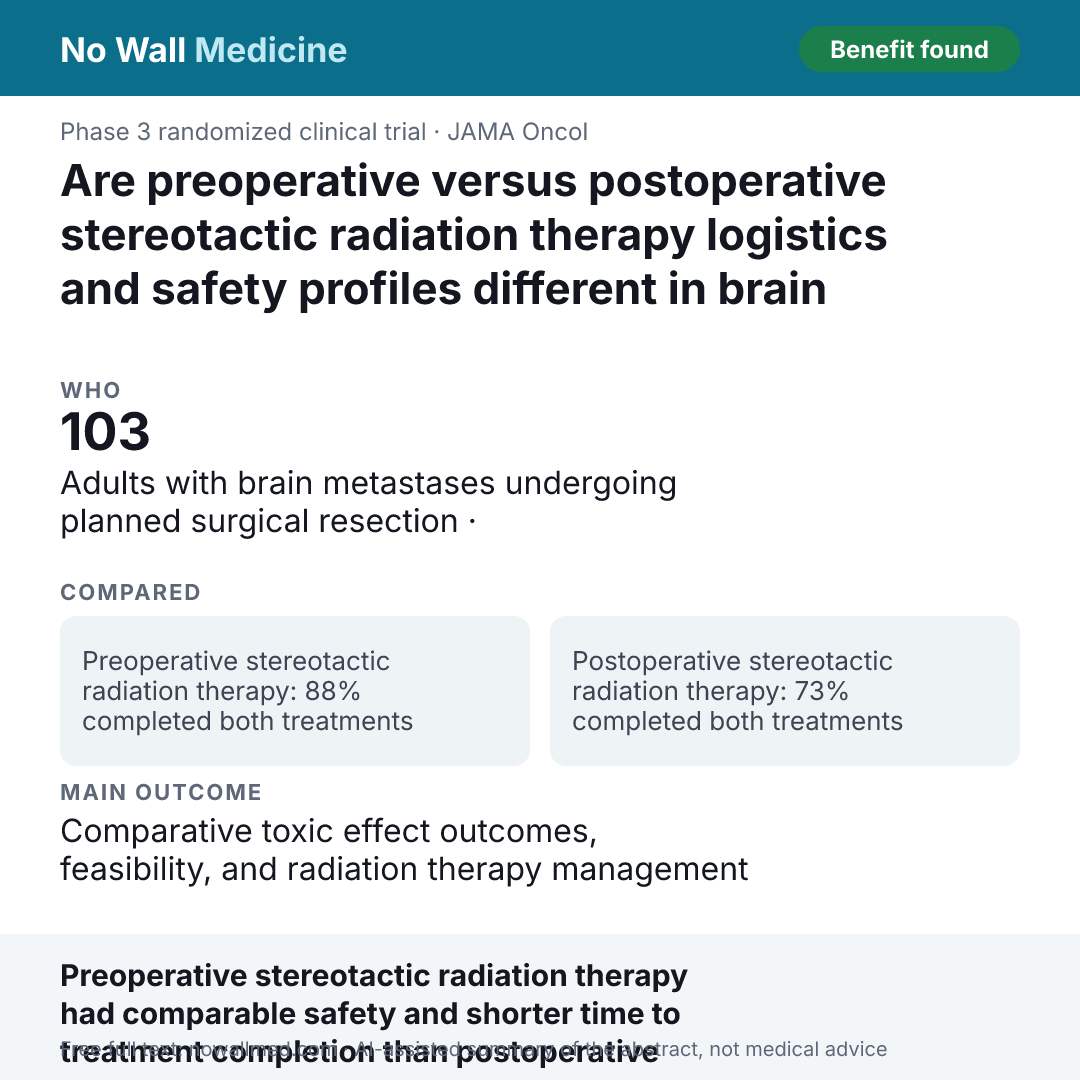
Therapy, Safety, and Logistics of Preoperative vs Postoperative Stereotactic Radiation Therapy: A Preliminary Analysis of a Randomized Clinical Trial
Phase 3 randomized clinical trialBenefit found
Are preoperative versus postoperative stereotactic radiation therapy logistics and safety profiles different in brain metastases?
Who
103
Adults with brain metastases undergoing planned surgical resection · Single-institution
Compared
Preoperative stereotactic radiation therapy: 88% completed both treatments
Postoperative stereotactic radiation therapy: 73% completed both treatments
Main outcome
Comparative toxic effect outcomes, feasibility, and radiation therapy management
Bottom line: Preoperative stereotactic radiation therapy had comparable safety and shorter time to treatment completion than postoperative stereotactic radiation therapy.
JAMA Oncol · 2025-06-18 · Save PNG