Visual abstracts
New randomized trials and meta-analyses from leading journals at a glance: who was studied, what was compared, and what was found. Every paper is free to read in full.
All specialtiesCardiology 274Oncology 223Gastroenterology & Hepatology 124Infectious Disease 222Neurology 129Psychiatry & Mental Health 192Pulmonology 129Critical Care 82Endocrinology & Diabetes 167Pediatrics 126Surgery 86Orthopedics & Sports Medicine 56Neurosurgery 15Cardiothoracic & Vascular Surgery 29Plastic & Reconstructive Surgery 61Nephrology 57Rheumatology 54Hematology 69Dermatology 27Ophthalmology 49Obstetrics & Gynecology 82Public & Global Health 88Radiology & Imaging 24Anesthesiology 47Urology 65ENT (Otolaryngology) 37Emergency Medicine 29Allergy & Immunology 28Geriatrics 86Family Medicine & Primary Care 46Medical Genetics & Genomics 28Pathology & Laboratory Medicine 5Physical Medicine & Rehabilitation 71Palliative Care 42Nutrition 101Digital Health & AI 244General Medicine 38
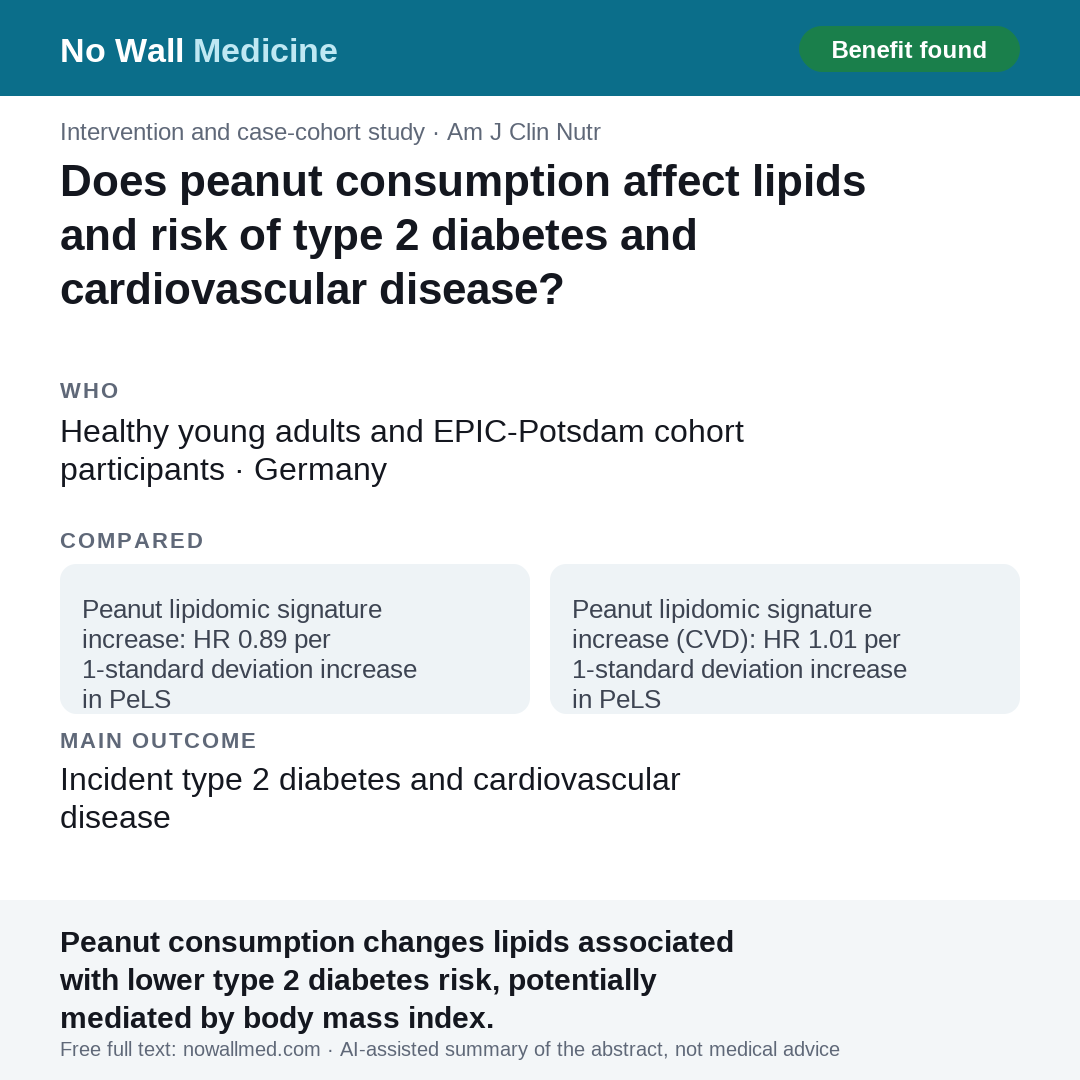
Peanuts-derived plasma lipids and lower risk of type 2 diabetes: association mediated by body mass index-an intervention and case-cohort study
Intervention and case-cohort studyBenefit found
Does peanut consumption affect lipids and risk of type 2 diabetes and cardiovascular disease?
Who
Healthy young adults and EPIC-Potsdam cohort participants · Germany
Compared
Peanut lipidomic signature increase: HR 0.89 per 1-standard deviation increase in PeLS
Peanut lipidomic signature increase (CVD): HR 1.01 per 1-standard deviation increase in PeLS
Main outcome
Incident type 2 diabetes and cardiovascular disease
Result: hazard ratio 0.89 (95% CI 0.80, 0.99) for type 2 diabetes
Bottom line: Peanut consumption changes lipids associated with lower type 2 diabetes risk, potentially mediated by body mass index.
Am J Clin Nutr · 2026-09-17Download image
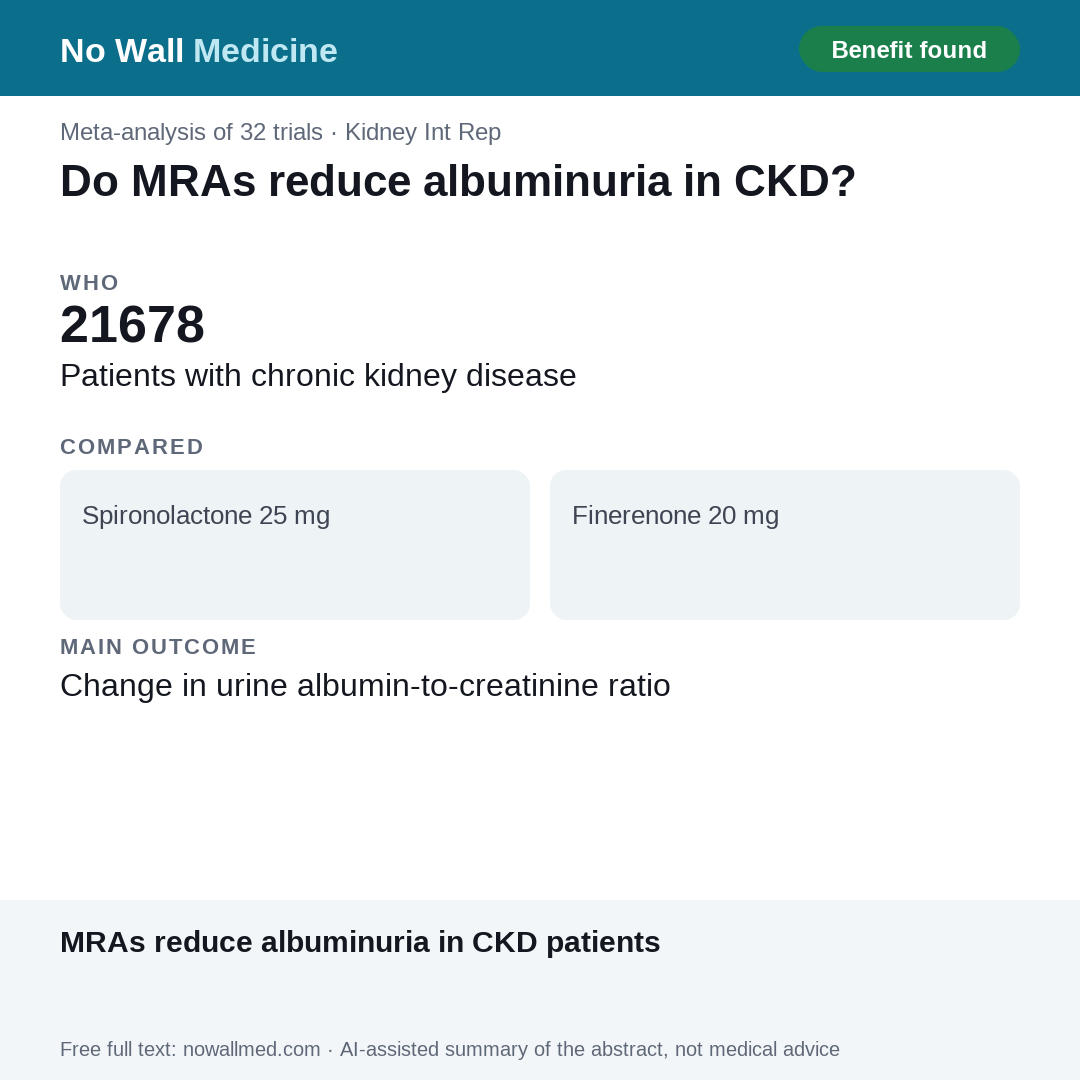
Dose-Specific Network Meta-Analysis of Mineralocorticoid Receptor Antagonists in CKD
Meta-analysis of 32 trialsBenefit found
Do MRAs reduce albuminuria in CKD?
Who
21678
Patients with chronic kidney disease
Compared
Spironolactone 25 mg
Finerenone 20 mg
Main outcome
Change in urine albumin-to-creatinine ratio
Bottom line: MRAs reduce albuminuria in CKD patients
Limitation: Short-term studies informed eGFR results
Kidney Int Rep · 2026-09-17Download image
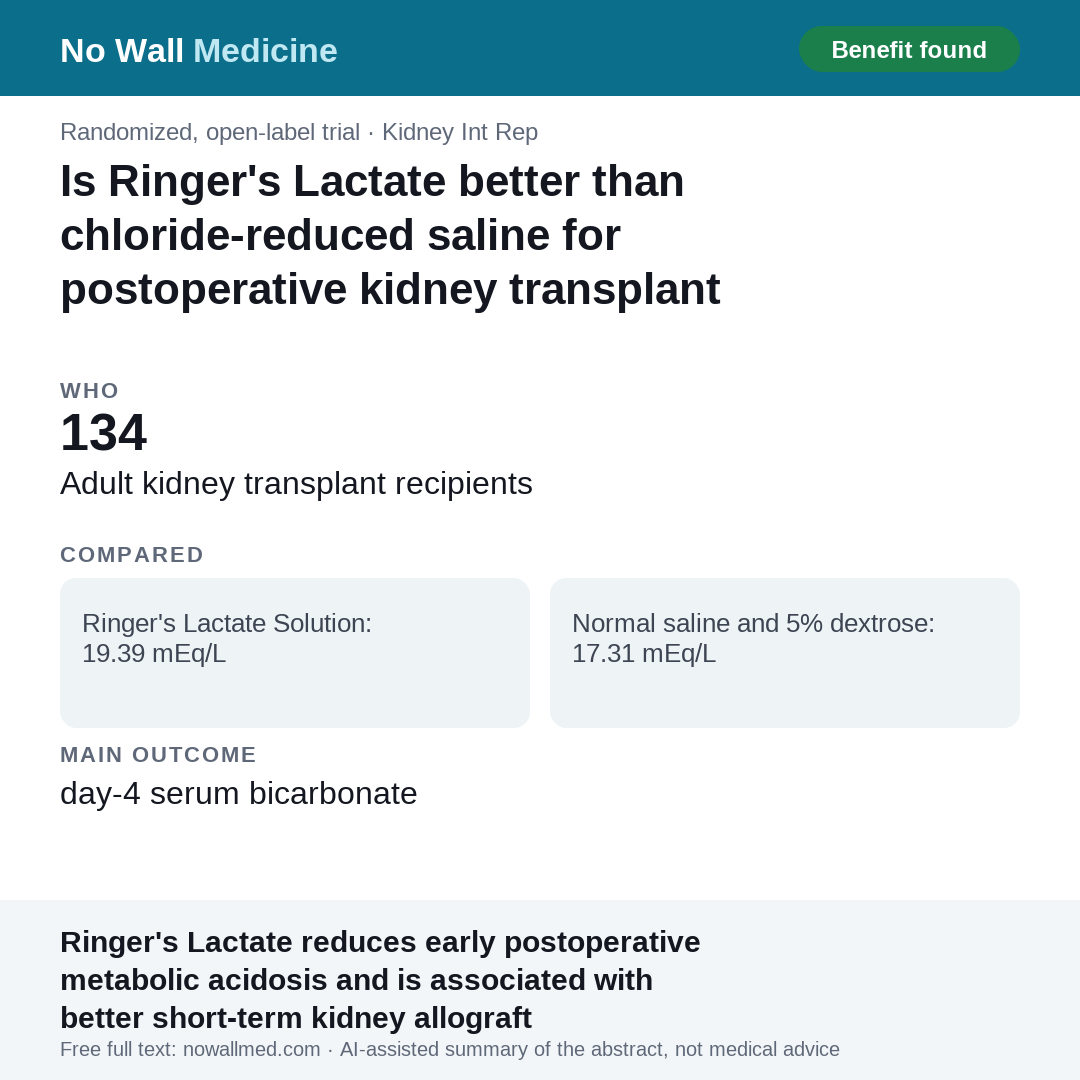
Randomized Clinical Trial of Ringer's Lactate Versus Chloride-Reduced Saline-Dextrose in Postoperative Kidney Transplantation
Randomized, open-label trialBenefit found
Is Ringer's Lactate better than chloride-reduced saline for postoperative kidney transplant recipients?
Who
134
Adult kidney transplant recipients
Compared
Ringer's Lactate Solution: 19.39 mEq/L
Normal saline and 5% dextrose: 17.31 mEq/L
Main outcome
day-4 serum bicarbonate
Bottom line: Ringer's Lactate reduces early postoperative metabolic acidosis and is associated with better short-term kidney allograft functional recovery.
Limitation: Benefits are most applicable to allografts exhibiting immediate or early function.
Kidney Int Rep · 2026-09-17Download image
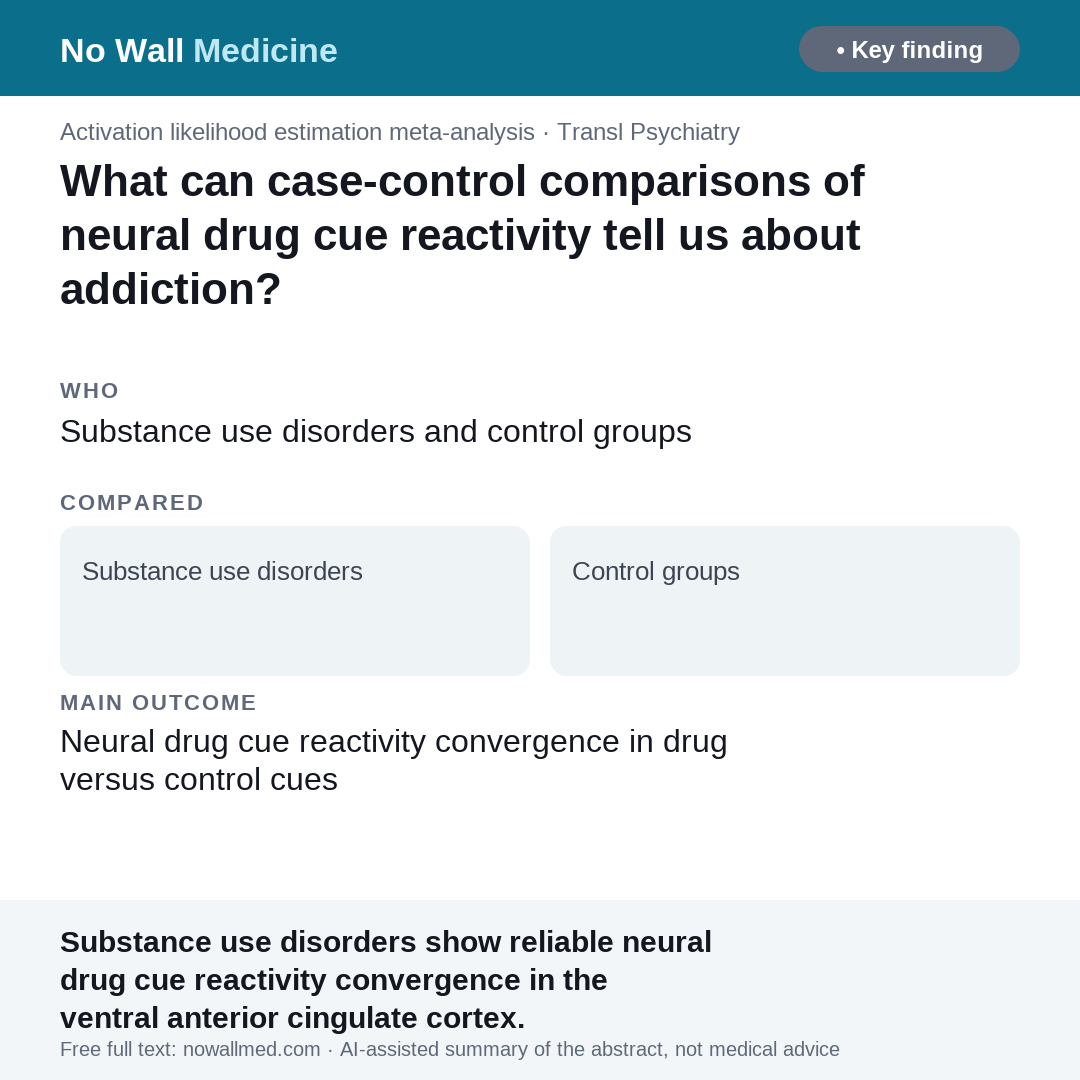
What can case-control comparisons of neural drug cue reactivity tell us about addiction? A neuroimaging meta-analysis
Activation likelihood estimation meta-analysisBenefit found
What can case-control comparisons of neural drug cue reactivity tell us about addiction?
Who
Substance use disorders and control groups
Compared
Substance use disorders
Control groups
Main outcome
Neural drug cue reactivity convergence in drug versus control cues
Bottom line: Substance use disorders show reliable neural drug cue reactivity convergence in the ventral anterior cingulate cortex.
Limitation: Results were sensitive to matching conditions for human content.
Transl Psychiatry · 2026-09-17Download image
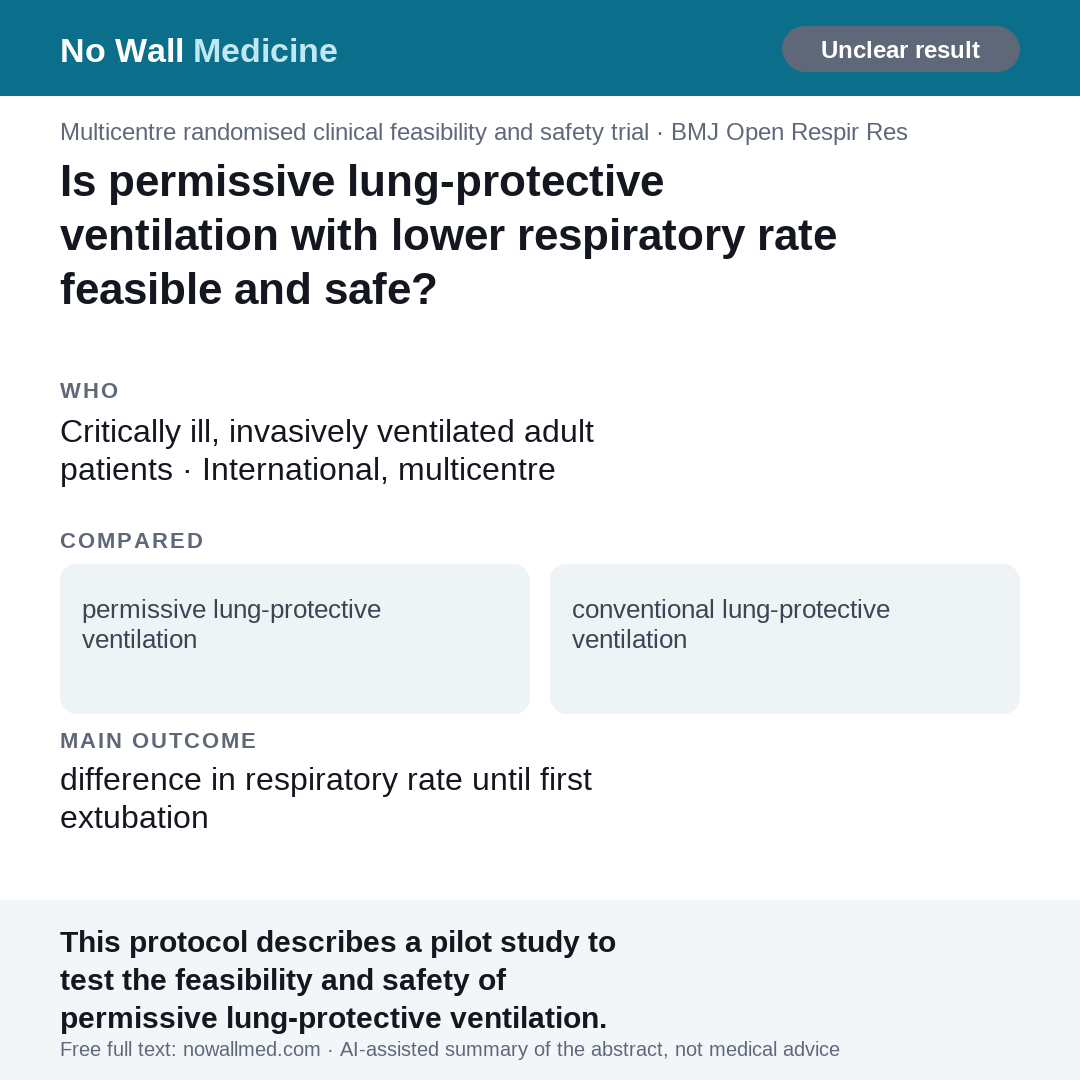
Effects of PERMISSive lung-protective ventilation on outcome in critically ill, invasively ventilated patients (PERMISS): protocol for a feasibility and safety randomised clinical trial
Multicentre randomised clinical feasibility and safety trialUnclear result
Is permissive lung-protective ventilation with lower respiratory rate feasible and safe?
Who
Critically ill, invasively ventilated adult patients · International, multicentre
Compared
permissive lung-protective ventilation
conventional lung-protective ventilation
Main outcome
difference in respiratory rate until first extubation
Bottom line: This protocol describes a pilot study to test the feasibility and safety of permissive lung-protective ventilation.
BMJ Open Respir Res · 2026-09-17Download image
Fine-Tuning, Retrieval-Augmented Generation, and Hybrid Adaptation of Language Models for Clinical Decision-Making in Health Care: Systematic Review
Systematic reviewMixed results
How do fine-tuning, retrieval-augmented generation, and hybrid strategies compare for clinical decision-making?
Who
35
Transformer-based language models for clinical decision support and diagnosis
Compared
Fine-tuning: area under the receiver operating characteristic curve up to 0.912
Retrieval-augmented generation: increases from 71.1% to 92.1%
Hybrid approaches: external validation accuracies exceeding 90%
Main outcome
Performance in clinical diagnosis and decision-support tasks
Bottom line: Adaptation strategies should align with task needs, but current evidence is largely retrospective or benchmark-based.
Limitation: Substantial methodological limitations including inadequate external validation and lack of calibration assessment.
J Med Internet Res · 2026-09-17Download image

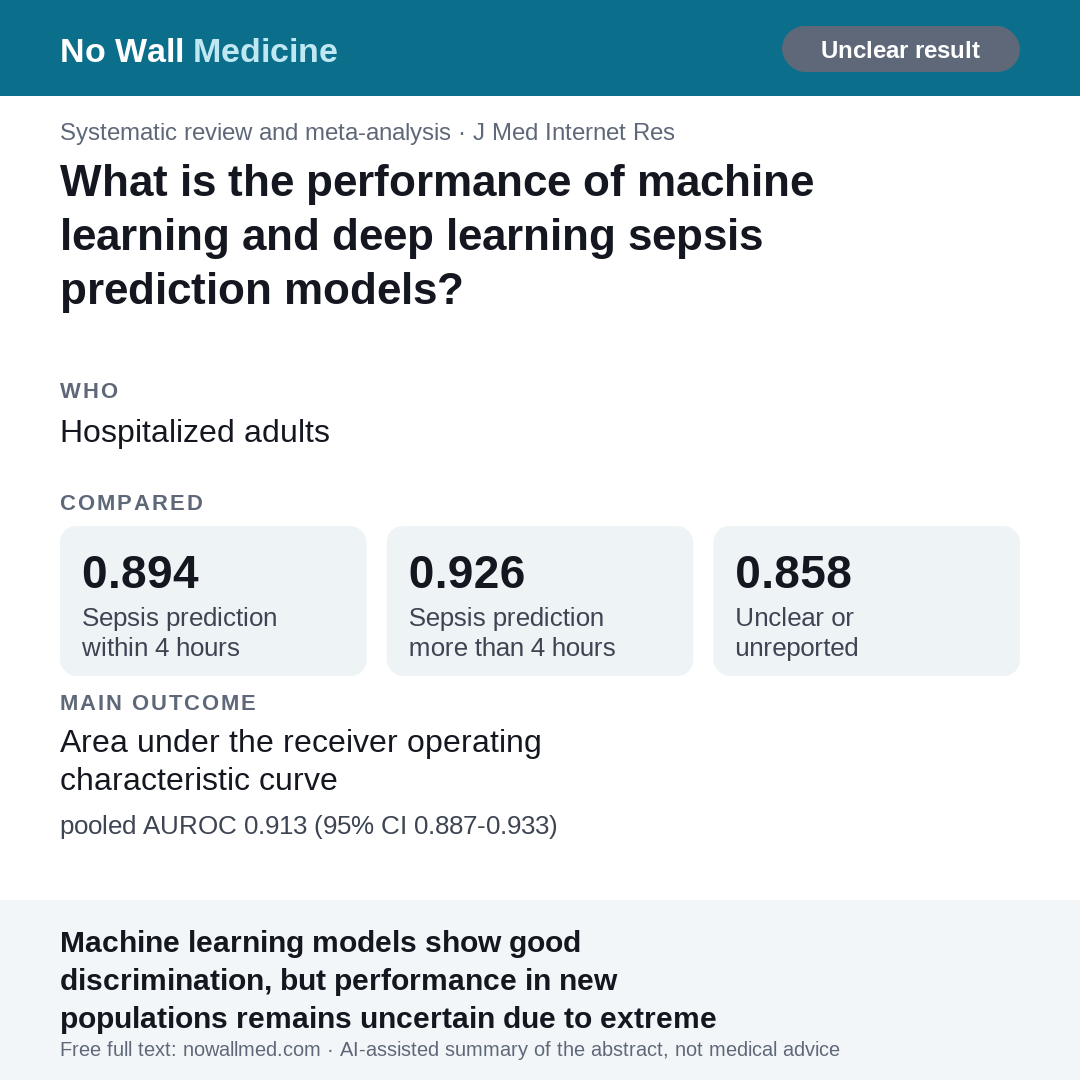
AI-Based Sepsis Prediction in Hospitalized Adults: Systematic Review, Subgroup Meta-Analysis, and Contextual Analysis of Clinical Burden
Systematic review and meta-analysisUnclear result
What is the performance of machine learning and deep learning sepsis prediction models?
Who
34
Hospitalized adults
Compared
0.894Sepsis prediction within 4 hours (95% CI 0.829-0.936)
0.926Sepsis prediction more than 4 hours before onset (95% CI 0.897-0.948)
0.858Unclear or unreported prediction windows (95% CI 0.581-0.964)
Main outcome
Area under the receiver operating characteristic curve
Result: pooled AUROC 0.913 (95% CI 0.887-0.933)
Bottom line: Machine learning models show good discrimination, but performance in new populations remains uncertain due to extreme heterogeneity and limited prospective evaluation.
Limitation: Extreme heterogeneity, overlapping public data, inconsistent reporting, and limited prospective evaluation.
J Med Internet Res · 2026-09-17Download image
Efficacy of A Virtual Agent-Based Digital Intervention (Echo App V2.0) for Patients With Alcohol Use Disorder: Randomized Controlled Trial
Randomized controlled trialBenefit found
Does a virtual agent-based digital intervention reduce craving and relapse in alcohol use disorder patients?
Who
93
Patients aged 18 to 55 years with alcohol use disorder · Fuyang No. 3 People's Hospital
Compared
Intervention (Echo App V2.0 plus treatment as usual): attenuated craving increases at T2 (β=-1.81, 95% CI -3.45 to -0.16)
Control (treatment as usual alone)
Main outcome
Change in craving from baseline to 4 weeks and follow-up
Result: β=-1.81 (95% CI -3.45 to -0.16) at T2; β=-1.97 (95% CI -3.61 to -0.32) at T3
Bottom line: The Echo App V2.0 attenuated postdischarge craving increases and may reduce short-term relapse in patients with alcohol use disorder.
Limitation: Relapse benefit was sensitive to missing-data assumptions and was not sustained at 3 months.
J Med Internet Res · 2026-09-17Download image

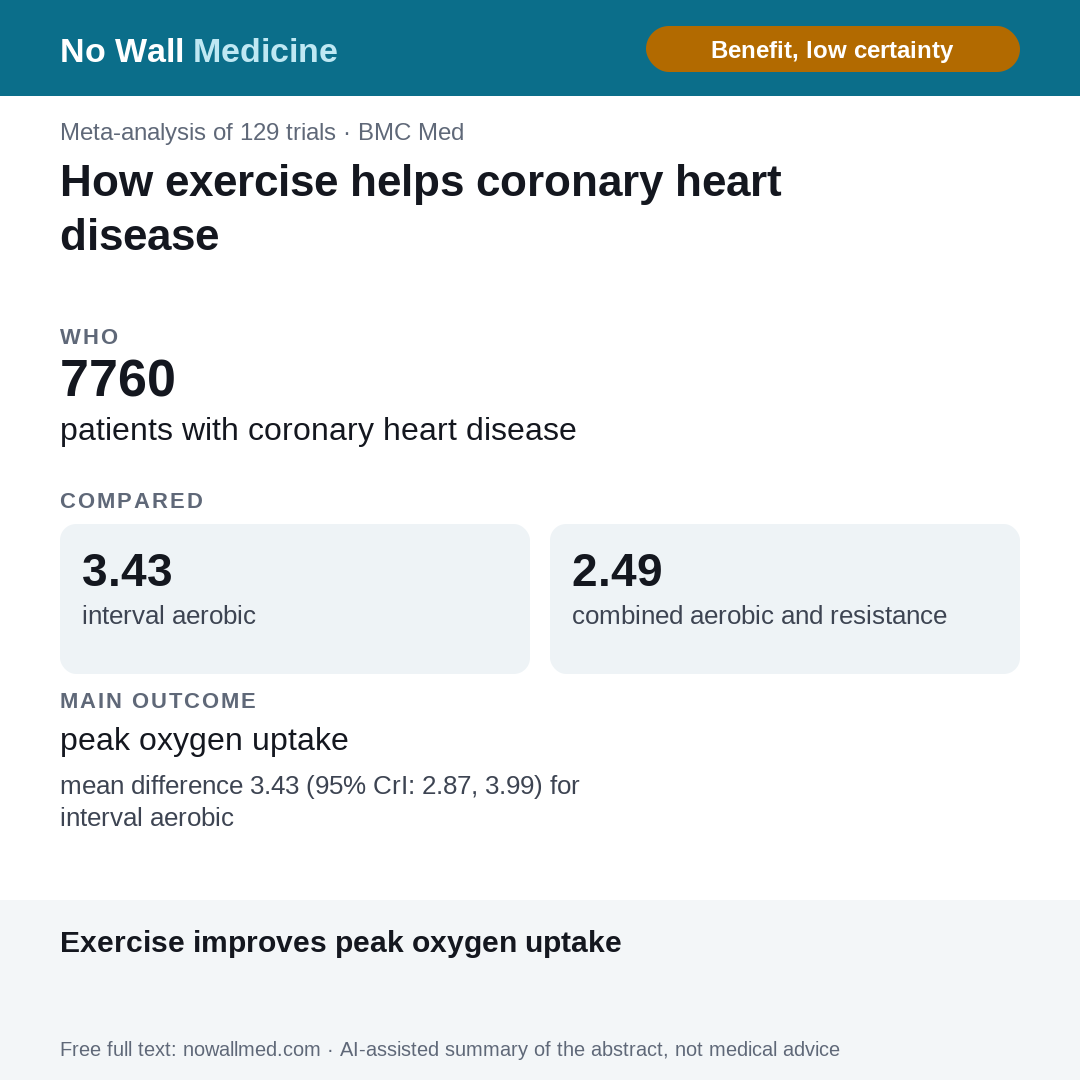
Exercise-based management of patients with coronary heart disease: an integrated network meta-analysis and machine learning exploration
Meta-analysis of 129 trialsBenefit found
How exercise helps coronary heart disease
Who
7760
patients with coronary heart disease
Compared
3.43interval aerobic
2.49combined aerobic and resistance
Main outcome
peak oxygen uptake
Result: mean difference 3.43 (95% CrI: 2.87, 3.99) for interval aerobic
Bottom line: Exercise improves peak oxygen uptake
Limitation: low-certainty evidence
BMC Med · 2026-09-16Download image
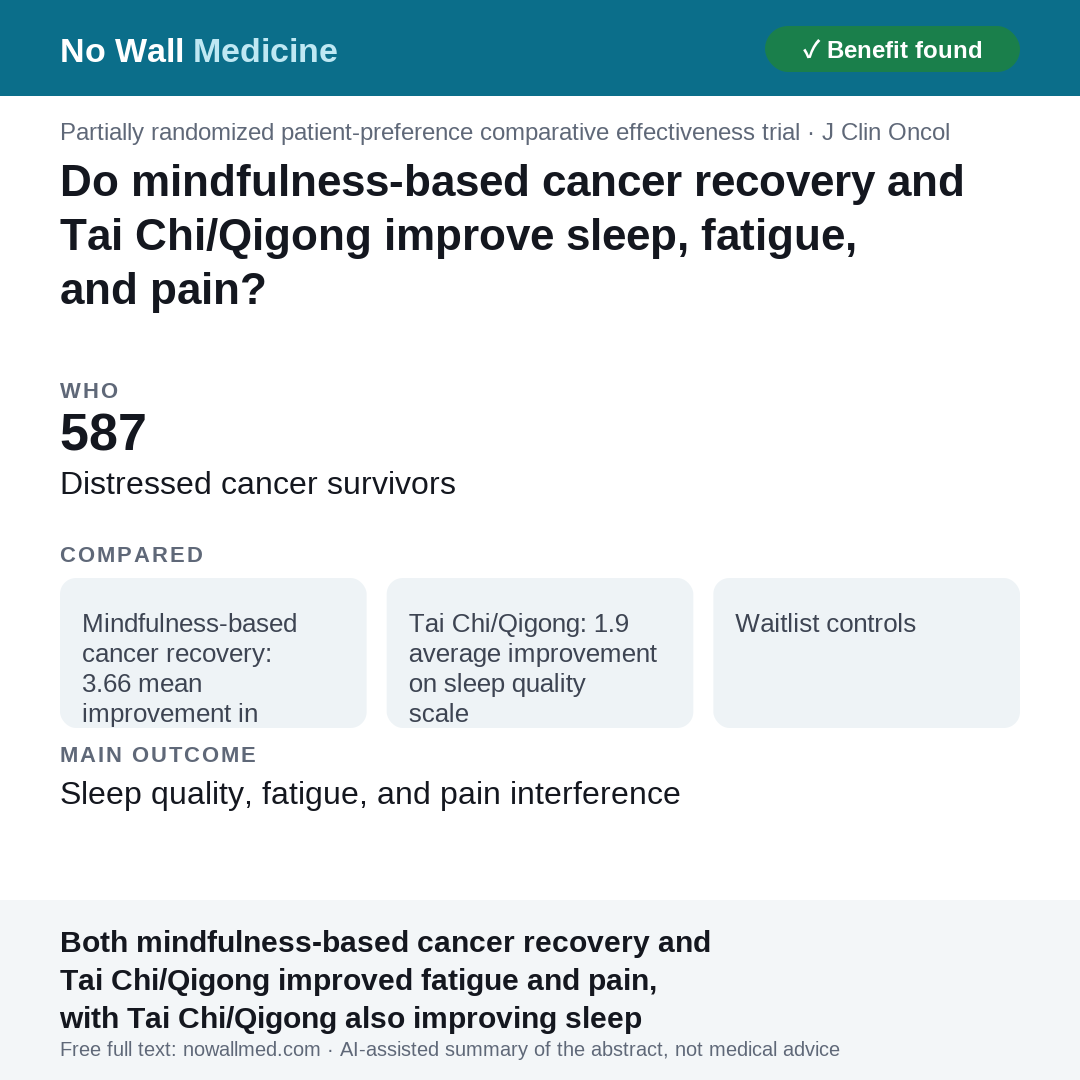
Mindfulness and Tai Chi for Sleep, Fatigue, and Pain in Distressed People After Cancer Treatment: A Partially Randomized Patient-Preference Comparative Effectiveness Trial
Partially randomized patient-preference comparative effectiveness trialBenefit found
Do mindfulness-based cancer recovery and Tai Chi/Qigong improve sleep, fatigue, and pain?
Who
587
Distressed cancer survivors
Compared
Mindfulness-based cancer recovery: 3.66 mean improvement in fatigue
Tai Chi/Qigong: 1.9 average improvement on sleep quality scale
Waitlist controls
Main outcome
Sleep quality, fatigue, and pain interference
Bottom line: Both mindfulness-based cancer recovery and Tai Chi/Qigong improved fatigue and pain, with Tai Chi/Qigong also improving sleep quality.
J Clin Oncol · 2026-09-16Download image
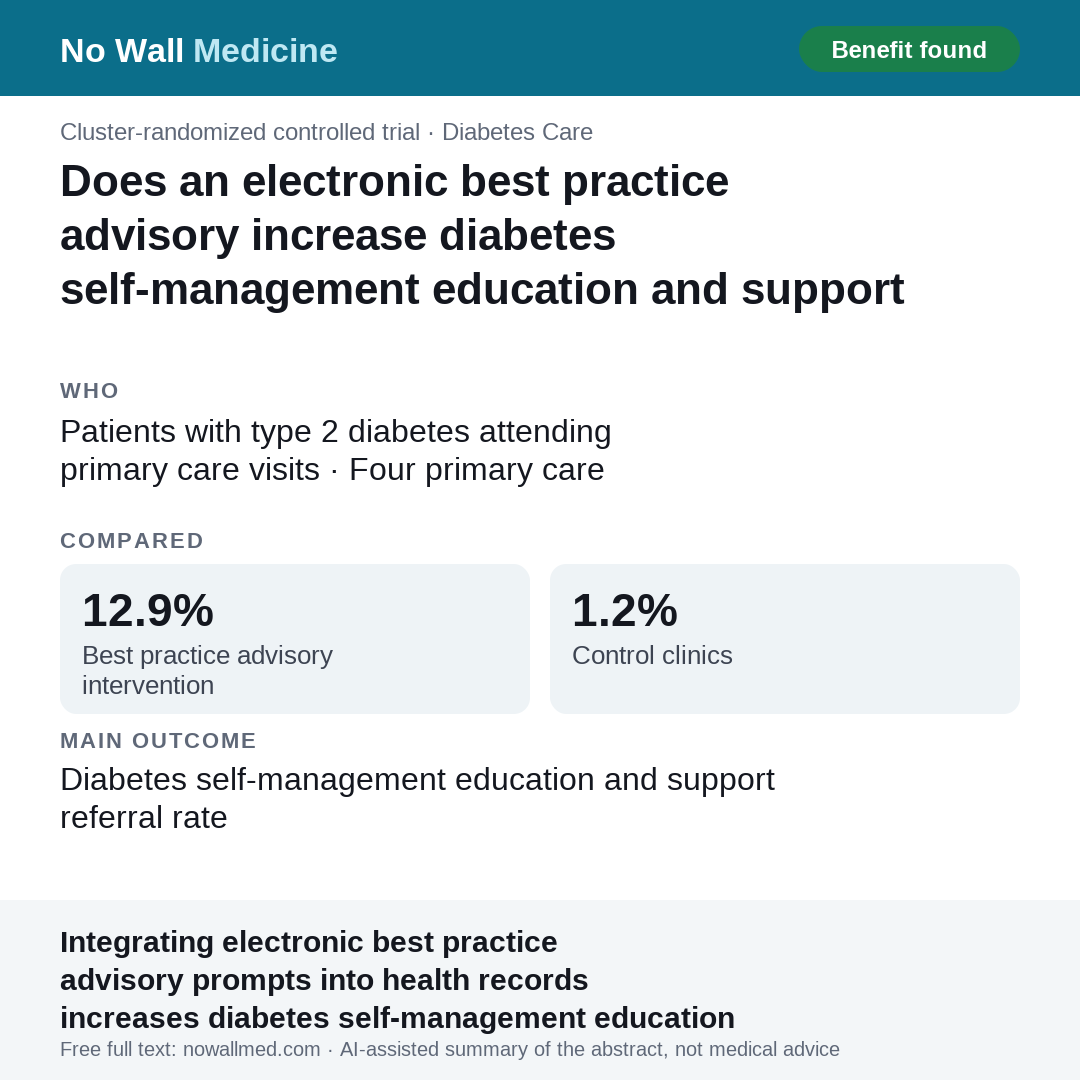
From Alert to Action: Electronic Practice Advisory Improves DSMES Referrals Over 18 Months
Cluster-randomized controlled trialBenefit found
Does an electronic best practice advisory increase diabetes self-management education and support referrals?
Who
Patients with type 2 diabetes attending primary care visits · Four primary care practices in central North Carolina
Compared
13.7%Best practice advisory intervention
1.6%Control clinics
Main outcome
Diabetes self-management education and support referral rate
Result: odds ratio 9.44 (95% CI 4.91-18.17)
Bottom line: Electronic best practice advisory prompts significantly increase diabetes self-management education and support referral rates.
Diabetes Care · 2026-09-16Download image
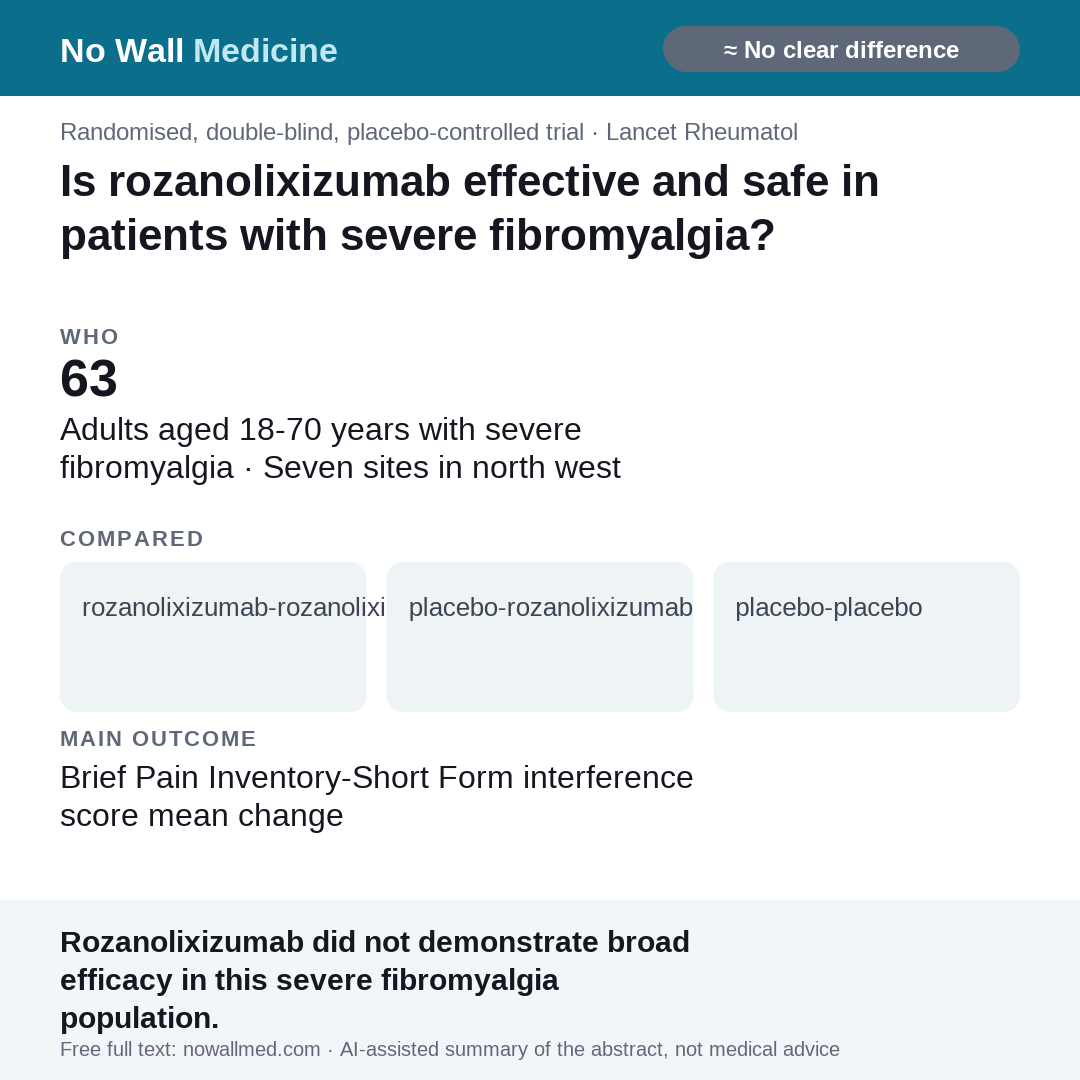
Efficacy and safety of rozanolixizumab in severe fibromyalgia: a phase 2A randomised, double-blind, placebo-controlled, multicentre trial
Randomised, double-blind, placebo-controlled trialNo clear difference
Is rozanolixizumab effective and safe in patients with severe fibromyalgia?
Who
63
Adults aged 18-70 years with severe fibromyalgia · Seven sites in north west England
Compared
rozanolixizumab-rozanolixizumab
placebo-rozanolixizumab
placebo-placebo
Main outcome
Brief Pain Inventory-Short Form interference score mean change
Result: least squares mean difference -0·5, 80% CI -1·0 to -0·1
Bottom line: Rozanolixizumab did not demonstrate broad efficacy in this severe fibromyalgia population.
Funded by: UCB
Lancet Rheumatol · 2026-09-16Download image
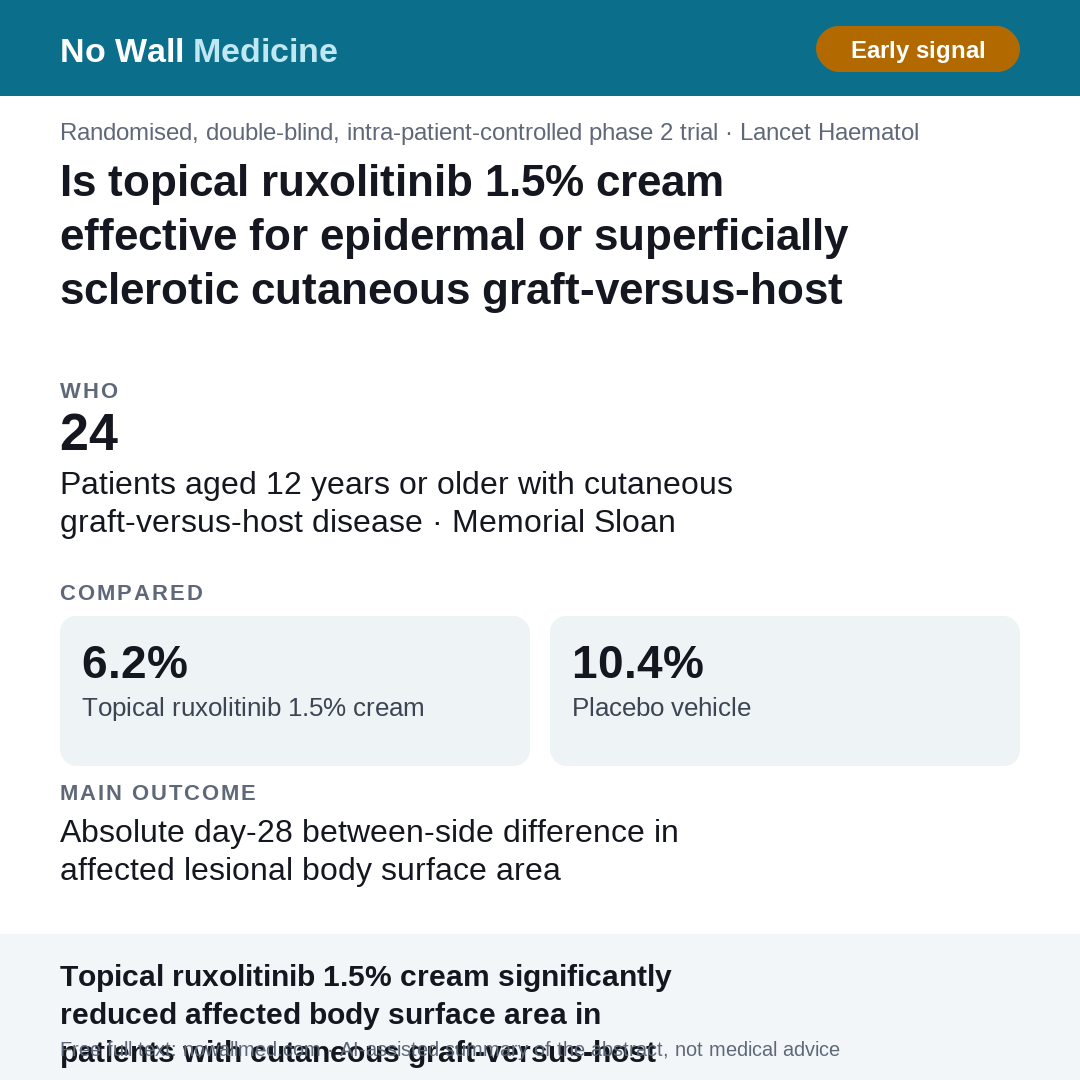
Topical ruxolitinib for chronic cutaneous graft-versus-host disease: a single-centre, randomised, double-blind, intra-patient-controlled phase 2 trial
Randomised, double-blind, intra-patient-controlled phase 2 trialBenefit found
Is topical ruxolitinib 1.5% cream effective for epidermal or superficially sclerotic cutaneous graft-versus-host disease?
Who
24
Patients aged 12 years or older with cutaneous graft-versus-host disease · Memorial Sloan Kettering Cancer Center (NY, USA)
Compared
6.2%Topical ruxolitinib 1.5% cream (SD 6.7)
10.4%Placebo vehicle (SD 9.1)
Main outcome
Absolute day-28 between-side difference in affected lesional body surface area
Result: -4.0 percentage points (-5.5 to -2.4; p<0.0010)
Bottom line: Topical ruxolitinib 1.5% cream significantly reduced affected body surface area in patients with cutaneous graft-versus-host disease.
Funded by: Incyte
Lancet Haematol · 2026-09-16Download image
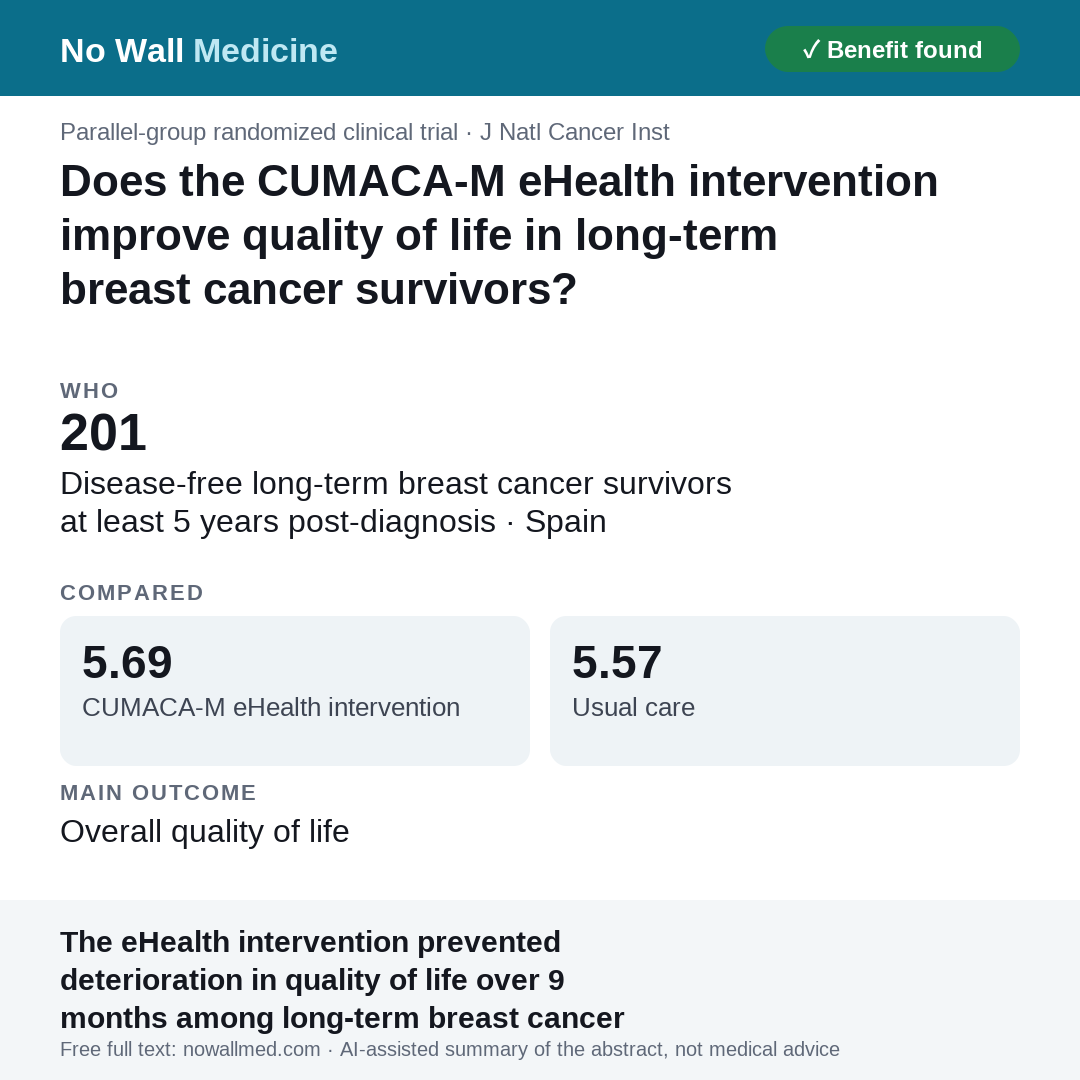
Effectiveness of an eHealth intervention to improve quality of life in long-term breast cancer survivors: a 9-month randomized controlled trial
Parallel-group randomized clinical trialBenefit found
Does the CUMACA-M eHealth intervention improve quality of life in long-term breast cancer survivors?
Who
201
Disease-free long-term breast cancer survivors at least 5 years post-diagnosis · Spain
Compared
5.69CUMACA-M eHealth intervention
5.57Usual care
Main outcome
Overall quality of life
Result: mean difference=0.24, 95% CI=0.03 to 0.44
Bottom line: The eHealth intervention prevented deterioration in quality of life over 9 months among long-term breast cancer survivors.
J Natl Cancer Inst · 2026-09-16Download image
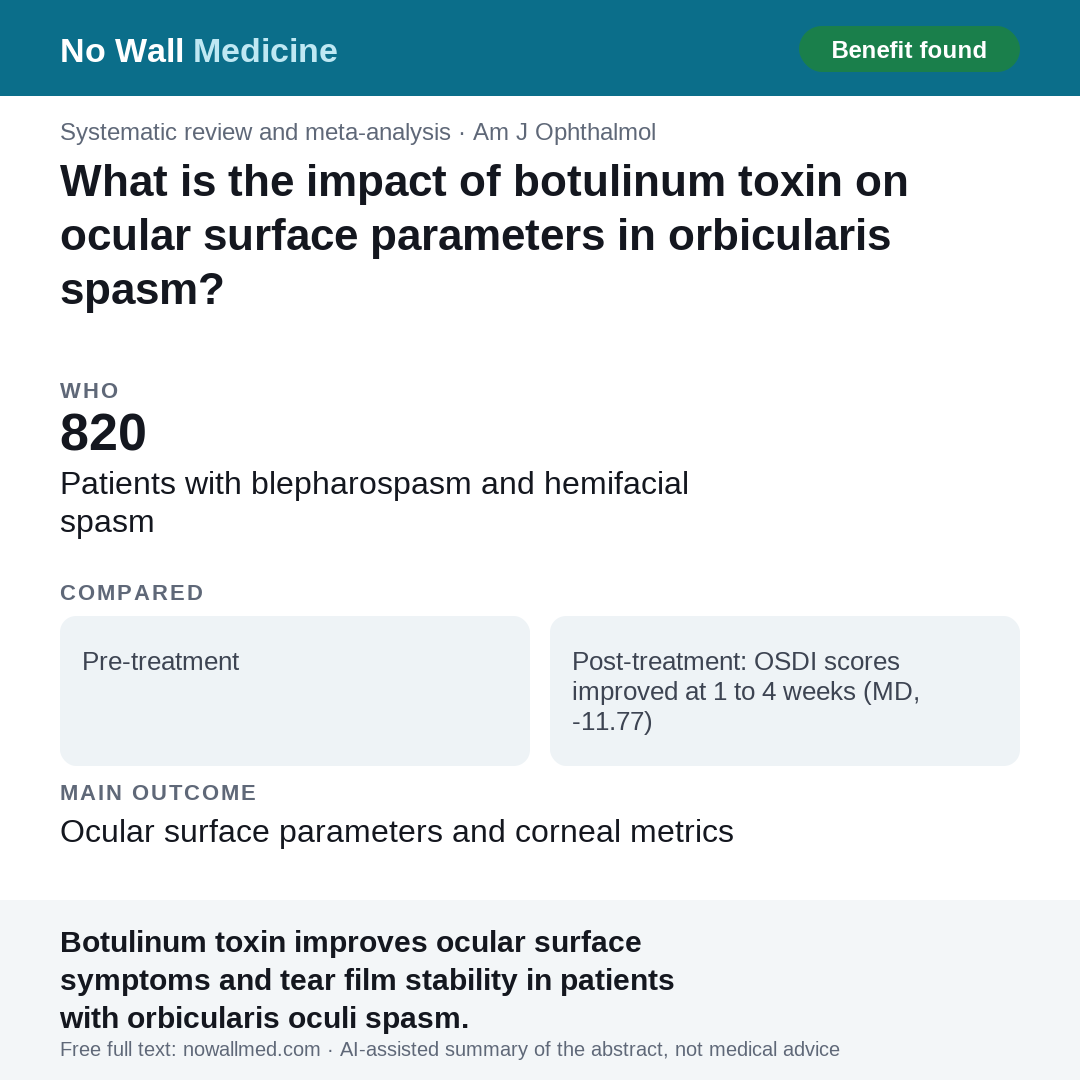
Impact of Botulinum Toxin on Ocular Surface Parameters in Patients With Orbicularis Spasm: A Systematic Review and Meta-Analysis
Systematic review and meta-analysisBenefit found
What is the impact of botulinum toxin on ocular surface parameters in orbicularis spasm?
Who
820
Patients with blepharospasm and hemifacial spasm
Compared
Pre-treatment
Post-treatment: OSDI scores improved at 1 to 4 weeks (MD, -11.77)
Main outcome
Ocular surface parameters and corneal metrics
Result: OSDI MD, -11.77 (95% CI, -19.93 to -0.28)
Bottom line: Botulinum toxin improves ocular surface symptoms and tear film stability in patients with orbicularis oculi spasm.
Limitation: Effects may be due to reduced involuntary eyelid contractions rather than direct biologic effects.
Am J Ophthalmol · 2026-09-16Download image
The modifying effect of work-care role conflict on the effectiveness of carer support: results from the Australian Draw Care randomized clinical trial
Single-blind, parallel-group randomized clinical trialBenefit found
Does work-care role conflict modify the effectiveness of Draw Care support?
Who
93
Adult carers from diverse linguistic backgrounds · Australia
Compared
Draw Care intervention with work-care role conflict: -7.19 (95% CI, -12.72 to -1.67) at 6 weeks
Draw Care intervention without work-care role conflict
Main outcome
carer burden
Result: -10.00 (95% CI, -19.70 to -0.31) at 6 weeks
Bottom line: Draw Care is particularly effective at reducing caregiver burden for carers experiencing work-care role conflict.
J Gerontol A · 2026-09-16Download image

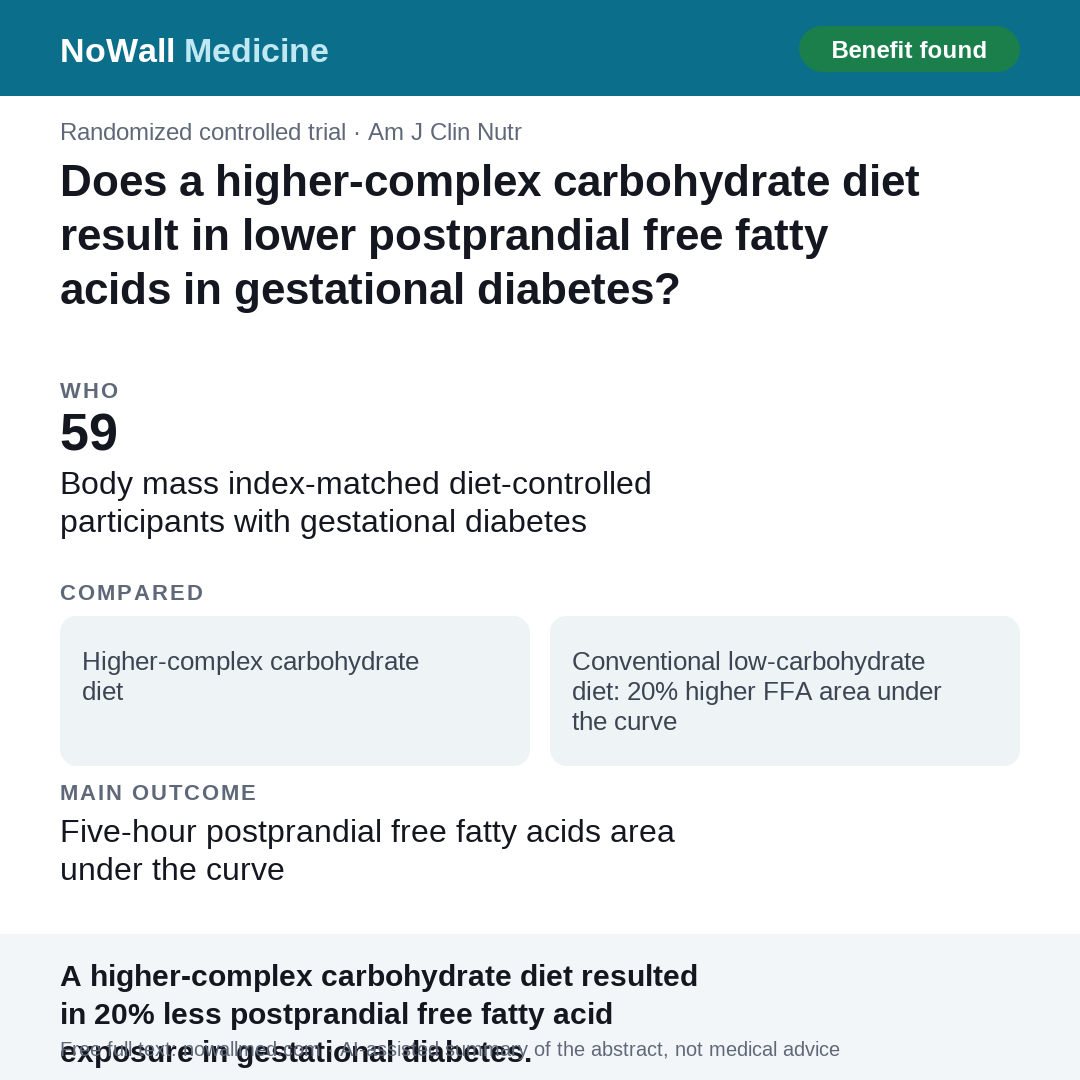
A higher-complex carbohydrate compared with conventional low-carbohydrate diet in gestational diabetes mellitus results in lower postprandial free fatty acids: a randomized controlled trial
Randomized controlled trialBenefit found
Higher complex carbs vs low carbs in gestational diabetes
Who
59
Women with gestational diabetes mellitus
Compared
Higher complex carbs
Conventional low carbs
Main outcome
Postprandial free fatty acids
Result: 20% lower on higher complex carbs
Bottom line: Higher complex carbs lower postprandial free fatty acids
Am J Clin Nutr · 2026-09-16Download image
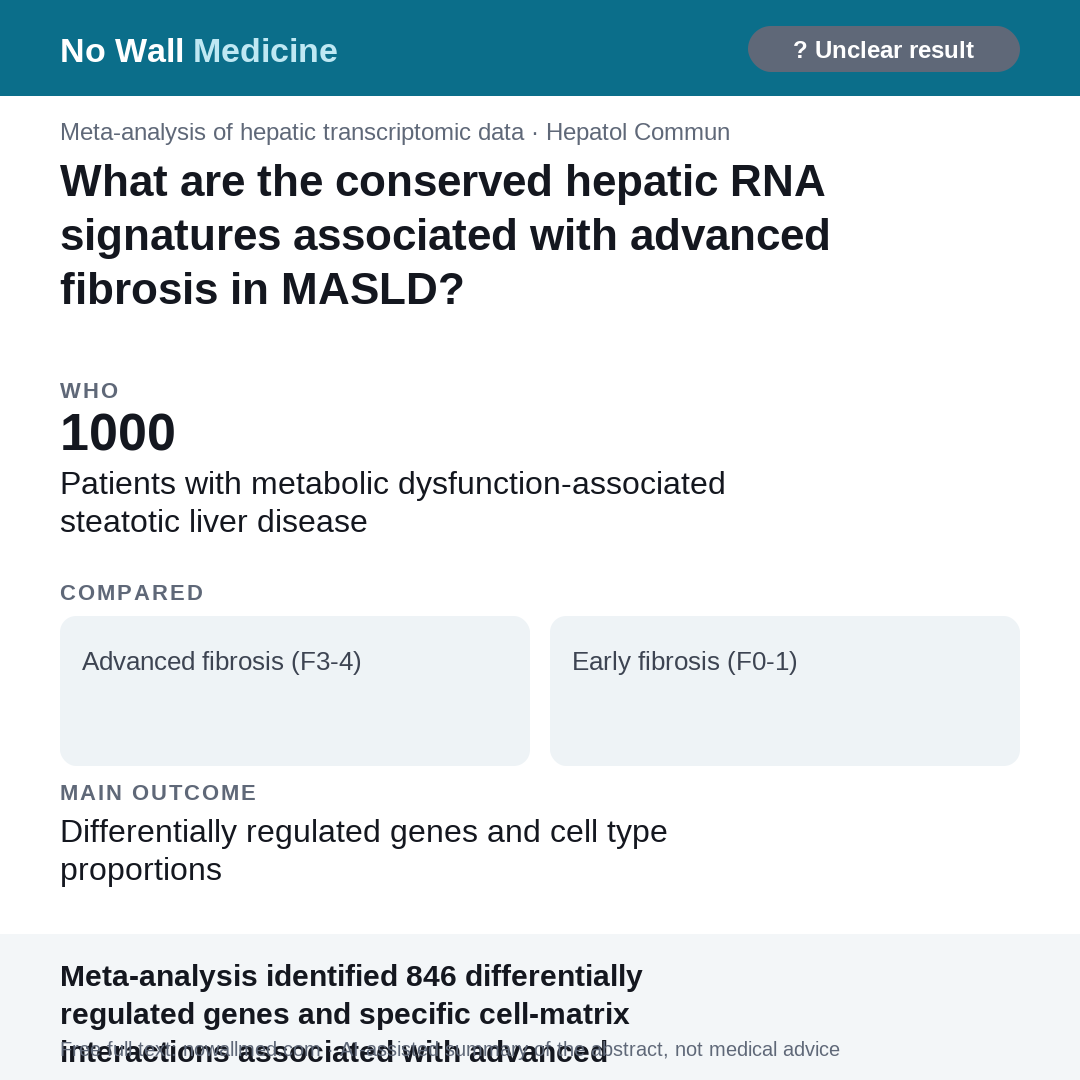
Conserved hepatic RNA signatures across multiple cohorts reveal novel mechanistic clues for advanced fibrosis in human MASLD
Meta-analysis of hepatic transcriptomic dataUnclear result
What are the conserved hepatic RNA signatures associated with advanced fibrosis in MASLD?
Who
1000
Patients with metabolic dysfunction-associated steatotic liver disease
Compared
Advanced fibrosis (F3-4)
Early fibrosis (F0-1)
Main outcome
Differentially regulated genes and cell type proportions
Bottom line: Meta-analysis identified 846 differentially regulated genes and specific cell-matrix interactions associated with advanced fibrosis.
Limitation: Interstudy heterogeneity and limited sample size hinder identification of consistent mechanisms.
Hepatol Commun · 2026-09-16Download image
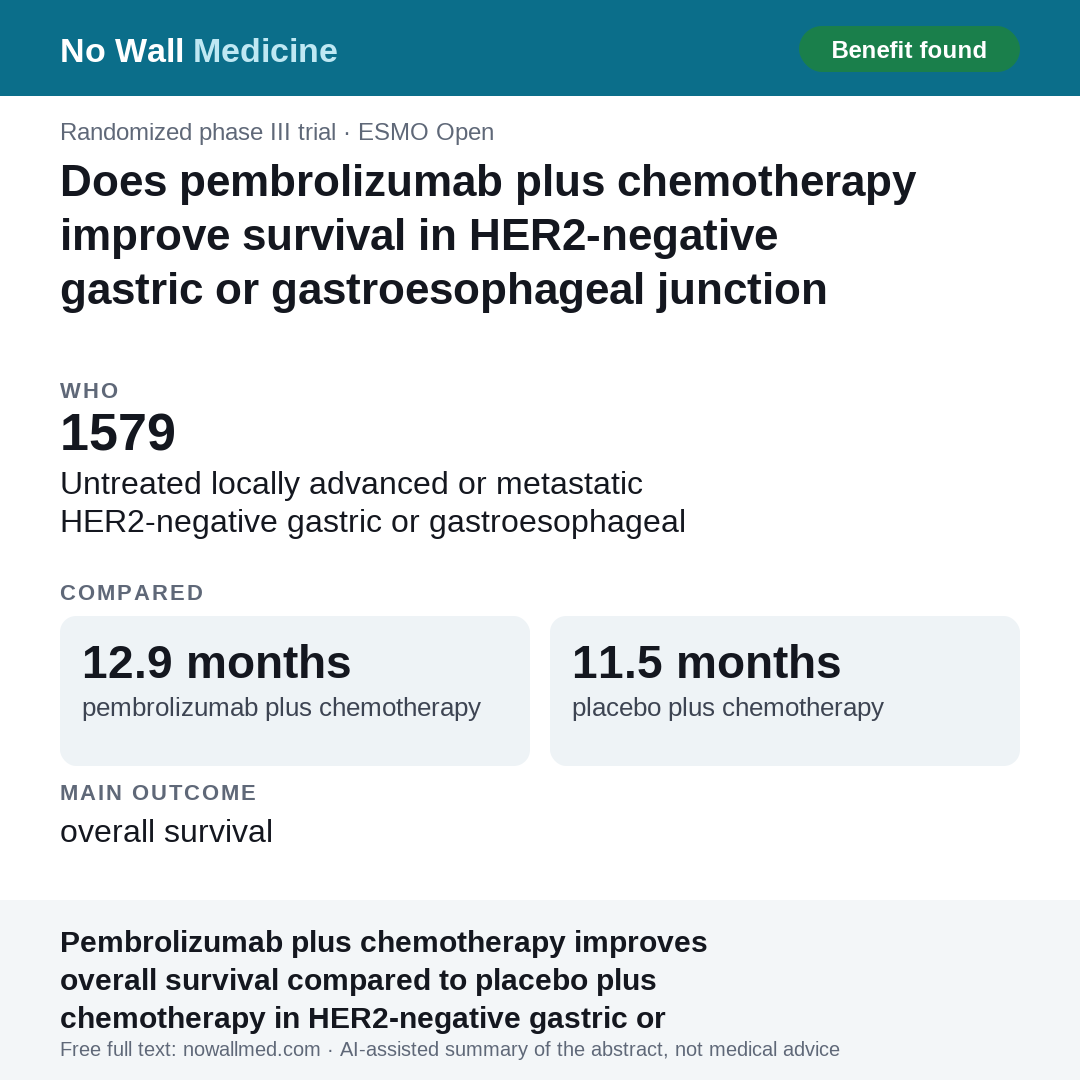
Pembrolizumab plus chemotherapy as first-line therapy for advanced HER2-negative gastric or gastroesophageal junction adenocarcinoma: 4.5-year follow-up from the randomized phase III KEYNOTE-859 study
Randomized phase III trialBenefit found
Does pembrolizumab plus chemotherapy improve survival in HER2-negative gastric or gastroesophageal junction adenocarcinoma?
Who
1579
Untreated locally advanced or metastatic HER2-negative gastric or gastroesophageal junction adenocarcinoma
Compared
12.9 monthspembrolizumab plus chemotherapy
11.5 monthsplacebo plus chemotherapy
Main outcome
overall survival
Result: hazard ratio 0.78 (95% CI 0.70-0.86)
Bottom line: Pembrolizumab plus chemotherapy improves overall survival compared to placebo plus chemotherapy in HER2-negative gastric or gastroesophageal junction adenocarcinoma.
ESMO Open · 2026-09-16Download image
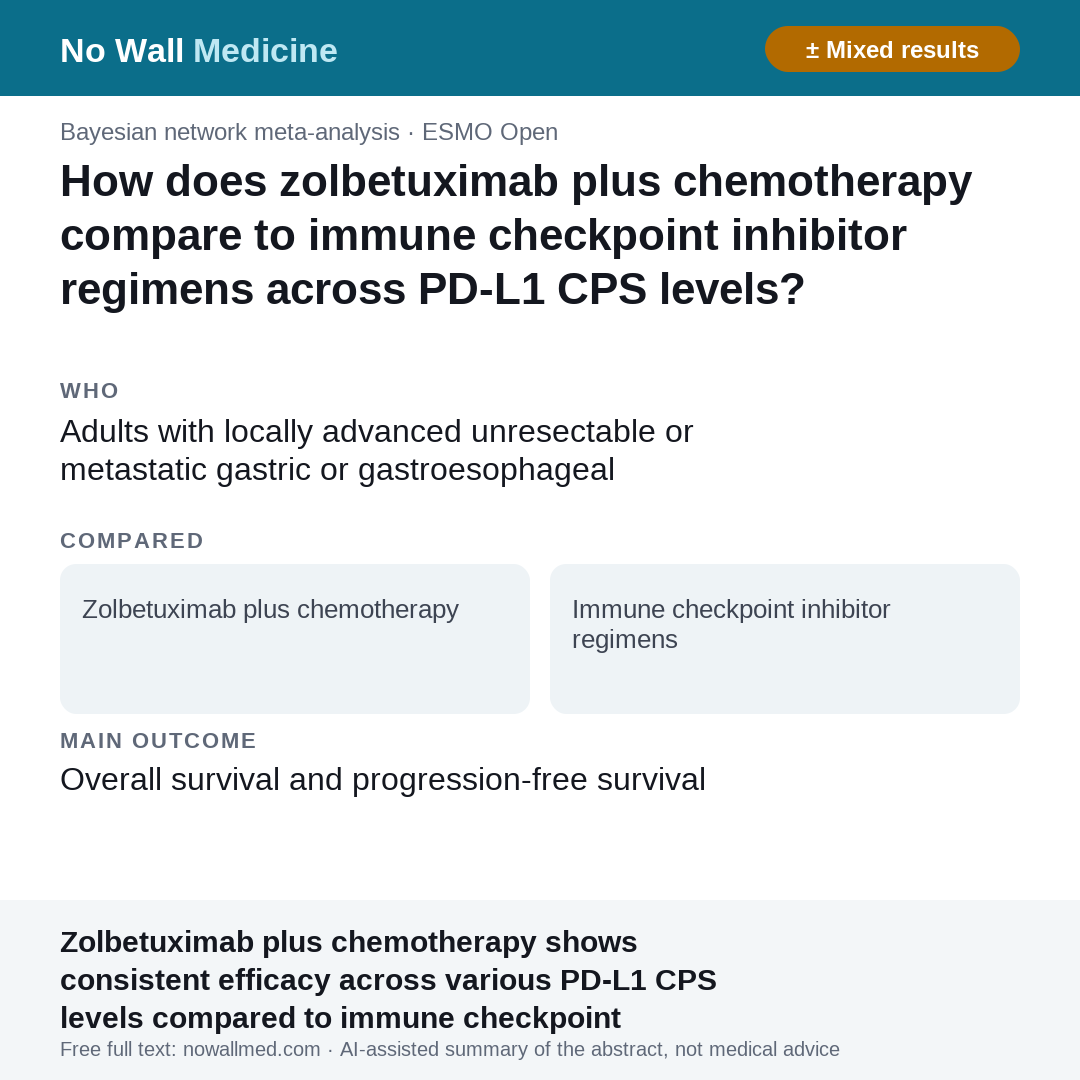
Zolbetuximab plus chemotherapy versus immune checkpoint inhibitor regimens by programmed death-ligand 1 combined positive score in locally advanced or metastatic gastric or gastroesophageal junction adenocarcinoma: a Bayesian network meta-analysis
Bayesian network meta-analysisMixed results
How does zolbetuximab plus chemotherapy compare to immune checkpoint inhibitor regimens across PD-L1 CPS levels?
Who
Adults with locally advanced unresectable or metastatic gastric or gastroesophageal junction adenocarcinoma · Global trials
Compared
Zolbetuximab plus chemotherapy
Immune checkpoint inhibitor regimens
Main outcome
Overall survival and progression-free survival
Bottom line: Zolbetuximab plus chemotherapy shows consistent efficacy across various PD-L1 CPS levels compared to immune checkpoint inhibitors.
Limitation: Results should be interpreted cautiously given these are indirect comparisons.
ESMO Open · 2026-09-16Download image