Visual abstracts
New randomized trials and meta-analyses from leading journals at a glance: who was studied, what was compared, and what was found. Every paper is free to read in full.
All specialtiesCardiology 1268Oncology 1105Gastroenterology & Hepatology 447Infectious Disease 830Neurology 519Psychiatry & Mental Health 634Pulmonology 539Critical Care 373Endocrinology & Diabetes 698Pediatrics 751Surgery 576Orthopedics & Sports Medicine 240Neurosurgery 172Cardiothoracic & Vascular Surgery 137Plastic & Reconstructive Surgery 191Nephrology 269Rheumatology 169Hematology 260Dermatology 127Ophthalmology 141Obstetrics & Gynecology 396Public & Global Health 250Radiology & Imaging 163Anesthesiology 238Urology 231ENT (Otolaryngology) 175Emergency Medicine 135Allergy & Immunology 88Geriatrics 257Family Medicine & Primary Care 152Medical Genetics & Genomics 133Pathology & Laboratory Medicine 39Physical Medicine & Rehabilitation 223Palliative Care 111Nutrition 326Digital Health & AI 641General Medicine 116
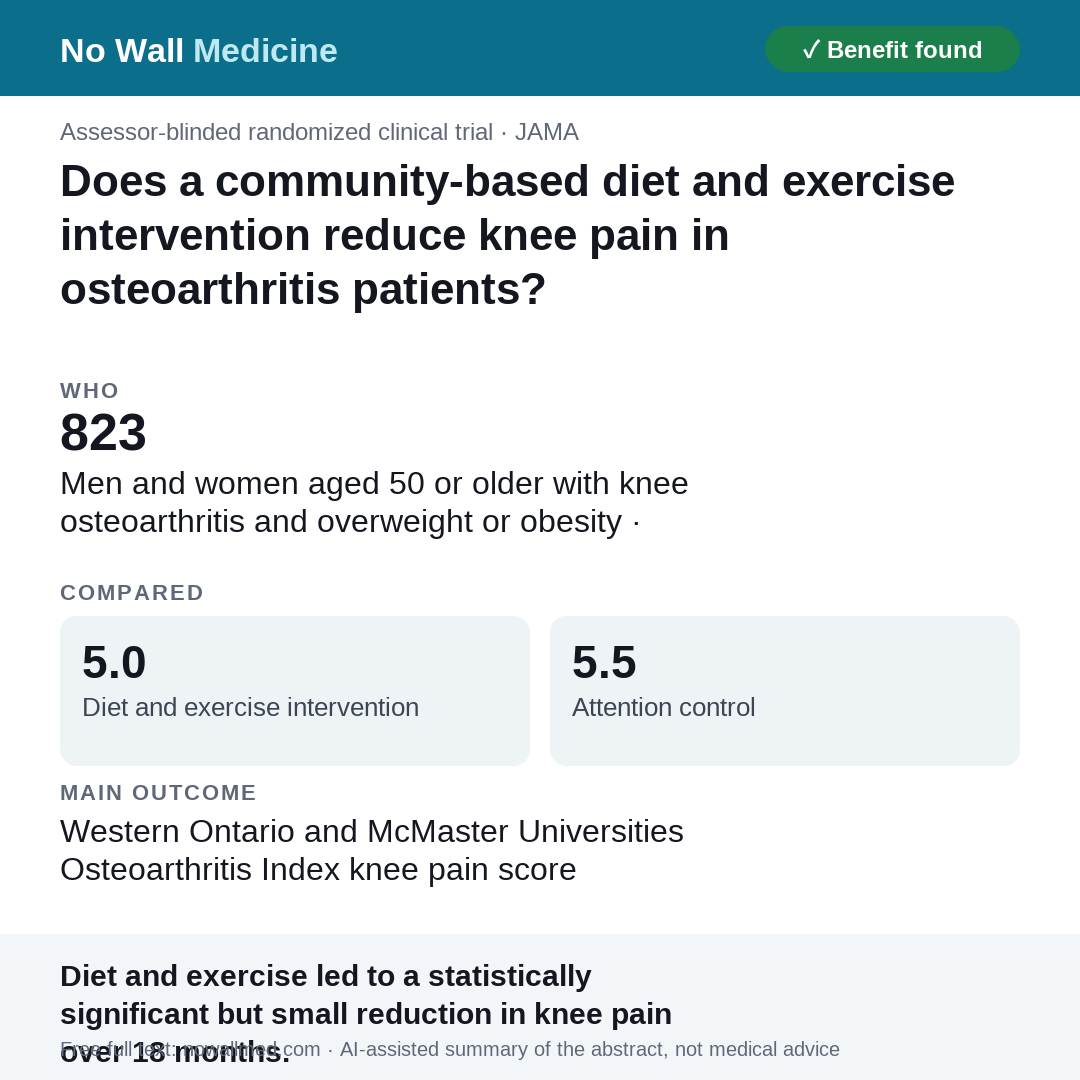
Effect of Diet and Exercise on Knee Pain in Patients With Osteoarthritis and Overweight or Obesity: A Randomized Clinical Trial
Assessor-blinded randomized clinical trialBenefit found
Does a community-based diet and exercise intervention reduce knee pain in osteoarthritis patients?
Who
823
Men and women aged 50 or older with knee osteoarthritis and overweight or obesity · Community settings in North Carolina
Compared
5.0Diet and exercise intervention
5.5Attention control
Main outcome
Western Ontario and McMaster Universities Osteoarthritis Index knee pain score
Result: adjusted difference, -0.6 (95% CI, -1.0 to -0.1)
Bottom line: Diet and exercise led to a statistically significant but small reduction in knee pain over 18 months.
JAMA · 2022-12-13Download image
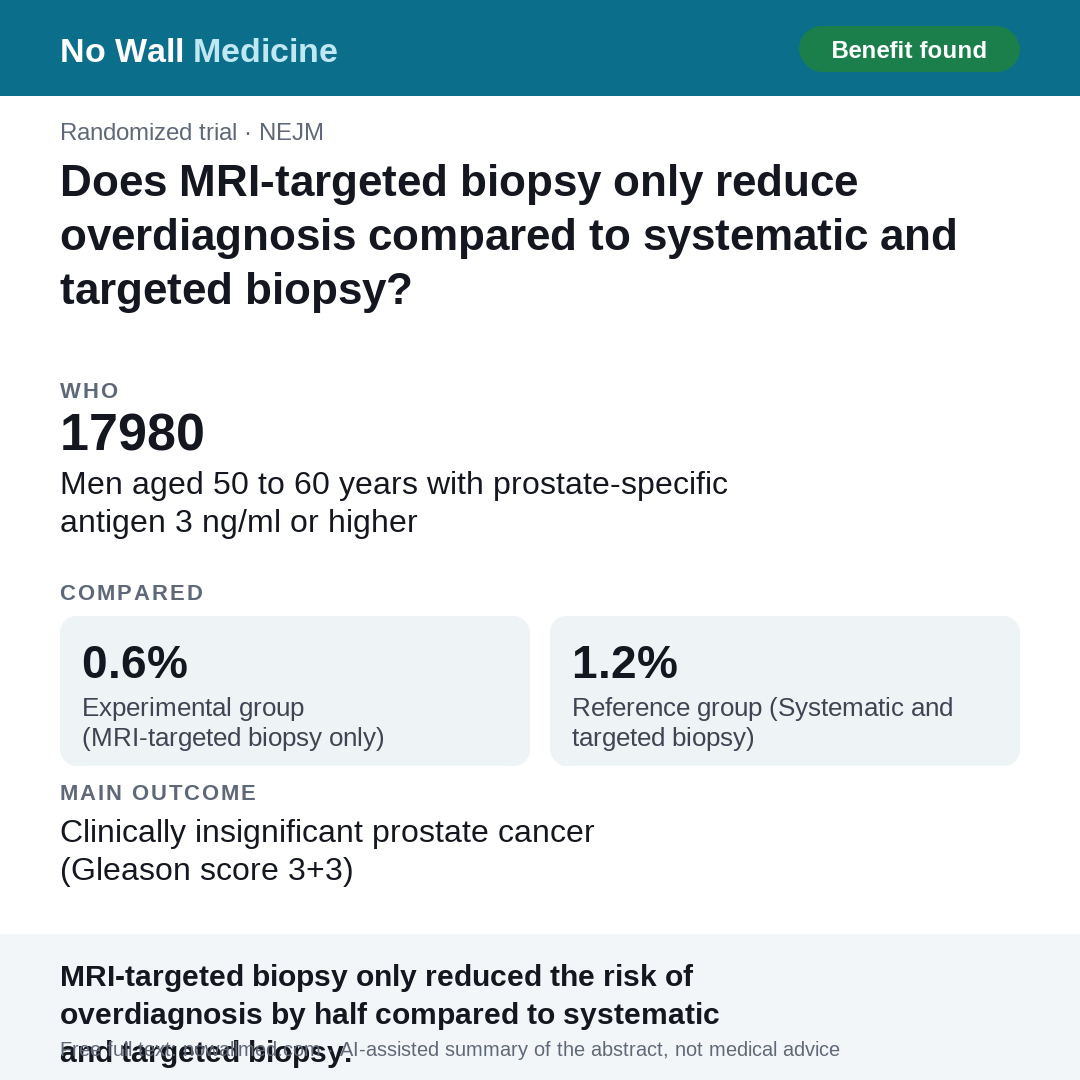
Prostate Cancer Screening with PSA and MRI Followed by Targeted Biopsy Only
Randomized trialBenefit found
Does MRI-targeted biopsy only reduce overdiagnosis compared to systematic and targeted biopsy?
Who
17980
Men aged 50 to 60 years with prostate-specific antigen 3 ng/ml or higher
Compared
0.6%Experimental group (MRI-targeted biopsy only) (66/11986)
1.2%Reference group (Systematic and targeted biopsy) (72/5994)
Main outcome
Clinically insignificant prostate cancer (Gleason score 3+3)
Result: relative risk 0.46 (95% CI 0.33 to 0.64)
Bottom line: MRI-targeted biopsy only reduced the risk of overdiagnosis by half compared to systematic and targeted biopsy.
Funded by: Karin and Christer Johansson's Foundation and others
NEJM · 2022-12-08Download image
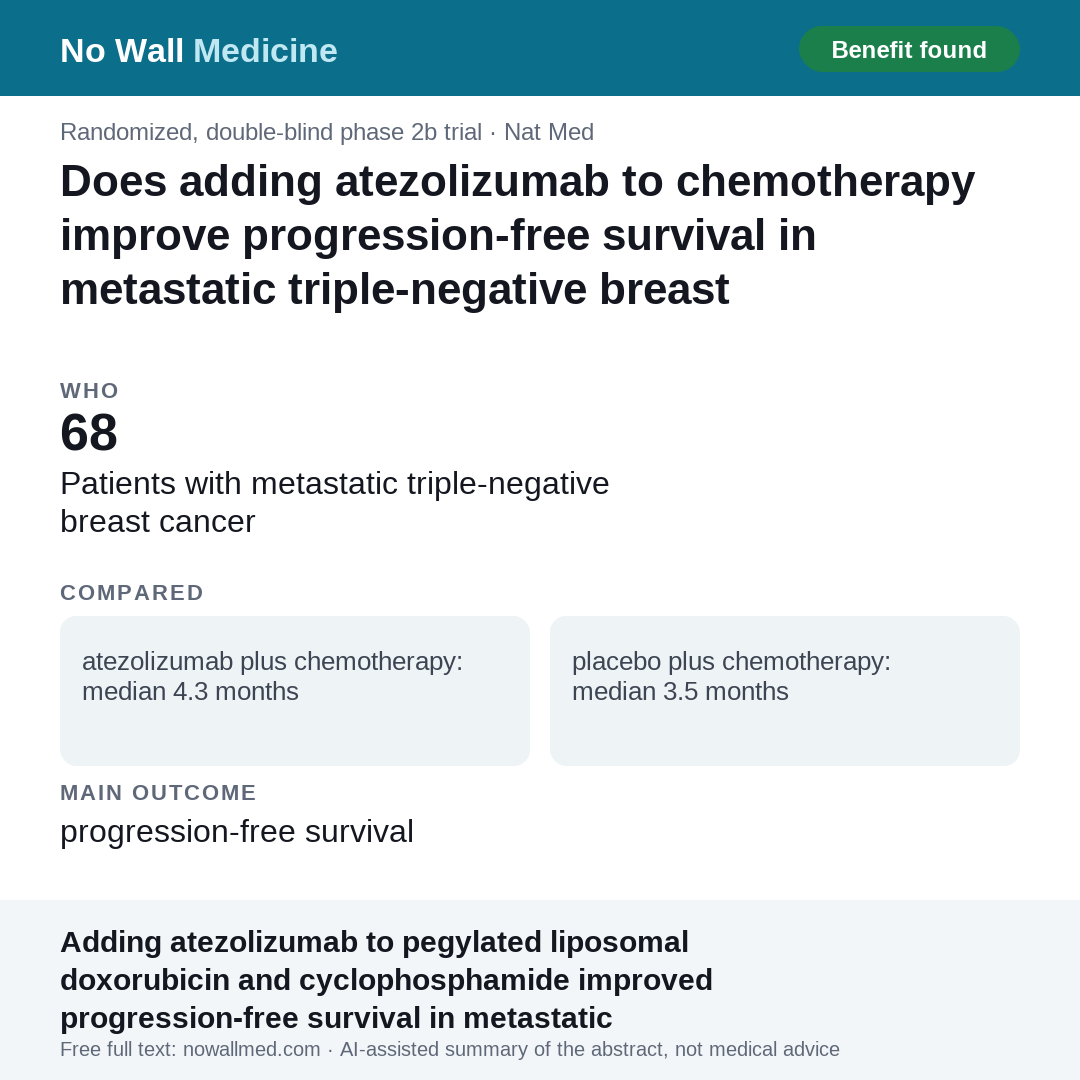
Atezolizumab plus anthracycline-based chemotherapy in metastatic triple-negative breast cancer: the randomized, double-blind phase 2b ALICE trial
Randomized, double-blind phase 2b trialBenefit found
Does adding atezolizumab to chemotherapy improve progression-free survival in metastatic triple-negative breast cancer?
Who
68
Patients with metastatic triple-negative breast cancer
Compared
atezolizumab plus chemotherapy: median 4.3 months
placebo plus chemotherapy: median 3.5 months
Main outcome
progression-free survival
Result: hazard ratio 0.57 (95% CI 0.33-0.99)
Bottom line: Adding atezolizumab to pegylated liposomal doxorubicin and cyclophosphamide improved progression-free survival in metastatic triple-negative breast cancer.
Nat Med · 2022-12-08Download image
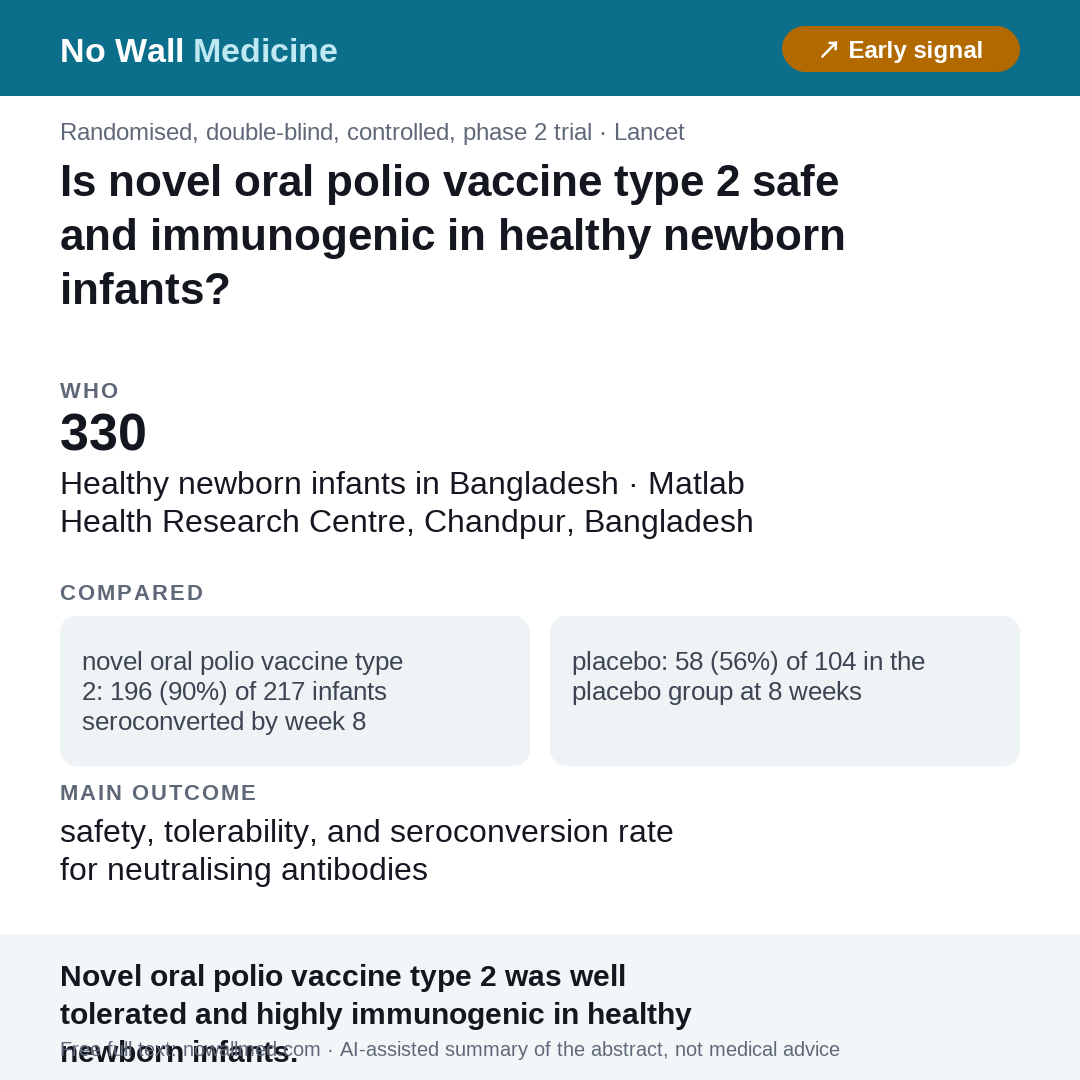
Evaluation of the safety, immunogenicity, and faecal shedding of novel oral polio vaccine type 2 in healthy newborn infants in Bangladesh: a randomised, controlled, phase 2 clinical trial
Randomised, double-blind, controlled, phase 2 trialBenefit found
Is novel oral polio vaccine type 2 safe and immunogenic in healthy newborn infants?
Who
330
Healthy newborn infants in Bangladesh · Matlab Health Research Centre, Chandpur, Bangladesh
Compared
novel oral polio vaccine type 2: 196 (90%) of 217 infants seroconverted by week 8
placebo: 58 (56%) of 104 in the placebo group at 8 weeks
Main outcome
safety, tolerability, and seroconversion rate for neutralising antibodies
Bottom line: Novel oral polio vaccine type 2 was well tolerated and highly immunogenic in healthy newborn infants.
Funded by: Bill & Melinda Gates Foundation
Lancet · 2022-12-07Download image
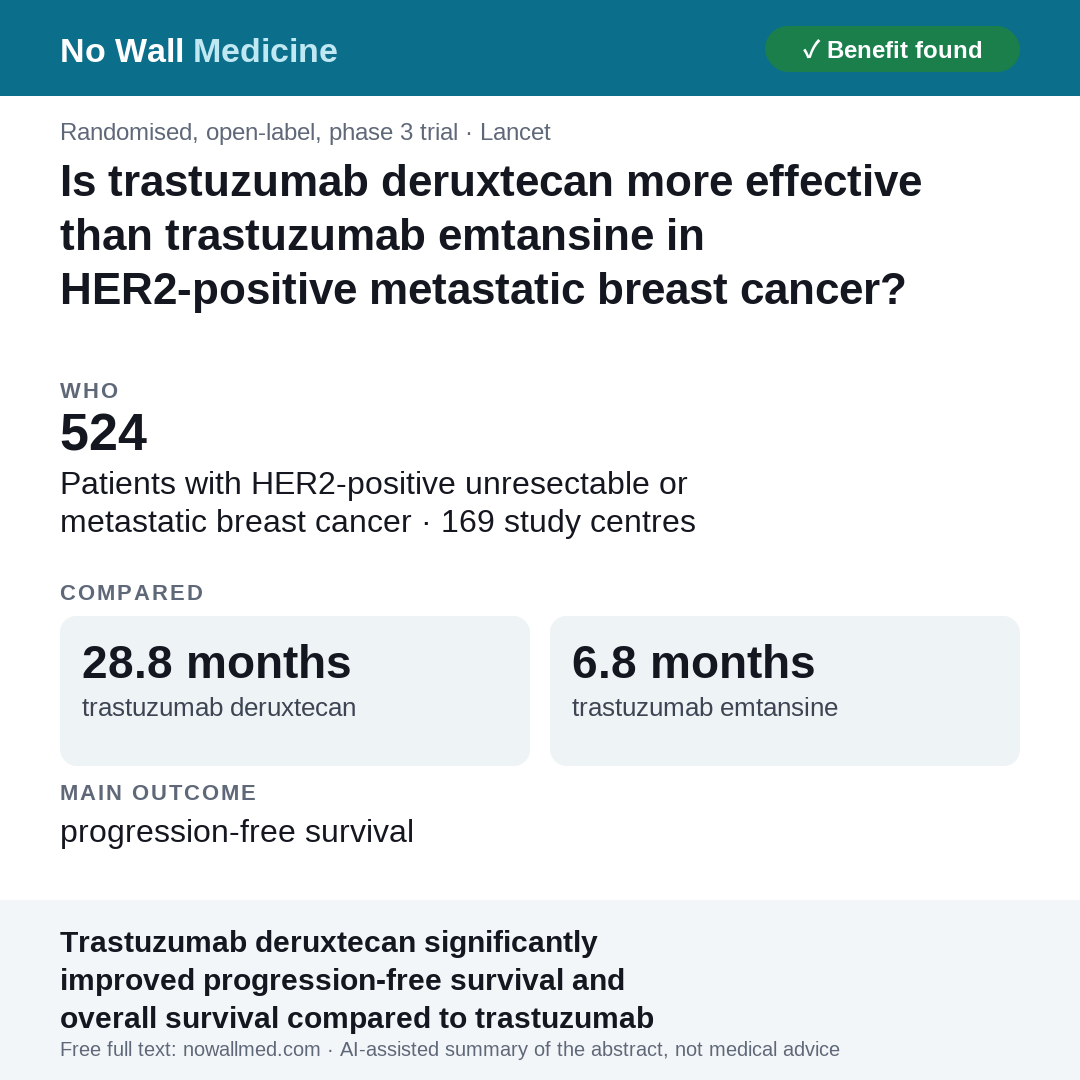
Trastuzumab deruxtecan versus trastuzumab emtansine in patients with HER2-positive metastatic breast cancer: updated results from DESTINY-Breast03, a randomised, open-label, phase 3 trial
Randomised, open-label, phase 3 trialBenefit found
Is trastuzumab deruxtecan more effective than trastuzumab emtansine in HER2-positive metastatic breast cancer?
Who
524
Patients with HER2-positive unresectable or metastatic breast cancer · 169 study centres in North America, Asia, Europe, Australia, and South America
Compared
28.8 monthstrastuzumab deruxtecan
6.8 monthstrastuzumab emtansine
Main outcome
progression-free survival
Result: hazard ratio 0.33 (95% CI 0.26-0.43)
Bottom line: Trastuzumab deruxtecan significantly improved progression-free survival and overall survival compared to trastuzumab emtansine in HER2-positive metastatic breast cancer.
Funded by: Daiichi Sankyo and AstraZeneca
Lancet · 2022-12-07Download image
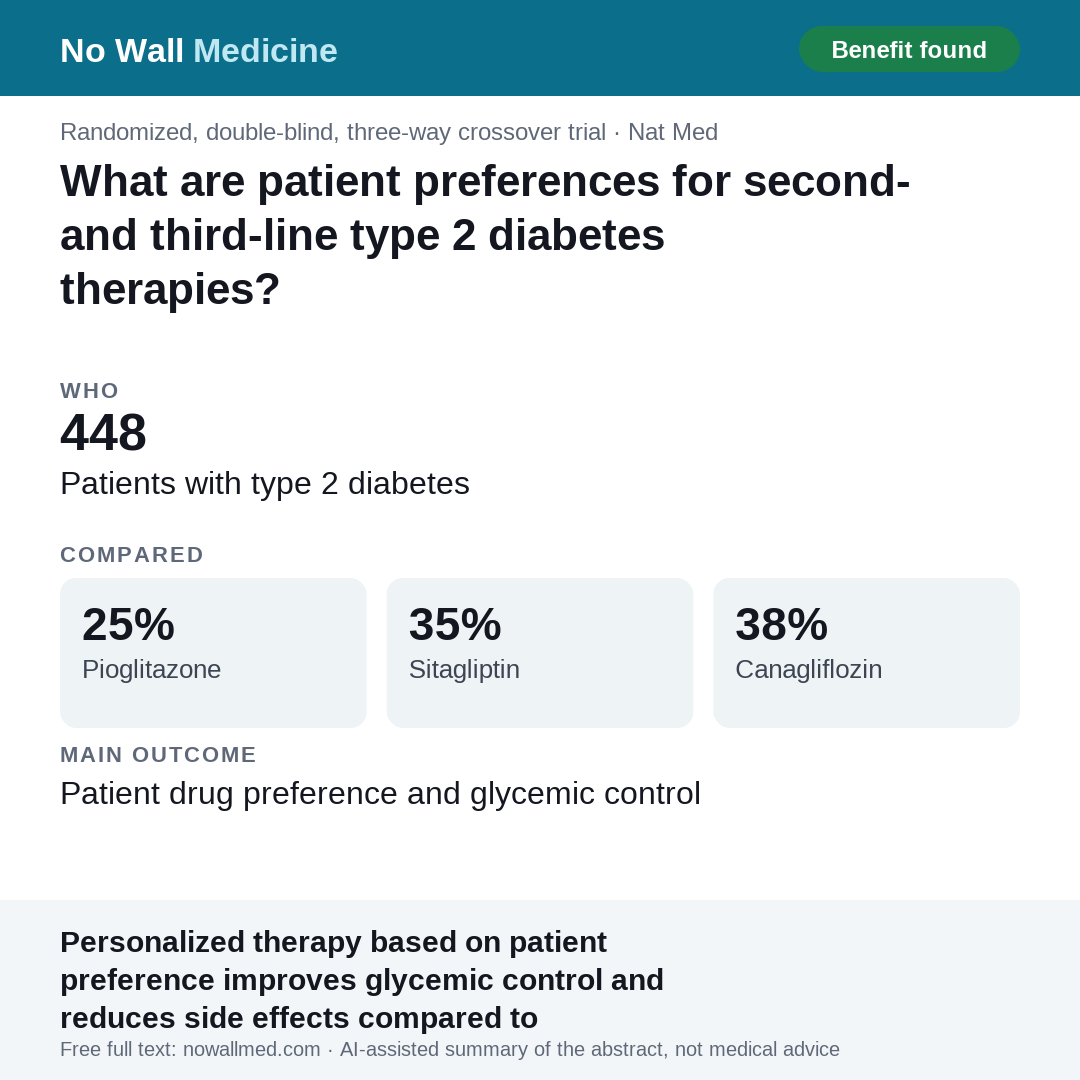
Patient preference for second- and third-line therapies in type 2 diabetes: a prespecified secondary endpoint of the TriMaster study
Randomized, double-blind, three-way crossover trialBenefit found
What are patient preferences for second- and third-line type 2 diabetes therapies?
Who
448
Patients with type 2 diabetes
Compared
25%Pioglitazone
35%Sitagliptin
38%Canagliflozin
Main outcome
Patient drug preference and glycemic control
Bottom line: Personalized therapy based on patient preference improves glycemic control and reduces side effects compared to nonpreferred drugs.
Nat Med · 2022-12-07Download image
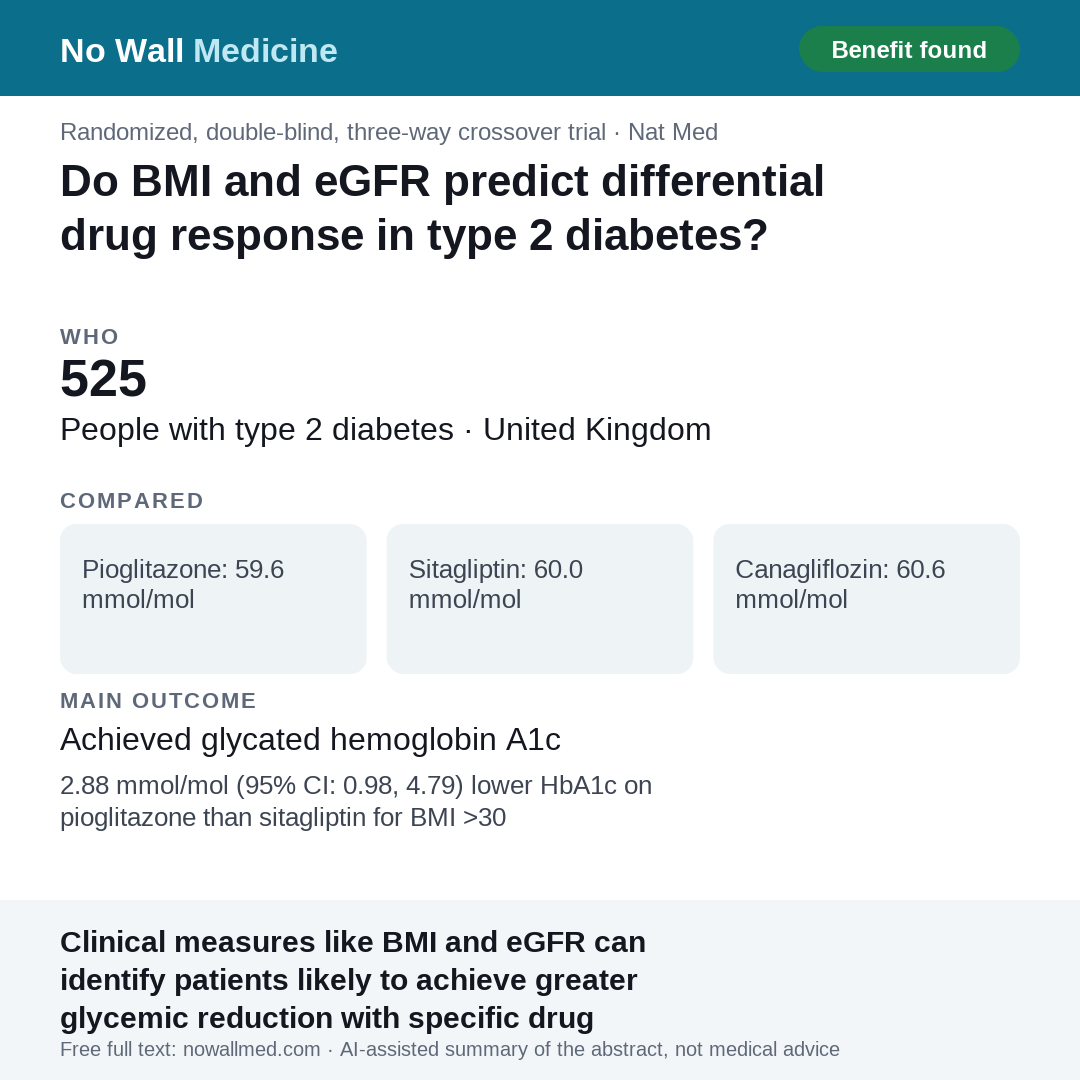
Patient stratification for determining optimal second-line and third-line therapy for type 2 diabetes: the TriMaster study
Randomized, double-blind, three-way crossover trialBenefit found
Do BMI and eGFR predict differential drug response in type 2 diabetes?
Who
525
People with type 2 diabetes · United Kingdom
Compared
Pioglitazone: 59.6 mmol/mol
Sitagliptin: 60.0 mmol/mol
Canagliflozin: 60.6 mmol/mol
Main outcome
Achieved glycated hemoglobin A1c
Result: 2.88 mmol/mol (95% CI: 0.98, 4.79) lower HbA1c on pioglitazone than sitagliptin for BMI >30
Bottom line: Clinical measures like BMI and eGFR can identify patients likely to achieve greater glycemic reduction with specific drug classes.
Nat Med · 2022-12-07Download image
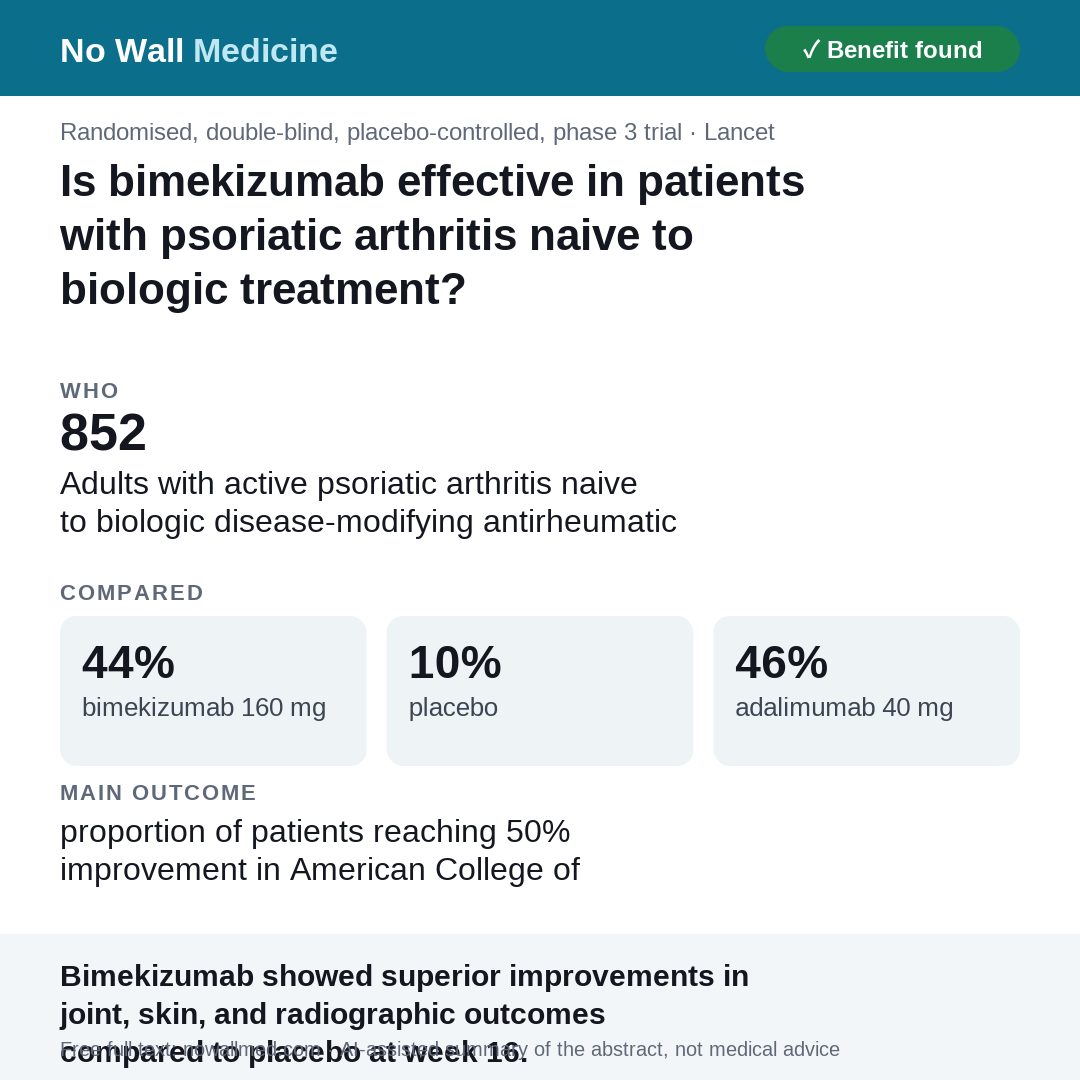
Bimekizumab in patients with psoriatic arthritis, naive to biologic treatment: a randomised, double-blind, placebo-controlled, phase 3 trial (BE OPTIMAL)
Randomised, double-blind, placebo-controlled, phase 3 trialBenefit found
Is bimekizumab effective in patients with psoriatic arthritis naive to biologic treatment?
Who
852
Adults with active psoriatic arthritis naive to biologic disease-modifying antirheumatic drugs · 135 sites in 14 countries
Compared
44%bimekizumab 160 mg (189/431)
10%placebo (28/281)
46%adalimumab 40 mg (64/140)
Main outcome
proportion of patients reaching 50% improvement in American College of Rheumatology criteria
Result: odds ratio 7·1 (95% CI 4·6-10·9)
Bottom line: Bimekizumab showed superior improvements in joint, skin, and radiographic outcomes compared to placebo at week 16.
Funded by: UCB Pharma
Lancet · 2022-12-06Download image
The Peer Education Project to improve mental health literacy in secondary school students in England: a qualitative realist evaluation
Qualitative realist evaluationUnclear result
Does peer education improve mental health literacy
Who
Secondary school students in England · Six schools in England
Compared
Peer educators
Peer learners
Main outcome
Mental health literacy
Bottom line: Peer education improves mental health literacy
Funded by: National Institute for Health and Care Research
Lancet · 2022-11-24Download image

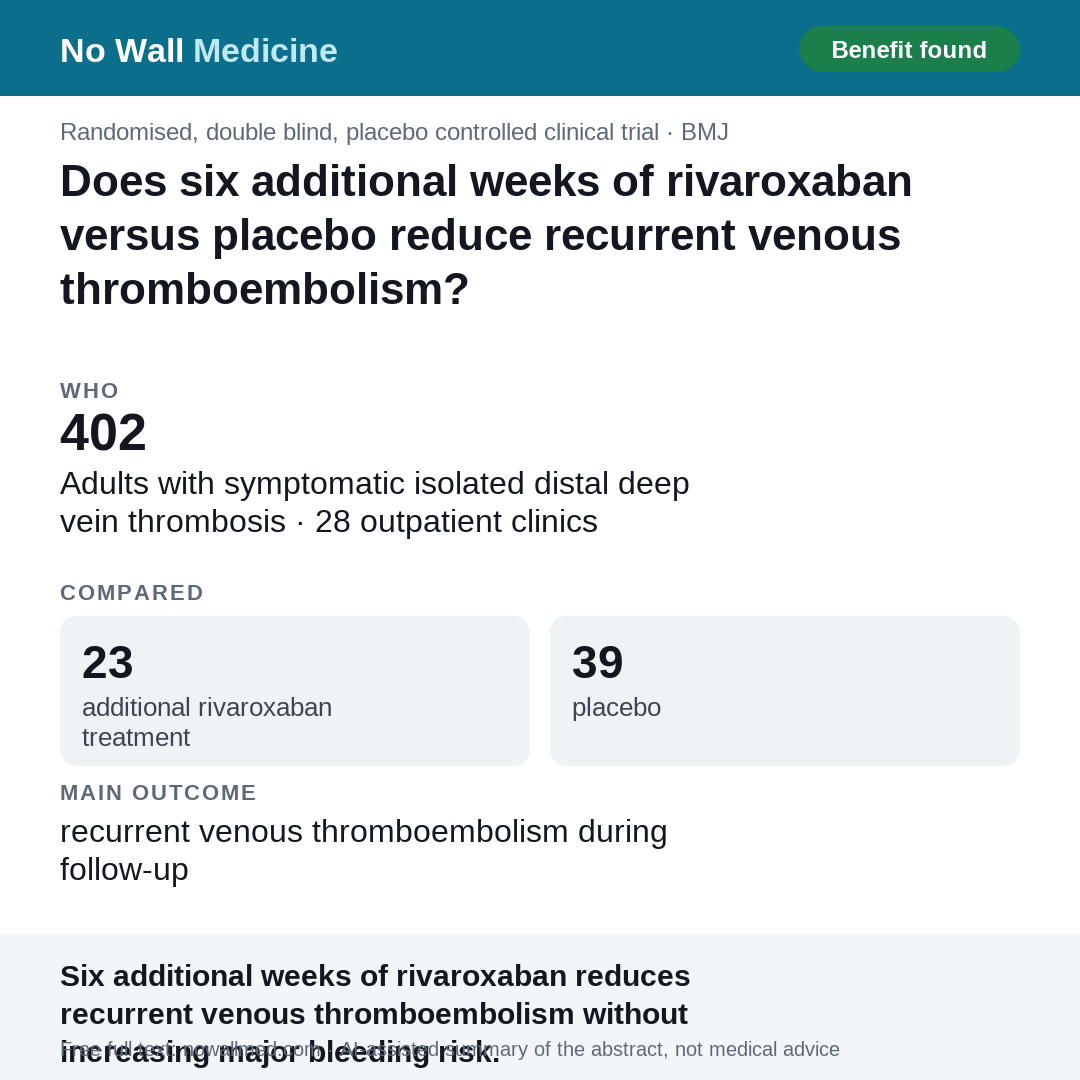
Rivaroxaban treatment for six weeks versus three months in patients with symptomatic isolated distal deep vein thrombosis: randomised controlled trial
Randomised, double blind, placebo controlled clinical trialBenefit found
Does six additional weeks of rivaroxaban versus placebo reduce recurrent venous thromboembolism?
Who
402
Adults with symptomatic isolated distal deep vein thrombosis · 28 outpatient clinics specialising in venous thromboembolism
Compared
23additional rivaroxaban treatment (11%)
39placebo (19%)
Main outcome
recurrent venous thromboembolism during follow-up
Result: relative risk 0.59 (95% confidence interval 0.36 to 0.95)
Bottom line: Six additional weeks of rivaroxaban reduces recurrent venous thromboembolism without increasing major bleeding risk.
BMJ · 2022-11-23Download image