Visual abstracts
New randomized trials and meta-analyses from leading journals at a glance: who was studied, what was compared, and what was found. Every paper is free to read in full.
All specialtiesCardiology 4763Oncology 4042Gastroenterology & Hepatology 1902Infectious Disease 3756Neurology 1872Psychiatry & Mental Health 2214Pulmonology 2042Critical Care 1319Endocrinology & Diabetes 2544Pediatrics 2889Surgery 2479Orthopedics & Sports Medicine 917Neurosurgery 525Cardiothoracic & Vascular Surgery 656Plastic & Reconstructive Surgery 574Nephrology 1107Rheumatology 810Hematology 1090Dermatology 611Ophthalmology 532Obstetrics & Gynecology 1645Public & Global Health 1037Radiology & Imaging 617Anesthesiology 957Urology 745ENT (Otolaryngology) 494Emergency Medicine 481Allergy & Immunology 309Geriatrics 972Family Medicine & Primary Care 533Medical Genetics & Genomics 659Pathology & Laboratory Medicine 156Physical Medicine & Rehabilitation 734Palliative Care 421Nutrition 1560Digital Health & AI 2133General Medicine 318
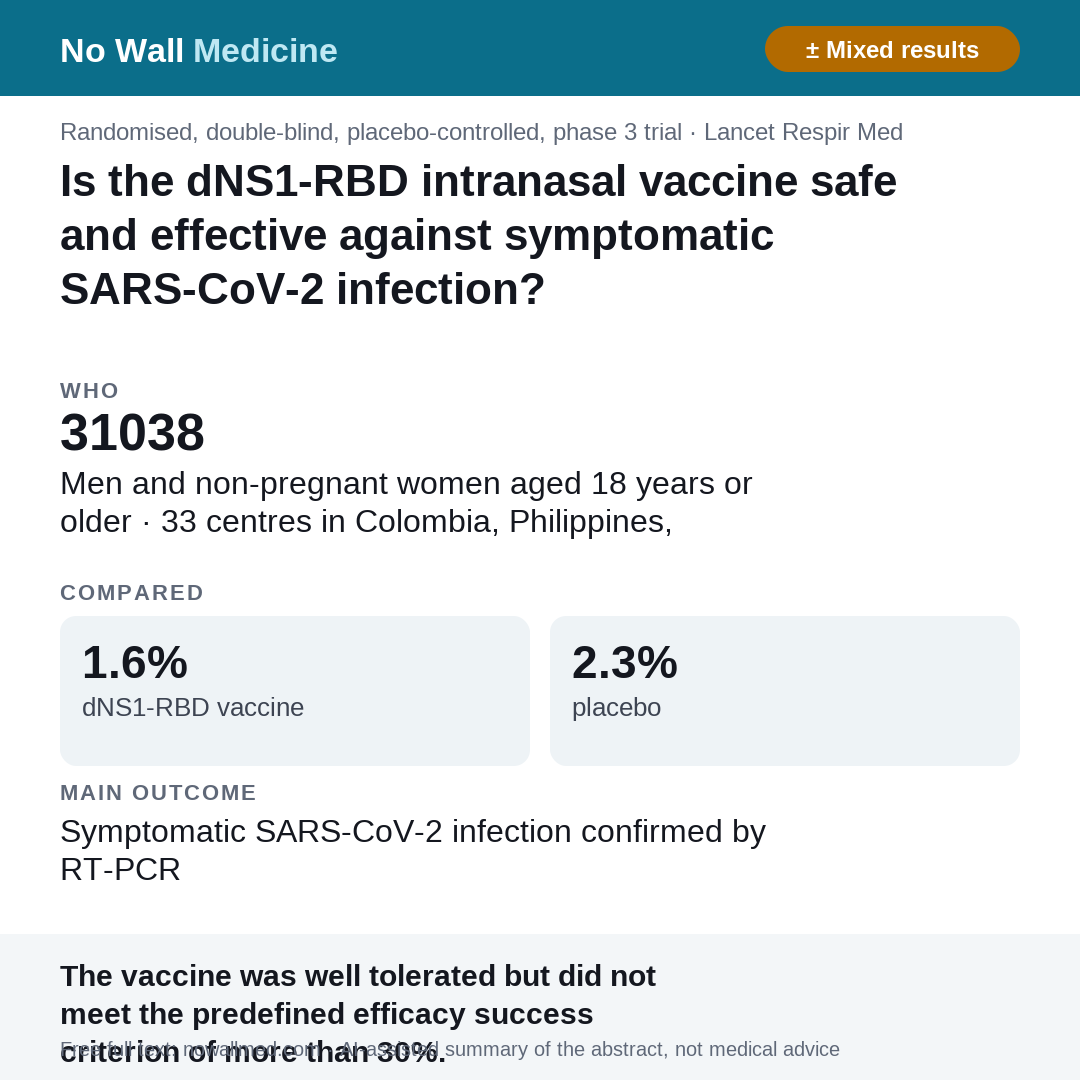
Safety and efficacy of the intranasal spray SARS-CoV-2 vaccine dNS1-RBD: a multicentre, randomised, double-blind, placebo-controlled, phase 3 trial
Randomised, double-blind, placebo-controlled, phase 3 trialMixed results
Is the dNS1-RBD intranasal vaccine safe and effective against symptomatic SARS-CoV-2 infection?
Who
31038
Men and non-pregnant women aged 18 years or older · 33 centres in Colombia, Philippines, South Africa, and Viet Nam
Compared
1.6%dNS1-RBD vaccine
2.3%placebo
Main outcome
Symptomatic SARS-CoV-2 infection confirmed by RT-PCR
Result: vaccine efficacy of 28.2% (95% CI 3.4-46.6)
Bottom line: The vaccine was well tolerated but did not meet the predefined efficacy success criterion of more than 30%.
Funded by: Beijing Wantai Biological Pharmacy Enterprise and others
Lancet Respir Med · 2023-11-15Download image
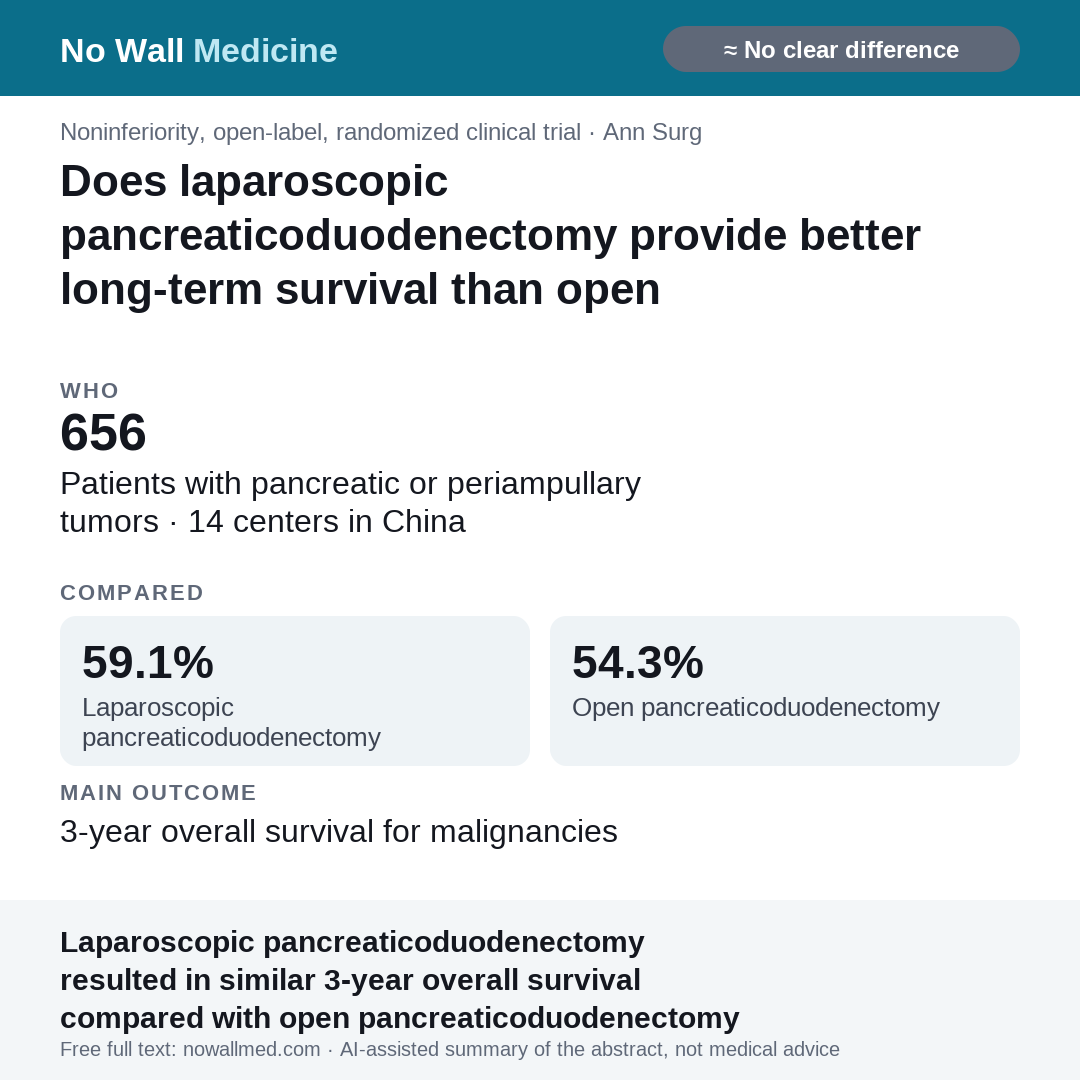
Effect of Laparoscopic and Open Pancreaticoduodenectomy for Pancreatic or Periampullary Tumors: Three-year Follow-up of a Randomized Clinical Trial
Noninferiority, open-label, randomized clinical trialNo clear difference
Does laparoscopic pancreaticoduodenectomy provide better long-term survival than open pancreaticoduodenectomy?
Who
656
Patients with pancreatic or periampullary tumors · 14 centers in China
Compared
59.1%Laparoscopic pancreaticoduodenectomy
54.3%Open pancreaticoduodenectomy
Main outcome
3-year overall survival for malignancies
Result: hazard ratio 1.16, 95% CI 0.86-1.56
Bottom line: Laparoscopic pancreaticoduodenectomy resulted in similar 3-year overall survival compared with open pancreaticoduodenectomy in patients with pancreatic or periampullary tumors.
Ann Surg · 2023-11-15Download image
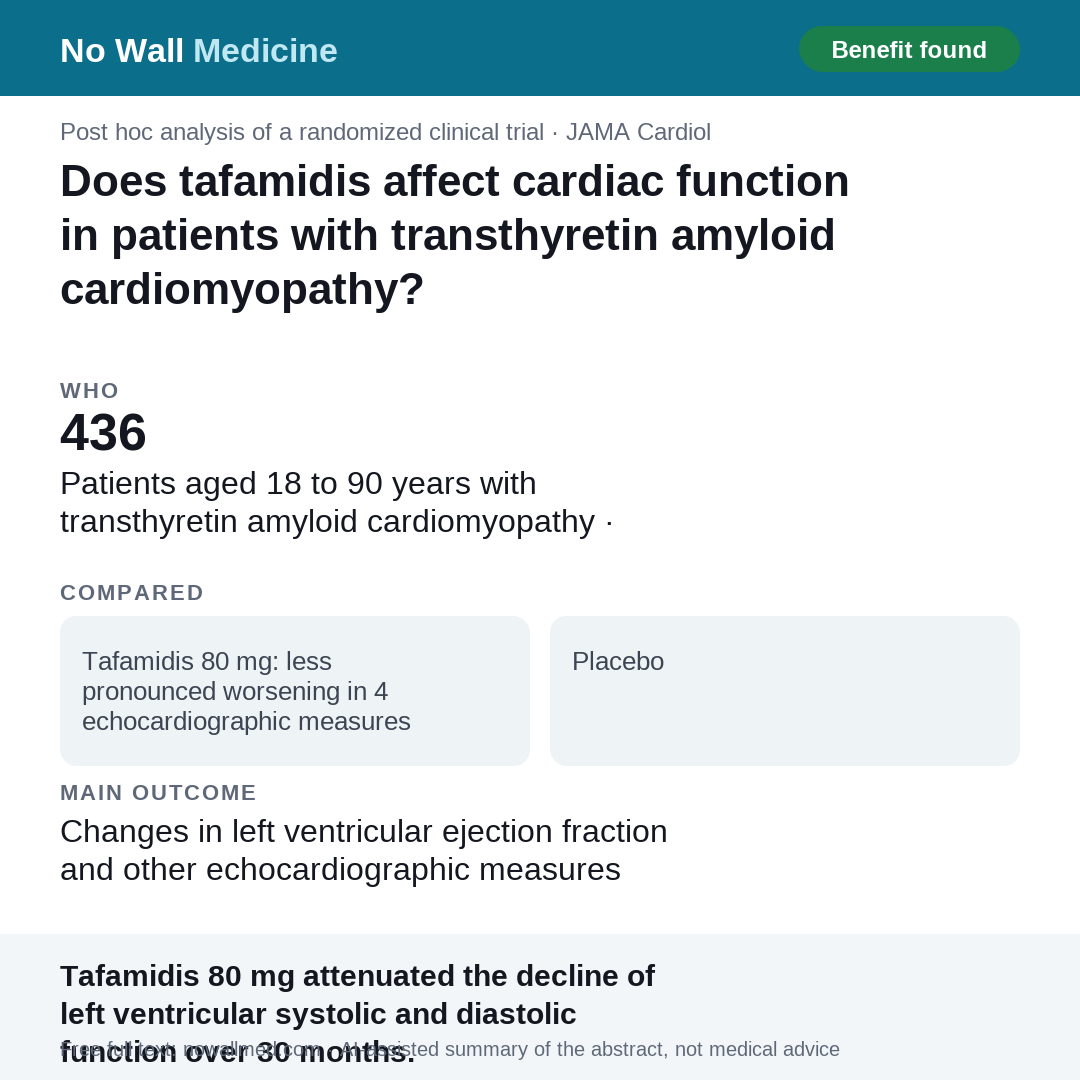
Effect of Tafamidis on Cardiac Function in Patients With Transthyretin Amyloid Cardiomyopathy: A Post Hoc Analysis of the ATTR-ACT Randomized Clinical Trial
Post hoc analysis of a randomized clinical trialBenefit found
Does tafamidis affect cardiac function in patients with transthyretin amyloid cardiomyopathy?
Who
436
Patients aged 18 to 90 years with transthyretin amyloid cardiomyopathy · Multicenter, international, 48 sites in 13 countries
Compared
Tafamidis 80 mg: less pronounced worsening in 4 echocardiographic measures
Placebo
Main outcome
Changes in left ventricular ejection fraction and other echocardiographic measures
Result: least squares mean difference: LV stroke volume, 7.02 mL; 95% CI, 2.55-11.49
Bottom line: Tafamidis 80 mg attenuated the decline of left ventricular systolic and diastolic function over 30 months.
Limitation: This was an exploratory, post hoc analysis
JAMA Cardiol · 2023-11-15Download image
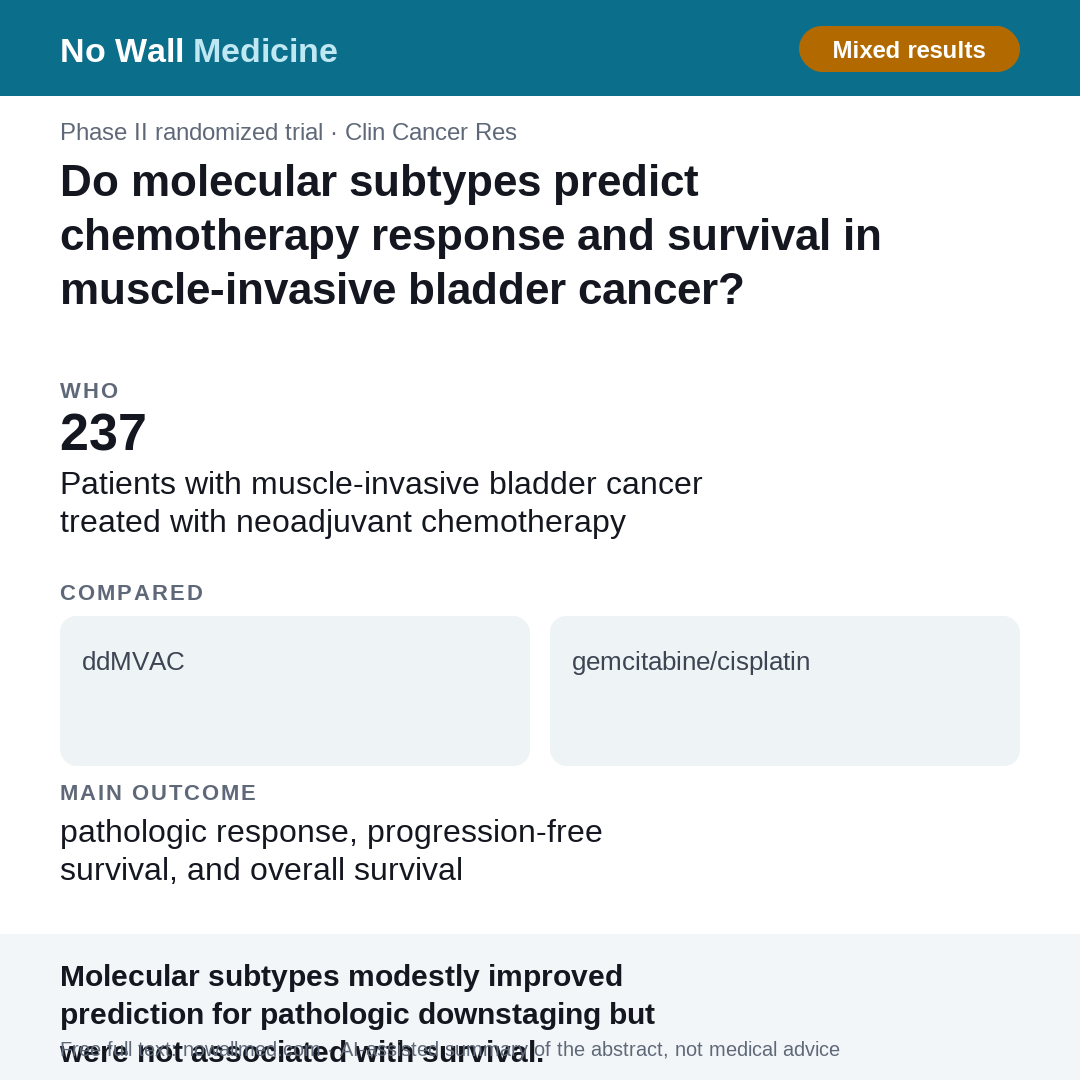
Association of Molecular Subtypes with Pathologic Response, PFS, and OS in a Phase II Study of COXEN with Neoadjuvant Chemotherapy for Muscle-invasive Bladder Cancer
Phase II randomized trialMixed results
Do molecular subtypes predict chemotherapy response and survival in muscle-invasive bladder cancer?
Who
237
Patients with muscle-invasive bladder cancer treated with neoadjuvant chemotherapy
Compared
ddMVAC
gemcitabine/cisplatin
Main outcome
pathologic response, progression-free survival, and overall survival
Bottom line: Molecular subtypes modestly improved prediction for pathologic downstaging but were not associated with survival.
Clin Cancer Res · 2023-11-15Download image
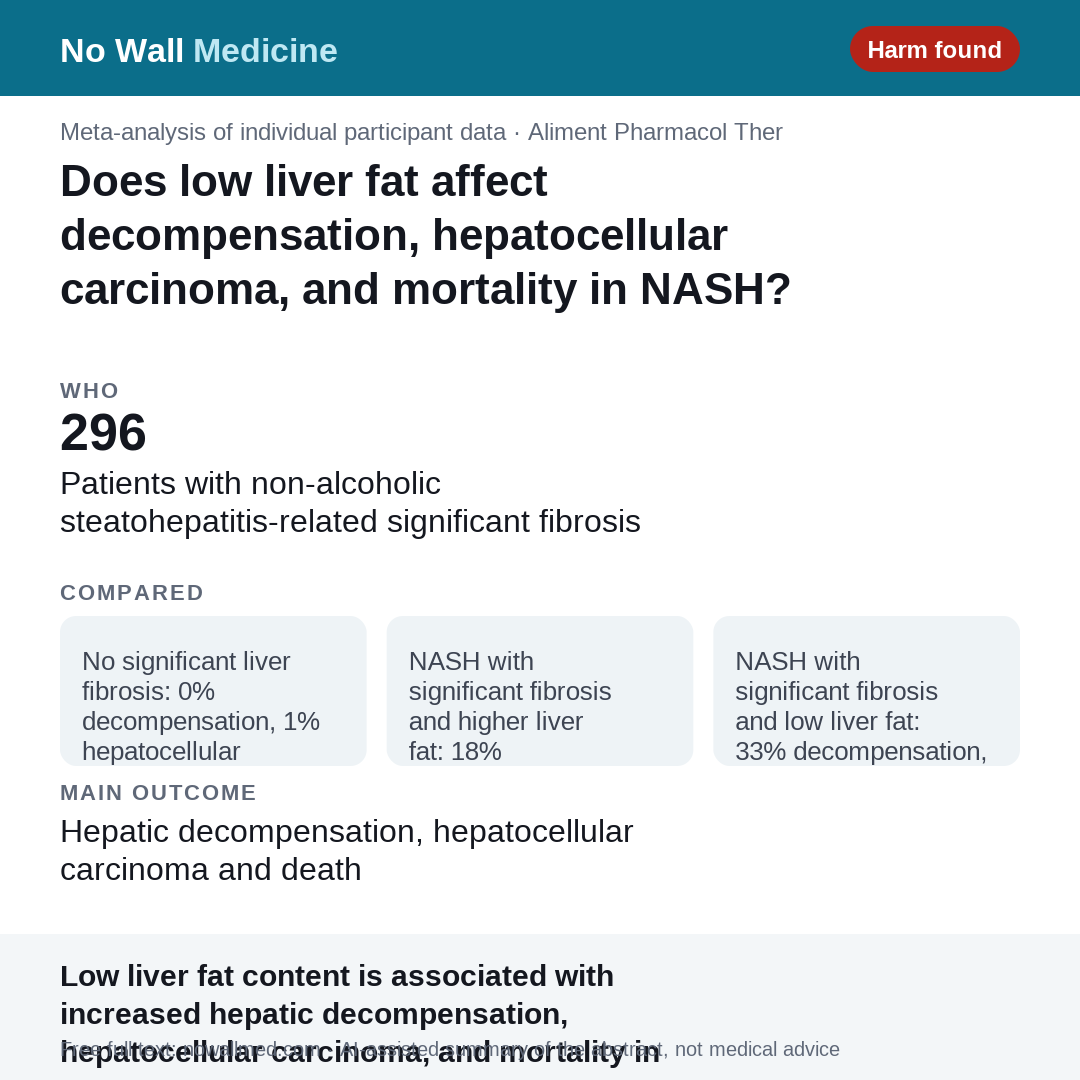
Low liver fat in non-alcoholic steatohepatitis-related significant fibrosis and cirrhosis is associated with hepatocellular carcinoma, decompensation and mortality
Meta-analysis of individual participant dataHarm found
Does low liver fat affect decompensation, hepatocellular carcinoma, and mortality in NASH?
Who
296
Patients with non-alcoholic steatohepatitis-related significant fibrosis and cirrhosis
Compared
No significant liver fibrosis: 0% decompensation, 1% hepatocellular carcinoma and 2% mortality
NASH with significant fibrosis and higher liver fat: 18% decompensation, 13% hepatocellular carcinoma and 13% mortality
NASH with significant fibrosis and low liver fat: 33% decompensation, 17% hepatocellular carcinoma and 17% mortality
Main outcome
Hepatic decompensation, hepatocellular carcinoma and death
Result: hazard ratio 42.2 (95% CI 7.5-235.5)
Bottom line: Low liver fat content is associated with increased hepatic decompensation, hepatocellular carcinoma, and mortality in NASH-related fibrosis and cirrhosis.
Aliment Pharmacol Ther · 2023-11-15Download image
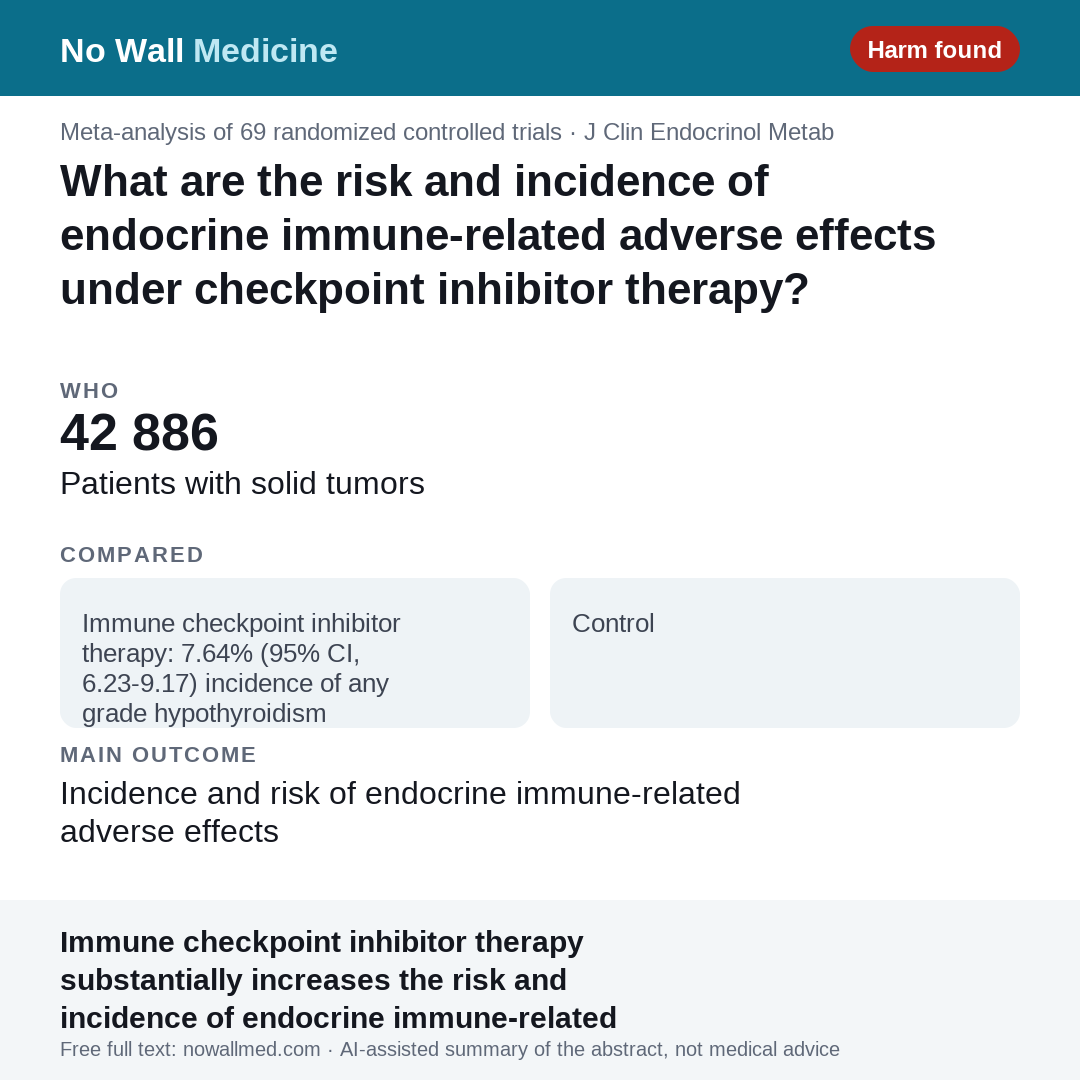
Risk and Incidence of Endocrine Immune-Related Adverse Effects Under Checkpoint Inhibitor Mono- or Combination Therapy in Solid Tumors: A Meta-Analysis of Randomized Controlled Trials
Meta-analysis of 69 randomized controlled trialsHarm found
What are the risk and incidence of endocrine immune-related adverse effects under checkpoint inhibitor therapy?
Who
42 886
Patients with solid tumors
Compared
Immune checkpoint inhibitor therapy: 7.64% (95% CI, 6.23-9.17) incidence of any grade hypothyroidism
Control
Main outcome
Incidence and risk of endocrine immune-related adverse effects
Result: risk ratio 7.81 (95% CI, 5.68-10.74) for any grade hypothyroidism
Bottom line: Immune checkpoint inhibitor therapy substantially increases the risk and incidence of endocrine immune-related adverse effects.
J Clin Endocrinol Metab · 2023-11-15Download image
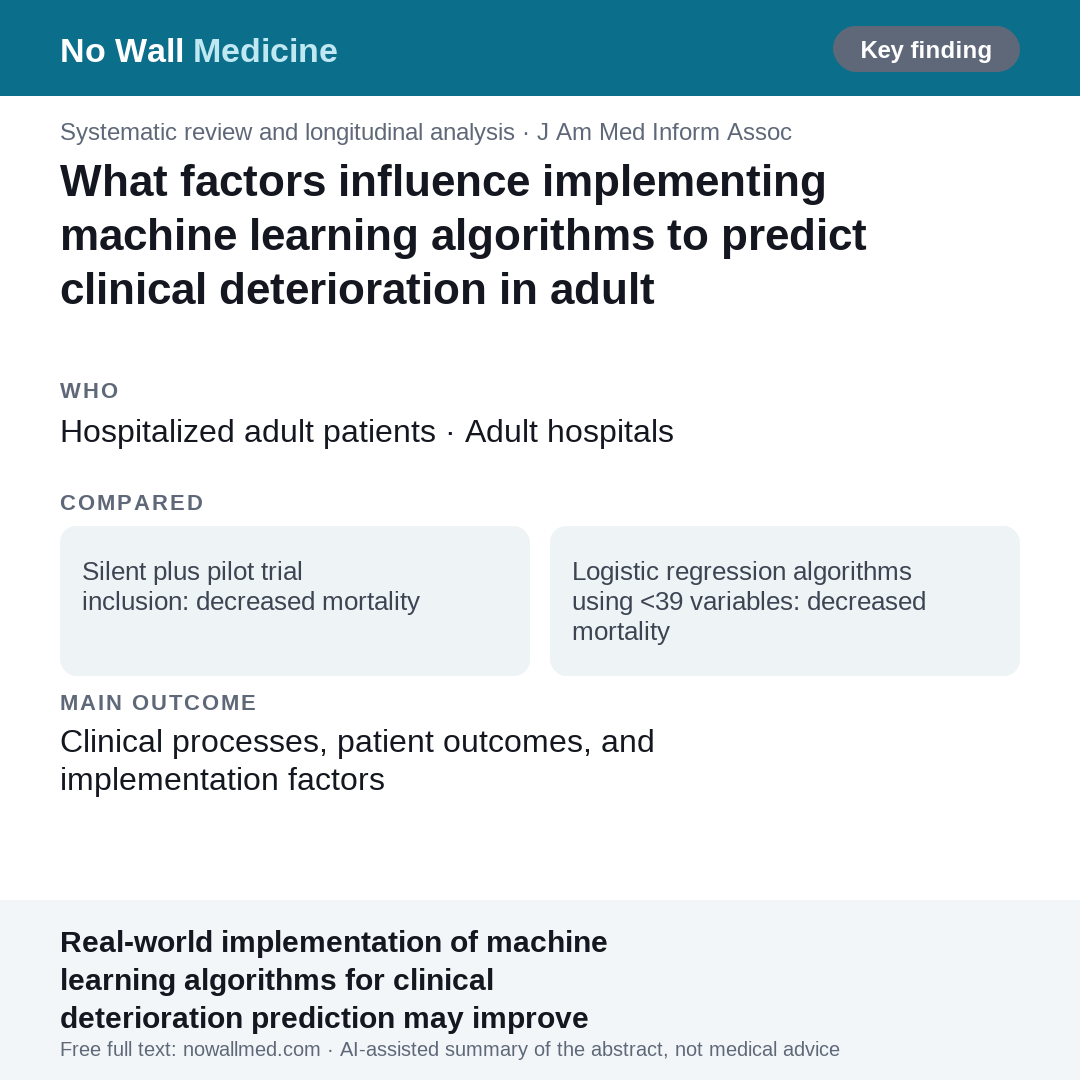
Systematic review and longitudinal analysis of implementing Artificial Intelligence to predict clinical deterioration in adult hospitals: what is known and what remains uncertain
Systematic review and longitudinal analysisKey finding
What factors influence implementing machine learning algorithms to predict clinical deterioration in adult hospitals?
Who
Hospitalized adult patients · Adult hospitals
Compared
Silent plus pilot trial inclusion: decreased mortality
Logistic regression algorithms using <39 variables: decreased mortality
Main outcome
Clinical processes, patient outcomes, and implementation factors
Bottom line: Real-world implementation of machine learning algorithms for clinical deterioration prediction may improve clinical outcomes.
J Am Med Inform Assoc · 2023-11-15Download image
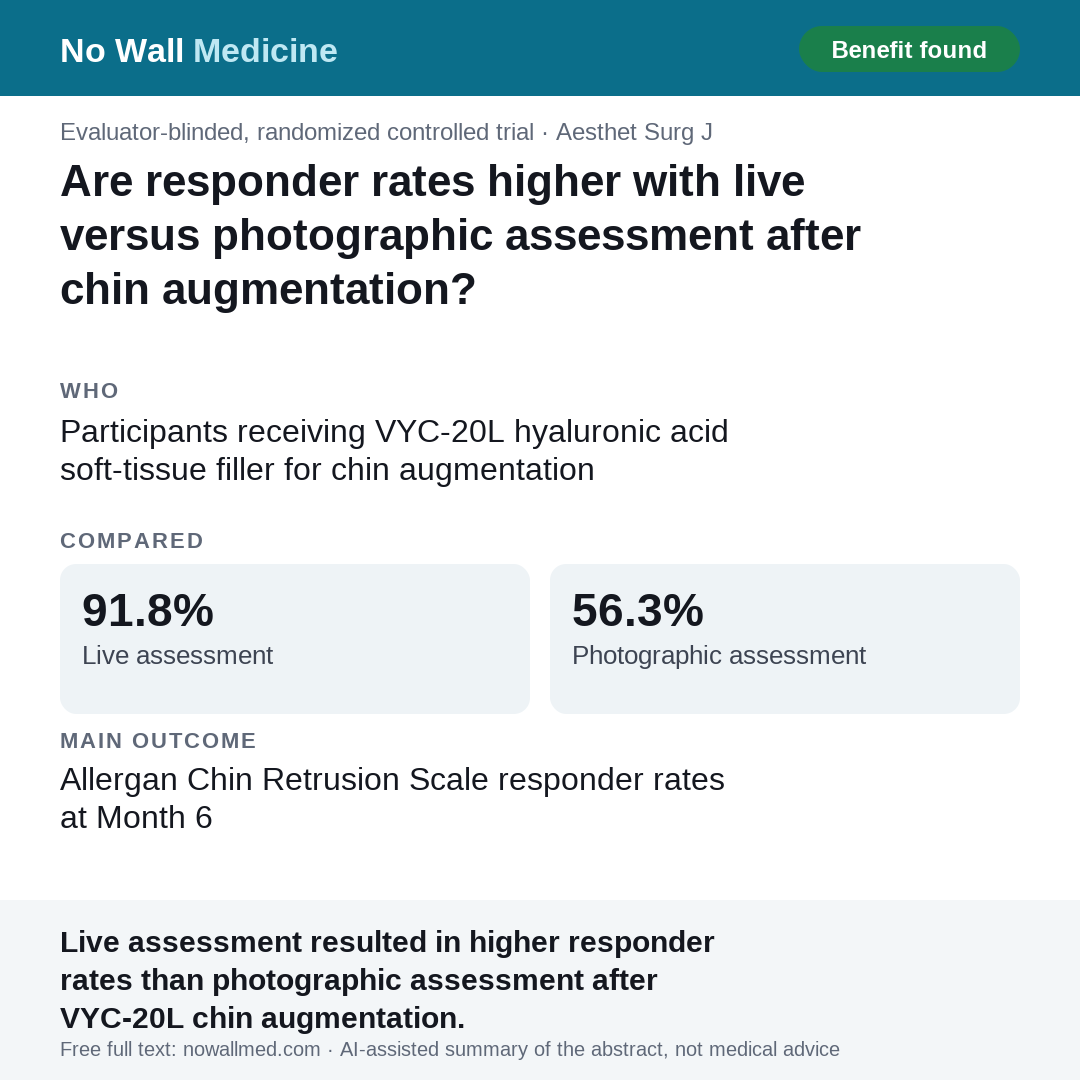
Higher Responder Rates Observed With Live Participant Assessment Versus Photographic Assessment After VYC-20L Hyaluronic Acid Treatment for Chin Augmentation
Evaluator-blinded, randomized controlled trialBenefit found
Are responder rates higher with live versus photographic assessment after chin augmentation?
Who
Participants receiving VYC-20L hyaluronic acid soft-tissue filler for chin augmentation
Compared
91.8%Live assessment
56.3%Photographic assessment
Main outcome
Allergan Chin Retrusion Scale responder rates at Month 6
Bottom line: Live assessment resulted in higher responder rates than photographic assessment after VYC-20L chin augmentation.
Aesthet Surg J · 2023-11-15Download image
Climate change and population health in Singapore: a systematic review
Systematic reviewMixed results
How do climate variability and air quality affect population health in Singapore?
Who
Population in Singapore · Singapore
Compared
Absolute humidity: positively associated with adverse health
Rainfall: positively associated with adverse health
Extreme heat: inversely associated with adverse health
Nitrogen dioxide and ozone: positively associated with adverse health
Main outcome
Respiratory illnesses, cardiovascular outcomes, foodborne disease and dengue
Bottom line: Climate variability and air quality may have disease-specific, differing directions of effect in Singapore.
Lancet Reg Health West Pac · 2023-11-15Download image

Climate change and human health in Vietnam: a systematic review and additional analyses on current impacts, future risk, and adaptation
Systematic review and additional analysesHarm found
What are the impacts of climate change on human health and adaptation in Vietnam?
Who
Population of Vietnam · Vietnam
Compared
Current impacts: increased mortality and hospitalisation risks
Projected costs by 2050: USD1-3B in healthcare costs
Main outcome
health impacts, heat vulnerability, awareness, and projected health costs
Bottom line: Climate change increases infectious diseases, mortality, and projected healthcare and work loss costs in Vietnam.
Limitation: Few studies addressing health cost, awareness, engagement, adaptation, and policy.
Lancet Reg Health West Pac · 2023-11-15Download image
Development and Validation of Machine Learning-Based Models to Predict In-Hospital Mortality in Life-Threatening Ventricular Arrhythmias: Retrospective Cohort Study
Retrospective cohort studyKey finding
Can machine learning models predict in-hospital mortality in life-threatening ventricular arrhythmias?
Who
3140
Patients with life-threatening ventricular arrhythmias
Compared
Machine learning algorithms: CatBoost AUC 90.5% (95% CI 87.5%-93.5%)
Simplified acute physiology score: AUC 78.0% (95% CI 71.7%-84.3%)
Logistic organ dysfunction system: AUC 74.9% (95% CI 67.2%-82.6%)
Main outcome
In-hospital mortality prediction accuracy
Bottom line: Machine learning models outperform traditional scoring systems in predicting in-hospital mortality for patients with life-threatening ventricular arrhythmias.
J Med Internet Res · 2023-11-15Download image
Efficacy and safety of baricitinib or ravulizumab in adult patients with severe COVID-19 (TACTIC-R): a randomised, parallel-arm, open-label, phase 4 trial
Randomised, parallel-arm, open-label, phase 4 trialNo clear difference
Are baricitinib or ravulizumab effective for adult patients with severe COVID-19?
Who
417
Adult patients hospitalised with severe COVID-19 · 22 hospitals across the United Kingdom
Compared
Standard of care alone
Standard of care with baricitinib
Standard of care with ravulizumab
Main outcome
Time to first event of death, ventilation, oxygenation, or organ failure
Result: hazard ratio 1.11 (95% CI 0.62-1.99) for baricitinib; hazard ratio 1.53 (0.88-2.67) for ravulizumab
Bottom line: Baricitinib or ravulizumab added to standard of care did not reduce disease severity in severe COVID-19 patients.
Funded by: UK Medical Research Council, NIHR, Eli Lilly, Alexion, Addenbrooke's
Lancet Respir Med · 2023-11-14Download image
Evaluating the effect of a digital health intervention to enhance physical activity in people with chronic kidney disease (Kidney BEAM): a multicentre, randomised controlled trial in the UK
Single-blind, randomised controlled trialBenefit found
Does a digital health intervention improve health-related quality of life in chronic kidney disease?
Who
340
Adults aged 18 years or older with chronic kidney disease · 11 centres in the United Kingdom
Compared
Kidney BEAM intervention group: 47.0 AU [10.6] at 12 weeks
Waiting list control group: 45.0 AU [10.1] at 12 weeks
Main outcome
Kidney Disease Quality of Life Short Form version 1.3 Mental Component Summary
Result: between-group difference of 3.1 AU [95% CI 1.8-4.4]
Bottom line: A 12-week digital health intervention significantly improves mental health-related quality of life in people with chronic kidney disease.
Funded by: Kidney Research UK
Lancet Digit Health · 2023-11-14Download image
Electroencephalogram-based machine learning models to predict neurologic outcome after cardiac arrest: A systematic review
Systematic review of 17 studiesUnclear result
Which EEG-based machine learning models best predict neurologic outcome after cardiac arrest?
Who
Patients with cardiac arrest undergoing EEG-based machine learning prediction
Compared
Conventional ML (Random Forest): AUC 0.8 to 0.97
Deep Neural Network (CNN): AUC 0.7 to 0.92
Main outcome
Neurologic outcomes after cardiac arrest
Bottom line: Random Forest and CNN were the most common models with the highest AUCs for predicting neurologic outcomes.
Resuscitation · 2023-11-14Download image

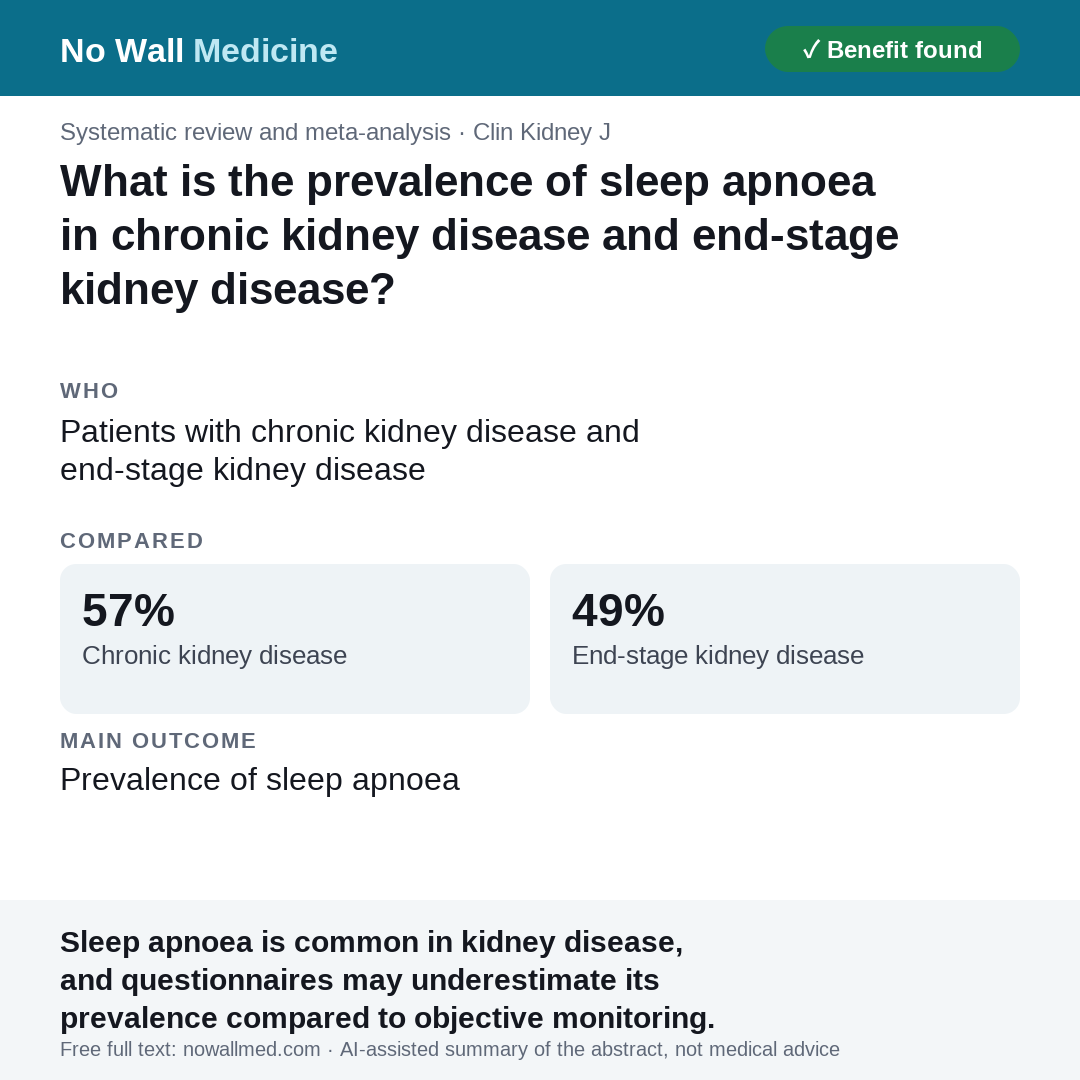
Sleep apnoea syndrome prevalence in chronic kidney disease and end-stage kidney disease patients: a systematic review and meta-analysis
Systematic review and meta-analysisBenefit found
What is the prevalence of sleep apnoea in chronic kidney disease and end-stage kidney disease?
Who
Patients with chronic kidney disease and end-stage kidney disease
Compared
57%Chronic kidney disease (95% CI 42%-71%)
49%End-stage kidney disease (95% CI 47%-52%)
Main outcome
Prevalence of sleep apnoea
Bottom line: Sleep apnoea is common in kidney disease, and questionnaires may underestimate its prevalence compared to objective monitoring.
Clin Kidney J · 2023-11-14Download image
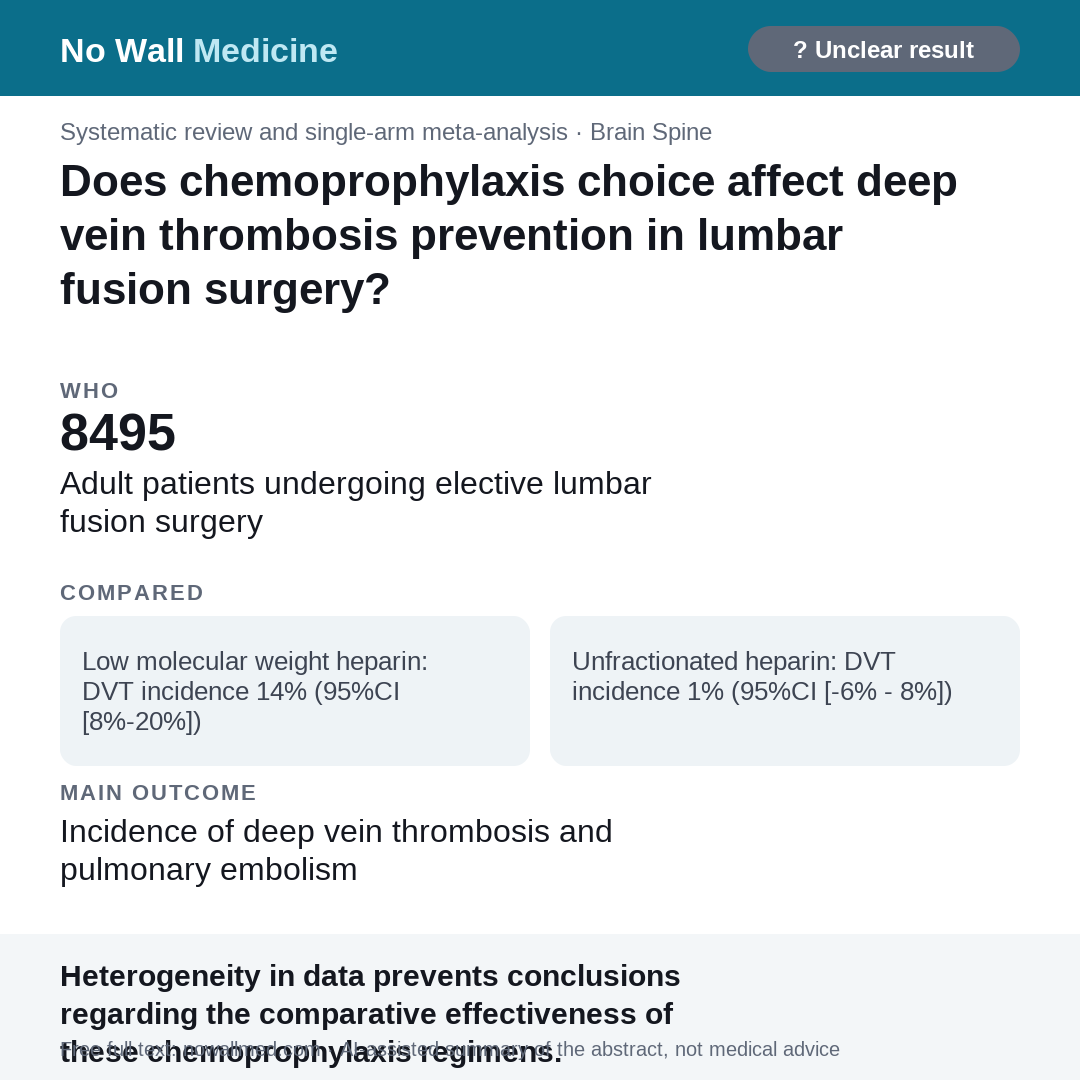
Does the choice of chemoprophylaxis affect the prevention of deep vein thrombosis in lumbar fusion surgery? A systematic review of the literature
Systematic review and single-arm meta-analysisUnclear result
Does chemoprophylaxis choice affect deep vein thrombosis prevention in lumbar fusion surgery?
Who
8495
Adult patients undergoing elective lumbar fusion surgery
Compared
Low molecular weight heparin: DVT incidence 14% (95%CI [8%-20%])
Unfractionated heparin: DVT incidence 1% (95%CI [-6% - 8%])
Main outcome
Incidence of deep vein thrombosis and pulmonary embolism
Bottom line: Heterogeneity in data prevents conclusions regarding the comparative effectiveness of these chemoprophylaxis regimens.
Brain Spine · 2023-11-14Download image
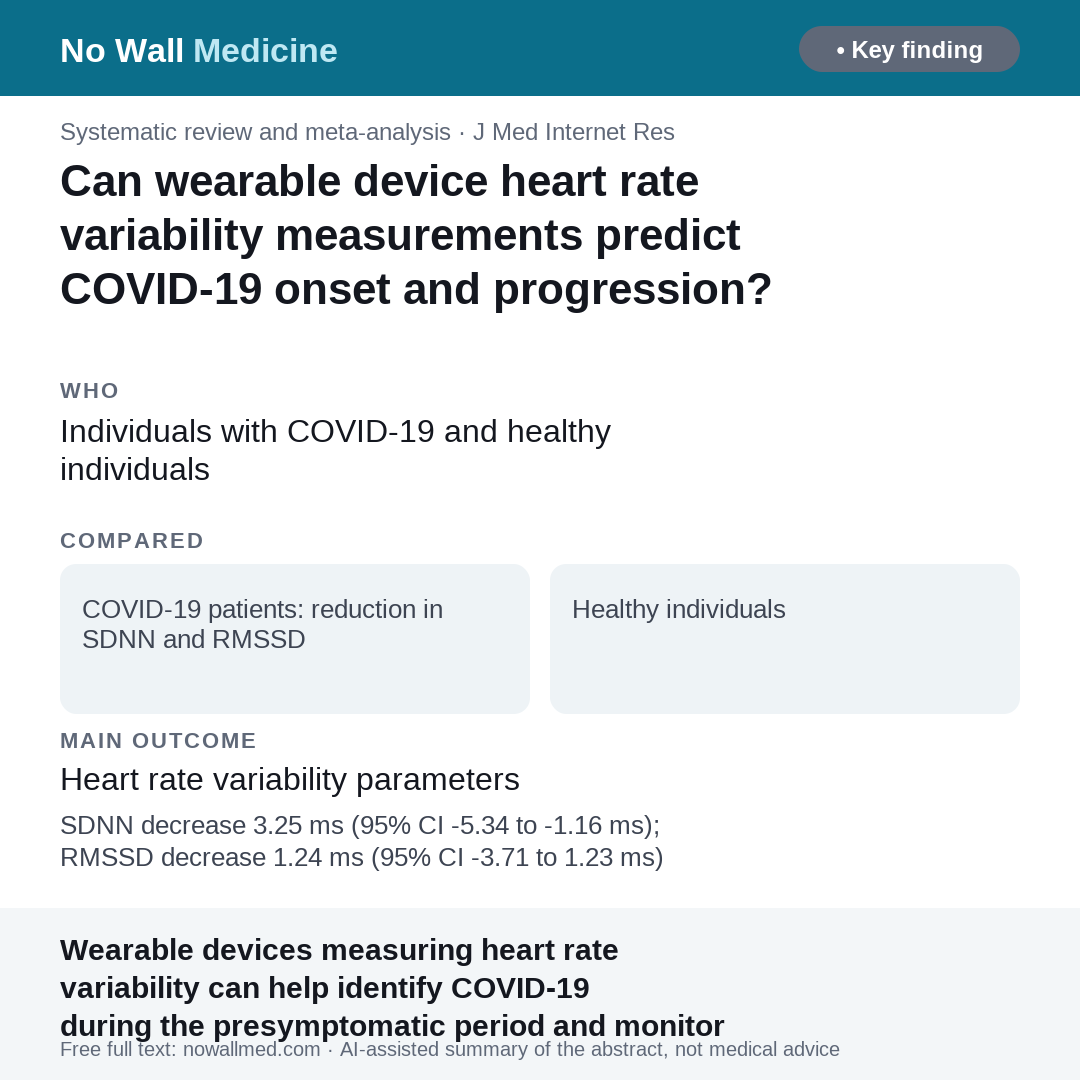
Wearable Devices to Diagnose and Monitor the Progression of COVID-19 Through Heart Rate Variability Measurement: Systematic Review and Meta-Analysis
Systematic review and meta-analysisKey finding
Can wearable device heart rate variability measurements predict COVID-19 onset and progression?
Who
Individuals with COVID-19 and healthy individuals
Compared
COVID-19 patients: reduction in SDNN and RMSSD
Healthy individuals
Main outcome
Heart rate variability parameters
Result: SDNN decrease 3.25 ms (95% CI -5.34 to -1.16 ms); RMSSD decrease 1.24 ms (95% CI -3.71 to 1.23 ms)
Bottom line: Wearable devices measuring heart rate variability can help identify COVID-19 during the presymptomatic period and monitor symptom worsening.
J Med Internet Res · 2023-11-14Download image
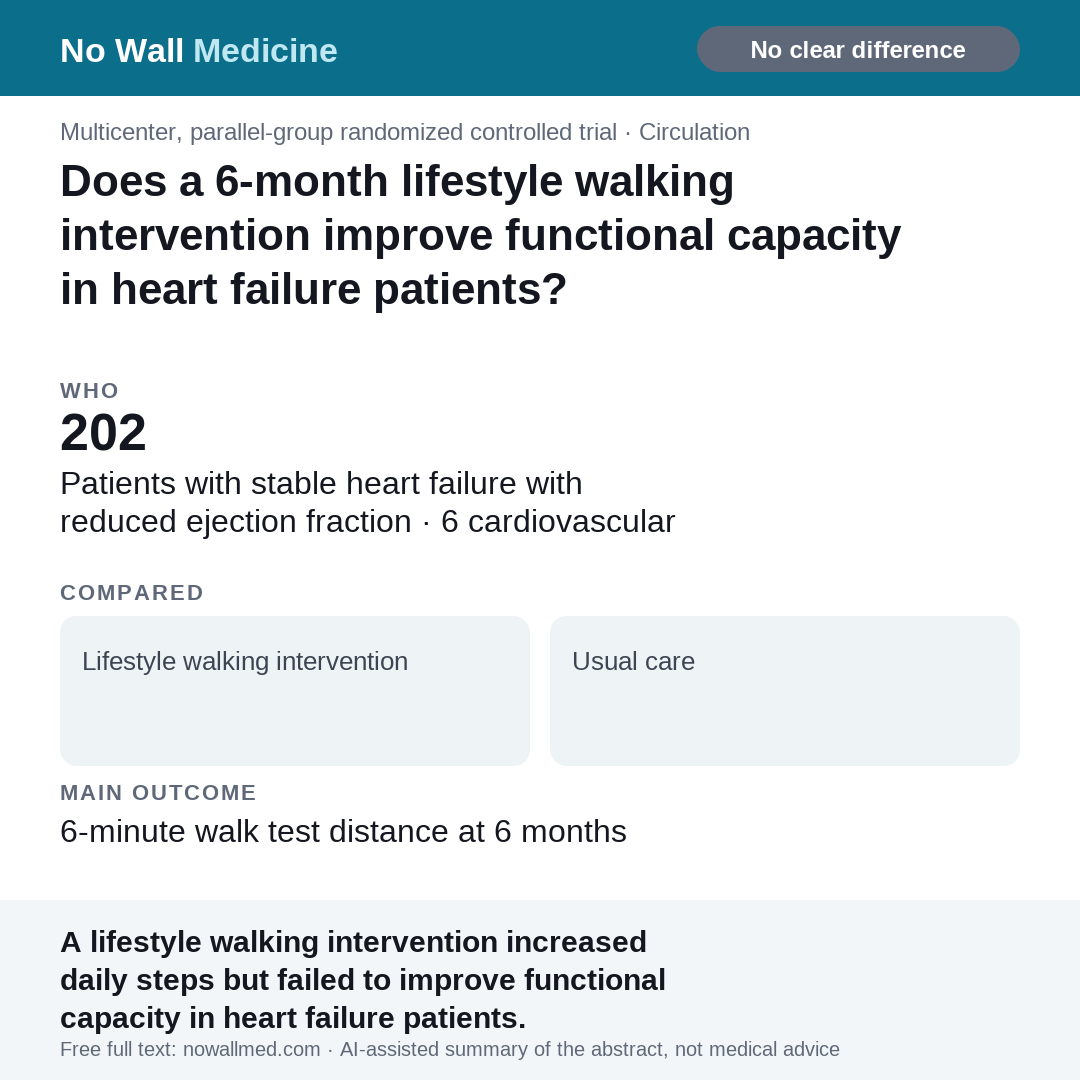
Lifestyle Walking Intervention for Patients With Heart Failure With Reduced Ejection Fraction: The WATCHFUL Trial
Multicenter, parallel-group randomized controlled trialNo clear difference
Does a 6-month lifestyle walking intervention improve functional capacity in heart failure patients?
Who
202
Patients with stable heart failure with reduced ejection fraction · 6 cardiovascular centers in the Czech Republic
Compared
Lifestyle walking intervention
Usual care
Main outcome
6-minute walk test distance at 6 months
Result: mean 7.4 meters (95% CI, -8.0 to 22.7)
Bottom line: A lifestyle walking intervention increased daily steps but failed to improve functional capacity in heart failure patients.
Circulation · 2023-11-13Download image
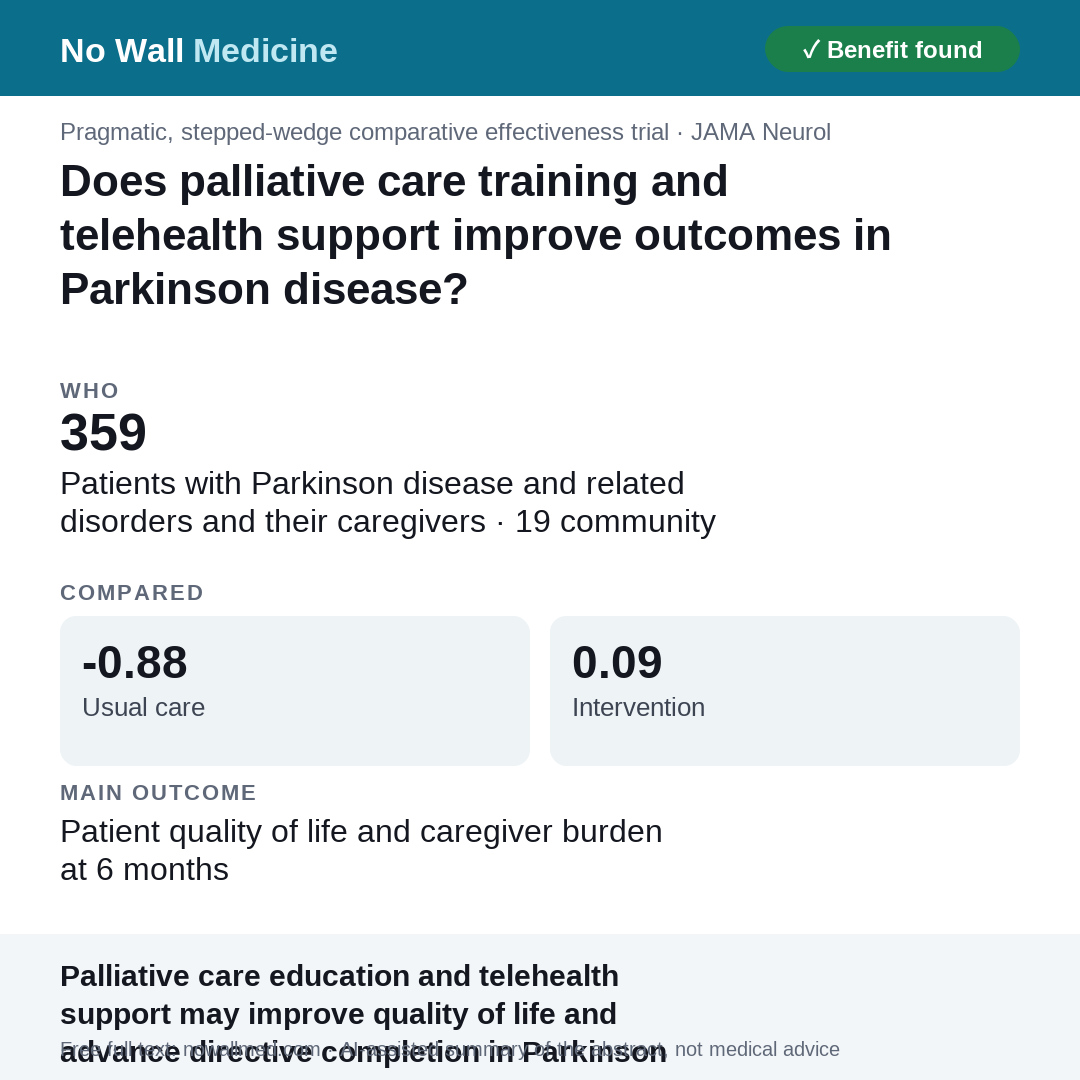
Patient and Family Outcomes of Community Neurologist Palliative Education and Telehealth Support in Parkinson Disease
Pragmatic, stepped-wedge comparative effectiveness trialBenefit found
Does palliative care training and telehealth support improve outcomes in Parkinson disease?
Who
359
Patients with Parkinson disease and related disorders and their caregivers · 19 community neurology practices and 2 academic centers
Compared
-0.88Usual care (95% CI -1.62 to -0.13)
0.09Intervention (95% CI -0.63 to 0.82)
Main outcome
Patient quality of life and caregiver burden at 6 months
Result: treatment effect estimate 0.97 (95% CI 0.07-1.86)
Bottom line: Palliative care education and telehealth support may improve quality of life and advance directive completion in Parkinson disease.
JAMA Neurol · 2023-11-13Download image
Risk of Suicidal Ideation and Behavior in Individuals With Parkinson Disease: A Systematic Review and Meta-Analysis
Systematic review and meta-analysisKey finding
What is the prevalence and risk of suicidal ideation and behavior in Parkinson disease?
Who
505950
Adults with Parkinson disease
Compared
Parkinson disease patients: 22.2% suicidal ideation
Parkinson disease patients: 1.25% suicidal behavior
Controls
Main outcome
Prevalence and risk of suicidal ideation and behavior
Result: odds ratio 2.15 (95% CI 1.22-3.78)
Bottom line: Patients with Parkinson disease have a 22.2% prevalence of suicidal ideation and twice the risk of suicidal behavior.
JAMA Neurol · 2023-11-13Download image